Zestaw 89
Słowa 1761–1780 · medicine, professor, rare, intention, dozen, settlement
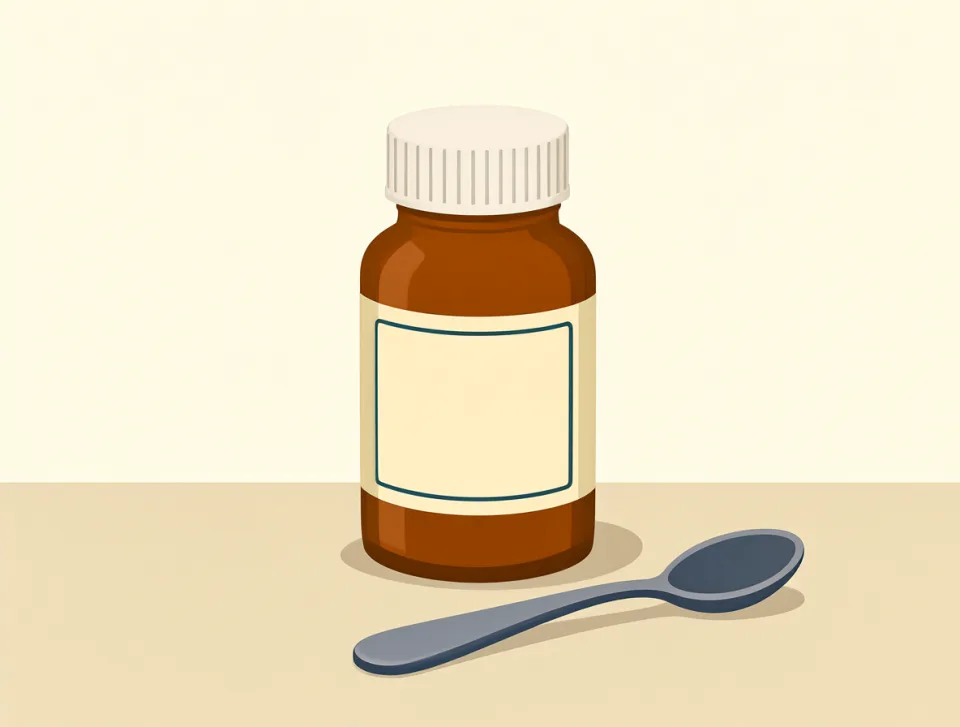
medicine
#1761noun
lekarstwo
A substance or treatment used to prevent or cure illness.
Substancja lub leczenie stosowane w celu zapobiegania chorobom albo ich wyleczenia.
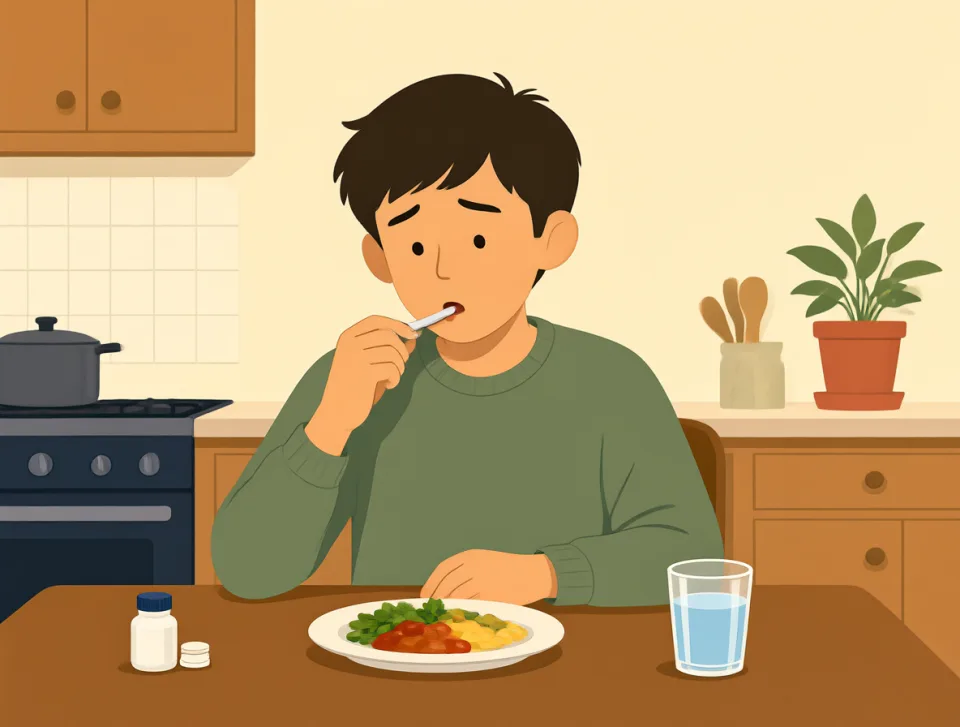
Take this medicine twice a day after meals.
Bierz to lekarstwo dwa razy dziennie po posiłkach.
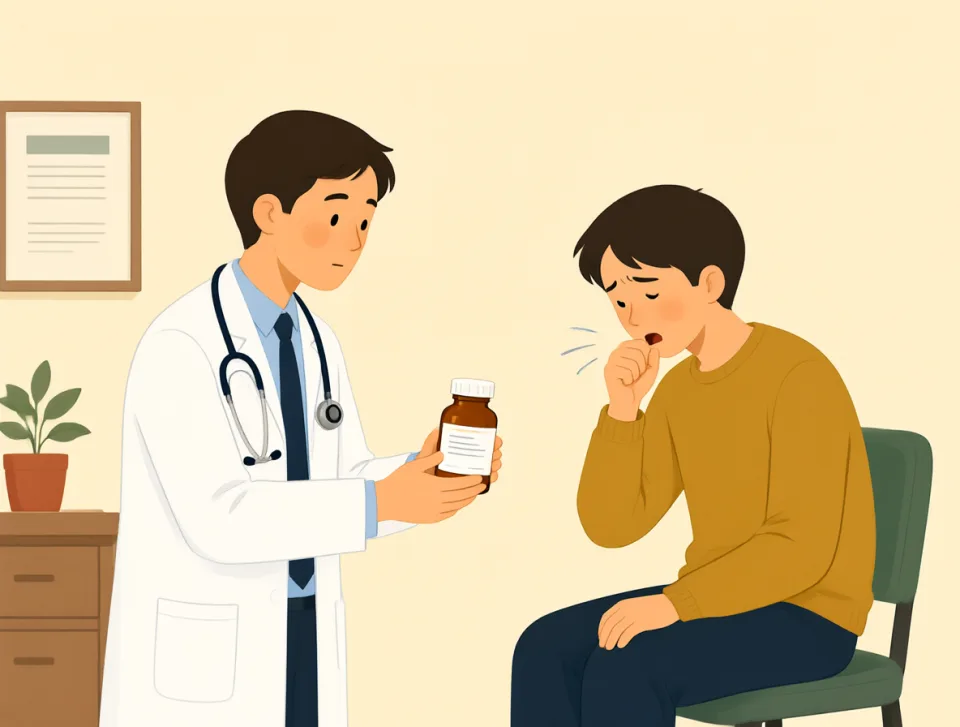
The doctor gave me some medicine for my cough.
Lekarz dał mi lekarstwo na kaszel.
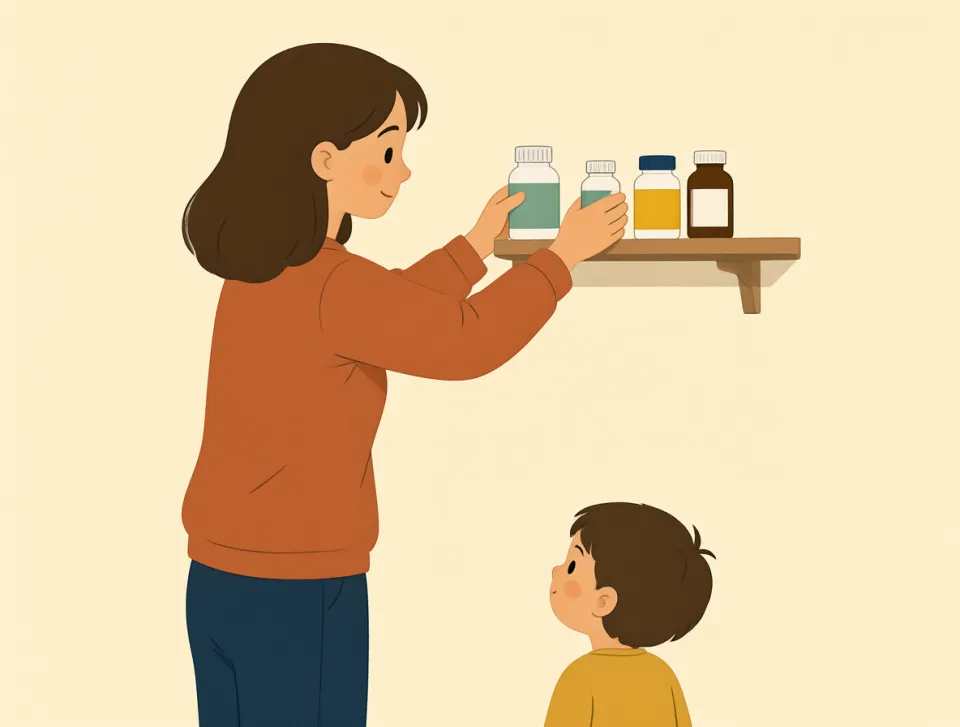
Keep all medicines out of reach of young children.
Wszystkie leki przechowuj poza zasięgiem małych dzieci.
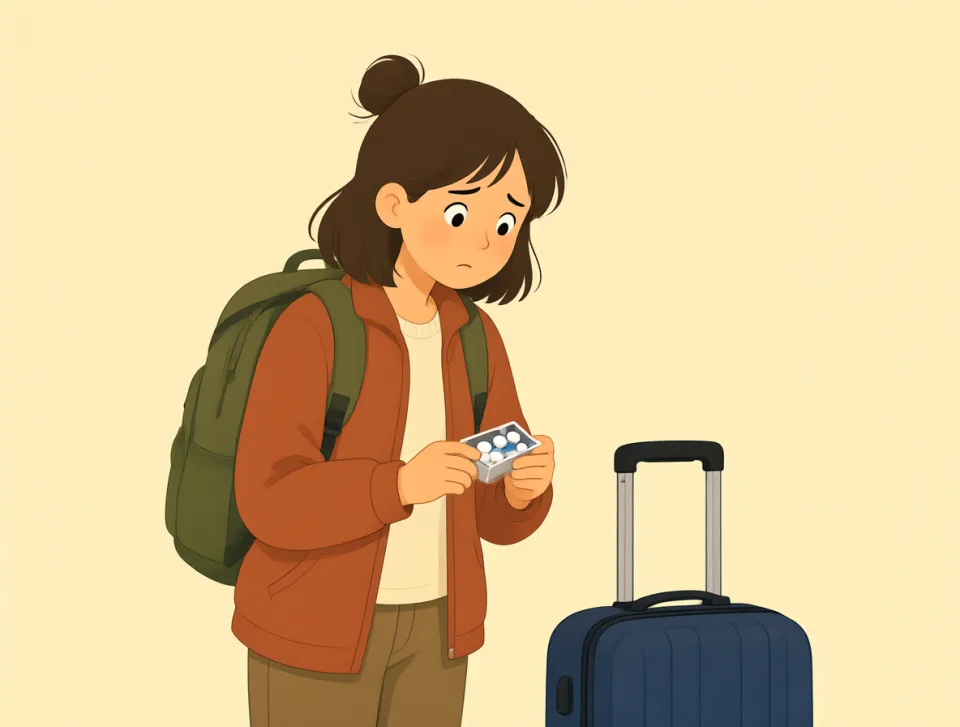
I forgot my medicine when we left for the airport.
Zapomniałem o lekarstwie, kiedy wyjeżdżaliśmy na lotnisko.
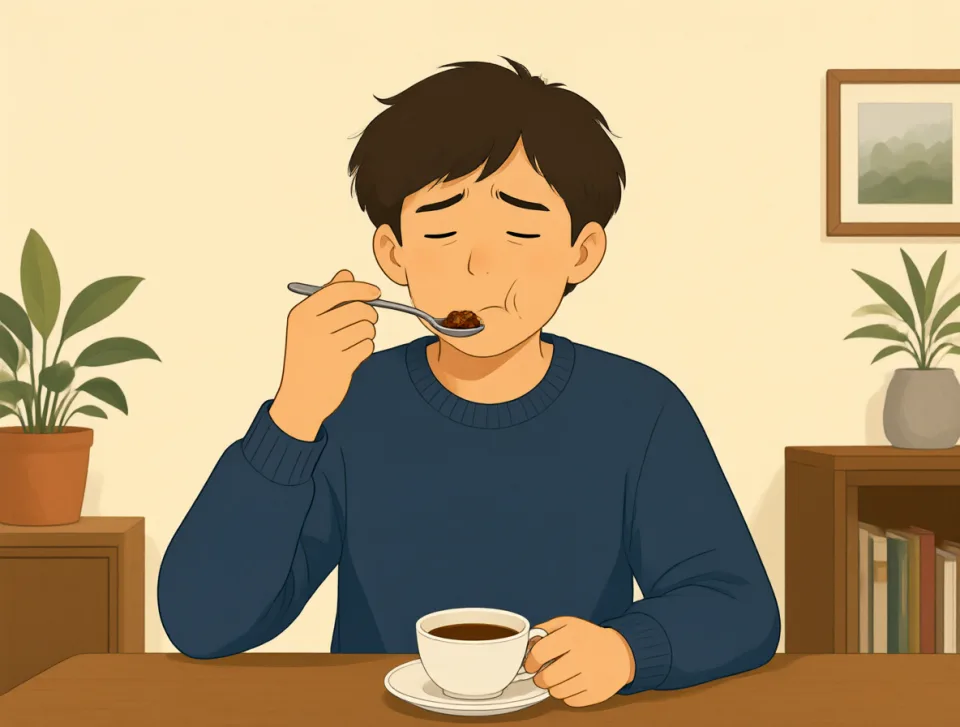
This herbal medicine tastes bitter, but it helps my stomach.
To ziołowe lekarstwo ma gorzki smak, ale pomaga na żołądek.
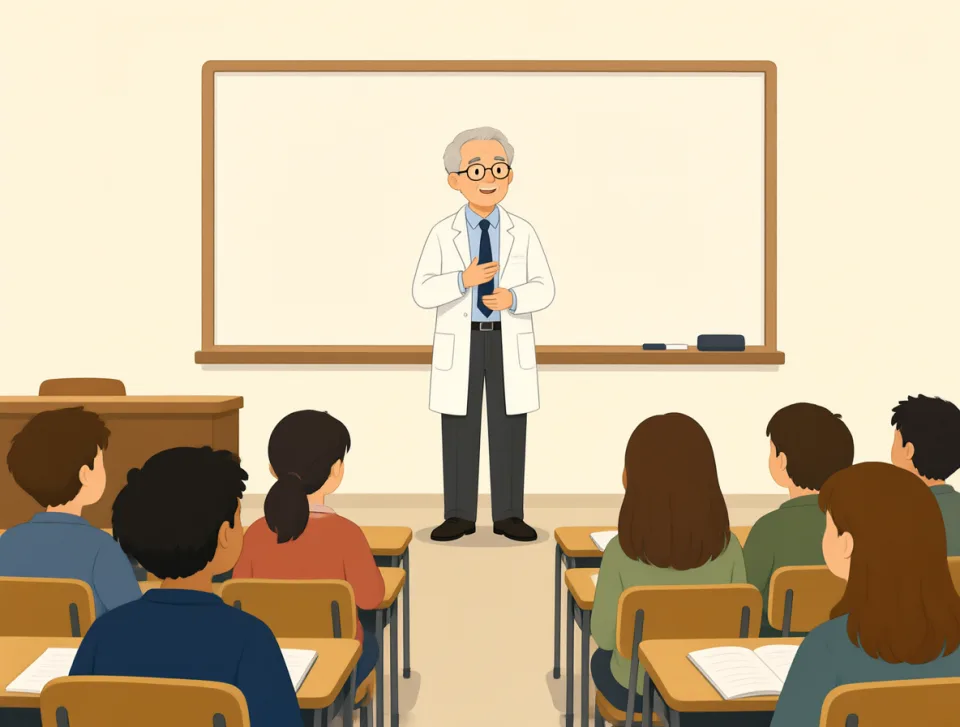
professor
#1762noun
profesor
a teacher at a university or college
Nauczyciel na uniwersytecie lub w college’u.
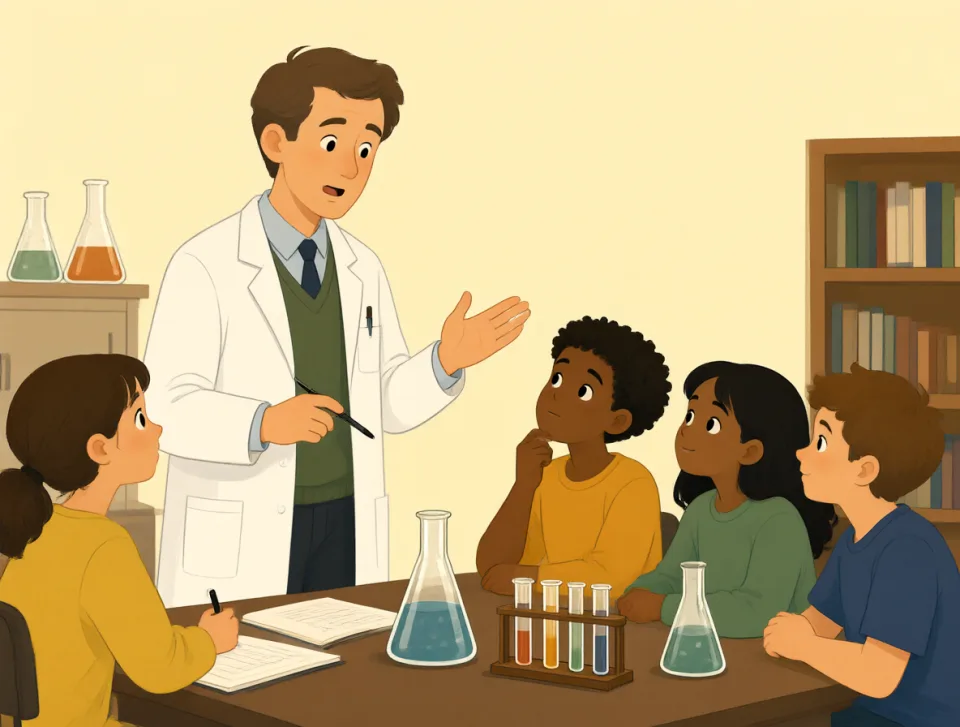
The professor explained the difficult science lesson clearly.
Profesor jasno wyjaśnił trudną lekcję z nauk ścisłych.
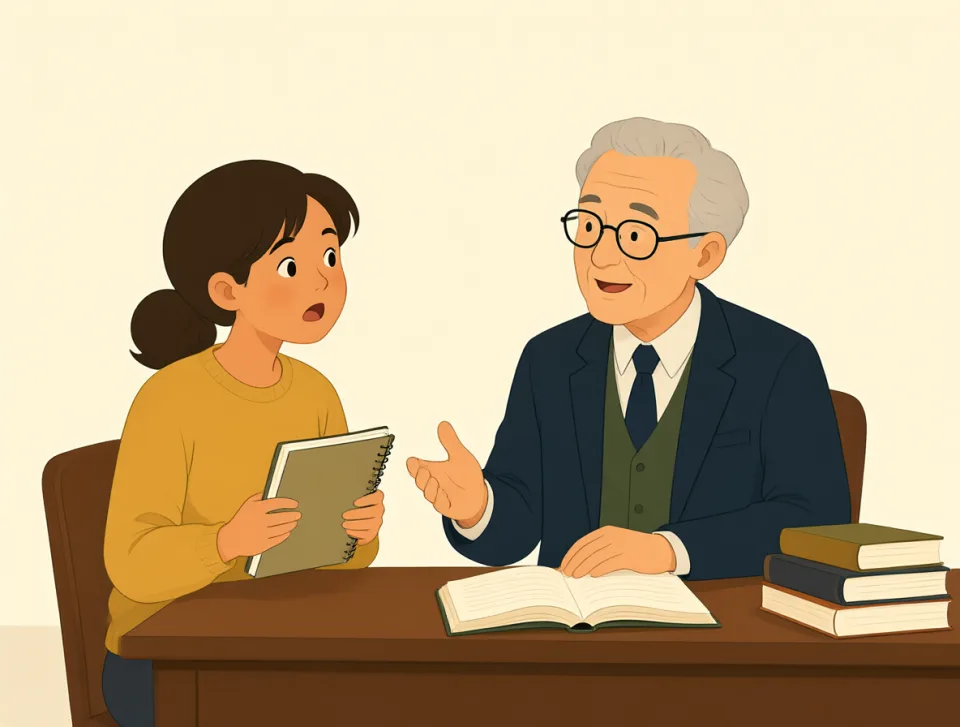
I asked my professor for help with my homework.
Poprosiłem profesora o pomoc przy pracy domowej.
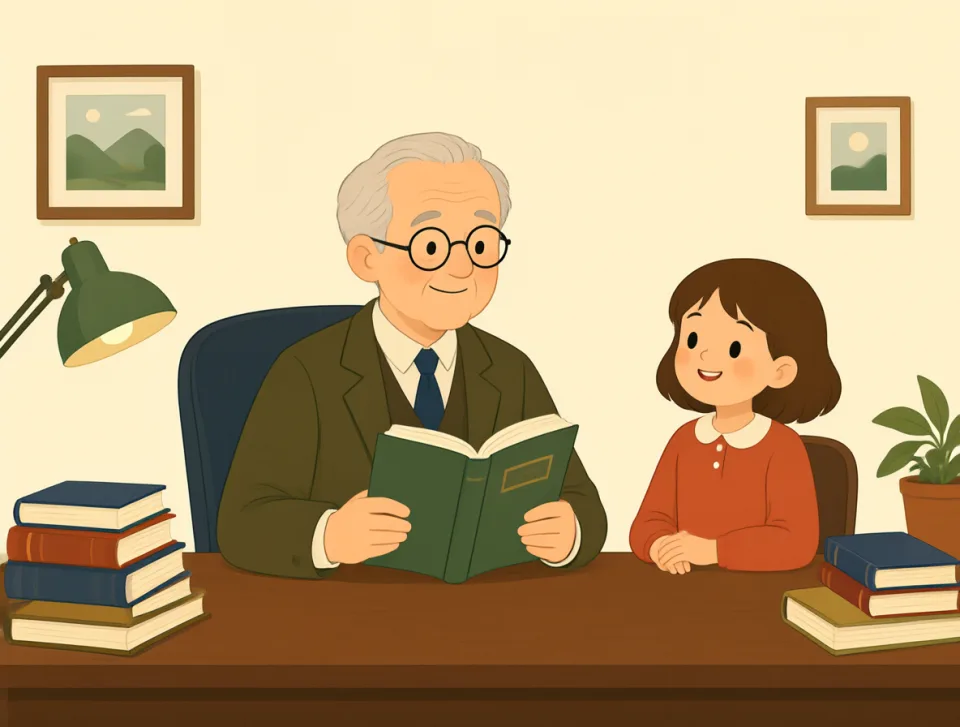
Her father is a history professor at the local university.
Jej ojciec jest profesorem historii na miejscowym uniwersytecie.
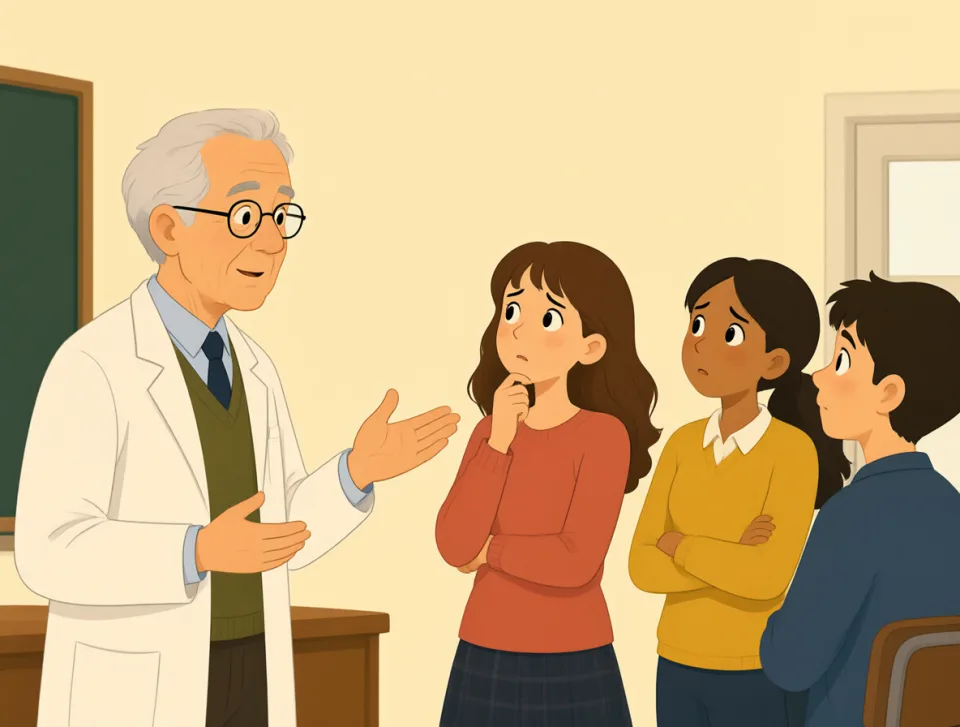
The professor gave us useful advice before the exam.
Profesor udzielił nam przydatnych rad przed egzaminem.
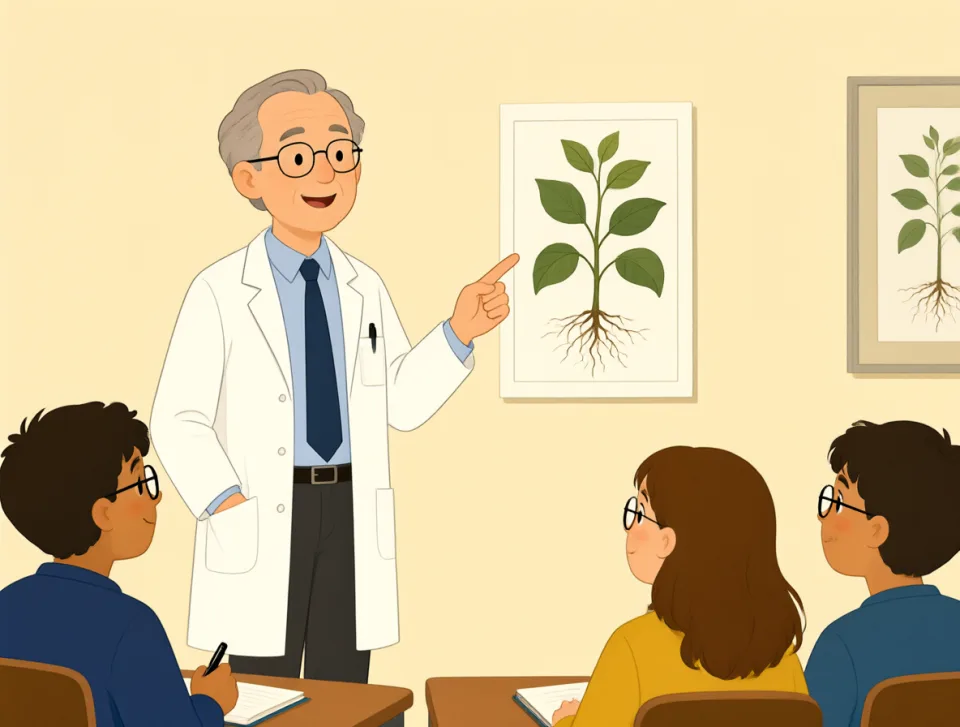
Professor Lee is teaching our biology class this term.
Profesor Lee prowadzi w tym semestrze nasze zajęcia z biologii.

rare
#1763adjective, adverb
rzadki
Not common or not often found, seen, or happening.
Niewystępujący często, rzadko spotykany, widywany lub zdarzający się.

It is rare to see snow in this warm city.
W tym ciepłym mieście rzadko można zobaczyć śnieg.

This shop sells rare books from around the world.
Ten sklep sprzedaje rzadkie książki z całego świata.

We saw a rare bird during our walk in the forest.
Podczas spaceru po lesie zobaczyliśmy rzadkiego ptaka.
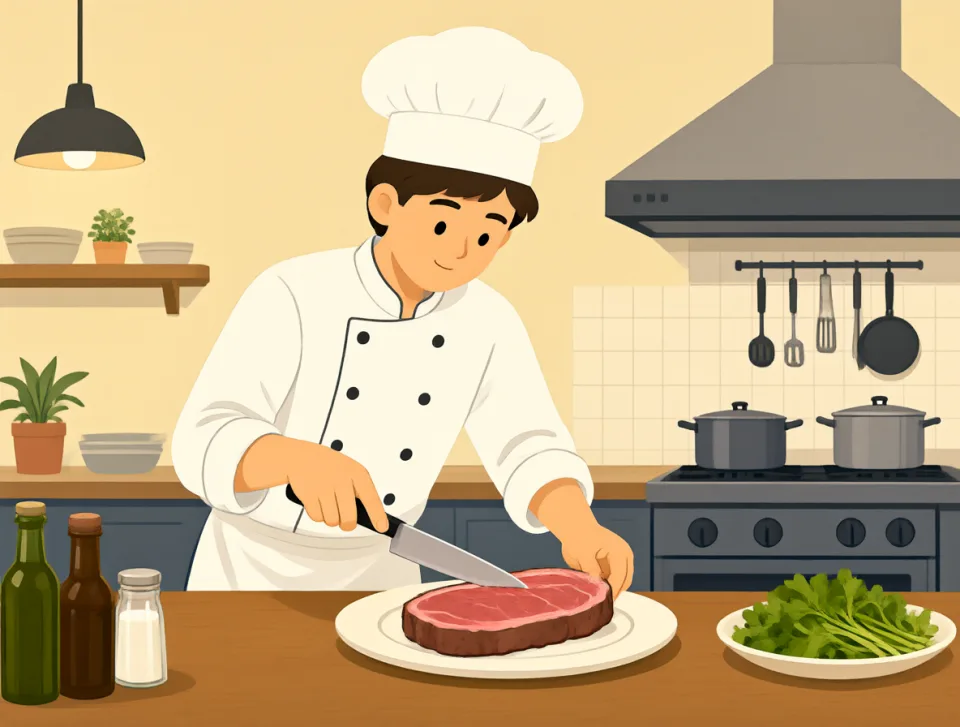
Rare steak is still pink in the middle when served.
Stek krwisty po podaniu wciąż jest różowy w środku.
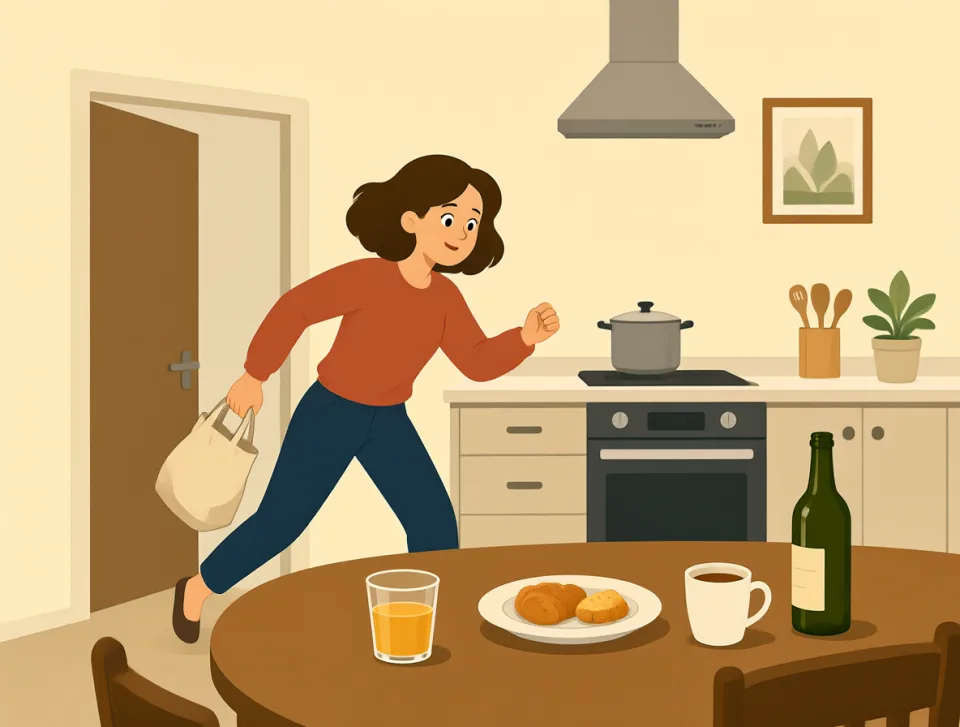
She rarely eats breakfast because she leaves home early.
Ona rzadko je śniadanie, ponieważ wcześnie wychodzi z domu.

intention
#1764noun
zamiar
A plan or purpose that you have in your mind when you do something.
Plan lub cel, który masz w głowie, gdy coś robisz.
I had no intention of staying late at work today.
Nie miałem dziś zamiaru zostawać długo w pracy.

She made her intention to study medicine clear.
Wyraźnie powiedziała, że zamierza studiować medycynę.

What was your intention when you bought so much food?
Jaki miałeś zamiar, kupując tyle jedzenia?
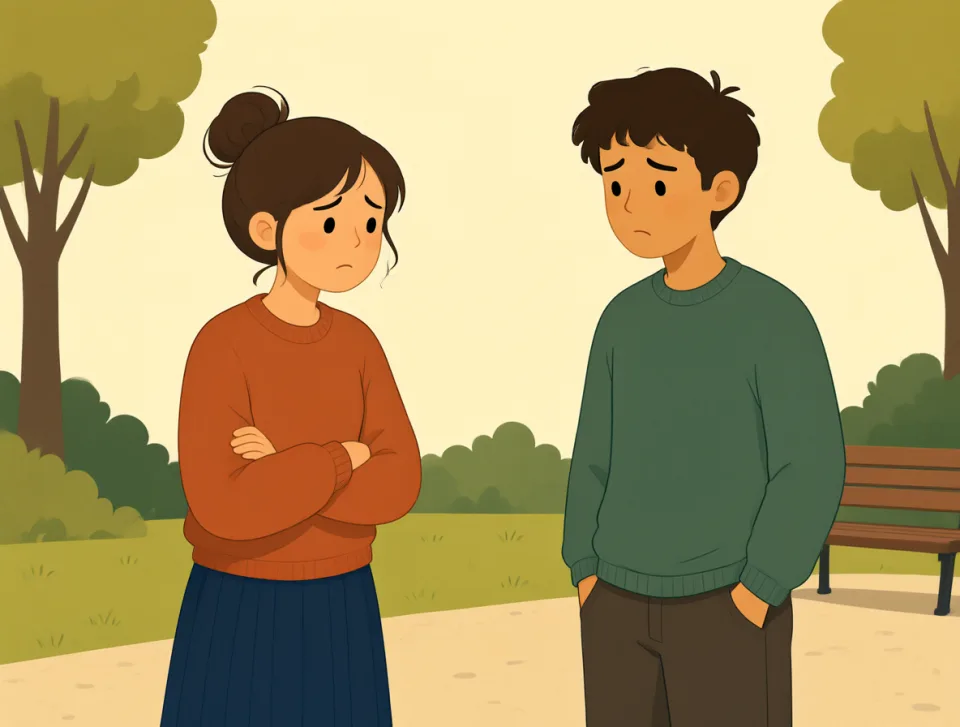
He apologized, saying he had no intention of hurting anyone.
Przeprosił, mówiąc, że nie miał zamiaru nikogo skrzywdzić.
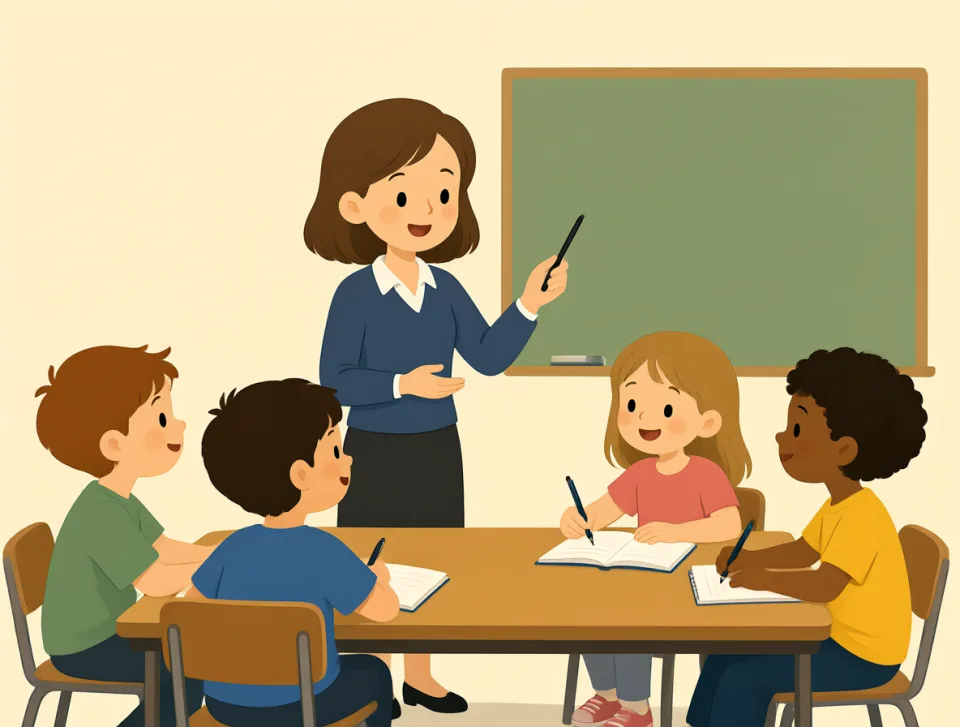
The teacher explained the intention behind the class activity.
Nauczyciel wyjaśnił, jaki był cel tego zadania na zajęciach.
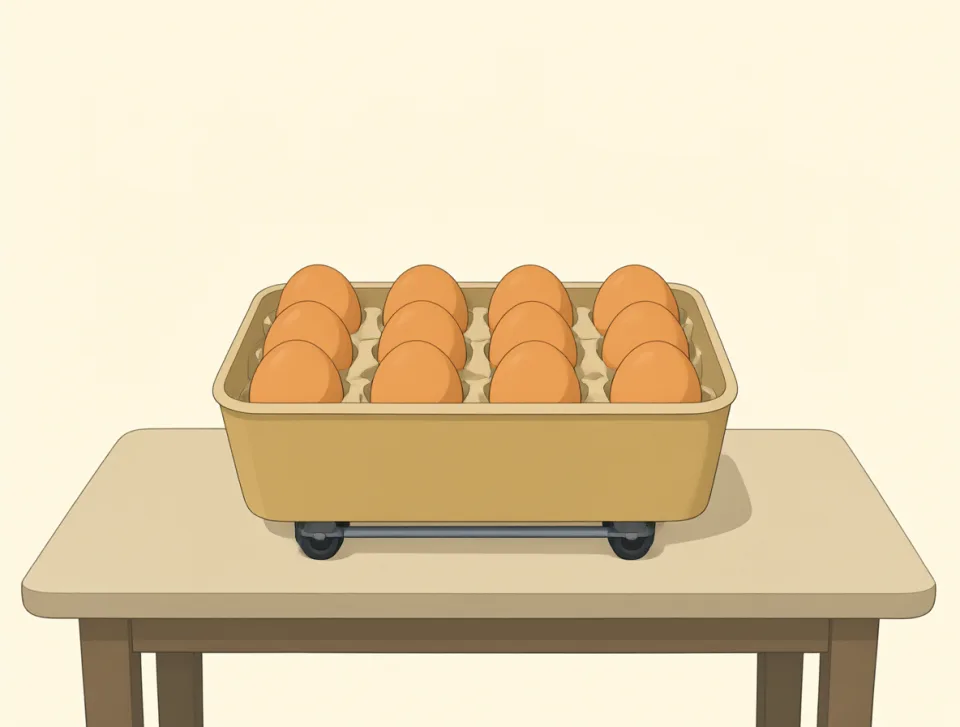
dozen
#1765noun, determiner
tuzin
A group of twelve things or people.
Grupa dwunastu rzeczy lub osób.
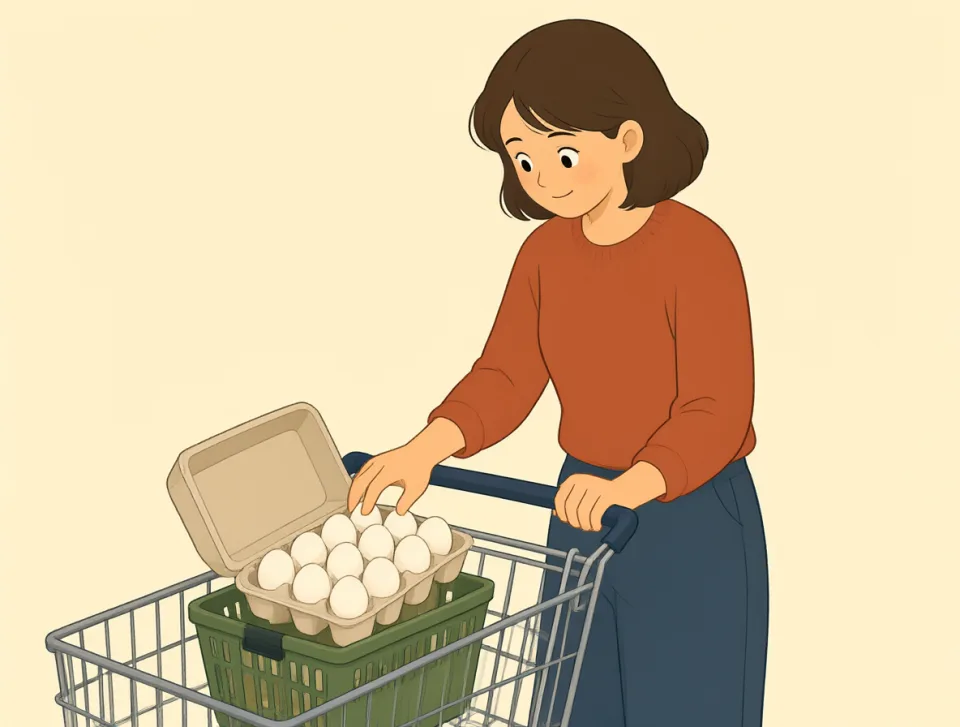
She bought a dozen eggs at the supermarket.
Kupiła tuzin jajek w supermarkecie.
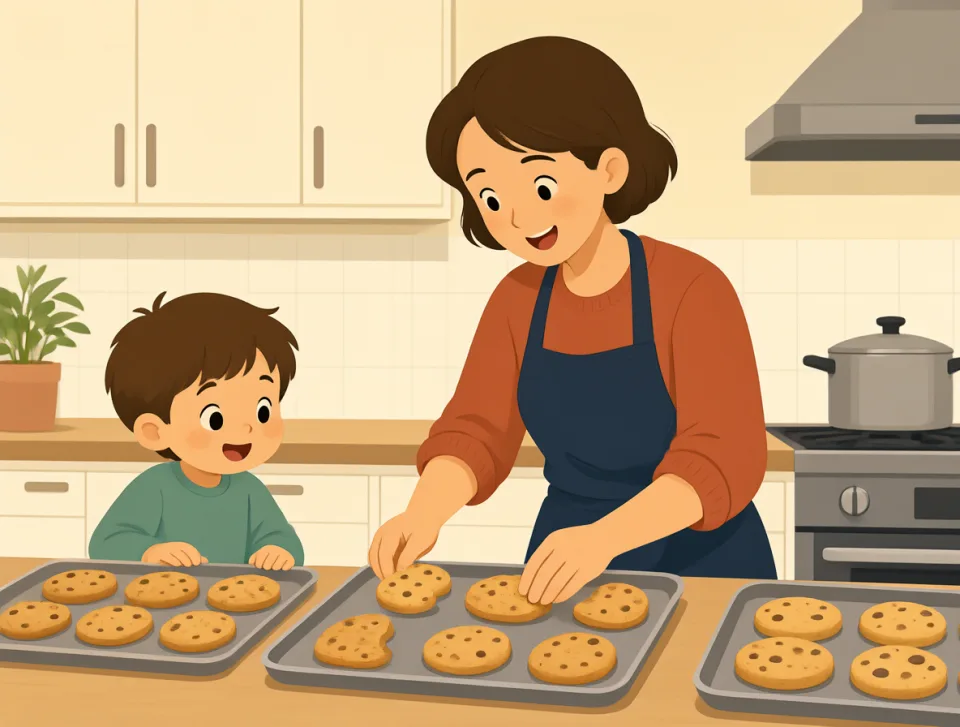
We need two dozen cookies for the school party.
Potrzebujemy dwóch tuzinów ciastek na szkolne przyjęcie.
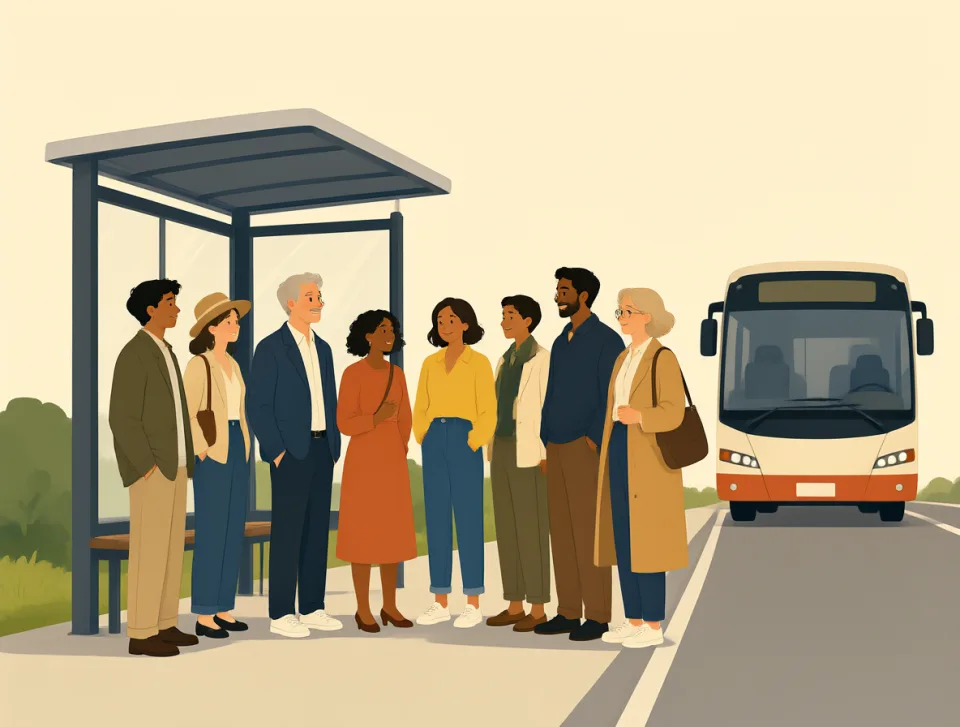
There were a dozen people waiting for the bus.
Na autobus czekało kilkanaście osób.
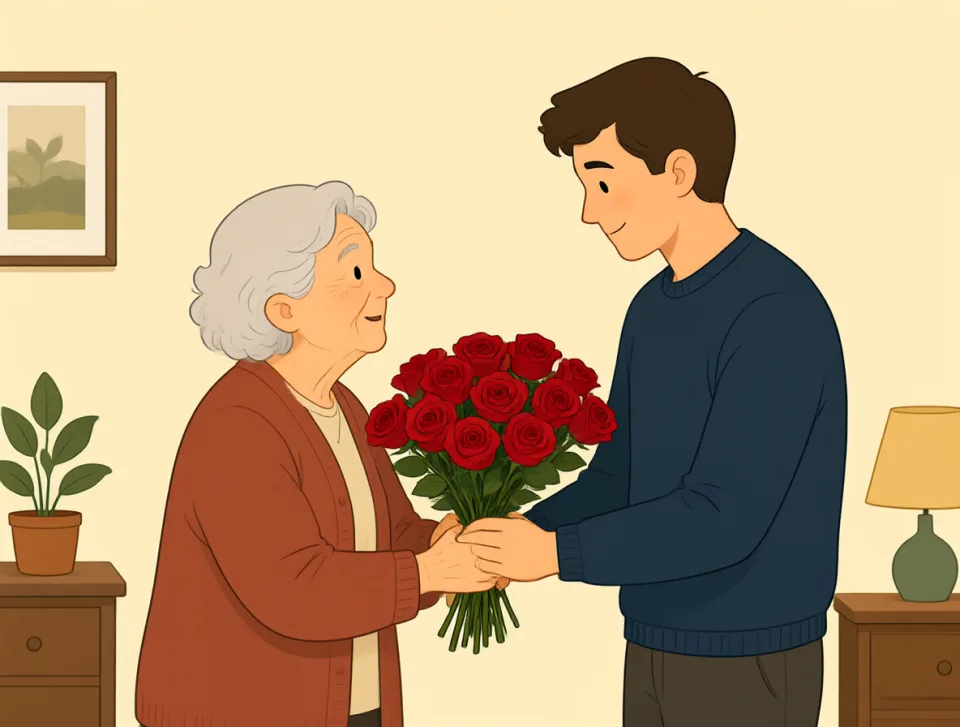
He sent his grandmother a dozen roses for her birthday.
Wysłał babci tuzin róż na urodziny.
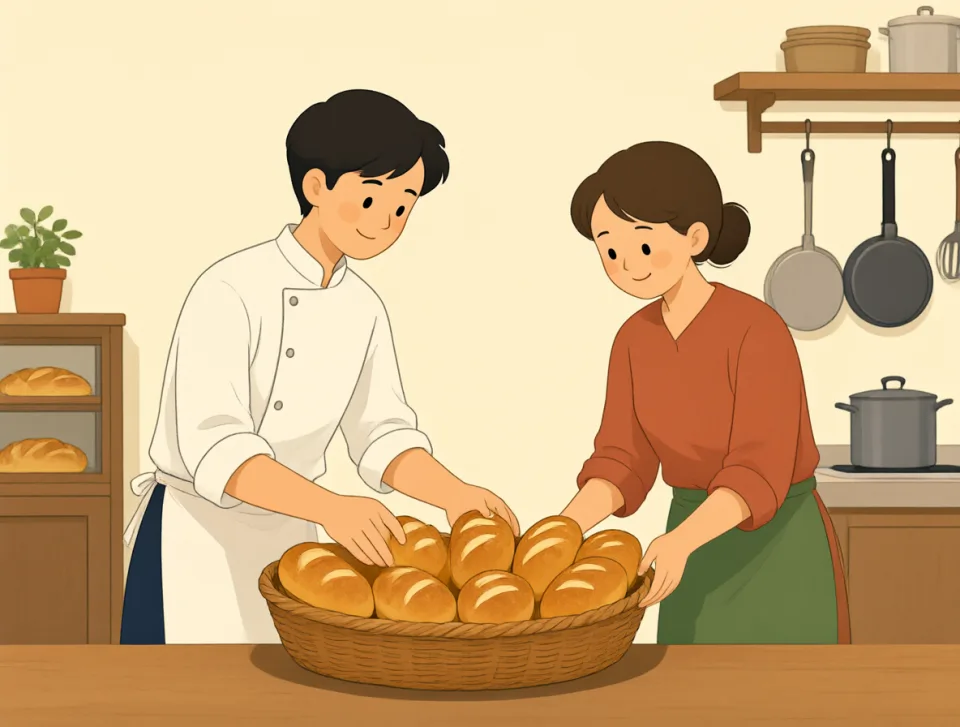
The bakery sells fresh bread by the dozen.
Piekarnia sprzedaje świeży chleb na tuziny.

settlement
#1766noun
ugoda
an agreement that ends a disagreement or pays money owed
porozumienie kończące spór lub regulujące należne pieniądze

The two companies reached a settlement after months of talks.
Po miesiącach rozmów obie firmy zawarły ugodę.

She received a settlement after slipping in the store.
Po poślizgnięciu się w sklepie otrzymała odszkodowanie.
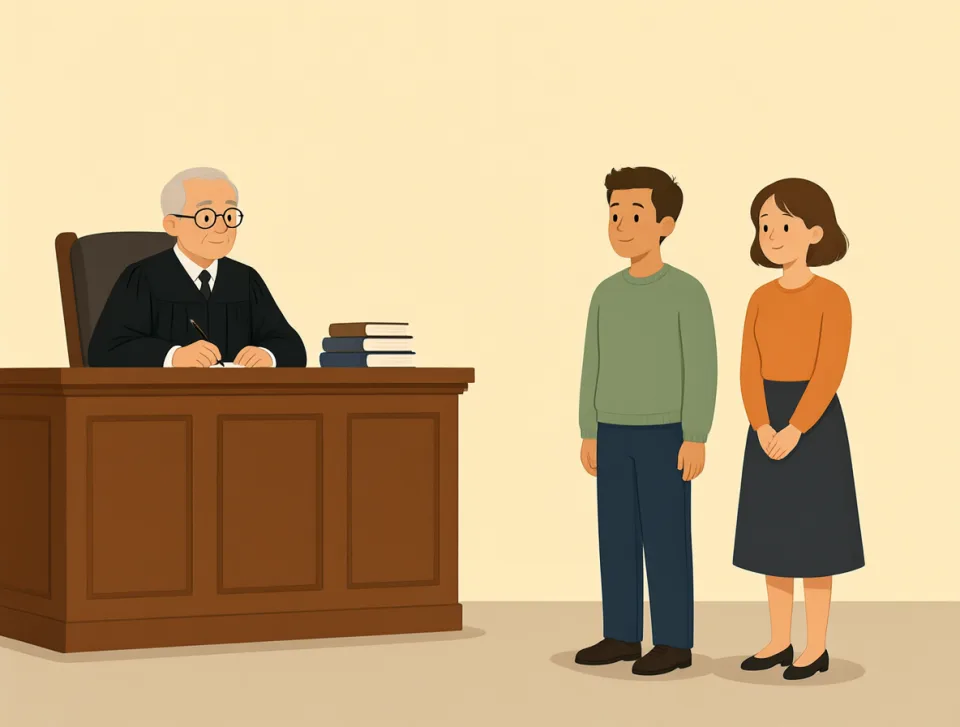
The court approved a settlement between the neighbors.
Sąd zatwierdził ugodę między sąsiadami.

They made a settlement with the bank to repay the loan.
Zawarli z bankiem ugodę w sprawie spłaty pożyczki.
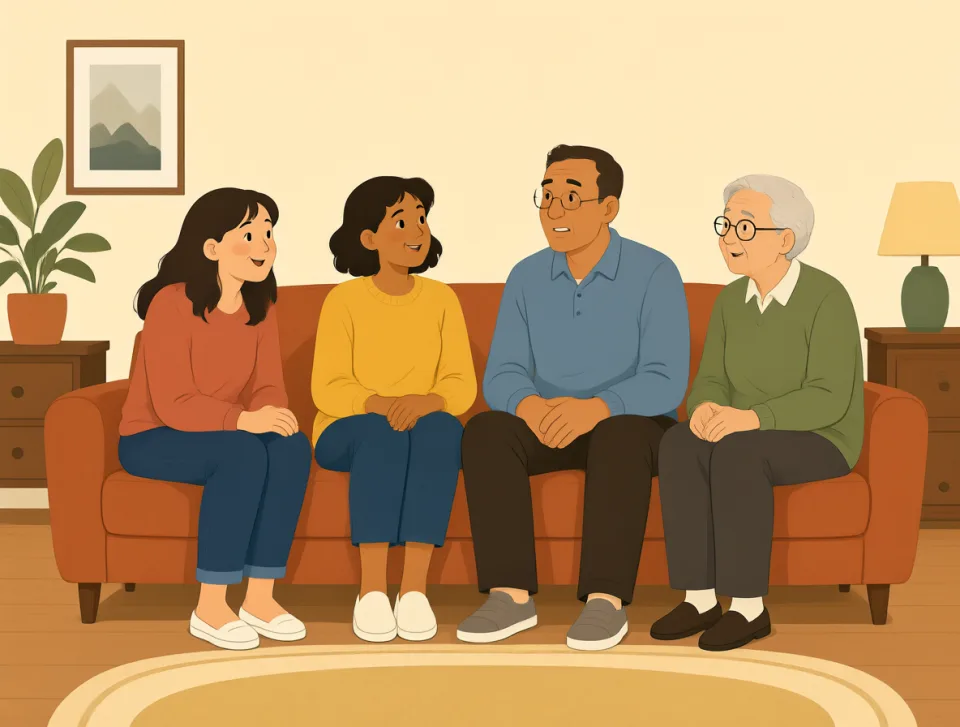
The family found a peaceful settlement to their argument.
Rodzina znalazła pokojowe rozwiązanie sporu.

gap
#1767noun, verb
przerwa
An empty space between two things, or a missing part of something.
Pusta przestrzeń między dwiema rzeczami albo brakujący fragment czegoś.
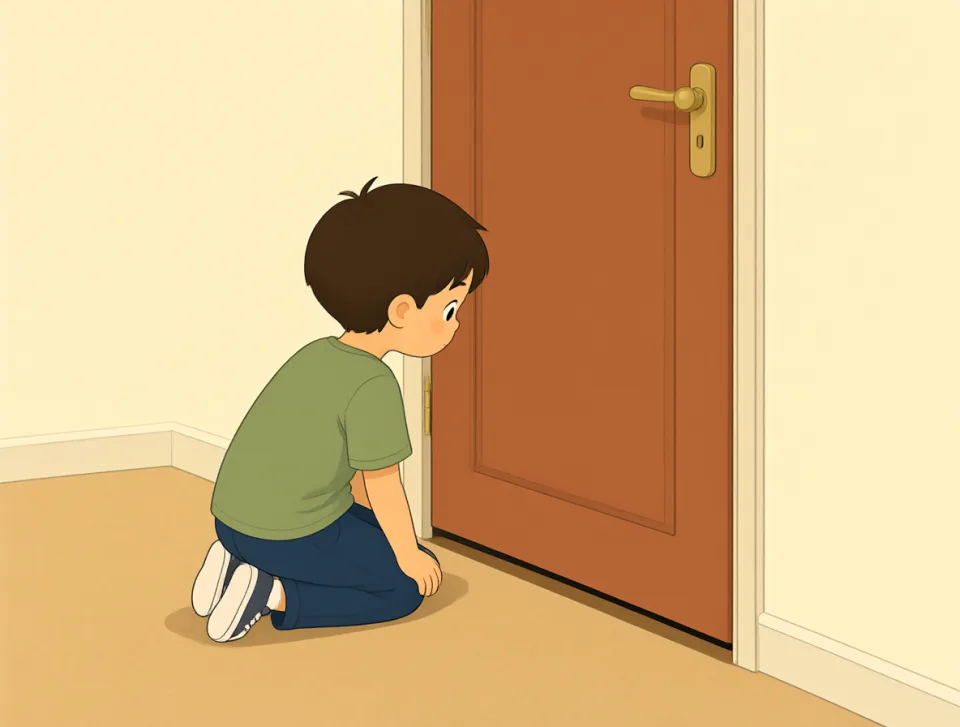
There is a small gap under the door.
Pod drzwiami jest niewielka szczelina.
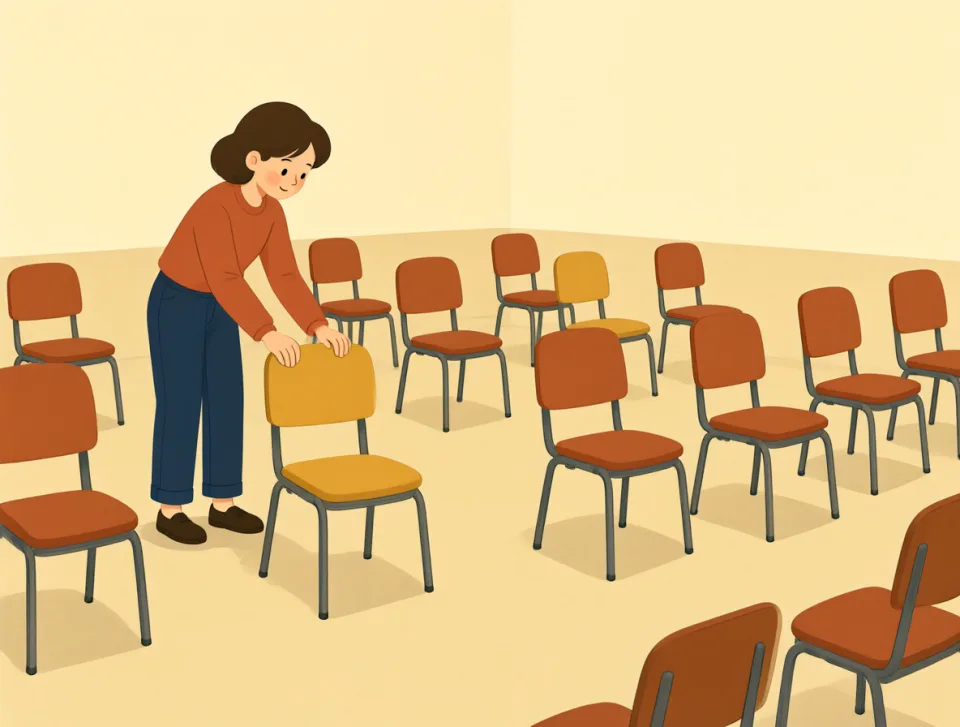
Please leave a gap between the chairs.
Proszę zostawić odstęp między krzesłami.

She took a year-long gap between school and university.
Zrobiła sobie roczną przerwę między szkołą a studiami.
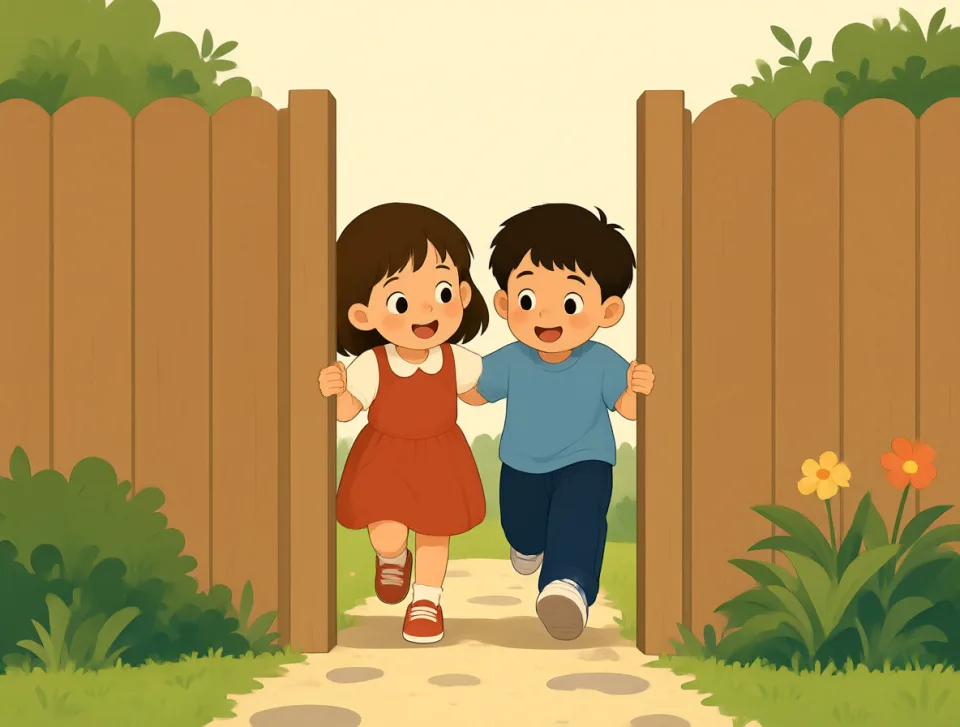
We found a gap in the fence and climbed through.
Znaleźliśmy dziurę w płocie i przecisnęliśmy się przez nią.
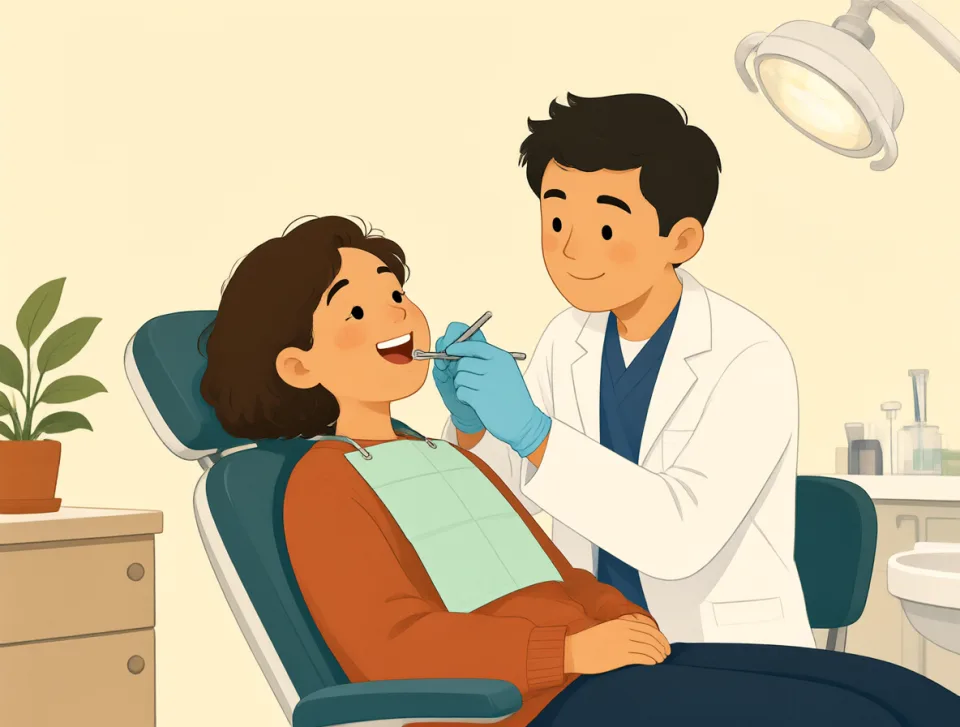
The dentist found a gap between my front teeth.
Dentysta zauważył przerwę między moimi przednimi zębami.

widely
#1768adverb
szeroko
In many places, by many people, or over a large area.
W wielu miejscach, przez wiele osób lub na dużym obszarze.
This book is widely available in local shops.
Ta książka jest szeroko dostępna w lokalnych sklepach.
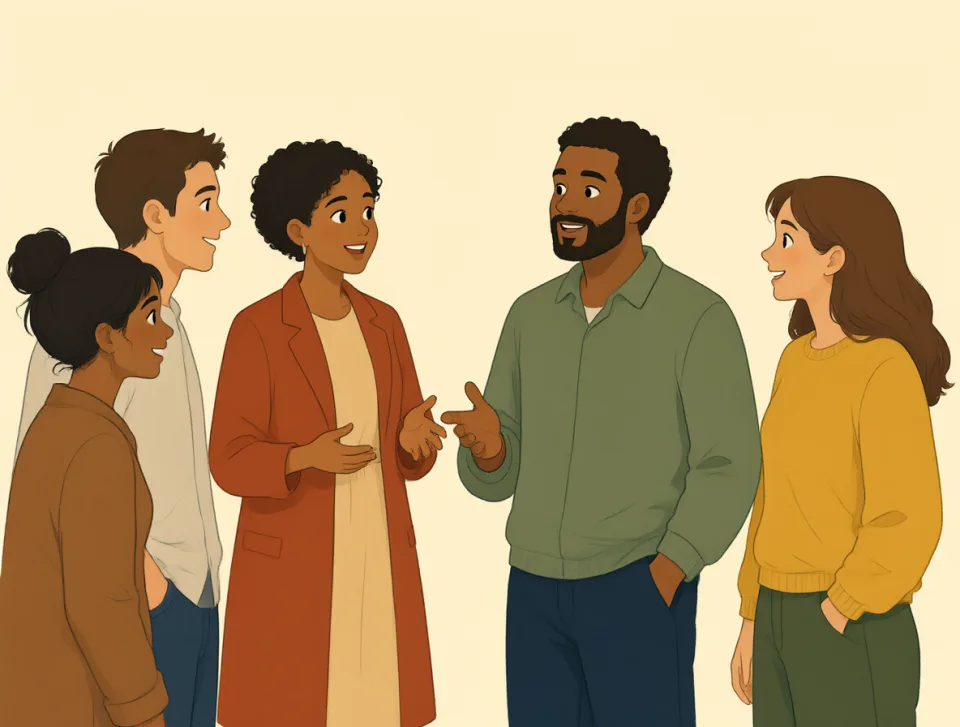
English is widely spoken in many countries.
W wielu krajach powszechnie mówi się po angielsku.
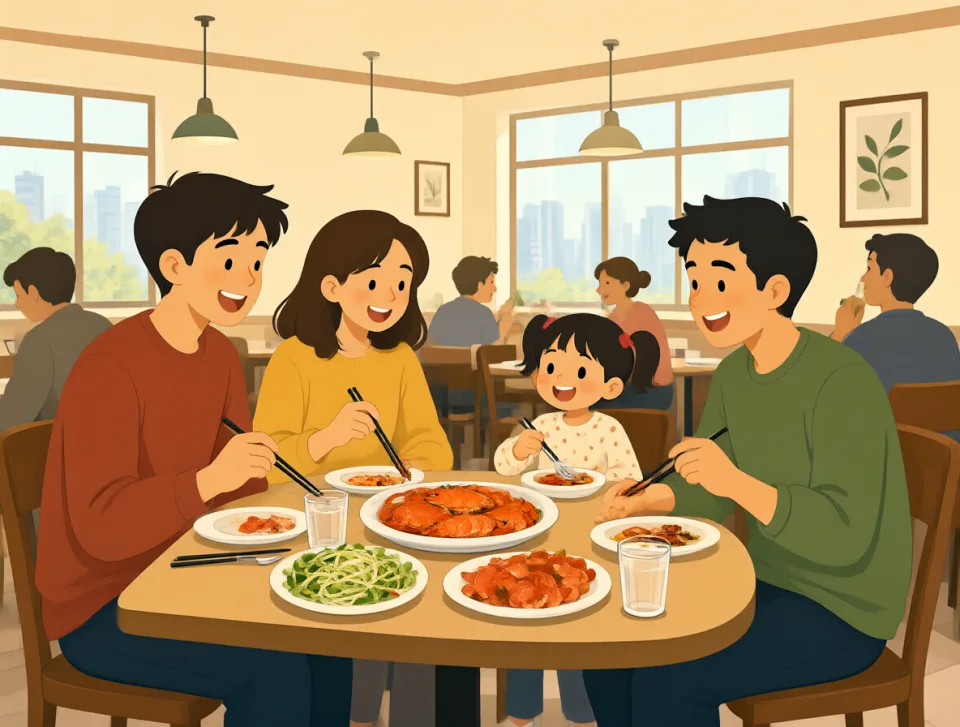
The new restaurant is widely known for its fresh seafood.
Nowa restauracja jest powszechnie znana ze świeżych owoców morza.
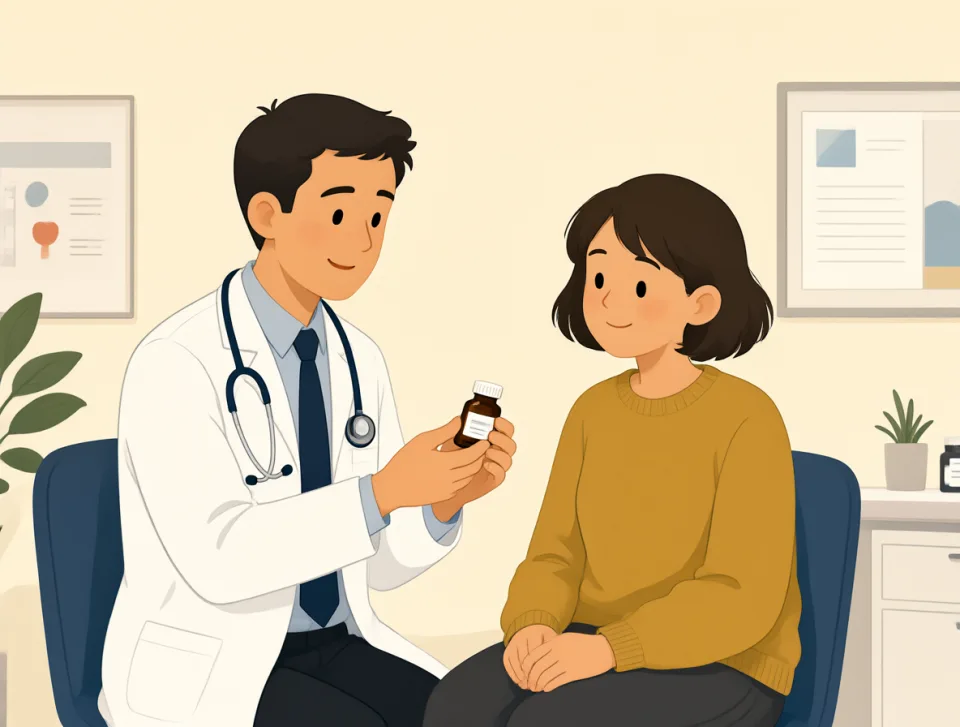
This treatment is widely used to help people with headaches.
Ta metoda leczenia jest powszechnie stosowana, by pomagać osobom cierpiącym na bóle głowy.
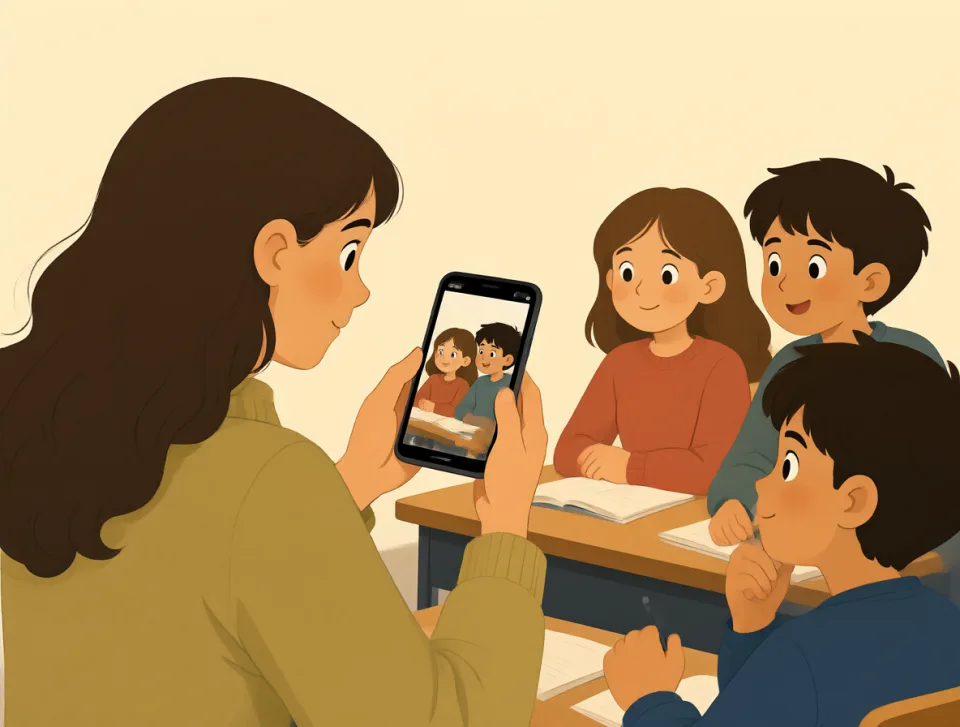
The teacher's video was widely shared by her students.
Uczniowie nauczycielki szeroko udostępniali jej nagranie wideo.
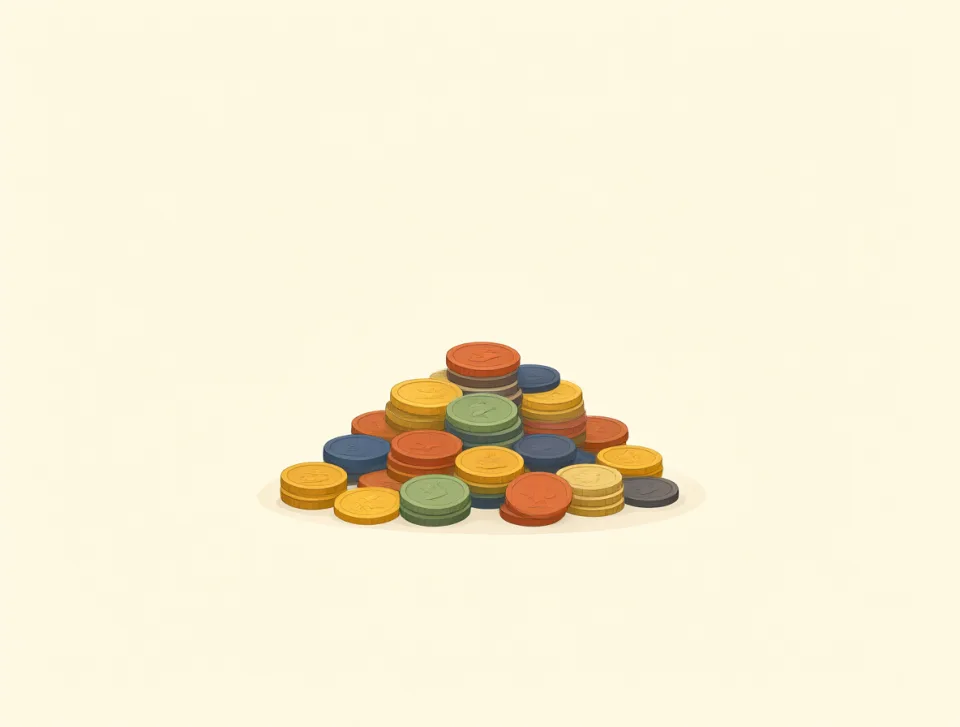
minimum
#1769noun, adjective
minimum
The smallest amount or number that is possible or allowed.
Najmniejsza możliwa lub dozwolona ilość albo liczba.
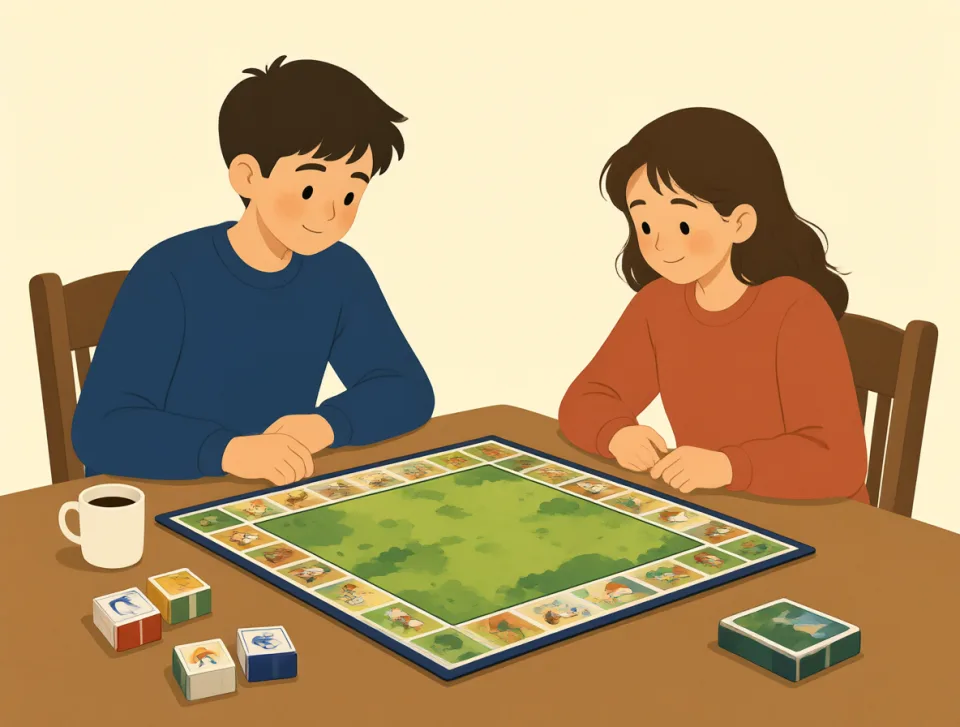
You need a minimum of two people for this game.
Do tej gry potrzeba co najmniej dwóch osób.

The hotel requires a minimum stay of three nights.
Hotel wymaga pobytu trwającego co najmniej trzy noce.
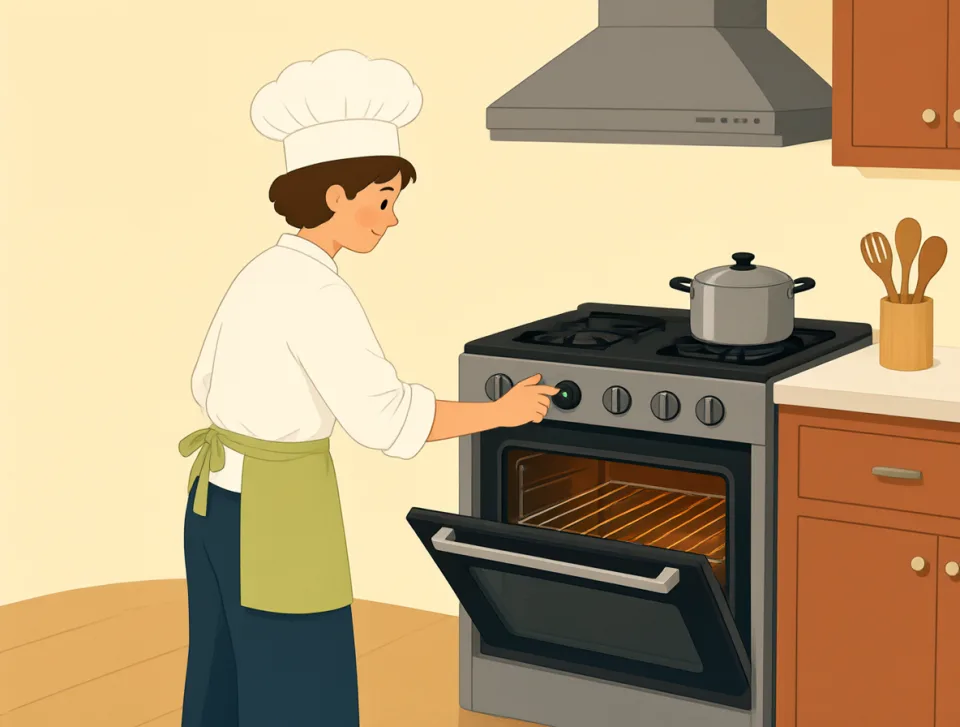
Please keep the oven at a minimum temperature of 180 degrees.
Proszę utrzymywać temperaturę piekarnika na poziomie co najmniej 180 stopni.
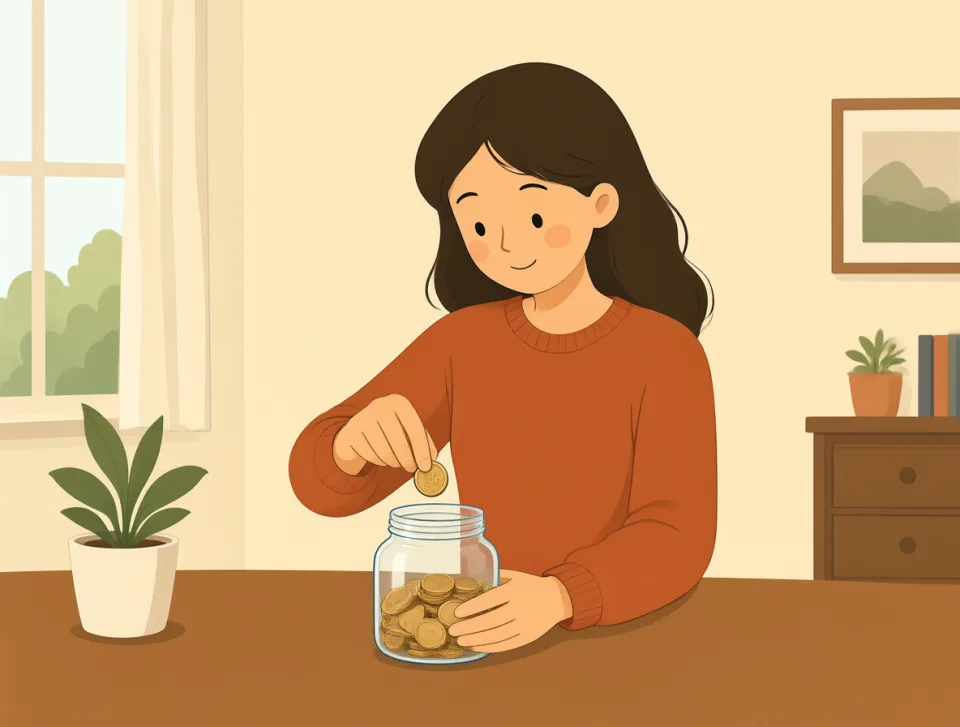
She saves a minimum amount of money from every paycheck.
Z każdej wypłaty odkłada określoną minimalną kwotę.
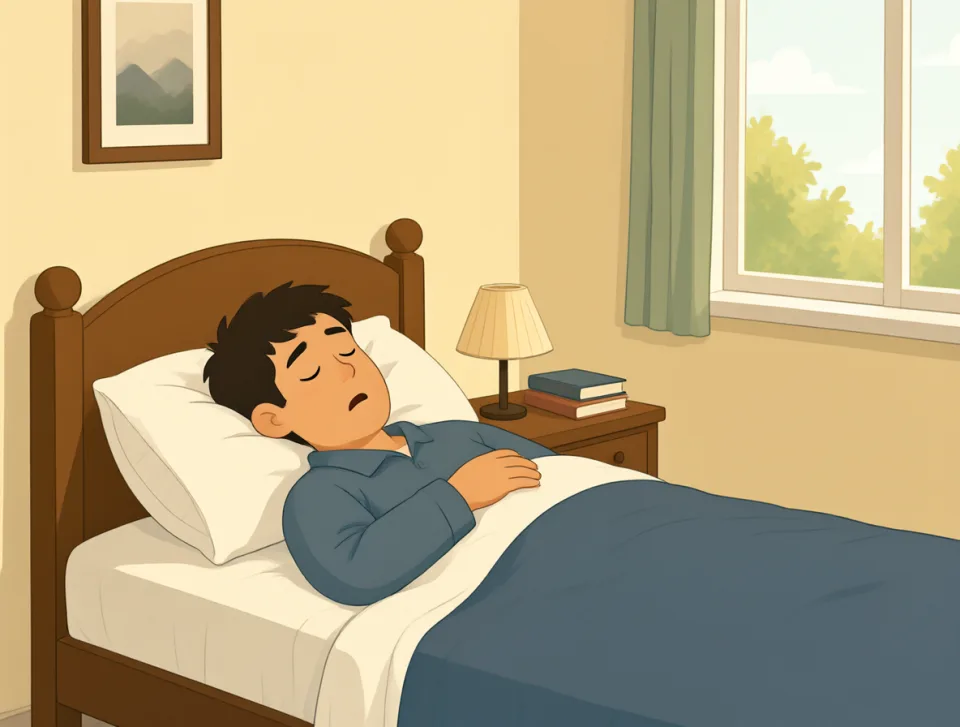
The doctor told him to get a minimum of seven hours' sleep.
Lekarz zalecił mu spać co najmniej siedem godzin.

northern
#1770adjective
północny
of or in the north part of a place or country
znajdujący się na północy danego miejsca lub kraju albo związany z jego północną częścią
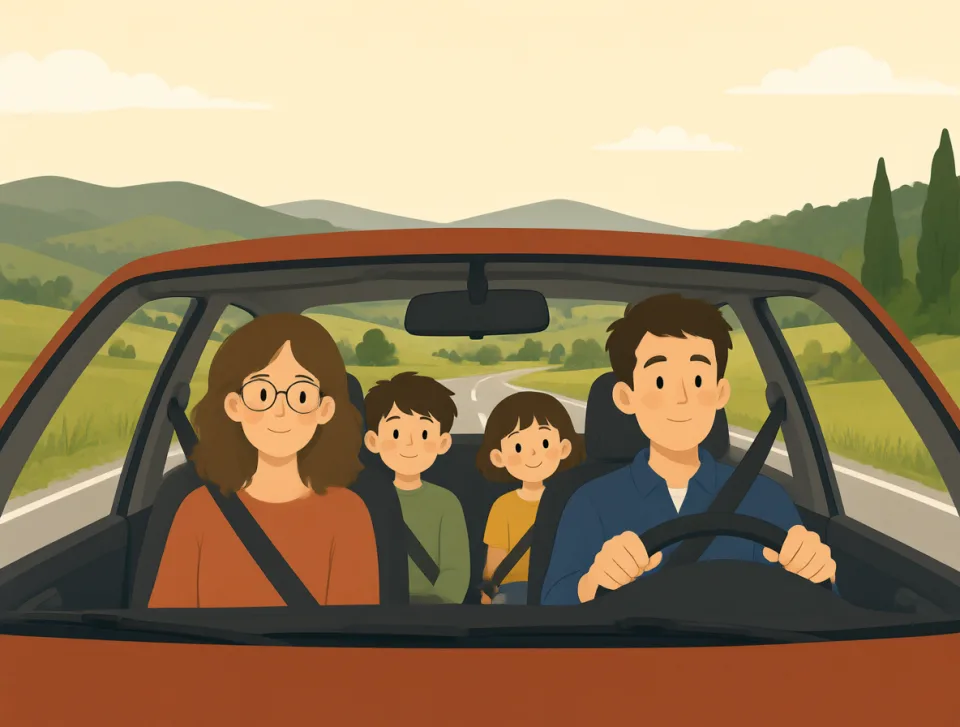
We drove through northern France during our summer holiday.
Podczas letniego urlopu przejechaliśmy przez północną Francję.
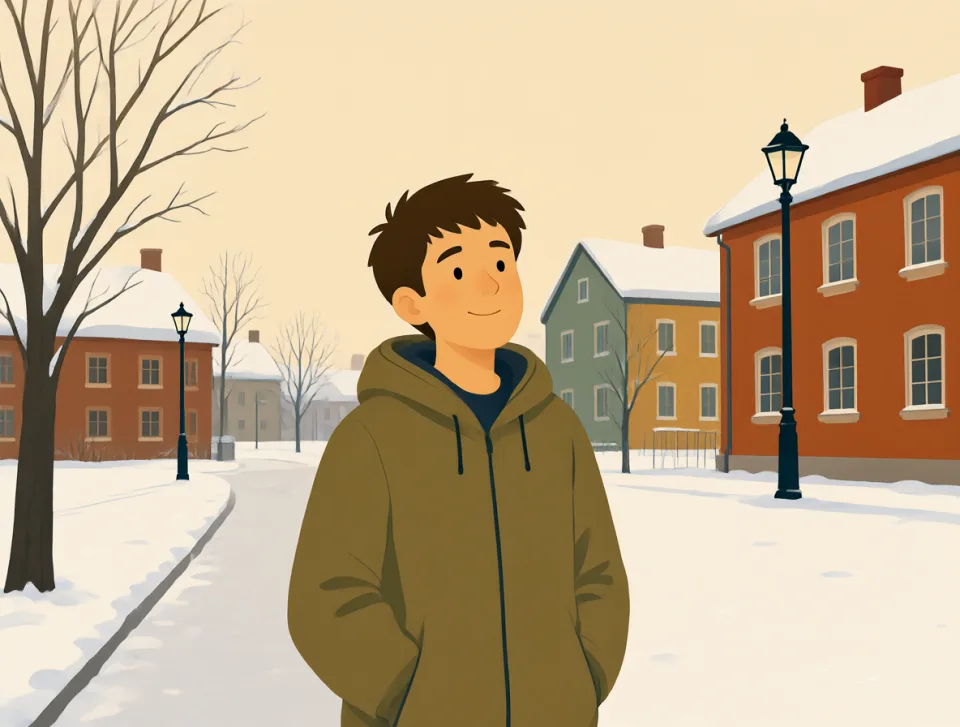
Northern winters are usually colder and darker than southern ones.
Zimy na północy są zwykle chłodniejsze i ciemniejsze niż na południu.
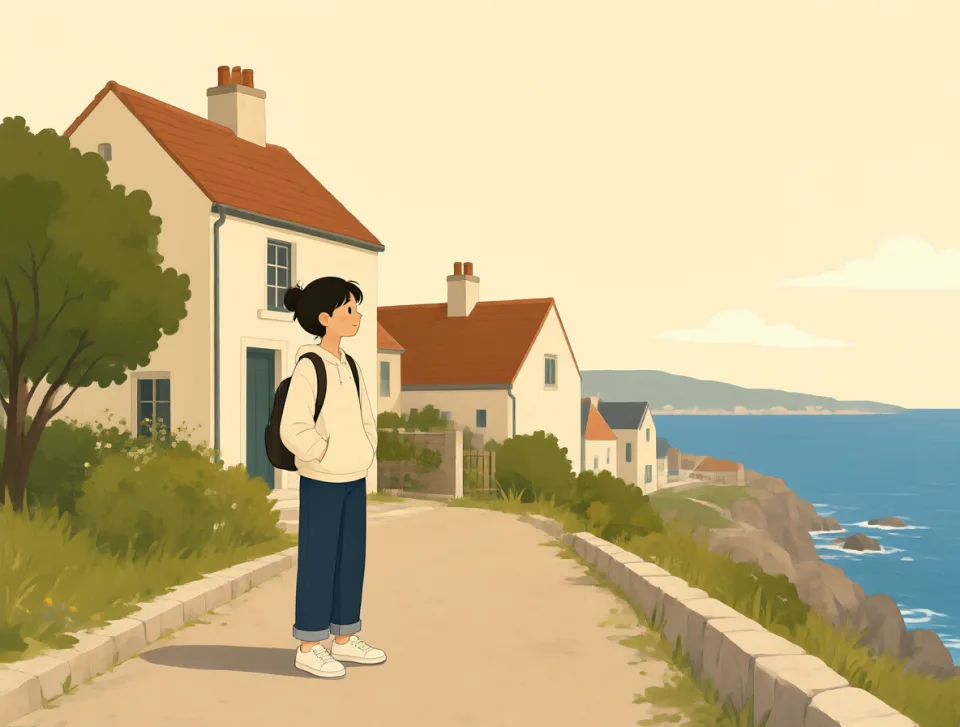
My cousin lives in a small northern town near the sea.
Mój kuzyn mieszka w małym miasteczku na północy, niedaleko morza.
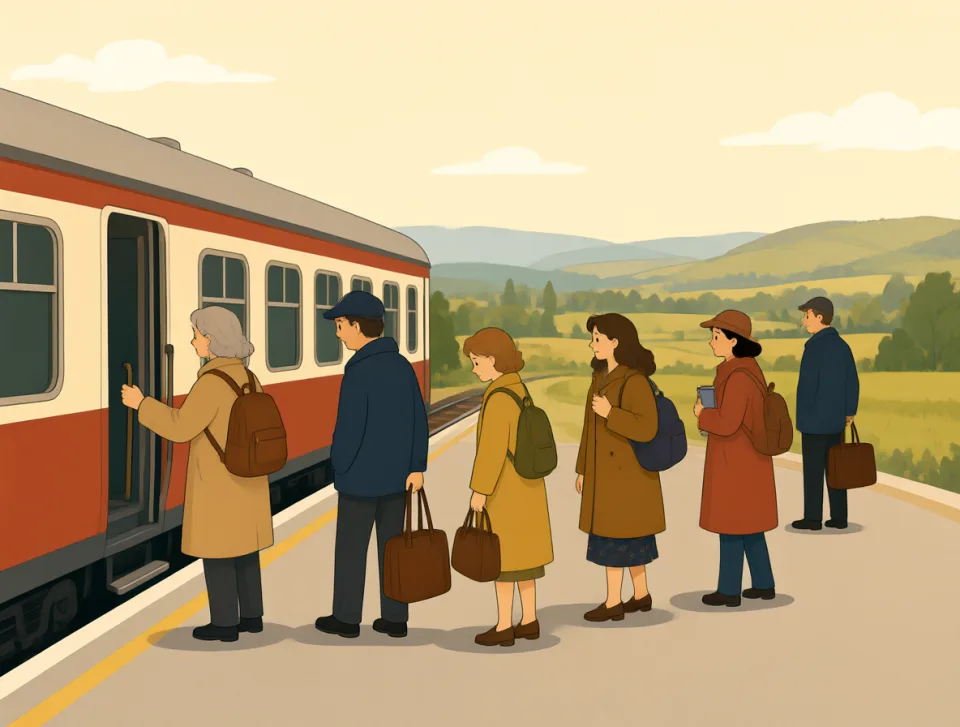
The train leaves for northern England at eight tomorrow morning.
Pociąg do północnej Anglii odjeżdża jutro o ósmej rano.
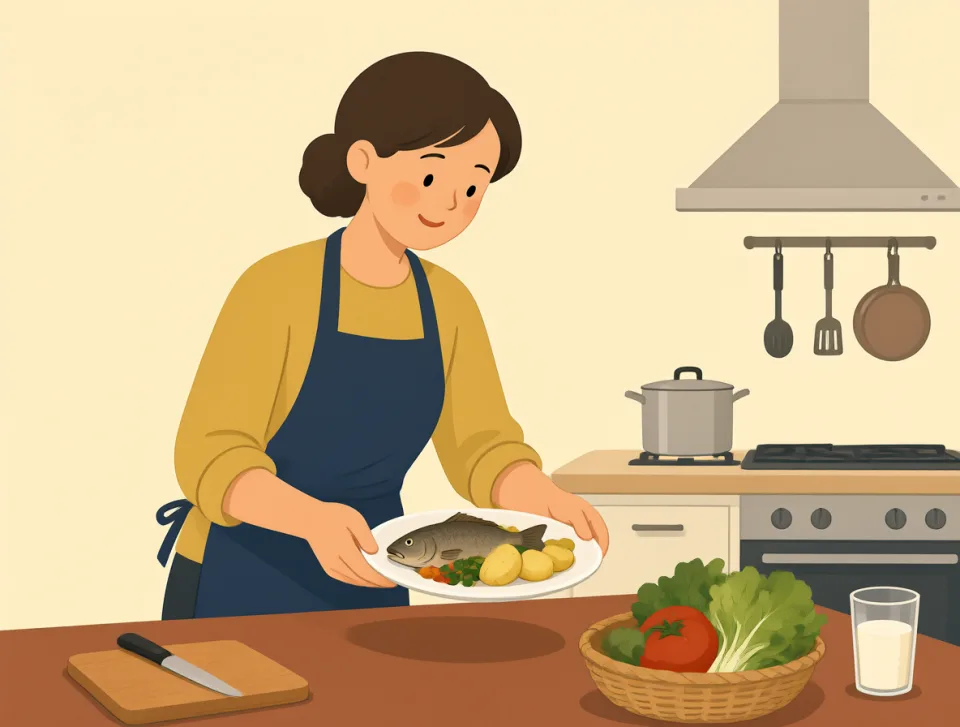
Northern fish are often served with potatoes and fresh vegetables.
Na północy często podaje się ryby z ziemniakami i świeżymi warzywami.

estate
#1771noun
posiadłość
A large house and the land around it, or all of someone’s property after death.
Duży dom z otaczającym go terenem albo cały majątek danej osoby po jej śmierci.

They bought a beautiful estate in the countryside.
Kupili piękną posiadłość na wsi.
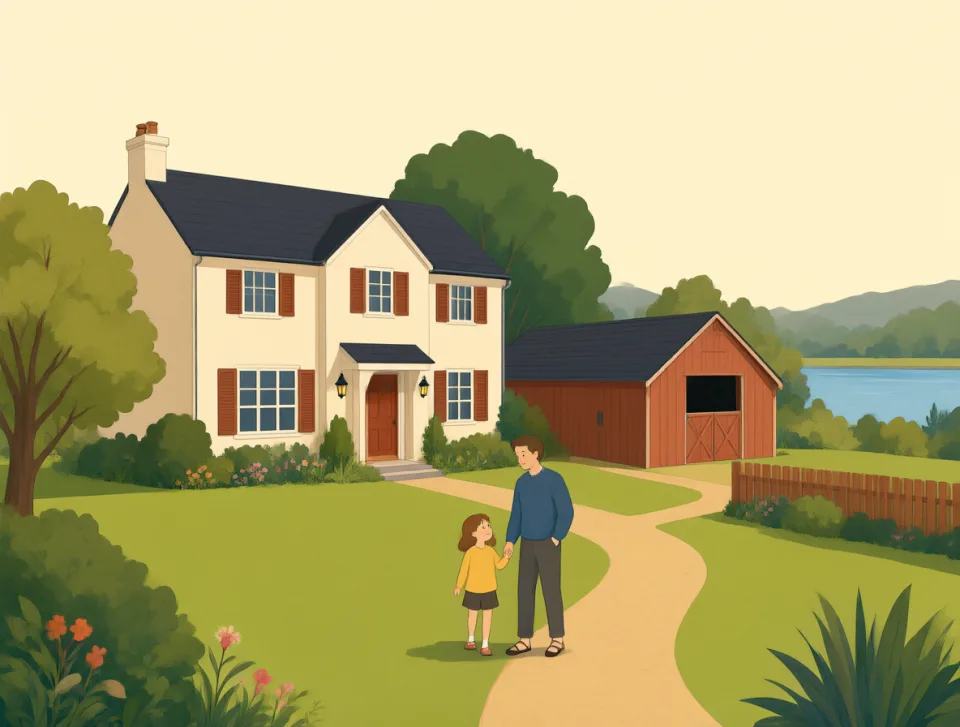
The estate includes a garden, a stable, and a small lake.
Na posiadłość składają się ogród, stajnia i małe jezioro.

She works for a real estate company in the city.
Pracuje w firmie zajmującej się nieruchomościami w mieście.
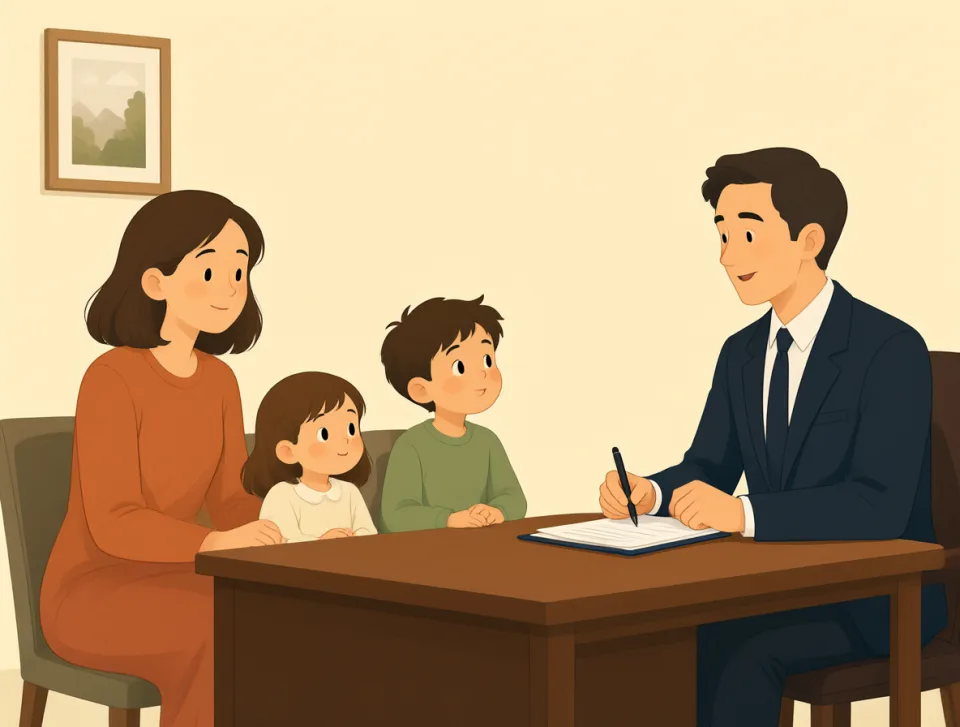
His estate was divided among his three children.
Jego majątek podzielono między troje dzieci.
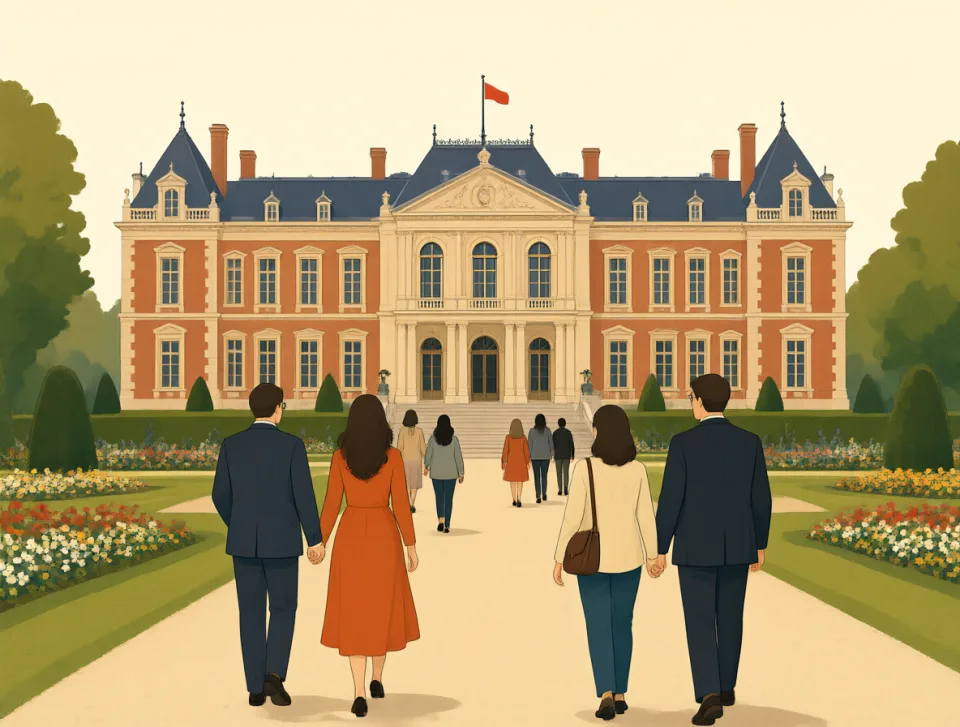
The museum is located on the old royal estate.
Muzeum mieści się na terenie dawnej posiadłości królewskiej.
equally
#1772adverb
jednakowo
in the same amount, degree, or way as someone or something else
W takim samym stopniu, w takiej samej ilości lub w taki sam sposób jak ktoś lub coś innego.
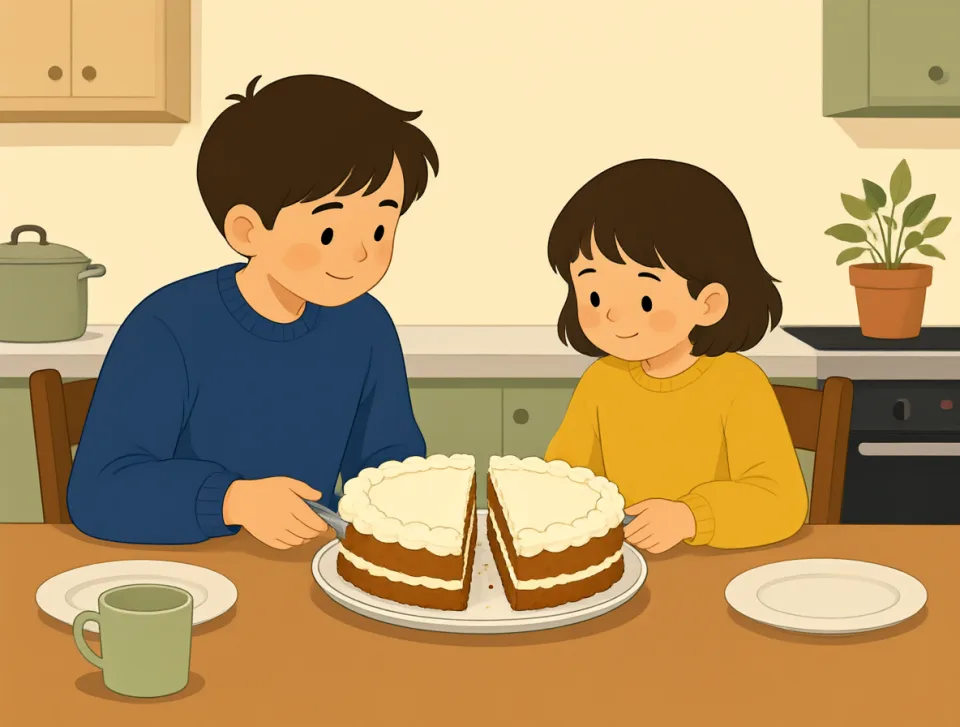
The two children shared the cake equally.
Dwoje dzieci podzieliło się ciastem po równo.
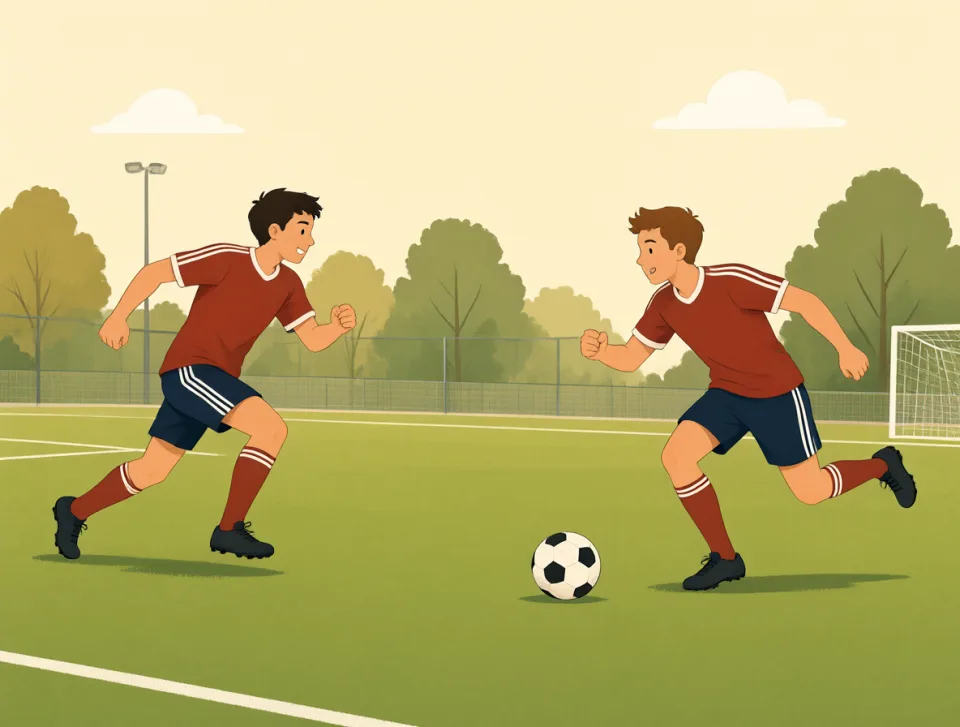
Both teams played equally well during the final match.
Obie drużyny grały równie dobrze podczas finałowego meczu.
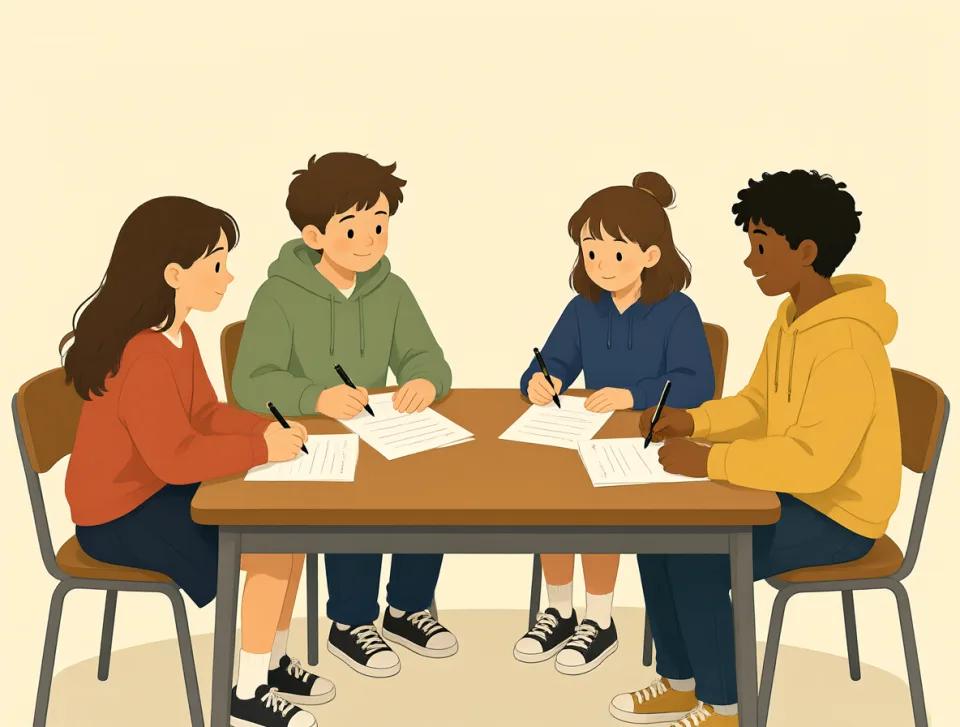
Please divide the work equally between the four students.
Proszę podzielić pracę równo między czworo uczniów.

The hotel is equally popular with families and business travelers.
Hotel cieszy się równie dużą popularnością wśród rodzin i osób podróżujących służbowo.

These shoes are equally comfortable, so choose your favorite color.
Te buty są równie wygodne, więc wybierz swój ulubiony kolor.
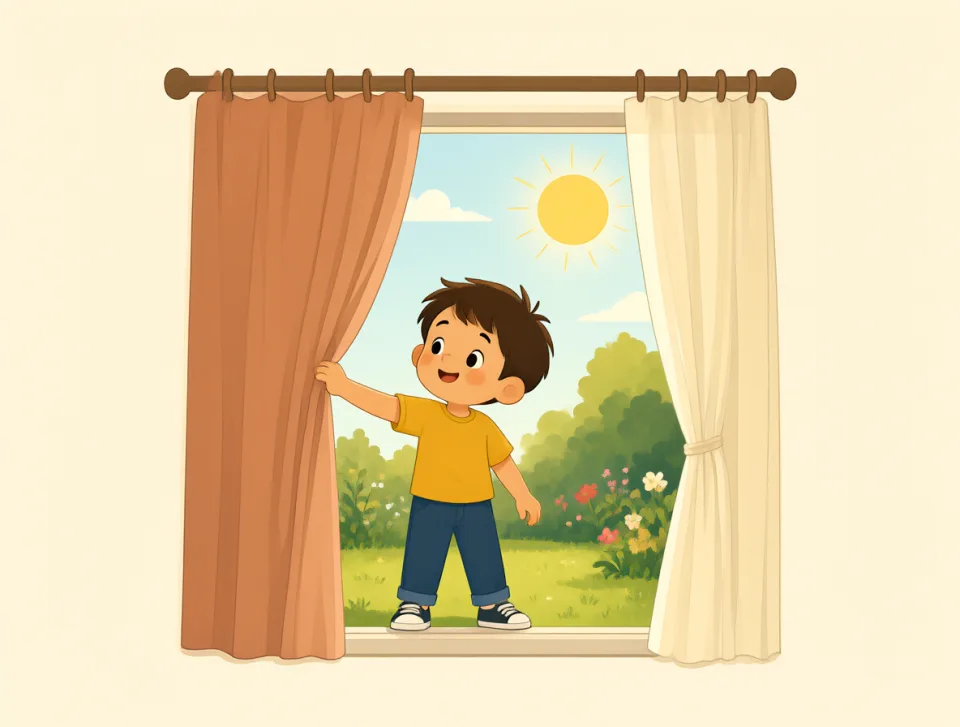
expose
#1773verb
ujawniać
to show something hidden or normally kept secret
Ujawniać coś ukrytego lub zwykle trzymanego w tajemnicy.

The report exposed serious problems in the company.
Raport ujawnił poważne problemy w firmie.
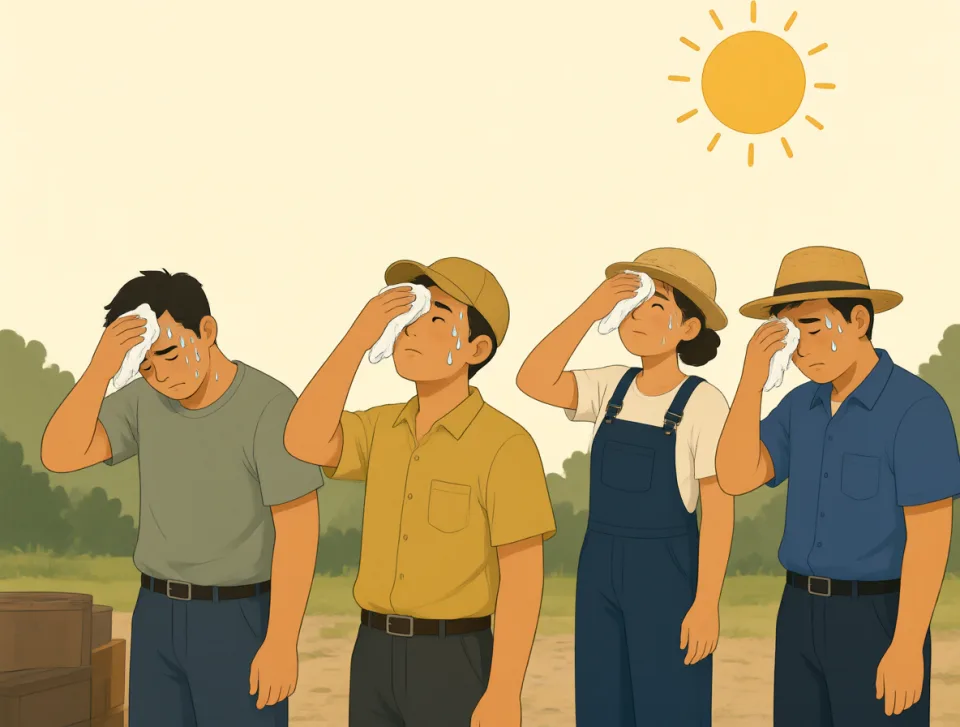
The hot sun exposed the workers to dangerous heat.
Ostre słońce naraziło pracowników na niebezpieczny upał.
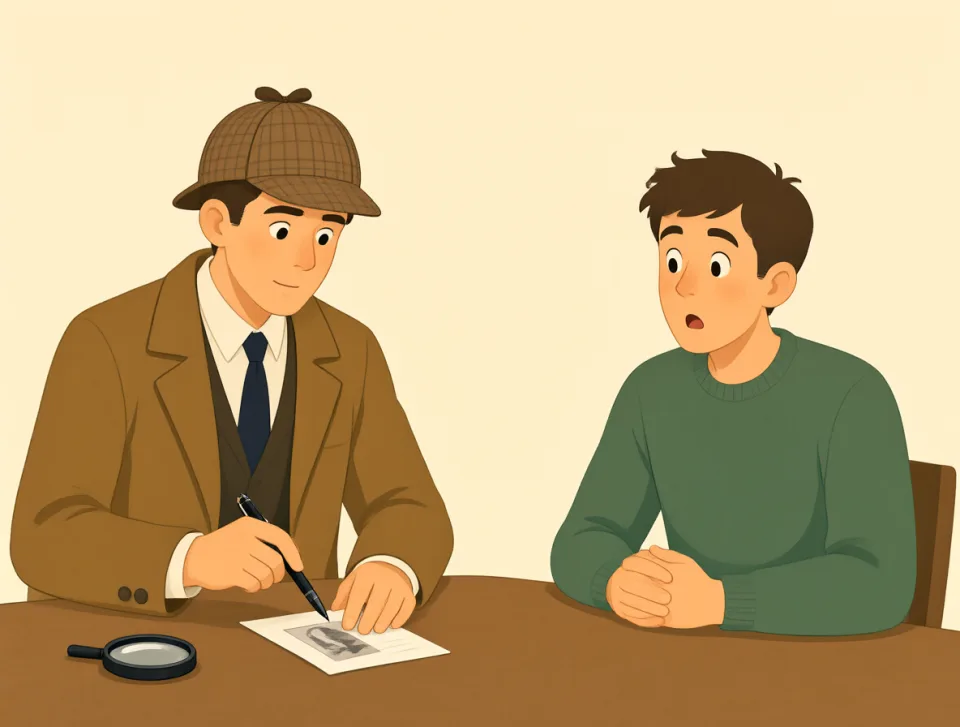
The investigation exposed the truth about the stolen money.
Śledztwo ujawniło prawdę o skradzionych pieniądzach.
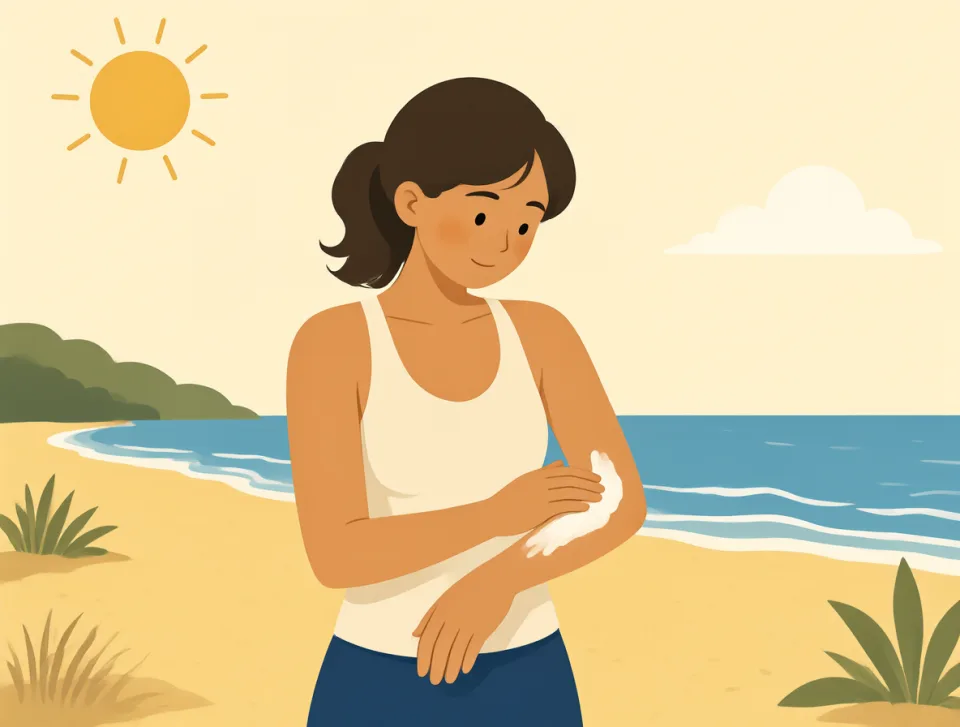
Wear sunscreen to protect your skin from being exposed to sunlight.
Używaj kremu z filtrem, by chronić skórę przed działaniem promieni słonecznych.
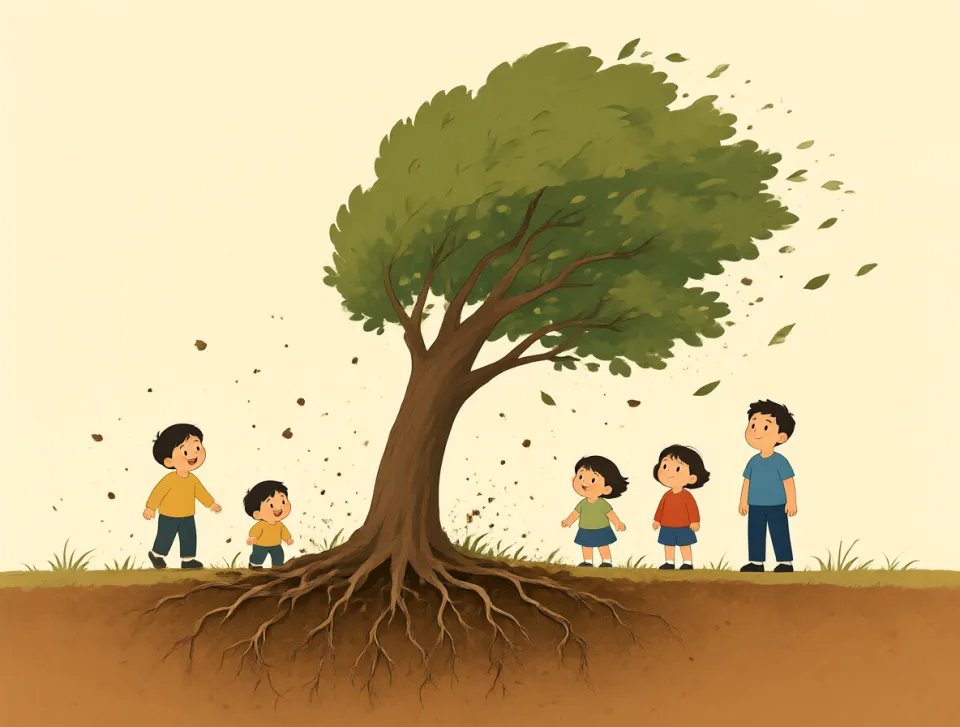
The wind exposed the roots of the old tree.
Wiatr odsłonił korzenie starego drzewa.

alive
#1774adjective
żywy
Living, breathing, and not dead.
Żyjący, oddychający, a nie martwy.
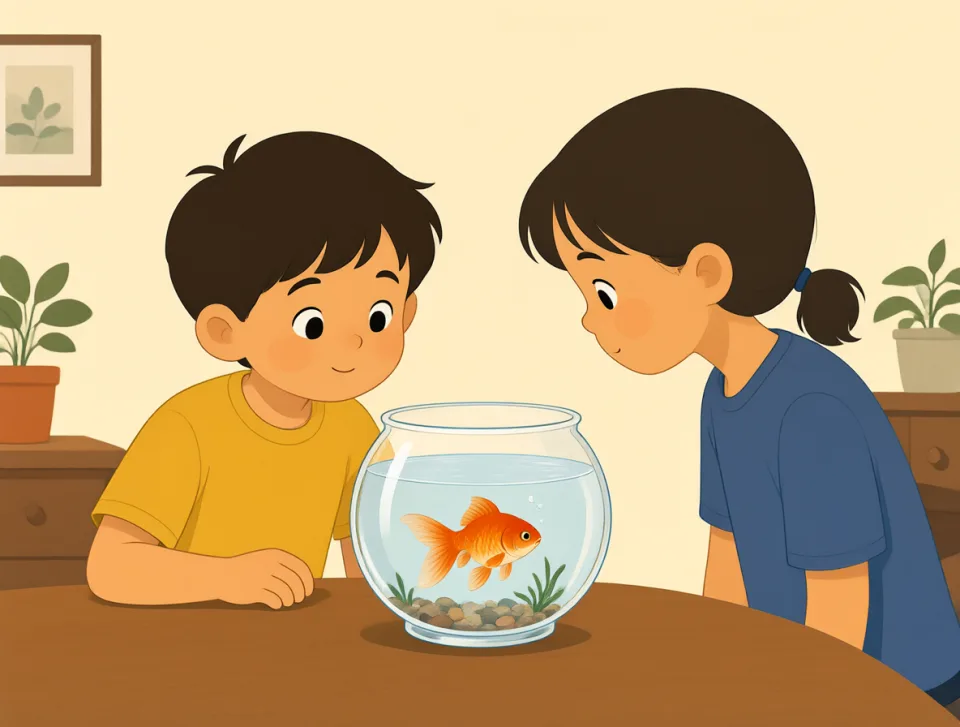
The fish is still alive in the bowl.
Ryba wciąż żyje w akwarium.
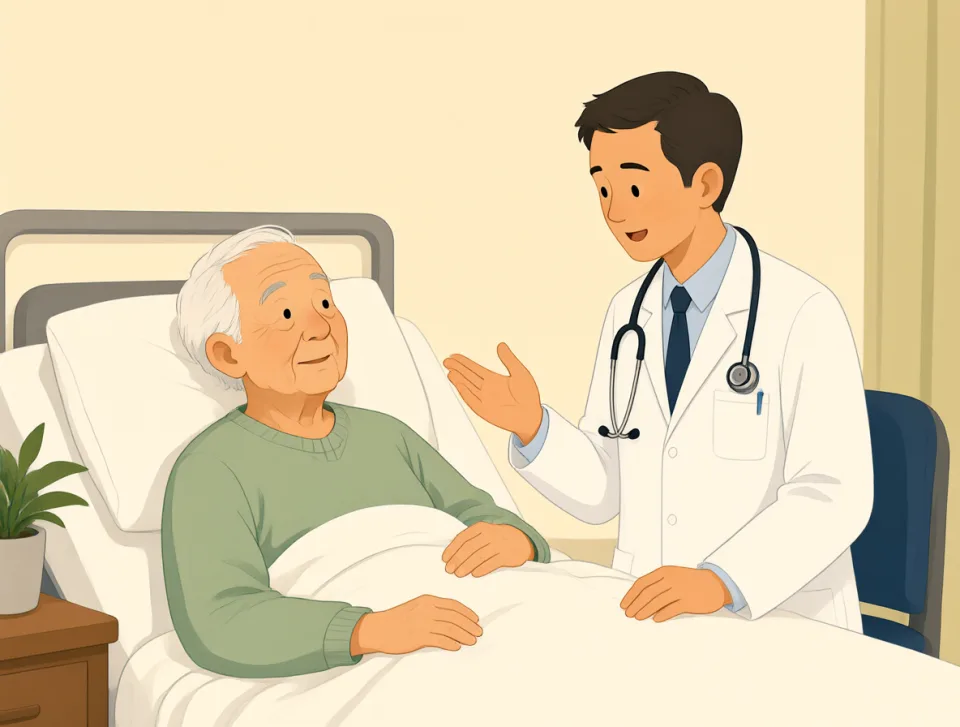
The doctor said my grandfather was lucky to be alive.
Lekarz powiedział, że mój dziadek miał szczęście, że przeżył.
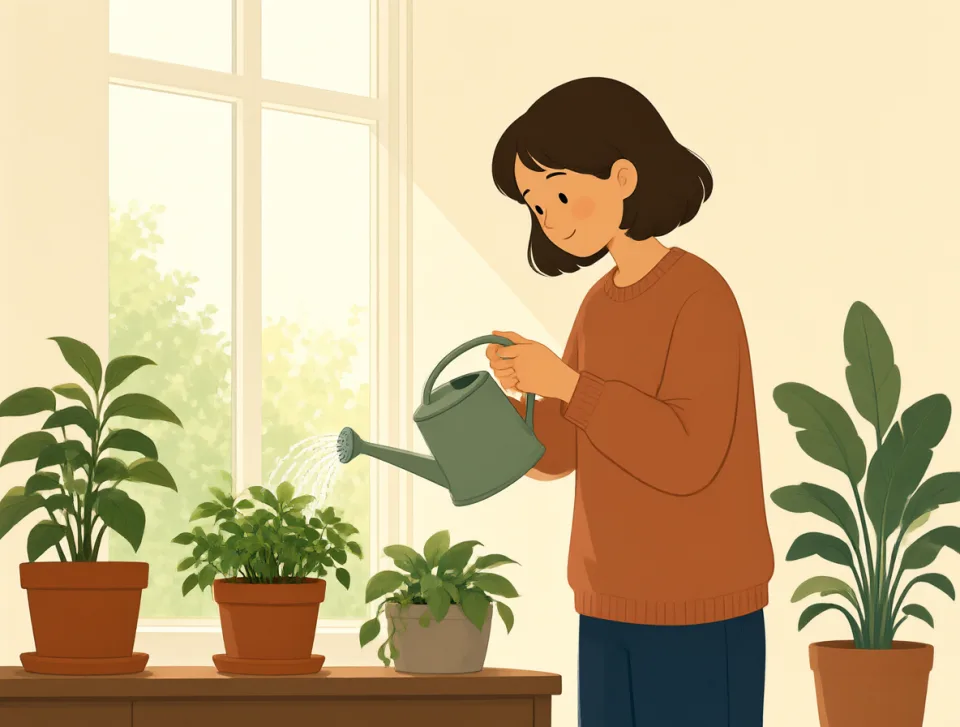
Keep the plants alive by watering them every morning.
Podlewaj rośliny każdego ranka, żeby nie uschły.

The concert comes alive when the band starts playing.
Koncert ożywa, gdy zespół zaczyna grać.
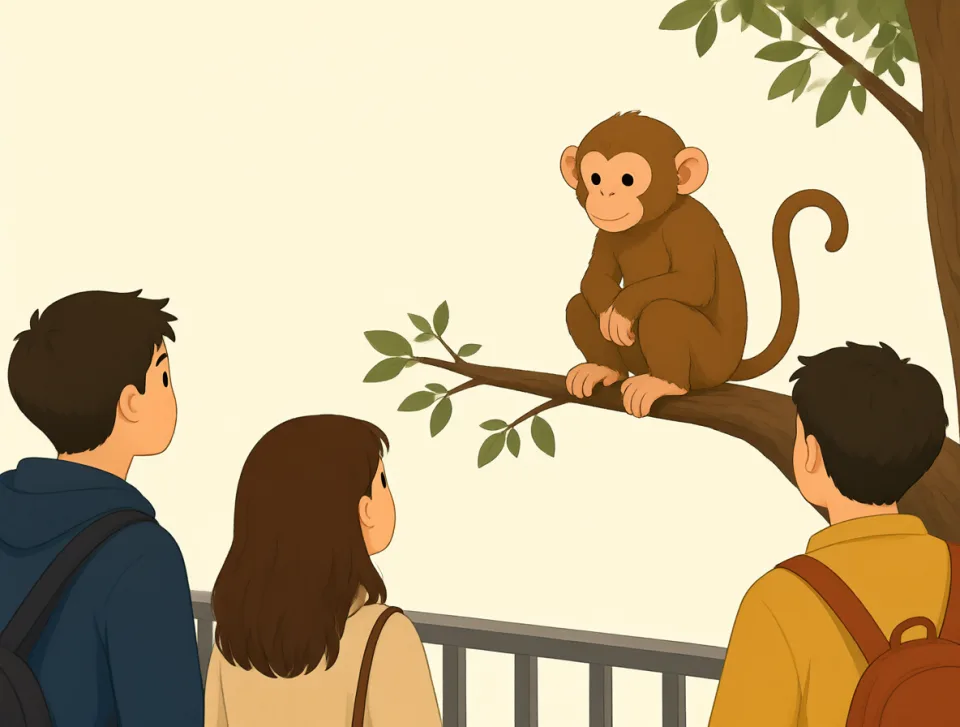
We saw a live monkey during our trip to the zoo.
Podczas wycieczki do zoo zobaczyliśmy żywą małpę.
shut
#1775verb, adjective
zamknąć
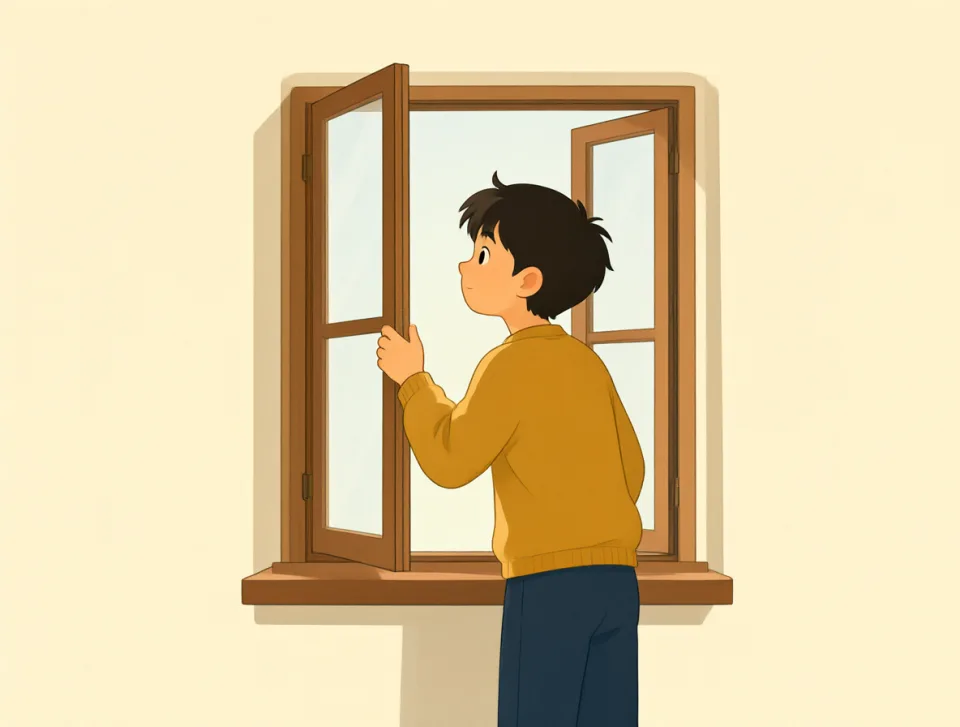
to close something, or to be closed and not open
Zamknąć coś albo być zamkniętym, a nie otwartym.
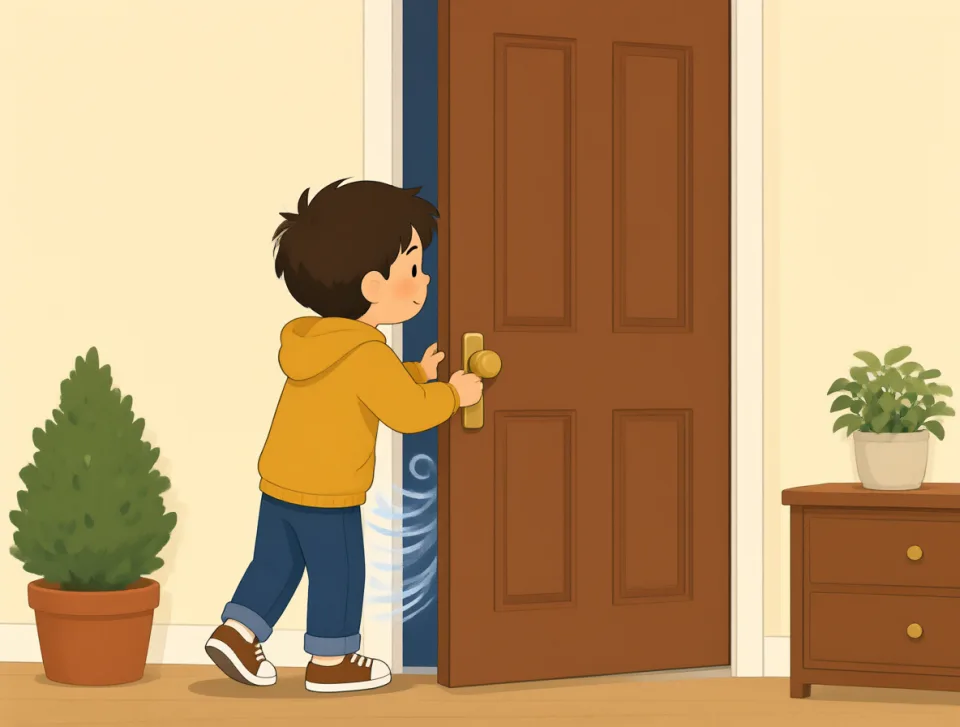
Please shut the door; it is cold outside.
Proszę zamknąć drzwi, na zewnątrz jest zimno.
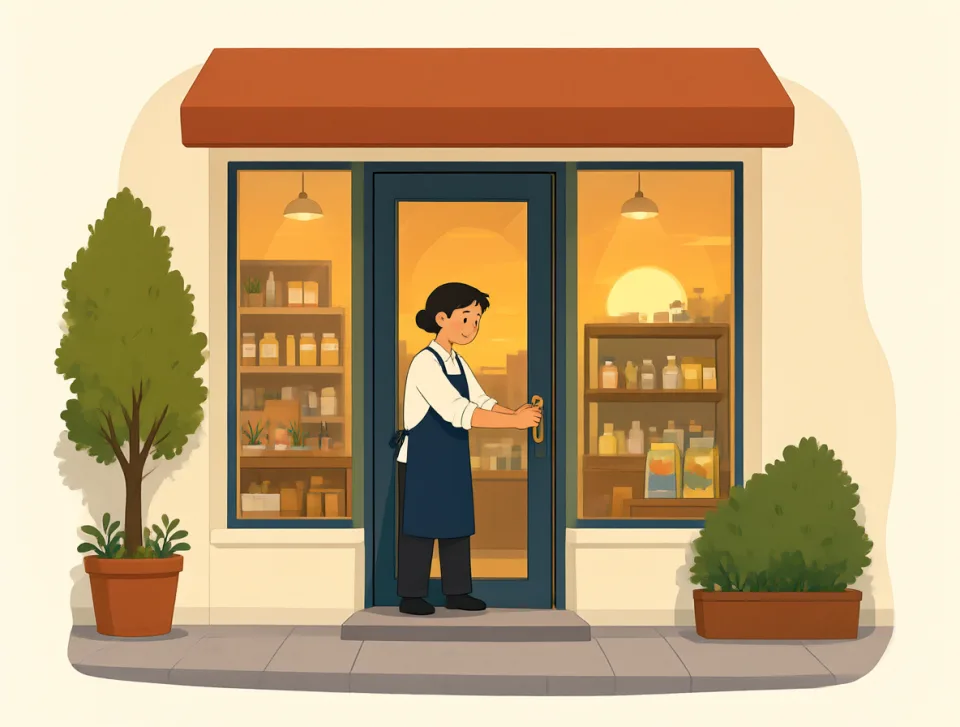
The shop shuts at six o'clock every evening.
Sklep zamyka się codziennie o szóstej wieczorem.
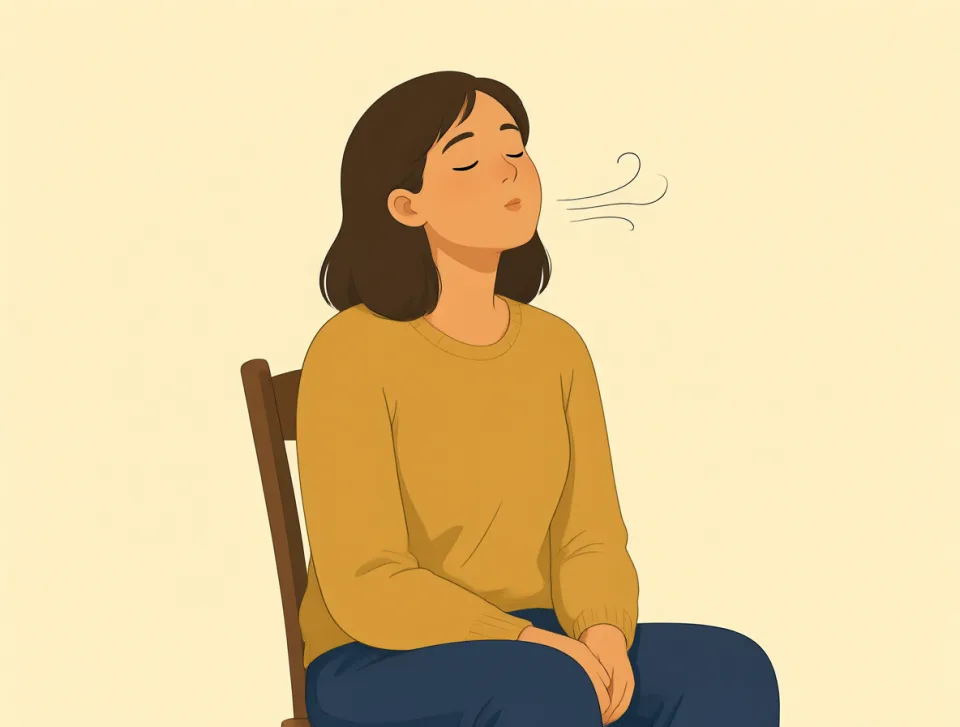
She shut her eyes and took a deep breath.
Zamknęła oczy i wzięła głęboki oddech.
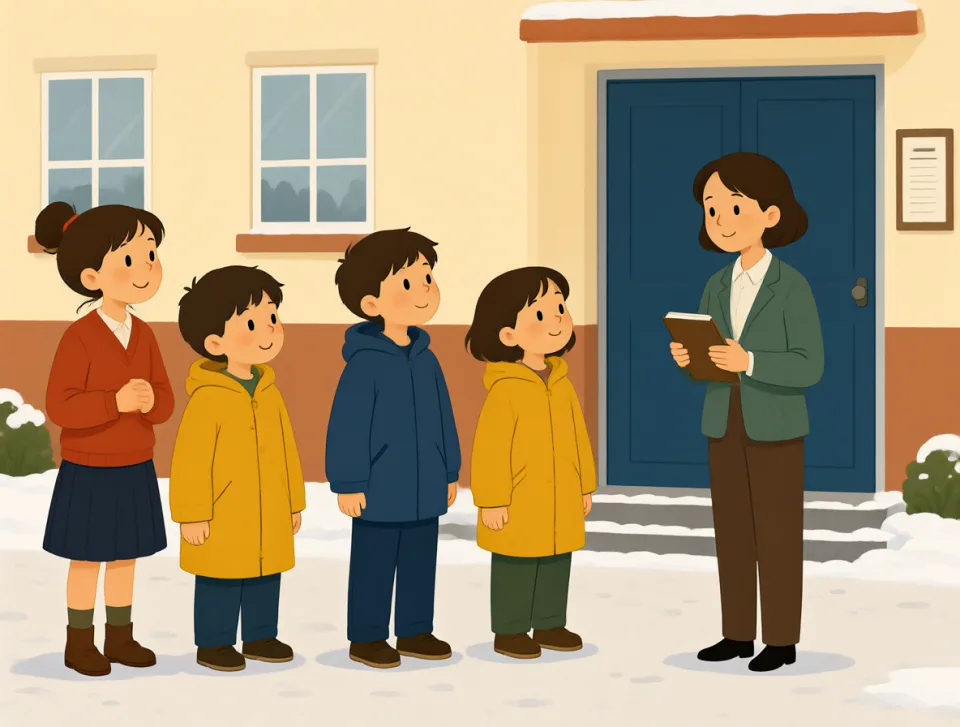
The school was shut because of heavy snow.
Szkoła była zamknięta z powodu obfitych opadów śniegu.
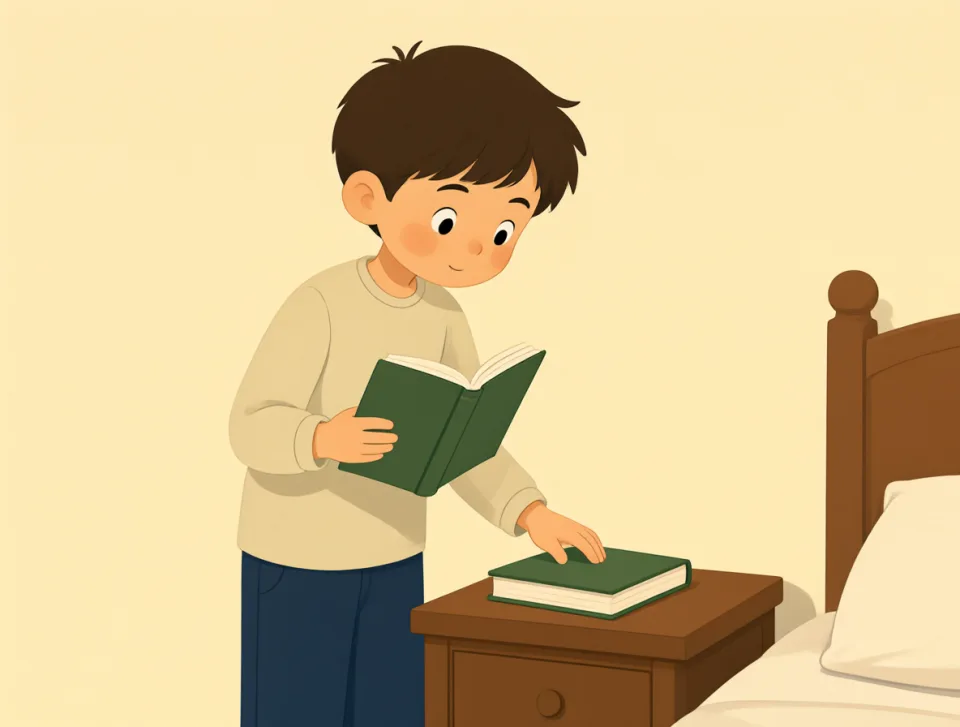
He shut the book and put it beside his bed.
Zamknął książkę i położył ją obok łóżka.

victory
#1776noun
zwycięstwo
Success in a game, competition, or struggle against someone or something.
Wygrana w grze, zawodach lub walce z kimś albo czymś.
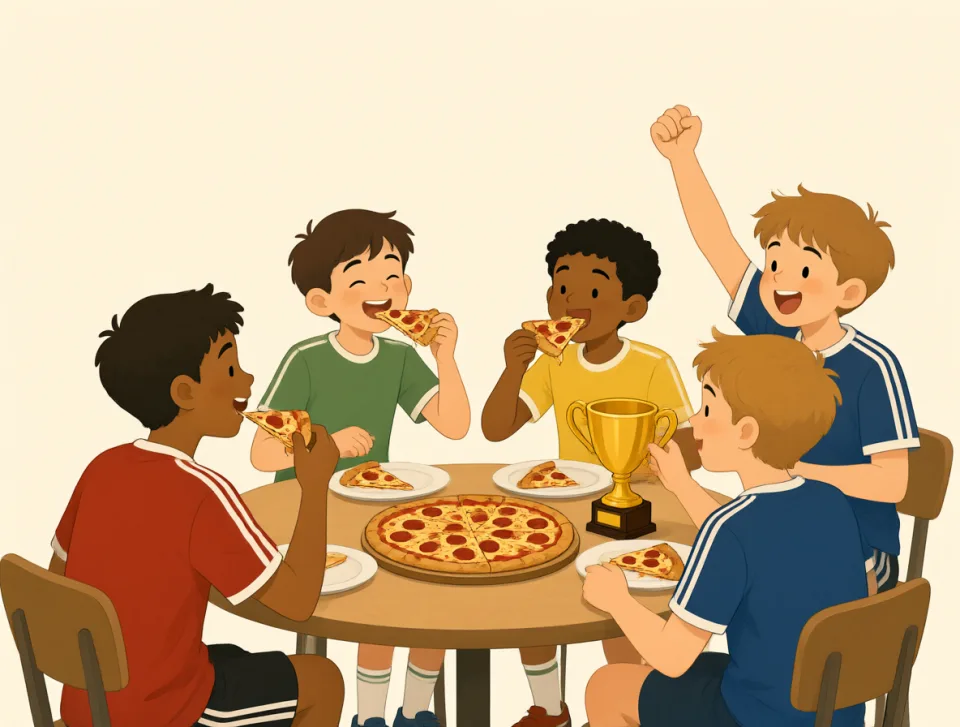
The team celebrated their victory with pizza after the final match.
Po ostatnim meczu drużyna świętowała zwycięstwo, jedząc pizzę.
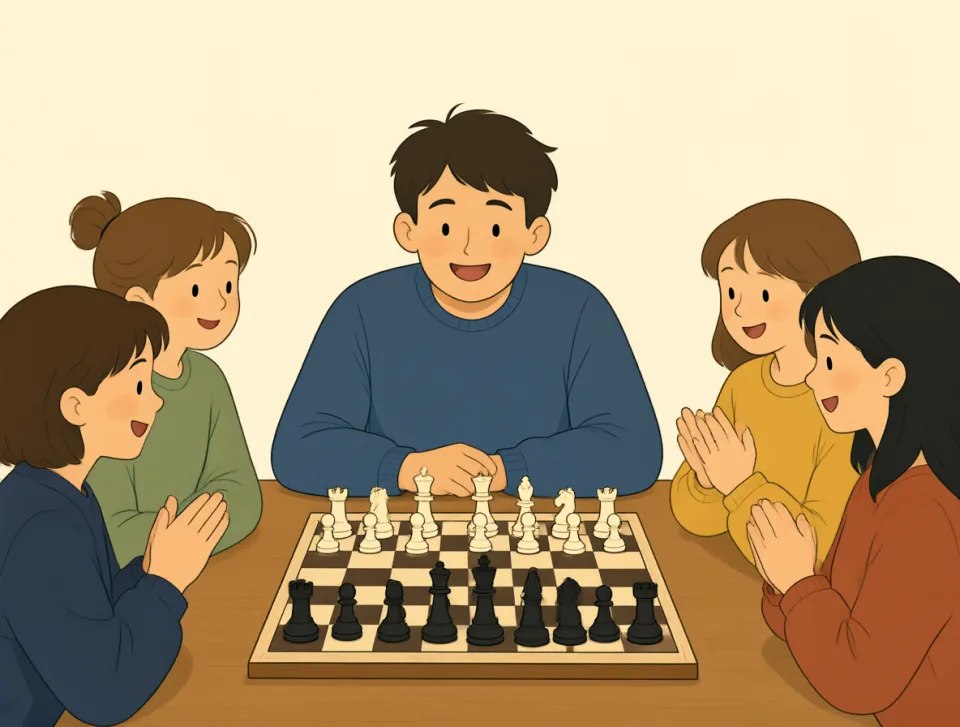
She won a clear victory in the school chess competition.
Wygrała zdecydowanie szkolne zawody szachowe.
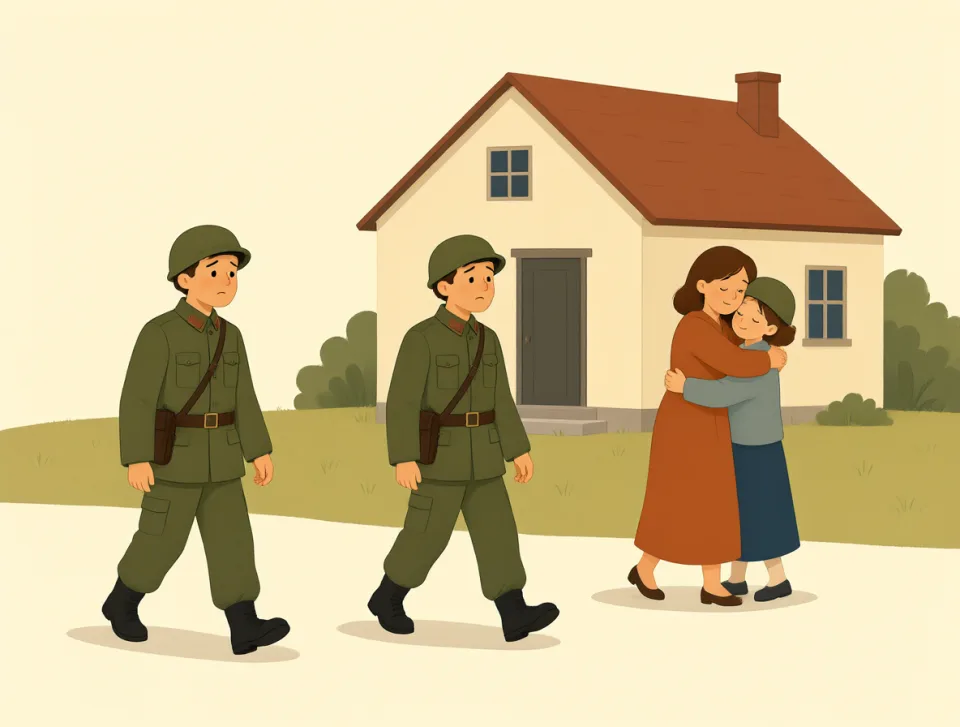
The army returned home after a long and difficult victory.
Armia wróciła do domu po długim i trudnym zwycięstwie.
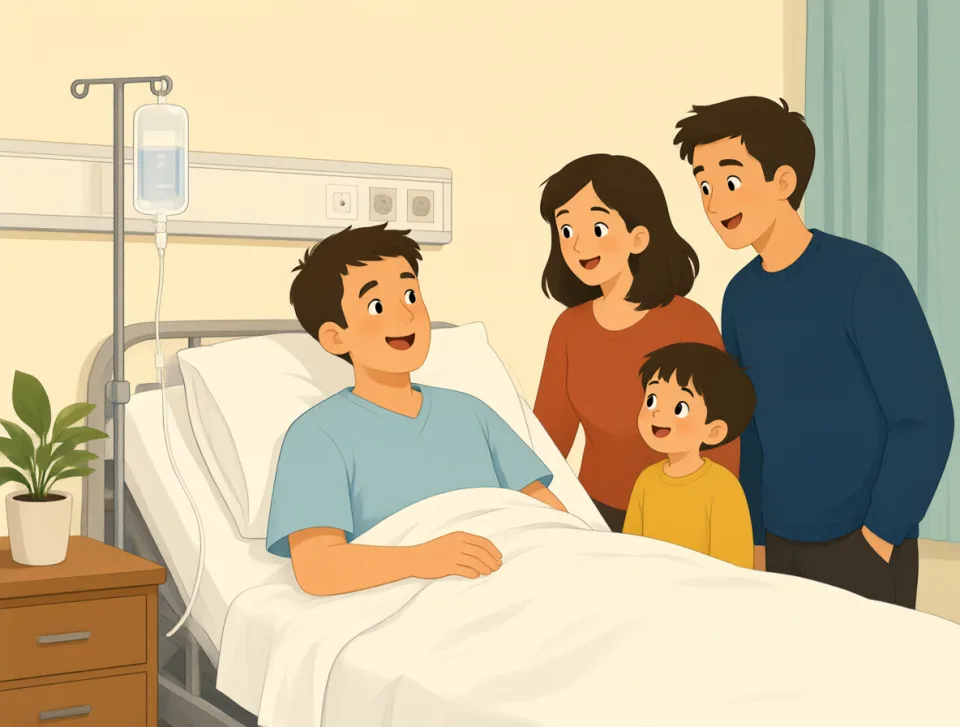
His victory over illness gave the whole family hope.
Jego zwycięstwo nad chorobą dało nadzieję całej rodzinie.

Our team enjoyed a narrow victory in yesterday’s friendly game.
Wczoraj nasza drużyna odniosła niewielkie zwycięstwo w meczu towarzyskim.

resolve
#1777verb, noun
rozwiązać; postanowić
To solve a problem or make a firm decision after thinking carefully.
Rozwiązać problem lub podjąć stanowczą decyzję po dokładnym namyśle.

We need to resolve this problem before the meeting tomorrow.
Musimy rozwiązać ten problem przed jutrzejszym spotkaniem.

The hotel manager resolved our complaint quickly and politely.
Kierownik hotelu szybko i uprzejmie rozwiązał nasz problem.
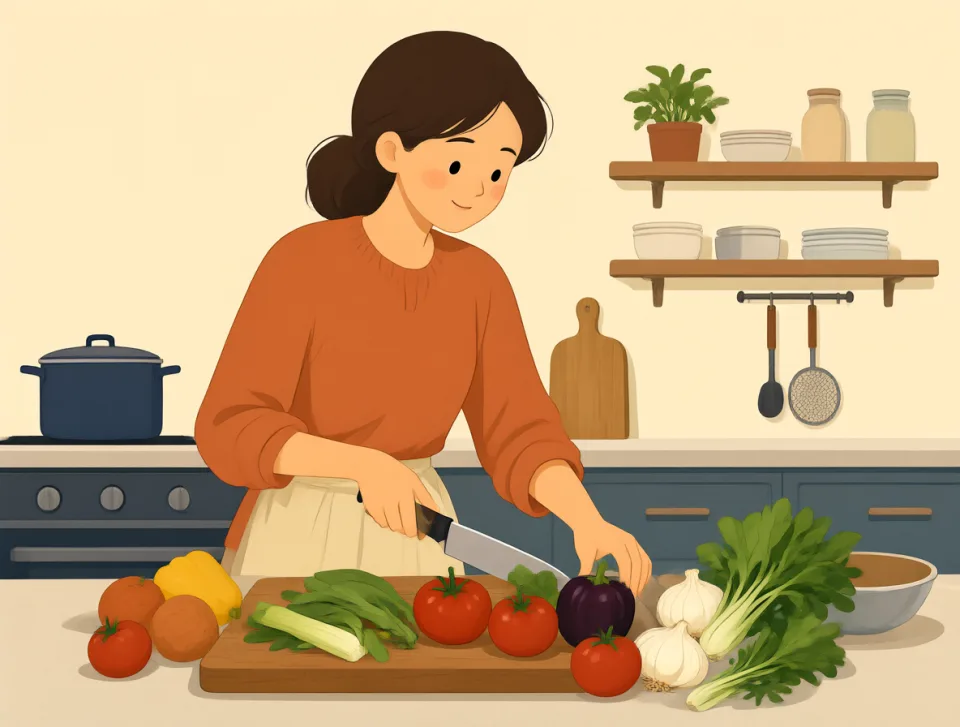
She resolved to eat healthier meals after her doctor’s advice.
Po radzie lekarza postanowiła jeść zdrowsze posiłki.
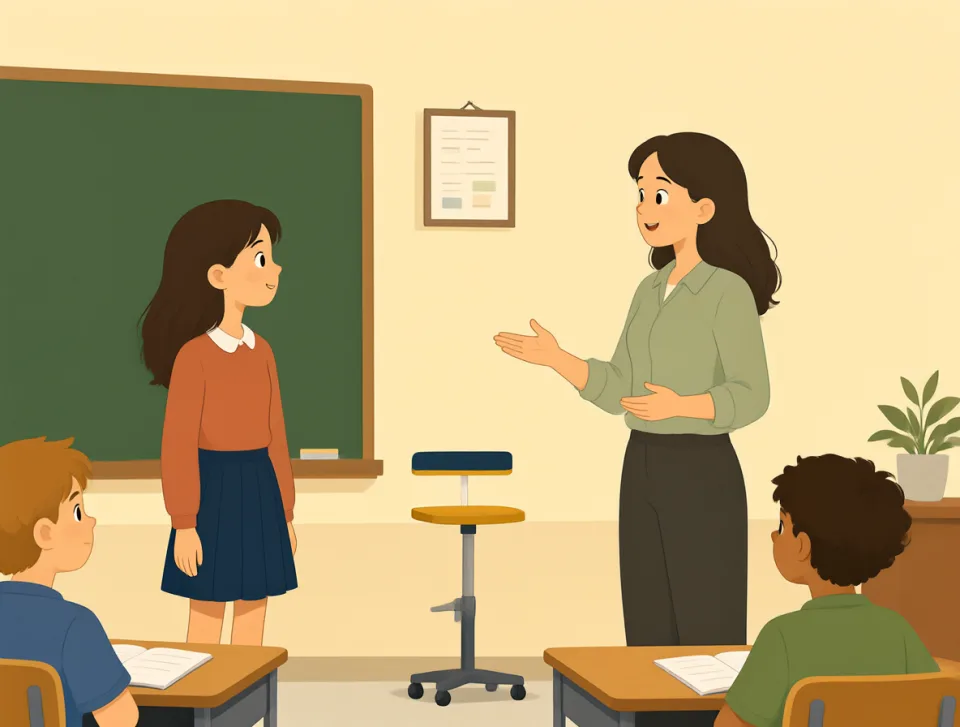
The teacher helped resolve an argument between two students.
Nauczyciel pomógł rozwiązać kłótnię między dwojgiem uczniów.

The conflict was finally resolved when both friends apologized.
Konflikt w końcu udało się rozwiązać, gdy oboje przyjaciele przeprosili.

critic
#1778noun
krytyk
A person who gives opinions about the quality of something, especially art, books, or films.
Osoba, która ocenia jakość czegoś, zwłaszcza dzieł sztuki, książek lub filmów.
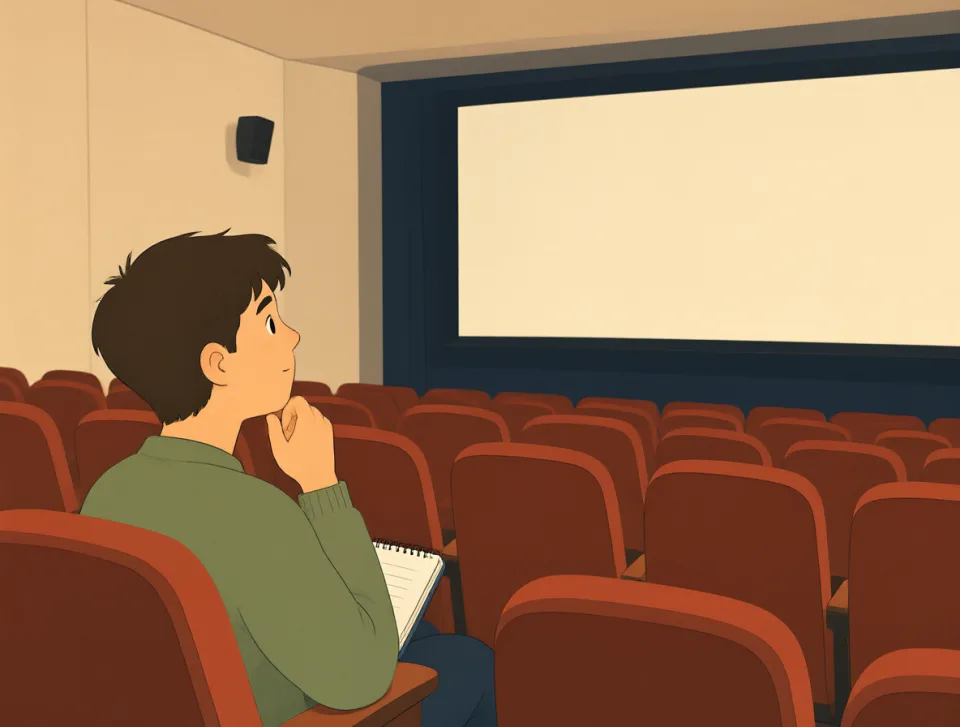
The film critic praised the actors but disliked the ending.
Krytyk filmowy pochwalił aktorów, ale nie spodobało mu się zakończenie.
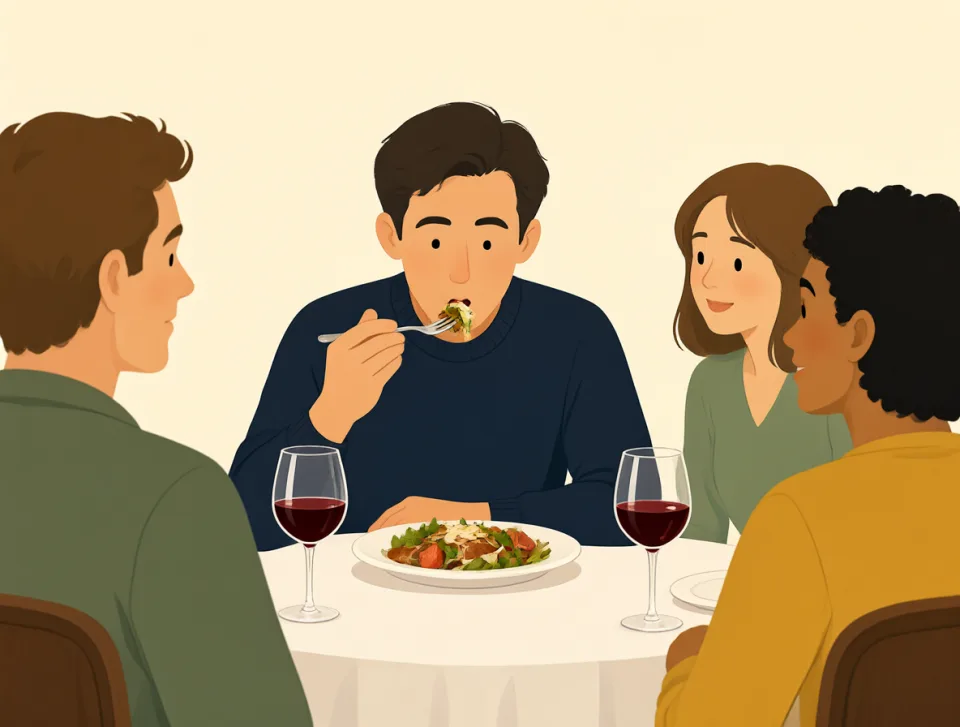
A food critic visited the new restaurant with two friends.
Krytyk kulinarny odwiedził nową restaurację z dwójką przyjaciół.

The book critic wrote a positive review of her novel.
Krytyk literacki napisał pozytywną recenzję jej powieści.
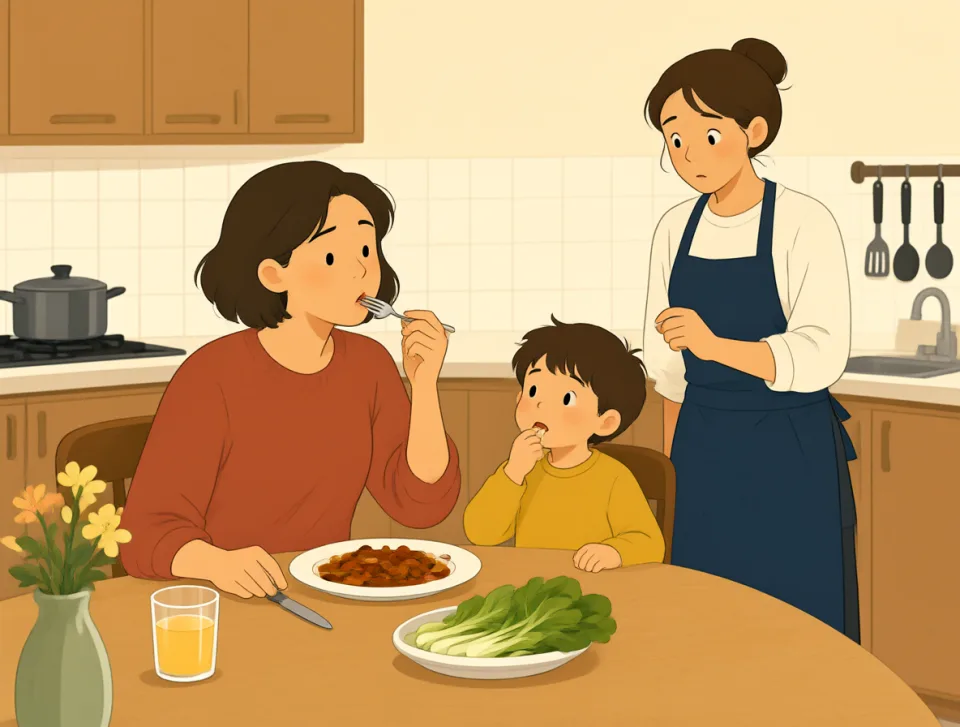
My brother is a harsh critic of my cooking.
Mój brat surowo krytykuje moje gotowanie.

The art critic studied the painting carefully before speaking.
Krytyk sztuki uważnie przyjrzał się obrazowi, zanim zabrał głos.
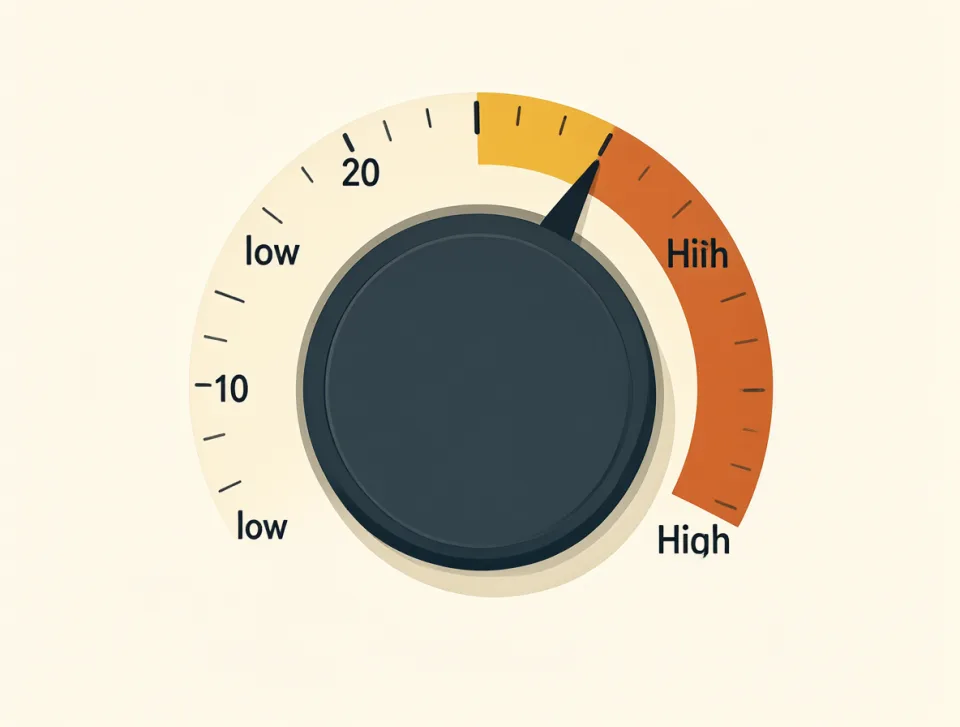
variable
#1779noun, adjective
zmienna
A variable is something that can change, or a value that changes in a situation.
Zmienna to coś, co może się zmieniać, albo wartość, która zmienia się w danej sytuacji.
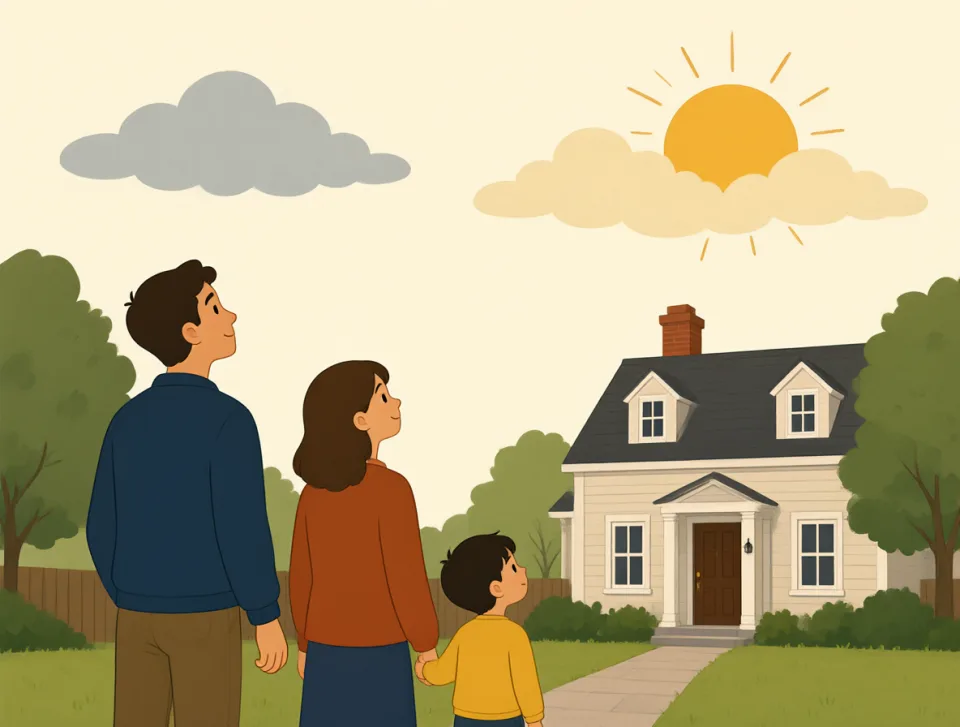
The weather is a variable we cannot control.
Pogoda jest zmienną, na którą nie mamy wpływu.

The price of the meal depends on several variables.
Cena posiłku zależy od kilku zmiennych.
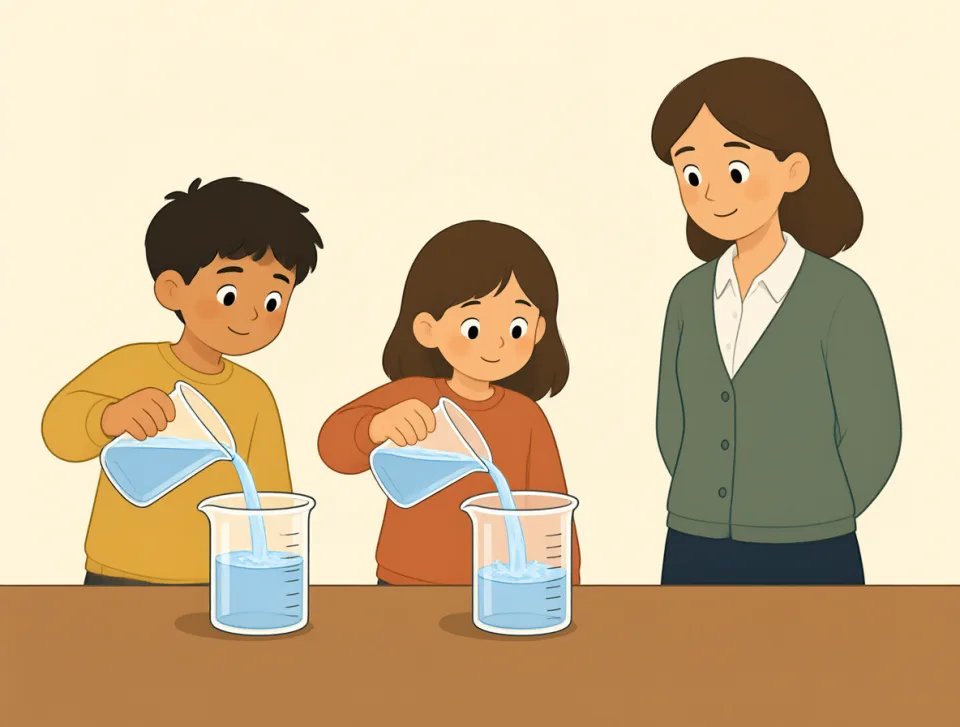
The teacher changed one variable during the science experiment.
Podczas eksperymentu naukowego nauczyciel zmienił jedną zmienną.
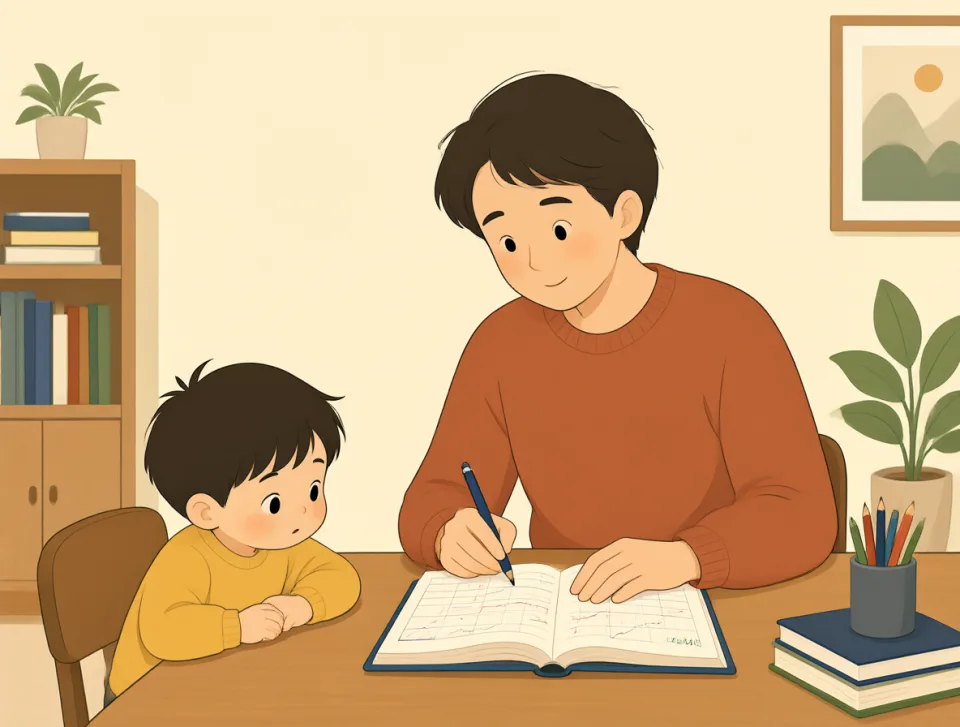
Variable work hours make it hard to plan childcare.
Zmienny grafik pracy utrudnia planowanie opieki nad dziećmi.
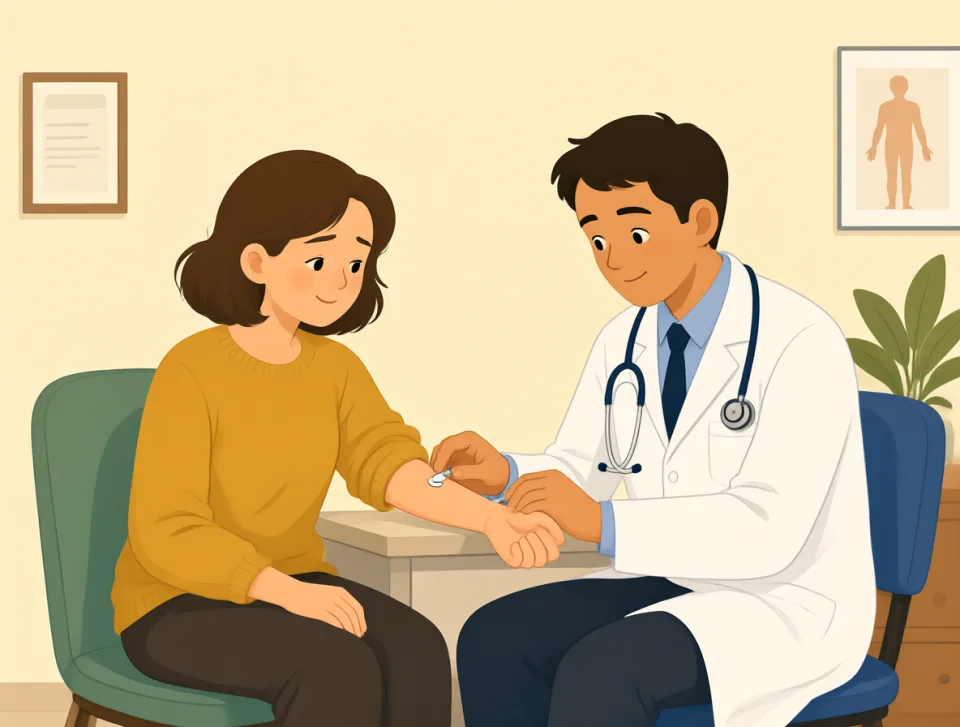
The patient’s variable heart rate worried the doctor.
Zmienna częstość akcji serca pacjenta zaniepokoiła lekarza.

enormous
#1780adjective
ogromny
Very large in size, amount, or degree.
Bardzo duży pod względem rozmiaru, ilości lub stopnia.
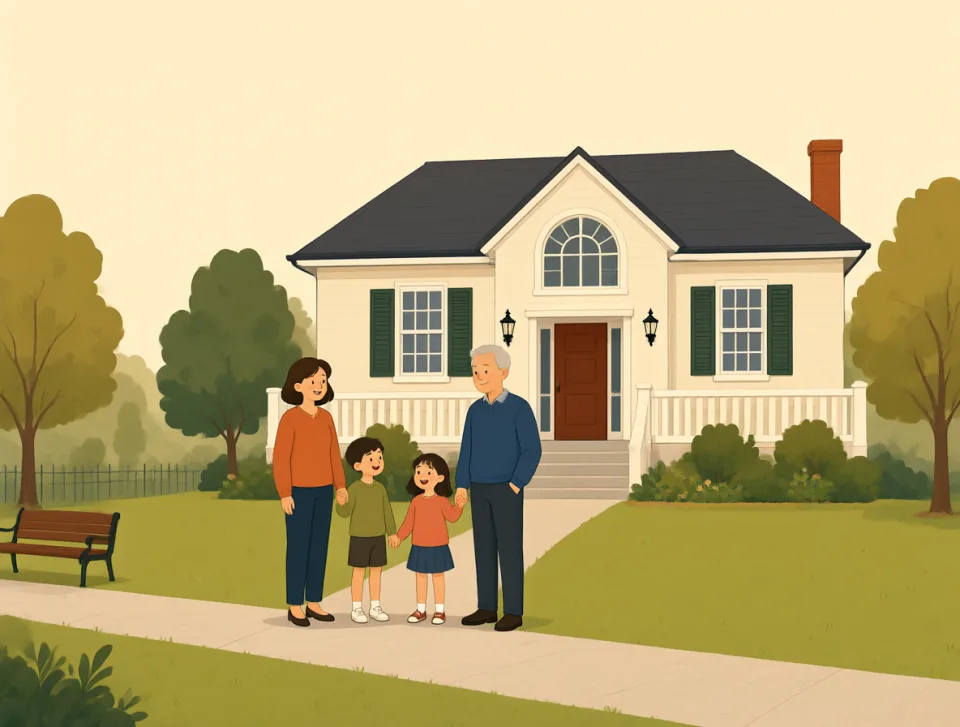
They live in an enormous house near the park.
Mieszkają w ogromnym domu niedaleko parku.
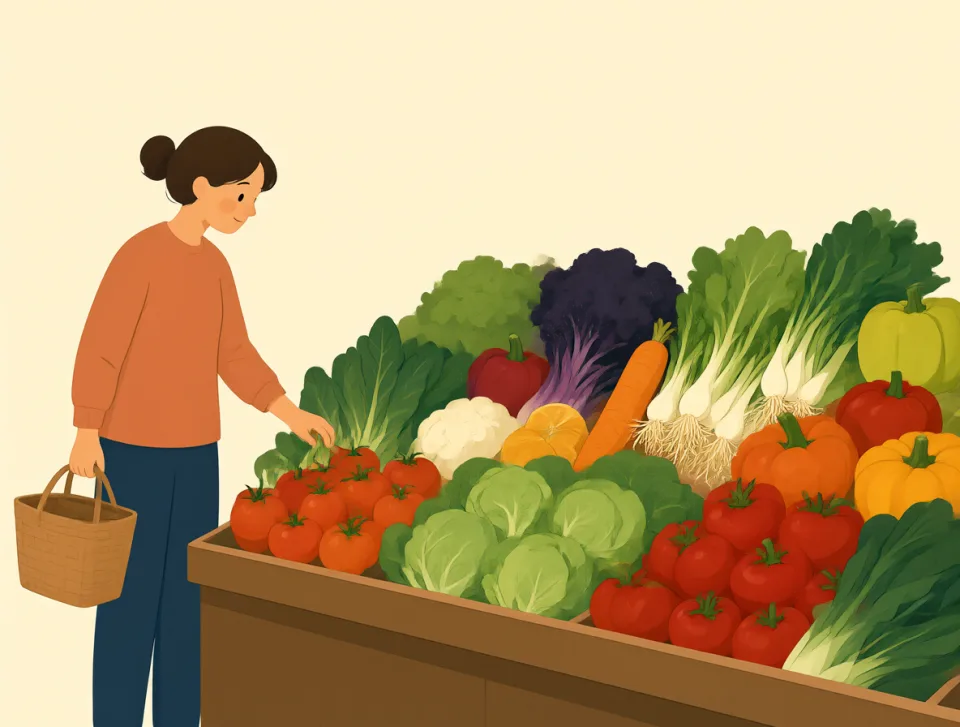
The supermarket has an enormous selection of fresh vegetables.
W supermarkecie jest ogromny wybór świeżych warzyw.

An enormous crowd waited outside the stadium.
Przed stadionem czekał ogromny tłum.
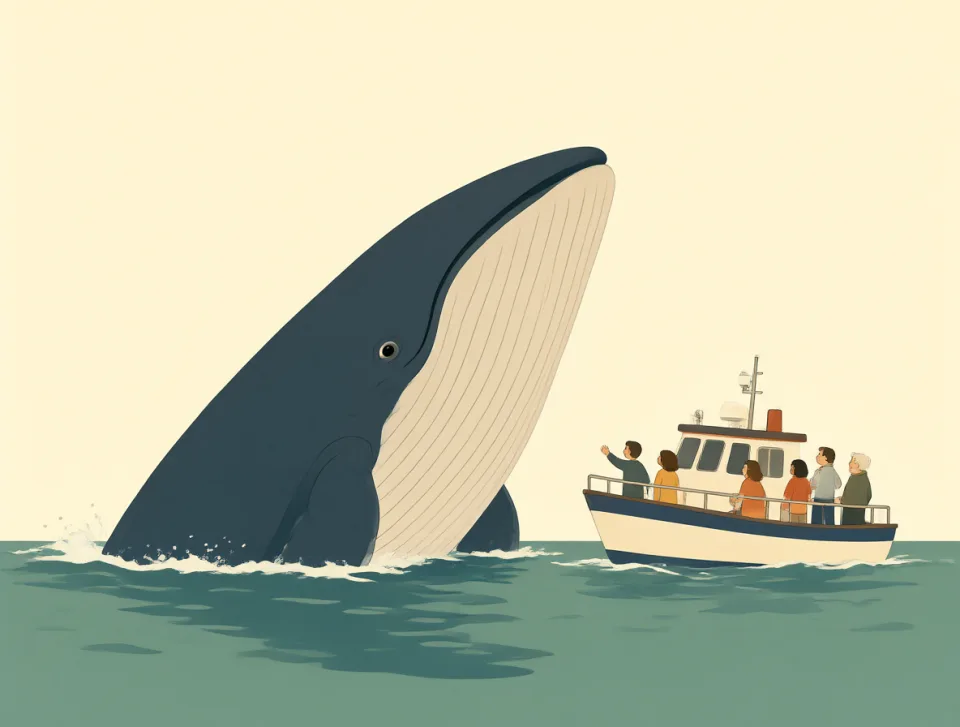
We saw an enormous whale during our boat trip.
Podczas rejsu łodzią zobaczyliśmy ogromnego wieloryba.
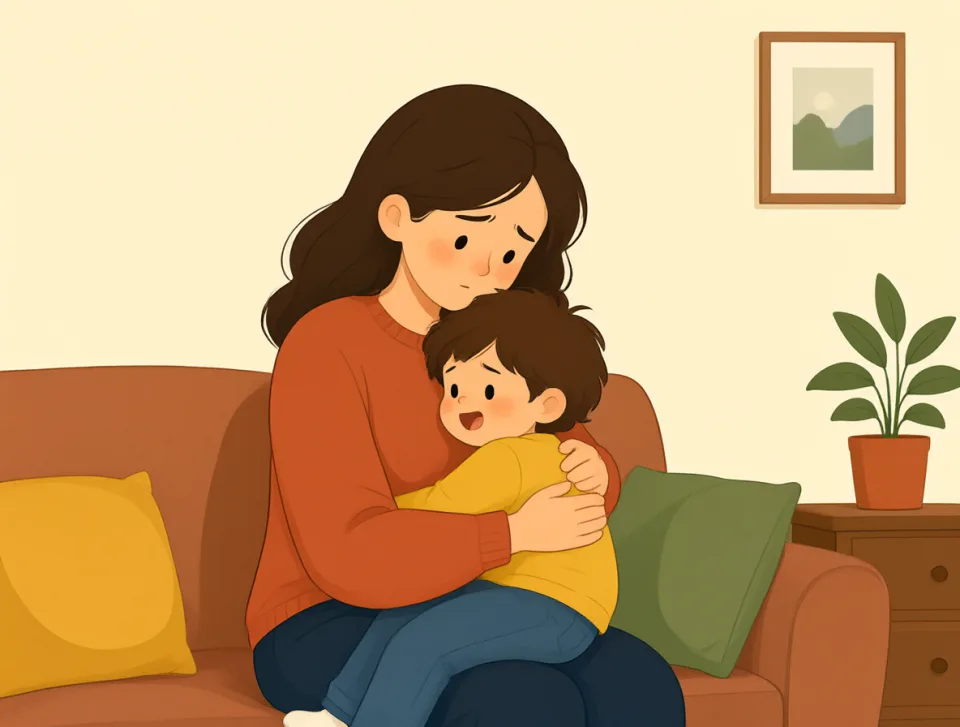
She felt enormous relief when her lost child came home.
Poczuła ogromną ulgę, gdy jej zaginione dziecko wróciło do domu.