Zestaw 82
Słowa 1621–1640 · journey, opposition, relief, debt, honor, outcome

journey
#1621noun
podróż
A trip from one place to another, especially a long one.
Podróż z jednego miejsca do drugiego, zwłaszcza długa.

The journey from London to Paris takes about two hours.
Podróż z Londynu do Paryża trwa około dwóch godzin.

We had a long journey home after the concert.
Po koncercie czekała nas długa podróż do domu.
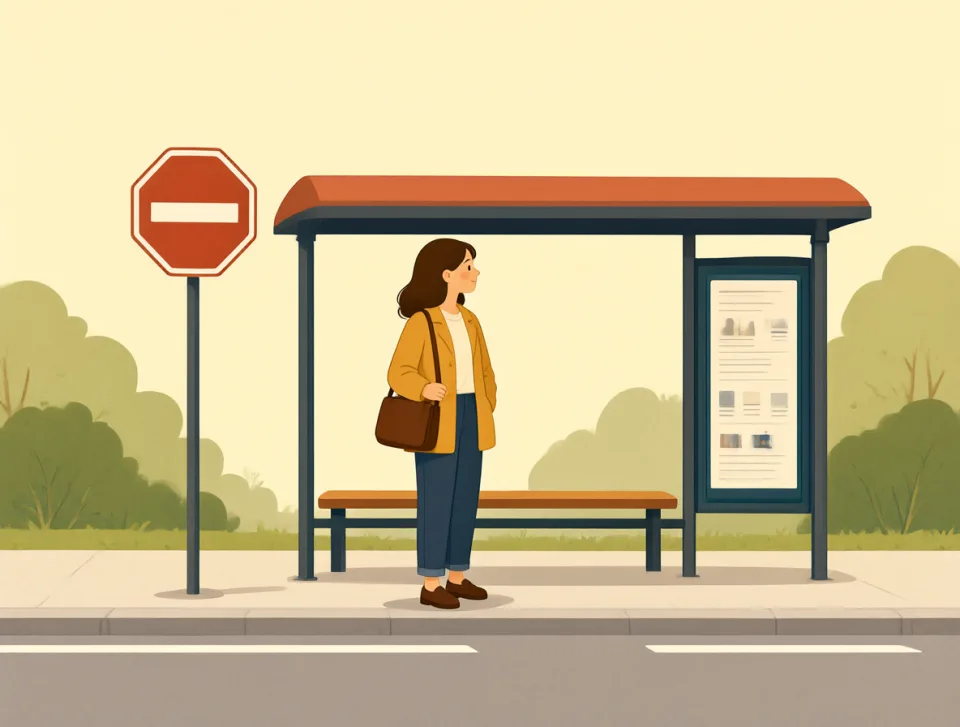
Her journey to work starts with a short bus ride.
Jej droga do pracy zaczyna się od krótkiej przejażdżki autobusem.
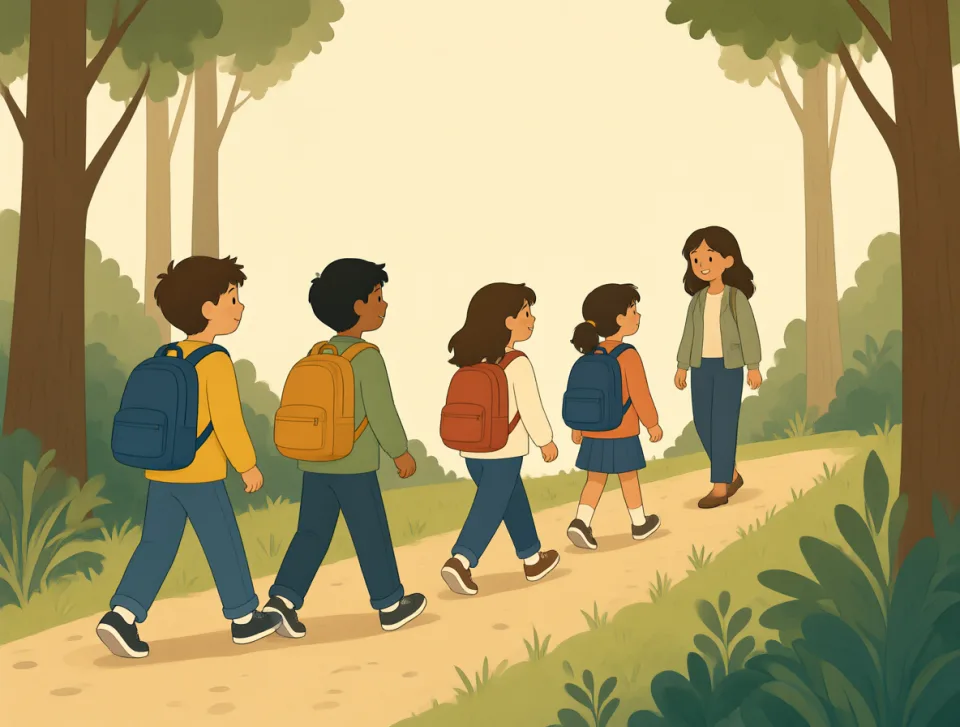
The students wrote about their journey through the forest.
Uczniowie napisali o swojej wędrówce przez las.
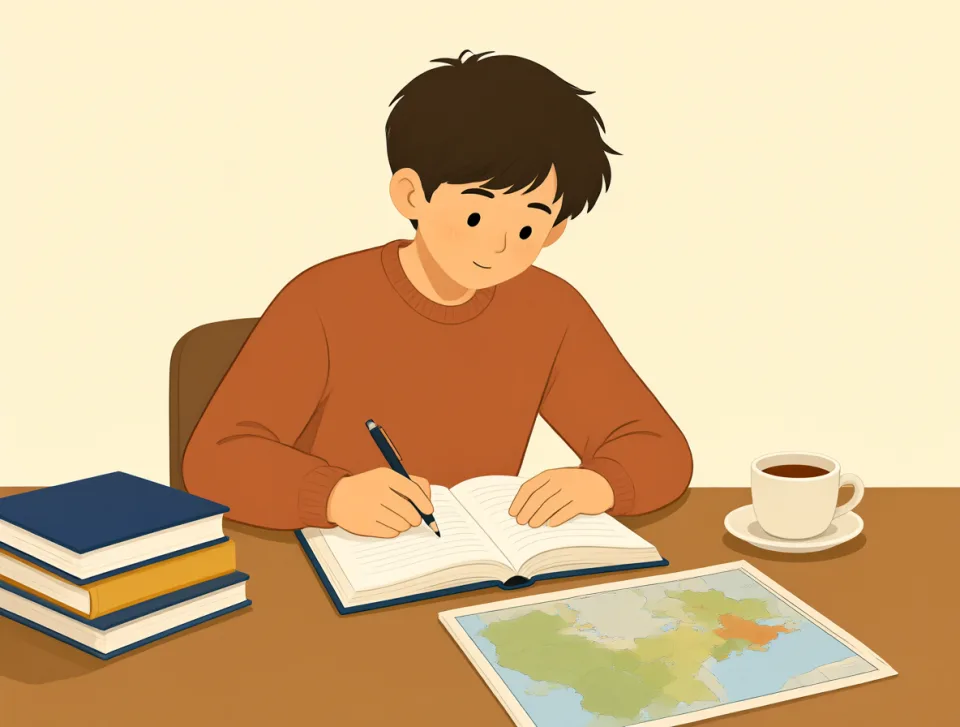
Learning a new language is a difficult but rewarding journey.
Nauka nowego języka to trudna, ale dająca wiele satysfakcji podróż.
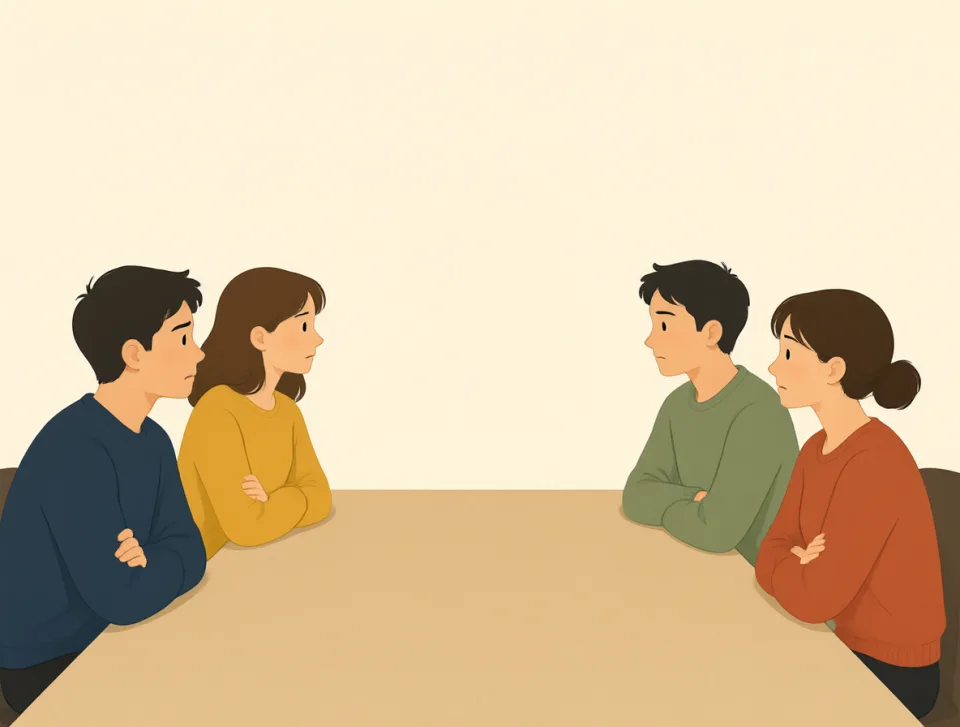
opposition
#1622noun
sprzeciw
Strong disagreement with a plan, idea, or person, or the people who disagree.
Silny sprzeciw wobec planu, pomysłu lub osoby albo osoby, które się sprzeciwiają.
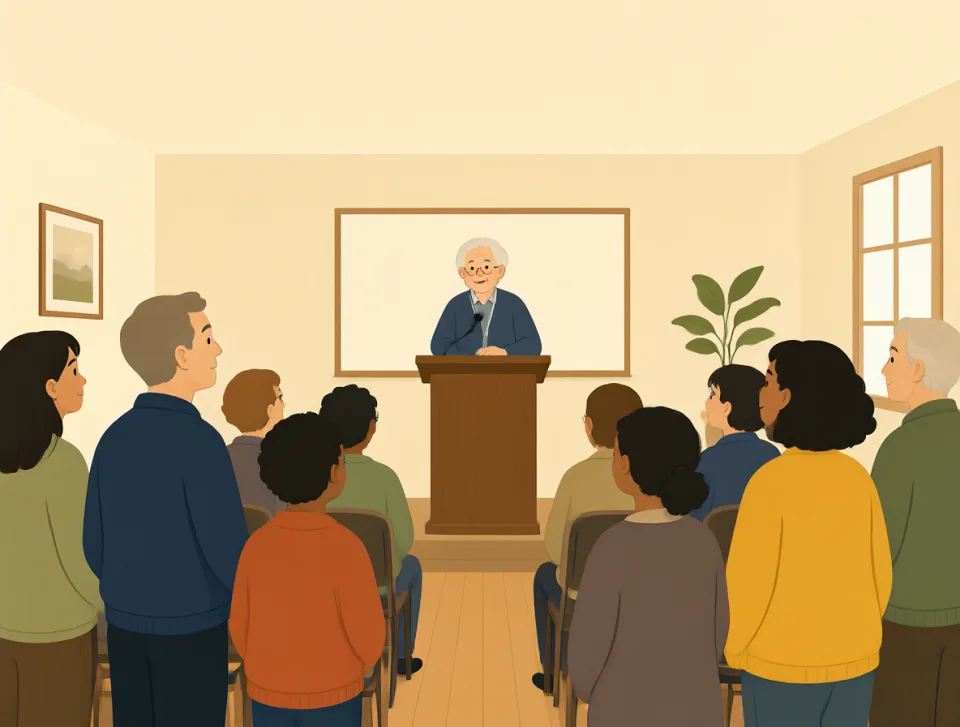
The plan met strong opposition from local residents.
Plan spotkał się z silnym sprzeciwem lokalnych mieszkańców.
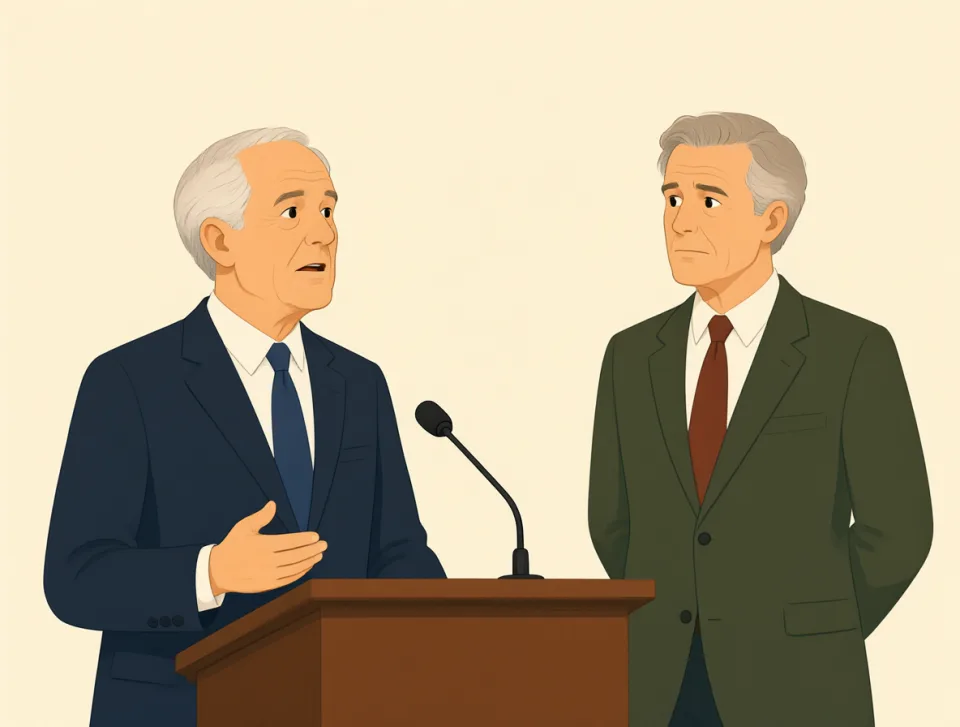
The opposition party criticized the government during the election.
Partia opozycyjna krytykowała rząd podczas wyborów.
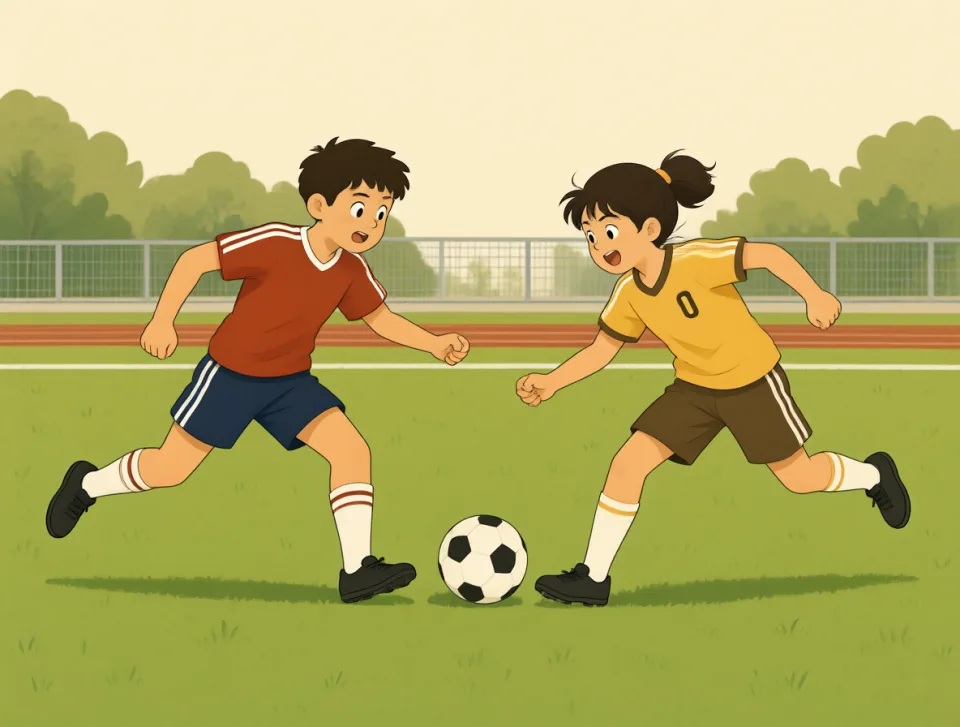
Our team played well despite opposition from the other school.
Nasza drużyna dobrze grała mimo oporu ze strony drużyny z drugiej szkoły.

She faced opposition when she asked for a later work schedule.
Spotkała się ze sprzeciwem, gdy poprosiła o późniejsze godziny pracy.
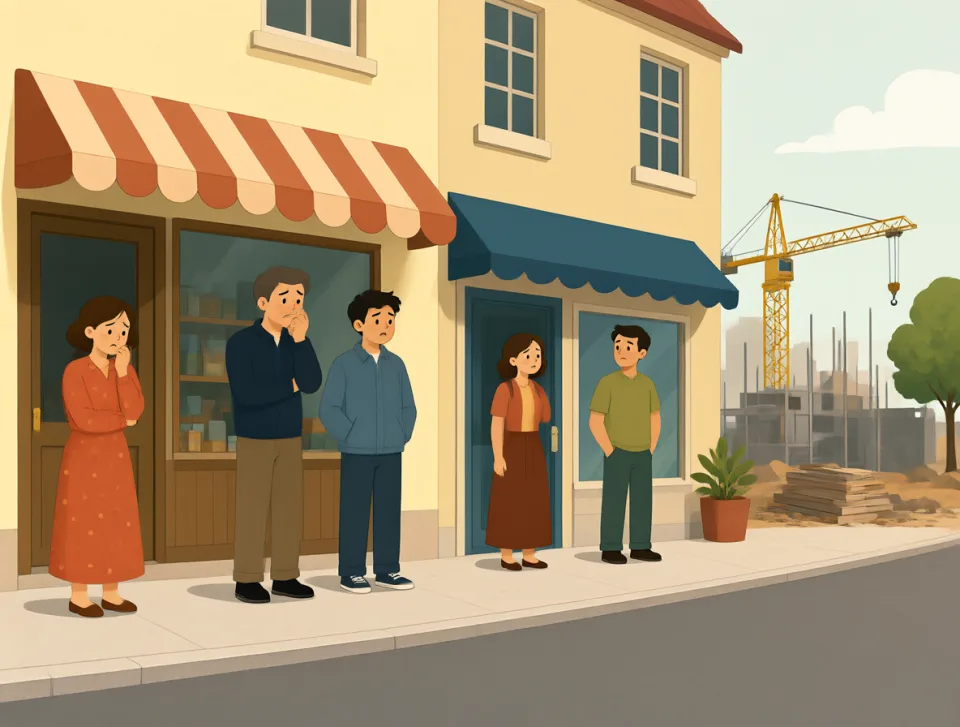
The new shopping center caused opposition from nearby shop owners.
Nowe centrum handlowe spotkało się ze sprzeciwem właścicieli pobliskich sklepów.
relief
#1623noun
ulga
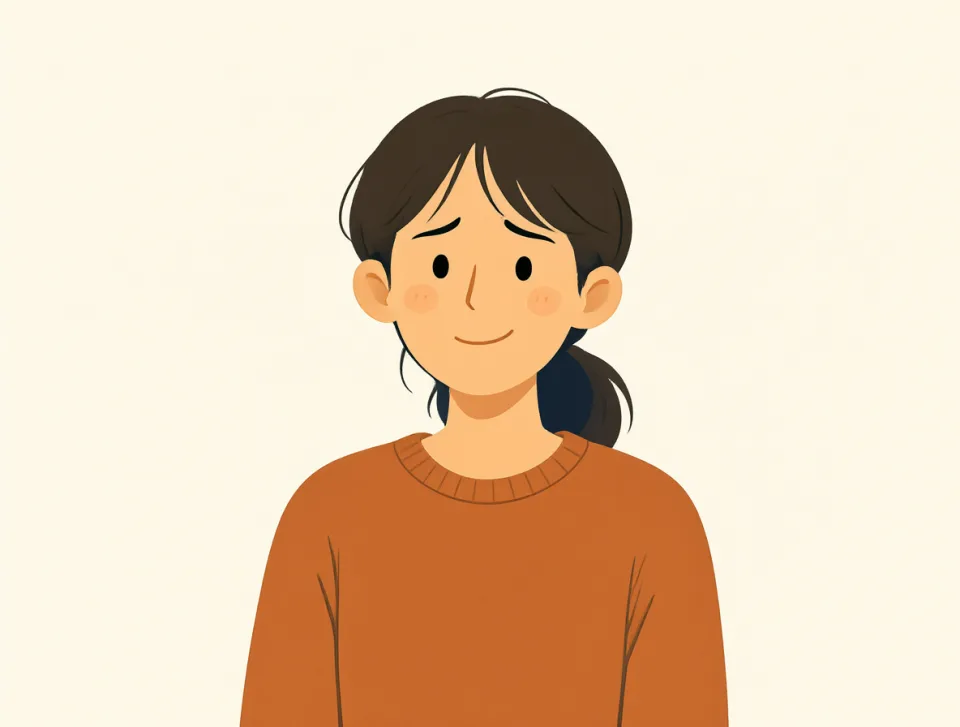
A feeling of happiness when something difficult or painful ends.
Uczucie szczęścia, gdy coś trudnego lub bolesnego dobiega końca.

She felt great relief when her lost dog came home.
Odczuła ogromną ulgę, gdy jej zaginiony pies wrócił do domu.

The medicine brought relief from his terrible headache.
Lek przyniósł mu ulgę w okropnym bólu głowy.

Everyone sighed with relief when the teacher canceled the test.
Wszyscy odetchnęli z ulgą, gdy nauczyciel odwołał sprawdzian.

The cool water gave us relief from the hot summer sun.
Chłodna woda przyniosła nam ulgę od letniego upału.

The store offered relief to shoppers by extending the return period.
Sklep ułatwił klientom zakupy, wydłużając okres zwrotu.
debt
#1624noun
dług
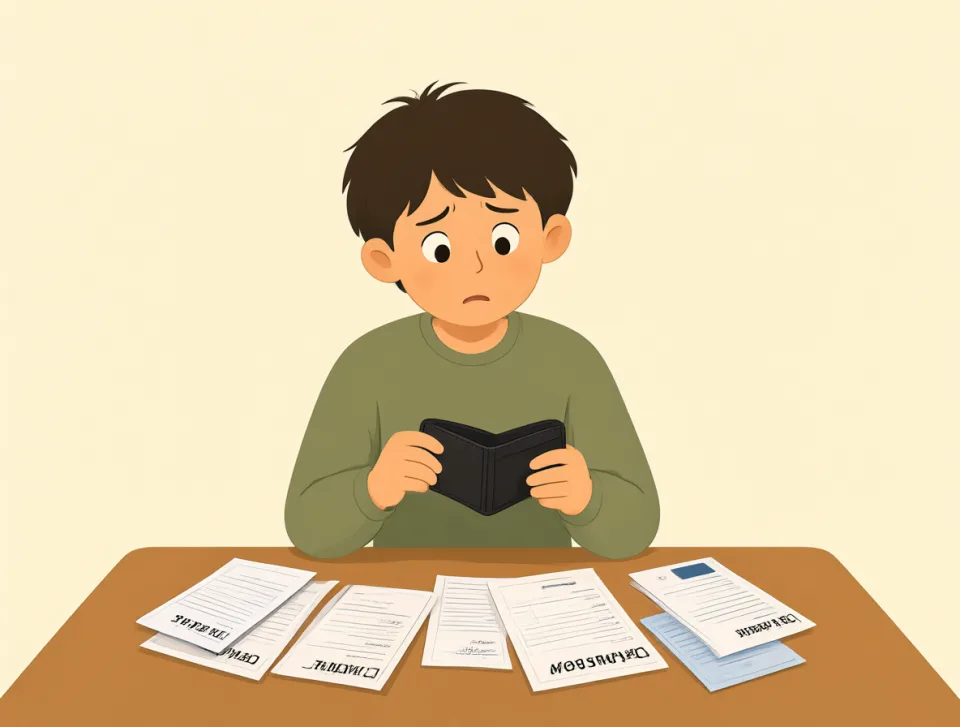
Money that you owe to a person, bank, or business.
Pieniądze, które jesteś winien jakiejś osobie, bankowi lub firmie.
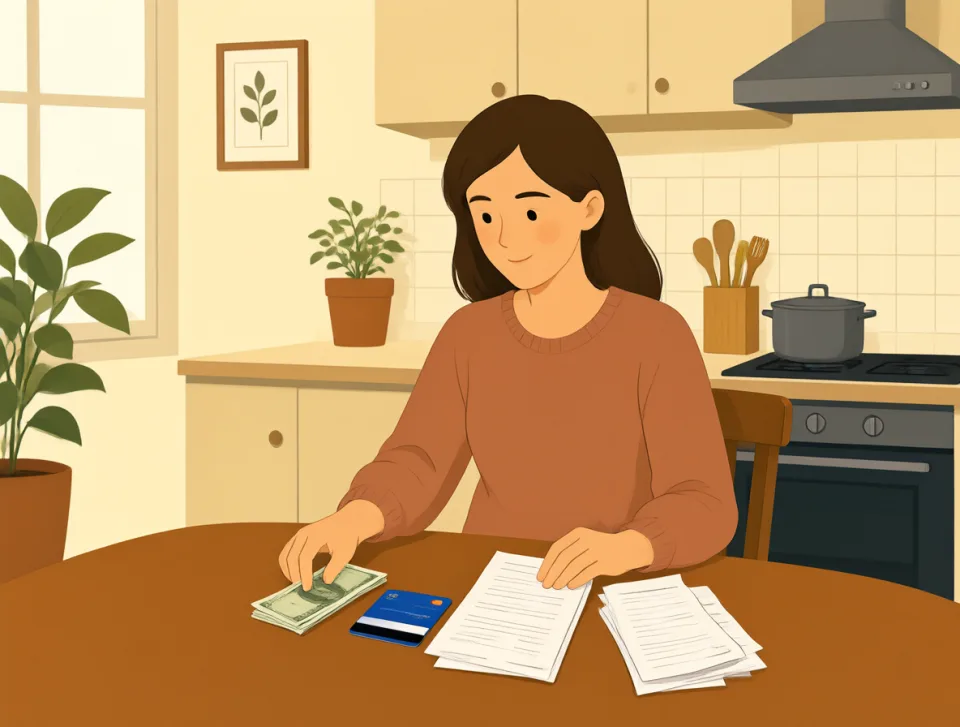
She is trying to pay off her credit card debt.
Stara się spłacić zadłużenie na karcie kredytowej.
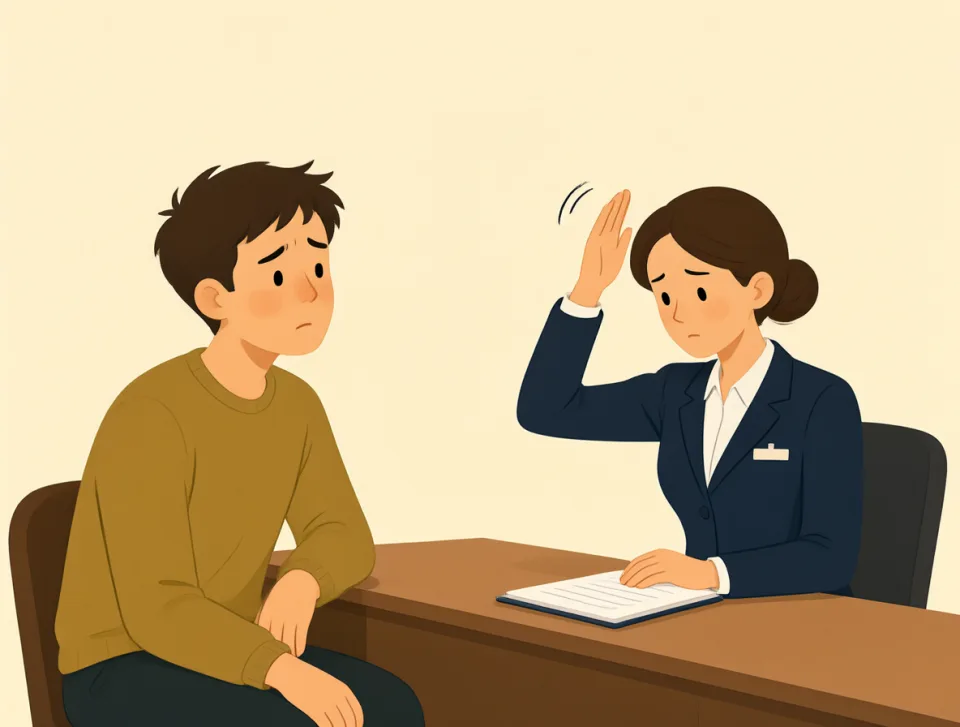
The bank refused his loan because he already had too much debt.
Bank odmówił mu pożyczki, bo miał już zbyt duże zadłużenie.

Their family got into debt after repairing the house.
Ich rodzina popadła w długi po remoncie domu.

He borrowed money from a friend and is still in debt.
Pożyczył pieniądze od przyjaciela i nadal jest zadłużony.

The company is working hard to reduce its debt.
Firma ciężko pracuje nad zmniejszeniem swojego zadłużenia.

honor
#1625noun, verb
szacunek
Honor means great respect, or to show respect for someone or something.
Honor oznacza wielki szacunek lub okazywanie szacunku komuś albo czemuś.
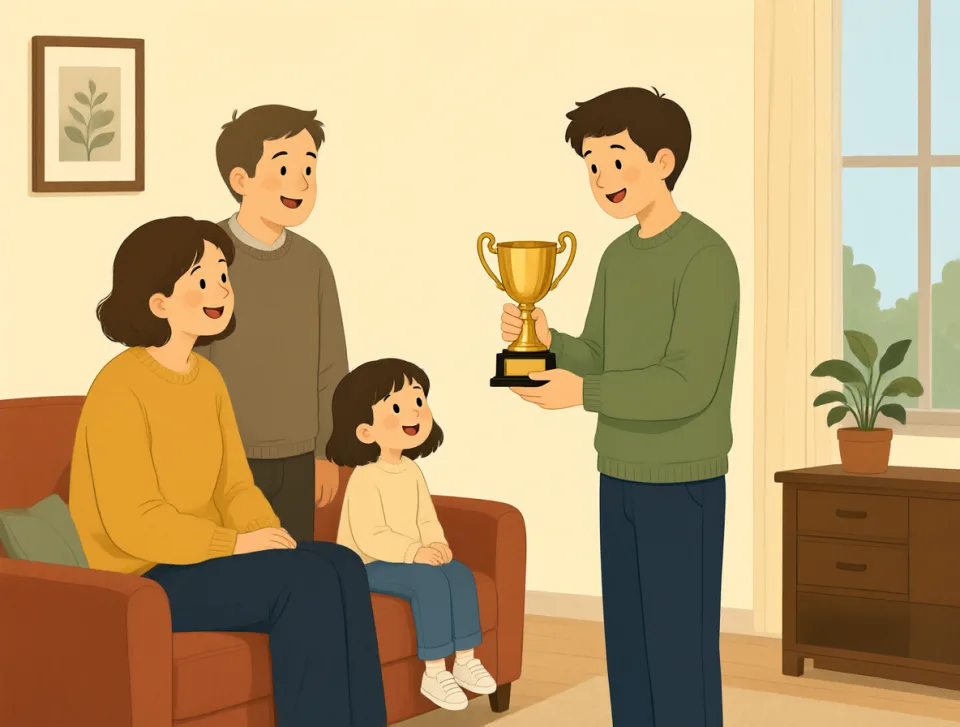
The award was a great honor for our family.
Ta nagroda była wielkim zaszczytem dla naszej rodziny.
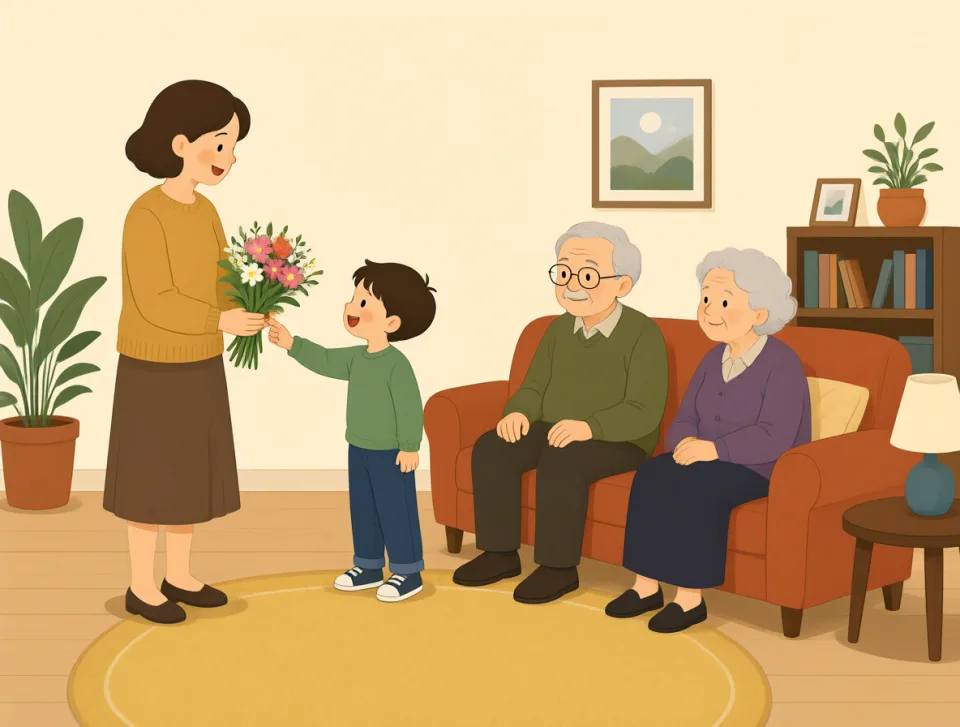
We honor our grandparents by visiting them every Sunday.
Okazujemy szacunek naszym dziadkom, odwiedzając ich w każdą niedzielę.

The school honored Maya for helping younger students.
Szkoła uhonorowała Mayę za pomoc młodszym uczniom.

It is an honor to meet the famous chef.
To zaszczyt spotkać słynnego szefa kuchni.
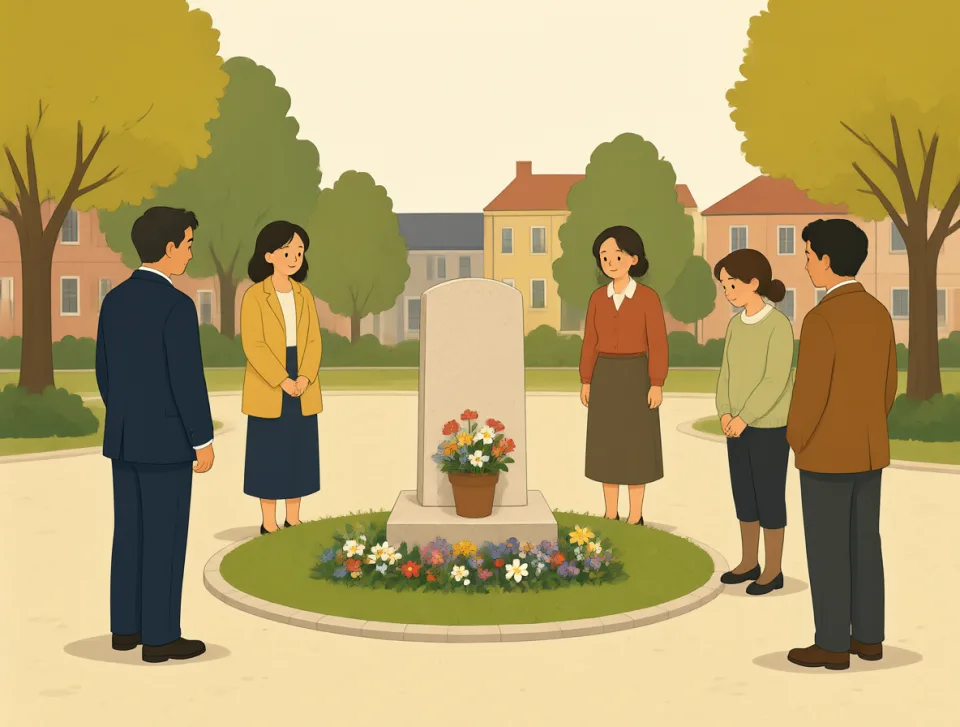
The town held a ceremony to honor fallen soldiers.
Miasteczko zorganizowało uroczystość ku czci poległych żołnierzy.

outcome
#1626noun
wynik
The final result of an action, event, or situation.
Końcowy rezultat działania, wydarzenia lub sytuacji.
We are waiting to hear the outcome of the meeting.
Czekamy, aż dowiemy się, jaki był wynik spotkania.
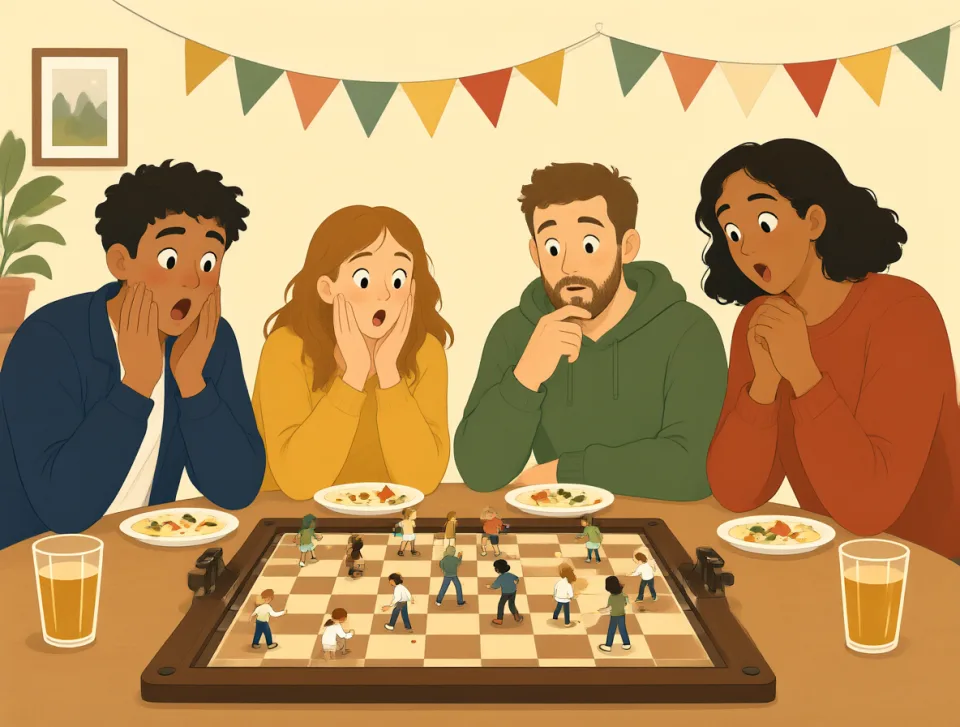
The outcome of the game surprised everyone at the party.
Wynik gry zaskoczył wszystkich na przyjęciu.

Hard work usually leads to a better outcome at school.
Ciężka praca zwykle prowadzi do lepszych wyników w szkole.

The doctor explained the possible outcomes of the treatment.
Lekarz wyjaśnił możliwe rezultaty leczenia.
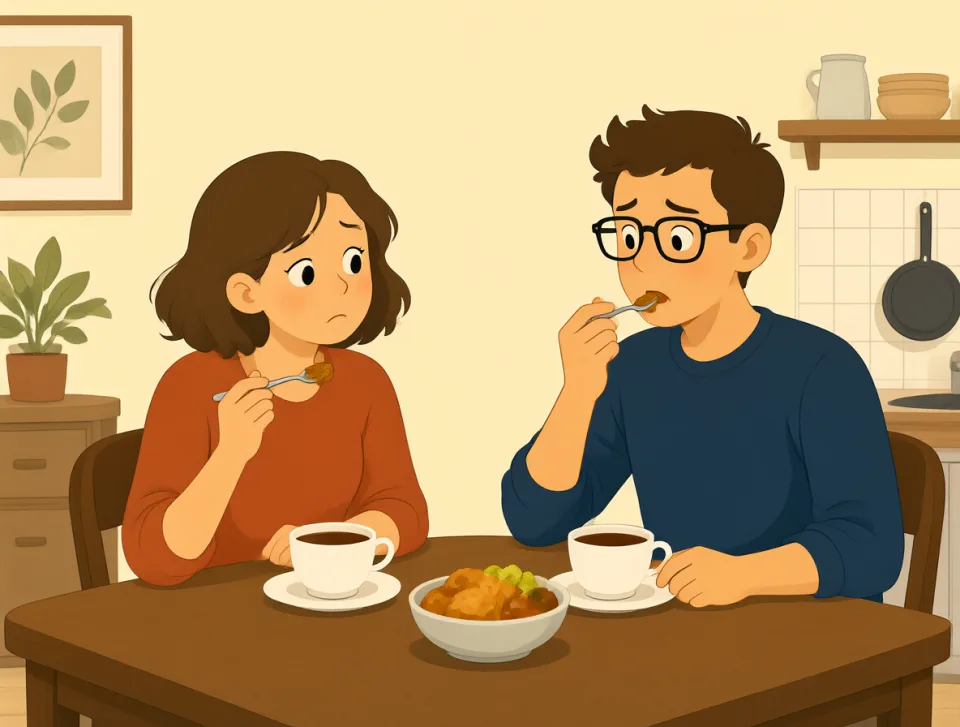
The meal had a disappointing outcome because we forgot the salt.
Posiłek nie wyszedł najlepiej, bo zapomnieliśmy o soli.
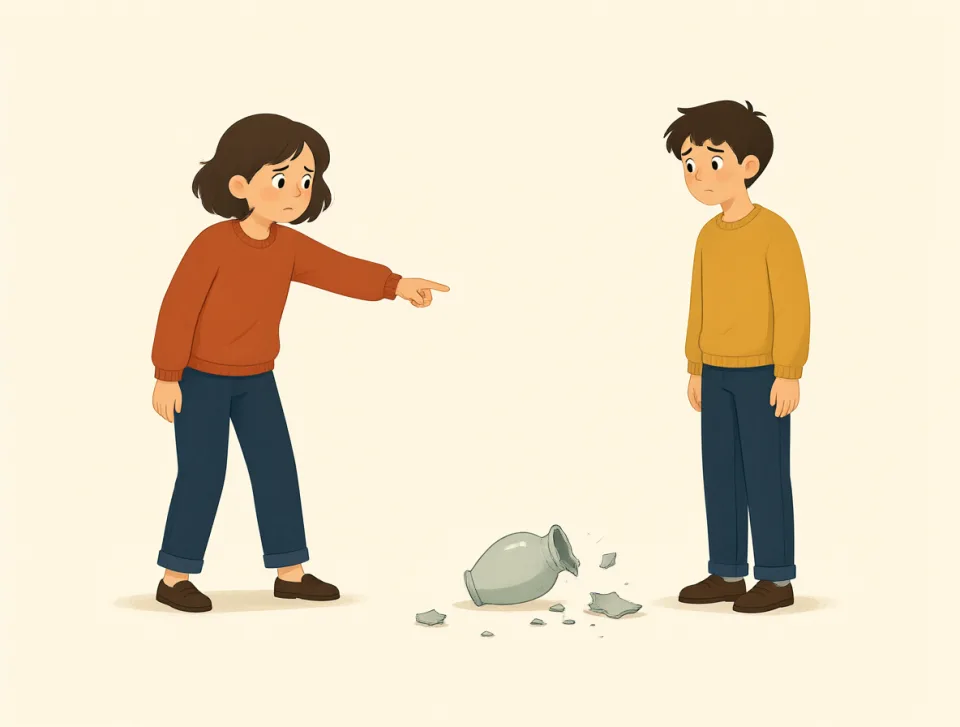
blame
#1627noun, verb
winić
To say or believe that someone caused a problem or did something wrong.
Mówić lub uważać, że ktoś spowodował problem albo zrobił coś złego.

Do not blame me for the broken window.
Nie obwiniaj mnie za tę rozbitą szybę.
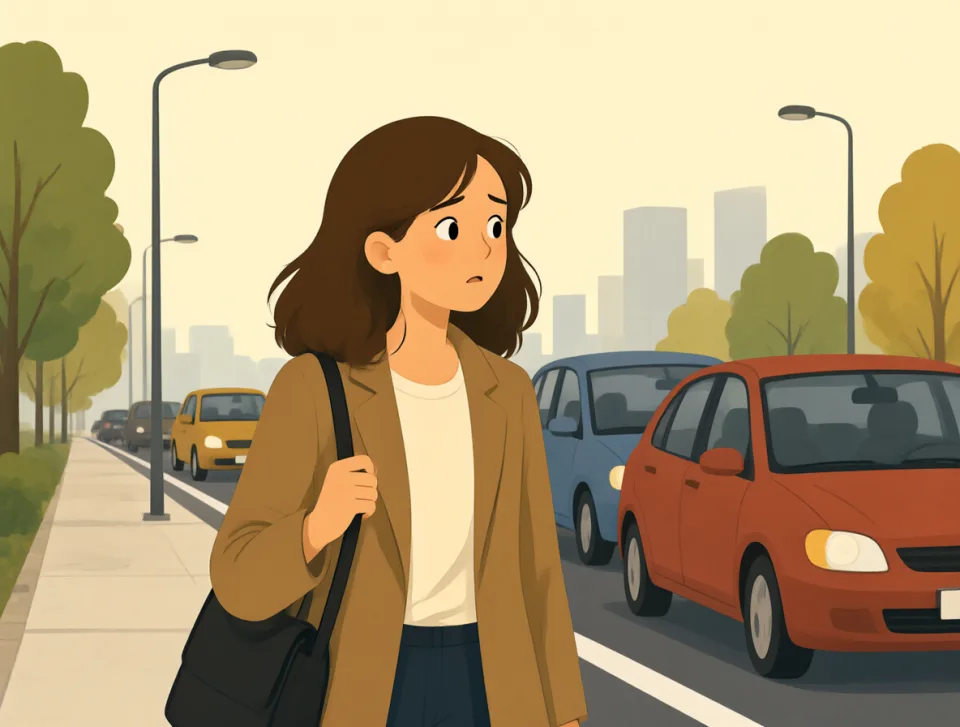
She blamed the traffic for arriving late.
Obwiniła korki za swoje spóźnienie.
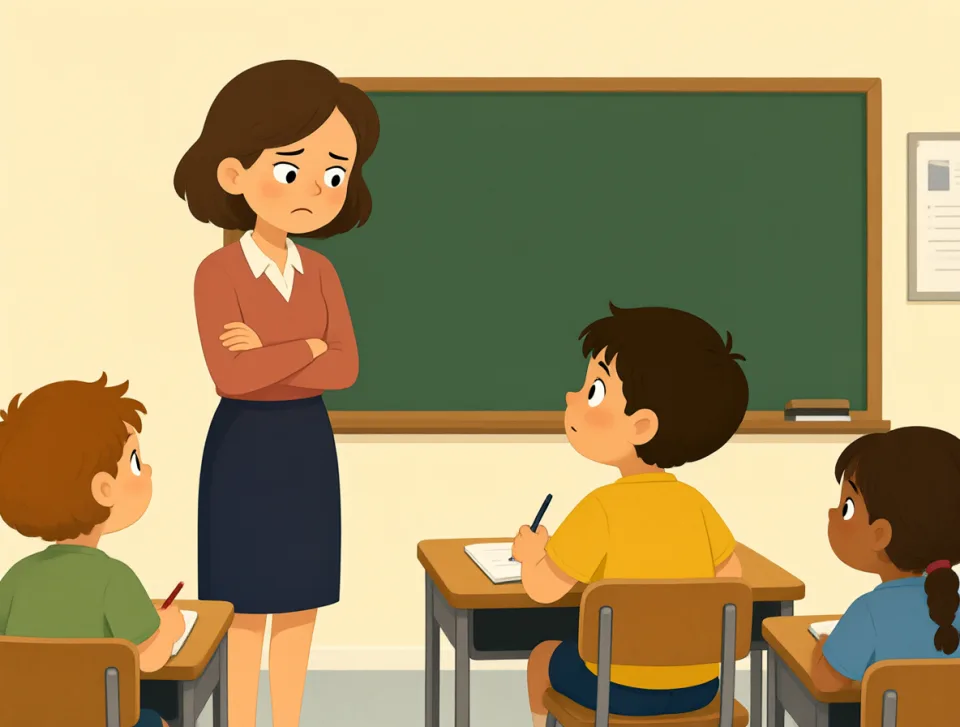
The teacher blamed Tom for making too much noise.
Nauczyciel obwinił Toma o robienie zbyt dużego hałasu.

I take the blame for forgetting your birthday.
Biorę na siebie winę za to, że zapomniałem o twoich urodzinach.
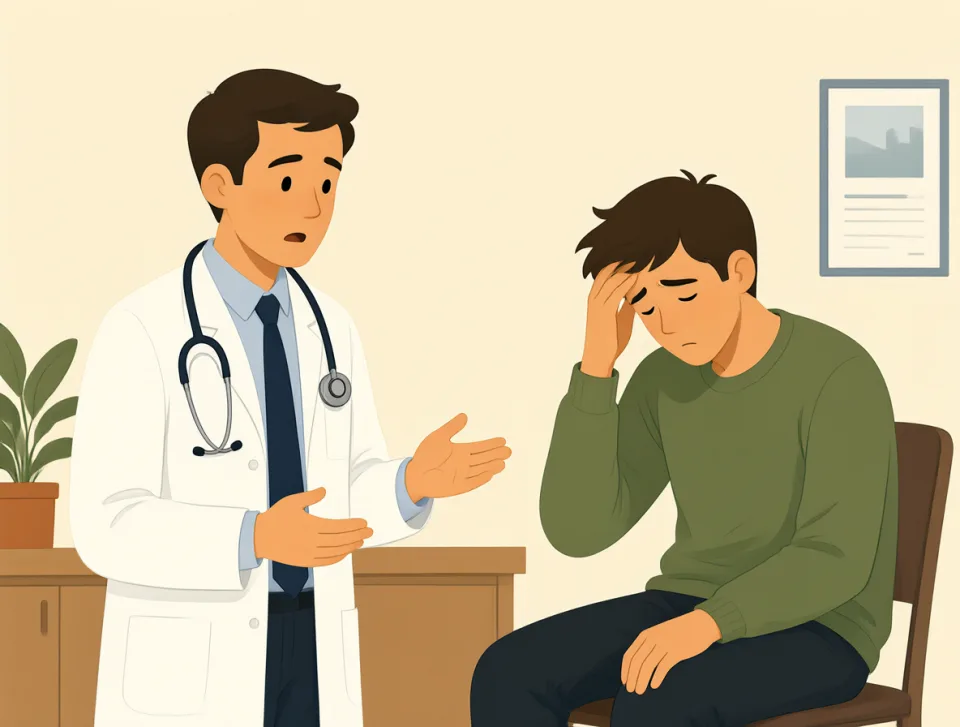
The doctor said stress was partly to blame for his headaches.
Lekarz powiedział, że stres był częściowo przyczyną jego bólów głowy.
explanation
#1628noun
wyjaśnienie
A statement that makes something clear or tells why it happened.
Wypowiedź, która coś wyjaśnia lub mówi, dlaczego coś się wydarzyło.
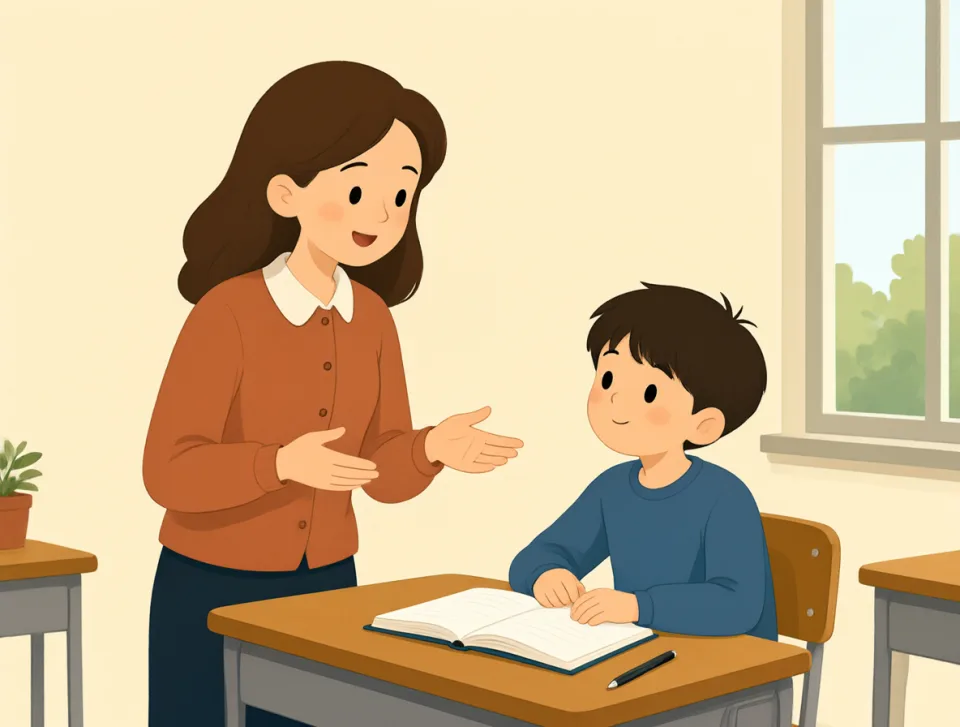
The teacher gave a simple explanation of the new rule.
Nauczyciel prosto wyjaśnił nową zasadę.

Can you give me an explanation for the late delivery?
Czy możesz wyjaśnić mi, dlaczego dostawa się spóźnia?
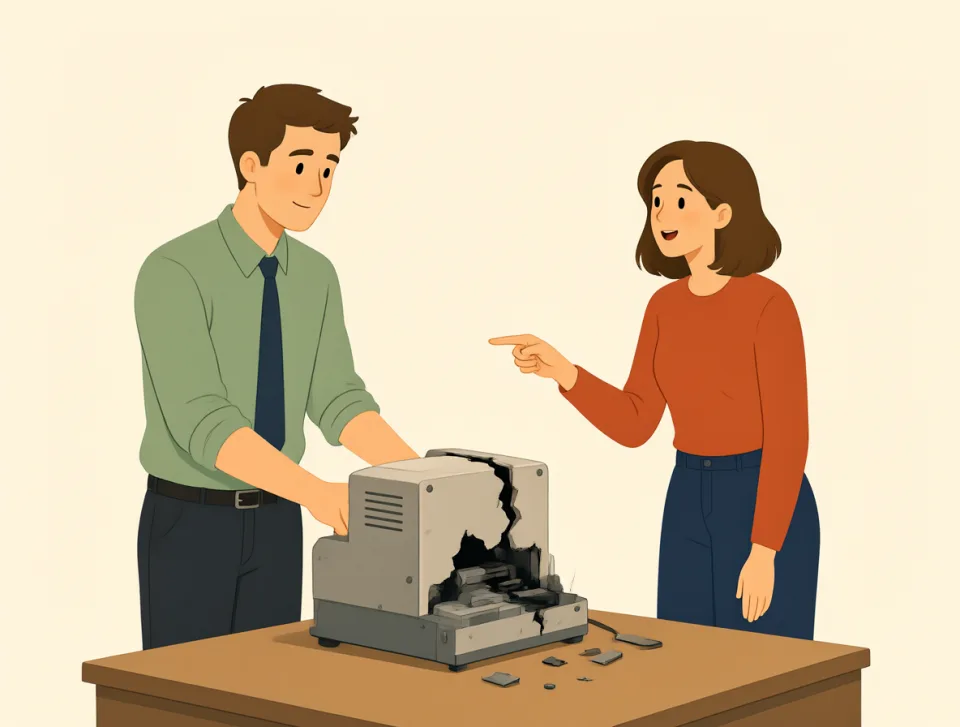
His explanation of the problem helped us find a solution.
Jego wyjaśnienie problemu pomogło nam znaleźć rozwiązanie.

She asked the doctor for an explanation of her test results.
Poprosiła lekarza o wyjaśnienie wyników swoich badań.
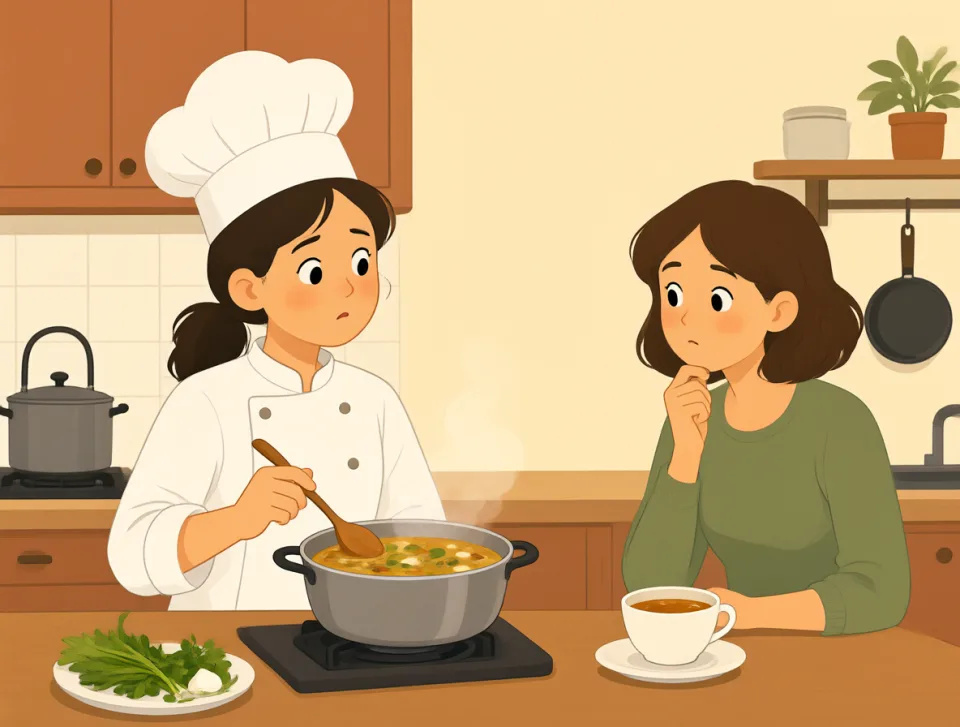
There is no easy explanation for why the soup tastes so salty.
Nie ma prostego wyjaśnienia, dlaczego zupa jest taka słona.
arise
#1629verb
wystąpić
To happen, especially unexpectedly or as a problem or need.
Wydarzyć się, zwłaszcza niespodziewanie albo jako problem lub potrzeba.

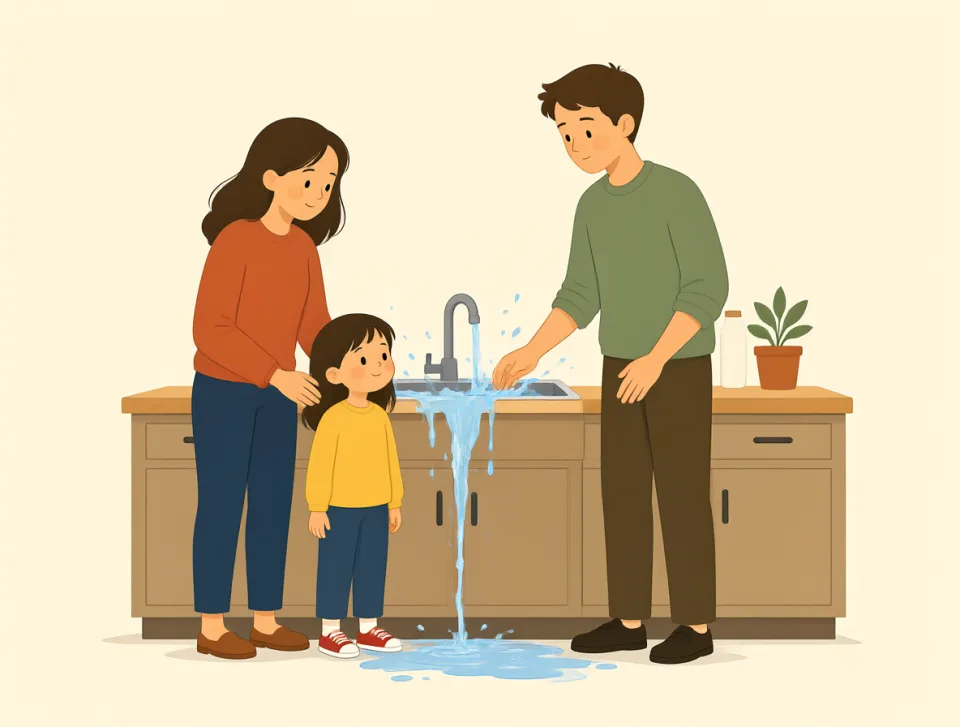
Several problems arose during the meeting this morning.
Podczas dzisiejszego porannego spotkania pojawiło się kilka problemów.
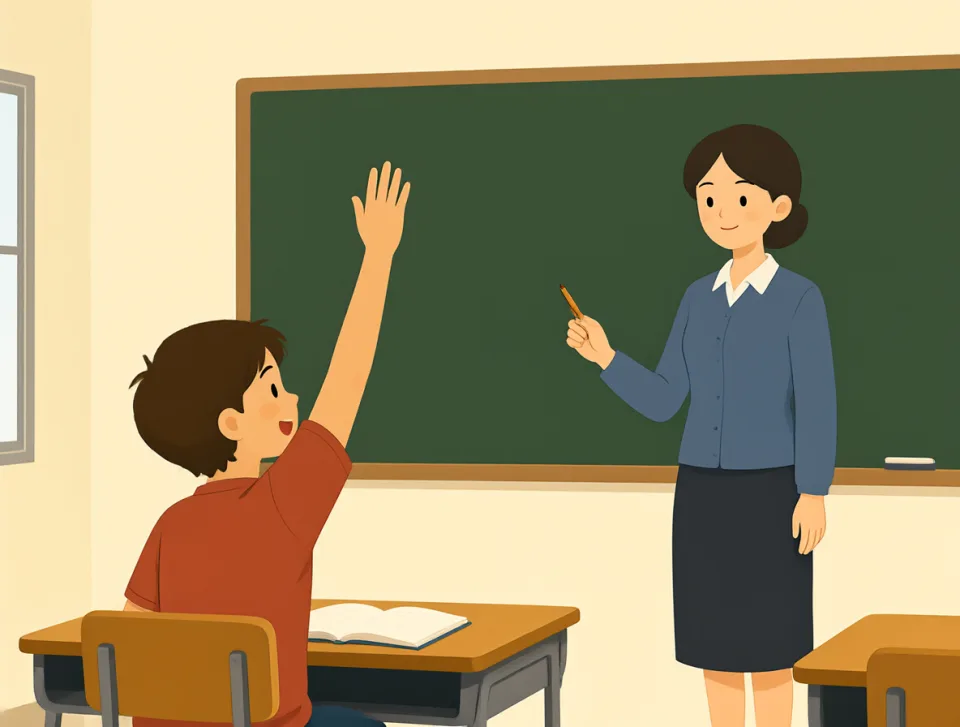
Please call me if any questions arise after class.
Zadzwoń do mnie, jeśli po zajęciach pojawią się jakieś pytania.

A disagreement arose between two friends at dinner.
Podczas kolacji doszło do nieporozumienia między dwojgiem przyjaciół.
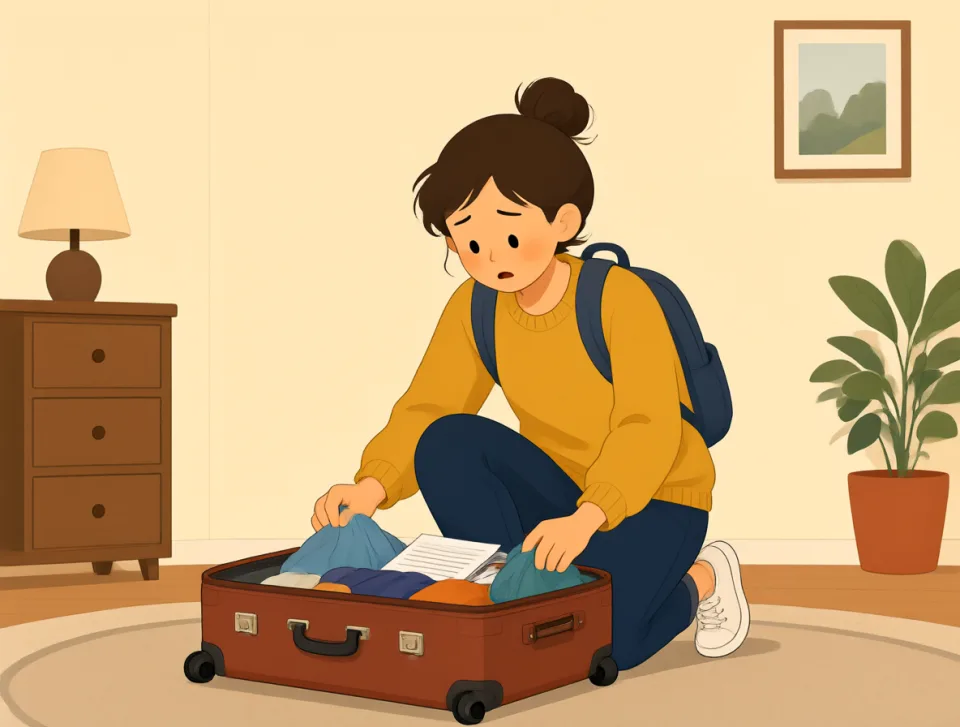
We left early because an urgent problem had arisen.
Wyszliśmy wcześniej, bo pojawił się pilny problem.
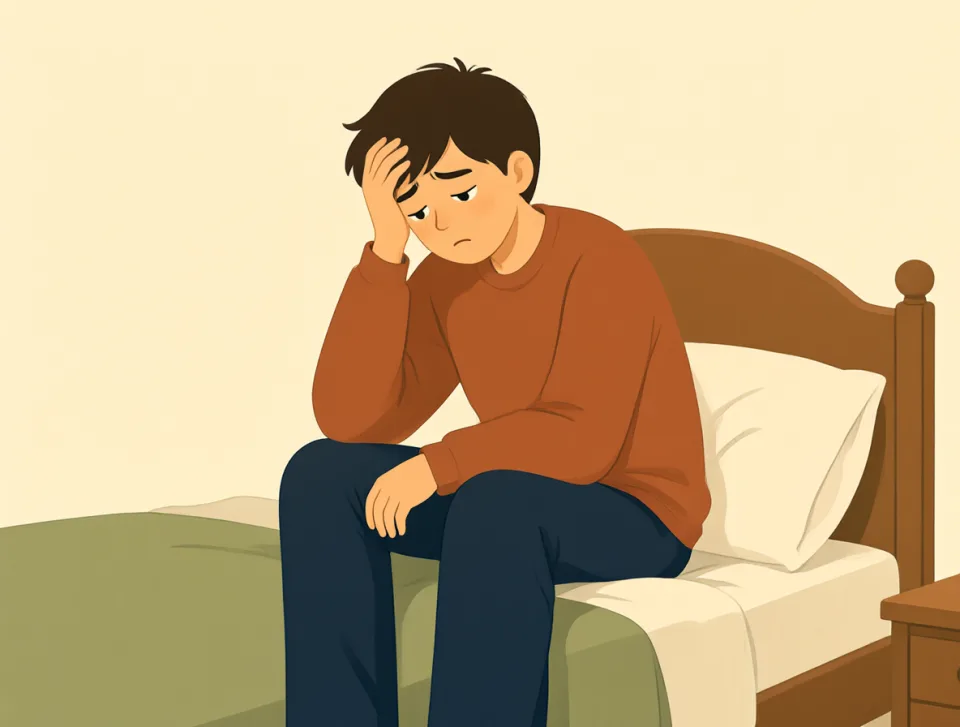
Health problems can arise when people do not sleep enough.
Problemy zdrowotne mogą się pojawić, gdy ludzie nie śpią wystarczająco długo.

musical
#1630adjective, noun
muzyczny; musical
Related to music, or a play in which people sing and dance.
Związany z muzyką albo przedstawienie, w którym ludzie śpiewają i tańczą.

She has a beautiful musical voice.
Ona ma piękny, melodyjny głos.

We watched a musical at the theater last night.
Wczoraj wieczorem obejrzeliśmy musical w teatrze.
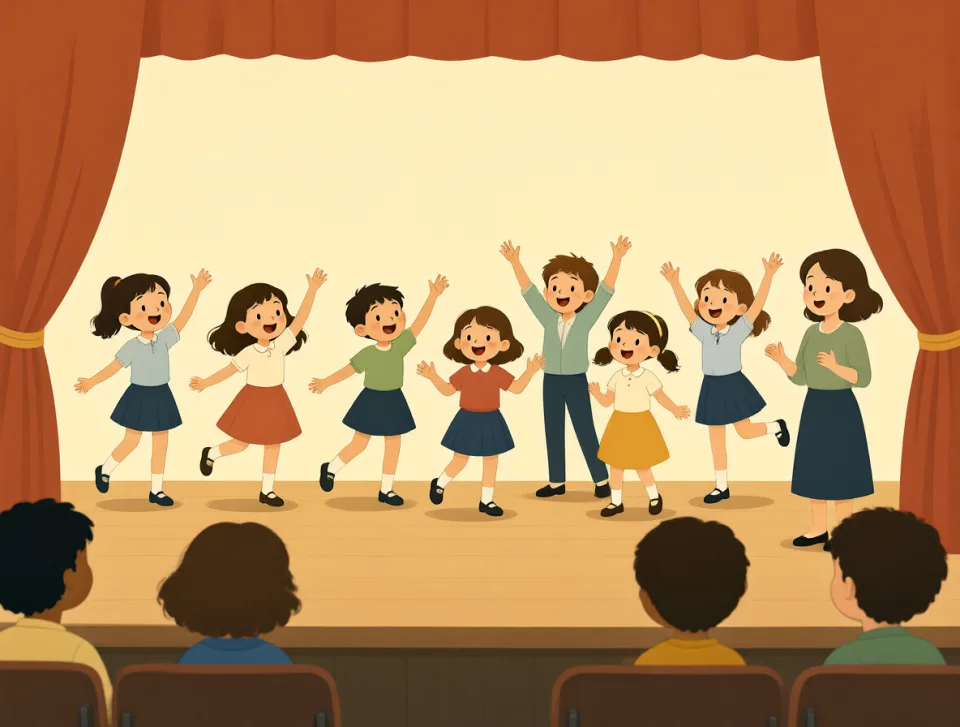
Our school musical starts next Friday.
Nasz szkolny musical zaczyna się w najbliższy piątek.
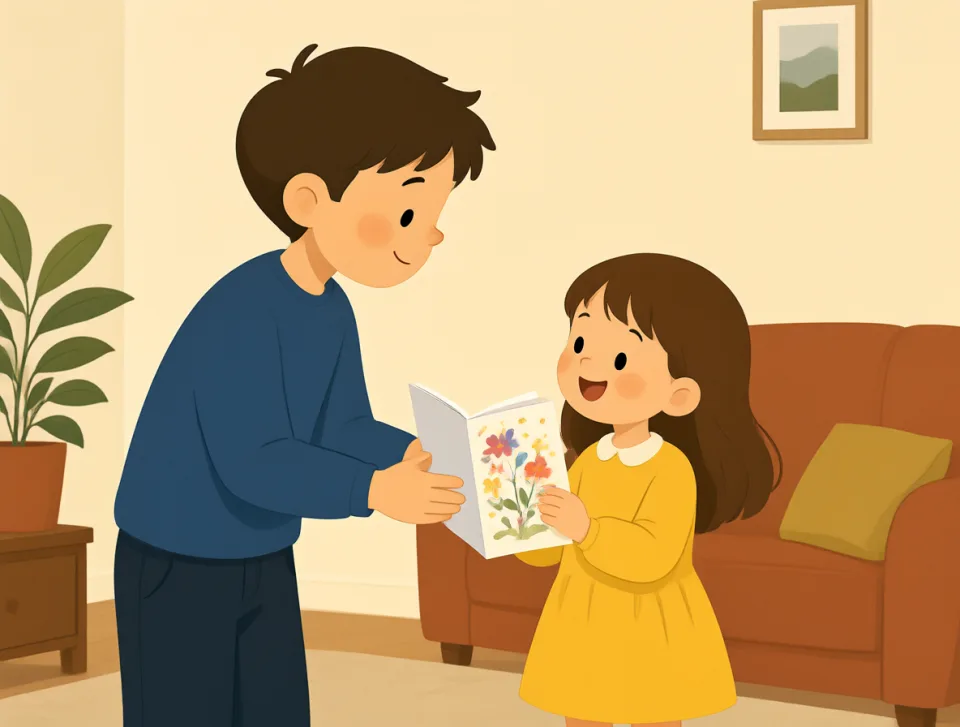
He bought a musical birthday card for his sister.
Kupił siostrze muzyczną kartkę urodzinową.

The musical instruments were too heavy to carry.
Instrumenty muzyczne były zbyt ciężkie, żeby je nieść.
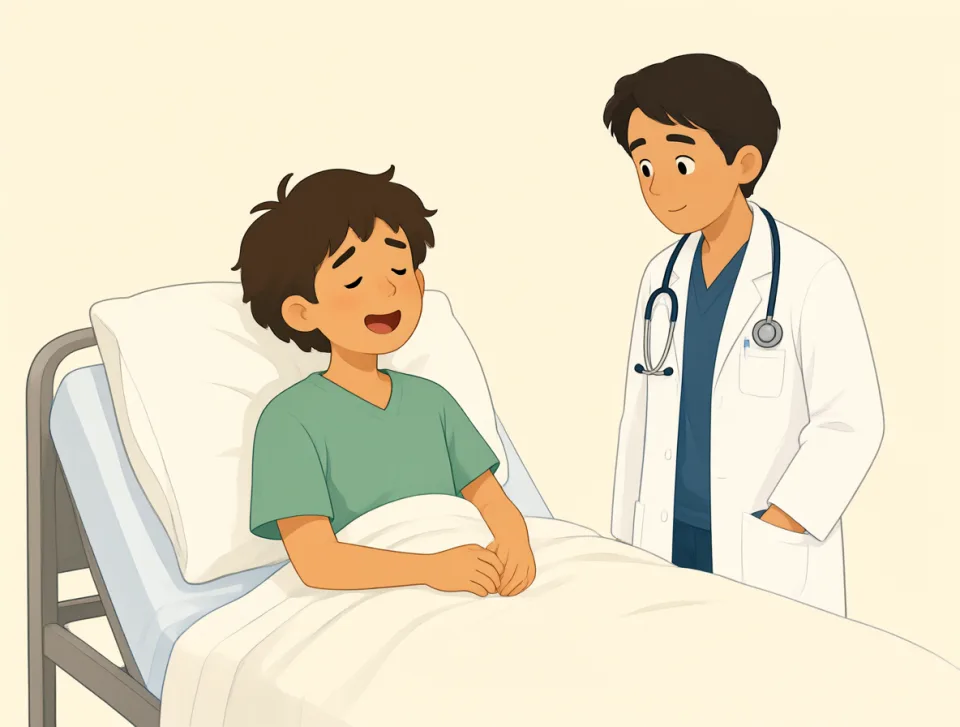
recover
#1631verb
wracać do zdrowia
to become healthy, strong, or normal again after illness, injury, or difficulty
odzyskać zdrowie, siły lub normalne funkcjonowanie po chorobie, urazie albo trudnym okresie
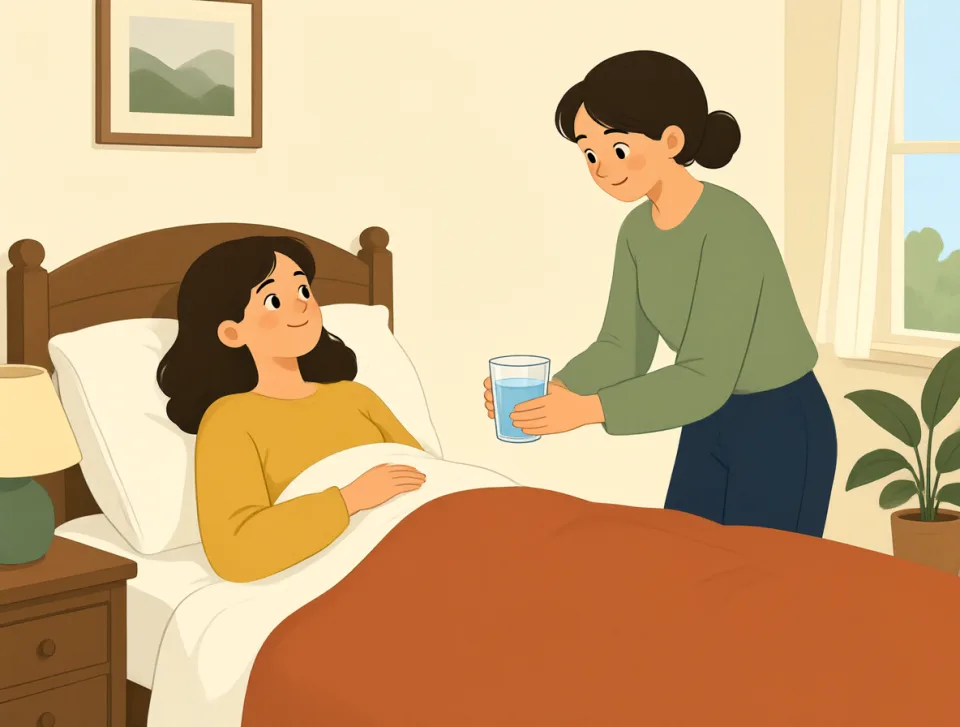
She is recovering well after her operation.
Dobrze dochodzi do siebie po operacji.
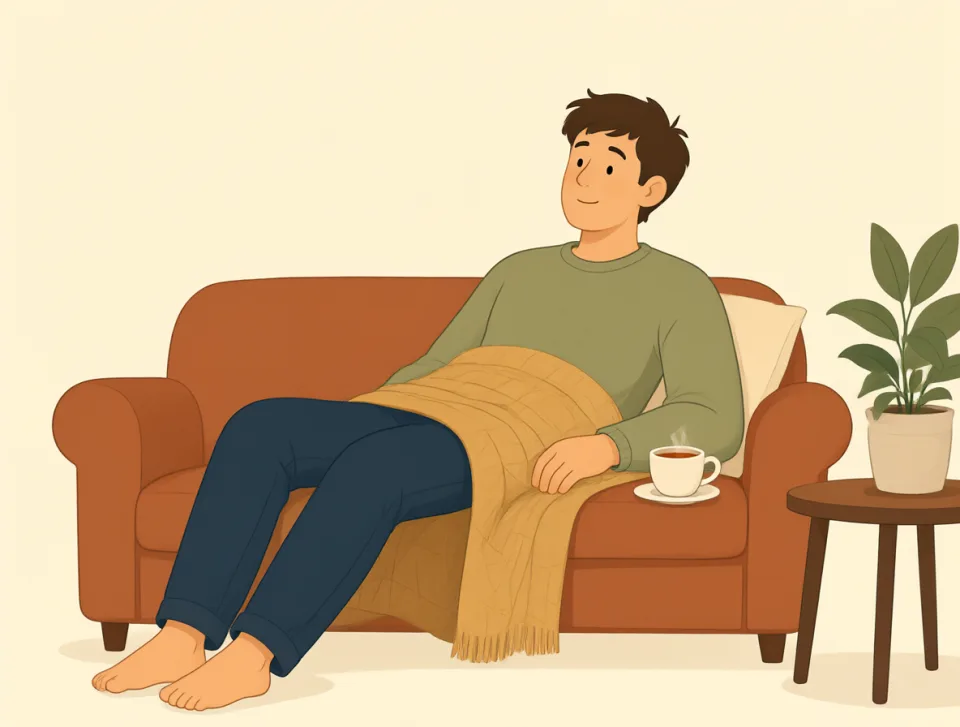
It took him two weeks to recover from the flu.
Powrót do zdrowia po grypie zajął mu dwa tygodnie.

The company recovered quickly after losing many customers.
Firma szybko odbudowała swoją pozycję po utracie wielu klientów.
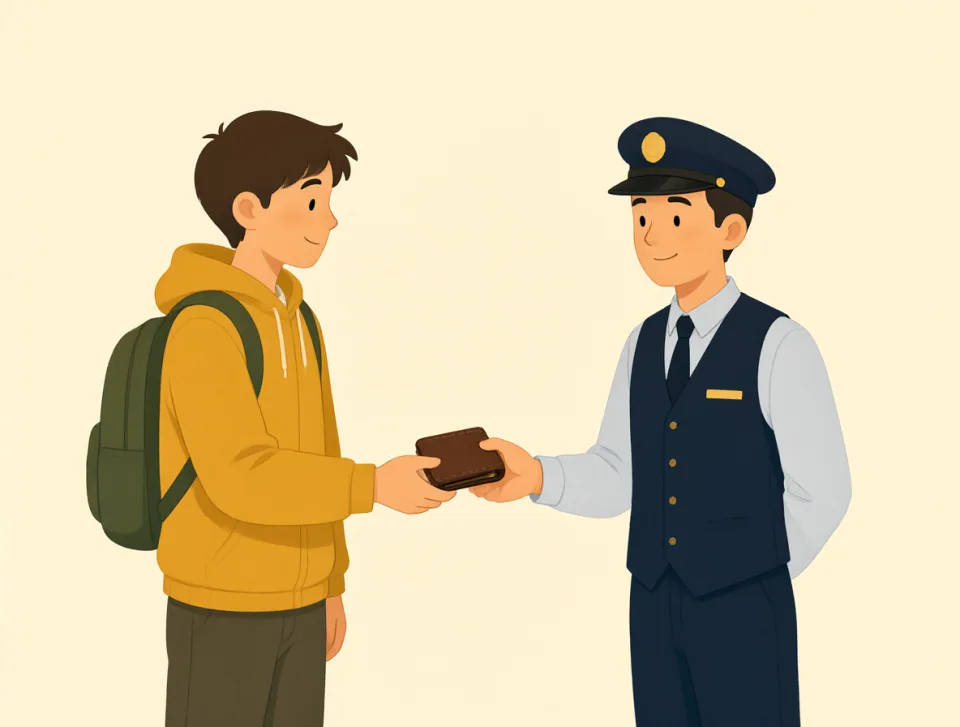
I recovered my lost wallet at the train station.
Odzyskałem zgubiony portfel na dworcu kolejowym.

The team recovered from a difficult start and won the game.
Drużyna otrząsnęła się po trudnym początku i wygrała mecz.
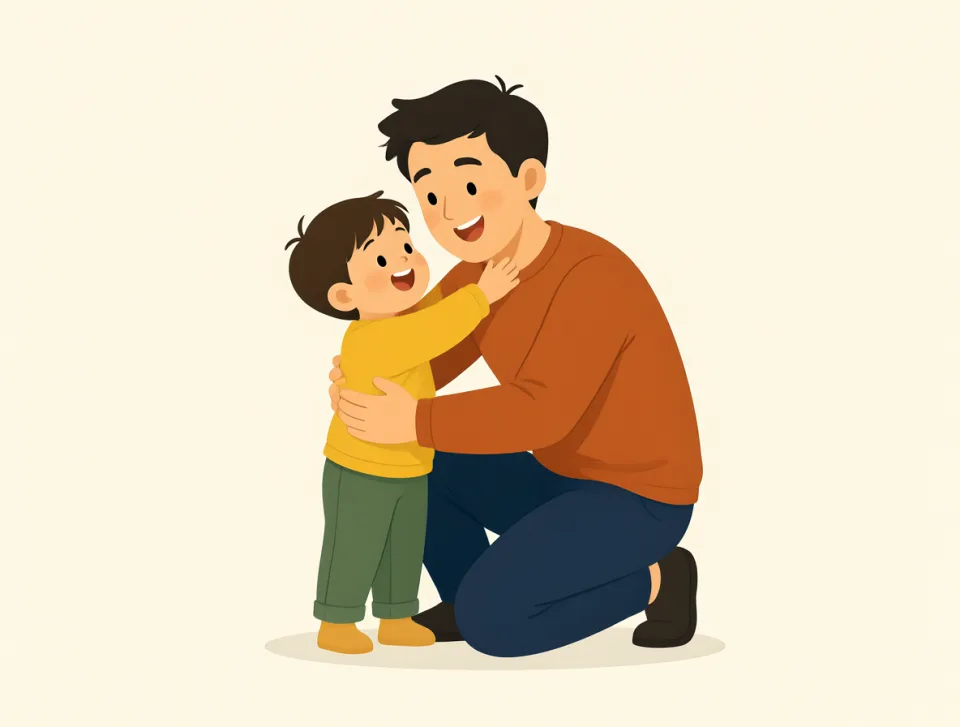
dad
#1632noun
tata
your father or a familiar way to call a father
ojciec lub poufałe określenie ojca
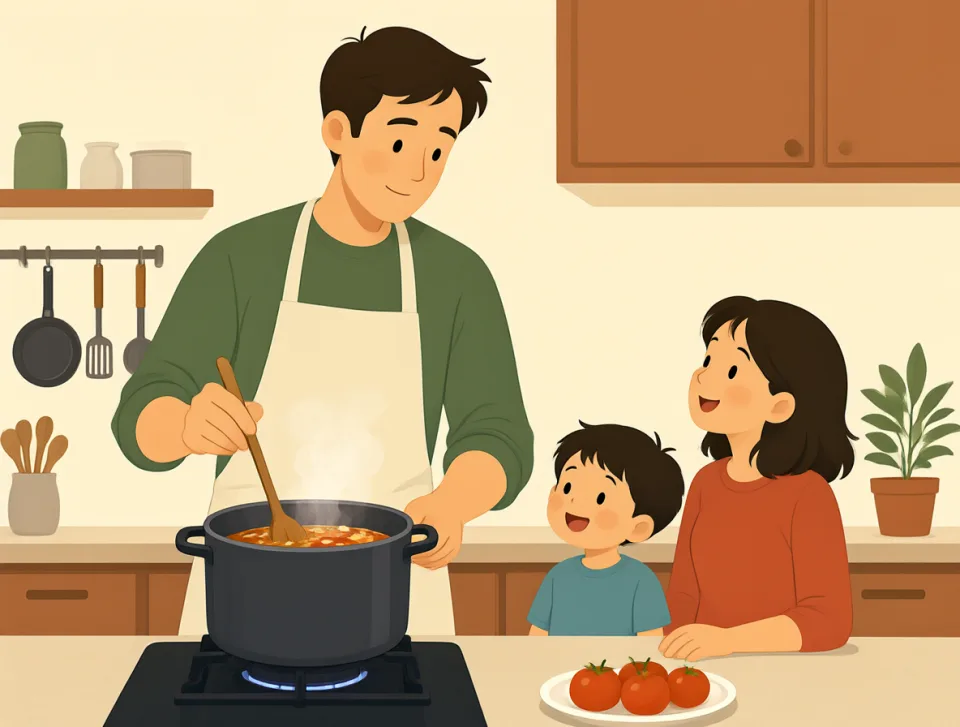
My dad cooks dinner for our family every Friday.
Mój tata w każdy piątek gotuje obiad dla naszej rodziny.
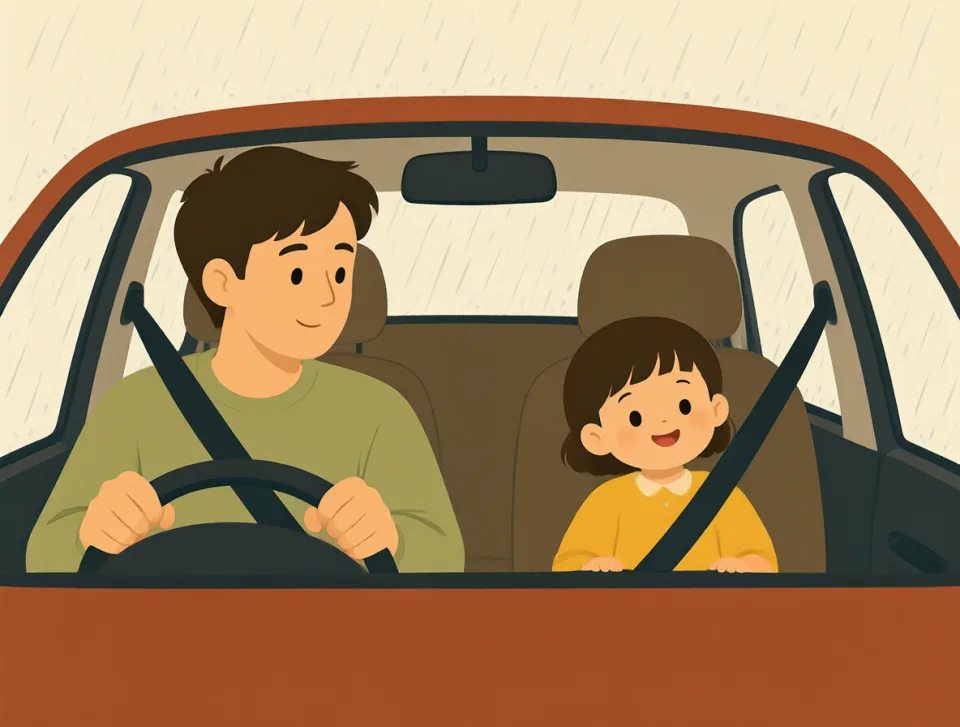
Dad drove me to school because it was raining.
Tata zawiózł mnie do szkoły, bo padał deszcz.

I called my dad after I arrived at the airport.
Zadzwoniłem do taty po przyjeździe na lotnisko.

Her dad helped her choose a birthday present.
Jej tata pomógł jej wybrać prezent urodzinowy.
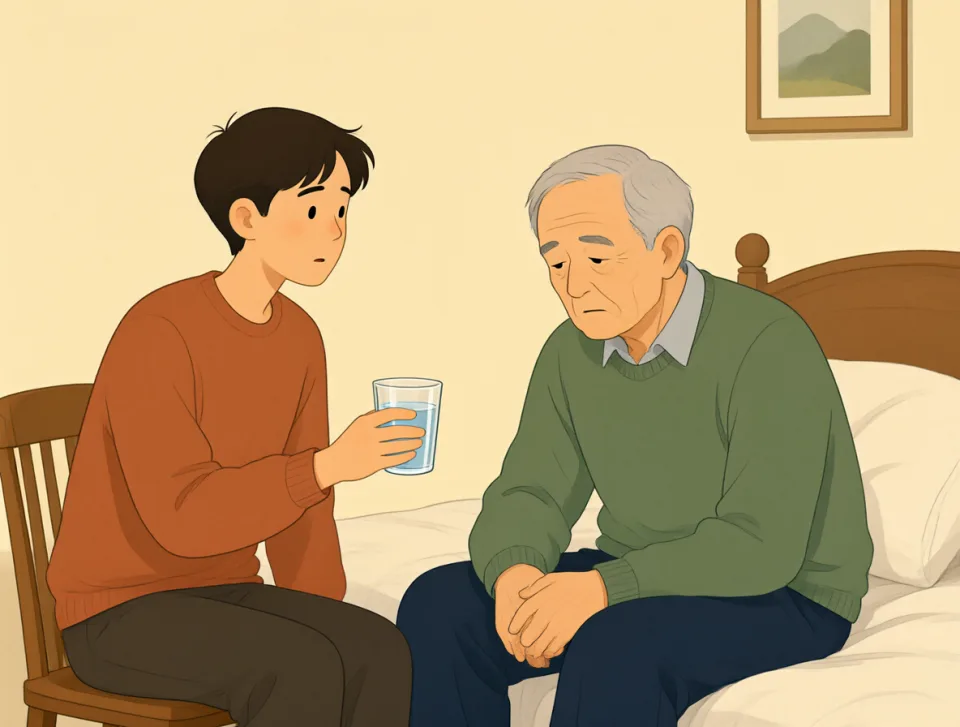
The doctor told his dad to rest at home.
Lekarz powiedział jego tacie, żeby odpoczywał w domu.

stretch
#1633verb, noun
rozciągać
to make something longer or wider, or to extend your body or arm
wydłużać lub poszerzać coś albo rozciągać ciało lub rękę
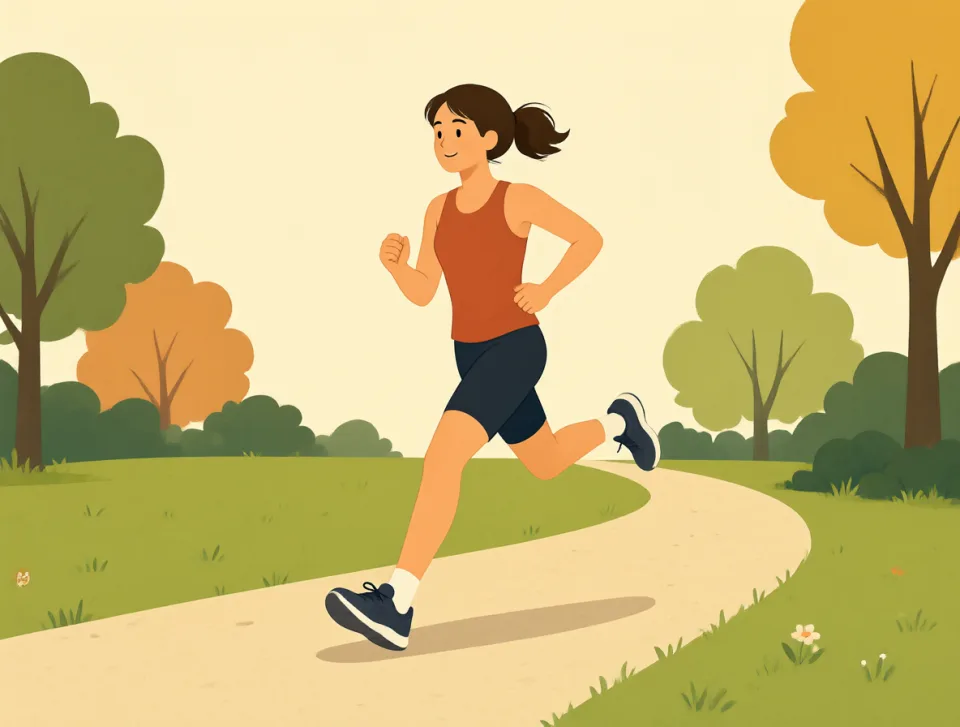
I stretch my legs before I go for a run.
Rozciągam nogi, zanim pójdę pobiegać.
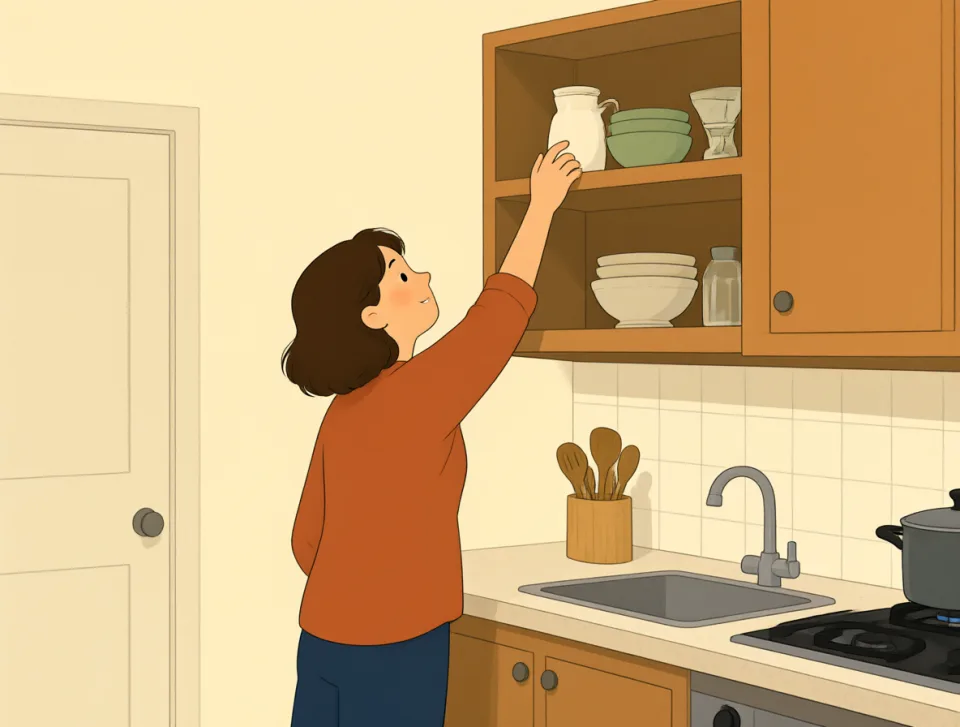
She stretched her arms to reach the top shelf.
Wyciągnęła ramiona, żeby dosięgnąć górnej półki.
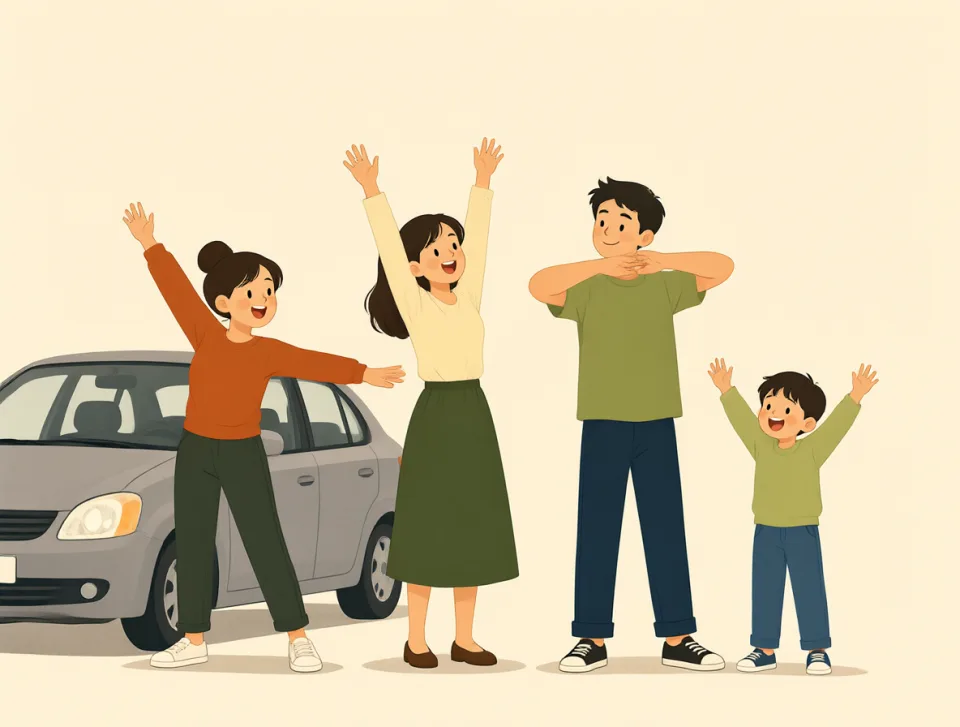
We stopped to stretch during the long car journey.
Zatrzymaliśmy się, żeby się porozciągać podczas długiej podróży samochodem.

They walked along a quiet stretch of beach.
Szli wzdłuż spokojnego odcinka plaży.

The repair took a long stretch of the afternoon.
Naprawa zajęła większą część popołudnia.

declare
#1634verb
ogłosić
To say something clearly and officially, or to make it known publicly.
powiedzieć coś jasno i oficjalnie lub podać coś do publicznej wiadomości.
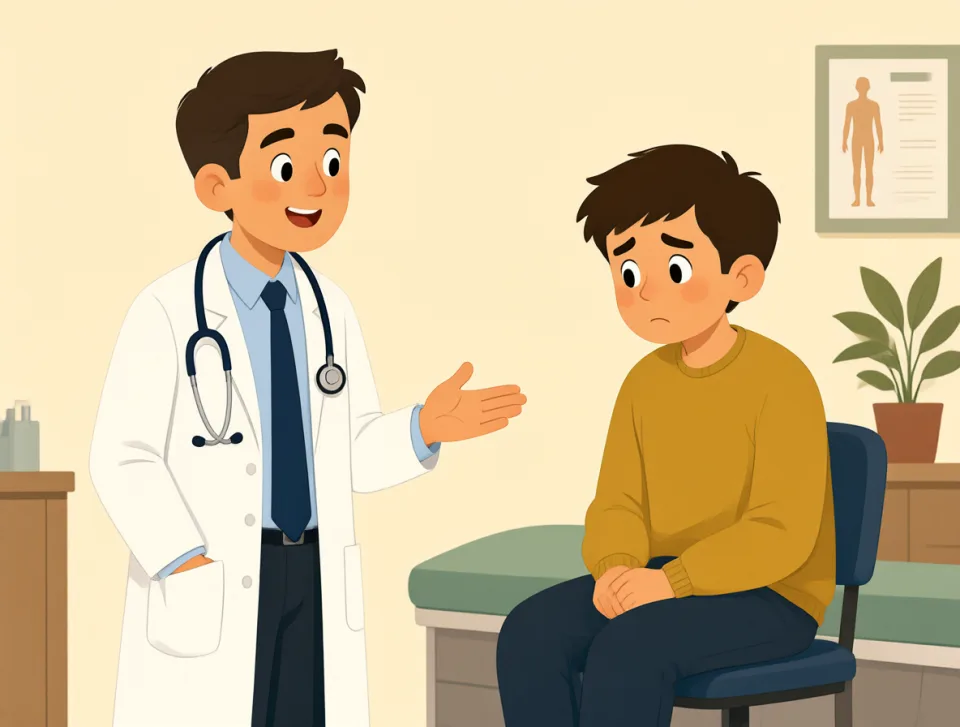
The doctor declared that the patient was healthy again.
Lekarz orzekł, że pacjent znów jest zdrowy.

Maya declared her love for the city after her visit.
Po wizycie Maya wyznała, że kocha to miasto.
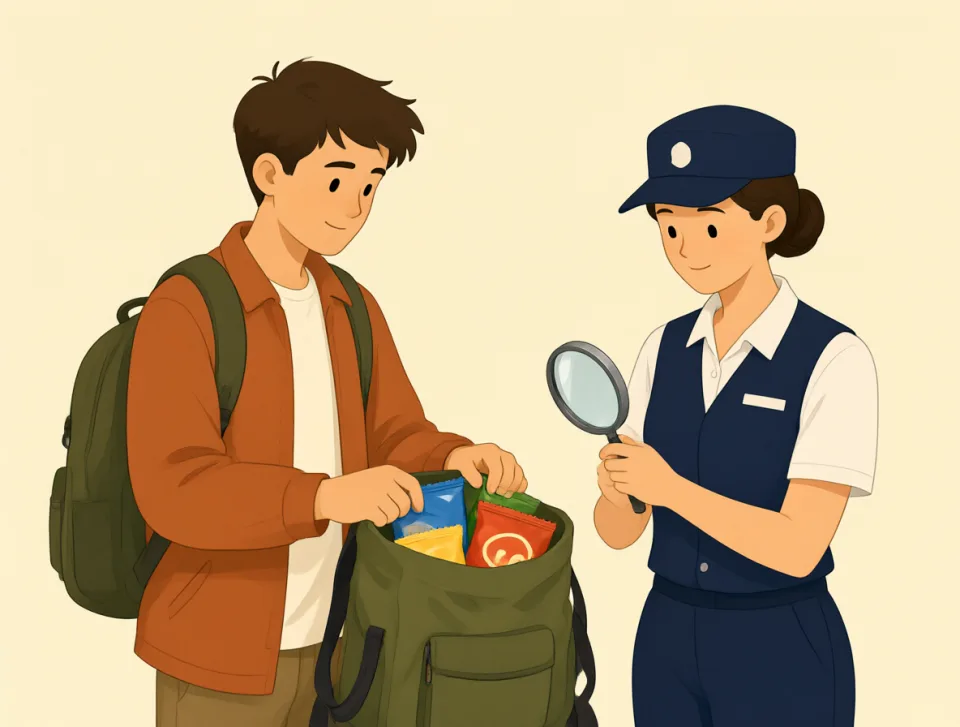
We must declare all our food at the airport.
Musimy zgłosić na lotnisku wszystkie przewożone produkty spożywcze.
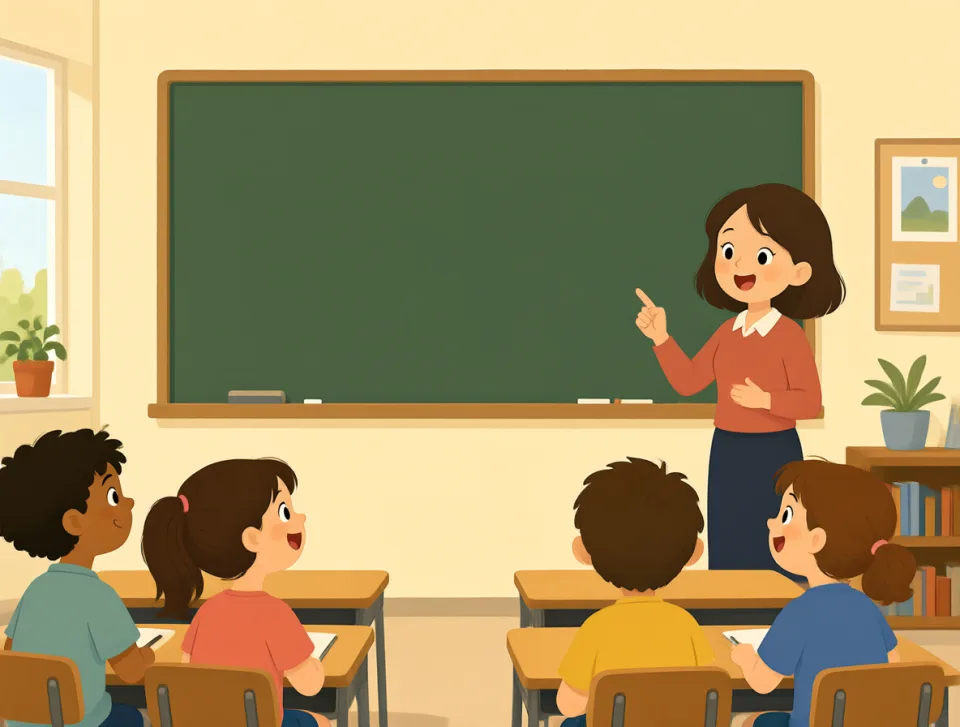
The school declared Friday a holiday for every student.
Szkoła ogłosiła, że piątek będzie dniem wolnym dla wszystkich uczniów.
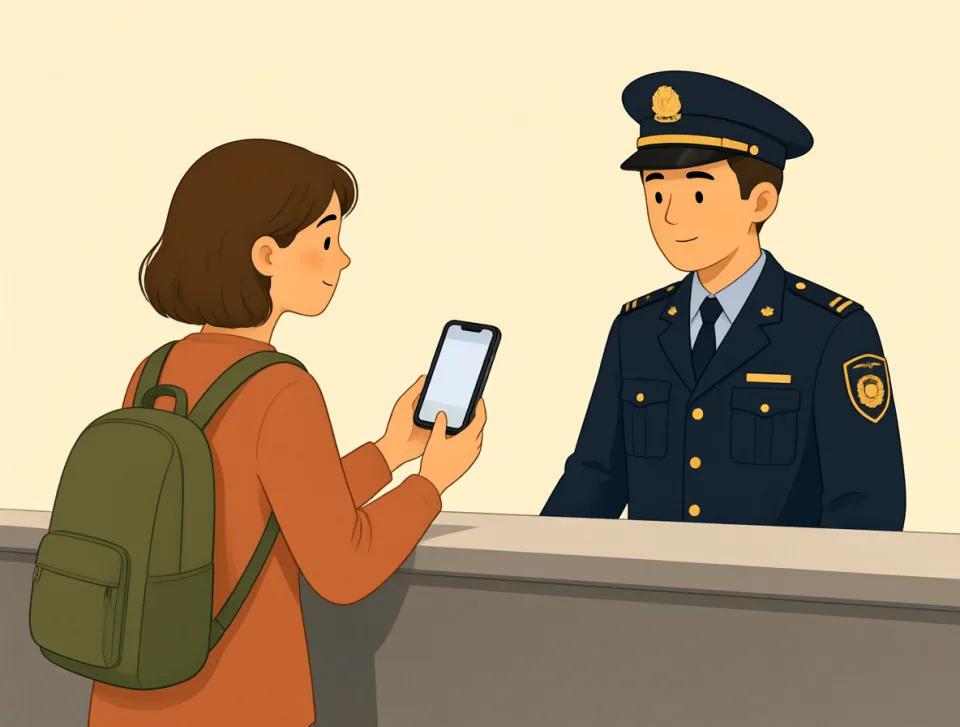
He declared his new phone at customs before entering the country.
Przed wjazdem do kraju zgłosił swój nowy telefon na odprawie celnej.
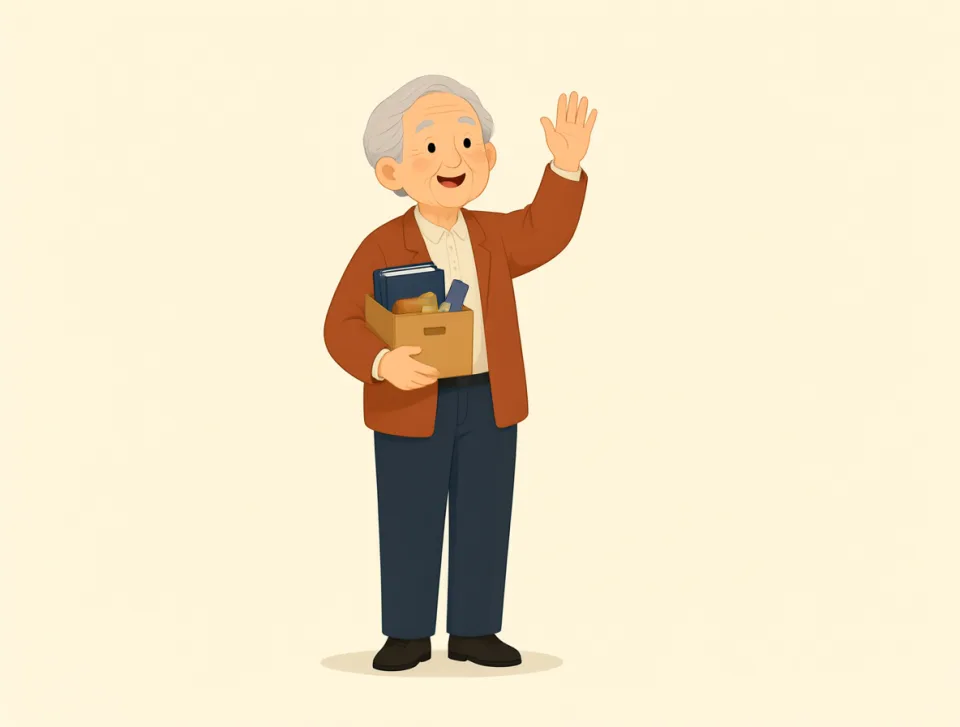
retire
#1635verb
przejść na emeryturę
To stop working permanently, usually because you are old enough to receive a pension.
na stałe przestać pracować, zwykle po osiągnięciu wieku emerytalnego.
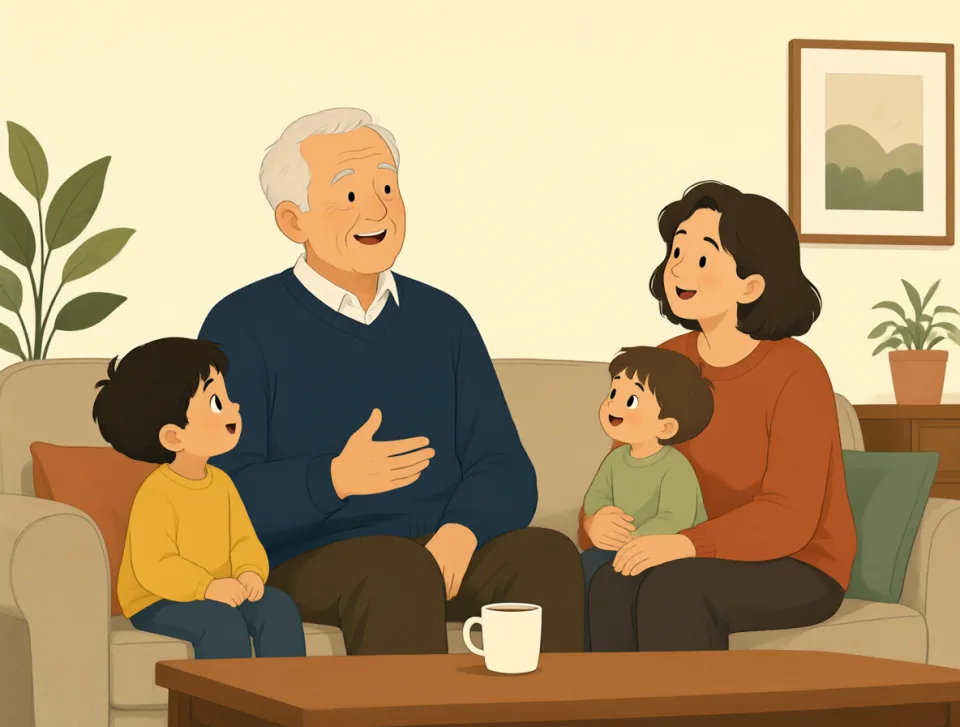
My father plans to retire next year.
Mój ojciec planuje przejść na emeryturę w przyszłym roku.
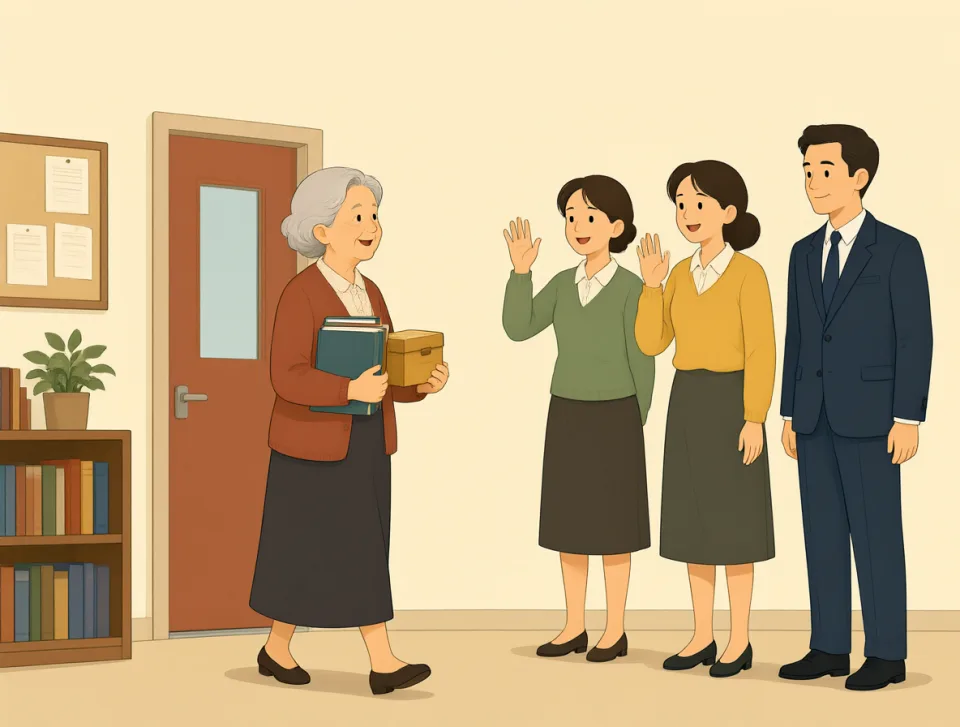
She retired from teaching after thirty years.
Po trzydziestu latach pracy przeszła na emeryturę jako nauczycielka.
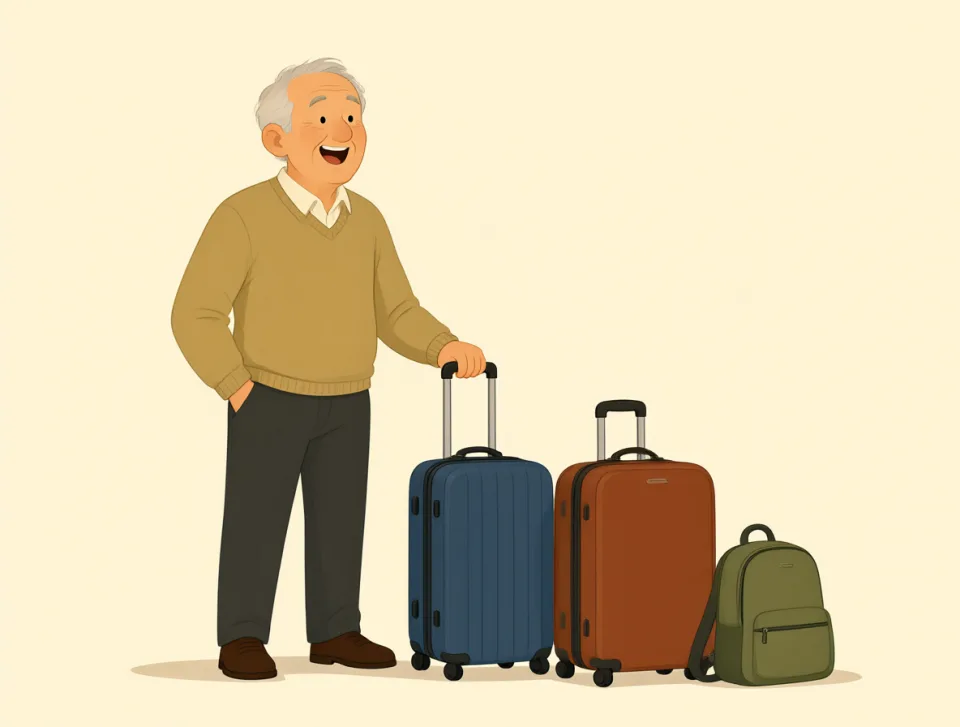
He retired early to travel around the world.
Wcześnie przeszedł na emeryturę, żeby podróżować po świecie.
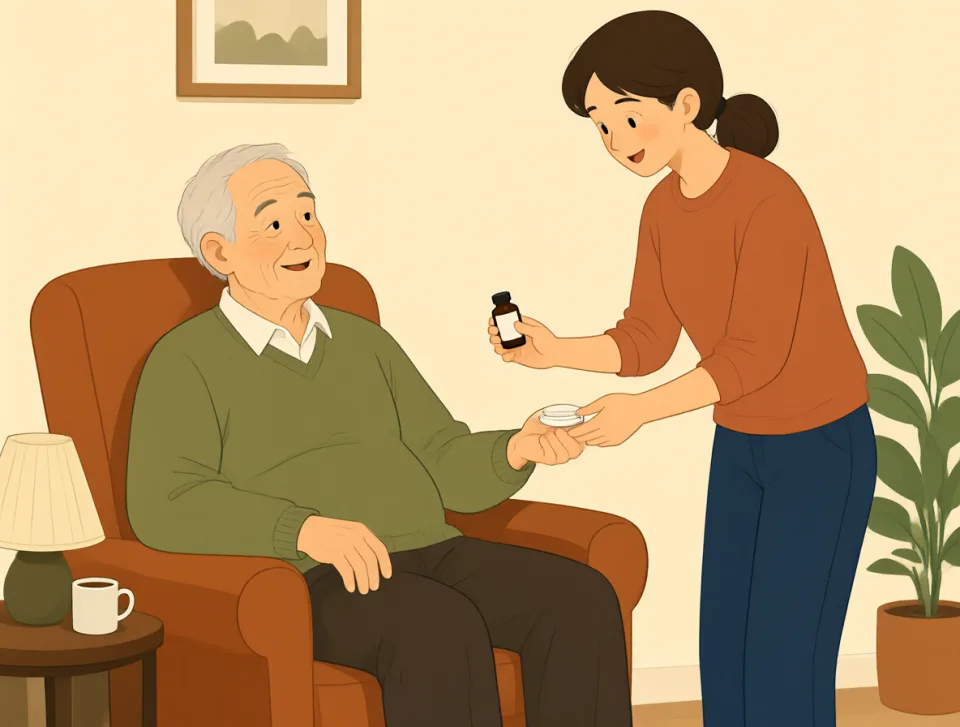
My grandfather retired because of health problems.
Mój dziadek przeszedł na emeryturę z powodu problemów zdrowotnych.
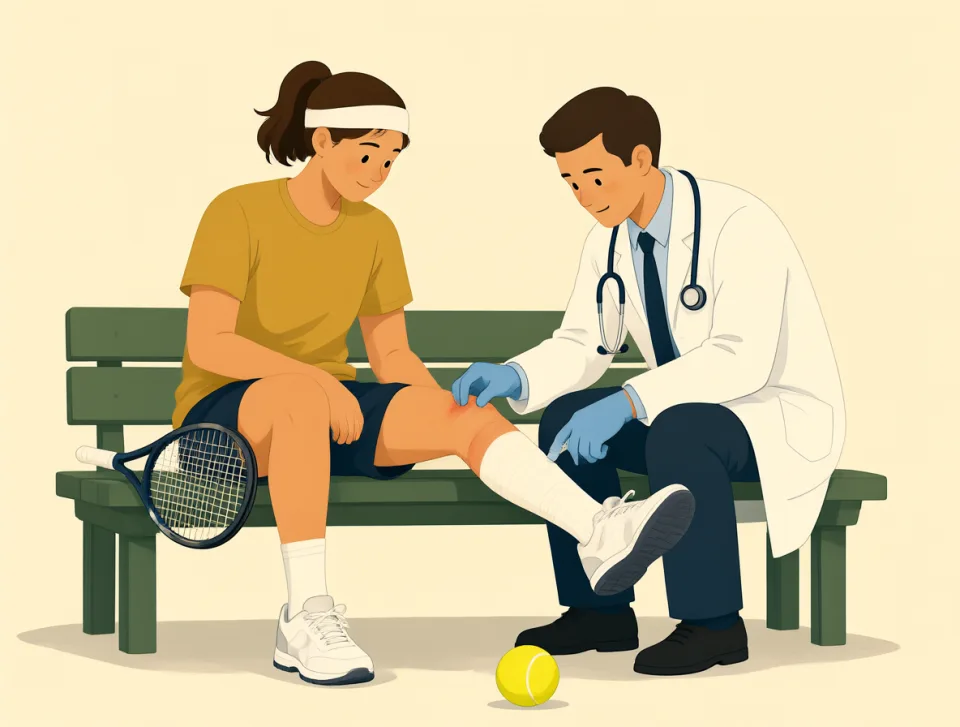
The tennis player retired from the match with an injury.
Tenisista wycofał się z meczu z powodu kontuzji.

tiny
#1636adjective
malutki
Very small in size or amount.
Bardzo mały pod względem rozmiaru lub ilości.

The kitten slept in a tiny basket beside the warm stove.
Kotek spał w malutkim koszyku obok ciepłego pieca.
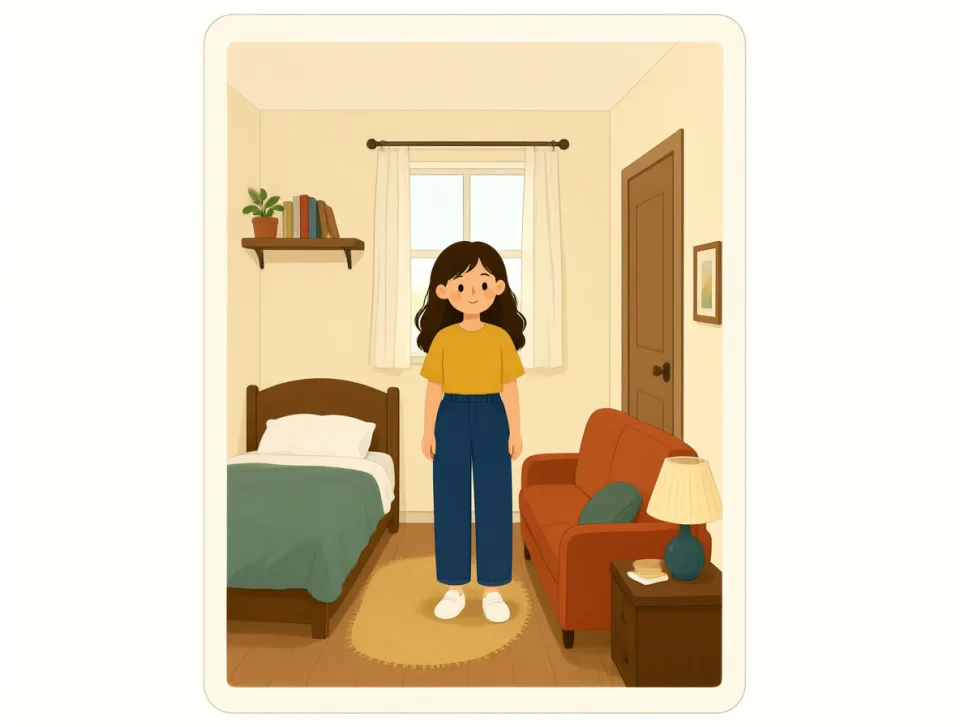
She lives in a tiny apartment near the train station.
Ona mieszka w malutkim mieszkaniu niedaleko dworca kolejowego.
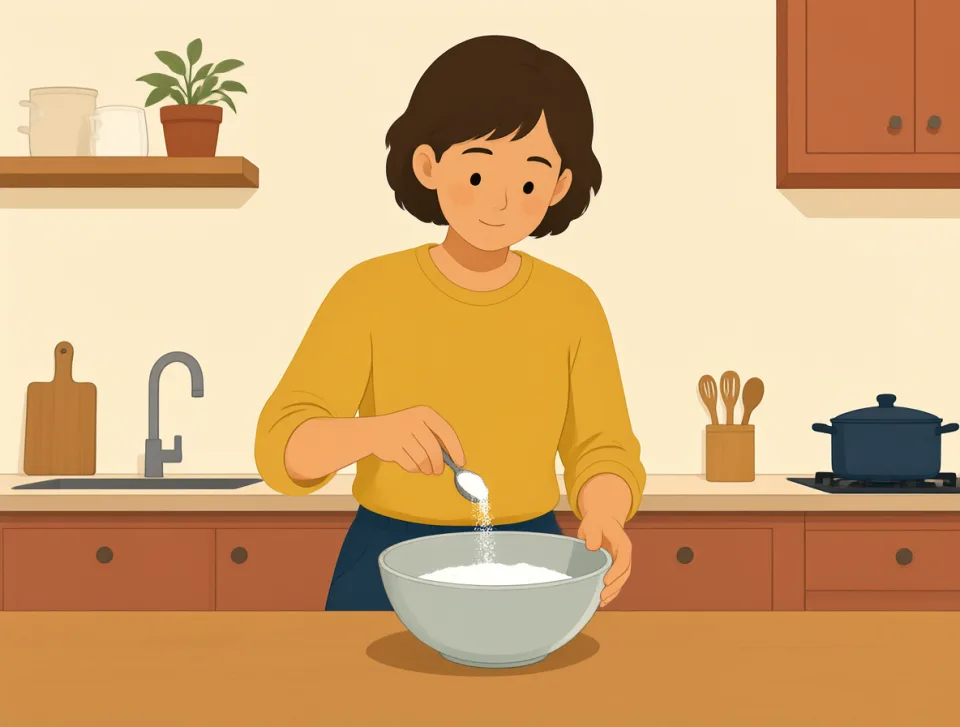
We only need a tiny bit of sugar for this recipe.
Do tego przepisu potrzebujemy tylko odrobiny cukru.
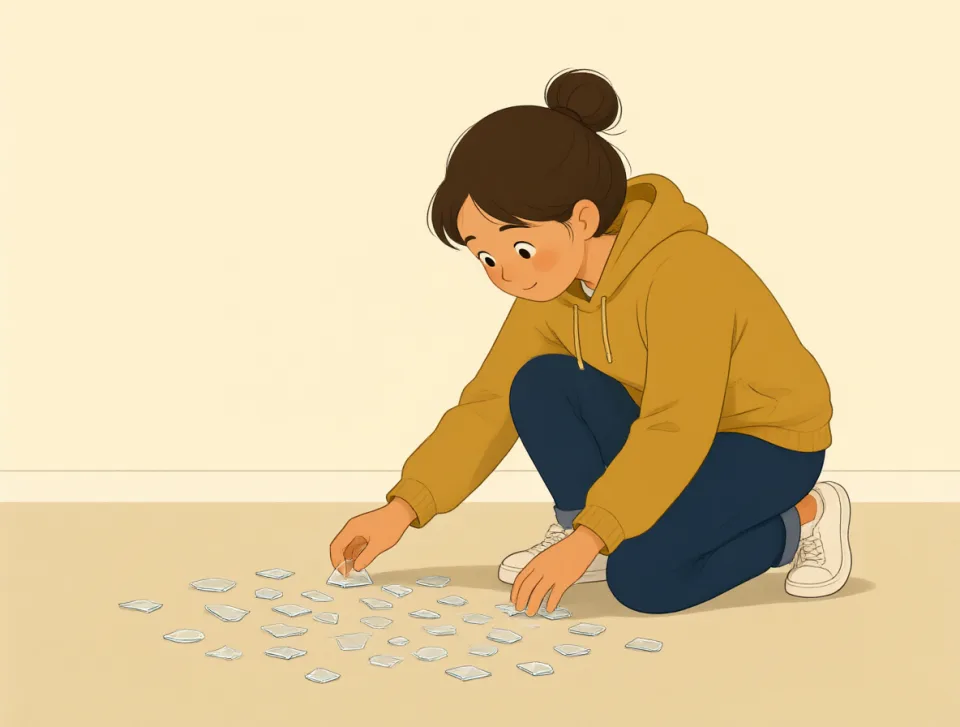
Look at the tiny pieces of glass on the floor.
Spójrz na te malutkie kawałki szkła na podłodze.
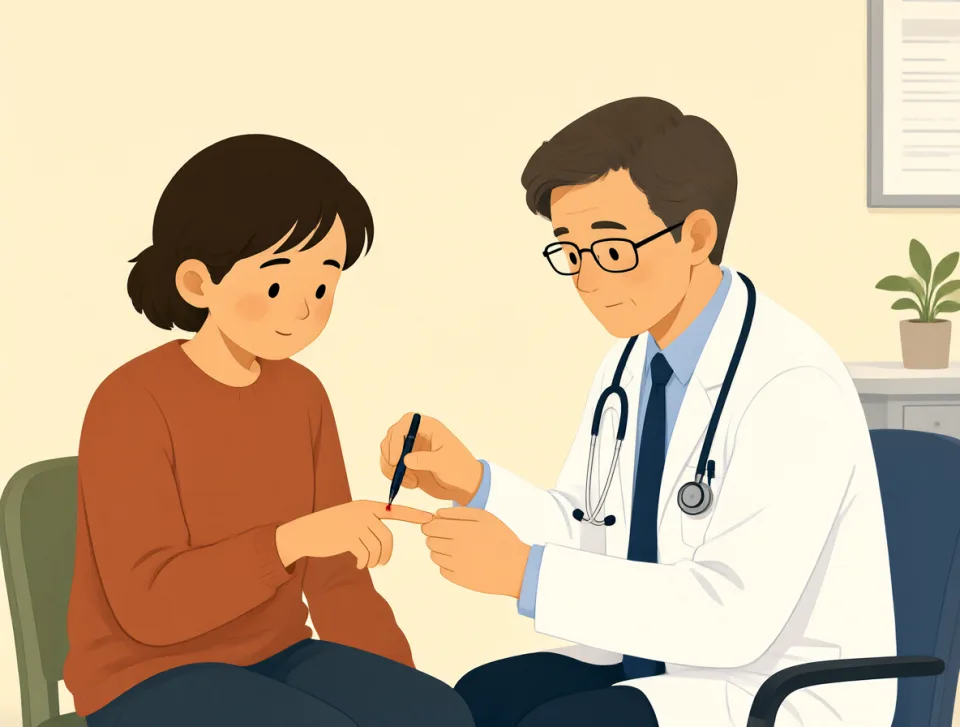
The doctor found a tiny cut on his finger.
Lekarz znalazł małe skaleczenie na jego palcu.
careful
#1637adjective
ostrożny
Giving attention to avoid danger, mistakes, or damage.
Zwracający uwagę na to, by uniknąć niebezpieczeństwa, błędów lub uszkodzeń.
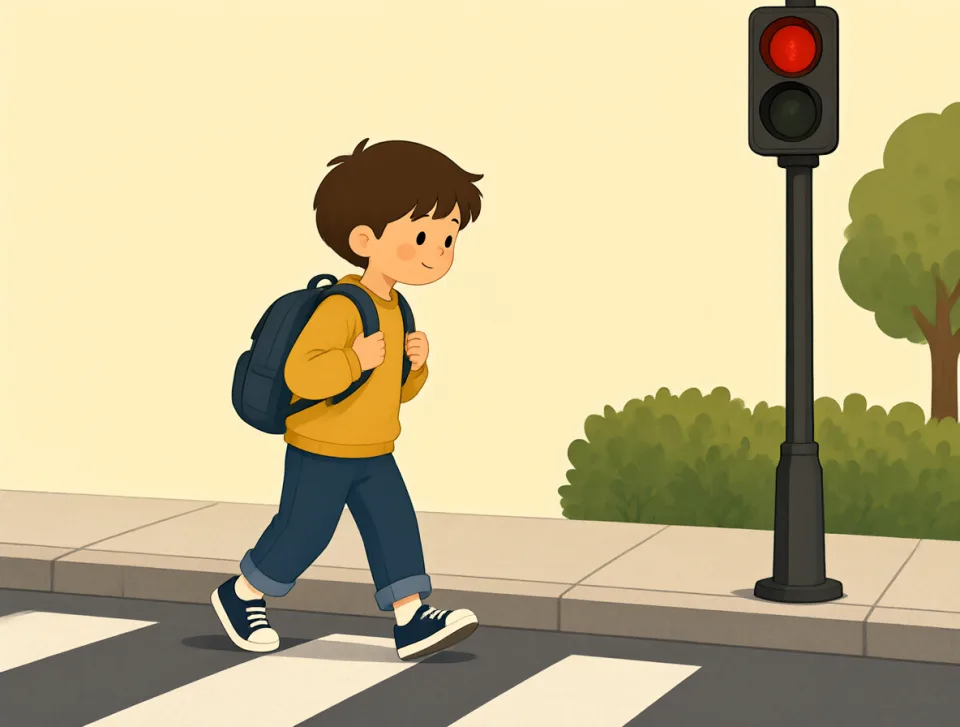
Be careful when you cross the busy street.
Zachowaj ostrożność, przechodząc przez ruchliwą ulicę.

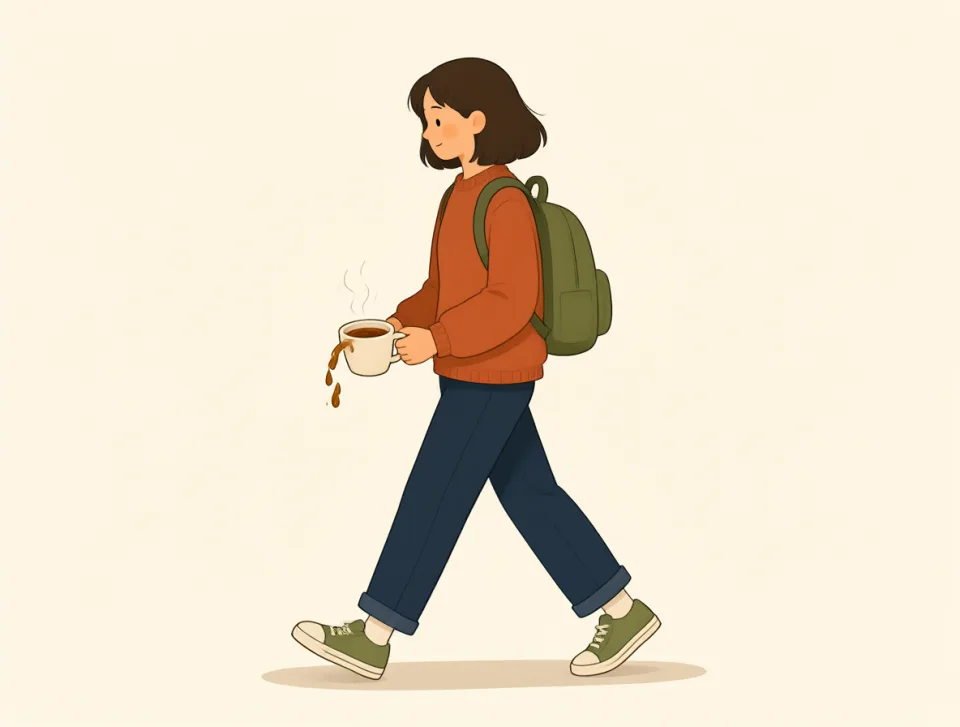
She was careful not to spill coffee on her new shirt.
Uważała, żeby nie wylać kawy na swoją nową koszulę.
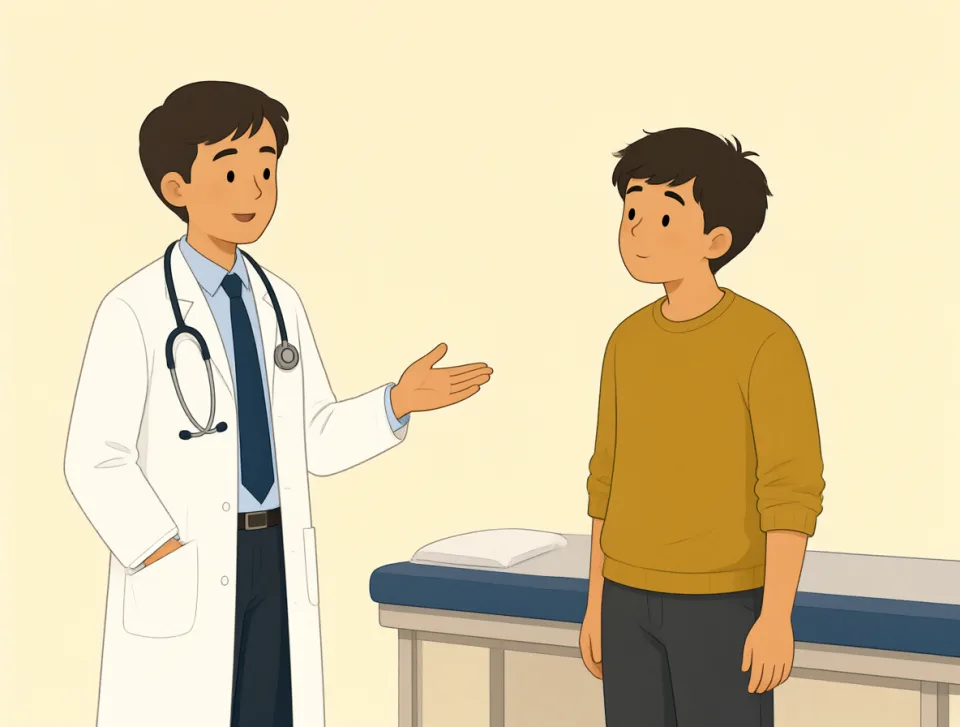
The doctor told him to be careful with his sore back.
Lekarz powiedział mu, żeby uważał na bolące plecy.
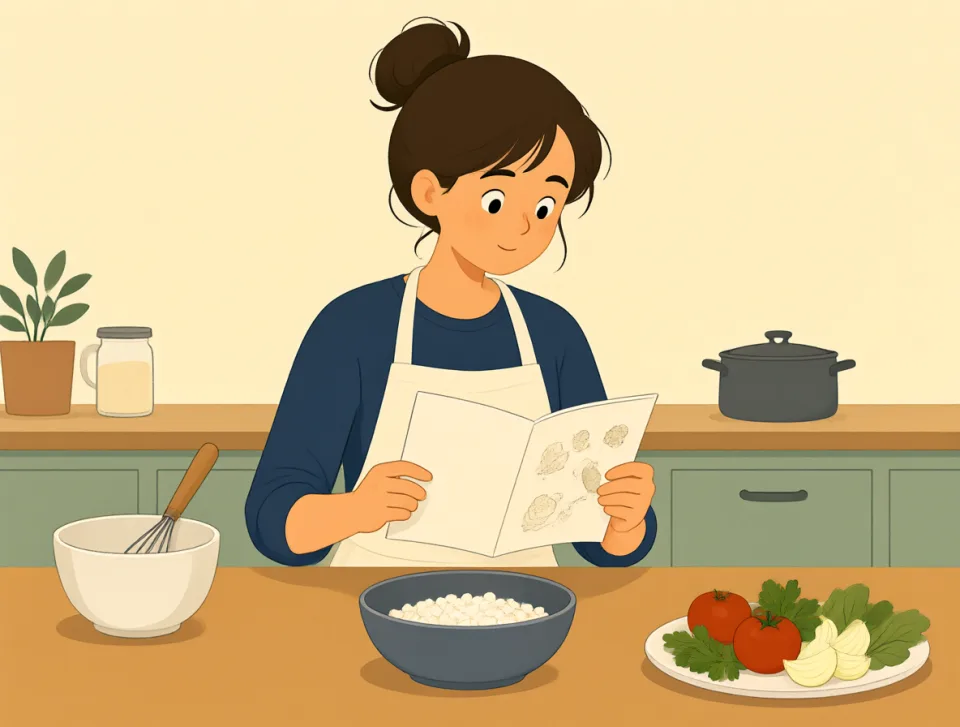
Please read the recipe carefully before you start cooking.
Przed rozpoczęciem gotowania dokładnie przeczytaj przepis.

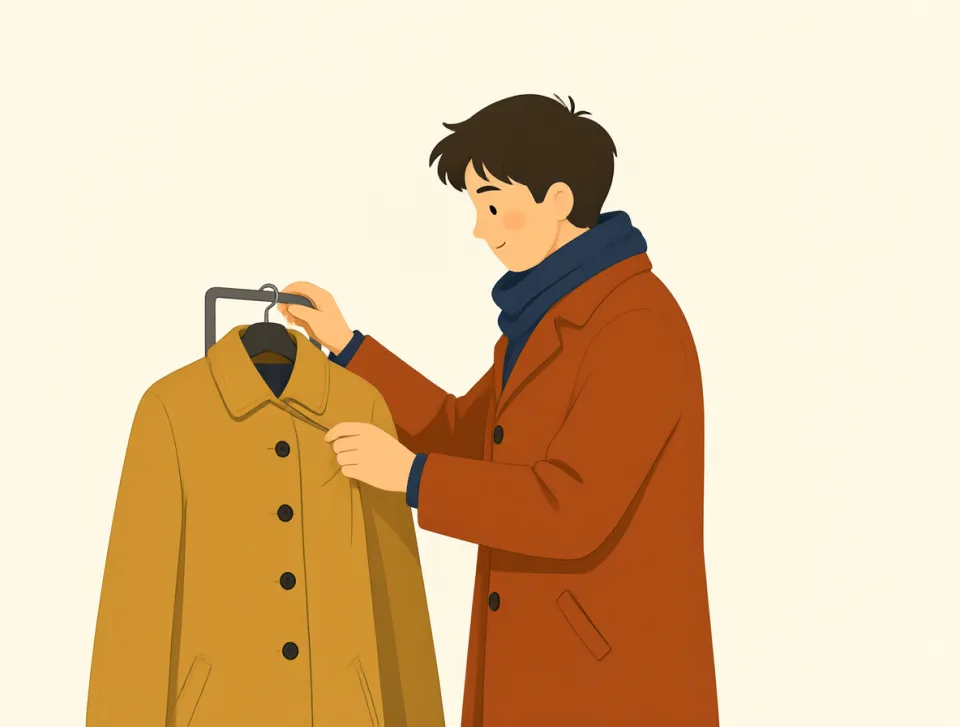
We need to be careful when we choose a hotel for our trip.
Wybierając hotel na wyjazd, musimy zachować ostrożność.
suitable
#1638adjective
odpowiedni
right or good for a particular person, purpose, or situation
Właściwy lub dobry dla konkretnej osoby, celu albo sytuacji.
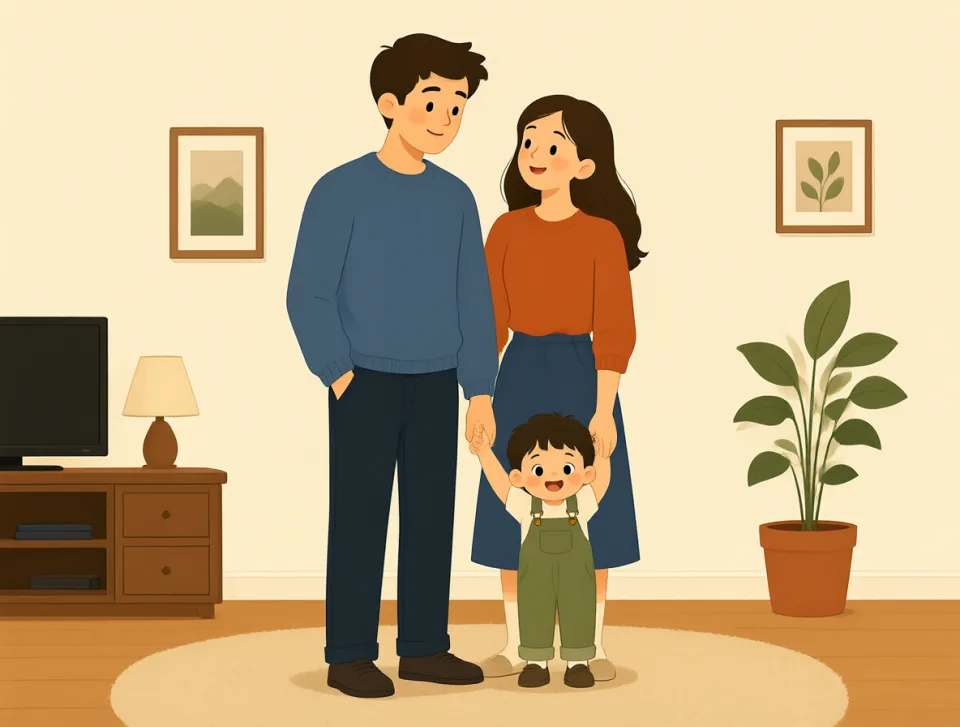
This room is suitable for a small family.
Ten pokój jest odpowiedni dla małej rodziny.
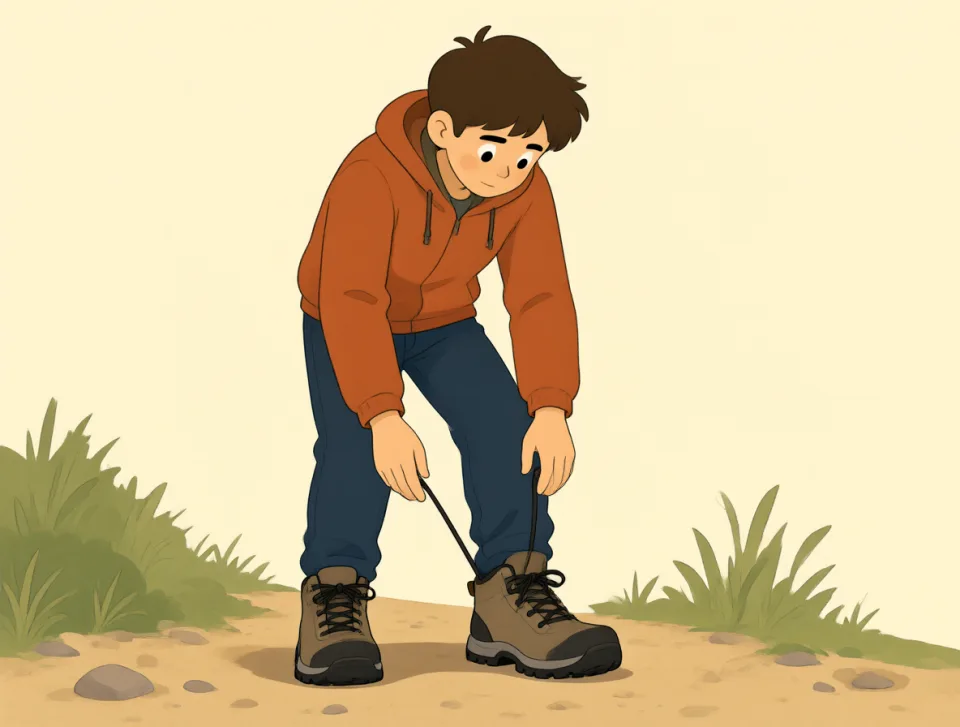
Wear suitable shoes for the long walk.
Załóż odpowiednie buty na długi spacer.
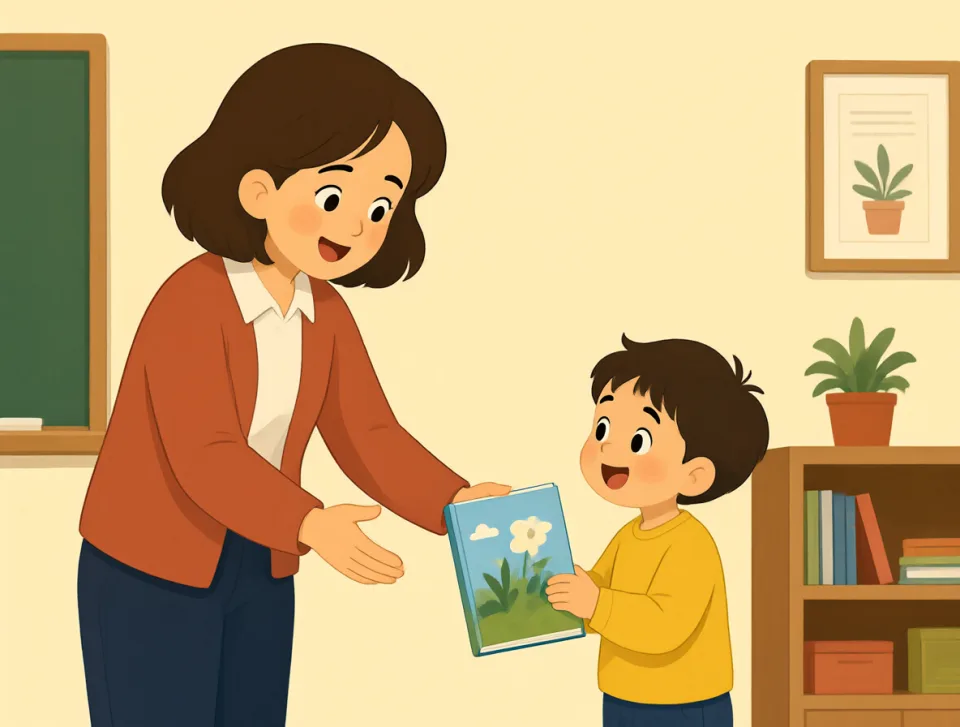
The teacher chose a suitable book for the class.
Nauczyciel wybrał odpowiednią książkę dla klasy.

Is this time suitable for a quick meeting?
Czy ta pora jest odpowiednia na krótkie spotkanie?

The doctor recommended suitable food after her illness.
Lekarz zalecił jej odpowiednią dietę po chorobie.
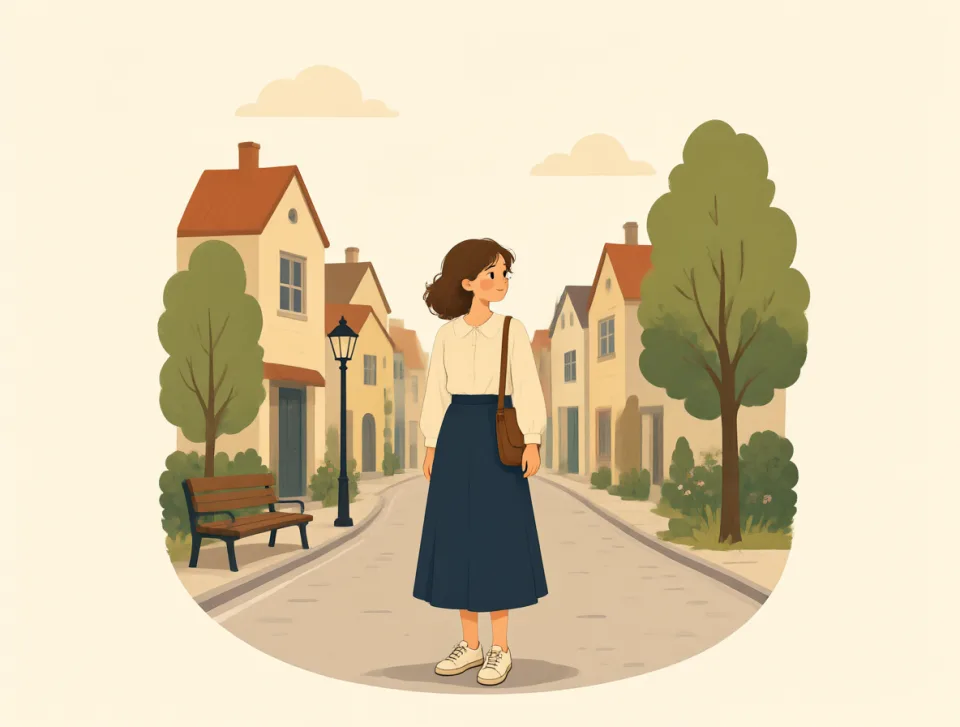
native
#1639adjective, noun
rodzimy
Native describes someone born in a place or a language learned from birth.
Native opisuje osobę urodzoną w danym miejscu albo język, którego ktoś uczy się od urodzenia.

She is a native speaker of Spanish.
Ona jest rodzimą użytkowniczką języka hiszpańskiego.
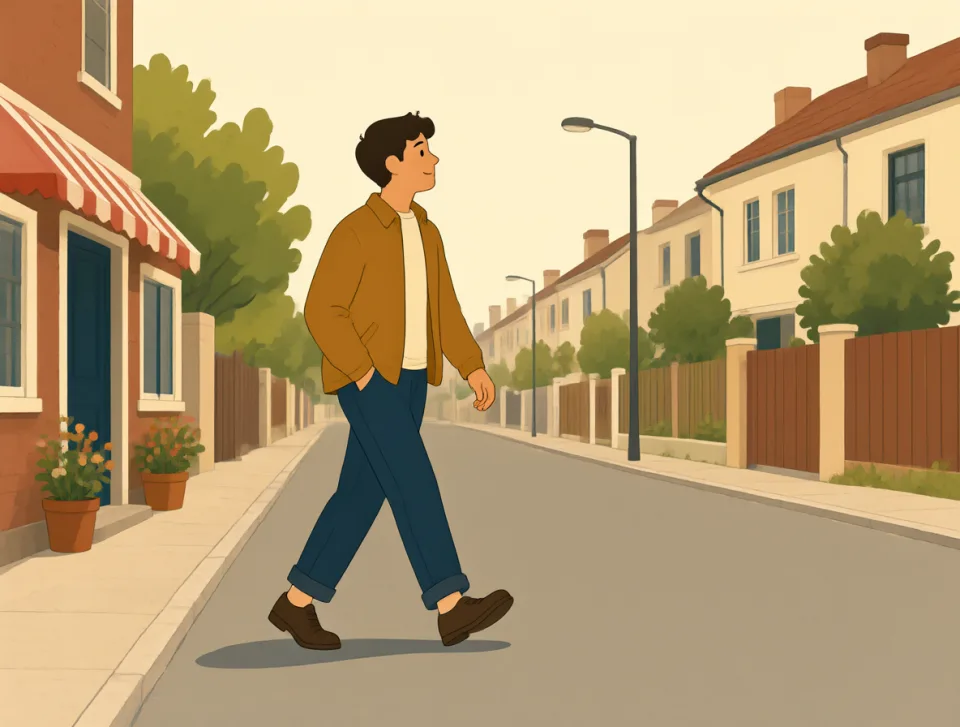
He is a native of this small town.
On pochodzi z tego małego miasteczka.

We asked a native guide to show us the old town.
Poprosiliśmy miejscowego przewodnika, żeby pokazał nam stare miasto.

The garden is full of native plants and flowers.
W ogrodzie rośnie wiele rodzimych roślin i kwiatów.

I want to sound more like a native speaker.
Chcę mówić bardziej jak native speaker.
fruit
#1640noun
owoc
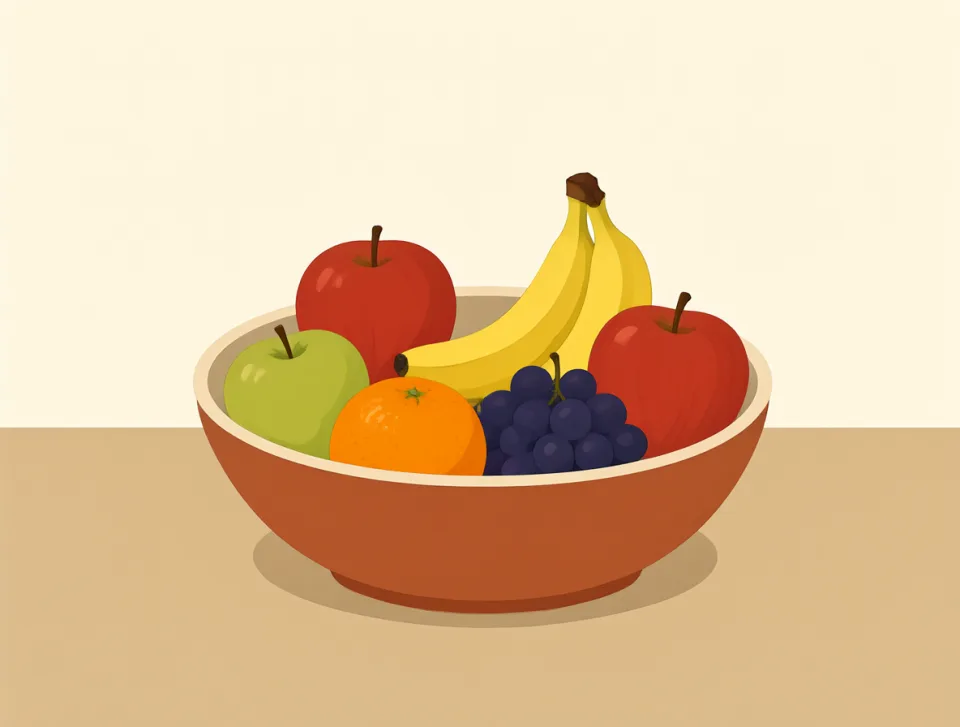
The sweet, edible part of a plant, such as an apple, banana, or orange.
Słodka, jadalna część rośliny, na przykład jabłko, banan lub pomarańcza.
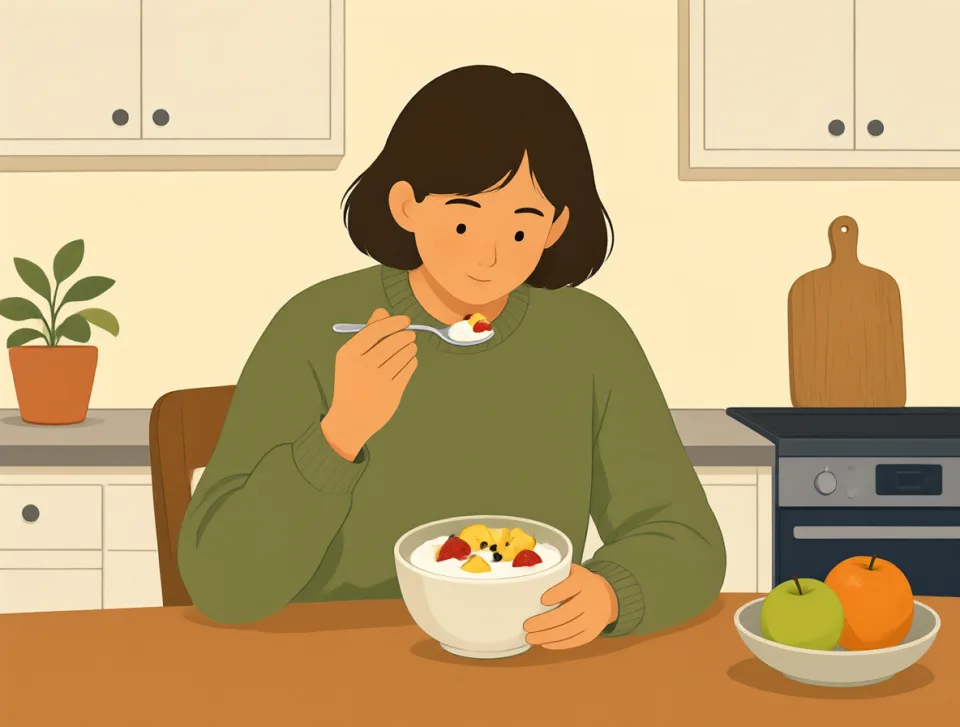
I eat fresh fruit with yogurt for breakfast every morning.
Codziennie rano jem na śniadanie świeże owoce z jogurtem.
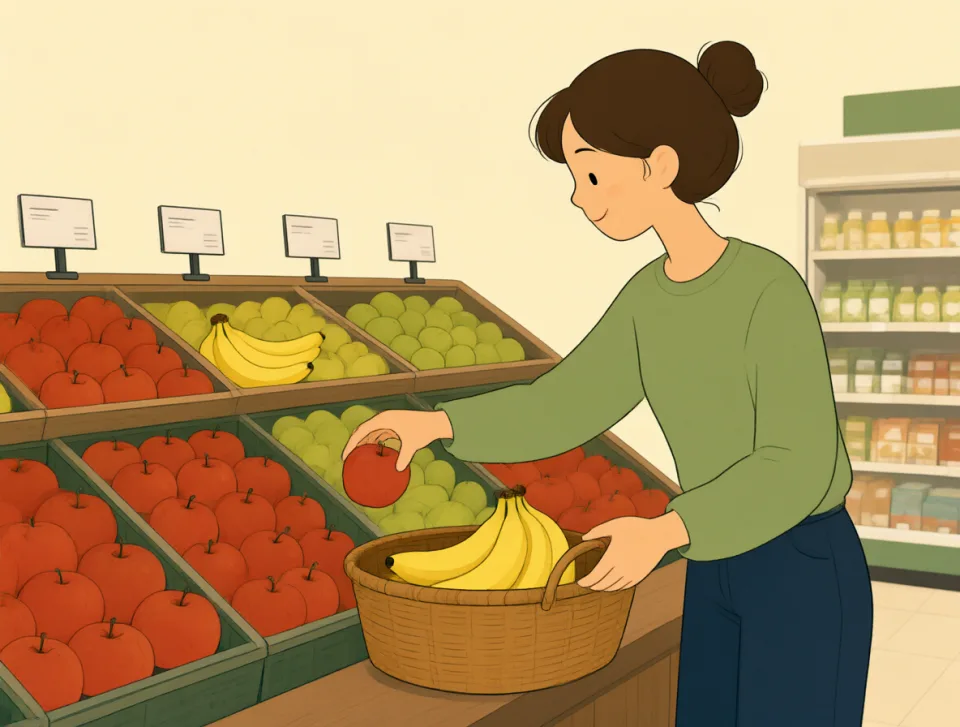
Please buy some fruit when you go to the supermarket.
Kup proszę trochę owoców, kiedy będziesz w supermarkecie.
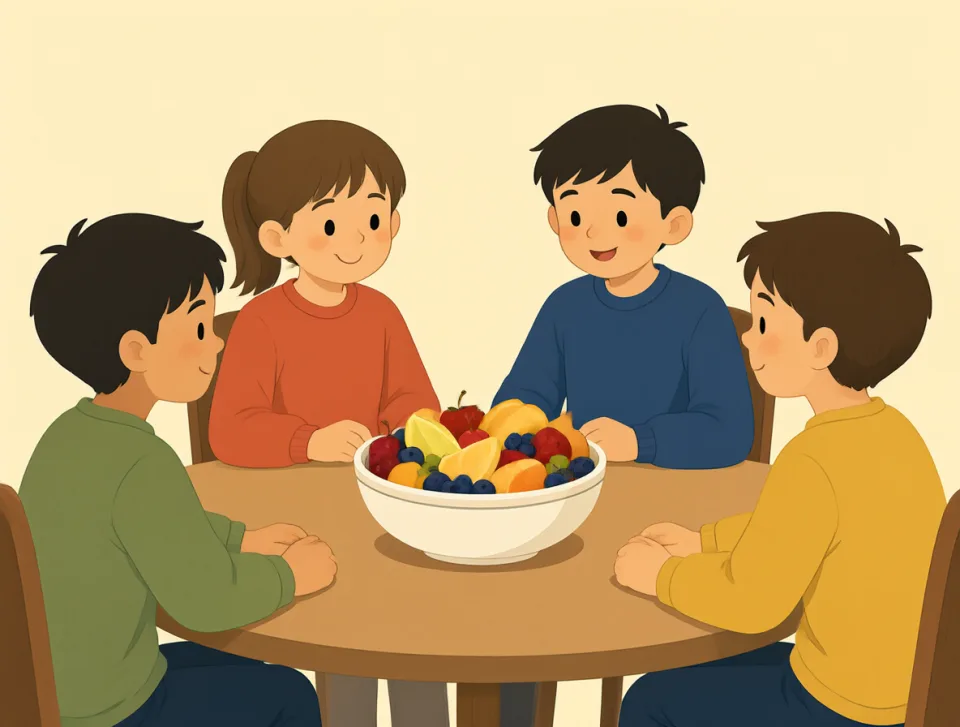
The children shared a large bowl of fruit after school.
Dzieci podzieliły się dużą miską owoców po szkole.
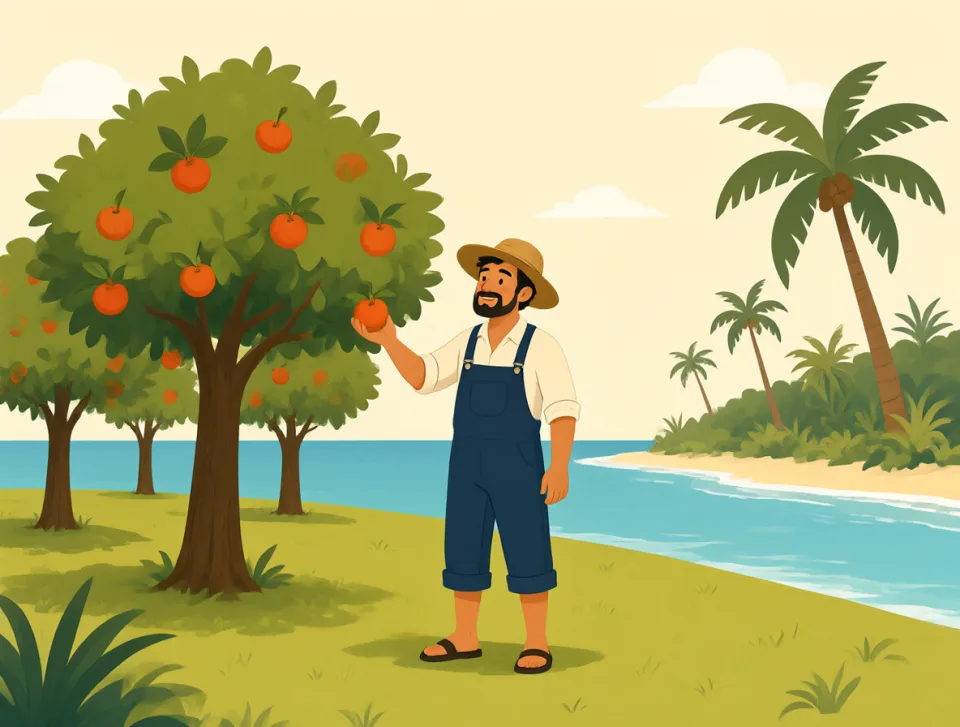
This tropical island grows fruit all year round.
Na tej tropikalnej wyspie owoce rosną przez cały rok.
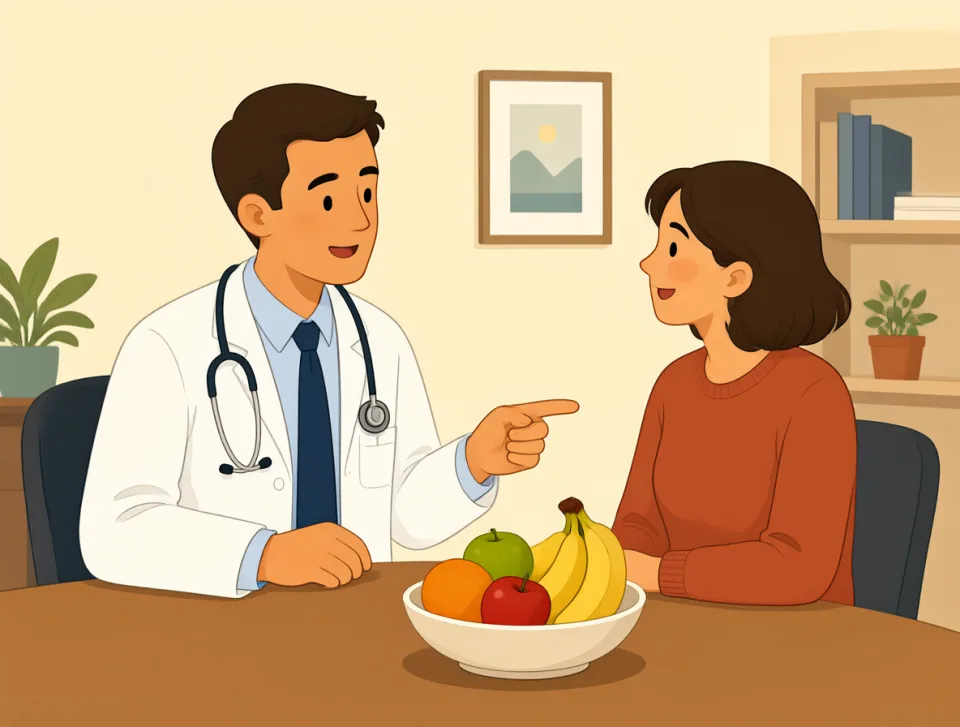
The doctor advised me to eat more fruit for better health.
Lekarz poradził mi jeść więcej owoców, żeby poprawić stan zdrowia.