Zestaw 90
Słowa 1781–1800 · sweet, permanent, emotion, pursue, tall, urge

sweet
#1781adjective, noun
słodki; cukierek
Having a taste like sugar; a small piece of candy or chocolate.
Mający smak podobny do cukru; mały kawałek cukierka lub czekolady.

This tea is too sweet for me without any milk.
Ta herbata jest dla mnie za słodka bez mleka.
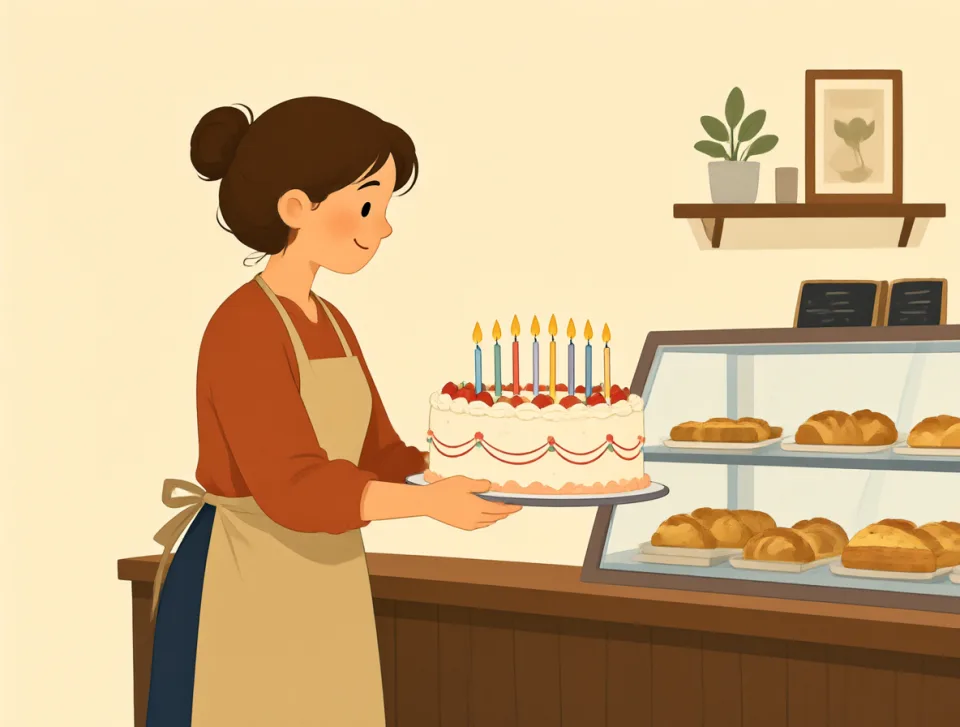
She bought a sweet birthday cake for her son.
Kupiła słodki tort urodzinowy dla swojego syna.
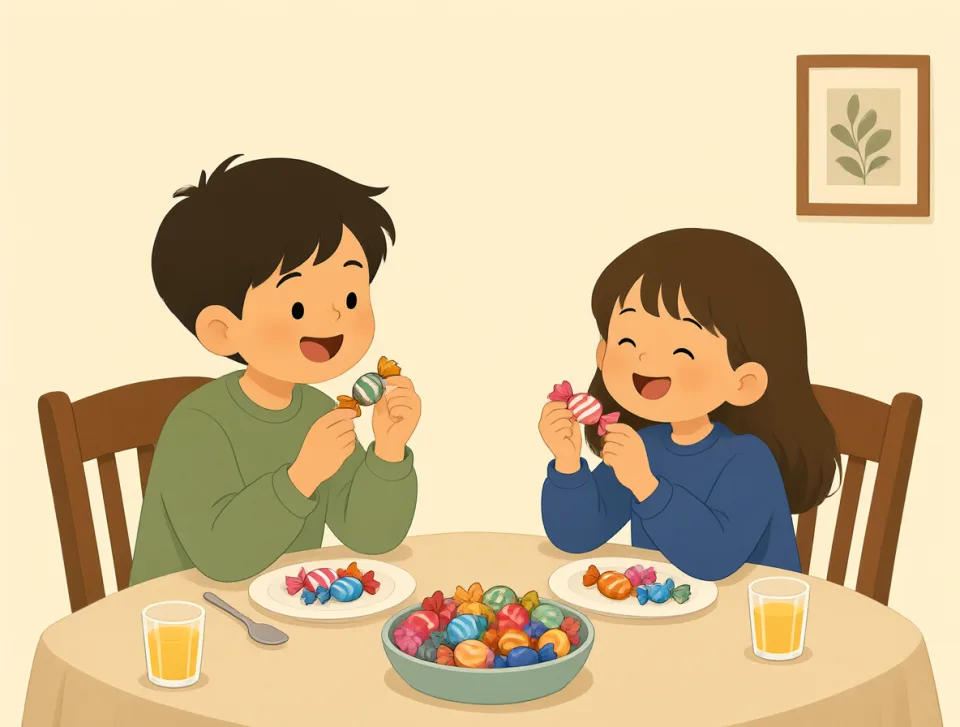
The children shared some sweets after dinner.
Dzieci podzieliły się słodyczami po kolacji.

He gave his friend a sweet smile before leaving.
Przed wyjściem uśmiechnął się do przyjaciela.
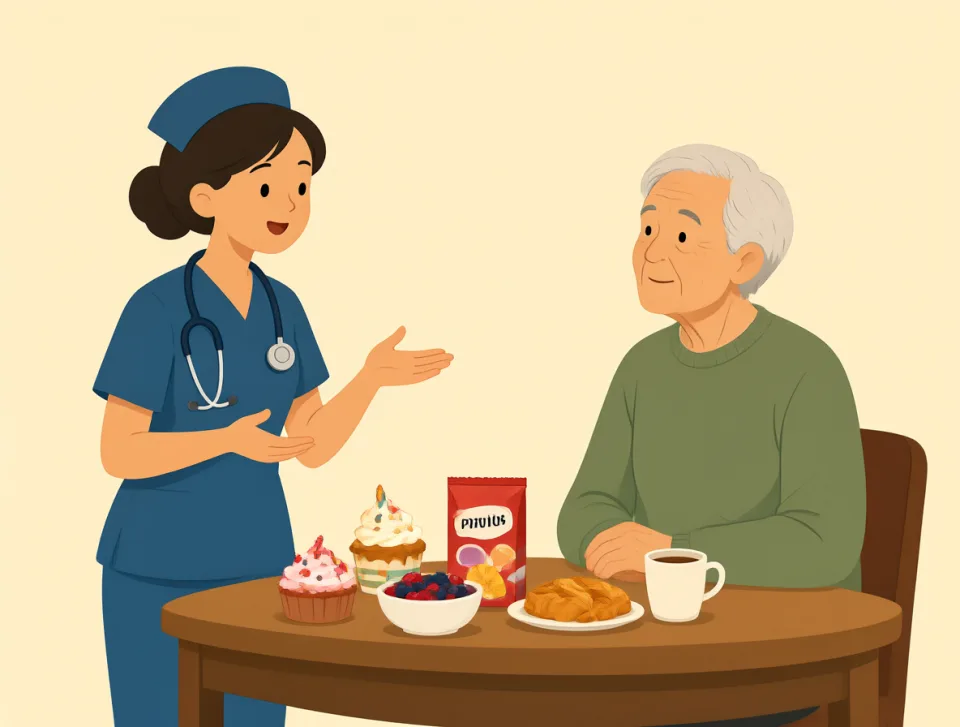
The nurse advised me to eat less sweet food.
Pielęgniarka poradziła mi, żebym jadł mniej słodkich potraw.

permanent
#1782adjective
stały; trwały
Continuing for a very long time or forever without changing.
Trwający bardzo długo lub na zawsze, bez zmian.

She is looking for a permanent job in her hometown.
Szuka stałej pracy w swoim rodzinnym mieście.

The company offered him a permanent position after six months.
Po sześciu miesiącach firma zaoferowała mu stałe stanowisko.

We need a permanent solution to this leaking roof.
Potrzebujemy trwałego rozwiązania problemu przeciekającego dachu.
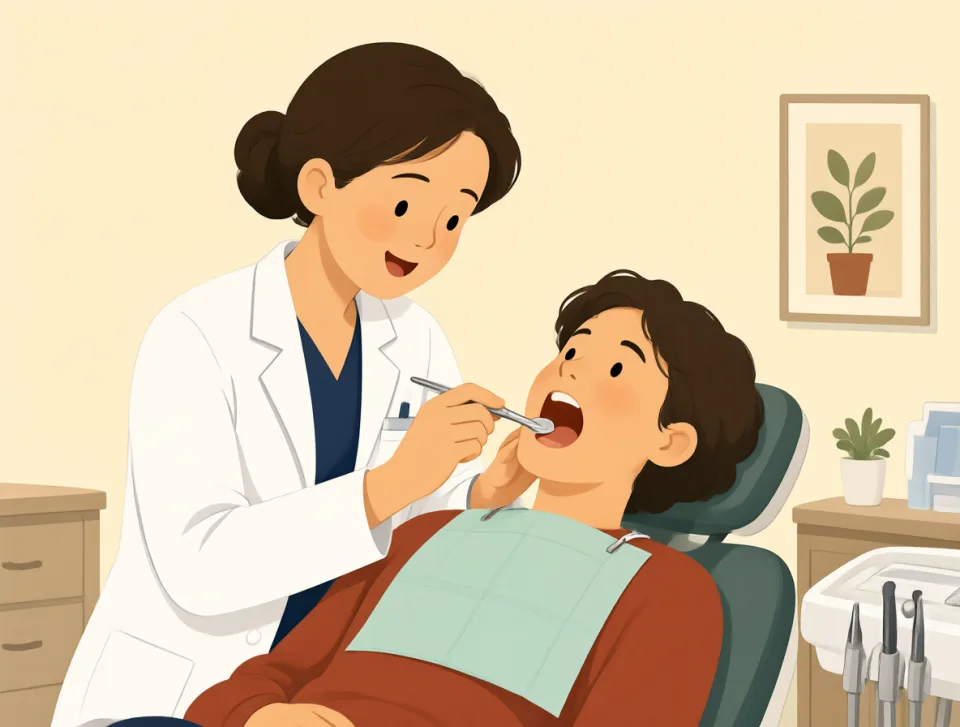
The dentist gave me permanent teeth after removing the damaged ones.
Po usunięciu uszkodzonych zębów dentysta wstawił mi zęby stałe.

They made their friendship permanent by moving in together.
Przekształcili swoją przyjaźń w trwałą więź, wprowadzając się do siebie.

emotion
#1783noun
emocja
a strong feeling, such as happiness, sadness, anger, or fear
Silne uczucie, takie jak radość, smutek, złość lub strach.

She could not hide her emotion when she saw the surprise gift.
Nie mogła ukryć wzruszenia, gdy zobaczyła niespodziewany prezent.

The movie showed many different emotions through its characters.
Film ukazywał wiele różnych emocji za pośrednictwem swoich bohaterów.

He spoke with emotion about his family during the meeting.
Podczas spotkania mówił o swojej rodzinie z wielkim wzruszeniem.

Music can bring back strong emotions from our childhood.
Muzyka może przywołać silne emocje z dzieciństwa.
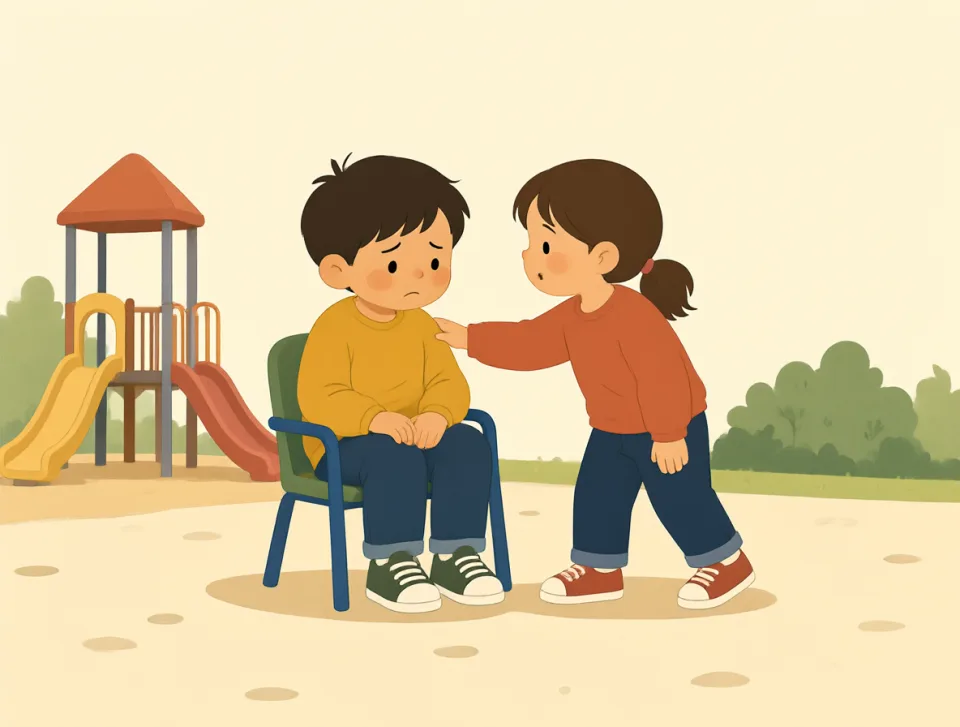
The child’s emotions changed quickly after losing the game.
Po przegranej jego emocje szybko się zmieniały.
pursue
#1784verb
dążyć do; ścigać
to try to achieve something or follow someone or something
Starać się coś osiągnąć albo podążać za kimś lub czymś.
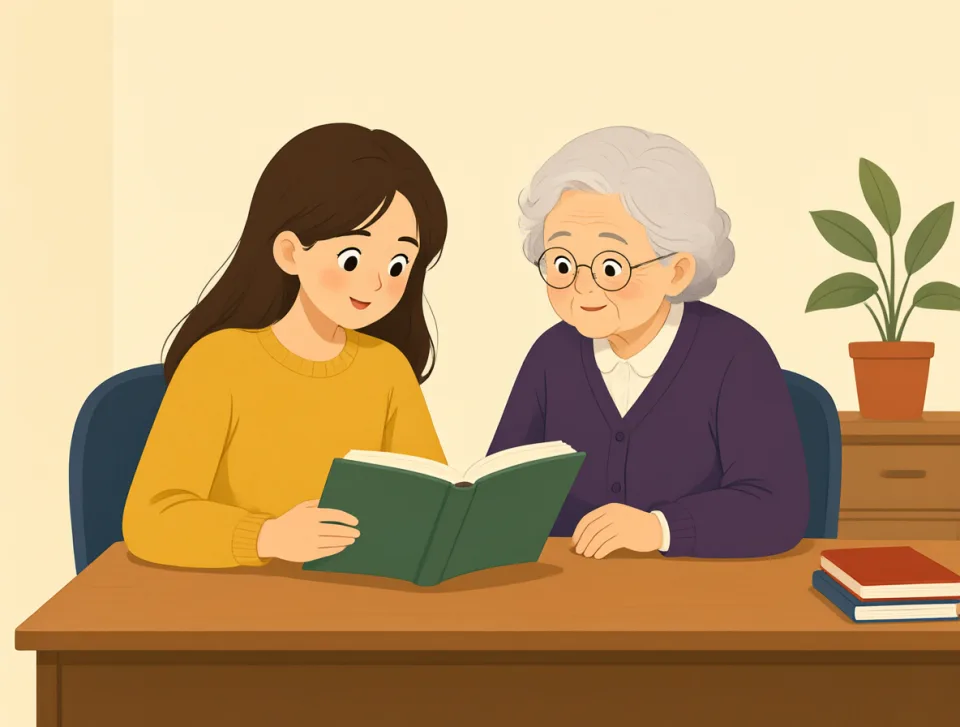
She decided to pursue a career in nursing after helping her grandmother.
Po tym, jak pomogła swojej babci, postanowiła rozpocząć karierę pielęgniarki.
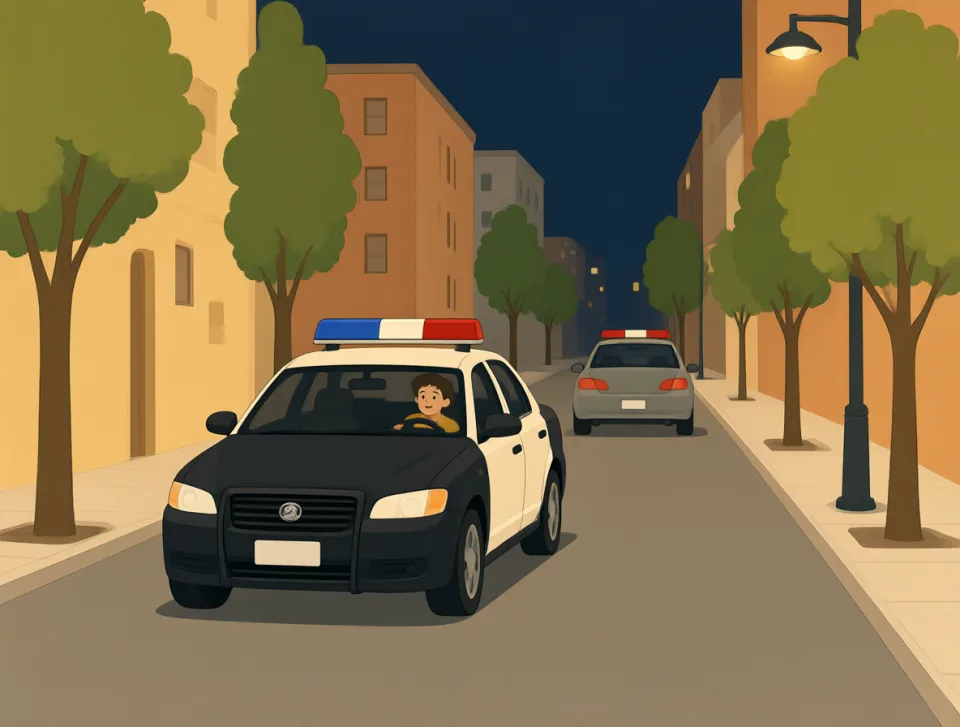
The police pursued the car through the quiet streets last night.
Wczoraj wieczorem policja ścigała samochód przez ciche ulice.

He is pursuing his dream of opening a small restaurant.
Dąży do spełnienia marzenia o otwarciu małej restauracji.

Our team pursued new customers at the busy shopping center.
Nasz zespół pozyskiwał nowych klientów w zatłoczonym centrum handlowym.

The hikers pursued the trail until they reached the mountain lake.
Wędrowcy podążali szlakiem, aż dotarli do górskiego jeziora.
tall
#1785adjective
wysoki
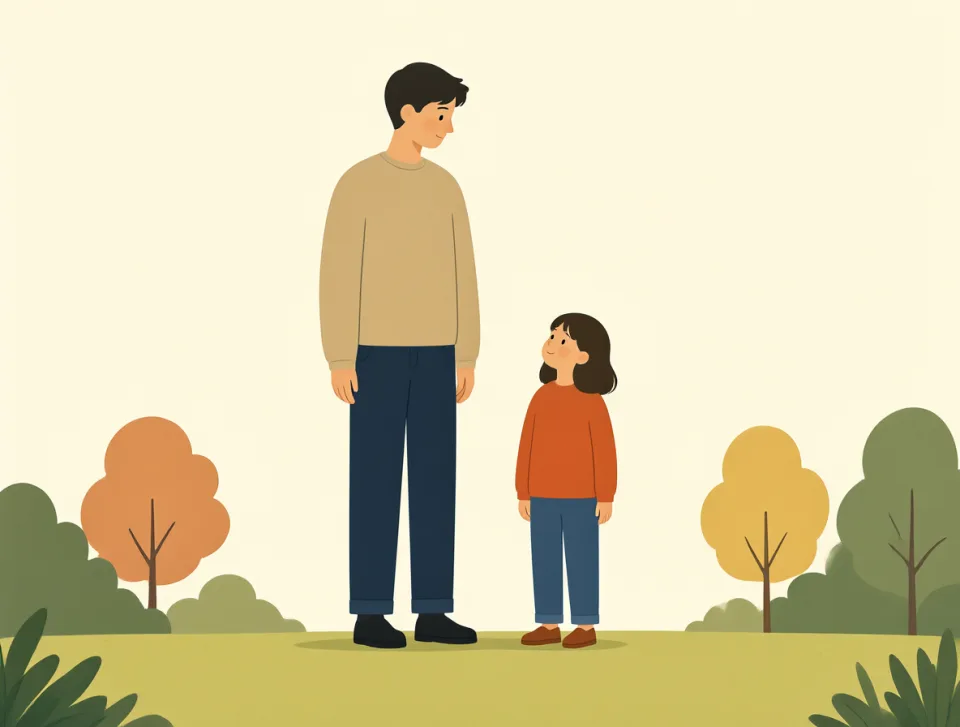
Having greater than average height.
Wyższy niż przeciętnie.

My brother is tall, so he can reach the top shelf.
Mój brat jest wysoki, więc może sięgnąć na najwyższą półkę.

That tall building is the tallest one in our city.
Ten wysoki budynek jest najwyższy w naszym mieście.

She bought a tall glass of orange juice.
Kupiła wysoką szklankę soku pomarańczowego.

The tall student plays basketball for our school team.
Ten wysoki uczeń gra w koszykówkę w szkolnej drużynie.

We walked past a tall tree on our way to the station.
W drodze na stację minęliśmy wysokie drzewo.

urge
#1786verb, noun
namawiać; silna chęć
to strongly encourage someone; a strong feeling that makes you want to do something
Mocno kogoś do czegoś zachęcać; silne uczucie, które sprawia, że chce się coś zrobić.

Doctors urged him to stop smoking for his health.
Lekarze namawiali go, żeby rzucił palenie dla własnego zdrowia.

My parents urged me to apply for the new job.
Rodzice namawiali mnie, żebym ubiegał się o nową pracę.
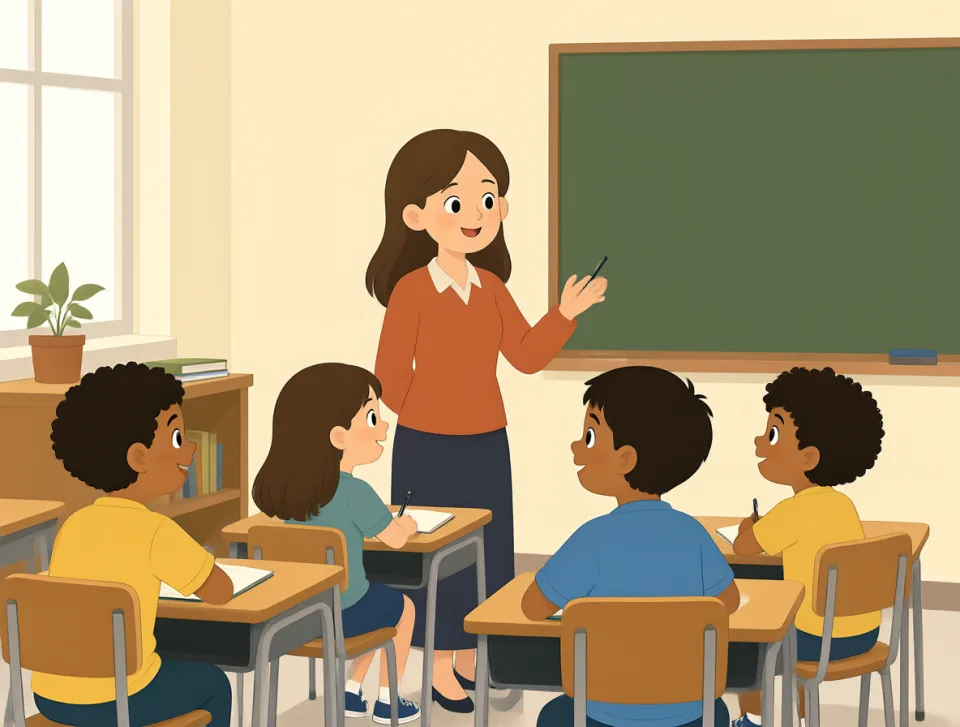
The teacher urged the students to check their answers.
Nauczyciel zachęcał uczniów, żeby sprawdzili swoje odpowiedzi.
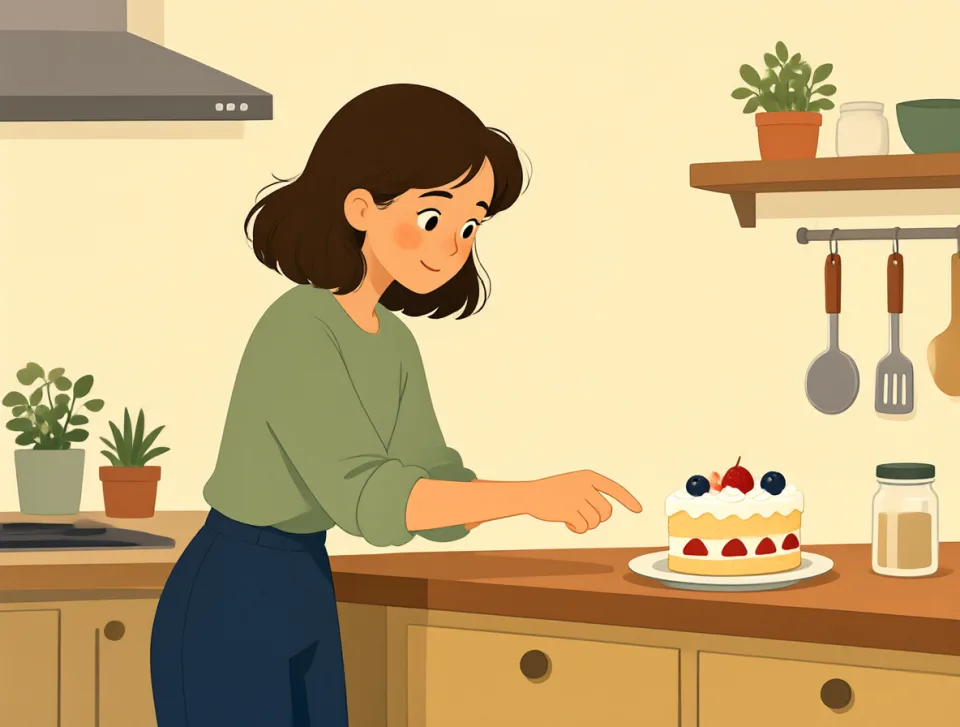
She felt an urge to eat something sweet after dinner.
Po kolacji naszła ją ochota na coś słodkiego.

Friends urged us to visit the old castle during our trip.
Podczas naszej podróży znajomi namawiali nas, żebyśmy odwiedzili stary zamek.
enemy
#1787noun
wróg
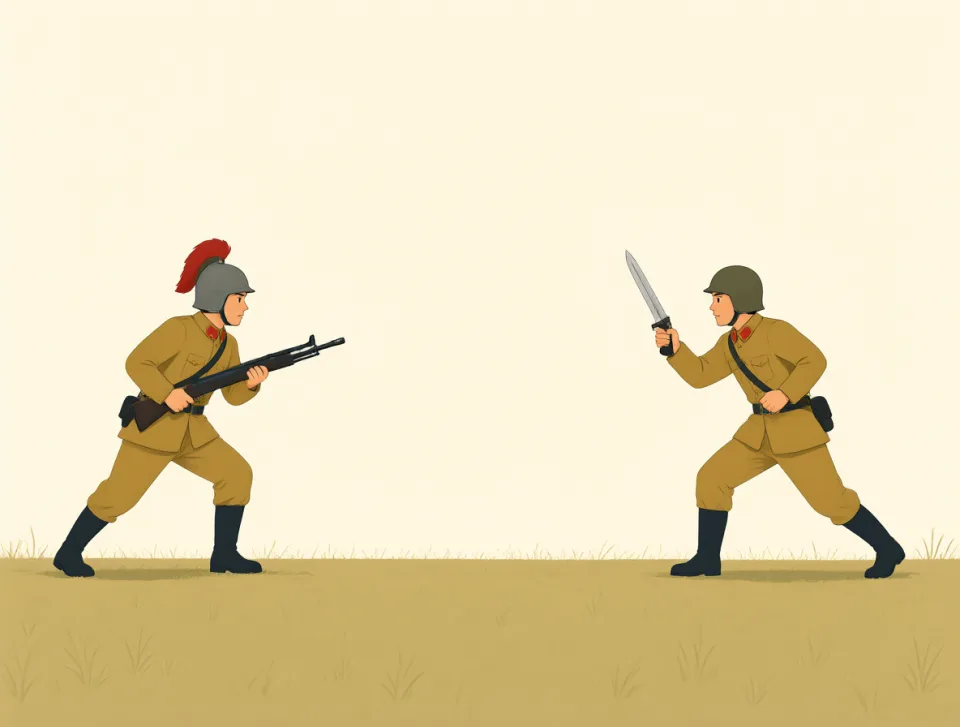
A person or group that fights against or strongly dislikes another person or group.
Osoba lub grupa, która walczy z inną osobą lub grupą albo bardzo jej nie lubi.
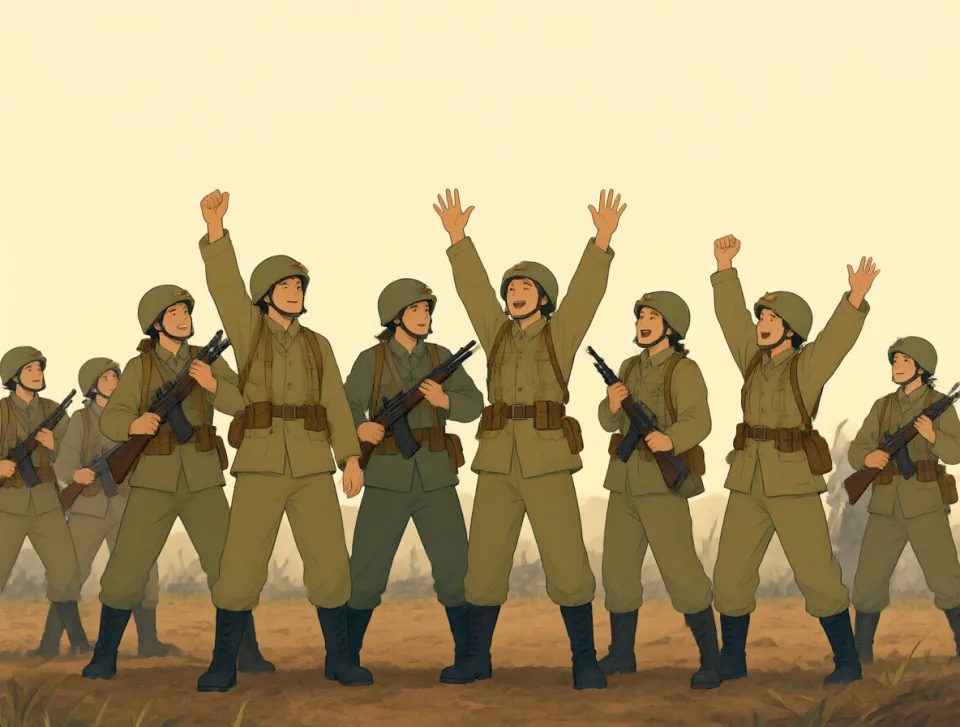
The army defeated its enemy after a long battle.
Armia pokonała wroga po długiej bitwie.

He saw his old enemy at the train station.
Zobaczył swojego dawnego wroga na dworcu kolejowym.
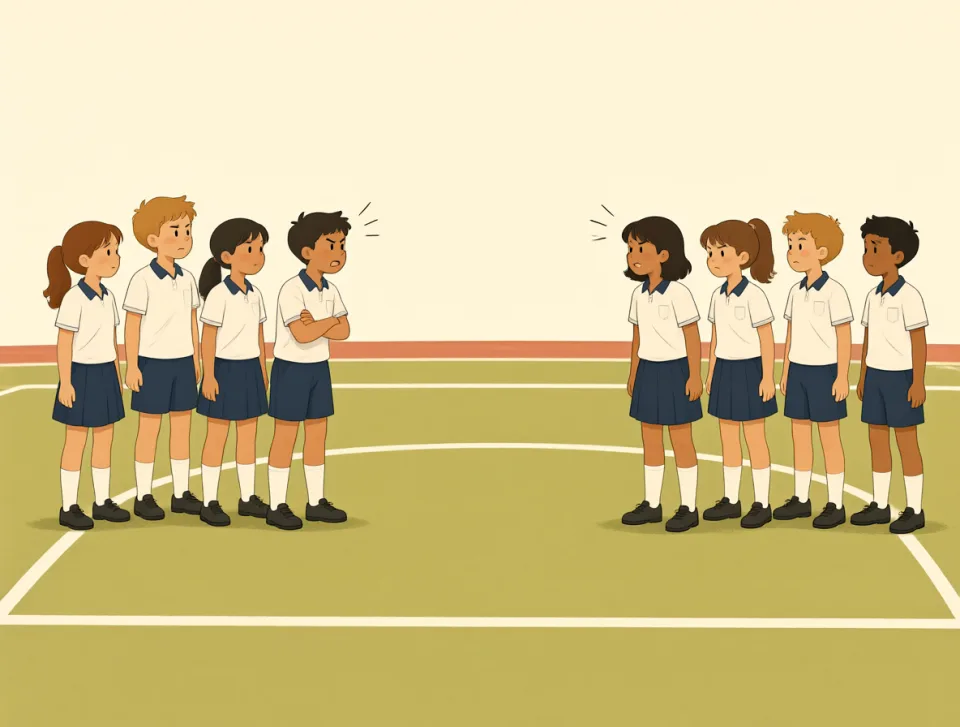
The two teams became enemies after the argument.
Po kłótni obie drużyny stały się wrogami.

Fear can be the enemy of good decisions.
Strach może być wrogiem dobrych decyzji.
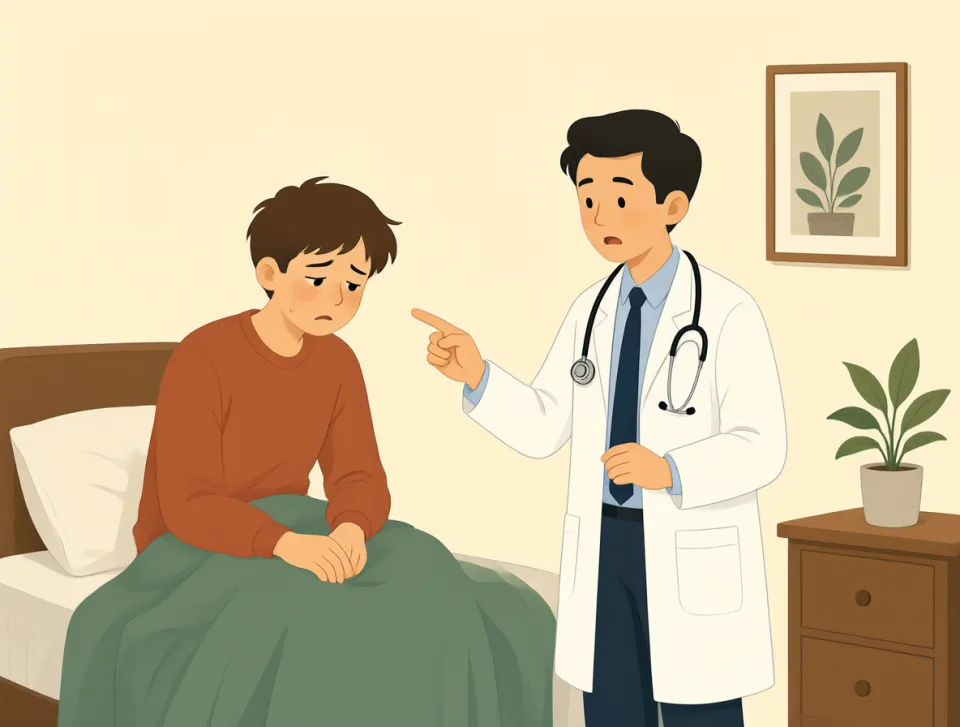
Lack of sleep is an enemy of good health.
Brak snu szkodzi zdrowiu.

appoint
#1788verb
mianować
To choose someone for a job, position, or special task.
Wybrać kogoś na dane stanowisko, do pracy lub do wykonania specjalnego zadania.

The manager appointed Sarah as the new team leader.
Kierownik mianował Sarah nową liderką zespołu.

The school appointed a teacher to organize the sports day.
Szkoła wyznaczyła nauczyciela do zorganizowania dnia sportu.

They appointed a doctor to lead the hospital project.
Wyznaczyli lekarza do kierowania projektem szpitalnym.
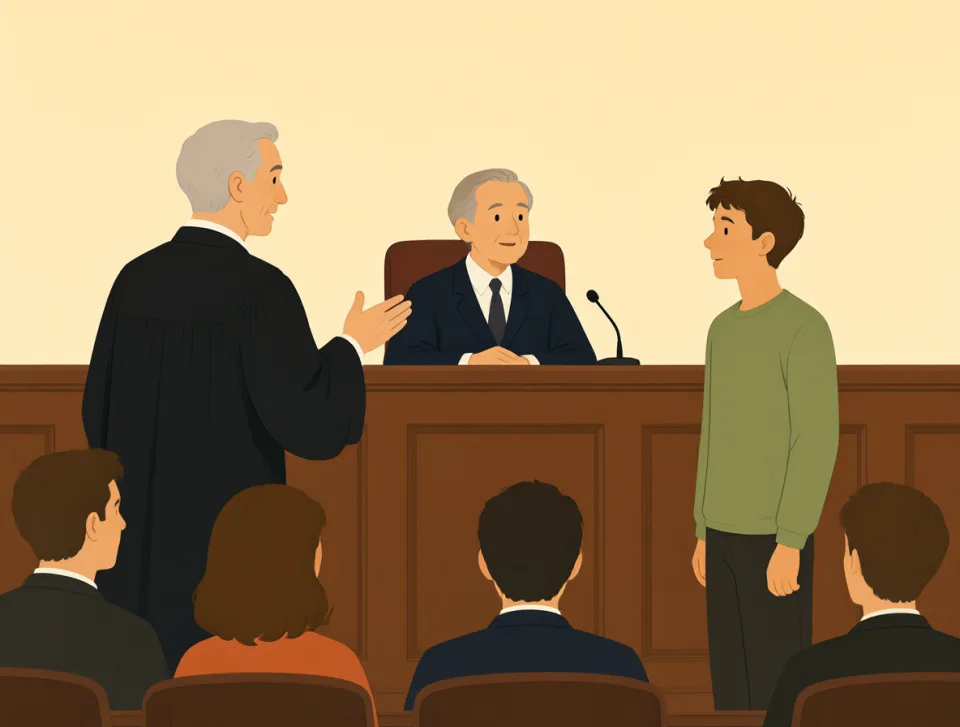
The judge appointed a lawyer to help the young man.
Sędzia wyznaczył prawnika, żeby pomógł młodemu mężczyźnie.
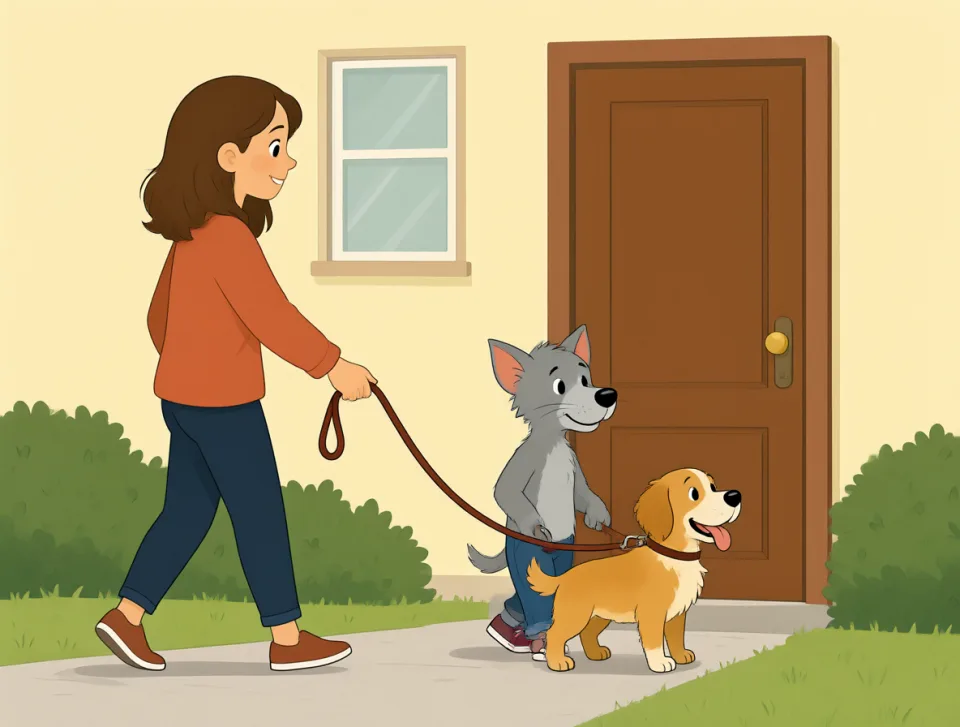
We appointed Tom to look after the dog during our holiday.
Wyznaczyliśmy Toma, żeby zaopiekował się psem podczas naszego urlopu.
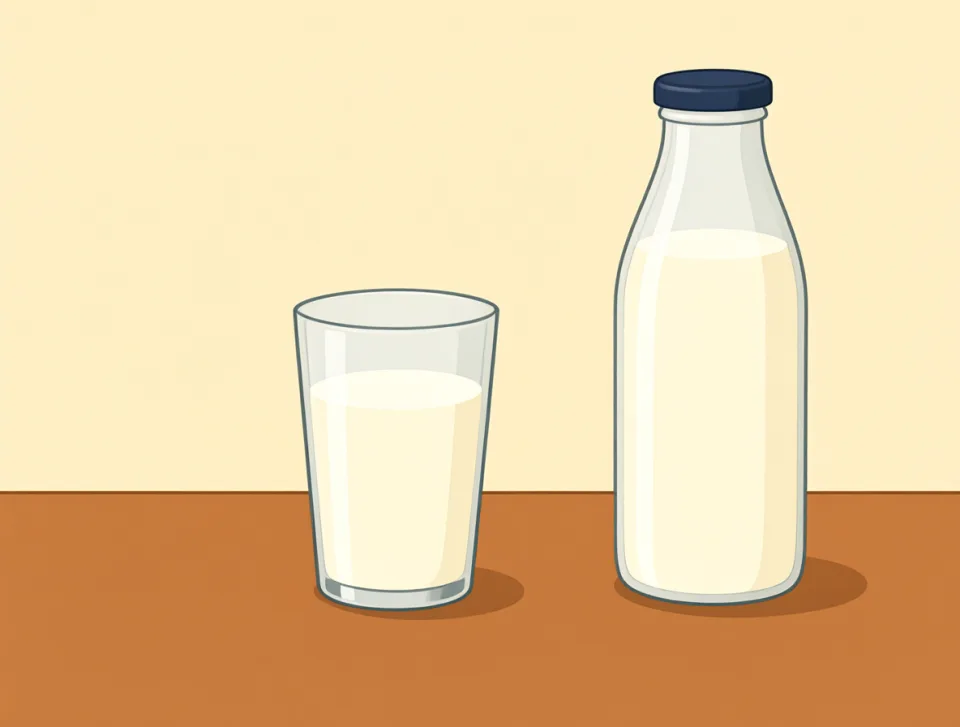
milk
#1789noun, verb
mleko
A white drink that comes from cows, or to take milk from an animal.
Biały napój pozyskiwany od krów albo czynność polegająca na pozyskiwaniu mleka od zwierzęcia.
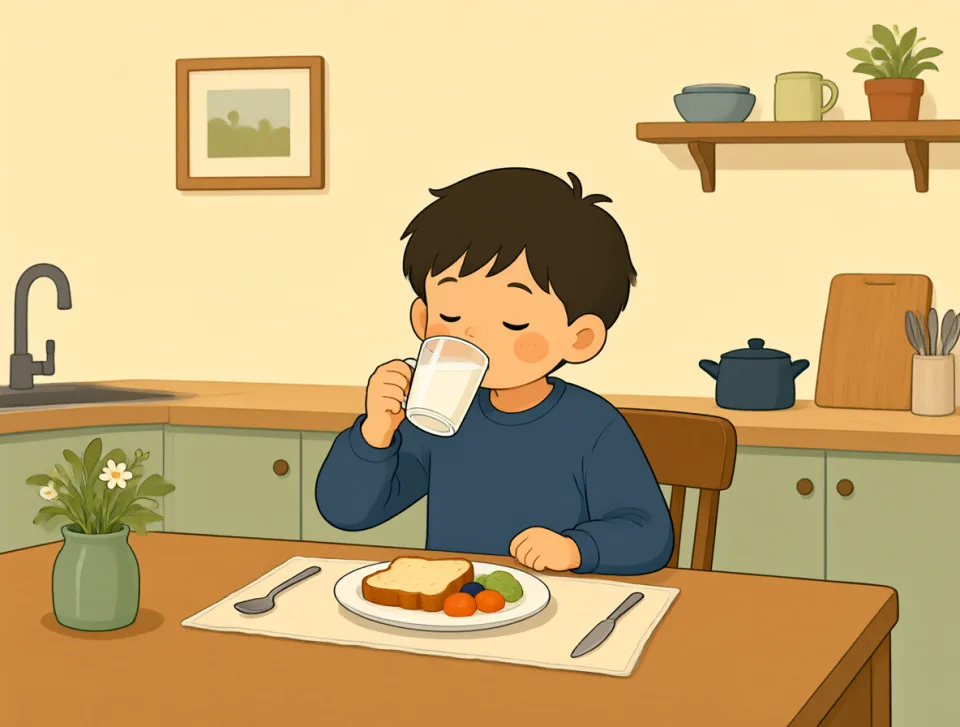
I drink a glass of milk with breakfast every morning.
Codziennie rano do śniadania piję szklankę mleka.
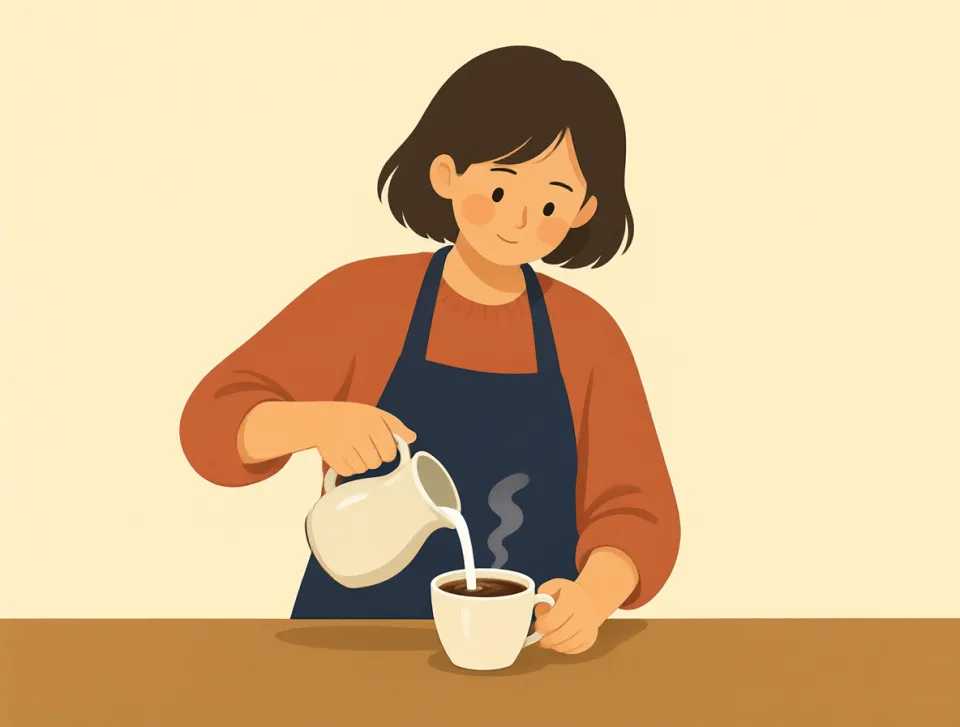
Please add some milk to my coffee.
Proszę, dodaj trochę mleka do mojej kawy.
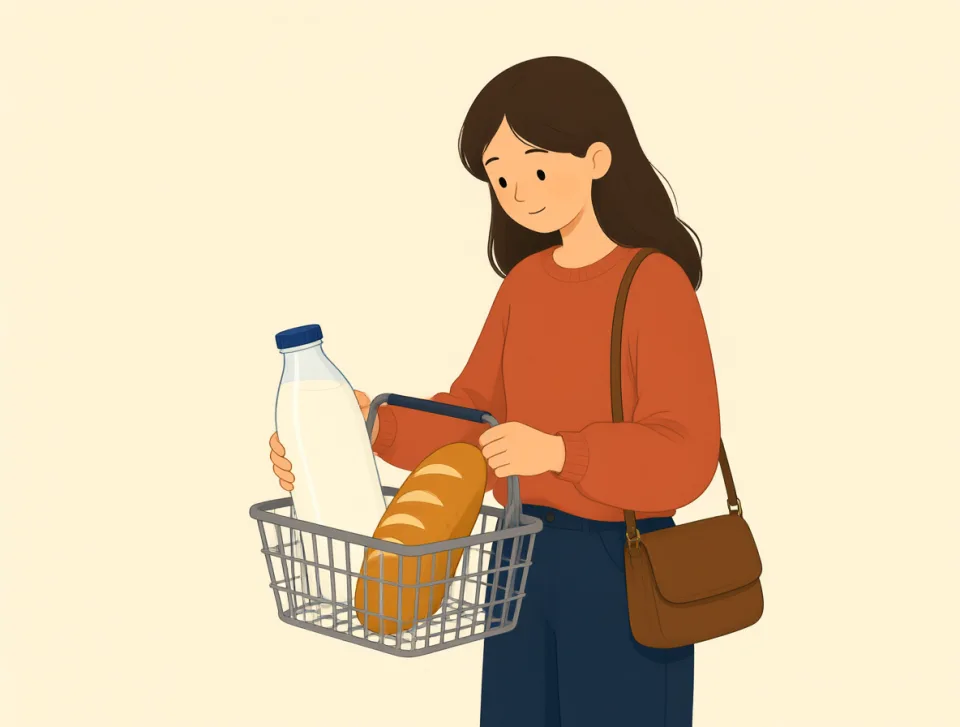
We need to buy milk and bread after work.
Po pracy musimy kupić mleko i chleb.
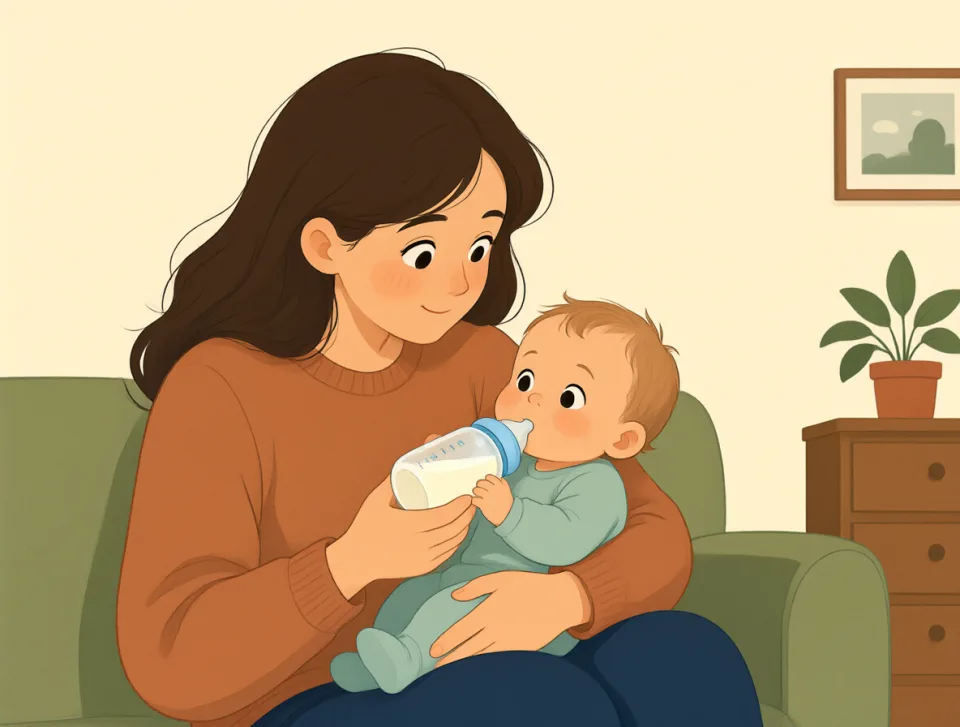
The baby is drinking milk from a bottle.
Dziecko pije mleko z butelki.
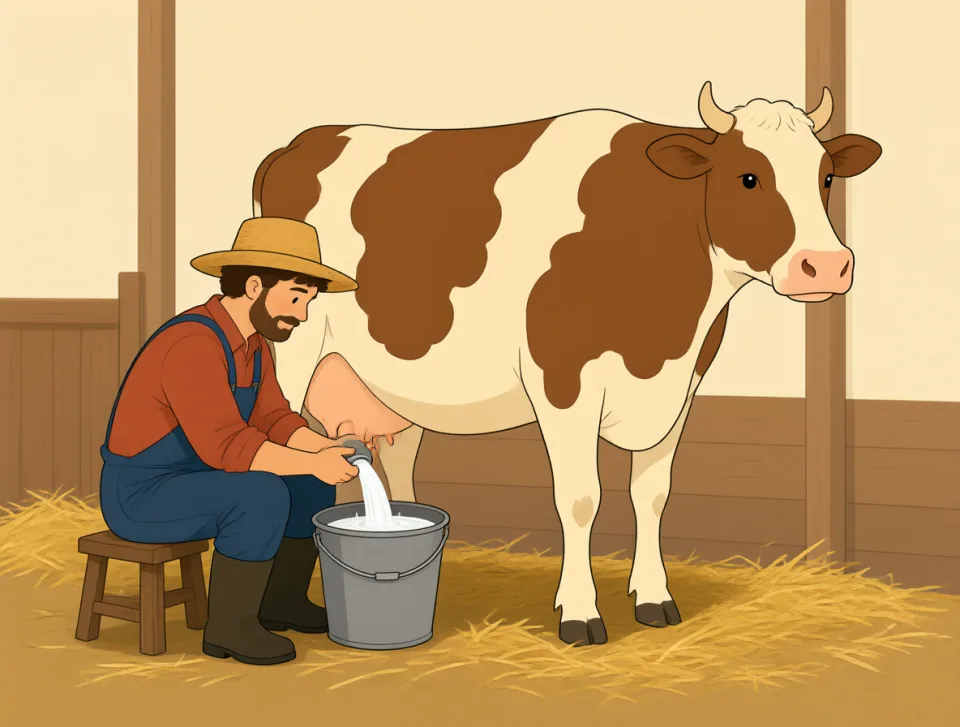
The farmer milks the cows before sunrise.
Rolnik doi krowy przed wschodem słońca.

talent
#1790noun
talent
A natural ability to do something very well.
Wrodzona zdolność do robienia czegoś bardzo dobrze.

She has a real talent for singing and performs every weekend.
Ma prawdziwy talent do śpiewania i występuje w każdy weekend.

His talent for cooking makes family dinners special.
Jego talent kulinarny sprawia, że rodzinne obiady są wyjątkowe.

The teacher noticed her talent for solving difficult math problems.
Nauczyciel zauważył jej talent do rozwiązywania trudnych zadań matematycznych.

Our new designer showed great talent during the team project.
Nasz nowy projektant wykazał się dużym talentem podczas pracy zespołowej.
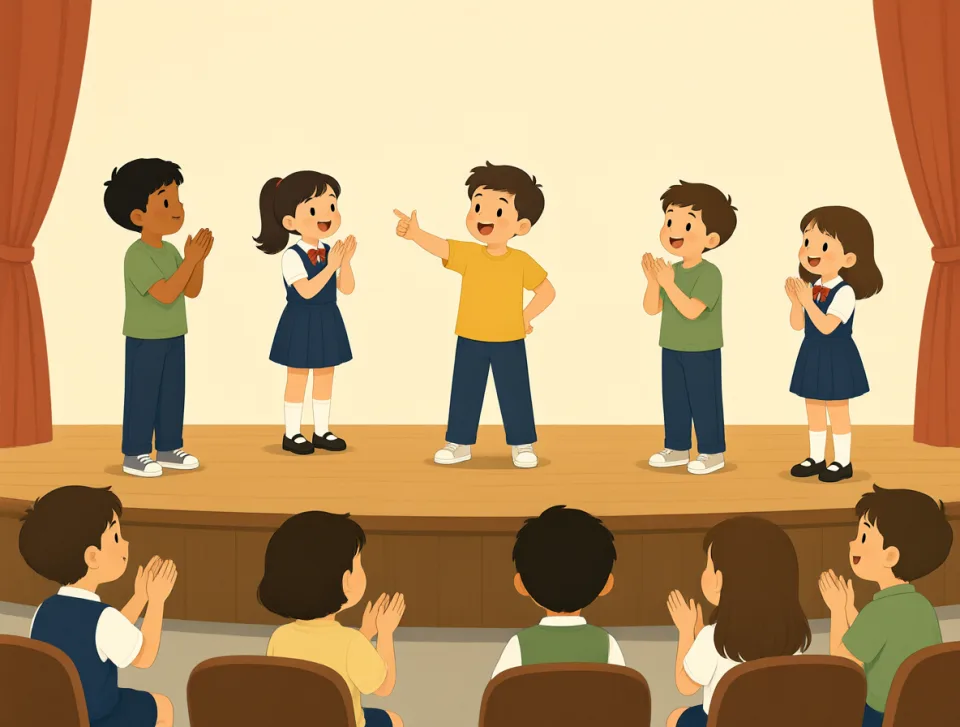
The talent show gave everyone a chance to share their skills.
Pokaz talentów dał każdemu szansę, by zaprezentować swoje umiejętności.
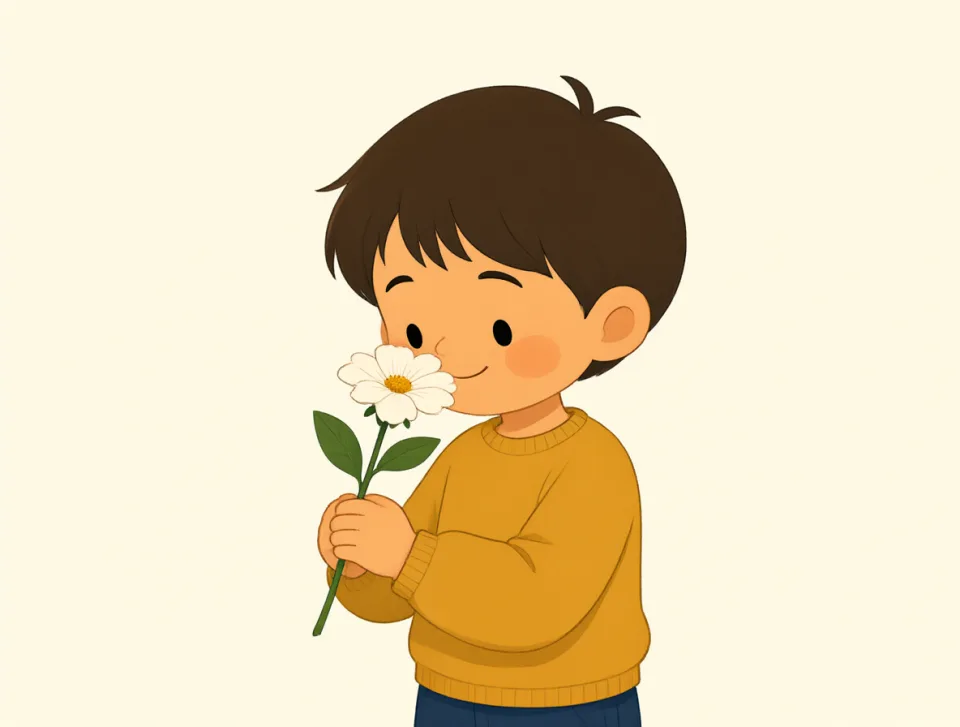
smell
#1791noun, verb
zapach
A smell is the quality of something that you notice with your nose; to smell is to notice it.
Zapach to woń czegoś, którą wyczuwasz nosem; wąchać to odbierać zapach.
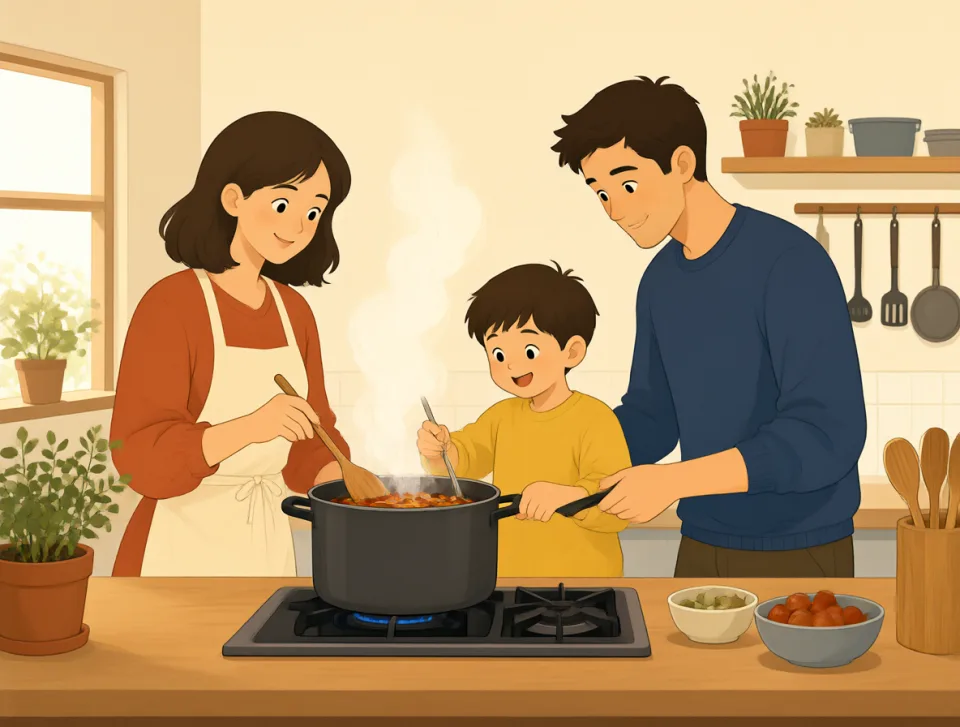
The kitchen smells wonderful because dinner is almost ready.
W kuchni pięknie pachnie, bo kolacja jest już prawie gotowa.
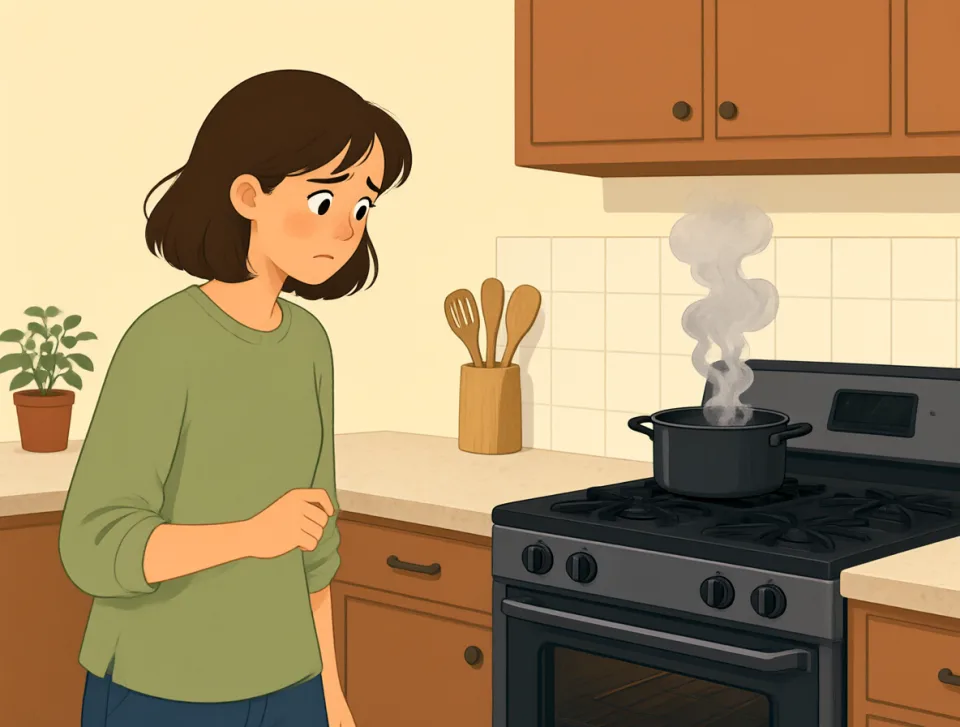
I smelled smoke and quickly checked the oven.
Poczułem zapach dymu i szybko sprawdziłem piekarnik.
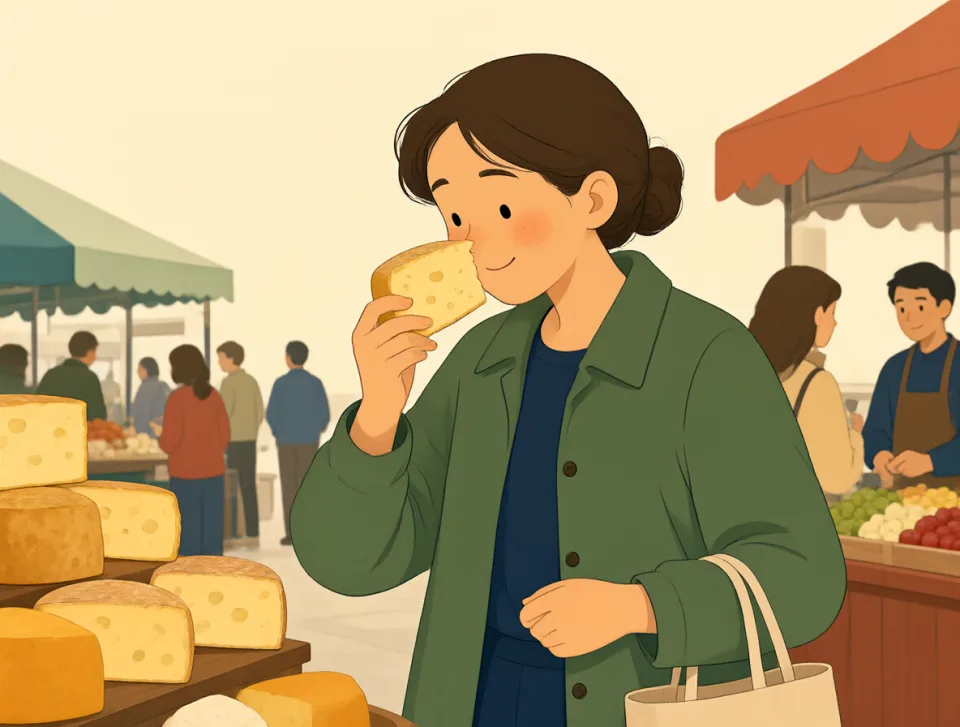
This cheese has a strong smell, but it tastes delicious.
Ten ser ma intensywny zapach, ale smakuje wyśmienicie.

These flowers smell sweet and look beautiful on the table.
Te kwiaty pięknie pachną i ładnie wyglądają na stole.

She lost her sense of smell after catching a bad cold.
Po przeziębieniu straciła węch.

prior
#1792adjective, noun
wcześniejszy
Happening or existing before a particular time, event, or action
Wydarzyło się lub istniało przed określonym momentem, wydarzeniem albo działaniem.
Please tell me about any prior experience with computers.
Proszę opowiedzieć o wcześniejszym doświadczeniu w pracy z komputerami.

I had no prior knowledge of the city before my trip.
Przed podróżą nie znałem tego miasta.

You need prior approval before bringing a guest to work.
Zanim przyprowadzisz gościa do pracy, musisz uzyskać wcześniejszą zgodę.

The doctor asked about my prior health problems.
Lekarz zapytał o moje wcześniejsze problemy zdrowotne.

We met several times during the prior week.
W poprzednim tygodniu spotkaliśmy się kilka razy.

priority
#1793noun
priorytet
Something that is more important than other things and should be dealt with first.
Coś ważniejszego od innych rzeczy, czym należy zająć się w pierwszej kolejności.

Safety is our top priority at work.
Bezpieczeństwo jest naszym najważniejszym priorytetem w pracy.

Please make this report a priority today.
Proszę, zajmij się dziś w pierwszej kolejności tym raportem.
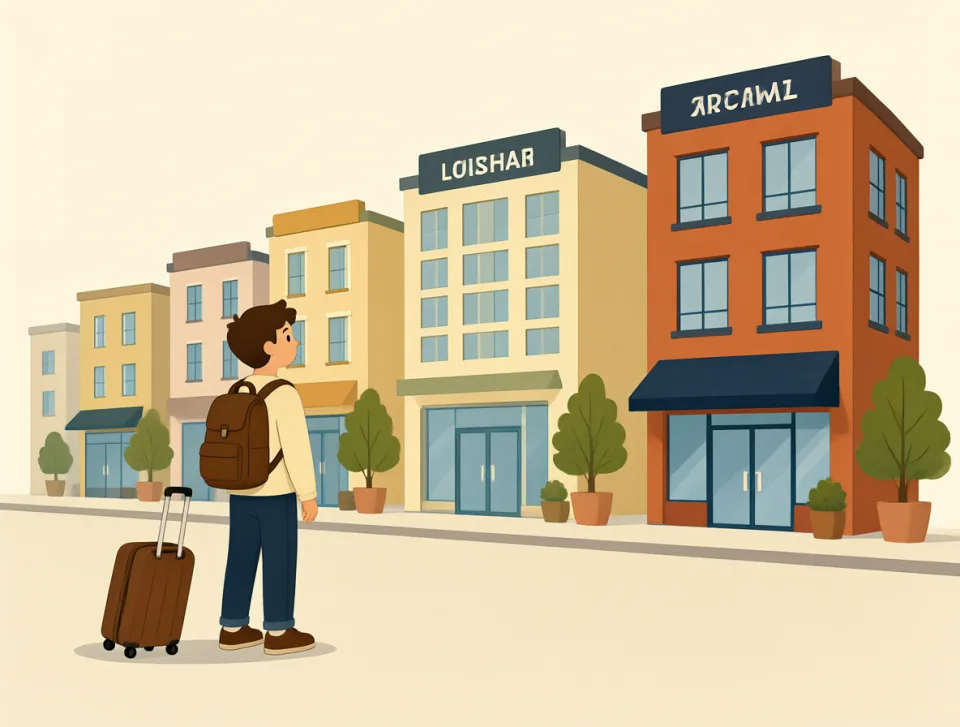
My first priority is finding a hotel near the airport.
Moim głównym priorytetem jest znalezienie hotelu w pobliżu lotniska.

The teacher helped students set priorities for their school projects.
Nauczyciel pomógł uczniom ustalić priorytety dotyczące szkolnych projektów.
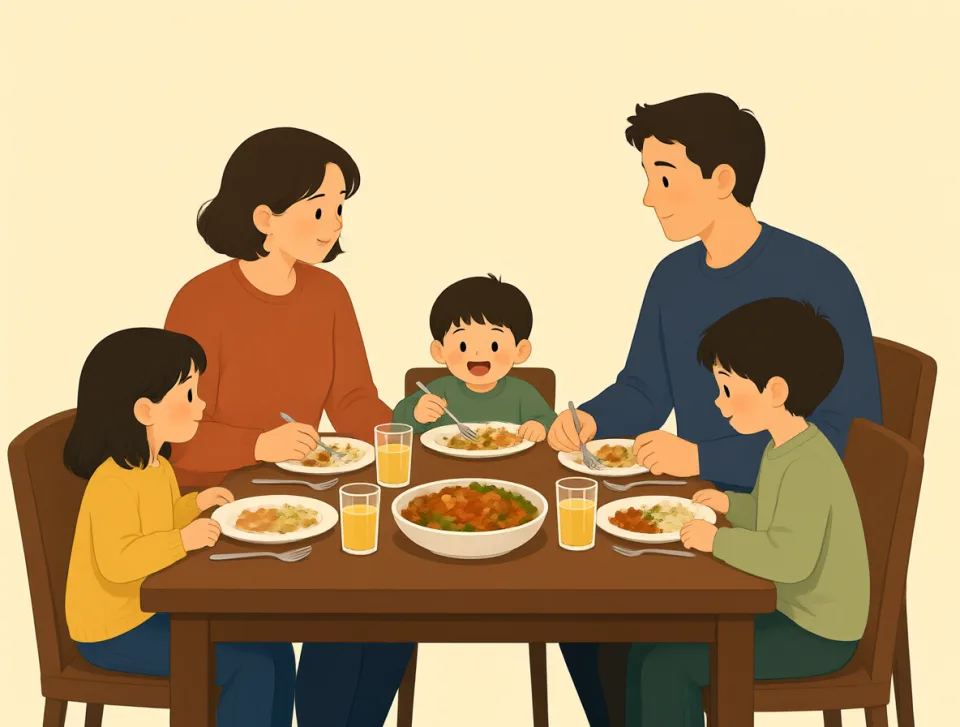
After dinner, spending time with my family becomes my priority.
Po kolacji najważniejszy staje się dla mnie czas spędzony z rodziną.

online
#1794adjective, adverb
online
Using or connected to the internet rather than a physical place or service.
Działający za pośrednictwem internetu lub z nim związany, a nie z fizycznym miejscem lub usługą.

I usually shop online because it is quick and easy.
Zazwyczaj robię zakupy online, bo to szybkie i łatwe.

We booked our hotel online before traveling to Spain.
Zarezerwowaliśmy hotel online przed wyjazdem do Hiszpanii.

The teacher offers an online class every Wednesday evening.
Nauczyciel prowadzi zajęcia online w każdy środowy wieczór.

Please fill out the online form before your appointment.
Proszę wypełnić formularz online przed wizytą.

My friends and I play online together after dinner.
Po kolacji gramy razem ze znajomymi online.
phrase
#1795noun, verb
zwrot
A small group of words that expresses an idea or has a particular meaning.
Krótki ciąg wyrazów, który wyraża jakąś myśl lub ma określone znaczenie.

Please repeat that phrase more slowly.
Proszę powtórzyć ten zwrot wolniej.

She used a polite phrase when speaking to the customer.
Rozmawiając z klientem, użyła uprzejmego zwrotu.

I learned several useful phrases before my trip to Spain.
Przed podróżą do Hiszpanii nauczyłem się kilku przydatnych zwrotów.
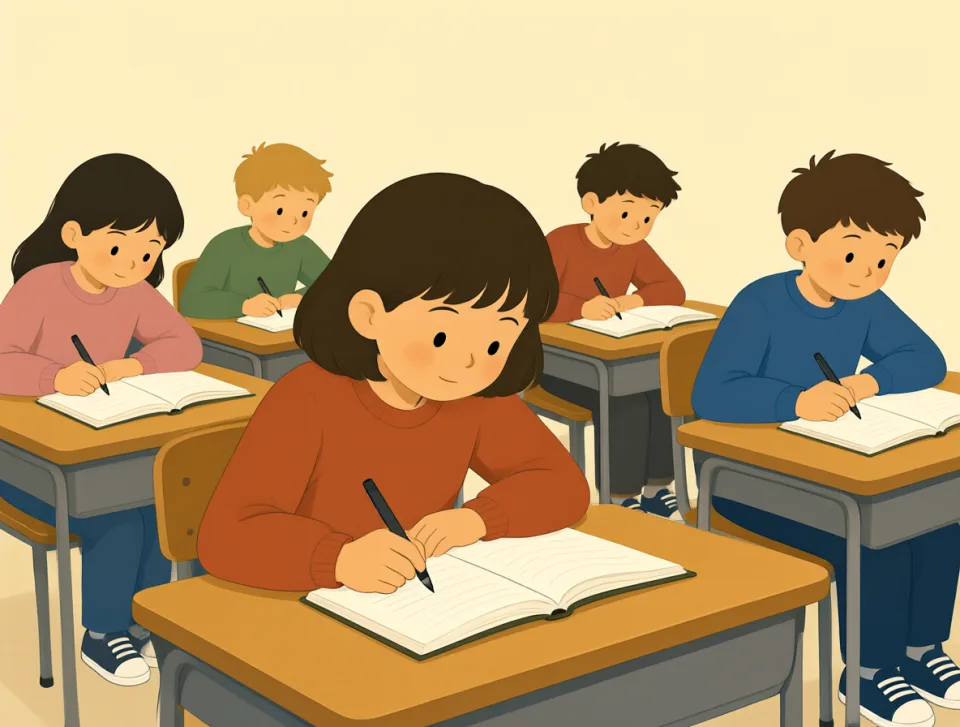
The teacher asked us to write a phrase about our weekend.
Nauczyciel poprosił nas o napisanie zwrotu na temat weekendu.

The doctor told him to avoid the phrase “I feel fine” when describing pain.
Lekarz powiedział mu, żeby unikał zwrotu “I feel fine” podczas opisywania bólu.

pilot
#1796noun, verb
pilot
A person who flies an aircraft, or to test a new idea or system.
Osoba pilotująca statek powietrzny albo testująca nowy pomysł lub system.

The pilot welcomed everyone before the plane took off.
Pilot powitał wszystkich przed startem samolotu.
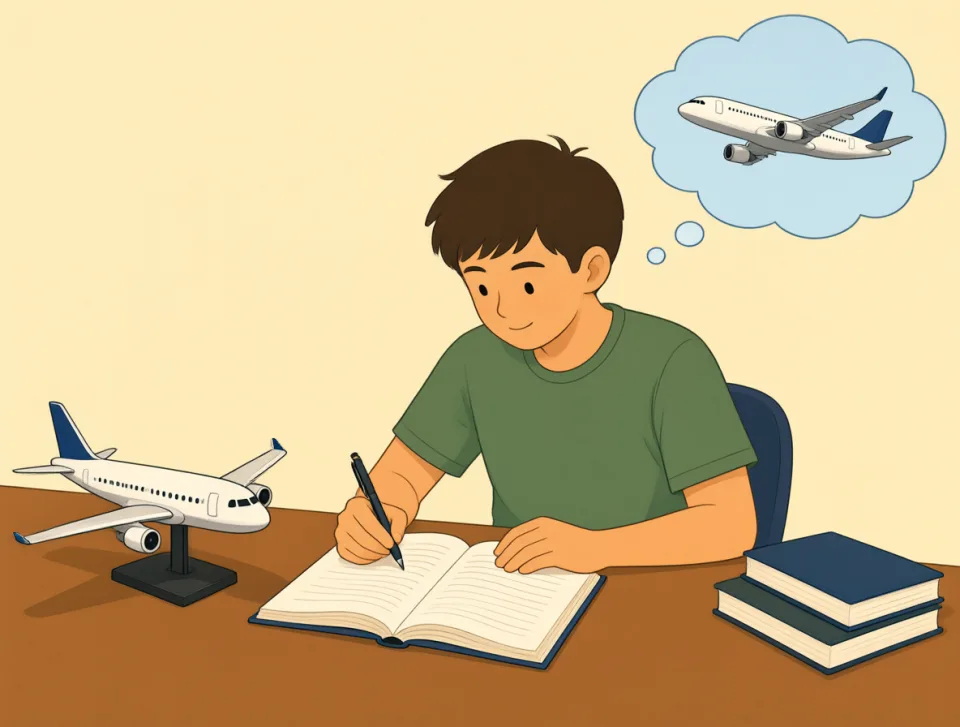
My brother wants to become a pilot when he finishes school.
Mój brat chce zostać pilotem po skończeniu szkoły.

The pilot landed safely during the heavy rain.
Pilot bezpiecznie wylądował podczas ulewnych opadów.

The company is piloting a new training program for young workers.
Firma testuje nowy program szkoleniowy dla młodych pracowników.

She piloted the boat across the lake before sunset.
Przed zachodem słońca poprowadziła łódź przez jezioro.
stable
#1797noun, adjective
stajnia; stabilny
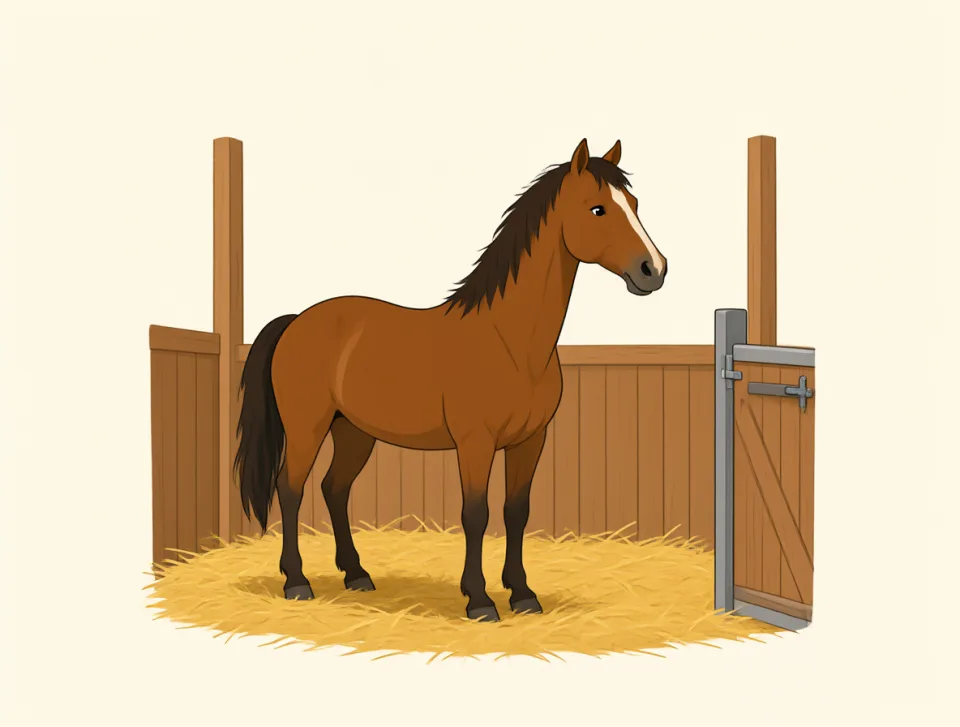
A stable is a building where people keep horses; stable means steady and unlikely to change.
Stajnia to budynek, w którym trzyma się konie; stable oznacza też coś pewnego i mało podatnego na zmiany.
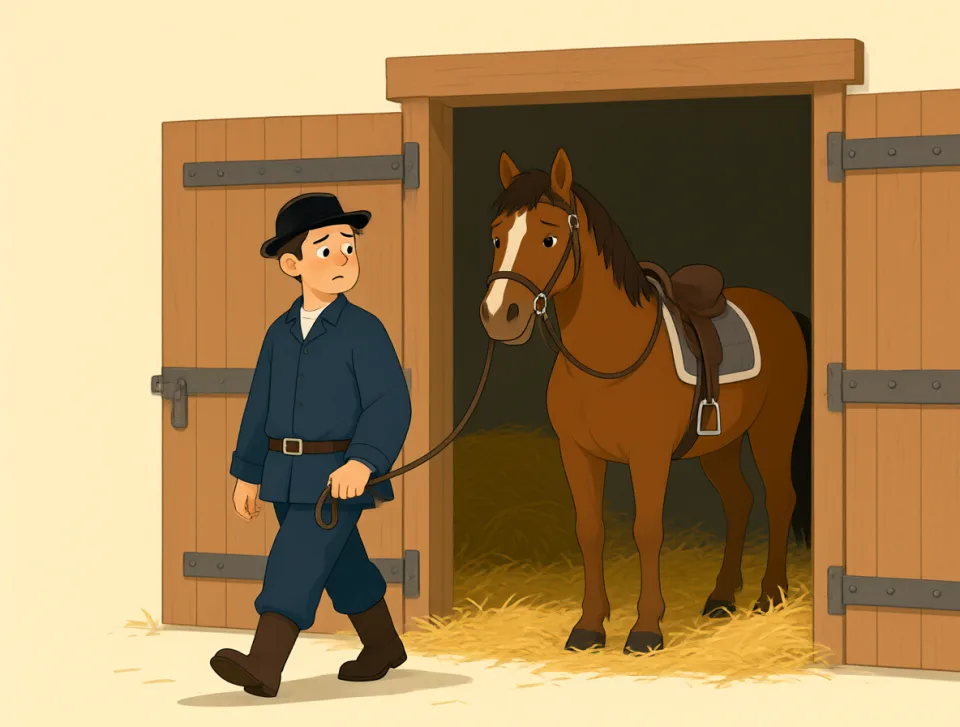
The horse is resting in the stable after a long ride.
Koń odpoczywa w stajni po długiej przejażdżce.

She has a stable job at the local hospital.
Ma stabilną pracę w miejscowym szpitalu.
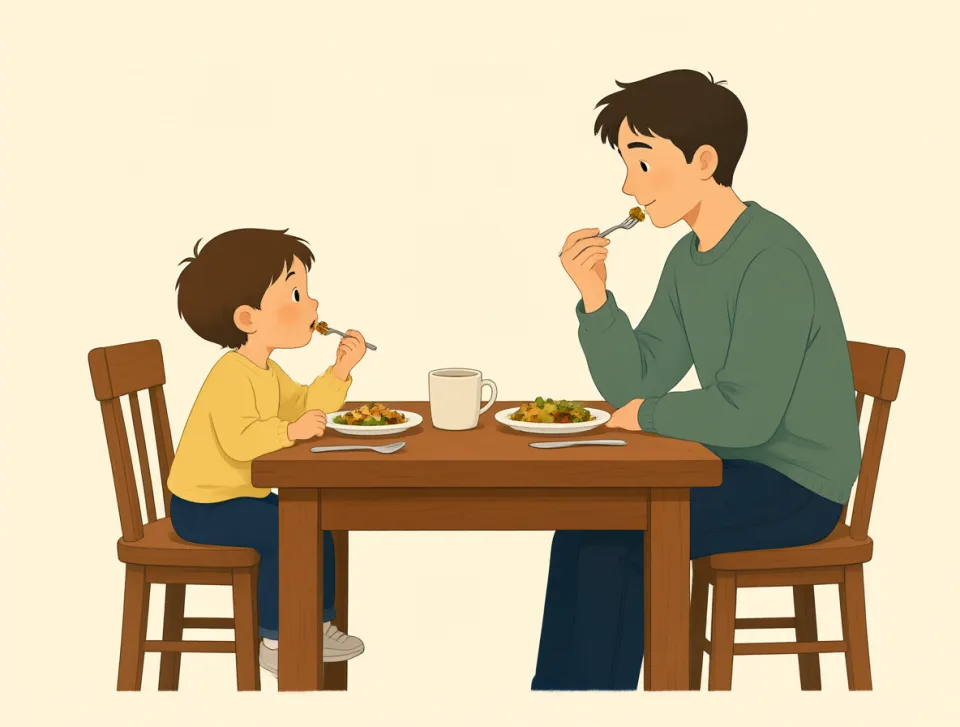
The table is stable enough for the children to eat at.
Stół jest wystarczająco stabilny, żeby dzieci mogły przy nim jeść.
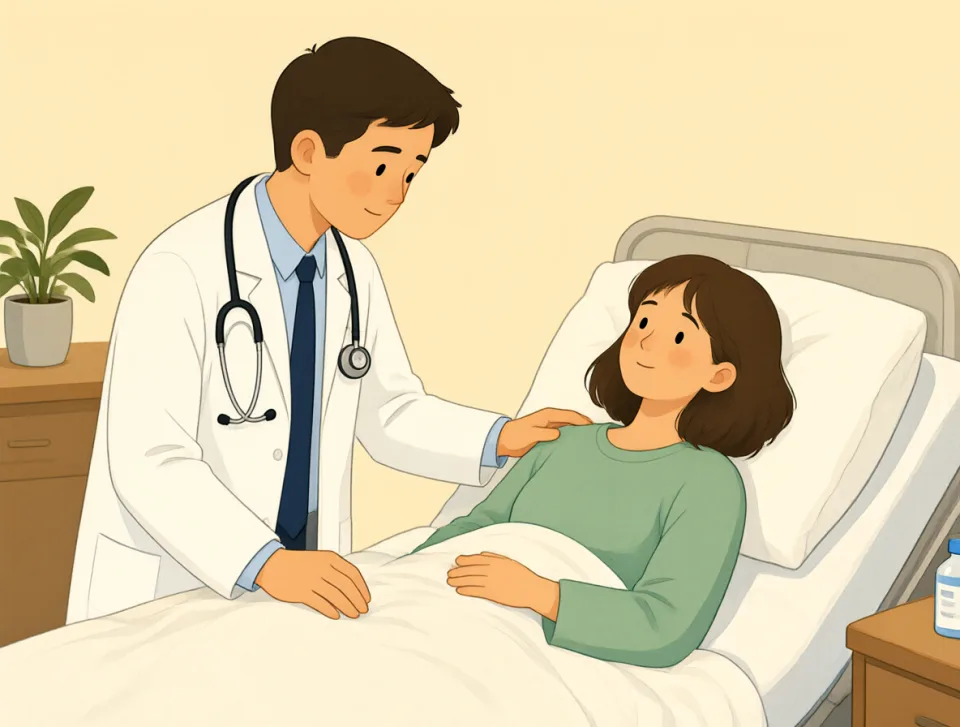
His condition is stable after the doctors treated him.
Po leczeniu stan pacjenta jest stabilny.
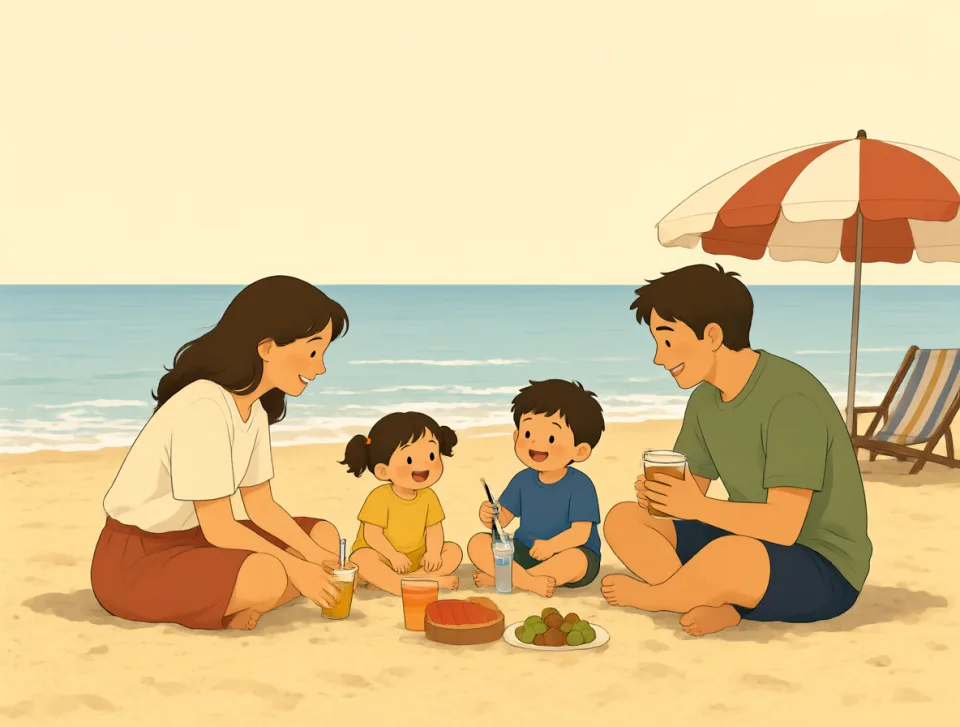
The weather stayed stable during our week at the beach.
Podczas naszego tygodnia na plaży pogoda była stabilna.
merely
#1798adverb
jedynie
Only; simply, without any other reason, purpose, or result.
Tylko; po prostu, bez żadnego innego powodu, celu ani skutku.
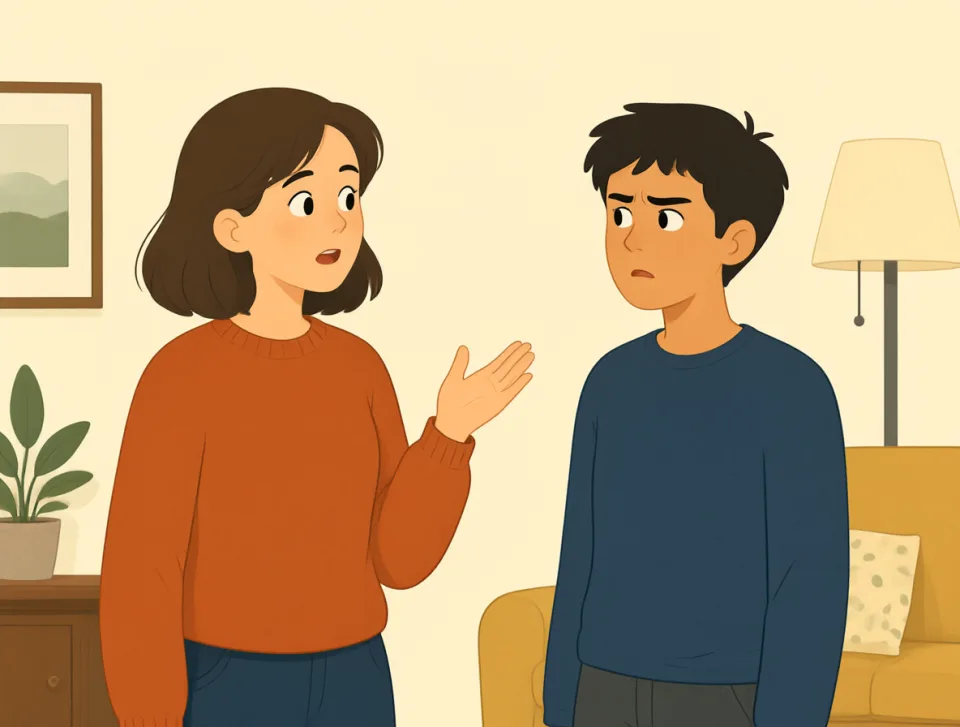
She was merely asking a question, so please do not get angry.
Ona tylko zadała pytanie, więc proszę się nie denerwować.
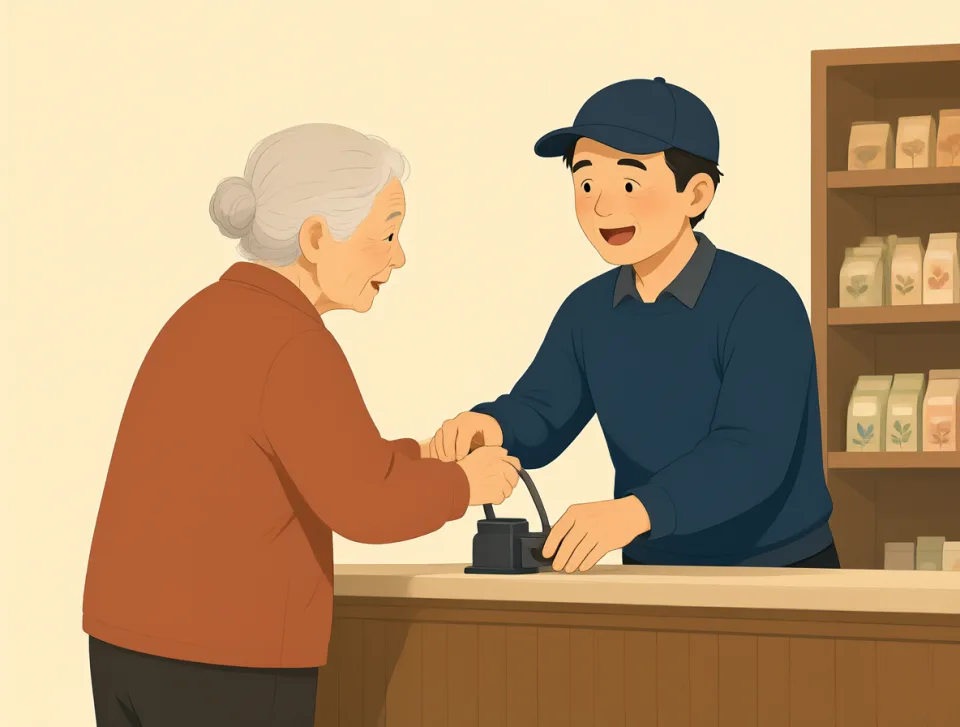
The job is not merely about making money; it helps people too.
Ta praca nie polega tylko na zarabianiu pieniędzy; pomaga też ludziom.

He merely nodded and continued reading his book.
Tylko skinął głową i dalej czytał książkę.
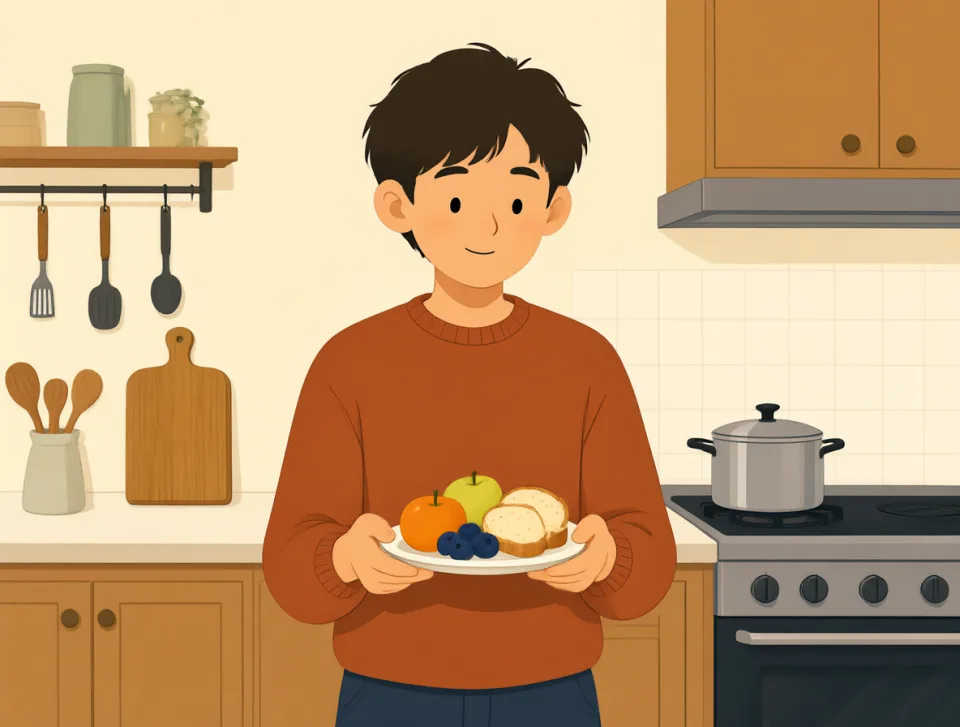
This meal is merely a snack, not a full dinner.
Ten posiłek to tylko przekąska, a nie pełny obiad.

The doctor said the pain was merely a sign of tired muscles.
Lekarz powiedział, że ból to jedynie oznaka zmęczenia mięśni.

resolution
#1799noun
postanowienie; rozdzielczość
A firm decision to do something, or the quality of an image or sound.
Stanowcza decyzja, by coś zrobić, albo jakość obrazu lub dźwięku.

My New Year's resolution is to exercise every morning.
Moim noworocznym postanowieniem jest ćwiczyć każdego ranka.
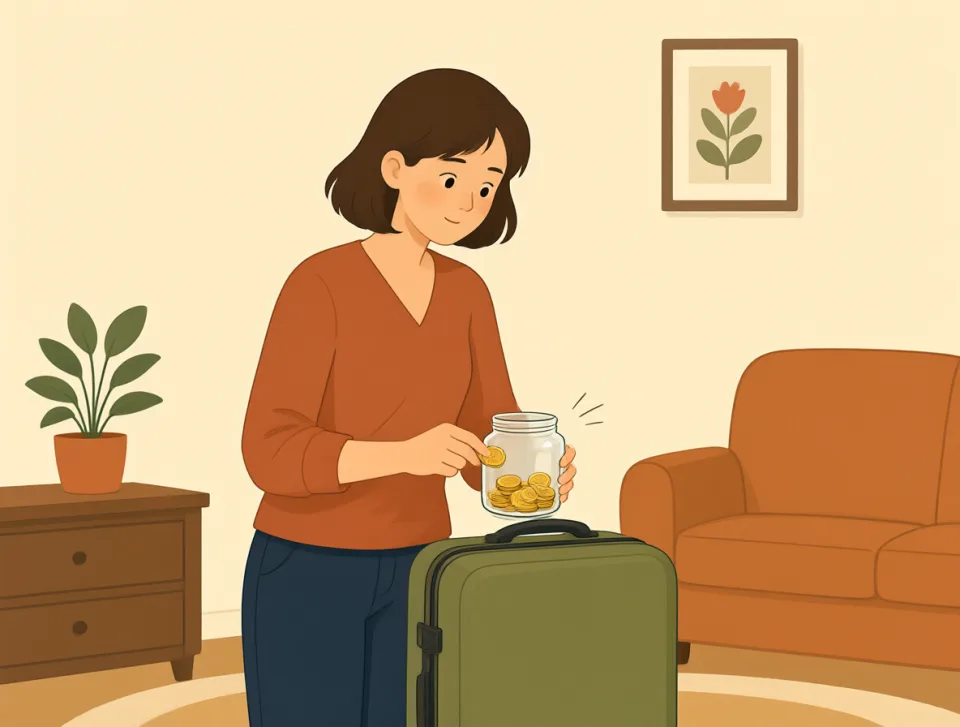
She made a resolution to save money for a holiday.
Postanowiła oszczędzać pieniądze na wakacje.

The team passed a resolution to improve workplace safety.
Zespół przyjął uchwałę o poprawie bezpieczeństwa w miejscu pracy.

This camera takes clear photos with high resolution.
Ten aparat robi wyraźne zdjęcia w wysokiej rozdzielczości.

The doctor praised his resolution to stop eating so much sugar.
Lekarz pochwalił go za postanowienie, by przestać jeść tyle cukru.

communicate
#1800verb
komunikować się
to share information, feelings, or ideas with someone
Przekazywać komuś informacje, uczucia lub pomysły.
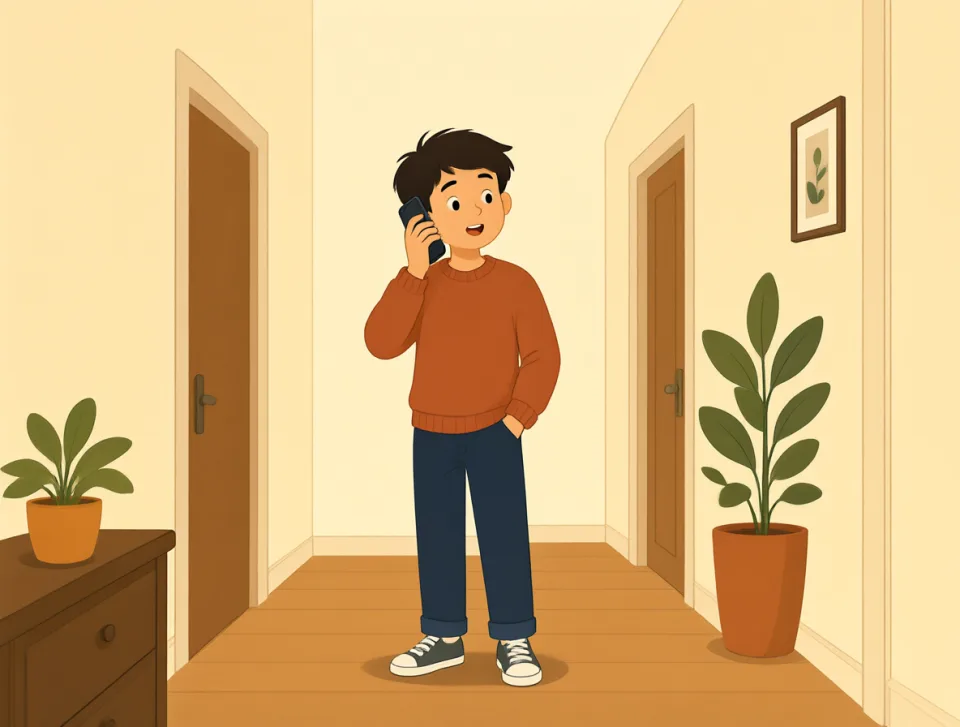
We communicate by phone when we are away from home.
Kiedy jesteśmy poza domem, kontaktujemy się przez telefon.

Good managers communicate clearly with their teams.
Dobrzy menedżerowie jasno komunikują się ze swoimi zespołami.
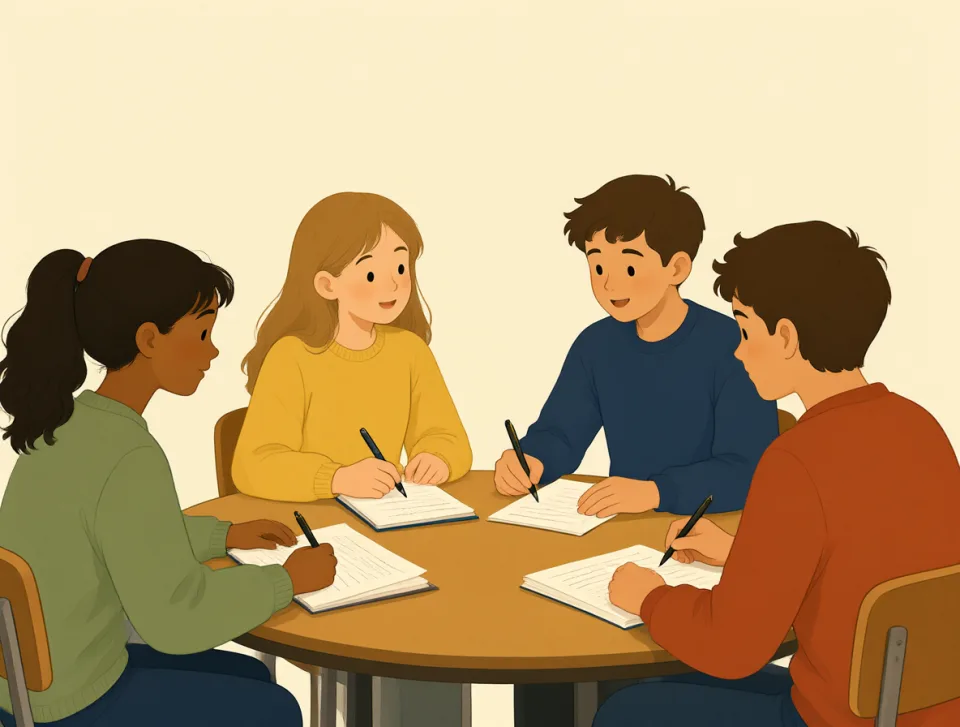
The students communicated their ideas during the group project.
Podczas pracy w grupie uczniowie przedstawili swoje pomysły.

She uses hand gestures to communicate with travelers abroad.
Używa gestów, by porozumiewać się z podróżnymi za granicą.

The doctor communicated the test results gently to the patient.
Lekarz delikatnie przekazał pacjentowi wyniki badań.