Zestaw 97
Słowa 1921–1940 · output, beauty, massive, install, calculate, mouse
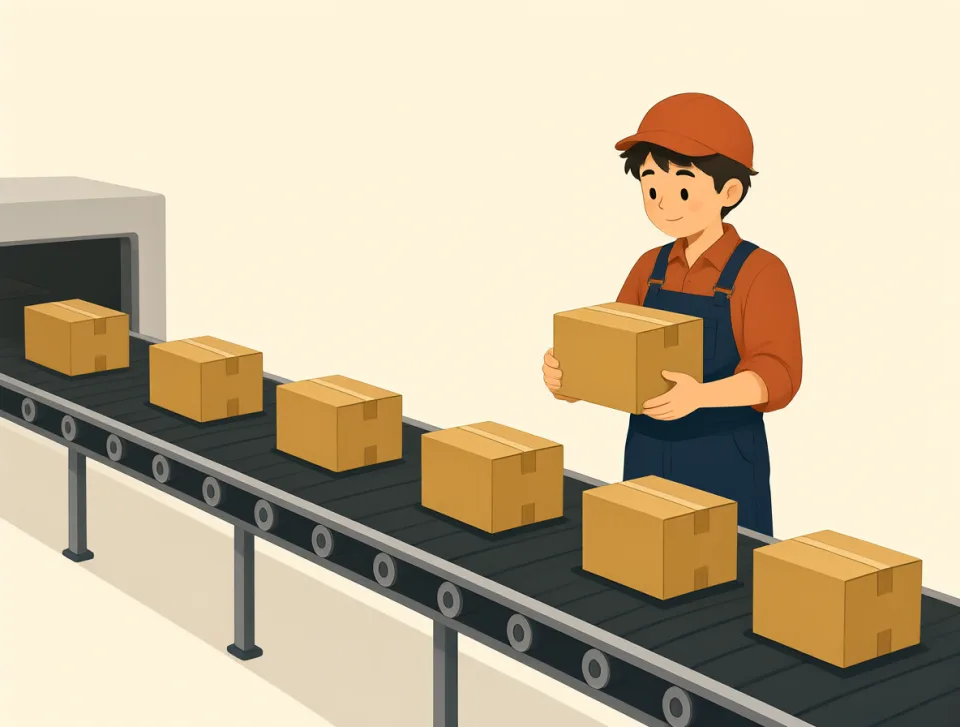
output
#1921noun, verb
produkcja; wynik
The amount produced, or to produce something such as goods, information, or energy.
Ilość czegoś, co zostało wyprodukowane, albo wytwarzanie czegoś, na przykład towarów, informacji lub energii.
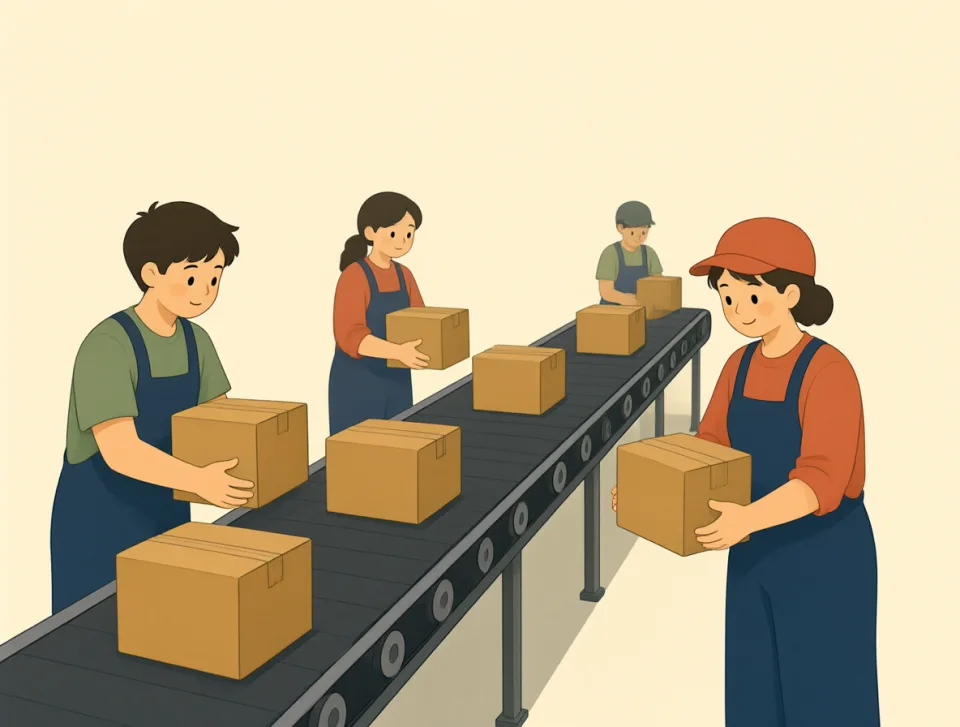
The factory increased its output this year.
W tym roku fabryka zwiększyła produkcję.
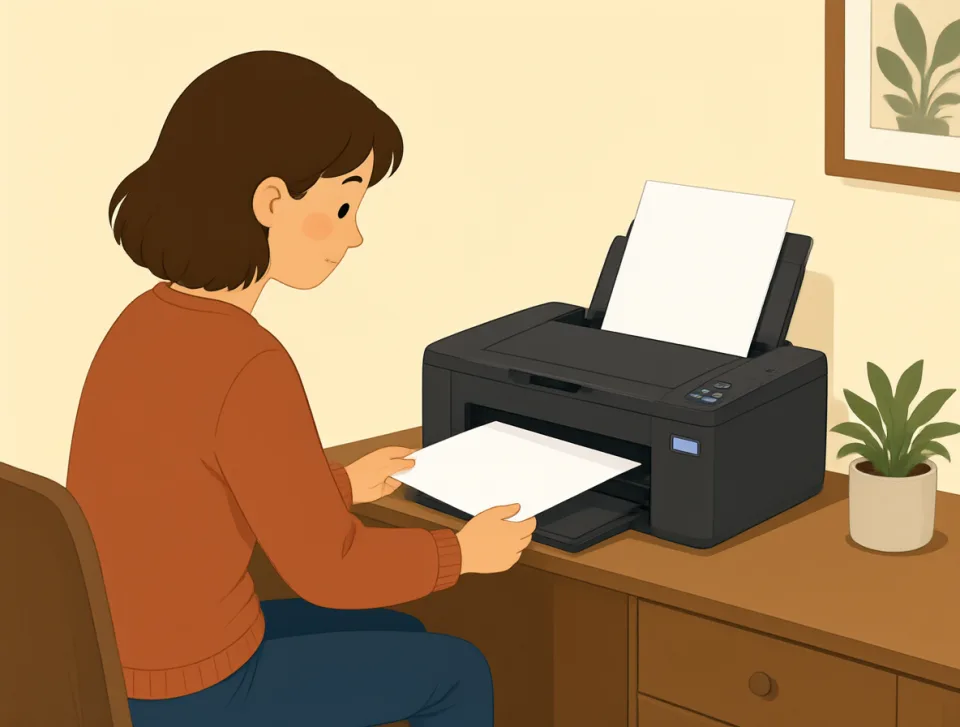
This printer produces a clear output every time.
Ta drukarka za każdym razem drukuje wyraźny tekst.
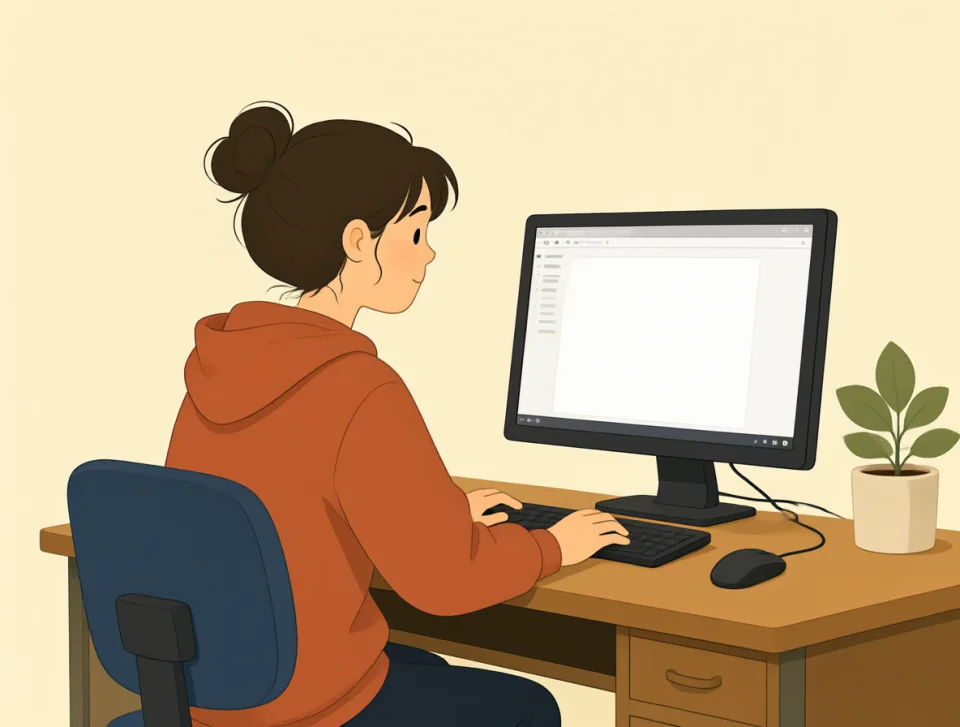
The computer output appeared on the screen quickly.
Wynik z komputera szybko pojawił się na ekranie.
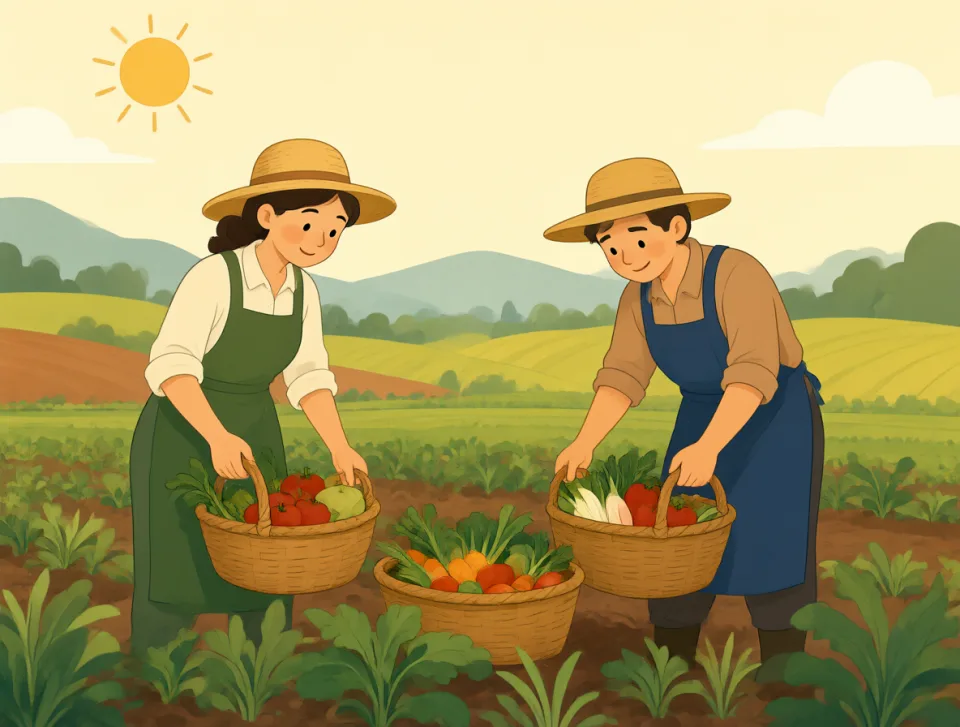
The farm produces enough output to feed nearby families.
Gospodarstwo produkuje wystarczająco dużo żywności, by wyżywić okoliczne rodziny.

The team is outputting a short report for the manager.
Zespół przygotowuje krótki raport dla kierownika.
beauty
#1922noun
piękno
The quality of being attractive, especially in appearance.
Cecha polegająca na tym, że coś jest atrakcyjne, zwłaszcza pod względem wyglądu.

The beauty of the sunset amazed everyone on the beach.
Piękno zachodu słońca zachwyciło wszystkich na plaży.
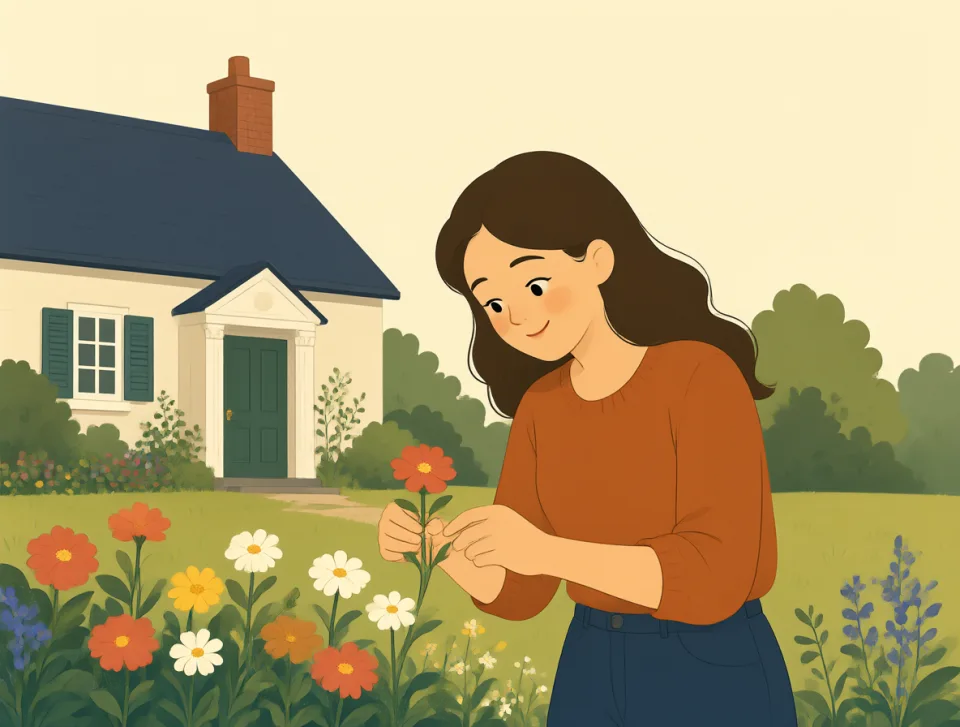
She sees beauty in simple things, like flowers and old houses.
Dostrzega piękno w prostych rzeczach, takich jak kwiaty i stare domy.

The natural beauty of the mountains attracts many visitors.
Naturalne piękno gór przyciąga wielu turystów.
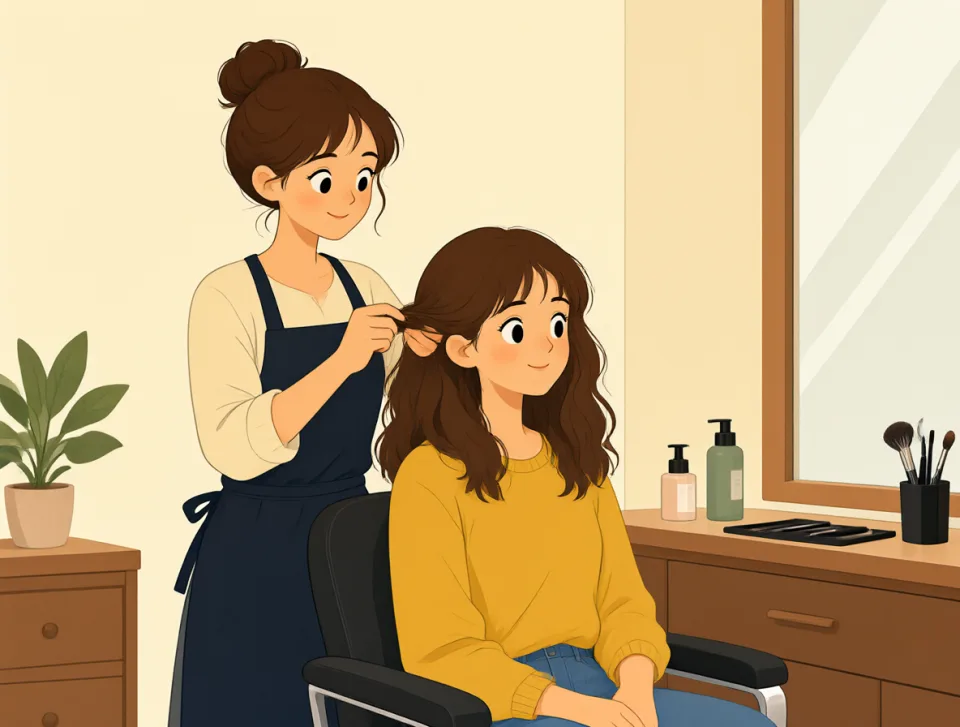
The beauty salon offers haircuts, skin treatments, and makeup.
Salon kosmetyczny oferuje strzyżenie, zabiegi pielęgnacyjne i makijaż.
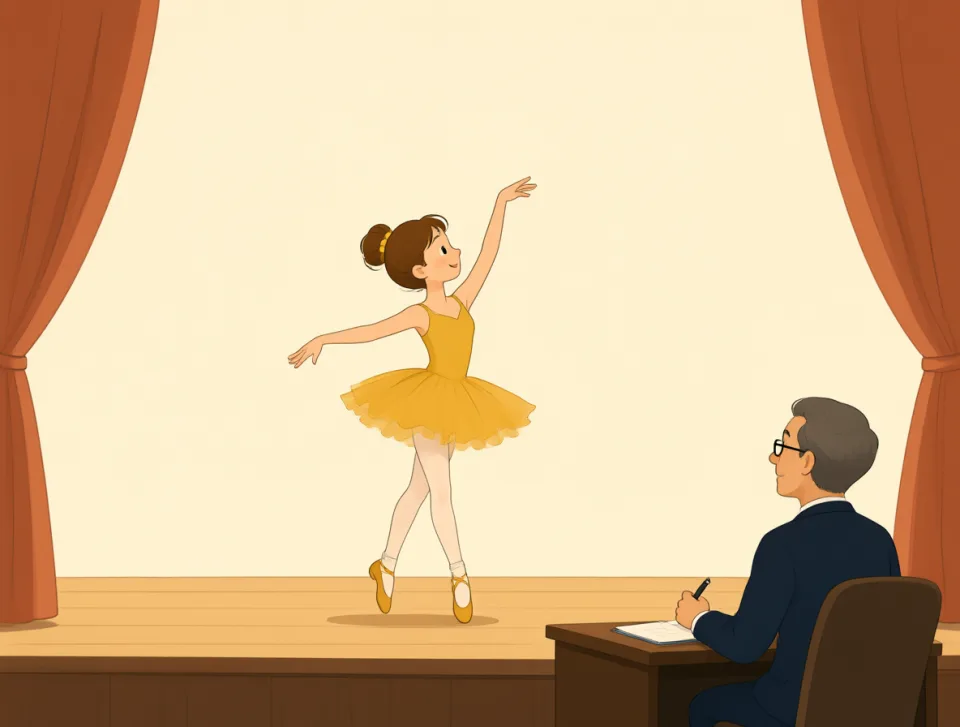
The judge praised the beauty of the dancer's movements.
Sędzia pochwalił piękno ruchów tancerki.
massive
#1923adjective
ogromny
Very large, heavy, or serious in size, amount, or effect.
Bardzo duży, ciężki lub poważny pod względem rozmiaru, ilości albo skutków.
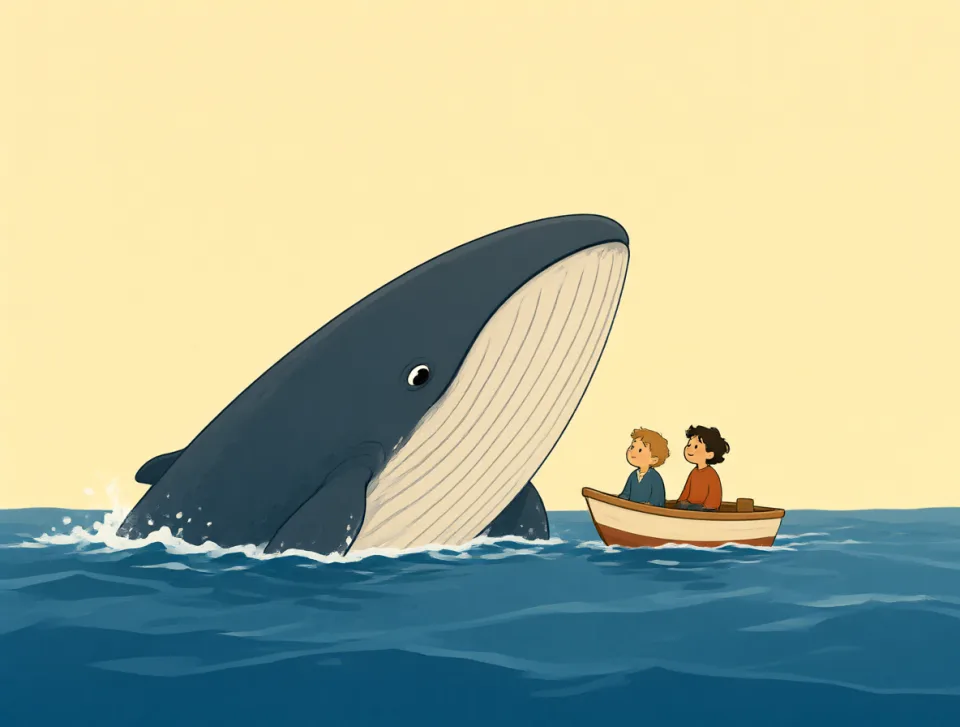
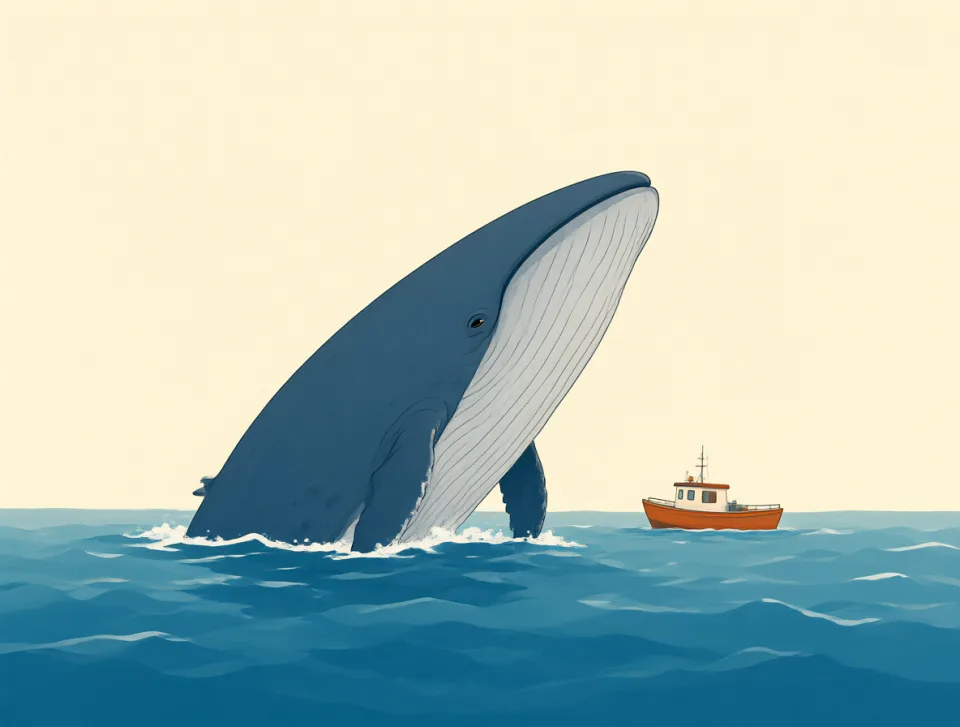
The massive whale surfaced beside our small boat.
Ogromny wieloryb wynurzył się obok naszej małej łodzi.
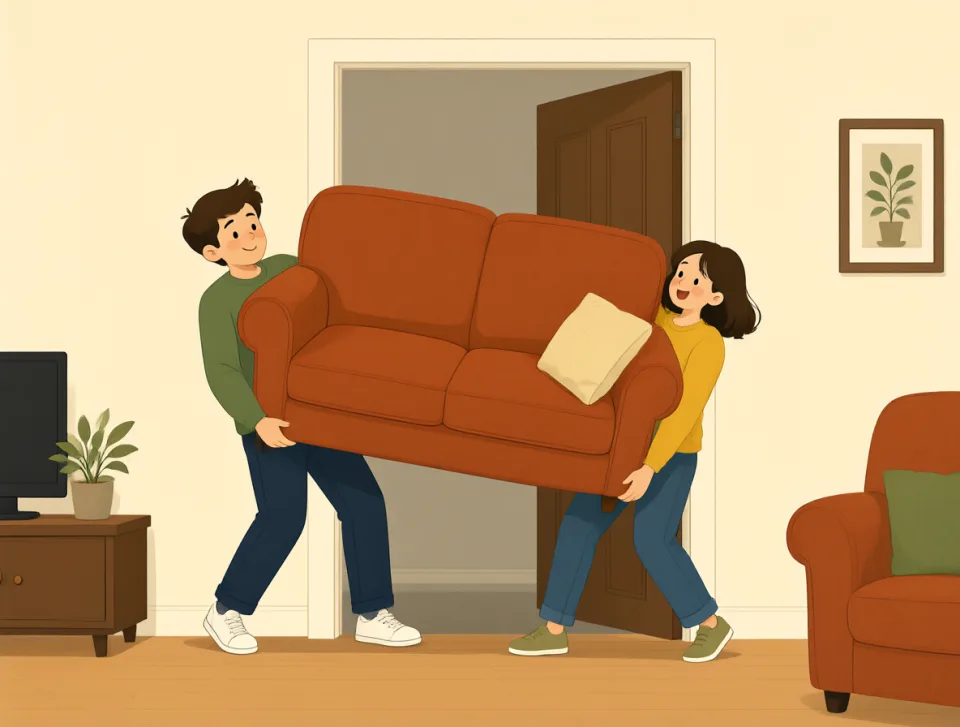
They moved a massive sofa into the new living room.
Wnieśli ogromną sofę do nowego salonu.
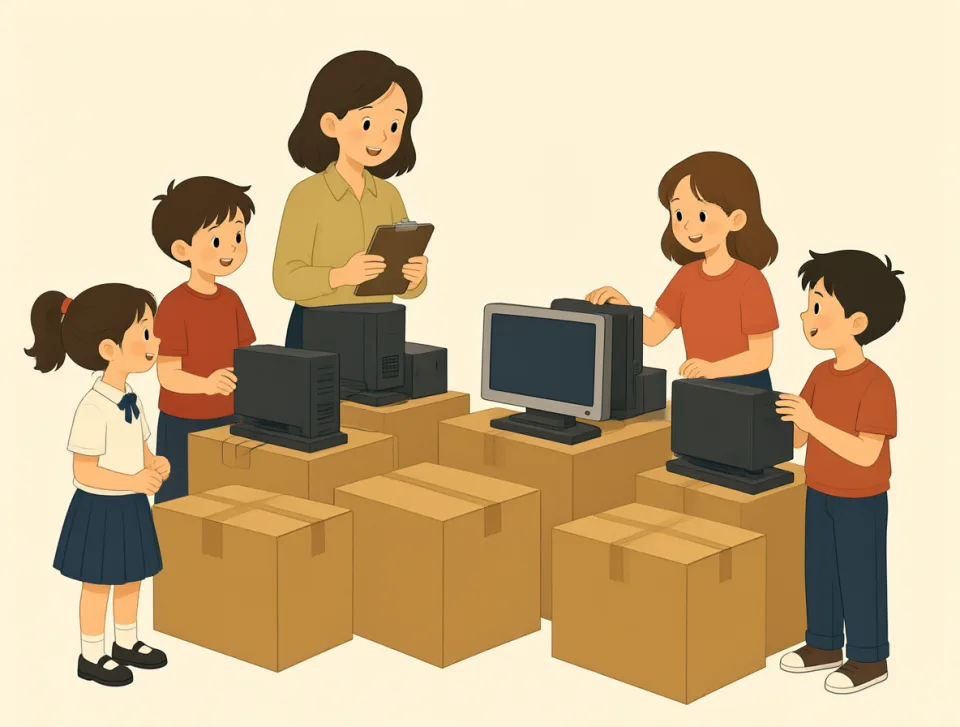
Our school received a massive donation for new computers.
Nasza szkoła otrzymała ogromną darowiznę na zakup nowych komputerów.
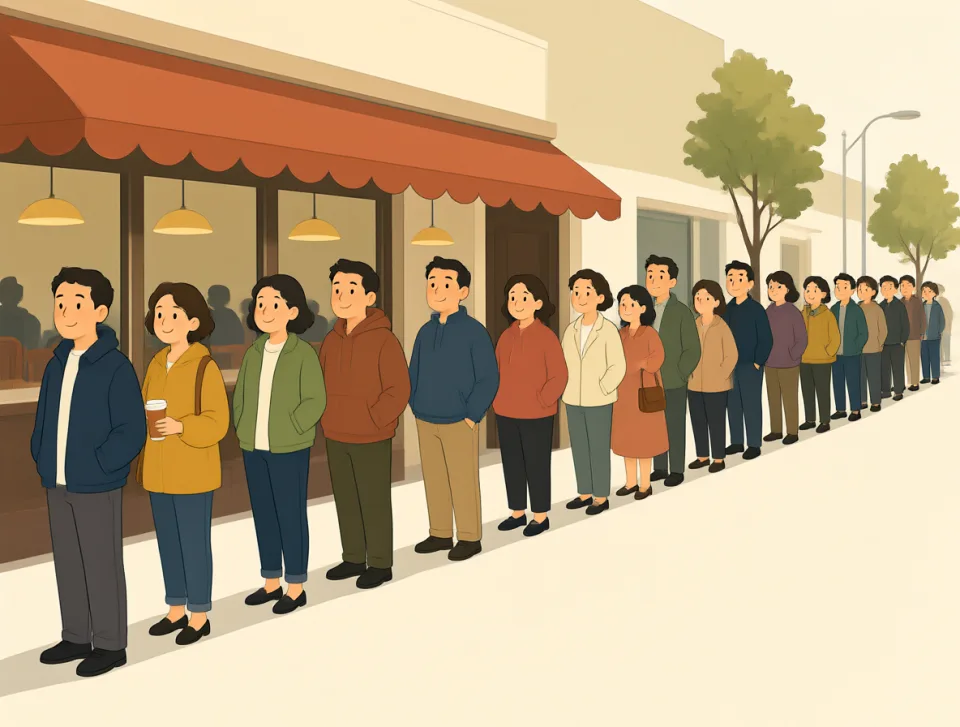
There was a massive line outside the popular restaurant.
Przed popularną restauracją ustawiła się ogromna kolejka.
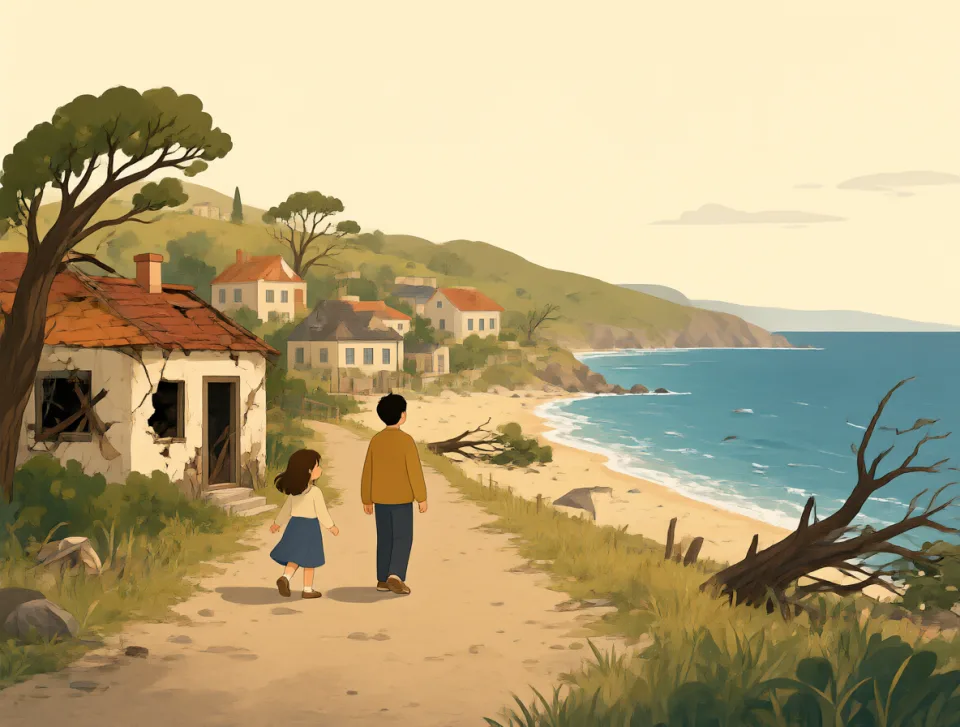
The storm caused massive damage to several coastal towns.
Burza wyrządziła ogromne szkody w kilku nadmorskich miejscowościach.
install
#1924verb
instalować
To put equipment, software, or a system in place so it is ready to use.
Umieścić sprzęt, oprogramowanie lub system tak, aby był gotowy do użycia.
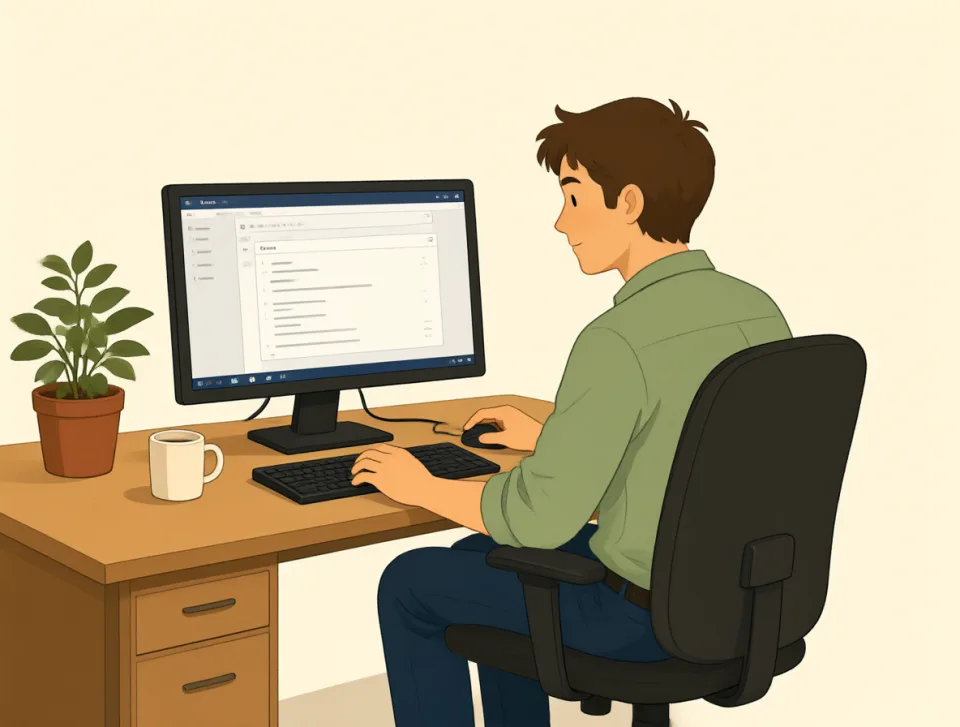
The technician will install the new software on my computer.
Technik zainstaluje nowe oprogramowanie na moim komputerze.
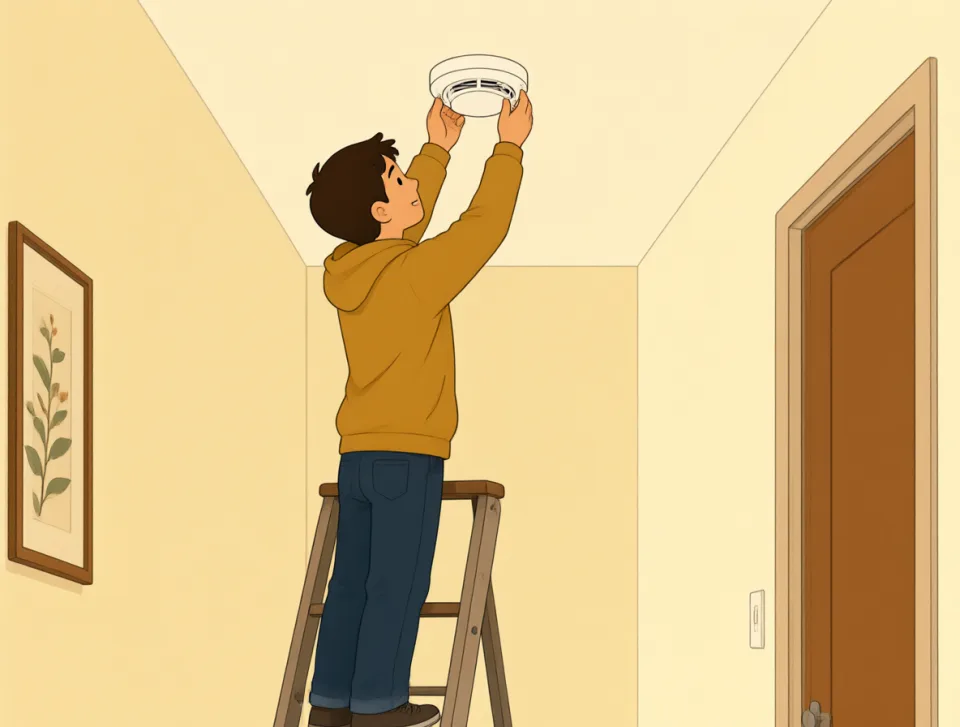
We installed a smoke alarm in the hallway yesterday.
Wczoraj zamontowaliśmy czujnik dymu na korytarzu.
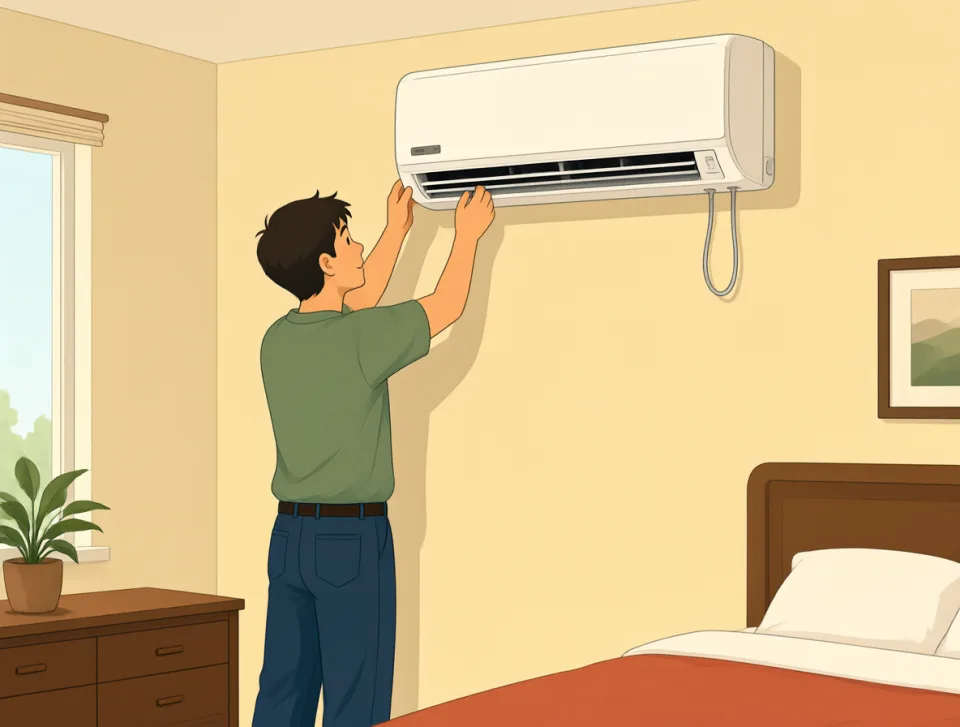
The hotel installed new air conditioners in every room.
W hotelu zamontowano nowe klimatyzatory w każdym pokoju.
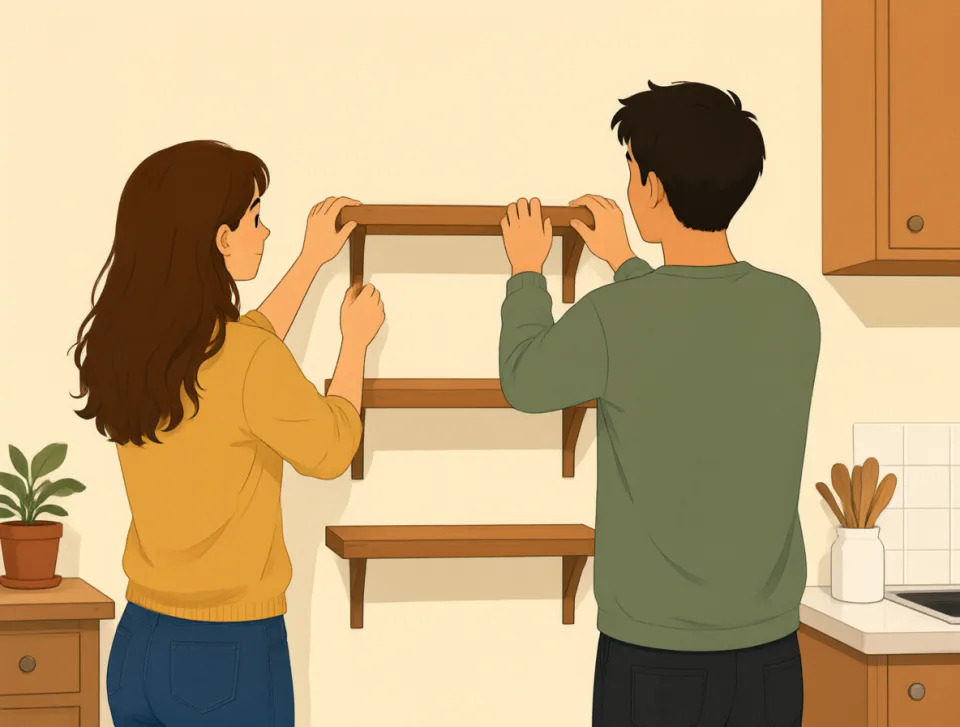
They are installing shelves in the kitchen this weekend.
W ten weekend montują półki w kuchni.
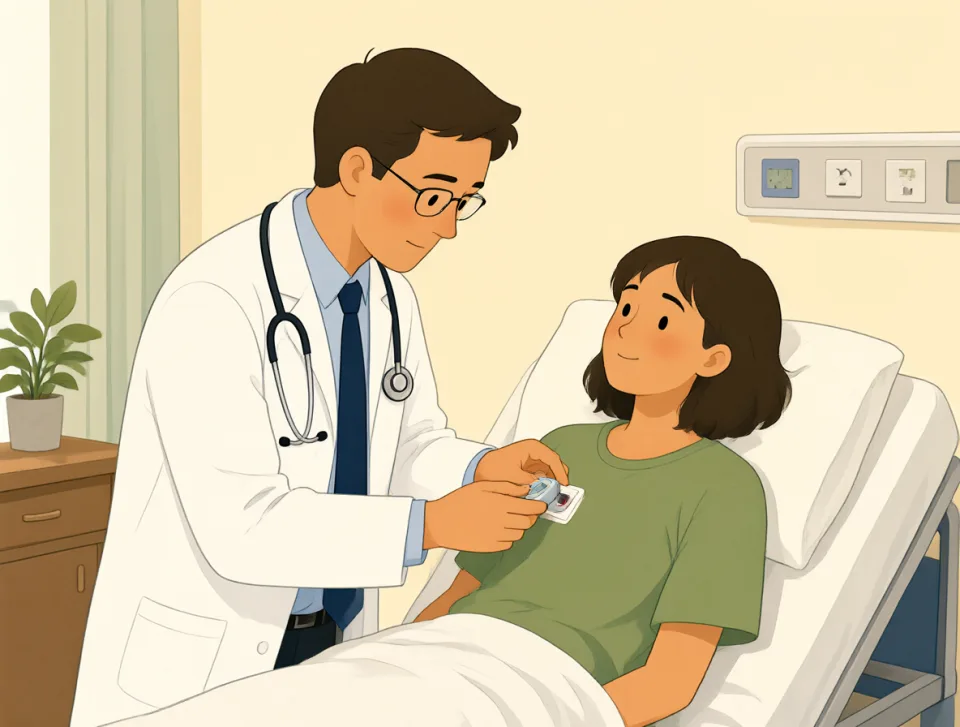
The doctor installed a small device to help his heart.
Lekarz wszczepił mu niewielkie urządzenie, które ma wspomagać pracę serca.
calculate
#1925verb
obliczać
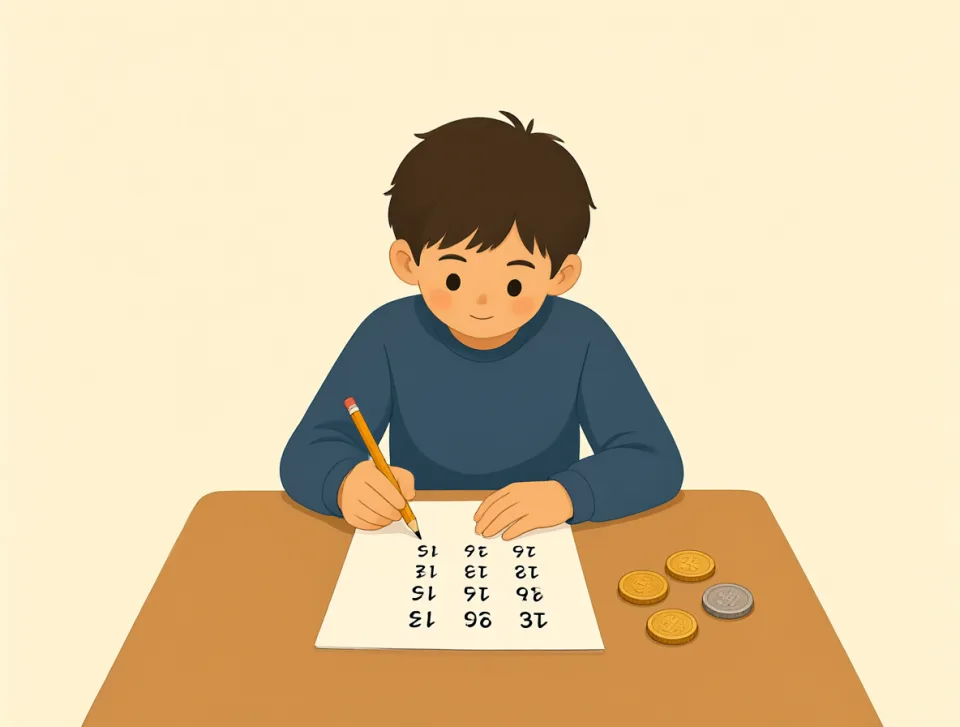
To find an amount or answer by using numbers or careful thought.
Ustalać ilość lub wynik za pomocą liczb albo uważnego rozumowania.
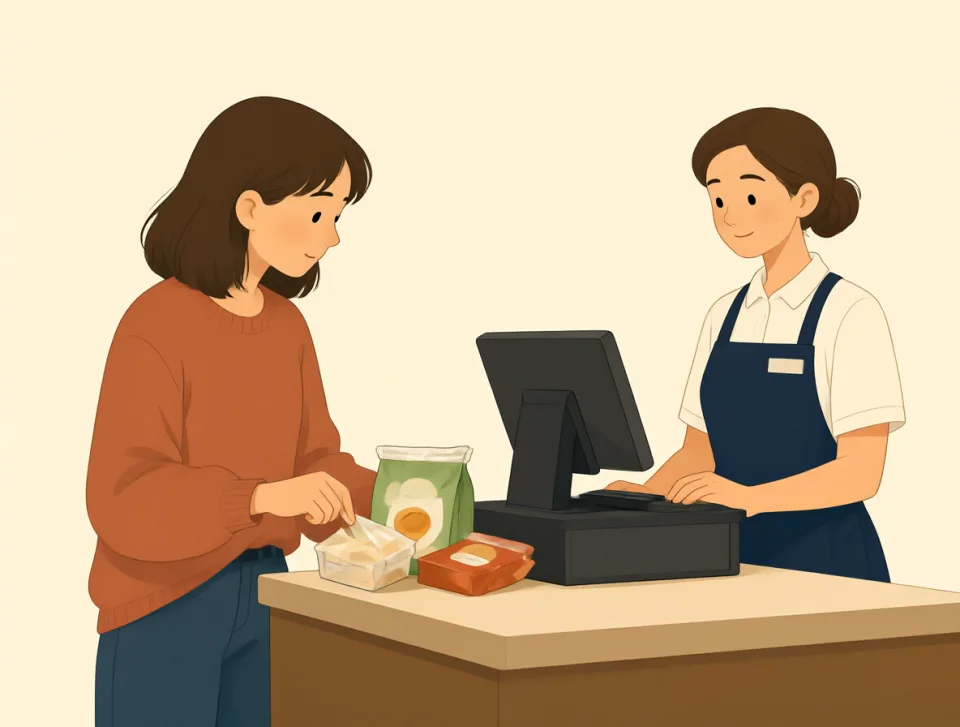
Please calculate the total cost before you pay.
Proszę obliczyć całkowity koszt przed dokonaniem płatności.
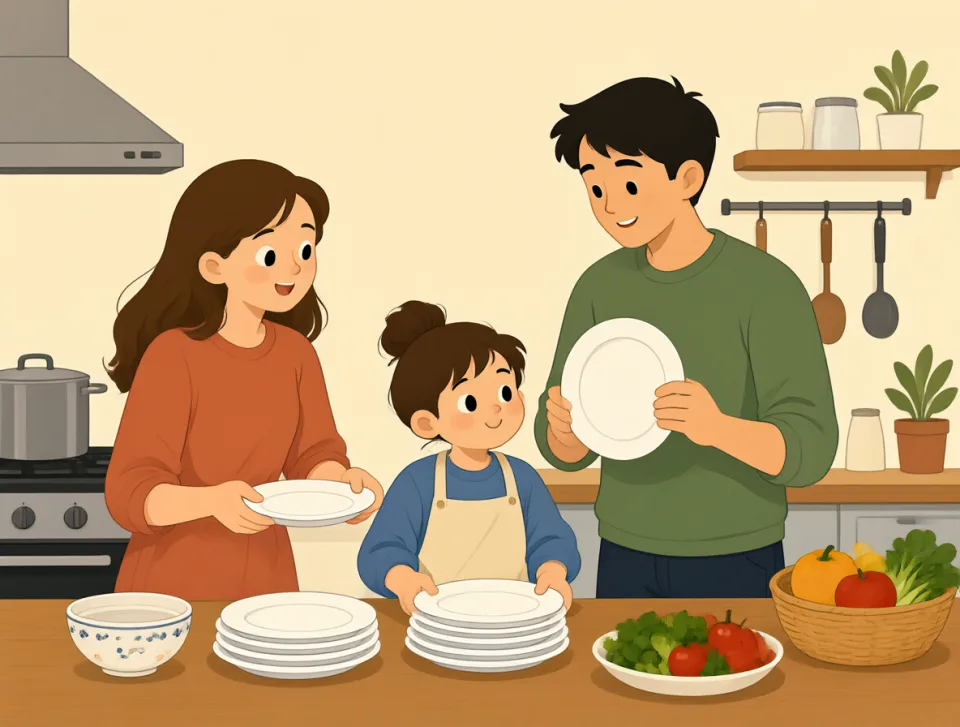
We calculated how much food we needed for the party.
Obliczyliśmy, ile jedzenia będzie nam potrzeba na przyjęcie.
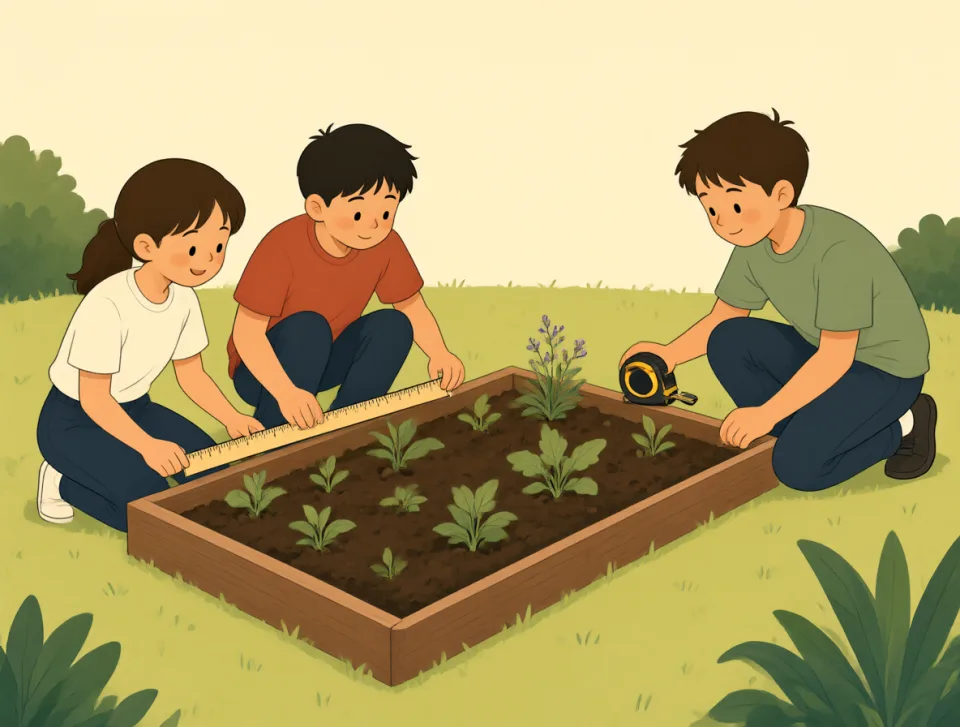
The teacher asked us to calculate the area of the garden.
Nauczyciel poprosił nas o obliczenie powierzchni ogrodu.
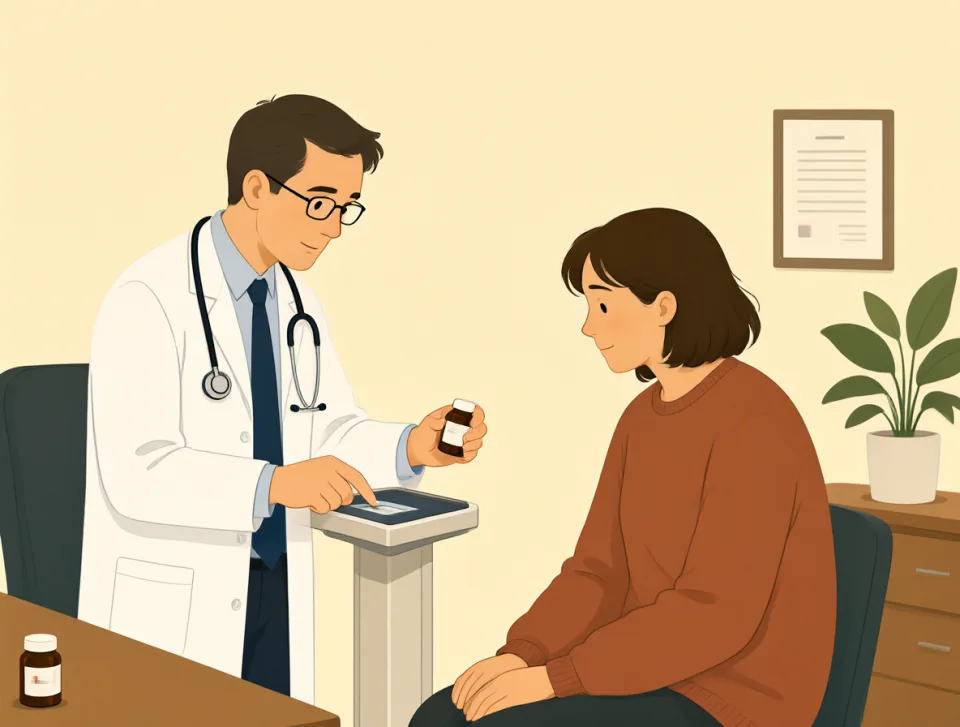
The doctor calculated my daily medicine dose from my weight.
Lekarz obliczył moją dzienną dawkę leku na podstawie mojej wagi.

She is calculating the travel time before choosing a train.
Oblicza czas podróży, zanim wybierze pociąg.
mouse
#1926noun, verb
mysz
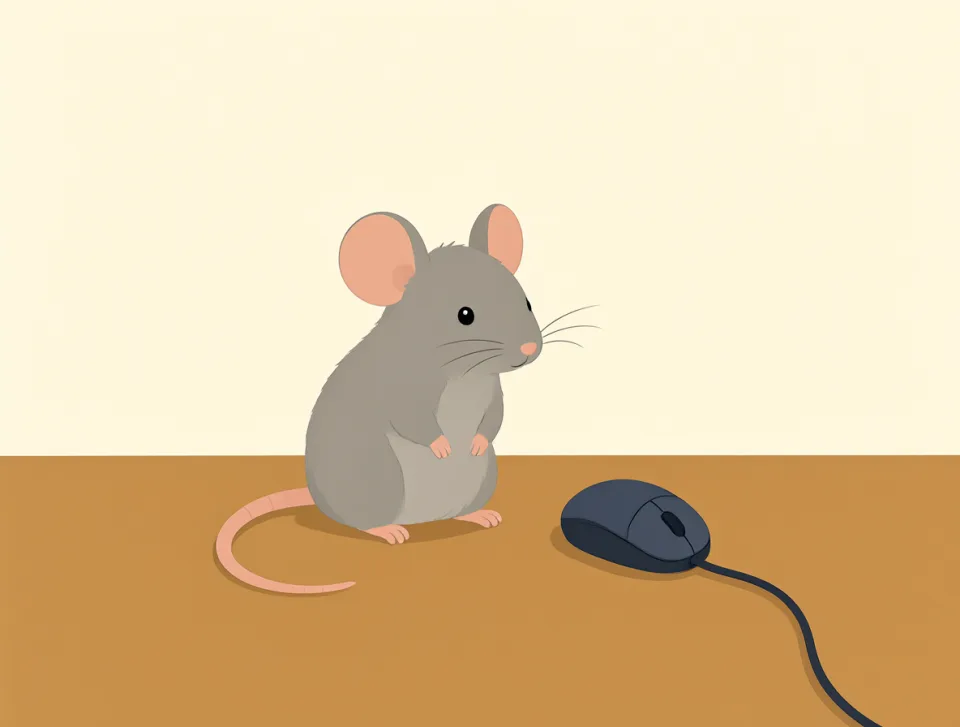
A small animal with a pointed nose, or a device used to control a computer.
Małe zwierzę ze spiczastym pyszczkiem lub urządzenie służące do sterowania komputerem.
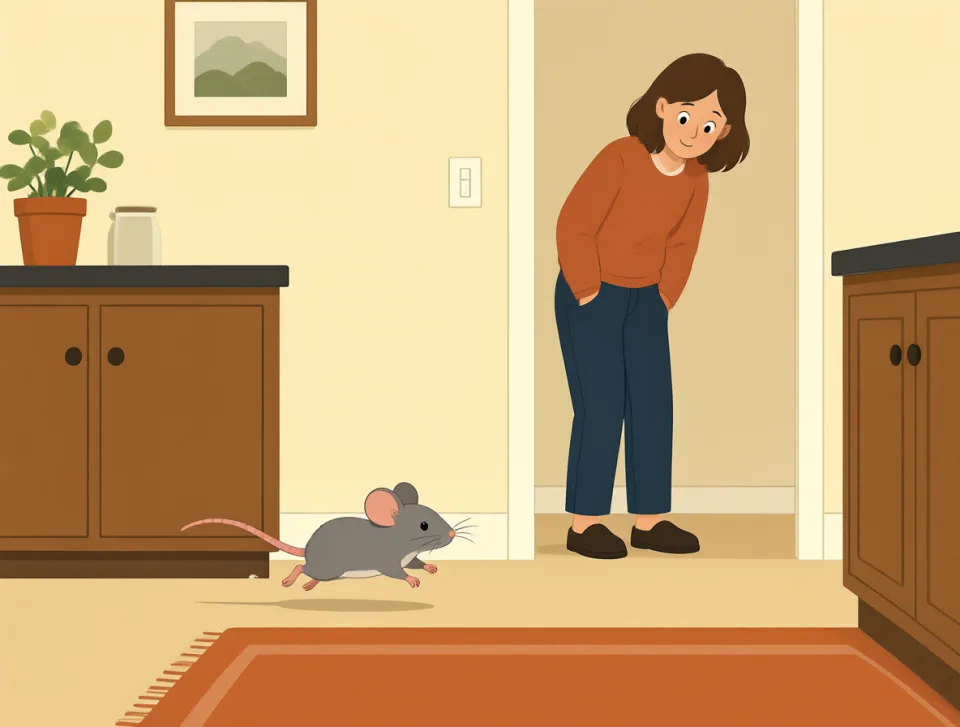
A mouse ran across the kitchen floor last night.
Zeszłej nocy mysz przebiegła przez podłogę w kuchni.
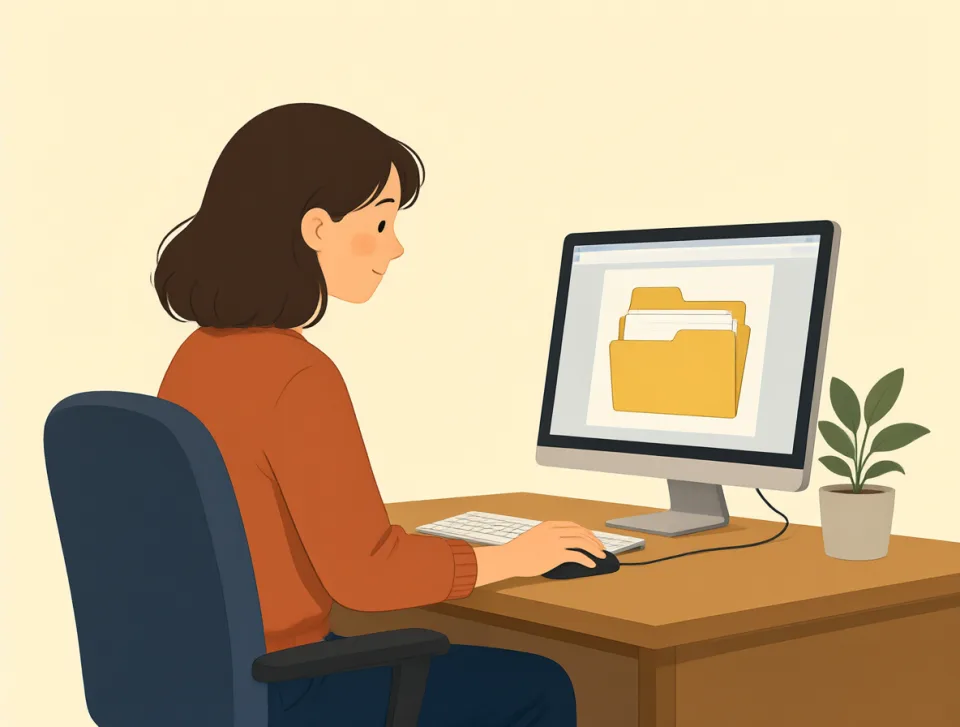
She used the mouse to open the file on her computer.
Użyła myszy, żeby otworzyć plik na komputerze.
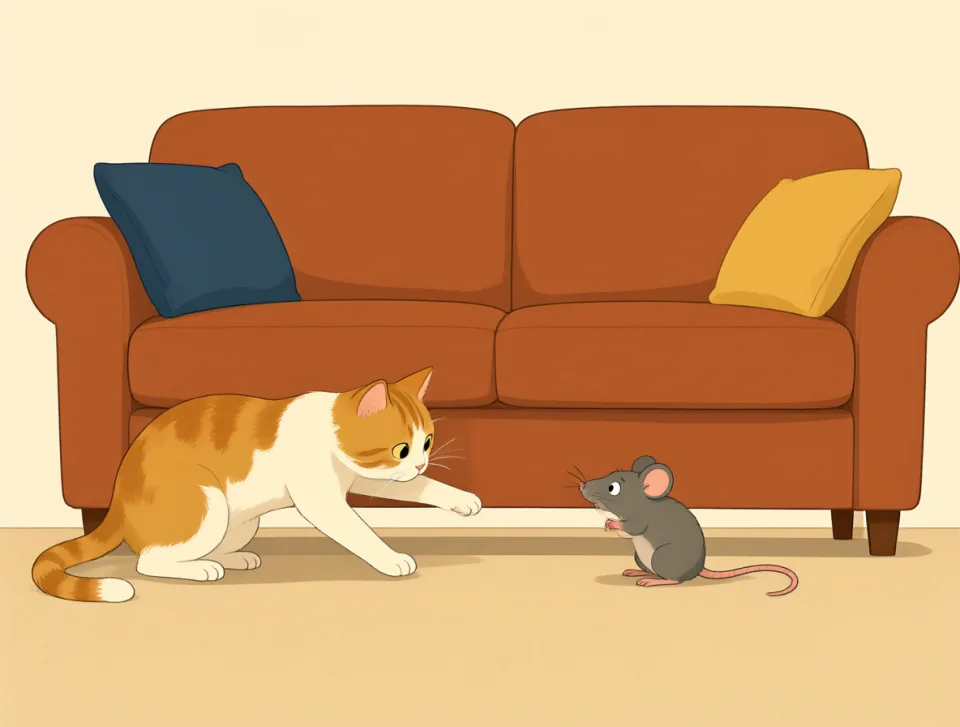
The cat caught a mouse under the sofa.
Kot złapał mysz pod kanapą.
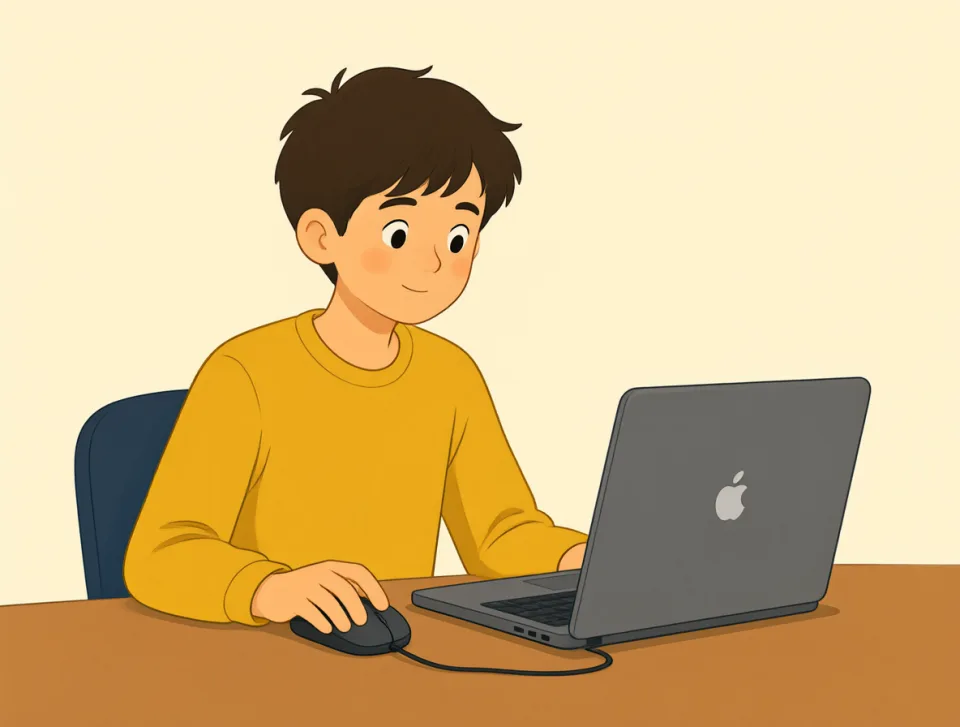
Move the mouse slowly over the picture.
Powoli przesuwaj mysz nad obrazkiem.
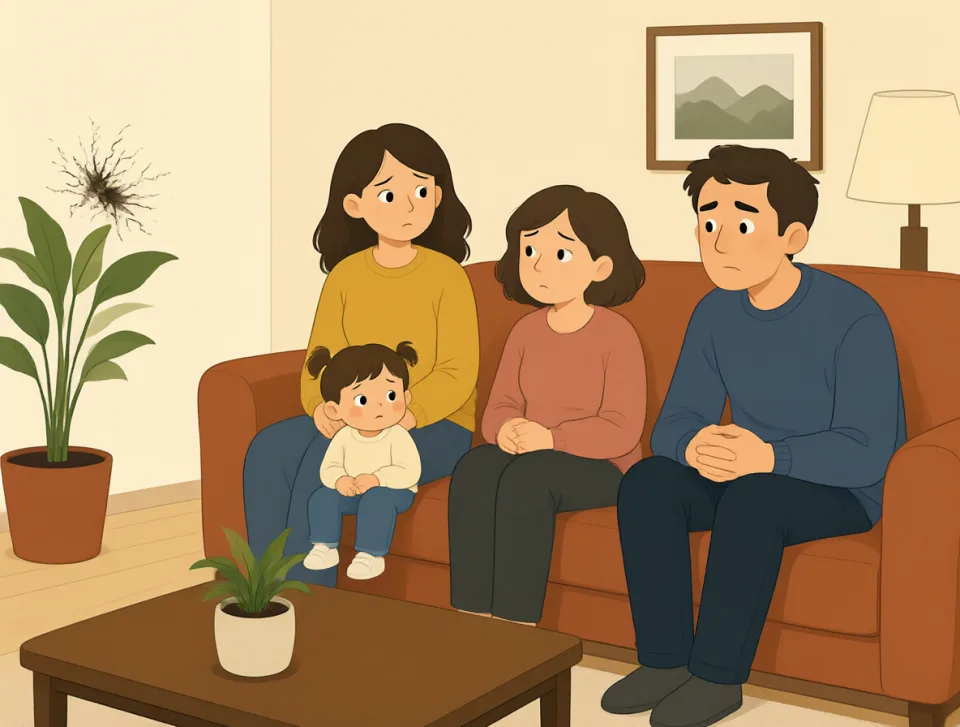
We heard mice scratching inside the wall.
Słyszeliśmy, jak myszy drapią coś wewnątrz ściany.
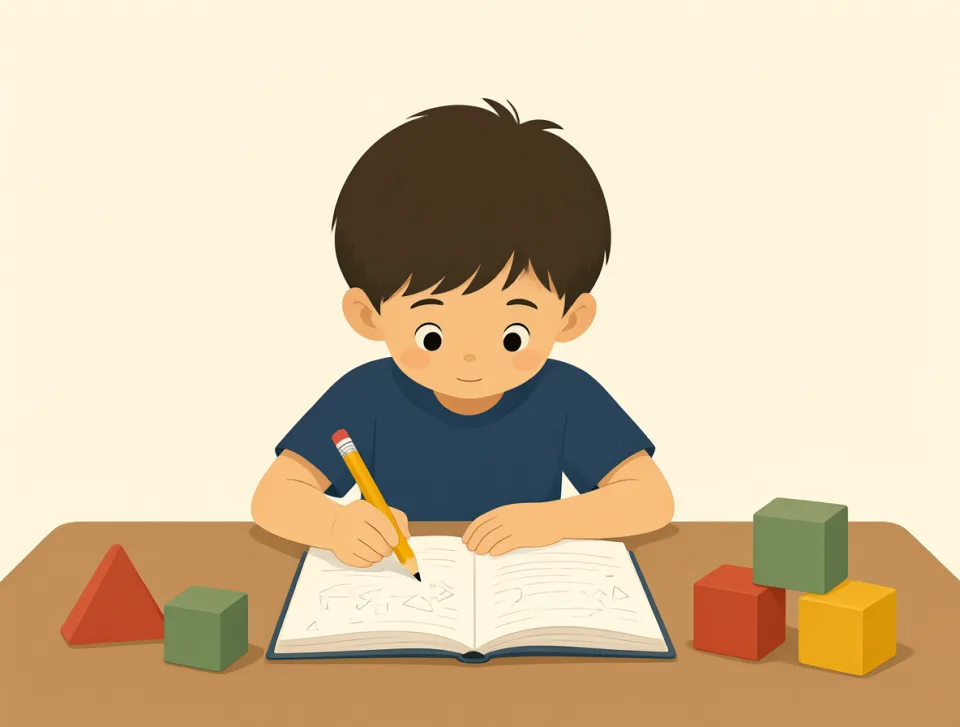
mathematics
#1927noun
matematyka
The study of numbers, shapes, and how they relate to each other.
Nauka o liczbach, kształtach i zależnościach między nimi.
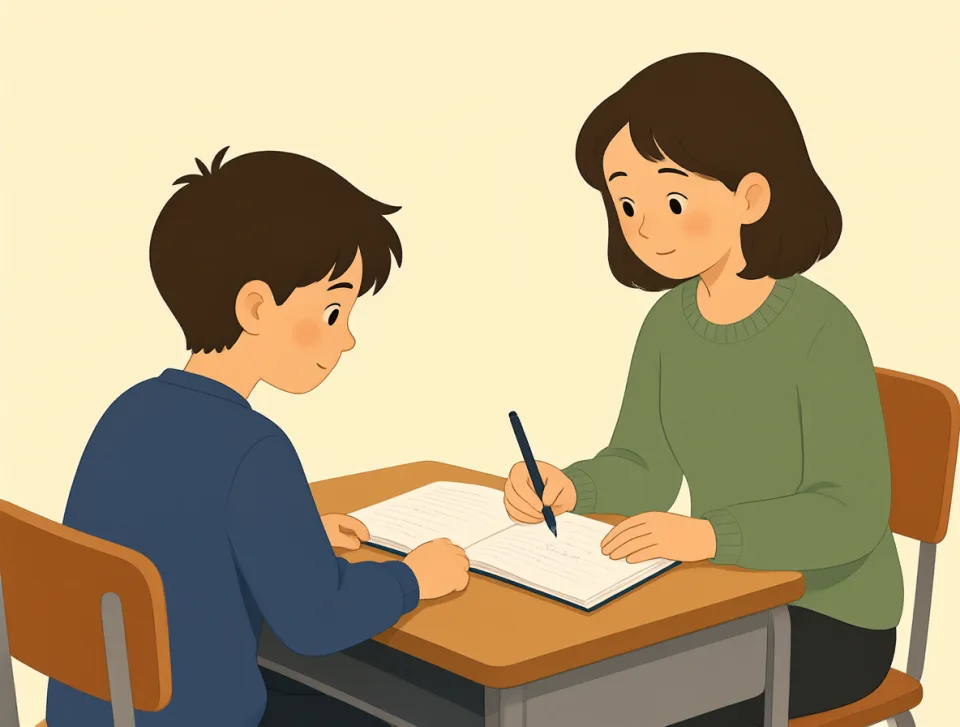
She is studying mathematics at school this year.
W tym roku uczy się matematyki w szkole.
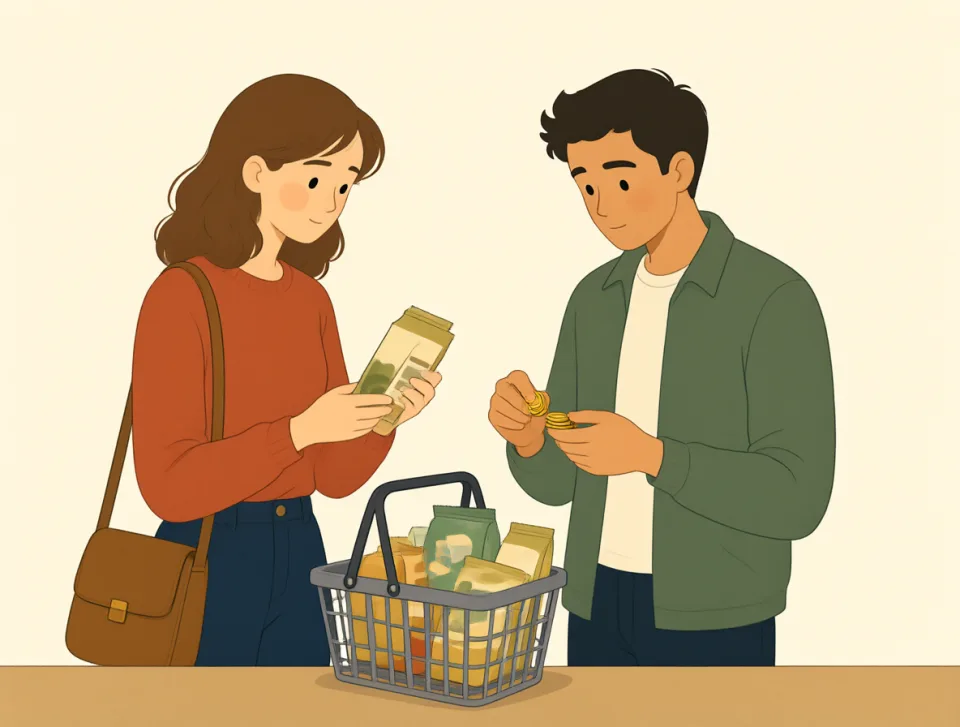
Mathematics helps us calculate prices when we go shopping.
Matematyka pomaga nam obliczać ceny podczas zakupów.
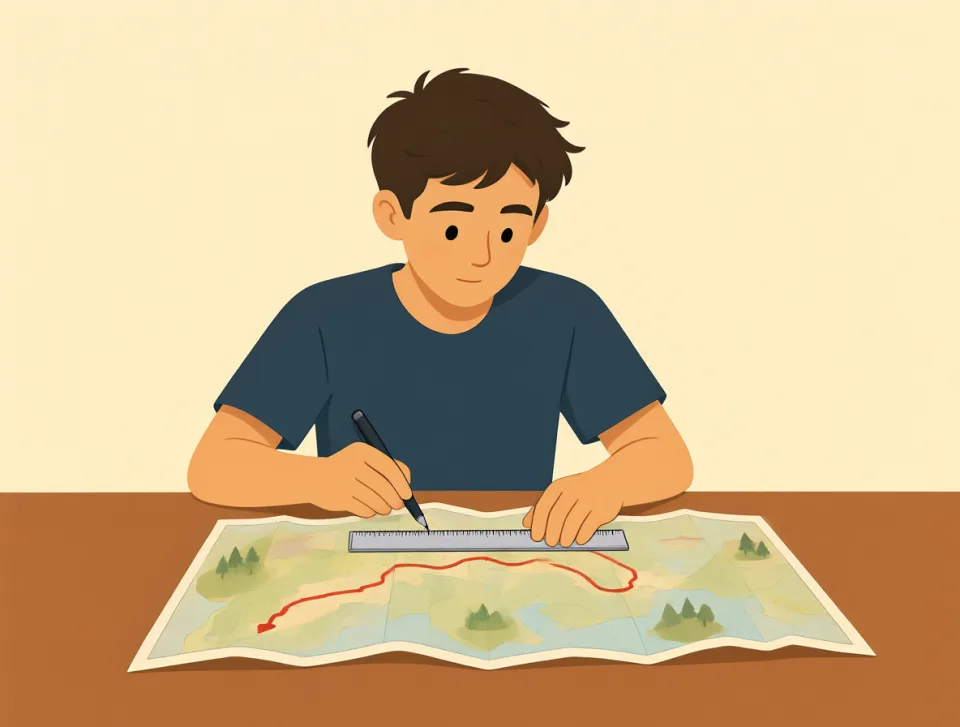
My brother uses mathematics to plan the best travel route.
Mój brat korzysta z matematyki, żeby zaplanować najlepszą trasę podróży.
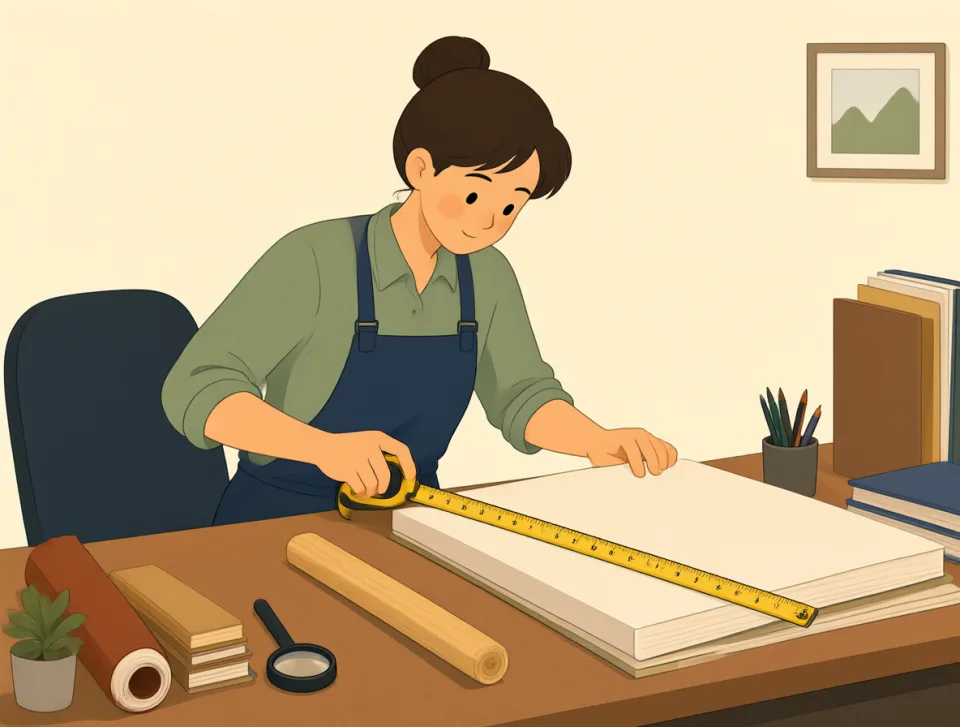
Good mathematics skills are useful in many different jobs.
Dobra znajomość matematyki przydaje się w wielu różnych zawodach.
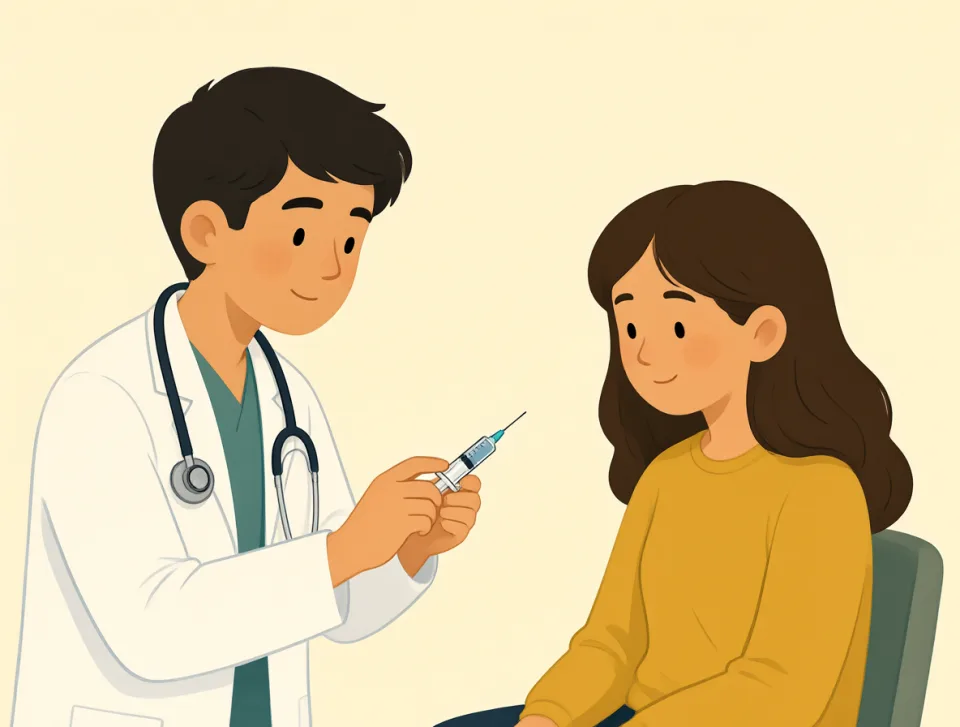
The doctor used mathematics to work out the correct medicine dose.
Lekarz użył matematyki, żeby obliczyć właściwą dawkę leku.
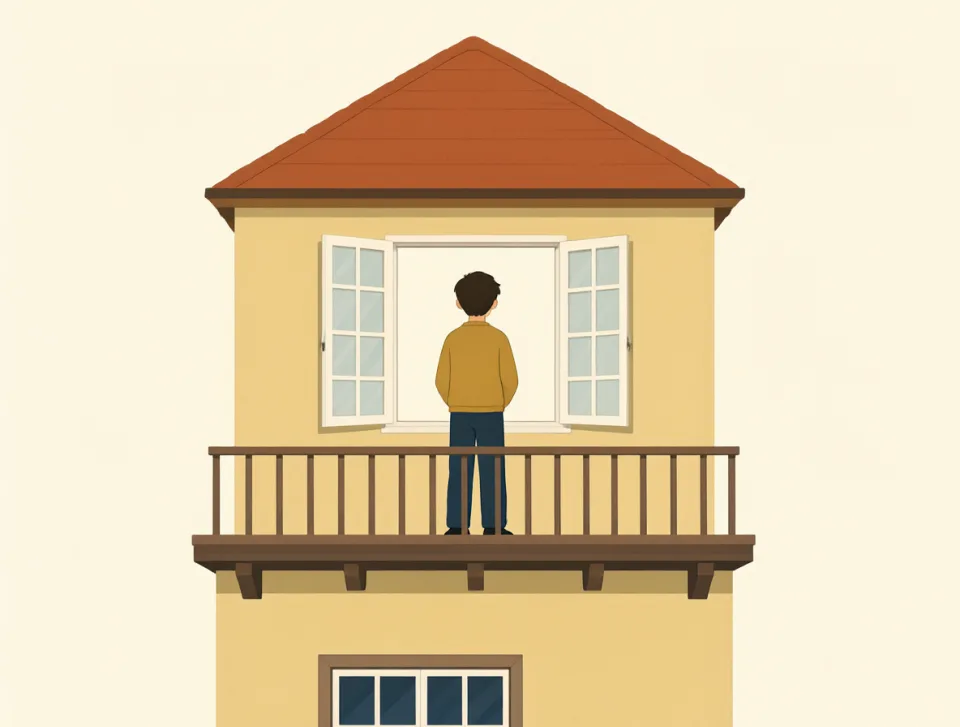
upper
#1928adjective, noun
górny
Higher than something else, or the higher part of something.
Położony wyżej niż coś innego lub stanowiący wyższą część czegoś.
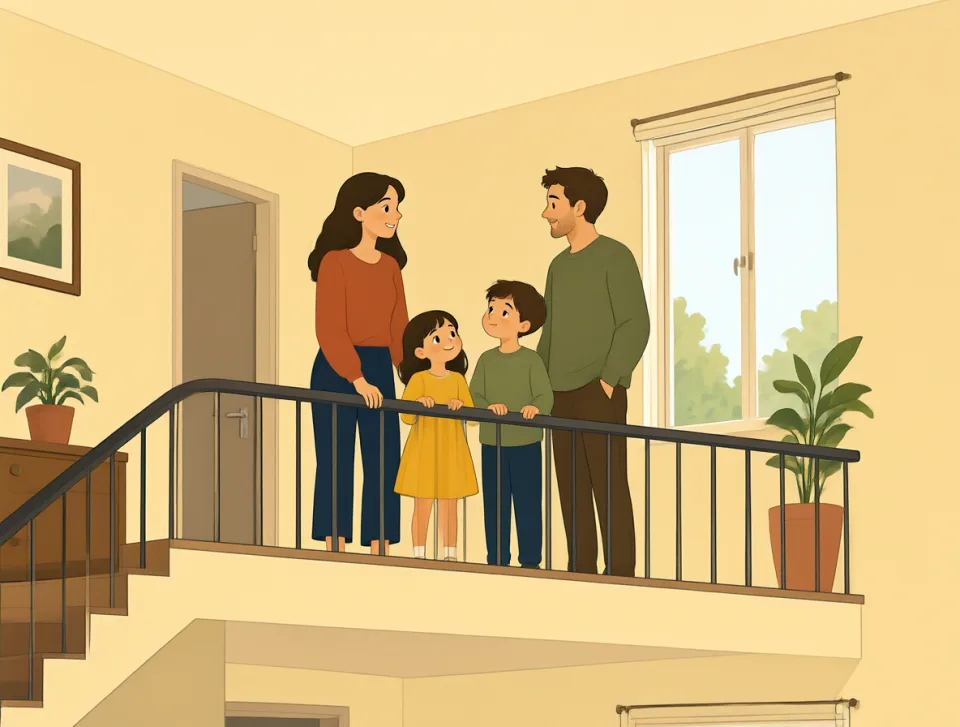
We live on the upper floor of the apartment building.
Mieszkamy na wyższym piętrze budynku mieszkalnego.
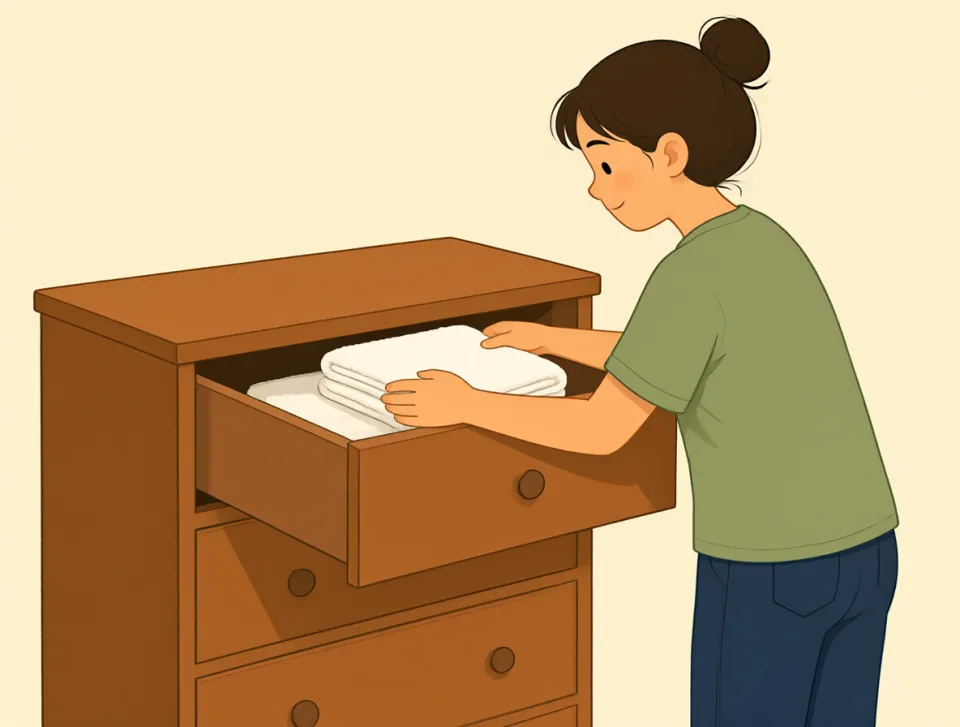
Please put the clean towels in the upper drawer.
Proszę włóż czyste ręczniki do górnej szuflady.
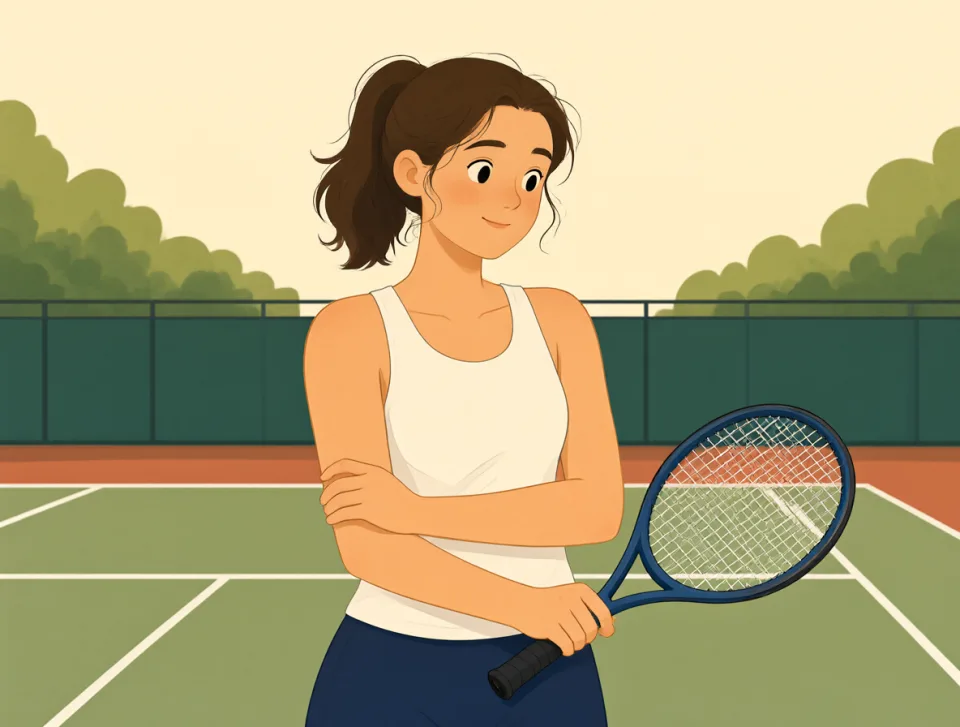
She hurt her upper arm while playing tennis.
Podczas gry w tenisa zraniła się w górną część ramienia.
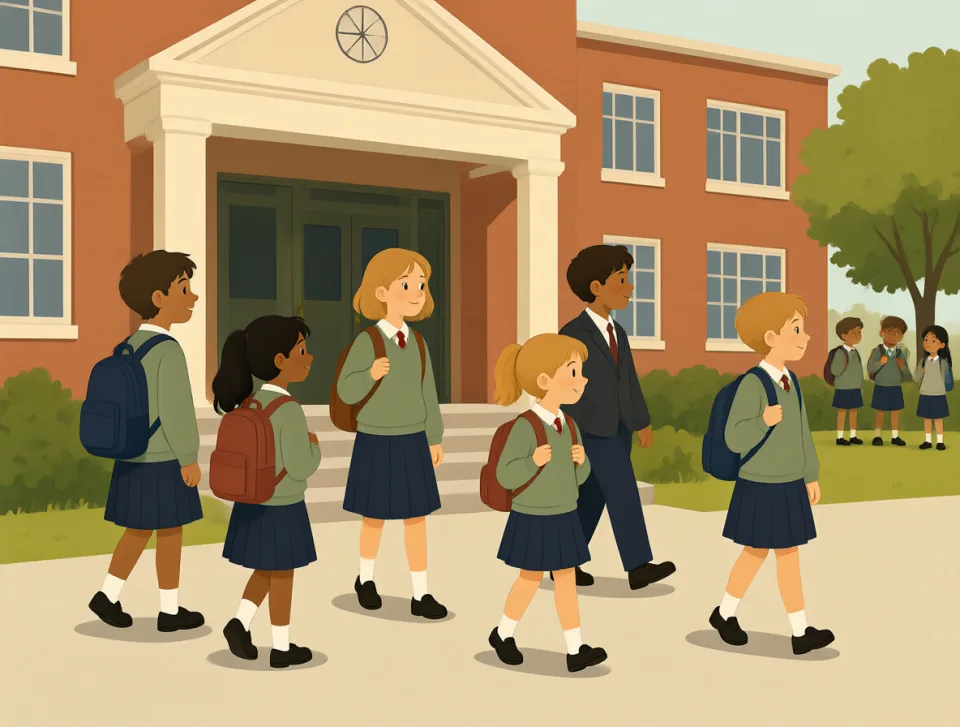
The upper classes finish school earlier on Friday.
Uczniowie starszych klas kończą lekcje wcześniej w piątki.

The plane flew above the upper clouds during the flight.
Podczas lotu samolot leciał ponad górnymi warstwami chmur.

creation
#1929noun
dzieło
Something that someone makes, invents, or brings into existence.
Coś, co ktoś tworzy, wymyśla lub powołuje do istnienia.
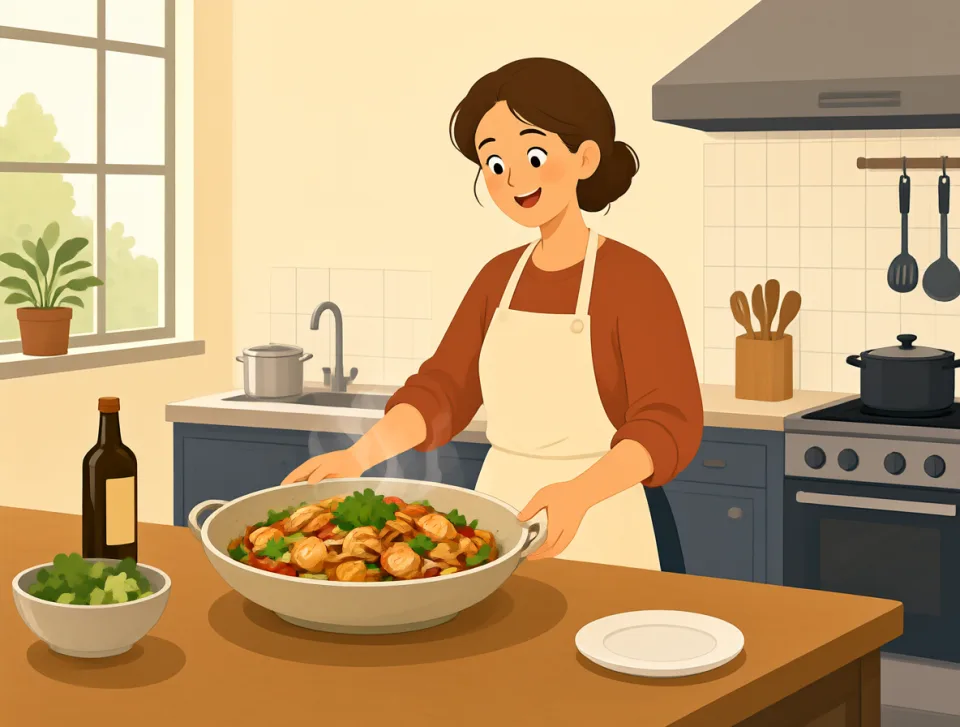
The new restaurant is her own creation.
Nowa restauracja to jej własny pomysł.
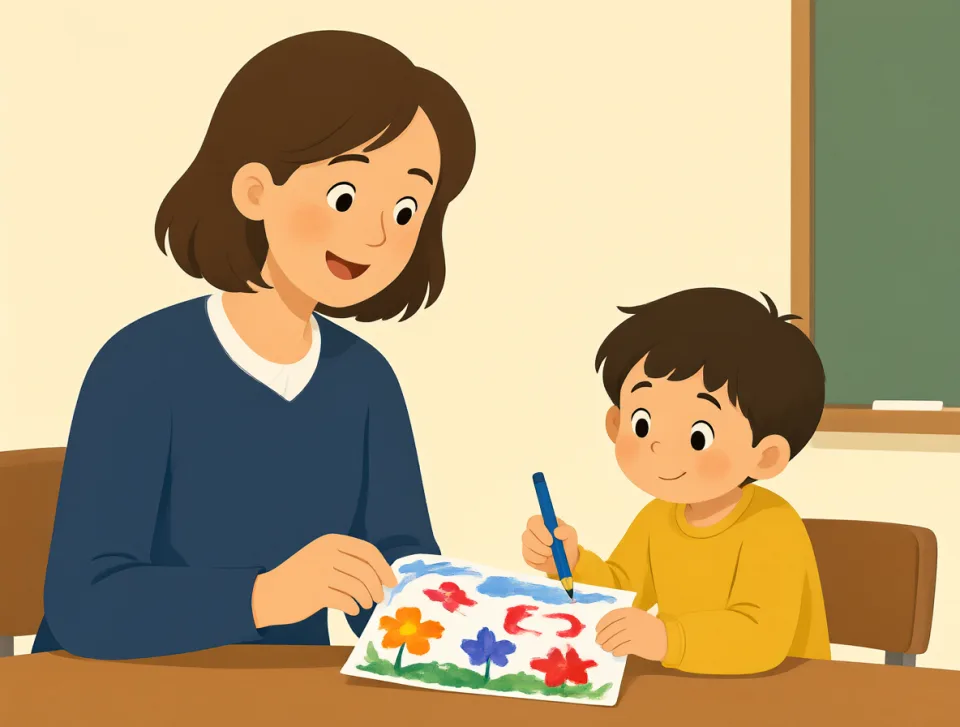
The teacher praised the student's creative creation.
Nauczyciel pochwalił twórcze dzieło ucznia.
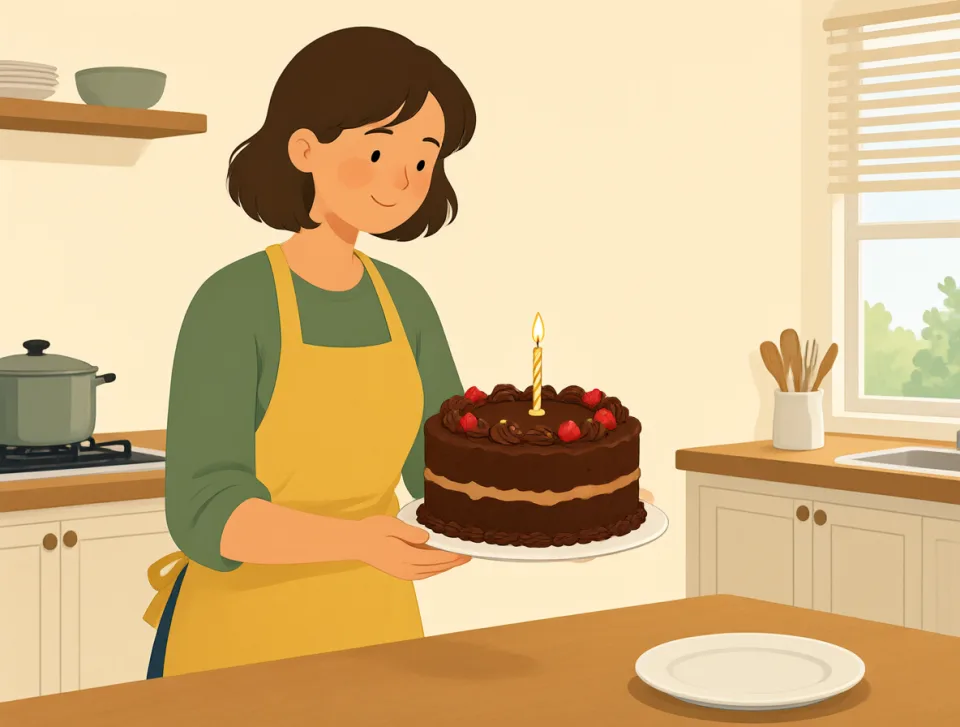
This chocolate cake is my latest creation.
To ciasto czekoladowe jest moim najnowszym dziełem.

The company shared its newest creation at the trade show.
Firma zaprezentowała swoje najnowsze dzieło na targach branżowych.
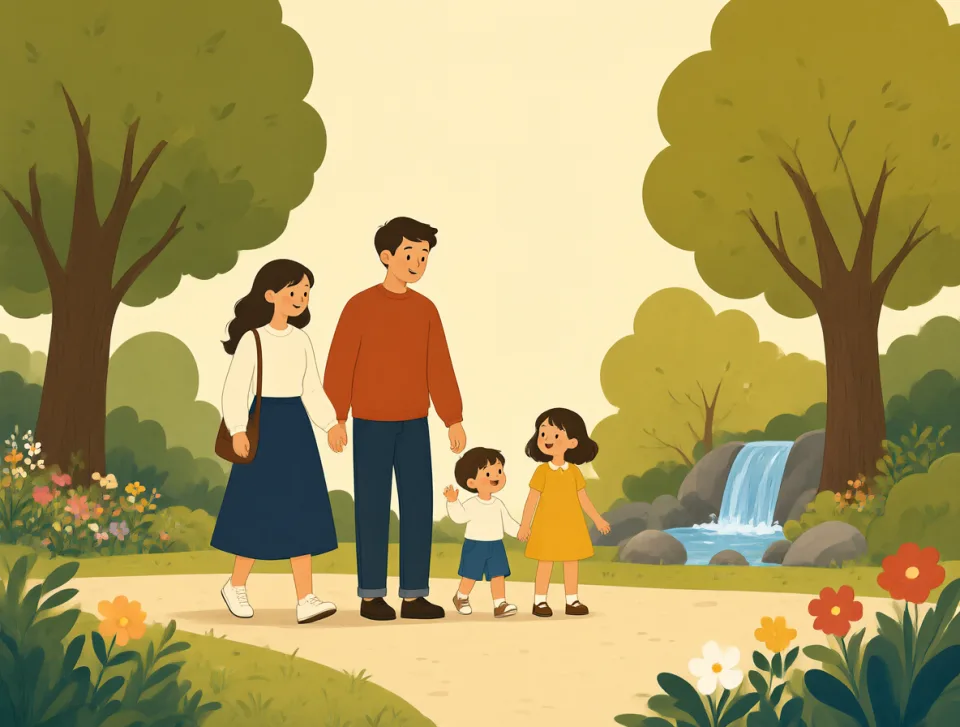
Nature's creations make this park beautiful.
Dzieła natury sprawiają, że ten park jest piękny.
occupy
#1930verb
zajmować
to use a place, seat, or amount of space
Zajmować jakieś miejsce, siedzenie lub przestrzeń.
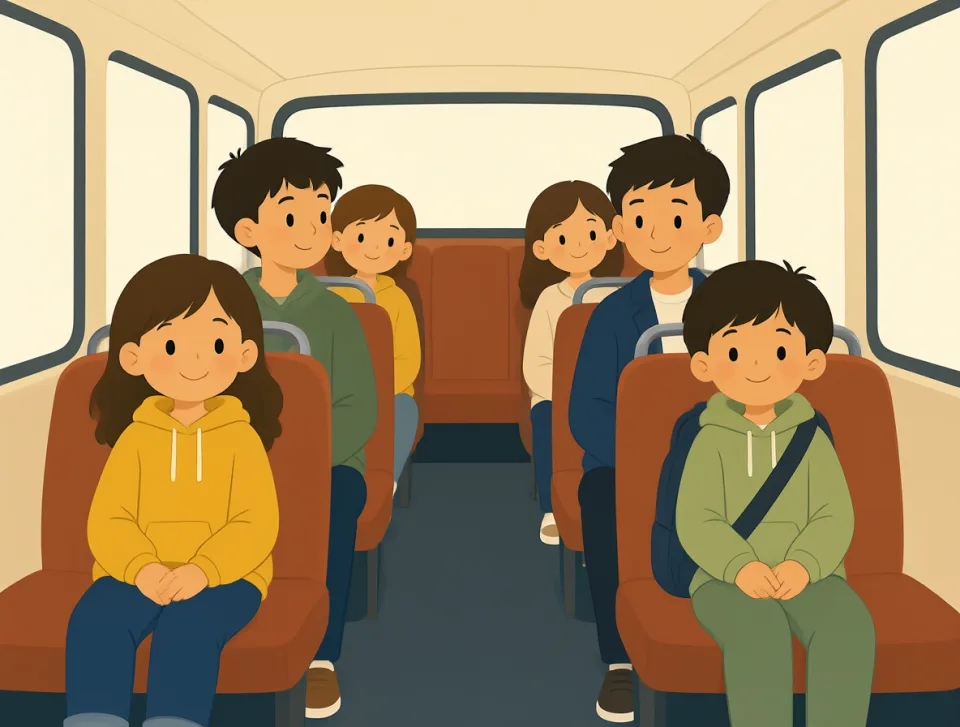
The children occupied the back seats of the bus.
Dzieci zajęły tylne siedzenia w autobusie.
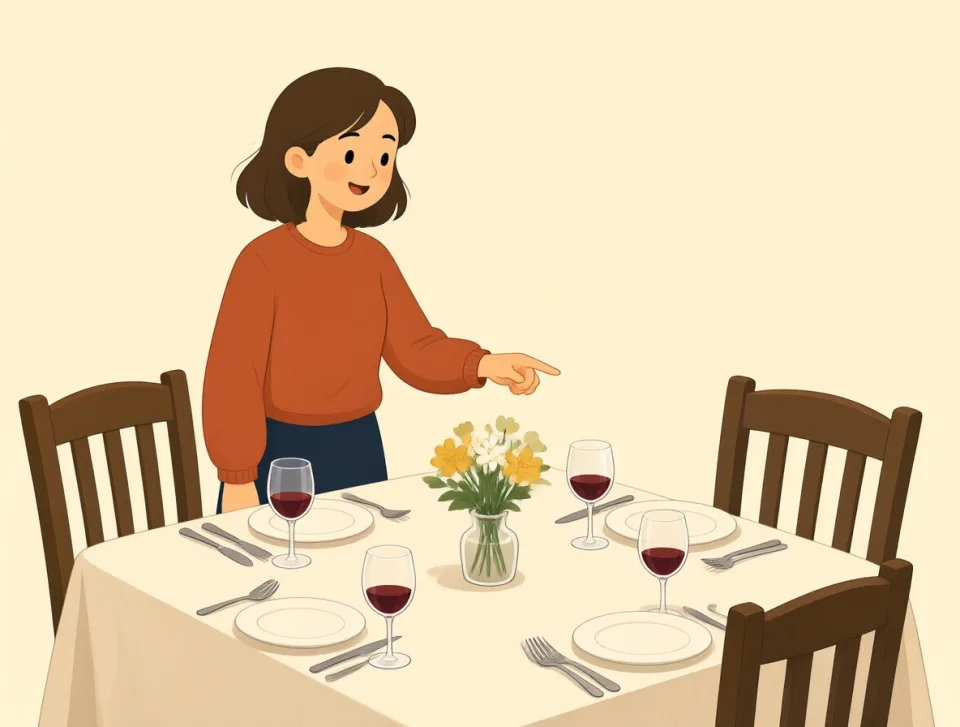
This table is occupied, but you can sit over there.
Ten stolik jest zajęty, ale możesz usiąść tam.
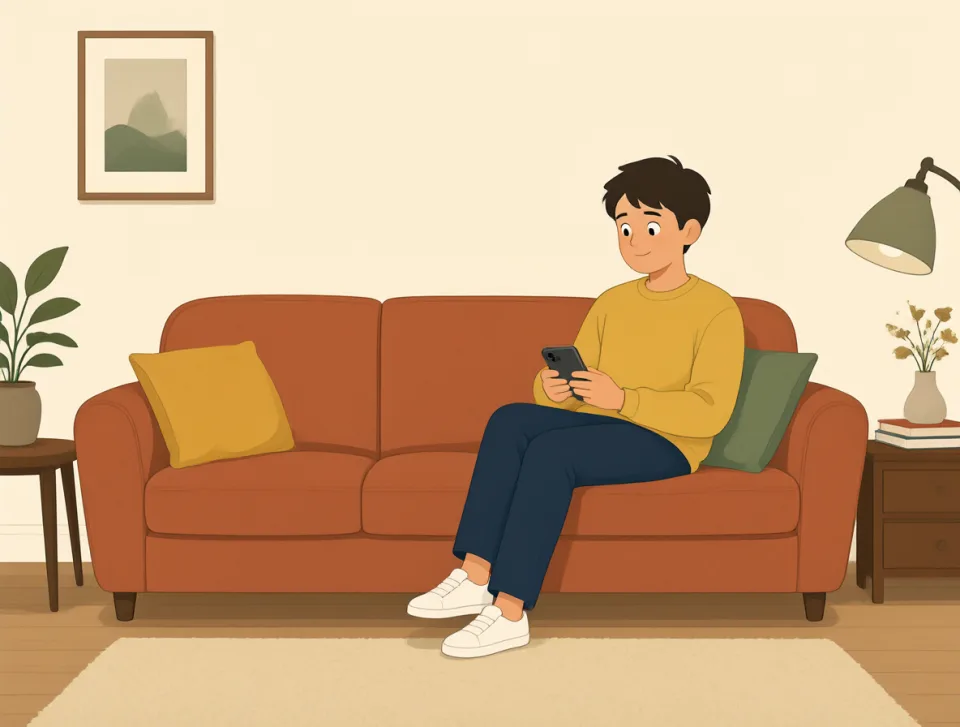
The new sofa occupies most of the living room.
Nowa sofa zajmuje większość salonu.
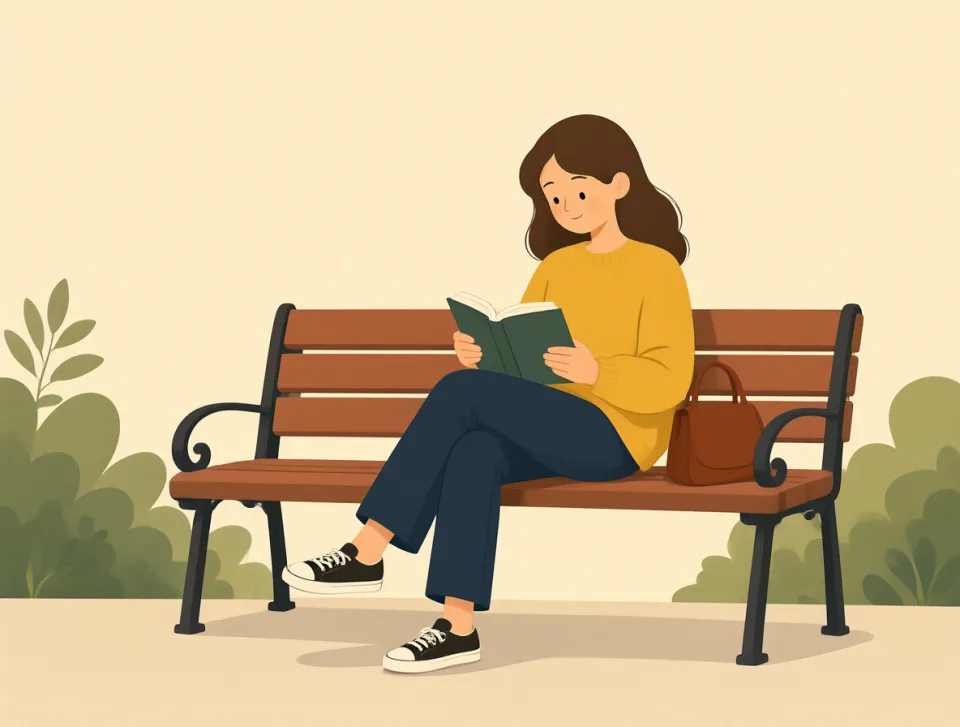
She occupied herself by reading while waiting for her friend.
Czekając na przyjaciółkę, zajęła się czytaniem.
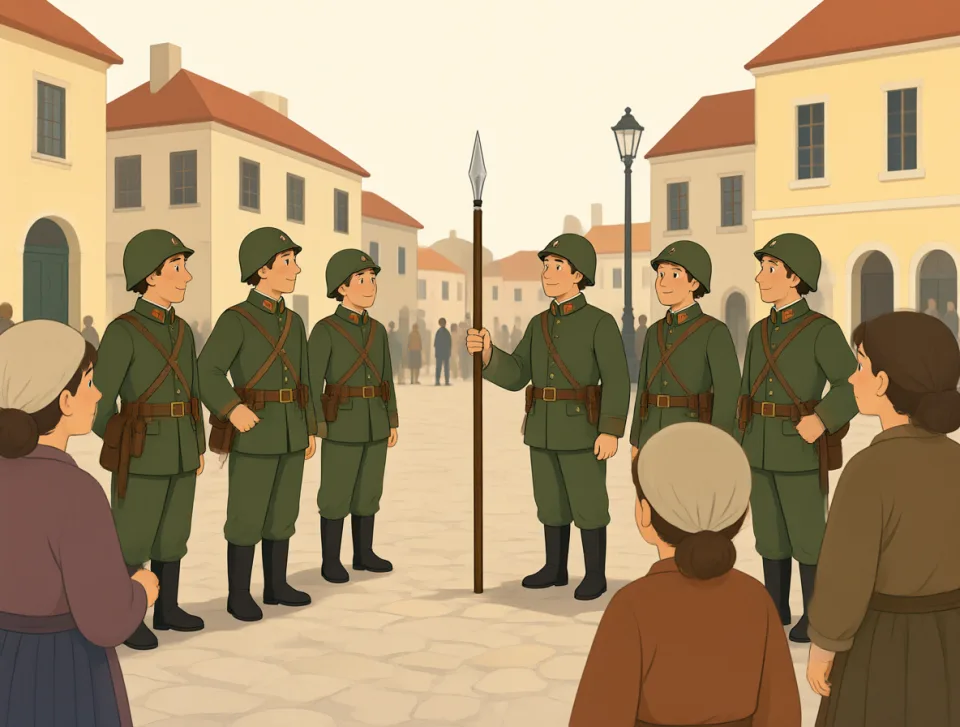
The army occupied the town during the war.
Podczas wojny armia zajęła miasto.
outline
#1931noun, verb
zarys
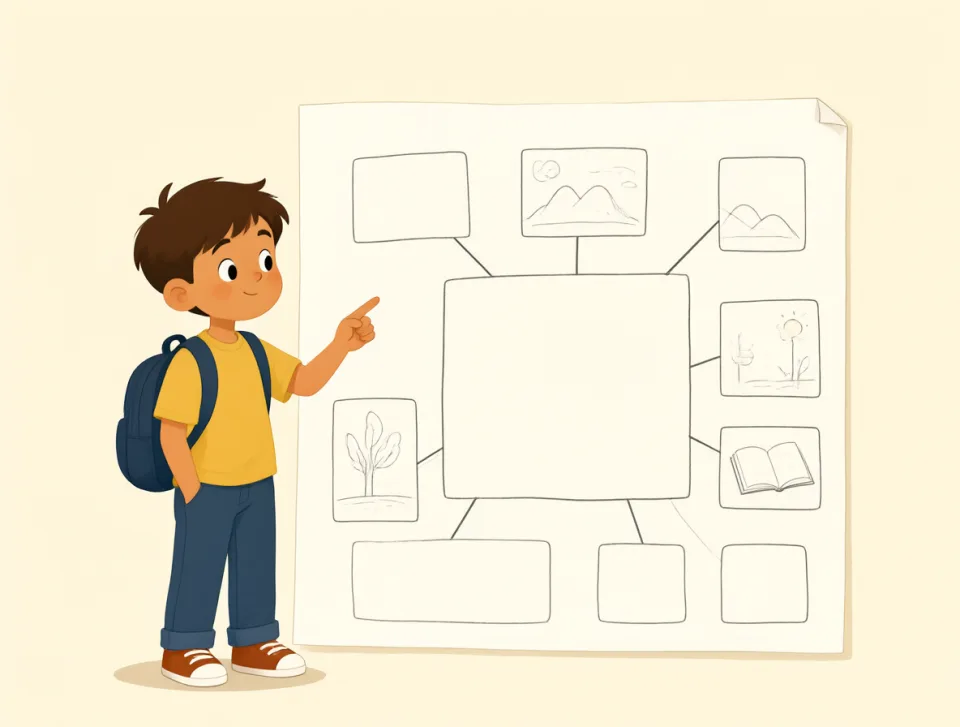
the main ideas of something, or to describe them briefly
główne myśli lub idee czegoś albo krótkie przedstawienie ich
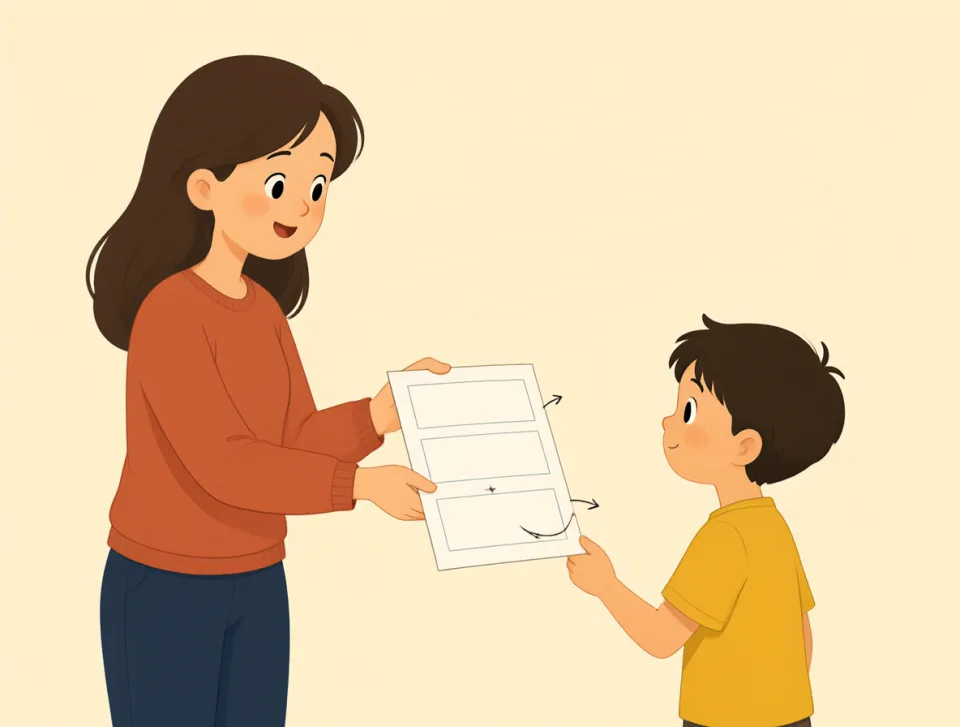
The teacher gave us an outline of the history lesson.
Nauczyciel dał nam zarys lekcji historii.
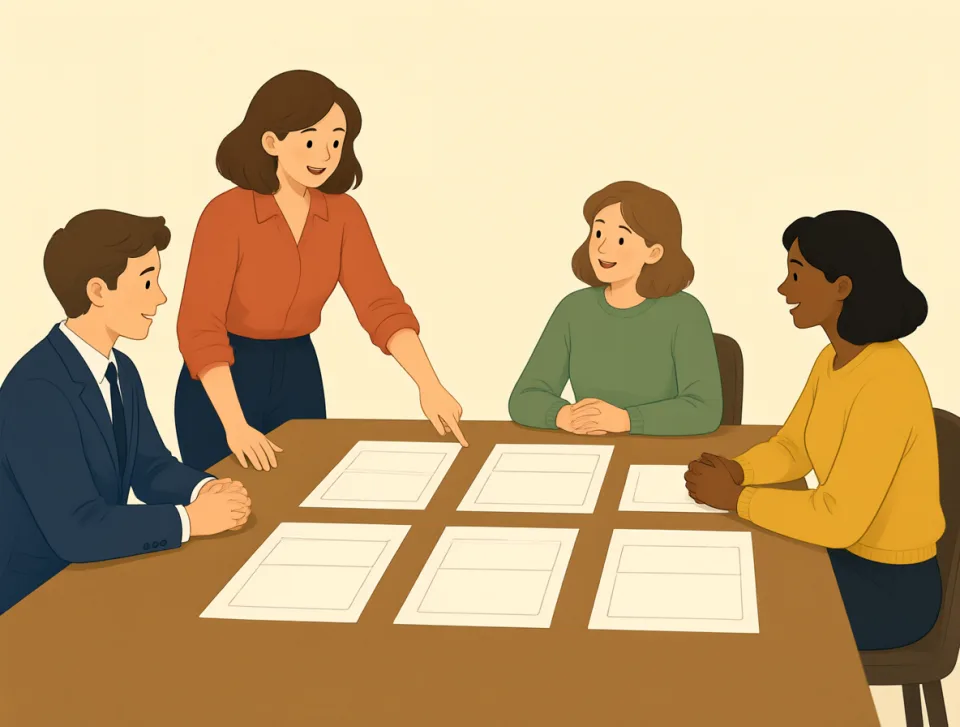
She outlined her plan before starting the meeting.
Przed rozpoczęciem spotkania przedstawiła zarys swojego planu.
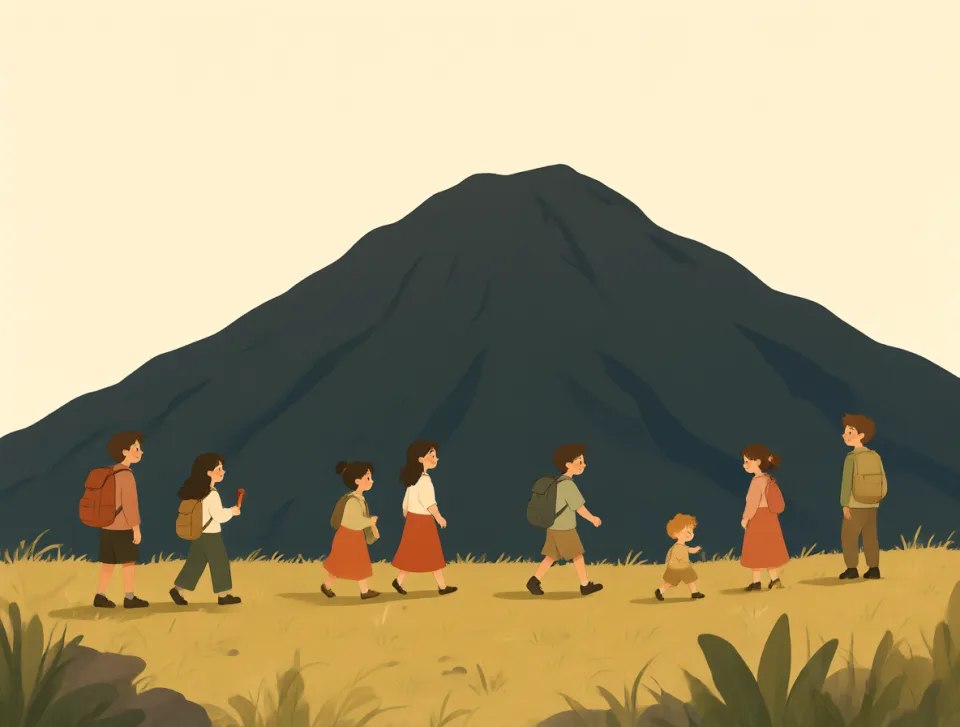
This outline shows the shape of the mountain against the sky.
Ten zarys ukazuje kształt góry na tle nieba.
Please outline your main ideas in three short paragraphs.
Przedstaw swoje główne pomysły w trzech krótkich akapitach.
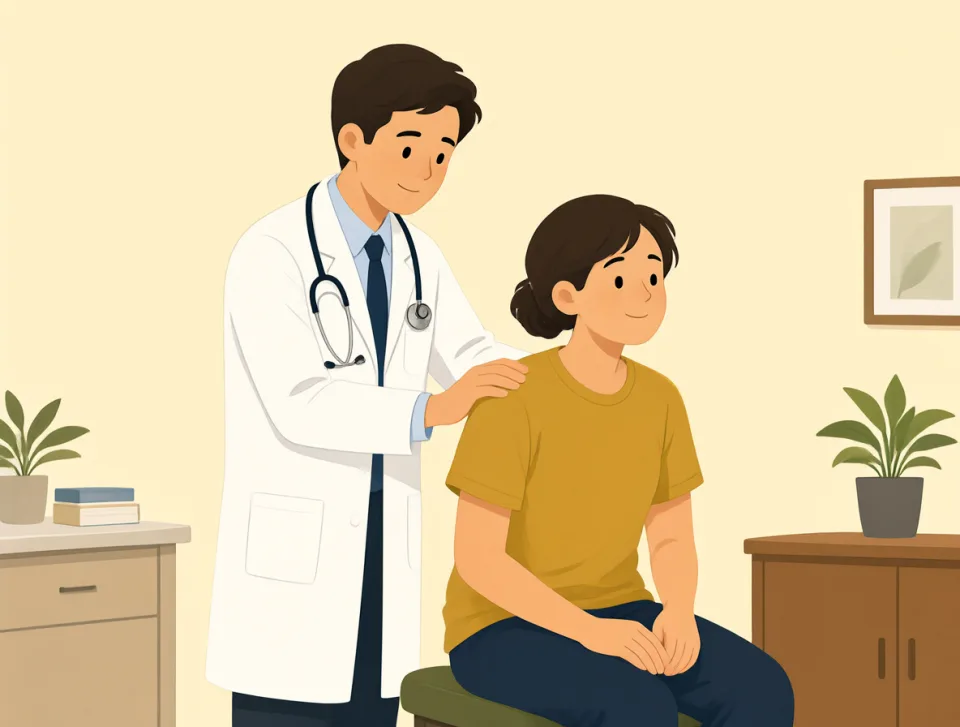
The doctor outlined a simple exercise plan for my back.
Lekarz przedstawił prosty plan ćwiczeń na mój kręgosłup.
sufficient
#1932adjective
wystarczający
Enough for a particular purpose or need
Wystarczający do osiągnięcia określonego celu lub zaspokojenia określonej potrzeby.
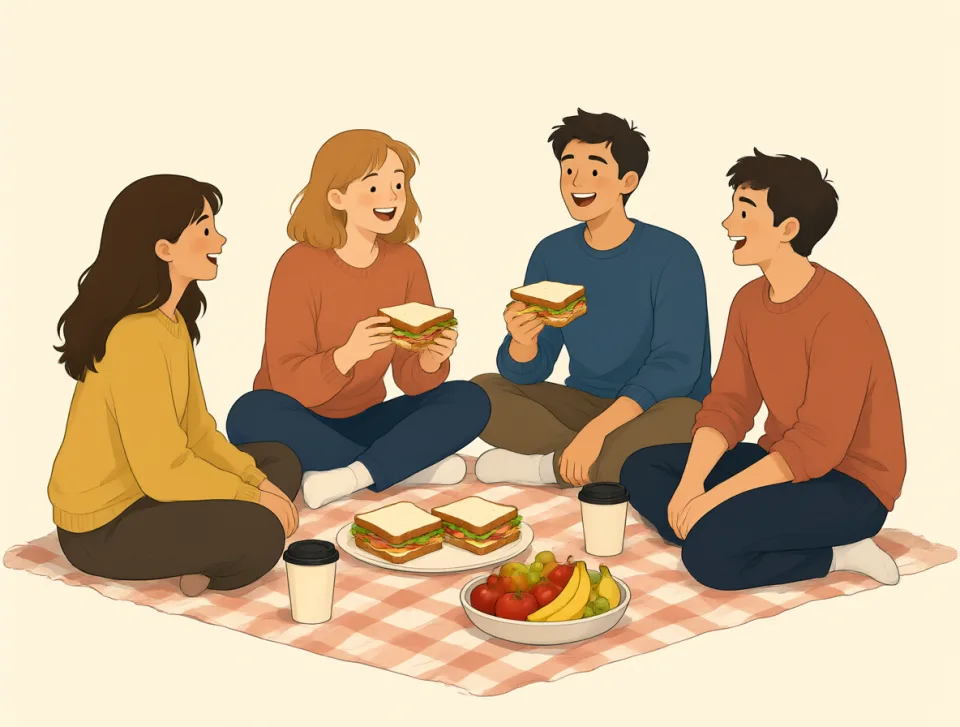
We have sufficient food for everyone at the picnic.
Mamy wystarczająco dużo jedzenia dla wszystkich na pikniku.
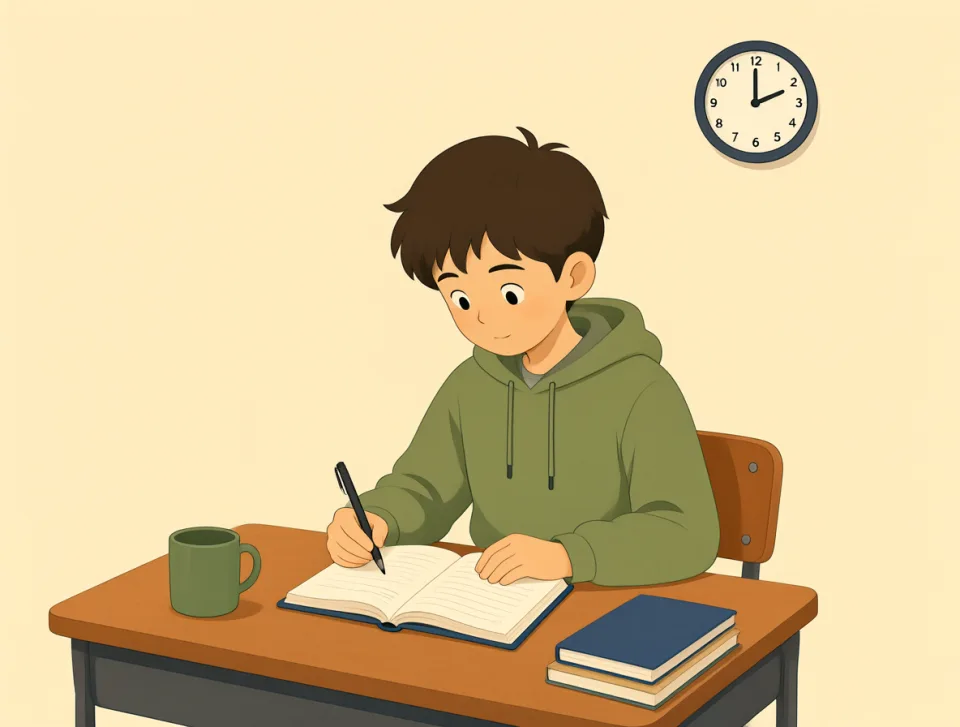
Please make sure you have sufficient time to finish the test.
Upewnij się, że masz wystarczająco dużo czasu, żeby dokończyć test.
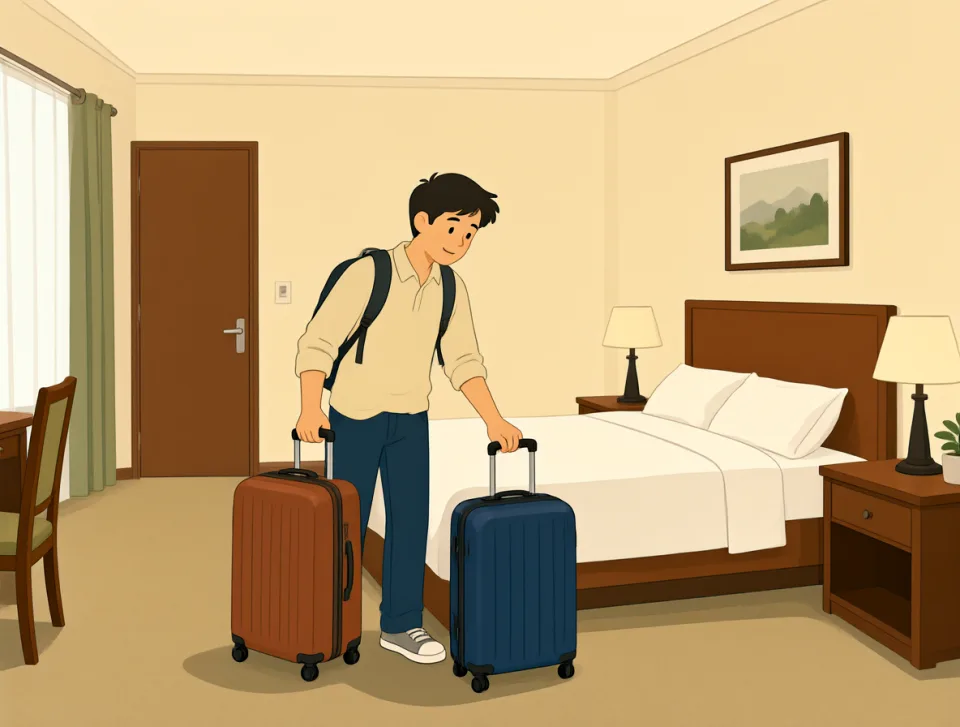
The hotel room had sufficient space for our two suitcases.
Pokój hotelowy miał wystarczająco dużo miejsca na nasze dwie walizki.
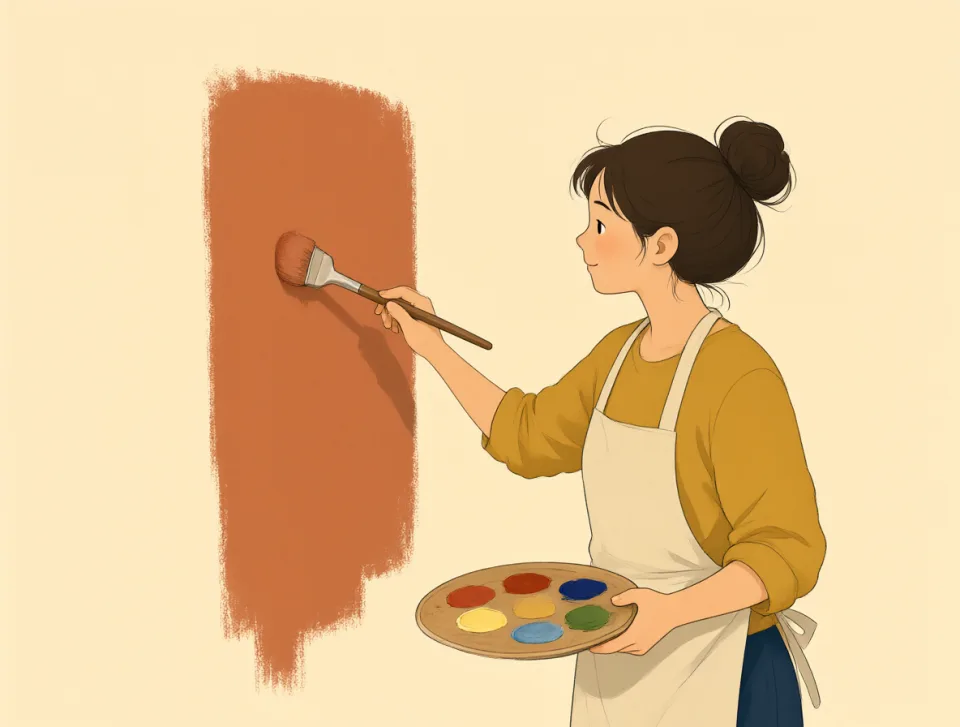
One coat of paint was sufficient to cover the small wall.
Jedna warstwa farby wystarczyła, żeby pokryć małą ścianę.
The doctor said that rest and water were sufficient for recovery.
Lekarz powiedział, że odpoczynek i woda wystarczą, żeby wrócić do zdrowia.

update
#1933noun, verb
aktualizacja
new information, or to give someone the latest information about something
Nowe informacje lub przekazanie komuś najnowszych informacji na jakiś temat.
Please send me an update when you arrive at the hotel.
Napisz do mnie, gdy dotrzesz do hotelu, i daj mi znać, co u ciebie.

The company gave customers an update about their delivery.
Firma przekazała klientom aktualne informacje o ich dostawie.
I update my calendar every Sunday evening.
Aktualizuję swój kalendarz w każdy niedzielny wieczór.
The teacher updated us on the school trip this morning.
Dziś rano nauczyciel przekazał nam najnowsze informacje o wycieczce szkolnej.
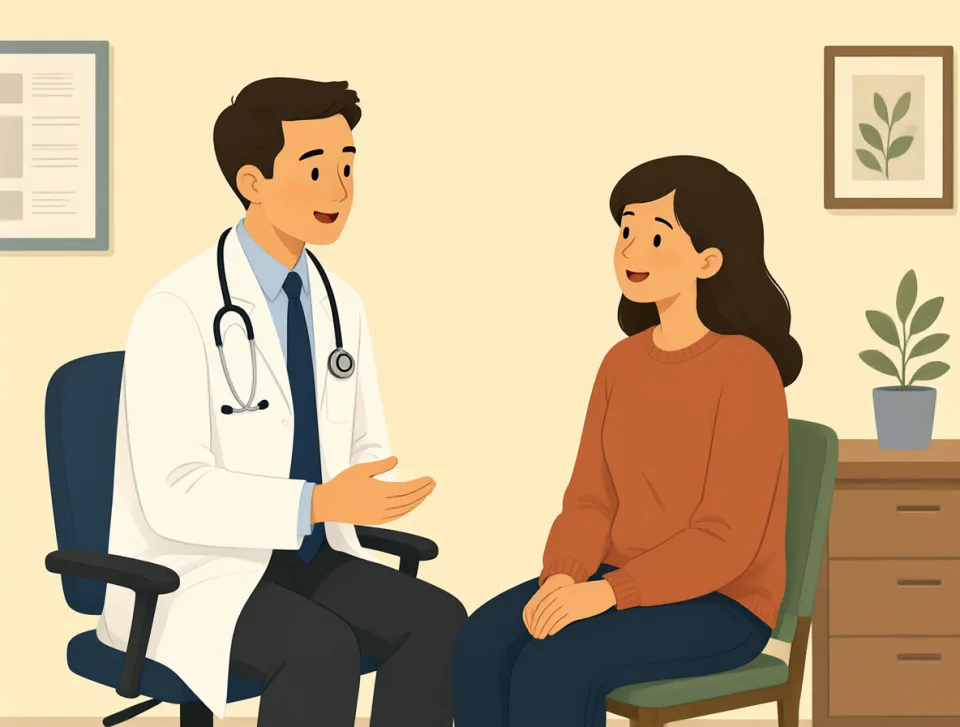
The doctor updated my treatment after checking my health.
Po sprawdzeniu mojego stanu zdrowia lekarz zaktualizował plan leczenia.
luck
#1934noun
szczęście, pech
Good or bad things that happen by chance.
Dobre lub złe rzeczy, które zdarzają się przypadkiem.
Good luck on your test tomorrow!
Powodzenia na jutrzejszym teście!
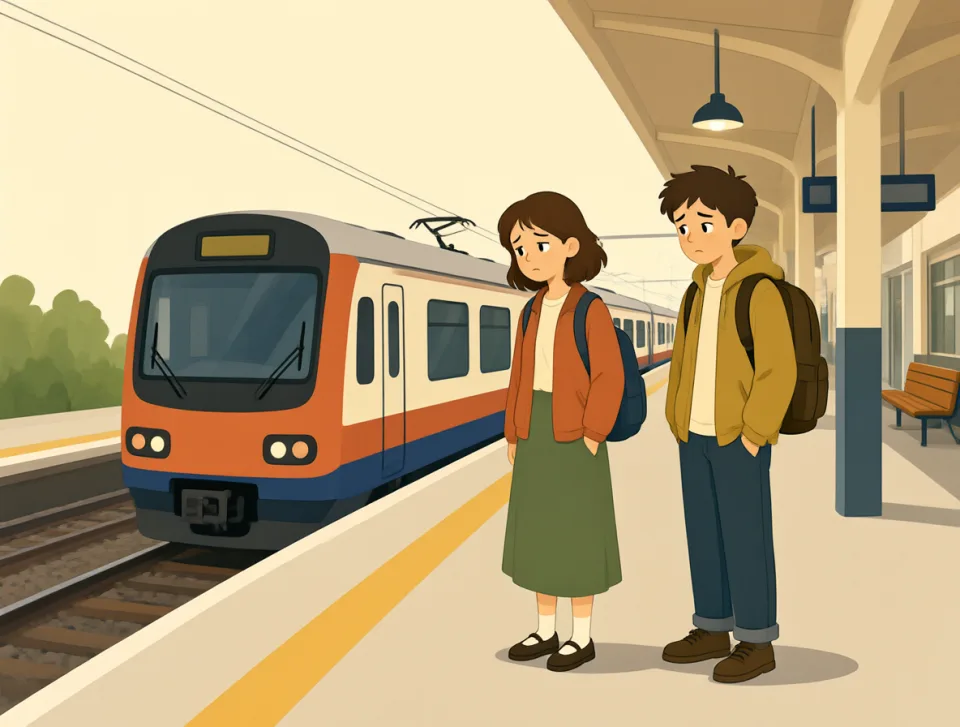
We had bad luck and missed the last train.
Mieliśmy pecha i nie zdążyliśmy na ostatni pociąg.
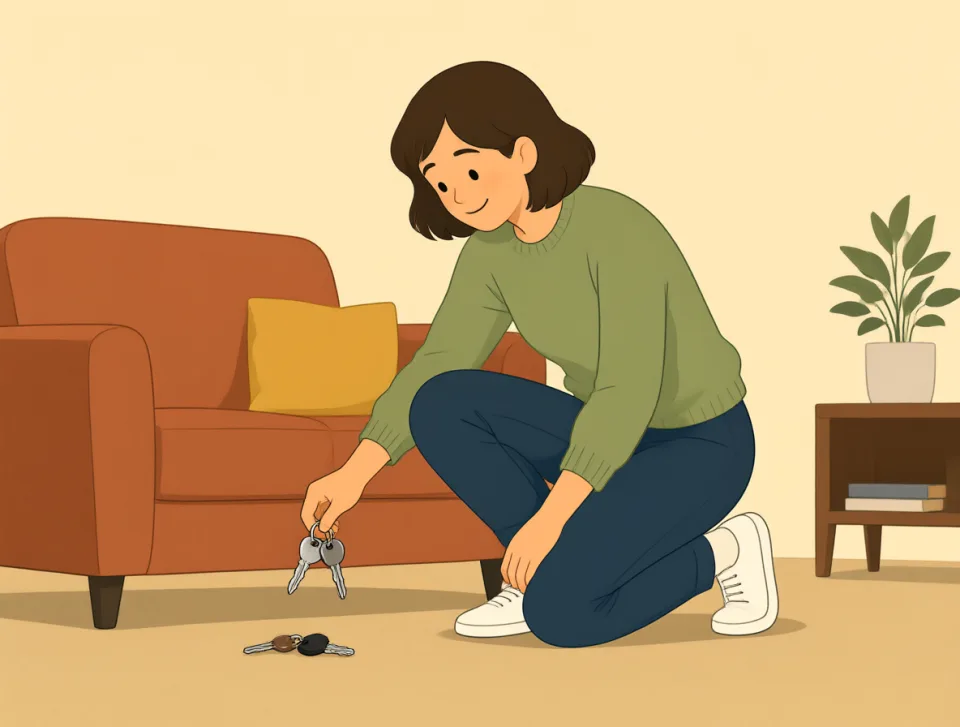
By luck, I found my lost keys under the sofa.
Szczęśliwym trafem znalazłem zgubione klucze pod kanapą.
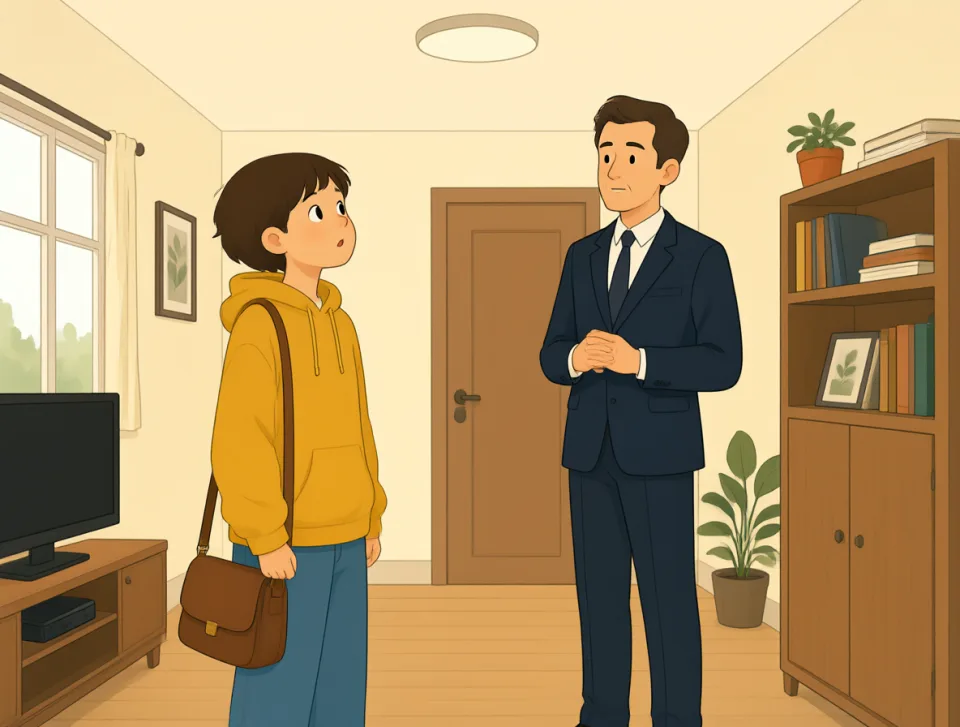
You need a little luck to find a cheap apartment.
Żeby znaleźć tanie mieszkanie, trzeba mieć trochę szczęścia.
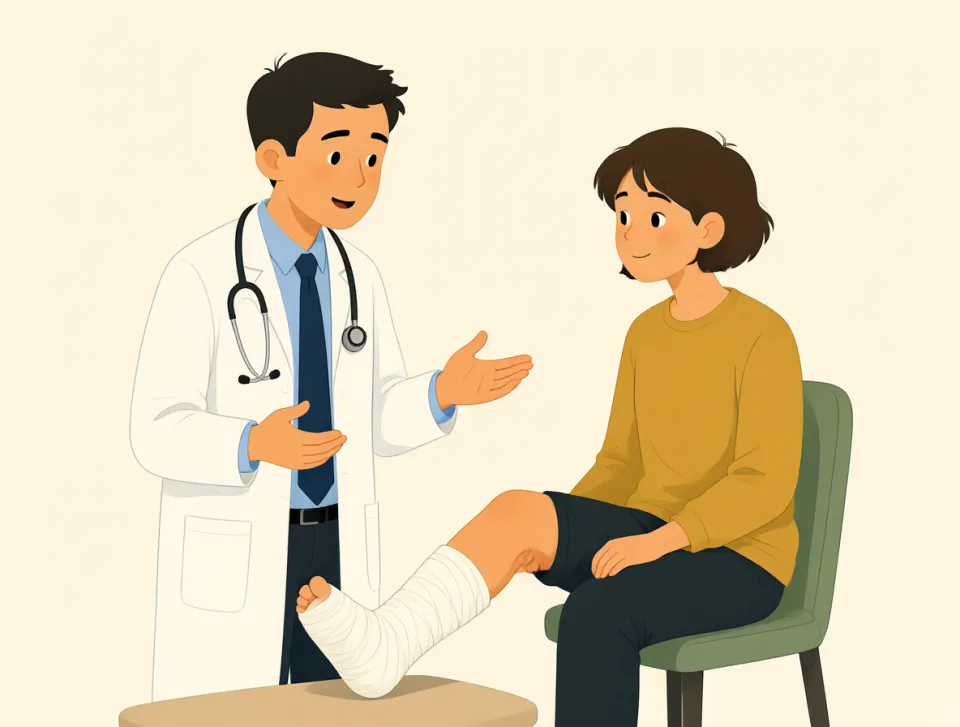
Luckily, the doctor said my leg will heal soon.
Na szczęście lekarz powiedział, że moja noga wkrótce się zagoi.
preserve
#1935verb, noun
zachować
To keep something safe, fresh, or in its original condition.
Chronić coś, utrzymywać w świeżości lub zachować w pierwotnym stanie.
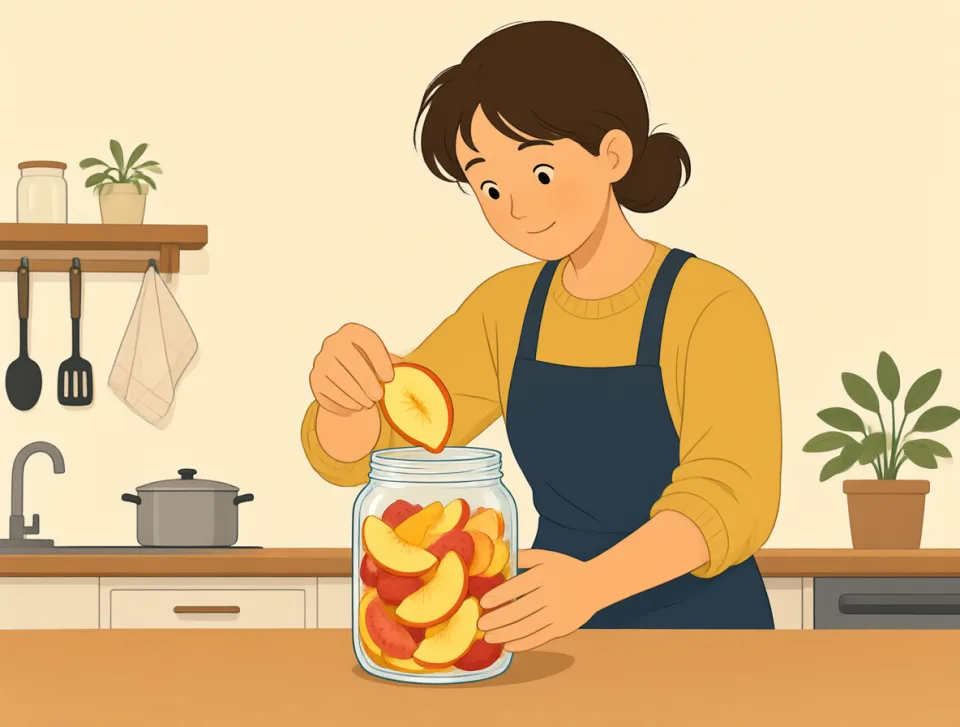
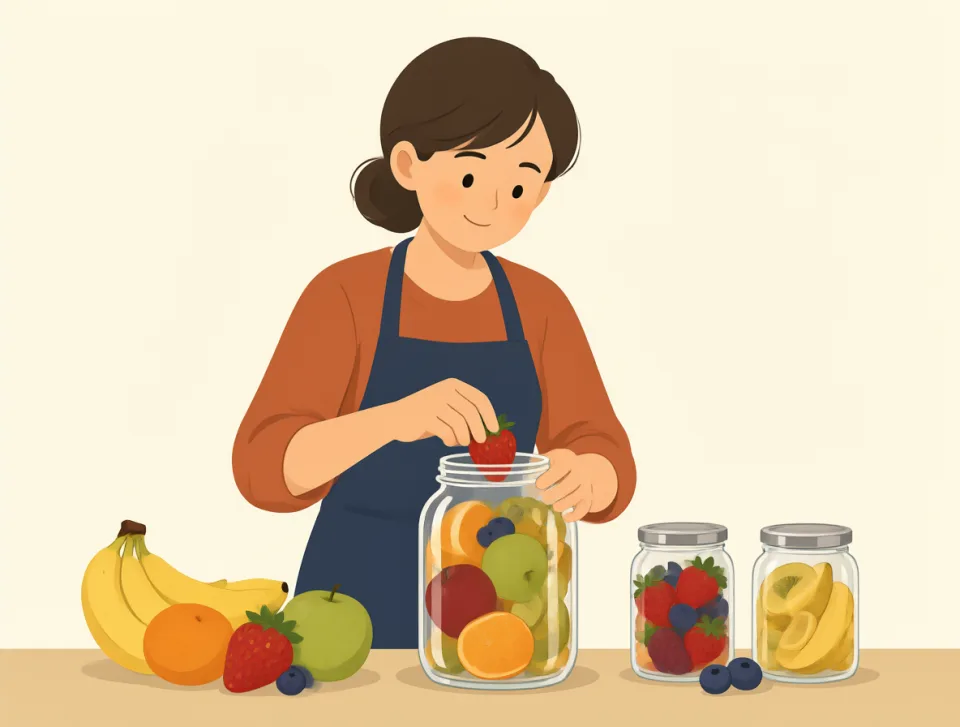
This jar helps preserve fruit for several months.
Ten słoik pomaga zachować świeżość owoców przez kilka miesięcy.
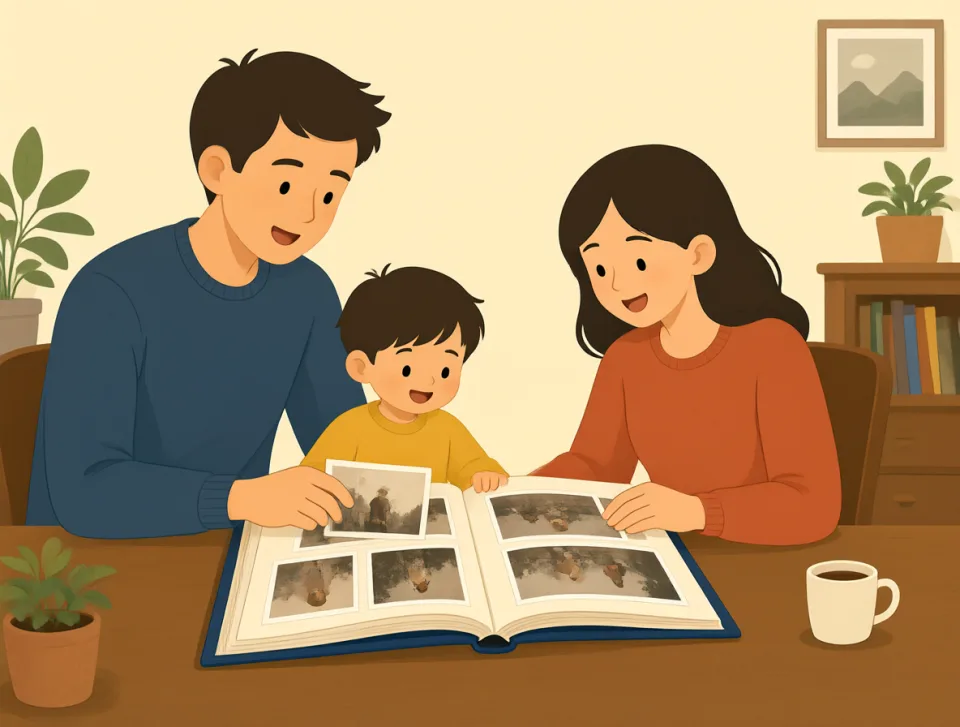
We should preserve these old family photographs.
Powinniśmy zachować te stare rodzinne fotografie.
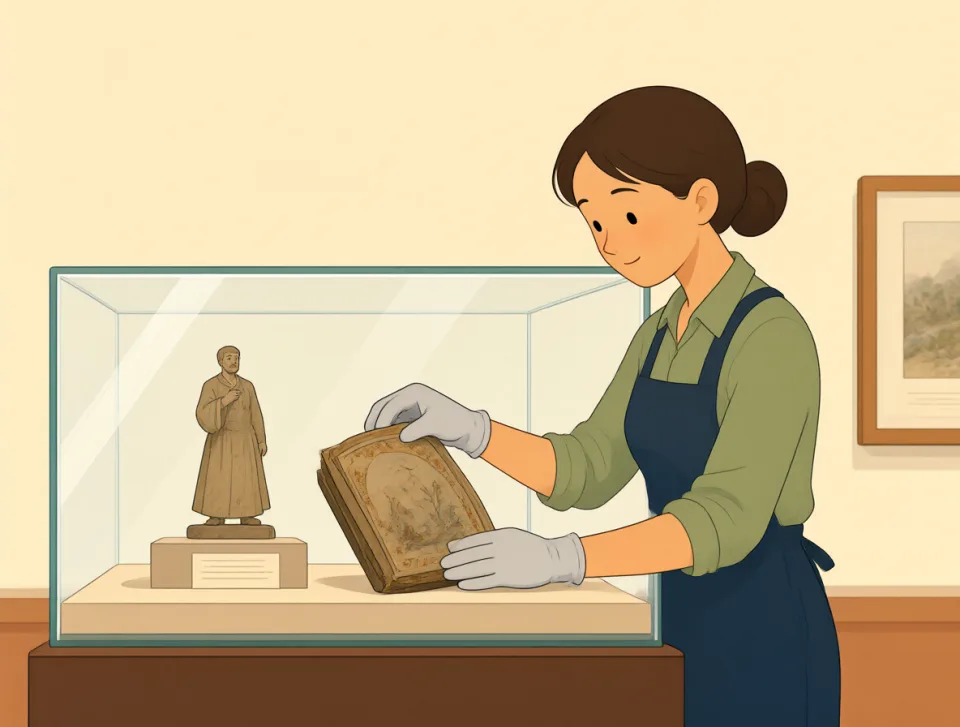
The museum preserves important objects from local history.
Muzeum przechowuje ważne przedmioty związane z historią regionu.
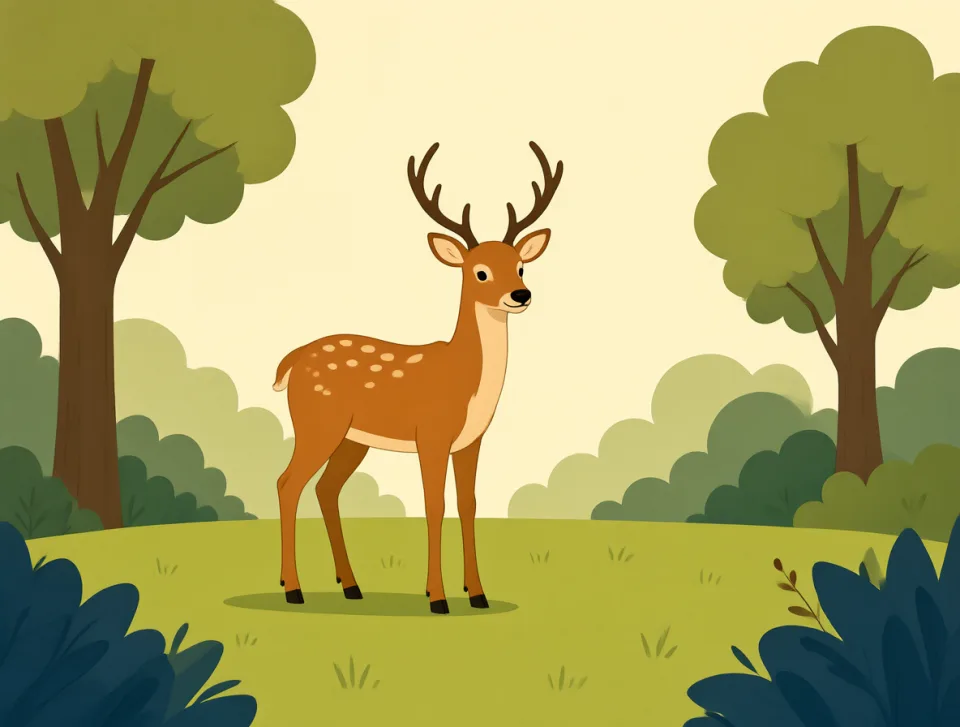
The park was created to preserve wildlife and forests.
Park utworzono, aby chronić dziką przyrodę i lasy.
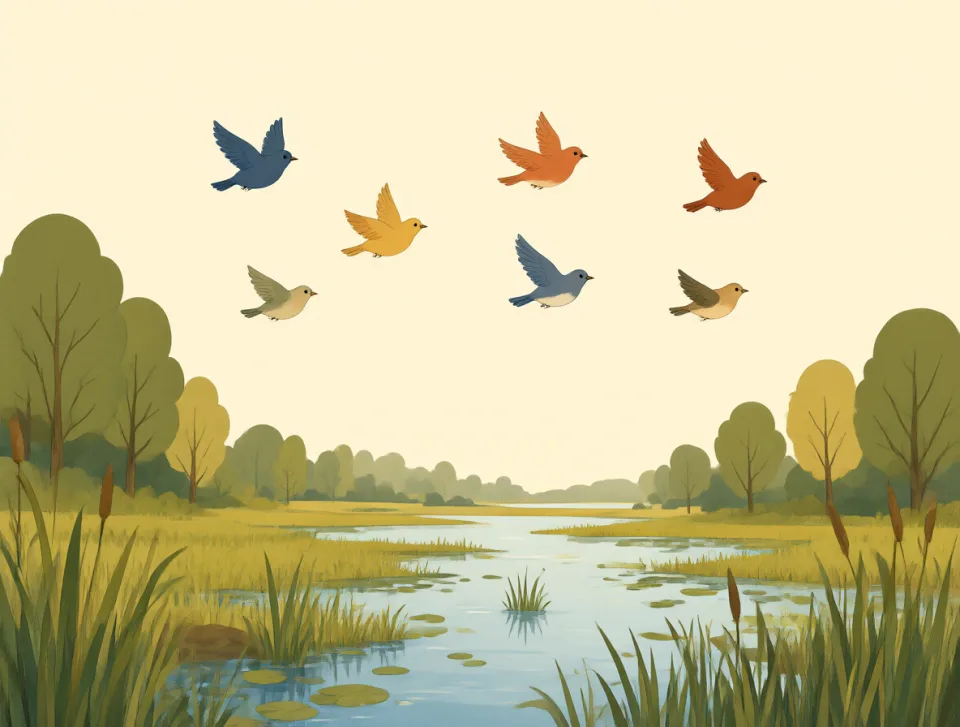
The preserve near our town is home to many birds.
Rezerwat w pobliżu naszego miasta jest domem dla wielu ptaków.
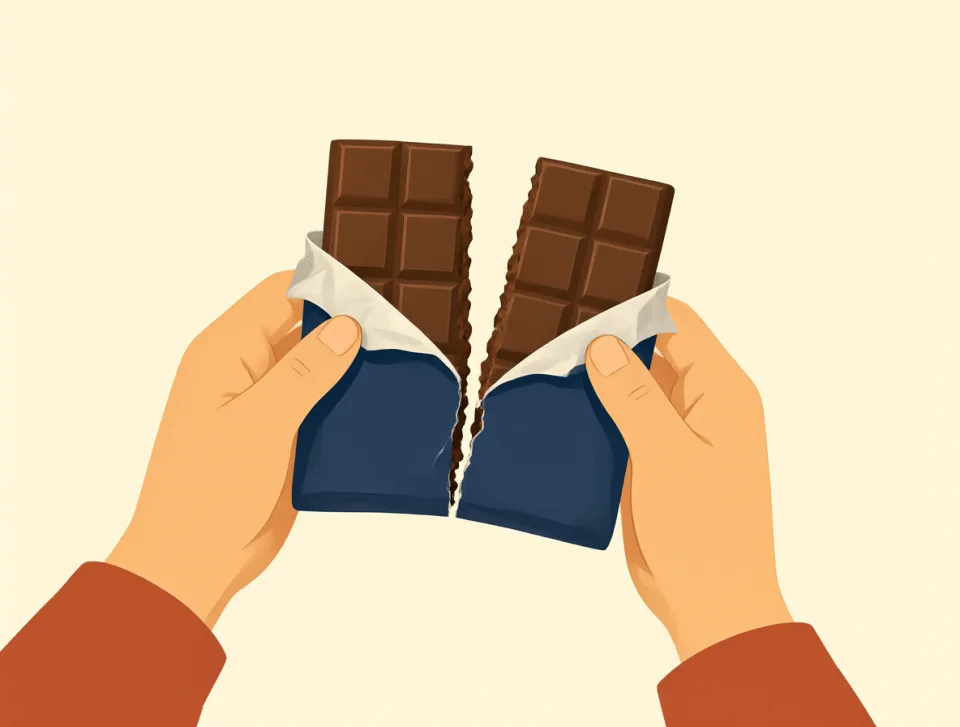
split
#1936verb, noun, adjective
dzielić
to divide or break into parts, or to be divided or broken
dzielić coś na części lub rozpadać się na części
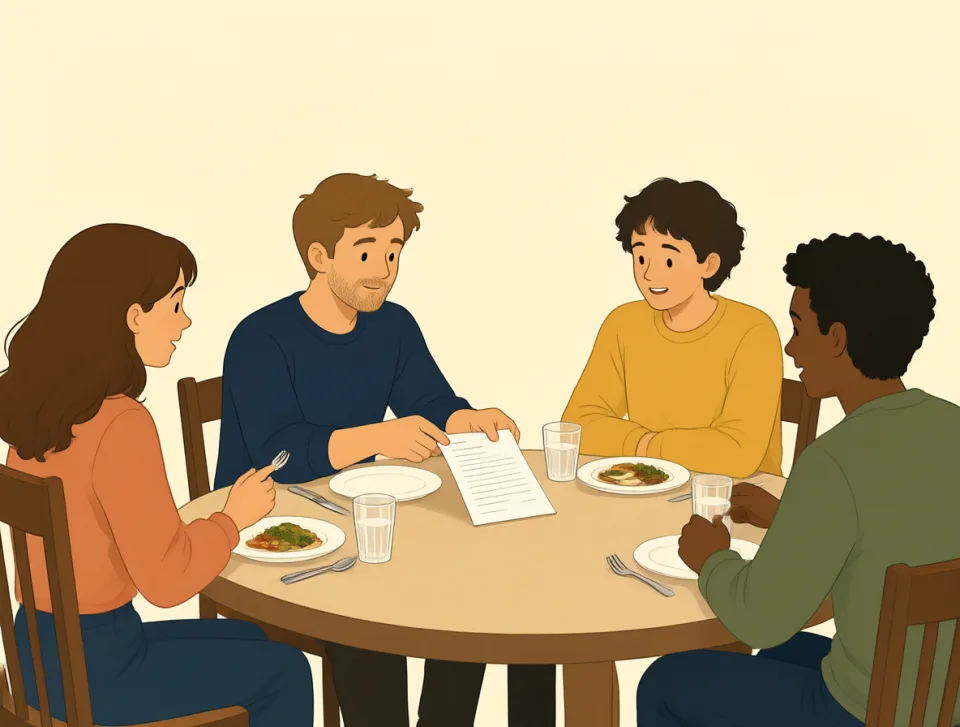
Please split the bill between the four people.
Proszę podzielić rachunek na cztery osoby.
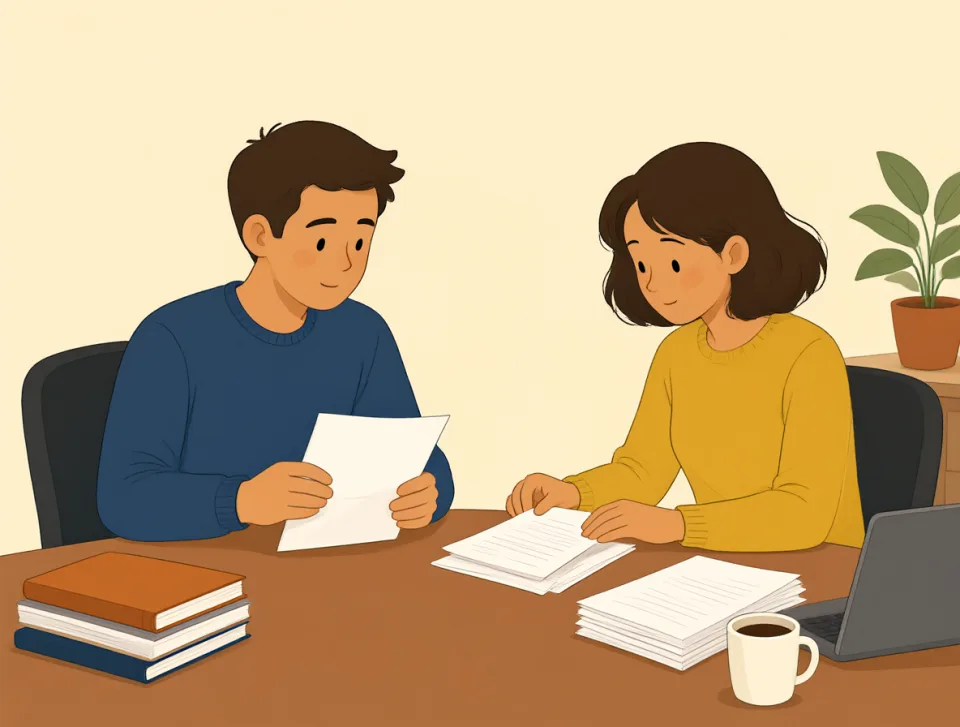
We split the work and finished before lunch.
Podzieliliśmy się pracą i skończyliśmy przed lunchem.
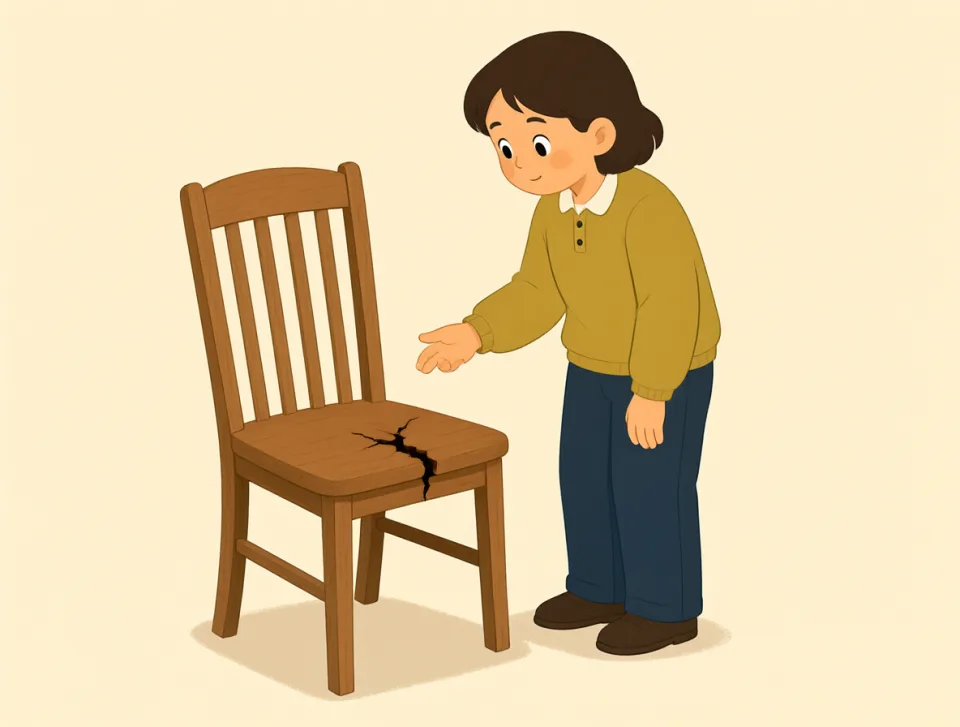
The wooden chair split after years of use.
Drewniane krzesło pękło po latach użytkowania.
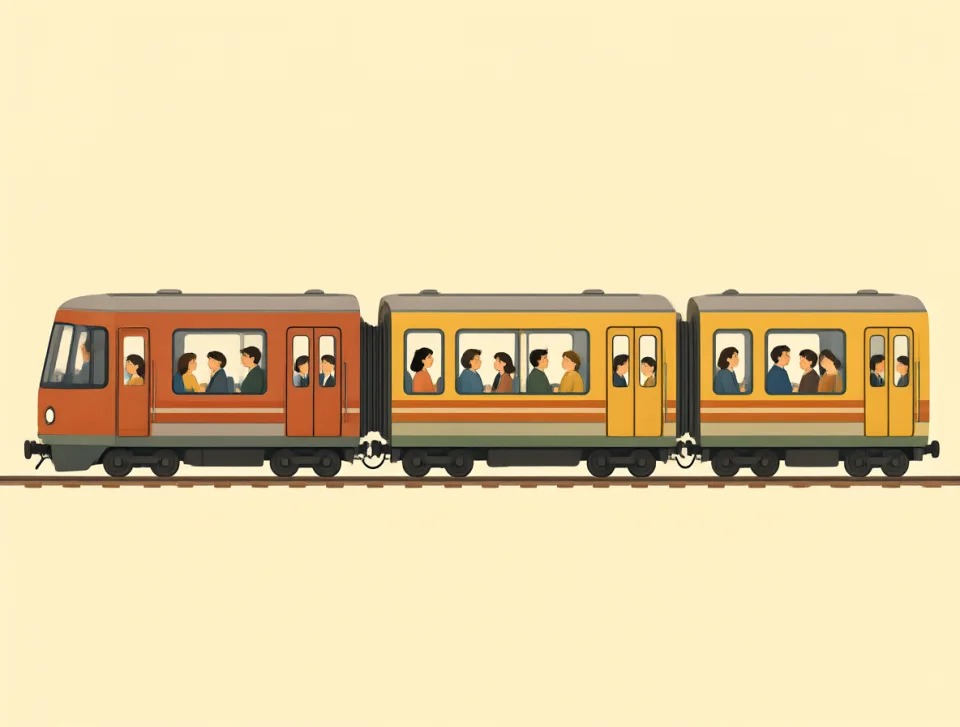
The train split into two sections at the station.
Pociąg rozdzielił się na dwie części na stacji.
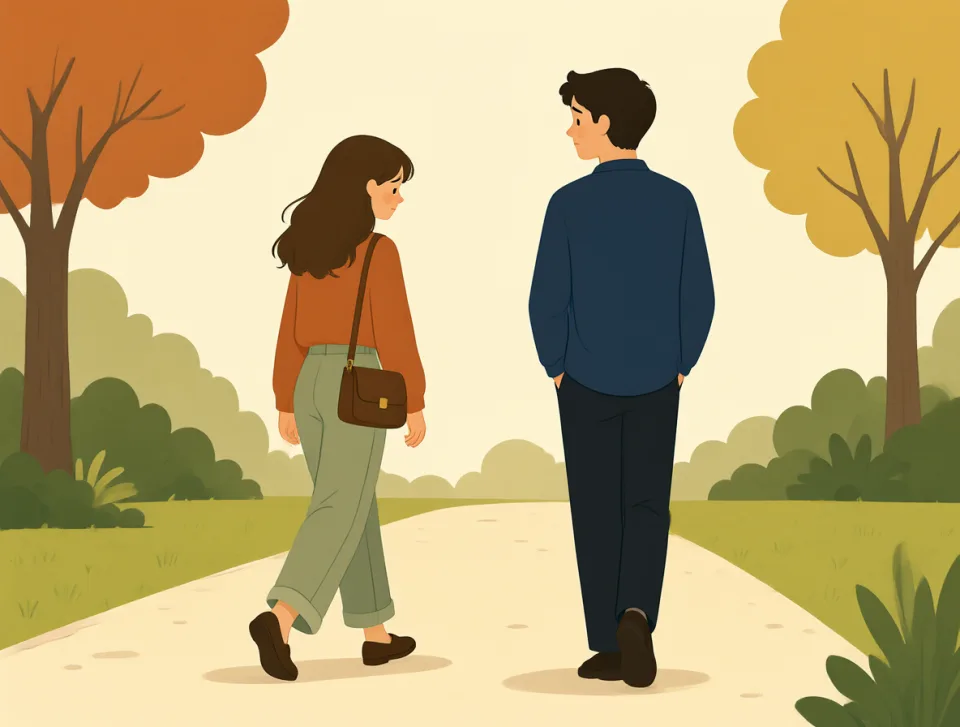
She split up with her boyfriend last month.
W zeszłym miesiącu zerwała ze swoim chłopakiem.
swing
#1937noun, verb
huśtać się; huśtawka
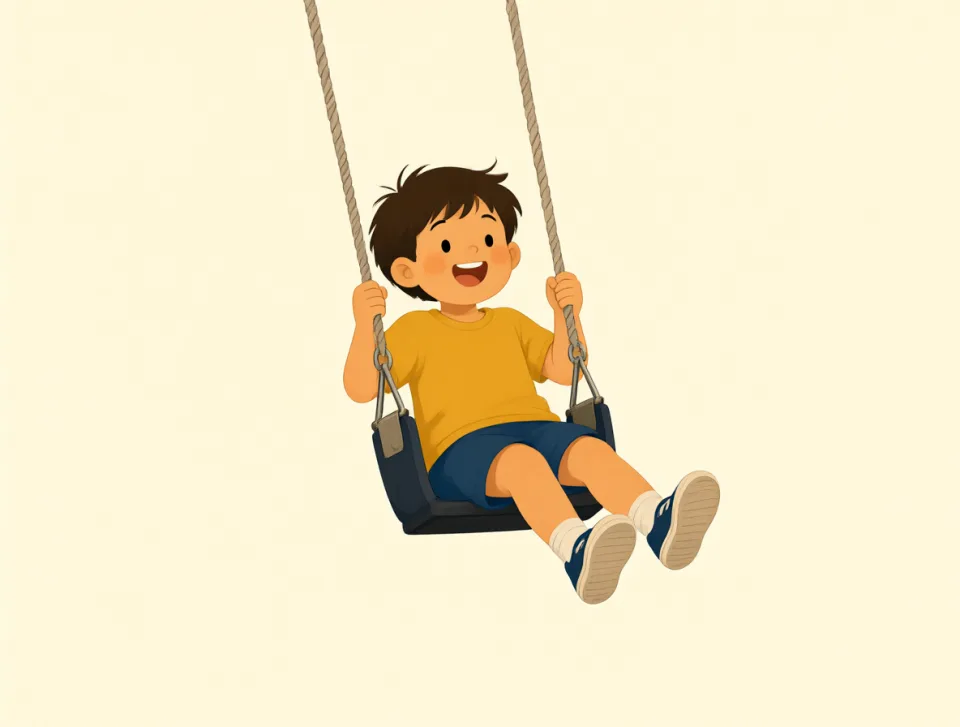
To move gently backward and forward, or a seat hanging from ropes for children.
Poruszać się łagodnie w przód i w tył; także siedzisko zawieszone na linach, na którym bawią się dzieci.
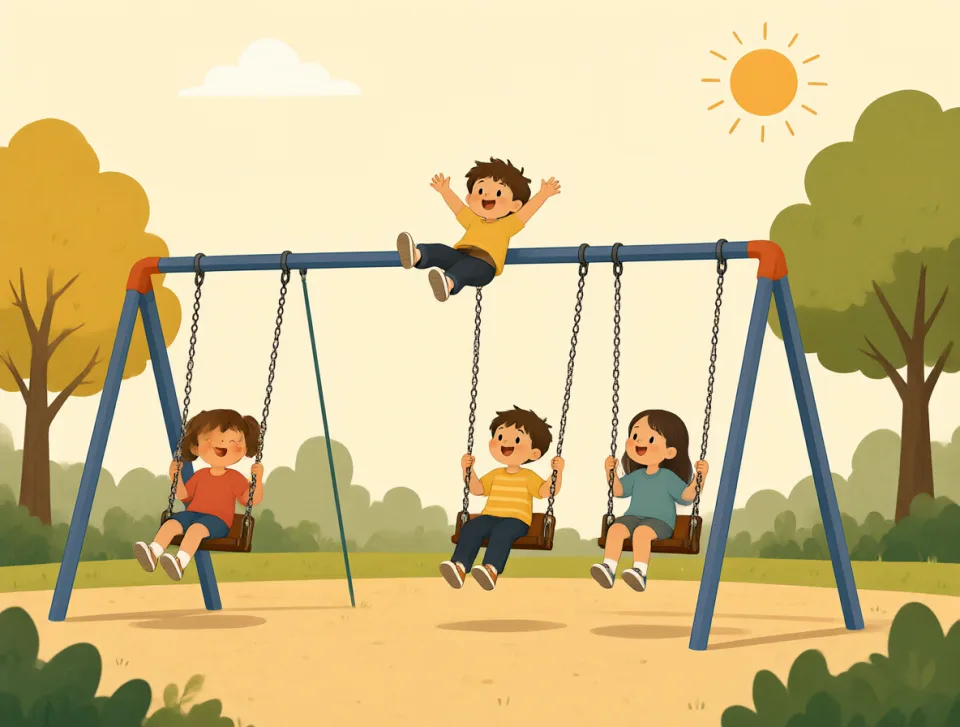
The children are playing on the swings in the park.
Dzieci bawią się na huśtawkach w parku.
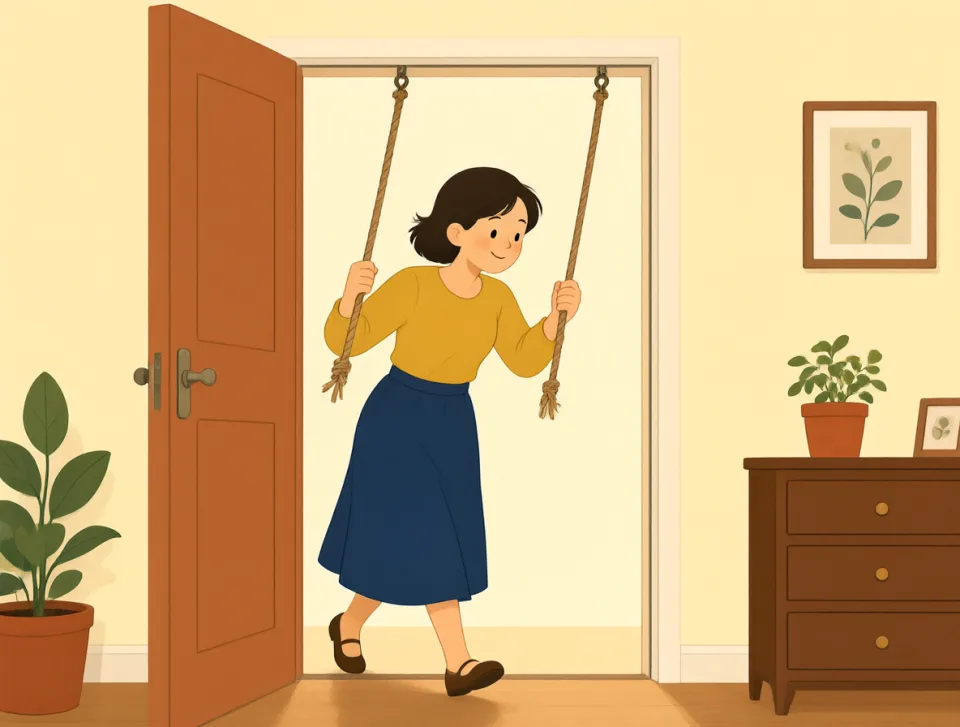
She swung the door open and walked into the room.
Pchnęła drzwi, otwierając je na oścież, i weszła do pokoju.
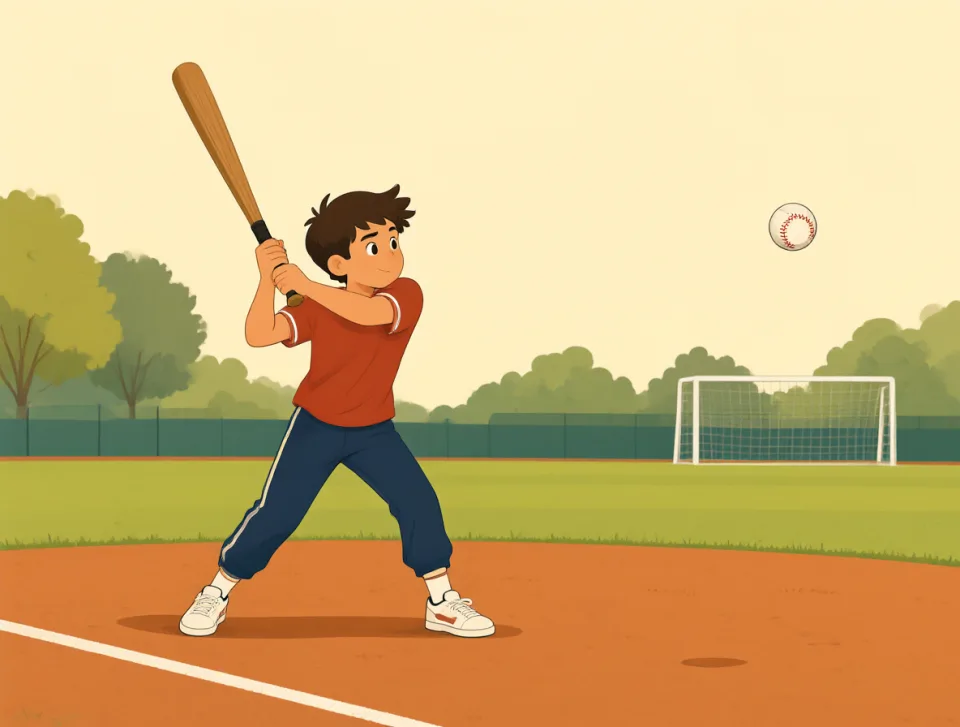
He took a big swing at the ball but missed.
Mocno zamachnął się na piłkę, ale nie trafił.
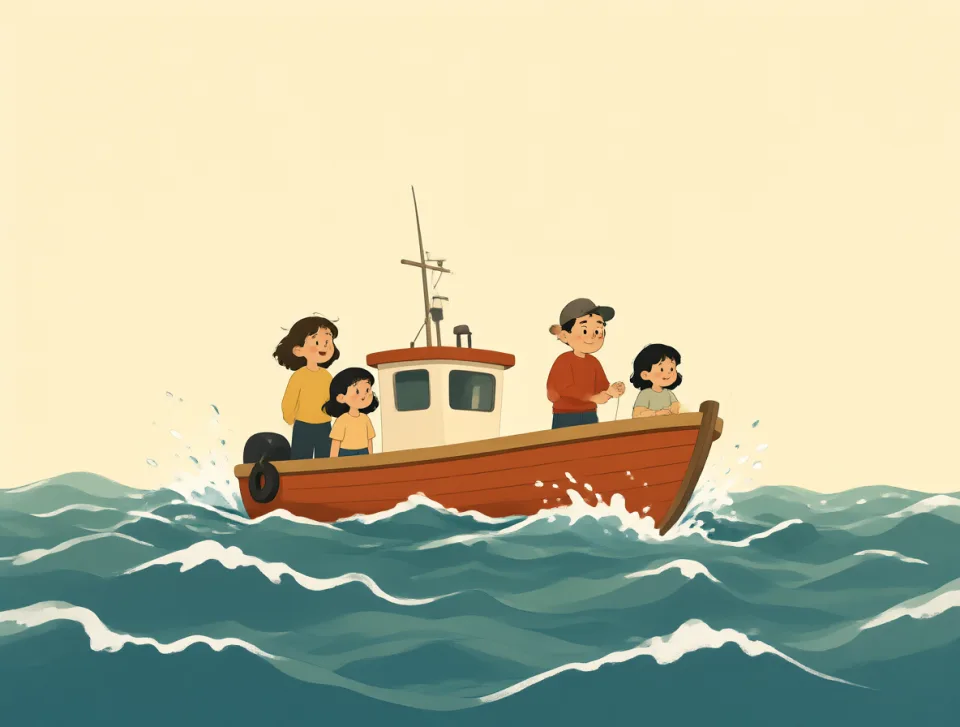
The boat began to swing from side to side in the waves.
Łódź zaczęła kołysać się na boki na falach.
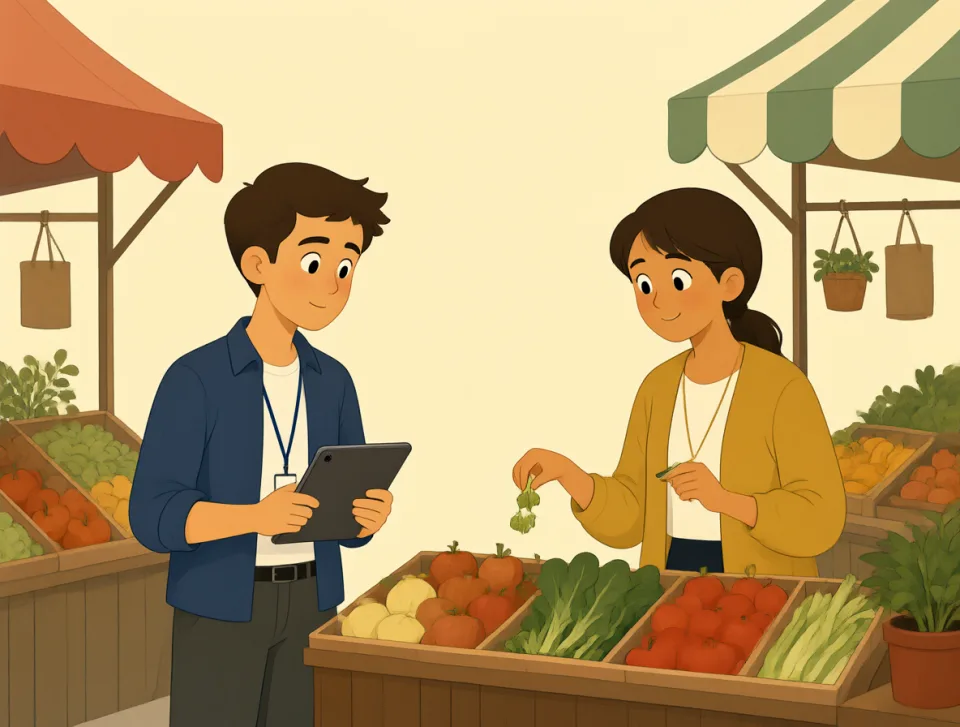
We usually swing by the market after work.
Zwykle wpadamy na targ po pracy.
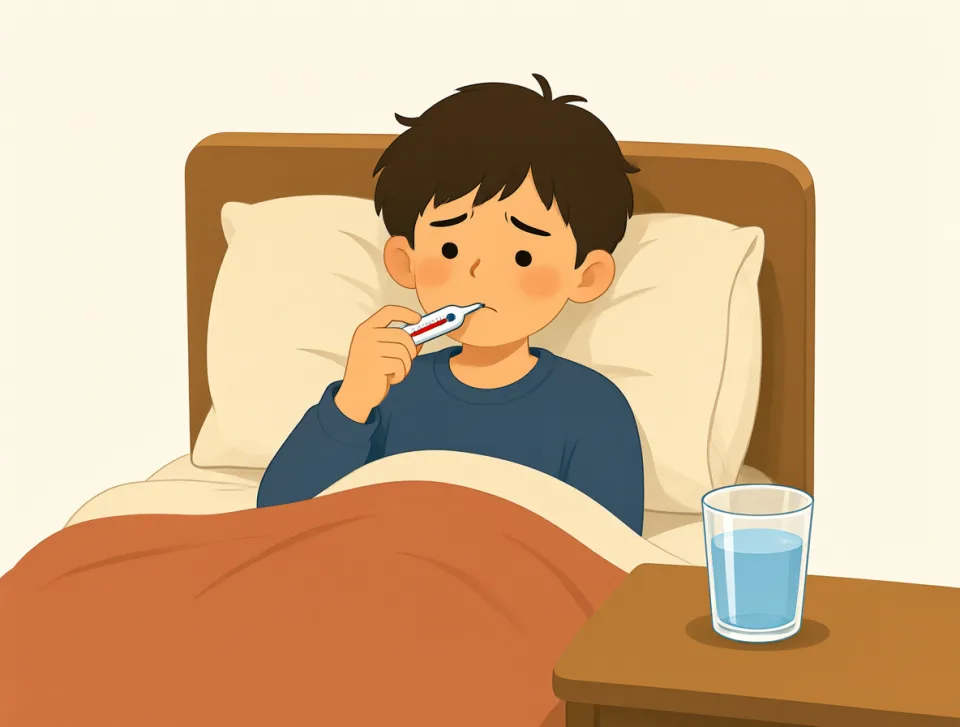
illness
#1938noun
choroba
A health problem that makes someone feel sick or unwell.
Problem zdrowotny, przez który ktoś czuje się chory lub źle.
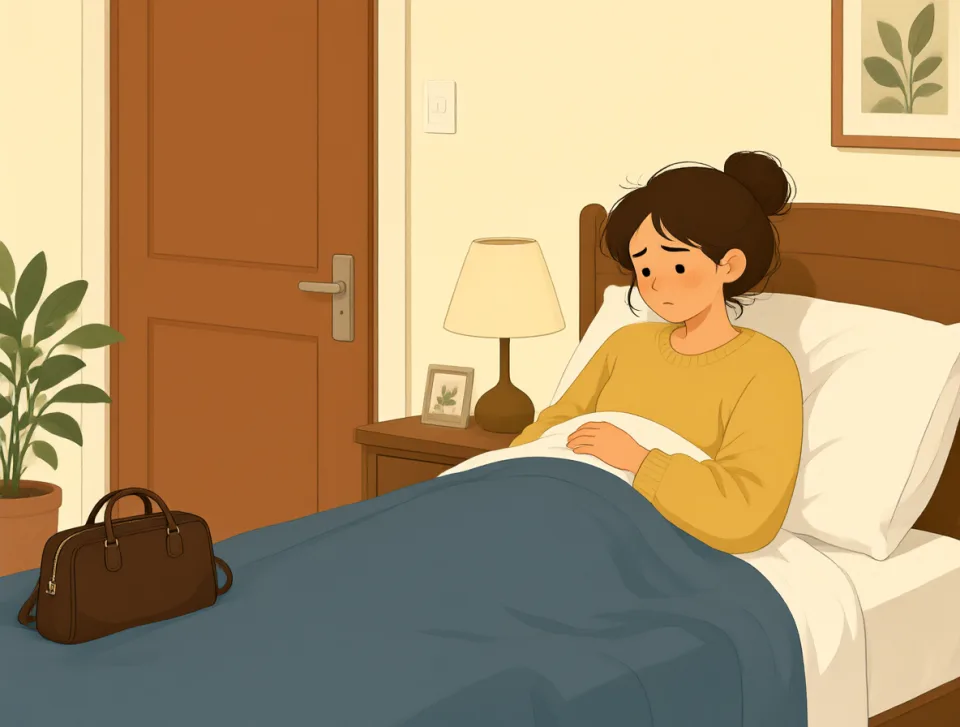
She stayed home from work because of a serious illness.
Z powodu poważnej choroby nie poszła do pracy i została w domu.
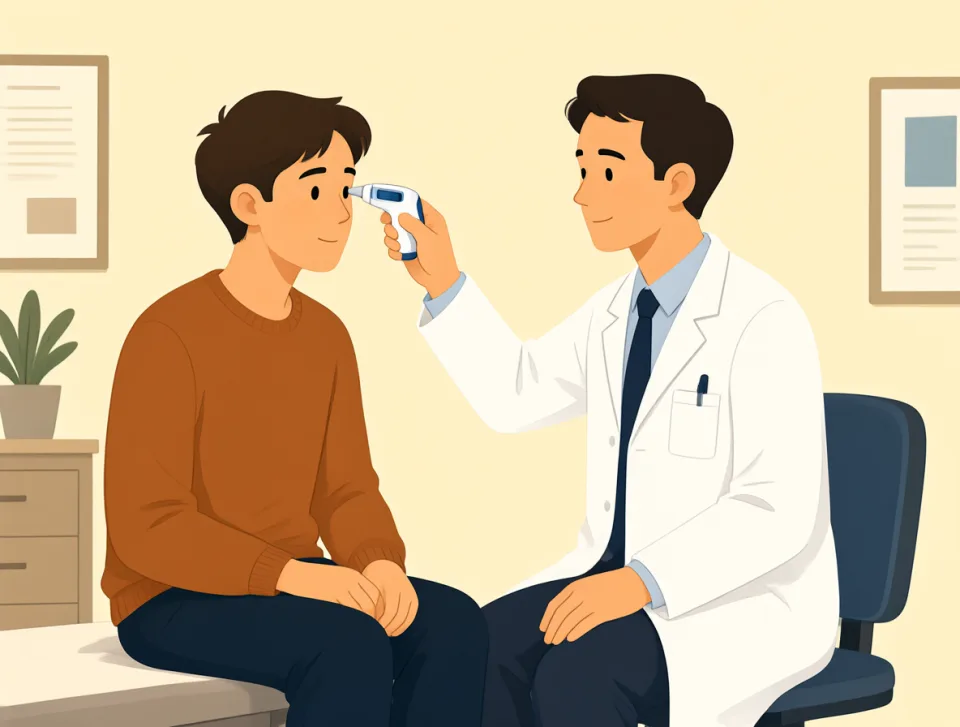
The doctor asked about his illness and checked his temperature.
Lekarz zapytał go o chorobę i zmierzył mu temperaturę.
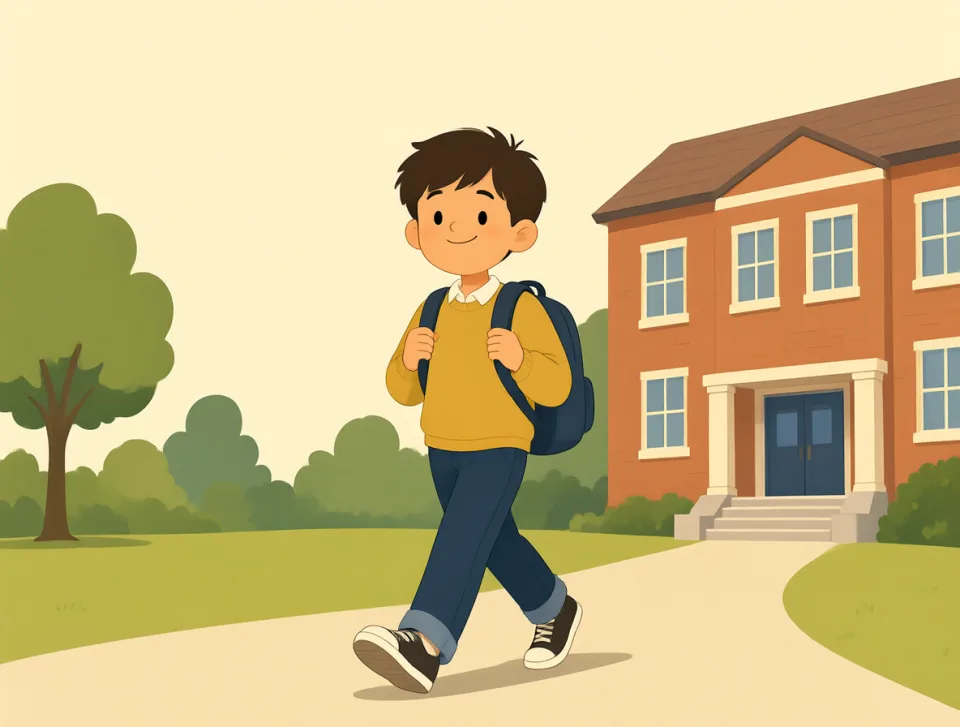
After a short illness, my brother returned to school.
Po krótkiej chorobie mój brat wrócił do szkoły.
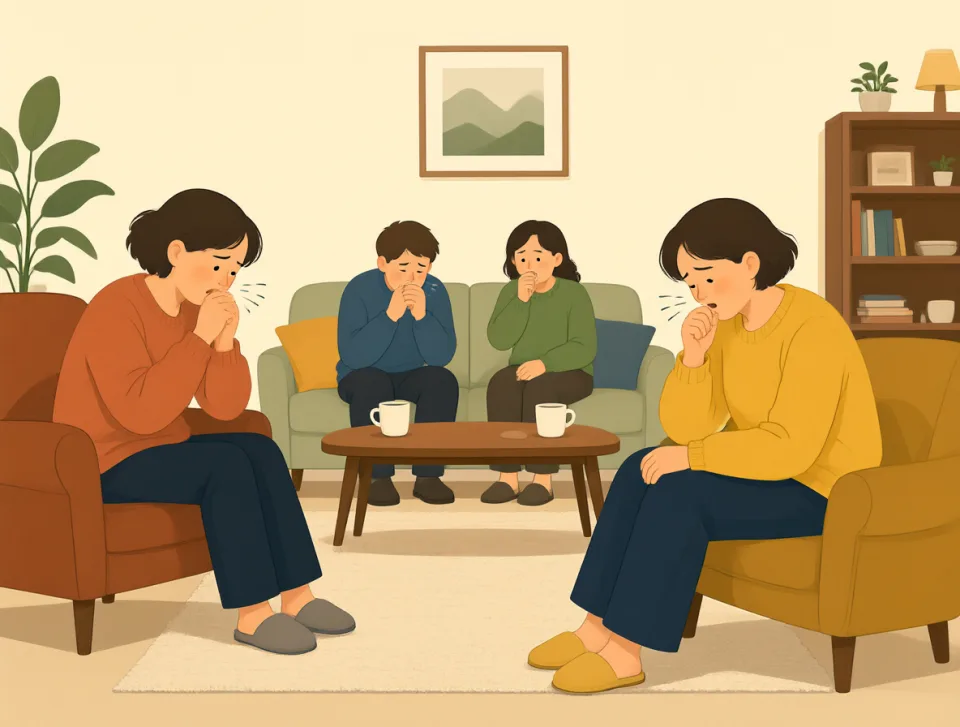
The illness spread quickly through the family during winter.
Zimą choroba szybko rozprzestrzeniła się w rodzinie.
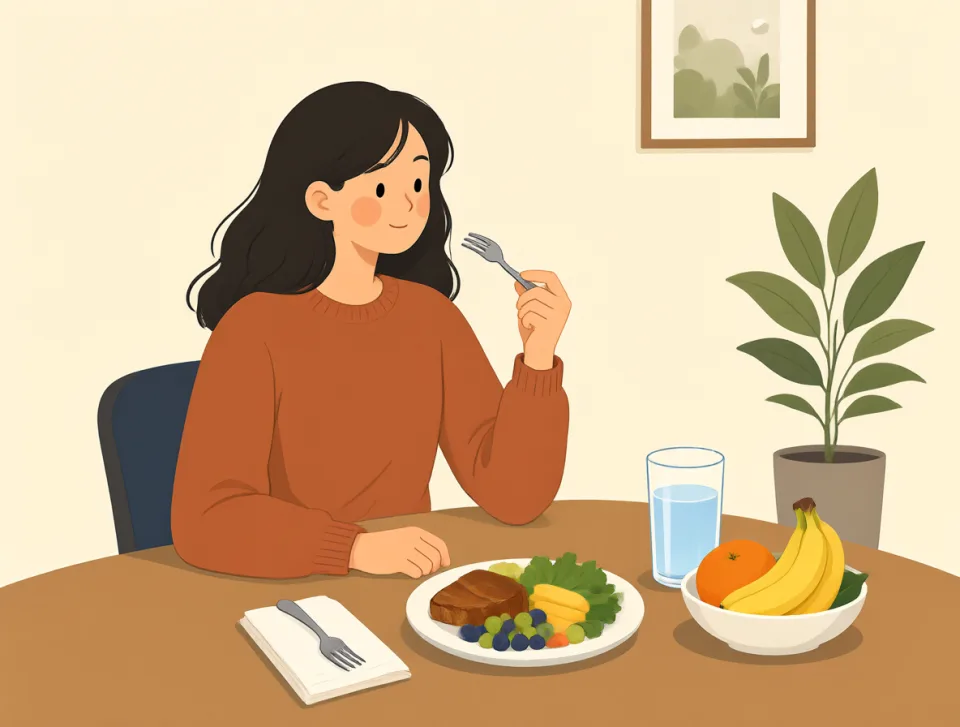
Good food and rest can help your body fight illness.
Zdrowe jedzenie i odpoczynek mogą pomóc organizmowi zwalczyć chorobę.
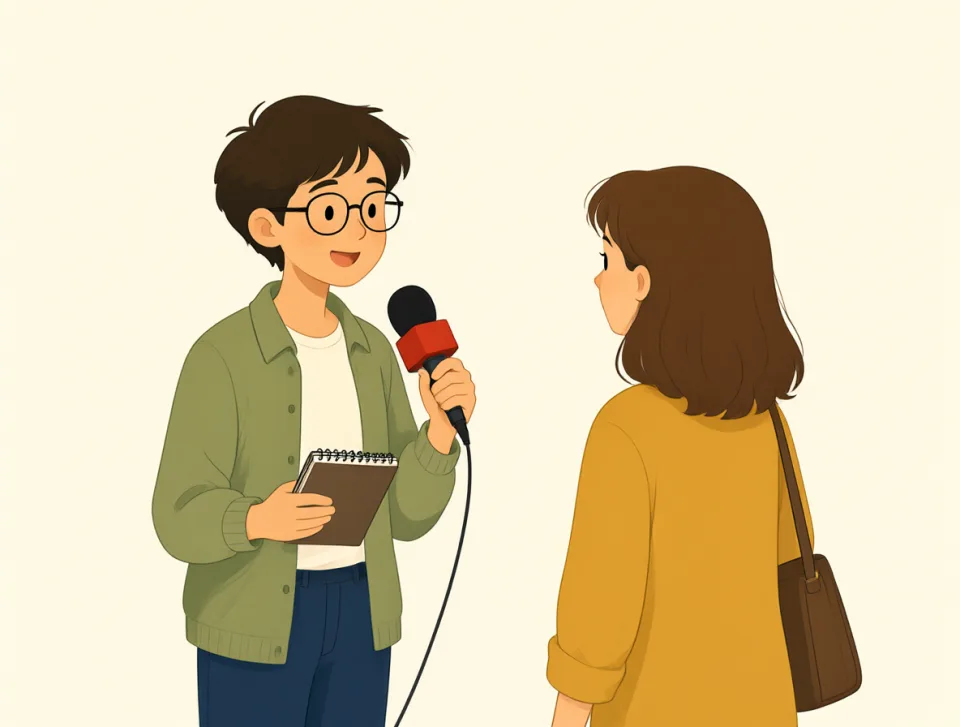
journalist
#1939noun
dziennikarz
A person who collects and reports news for newspapers, television, radio, or websites.
Osoba, która zbiera i przekazuje wiadomości w gazetach, telewizji, radiu lub na stronach internetowych.
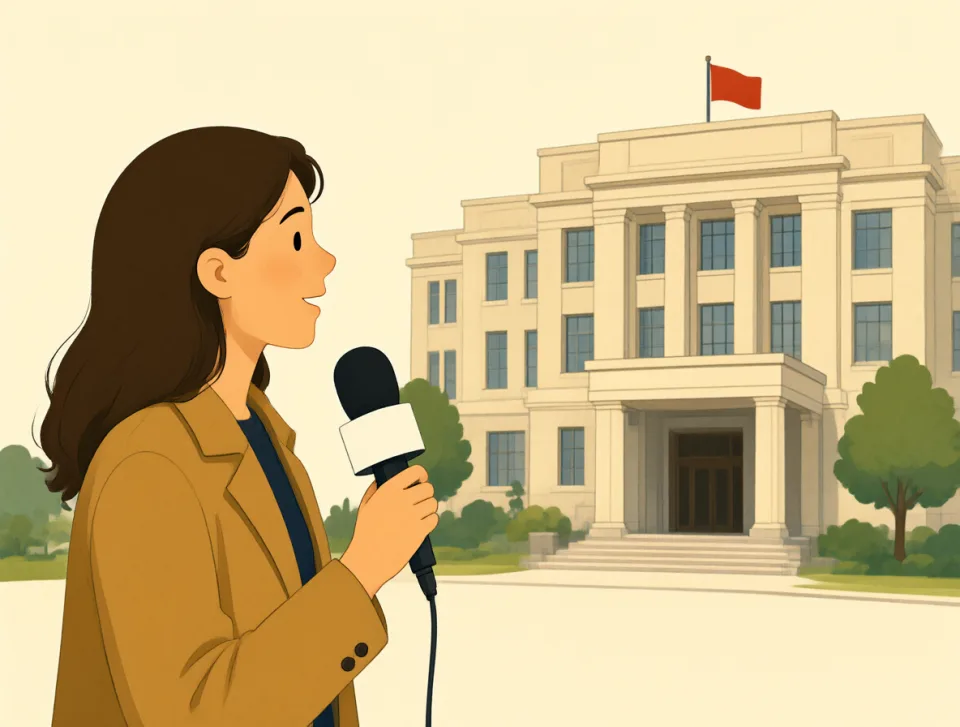
The journalist interviewed the mayor outside the city hall.
Dziennikarz przeprowadził wywiad z burmistrzem przed ratuszem.
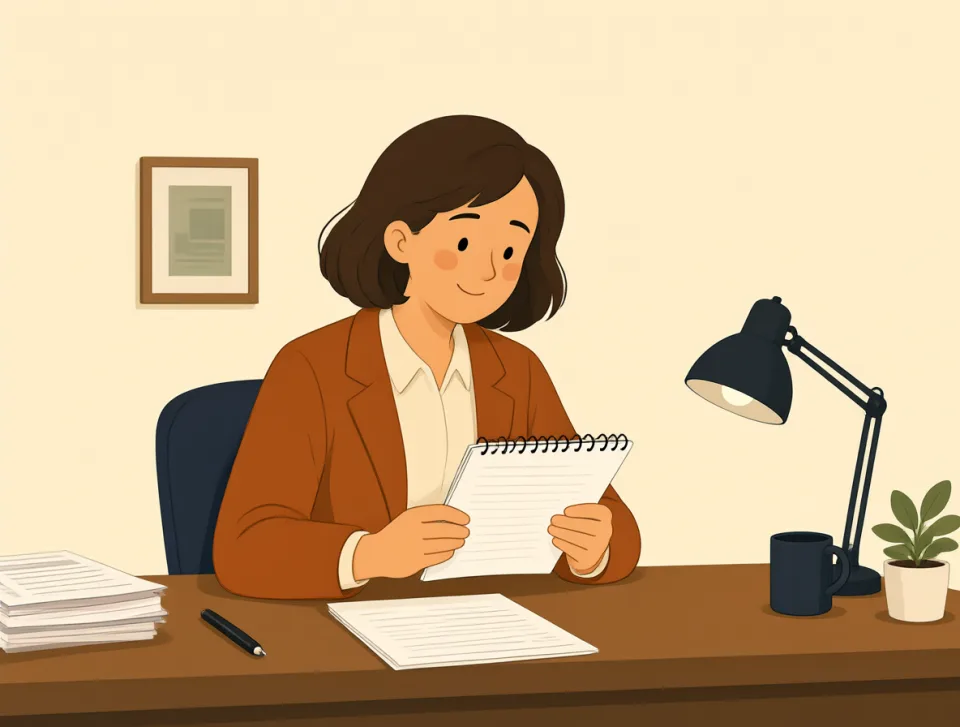
My sister works as a journalist for a local newspaper.
Moja siostra pracuje jako dziennikarka w lokalnej gazecie.

A journalist asked the singer questions after the concert.
Po koncercie dziennikarz zadał piosenkarce kilka pytań.

The travel journalist visited our hotel during the summer.
Latem dziennikarz podróżniczy odwiedził nasz hotel.

Several journalists reported the story from the hospital.
Kilku dziennikarzy relacjonowało tę historię ze szpitala.
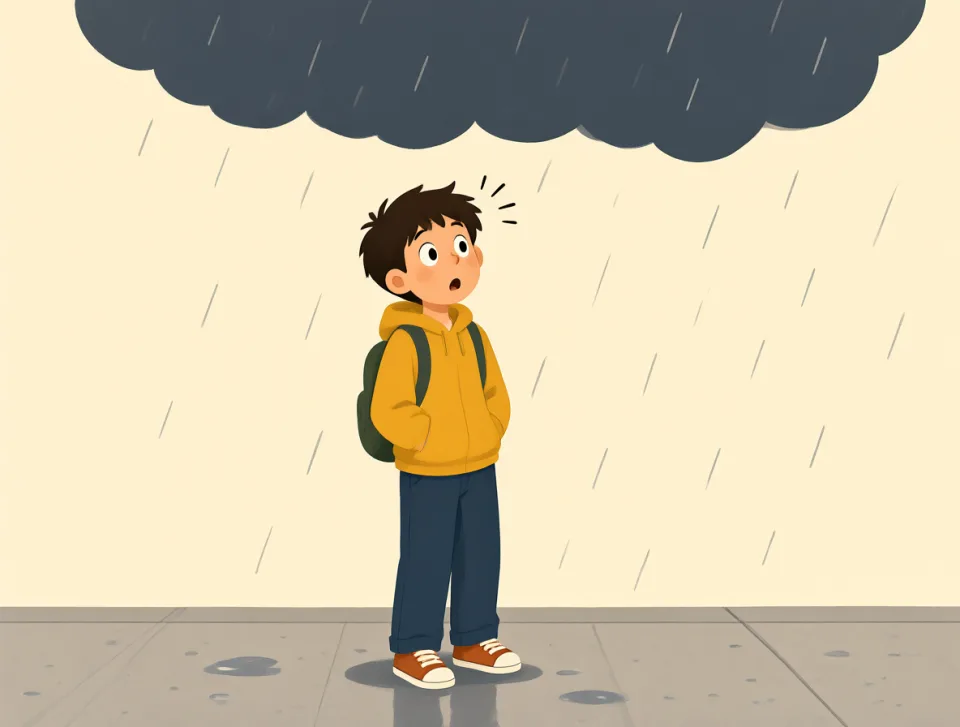
sudden
#1940adjective
nagły
Happening quickly and unexpectedly, without warning.
Dziejący się szybko i niespodziewanie, bez ostrzeżenia.
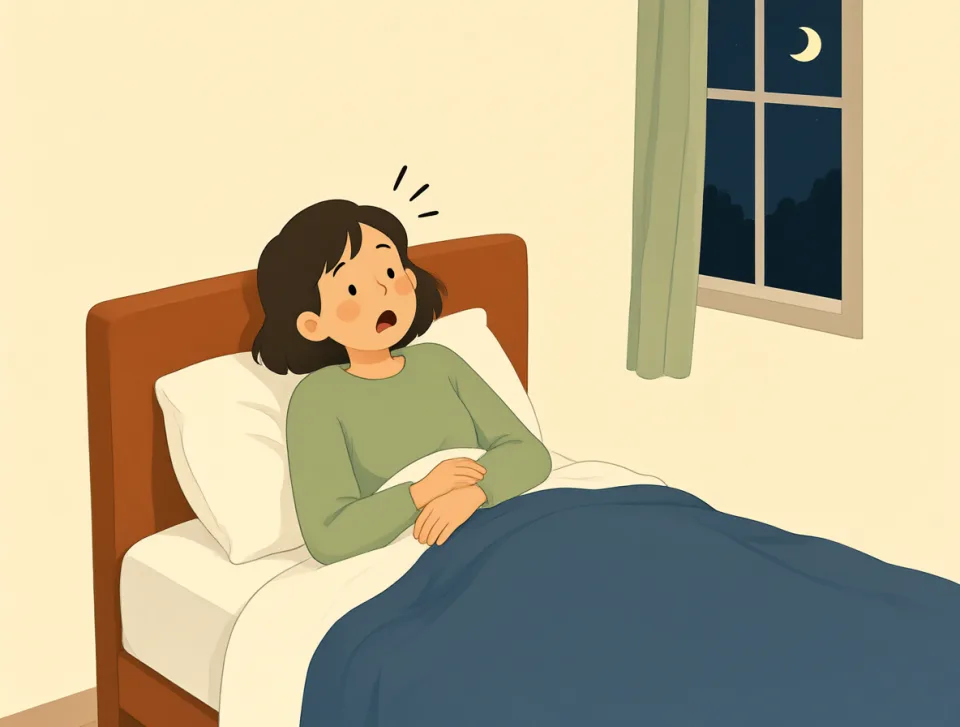
A sudden noise woke me during the night.
Nagły hałas obudził mnie w nocy.
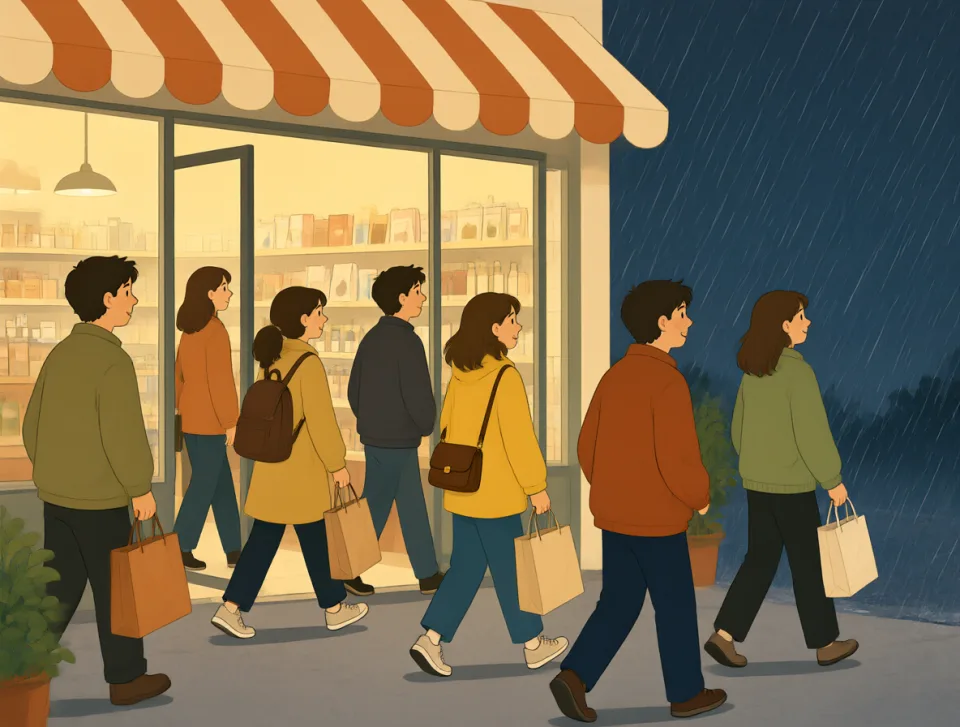
The sudden rain made everyone run into the shop.
Przez nagły deszcz wszyscy pobiegli do sklepu.
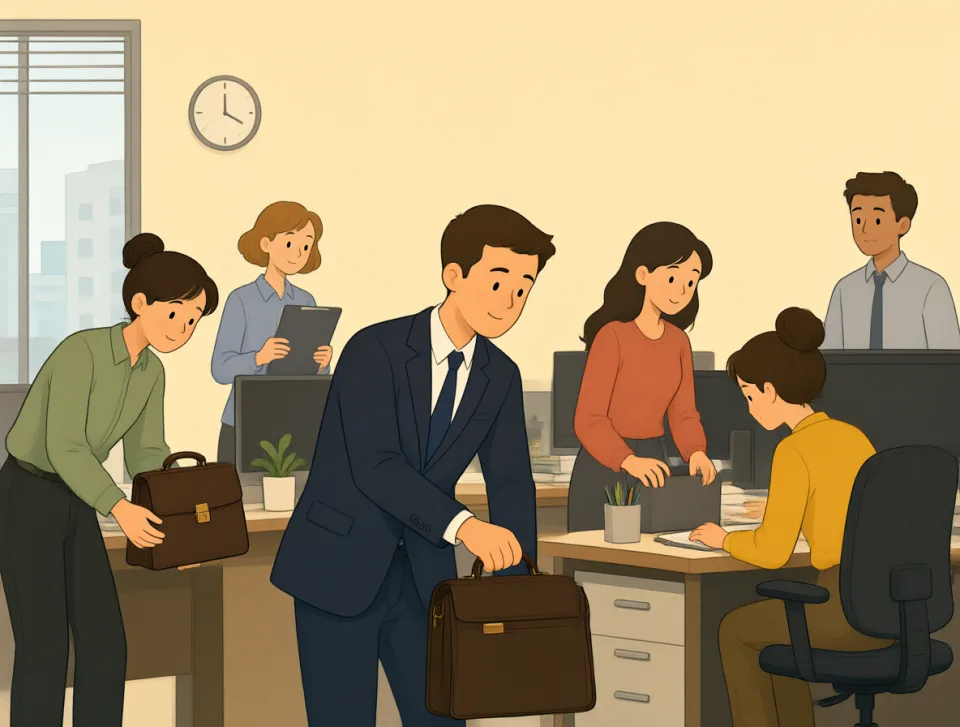
We had to leave work because of a sudden power cut.
Musieliśmy wyjść z pracy z powodu nagłej przerwy w dostawie prądu.

Her sudden smile made her friends feel better.
Jej nagły uśmiech poprawił nastrój przyjaciół.
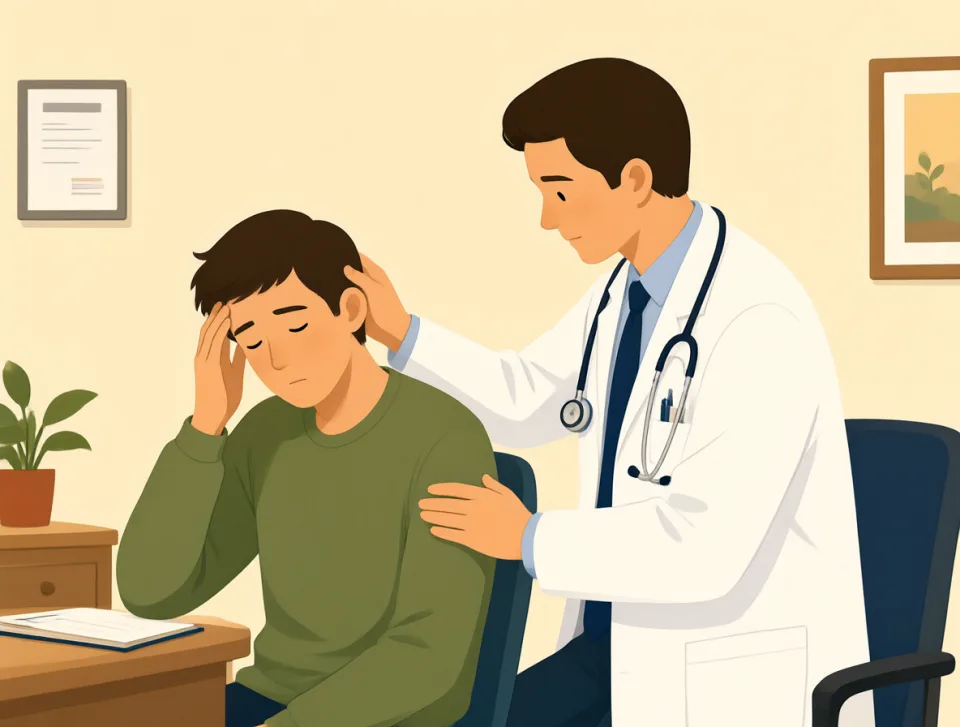
The doctor was concerned about his sudden headache.
Lekarz zaniepokoił się jego nagłym bólem głowy.