Zestaw 92
Słowa 1821–1840 · liberal, lake, qualify, competitive, truly, hi

liberal
#1821adjective, noun
liberalny
Accepting many different opinions and supporting personal freedom and social change.
Akceptujący różne poglądy oraz popierający wolność osobistą i zmiany społeczne.
She has liberal views about education and family life.
Ma liberalne poglądy na temat edukacji i życia rodzinnego.
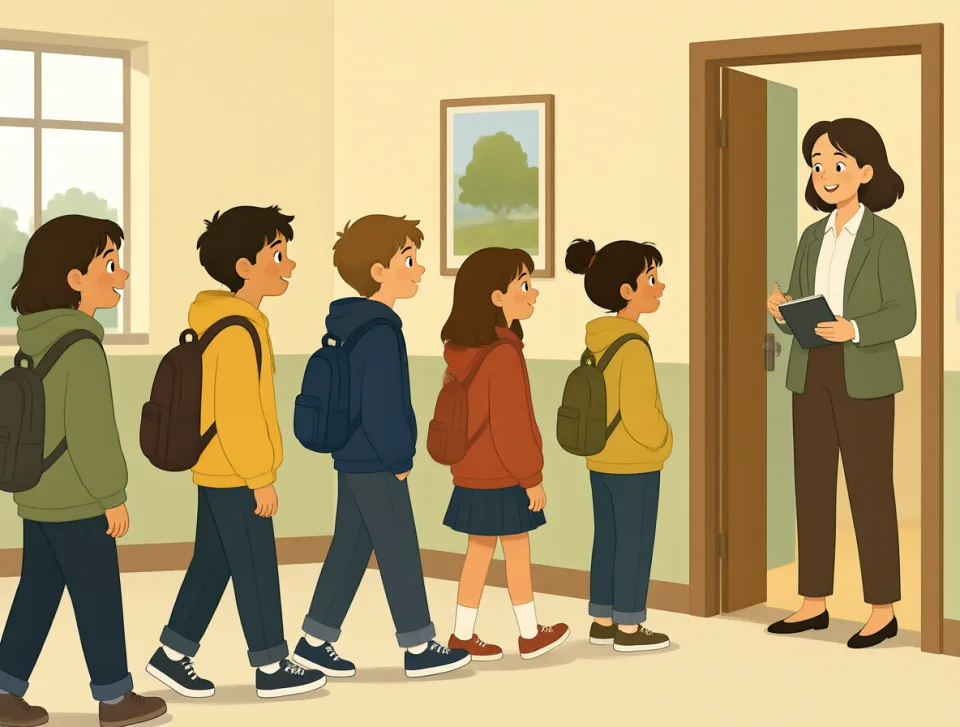
The school has a liberal dress code for students.
Szkoła ma liberalne zasady dotyczące ubioru uczniów.
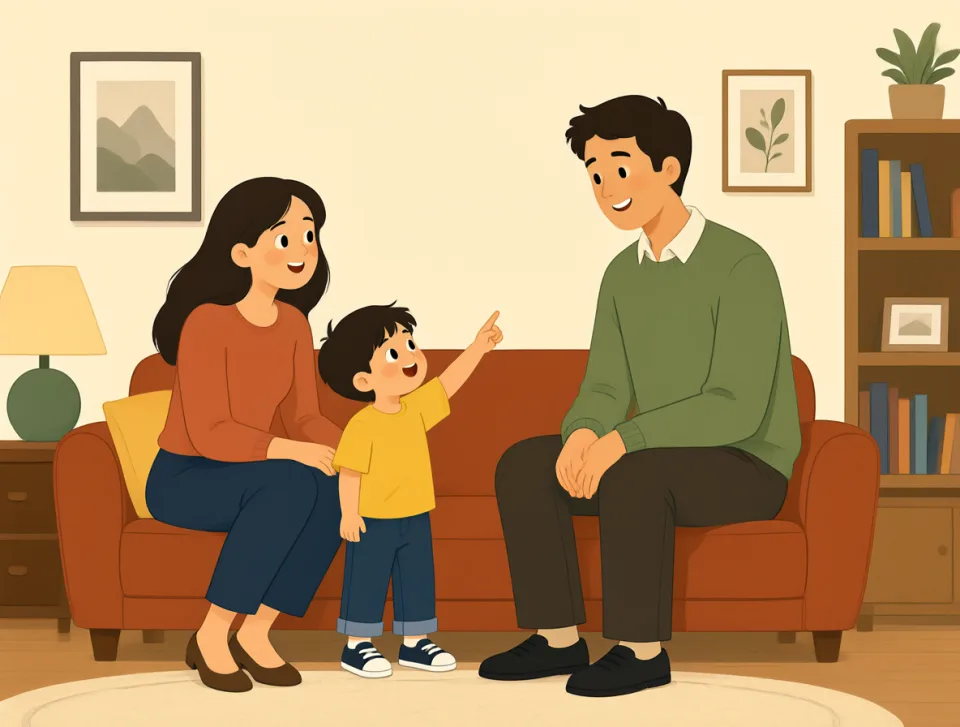
His parents are liberal and let him choose his own career.
Jego rodzice są liberalni i pozwalają mu samodzielnie wybrać zawód.
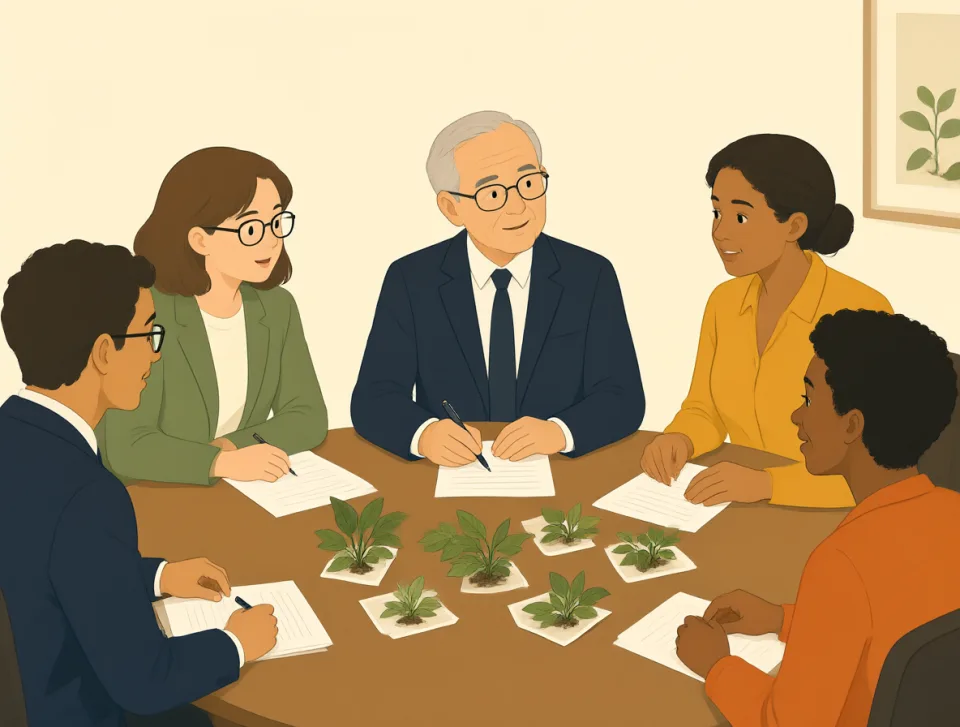
The party's liberals want stronger laws to protect the environment.
Liberałowie z tej partii chcą wprowadzenia surowszych przepisów chroniących środowisko.

She is a liberal who supports equal rights for everyone.
Jest liberałką i popiera równe prawa dla wszystkich.

lake
#1822noun
jezioro
A large area of water surrounded by land.
Duży zbiornik wodny otoczony lądem.

We walked around the lake after breakfast.
Po śniadaniu poszliśmy na spacer wokół jeziora.

They rented a small house beside the lake.
Wynajęli mały domek nad jeziorem.

The children are swimming in the lake.
Dzieci pływają w jeziorze.

We had a picnic by the lake yesterday.
Wczoraj urządziliśmy piknik nad jeziorem.
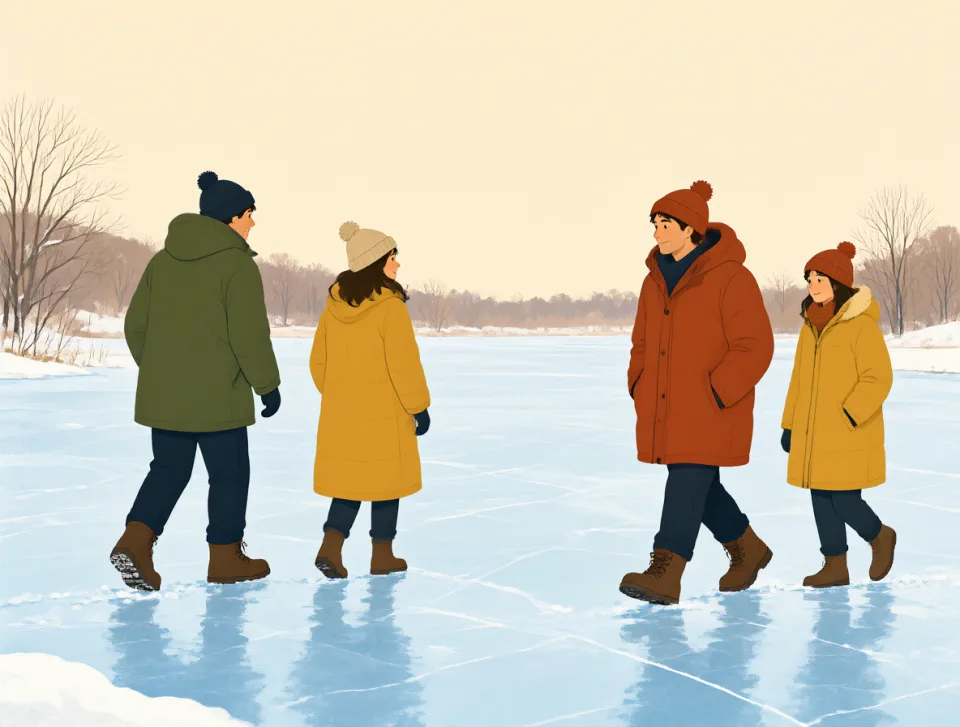
The lake freezes during the coldest winter months.
Jezioro zamarza podczas najzimniejszych zimowych miesięcy.
qualify
#1823verb
spełniać warunki
to meet the conditions needed for something or to become able to do something
Spełniać warunki wymagane do czegoś lub uzyskiwać możliwość zrobienia czegoś.
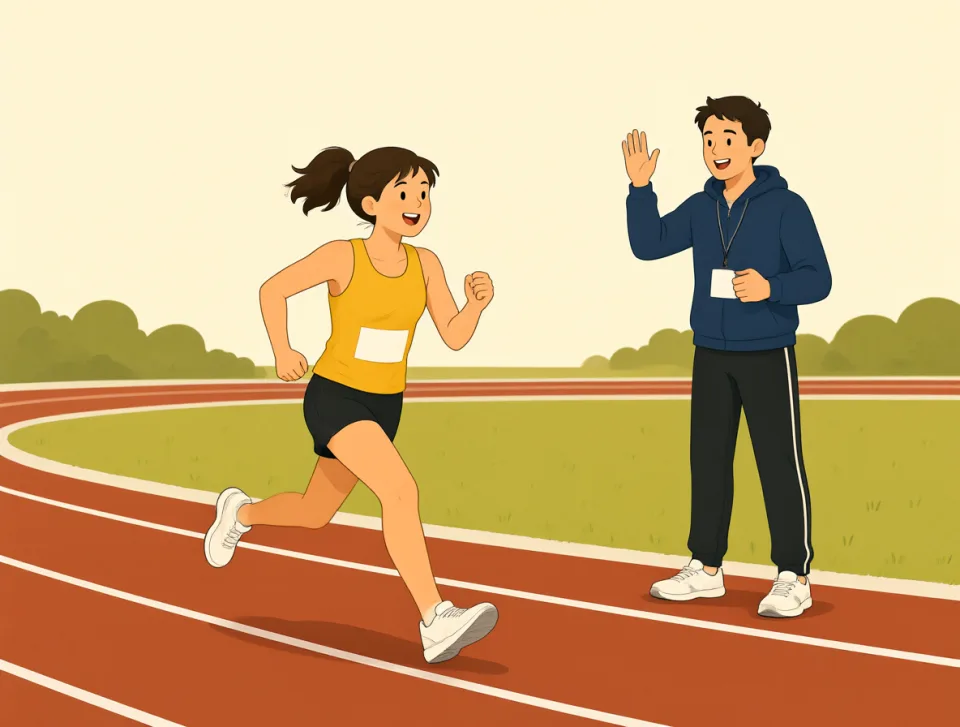
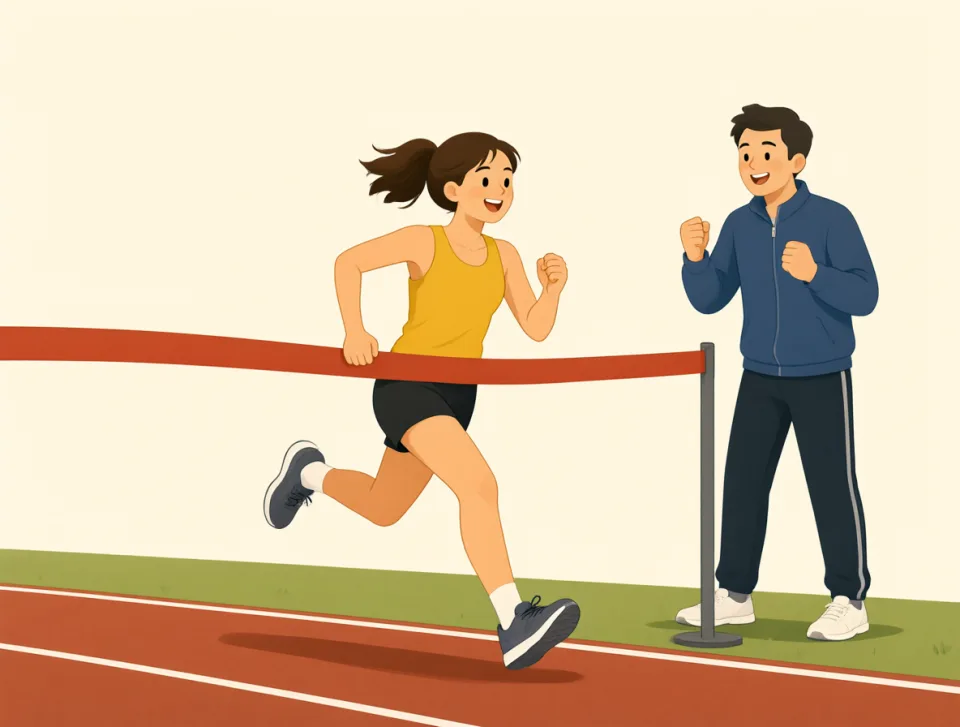
She qualified for the final after winning her race.
Zakwalifikowała się do finału po wygraniu swojego biegu.

You need three years of experience to qualify for this job.
Żeby kwalifikować się do tej pracy, musisz mieć trzyletnie doświadczenie.
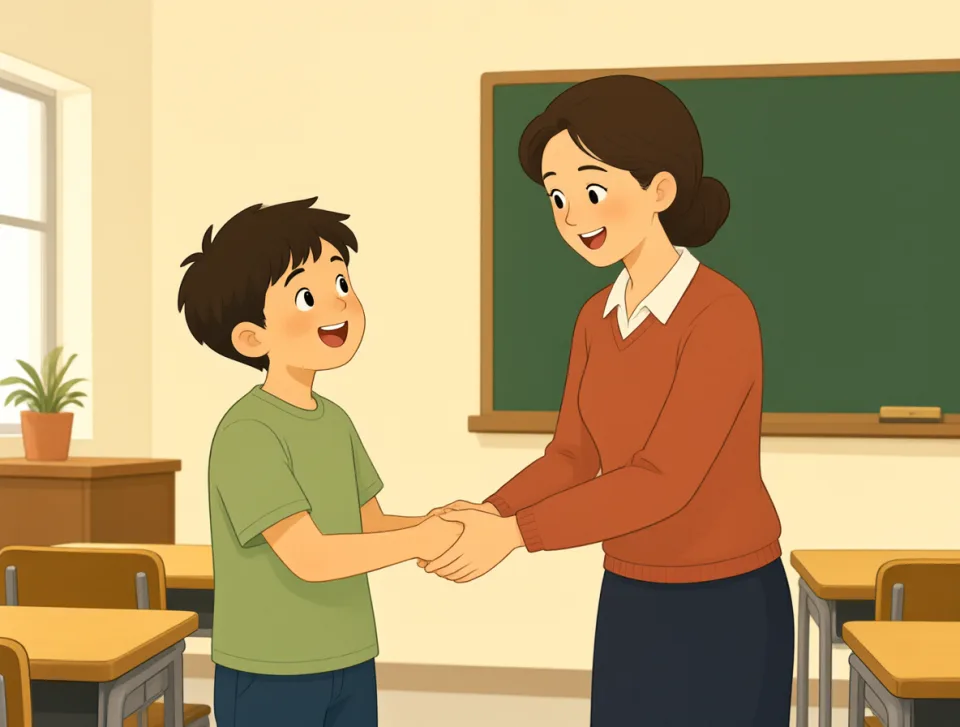
His test results qualified him for a place at the university.
Dzięki wynikom egzaminu dostał się na uniwersytet.
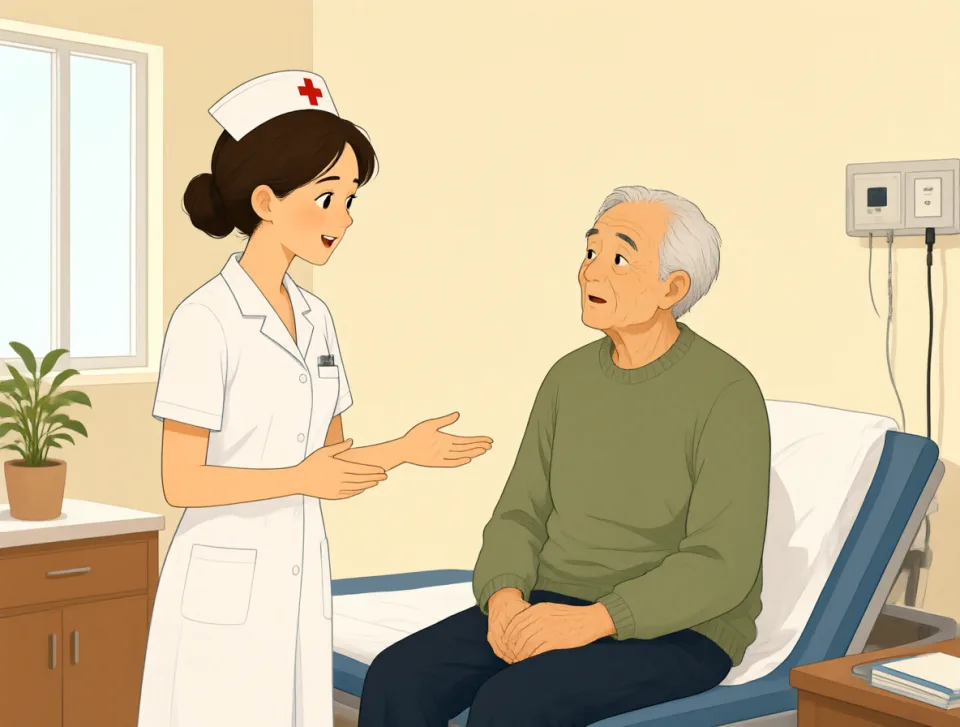
The nurse asked several questions to qualify him for treatment.
Pielęgniarka zadała mu kilka pytań, żeby ustalić, czy kwalifikuje się do leczenia.
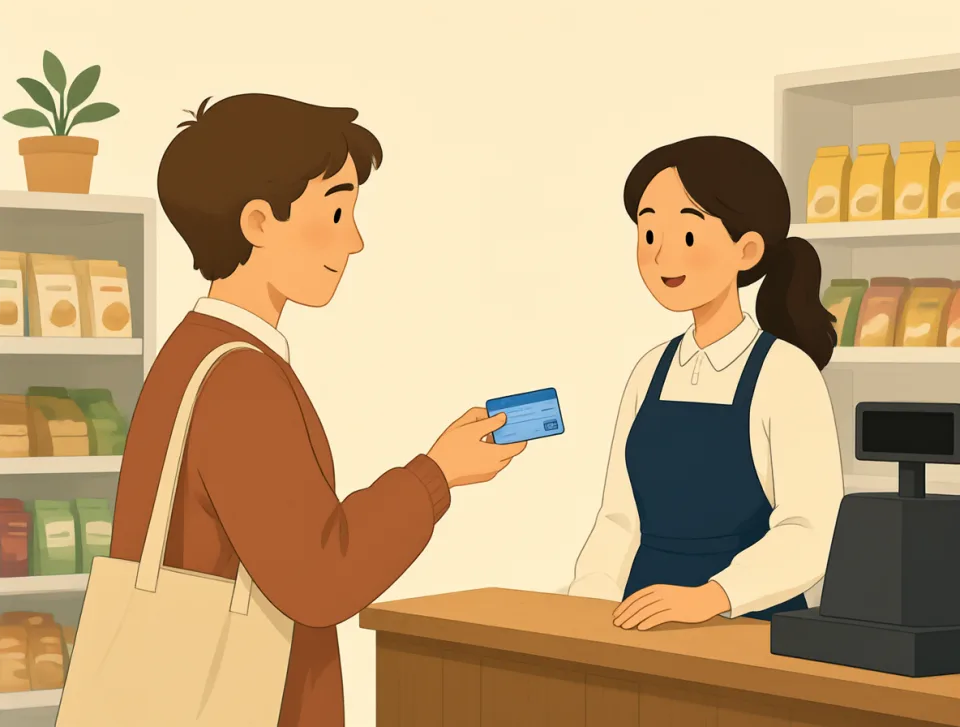
This discount is only for customers who qualify.
Z tej zniżki mogą skorzystać tylko klienci spełniający określone warunki.
competitive
#1824adjective
ambitny
Wanting to win or be more successful than other people.
Chcący wygrywać lub osiągać większe sukcesy niż inni.
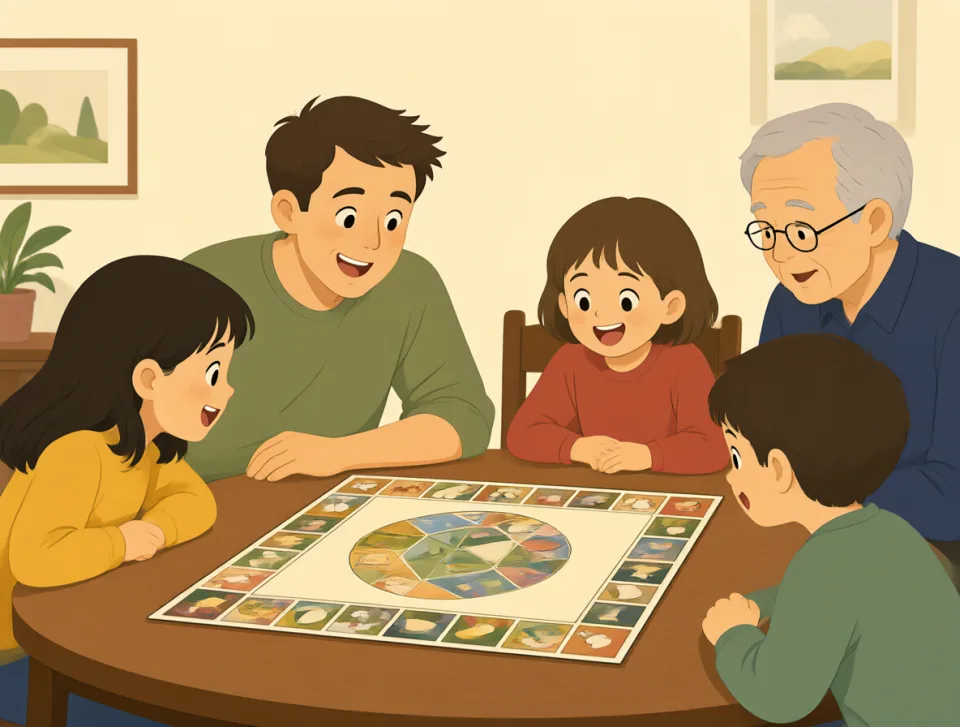
She is very competitive and always wants to win family board games.
Jest bardzo ambitna i zawsze chce wygrywać w rodzinnych grach planszowych.
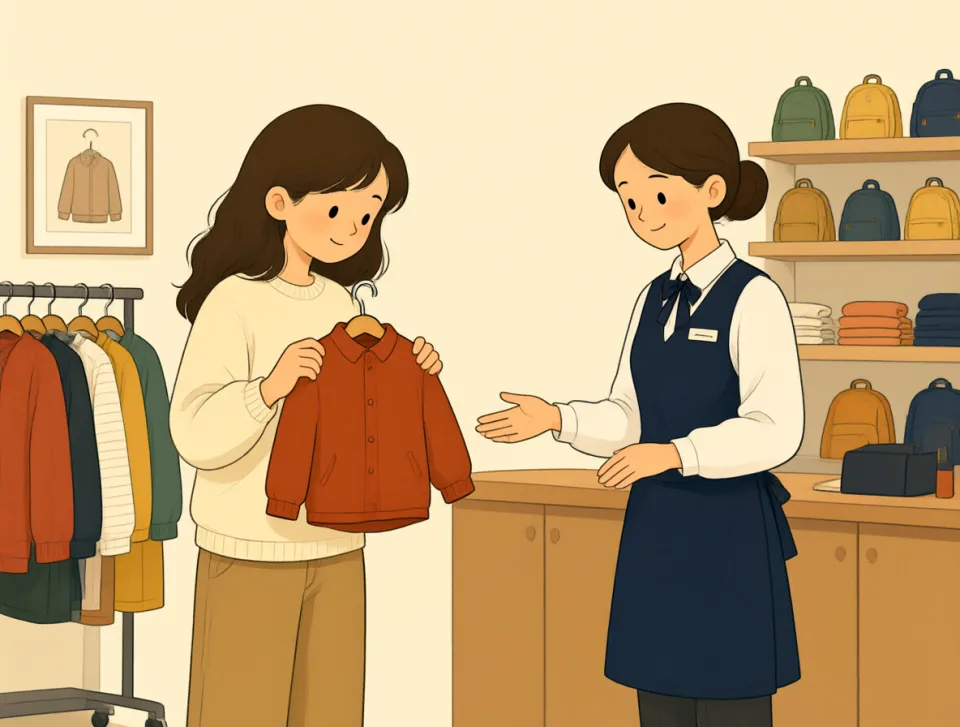
The shop offers competitive prices on school clothes this week.
W tym tygodniu sklep oferuje konkurencyjne ceny ubrań szkolnych.

He found a competitive job market after finishing college.
Po ukończeniu studiów trafił na konkurencyjny rynek pracy.

Our company offers competitive salaries and flexible working hours.
Nasza firma oferuje konkurencyjne wynagrodzenia i elastyczne godziny pracy.
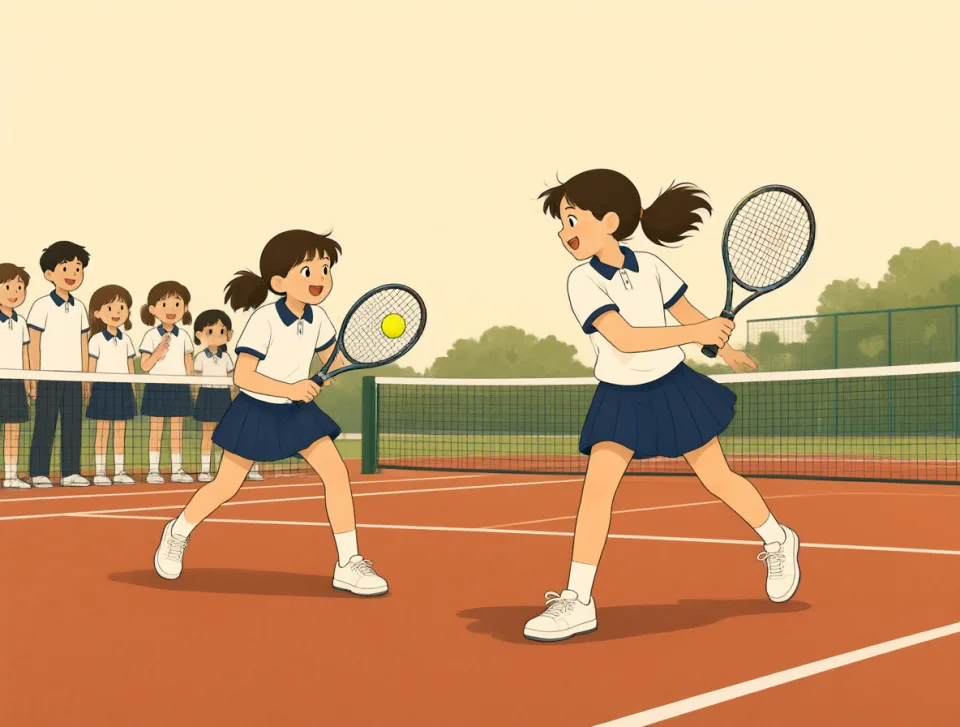
Tennis is a highly competitive sport at her school.
Tenis jest bardzo wymagającym sportem w jej szkole.

truly
#1825adverb
naprawdę
In a real, honest, or complete way; used to emphasize that something is true.
W rzeczywisty, szczery lub pełny sposób; słowo używane, by podkreślić, że coś jest prawdą.
I truly enjoyed the concert last night.
Naprawdę podobał mi się wczorajszy koncert.
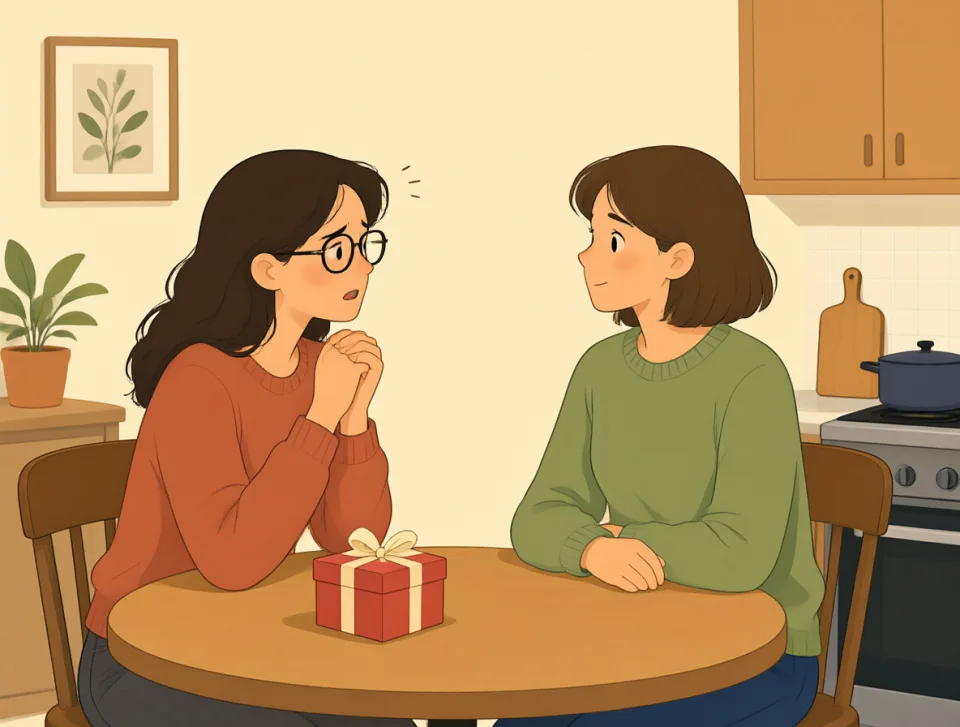
She is truly sorry for forgetting your birthday.
Naprawdę żałuje, że zapomniała o twoich urodzinach.
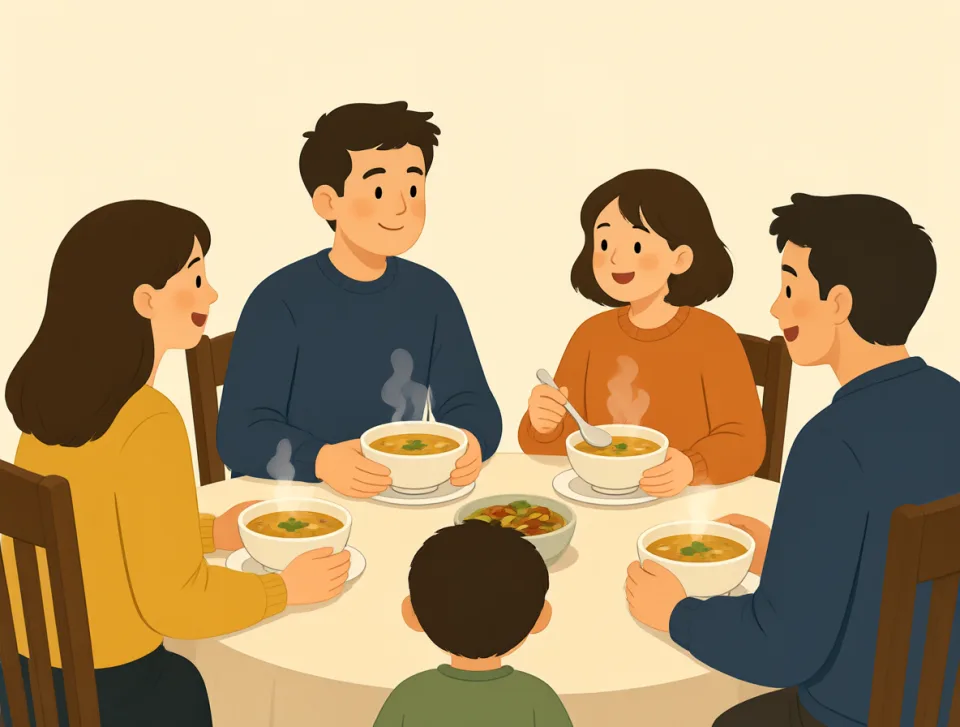
This soup is truly delicious and easy to make.
Ta zupa jest naprawdę pyszna i łatwa do przygotowania.
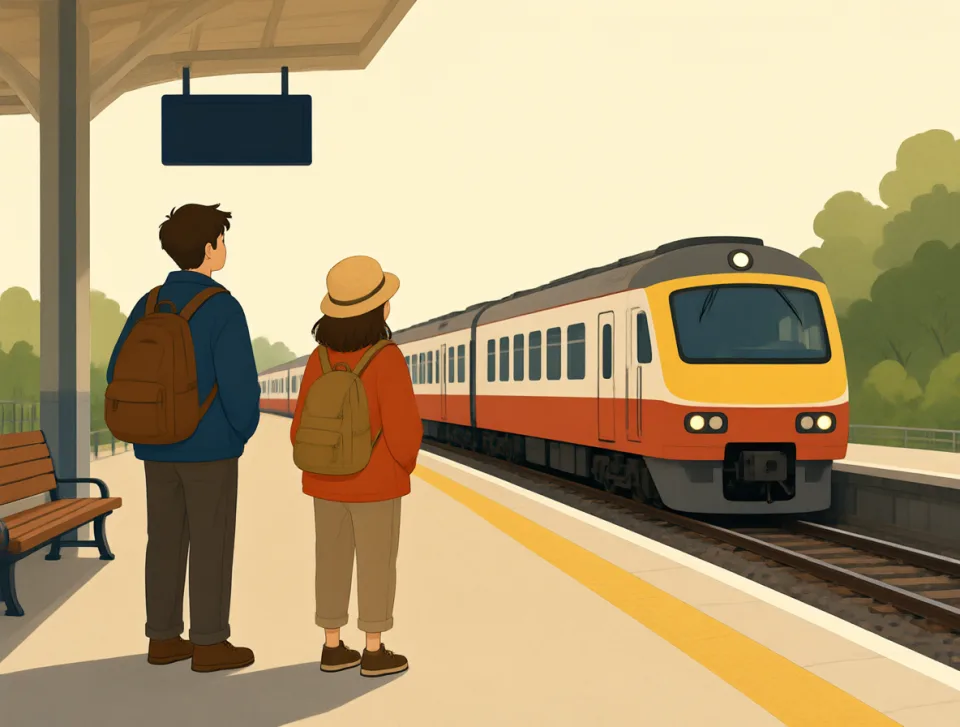
Do you truly believe this train will arrive on time?
Naprawdę wierzysz, że ten pociąg przyjedzie na czas?
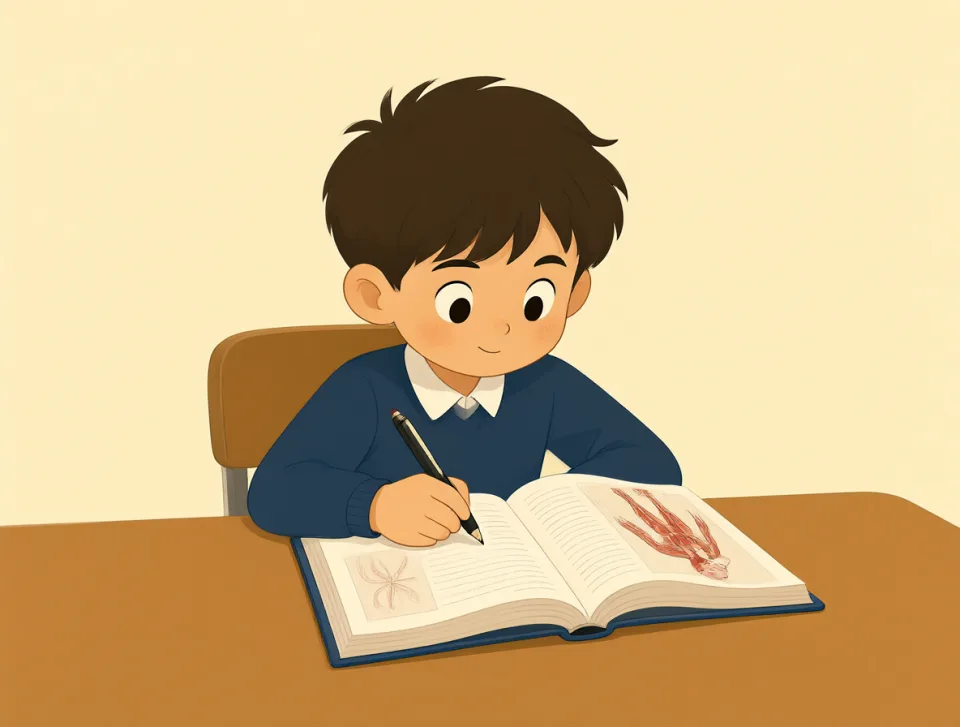
He truly wants to become a doctor someday.
On naprawdę chce kiedyś zostać lekarzem.
hi
#1826interjection, noun
cześć
A friendly word used to greet someone or get their attention.
Przyjazne słowo używane na powitanie kogoś lub zwrócenie czyjejś uwagi.

Hi, how are you today?
Cześć, jak się dziś masz?
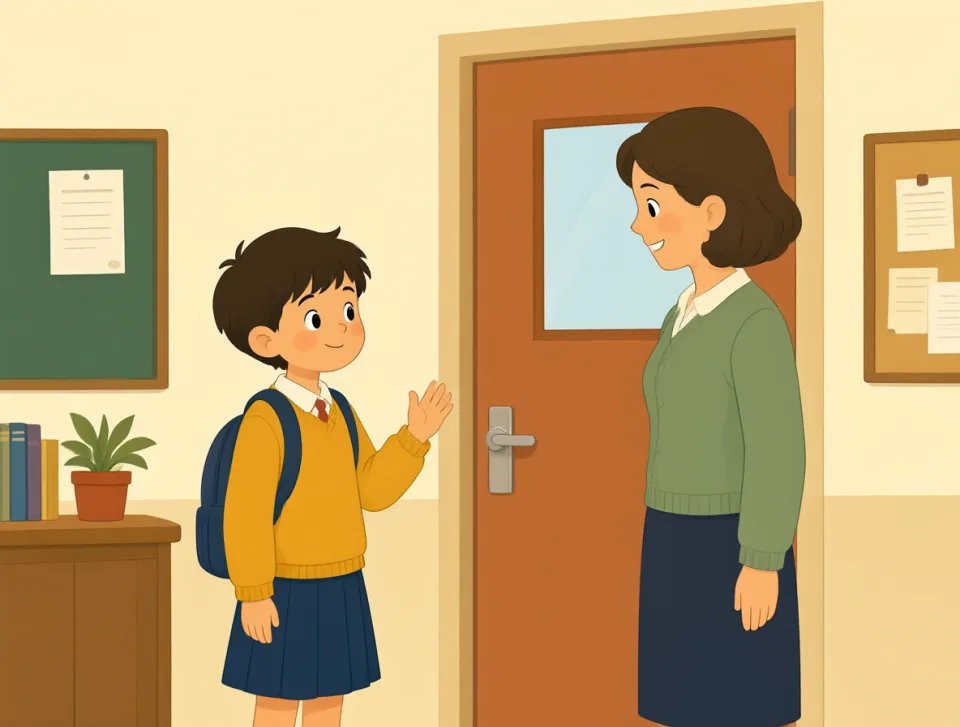
She said hi to her teacher before class.
Przed lekcją przywitała się z nauczycielem.
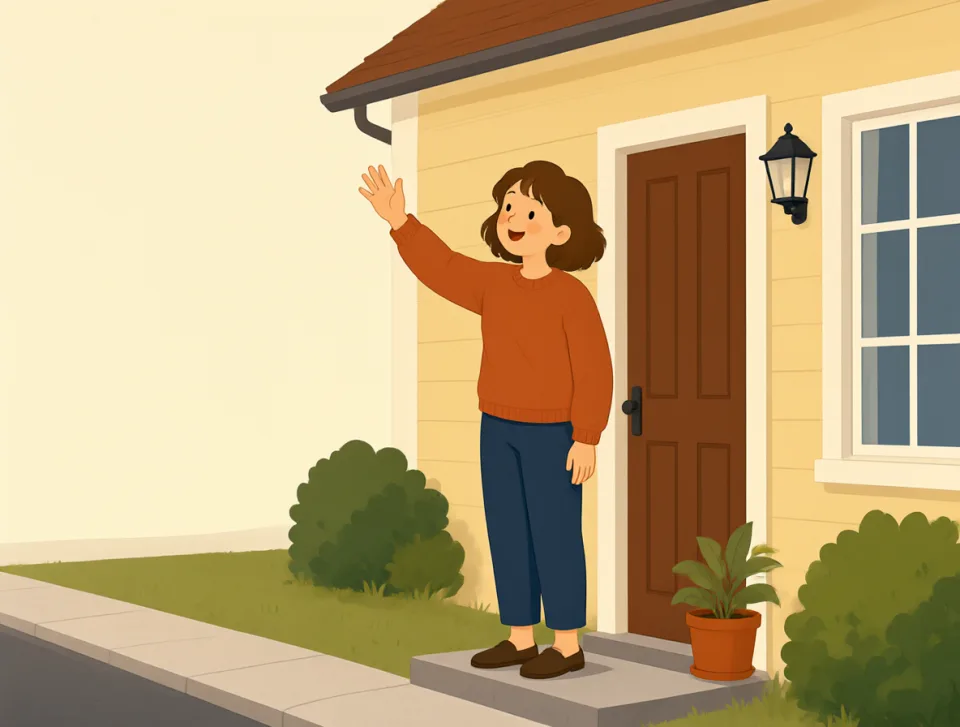
I got a friendly hi from my new neighbor.
Mój nowy sąsiad przywitał mnie serdecznym „cześć”.

He gave me a quick hi at the supermarket.
W supermarkecie szybko rzucił mi „cześć”.
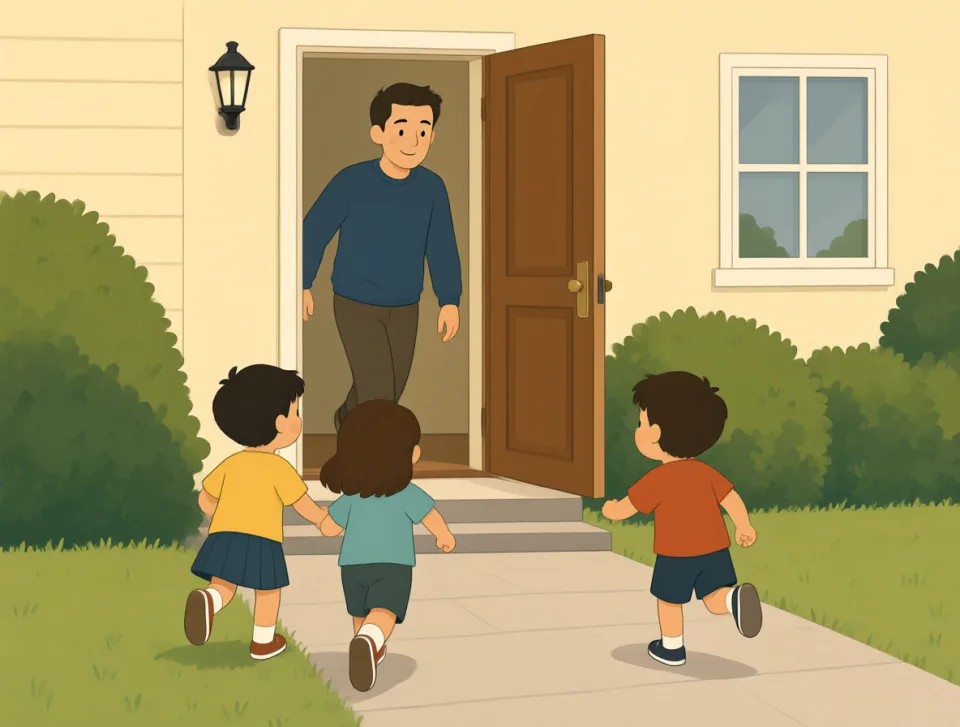
The children shouted hi when their father came home.
Dzieci krzyknęły „cześć”, gdy ich tata wrócił do domu.
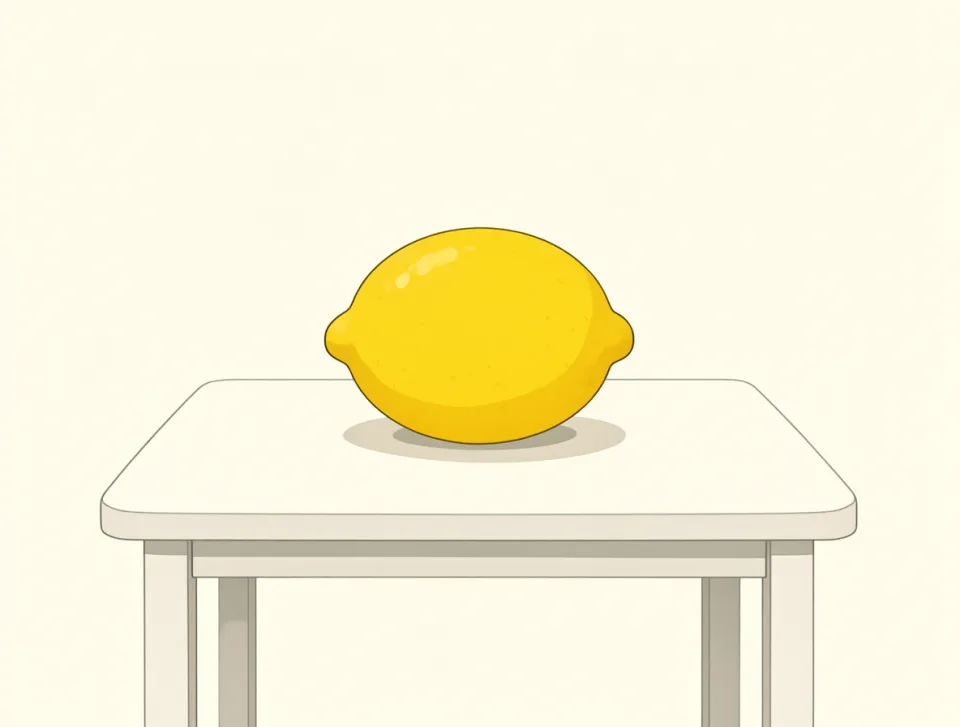
yellow
#1827adjective, noun
żółty
Having the color of lemons or ripe bananas; a bright color between green and orange.
Mający kolor cytryn lub dojrzałych bananów; jasna barwa między zielonym a pomarańczowym.

She wore a bright yellow dress to the summer party.
Na letnie przyjęcie założyła jaskrawożółtą sukienkę.
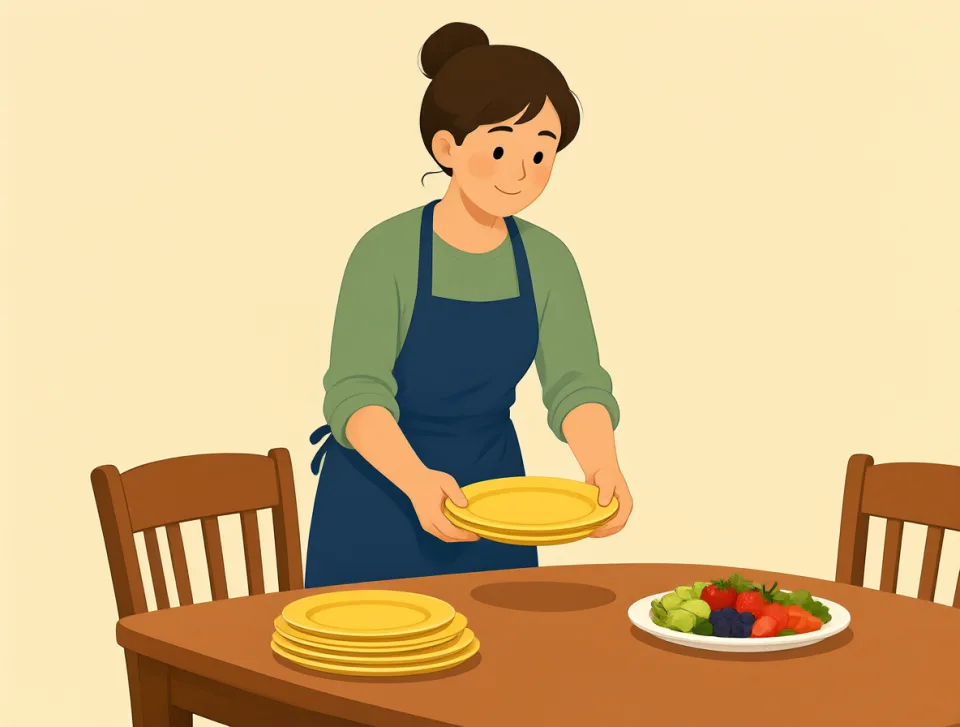
Please put the yellow plates on the kitchen table.
Proszę, połóż żółte talerze na kuchennym stole.
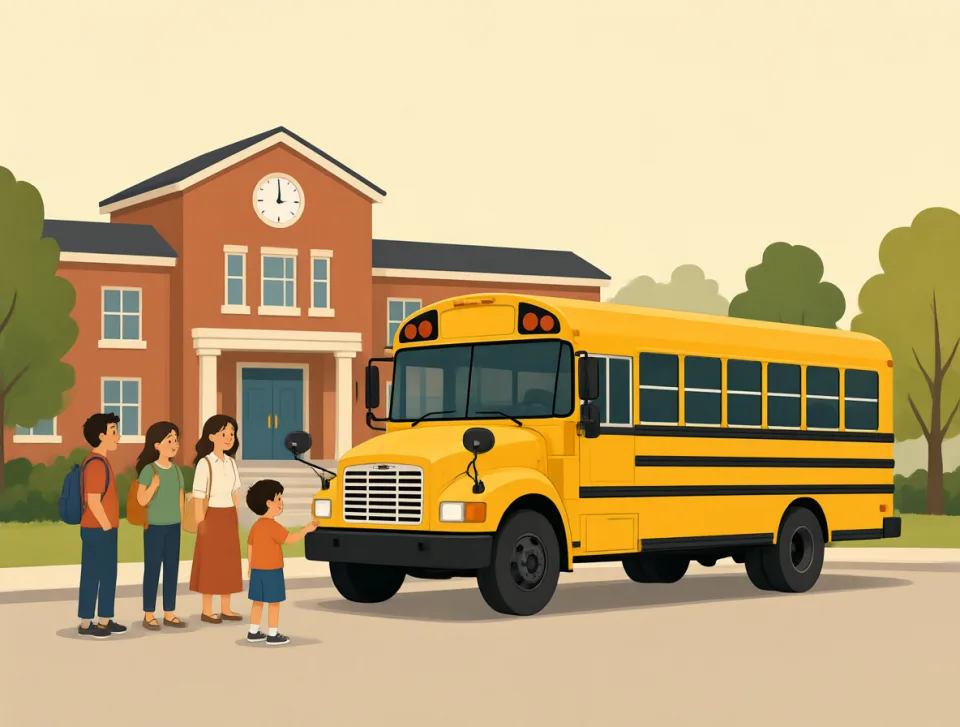
The school bus is painted yellow and black.
Autobus szkolny jest pomalowany na żółto i czarno.

He bought a yellow raincoat before his trip to London.
Przed wyjazdem do Londynu kupił żółty płaszcz przeciwdeszczowy.
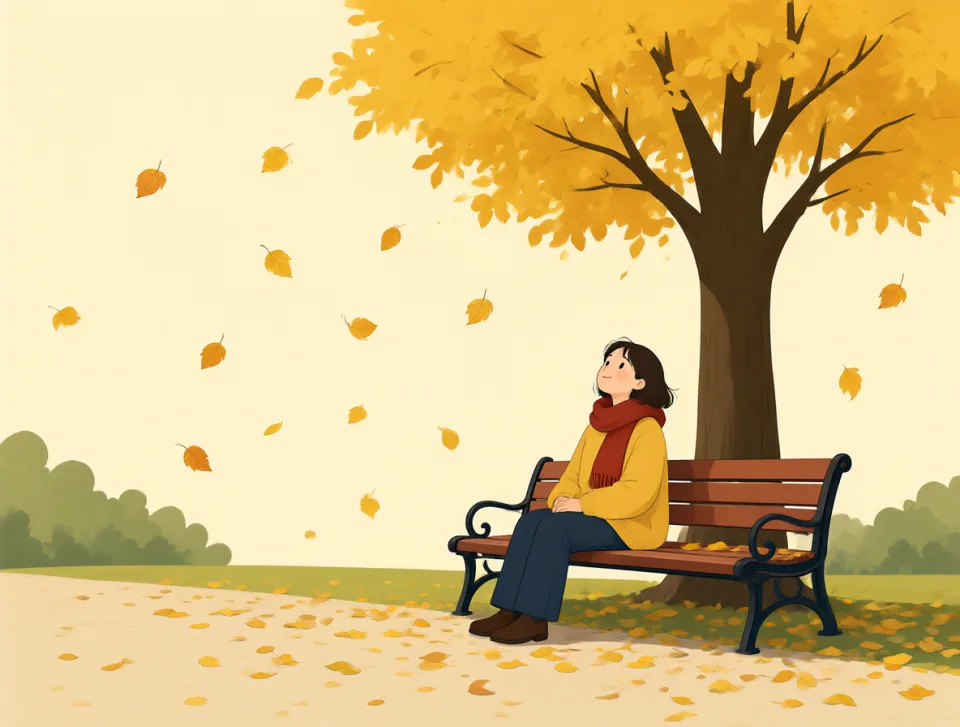
The leaves turned yellow when autumn arrived.
Gdy nadeszła jesień, liście pożółkły.
habit
#1828noun
nawyk
Something you do often, usually without thinking about it.
Coś, co robisz często, zazwyczaj nie zastanawiając się nad tym.
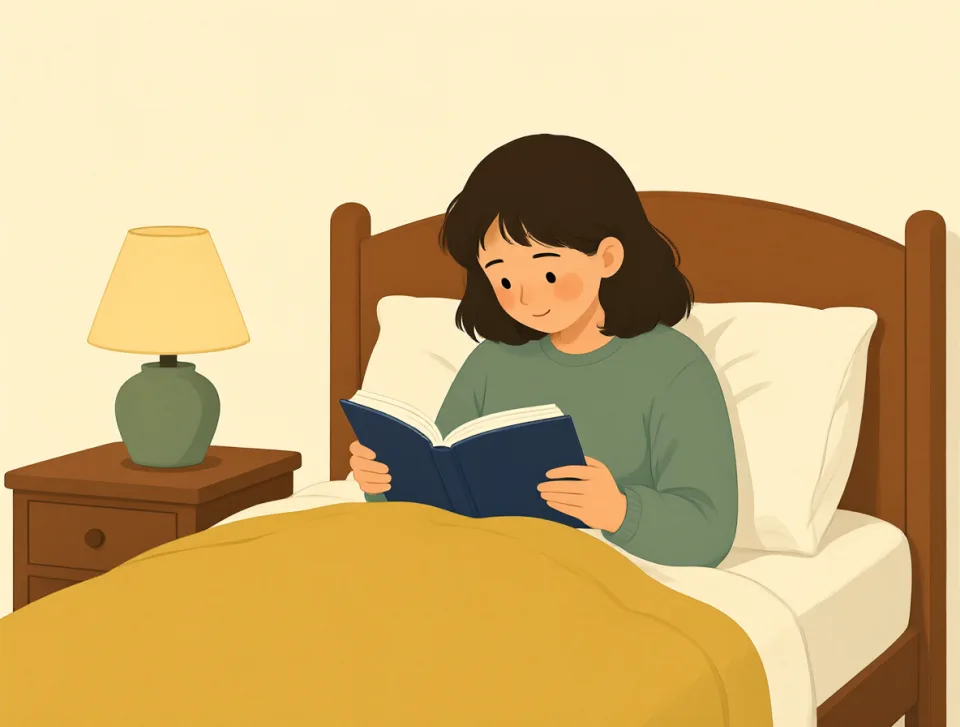
Reading before bed is a relaxing habit for many people.
Czytanie przed snem to dla wielu osób relaksujący nawyk.
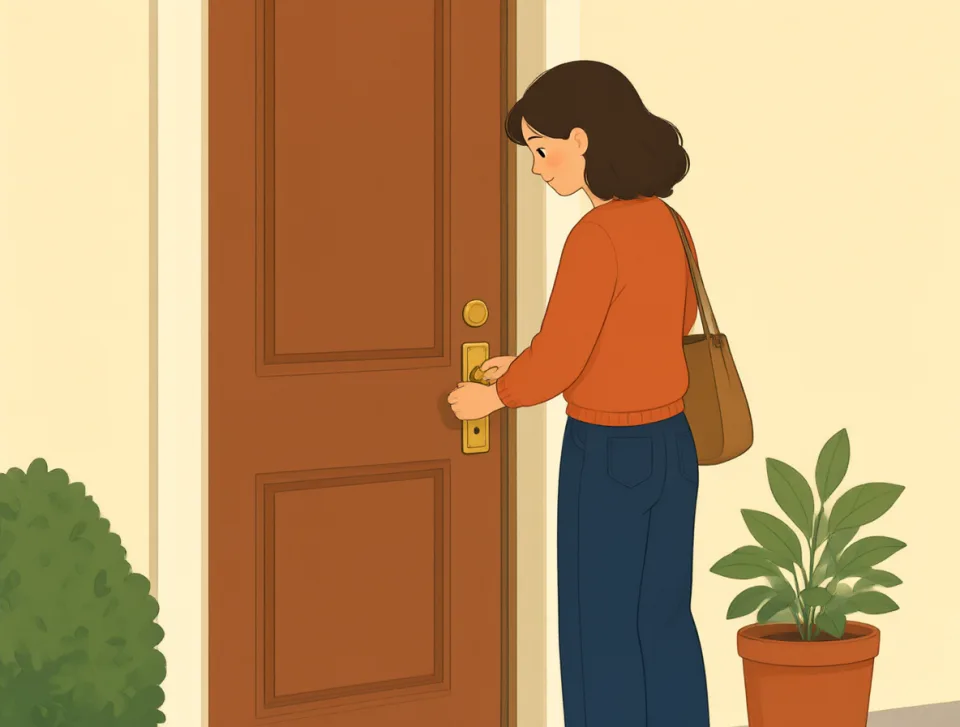
She has a habit of checking the door twice before leaving.
Ma zwyczaj dwukrotnie sprawdzać drzwi przed wyjściem.
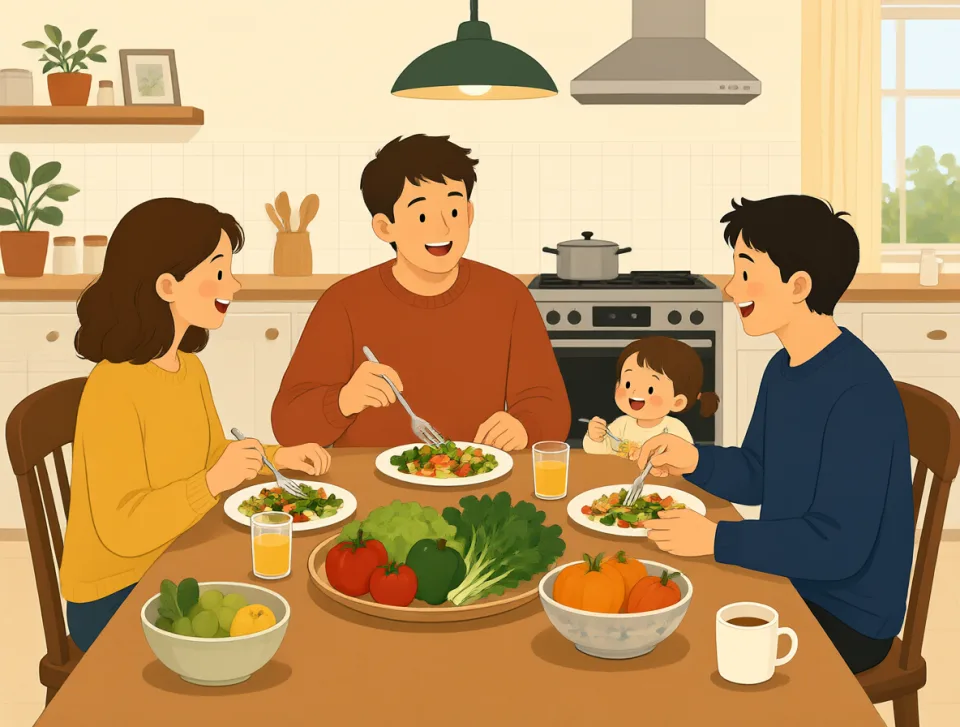
Good eating habits can help you stay healthy.
Zdrowe nawyki żywieniowe pomagają zachować zdrowie.
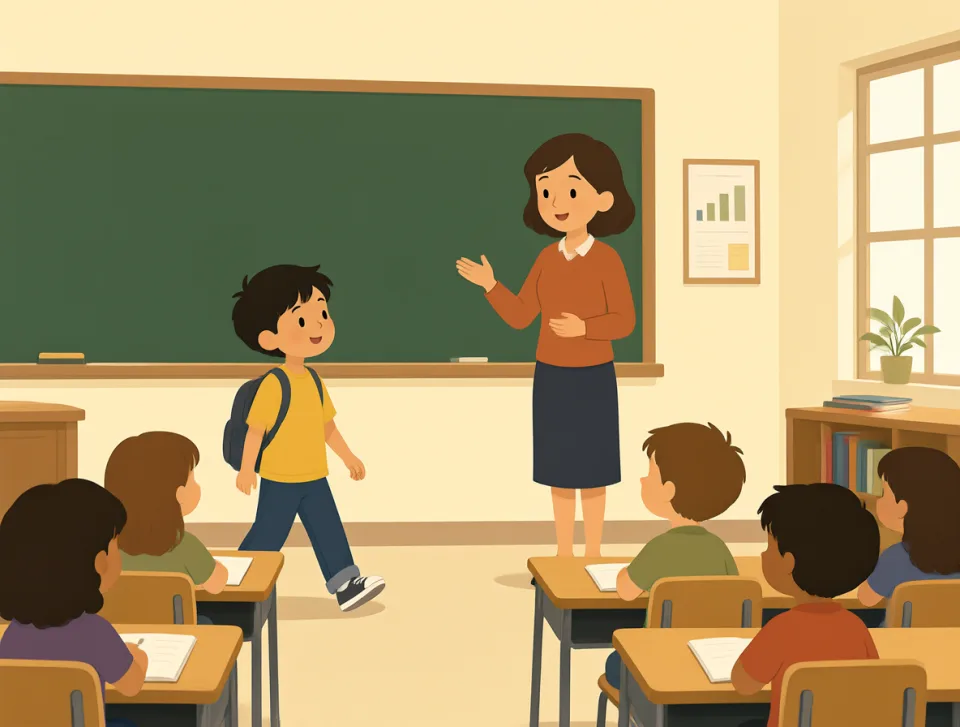
Our teacher asked us to break the habit of arriving late.
Nasz nauczyciel poprosił nas, żebyśmy zerwali z nawykiem spóźniania się.

He picked up the habit of drinking tea during his trip to England.
Podczas podróży do Anglii przyzwyczaił się do picia herbaty.

disk
#1829noun
dysk
a flat, round object used to store computer information or play music
Płaski, okrągły przedmiot służący do przechowywania danych komputerowych lub odtwarzania muzyki.

She saved the photos on a disk before leaving the office.
Przed wyjściem z biura zapisała zdjęcia na dysku.
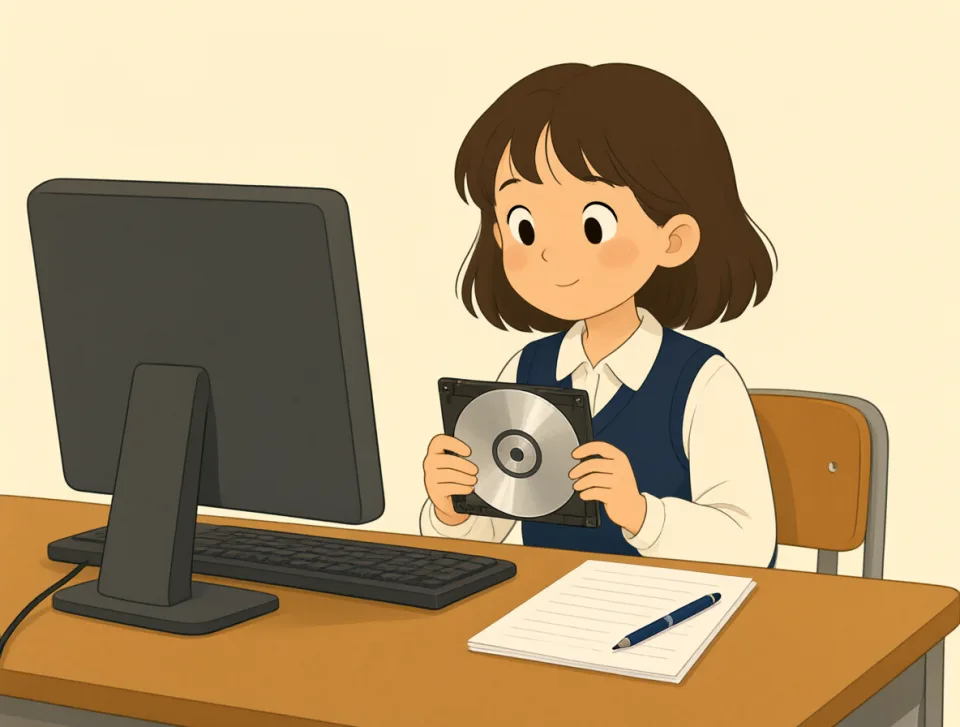
This old computer disk contains my school project.
Na tym starym dysku komputerowym znajduje się mój szkolny projekt.
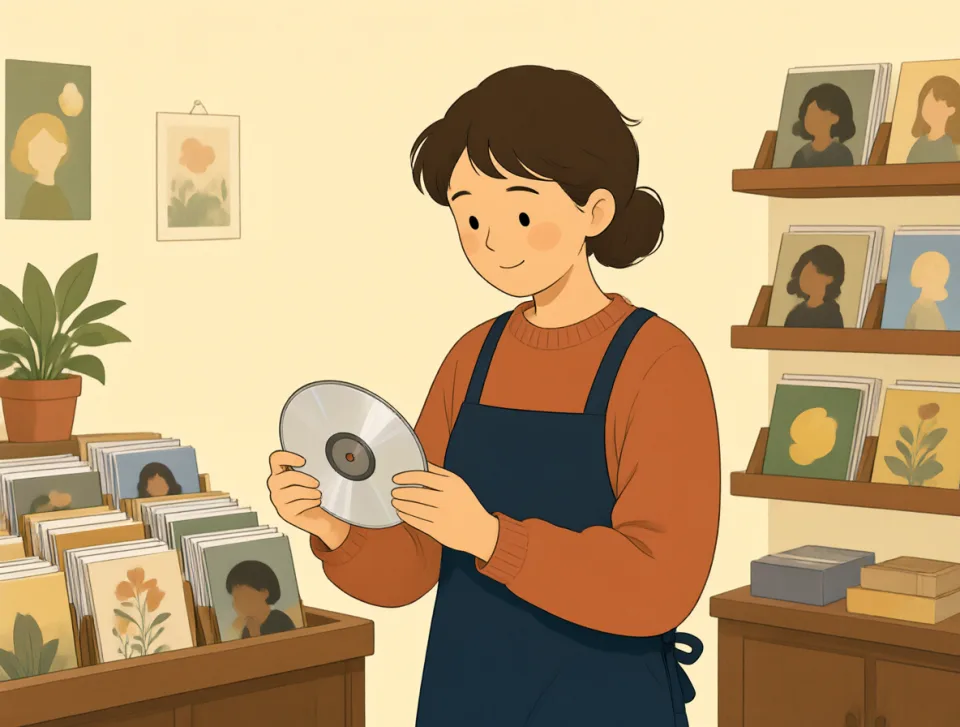
The music disk costs five dollars at the shop.
Płyta z muzyką kosztuje pięć dolarów w sklepie.
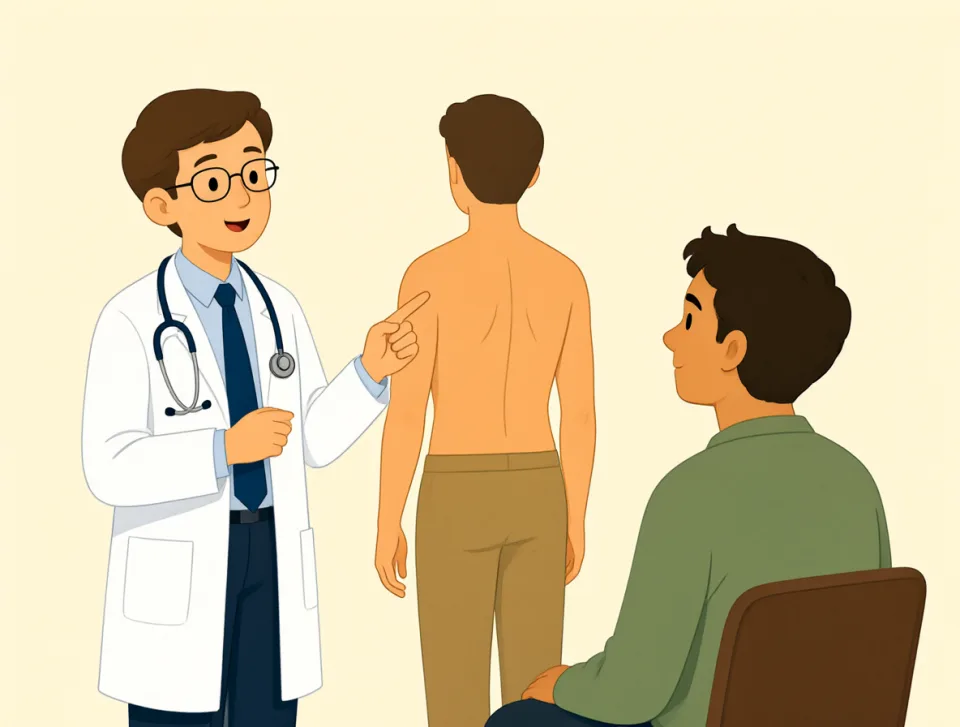
The doctor found a problem with a disk in his back.
Lekarz wykrył problem z krążkiem międzykręgowym w jego plecach.
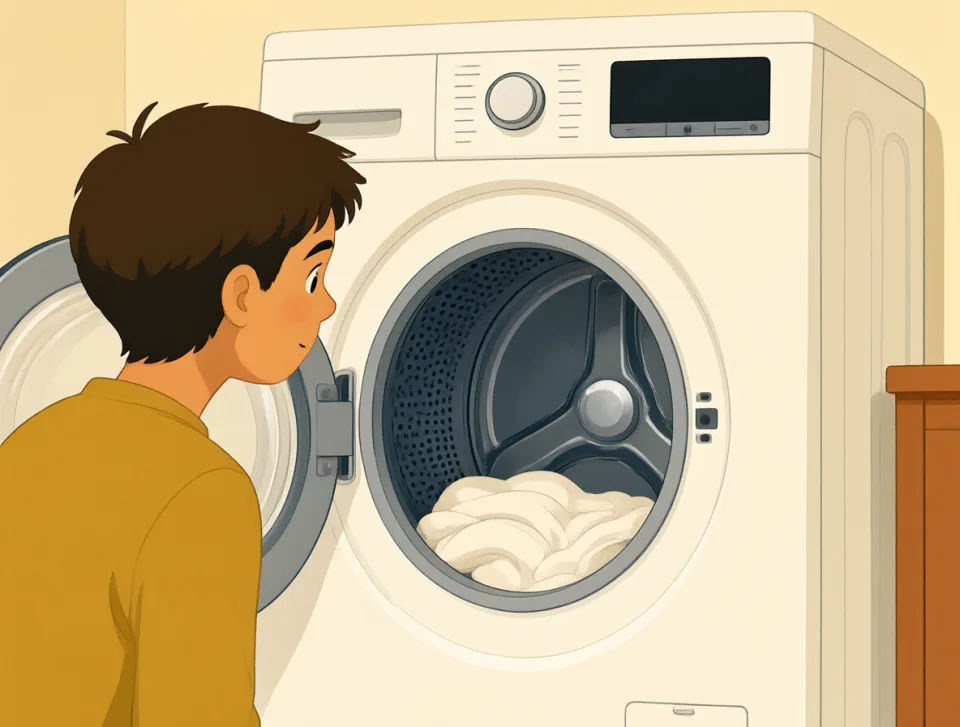
The washing machine has a spinning disk inside it.
W pralce znajduje się obracający się dysk.
core
#1830noun, adjective
rdzeń
The central or most important part of something.
Centralna lub najważniejsza część czegoś.
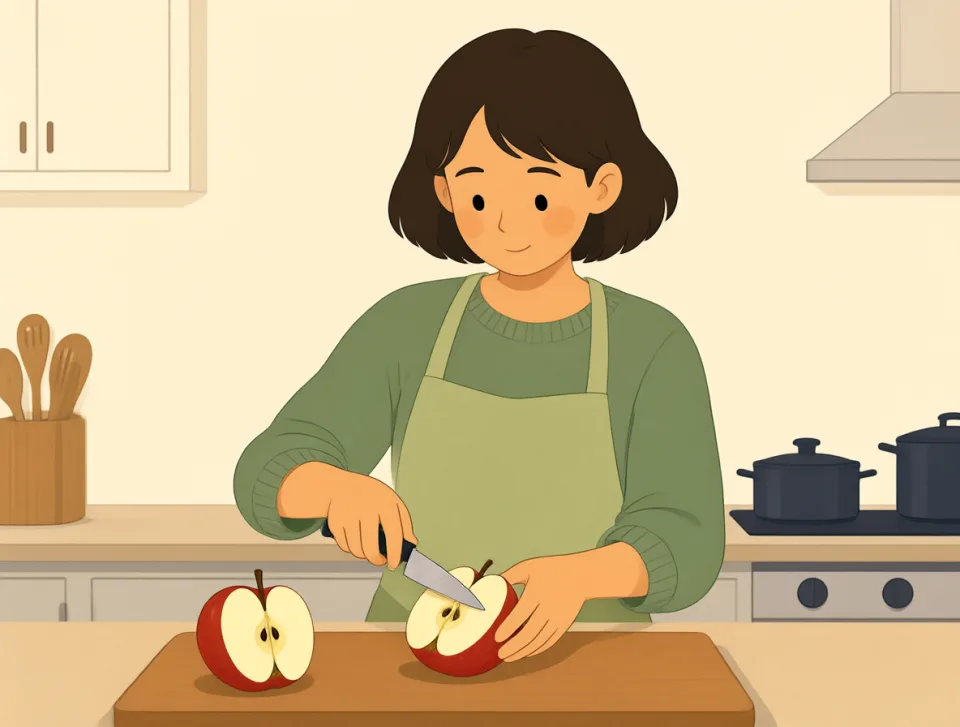
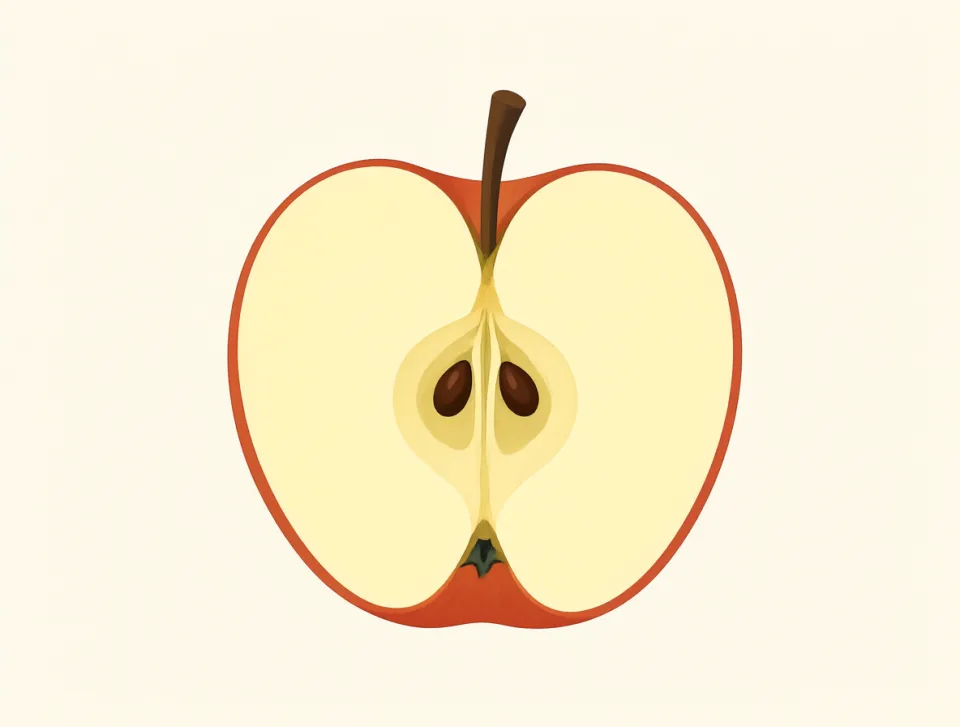
Remove the apple core before cutting the fruit.
Usuń gniazdo nasienne z jabłka przed pokrojeniem owocu.

The company is building a strong core team.
Firma buduje silny zespół podstawowy.
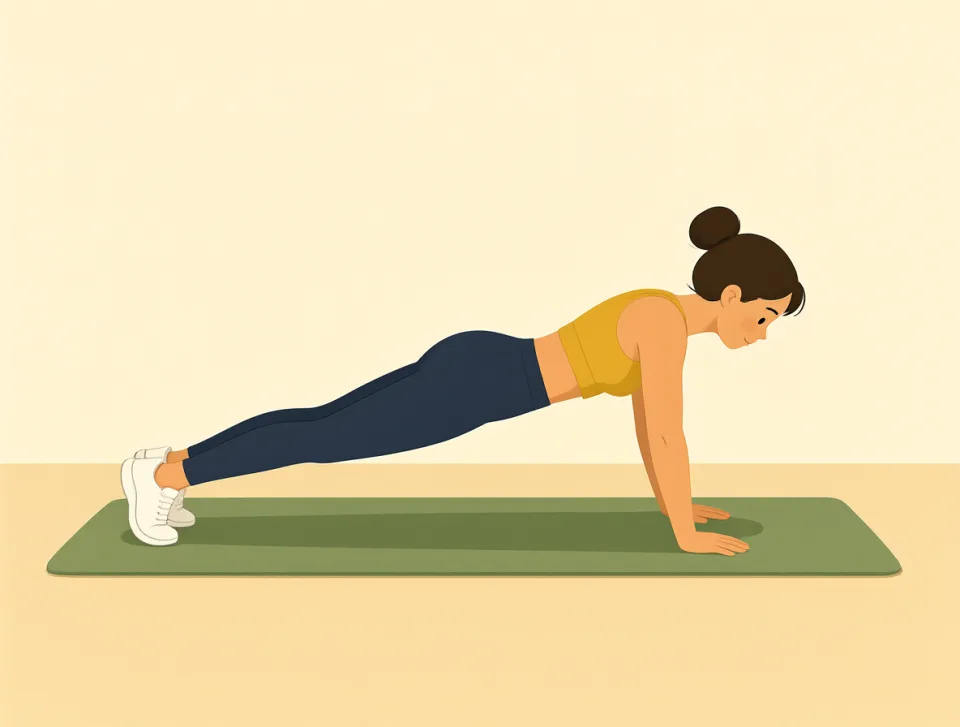
Exercise helps strengthen your core muscles.
Ćwiczenia pomagają wzmocnić mięśnie tułowia.
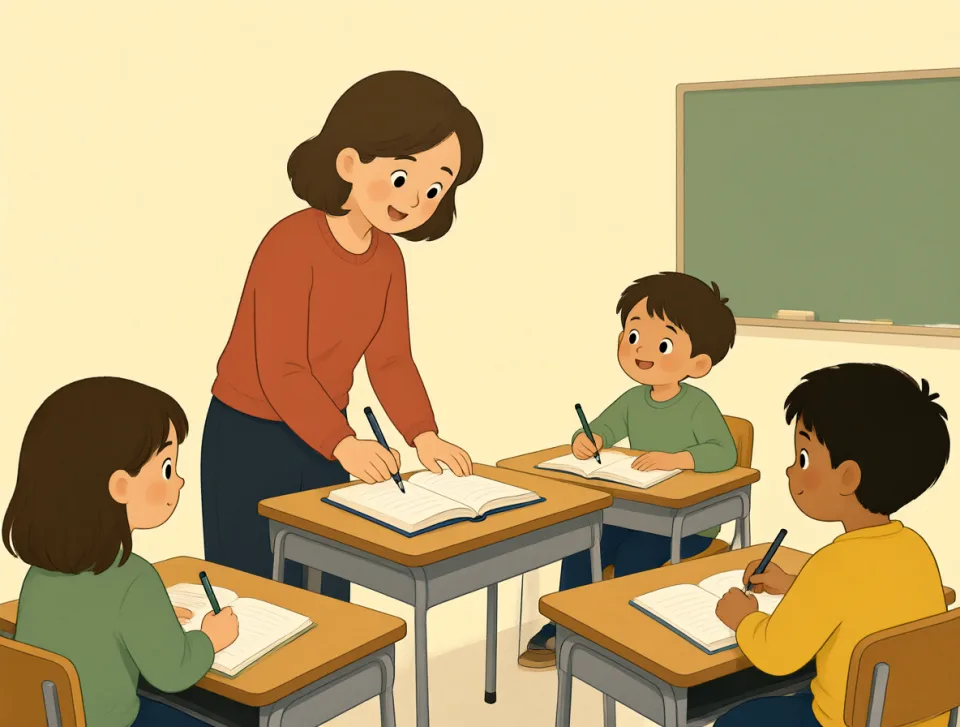
The course teaches the core skills every student needs.
Kurs uczy podstawowych umiejętności, których potrzebuje każdy uczeń.

At the core of the problem is poor communication.
U podstaw problemu leży słaba komunikacja.

emotional
#1831adjective
emocjonalny
Showing strong feelings, or easily affected by feelings.
Okazujący silne uczucia lub łatwo ulegający emocjom.

She became emotional when her daughter graduated from college.
Rozpłakała się ze wzruszenia, gdy jej córka ukończyła studia.
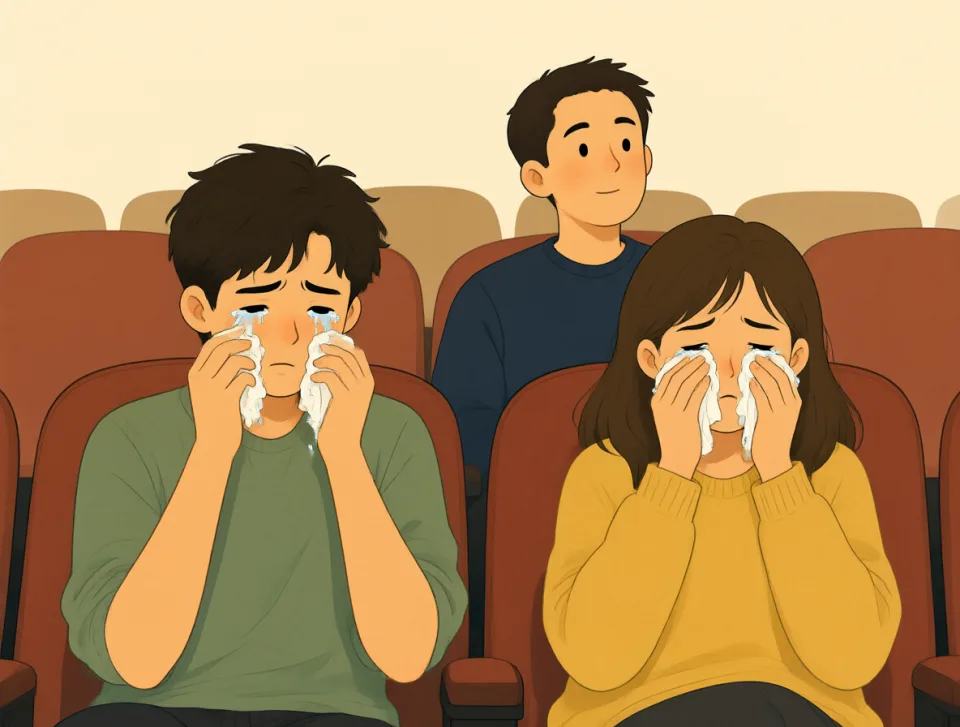
The movie had an emotional ending that made everyone cry.
Film miał wzruszające zakończenie, które doprowadziło wszystkich do łez.

He gave an emotional speech at his best friend's wedding.
Wygłosił wzruszające przemówienie na ślubie swojego najlepszego przyjaciela.
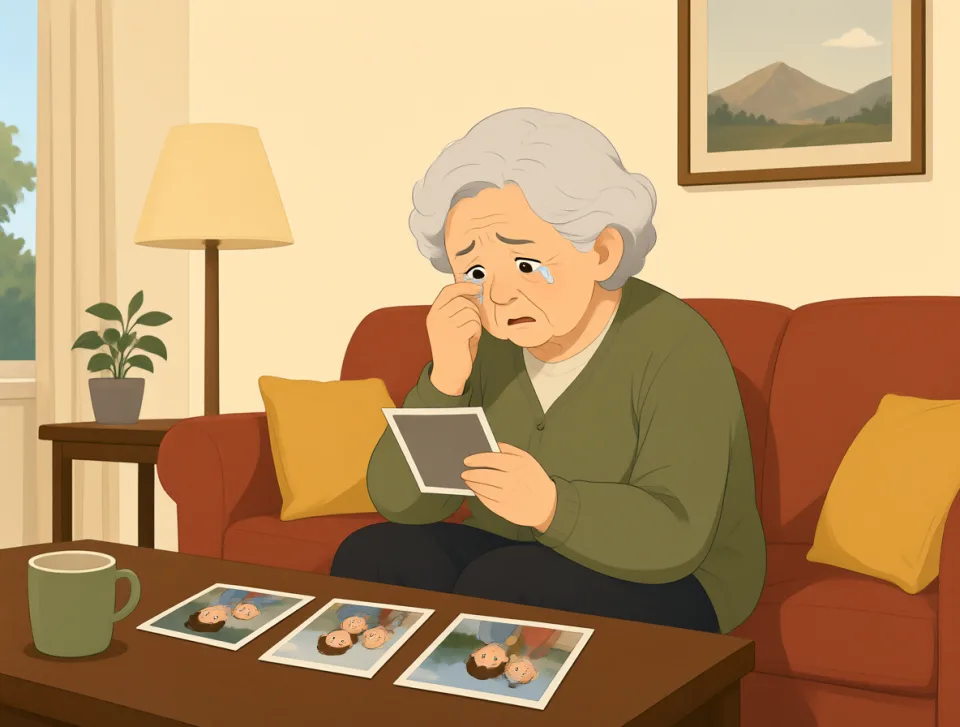
Talking about her old home made Grandma emotional.
Rozmowa o jej dawnym domu wzruszyła babcię.
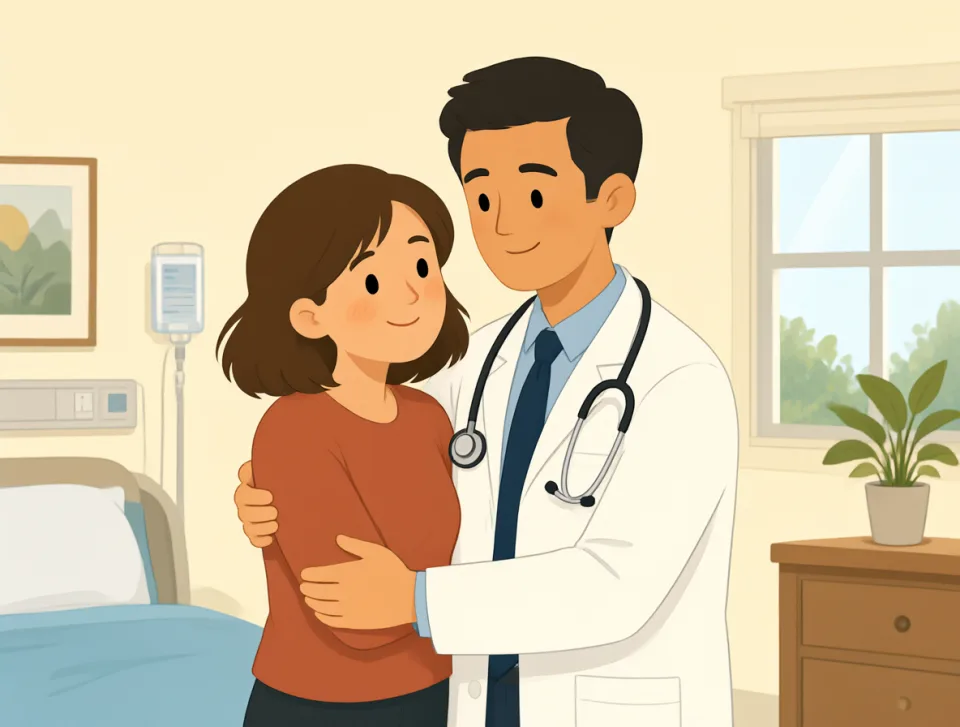
The patient felt emotional after hearing good health news.
Pacjent wzruszył się, gdy usłyszał dobre wiadomości o swoim zdrowiu.

aircraft
#1832noun
statek powietrzny
a vehicle that can fly, such as an airplane or helicopter
Pojazd, który potrafi latać, na przykład samolot lub helikopter.

The aircraft landed safely after a long flight.
Statek powietrzny bezpiecznie wylądował po długim locie.

Several aircraft were waiting on the airport runway.
Na pasie startowym lotniska czekało kilka statków powietrznych.

The pilot checked the aircraft before taking off.
Pilot sprawdził statek powietrzny przed startem.

The new aircraft can carry more passengers than older planes.
Nowy statek powietrzny może przewieźć więcej pasażerów niż starsze samoloty.
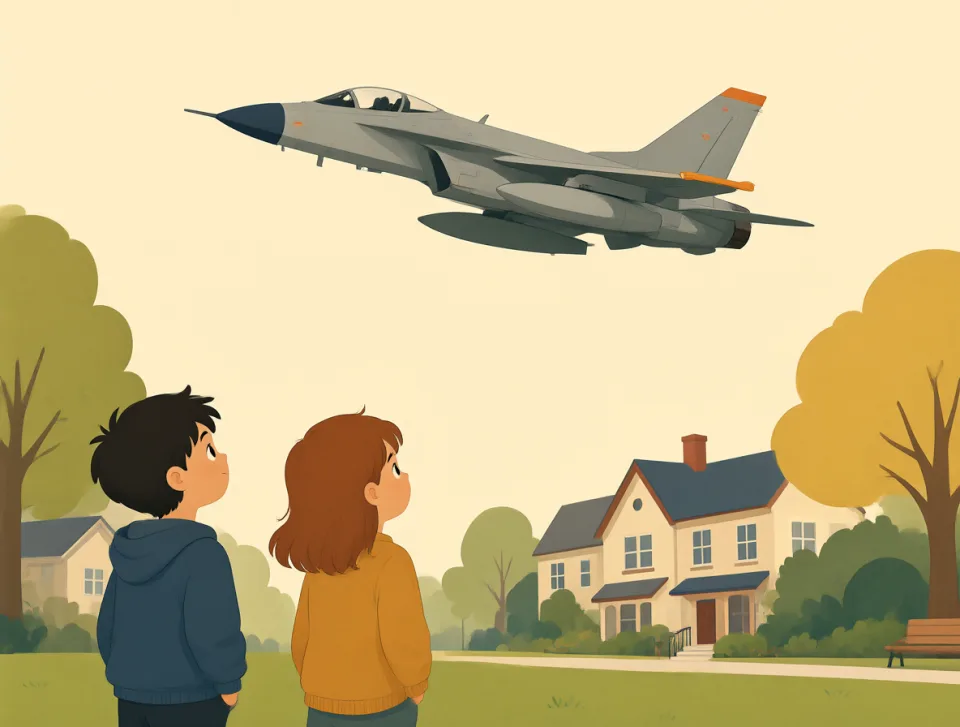
We watched a military aircraft fly over the town.
Obserwowaliśmy, jak wojskowy statek powietrzny przelatuje nad miastem.
self
#1833noun, pronoun
ja
a person's true character, thoughts, and feelings
Prawdziwy charakter, myśli i uczucia danej osoby.
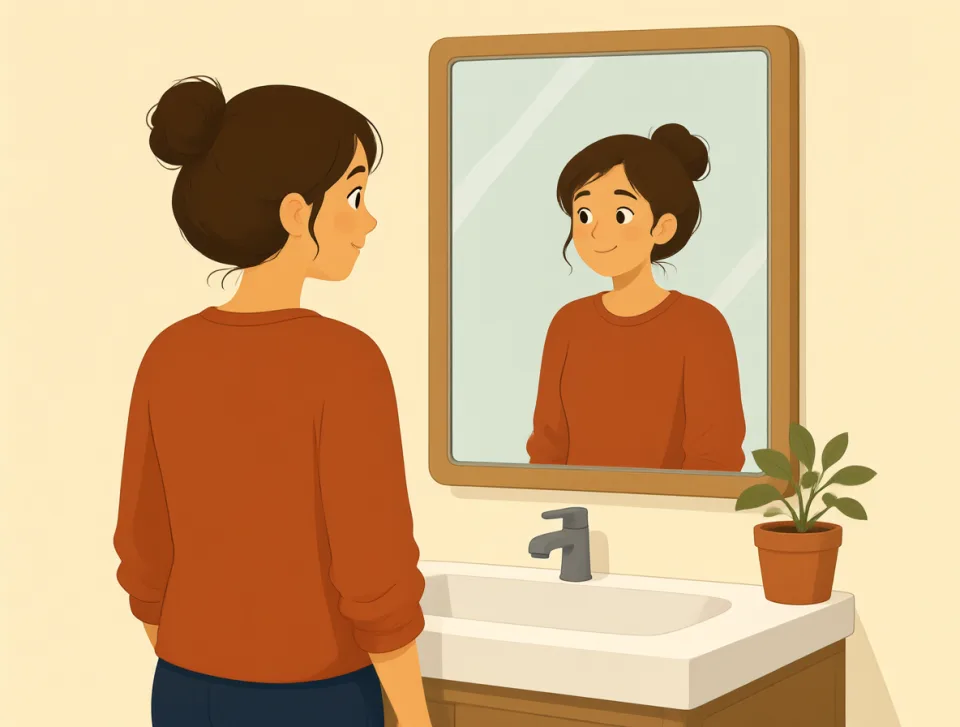
She looked at herself in the mirror before leaving home.
Przed wyjściem z domu spojrzała na siebie w lustrze.
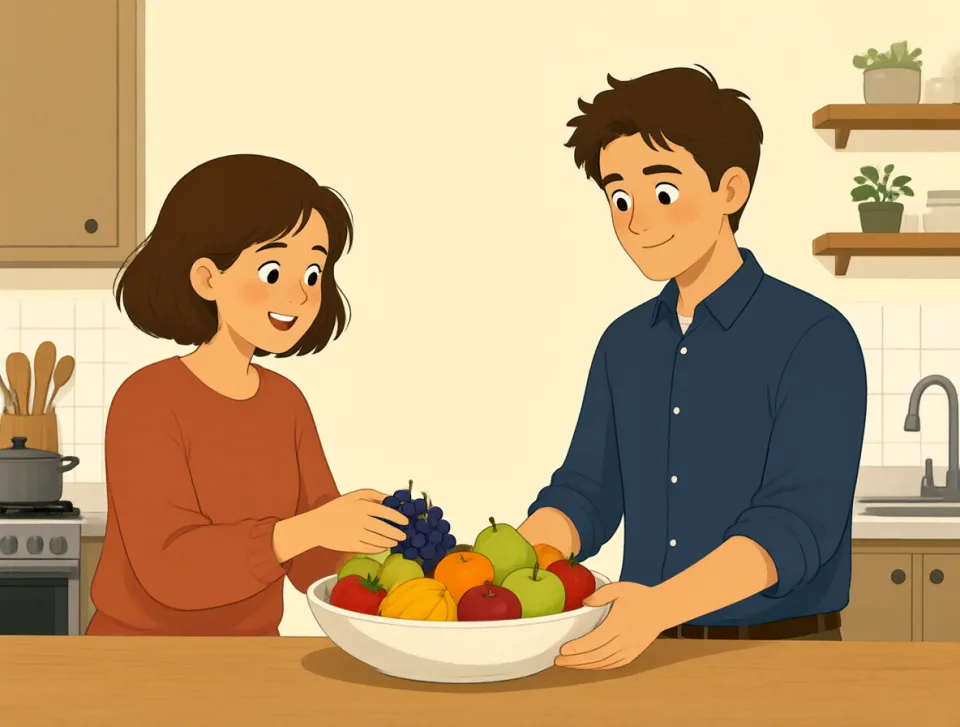
Please help yourself to some fresh fruit in the kitchen.
Częstuj się świeżymi owocami w kuchni.

He taught himself English by reading books every evening.
Każdego wieczoru czytał książki i sam nauczył się angielskiego.
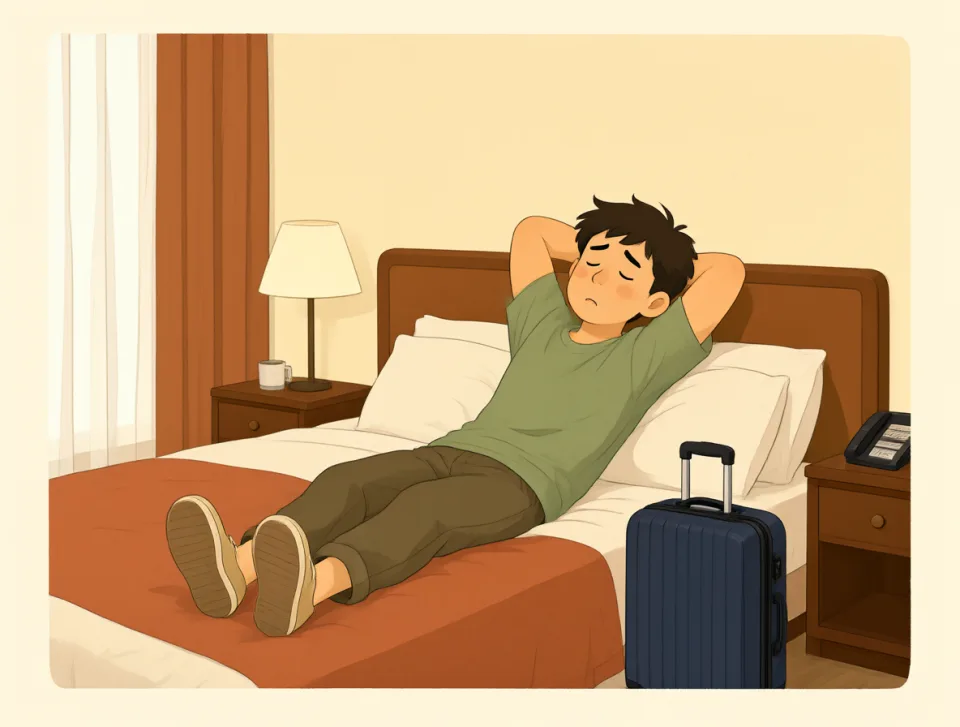
After the long journey, I finally felt like myself again.
Po długiej podróży w końcu znów poczułem się sobą.
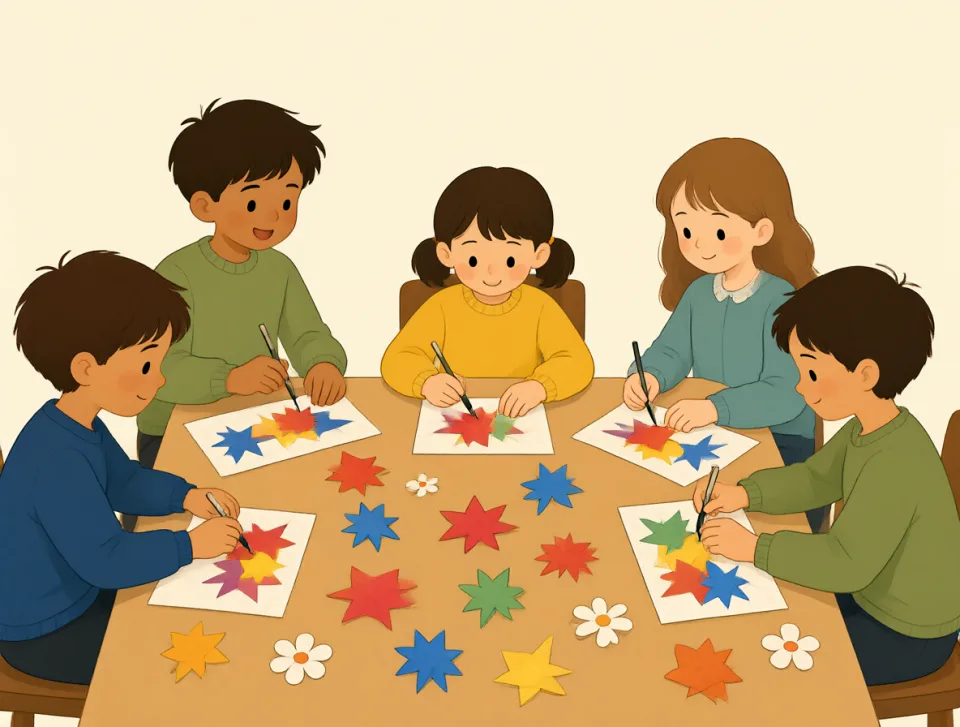
The children made the paper decorations themselves for the party.
Dzieci same wykonały papierowe ozdoby na przyjęcie.
metal
#1834noun
metal
A hard material such as iron, gold, or aluminum, used to make many things.
Twardy materiał, taki jak żelazo, złoto lub aluminium, z którego wytwarza się wiele przedmiotów.
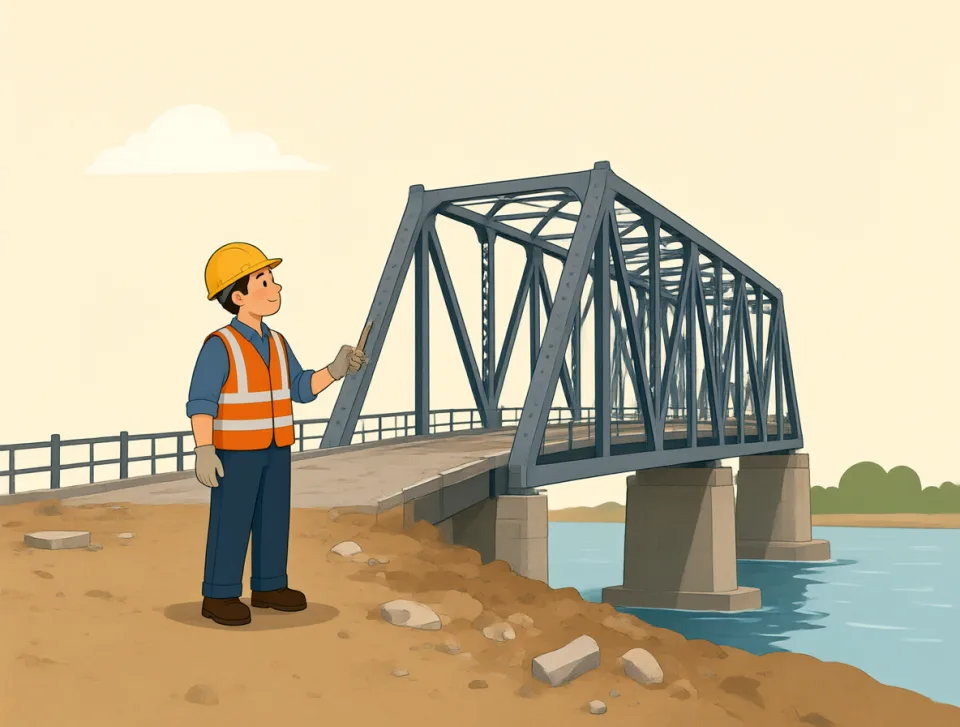
The bridge is made of strong metal.
Most jest zrobiony z wytrzymałego metalu.
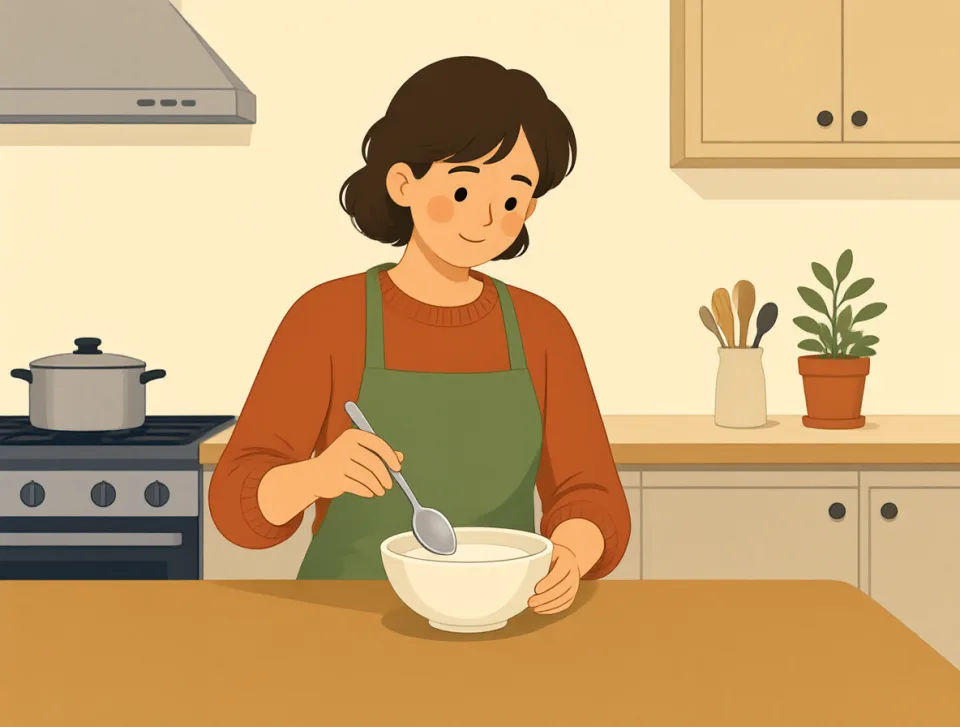
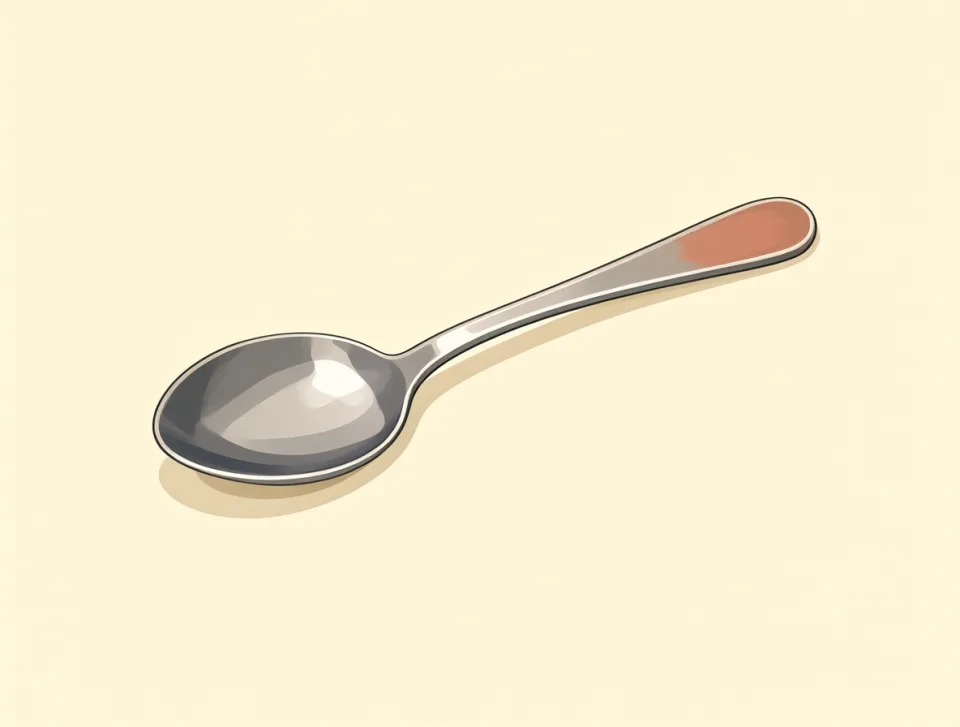
She put the metal spoon beside her bowl.
Położyła metalową łyżkę obok miski.
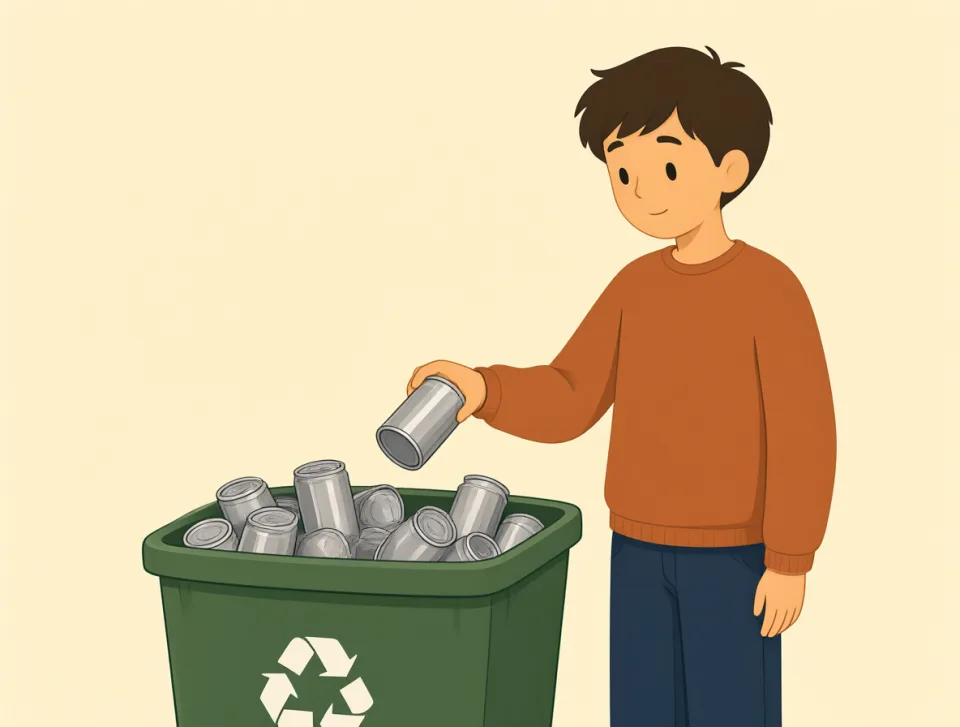
Please recycle cans and other metal items.
Prosimy o recykling puszek i innych metalowych przedmiotów.
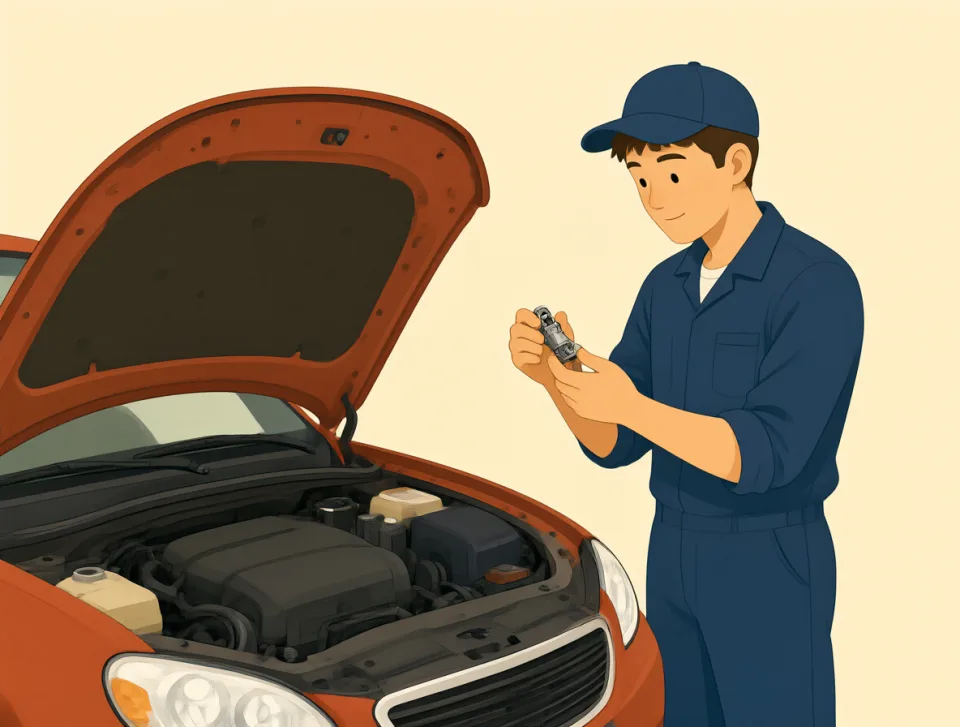
The mechanic replaced the broken metal part.
Mechanik wymienił uszkodzoną metalową część.
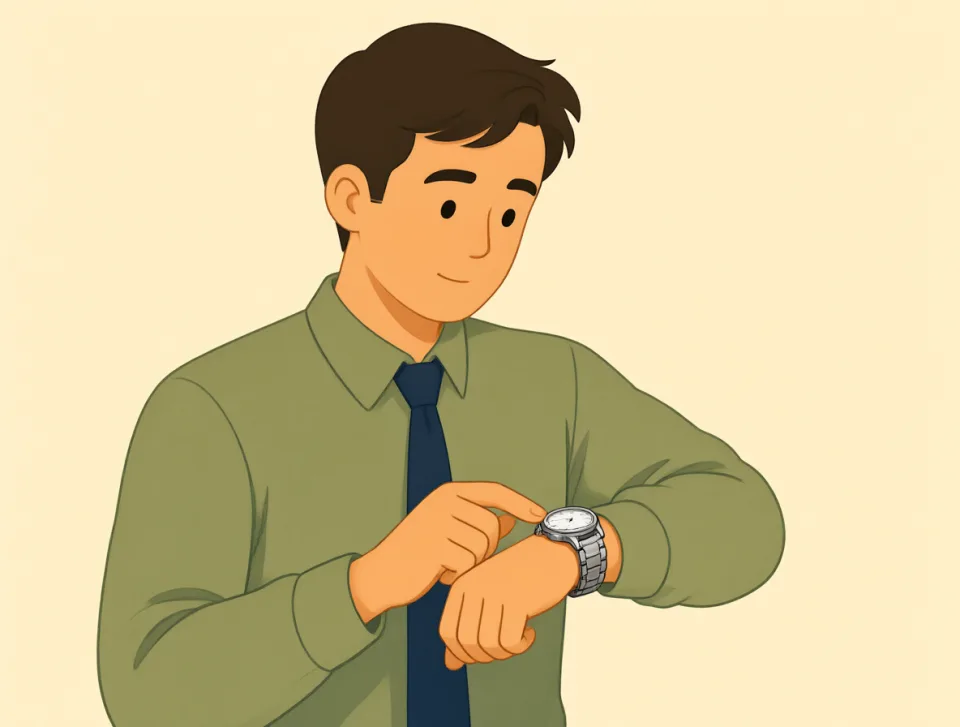
He wore a metal watch to the interview.
Na rozmowę kwalifikacyjną założył metalowy zegarek.
existence
#1835noun
istnienie
the state of being real, alive, or present
Stan bycia rzeczywistym, żywym lub obecnym.
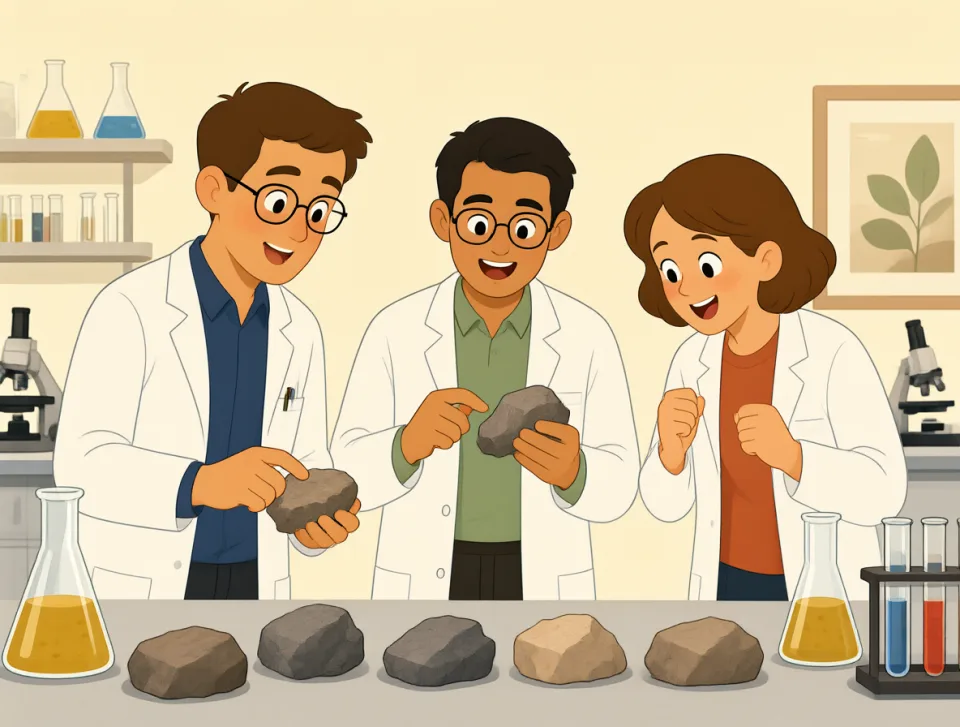
Scientists found evidence of life on another planet's existence.
Naukowcy znaleźli dowody na istnienie życia na innej planecie.
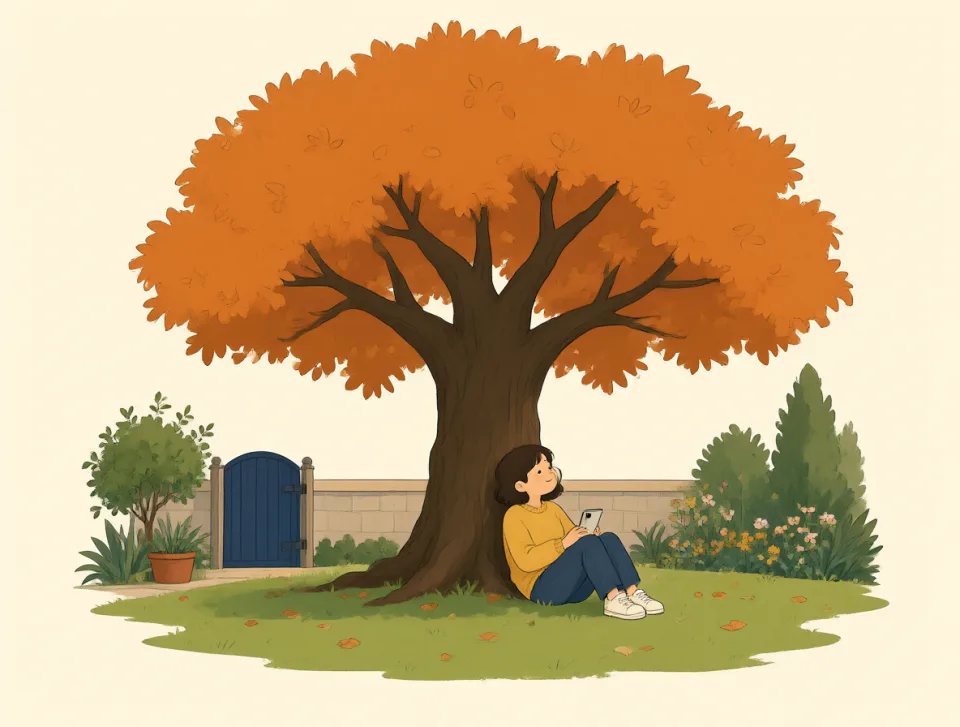
The old tree's existence gives the garden a peaceful feeling.
Obecność starego drzewa nadaje ogrodowi spokojny charakter.

She was surprised by the existence of such a cheap hotel.
Zaskoczyło ją istnienie tak taniego hotelu.
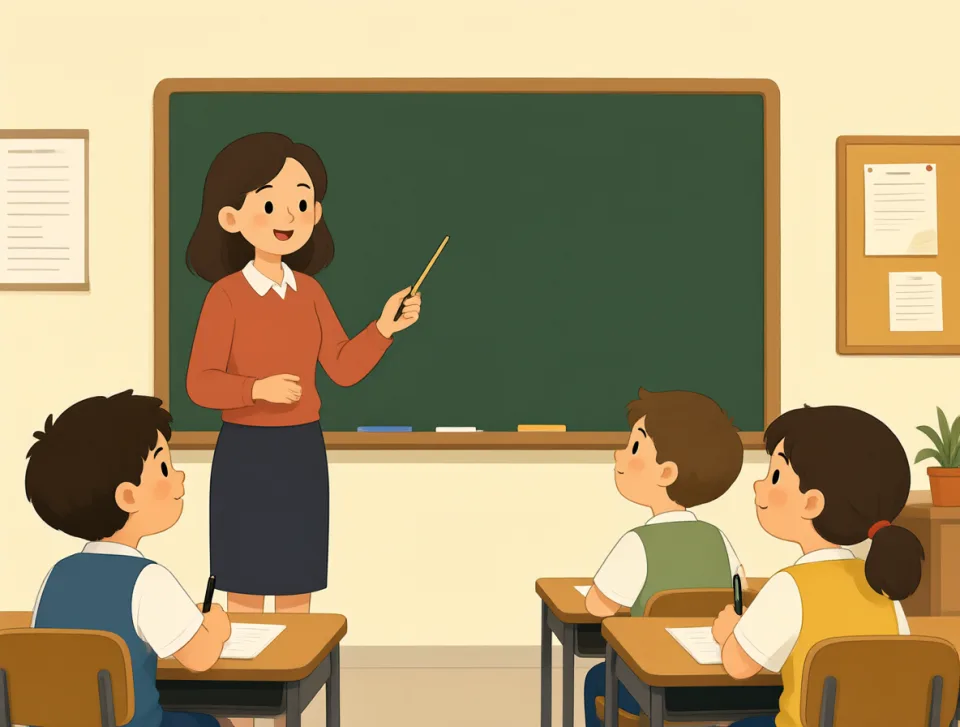
The teacher explained the existence of different kinds of energy.
Nauczyciel wyjaśnił, że istnieją różne rodzaje energii.

His sudden existence in our lives changed everything.
Jego nagłe pojawienie się w naszym życiu zmieniło wszystko.
bone
#1836noun
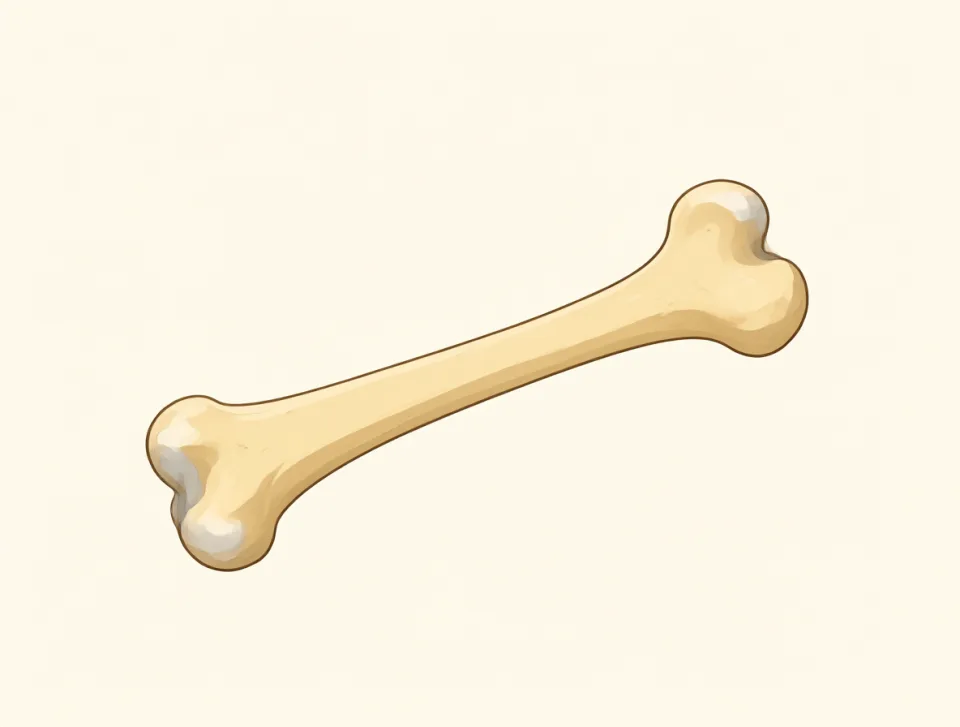
kość
One of the hard parts inside your body that make your skeleton.
Jedna z twardych części wewnątrz ciała, które tworzą szkielet.
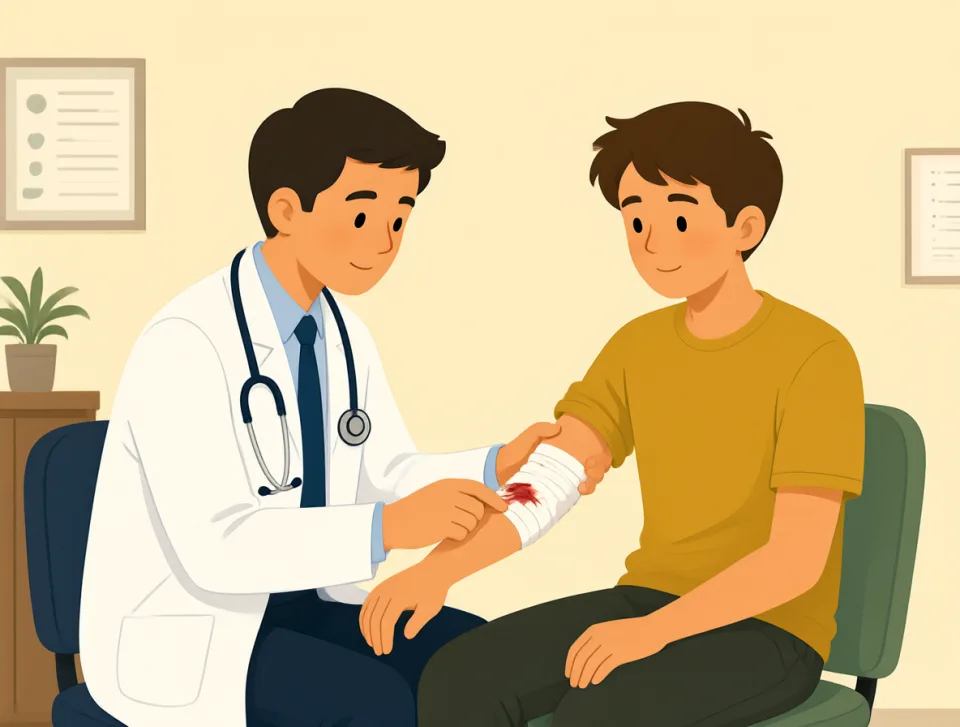
The doctor said I had broken a bone in my arm.
Lekarz powiedział, że złamałem kość w ręce.
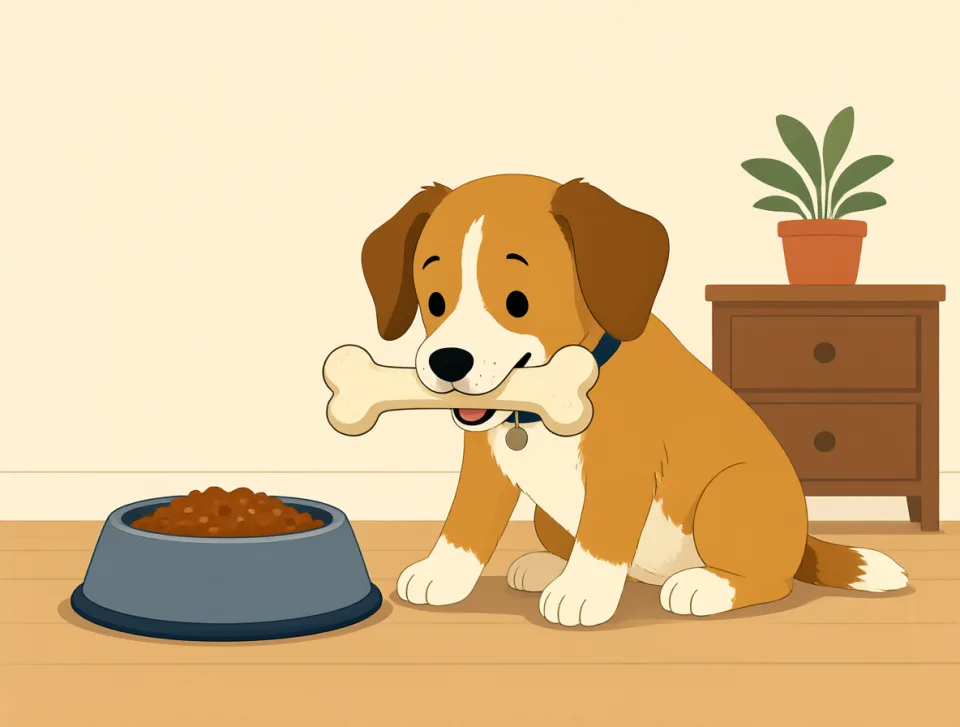
The dog happily chewed a bone beside its food bowl.
Pies z zadowoleniem żuł kość obok swojej miski.
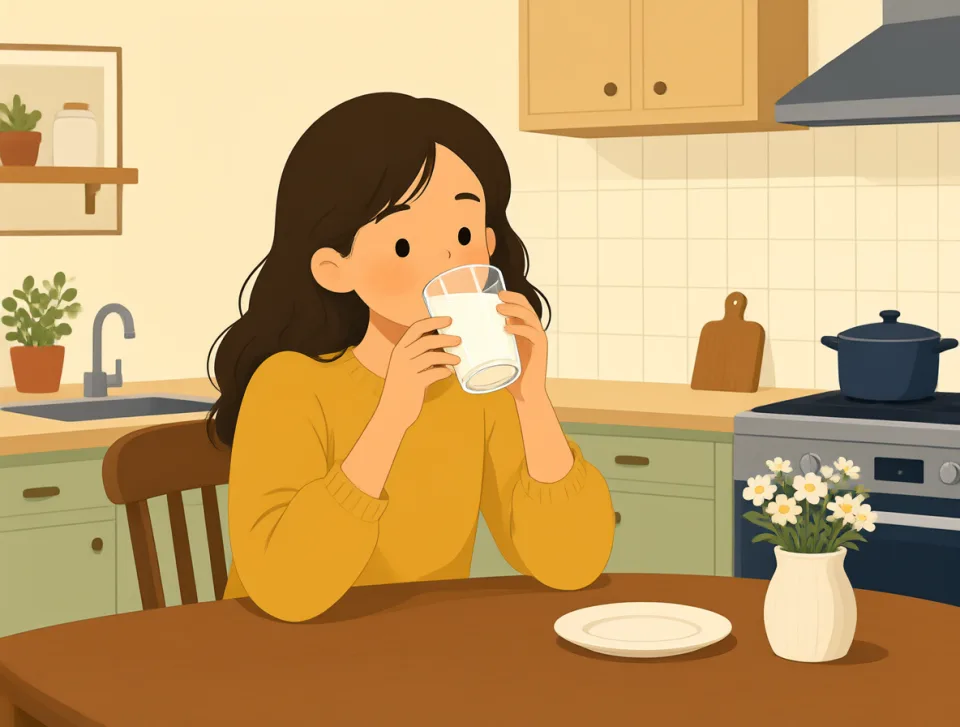
She has strong bones because she drinks milk every day.
Ma mocne kości, bo codziennie pije mleko.
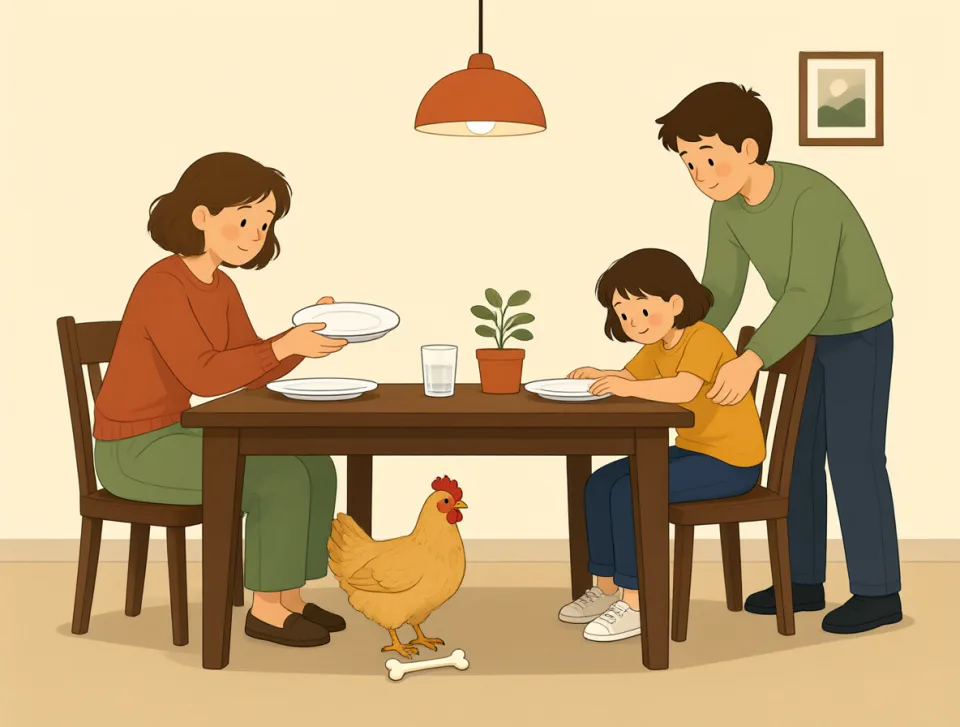
We found a chicken bone under the table after dinner.
Po kolacji znaleźliśmy pod stołem kość kurczaka.

He worked hard to get his foot in the door of the company.
Ciężko pracował, żeby zdobyć przyczółek w firmie.
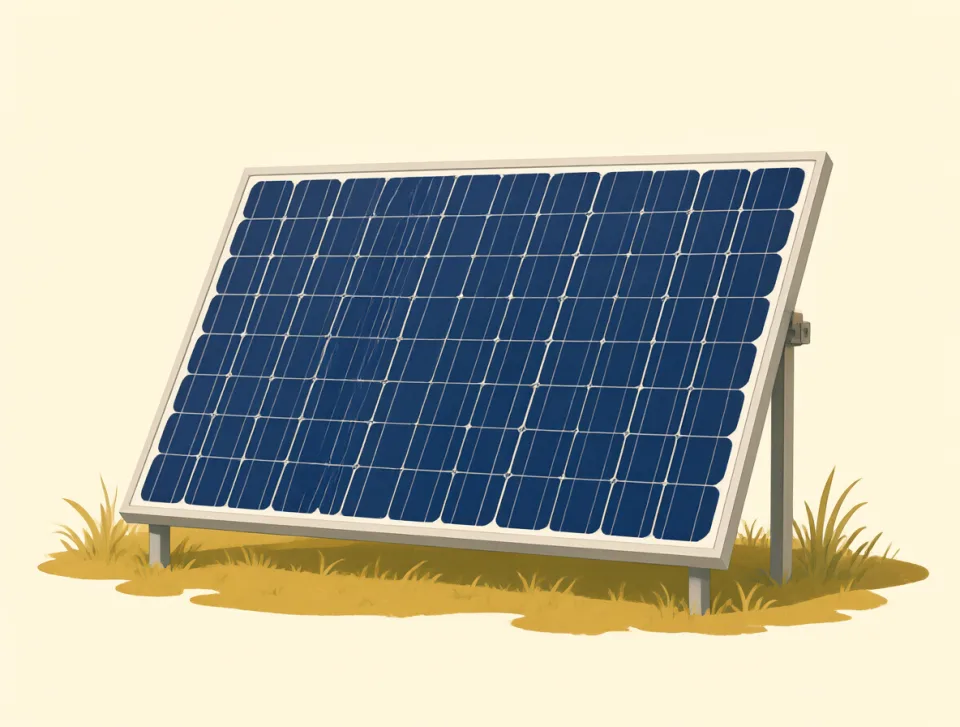
panel
#1837noun
panel
A flat section of a wall, machine, or surface.
Płaski fragment ściany, urządzenia lub powierzchni.
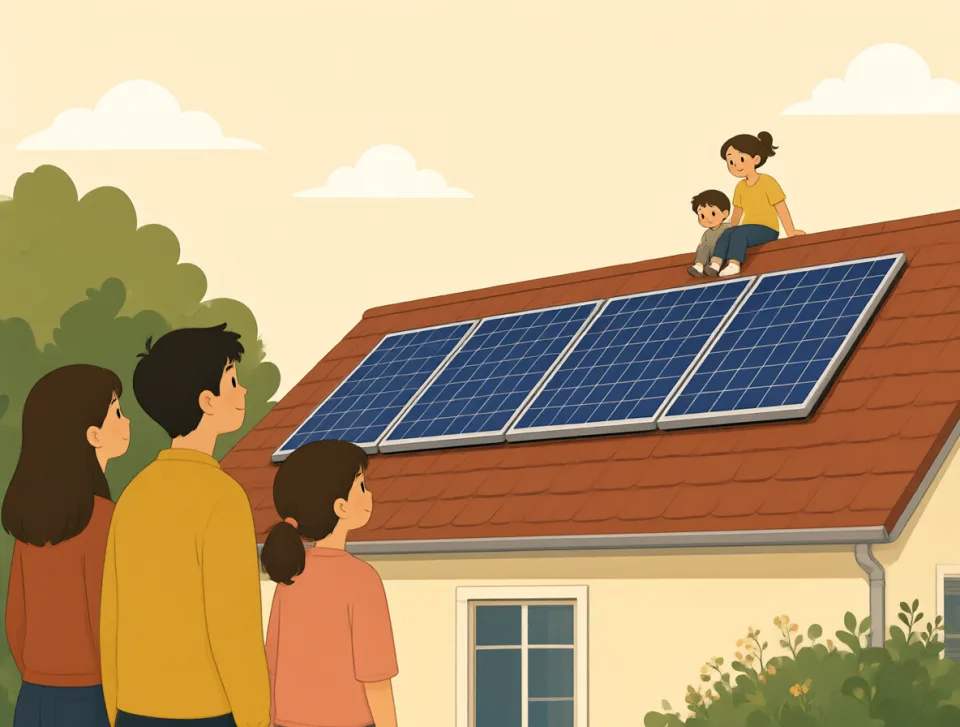
The solar panels provide electricity for our house.
Panele słoneczne dostarczają prąd do naszego domu.
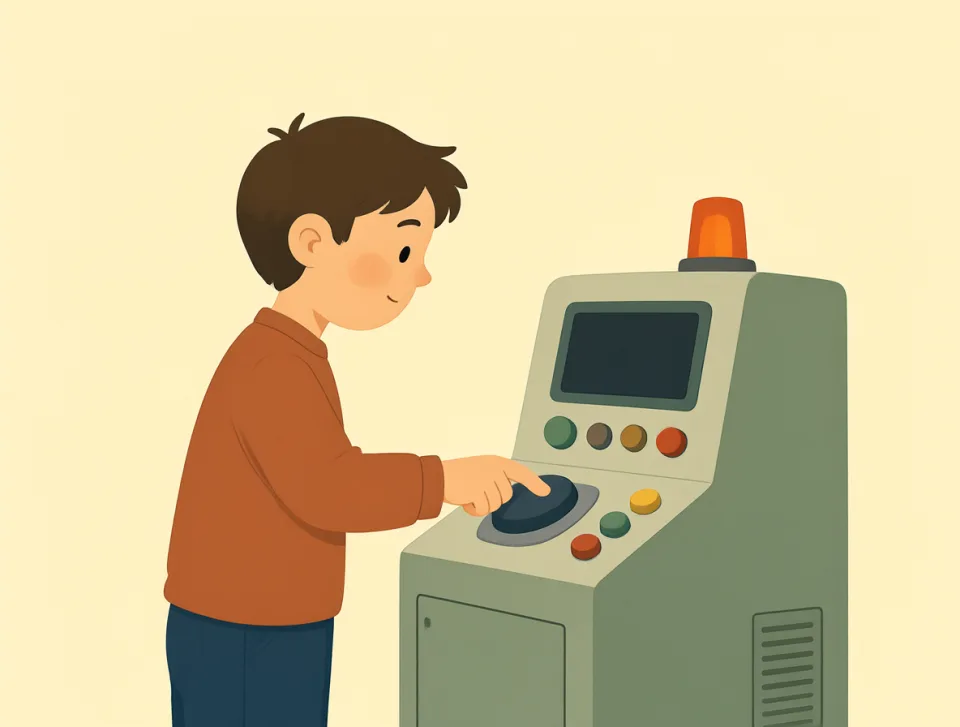
Please press the button on the control panel.
Naciśnij przycisk na panelu sterowania.
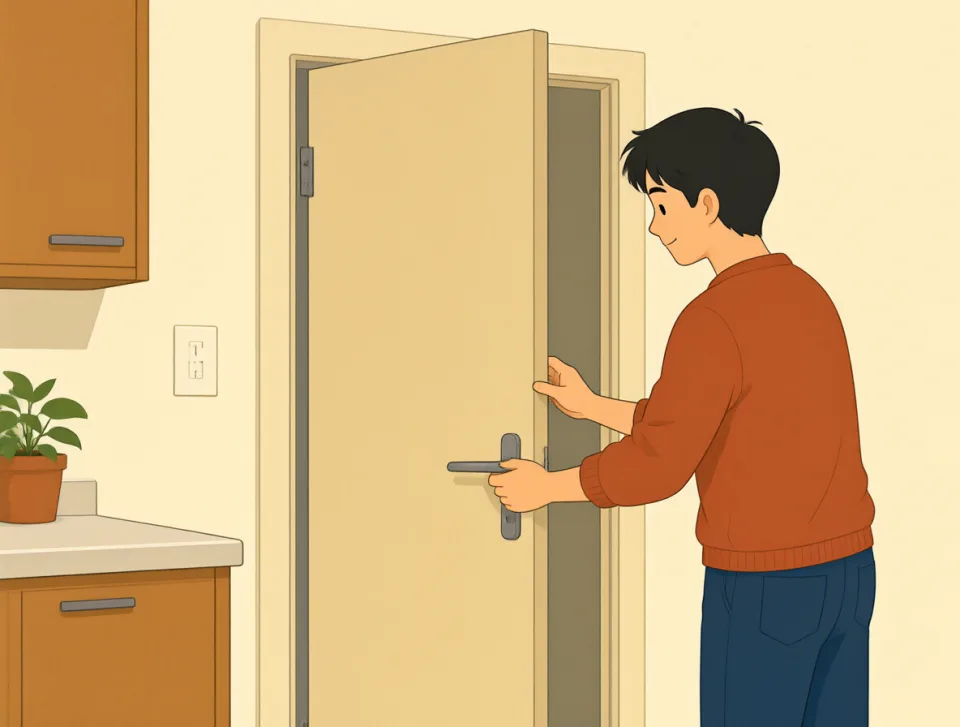
We replaced the damaged panel in the kitchen door.
Wymieniliśmy uszkodzony panel w drzwiach kuchennych.
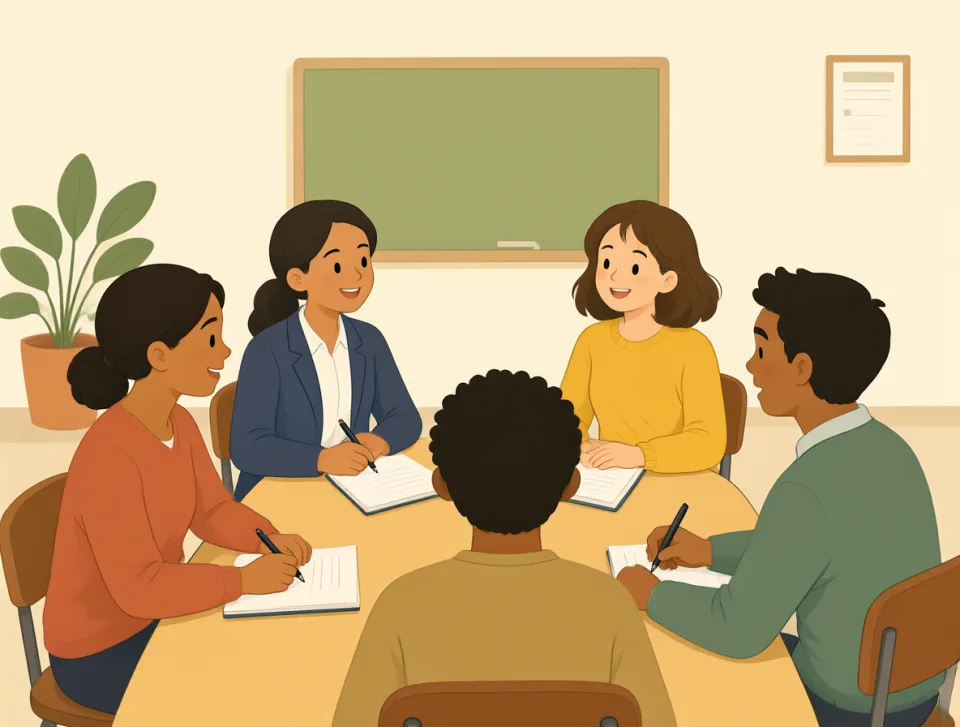
The school panel discussed ways to reduce student stress.
Szkolny zespół omówił sposoby na ograniczenie stresu uczniów.
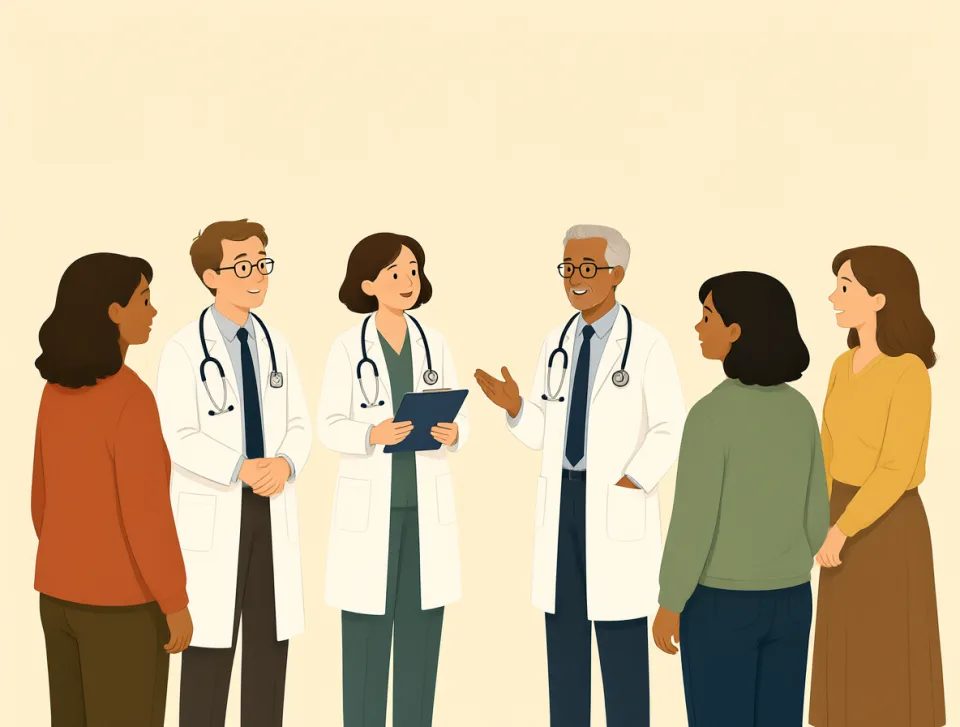
A panel of doctors answered questions about healthy eating.
Zespół lekarzy odpowiadał na pytania o zdrowe odżywianie.

prime
#1838adjective, noun, verb
najważniejszy; przygotować
First in importance, quality, or time; or to prepare someone for an important job.
Najważniejszy, najlepszy jakościowo lub pierwszy w czasie; także przygotować kogoś do ważnego zadania.
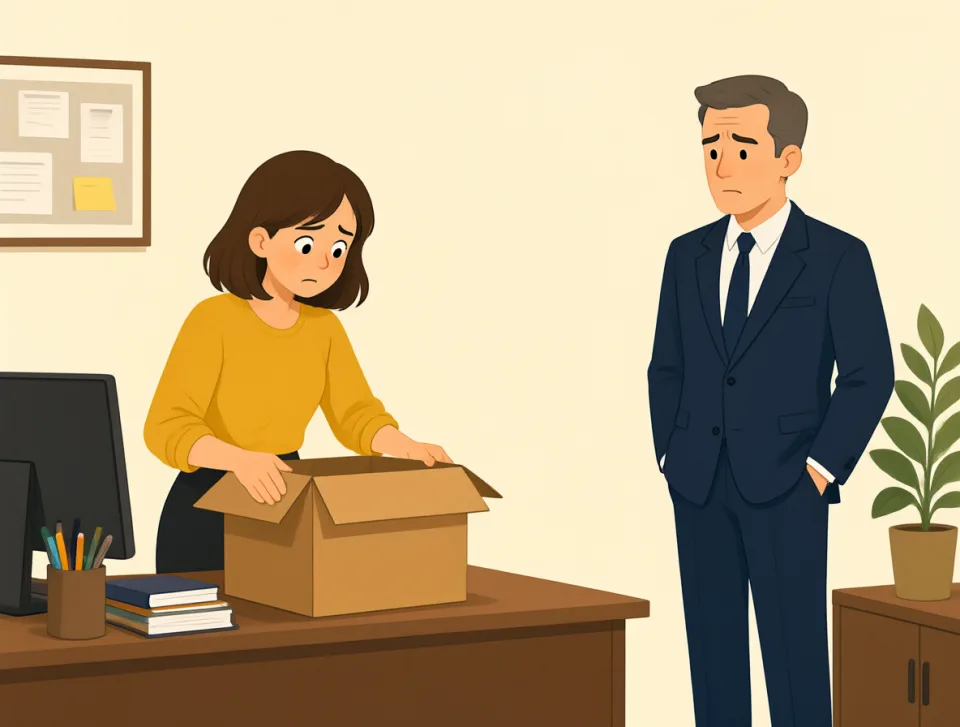
This is the prime reason I decided to leave my job.
To główny powód, dla którego postanowiłem odejść z pracy.
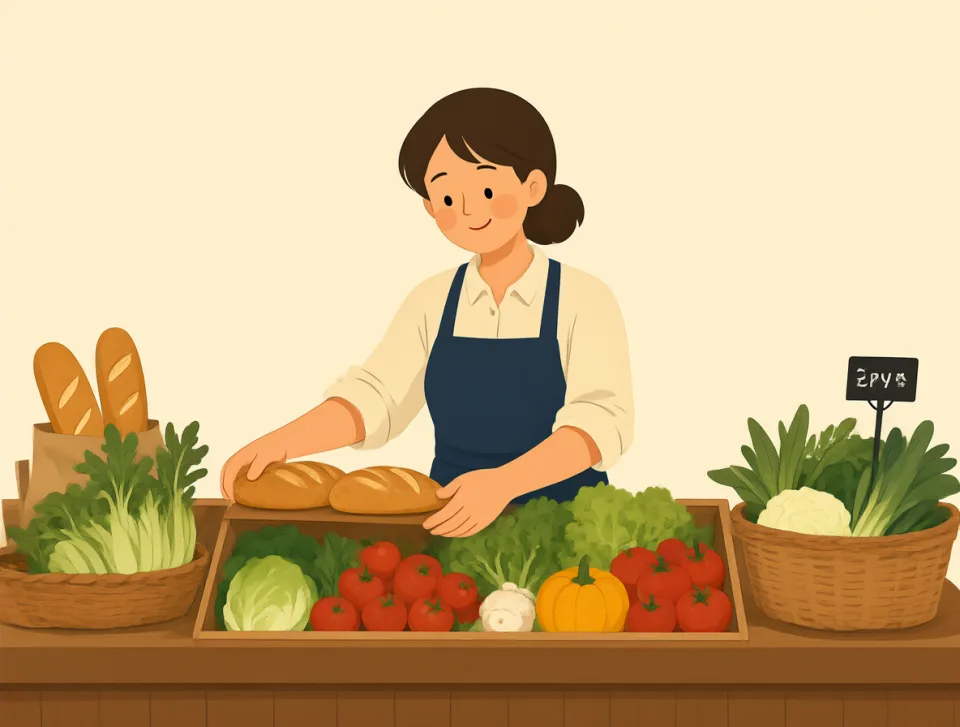
The shop sells fresh food at prime prices every morning.
Sklep codziennie rano sprzedaje świeżą żywność w wyjątkowych cenach.
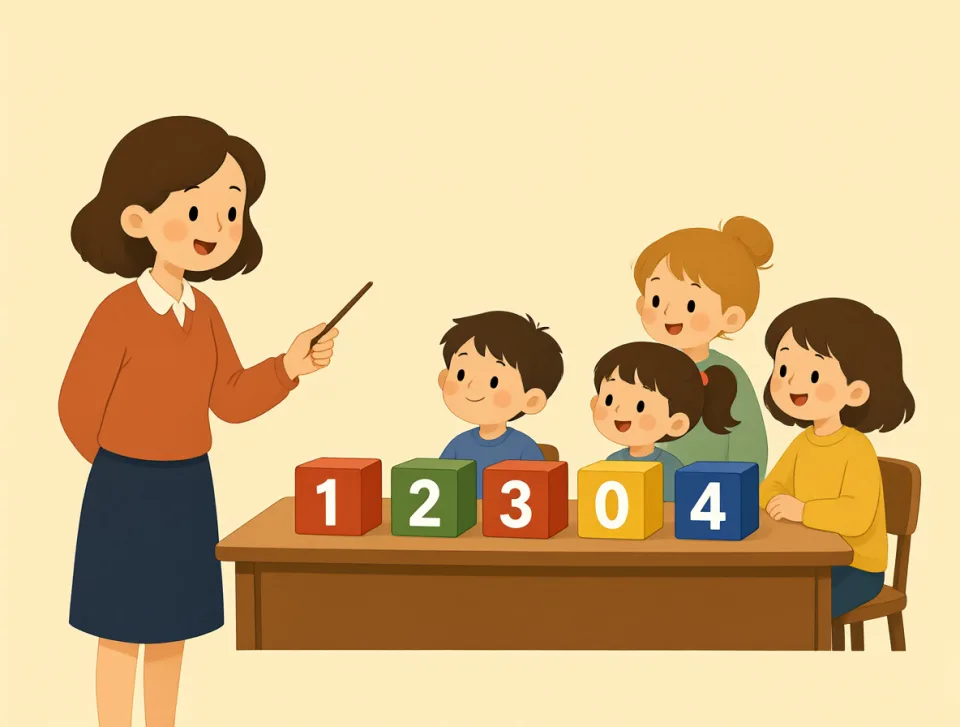
Our teacher asked us to find the prime numbers below twenty.
Nauczyciel poprosił nas o znalezienie liczb pierwszych mniejszych od dwudziestu.
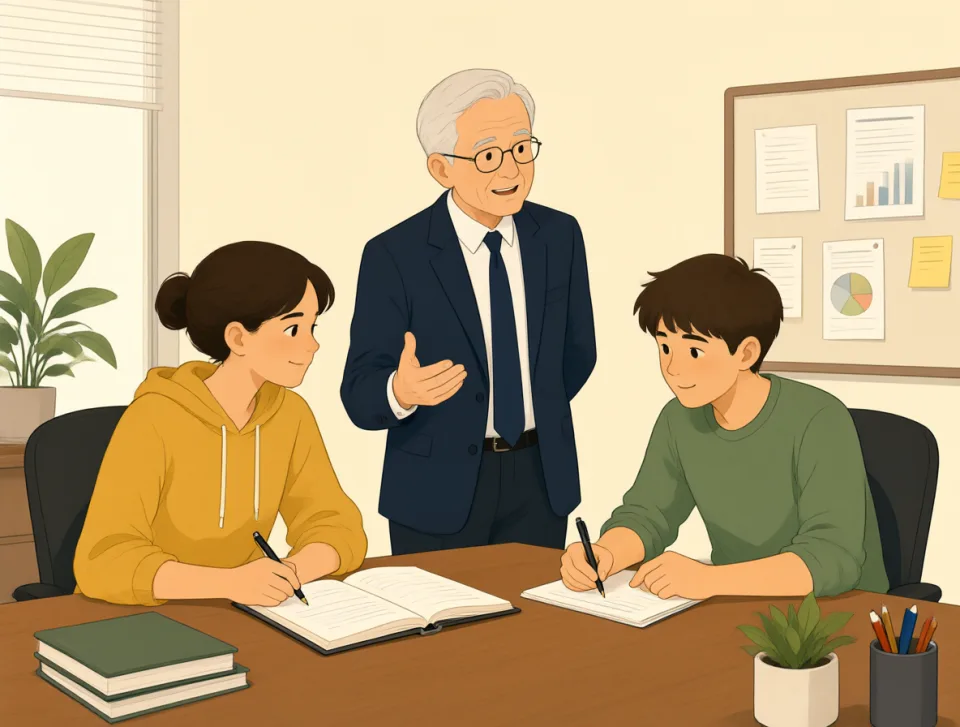
The company is priming new managers for leadership roles.
Firma przygotowuje nowych menedżerów do objęcia stanowisk kierowniczych.
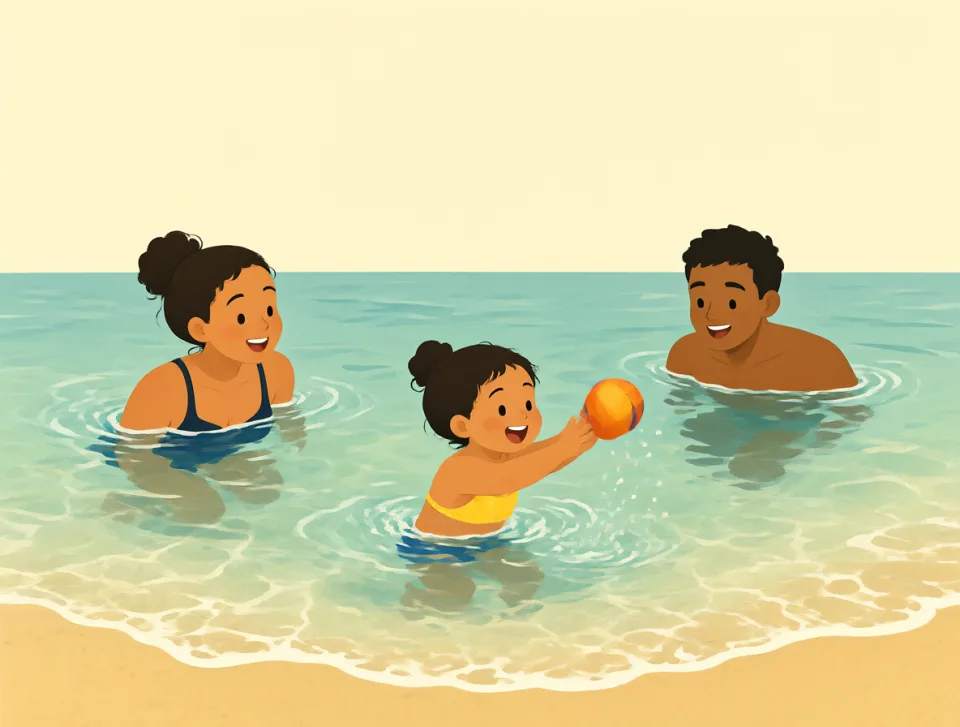
We arrived at the beach during prime swimming time.
Dotarliśmy na plażę w najlepszej porze na kąpiel.
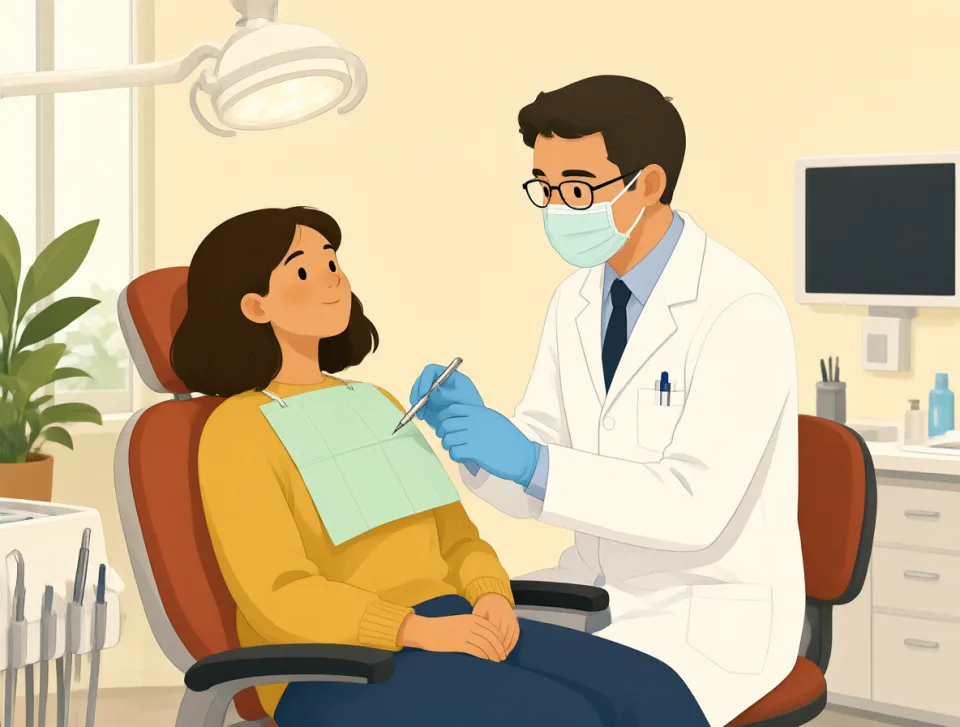
appointment
#1839noun
wizyta; umówione spotkanie
a planned meeting at a particular time, usually with a professional
Spotkanie zaplanowane na konkretną godzinę, zazwyczaj ze specjalistą.
I have an appointment with the dentist tomorrow morning.
Jutro rano mam wizytę u dentysty.
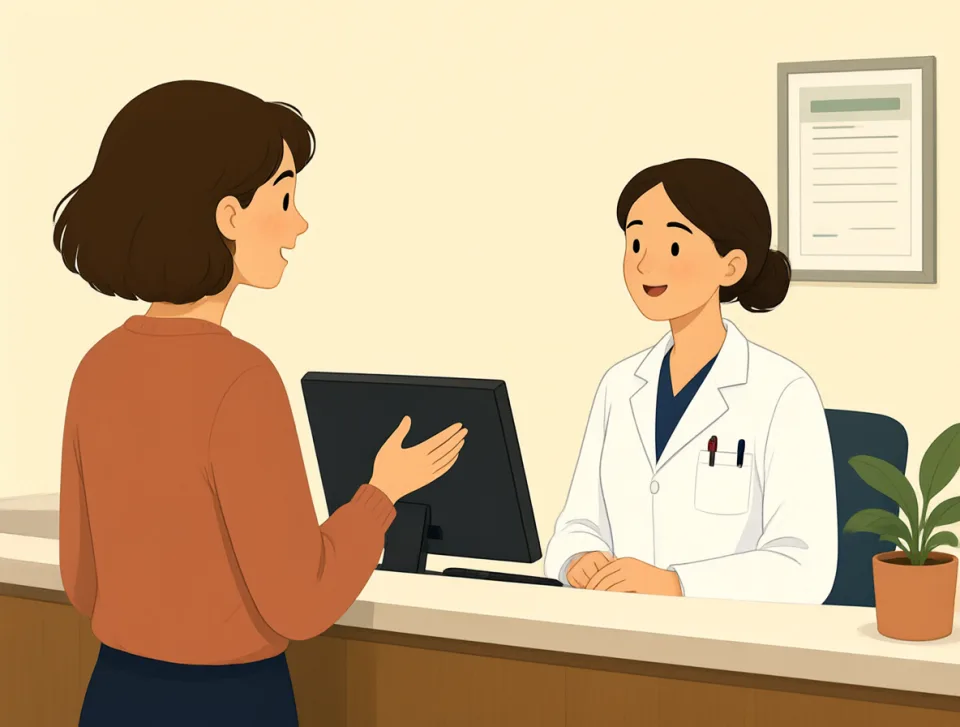
She made an appointment to see the doctor after work.
Umówiła się na wizytę u lekarza po pracy.

Can we change our appointment to Friday afternoon?
Czy możemy przełożyć nasze spotkanie na piątkowe popołudnie?

The manager has an appointment with a client at noon.
Menedżer ma spotkanie z klientem w południe.
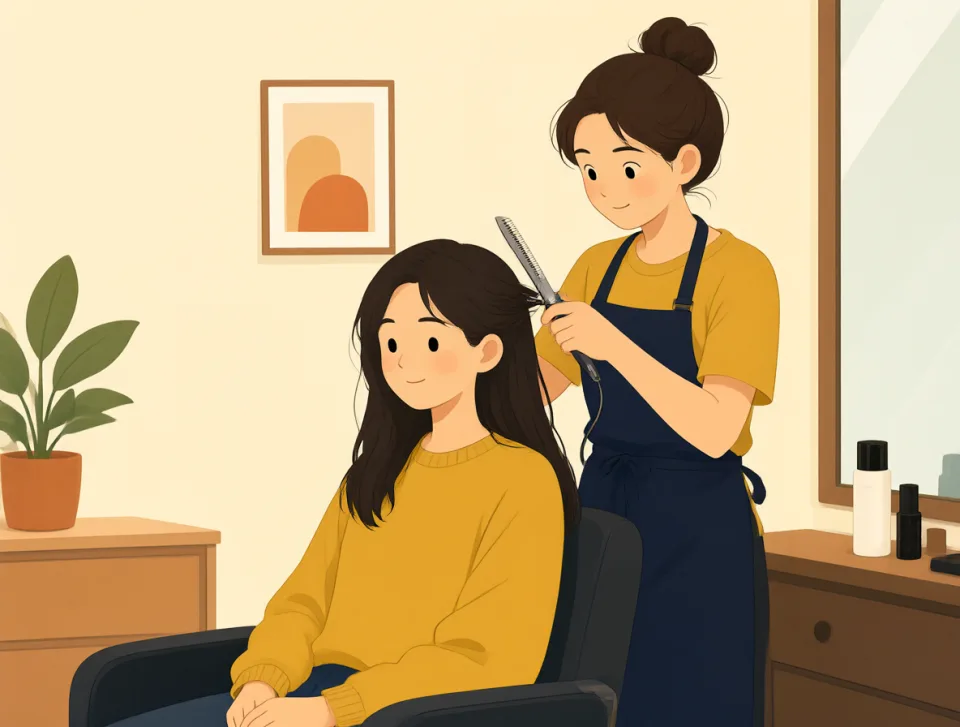
I made a hair appointment before the wedding.
Umówiłam się do fryzjera przed ślubem.
emphasize
#1840verb
podkreślać
to give special importance or attention to something
Nadawać czemuś szczególne znaczenie lub poświęcać temu szczególną uwagę.
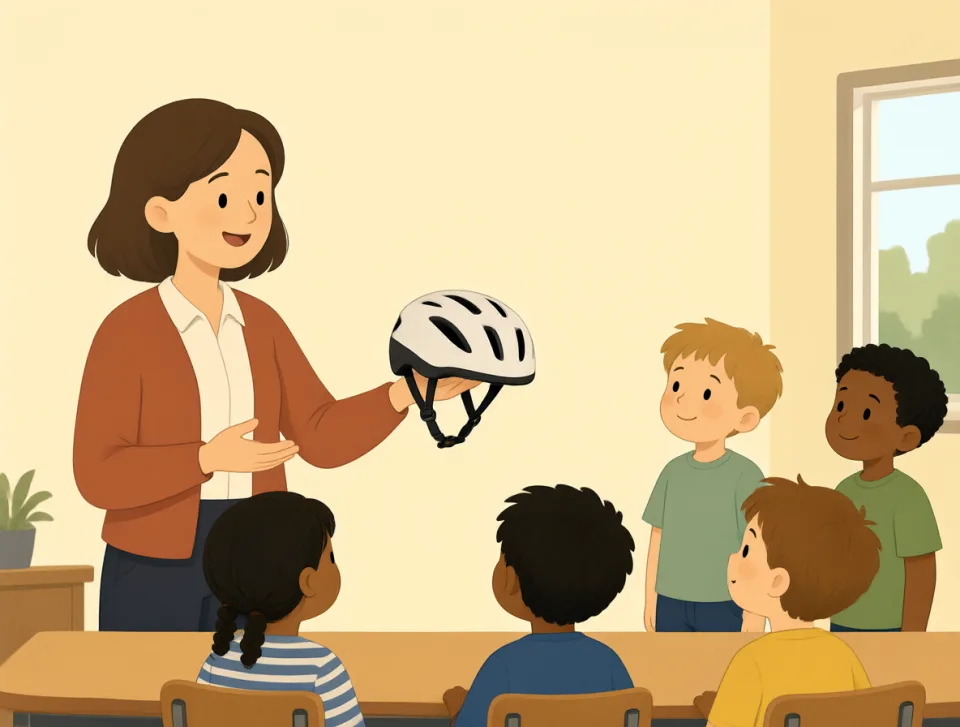
The teacher emphasized the importance of wearing a helmet.
Nauczyciel podkreślił, jak ważne jest noszenie kasku.
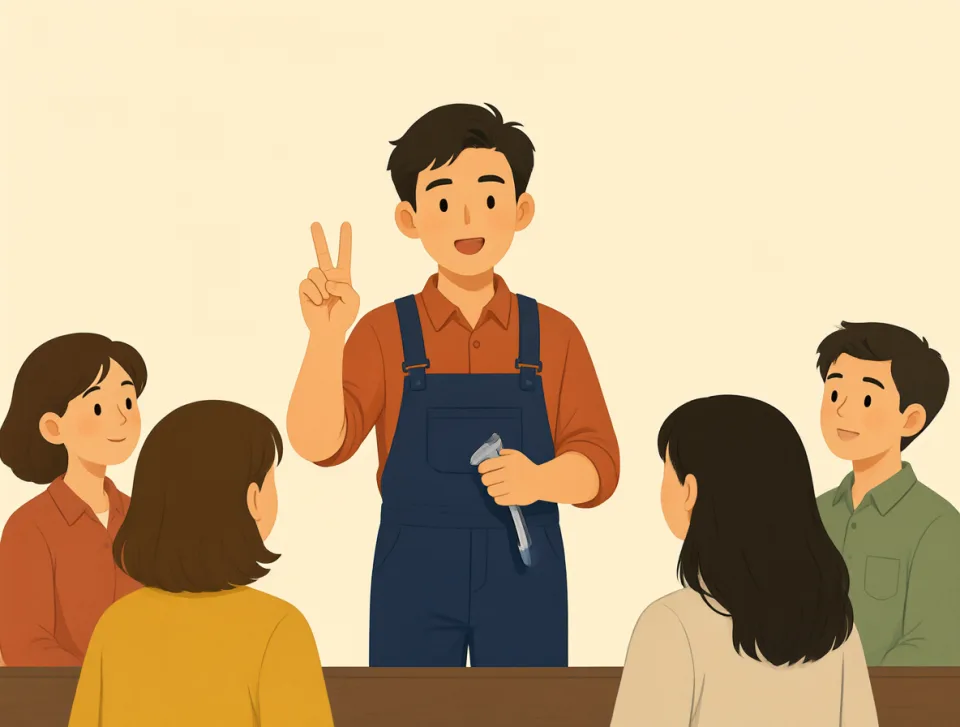
Please emphasize the main points during your presentation.
Podkreśl najważniejsze kwestie podczas swojej prezentacji.
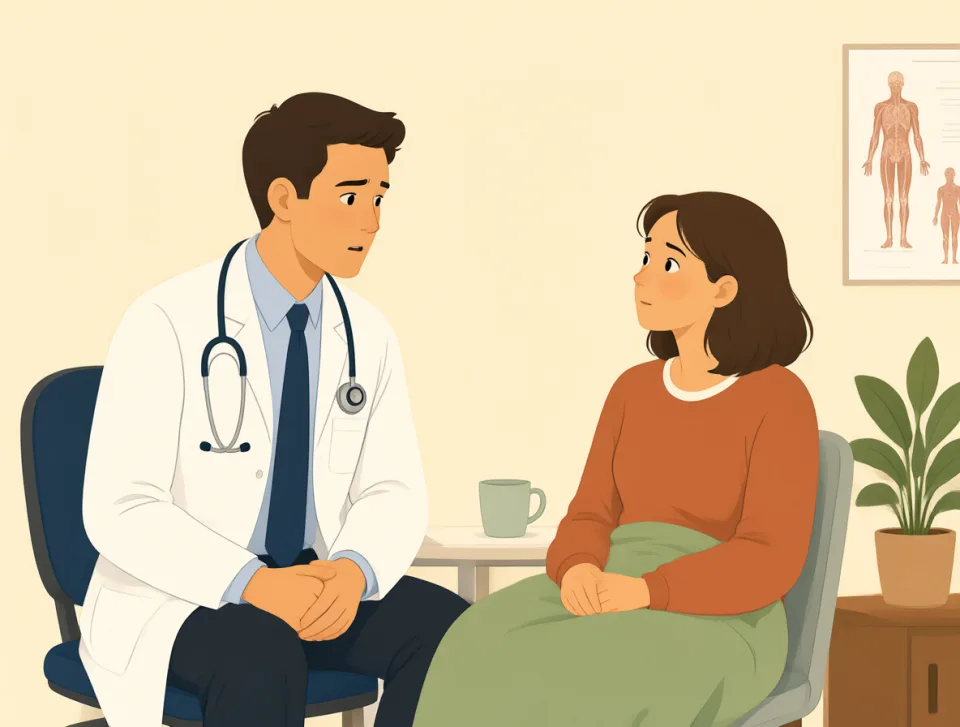
The doctor emphasized that I need more rest.
Lekarz podkreślił, że muszę więcej odpoczywać.
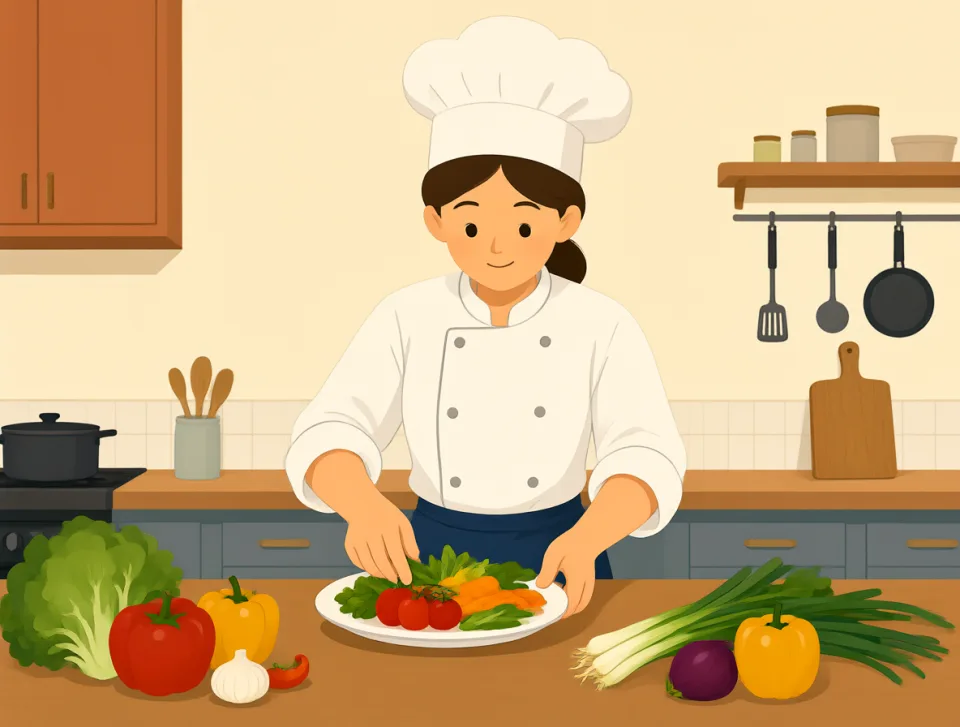
The chef emphasized fresh vegetables in every meal.
Szef kuchni podkreślał znaczenie świeżych warzyw w każdym posiłku.

She emphasized her apology by bringing flowers to her friend.
Podkreśliła swoje przeprosiny, przynosząc przyjaciółce kwiaty.