Zestaw 95
Słowa 1881–1900 · fundamental, dish, abroad, soul, capable, defeat
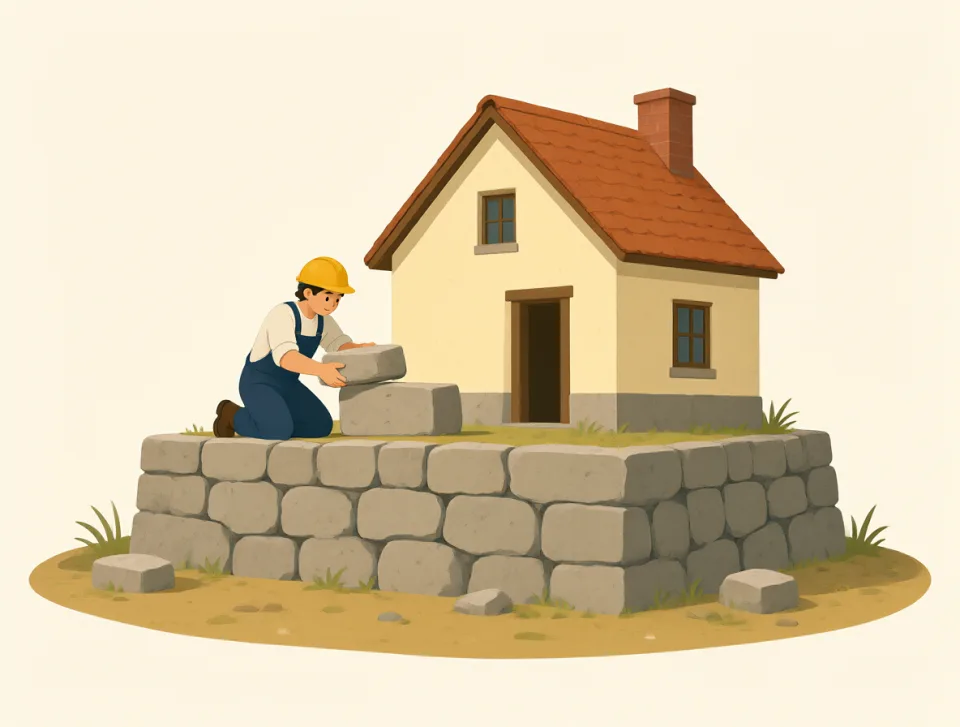
fundamental
#1881adjective, noun
podstawowy
Basic and very important; forming the necessary foundation of something.
Podstawowy i bardzo ważny; stanowiący niezbędną podstawę czegoś.

Good communication is fundamental to a happy relationship.
Dobra komunikacja ma fundamentalne znaczenie dla szczęśliwego związku.
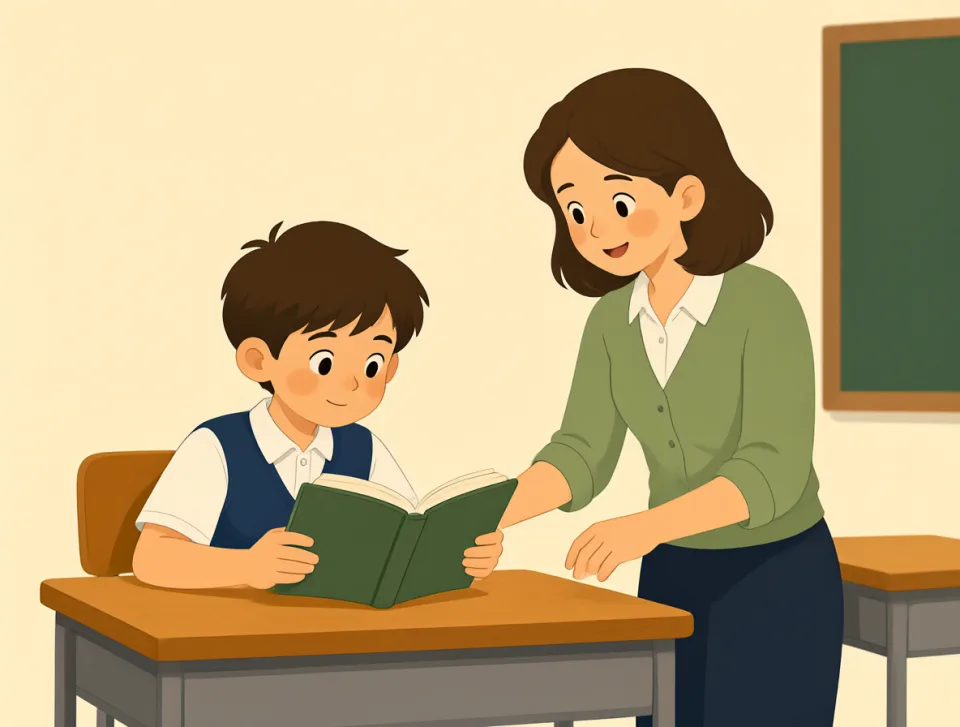
Reading is a fundamental skill for every student.
Czytanie to podstawowa umiejętność każdego ucznia.
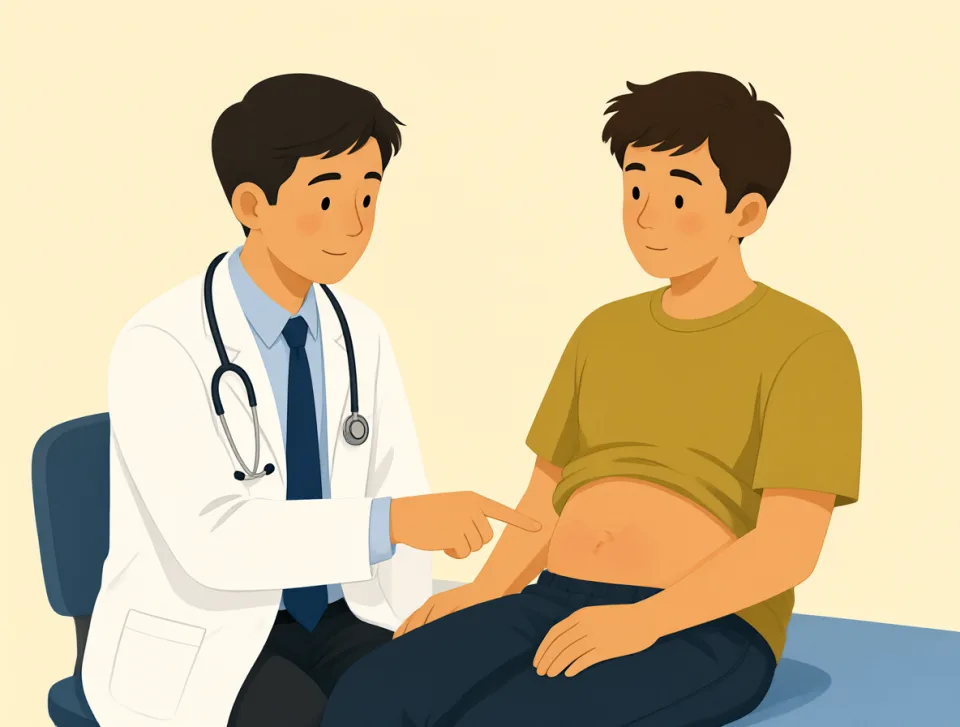
The doctor explained the fundamental causes of my stomach pain.
Lekarz wyjaśnił podstawowe przyczyny mojego bólu brzucha.
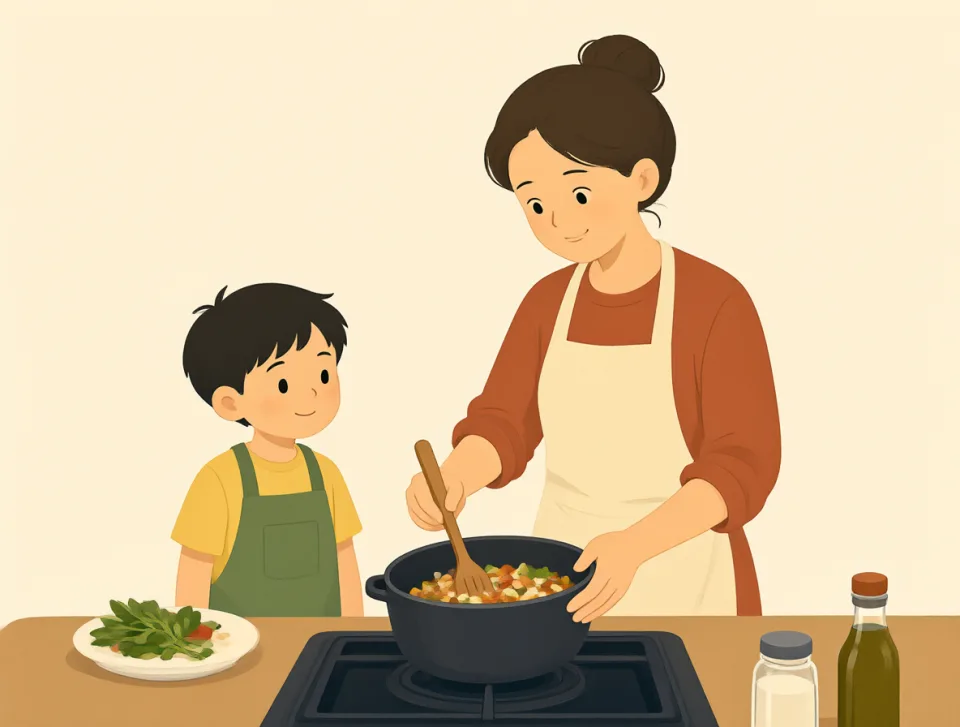
We learned the fundamentals of cooking in our first class.
Na pierwszych zajęciach poznaliśmy podstawy gotowania.
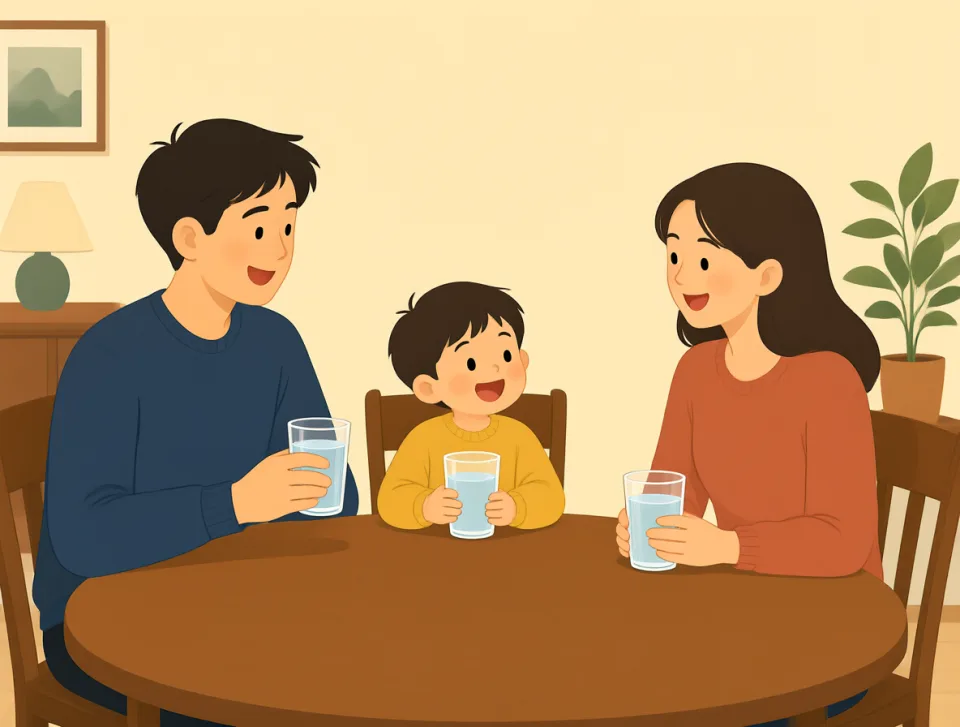
Clean water is fundamental to good health.
Czysta woda jest niezbędna dla zdrowia.
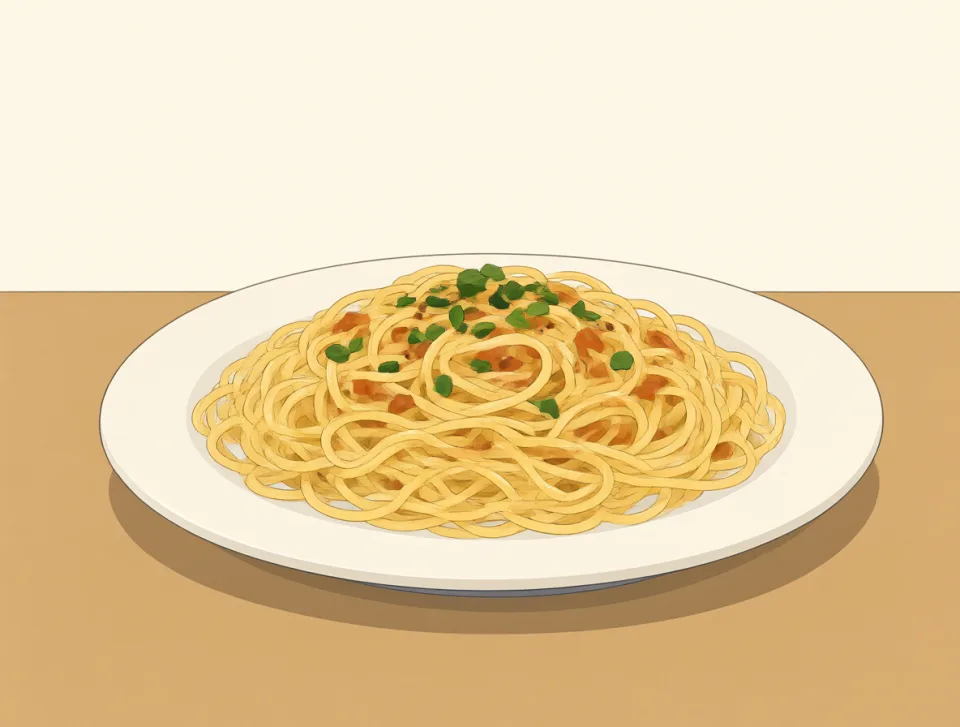
dish
#1882noun, verb
danie
A flat container for serving food, or a particular type of food.
Płaski talerz lub półmisek do podawania jedzenia albo określony rodzaj potrawy.
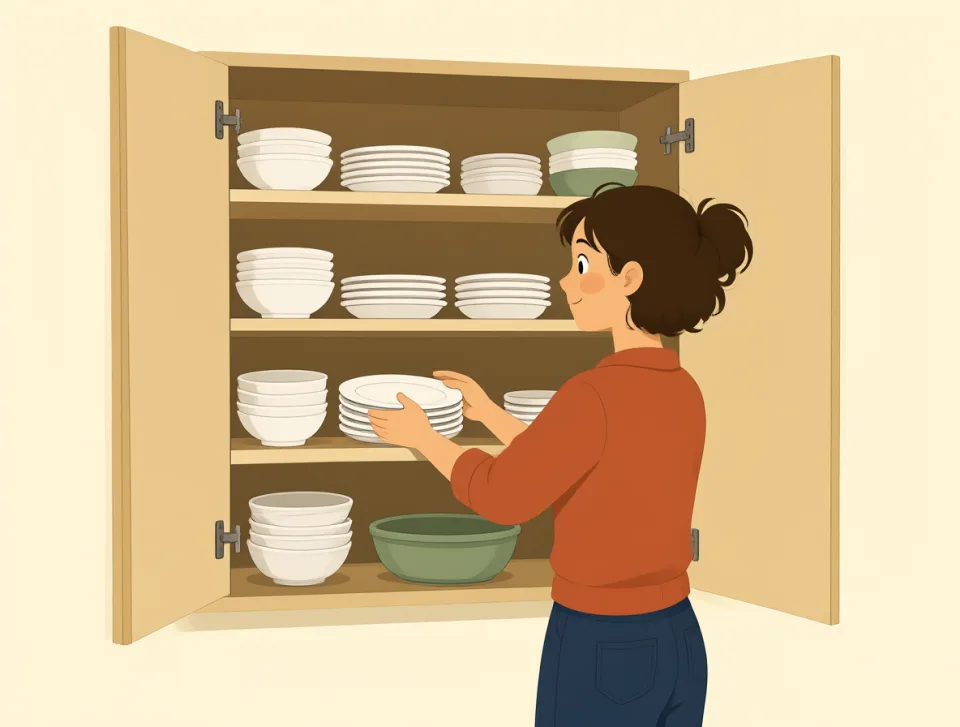
Please put the clean dishes in the cupboard.
Włóż proszę czyste naczynia do szafki.
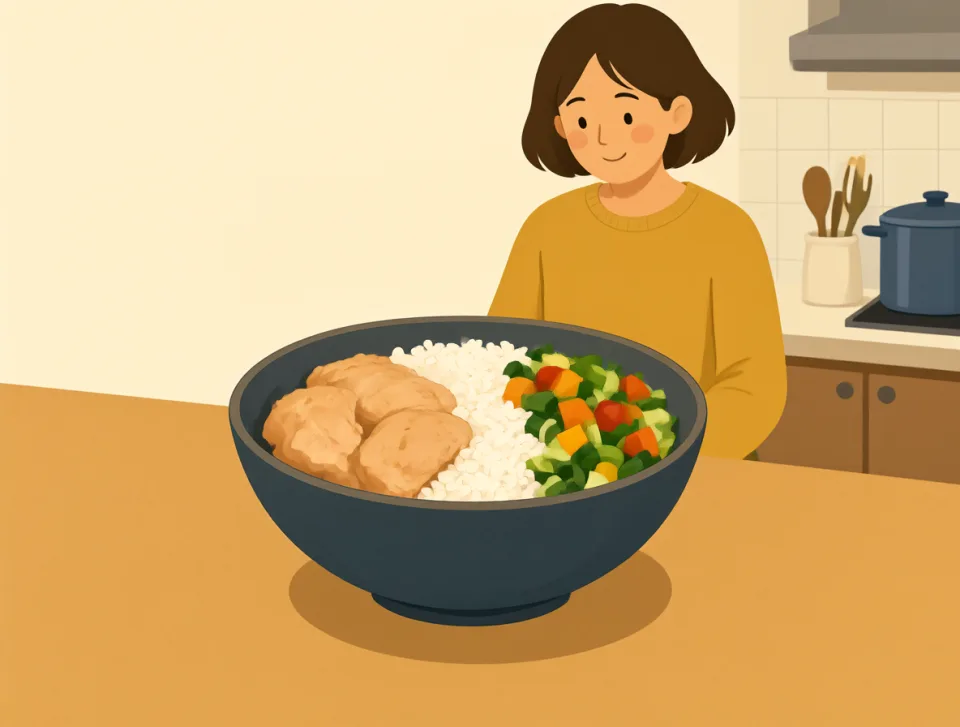
This dish is made with chicken, rice, and fresh vegetables.
To danie jest przygotowane z kurczaka, ryżu i świeżych warzyw.

We ordered the fish dish at a small restaurant.
Zamówiliśmy danie rybne w małej restauracji.
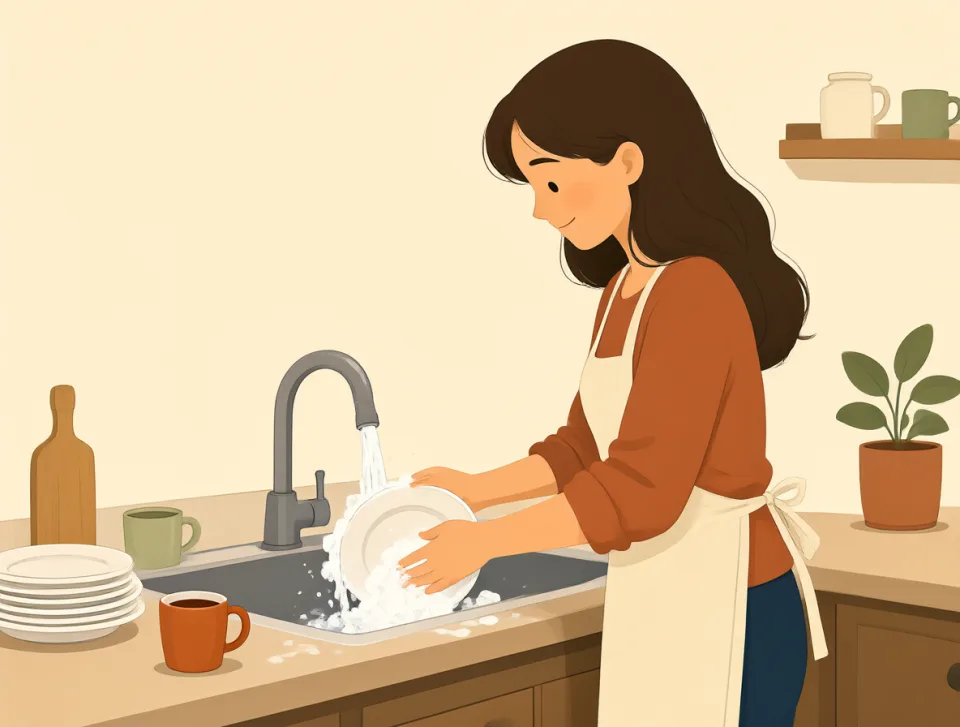
She washed the dishes after dinner.
Po kolacji umyła naczynia.
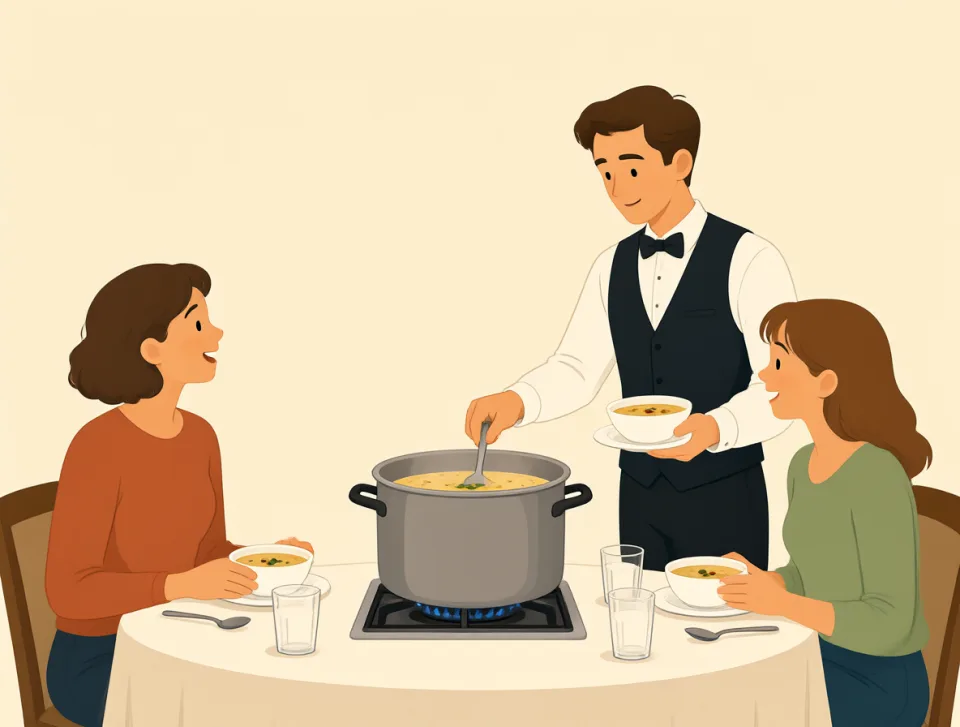
The waiter carefully dished out soup to each guest.
Kelner starannie nalał zupę każdemu z gości.

abroad
#1883adverb
za granicą; za granicę
in or to a foreign country
W obcym kraju lub do obcego kraju.

My sister is studying abroad for a year.
Moja siostra studiuje za granicą przez rok.

We travel abroad every summer to see new places.
Każdego lata podróżujemy za granicę, żeby poznawać nowe miejsca.

He moved abroad after university to find work.
Po studiach wyjechał za granicę w poszukiwaniu pracy.

Our company receives orders from abroad every week.
Nasza firma co tydzień otrzymuje zamówienia z zagranicy.

I made friends with students from abroad at school.
W szkole zaprzyjaźniłem się z uczniami z zagranicy.

soul
#1884noun
dusza
A person’s deepest feelings, character, or spirit.
Najgłębsze uczucia, charakter lub duch człowieka.
The music touched my soul and made me feel calm.
Muzyka poruszyła moją duszę i pomogła mi się uspokoić.

She is a kind soul who always helps her neighbors.
Ona jest dobrą duszą i zawsze pomaga sąsiadom.

He put his whole soul into painting that beautiful picture.
Włożył całą duszę w namalowanie tego pięknego obrazu.

The old traveler said the peaceful village fed his soul.
Stary podróżnik powiedział, że spokojna wioska ukoiła jego duszę.
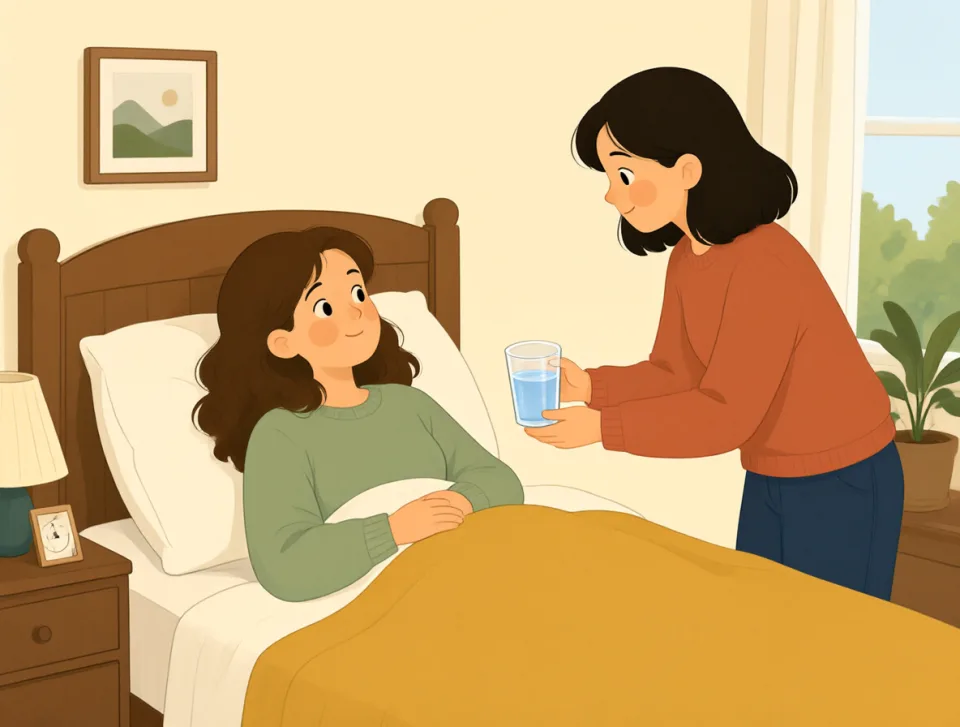
After the illness, she felt tired in body and soul.
Po chorobie czuła się zmęczona na ciele i duszy.
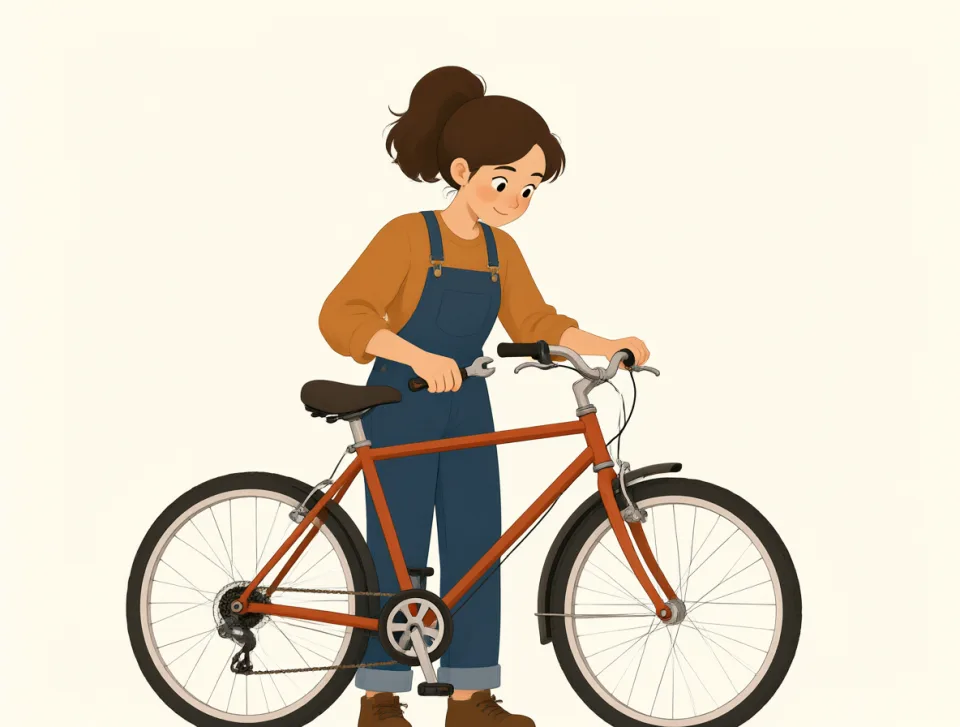
capable
#1885adjective
zdolny
Able to do something well or successfully.
Potrafiący coś zrobić dobrze lub z powodzeniem.

She is capable of handling difficult customers calmly.
Potrafi spokojnie radzić sobie z trudnymi klientami.

This laptop is capable of running several programs at once.
Ten laptop potrafi uruchamiać kilka programów jednocześnie.
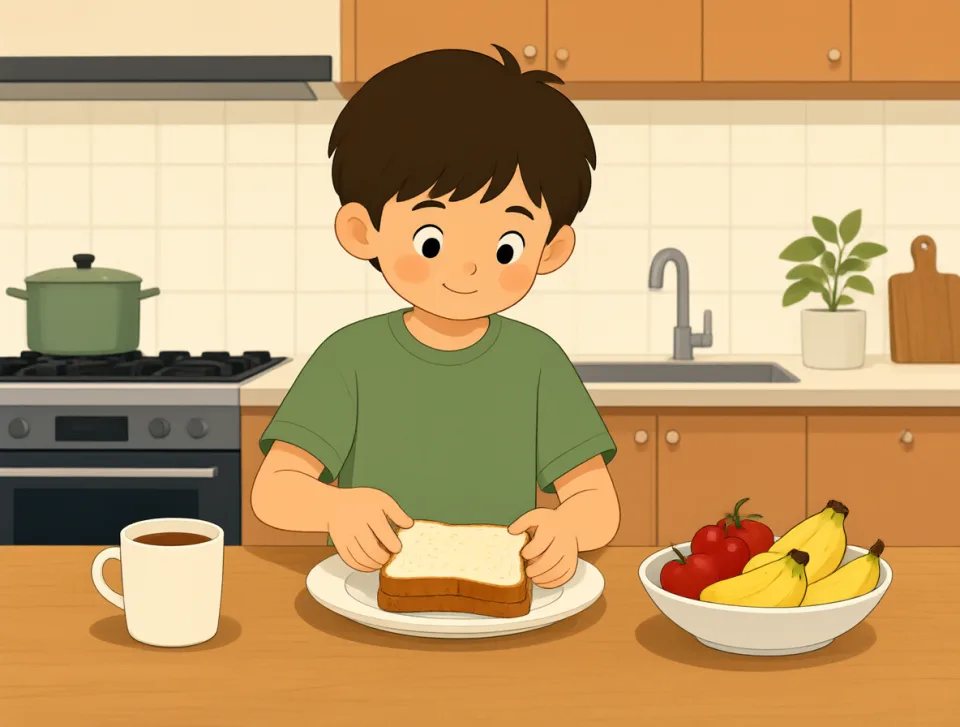
Our son is capable of making breakfast by himself.
Nasz syn potrafi samodzielnie przygotować śniadanie.

The small boat is capable of crossing the lake safely.
Ta mała łódź może bezpiecznie przepłynąć jezioro.
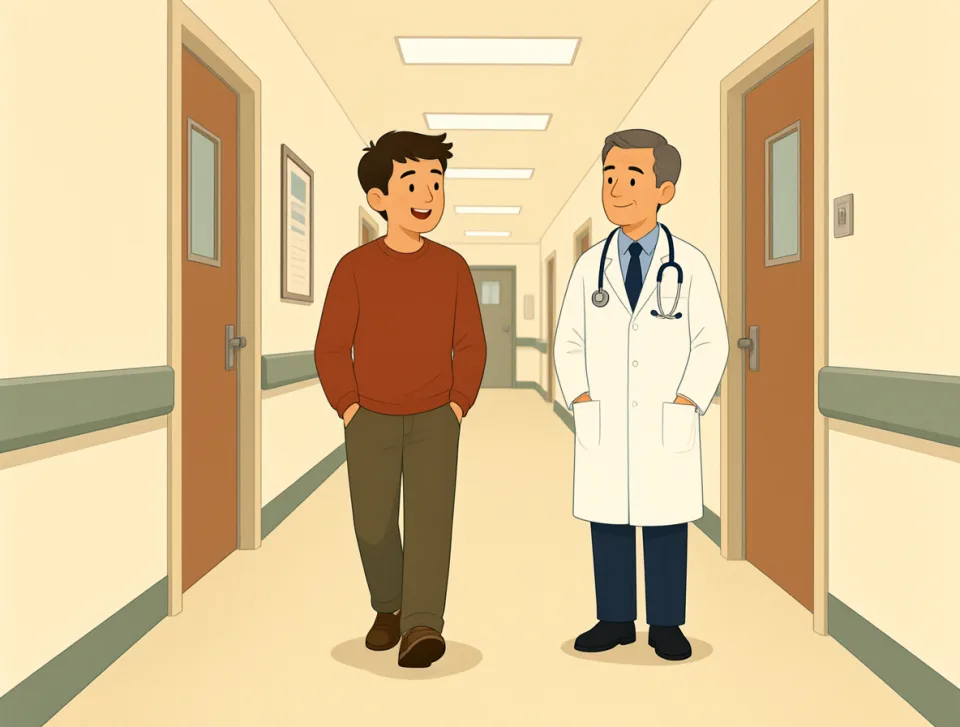
After treatment, he became capable of walking without help.
Po leczeniu był już w stanie chodzić bez pomocy.
defeat
#1886noun, verb
pokonać
To win against someone or something, or the act of winning against them.
Pokonać kogoś lub coś albo akt zwyciężenia nad nimi.
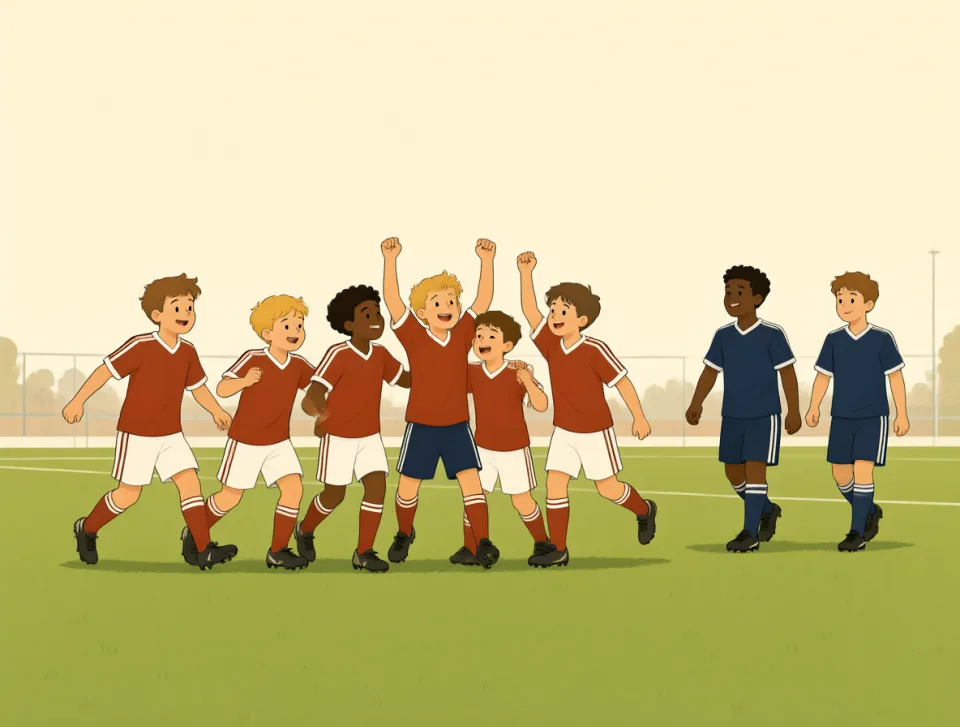
Our team defeated the champions in yesterday’s final.
Nasza drużyna pokonała mistrzów we wczorajszym finale.

The army suffered a serious defeat in the battle.
Armia poniosła poważną klęskę w bitwie.

She defeated her fear of flying after taking several trips.
Po kilku podróżach pokonała strach przed lataniem.

The runner was defeated by a stronger athlete near the finish line.
Biegacz został pokonany przez silniejszego zawodnika tuż przed metą.
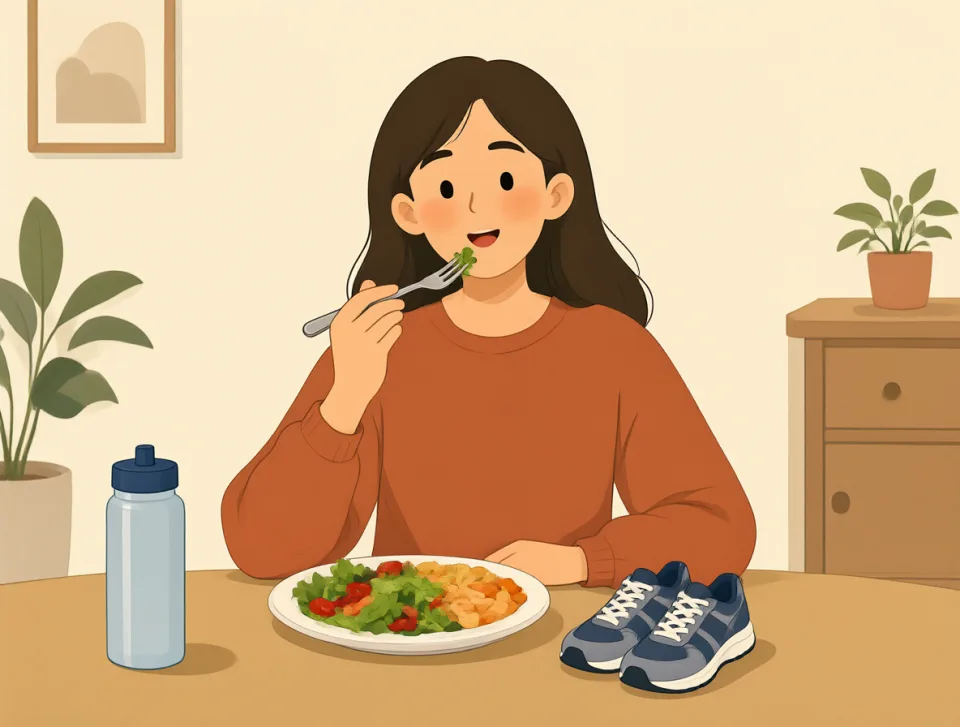
Healthy meals and exercise can help defeat many health problems.
Zdrowe posiłki i ćwiczenia mogą pomóc pokonać wiele problemów zdrowotnych.

presidential
#1887adjective
prezydencki
Related to a president or the office of president.
Związany z prezydentem lub urzędem prezydenta.
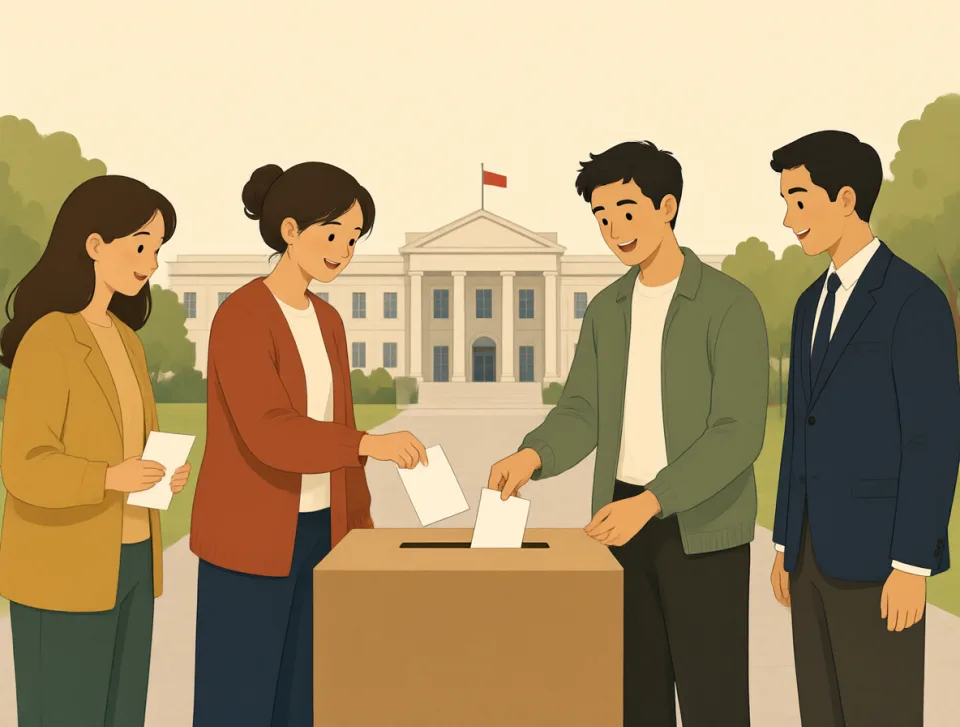
The presidential election will take place in November.
Wybory prezydenckie odbędą się w listopadzie.

She watched the presidential debate with her family.
Oglądała debatę prezydencką z rodziną.
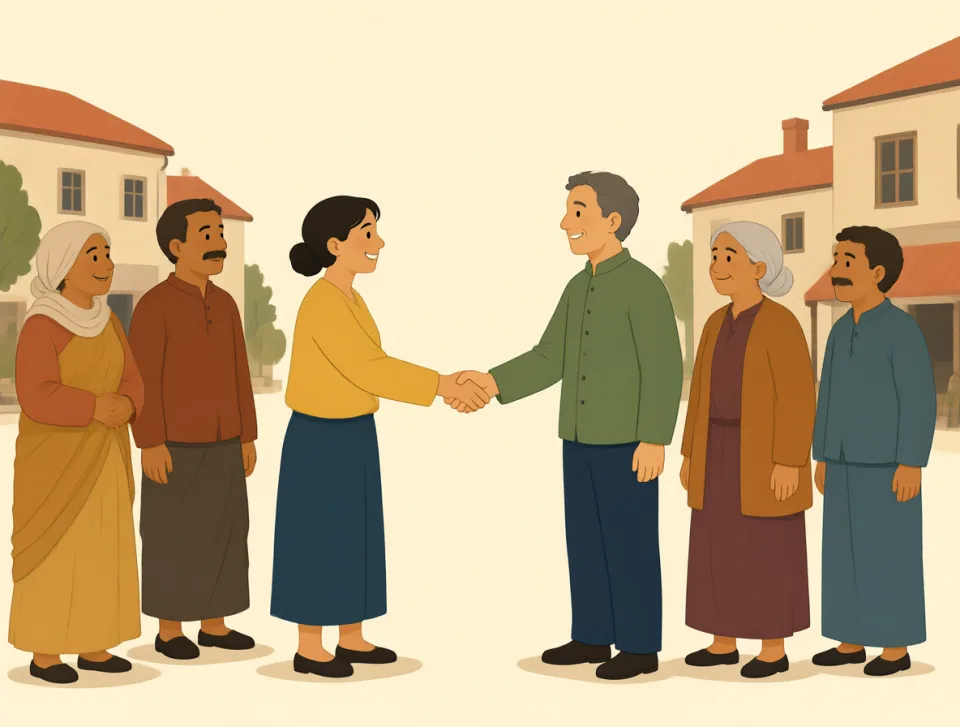
The presidential candidate visited our town yesterday.
Kandydat na prezydenta odwiedził wczoraj nasze miasto.
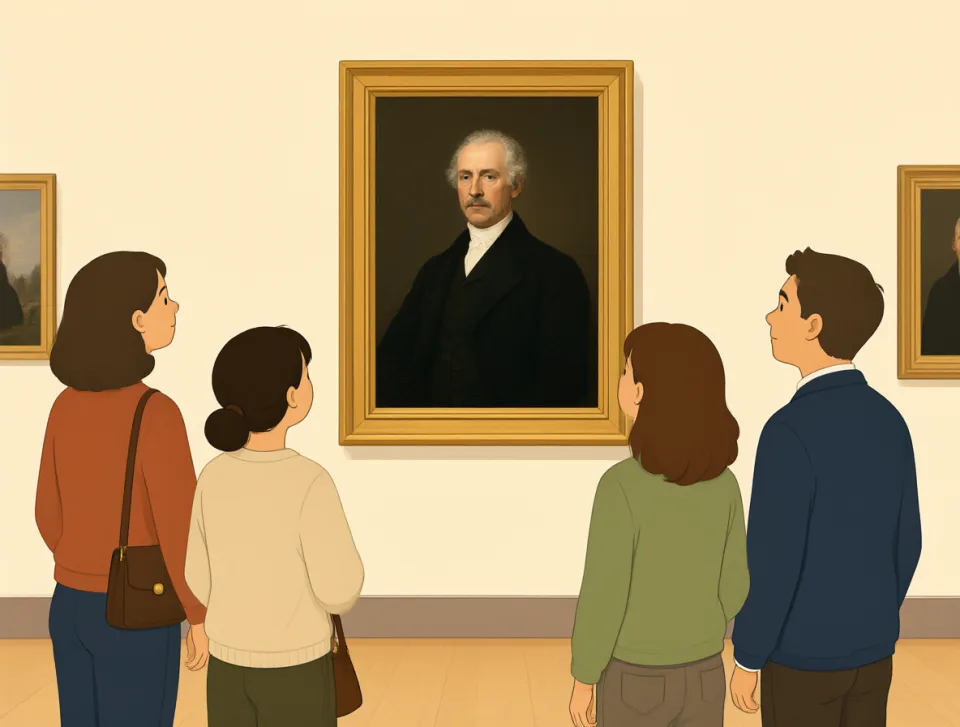
The museum displayed a presidential portrait from the nineteenth century.
W muzeum wystawiono portret prezydenta z XIX wieku.
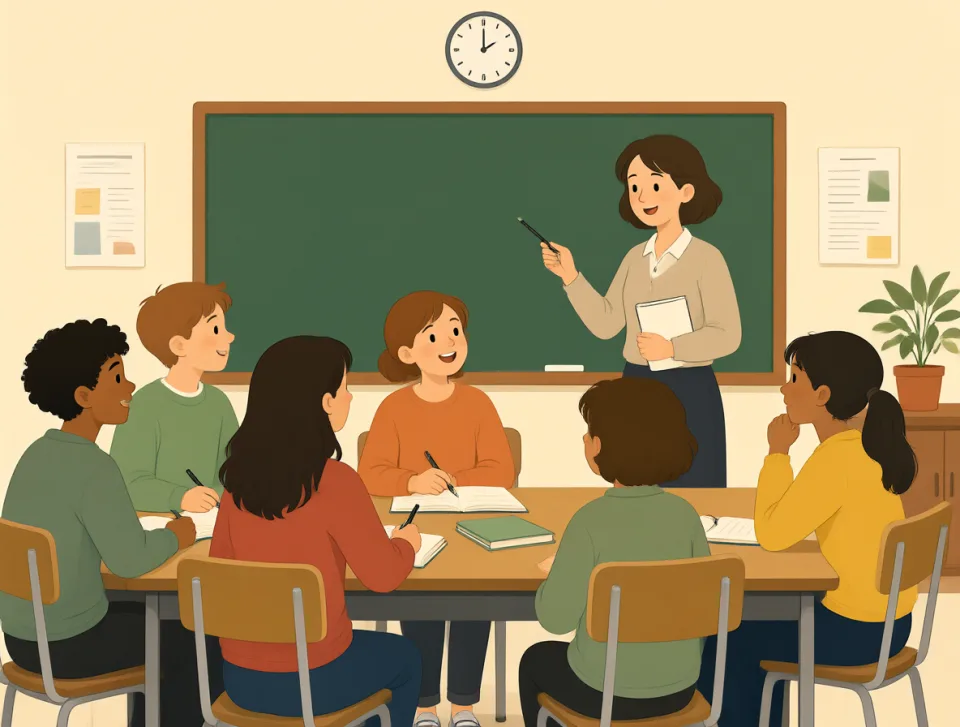
Our class discussed the presidential system in social studies.
Na lekcji wiedzy o społeczeństwie rozmawialiśmy o systemie prezydenckim.
perfectly
#1888adverb
doskonale
In a completely correct, successful, or suitable way.
W całkowicie poprawny, skuteczny lub odpowiedni sposób.
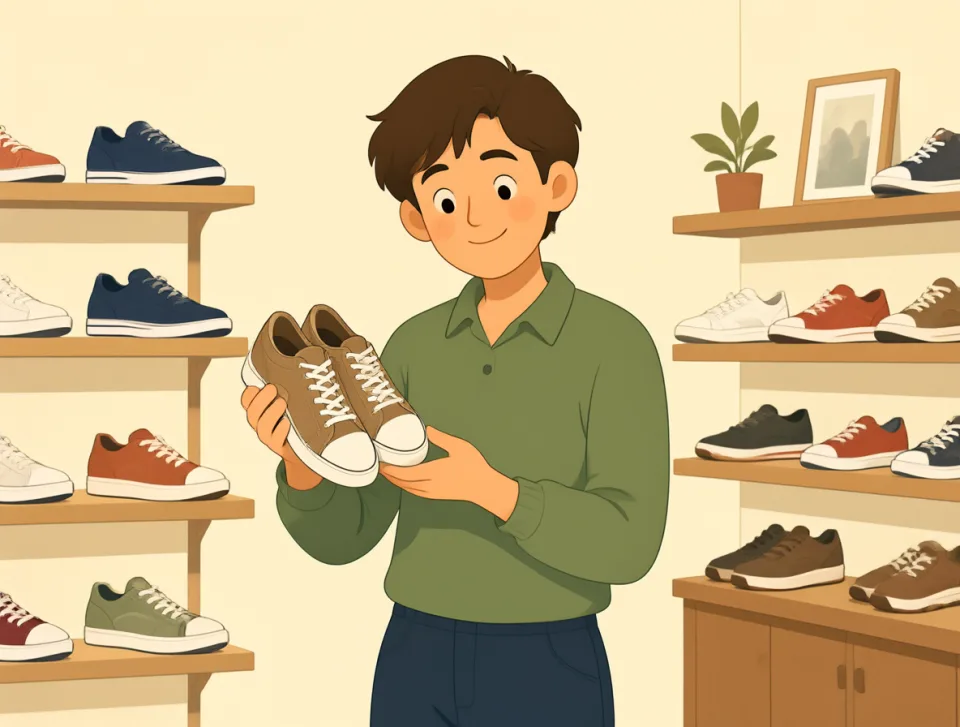
The new shoes fit me perfectly.
Nowe buty pasują na mnie idealnie.

She speaks English perfectly after living abroad for years.
Po latach spędzonych za granicą mówi po angielsku doskonale.
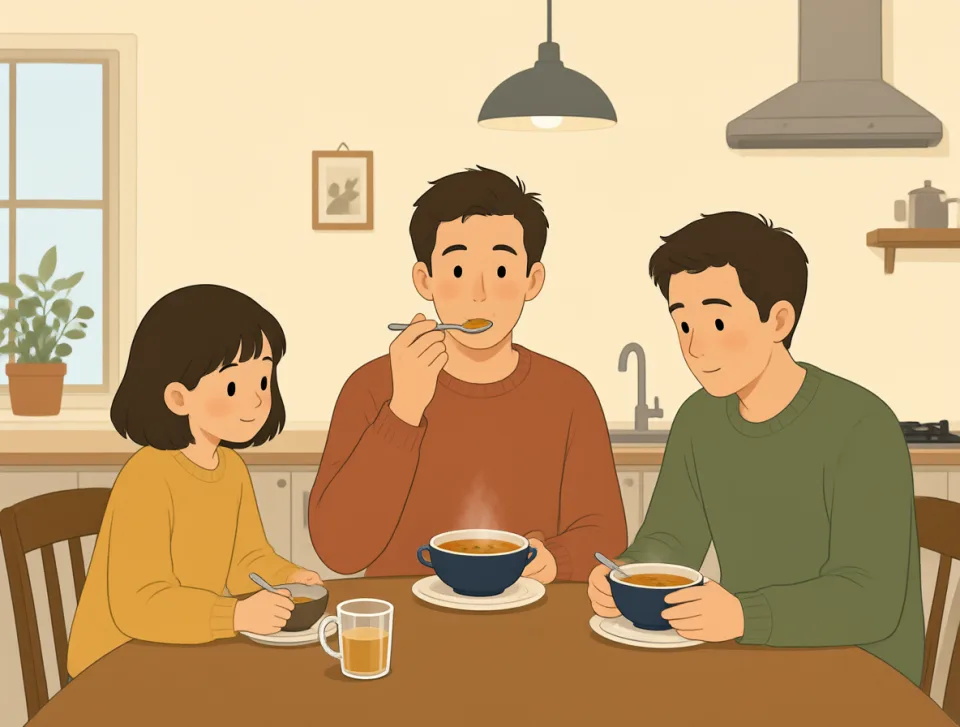
The soup is perfectly warm, so we can eat it now.
Zupa jest w sam raz ciepła, więc możemy ją już zjeść.
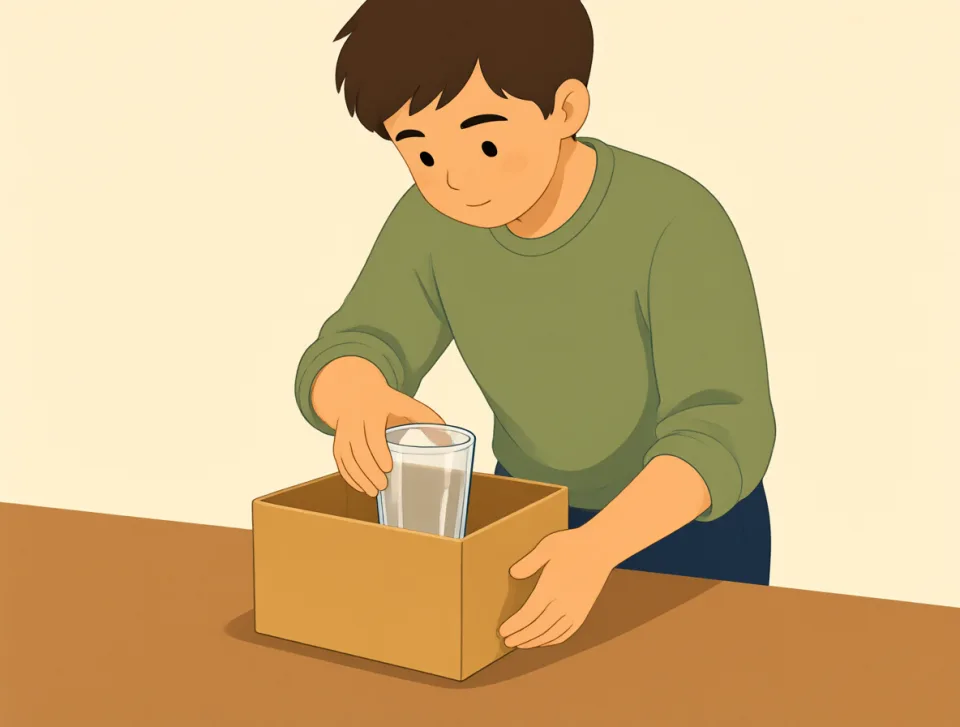
Please pack the glass carefully; it fits perfectly in this box.
Zapakuj ostrożnie szkło; idealnie mieści się w tym pudełku.

He slept perfectly well after his long flight.
Po długim locie spał wyjątkowo dobrze.
enhance
#1889verb
ulepszać
to improve something and make it more attractive, effective, or valuable
Poprawić coś, aby było atrakcyjniejsze, skuteczniejsze lub cenniejsze.
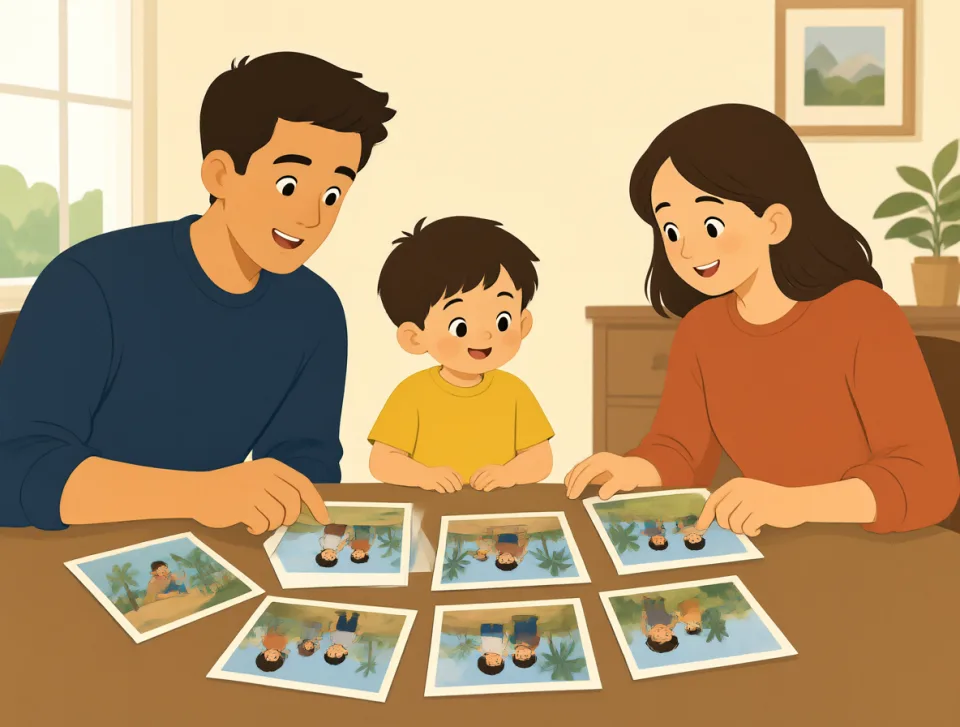
Good lighting enhanced the photos from our family trip.
Dobre oświetlenie poprawiło zdjęcia z naszej rodzinnej wycieczki.
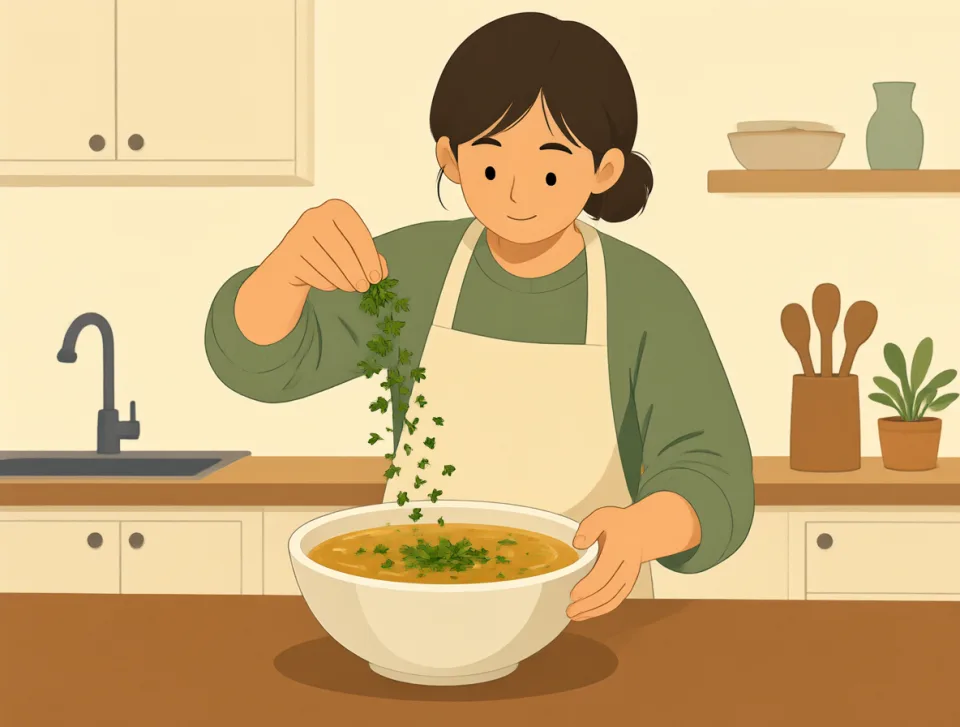
Fresh herbs can enhance the flavor of a simple soup.
Świeże zioła mogą wzbogacić smak prostej zupy.
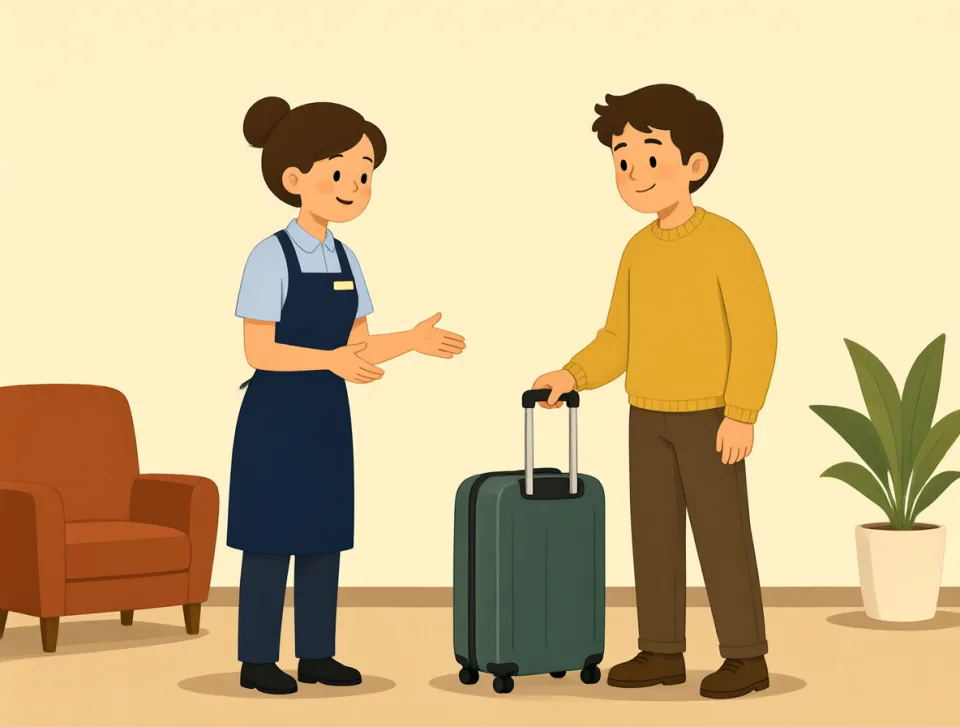
The new hotel service enhanced our travel experience.
Nowa obsługa hotelowa poprawiła nasze wrażenia z podróży.
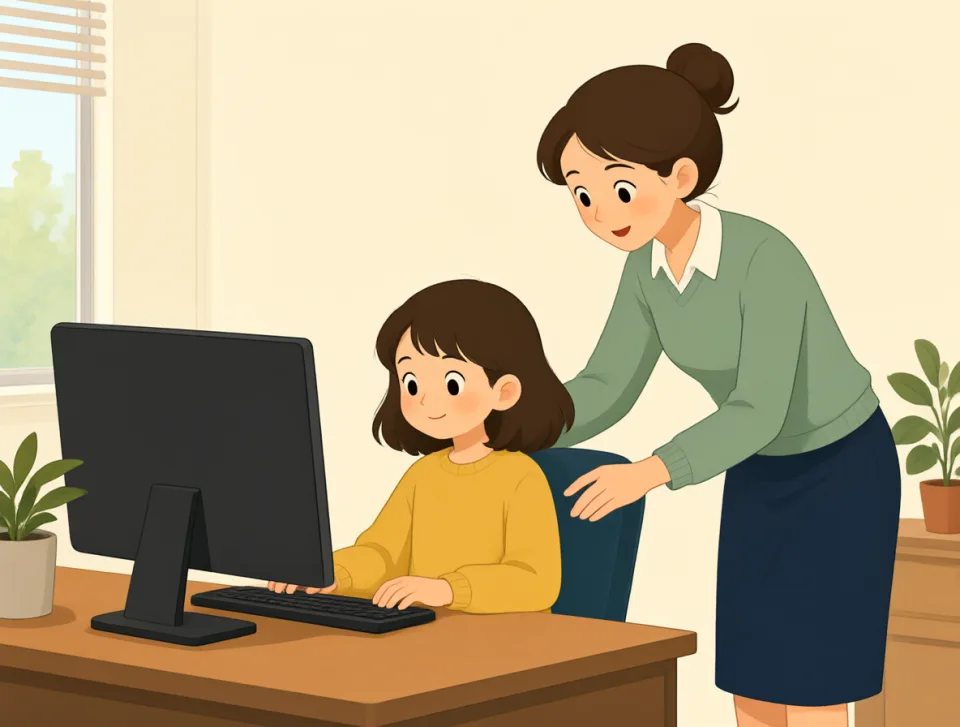
The training course will enhance her computer skills at work.
Kurs szkoleniowy rozwinie jej umiejętności komputerowe przydatne w pracy.
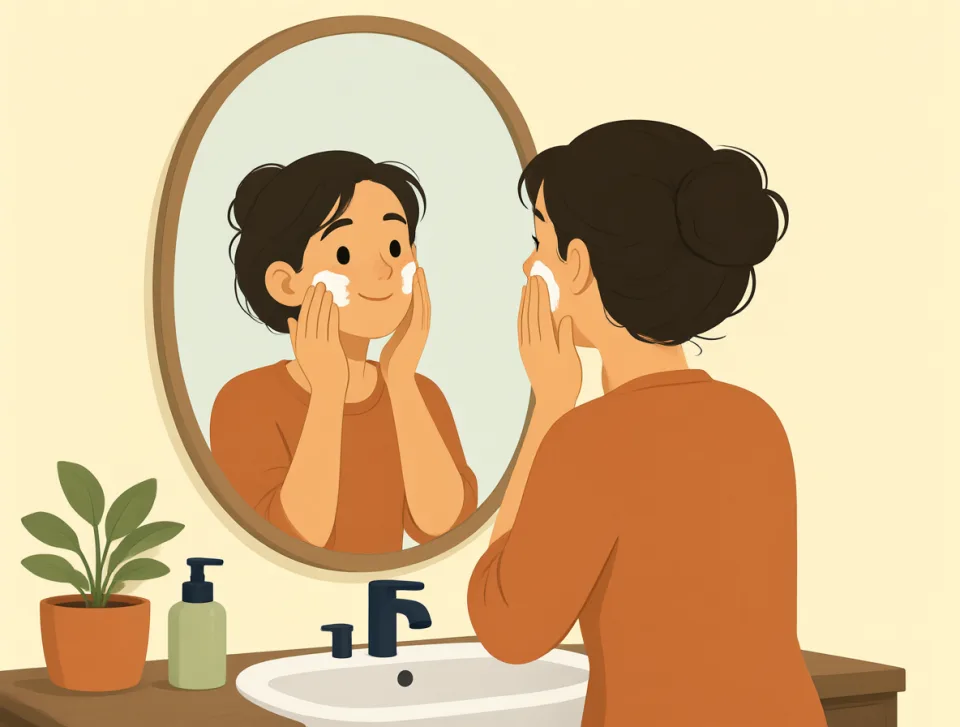
This cream enhances the natural color of your skin.
Ten krem podkreśla naturalny koloryt twojej skóry.
proud
#1890adjective
dumny
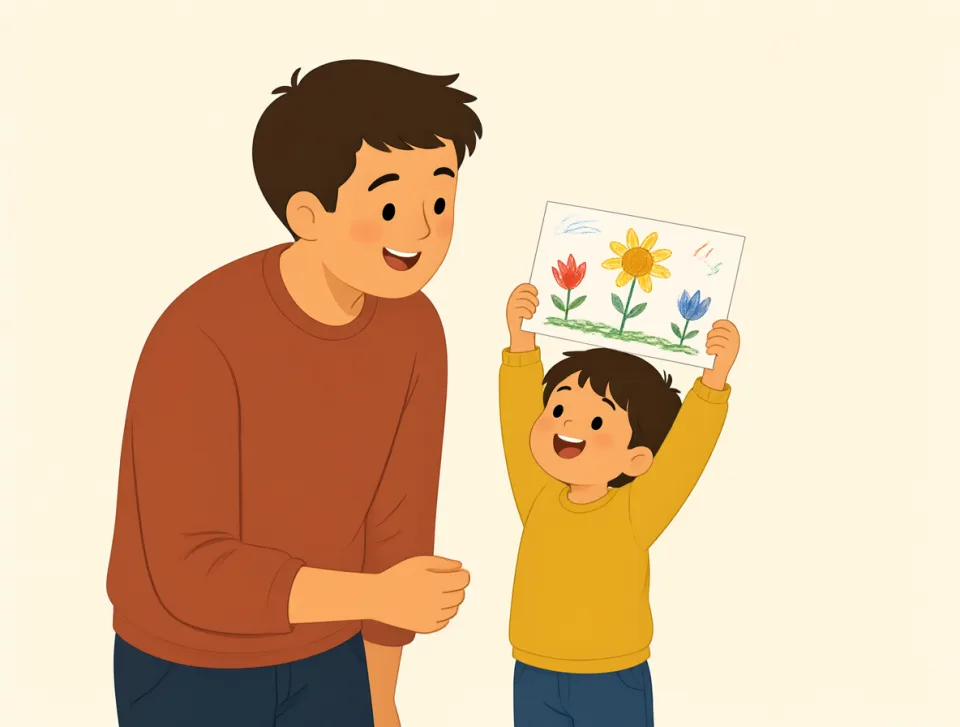
Feeling pleased and happy about something you or someone close to you has done.
Odczuwać zadowolenie i radość z czegoś, co zrobiłeś ty lub ktoś ci bliski.
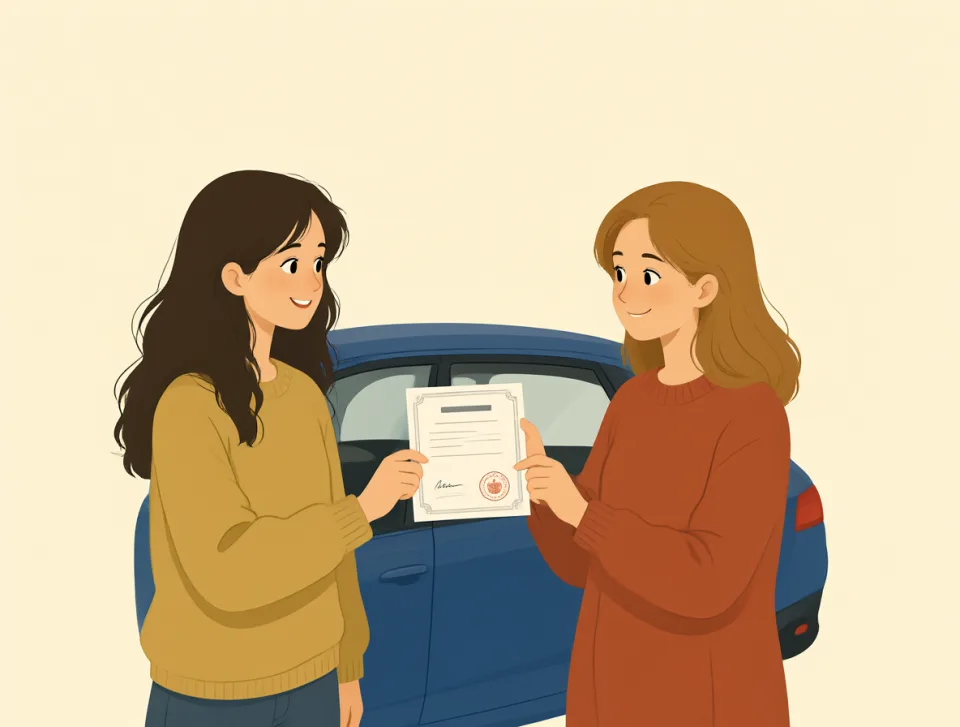
I am proud of you for passing your driving test.
Jestem z ciebie dumny, że zdałeś egzamin na prawo jazdy.
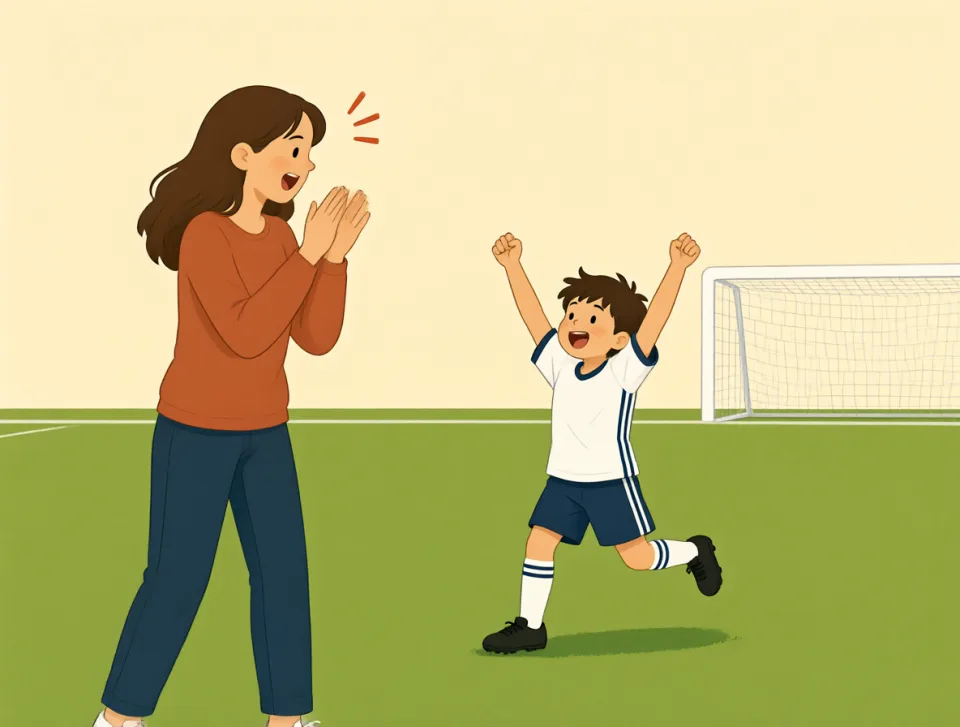
She felt proud when her son scored the winning goal.
Była dumna, gdy jej syn strzelił zwycięskiego gola.

He is proud of his new job at the hotel.
Jest dumny ze swojej nowej pracy w hotelu.
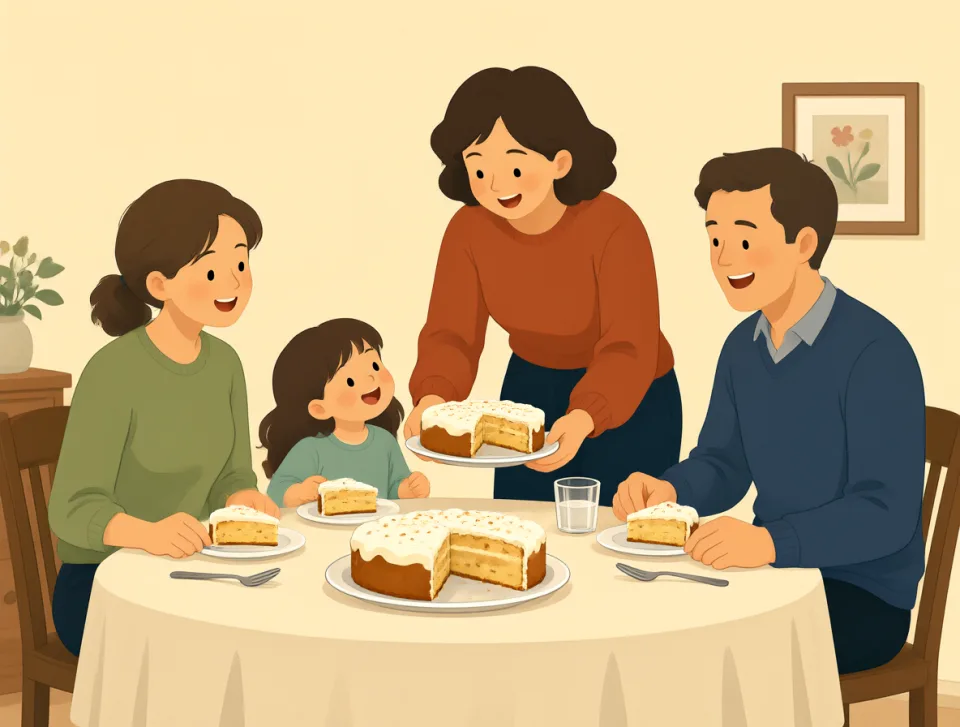
We were proud to serve our homemade cake to everyone.
Byliśmy dumni, że mogliśmy poczęstować wszystkich naszym domowym ciastem.

The proud dog carried its new toy around the house.
Dumny pies nosił swoją nową zabawkę po całym domu.
emergency
#1891noun
nagły wypadek
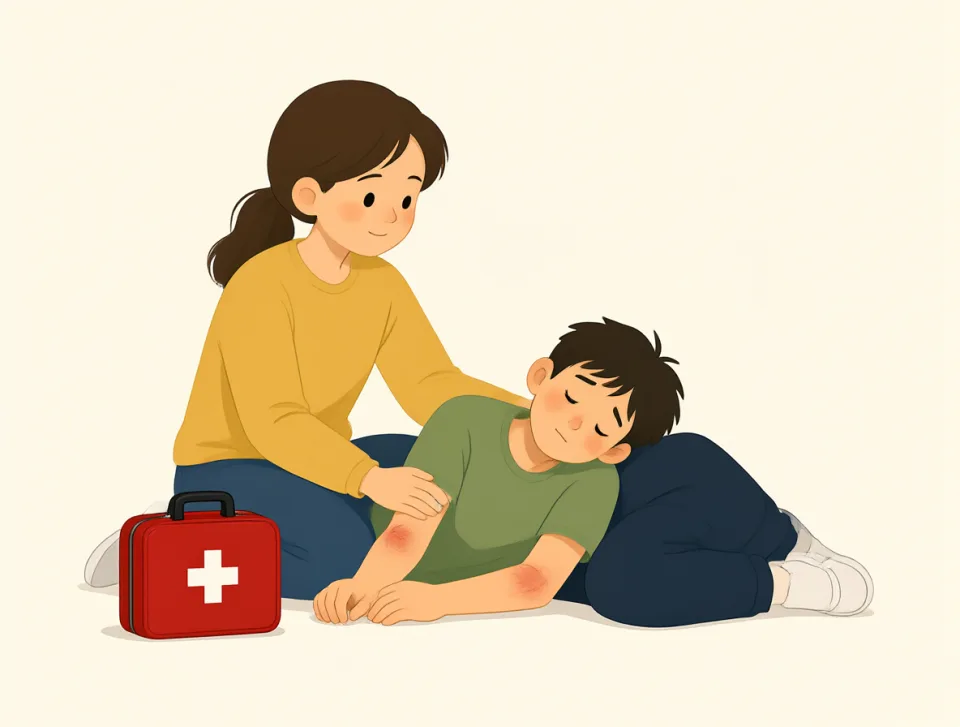
a sudden serious problem that needs immediate action or help
Nagły, poważny problem wymagający natychmiastowego działania lub pomocy.
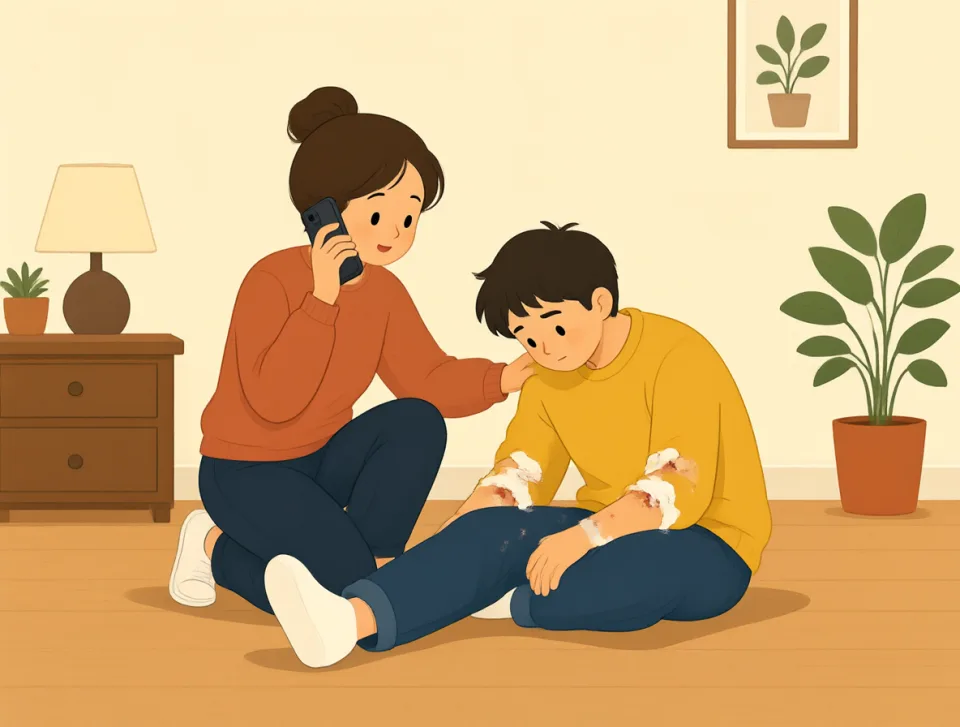
Call emergency services if someone is badly hurt.
Zadzwoń po służby ratunkowe, jeśli ktoś jest poważnie ranny.

The pilot made an emergency landing because of engine trouble.
Pilot awaryjnie wylądował z powodu problemów z silnikiem.
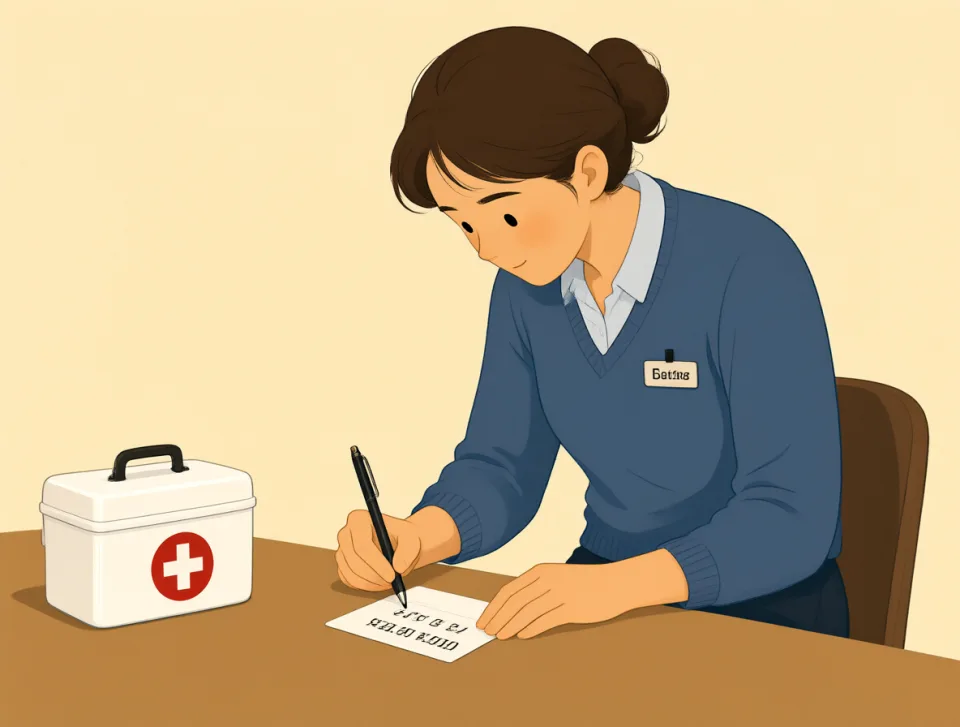
Keep this number for emergency situations at work.
Zachowaj ten numer na wypadek sytuacji awaryjnych w pracy.
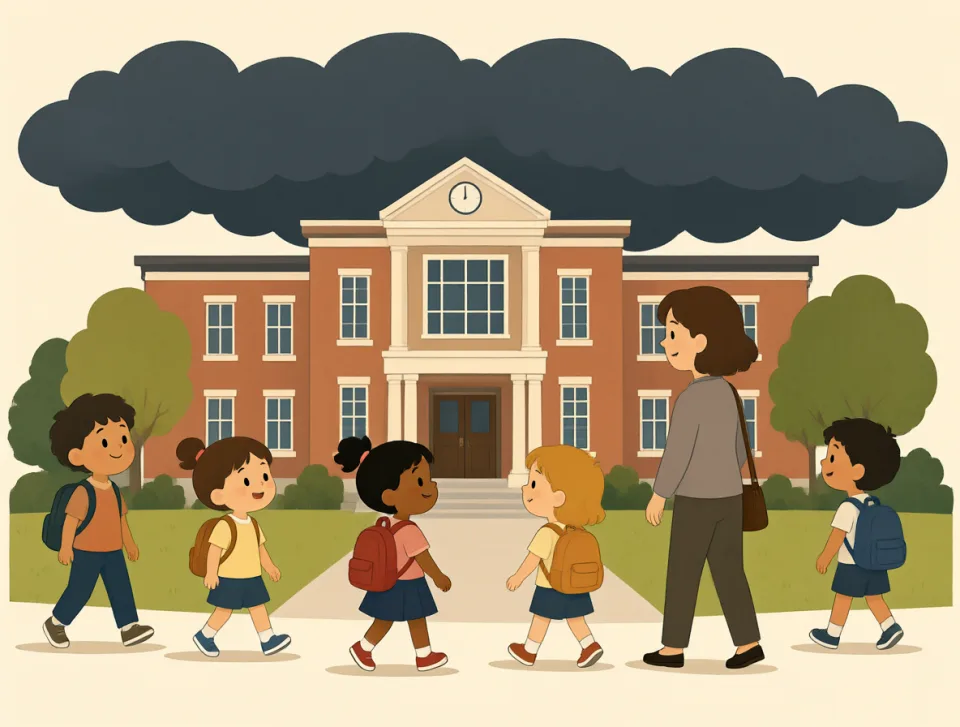
The school closed early because of a weather emergency.
Szkoła została wcześniej zamknięta z powodu zagrożenia pogodowego.
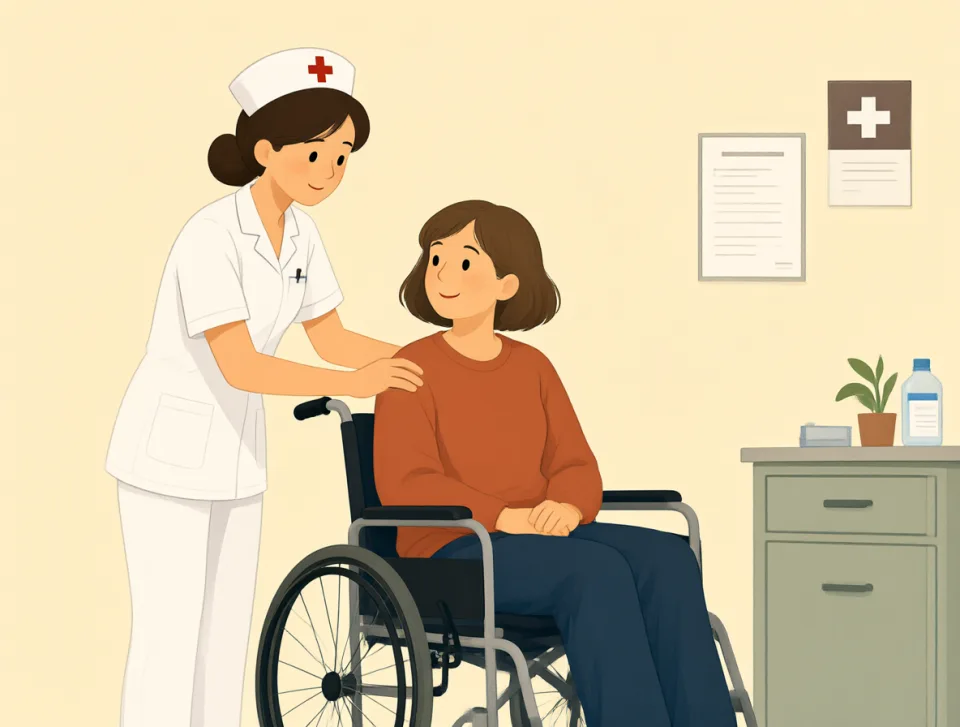
She went to the emergency room with severe stomach pain.
Z powodu silnego bólu brzucha pojechała na szpitalny oddział ratunkowy.

educational
#1892adjective
edukacyjny
Teaching people useful knowledge or skills.
Uczący ludzi przydatnej wiedzy lub umiejętności.
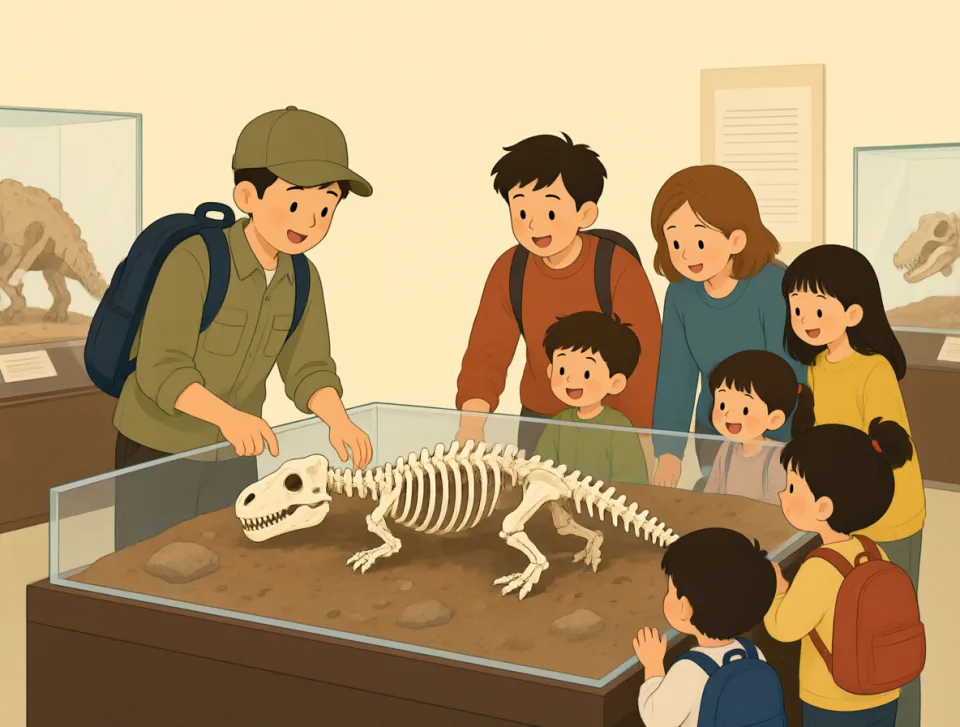
The museum offers educational programs for children during school holidays.
Muzeum organizuje dla dzieci programy edukacyjne podczas ferii szkolnych.

We watched an educational video about animals at home.
W domu obejrzeliśmy film edukacyjny o zwierzętach.
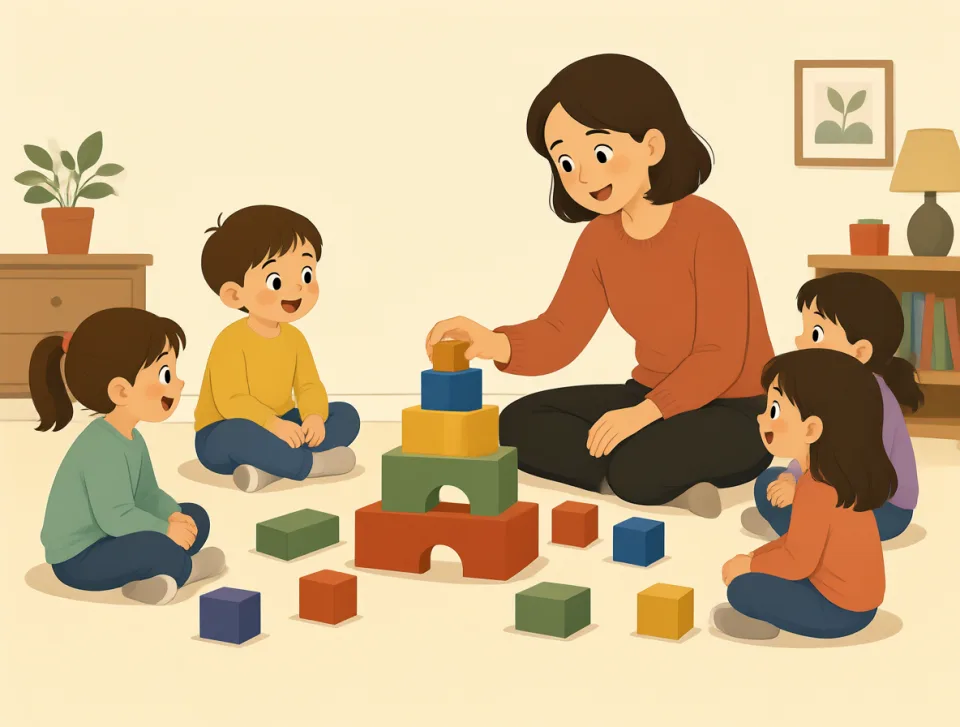
The teacher planned an educational game for the young students.
Nauczyciel przygotował grę edukacyjną dla młodszych uczniów.
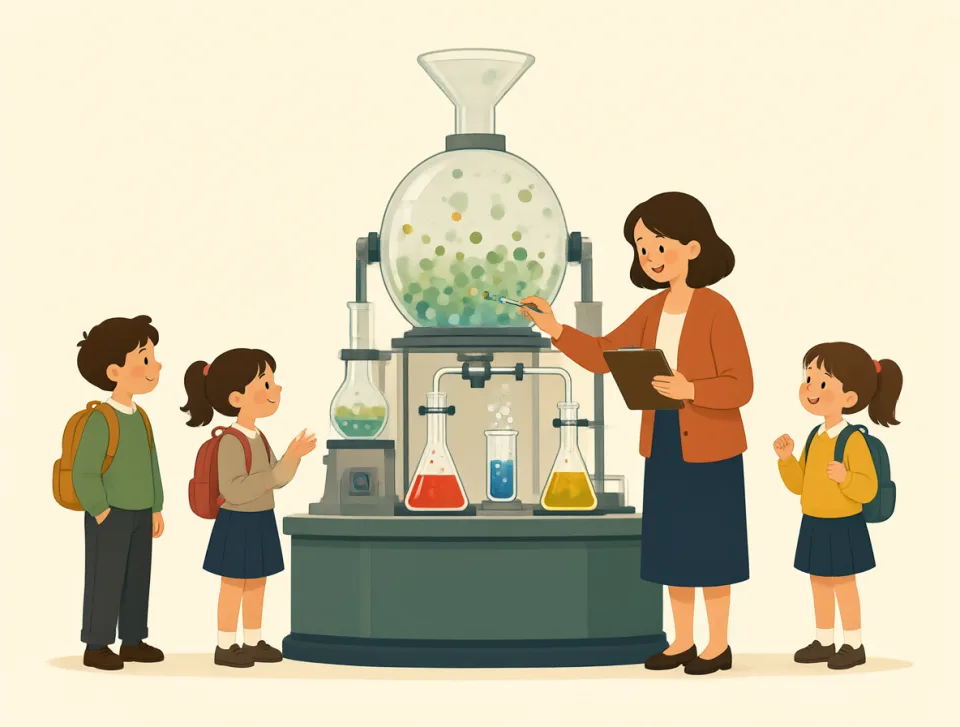
Our educational trip to the science center was exciting.
Nasza edukacyjna wycieczka do centrum nauki była ekscytująca.
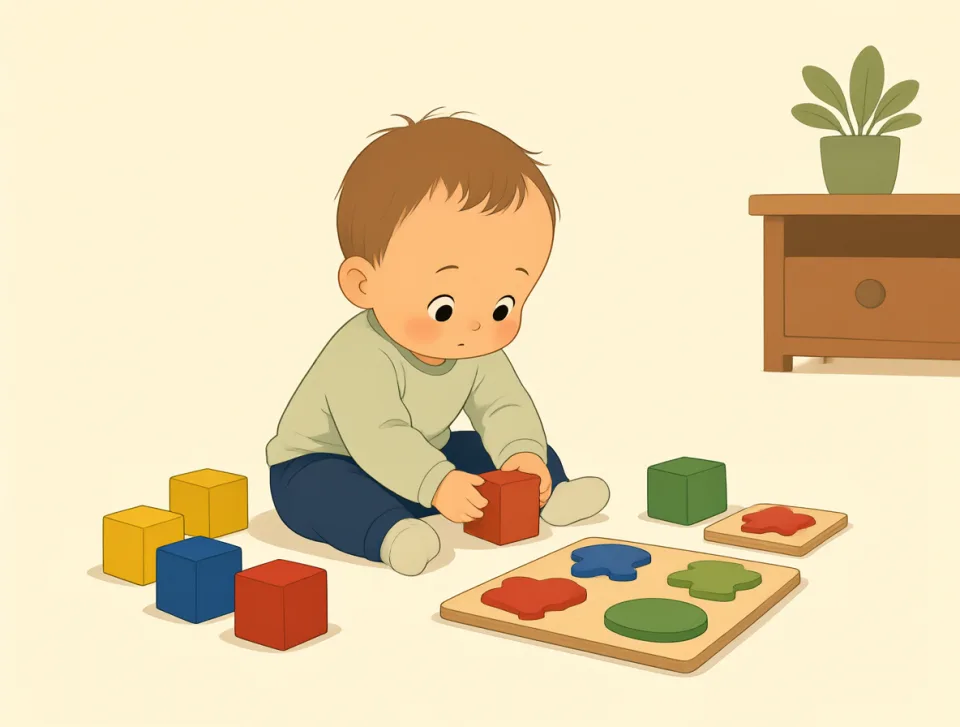
These educational toys help babies learn colors and shapes.
Te zabawki edukacyjne pomagają niemowlętom poznawać kolory i kształty.

distinguish
#1893verb
odróżniać
to recognize the difference between two people or things
Rozpoznawać różnicę między dwiema osobami lub rzeczami.

Can you distinguish between these two shades of blue?
Czy potrafisz odróżnić te dwa odcienie niebieskiego?

It is difficult to distinguish real leather from good imitation.
Trudno odróżnić prawdziwą skórę od dobrej imitacji.
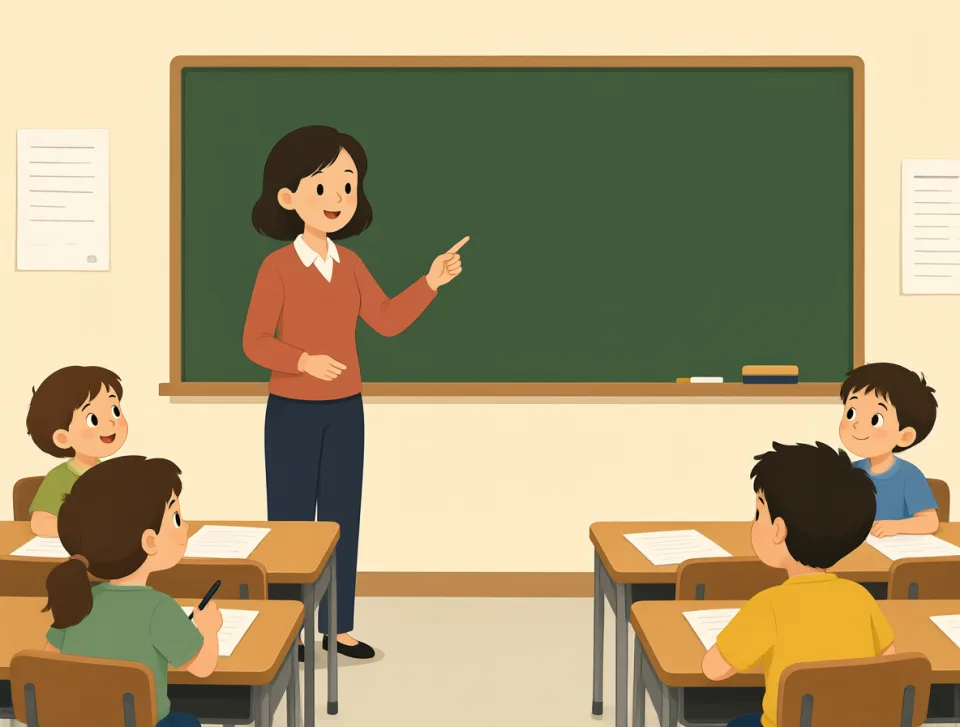
The teacher helped students distinguish facts from opinions.
Nauczyciel pomógł uczniom odróżniać fakty od opinii.

I could distinguish my friend's voice in the noisy airport.
Udało mi się rozpoznać głos przyjaciela na hałaśliwym lotnisku.
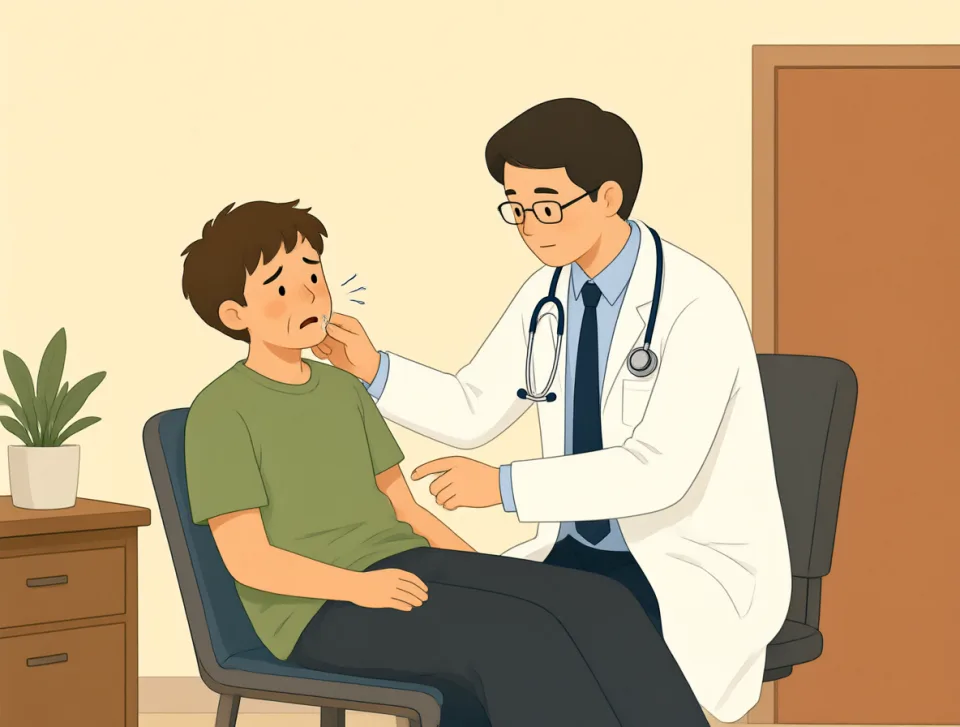
Doctors can distinguish a cold from the flu by checking symptoms.
Lekarze potrafią odróżnić przeziębienie od grypy, sprawdzając objawy.
substantial
#1894adjective
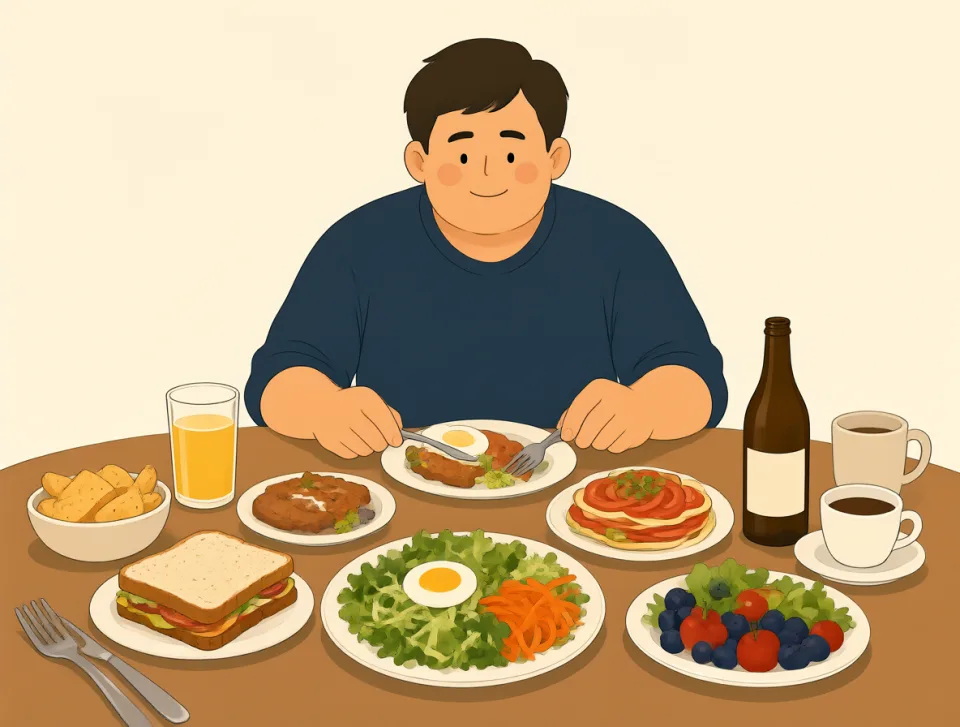
znaczny
large in amount, size, or importance
Duży pod względem ilości, rozmiaru lub znaczenia.

The company gave workers a substantial pay increase this year.
W tym roku firma przyznała pracownikom znaczną podwyżkę.
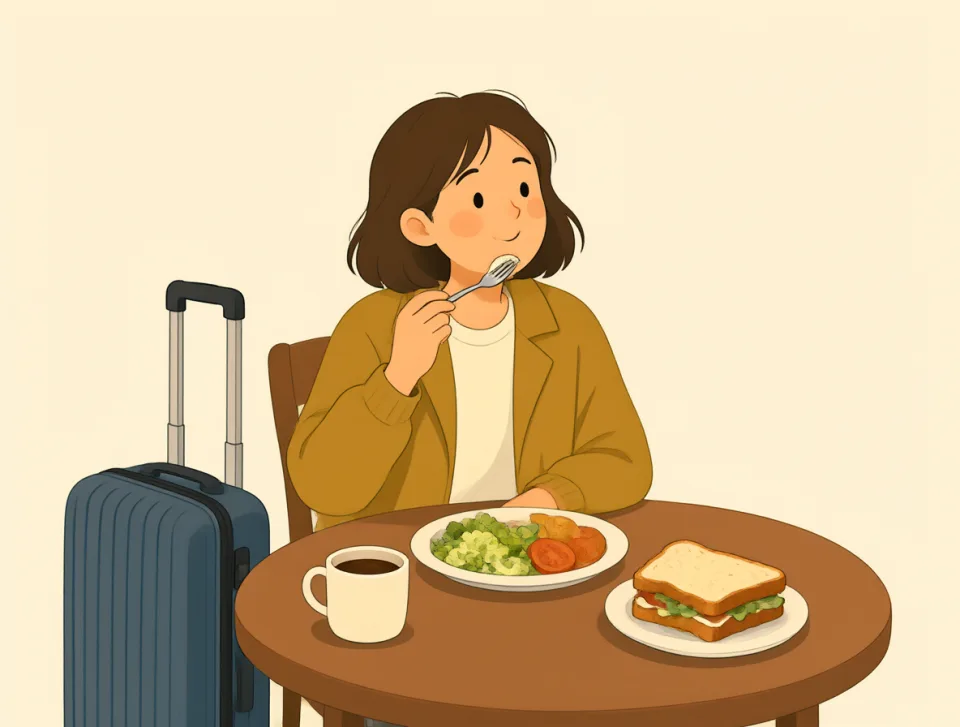
We ate a substantial breakfast before our long train journey.
Przed długą podróżą pociągiem zjedliśmy porządne śniadanie.
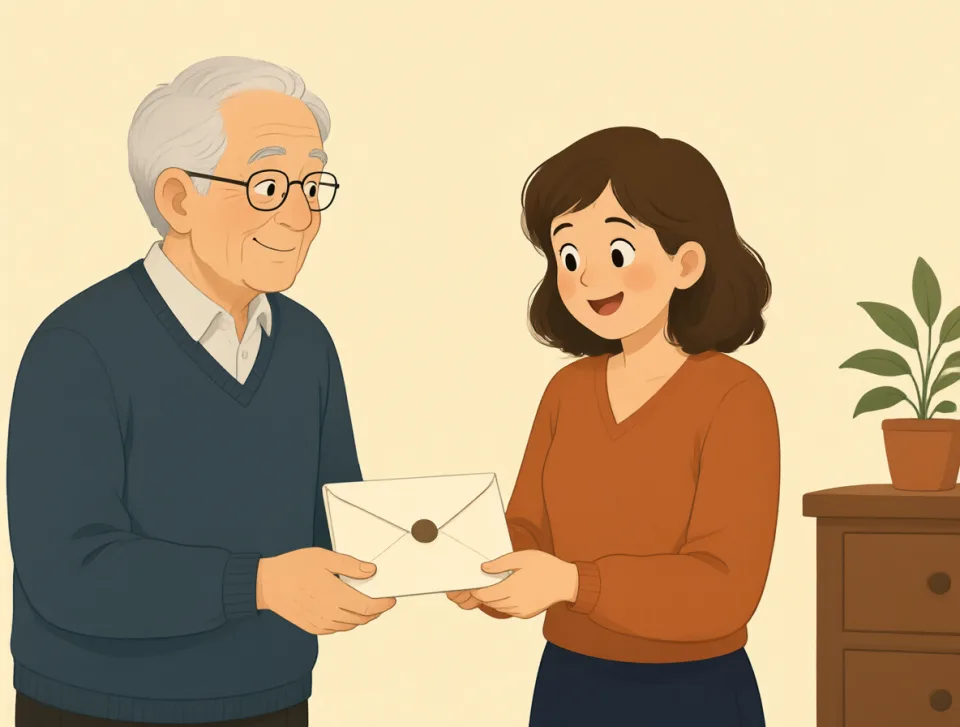
She received a substantial amount of money from her grandparents.
Otrzymała od dziadków znaczną sumę pieniędzy.

The storm caused substantial damage to homes near the coast.
Burza wyrządziła znaczne szkody w domach w pobliżu wybrzeża.

There is substantial evidence that regular exercise improves sleep.
Istnieją mocne dowody na to, że regularne ćwiczenia poprawiają jakość snu.
nearby
#1895adjective, adverb, preposition
w pobliżu
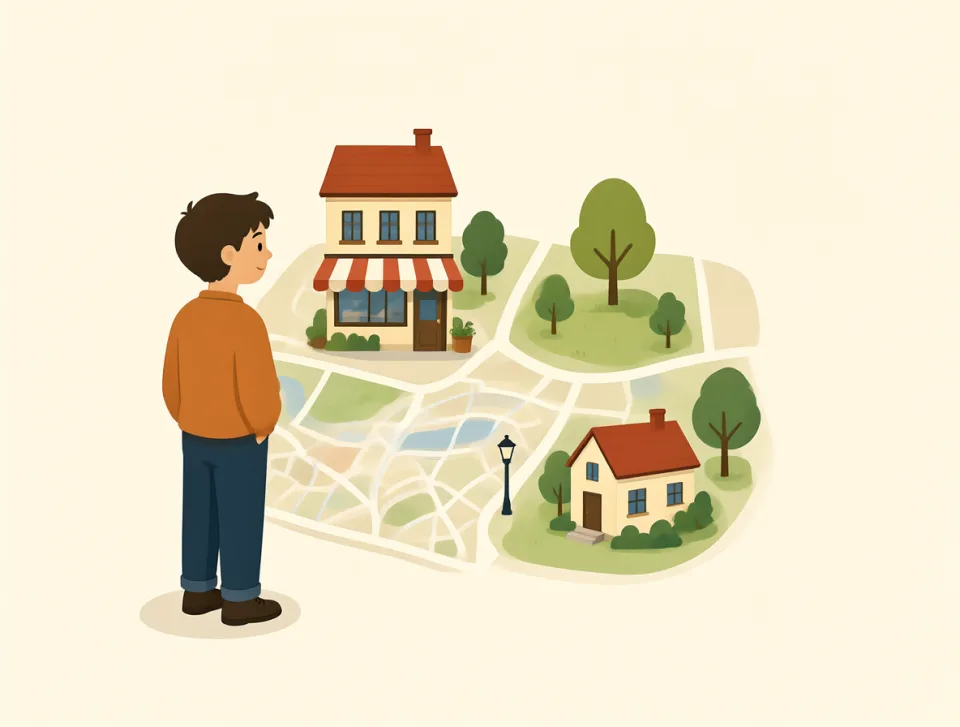
close to a place or person
Blisko jakiegoś miejsca lub osoby.

There is a grocery store nearby.
W pobliżu jest sklep spożywczy.

We found a nearby café for lunch.
Znaleźliśmy w pobliżu kawiarnię, w której mogliśmy zjeść lunch.
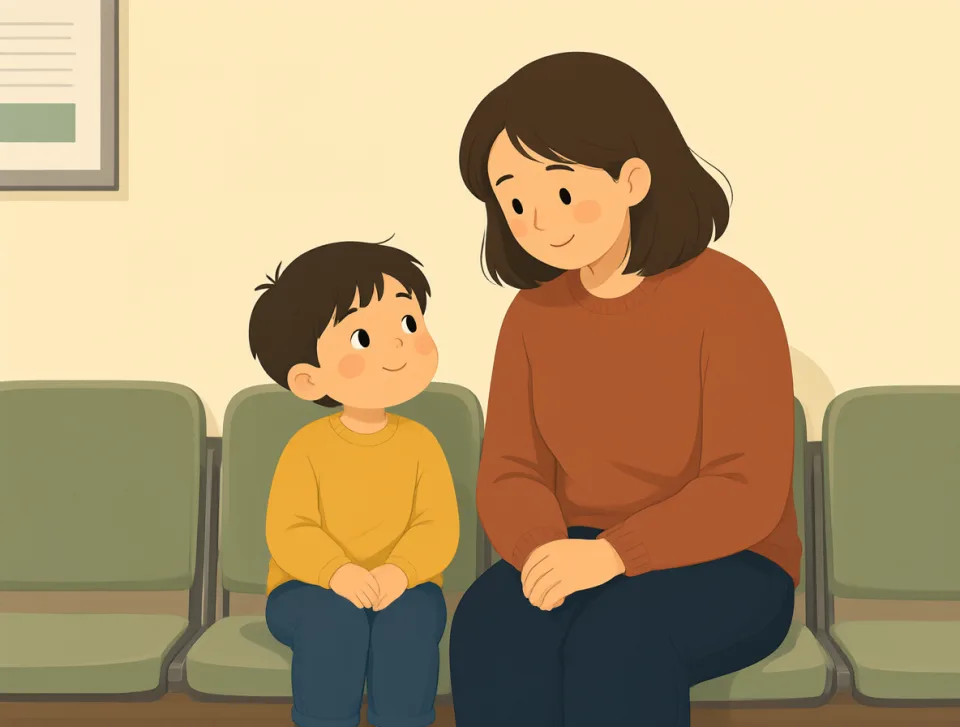
Please stay nearby while I see the doctor.
Zostań proszę w pobliżu, kiedy będę u lekarza.

My office is nearby, so I walk to work.
Moje biuro jest niedaleko, więc chodzę do pracy pieszo.

The hotel is nearby, and the station is easy to reach.
Hotel jest w pobliżu, a na stację łatwo dotrzeć.
manufacturer
#1896noun
producent
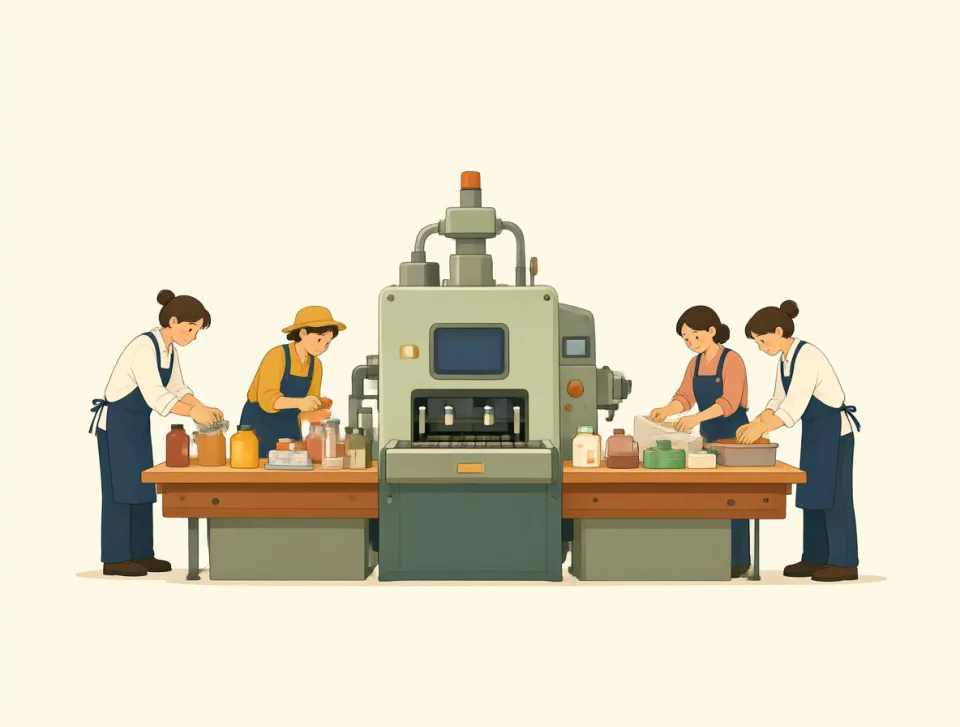
A company that makes goods, usually in large quantities.
Firma, która wytwarza towary, zazwyczaj w dużych ilościach.
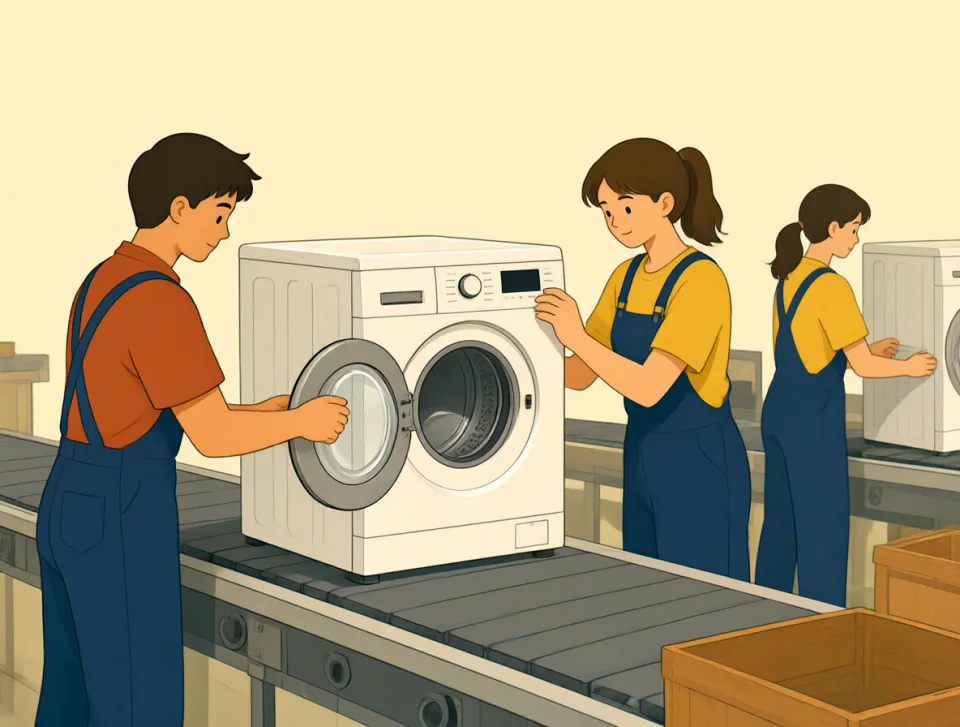
The manufacturer makes safe washing machines for families.
Producent wytwarza bezpieczne pralki dla rodzin.

Check the manufacturer’s instructions before using this medicine.
Przed użyciem tego leku sprawdź instrukcje producenta.
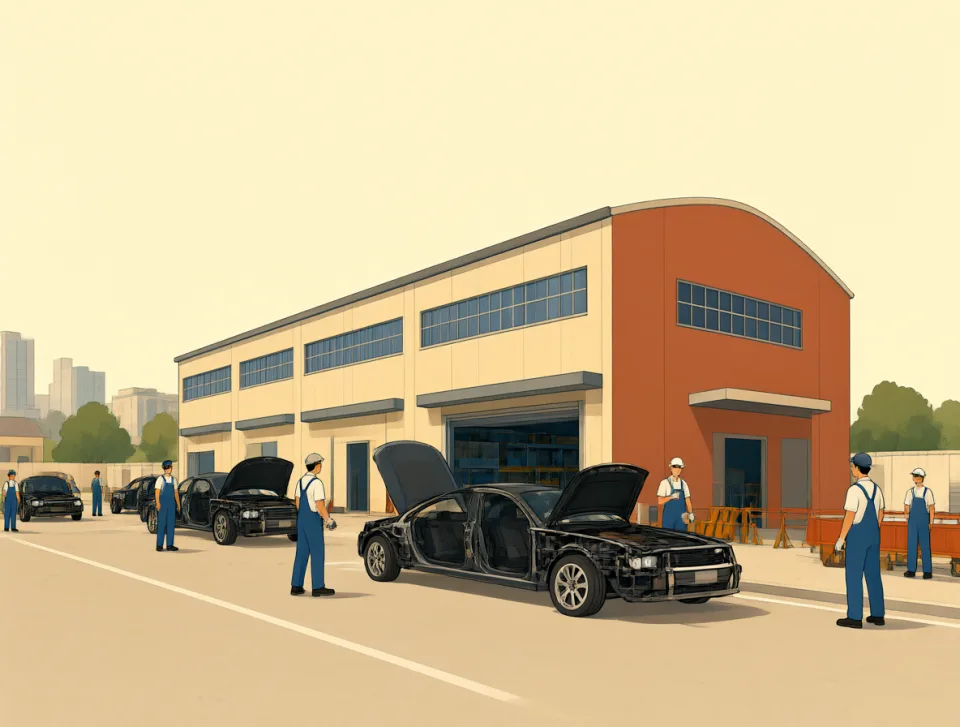
The car manufacturer opened a new factory near our city.
Producent samochodów otworzył nową fabrykę niedaleko naszego miasta.

The shop contacted the manufacturer about the broken laptop.
Sklep skontaktował się z producentem w sprawie zepsutego laptopa.

This food manufacturer uses fresh vegetables in its soups.
Ten producent żywności używa do swoich zup świeżych warzyw.

slide
#1897noun, verb
ślizgać się; zjeżdżalnia
To move smoothly across a surface, or a playground ride with a smooth slope.
Poruszać się płynnie po jakiejś powierzchni albo zjeżdżalnia na placu zabaw.
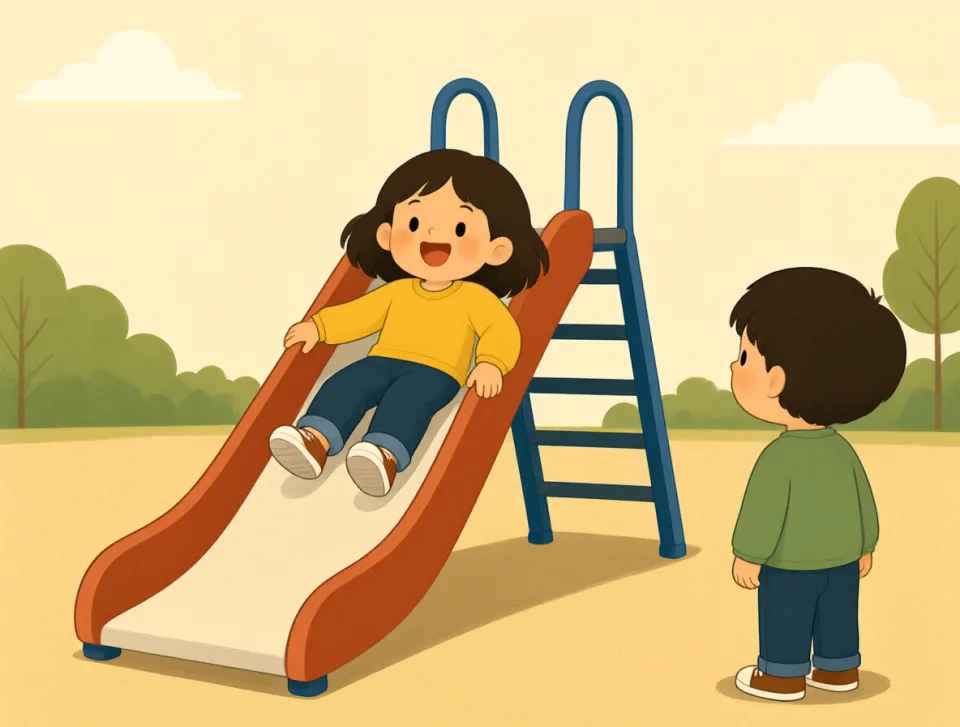
The children raced down the slide at the playground.
Dzieci zjeżdżały ze zjeżdżalni na placu zabaw, ścigając się ze sobą.

Please slide the plate across the table to me.
Proszę, przesuń talerz po stole w moją stronę.
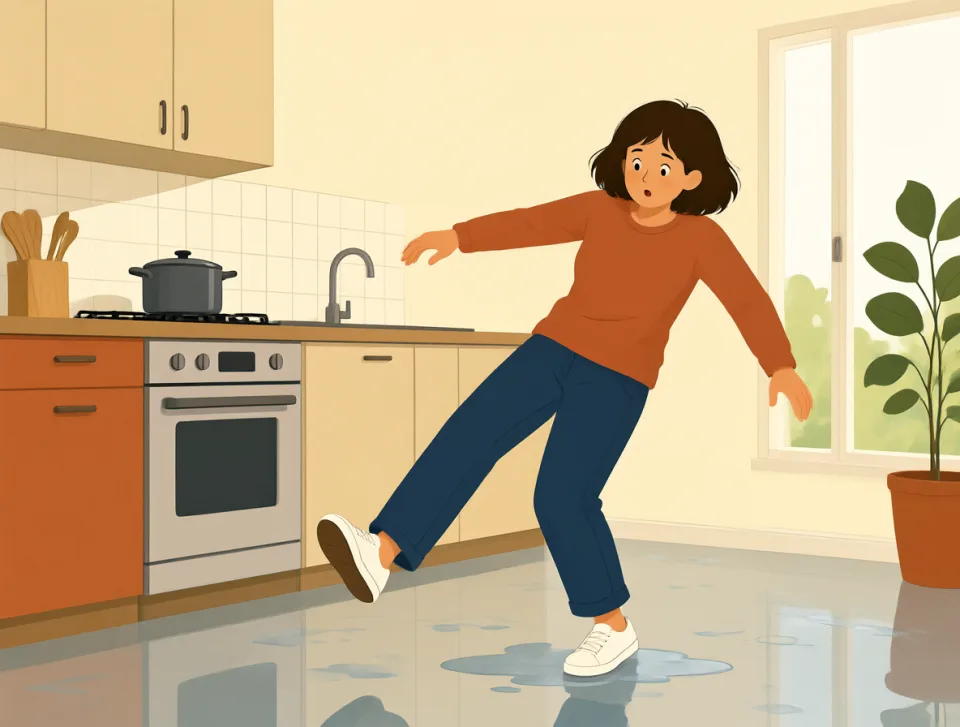
She slipped and slid across the wet floor.
Poślizgnęła się i przejechała po mokrej podłodze.
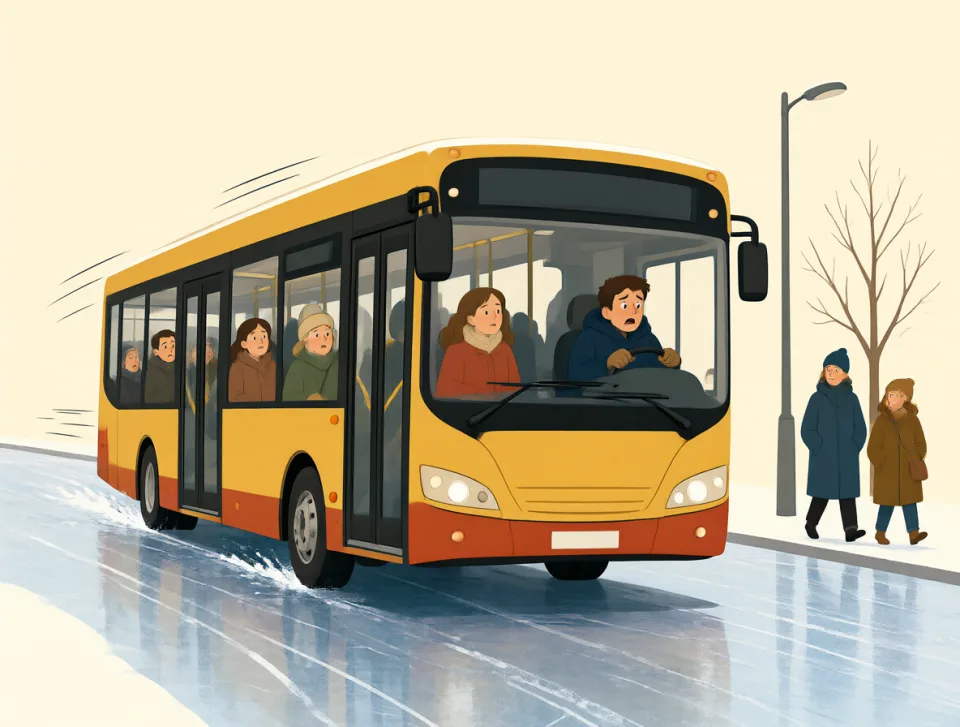
The bus slid on the icy road this morning.
Dziś rano autobus ślizgał się na oblodzonej drodze.

We watched the sunset slide behind the mountains.
Patrzyliśmy, jak słońce zachodzi za górami.

valuable
#1898adjective
cenny
Worth a lot of money or very useful and important.
Mający dużą wartość pieniężną albo bardzo przydatny i ważny.
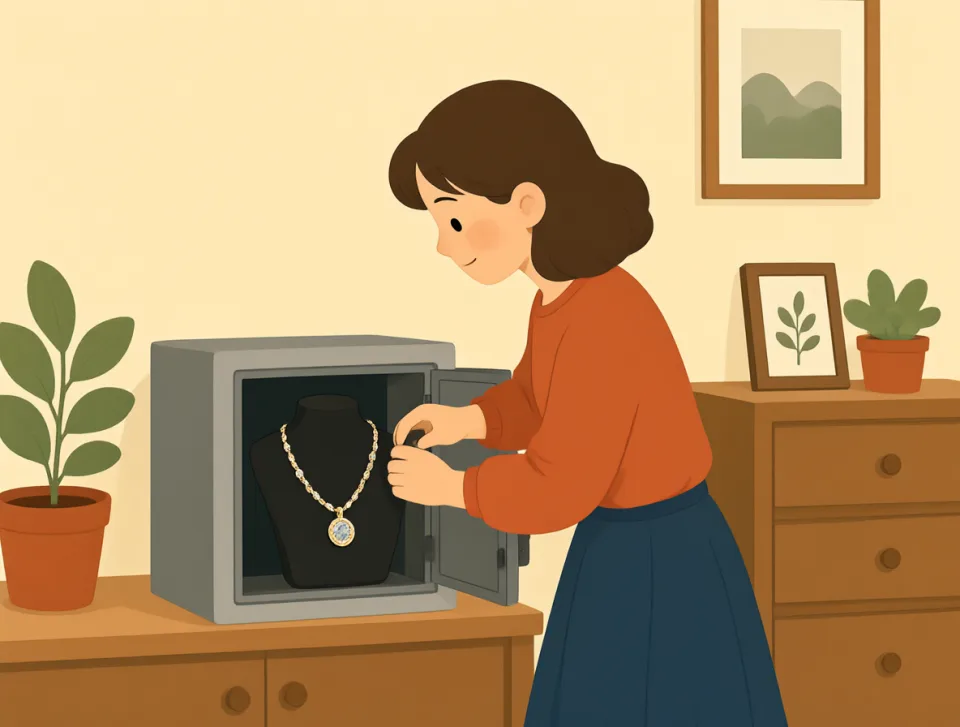
Keep your valuable jewelry in a safe place at home.
Przechowuj cenną biżuterię w bezpiecznym miejscu w domu.
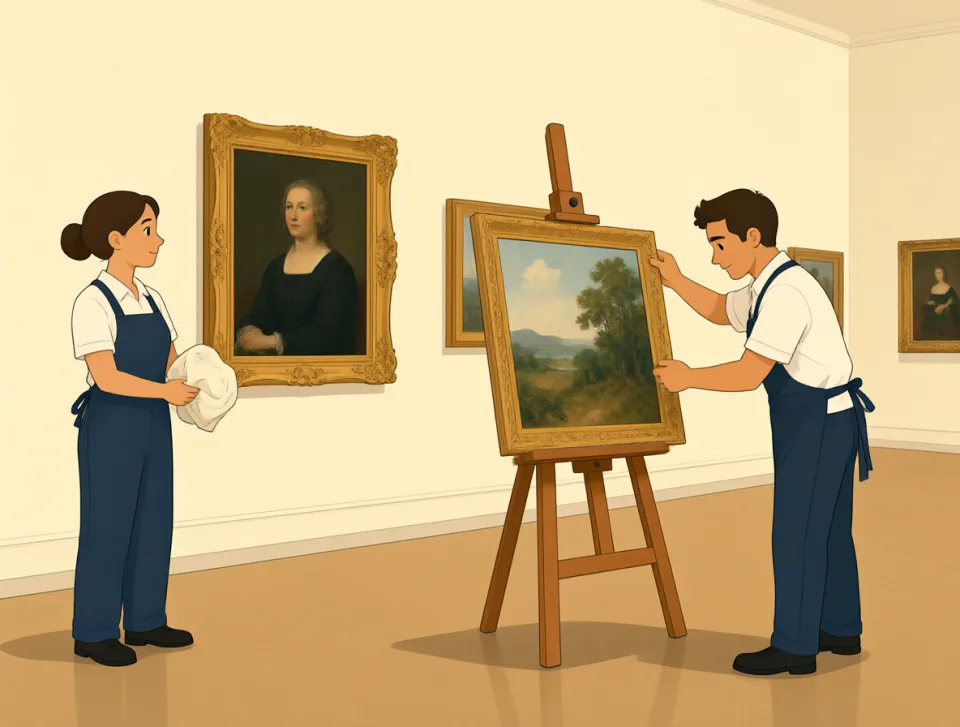
The museum protects valuable paintings from light and heat.
Muzeum chroni cenne obrazy przed światłem i wysoką temperaturą.
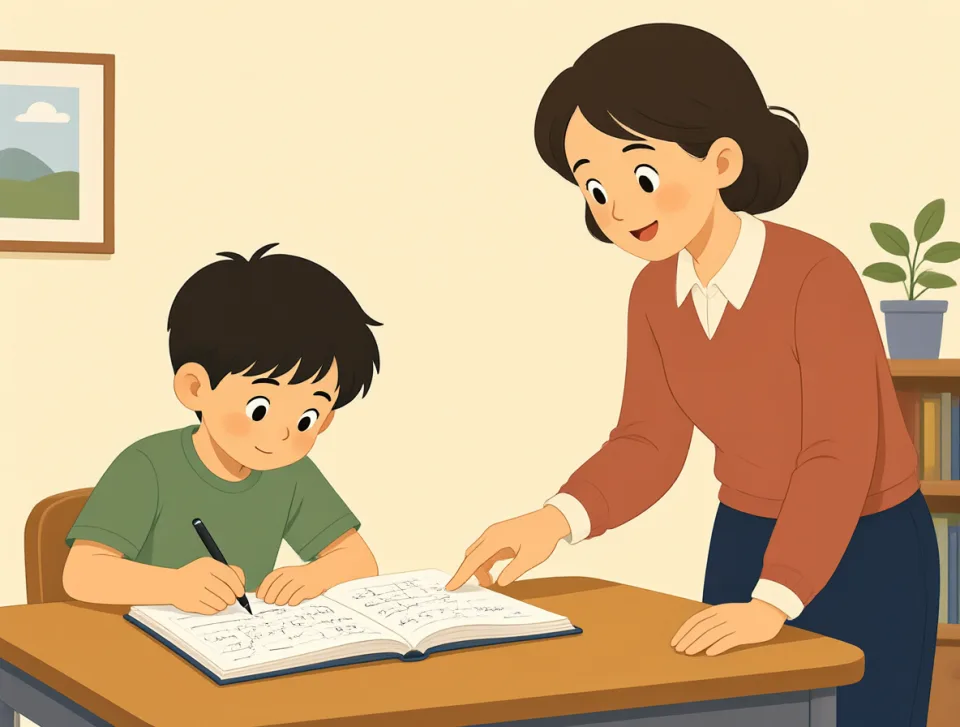
Her valuable advice helped me solve the difficult problem.
Jej cenna rada pomogła mi rozwiązać trudny problem.
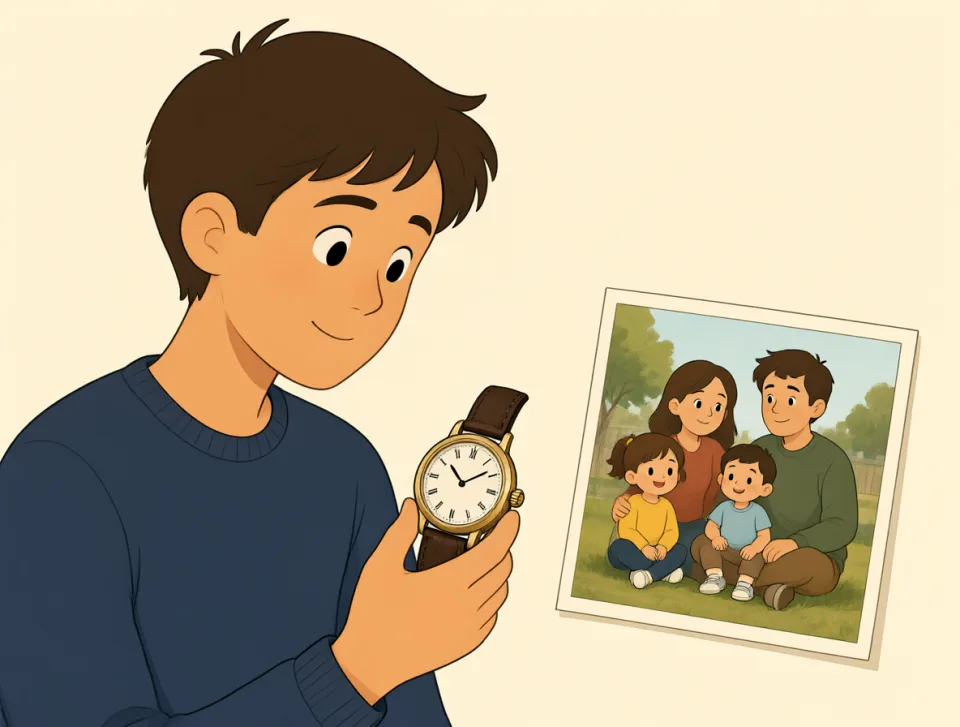
This old watch is valuable because it belonged to my grandfather.
Ten stary zegarek jest cenny, ponieważ należał do mojego dziadka.

Healthy sleep is valuable when you need energy for work.
Zdrowy sen jest cenny, gdy potrzebujesz energii do pracy.

personally
#1899adverb
osobiście
Used to give your own opinion or say something is about you.
Używane, by wyrazić własną opinię albo zaznaczyć, że coś dotyczy ciebie.
Personally, I prefer tea to coffee in the morning.
Osobiście wolę rano herbatę od kawy.

I personally think this restaurant serves the best pizza.
Osobiście uważam, że w tej restauracji podają najlepszą pizzę.

She personally invited me to her birthday party.
Osobiście zaprosiła mnie na swoje przyjęcie urodzinowe.

The manager personally checked that every customer received help.
Kierownik osobiście sprawdził, czy każdy klient otrzymał pomoc.

I do not know him personally, but he seems friendly.
Nie znam go osobiście, ale wydaje się przyjazny.
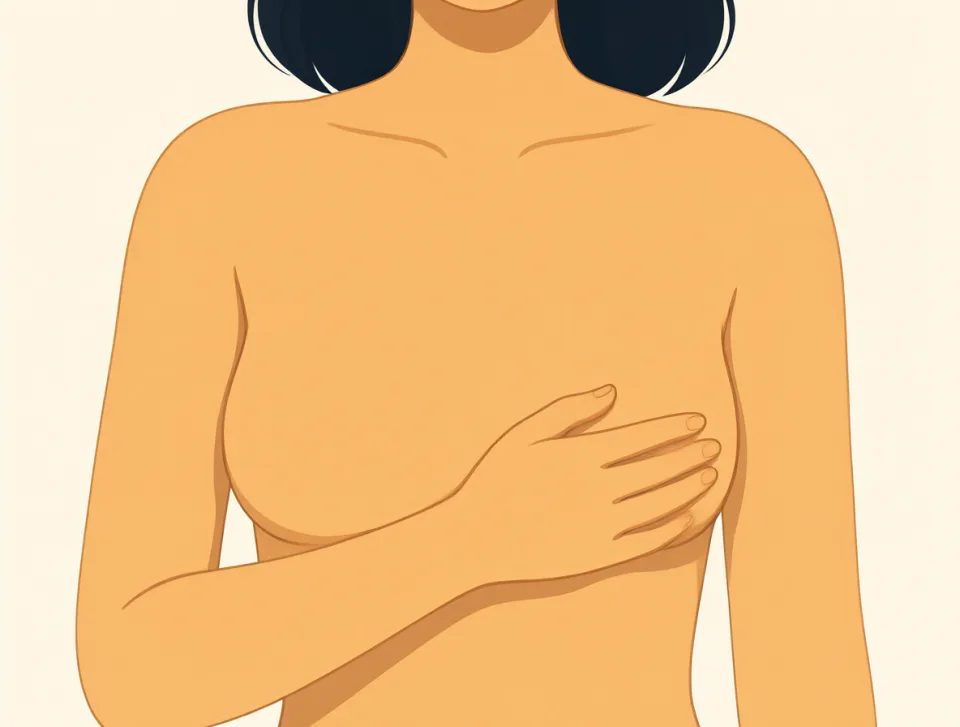
breast
#1900noun
pierś
the front part of a person's or animal's chest; also meat from a chicken's chest.
Przednia część klatki piersiowej człowieka lub zwierzęcia; także mięso z piersi kurczaka.
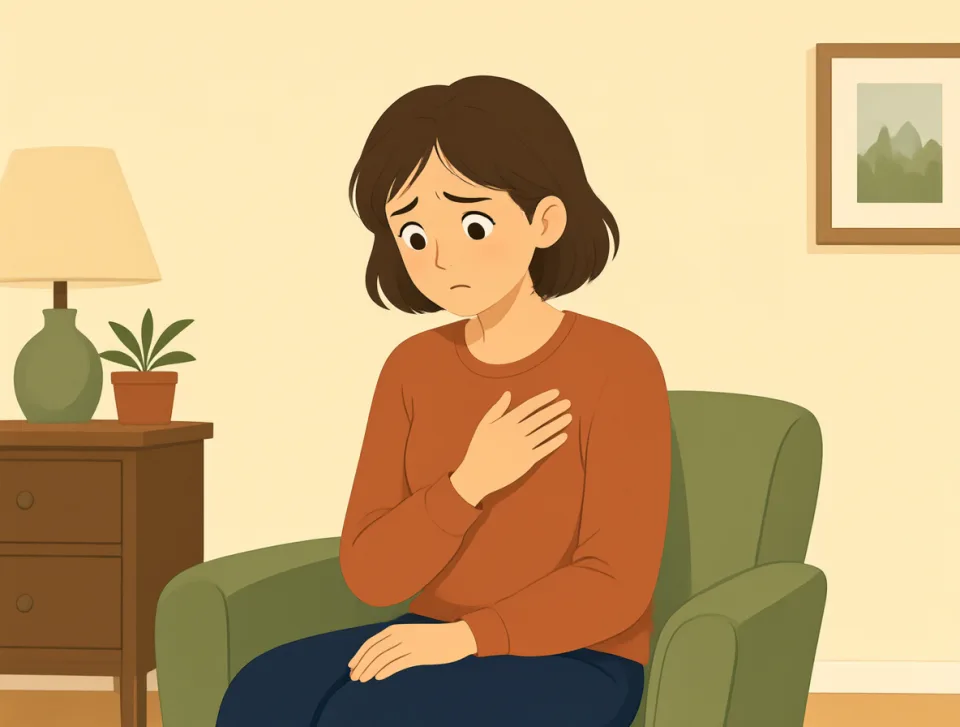
She felt a sharp pain in her left breast.
Poczuła ostry ból w lewej piersi.

The doctor checked her breasts for signs of breast cancer.
Lekarz zbadał jej piersi pod kątem objawów raka piersi.

We had grilled chicken breast with rice for dinner.
Na kolację jedliśmy grillowaną pierś kurczaka z ryżem.

The mother held her baby against her breast during the flight.
Podczas lotu matka przytulała dziecko do piersi.

The robin has a bright red breast.
Rudzik ma jaskrawoczerwoną pierś.