Zestaw 85
Słowa 1681–1700 · presentation, joint, compete, poll, weak, faith
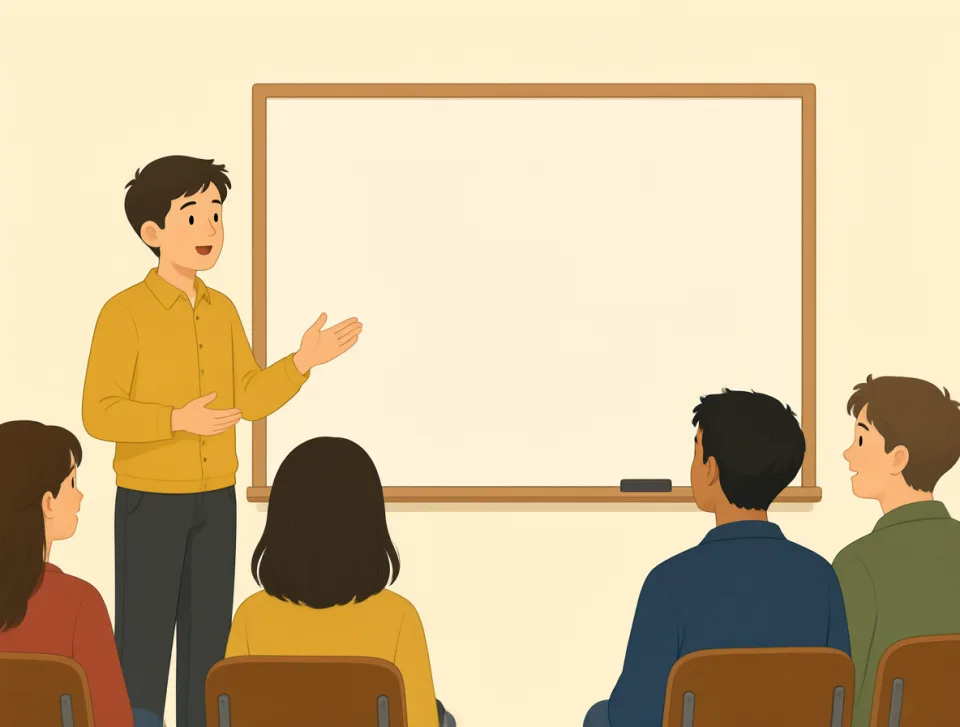
presentation
#1681noun
prezentacja
A talk in which someone gives information to a group of people.
Wystąpienie, podczas którego ktoś przekazuje grupie osób różne informacje.

I have to give a presentation at work tomorrow morning.
Jutro rano muszę wygłosić prezentację w pracy.
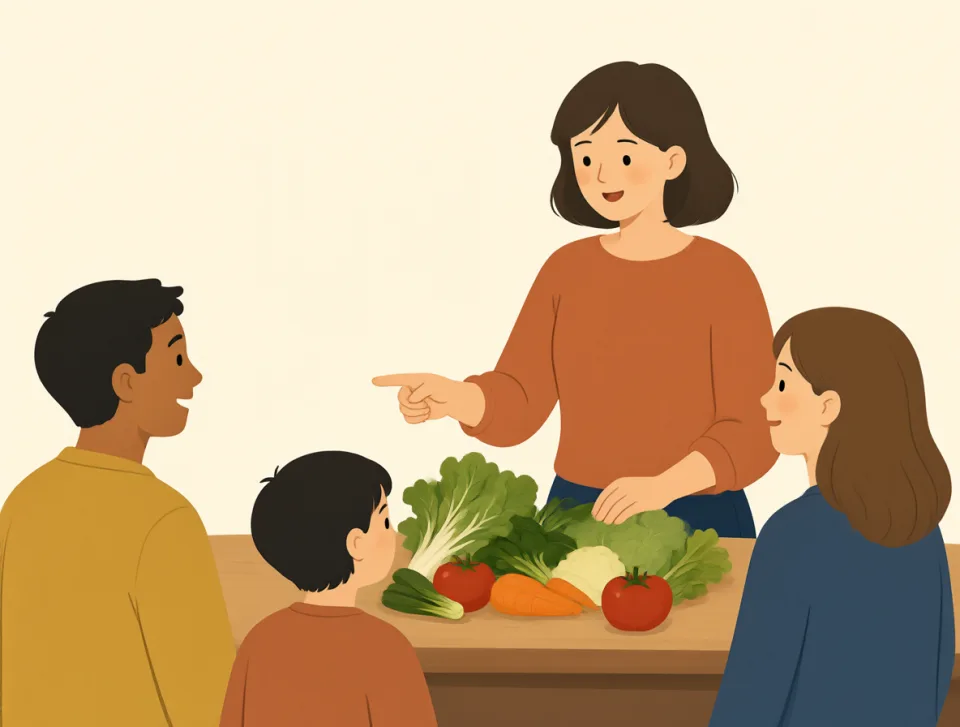
Her presentation about healthy food was clear and interesting.
Jej prezentacja na temat zdrowego jedzenia była jasna i interesująca.
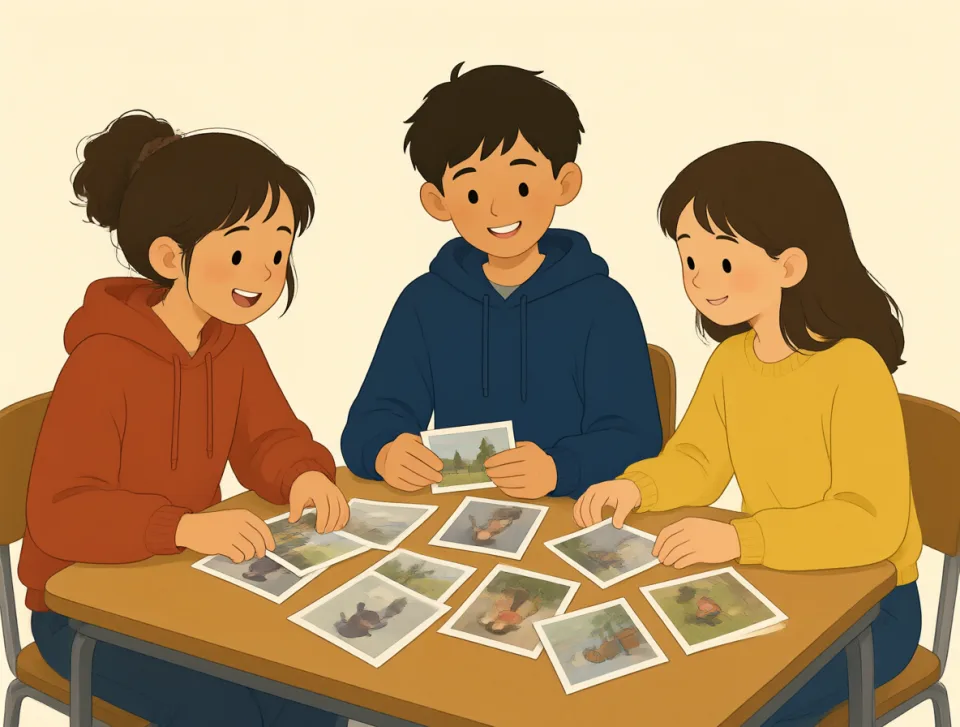
The students prepared a presentation about their summer holiday.
Uczniowie przygotowali prezentację o swoich wakacjach.

We watched a short presentation before choosing our hotel room.
Przed wyborem pokoju hotelowego obejrzeliśmy krótką prezentację.

His presentation of the dessert made everyone want to try it.
Sposób, w jaki podał deser, sprawił, że wszyscy chcieli go spróbować.

joint
#1682noun, adjective
staw; wspólny
A place where two parts of the body meet; shared by two or more people.
Miejsce, w którym łączą się dwie części ciała; należący do dwóch lub większej liczby osób.
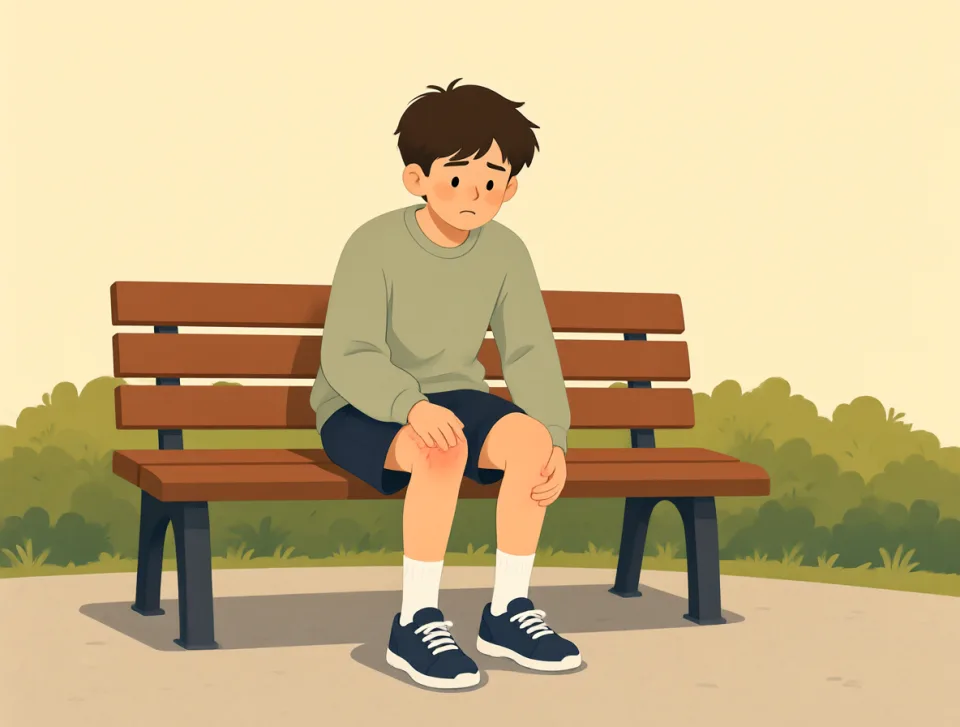
My knee joint hurts after I played football yesterday.
Po wczorajszej grze w piłkę nożną boli mnie staw kolanowy.

The doctor examined the joints in my hands.
Lekarz zbadał stawy w moich dłoniach.

We signed a joint agreement to share the project costs.
Podpisaliśmy wspólną umowę o podziale kosztów projektu.

They opened a joint bank account after getting married.
Po ślubie otworzyli wspólne konto bankowe.
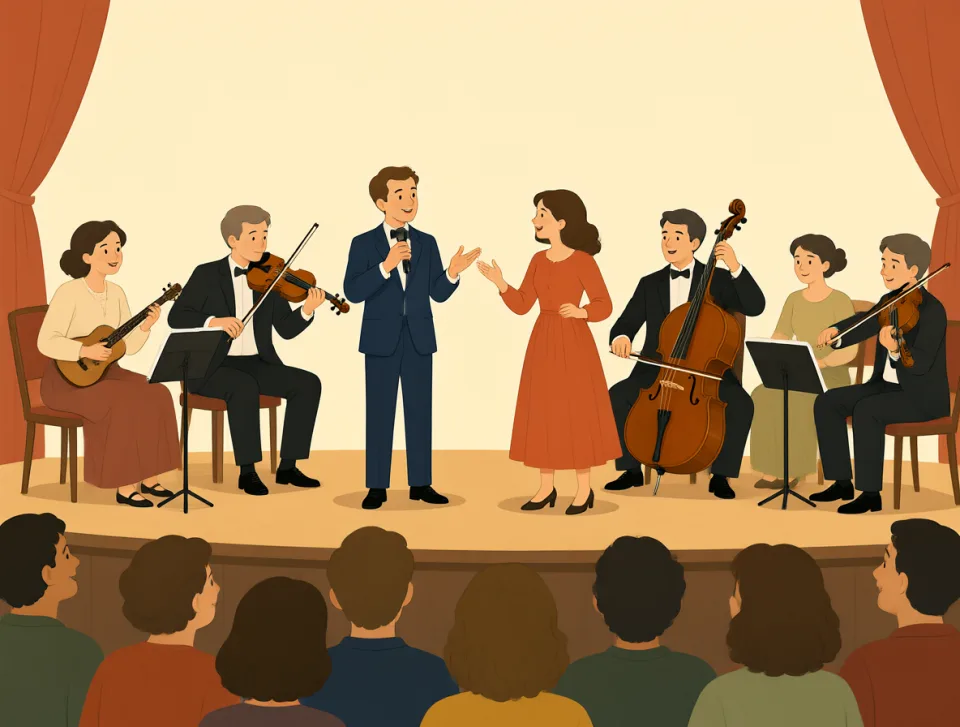
The band played a joint concert with local musicians.
Zespół zagrał wspólny koncert z lokalnymi muzykami.

compete
#1683verb
konkurować
to try to win or be more successful than someone else
Starać się wygrać lub osiągnąć większy sukces niż ktoś inny.
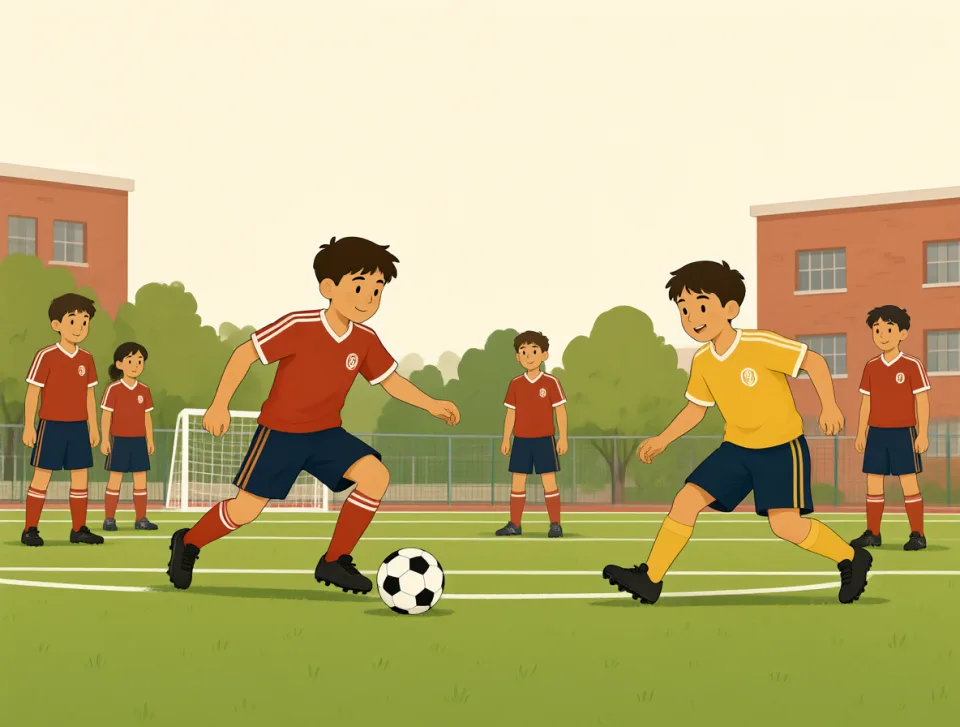
Our team will compete in the school football tournament.
Nasza drużyna będzie rywalizować w szkolnym turnieju piłki nożnej.
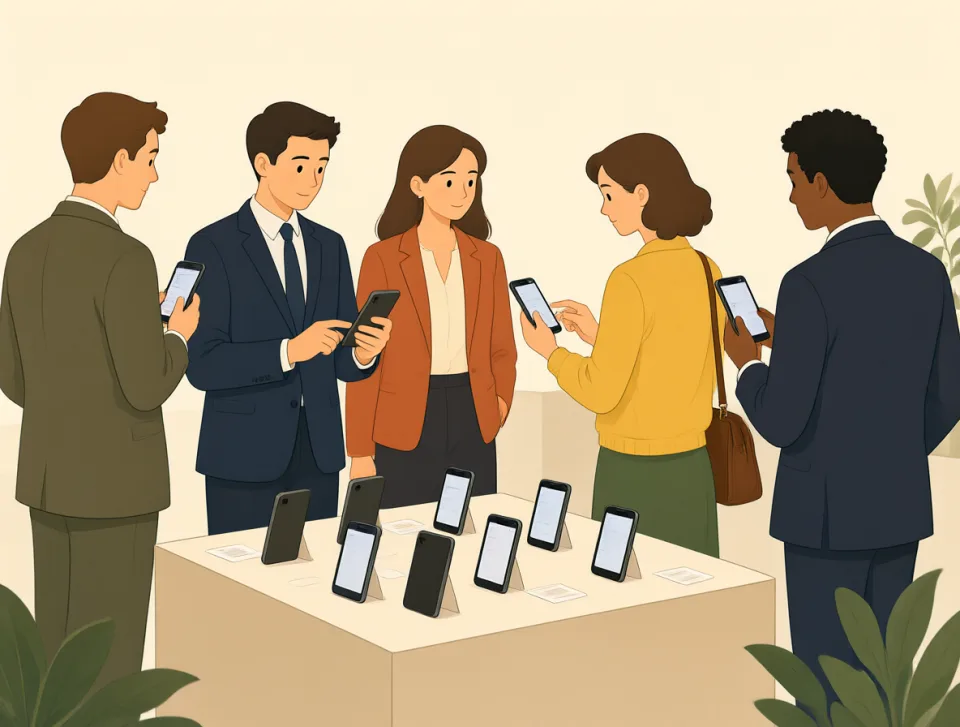
Several companies compete to sell the best phone.
Kilka firm konkuruje ze sobą, żeby sprzedawać najlepszy telefon.
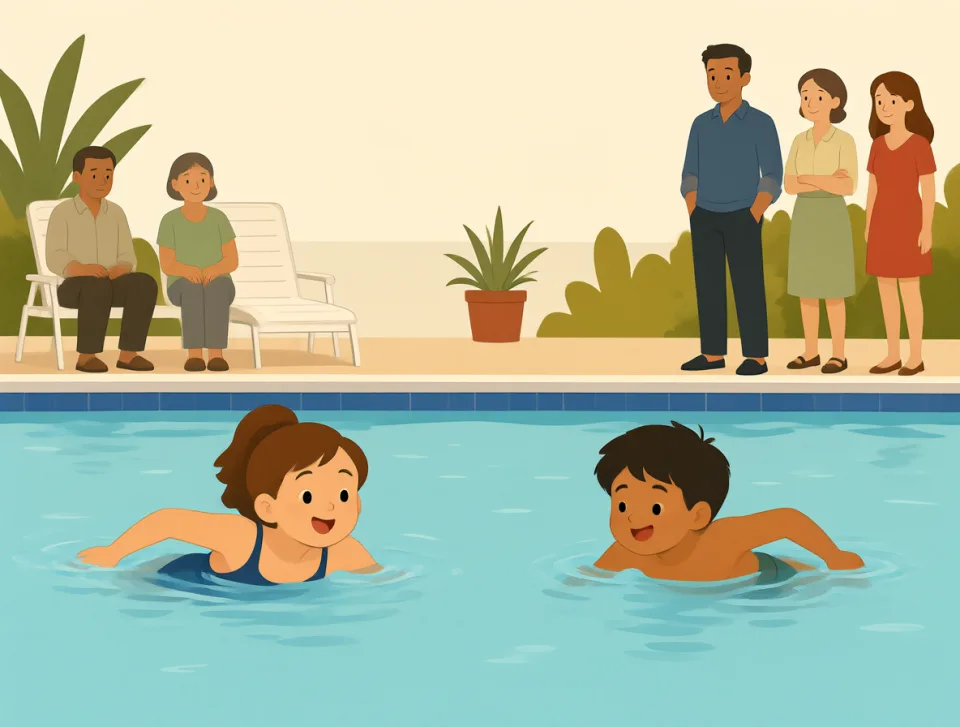
She competed against her brother in a swimming race.
Ścigała się z bratem w wyścigu pływackim.
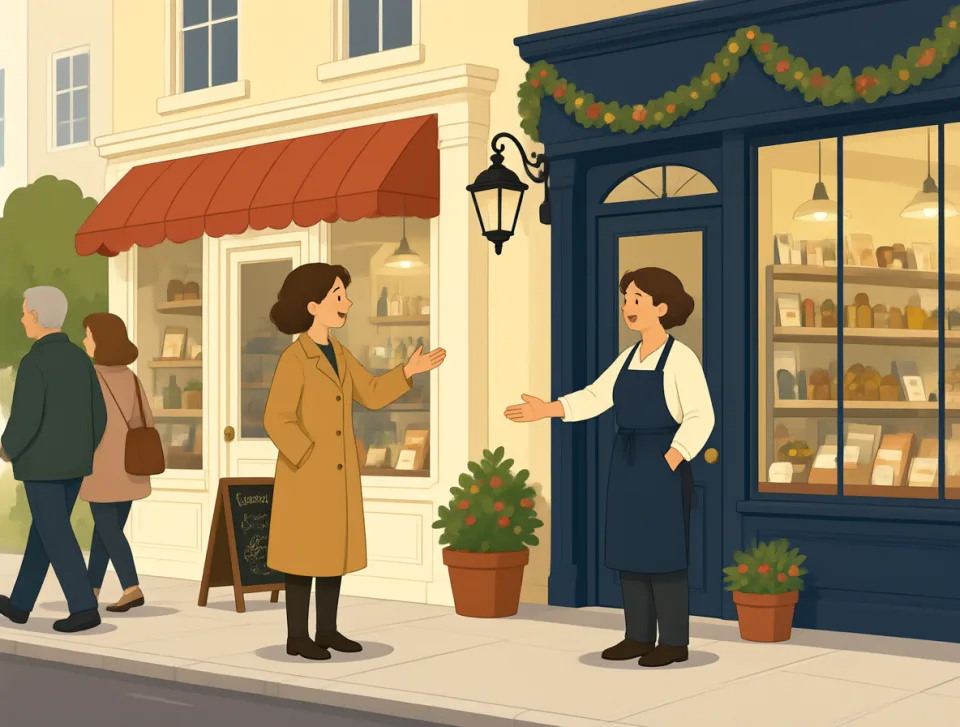
Local shops compete for customers during the holiday season.
W okresie świątecznym lokalne sklepy konkurują o klientów.
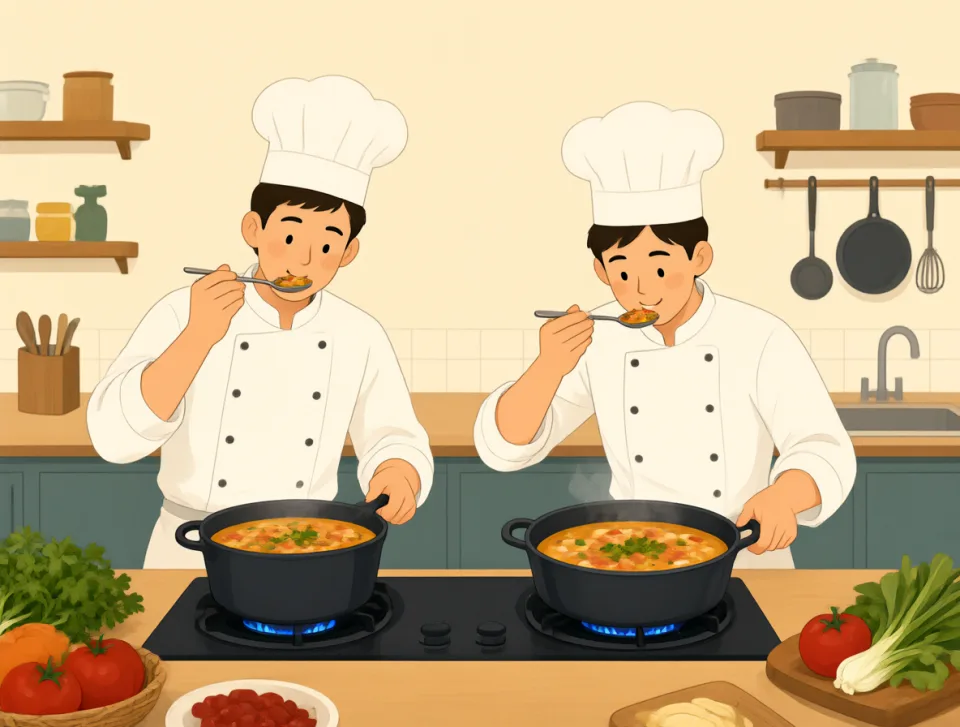
The two chefs competed to make the tastiest soup.
Dwaj szefowie kuchni rywalizowali o to, kto przygotuje najsmaczniejszą zupę.
poll
#1684noun, verb
sondaż
A poll is a study that asks people for their opinions or choices.
Sondaż to badanie, w którym pyta się ludzi o ich opinie lub wybory.
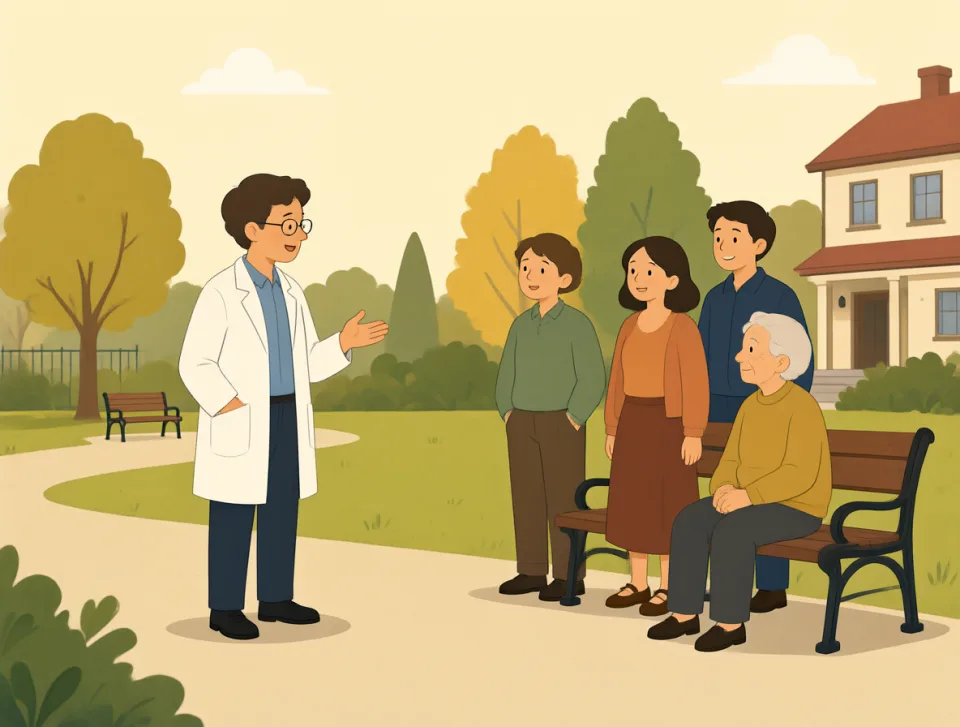
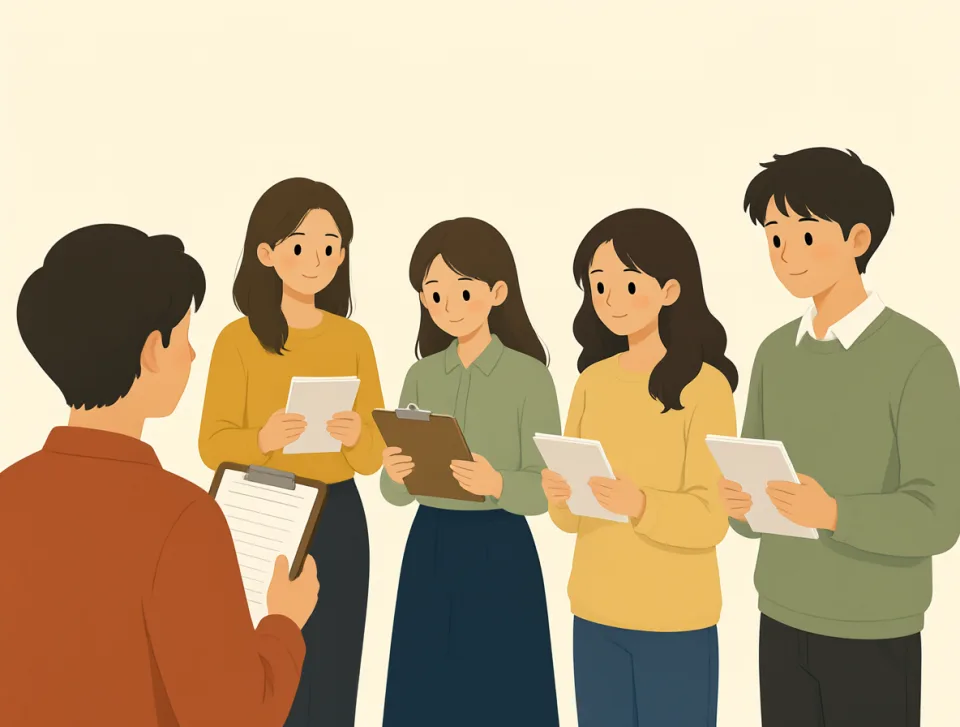
The latest poll shows that most people support the new park.
Najnowszy sondaż pokazuje, że większość ludzi popiera budowę nowego parku.
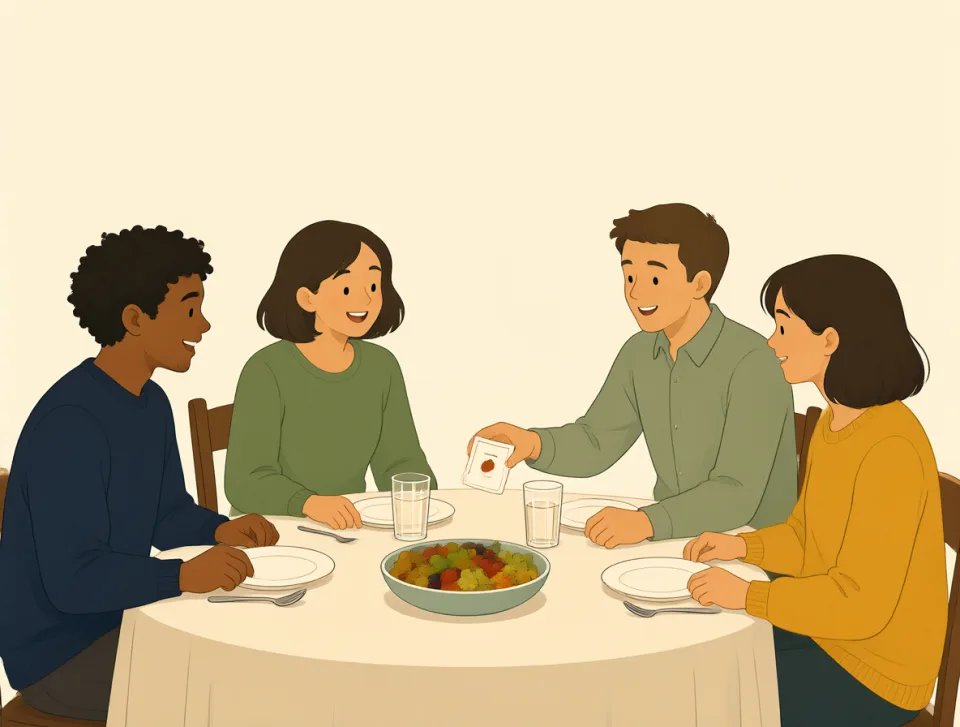
We took a poll to choose a restaurant for dinner.
Zrobiliśmy sondę, żeby wybrać restaurację na kolację.
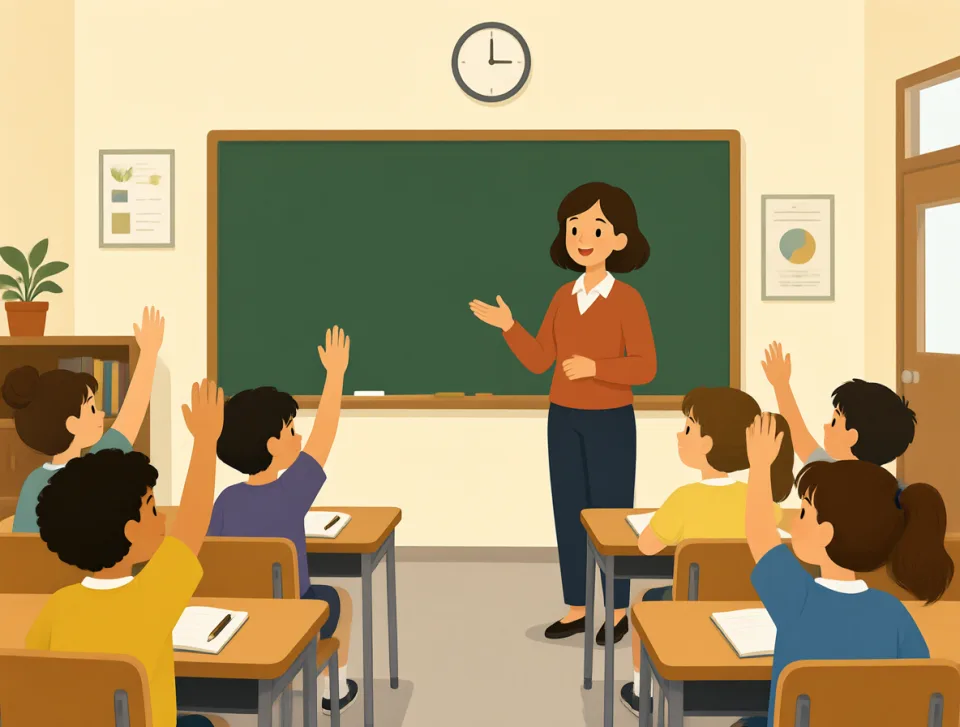
The teacher polled the class about their favorite school subject.
Nauczyciel zapytał klasę w sondzie o ulubiony przedmiot szkolny.
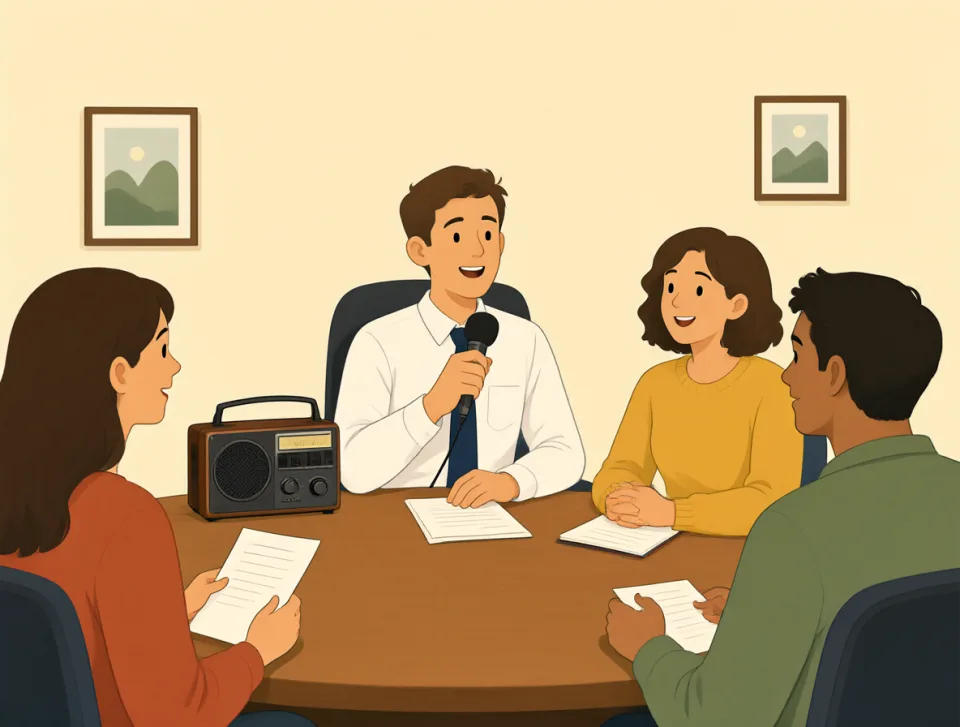
A radio station is polling listeners about their favorite songs.
Stacja radiowa pyta słuchaczy o ich ulubione piosenki.
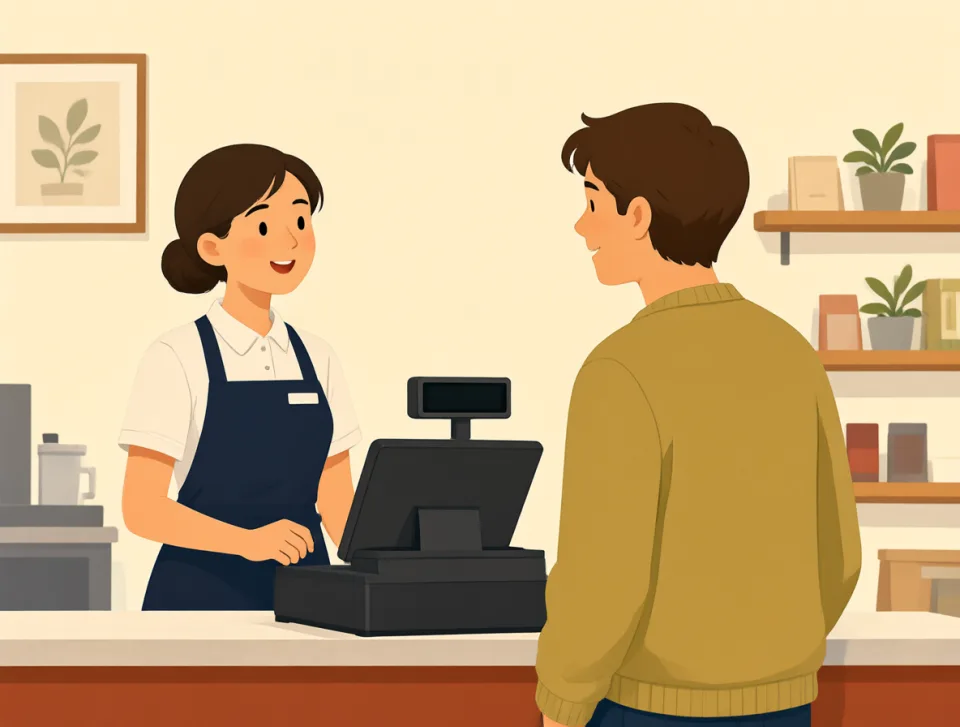
The company polled customers after they bought the new product.
Firma przeprowadziła ankietę wśród klientów po zakupie przez nich nowego produktu.
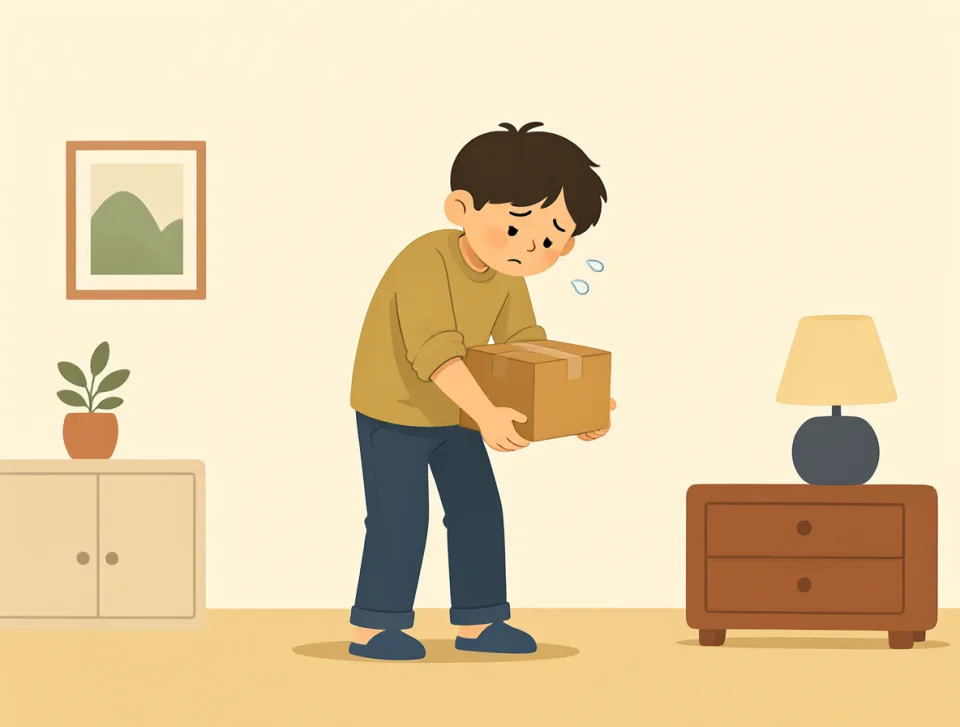
weak
#1685adjective
słaby
not strong, powerful, healthy, or able to work well
Niezbyt silny, potężny, zdrowy ani sprawnie działający.
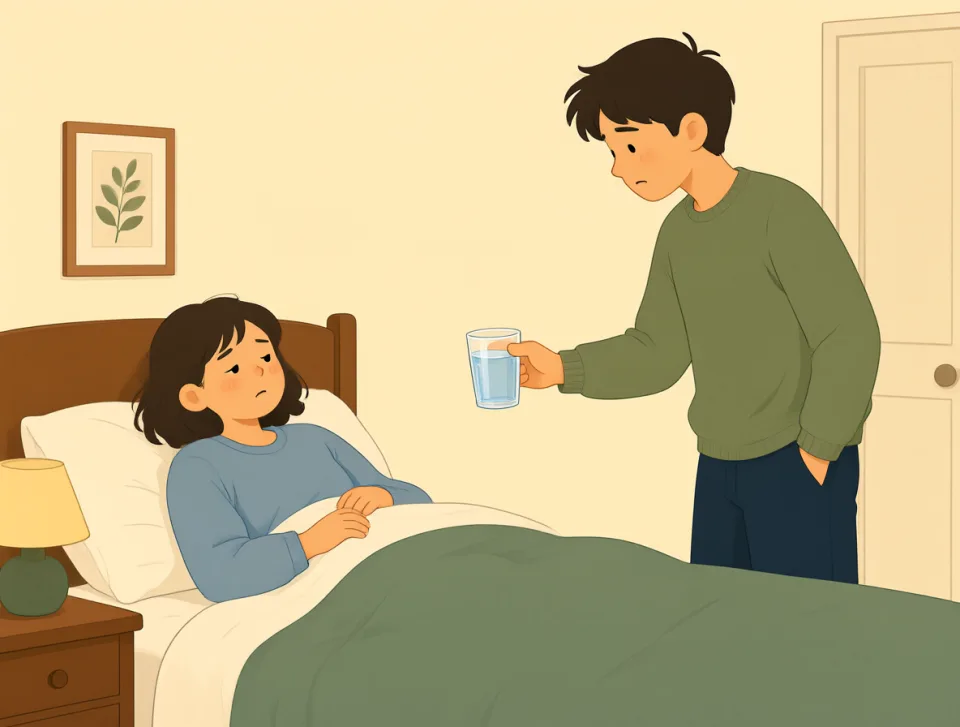
I felt weak after being sick for several days.
Czułem się słaby po kilku dniach choroby.
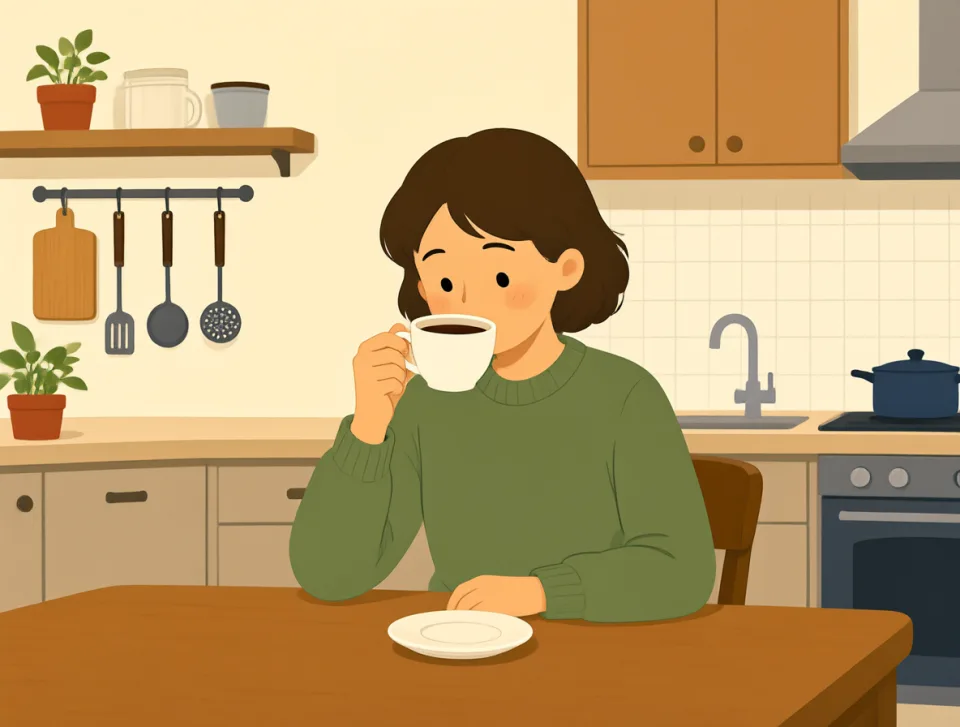
The coffee is too weak for me this morning.
Ta kawa jest dziś rano dla mnie za słaba.
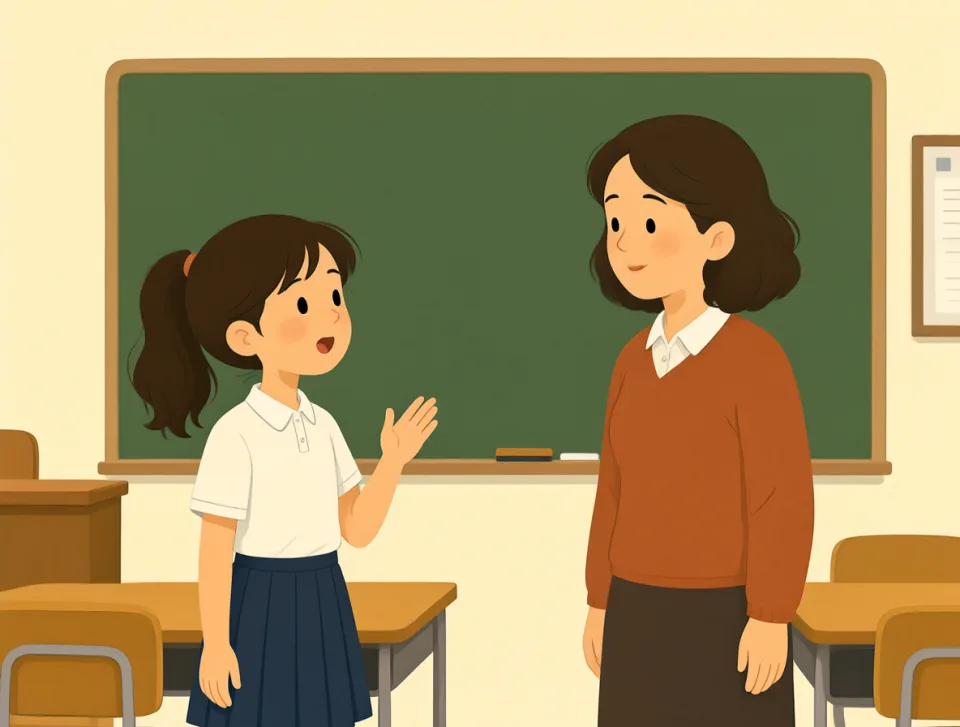
She has a weak voice, so please listen carefully.
Ona mówi cicho, więc proszę uważnie słuchać.
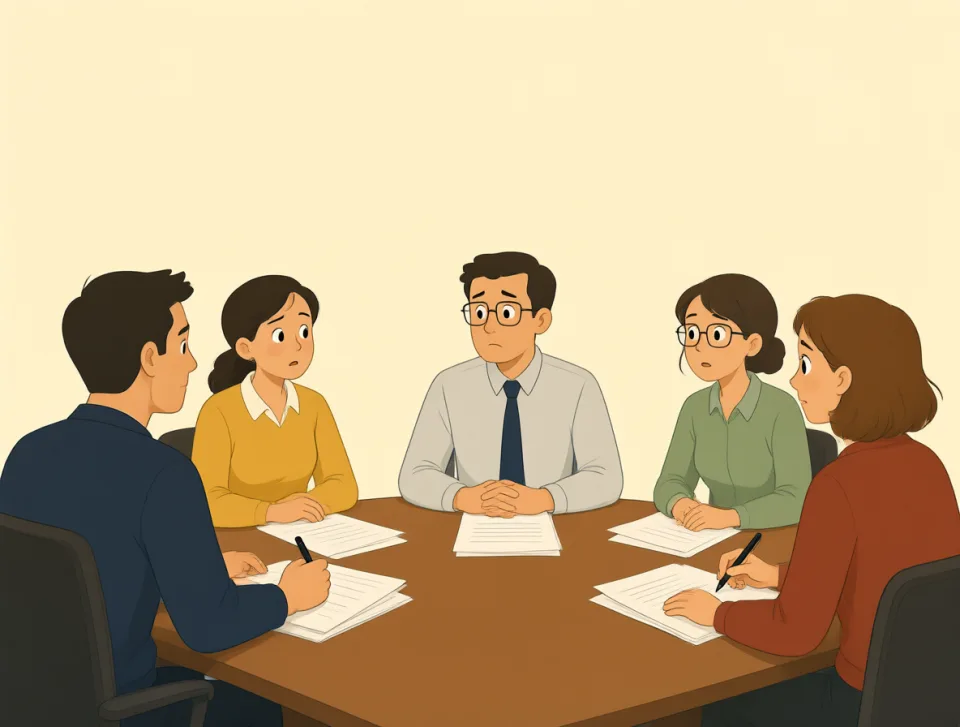
The team made a weak attempt to solve the problem.
Zespół podjął słabą próbę rozwiązania problemu.

This bridge looks weak and unsafe after the storm.
Po burzy ten most wygląda na słaby i niebezpieczny.

faith
#1686noun
wiara
Strong belief in God or in something, even without clear proof.
Silne przekonanie o istnieniu Boga lub wiara w coś, nawet bez wyraźnych dowodów.
She has great faith in her doctor.
Ona bardzo ufa swojemu lekarzowi.

His faith helped him through a difficult year.
Jego wiara pomogła mu przetrwać trudny rok.
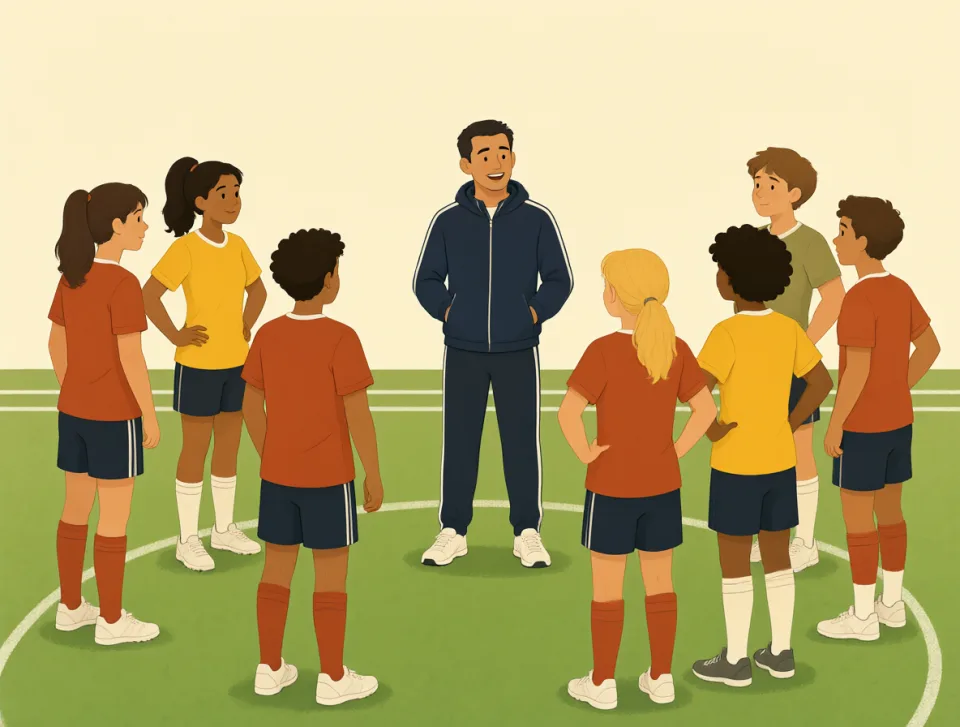
The team kept faith with their coach.
Zespół nie stracił wiary w swojego trenera.
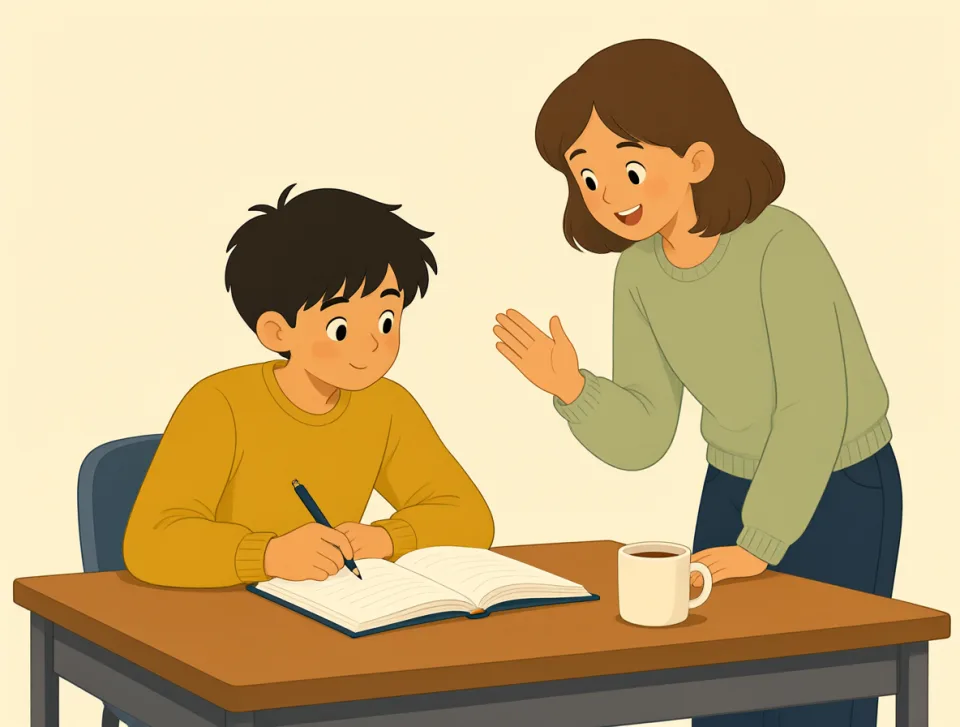
I have faith that you will pass the exam.
Wierzę, że zdasz egzamin.
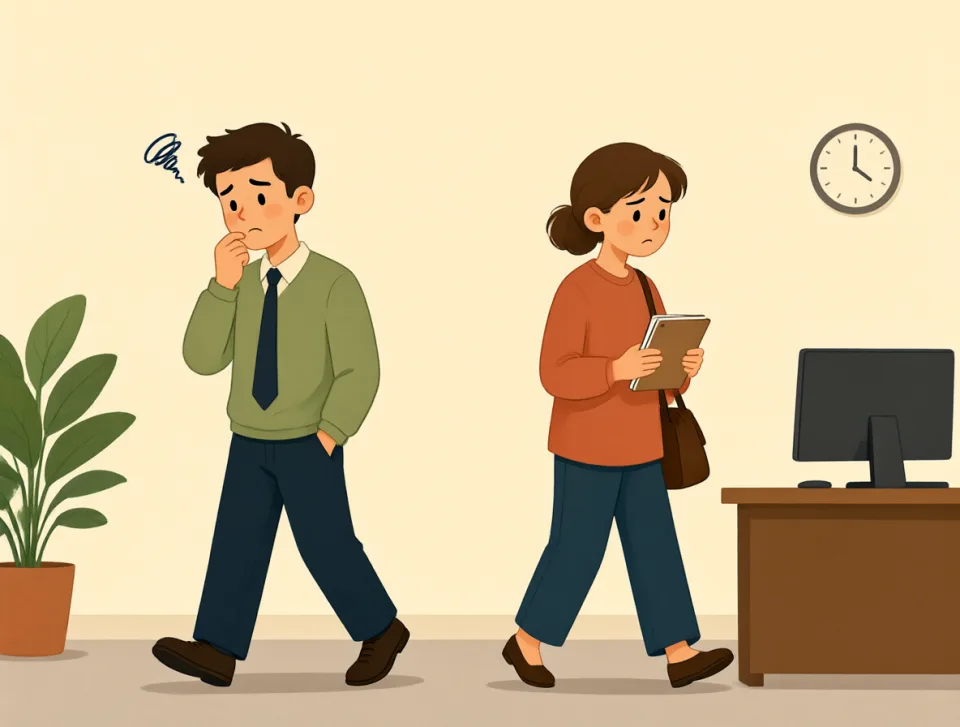
They lost faith in the company after the problem.
Po tym problemie stracili zaufanie do firmy.

reduction
#1687noun
obniżka; zmniejszenie
a decrease in size, amount, price, or number
Zmniejszenie rozmiaru, ilości, ceny lub liczby.
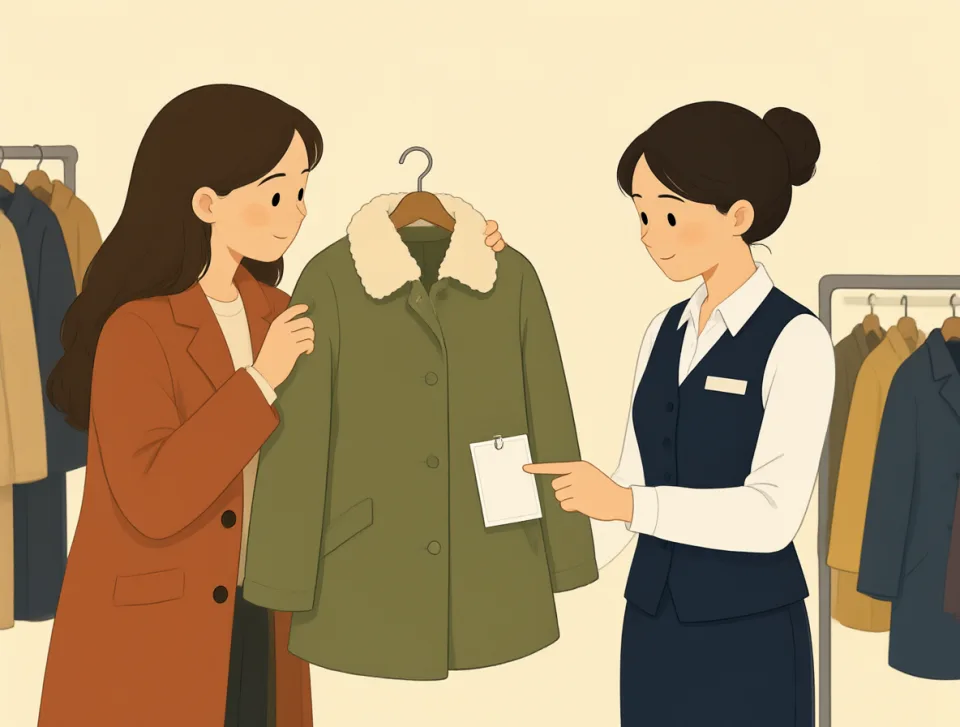
The shop offered a reduction on winter coats this week.
W tym tygodniu sklep oferował zniżkę na zimowe płaszcze.
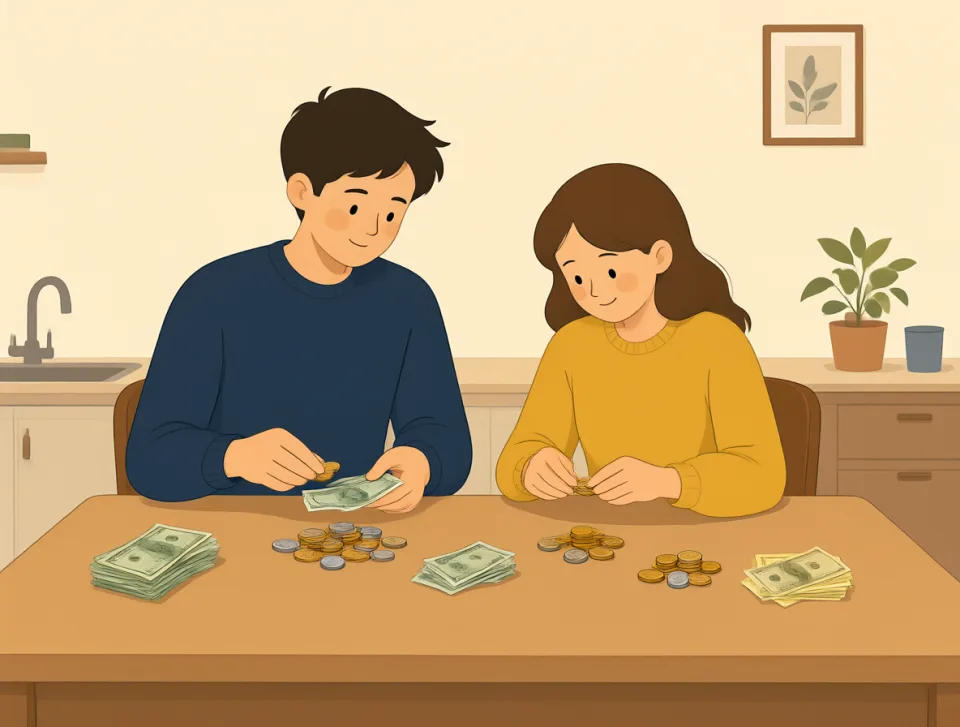
We need a reduction in household expenses this month.
W tym miesiącu musimy ograniczyć wydatki gospodarstwa domowego.
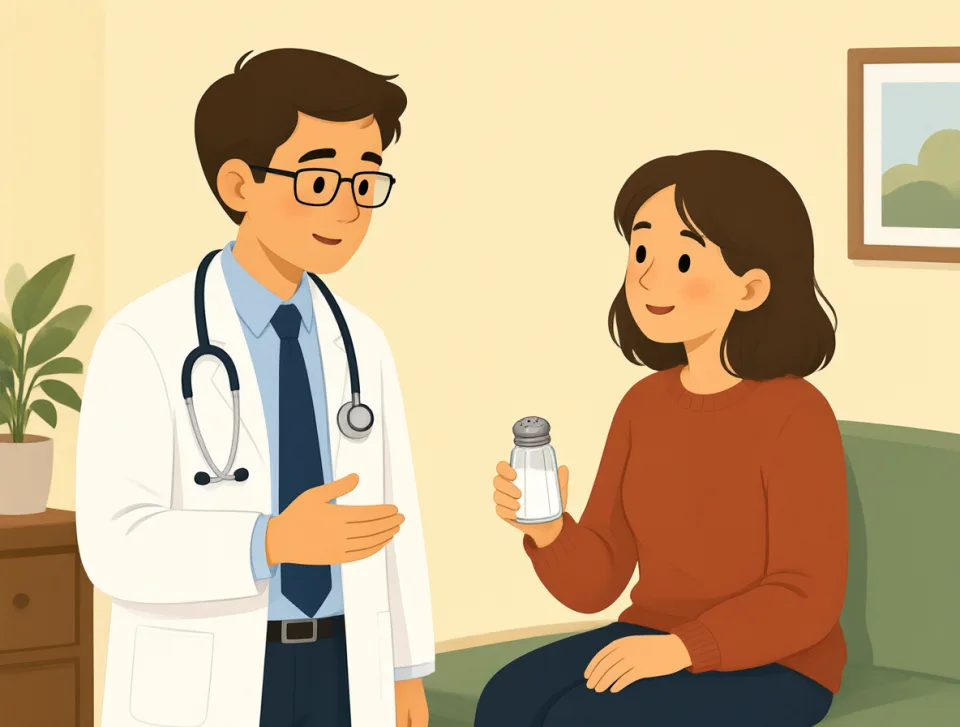
The doctor recommended a reduction in salt for better health.
Lekarz zalecił ograniczenie soli, aby poprawić stan zdrowia.
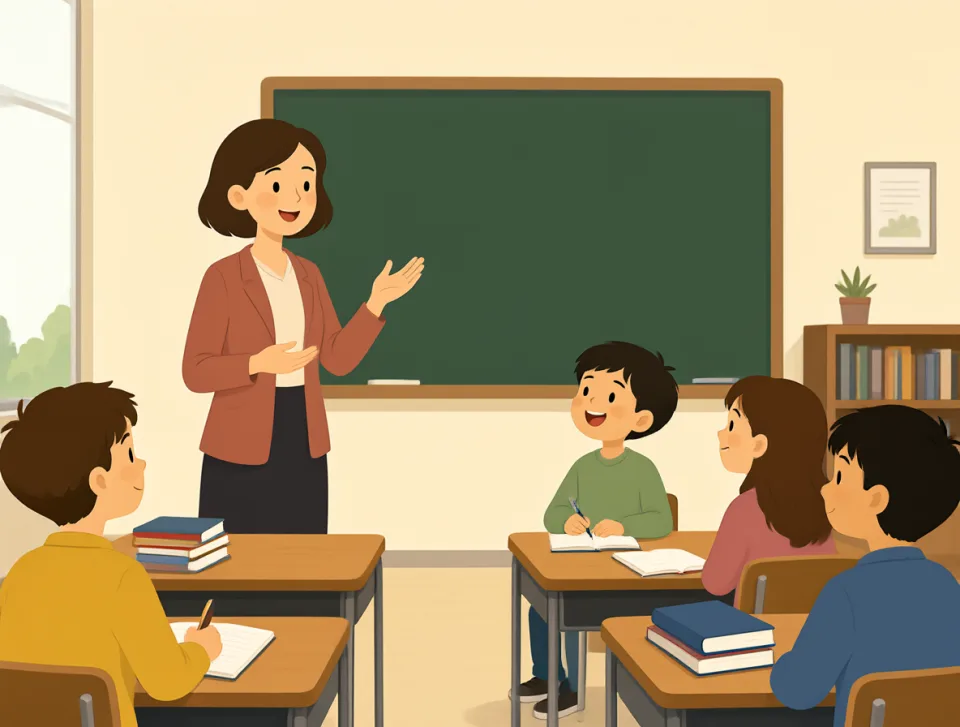
The school announced a reduction in homework before the holidays.
Szkoła ogłosiła, że przed świętami będzie mniej pracy domowej.
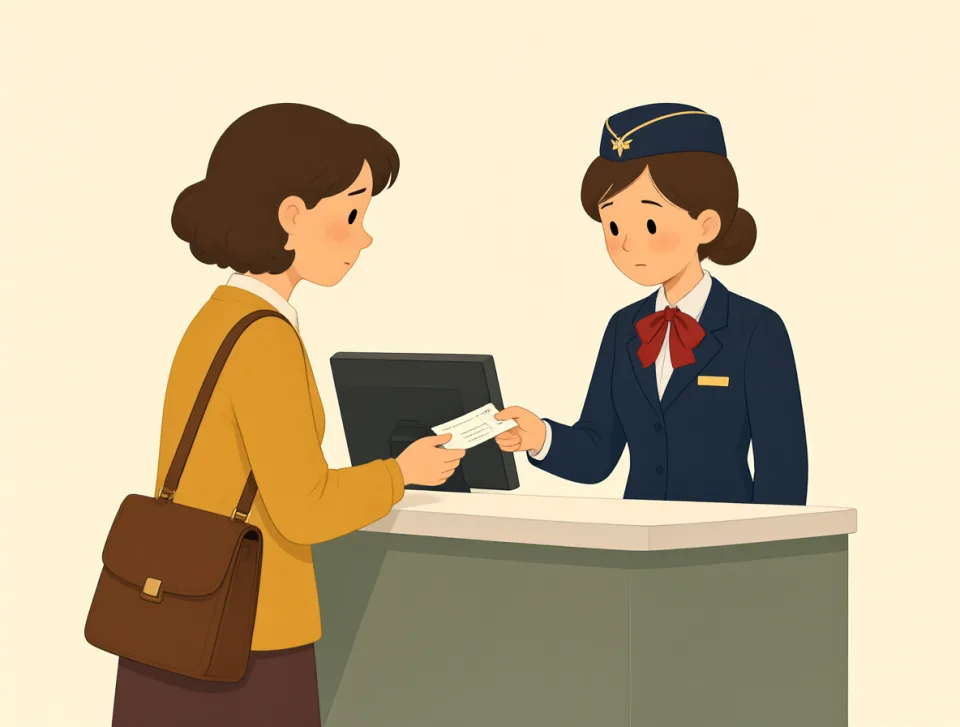
The airline gave us a reduction because our flight was delayed.
Linia lotnicza przyznała nam zniżkę, ponieważ nasz lot był opóźniony.
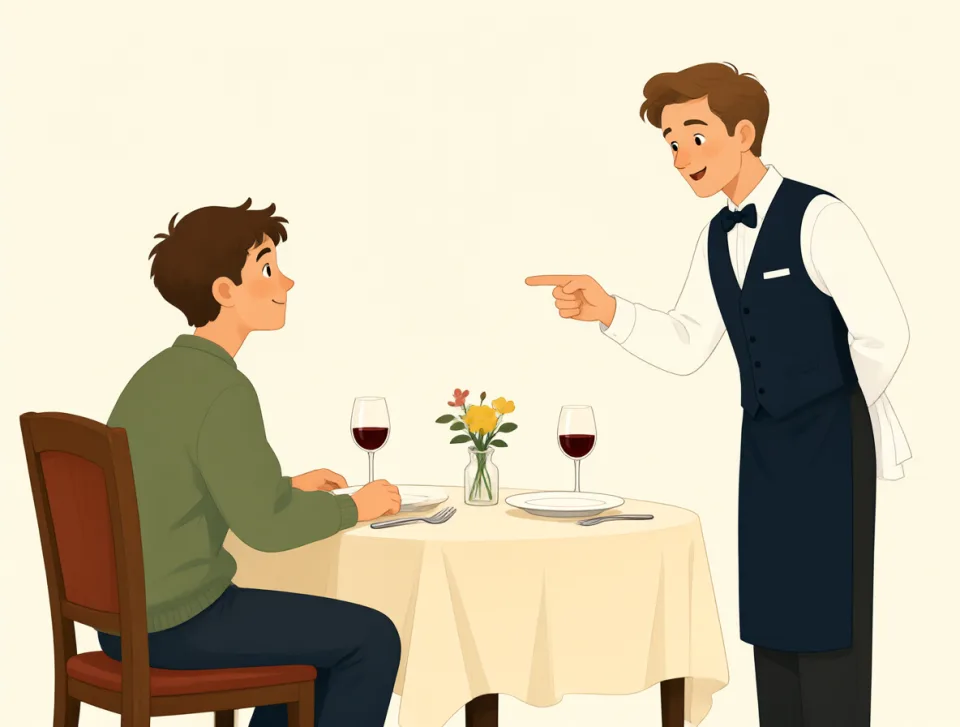
reserve
#1688noun, verb
rezerwować; rezerwa
To keep something for a particular person or time, or a supply kept for later use.
Zachować coś dla określonej osoby lub na określony czas albo zapas przeznaczony do późniejszego wykorzystania.
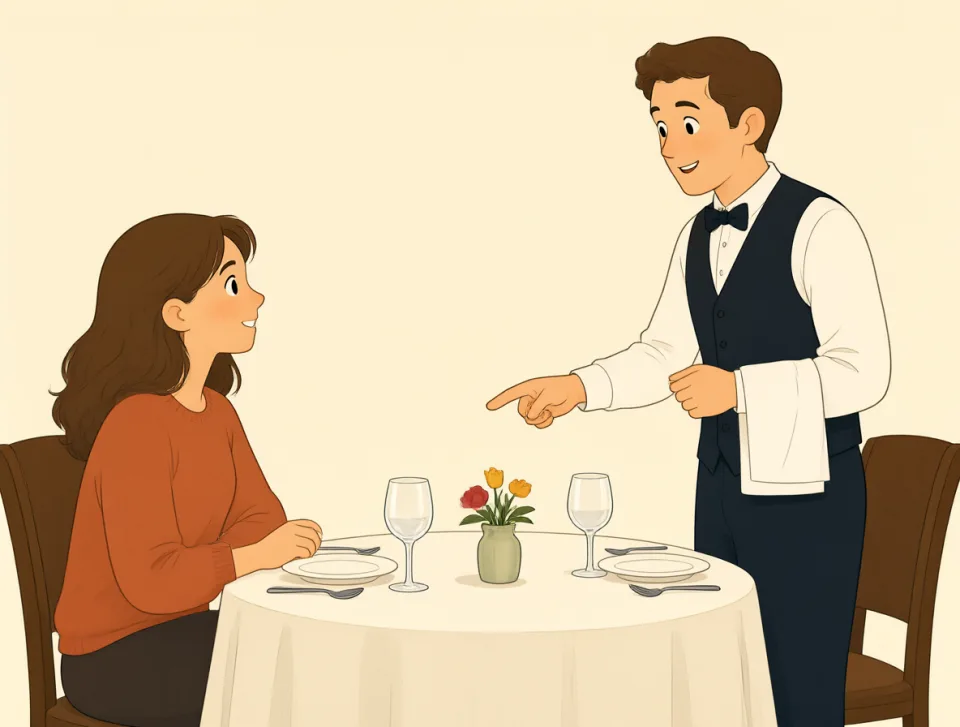
I’d like to reserve a table for four tonight.
Chciałbym zarezerwować stolik dla czterech osób na dziś wieczór.
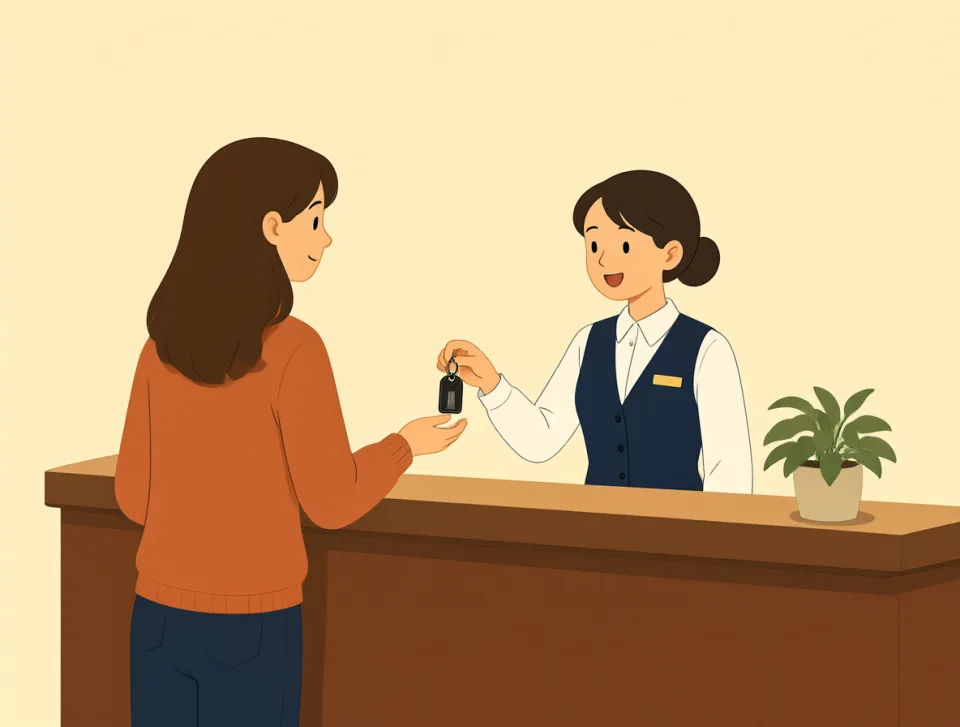
We reserved a hotel room near the beach for three nights.
Zarezerwowaliśmy pokój w hotelu niedaleko plaży na trzy noce.
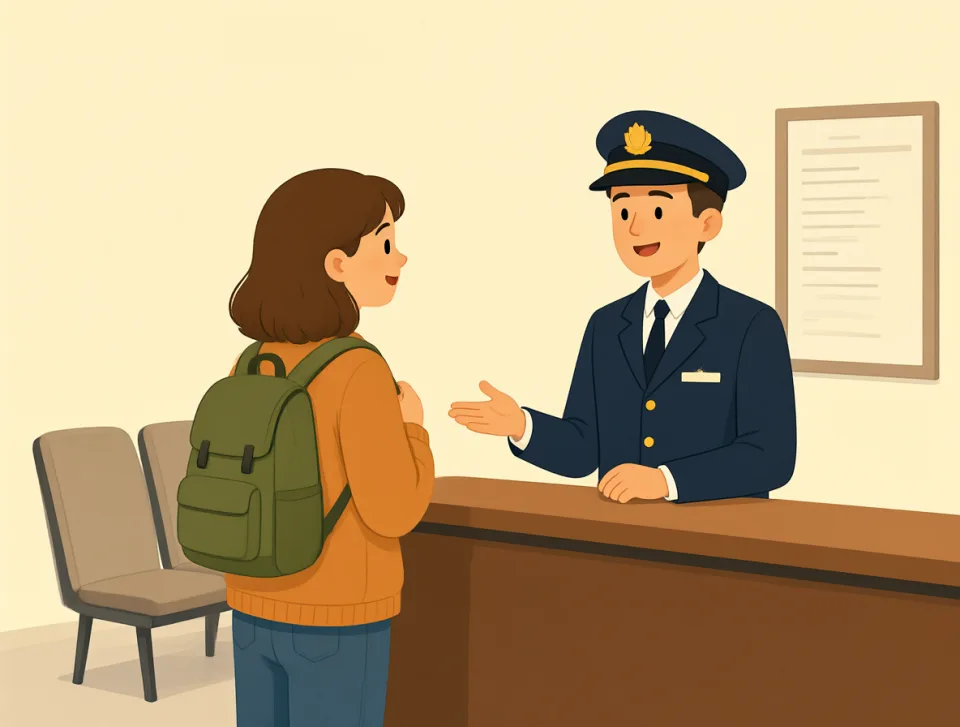
Please reserve two seats for us on the morning train.
Proszę zarezerwować dla nas dwa miejsca w porannym pociągu.
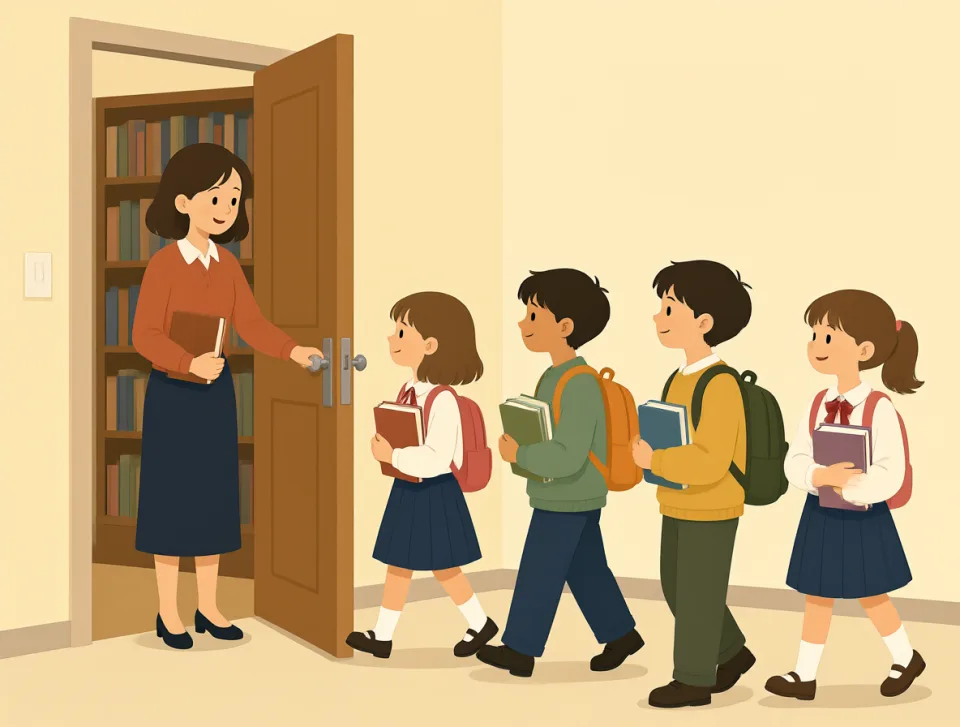
The teacher reserved the library for our group project.
Nauczyciel zarezerwował bibliotekę dla naszej grupy na potrzeby projektu.
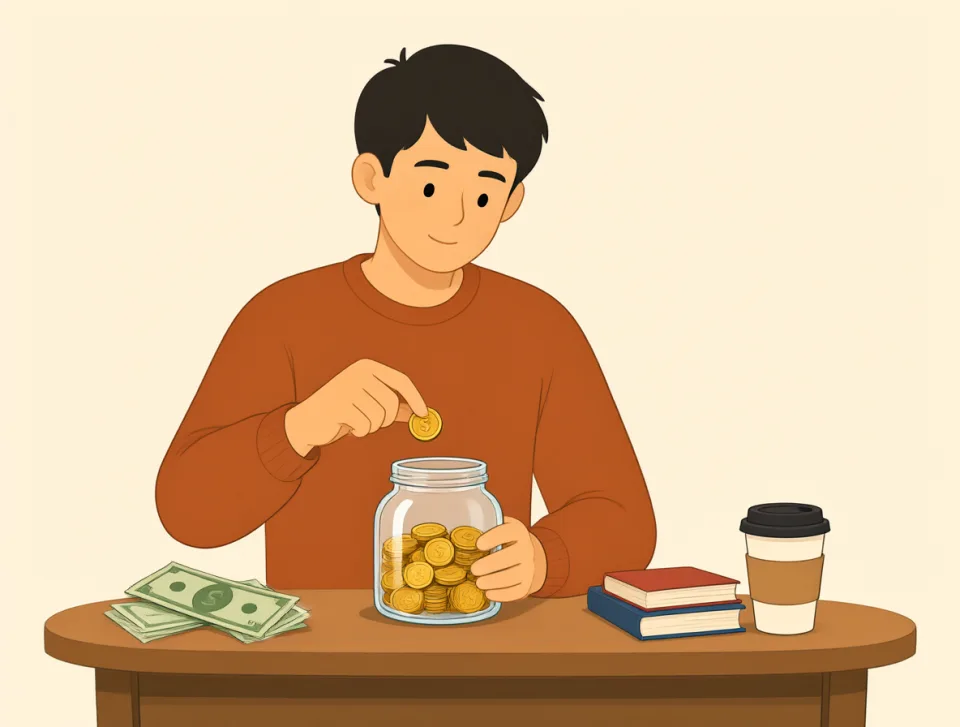
Keep some money in reserve for unexpected expenses.
Zostaw trochę pieniędzy w rezerwie na nieprzewidziane wydatki.
complaint
#1689noun
skarga; zażalenie
A statement that something is wrong or unsatisfactory.
Stwierdzenie, że coś jest nie tak lub nie spełnia oczekiwań.
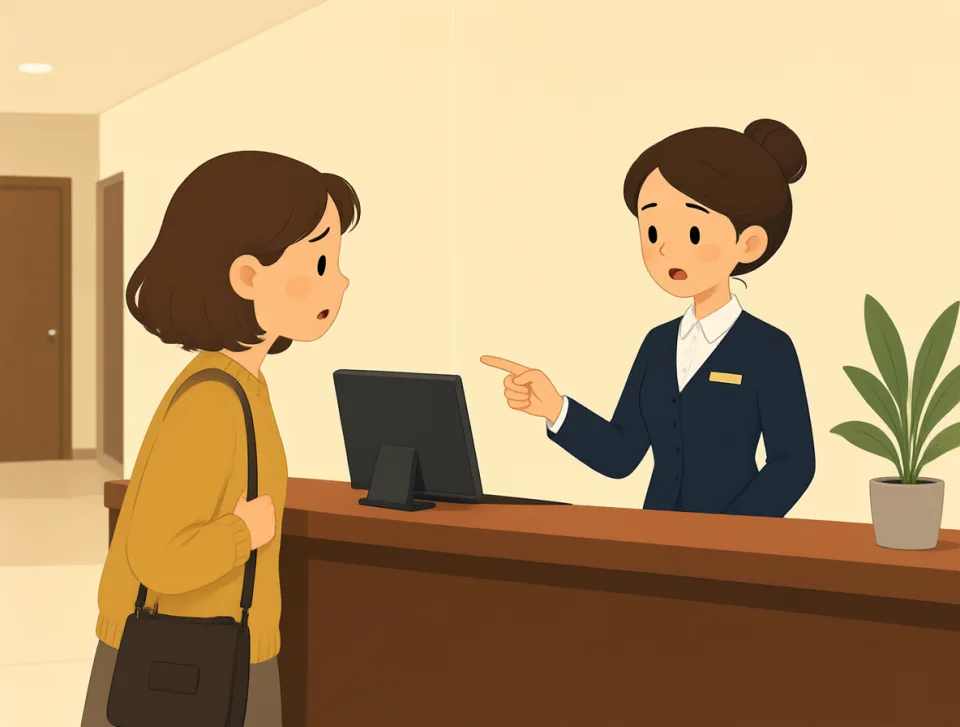
The hotel received a complaint about the noisy room.
Hotel otrzymał skargę na hałaśliwy pokój.
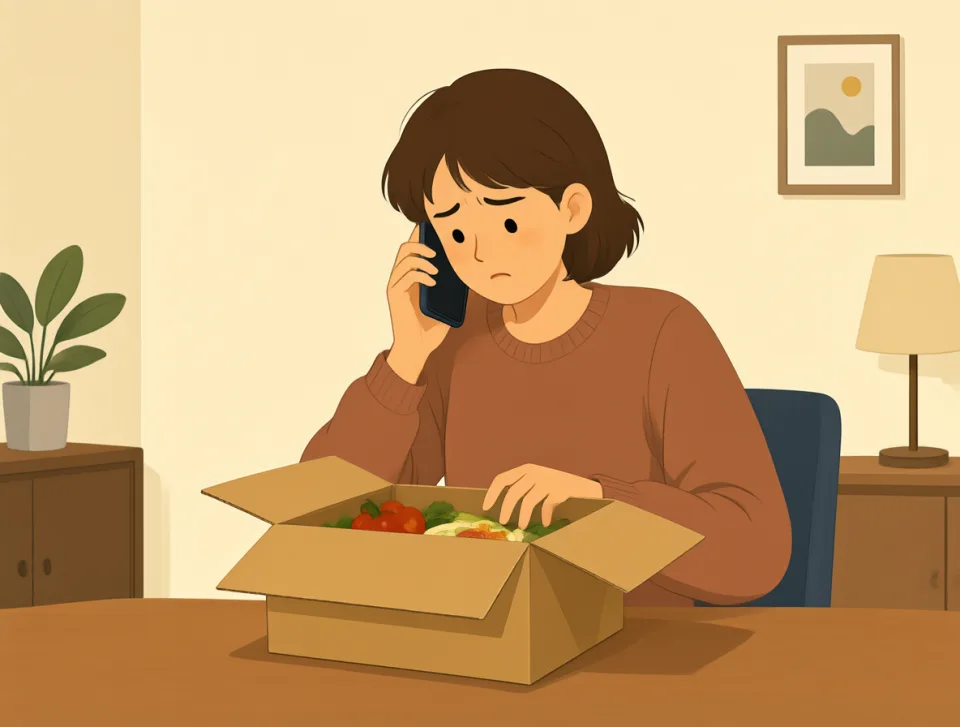
I made a complaint because my order arrived cold.
Złożyłem skargę, bo moje zamówienie dotarło zimne.

The manager listened carefully to my complaint.
Kierownik uważnie wysłuchał mojej skargi.
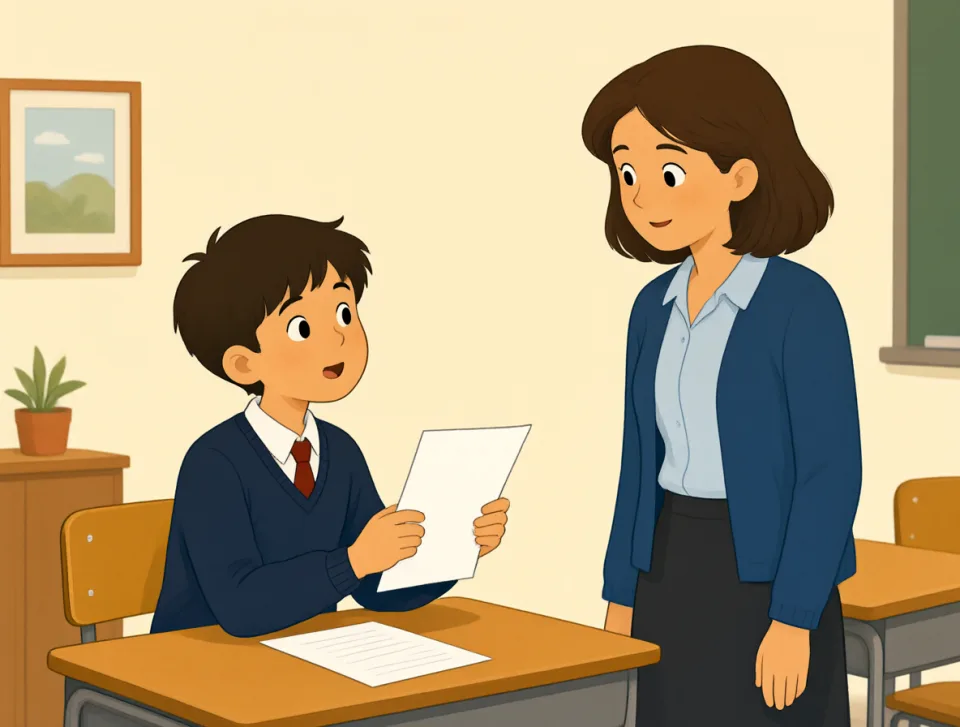
She complained to the teacher about the unfair test.
Poskarżyła się nauczycielowi na niesprawdzian, który był niesprawiedliwy.
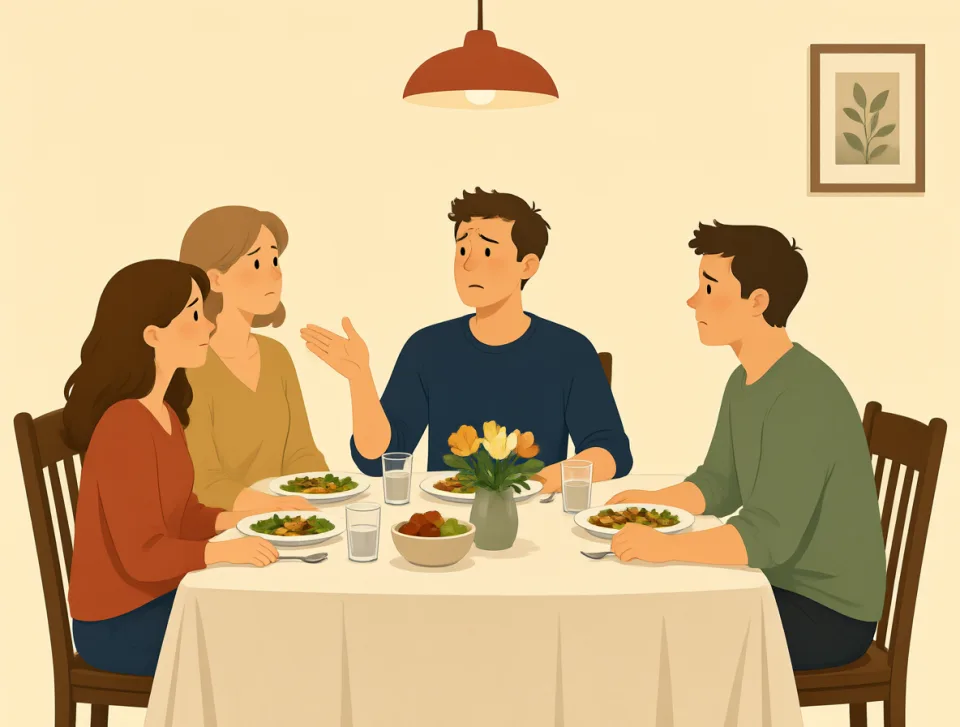
His constant complaints made dinner uncomfortable for everyone.
Jego ciągłe narzekanie sprawiało, że wszystkim było niezręcznie przy kolacji.
bore
#1690noun, verb
nudziarz; nudzić
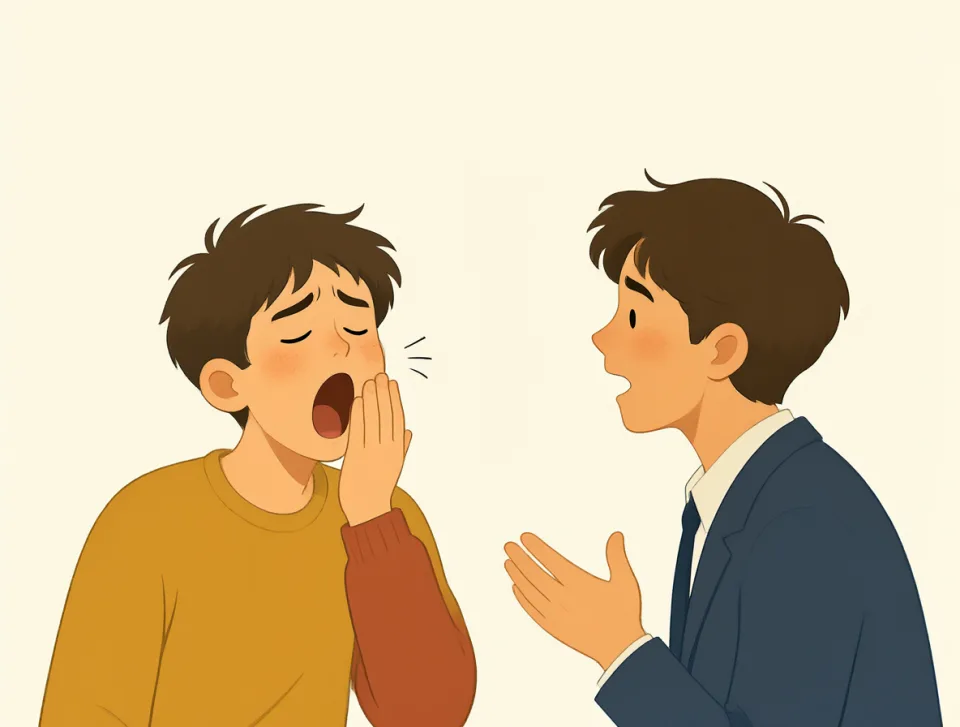
A boring person or thing; to make someone feel uninterested.
Nudna osoba lub rzecz; sprawiać, że ktoś traci zainteresowanie.

The long meeting bored everyone in the office.
Długie spotkanie znudziło wszystkich w biurze.

I was bored during the three-hour bus journey.
Nudziłem się podczas trzygodzinnej podróży autobusem.
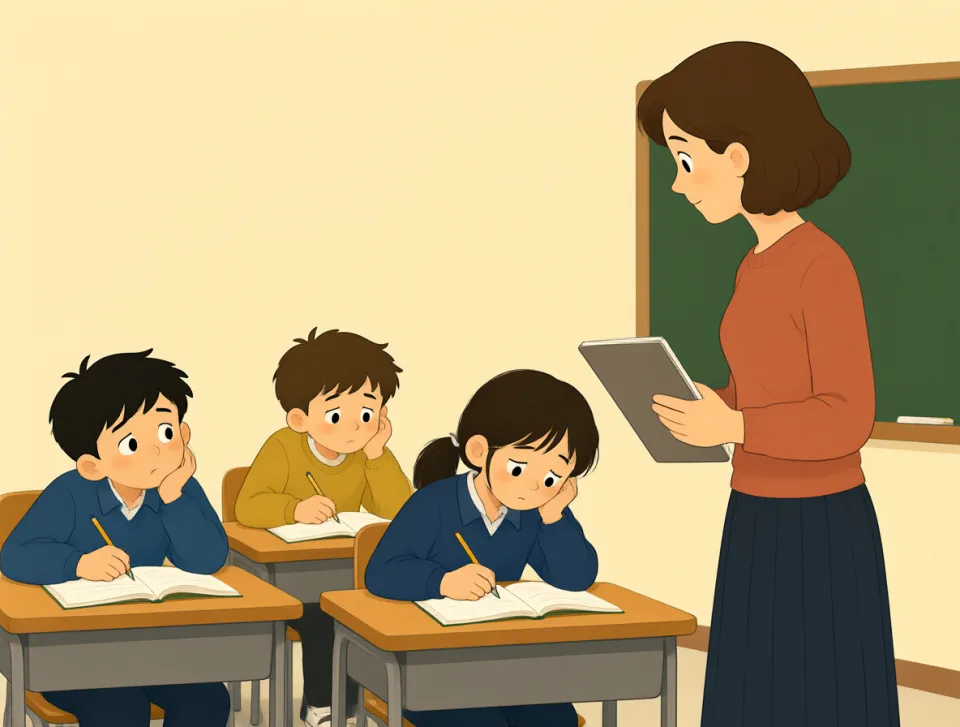
The teacher's story bored the students after lunch.
Opowieść nauczyciela znudziła uczniów po lunchu.

He is such a bore that nobody invites him to parties.
To taki nudziarz, że nikt nie zaprasza go na imprezy.
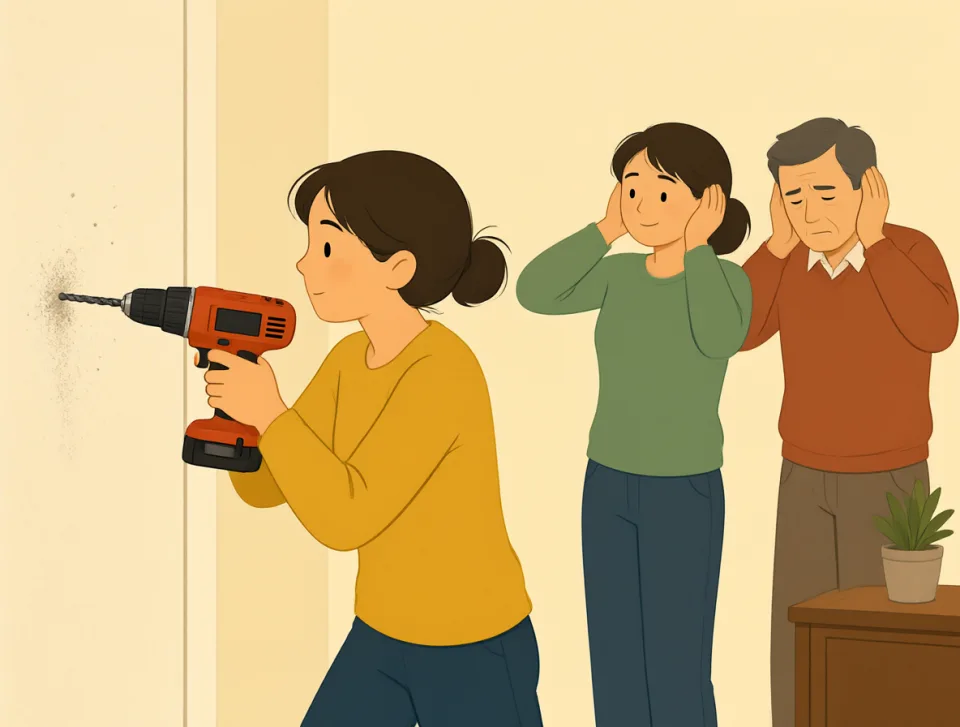
Drilling a hole through the wall can bore the neighbors.
Wiercenie otworu w ścianie może przeszkadzać sąsiadom.

mission
#1691noun
misja
An important task or journey that someone is sent to complete.
Ważne zadanie lub podróż, którą ktoś otrzymuje do wykonania.
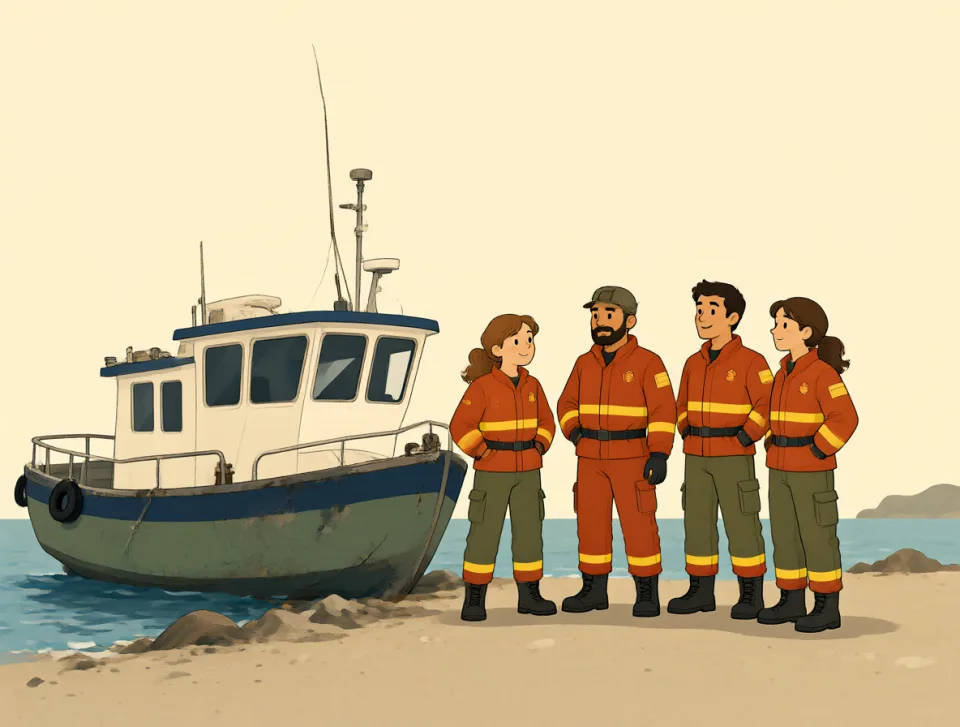
The team completed its mission before the storm arrived.
Zespół wykonał swoją misję, zanim nadeszła burza.
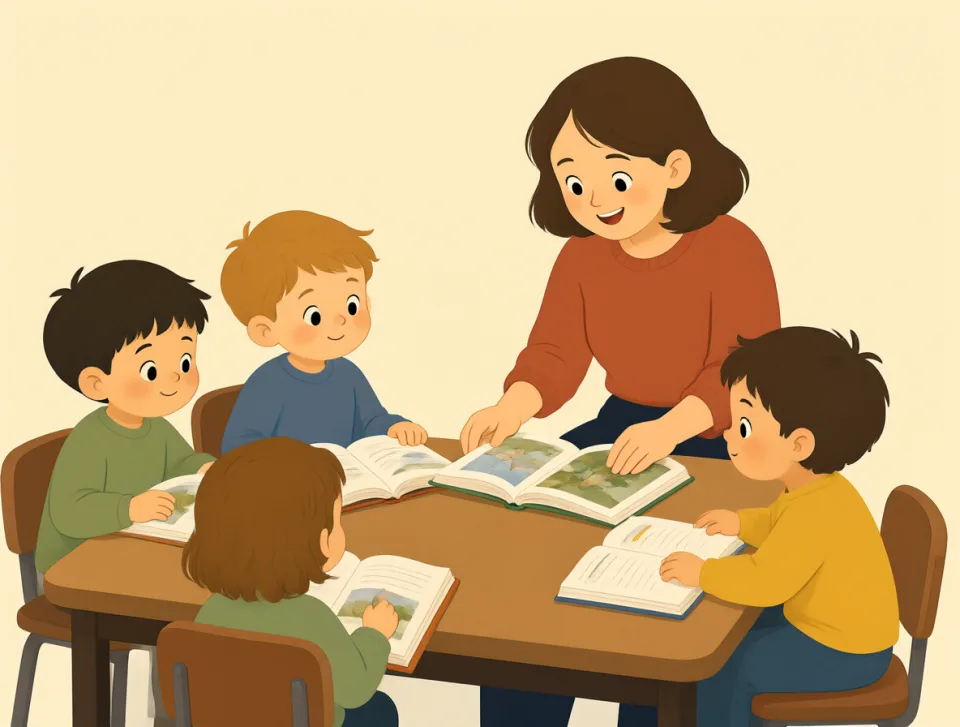
Our mission is to help every child learn to read.
Naszą misją jest pomóc każdemu dziecku nauczyć się czytać.
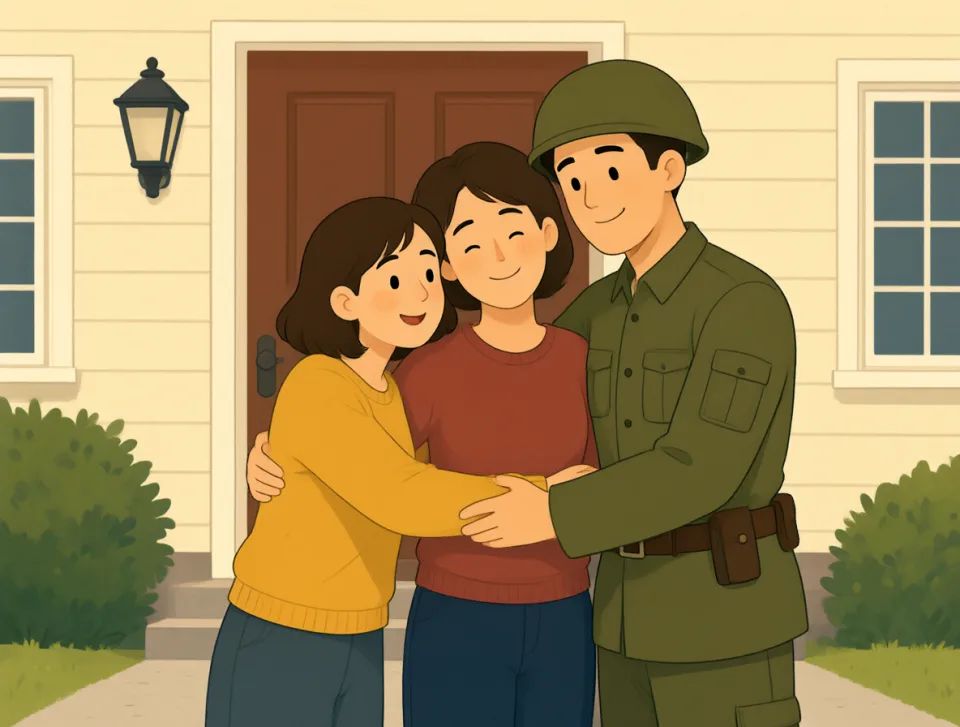
The soldiers returned home safely after their mission.
Żołnierze bezpiecznie wrócili do domu po zakończeniu misji.

The space mission will study the planet’s surface.
Misja kosmiczna zbada powierzchnię planety.
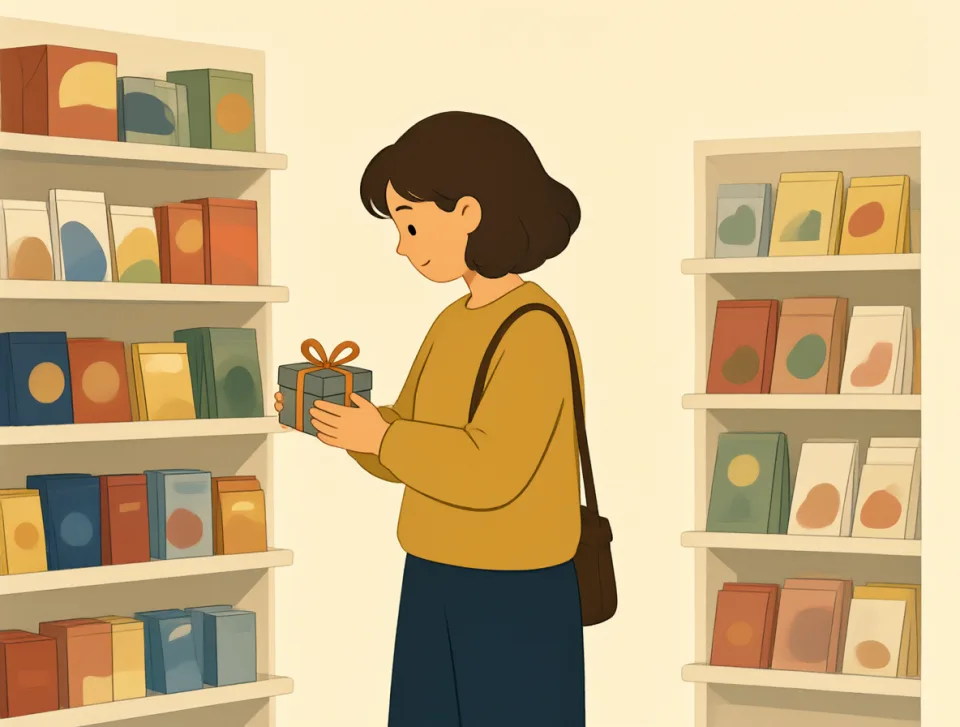
Finding the right gift became my mission that afternoon.
Znalezienie odpowiedniego prezentu stało się tego popołudnia moją misją.

somehow
#1692adverb
jakoś
In a way that is not known, explained, or planned.
W sposób, którego nie znamy, nie potrafimy wyjaśnić ani nie zaplanowaliśmy.
Somehow, I knew that everything would be all right.
Jakoś wiedziałem, że wszystko będzie dobrze.

We somehow found our hotel in the dark.
Jakoś znaleźliśmy hotel w ciemności.
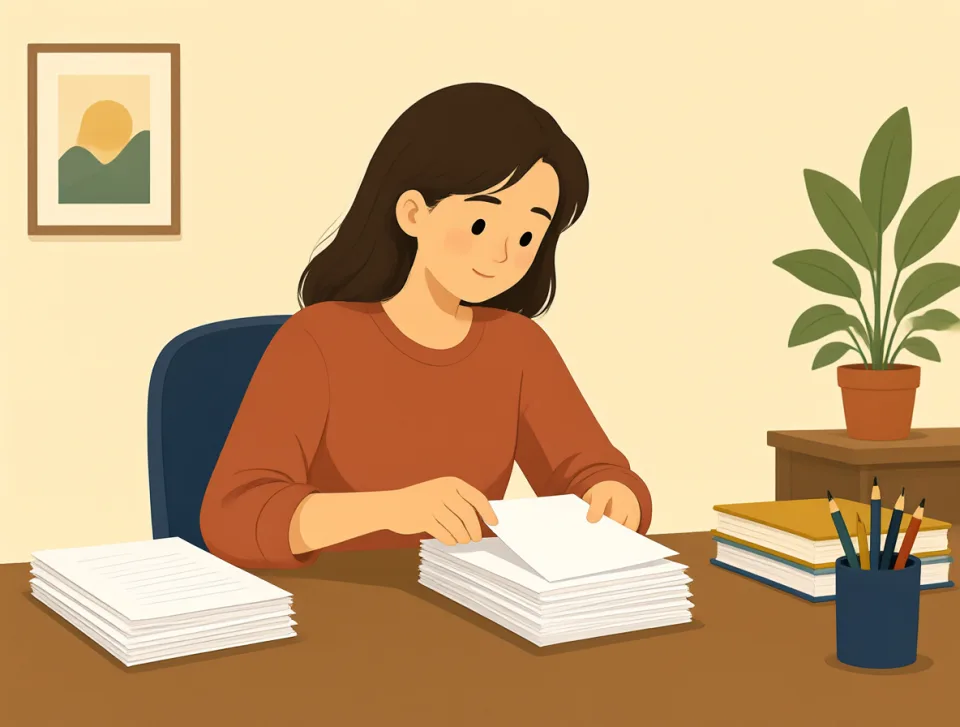
She somehow managed to finish the report before lunch.
Jakoś udało jej się skończyć raport przed lunchem.

Somehow, my keys disappeared between the shop and home.
Jakoś zgubiły mi się klucze gdzieś między sklepem a domem.
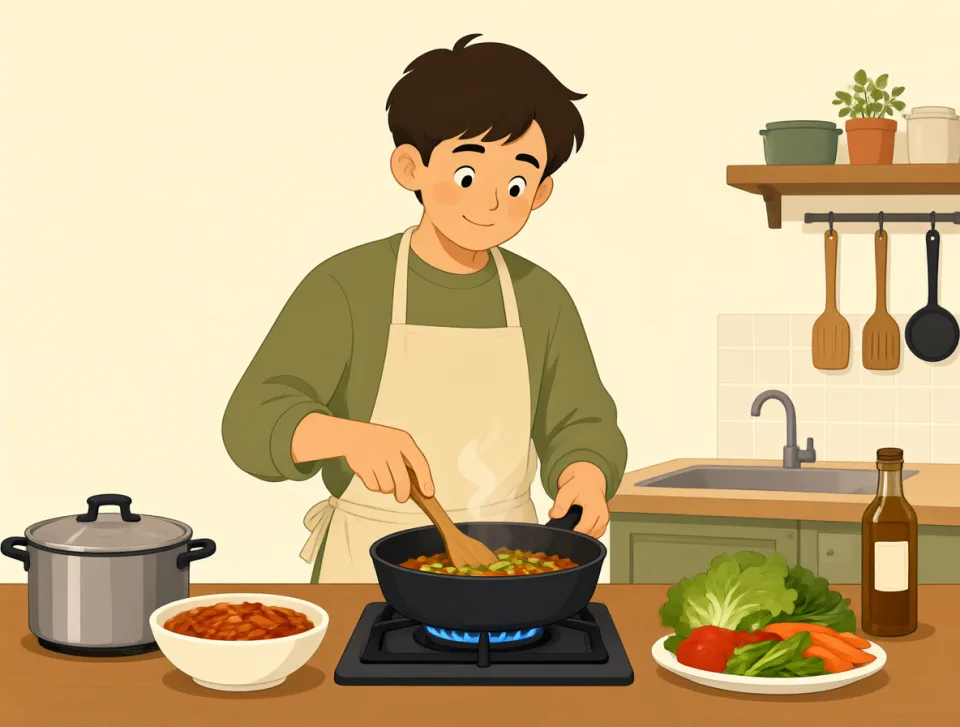
He somehow learned to cook while living alone.
Jakoś nauczył się gotować, kiedy mieszkał sam.

tone
#1693noun, verb
ton
The quality of a voice or sound, or the feeling shown by the way someone speaks.
Brzmienie głosu lub dźwięku albo uczucie wyrażane sposobem mówienia.
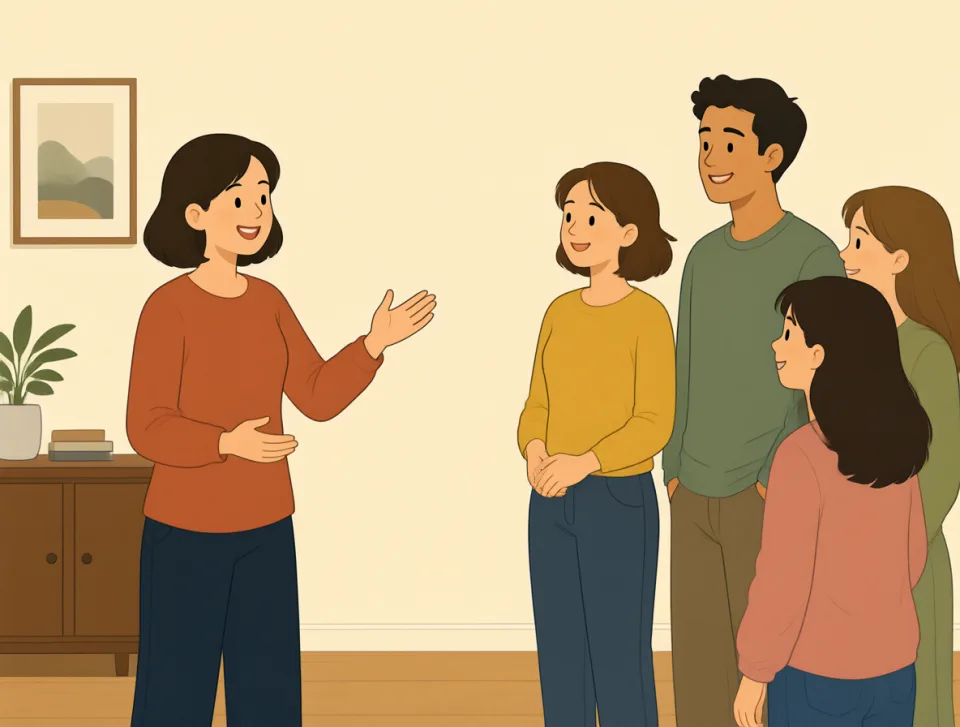
Her friendly tone made everyone feel welcome.
Jej przyjazny ton sprawił, że wszyscy poczuli się mile widziani.

Please use a polite tone when speaking to customers.
Proszę mówić do klientów uprzejmym tonem.
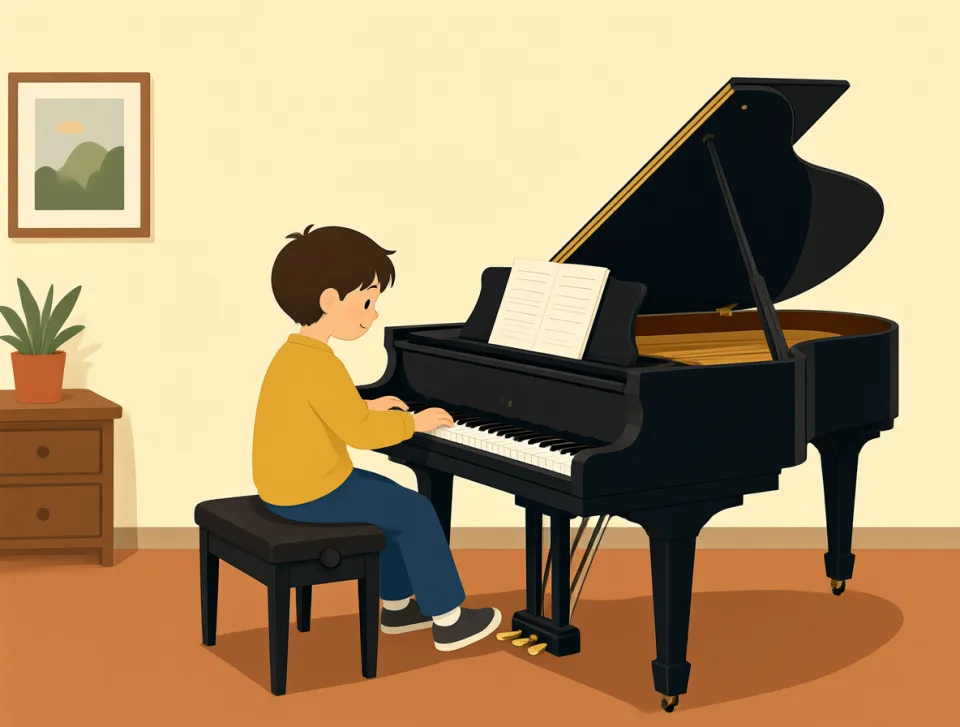
The piano has a beautiful, warm tone.
Fortepian ma piękne, ciepłe brzmienie.
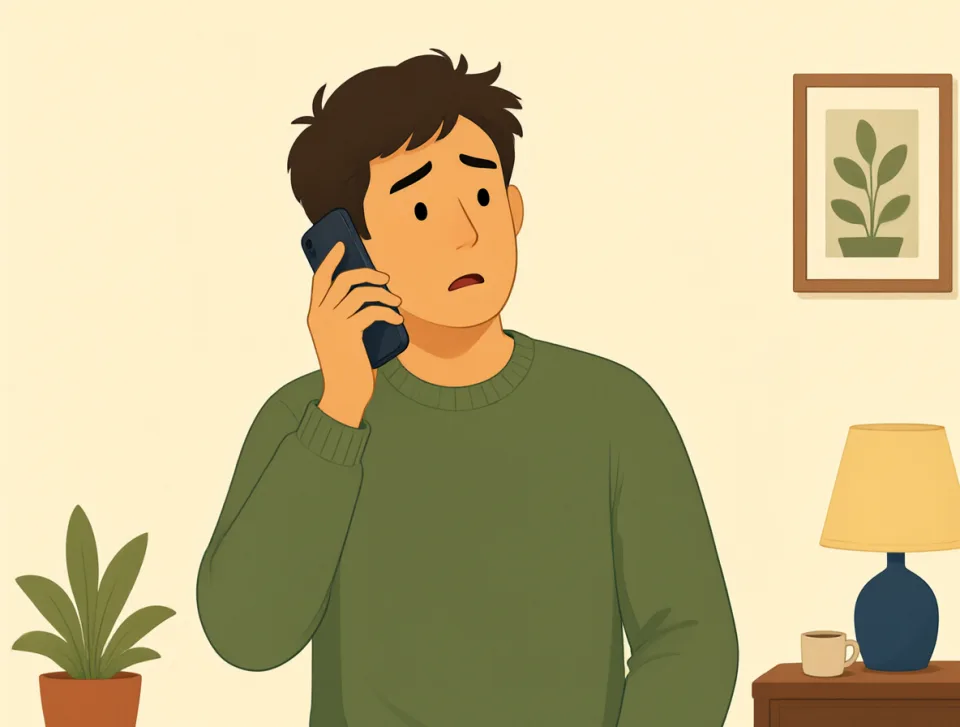
His voice changed tone when he heard the bad news.
Jego ton głosu się zmienił, gdy usłyszał złe wieści.
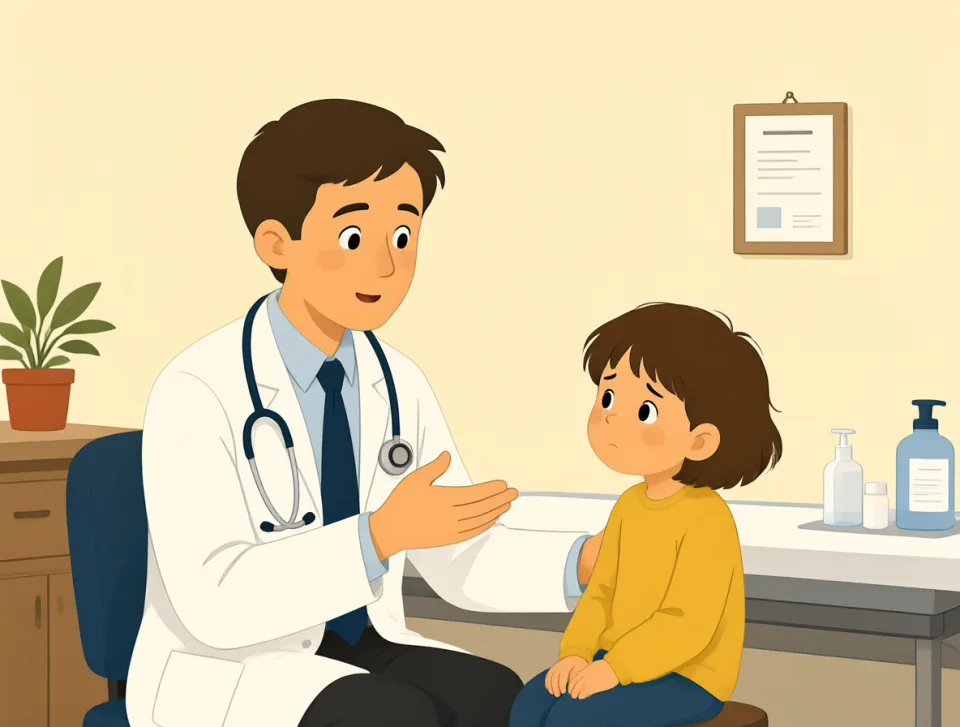
The doctor toned down her voice to calm the child.
Lekarka ściszyła głos, żeby uspokoić dziecko.

neighborhood
#1694noun
okolica
An area of a town where people live, near each other.
Część miasta, w której mieszkają blisko siebie ludzie.
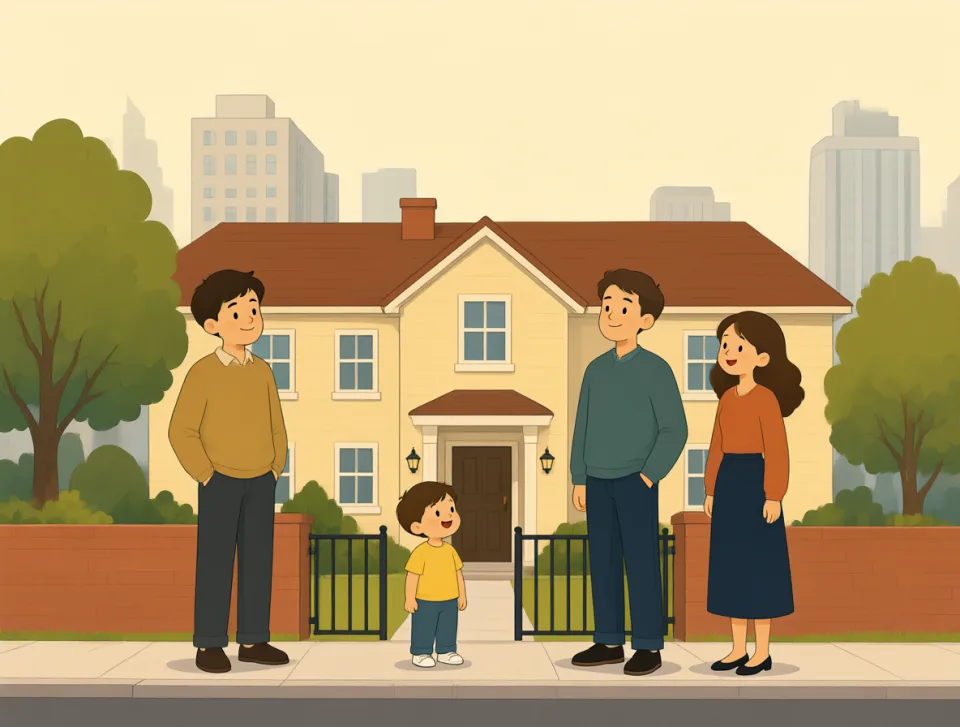
We live in a quiet neighborhood near the city center.
Mieszkamy w spokojnej okolicy niedaleko centrum miasta.
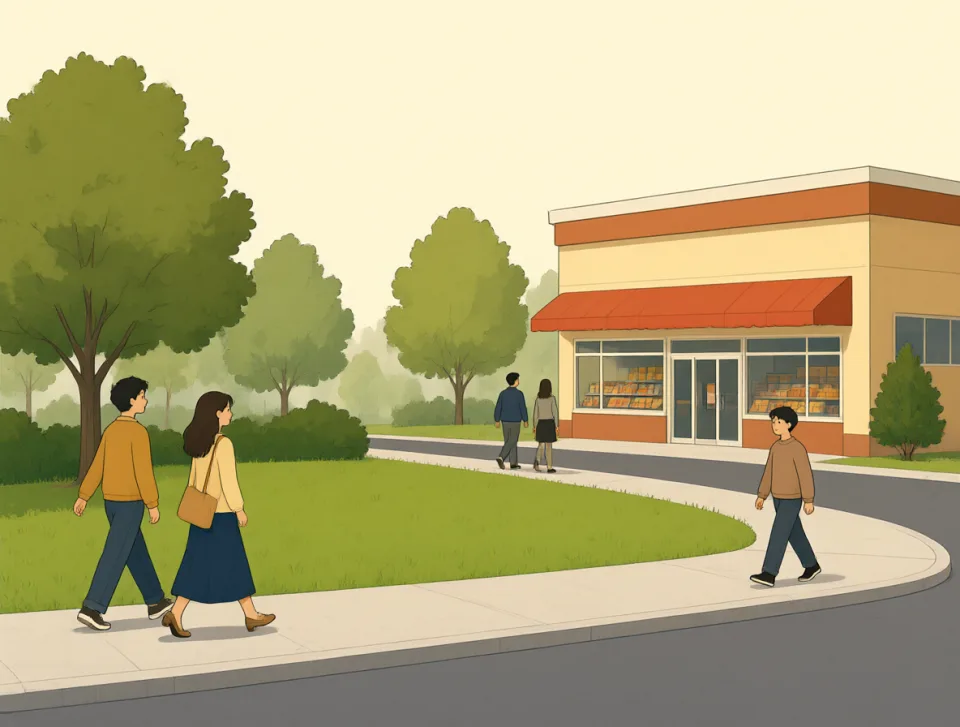
Our neighborhood has a small park and a busy grocery store.
W naszej okolicy jest mały park i duży, ruchliwy sklep spożywczy.
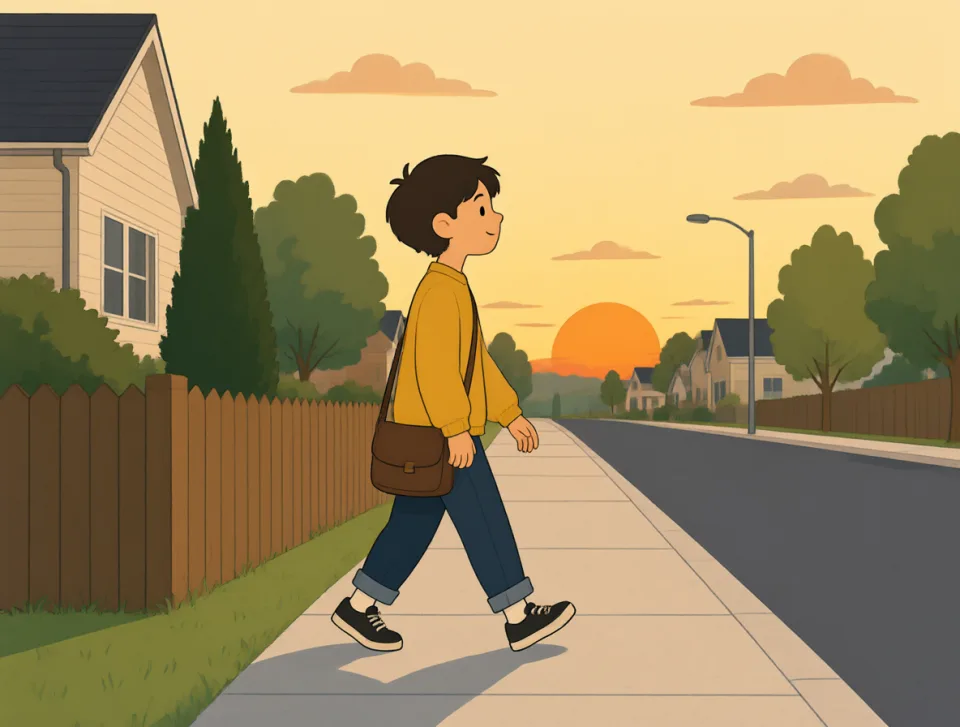
I often walk around the neighborhood after dinner.
Często spaceruję po okolicy po kolacji.

The new school is only five minutes from my neighborhood.
Nowa szkoła jest zaledwie pięć minut drogi od mojej okolicy.
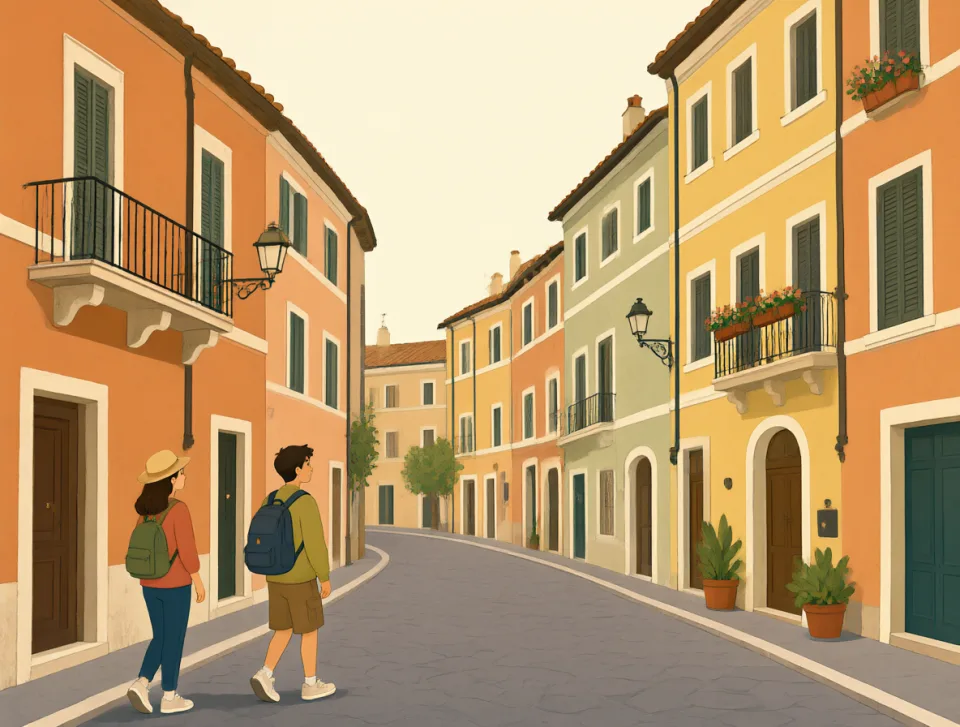
We explored a beautiful neighborhood during our visit to Rome.
Podczas wizyty w Rzymie zwiedziliśmy piękną okolicę.
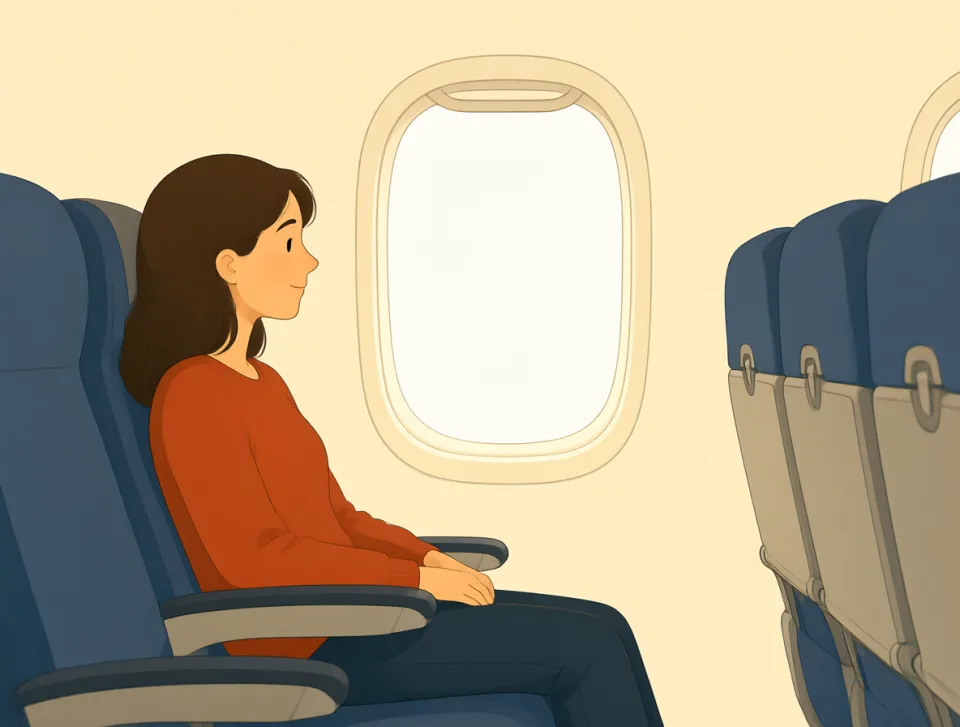
passenger
#1695noun
pasażer
A person traveling in a vehicle, such as a car, bus, train, or plane.
Osoba podróżująca pojazdem, na przykład samochodem, autobusem, pociągiem lub samolotem.
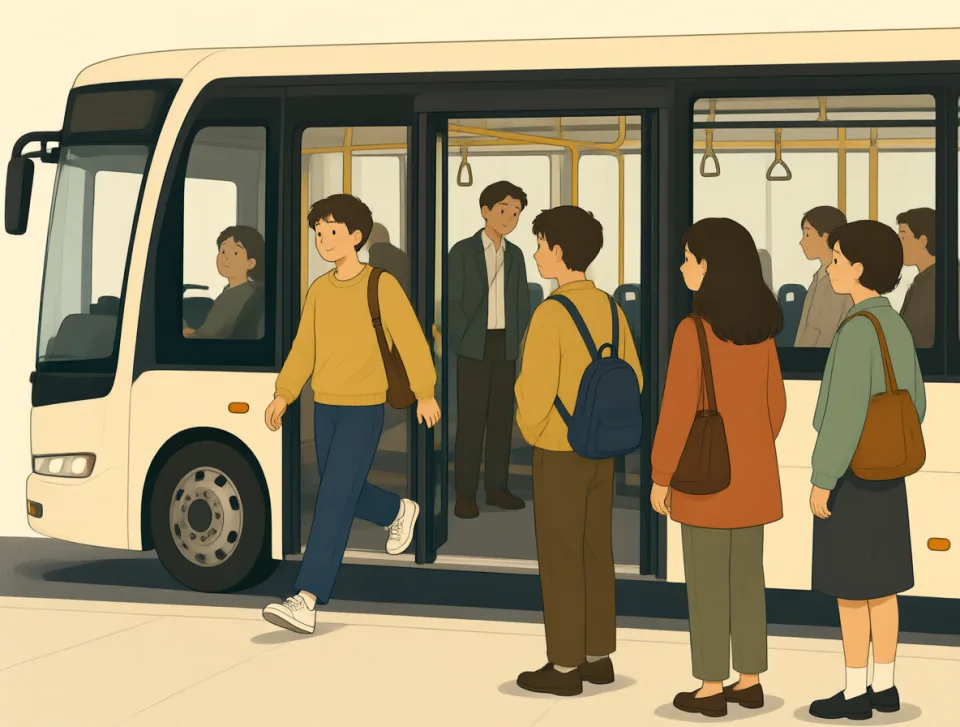
The bus passenger got off at the next stop.
Pasażer autobusu wysiadł na następnym przystanku.
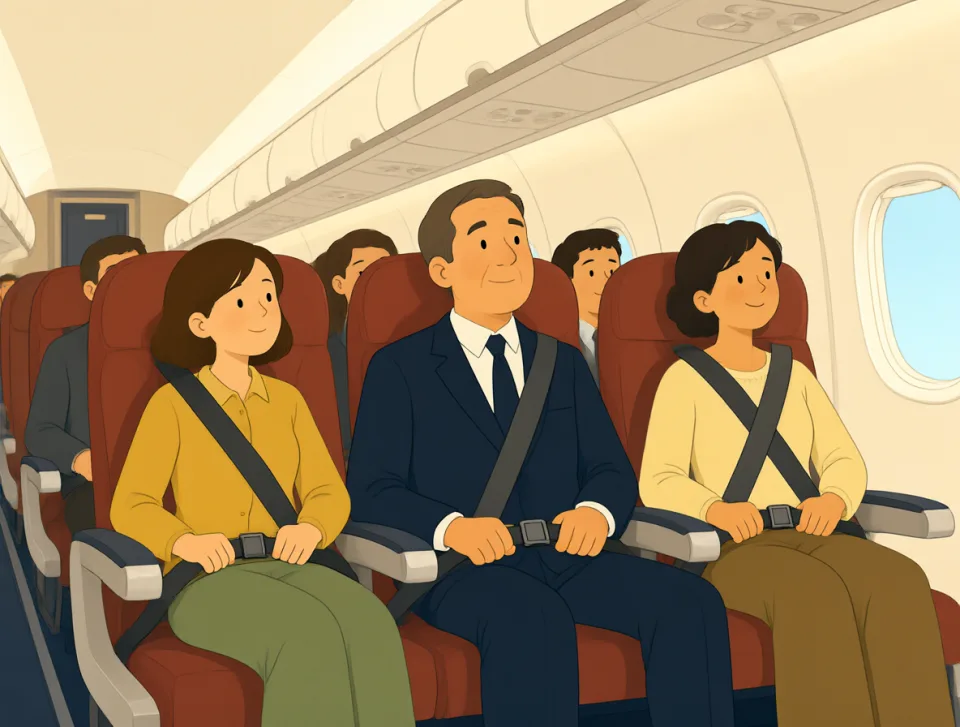
Every passenger must wear a seat belt during takeoff.
Każdy pasażer musi mieć zapięte pasy podczas startu.
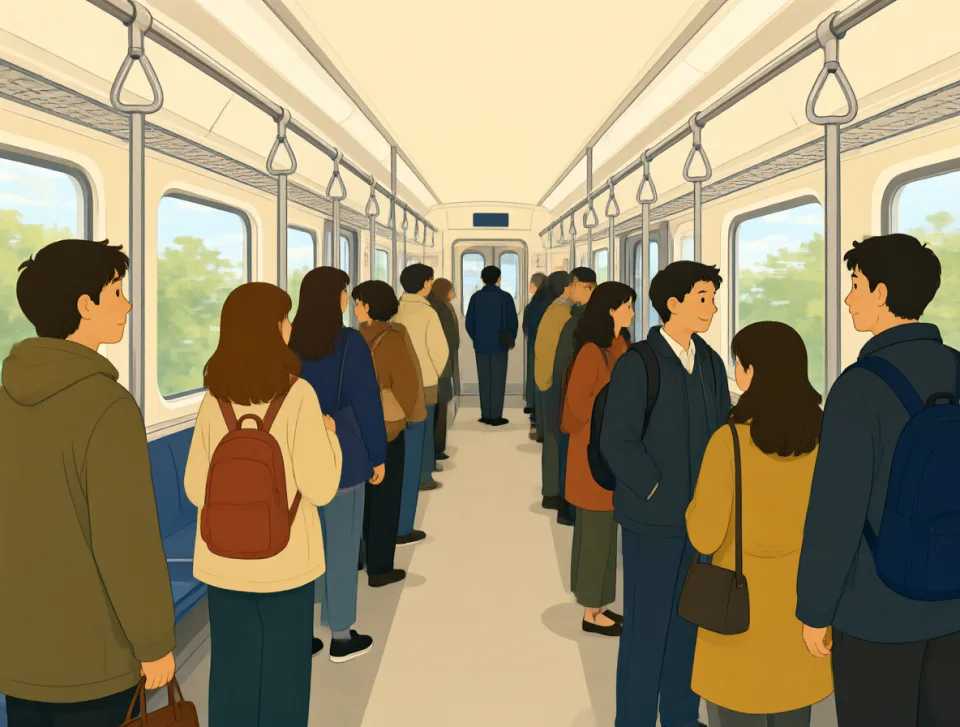
The train was crowded with passengers going to work.
Pociąg był zatłoczony pasażerami jadącymi do pracy.
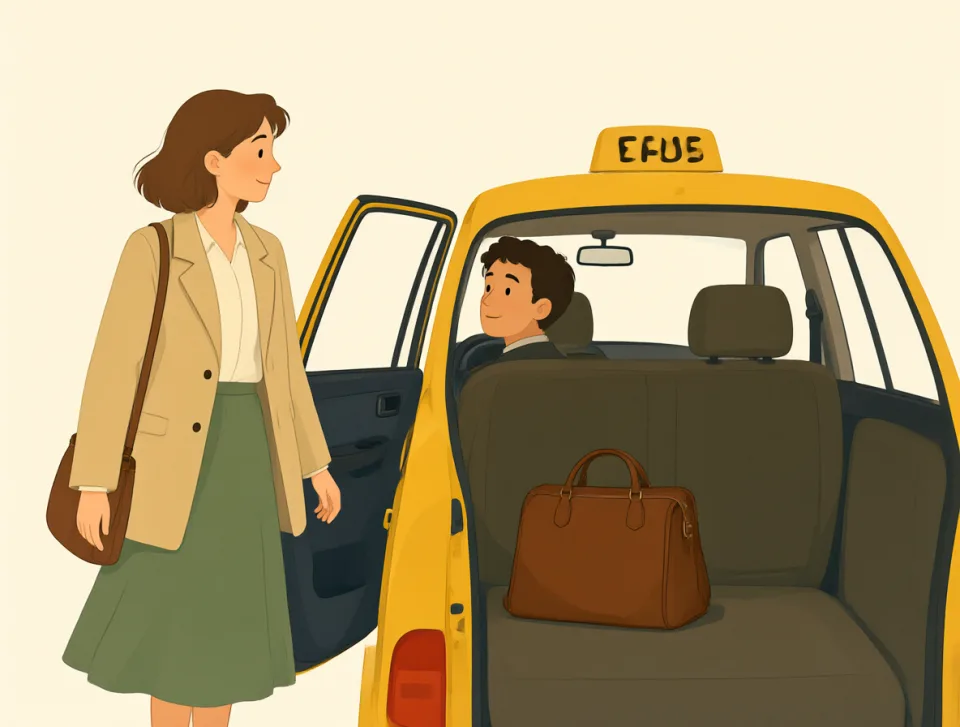
A taxi passenger left a bag on the back seat.
Pasażer taksówki zostawił torbę na tylnym siedzeniu.
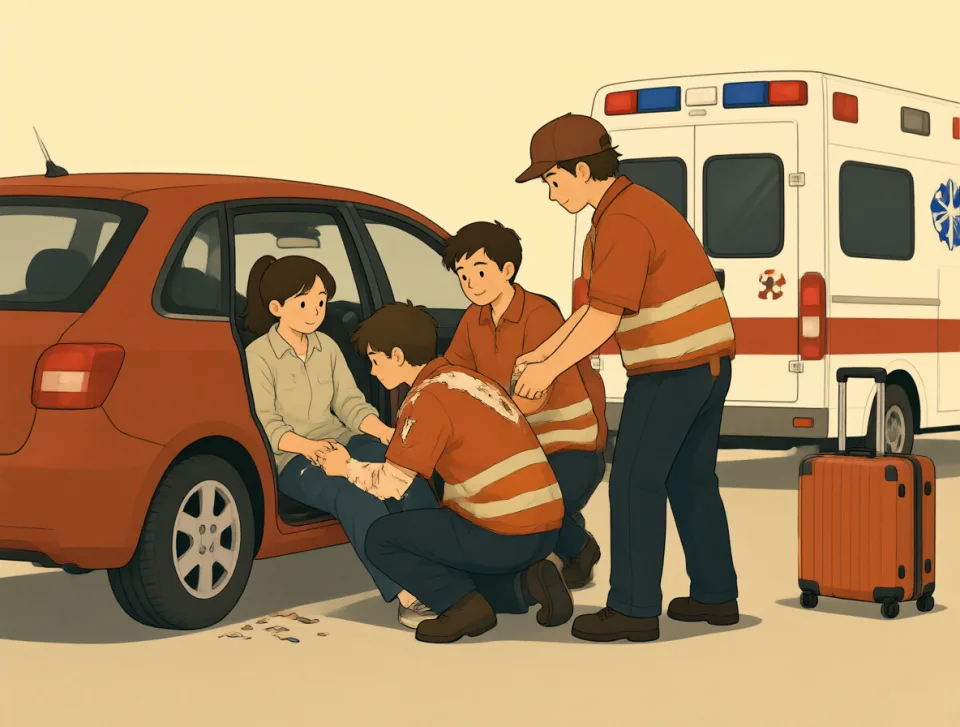
The injured passenger was taken to the hospital.
Rannego pasażera zabrano do szpitala.
justice
#1696noun
sprawiedliwość
Fair treatment according to the law and what is morally right.
Równe i uczciwe traktowanie zgodne z prawem oraz z tym, co moralnie słuszne.
The court must deliver justice fairly to everyone.
Sąd musi sprawiedliwie wymierzyć sprawiedliwość wszystkim.
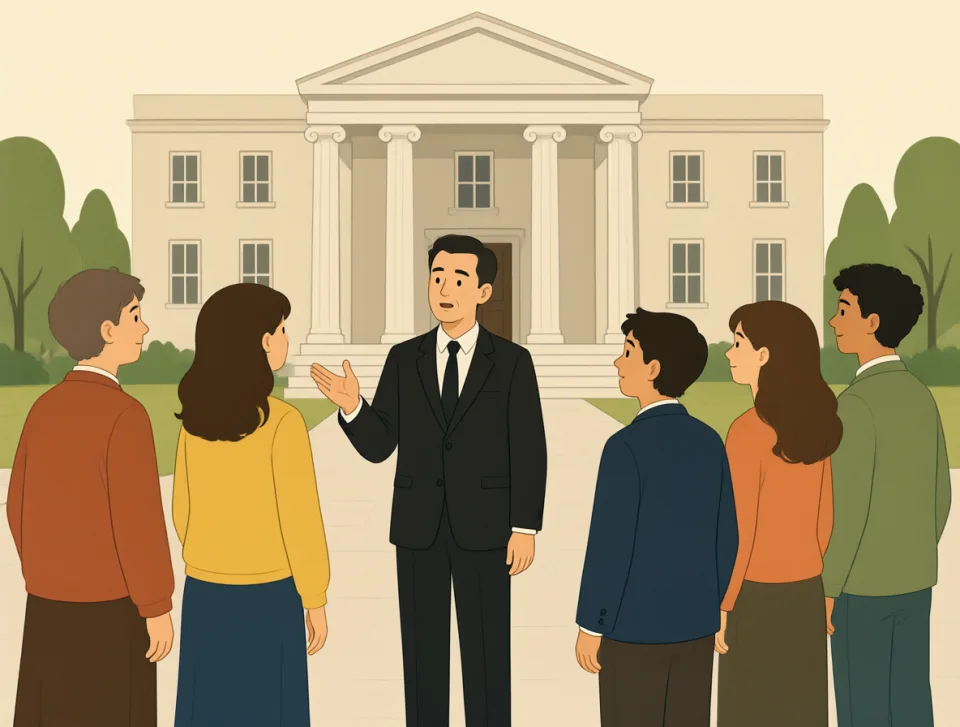
The victims finally received justice after a long trial.
Ofiary w końcu doczekały się sprawiedliwości po długim procesie.
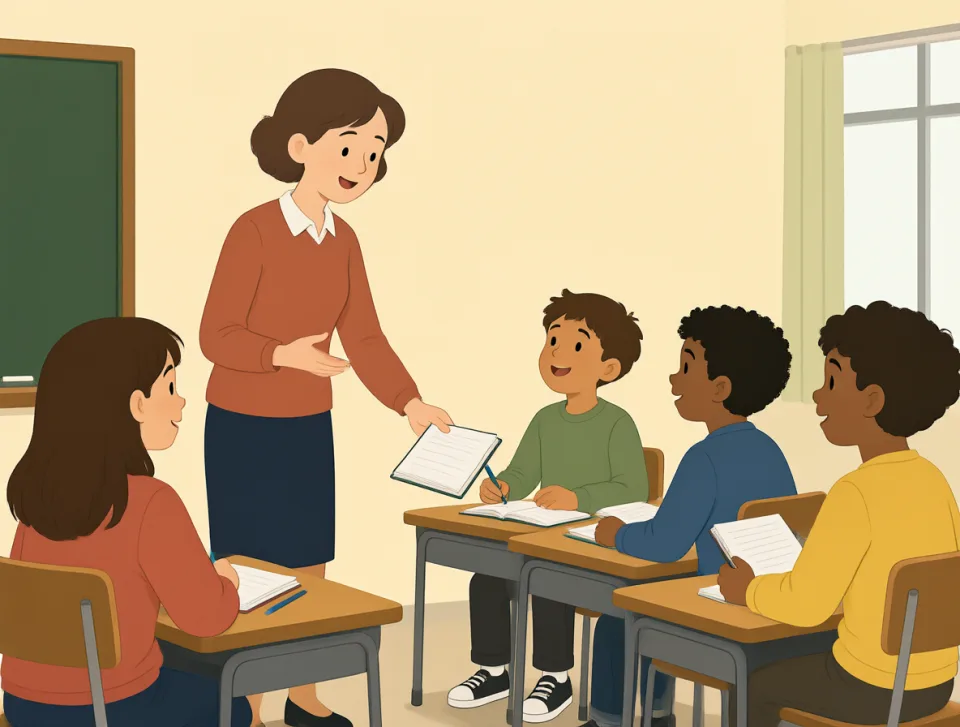
She believes justice means treating all students equally.
Uważa, że sprawiedliwość oznacza równe traktowanie wszystkich uczniów.
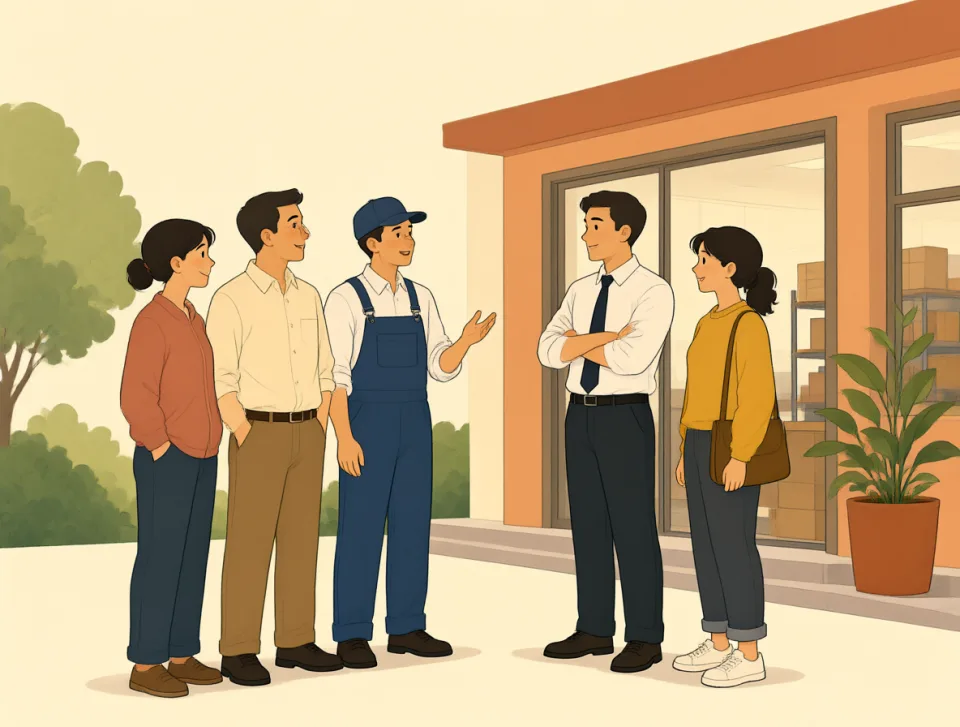
The workers are fighting for justice and better pay.
Pracownicy walczą o sprawiedliwość i lepsze wynagrodzenie.
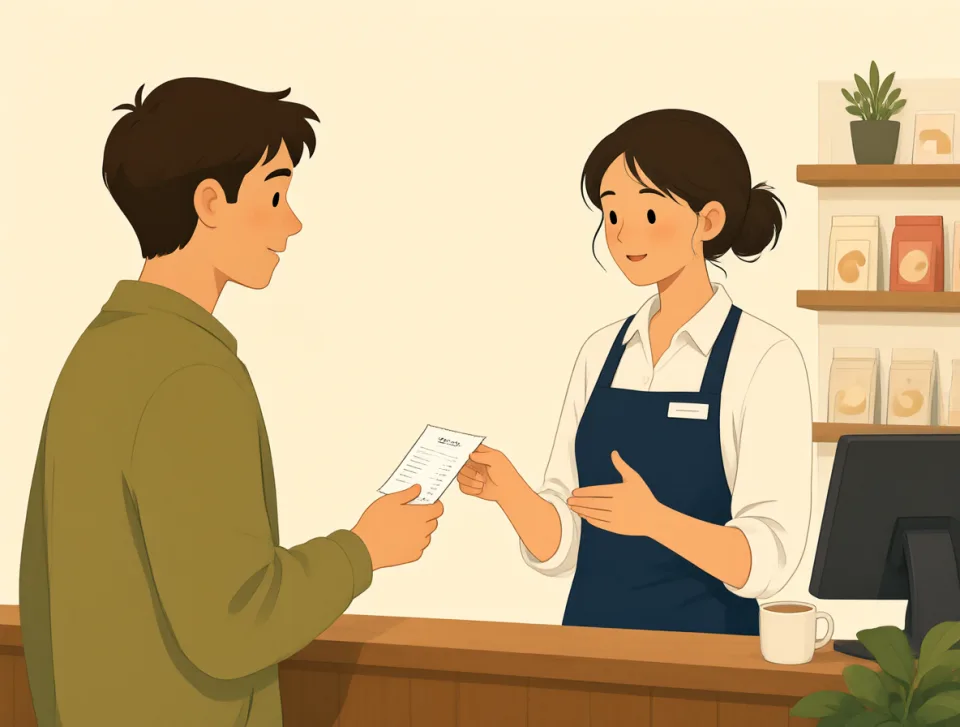
He asked for justice after the shop charged him twice.
Poprosił o sprawiedliwość, gdy sklep obciążył go opłatą dwa razy.

phase
#1697noun, verb
faza; etap
A stage in a process or period of development; to do something gradually.
Etap procesu lub okres rozwoju; także: robić coś stopniowo.
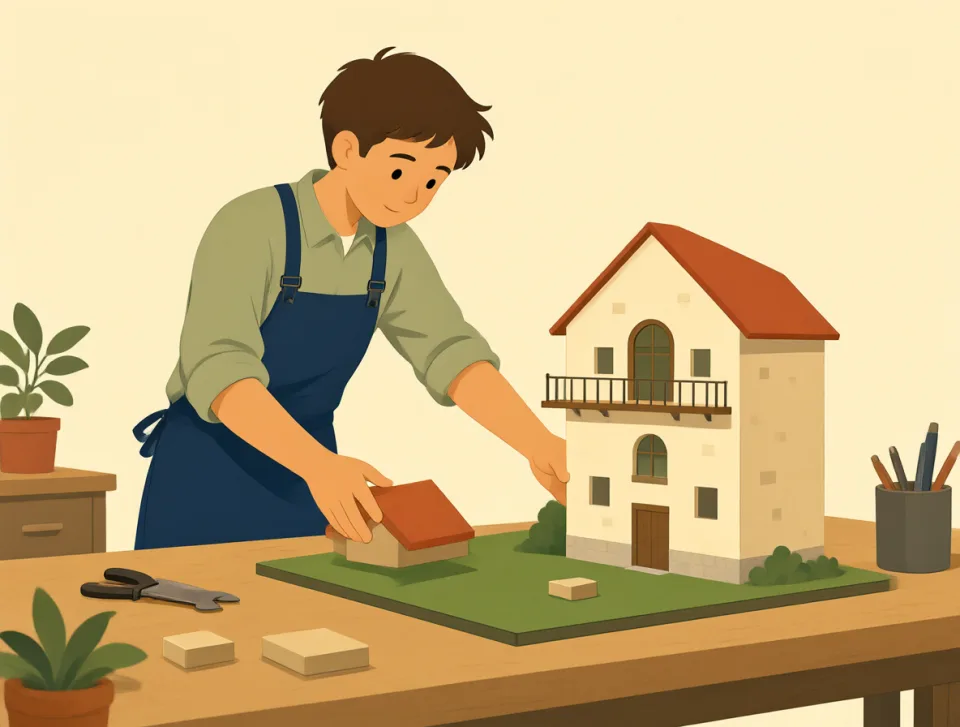
The project is now in its final phase.
Projekt jest teraz w końcowej fazie.
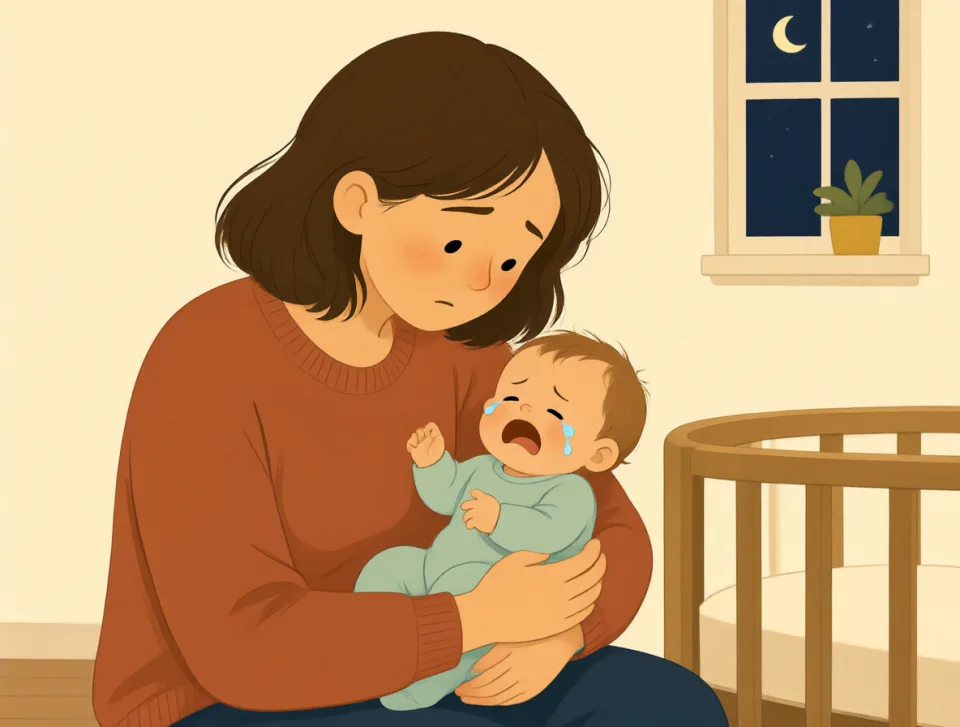
The baby is going through a difficult sleeping phase.
Dziecko przechodzi trudny etap związany ze snem.

The moon has different phases during the month.
Księżyc ma różne fazy w ciągu miesiąca.
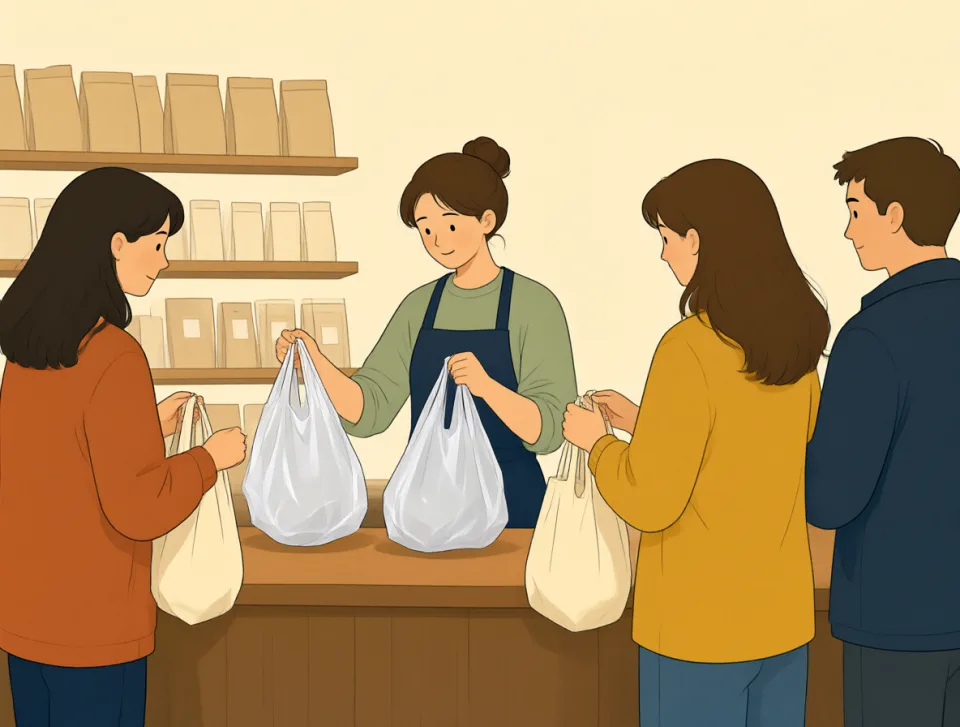
The company is phasing out plastic bags in its stores.
Firma stopniowo wycofuje plastikowe torby ze swoich sklepów.
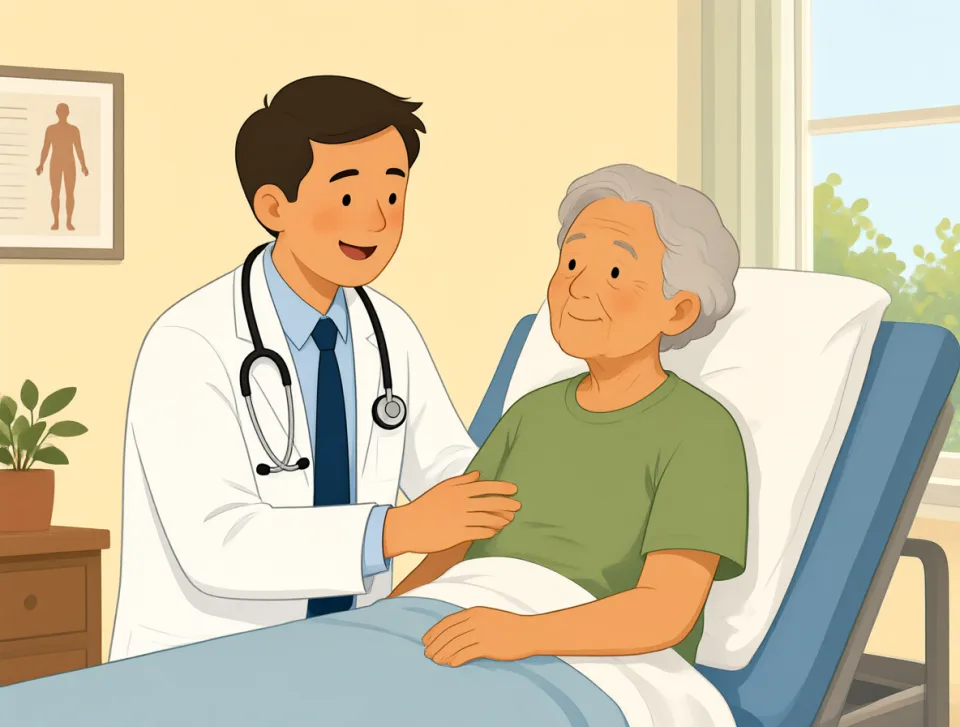
The doctor said my recovery is entering a healthy phase.
Lekarz powiedział, że mój powrót do zdrowia wchodzi w pomyślną fazę.
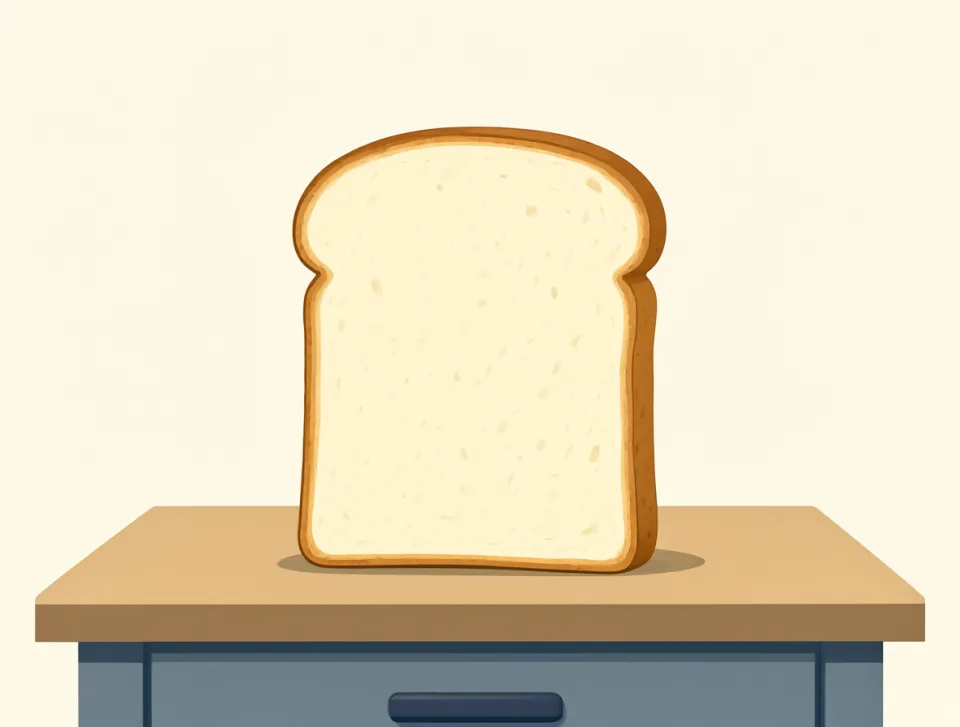
thin
#1698adjective, noun
cienki; szczupły
Having little distance between opposite sides; not thick or wide.
Mający niewielką odległość między przeciwległymi stronami; niegruby ani niewielki pod względem szerokości.

She wore a thin jacket because the evening was warm.
Założyła cienką kurtkę, ponieważ wieczór był ciepły.
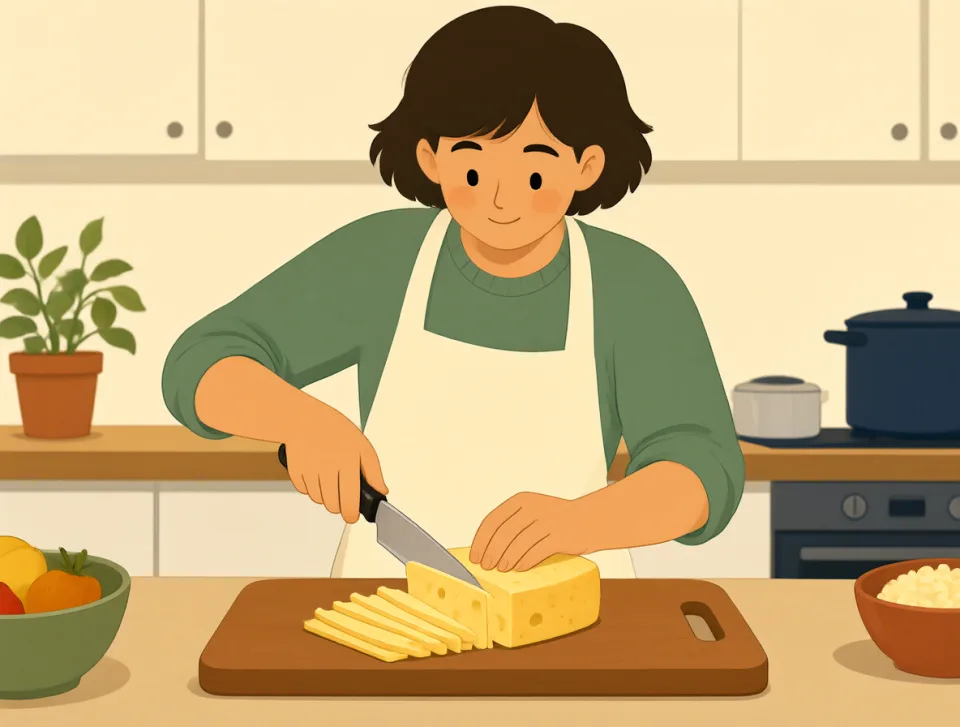
Please cut the cheese into thin slices for the sandwiches.
Proszę pokroić ser na cienkie plasterki do kanapek.

The thin ice broke under his foot near the lake.
Cienki lód załamał się pod jego stopą niedaleko jeziora.
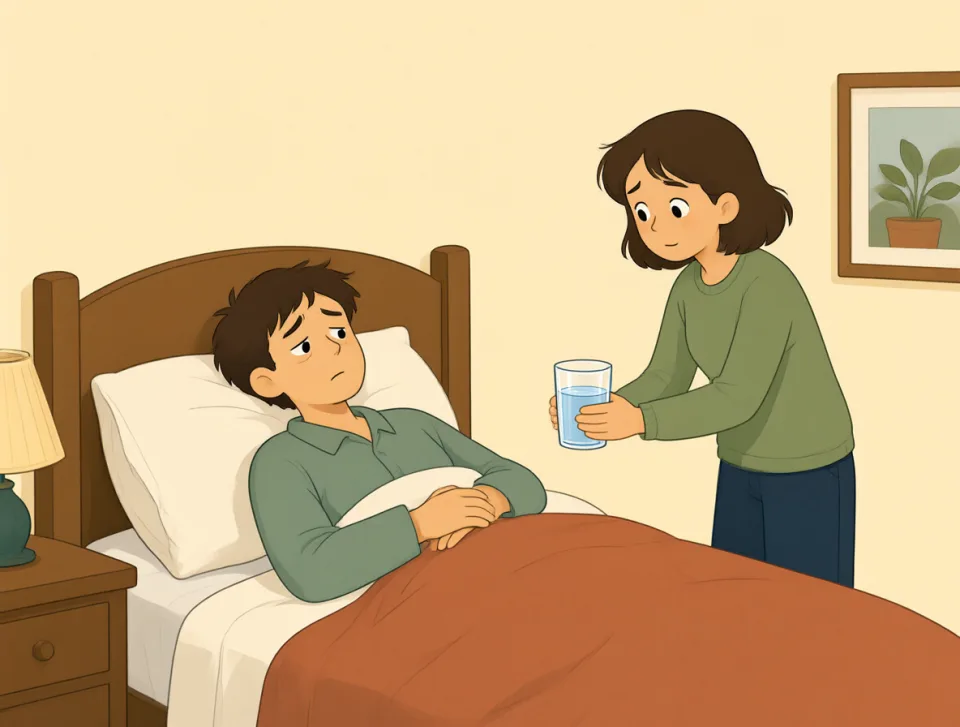
He is getting thin because he has been ill for weeks.
Chudnie, ponieważ od kilku tygodni jest chory.
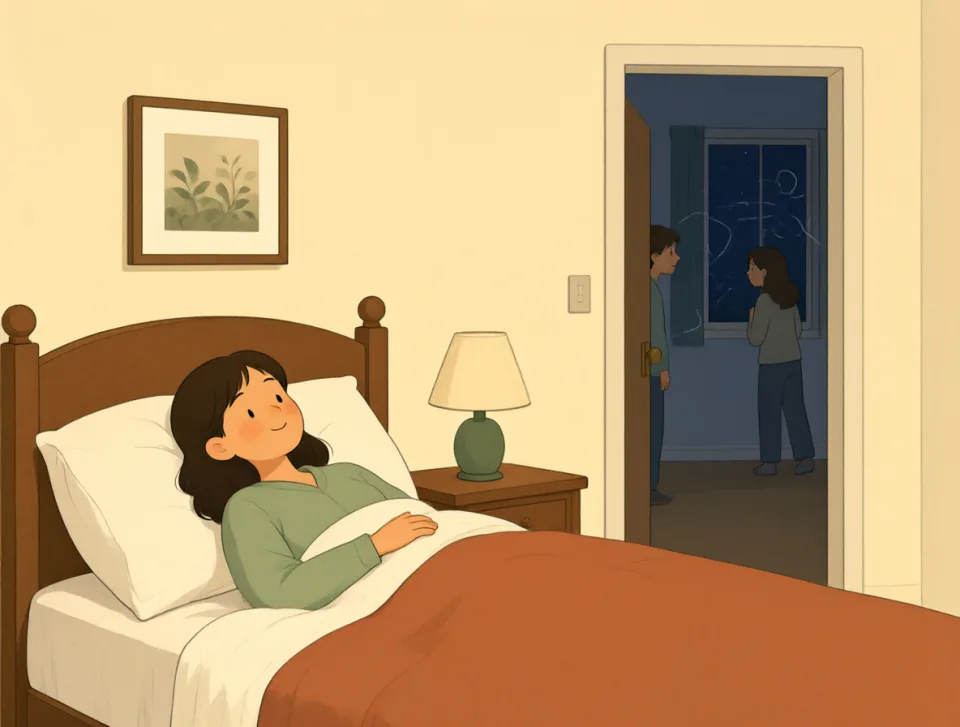
We could hear voices through the thin wall at night.
W nocy słyszeliśmy głosy przez cienką ścianę.
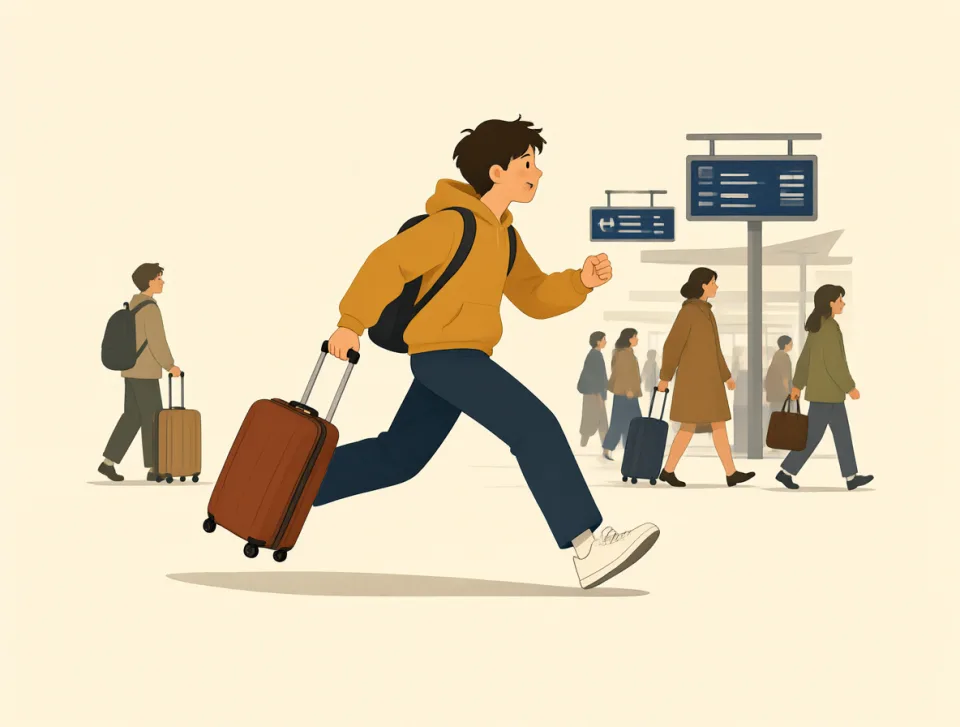
rush
#1699verb, noun
spieszyć się; pośpiech
To move or do something very quickly, often because there is little time.
Poruszać się lub robić coś bardzo szybko, często dlatego, że ma się mało czasu.
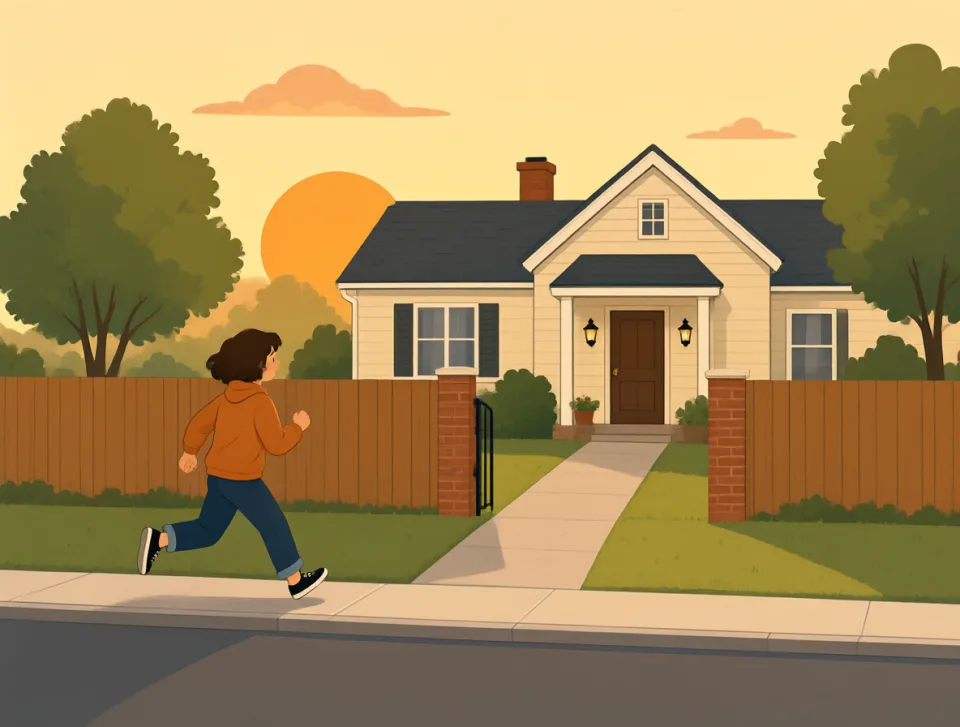
I rushed home because dinner was almost ready.
Pobiegłem do domu, bo kolacja była prawie gotowa.
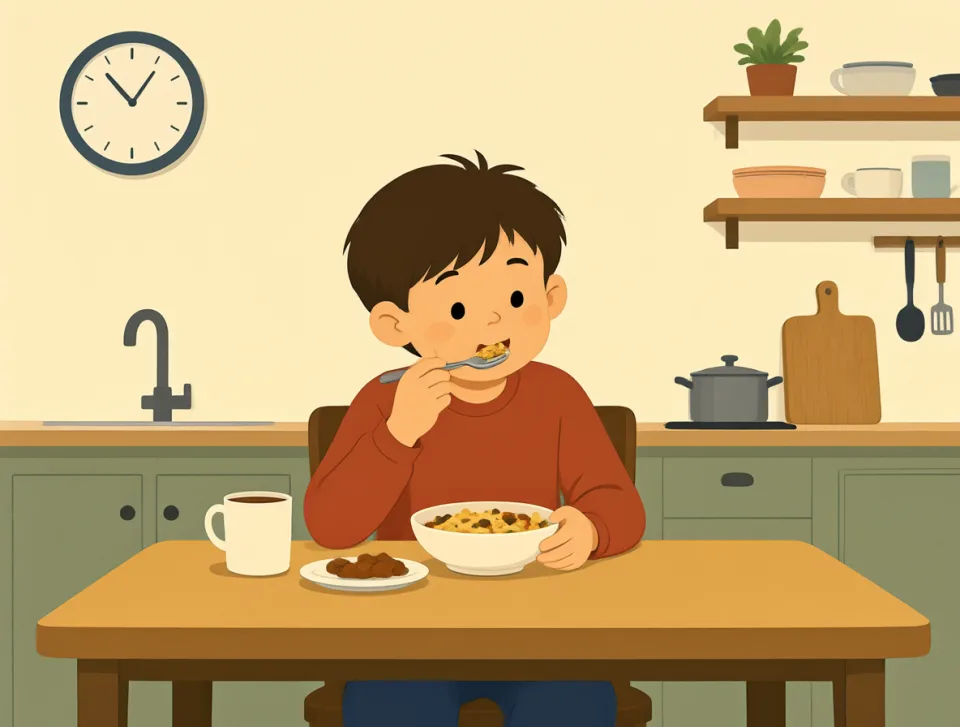
Please do not rush your breakfast; you have plenty of time.
Proszę nie jeść śniadania w pośpiechu; ma Pan/Pani mnóstwo czasu.
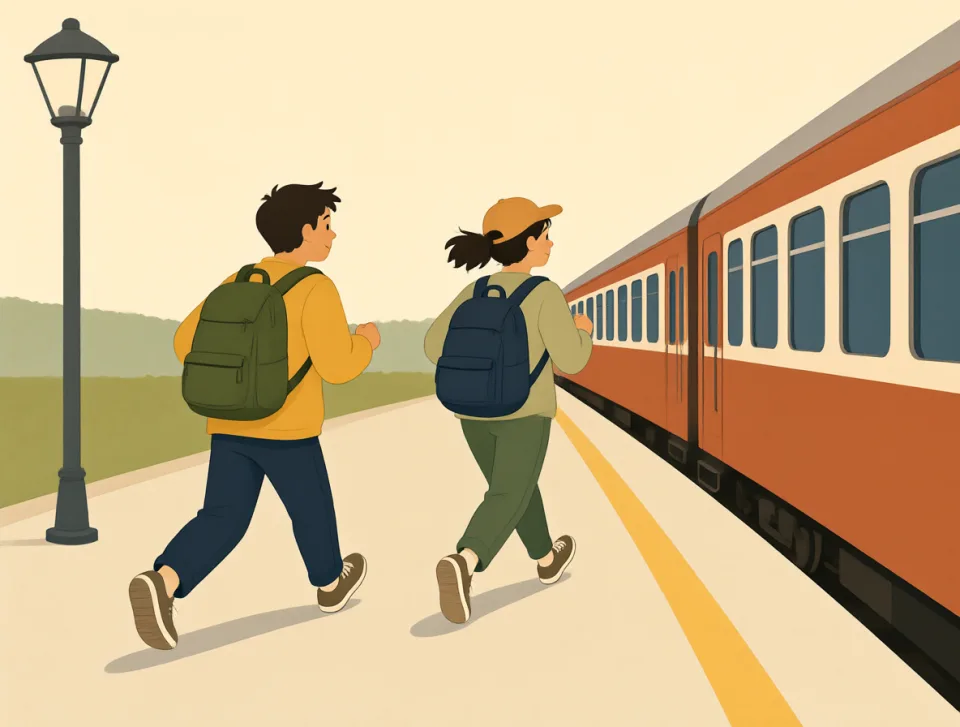
We rushed to the station and caught the last train.
Pobiegliśmy na stację i zdążyliśmy na ostatni pociąg.

There was a rush of customers when the store opened.
Kiedy sklep został otwarty, nastąpił nagły napływ klientów.
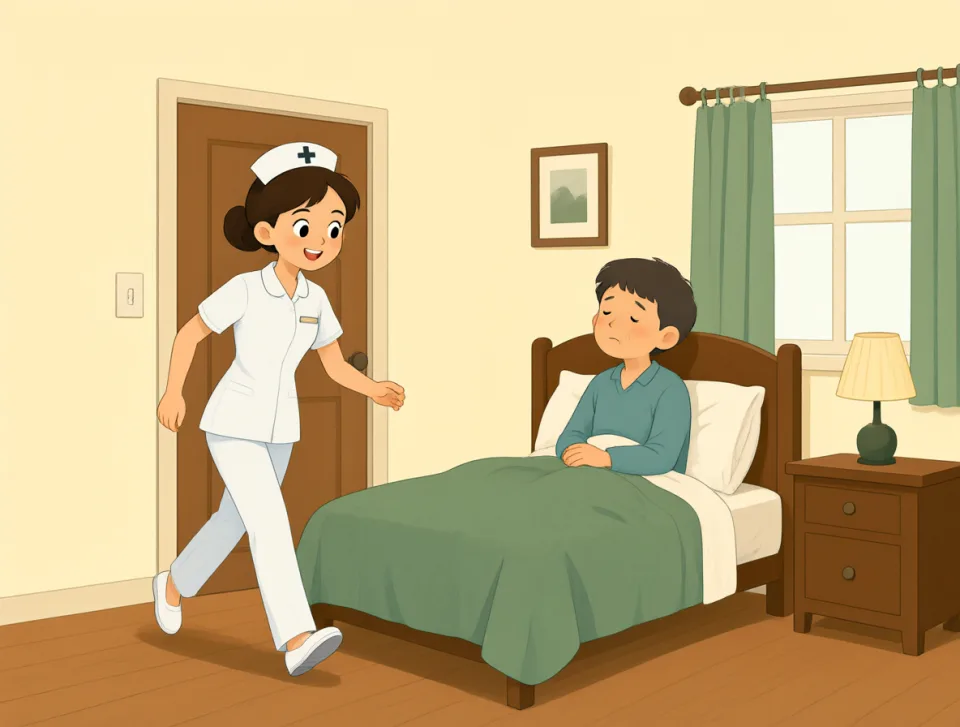
The nurse came in a rush when I felt sick.
Pielęgniarka szybko przyszła, gdy źle się poczułem.

formal
#1700adjective
formalny; oficjalny
Suitable for serious or official situations, rather than relaxed or friendly ones.
Odpowiedni w poważnych lub oficjalnych sytuacjach, a nie w swobodnych czy przyjaznych.
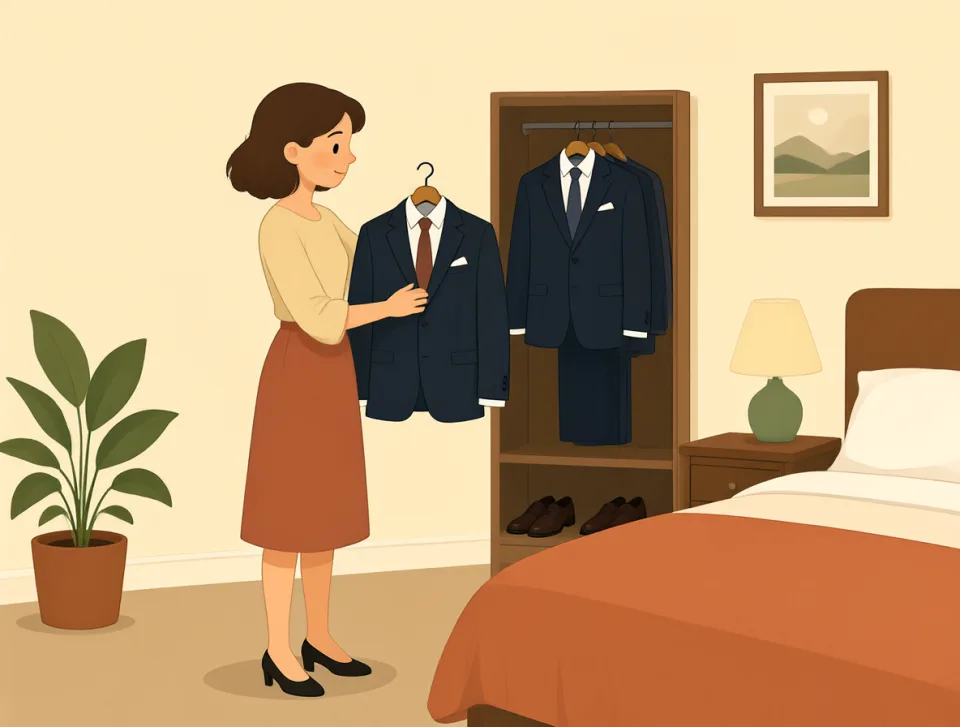
Please wear formal clothes to the wedding.
Proszę założyć formalny strój na ślub.

She wrote a formal letter to the company manager.
Napisała oficjalny list do kierownika firmy.
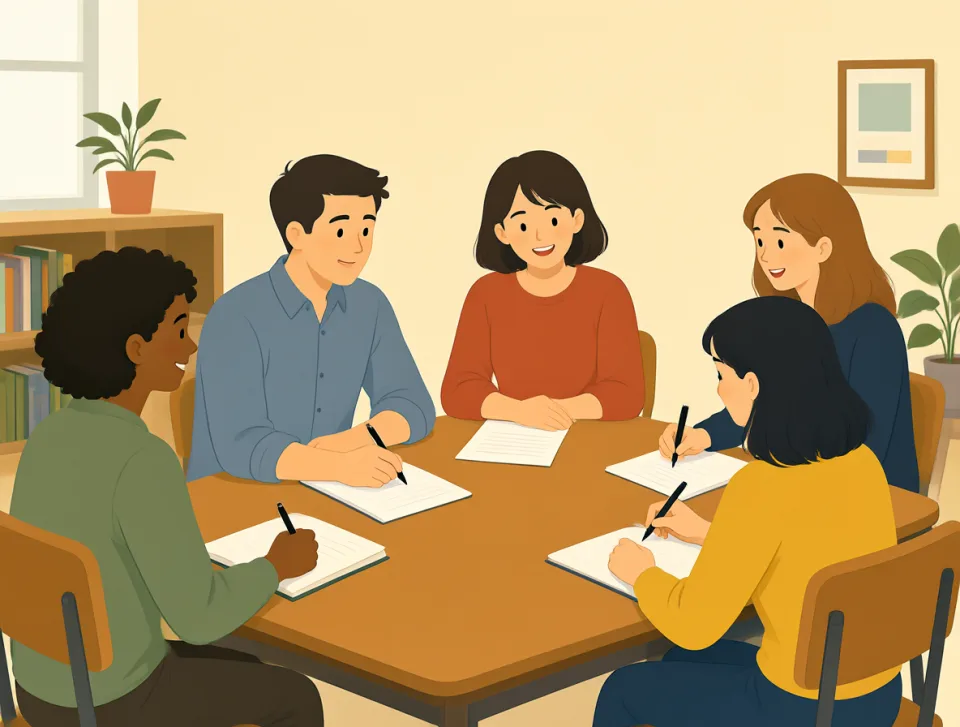
The school held a formal meeting for parents.
Szkoła zorganizowała oficjalne zebranie dla rodziców.
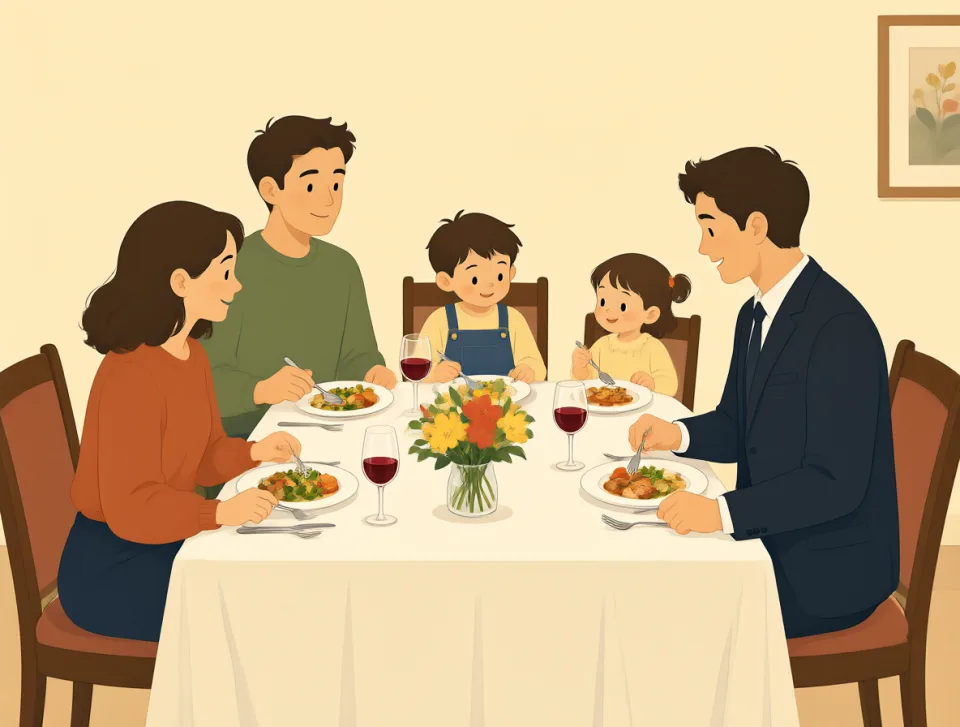
We had a formal dinner at the hotel.
Zjedliśmy uroczystą kolację w hotelu.

His formal way of speaking made the interview feel serious.
Jego formalny sposób mówienia sprawił, że rozmowa kwalifikacyjna wydawała się poważna.