Zestaw 87
Słowa 1721–1740 · column, electronic, impose, criminal, besides, properly

column
#1721noun
kolumna
A tall vertical support, or a regular section of words in a newspaper or table.
Pionowa podpora albo regularna część tekstu w gazecie lub tabeli.

The ancient temple has twelve tall marble columns.
Starożytna świątynia ma dwanaście wysokich marmurowych kolumn.
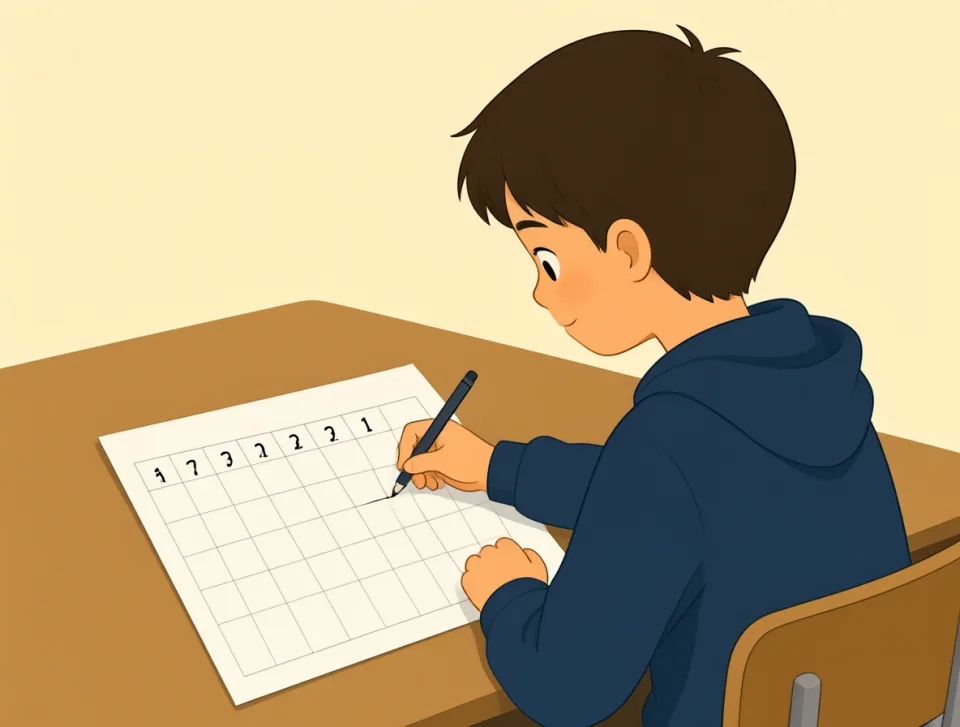
Please write your name in the first column.
Proszę wpisać swoje imię i nazwisko w pierwszej kolumnie.
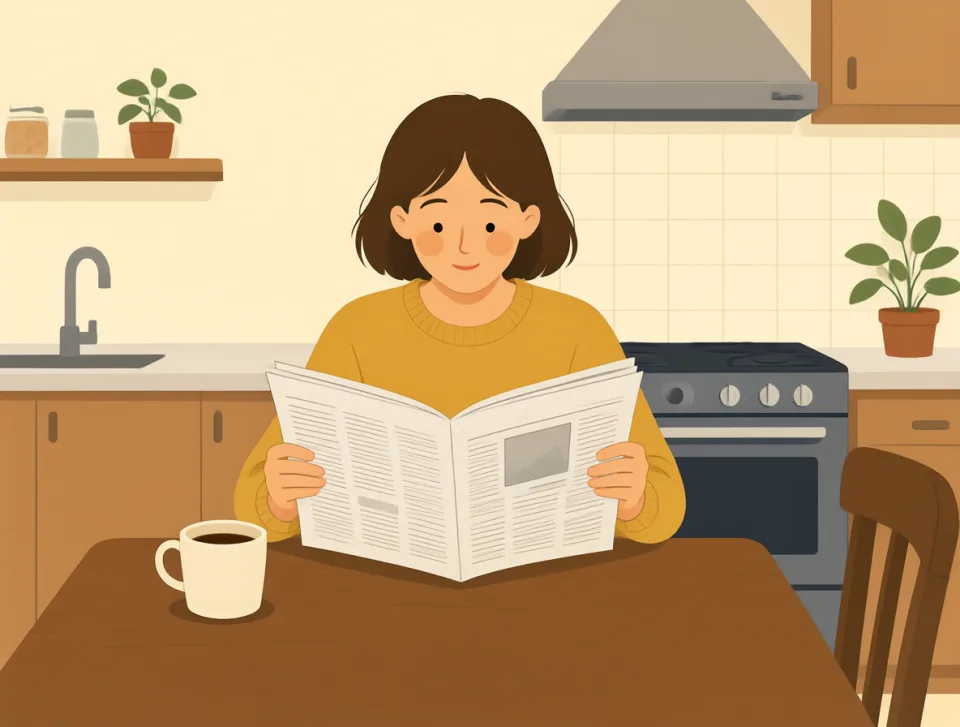
She reads the advice column in the newspaper every morning.
Każdego ranka czyta w gazecie rubrykę z poradami.

The newspaper printed his story in the sports column.
Gazeta opublikowała jego artykuł w rubryce sportowej.
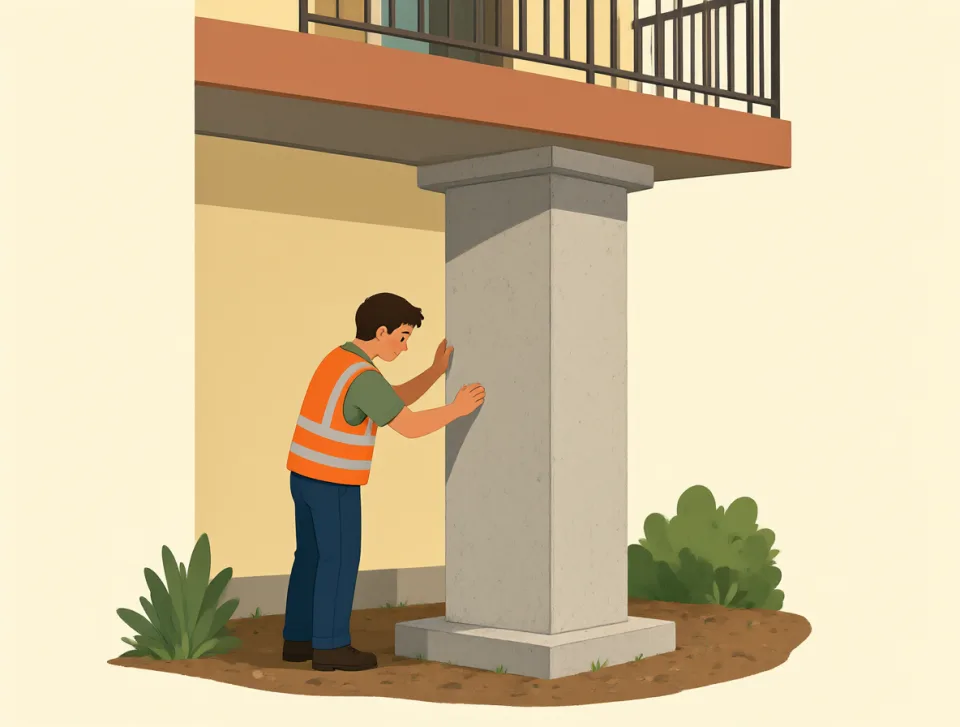
A concrete column supports the balcony above our front door.
Betonowa kolumna podtrzymuje balkon nad naszymi drzwiami wejściowymi.

electronic
#1722adjective
elektroniczny
Using or relating to devices that work with electricity and computer technology.
Wykorzystujący urządzenia działające dzięki elektryczności i technologii komputerowej lub związany z takimi urządzeniami.
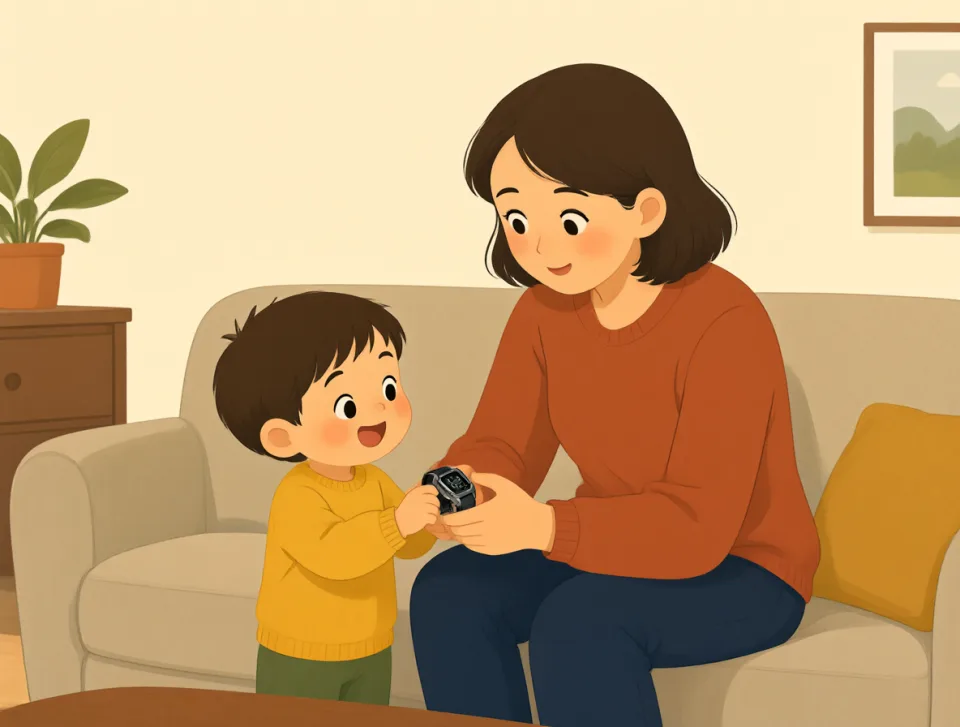
I bought an electronic watch for my daughter’s birthday.
Kupiłem elektroniczny zegarek na urodziny mojej córki.

Please send the electronic document to my work email.
Proszę wysłać dokument elektroniczny na mój służbowy adres e-mail.
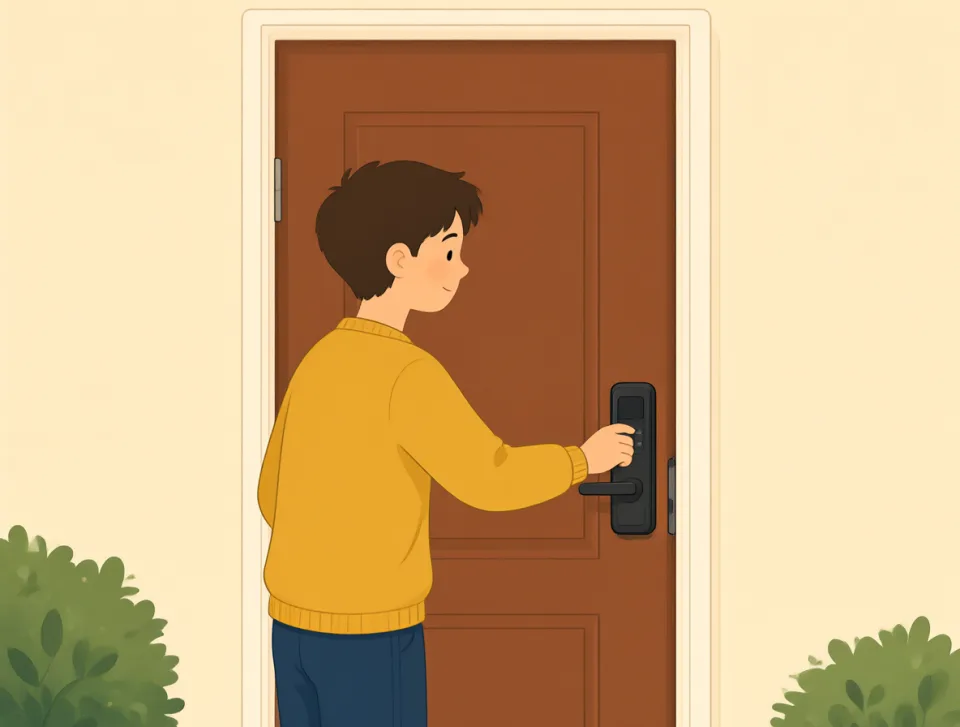
The electronic door lock stopped working this morning.
Elektroniczny zamek w drzwiach przestał dziś rano działać.

Electronic music played while we danced at the party.
Podczas naszej zabawy na przyjęciu grała muzyka elektroniczna.

The doctor checked my electronic health record before our visit.
Przed naszą wizytą lekarz sprawdził moją elektroniczną dokumentację medyczną.
impose
#1723verb
narzucić
to force someone to accept a rule, cost, or unwanted situation
Zmuszać kogoś do zaakceptowania jakiejś zasady, opłaty lub niepożądanej sytuacji.
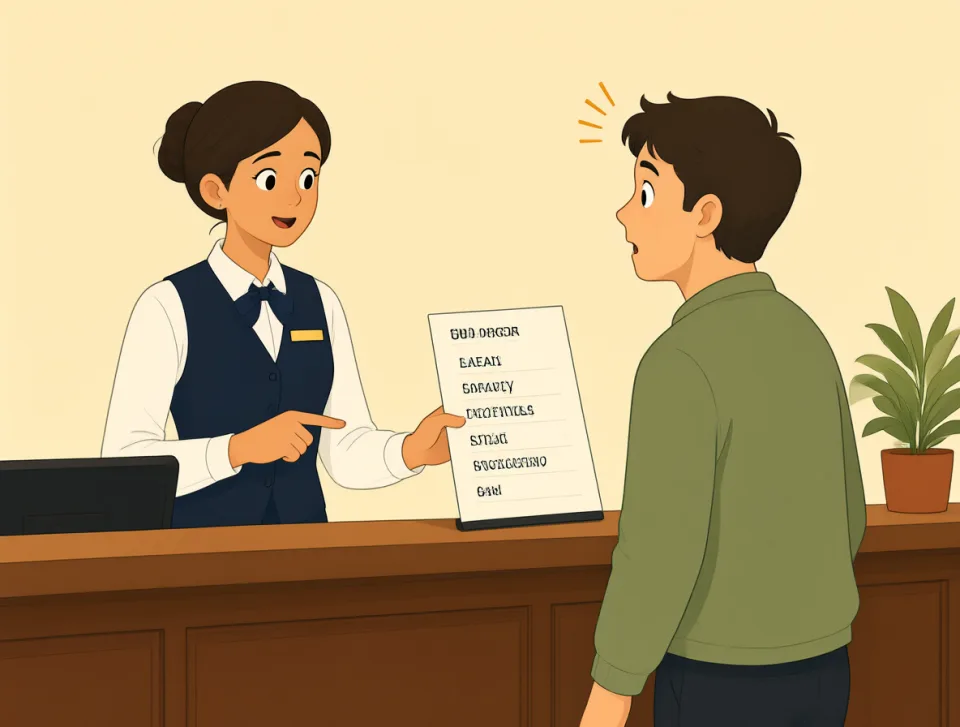
The hotel imposed an extra fee for room service.
Hotel naliczył dodatkową opłatę za obsługę pokojową.
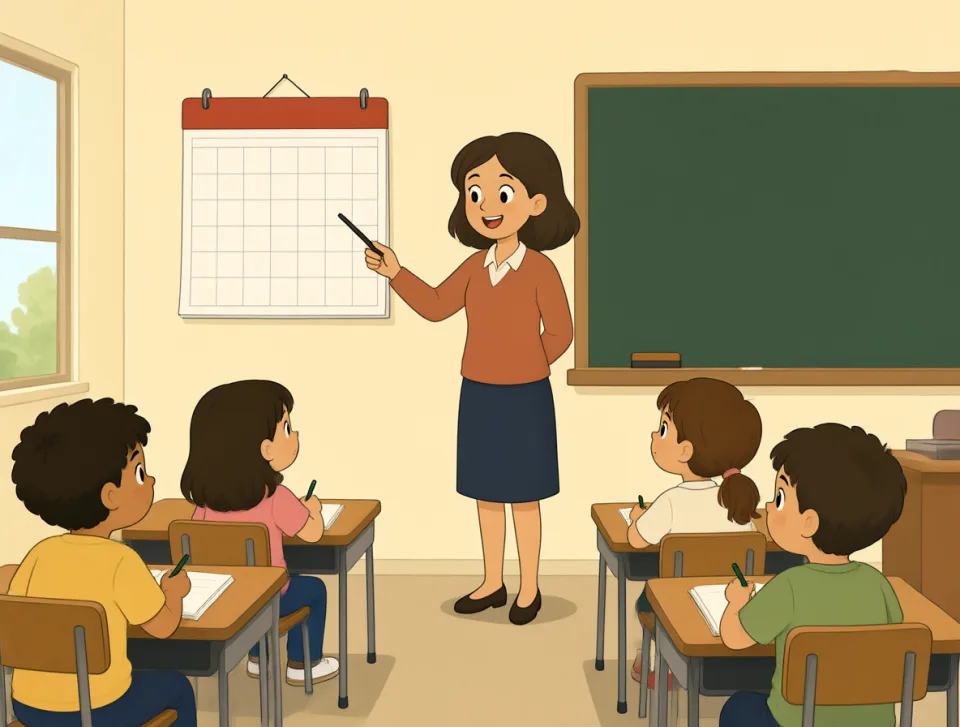
The teacher imposed a strict deadline for the project.
Nauczyciel wyznaczył krótki termin oddania projektu.
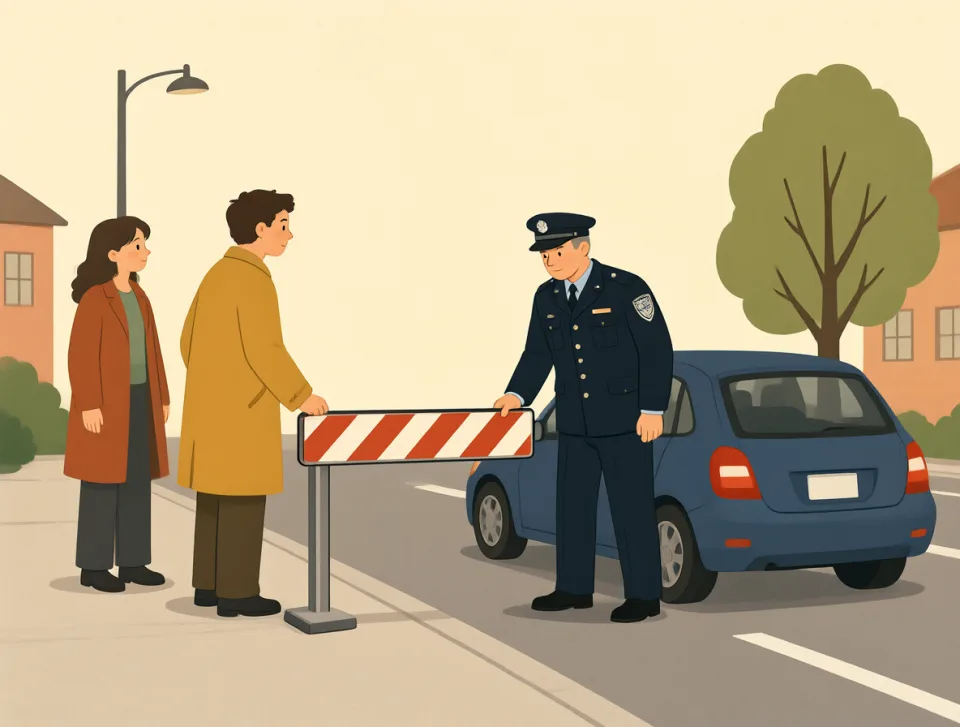
The city imposed a ban on parking here.
Miasto wprowadziło zakaz parkowania w tym miejscu.

Please do not impose your opinions on your friends.
Proszę, nie narzucaj swoich opinii znajomym.
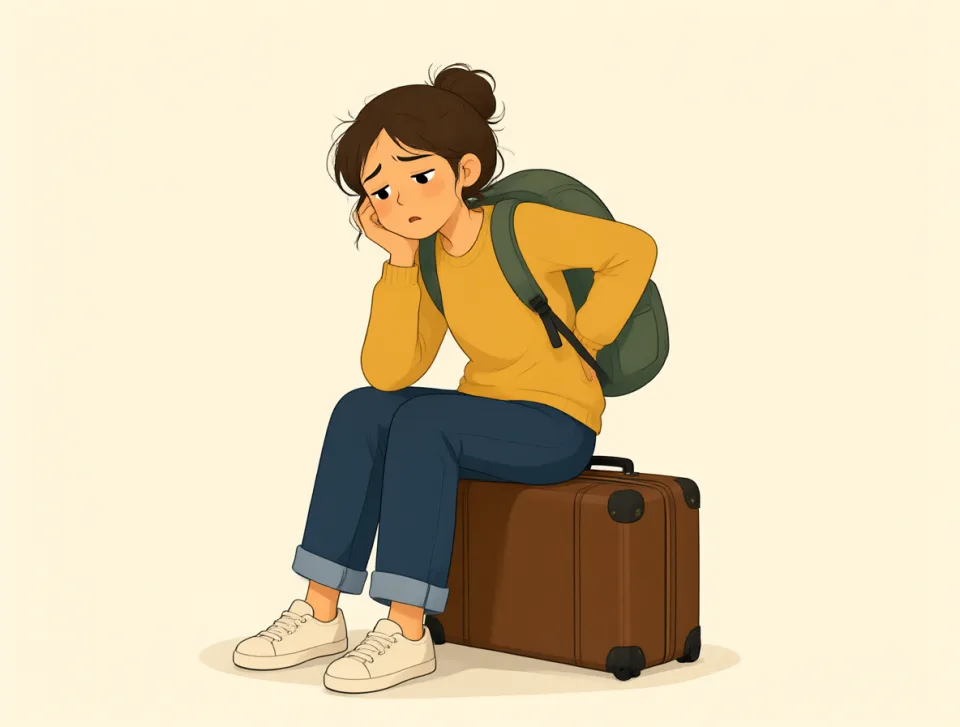
The long journey imposed great stress on her body.
Długa podróż bardzo obciążyła jej organizm.
criminal
#1724noun, adjective
przestępca
A person who has broken the law, or relating to crime or the law.
Osoba, która złamała prawo, albo coś związanego z przestępczością lub prawem.

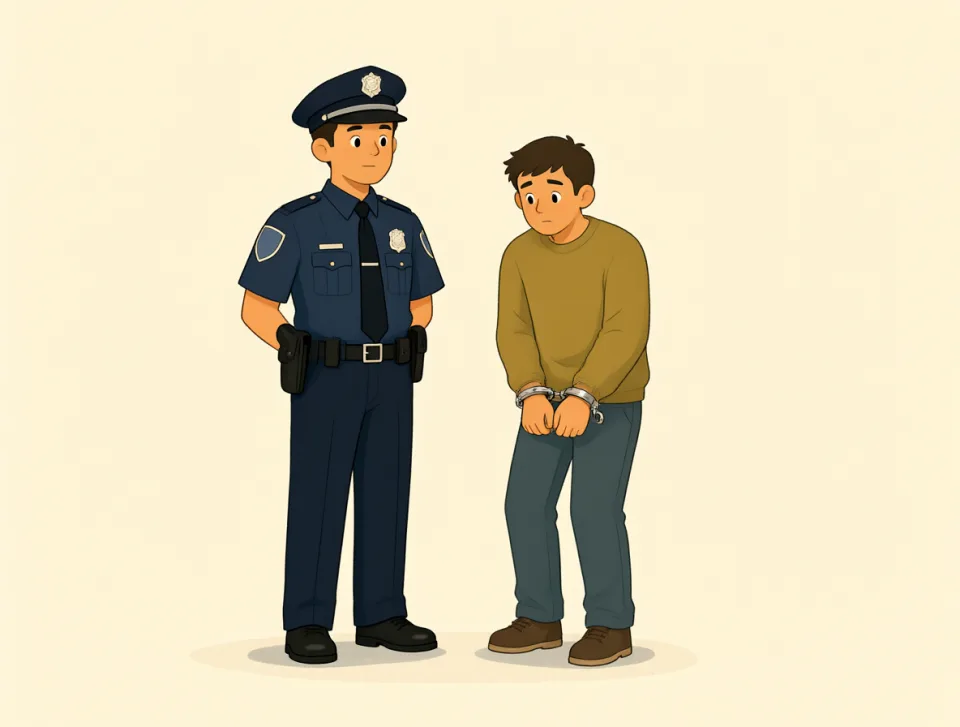
The police arrested the criminal outside his house.
Policja aresztowała przestępcę przed jego domem.
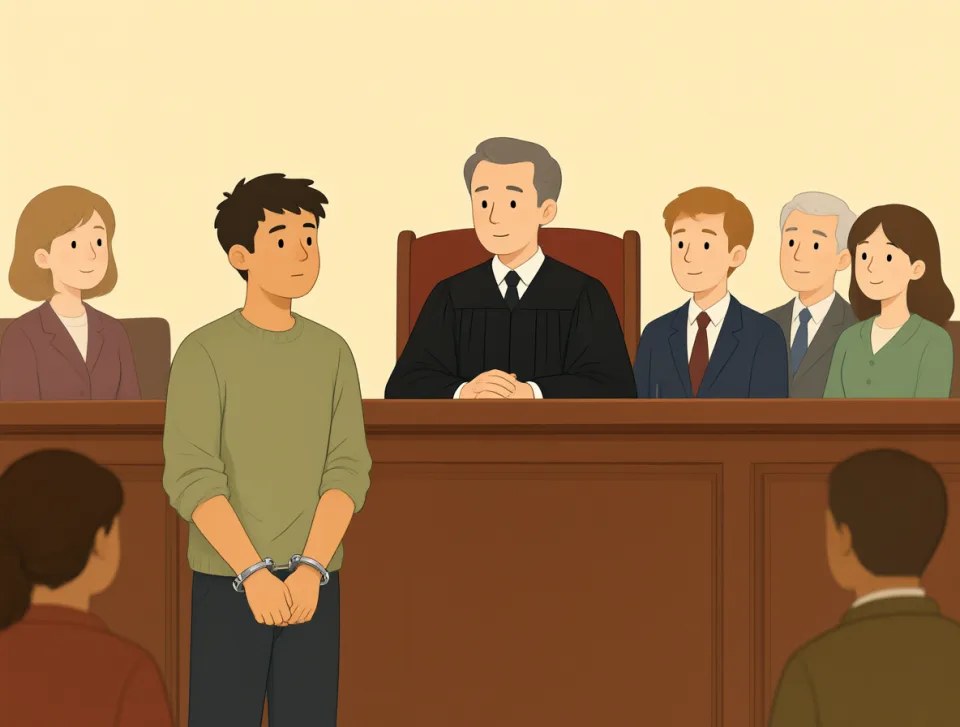
The judge sent the criminal to prison for five years.
Sędzia skazał przestępcę na pięć lat więzienia.

The detective is investigating a criminal gang in the city.
Detektyw prowadzi śledztwo w sprawie gangu przestępczego w mieście.
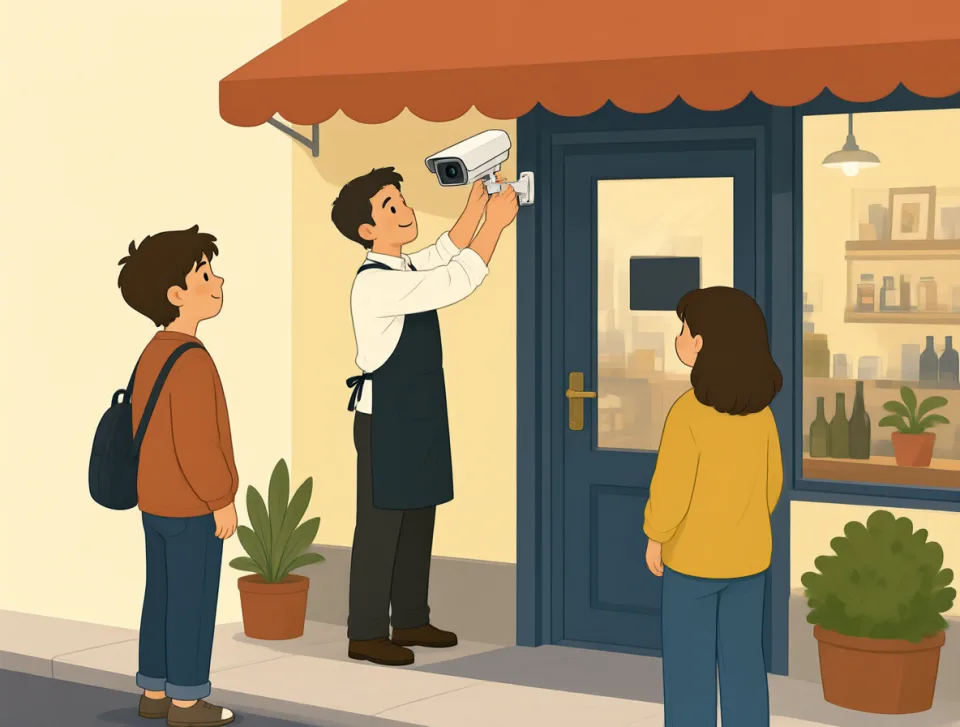
The store installed a camera to prevent criminal activity.
Sklep zainstalował kamerę, aby zapobiegać przestępczości.

The newspaper reported a rise in criminal behavior last year.
W zeszłym roku gazeta poinformowała o wzroście przestępczości.
besides
#1725adverb, preposition
oprócz; poza tym
In addition to someone or something; also, or apart from that.
Oprócz kogoś lub czegoś; także albo niezależnie od tego.
Besides English, she speaks Spanish and a little French.
Oprócz angielskiego mówi po hiszpańsku i trochę po francusku.

What did you do besides watching television last night?
Co robiłeś wczoraj wieczorem oprócz oglądania telewizji?
Besides being cheap, this restaurant serves delicious food.
Ta restauracja nie tylko jest tania, ale też serwuje pyszne jedzenie.

I do not want to go outside; besides, it is raining heavily.
Nie chcę wychodzić na dwór; poza tym mocno pada.
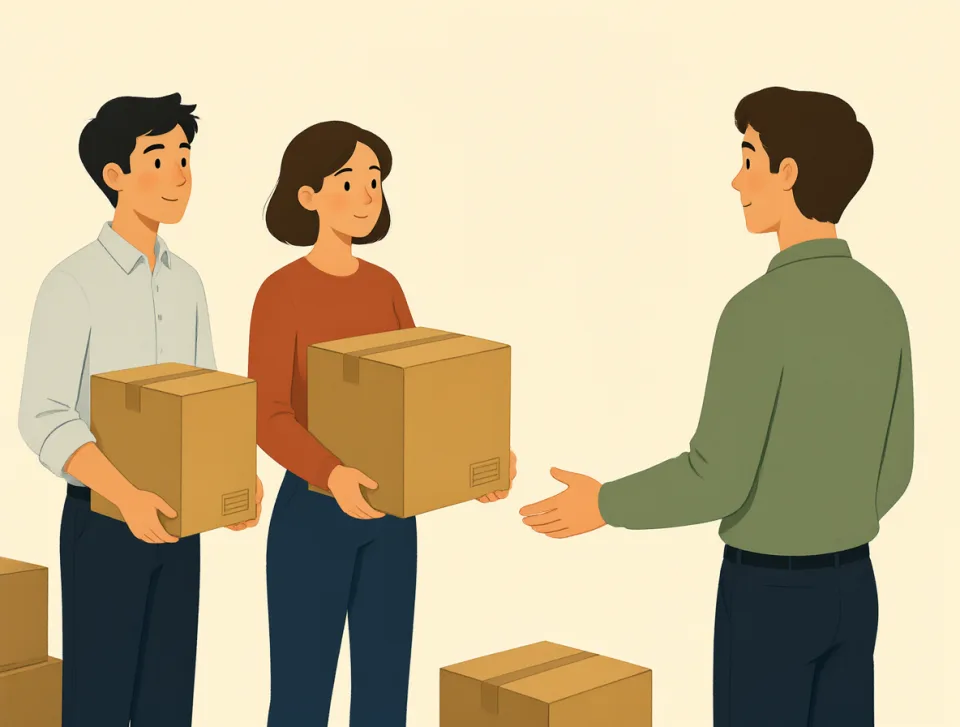
Who besides Tom can help us carry these heavy boxes?
Kto oprócz Toma może pomóc nam przenieść te ciężkie pudła?
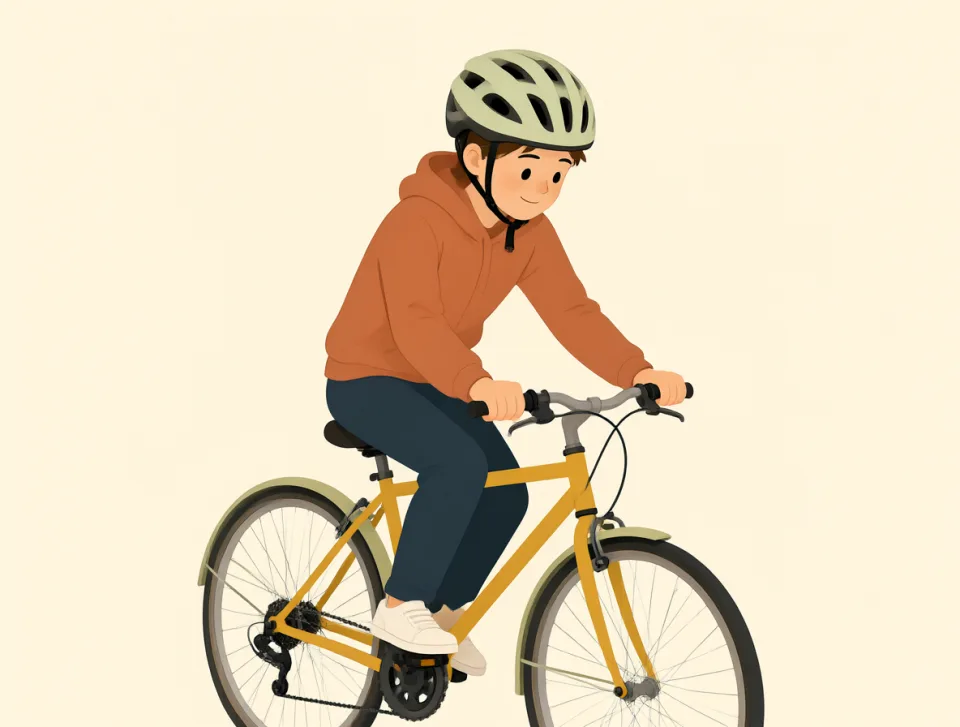
properly
#1726adverb
właściwie
In the correct or suitable way
We właściwy lub odpowiedni sposób.
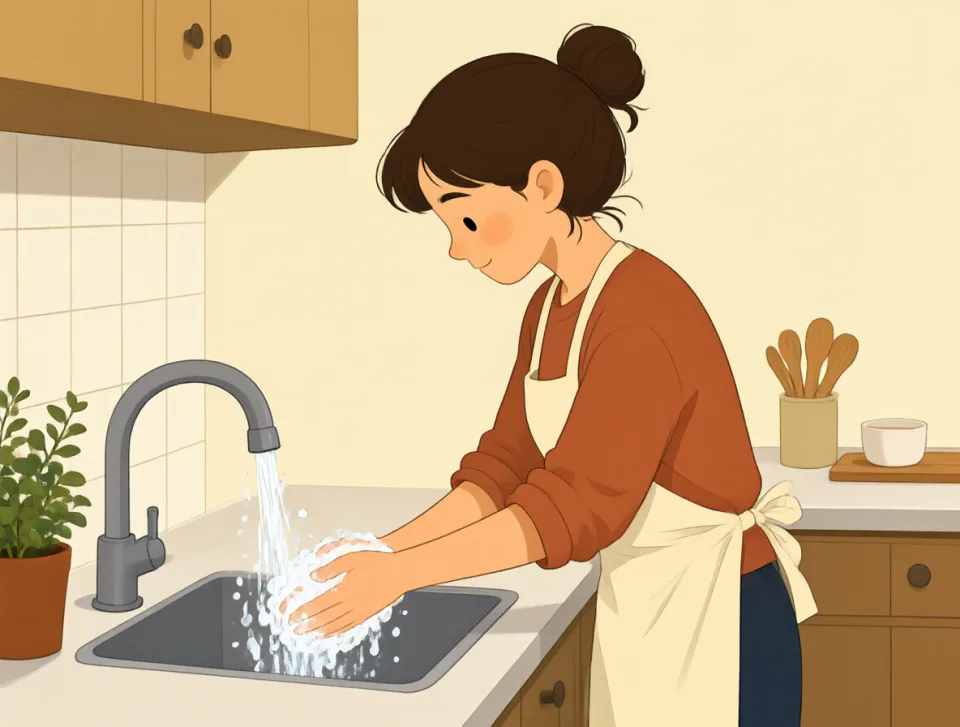
Please wash your hands properly before you prepare the food.
Przed przygotowaniem jedzenia dokładnie umyj ręce.
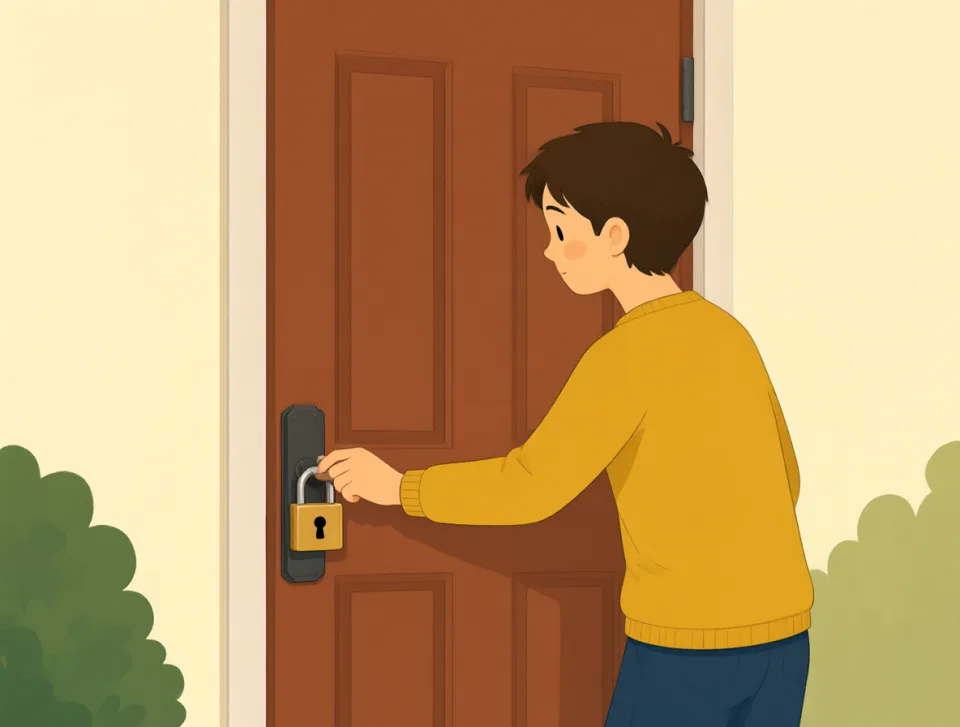
Make sure the door is properly locked before you leave.
Przed wyjściem upewnij się, że drzwi są dobrze zamknięte na klucz.

The printer is not working properly, so I cannot print my report.
Drukarka nie działa prawidłowo, więc nie mogę wydrukować raportu.

She explained the problem properly during the meeting.
Podczas spotkania dokładnie wyjaśniła problem.
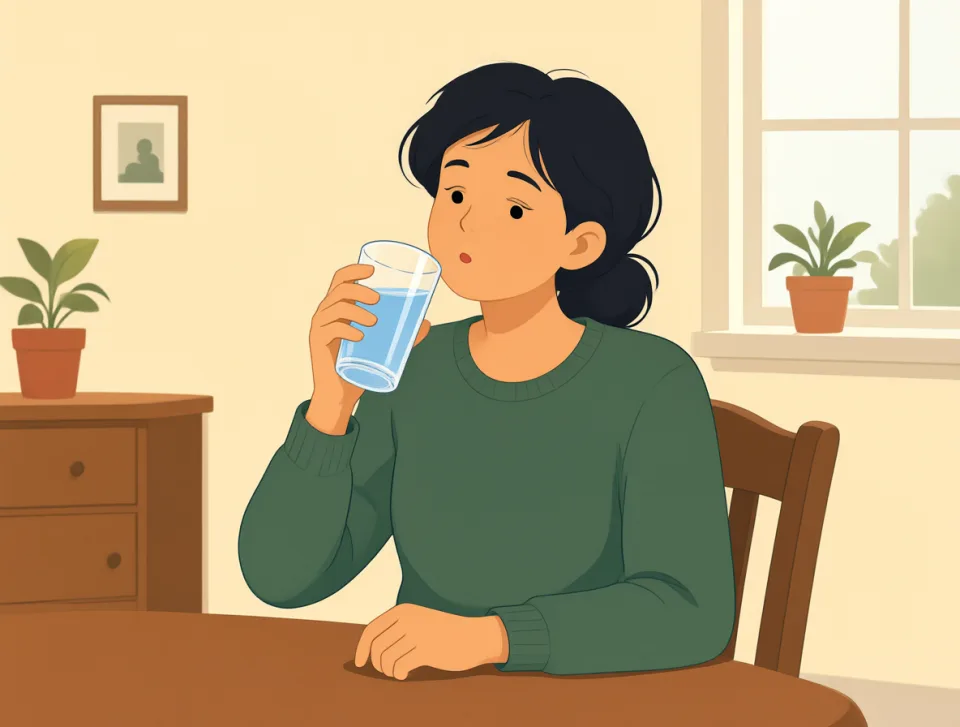
Take this medicine properly and drink plenty of water.
Zażywaj ten lek zgodnie z zaleceniami i pij dużo wody.

ancient
#1727adjective
starożytny
Very old, especially from a long time ago in history.
Bardzo stary, zwłaszcza pochodzący z odległej przeszłości.

We visited an ancient temple during our holiday in Greece.
Podczas wakacji w Grecji odwiedziliśmy starożytną świątynię.
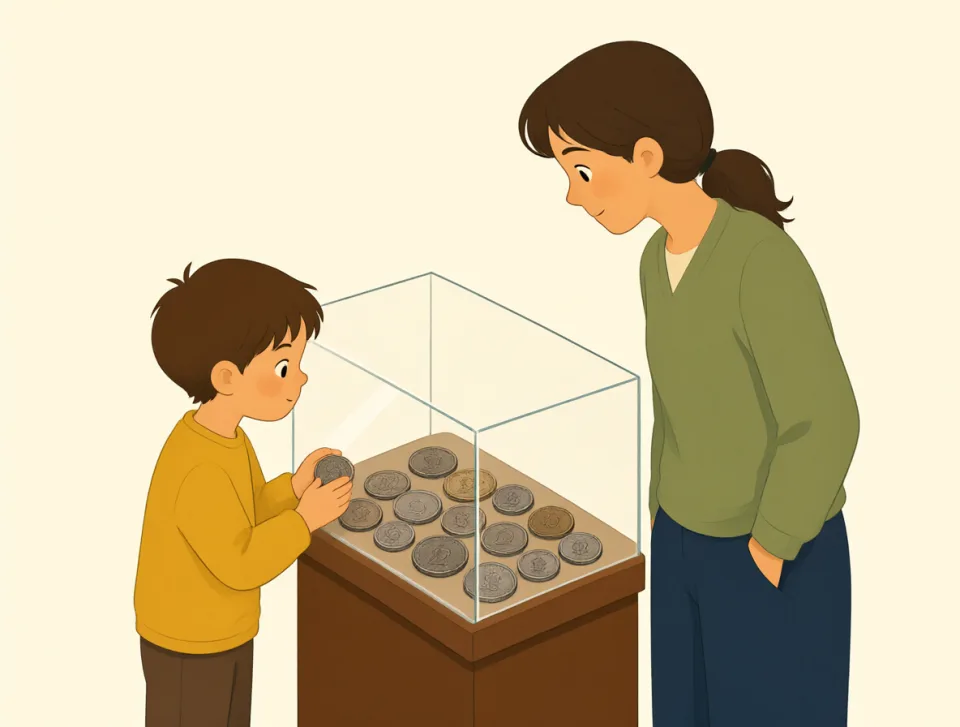
The museum has ancient coins from many different countries.
W muzeum znajdują się starożytne monety z wielu różnych krajów.

They discovered an ancient village under the desert sand.
Odkryli starożytną wioskę pod piaskami pustyni.
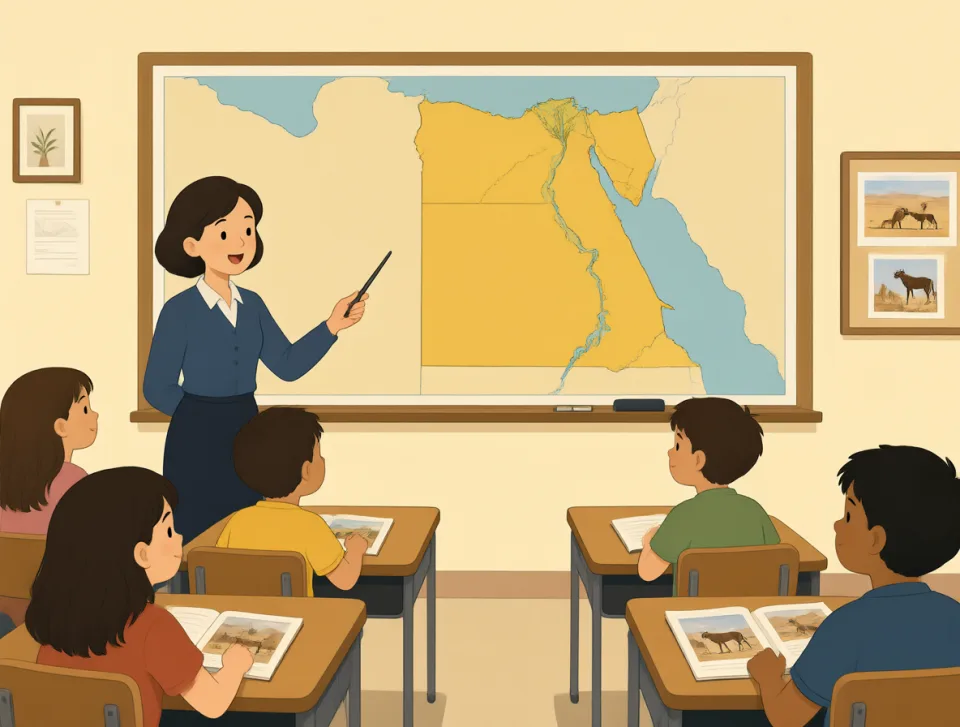
My history class is learning about ancient Egypt this week.
Na lekcji historii w tym tygodniu poznajemy starożytny Egipt.
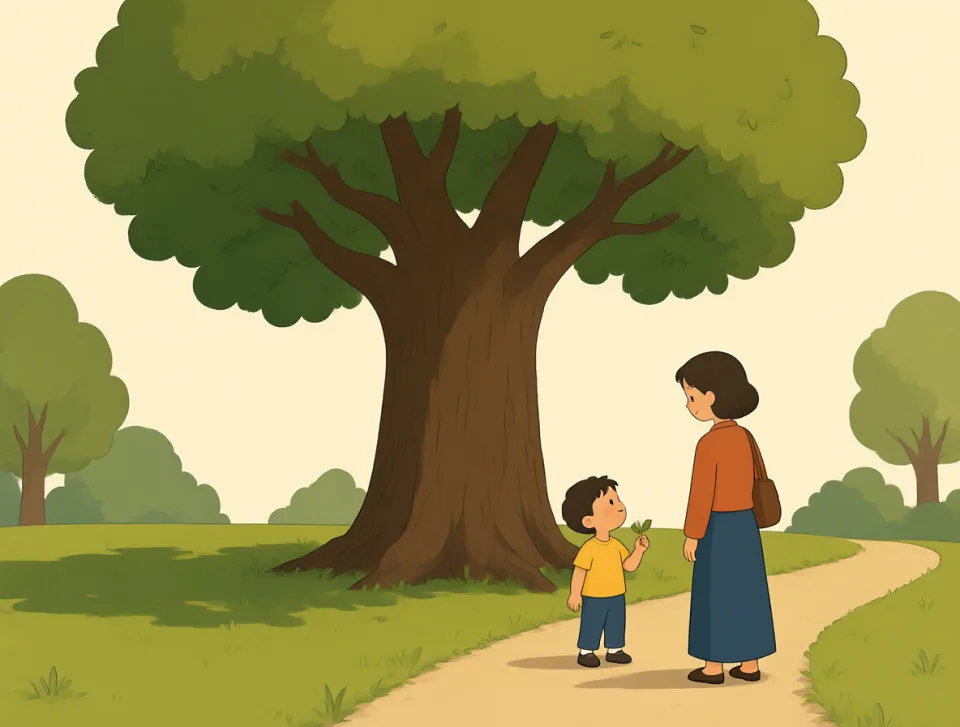
An ancient tree grows beside the walking path in our park.
Przy ścieżce spacerowej w naszym parku rośnie prastare drzewo.

coast
#1728noun, verb
wybrzeże
The land beside the sea; to move easily without using much effort.
Ląd położony nad morzem; poruszać się swobodnie, bez większego wysiłku.
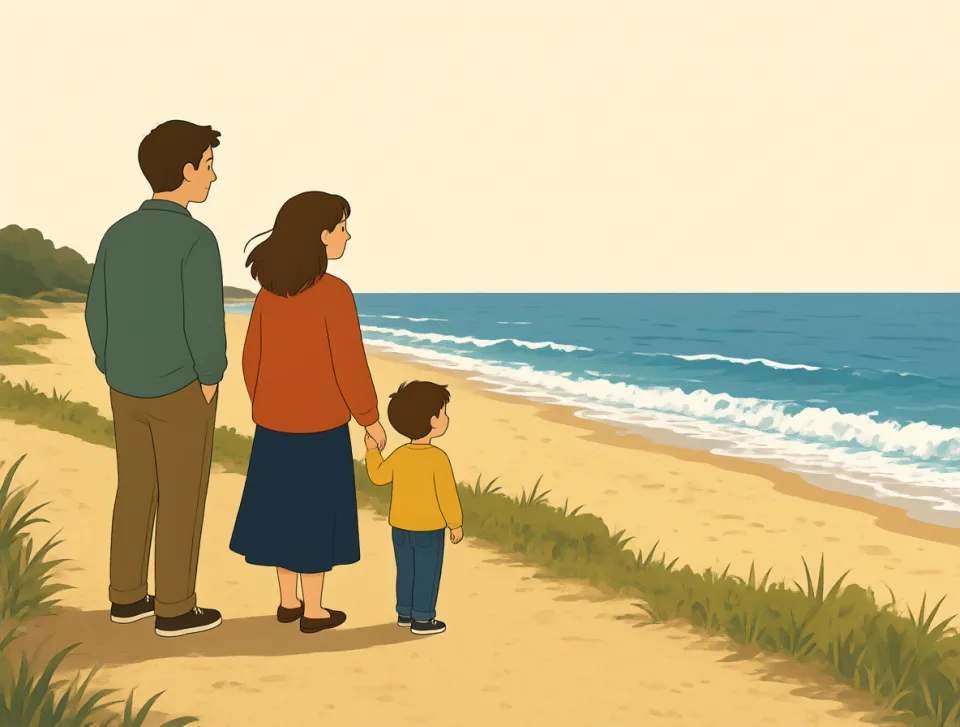
We walked along the coast and watched the waves.
Spacerowaliśmy wzdłuż wybrzeża i oglądaliśmy fale.

The hotel has a beautiful view of the coast.
Z hotelu roztacza się piękny widok na wybrzeże.
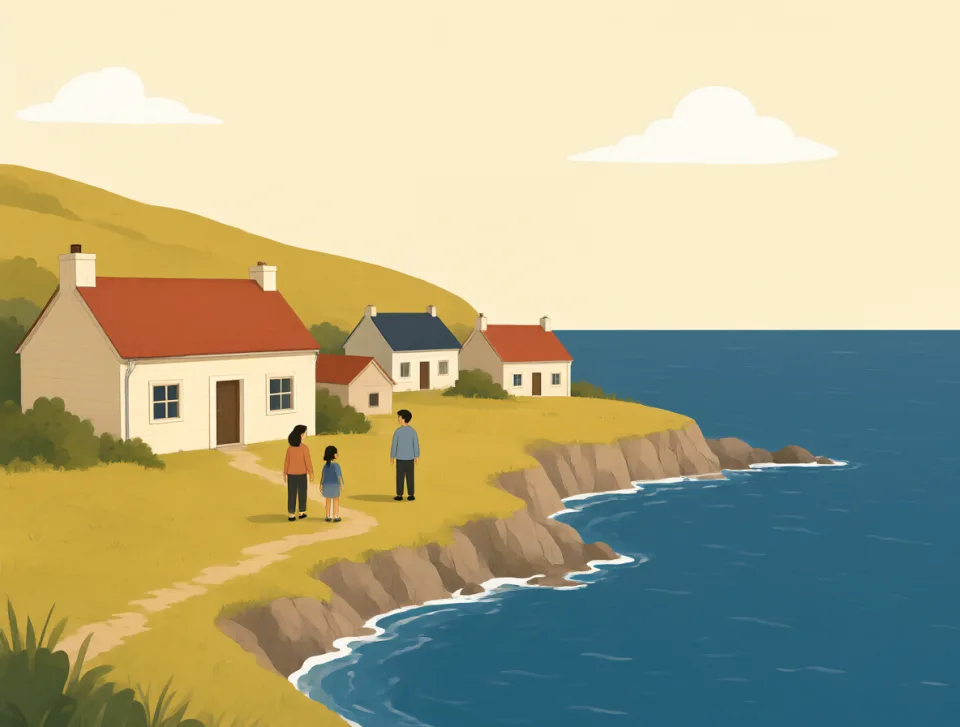
Many small towns lie along the northern coast.
Wzdłuż północnego wybrzeża leży wiele małych miasteczek.

The road follows the coast for several miles.
Droga biegnie wzdłuż wybrzeża przez kilka mil.

After finishing early, I coasted home on my bicycle.
Skończyłem wcześniej, więc spokojnie pojechałem na rowerze do domu.
ill
#1729adjective, adverb, noun
chory
Sick or unhealthy; badly or wrongly; trouble or harm.
Chory lub niezdrowy; źle lub niewłaściwie; kłopot lub krzywda.

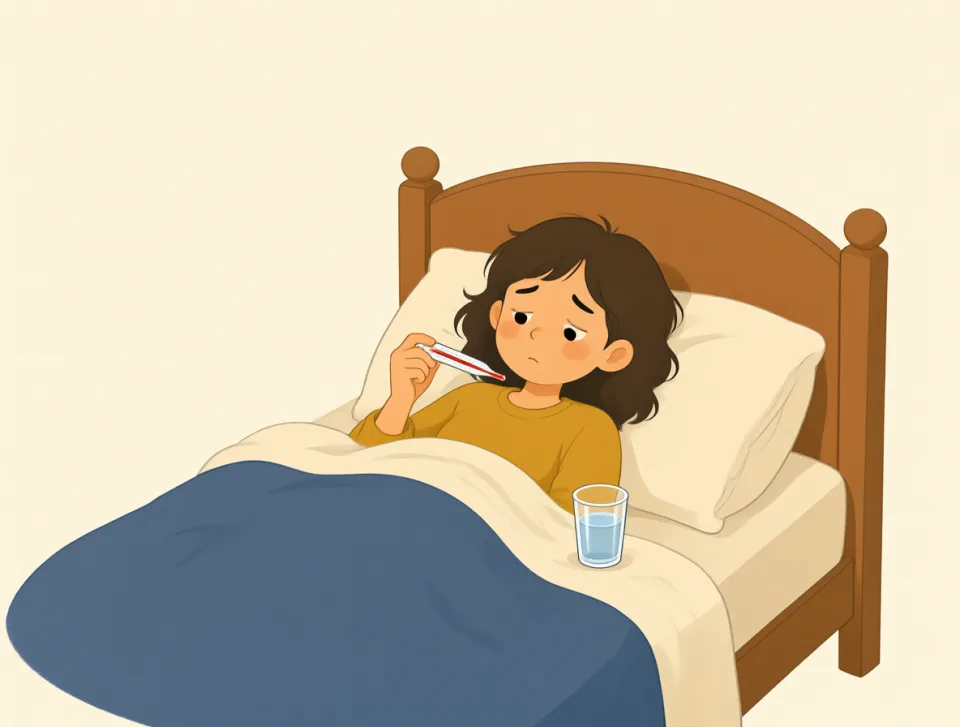
I felt ill all day and stayed home from work.
Źle się czułem przez cały dzień i zostałem w domu, nie idąc do pracy.
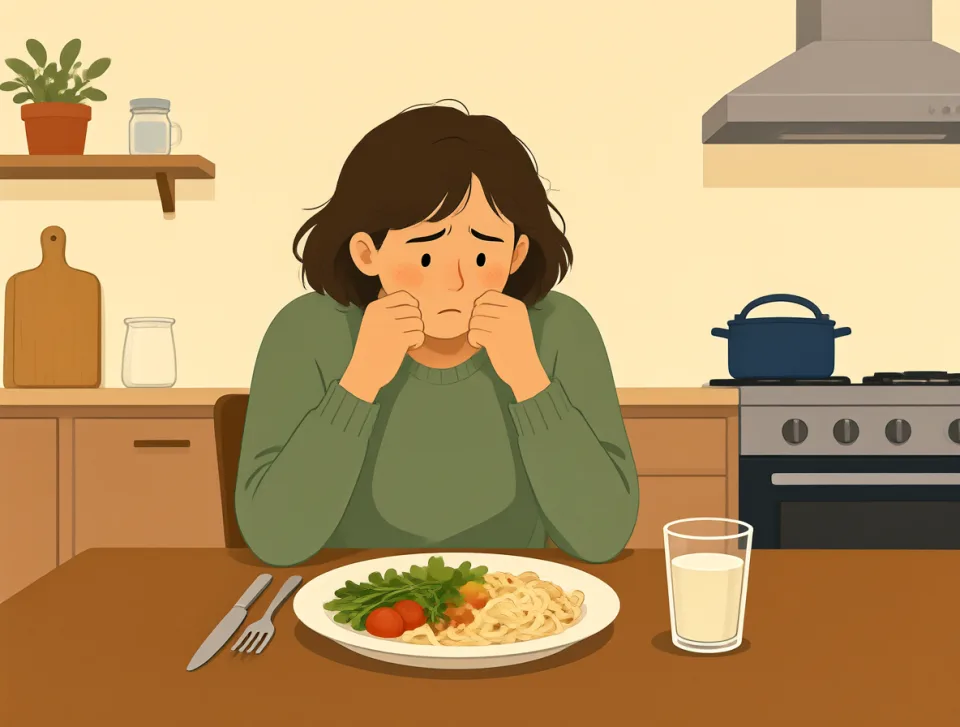
She became seriously ill after eating spoiled food.
Po zjedzeniu zepsutego jedzenia poważnie zachorowała.
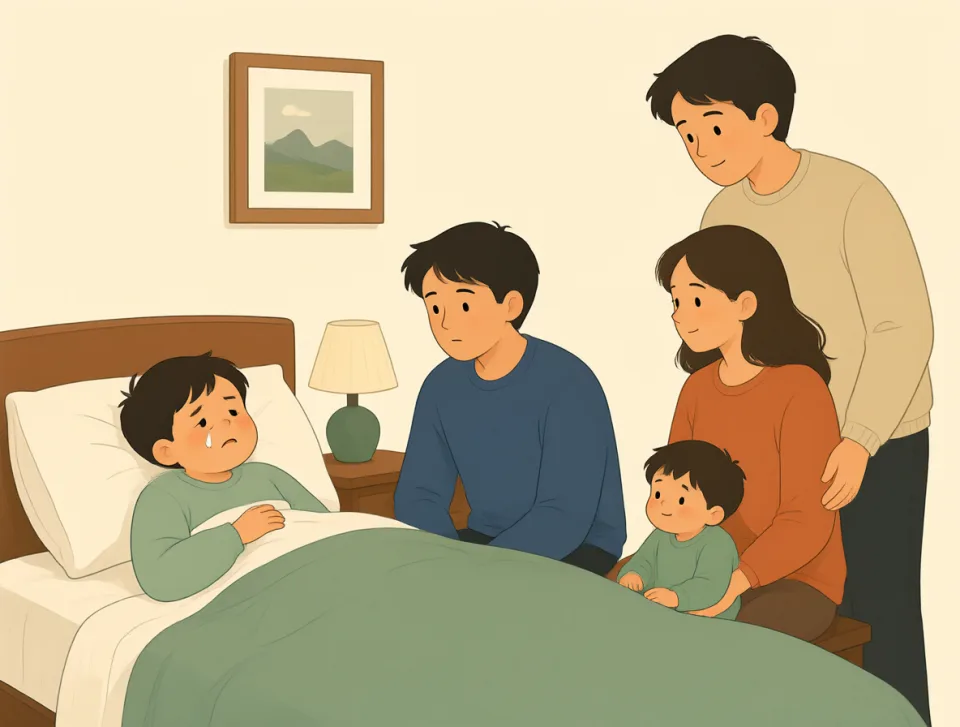
Please stay home if you are ill.
Jeśli jesteś chory, zostań w domu.

The child was too ill to go to school.
Dziecko było zbyt chore, żeby iść do szkoły.

He wished no ill on anyone, even his enemies.
Nie życzył nikomu źle, nawet swoim wrogom.
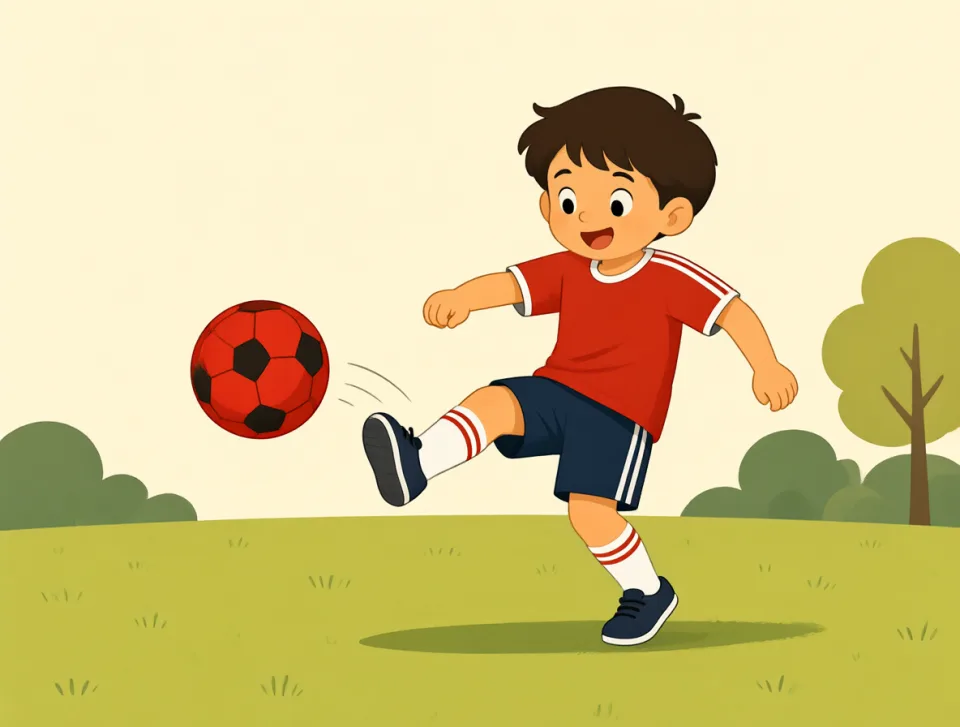
kick
#1730verb, noun
kopnąć
To hit something with your foot, or to start suddenly; a strong feeling of enjoyment
Uderzyć coś stopą albo nagle się rozpocząć; silne uczucie przyjemności.
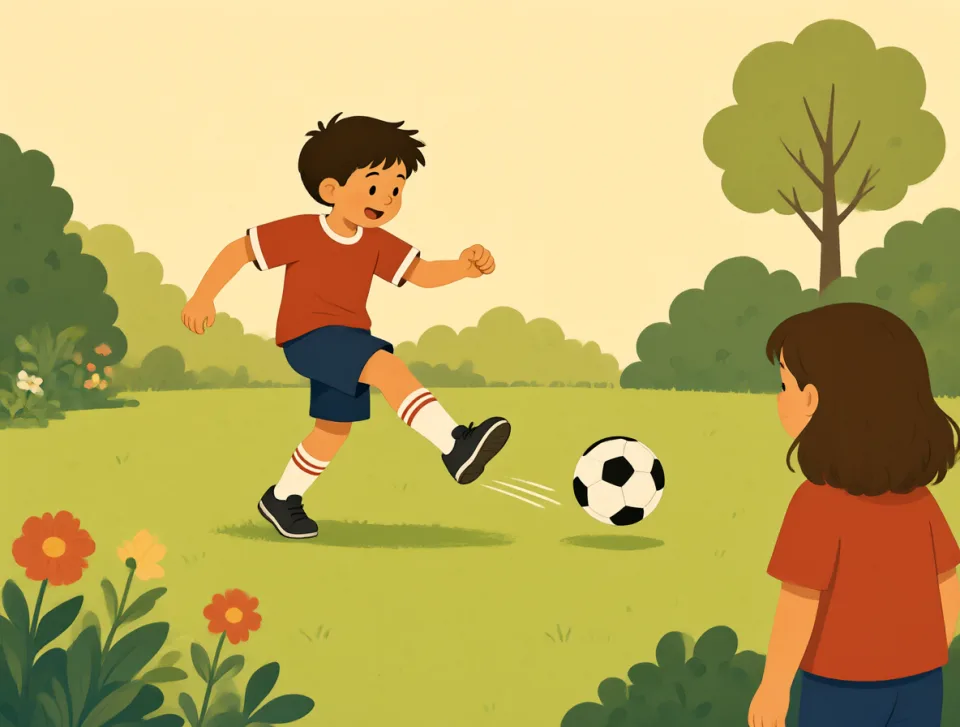
He kicked the ball across the garden.
Kopnął piłkę przez ogród.

She kicked the door open when her hands were full.
Kopnęła drzwi, żeby je otworzyć, bo miała zajęte ręce.

The baby kicked his legs happily in the bath.
Niemowlę radośnie kopało nóżkami podczas kąpieli.
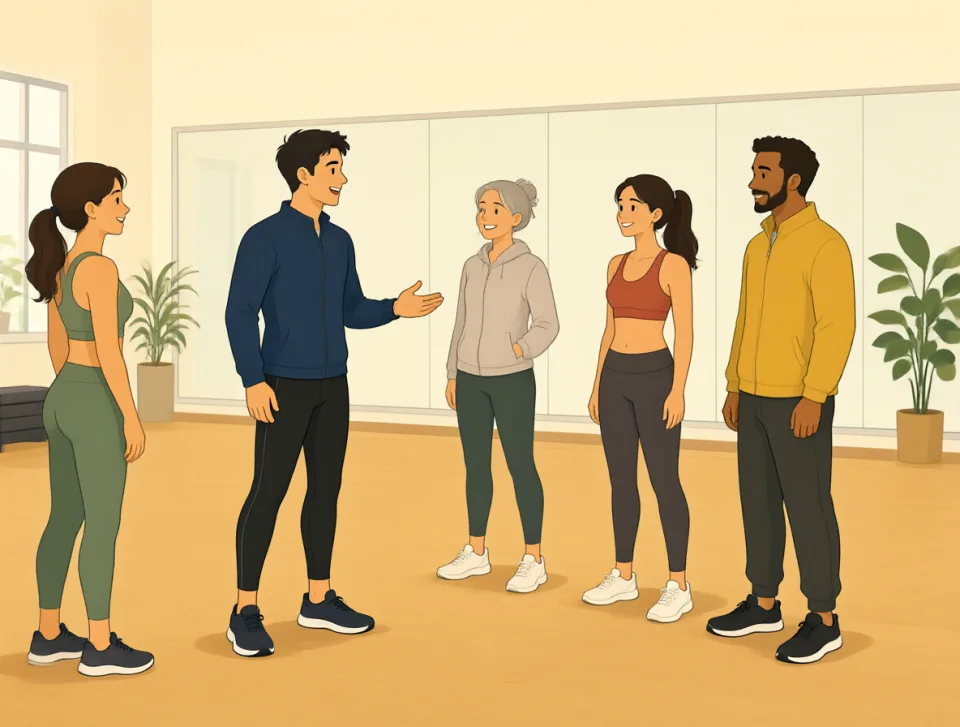
The new exercise class kicks off next Monday.
Nowe zajęcia fitness rozpoczną się w najbliższy poniedziałek.

I get a real kick out of cooking for friends.
Ogromną przyjemność sprawia mi gotowanie dla przyjaciół.

closely
#1731adverb
uważnie; z bliska
with careful attention or from a short distance
Z dużą uwagą lub z niewielkiej odległości.

Please listen closely to the teacher's instructions.
Proszę uważnie słuchać instrukcji nauczyciela.
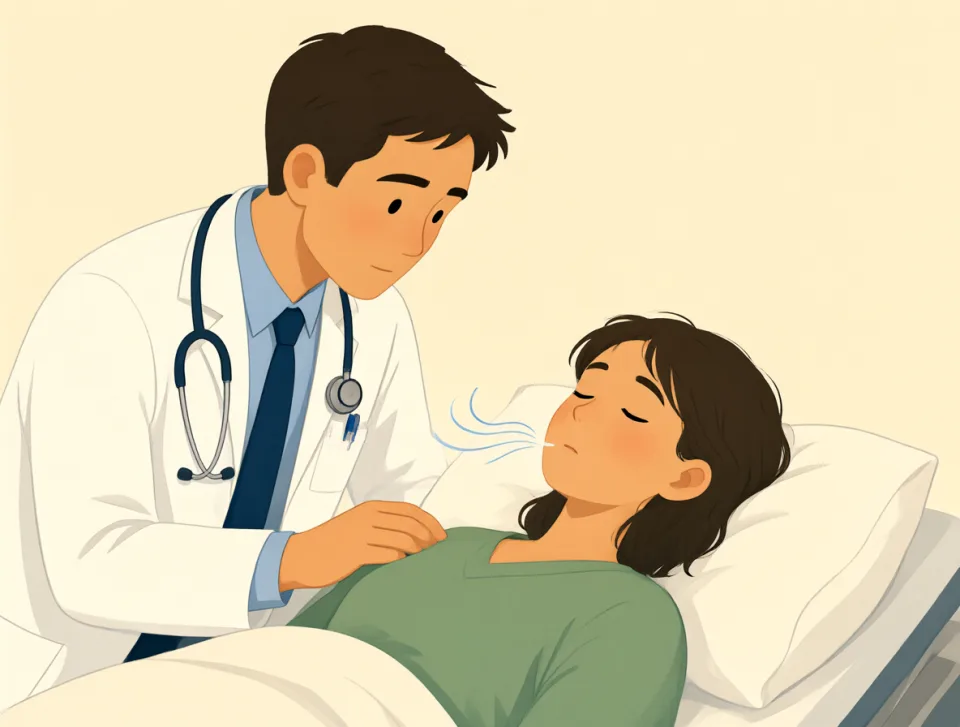
The doctor watched the patient's breathing closely.
Lekarz uważnie obserwował oddech pacjenta.

We worked closely together to finish the project.
Ściśle współpracowaliśmy, żeby zakończyć projekt.

She looked closely at the dress before buying it.
Przed zakupem dokładnie obejrzała sukienkę.

The children sat closely together on the bus.
Dzieci siedziały blisko siebie w autobusie.

multiple
#1732adjective, noun
wiele; wielokrotny
Many or more than one of something
Wiele lub więcej niż jedna sztuka albo rzecz.

She received multiple birthday gifts from her family.
Dostała od rodziny wiele prezentów urodzinowych.

The teacher asked multiple questions during the lesson.
Nauczyciel zadał podczas lekcji wiele pytań.

We visited multiple countries during our summer trip.
Podczas letniej podróży odwiedziliśmy kilka krajów.
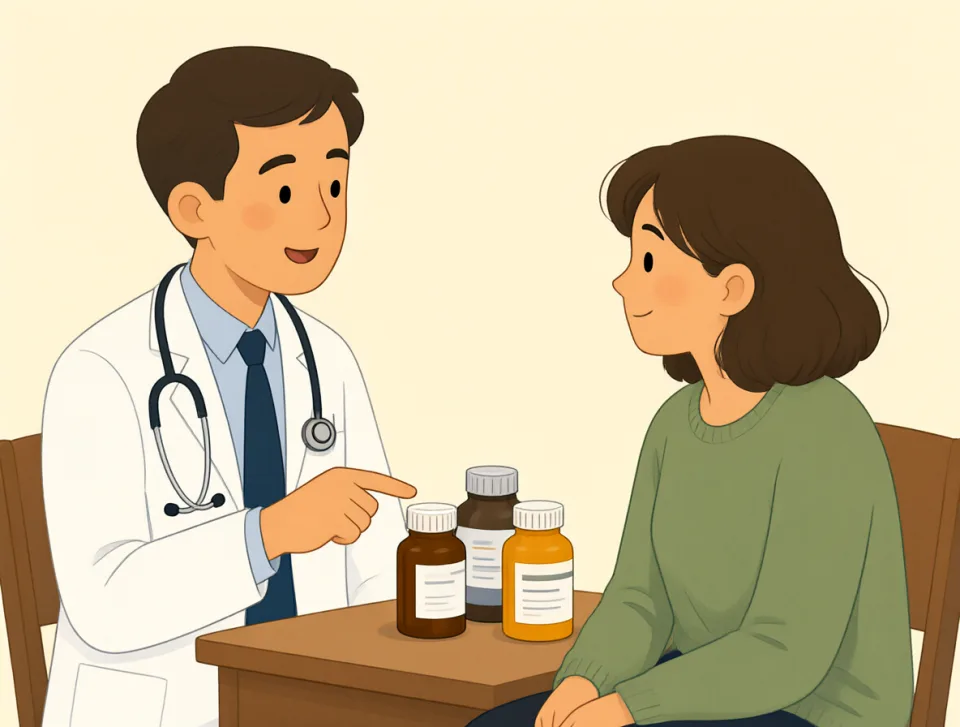
This medicine may cause multiple side effects.
Ten lek może powodować liczne działania niepożądane.

The store offers multiple sizes of the same jacket.
Sklep oferuje tę samą kurtkę w wielu rozmiarach.
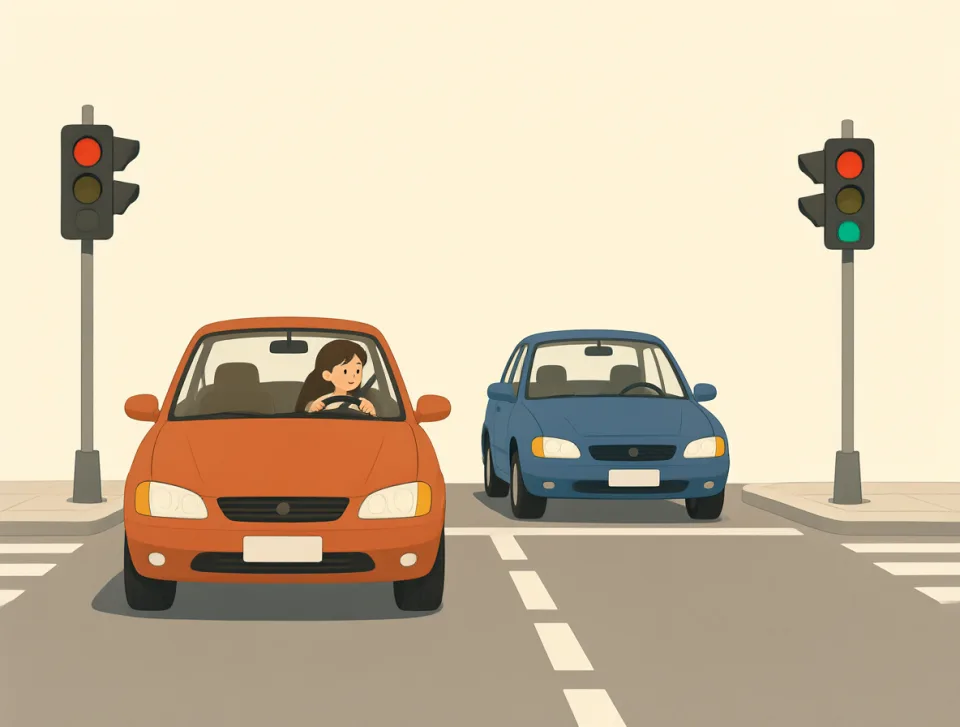
yield
#1733noun, verb
plon; ustępować; przynosić
The amount produced, or to give way or produce a result.
Ilość czegoś, co zostało wyprodukowane, albo ustąpić komuś lub przynieść określony rezultat.
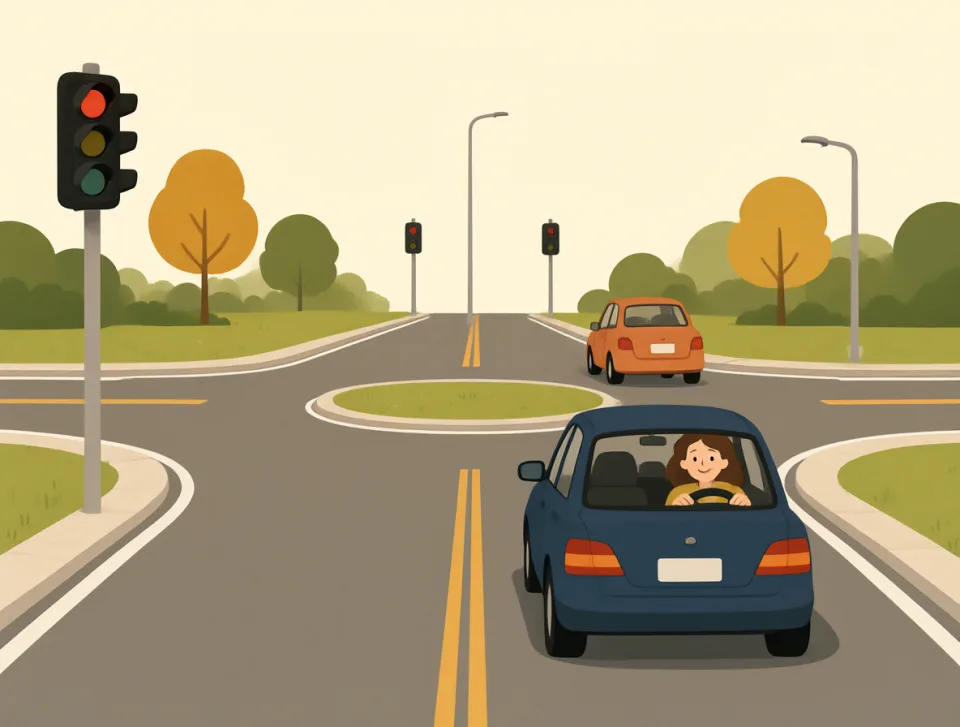
Drivers must yield to traffic already in the roundabout.
Kierowcy muszą ustąpić pierwszeństwa pojazdom znajdującym się już na rondzie.

This small garden yields fresh tomatoes every summer.
Ten mały ogród daje co lato świeże pomidory.
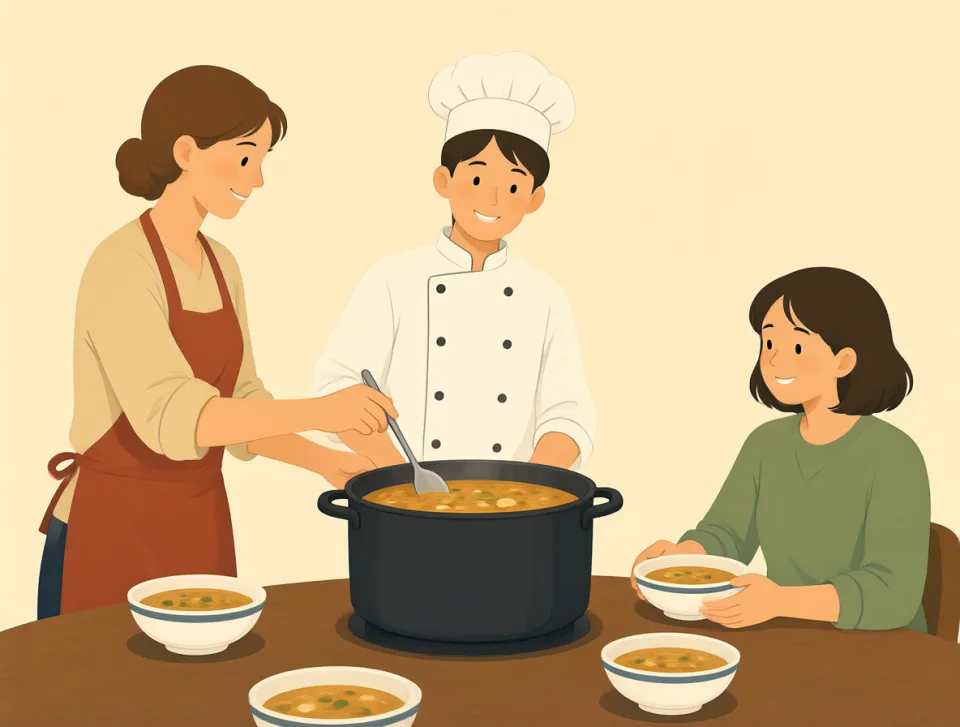
The recipe yields enough soup for six people.
Z tego przepisu wychodzi zupa dla sześciu osób.

The teacher asked the class to yield better results this term.
Nauczyciel poprosił klasę o osiąganie lepszych wyników w tym semestrze.

After hours of discussion, both friends yielded and apologized.
Po kilku godzinach dyskusji oboje ustąpili i przeprosili.

via
#1734preposition
za pośrednictwem; przez
using a particular person, method, route, or place to reach someone or something
Korzystając z określonej osoby, metody, trasy lub miejsca, aby dotrzeć do kogoś albo czegoś.
We usually communicate via email at work.
W pracy zwykle komunikujemy się za pośrednictwem poczty elektronicznej.

The package arrived via express delivery this morning.
Przesyłka dotarła dziś rano przesyłką ekspresową.

We traveled to the island via a small ferry.
Dotarliśmy na wyspę małym promem.

She booked the hotel via a travel website.
Zarezerwowała hotel za pośrednictwem strony internetowej poświęconej podróżom.
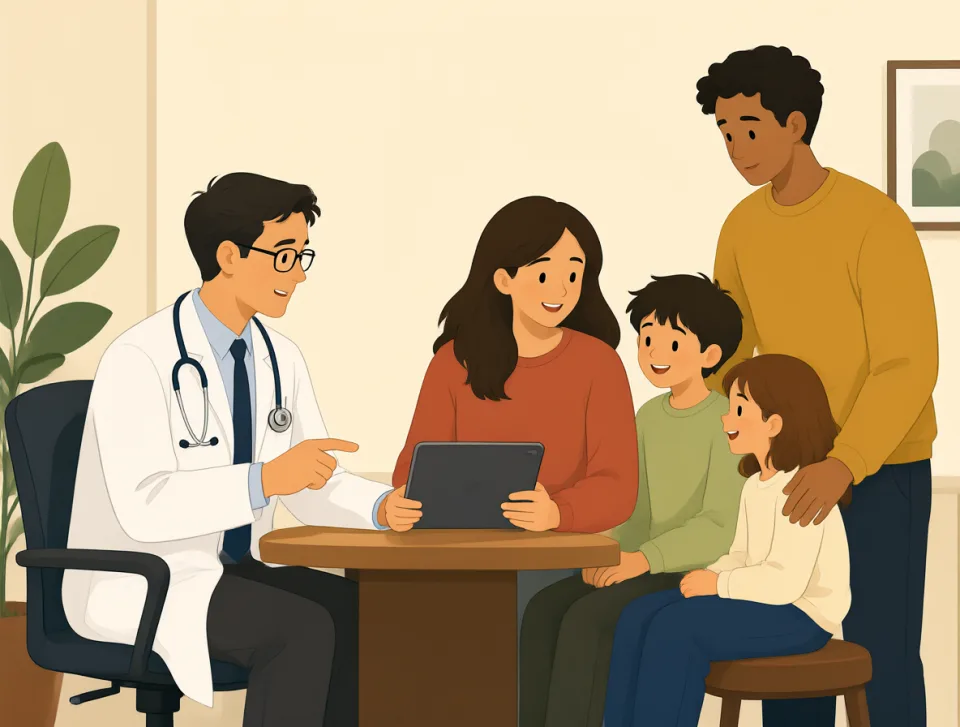
The doctor spoke to us via video call.
Lekarz rozmawiał z nami podczas wideorozmowy.

legislation
#1735noun
ustawodawstwo; przepisy
laws made by a government
Prawa ustanowione przez rząd.
The government introduced new legislation to protect children online.
Rząd wprowadził nowe przepisy, aby chronić dzieci w internecie.

The new legislation bans smoking in all public buildings.
Nowe przepisy zakazują palenia we wszystkich budynkach użyteczności publicznej.
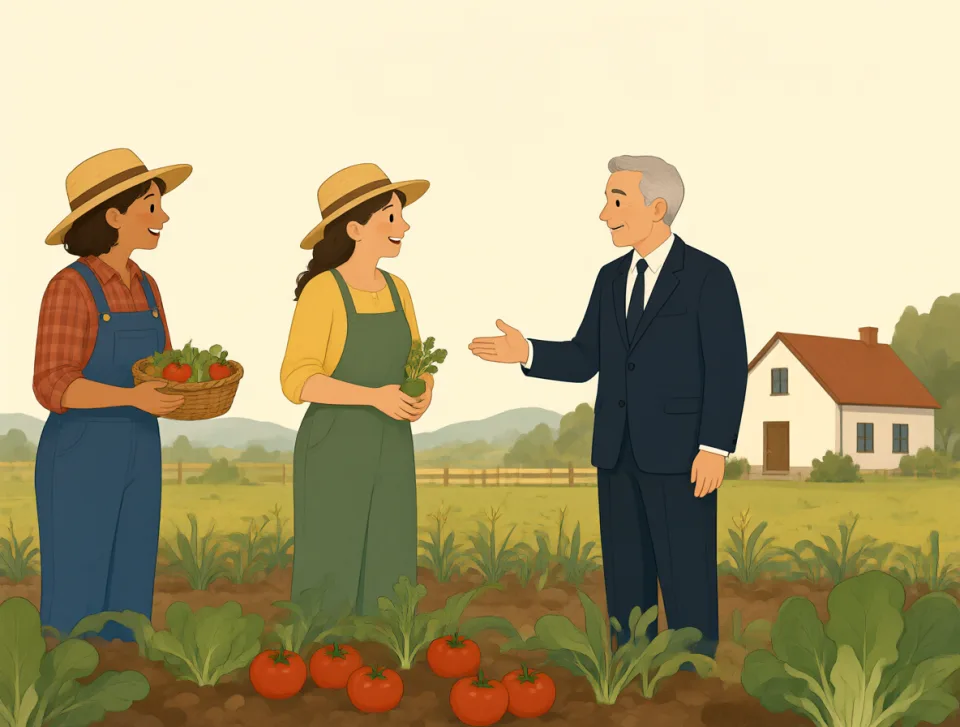
Farmers are asking for legislation to support local food production.
Rolnicy domagają się przepisów wspierających lokalną produkcję żywności.

The company changed its policies after new legislation was passed.
Firma zmieniła swoje zasady po uchwaleniu nowych przepisów.

Doctors welcomed legislation that gives patients more healthcare choices.
Lekarze z zadowoleniem przyjęli przepisy zapewniające pacjentom większy wybór świadczeń opieki zdrowotnej.
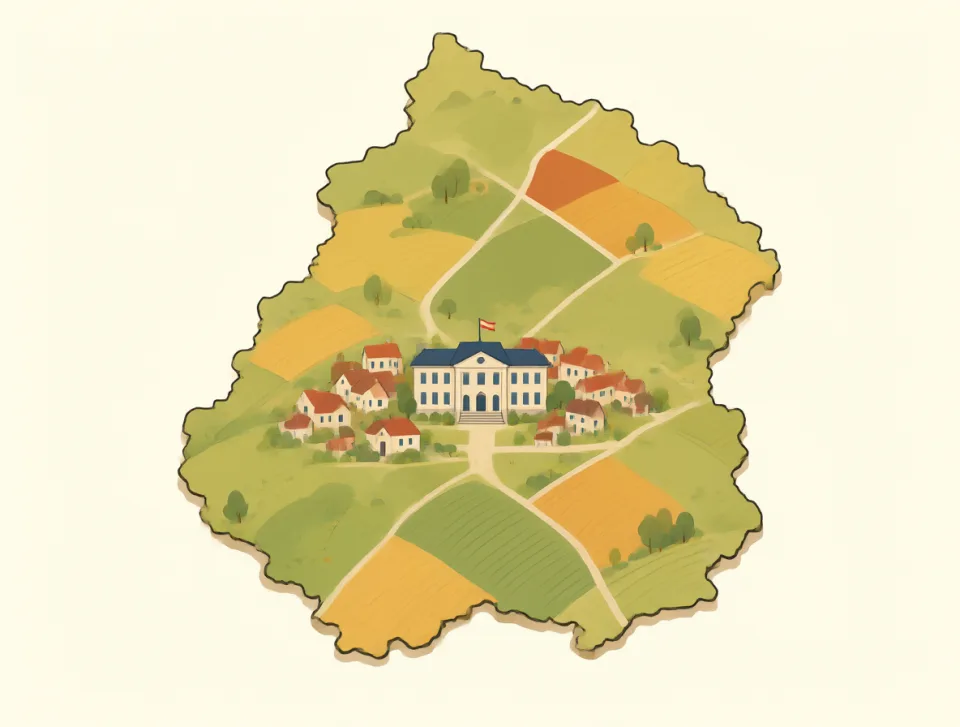
county
#1736noun
hrabstwo
an area of a country with its own local government
obszar kraju posiadający własne władze lokalne

She moved to a quiet county in the north last year.
W zeszłym roku przeprowadziła się do spokojnego hrabstwa na północy.
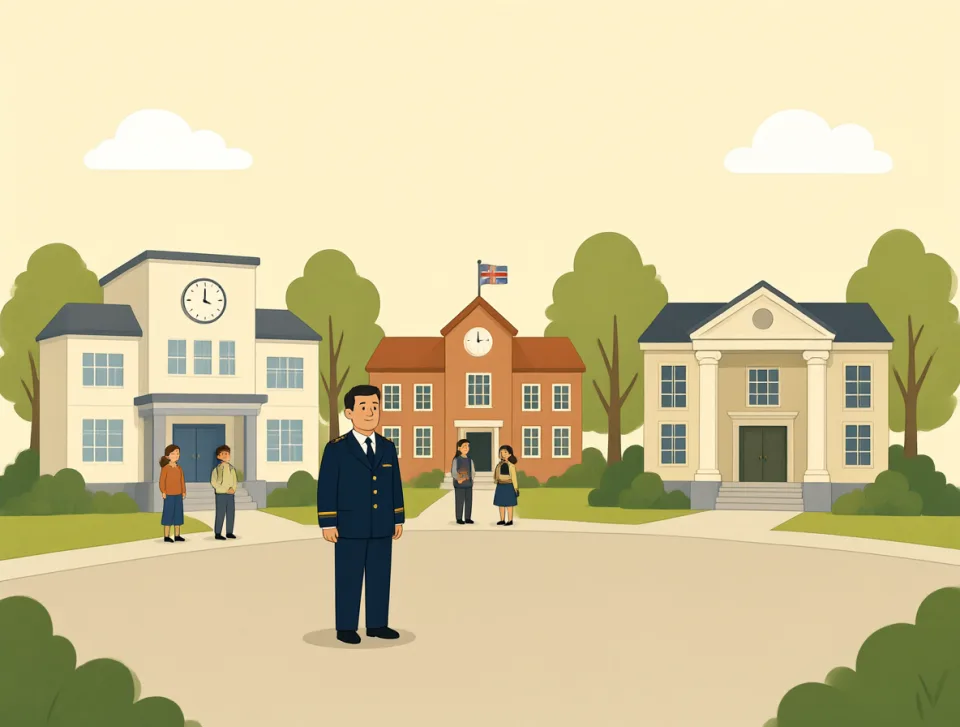
The county runs several hospitals, schools, and public libraries.
Hrabstwo prowadzi kilka szpitali, szkół i bibliotek publicznych.

Our county has a farmers' market every Saturday morning.
W naszym hrabstwie w każdą sobotę rano odbywa się targ rolniczy.

The county road was closed because of heavy snow.
Droga powiatowa była zamknięta z powodu obfitych opadów śniegu.

They visited three counties during their train journey.
Podczas podróży pociągiem odwiedzili trzy hrabstwa.

unlike
#1737preposition, conjunction
w przeciwieństwie do
Different from someone or something else in a clear way
Różniący się wyraźnie od kogoś lub czegoś innego.
Unlike my brother, I enjoy getting up early.
W przeciwieństwie do mojego brata lubię wcześnie wstawać.

Unlike yesterday, the weather is warm and sunny today.
W przeciwieństwie do wczoraj dziś jest ciepło i słonecznie.
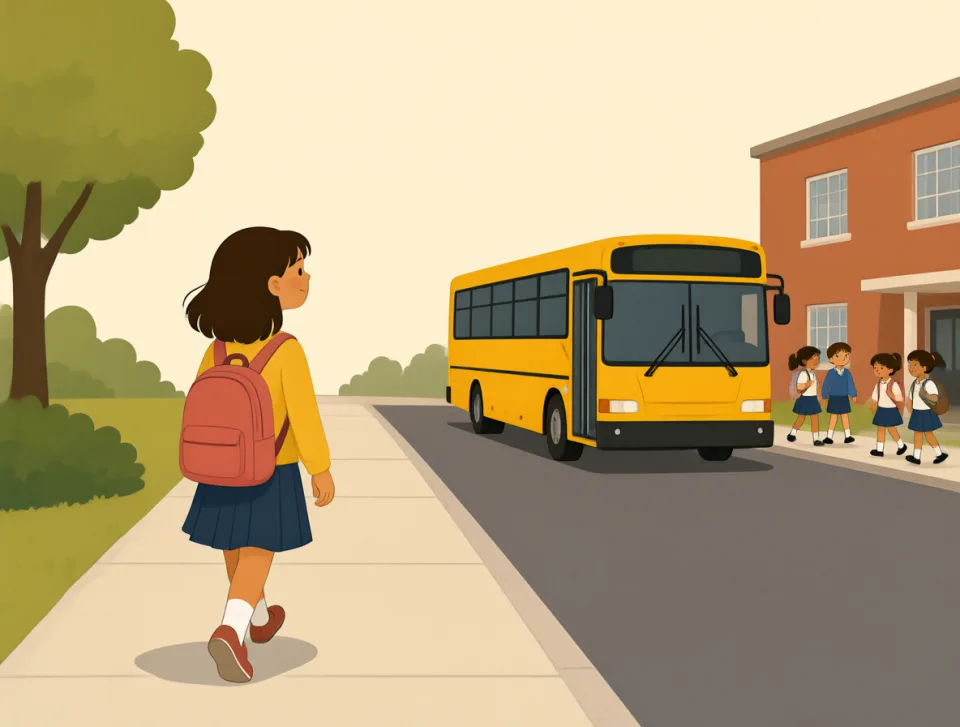
Unlike most students, Maria walks to school every morning.
W przeciwieństwie do większości uczniów Maria codziennie rano chodzi do szkoły pieszo.

Unlike the old hotel, this one has clean, comfortable rooms.
W przeciwieństwie do starego hotelu ten ma czyste, wygodne pokoje.
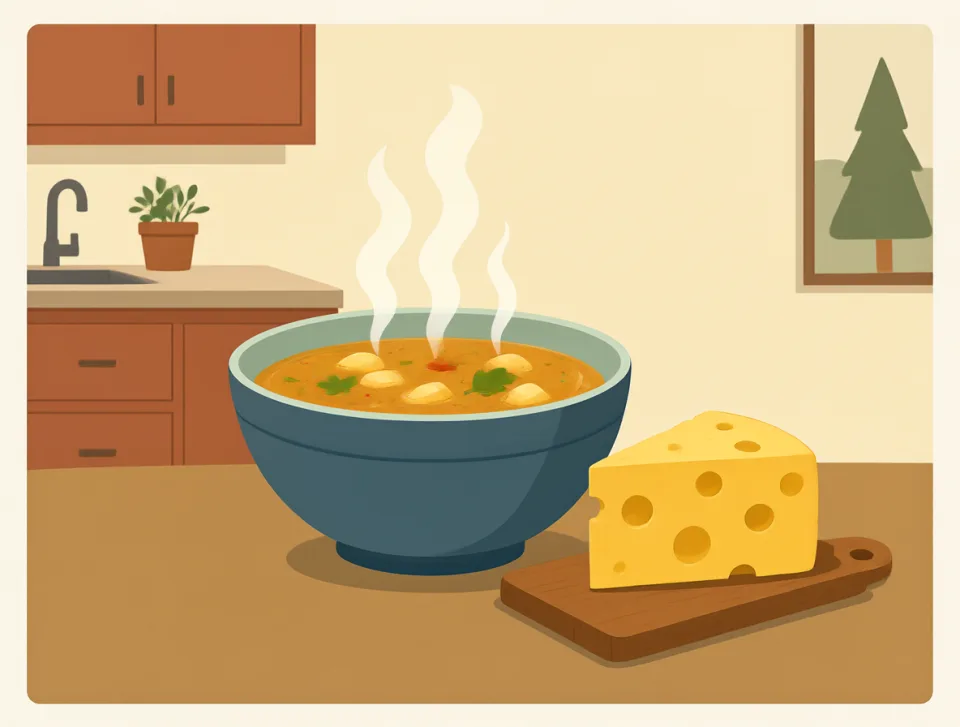
Unlike cheese, this soup tastes better when it is hot.
W przeciwieństwie do sera ta zupa smakuje lepiej na gorąco.
mobile
#1738noun, adjective
telefon komórkowy
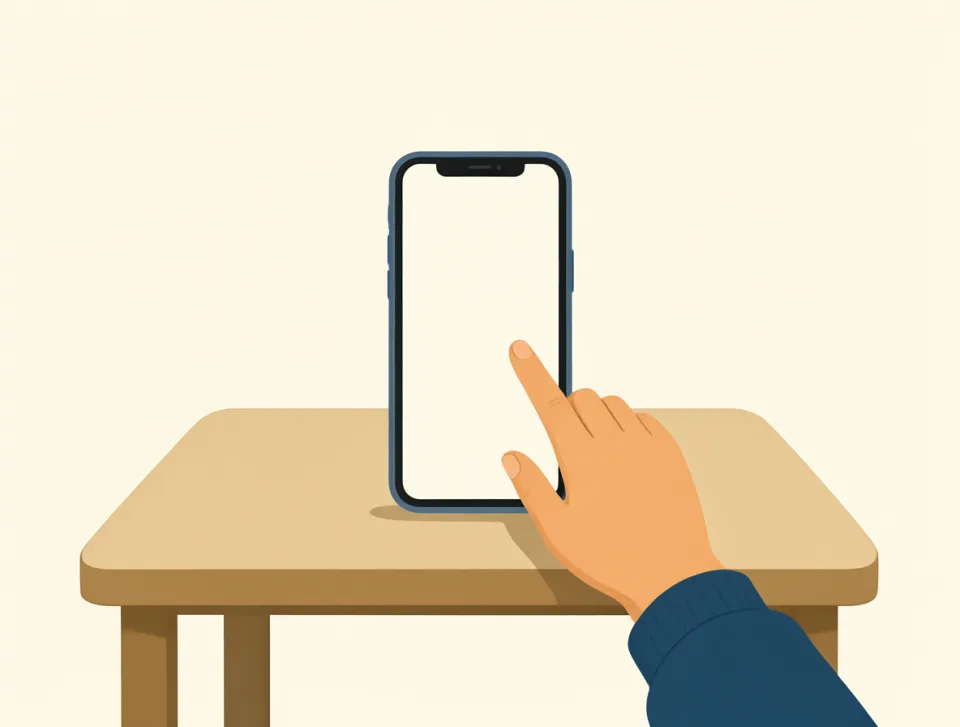
A mobile is a phone you can carry and use anywhere without wires.
Telefon, który można nosić przy sobie i używać w dowolnym miejscu, bez przewodów.
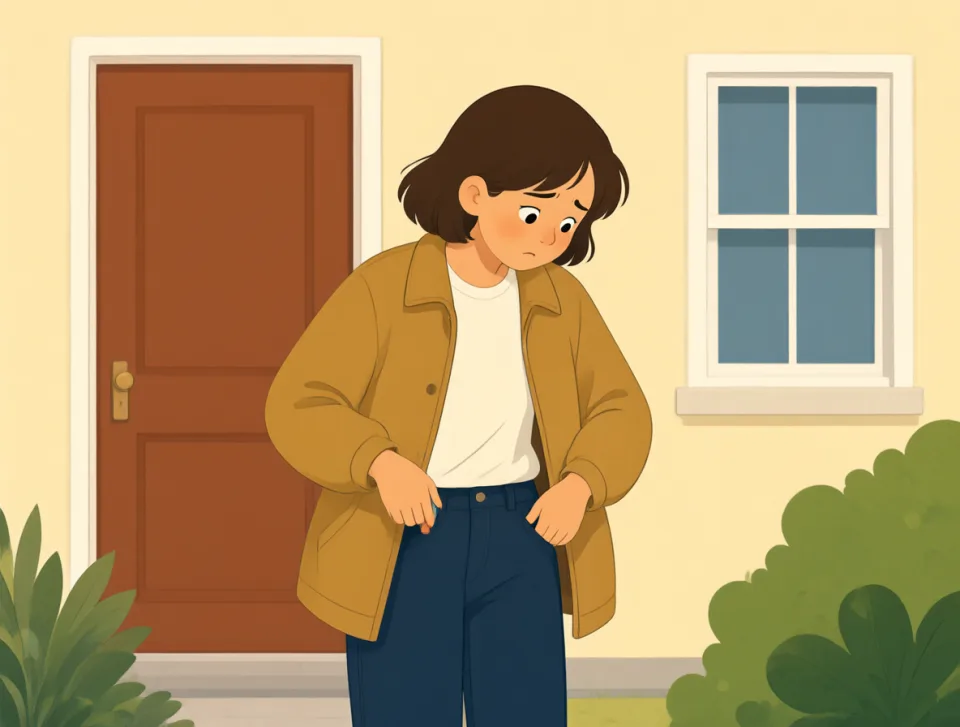
I left my mobile at home this morning.
Dziś rano zostawiłem telefon komórkowy w domu.

Please call me on my mobile after work.
Zadzwoń do mnie na komórkę po pracy, proszę.

She bought a new mobile phone last week.
W zeszłym tygodniu kupiła nowy telefon komórkowy.

Students must turn off their mobiles during the lesson.
Uczniowie muszą wyłączyć telefony komórkowe podczas lekcji.
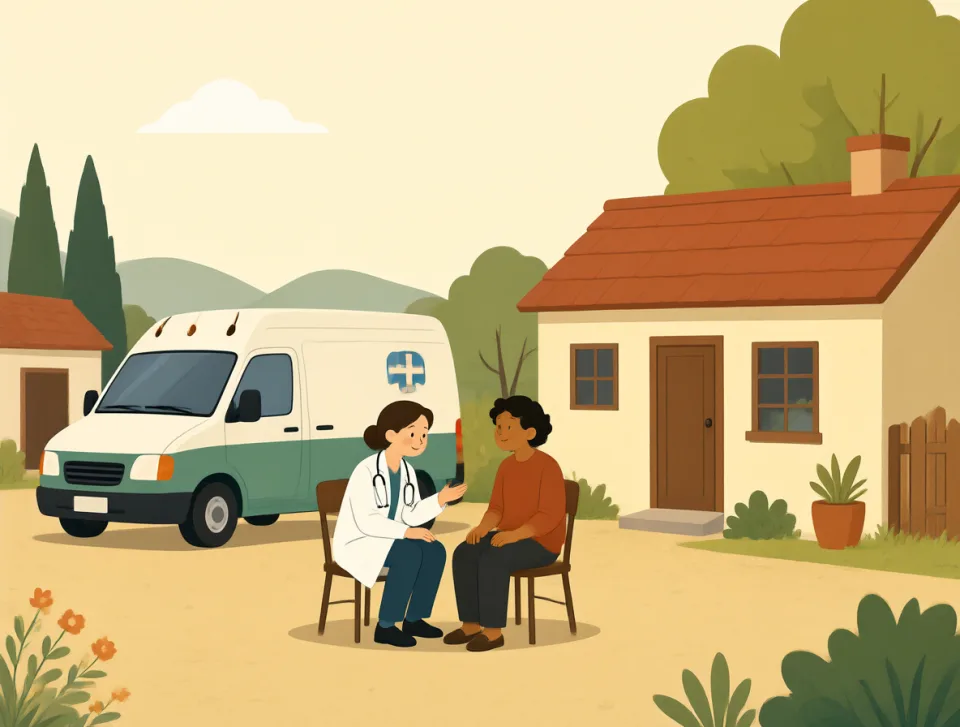
The doctor used a mobile clinic to help villagers.
Lekarz skorzystał z mobilnej przychodni, by pomóc mieszkańcom wsi.

assistant
#1739noun
asystent
A person who helps someone with their work or daily tasks.
Osoba, która pomaga komuś w pracy lub codziennych obowiązkach.

My assistant helps me organize my meetings and answer emails.
Mój asystent pomaga mi organizować spotkania i odpowiadać na e-maile.

The shop assistant helped me find the right size.
Sprzedawca pomógł mi znaleźć odpowiedni rozmiar.

The teacher asked her assistant to help the new students.
Nauczyciel poprosił swoją asystentkę o pomoc dla nowych uczniów.
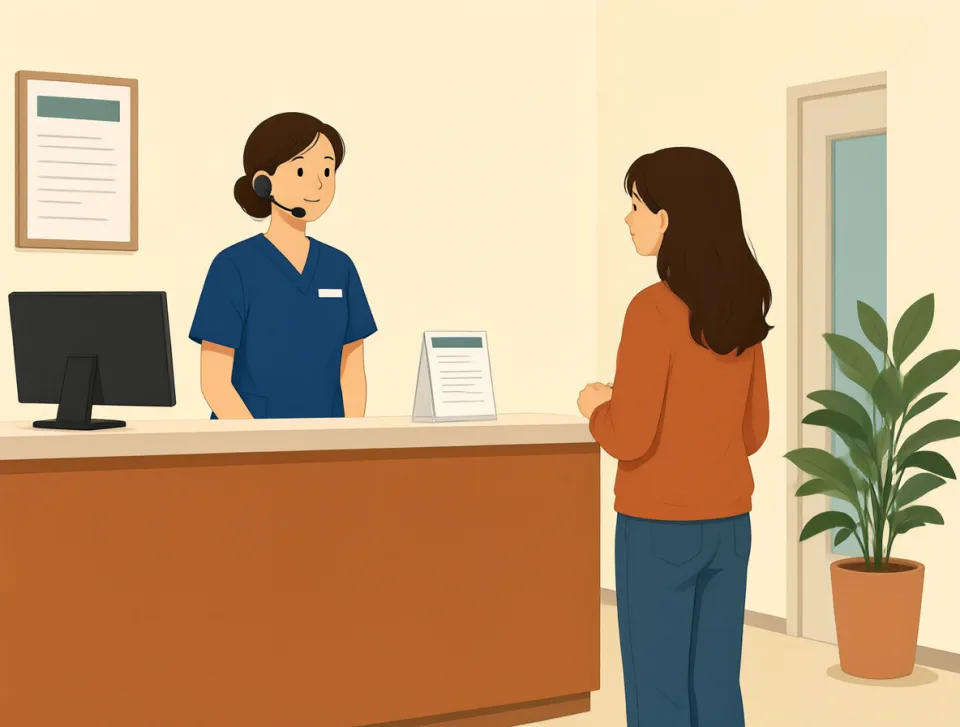
The doctor's assistant called my name in the waiting room.
Asystent lekarza wyczytał moje nazwisko w poczekalni.
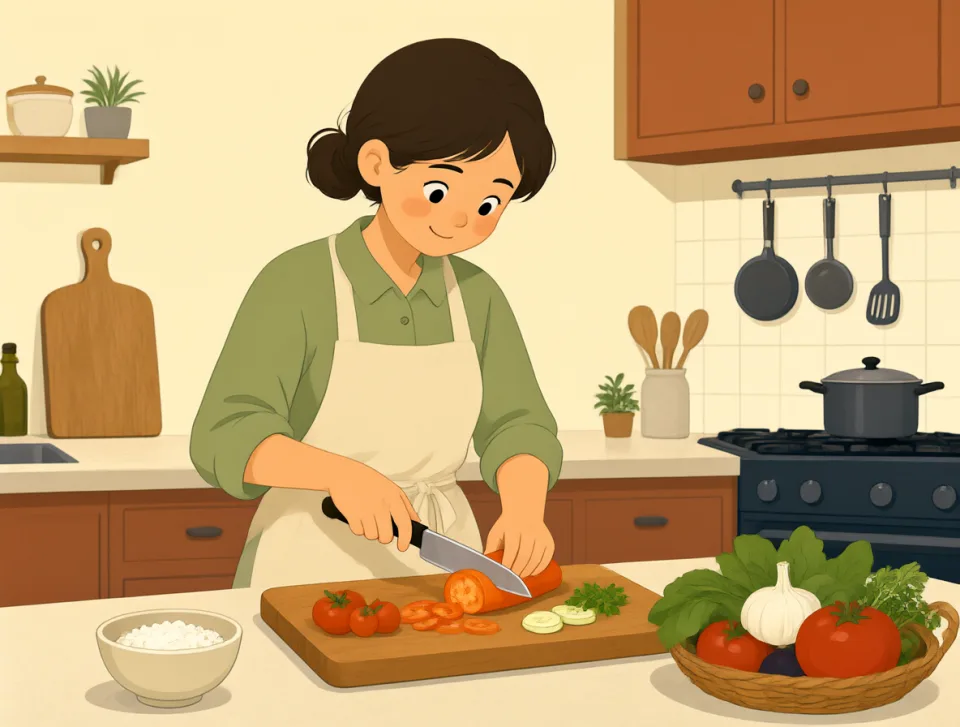
Our kitchen assistant is preparing vegetables for dinner.
Nasz pomocnik kuchenny przygotowuje warzywa na kolację.
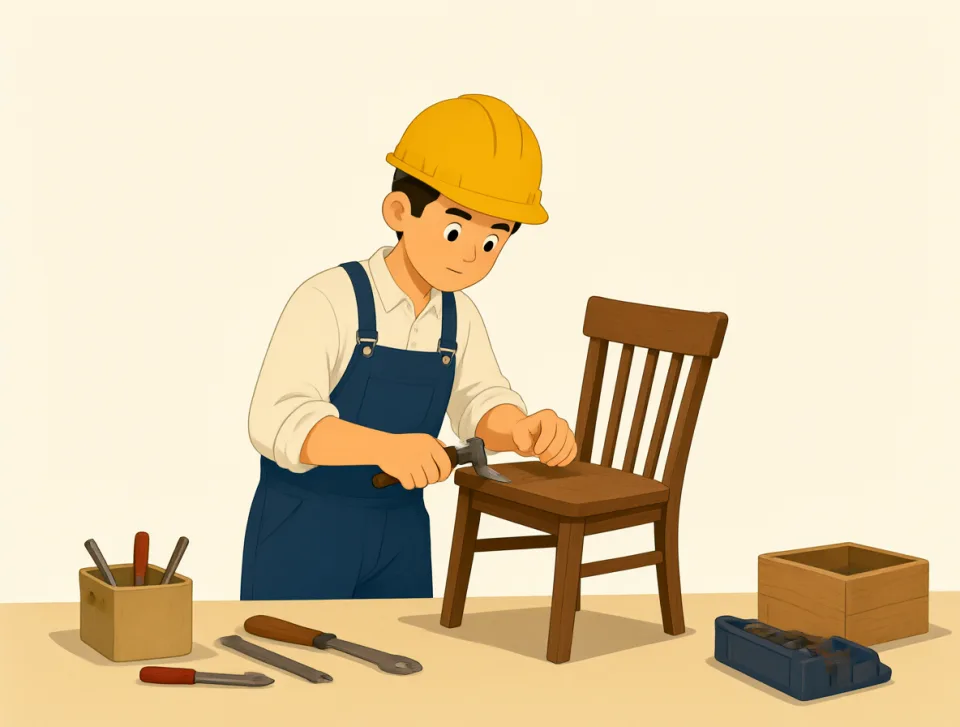
implement
#1740verb, noun
wdrażać; narzędzie
to put a plan, decision, or system into action; a tool used by hand
wprowadzać plan, decyzję lub system w życie; narzędzie używane ręcznie
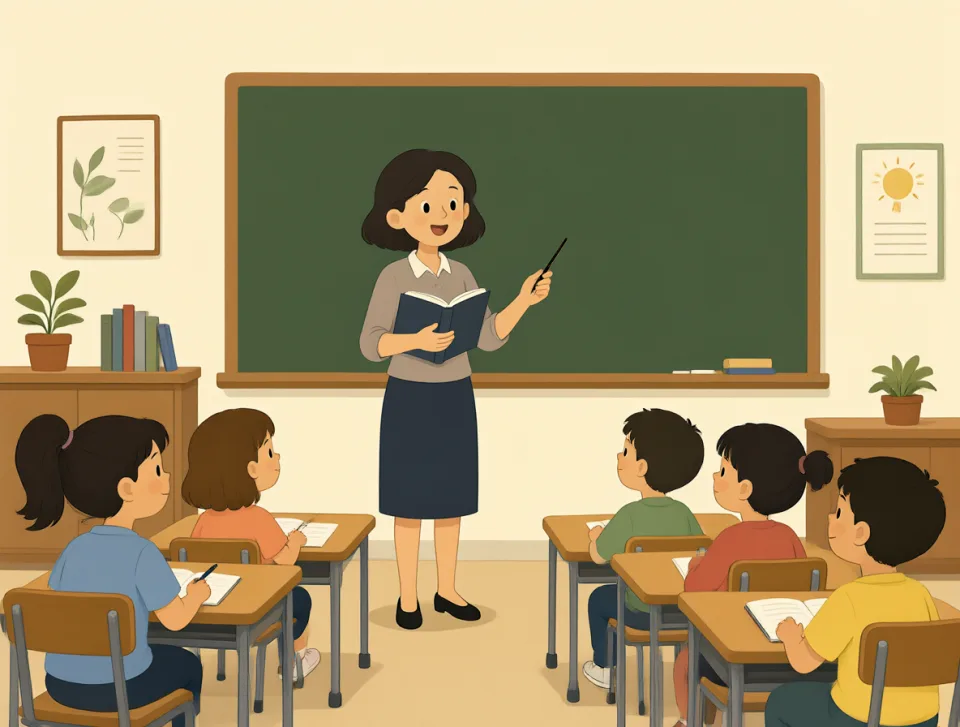
The school will implement a new reading program next term.
W przyszłym semestrze szkoła wdroży nowy program czytelniczy.

Our manager implemented the plan after the team agreed.
Nasz kierownik wdrożył plan, gdy zespół wyraził zgodę.
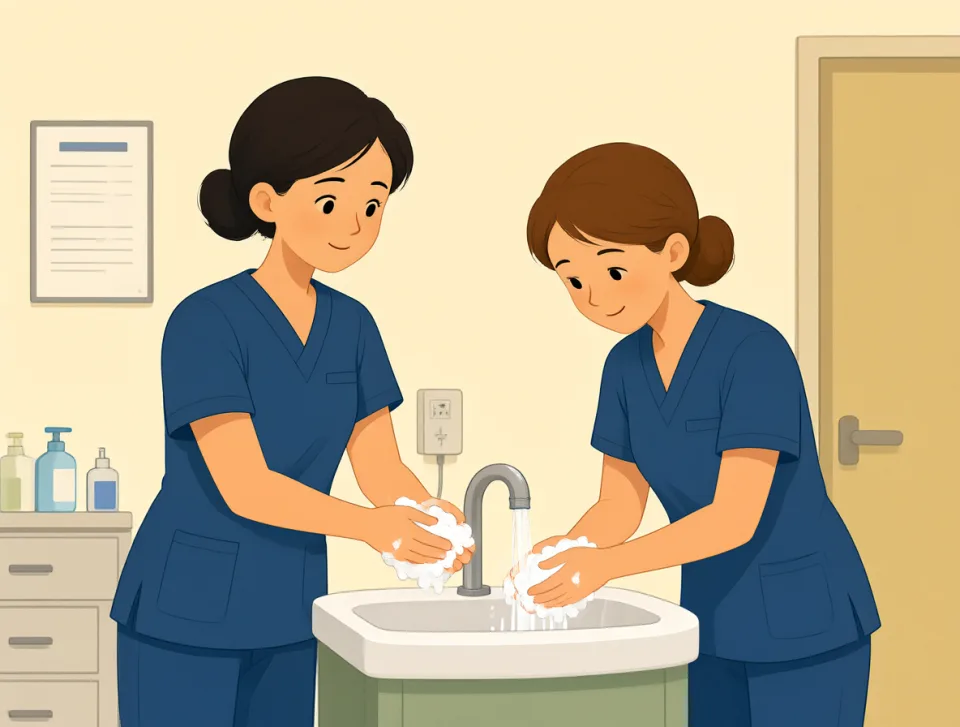
The hospital is implementing stricter hygiene rules this month.
W tym miesiącu szpital wprowadza surowsze zasady higieny.

He bought a garden implement to plant vegetables more easily.
Kupił narzędzie ogrodnicze, które ułatwia sadzenie warzyw.

The chef used a special implement to remove the fish bones.
Szef kuchni użył specjalnego narzędzia, żeby usunąć ości z ryby.