Zestaw 80
Słowa 1581–1600 · comparison, characteristic, license, rely, narrow, succeed
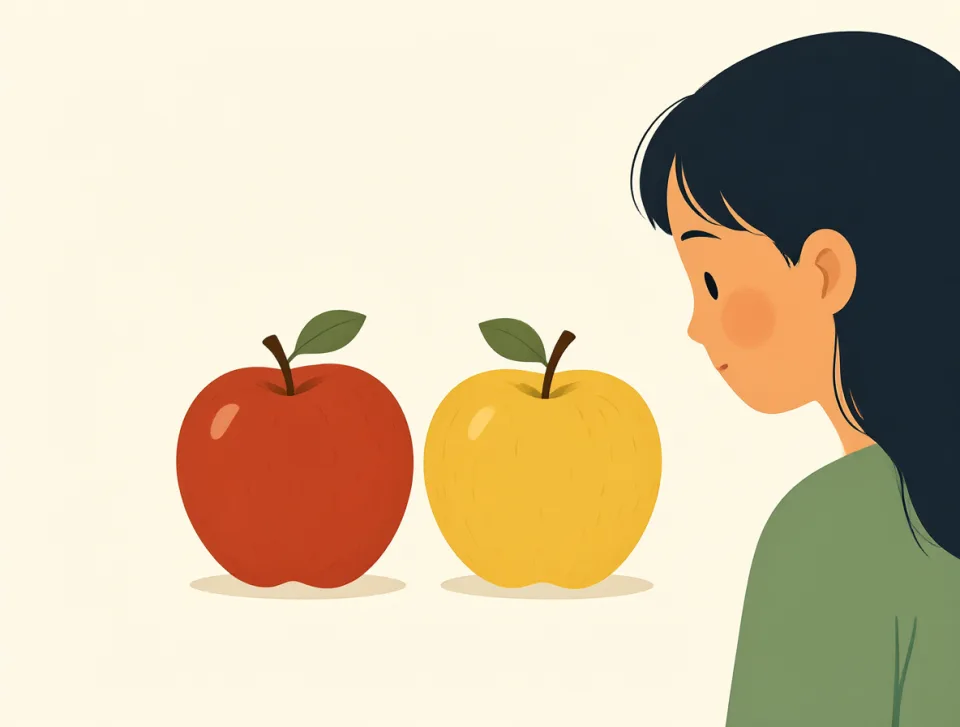
comparison
#1581noun
porównanie
The act of looking at two or more things to see how they are similar or different.
Czynność polegająca na zestawianiu dwóch lub więcej rzeczy, aby sprawdzić, co je łączy, a co różni.
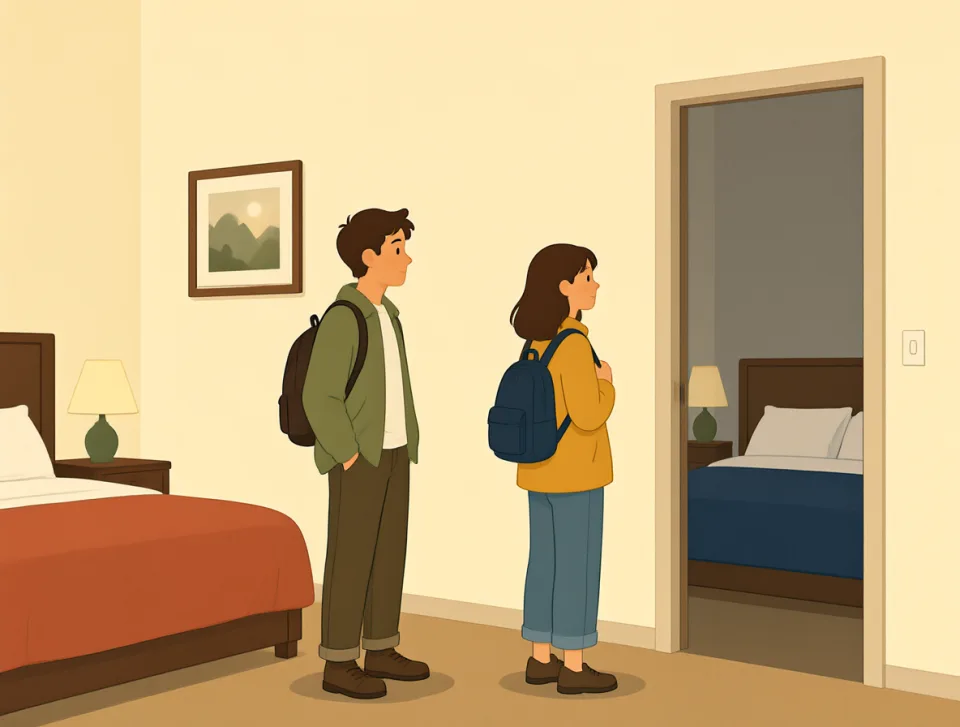
By comparison, this hotel is much quieter and cleaner.
W porównaniu z nim ten hotel jest znacznie cichszy i czystszy.
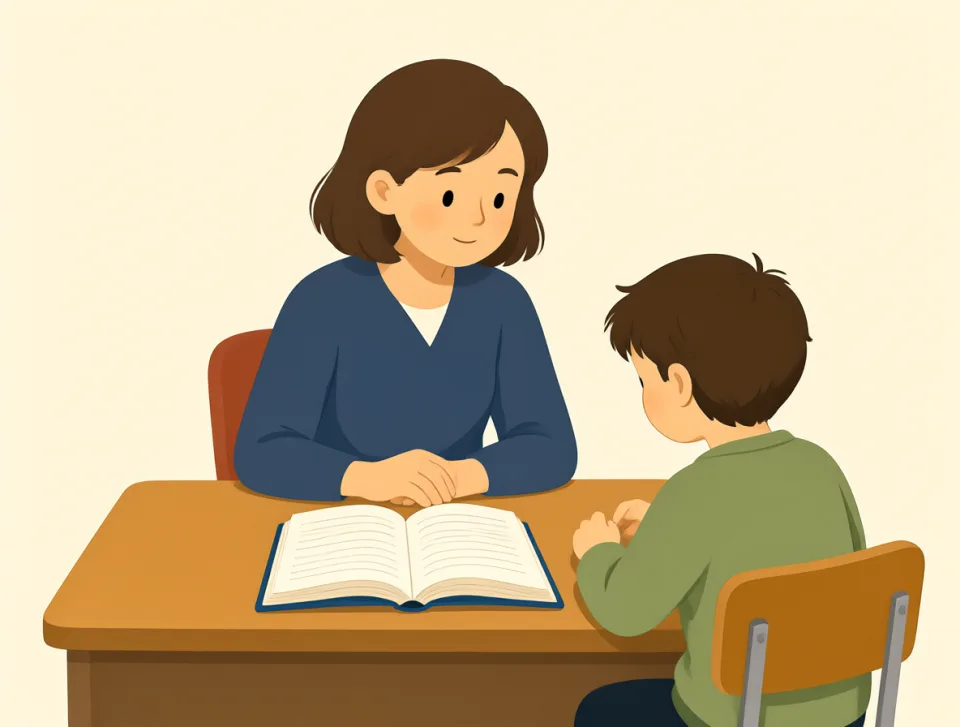
The teacher asked for a comparison of the two stories.
Nauczyciel poprosił o porównanie tych dwóch opowiadań.
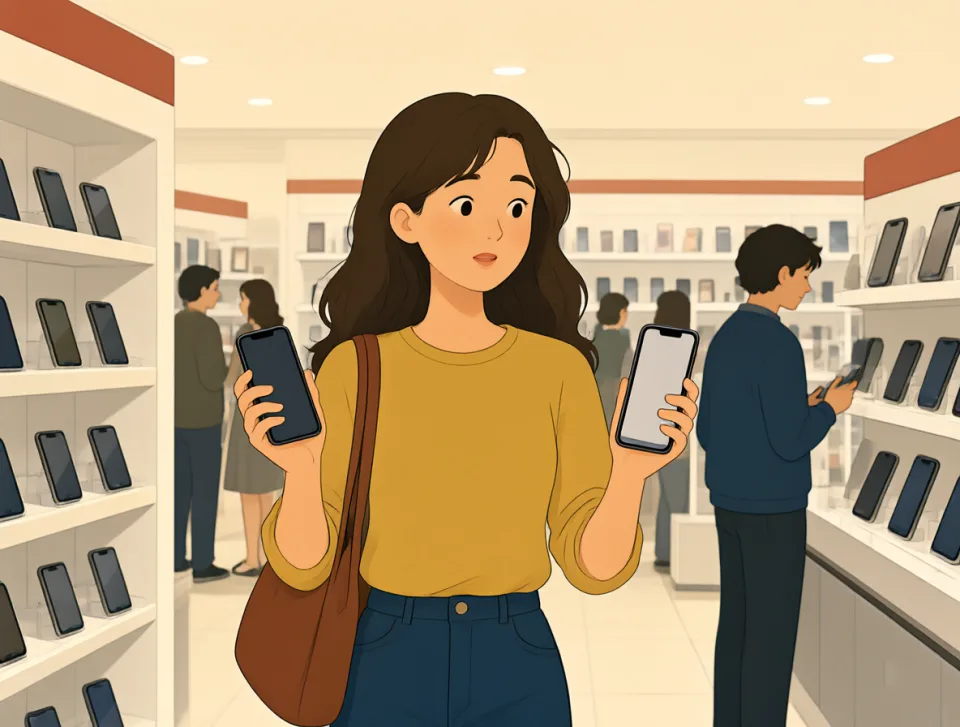
This phone is expensive in comparison with the older model.
Ten telefon jest drogi w porównaniu ze starszym modelem.
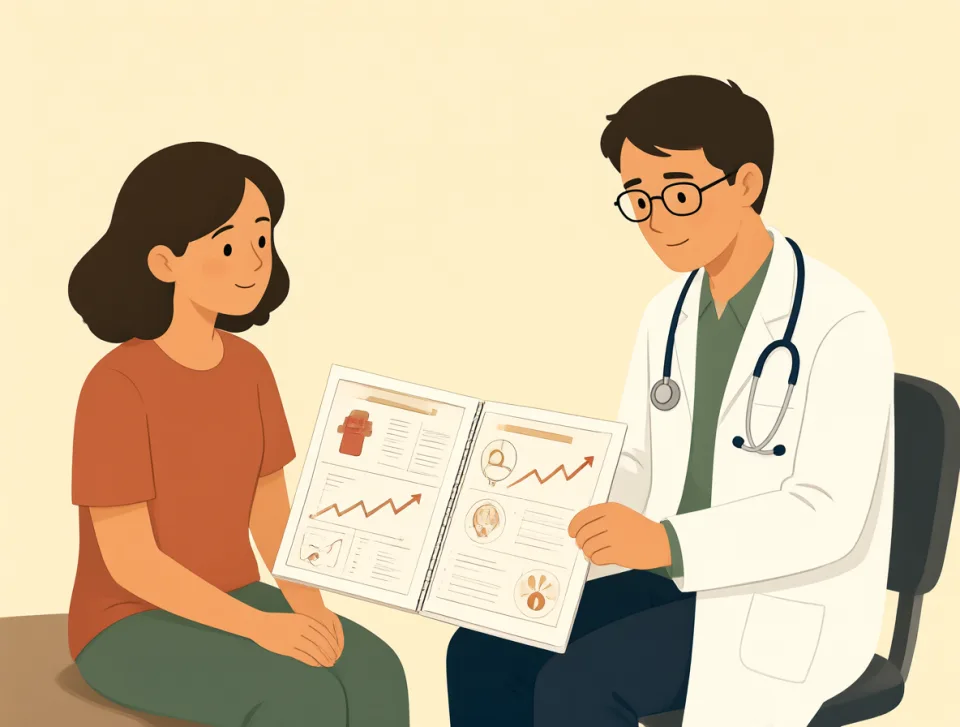
The doctor made a comparison of my health results last year.
Lekarz porównał wyniki moich badań zdrowotnych z zeszłego roku.
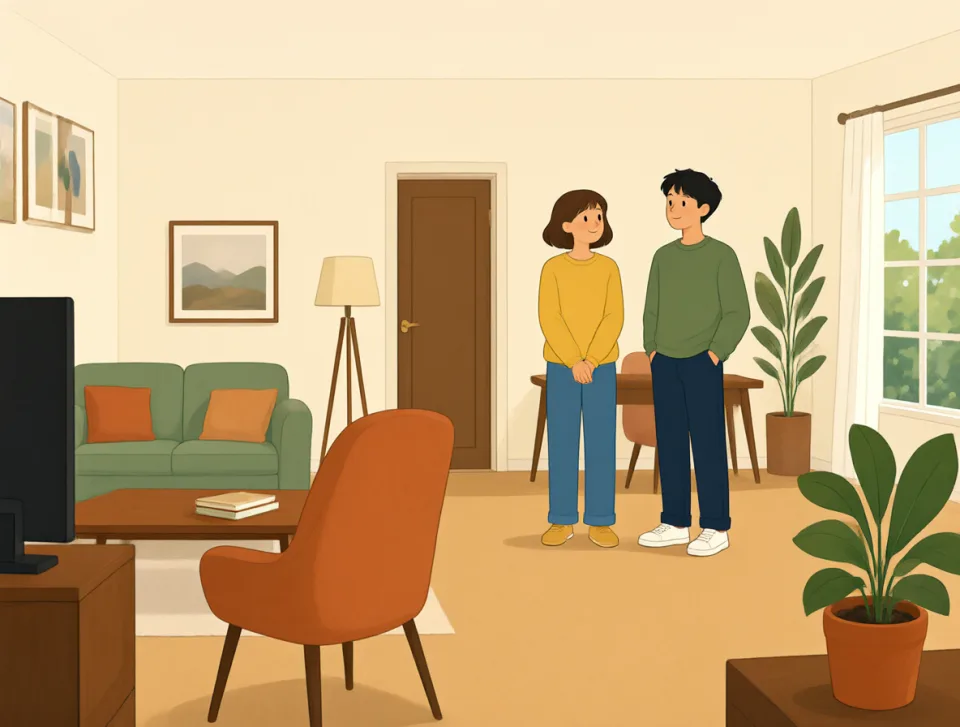
In comparison, my sister's new apartment feels much bigger.
W porównaniu z nim nowe mieszkanie mojej siostry wydaje się dużo większe.
characteristic
#1582noun, adjective
cecha
A quality that makes a person or thing easy to recognize.
Właściwość, dzięki której łatwo rozpoznać daną osobę lub rzecz.
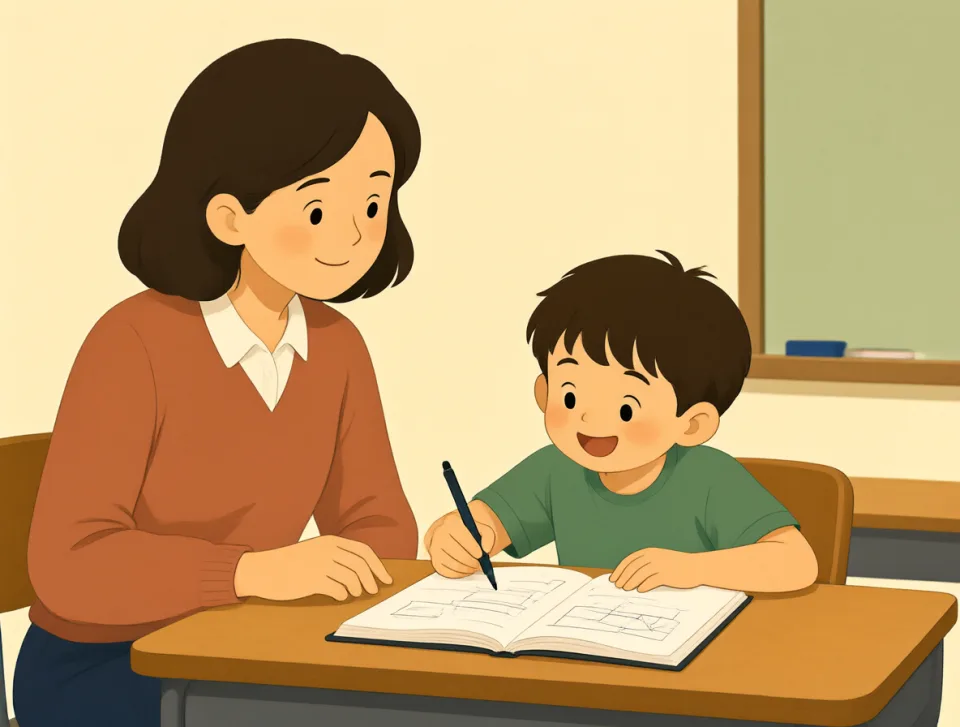
Patience is an important characteristic of a good teacher.
Cierpliwość to ważna cecha dobrego nauczyciela.
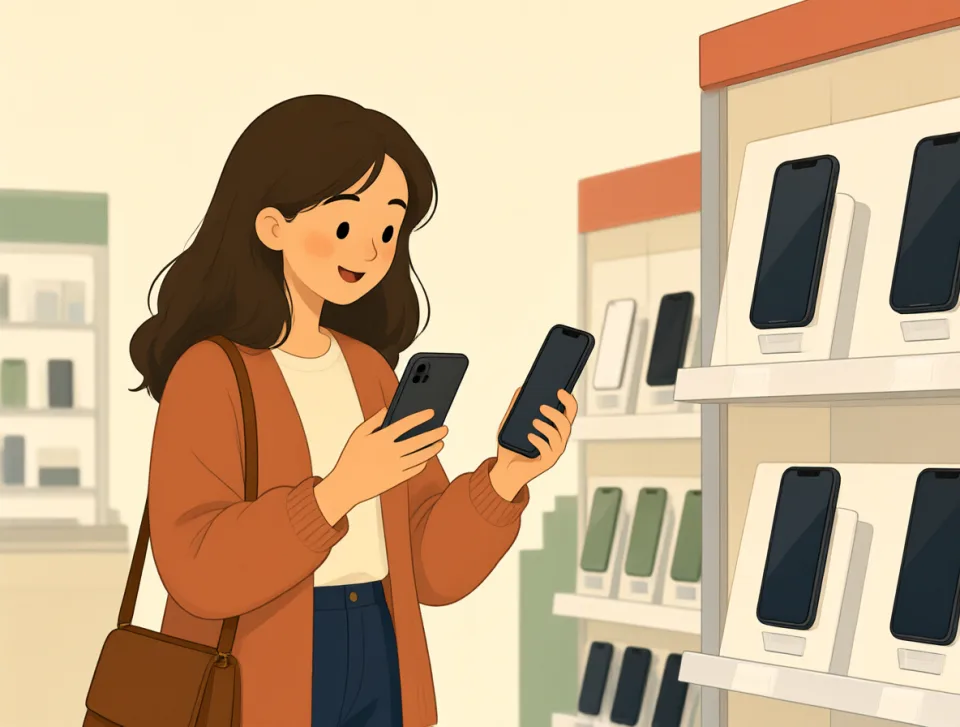
One characteristic of this phone is its long battery life.
Jedną z cech tego telefonu jest długi czas pracy baterii.
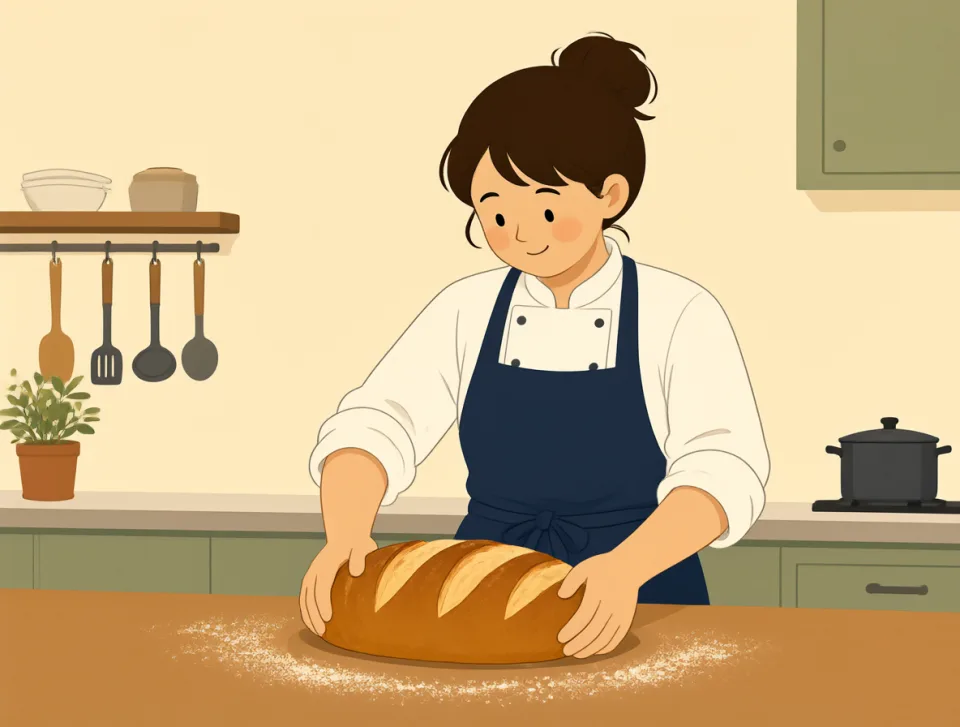
The main characteristic of this bread is its soft texture.
Główną cechą tego chleba jest jego miękka konsystencja.
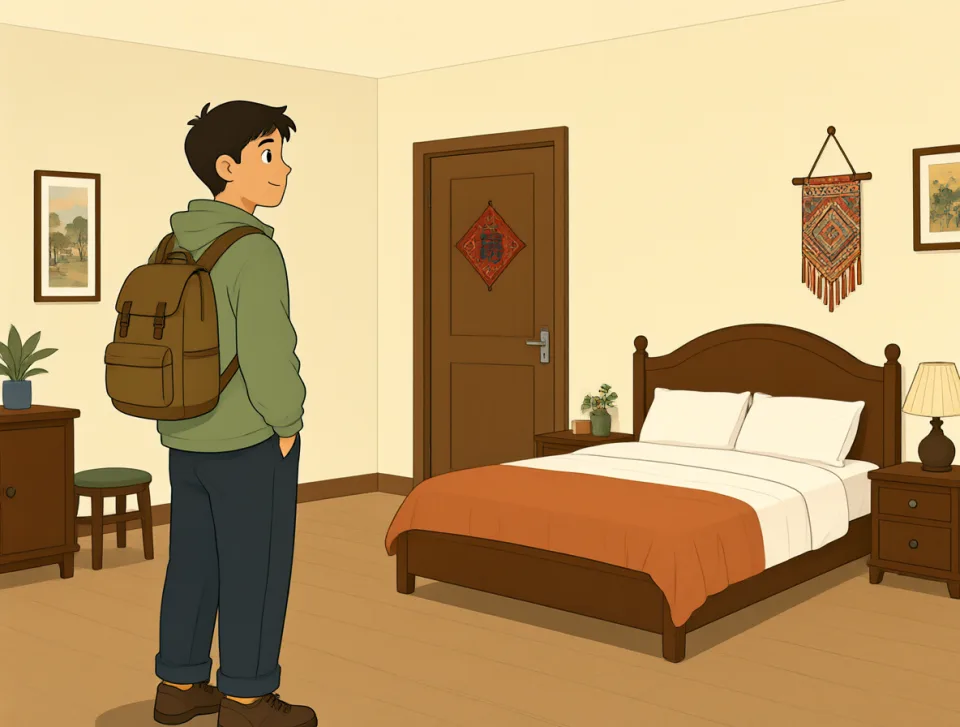
The hotel has several characteristic features of traditional local houses.
Hotel ma kilka charakterystycznych cech tradycyjnych, lokalnych domów.
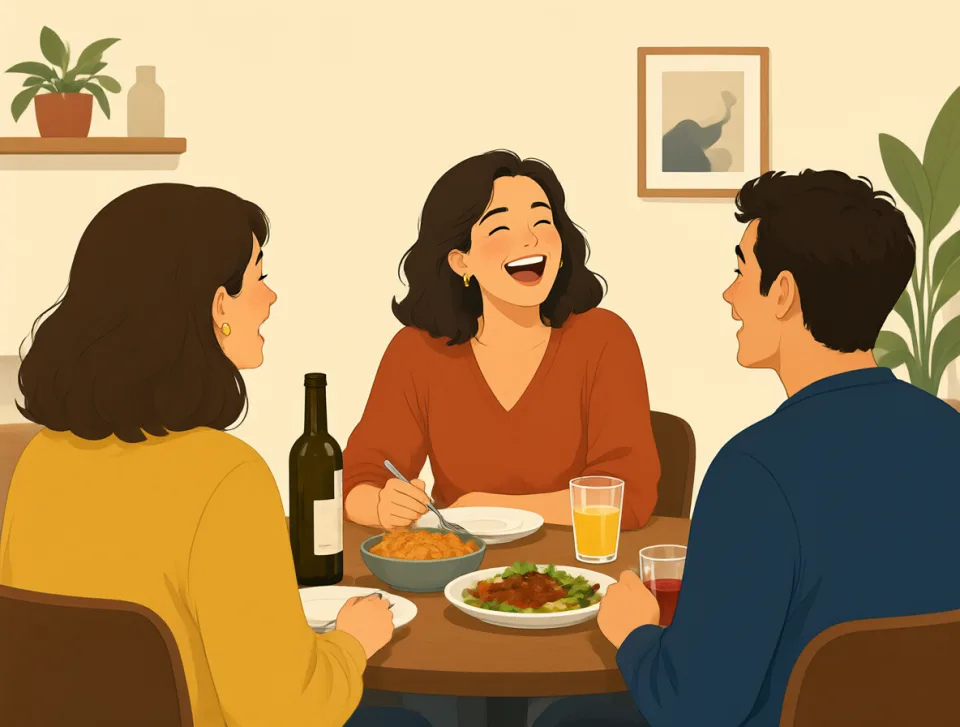
Her characteristic laugh made everyone recognize her at the party.
Jej charakterystyczny śmiech sprawił, że wszyscy rozpoznali ją na przyjęciu.
license
#1583noun, verb
licencja
An official document or permission that allows you to do something.
Urzędowy dokument lub pozwolenie, które umożliwia zrobienie czegoś.
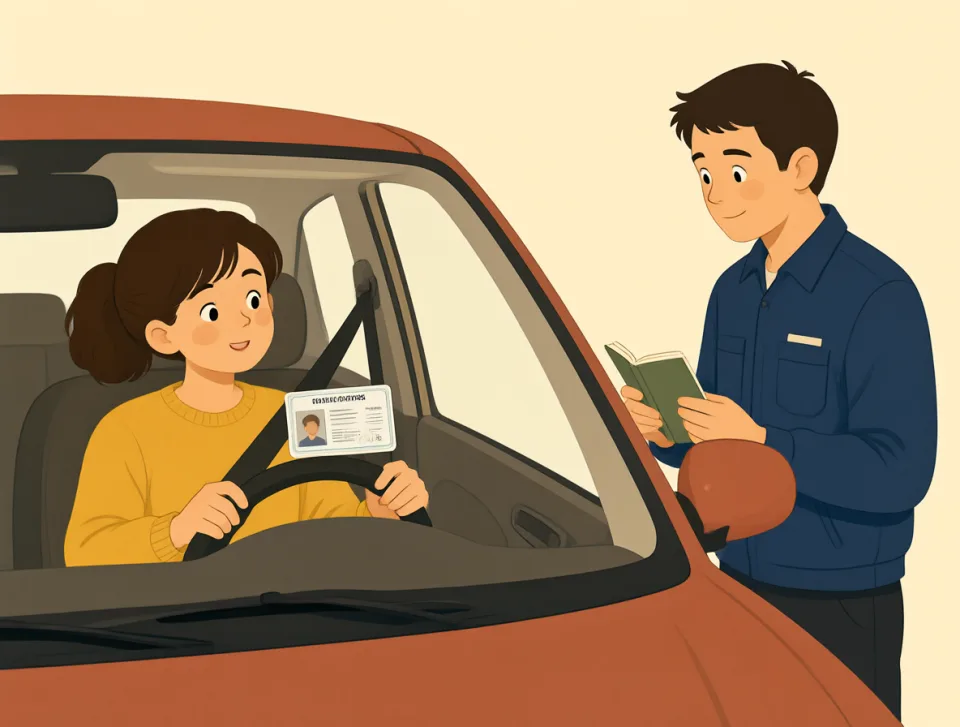
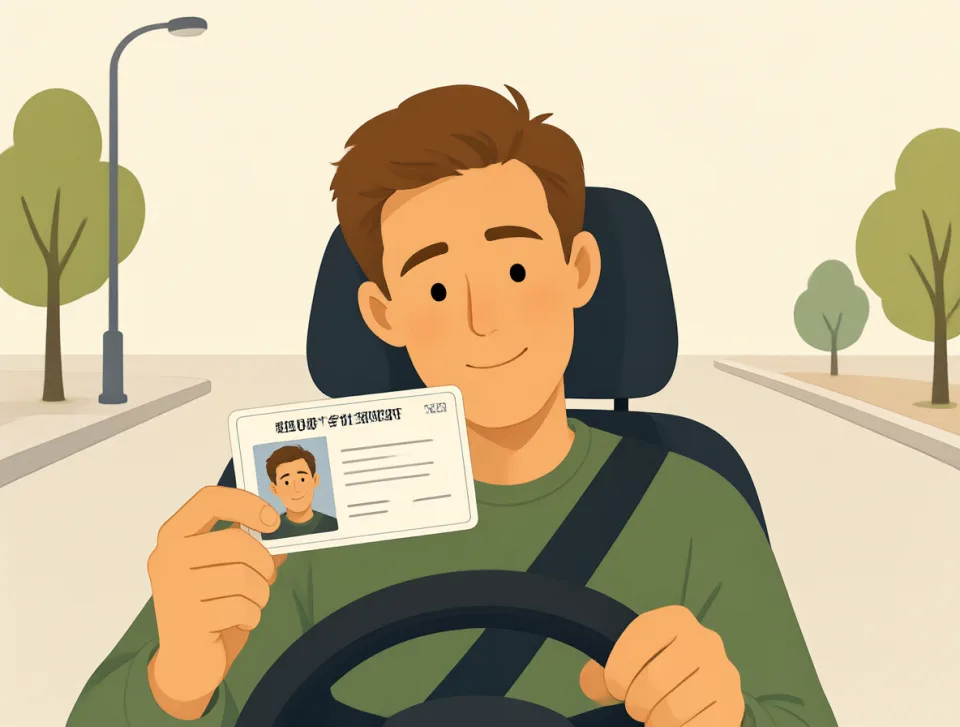
You need a driver's license to drive a car legally.
Żeby legalnie prowadzić samochód, potrzebujesz prawa jazdy.
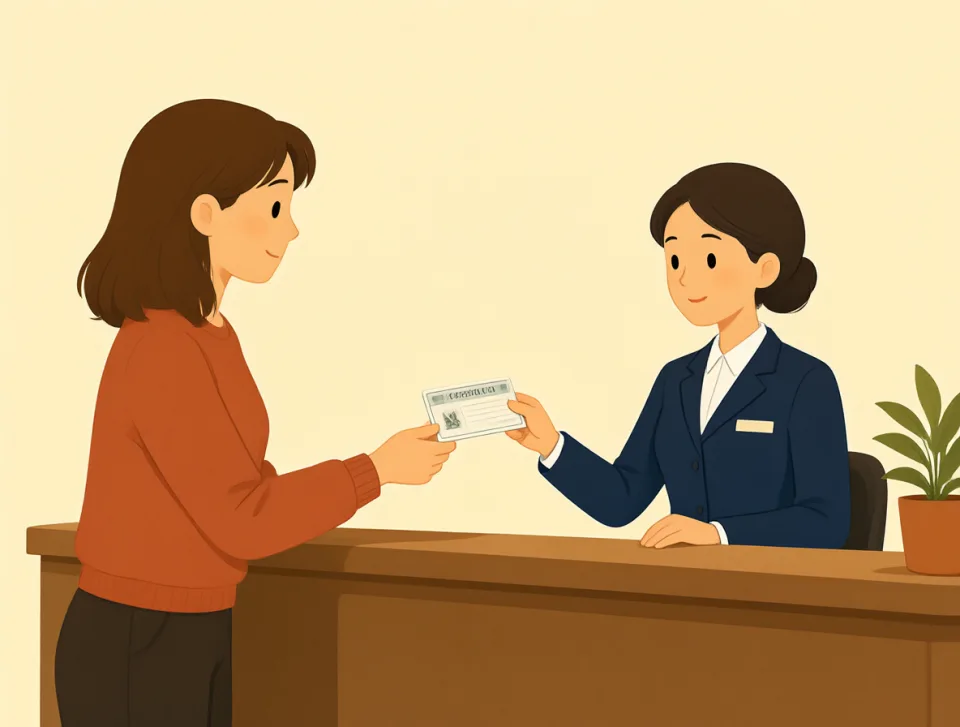
She renewed her license at the government office yesterday.
Wczoraj odnowiła licencję w urzędzie.
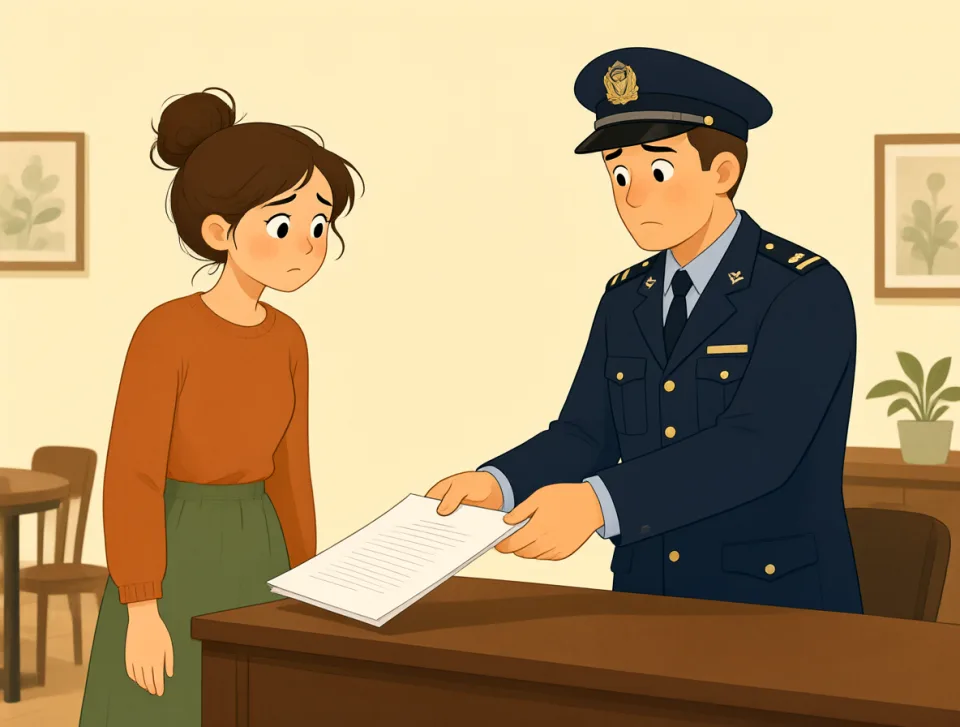
The restaurant lost its license to sell alcohol.
Restauracja straciła licencję na sprzedaż alkoholu.

The school licensed the company to use its online course.
Szkoła udzieliła firmie licencji na korzystanie z jej kursu online.
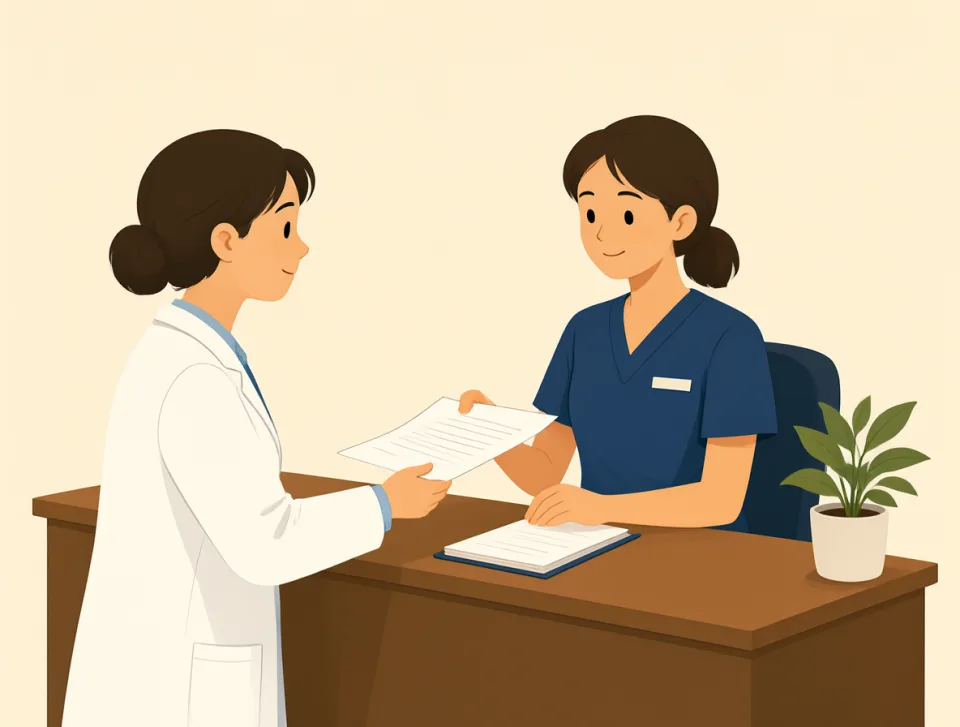
The doctor licensed him to practice medicine in the country.
Lekarz uzyskał dla niego licencję na wykonywanie zawodu lekarza w tym kraju.
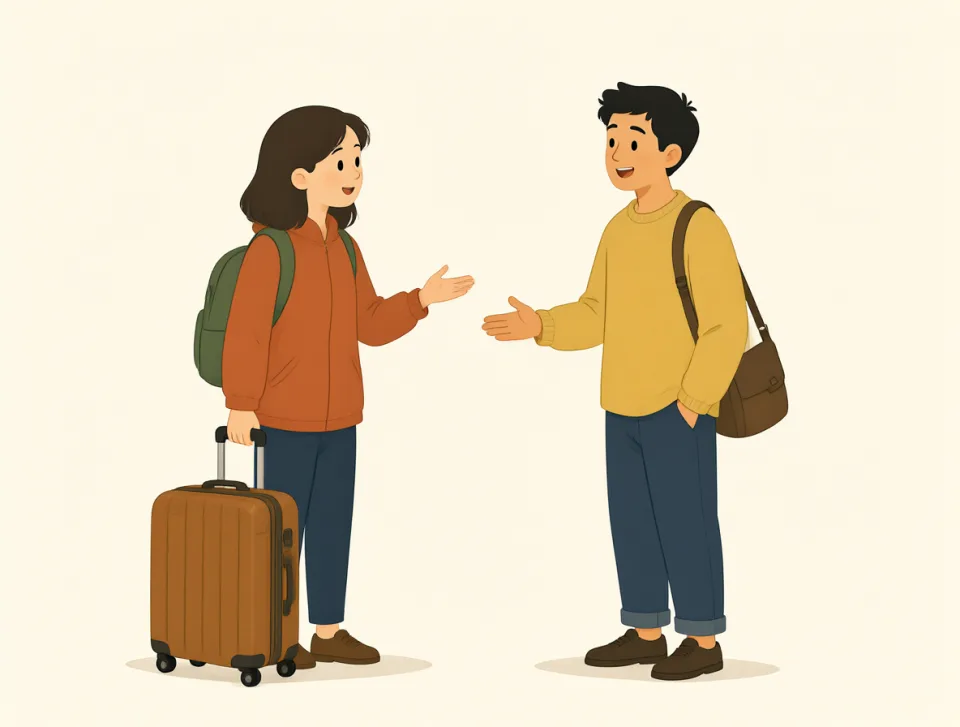
rely
#1584verb
polegać
to depend on someone or something for help, support, or information
Liczyć na kogoś lub coś, jeśli chodzi o pomoc, wsparcie lub informacje.
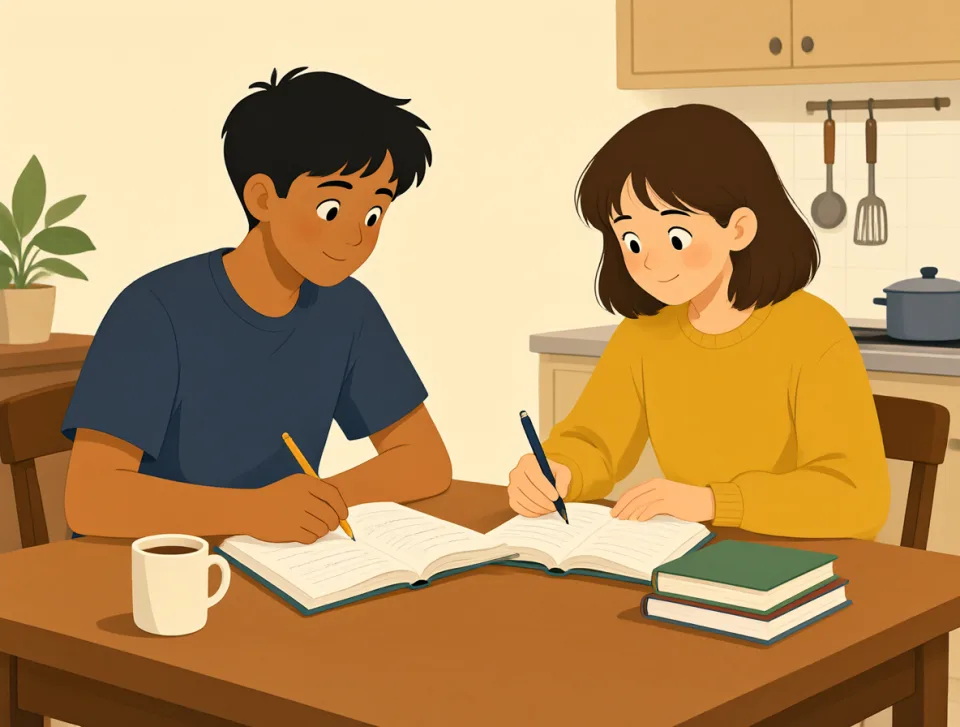
You can rely on Maria to help you with your homework.
Możesz polegać na Marii, jeśli chodzi o pomoc w odrabianiu lekcji.
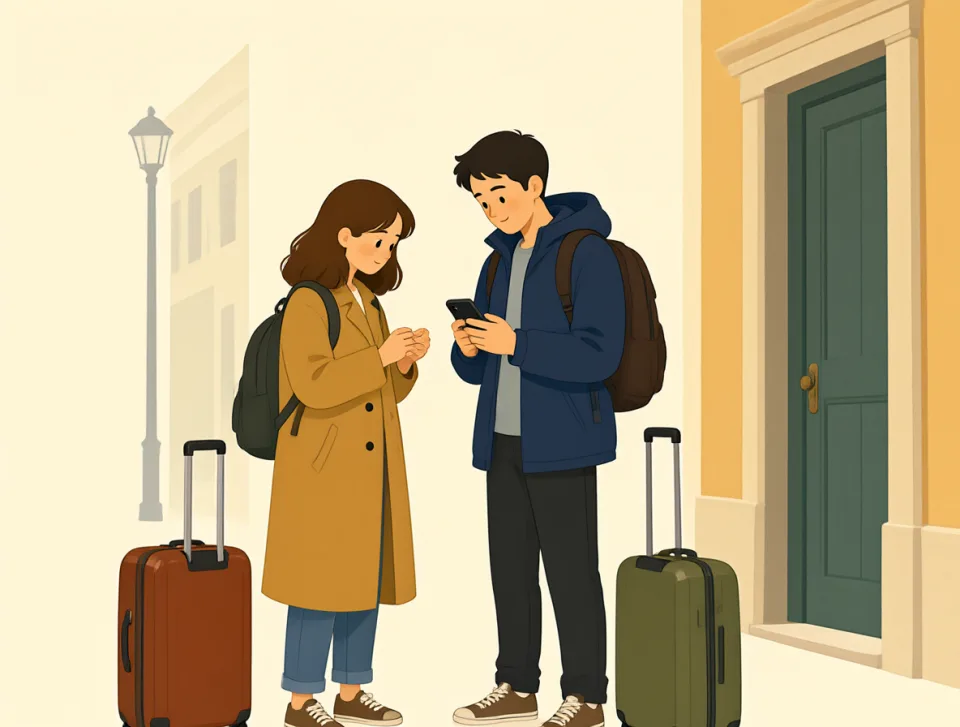
We rely on our phones to find new places when traveling.
Podczas podróży polegamy na telefonach, żeby znajdować nowe miejsca.

The restaurant relies on fresh vegetables from local farmers.
Restauracja polega na dostawach świeżych warzyw od lokalnych rolników.
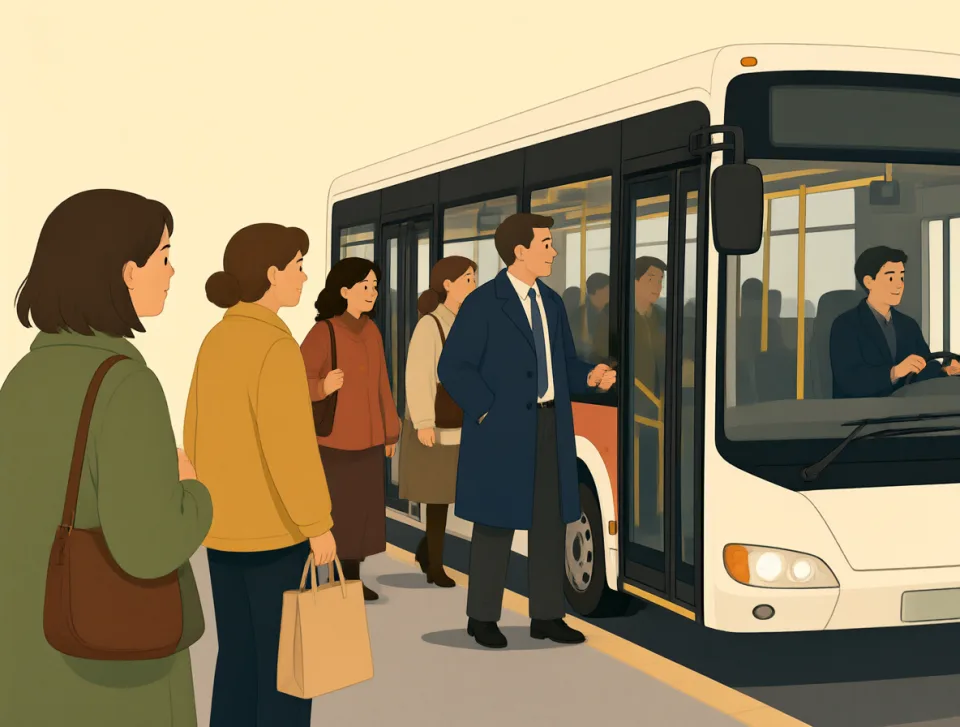
Many families rely on buses to get to work every day.
Wiele rodzin codziennie polega na autobusach, żeby dojechać do pracy.
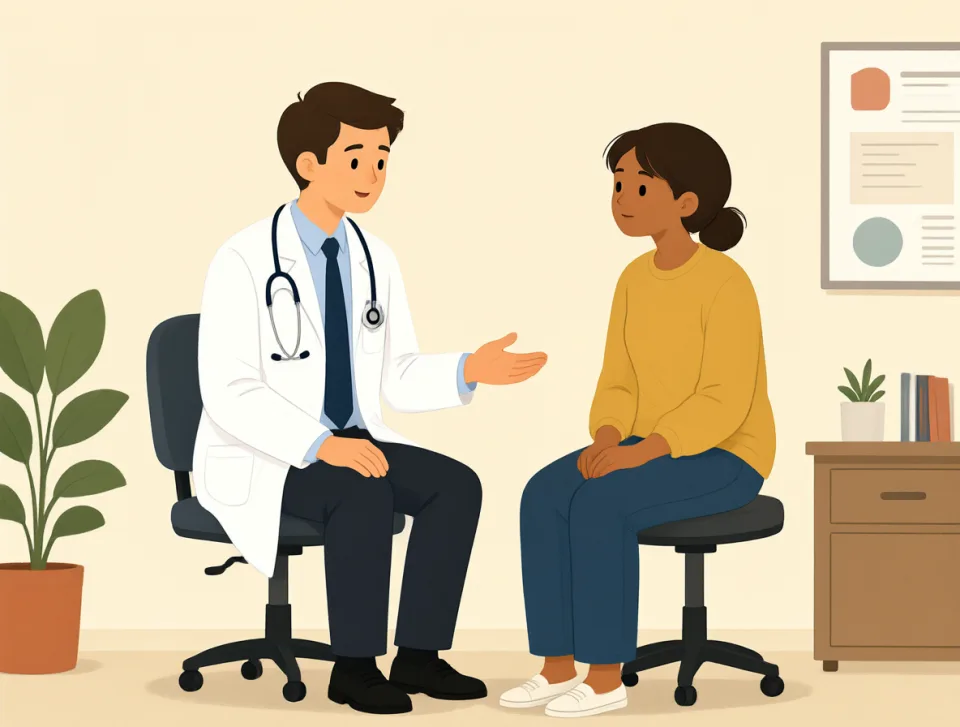
She relied on her doctor for advice about her health.
Szukała u swojego lekarza porady dotyczącej zdrowia.
narrow
#1585adjective, verb
wąski
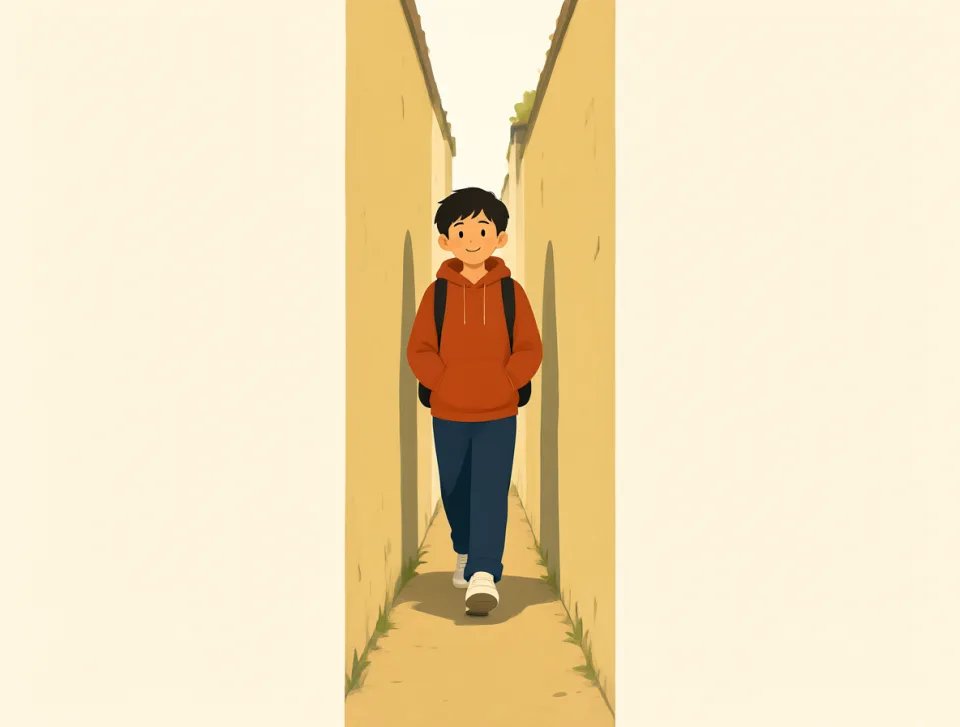
having little space from one side to the other; to make something less wide
Mający niewiele miejsca od jednej strony do drugiej; także: zwężać coś.
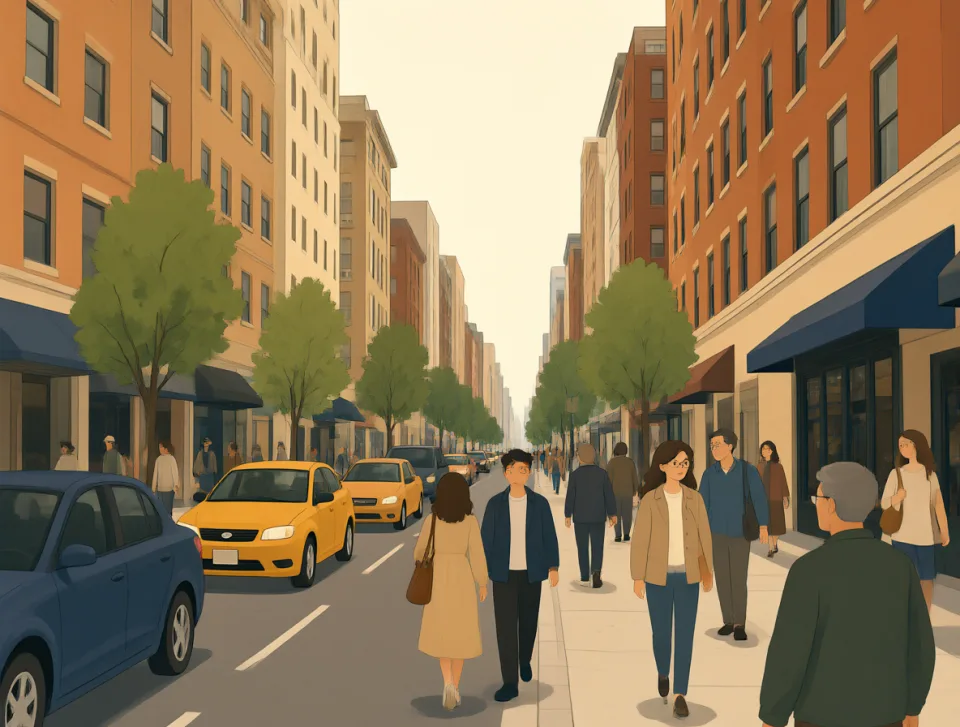
The narrow street was crowded with cars and people.
Wąska ulica była zatłoczona samochodami i ludźmi.
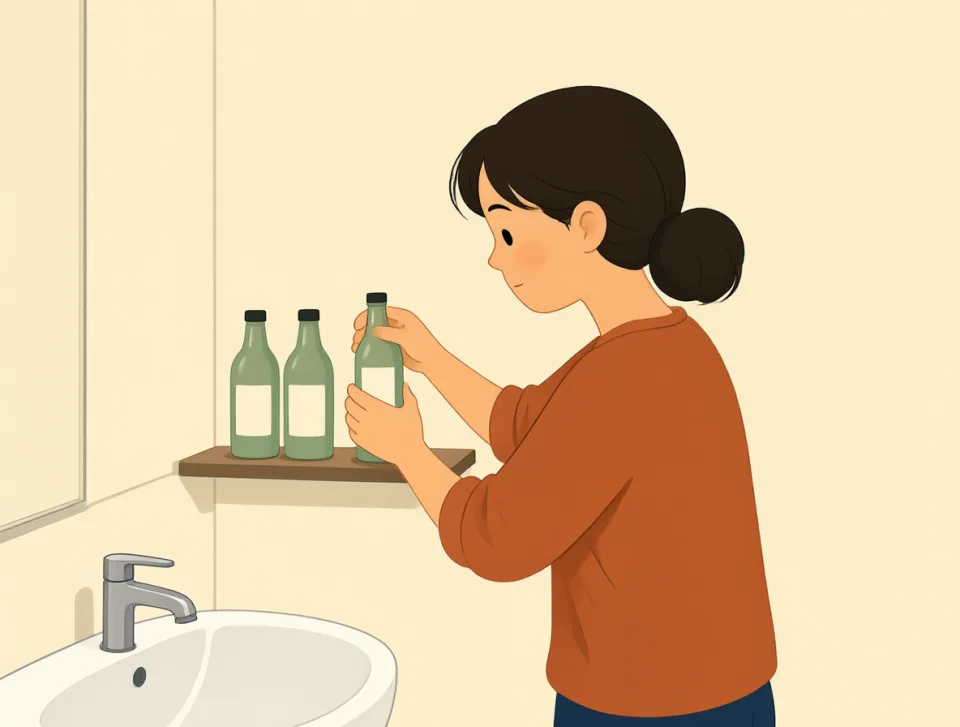
This narrow shelf is perfect for my small bathroom.
Ta wąska półka idealnie pasuje do mojej małej łazienki.
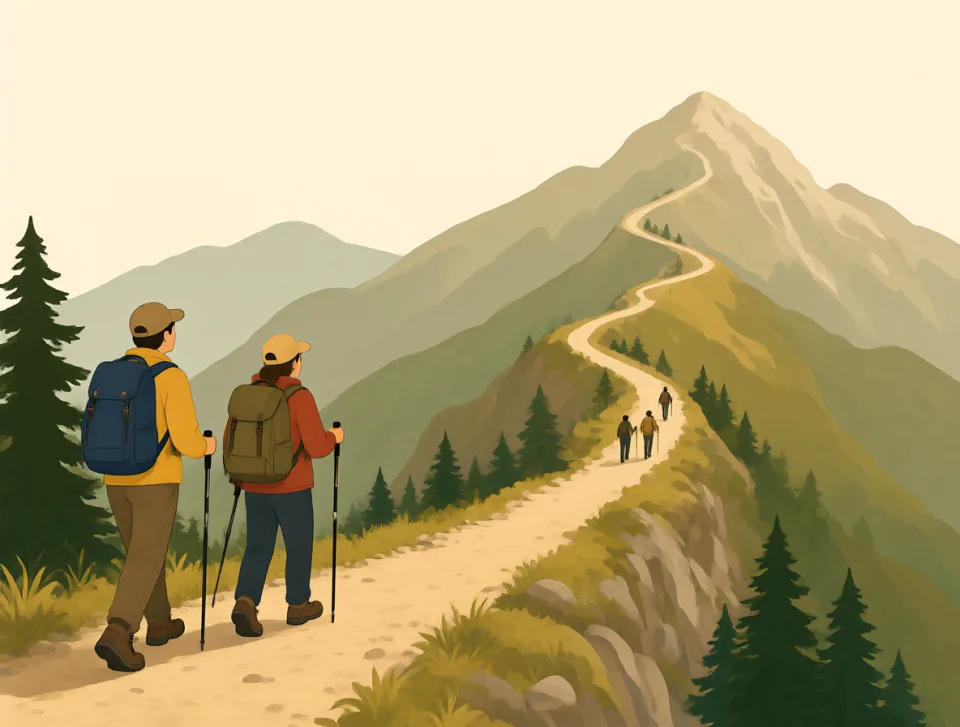
The path narrows near the top of the mountain.
Ścieżka zwęża się w pobliżu szczytu góry.
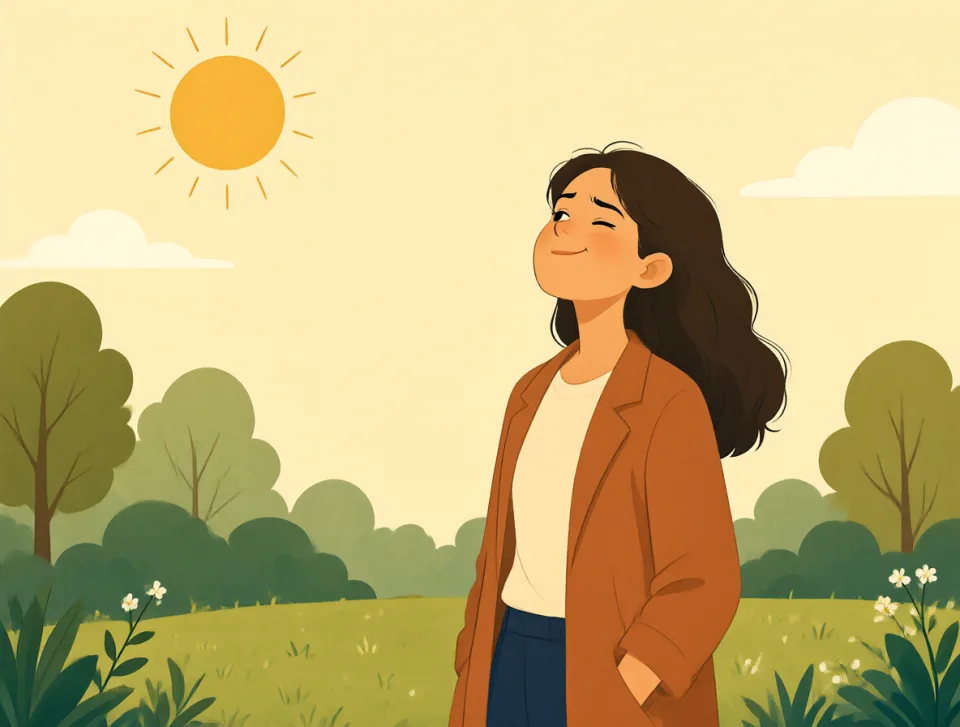
She narrowed her eyes in the bright sunlight.
Zmrużyła oczy w ostrym słońcu.
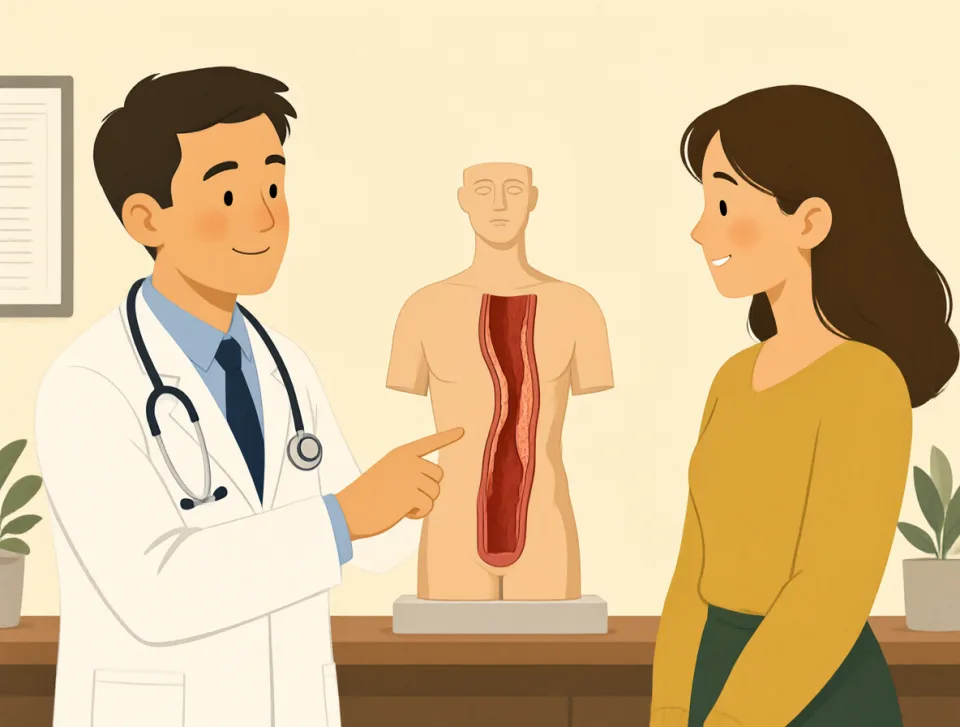
The doctor said there was a narrowing of the artery.
Lekarz powiedział, że doszło do zwężenia tętnicy.

succeed
#1586verb
odnieść sukces
to achieve what you tried or wanted to do
osiągnąć to, co się zamierzało lub chciało zrobić
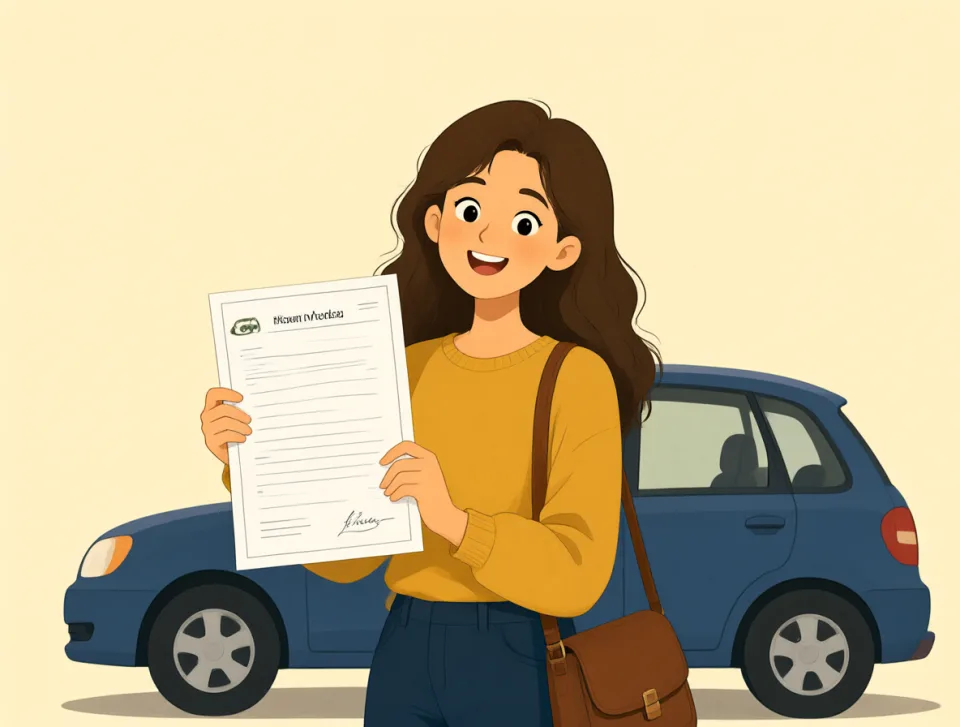
She worked hard and succeeded in passing her driving test.
Ciężko pracowała i zdała egzamin na prawo jazdy.
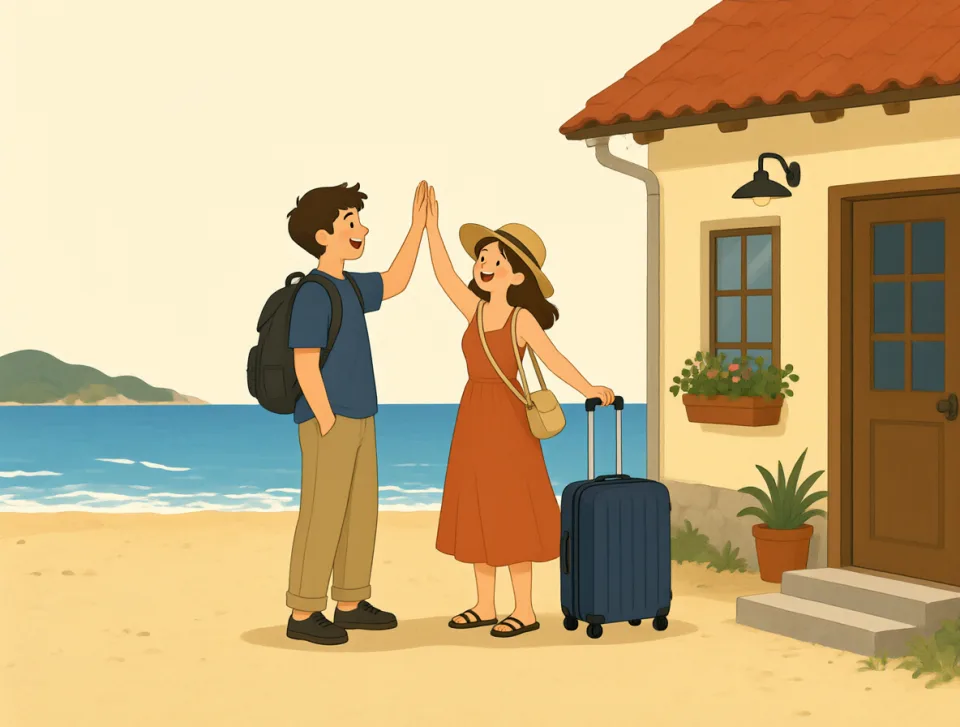
Our team succeeded in finding a cheap hotel near the beach.
Naszemu zespołowi udało się znaleźć tani hotel blisko plaży.
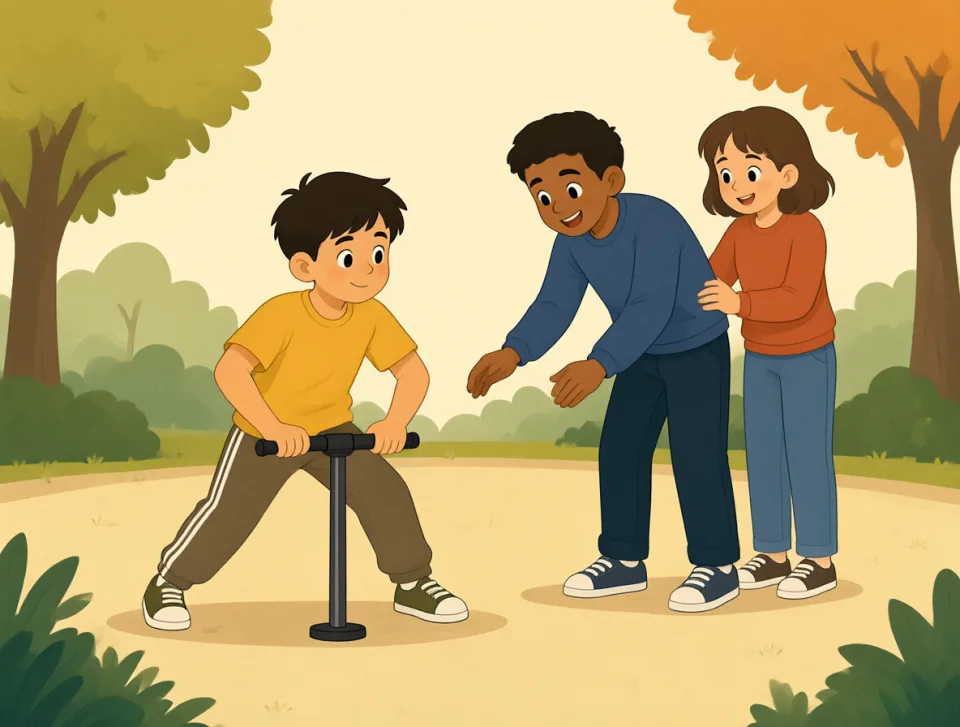
He succeeded because his friends helped him practice every day.
Udało mu się, bo przyjaciele pomagali mu ćwiczyć każdego dnia.
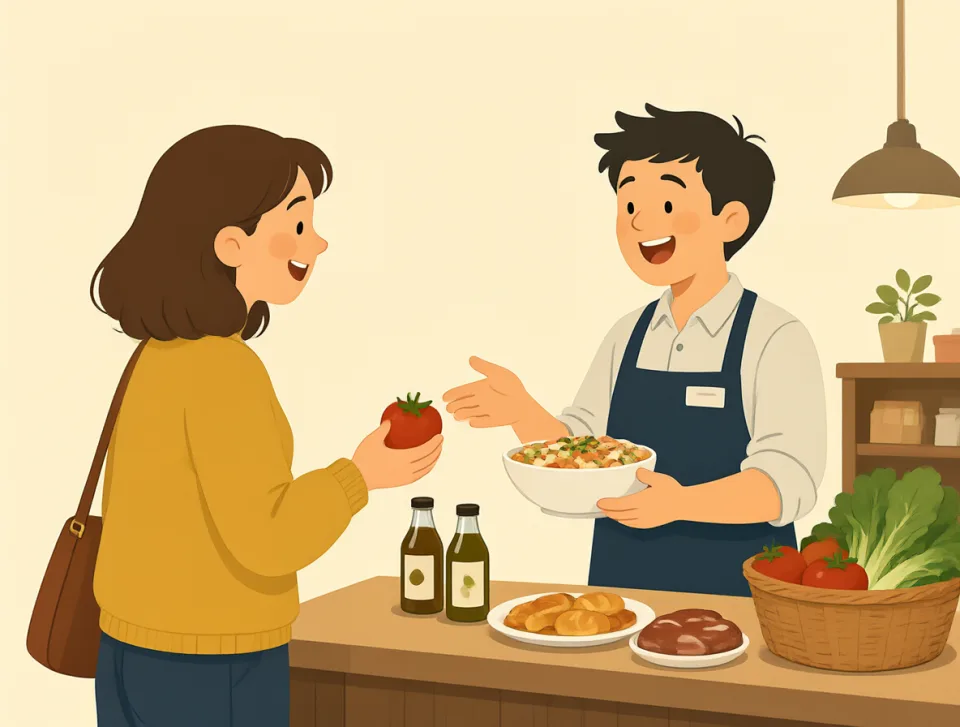
The shop succeeded after offering fresh food and friendly service.
Sklep odniósł sukces, oferując świeże jedzenie i miłą obsługę.
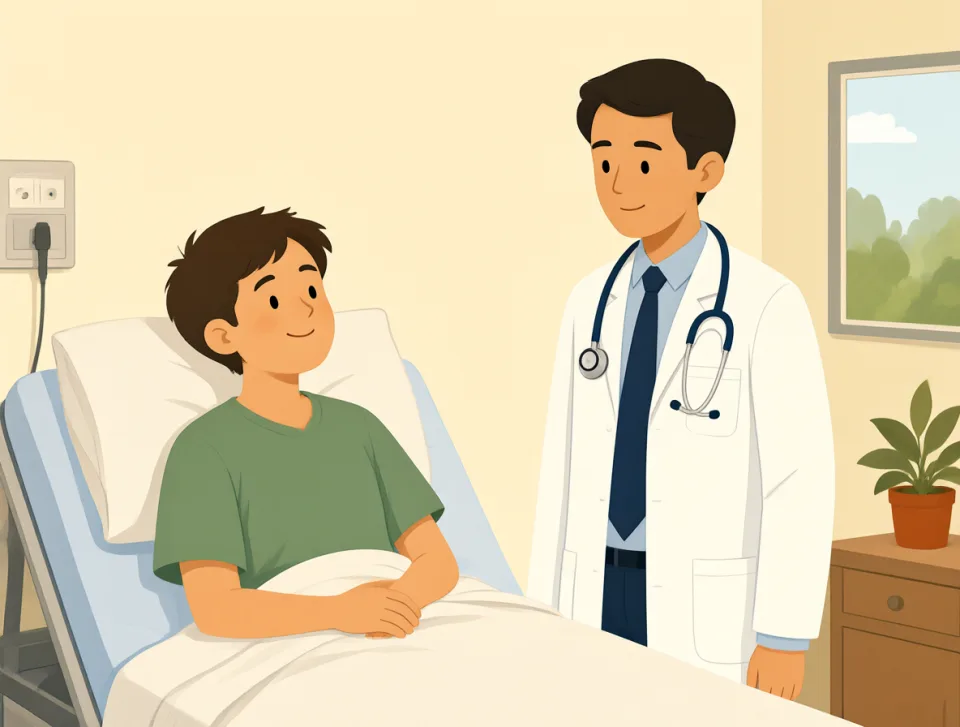
The treatment succeeded, and the patient soon felt much better.
Leczenie przyniosło efekty i pacjent wkrótce poczuł się znacznie lepiej.
identity
#1587noun
tożsamość
The qualities, beliefs, and name that make a person or group different from others.
Cechy, przekonania i imię lub nazwa, które odróżniają osobę albo grupę od innych.
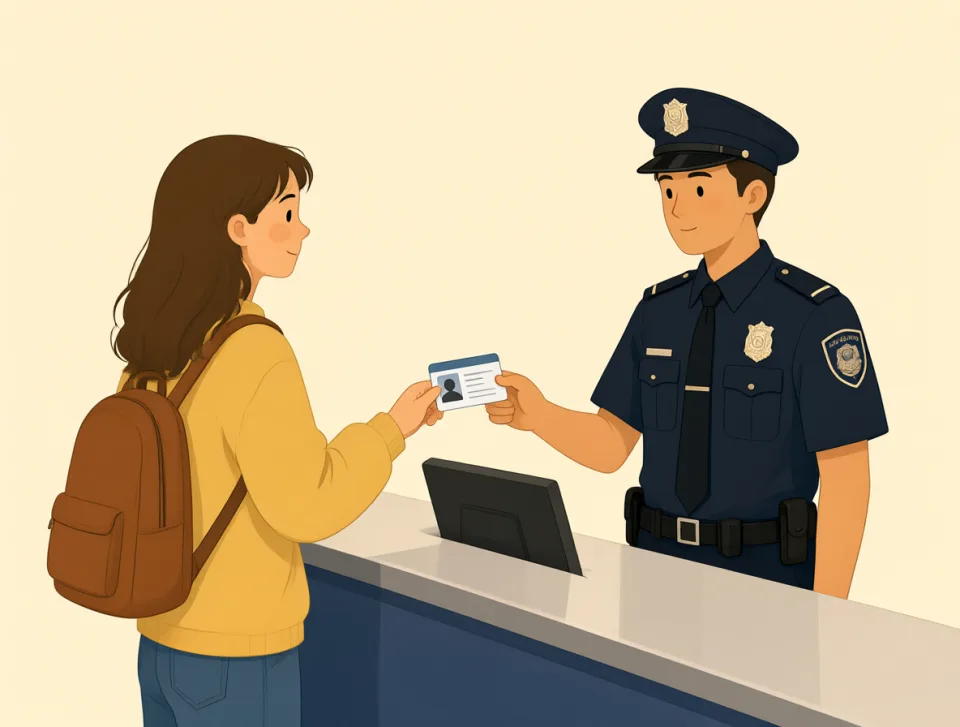
Please show your identity card at the airport security desk.
Proszę okazać dowód tożsamości przy stanowisku kontroli bezpieczeństwa na lotnisku.
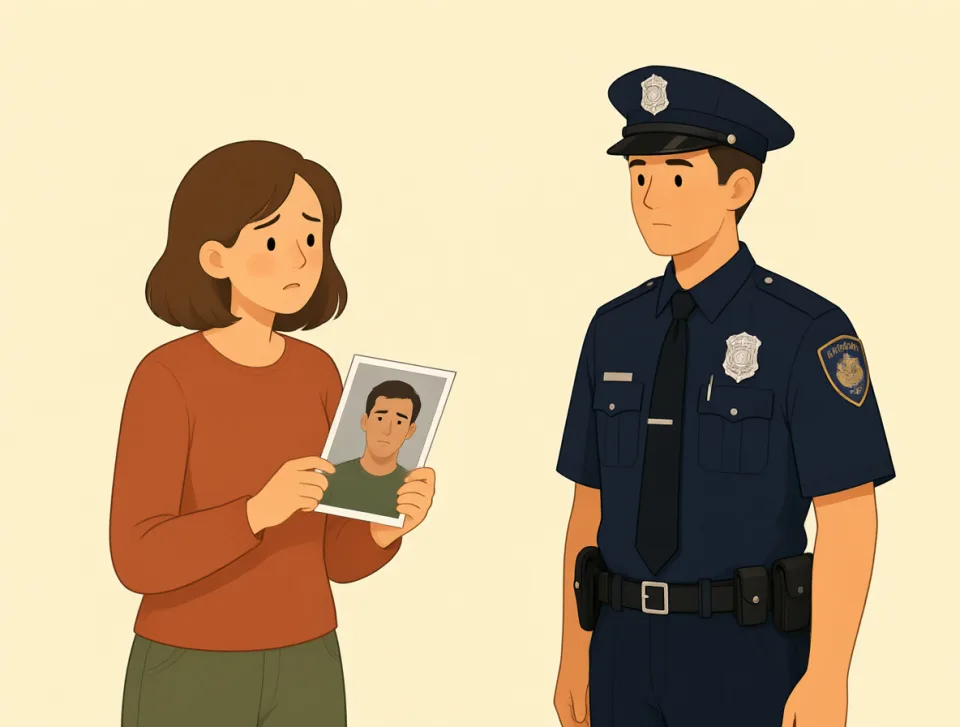
The police are checking the identity of the missing man.
Policja sprawdza tożsamość zaginionego mężczyzny.
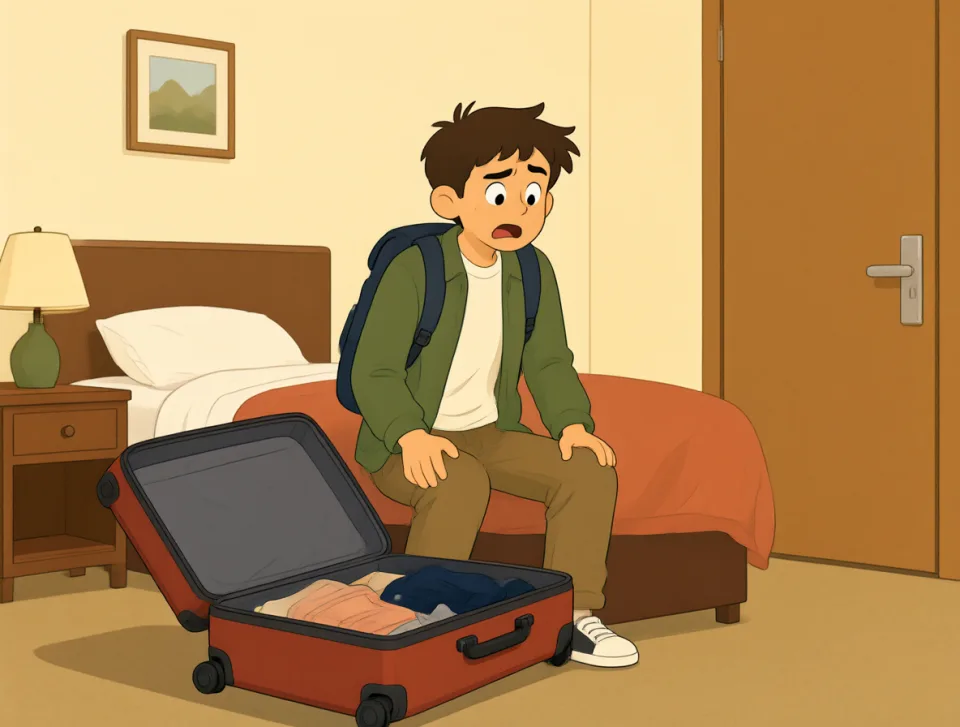
She lost her identity documents while traveling in Spain.
Podczas podróży po Hiszpanii zgubiła dokumenty tożsamości.
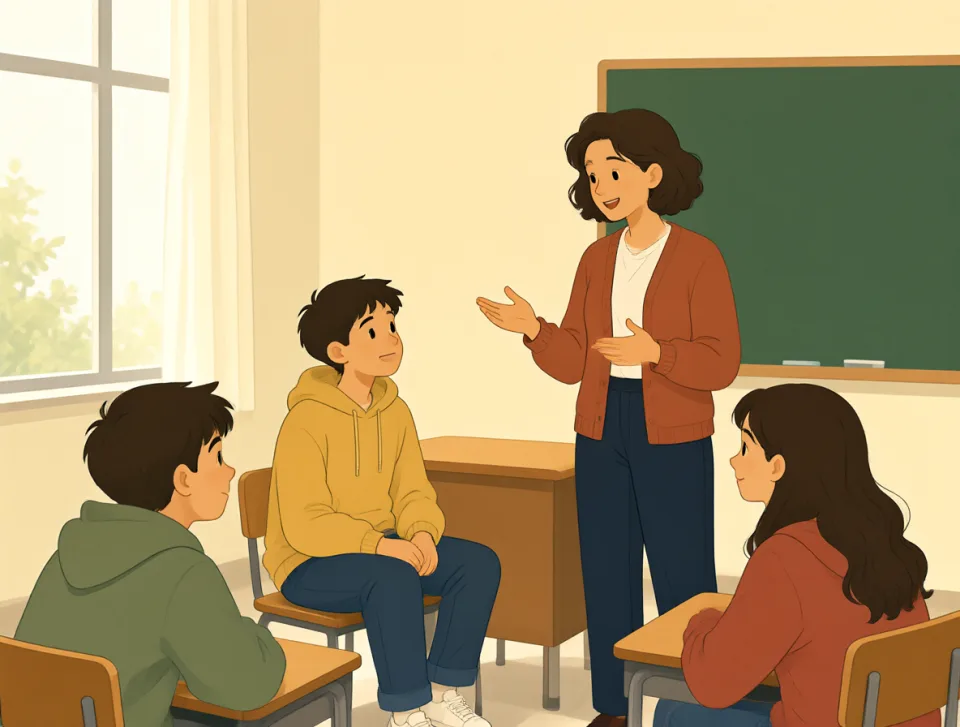
The school helps teenagers develop a strong sense of identity.
Szkoła pomaga nastolatkom rozwijać silne poczucie tożsamości.
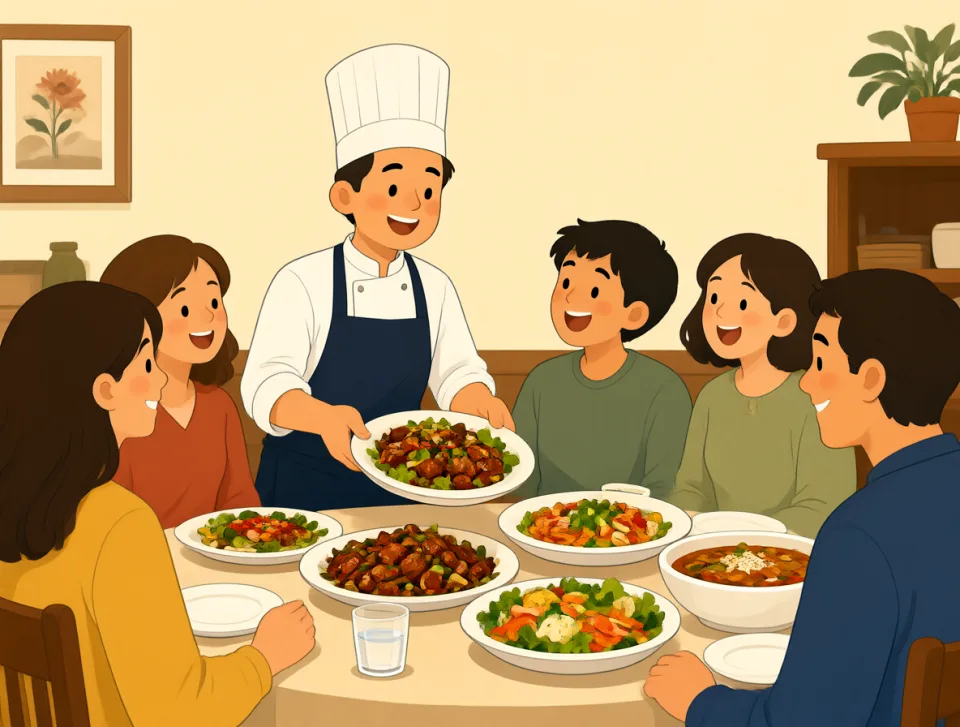
The restaurant has a clear identity, with local food and friendly service.
Ta restauracja ma wyraźną tożsamość — serwuje lokalne jedzenie i oferuje miłą obsługę.

desk
#1588noun
biurko
A table where you work, study, write, or use a computer.
Stół, przy którym pracujesz, uczysz się, piszesz lub korzystasz z komputera.
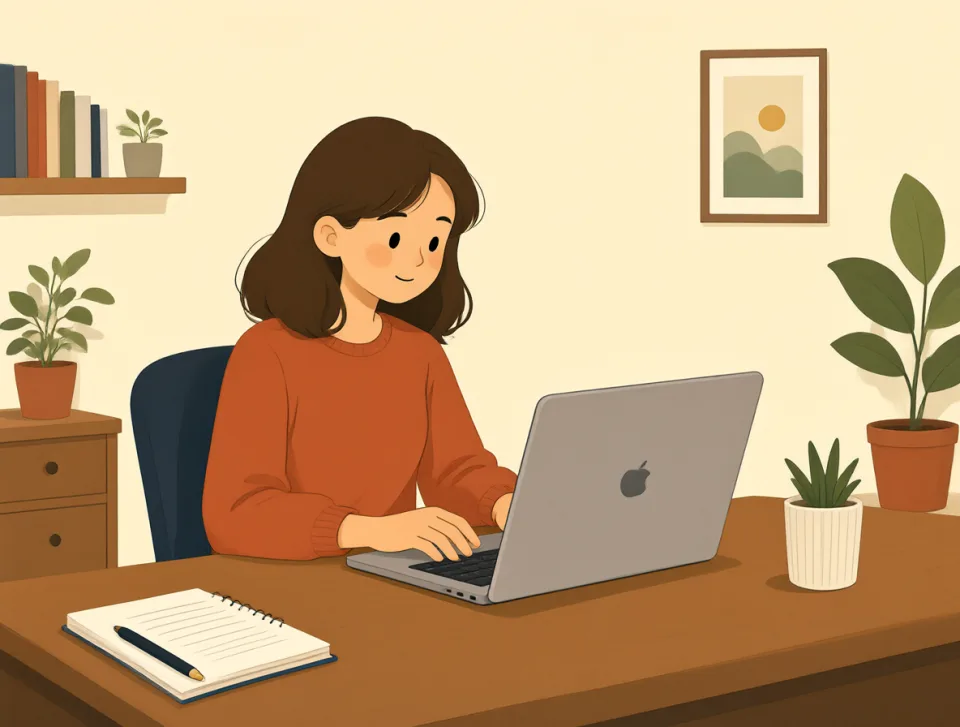
She sat at her desk and answered several emails.
Usiadła przy biurku i odpisała na kilka e-maili.
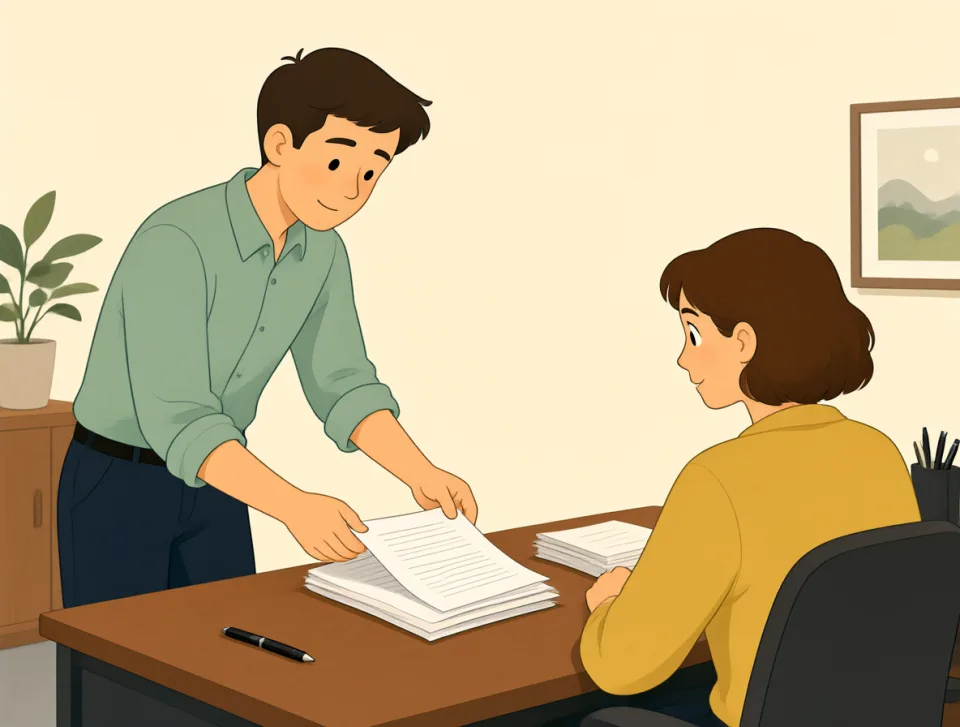
Please leave the report on my desk.
Proszę zostawić raport na moim biurku.
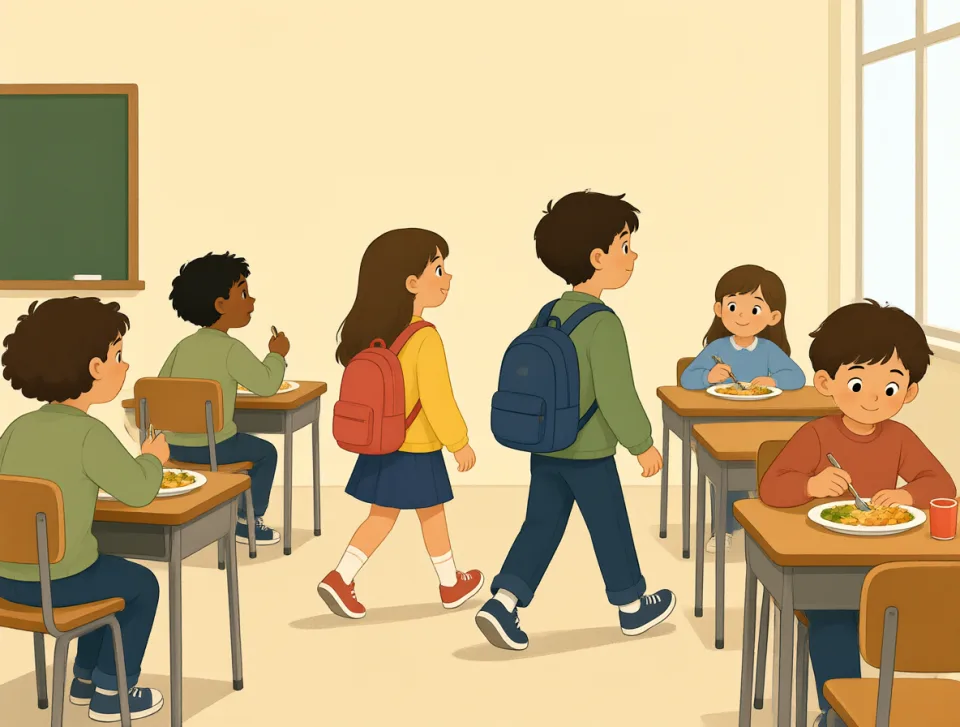
The students returned to their desks after lunch.
Po lunchu uczniowie wrócili do swoich ławek.
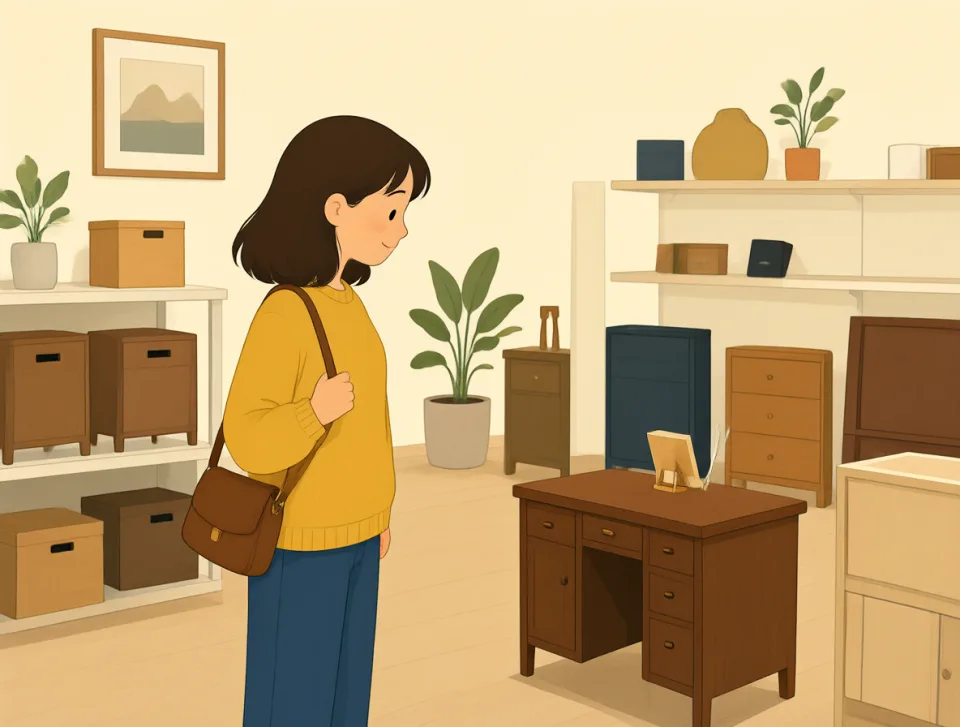
I bought a small desk for my bedroom.
Kupiłem małe biurko do swojej sypialni.
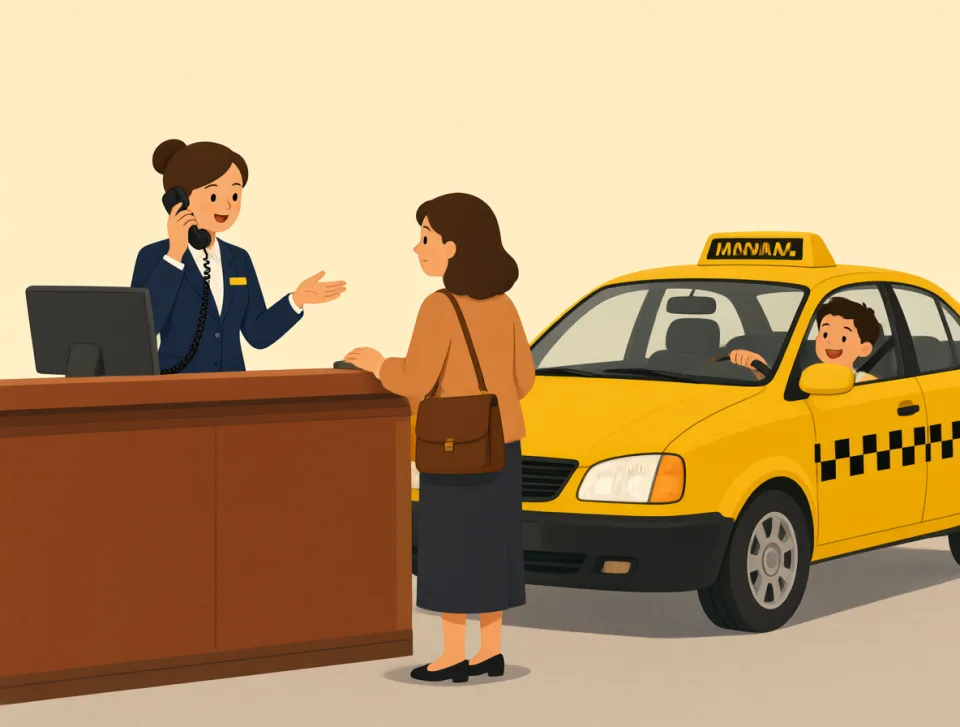
The hotel desk called a taxi for us.
Recepcja hotelowa zamówiła nam taksówkę.
permit
#1589noun, verb
zezwolenie
An official document allowing you to do something, or to allow someone to do something.
Urzędowy dokument pozwalający coś zrobić albo pozwolić komuś coś zrobić.
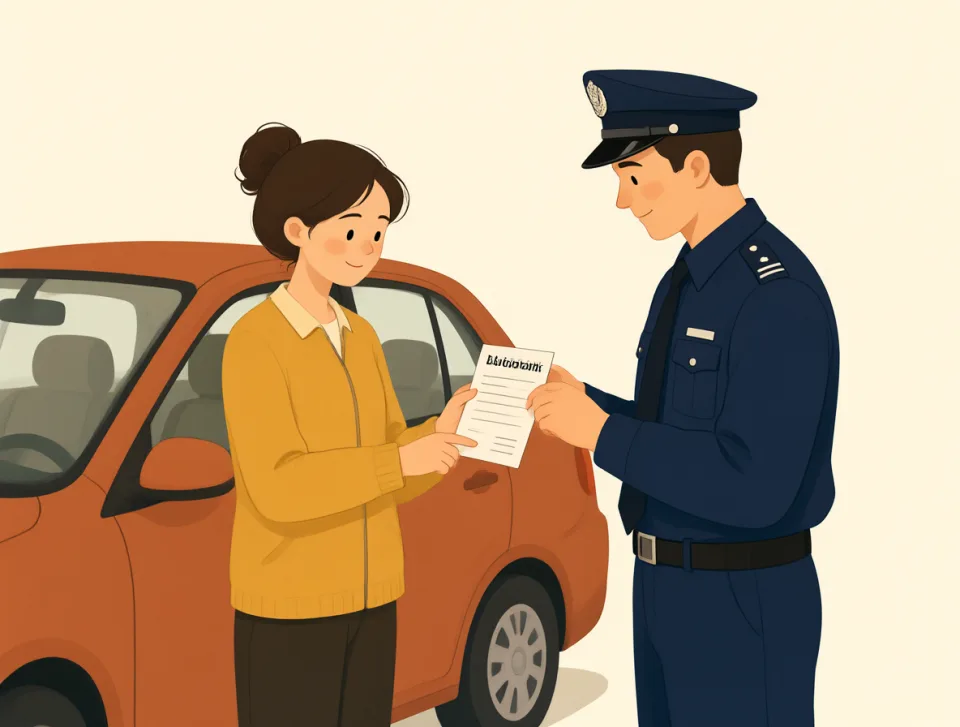
You need a permit to park here overnight.
Żeby zaparkować tu na noc, potrzebujesz zezwolenia.
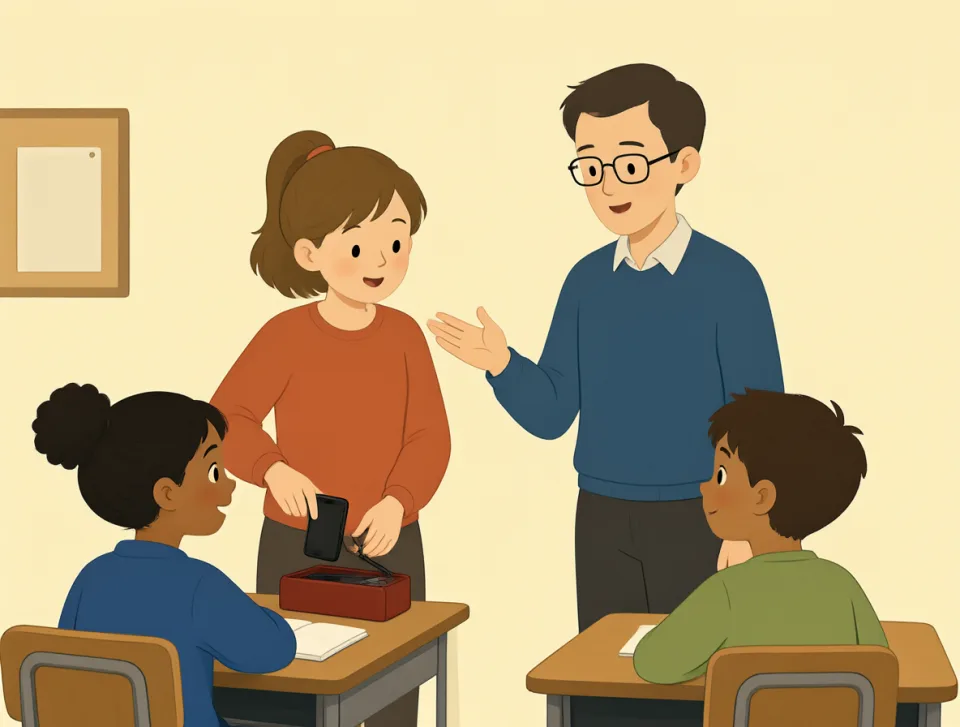
The school does not permit students to use phones in class.
Szkoła nie pozwala uczniom korzystać z telefonów na lekcjach.
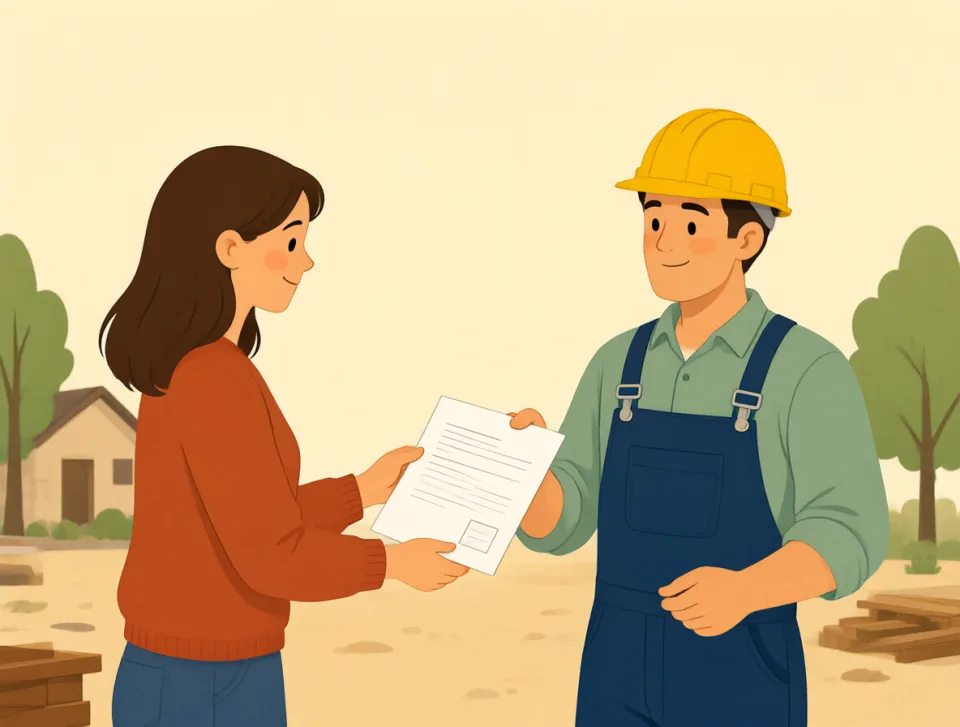
We got a permit before building the new kitchen.
Zanim zbudowaliśmy nową kuchnię, uzyskaliśmy zezwolenie.
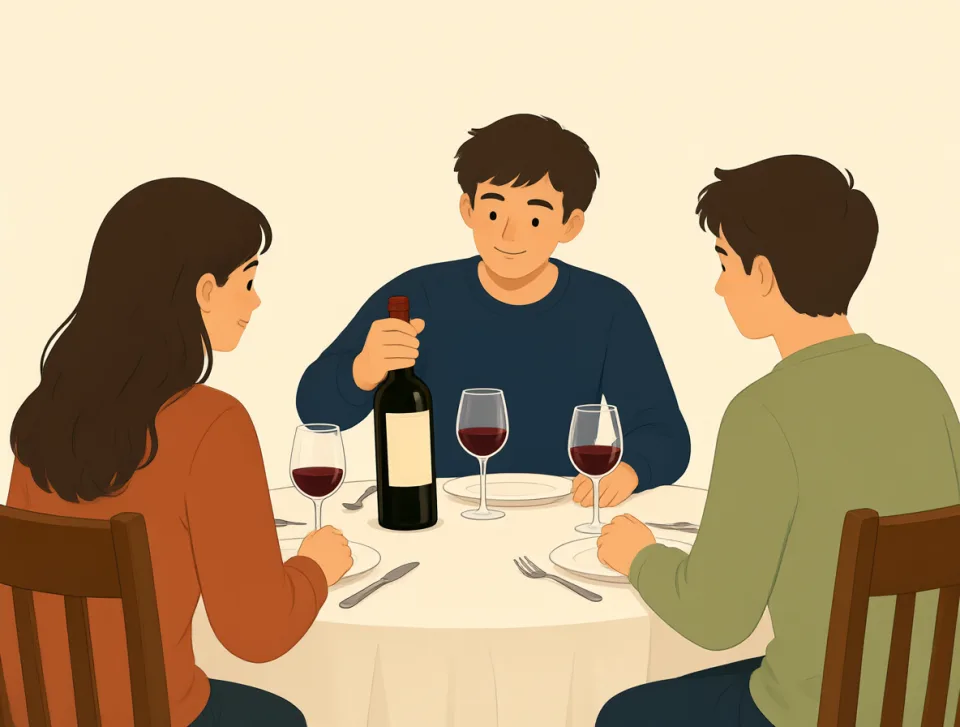
The restaurant permits customers to bring their own wine.
Restauracja pozwala klientom przynosić własne wino.
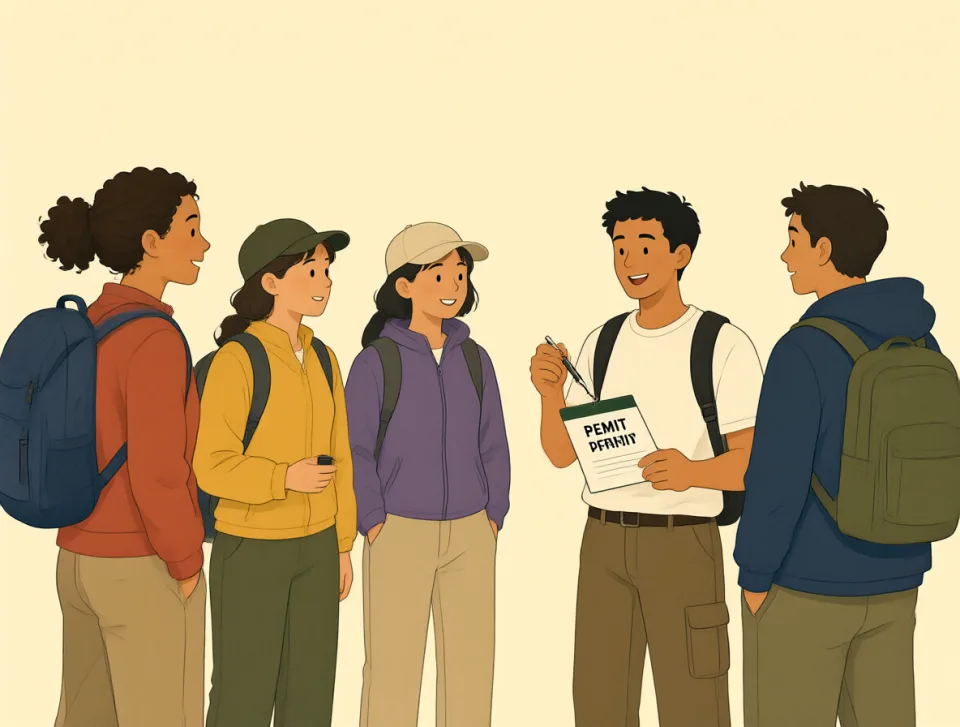
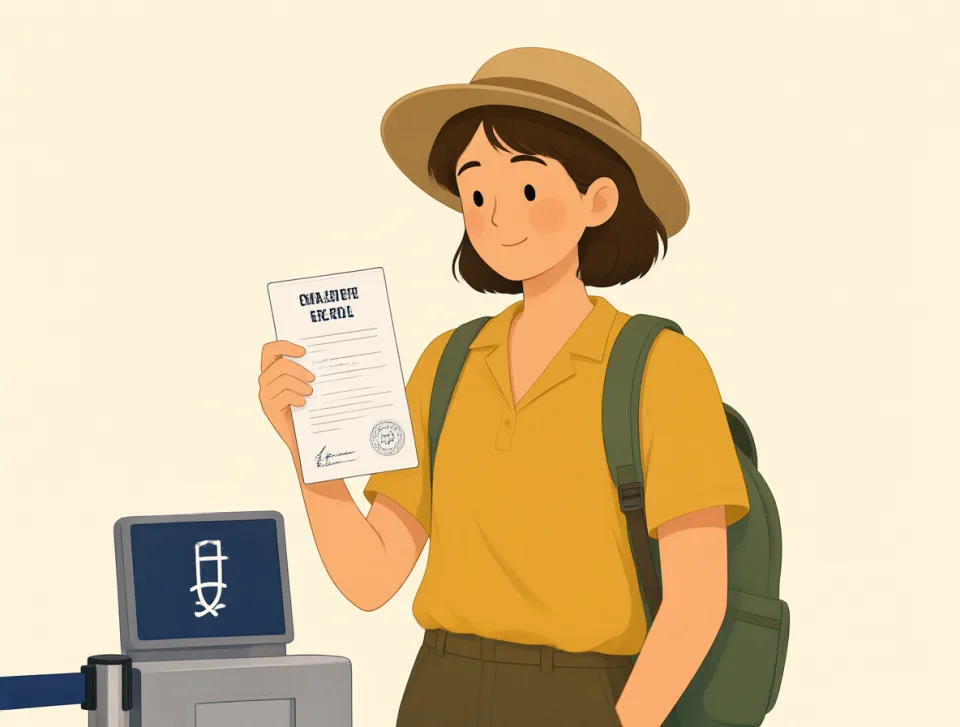
Our guide said the permit permitted us to enter the national park.
Nasz przewodnik powiedział, że zezwolenie pozwala nam wejść do parku narodowego.
seriously
#1590adverb
poważnie
In a serious way, or used to show that something is not a joke.
W poważny sposób lub słowo używane, by pokazać, że coś nie jest żartem.
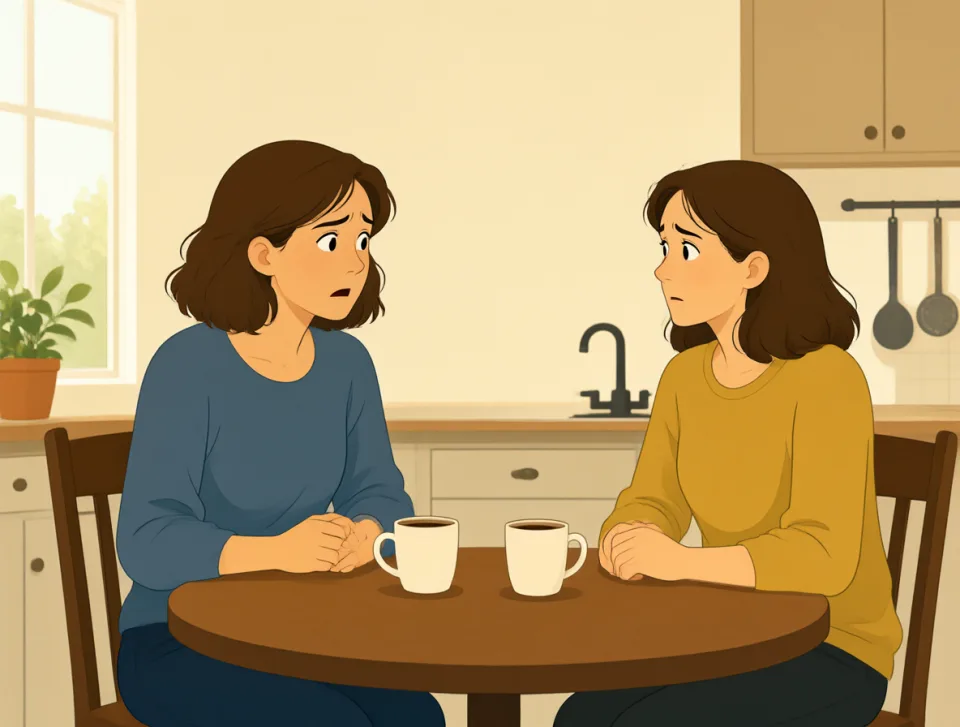
Are you seriously thinking about quitting your job?
Naprawdę poważnie myślisz o rzuceniu pracy?
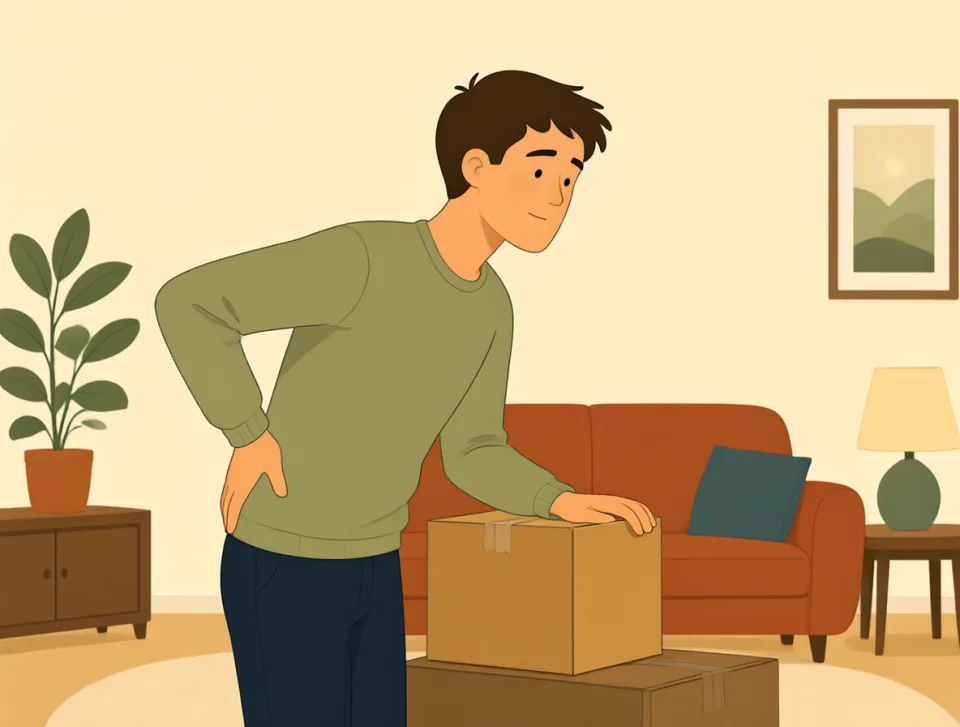
He seriously hurt his back while lifting a heavy box.
Poważnie uszkodził sobie plecy, podnosząc ciężkie pudło.
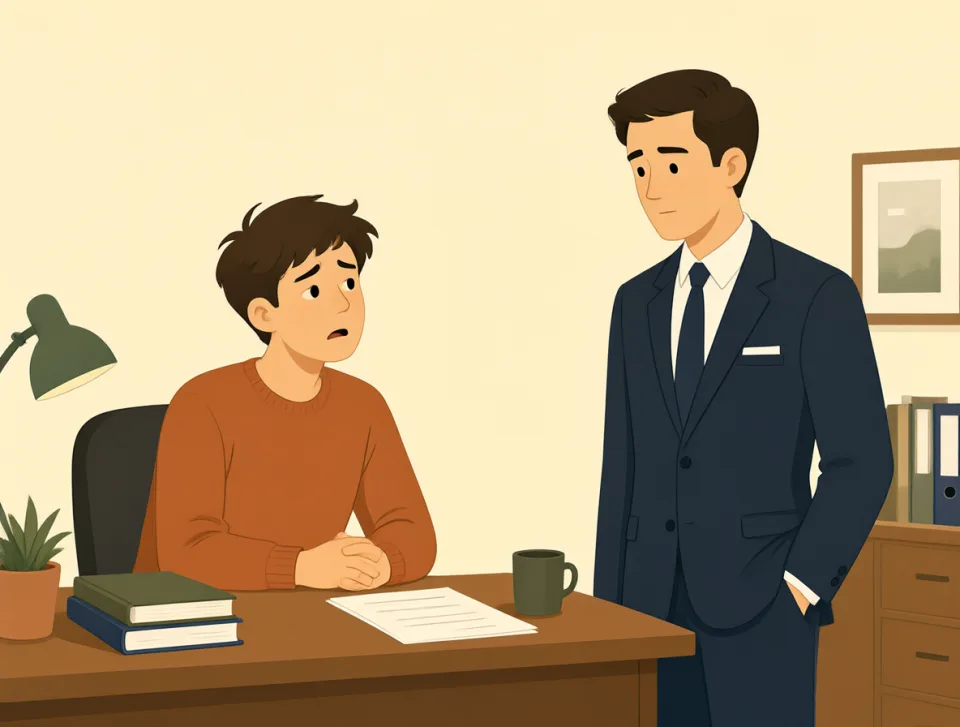
You should seriously consider taking a day off.
Powinieneś poważnie rozważyć wzięcie dnia wolnego.
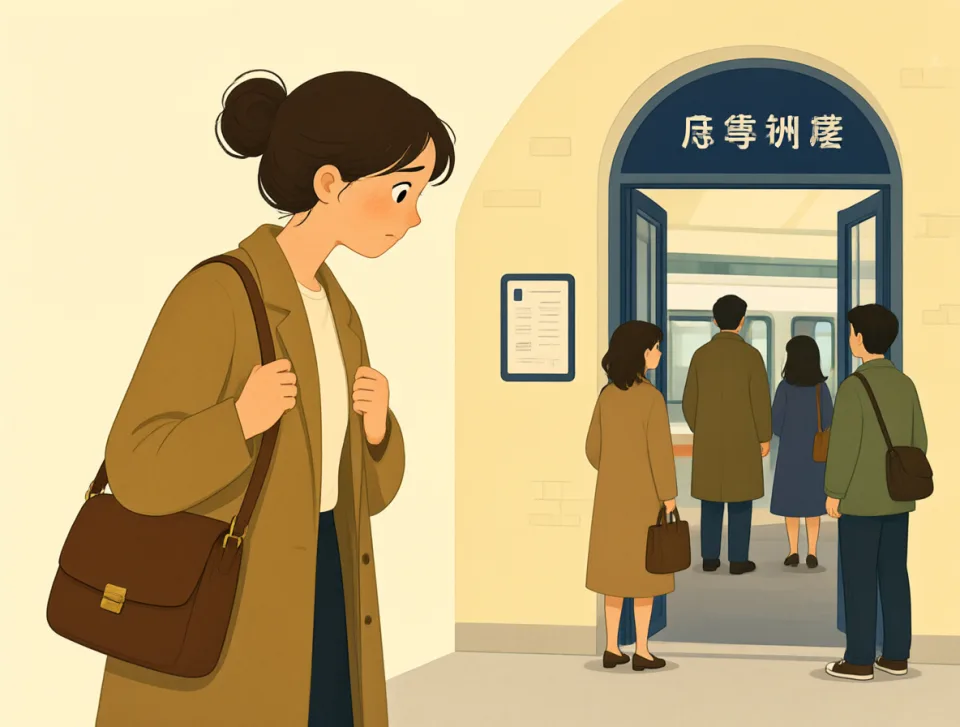
She was seriously worried when her brother missed the train.
Bardzo się martwiła, gdy jej brat spóźnił się na pociąg.
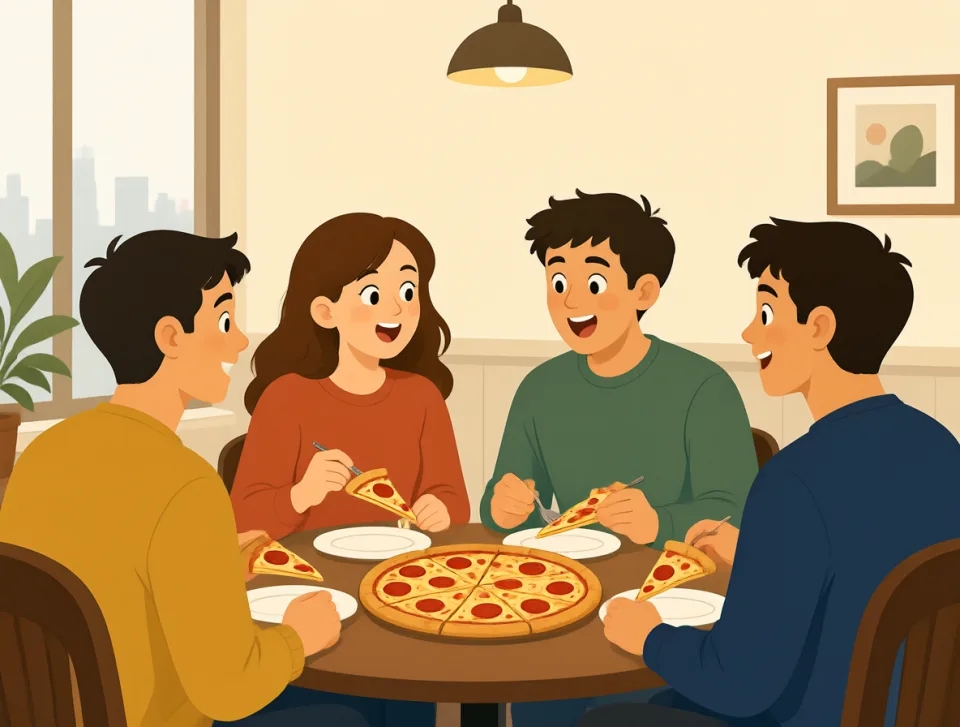
Seriously, this is the best pizza I have ever eaten.
Serio, to najlepsza pizza, jaką kiedykolwiek jadłem.

wild
#1591adjective, noun, adverb
dziki; szalony
Living or growing in nature, not controlled by people; very excited or uncontrolled.
Żyjący lub rosnący w naturze, bez kontroli człowieka; bardzo podekscytowany lub nieopanowany.

We saw wild animals during our safari in Kenya.
Podczas safari w Kenii widzieliśmy dzikie zwierzęta.
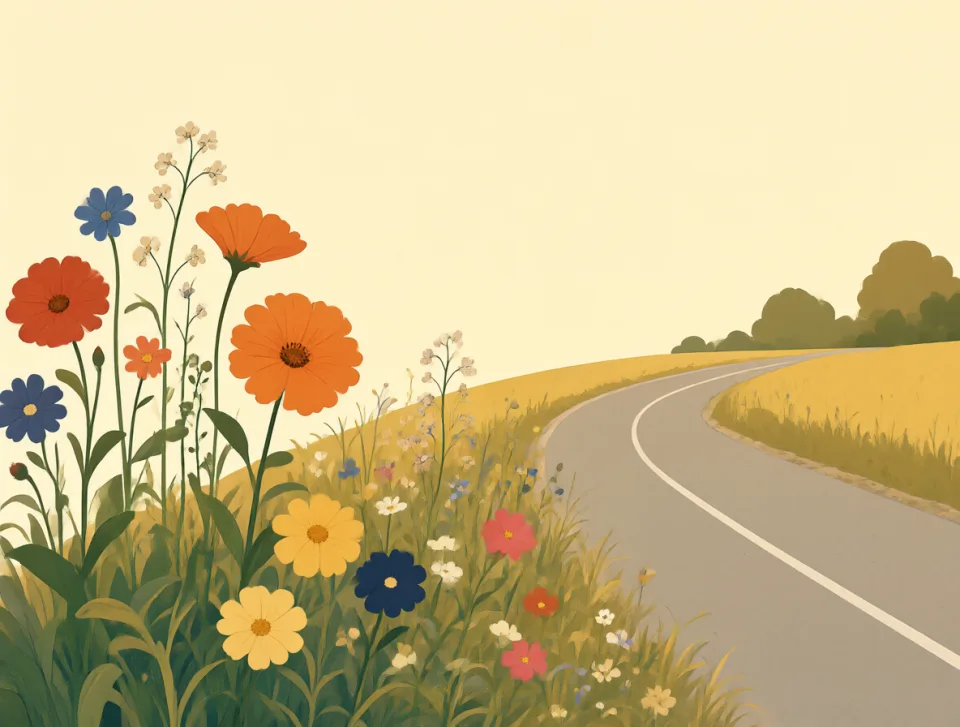
These flowers grow wild along the country road.
Te kwiaty rosną dziko przy wiejskiej drodze.
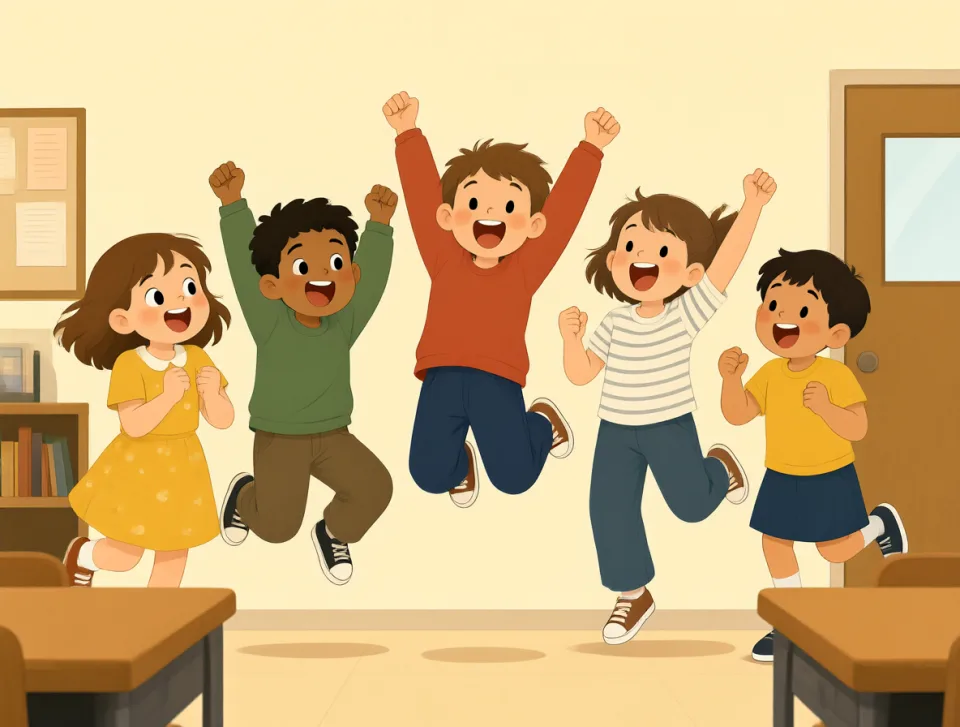
The children went wild when their teacher announced a holiday.
Dzieci oszalały z radości, gdy nauczyciel ogłosił, że będą wakacje.
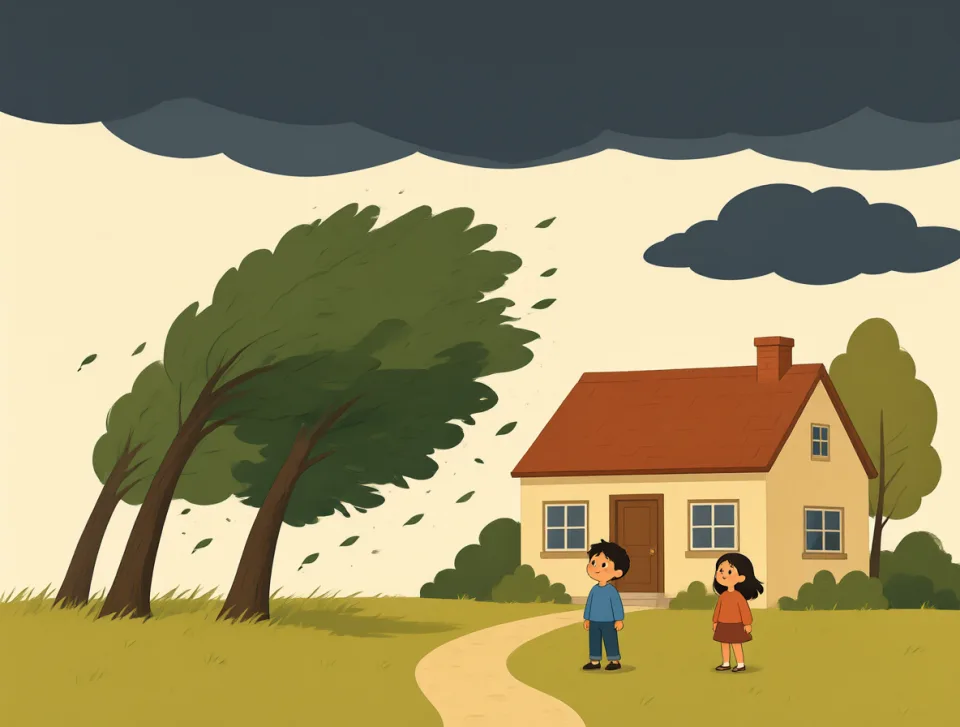
The wind became wild during the storm last night.
Podczas wczorajszej burzy wiatr szalał.
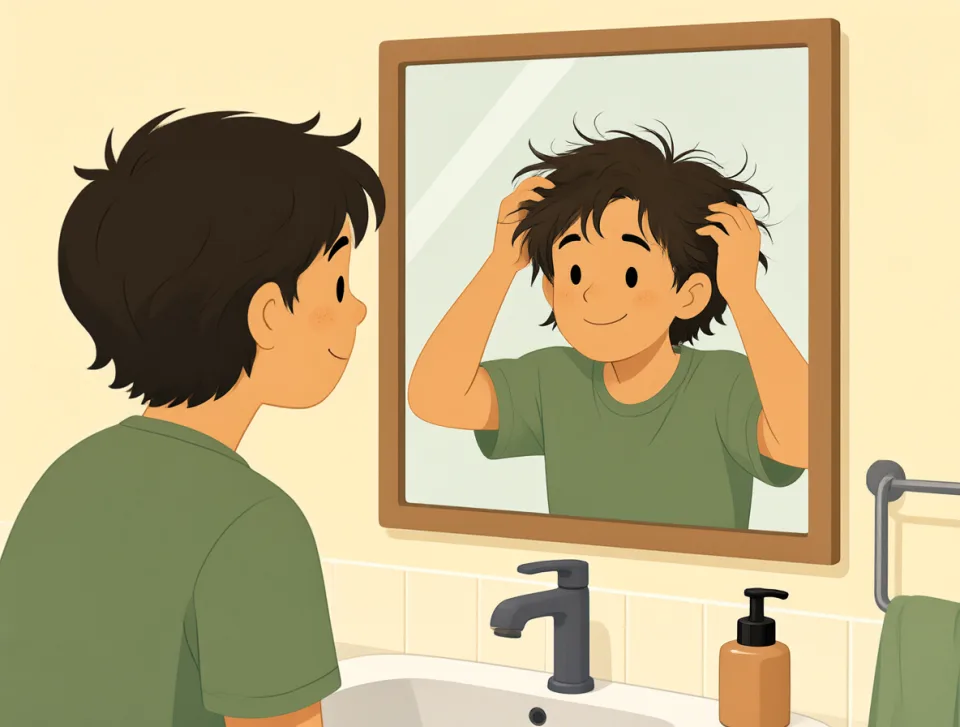
My hair went wild after riding my bike in the rain.
Po przejażdżce rowerem w deszczu moje włosy były potargane.
empty
#1592adjective, verb, noun
pusty; opróżniać
Containing nothing, or to remove everything from a container or place.
Zawierający nic albo usunąć wszystko z pojemnika lub jakiegoś miejsca.
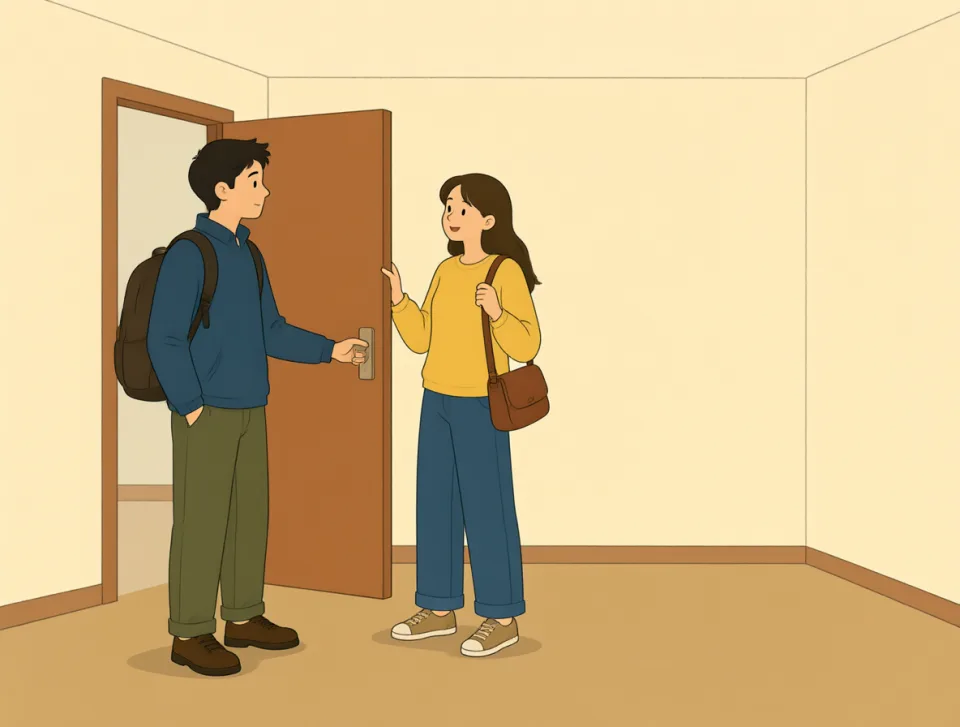
The room was empty when we arrived.
Kiedy przyjechaliśmy, pokój był pusty.
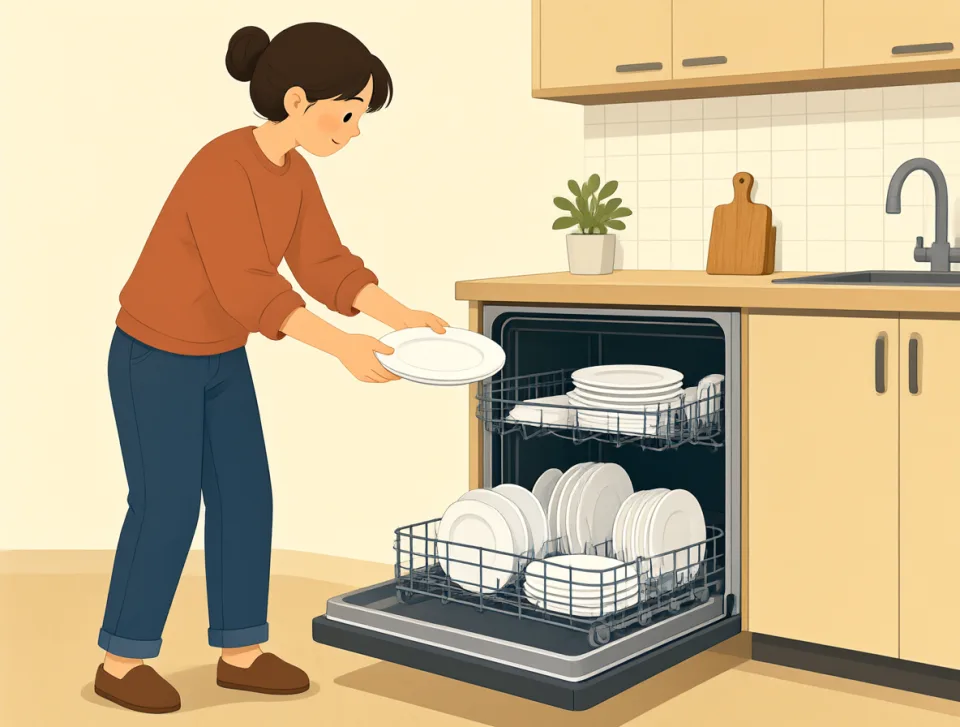
Please empty the dishwasher after breakfast.
Proszę opróżnić zmywarkę po śniadaniu.
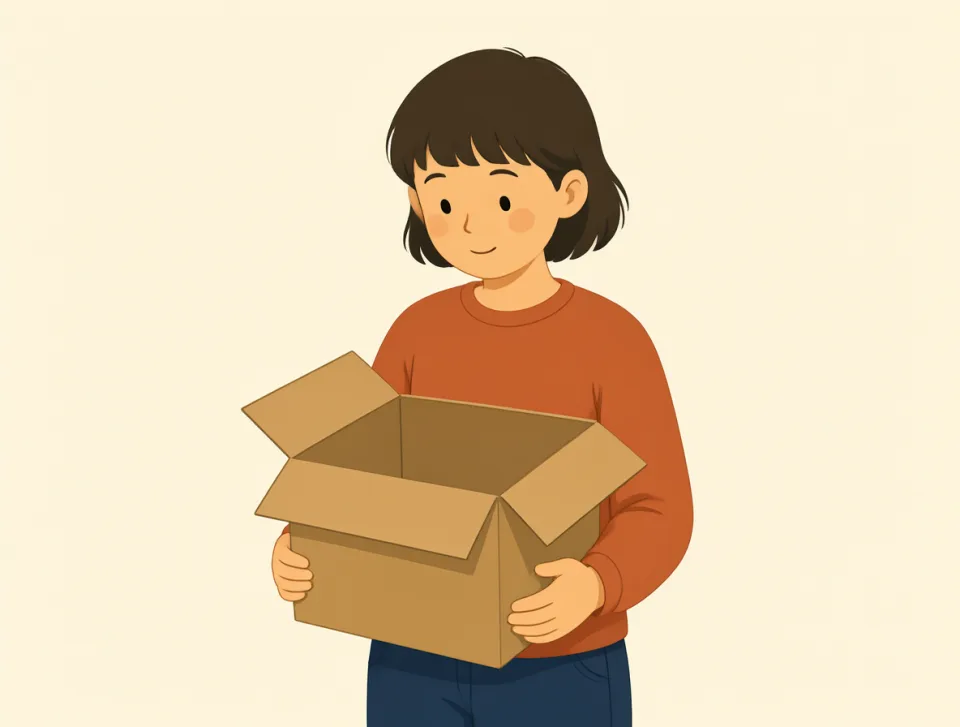
I found an empty box under the bed.
Pod łóżkiem znalazłem pusty karton.
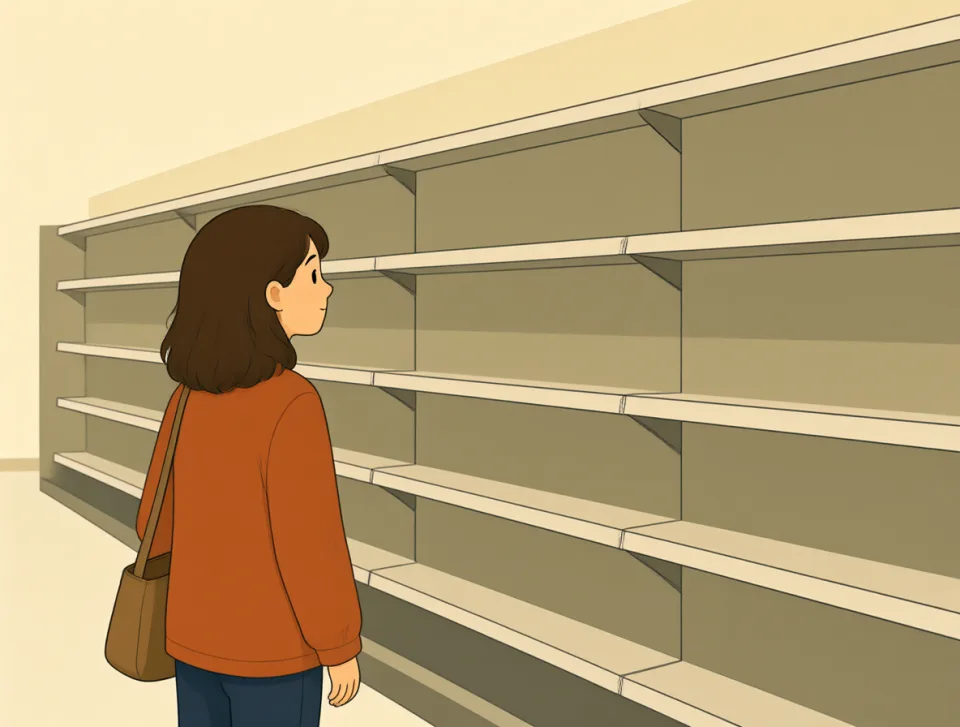
The supermarket shelves were empty after the storm.
Po burzy półki w supermarkecie były puste.
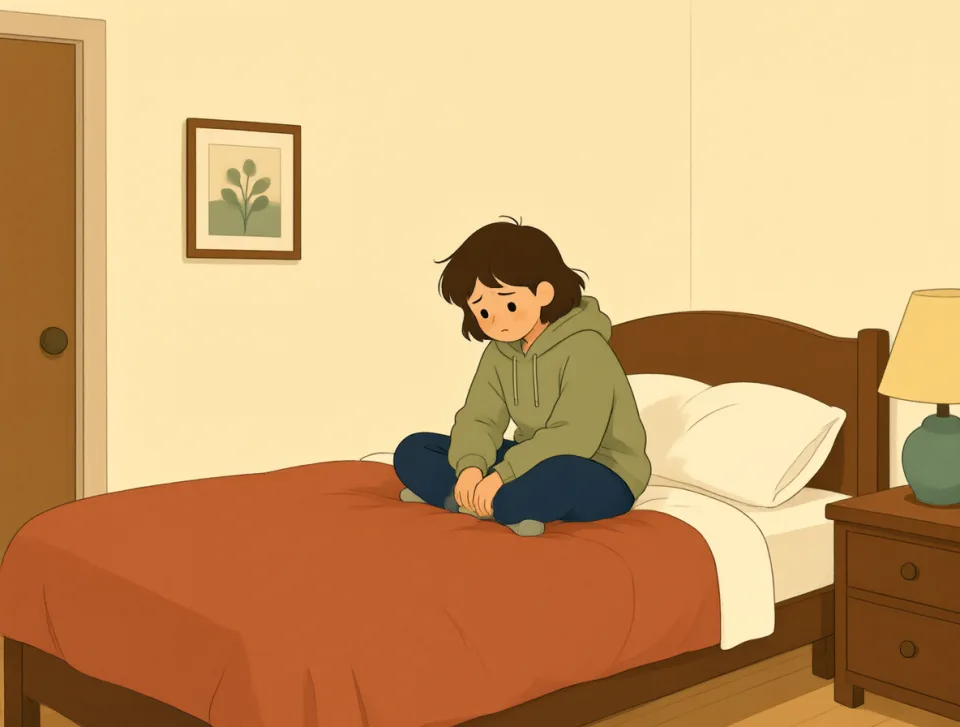
He felt empty after his best friend moved away.
Czuł pustkę po wyprowadzce swojego najlepszego przyjaciela.
commission
#1593noun, verb
prowizja; komisja
An amount paid to someone for selling something, or a group officially chosen to do a task.
Kwota wypłacana komuś za sprzedaż czegoś albo grupa oficjalnie powołana do wykonania jakiegoś zadania.
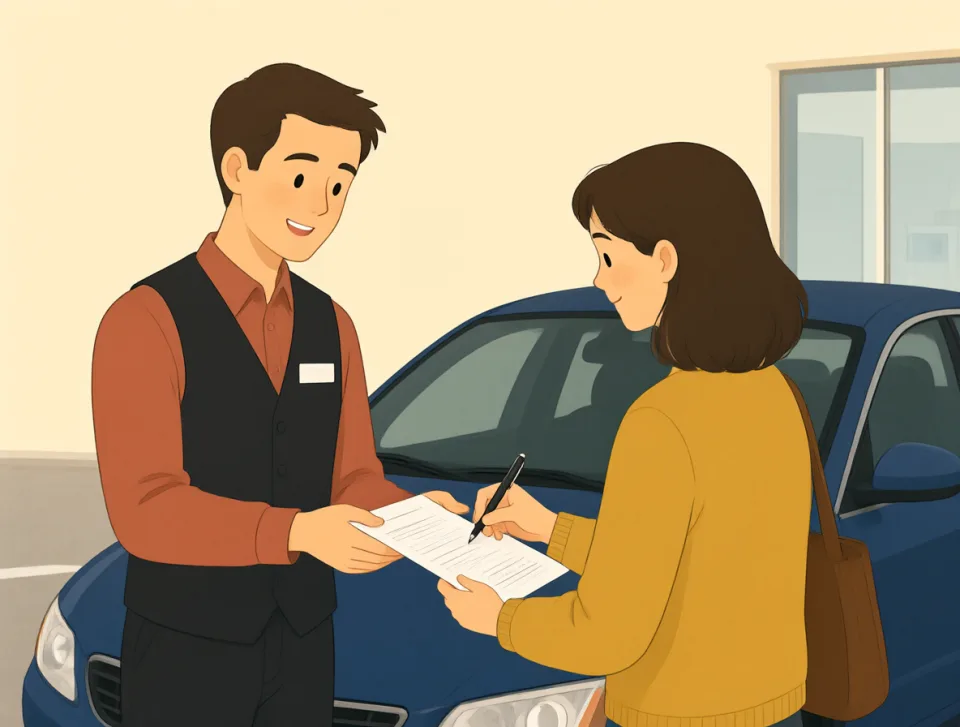
She earns a commission for every car she sells.
Za każdy sprzedany samochód dostaje prowizję.
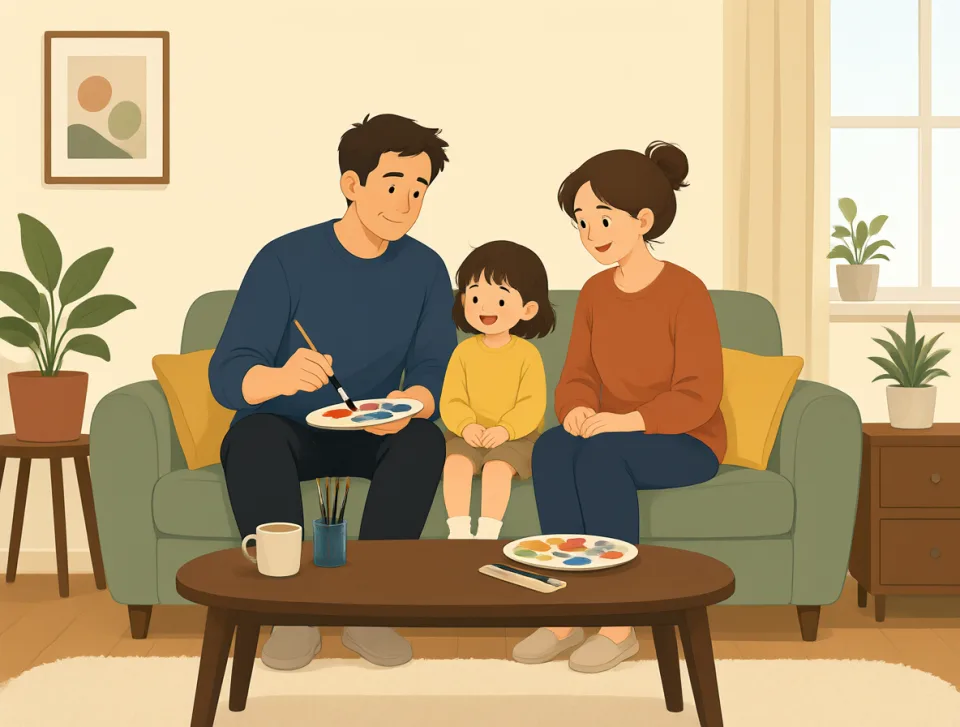
The artist received a commission to paint their family portrait.
Artysta dostał zlecenie na namalowanie portretu ich rodziny.
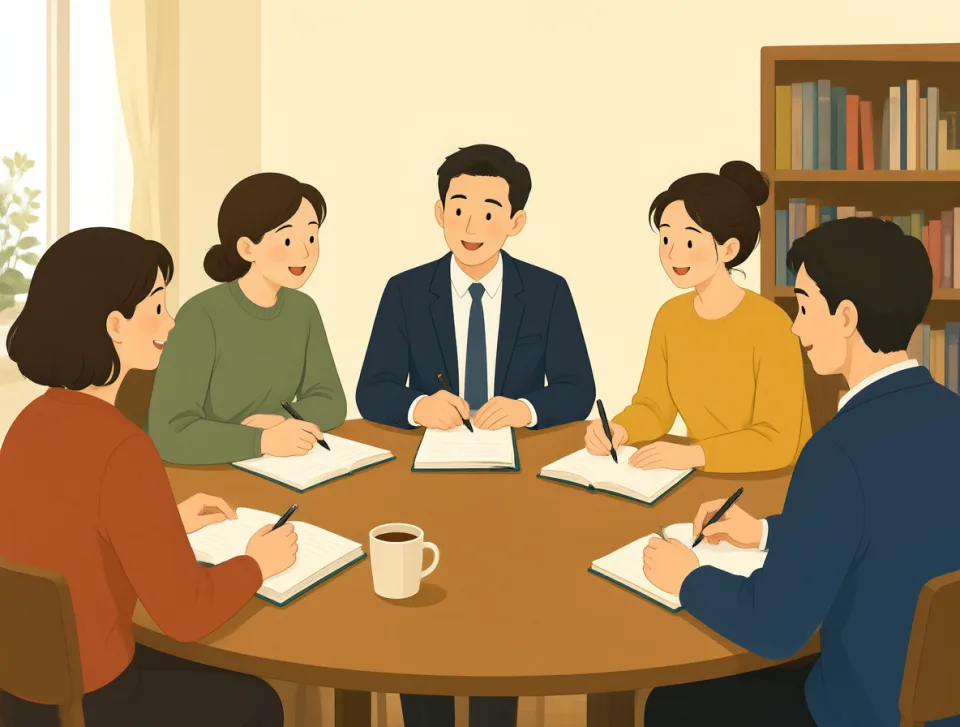
The school formed a commission to plan the new library.
Szkoła powołała komisję, która miała zaplanować nową bibliotekę.
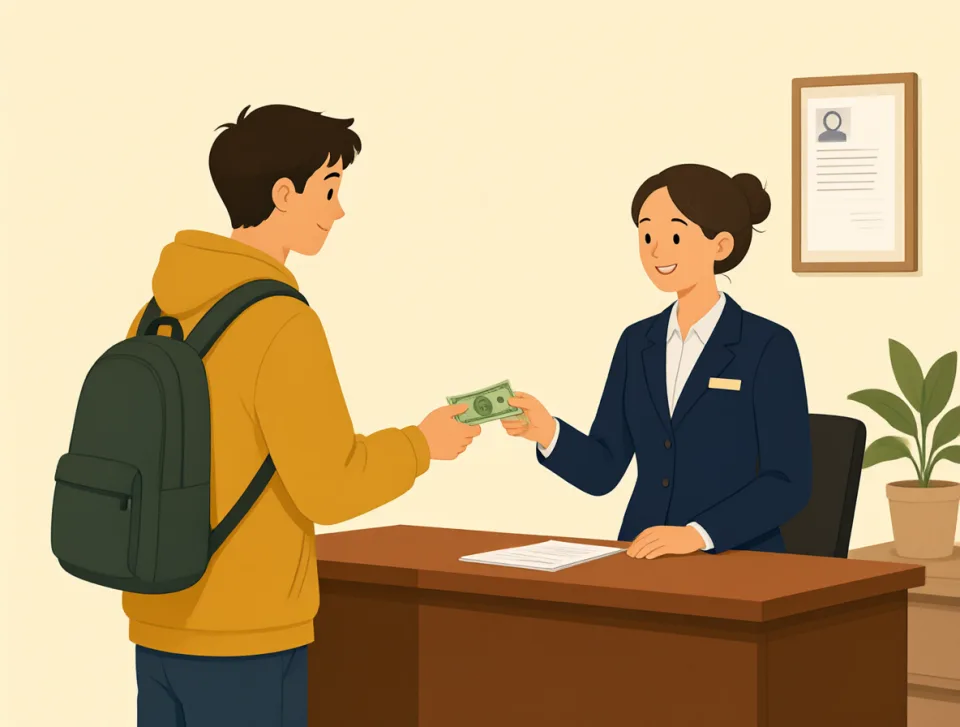
He paid a five percent commission to the travel agent.
Zapłacił agentowi turystycznemu pięć procent prowizji.
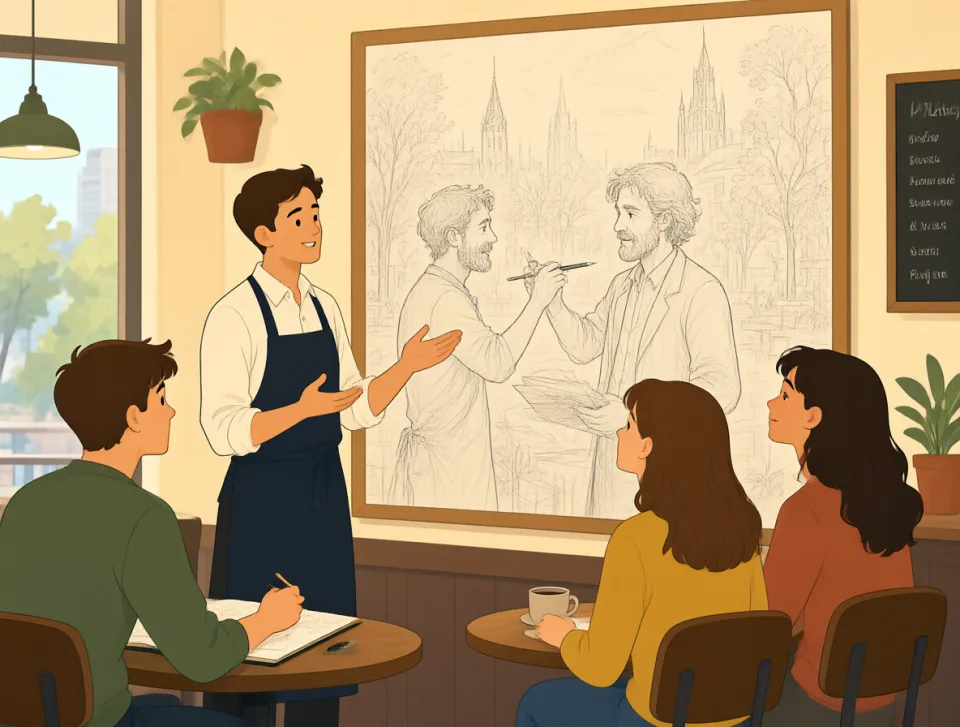
The manager commissioned a local artist to design the café mural.
Kierownik zlecił lokalnemu artyście zaprojektowanie muralu w kawiarni.
unique
#1594adjective
wyjątkowy; niepowtarzalny
Being the only one of its kind, or different from everything else.
Będący jedynym w swoim rodzaju albo różniący się od wszystkiego innego.
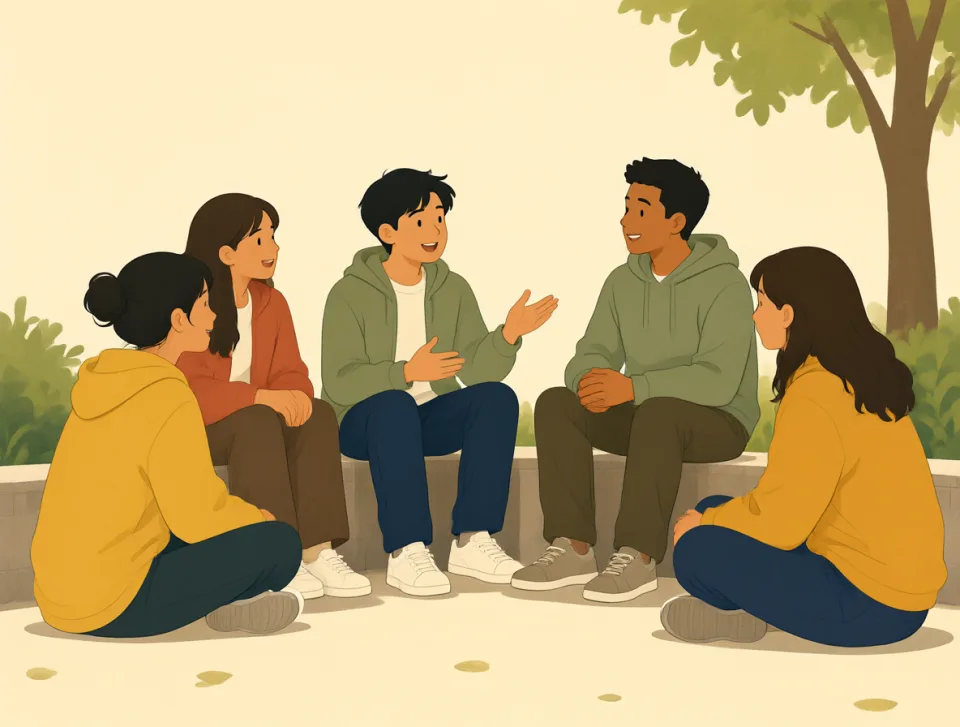
Each person has a unique voice and way of speaking.
Każdy ma wyjątkowy głos i własny sposób mówienia.
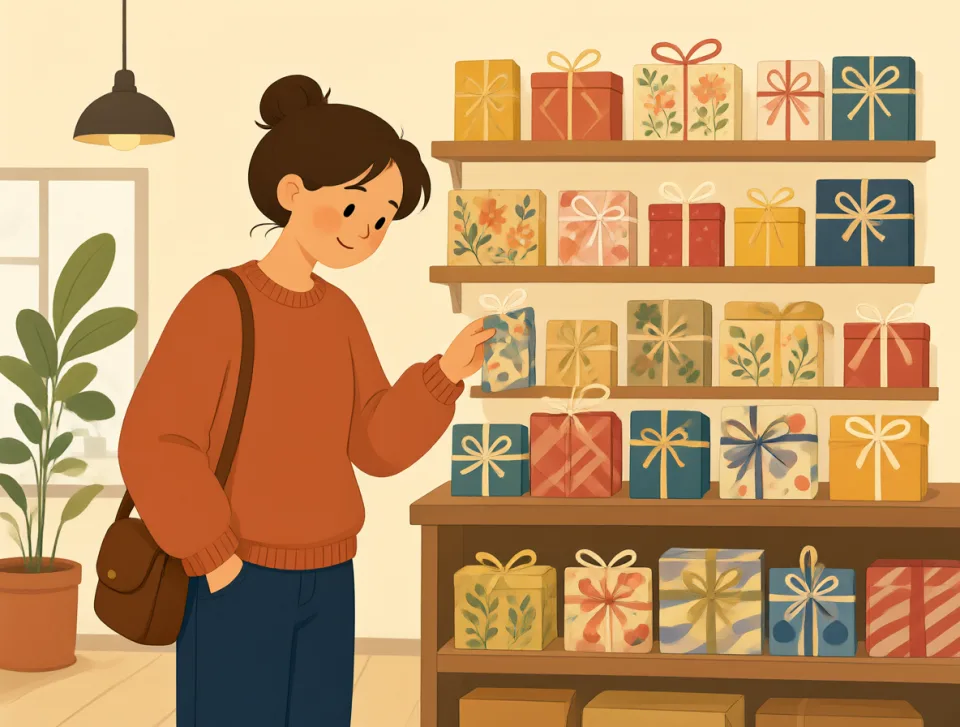
This shop sells unique gifts made by local artists.
Ten sklep sprzedaje wyjątkowe prezenty wykonane przez lokalnych artystów.
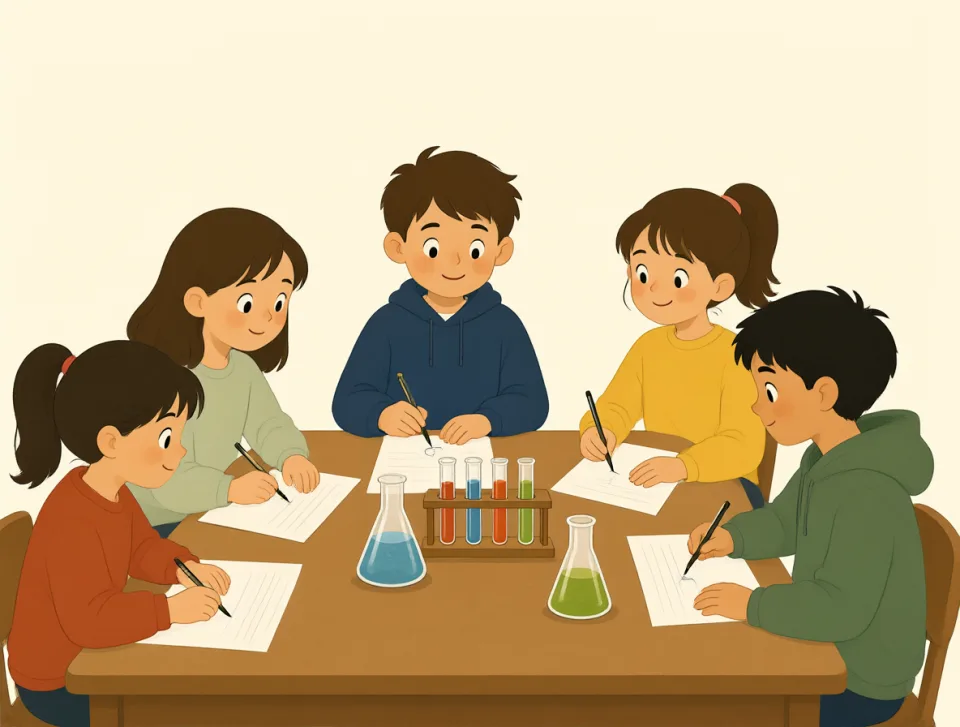
Our teacher gave us a unique project for science class.
Nasz nauczyciel zadał nam wyjątkowy projekt na lekcję przyrody.
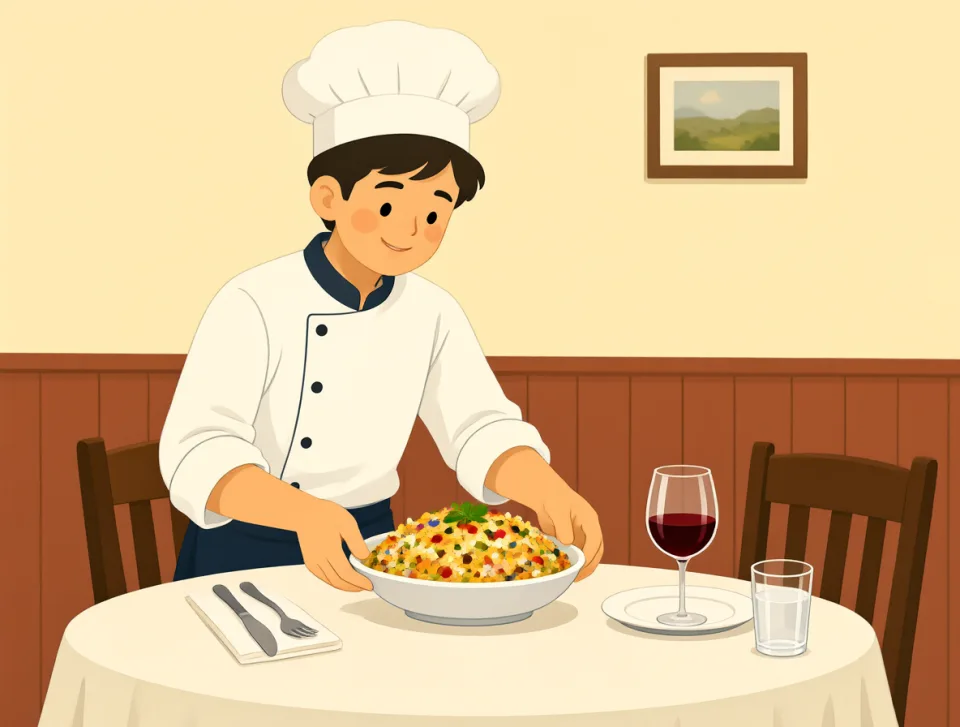
The restaurant serves a unique dish with rice and fresh vegetables.
Ta restauracja serwuje wyjątkowe danie z ryżem i świeżymi warzywami.
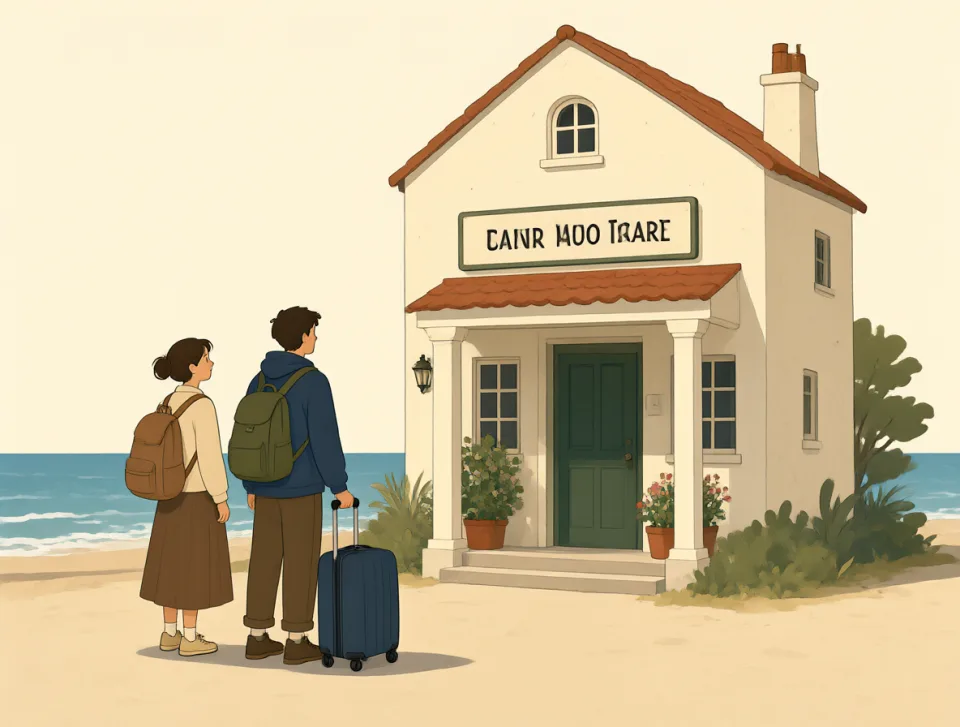
We found a unique little hotel during our trip to the coast.
Podczas podróży nad morze znaleźliśmy wyjątkowy, niewielki hotel.
association
#1595noun
skojarzenie; stowarzyszenie
a connection between people, things, or ideas in your mind
Związek między ludźmi, rzeczami lub pojęciami, który powstaje w twojej głowie.
The word association helped me remember the new vocabulary.
Skojarzenia pomogły mi zapamiętać nowe słownictwo.
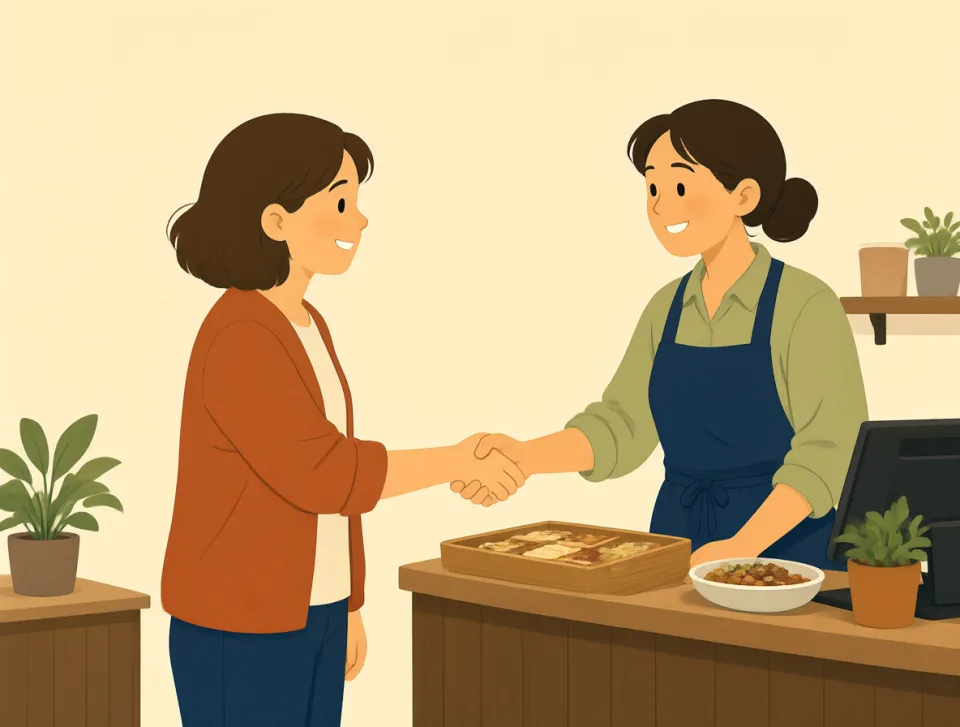
She joined a local business association to meet other shop owners.
Dołączyła do lokalnego stowarzyszenia przedsiębiorców, żeby poznać innych właścicieli sklepów.
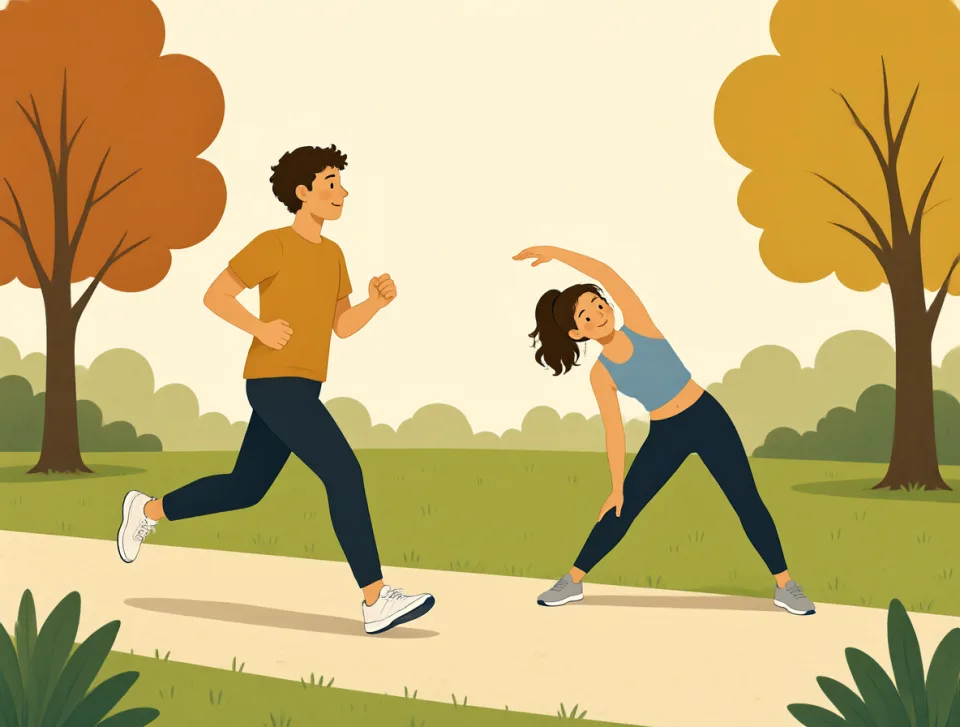
There is a strong association between exercise and better health.
Istnieje silny związek między aktywnością fizyczną a lepszym zdrowiem.
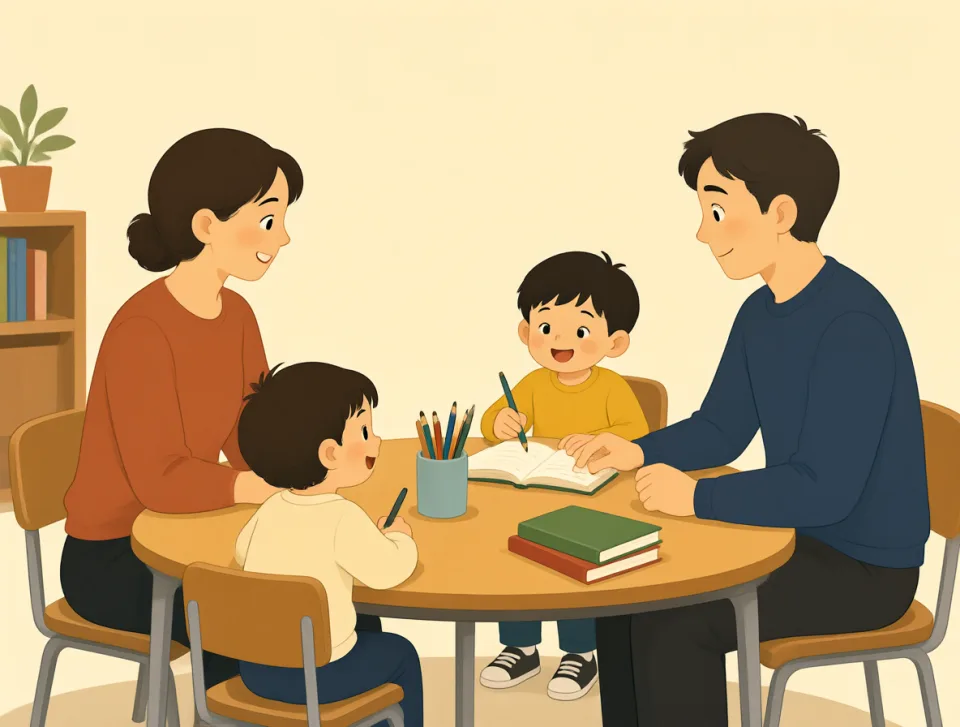
The school has an association for parents and teachers.
W szkole działa stowarzyszenie rodziców i nauczycieli.
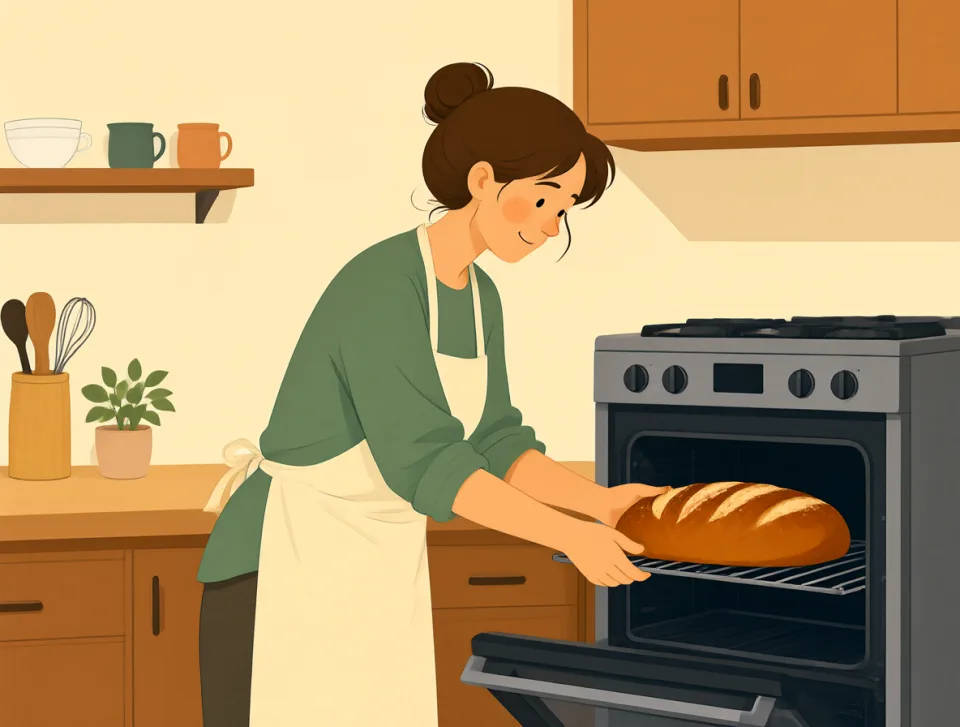
This smell brings back happy associations with my grandmother's kitchen.
Ten zapach przywołuje miłe skojarzenia z kuchnią mojej babci.
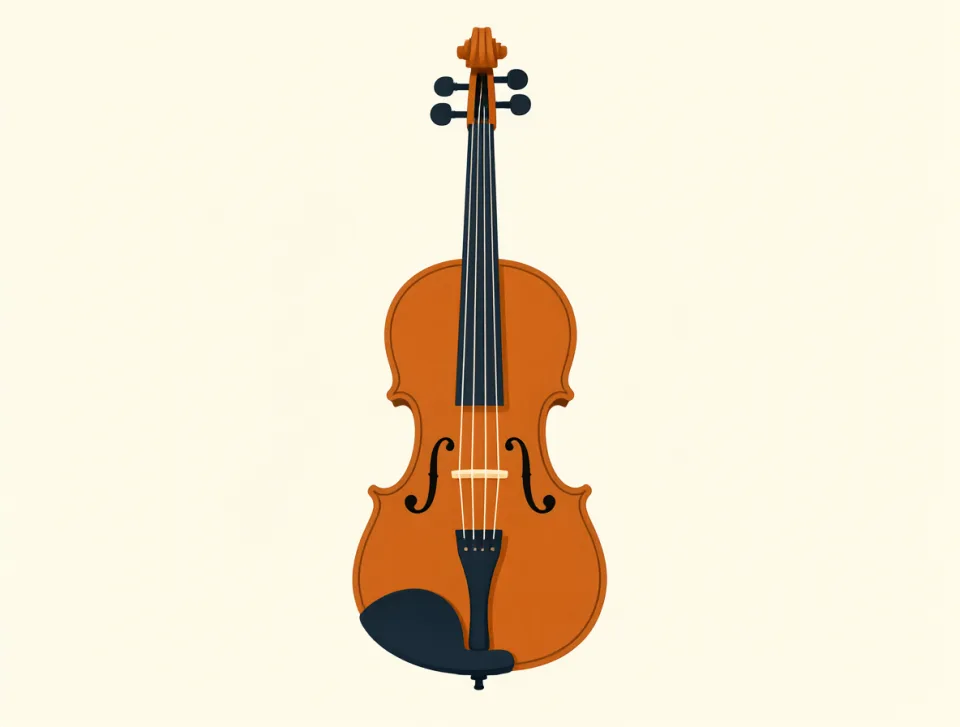
instrument
#1596noun
instrument
A tool or device used for a special purpose, especially making music or measuring something.
Narzędzie lub urządzenie używane do określonego celu, zwłaszcza do grania muzyki lub mierzenia czegoś.
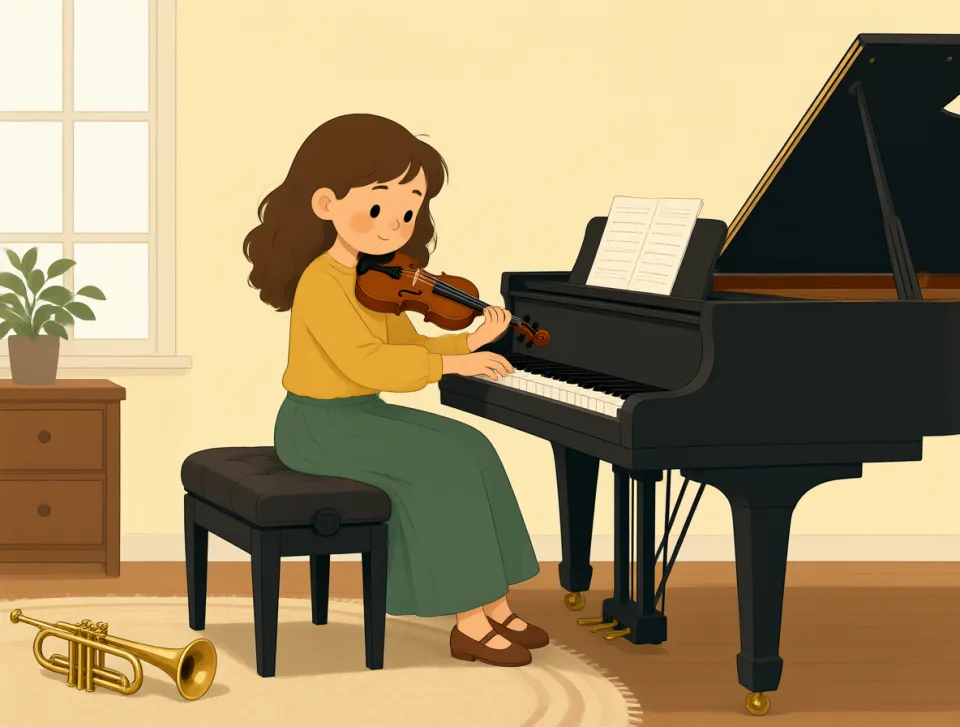
She plays the piano and two other musical instruments.
Ona gra na pianinie i na dwóch innych instrumentach muzycznych.
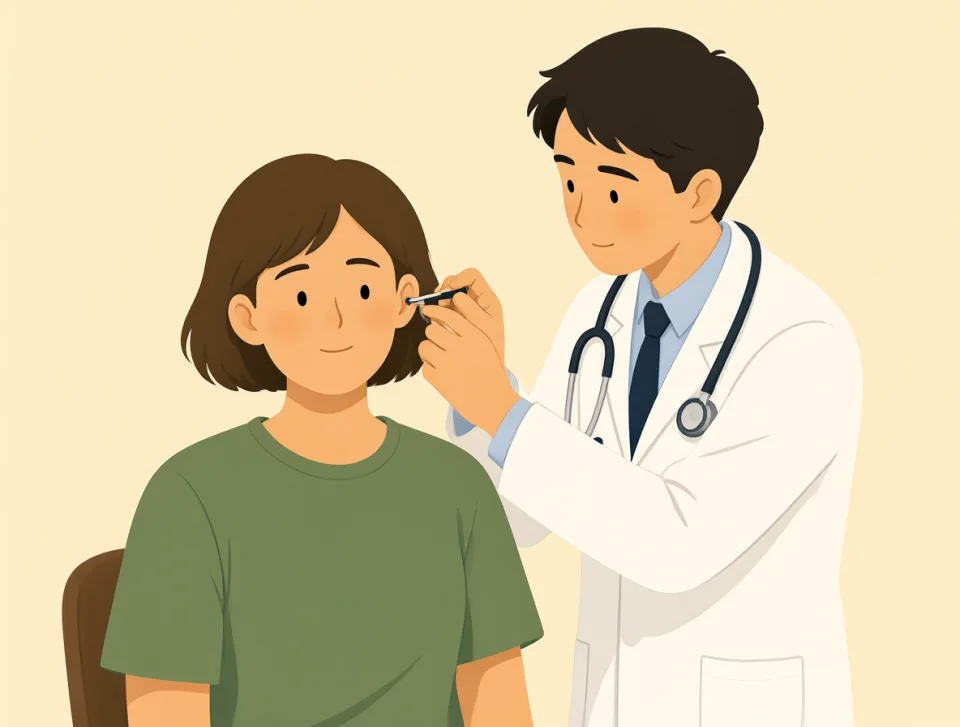
The doctor used a small instrument to examine my ear.
Lekarz użył małego instrumentu, żeby zbadać moje ucho.
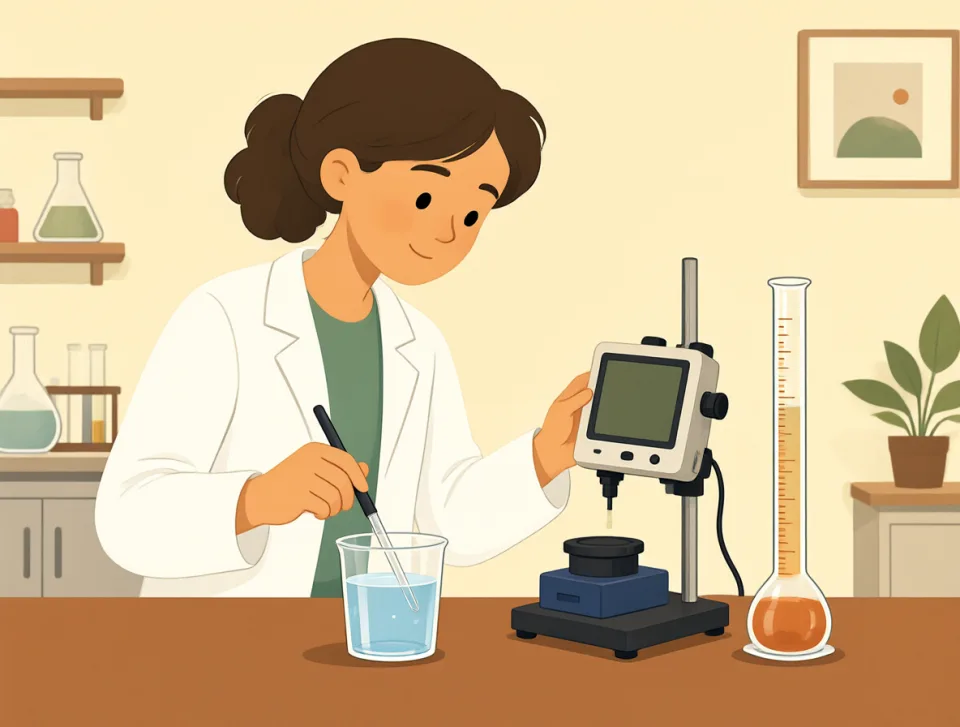
The scientist checked the instrument before measuring the water.
Naukowiec sprawdził przyrząd przed zmierzeniem wody.
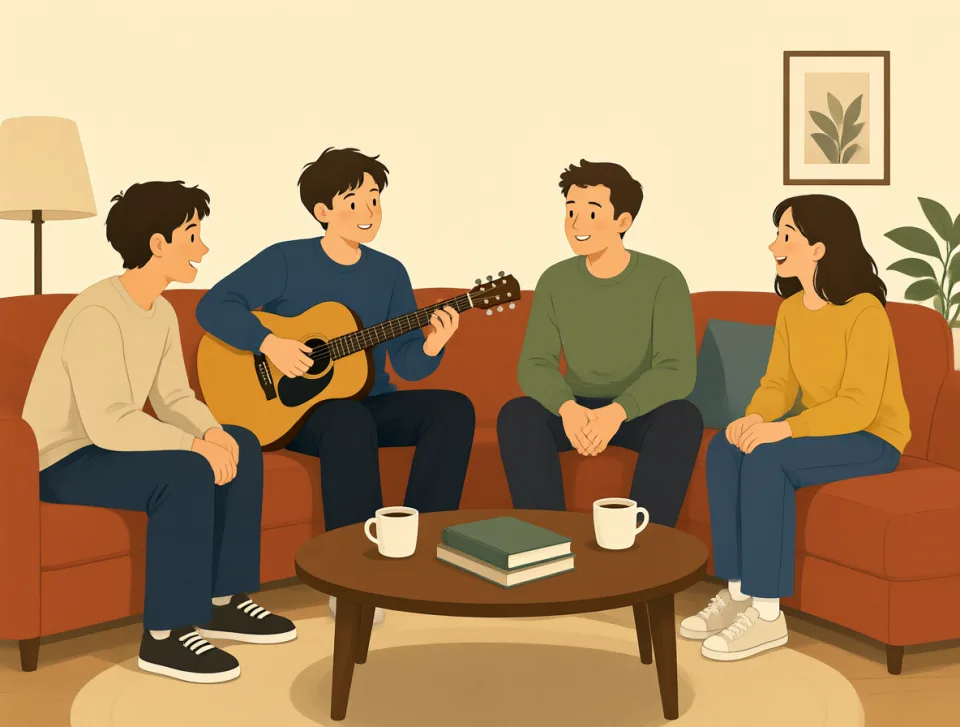
The guitar is my favorite instrument to play with friends.
Gitara to mój ulubiony instrument do grania z przyjaciółmi.
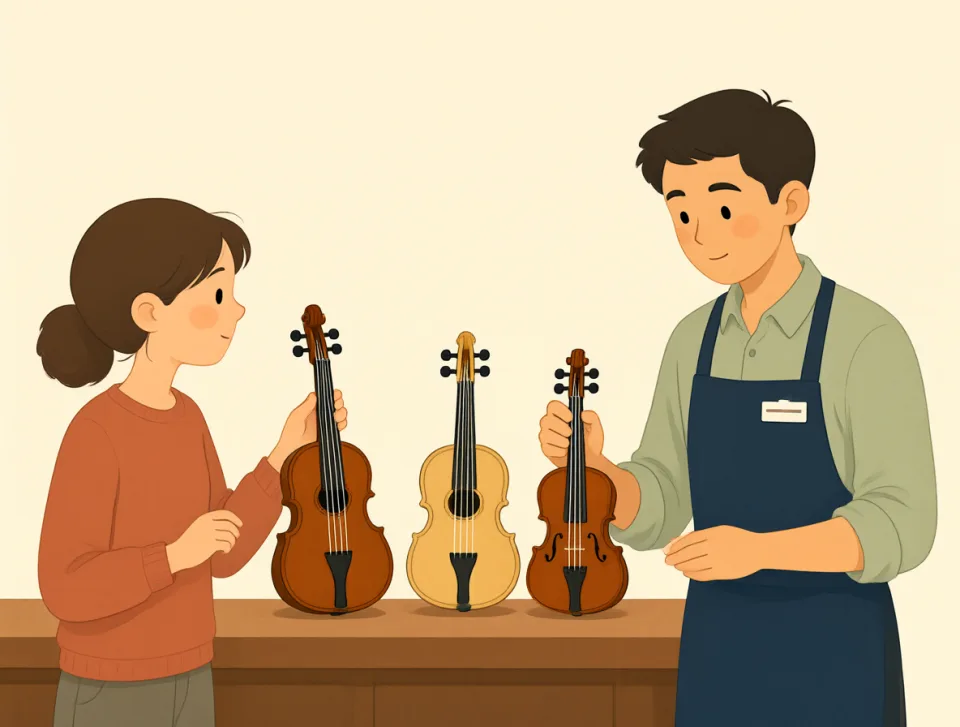
The shop sells cheap instruments for beginner music students.
Sklep sprzedaje tanie instrumenty dla początkujących uczniów muzyki.

investor
#1597noun
inwestor
A person or organization that puts money into a business or project to earn more money.
Osoba lub organizacja, która inwestuje pieniądze w firmę lub projekt, aby zarobić więcej.
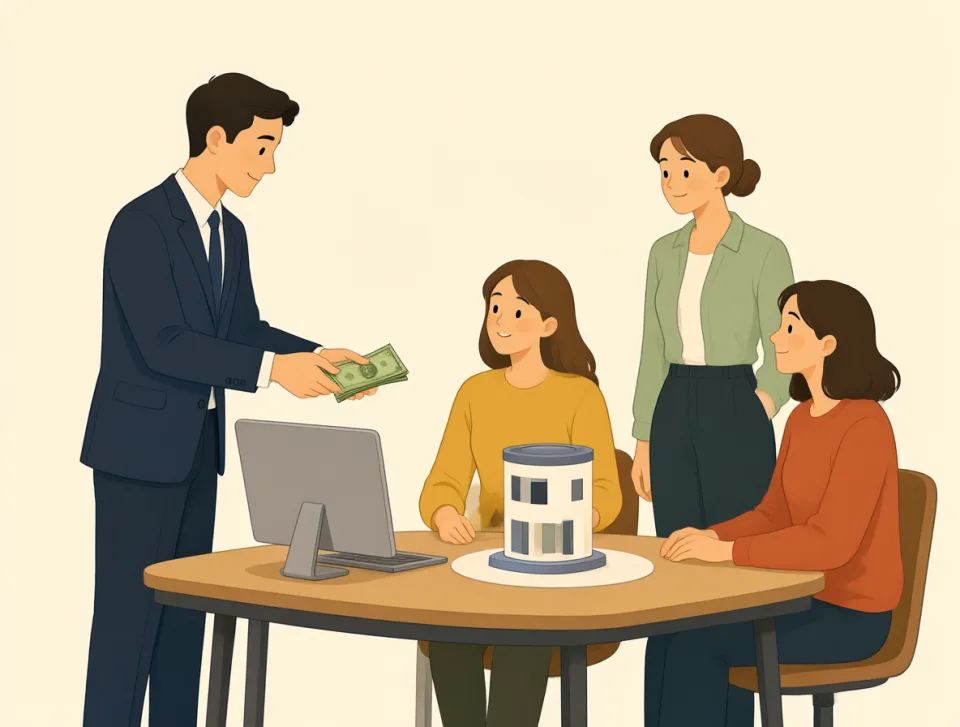
The investor put money into a new technology company.
Inwestor zainwestował pieniądze w nową firmę technologiczną.
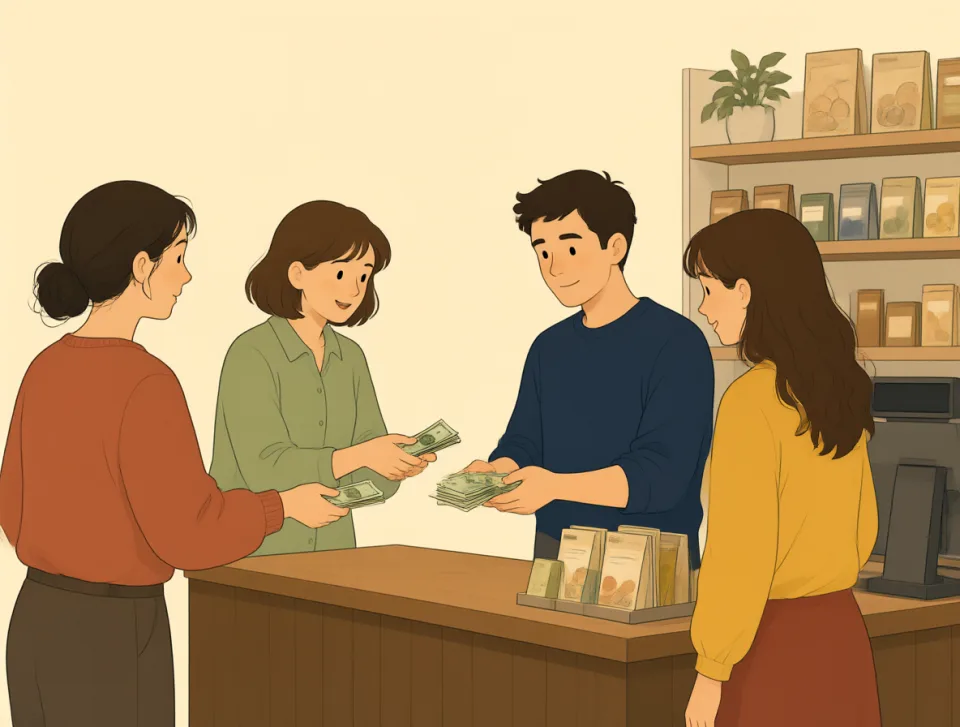
Several investors bought shares in the successful local business.
Kilku inwestorów kupiło udziały w dobrze prosperującej lokalnej firmie.

A property investor purchased an apartment near the city center.
Inwestor nieruchomości kupił mieszkanie niedaleko centrum miasta.
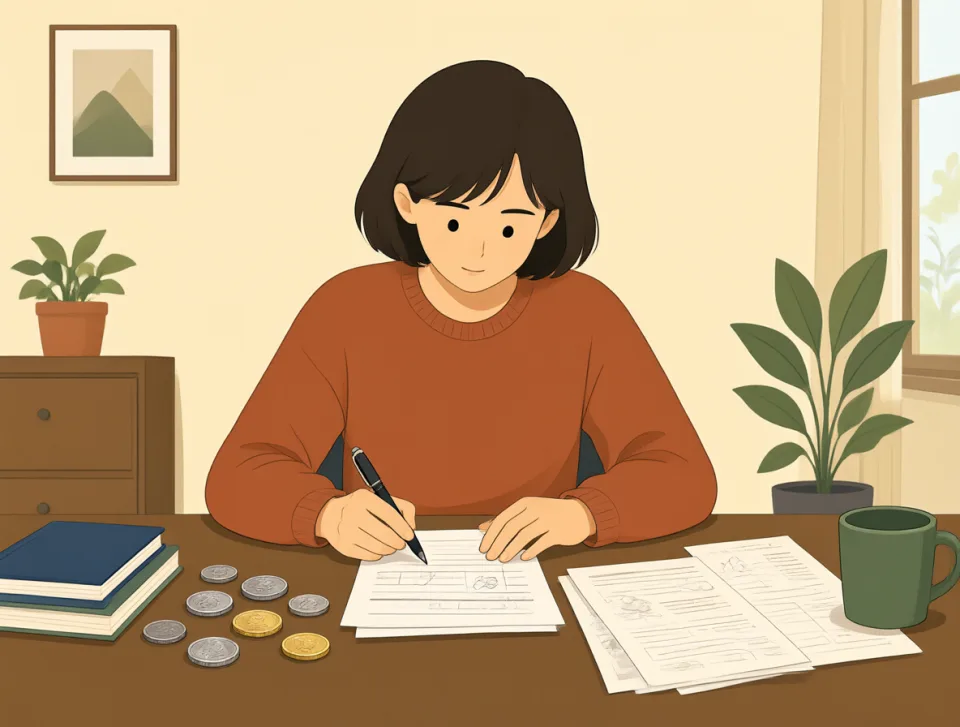
The young investor carefully compared risks before choosing a savings plan.
Młody inwestor starannie porównał ryzyko, zanim wybrał plan oszczędnościowy.
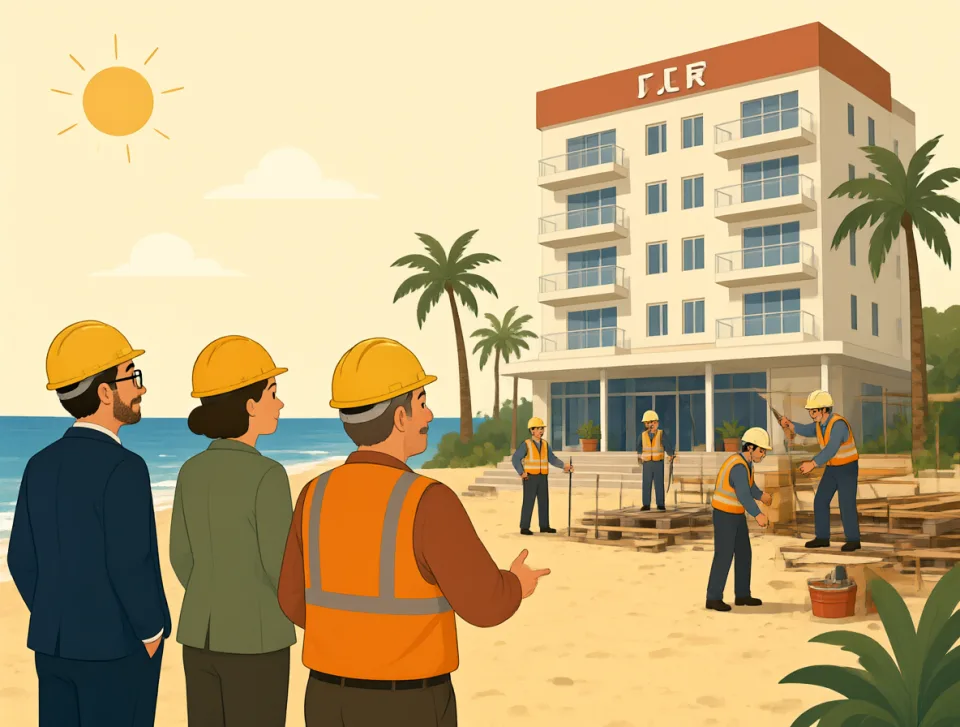
Foreign investors helped build a new hotel beside the beach.
Zagraniczni inwestorzy pomogli zbudować nowy hotel przy plaży.
practical
#1598adjective
praktyczny
Useful and sensible for real situations, rather than only attractive or theoretical.
Przydatny i rozsądny w rzeczywistych sytuacjach, a nie tylko atrakcyjny lub teoretyczny.
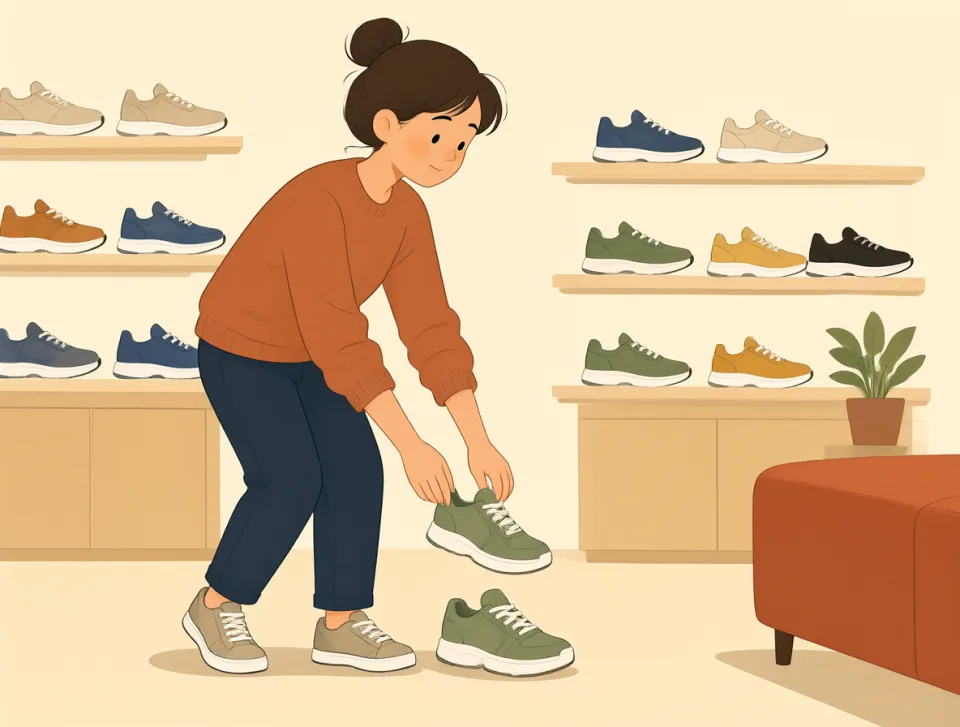
These practical shoes are comfortable for walking all day.
Te praktyczne buty są wygodne podczas całodziennego chodzenia.
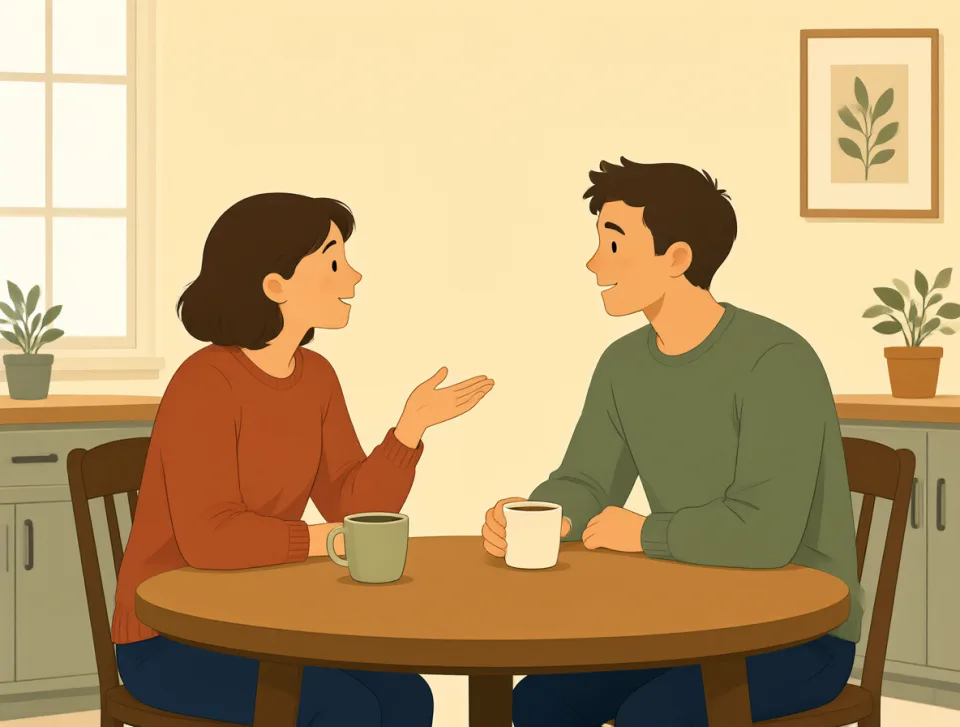
She gave me some practical advice about saving money.
Dała mi kilka praktycznych rad dotyczących oszczędzania pieniędzy.
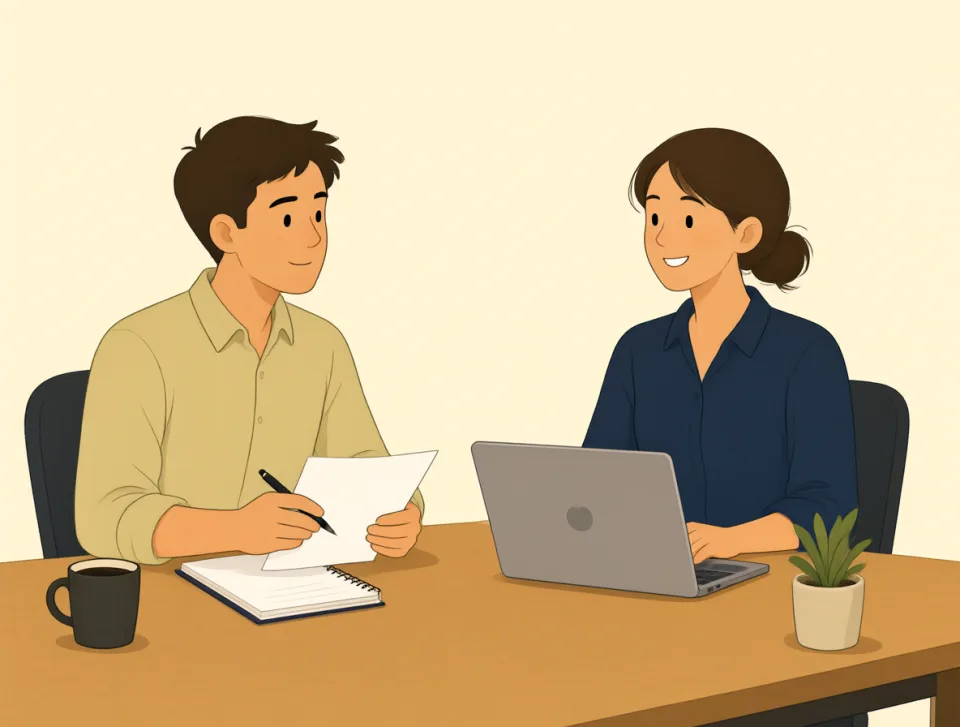
We need a practical solution to this problem.
Potrzebujemy praktycznego rozwiązania tego problemu.
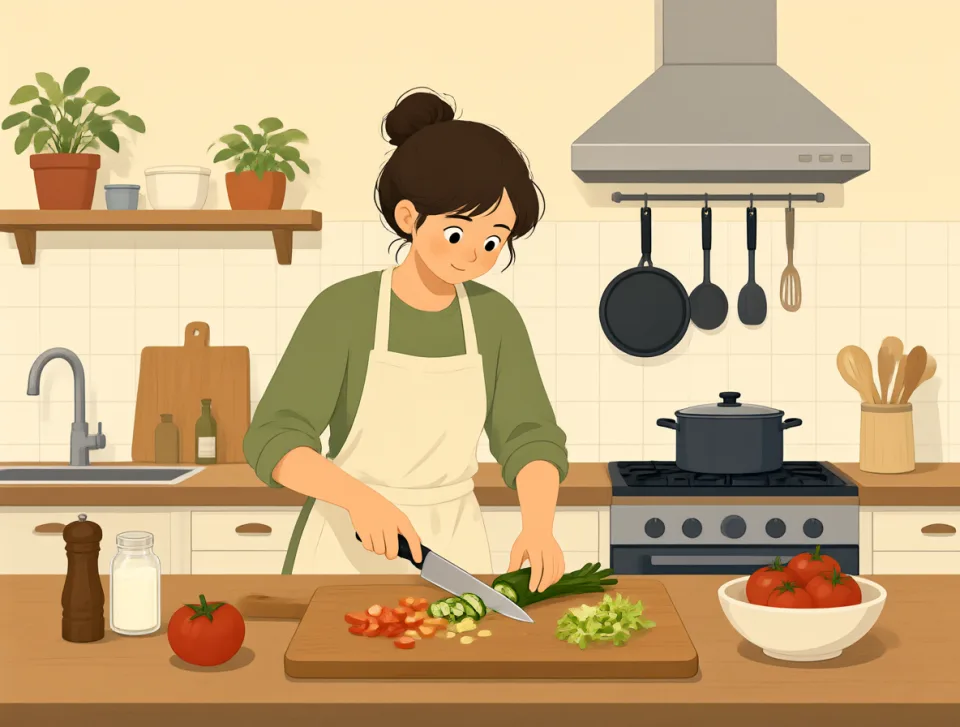
This small kitchen is practical and easy to keep clean.
Ta mała kuchnia jest praktyczna i łatwa do utrzymania w czystości.
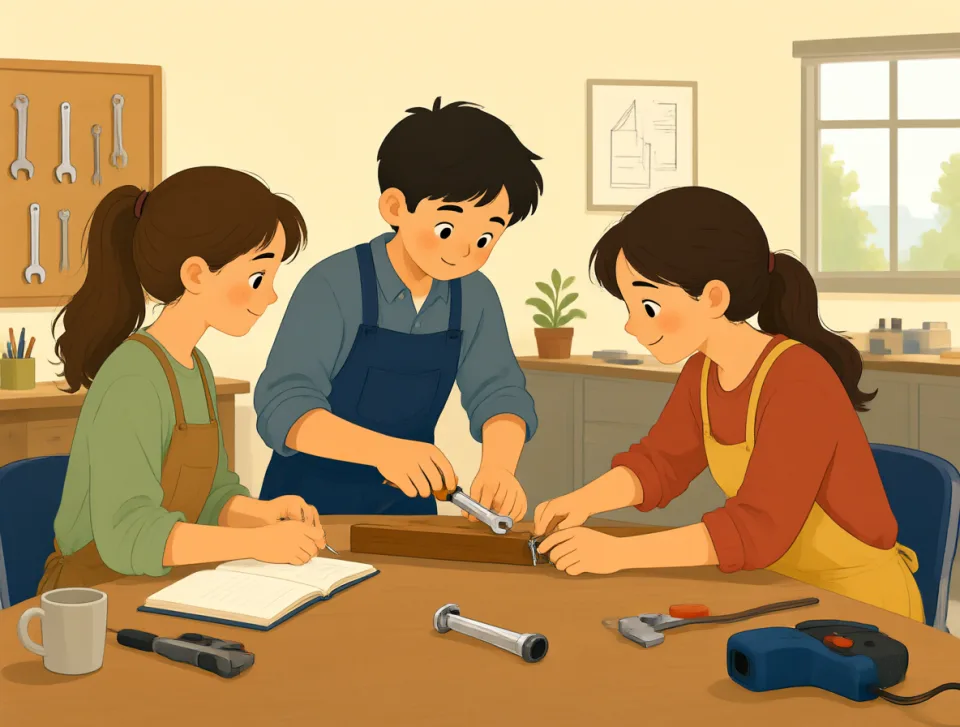
The course teaches practical skills for everyday life.
Ten kurs uczy praktycznych umiejętności przydatnych w życiu codziennym.
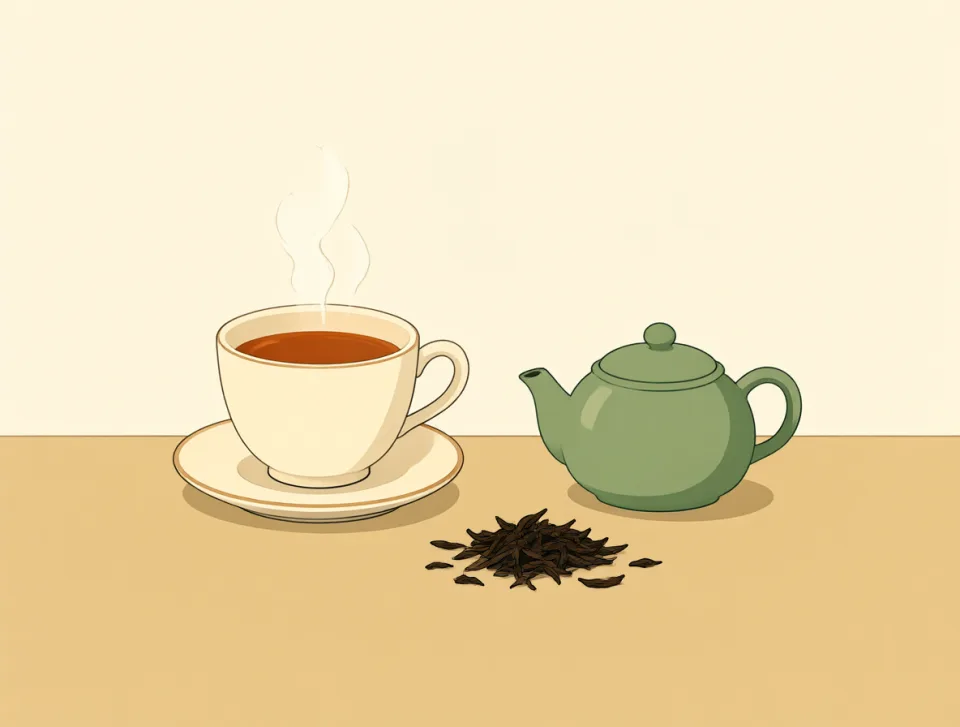
tea
#1599noun
herbata
A hot drink made by pouring water over dried tea leaves.
Gorący napój przygotowywany przez zalanie suszonych liści herbaty wodą.
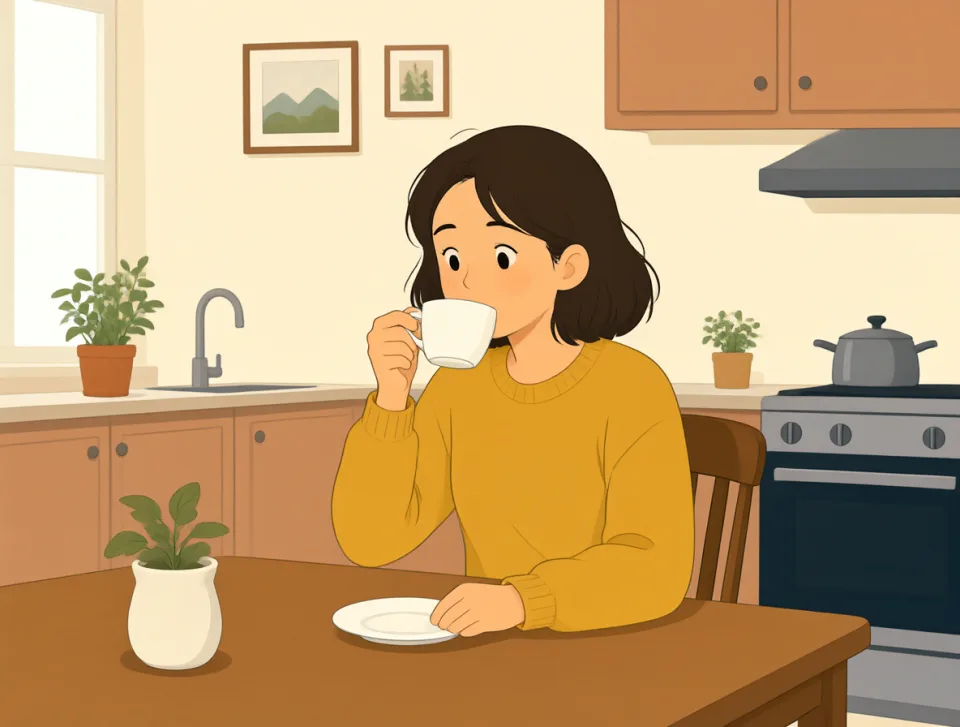
I drink tea every morning before I go to work.
Piję herbatę każdego ranka, zanim pójdę do pracy.
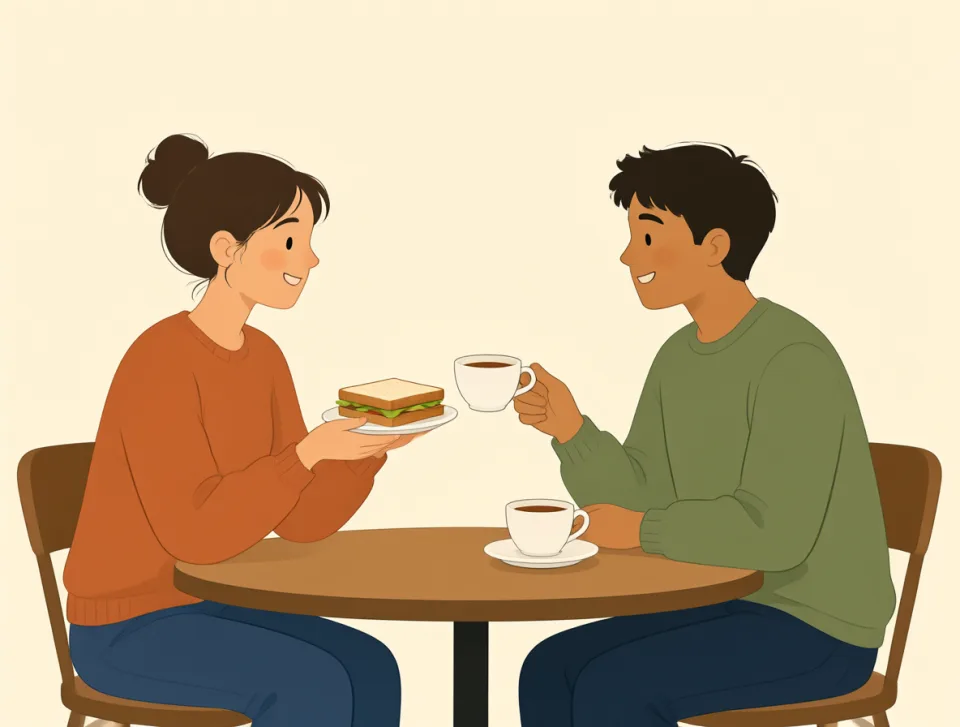
Would you like some tea with your sandwich?
Napijesz się herbaty do kanapki?
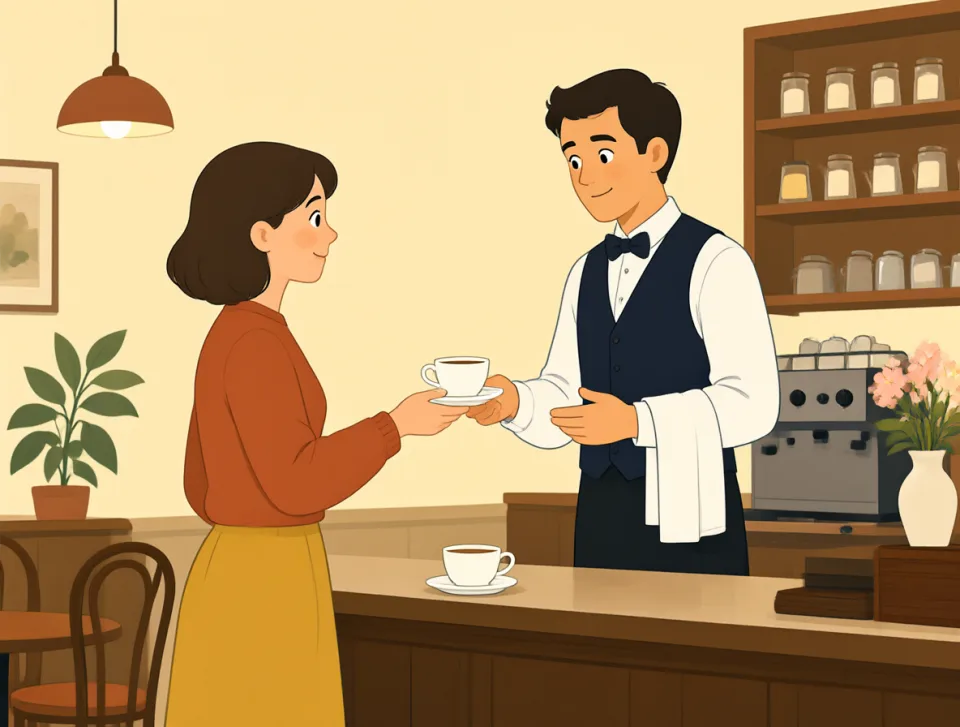
She ordered a cup of tea at the hotel café.
Zamówiła filiżankę herbaty w hotelowej kawiarni.
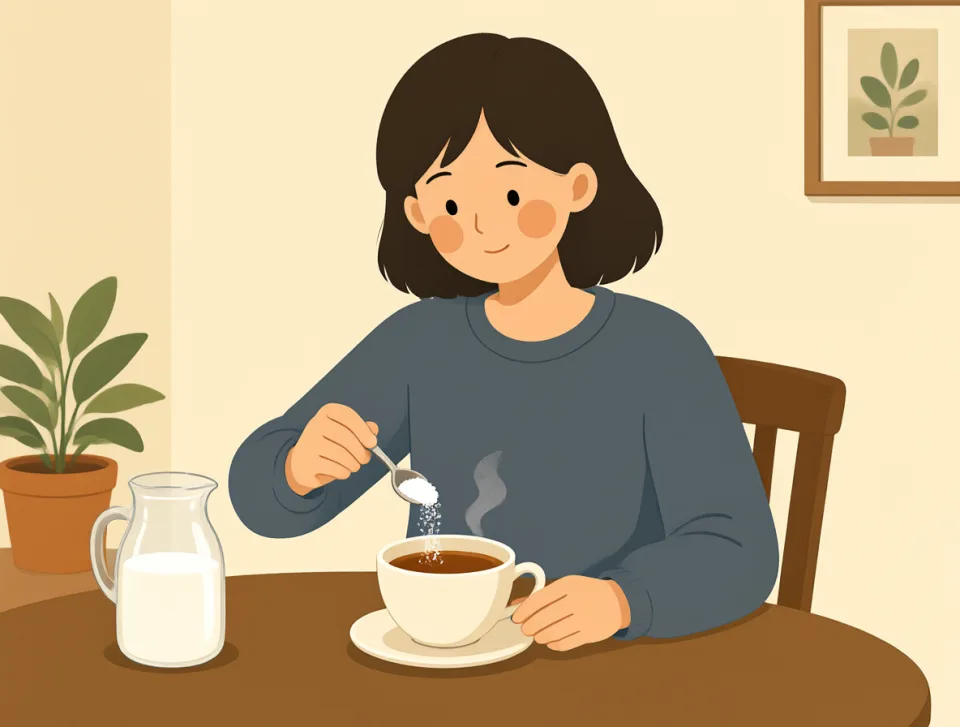
Please add some milk and sugar to my tea.
Proszę, dodaj trochę mleka i cukru do mojej herbaty.
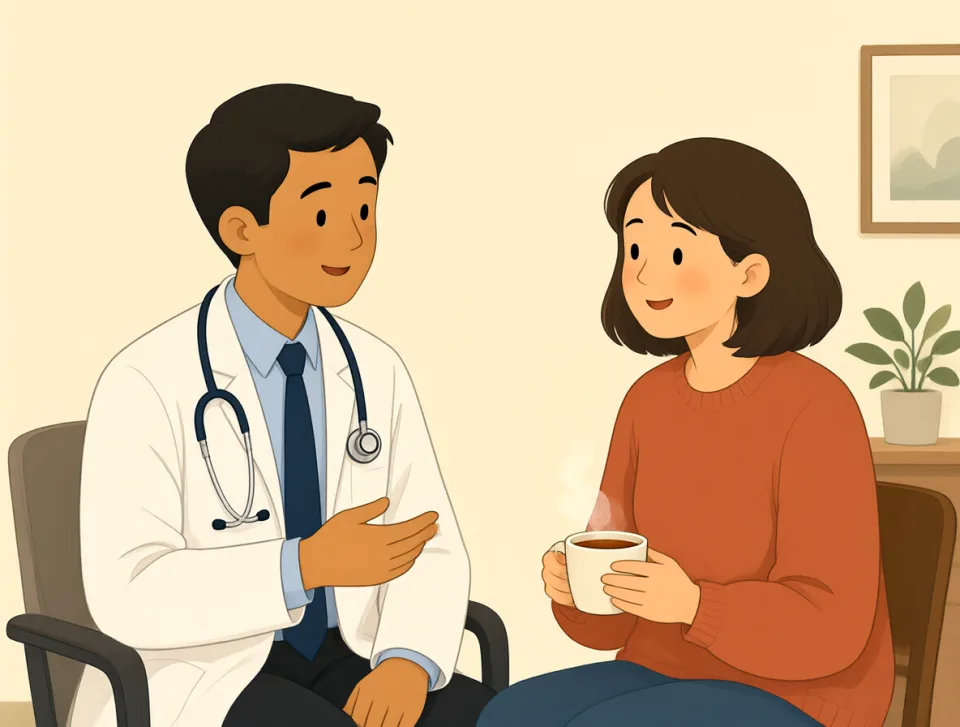
The doctor suggested warm tea for my sore throat.
Lekarz zalecił ciepłą herbatę na ból gardła.
lovely
#1600adjective
uroczy
Very pleasant, attractive, or enjoyable.
Bardzo przyjemny, atrakcyjny lub sprawiający radość.
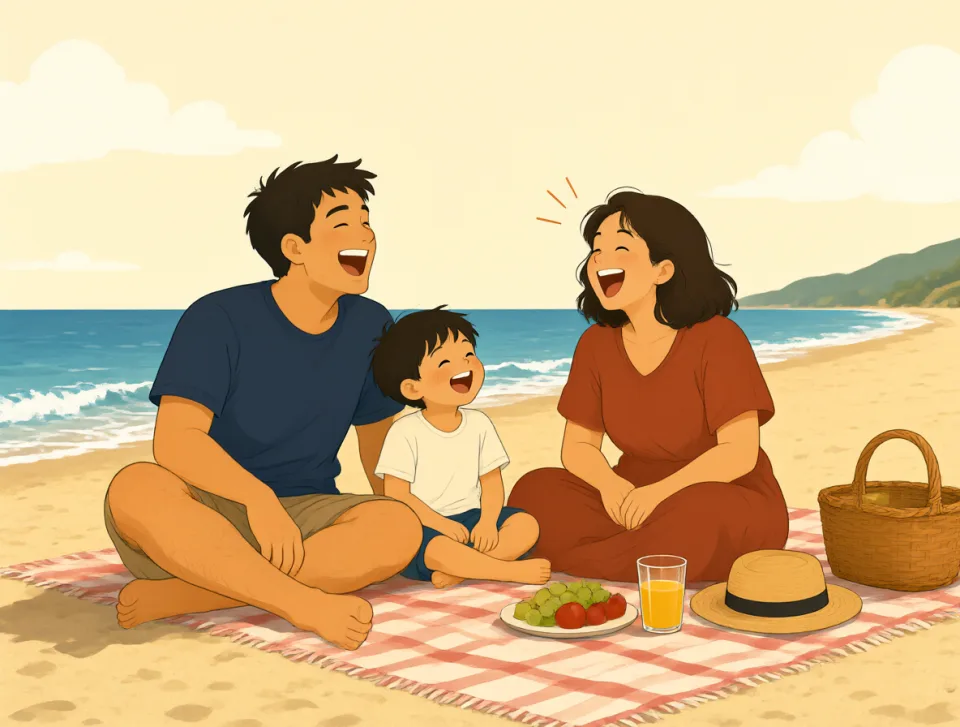
We had a lovely time at the beach yesterday.
Wczoraj świetnie się bawiliśmy na plaży.
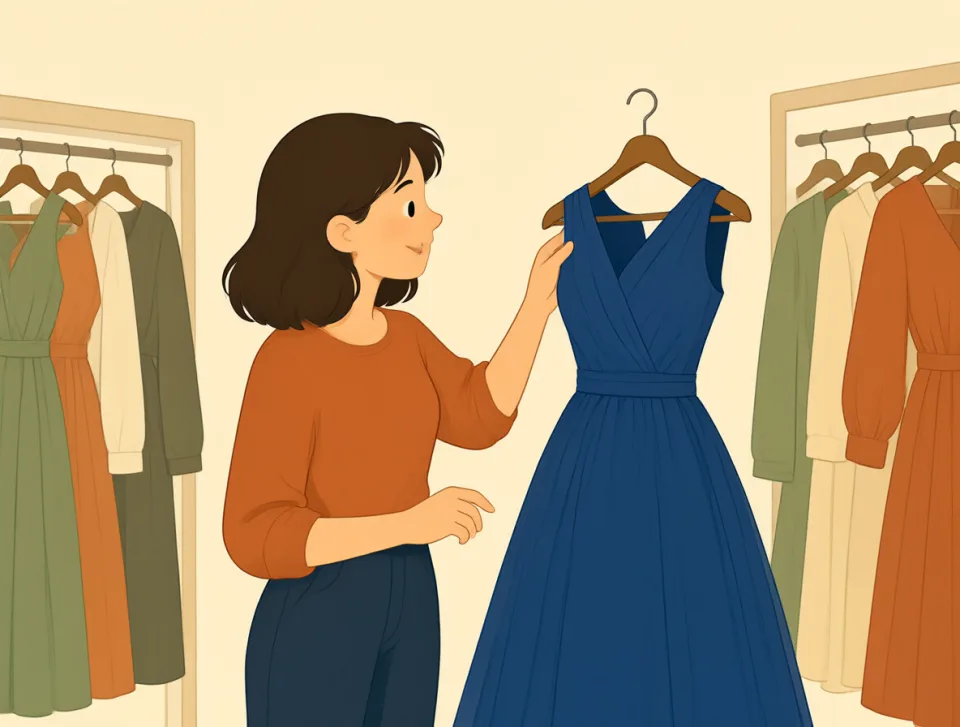
What a lovely dress! The blue color suits you.
Co za piękna sukienka! Ten niebieski kolor do ciebie pasuje.
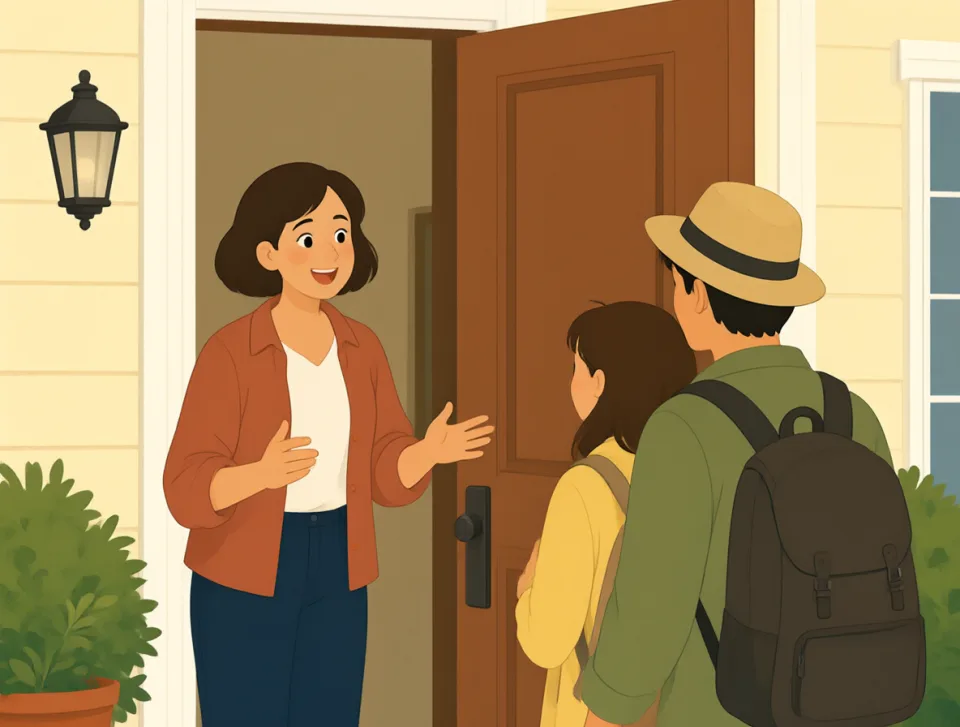
She gave us a lovely welcome when we arrived.
Kiedy przyjechaliśmy, przywitała nas bardzo serdecznie.
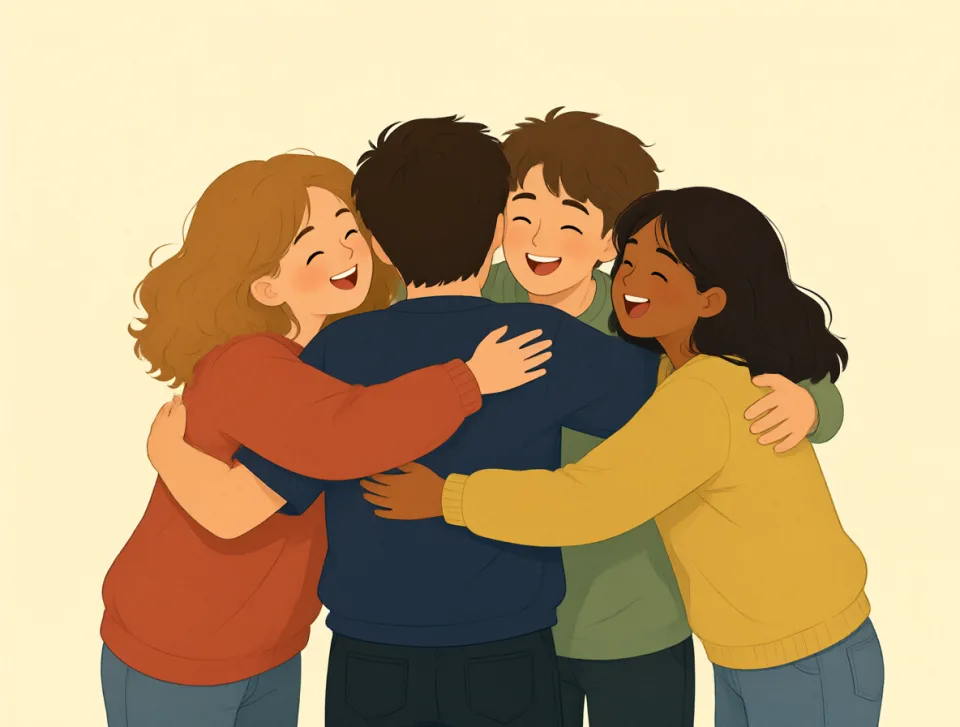
It was lovely to see all my old friends again.
Miło było znów zobaczyć wszystkich moich dawnych przyjaciół.
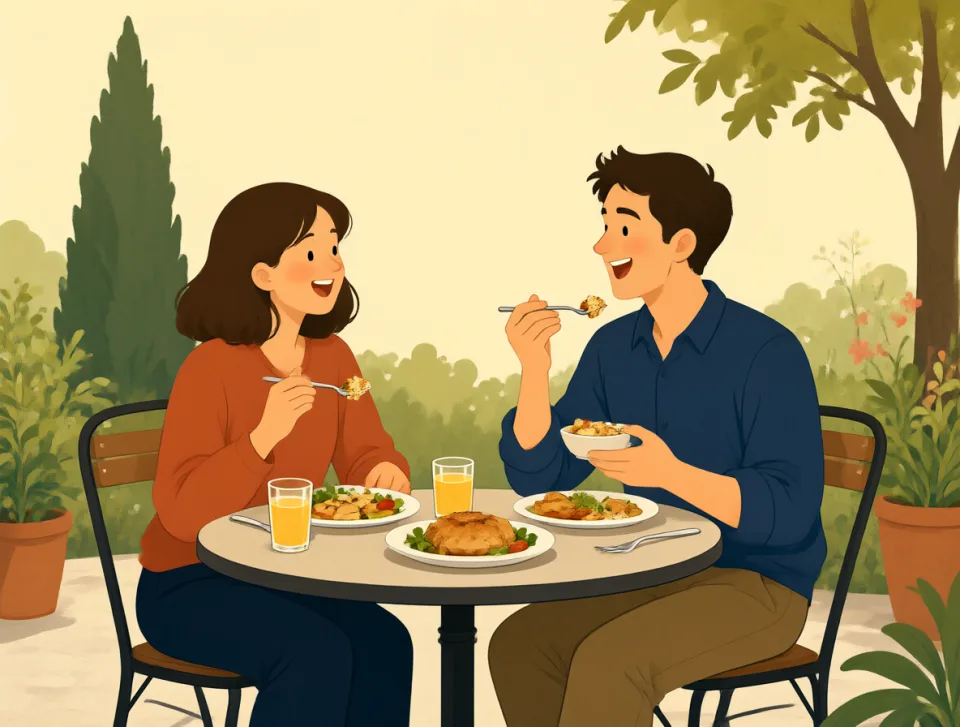
The weather is lovely, so let’s eat lunch outside.
Pogoda jest piękna, więc zjedzmy lunch na zewnątrz.