Zestaw 88
Słowa 1741–1760 · chart, attach, hell, everywhere, advise, household
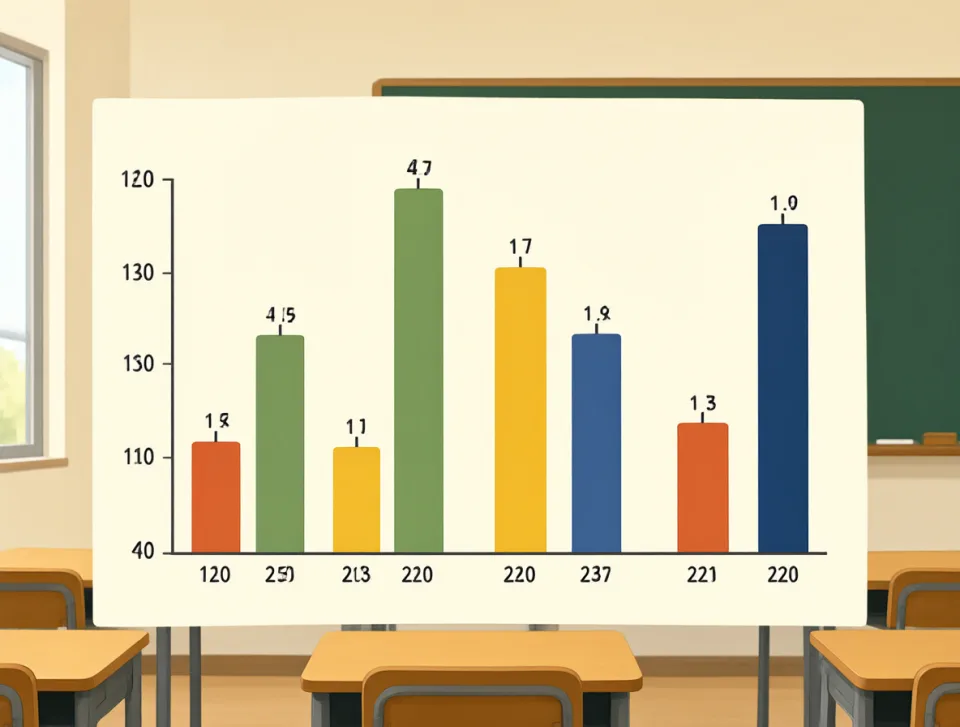
chart
#1741noun, verb
wykres
A drawing that shows information, or to record information on a chart.
Rysunek przedstawiający informacje albo zapisywać informacje na wykresie.
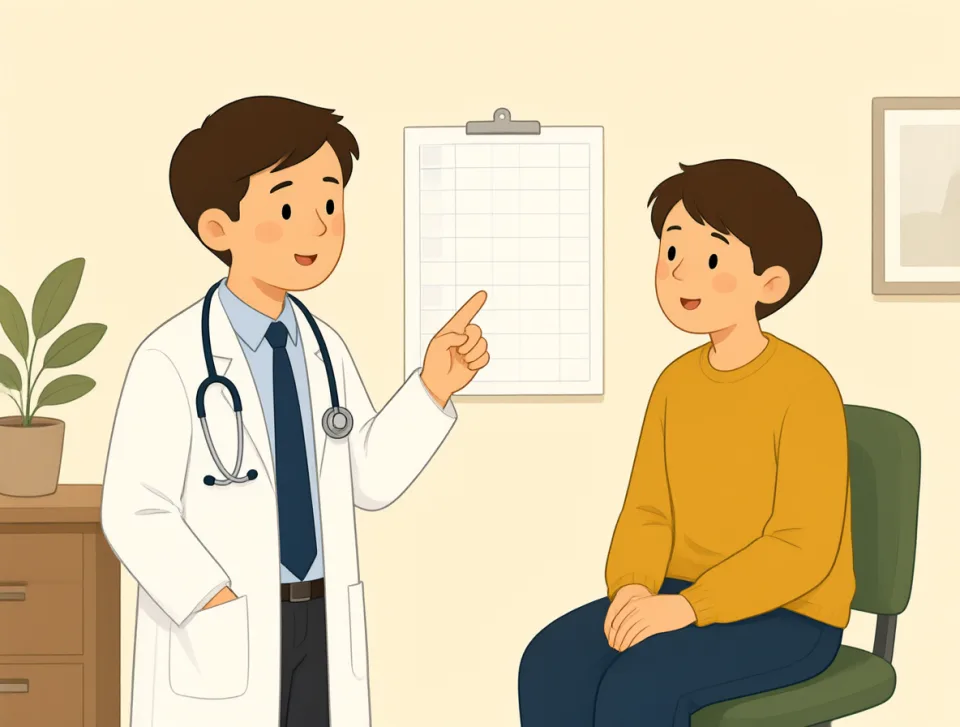
The doctor showed me a chart of my blood pressure.
Lekarz pokazał mi wykres mojego ciśnienia krwi.
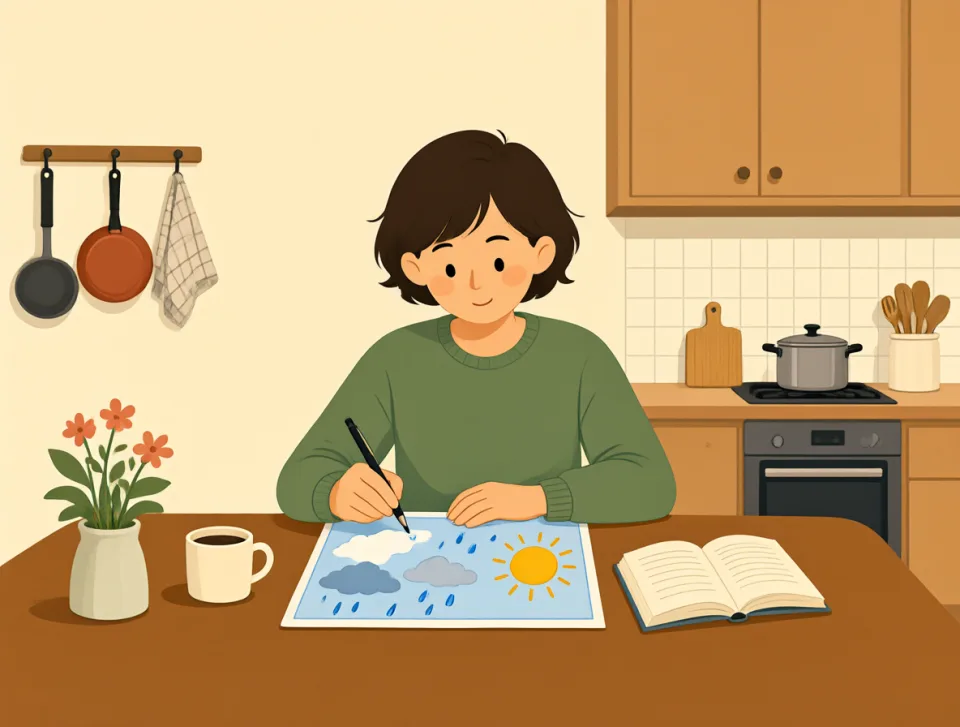
The weather chart predicts rain for most of the week.
Wykres pogodowy przewiduje deszcz przez większą część tygodnia.
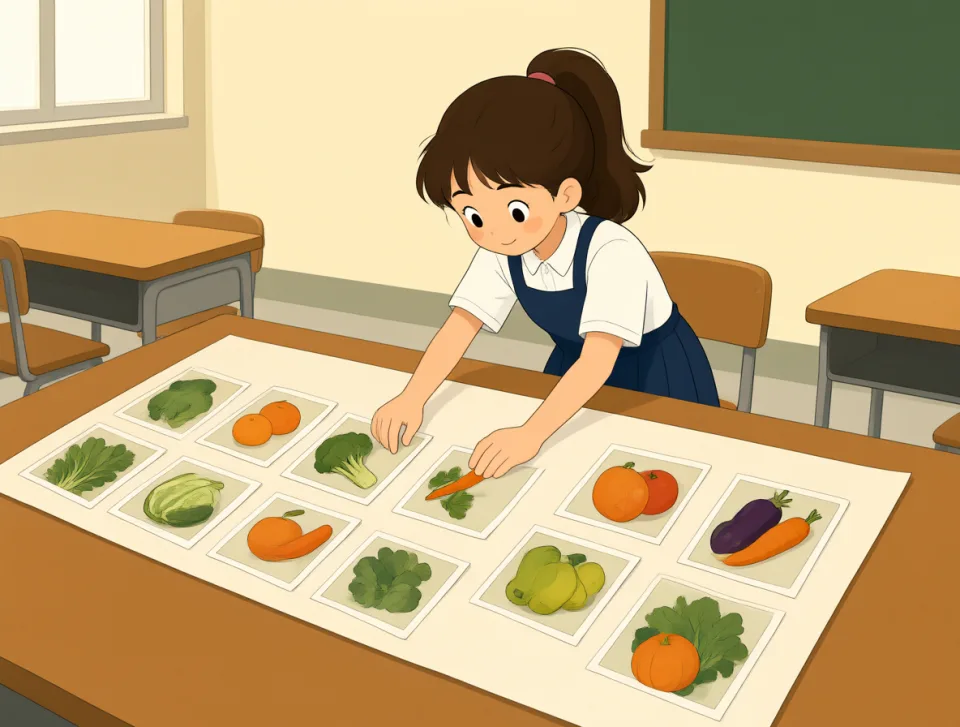
Our teacher asked us to make a chart about healthy foods.
Nauczyciel poprosił nas o przygotowanie wykresu dotyczącego zdrowej żywności.

The song quickly climbed the charts after its release.
Po premierze piosenka szybko wspięła się na listy przebojów.
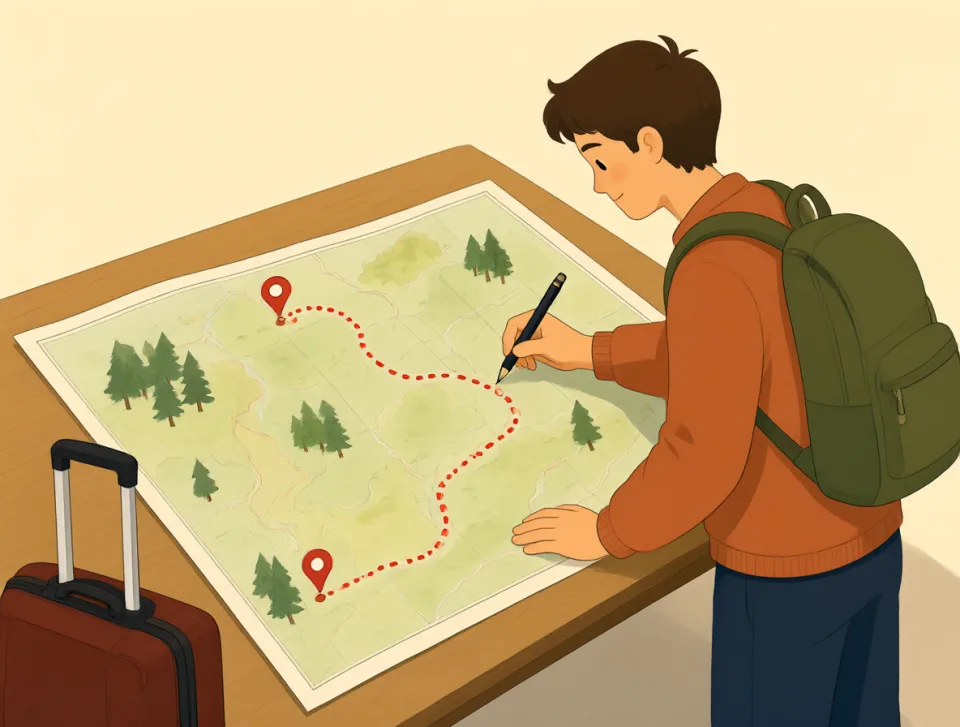
She charted our journey on a map before we left.
Przed wyjazdem zaznaczyła na mapie trasę naszej podróży.
attach
#1742verb
dołączać
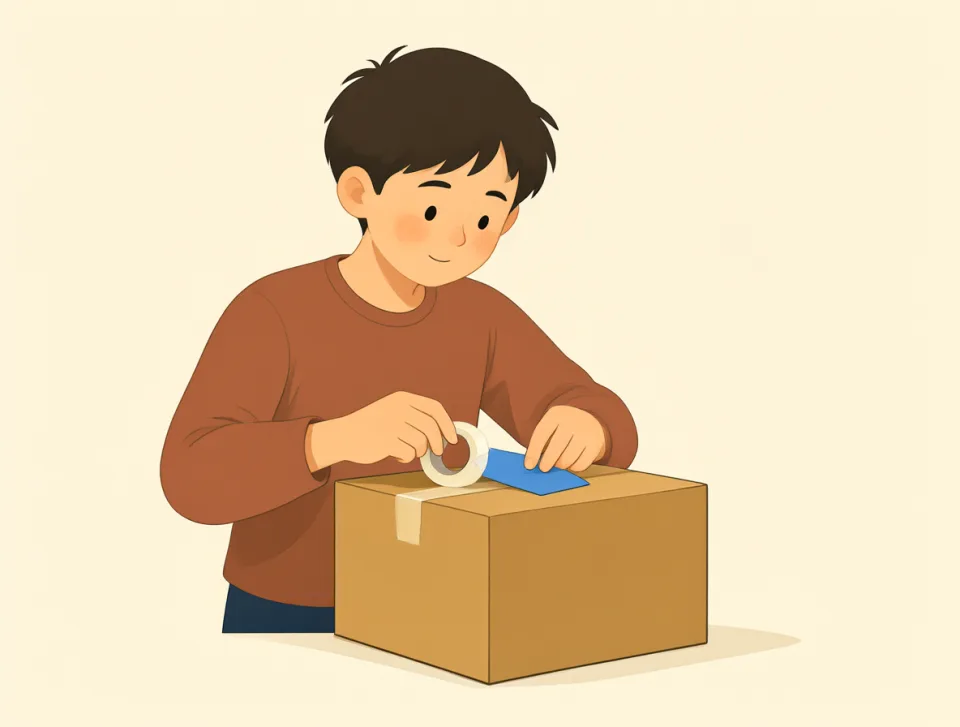
to join one thing to another, or fasten something so it stays in place
Łączyć jedną rzecz z drugą albo mocować coś tak, by pozostało na miejscu.

Please attach the file to your email before sending it.
Przed wysłaniem wiadomości e-mail dołącz do niej plik.
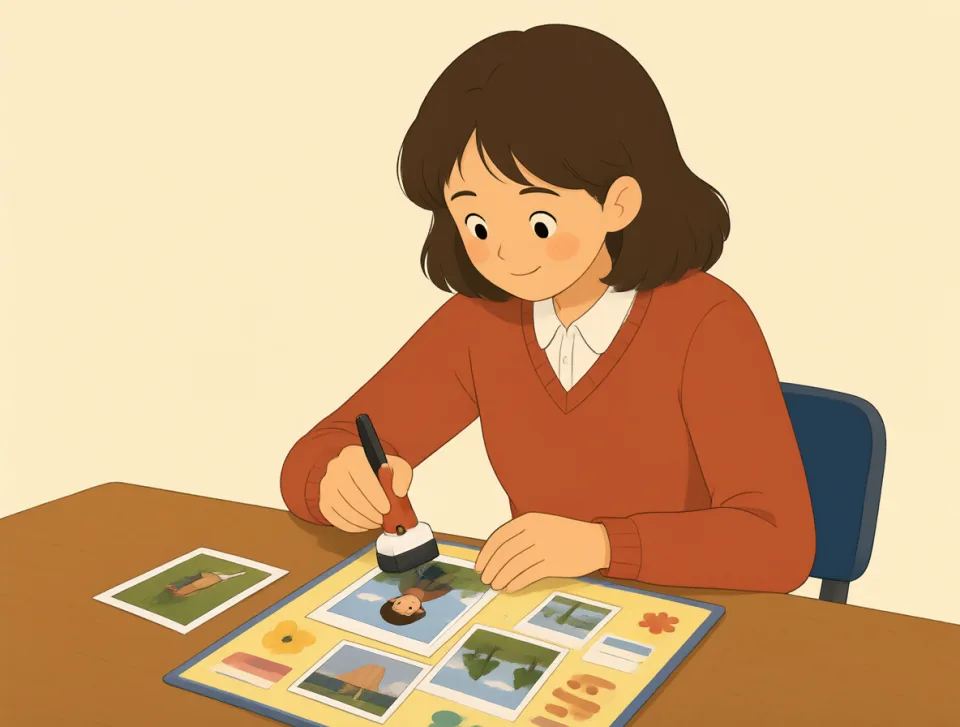
She attached a photo to her school project.
Dołączyła zdjęcie do szkolnego projektu.
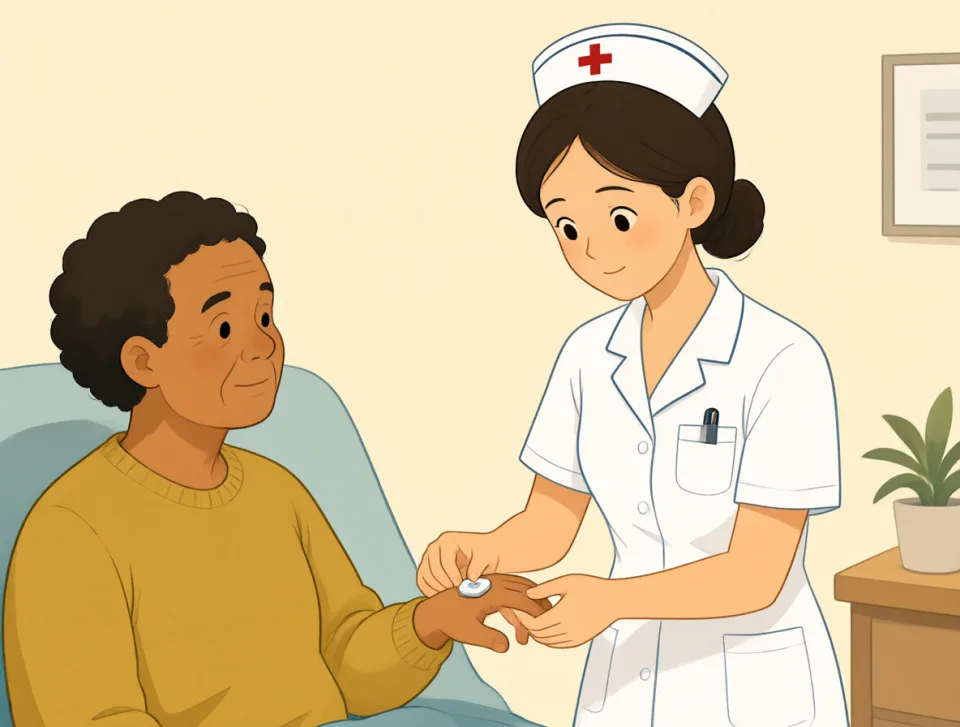
The nurse attached a small sensor to his finger.
Pielęgniarka przymocowała mały czujnik do jego palca.

We attached the price tag to the new jacket.
Przymocowaliśmy metkę z ceną do nowej kurtki.
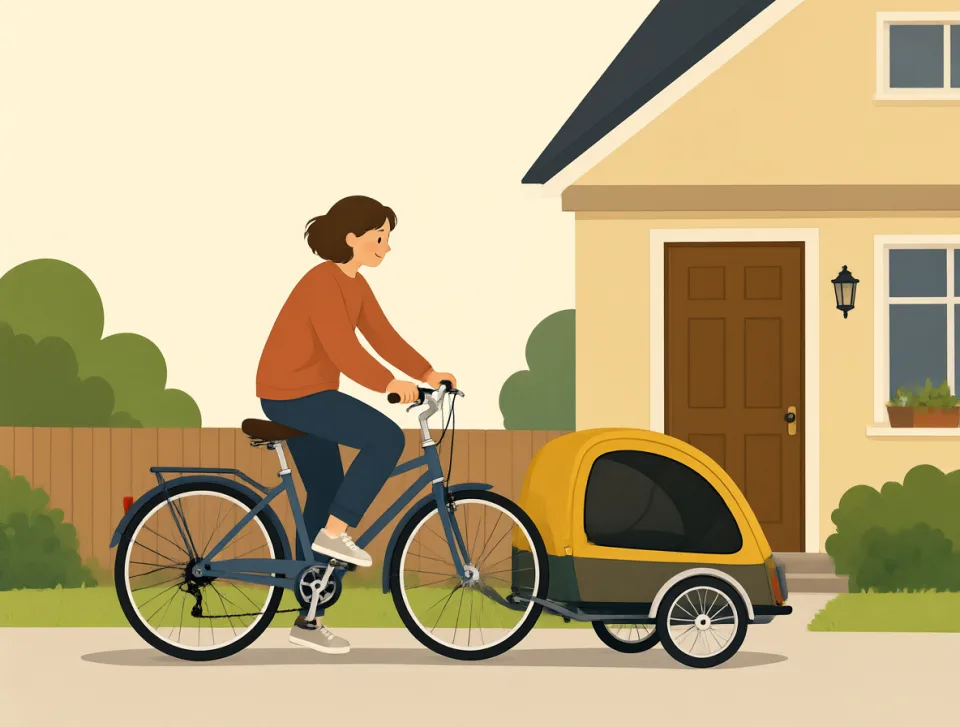
He attached the bicycle trailer before riding to the park.
Przymocował przyczepkę rowerową, zanim pojechał do parku.

hell
#1743noun, interjection
piekło
a place believed to be where bad people suffer after death; also used to show anger or surprise
Miejsce, w którym według wierzeń źli ludzie cierpią po śmierci; słowo używane też do wyrażania złości lub zaskoczenia.
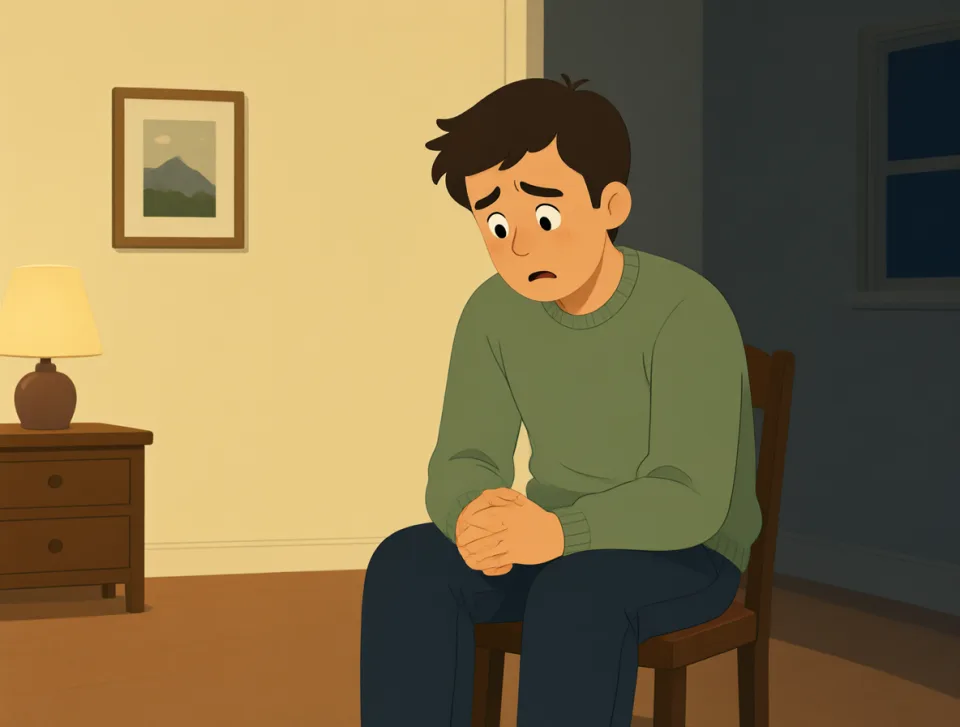
He thought he would go to hell for his terrible actions.
Myślał, że za swoje okropne czyny pójdzie do piekła.

What the hell are you doing in my room?
Co ty, do cholery, robisz w moim pokoju?
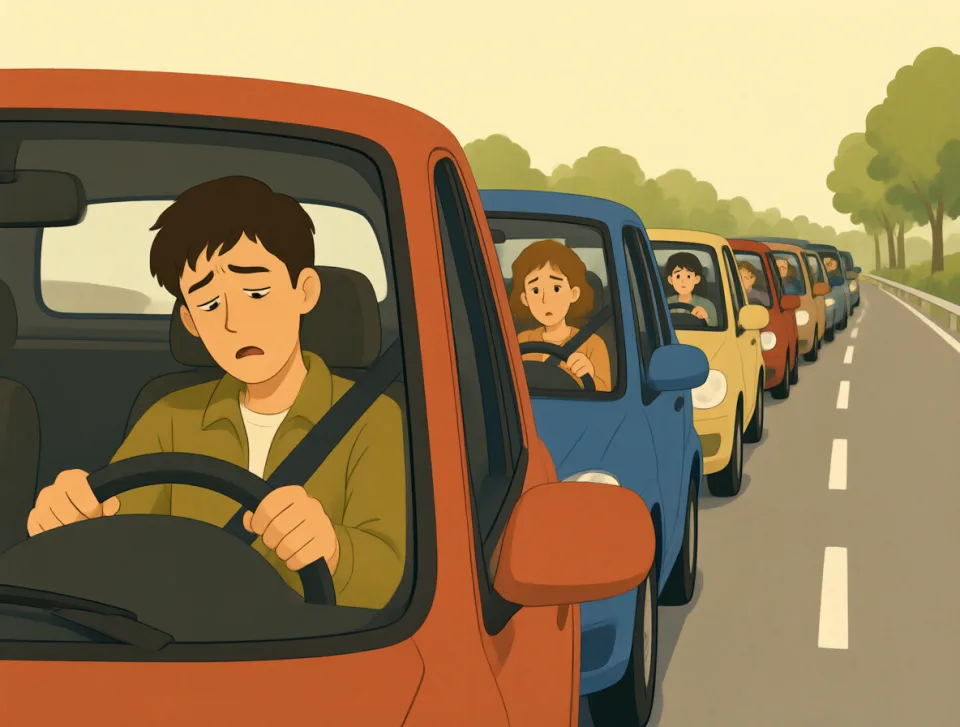
This traffic is driving me to hell today.
Ten dzisiejszy korek doprowadza mnie do szału.

The hikers walked through hell during the hot desert journey.
Podczas wędrówki przez pustynię w upale turyści przeżyli prawdziwe piekło.
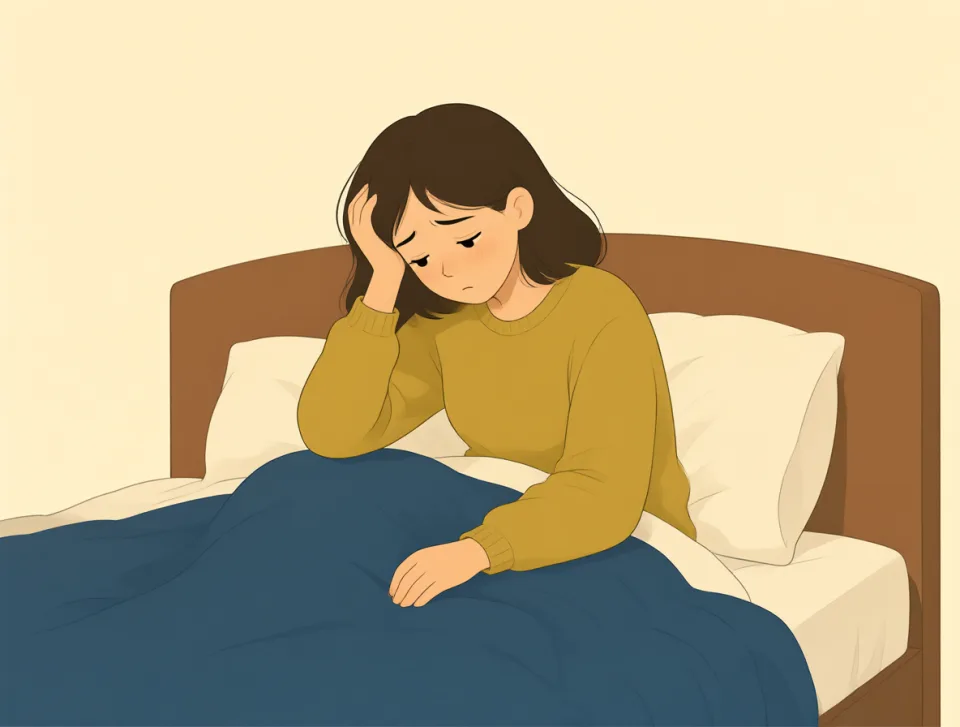
She felt like hell after staying awake all night.
Czuła się fatalnie po nieprzespanej nocy.

everywhere
#1744adverb
wszędzie
in or to every place
W każdym miejscu lub do każdego miejsca.
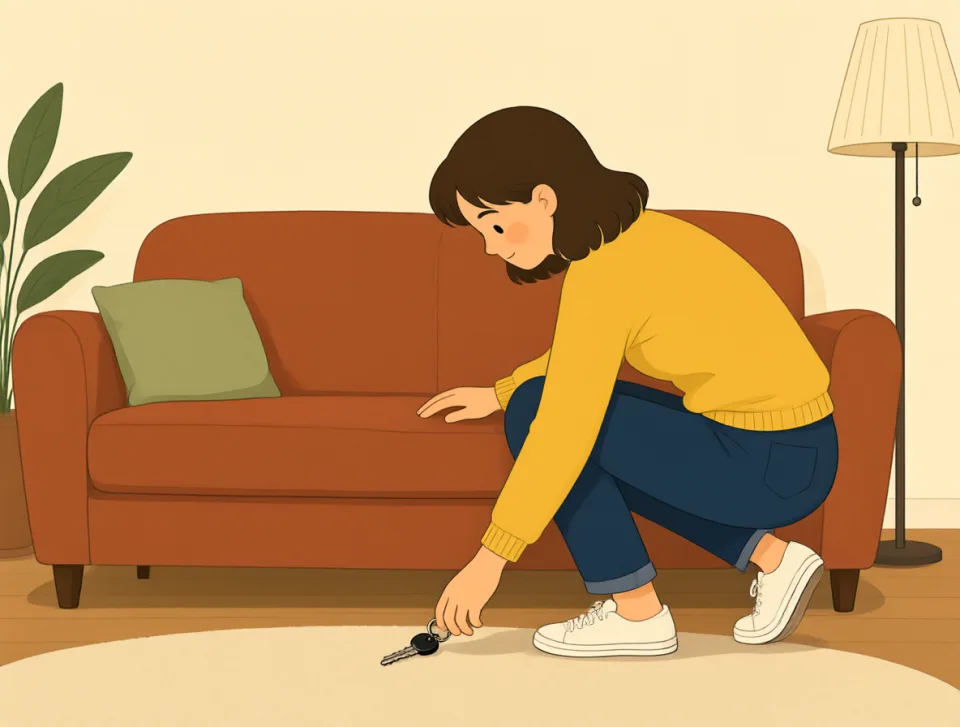
I looked everywhere for my missing keys this morning.
Dziś rano wszędzie szukałem zgubionych kluczy.

You can find small cafés everywhere in this city.
W tym mieście wszędzie można znaleźć małe kawiarnie.
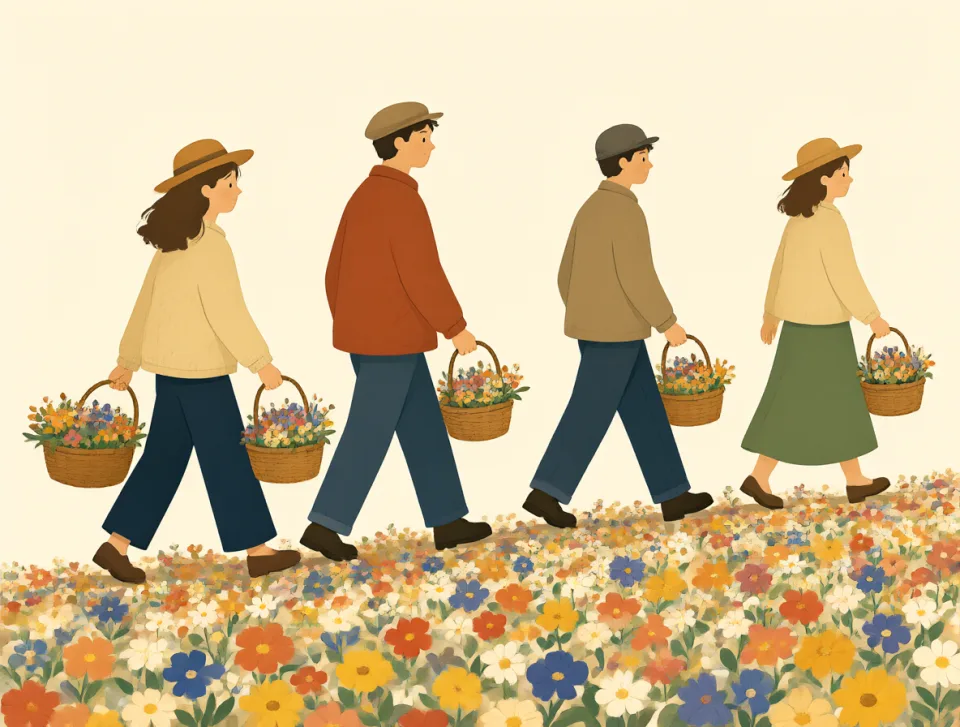
There were flowers everywhere at the spring festival.
Podczas wiosennego festiwalu wszędzie były kwiaty.
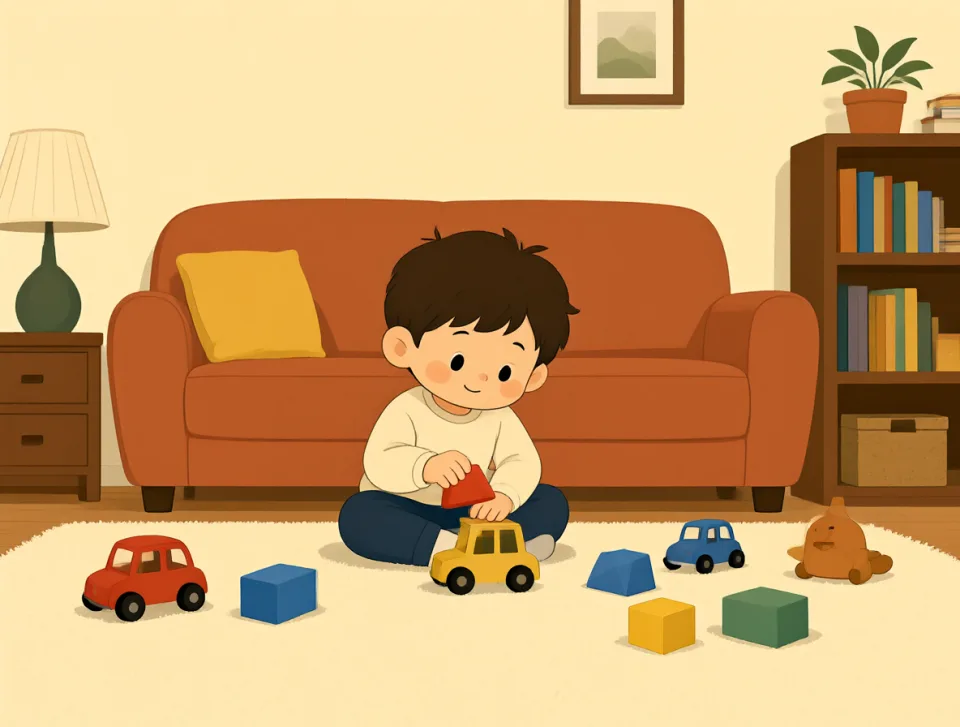
My little brother leaves his toys everywhere in the house.
Mój młodszy brat zostawia swoje zabawki porozrzucane po całym domu.
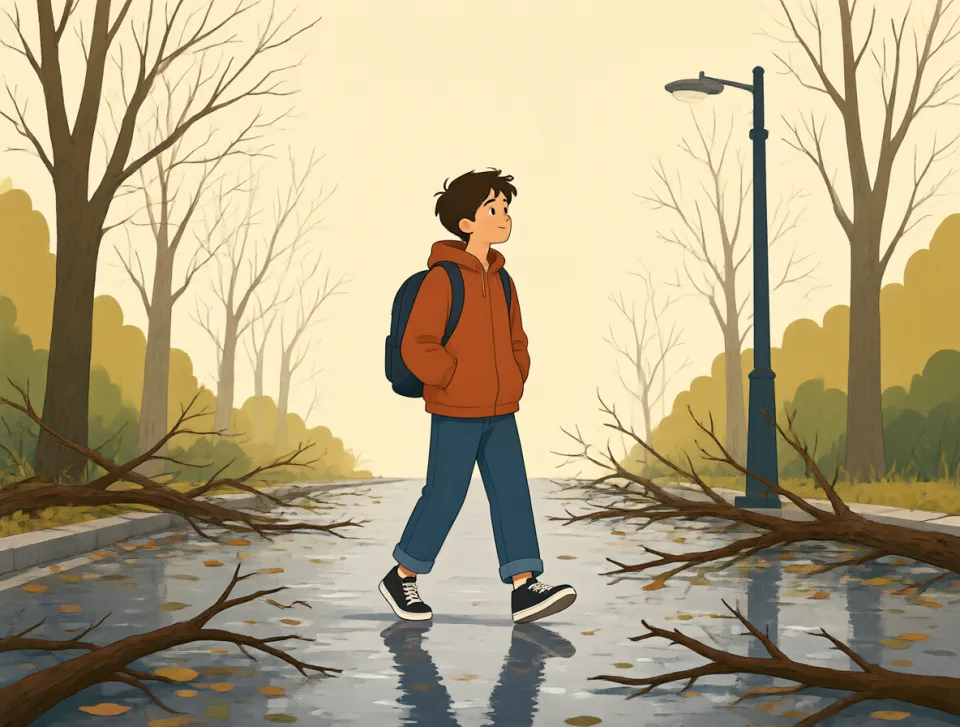
After the storm, fallen branches were lying everywhere.
Po burzy wszędzie leżały połamane gałęzie.
advise
#1745verb
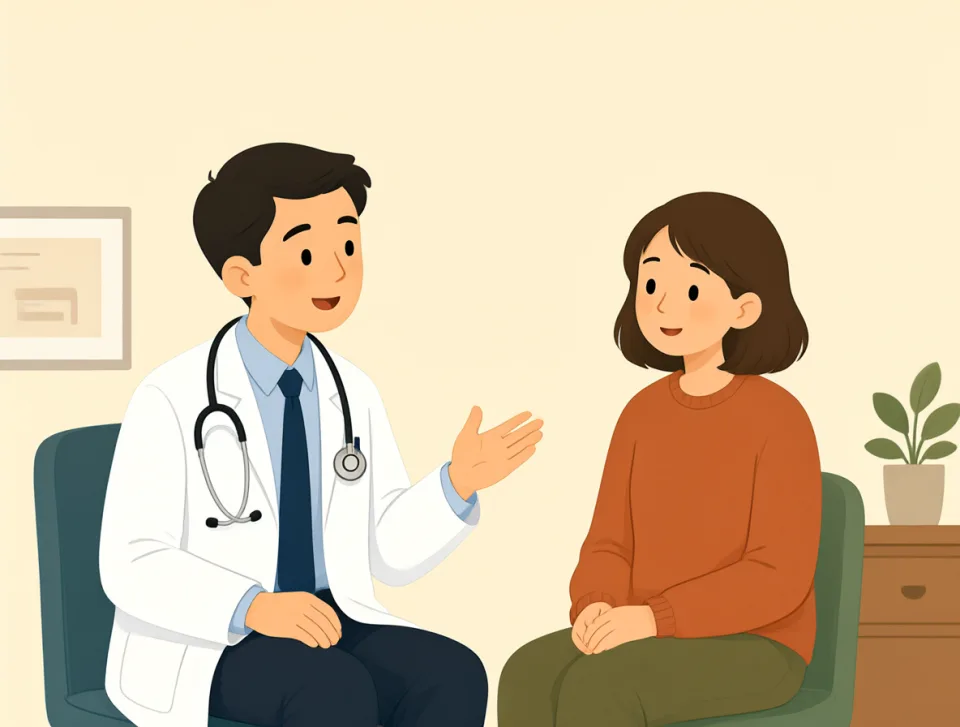
doradzać
to tell someone what you think they should do
Mówić komuś, co twoim zdaniem powinien zrobić.
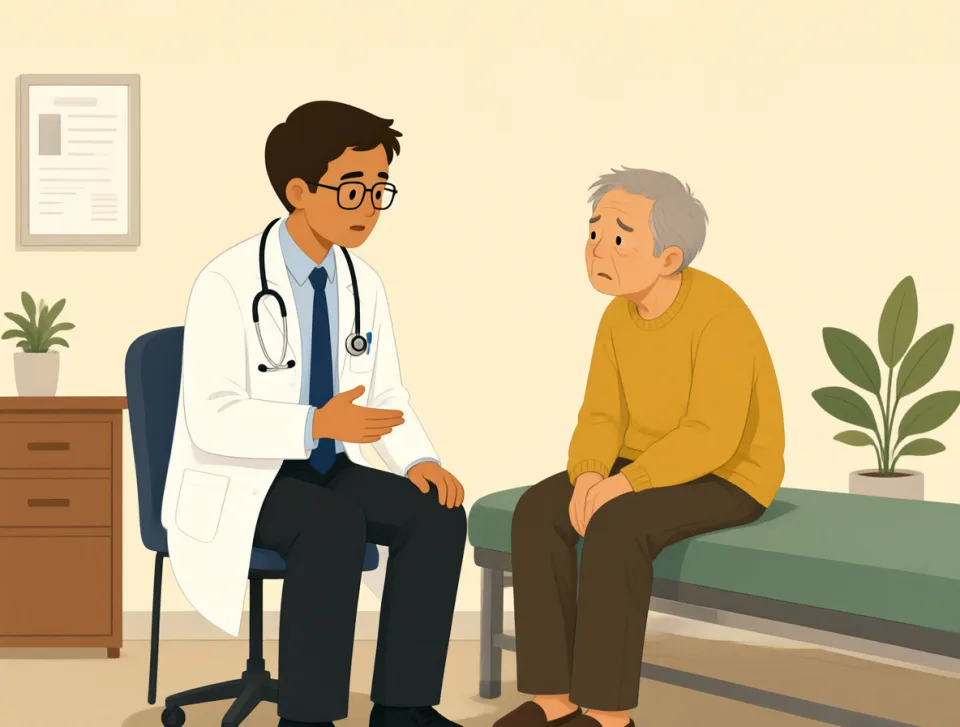
My doctor advised me to get more sleep.
Mój lekarz poradził mi, żebym więcej spał.
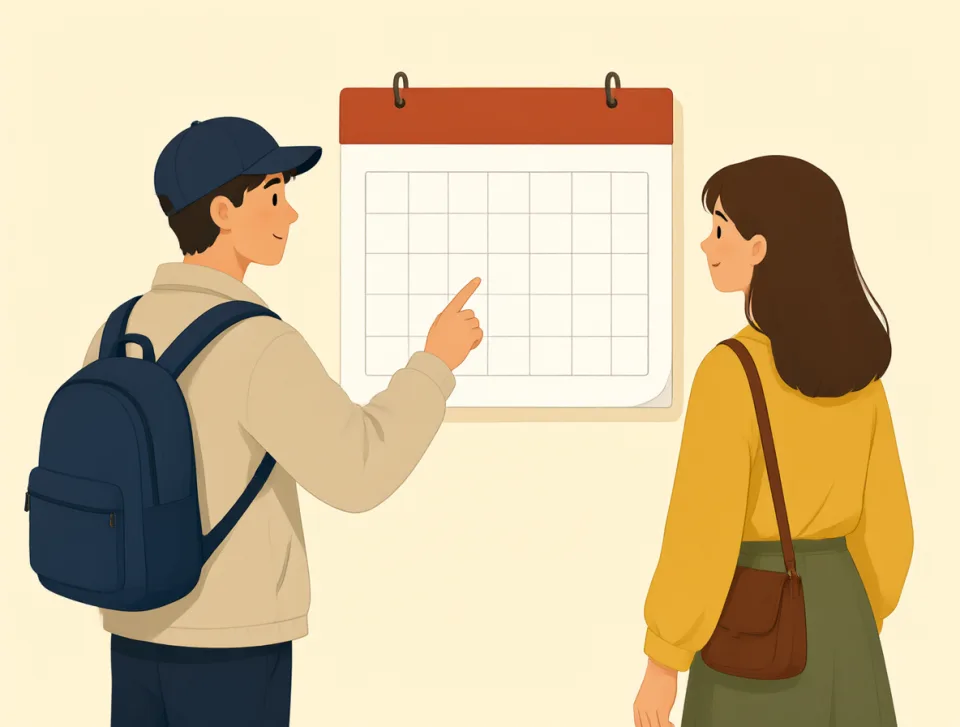
I advise you to book your hotel early.
Radzę ci zarezerwować hotel z wyprzedzeniem.
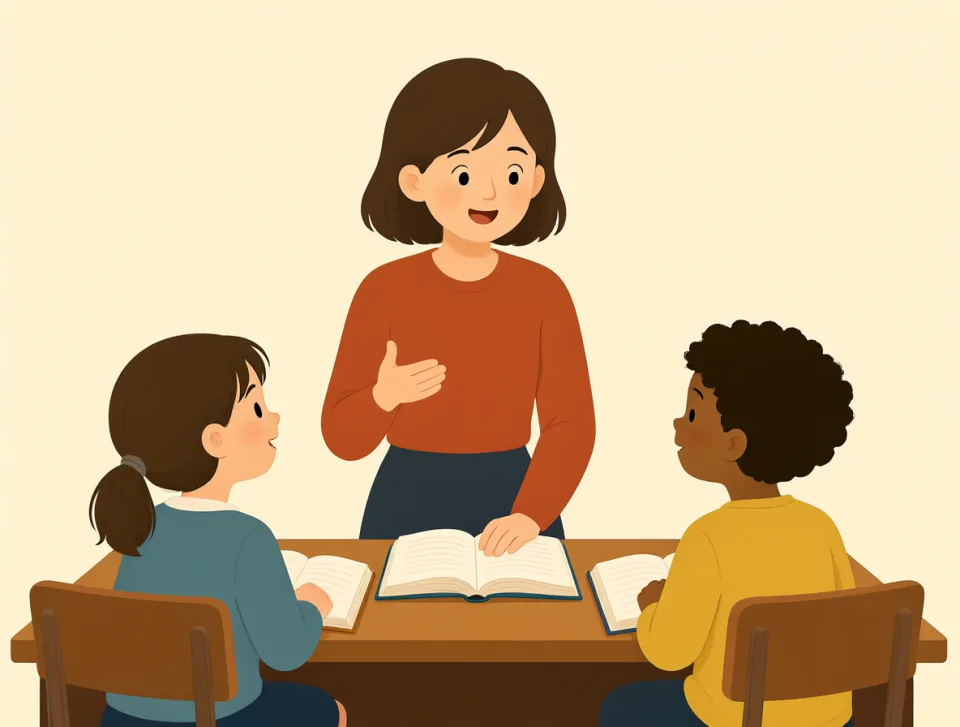
The teacher advised us to study for the test.
Nauczyciel poradził nam, żebyśmy pouczyli się do testu.

Can you advise me on which jacket to buy?
Możesz mi doradzić, którą kurtkę kupić?
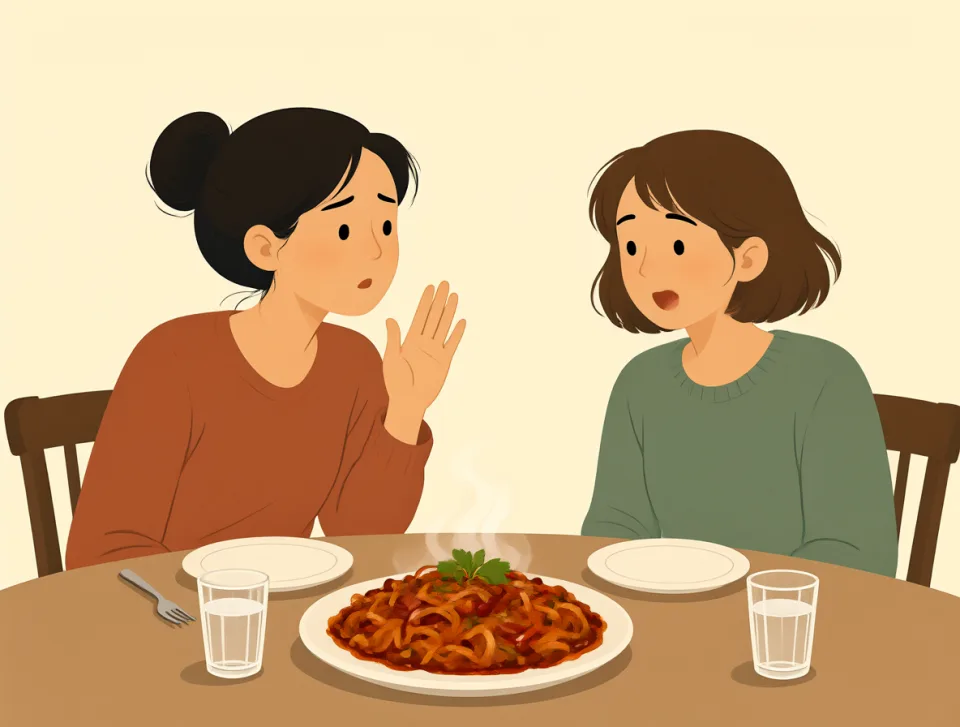
She advised against eating too much spicy food.
Odradziła jedzenie zbyt dużej ilości ostrych potraw.

household
#1746noun, adjective
gospodarstwo domowe
A home and the people who live together in it.
Dom i mieszkający w nim razem ludzie.
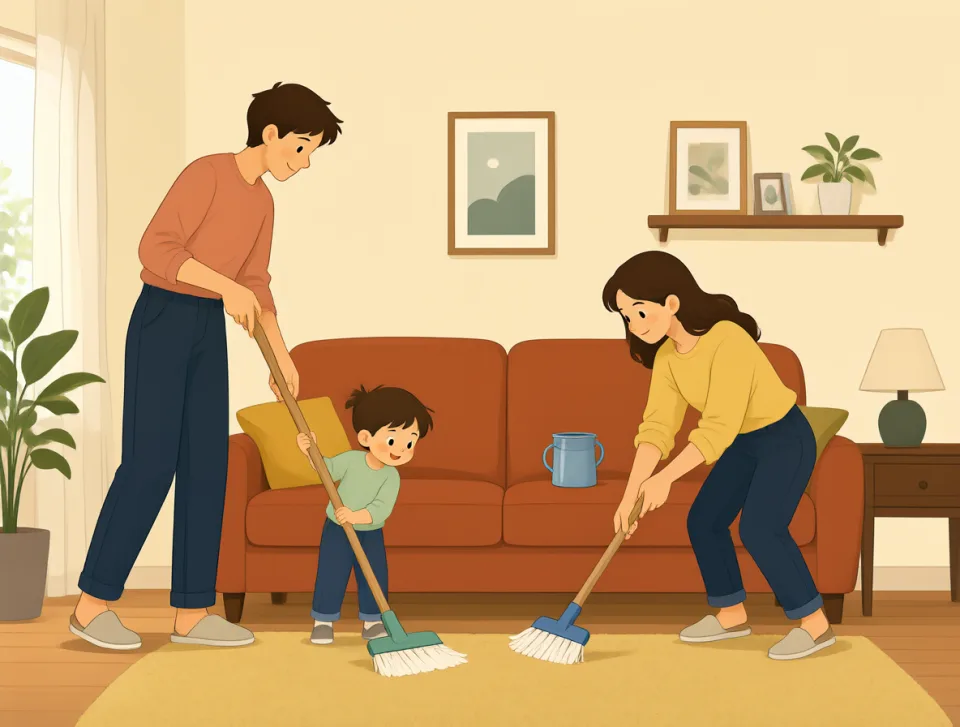
Everyone in our household helps clean the house on Saturday.
Wszyscy domownicy pomagają sprzątać dom w sobotę.
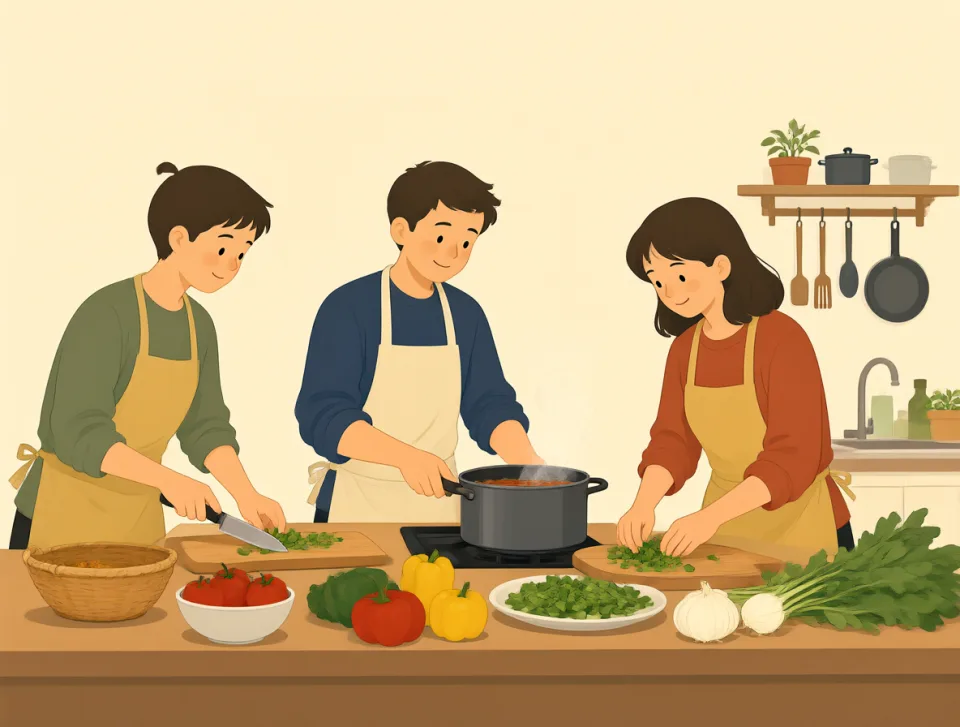
Our household spends less money when we cook at home.
Nasze gospodarstwo domowe wydaje mniej pieniędzy, gdy gotujemy w domu.

The store sells household goods like towels, plates, and lamps.
Sklep sprzedaje artykuły gospodarstwa domowego, takie jak ręczniki, talerze i lampy.
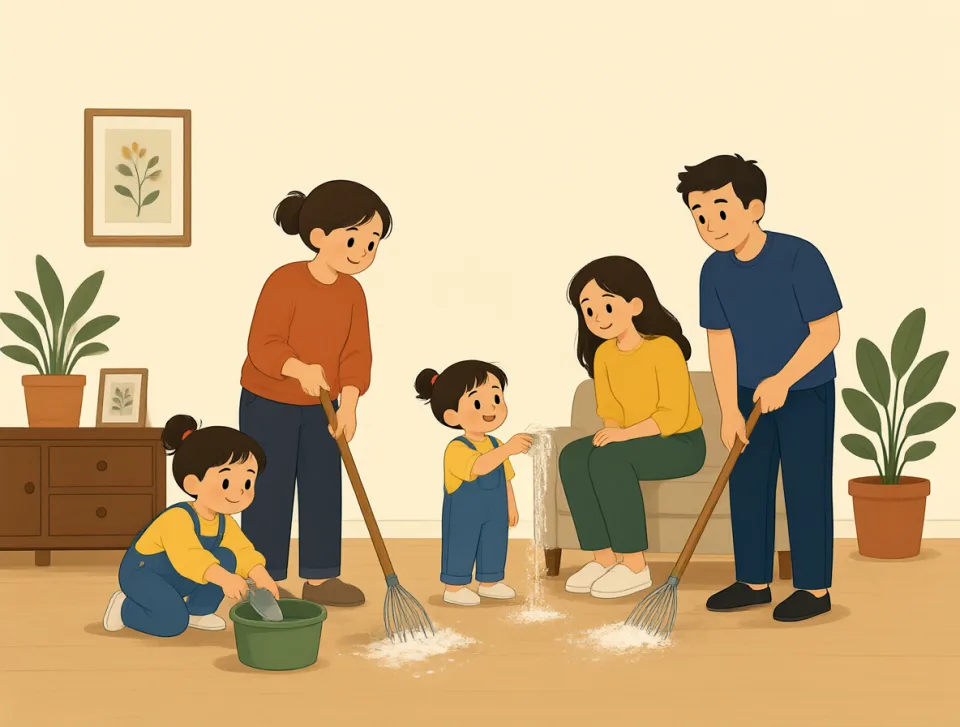
Household chores can be easier when everyone shares them.
Obowiązki domowe mogą być łatwiejsze, gdy wszyscy się nimi dzielą.
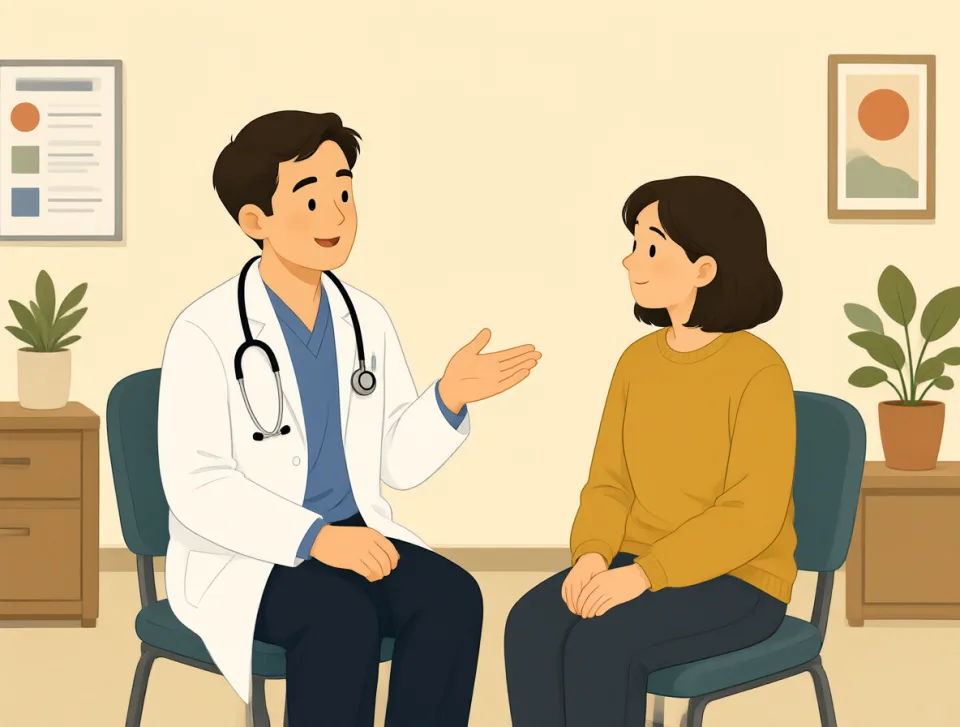
The doctor asked about household members with similar health problems.
Lekarz zapytał o domowników, którzy mają podobne problemy zdrowotne.

acknowledge
#1747verb
uznać
to accept or show that something is true, important, or real
Przyjąć do wiadomości lub pokazać, że coś jest prawdziwe, ważne albo istnieje.

She smiled to acknowledge her neighbor across the street.
Uśmiechnęła się, żeby dać do zrozumienia sąsiadowi po drugiej stronie ulicy, że go zauważyła.

The manager acknowledged my hard work during the meeting.
Kierownik docenił moją ciężką pracę podczas spotkania.

Please acknowledge that you received the package.
Proszę potwierdzić otrzymanie paczki.
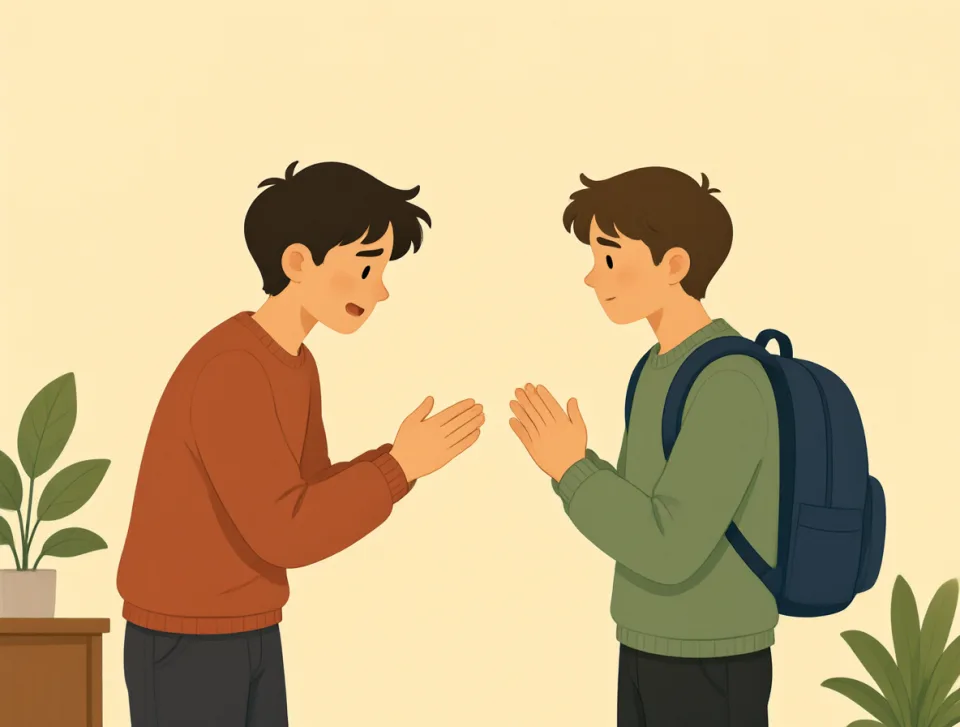
He finally acknowledged that he had made a mistake.
W końcu przyznał, że popełnił błąd.
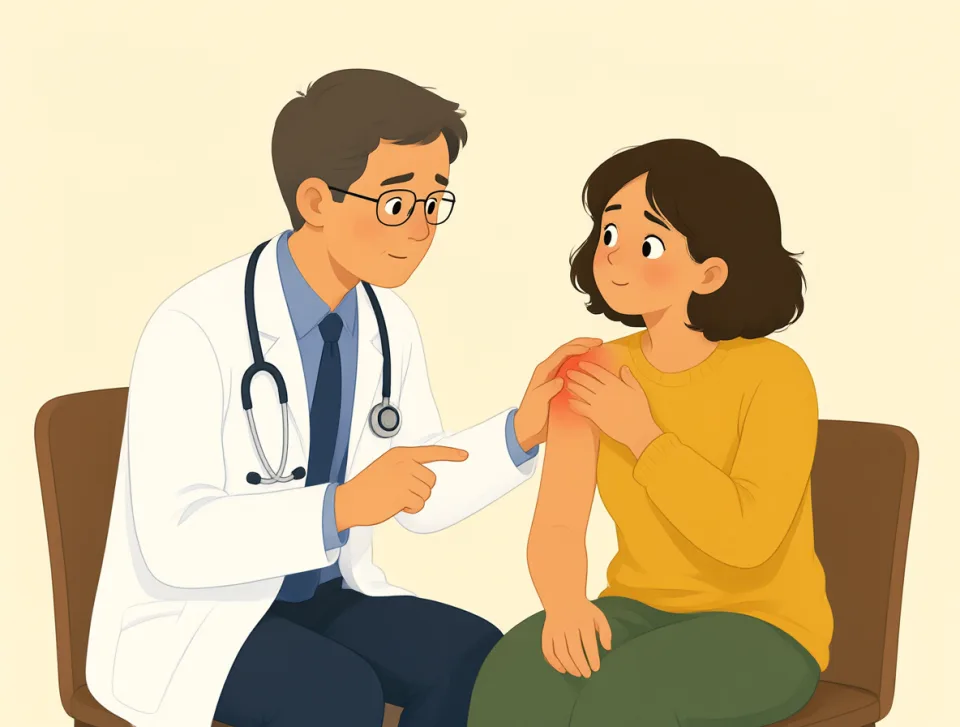
The doctor acknowledged her pain and offered helpful treatment.
Lekarz uznał, że odczuwa ból, i zaproponował pomocne leczenie.
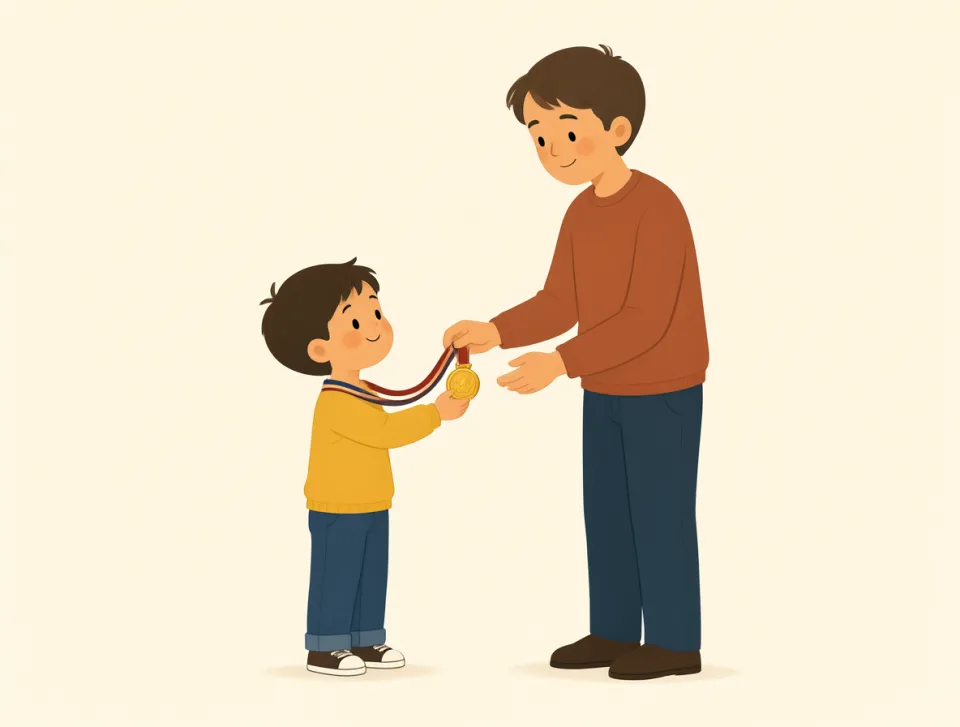
reward
#1748noun, verb
nagroda
Something given for good work or behavior, or to give someone this.
Coś, co daje się za dobrą pracę lub zachowanie, albo samo dawanie komuś takiej rzeczy.

The winner received a reward for finishing the race first.
Zwycięzca otrzymał nagrodę za ukończenie wyścigu na pierwszym miejscu.
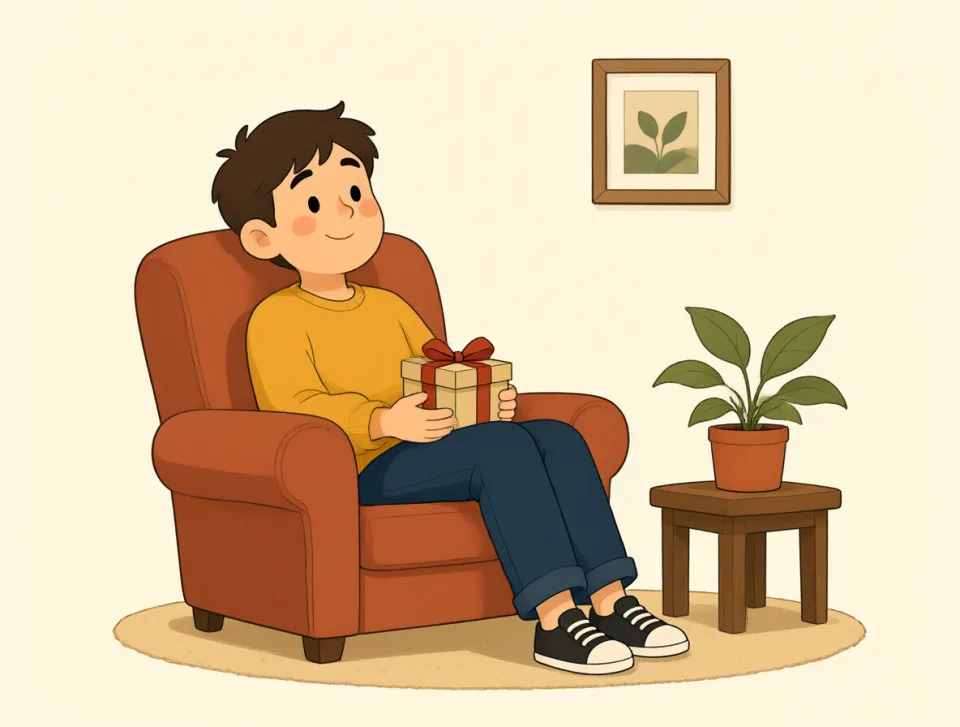
I bought myself a small reward after completing my difficult project.
Po ukończeniu trudnego projektu kupiłem sobie małą nagrodę.

The teacher rewarded the students with extra playtime.
Nauczyciel nagrodził uczniów dodatkowym czasem na zabawę.
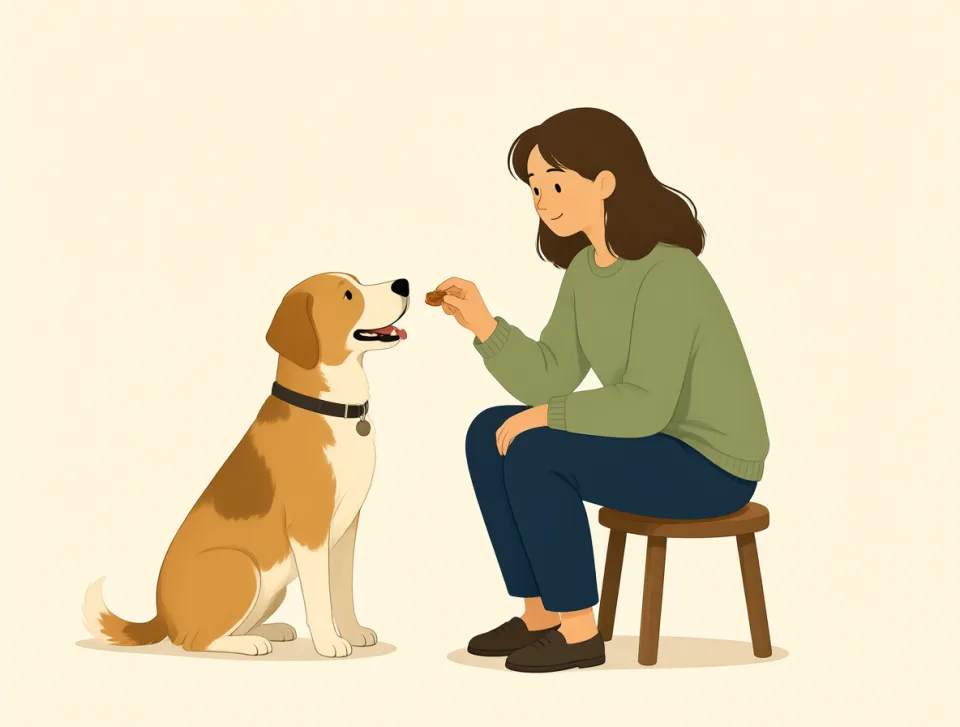
Our dog gets a reward whenever he follows a command.
Nasz pies dostaje nagrodę za każdym razem, gdy wykonuje polecenie.

The company rewards loyal customers with special discounts.
Firma nagradza lojalnych klientów specjalnymi rabatami.

east
#1749noun, adjective, adverb, preposition
wschód
the direction where the sun rises, or the eastern part of a place
Kierunek, z którego wschodzi słońce, lub wschodnia część jakiegoś miejsca.

The sun rises in the east every morning.
Słońce wschodzi każdego ranka na wschodzie.
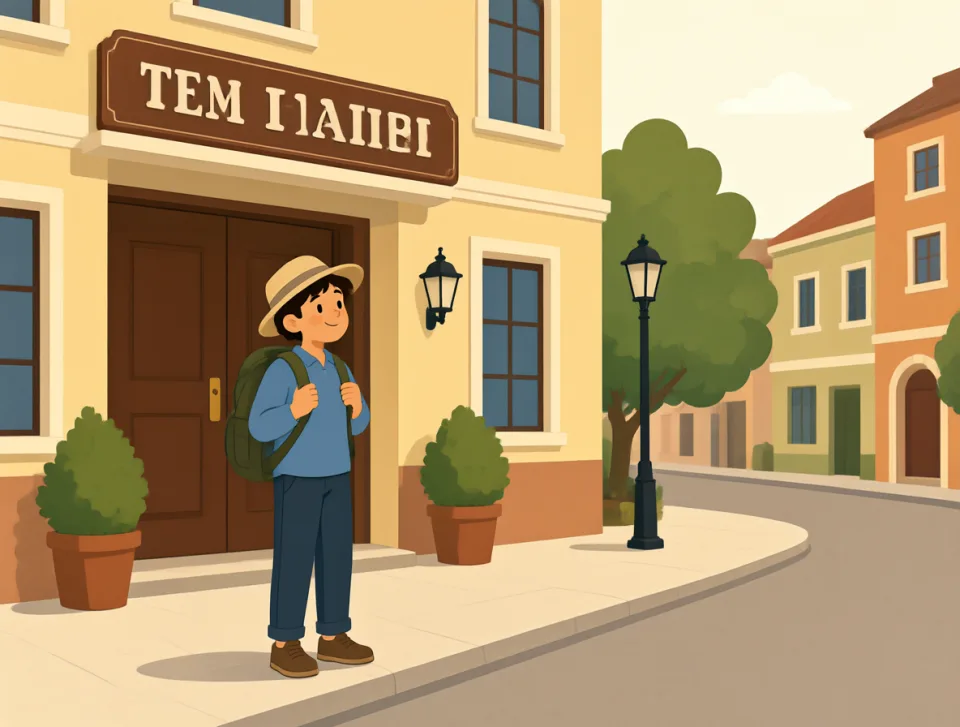
Our hotel is on the east side of town.
Nasz hotel znajduje się we wschodniej części miasta.

We drove east for two hours to reach the coast.
Jechaliśmy na wschód przez dwie godziny, żeby dotrzeć do wybrzeża.
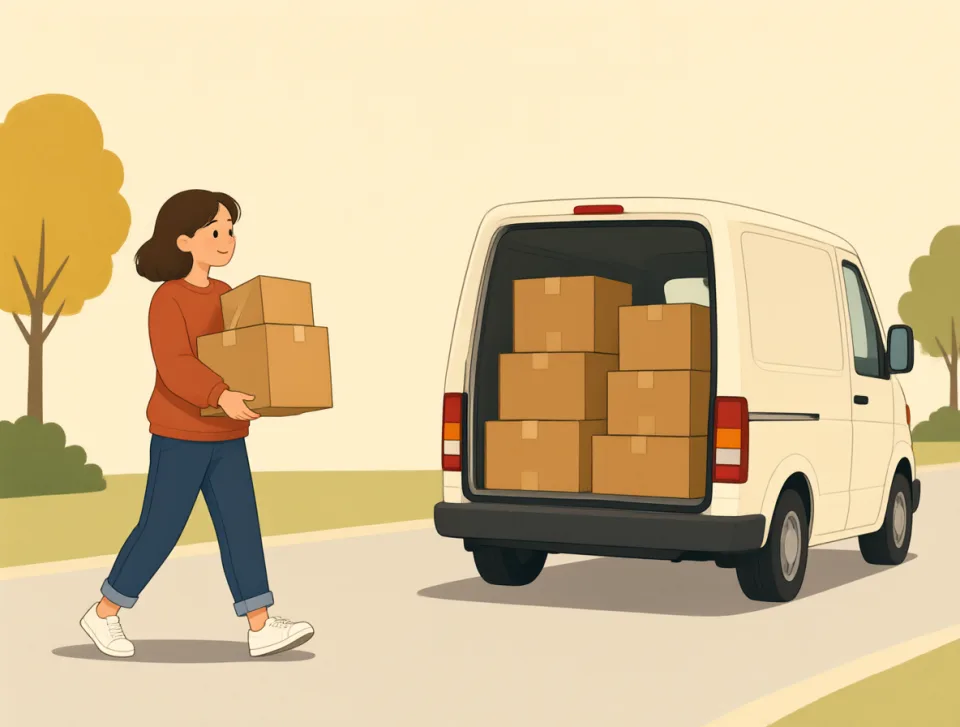
She moved east after finding a new job.
Po znalezieniu nowej pracy przeprowadziła się na wschód.
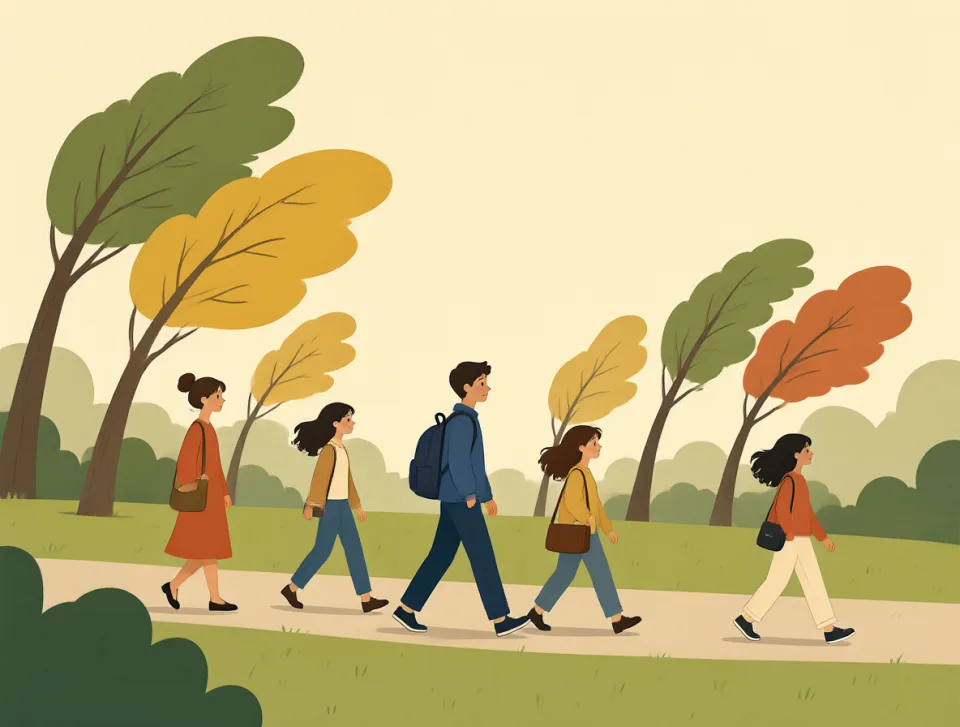
The wind is coming from the east today.
Dziś wiatr wieje ze wschodu.

hat
#1750noun
kapelusz
A covering worn on the head, often for warmth, protection, or style.
Nakrycie głowy noszone często dla ciepła, ochrony lub stylu.

He put on his hat before going outside.
Założył kapelusz, zanim wyszedł na zewnątrz.

She bought a new hat for the sunny beach.
Kupiła nowy kapelusz na słoneczną plażę.
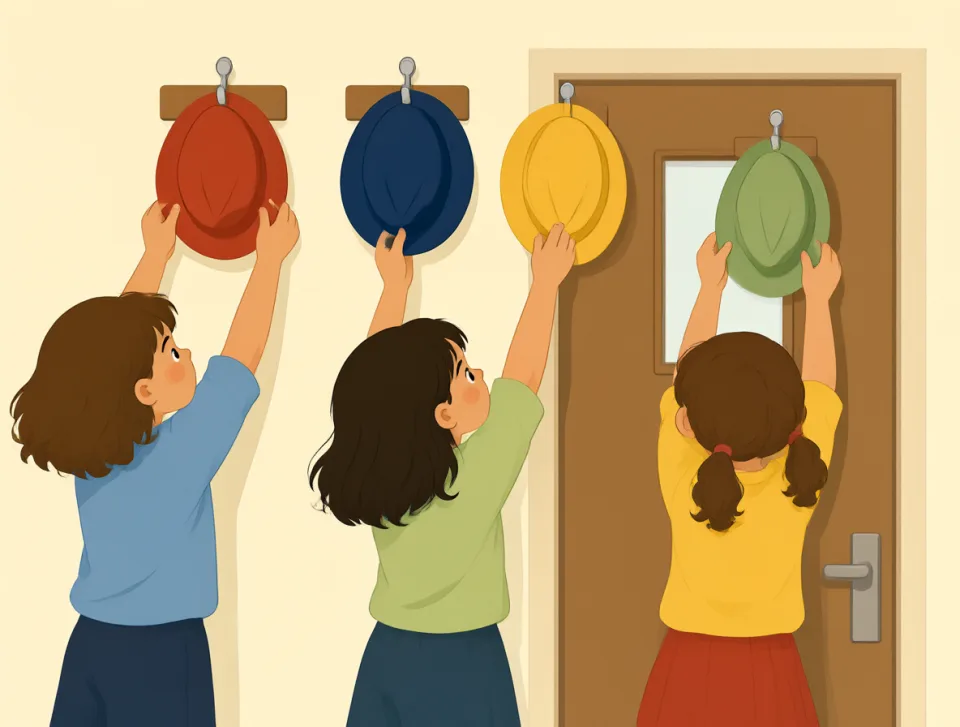
The children hung their hats beside the classroom door.
Dzieci powiesiły swoje kapelusze obok drzwi do sali lekcyjnej.

Please take your hat off during the meeting.
Proszę zdjąć kapelusz na czas spotkania.
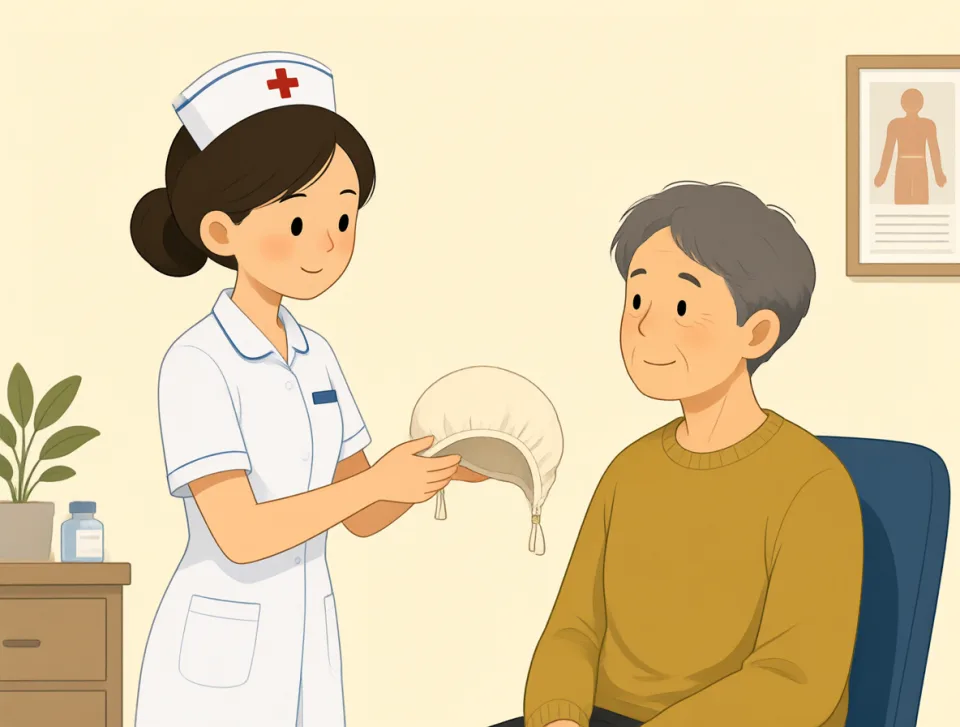
The nurse gave him a hat to protect his head.
Pielęgniarka dała mu kapelusz, żeby chronił głowę.
academic
#1751adjective
akademicki
Connected with education, especially studying and teaching at a school or university.
Związany z edukacją, zwłaszcza nauką i nauczaniem w szkole lub na uniwersytecie.

She received an academic award for her excellent school results.
Otrzymała nagrodę za osiągnięcia w nauce dzięki doskonałym wynikom szkolnym.
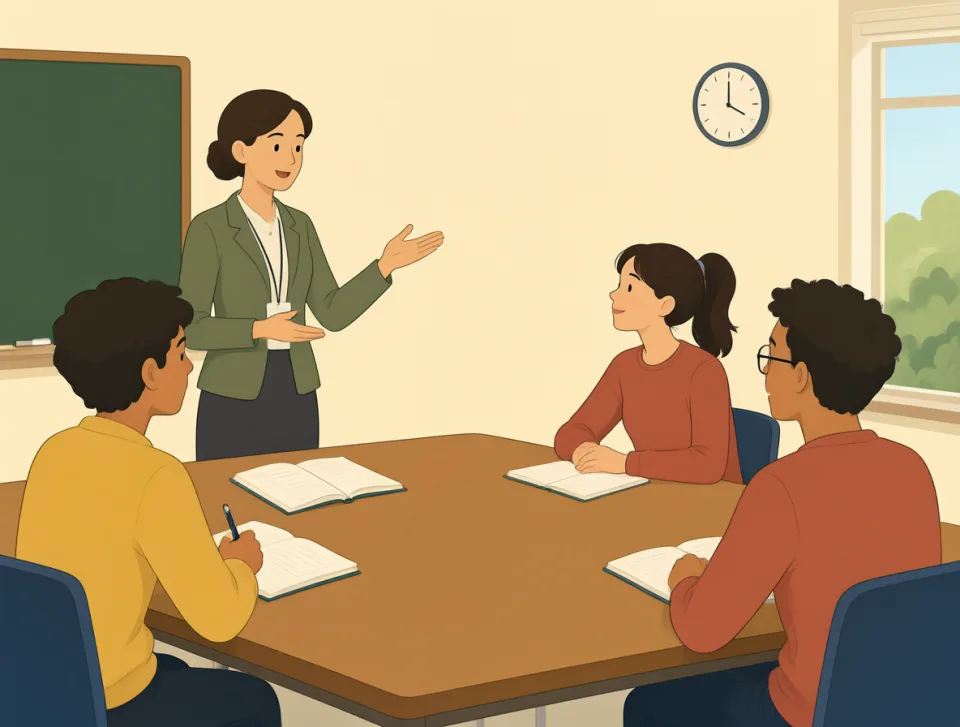
The university offers academic courses in business and computer science.
Uniwersytet oferuje kierunki akademickie z zakresu biznesu i informatyki.
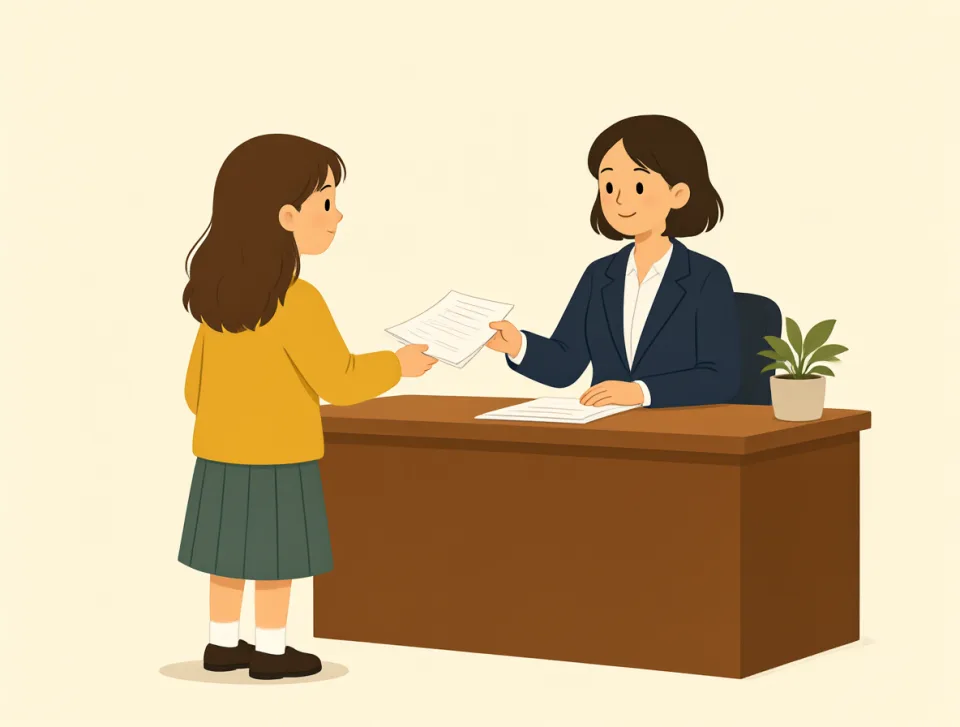
His academic record helped him get a place at college.
Jego osiągnięcia w nauce pomogły mu dostać się na studia.

The museum has many academic books about ancient history.
W muzeum znajduje się wiele książek naukowych o historii starożytnej.
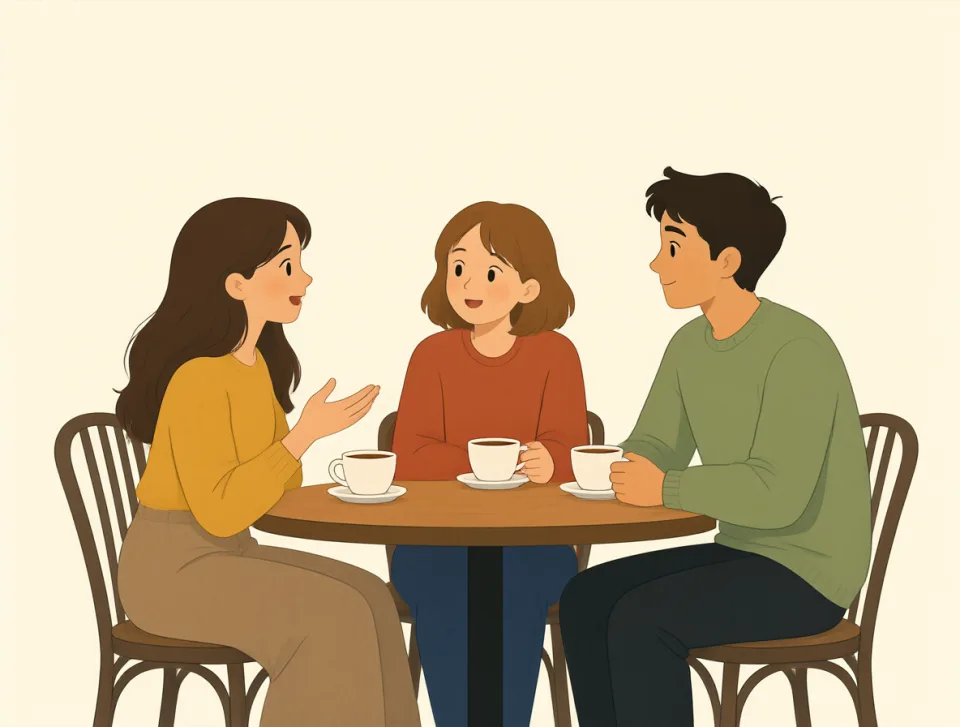
After work, she enjoys academic discussions with her friends.
Po pracy lubi prowadzić ze znajomymi dyskusje na tematy naukowe.
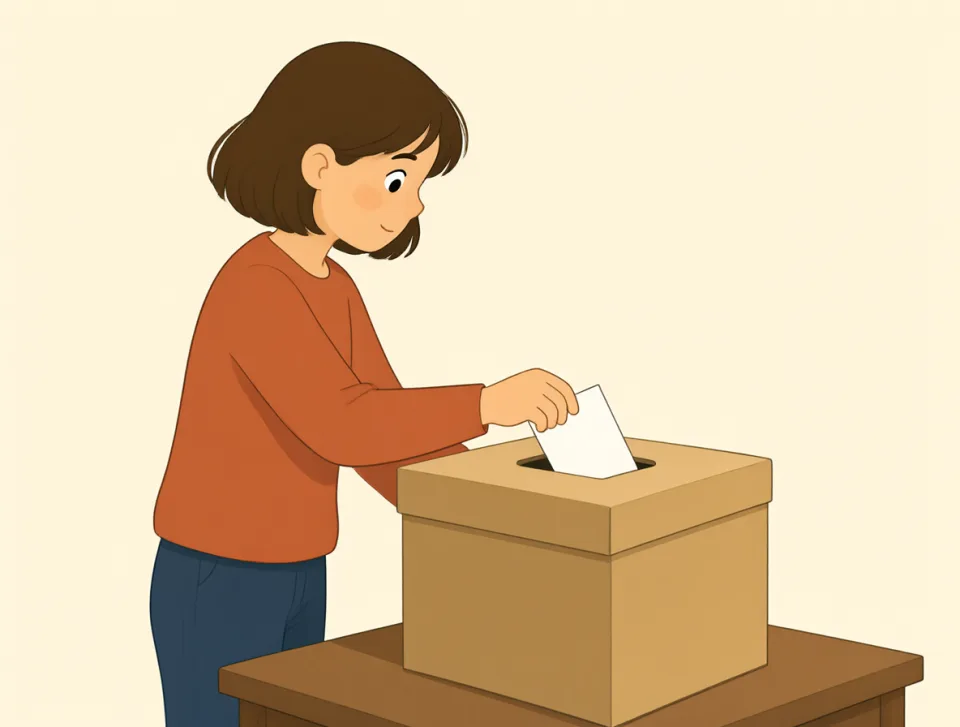
voter
#1752noun
wyborca
A person who votes in an election.
Osoba, która głosuje w wyborach.
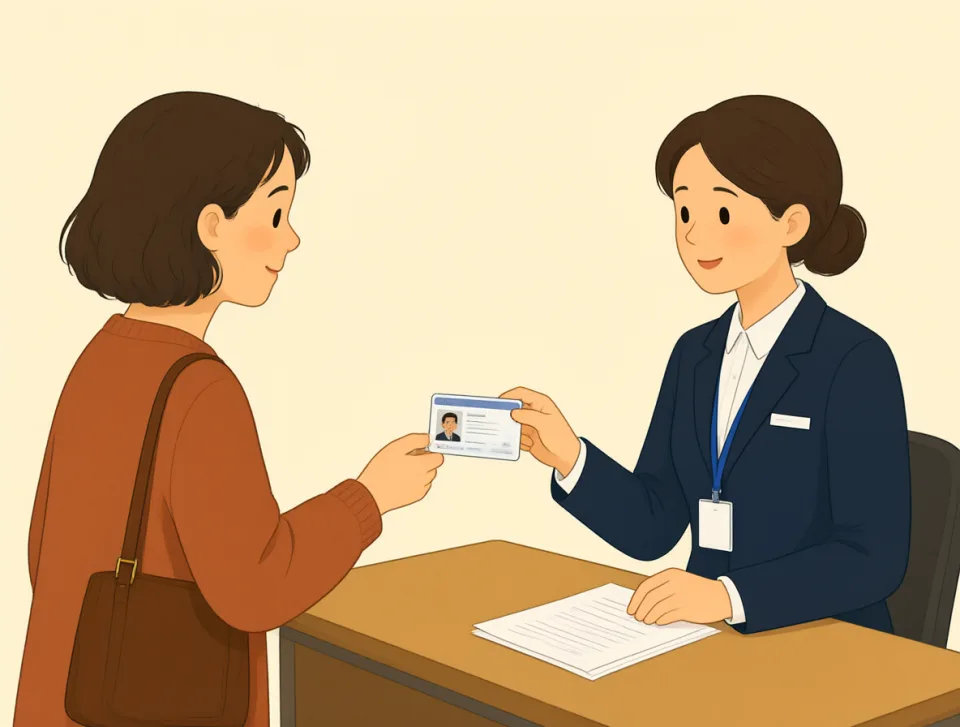
Every voter must show identification before casting a ballot.
Każdy wyborca musi okazać dokument tożsamości przed oddaniem głosu.
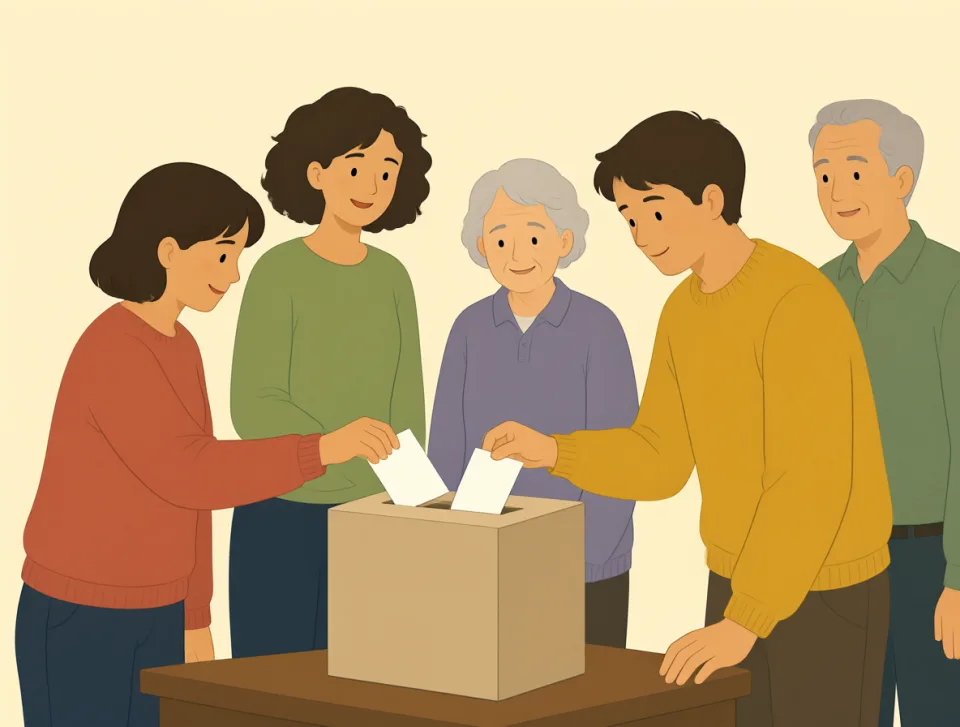
Many voters chose a new mayor in yesterday’s local election.
Wczoraj w wyborach samorządowych wielu wyborców wybrało nowego burmistrza.
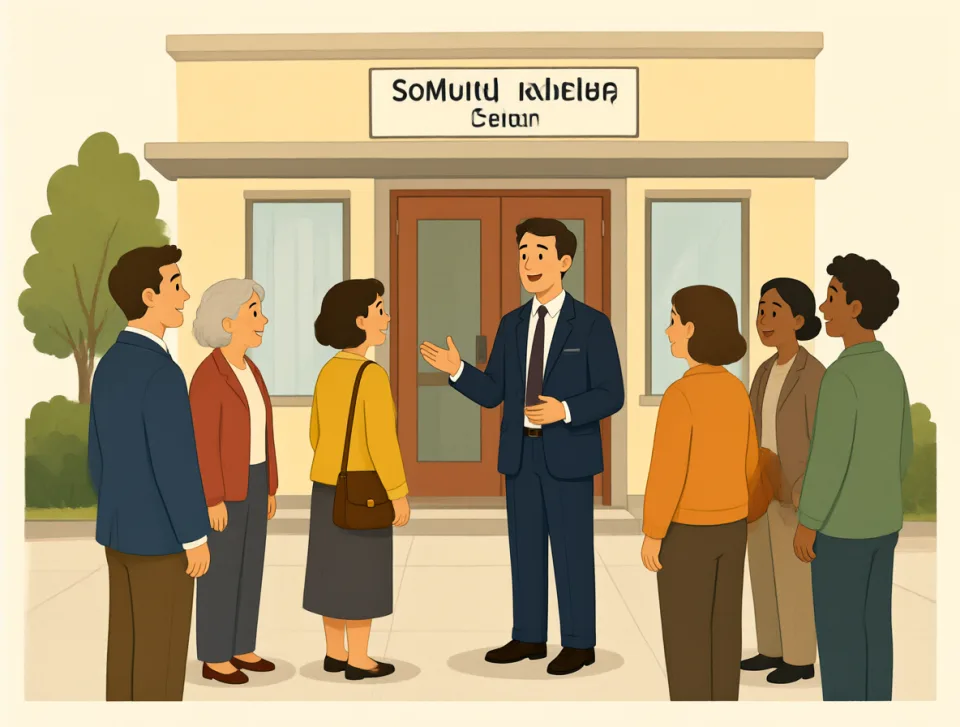
The candidate spoke with voters outside the community center.
Kandydat rozmawiał z wyborcami przed centrum społecznościowym.

Young voters often discuss elections with their friends at school.
Młodzi wyborcy często rozmawiają o wyborach ze znajomymi w szkole.
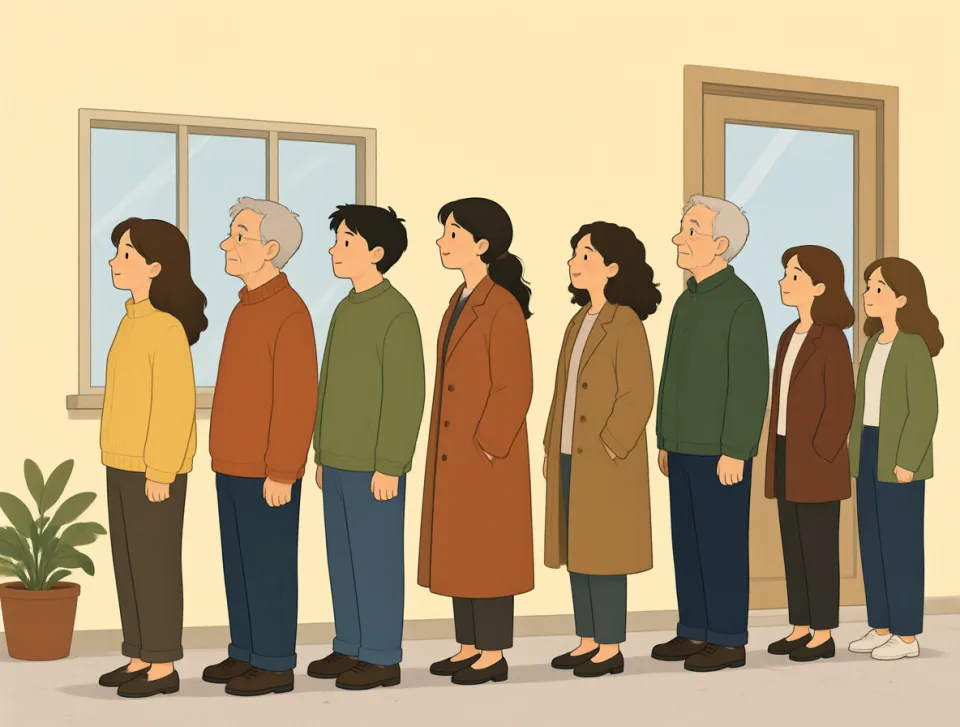
Voters waited patiently in line to cast their ballots.
Wyborcy cierpliwie czekali w kolejce, żeby oddać głos.
meanwhile
#1753adverb
w międzyczasie
at the same time as something else is happening
W tym samym czasie, gdy dzieje się coś innego.
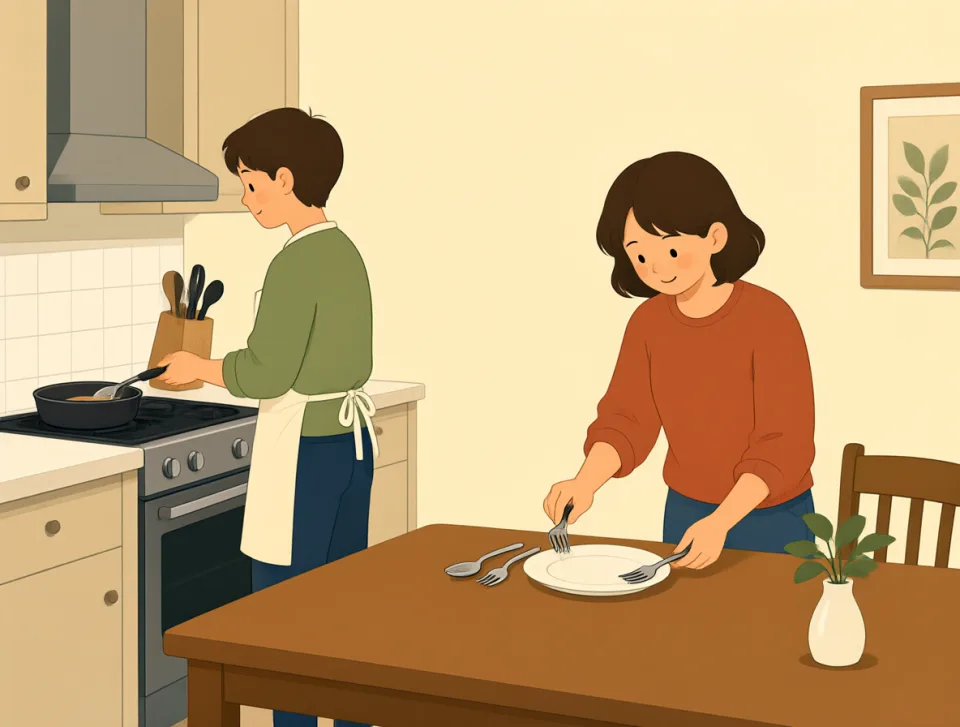
I cooked dinner; meanwhile, my brother set the table.
Ugotowałem kolację, a w międzyczasie mój brat nakrył do stołu.
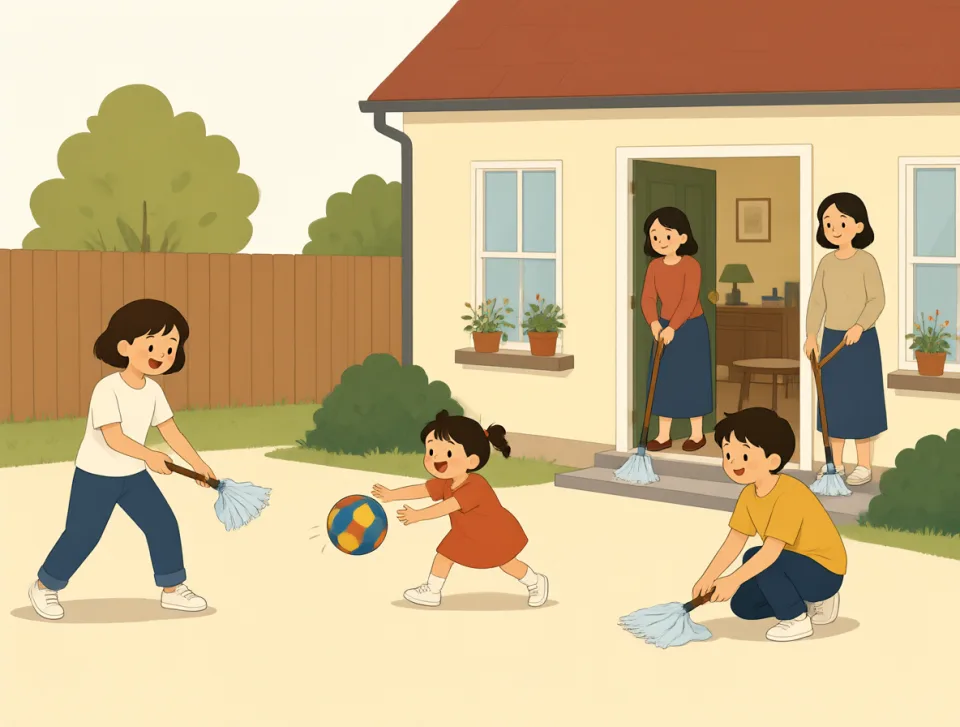
Meanwhile, the children played outside while their parents cleaned.
W międzyczasie dzieci bawiły się na zewnątrz, a ich rodzice sprzątali.
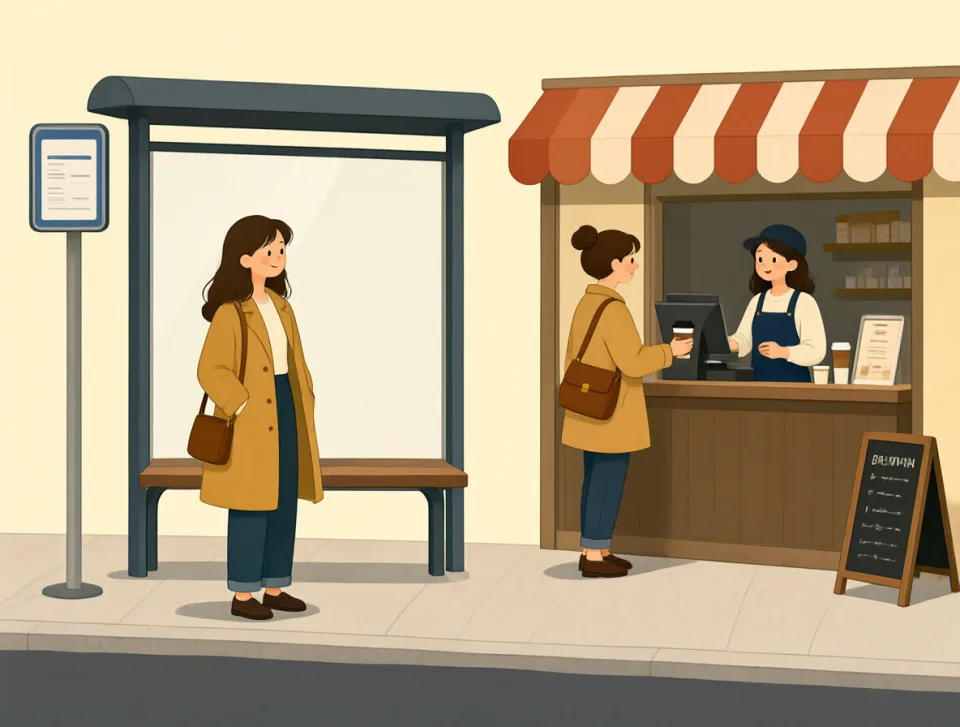
She waited for the bus; meanwhile, her friend bought coffee.
Czekała na autobus, a w międzyczasie jej znajomy kupił kawę.

The manager spoke to customers; meanwhile, workers filled the shelves.
Kierownik rozmawiał z klientami, a w międzyczasie pracownicy uzupełniali półki.
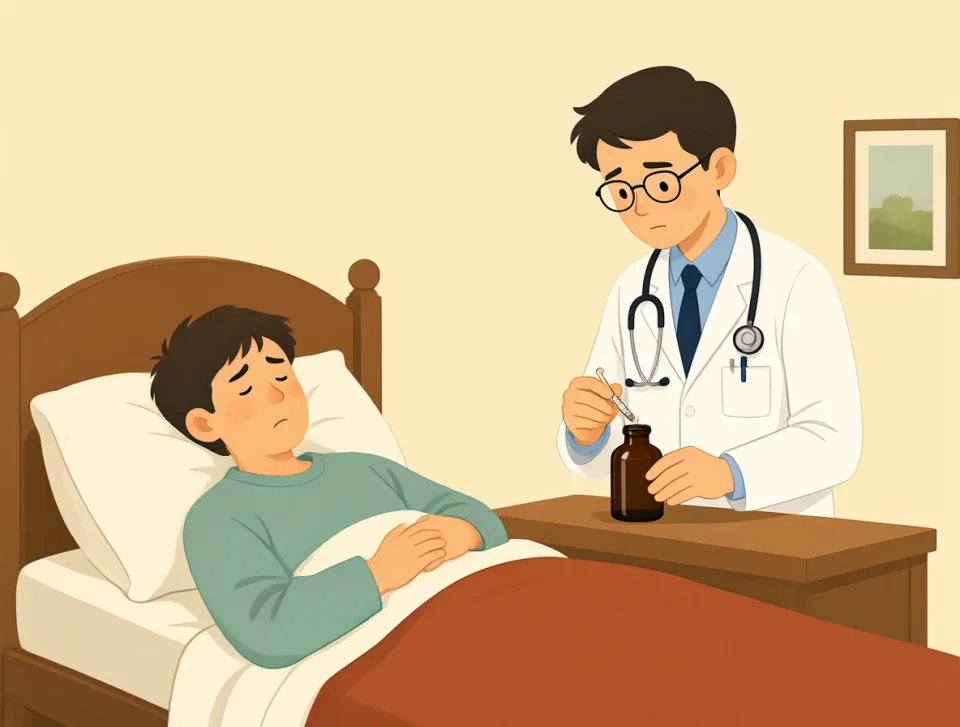
He rested in bed; meanwhile, the doctor prepared his medicine.
Odpoczywał w łóżku, a w międzyczasie lekarz przygotowywał mu lekarstwo.

furthermore
#1754adverb
ponadto
Used to add another important fact or reason to what you have just said.
Służy do dodania kolejnego ważnego faktu lub argumentu do tego, co właśnie zostało powiedziane.
The hotel is cheap; furthermore, it is close to the beach.
Hotel jest tani, a ponadto znajduje się blisko plaży.

She speaks three languages and furthermore has excellent computer skills.
Zna trzy języki, a ponadto ma doskonałe umiejętności obsługi komputera.
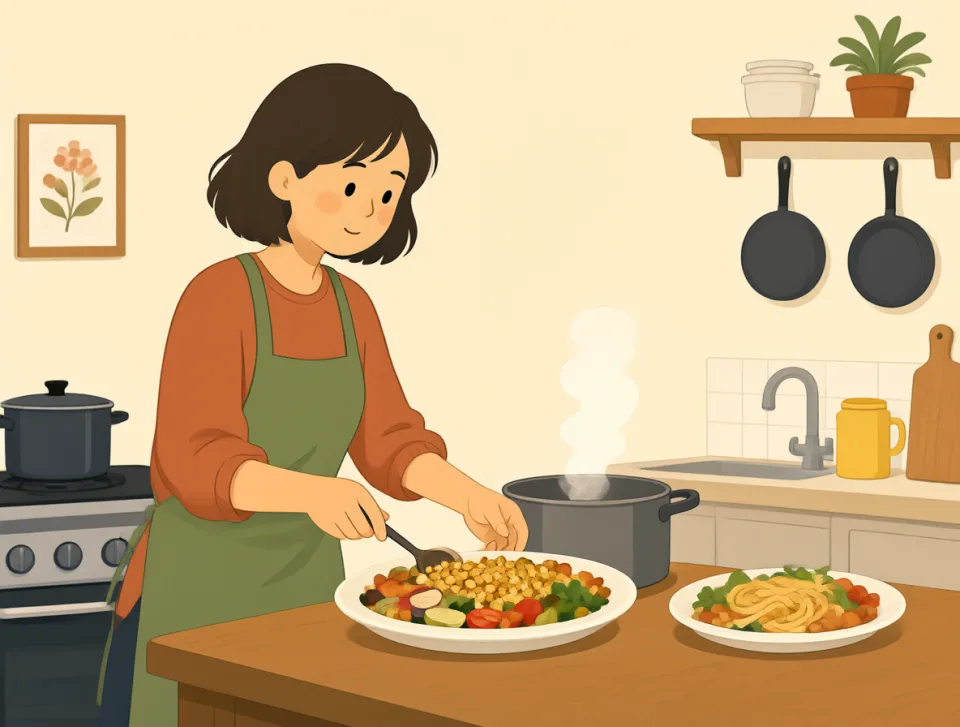
The meal was delicious and furthermore very easy to prepare.
Posiłek był pyszny, a ponadto bardzo łatwy do przygotowania.
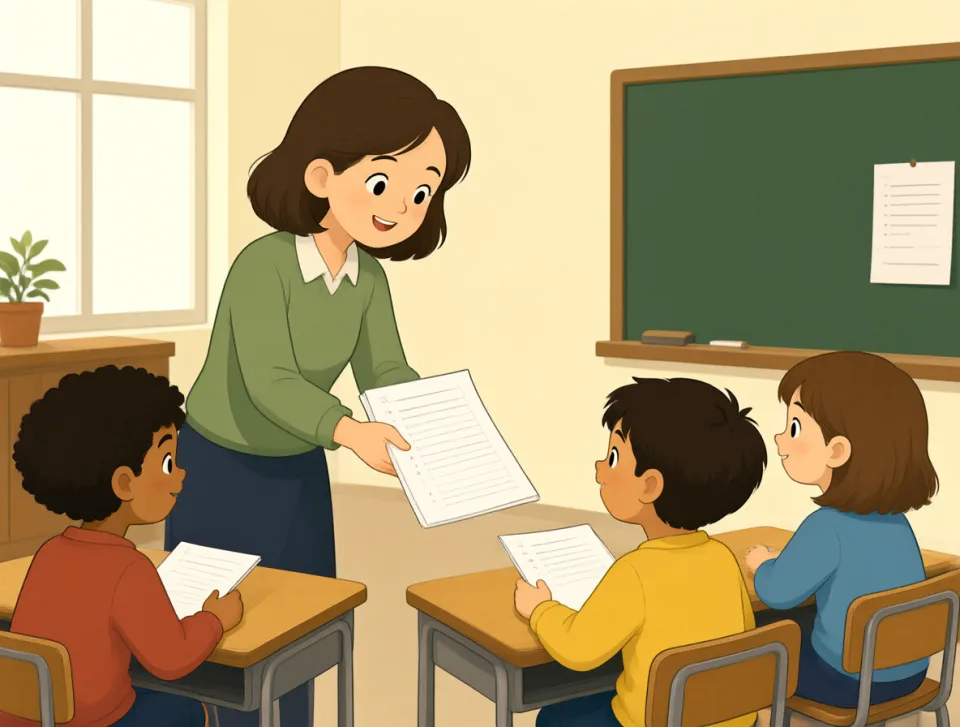
The teacher explained the lesson clearly; furthermore, she gave us extra practice.
Nauczycielka jasno wyjaśniła lekcję, a ponadto dała nam dodatkowe ćwiczenia.

The medicine is effective; furthermore, it has very few side effects.
Lek jest skuteczny, a ponadto ma bardzo niewiele skutków ubocznych.
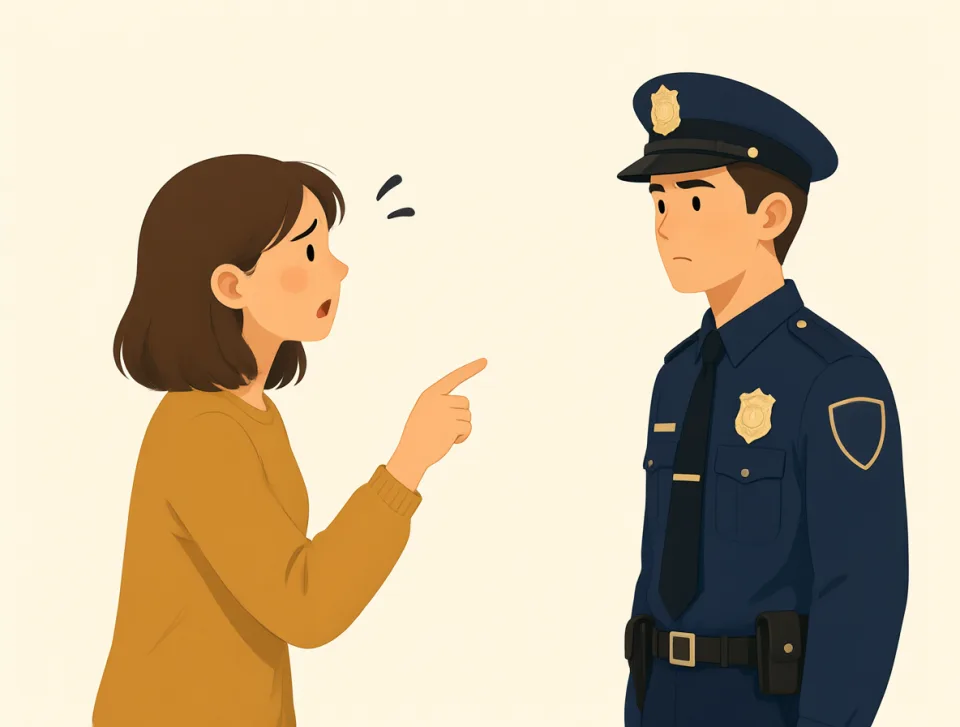
accuse
#1755verb
oskarżać
To say that someone did something wrong or illegal.
Mówić, że ktoś zrobił coś złego lub niezgodnego z prawem.
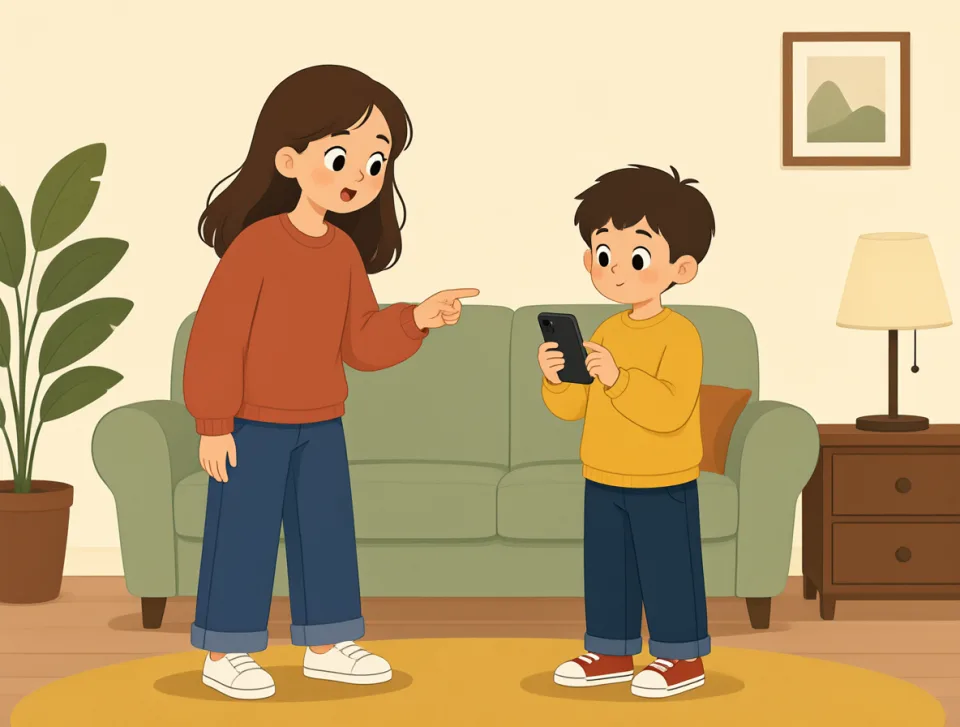
She accused her brother of taking her phone.
Oskarżyła brata o zabranie jej telefonu.

The manager accused the employee of lying about being sick.
Kierownik oskarżył pracownika o kłamstwo na temat swojej choroby.
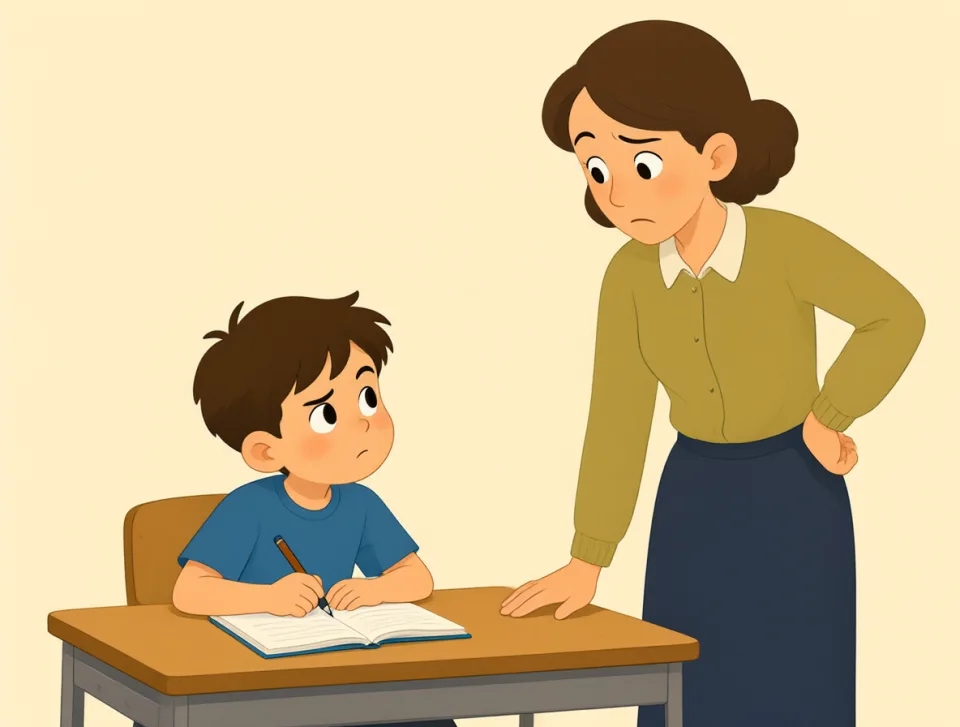
The teacher accused Tom of copying another student's homework.
Nauczyciel oskarżył Toma o skopiowanie pracy domowej innego ucznia.
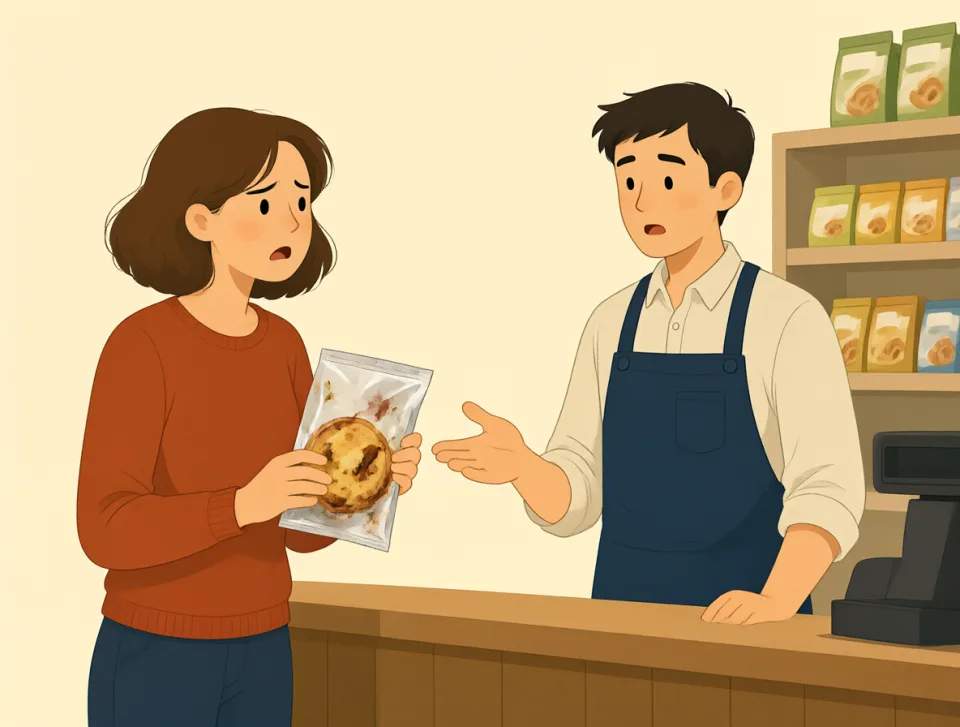
The customer accused the shop of selling her old food.
Klientka oskarżyła sklep o sprzedawanie jej nieświeżej żywności.

He accused his friend of ignoring him at the party.
Oskarżył swojego znajomego o to, że ignorował go na przyjęciu.
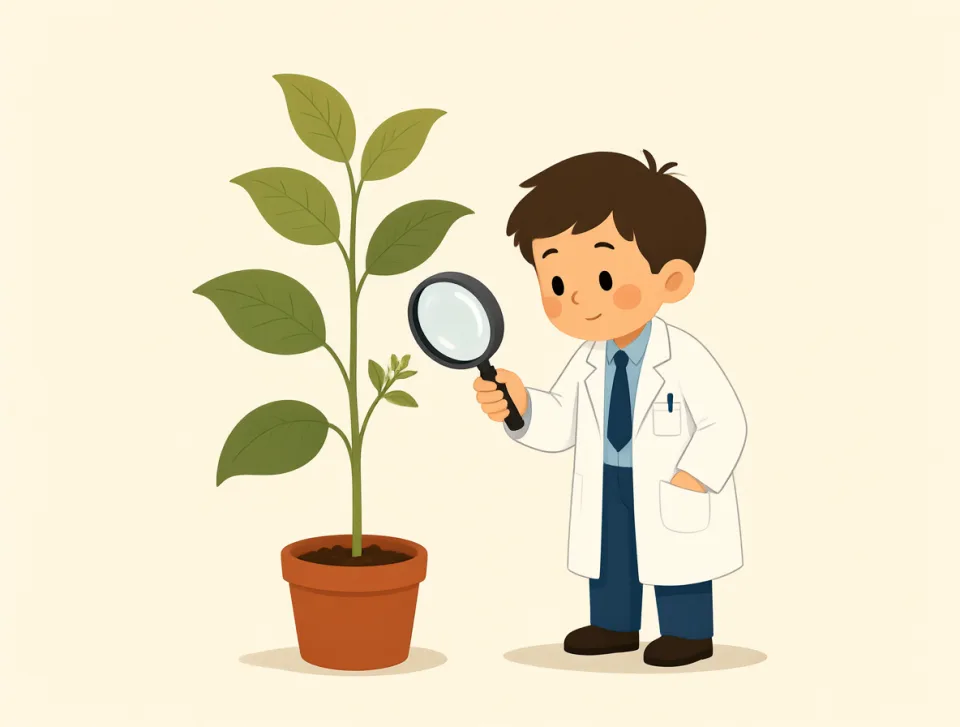
scientific
#1756adjective
naukowy
Connected with science or based on careful study and testing.
Związany z nauką lub oparty na dokładnych badaniach i testach.
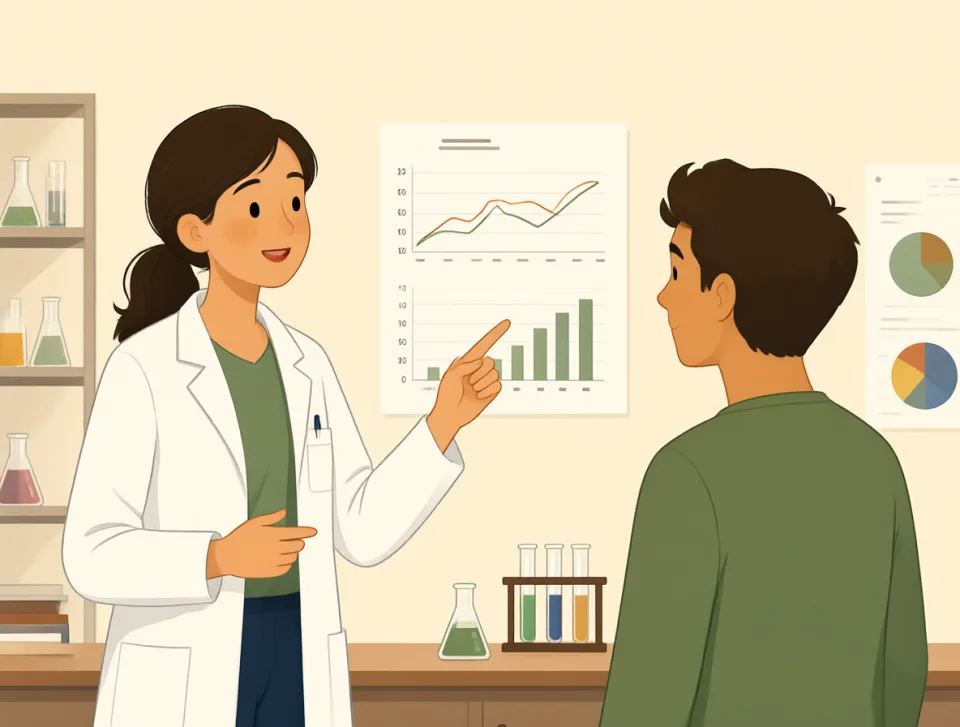
The report gives scientific evidence for the new health advice.
Raport przedstawia naukowe dowody potwierdzające nowe zalecenia dotyczące zdrowia.
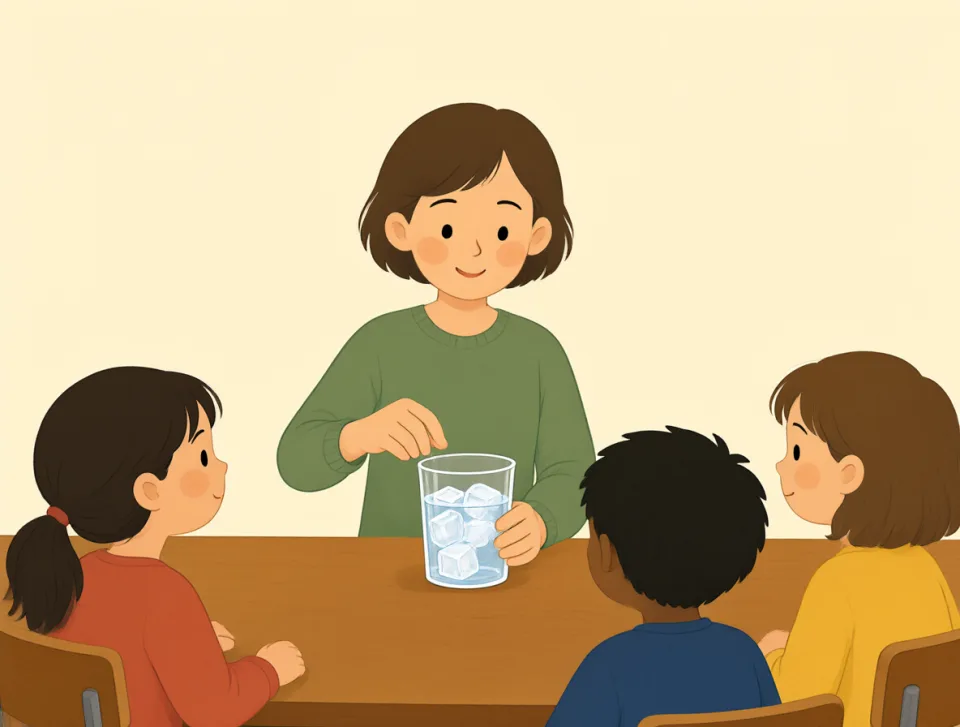
Our science teacher showed us a scientific experiment with water and ice.
Nasz nauczyciel przyrody pokazał nam naukowy eksperyment z wodą i lodem.
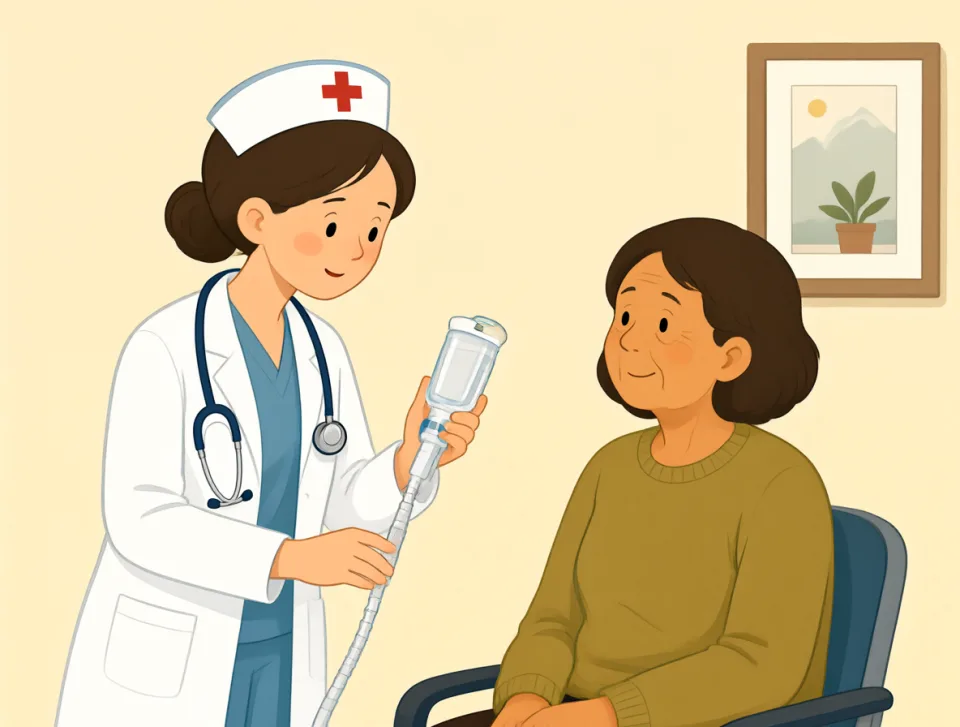
Doctors use scientific methods to find the best treatment for patients.
Lekarze stosują metody naukowe, aby znaleźć najlepsze leczenie dla pacjentów.
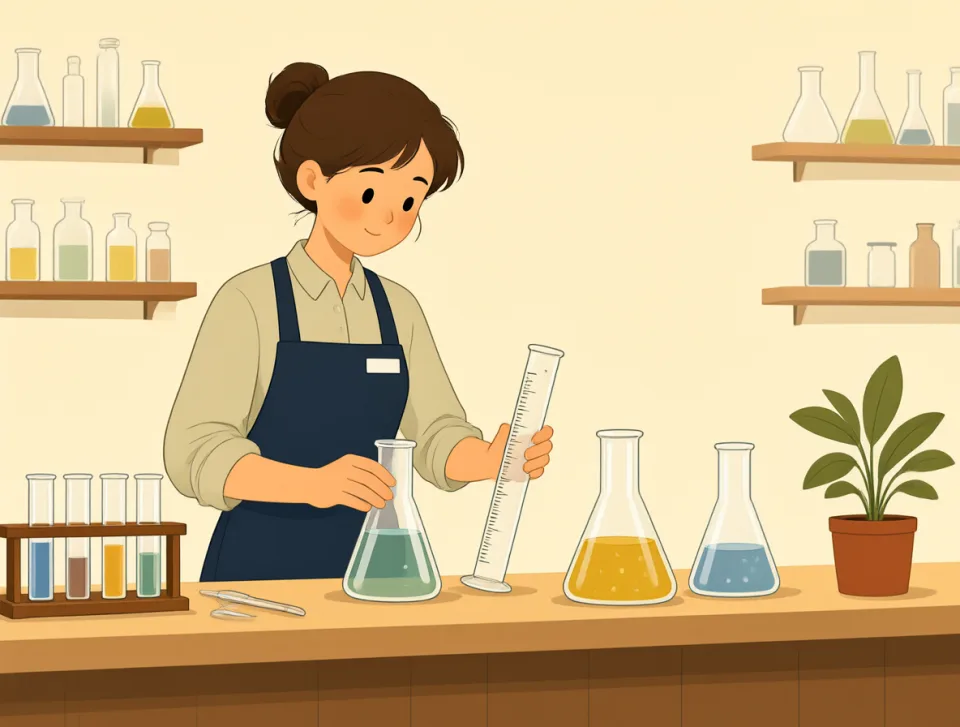
The shop sells scientific equipment for schools and small laboratories.
Ten sklep sprzedaje sprzęt naukowy dla szkół i małych laboratoriów.

My friend enjoys reading scientific books about animals and space.
Mój przyjaciel lubi czytać książki naukowe o zwierzętach i kosmosie.

wage
#1757noun, verb
wynagrodzenie
Money paid regularly for work, or to fight against something.
Pieniądze wypłacane regularnie za pracę albo walka z czymś.
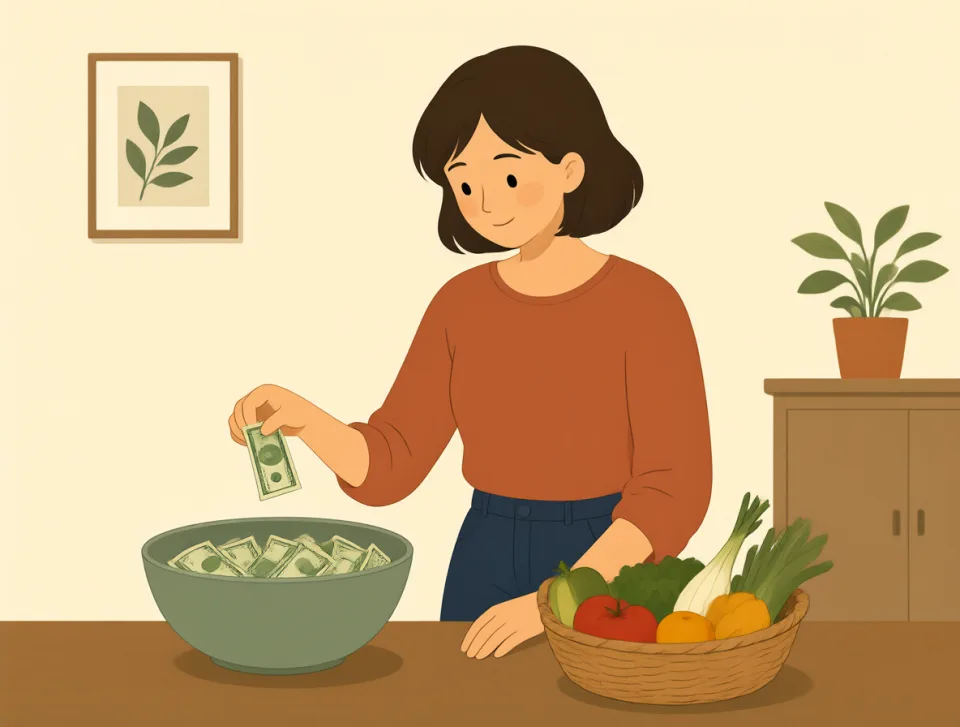
Her weekly wage helps pay for rent and food.
Jej tygodniowe wynagrodzenie pomaga opłacić czynsz i jedzenie.

The company raised wages for all its workers this year.
W tym roku firma podniosła wynagrodzenia wszystkim pracownikom.

Many students work part-time to earn a wage.
Wielu studentów pracuje w niepełnym wymiarze godzin, żeby zarobić.
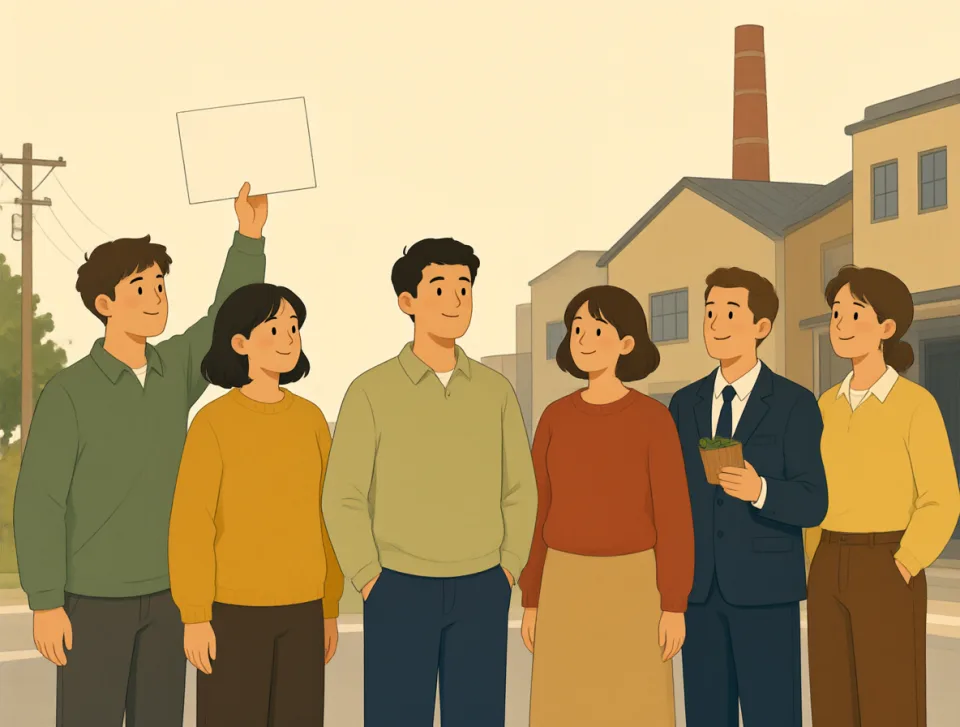
The workers went on strike for higher wages.
Pracownicy strajkowali, domagając się wyższych wynagrodzeń.
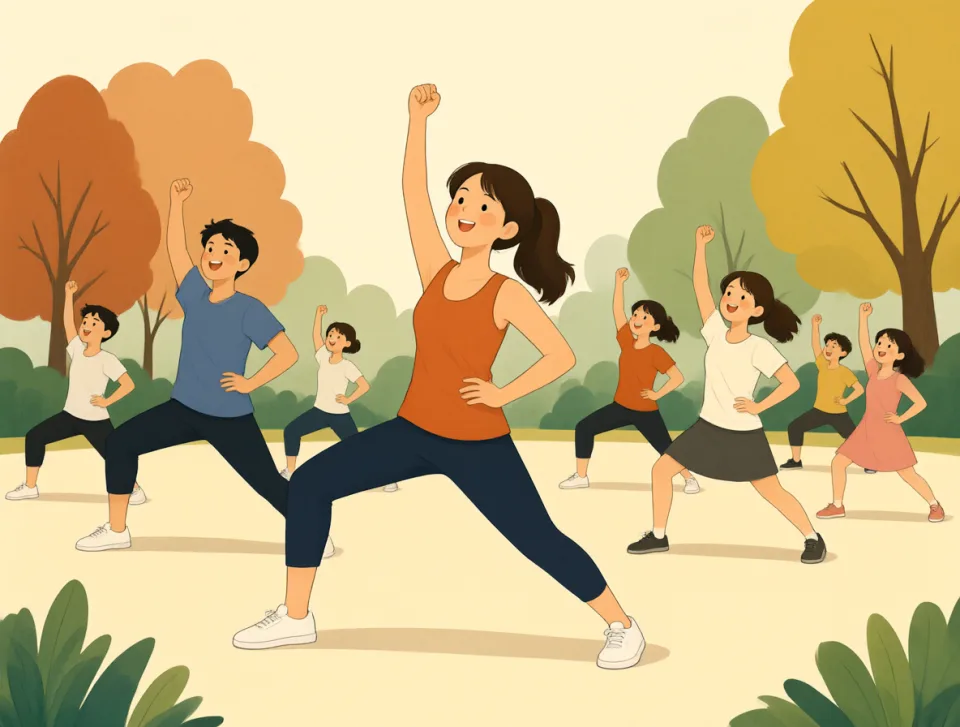
The government is waging a campaign against childhood obesity.
Rząd prowadzi kampanię przeciwko otyłości wśród dzieci.
absence
#1758noun
nieobecność
The state of not being somewhere or not having something that is needed.
Stan, w którym kogoś lub czegoś potrzebnego nie ma w danym miejscu.

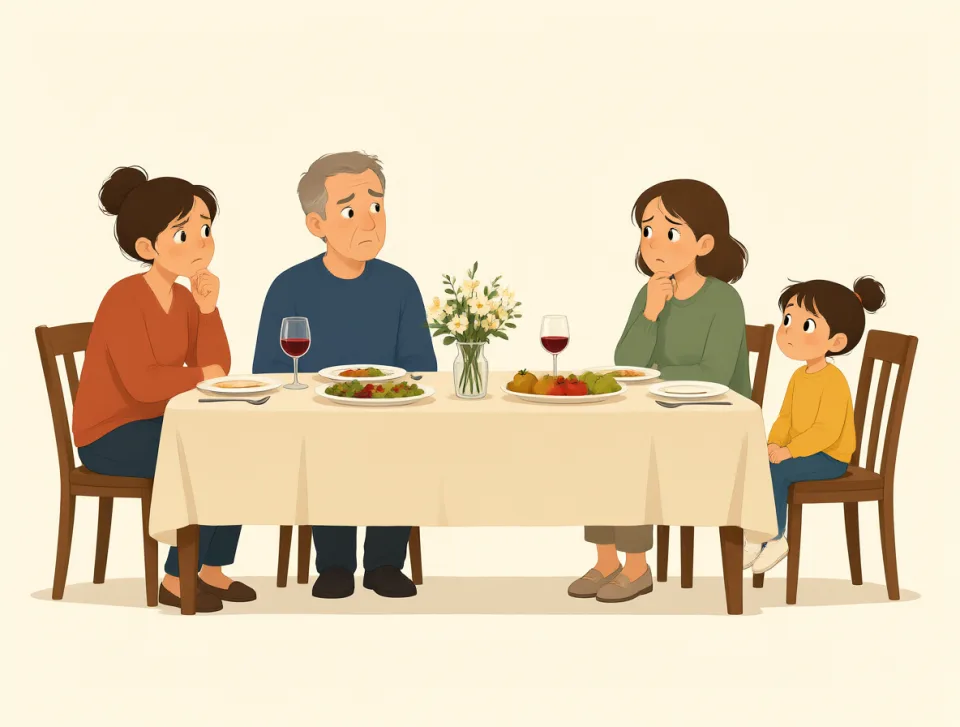
Her absence from work worried her manager.
Jej nieobecność w pracy zaniepokoiła jej kierownika.
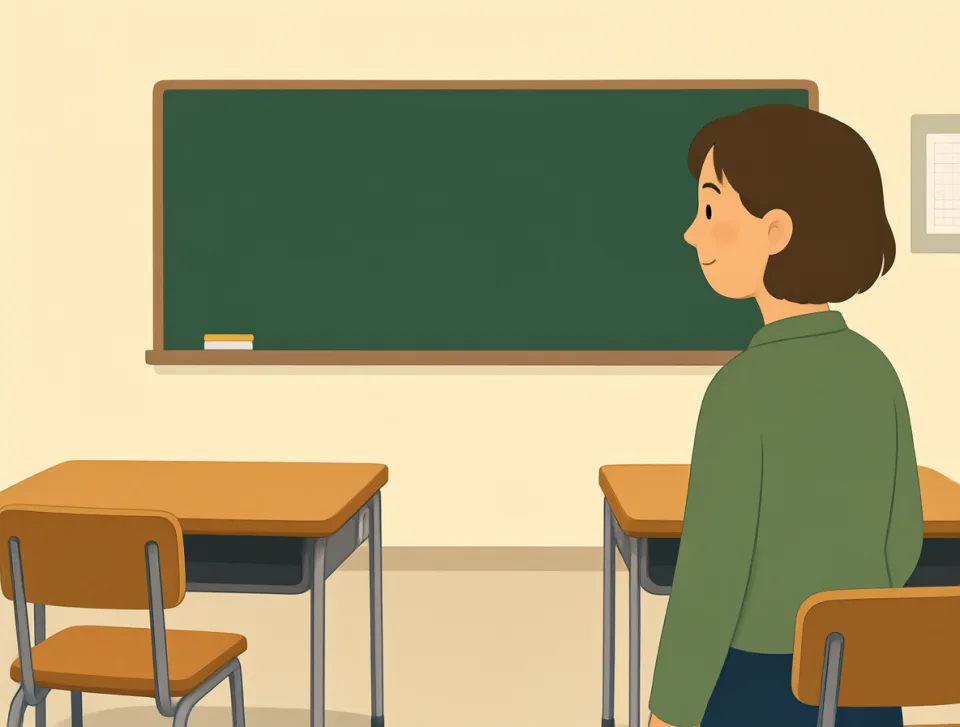
The teacher noticed his absence from class.
Nauczyciel zauważył, że nie było go na lekcji.
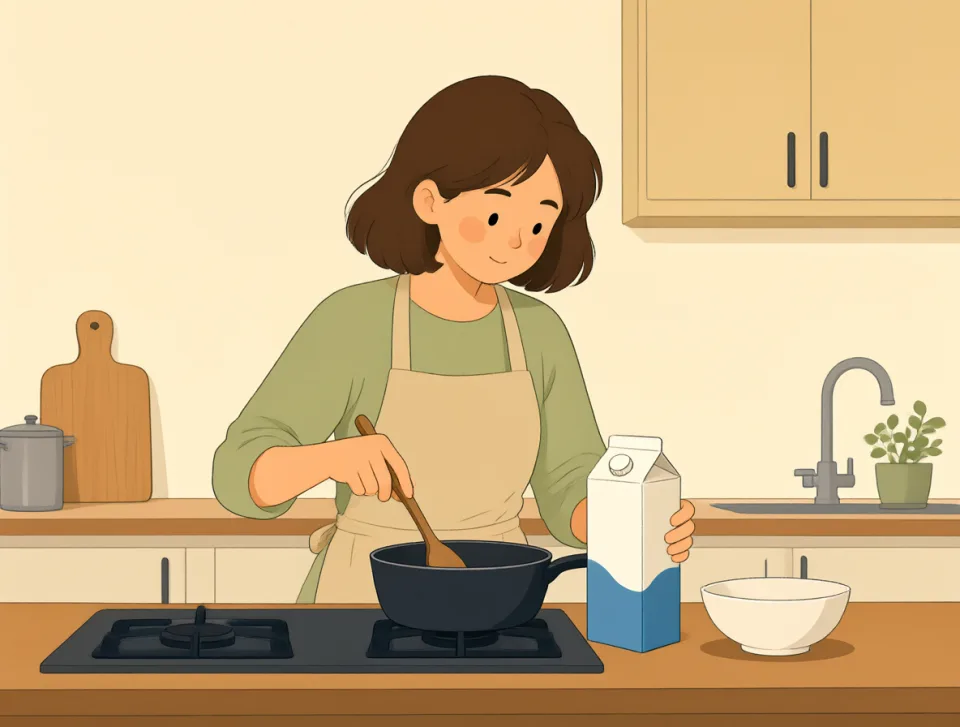
In the absence of milk, we used water instead.
Ponieważ nie było mleka, użyliśmy zamiast niego wody.
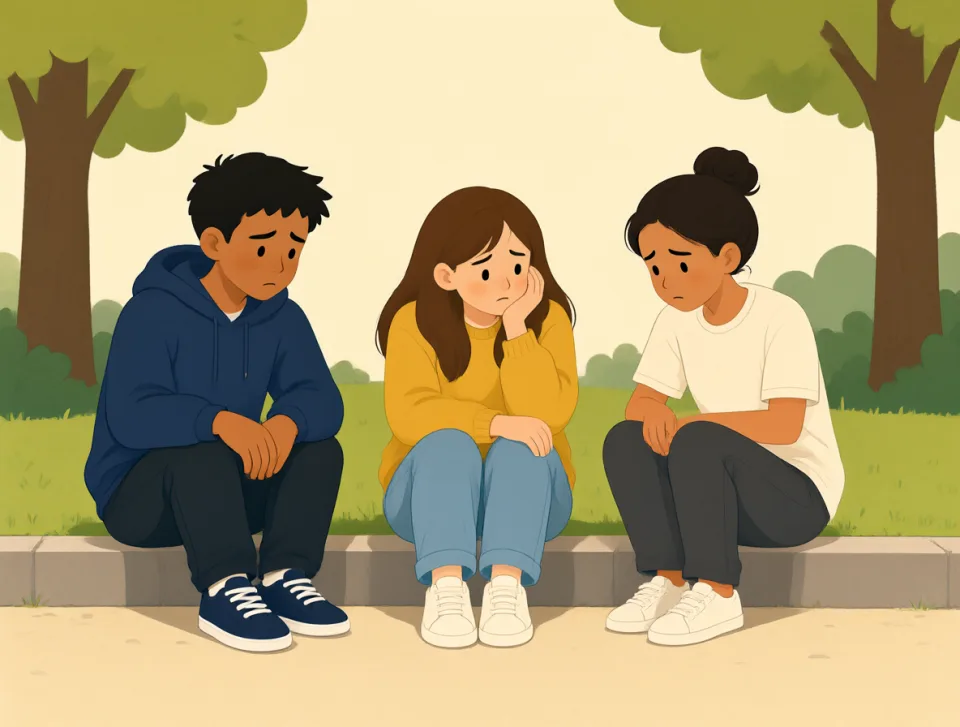
His long absence made his friends miss him.
Przyjaciele tęsknili za nim podczas jego długiej nieobecności.
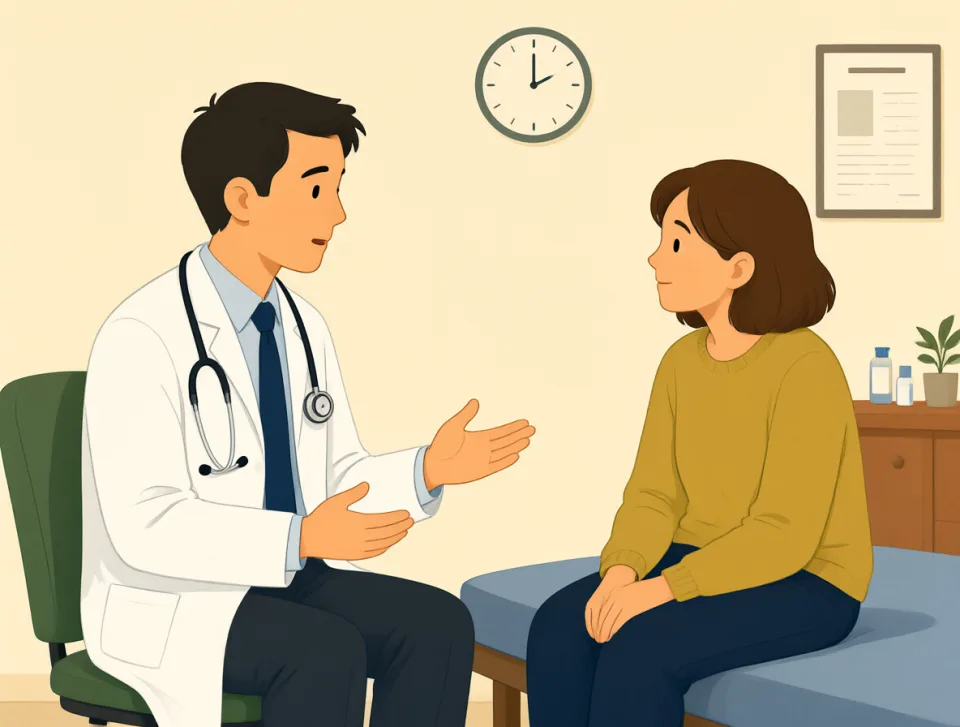
The doctor asked about any absence of pain.
Lekarz zapytał, czy odczuwa jakikolwiek ból.
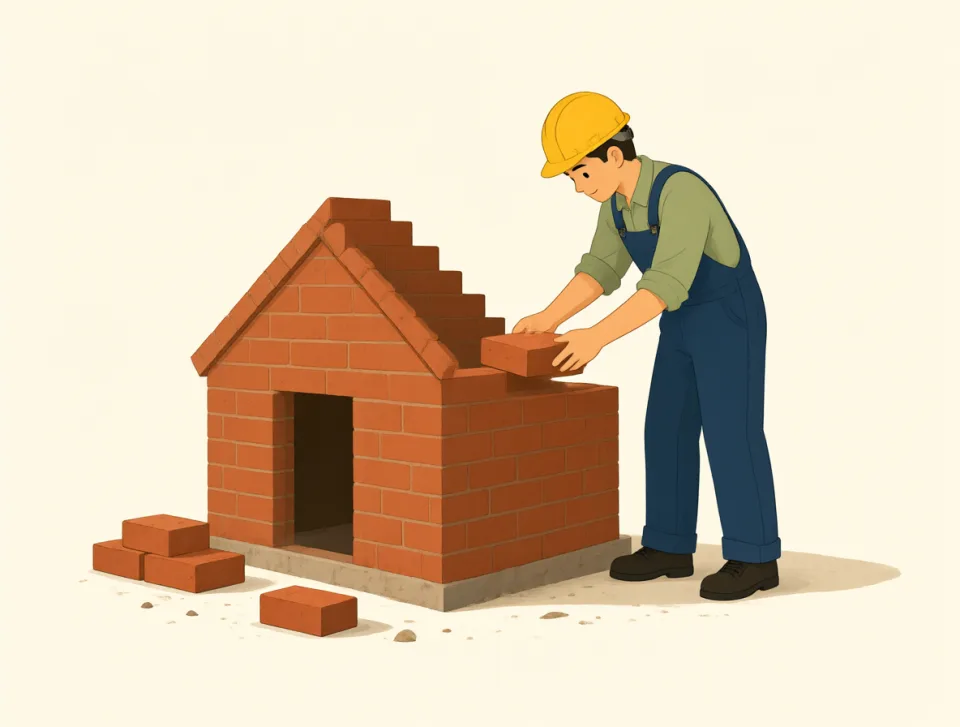
construct
#1759verb, noun
konstruować
to build something, or an idea formed from different parts
Budować coś albo pomysł utworzony z różnych elementów.
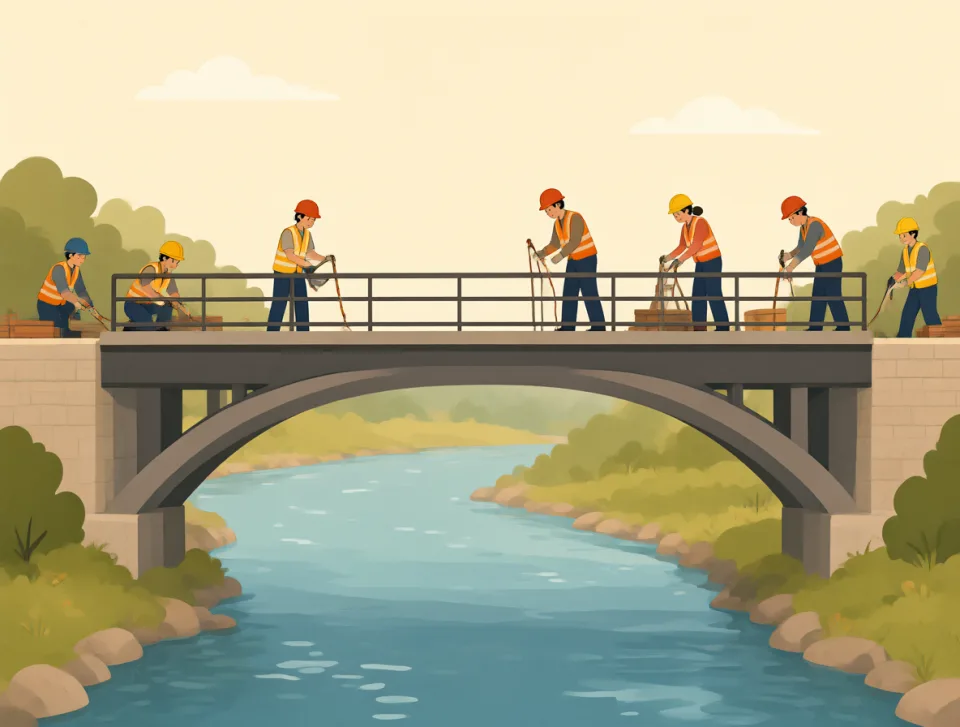
Workers are constructing a new bridge across the river.
Robotnicy budują nowy most nad rzeką.

The company constructed a simple plan for the next year.
Firma opracowała prosty plan na następny rok.
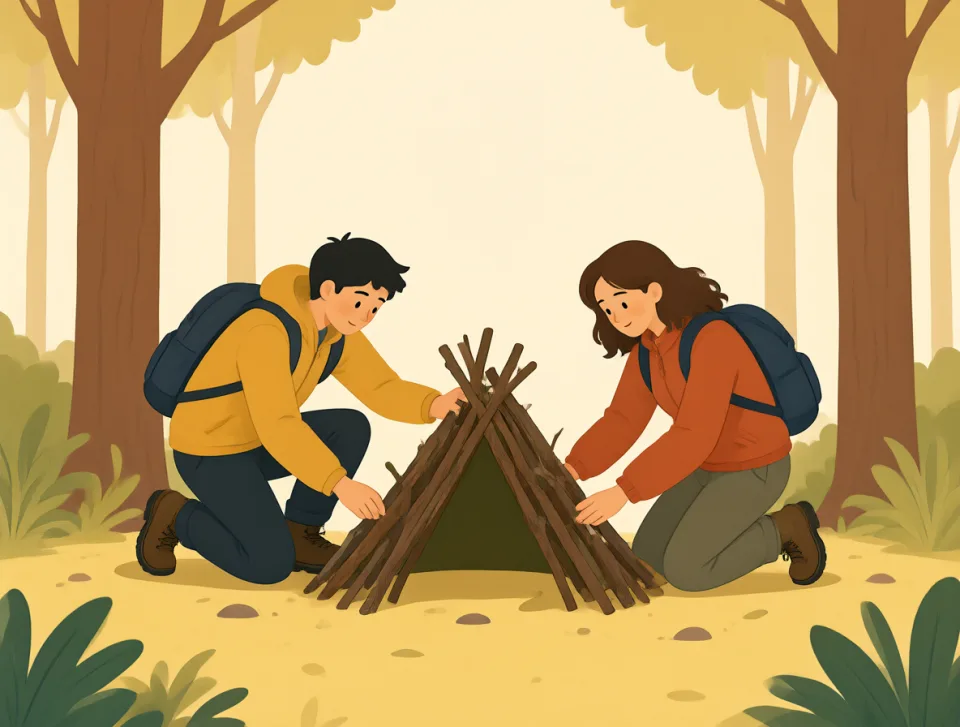
We constructed a shelter from branches during our hike.
Podczas wędrówki zbudowaliśmy schronienie z gałęzi.
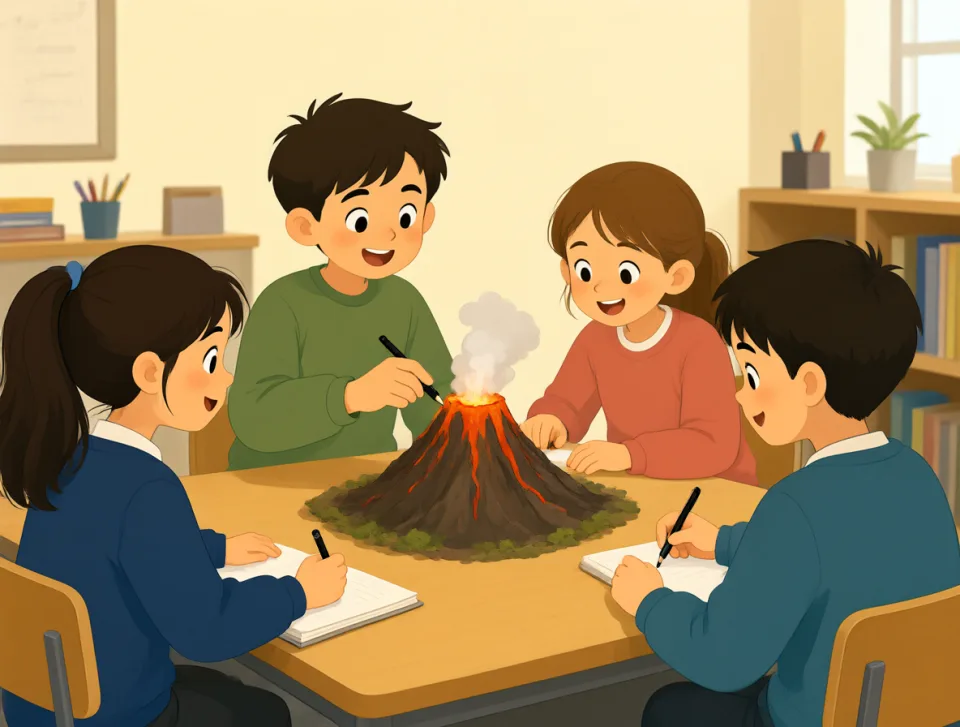
Students constructed a model volcano for their science class.
Uczniowie zbudowali model wulkanu na lekcję przyrody.
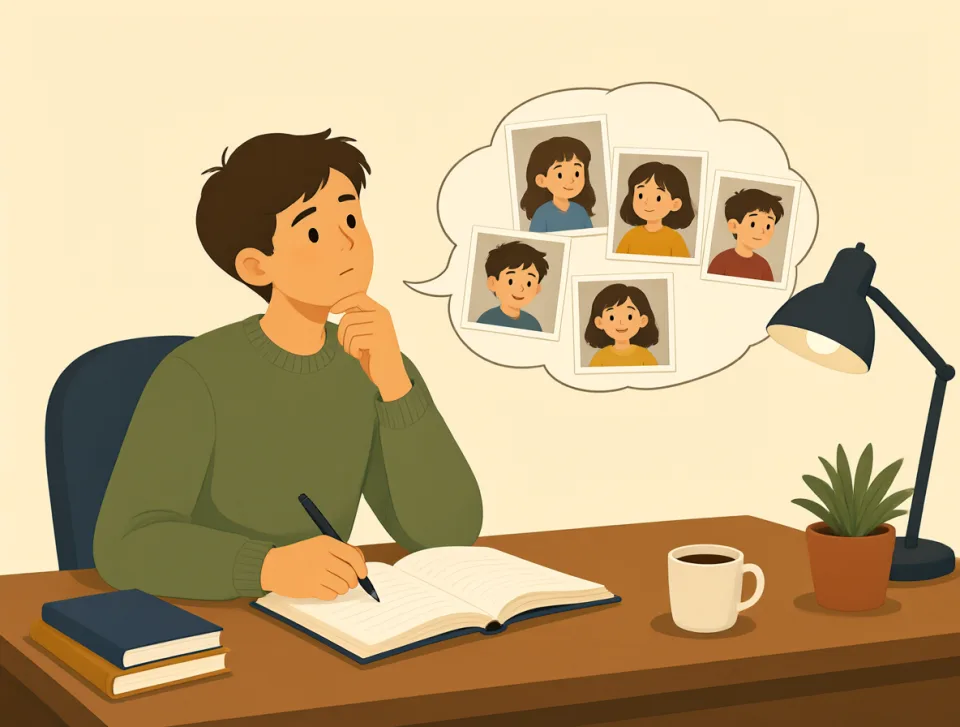
The story is constructed from memories of the writer's childhood.
Opowieść powstała ze wspomnień pisarza z dzieciństwa.
remark
#1760noun, verb
uwaga
a comment that gives your opinion, or to make such a comment
Komentarz wyrażający opinię albo wygłoszenie takiego komentarza.

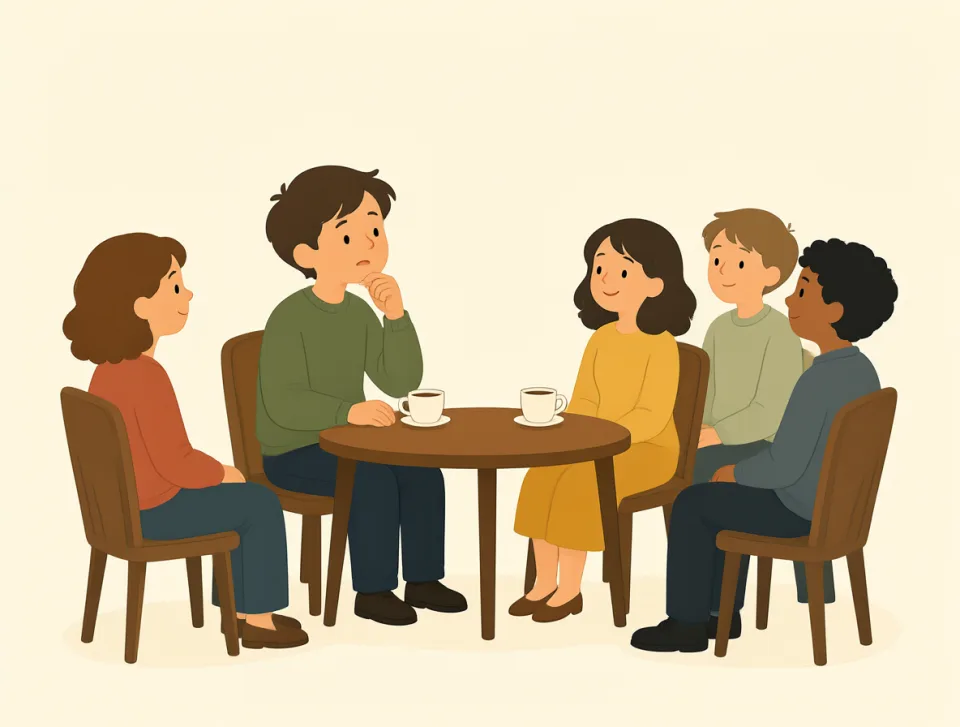
She made a helpful remark during the team meeting.
Podczas spotkania zespołu powiedziała coś pomocnego.
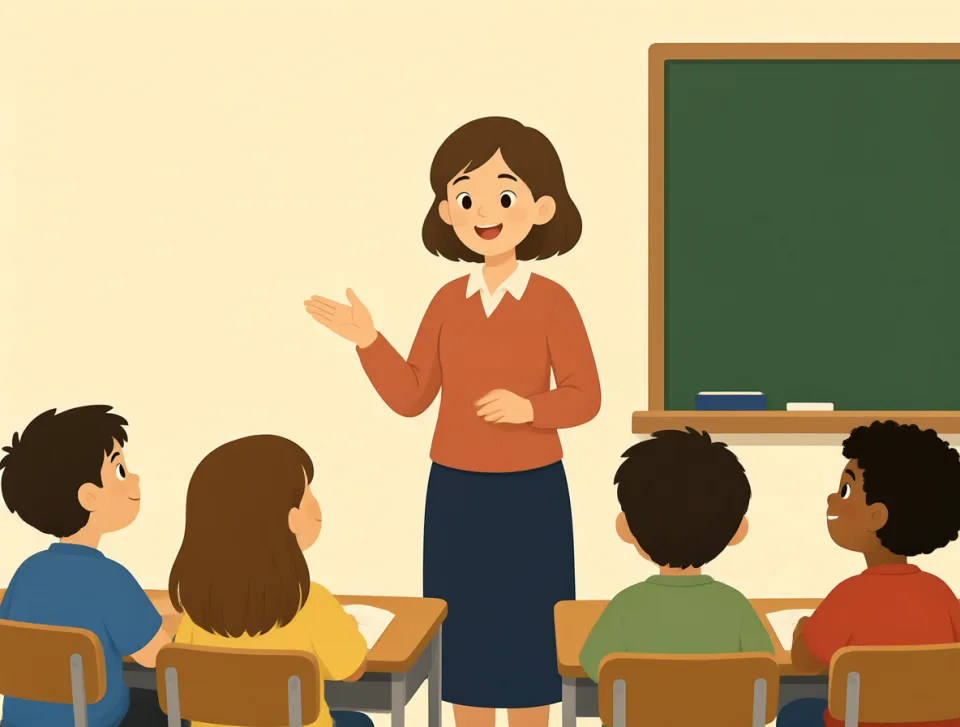
The teacher remarked that everyone had worked very hard.
Nauczyciel zauważył, że wszyscy włożyli w pracę wiele wysiłku.
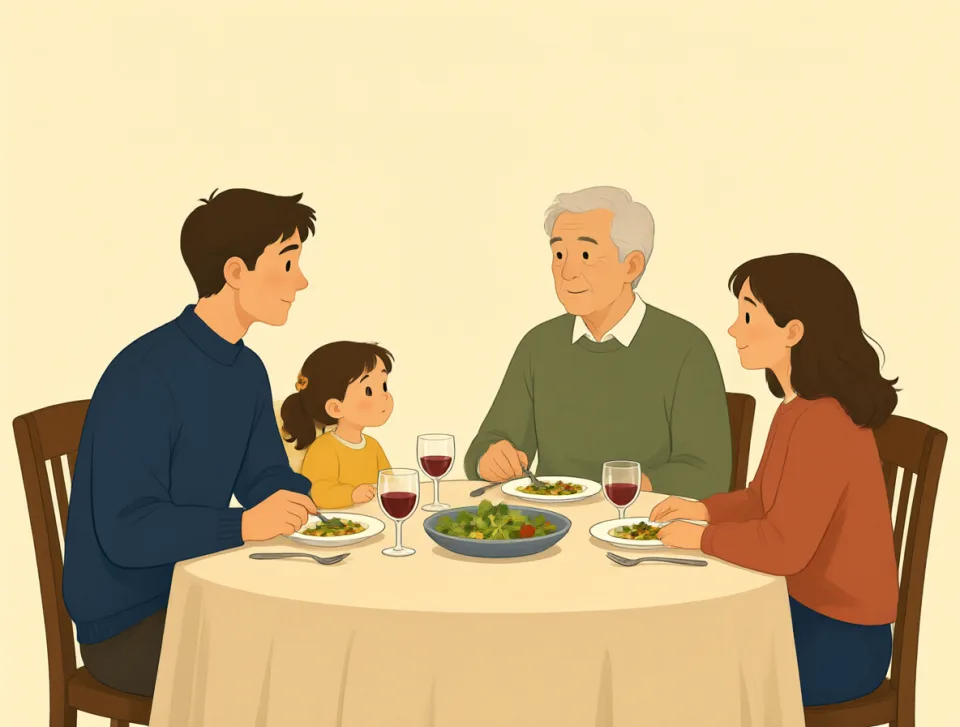
His rude remarks made dinner uncomfortable for everyone.
Jego niegrzeczne uwagi sprawiły, że kolacja stała się dla wszystkich niezręczna.

The shop assistant remarked on my bright red jacket.
Sprzedawca zwrócił uwagę na moją jaskrawoczerwoną kurtkę.

I heard several funny remarks during our train journey.
Podczas podróży pociągiem usłyszałem kilka zabawnych uwag.