Zestaw 86
Słowa 1701–1720 · religion, employer, reject, latter, plate, ban
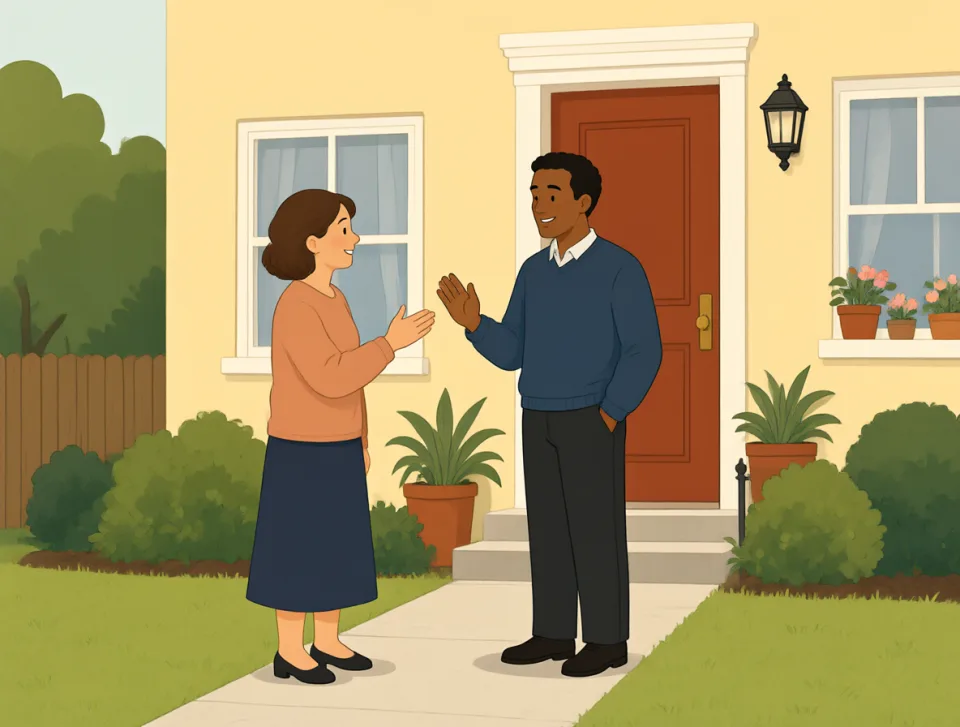
religion
#1701noun
religia
A system of beliefs and practices about God or the meaning of life.
System wierzeń i praktyk związanych z Bogiem lub sensem życia.
People of different religions live together in our neighborhood.
W naszej okolicy mieszkają razem ludzie różnych wyznań.

She studies religion at school and enjoys learning about different beliefs.
Uczy się religii w szkole i lubi poznawać różne wierzenia.

You should respect everyone's religion, even when it differs from yours.
Powinieneś szanować religię każdego, nawet jeśli różni się od twojej.
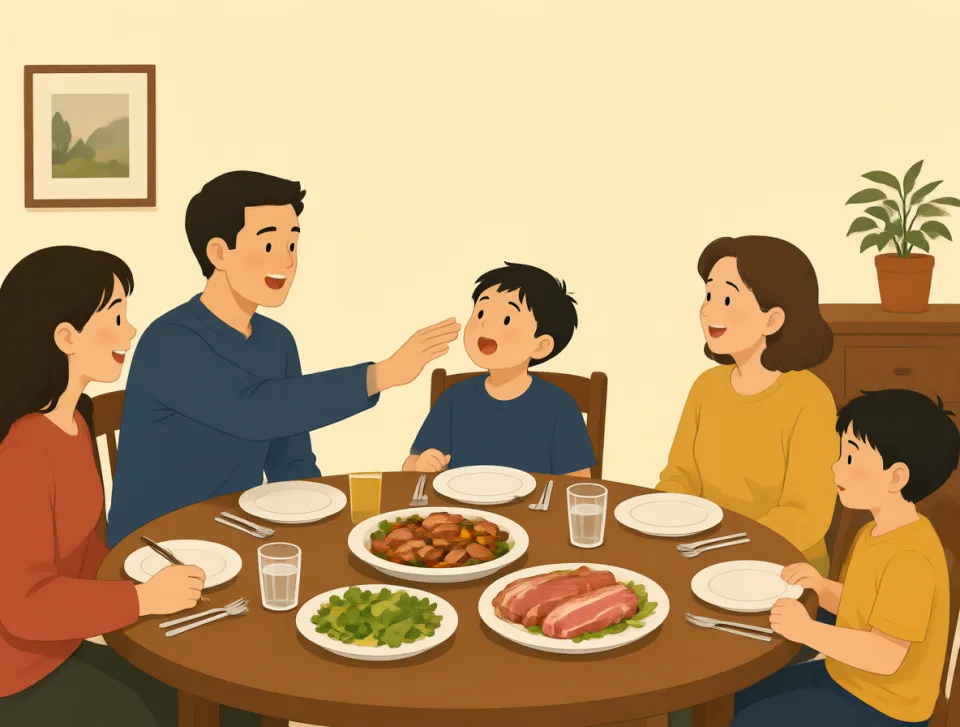
His religion does not allow him to eat pork.
Jego religia nie pozwala mu jeść wieprzowiny.
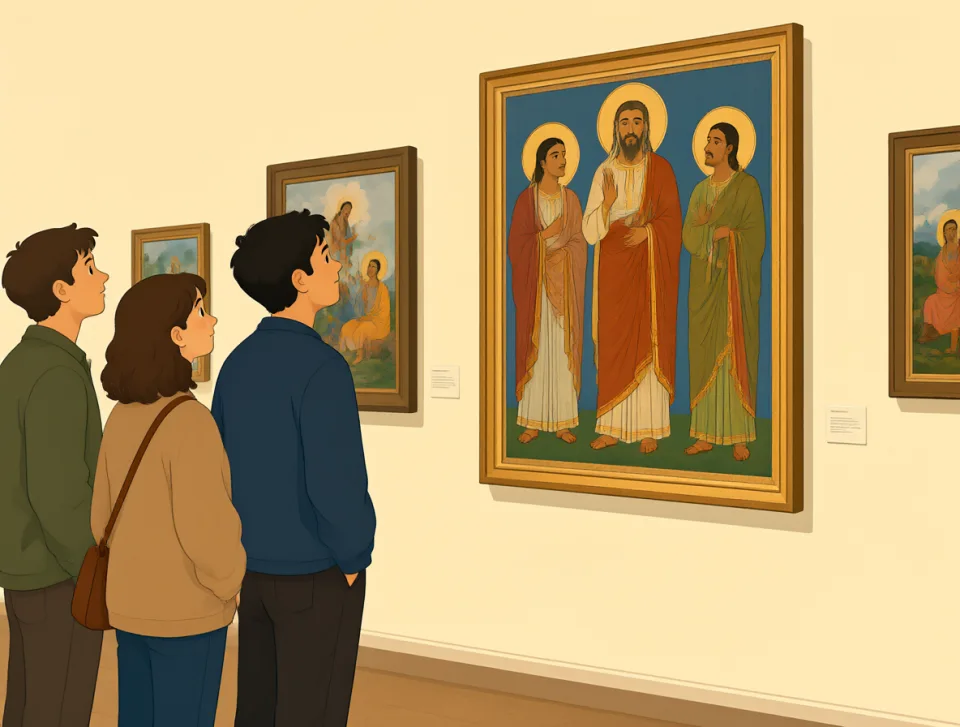
The museum displays art from many religions around the world.
W muzeum można zobaczyć dzieła sztuki z wielu religii świata.

employer
#1702noun
pracodawca
A person or company that pays people to work for them.
Osoba lub firma, która płaci ludziom za pracę.

My employer pays me every Friday.
Mój pracodawca płaci mi w każdy piątek.

Her employer offered flexible hours after she had a baby.
Jej pracodawca zaproponował elastyczne godziny pracy, gdy urodziła dziecko.

The employer is looking for someone with cooking experience.
Pracodawca szuka kogoś z doświadczeniem w gotowaniu.

Your employer should provide a safe place to work.
Twój pracodawca powinien zapewnić bezpieczne miejsce pracy.

The company became a good employer for local students.
Firma stała się dobrym pracodawcą dla miejscowych studentów.
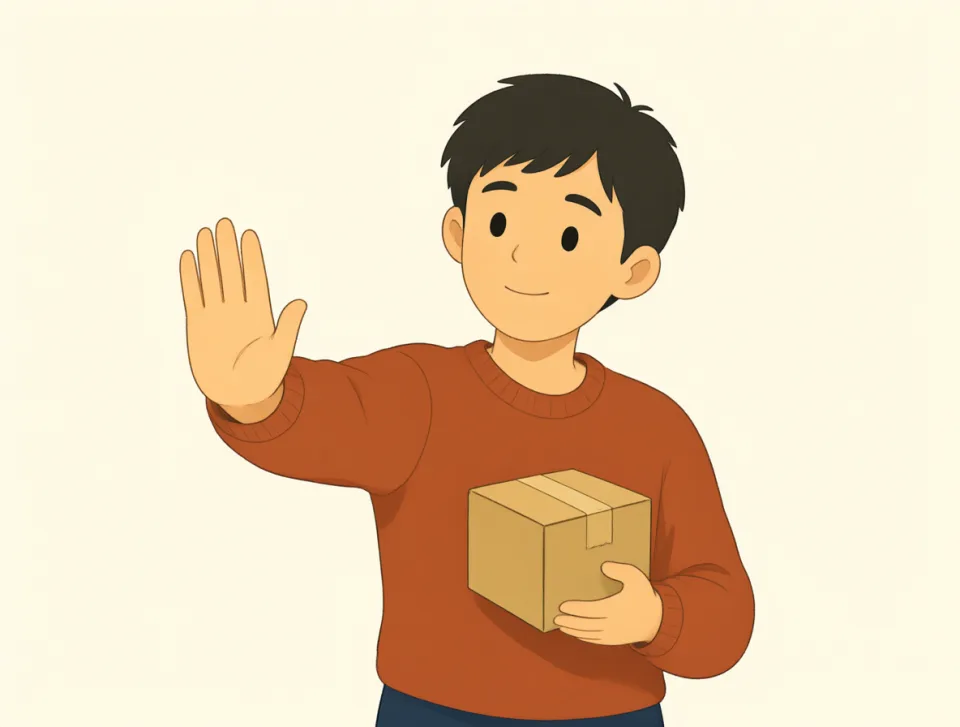
reject
#1703verb
odrzucić
to refuse to accept, approve, or use someone or something
odmówić przyjęcia, zatwierdzenia lub wykorzystania kogoś albo czegoś

The company rejected my job application after the interview.
Firma odrzuciła moje podanie o pracę po rozmowie kwalifikacyjnej.

She rejected his offer to help carry the heavy boxes.
Odrzuciła jego ofertę pomocy przy noszeniu ciężkich pudeł.
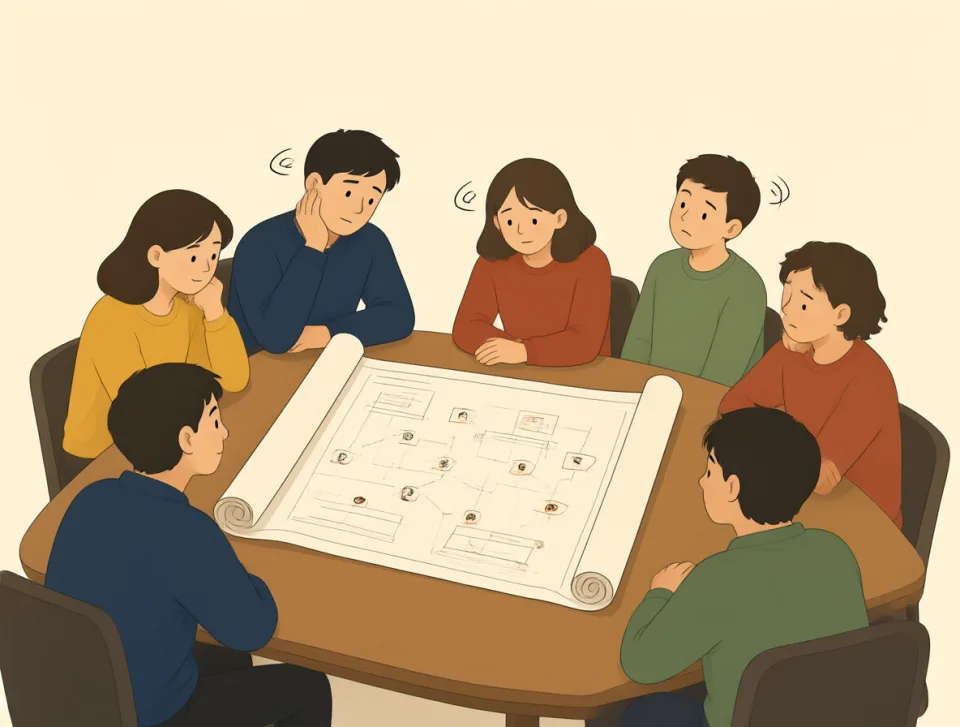
The committee rejected the plan because it was too expensive.
Komisja odrzuciła plan, bo był zbyt kosztowny.

The shop rejected my return because the shirt was damaged.
Sklep nie przyjął mojego zwrotu, bo koszula była uszkodzona.
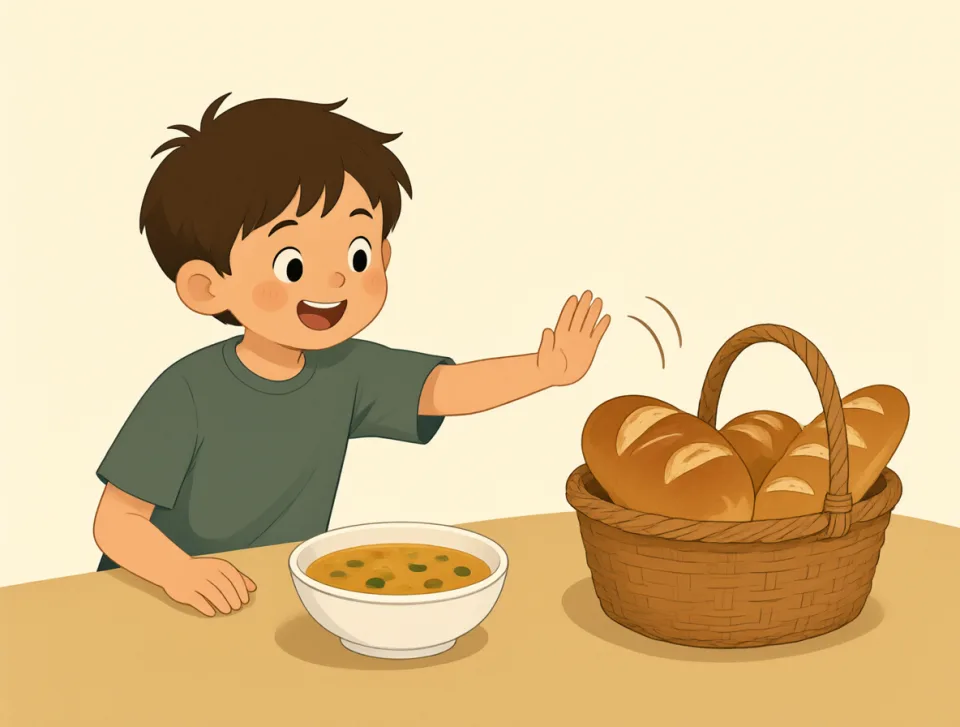
The child rejected the soup and asked for bread.
Dziecko nie chciało zupy i poprosiło o chleb.
latter
#1704adjective, noun
ten drugi; drugi z wymienionych
The second of two people or things mentioned.
Druga z dwóch wspomnianych osób lub rzeczy.
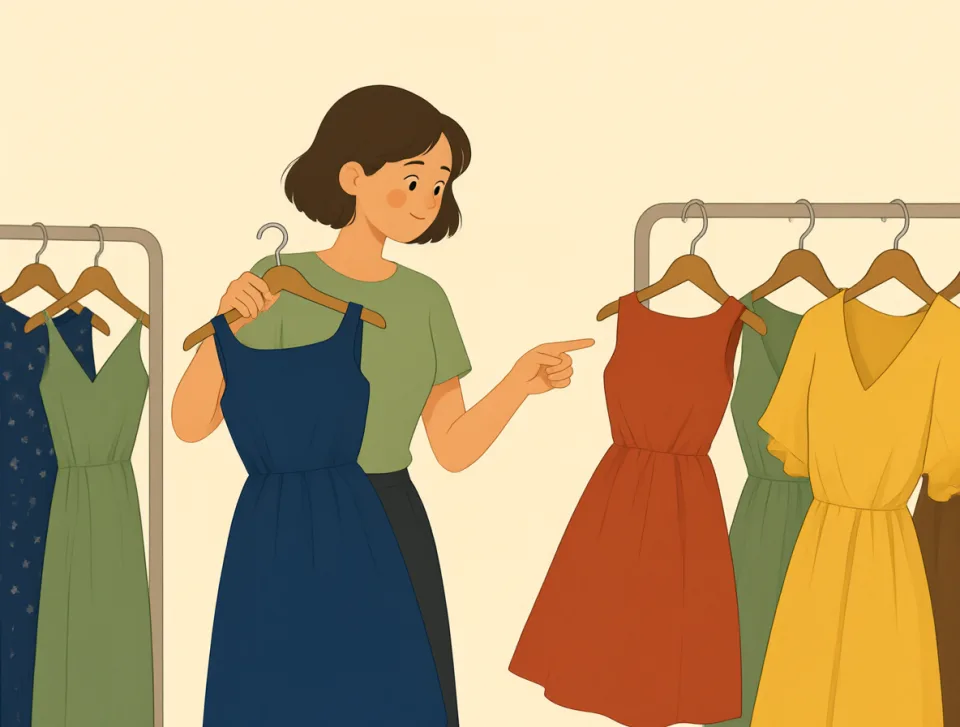
Of the two dresses, I prefer the latter because it is cheaper.
Z tych dwóch sukienek wolę tę drugą, bo jest tańsza.
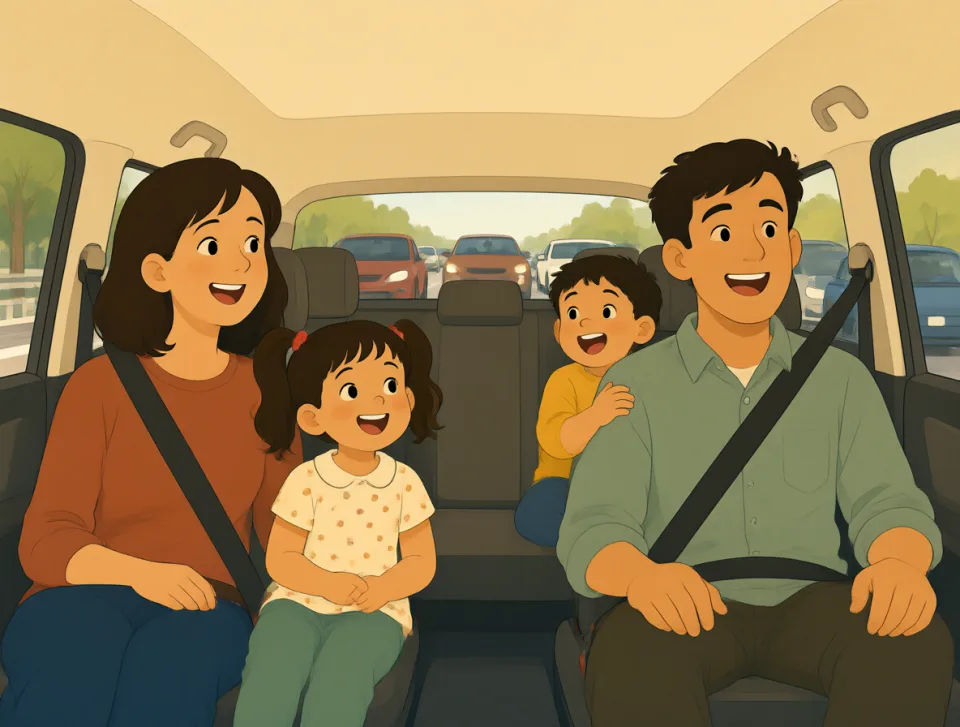
The latter part of the journey was slow because of heavy traffic.
Druga część podróży przebiegała powoli z powodu dużego ruchu.
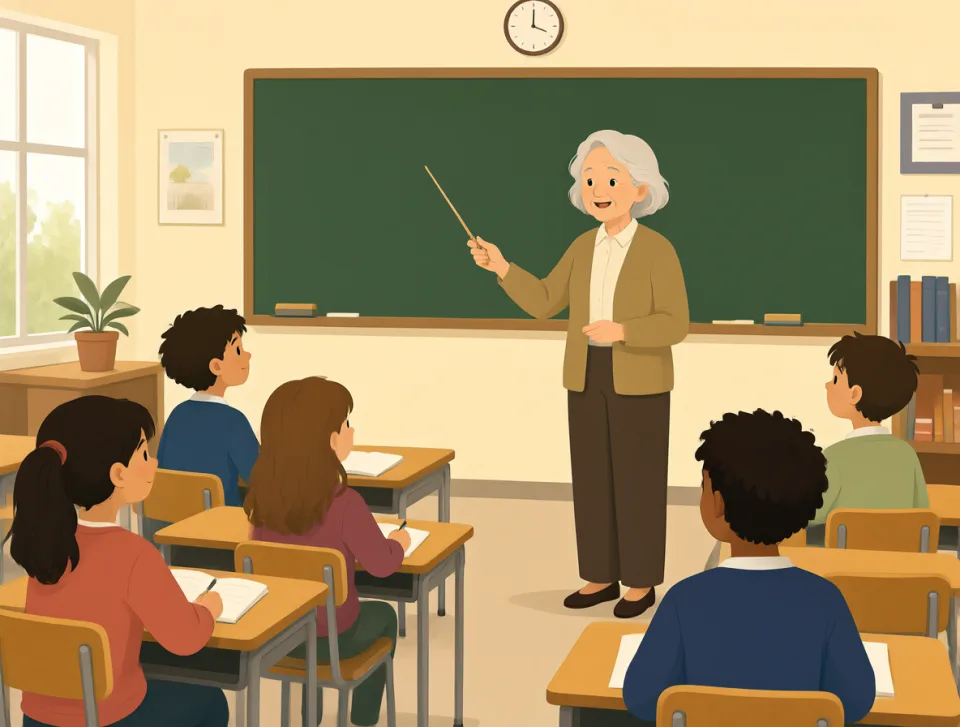
The latter half of the lesson was easier for everyone.
Druga połowa lekcji była łatwiejsza dla wszystkich.
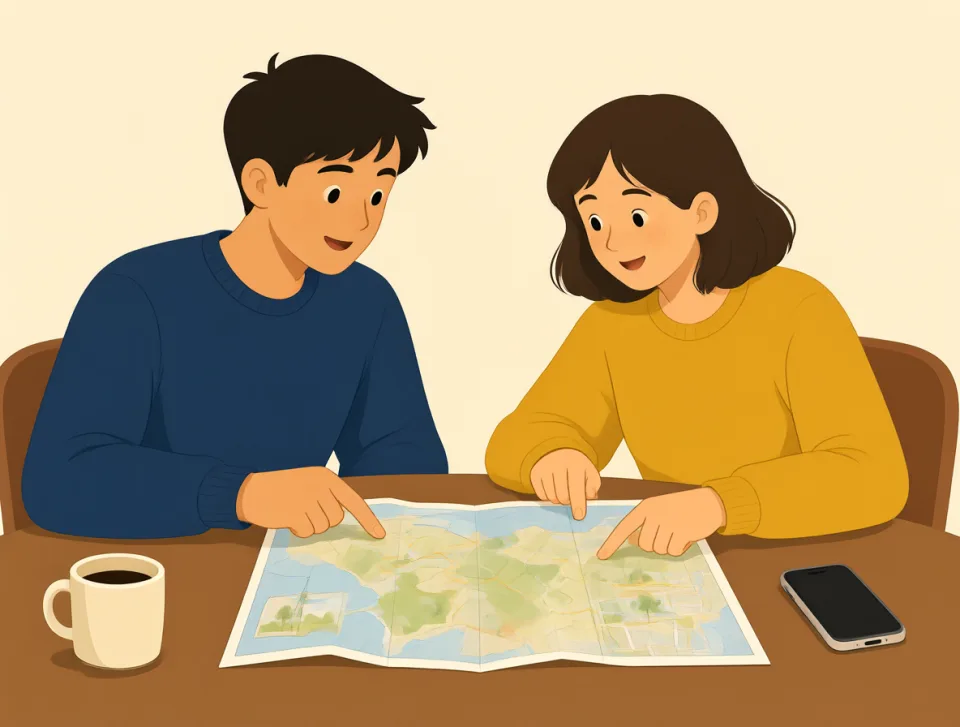
We discussed two plans, but chose the latter for our trip.
Omówiliśmy dwa plany, ale na naszą wycieczkę wybraliśmy ten drugi.

The latter option includes breakfast and free airport transport.
Druga opcja obejmuje śniadanie i bezpłatny transport na lotnisko.
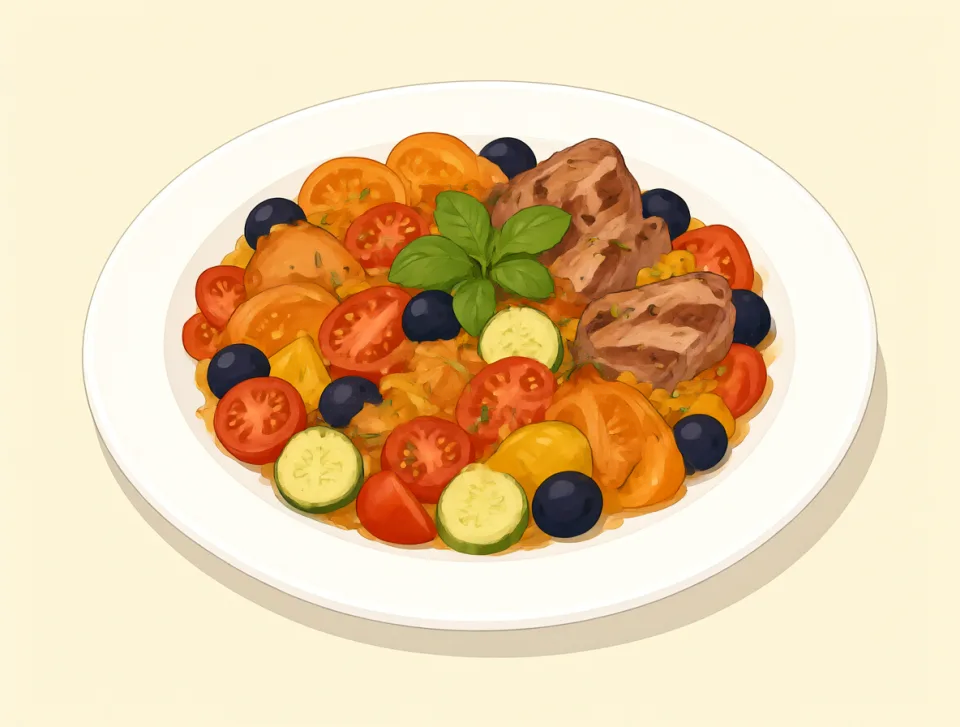
plate
#1705noun, verb
talerz
a flat dish for holding and serving food
Płaskie naczynie do podawania i serwowania jedzenia.
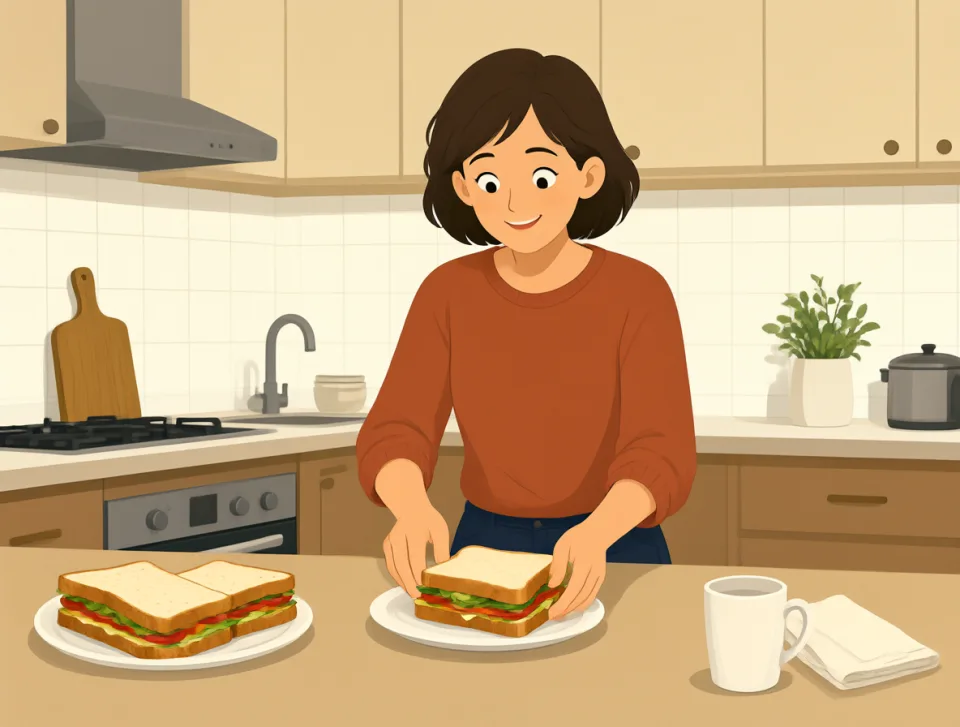
She put the sandwiches on a clean plate.
Położyła kanapki na czystym talerzu.
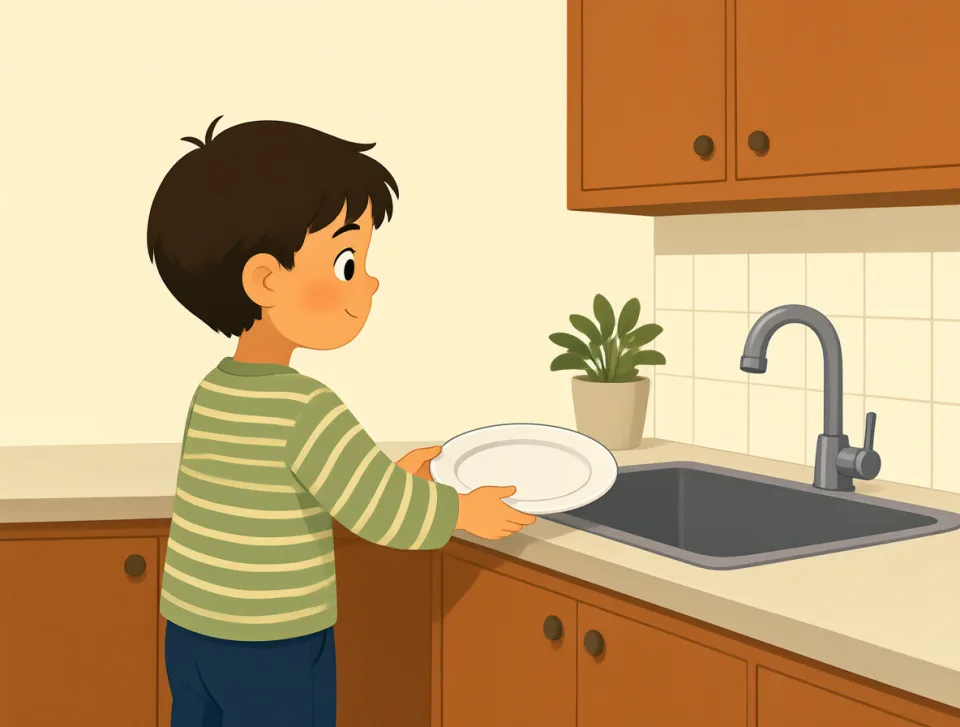
Please wash your plate after dinner.
Proszę umyj swój talerz po kolacji.
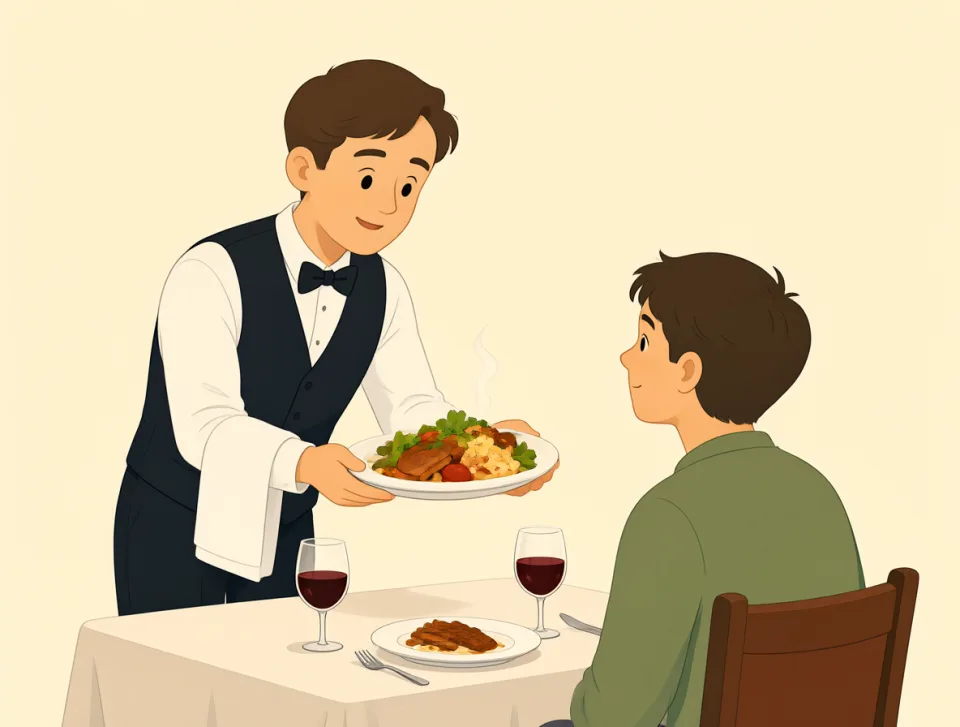
The restaurant served the meal on a large plate.
W restauracji podano posiłek na dużym talerzu.
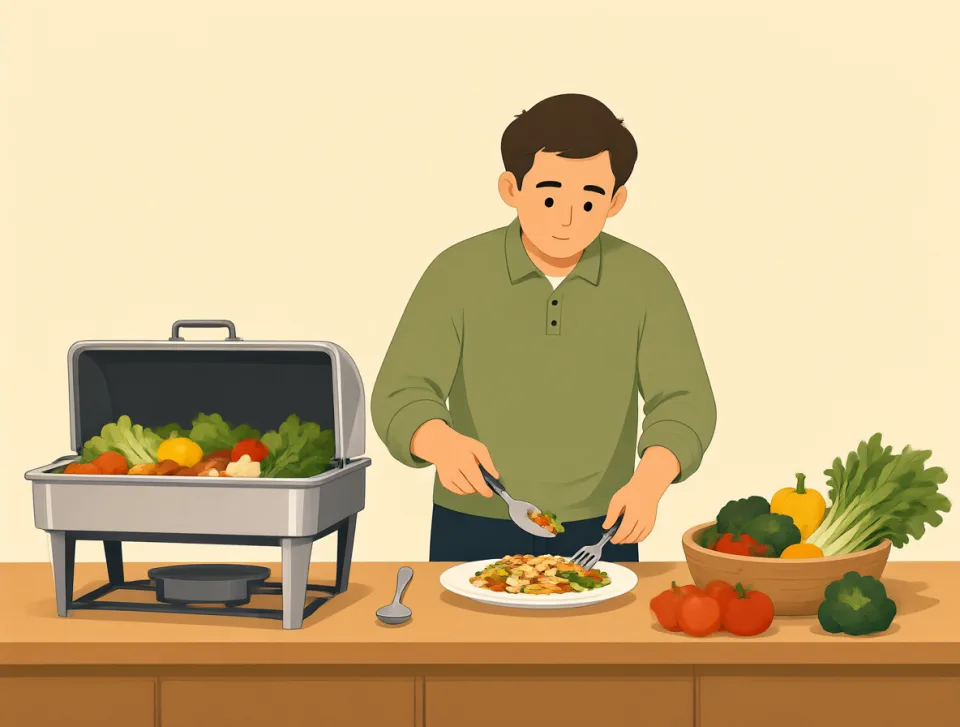
He filled his plate with vegetables at the buffet.
Nałożył sobie na talerz warzywa z bufetu.

The mechanic plated the small metal parts with gold.
Mechanik pokrył złotem małe metalowe części.
ban
#1706noun, verb
ban
To officially stop someone from doing something, or to say that something is not allowed.
Oficjalnie zabronić komuś robienia czegoś lub oznajmić, że coś jest niedozwolone.
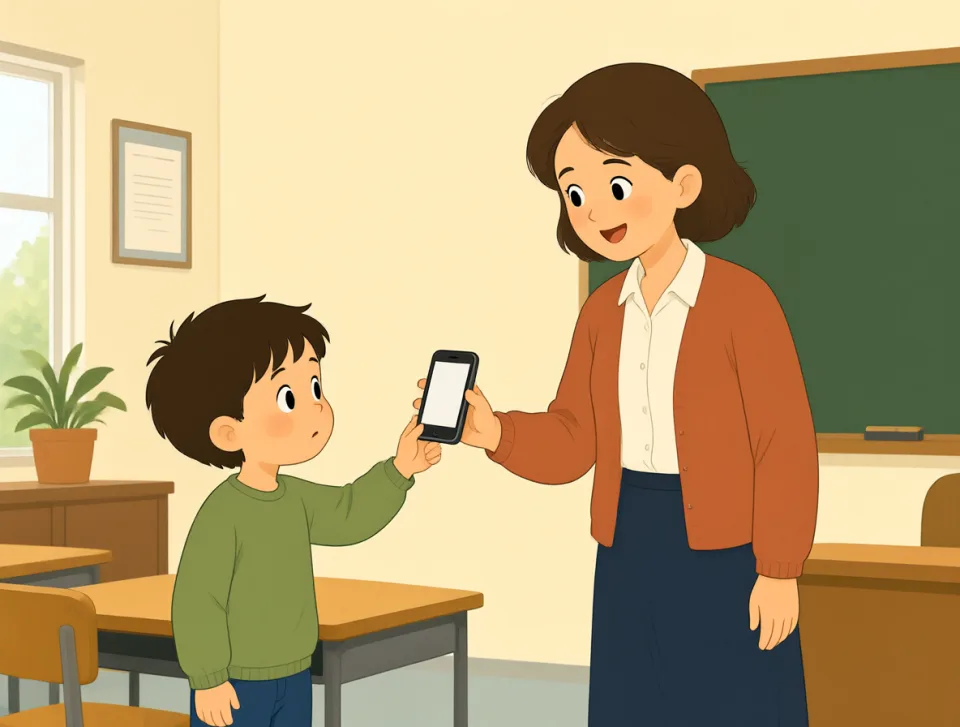
The school banned mobile phones during lessons.
Szkoła zakazała używania telefonów komórkowych podczas lekcji.
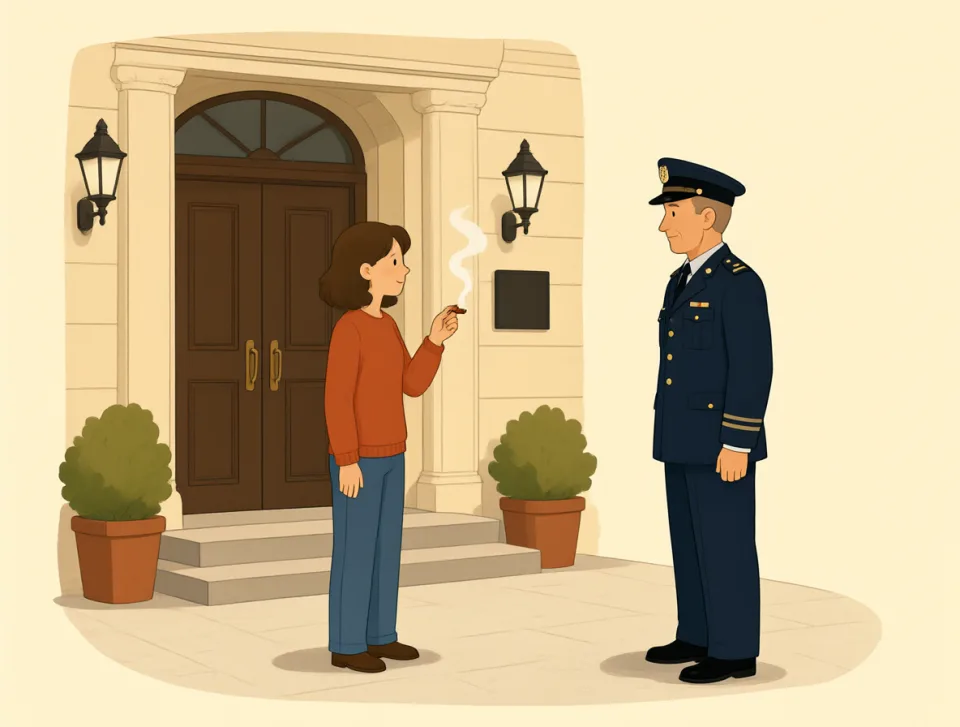
The government banned smoking in public places.
Rząd zakazał palenia w miejscach publicznych.
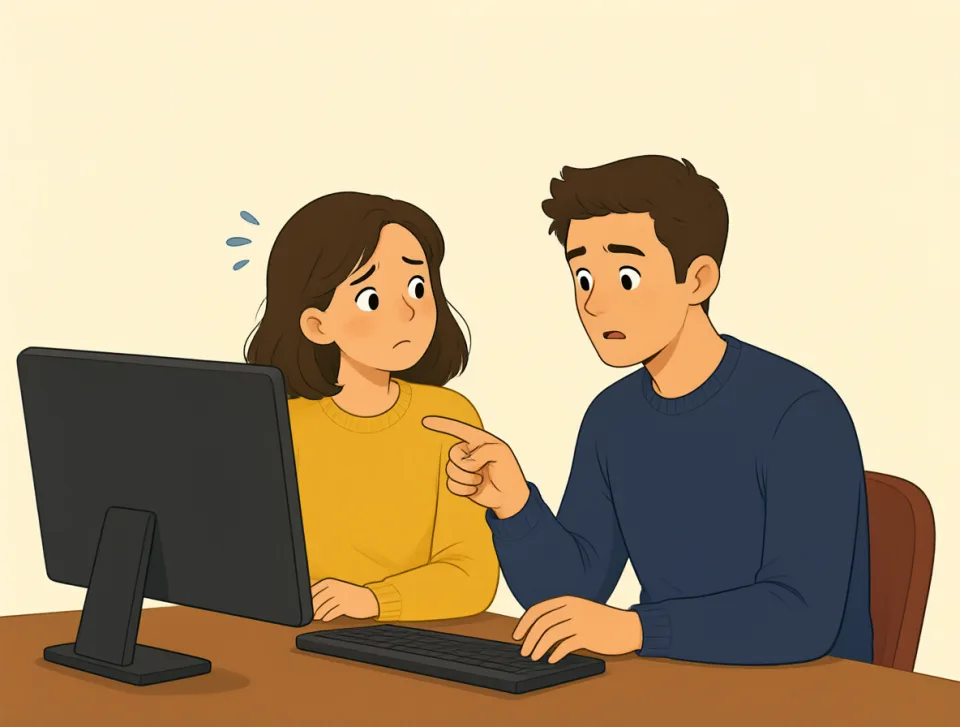
The website banned him for sharing dangerous videos.
Strona internetowa zablokowała mu konto za udostępnianie niebezpiecznych filmów.
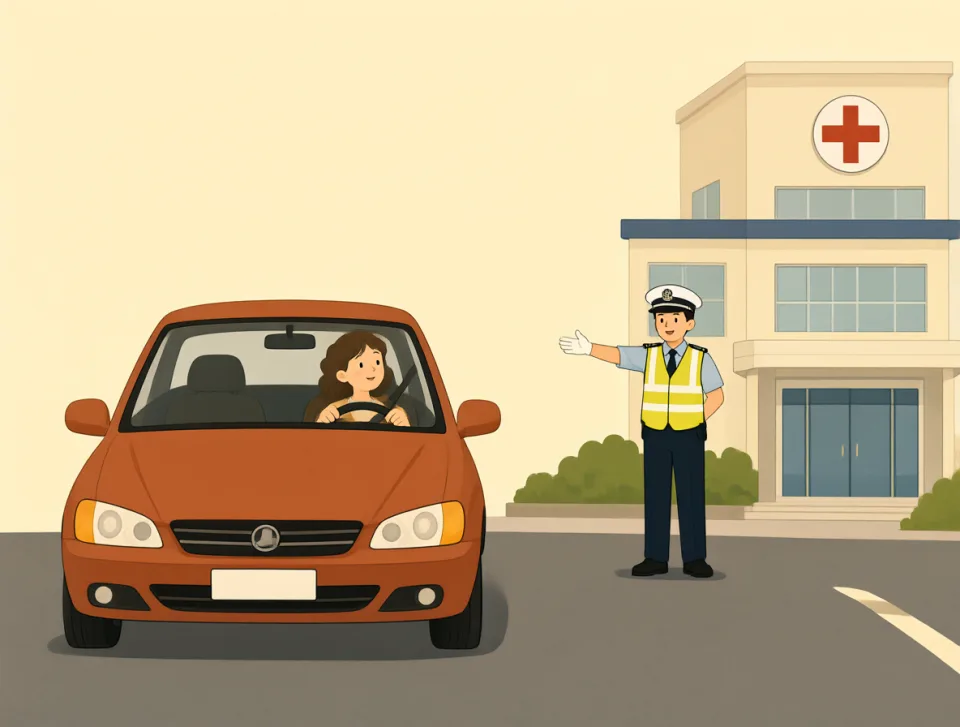
There is a ban on parking outside the hospital.
Obowiązuje zakaz parkowania przed szpitalem.
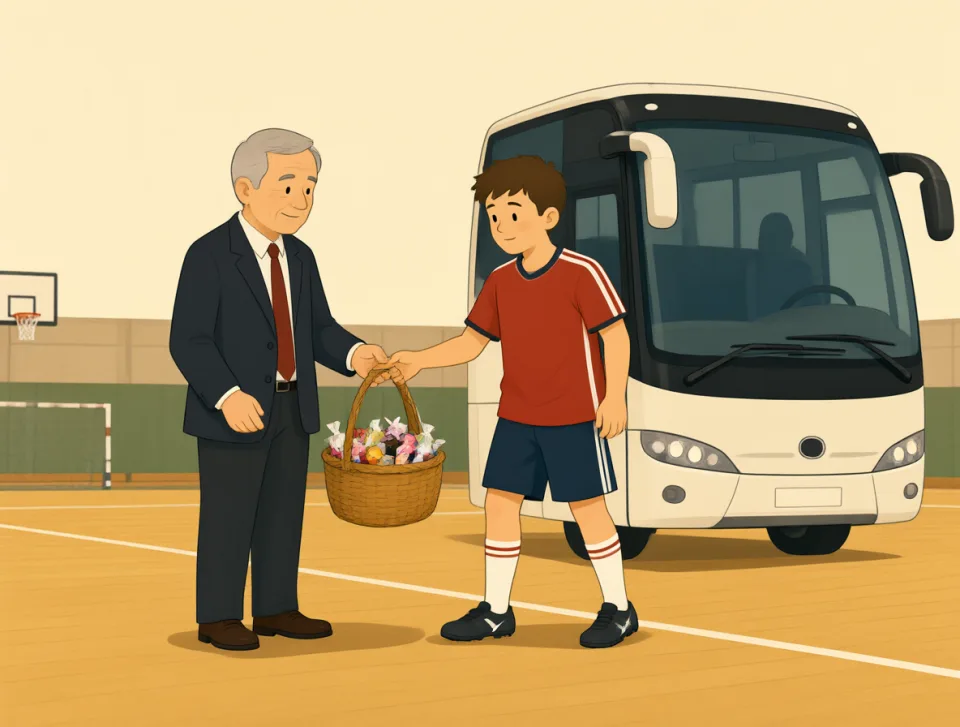
The coach banned sweets before the important game.
Trener zabronił jedzenia słodyczy przed ważnym meczem.
steal
#1707verb, noun
kraść
To take something that belongs to someone else without permission.
Zabrać coś, co należy do kogoś innego, bez pozwolenia.
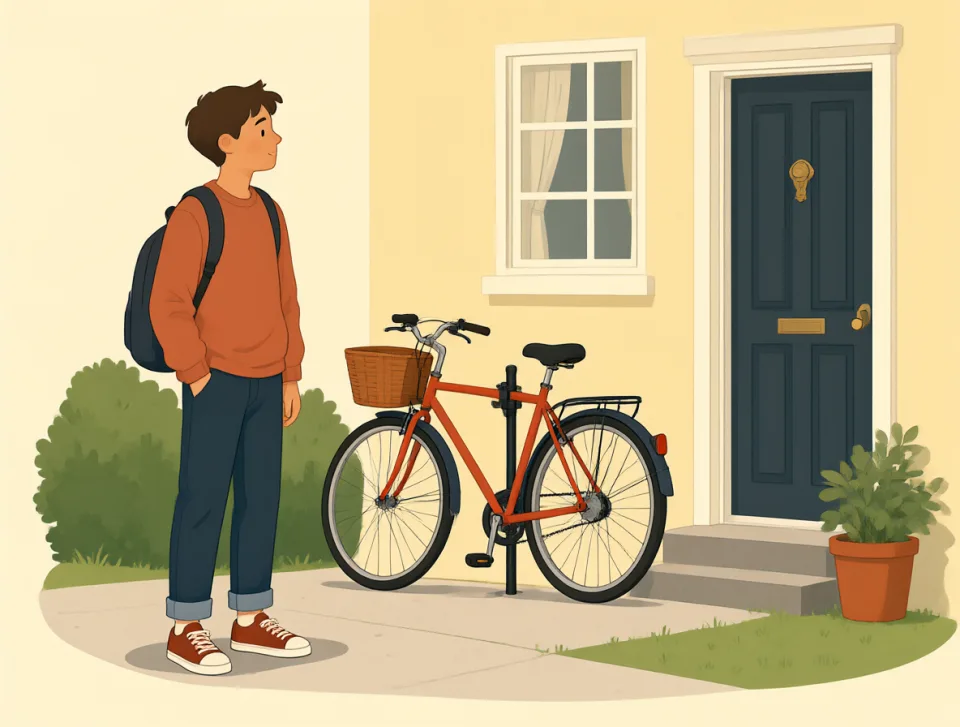
Someone stole my bike from outside the house.
Ktoś ukradł mój rower sprzed domu.
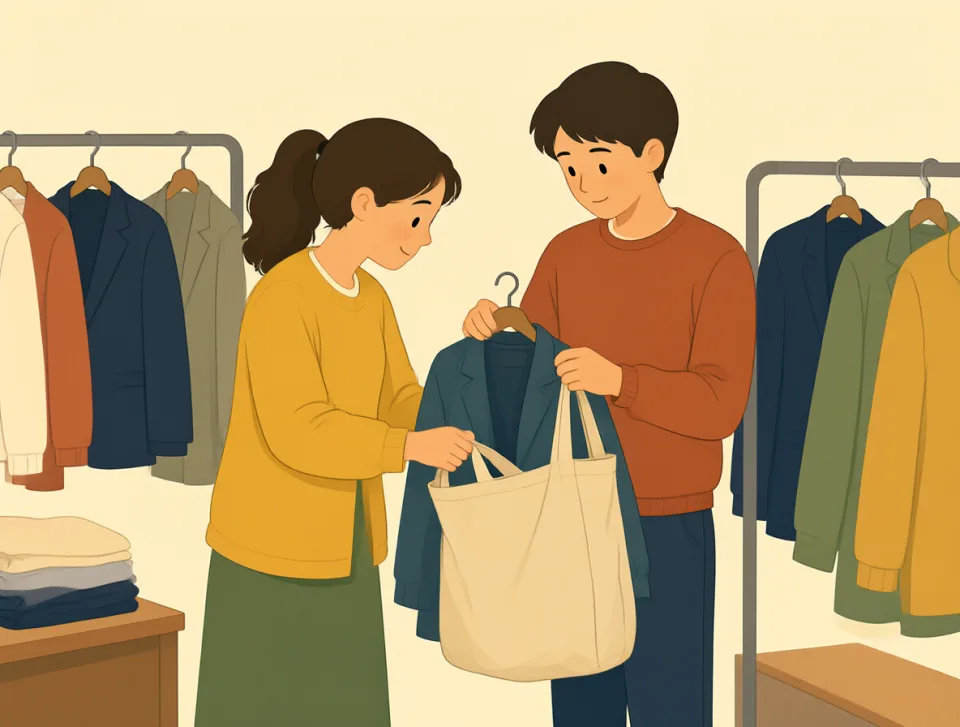
The shoplifter tried to steal a jacket from the store.
Złodziej próbował ukraść kurtkę ze sklepu.
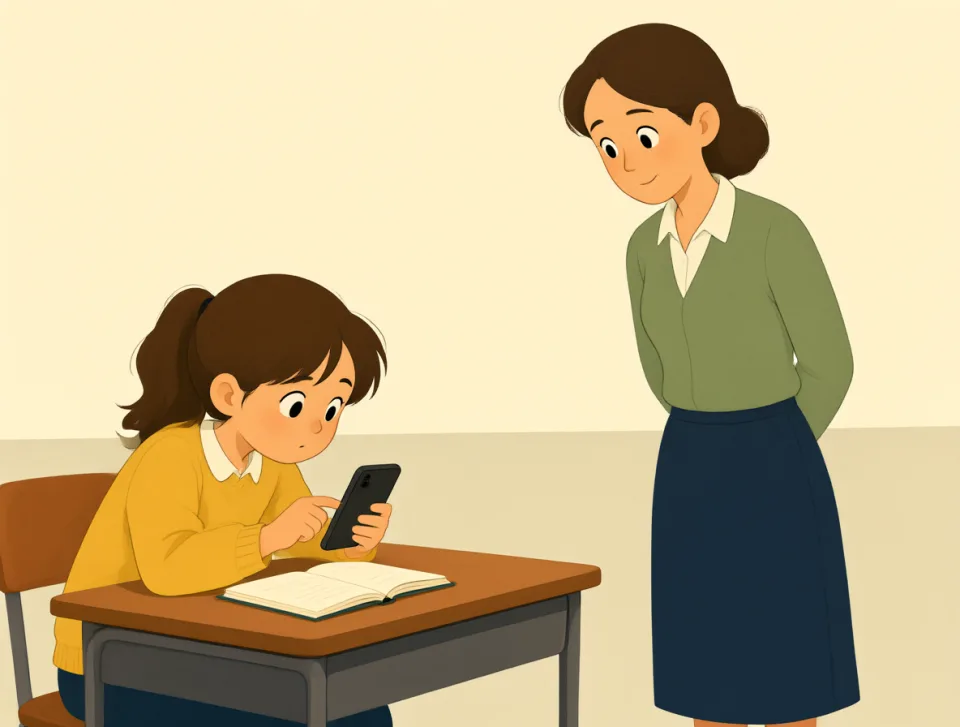
He stole a quick look at his phone during class.
Podczas lekcji ukradkiem zerknął na telefon.
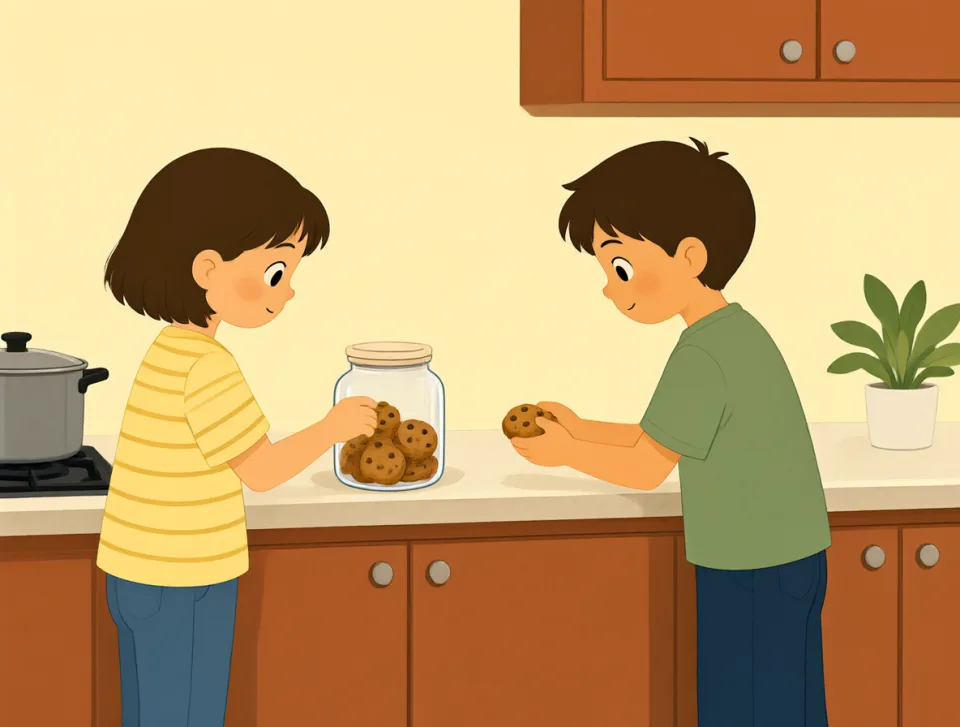
The children stole some cookies from the kitchen.
Dzieci ukradły trochę ciastek z kuchni.

That little mistake stole my confidence at work.
Ten drobny błąd podważył moją pewność siebie w pracy.

protest
#1708noun, verb
protest
A public action or statement showing strong disagreement with something.
Publiczne działanie lub oświadczenie wyrażające zdecydowany sprzeciw wobec czegoś.

Thousands joined the protest against the new law.
Tysiące osób dołączyły do protestu przeciwko nowej ustawie.
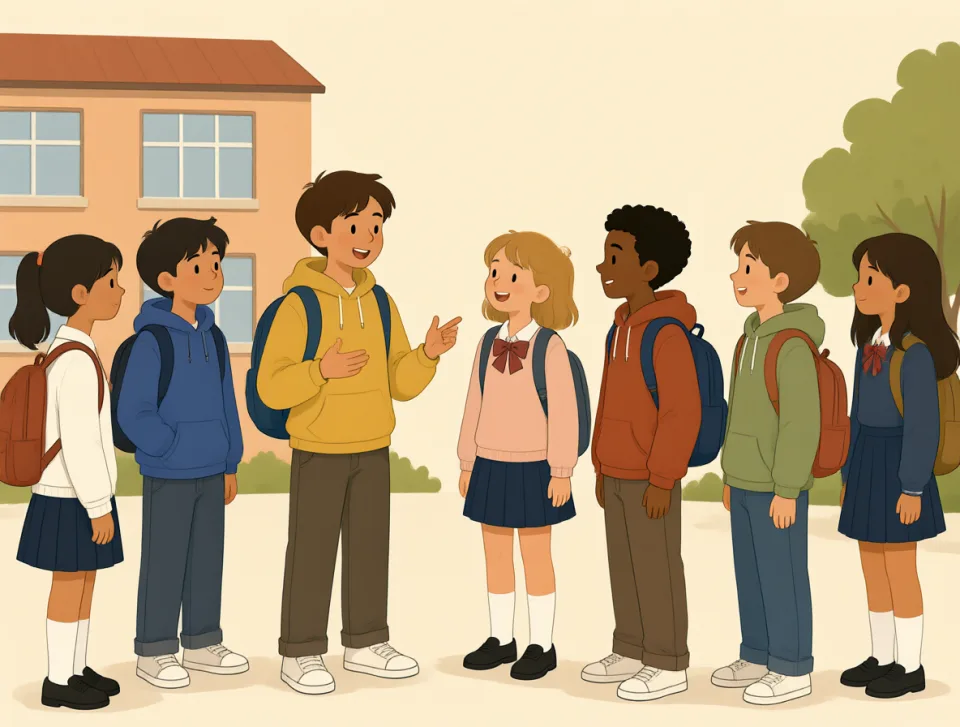
Students protested when their school closed the library.
Uczniowie protestowali, gdy ich szkoła zamknęła bibliotekę.

She protested that the restaurant had charged her twice.
Zaprotestowała, że restauracja policzyła jej dwa razy.
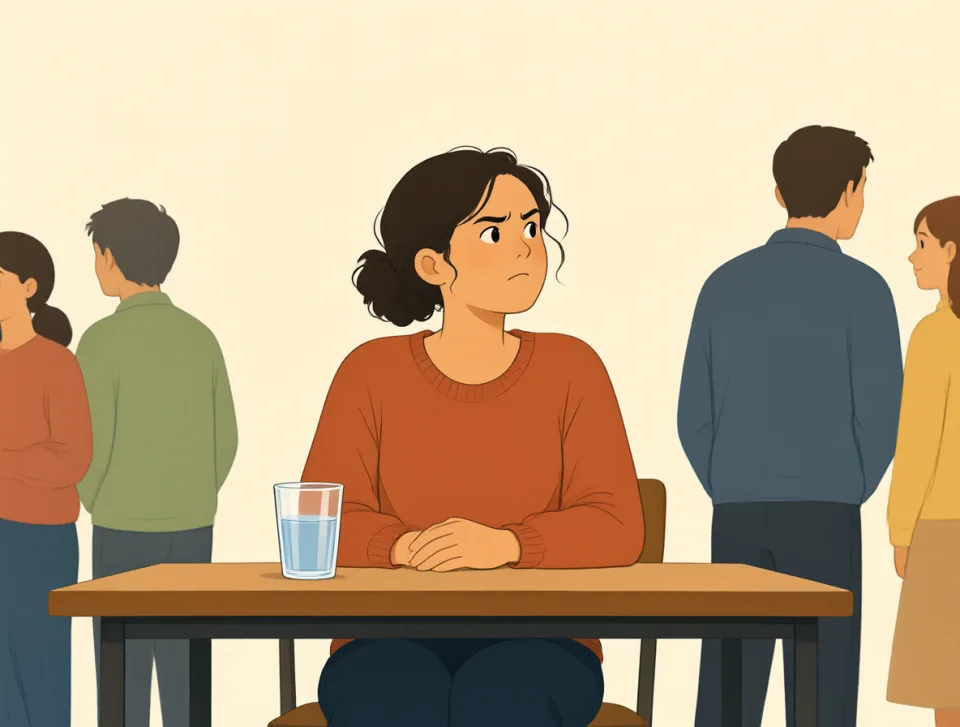
He began a hunger protest to demand better treatment.
Rozpoczął protest głodowy, domagając się lepszego traktowania.
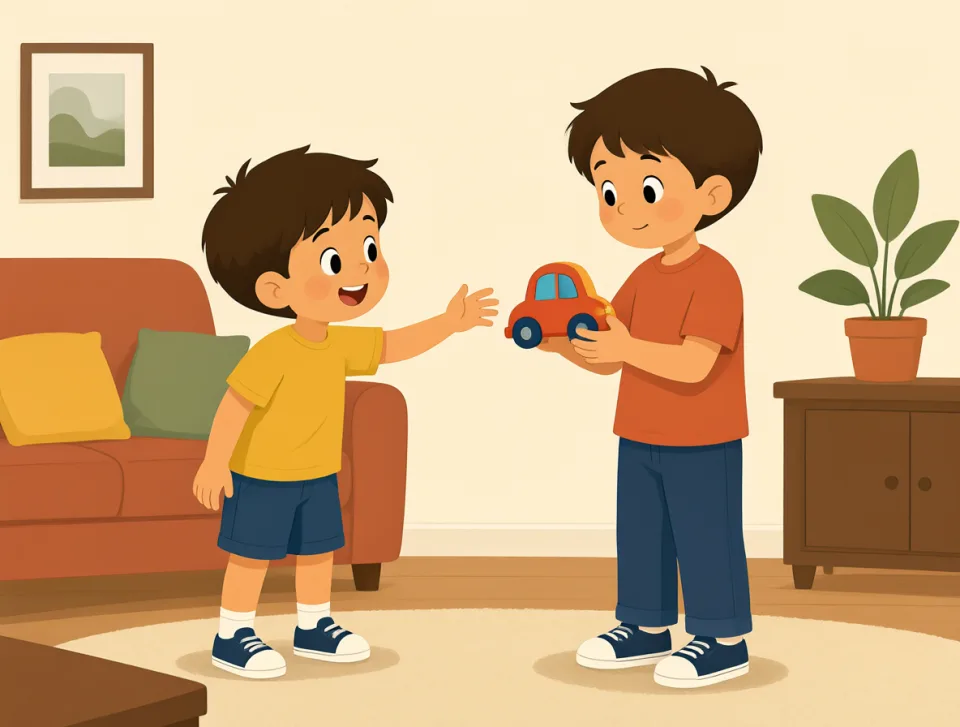
My little brother protested when I took his toy.
Mój młodszy brat zaprotestował, gdy zabrałem mu zabawkę.
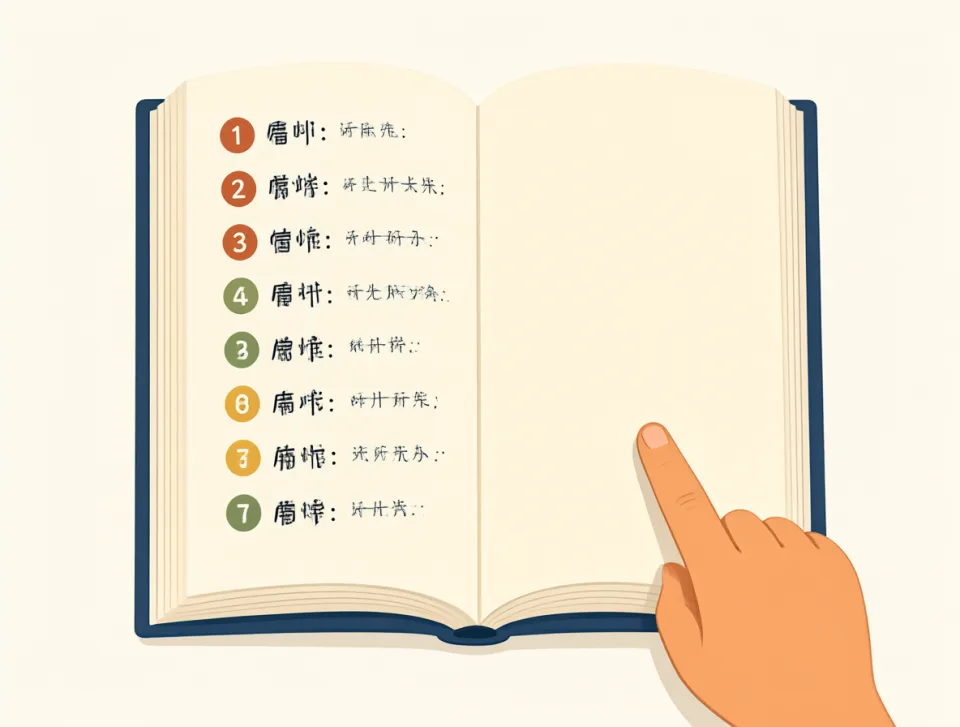
index
#1709noun, verb
indeks
A list that helps you find information, or a number showing size or change.
Lista, która pomaga znaleźć informacje, lub liczba pokazująca wielkość albo zmianę.
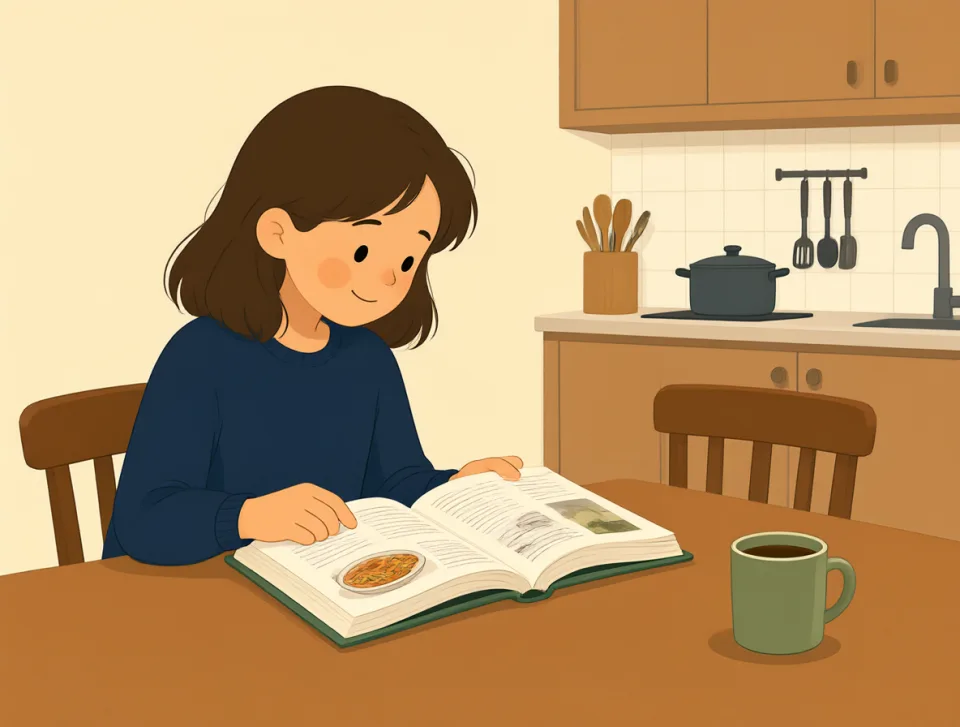
Check the index to find the page about healthy food.
Sprawdź indeks, żeby znaleźć stronę o zdrowej żywności.
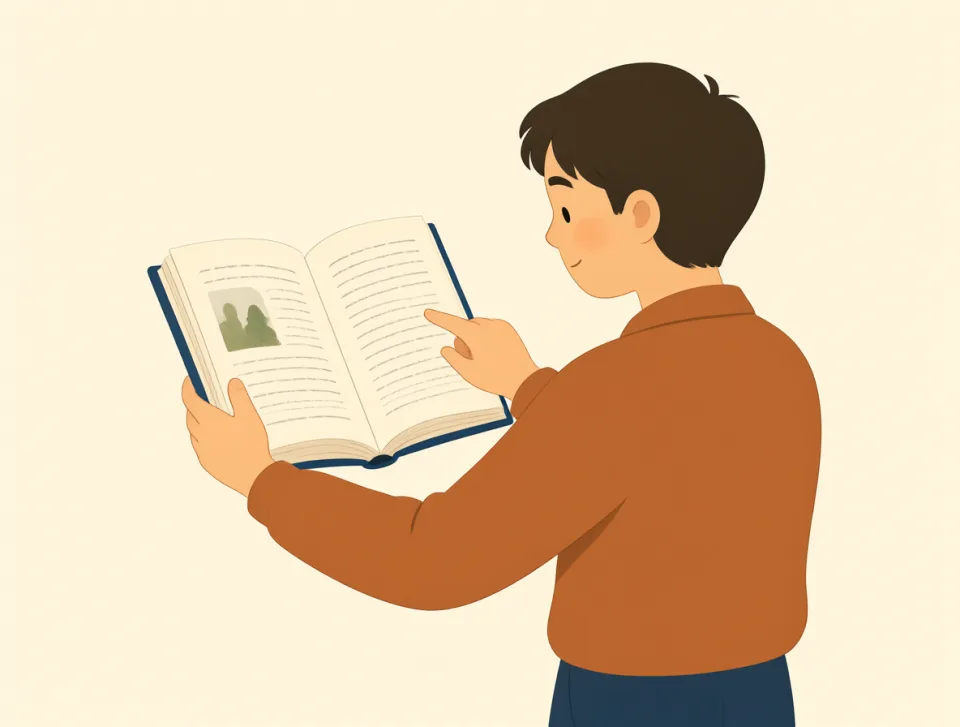
The book has a useful index at the back.
Z tyłu książki znajduje się przydatny indeks.
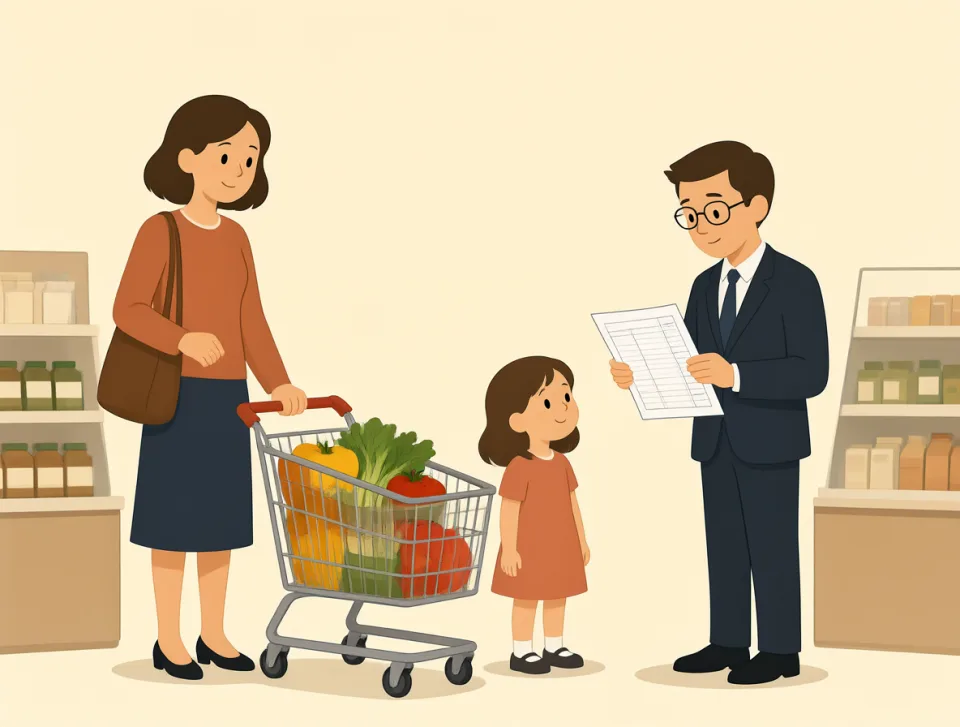
Prices increased according to the cost of living index.
Ceny wzrosły zgodnie ze wskaźnikiem kosztów utrzymania.
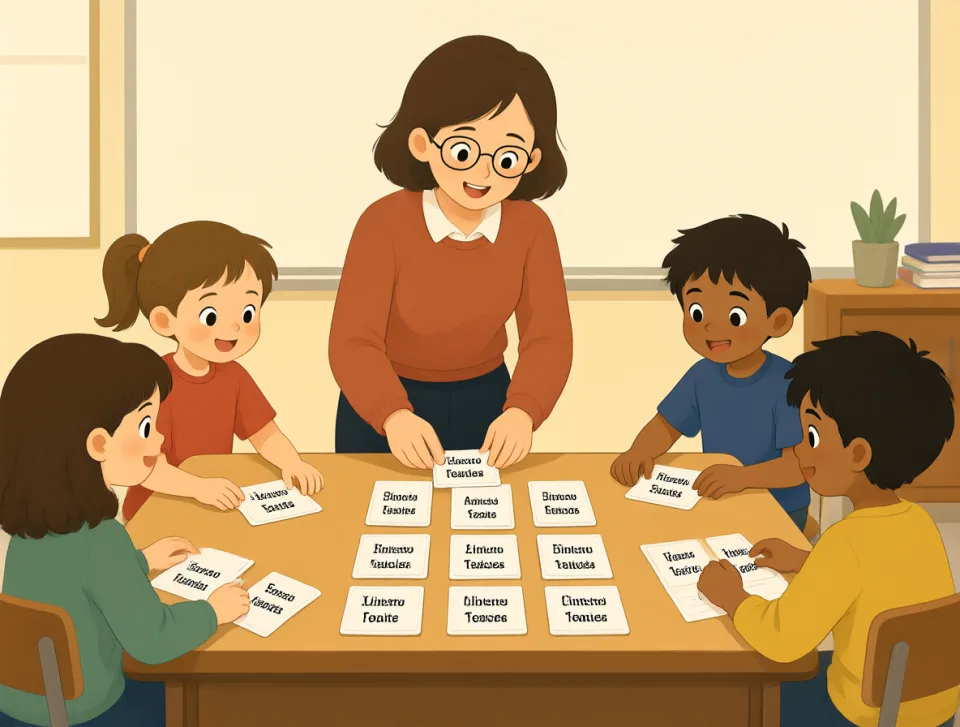
The teacher indexed the students' names by their last names.
Nauczyciel uporządkował nazwiska uczniów według ich nazwisk.
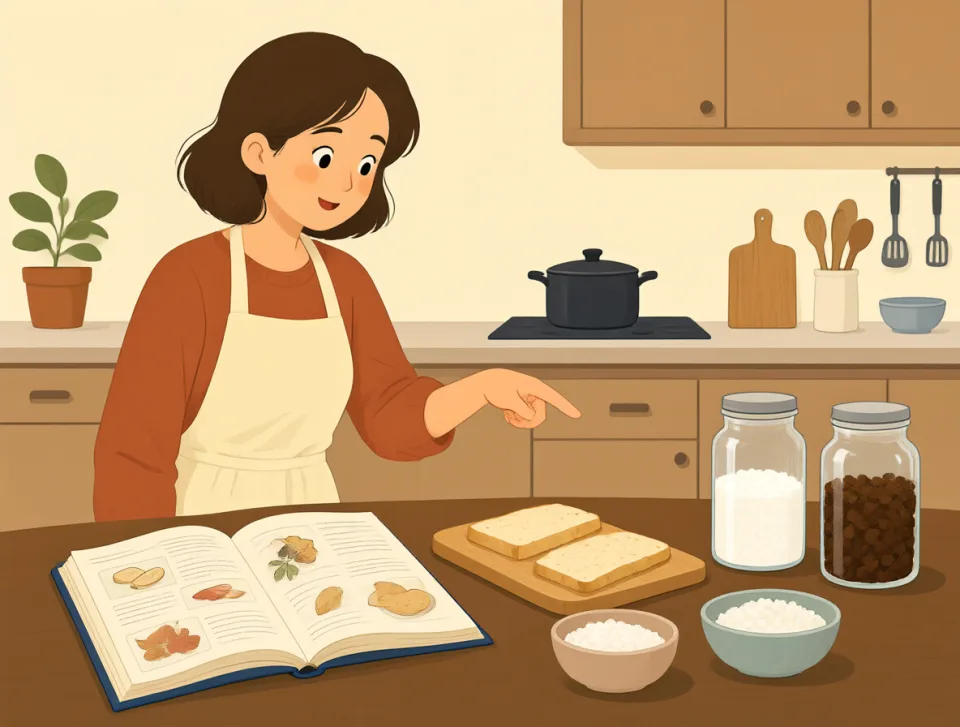
She used her finger to index each item in the recipe.
Palcem wskazywała każdy składnik przepisu.
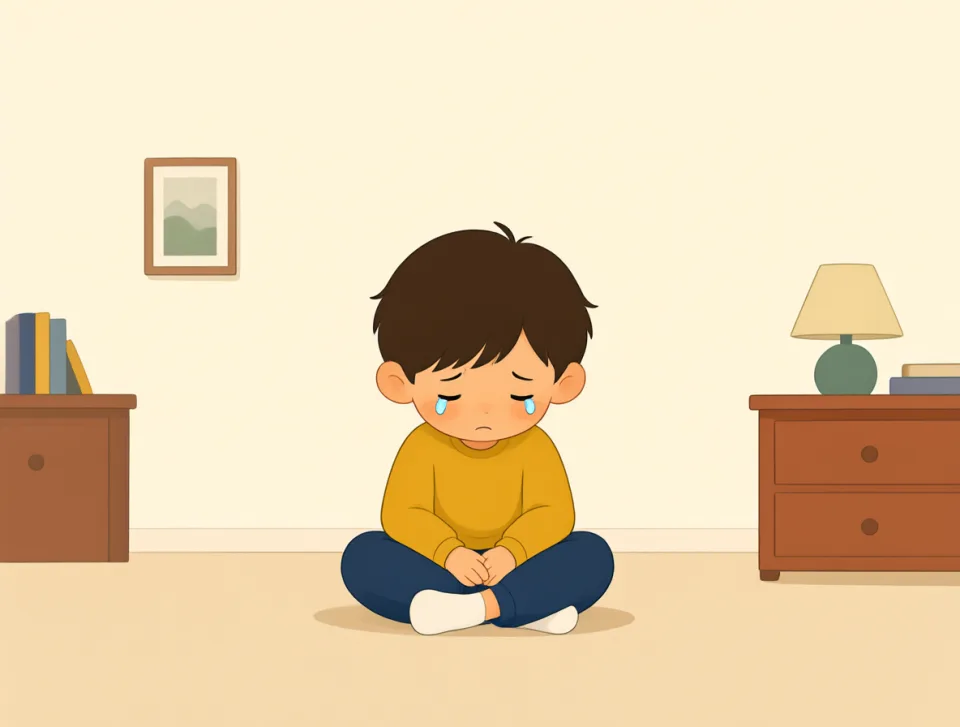
sad
#1710adjective
smutny
Feeling unhappy, often because something bad happened.
Odczuwający nieszczęście, często dlatego, że wydarzyło się coś złego.
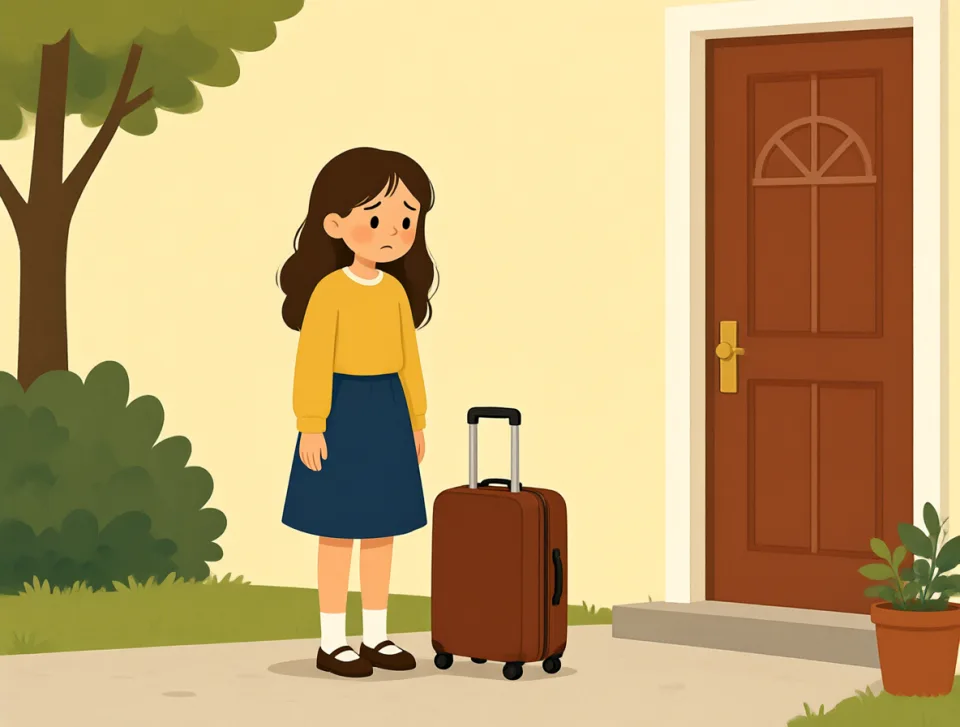
She felt sad when her best friend moved away.
Była smutna, gdy jej najlepsza przyjaciółka się wyprowadziła.
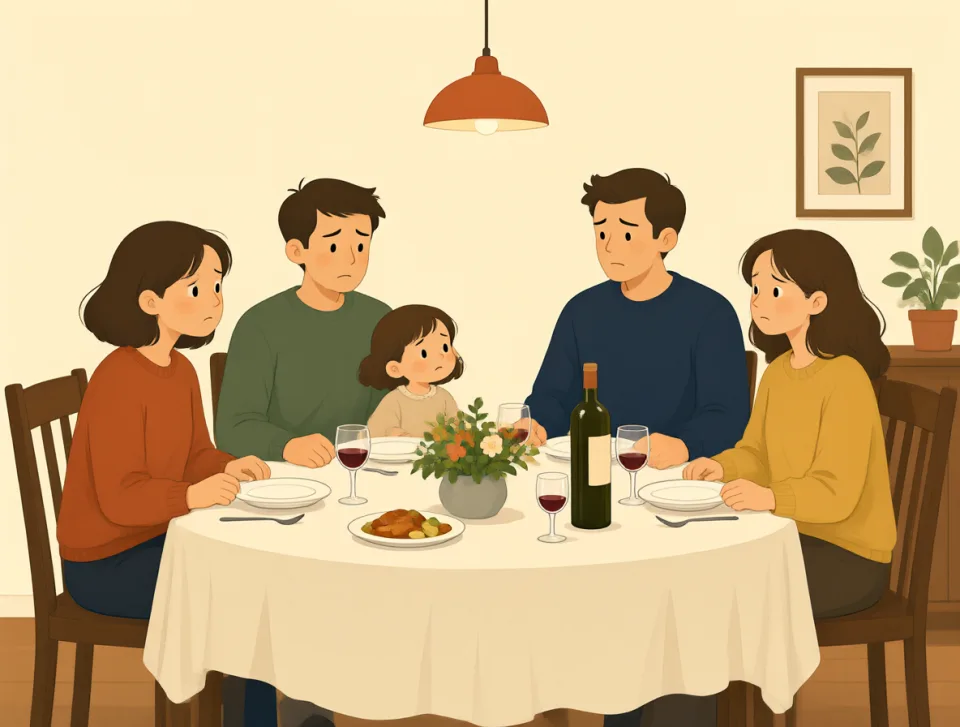
The sad news made everyone quiet at dinner.
Smutna wiadomość sprawiła, że podczas kolacji wszyscy umilkli.
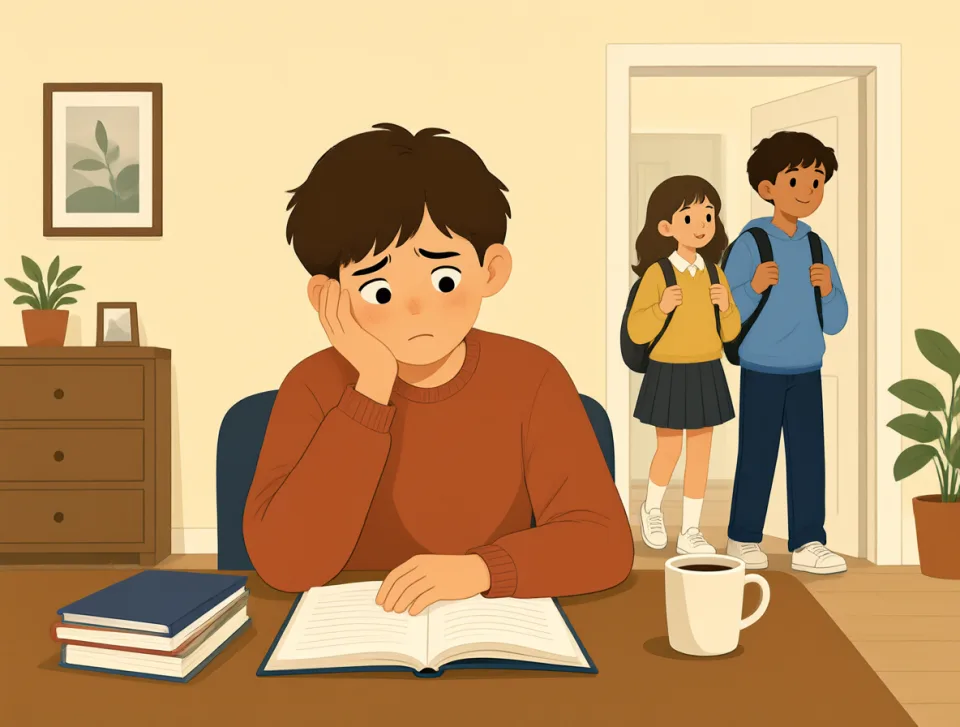
I was sad about missing the school trip.
Było mi smutno, że nie pojechałem na szkolną wycieczkę.
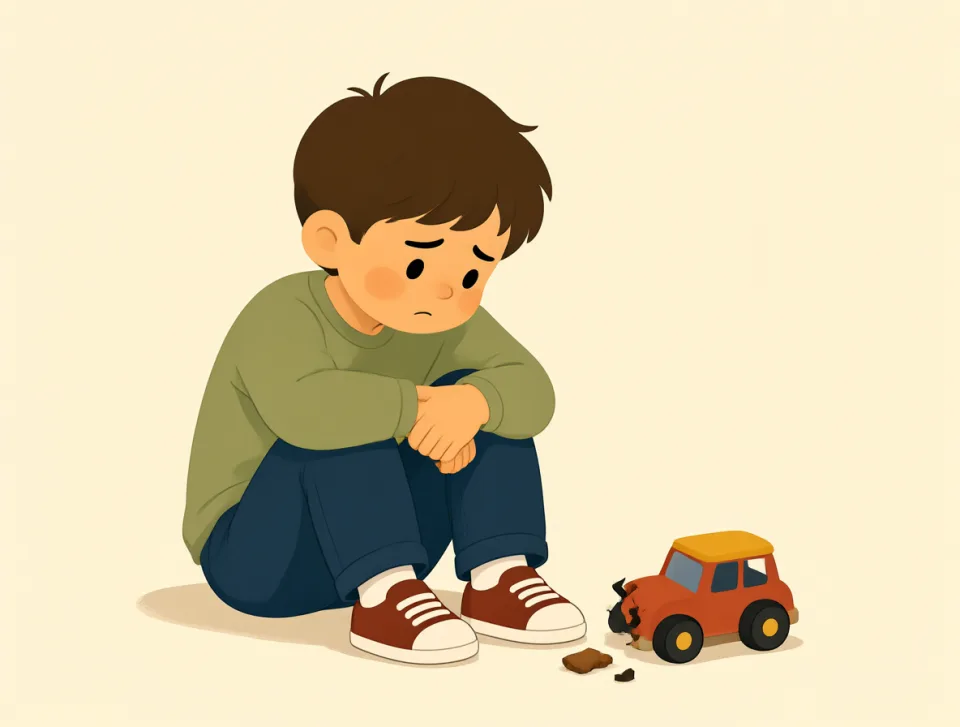
He looked sad after losing his favorite toy.
Wyglądał na smutnego po tym, jak zgubił swoją ulubioną zabawkę.

The movie had a sad ending, but I enjoyed it.
Film miał smutne zakończenie, ale mi się podobał.
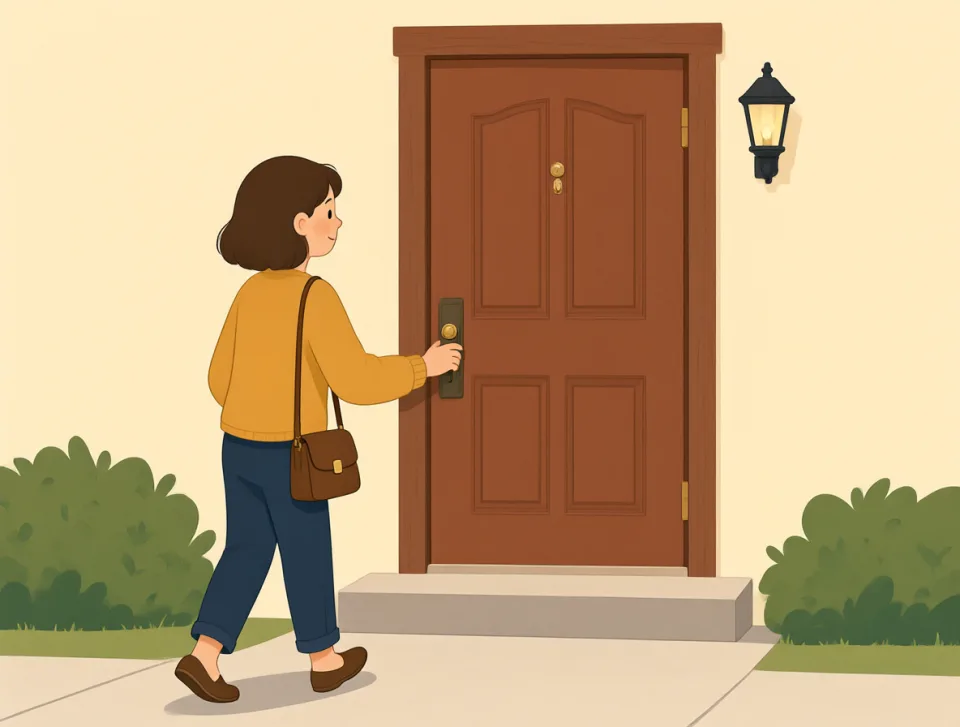
frequently
#1711adverb
często
often or many times, especially at regular or short intervals
często lub wielokrotnie, zwłaszcza w regularnych albo krótkich odstępach czasu
She frequently visits her parents after work.
Po pracy często odwiedza rodziców.

The manager frequently checks our progress during meetings.
Kierownik często sprawdza nasze postępy podczas spotkań.
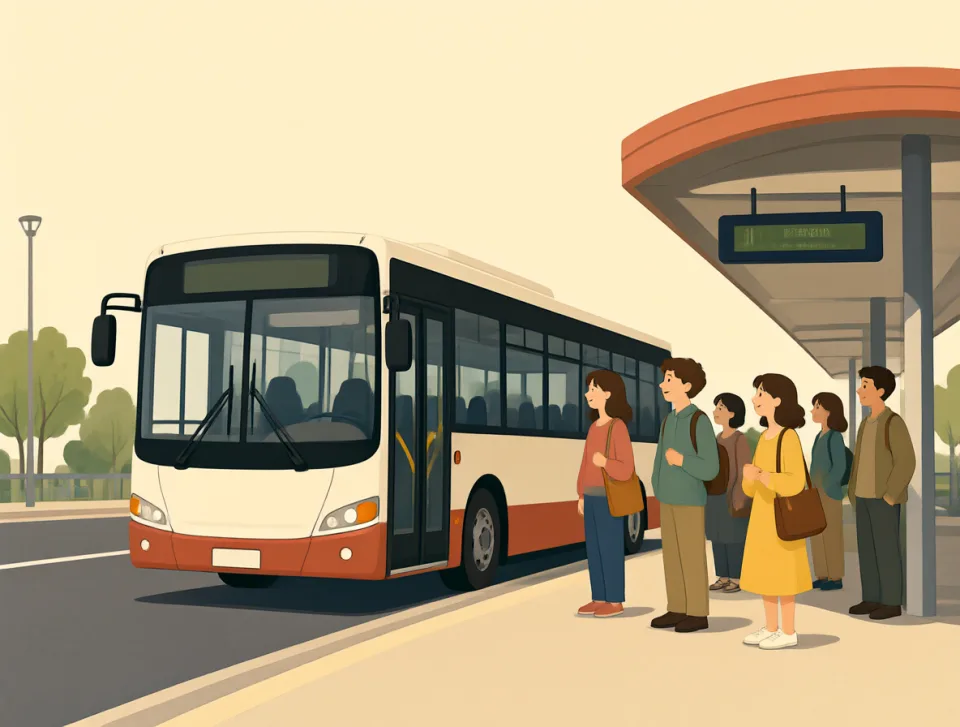
This bus frequently stops near the train station.
Ten autobus często zatrzymuje się w pobliżu dworca kolejowego.
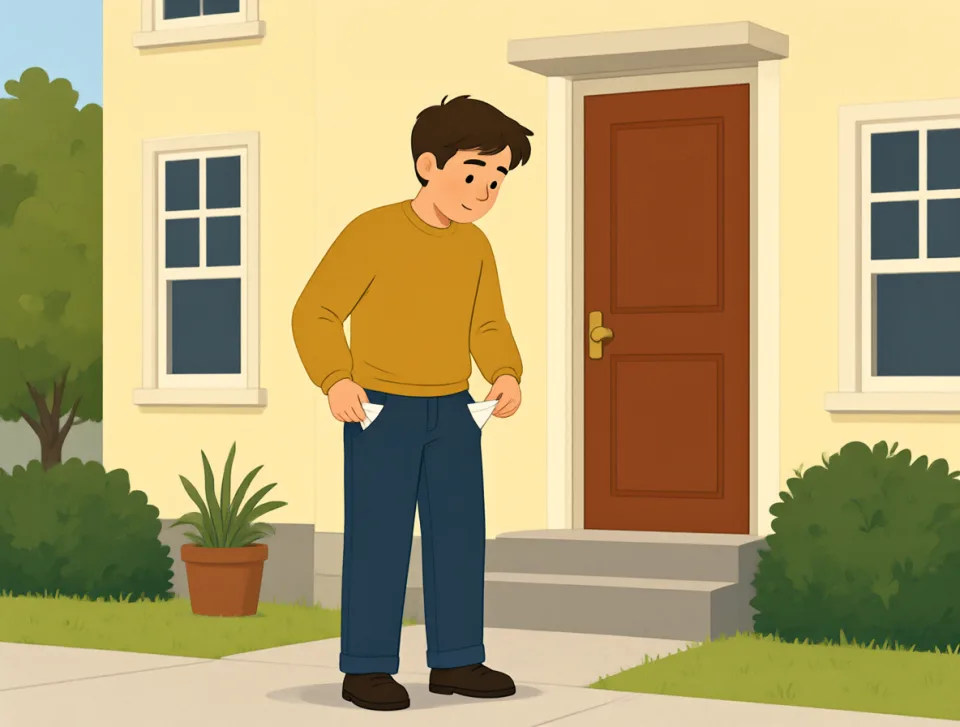
Tom frequently forgets his keys at home.
Tom często zapomina kluczy w domu.
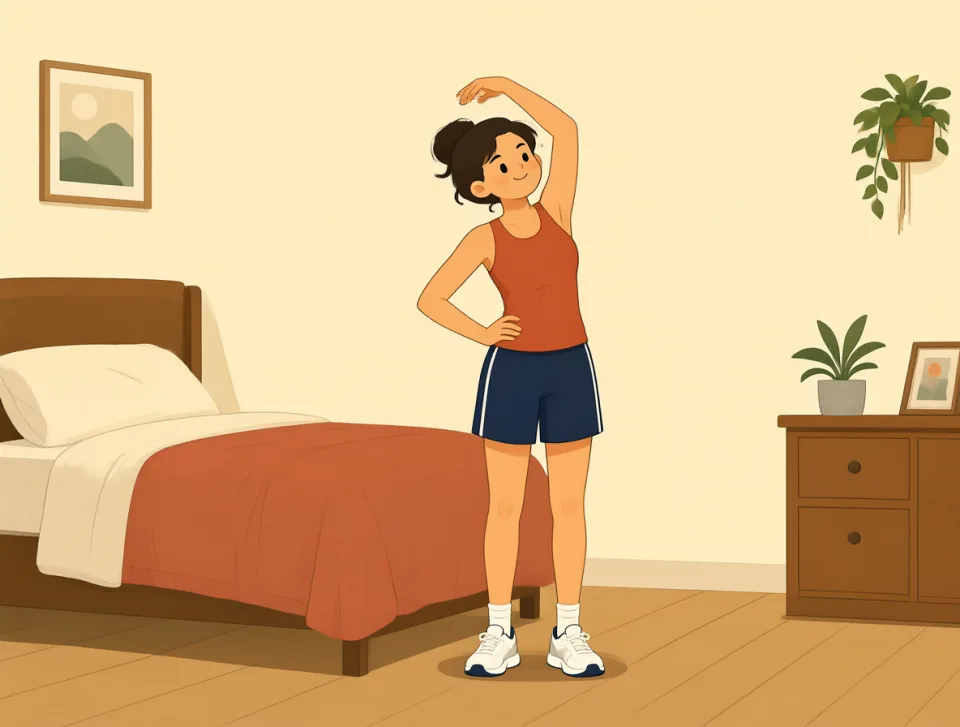
People who exercise frequently usually sleep better.
Osoby, które często ćwiczą, zwykle lepiej śpią.

circle
#1712noun, verb
koło; okrążać
a round shape, or to move around something in a curved path
okrągły kształt albo poruszać się wokół czegoś po łuku
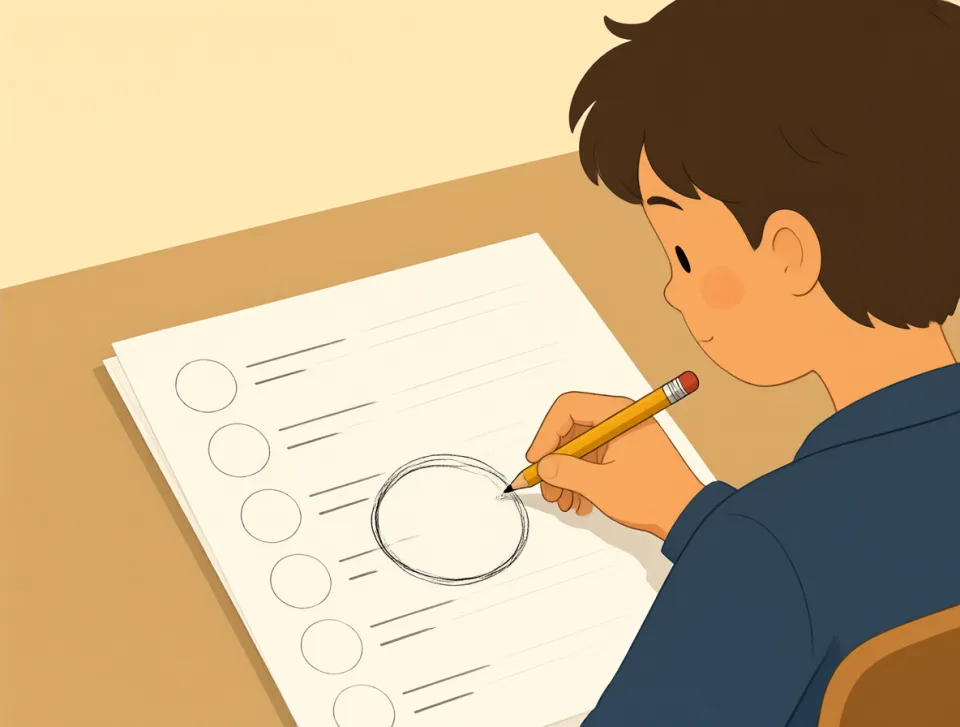
Draw a circle around the correct answer.
Narysuj kółko wokół poprawnej odpowiedzi.
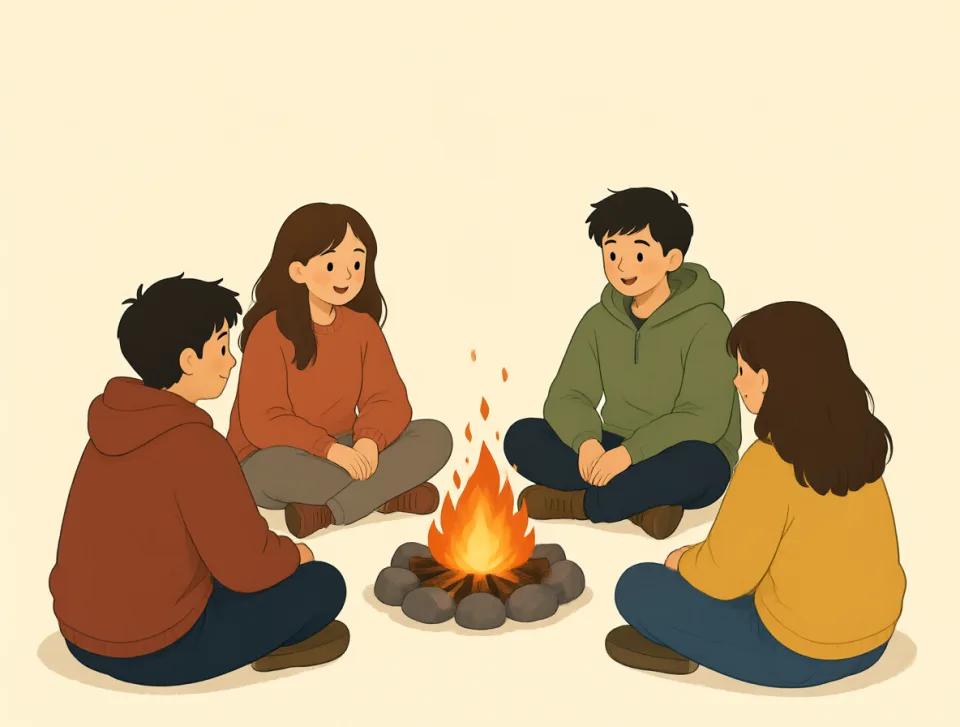
We sat in a circle around the campfire.
Usiedliśmy wokół ogniska, tworząc krąg.
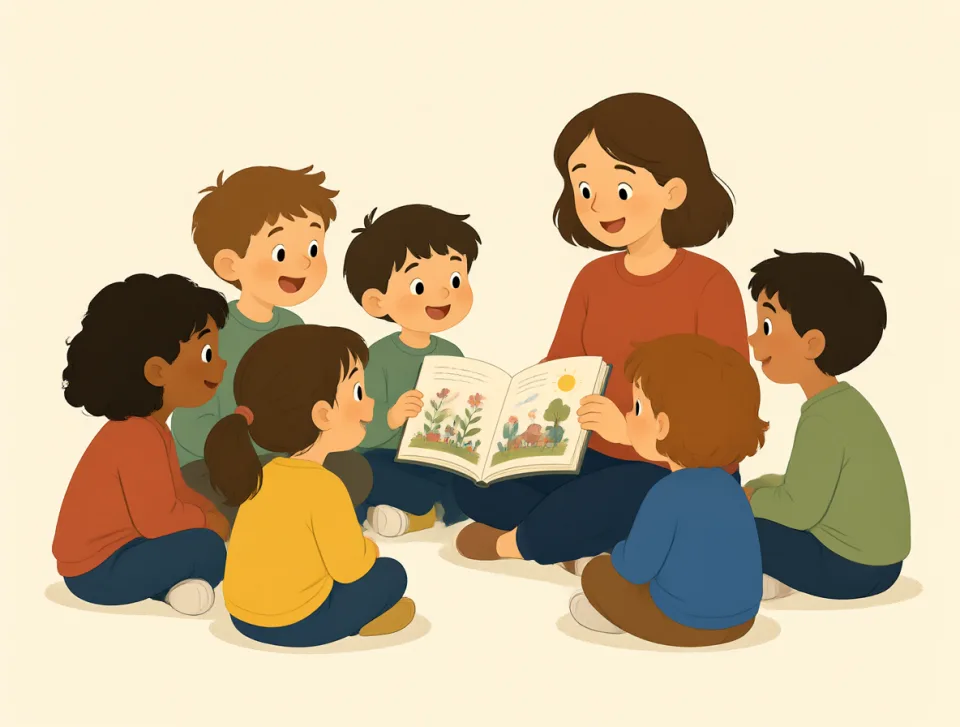
The children circled the teacher during story time.
Podczas czytania dzieci otoczyły nauczyciela.
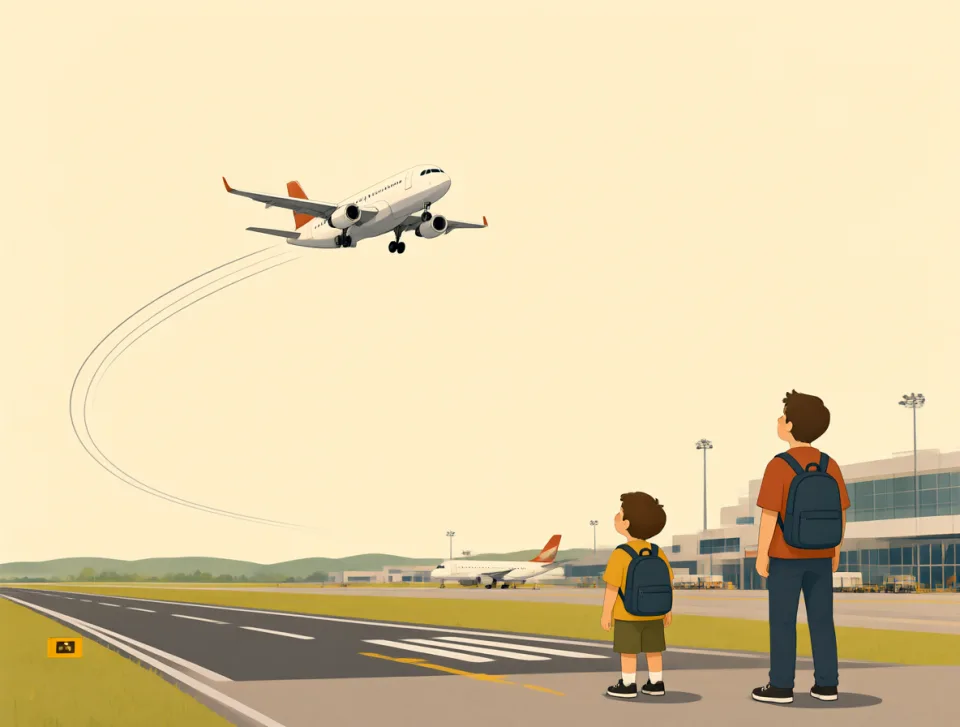
The plane circled the airport before landing.
Samolot krążył nad lotniskiem przed lądowaniem.

A group of friends circled the new restaurant after work.
Po pracy grupa przyjaciół okrążyła nową restaurację.

helpful
#1713adjective
pomocny
Useful and willing to help someone or make a situation easier.
Przydatny i chętny do pomocy lub ułatwienia danej sytuacji.
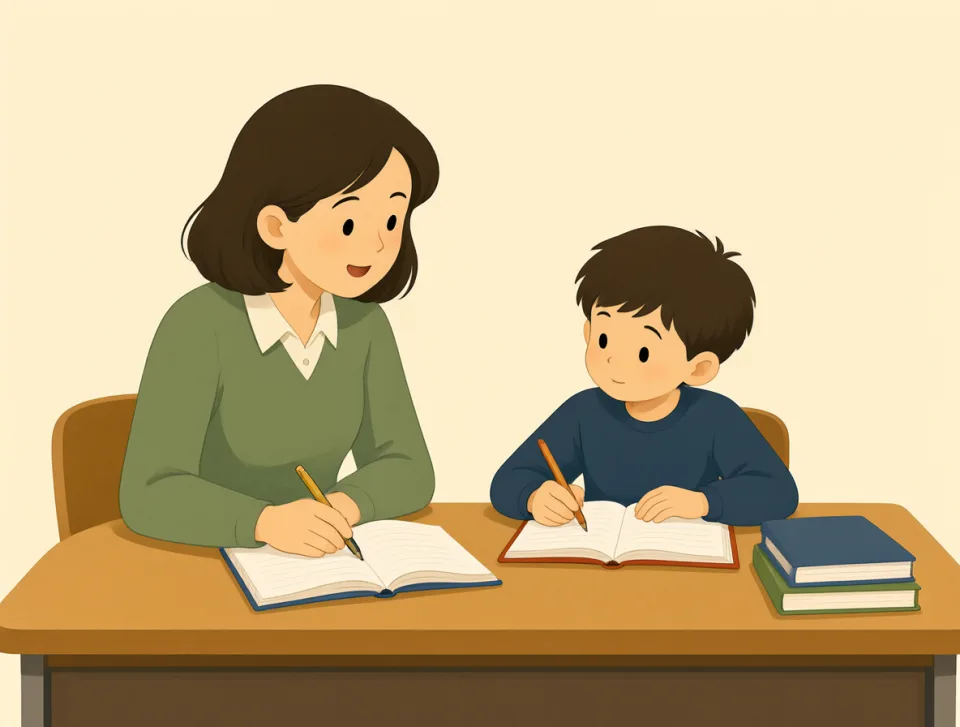
The helpful teacher explained the difficult homework again.
Pomocny nauczyciel jeszcze raz wyjaśnił trudne zadanie domowe.

This map is helpful when you are exploring a new city.
Ta mapa przydaje się podczas zwiedzania nowego miasta.
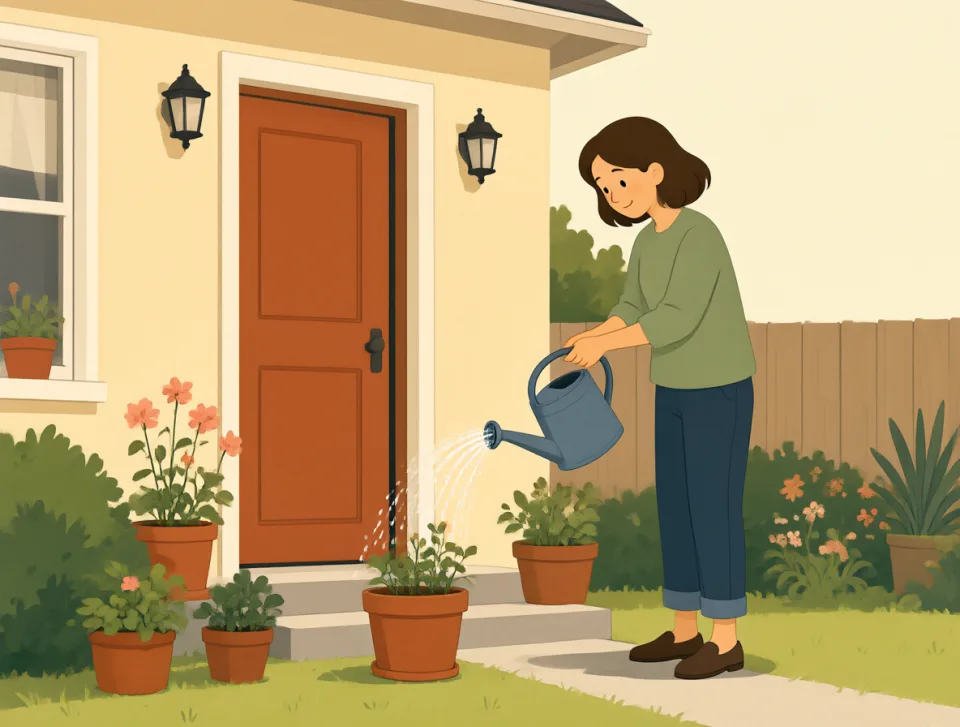
My neighbor was helpful and watered our plants while we were away.
Mój sąsiad okazał się pomocny i podlewał nasze rośliny, kiedy nas nie było.

The shop assistant gave me helpful advice about choosing a warm jacket.
Sprzedawca udzielił mi pomocnej rady, jak wybrać ciepłą kurtkę.
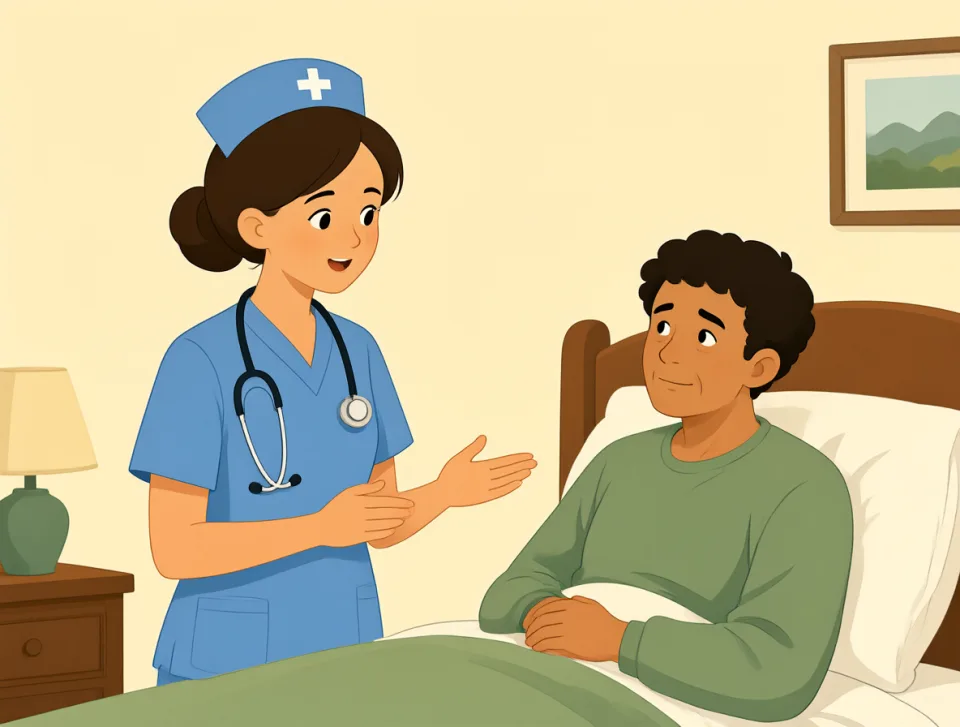
The nurse gave me some helpful tips for getting better.
Pielęgniarka dała mi kilka przydatnych wskazówek, jak wrócić do zdrowia.
command
#1714noun, verb
rozkaz; rozkazywać
an order to do something, or to give someone an order
polecenie wykonania czegoś albo wydanie komuś polecenia
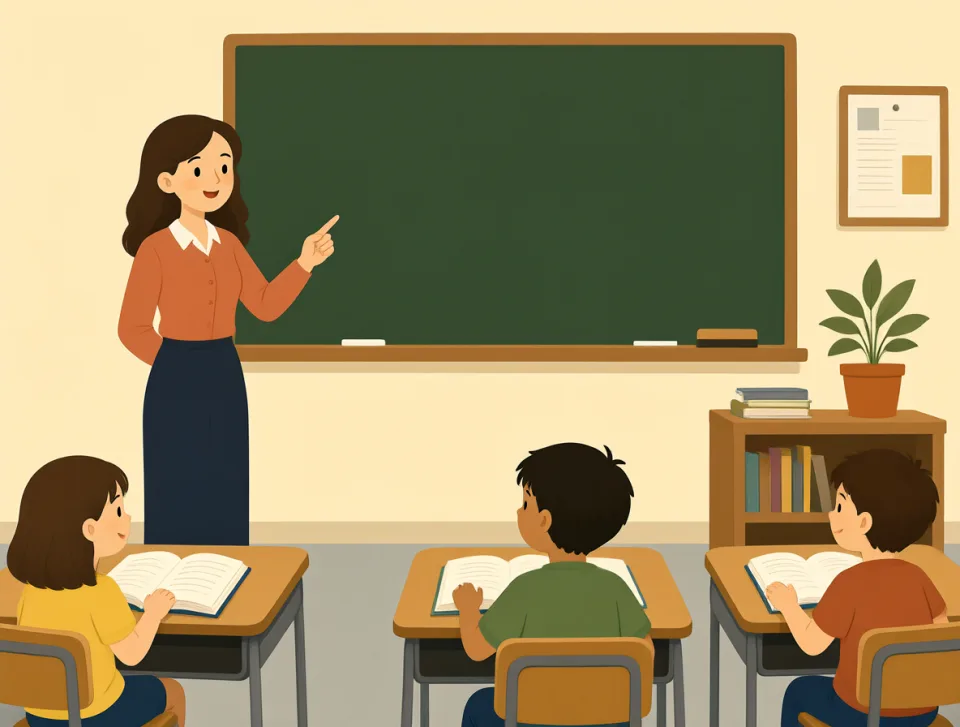
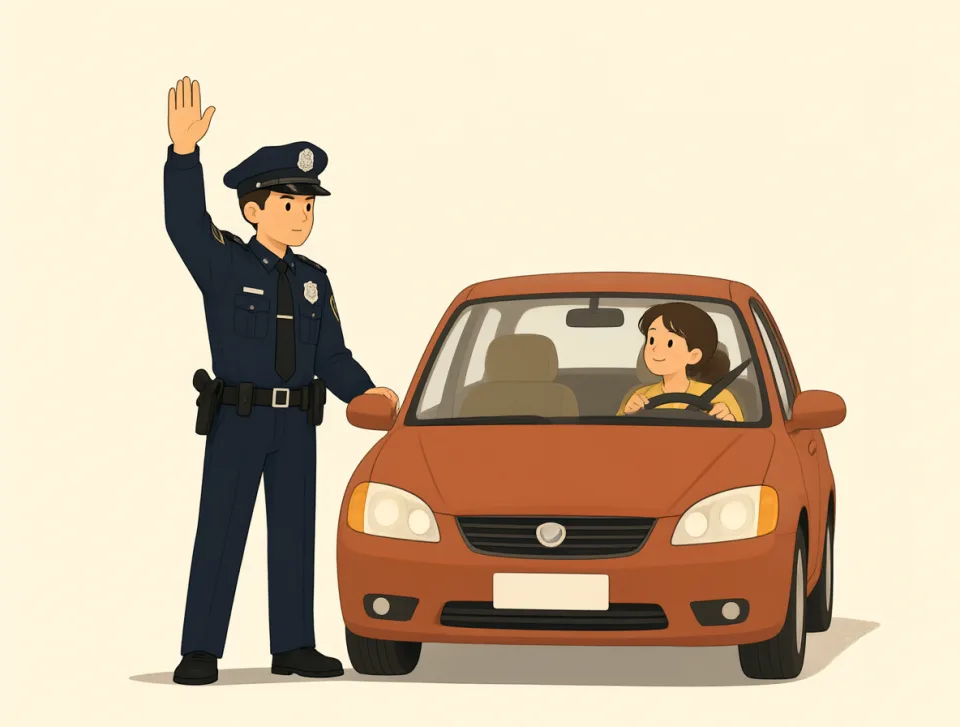
The teacher gave the class a command to open their books.
Nauczyciel polecił klasie otworzyć książki.
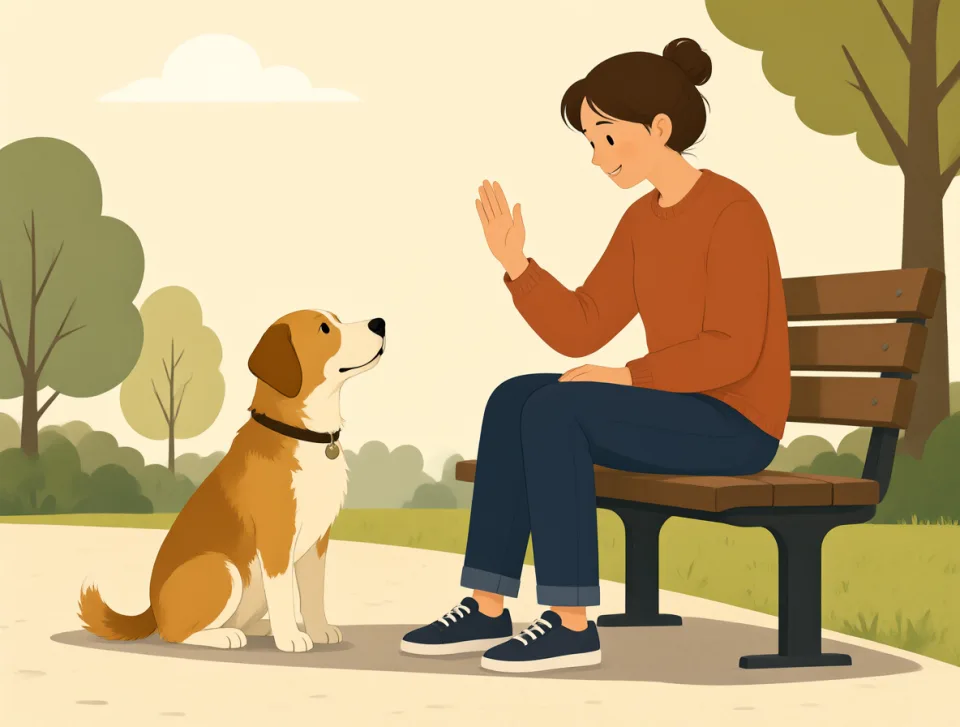
The dog stopped when its owner gave the command.
Pies zatrzymał się, gdy jego właściciel wydał komendę.
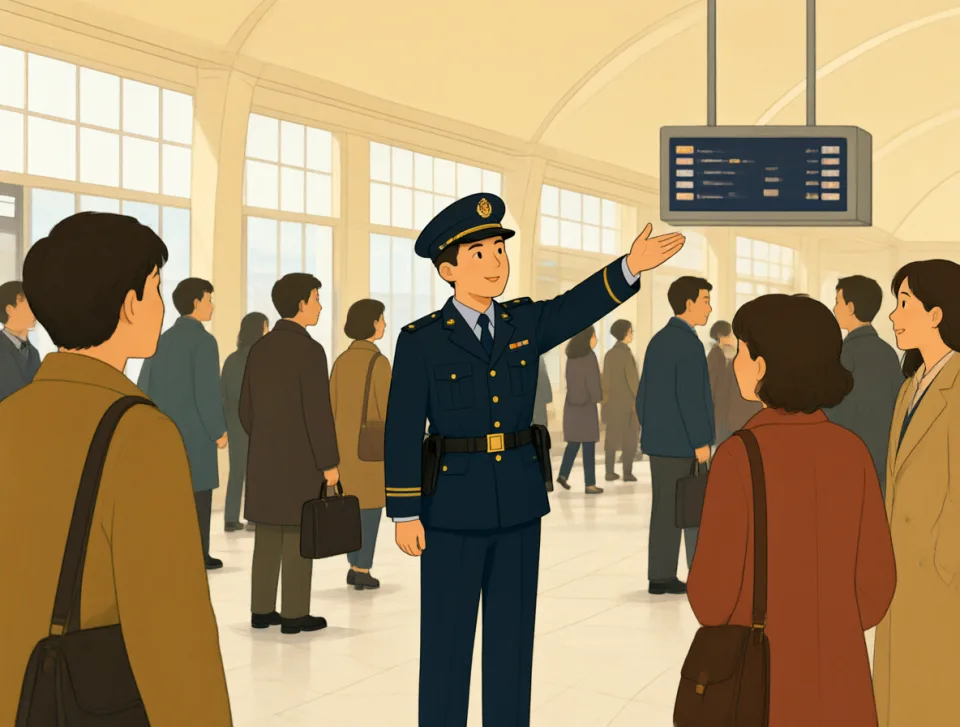
The officer took command of the busy train station.
Oficer przejął dowodzenie na zatłoczonym dworcu kolejowym.

You can command the computer using your voice.
Możesz sterować komputerem za pomocą głosu.

The captain commanded the crew to leave the ship.
Kapitan rozkazał załodze opuścić statek.

attractive
#1715adjective
atrakcyjny
Pleasant to look at or interesting enough to make people want it.
Przyjemny dla oka lub na tyle interesujący, że wzbudza czyjeś zainteresowanie.

She is attractive and always dresses very neatly.
Jest atrakcyjna i zawsze ubiera się bardzo schludnie.

This attractive apartment has large windows and a sunny balcony.
To atrakcyjne mieszkanie ma duże okna i słoneczny balkon.
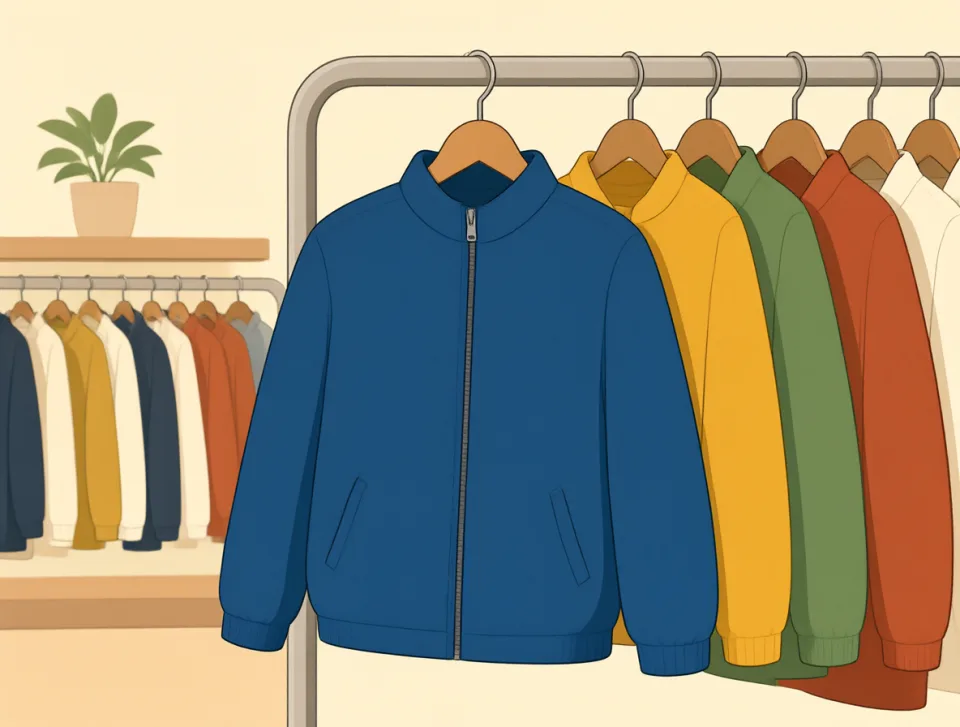
The shop displayed an attractive blue jacket near the entrance.
Przy wejściu do sklepu wystawiono atrakcyjną niebieską kurtkę.
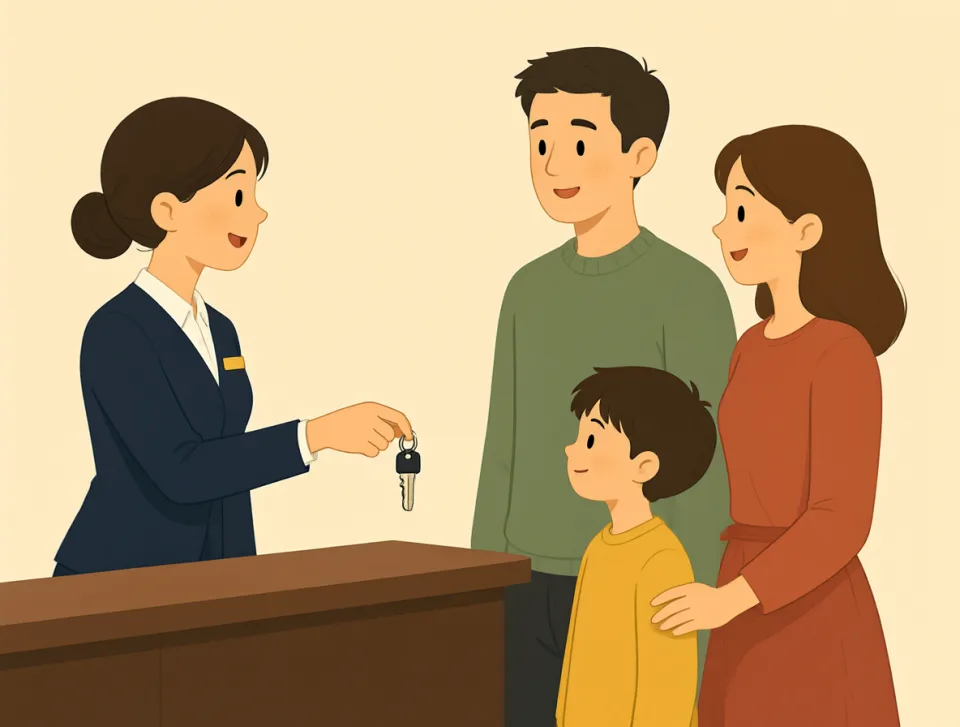
The hotel offers an attractive price for families during summer.
Latem hotel oferuje rodzinom atrakcyjną cenę.
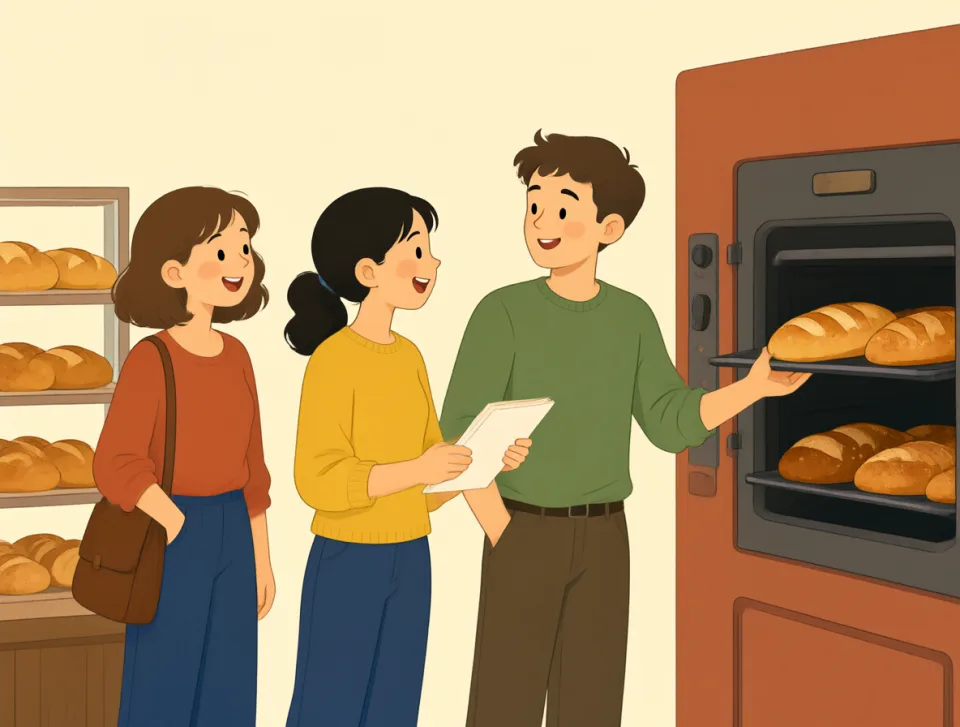
The attractive smell of fresh bread brought customers inside.
Atrakcyjny zapach świeżego chleba przyciągnął klientów do środka.
sick
#1716adjective
chory
Ill or unwell; sometimes feeling very upset or disgusted by something.
Chory lub źle się czujący; czasem także bardzo zdenerwowany lub zniesmaczony czymś.
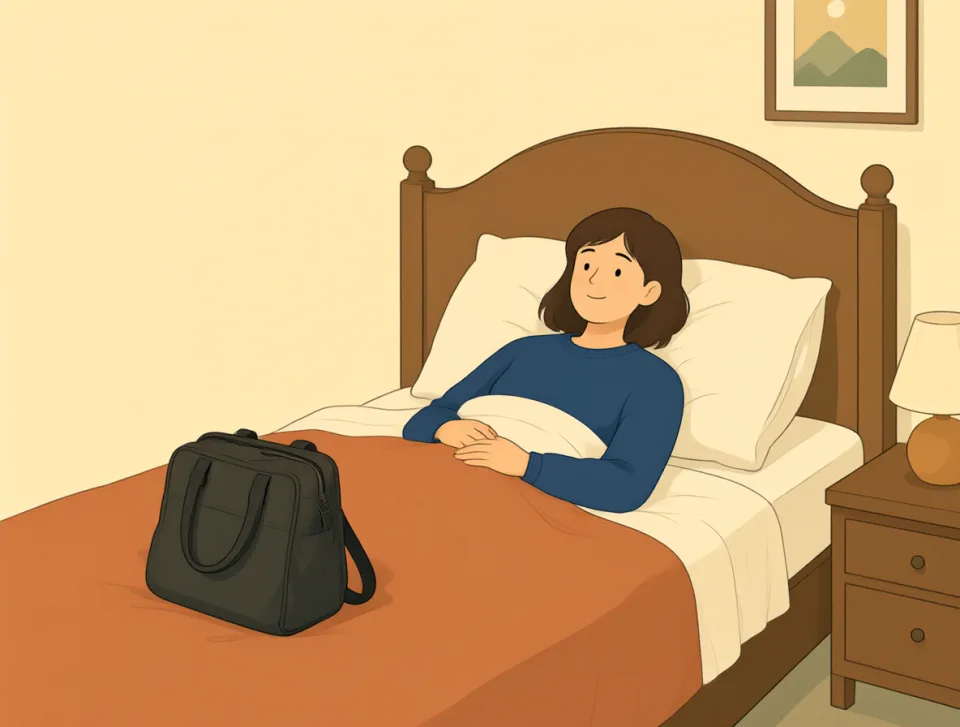
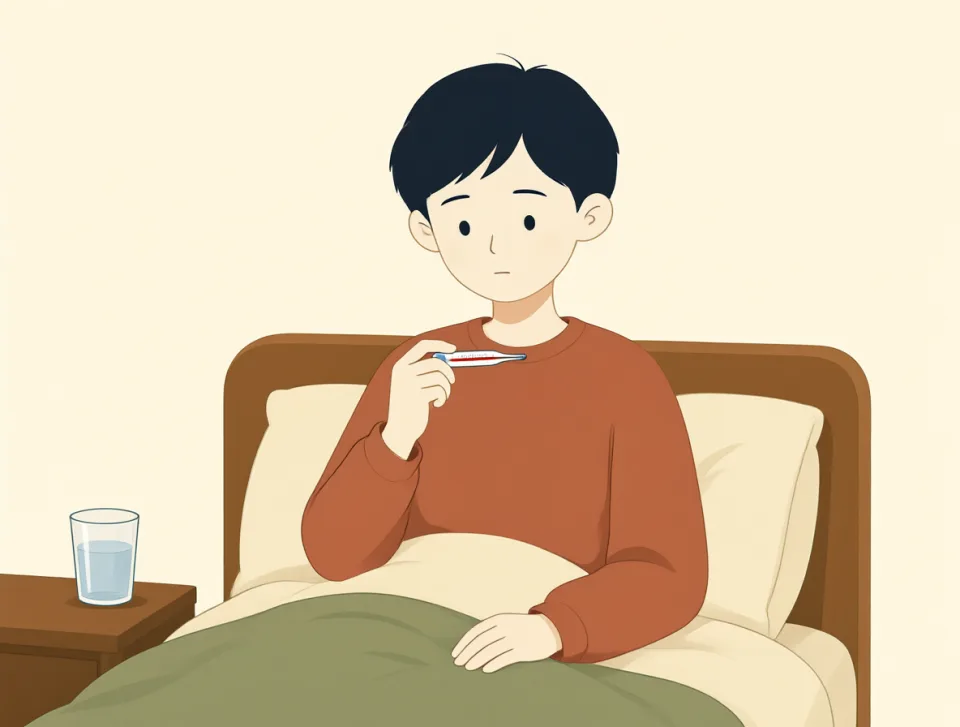
I stayed home from work because I felt sick.
Zostałem w domu i nie poszedłem do pracy, bo źle się czułem.
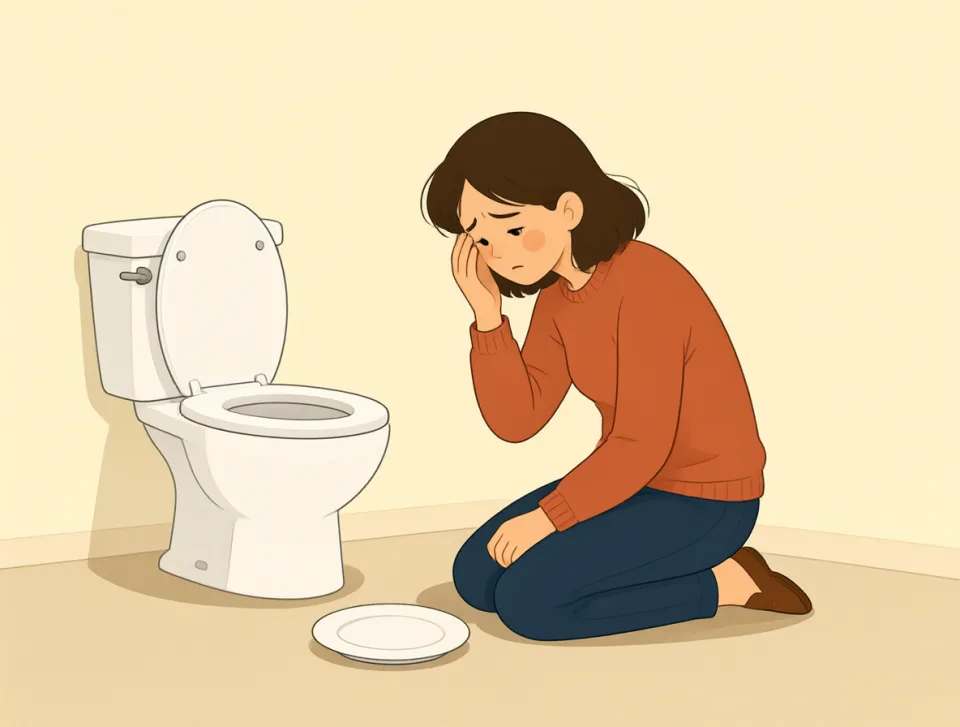
She was sick all night after eating bad food.
Po zjedzeniu nieświeżego jedzenia wymiotowała przez całą noc.
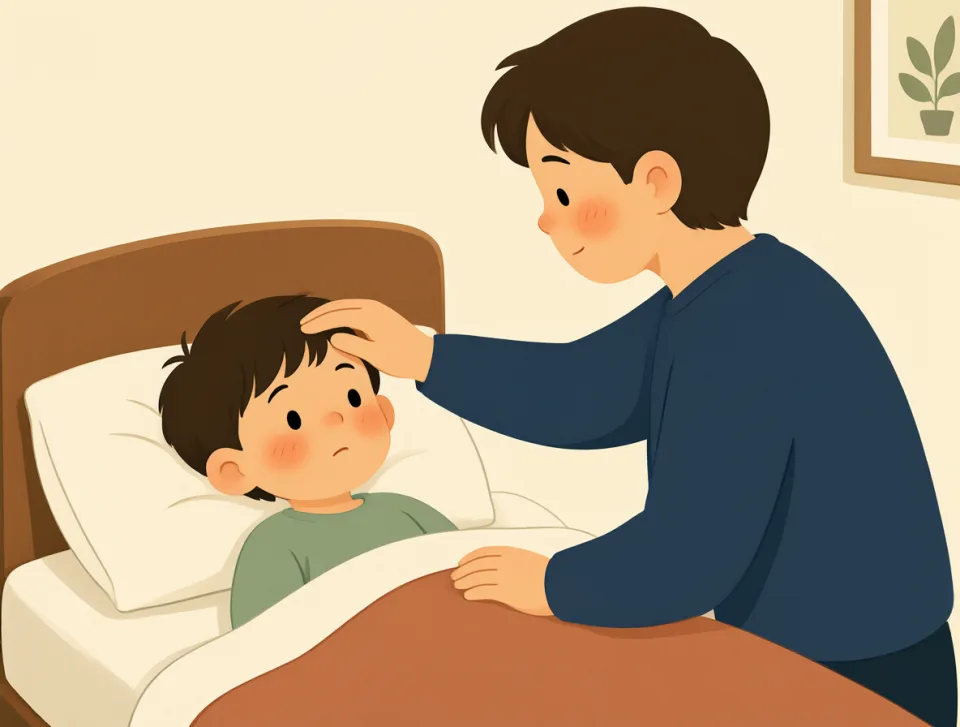
My little brother is sick with a high fever.
Mój młodszy brat jest chory i ma wysoką gorączkę.
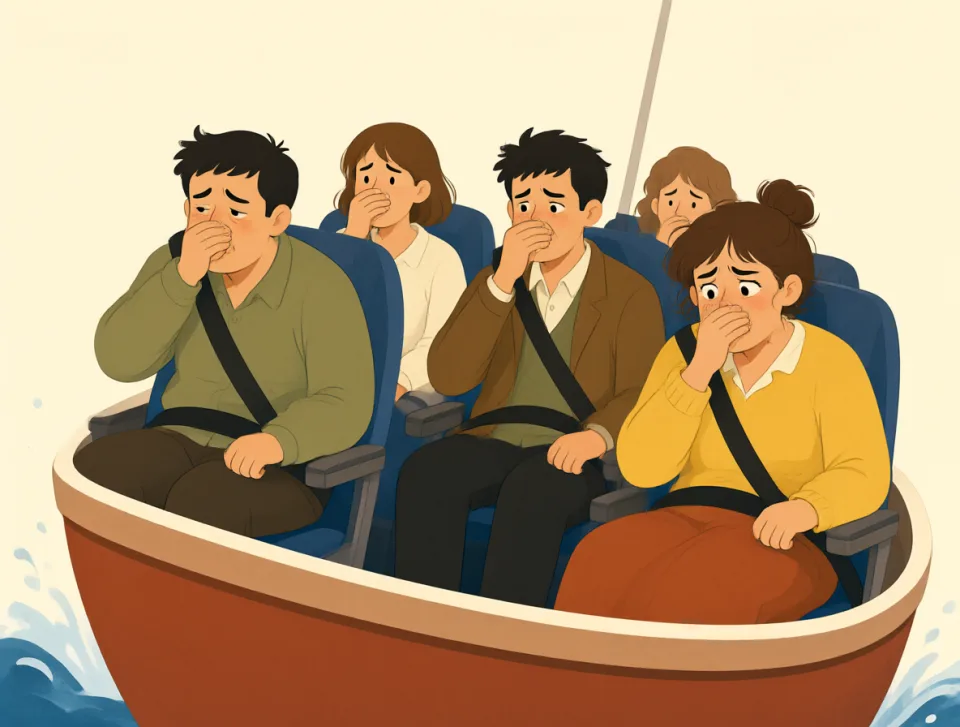
The rough boat ride made several passengers sick.
Podczas rejsu wzburzoną łodzią kilku pasażerom zrobiło się niedobrze.
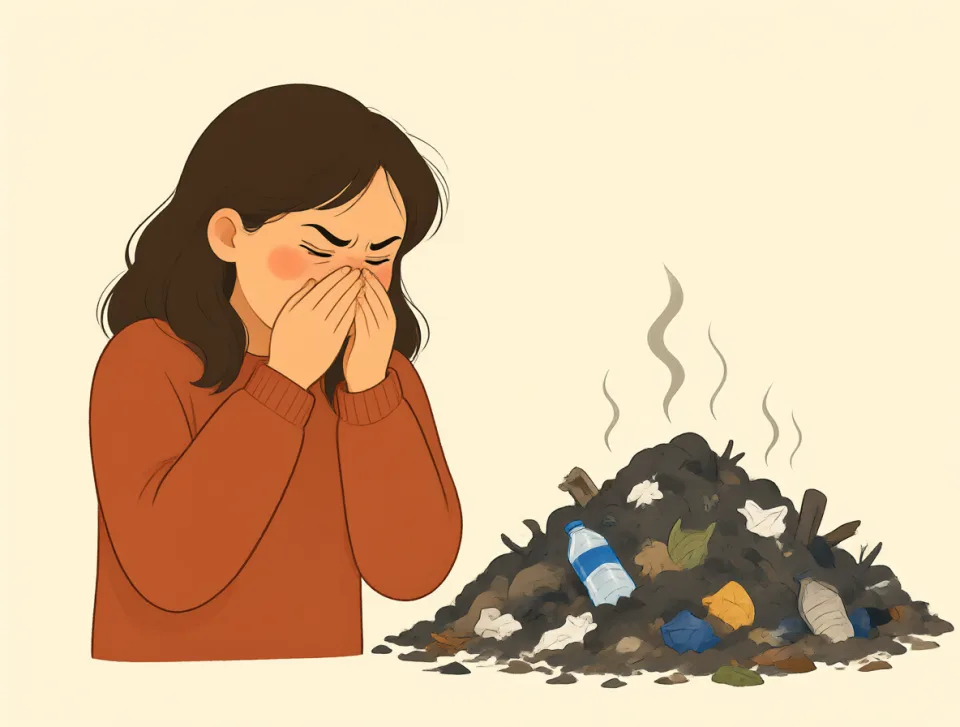
That smell makes me feel sick every time.
Za każdym razem, gdy czuję ten zapach, robi mi się niedobrze.

impression
#1717noun
wrażenie
An opinion or feeling about someone or something, formed after seeing or experiencing it.
Opinia lub odczucie dotyczące kogoś albo czegoś, które powstaje po zobaczeniu lub doświadczeniu tego.

She made a good impression at her new job.
Zrobiła dobre wrażenie w nowej pracy.

My first impression of the hotel was very positive.
Moje pierwsze wrażenie po przybyciu do hotelu było bardzo pozytywne.
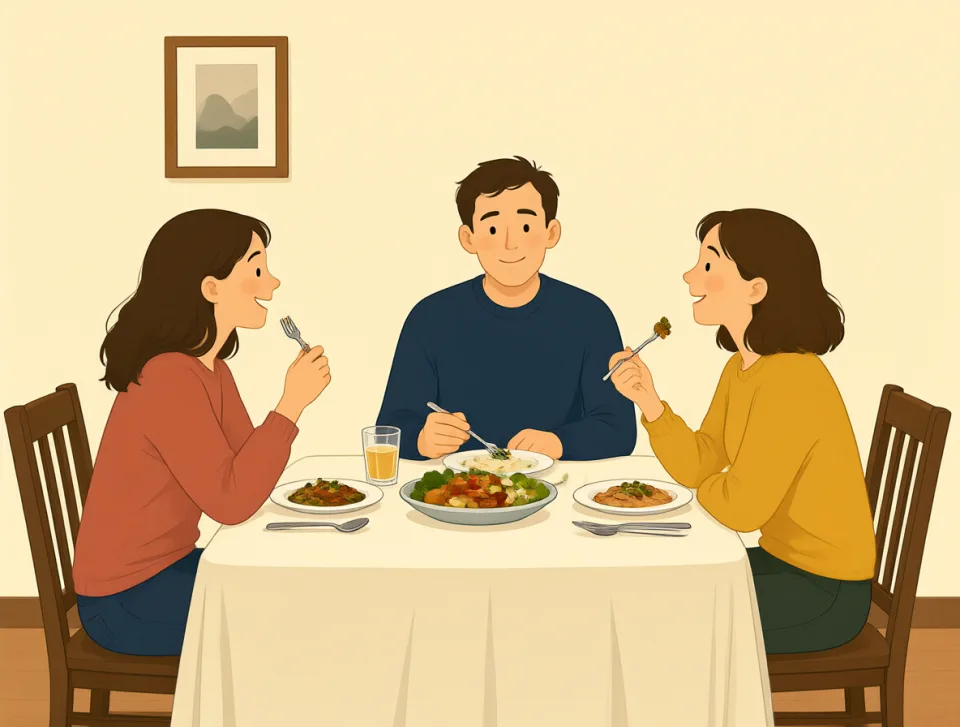
The meal left a strong impression on everyone.
Posiłek wywarł na wszystkich duże wrażenie.
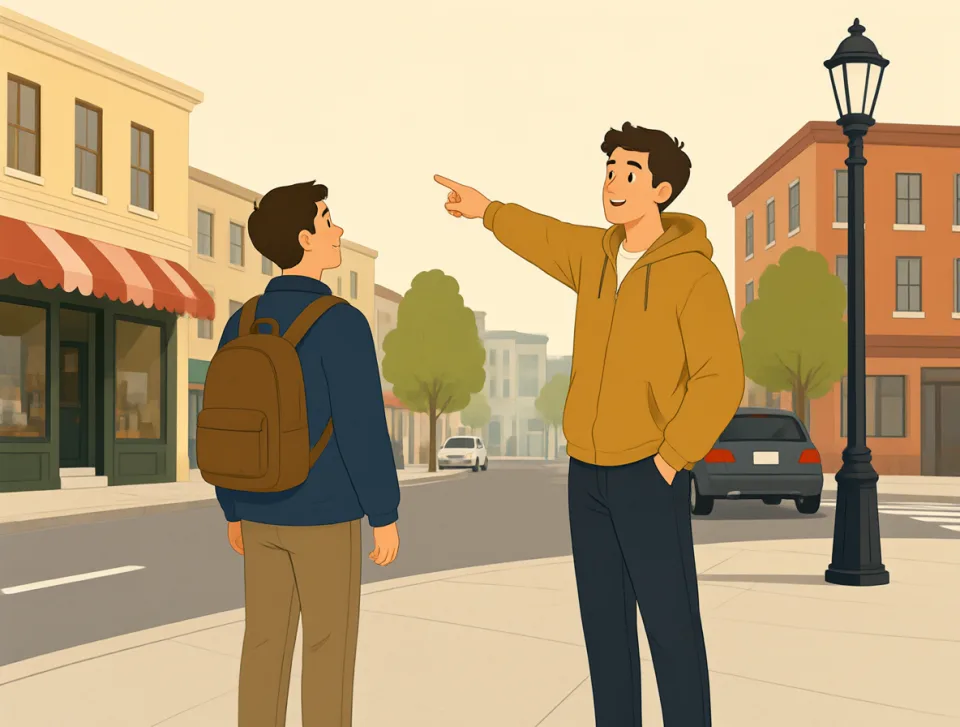
He gave the impression that he knew the city well.
Sprawiał wrażenie, jakby dobrze znał miasto.

The artist created an impression of the sea with blue paint.
Artysta namalował morze niebieską farbą, tworząc jego obraz.
unable
#1718adjective
niezdolny
Not able to do something or not having the skill, strength, or chance to do it.
Niemogący czegoś zrobić lub niemający umiejętności, siły albo sposobności, by to zrobić.
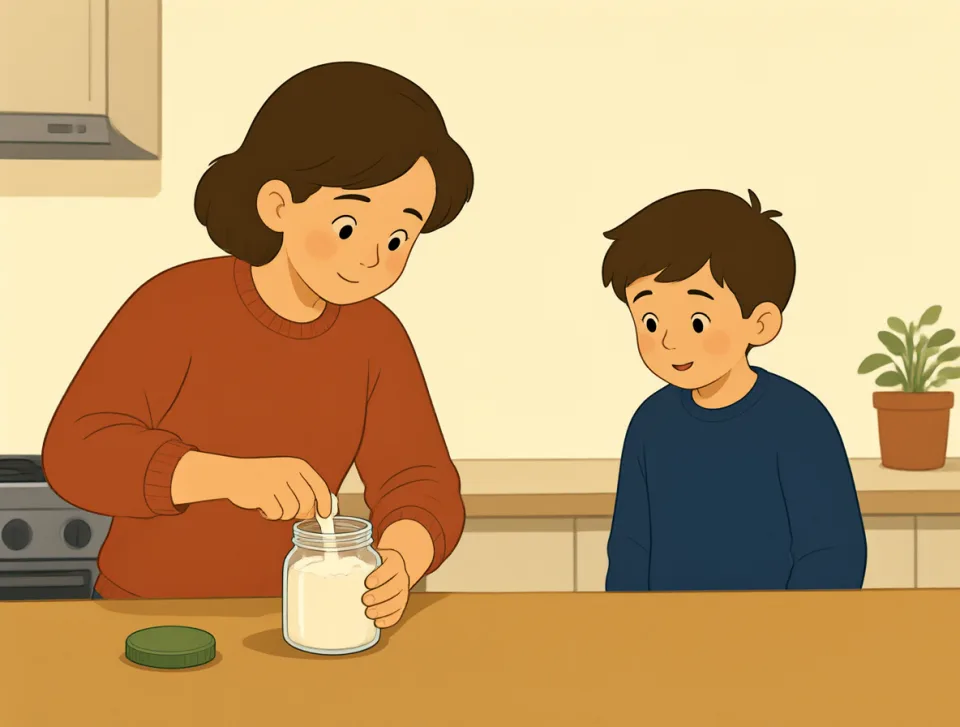
I was unable to open the jar, so I asked my brother.
Nie mogłem otworzyć słoika, więc poprosiłem brata o pomoc.
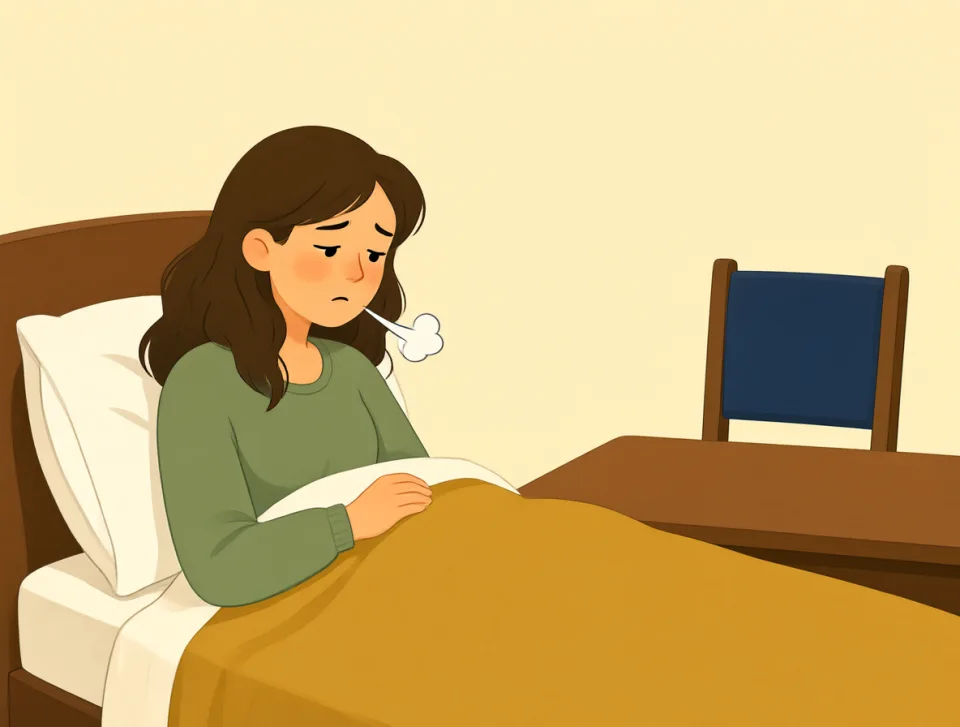
She was unable to attend the meeting because she felt sick.
Nie mogła przyjść na spotkanie, bo źle się czuła.

The child was unable to swim across the pool alone.
Dziecko nie potrafiło samo przepłynąć basenu.

We were unable to find our hotel after walking for an hour.
Po godzinie marszu nie mogliśmy znaleźć naszego hotelu.

He was unable to hear the doctor clearly because of the noise.
Z powodu hałasu nie mógł wyraźnie usłyszeć lekarza.

joke
#1719noun, verb
żart
Something funny said or done to make people laugh, or to speak humorously.
Coś zabawnego, co ktoś mówi lub robi, żeby rozśmieszyć innych, albo żartobliwe wypowiadanie się.
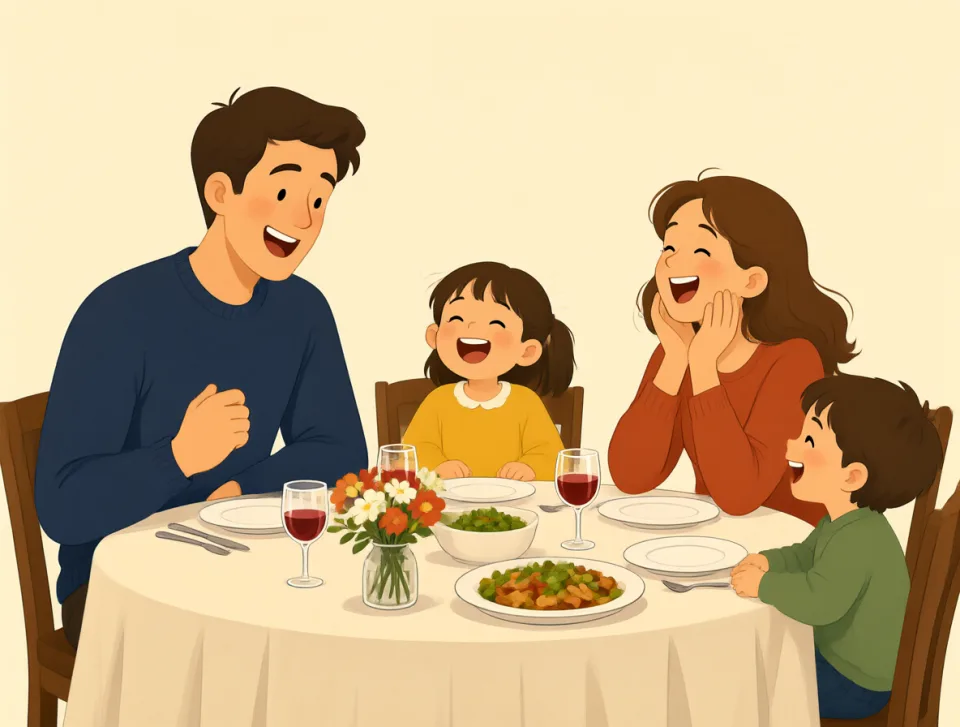
He told a funny joke at dinner, and everyone laughed.
Podczas kolacji opowiedział zabawny żart i wszyscy się roześmiali.
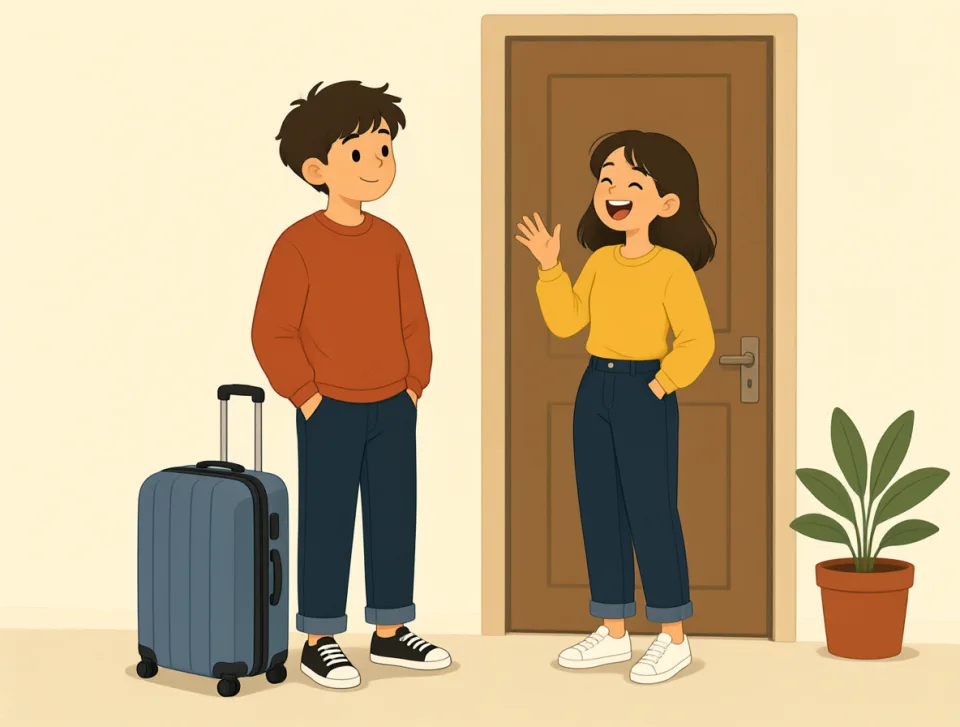
I was only joking when I said I would leave.
Tylko żartowałem, kiedy powiedziałem, że wyjadę.

She likes to joke with her coworkers during lunch.
Lubi żartować ze współpracownikami podczas lunchu.

The teacher made a joke to relax the students before the test.
Przed testem nauczyciel opowiedział żart, żeby rozluźnić atmosferę wśród uczniów.

That joke about my haircut was not very kind.
Ten żart o mojej fryzurze nie był zbyt miły.

sky
#1720noun
niebo
The space above the earth where you see the sun, moon, and clouds.
Przestrzeń nad Ziemią, w której widać słońce, księżyc i chmury.

The sky is clear and blue this morning.
Dziś rano niebo jest bezchmurne i błękitne.
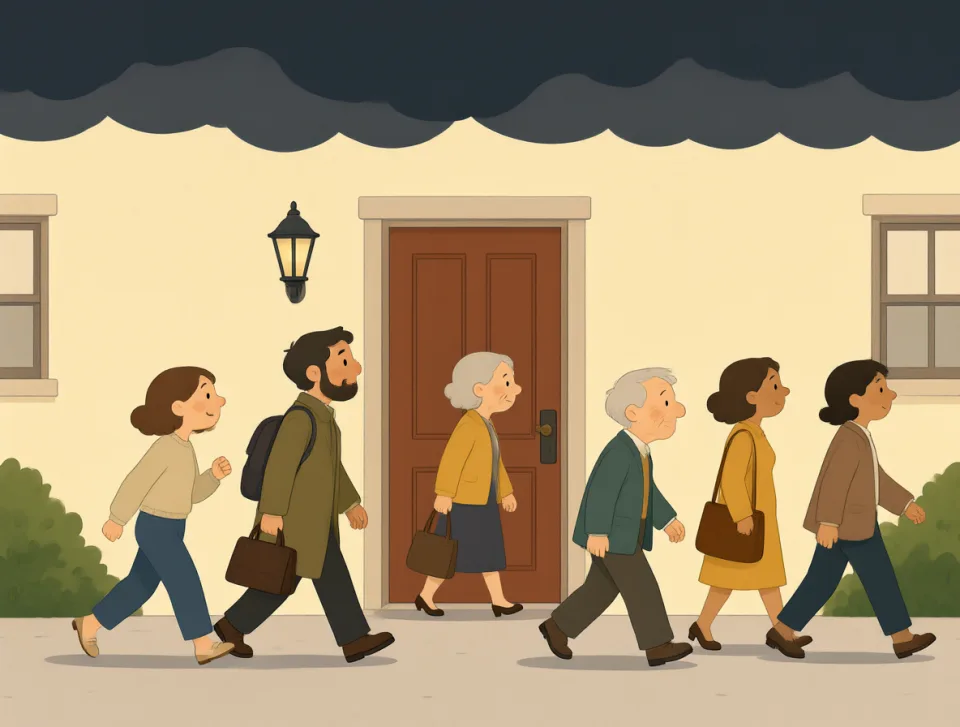
Dark clouds covered the sky before the storm.
Przed burzą ciemne chmury zasłoniły niebo.

We watched the sunset turn the sky orange.
Patrzyliśmy, jak zachód słońca barwi niebo na pomarańczowo.

The airplane disappeared into the sky.
Samolot zniknął na niebie.
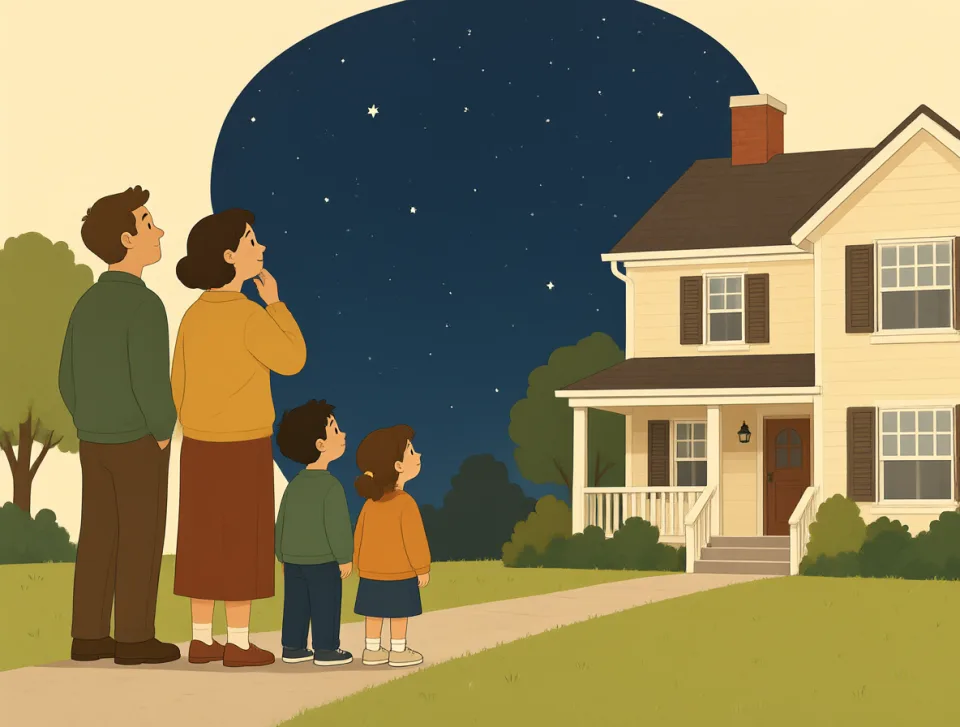
Stars filled the night sky after dinner.
Po kolacji nocne niebo rozbłysło gwiazdami.