Zestaw 78
Słowa 1541–1560 · concentrate, plenty, export, entirely, strongly, bridge
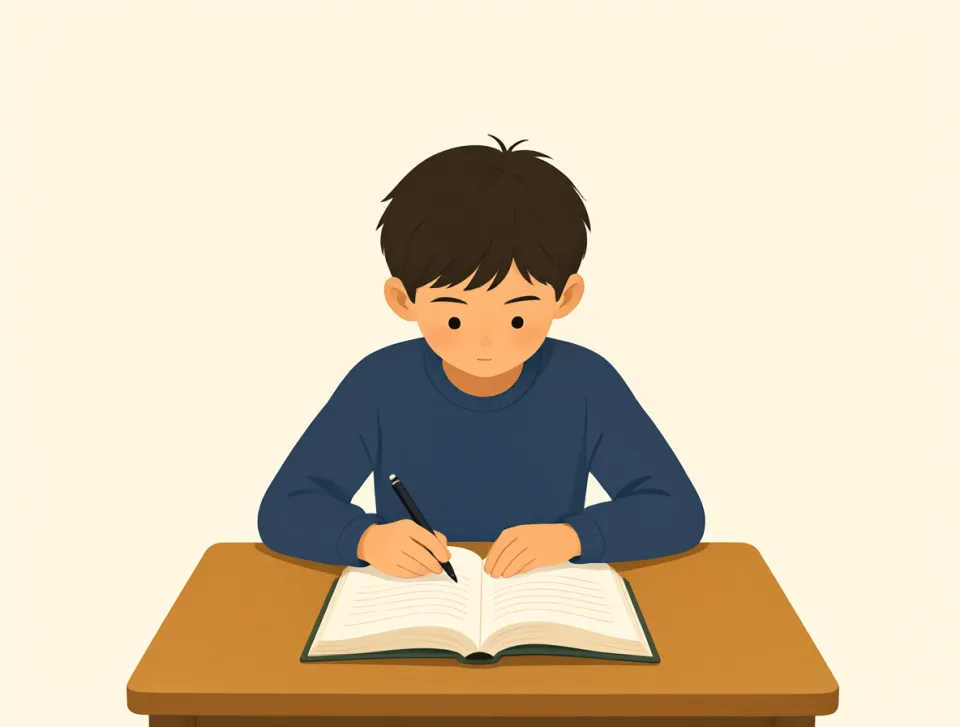
concentrate
#1541verb, noun
skoncentrować się; koncentrat
to give all your attention to something; a substance made stronger by removing water
skupić całą uwagę na czymś; substancja, której stężenie zwiększono przez usunięcie wody

Please concentrate on your homework before you watch television.
Proszę, skup się na pracy domowej, zanim włączysz telewizor.

I cannot concentrate when people are talking loudly around me.
Nie mogę się skupić, kiedy ludzie wokół mnie głośno rozmawiają.
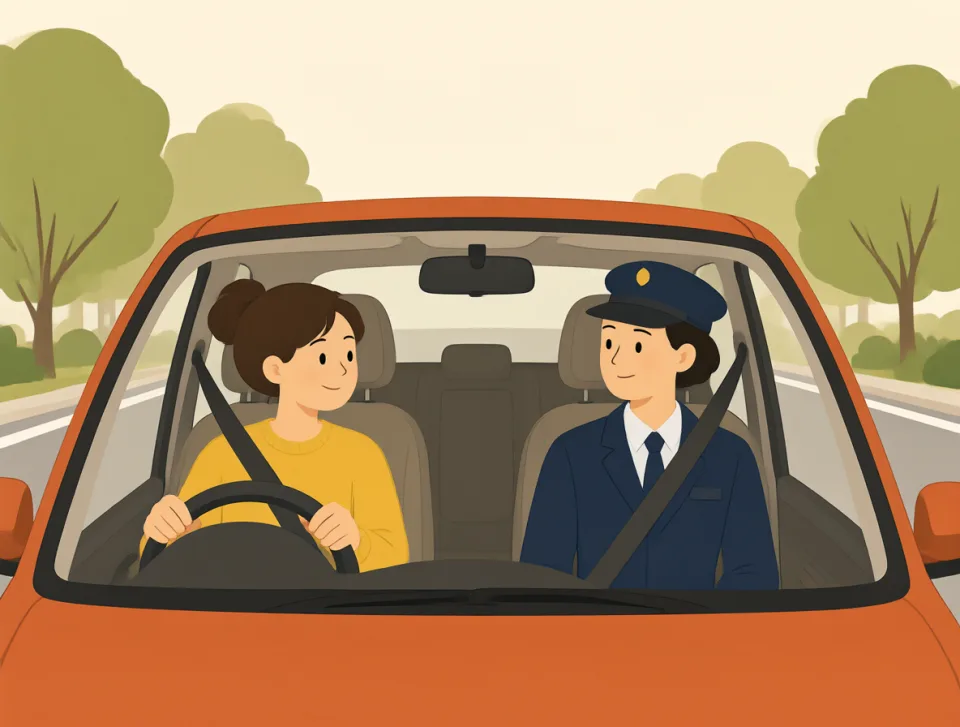
She concentrated hard during the driving test.
Podczas egzaminu na prawo jazdy bardzo się skupiła.

The company is concentrating its efforts on improving customer service.
Firma koncentruje swoje działania na poprawie obsługi klienta.
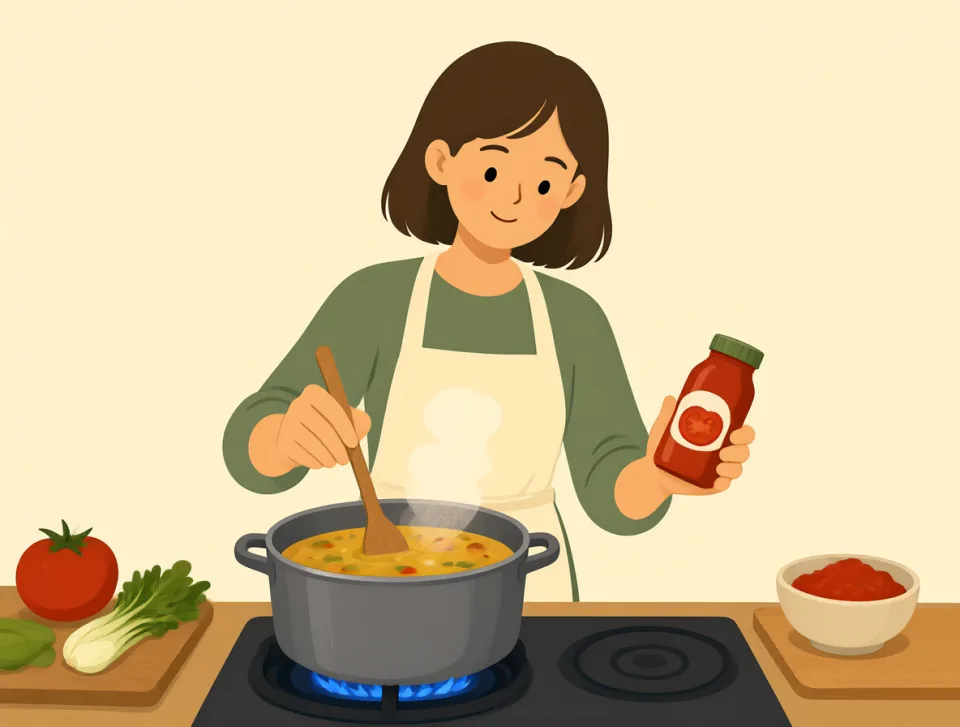
Add a little tomato concentrate to the soup for more flavor.
Dodaj do zupy trochę koncentratu pomidorowego, żeby miała więcej smaku.
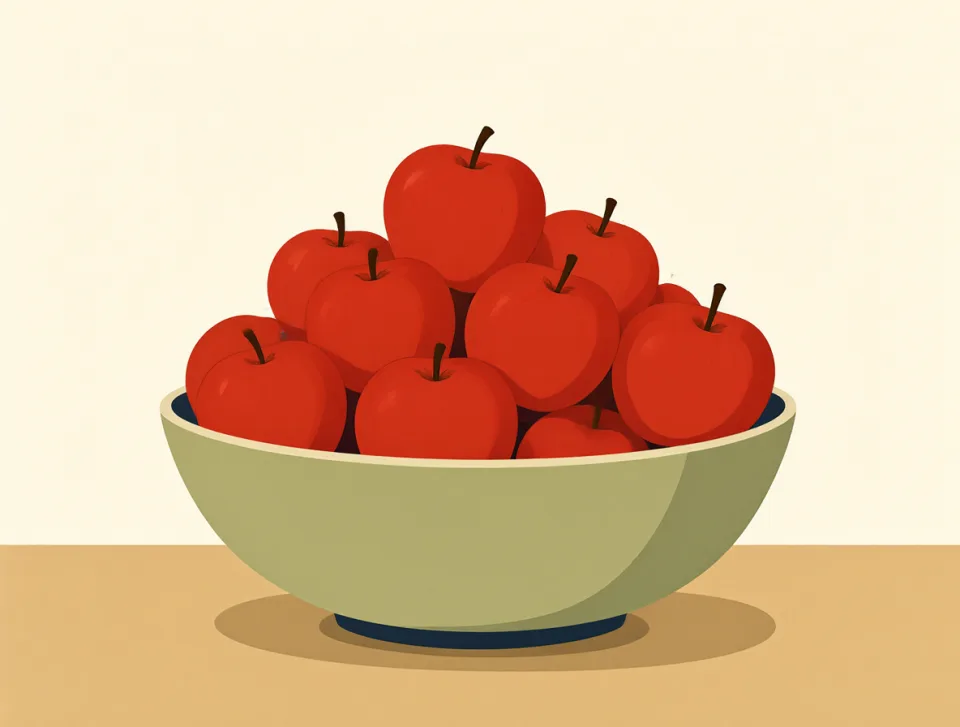
plenty
#1542determiner, pronoun, noun
dużo; mnóstwo
A large or more than enough amount of something
Duża lub więcej niż wystarczająca ilość czegoś.

We have plenty of time before the train leaves.
Mamy mnóstwo czasu, zanim odjedzie pociąg.
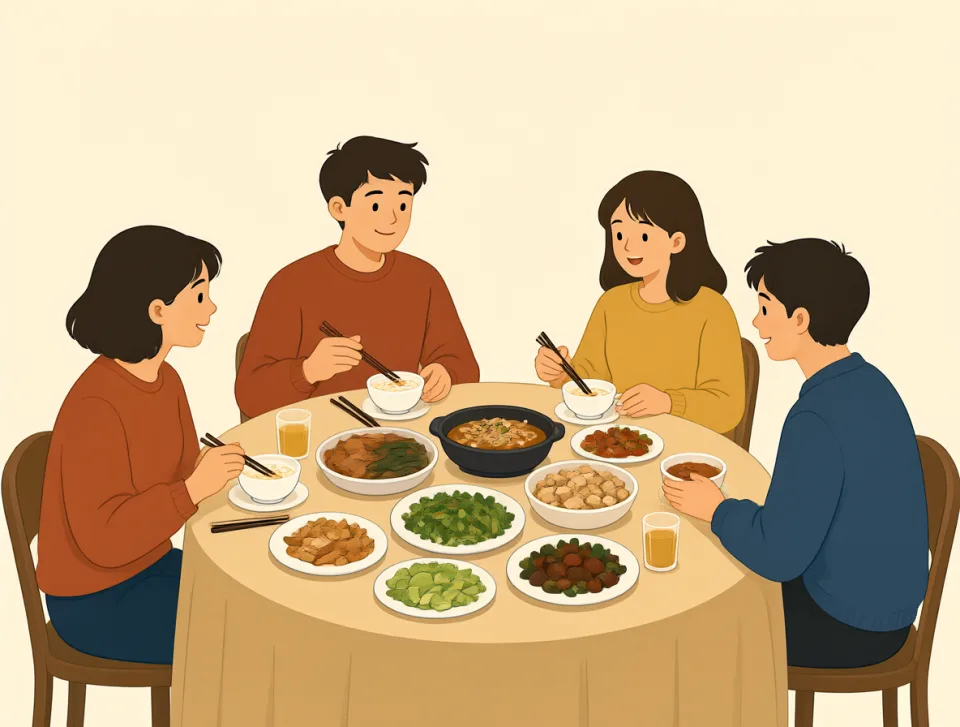
There is plenty of food for everyone at the party.
Na przyjęciu jest mnóstwo jedzenia dla wszystkich.

The children found plenty of shells on the beach.
Dzieci znalazły na plaży mnóstwo muszelek.
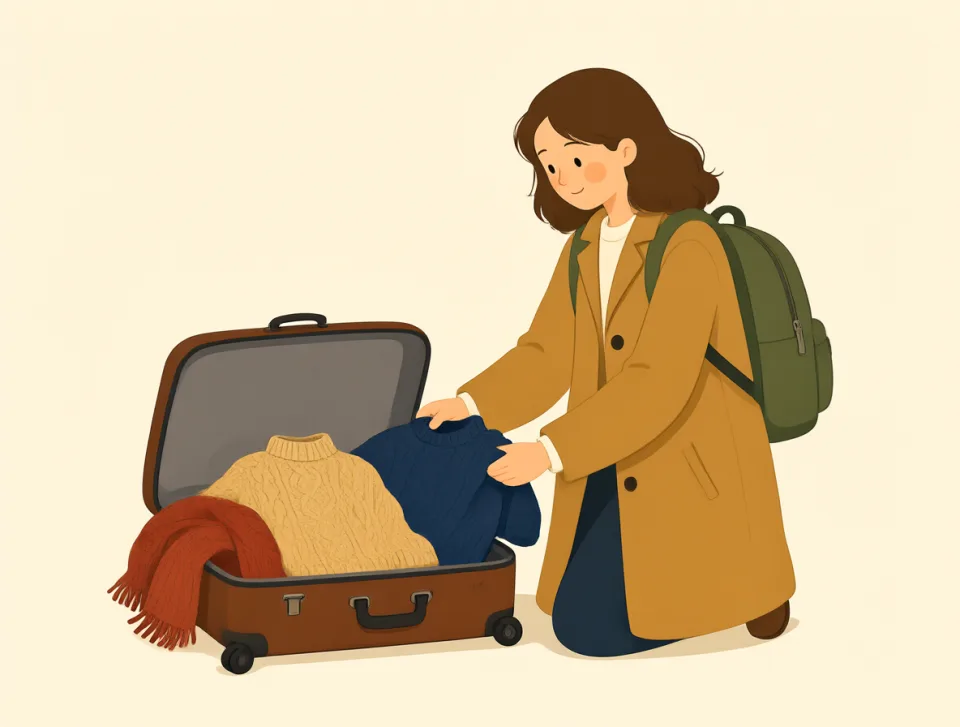
Please bring plenty of warm clothes for the mountain trip.
Weź ze sobą dużo ciepłych ubrań na wycieczkę w góry.
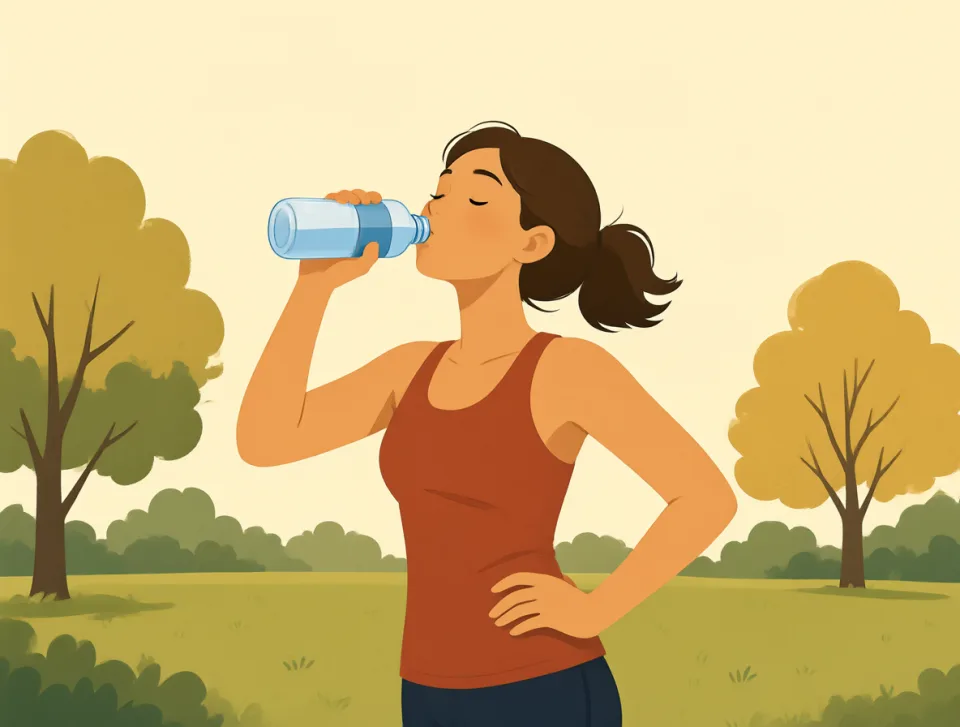
She drinks plenty of water when she exercises.
Kiedy ćwiczy, pije dużo wody.
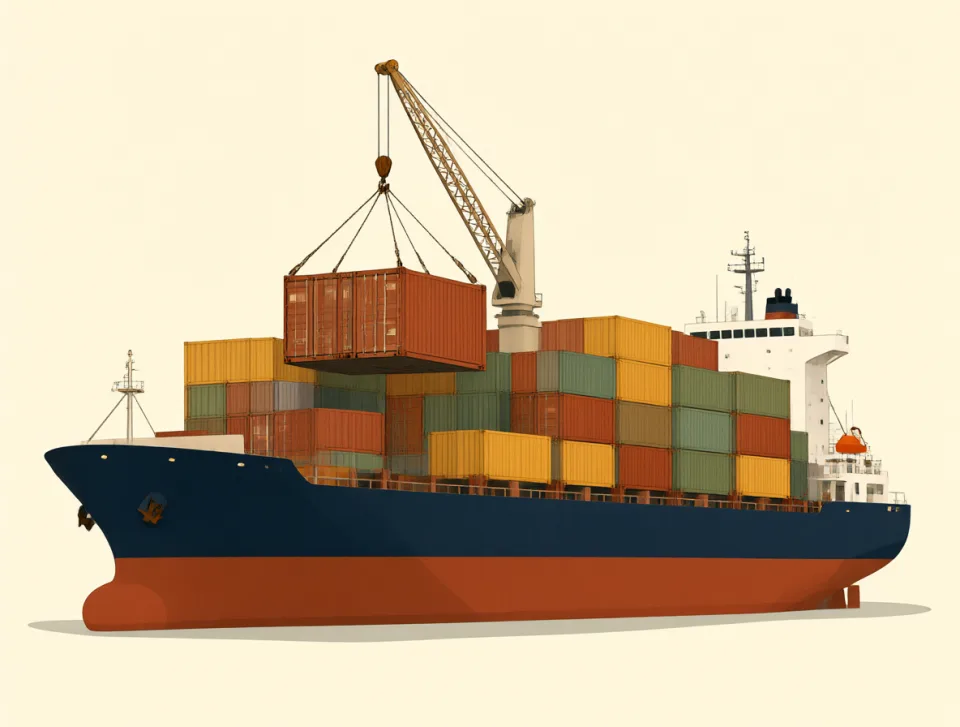
export
#1543noun, verb
eksportować; eksport
to send goods to another country for sale, or goods sent this way
wysyłać towary do innego kraju w celu ich sprzedaży; towary wysyłane w ten sposób
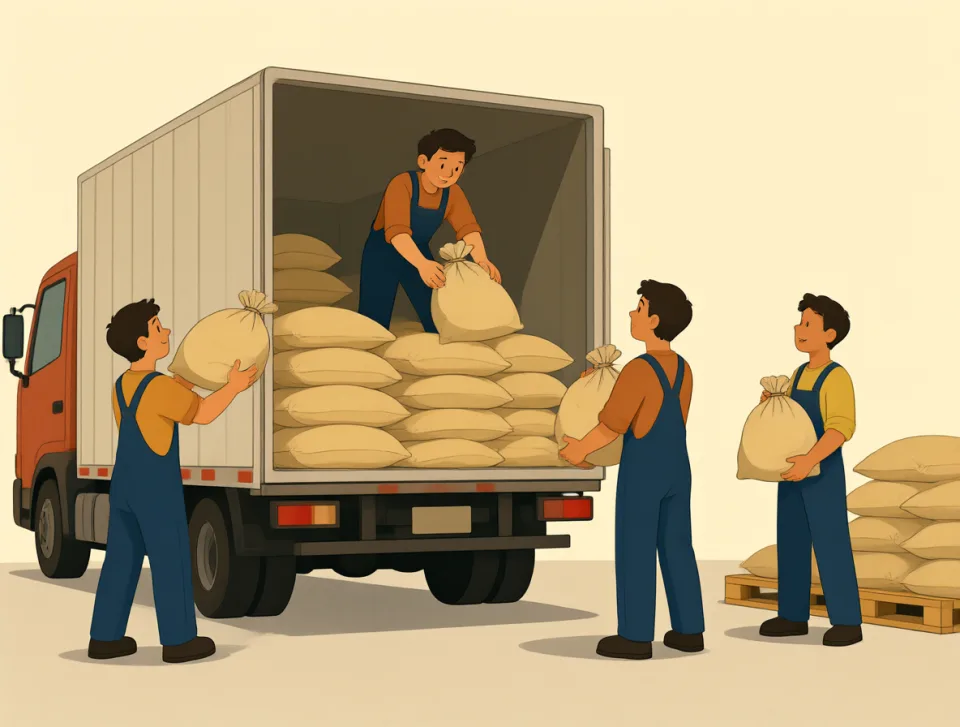
The company exports coffee to several countries.
Firma eksportuje kawę do kilku krajów.
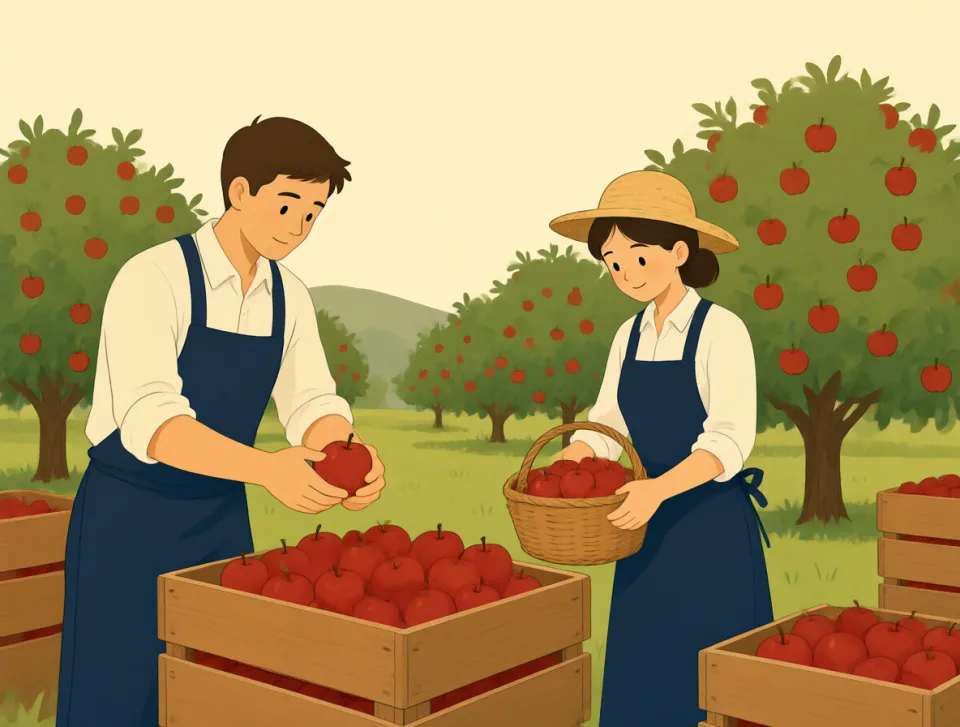
Our farm exports fresh apples to nearby countries.
Nasze gospodarstwo eksportuje świeże jabłka do pobliskich krajów.
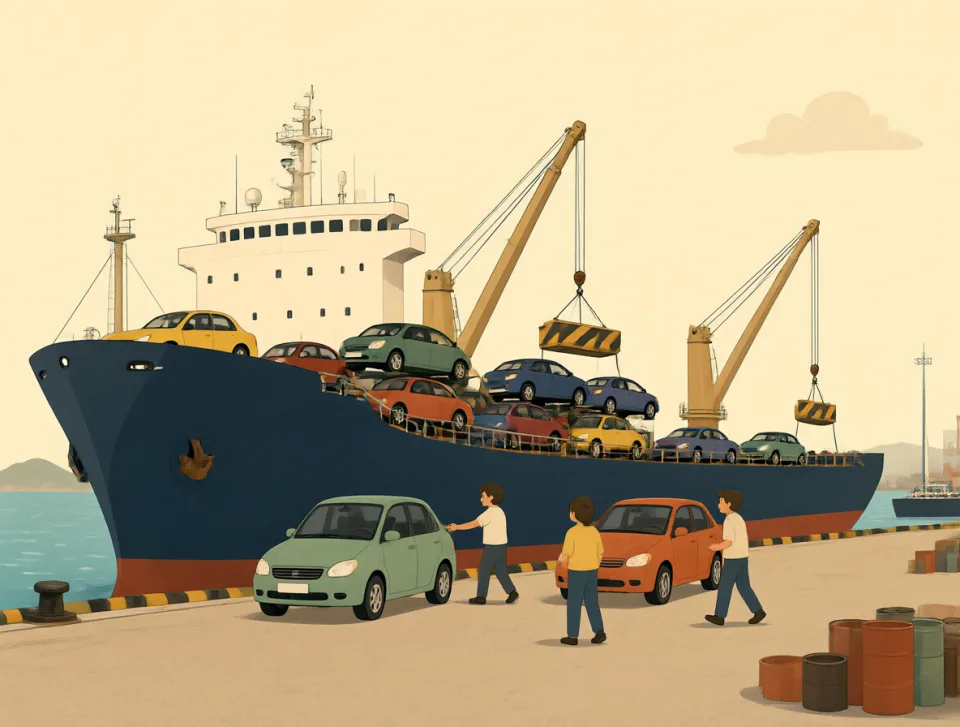
The country exported more cars last year.
W zeszłym roku kraj wyeksportował więcej samochodów.

This software helps businesses export their sales data.
To oprogramowanie pomaga firmom eksportować dane o sprzedaży.

The shop sells imported clothes and exports handmade bags.
Sklep sprzedaje importowane ubrania i eksportuje ręcznie robione torby.

entirely
#1544adverb
całkowicie
Completely or fully, with nothing left out or changed.
W pełni, bez pominięć ani zmian.
I entirely agree with your plan for the weekend.
Całkowicie zgadzam się z twoim planem na weekend.
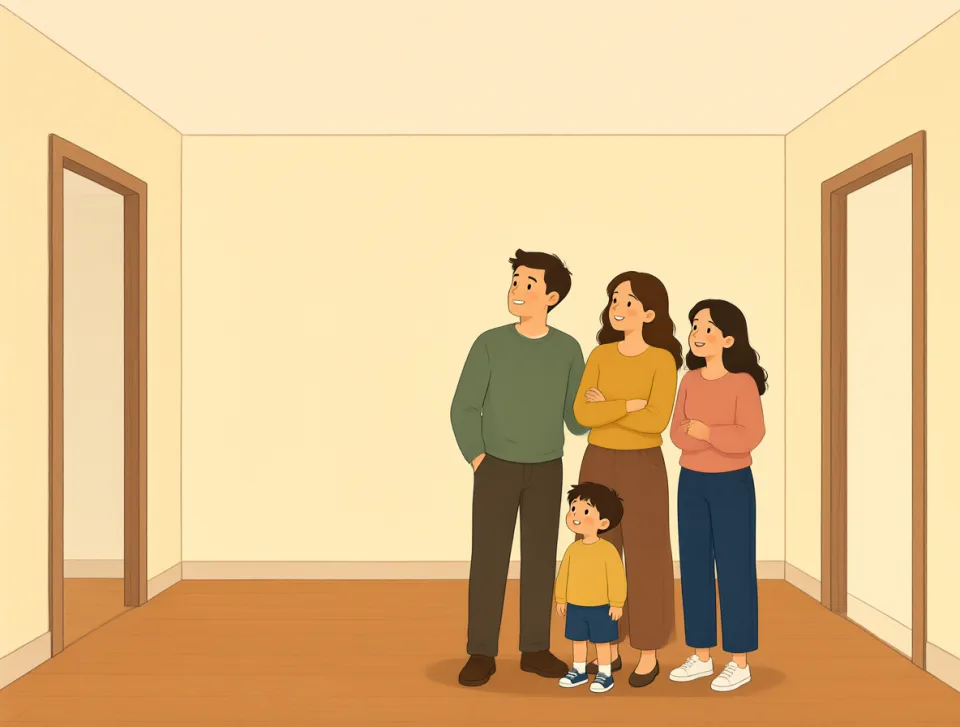
The house was entirely empty when we arrived.
Kiedy przyjechaliśmy, dom był całkowicie pusty.
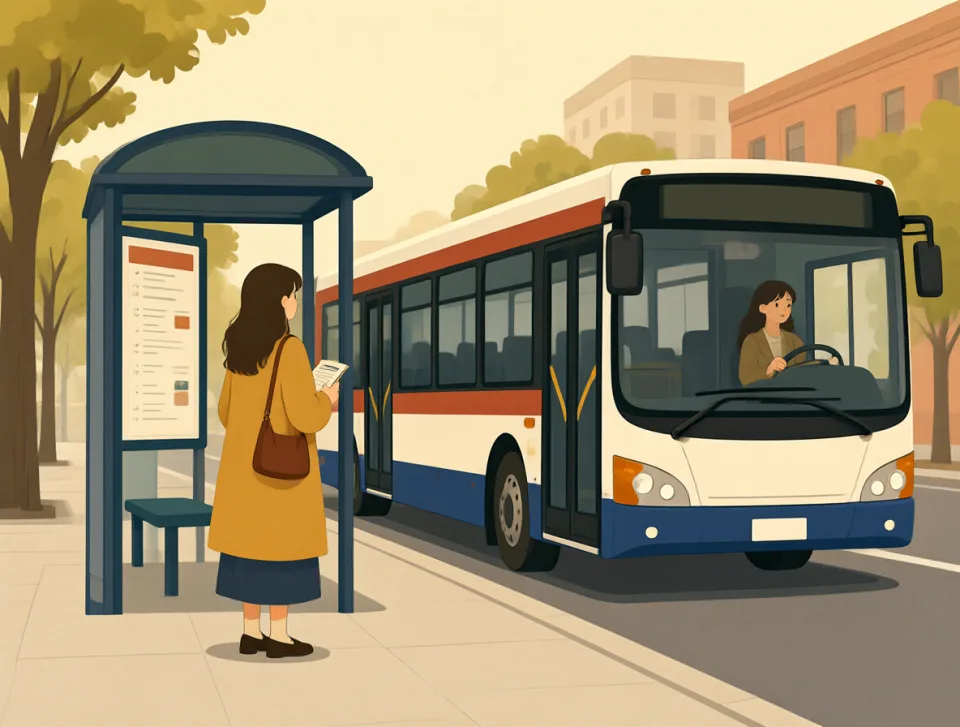
She relies entirely on public transport to get to work.
Dojeżdża do pracy wyłącznie transportem publicznym.
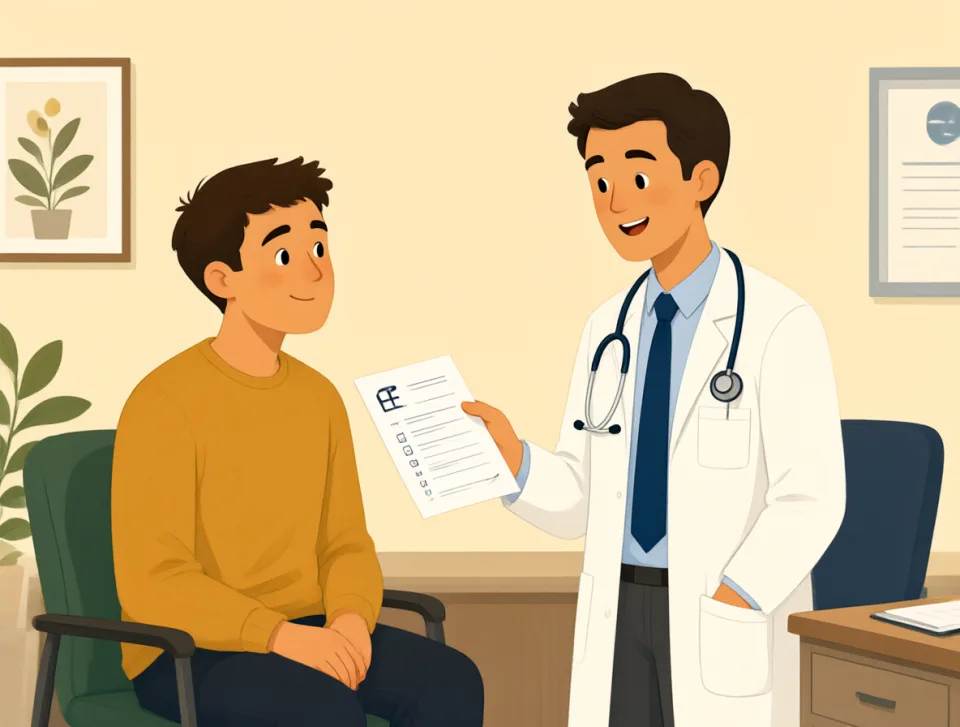
The doctor said he was entirely healthy after the tests.
Po badaniach lekarz powiedział, że jest całkowicie zdrowy.

We were entirely surprised by the party after dinner.
Przyjęcie po kolacji zupełnie nas zaskoczyło.

strongly
#1545adverb
zdecydowanie; mocno
In a strong or powerful way; with a firm opinion or feeling.
W mocny lub intensywny sposób; z głębokim przekonaniem lub silnym uczuciem.
I strongly agree with your plan for the weekend.
Zdecydowanie zgadzam się z twoim planem na weekend.
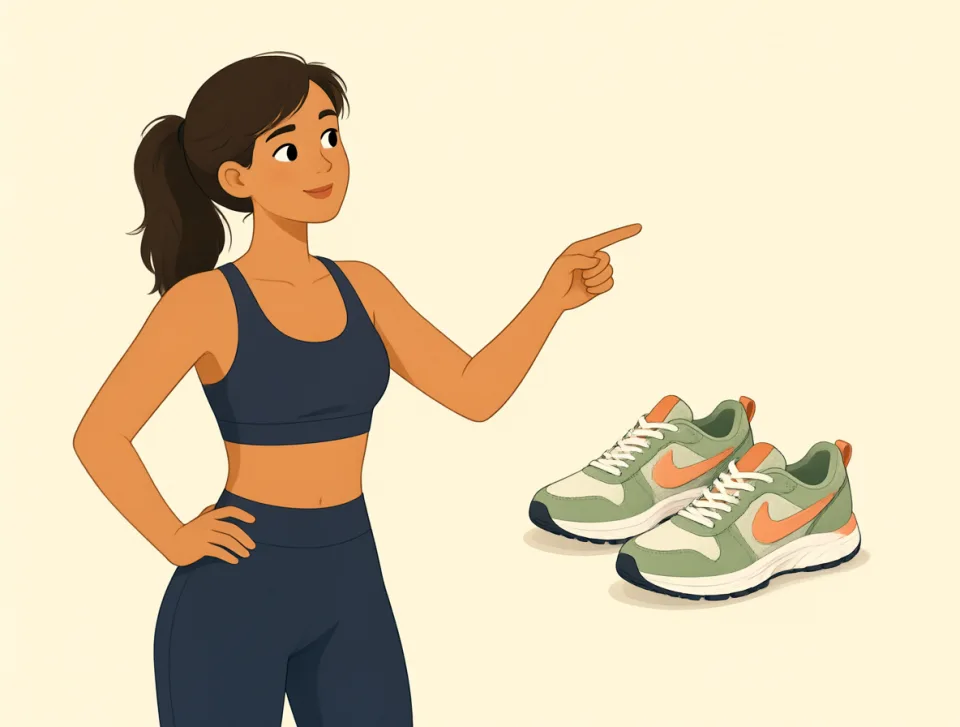
She strongly believes that exercise helps people stay healthy.
Jest głęboko przekonana, że ćwiczenia pomagają zachować zdrowie.
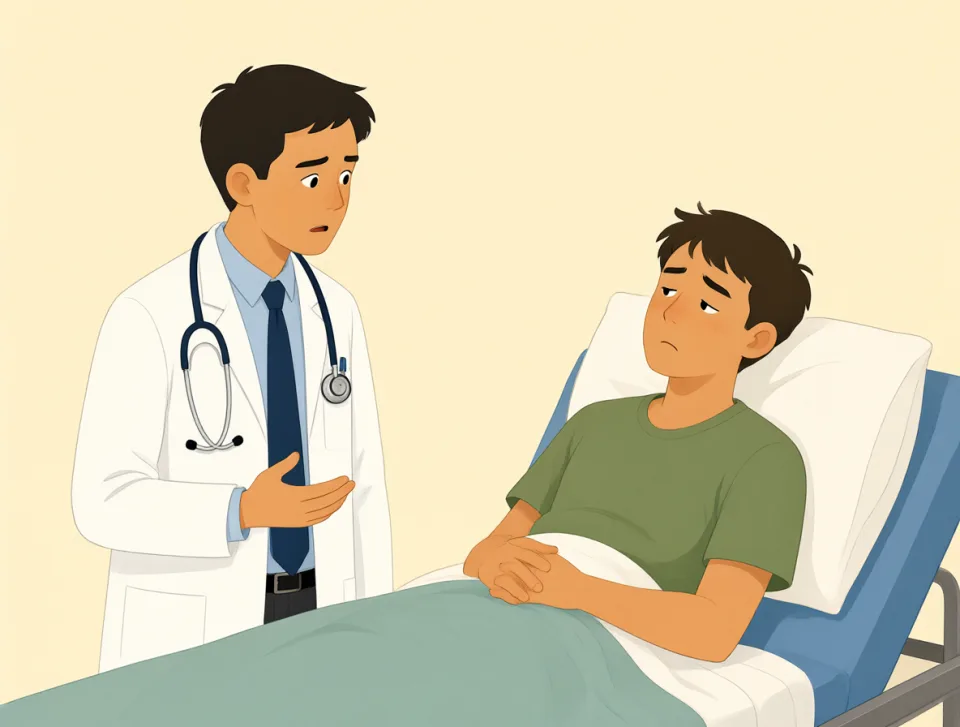
The doctor strongly advised him to rest for several days.
Lekarz zdecydowanie zalecił mu odpoczynek przez kilka dni.
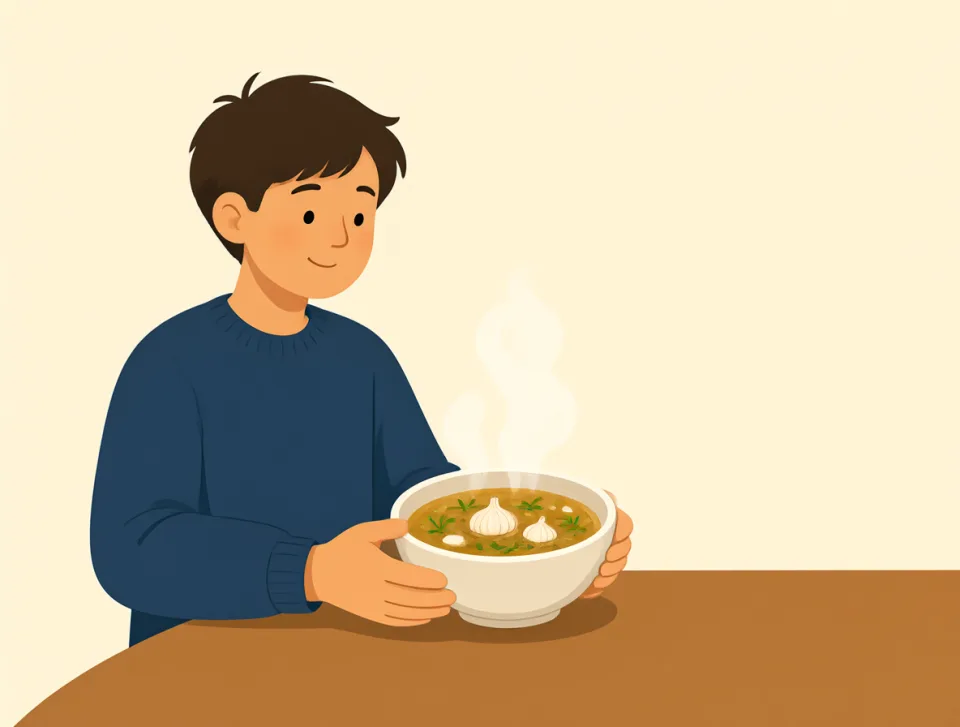
This soup is strongly flavored with garlic and fresh herbs.
Ta zupa ma intensywny smak czosnku i świeżych ziół.

The wind was blowing strongly during our train journey.
Podczas naszej podróży pociągiem wiatr mocno wiał.

bridge
#1546noun, verb
most
A structure over water or roads that lets people or vehicles cross; to connect two sides.
Konstrukcja nad wodą lub drogą, która umożliwia ludziom lub pojazdom przedostanie się na drugą stronę; także: łączyć dwie strony.

We walked across the bridge to reach the other side of town.
Przeszliśmy przez most, żeby dostać się na drugą stronę miasta.

The train crossed the bridge just before sunset.
Pociąg przejechał przez most tuż przed zachodem słońca.

Please drive slowly over the narrow bridge.
Proszę jechać powoli przez wąski most.
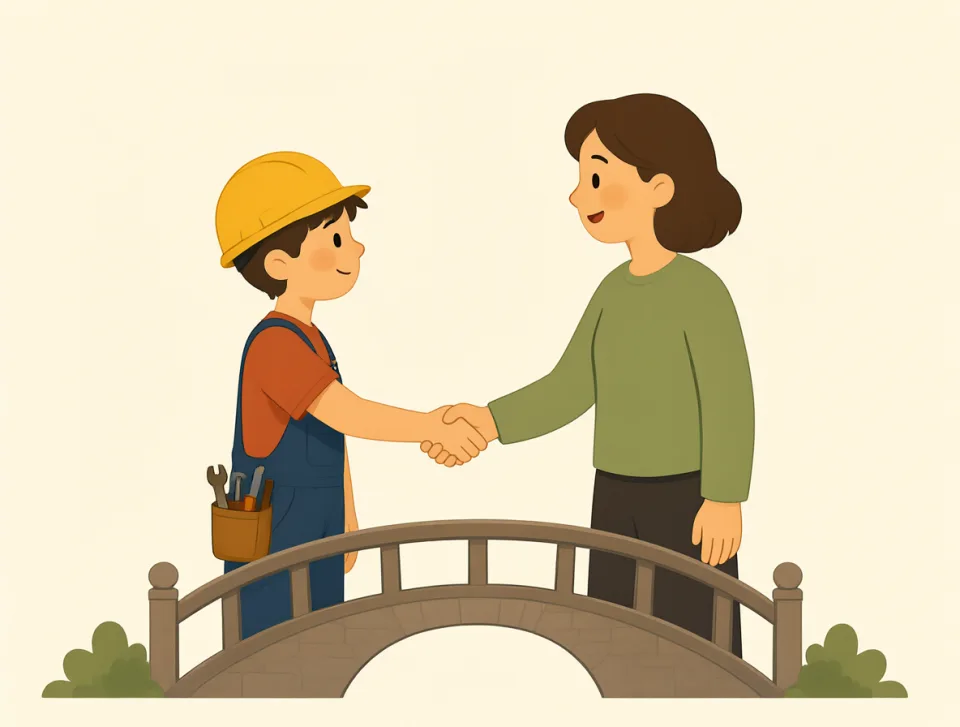
The new program helps bridge the gap between school and work.
Nowy program pomaga zasypać przepaść między szkołą a pracą.

Talking about music helped bridge the difference between the two friends.
Rozmowa o muzyce pomogła zniwelować różnice między dwojgiem przyjaciół.

consist
#1547verb
składać się
to be made up of particular parts or things
Być zbudowanym z określonych części lub elementów.
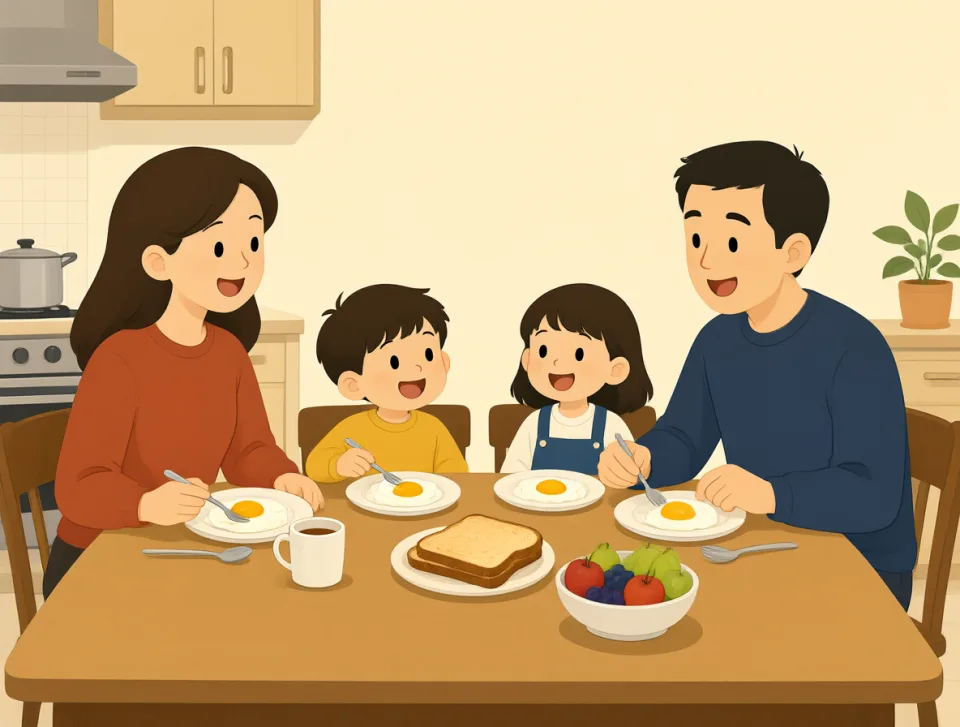
The breakfast consists of eggs, toast, and fresh fruit.
Śniadanie składa się z jajek, tostów i świeżych owoców.

The course consists of ten short lessons and two tests.
Kurs składa się z dziesięciu krótkich lekcji i dwóch testów.

The team consists of five workers from different countries.
Zespół składa się z pięciu pracowników z różnych krajów.

The trip consisted of three days in Rome and one day in Naples.
Wycieczka obejmowała trzy dni w Rzymie i jeden dzień w Neapolu.
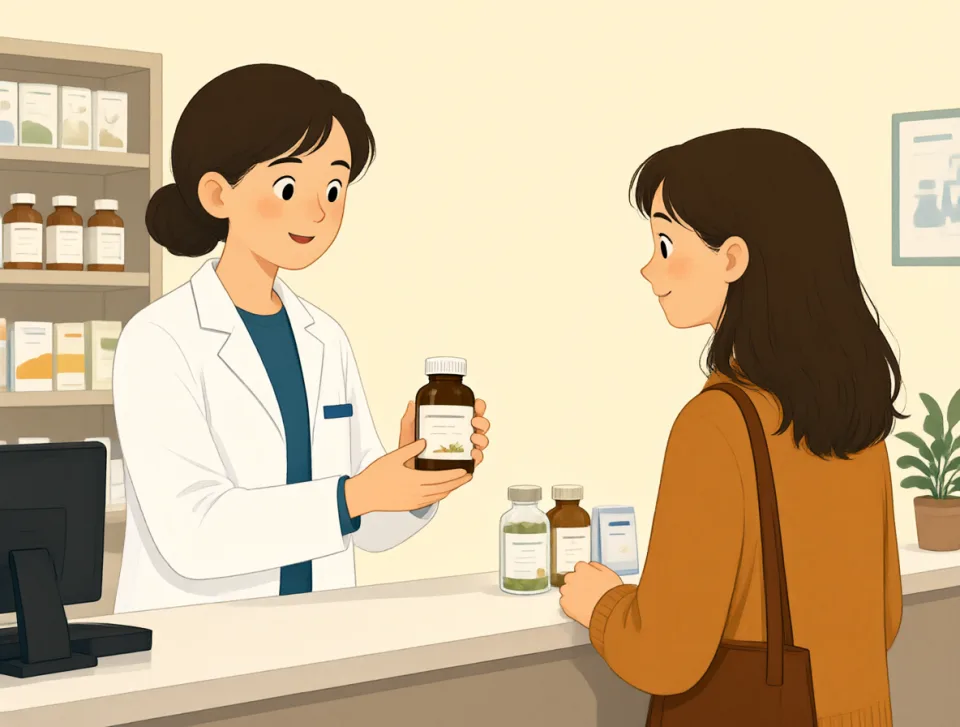
The medicine consists of natural ingredients and helps calm stomach pain.
Lek zawiera naturalne składniki i pomaga złagodzić ból brzucha.

graduate
#1548noun, verb
absolwent; ukończyć szkołę lub studia
A person who finishes a school or university course; to finish such a course.
Osoba, która ukończyła szkołę lub studia; także: ukończyć szkołę lub studia.

My sister graduated from college last year.
Moja siostra ukończyła studia w zeszłym roku.

The graduate thanked her teachers at the ceremony.
Absolwentka podziękowała swoim nauczycielom podczas uroczystości.

He hopes to graduate next summer and find a good job.
Ma nadzieję ukończyć studia przyszłego lata i znaleźć dobrą pracę.

Many new graduates move to cities for work.
Wielu świeżo upieczonych absolwentów przeprowadza się do miast w poszukiwaniu pracy.

She is a medical graduate working at the local hospital.
Jest absolwentką medycyny i pracuje w miejscowym szpitalu.

brand
#1549noun, verb
marka
A brand is a name or design that identifies a company's product; to brand means to give it one.
Marka to nazwa lub znak graficzny, które identyfikują produkt firmy; brand oznacza nadać produktowi markę.

This brand makes comfortable shoes for everyday walking.
Ta marka produkuje wygodne buty do codziennego chodzenia.
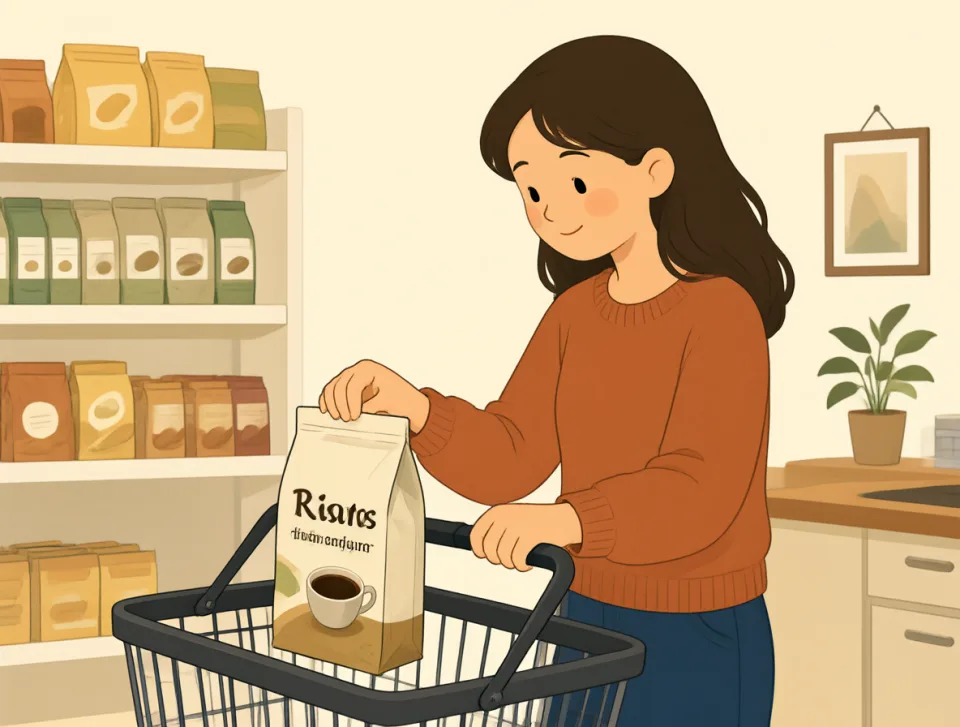
I usually buy the same brand of coffee.
Zazwyczaj kupuję kawę tej samej marki.

Which brand of phone do you use?
Jakiej marki telefonu używasz?
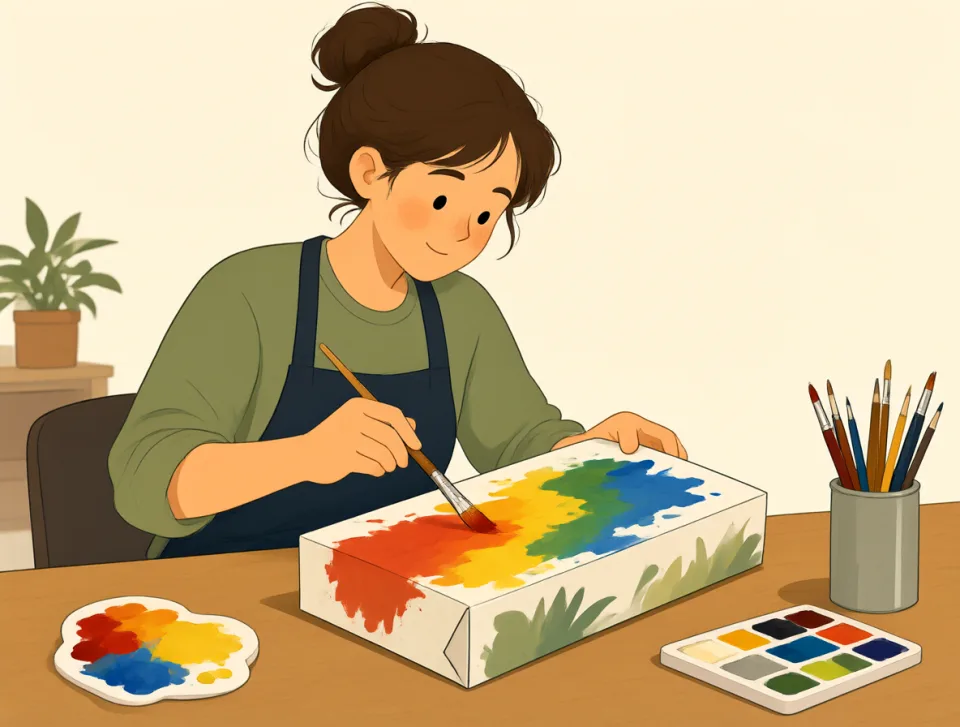
The company is branding its new product with bright colors.
Firma promuje swój nowy produkt, wykorzystując jaskrawe kolory.

The hotel gave every guest a branded bag.
Hotel podarował każdemu gościowi torbę z logo.
moral
#1550adjective, noun
moralny; morał
Connected with right and wrong behavior, or a lesson about how to behave well.
Związany z rozróżnianiem dobra i zła albo z lekcją na temat właściwego postępowania.
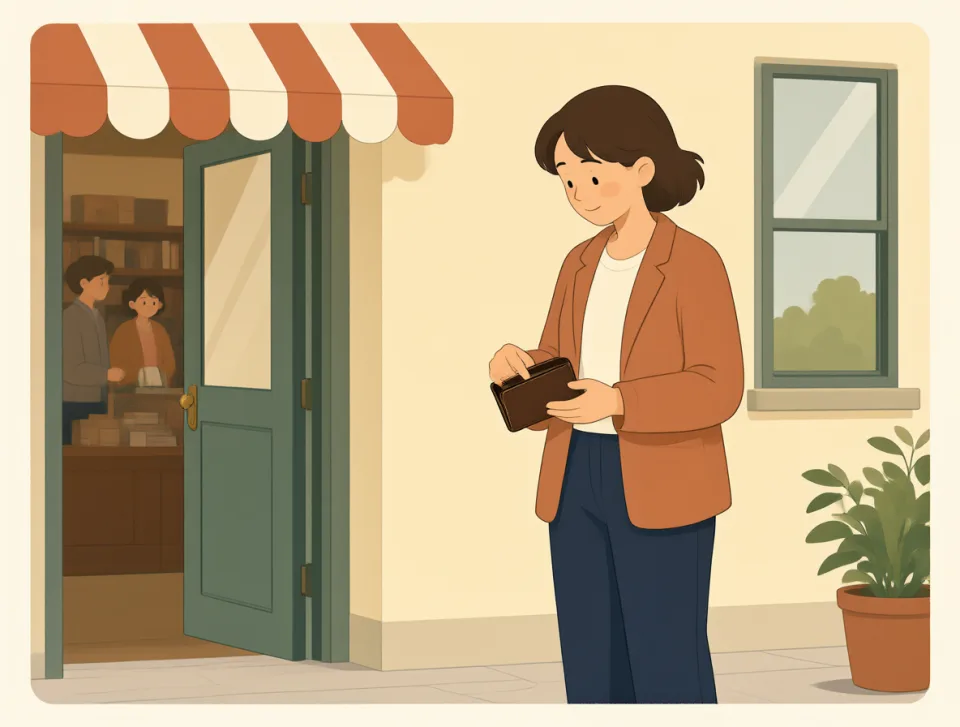
She made a moral choice and returned the wallet she found.
Postąpiła moralnie i oddała znaleziony portfel.
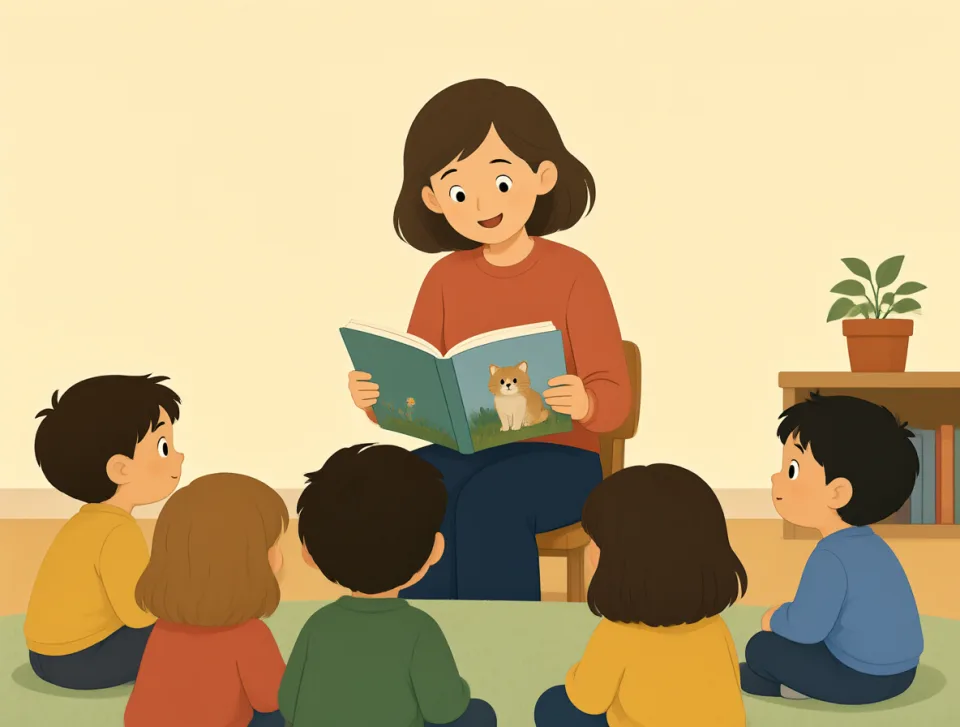
The story teaches a moral about being honest with friends.
Ta historia uczy, że należy być szczerym wobec przyjaciół.

He has strong moral values and always keeps his promises.
Kieruje się silnymi zasadami moralnymi i zawsze dotrzymuje obietnic.
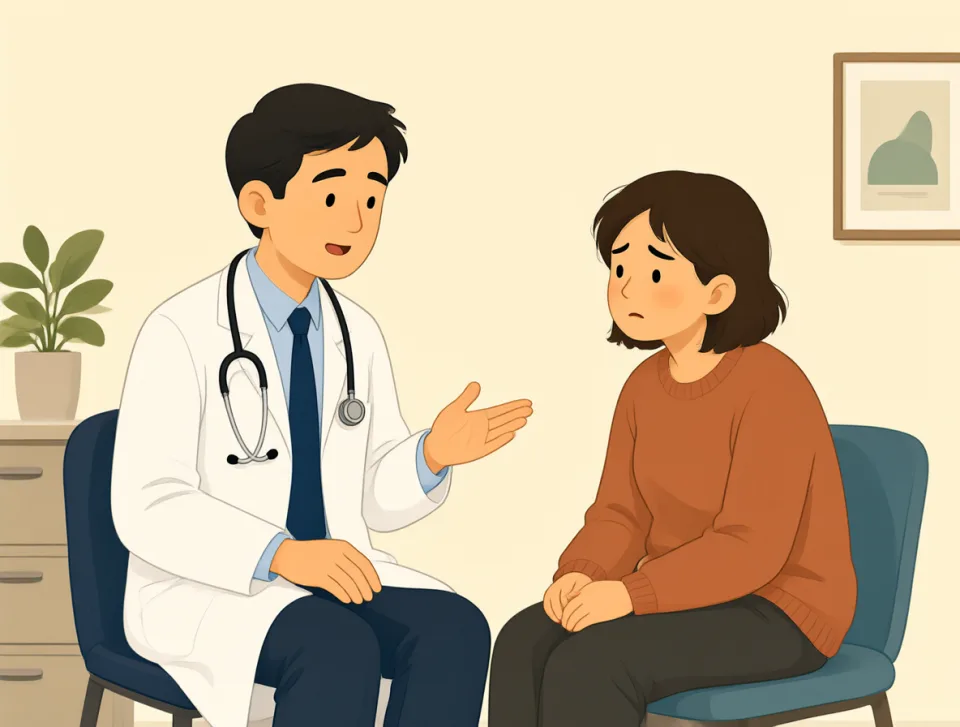
The doctor faced a moral problem when the patient refused treatment.
Lekarz stanął przed dylematem moralnym, gdy pacjent odmówił leczenia.
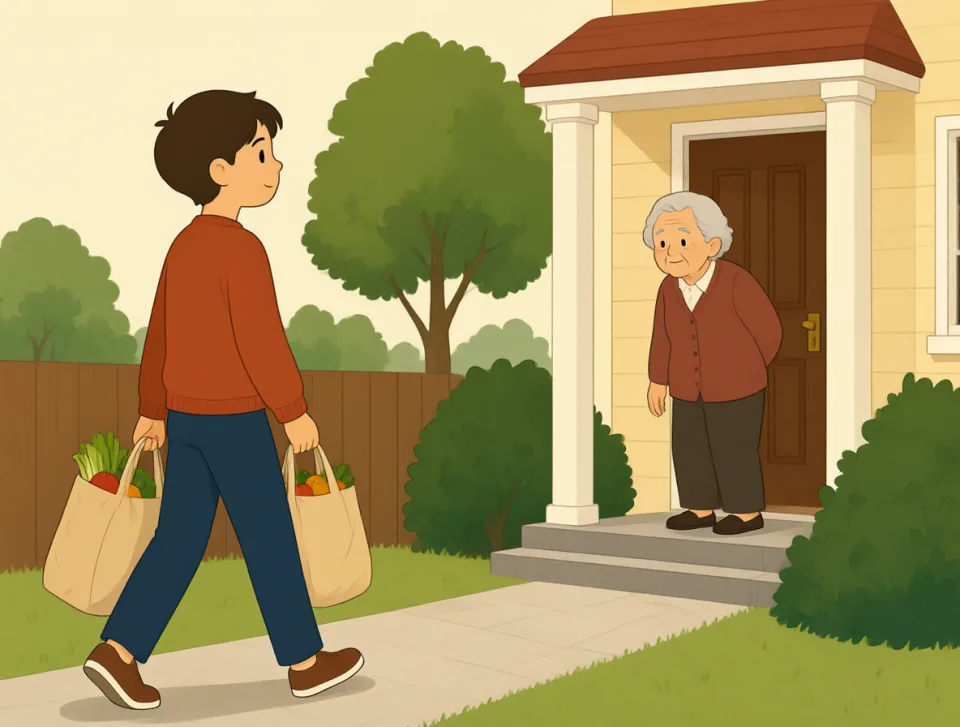
Some people think it is a moral duty to help older neighbors.
Niektórzy uważają, że pomaganie starszym sąsiadom jest moralnym obowiązkiem.

insist
#1551verb
nalegać
to say firmly that something must happen or is true
stanowczo mówić, że coś musi się wydarzyć albo że coś jest prawdą

She insisted on paying for dinner.
Uparła się, że zapłaci za kolację.

My parents insisted that I call them when I arrived.
Moi rodzice nalegali, żebym zadzwonił do nich po przyjeździe.
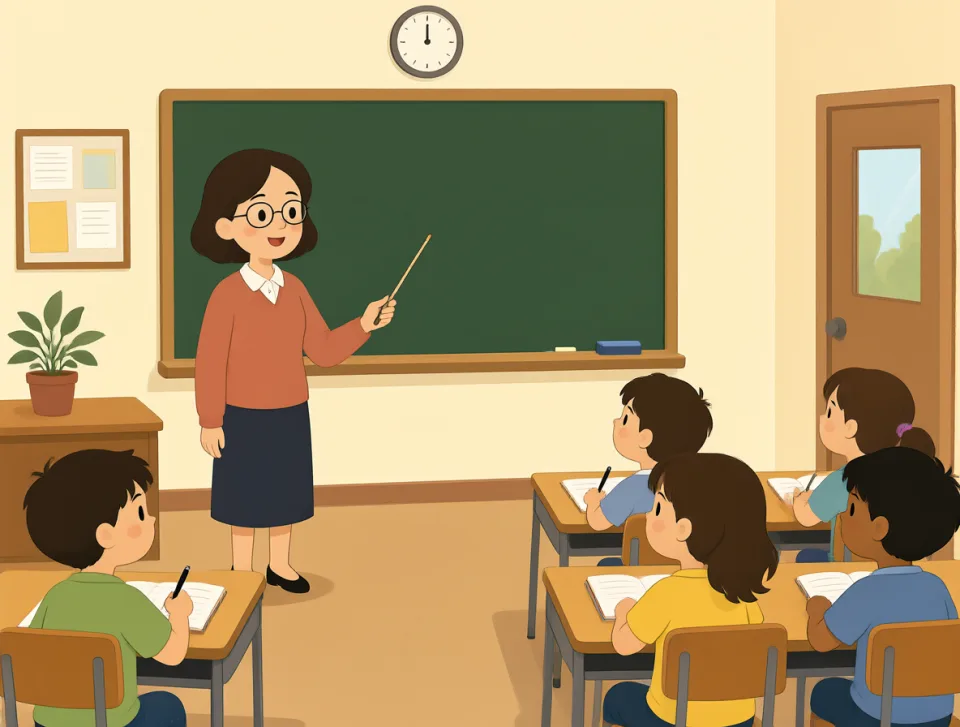
The teacher insisted on checking everyone's homework.
Nauczyciel upierał się, żeby sprawdzić pracę domową wszystkich uczniów.

He insisted that he had not taken the missing book.
Upierał się, że nie zabrał zaginionej książki.
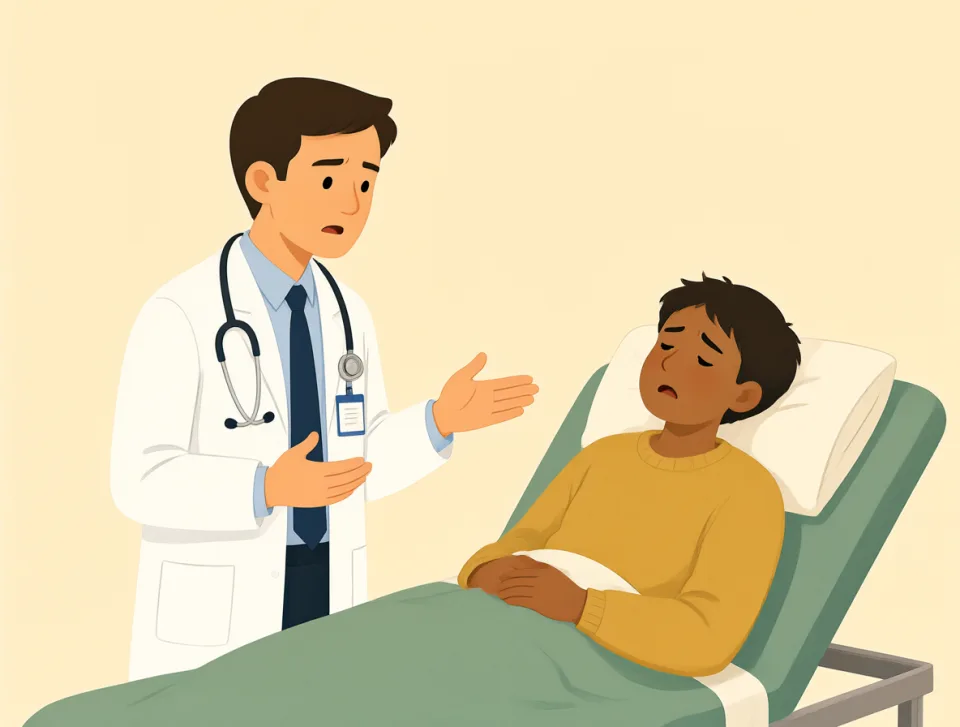
The doctor insisted that she rest for a few days.
Lekarz nalegał, żeby przez kilka dni odpoczywała.
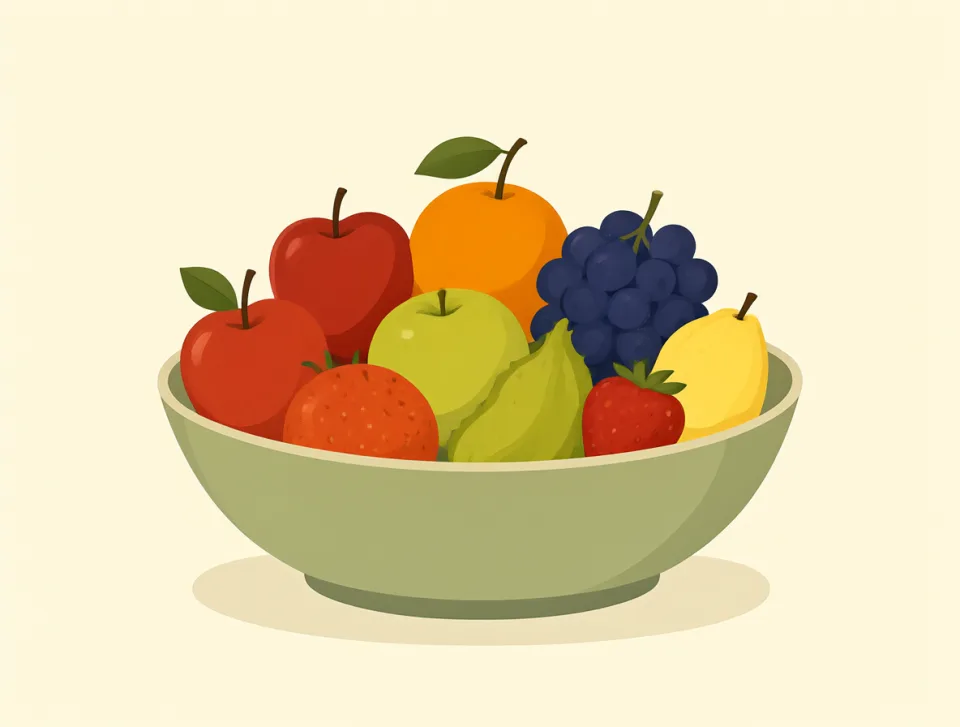
combination
#1552noun
połączenie
A mixture or joining of different things, people, or qualities.
mieszanka lub połączenie różnych rzeczy, osób albo cech.
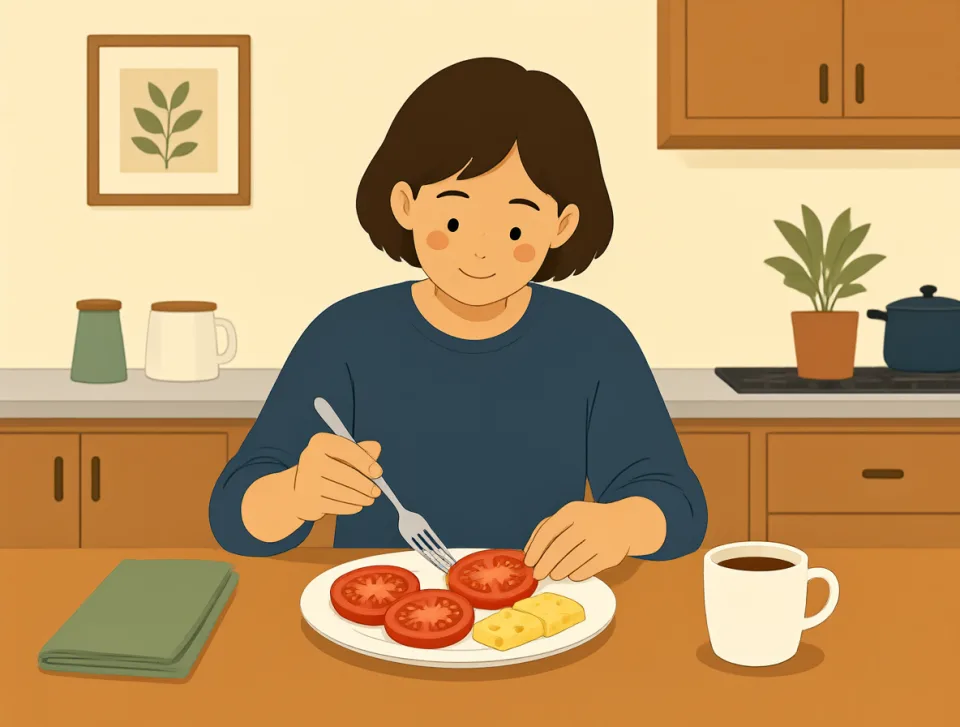
This combination of cheese and tomatoes tastes delicious.
To połączenie sera i pomidorów smakuje wyśmienicie.
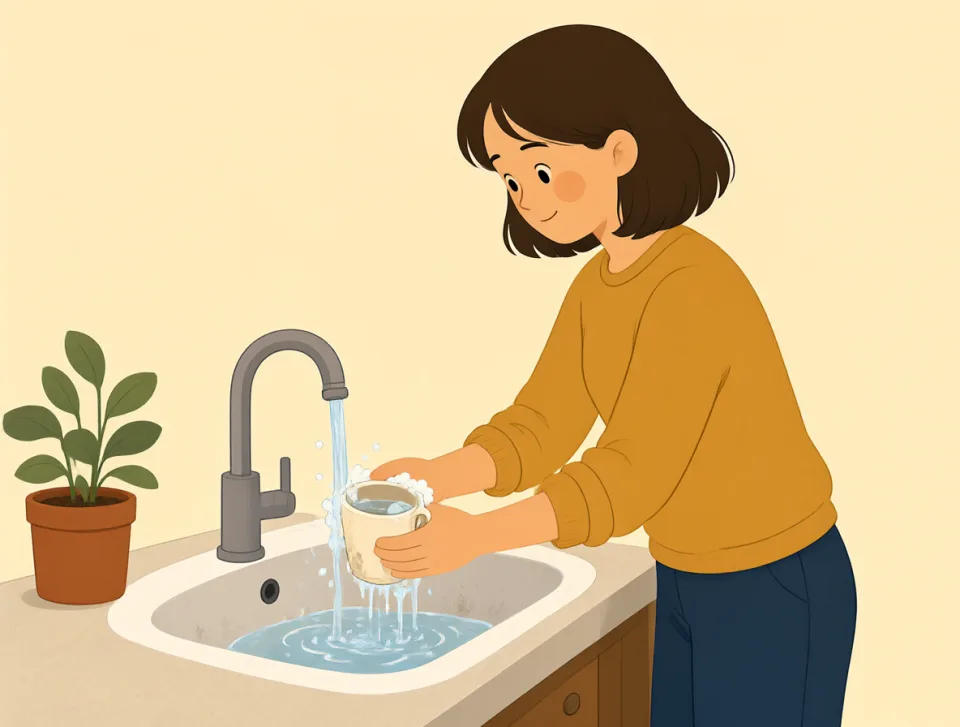
Use a combination of warm water and soap to clean it.
Użyj mieszanki ciepłej wody i mydła, żeby to wyczyścić.
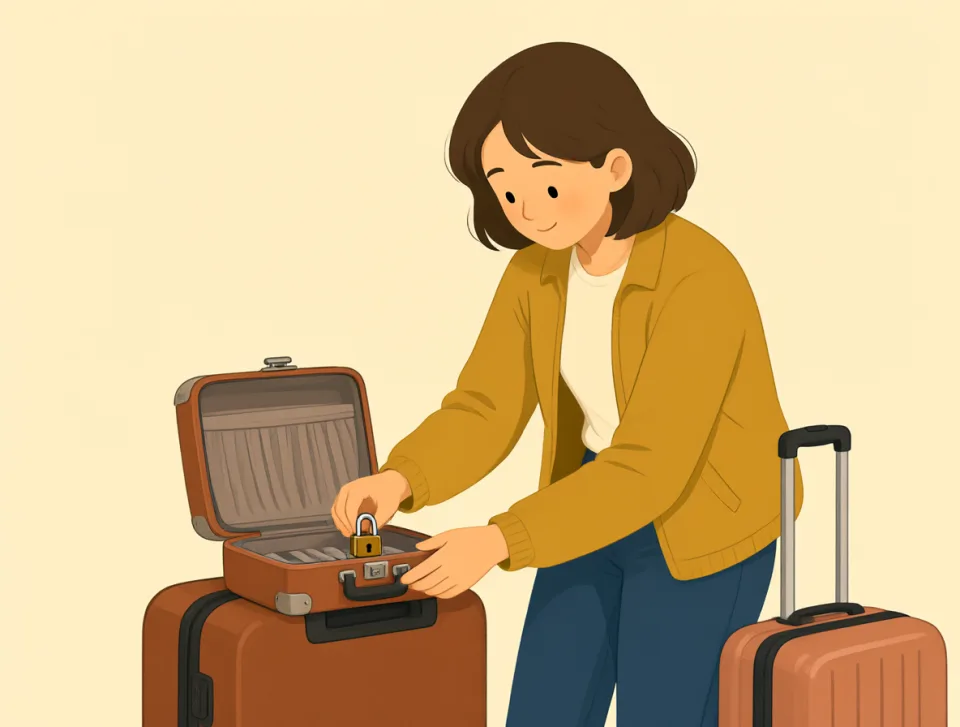
The lock opens with a four-number combination.
Zamek otwiera się za pomocą czterocyfrowego kodu.

She wore a beautiful combination of a blue shirt and white trousers.
Miała na sobie piękne połączenie niebieskiej koszuli i białych spodni.
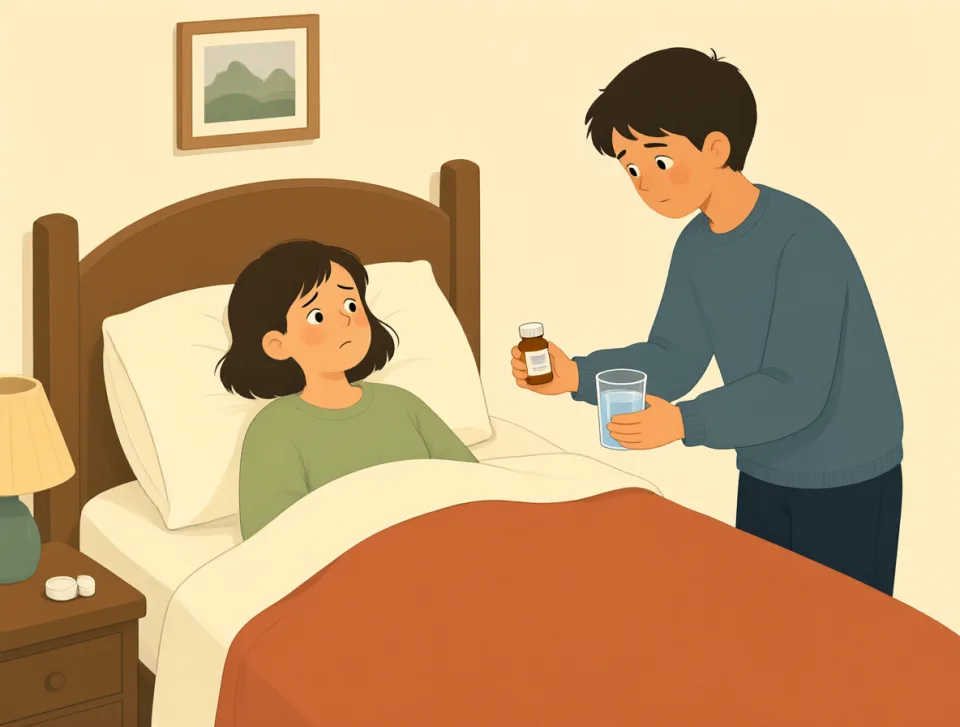
A combination of rest and medicine helped him feel better.
Połączenie odpoczynku i leków pomogło mu poczuć się lepiej.

abuse
#1553noun, verb
krzywdzić; nadużywać
To treat someone badly, or to use something in the wrong way.
źle kogoś traktować albo niewłaściwie czegoś używać.

The police arrested him for abusing his wife.
Policja aresztowała go za znęcanie się nad żoną.
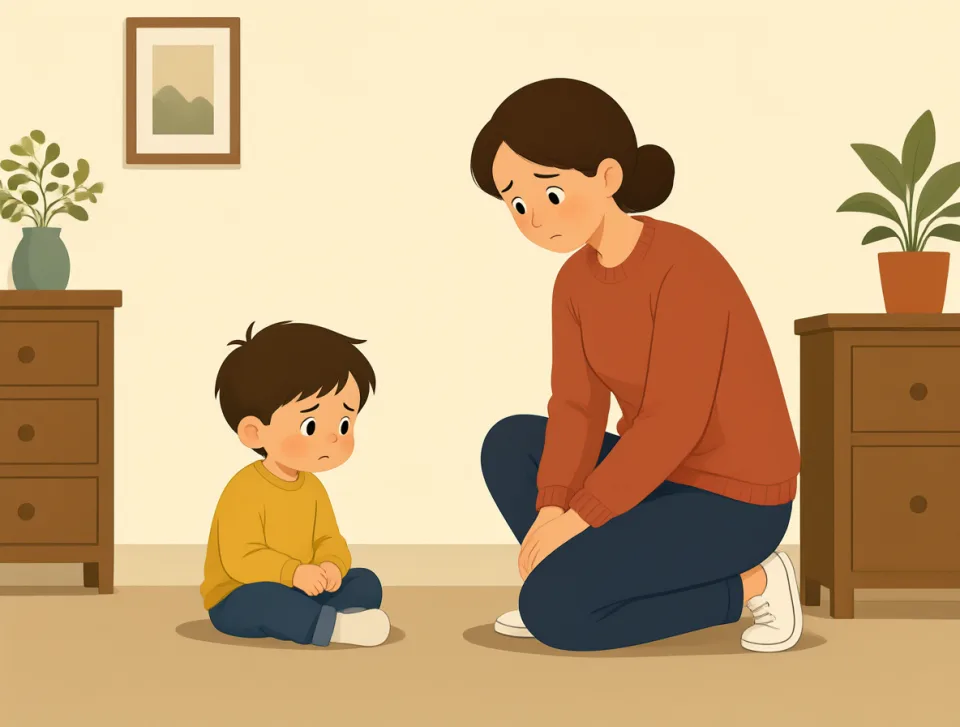
Some children suffer abuse at home and need help.
Niektóre dzieci doświadczają przemocy w domu i potrzebują pomocy.
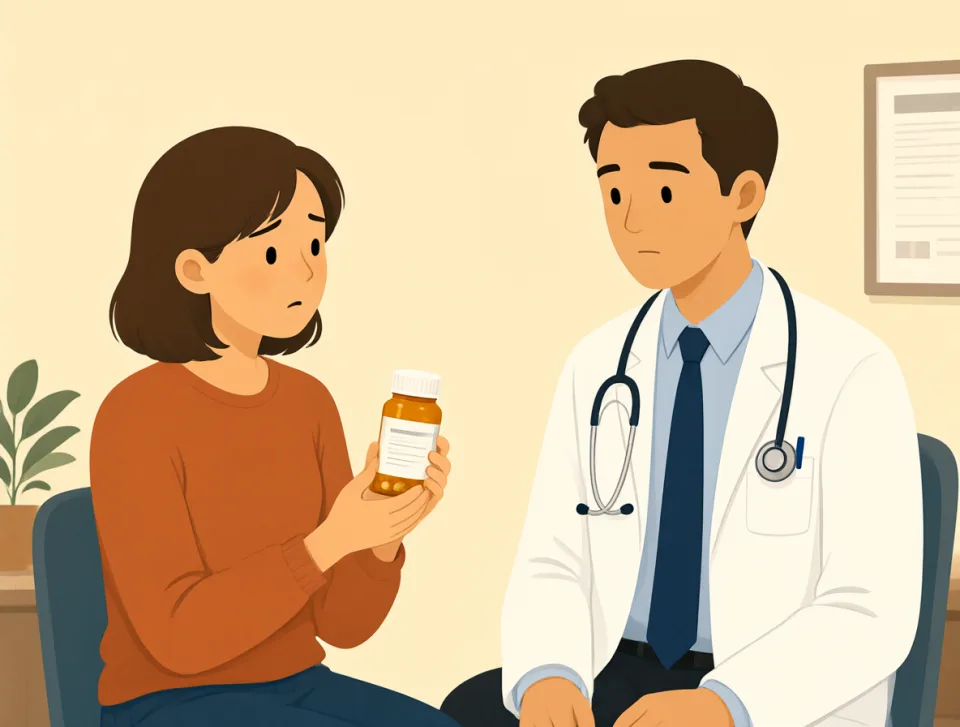
Never abuse painkillers, because they can harm your health.
Nigdy nie nadużywaj leków przeciwbólowych, bo mogą zaszkodzić twojemu zdrowiu.

The hotel will not tolerate verbal abuse from guests.
Hotel nie będzie tolerował słownych obelg ze strony gości.
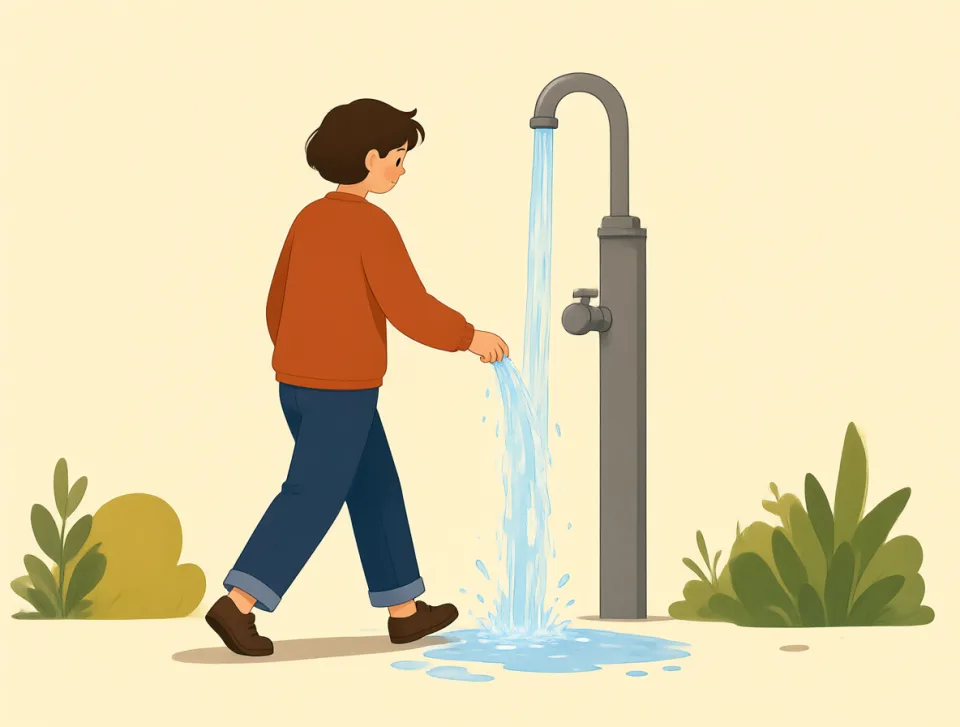
Leaving the water running is an abuse of this shared resource.
Pozostawianie odkręconej wody to marnowanie tego wspólnego zasobu.

ice
#1554noun, verb
lód
Frozen water, or to cool a drink or food with frozen water.
Zamarznięta woda albo chłodzenie napoju lub jedzenia za pomocą lodu.
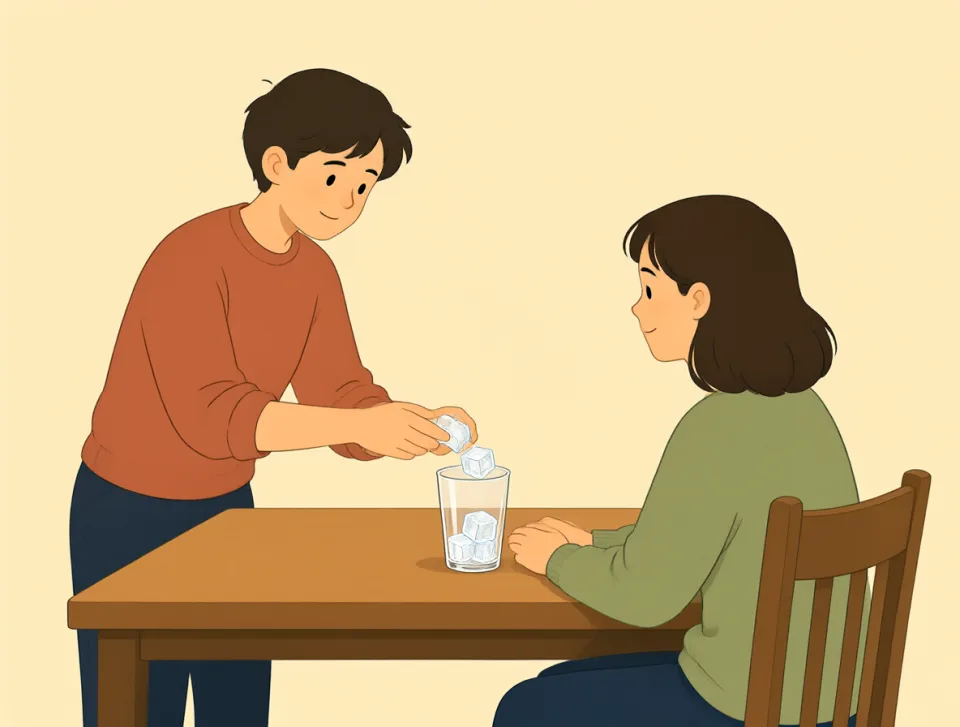
Put some ice in my glass, please.
Poproszę trochę lodu do szklanki.
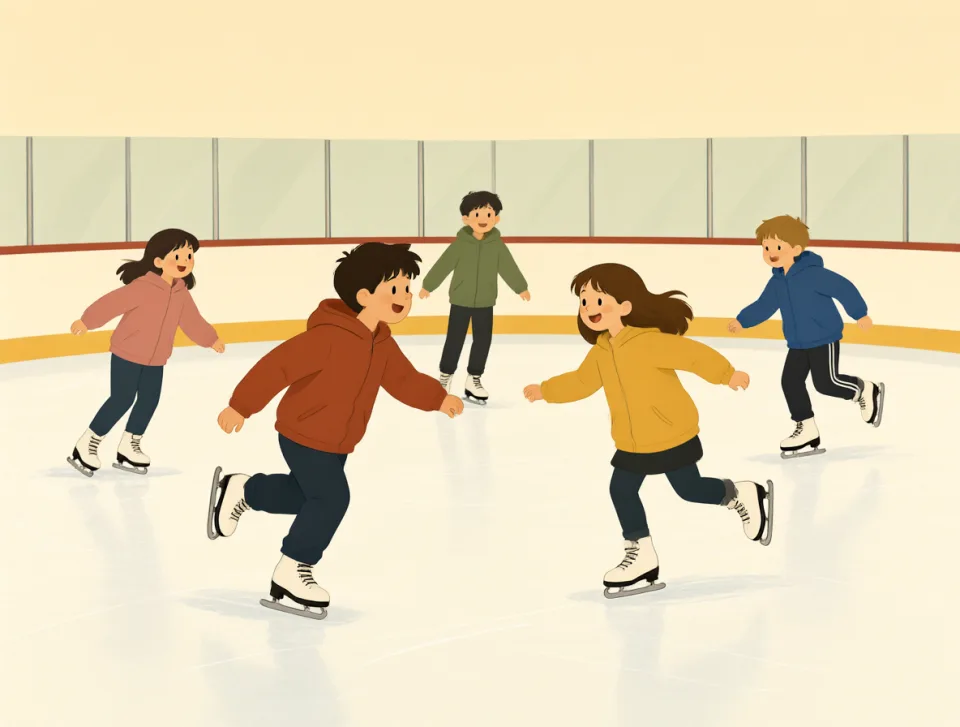
The children are playing on the ice at the skating rink.
Dzieci bawią się na lodzie na lodowisku.

The road was covered with ice after the storm.
Po burzy droga była pokryta lodem.
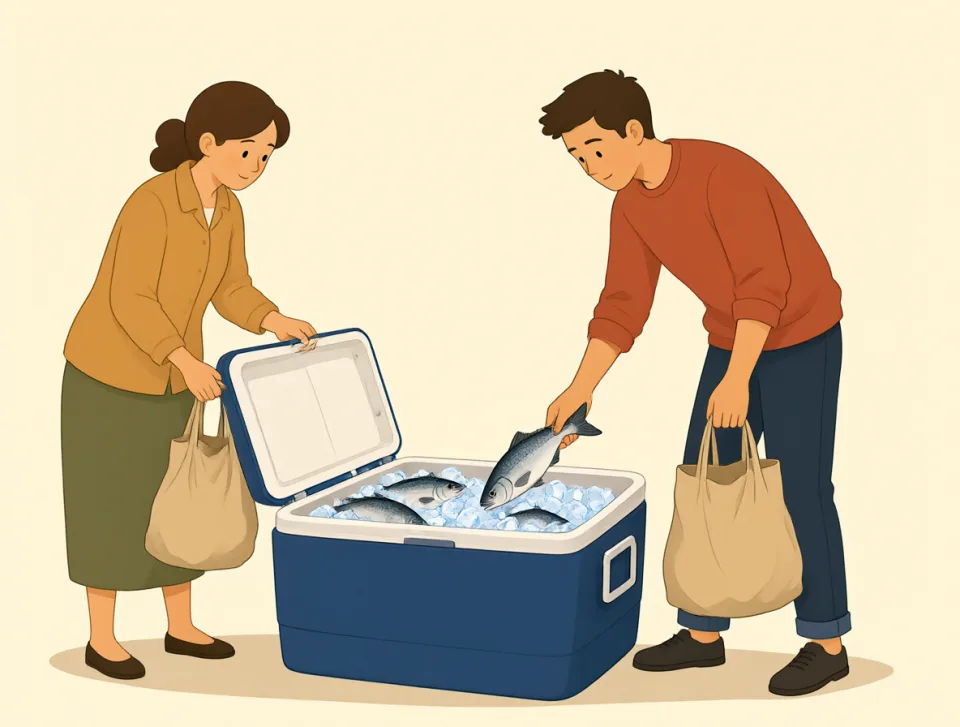
We packed the fish in ice for the long trip.
Zapakowaliśmy ryby w lód na czas długiej podróży.
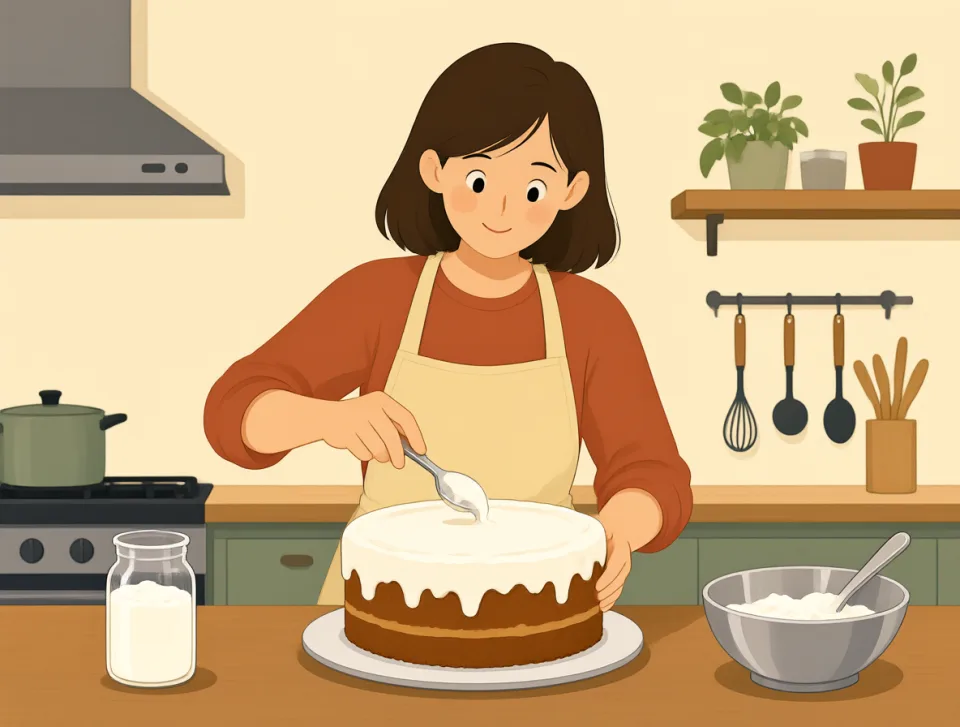
She iced the cake before her friends arrived.
Polukrowała ciasto, zanim przyjechali jej znajomi.

principal
#1555noun, adjective
dyrektor; główny
The head of a school; or most important in rank, value, or importance.
Dyrektor szkoły; albo najważniejszy pod względem rangi, wartości lub znaczenia.

The principal welcomed new students on their first day of school.
Dyrektor powitał nowych uczniów w ich pierwszym dniu w szkole.

Please speak to the principal if your child has a problem.
Jeśli twoje dziecko ma jakiś problem, porozmawiaj z dyrektorem.
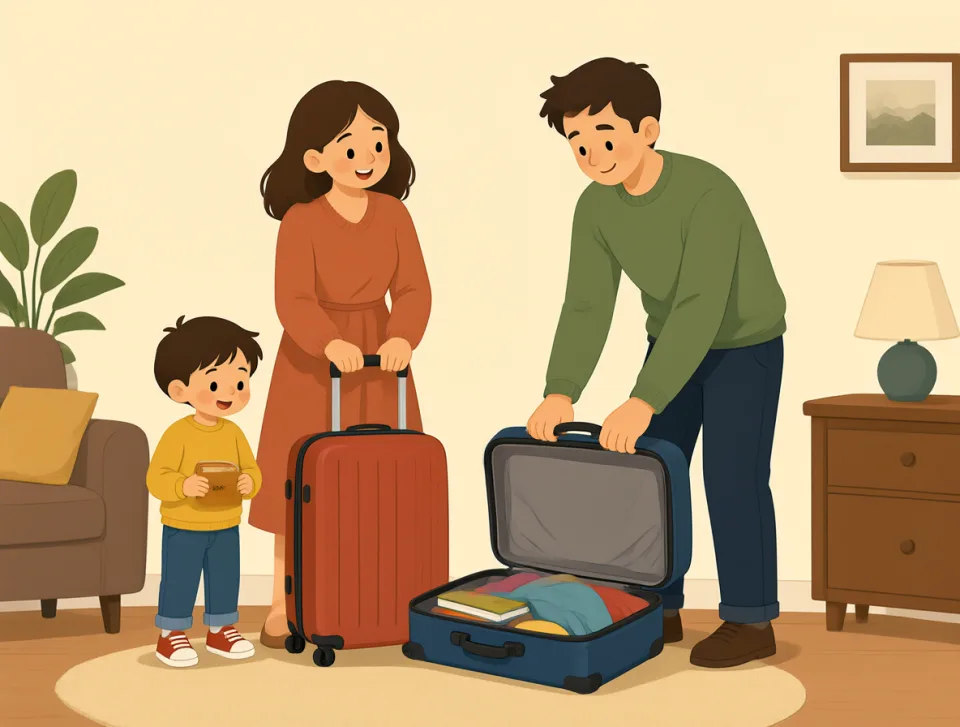
The principal reason for the trip was to visit family.
Głównym powodem wyjazdu była wizyta u rodziny.

The bank pays interest on the principal each month.
Bank co miesiąc nalicza odsetki od kapitału.

Our principal concern is keeping everyone safe during the storm.
Najważniejsze jest dla nas zapewnienie wszystkim bezpieczeństwa podczas burzy.
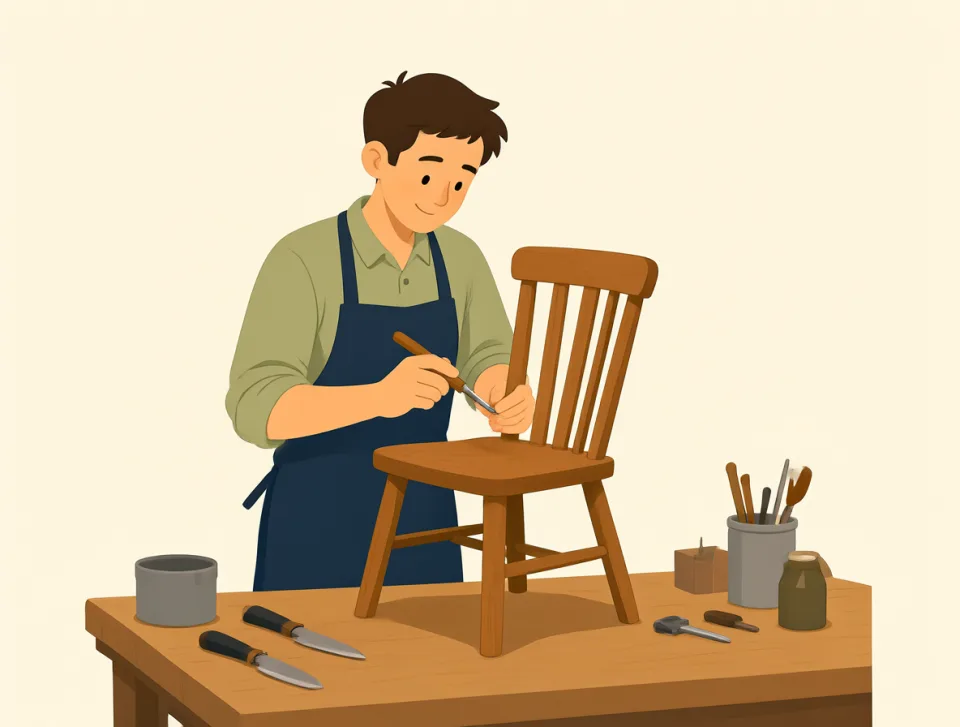
master
#1556noun, verb
mistrz; opanować do perfekcji
A person highly skilled at something; to learn or control something completely.
Osoba bardzo biegła w czymś; nauczyć się czegoś lub przejąć nad czymś pełną kontrolę.
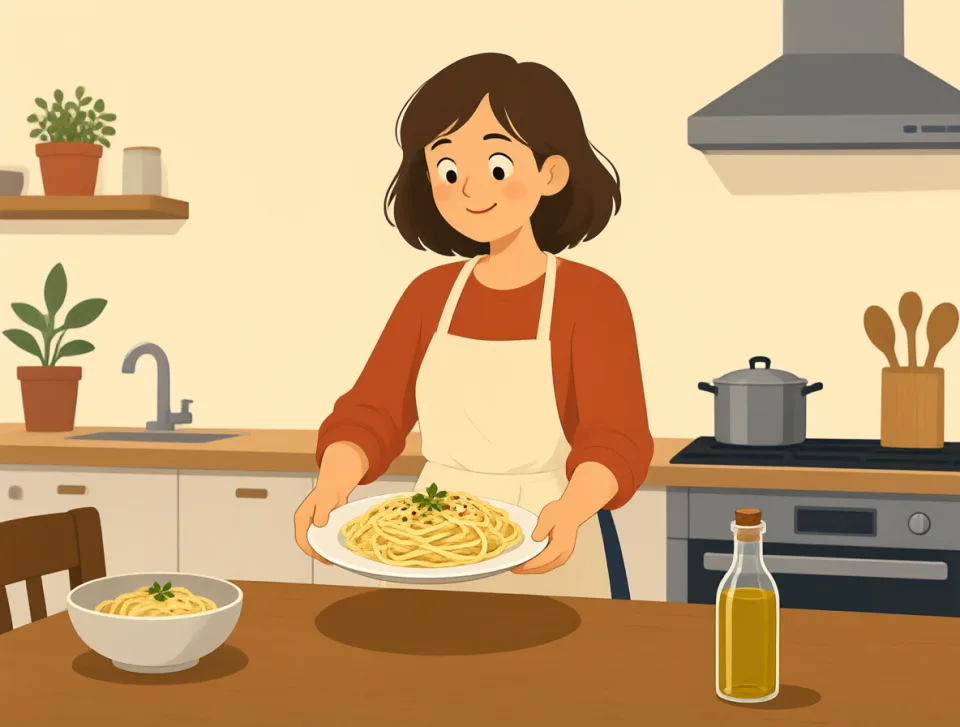
She is a master of making delicious Italian food.
Ona jest mistrzynią w przygotowywaniu pysznych włoskich potraw.

It took him months to master the new computer program.
Opanowanie nowego programu komputerowego zajęło mu kilka miesięcy.
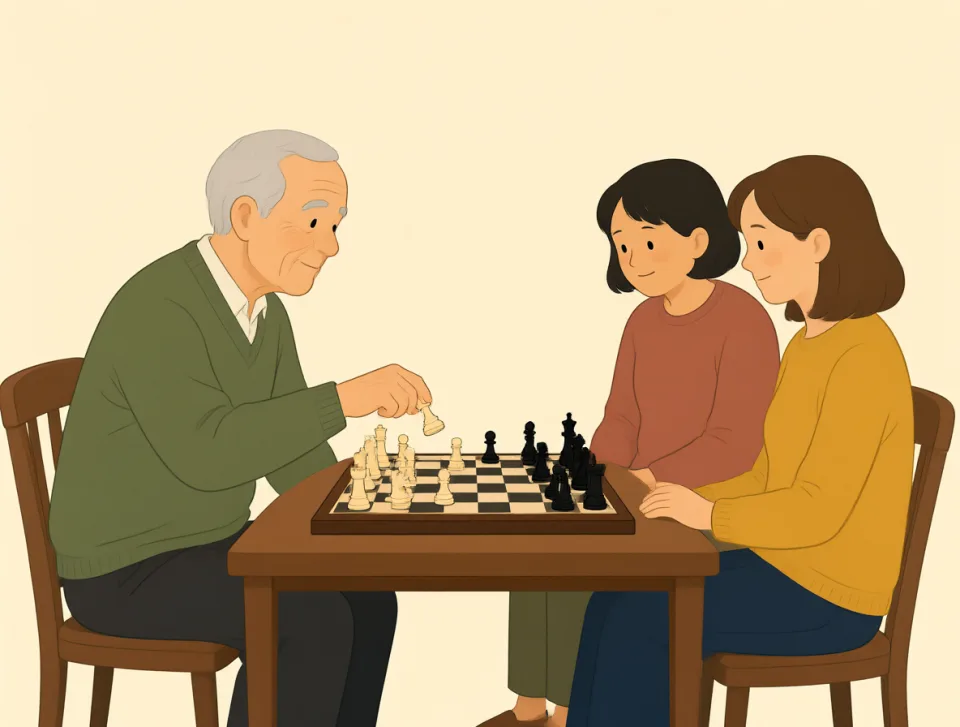
The chess master defeated three players at the club.
Mistrz szachowy pokonał trzech zawodników w klubie.

He earned a master's degree after two years of study.
Po dwóch latach nauki uzyskał tytuł magistra.
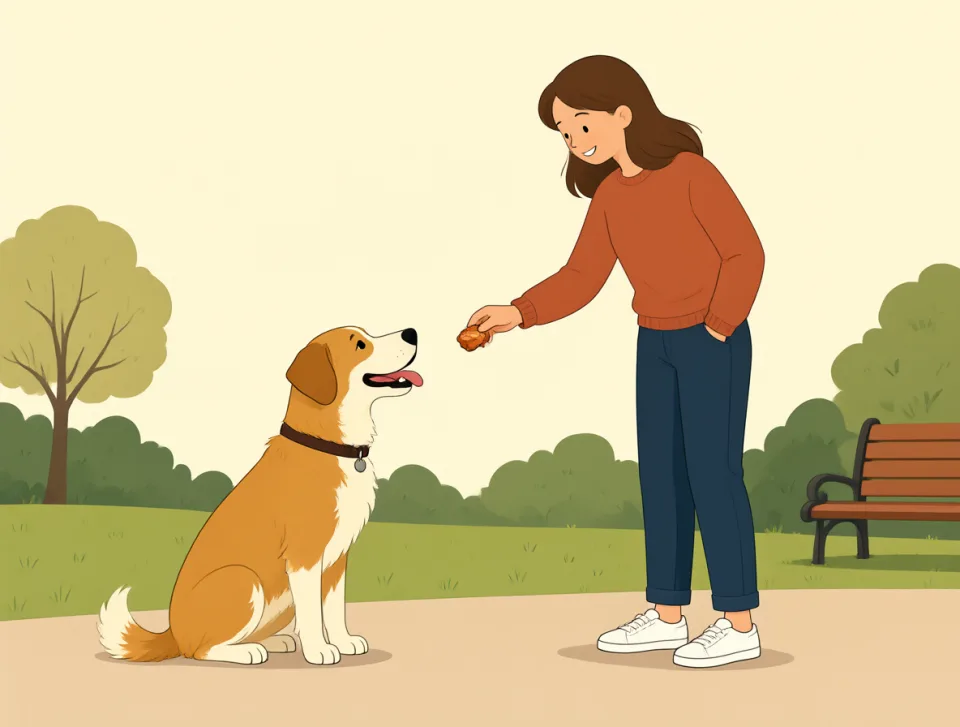
The dog finally mastered the trick after many practice sessions.
Pies w końcu opanował tę sztuczkę po wielu sesjach ćwiczeń.
definitely
#1557adverb
zdecydowanie; na pewno
Used to say something is certain or true without doubt.
Słowo używane, aby powiedzieć, że coś jest pewne lub prawdziwe, bez żadnych wątpliwości.
I will definitely call you when I get home.
Na pewno zadzwonię do ciebie, kiedy wrócę do domu.

She definitely wants to join us for dinner tonight.
Ona zdecydowanie chce dołączyć do nas dziś wieczorem na kolację.
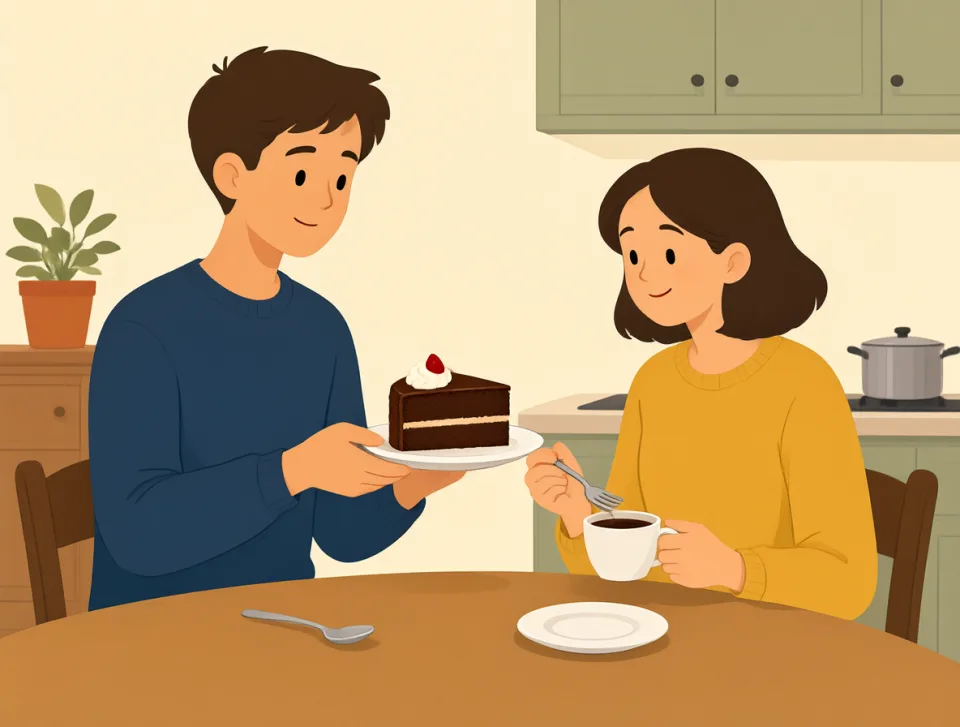
You should definitely try this chocolate cake; it is delicious.
Zdecydowanie powinieneś spróbować tego czekoladowego ciasta — jest pyszne.
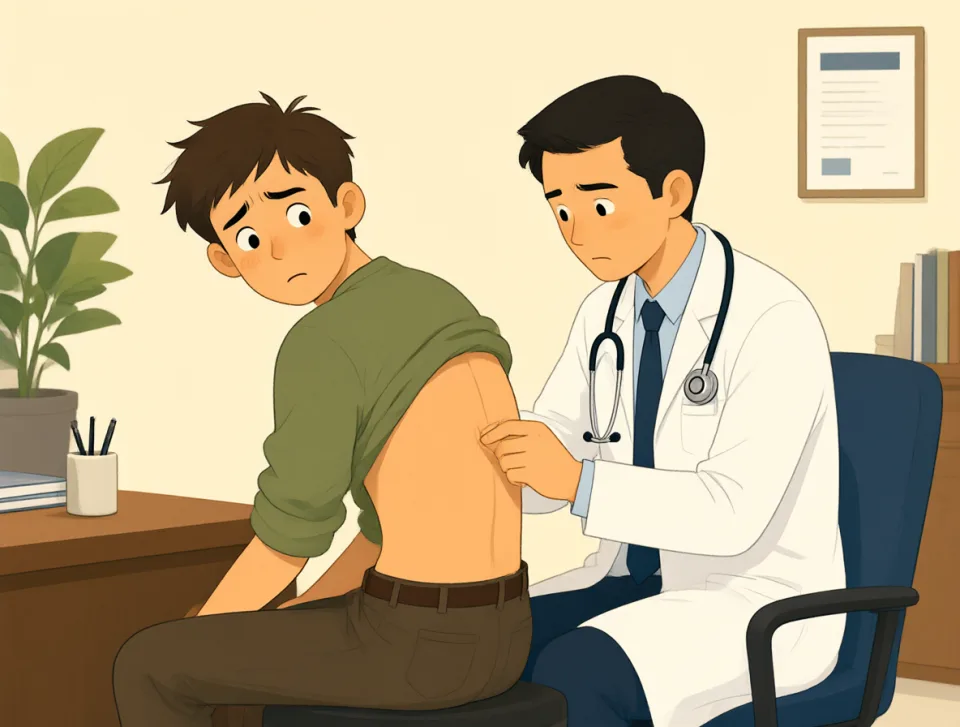
He definitely needs to see a doctor about his back pain.
Zdecydowanie powinien iść do lekarza z powodu bólu pleców.

We are definitely taking the train to the city tomorrow.
Jutro na pewno pojedziemy pociągiem do miasta.

session
#1558noun
sesja
A period of time spent doing a particular activity, such as studying, exercising, or meeting.
Okres poświęcony na konkretną czynność, taką jak nauka, ćwiczenia lub spotkanie.

I have a training session at work this afternoon.
Dziś po południu mam w pracy sesję szkoleniową.
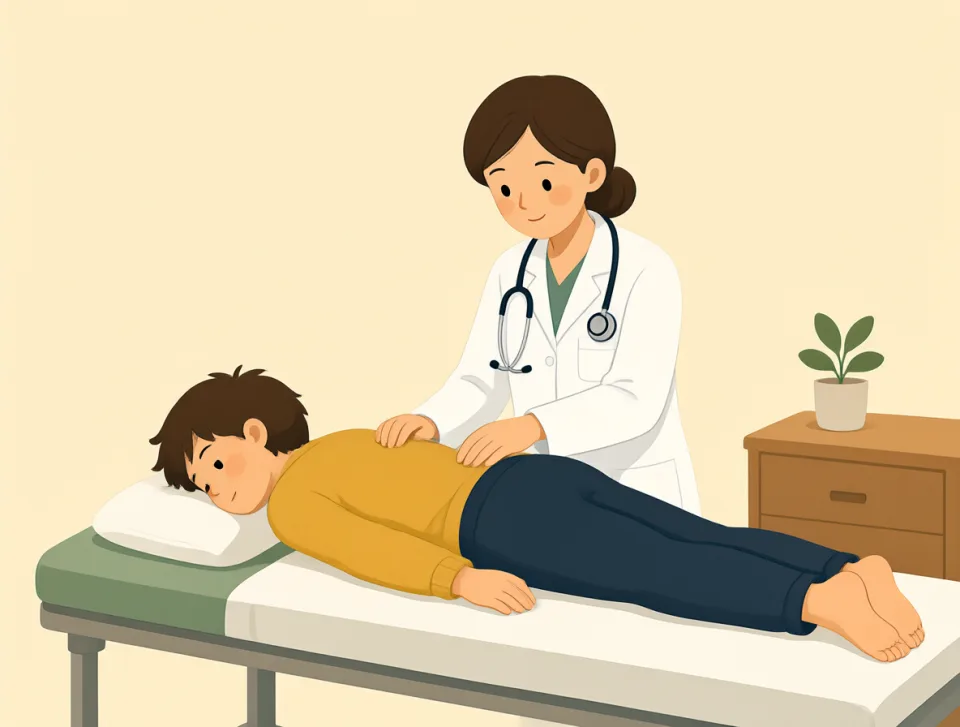
The doctor scheduled another session to help with my back pain.
Lekarz zaplanował kolejną sesję, która ma pomóc na mój ból pleców.

Our study session lasted two hours before dinner.
Nasza sesja nauki trwała dwie godziny przed kolacją.
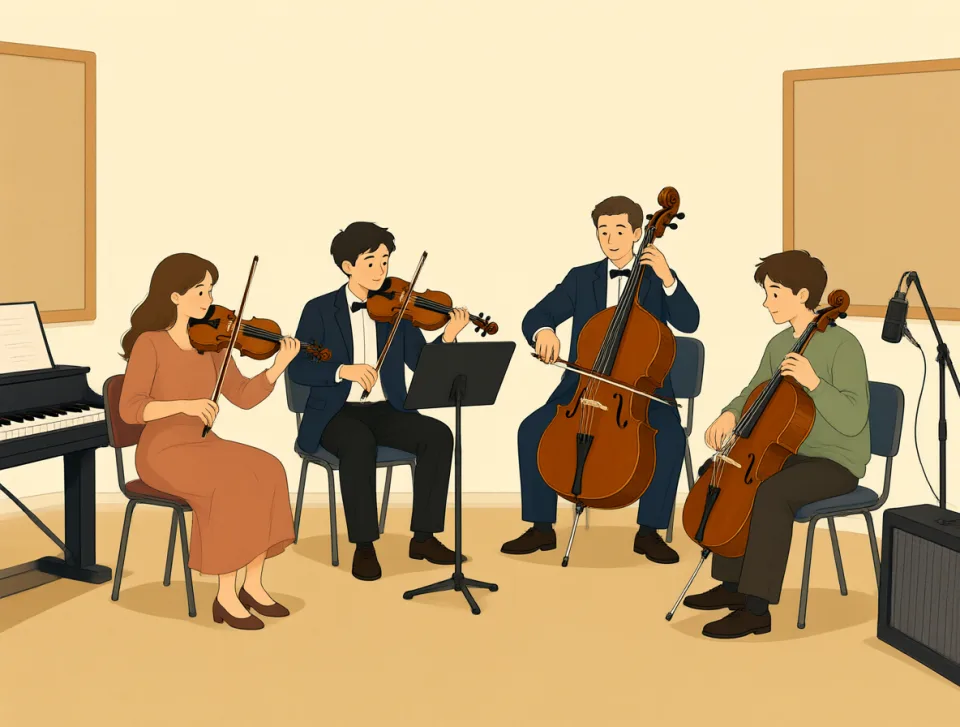
The band played three songs during yesterday's recording session.
Podczas wczorajszej sesji nagraniowej zespół zagrał trzy piosenki.
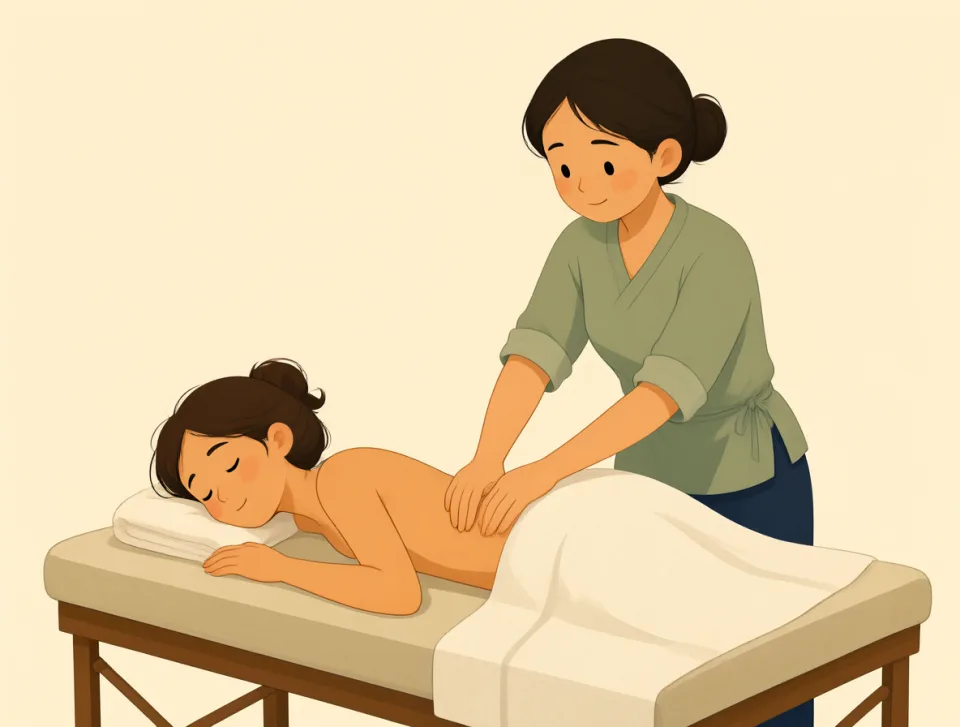
We enjoyed a relaxing massage session at the hotel.
W hotelu miło spędziliśmy czas podczas relaksującej sesji masażu.
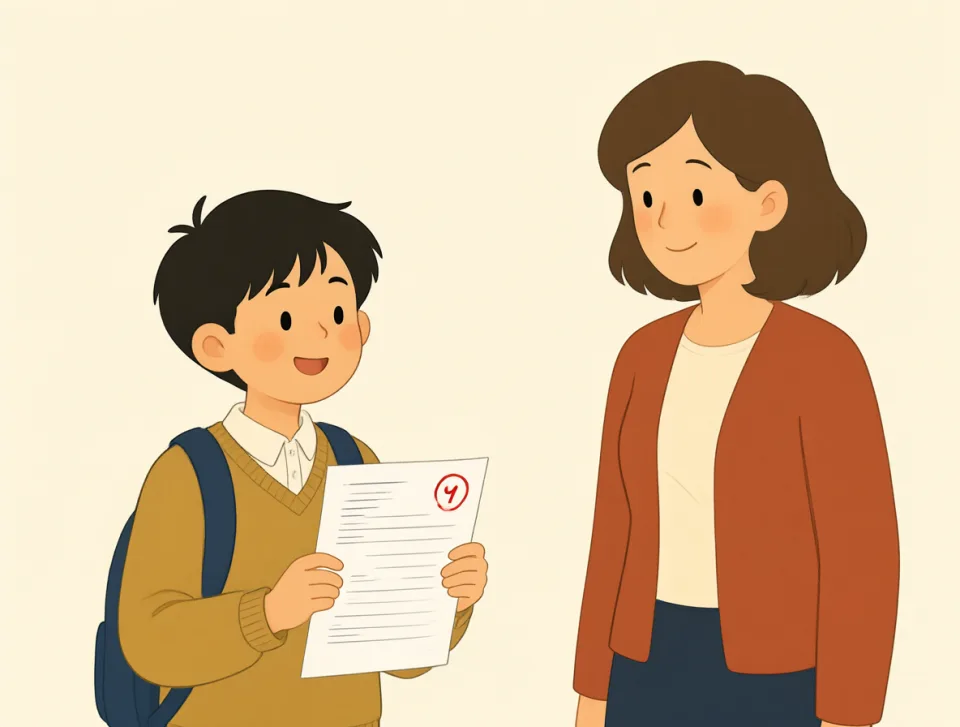
grade
#1559noun, verb
ocena; stopień
a level of quality or a mark showing how well a student did
Poziom jakości lub ocena pokazująca, jak dobrze uczeń sobie poradził.

She got a good grade on her English test.
Dostała dobrą ocenę z testu z angielskiego.

The hotel was given a high grade for cleanliness.
Hotel otrzymał wysoką ocenę za czystość.

This meat is grade A, so it should taste excellent.
To mięso jest klasy A, więc powinno być doskonałe w smaku.

The road climbs a steep grade near the mountain village.
Droga wznosi się stromym podjazdem w pobliżu górskiej wioski.

The doctor graded his pain as mild after the treatment.
Po leczeniu lekarz ocenił jego ból jako łagodny.

nevertheless
#1560adverb
niemniej jednak; mimo to
used to show that something is true even though another fact might suggest the opposite
Słowo używane, aby pokazać, że coś jest prawdą, mimo że inny fakt może sugerować coś przeciwnego.
It was raining; nevertheless, we went for a walk.
Padał deszcz, a mimo to poszliśmy na spacer.

The job was difficult. Nevertheless, she finished it on time.
Praca była trudna. Niemniej jednak skończyła ją na czas.
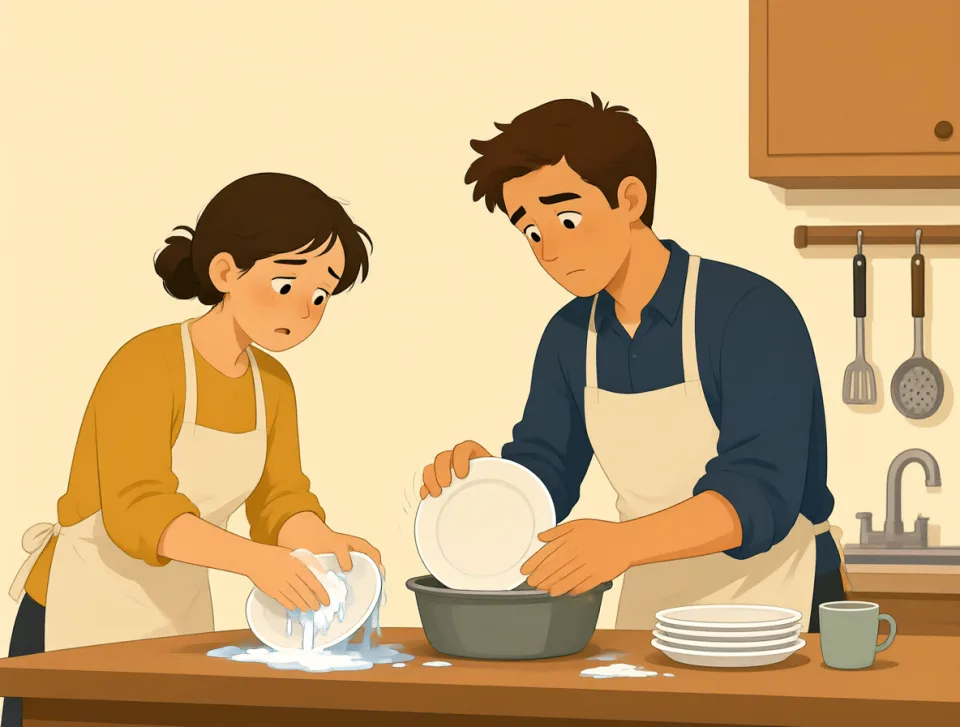
He felt tired; nevertheless, he helped clean the kitchen.
Czuł się zmęczony, a mimo to pomógł posprzątać kuchnię.

The hotel was small, but nevertheless very comfortable.
Hotel był mały, ale mimo to bardzo wygodny.

The soup looked simple; nevertheless, it tasted delicious.
Zupa wyglądała niepozornie, a mimo to smakowała wyśmienicie.