Zestaw 81
Słowa 1601–1620 · soft, row, youth, lock, fuel, expectation

soft
#1601adjective
miękki
Not hard or rough; pleasant to touch or gentle in sound, light, or feeling.
Niezbyt twardy ani szorstki; przyjemny w dotyku lub łagodny w brzmieniu, świetle albo odczuciach.
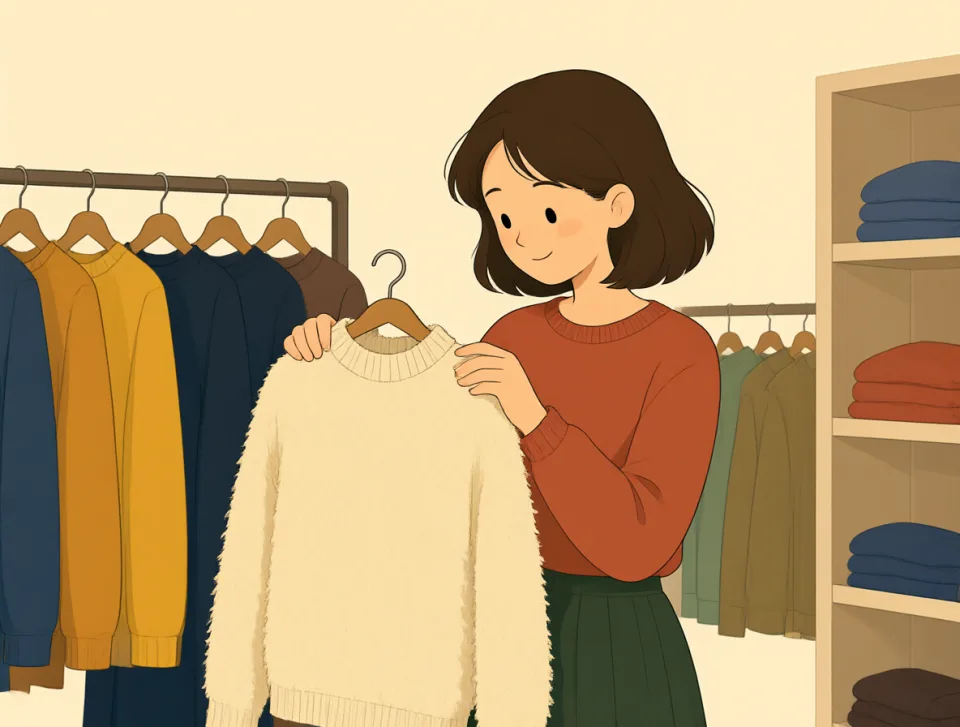
She bought a soft sweater for the cold winter.
Kupiła miękki sweter na mroźną zimę.
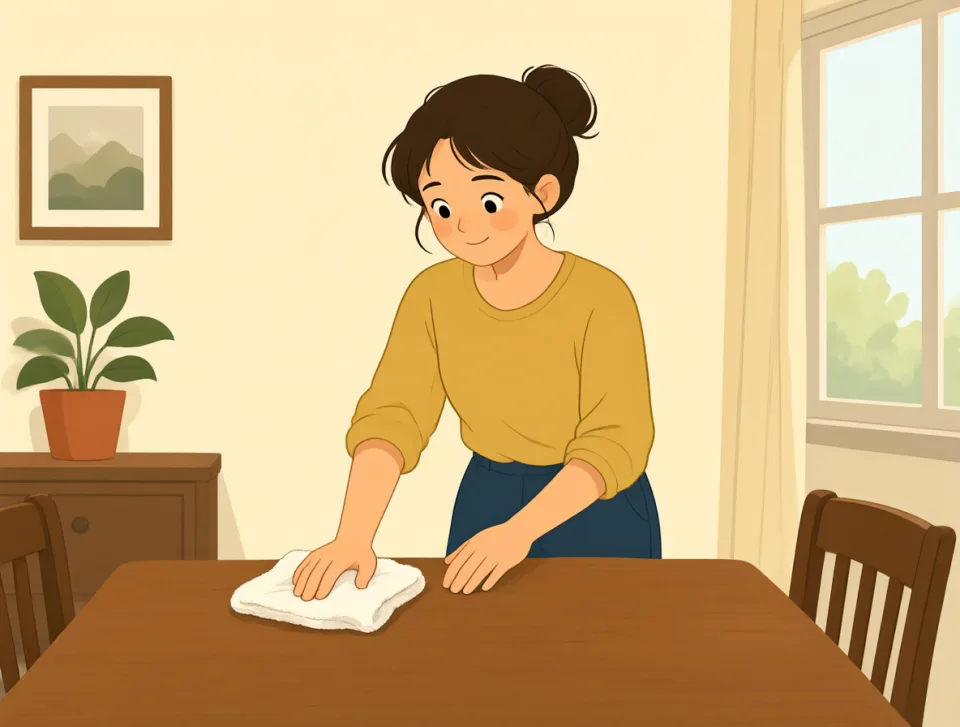
Please use a soft cloth to clean the table.
Do wyczyszczenia stołu użyj miękkiej ściereczki.
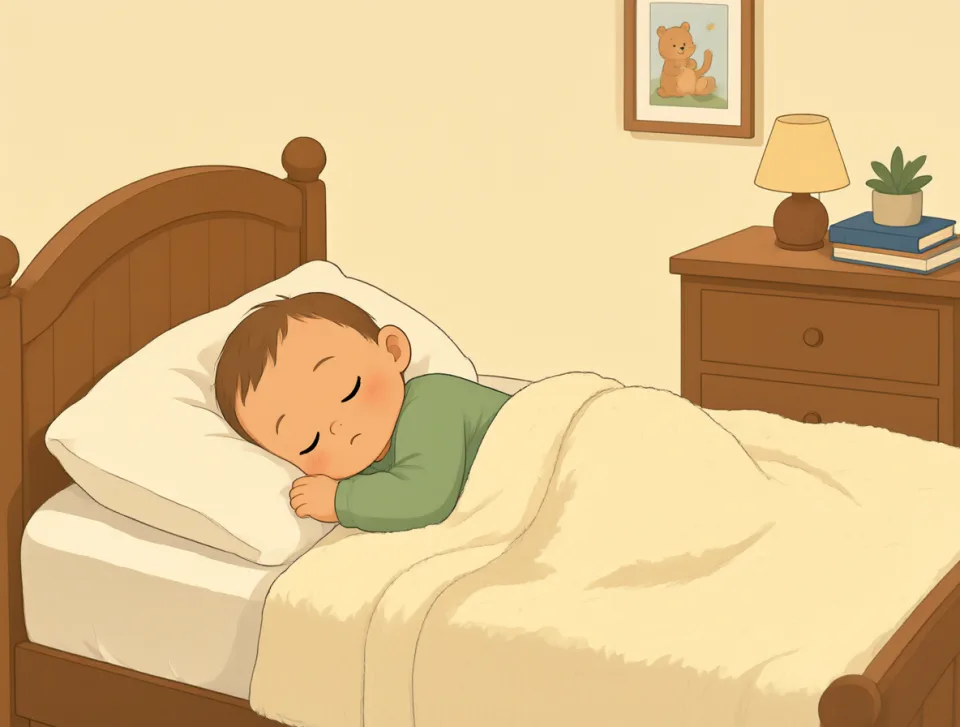
The baby slept peacefully on a soft blanket.
Niemowlę spokojnie spało na miękkim kocu.

He spoke in a soft voice during the meeting.
Podczas spotkania mówił cichym głosem.
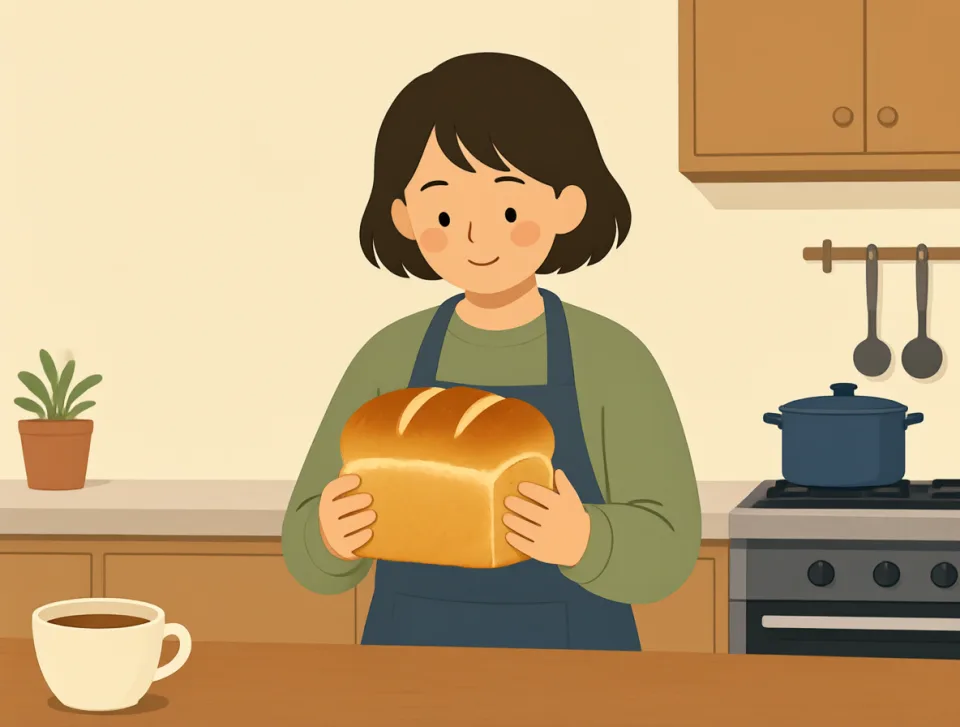
This bread is soft and warm from the oven.
Ten chleb jest miękki i ciepły, prosto z piekarnika.

row
#1602noun, verb
rzęd / wiosłować
A line of things, or to move a boat through water using oars.
Linia rzeczy lub przemieszczanie łodzi po wodzie za pomocą wioseł.

We sat in the front row at the movie theater.
Usiedliśmy w pierwszym rzędzie w kinie.
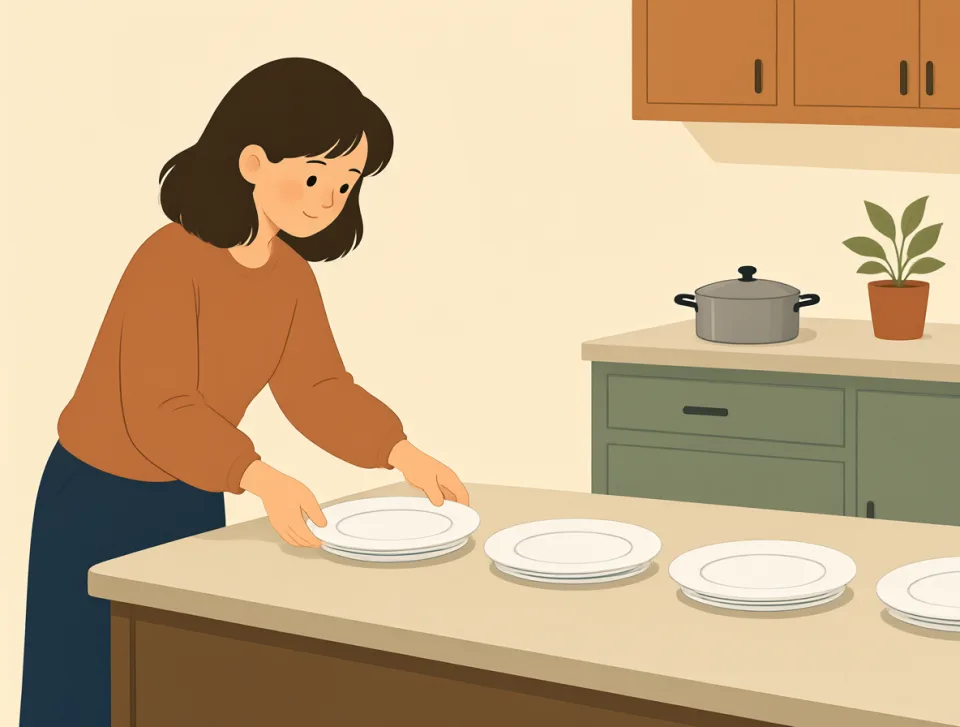
Please put the clean plates in a row on the table.
Ułóż czyste talerze w rzędzie na stole.
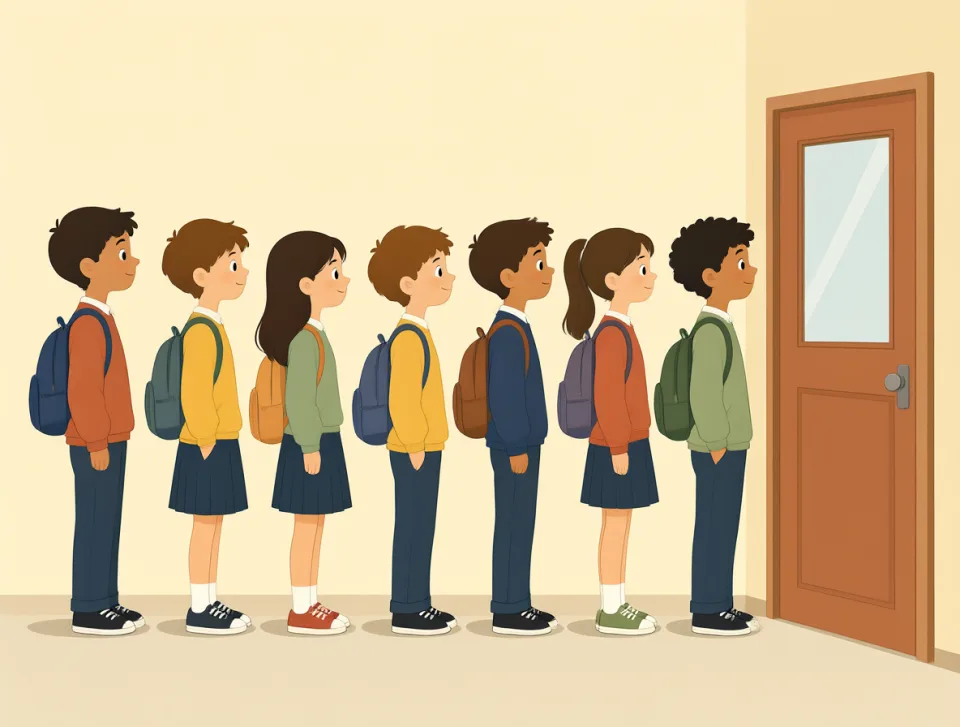
The students stood in a row outside the classroom.
Uczniowie stali w rzędzie przed klasą.

They rowed across the lake before breakfast.
Przed śniadaniem przepłynęli łodzią przez jezioro, wiosłując.
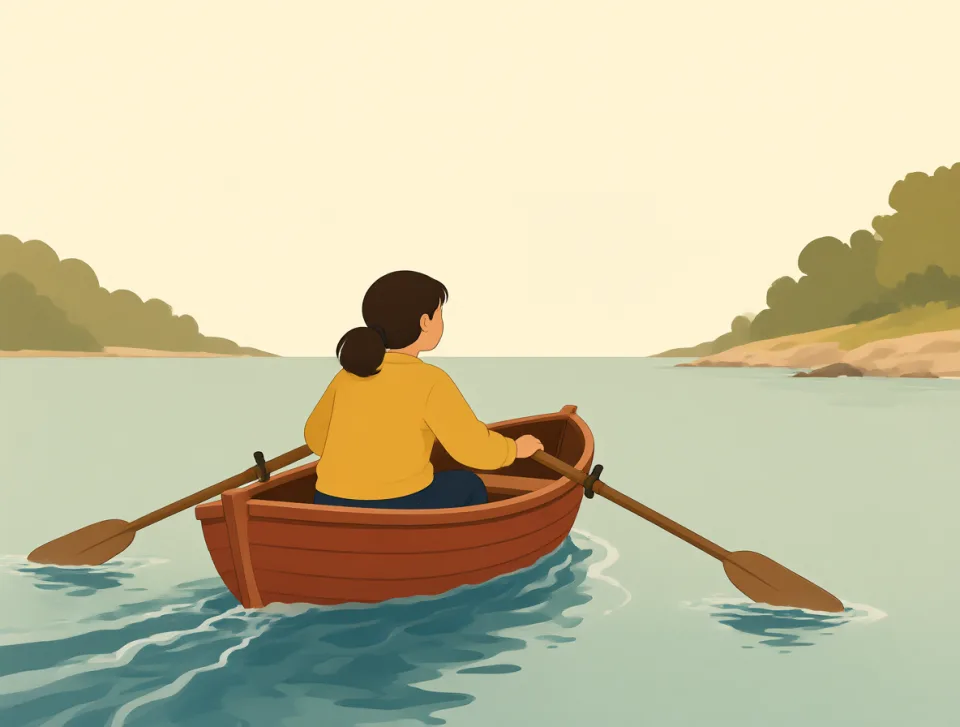
We had to row back when the engine stopped.
Musieliśmy wiosłować z powrotem, gdy silnik się zatrzymał.
youth
#1603noun
młodość
the time of life when someone is young
Okres życia, w którym człowiek jest młody.
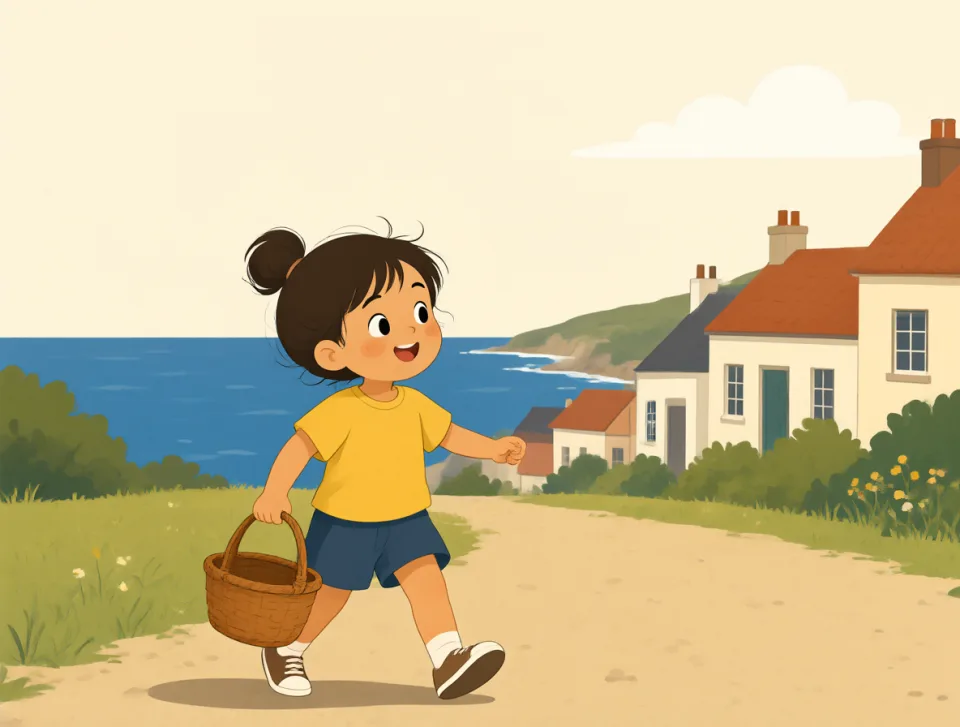
She spent her youth in a small town near the coast.
Spędziła młodość w małym miasteczku niedaleko wybrzeża.
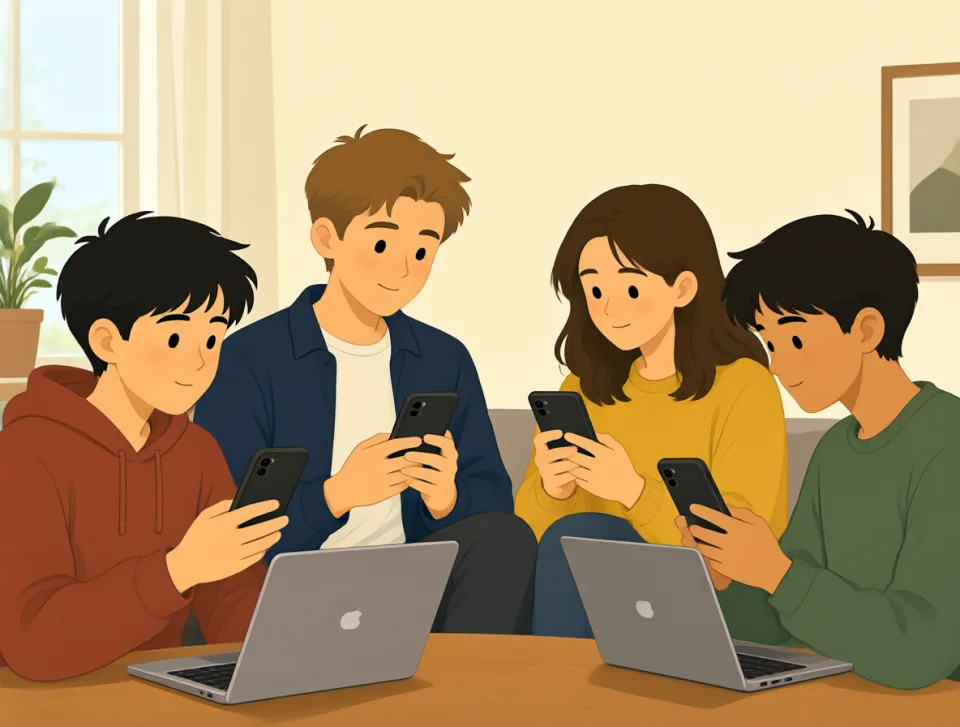
The youth of today use technology in many different ways.
Dzisiejsza młodzież korzysta z technologii na wiele różnych sposobów.
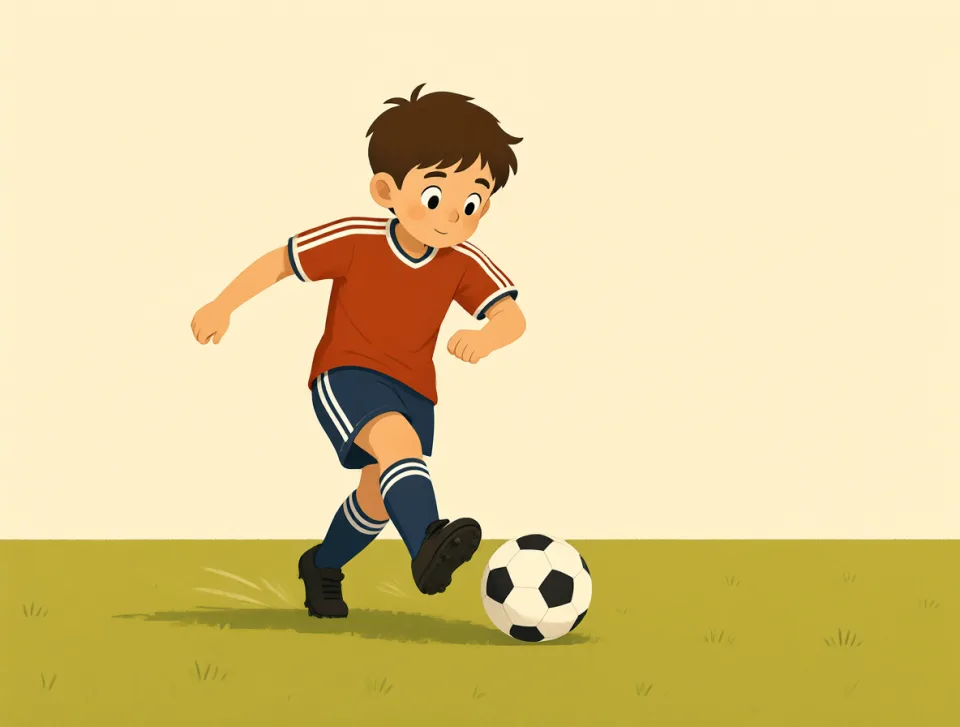
He joined a youth football team when he was ten.
W wieku dziesięciu lat dołączył do młodzieżowej drużyny piłkarskiej.
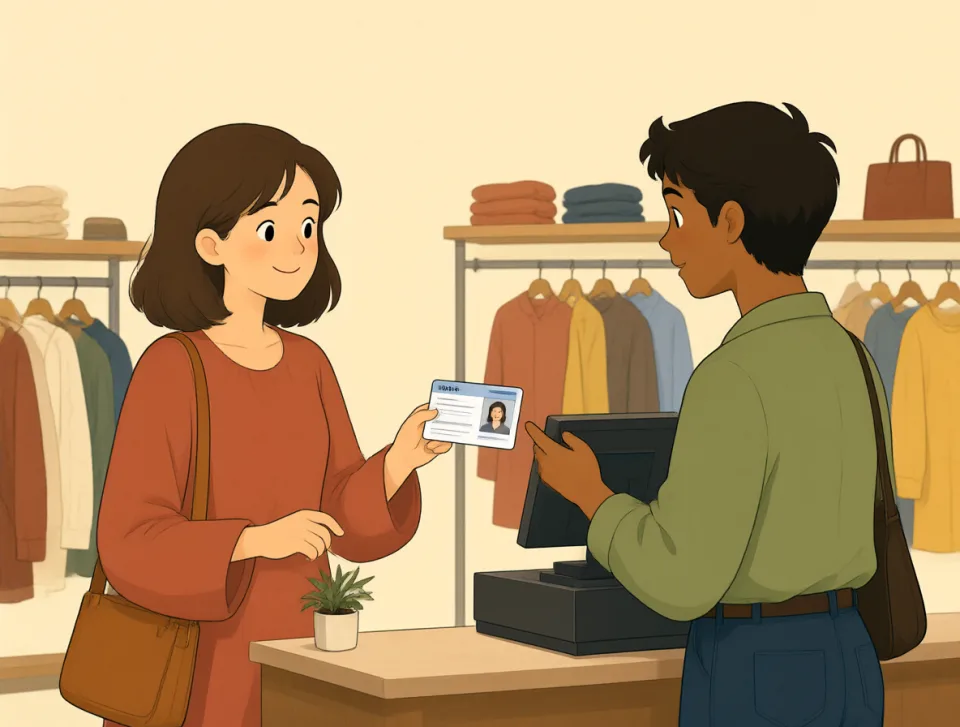
The store offers discounts for youth and students.
Sklep oferuje zniżki dla młodzieży i studentów.
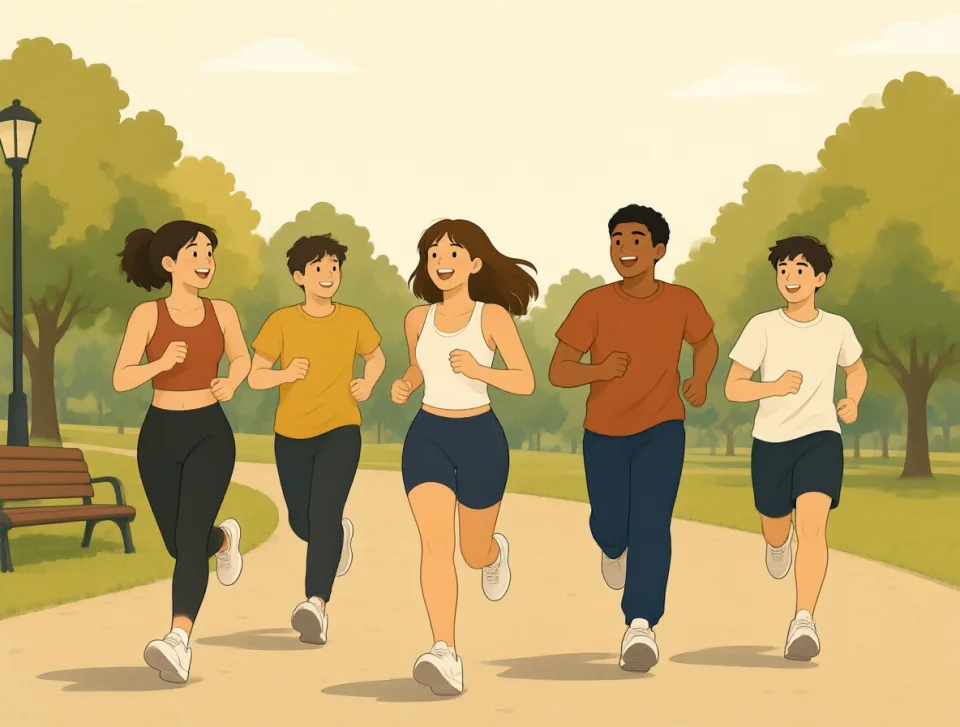
Regular exercise helps people stay active in their youth.
Regularne ćwiczenia pomagają zachować aktywność w młodości.
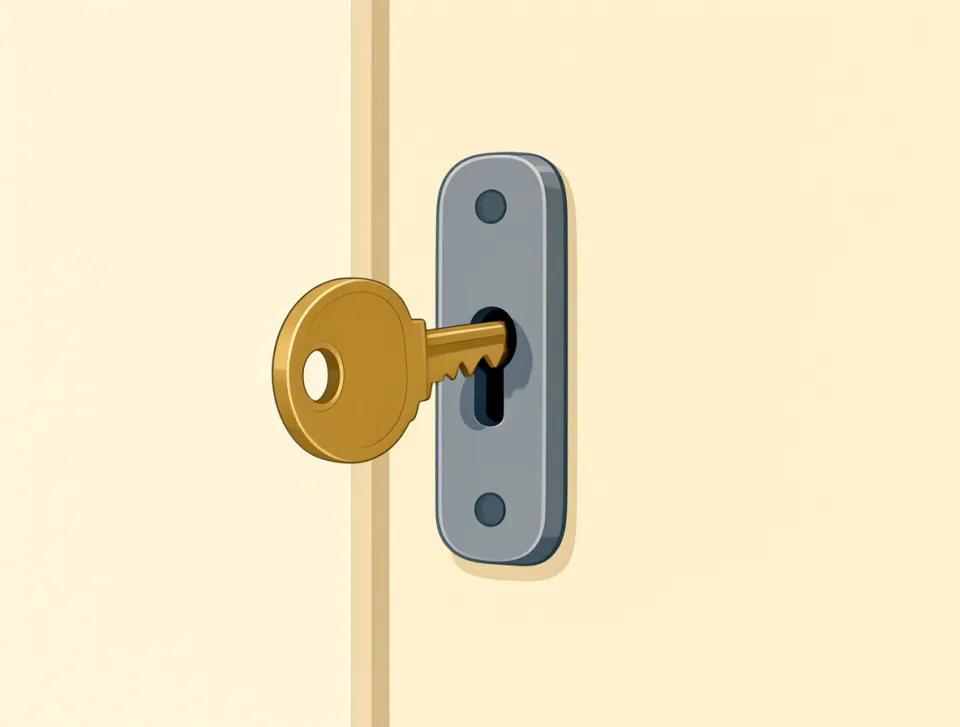
lock
#1604noun, verb
zamek / zamykać na klucz
A device that keeps something closed, or to close something with a key.
Mechanizm, który zabezpiecza coś przed otwarciem, lub zamykanie czegoś na klucz.
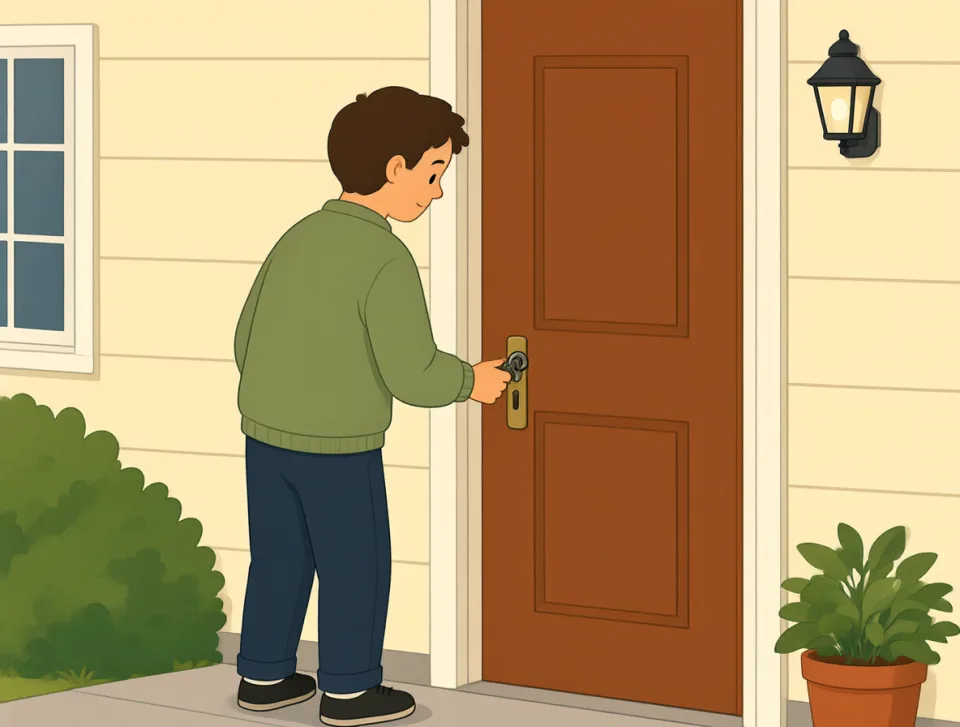
Please lock the door when you leave the house.
Zamknij drzwi na klucz, kiedy będziesz wychodzić z domu.
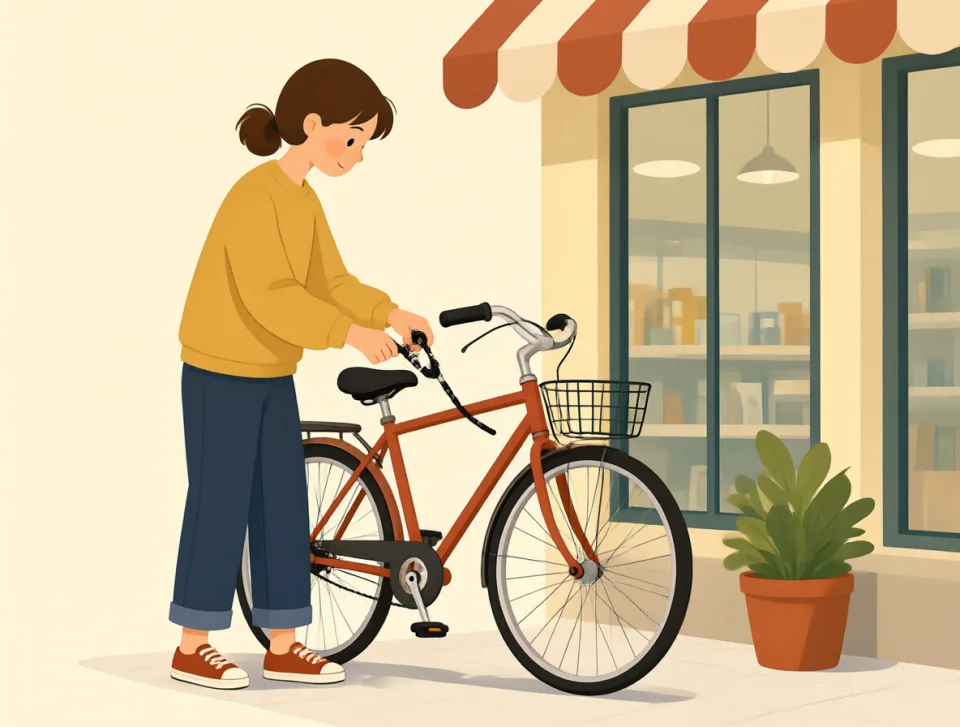
I forgot to lock my bike outside the store.
Zapomniałem zamknąć na klucz rower, który zostawiłem przed sklepem.
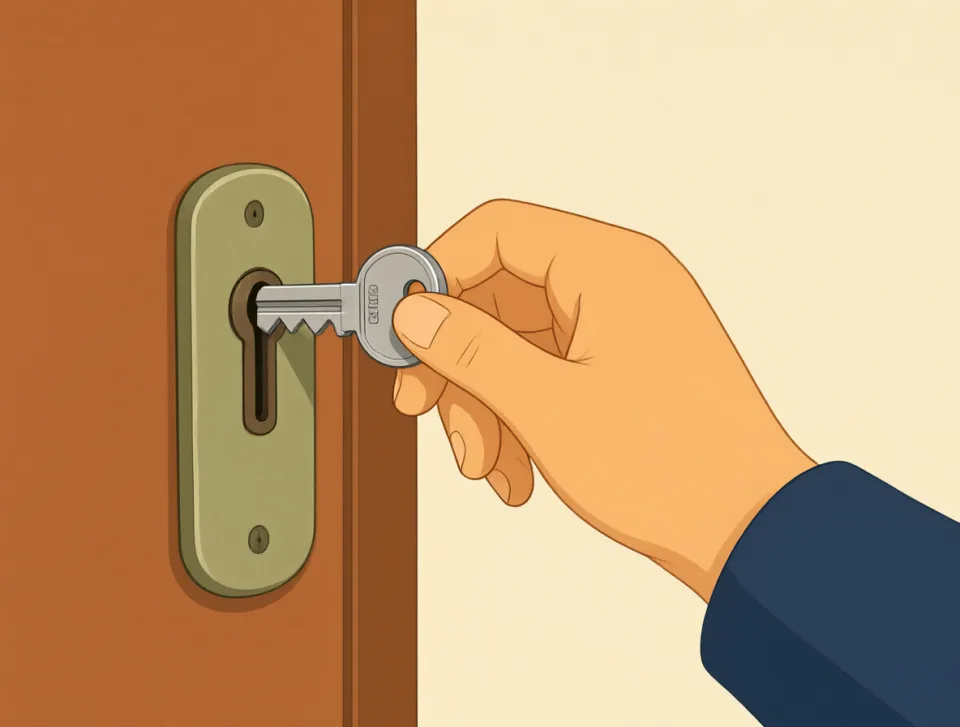
The key is stuck in the lock.
Klucz utknął w zamku.
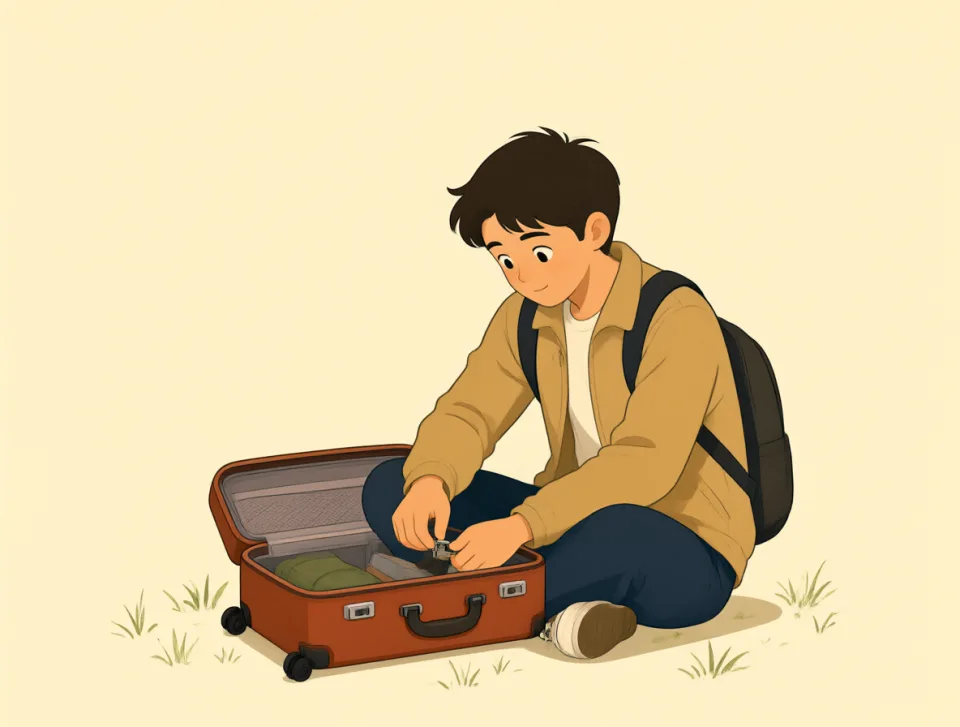
She locked her suitcase before the flight.
Przed lotem zamknęła walizkę na klucz.
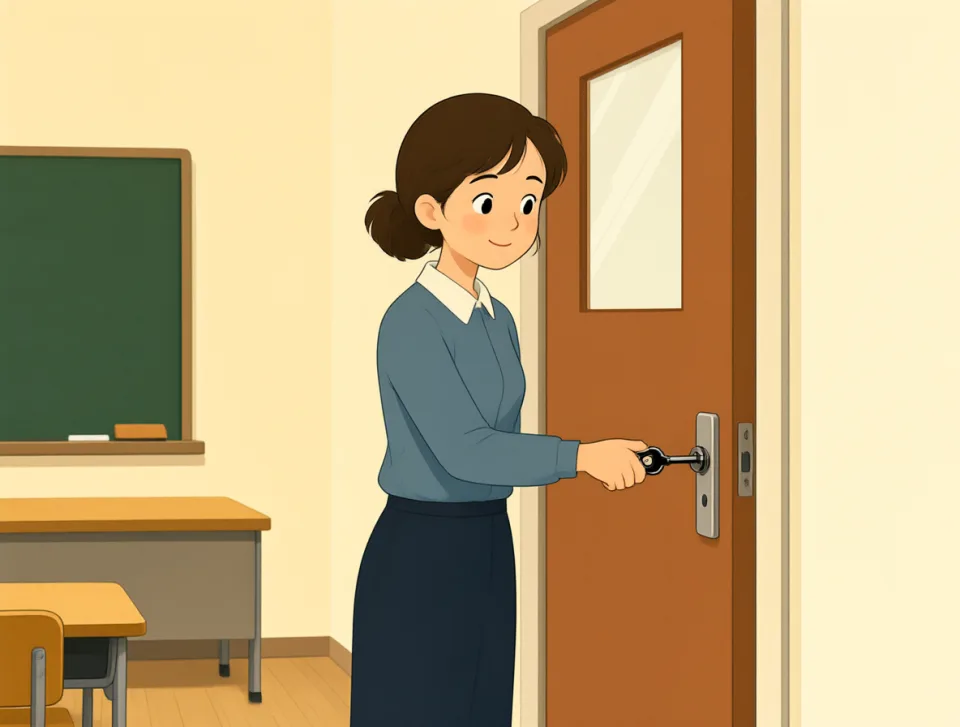
The teacher locked the classroom after school.
Po lekcjach nauczyciel zamknął klasę na klucz.
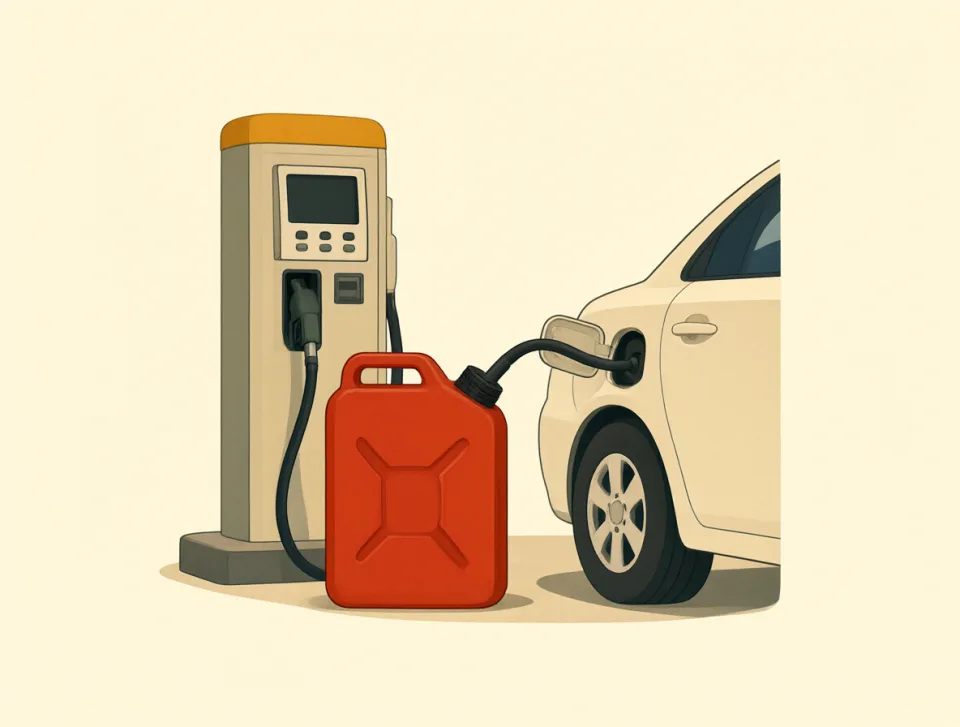
fuel
#1605noun, verb
paliwo
A substance burned to produce energy, or to supply something with energy.
Substancja spalana w celu wytworzenia energii lub dostarczania czegoś energii.
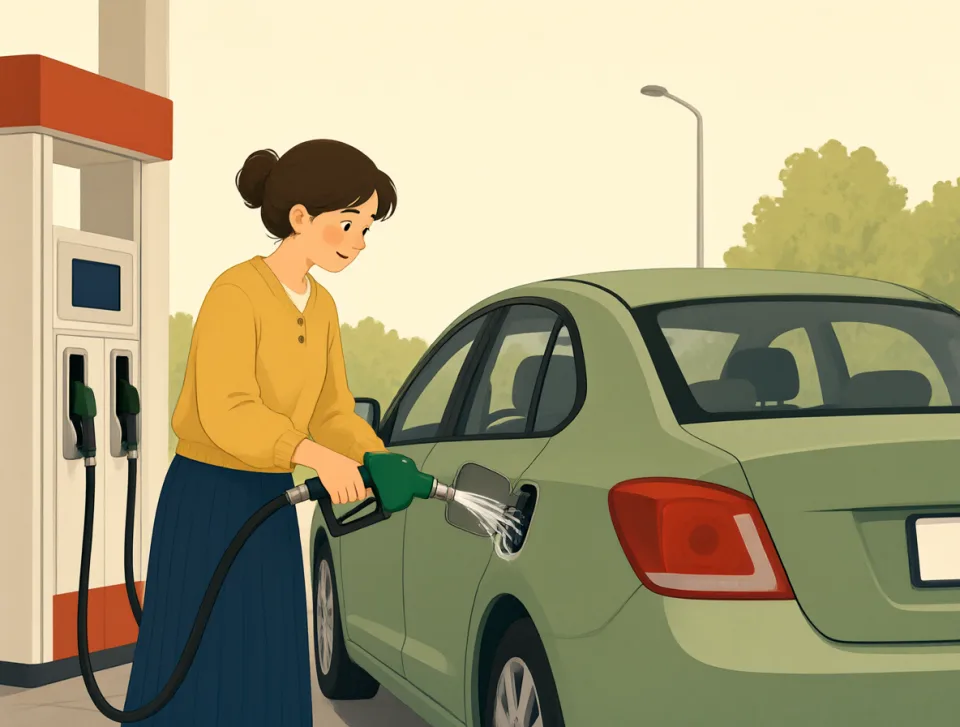
The car needs more fuel before our long trip.
Przed długą podróżą samochód potrzebuje więcej paliwa.
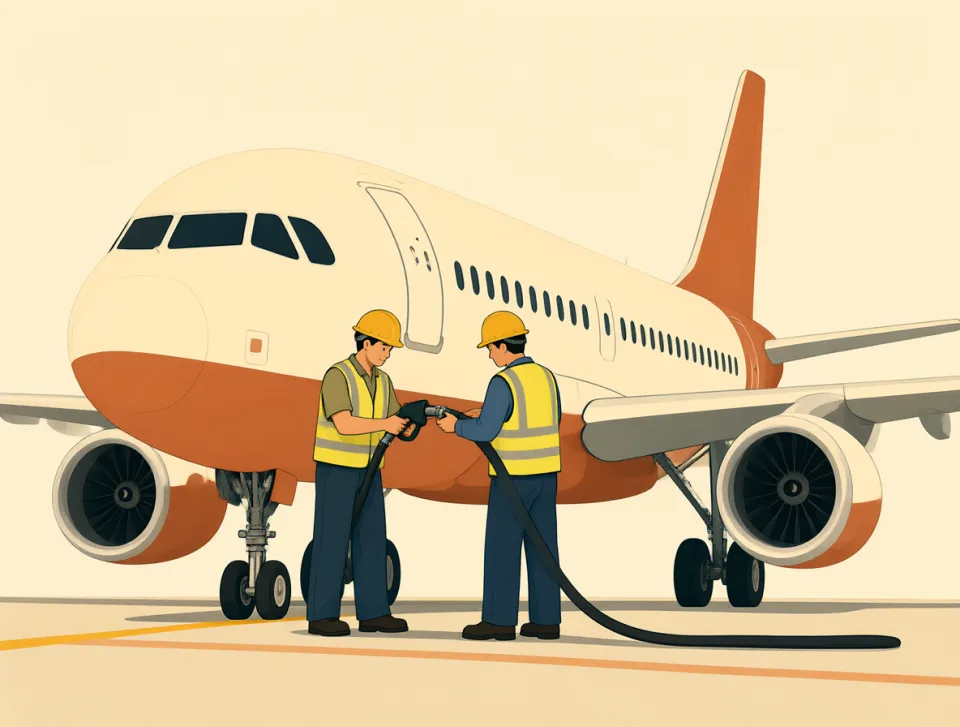
The plane stopped to refuel before flying across the country.
Samolot zatrzymał się, żeby zatankować przed lotem przez cały kraj.
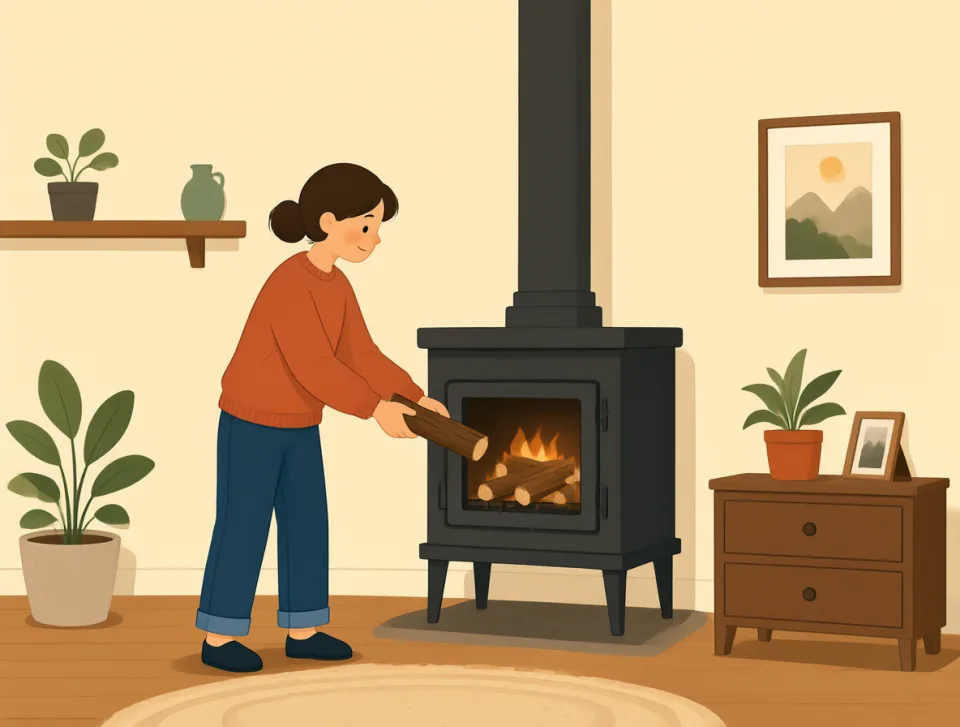
Wood was used as fuel to heat the small house.
Do ogrzewania małego domu używano drewna jako opału.
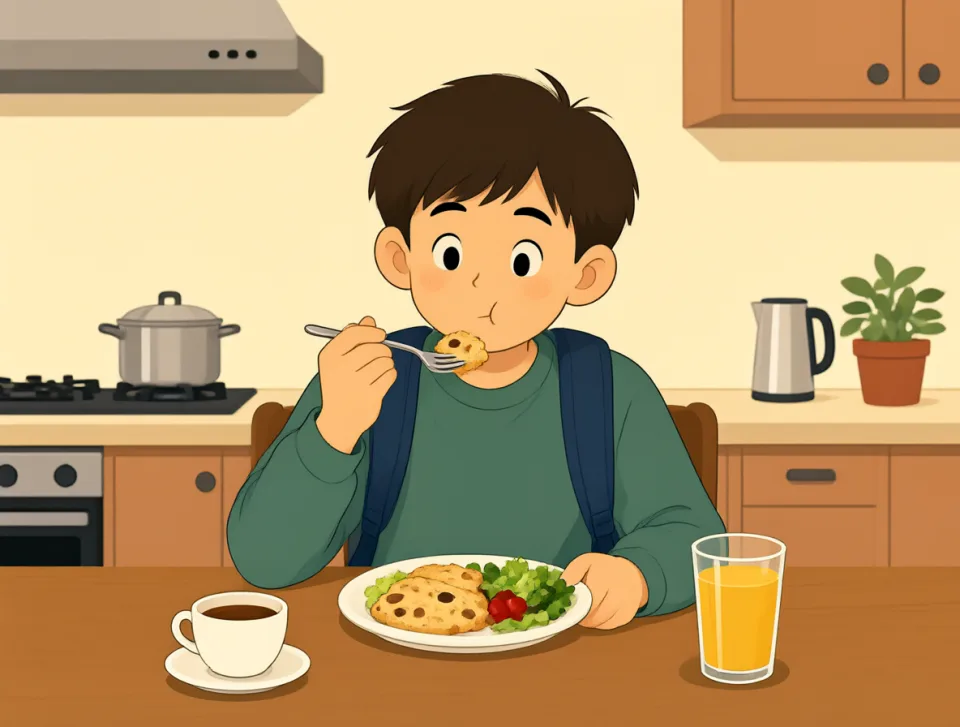
This healthy breakfast will fuel you for the busy day.
To zdrowe śniadanie doda ci energii na pracowity dzień.
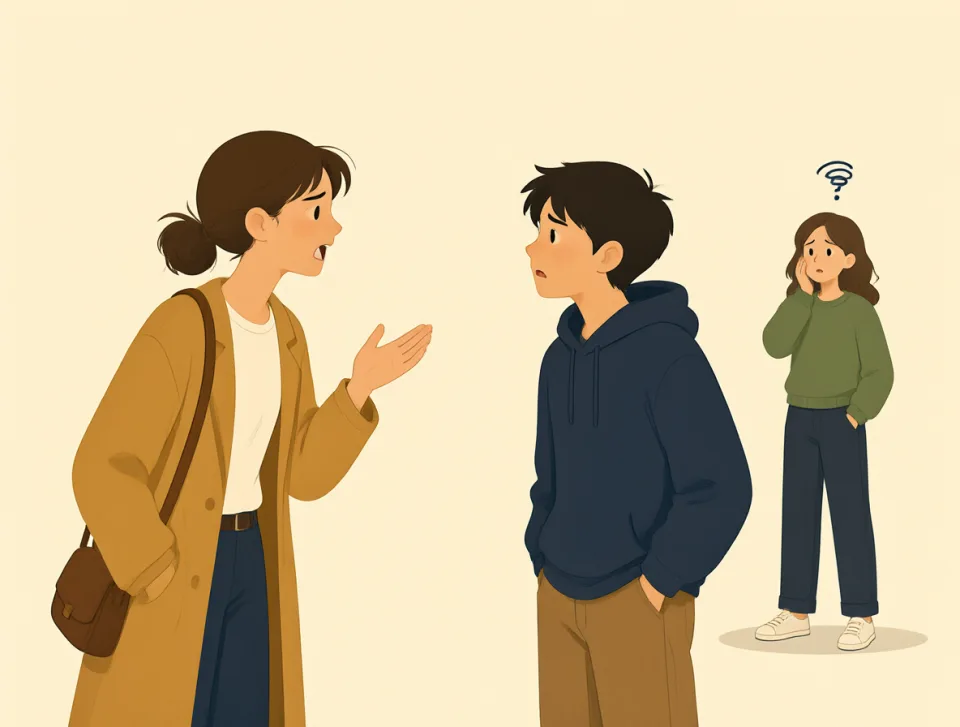
His angry words fueled the argument between the two friends.
Jego gniewne słowa podsyciły kłótnię między dwójką przyjaciół.
expectation
#1606noun
oczekiwanie
A belief about what will happen or what someone should do.
Przekonanie o tym, co się wydarzy lub co ktoś powinien zrobić.
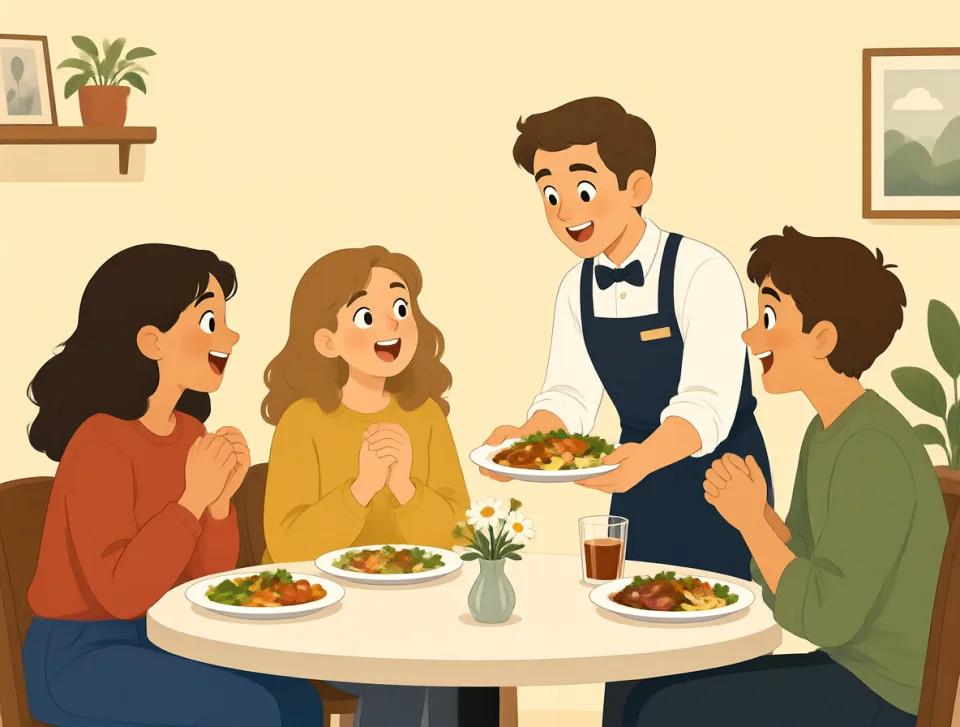
Our expectations for the new restaurant were very high.
Nasze oczekiwania wobec nowej restauracji były bardzo wysokie.
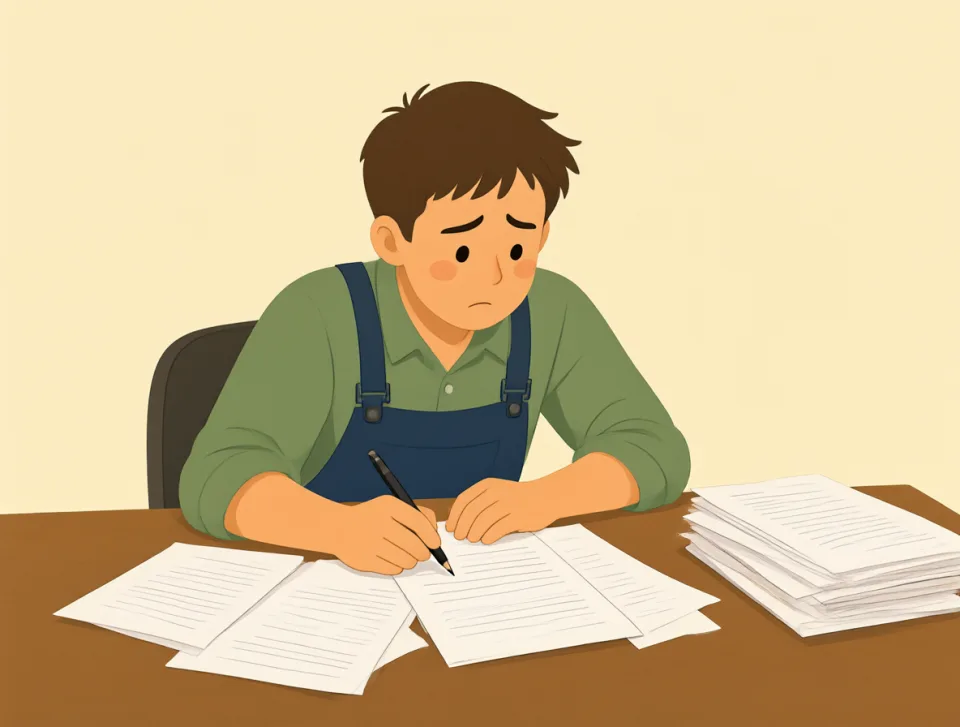
The job did not meet my expectations.
Ta praca nie spełniła moich oczekiwań.
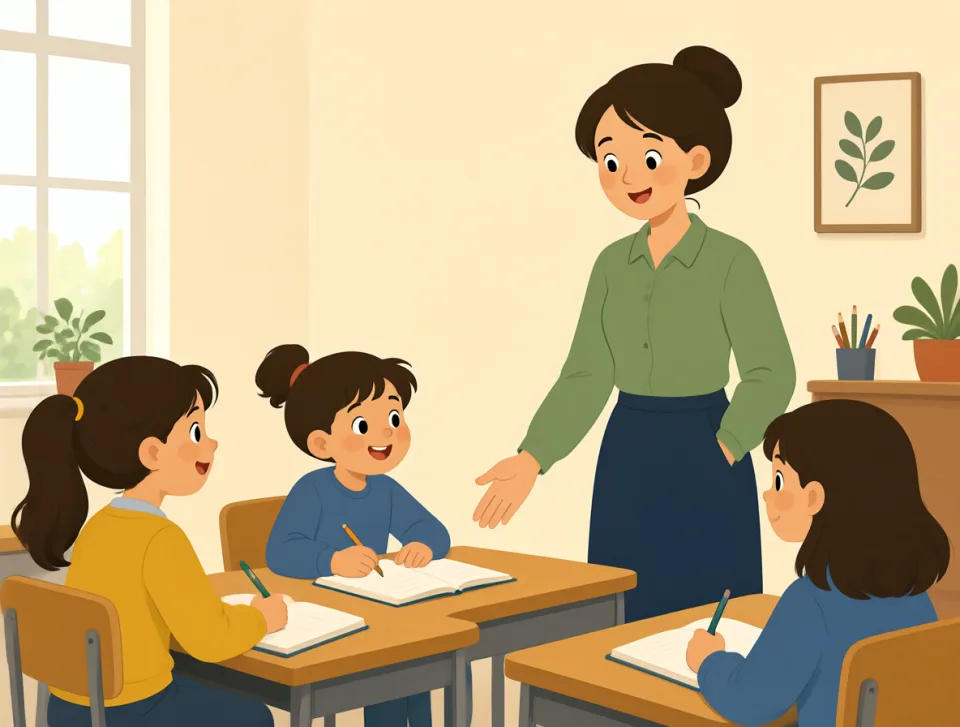
Teachers have high expectations for their students.
Nauczyciele mają wysokie oczekiwania wobec swoich uczniów.
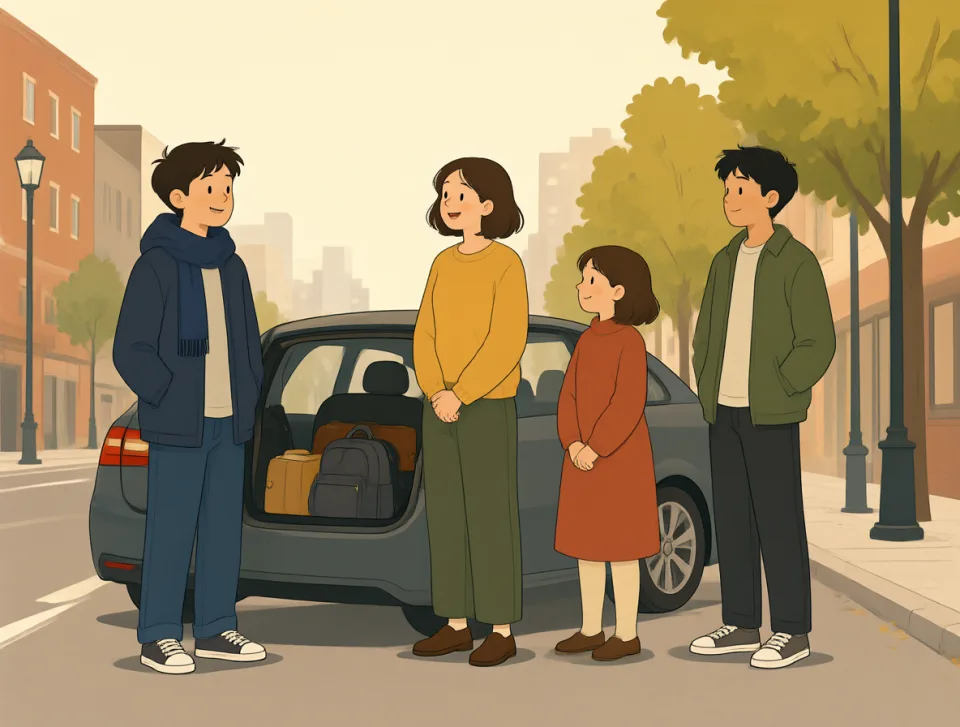
We arrived early in expectation of heavy traffic.
Przyjechaliśmy wcześniej, spodziewając się dużego ruchu.
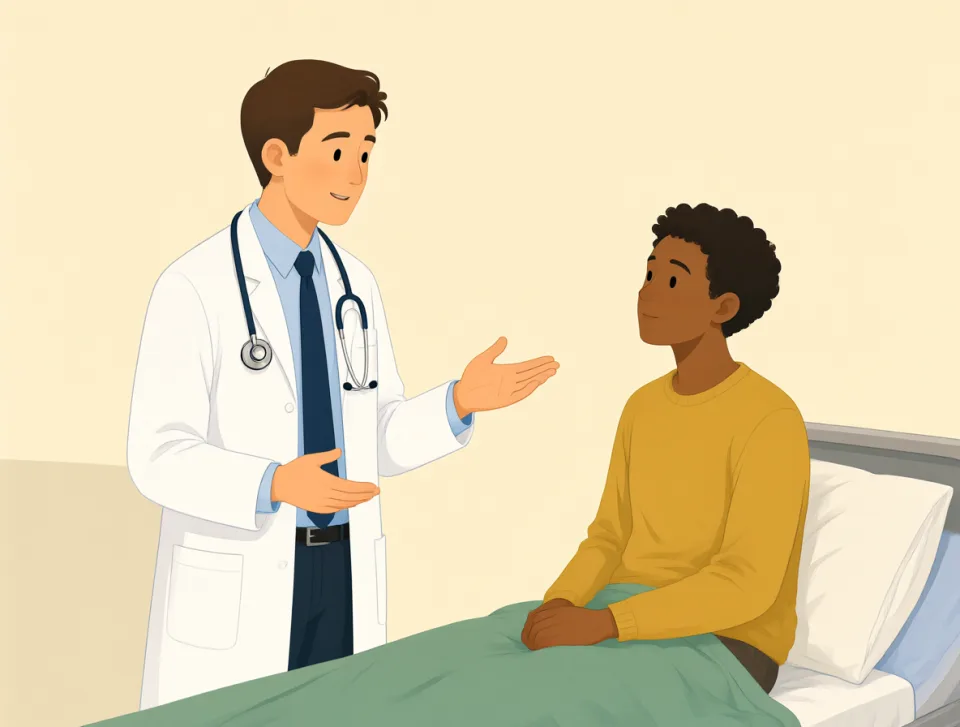
The doctor explained what to expect after the operation.
Lekarz wyjaśnił, czego można się spodziewać po operacji.

employment
#1607noun
zatrudnienie
The state of having a paid job, or the work provided by a job.
Stan posiadania płatnej pracy lub praca oferowana w ramach danego stanowiska.
She found employment at a small hotel near the beach.
Znalazła zatrudnienie w małym hotelu niedaleko plaży.

The company offers full-time employment to trained workers.
Firma oferuje przeszkolonym pracownikom zatrudnienie na pełny etat.

Many young people are looking for employment after school.
Wiele młodych osób szuka pracy po ukończeniu szkoły.
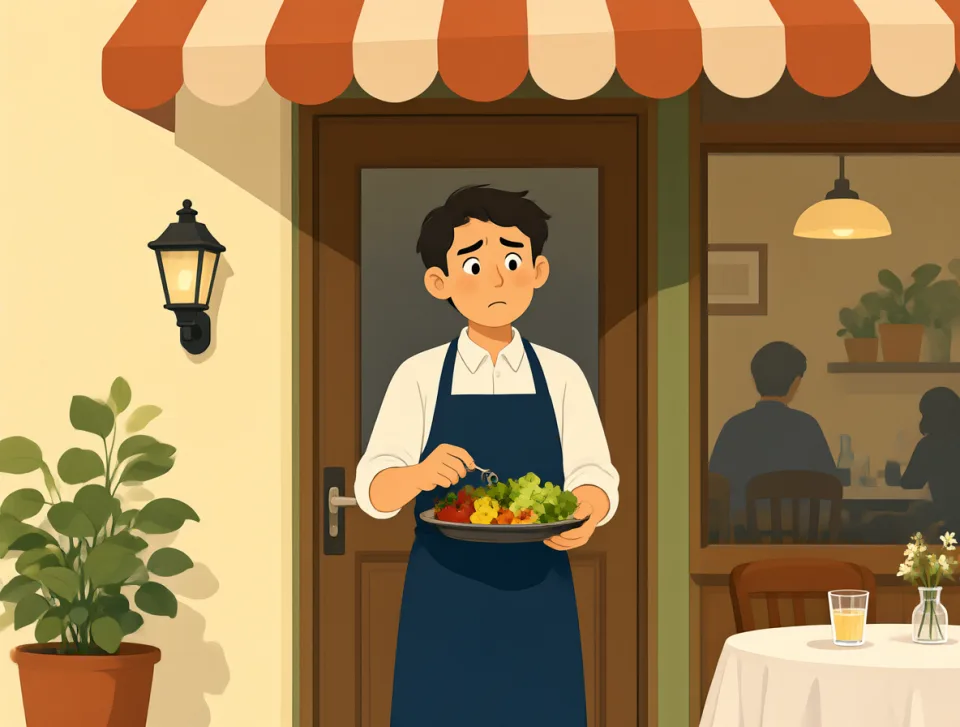
His employment ended when the restaurant closed.
Jego zatrudnienie zakończyło się, gdy restauracja została zamknięta.
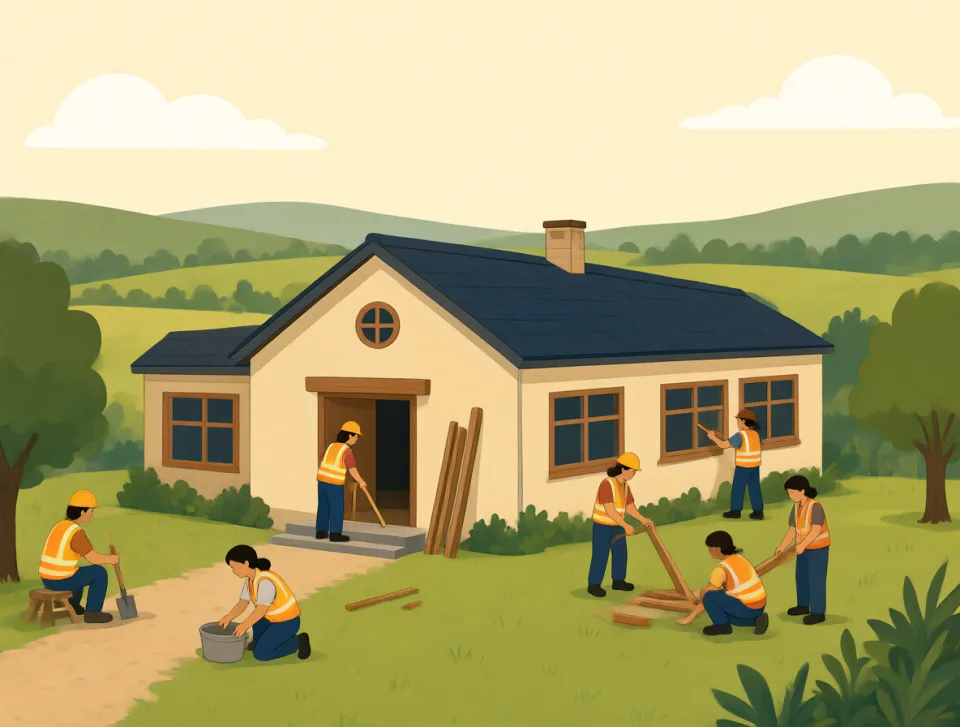
The government is creating new employment in rural areas.
Rząd tworzy nowe miejsca pracy na obszarach wiejskich.

celebrate
#1608verb
świętować
to do something special to show that an important event or success has happened
robić coś wyjątkowego, aby pokazać, że wydarzyło się coś ważnego lub że odniesiono sukces
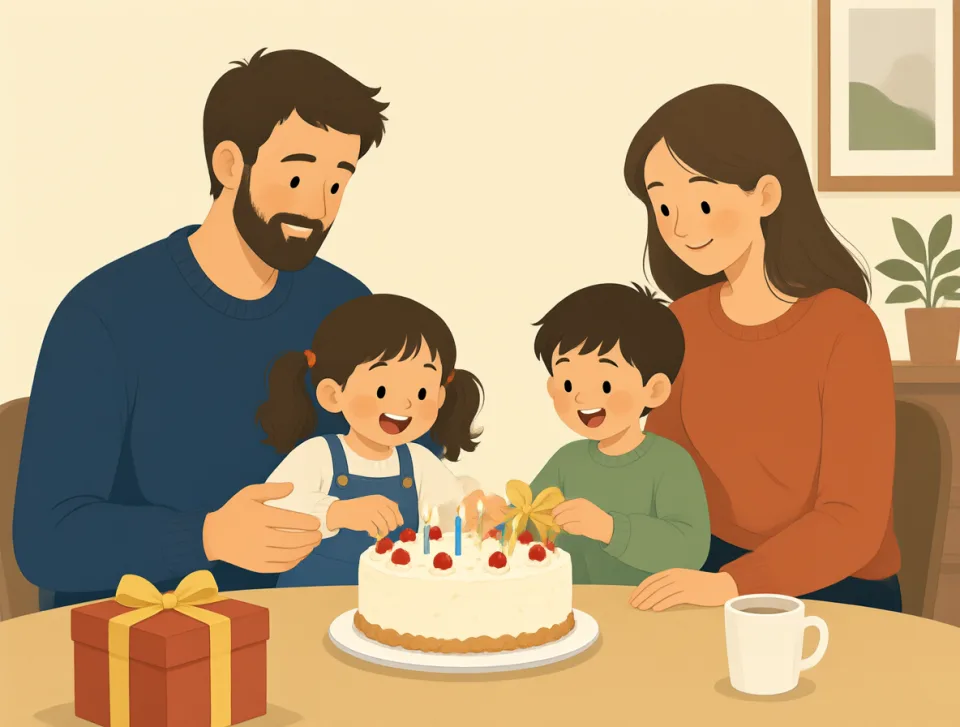
We celebrated her birthday with cake and presents.
Świętowaliśmy jej urodziny przy torcie i prezentach.

They celebrated winning the game with a team dinner.
Świętowali zwycięstwo w meczu, jedząc wspólną kolację z drużyną.
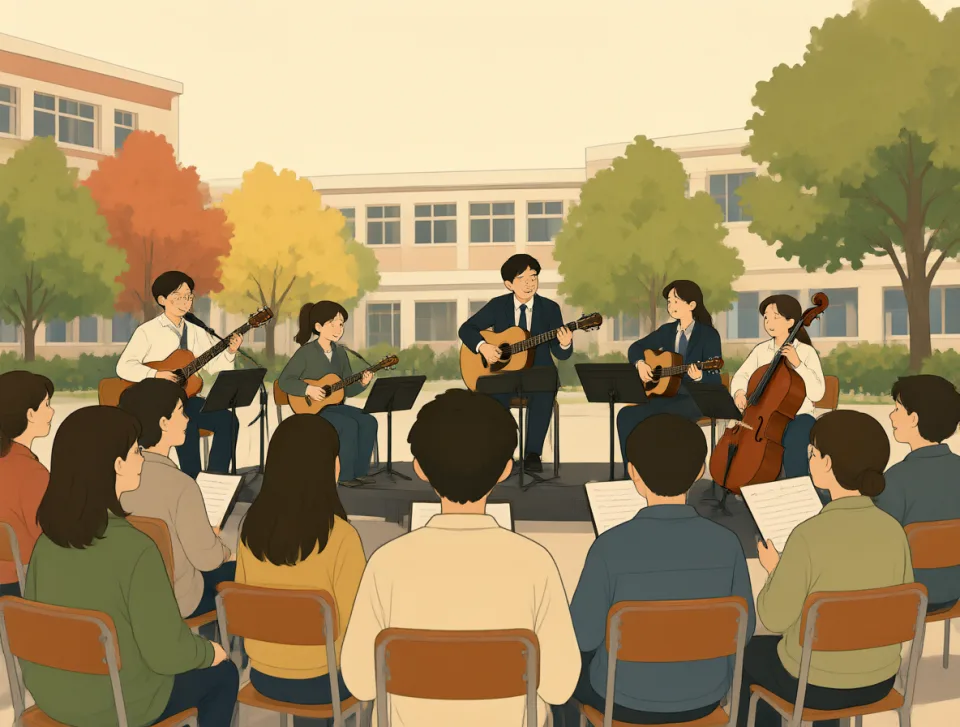
The school celebrated its tenth anniversary with a concert.
Szkoła uczciła swoją dziesiątą rocznicę koncertem.

Let’s celebrate the new job with dinner tonight.
Uczcijmy nową pracę kolacją dziś wieczorem.
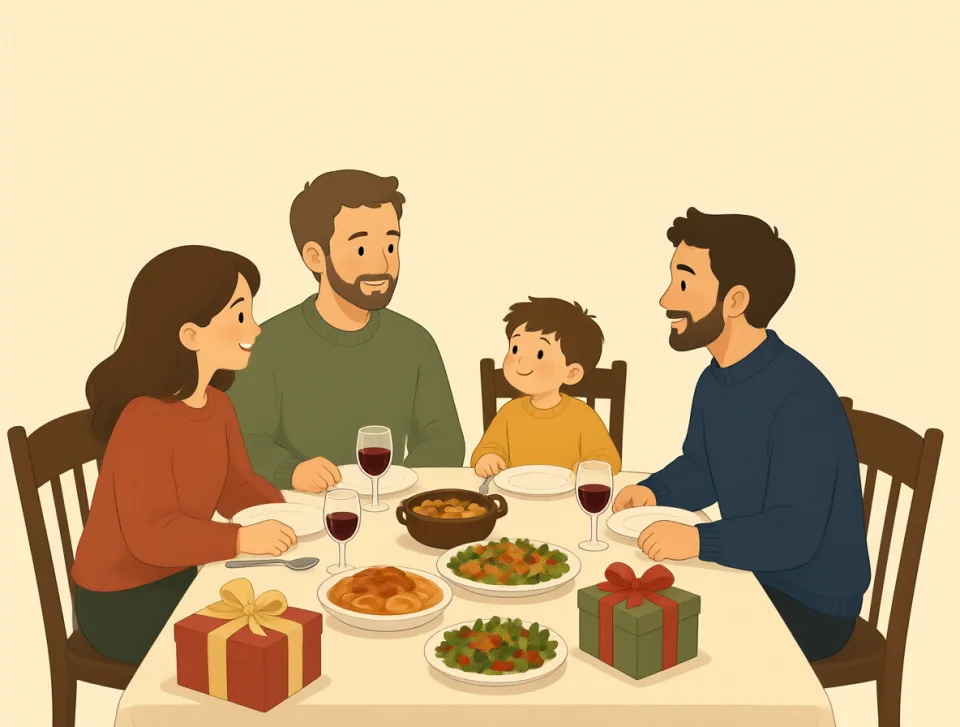
Many people celebrate Christmas with family and special food.
Wiele osób obchodzi Boże Narodzenie z rodziną i przy specjalnych potrawach.
sexual
#1609adjective
związany z seksem; seksualny
Related to sex or the physical relationship between people.
Związany z seksem lub fizyczną relacją między ludźmi.
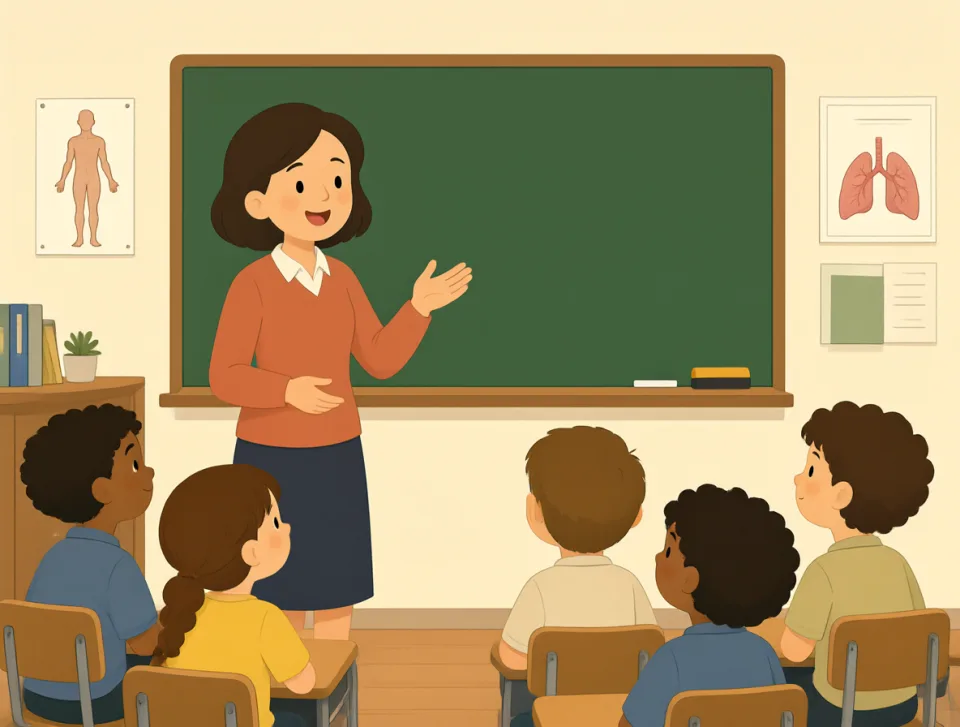
The school teaches children about sexual health and safety.
W szkole uczy się dzieci o zdrowiu seksualnym i bezpieczeństwie.

The doctor asked about my sexual health during the checkup.
Podczas badania kontrolnego lekarz zapytał o moje zdrowie seksualne.
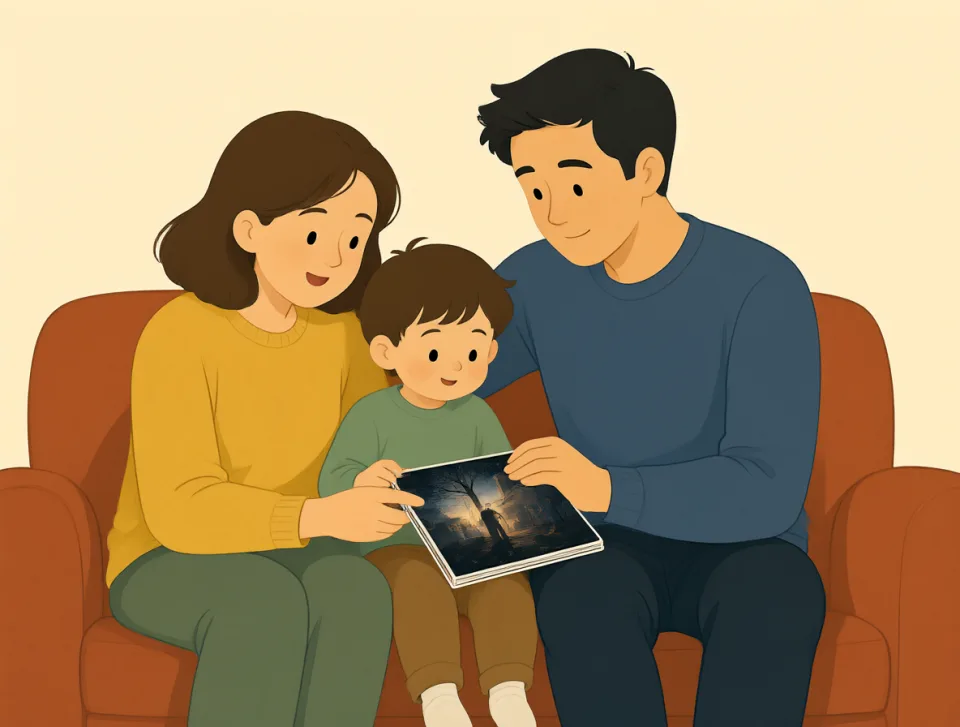
The film contains some sexual scenes and is not suitable for children.
Film zawiera sceny seksualne i nie jest odpowiedni dla dzieci.

They discussed sexual relationships and the importance of trust.
Rozmawiali o relacjach seksualnych i znaczeniu zaufania.

The clinic offers sexual health advice for young adults.
Klinika oferuje młodym dorosłym porady dotyczące zdrowia seksualnego.
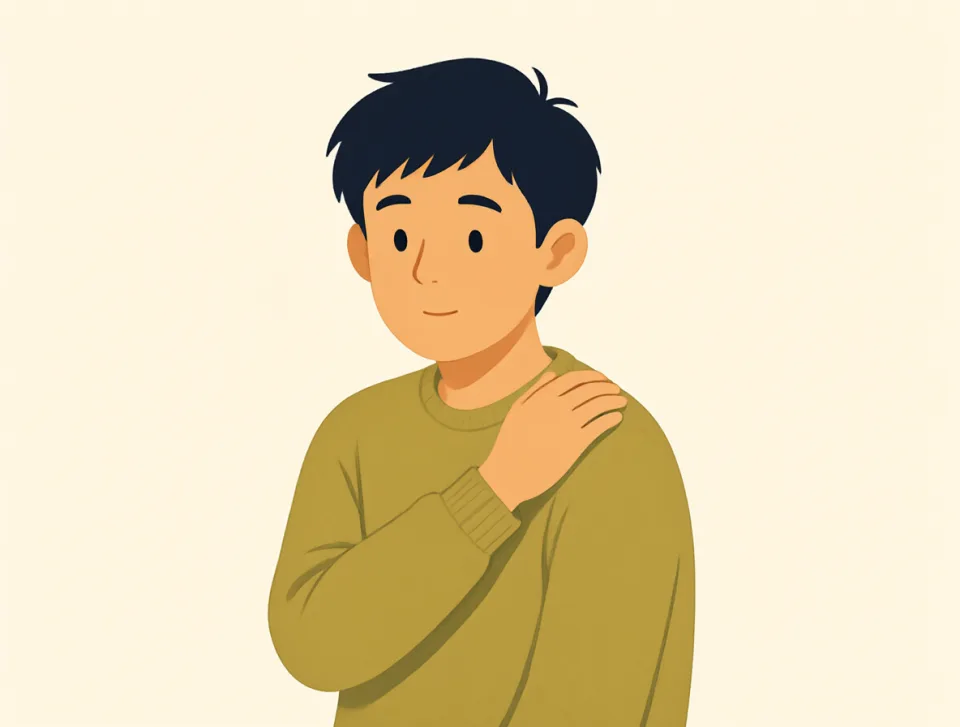
shoulder
#1610noun, verb
ramię
The part of your body between your neck and your upper arm.
Część ciała znajdująca się między szyją a górną częścią ręki.
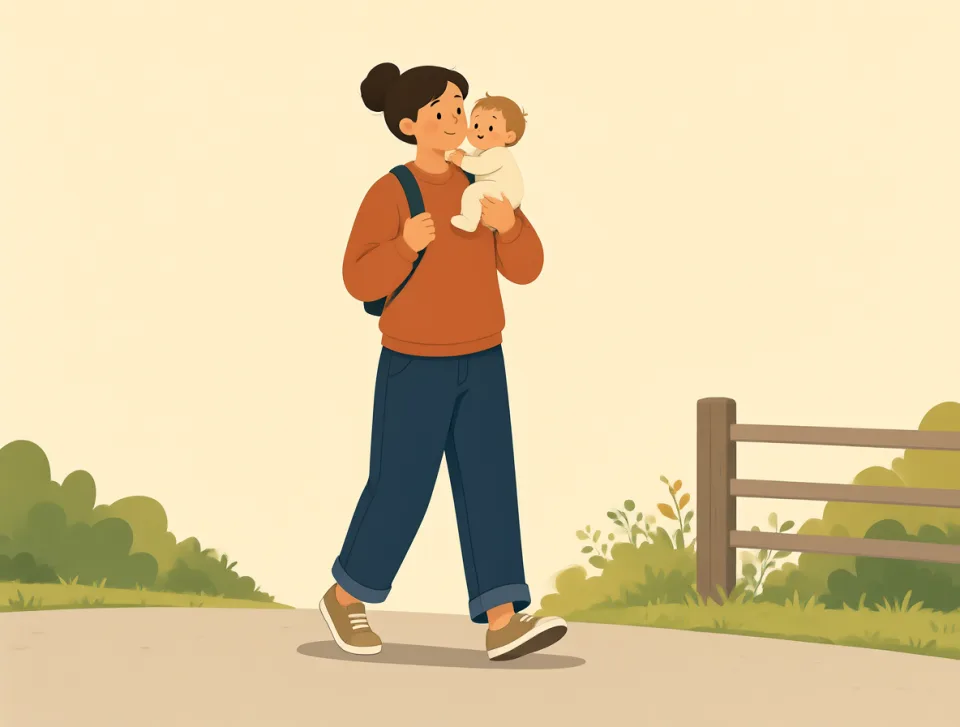
She carried her baby on her shoulder during the walk.
Podczas spaceru niosła dziecko na ramieniu.

He hurt his shoulder while playing tennis yesterday.
Wczoraj zranił się w ramię podczas gry w tenisa.
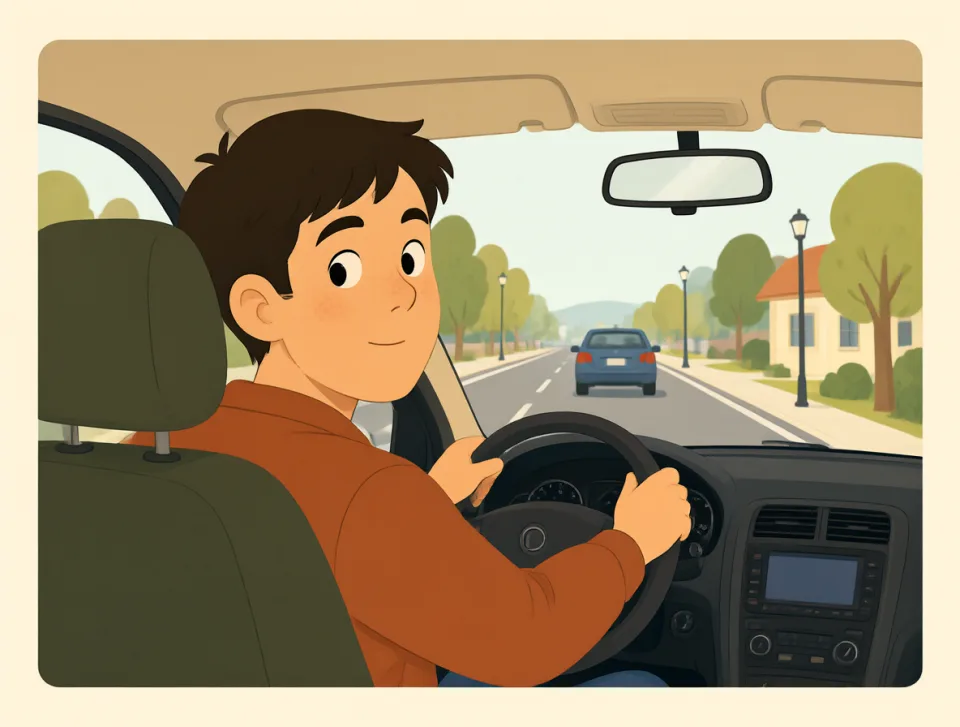
Please look over your shoulder before changing lanes.
Przed zmianą pasa proszę spojrzeć przez ramię.

My backpack is hanging from one shoulder.
Mój plecak zwisa z jednego ramienia.

The friends stood shoulder to shoulder in the small kitchen.
Przyjaciele stali ramię w ramię w małej kuchni.
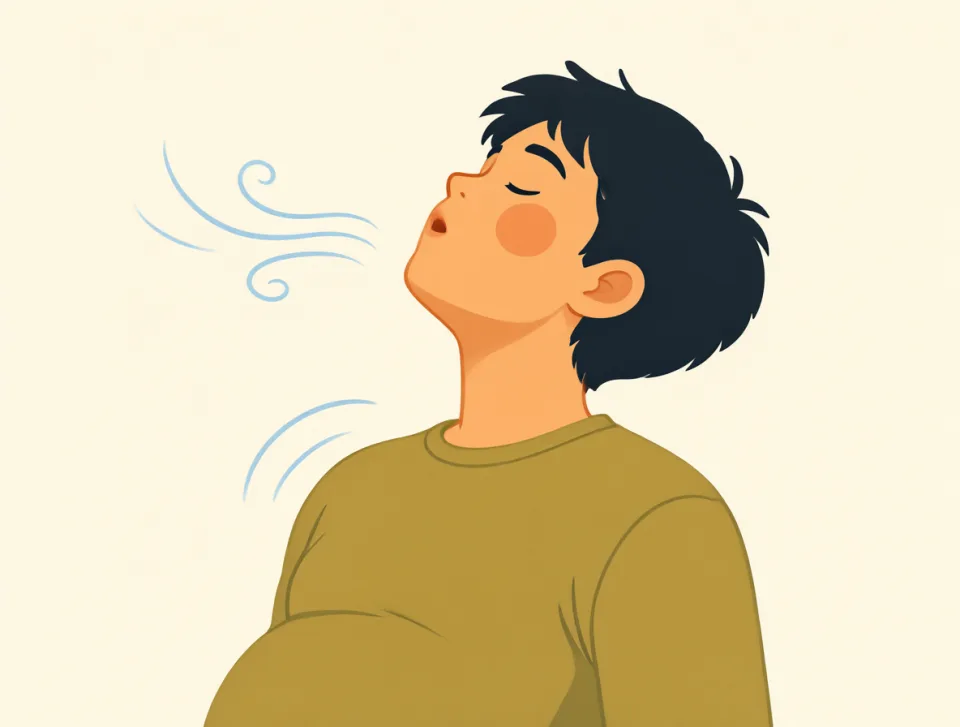
breath
#1611noun
oddech
The air that you take into your lungs when you breathe.
Powietrze, które nabierasz do płuc podczas oddychania.
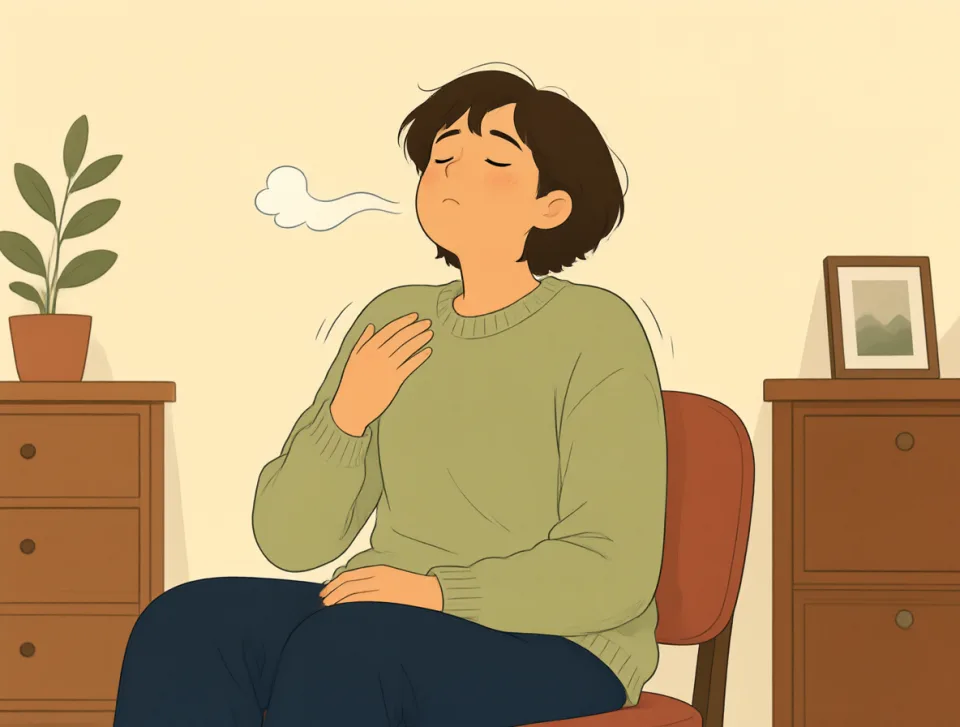
Take a deep breath and relax your shoulders.
Weź głęboki oddech i rozluźnij ramiona.

She held her breath while swimming underwater.
Wstrzymała oddech, pływając pod wodą.
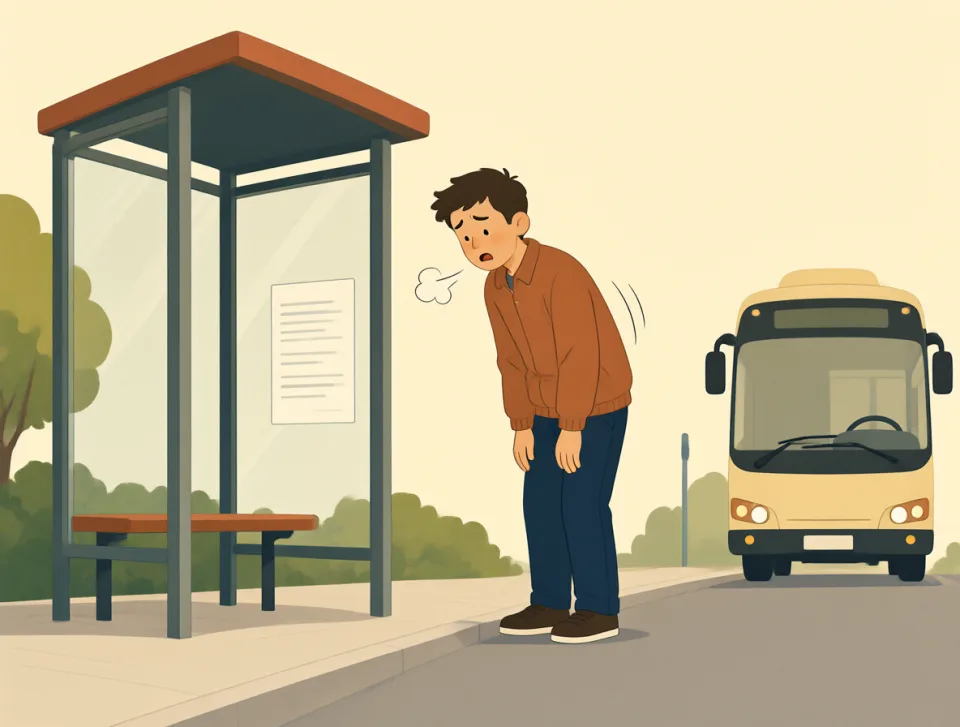
He was out of breath after running to catch the bus.
Dyszał po biegu, kiedy próbował dogonić autobus.
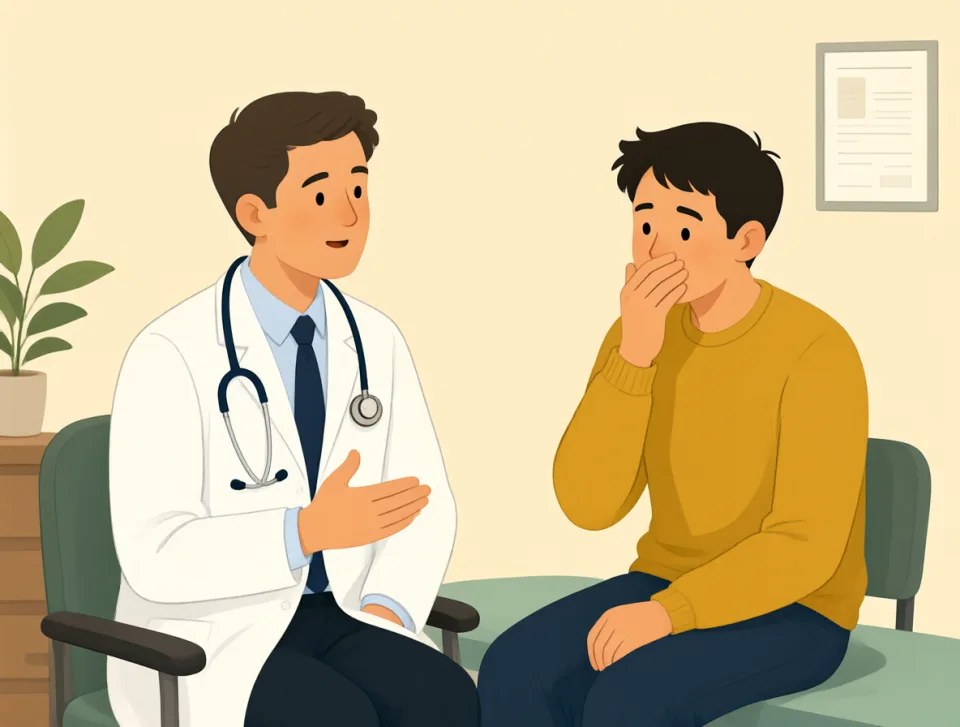
The doctor noticed that his breath smelled like garlic.
Lekarz zauważył, że jego oddech pachniał czosnkiem.
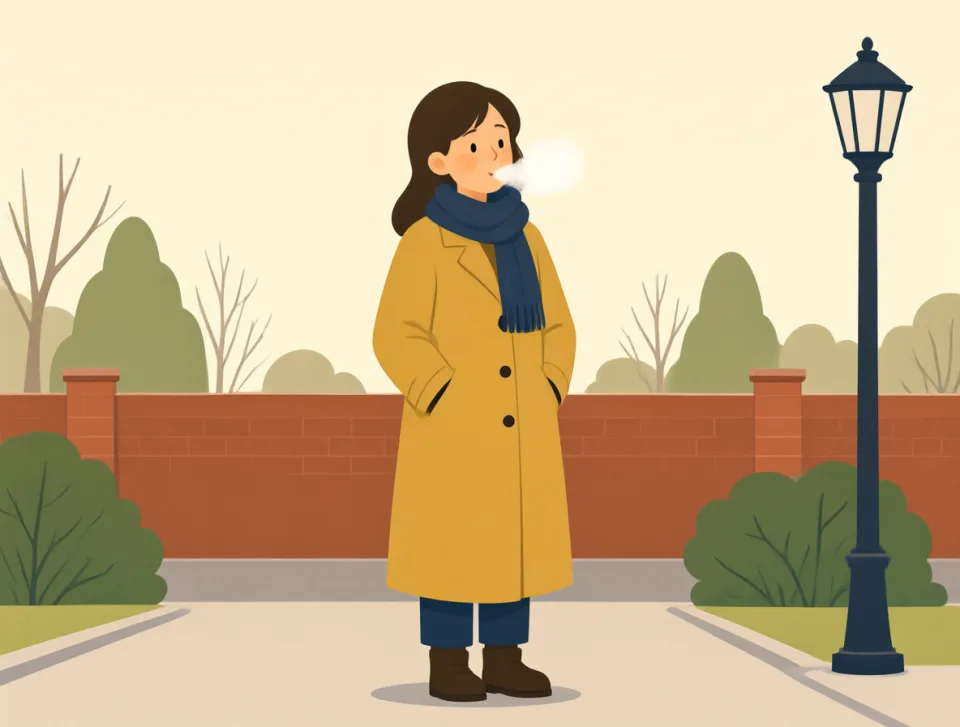
The cold air made her breath visible in the morning.
W zimny poranek było widać jej oddech.
increasingly
#1612adverb
coraz bardziej
more and more as time passes or a situation develops
W coraz większym stopniu w miarę upływu czasu lub rozwoju sytuacji.
The weather is becoming increasingly warm this week.
W tym tygodniu robi się coraz cieplej.
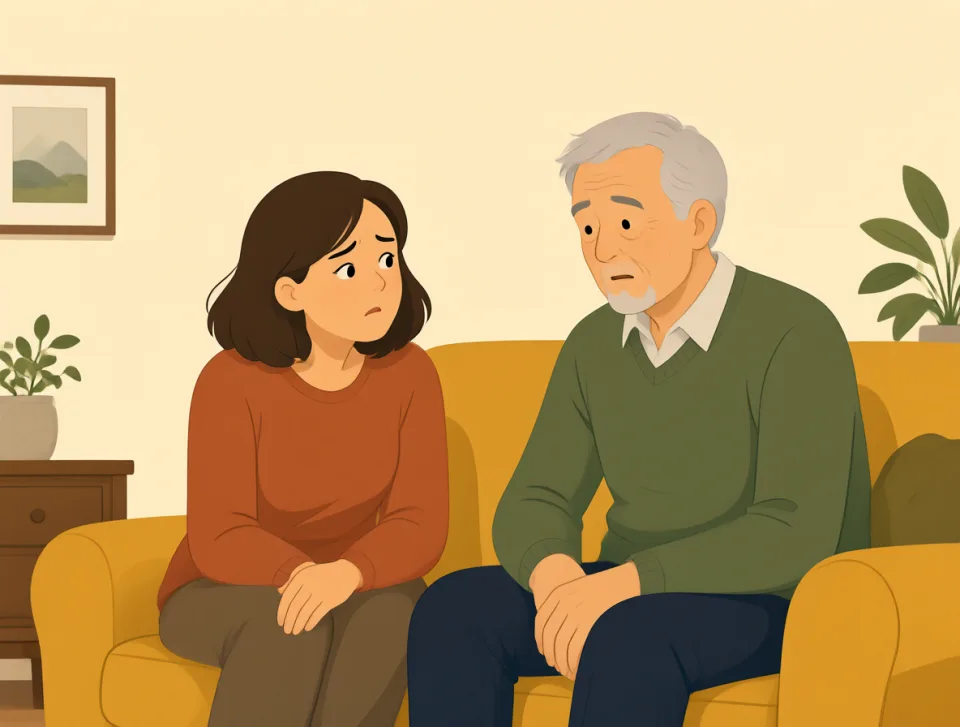
She is increasingly worried about her father's health.
Coraz bardziej martwi się o zdrowie swojego ojca.
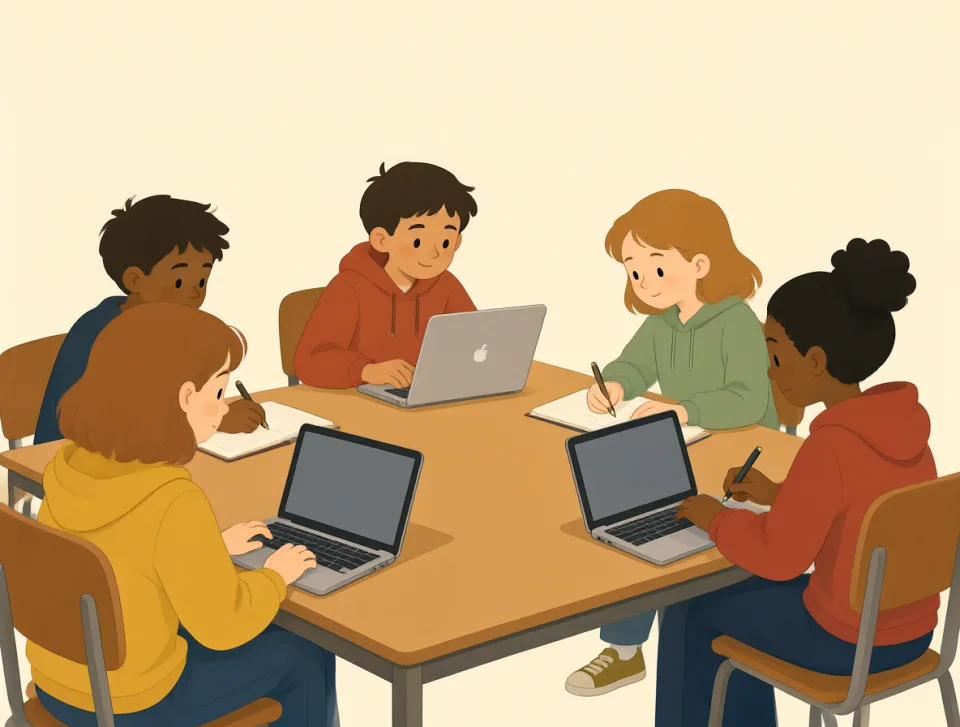
More students are increasingly using online tools for schoolwork.
Coraz więcej uczniów korzysta z narzędzi internetowych do nauki.
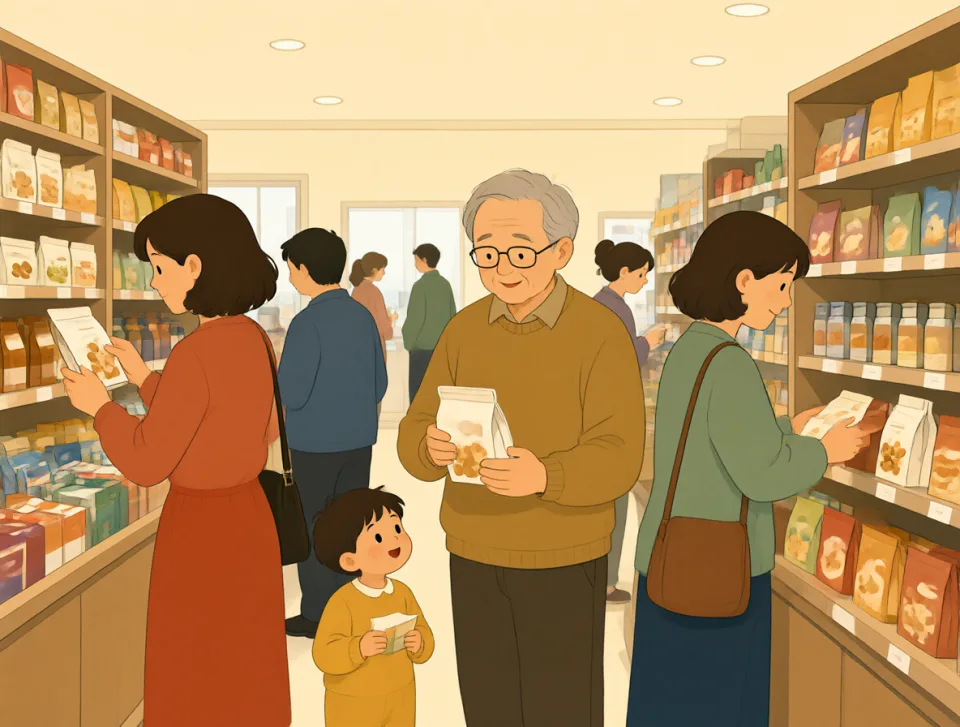
The shop is increasingly popular with local families.
Sklep cieszy się coraz większą popularnością wśród lokalnych rodzin.

Traveling by train is increasingly common among young people.
Podróżowanie pociągiem staje się coraz bardziej popularne wśród młodych ludzi.

import
#1613noun, verb
importować
To bring goods into a country, or goods brought in from another country.
Sprowadzać towary do kraju lub towary sprowadzone z innego kraju.
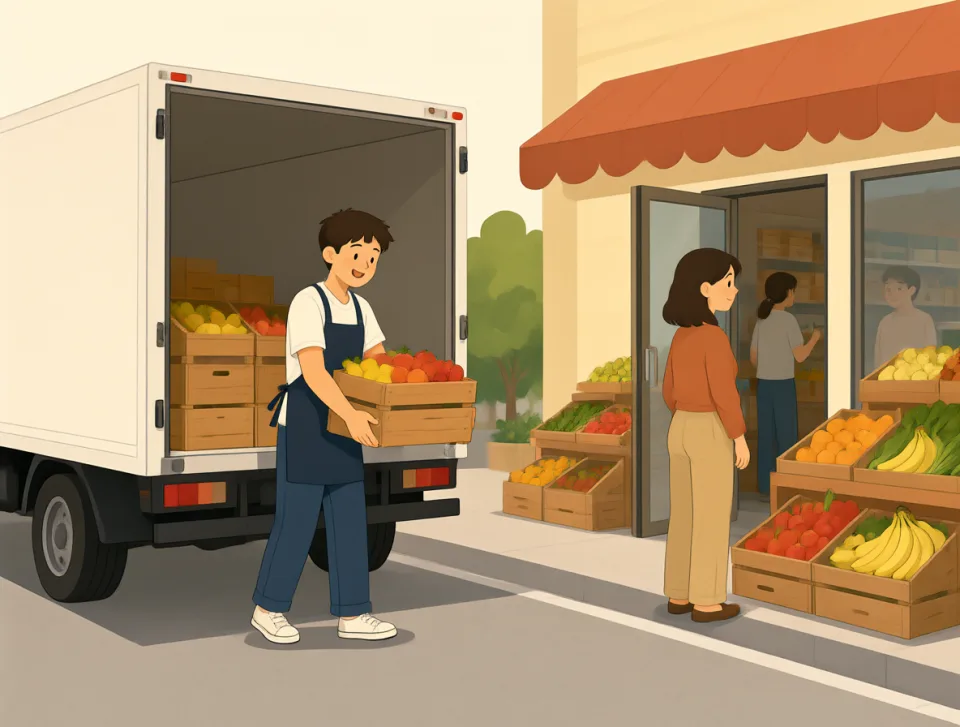
The store imports fresh fruit from nearby countries.
Sklep importuje świeże owoce z pobliskich krajów.
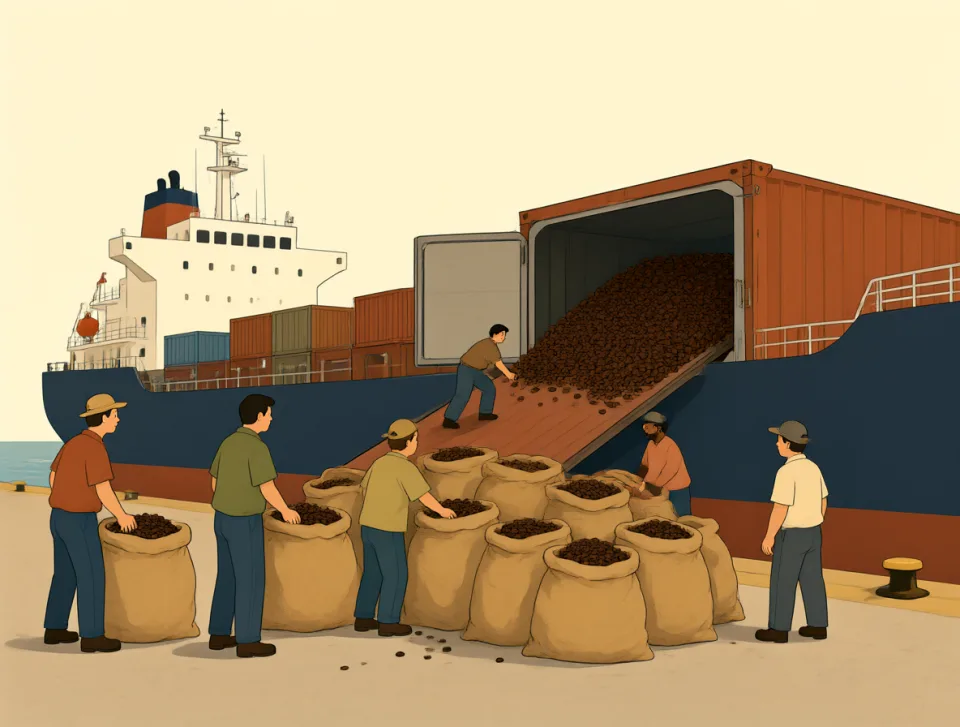
Our country imports most of its coffee from Brazil.
Nasz kraj importuje większość kawy z Brazylii.

The company imports clothes and sells them online.
Firma importuje ubrania i sprzedaje je przez internet.
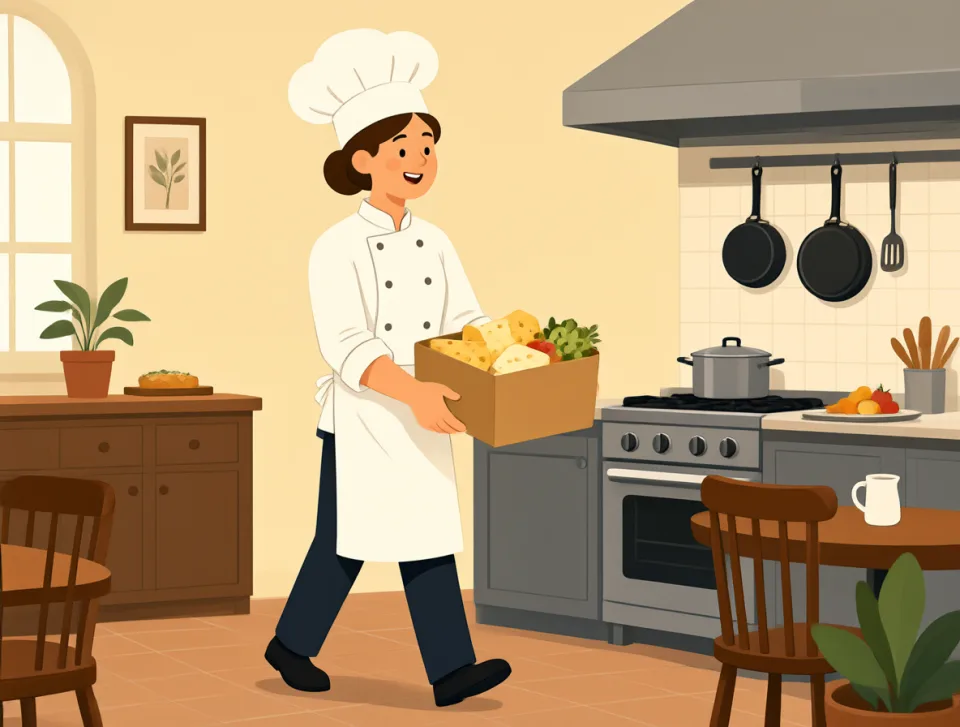
We import cheese from France for the restaurant.
Importujemy ser z Francji do restauracji.
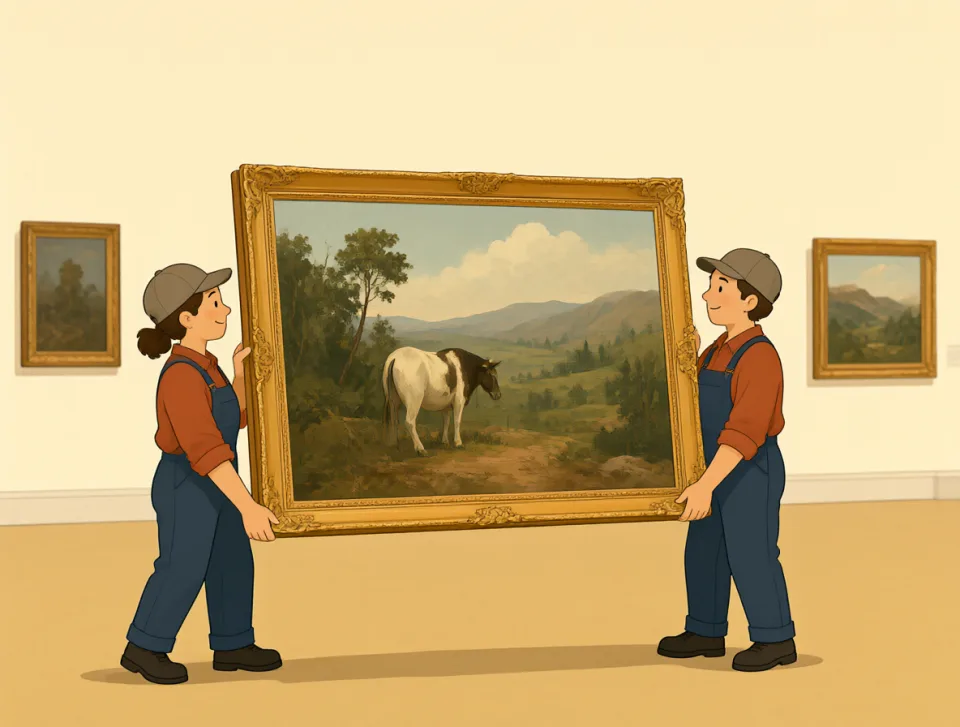
The museum imported an old painting for its new exhibition.
Muzeum sprowadziło stary obraz na nową wystawę.
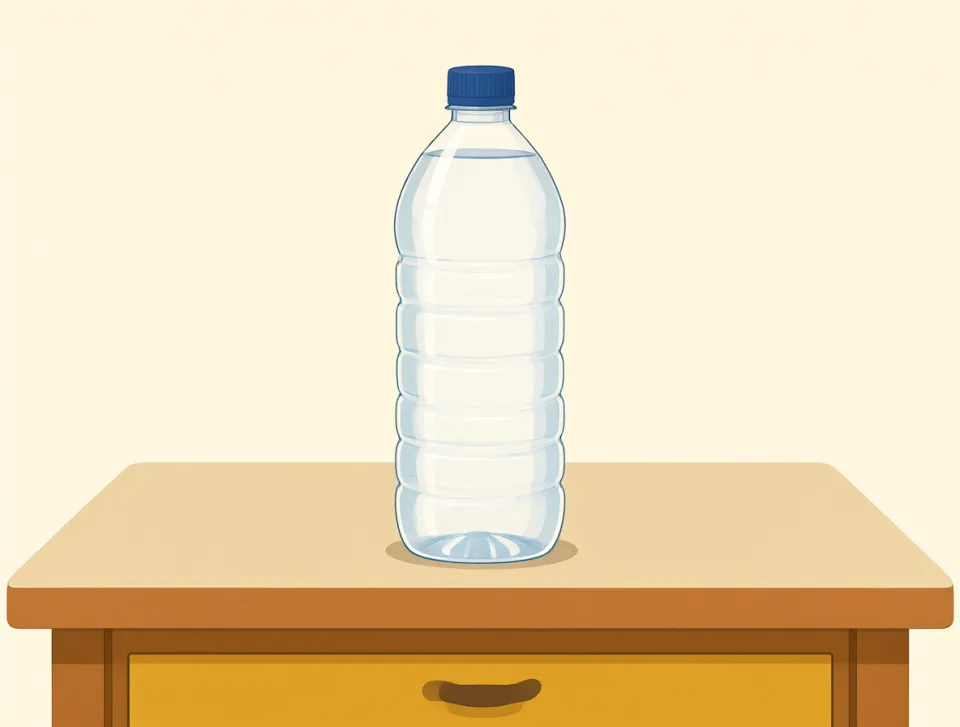
bottle
#1614noun, verb
butelka
a container for liquids, usually made of glass or plastic
Pojemnik na płyny, zwykle wykonany ze szkła lub plastiku.
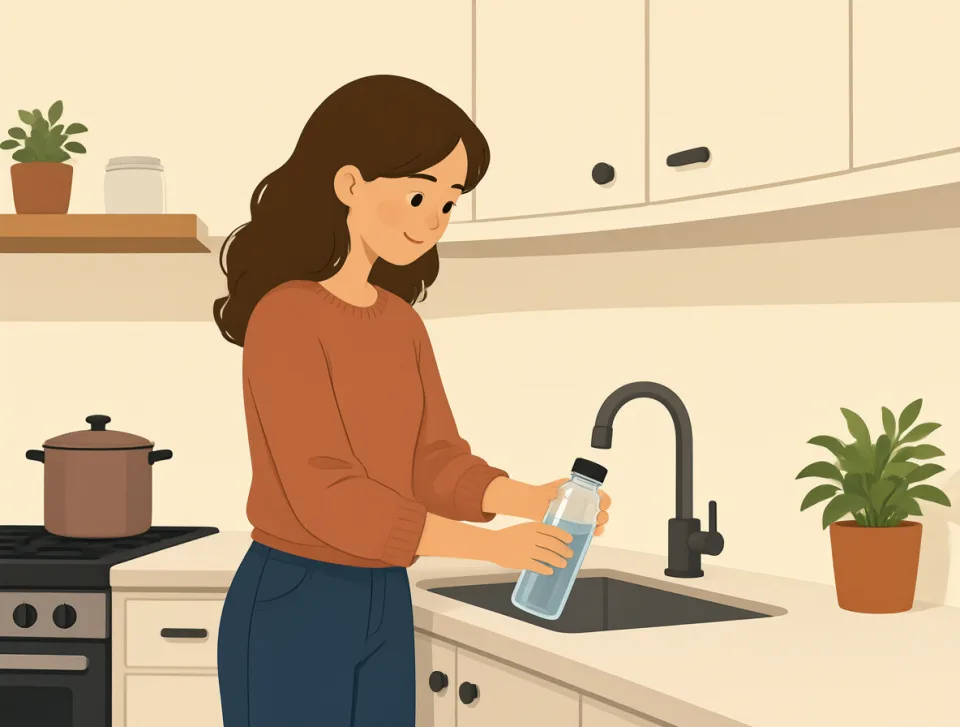
She filled her water bottle before leaving for work.
Napełniła butelkę na wodę, zanim wyszła do pracy.
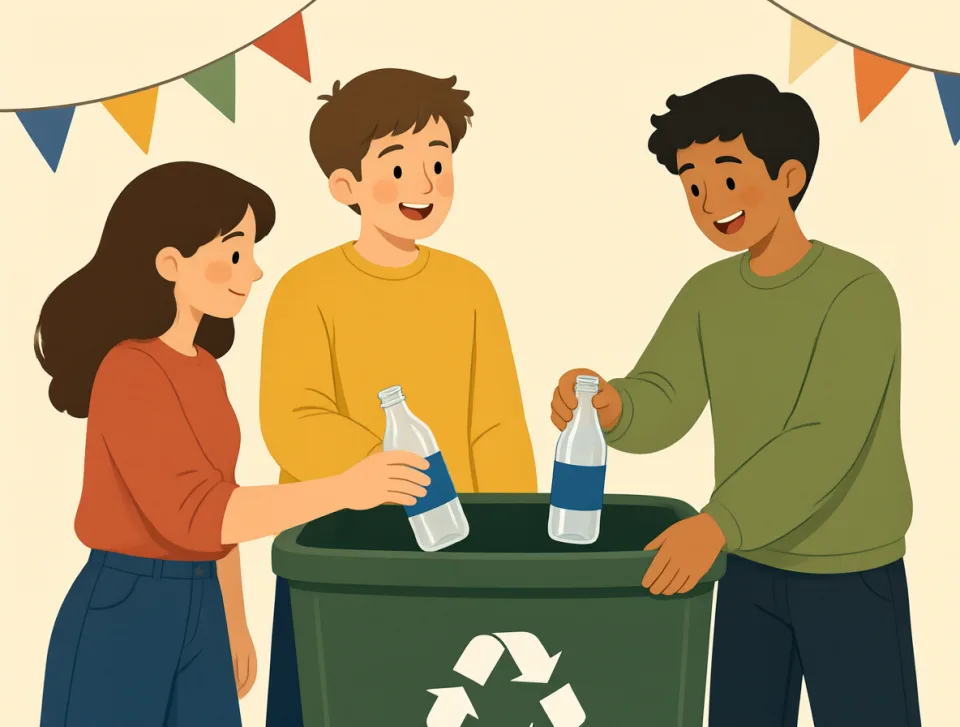
Please recycle the empty bottles after the party.
Po imprezie proszę oddać puste butelki do recyklingu.

He opened a bottle of wine with dinner.
Otworzył butelkę wina do kolacji.
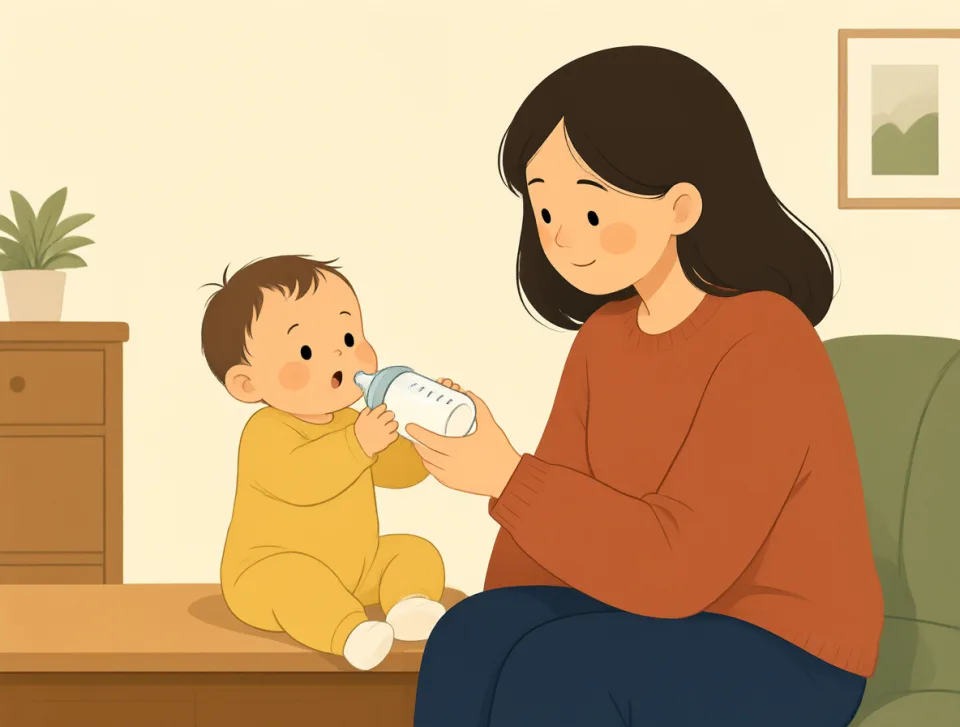
The baby is drinking milk from a bottle.
Niemowlę pije mleko z butelki.
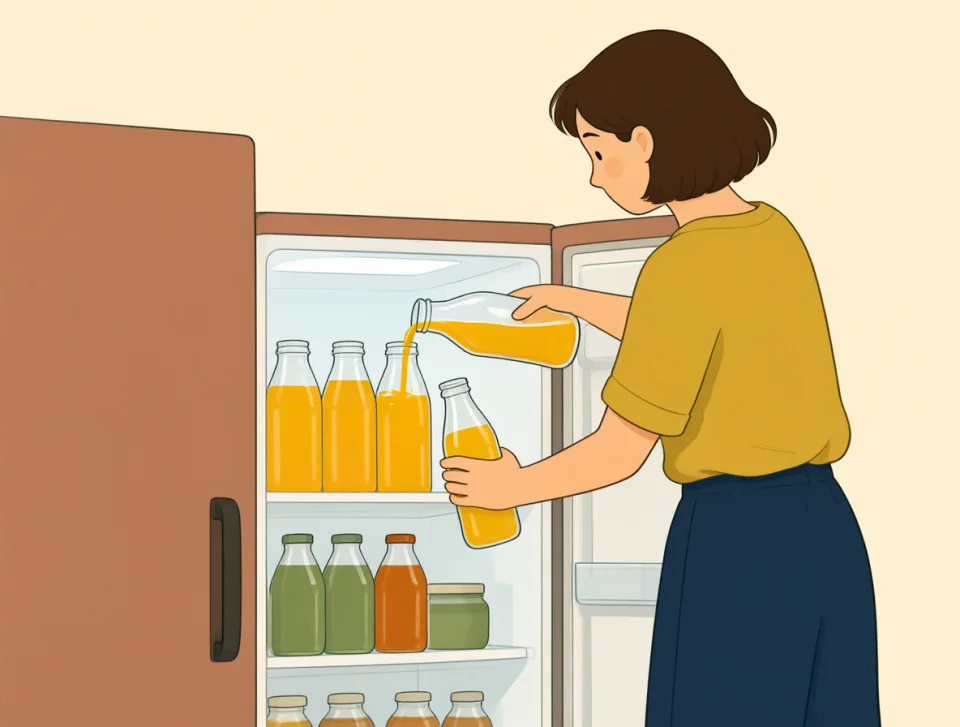
They bottled the fresh juice and stored it in the fridge.
Rozlali świeży sok do butelek i schowali je do lodówki.

ourselves
#1615pronoun
siebie
Used to refer to the speaker and one or more other people.
Słowo używane w odniesieniu do mówiącego i co najmniej jednej innej osoby.
We made the cake ourselves for our friend's birthday.
Sami upiekliśmy ciasto na urodziny naszego przyjaciela.

We should look after ourselves during the busy workweek.
Powinniśmy dbać o siebie podczas pracowitego tygodnia pracy.
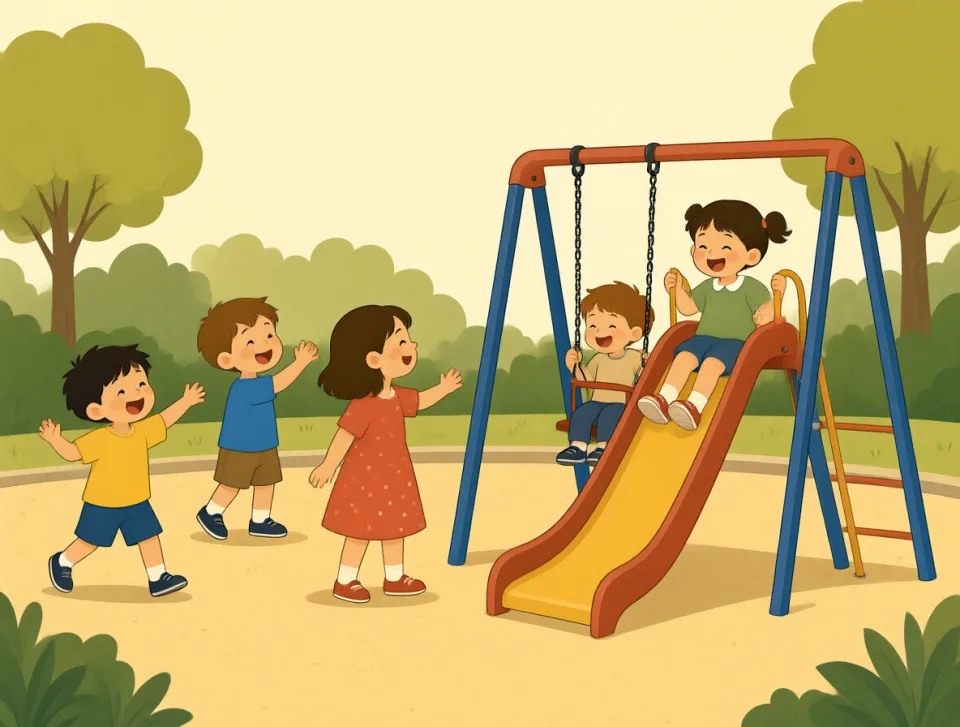
The children enjoyed themselves at the park after school.
Dzieci świetnie się bawiły w parku po szkole.
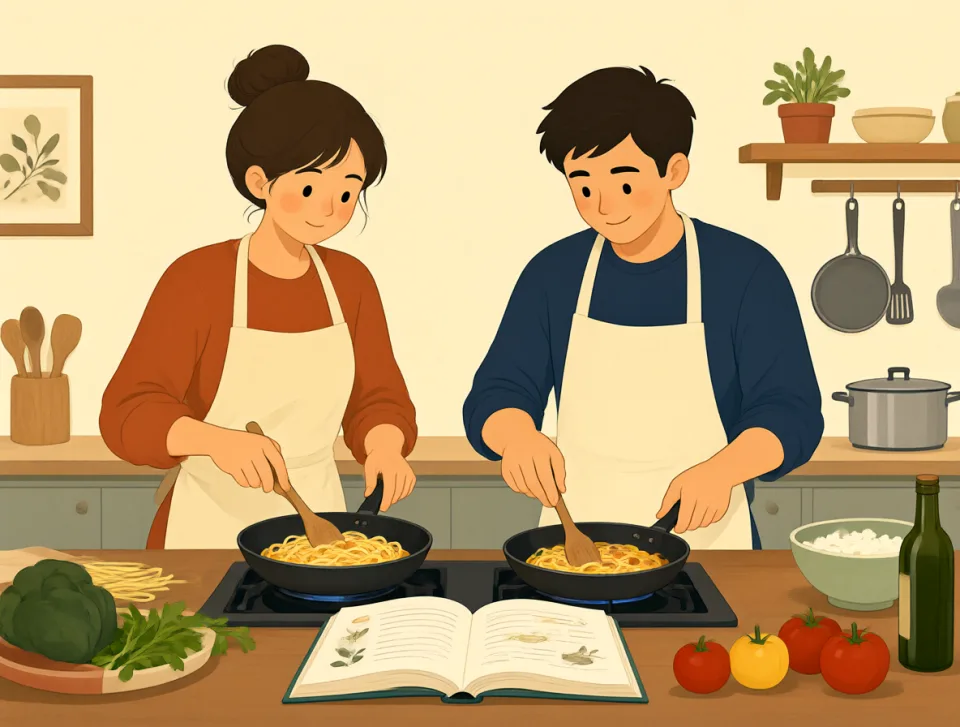
We taught ourselves how to cook simple Italian dishes.
Sami nauczyliśmy się gotować proste włoskie potrawy.

We introduced ourselves to the new neighbors yesterday.
Wczoraj przedstawiliśmy się nowym sąsiadom.

sheet
#1616noun, verb
prześcieradło; arkusz
A thin piece of paper or cloth, or a flat layer covering something.
Cienki kawałek papieru lub materiału albo płaska warstwa pokrywająca coś.
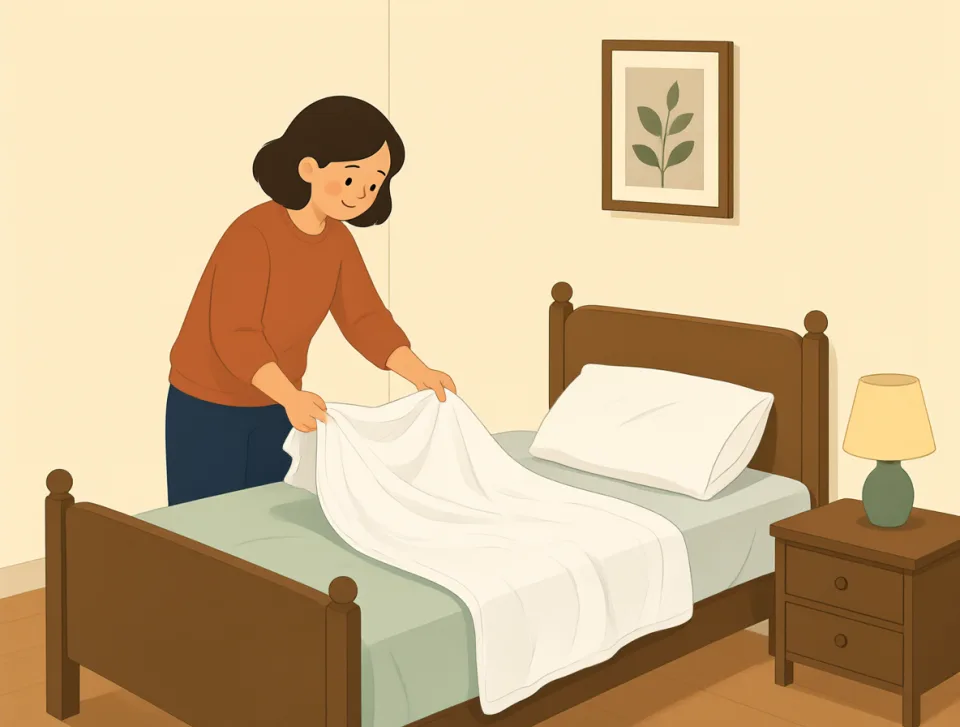
Please change the sheets before our guests arrive tonight.
Proszę zmienić pościel, zanim przyjadą dziś wieczorem nasi goście.
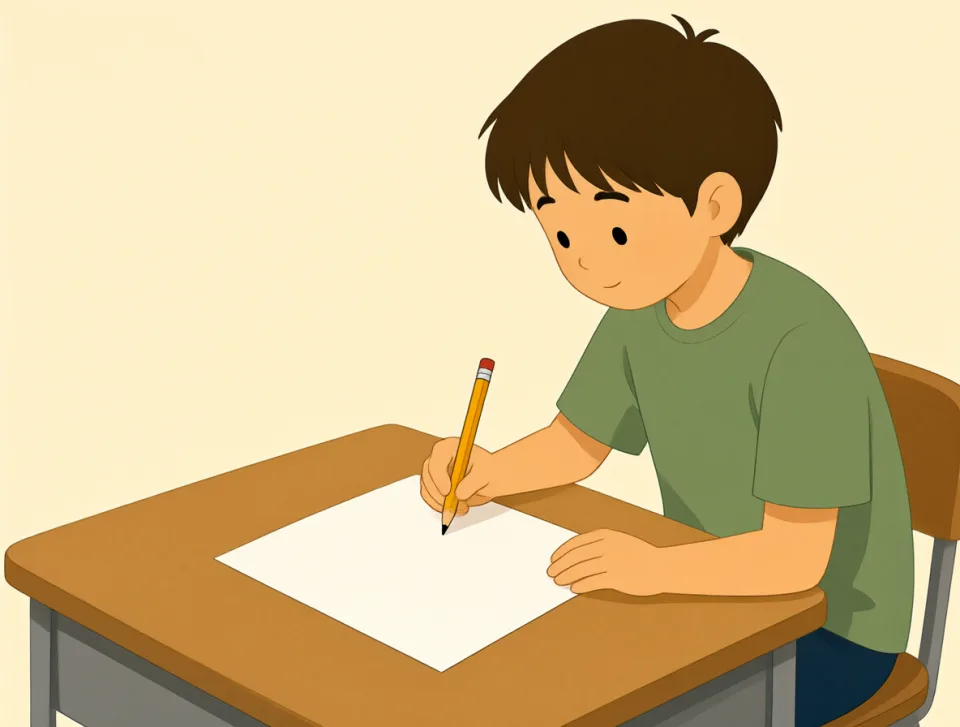
She wrote her homework on a clean sheet of paper.
Napisała pracę domową na czystej kartce papieru.
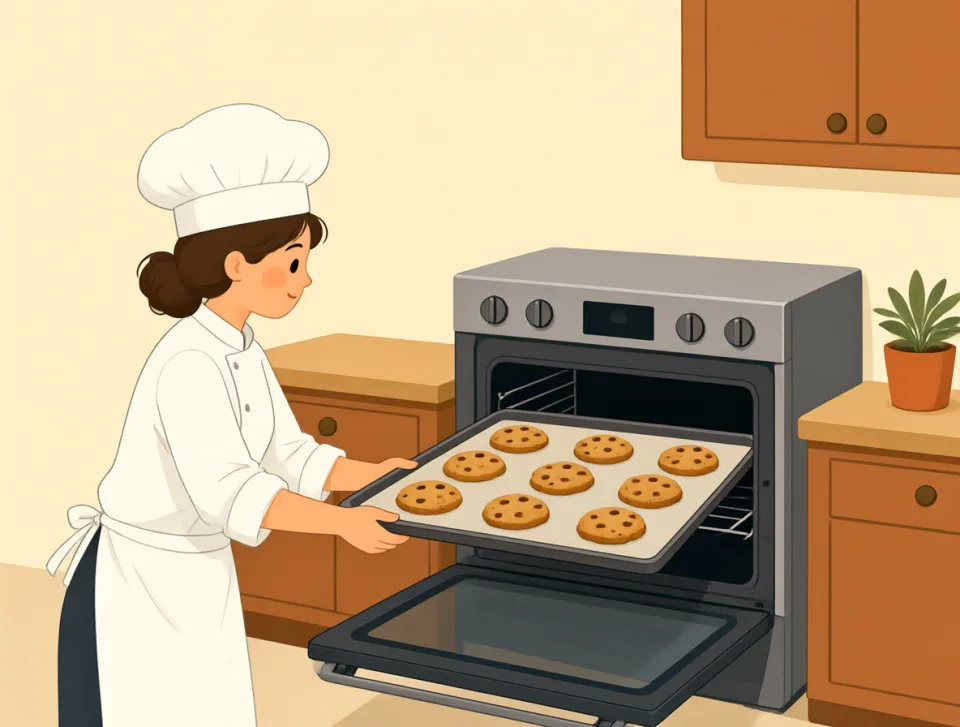
The bakery placed a sheet of cookies in the oven.
Piekarnia wstawiła do piekarnika blachę ciastek.

A sheet of ice covered the road after the storm.
Po burzy drogę pokryła warstwa lodu.
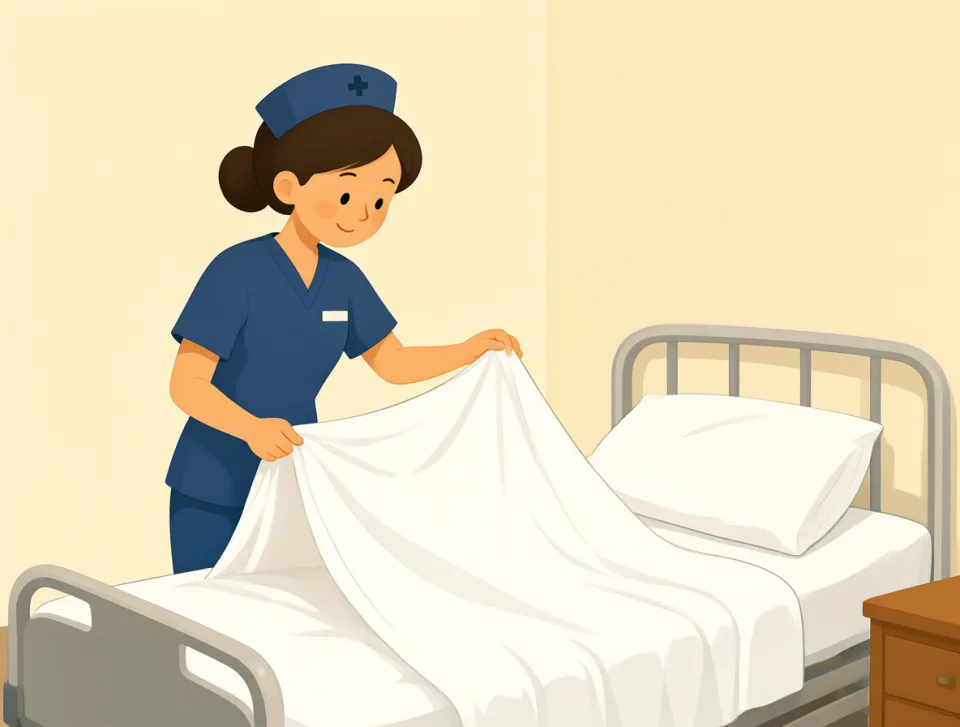
The nurse is sheeting the patient’s bed after breakfast.
Pielęgniarka ścieli łóżko pacjenta po śniadaniu.
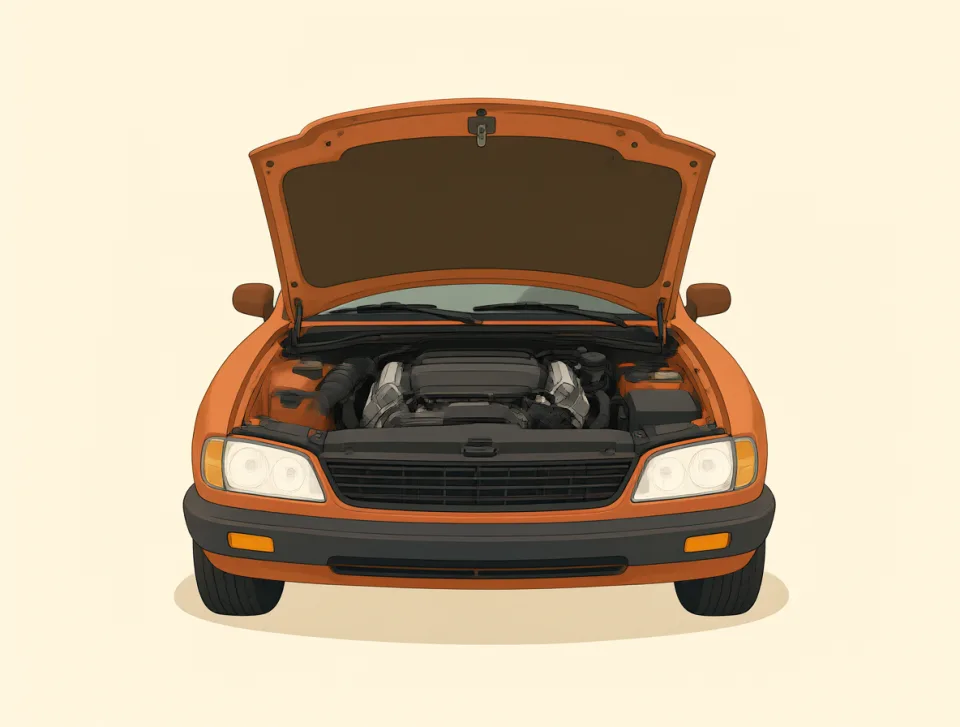
engine
#1617noun
silnik
A machine that uses fuel or electricity to make something move.
Maszyna, która wykorzystuje paliwo lub prąd, aby wprawić coś w ruch.
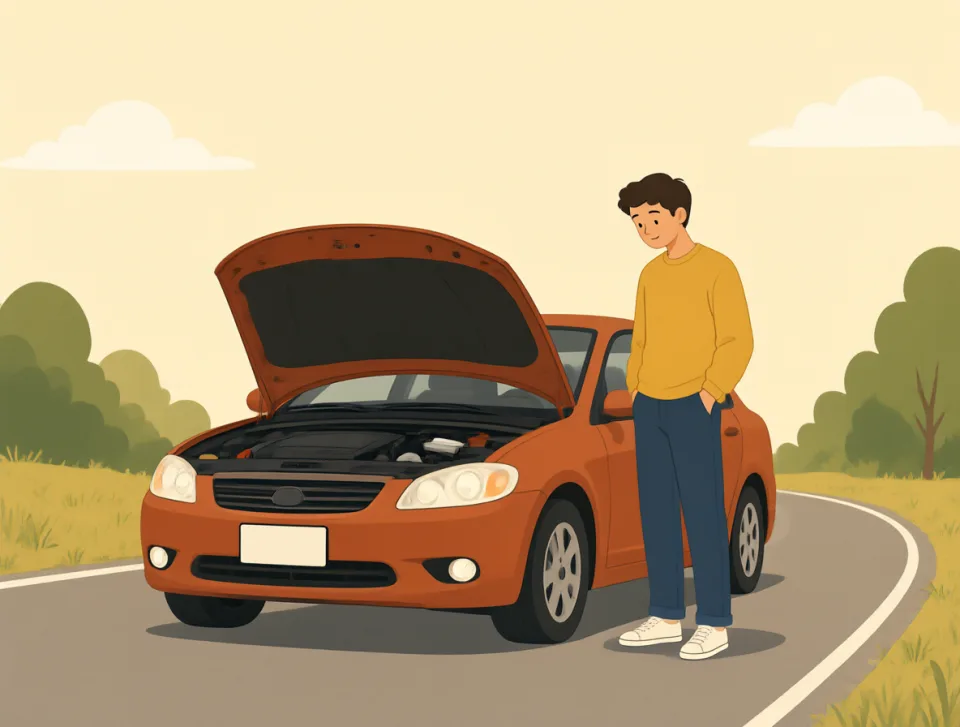
The car engine stopped suddenly on the way home.
Silnik samochodu nagle zgasł w drodze do domu.
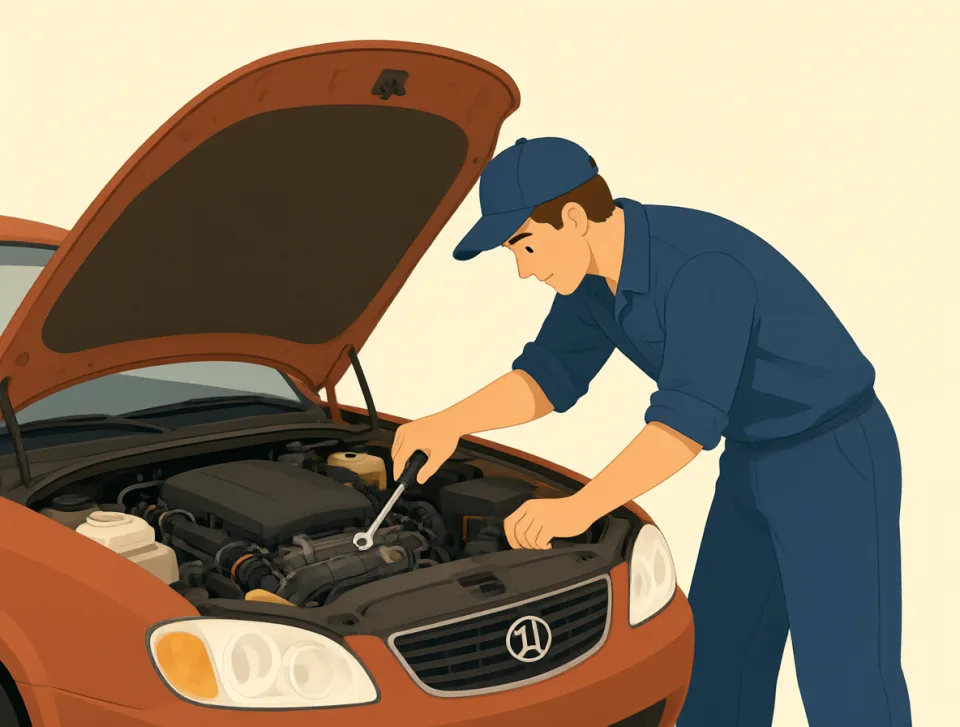
The mechanic checked the engine before our long trip.
Mechanik sprawdził silnik przed naszą długą podróżą.
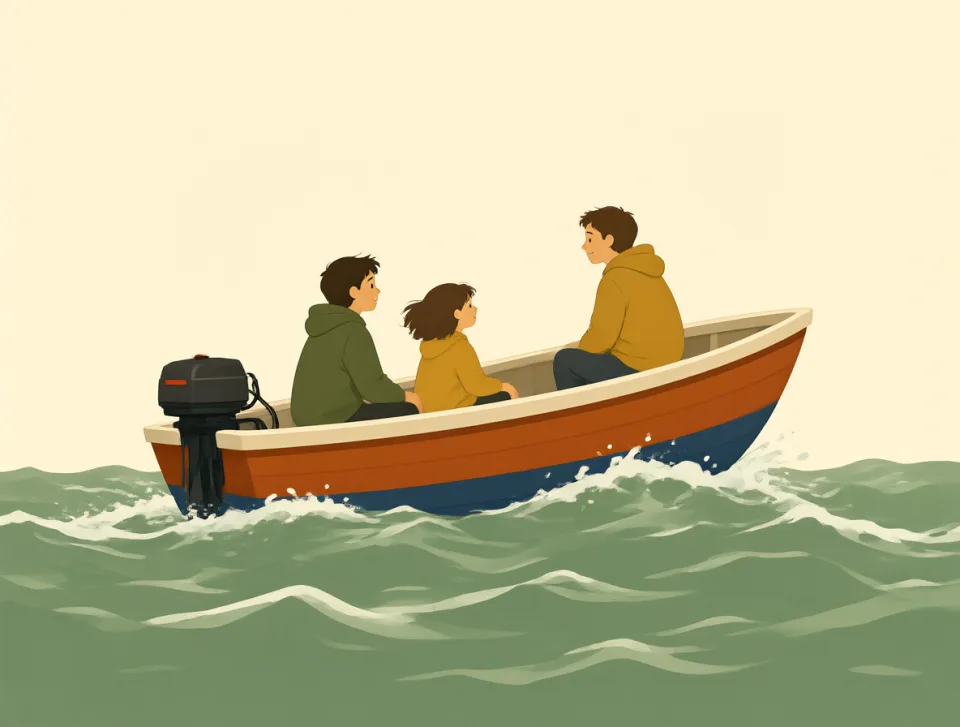
This boat has a powerful engine for rough water.
Ta łódź ma mocny silnik, który sprawdza się na wzburzonej wodzie.
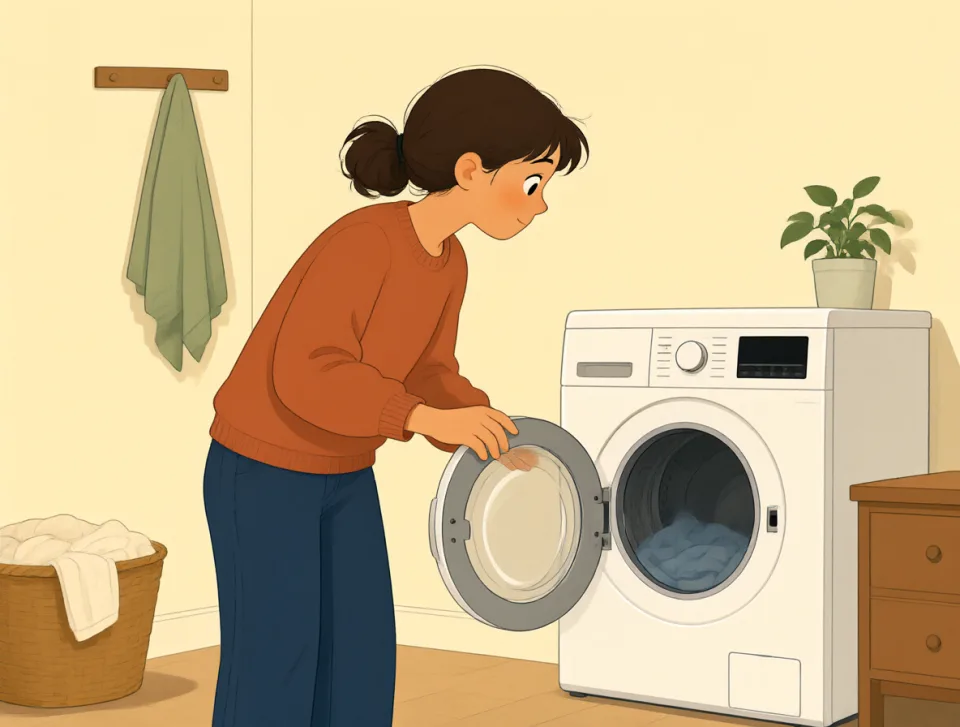
The washing machine engine makes a strange noise.
Silnik pralki wydaje dziwny dźwięk.

The plane's engines became louder during takeoff.
Silniki samolotu stawały się coraz głośniejsze podczas startu.
cast
#1618noun, verb
gips; rzucać; obsadzać
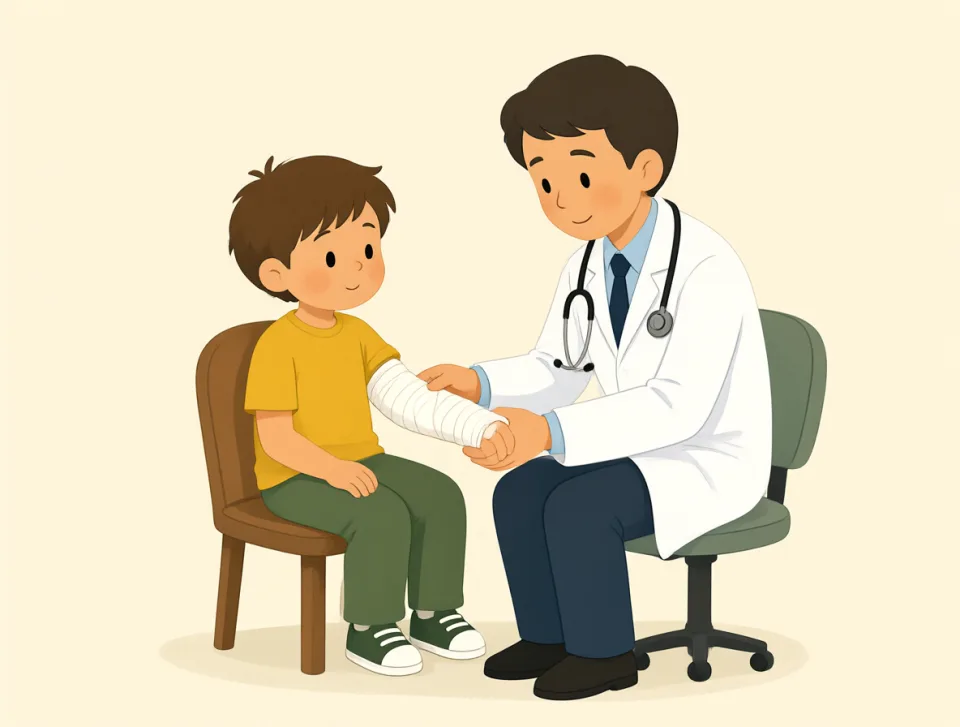
A cast is a hard cover for a broken arm or leg; to cast means to throw or choose actors.
Gips to twarda osłona na złamaną rękę lub nogę; cast może też znaczyć „rzucać” albo „wybierać aktorów do ról”.
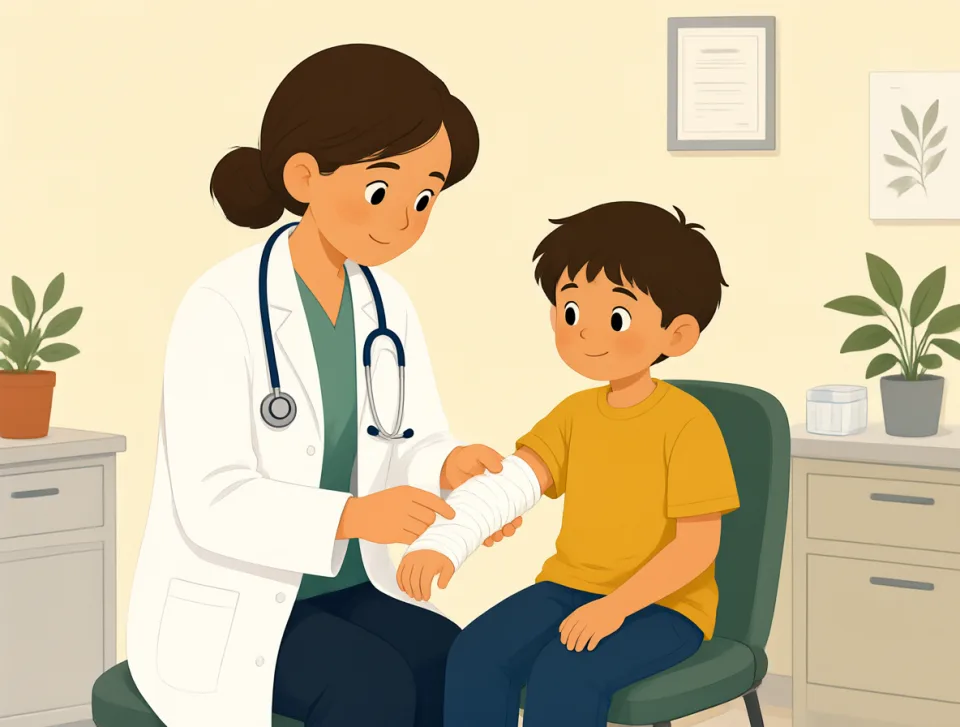
The doctor put a cast on my broken arm.
Lekarz założył mi gips na złamaną rękę.
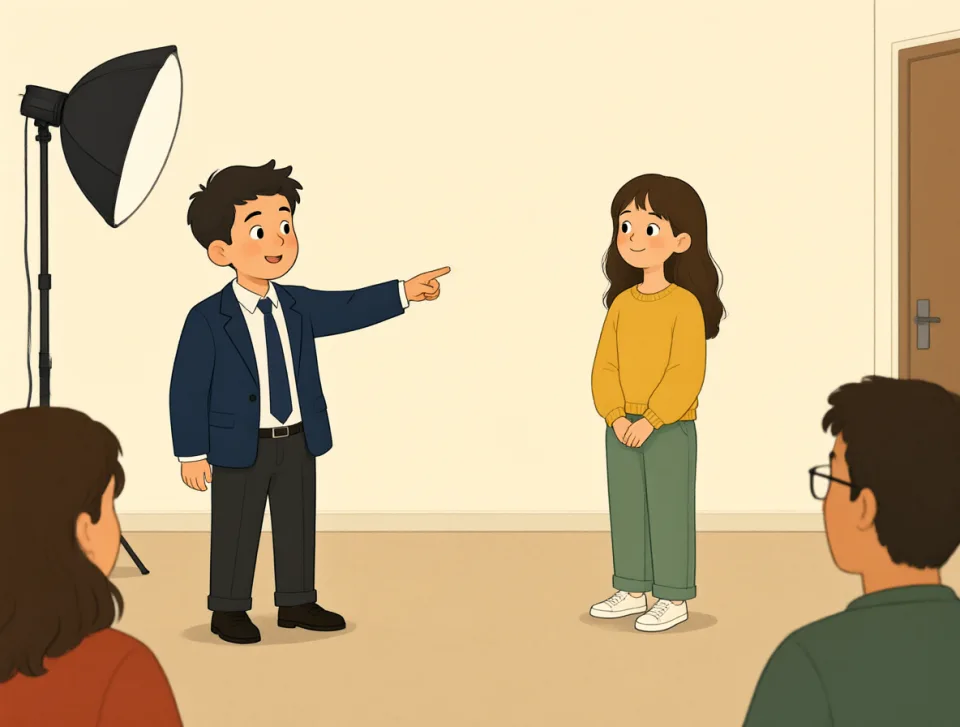
The director cast Maya as the main character.
Reżyser obsadził Mayę w roli głównej bohaterki.
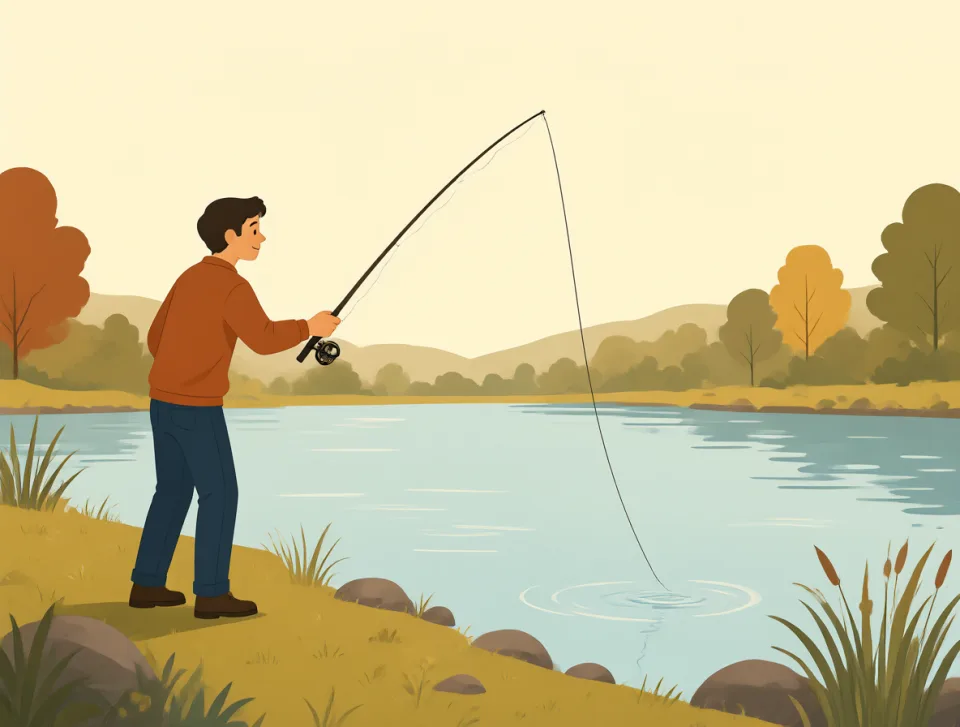
He cast the fishing line into the quiet lake.
Wrzucił żyłkę wędkarską do spokojnego jeziora.

The tree cast a long shadow across the garden.
Drzewo rzucało długi cień na ogród.
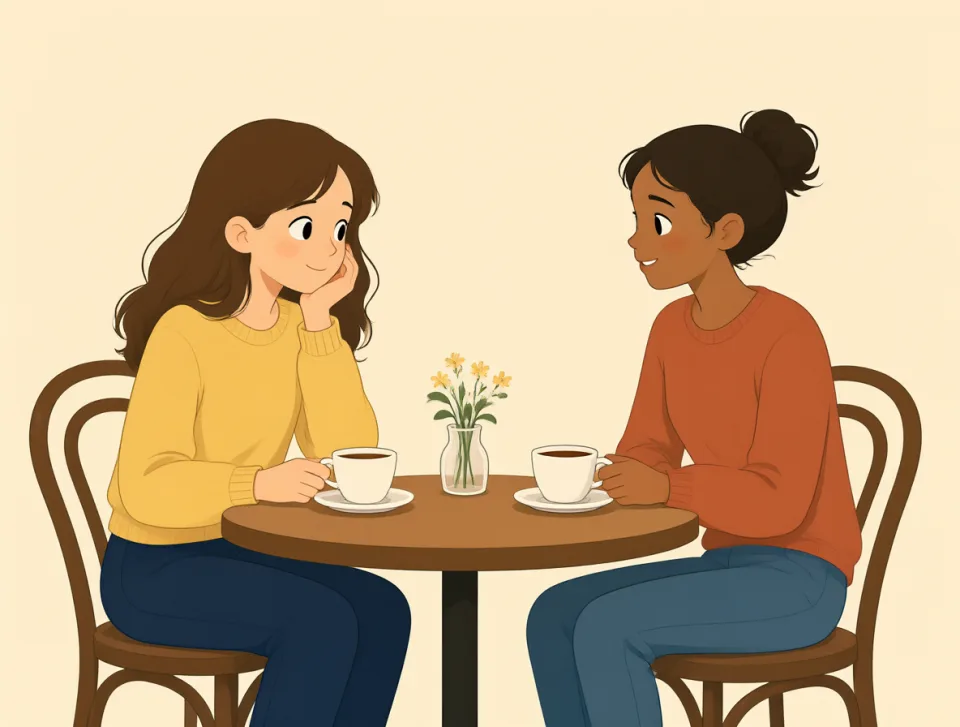
She cast a quick glance at her friend.
Rzuciła przyjaciółce szybkie spojrzenie.
notion
#1619noun
pojęcie; przekonanie
An idea or belief about something, especially one that may not be completely correct.
Pomysł lub przekonanie dotyczące czegoś, które niekoniecznie musi być całkowicie słuszne.
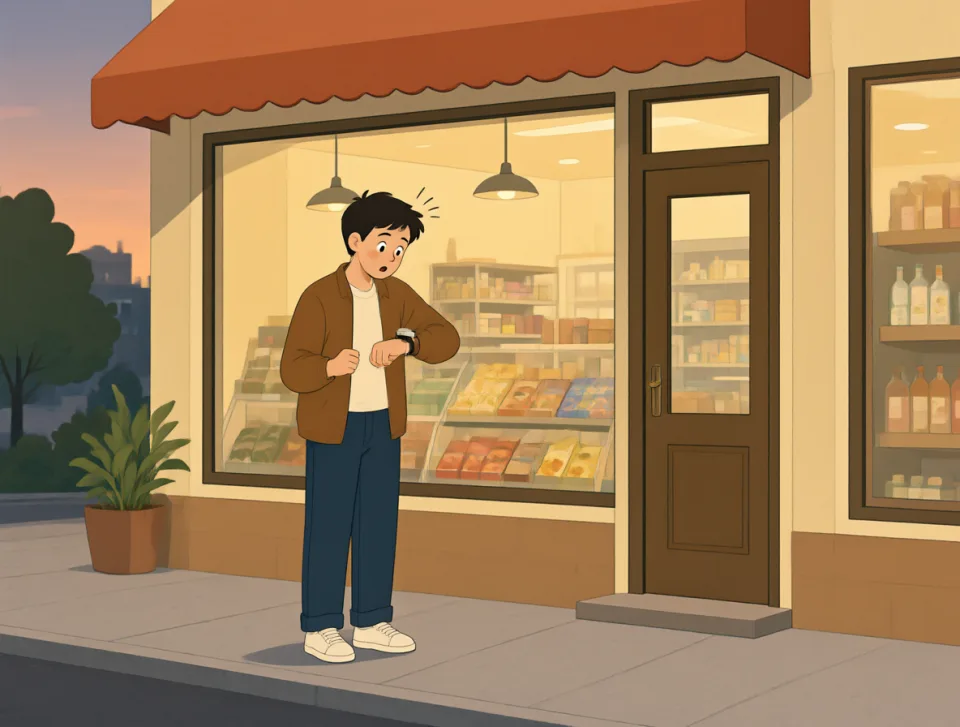
I had no notion that the store closed so early.
Nie miałem pojęcia, że sklep zamyka się tak wcześnie.
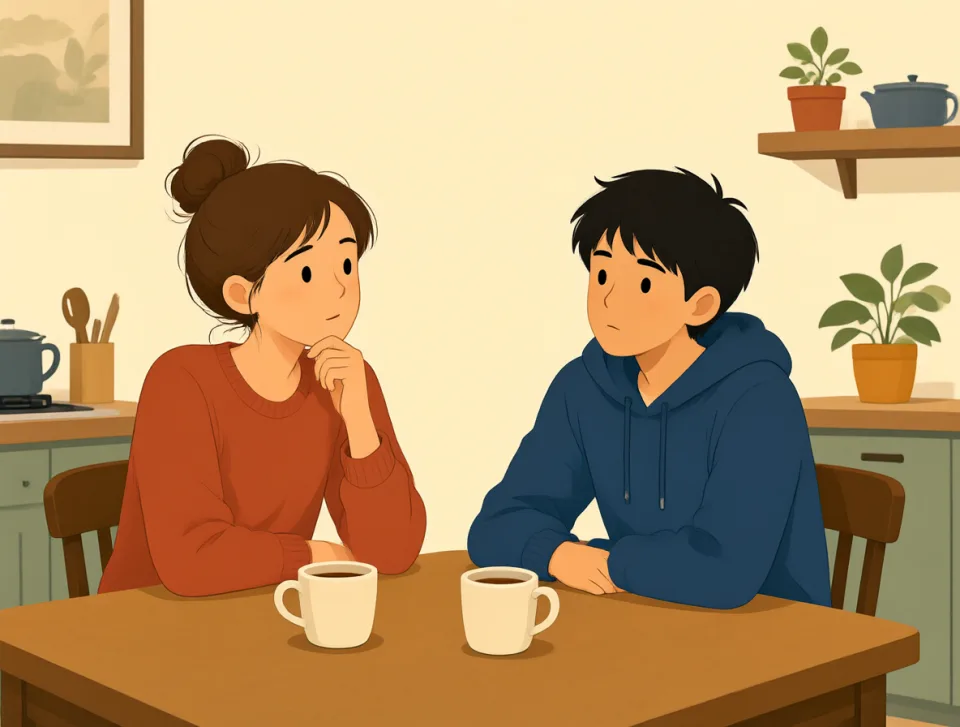
She rejected the notion that money brings happiness.
Odrzuciła pogląd, że pieniądze dają szczęście.

He has a vague notion of moving abroad someday.
Ma mgliste wyobrażenie o tym, że kiedyś wyjedzie za granicę.
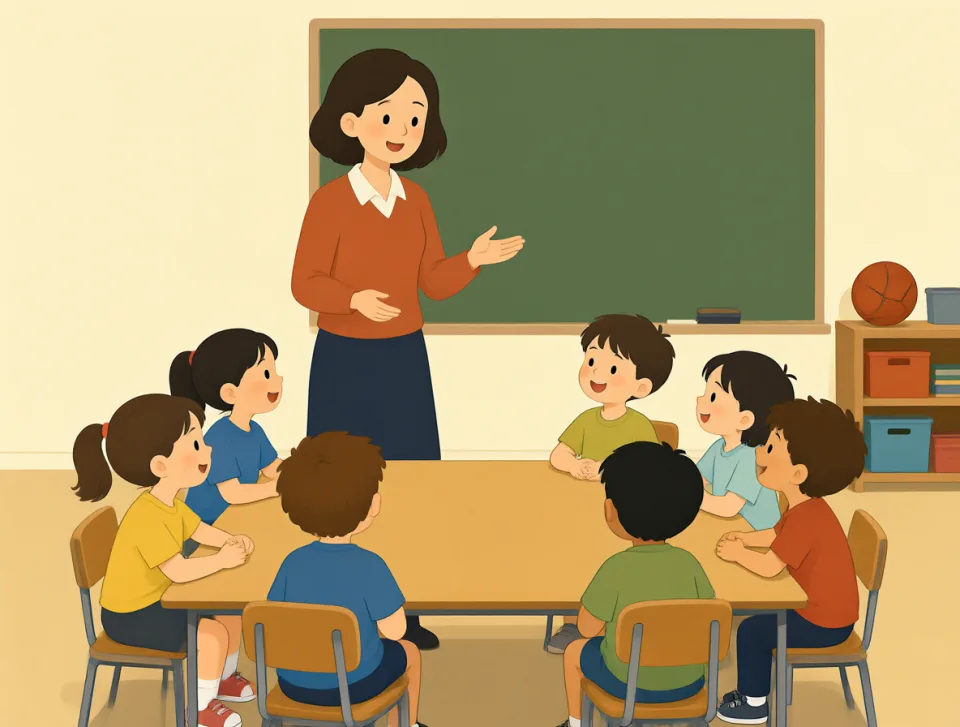
The teacher explained the notion of fair play to the class.
Nauczyciel wyjaśnił klasie pojęcie uczciwej gry.

That notion sounds strange, but it might work.
Ten pomysł brzmi dziwnie, ale może się sprawdzić.
conservative
#1620adjective, noun
konserwatywny; konserwatysta
Preferring traditional ideas and careful change; a person with these beliefs.
Osoba lubiąca tradycyjne poglądy i ostrożne zmiany; także ktoś, kto ma takie przekonania.

My parents are conservative about money and avoid expensive purchases.
Moi rodzice ostrożnie podchodzą do wydawania pieniędzy i unikają drogich zakupów.

She wore a conservative black dress to the job interview.
Na rozmowę o pracę założyła skromną czarną sukienkę.
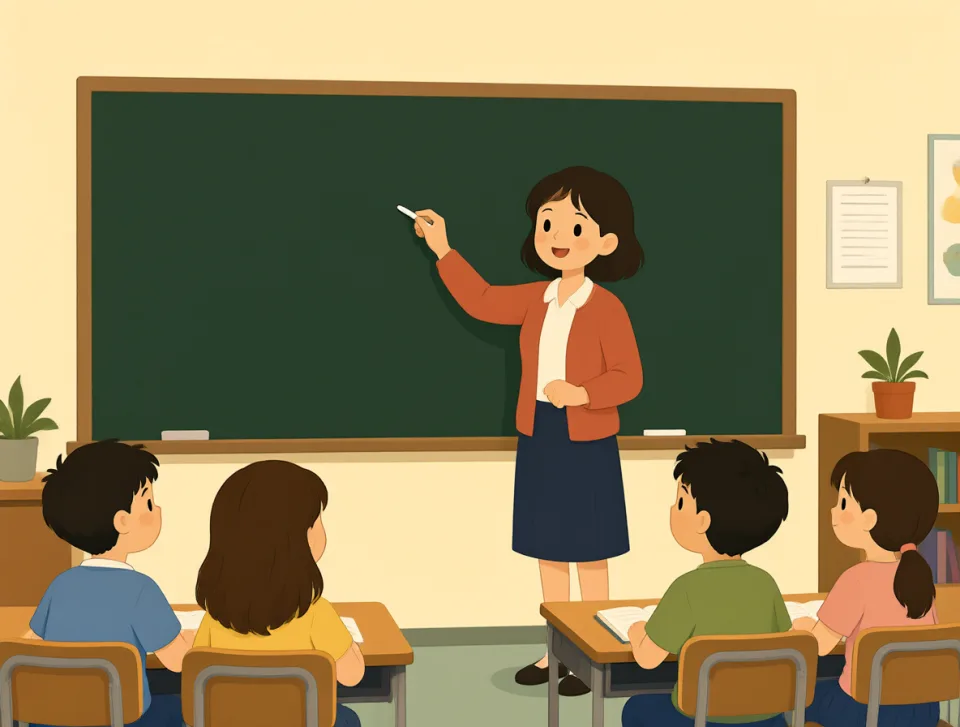
The conservative teacher prefers traditional methods in the classroom.
Konserwatywny nauczyciel woli tradycyjne metody nauczania.
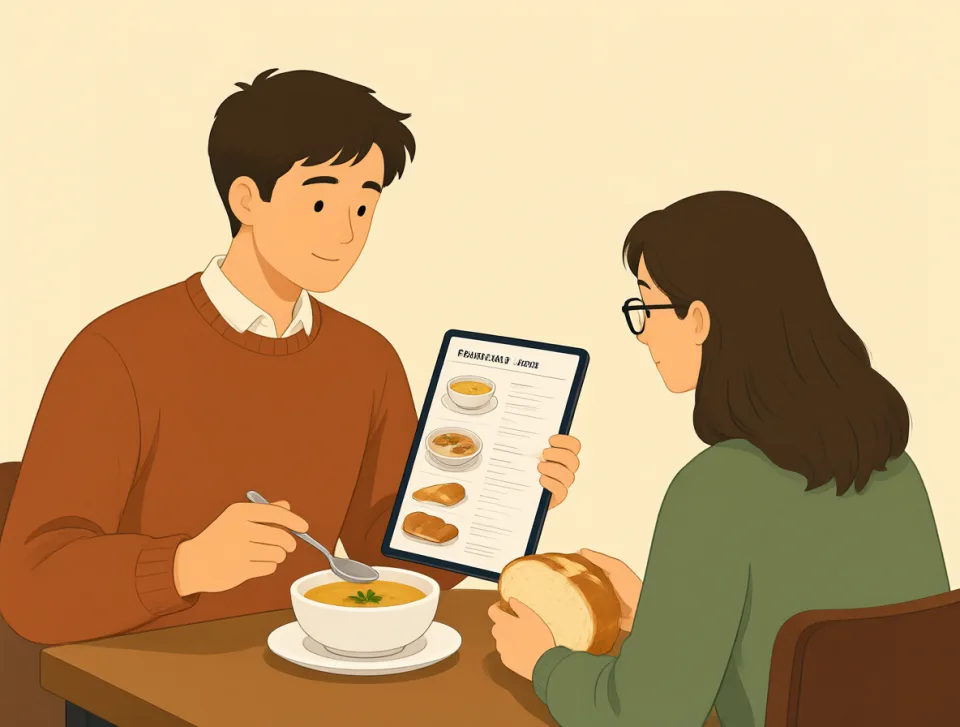
He is a conservative eater who avoids spicy and unusual foods.
Jest wybredny i zachowawczy w jedzeniu — unika pikantnych i nietypowych potraw.

Many conservatives support lower taxes and smaller government.
Wielu konserwatystów popiera niższe podatki i mniejszy rząd.