Zestaw 83
Słowa 1641–1660 · analyze, witness, mail, terrible, researcher, ordinary
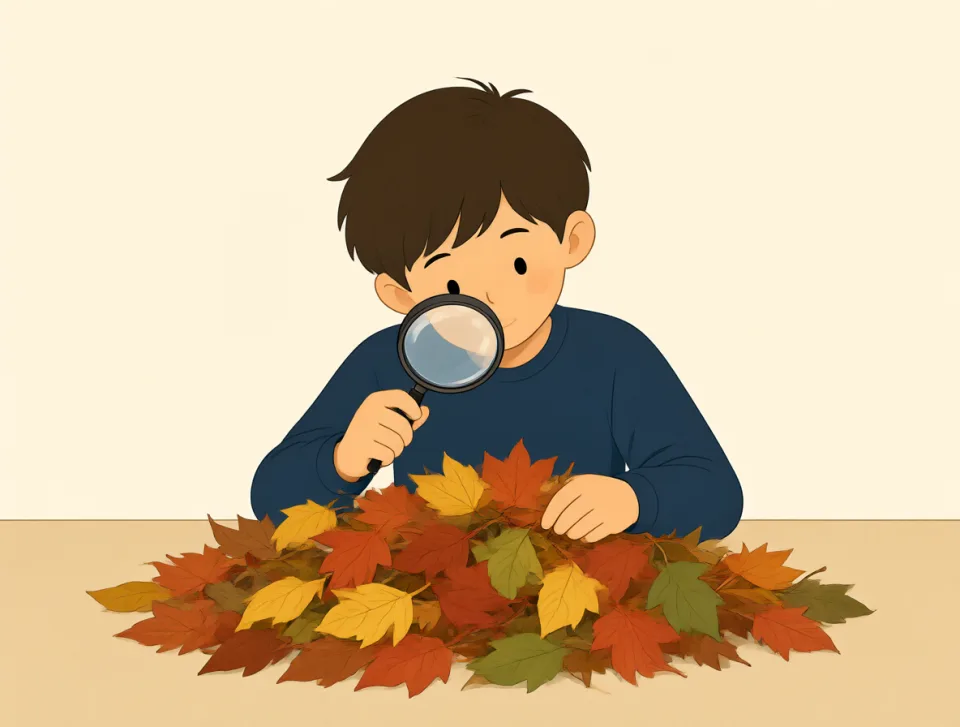
analyze
#1641verb
analizować
To study something carefully to understand it or explain what it means.
Dokładnie coś badać, aby to zrozumieć lub wyjaśnić, co to oznacza.
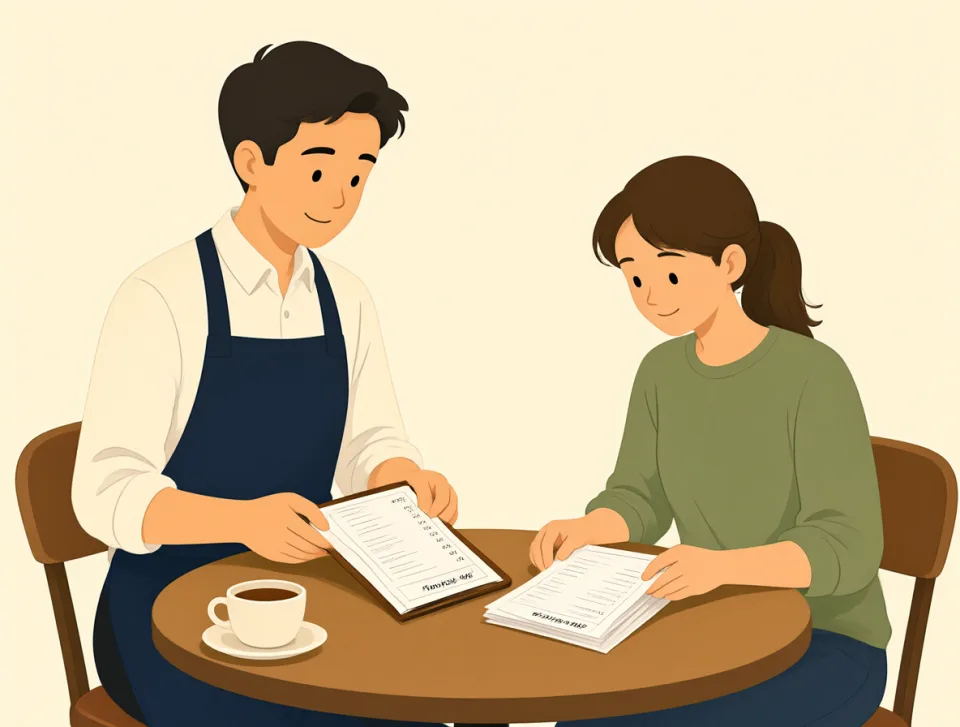
We analyzed the survey results before choosing a new menu.
Przeanalizowaliśmy wyniki ankiety, zanim wybraliśmy nowe menu.
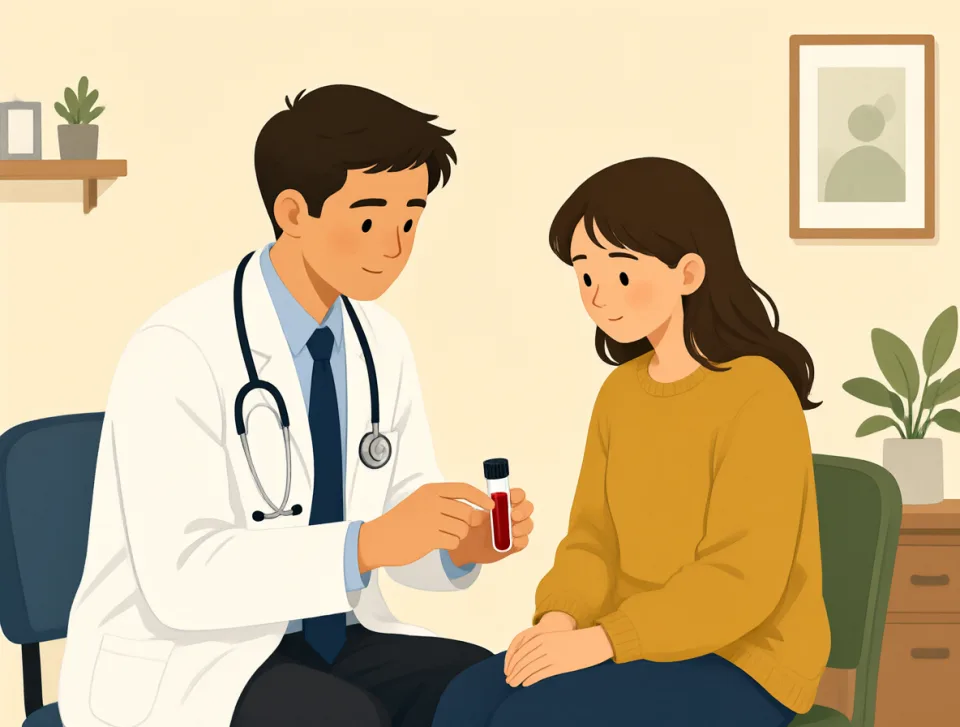
The doctor analyzed my blood test to find the cause of my tiredness.
Lekarz przeanalizował moje badanie krwi, żeby znaleźć przyczynę mojego zmęczenia.
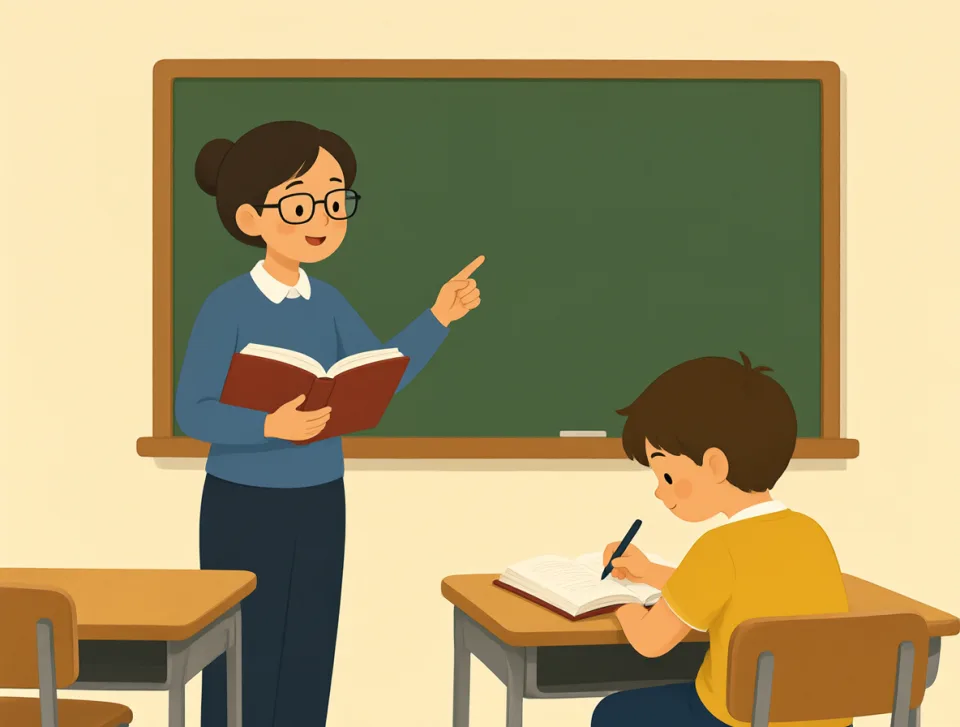
Our teacher asked us to analyze the main character in the story.
Nauczyciel poprosił nas, żebyśmy przeanalizowali głównego bohatera opowiadania.
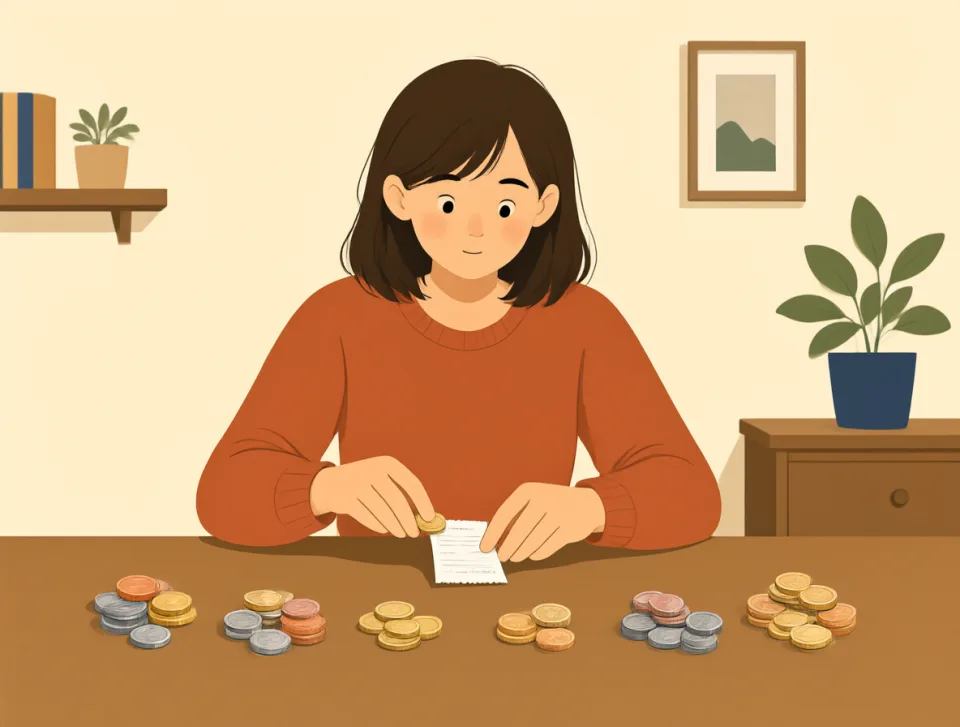
She analyzed her spending to see where she could save money.
Przeanalizowała swoje wydatki, żeby sprawdzić, na czym może zaoszczędzić.

The mechanic is analyzing the car engine before our trip.
Mechanik sprawdza silnik samochodu przed naszą podróżą.

witness
#1642noun, verb
świadek; być świadkiem
A person who sees an event happen, or to see an event happen.
Osoba, która widzi jakieś zdarzenie, lub zobaczyć takie zdarzenie.
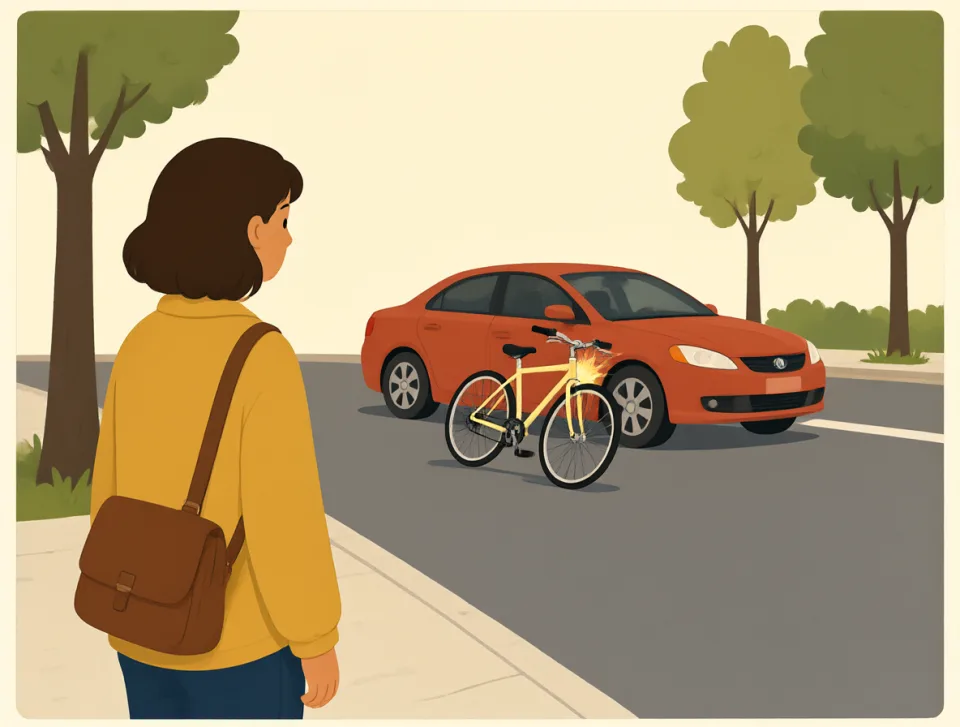
A witness saw the car hit the bicycle.
Świadek widział, jak samochód potrącił rower.
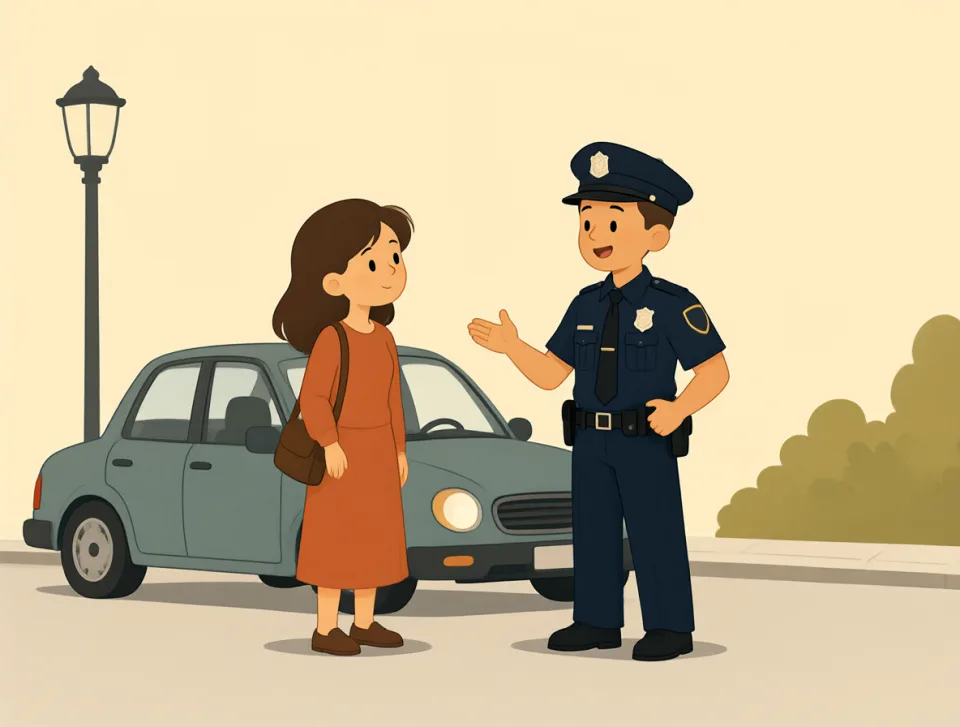
The police asked the witness what she had seen.
Policja zapytała świadka, co widziała.
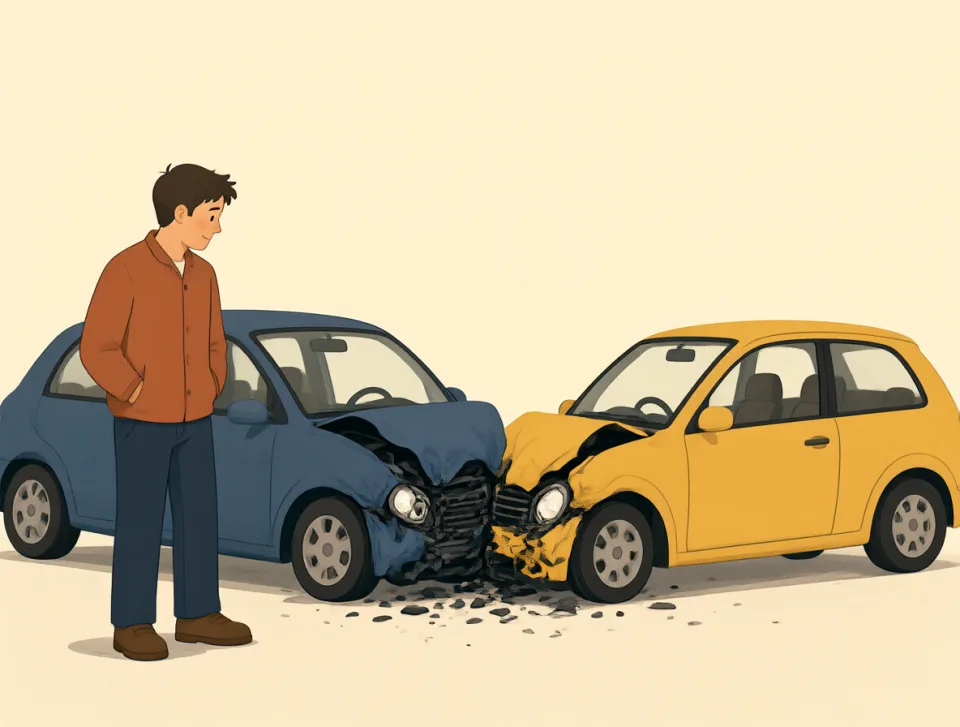
He was the only witness to the accident.
Był jedynym świadkiem wypadku.

We witnessed a beautiful sunset from the beach.
Byliśmy świadkami pięknego zachodu słońca z plaży.
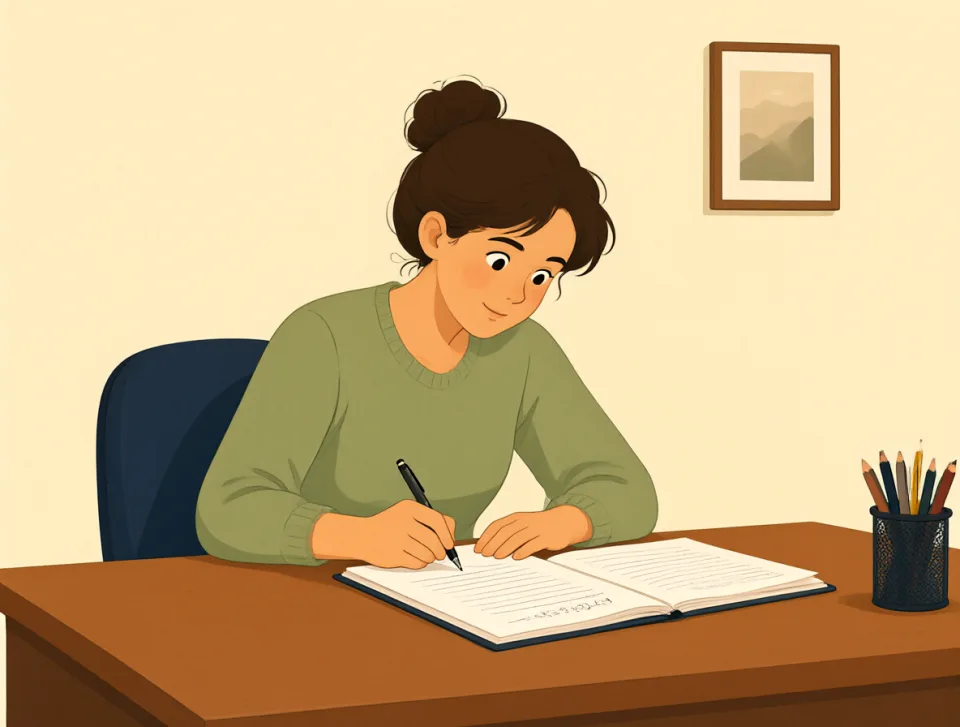
She witnessed her friend sign the papers at work.
Widziała, jak jej przyjaciółka podpisywała dokumenty w pracy.
mail
#1643noun, verb
poczta; wysyłać pocztą
Letters and packages sent or delivered; to send something through the postal service.
Listy i paczki wysyłane lub dostarczane pocztą; wysłać coś za pośrednictwem poczty.
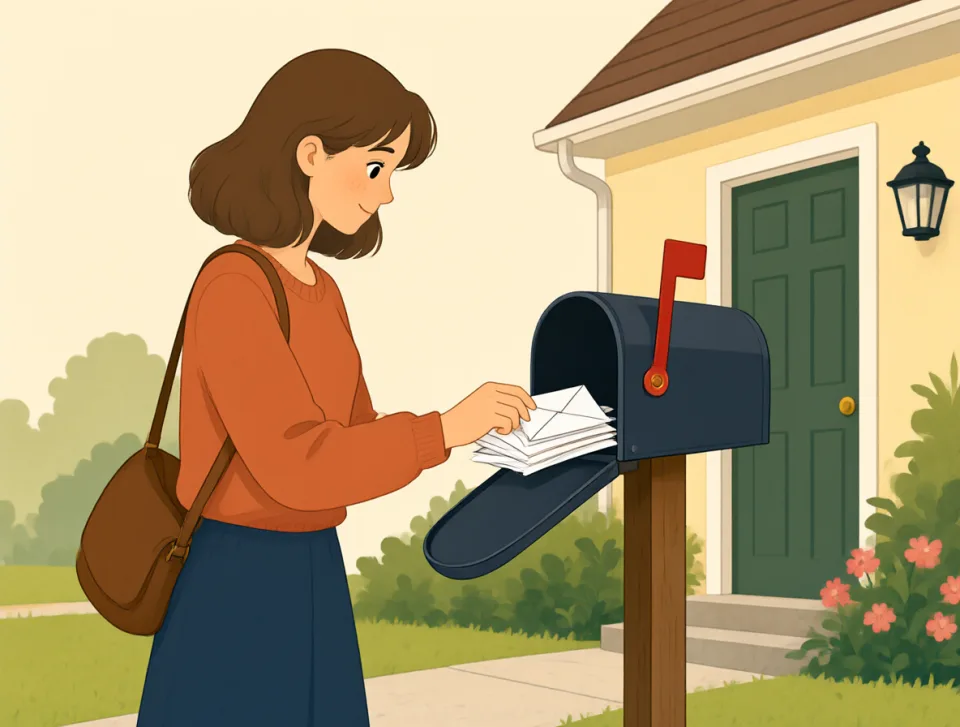
The mail usually arrives around ten in the morning.
Poczta zwykle przychodzi około dziesiątej rano.
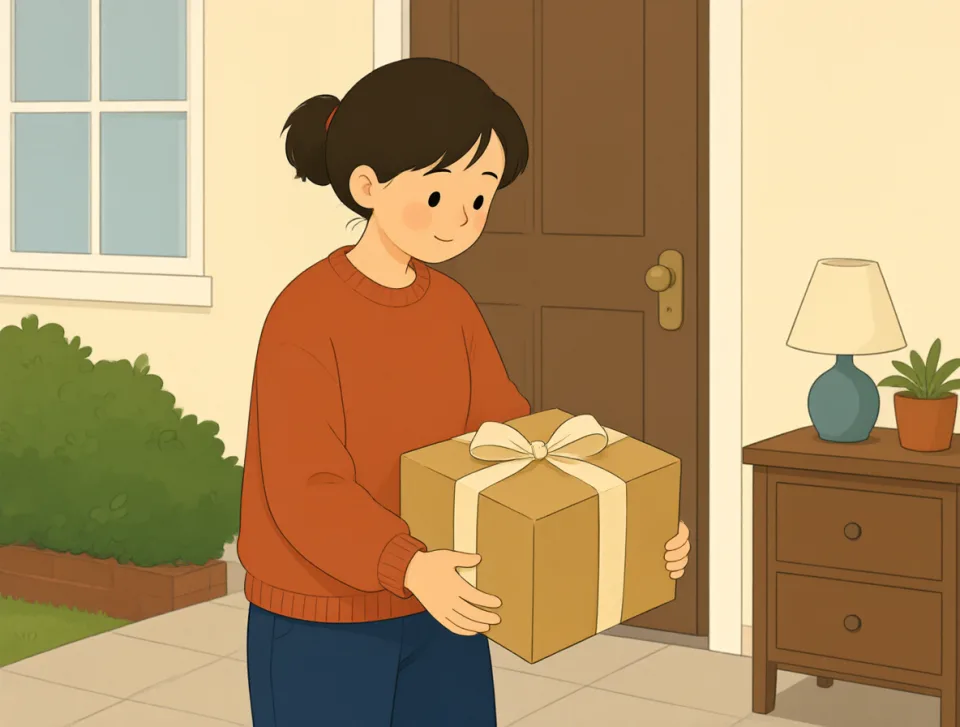
I got a package in the mail from my sister.
Dostałem w przesyłce paczkę od siostry.
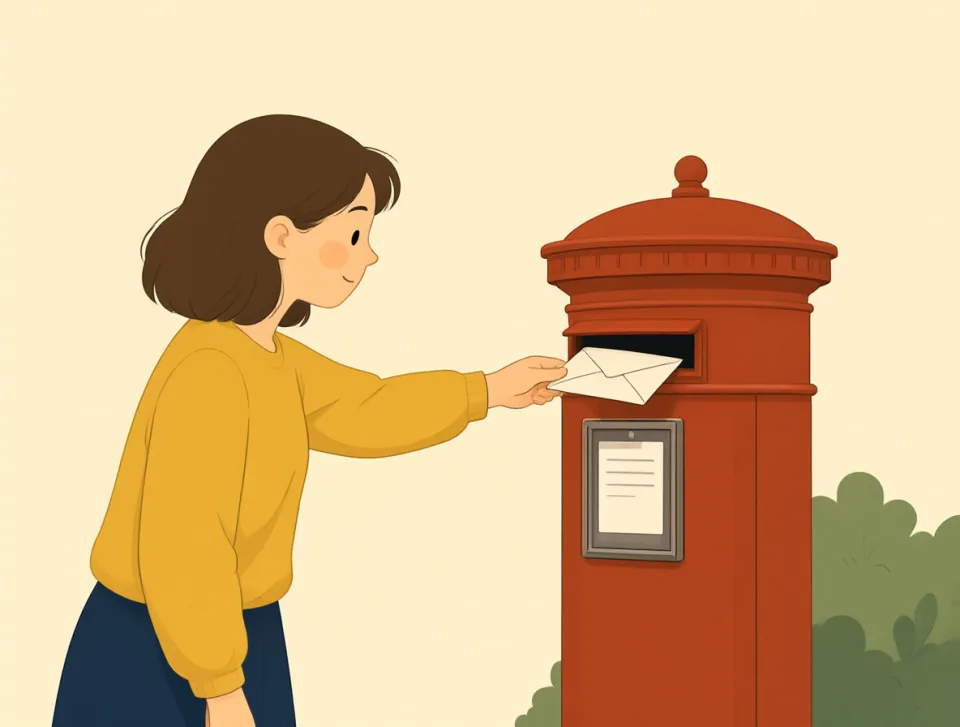
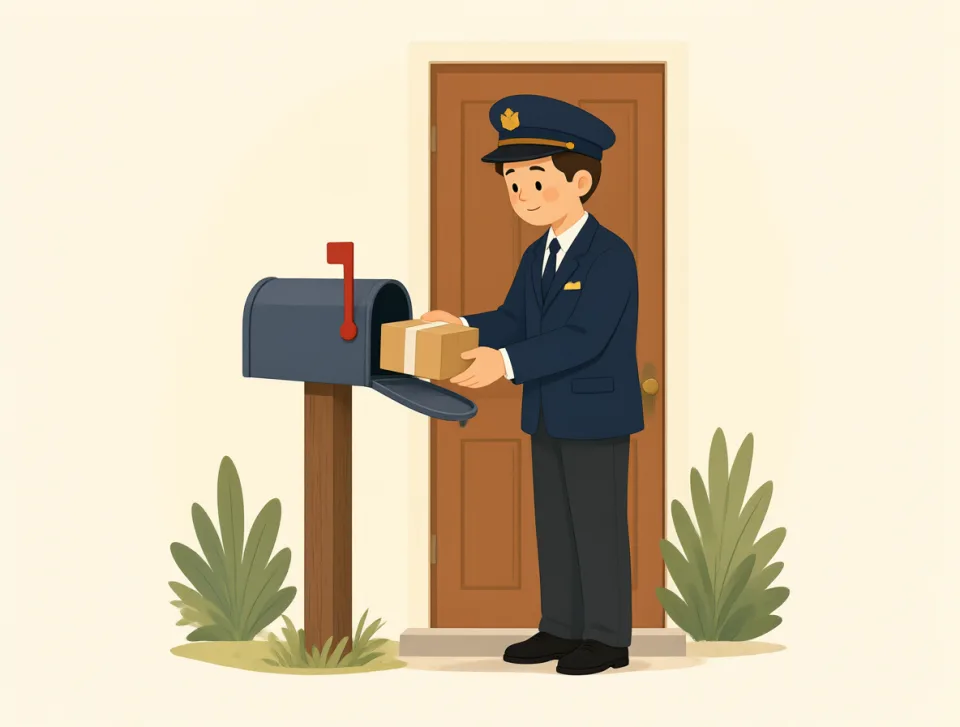
Please mail the return form before Friday.
Proszę wysłać formularz zwrotu przed piątkiem.
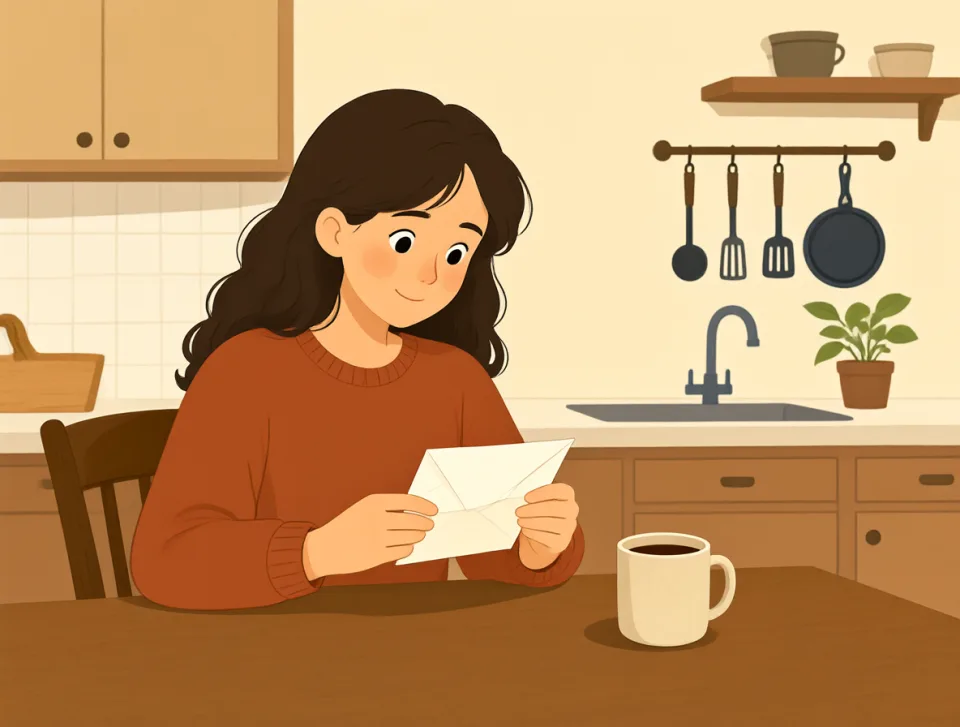
She checks her mail while she eats breakfast.
Przegląda pocztę, jedząc śniadanie.
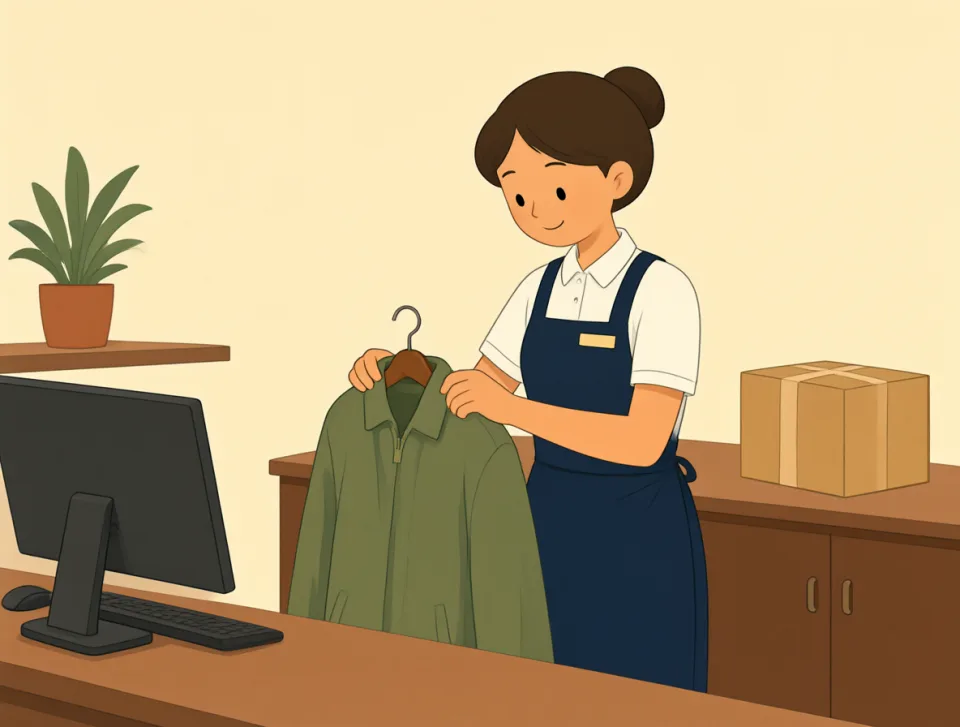
The hotel can mail your forgotten jacket to your home.
Hotel może wysłać zapomnianą przez ciebie kurtkę do domu.
terrible
#1644adjective
okropny
Very bad, unpleasant, or serious.
Bardzo zły, nieprzyjemny lub poważny.
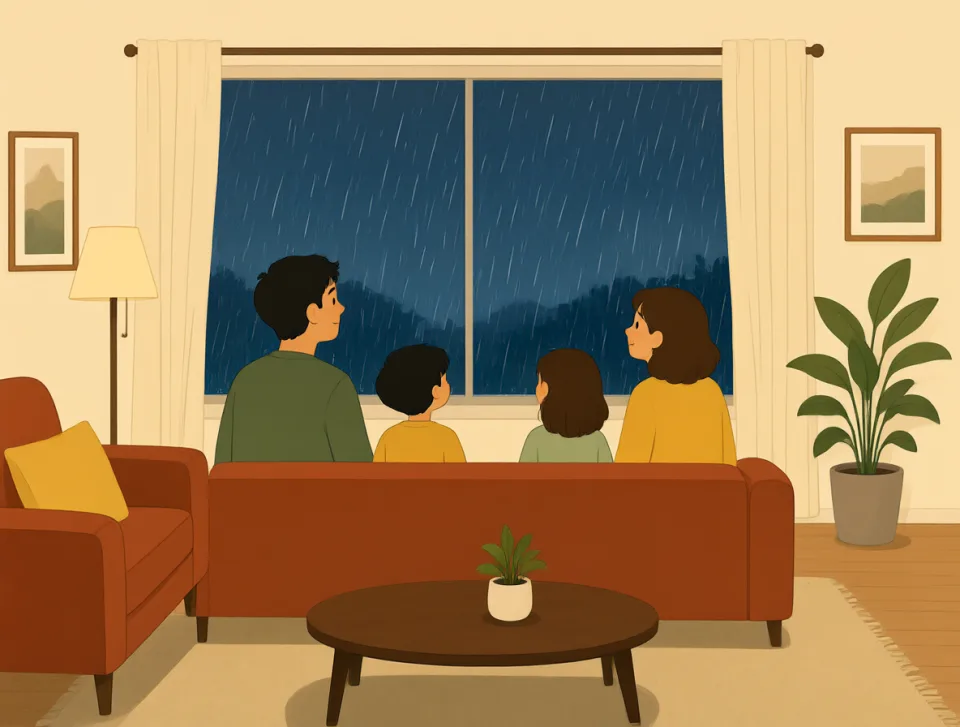
The weather was terrible, so we stayed home all day.
Pogoda była okropna, więc cały dzień zostaliśmy w domu.
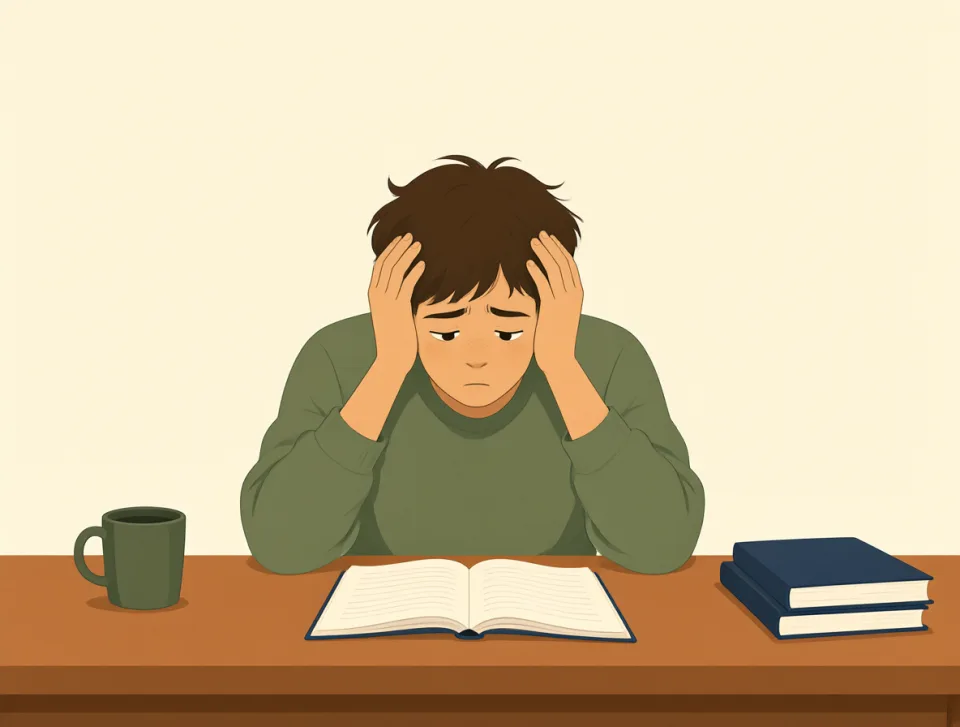
I had a terrible headache after working on the computer.
Po pracy przy komputerze strasznie bolała mnie głowa.
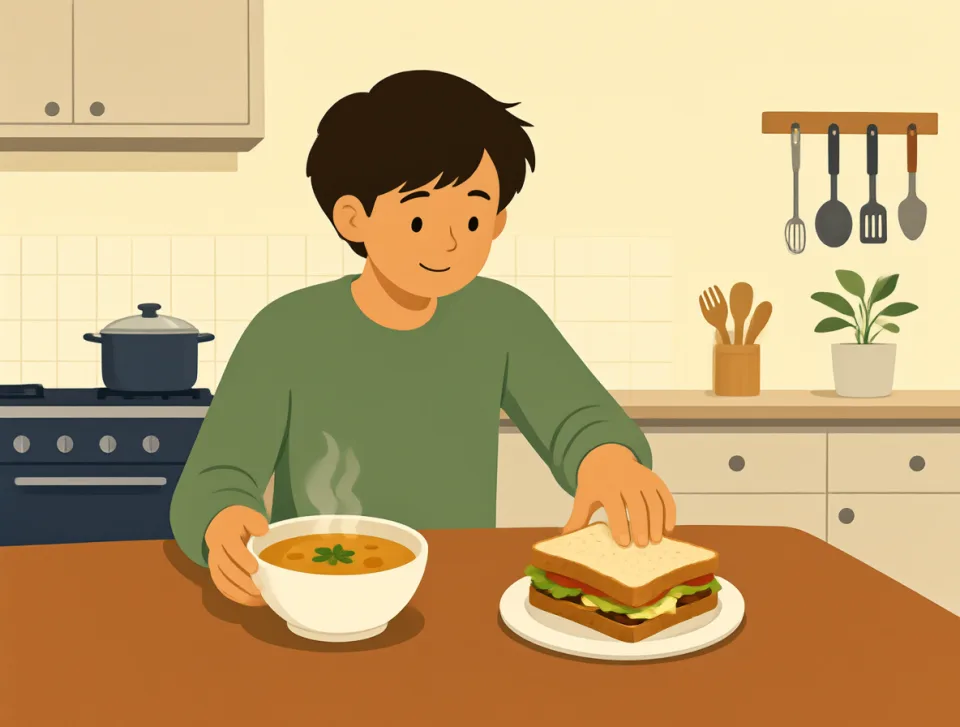
The soup tasted terrible, so I made a sandwich instead.
Zupa smakowała okropnie, więc zamiast niej zrobiłem sobie kanapkę.
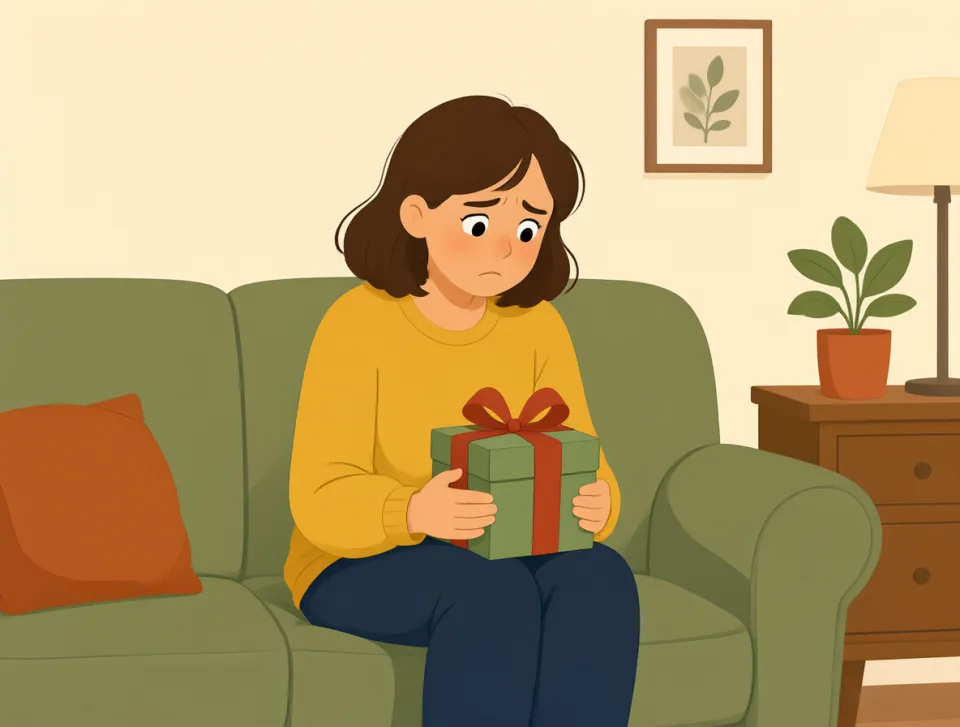
She felt terrible about missing her friend's birthday party.
Było jej bardzo przykro, że nie poszła na przyjęcie urodzinowe przyjaciółki.
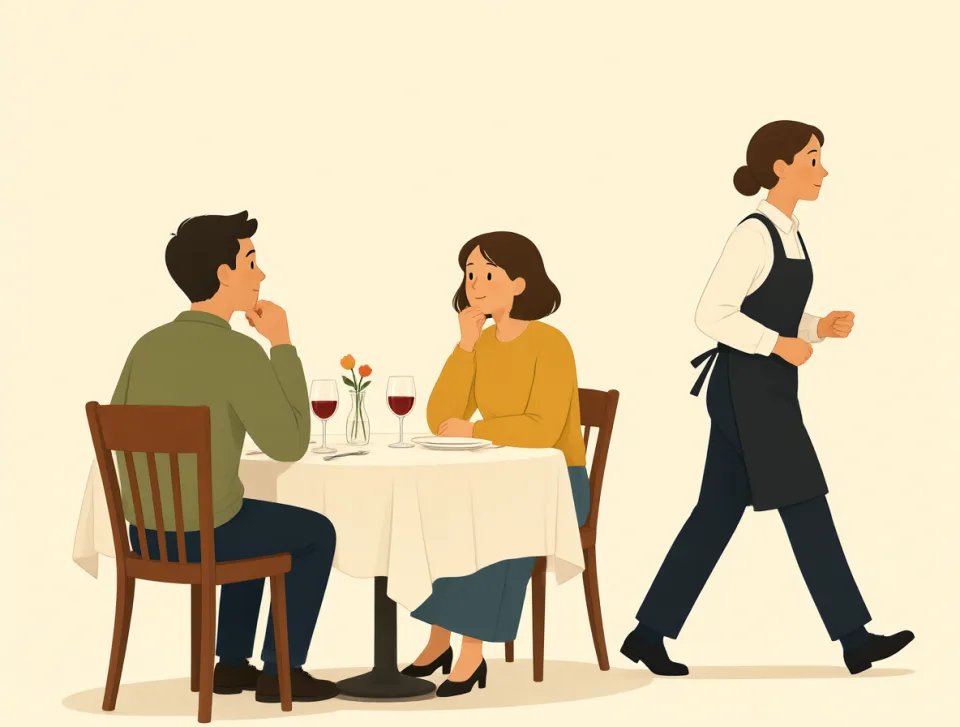
We got terrible service at the restaurant and waited an hour.
W restauracji obsłużono nas fatalnie, a na jedzenie czekaliśmy godzinę.
researcher
#1645noun
badacz
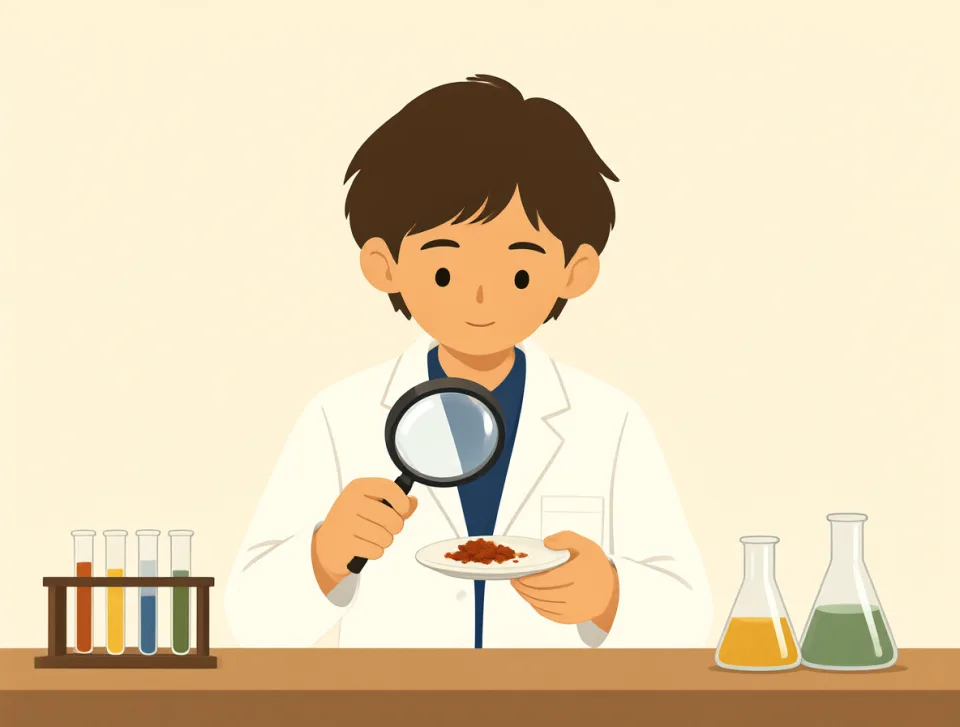
A person who studies a subject carefully to discover new information.
Osoba, która dokładnie bada jakiś temat, aby odkryć nowe informacje.
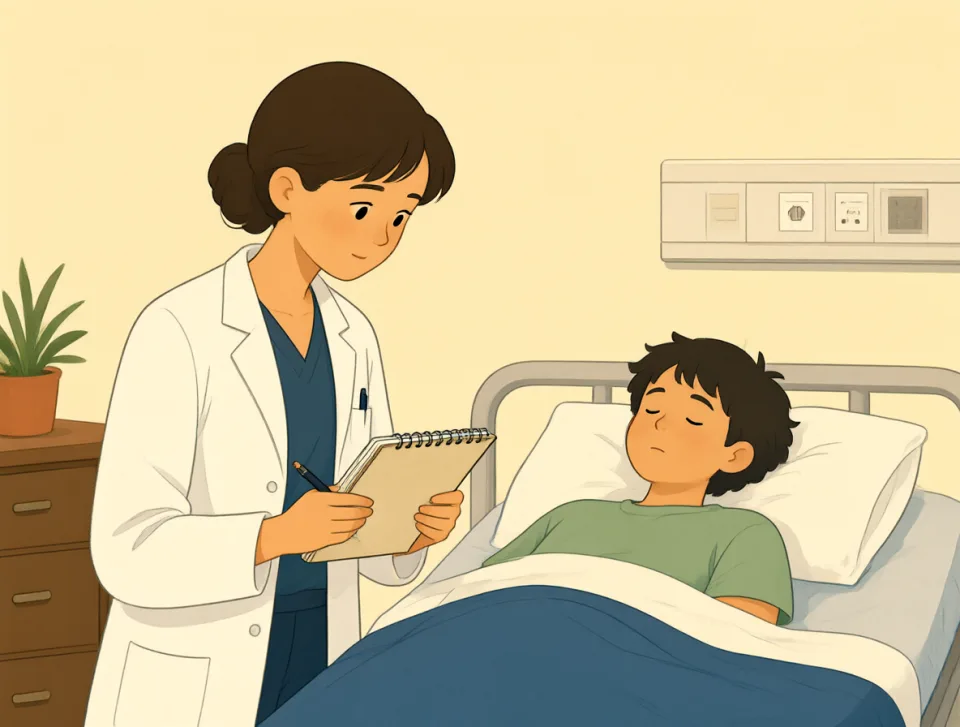
The researcher studied how sleep affects people's health.
Badacz zbadał, jak sen wpływa na zdrowie ludzi.
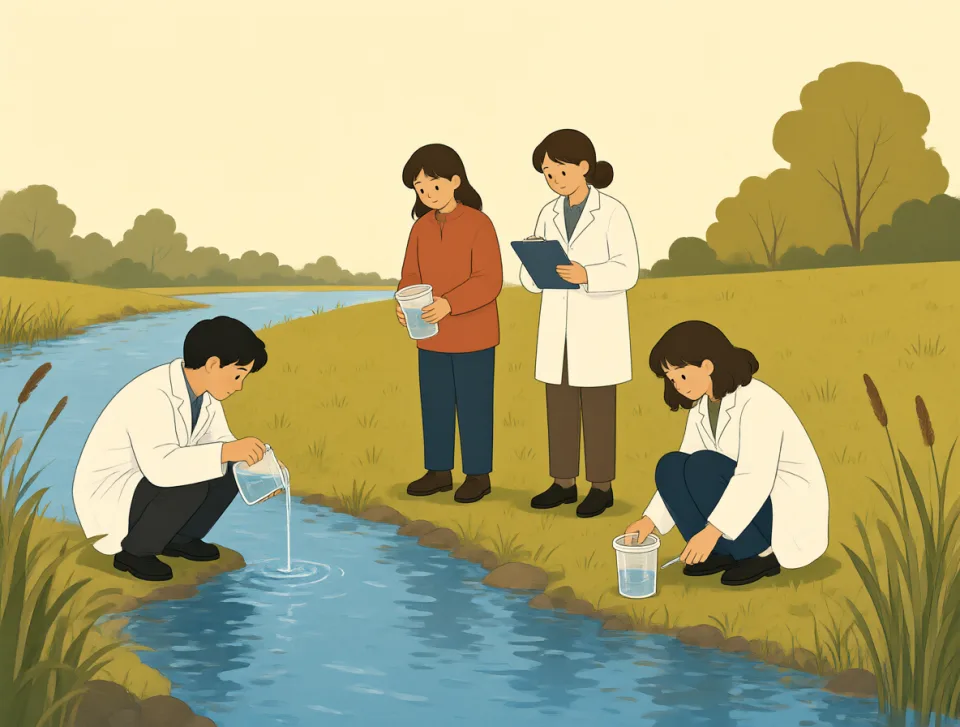
A team of researchers is studying the local river.
Zespół badaczy bada lokalną rzekę.
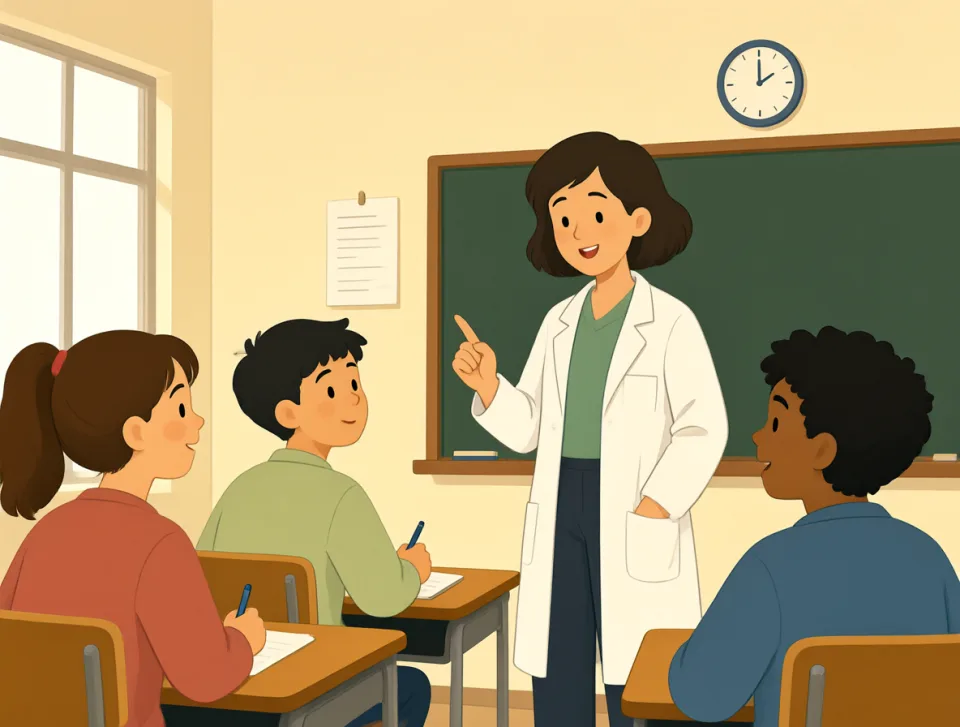
The researcher asked students about their favorite school subjects.
Badacz zapytał uczniów o ich ulubione przedmioty szkolne.
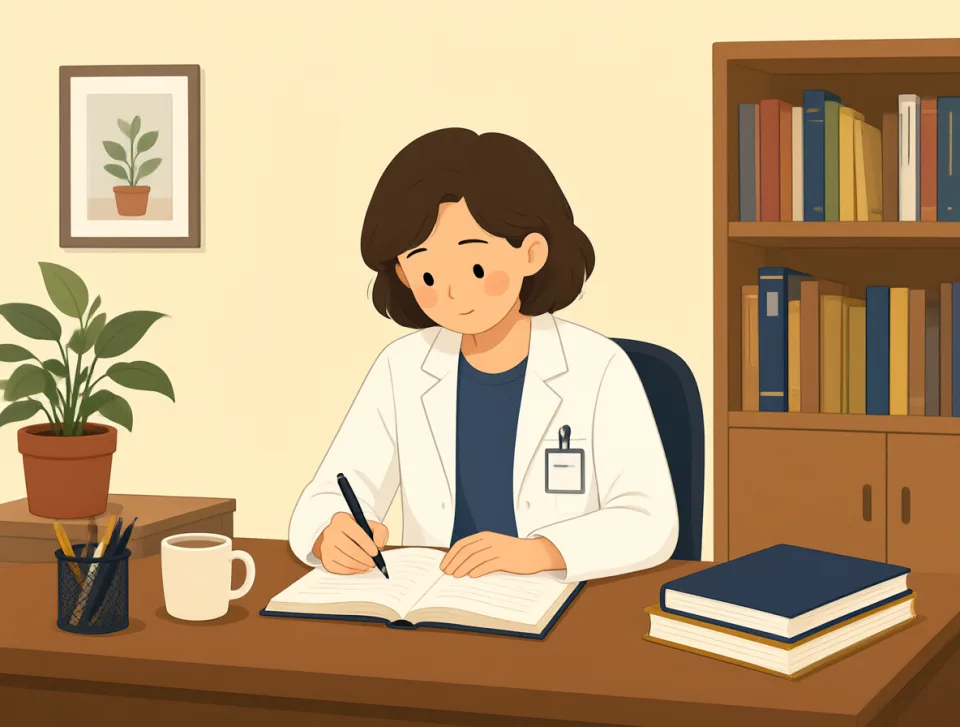
My sister works as a researcher at the university.
Moja siostra pracuje jako badaczka na uniwersytecie.
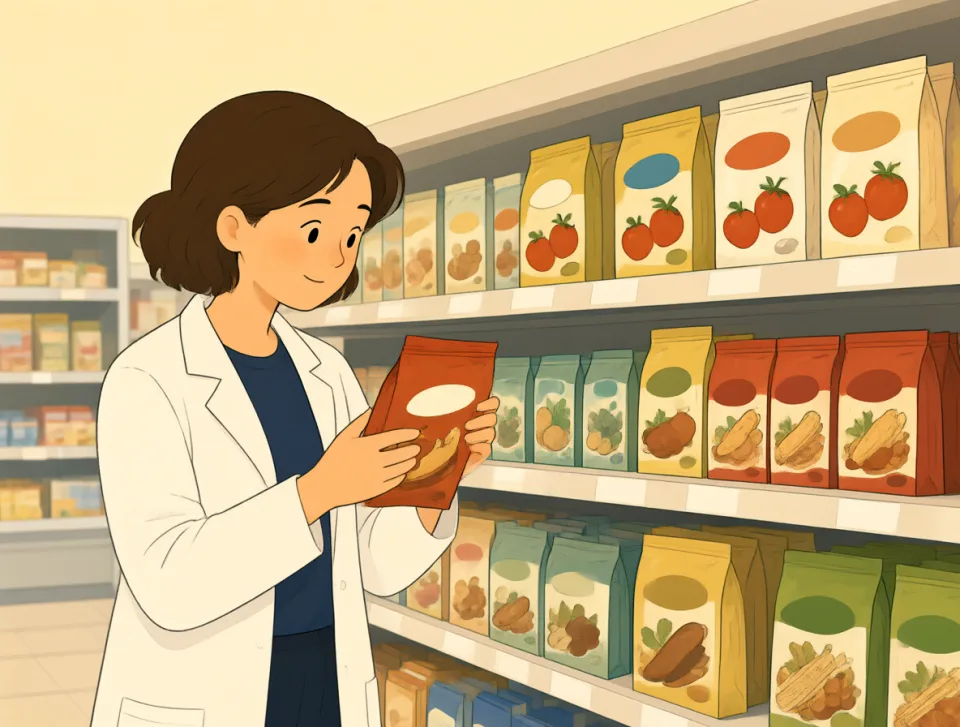
The researcher looked at food labels before choosing a healthy snack.
Badacz sprawdził etykiety produktów spożywczych, zanim wybrał zdrową przekąskę.

ordinary
#1646adjective
zwyczajny
Not special or different from what is usual.
Niezwykły ani odmienny od tego, co typowe.
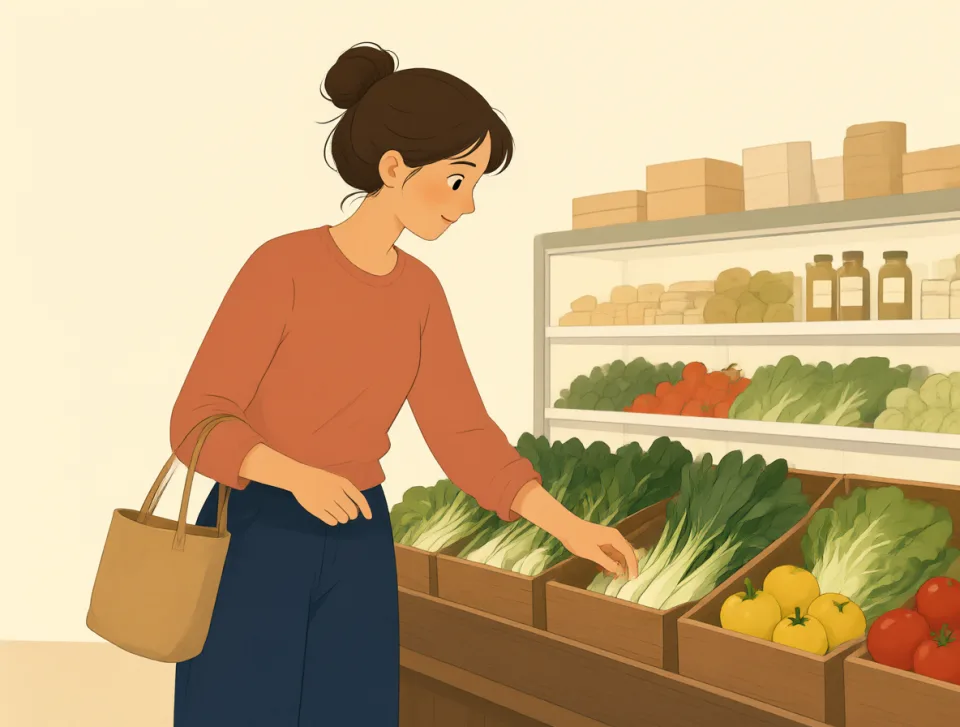
She wore ordinary clothes to the grocery store.
Poszła do sklepu spożywczego w zwykłym ubraniu.
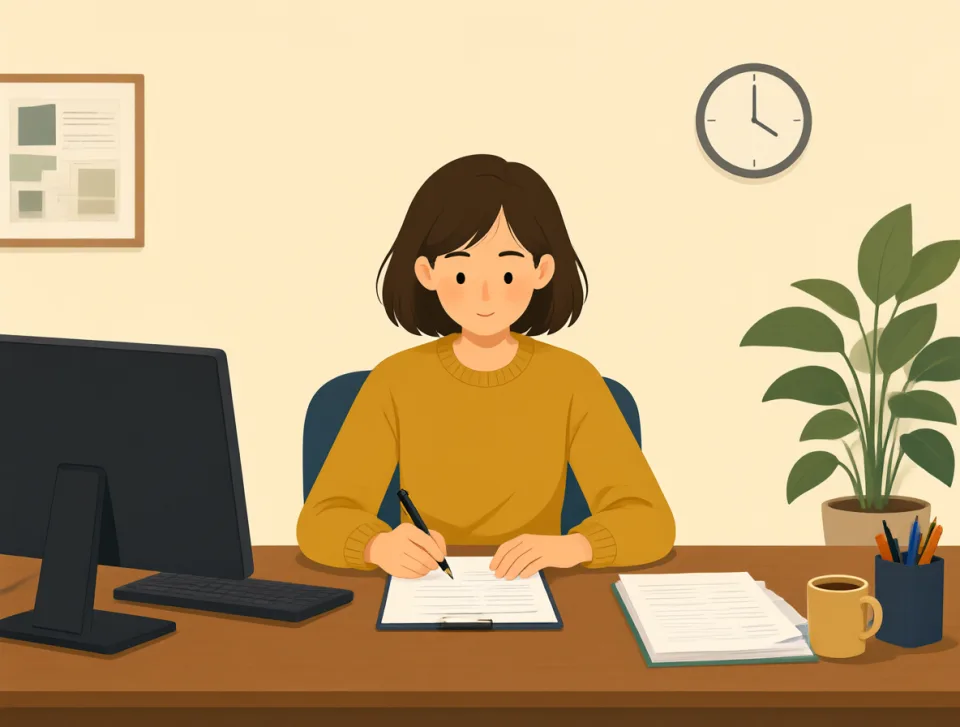
It was an ordinary day at the office.
To był zwyczajny dzień w biurze.
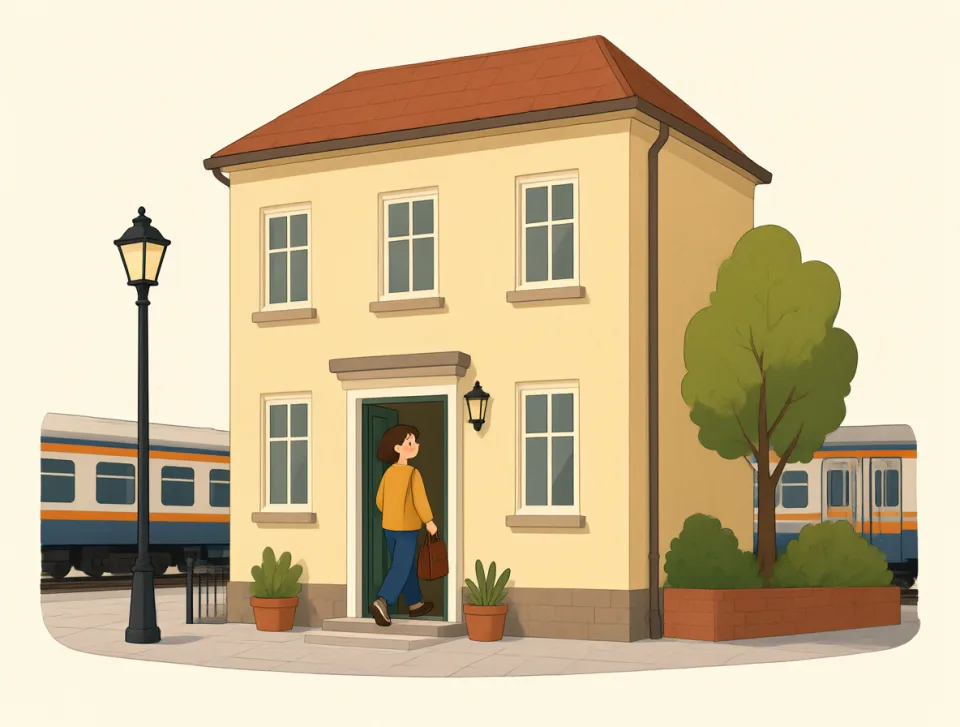
He lives in an ordinary apartment near the train station.
Mieszka w zwykłym mieszkaniu niedaleko stacji kolejowej.
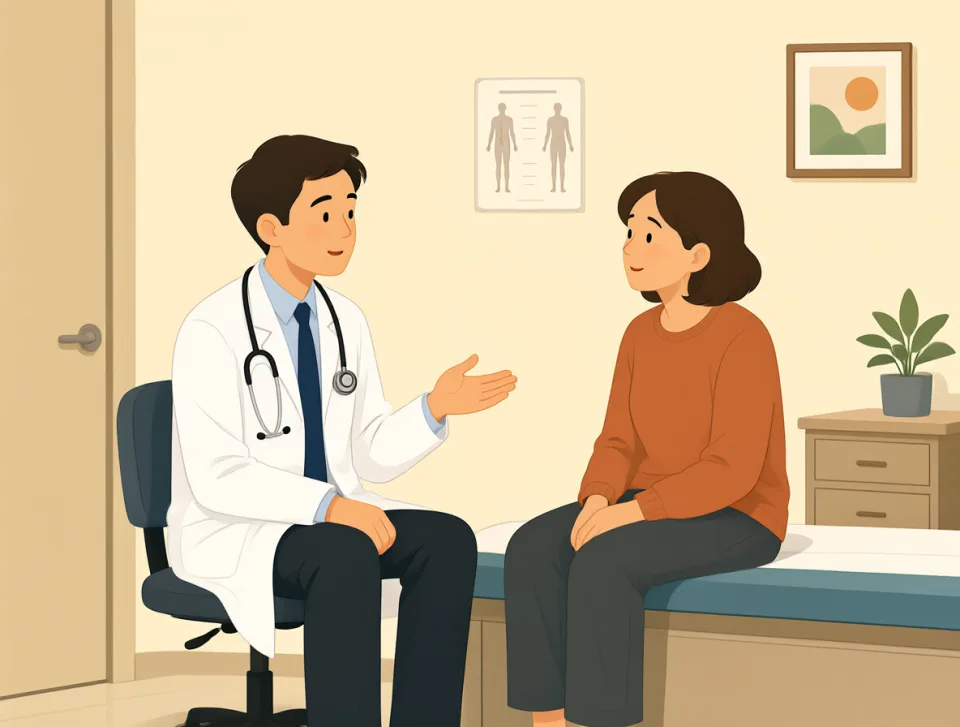
The doctor said my headache was nothing out of the ordinary.
Lekarz powiedział, że mój ból głowy nie jest niczym niezwykłym.
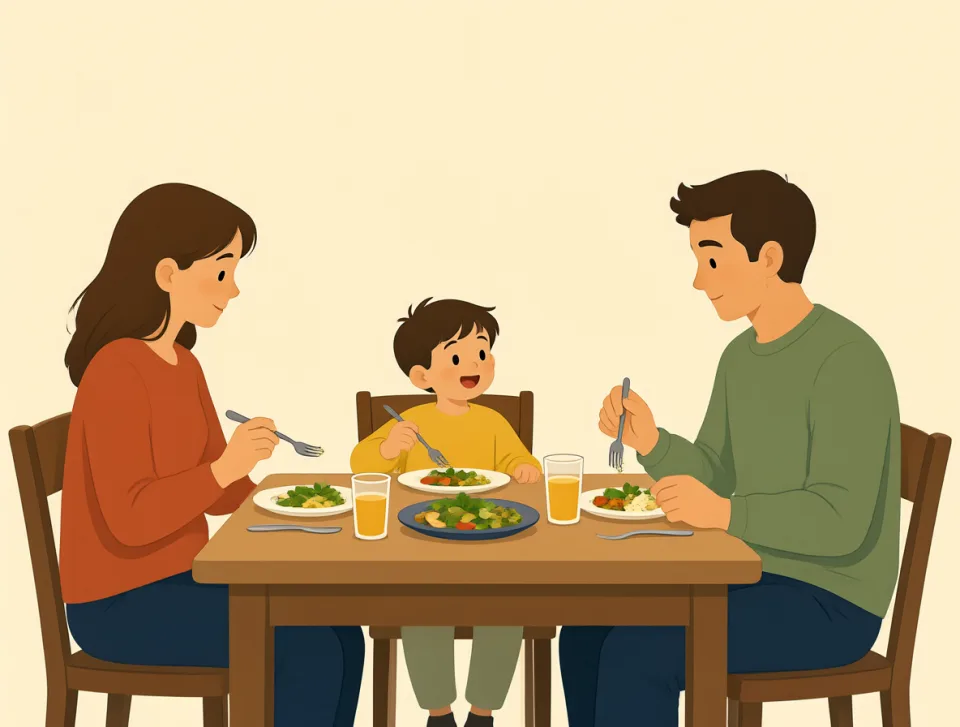
They turned an ordinary dinner into a special family meal.
Zamienili zwyczajną kolację w wyjątkowy rodzinny posiłek.
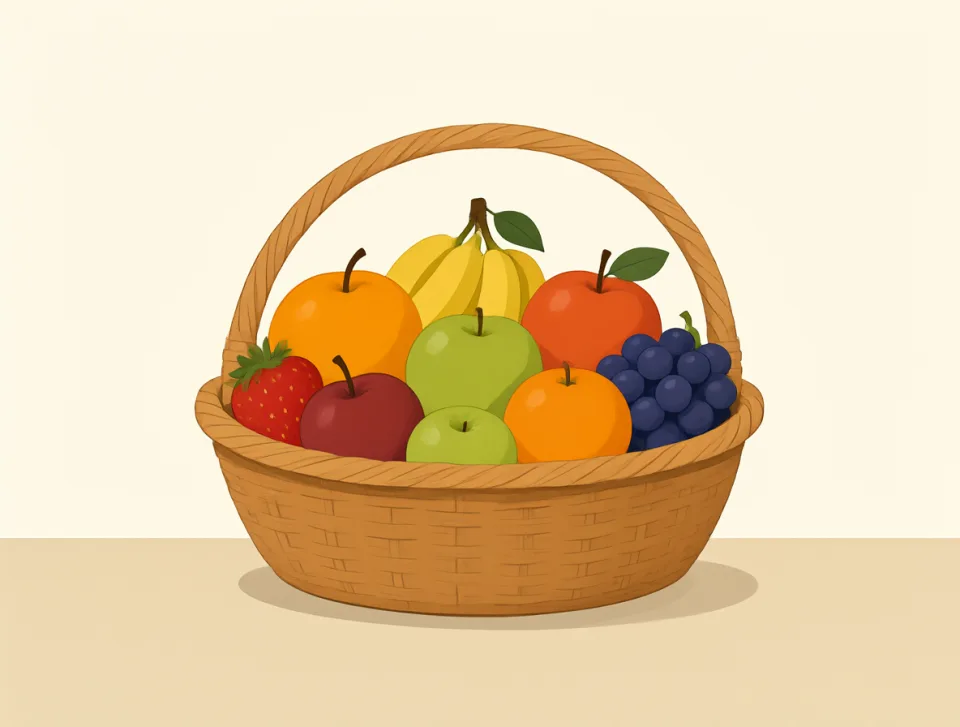
selection
#1647noun
wybór
A choice from several people or things, or a range of things available.
Wybór spośród kilku osób lub rzeczy albo dostępny asortyment.
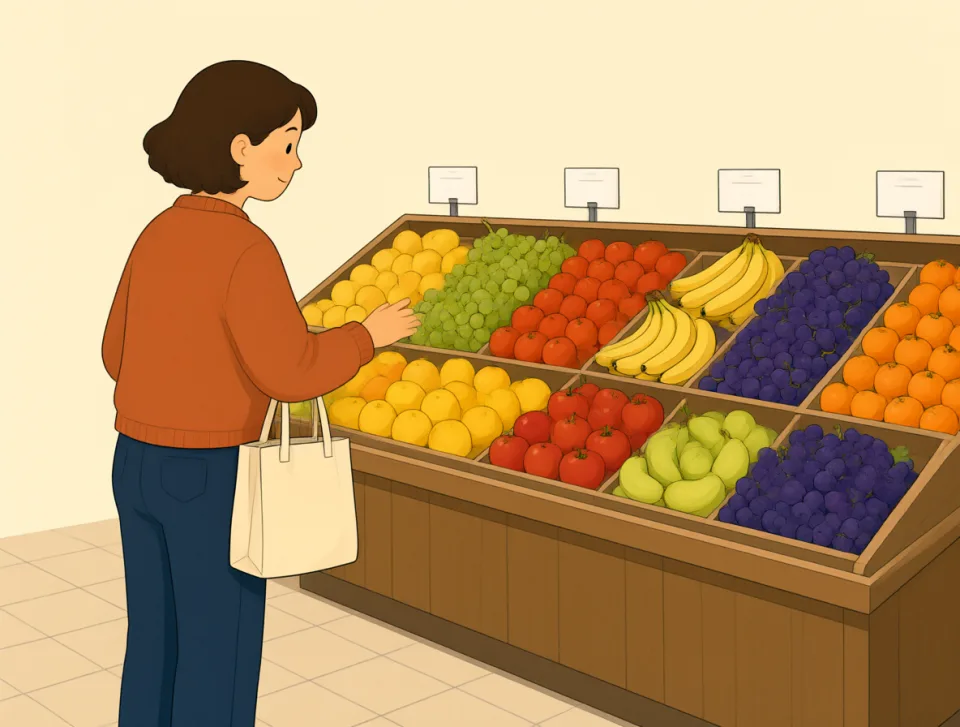
The supermarket has a wide selection of fresh fruit.
W supermarkecie jest duży wybór świeżych owoców.

I was happy with my selection of birthday gifts.
Byłem zadowolony z wybranych przeze mnie prezentów urodzinowych.
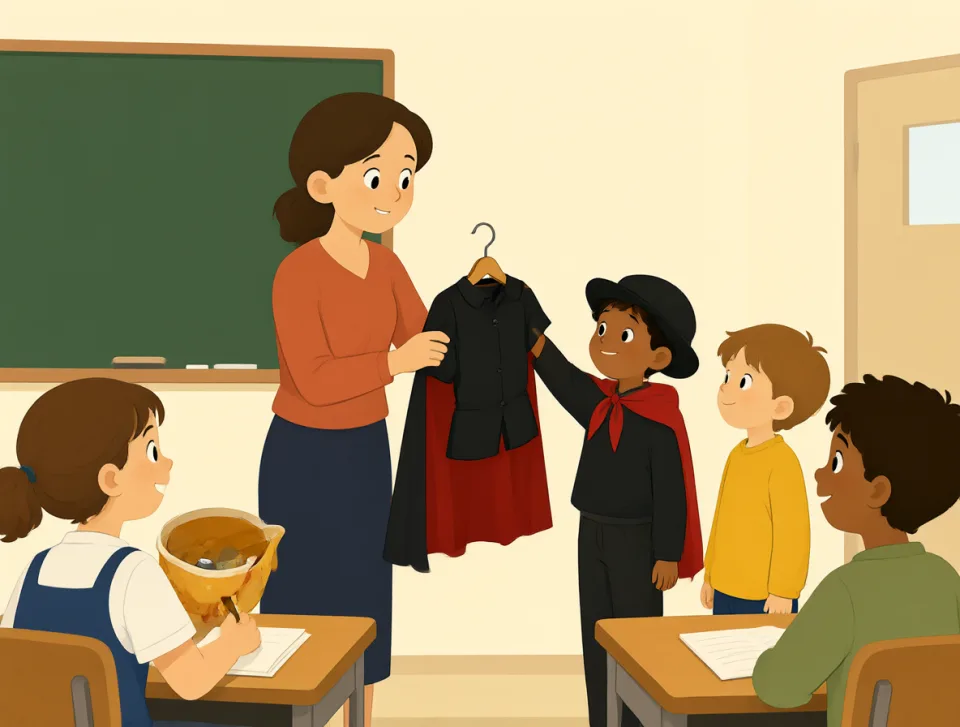
The teacher helped us make a selection for the school play.
Nauczyciel pomógł nam dokonać wyboru do szkolnego przedstawienia.
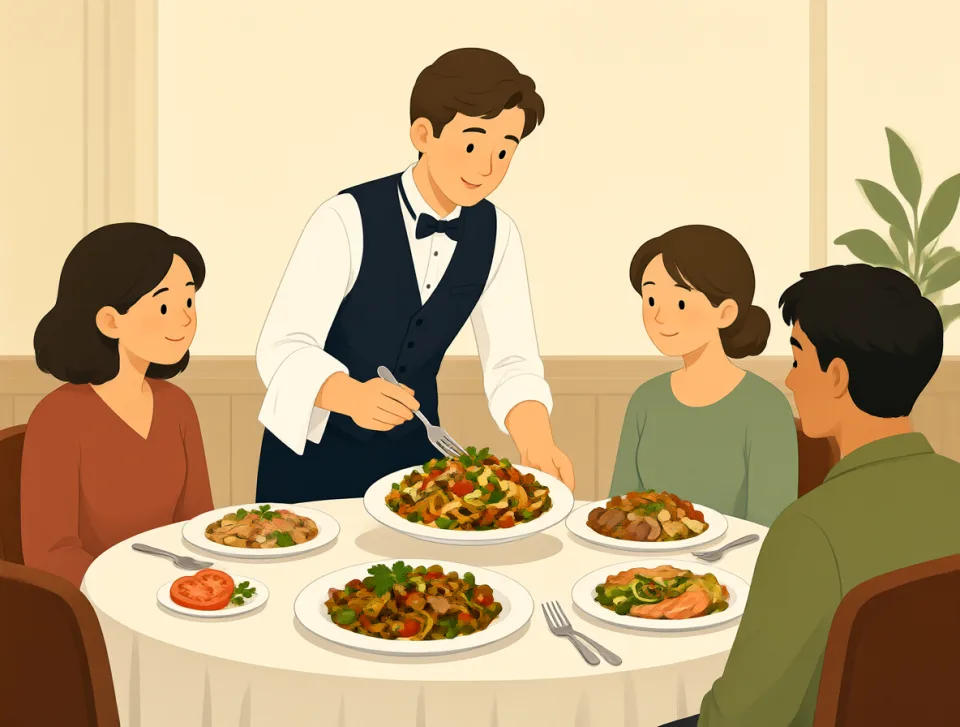
This restaurant offers a good selection of vegetarian dishes.
Ta restauracja oferuje duży wybór dań wegetariańskich.

Her selection for the national team surprised everyone.
Jej wybór do reprezentacji kraju zaskoczył wszystkich.
anywhere
#1648adverb
gdziekolwiek
in, at, or to any place
W dowolnym miejscu, w dowolnym miejscu lub do dowolnego miejsca.
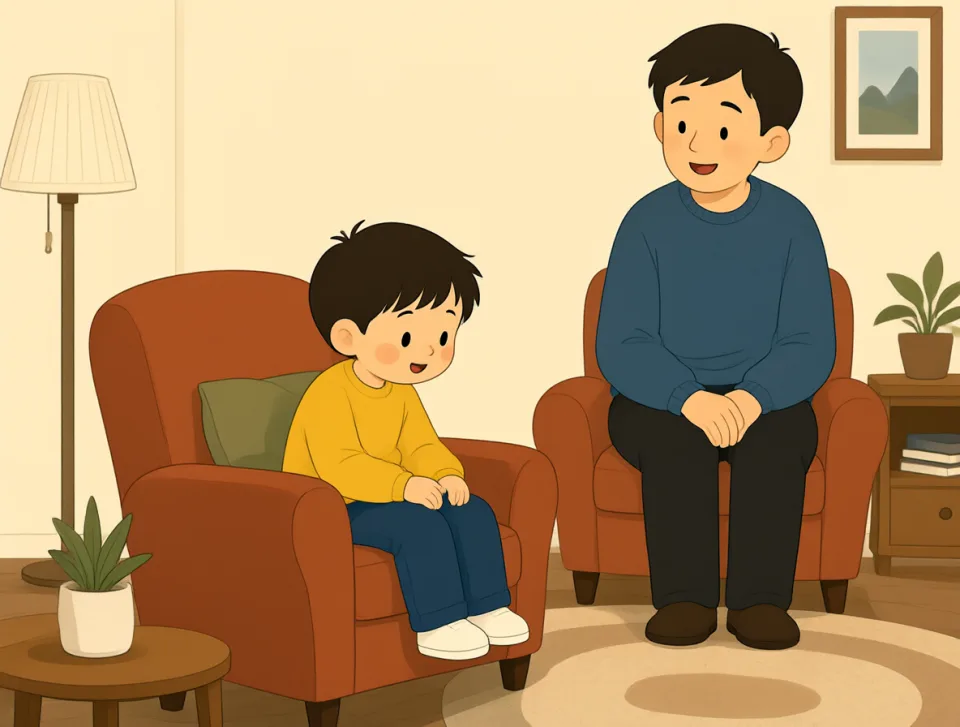
You can sit anywhere you like.
Możesz usiąść, gdzie tylko chcesz.
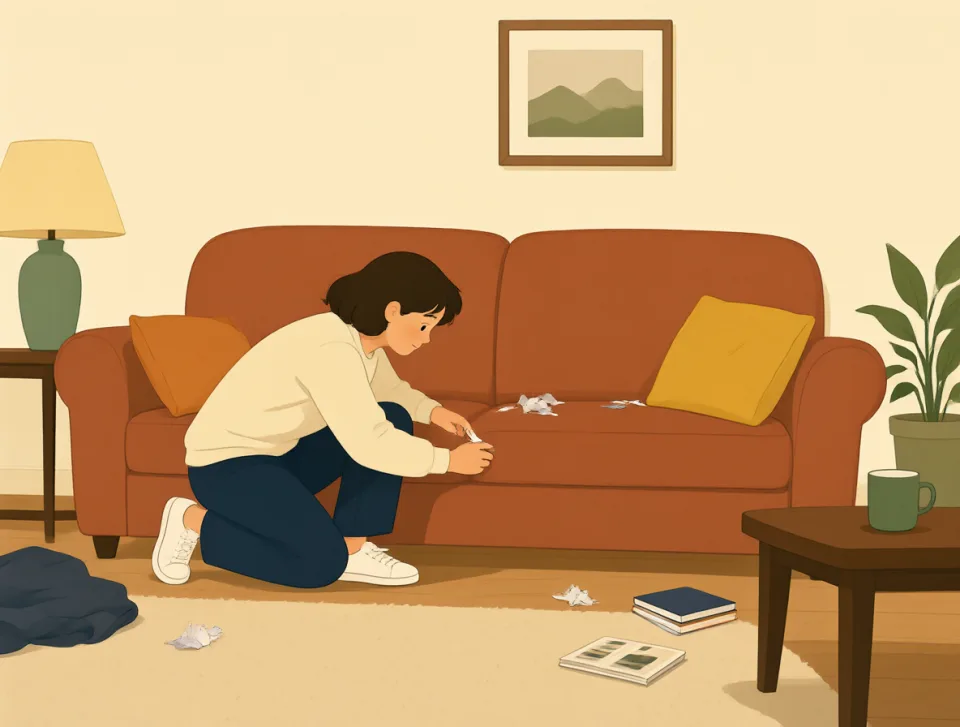
I can't find my keys anywhere.
Nigdzie nie mogę znaleźć kluczy.
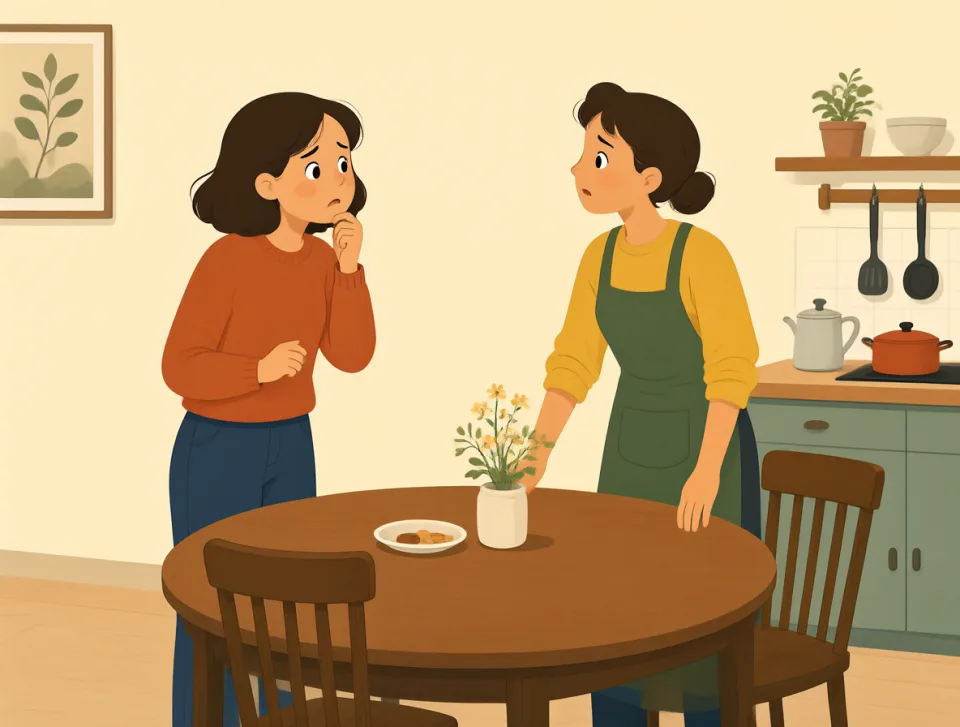
Have you seen my phone anywhere?
Widziałeś gdzieś mój telefon?
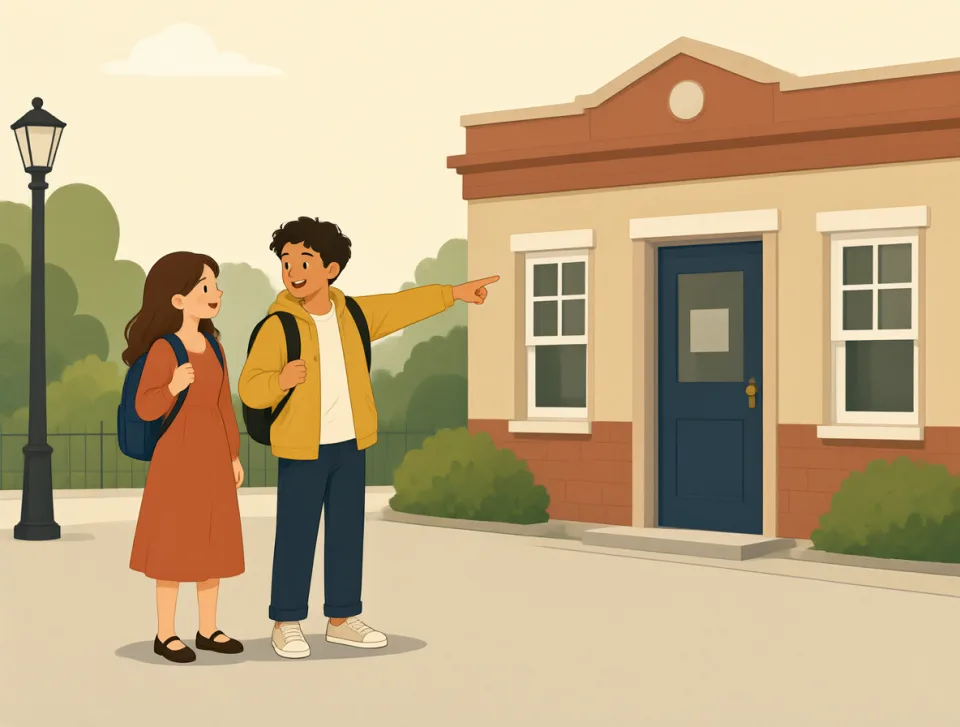
We can meet anywhere near the station.
Możemy spotkać się gdziekolwiek w pobliżu stacji.
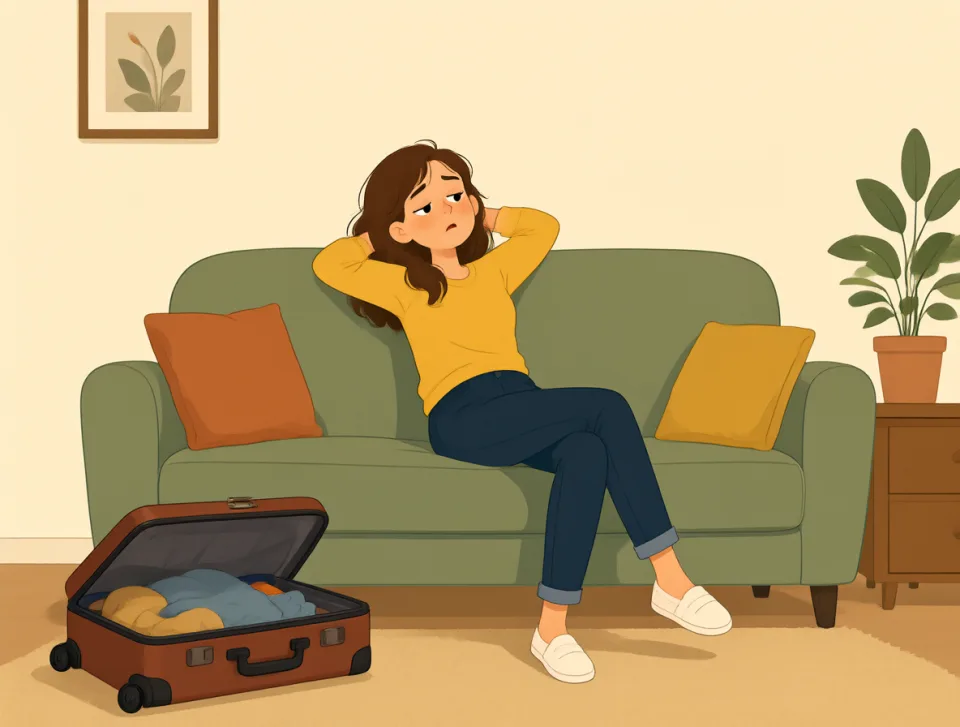
She doesn't want to travel anywhere this weekend.
Ona nie chce nigdzie wyjeżdżać w ten weekend.

mental
#1649adjective
psychiczny
Connected with the mind, thoughts, or emotional health.
Związany z umysłem, myślami lub zdrowiem emocjonalnym.
Talking with friends can support your mental health.
Rozmowy z przyjaciółmi mogą wspierać zdrowie psychiczne.
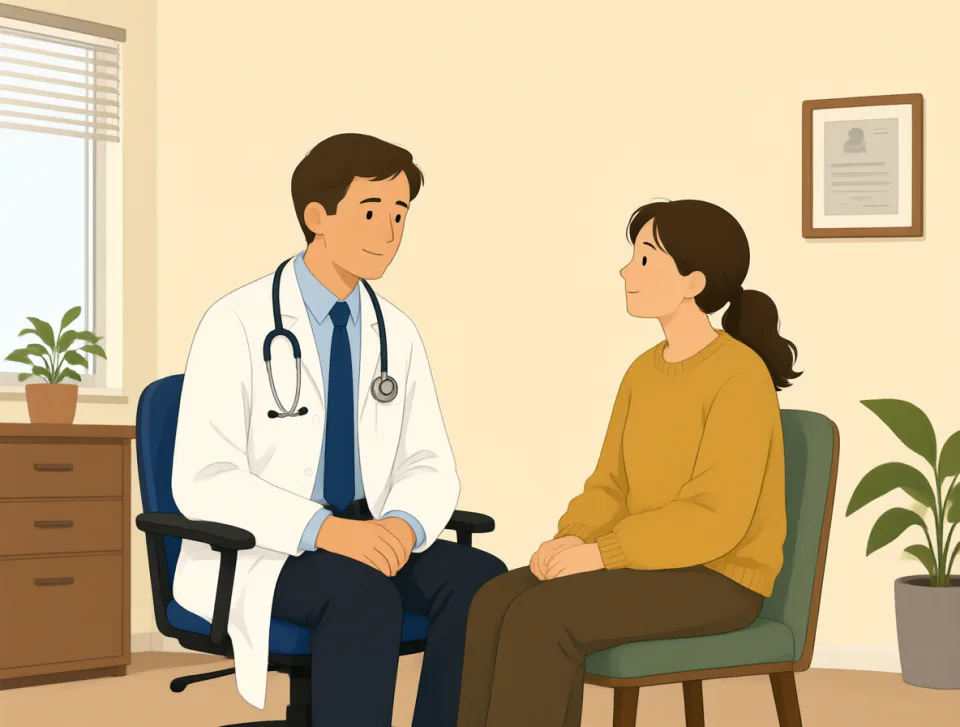
The doctor helped him manage his mental illness.
Lekarz pomógł mu radzić sobie z chorobą psychiczną.
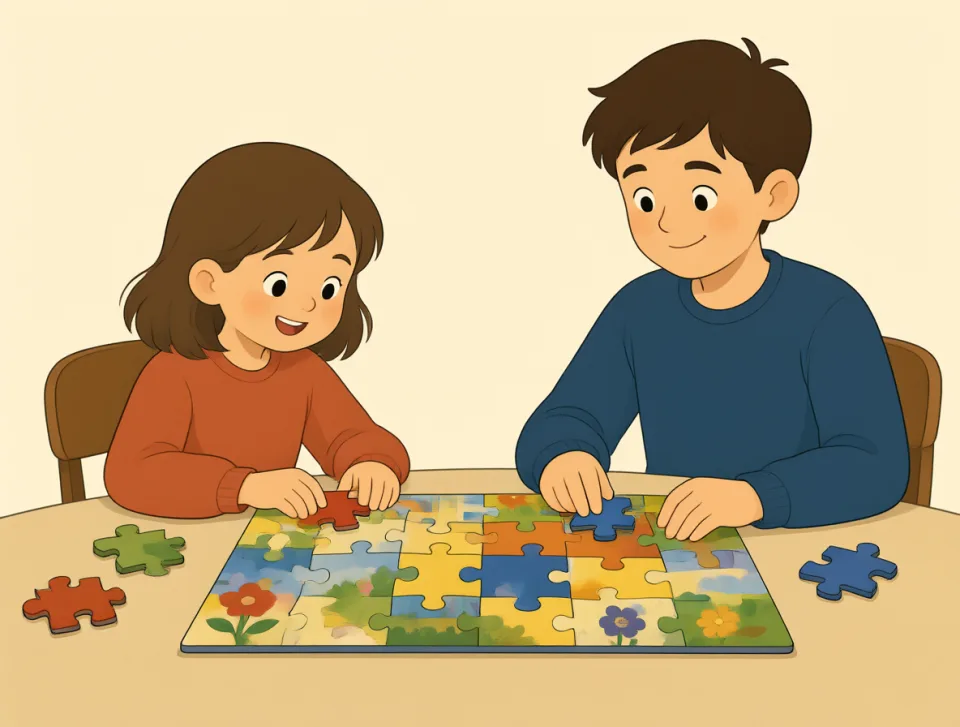
These puzzles give children useful mental exercise.
Te łamigłówki zapewniają dzieciom pożyteczny trening umysłu.
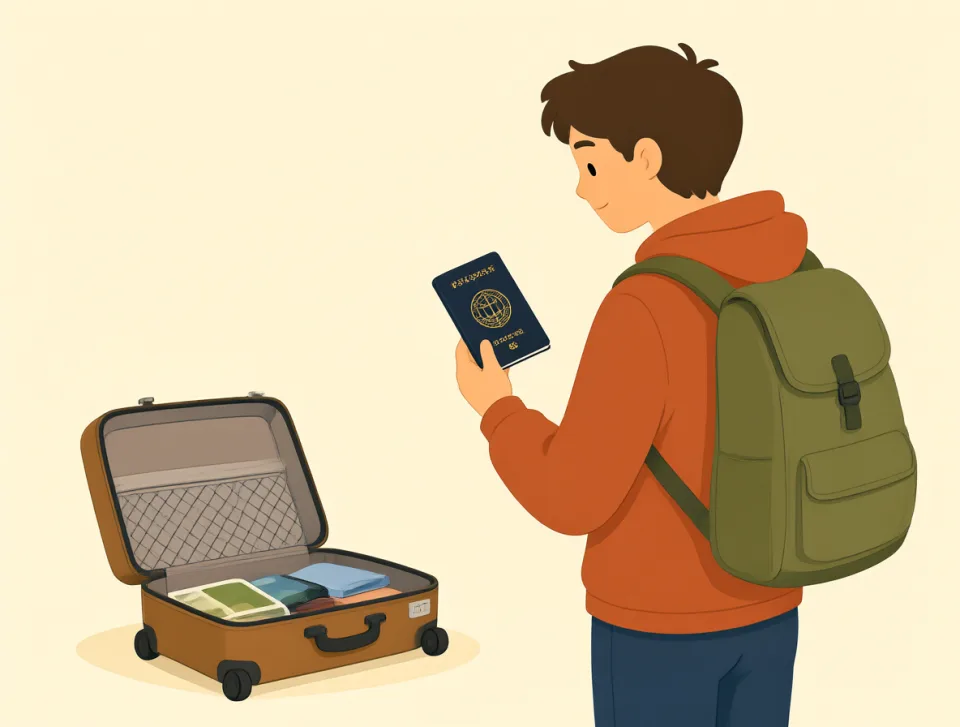
I made a mental note to pack my passport.
Zrobiłem sobie w myślach notatkę, żeby spakować paszport.
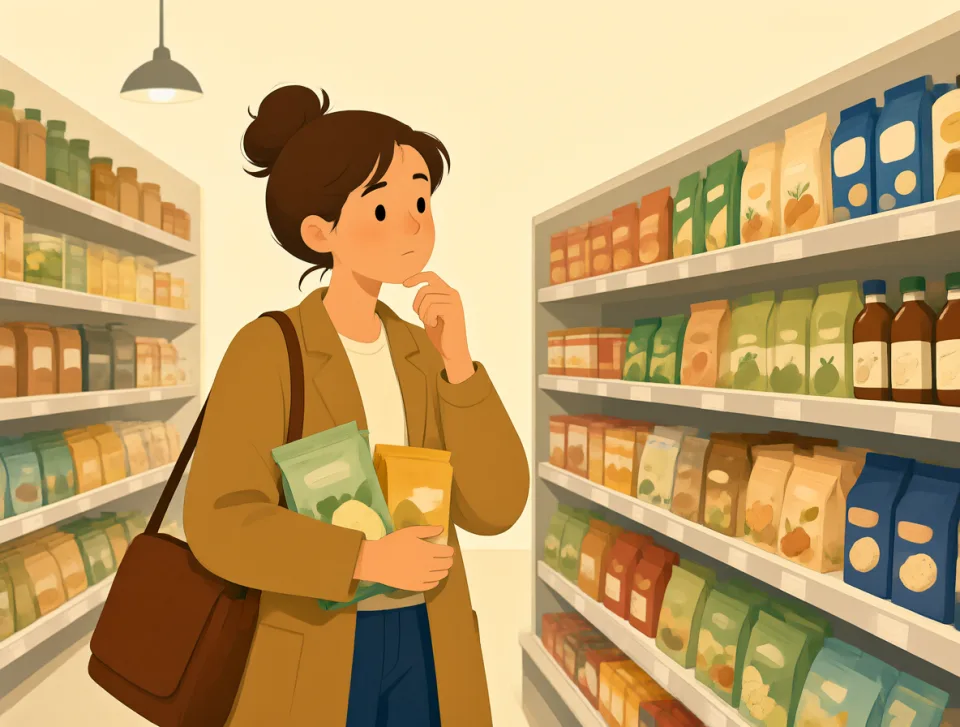
He did the mental math while shopping.
Podczas zakupów obliczył wszystko w pamięci.
participant
#1650noun
uczestnik
a person who takes part in an activity or event
Osoba biorąca udział w jakiejś aktywności lub wydarzeniu.
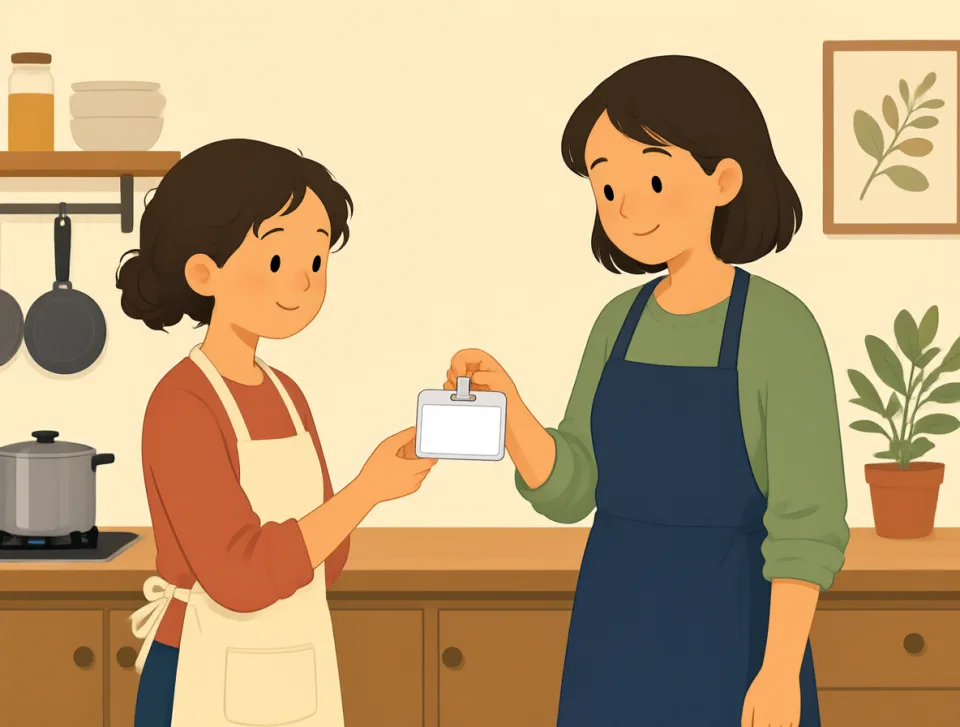
Each participant received a name badge at the community cooking class.
Każdy uczestnik otrzymał identyfikator z imieniem i nazwiskiem na zajęciach kulinarnych w domu kultury.

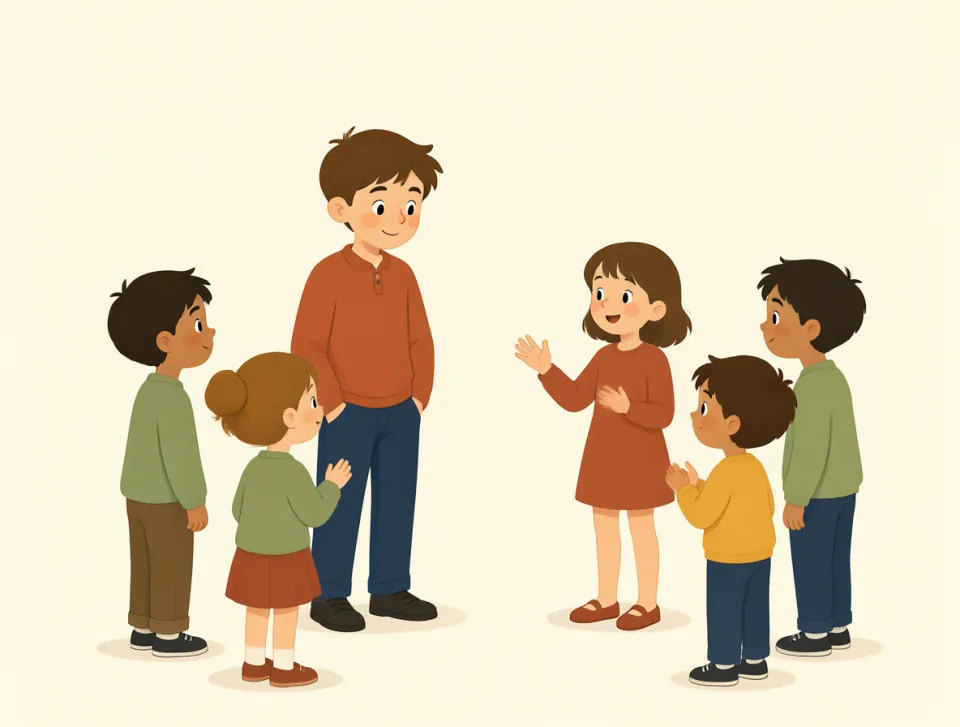
All participants in the walking tour met outside the museum.
Wszyscy uczestnicy wycieczki pieszej spotkali się przed muzeum.
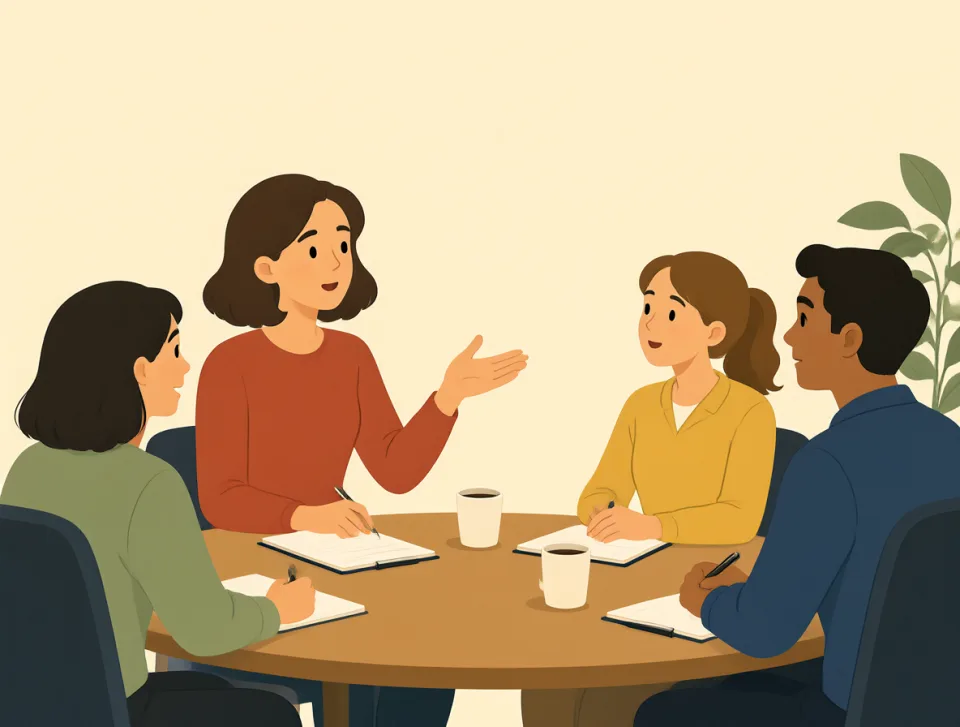
She was an active participant in our team meeting.
Była aktywną uczestniczką naszego zebrania zespołu.
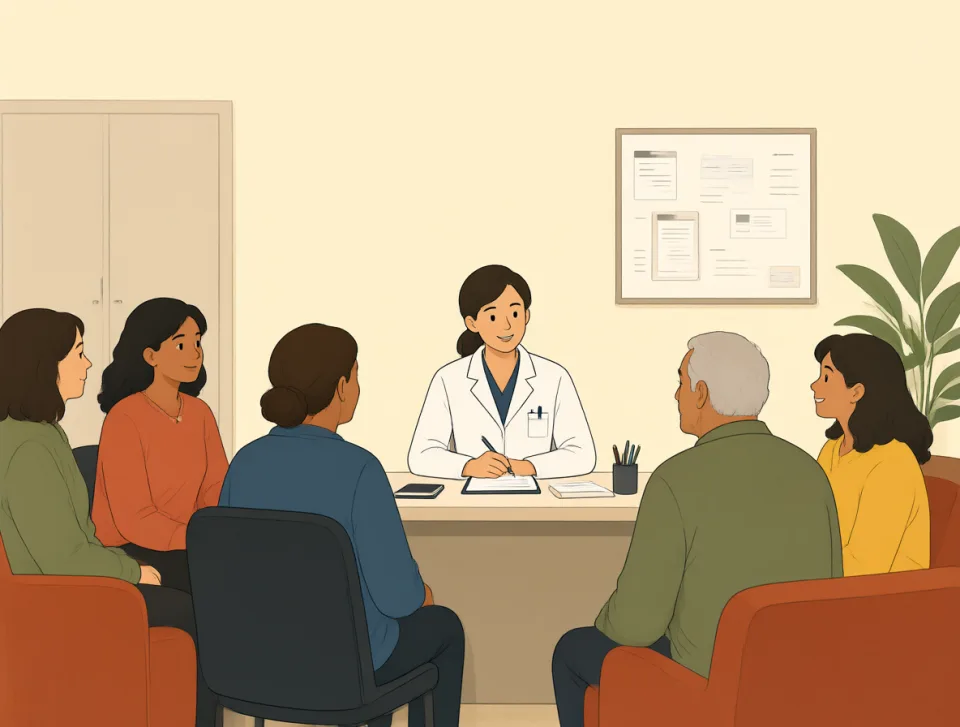
The study participants answered questions about their sleep habits.
Uczestnicy badania odpowiadali na pytania dotyczące swoich nawyków związanych ze snem.
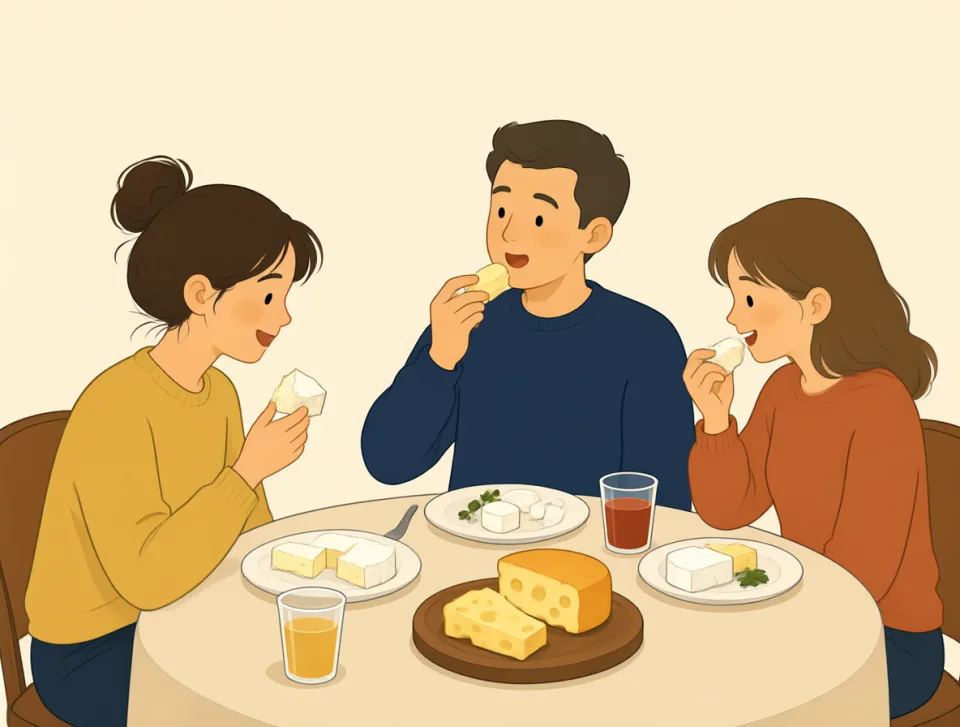
Participants in the food tasting tried three kinds of cheese.
Uczestnicy degustacji próbowali trzech rodzajów sera.
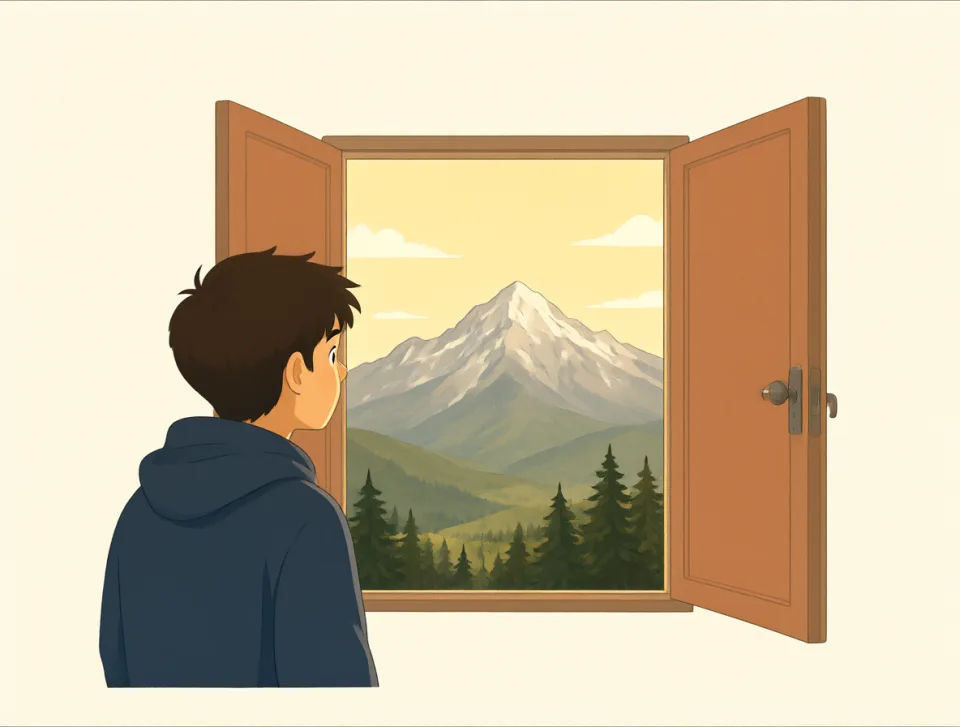
vision
#1651noun
wzrok; wizja
The ability to see, or an idea of what you want to achieve in the future.
Zdolność widzenia albo wyobrażenie tego, co chcesz osiągnąć w przyszłości.
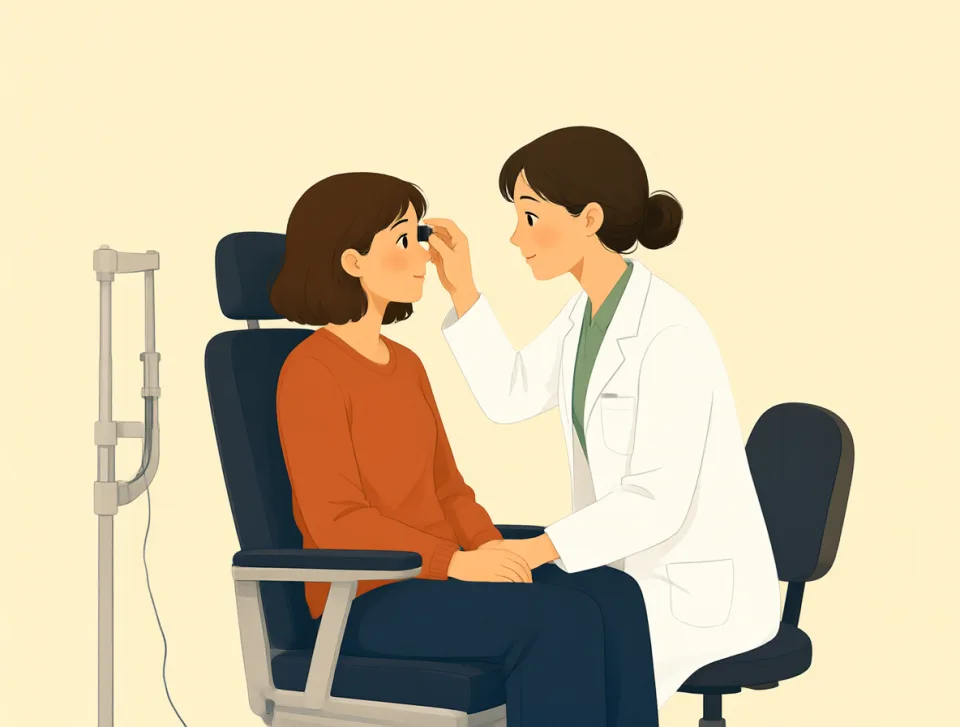
Her vision became blurry, so she visited an eye doctor.
Jej wzrok się zamglił, więc poszła do okulisty.
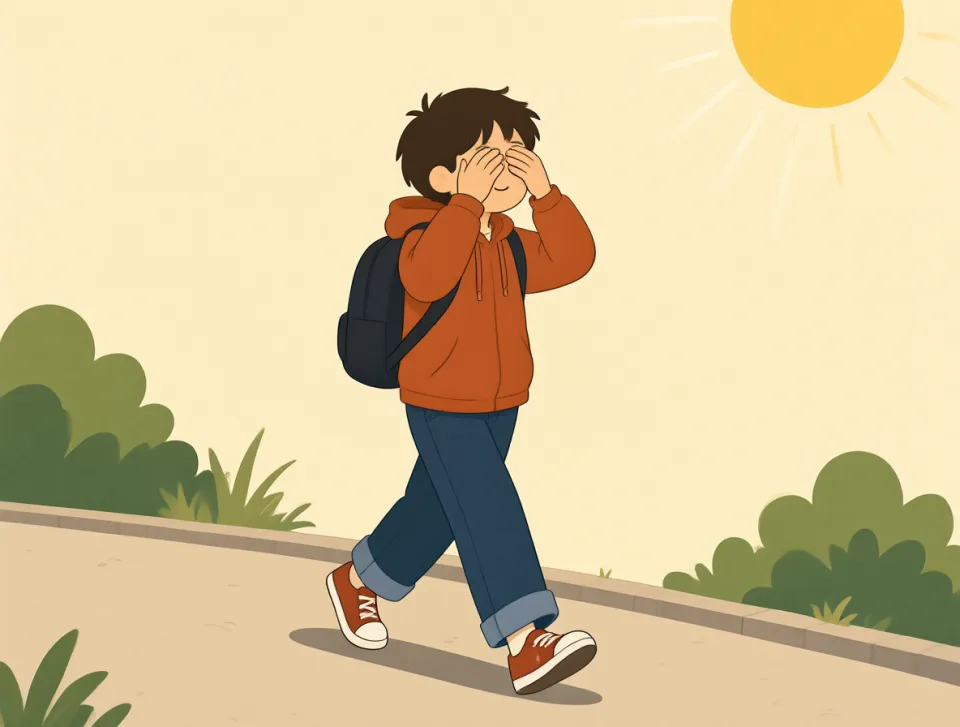
The bright sunlight hurt my vision during the morning walk.
Jasne słońce raziło mnie w oczy podczas porannego spaceru.
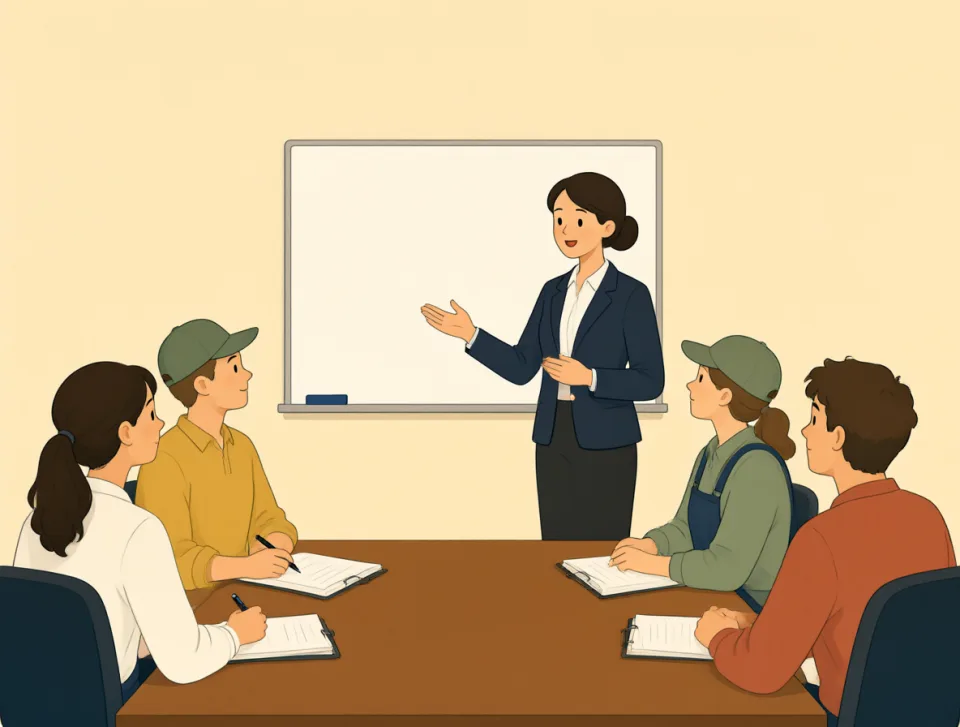
The company shared its vision for a cleaner future.
Firma przedstawiła swoją wizję czystszej przyszłości.

Good leaders have a clear vision of their team's future.
Dobrzy liderzy mają jasną wizję przyszłości swojego zespołu.
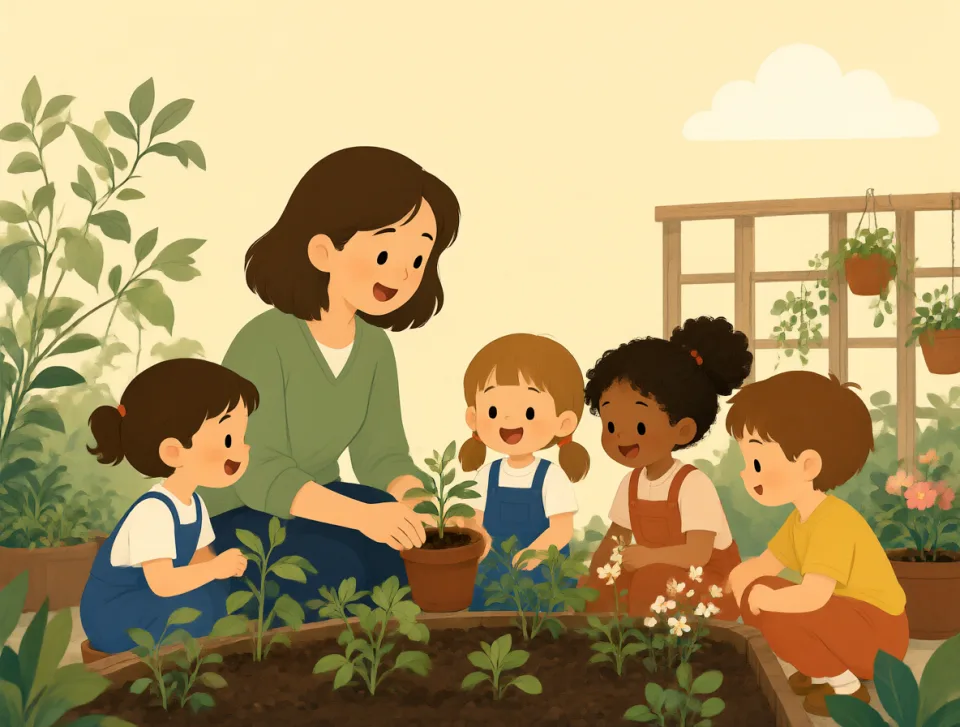
The school created a new vision for learning outdoors.
Szkoła stworzyła nową wizję nauki na świeżym powietrzu.

personality
#1652noun
osobowość
The kind of person someone is, shown by their usual thoughts, feelings, and behavior.
To, jaki ktoś jest, co widać w jego typowych myślach, uczuciach i zachowaniu.
Her friendly personality helped her make friends at the new school.
Dzięki swojej przyjaznej osobowości łatwo nawiązała znajomości w nowej szkole.

The job needs someone with a calm personality who works well with others.
Ta praca wymaga osoby o spokojnym usposobieniu, która dobrze współpracuje z innymi.
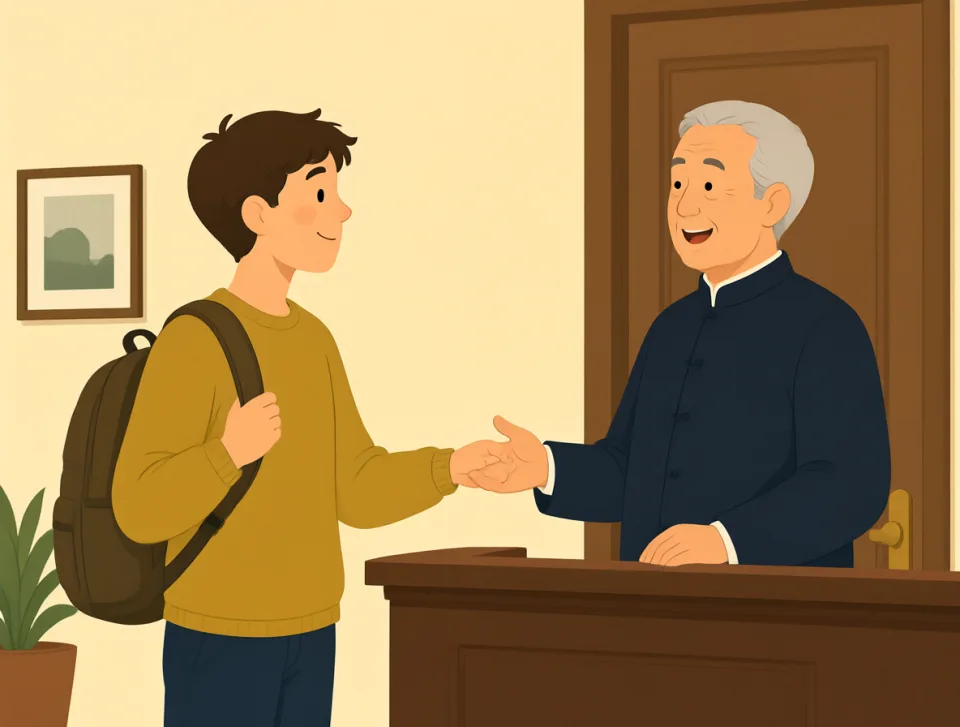
We chose a small hotel because it has a warm personality.
Wybraliśmy mały hotel, bo ma przytulną atmosferę.
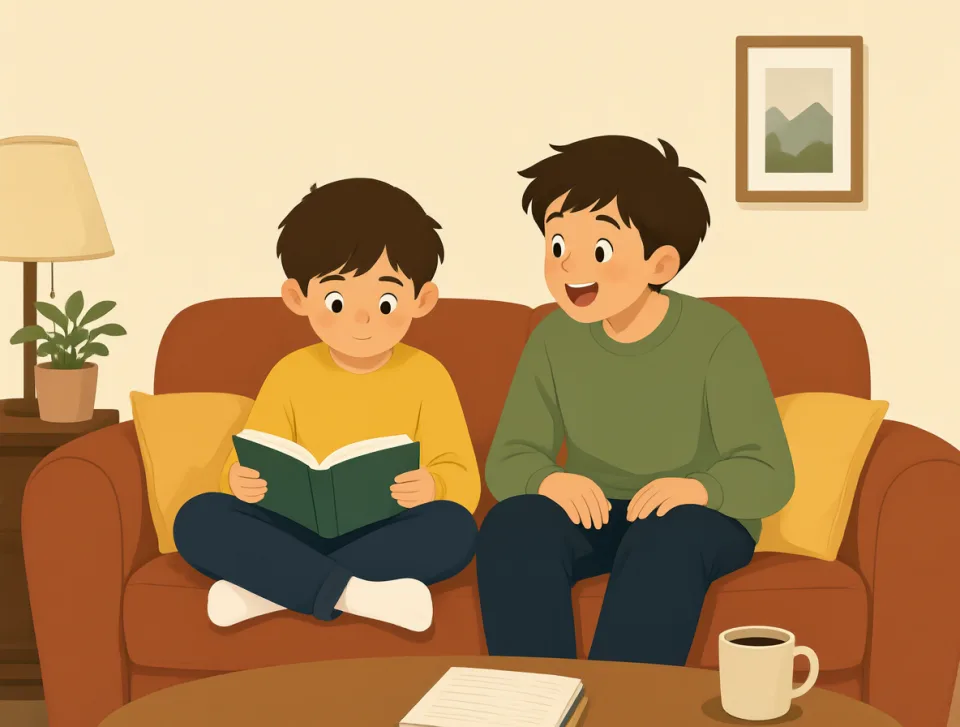
His brother has a very different personality from his own.
Jego brat ma zupełnie inną osobowość niż on.
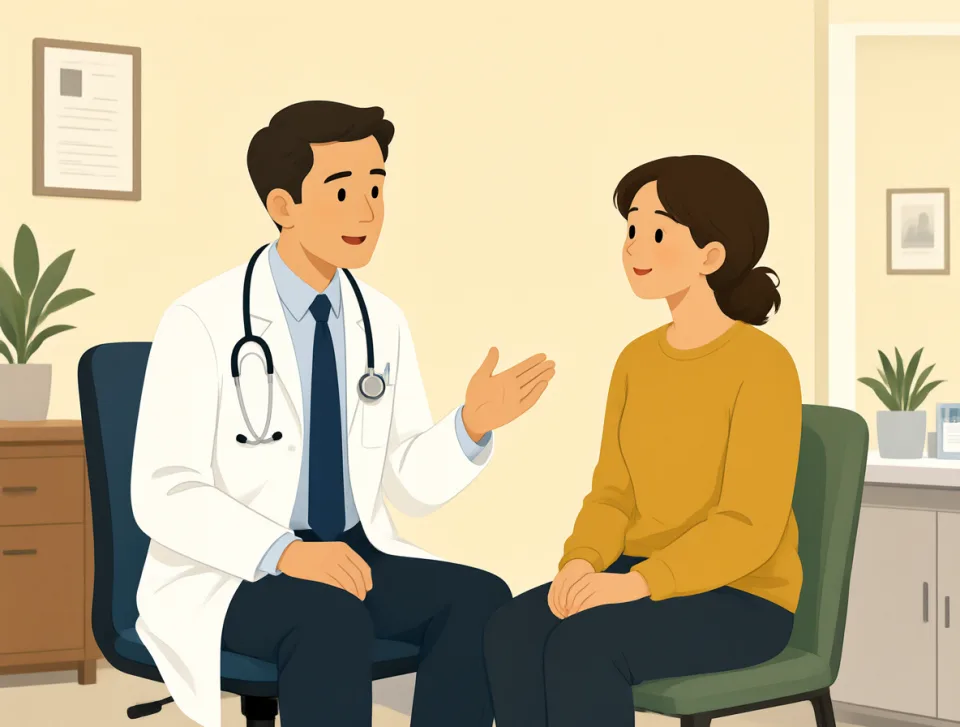
The doctor said her personality can affect how she handles stress.
Lekarz powiedział, że jej osobowość może wpływać na to, jak radzi sobie ze stresem.
specifically
#1653adverb
konkretnie
In a clear and exact way, with details about one particular thing.
W jasny i precyzyjny sposób, z podaniem szczegółów dotyczących konkretnej rzeczy.
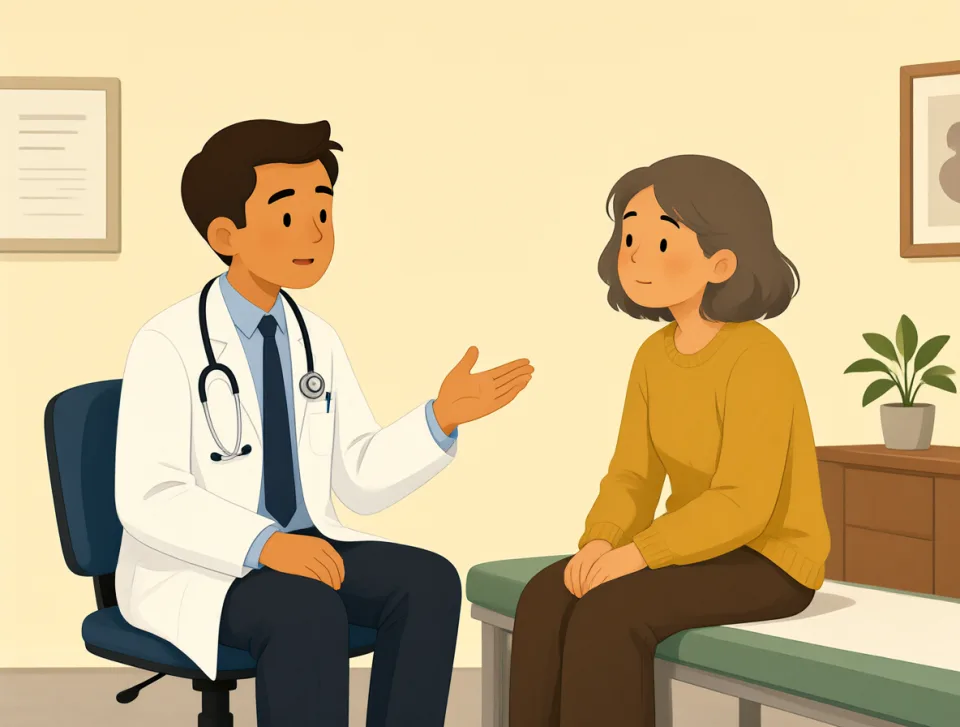
The doctor asked specifically about my headaches and sleeping habits.
Lekarz zapytał konkretnie o moje bóle głowy i nawyki związane ze snem.
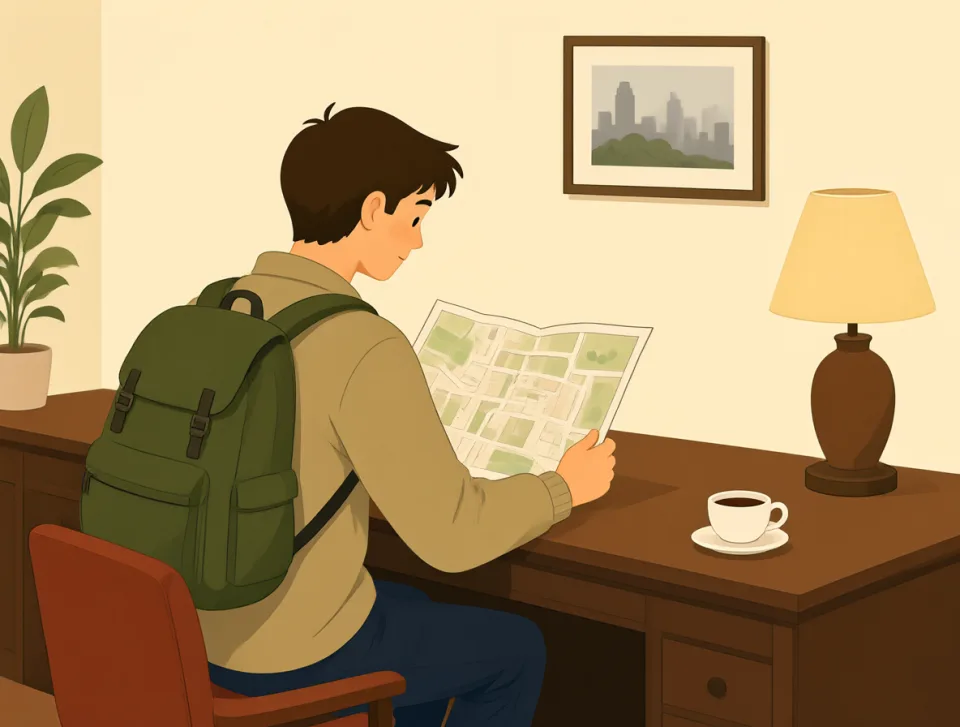
This guide is specifically for people visiting the city for the first time.
Ten przewodnik jest przeznaczony specjalnie dla osób, które odwiedzają miasto po raz pierwszy.
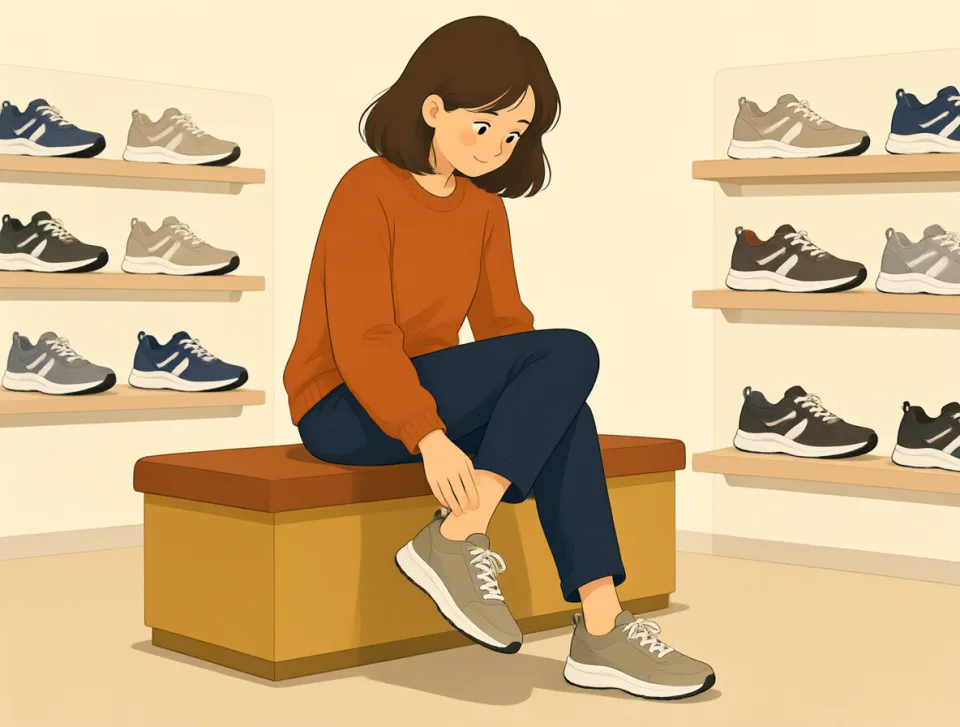
I bought these shoes specifically for walking long distances.
Kupiłem te buty specjalnie do chodzenia na długich dystansach.
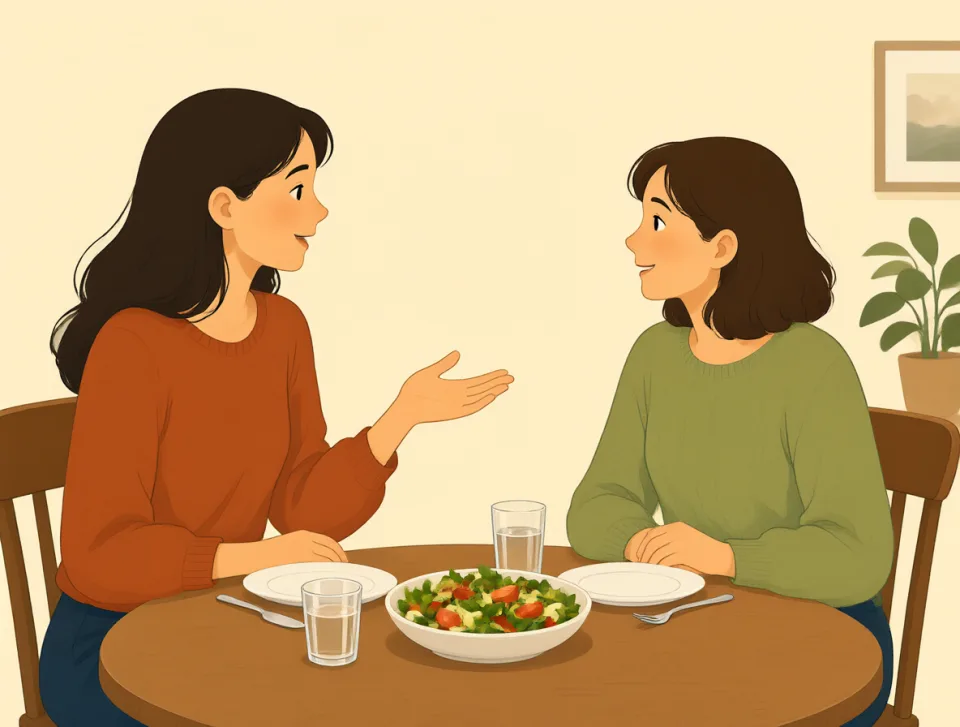
She specifically asked me to bring a salad to dinner.
Poprosiła mnie, żebym przyniósł na kolację sałatkę.
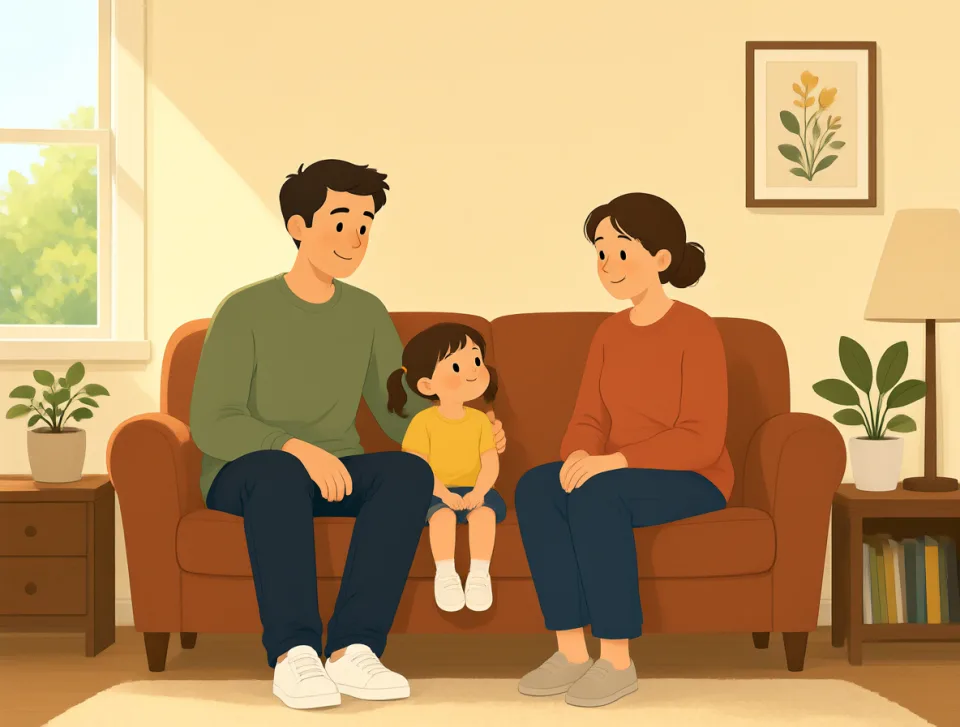
We chose this small room specifically because it stays cool.
Wybraliśmy ten mały pokój właśnie dlatego, że jest w nim chłodno.

fat
#1654adjective, noun
gruby; tłuszcz
Having too much body weight; a natural oil or solid substance found in animals and some foods.
Mający nadmierną masę ciała; naturalny olej lub stała substancja występująca u zwierząt i w niektórych produktach spożywczych.
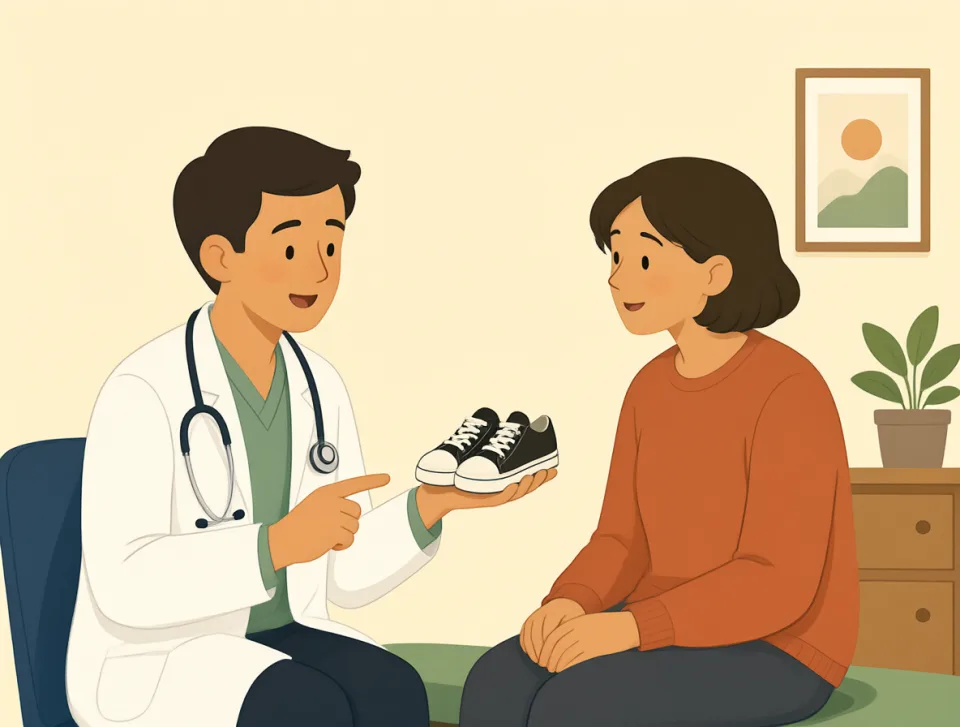
The doctor said I was getting too fat and should walk more.
Lekarz powiedział, że za bardzo przybieram na wadze i powinienem więcej chodzić.
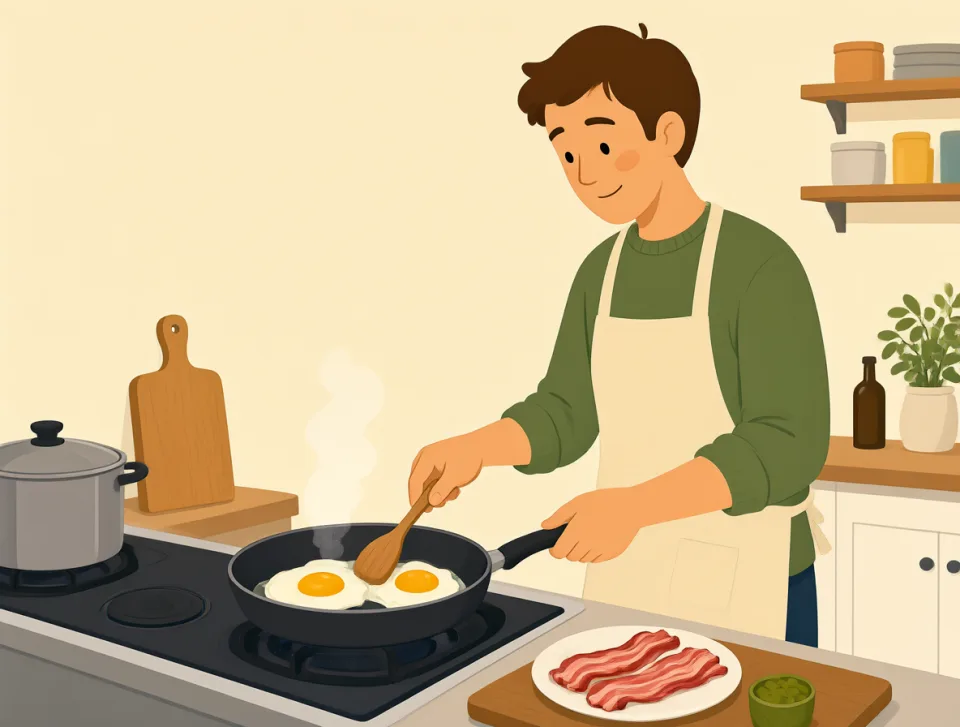
He cooked the eggs in a little fat from the bacon.
Usmażył jajka na odrobinie tłuszczu z bekonu.
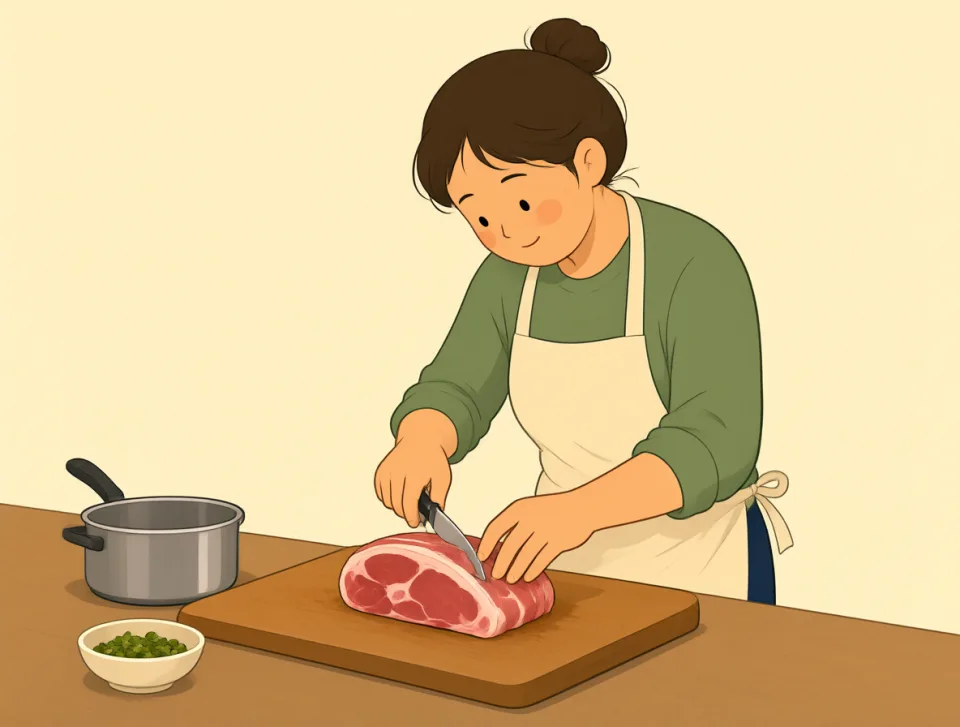
Trim the fat off the meat before you put it in the pan.
Odetnij tłuszcz z mięsa, zanim włożysz je na patelnię.
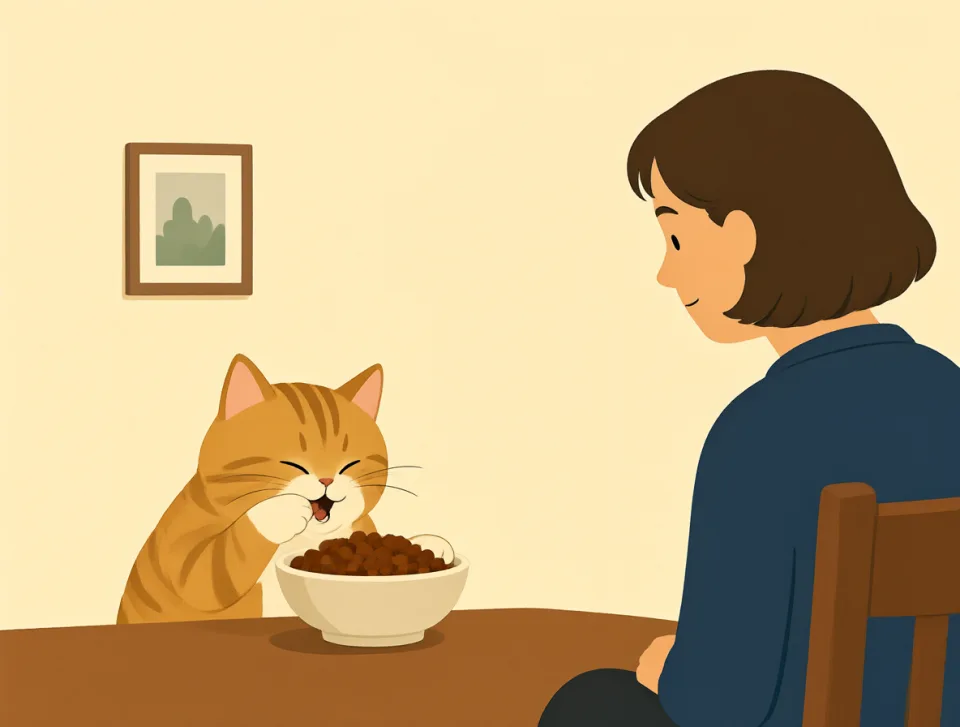
The cat is getting fat because my neighbor feeds it every day.
Kot tyje, bo mój sąsiad codziennie go karmi.
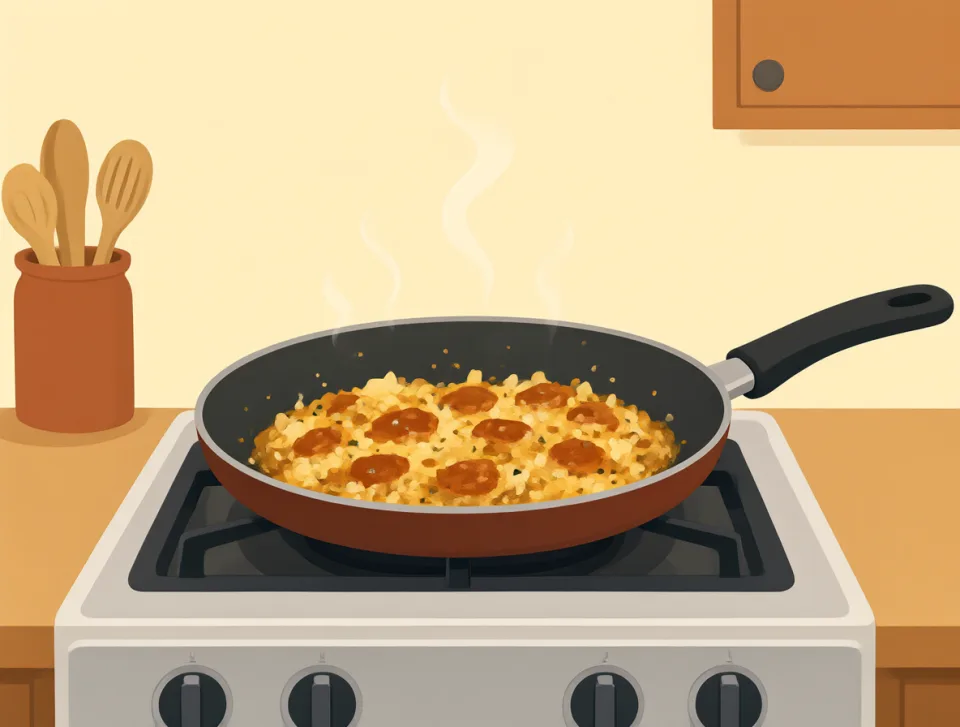
We could hear the fat sizzling in the pan as dinner cooked.
Podczas gotowania kolacji słyszeliśmy, jak tłuszcz skwierczy na patelni.
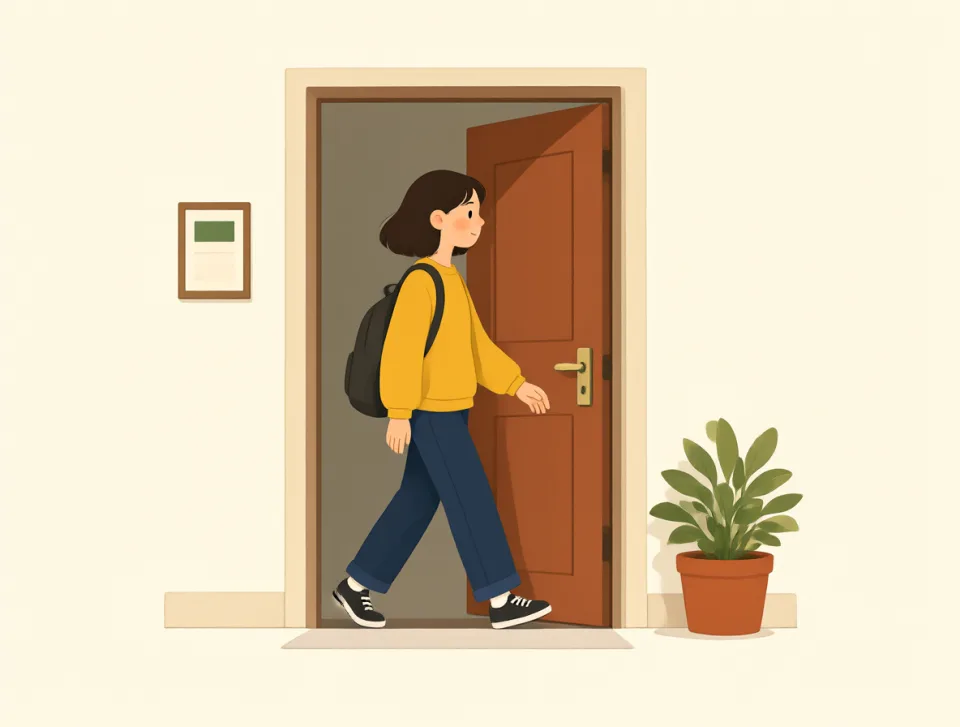
entry
#1655noun
wejście
A way into a place, or the act of going into it.
Droga do jakiegoś miejsca albo czynność wchodzenia do niego.

The hotel entry is through the main doors.
Wejście do hotelu prowadzi przez główne drzwi.
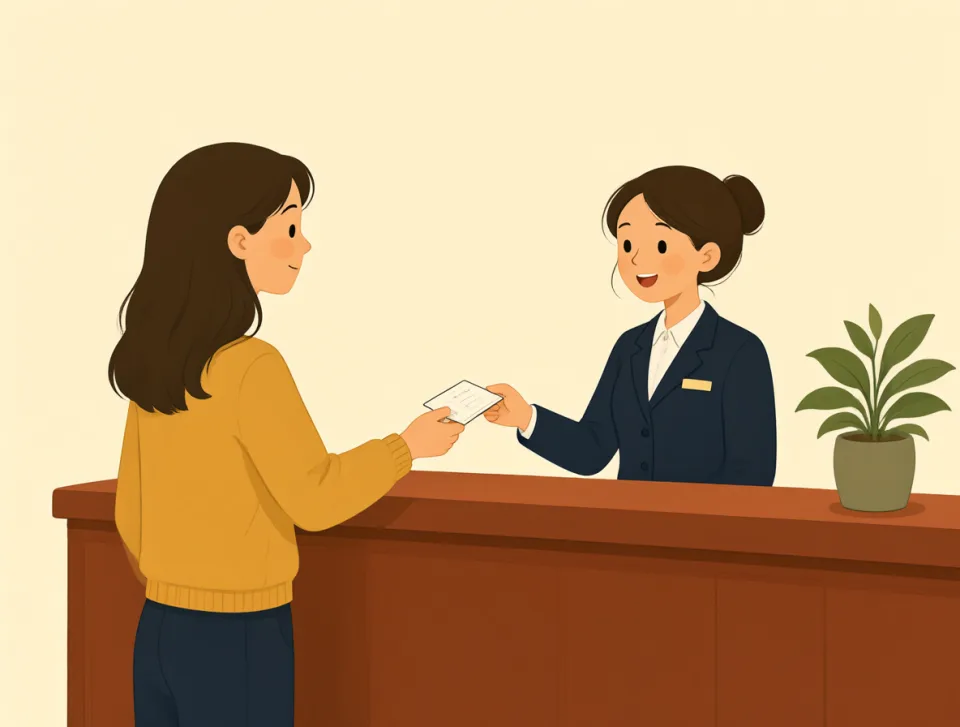
Please leave your entry card at the front desk.
Proszę zostawić kartę wstępu w recepcji.
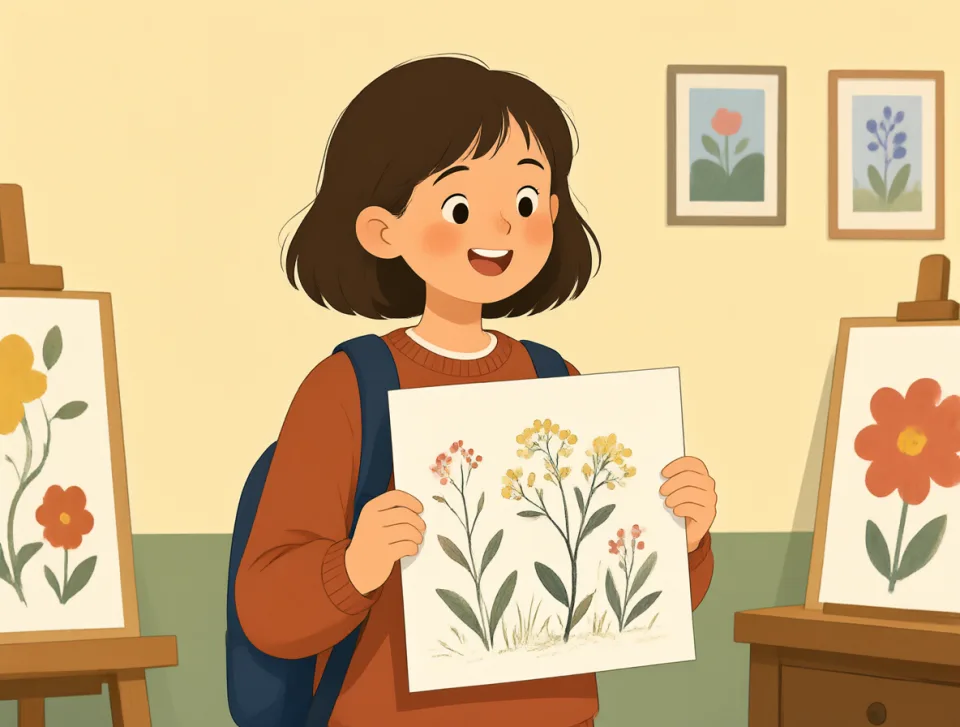
She won first entry in the school art competition.
Zdobyła pierwszą nagrodę w szkolnym konkursie plastycznym.
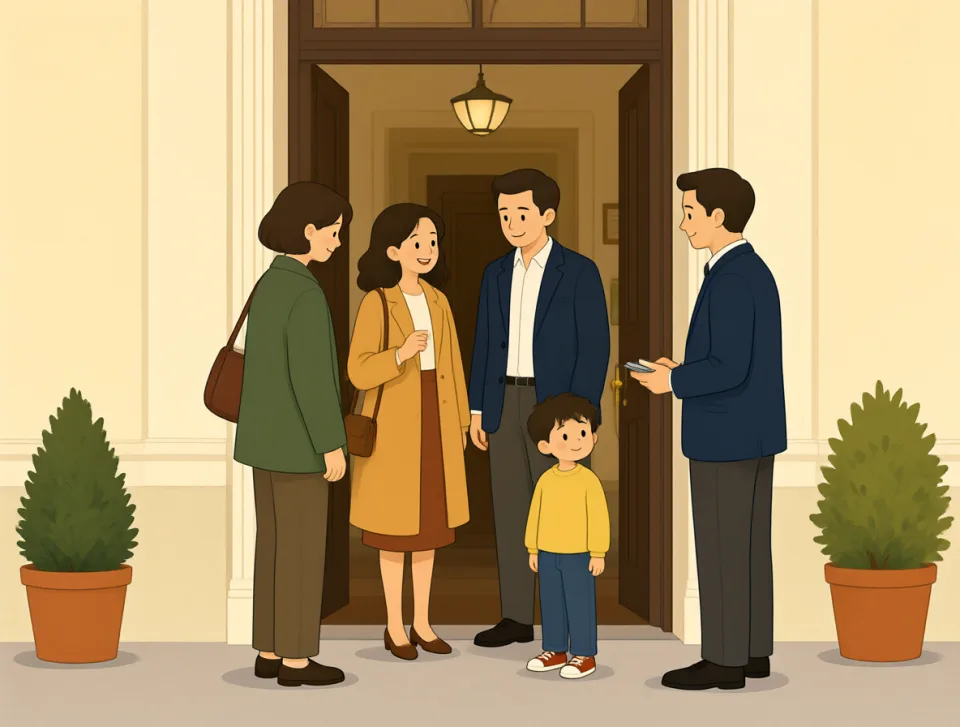
There is no entry fee for children under twelve.
Dzieci poniżej dwunastego roku życia nie płacą za wstęp.
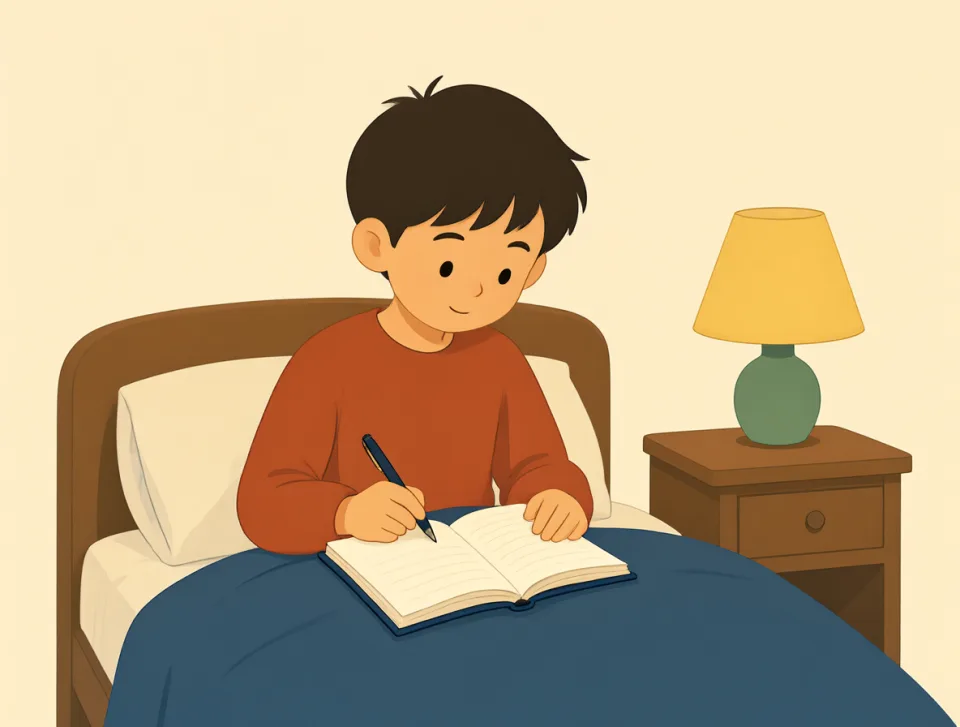
He wrote a short entry in his diary before bed.
Przed snem zapisał krótką notatkę w pamiętniku.
fellow
#1656noun, adjective
facet
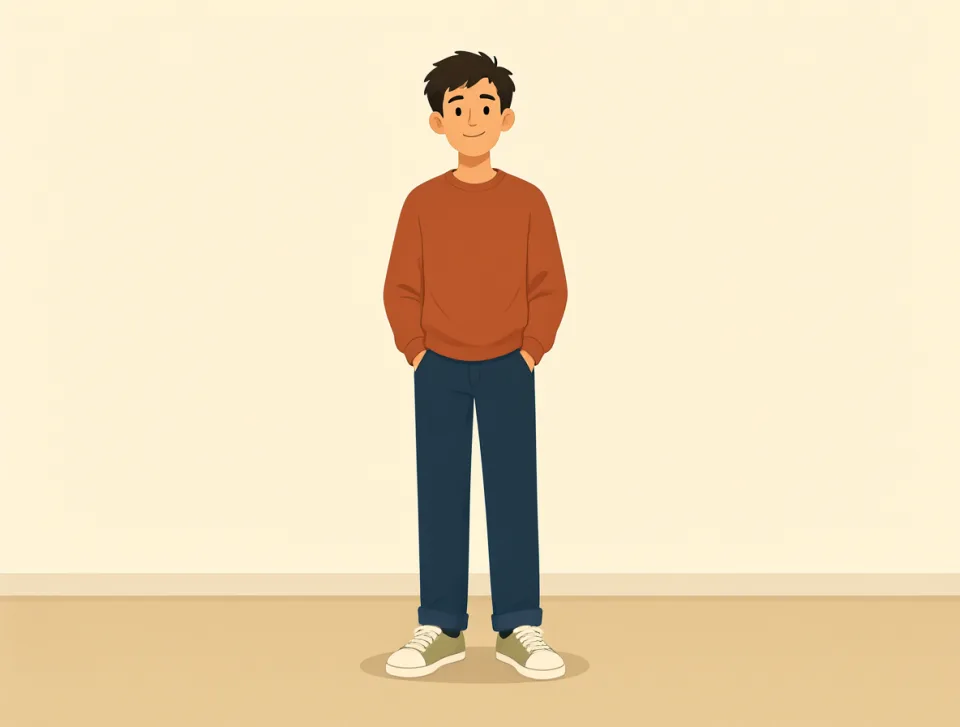
a man or boy, especially one you know or are talking about
mężczyzna lub chłopiec, zwłaszcza ktoś, kogo znasz lub o kim mówisz
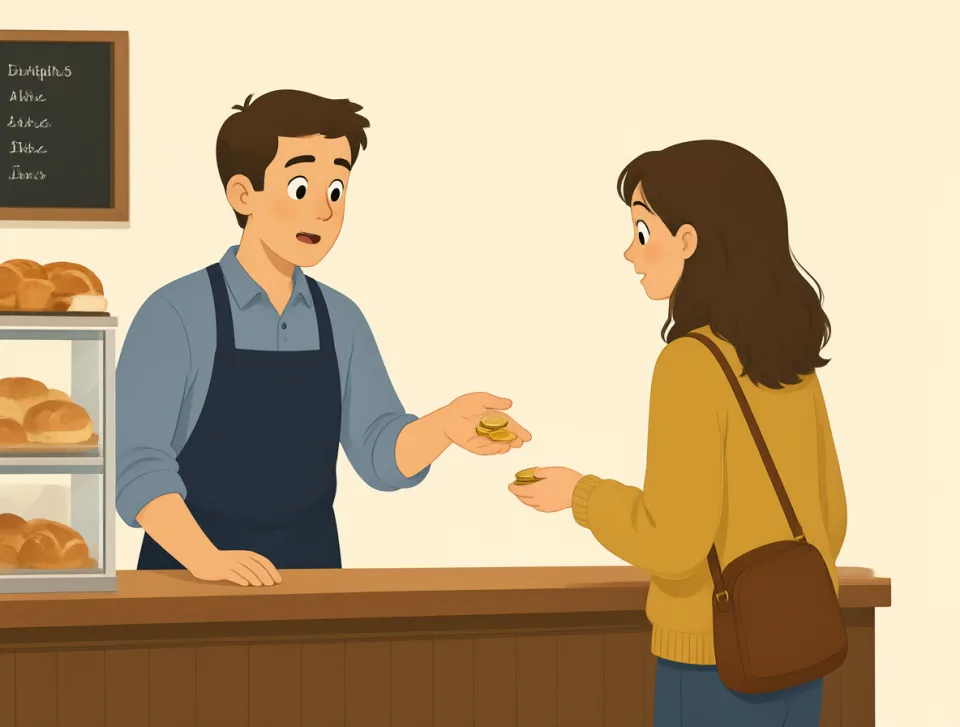
That fellow at the bakery gave me the wrong change.
Ten facet w piekarni wydał mi złą resztę.
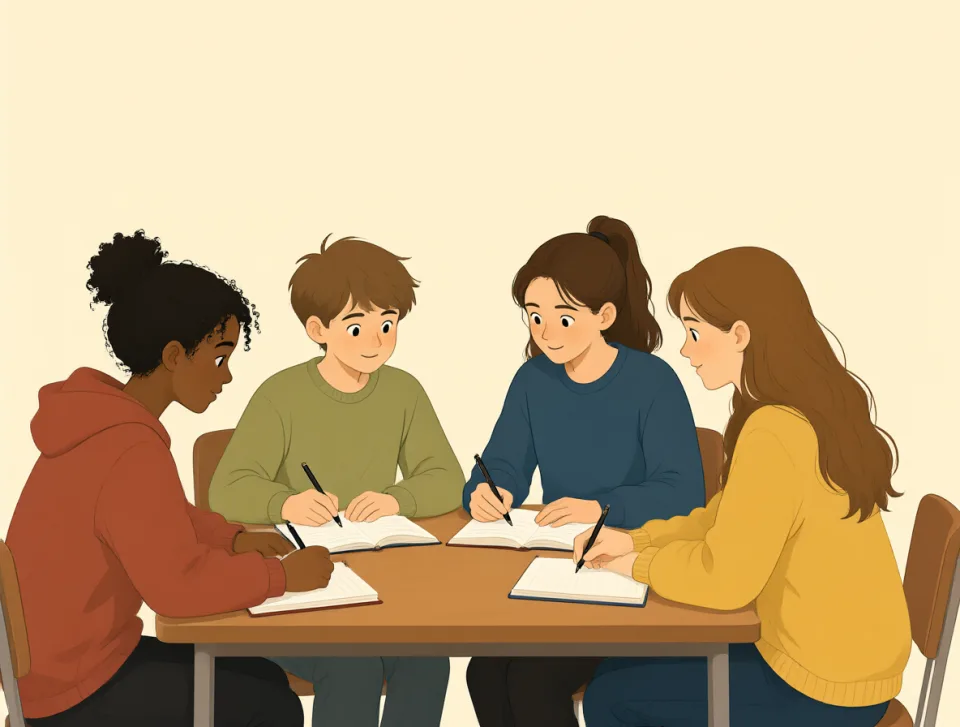
My fellow students helped me prepare for the science test.
Moi koledzy z klasy pomogli mi przygotować się do sprawdzianu z przyrody.

She traveled with her fellow passengers to the mountain village.
Podróżowała ze swoimi współpasażerami do górskiej wioski.
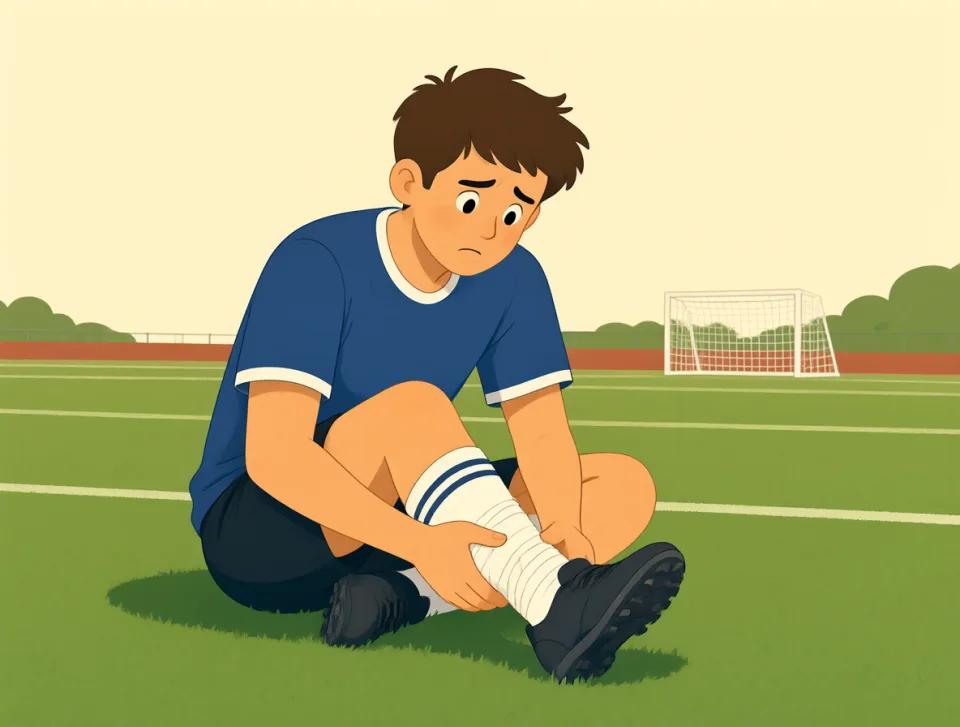
The poor fellow hurt his ankle during the football game.
Biedak zranił kostkę podczas meczu piłki nożnej.
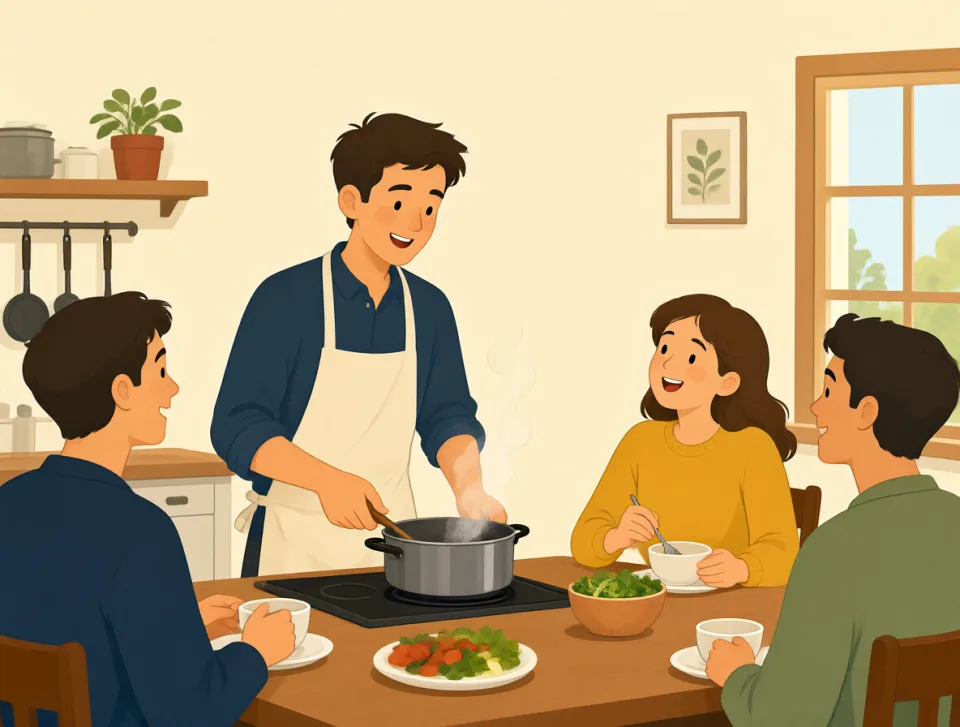
He's a cheerful fellow who always makes dinner for friends.
To wesoły facet, który zawsze przygotowuje kolację dla przyjaciół.
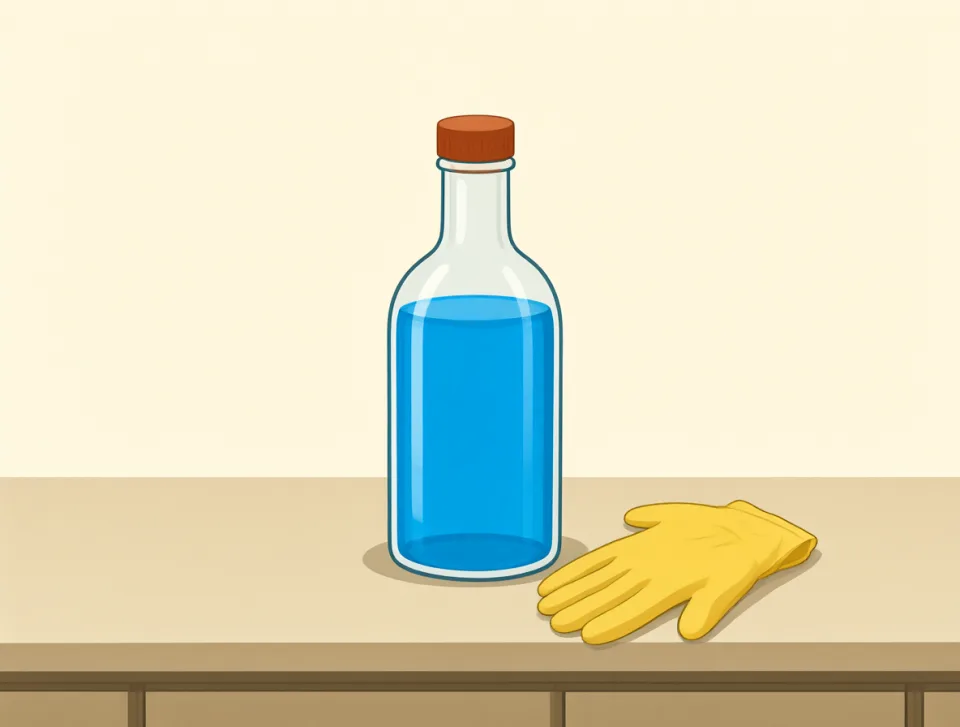
chemical
#1657noun, adjective
substancja chemiczna
A substance used in chemistry; also relating to chemistry.
substancja używana w chemii; także związany z chemią
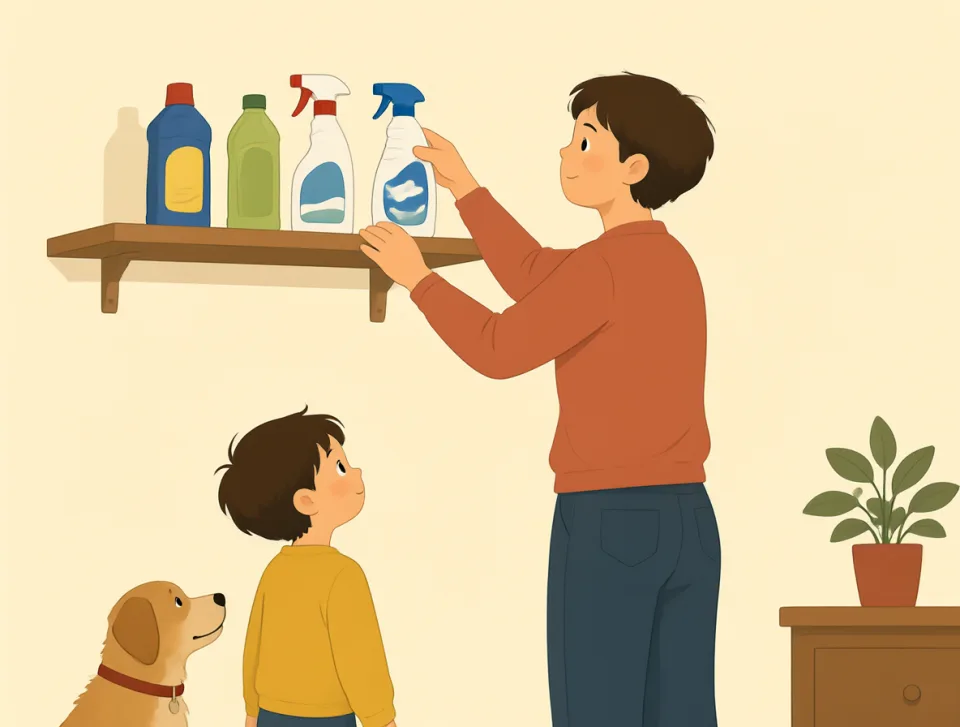
Keep household chemicals away from children and pets.
Trzymaj domowe substancje chemiczne z dala od dzieci i zwierząt.
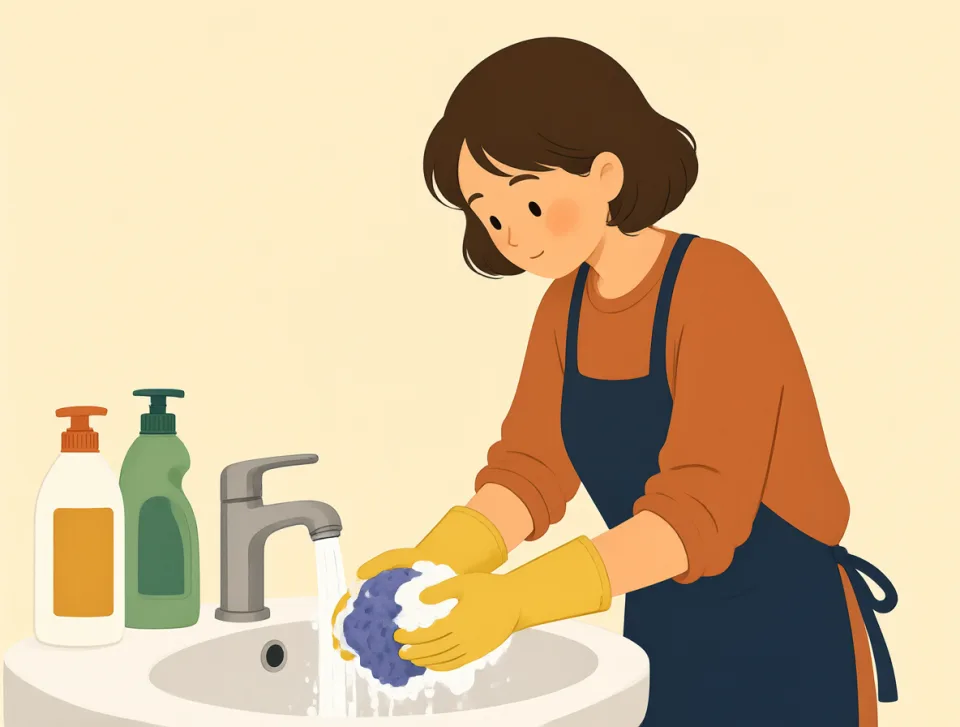
Some cleaning chemicals can irritate your skin.
Niektóre środki chemiczne używane do sprzątania mogą podrażniać skórę.
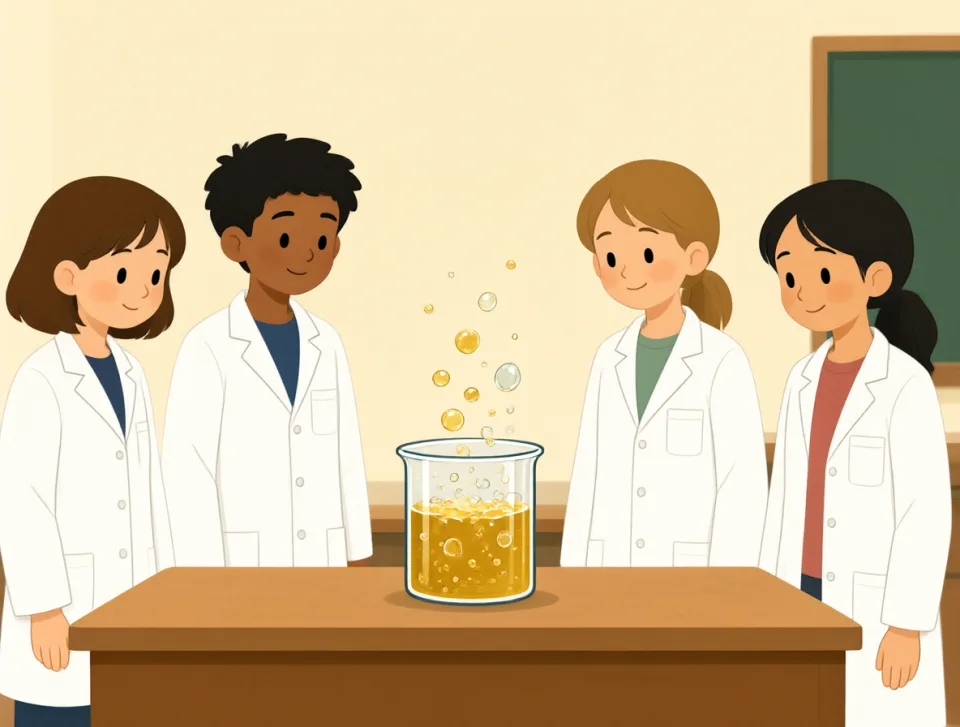
The students watched a chemical reaction in science class.
Uczniowie obserwowali reakcję chemiczną na lekcji przyrody.
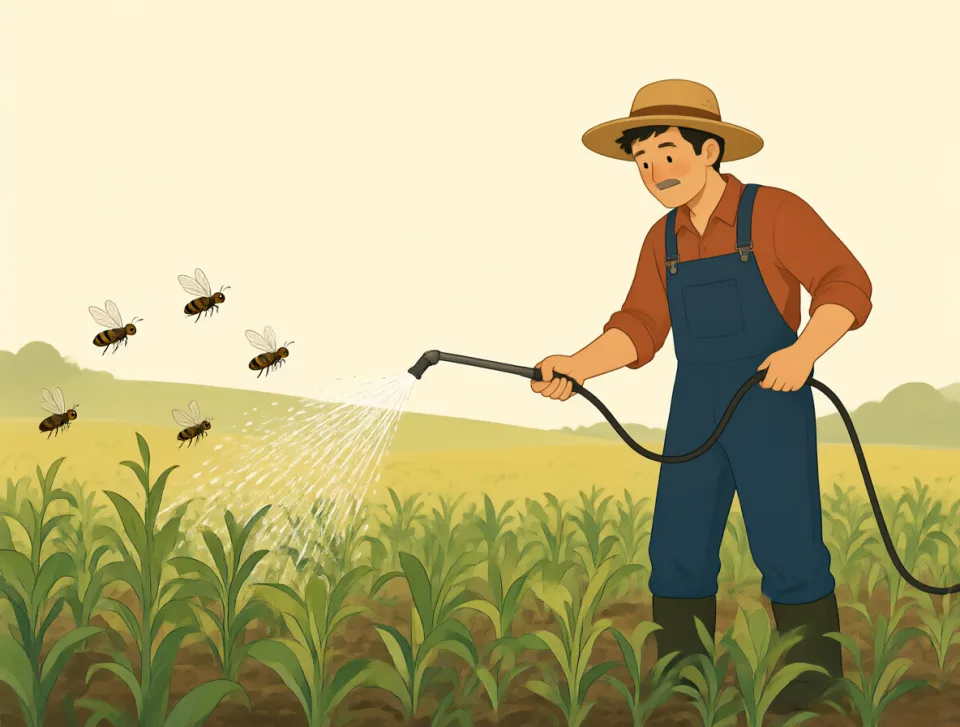
Farmers use chemicals to protect crops from insects.
Rolnicy używają środków chemicznych, aby chronić uprawy przed owadami.
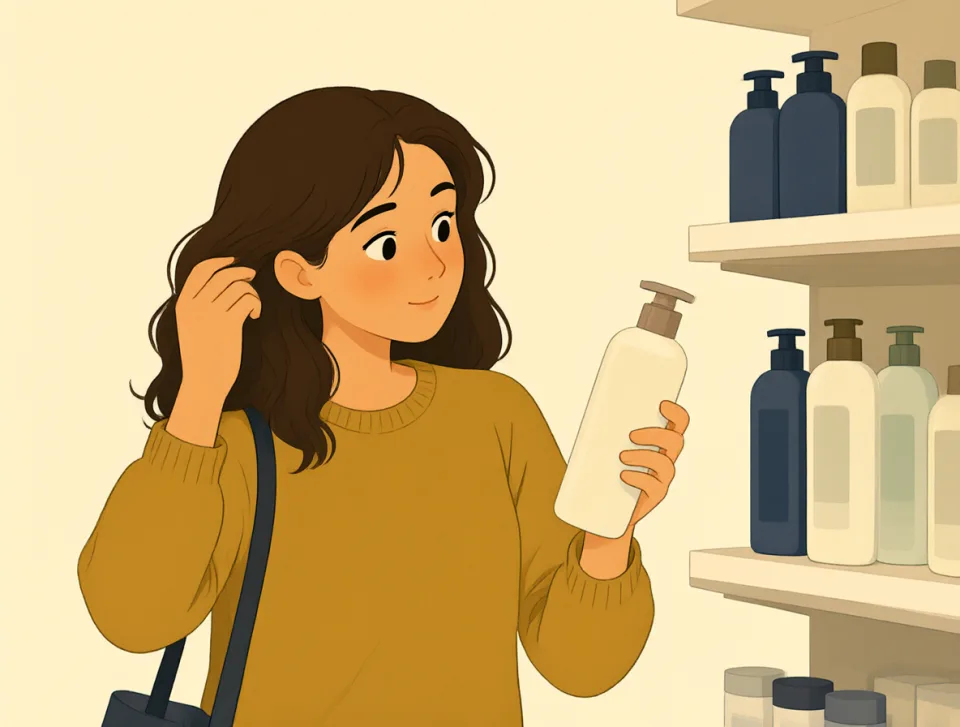
This shampoo contains no harmful chemicals.
Ten szampon nie zawiera szkodliwych substancji chemicznych.
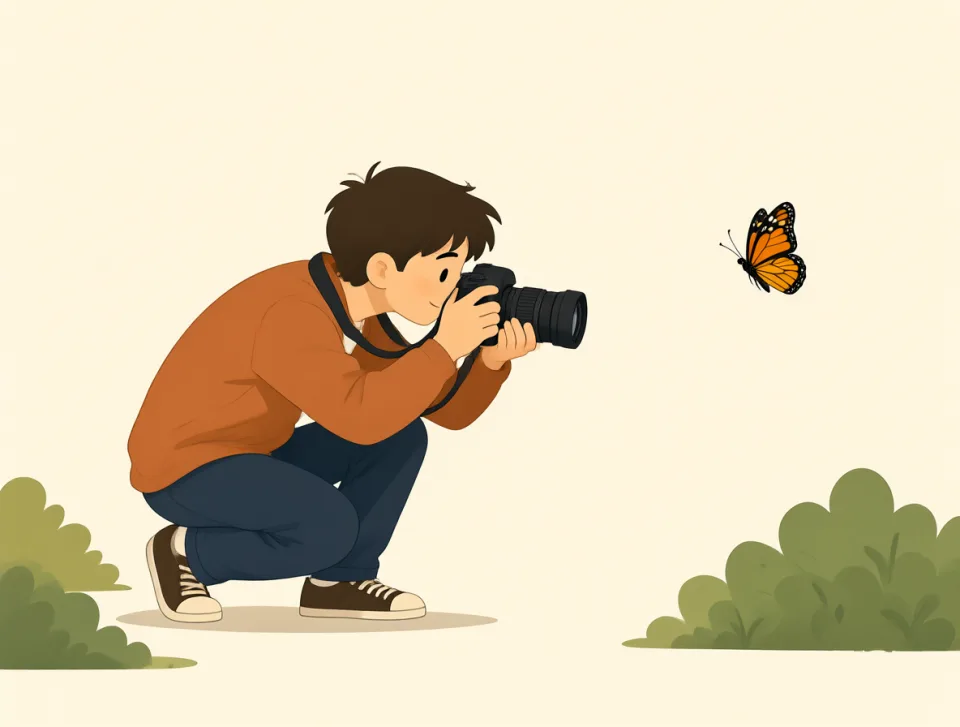
capture
#1658verb, noun
uchwycić
to catch, record, or hold someone or something
złapać, zarejestrować lub zatrzymać kogoś albo coś

The camera captured a beautiful sunset over the sea.
Aparat uchwycił piękny zachód słońca nad morzem.
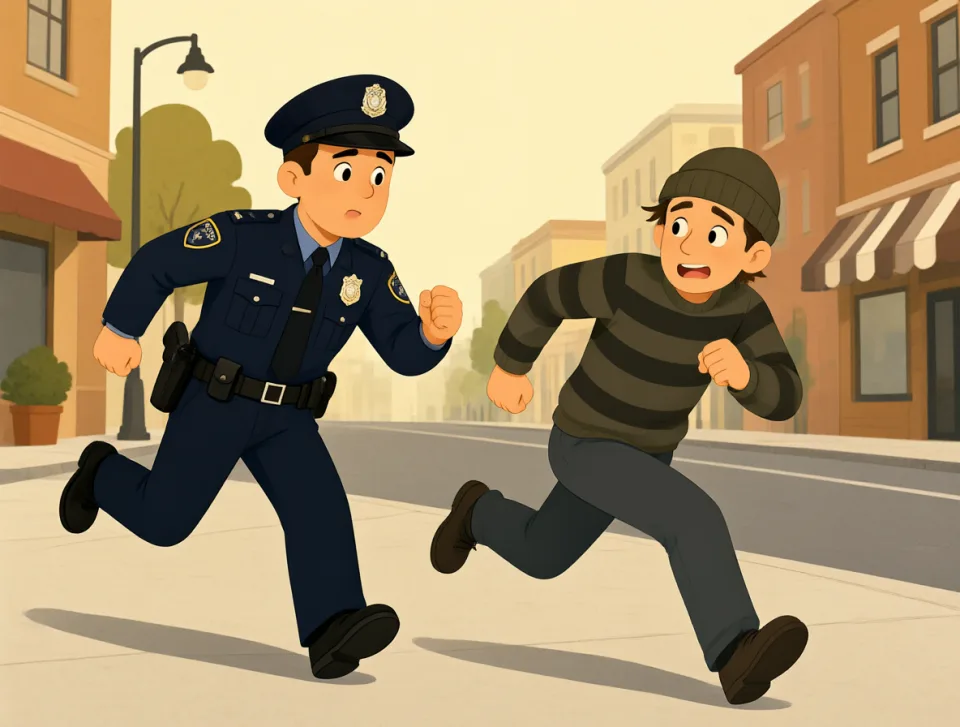
The police captured the thief after a short chase.
Policja schwytała złodzieja po krótkim pościgu.

This photo captures the happy moment perfectly.
To zdjęcie doskonale uchwyciło tę szczęśliwą chwilę.
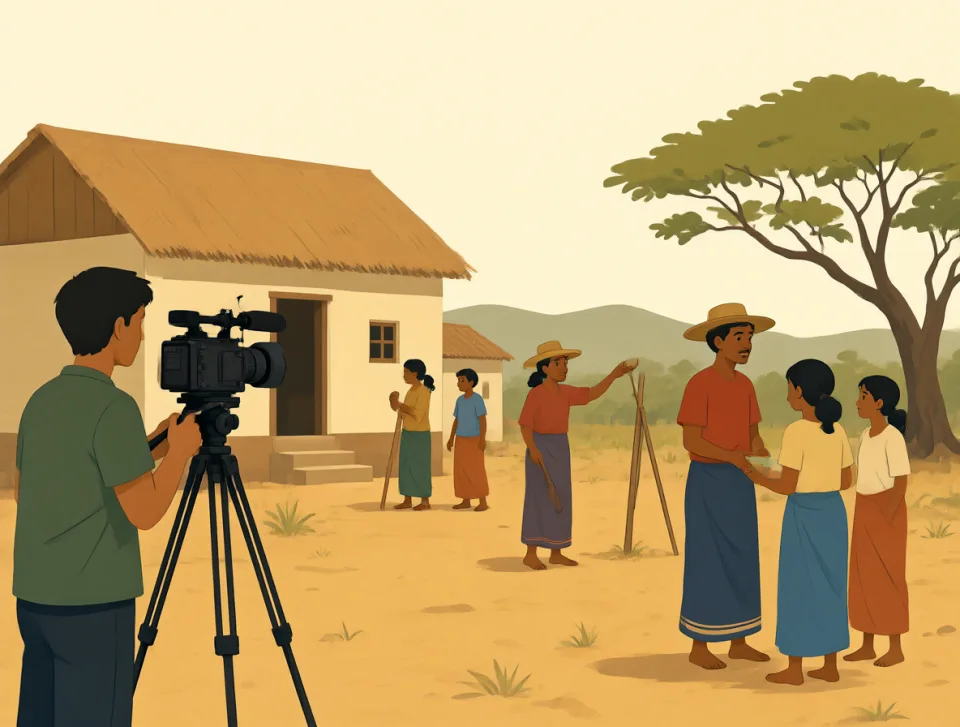
The documentary captures daily life in a small village.
Ten dokument uchwycił codzienne życie w małej wiosce.
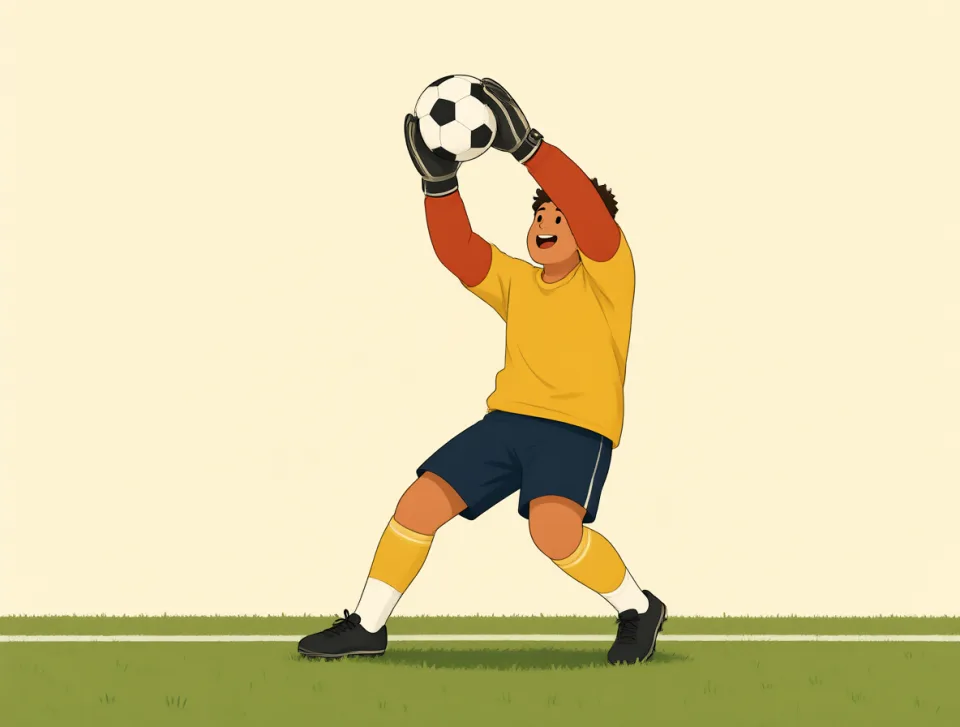
The goalkeeper made a great capture during the football game.
Bramkarz świetnie złapał piłkę podczas meczu piłki nożnej.

tip
#1659noun, verb
wskazówka
A helpful piece of advice; the pointed end of something; or to touch something lightly.
pomocna rada; spiczasty koniec czegoś; albo lekko czegoś dotknąć

Can you give me a tip for learning new words?
Czy możesz dać mi wskazówkę, jak uczyć się nowych słów?
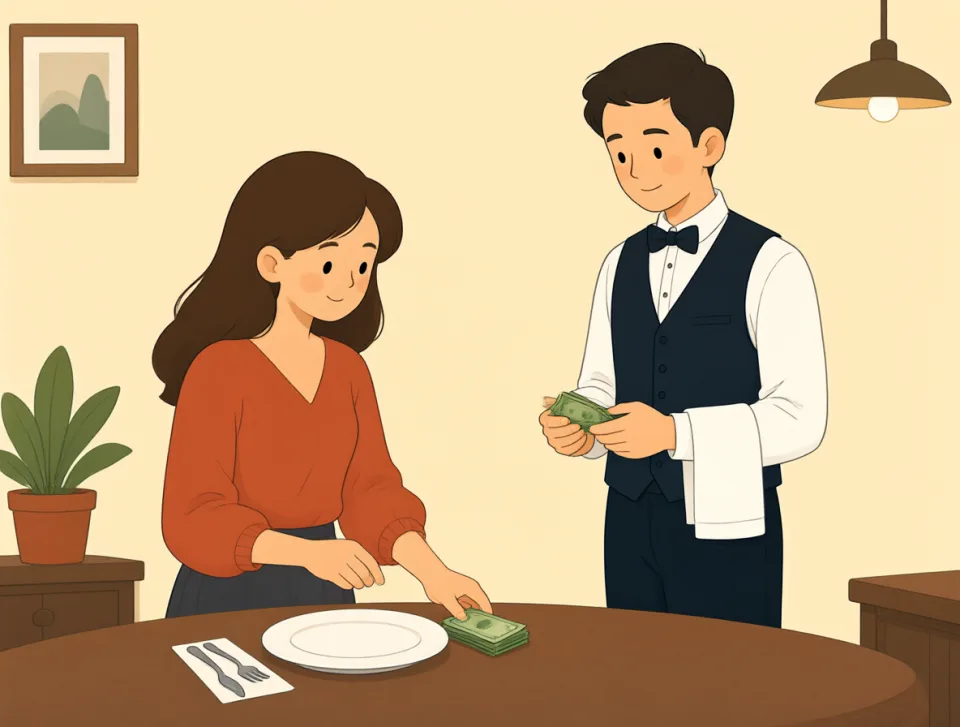
Leave a ten percent tip for the waiter.
Zostaw kelnerowi dziesięć procent napiwku.
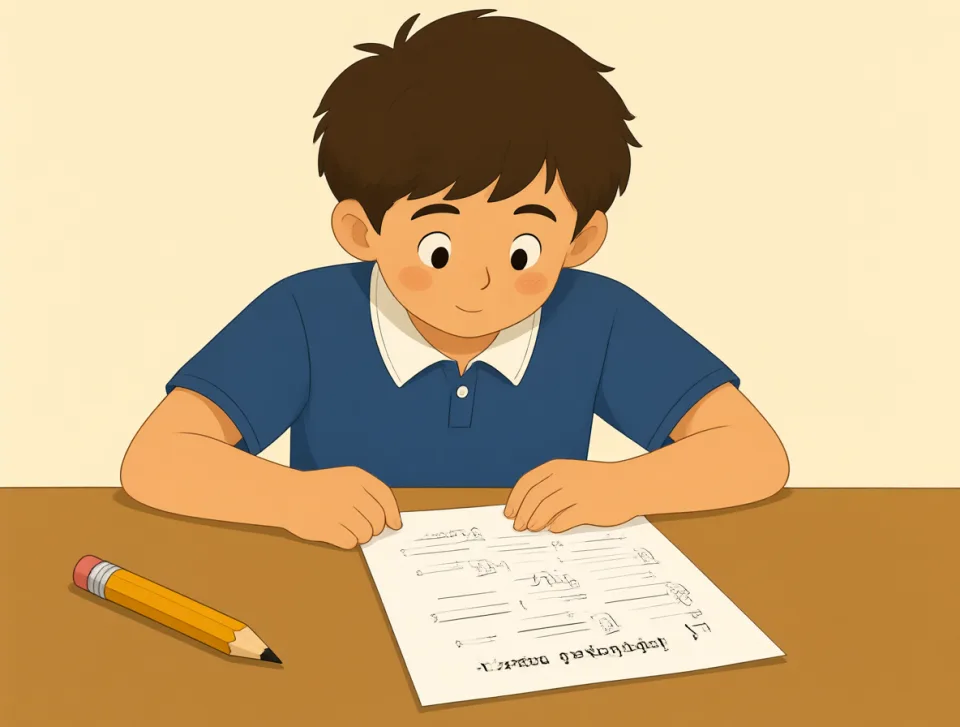
The tip of my pencil broke during the test.
Końcówka mojego ołówka złamała się podczas sprawdzianu.
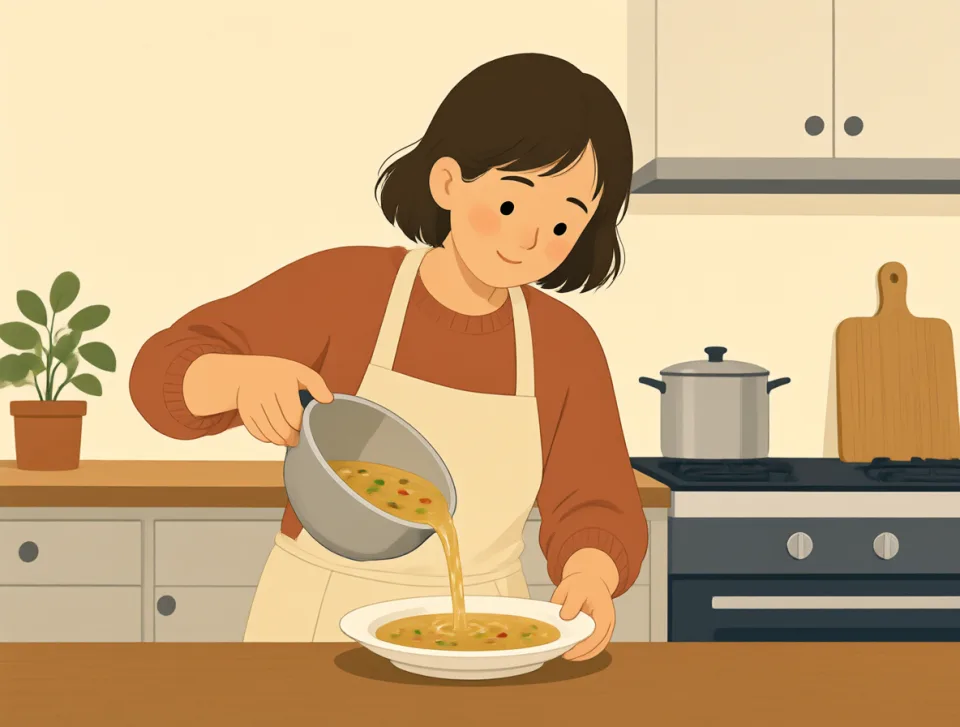
She tipped the bowl and poured the soup into a plate.
Przechyliła miskę i wlała zupę na talerz.

He tipped his friend on the shoulder to get her attention.
Lekko dotknął przyjaciółkę w ramię, żeby zwrócić na siebie jej uwagę.
discount
#1660noun, verb
zniżka
A lower price, or to lower the price of something.
niższa cena albo obniżyć cenę czegoś
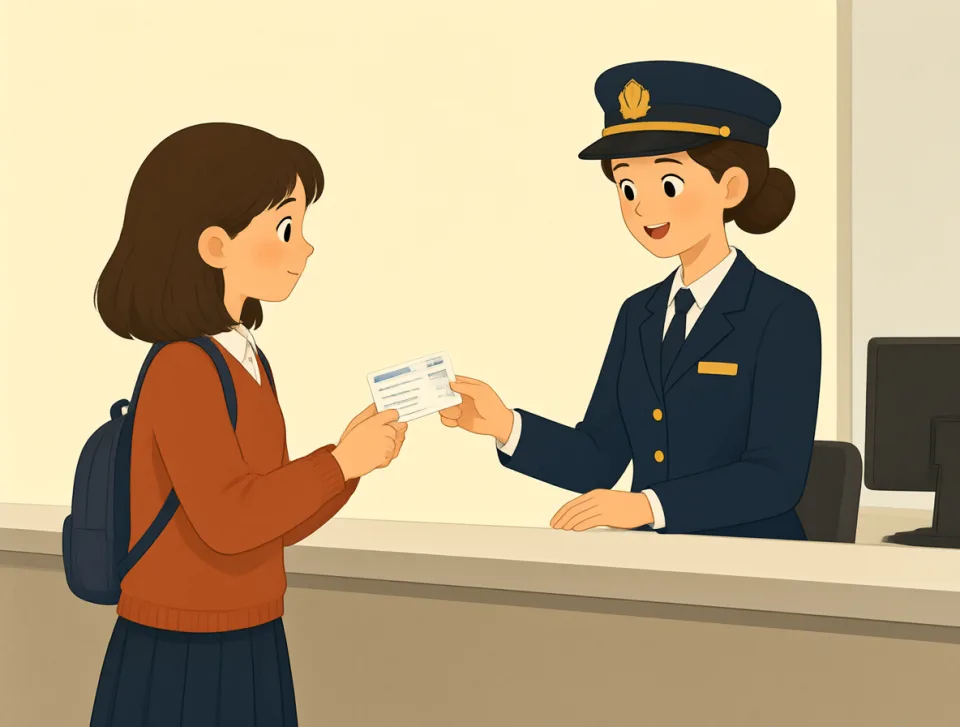
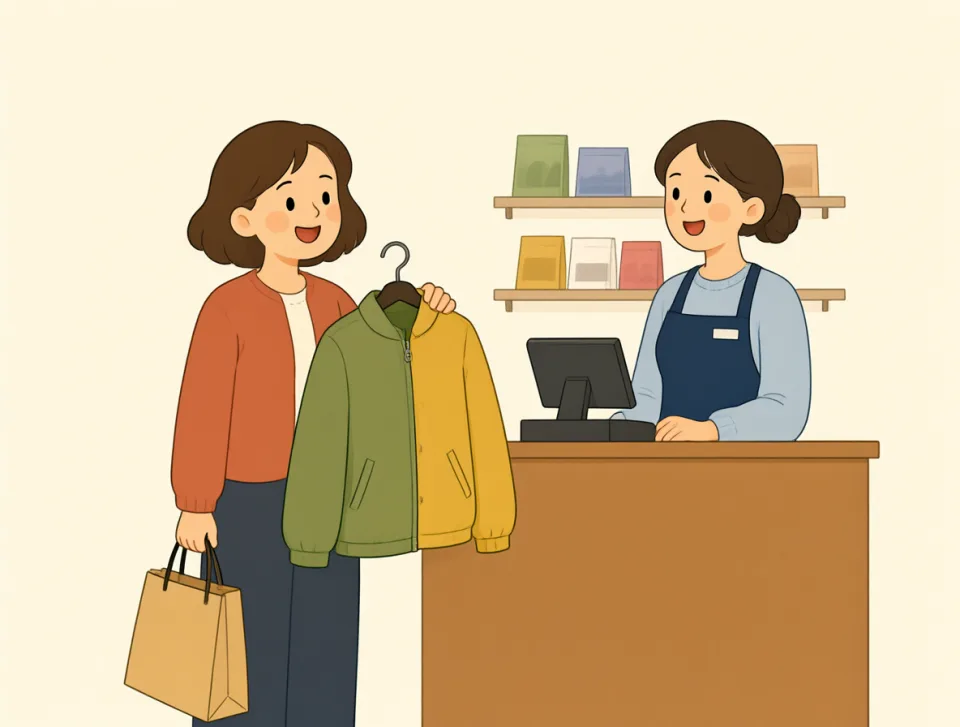
Students get a discount on train tickets with a valid school card.
Uczniowie dostają zniżkę na bilety kolejowe po okazaniu ważnej legitymacji szkolnej.
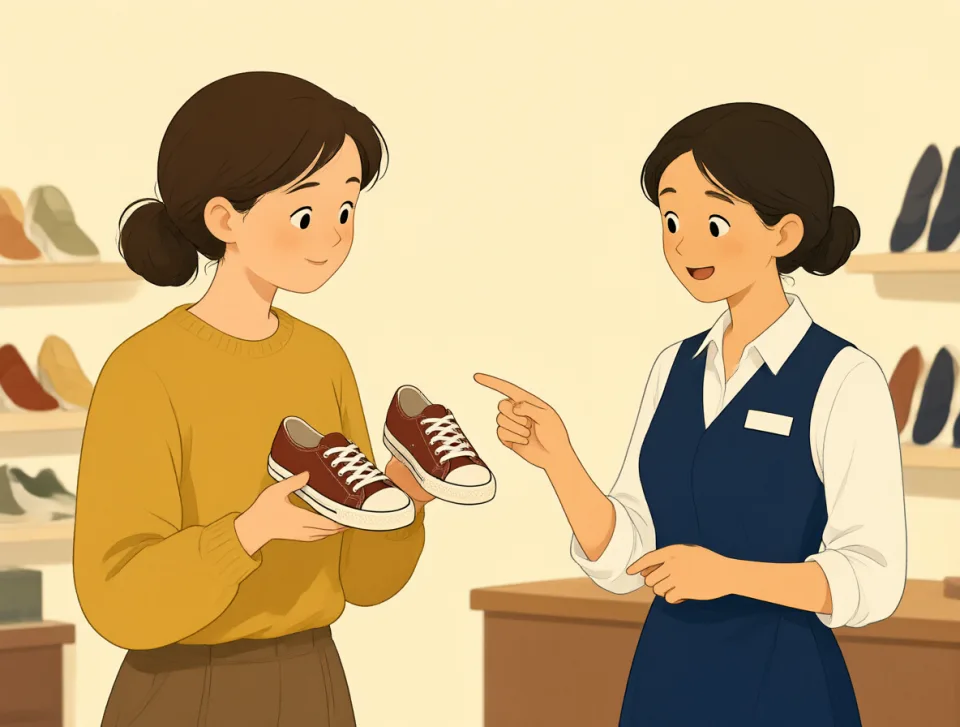
This store offers a ten percent discount on all shoes today.
Ten sklep oferuje dziś dziesięcioprocentową zniżkę na wszystkie buty.

We asked for a discount because the table had a small scratch.
Poprosiliśmy o zniżkę, ponieważ stół miał małą rysę.
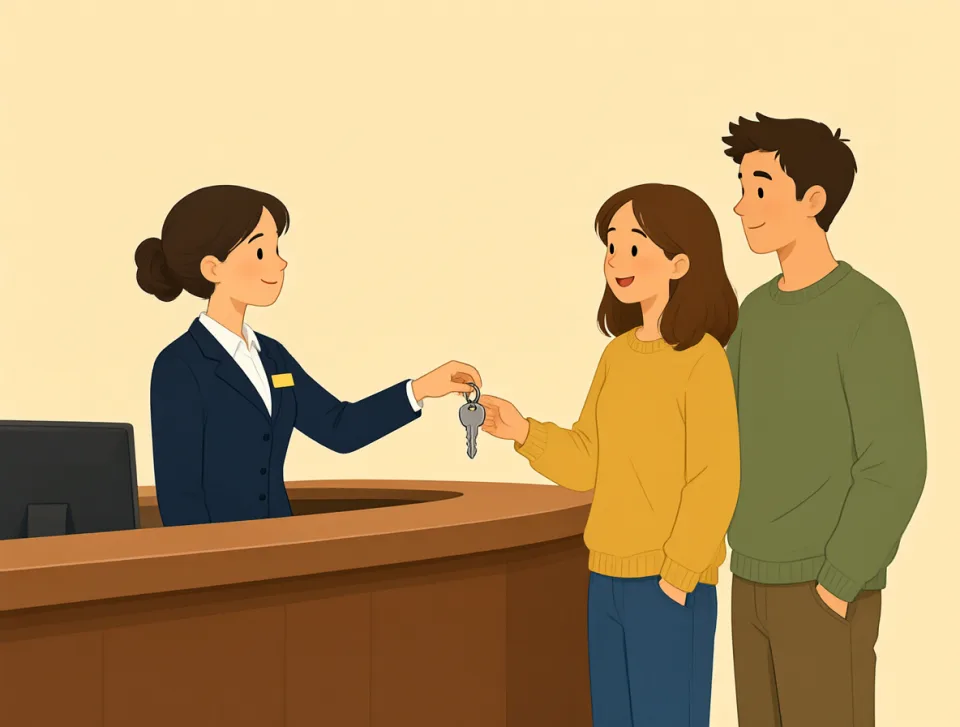
The hotel gave us a discount for staying five nights.
Hotel dał nam zniżkę za pobyt trwający pięć nocy.
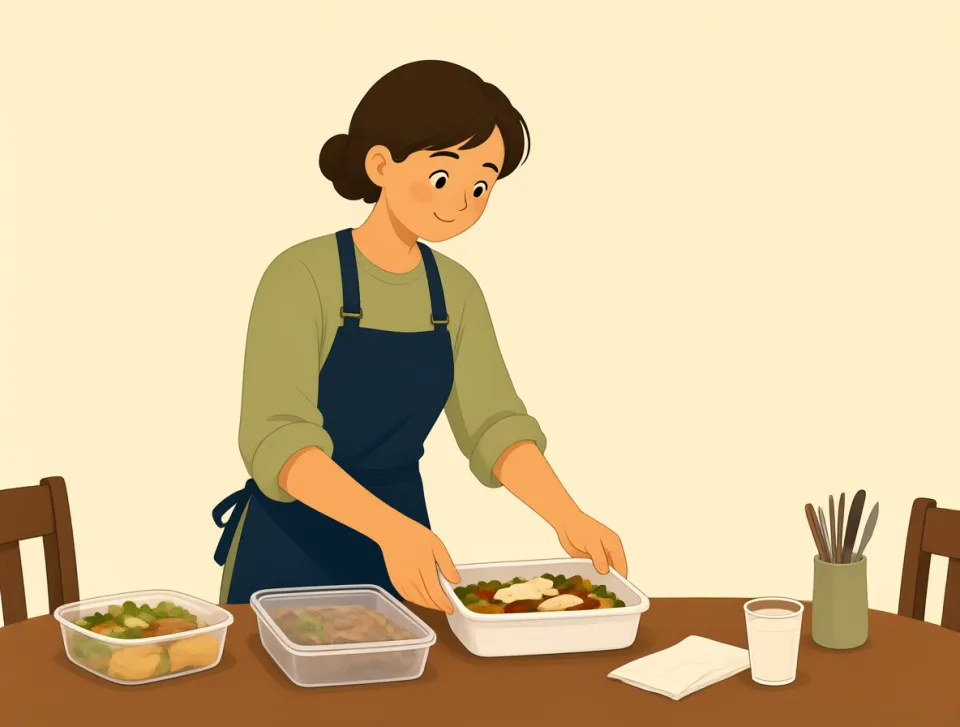
Many restaurants discount meals near closing time to reduce waste.
Wiele restauracji obniża ceny dań w pobliżu godziny zamknięcia, aby ograniczyć marnowanie jedzenia.