Unit 2
Kata 21–40 · do, as, at, she, but, from
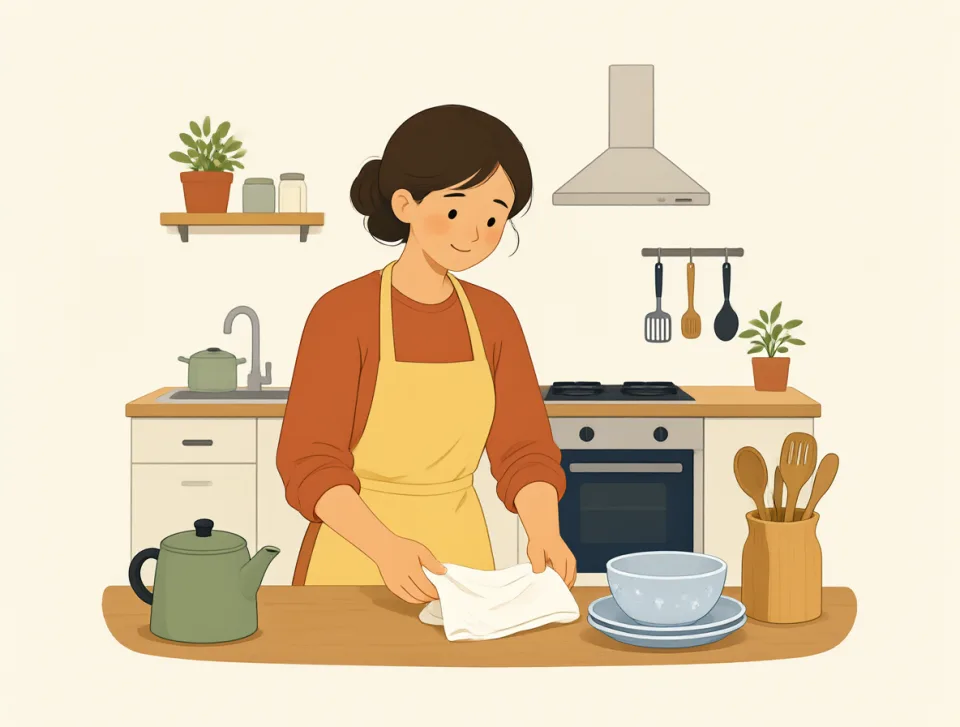
do
#21verb, auxiliary verb, noun
melakukan
To perform an action, task, or activity.
Melakukan suatu tindakan, tugas, atau kegiatan.

I do my homework after dinner.
Saya mengerjakan PR setelah makan malam.
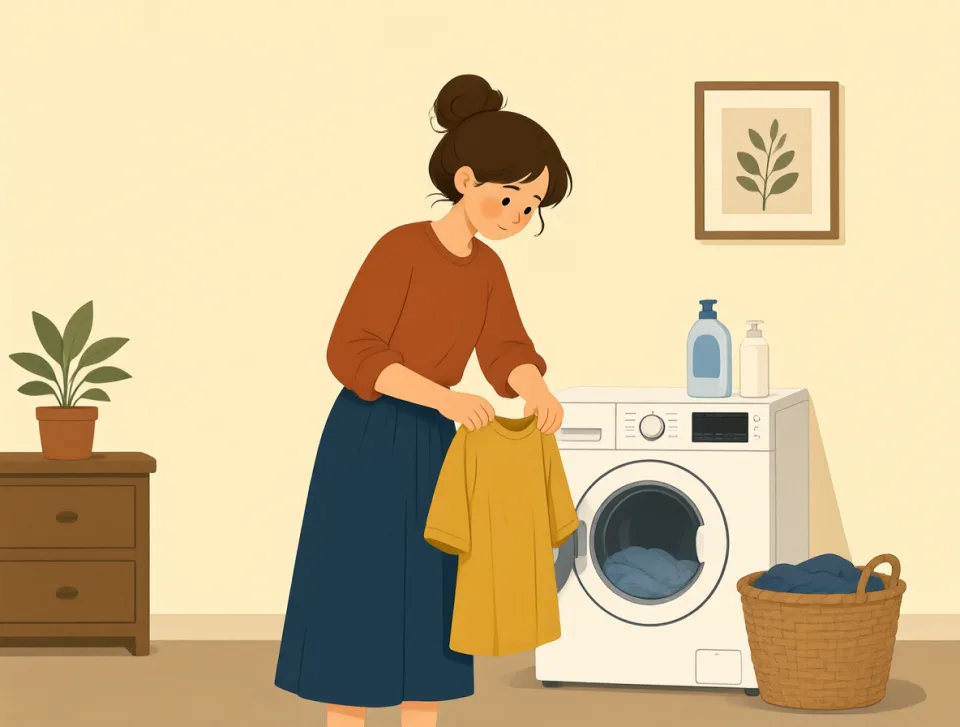
She does the washing every Saturday.
Dia mencuci pakaian setiap hari Sabtu.

Do you like this restaurant?
Kamu suka restoran ini?

We did some shopping after work.
Kami berbelanja setelah pulang kerja.

He does exercise every morning.
Dia berolahraga setiap pagi.
as
#22adverb, conjunction, preposition, pronoun, determiner
sebagai; seperti; saat; karena
Used to compare, show time or reason, or describe someone or something.
Digunakan untuk membandingkan, menunjukkan waktu atau alasan, atau menjelaskan seseorang maupun sesuatu.
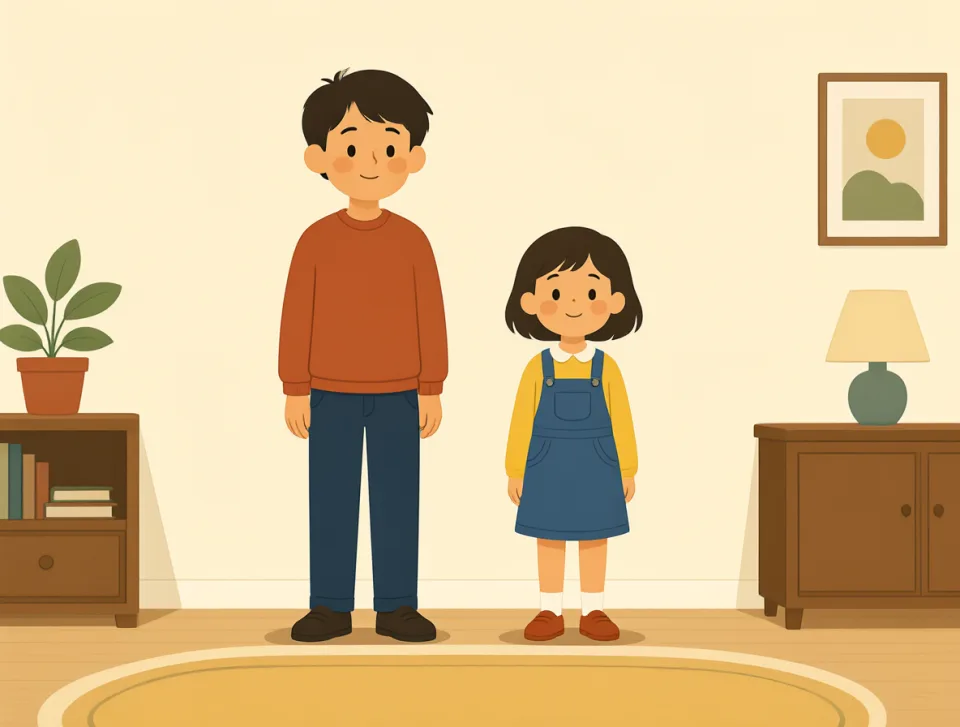
She is as tall as her brother.
Dia sama tinggi dengan saudara laki-lakinya.

As I walked home, it started raining.
Saat saya berjalan pulang, hujan mulai turun.

Please do as your teacher says.
Tolong lakukan seperti yang dikatakan gurumu.

He works as a waiter at night.
Dia bekerja sebagai pelayan pada malam hari.

As usual, we had dinner at seven.
Seperti biasa, kami makan malam pukul tujuh.
at
#23preposition
di; pada
Used to show a specific time, place, or situation.
Digunakan untuk menunjukkan waktu, tempat, atau situasi tertentu.
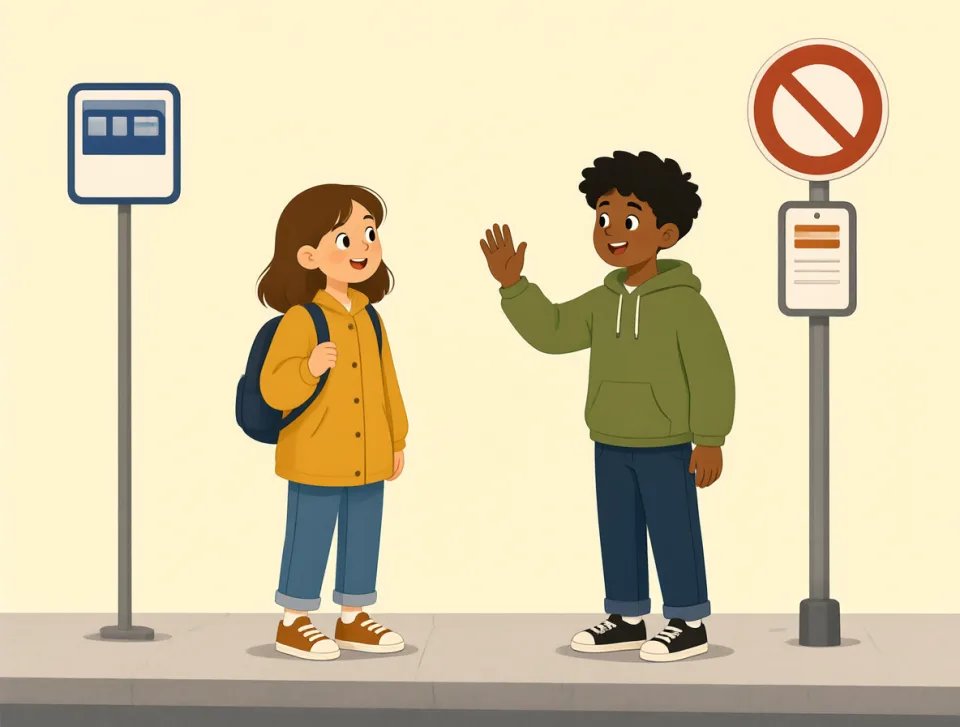
Meet me at the bus stop.
Temui saya di halte bus.

The class starts at nine.
Kelas dimulai pukul sembilan.
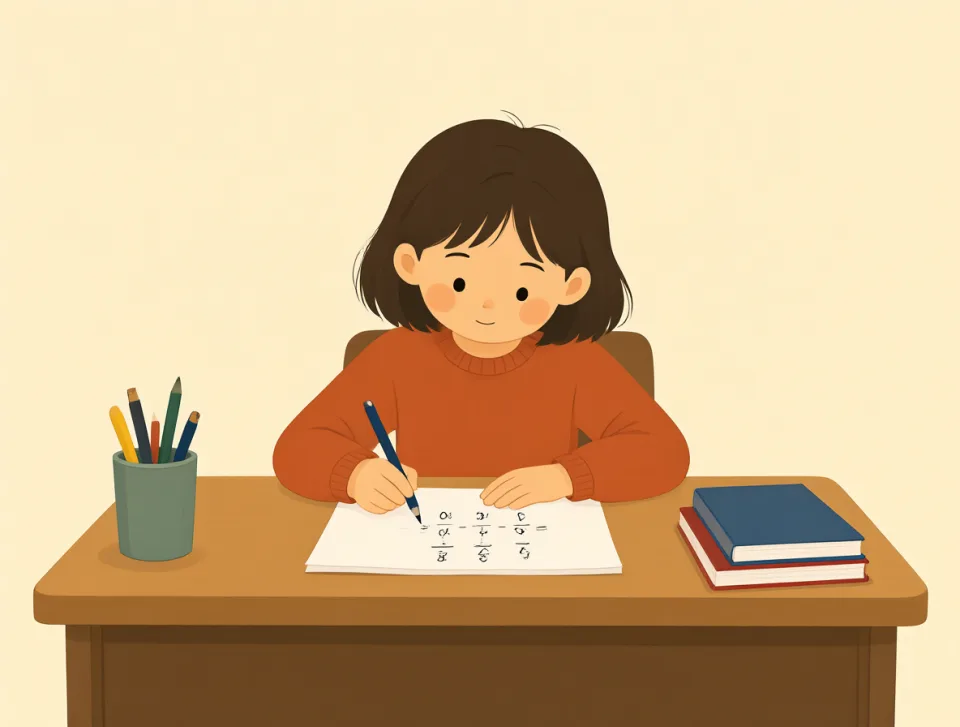
She is good at math.
Dia pandai matematika.

We ate lunch at home.
Kami makan siang di rumah.

He arrived at the airport early.
Dia tiba di bandara lebih awal.

she
#24pronoun
dia (perempuan)
A female person or girl already mentioned or known.
Orang atau anak perempuan yang sudah disebutkan atau sudah diketahui.
She lives with her parents.
Dia tinggal bersama orang tuanya.

She works at the hospital.
Dia bekerja di rumah sakit.

She is my best friend.
Dia sahabat terbaik saya.

She bought some apples at the market.
Dia membeli beberapa apel di pasar.
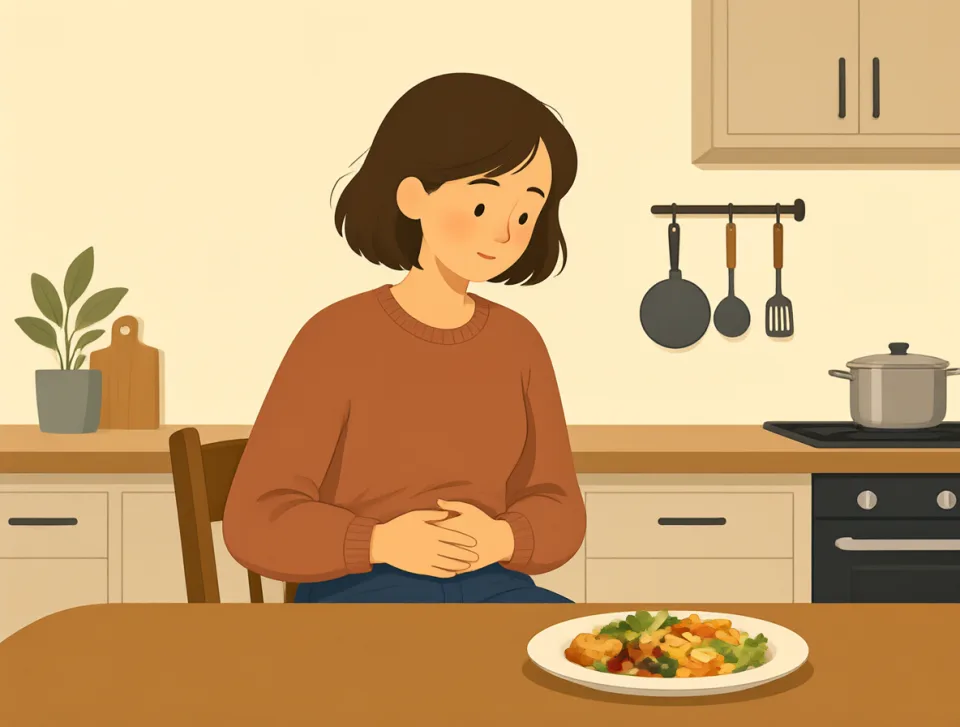
She felt sick after dinner.
Dia merasa sakit setelah makan malam.

but
#25conjunction, preposition, adverb, noun
tetapi
Used to show a contrast, an exception, or a different choice.
Digunakan untuk menunjukkan pertentangan, pengecualian, atau pilihan yang berbeda.
I like tea, but I prefer coffee.
Saya suka teh, tetapi lebih suka kopi.

She is tired, but she keeps working.
Dia lelah, tetapi tetap bekerja.
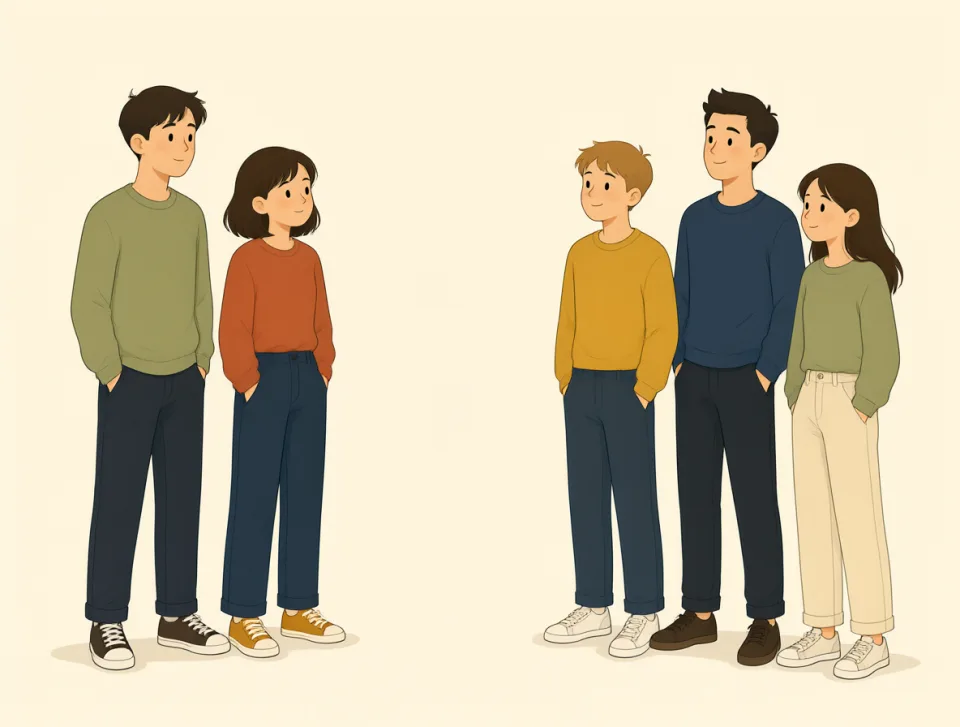
Everyone came but Tom.
Semua orang datang kecuali Tom.

We wanted to walk, but it started raining.
Kami ingin berjalan kaki, tetapi hujan mulai turun.

The shop was small, but it had everything.
Tokonya kecil, tetapi barangnya lengkap.

from
#26preposition
dari
Shows where something starts, where it comes from, or when it begins.
Menunjukkan tempat sesuatu bermula, asalnya, atau waktu sesuatu dimulai.
I walk home from school every day.
Saya berjalan pulang dari sekolah setiap hari.

This letter is from my best friend.
Surat ini dari sahabat terbaik saya.

The shop is open from nine to five.
Toko itu buka dari pukul sembilan sampai pukul lima.

She comes from a small town.
Dia berasal dari kota kecil.

We bought fresh bread from the bakery.
Kami membeli roti segar dari toko roti.

by
#27preposition, adverb
di dekat; sebelum; dengan; oleh
near, before a time, using something, or done by someone
Berarti dekat, sebelum suatu waktu, menggunakan sesuatu, atau dilakukan oleh seseorang.
Please sit by the window.
Silakan duduk di dekat jendela.

We travel by train every summer.
Kami bepergian naik kereta setiap musim panas.

Finish your homework by Friday.
Selesaikan PR-mu paling lambat hari Jumat.

She walked by without saying hello.
Dia lewat begitu saja tanpa menyapa.

This cake was made by my sister.
Kue ini dibuat oleh kakak perempuan saya.

will
#28verb, noun
akan
Used to talk about the future, or a person’s strong wish or legal instructions.
Digunakan untuk membicarakan masa depan, keinginan kuat seseorang, atau instruksi hukum.
I will call you after dinner.
Saya akan meneleponmu setelah makan malam.

Will you help me with this box?
Maukah kamu membantu saya mengangkat kotak ini?

The doctor says you will feel better soon.
Dokter bilang kamu akan segera merasa lebih baik.
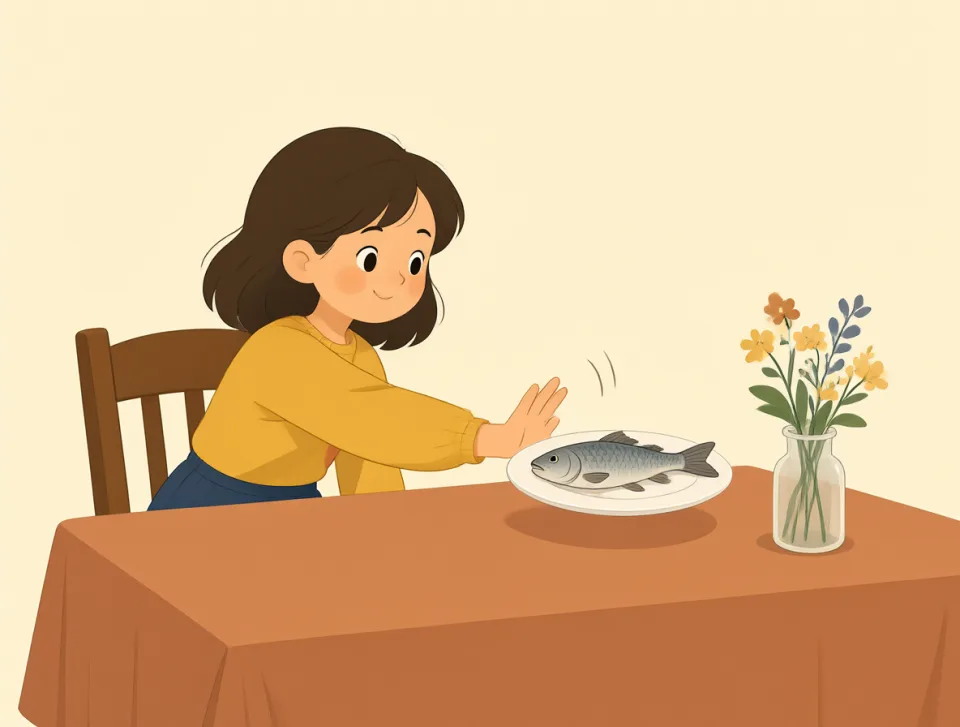
She will not eat the fish today.
Dia tidak akan makan ikan hari ini.
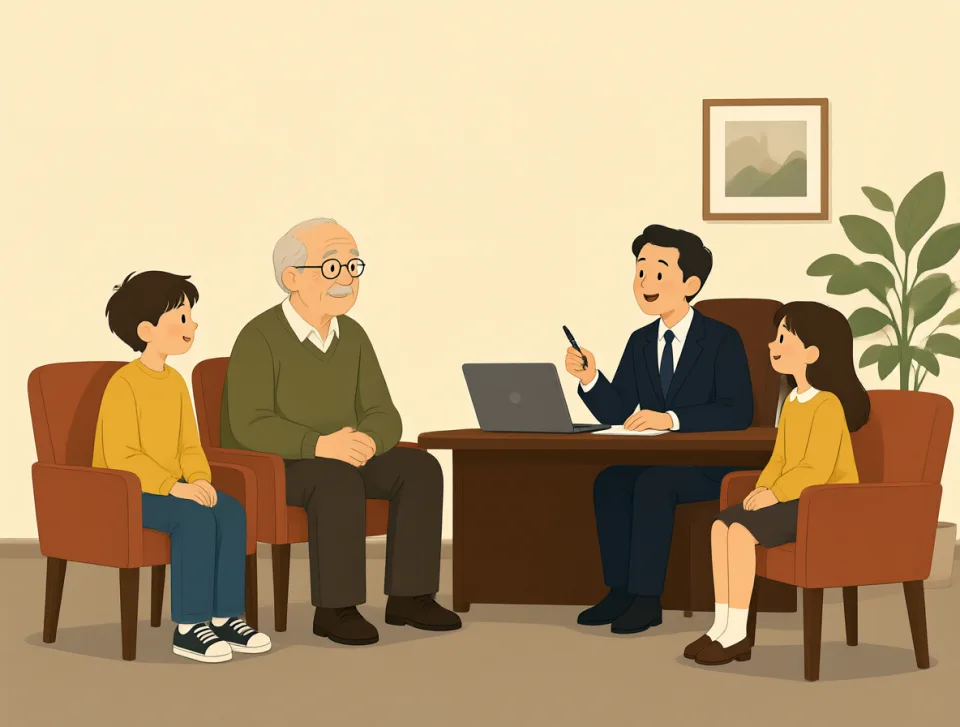
His will left money to his children.
Surat wasiatnya mewariskan uang kepada anak-anaknya.

or
#29conjunction
atau
Used to show a choice between two or more possibilities.
Digunakan untuk menunjukkan pilihan di antara dua kemungkinan atau lebih.
Would you like tea or coffee?
Mau teh atau kopi?

You can walk or take the bus.
Kamu bisa berjalan kaki atau naik bus.

Is your sister at home or work?
Kakak perempuanmu ada di rumah atau di tempat kerja?
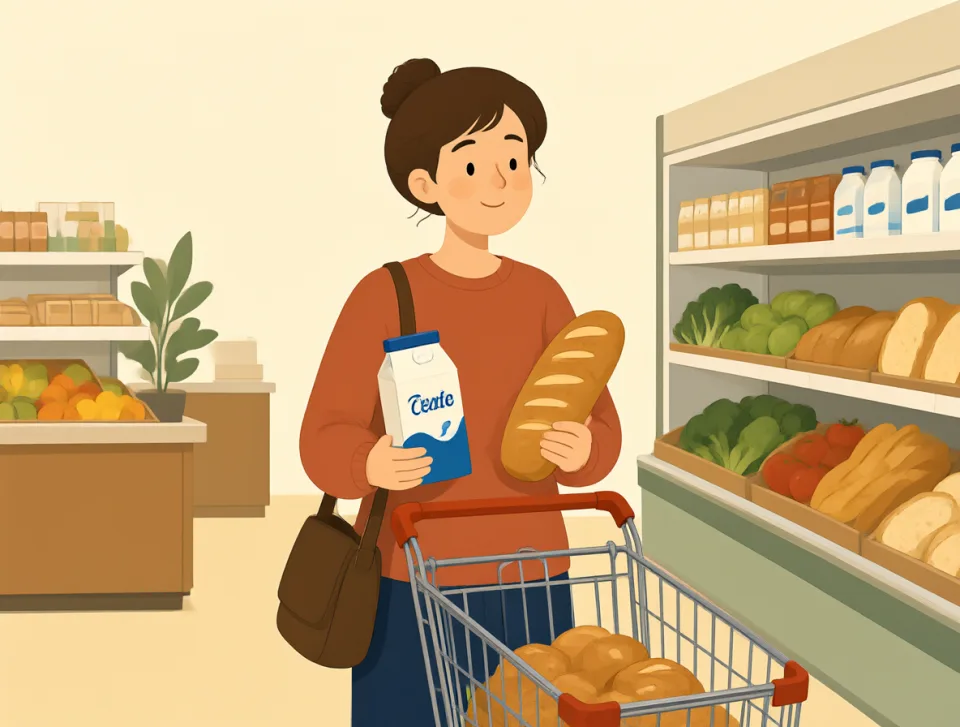
We need to buy milk or bread.
Kita perlu membeli susu atau roti.
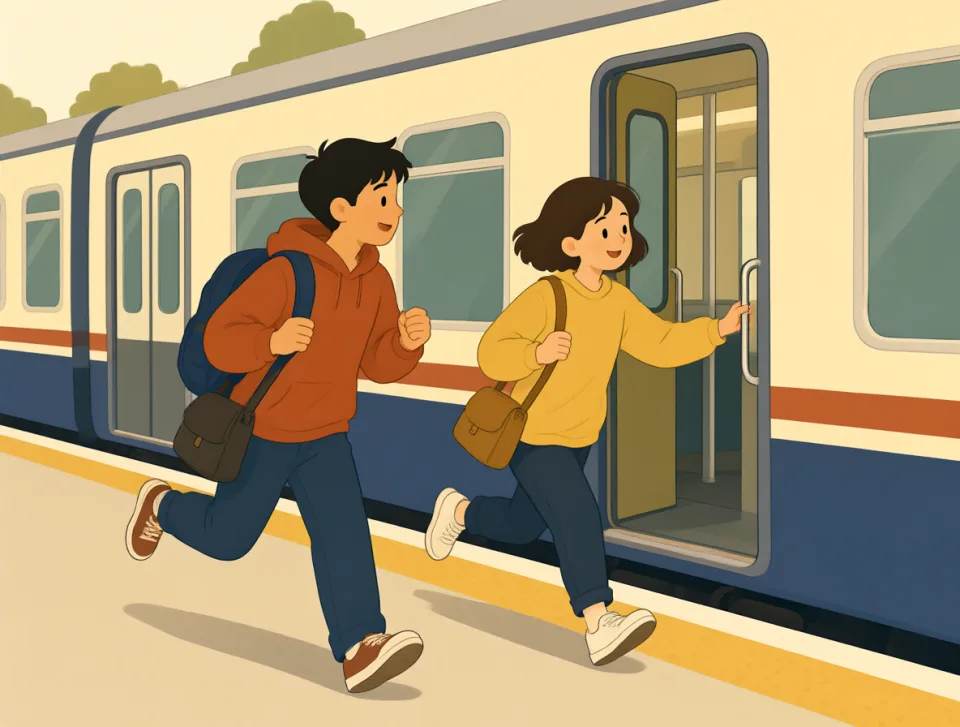
Hurry, or we will miss the train.
Cepat, atau kita akan ketinggalan kereta.

say
#30verb
mengatakan
to speak words or tell someone something
Mengucapkan kata-kata atau memberi tahu seseorang sesuatu.

What did you say?
Apa yang tadi kamu katakan?

She said hello to her teacher.
Dia menyapa gurunya.

Please say your name slowly.
Tolong sebutkan namamu pelan-pelan.

They say the soup is delicious.
Katanya sup itu enak.

He said he felt sick yesterday.
Dia bilang kemarin merasa tidak enak badan.

go
#31verb, noun
pergi
to move or travel somewhere, or to happen or work in a particular way
bergerak atau bepergian ke suatu tempat, atau berlangsung atau bekerja dengan cara tertentu
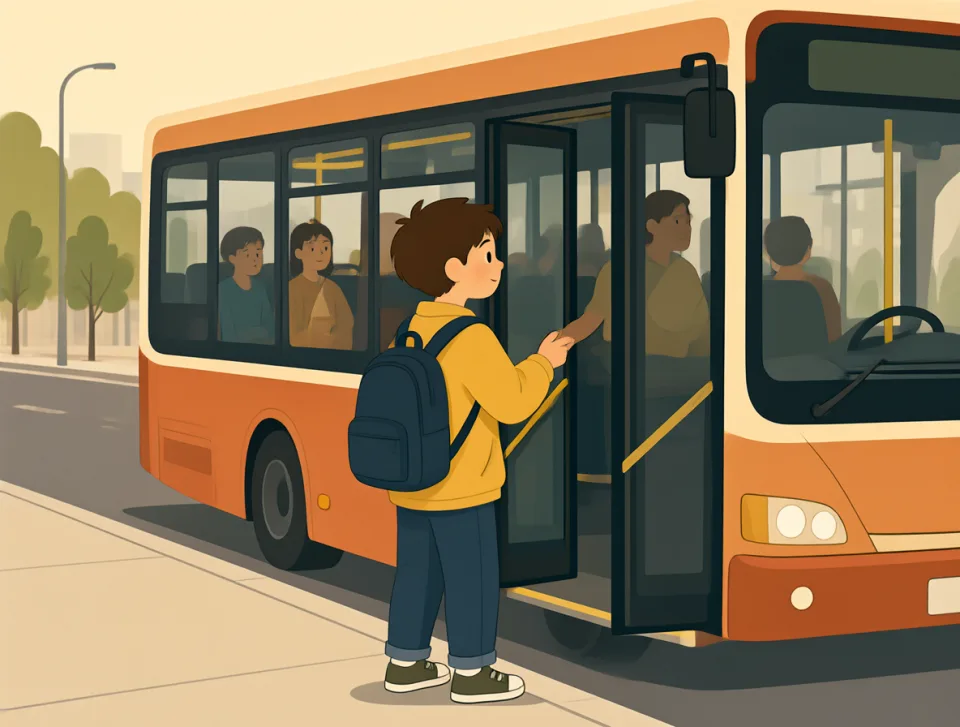
I go to school by bus every day.
Saya naik bus ke sekolah setiap hari.

We went home after dinner.
Kami pulang setelah makan malam.

Please go and ask your teacher.
Tolong pergi dan tanyakan kepada gurumu.

These shoes go well with your jeans.
Sepatu ini cocok dipadukan dengan celana jinsmu.
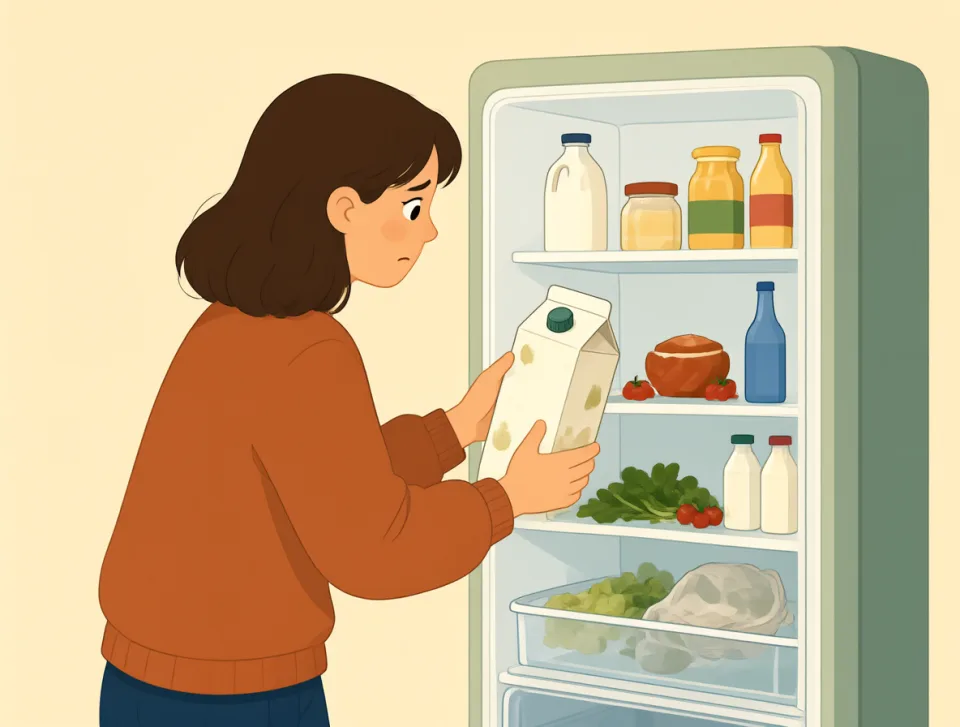
The milk went bad in the fridge.
Susu di kulkas itu basi.

so
#32adverb, conjunction
jadi; sangat; juga
Used to show a result, a high degree, or agreement.
Digunakan untuk menunjukkan hasil, tingkat yang tinggi, atau persetujuan.
I was tired, so I went to bed.
Saya lelah, jadi saya pergi tidur.

The soup is so hot I cannot eat it.
Supnya sangat panas sampai saya tidak bisa memakannya.

She studied hard, so she passed the test.
Dia belajar dengan giat, jadi dia lulus ujian.

The bus was late, so we walked home.
Busnya terlambat, jadi kami berjalan pulang.

“I like this.” “So do I.”
“Saya suka yang ini.” “Saya juga.”

all
#33determiner, pronoun, adverb
semua
The whole amount or every person or thing in a group
Seluruh jumlah atau setiap orang maupun benda dalam suatu kelompok.
All the students finished their homework.
Semua siswa menyelesaikan pekerjaan rumah mereka.
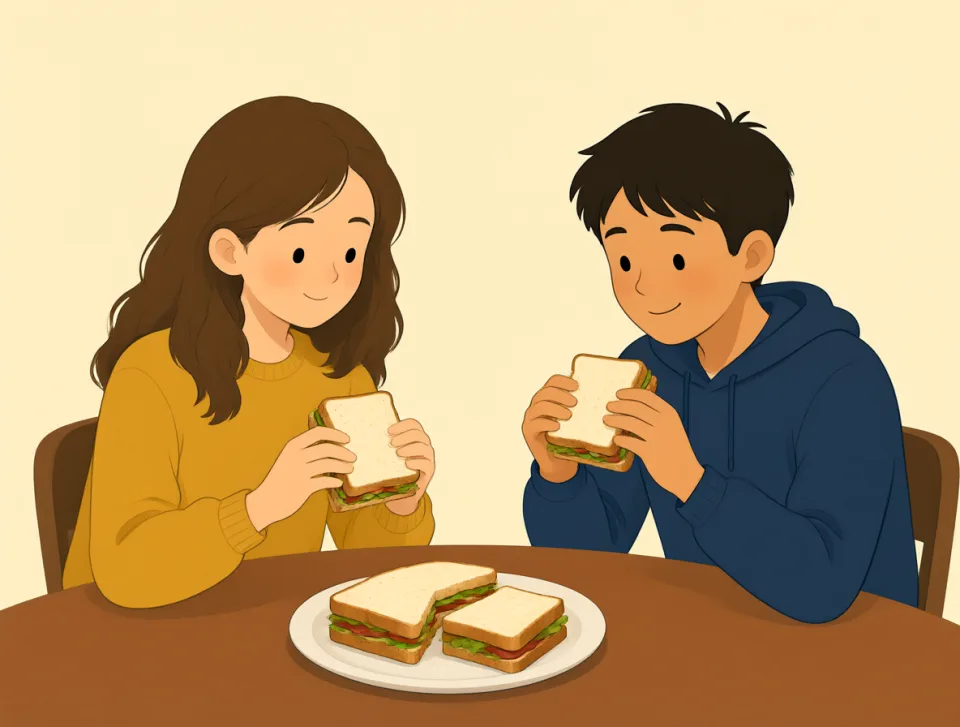
We ate all the sandwiches at lunch.
Kami menghabiskan semua roti lapis saat makan siang.

All of us took the train home.
Kami semua naik kereta pulang.

She worked all day at the shop.
Dia bekerja seharian di toko.

I am not at all tired today.
Hari ini saya sama sekali tidak lelah.

if
#34conjunction
jika; kalau
Used to talk about a condition or a possible situation.
Digunakan untuk membicarakan suatu syarat atau kemungkinan.
Call me if you need help.
Telepon saya kalau kamu butuh bantuan.

If it rains, we will stay home.
Kalau hujan, kami akan tinggal di rumah.

Ask the teacher if you have questions.
Tanyakan kepada guru kalau kamu punya pertanyaan.

I will buy it if it is cheaper.
Saya akan membelinya kalau harganya lebih murah.

She asked if the train was late.
Dia bertanya apakah keretanya terlambat.

one
#35number, noun, pronoun, determiner
satu
The number 1, or a single person or thing.
Angka 1, atau seorang maupun sebuah saja.
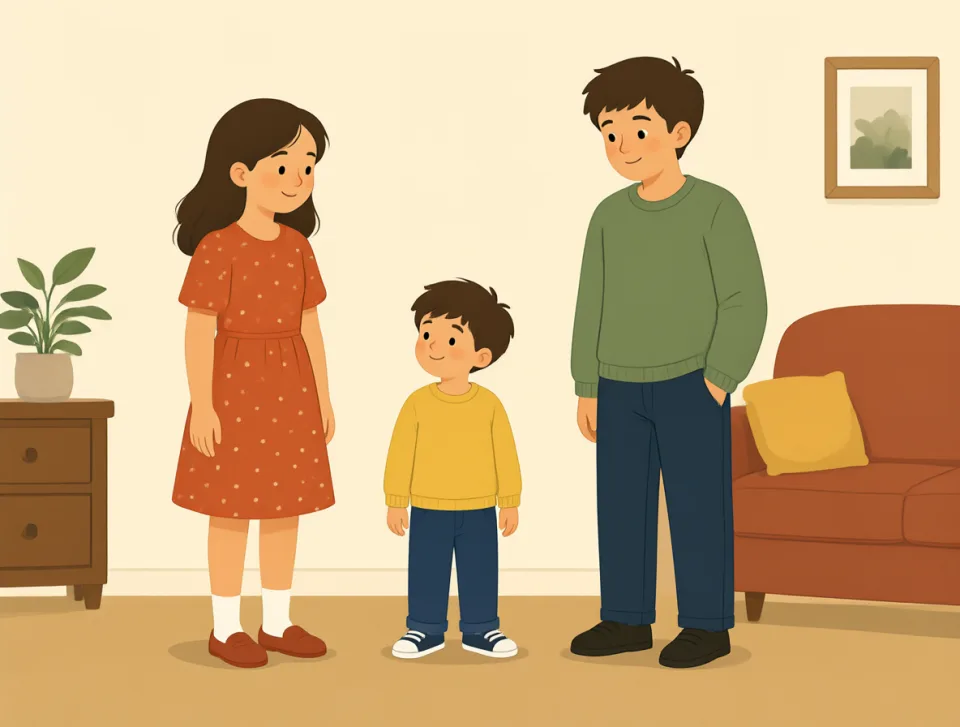
I have one sister and two brothers.
Saya punya satu saudara perempuan dan dua saudara laki-laki.

Please give me one coffee.
Tolong beri saya satu kopi.

One student answered the teacher's question.
Seorang siswa menjawab pertanyaan guru.

This shoe is smaller than the other one.
Sepatu ini lebih kecil daripada sepatu yang satunya.

One day, we will travel around the world.
Suatu hari nanti, kita akan berkeliling dunia.

would
#36verb, modal verb
akan
Used to talk about wishes, imagined situations, polite requests, or repeated past actions.
Digunakan untuk membicarakan keinginan, situasi khayalan, permintaan sopan, atau kebiasaan yang dilakukan berulang kali di masa lalu.
Would you like some coffee?
Mau minum kopi?

I would like to book a room.
Saya ingin memesan kamar.

She would help if she had time.
Dia akan membantu kalau punya waktu.

When we were children, we would play outside.
Waktu masih kecil, kami biasa bermain di luar.

Would you please close the window?
Tolong tutup jendelanya.

about
#37adverb, preposition
tentang
Used to say what someone or something concerns, or roughly where, when, or how much.
Digunakan untuk menyatakan hal yang dibahas atau berkaitan dengan seseorang atau sesuatu, atau untuk menunjukkan perkiraan tempat, waktu, atau jumlah.
We talked about our plans after dinner.
Kami membicarakan rencana kami setelah makan malam.

This book is about animals and nature.
Buku ini tentang hewan dan alam.

There were about twenty people at the party.
Ada sekitar dua puluh orang di pesta itu.

The train leaves at about eight o'clock.
Kereta berangkat sekitar pukul delapan.

I am worried about my sick dog.
Saya khawatir tentang anjing saya yang sedang sakit.
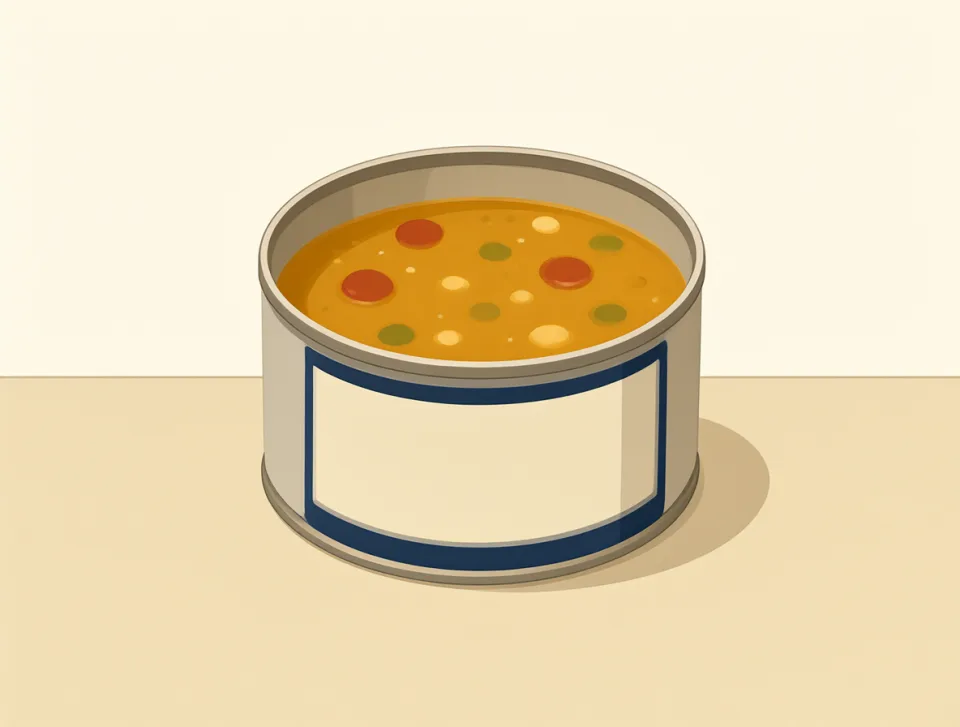
can
#38noun, verb, modal verb
kaleng
A metal container; or to put food or drink into a metal container.
Wadah logam; atau memasukkan makanan atau minuman ke dalam wadah logam.

I can help you with your homework.
Saya bisa membantu mengerjakan PR-mu.

Can you open this jar for me?
Bisa tolong bukakan stoples ini?

We can meet at the station at six.
Kita bisa bertemu di stasiun pukul enam.

She bought a can of soup for lunch.
Dia membeli sekaleng sup untuk makan siang.
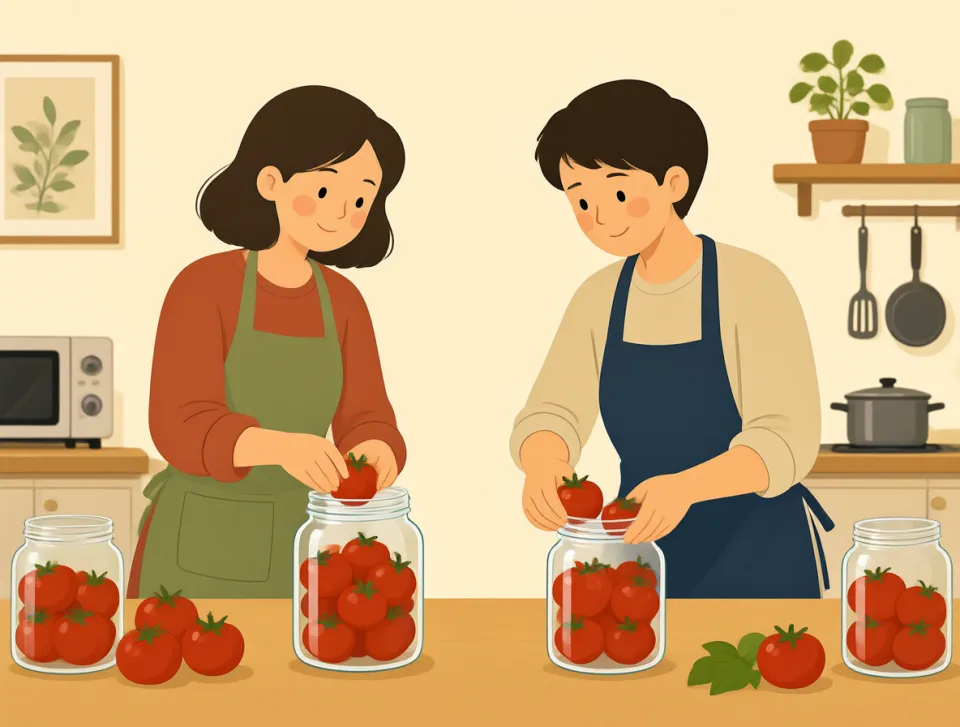
They canned the fresh tomatoes last summer.
Musim panas lalu, mereka mengawetkan tomat segar dalam kaleng.

which
#39pronoun, determiner
yang mana
Used to ask or show which person or thing you mean.
Digunakan untuk menanyakan atau menunjukkan orang atau benda yang dimaksud.
Which shirt do you like best?
Kemeja yang mana yang paling kamu suka?
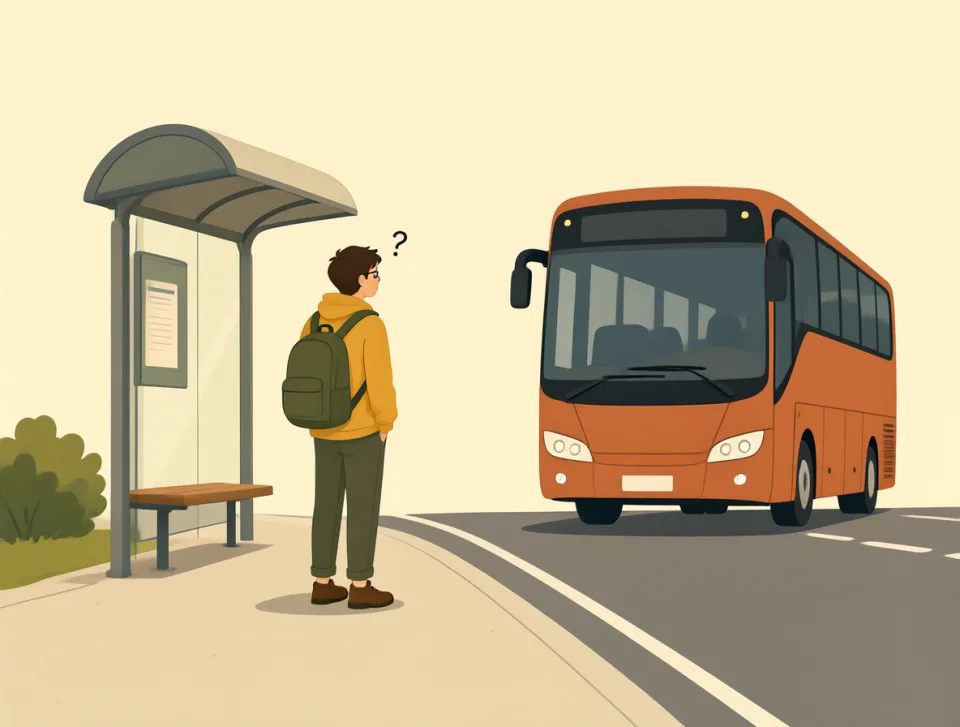
I forgot which bus goes downtown.
Saya lupa bus yang mana yang menuju pusat kota.

She chose the book which I recommended.
Dia memilih buku yang saya rekomendasikan.
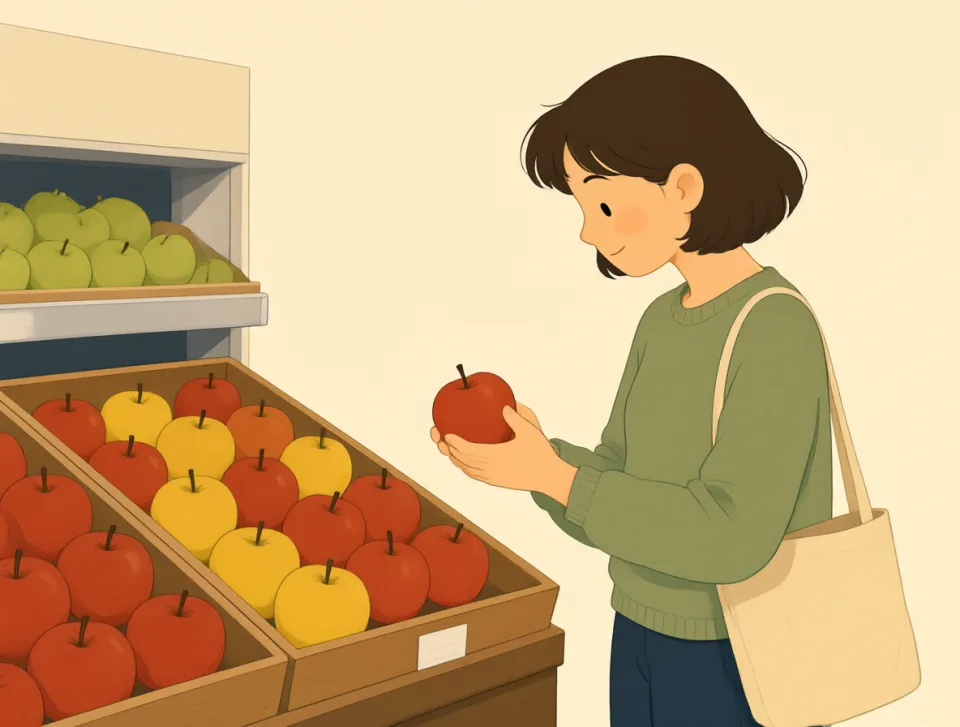
Which of these apples are fresh?
Apel yang mana dari semua ini yang masih segar?

He explained which button to press.
Dia menjelaskan tombol mana yang harus ditekan.

there
#40adverb, pronoun, determiner
di sana
In, at, or to that place; used to show that something exists.
Di, pada, atau menuju tempat itu; digunakan untuk menunjukkan bahwa sesuatu ada.
Please put the bags over there.
Tolong taruh tas-tas itu di sana.
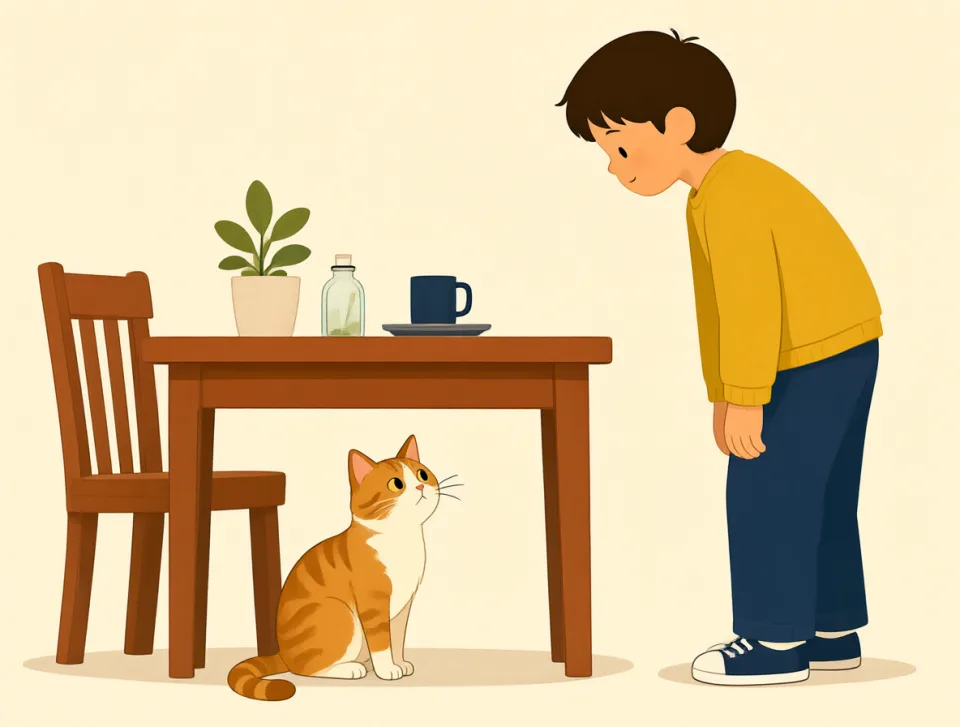
There is a cat under the table.
Ada seekor kucing di bawah meja.
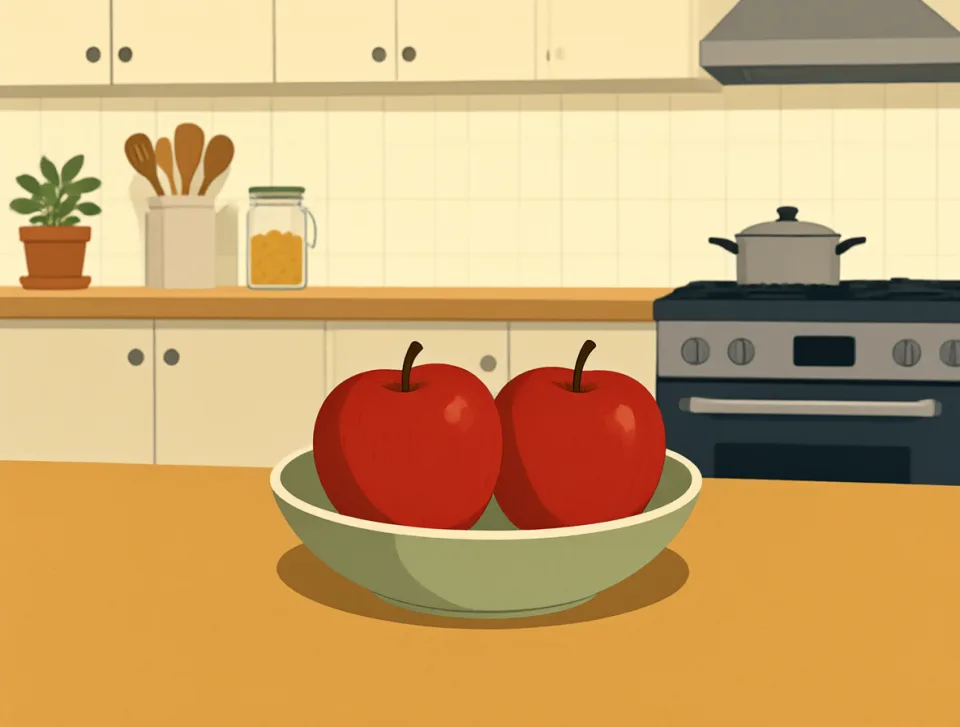
There are two apples in the bowl.
Ada dua buah apel di dalam mangkuk.

We waited there for the bus.
Kami menunggu bus di sana.

Is anyone there?
Ada orang di sana?