इकाई 2
शब्द 21–40 · do, as, at, she, but, from
do
#21verb, auxiliary verb, noun
करना
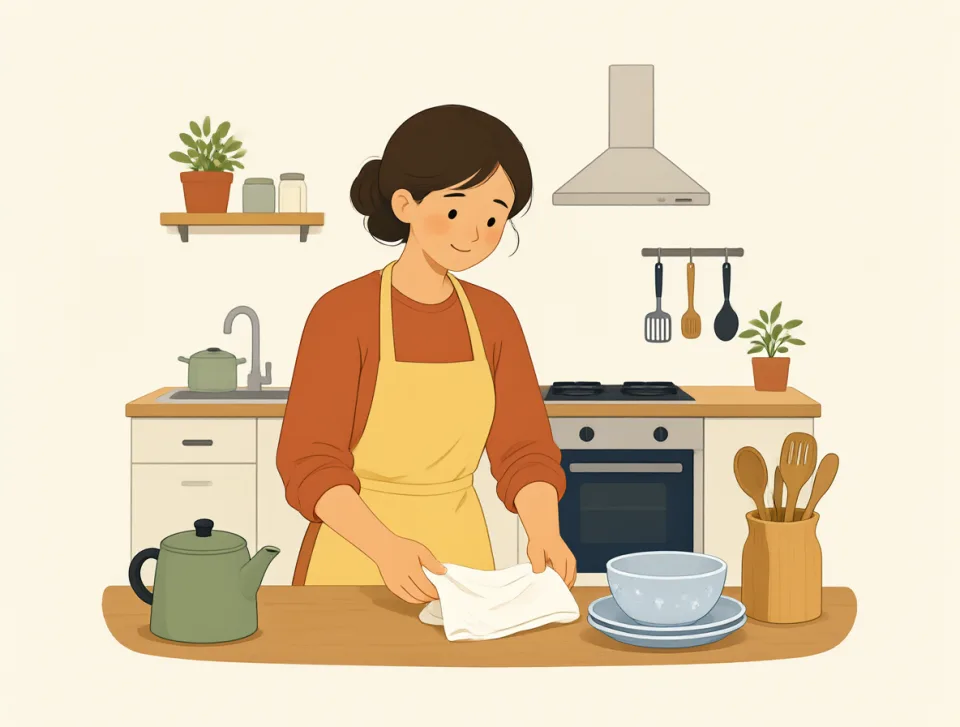
To perform an action, task, or activity.
कोई काम, कार्य या गतिविधि करना।
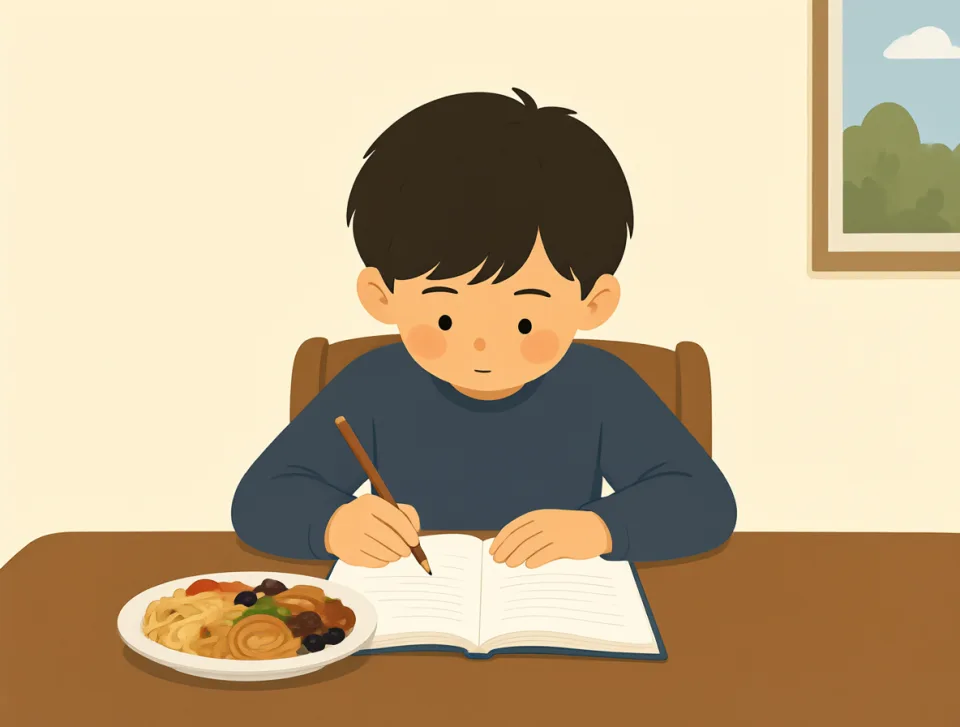
I do my homework after dinner.
मैं रात के खाने के बाद अपना होमवर्क करता/करती हूँ।
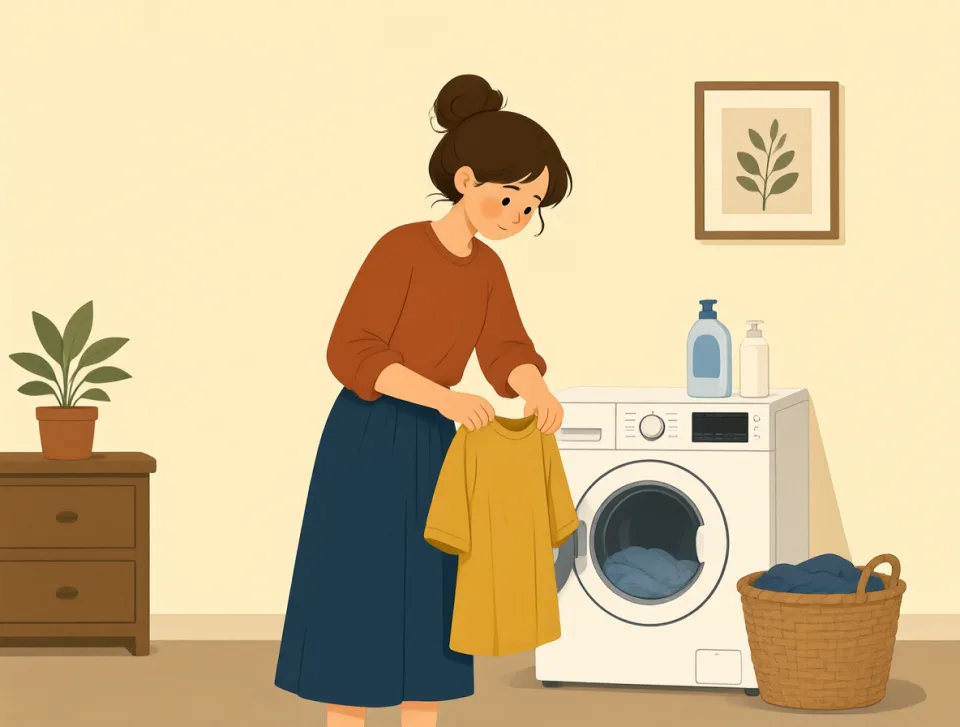
She does the washing every Saturday.
वह हर शनिवार कपड़े धोती है।

Do you like this restaurant?
क्या तुम्हें यह रेस्टोरेंट पसंद है?

We did some shopping after work.
हमने काम के बाद थोड़ी खरीदारी की।
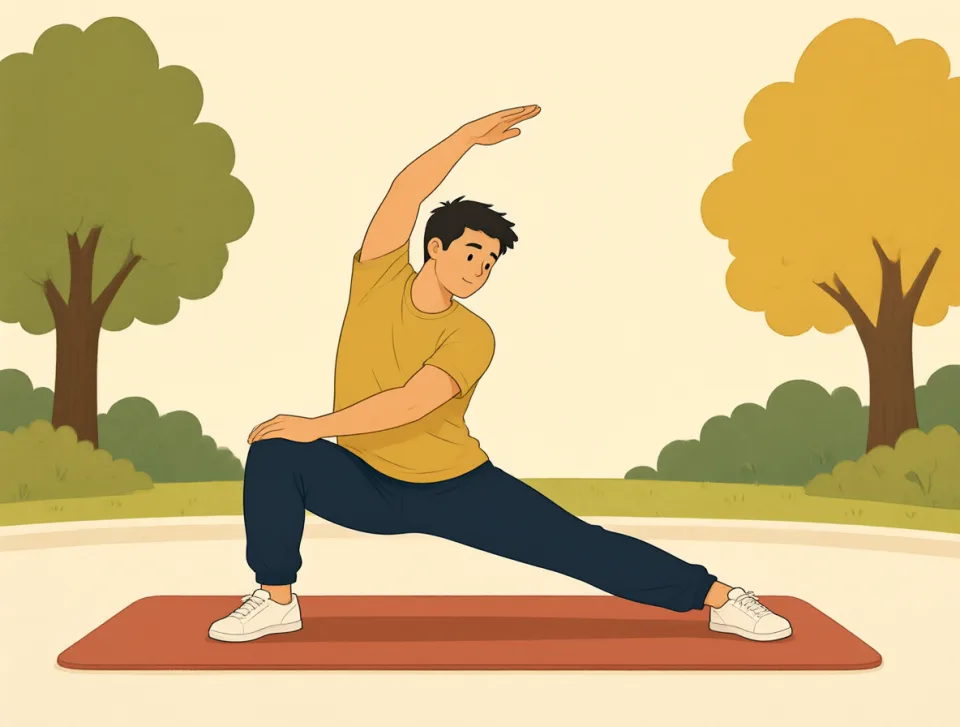
He does exercise every morning.
वह हर सुबह व्यायाम करता है।
as
#22adverb, conjunction, preposition, pronoun, determiner
जैसा; जब; क्योंकि
Used to compare, show time or reason, or describe someone or something.
तुलना करने, समय या कारण बताने, अथवा किसी व्यक्ति या चीज़ का वर्णन करने के लिए इस्तेमाल होता है।
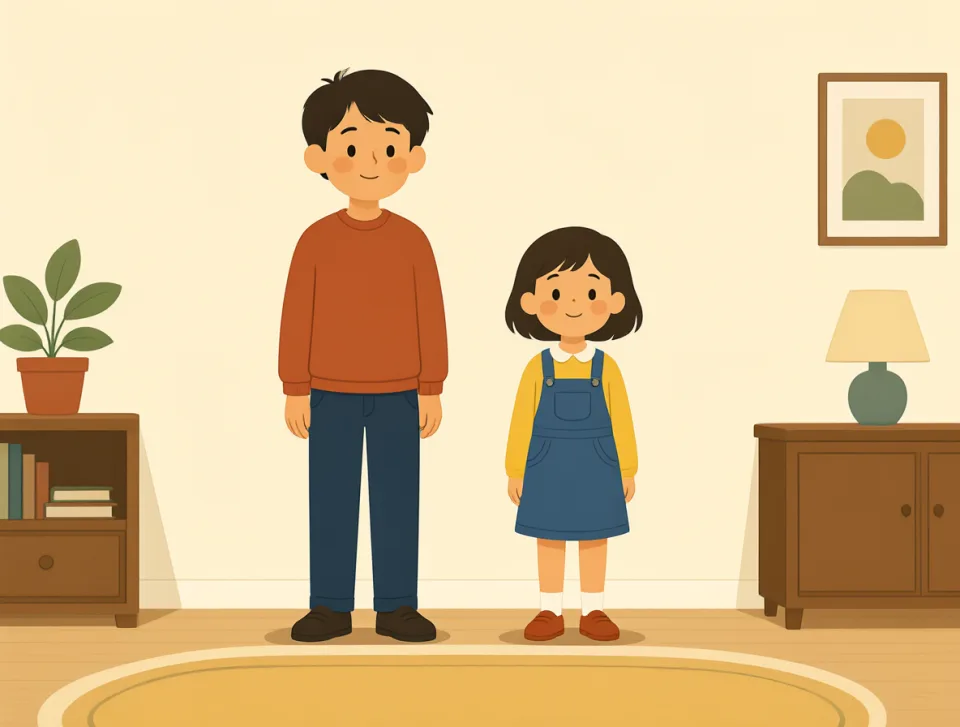
She is as tall as her brother.
वह अपने भाई जितनी लंबी है।
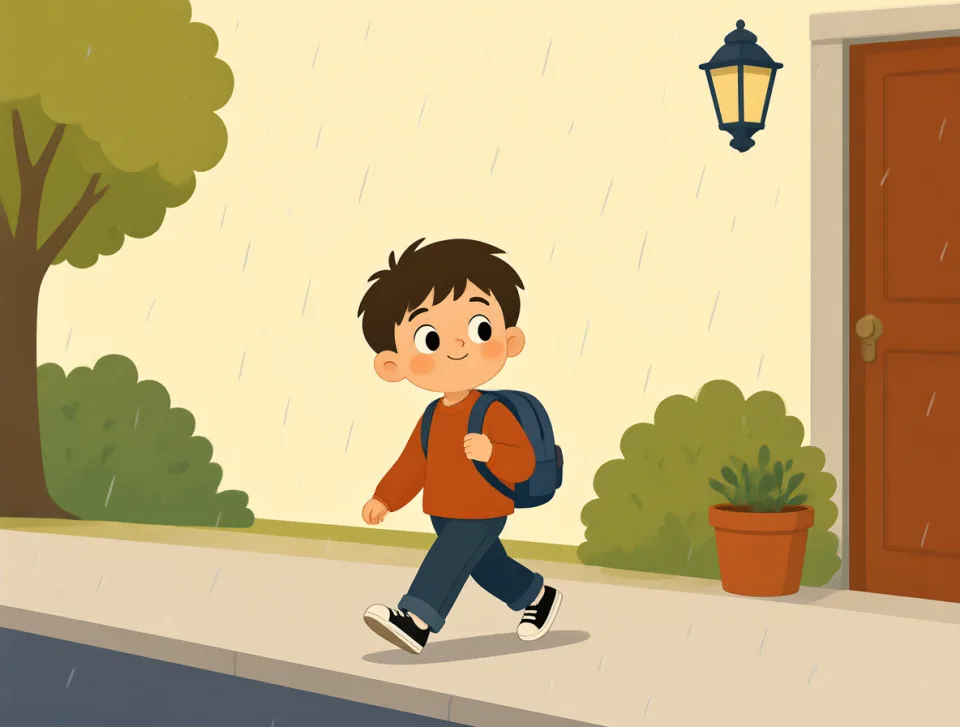
As I walked home, it started raining.
जब मैं पैदल घर जा रहा/रही था/थी, तो बारिश शुरू हो गई।
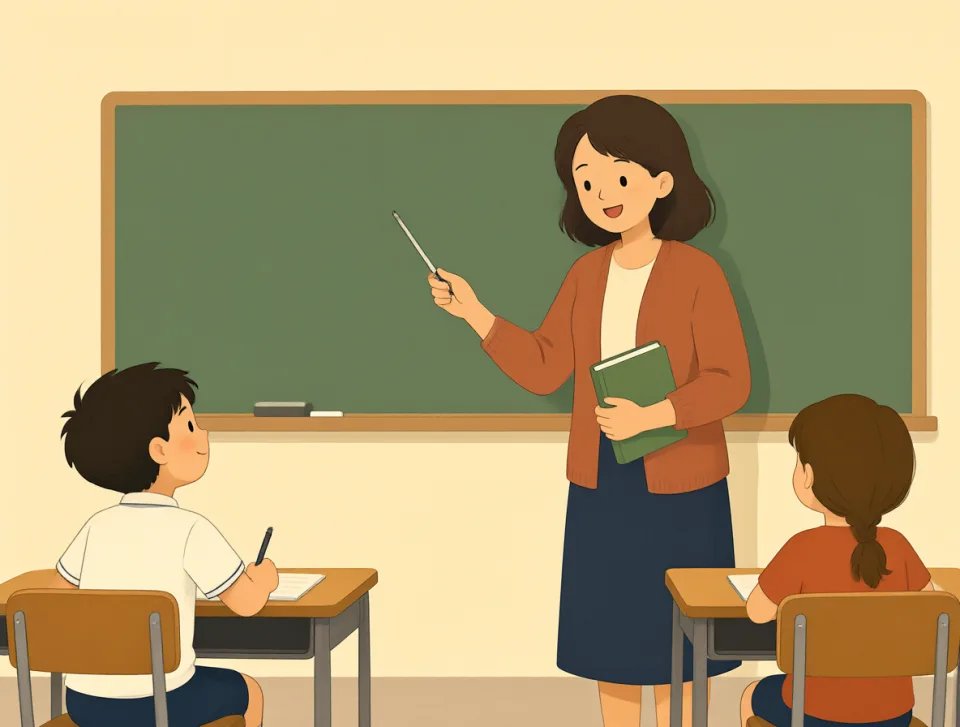
Please do as your teacher says.
कृपया वही करें जो आपके शिक्षक कहते हैं।

He works as a waiter at night.
वह रात में वेटर के रूप में काम करता है।

As usual, we had dinner at seven.
हमेशा की तरह, हमने सात बजे रात का खाना खाया।
at
#23preposition
पर; में
Used to show a specific time, place, or situation.
किसी खास समय, जगह या स्थिति को बताने के लिए इस्तेमाल होता है।
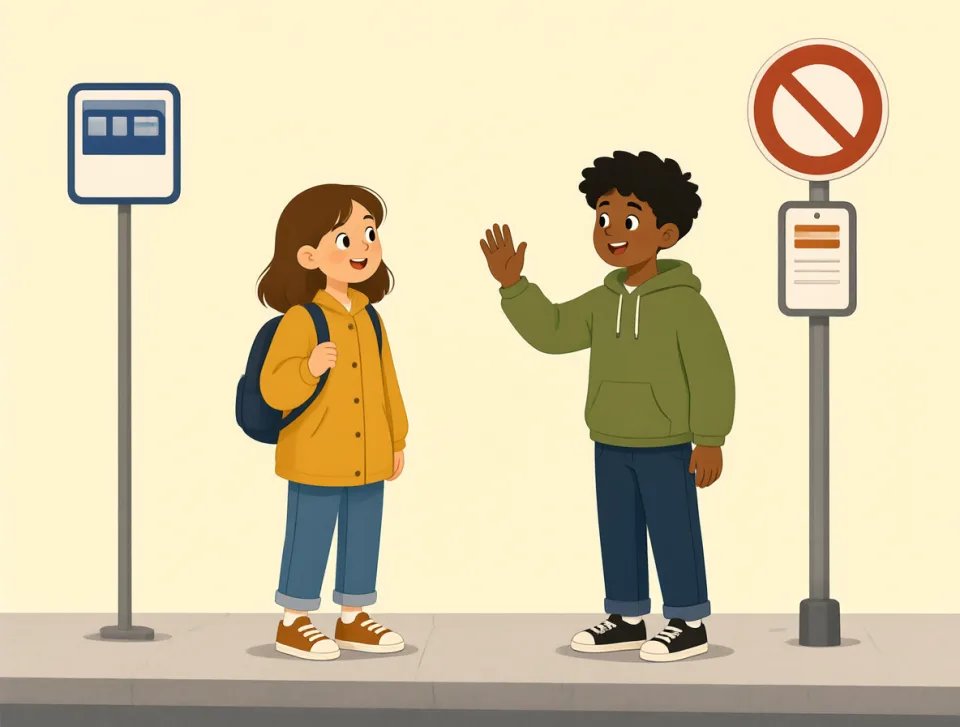
Meet me at the bus stop.
मुझसे बस स्टॉप पर मिलना।
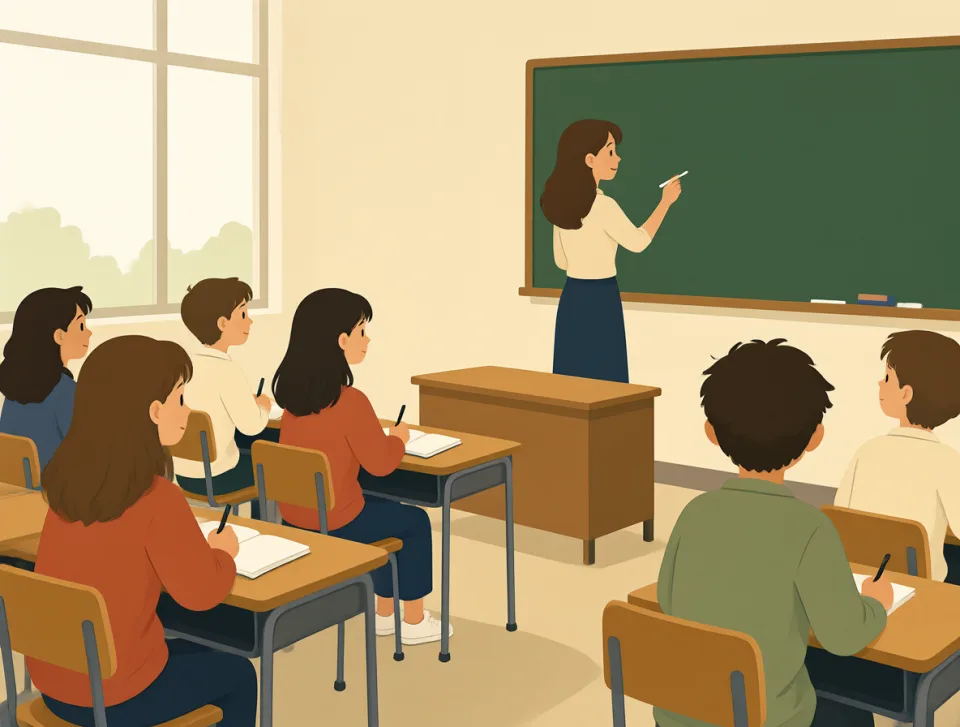
The class starts at nine.
कक्षा नौ बजे शुरू होती है।
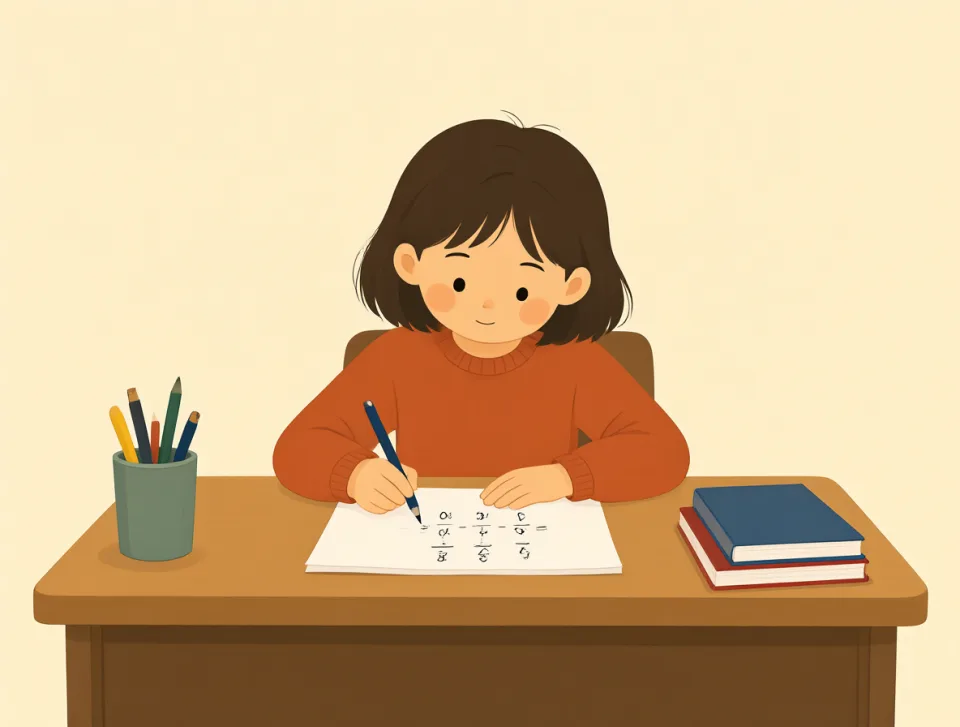
She is good at math.
वह गणित में अच्छी है।
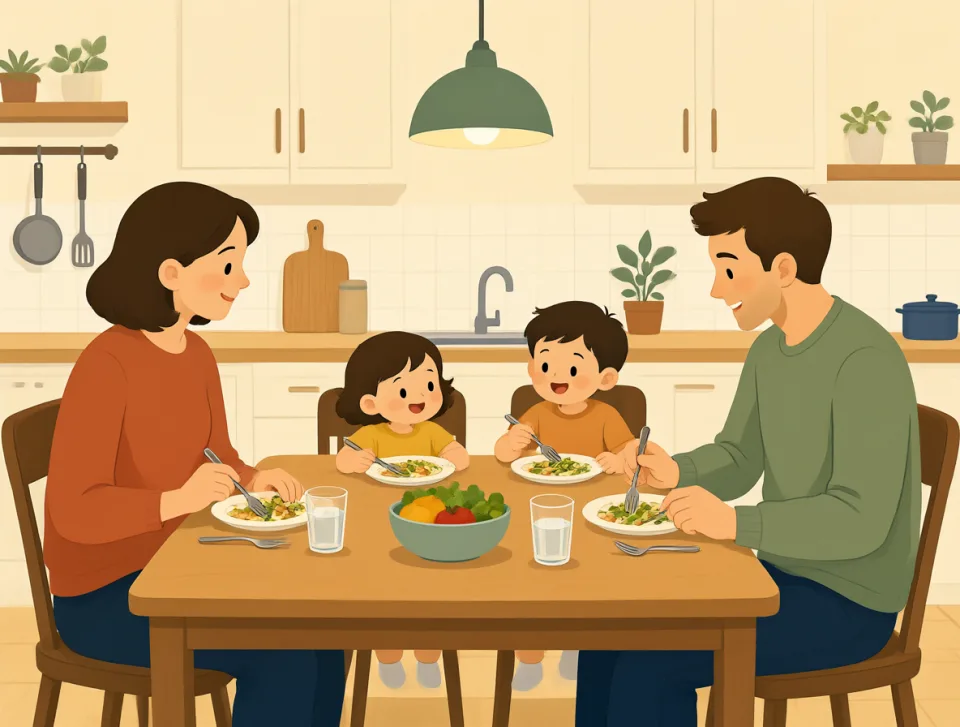
We ate lunch at home.
हमने घर पर दोपहर का खाना खाया।

He arrived at the airport early.
वह एयरपोर्ट पर जल्दी पहुँच गया।
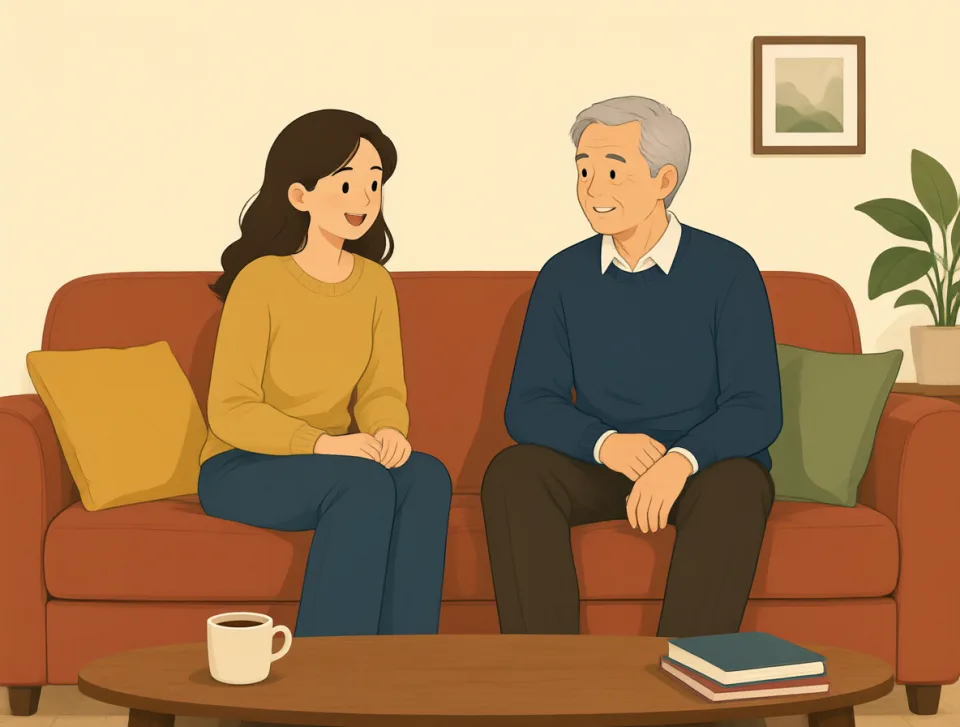
she
#24pronoun
वह
A female person or girl already mentioned or known.
पहले से बताई गई या परिचित किसी महिला या लड़की के लिए इस्तेमाल होने वाला सर्वनाम।
She lives with her parents.
वह अपने माता-पिता के साथ रहती है।

She works at the hospital.
वह अस्पताल में काम करती है।

She is my best friend.
वह मेरी सबसे अच्छी दोस्त है।
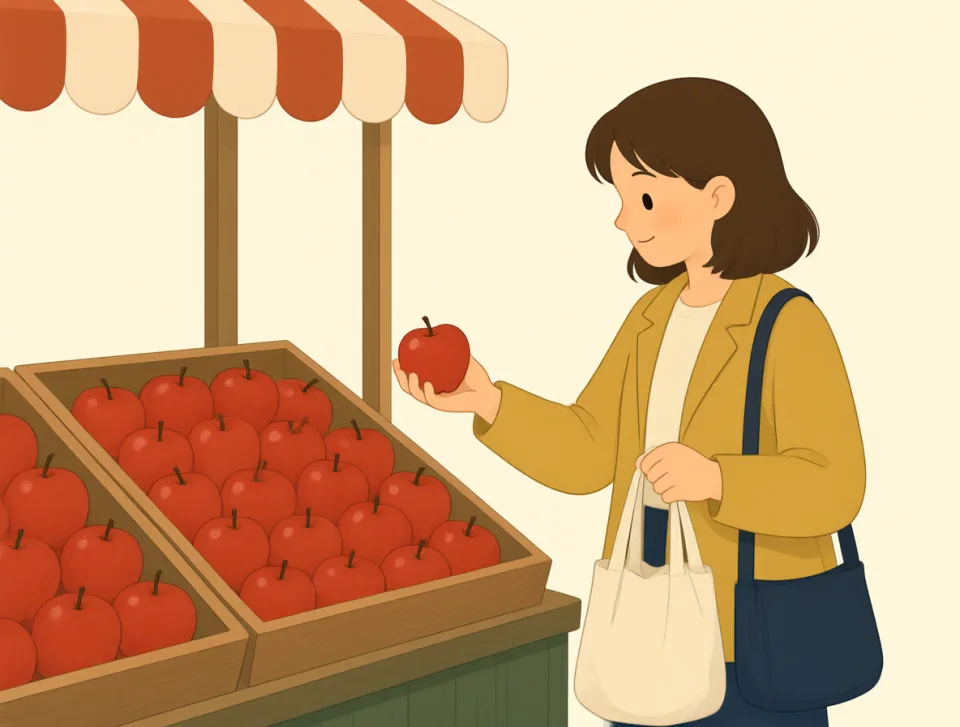
She bought some apples at the market.
उसने बाज़ार से कुछ सेब खरीदे।
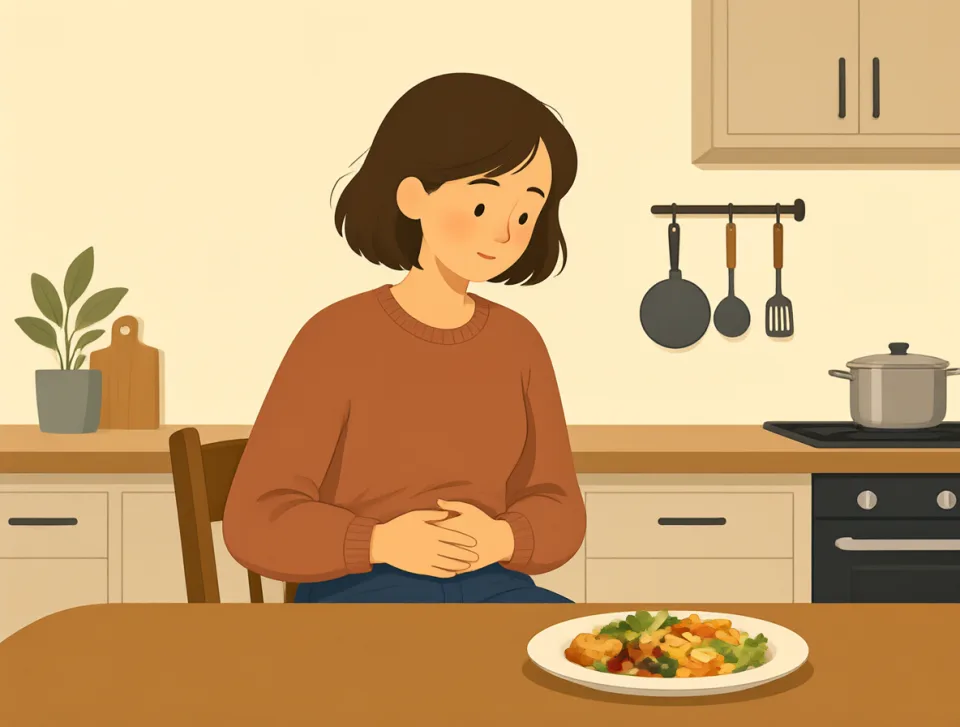
She felt sick after dinner.
रात के खाने के बाद उसकी तबीयत खराब लगने लगी।
but
#25conjunction, preposition, adverb, noun
लेकिन
Used to show a contrast, an exception, or a different choice.
विरोध, अपवाद या अलग विकल्प दिखाने के लिए इस्तेमाल होता है।
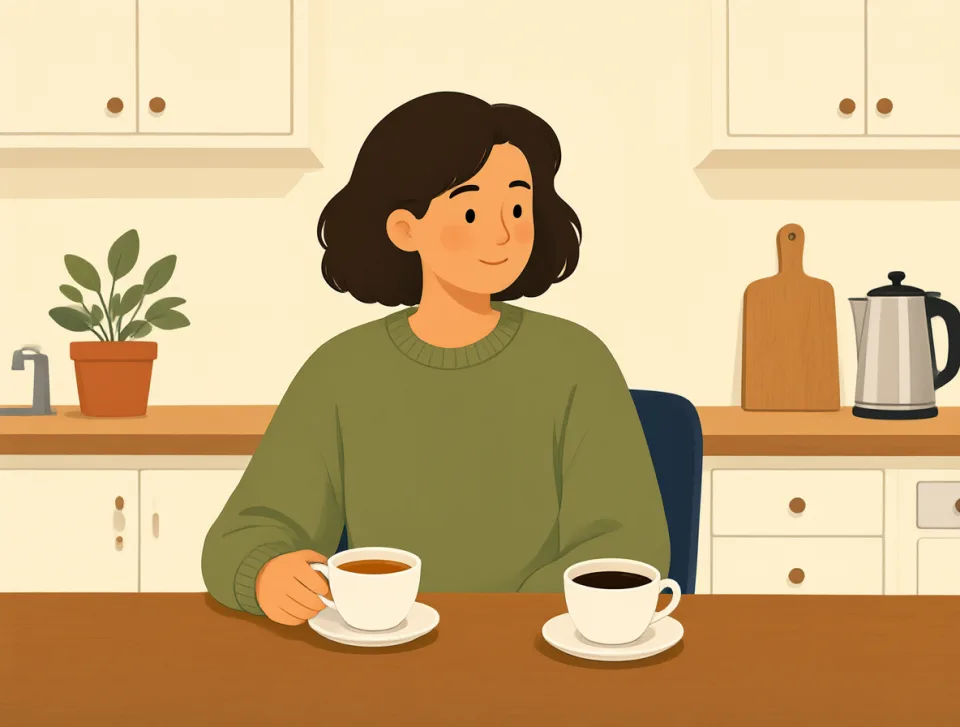
I like tea, but I prefer coffee.
मुझे चाय पसंद है, लेकिन कॉफ़ी ज़्यादा अच्छी लगती है।

She is tired, but she keeps working.
वह थकी हुई है, लेकिन काम करती रहती है।
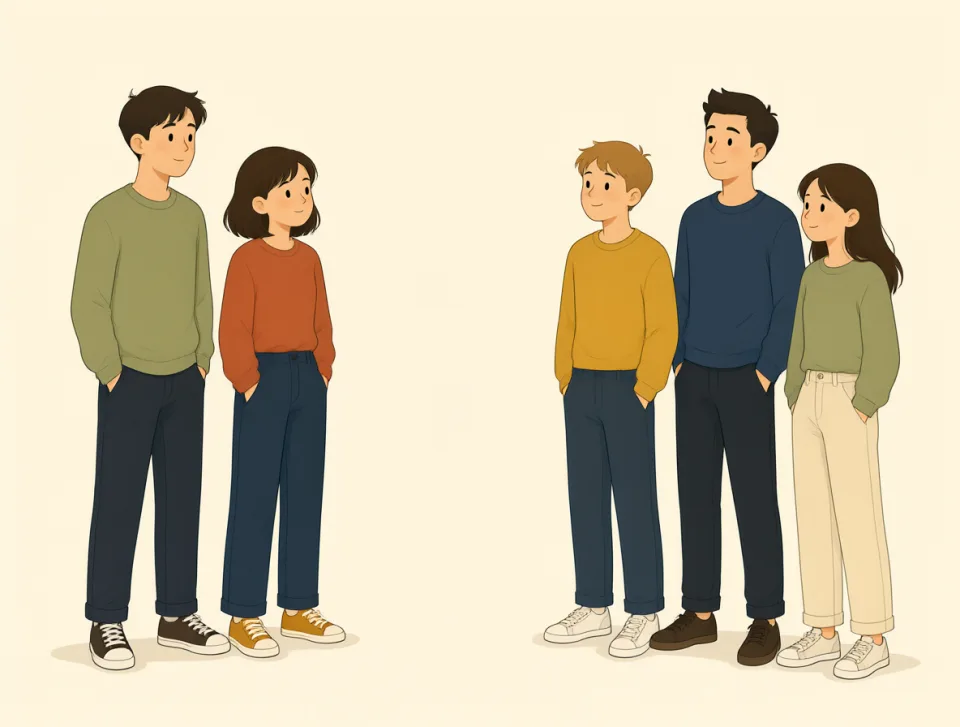
Everyone came but Tom.
टॉम को छोड़कर सब आए।

We wanted to walk, but it started raining.
हम पैदल चलना चाहते थे, लेकिन बारिश शुरू हो गई।

The shop was small, but it had everything.
दुकान छोटी थी, लेकिन उसमें सब कुछ था।

from
#26preposition
से
Shows where something starts, where it comes from, or when it begins.
यह बताता है कि कोई चीज़ कहाँ से शुरू होती है, कहाँ से आती है या कब शुरू होती है।
I walk home from school every day.
मैं हर दिन स्कूल से पैदल घर जाता हूँ।

This letter is from my best friend.
यह चिट्ठी मेरे सबसे अच्छे दोस्त की ओर से है।
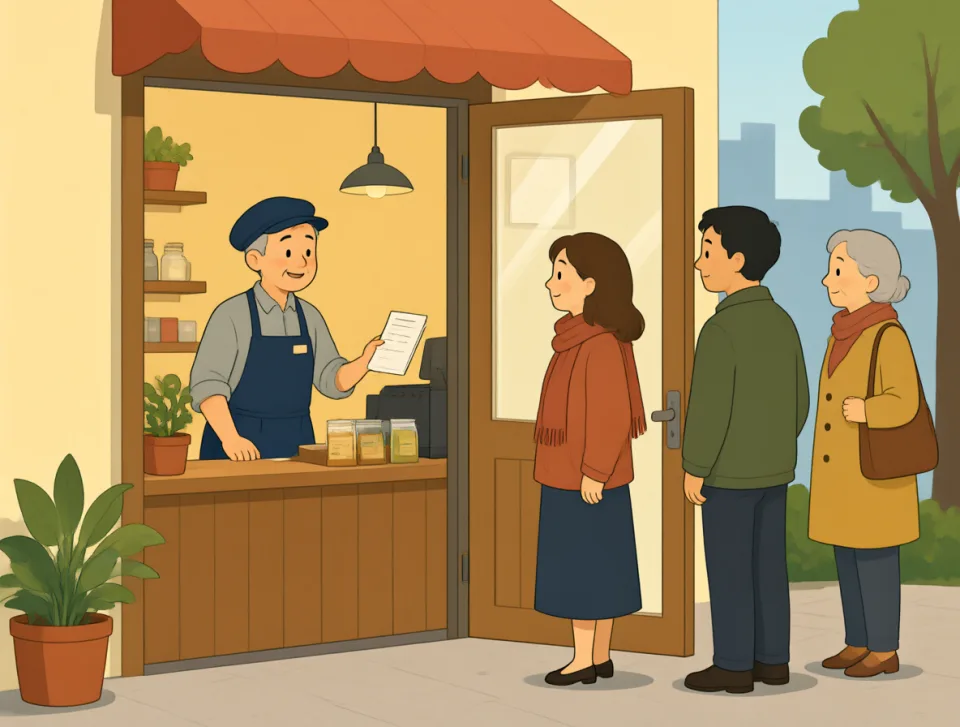
The shop is open from nine to five.
दुकान नौ से पाँच बजे तक खुली रहती है।

She comes from a small town.
वह एक छोटे शहर से आती है।
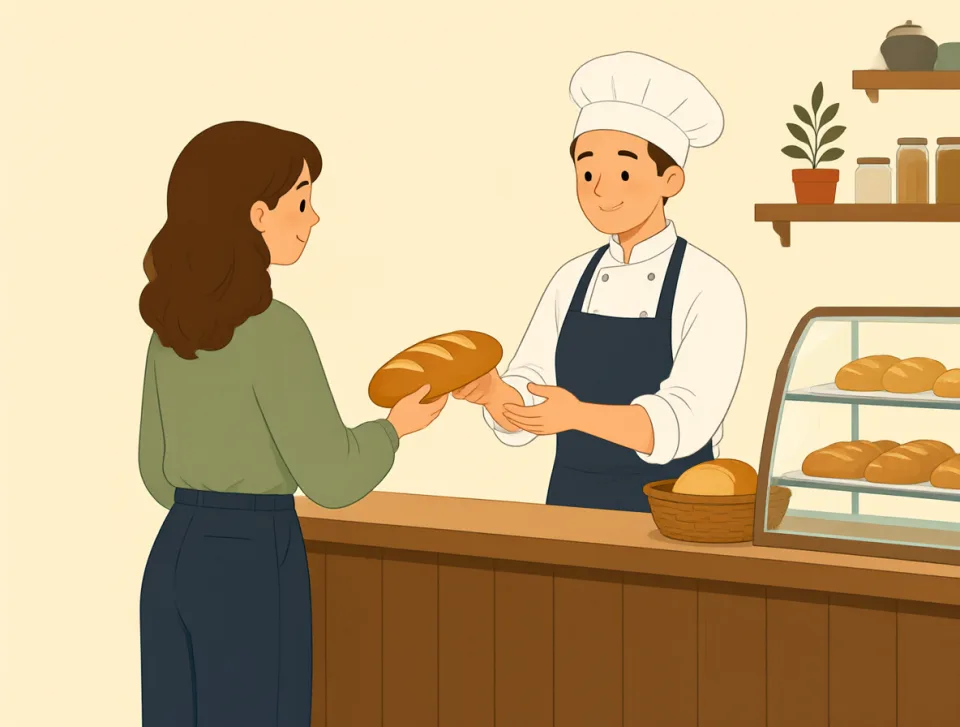
We bought fresh bread from the bakery.
हमने बेकरी से ताज़ी रोटी खरीदी।
by
#27preposition, adverb
के पास; तक; से
near, before a time, using something, or done by someone
पास होने, किसी समय-सीमा तक, किसी चीज़ का इस्तेमाल करके या किसी के द्वारा किए जाने को बताता है।
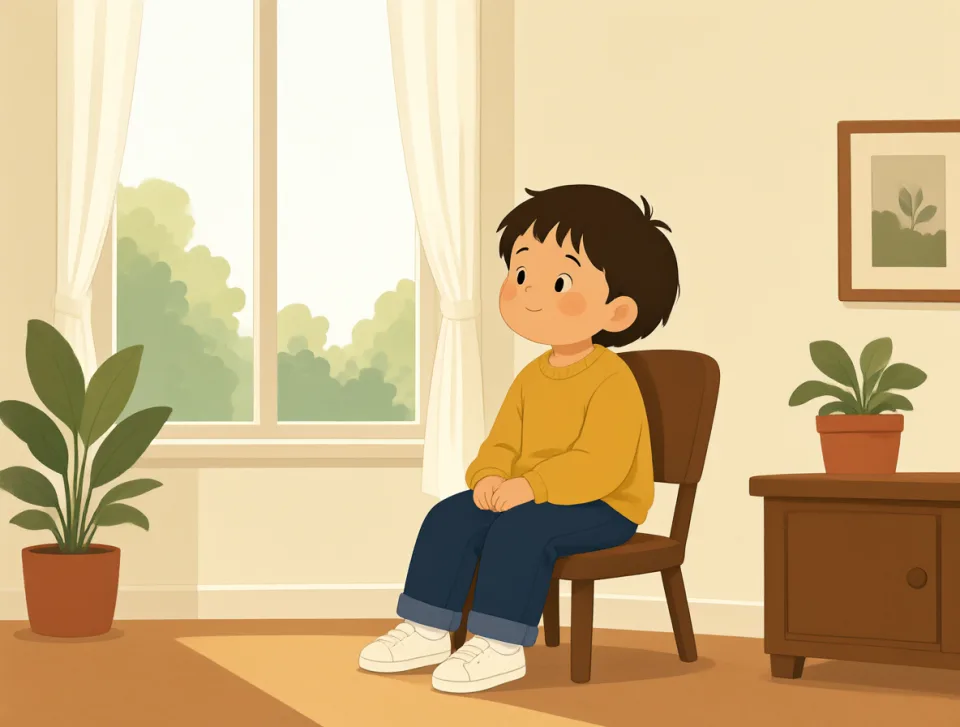
Please sit by the window.
कृपया खिड़की के पास बैठिए।

We travel by train every summer.
हम हर गर्मियों में ट्रेन से यात्रा करते हैं।

Finish your homework by Friday.
शुक्रवार तक अपना होमवर्क पूरा कर लो।

She walked by without saying hello.
वह बिना नमस्ते कहे पास से गुज़र गई।
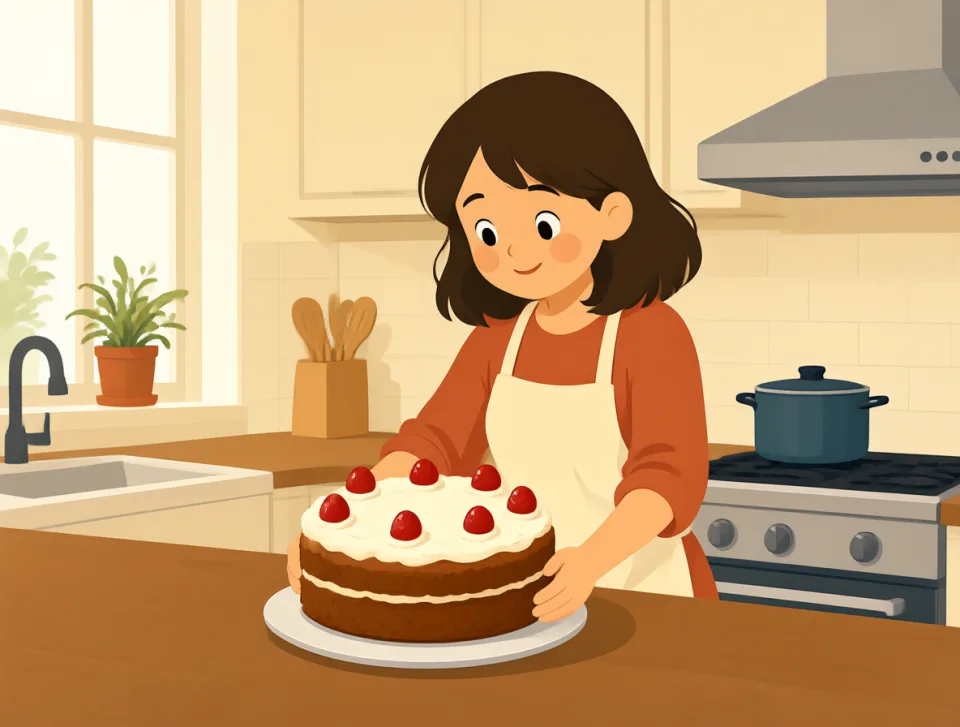
This cake was made by my sister.
यह केक मेरी बहन ने बनाया था।
will
#28verb, noun
गा/गी/गे; वसीयत
Used to talk about the future, or a person’s strong wish or legal instructions.
भविष्य की बात करने या किसी की प्रबल इच्छा अथवा कानूनी निर्देश बताने के लिए इस्तेमाल होता है।
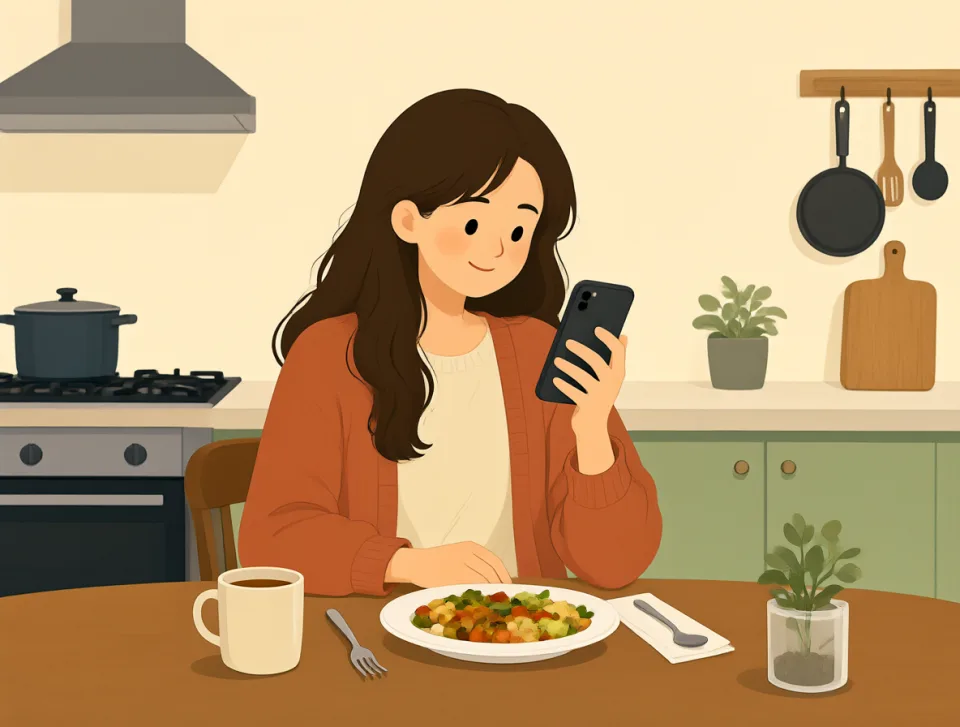
I will call you after dinner.
मैं रात के खाने के बाद तुम्हें फ़ोन करूँगा।

Will you help me with this box?
क्या तुम इस डिब्बे को उठाने में मेरी मदद करोगे?

The doctor says you will feel better soon.
डॉक्टर कहते हैं कि तुम जल्द ही बेहतर महसूस करोगे।
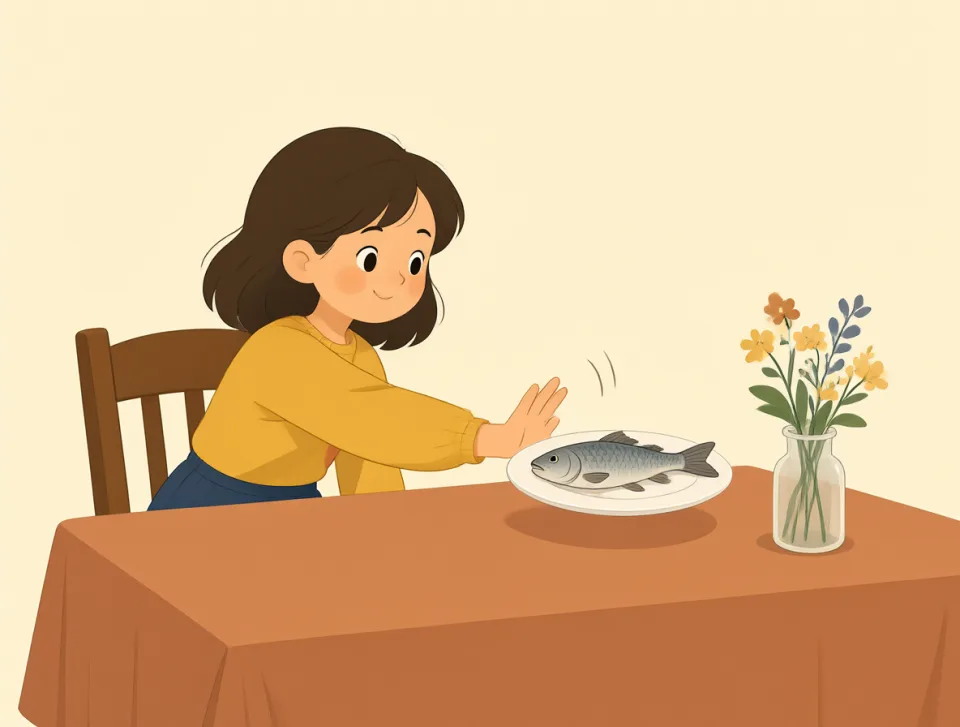
She will not eat the fish today.
वह आज मछली नहीं खाएगी।
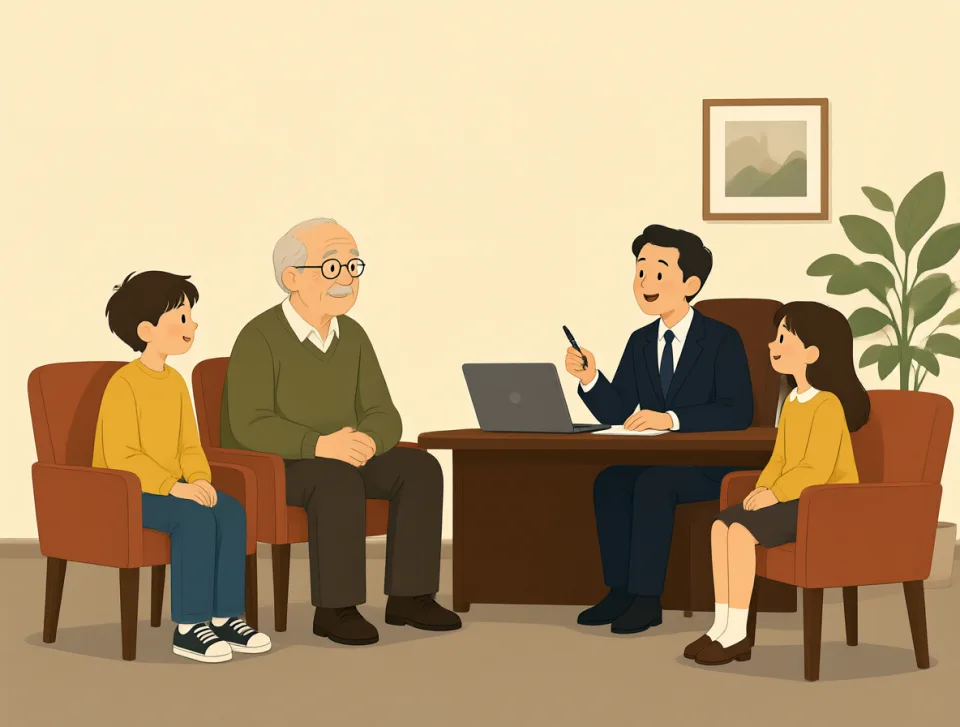
His will left money to his children.
उसकी वसीयत में अपने बच्चों के लिए पैसे छोड़े गए।

or
#29conjunction
या
Used to show a choice between two or more possibilities.
दो या अधिक विकल्पों में से चुनाव दिखाने के लिए इस्तेमाल होता है।
Would you like tea or coffee?
आप चाय लेना चाहेंगे या कॉफ़ी?
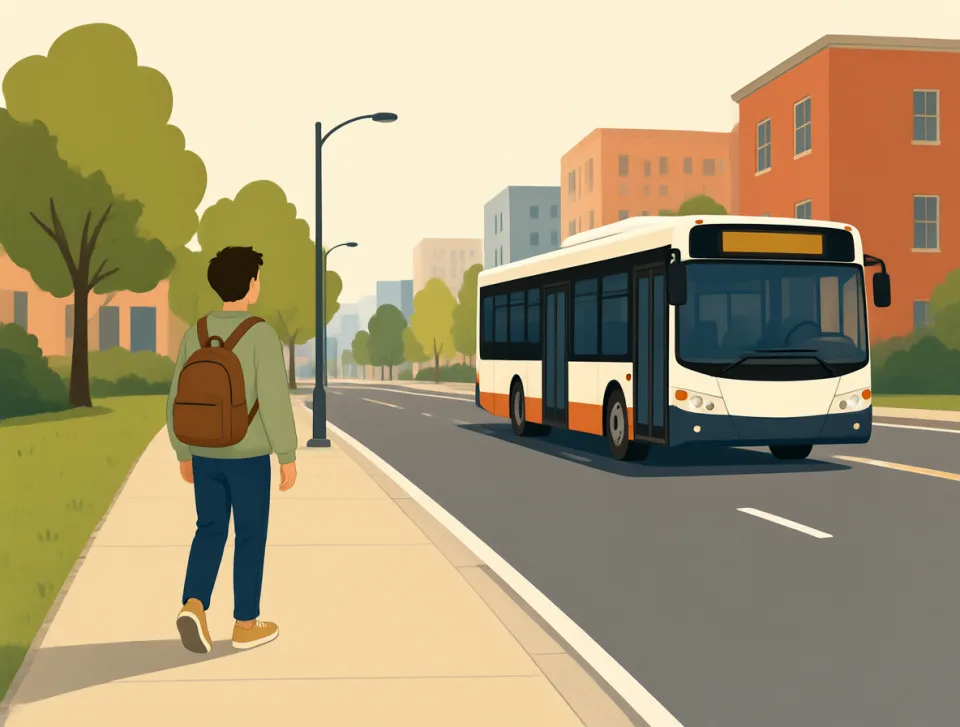
You can walk or take the bus.
तुम पैदल जा सकते हो या बस ले सकते हो।
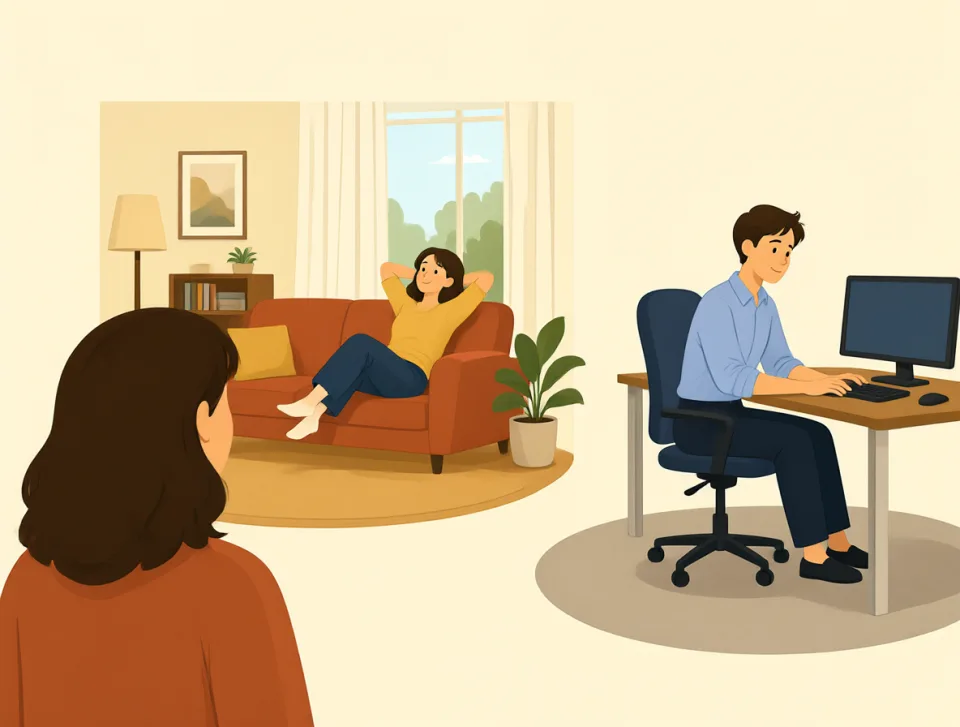
Is your sister at home or work?
क्या तुम्हारी बहन घर पर है या काम पर?
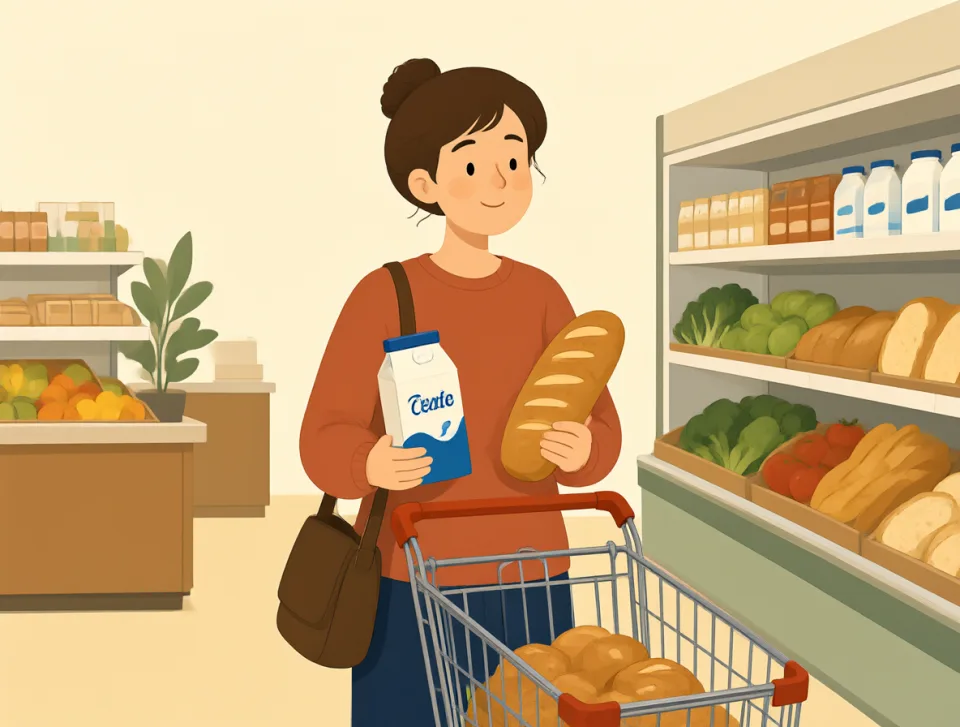
We need to buy milk or bread.
हमें दूध या ब्रेड खरीदनी है।
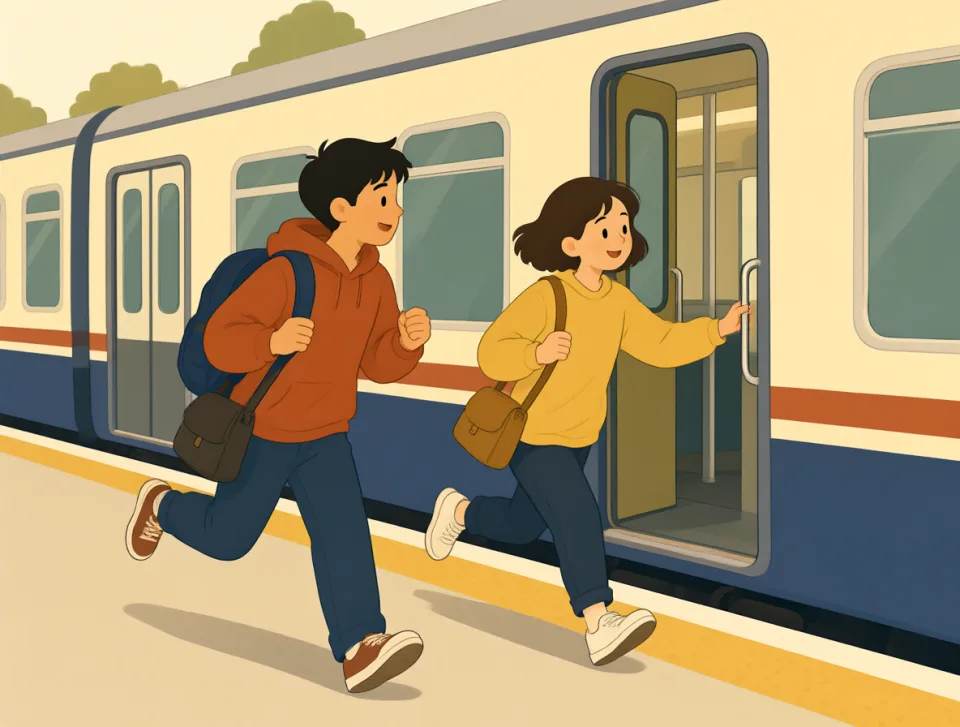
Hurry, or we will miss the train.
जल्दी करो, वरना हमारी ट्रेन छूट जाएगी।
say
#30verb
कहना
to speak words or tell someone something
शब्द बोलना या किसी को कुछ बताना।

What did you say?
तुमने क्या कहा?
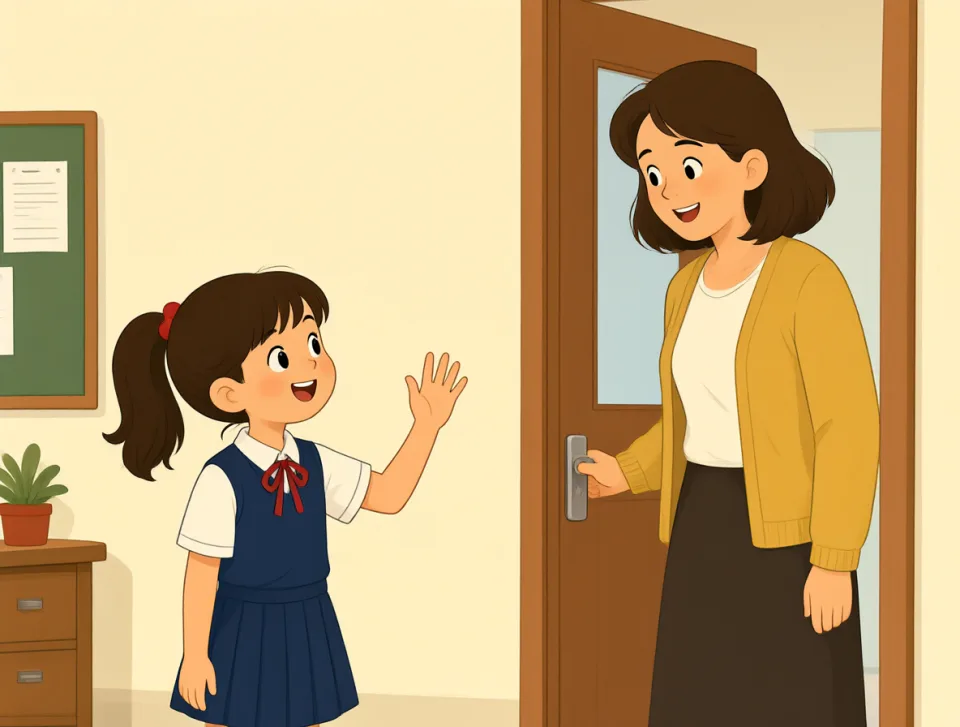
She said hello to her teacher.
उसने अपनी शिक्षिका को नमस्ते कहा।

Please say your name slowly.
कृपया अपना नाम धीरे-धीरे बताइए।

They say the soup is delicious.
लोग कहते हैं कि सूप बहुत स्वादिष्ट है।
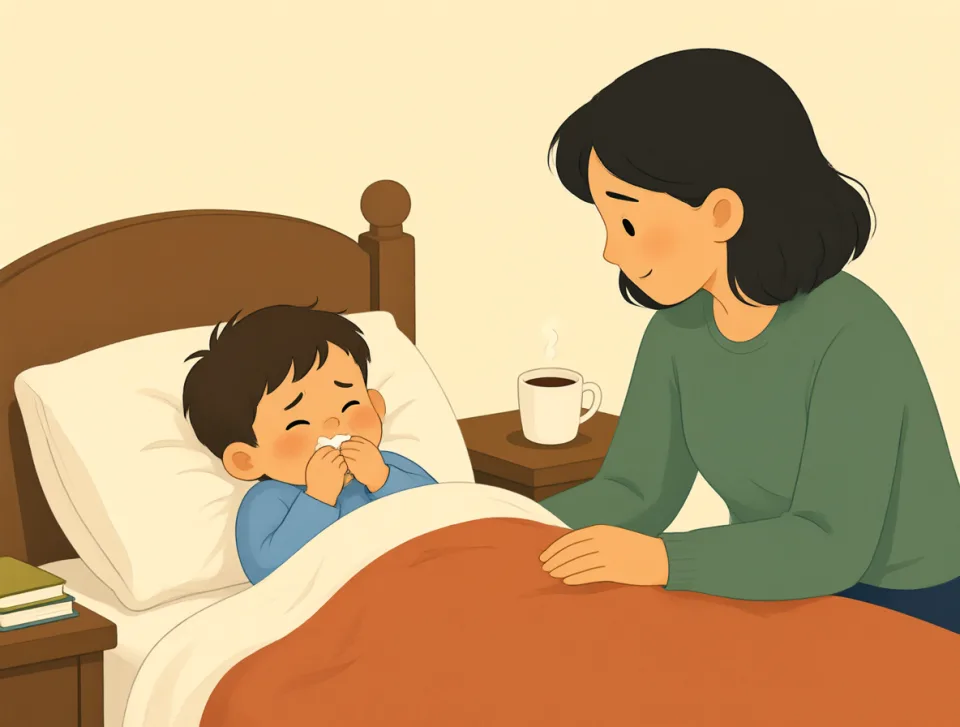
He said he felt sick yesterday.
उसने कहा कि कल उसकी तबीयत खराब थी।
go
#31verb, noun
जाना
to move or travel somewhere, or to happen or work in a particular way
किसी जगह जाना या यात्रा करना, या किसी खास तरीके से होना या काम करना
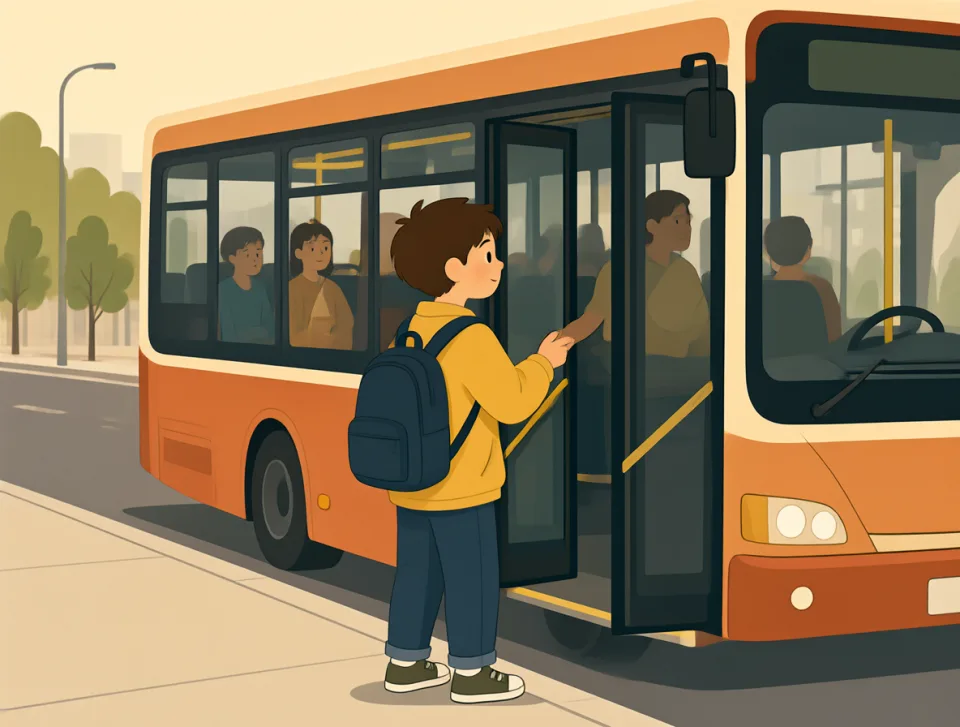
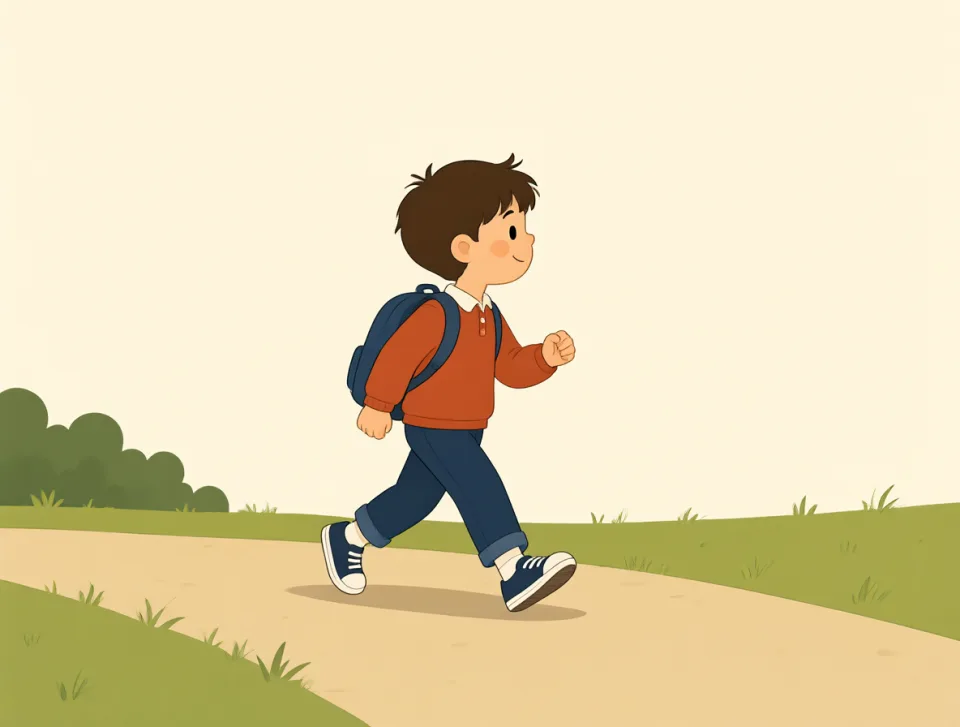
I go to school by bus every day.
मैं हर दिन बस से स्कूल जाता हूँ।

We went home after dinner.
रात के खाने के बाद हम घर गए।
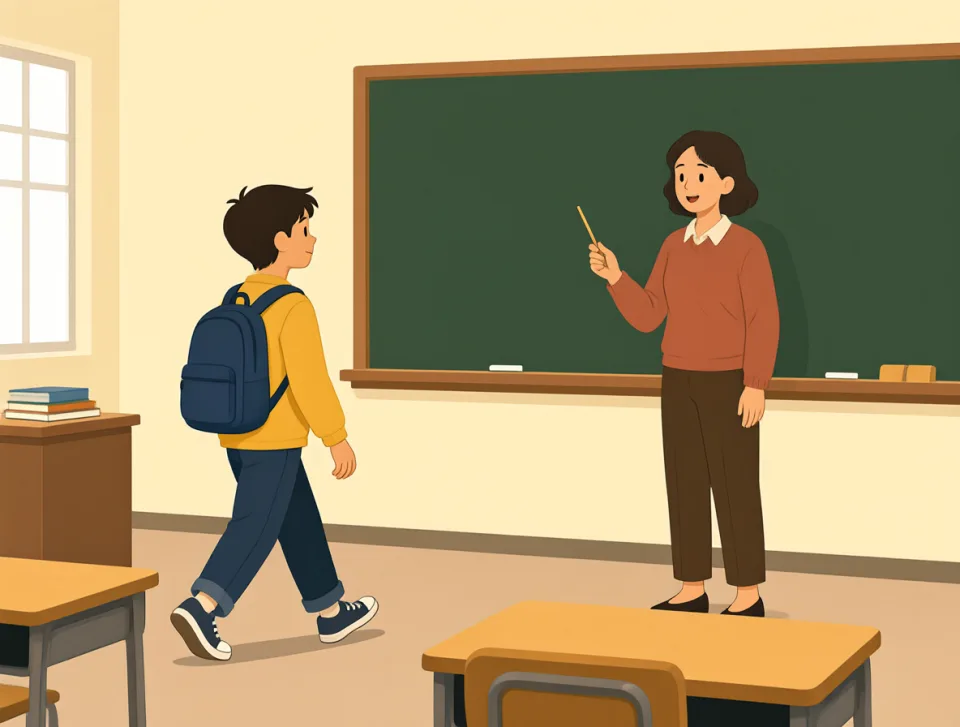
Please go and ask your teacher.
कृपया जाकर अपने शिक्षक से पूछिए।

These shoes go well with your jeans.
ये जूते तुम्हारी जींस के साथ अच्छे लगते हैं।
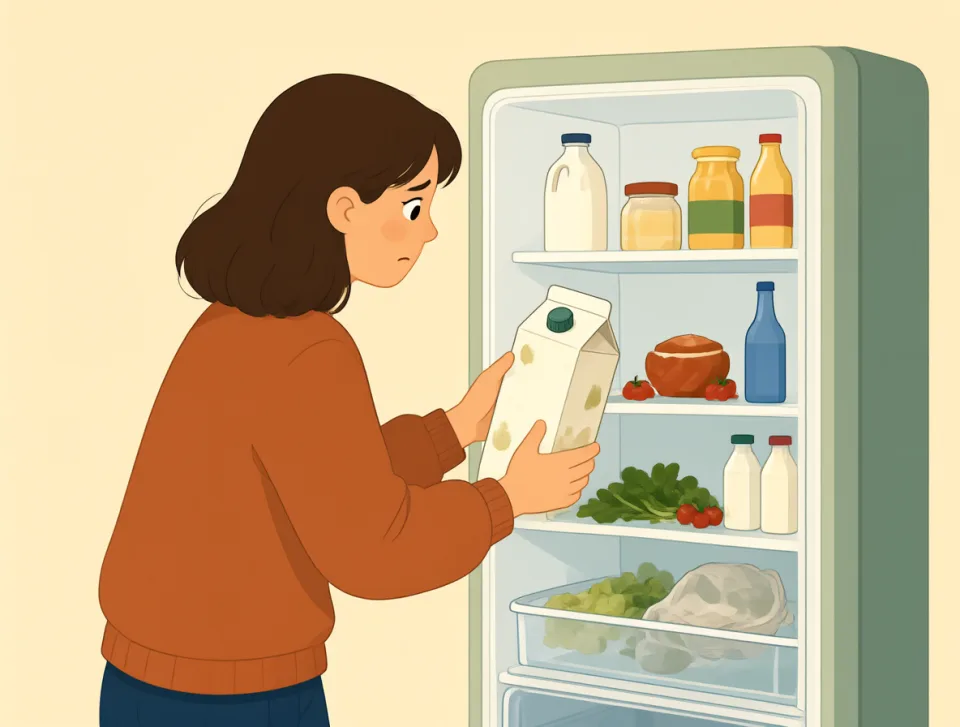
The milk went bad in the fridge.
फ्रिज में दूध खराब हो गया।
so
#32adverb, conjunction
इसलिए; इतना
Used to show a result, a high degree, or agreement.
परिणाम, बहुत अधिक मात्रा या सहमति दिखाने के लिए इस्तेमाल होता है।
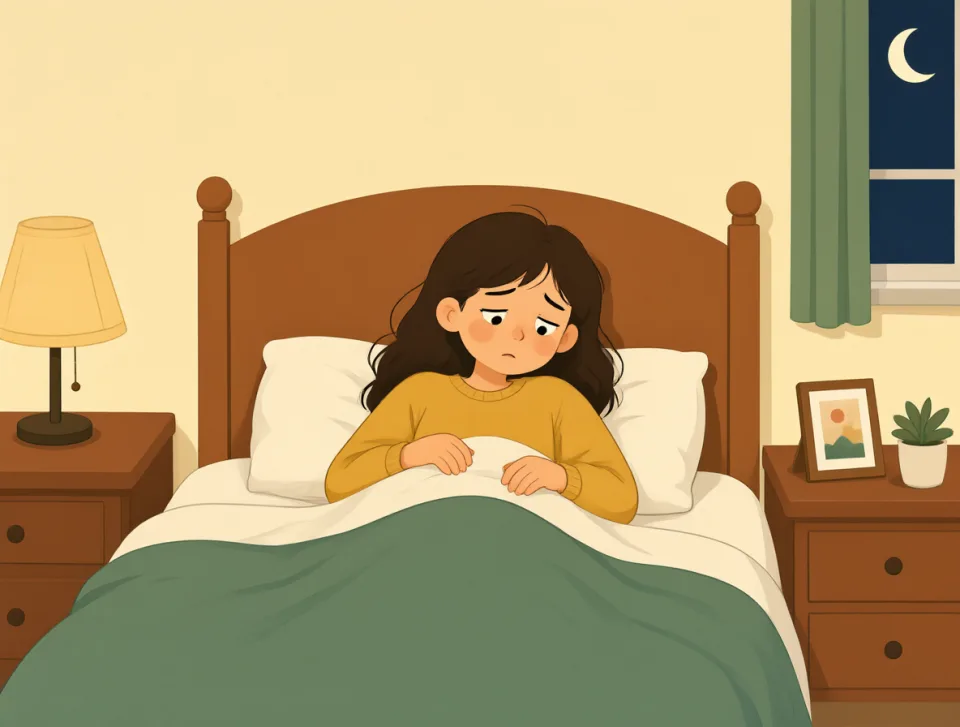
I was tired, so I went to bed.
मैं थका हुआ था, इसलिए सोने चला गया।

The soup is so hot I cannot eat it.
सूप इतना गरम है कि मैं इसे खा नहीं सकता।
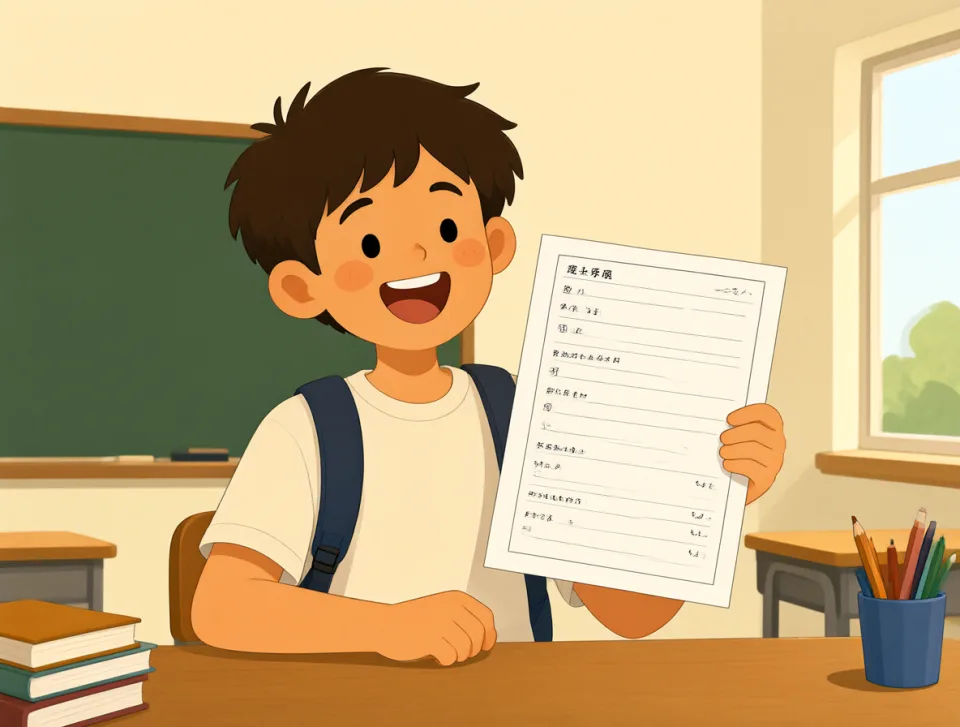
She studied hard, so she passed the test.
उसने खूब पढ़ाई की, इसलिए वह परीक्षा में पास हो गई।
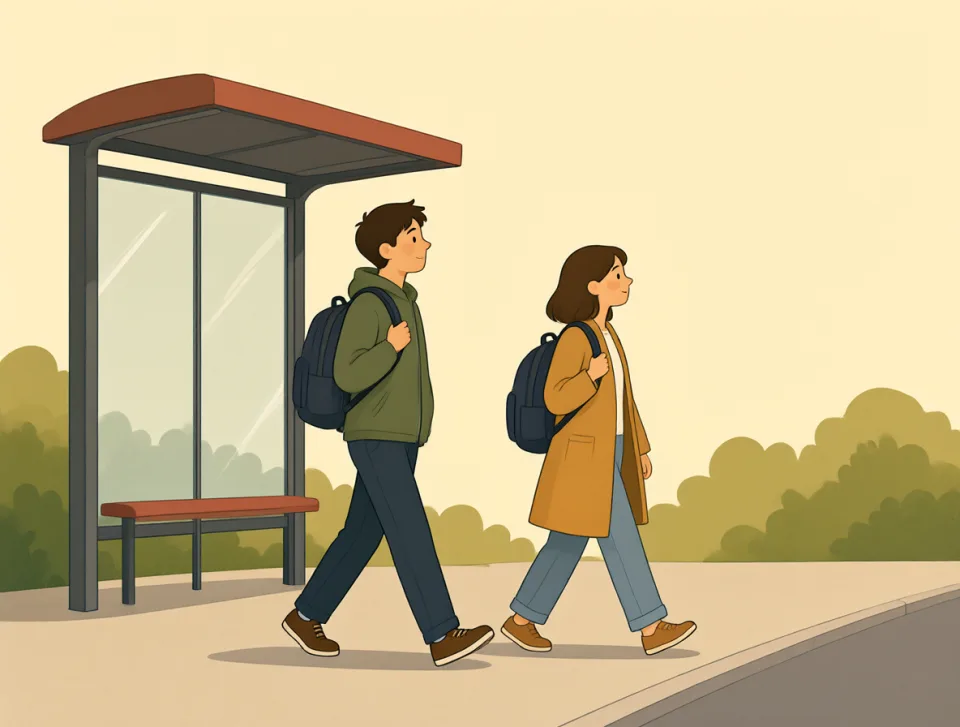
The bus was late, so we walked home.
बस देर से आई, इसलिए हम पैदल घर गए।

“I like this.” “So do I.”
“मुझे यह पसंद है।” “मुझे भी।”
all
#33determiner, pronoun, adverb
सभी; पूरा
The whole amount or every person or thing in a group
किसी समूह की पूरी मात्रा या उसका हर व्यक्ति या वस्तु
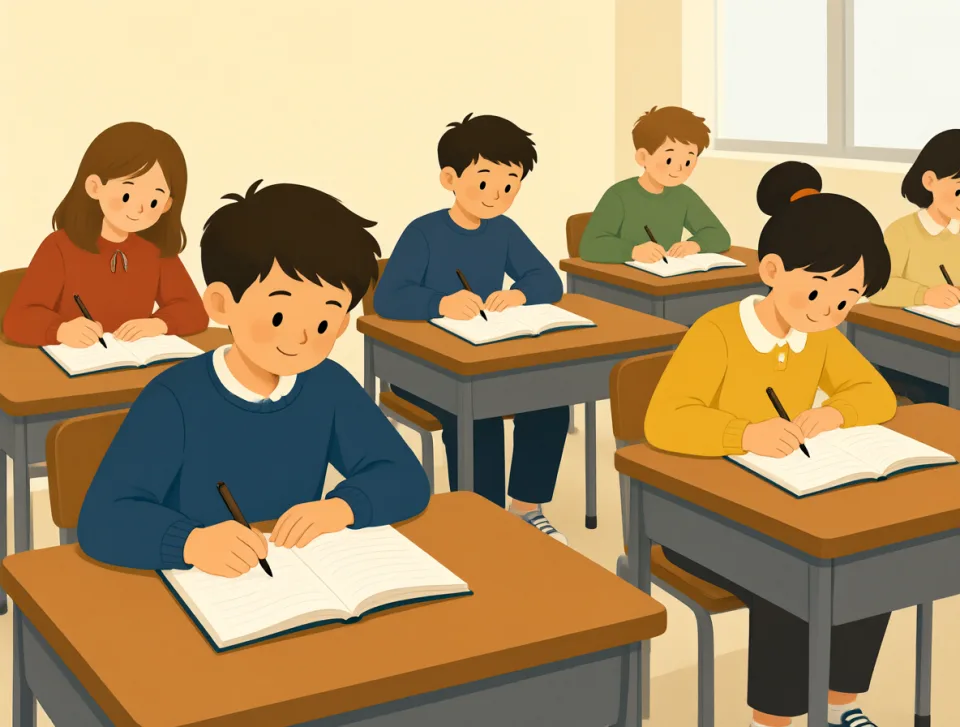
All the students finished their homework.
सभी छात्रों ने अपना होमवर्क पूरा कर लिया।
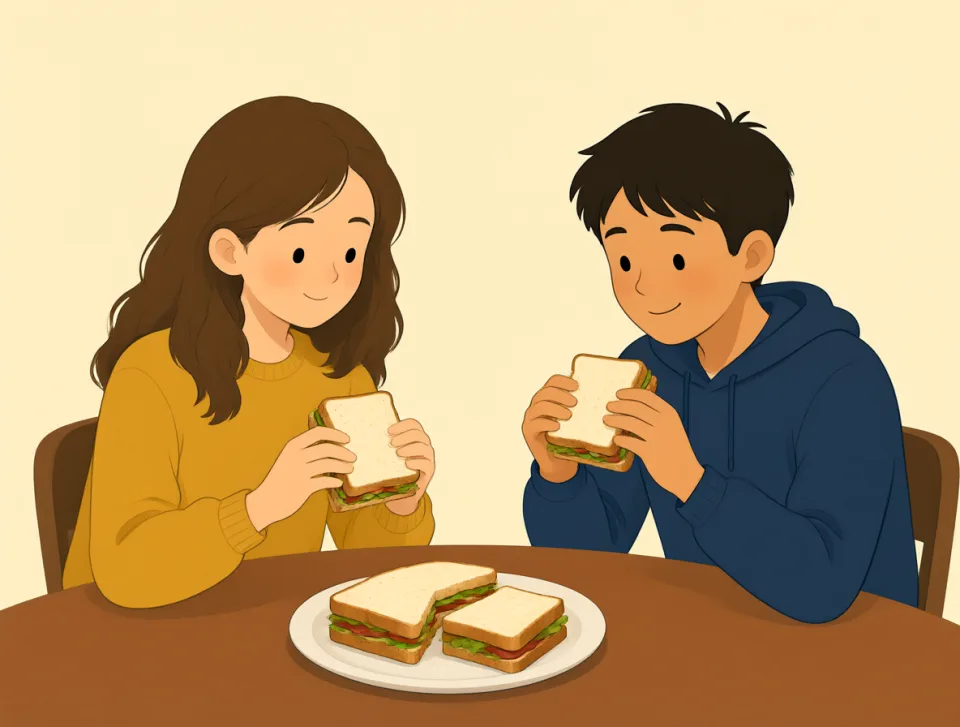
We ate all the sandwiches at lunch.
दोपहर के खाने में हमने सारे सैंडविच खा लिए।
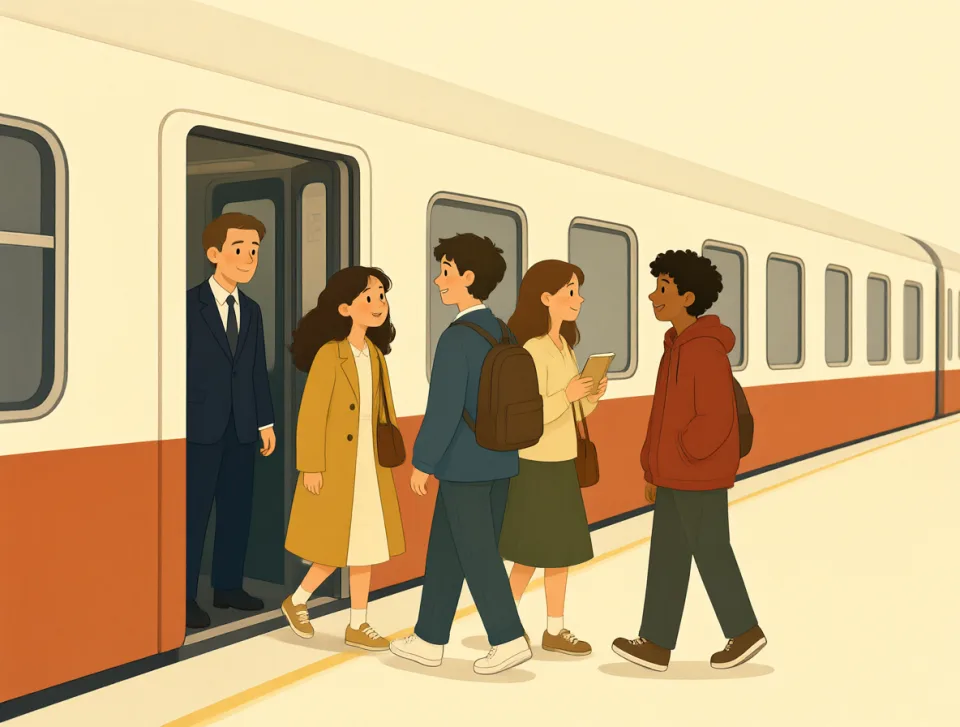
All of us took the train home.
हम सभी ट्रेन से घर गए।

She worked all day at the shop.
उसने दुकान पर पूरा दिन काम किया।
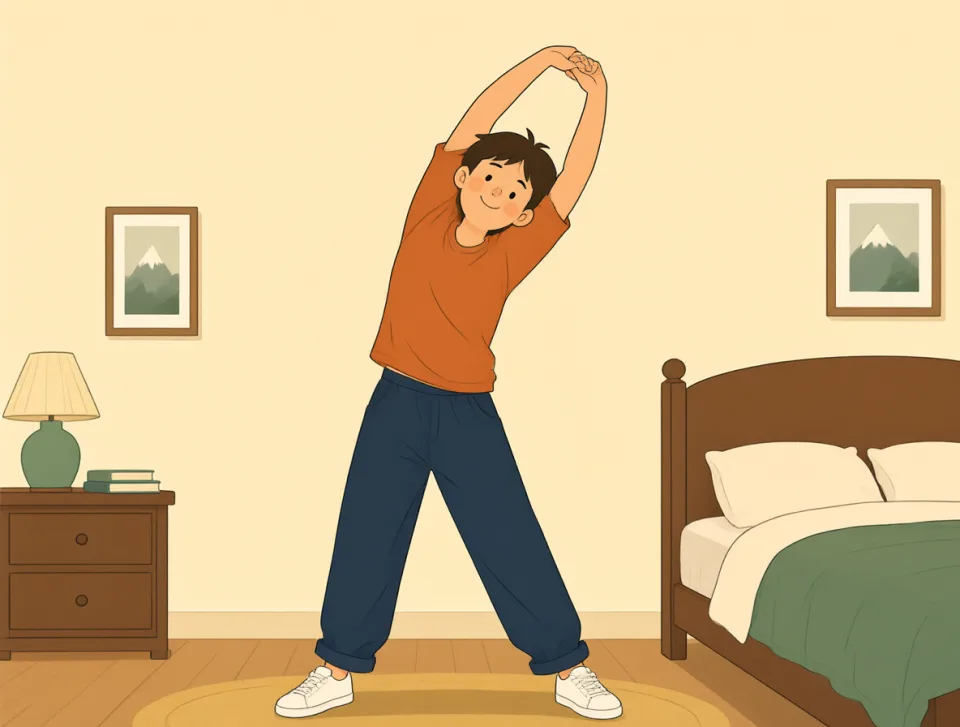
I am not at all tired today.
आज मैं बिल्कुल भी थका हुआ नहीं हूँ।
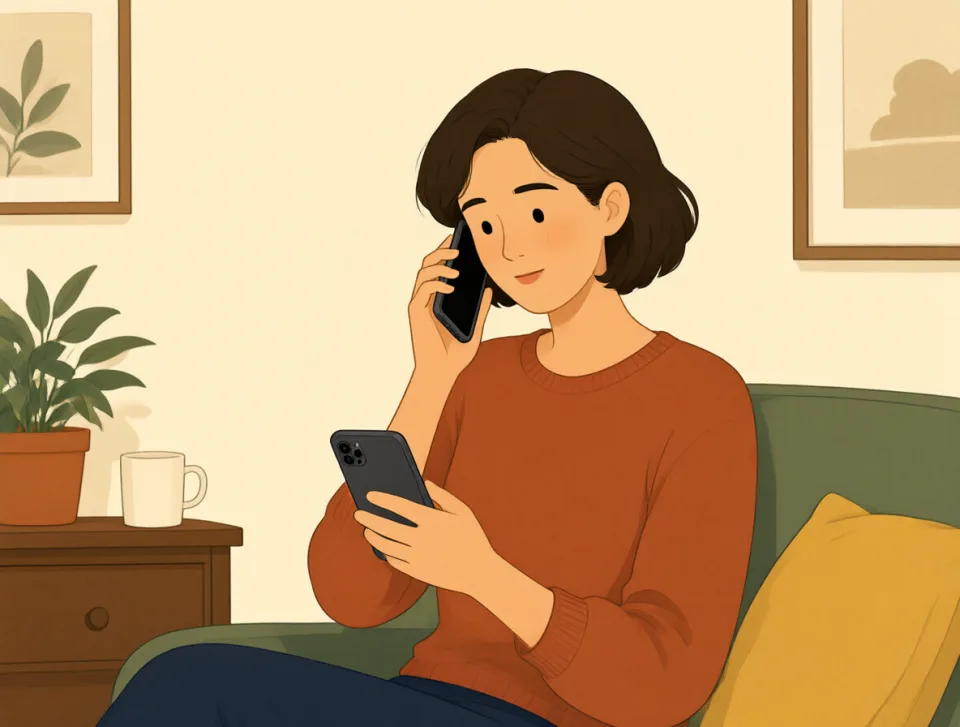
if
#34conjunction
अगर
Used to talk about a condition or a possible situation.
किसी शर्त या संभावित स्थिति के बारे में बात करने के लिए इस्तेमाल होता है।
Call me if you need help.
अगर तुम्हें मदद चाहिए, तो मुझे फ़ोन करना।

If it rains, we will stay home.
अगर बारिश हुई, तो हम घर पर रहेंगे।

Ask the teacher if you have questions.
अगर तुम्हारे कोई सवाल हों, तो शिक्षक से पूछना।

I will buy it if it is cheaper.
अगर यह सस्ता हुआ, तो मैं इसे खरीद लूँगा।
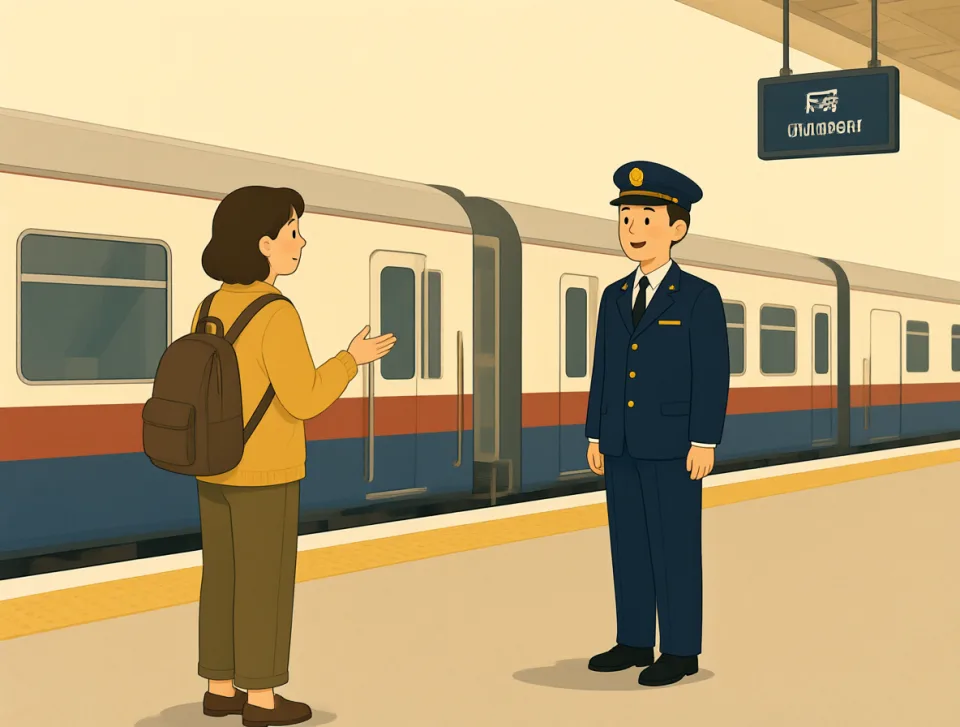
She asked if the train was late.
उसने पूछा कि क्या ट्रेन देर से थी।
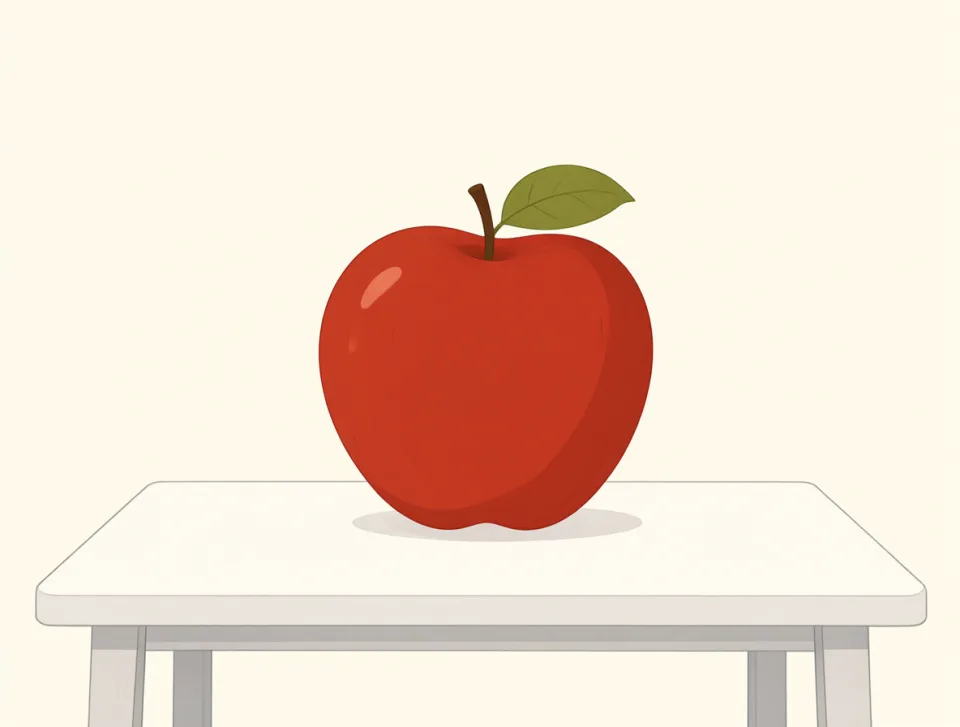
one
#35number, noun, pronoun, determiner
एक
The number 1, or a single person or thing.
संख्या 1, या कोई एक व्यक्ति या वस्तु।
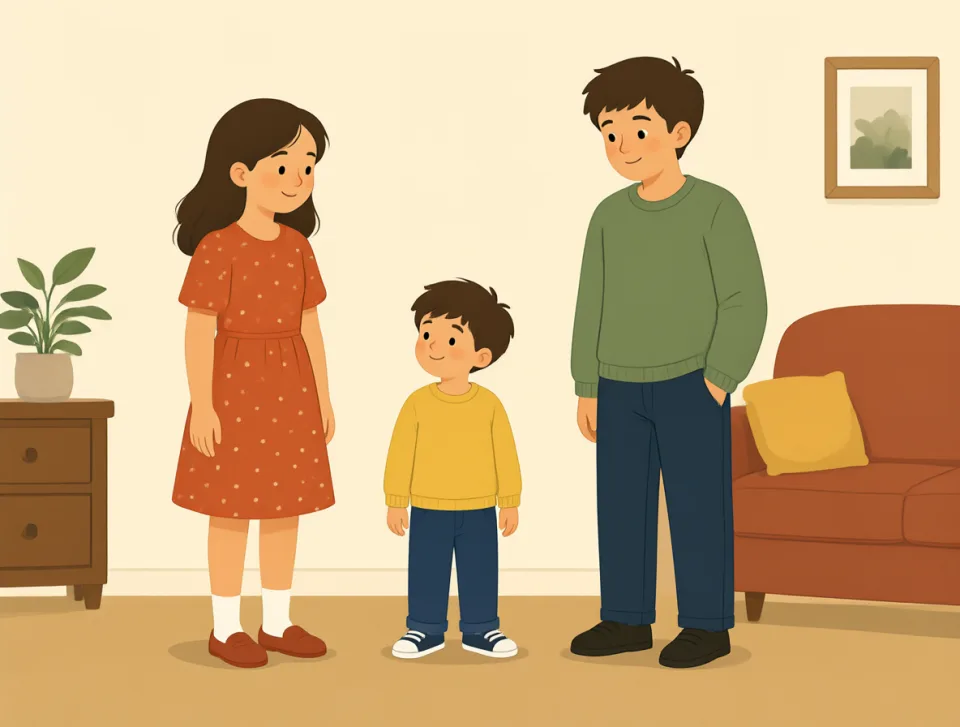
I have one sister and two brothers.
मेरी एक बहन और दो भाई हैं।

Please give me one coffee.
कृपया मुझे एक कॉफ़ी दीजिए।
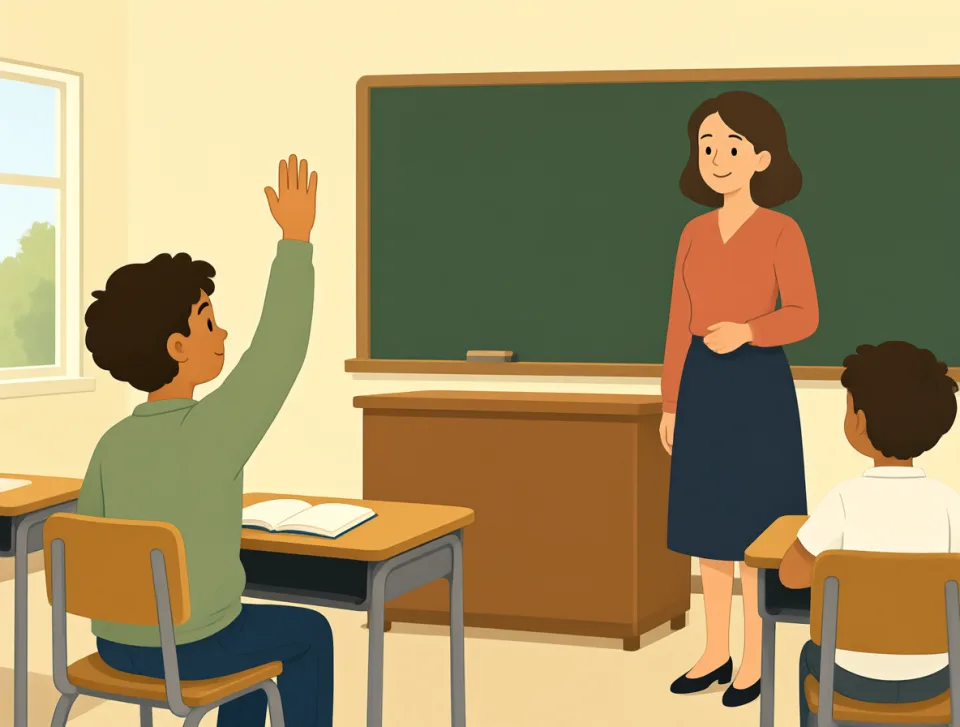
One student answered the teacher's question.
एक छात्र ने शिक्षक के सवाल का जवाब दिया।
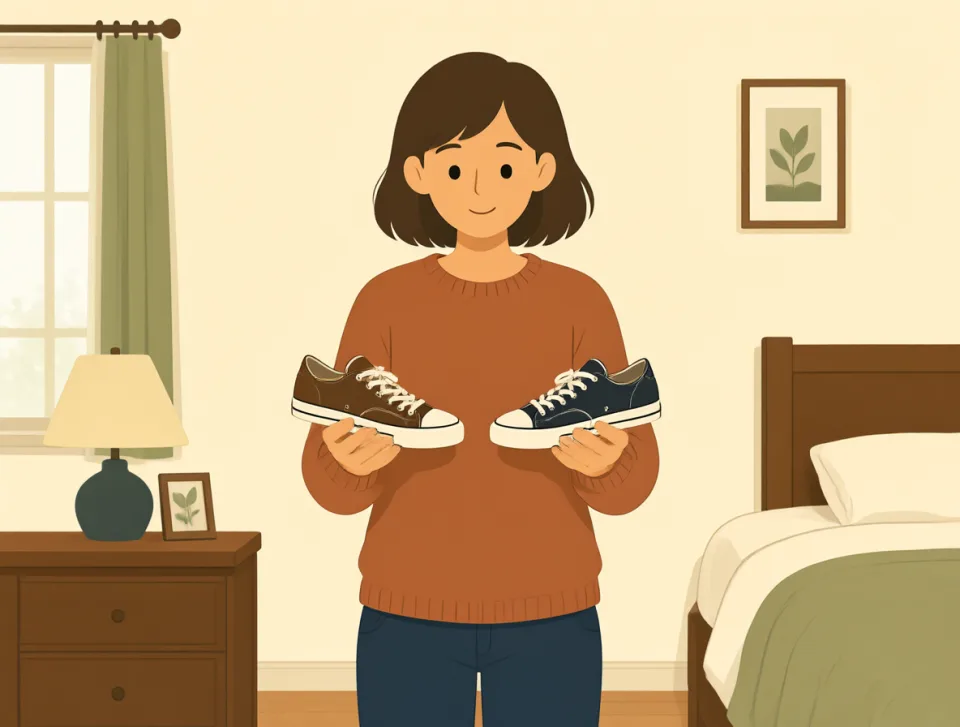
This shoe is smaller than the other one.
यह जूता दूसरे वाले से छोटा है।

One day, we will travel around the world.
एक दिन हम दुनिया भर की यात्रा करेंगे।

would
#36verb, modal verb
करना चाहना
Used to talk about wishes, imagined situations, polite requests, or repeated past actions.
इच्छाओं, कल्पित स्थितियों, विनम्र अनुरोधों या अतीत में बार-बार होने वाले कामों के बारे में बात करने के लिए इस्तेमाल होता है।
Would you like some coffee?
क्या आप कॉफ़ी लेना चाहेंगे?

I would like to book a room.
मैं एक कमरा बुक करना चाहूँगा।
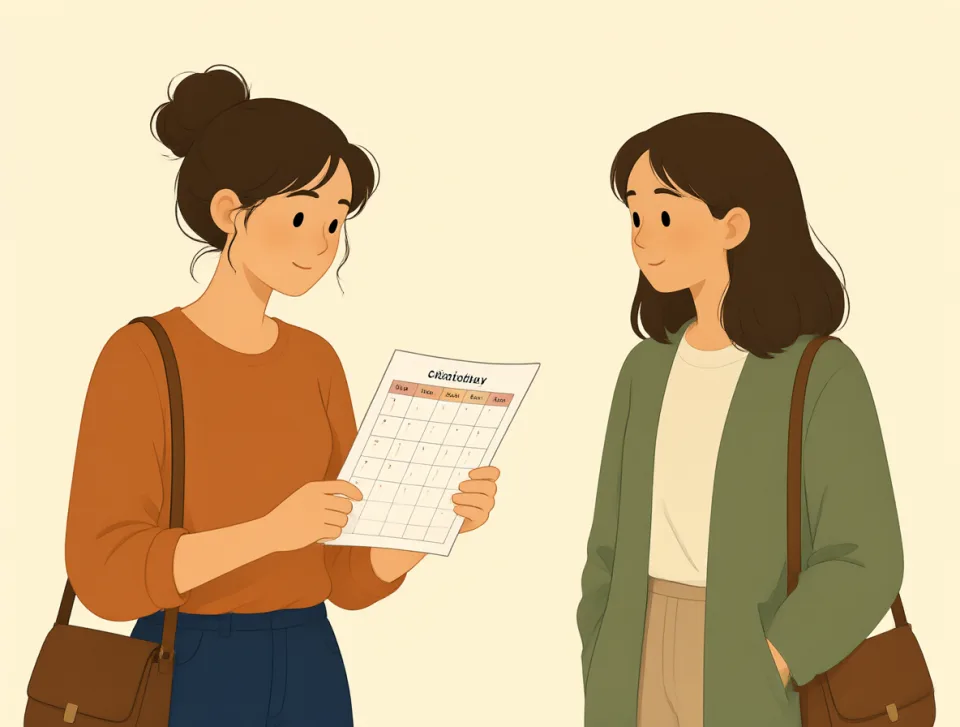
She would help if she had time.
अगर उसके पास समय होता, तो वह मदद करती।
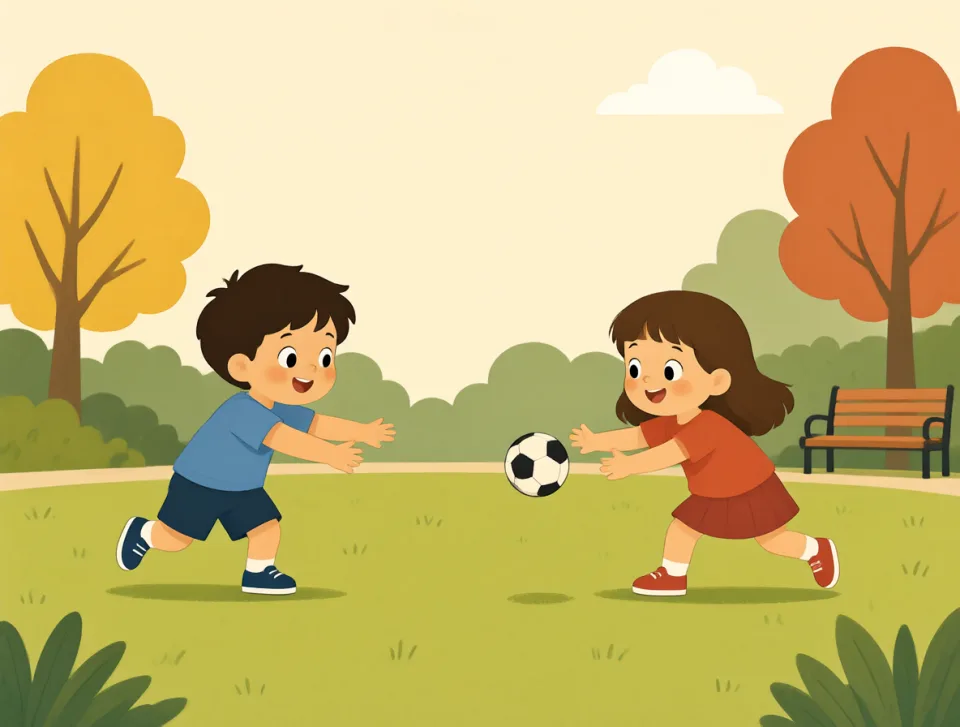
When we were children, we would play outside.
जब हम बच्चे थे, तो बाहर खेला करते थे।

Would you please close the window?
क्या आप कृपया खिड़की बंद करेंगे?

about
#37adverb, preposition
के बारे में; लगभग
Used to say what someone or something concerns, or roughly where, when, or how much.
यह बताने के लिए इस्तेमाल होता है कि कोई व्यक्ति या चीज़ किस विषय से जुड़ी है, या जगह, समय अथवा मात्रा का अनुमान बताने के लिए।
We talked about our plans after dinner.
रात के खाने के बाद हमने अपनी योजनाओं के बारे में बात की।
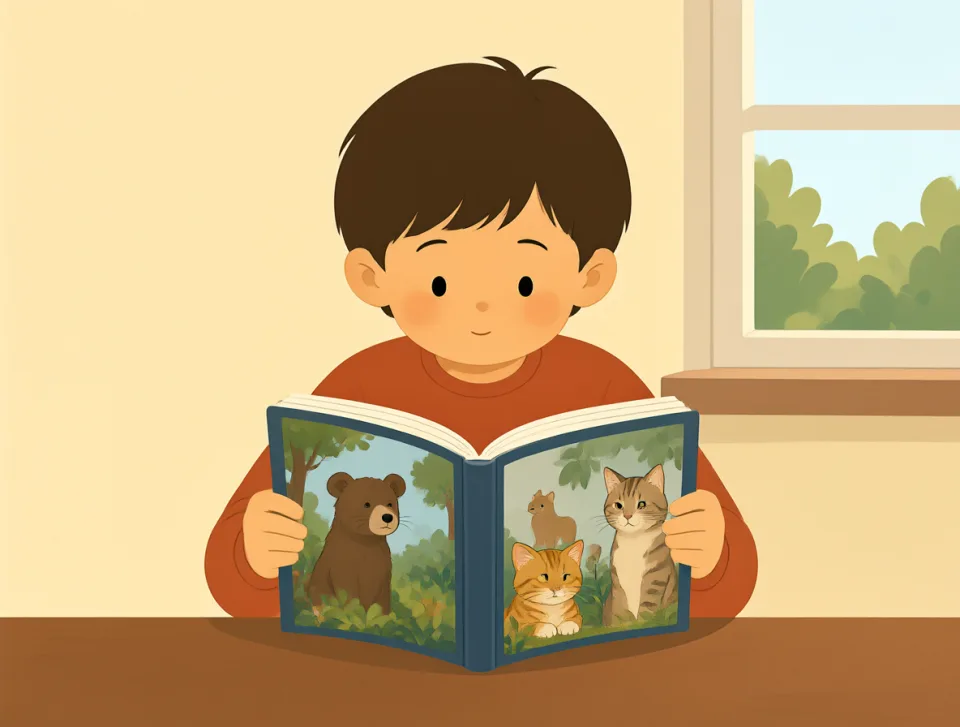
This book is about animals and nature.
यह किताब जानवरों और प्रकृति के बारे में है।

There were about twenty people at the party.
पार्टी में लगभग बीस लोग थे।
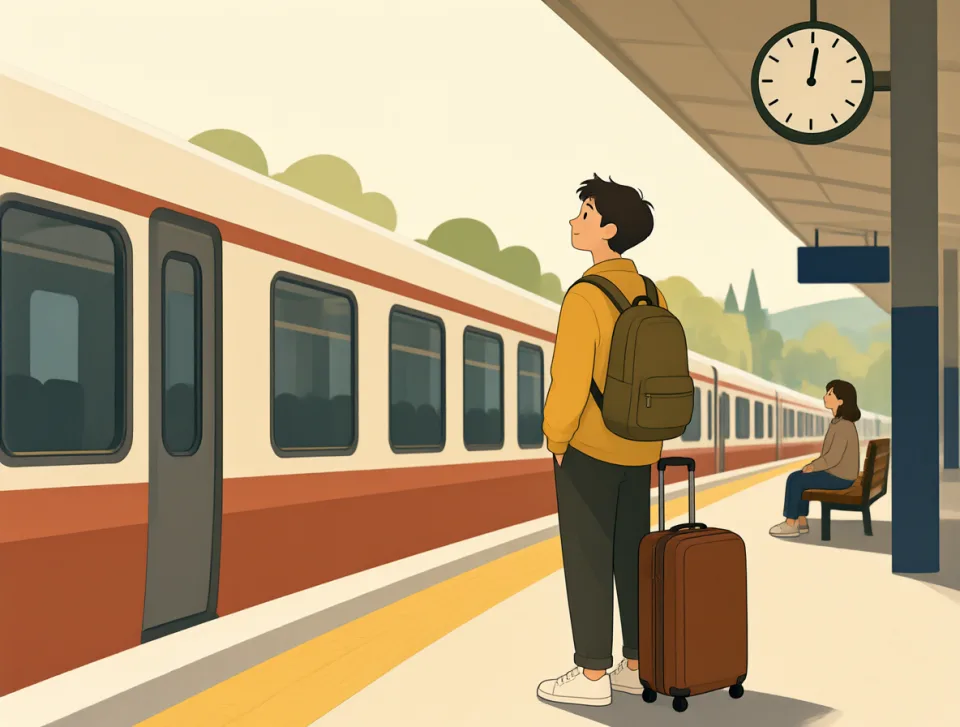
The train leaves at about eight o'clock.
ट्रेन लगभग आठ बजे रवाना होती है।

I am worried about my sick dog.
मैं अपने बीमार कुत्ते को लेकर चिंतित हूँ।
can
#38noun, verb, modal verb
सकना; डिब्बा
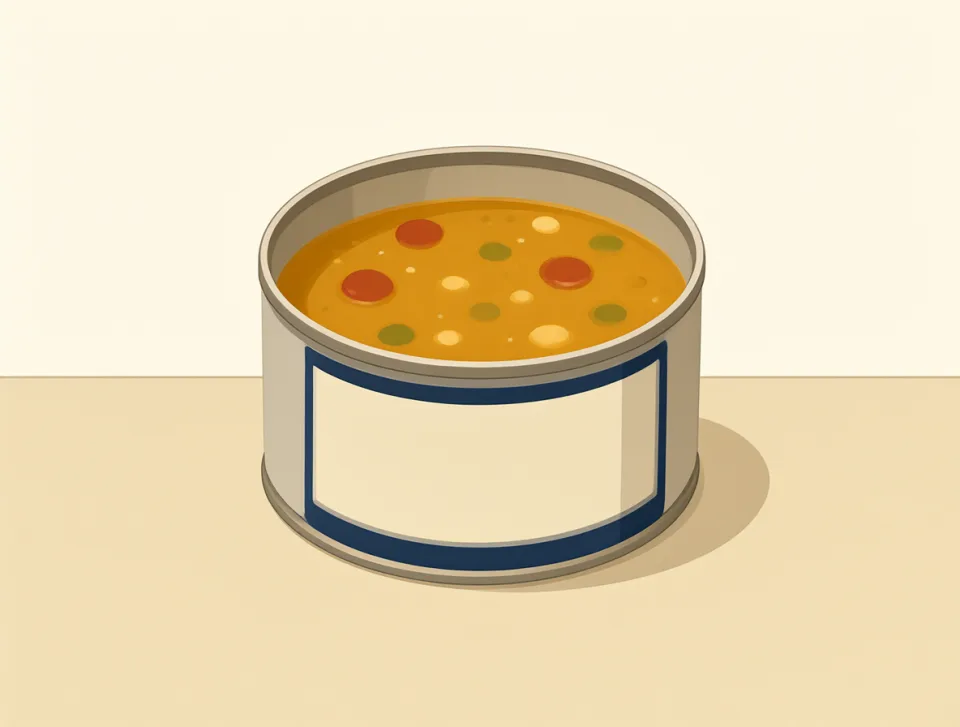
A metal container; or to put food or drink into a metal container.
धातु का बना एक पात्र; या खाने-पीने की चीज़ को धातु के पात्र में बंद करना।

I can help you with your homework.
मैं तुम्हारे होमवर्क में तुम्हारी मदद कर सकता हूँ।
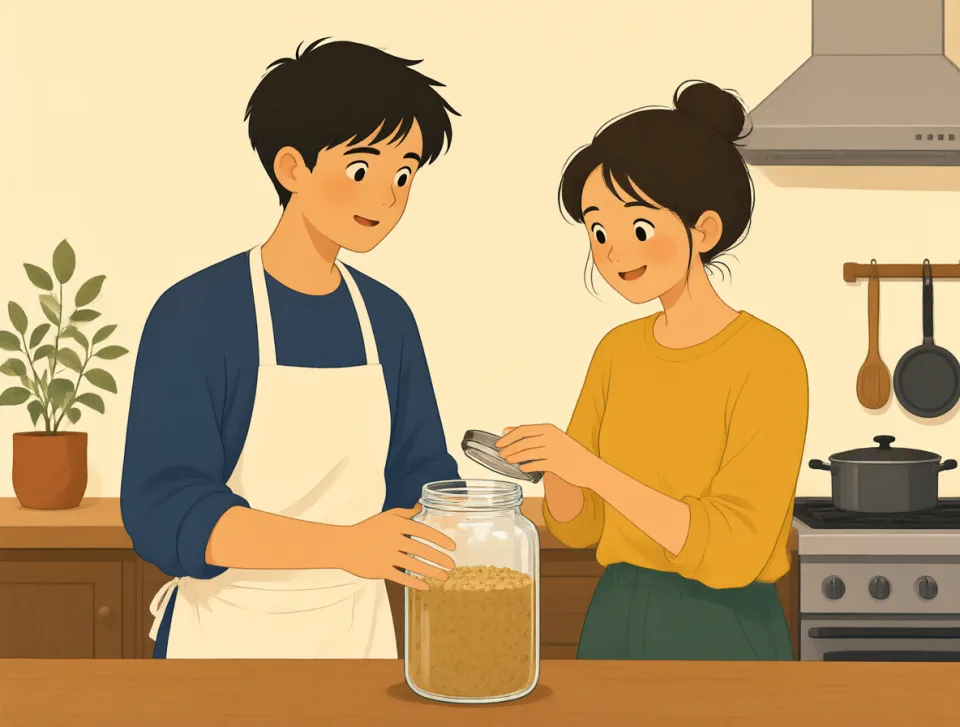
Can you open this jar for me?
क्या तुम मेरे लिए यह जार खोल सकते हो?

We can meet at the station at six.
हम छह बजे स्टेशन पर मिल सकते हैं।
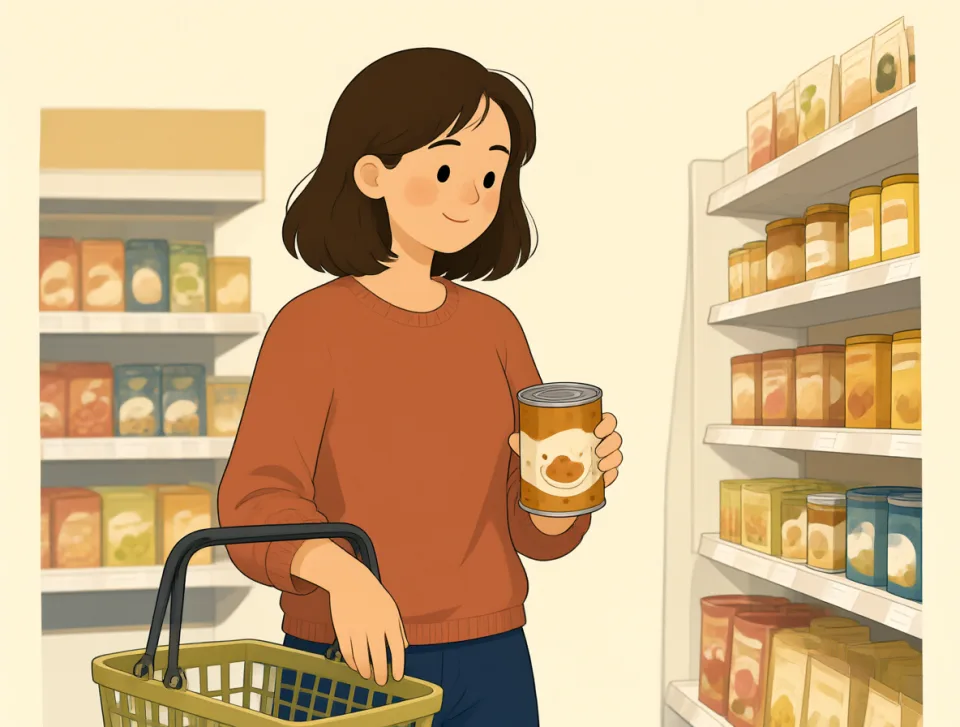
She bought a can of soup for lunch.
उसने दोपहर के खाने के लिए सूप का एक डिब्बा खरीदा।
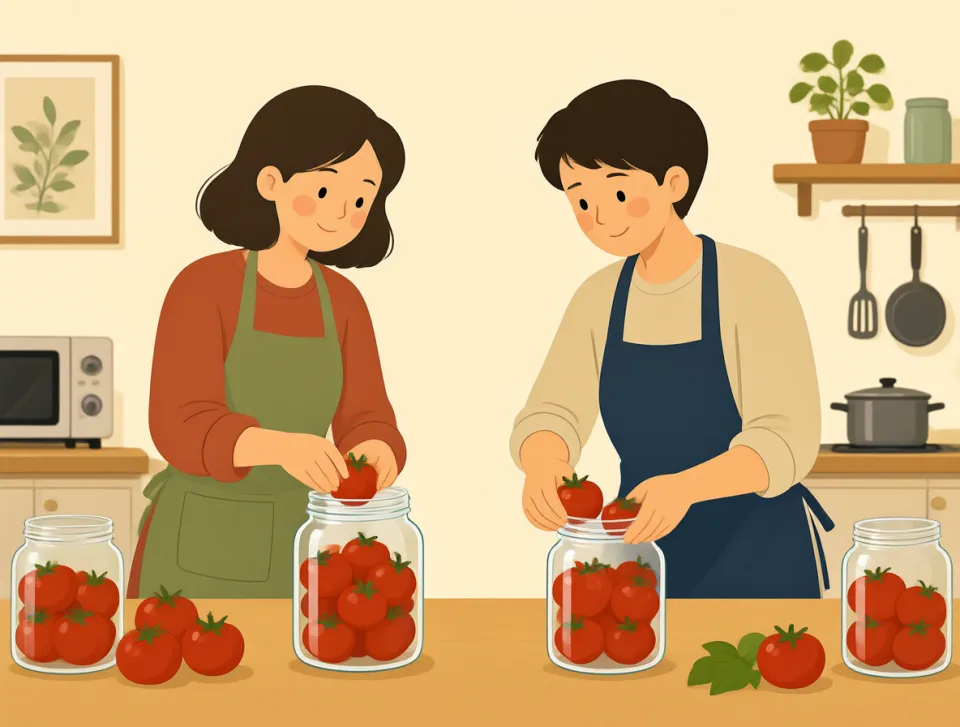
They canned the fresh tomatoes last summer.
उन्होंने पिछली गर्मियों में ताज़े टमाटरों को डिब्बों में बंद किया।

which
#39pronoun, determiner
कौन-सा; जो
Used to ask or show which person or thing you mean.
यह पूछने या बताने के लिए इस्तेमाल होता है कि आपका मतलब किस व्यक्ति या चीज़ से है।
Which shirt do you like best?
तुम्हें कौन-सी कमीज़ सबसे ज़्यादा पसंद है?
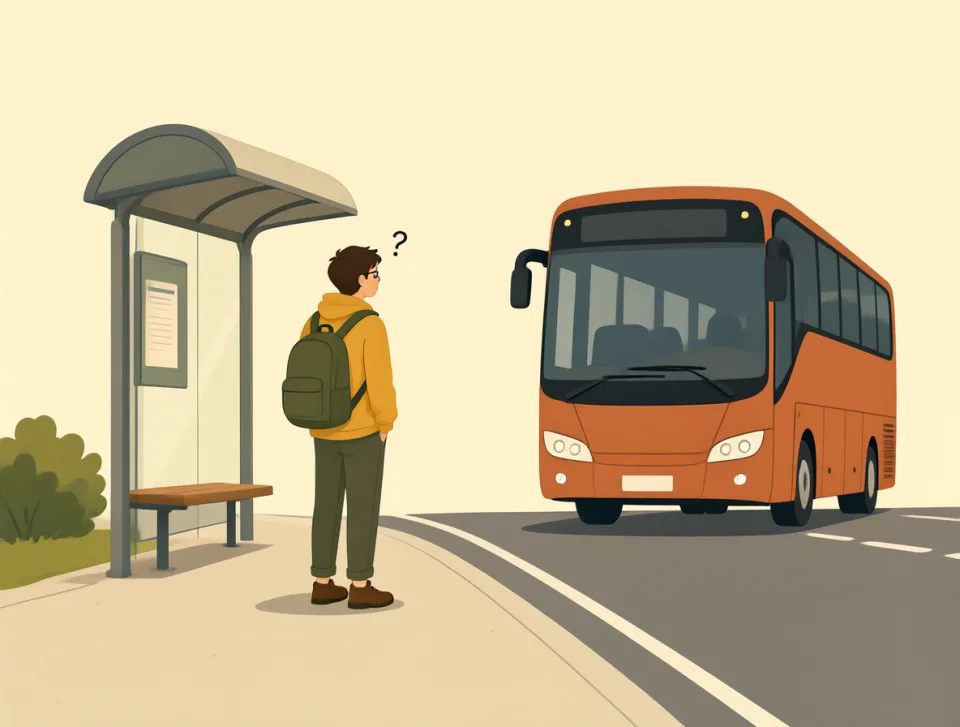
I forgot which bus goes downtown.
मैं भूल गया कि कौन-सी बस शहर के केंद्र जाती है।
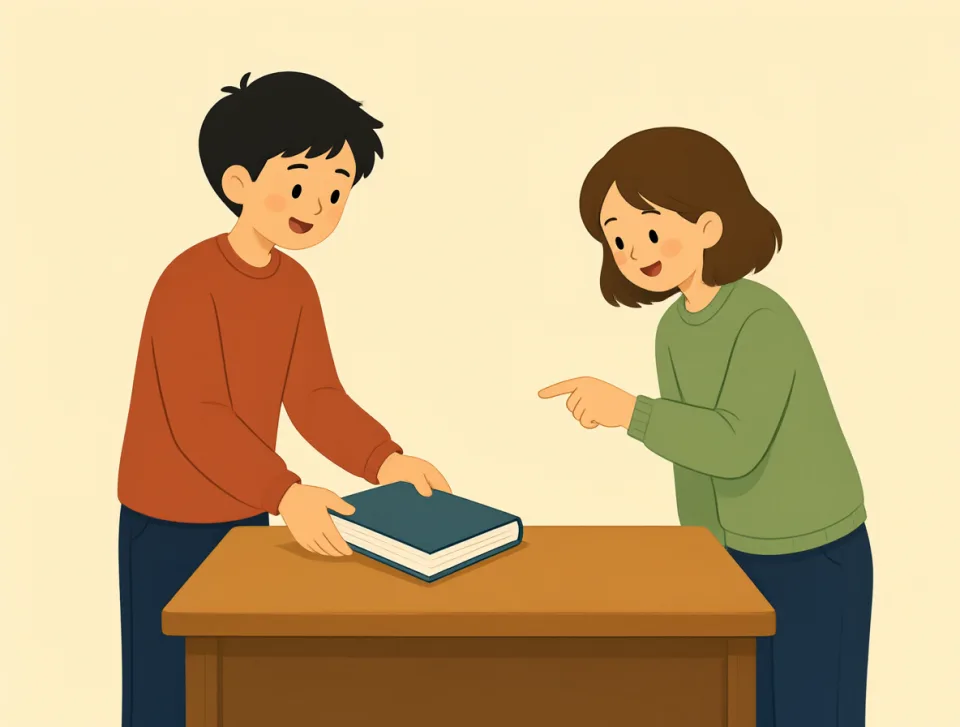
She chose the book which I recommended.
उसने वही किताब चुनी जिसकी मैंने सिफ़ारिश की थी।
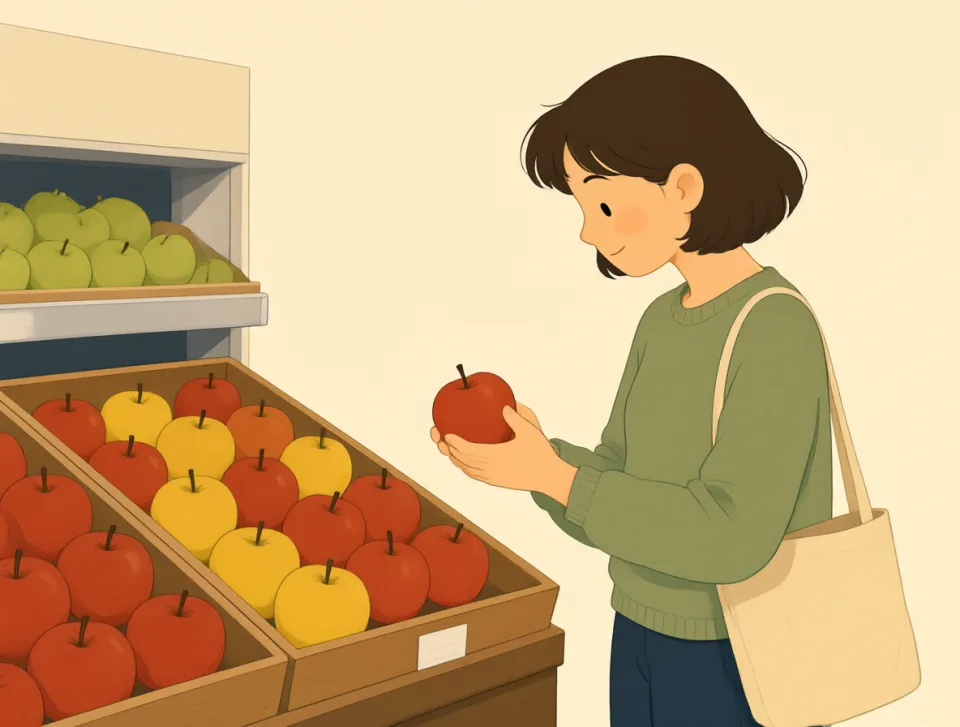
Which of these apples are fresh?
इनमें से कौन-से सेब ताज़े हैं?
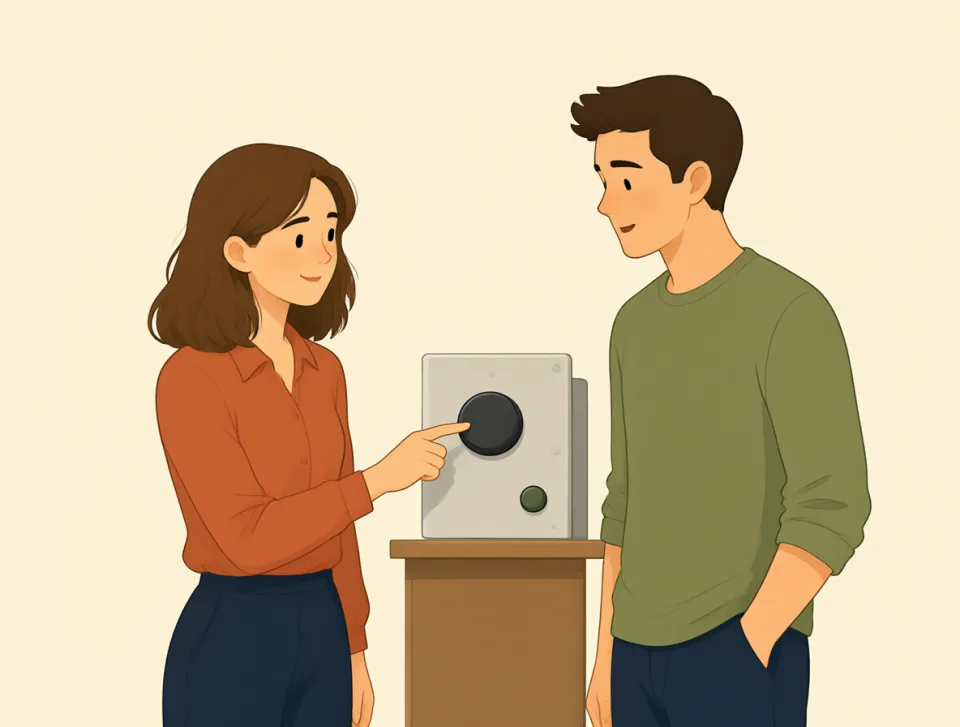
He explained which button to press.
उसने समझाया कि कौन-सा बटन दबाना है।

there
#40adverb, pronoun, determiner
वहाँ; मौजूद होना
In, at, or to that place; used to show that something exists.
उस जगह में, पर या उस जगह की ओर; किसी चीज़ के मौजूद होने का संकेत देने के लिए भी इस्तेमाल होता है।
Please put the bags over there.
कृपया बैग वहाँ रख दीजिए।
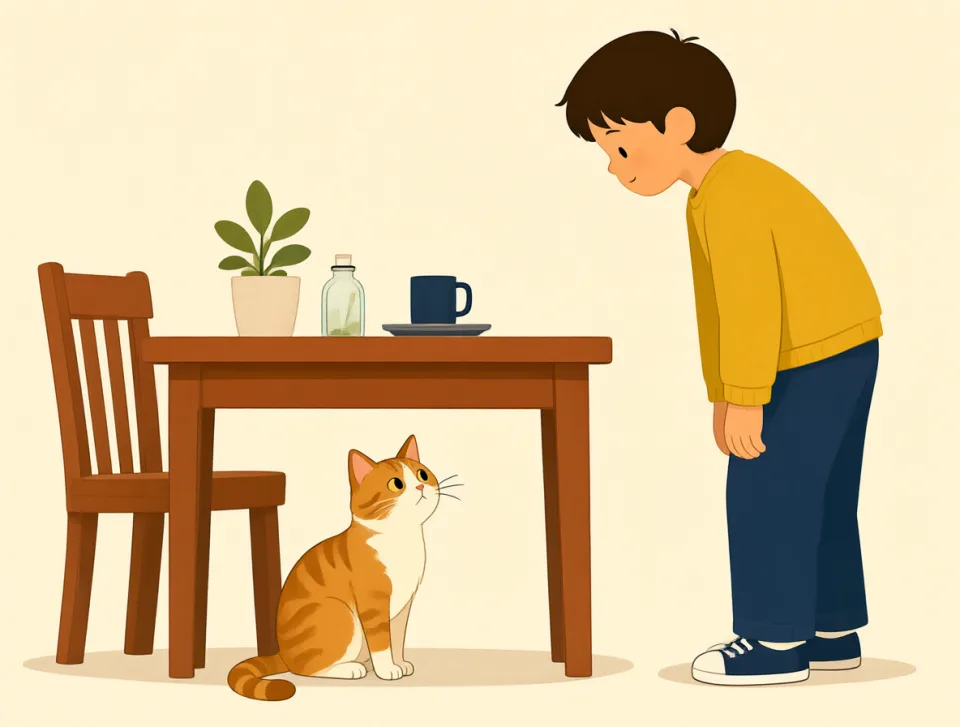
There is a cat under the table.
मेज़ के नीचे एक बिल्ली है।
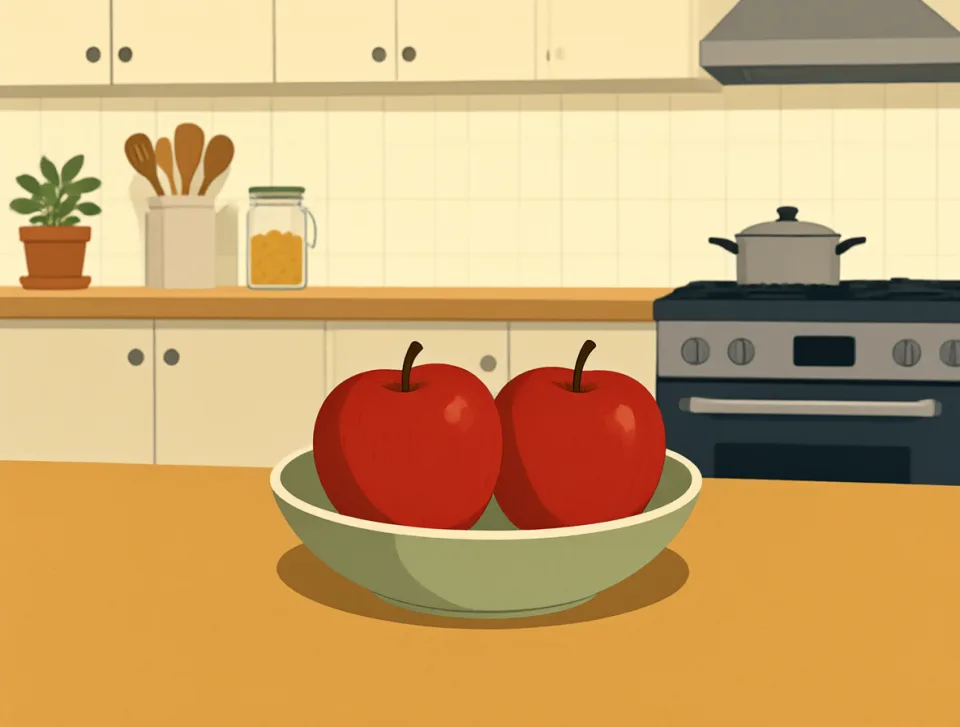
There are two apples in the bowl.
कटोरे में दो सेब हैं।

We waited there for the bus.
हमने वहाँ बस का इंतज़ार किया।
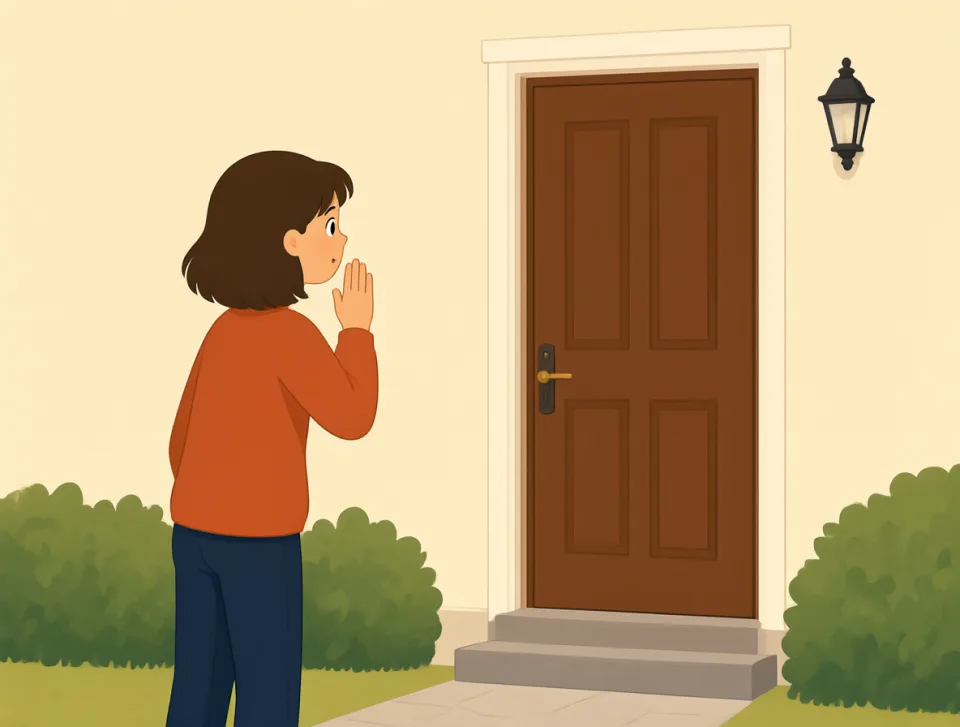
Is anyone there?
क्या वहाँ कोई है?