2단원
21–40번 단어 · do, as, at, she, but, from
do
#21verb, auxiliary verb, noun
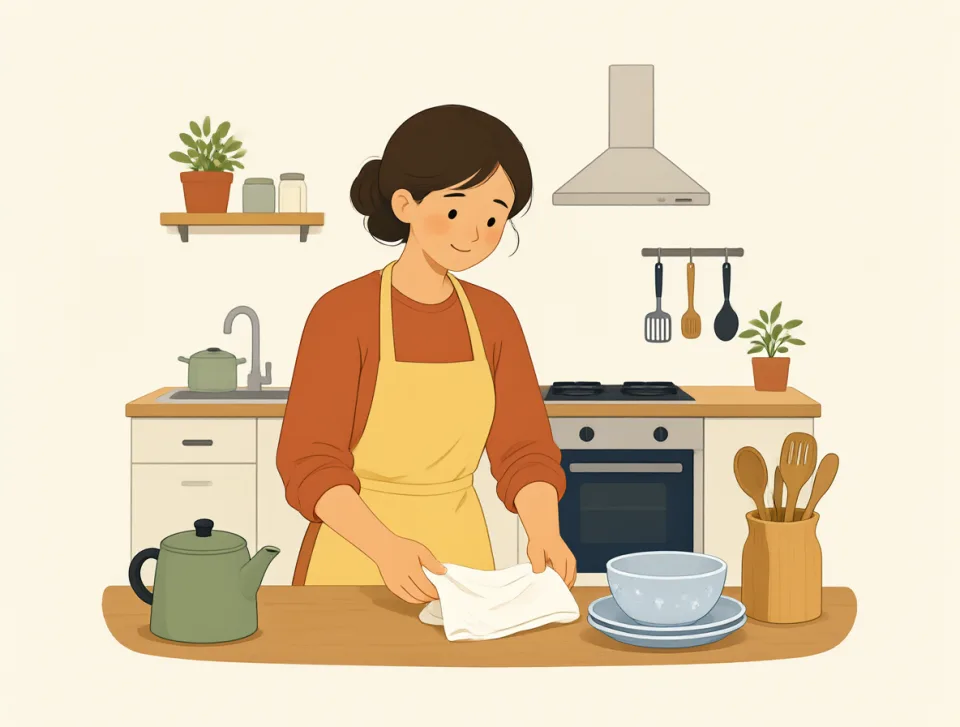
하다; 행하다
To perform an action, task, or activity.
행동이나 과업 또는 활동을 수행하다.
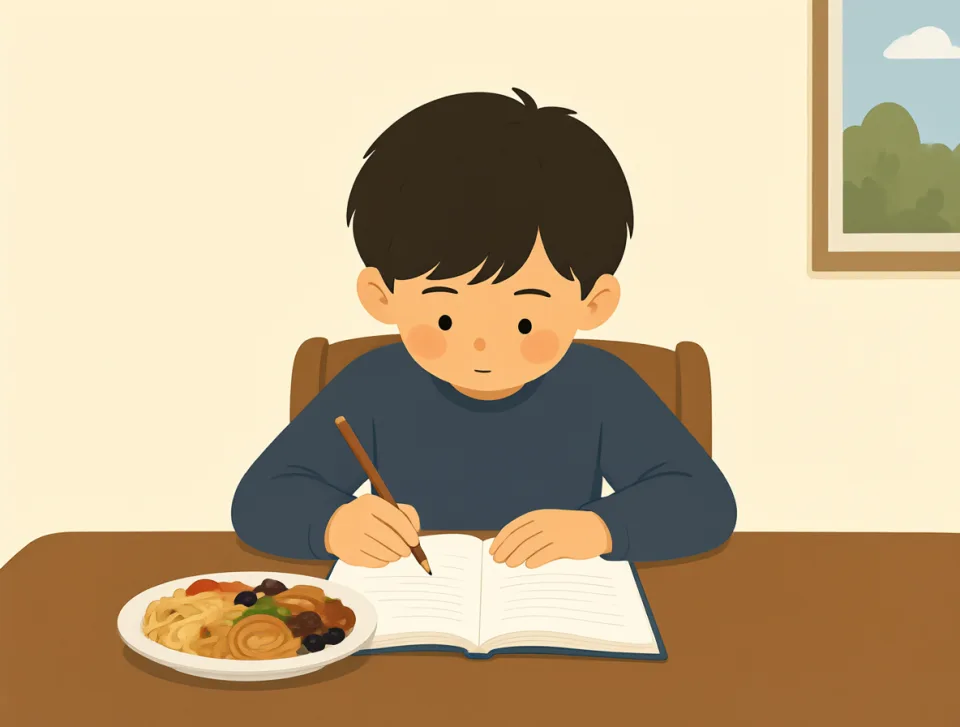
I do my homework after dinner.
나는 저녁 식사 후에 숙제를 한다.
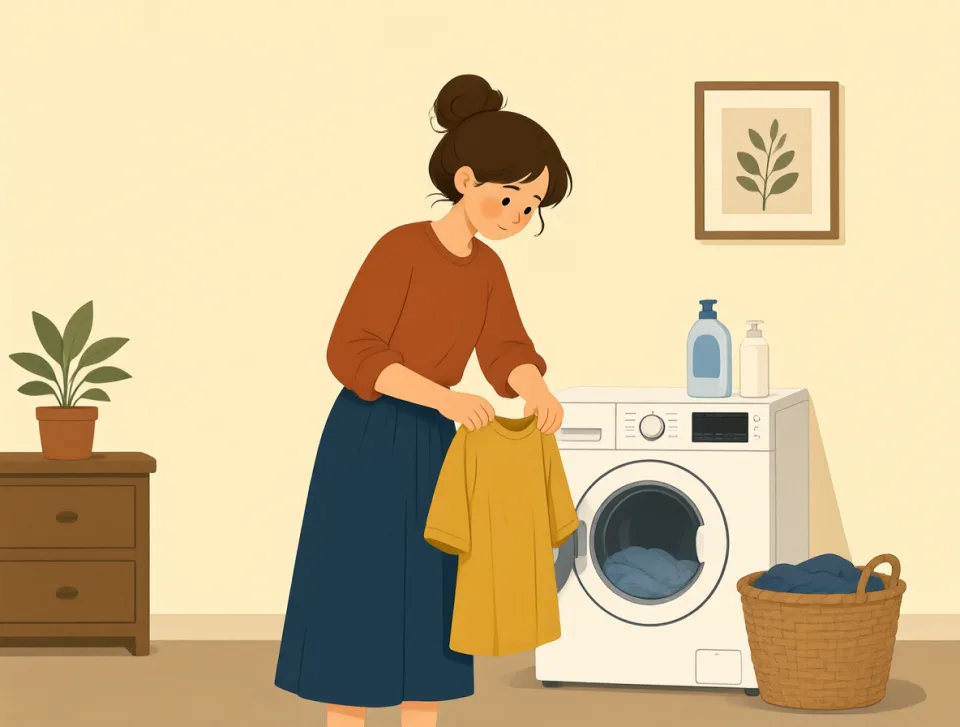
She does the washing every Saturday.
그녀는 매주 토요일마다 빨래를 한다.

Do you like this restaurant?
이 식당이 마음에 드나요?

We did some shopping after work.
우리는 퇴근 후에 쇼핑을 좀 했다.
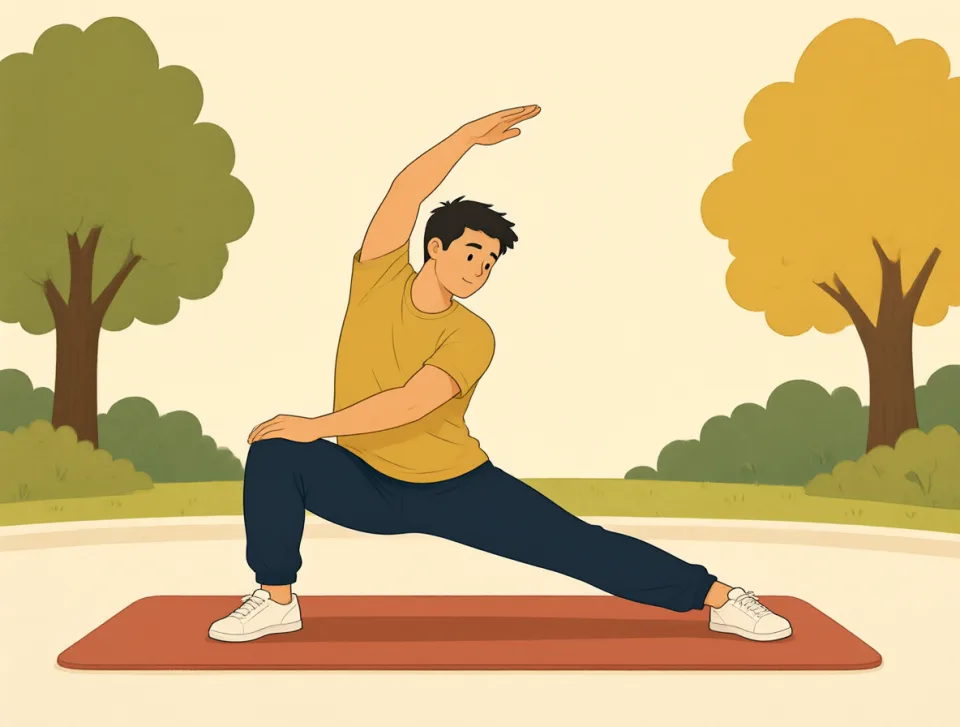
He does exercise every morning.
그는 매일 아침 운동을 한다.
as
#22adverb, conjunction, preposition, pronoun, determiner
~처럼; ~할 때; ~로서; 평소대로
Used to compare, show time or reason, or describe someone or something.
비교하거나 시간이나 이유를 나타내고, 사람이나 사물의 역할이나 상태를 설명할 때 씁니다.
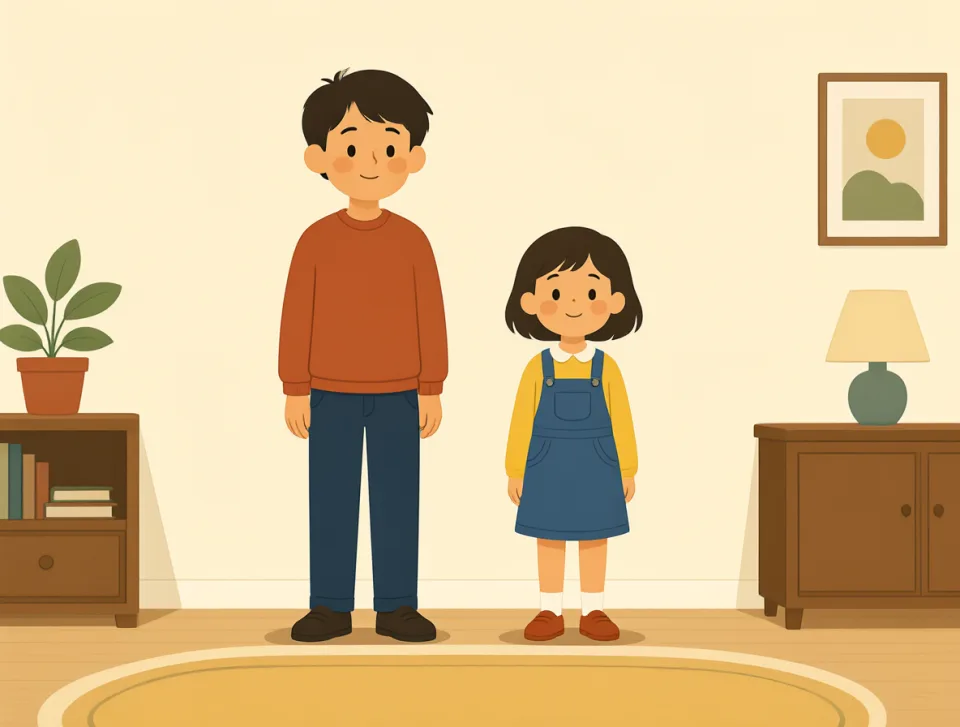
She is as tall as her brother.
그녀는 남동생만큼 키가 크다.

As I walked home, it started raining.
집으로 걸어가던 중 비가 내리기 시작했다.

Please do as your teacher says.
선생님이 말씀하시는 대로 하세요.

He works as a waiter at night.
그는 밤에는 웨이터로 일한다.

As usual, we had dinner at seven.
평소처럼 우리는 7시에 저녁을 먹었다.
at
#23preposition
~에; ~에서; ~을 잘하는
Used to show a specific time, place, or situation.
특정한 시간이나 장소, 상황을 나타낼 때 사용한다.
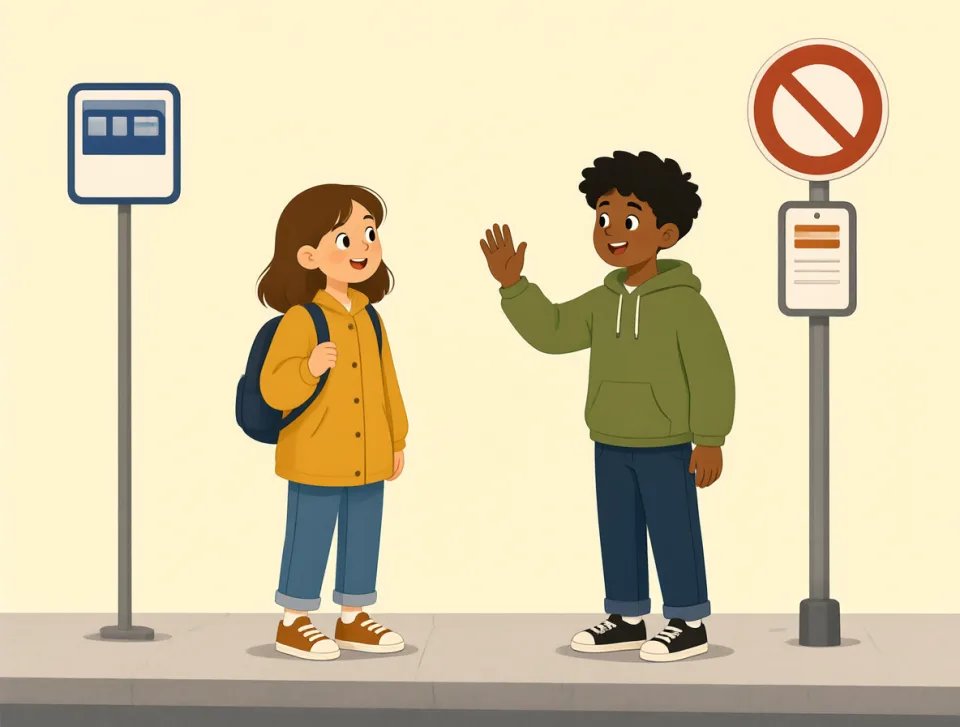
Meet me at the bus stop.
버스 정류장에서 만나.

The class starts at nine.
수업은 9시에 시작해.
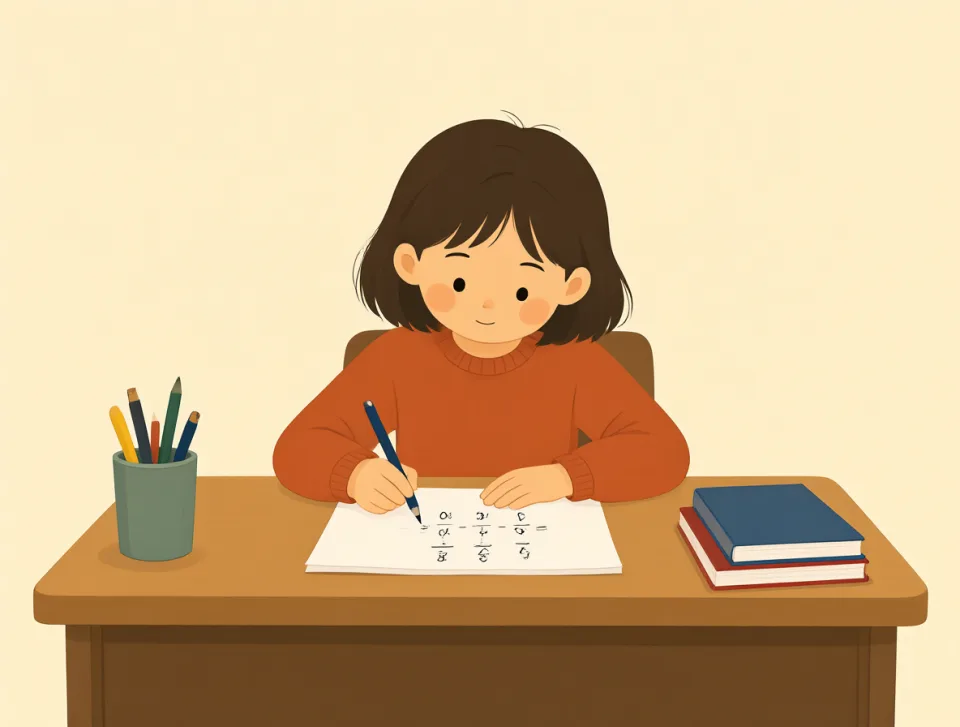
She is good at math.
그녀는 수학을 잘해.
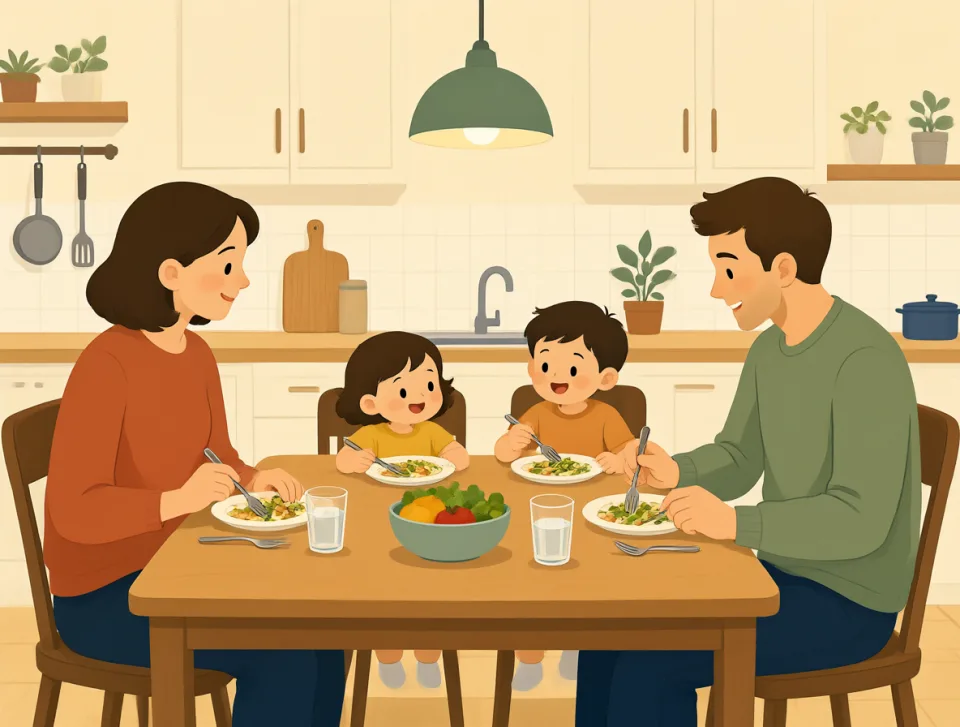
We ate lunch at home.
우리는 집에서 점심을 먹었어.

He arrived at the airport early.
그는 공항에 일찍 도착했어.

she
#24pronoun
그녀; 그 여자
A female person or girl already mentioned or known.
이미 언급했거나 누구인지 알고 있는 여성이나 여자아이.
She lives with her parents.
그녀는 부모님과 함께 살아요.

She works at the hospital.
그녀는 병원에서 일해요.

She is my best friend.
그녀는 제 가장 친한 친구예요.
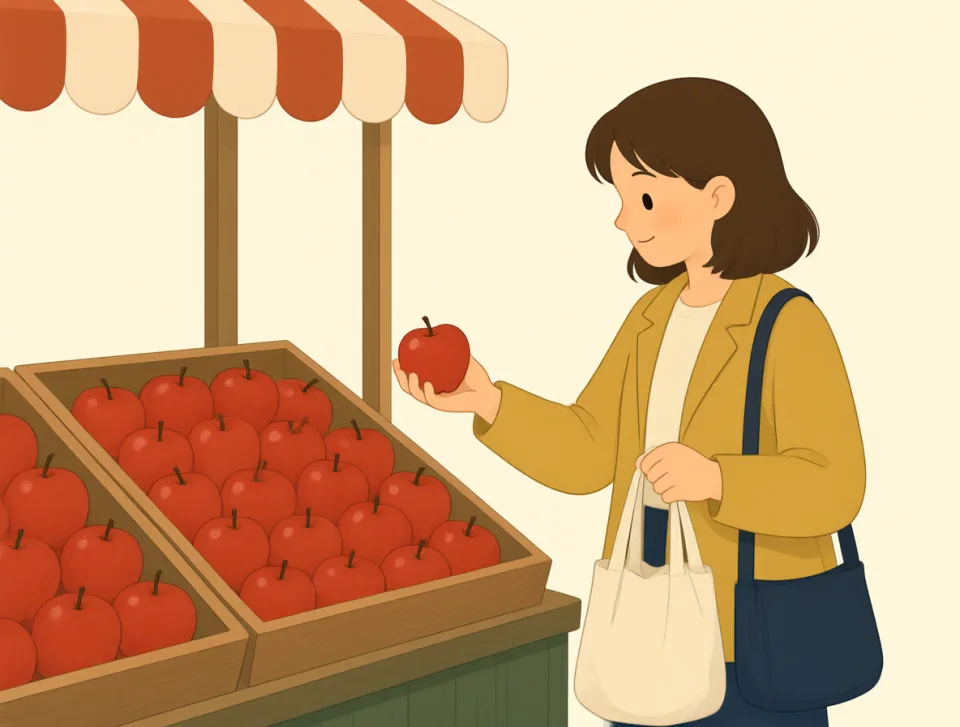
She bought some apples at the market.
그녀는 시장에서 사과를 샀어요.
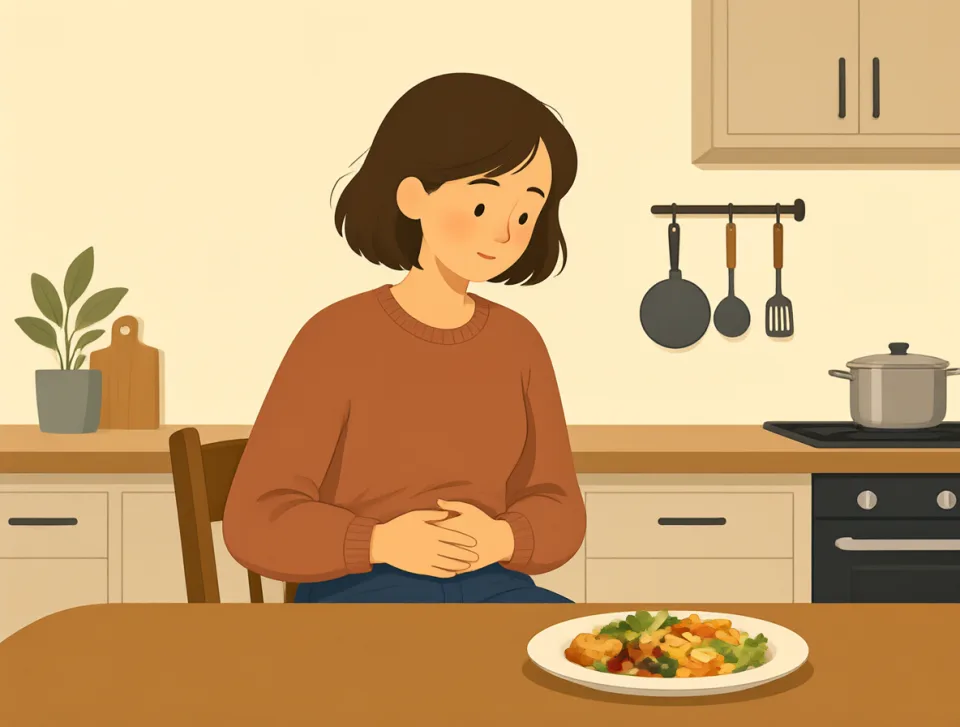
She felt sick after dinner.
그녀는 저녁을 먹고 나서 몸이 아팠어요.
but
#25conjunction, preposition, adverb, noun
하지만; 그러나; ~을 제외하고
Used to show a contrast, an exception, or a different choice.
대조, 예외 또는 다른 선택을 나타낼 때 씁니다.
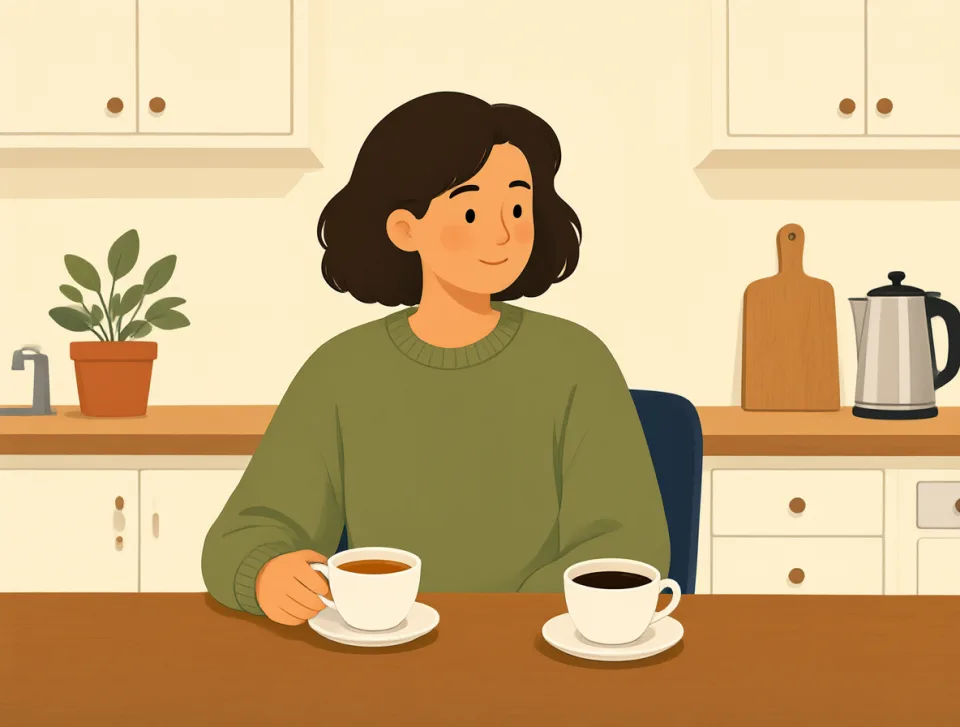
I like tea, but I prefer coffee.
나는 차를 좋아하지만 커피를 더 좋아해.

She is tired, but she keeps working.
그녀는 피곤하지만 계속 일해.
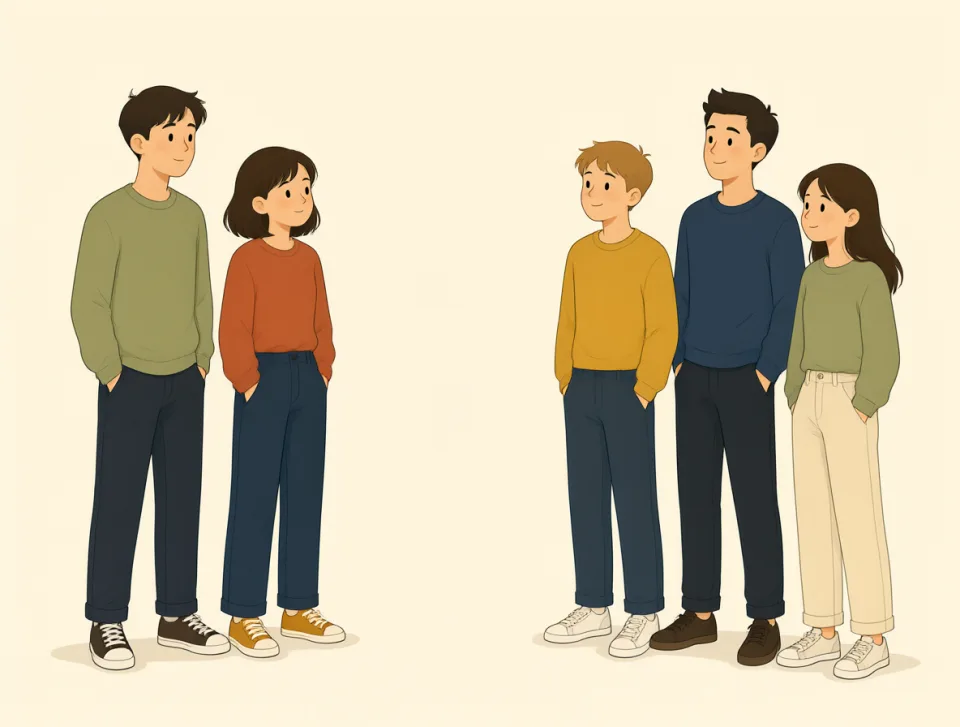
Everyone came but Tom.
Tom을 제외하고 모두 왔어.

We wanted to walk, but it started raining.
우리는 걷고 싶었지만 비가 오기 시작했어.
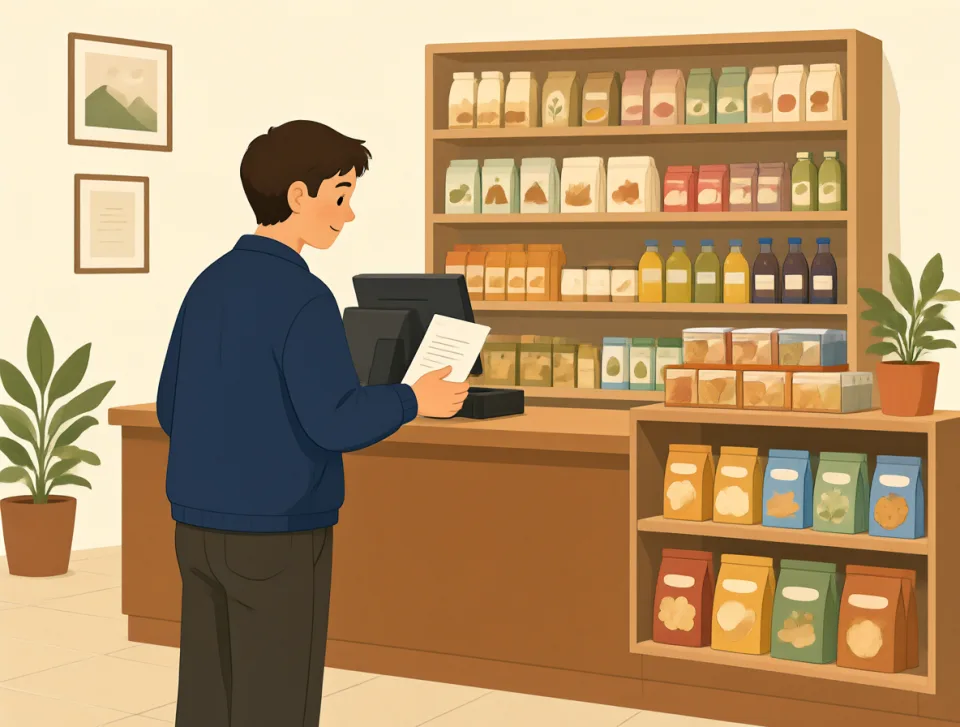
The shop was small, but it had everything.
가게는 작았지만 없는 게 없었어.

from
#26preposition
~에서; ~부터; ~출신으로
Shows where something starts, where it comes from, or when it begins.
어떤 것이 시작되는 장소나 출처, 또는 시작되는 시간을 나타냅니다.
I walk home from school every day.
저는 매일 학교에서 집까지 걸어가요.

This letter is from my best friend.
이 편지는 제 가장 친한 친구가 보냈어요.
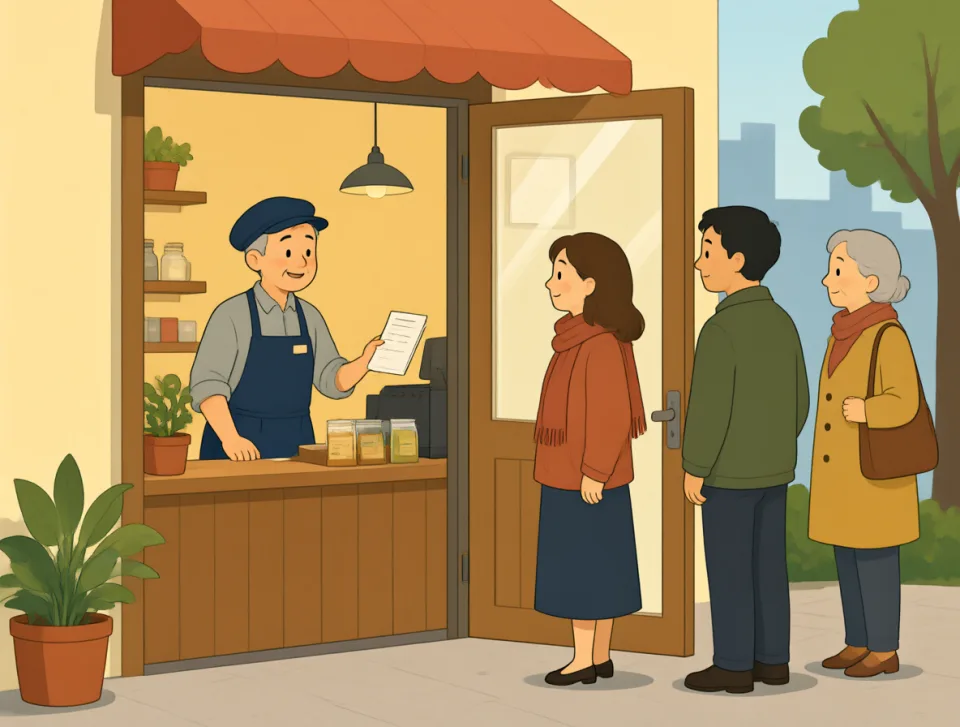
The shop is open from nine to five.
가게는 아홉 시부터 다섯 시까지 문을 열어요.

She comes from a small town.
그녀는 작은 마을 출신이에요.
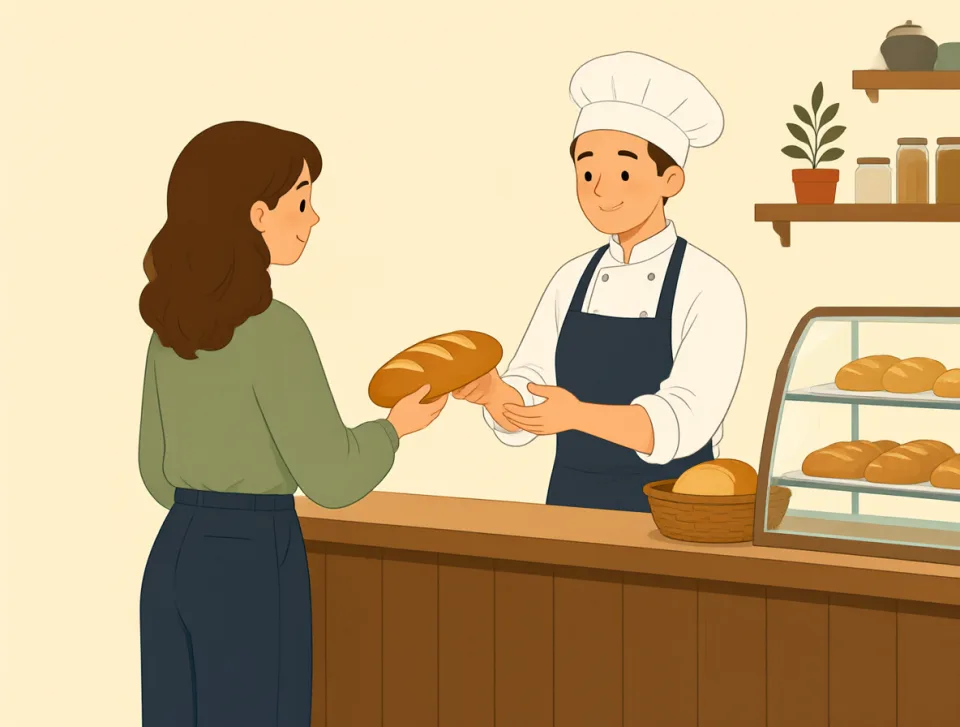
We bought fresh bread from the bakery.
우리는 빵집에서 갓 구운 빵을 샀어요.
by
#27preposition, adverb
~옆에; ~까지; ~로; ~에 의해
near, before a time, using something, or done by someone
~옆에, 어떤 시점 이전에, 어떤 것을 이용하여, 또는 누군가에 의해 이루어진
Please sit by the window.
창가에 앉으세요.

We travel by train every summer.
우리는 여름마다 기차로 여행해요.

Finish your homework by Friday.
금요일까지 숙제를 끝내세요.

She walked by without saying hello.
그녀는 인사도 하지 않고 지나갔어요.

This cake was made by my sister.
이 케이크는 제 여동생이 만들었어요.
will
#28verb, noun
~할 것이다; 의지; 유언
Used to talk about the future, or a person’s strong wish or legal instructions.
미래의 일을 말하거나, 어떤 사람의 강한 바람이나 법적 지시를 나타낼 때 쓴다.
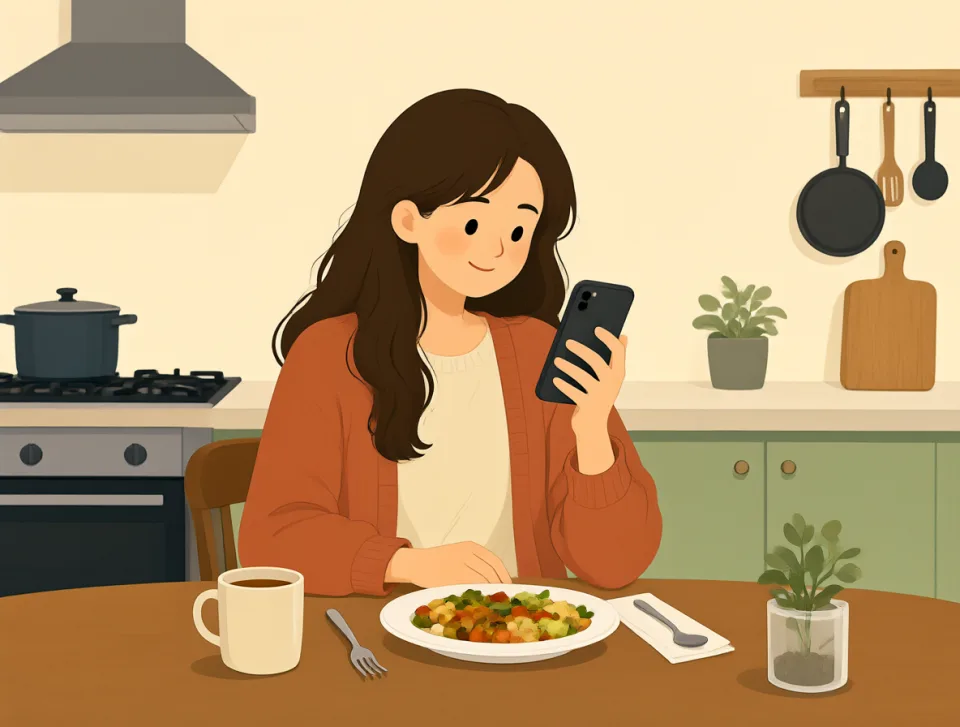
I will call you after dinner.
저녁 먹고 전화할게요.

Will you help me with this box?
이 상자 옮기는 거 도와줄래요?
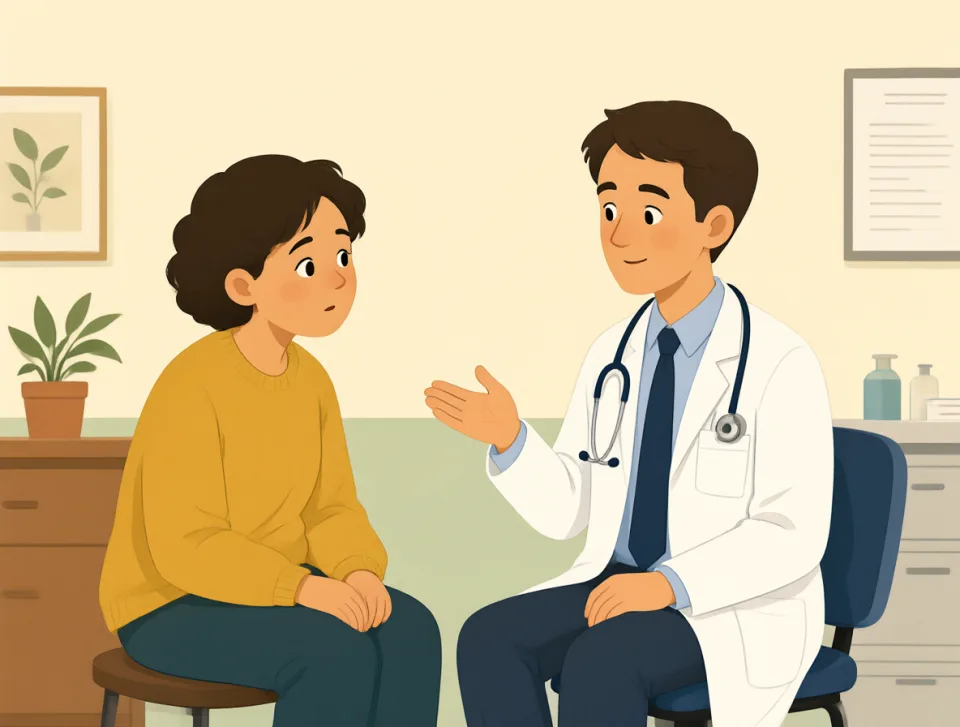
The doctor says you will feel better soon.
의사 선생님이 곧 몸이 나아질 거라고 하세요.
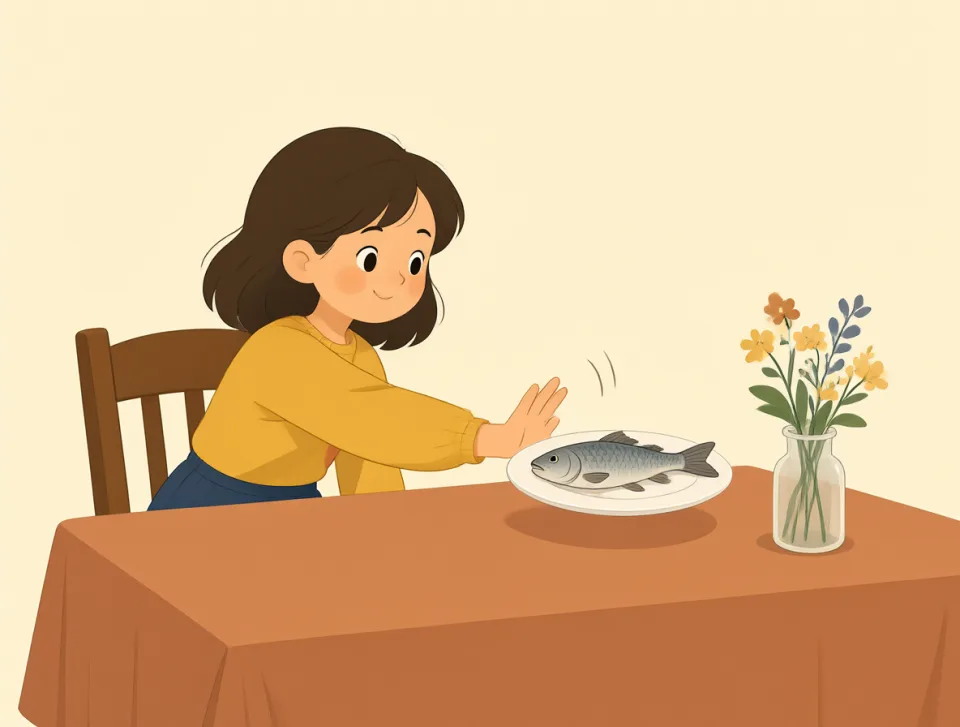
She will not eat the fish today.
그녀는 오늘 생선을 먹지 않을 거예요.
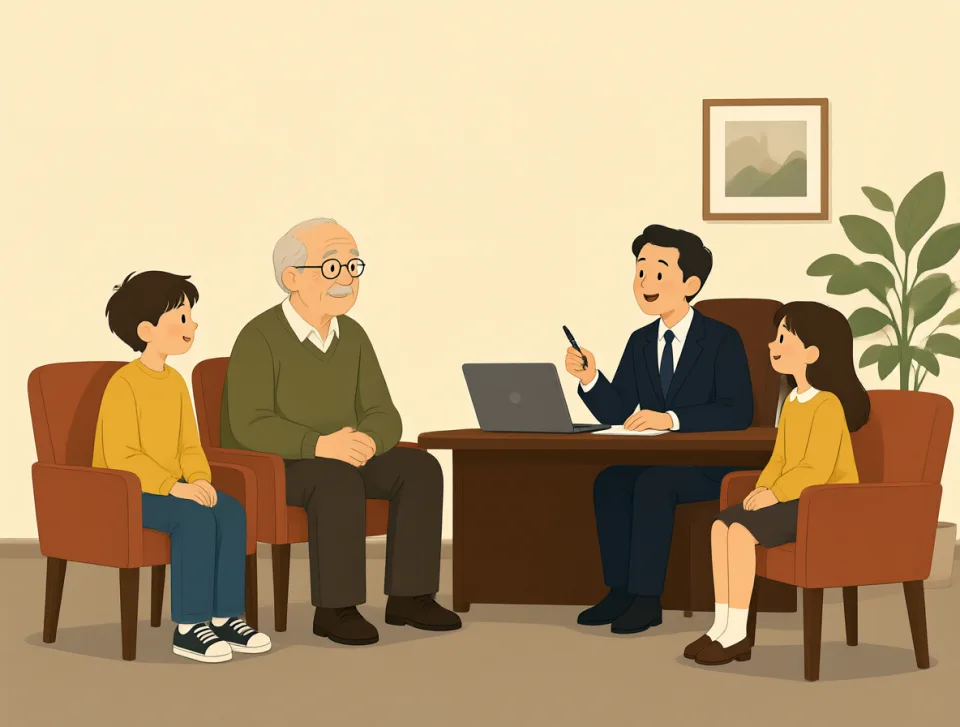
His will left money to his children.
그의 유언에는 자녀들에게 재산을 남긴다고 적혀 있었다.

or
#29conjunction
또는; 아니면
Used to show a choice between two or more possibilities.
둘 이상의 가능성 중에서 선택할 수 있음을 나타낼 때 쓰는 말.
Would you like tea or coffee?
차와 커피 중에 뭐 드실래요?
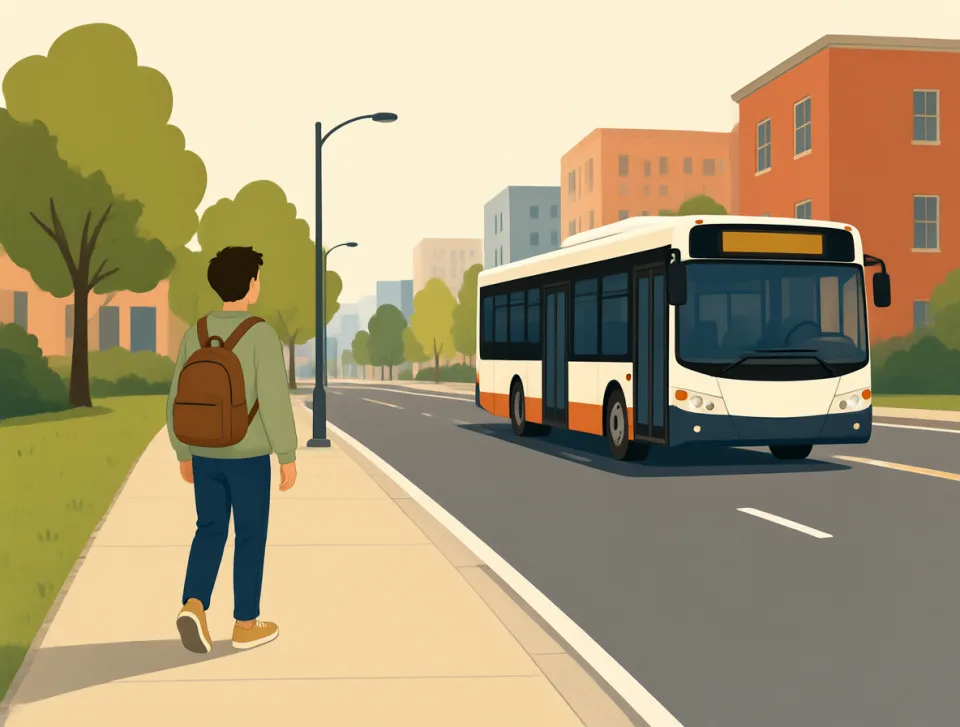
You can walk or take the bus.
걸어가거나 버스를 타면 돼요.
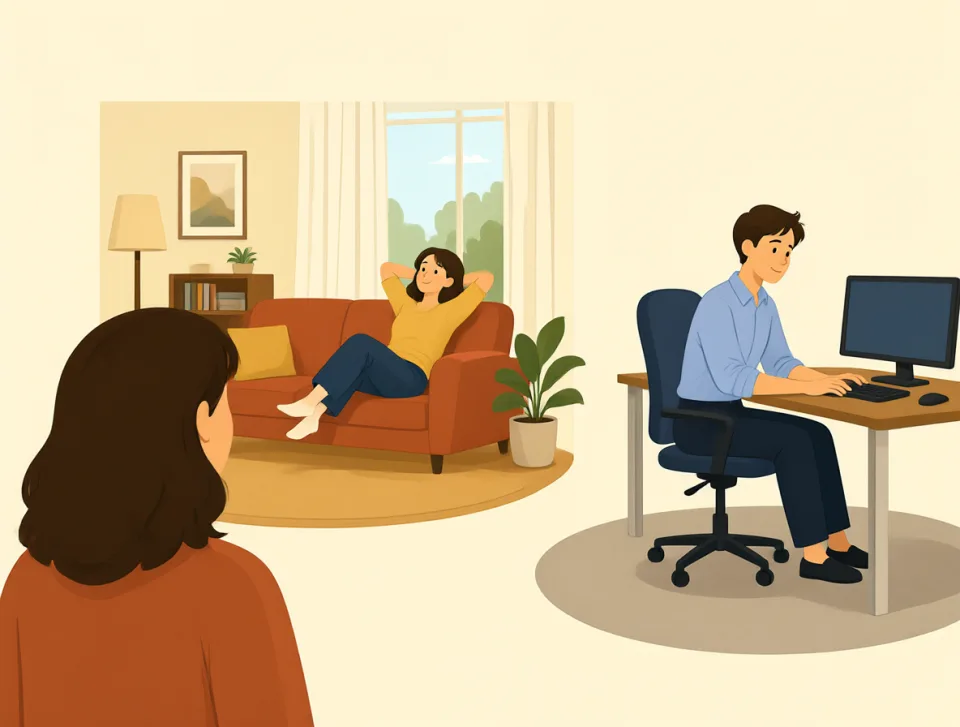
Is your sister at home or work?
네 여동생은 집에 있어, 아니면 직장에 있어?
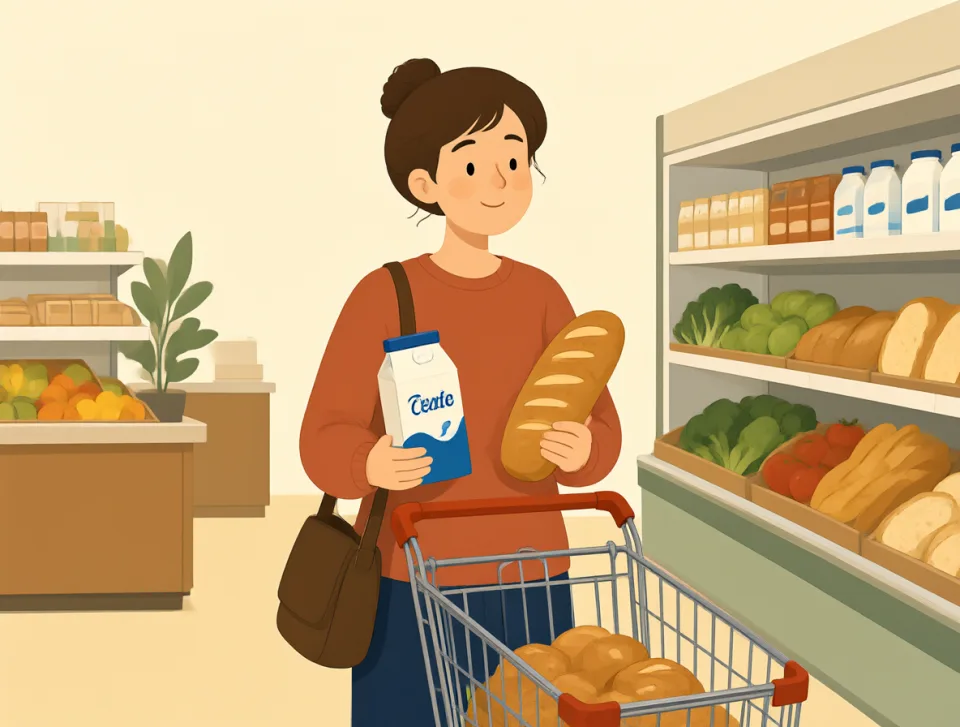
We need to buy milk or bread.
우유나 빵을 사야 해요.
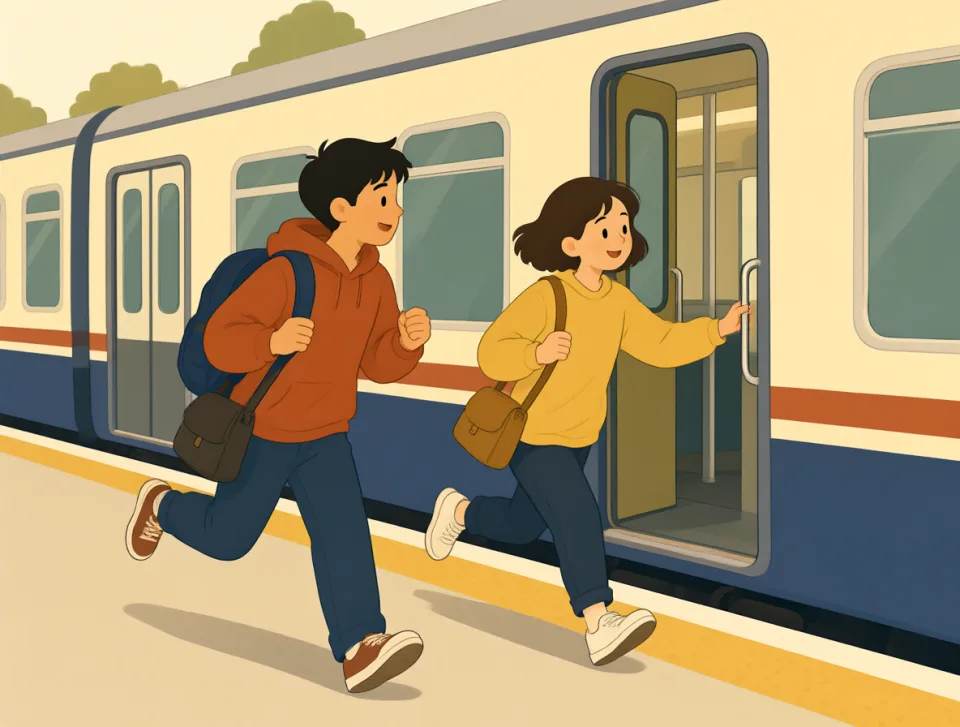
Hurry, or we will miss the train.
서둘러, 안 그러면 기차를 놓칠 거야.
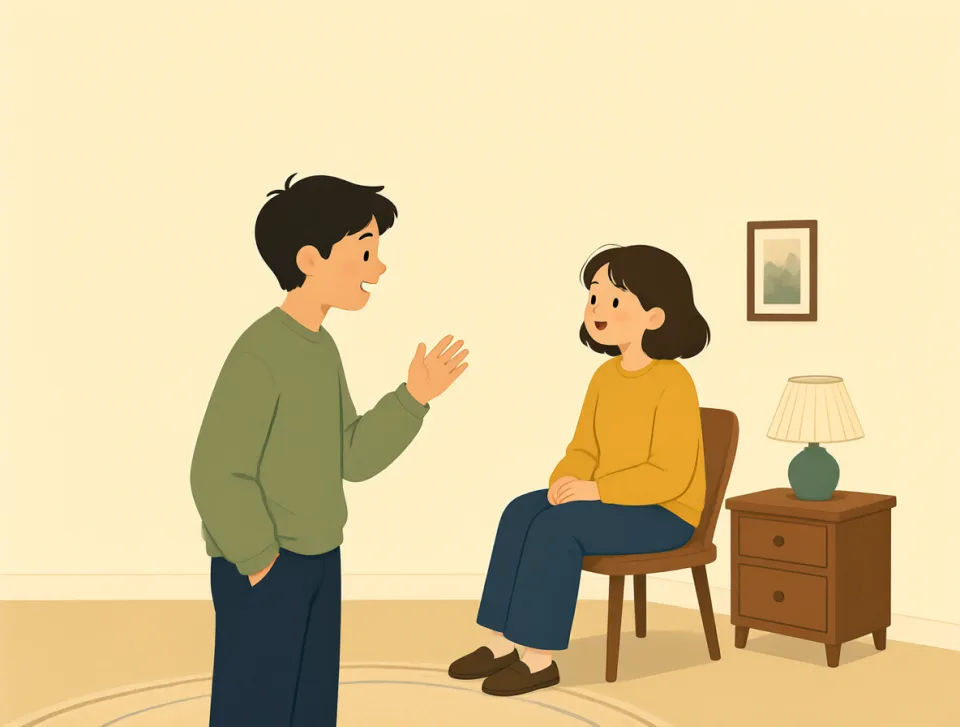
say
#30verb
말하다; 이야기하다
to speak words or tell someone something
말을 하거나 누군가에게 어떤 것을 알려 주다

What did you say?
뭐라고 했어요?
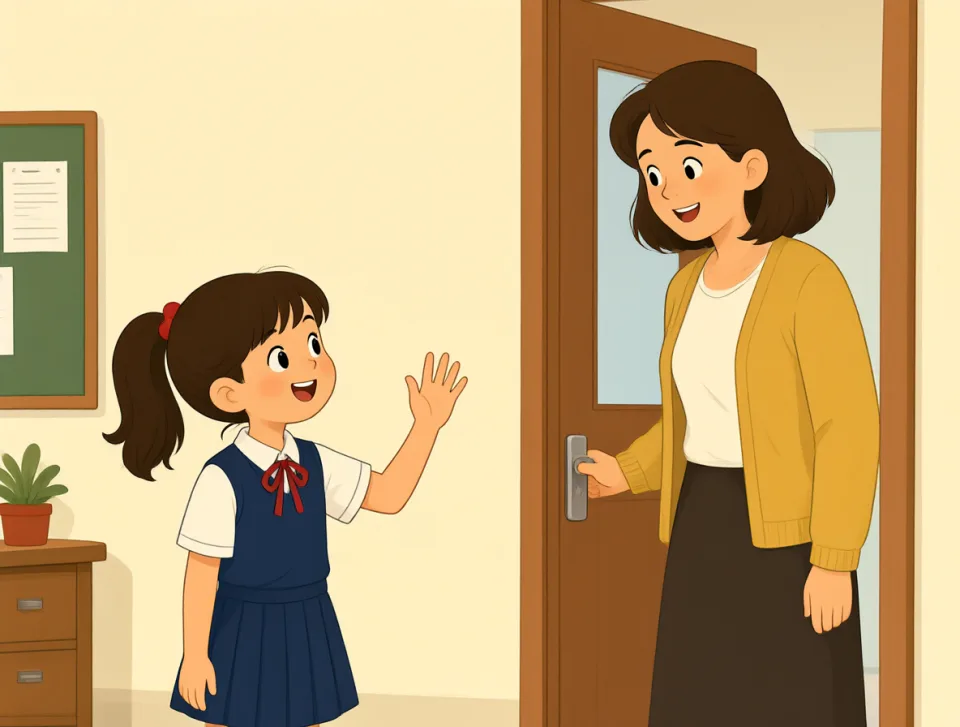
She said hello to her teacher.
그녀는 선생님께 인사했어요.

Please say your name slowly.
이름을 천천히 말해 주세요.

They say the soup is delicious.
그 수프가 맛있다고들 해요.
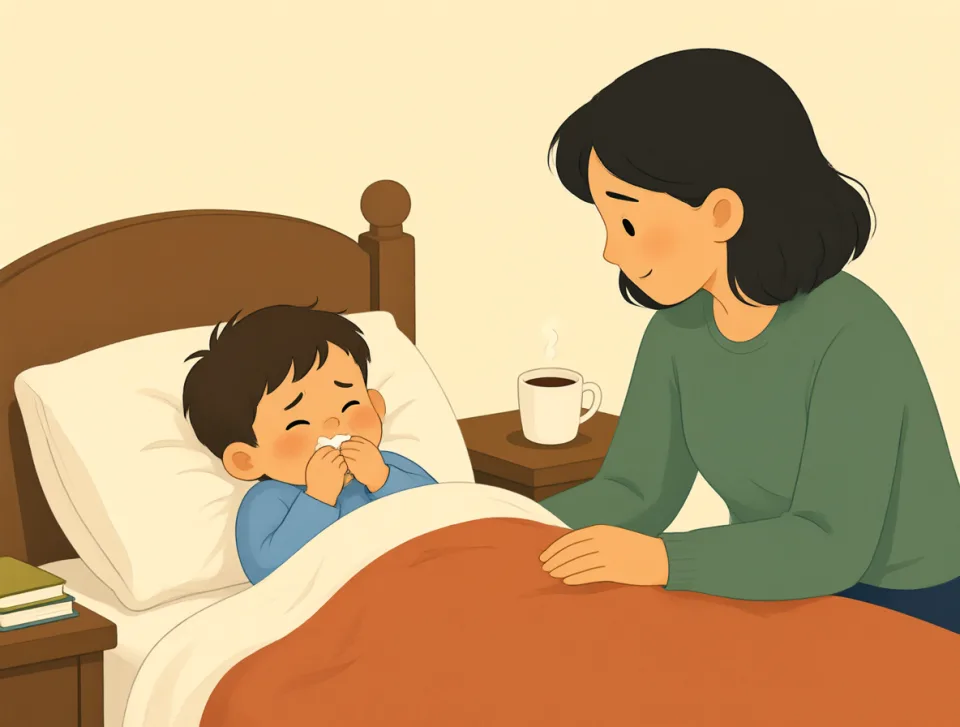
He said he felt sick yesterday.
그는 어제 몸이 아프다고 했어요.

go
#31verb, noun
가다; 다니다; 어울리다; 상하다
to move or travel somewhere, or to happen or work in a particular way
어딘가로 이동하거나 여행하다, 또는 특정한 방식으로 진행되거나 작동하다
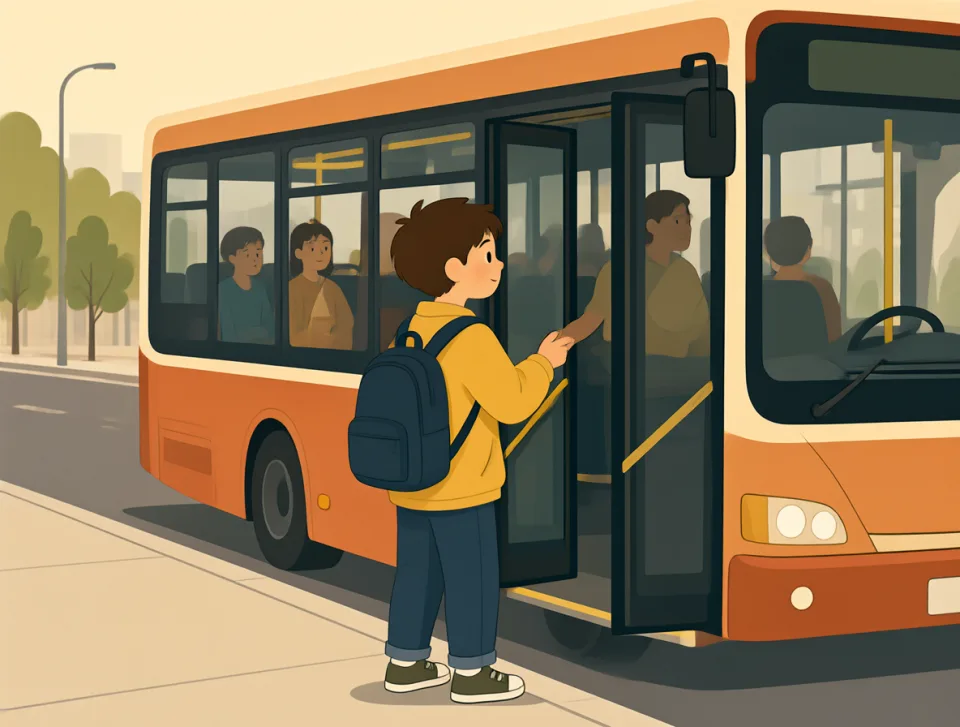
I go to school by bus every day.
저는 매일 버스를 타고 학교에 가요.

We went home after dinner.
저녁을 먹고 집에 갔어요.
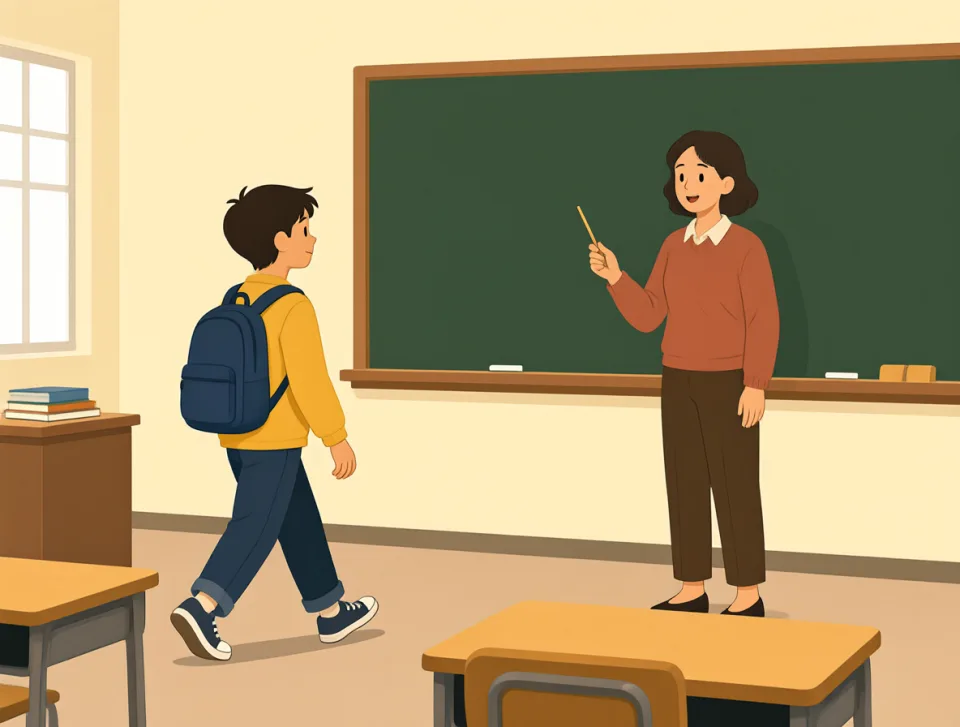
Please go and ask your teacher.
가서 선생님께 여쭤보세요.

These shoes go well with your jeans.
이 신발은 청바지와 잘 어울려요.
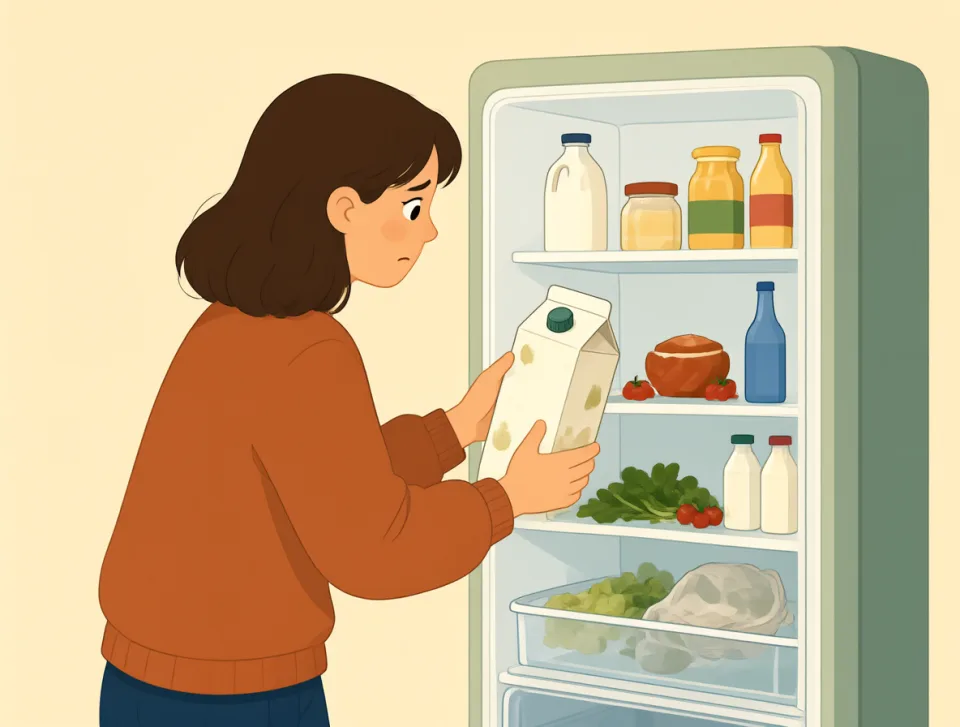
The milk went bad in the fridge.
우유가 냉장고에서 상했어요.

so
#32adverb, conjunction
그래서; 매우; 나도
Used to show a result, a high degree, or agreement.
결과, 높은 정도 또는 동의를 나타낼 때 씁니다.
I was tired, so I went to bed.
피곤해서 잠자리에 들었어요.

The soup is so hot I cannot eat it.
수프가 너무 뜨거워서 먹을 수 없어요.
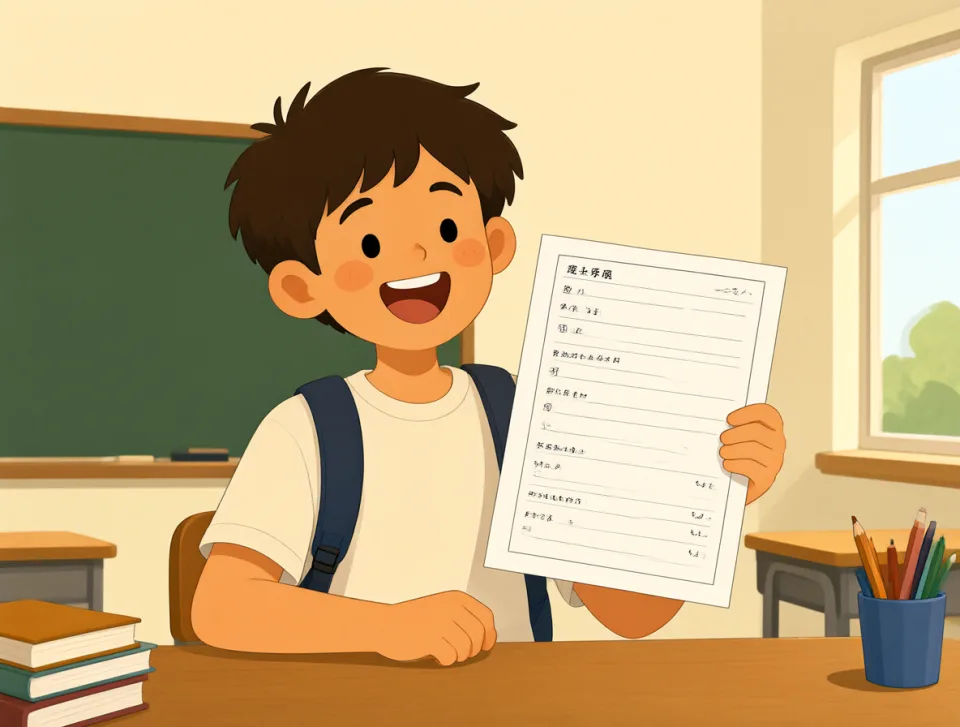
She studied hard, so she passed the test.
그녀는 열심히 공부해서 시험에 합격했어요.
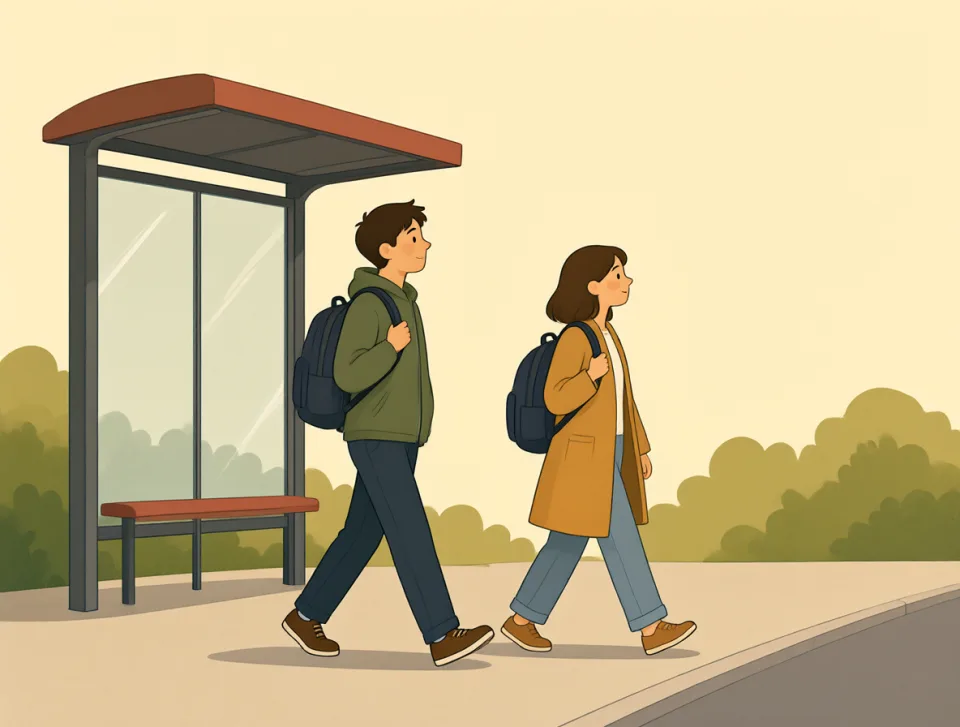
The bus was late, so we walked home.
버스가 늦게 와서 집까지 걸어갔어요.

“I like this.” “So do I.”
“나 이거 좋아해.” “나도.”

all
#33determiner, pronoun, adverb
모든; 전부
The whole amount or every person or thing in a group
전체 양이나 집단에 속한 모든 사람 또는 사물
All the students finished their homework.
학생들이 모두 숙제를 끝냈다.
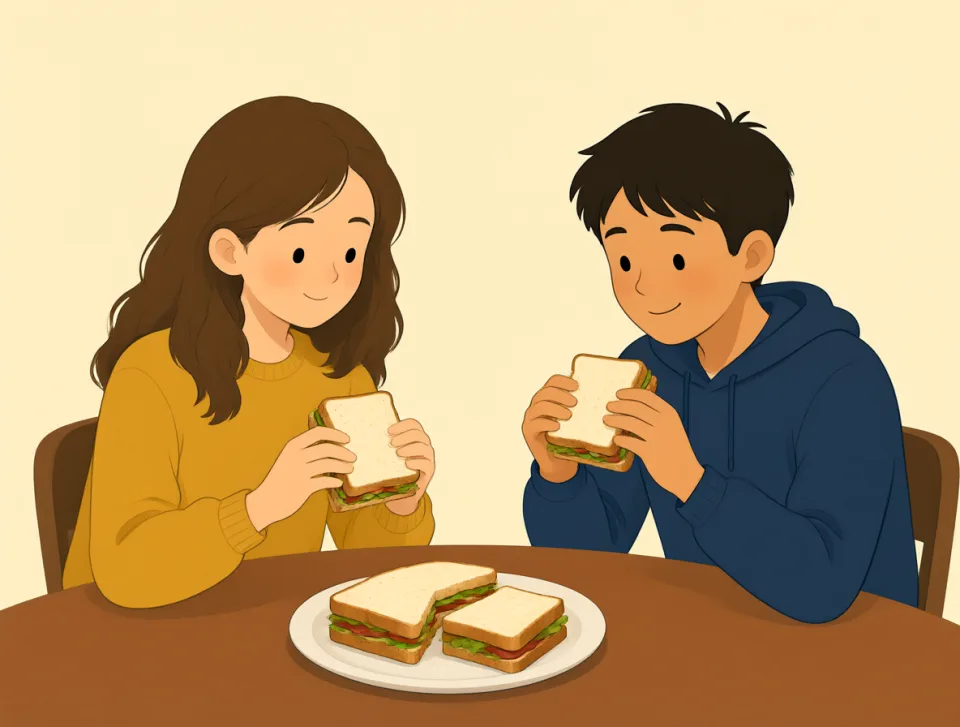
We ate all the sandwiches at lunch.
점심때 샌드위치를 전부 먹었다.

All of us took the train home.
우리 모두 기차를 타고 집에 갔다.

She worked all day at the shop.
그녀는 가게에서 하루 종일 일했다.
I am not at all tired today.
나는 오늘 전혀 피곤하지 않다.

if
#34conjunction
만약; ~인지
Used to talk about a condition or a possible situation.
조건이나 일어날 수도 있는 상황을 말할 때 쓴다.
Call me if you need help.
도움이 필요하면 전화해.

If it rains, we will stay home.
비가 오면 우리는 집에 있을 거야.

Ask the teacher if you have questions.
궁금한 점이 있으면 선생님께 물어봐.

I will buy it if it is cheaper.
더 싸면 살 거야.
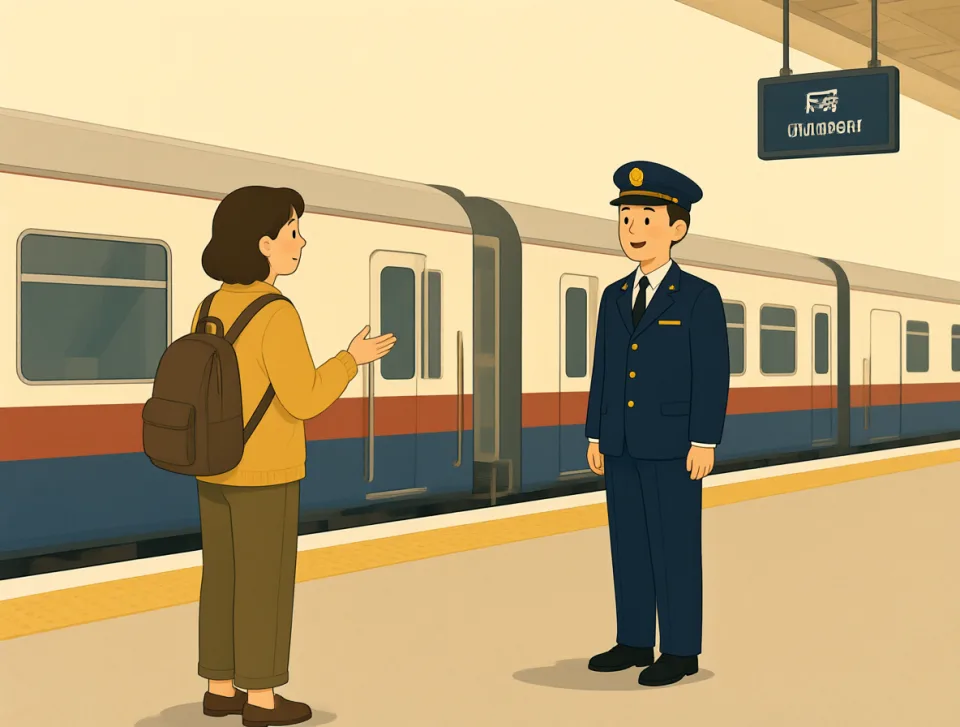
She asked if the train was late.
그녀는 기차가 늦었는지 물었다.

one
#35number, noun, pronoun, determiner
하나; 한 명; 한 가지
The number 1, or a single person or thing.
숫자 1 또는 한 사람이나 한 가지
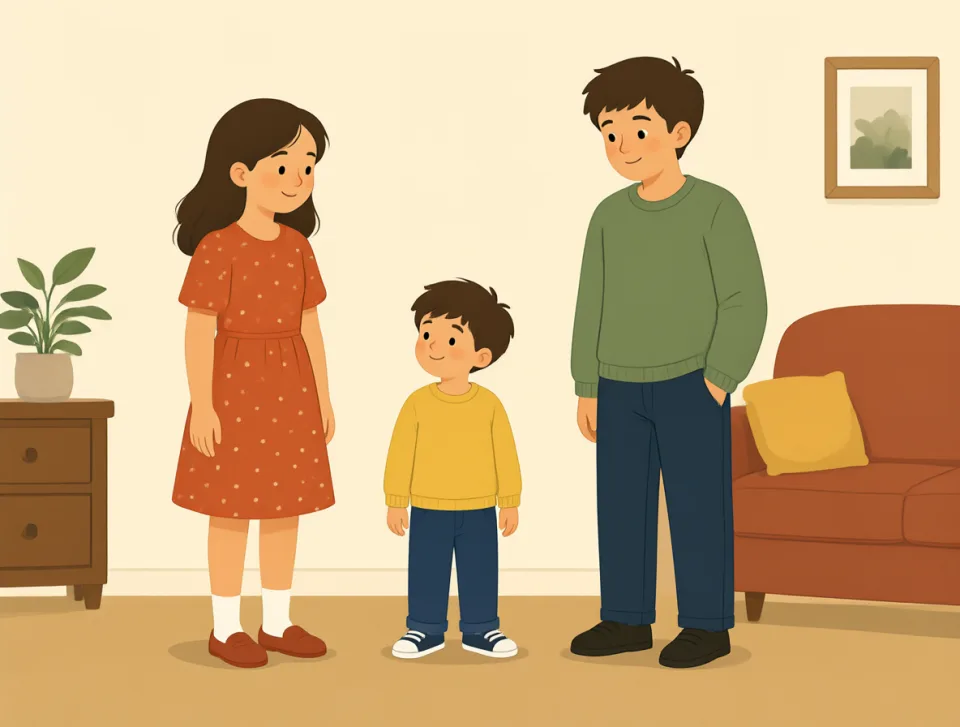
I have one sister and two brothers.
나는 여자 형제 한 명과 남자 형제 두 명이 있어.

Please give me one coffee.
커피 한 잔 주세요.

One student answered the teacher's question.
한 학생이 선생님의 질문에 대답했다.
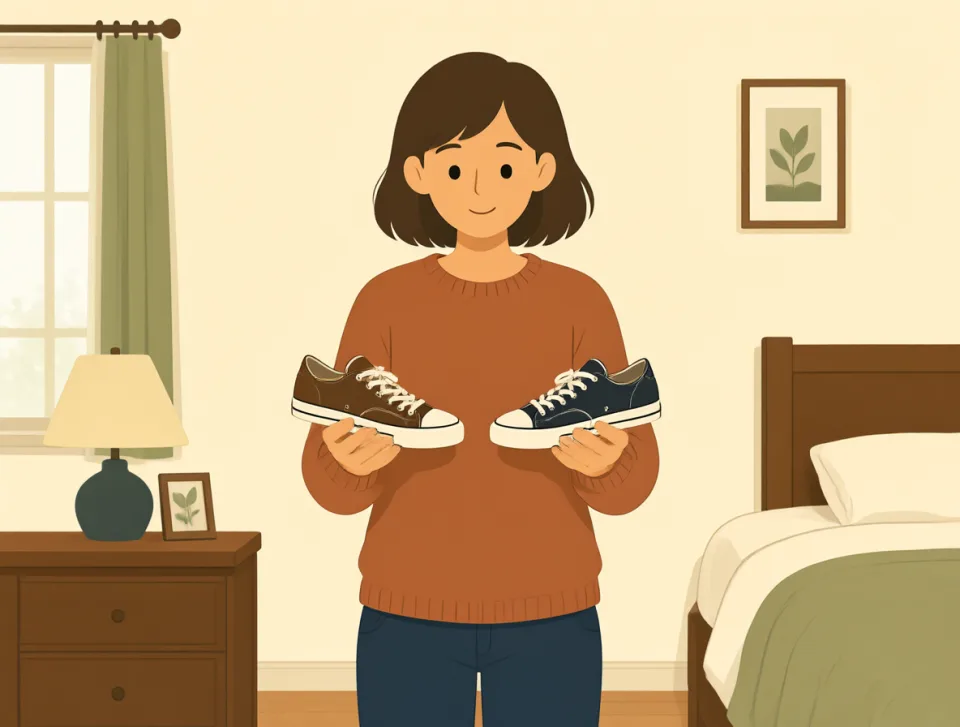
This shoe is smaller than the other one.
이 신발은 다른 신발보다 작아.

One day, we will travel around the world.
언젠가 우리는 세계 일주를 할 거야.

would
#36verb, modal verb
~하고 싶다; ~일 것이다; ~하곤 했다
Used to talk about wishes, imagined situations, polite requests, or repeated past actions.
바람이나 상상 속의 상황, 정중한 부탁 또는 과거에 반복적으로 했던 행동을 말할 때 사용합니다.
Would you like some coffee?
커피 좀 드시겠어요?

I would like to book a room.
방을 예약하고 싶습니다.
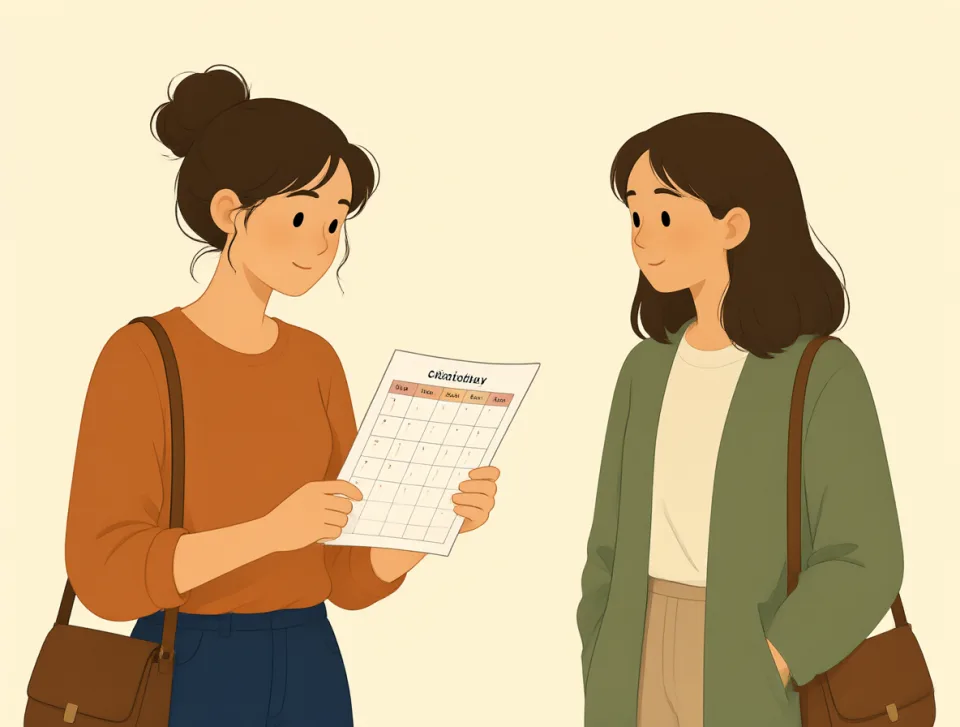
She would help if she had time.
시간이 있다면 그녀가 도와줄 텐데요.
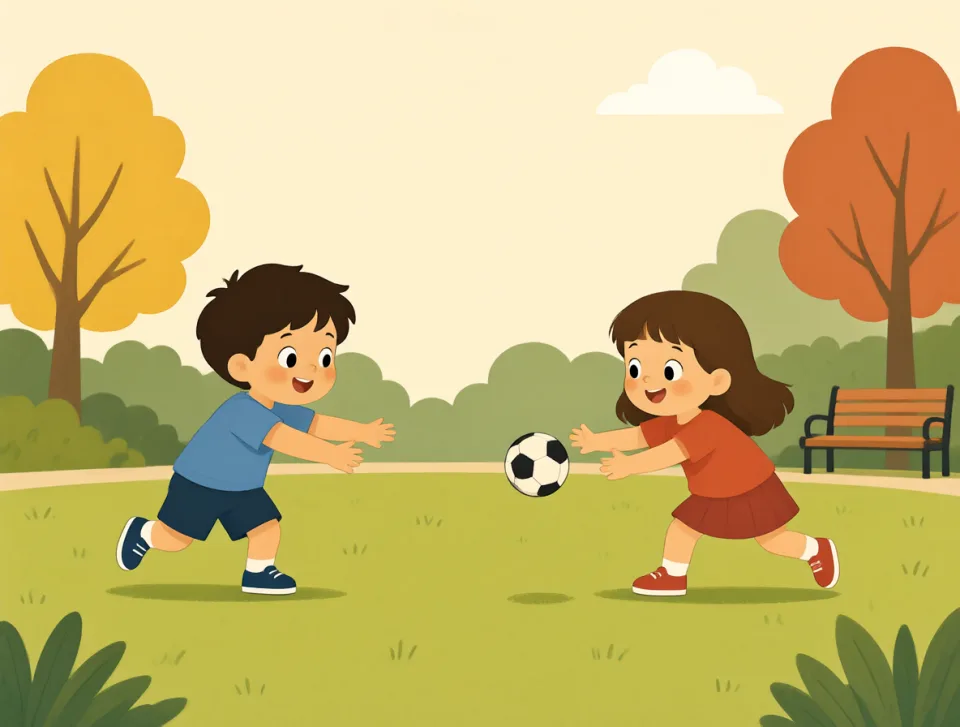
When we were children, we would play outside.
우리는 어렸을 때 밖에서 놀곤 했습니다.

Would you please close the window?
창문을 닫아 주시겠어요?

about
#37adverb, preposition
~에 대해; 약; ~쯤
Used to say what someone or something concerns, or roughly where, when, or how much.
무엇에 관한 것인지, 또는 장소·시간·수량이 대략 어느 정도인지 말할 때 쓴다.
We talked about our plans after dinner.
저녁 식사 후에 우리 계획에 대해 이야기했어요.

This book is about animals and nature.
이 책은 동물과 자연에 관한 책이에요.

There were about twenty people at the party.
파티에 사람이 약 스무 명 있었어요.
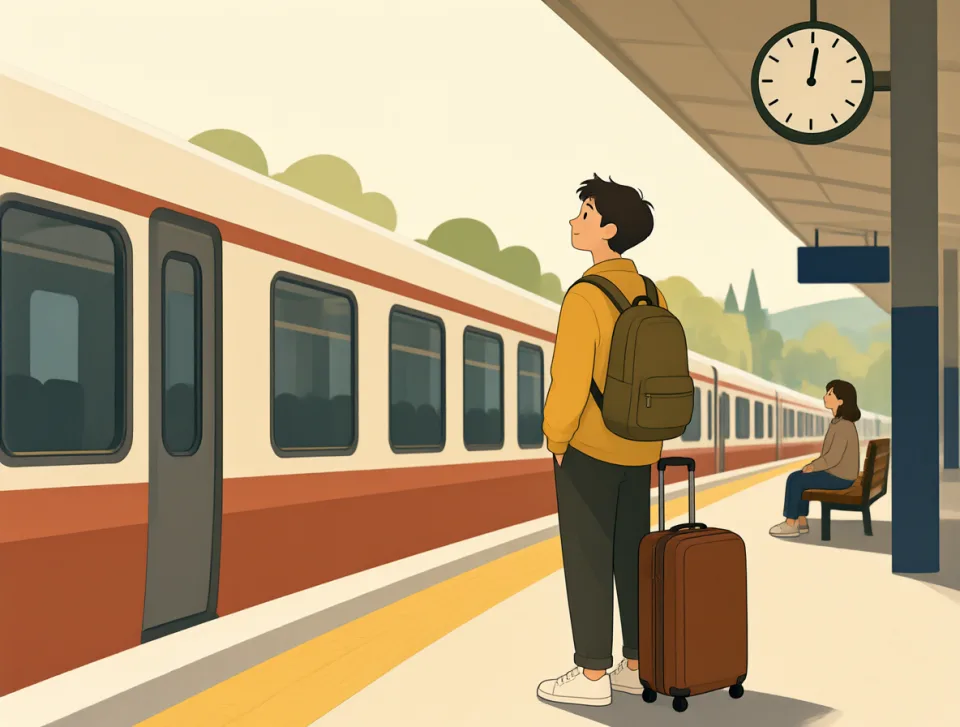
The train leaves at about eight o'clock.
기차는 8시쯤 출발해요.

I am worried about my sick dog.
아픈 강아지 때문에 걱정돼요.
can
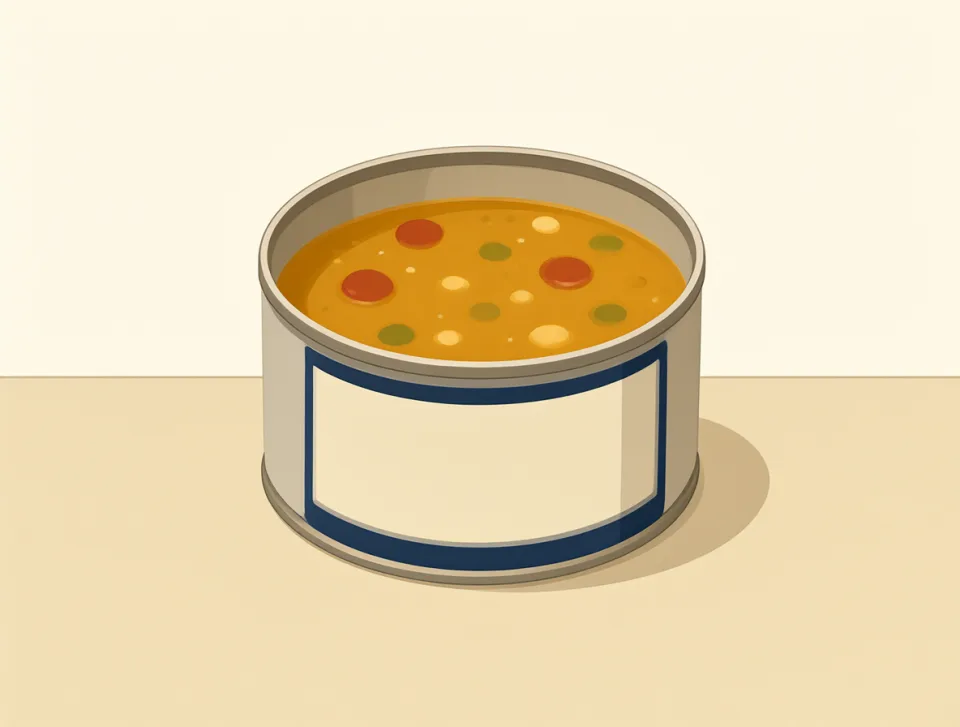
#38noun, verb, modal verb
~할 수 있다; 깡통; 통조림으로 만들다
A metal container; or to put food or drink into a metal container.
금속으로 만든 용기; 또는 음식이나 음료를 금속 용기에 넣다.

I can help you with your homework.
내가 네 숙제를 도와줄 수 있어.
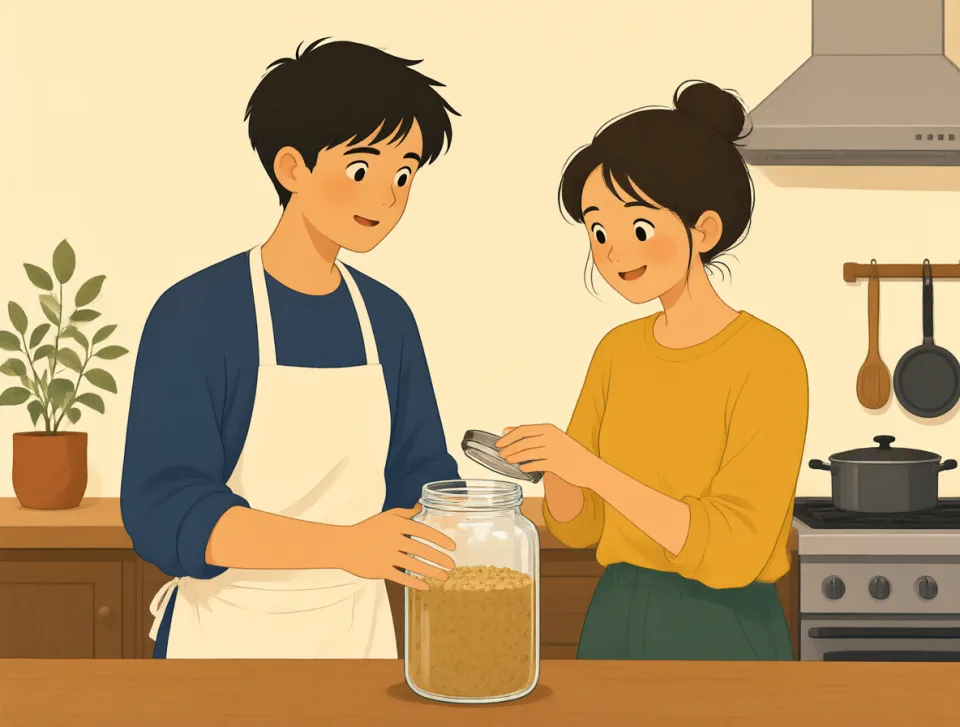
Can you open this jar for me?
이 병 좀 열어 줄래?

We can meet at the station at six.
우리 6시에 역에서 만날 수 있어.
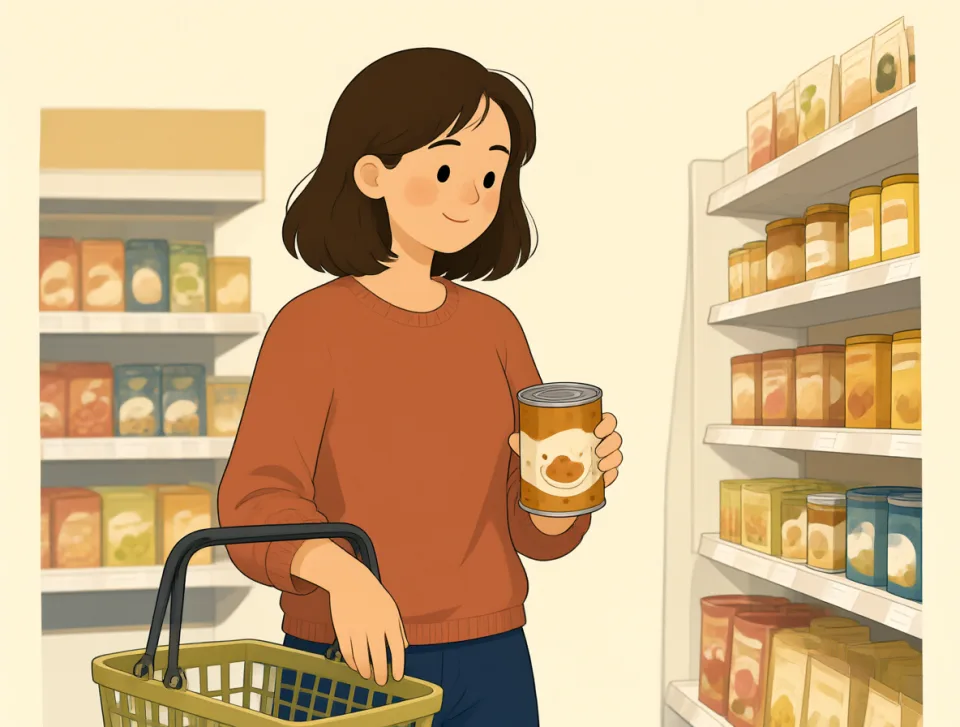
She bought a can of soup for lunch.
그녀는 점심으로 수프 한 캔을 샀다.
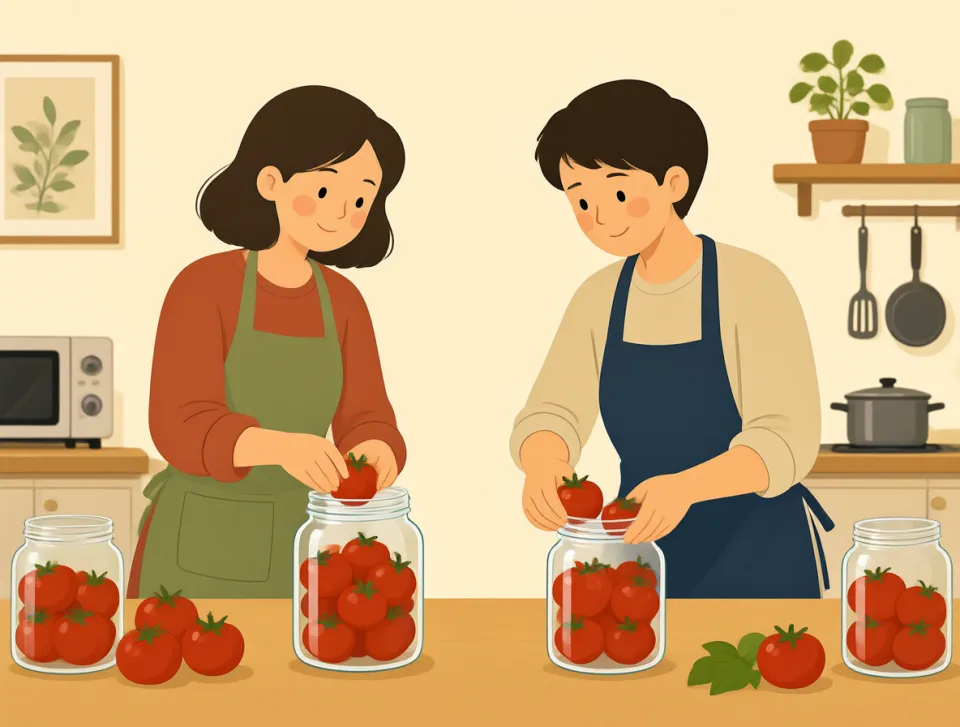
They canned the fresh tomatoes last summer.
그들은 지난여름에 신선한 토마토를 통조림으로 만들었다.

which
#39pronoun, determiner
어느; 어떤; 어느 것
Used to ask or show which person or thing you mean.
어떤 사람이나 사물을 가리키거나 묻는 데 쓰인다.
Which shirt do you like best?
어느 셔츠가 가장 마음에 들어?
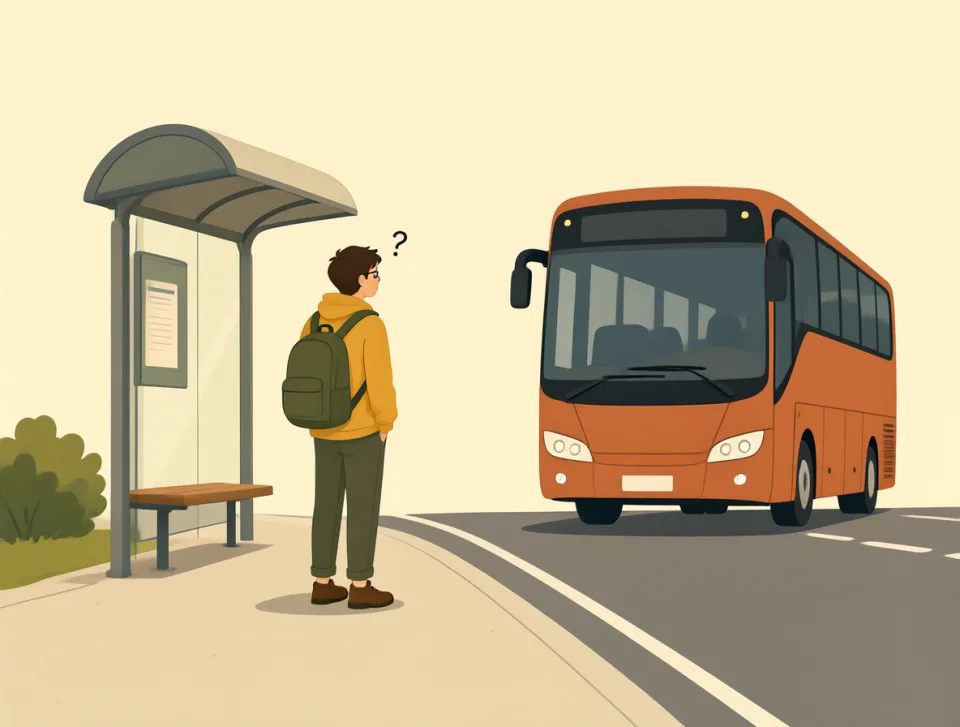
I forgot which bus goes downtown.
어느 버스가 시내로 가는지 잊어버렸어.
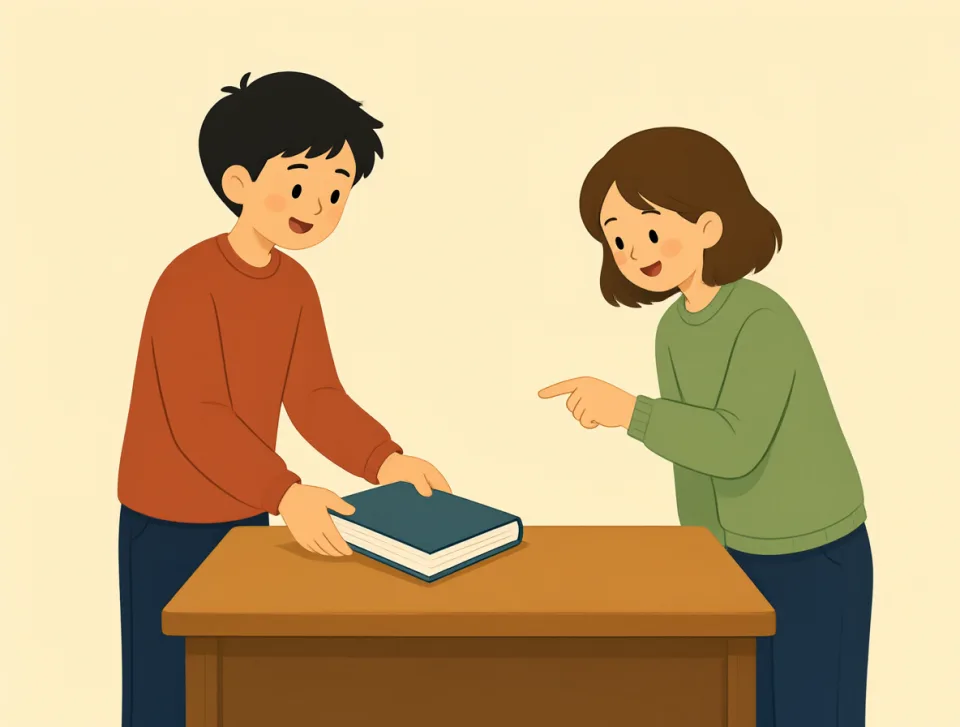
She chose the book which I recommended.
그녀는 내가 추천한 책을 골랐다.
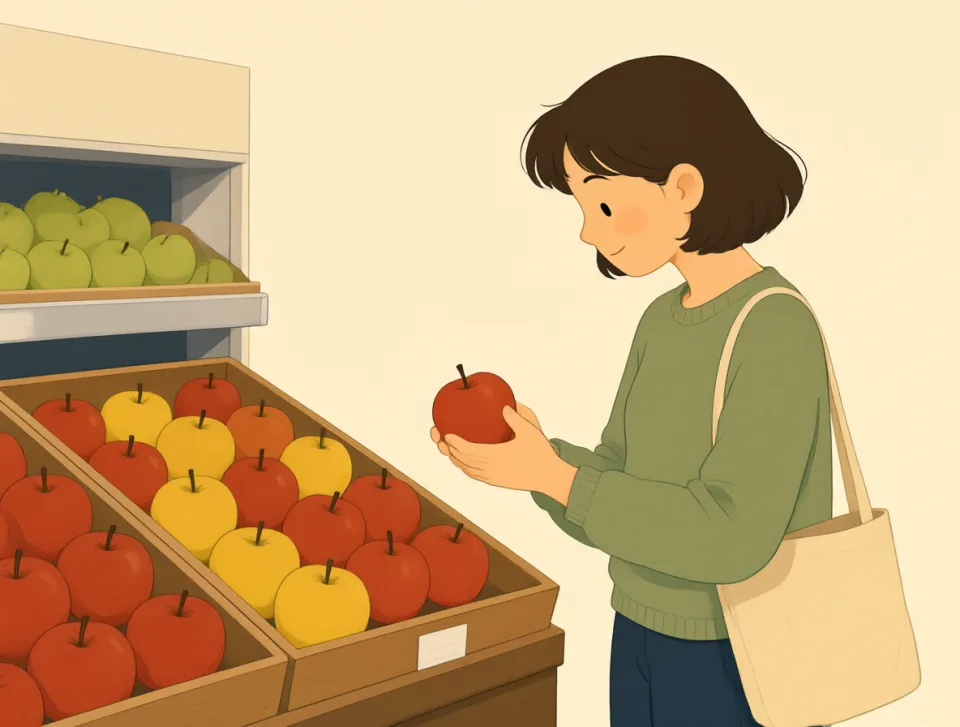
Which of these apples are fresh?
이 사과들 중 어느 것이 신선해?
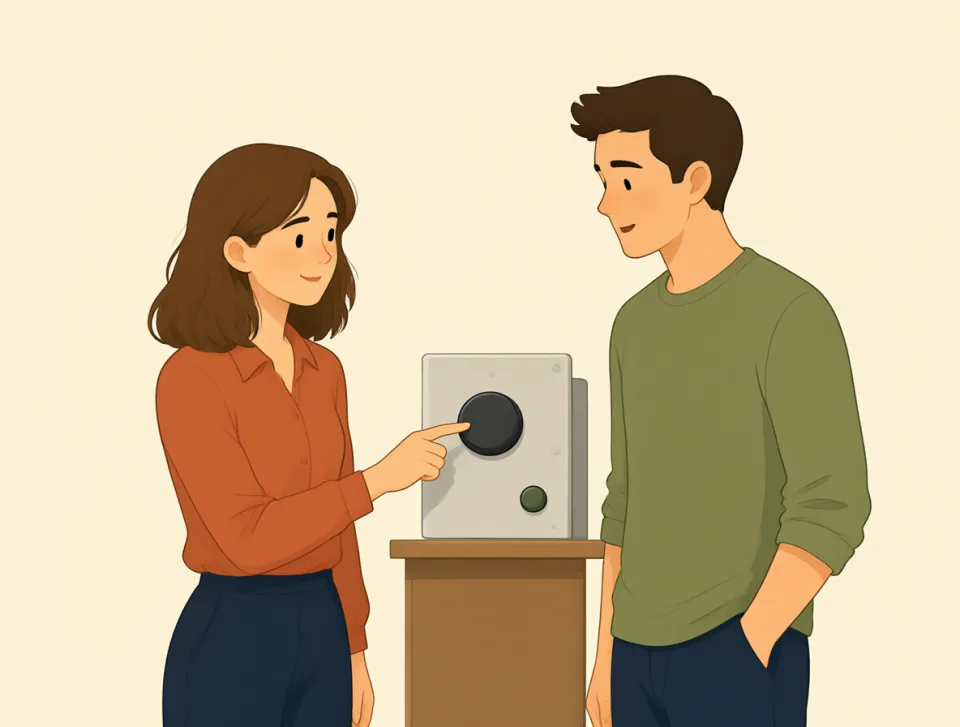
He explained which button to press.
그는 어느 버튼을 눌러야 하는지 설명해 주었다.

there
#40adverb, pronoun, determiner
거기; 그곳
In, at, or to that place; used to show that something exists.
그 장소에, 그 장소에서 또는 그 장소로; 무언가가 존재함을 나타낼 때 쓰임
Please put the bags over there.
가방을 저쪽에 놓아 주세요.
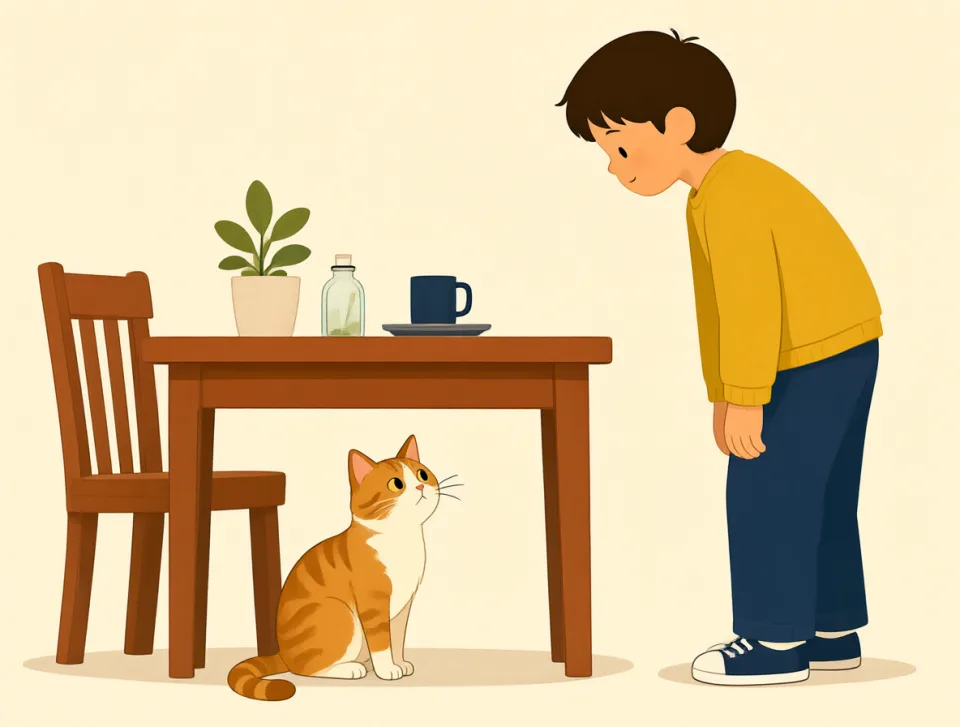
There is a cat under the table.
탁자 아래에 고양이 한 마리가 있어요.
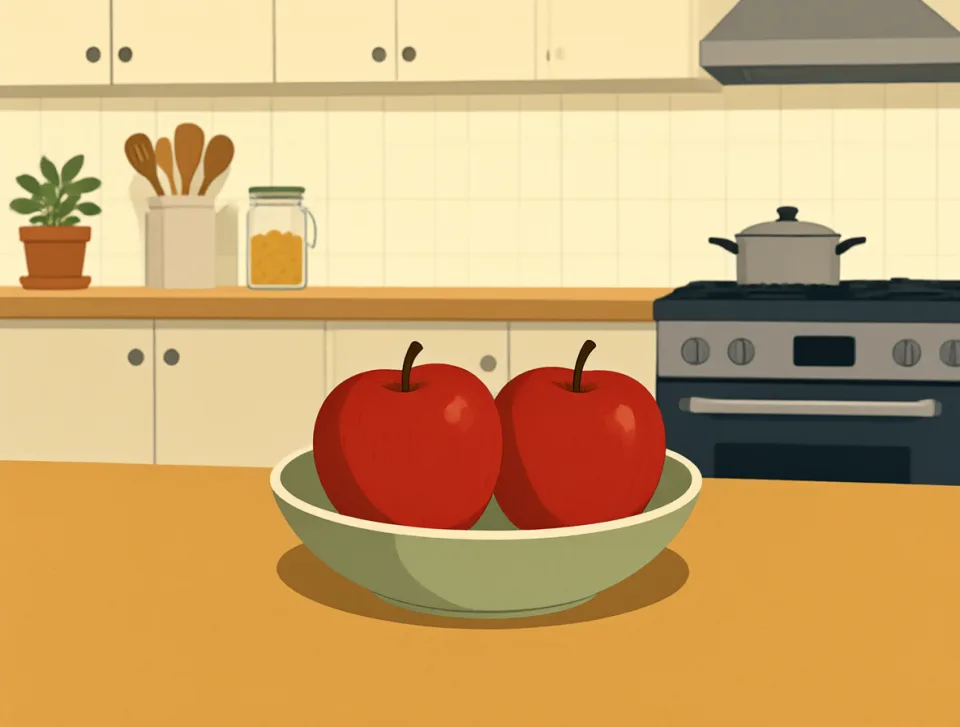
There are two apples in the bowl.
그릇에 사과가 두 개 있어요.

We waited there for the bus.
우리는 그곳에서 버스를 기다렸어요.
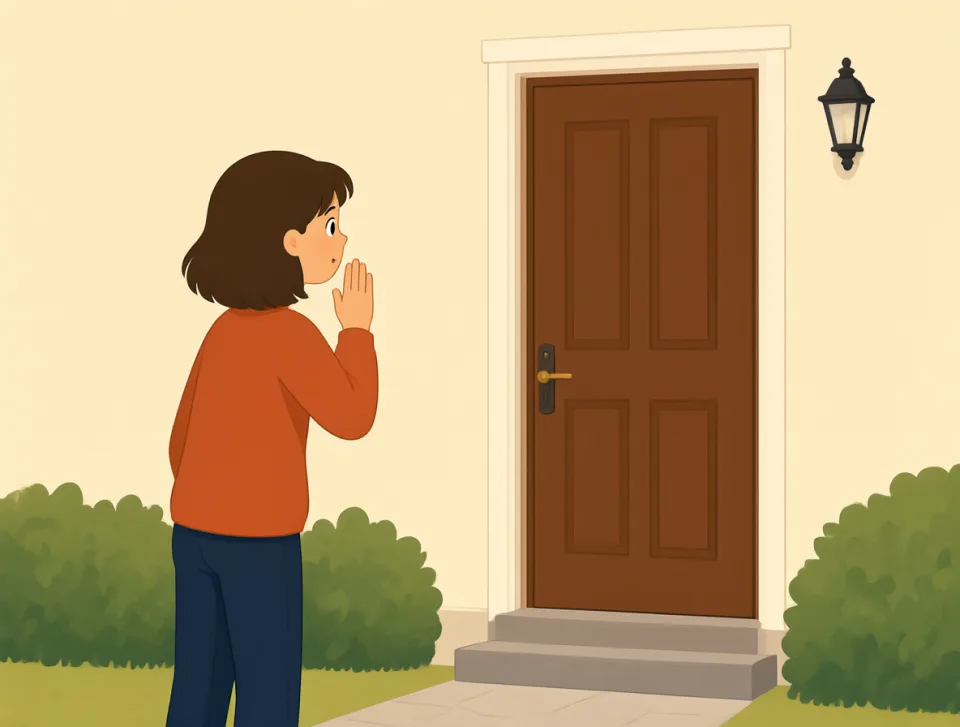
Is anyone there?
거기 누구 있어요?