第 2 单元
第 21–40 个单词 · do, as, at, she, but, from
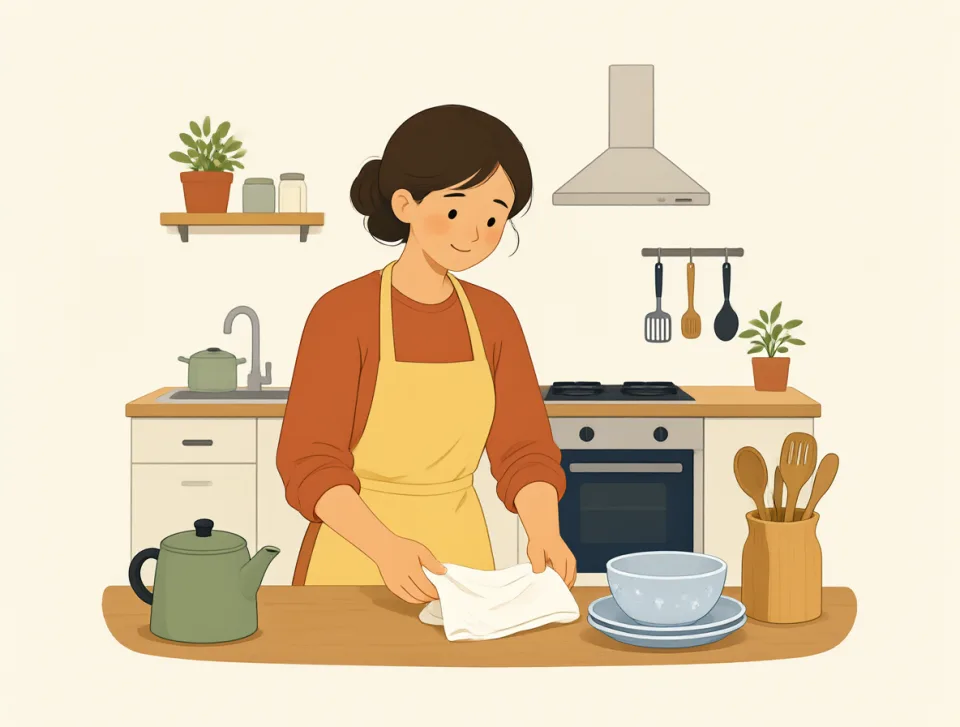
do
#21verb, auxiliary verb, noun
做;干
To perform an action, task, or activity.
进行某项行动、任务或活动。
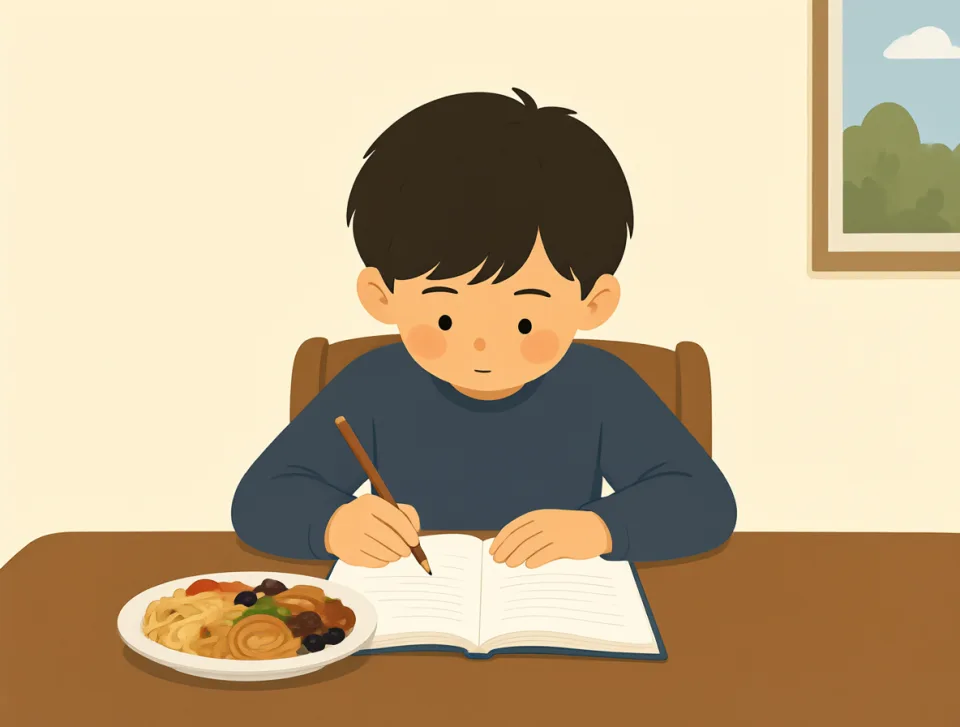
I do my homework after dinner.
我晚饭后做作业。
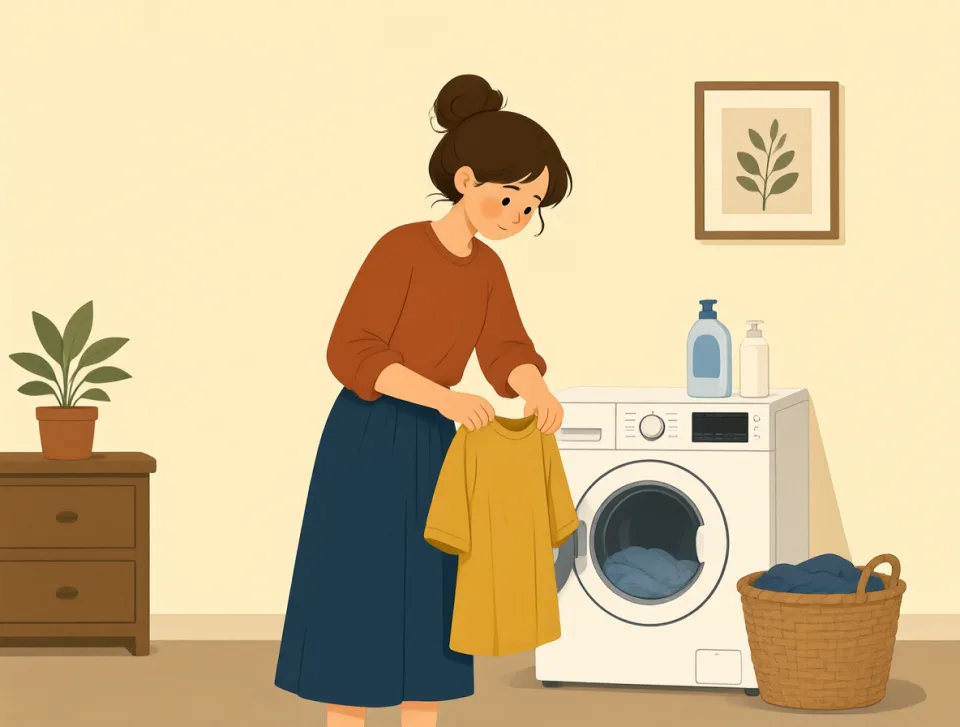
She does the washing every Saturday.
她每周六洗衣服。

Do you like this restaurant?
你喜欢这家餐厅吗?

We did some shopping after work.
我们下班后买了些东西。
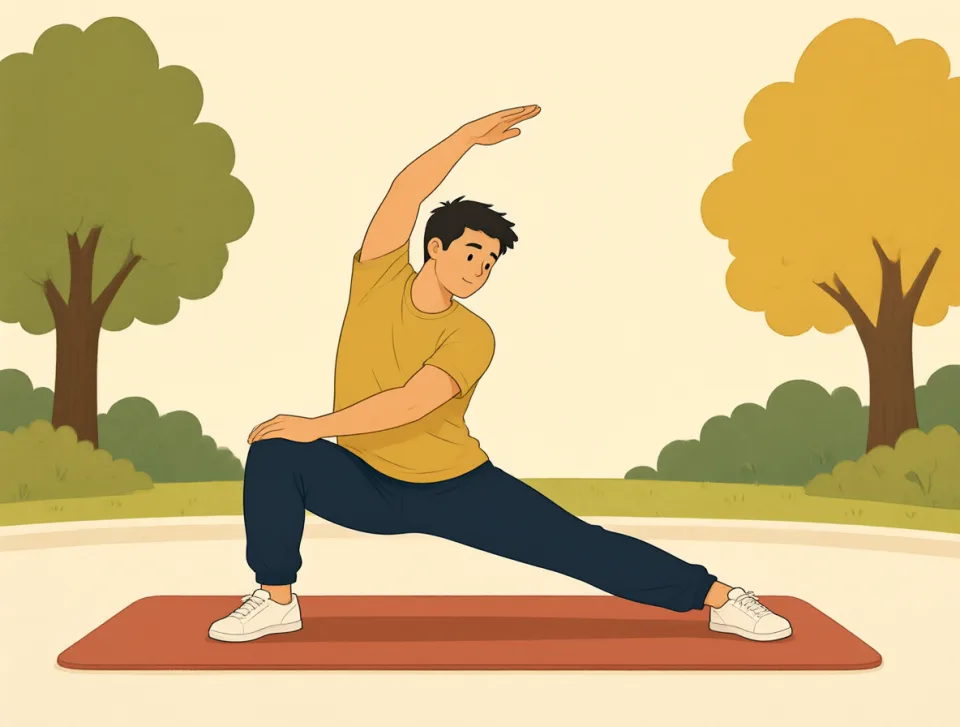
He does exercise every morning.
他每天早上锻炼。
as
#22adverb, conjunction, preposition, pronoun, determiner
像;当……时;按照;作为
Used to compare, show time or reason, or describe someone or something.
用于比较、表示时间或原因,或描述某人或某物。
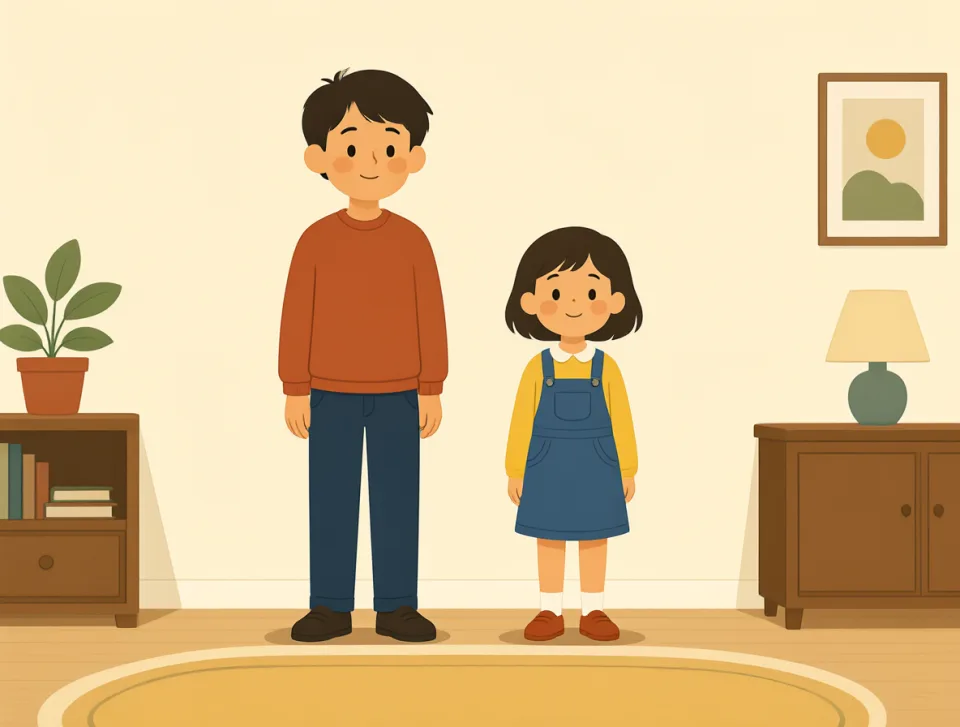
She is as tall as her brother.
她和她哥哥一样高。

As I walked home, it started raining.
我走回家时,开始下雨了。

Please do as your teacher says.
请按照老师说的去做。

He works as a waiter at night.
他晚上做服务员。

As usual, we had dinner at seven.
和往常一样,我们七点吃晚饭。
at
#23preposition
在;于;从事于
Used to show a specific time, place, or situation.
用于表示具体的时间、地点或情况。
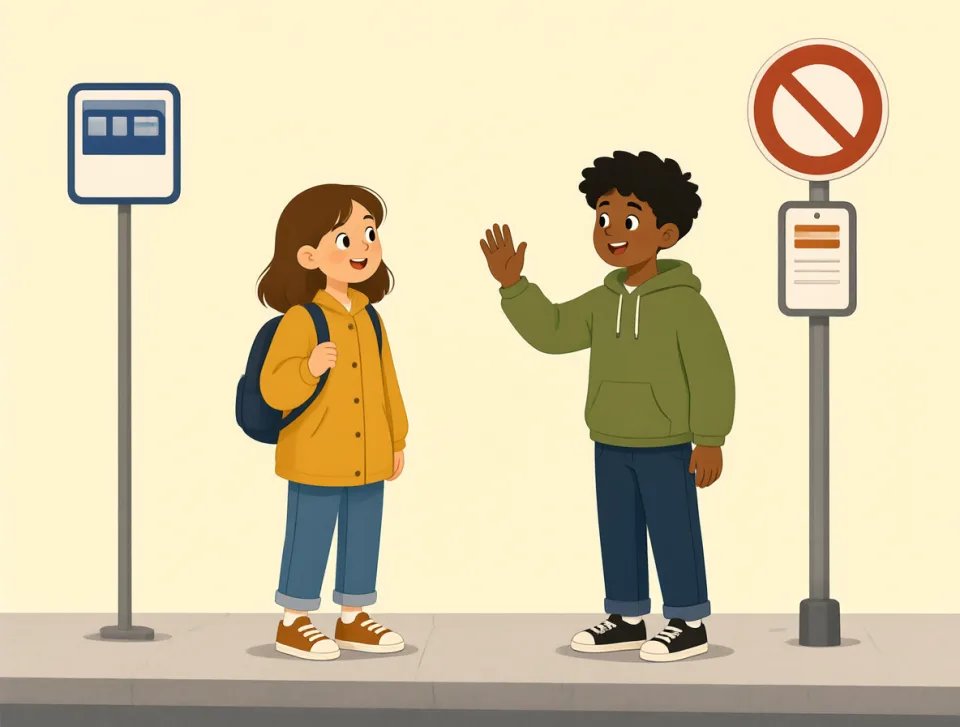
Meet me at the bus stop.
在公交车站等我。

The class starts at nine.
课程九点开始。
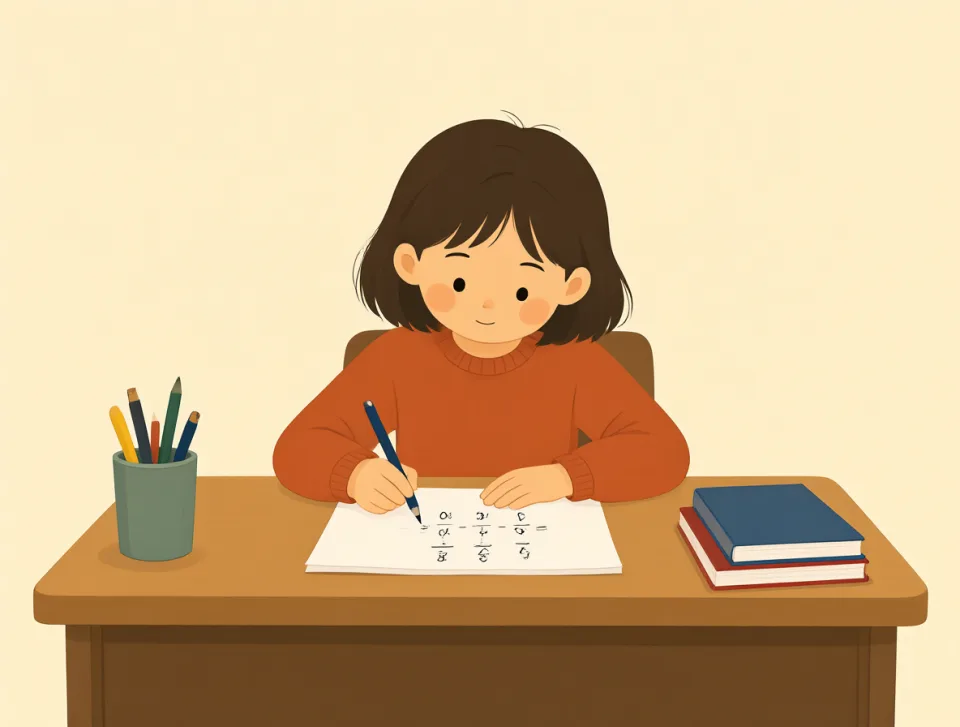
She is good at math.
她擅长数学。

We ate lunch at home.
我们在家吃了午饭。

He arrived at the airport early.
他很早就到了机场。

she
#24pronoun
她
A female person or girl already mentioned or known.
指前面提到或已知的女性或女孩。
She lives with her parents.
她和父母住在一起。

She works at the hospital.
她在医院工作。

She is my best friend.
她是我最好的朋友。

She bought some apples at the market.
她在市场上买了一些苹果。
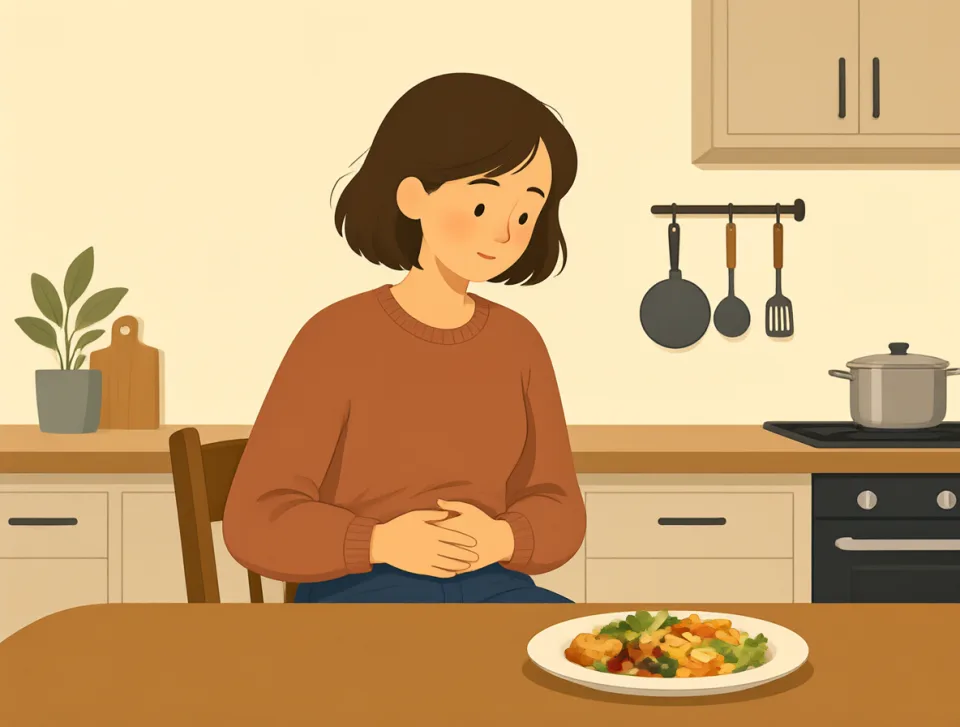
She felt sick after dinner.
她晚饭后觉得不舒服。

but
#25conjunction, preposition, adverb, noun
但是;不过;除了
Used to show a contrast, an exception, or a different choice.
用于表示对比、例外或不同的选择。
I like tea, but I prefer coffee.
我喜欢喝茶,但更喜欢咖啡。

She is tired, but she keeps working.
她很累,但还是继续工作。
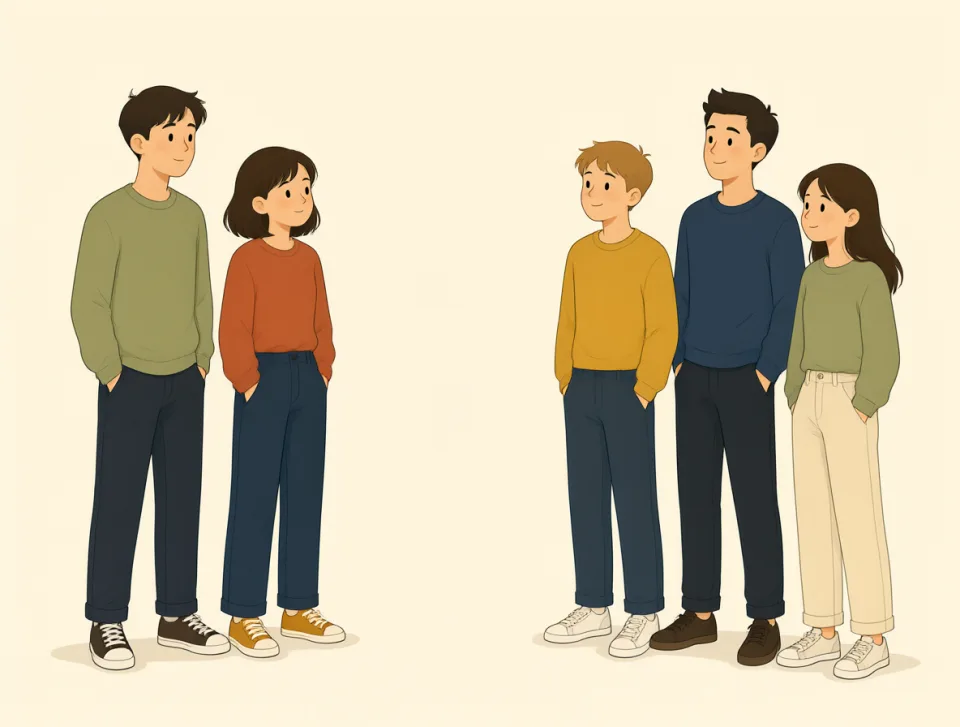
Everyone came but Tom.
除了 Tom,大家都来了。

We wanted to walk, but it started raining.
我们本想步行,但天开始下雨了。

The shop was small, but it had everything.
这家店很小,但什么都有。

from
#26preposition
从;来自
Shows where something starts, where it comes from, or when it begins.
表示某事物的起点、来源或开始的时间。
I walk home from school every day.
我每天放学后从学校走回家。

This letter is from my best friend.
这封信是我最好的朋友寄来的。
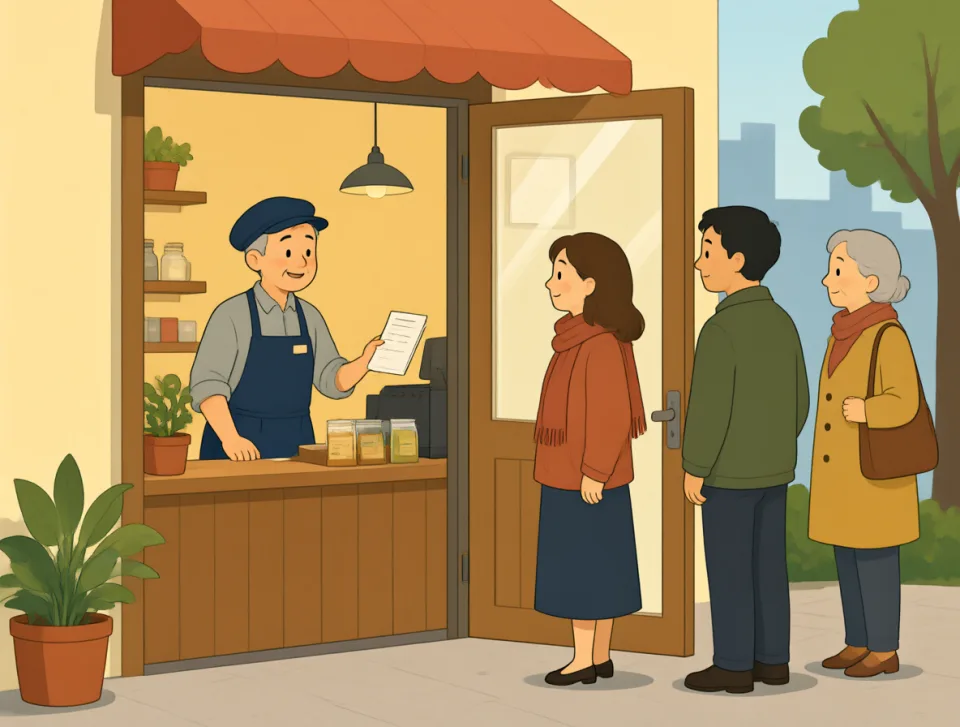
The shop is open from nine to five.
这家店从九点营业到五点。

She comes from a small town.
她来自一个小镇。

We bought fresh bread from the bakery.
我们从面包店买了新鲜面包。

by
#27preposition, adverb
在……旁边;乘;通过;由
near, before a time, using something, or done by someone
在……附近;在某个时间之前;使用某种方式或工具;由某人完成
Please sit by the window.
请坐在窗边。

We travel by train every summer.
我们每年夏天都乘火车旅行。

Finish your homework by Friday.
请在星期五之前完成作业。

She walked by without saying hello.
她走过时没有打招呼。

This cake was made by my sister.
这个蛋糕是我姐姐做的。

will
#28verb, noun
将;会;遗嘱
Used to talk about the future, or a person’s strong wish or legal instructions.
用于谈论未来,也可表示某人强烈的意愿或法律上的指示。
I will call you after dinner.
我晚饭后给你打电话。

Will you help me with this box?
你能帮我搬一下这个箱子吗?

The doctor says you will feel better soon.
医生说你很快就会好起来。
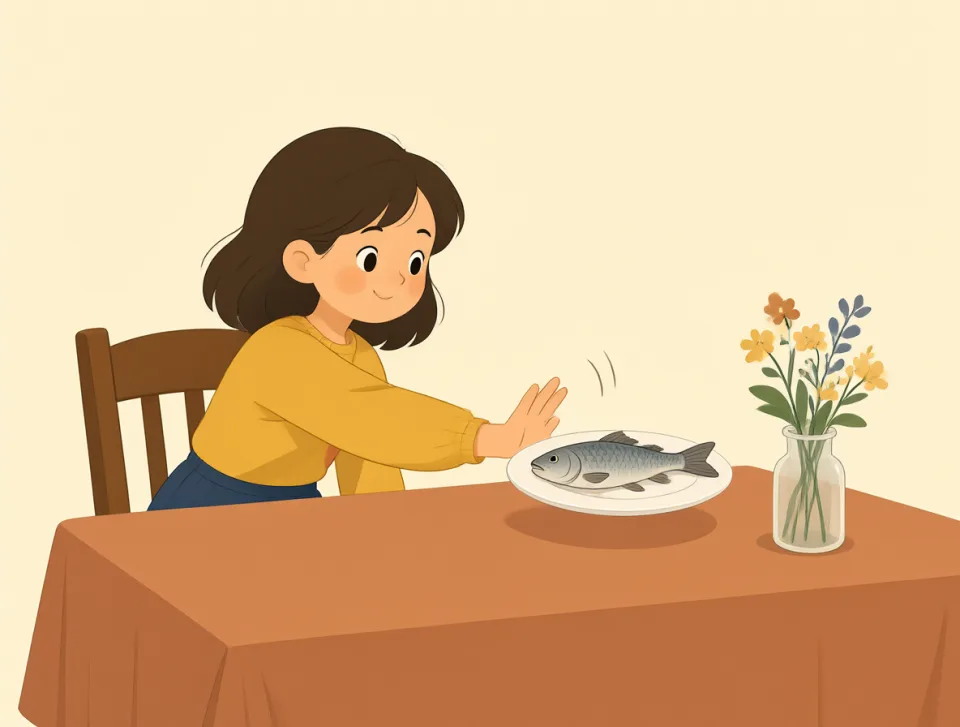
She will not eat the fish today.
她今天不吃鱼。
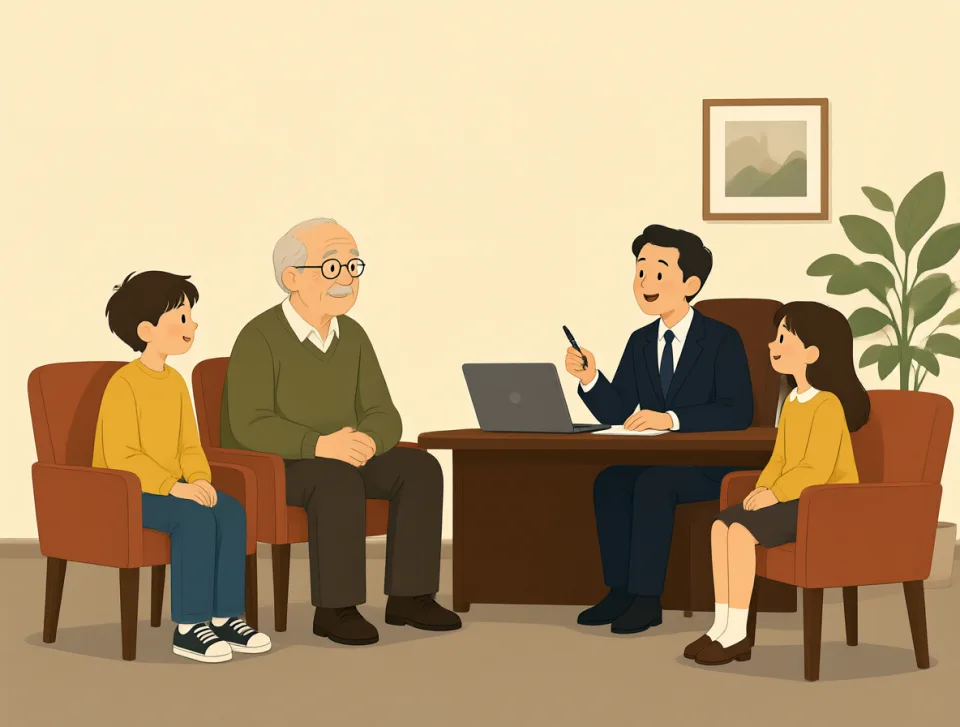
His will left money to his children.
他的遗嘱把钱留给了孩子们。

or
#29conjunction
或者;还是
Used to show a choice between two or more possibilities.
用于表示在两个或多个可能选项中进行选择。
Would you like tea or coffee?
你想喝茶还是咖啡?
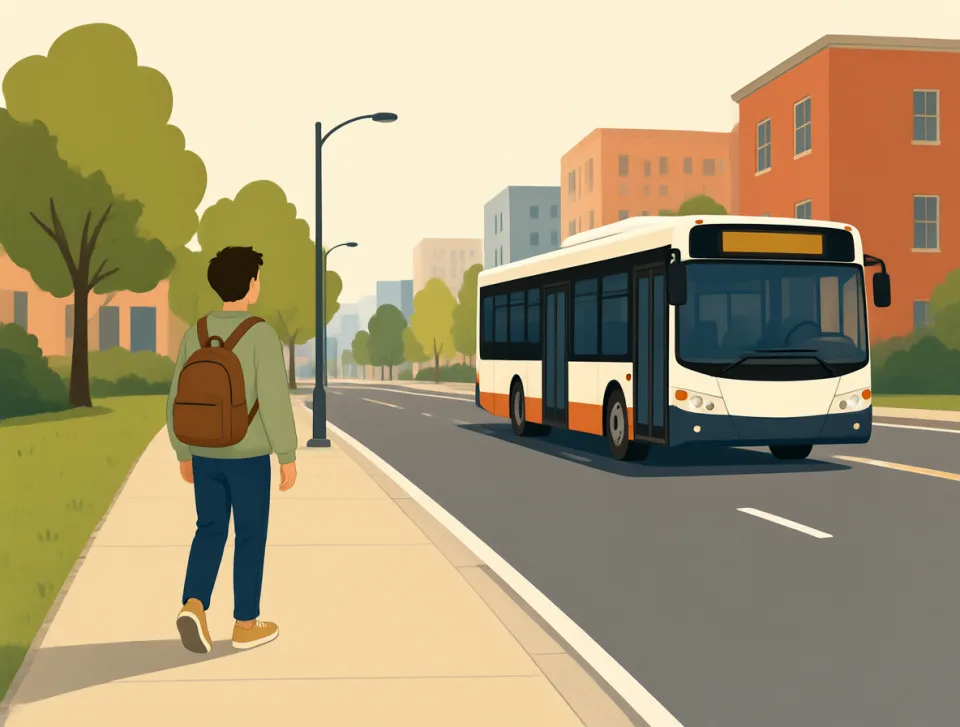
You can walk or take the bus.
你可以走路去,或者坐公交车。

Is your sister at home or work?
你姐姐在家还是在上班?
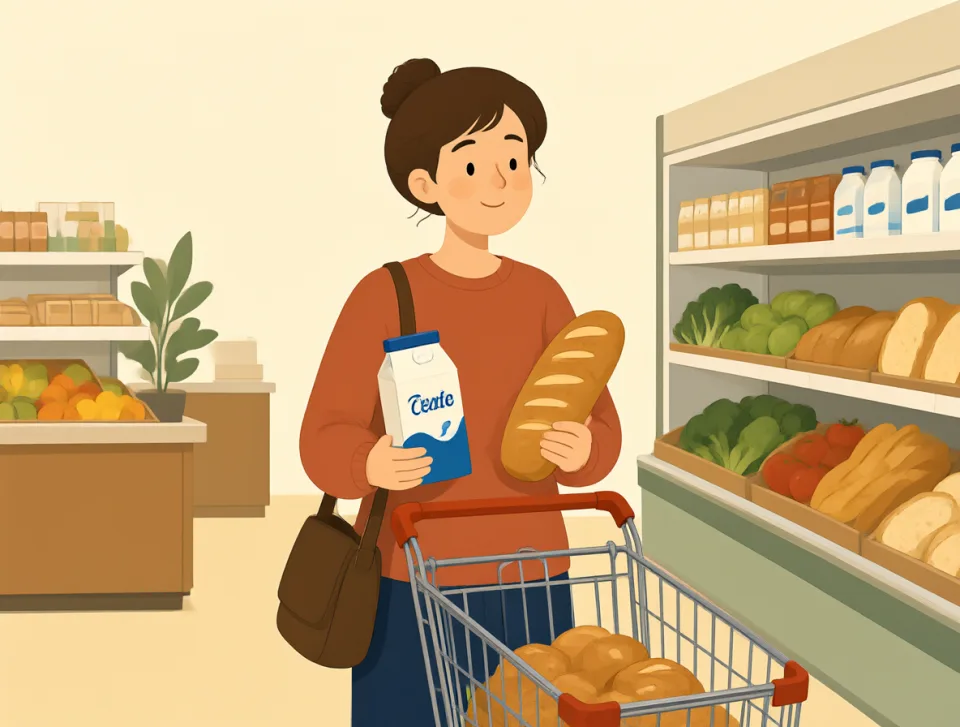
We need to buy milk or bread.
我们得买牛奶或者面包。
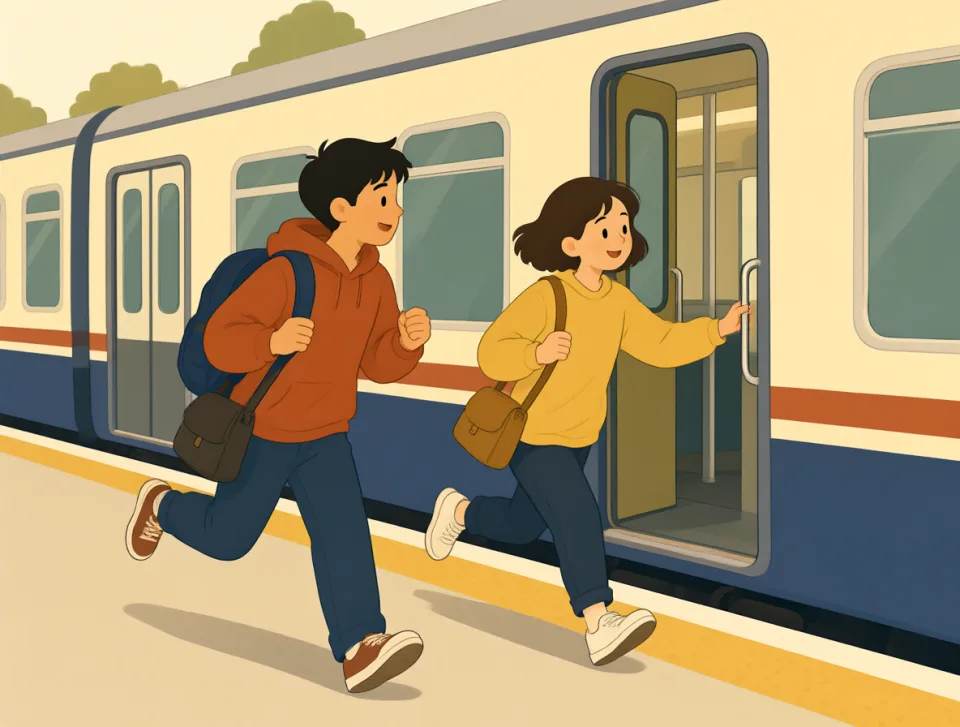
Hurry, or we will miss the train.
快点,不然我们就赶不上火车了。

say
#30verb
说;讲
to speak words or tell someone something
用语言表达,或告诉某人某件事

What did you say?
你说什么了?

She said hello to her teacher.
她向老师问好。

Please say your name slowly.
请慢慢说出你的名字。

They say the soup is delicious.
他们说这汤很好喝。

He said he felt sick yesterday.
他说他昨天觉得不舒服。

go
#31verb, noun
去;走;进展;变得
to move or travel somewhere, or to happen or work in a particular way
移动或前往某处,或以某种方式发生或运作
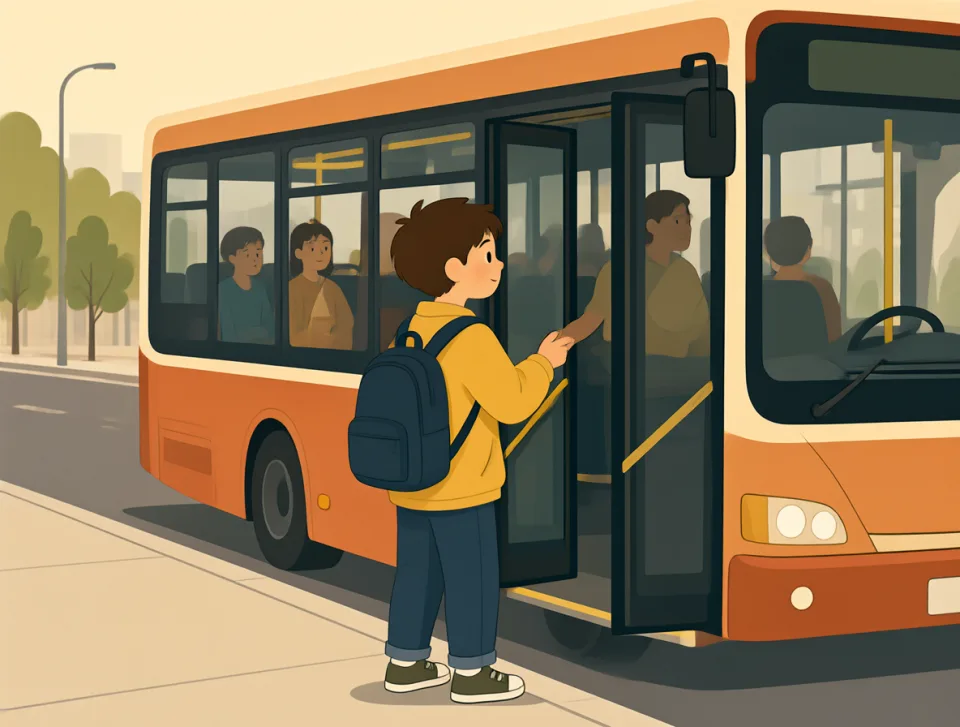
I go to school by bus every day.
我每天坐公交车去上学。

We went home after dinner.
我们吃完晚饭后回家了。
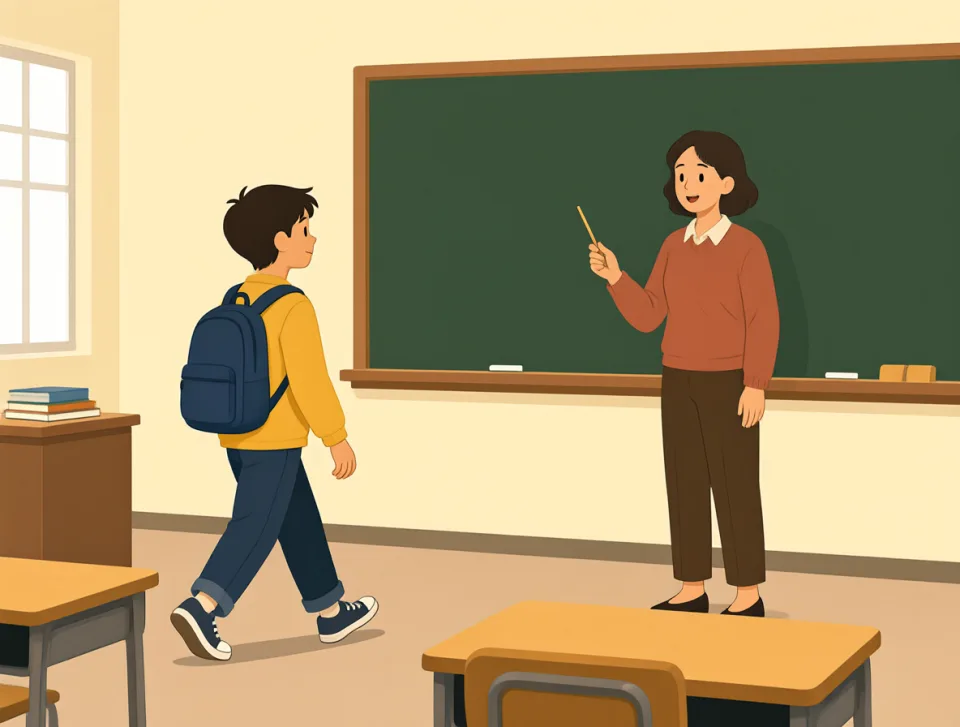
Please go and ask your teacher.
请去问问你的老师。

These shoes go well with your jeans.
这双鞋和你的牛仔裤很搭。
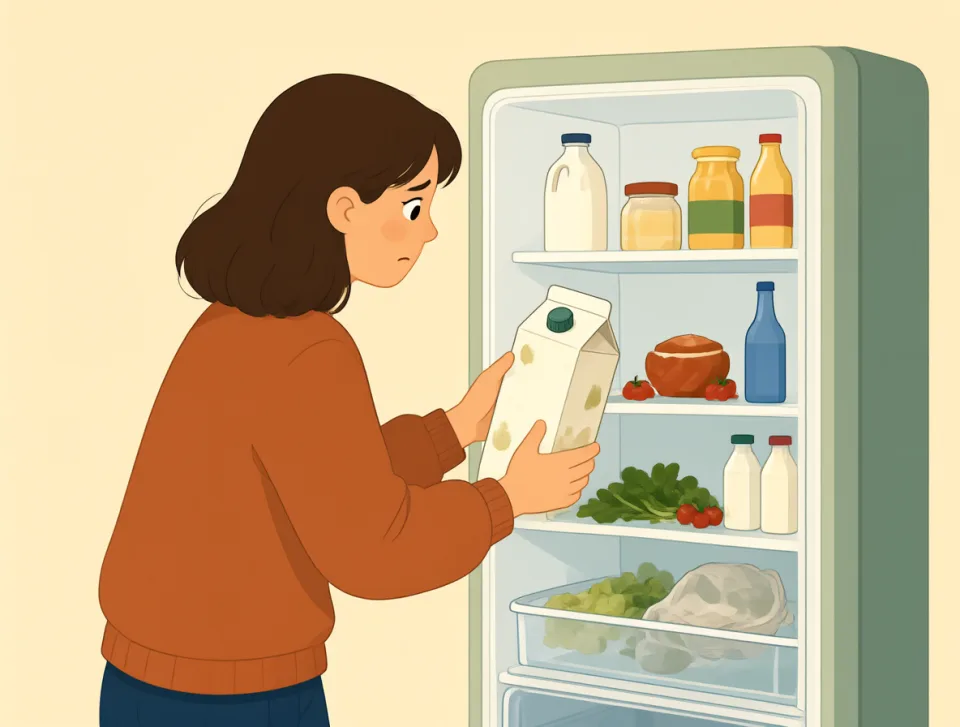
The milk went bad in the fridge.
牛奶在冰箱里变质了。

so
#32adverb, conjunction
所以;这么;也
Used to show a result, a high degree, or agreement.
用于表示结果、程度很高或赞同。
I was tired, so I went to bed.
我累了,所以就去睡觉了。

The soup is so hot I cannot eat it.
汤太烫了,我吃不了。
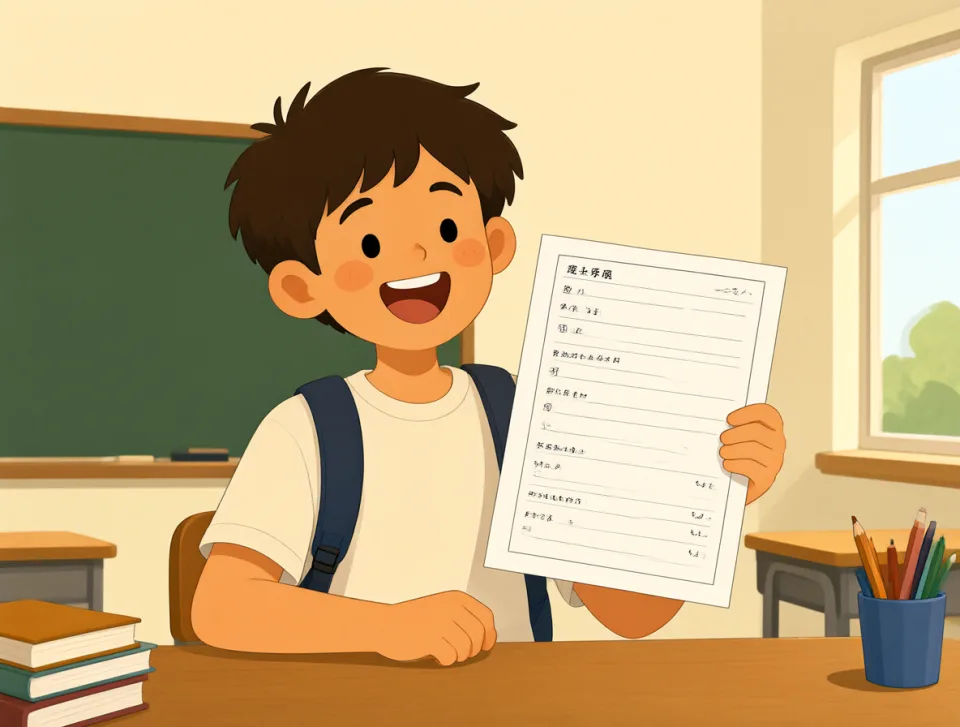
She studied hard, so she passed the test.
她努力学习,所以通过了考试。
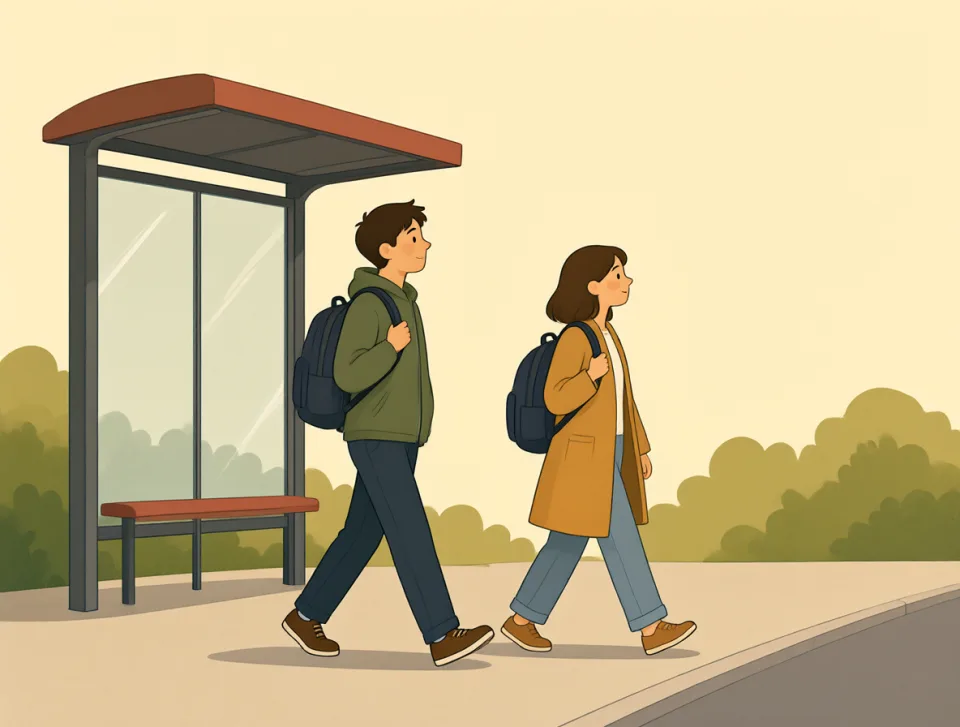
The bus was late, so we walked home.
公交车晚点了,所以我们走回了家。

“I like this.” “So do I.”
“我喜欢这个。”“我也喜欢。”

all
#33determiner, pronoun, adverb
所有;全部;整个;丝毫
The whole amount or every person or thing in a group
一个群体中的全部数量,或每一个人、每一件事物
All the students finished their homework.
所有学生都完成了家庭作业。
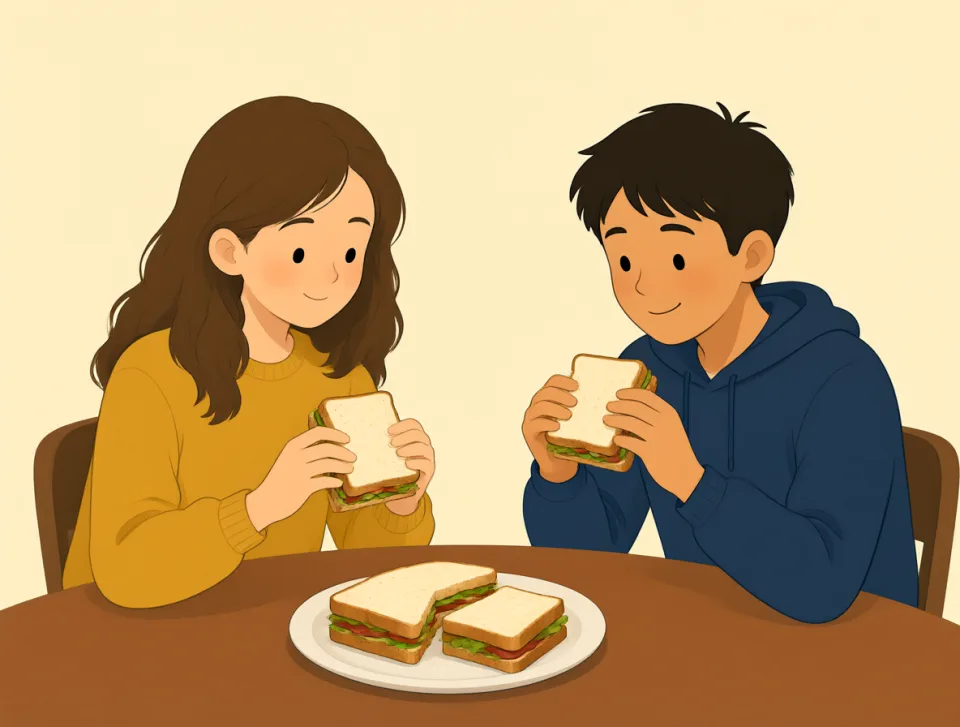
We ate all the sandwiches at lunch.
我们午饭时把三明治全吃了。

All of us took the train home.
我们所有人都坐火车回家了。

She worked all day at the shop.
她一整天都在商店工作。

I am not at all tired today.
我今天一点儿也不累。

if
#34conjunction
如果;是否
Used to talk about a condition or a possible situation.
用于表示条件或可能发生的情况。
Call me if you need help.
如果你需要帮忙,就给我打电话。

If it rains, we will stay home.
如果下雨,我们就待在家里。

Ask the teacher if you have questions.
如果你有问题,就问老师。

I will buy it if it is cheaper.
如果价格更便宜,我就买。
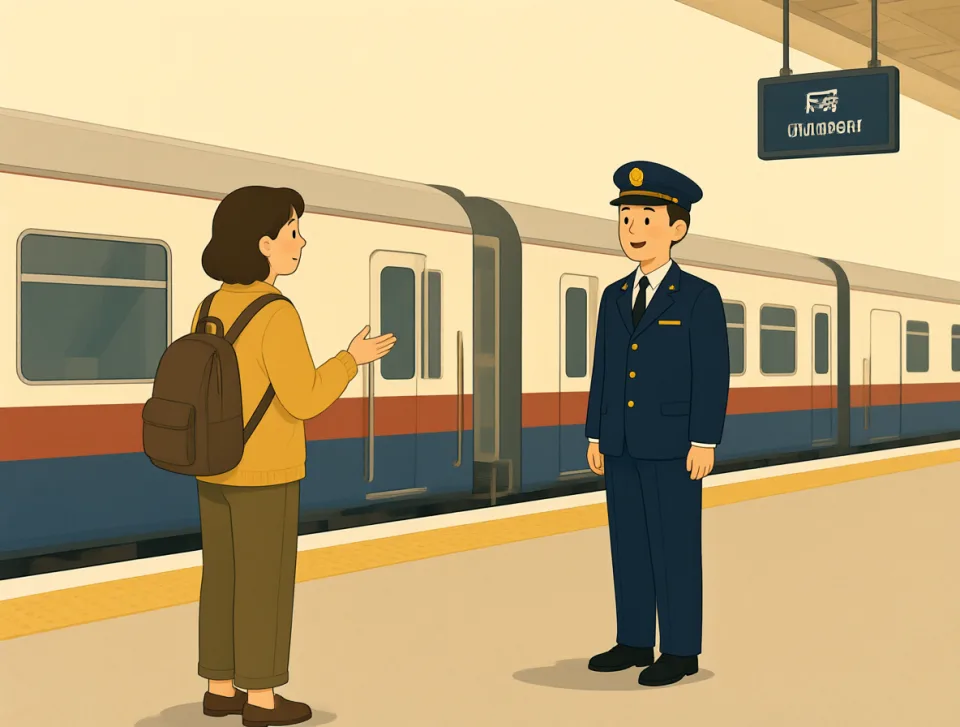
She asked if the train was late.
她问火车是不是晚点了。

one
#35number, noun, pronoun, determiner
一;一个;某一个
The number 1, or a single person or thing.
数字1,或单独的一个人或一件事物。

I have one sister and two brothers.
我有一个姐姐和两个弟弟。

Please give me one coffee.
请给我一杯咖啡。

One student answered the teacher's question.
一名学生回答了老师的问题。

This shoe is smaller than the other one.
这只鞋比另一只小。

One day, we will travel around the world.
总有一天,我们会环游世界。

would
#36verb, modal verb
会;愿意;将会
Used to talk about wishes, imagined situations, polite requests, or repeated past actions.
用于谈论愿望、假设的情况、礼貌请求或过去反复发生的动作。
Would you like some coffee?
你想喝点咖啡吗?

I would like to book a room.
我想预订一个房间。

She would help if she had time.
如果她有时间,她会帮忙的。

When we were children, we would play outside.
我们小时候经常在外面玩。

Would you please close the window?
请你把窗户关上好吗?

about
#37adverb, preposition
关于;大约
Used to say what someone or something concerns, or roughly where, when, or how much.
用于表示某人或某事涉及的内容,或表示大致的地点、时间或数量。
We talked about our plans after dinner.
晚饭后我们聊了聊我们的计划。

This book is about animals and nature.
这本书讲的是动物和大自然。

There were about twenty people at the party.
聚会上大约有二十个人。

The train leaves at about eight o'clock.
火车大约八点钟出发。

I am worried about my sick dog.
我很担心我生病的狗。
can
#38noun, verb, modal verb
能;可以;罐头;把食物装罐
A metal container; or to put food or drink into a metal container.
金属容器;或将食物或饮料装入金属容器中。

I can help you with your homework.
我能帮你做作业。

Can you open this jar for me?
你能帮我打开这个罐子吗?

We can meet at the station at six.
我们六点可以在车站见面。

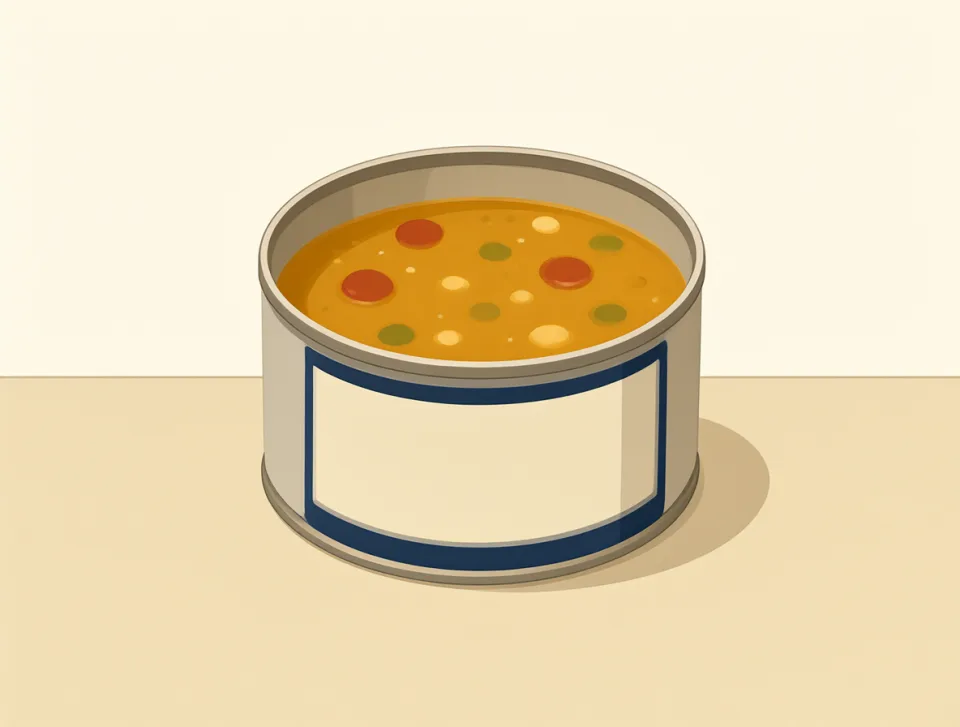
She bought a can of soup for lunch.
她午餐买了一罐汤。
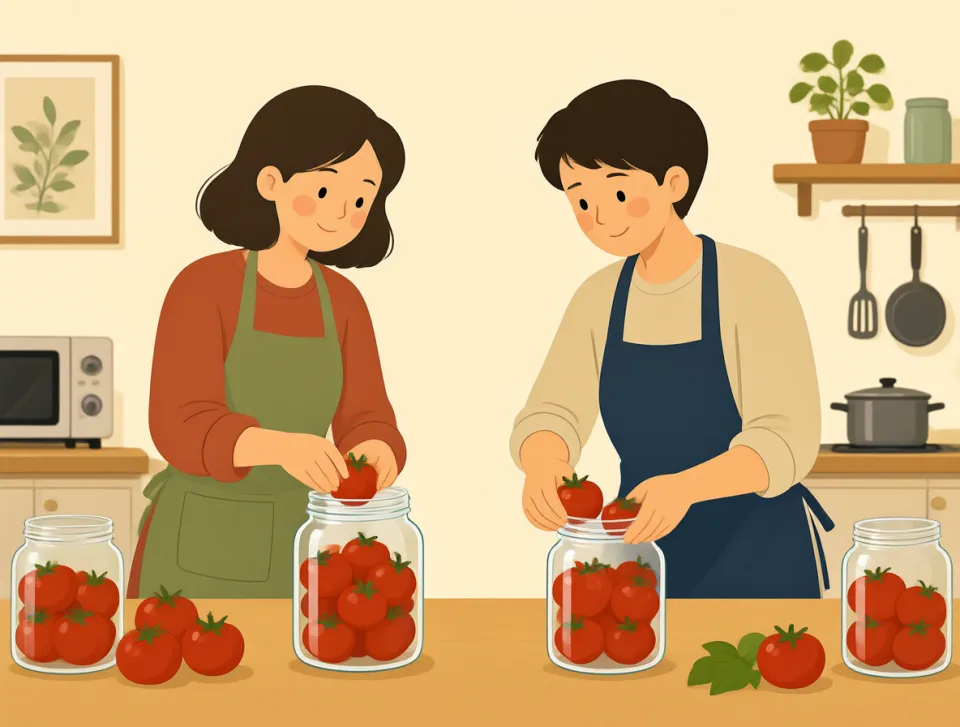
They canned the fresh tomatoes last summer.
去年夏天,他们把新鲜的西红柿做成了罐头。

which
#39pronoun, determiner
哪一个; 哪些; 哪种
Used to ask or show which person or thing you mean.
用于询问或说明你指的是哪个人或哪个事物。
Which shirt do you like best?
你最喜欢哪件衬衫?
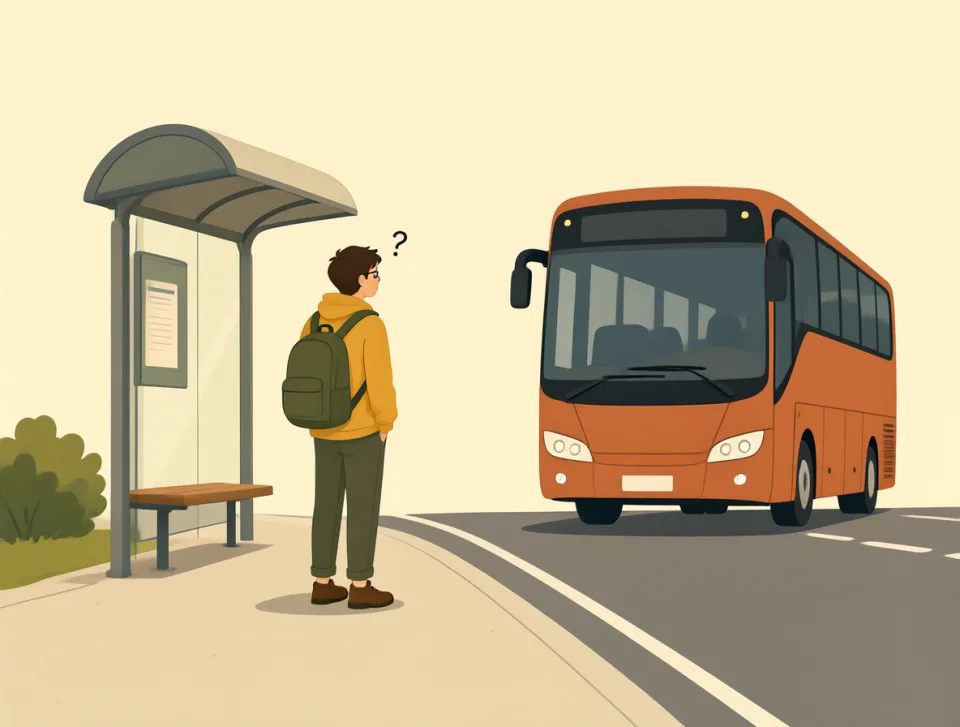
I forgot which bus goes downtown.
我忘了哪路公交车去市中心。
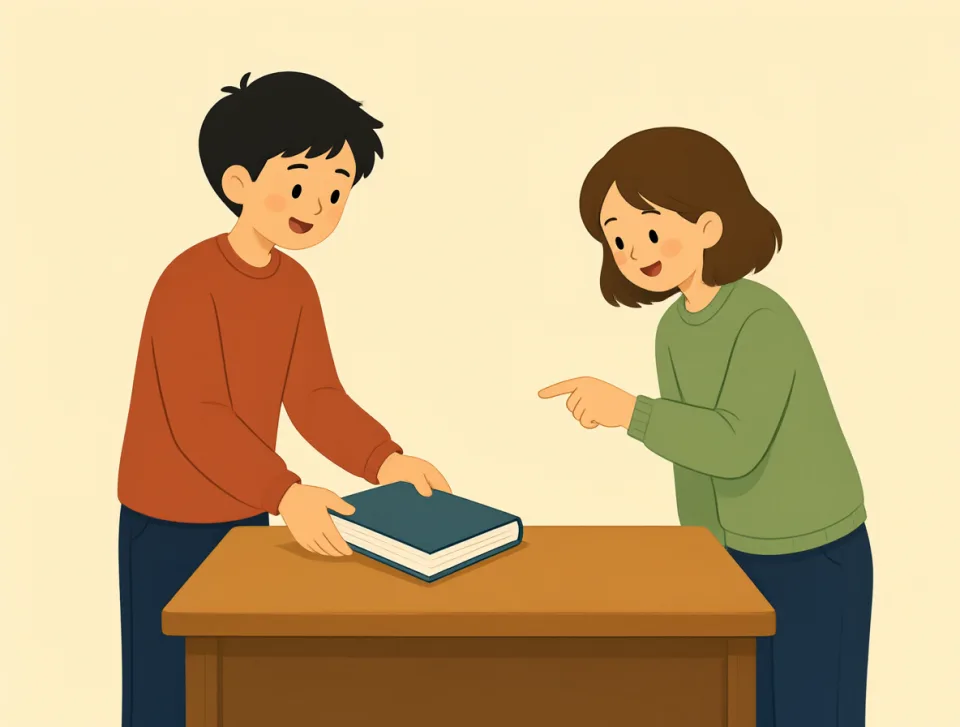
She chose the book which I recommended.
她选了我推荐的那本书。
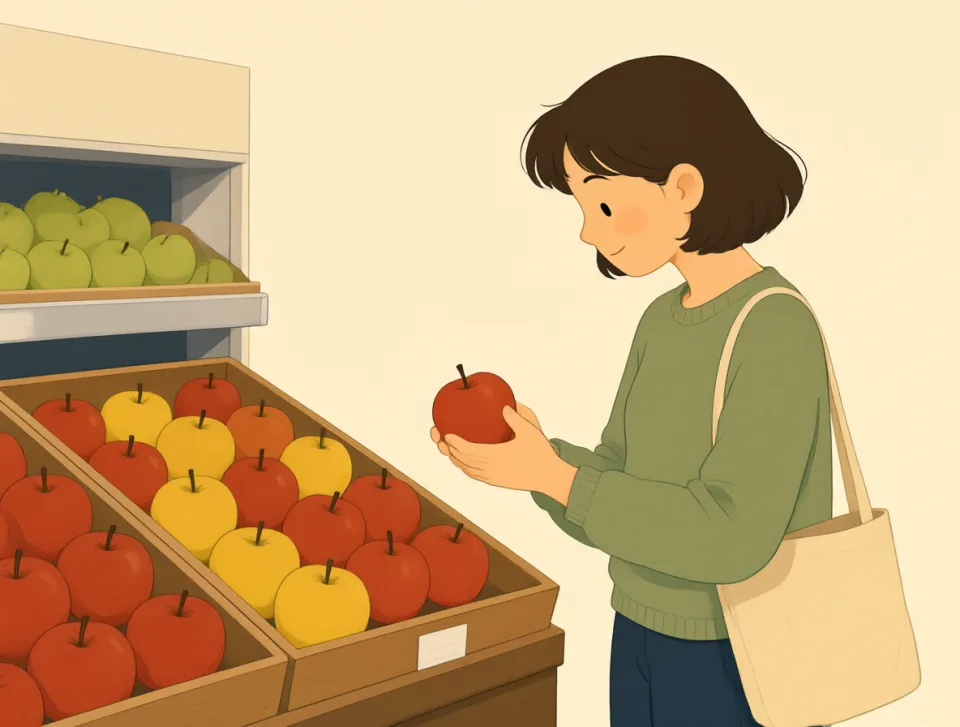
Which of these apples are fresh?
这些苹果中哪些是新鲜的?
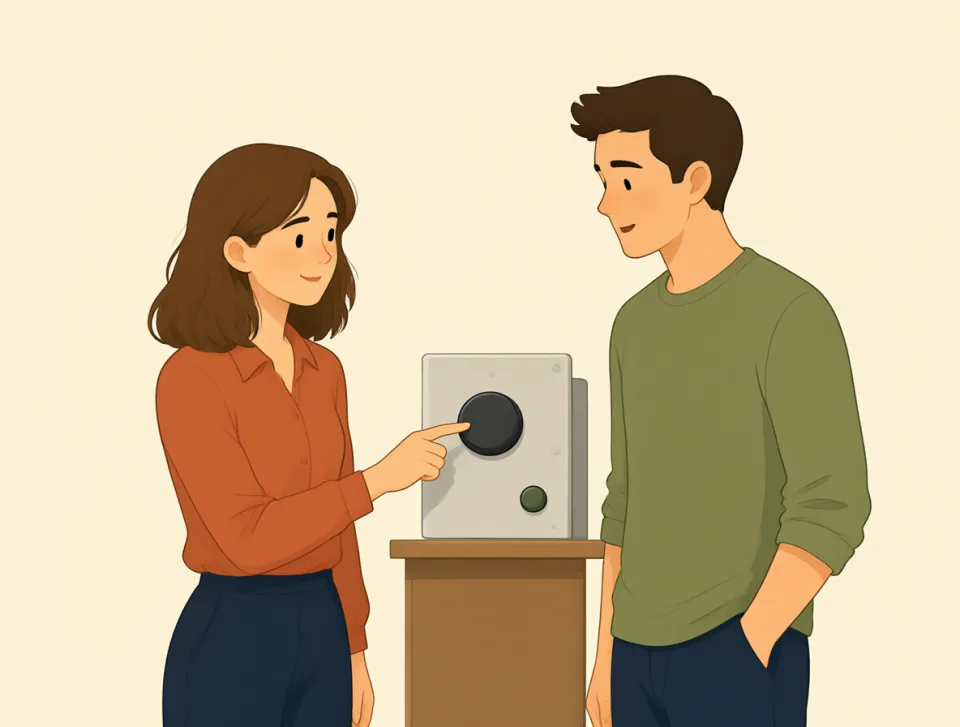
He explained which button to press.
他解释了该按哪个按钮。

there
#40adverb, pronoun, determiner
那里;有
In, at, or to that place; used to show that something exists.
在那个地方、那个地方的或到那个地方;用于表示某物存在
Please put the bags over there.
请把袋子放到那边。
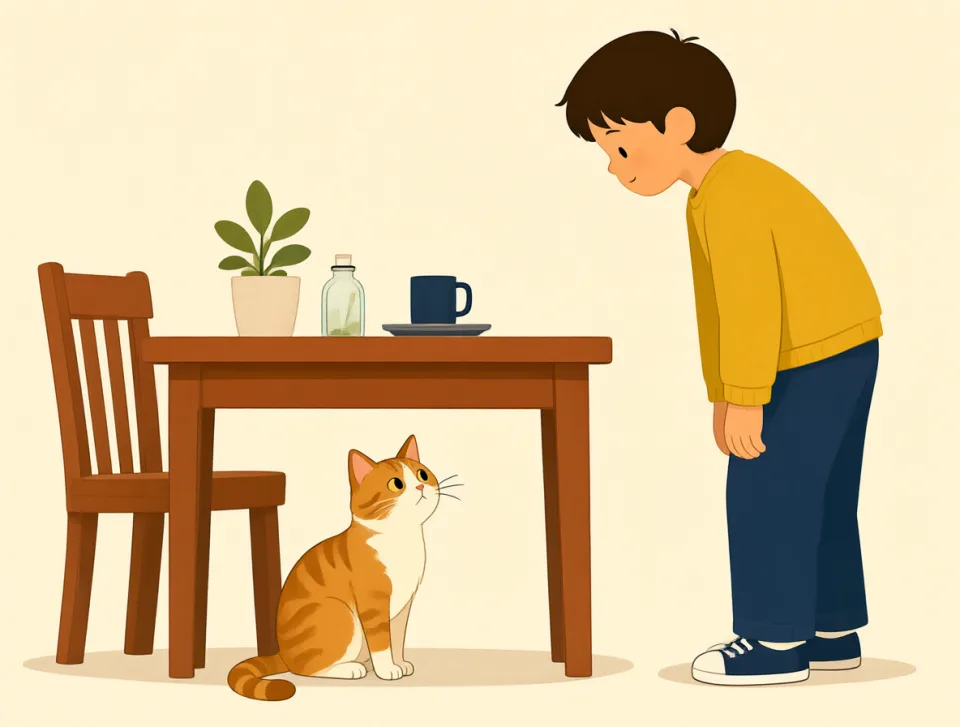
There is a cat under the table.
桌子底下有一只猫。
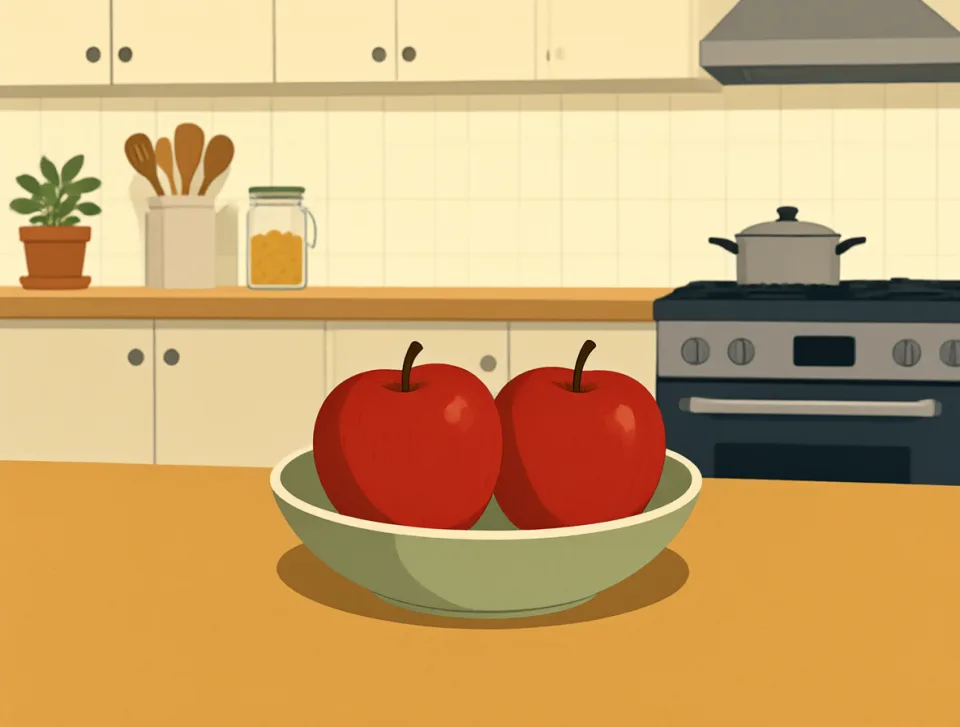
There are two apples in the bowl.
碗里有两个苹果。

We waited there for the bus.
我们在那里等公交车。

Is anyone there?
那里有人吗?