หน่วย 2
คำที่ 21–40 · do, as, at, she, but, from
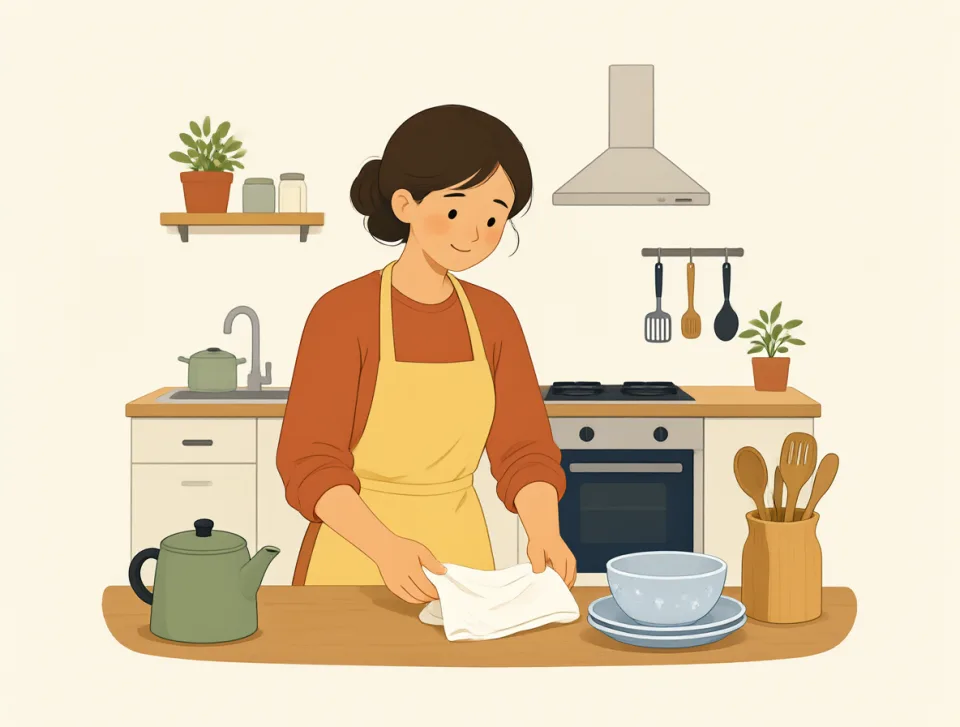
do
#21verb, auxiliary verb, noun
ทำ
To perform an action, task, or activity.
ลงมือทำหรือทำกิจกรรมหรืองานบางอย่าง
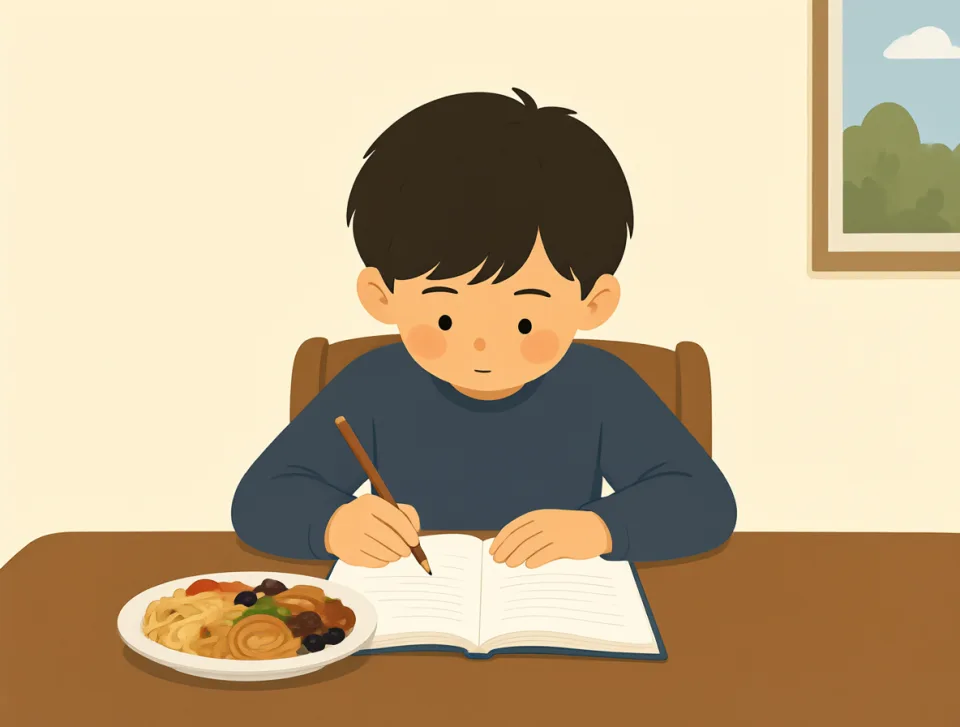
I do my homework after dinner.
ฉันทำการบ้านหลังอาหารเย็น
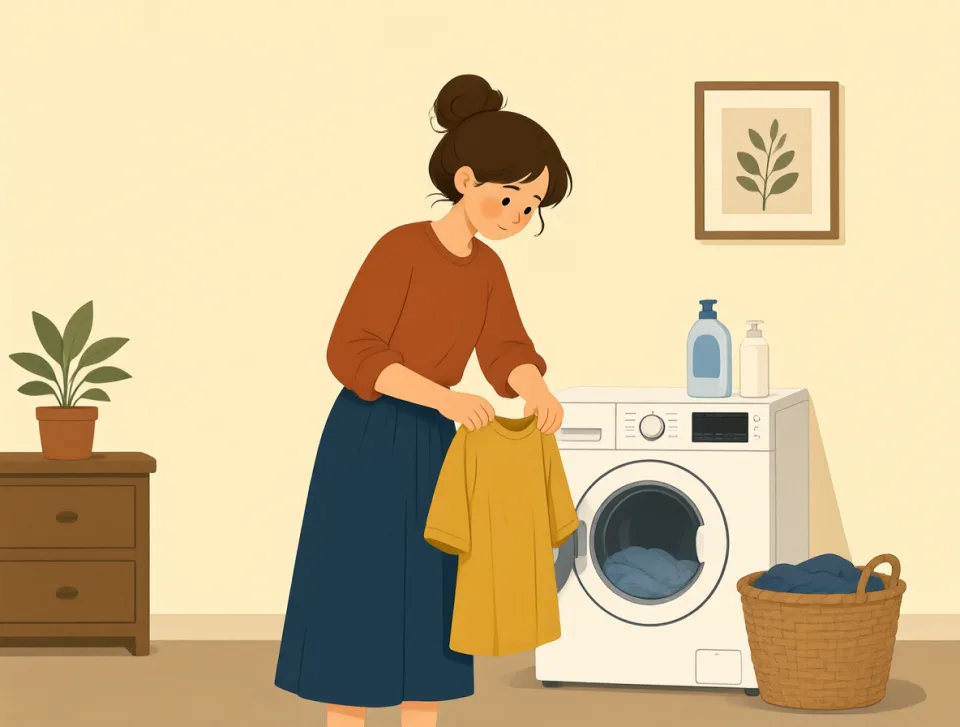
She does the washing every Saturday.
เธอซักผ้าทุกวันเสาร์

Do you like this restaurant?
คุณชอบร้านอาหารนี้ไหม

We did some shopping after work.
พวกเราไปซื้อของกันหลังเลิกงาน

He does exercise every morning.
เขาออกกำลังกายทุกเช้า
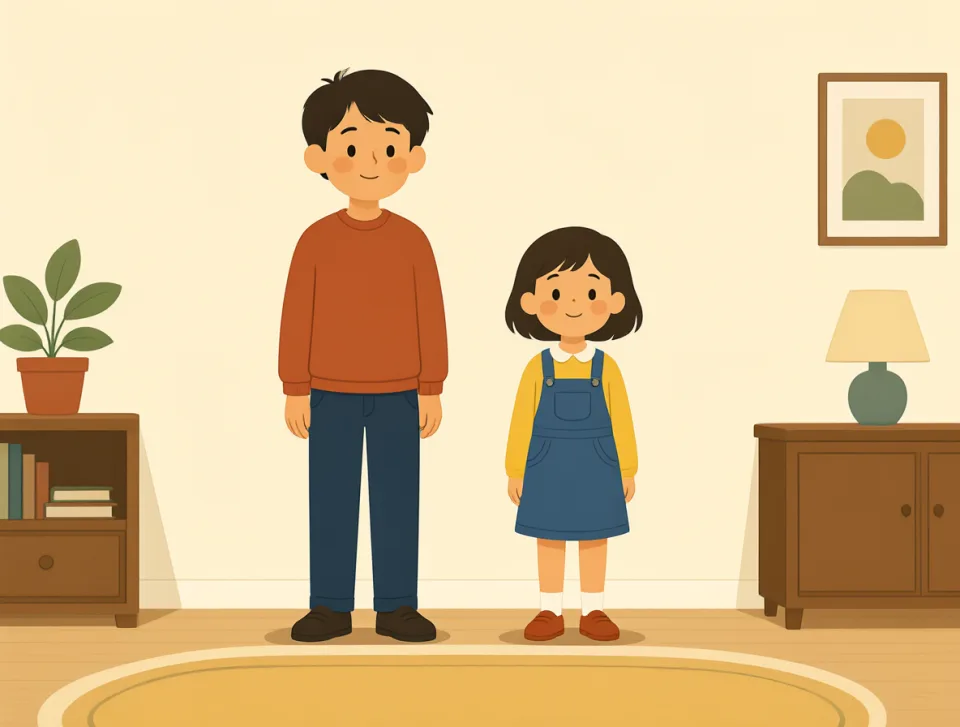
as
#22adverb, conjunction, preposition, pronoun, determiner
ในฐานะ; ขณะที่; เพราะ
Used to compare, show time or reason, or describe someone or something.
ใช้เพื่อเปรียบเทียบ บอกเวลา หรือเหตุผล หรือบรรยายถึงคนหรือสิ่งของ
She is as tall as her brother.
เธอสูงเท่ากับพี่ชายของเธอ

As I walked home, it started raining.
ระหว่างที่ฉันเดินกลับบ้าน ฝนก็เริ่มตก

Please do as your teacher says.
กรุณาทำตามที่ครูบอก

He works as a waiter at night.
เขาทำงานเป็นพนักงานเสิร์ฟตอนกลางคืน

As usual, we had dinner at seven.
ตามปกติแล้ว พวกเรากินมื้อเย็นตอนหนึ่งทุ่ม
at
#23preposition
ที่; ตอน
Used to show a specific time, place, or situation.
ใช้ระบุเวลาหรือสถานที่ที่เฉพาะเจาะจง หรือสถานการณ์ใดสถานการณ์หนึ่ง
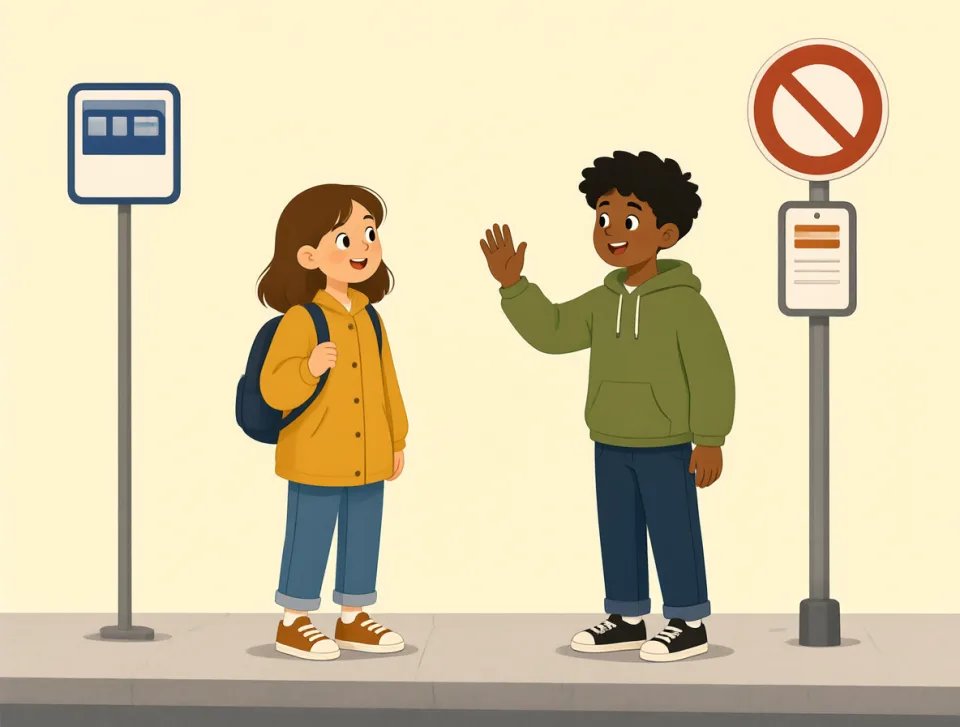
Meet me at the bus stop.
มาเจอฉันที่ป้ายรถเมล์นะ

The class starts at nine.
ชั้นเรียนเริ่มตอนเก้าโมง
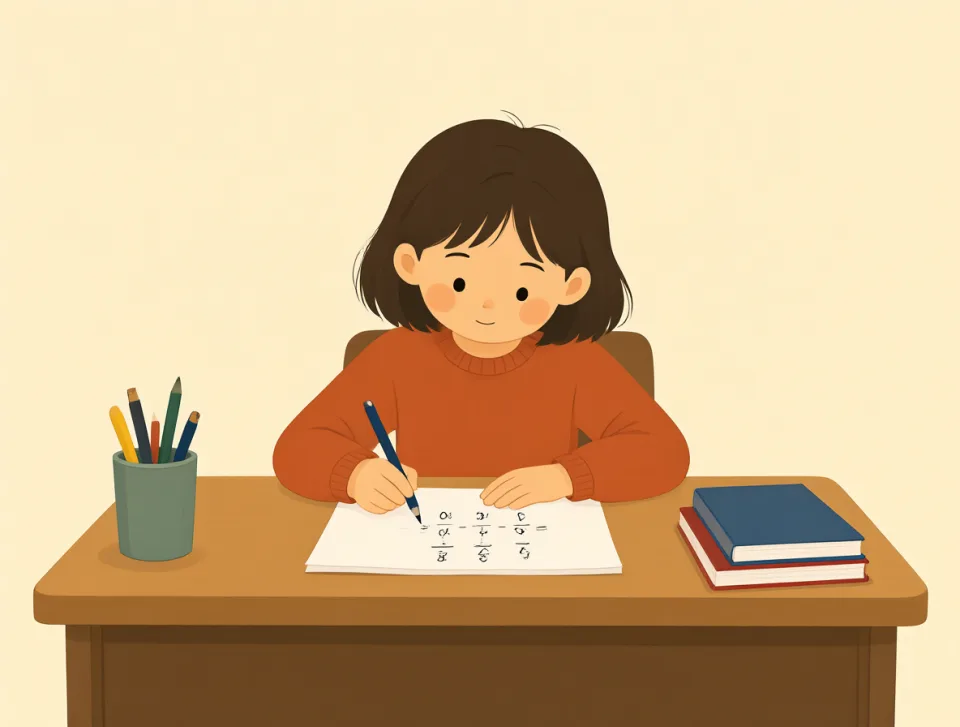
She is good at math.
เธอเก่งคณิตศาสตร์
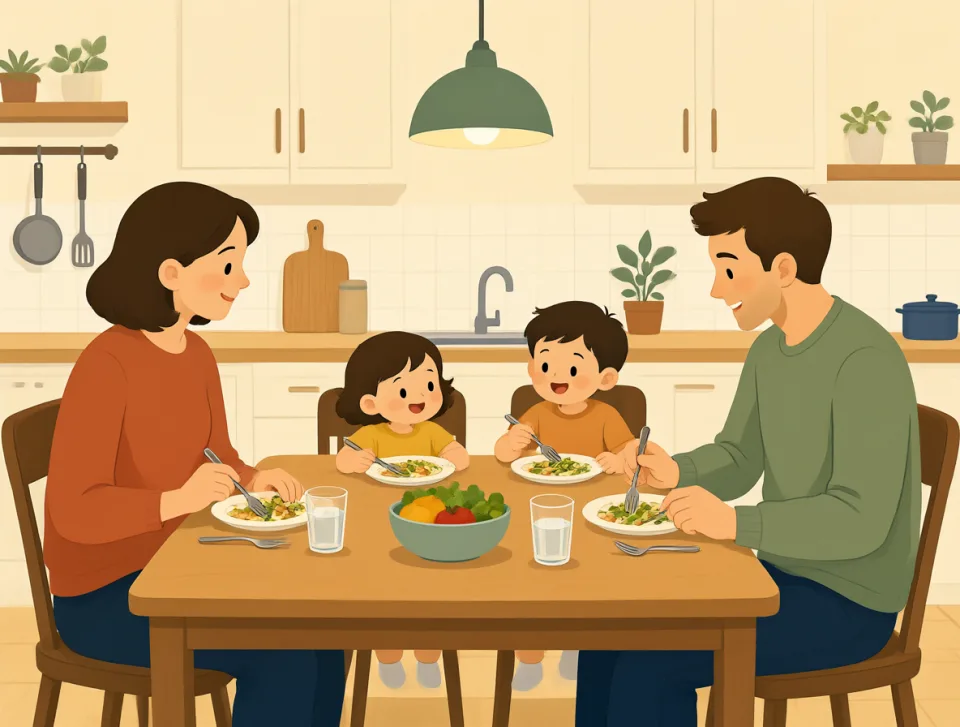
We ate lunch at home.
พวกเรากินมื้อกลางวันที่บ้าน

He arrived at the airport early.
เขามาถึงสนามบินแต่เช้า

she
#24pronoun
เธอ
A female person or girl already mentioned or known.
ผู้หญิงหรือเด็กผู้หญิงที่กล่าวถึงหรือเป็นที่รู้จักอยู่แล้ว
She lives with her parents.
เธออาศัยอยู่กับพ่อแม่

She works at the hospital.
เธอทำงานที่โรงพยาบาล

She is my best friend.
เธอเป็นเพื่อนสนิทที่สุดของฉัน
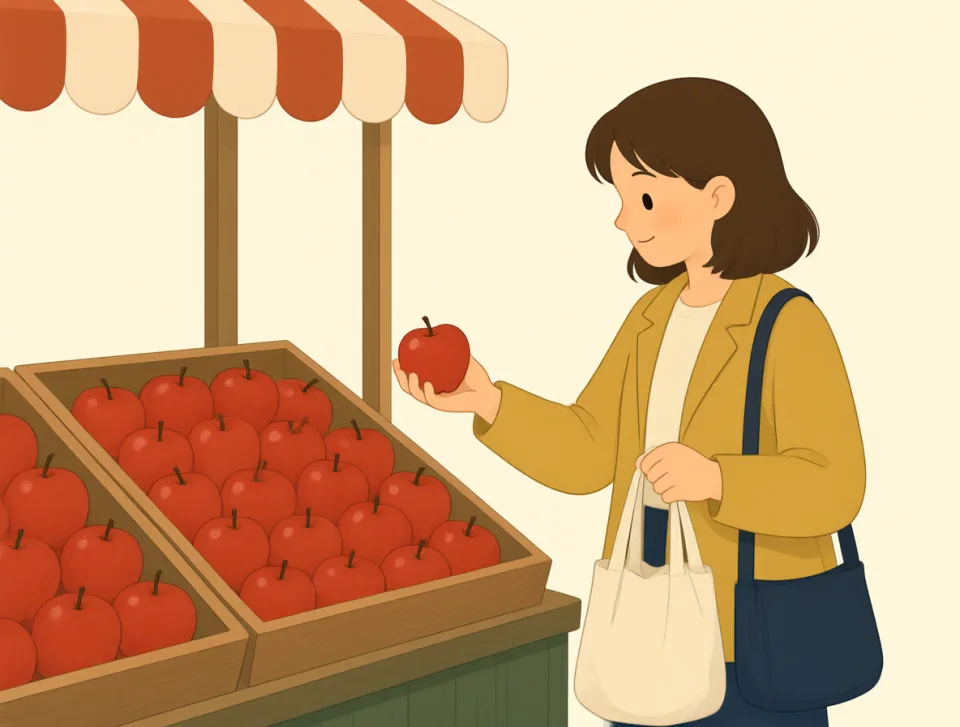
She bought some apples at the market.
เธอซื้อแอปเปิลมาที่ตลาด
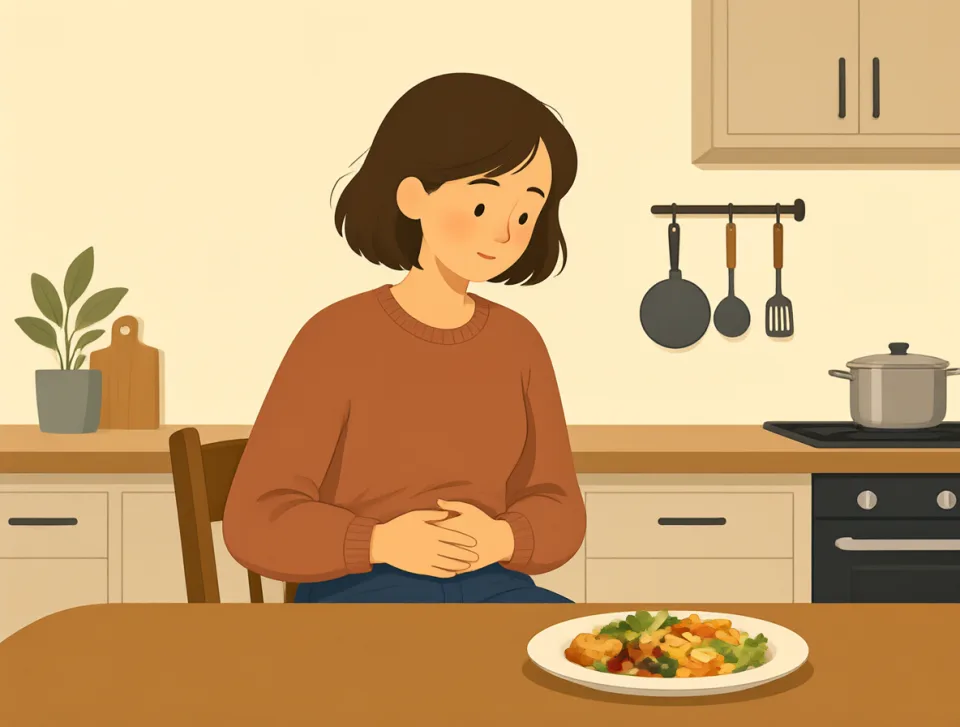
She felt sick after dinner.
เธอรู้สึกไม่สบายหลังอาหารเย็น
but
#25conjunction, preposition, adverb, noun
แต่
Used to show a contrast, an exception, or a different choice.
ใช้แสดงความขัดแย้ง ข้อยกเว้น หรือทางเลือกที่แตกต่าง
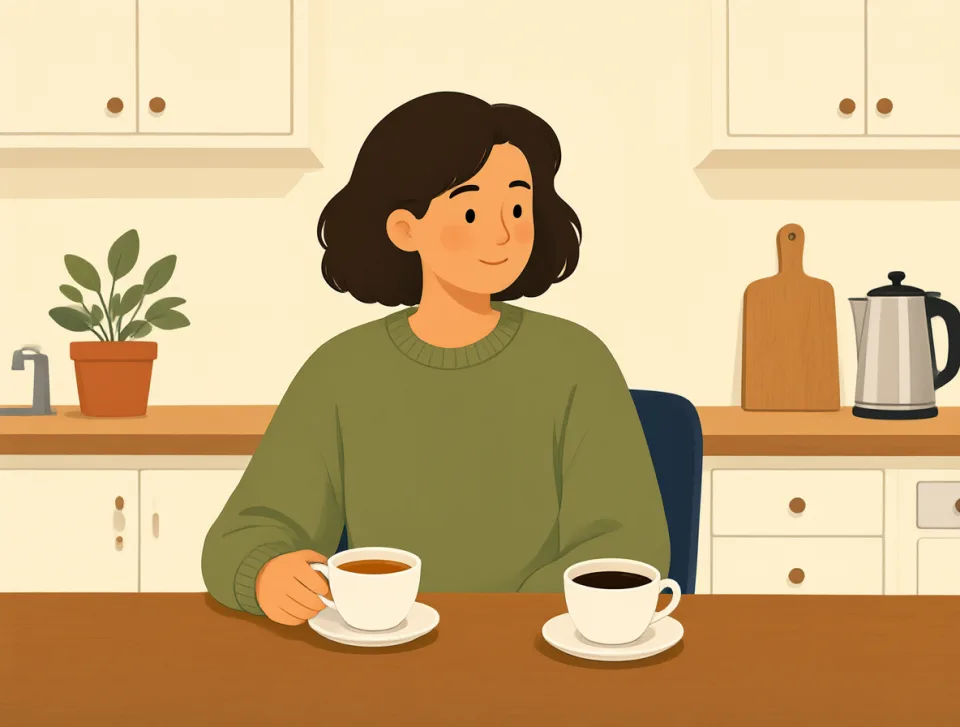
I like tea, but I prefer coffee.
ฉันชอบชา แต่ชอบกาแฟมากกว่า

She is tired, but she keeps working.
เธอเหนื่อย แต่ก็ยังทำงานต่อ
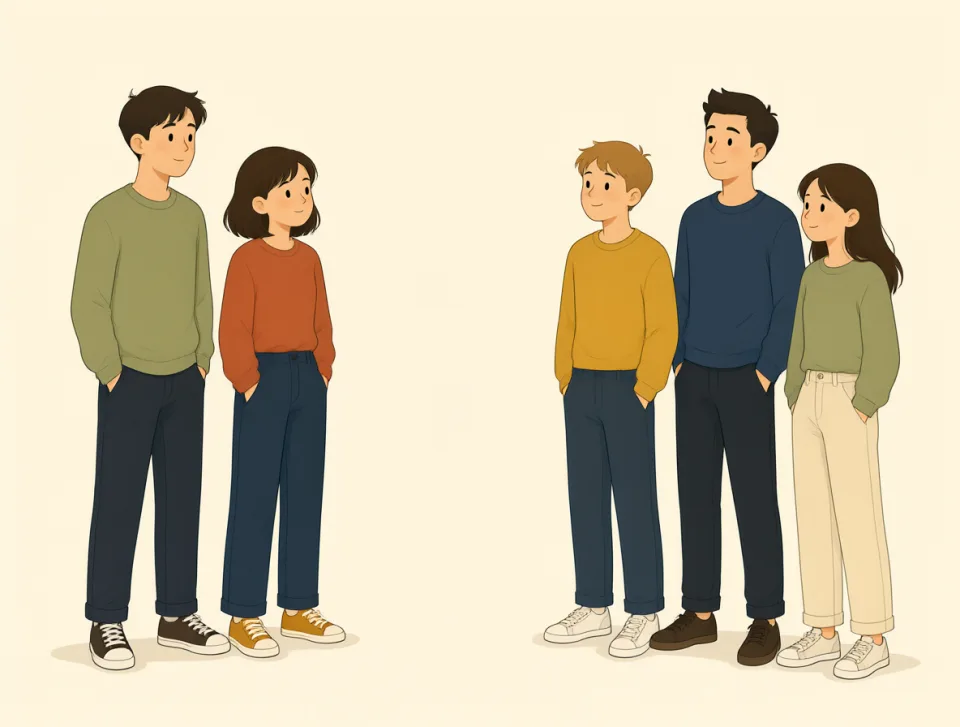
Everyone came but Tom.
ทุกคนมา ยกเว้นทอม

We wanted to walk, but it started raining.
พวกเราอยากเดิน แต่ฝนเริ่มตก

The shop was small, but it had everything.
ร้านเล็ก แต่มีทุกอย่าง

from
#26preposition
จาก
Shows where something starts, where it comes from, or when it begins.
ใช้บอกจุดเริ่มต้น แหล่งที่มา หรือเวลาที่บางสิ่งเริ่มขึ้น
I walk home from school every day.
ฉันเดินกลับบ้านจากโรงเรียนทุกวัน

This letter is from my best friend.
จดหมายฉบับนี้มาจากเพื่อนสนิทที่สุดของฉัน
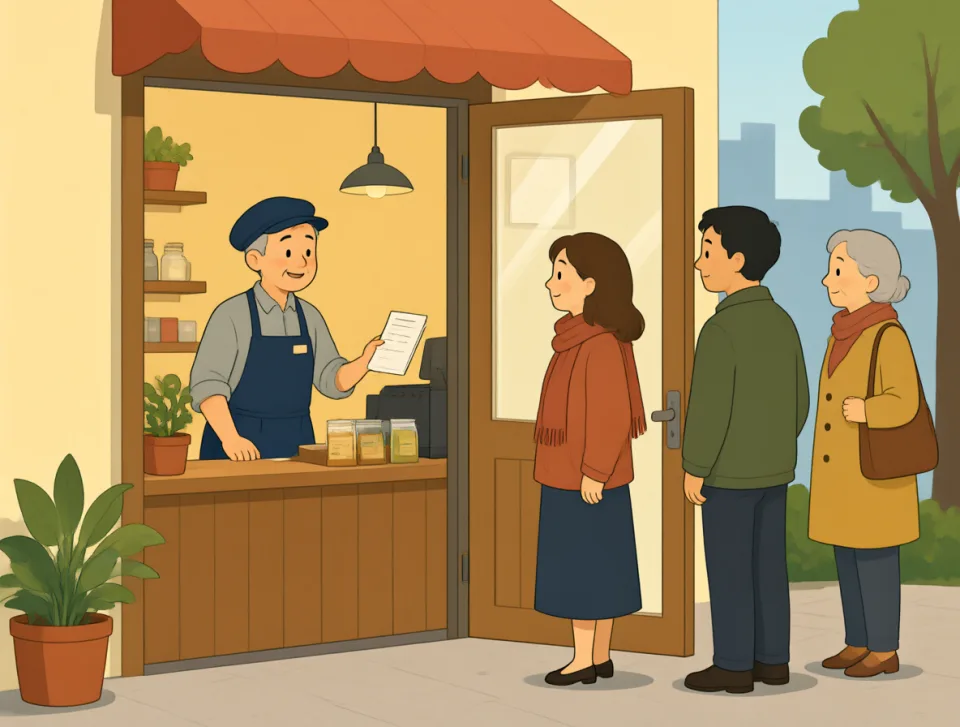
The shop is open from nine to five.
ร้านเปิดตั้งแต่เก้าโมงถึงห้าโมงเย็น

She comes from a small town.
เธอมาจากเมืองเล็ก ๆ แห่งหนึ่ง
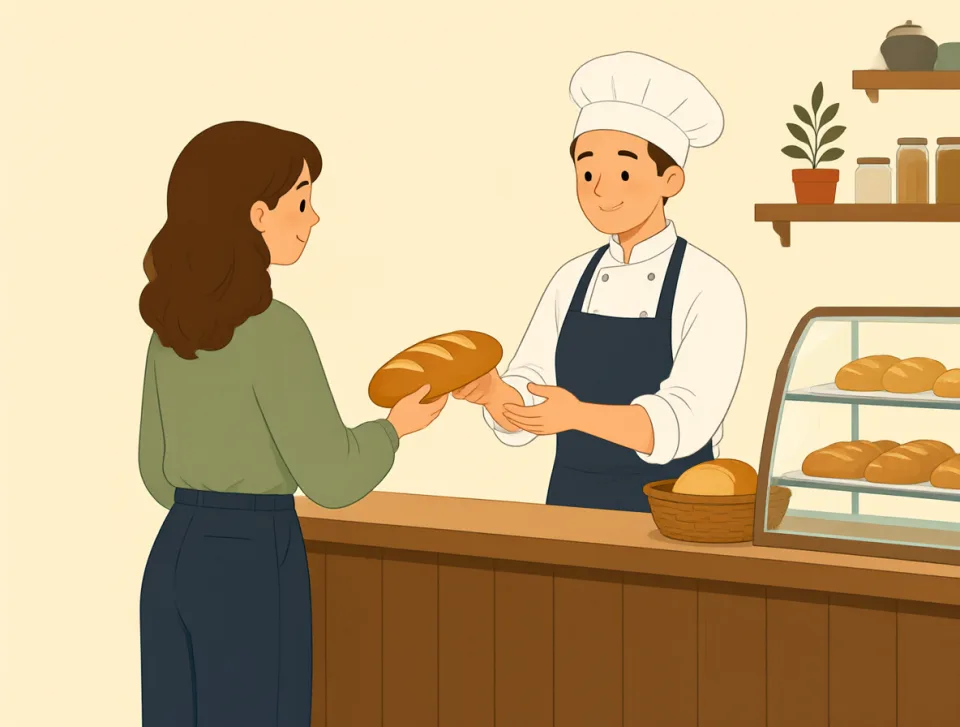
We bought fresh bread from the bakery.
เราซื้อขนมปังสดจากร้านเบเกอรี
by
#27preposition, adverb
ใกล้, ก่อน, โดย, โดยฝีมือของ
near, before a time, using something, or done by someone
ใช้บอกความใกล้ เวลาเส้นตาย วิธีการใช้สิ่งของ หรือผู้ที่เป็นผู้กระทำ
Please sit by the window.
กรุณานั่งข้างหน้าต่าง

We travel by train every summer.
เราเดินทางโดยรถไฟทุกฤดูร้อน

Finish your homework by Friday.
ทำการบ้านให้เสร็จภายในวันศุกร์

She walked by without saying hello.
เธอเดินผ่านไปโดยไม่พูดทักทาย

This cake was made by my sister.
เค้กนี้ทำโดยพี่สาวของฉัน

will
#28verb, noun
จะ; พินัยกรรม
Used to talk about the future, or a person’s strong wish or legal instructions.
ใช้พูดถึงอนาคต ความปรารถนาอย่างแรงกล้าของบุคคล หรือคำสั่งทางกฎหมาย
I will call you after dinner.
ฉันจะโทรหาคุณหลังอาหารเย็น

Will you help me with this box?
คุณจะช่วยฉันยกกล่องนี้ไหม

The doctor says you will feel better soon.
หมอบอกว่าอีกไม่นานคุณจะรู้สึกดีขึ้น
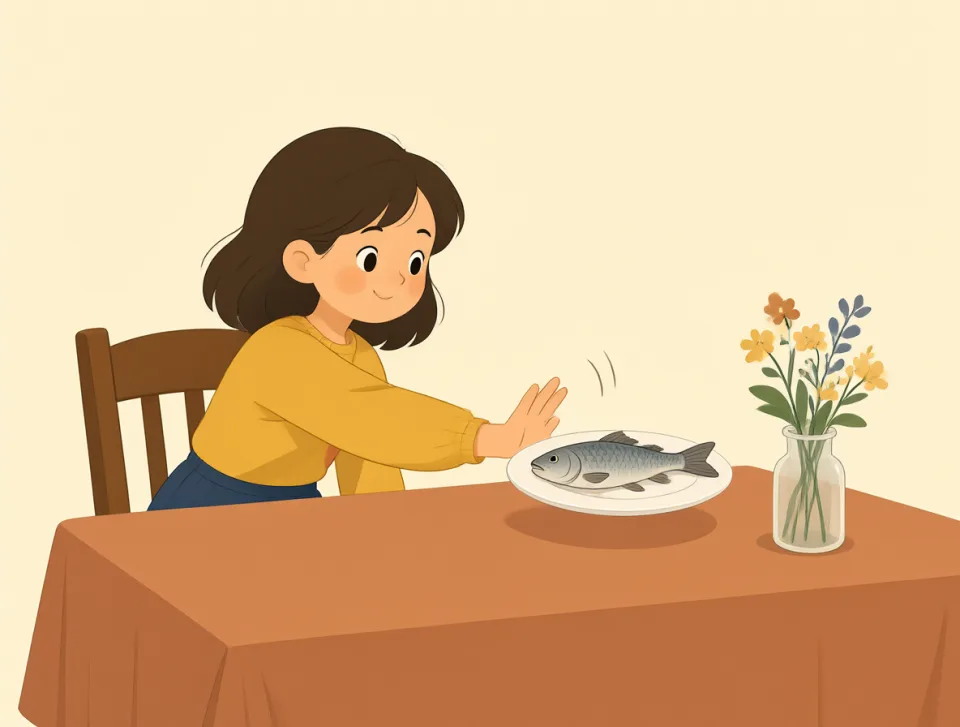
She will not eat the fish today.
วันนี้เธอจะไม่กินปลา
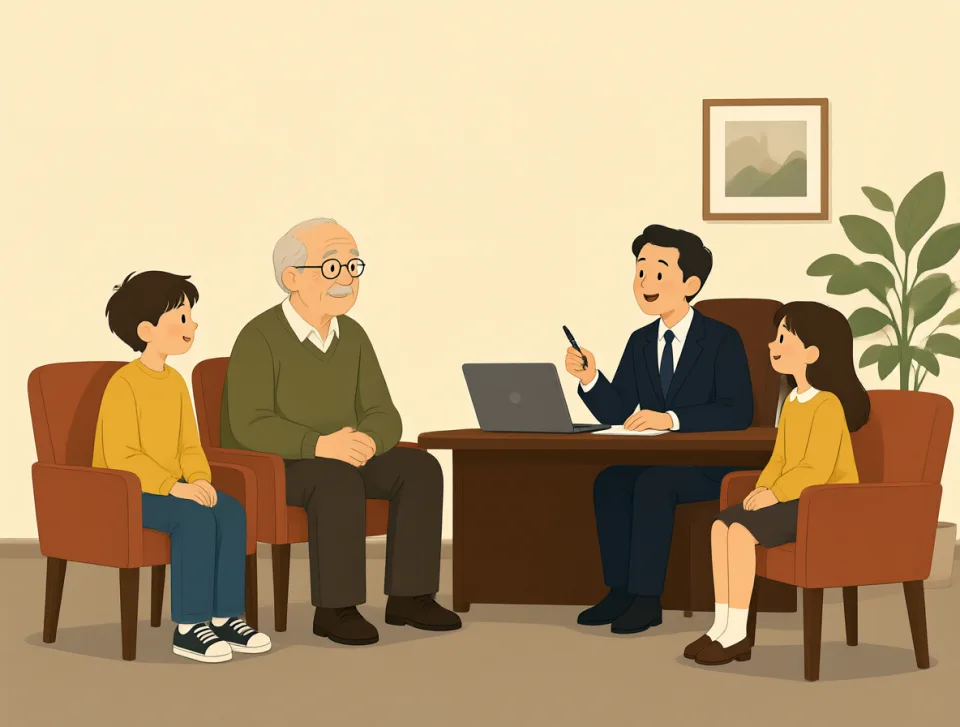
His will left money to his children.
พินัยกรรมของเขายกเงินให้ลูก ๆ ของเขา

or
#29conjunction
หรือ
Used to show a choice between two or more possibilities.
ใช้แสดงทางเลือกจากความเป็นไปได้ตั้งแต่สองอย่างขึ้นไป
Would you like tea or coffee?
คุณอยากดื่มชาหรือกาแฟ

You can walk or take the bus.
คุณจะเดินไปหรือนั่งรถประจำทางก็ได้

Is your sister at home or work?
น้องสาวของคุณอยู่ที่บ้านหรือที่ทำงาน
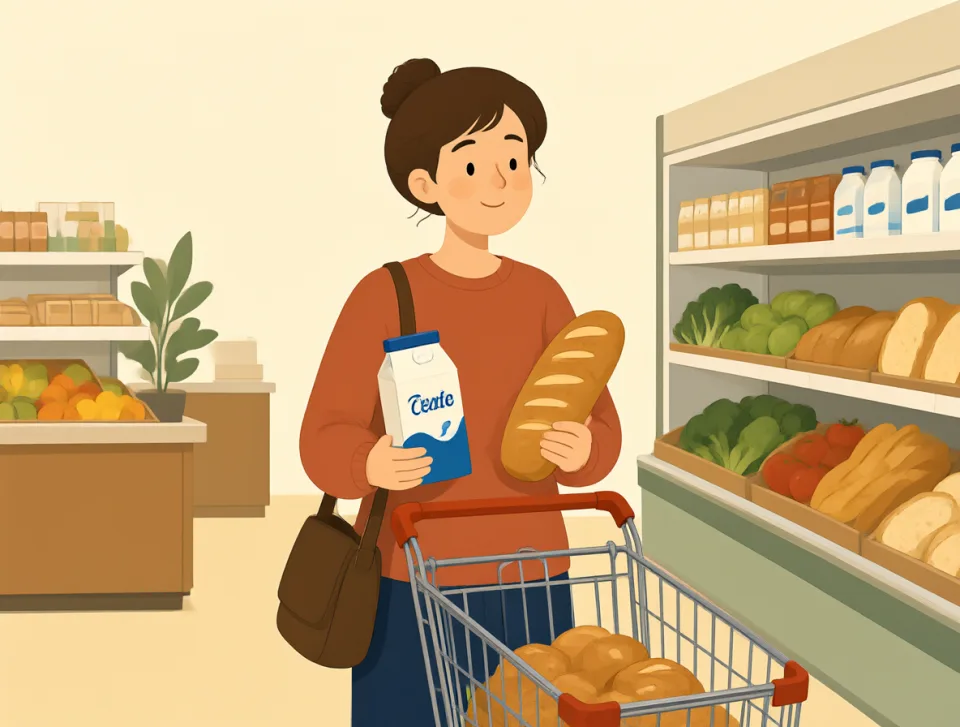
We need to buy milk or bread.
เราต้องซื้อนมหรือขนมปัง
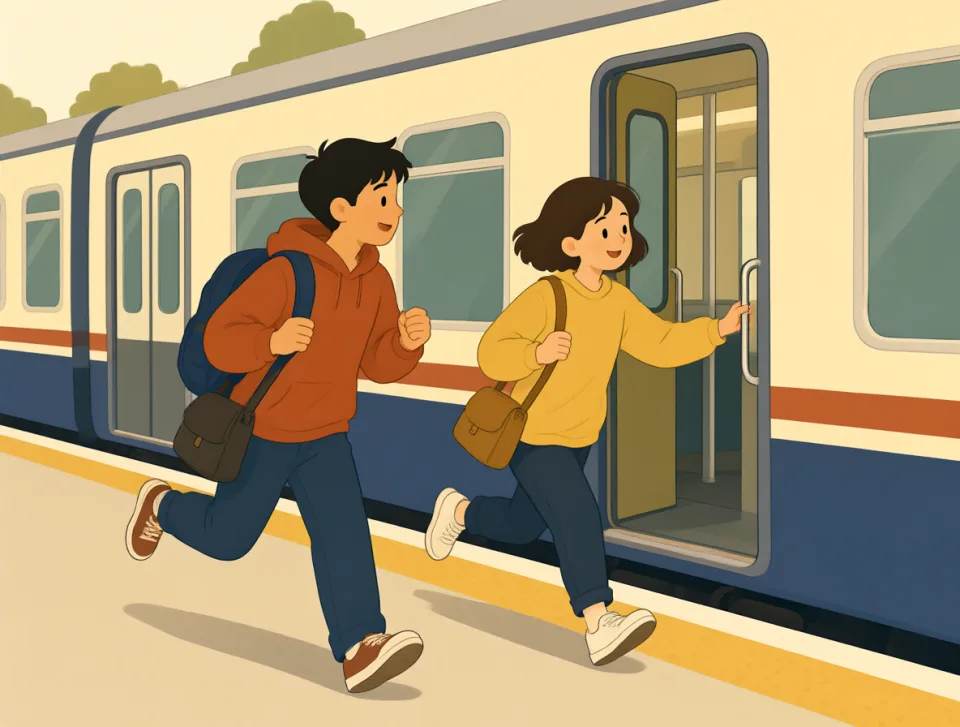
Hurry, or we will miss the train.
รีบหน่อย ไม่อย่างนั้นเราจะไม่ทันรถไฟ

say
#30verb
พูด, บอก
to speak words or tell someone something
พูดถ้อยคำหรือบอกบางอย่างแก่ใครบางคน

What did you say?
คุณพูดว่าอะไรนะ

She said hello to her teacher.
เธอทักทายคุณครูของเธอ

Please say your name slowly.
กรุณาพูดชื่อของคุณช้า ๆ

They say the soup is delicious.
เขาว่ากันว่าซุปอร่อยมาก

He said he felt sick yesterday.
เขาบอกว่าเมื่อวานเขารู้สึกไม่สบาย

go
#31verb, noun
ไป
to move or travel somewhere, or to happen or work in a particular way
เคลื่อนที่หรือเดินทางไปที่ใดที่หนึ่ง หรือเกิดขึ้นหรือดำเนินไปในลักษณะใดลักษณะหนึ่ง
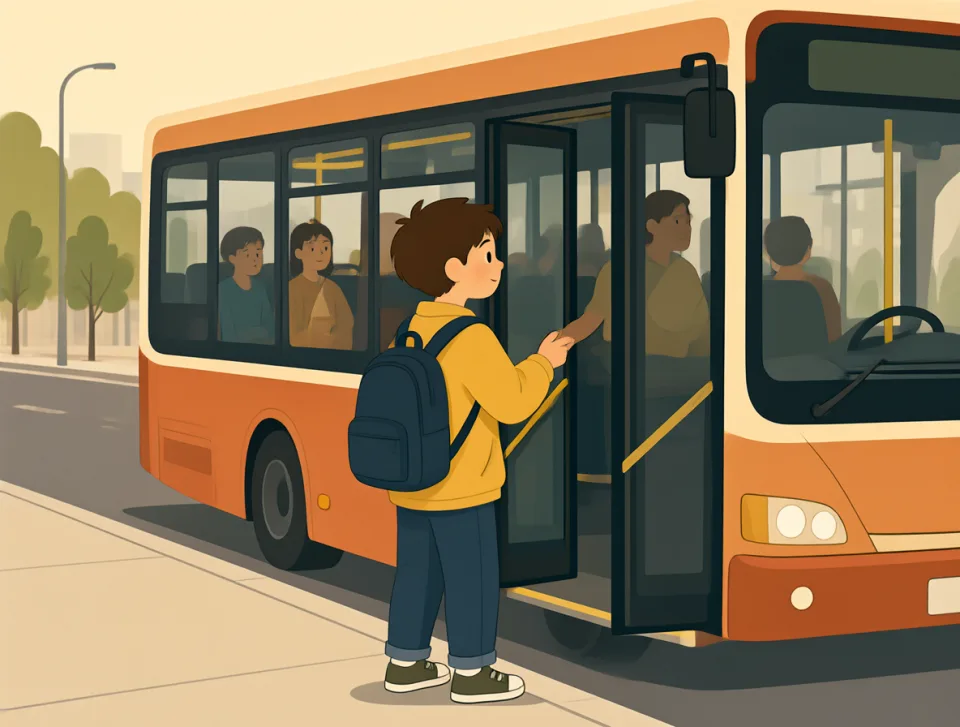
I go to school by bus every day.
ฉันนั่งรถบัสไปโรงเรียนทุกวัน

We went home after dinner.
พวกเรากลับบ้านหลังอาหารเย็น
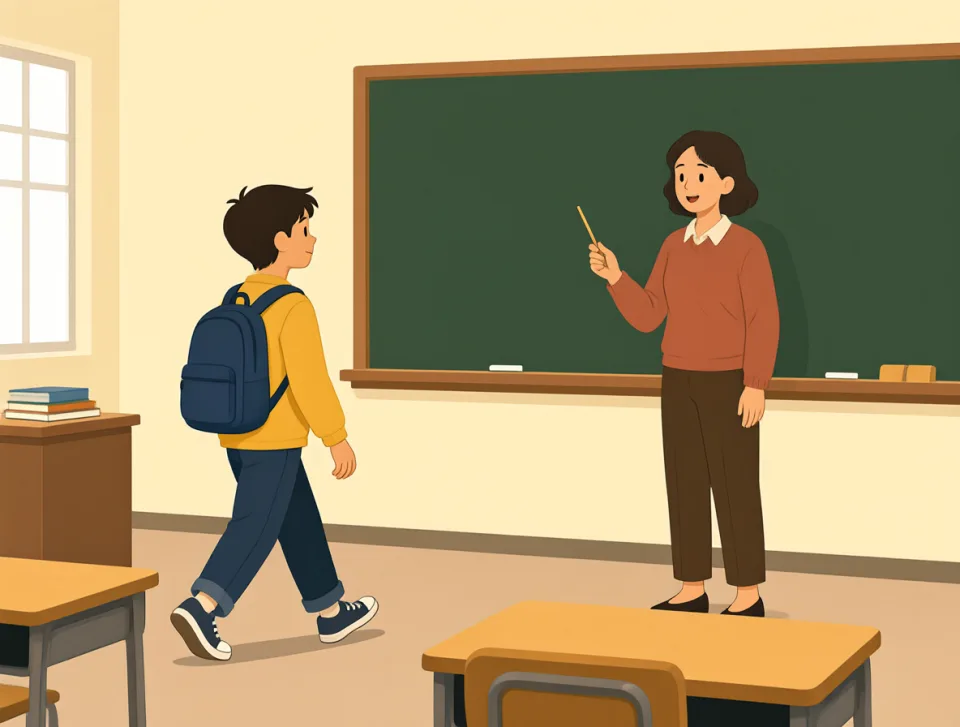
Please go and ask your teacher.
ช่วยไปถามครูของคุณหน่อย

These shoes go well with your jeans.
รองเท้าคู่นี้เข้ากับกางเกงยีนส์ของคุณดี
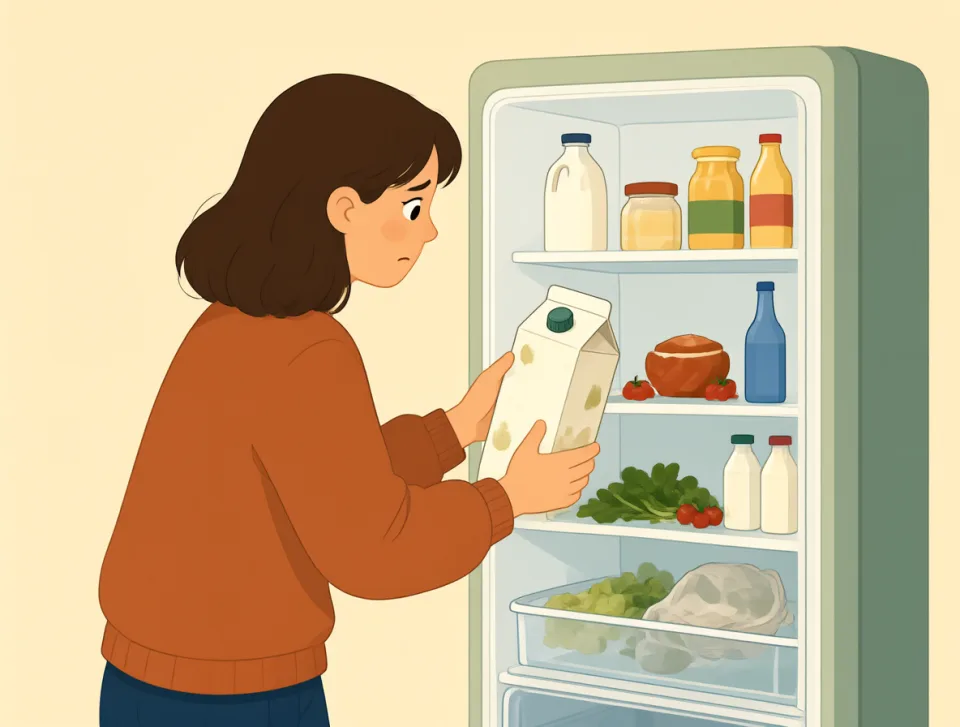
The milk went bad in the fridge.
นมเสียในตู้เย็น

so
#32adverb, conjunction
ดังนั้น; มาก; ก็
Used to show a result, a high degree, or agreement.
ใช้แสดงผลลัพธ์ ระดับที่มาก หรือการเห็นด้วย
I was tired, so I went to bed.
ฉันเหนื่อย ก็เลยเข้านอน

The soup is so hot I cannot eat it.
ซุปร้อนมากจนฉันกินไม่ได้

She studied hard, so she passed the test.
เธอตั้งใจเรียนมาก ก็เลยสอบผ่าน

The bus was late, so we walked home.
รถบัสมาช้า พวกเราเลยเดินกลับบ้าน

“I like this.” “So do I.”
“ฉันชอบอันนี้” “ฉันก็ชอบเหมือนกัน”

all
#33determiner, pronoun, adverb
ทั้งหมด
The whole amount or every person or thing in a group
ปริมาณทั้งหมด หรือทุกคนหรือทุกสิ่งในกลุ่มหนึ่ง
All the students finished their homework.
นักเรียนทุกคนทำการบ้านเสร็จแล้ว
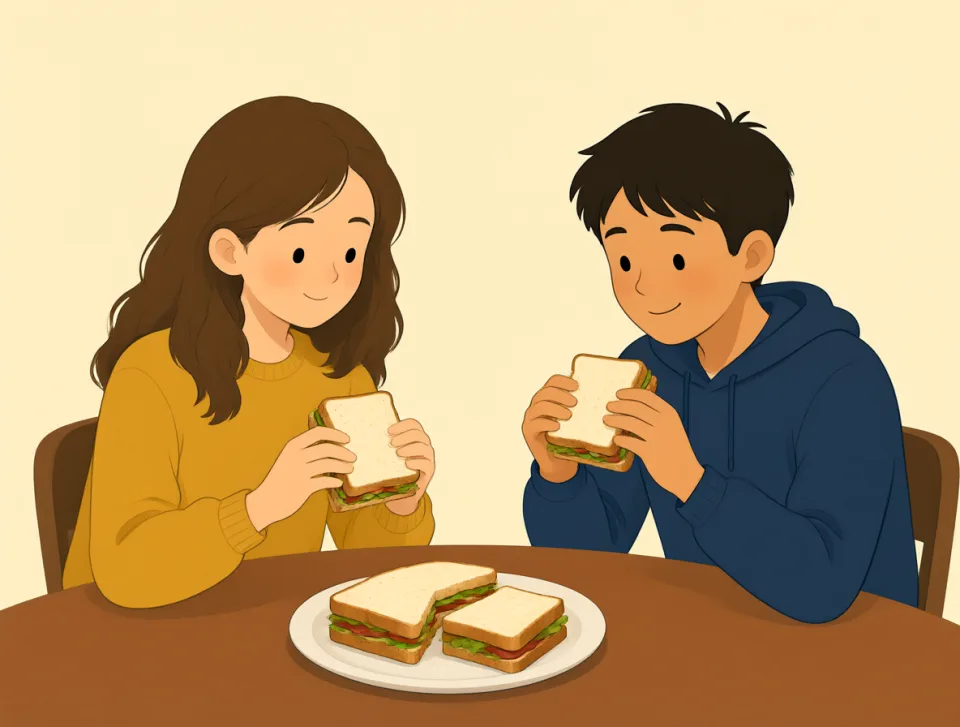
We ate all the sandwiches at lunch.
พวกเรากินแซนด์วิชหมดทุกชิ้นตอนมื้อกลางวัน

All of us took the train home.
พวกเราทุกคนขึ้นรถไฟกลับบ้าน

She worked all day at the shop.
เธอทำงานที่ร้านตลอดทั้งวัน

I am not at all tired today.
วันนี้ฉันไม่เหนื่อยเลย

if
#34conjunction
ถ้า
Used to talk about a condition or a possible situation.
ใช้พูดถึงเงื่อนไขหรือสถานการณ์ที่อาจเกิดขึ้น
Call me if you need help.
โทรหาฉันนะถ้าคุณต้องการความช่วยเหลือ

If it rains, we will stay home.
ถ้าฝนตก พวกเราจะอยู่บ้าน

Ask the teacher if you have questions.
ถ้ามีคำถามก็ถามครูนะ

I will buy it if it is cheaper.
ฉันจะซื้อถ้าราคาถูกกว่านี้
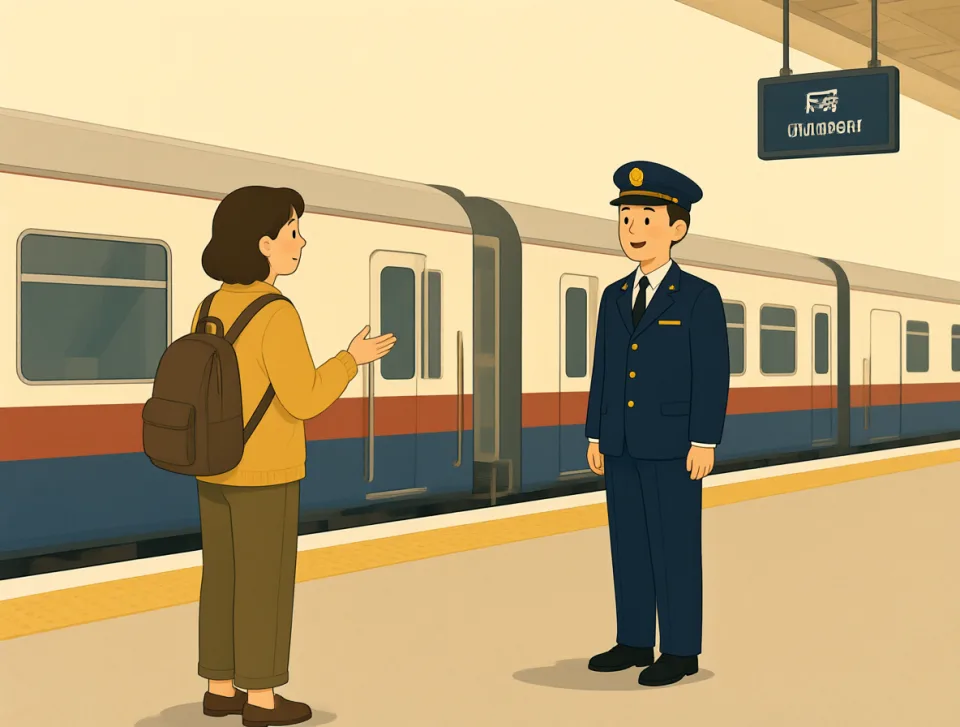
She asked if the train was late.
เธอถามว่ารถไฟมาช้าหรือเปล่า

one
#35number, noun, pronoun, determiner
หนึ่ง
The number 1, or a single person or thing.
จำนวน 1 หรือคนหรือสิ่งของเพียงสิ่งเดียว
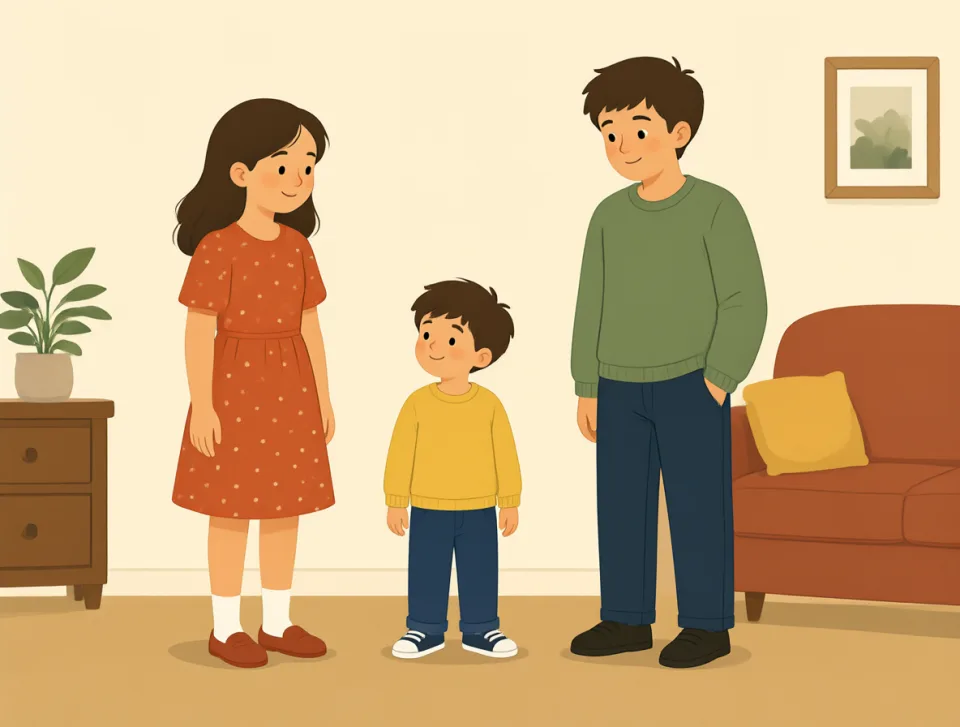
I have one sister and two brothers.
ฉันมีพี่สาวหรือน้องสาวหนึ่งคน และพี่ชายหรือน้องชายสองคน

Please give me one coffee.
ขอกาแฟหนึ่งแก้วครับ/ค่ะ

One student answered the teacher's question.
นักเรียนคนหนึ่งตอบคำถามของครู

This shoe is smaller than the other one.
รองเท้าข้างนี้เล็กกว่าอีกข้างหนึ่ง

One day, we will travel around the world.
สักวันหนึ่ง พวกเราจะเดินทางรอบโลก

would
#36verb, modal verb
จะ
Used to talk about wishes, imagined situations, polite requests, or repeated past actions.
ใช้พูดถึงความปรารถนา สถานการณ์สมมติ การขอร้องอย่างสุภาพ หรือการกระทำที่ทำซ้ำเป็นประจำในอดีต
Would you like some coffee?
รับกาแฟสักหน่อยไหม

I would like to book a room.
ฉันอยากจองห้องสักห้อง
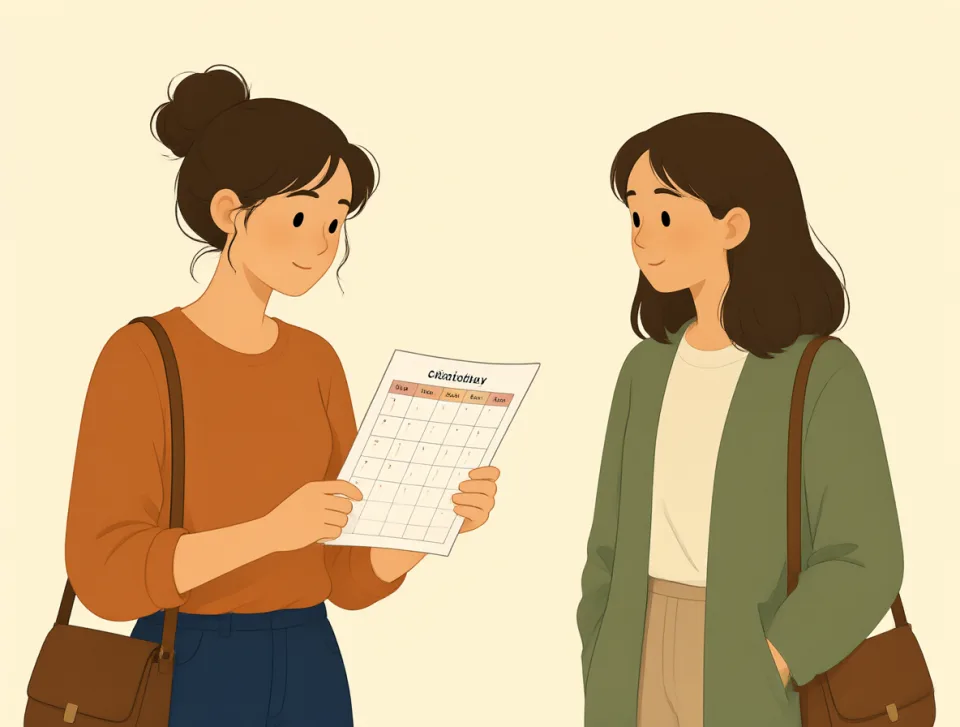
She would help if she had time.
เธอคงช่วยถ้ามีเวลา

When we were children, we would play outside.
ตอนเราเป็นเด็ก เรามักออกไปเล่นข้างนอก

Would you please close the window?
กรุณาช่วยปิดหน้าต่างให้หน่อยได้ไหม

about
#37adverb, preposition
เกี่ยวกับ
Used to say what someone or something concerns, or roughly where, when, or how much.
ใช้บอกว่าสิ่งใดเกี่ยวข้องกับเรื่องอะไร หรือบอกตำแหน่ง เวลา หรือปริมาณโดยประมาณ
We talked about our plans after dinner.
เราคุยกันเรื่องแผนของเราหลังมื้อเย็น

This book is about animals and nature.
หนังสือเล่มนี้เกี่ยวกับสัตว์และธรรมชาติ

There were about twenty people at the party.
มีคนอยู่ในงานเลี้ยงประมาณยี่สิบคน

The train leaves at about eight o'clock.
รถไฟออกประมาณสองทุ่ม

I am worried about my sick dog.
ฉันเป็นห่วงสุนัขที่ป่วยของฉัน
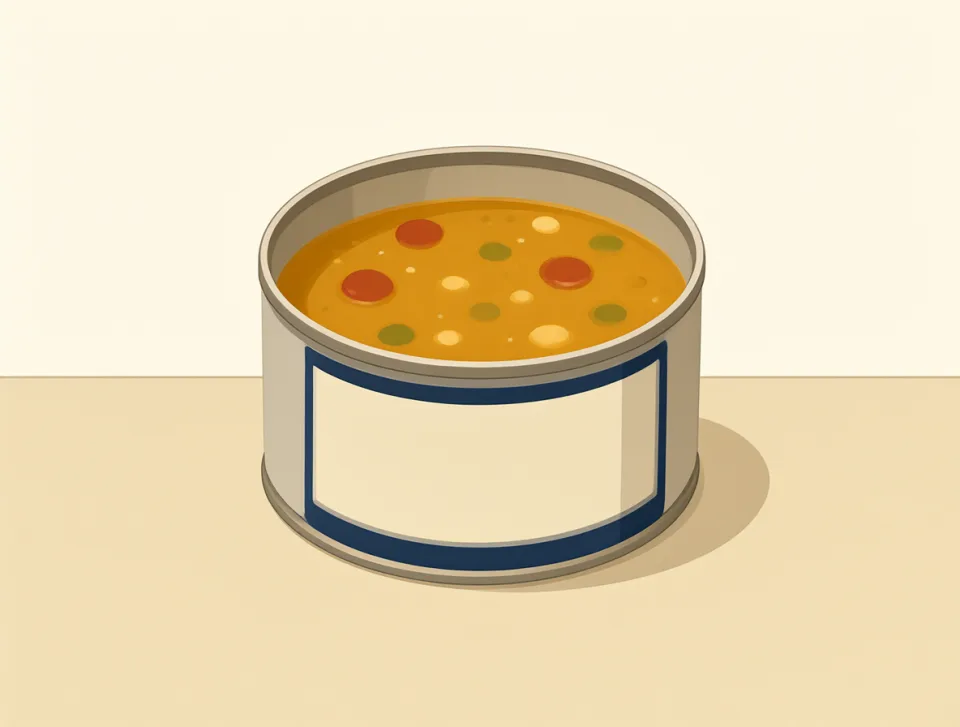
can
#38noun, verb, modal verb
กระป๋อง; สามารถ
A metal container; or to put food or drink into a metal container.
ภาชนะโลหะ หรือการบรรจุอาหารหรือเครื่องดื่มลงในภาชนะโลหะ

I can help you with your homework.
ฉันช่วยทำการบ้านให้ได้นะ

Can you open this jar for me?
ช่วยเปิดขวดโหลนี้ให้ฉันหน่อยได้ไหม

We can meet at the station at six.
เราเจอกันที่สถานีตอนหกโมงได้นะ
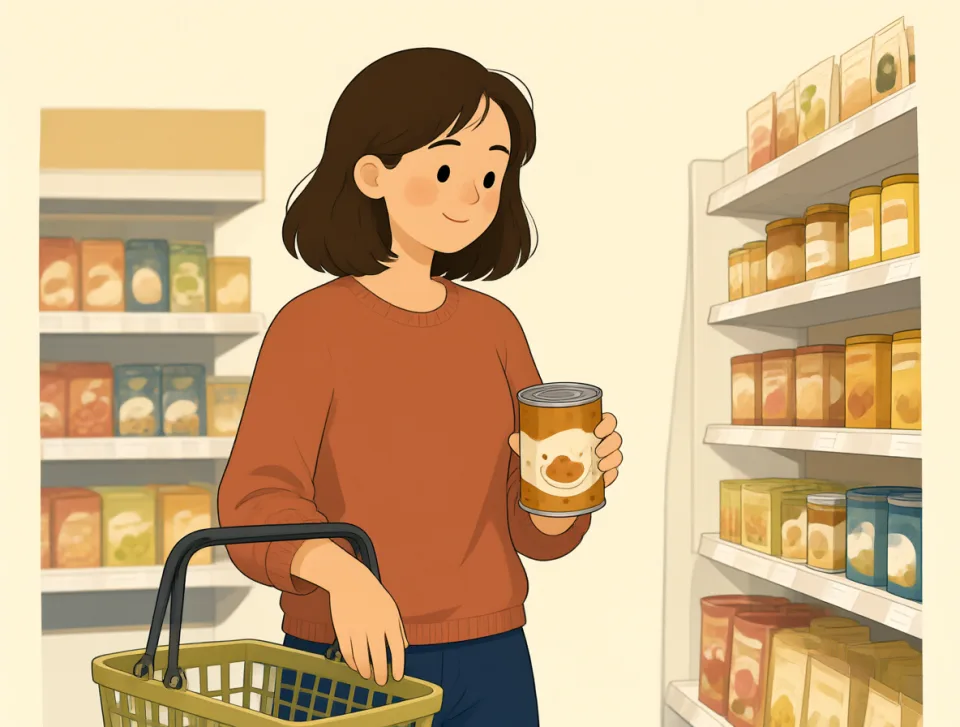
She bought a can of soup for lunch.
เธอซื้อซุปกระป๋องมากินมื้อกลางวัน
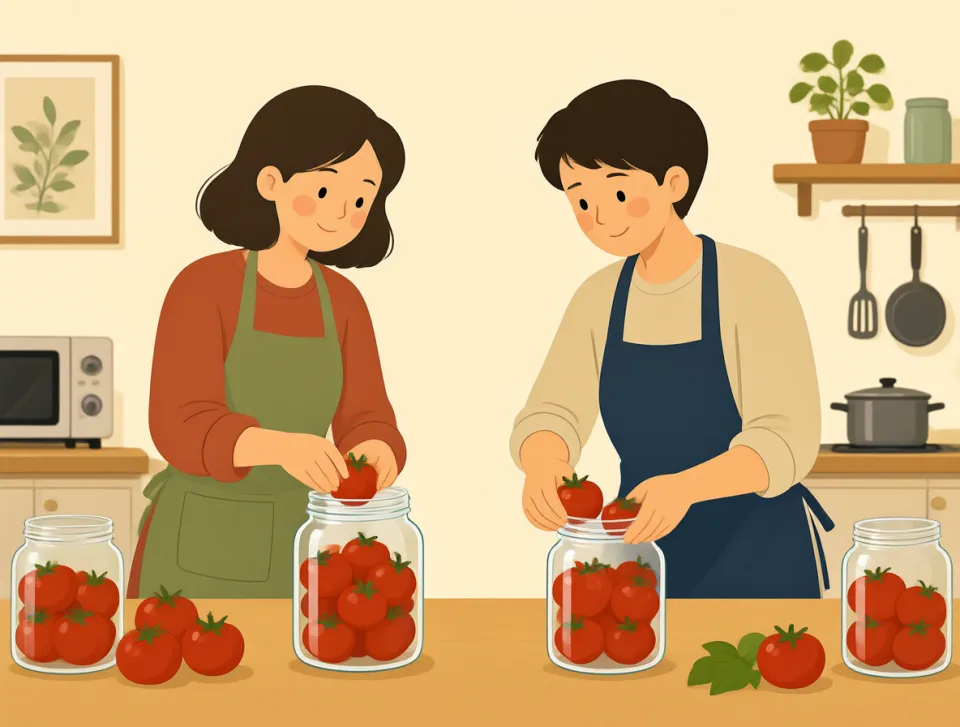
They canned the fresh tomatoes last summer.
พวกเขาบรรจุมะเขือเทศสดลงกระป๋องเมื่อฤดูร้อนที่แล้ว

which
#39pronoun, determiner
ไหน; อันไหน
Used to ask or show which person or thing you mean.
ใช้ถามหรือระบุว่าหมายถึงคนหรือสิ่งของชิ้นไหน
Which shirt do you like best?
ชอบเสื้อตัวไหนที่สุด
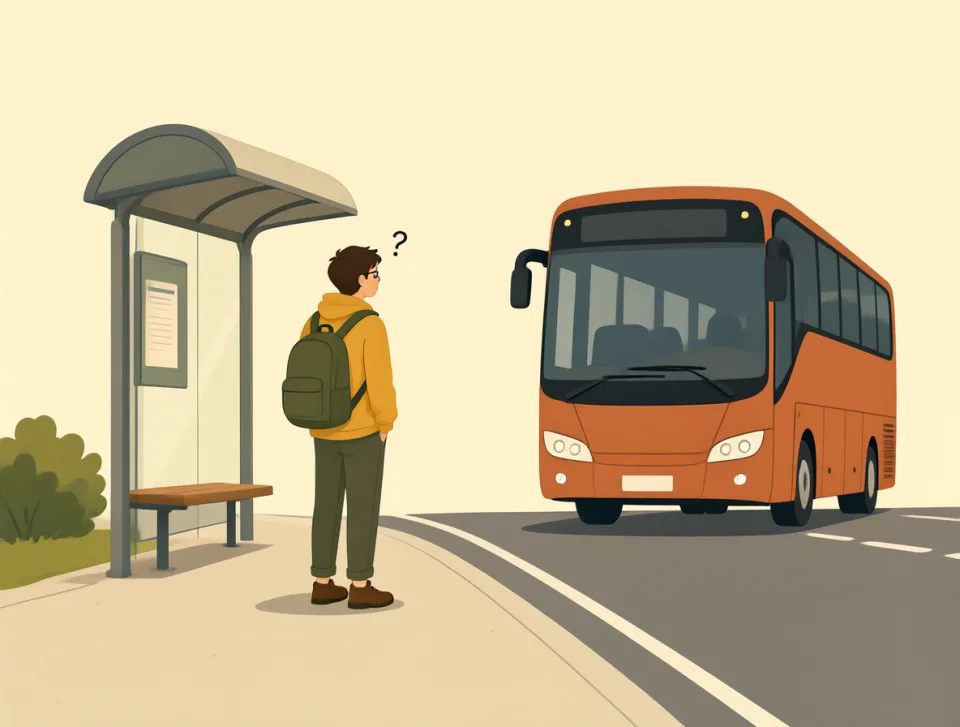
I forgot which bus goes downtown.
ฉันลืมไปว่ารถเมล์สายไหนเข้าเมือง
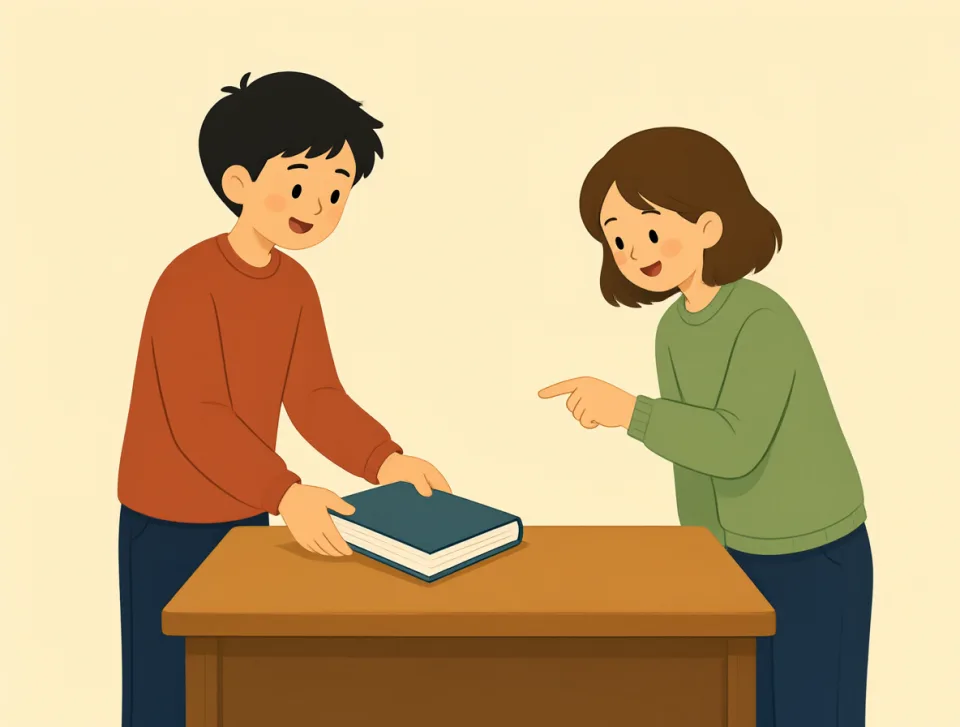
She chose the book which I recommended.
เธอเลือกหนังสือที่ฉันแนะนำ
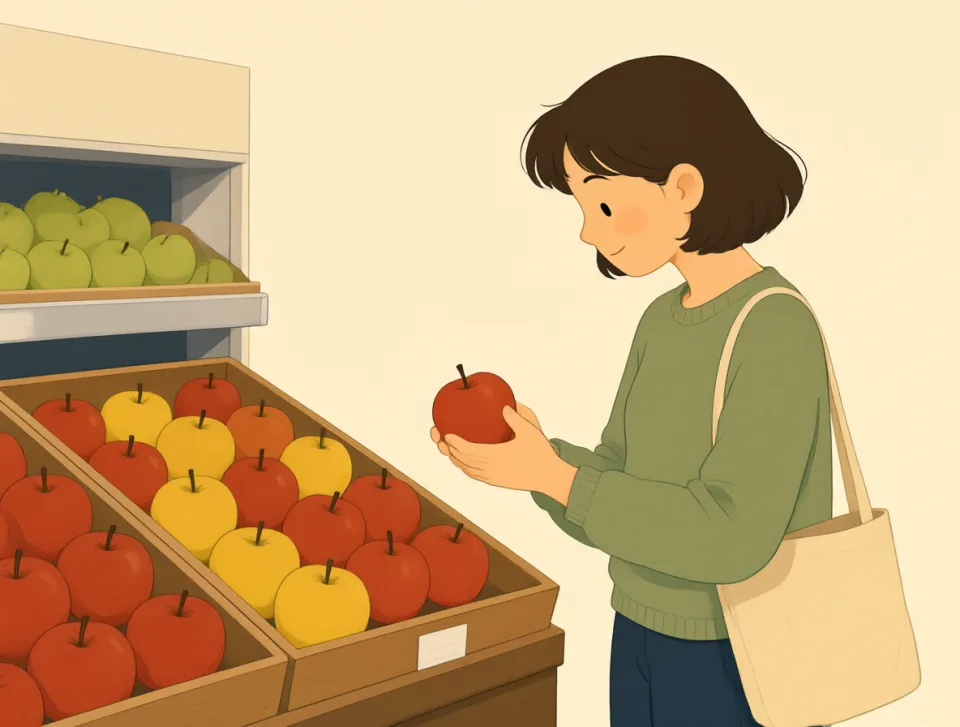
Which of these apples are fresh?
แอปเปิลพวกนี้ลูกไหนสดบ้าง
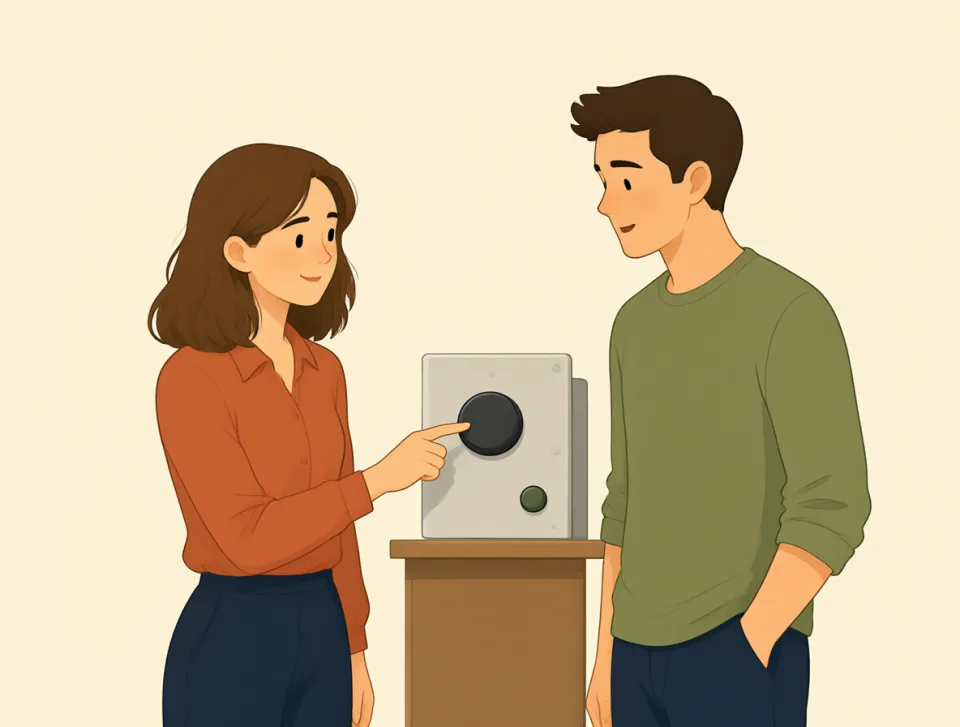
He explained which button to press.
เขาอธิบายว่าต้องกดปุ่มไหน

there
#40adverb, pronoun, determiner
ที่นั่น; มี
In, at, or to that place; used to show that something exists.
ในสถานที่นั้น ที่สถานที่นั้น หรือไปยังสถานที่นั้น; ใช้แสดงว่ามีบางสิ่งอยู่
Please put the bags over there.
กรุณาวางกระเป๋าไว้ตรงนั้น
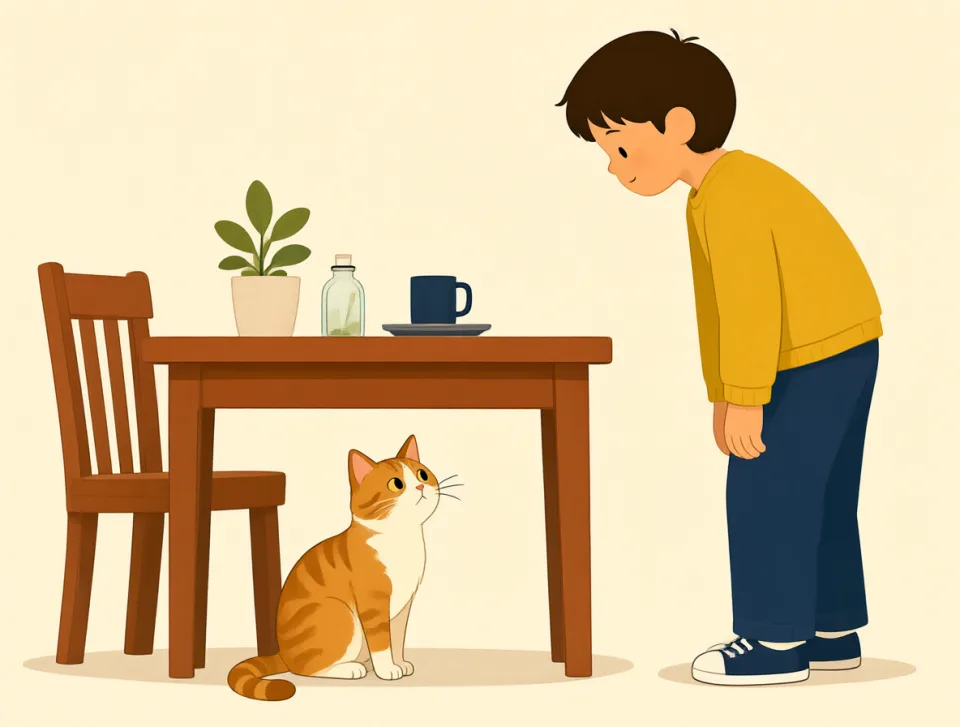
There is a cat under the table.
มีแมวอยู่ใต้โต๊ะ
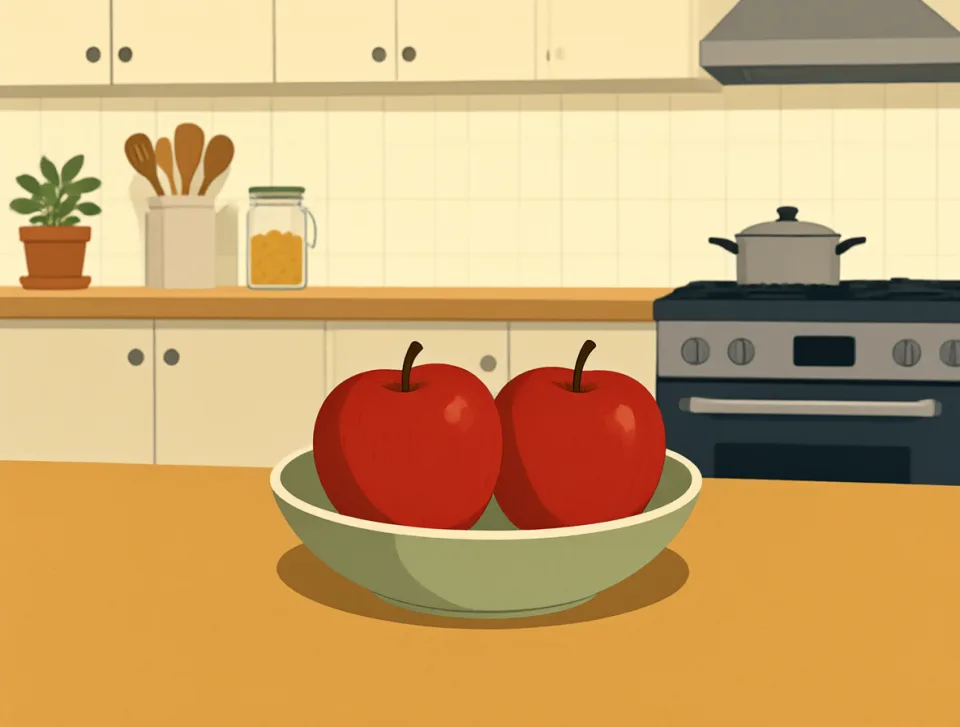
There are two apples in the bowl.
มีแอปเปิลสองลูกอยู่ในชาม

We waited there for the bus.
เรารอรถเมล์อยู่ที่นั่น
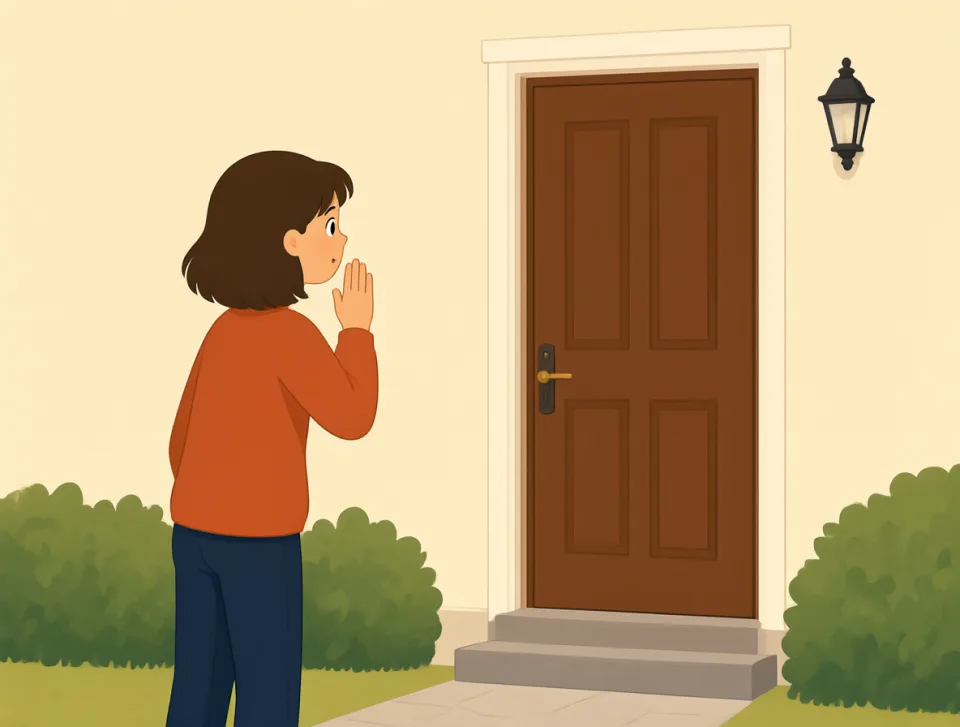
Is anyone there?
มีใครอยู่ตรงนั้นไหม