ইউনিট 2
শব্দ 21–40 · do, as, at, she, but, from

do
#21verb, auxiliary verb, noun
করা
To perform an action, task, or activity.
কোনো কাজ, দায়িত্ব বা কার্যক্রম সম্পাদন করা।

I do my homework after dinner.
রাতের খাবারের পর আমি বাড়ির কাজ করি।
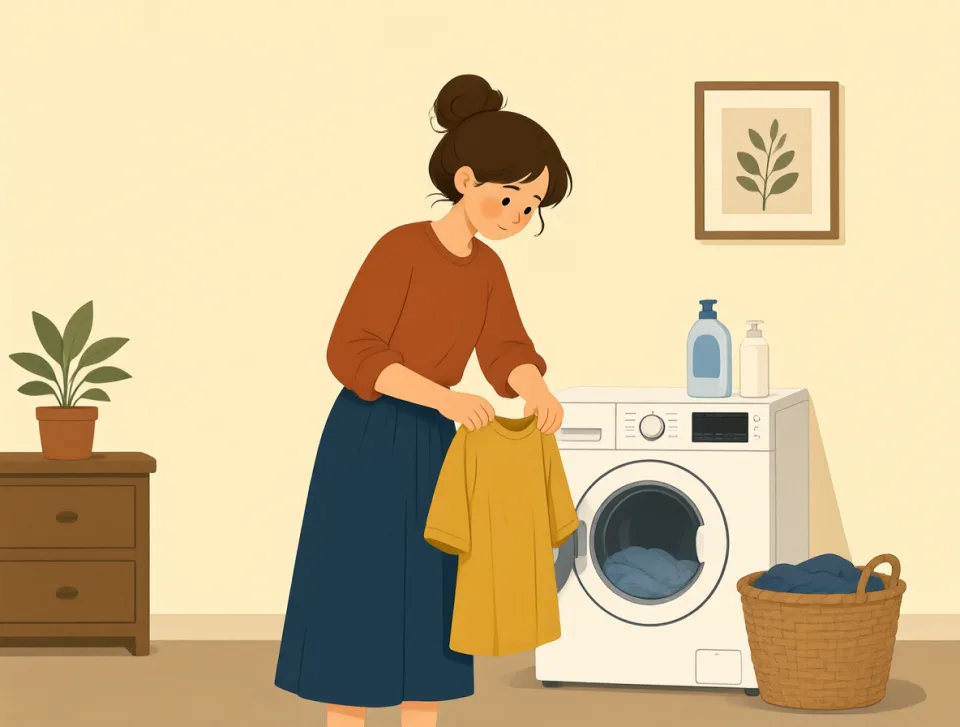
She does the washing every Saturday.
সে প্রতি শনিবার কাপড় ধোয়।

Do you like this restaurant?
তোমার কি এই রেস্তোরাঁটি ভালো লাগে?

We did some shopping after work.
কাজের পর আমরা কিছু কেনাকাটা করেছিলাম।

He does exercise every morning.
সে প্রতিদিন সকালে ব্যায়াম করে।
as
#22adverb, conjunction, preposition, pronoun, determiner
যেমন; যখন; হিসেবে
Used to compare, show time or reason, or describe someone or something.
তুলনা করা, সময় বা কারণ বোঝানো, অথবা কাউকে বা কোনো কিছুকে বর্ণনা করার জন্য ব্যবহৃত হয়।
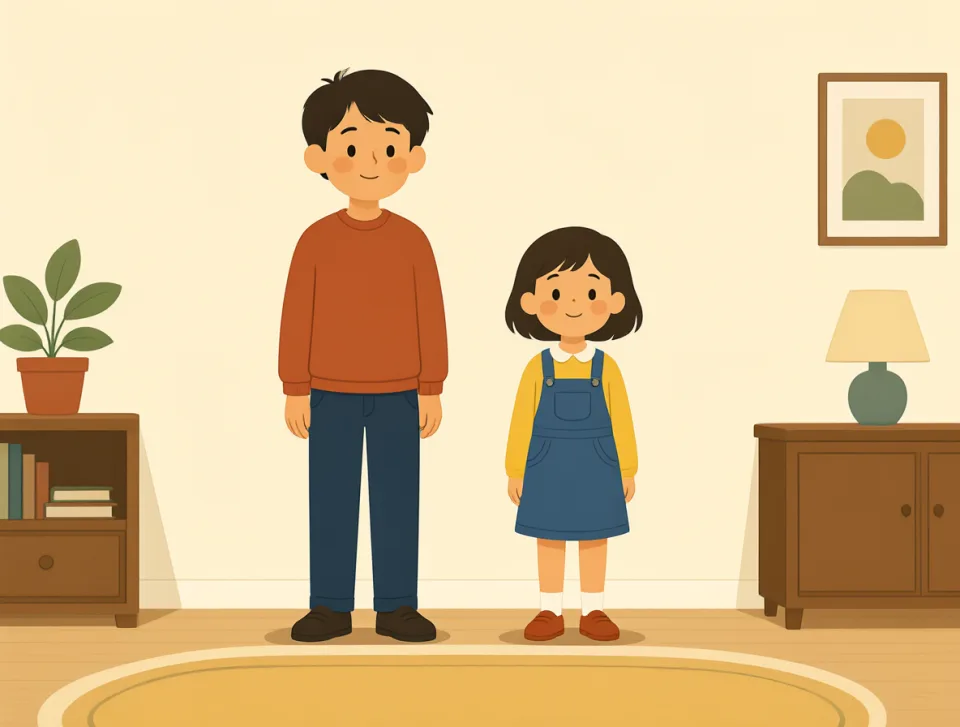
She is as tall as her brother.
সে তার ভাইয়ের মতোই লম্বা।

As I walked home, it started raining.
আমি যখন হেঁটে বাড়ি ফিরছিলাম, তখন বৃষ্টি শুরু হলো।

Please do as your teacher says.
তোমার শিক্ষক যেমন বলেন, তেমনই করো।

He works as a waiter at night.
সে রাতে ওয়েটার হিসেবে কাজ করে।

As usual, we had dinner at seven.
প্রথা অনুযায়ী, আমরা সাতটায় রাতের খাবার খেয়েছিলাম।
at
#23preposition
-এ; -তে
Used to show a specific time, place, or situation.
নির্দিষ্ট সময়, স্থান বা পরিস্থিতি বোঝানোর জন্য ব্যবহৃত হয়।
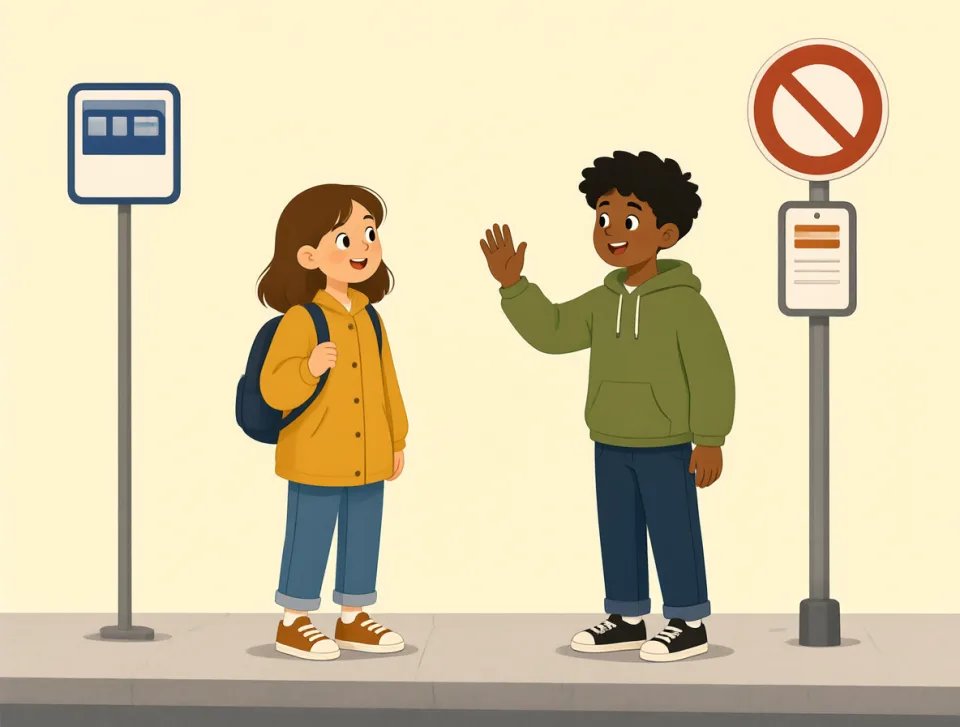
Meet me at the bus stop.
বাসস্টপে আমার সঙ্গে দেখা করো।

The class starts at nine.
ক্লাস নয়টায় শুরু হয়।
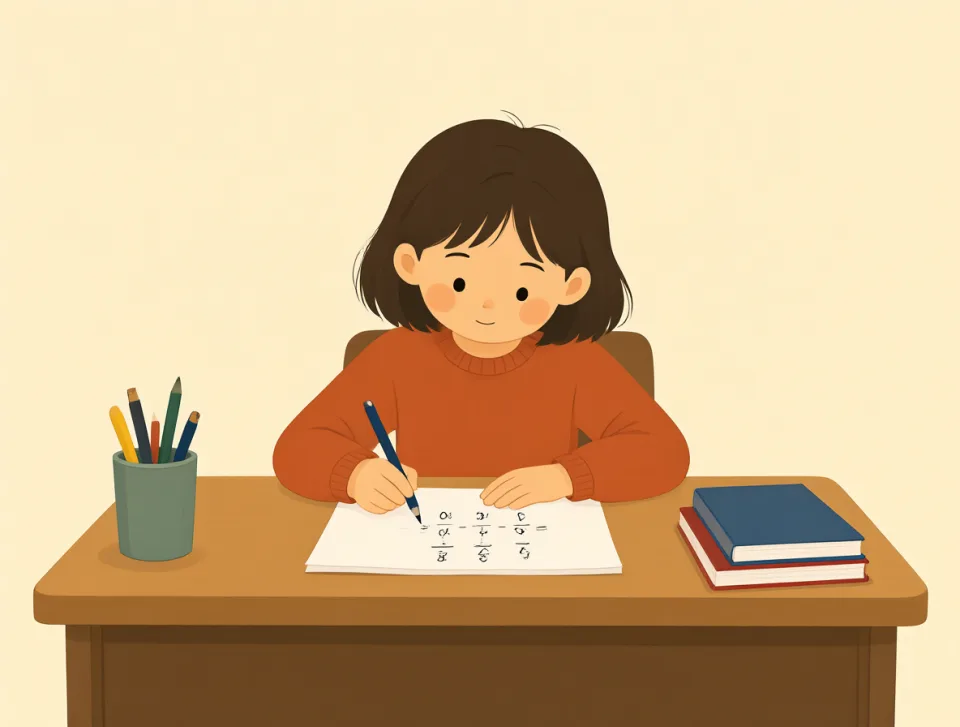
She is good at math.
সে গণিতে ভালো।

We ate lunch at home.
আমরা বাড়িতে দুপুরের খাবার খেয়েছিলাম।

He arrived at the airport early.
সে বিমানবন্দরে তাড়াতাড়ি পৌঁছেছিল।

she
#24pronoun
সে (নারী)
A female person or girl already mentioned or known.
আগে উল্লেখ করা বা পরিচিত কোনো নারী বা মেয়েকে বোঝায়।
She lives with her parents.
সে তার বাবা-মায়ের সঙ্গে থাকে।

She works at the hospital.
সে হাসপাতালে কাজ করে।

She is my best friend.
সে আমার সবচেয়ে ভালো বন্ধু।
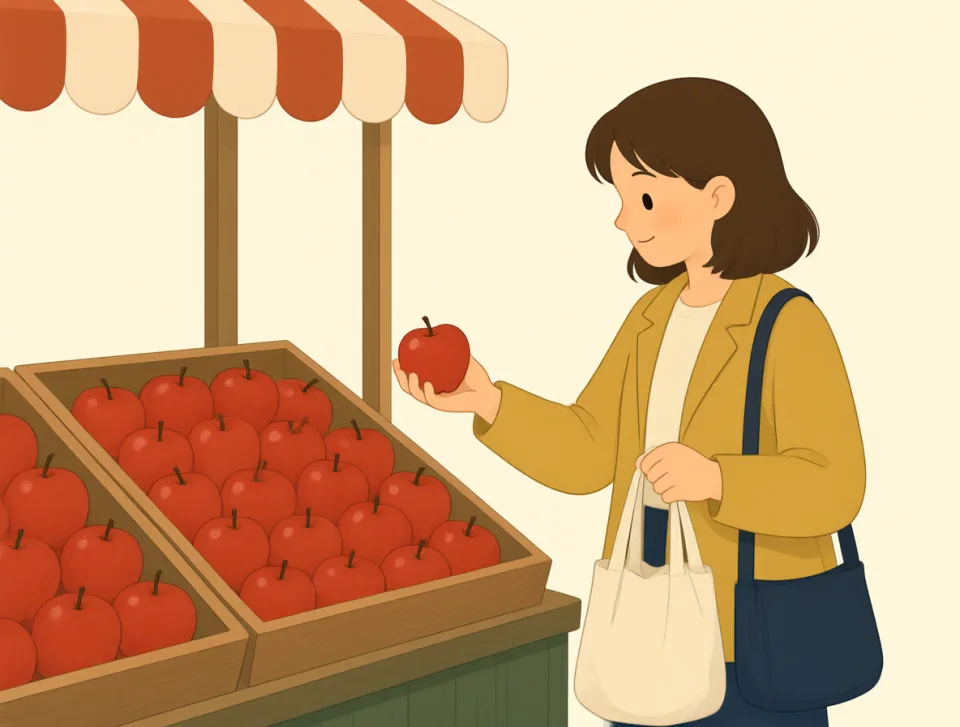
She bought some apples at the market.
সে বাজার থেকে কিছু আপেল কিনেছিল।
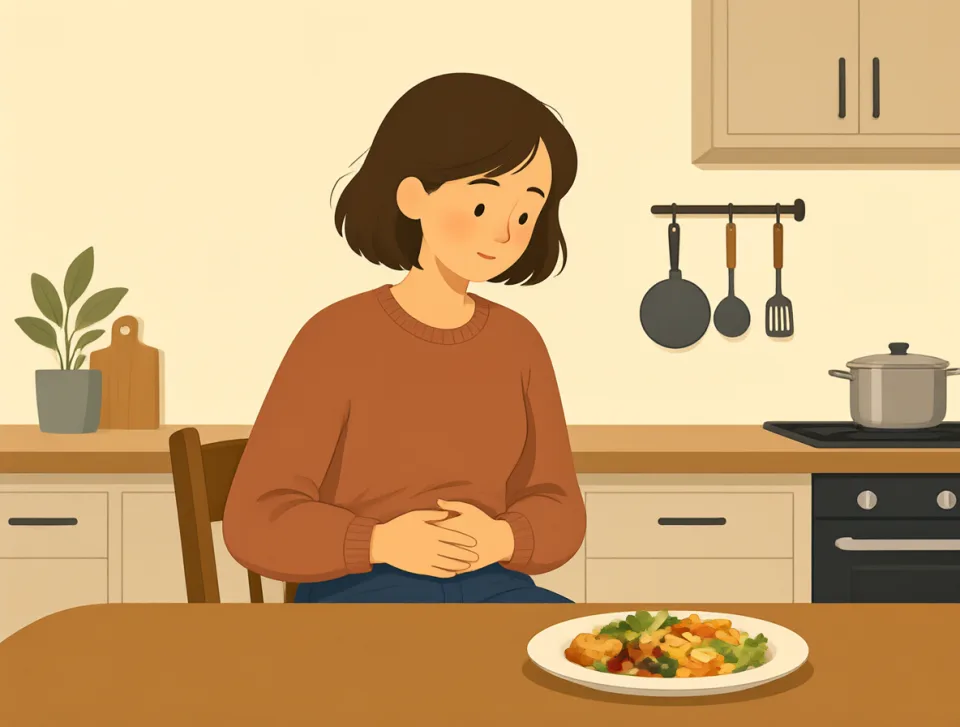
She felt sick after dinner.
রাতের খাবারের পর সে অসুস্থ বোধ করেছিল।

but
#25conjunction, preposition, adverb, noun
কিন্তু
Used to show a contrast, an exception, or a different choice.
বৈপরীত্য, ব্যতিক্রম বা ভিন্ন কোনো পছন্দ দেখানোর জন্য ব্যবহৃত হয়।
I like tea, but I prefer coffee.
আমি চা পছন্দ করি, কিন্তু কফিই বেশি পছন্দ করি।

She is tired, but she keeps working.
সে ক্লান্ত, কিন্তু কাজ চালিয়ে যাচ্ছে।
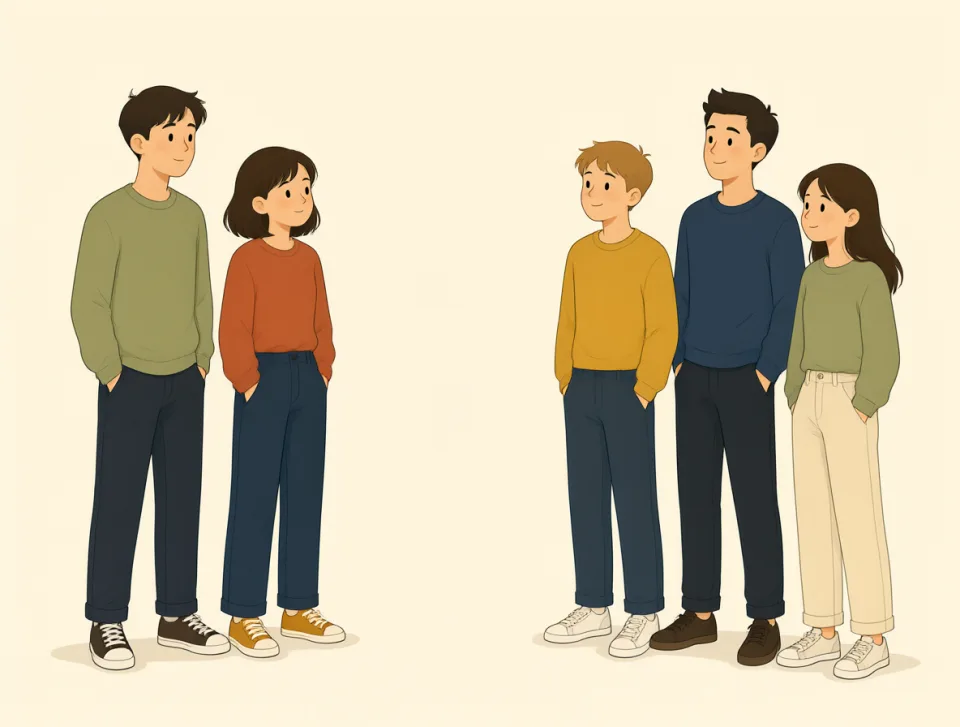
Everyone came but Tom.
টম ছাড়া সবাই এসেছিল।

We wanted to walk, but it started raining.
আমরা হাঁটতে চেয়েছিলাম, কিন্তু বৃষ্টি শুরু হলো।

The shop was small, but it had everything.
দোকানটি ছোট ছিল, কিন্তু সেখানে সবকিছুই ছিল।

from
#26preposition
থেকে
Shows where something starts, where it comes from, or when it begins.
কোনো কিছু কোথা থেকে শুরু হয়, কোথা থেকে আসে, বা কখন শুরু হয়—তা বোঝায়।
I walk home from school every day.
আমি প্রতিদিন স্কুল থেকে হেঁটে বাড়ি ফিরি।

This letter is from my best friend.
এই চিঠিটি আমার সবচেয়ে ভালো বন্ধুর কাছ থেকে এসেছে।

The shop is open from nine to five.
দোকানটি সকাল নয়টা থেকে বিকেল পাঁচটা পর্যন্ত খোলা থাকে।

She comes from a small town.
সে একটি ছোট শহর থেকে এসেছে।

We bought fresh bread from the bakery.
আমরা বেকারি থেকে তাজা রুটি কিনেছি।

by
#27preposition, adverb
কাছে, আগে, দিয়ে বা দ্বারা
near, before a time, using something, or done by someone
কোনো কিছুর কাছে থাকা, কোনো সময়ের আগে হওয়া, কোনো কিছু ব্যবহার করা, অথবা কারও দ্বারা সম্পন্ন হওয়া বোঝায়।
Please sit by the window.
দয়া করে জানালার পাশে বসুন।

We travel by train every summer.
আমরা প্রতি গ্রীষ্মে ট্রেনে ভ্রমণ করি।

Finish your homework by Friday.
শুক্রবারের মধ্যে তোমার বাড়ির কাজ শেষ করো।

She walked by without saying hello.
সে হ্যালো না বলেই পাশ দিয়ে হেঁটে চলে গেল।

This cake was made by my sister.
এই কেকটি আমার বোন বানিয়েছে।

will
#28verb, noun
করবে; উইল
Used to talk about the future, or a person’s strong wish or legal instructions.
ভবিষ্যৎ নিয়ে কথা বলতে, কারও দৃঢ় ইচ্ছা বোঝাতে, বা আইনি নির্দেশ জানাতে ব্যবহার করা হয়।
I will call you after dinner.
রাতের খাবারের পর আমি তোমাকে ফোন করব।

Will you help me with this box?
তুমি কি এই বাক্সটি নিয়ে আমাকে সাহায্য করবে?

The doctor says you will feel better soon.
ডাক্তার বলছেন, তুমি শিগগিরই ভালো বোধ করবে।

She will not eat the fish today.
সে আজ মাছ খাবে না।
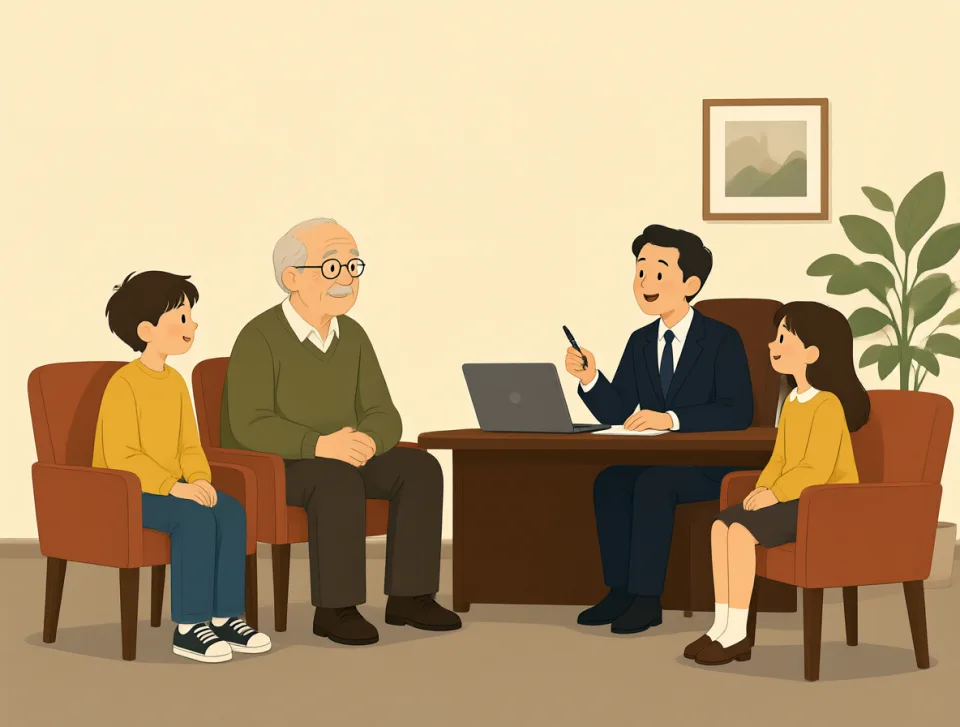
His will left money to his children.
তার উইলে সে তার সন্তানদের জন্য টাকা রেখে গেছে।

or
#29conjunction
অথবা
Used to show a choice between two or more possibilities.
দুই বা ততোধিক সম্ভাবনার মধ্যে একটি বেছে নেওয়া বোঝাতে ব্যবহার করা হয়।
Would you like tea or coffee?
আপনি কি চা নেবেন, নাকি কফি?

You can walk or take the bus.
তুমি হেঁটে যেতে পারো, অথবা বাসে যেতে পারো।

Is your sister at home or work?
তোমার বোন বাড়িতে আছে, নাকি কর্মস্থলে?
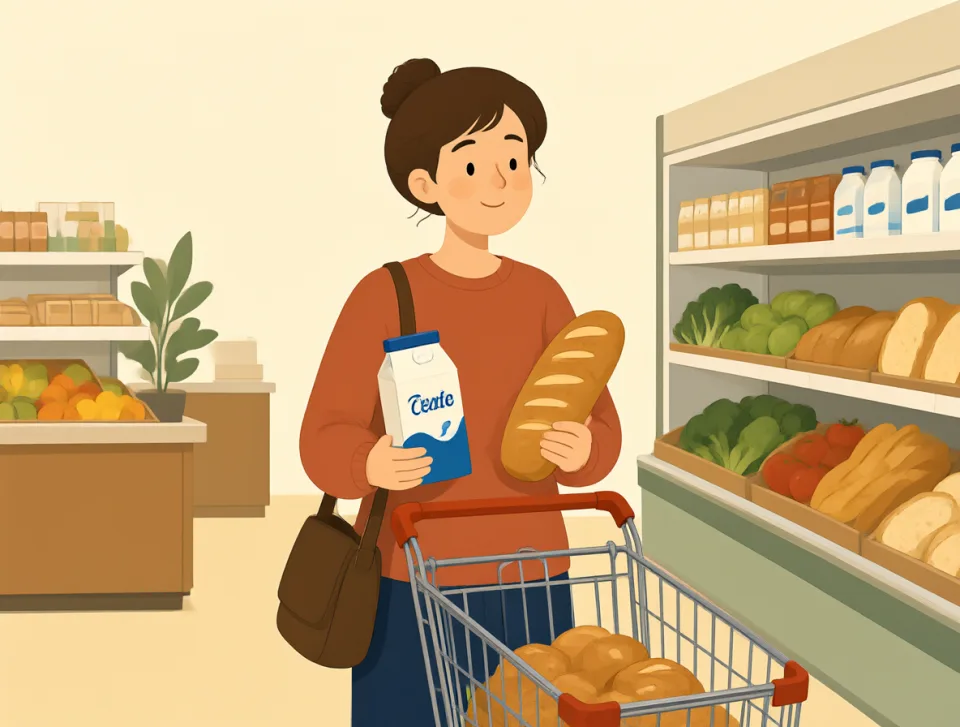
We need to buy milk or bread.
আমাদের দুধ অথবা রুটি কিনতে হবে।
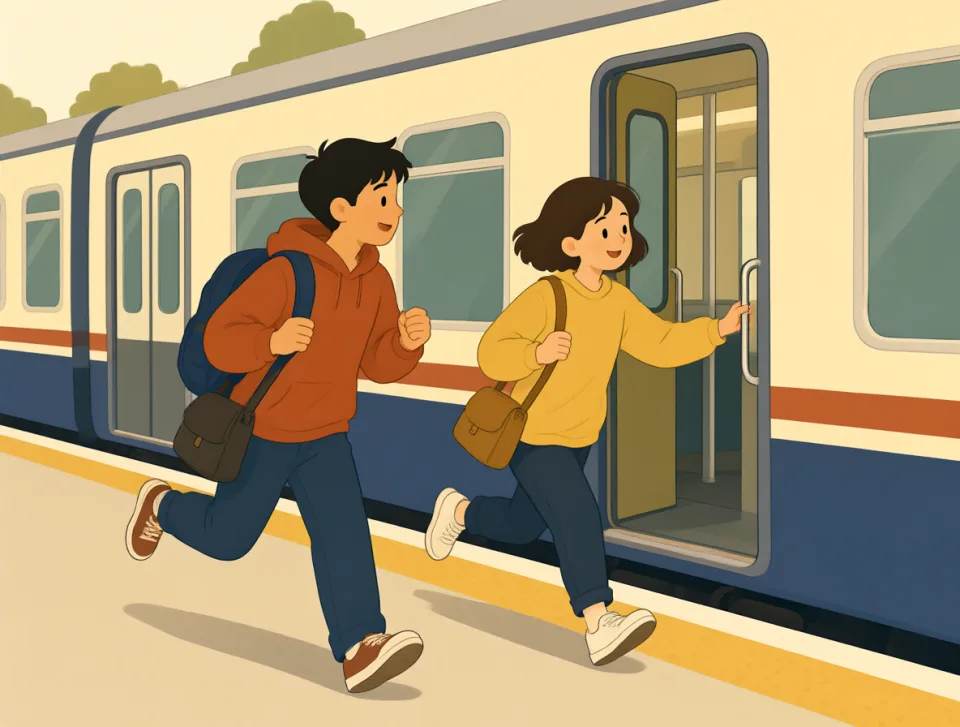
Hurry, or we will miss the train.
তাড়াতাড়ি করো, নইলে আমরা ট্রেনটি মিস করব।

say
#30verb
বলা
to speak words or tell someone something
কথা বলা বা কাউকে কিছু জানানো।

What did you say?
তুমি কী বললে?

She said hello to her teacher.
সে তার শিক্ষককে হ্যালো বলেছিল।

Please say your name slowly.
দয়া করে ধীরে ধীরে আপনার নাম বলুন।

They say the soup is delicious.
তারা বলে স্যুপটি সুস্বাদু।

He said he felt sick yesterday.
সে বলেছিল যে গতকাল তার শরীর খারাপ লাগছিল।

go
#31verb, noun
যাওয়া
to move or travel somewhere, or to happen or work in a particular way
কোথাও যাওয়া বা ভ্রমণ করা, অথবা কোনো কিছু নির্দিষ্টভাবে হওয়া বা কাজ করা
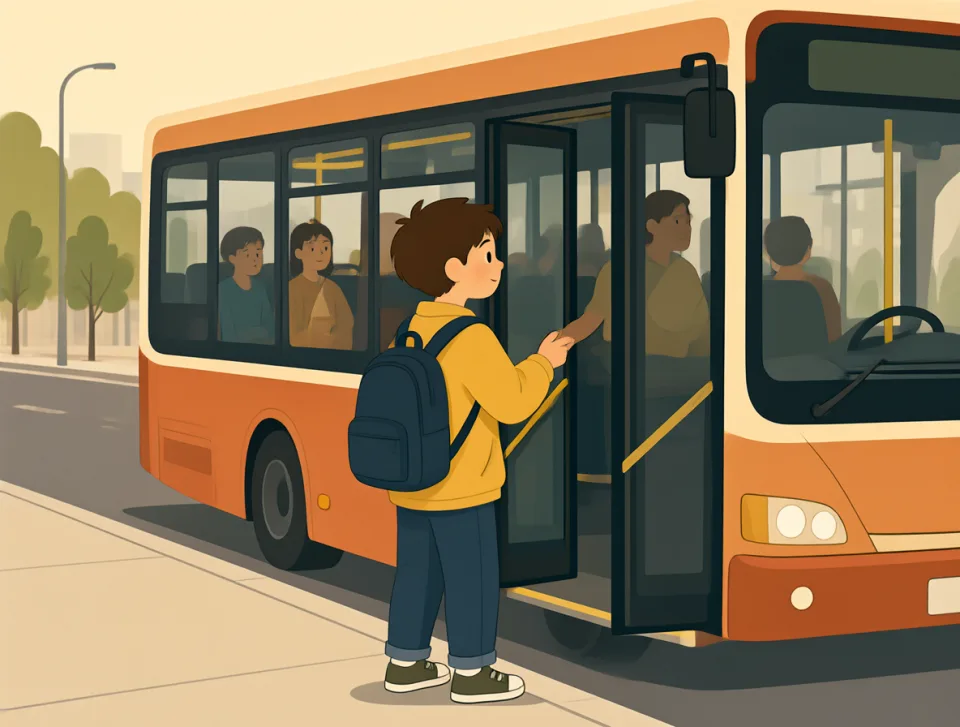
I go to school by bus every day.
আমি প্রতিদিন বাসে করে স্কুলে যাই।

We went home after dinner.
রাতের খাবারের পর আমরা বাড়ি ফিরেছিলাম।
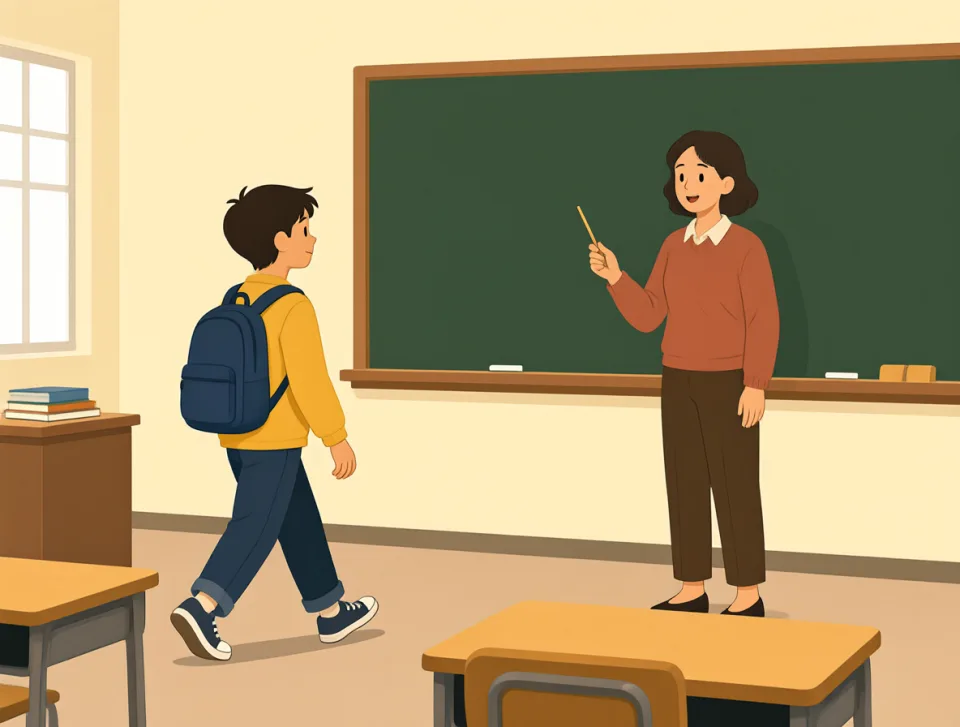
Please go and ask your teacher.
দয়া করে গিয়ে তোমার শিক্ষককে জিজ্ঞেস করো।

These shoes go well with your jeans.
এই জুতাগুলো তোমার জিনসের সঙ্গে ভালো মানায়।
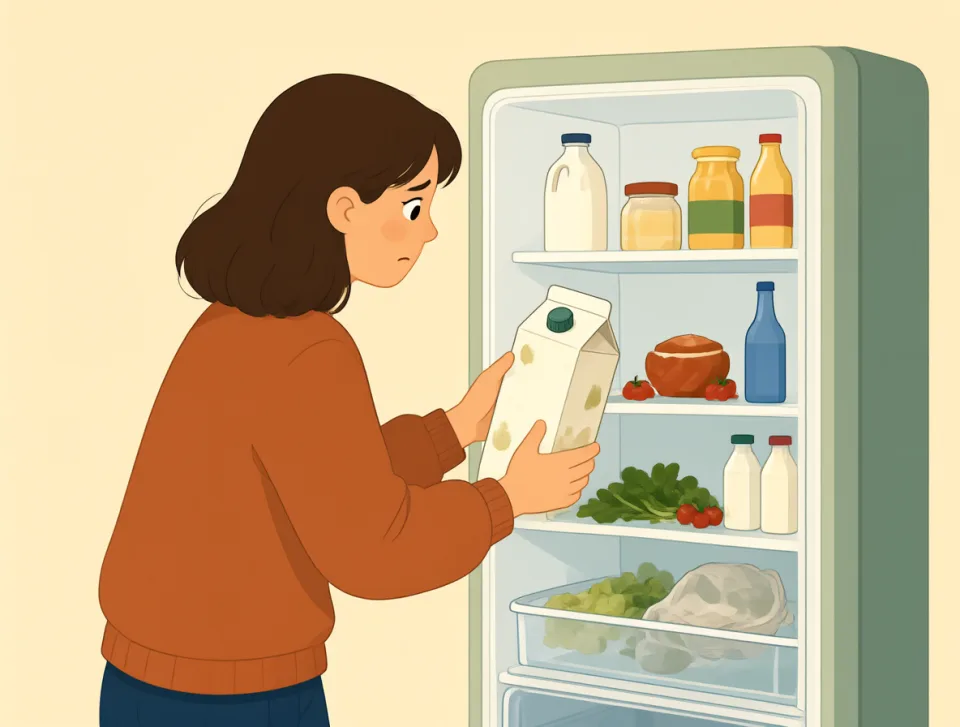
The milk went bad in the fridge.
ফ্রিজে দুধটা নষ্ট হয়ে গিয়েছিল।

so
#32adverb, conjunction
তাই; এতটা
Used to show a result, a high degree, or agreement.
ফলাফল, কোনো কিছুর উচ্চ মাত্রা বা সম্মতি বোঝাতে ব্যবহৃত হয়।
I was tired, so I went to bed.
আমি ক্লান্ত ছিলাম, তাই ঘুমাতে গেলাম।

The soup is so hot I cannot eat it.
স্যুপটা এত গরম যে আমি খেতে পারছি না।

She studied hard, so she passed the test.
সে মন দিয়ে পড়াশোনা করেছিল, তাই পরীক্ষায় পাস করেছে।

The bus was late, so we walked home.
বাসটা দেরি করেছিল, তাই আমরা হেঁটে বাড়ি ফিরেছিলাম।

“I like this.” “So do I.”
“এটা আমার ভালো লাগে।” “আমারও।”

all
#33determiner, pronoun, adverb
সব; সমস্ত
The whole amount or every person or thing in a group
কোনো গোষ্ঠীর সম্পূর্ণ পরিমাণ, অথবা গোষ্ঠীর প্রত্যেক ব্যক্তি বা বস্তু।
All the students finished their homework.
সব শিক্ষার্থী তাদের বাড়ির কাজ শেষ করেছে।
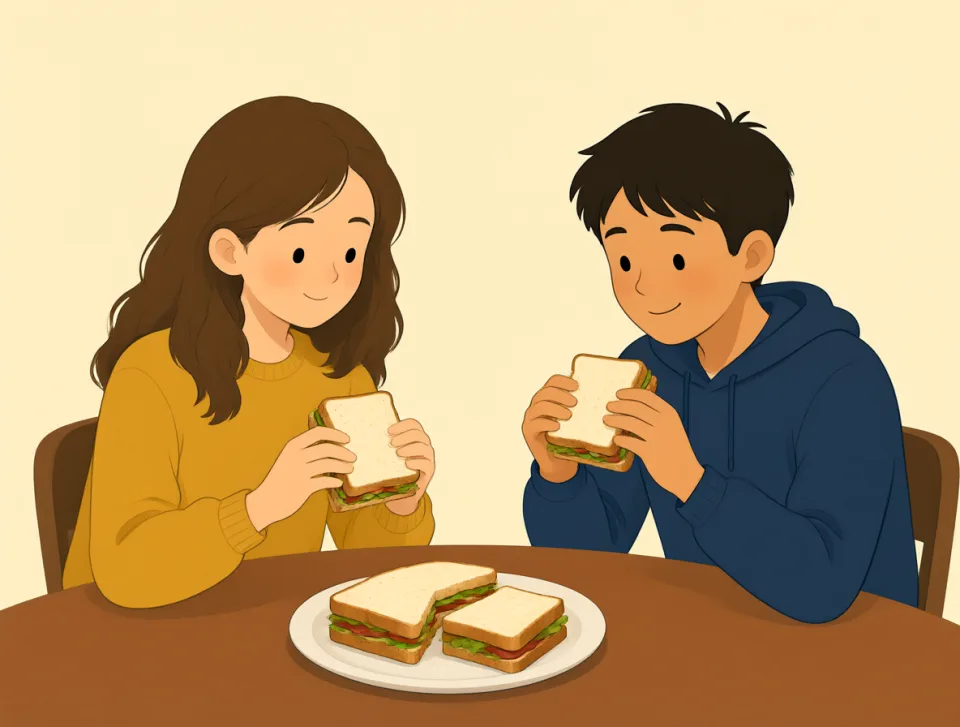
We ate all the sandwiches at lunch.
দুপুরের খাবারে আমরা সব স্যান্ডউইচ খেয়ে ফেলেছিলাম।

All of us took the train home.
আমরা সবাই ট্রেনে করে বাড়ি ফিরেছিলাম।

She worked all day at the shop.
সে দোকানে সারাদিন কাজ করেছে।

I am not at all tired today.
আজ আমি একটুও ক্লান্ত নই।

if
#34conjunction
যদি
Used to talk about a condition or a possible situation.
কোনো শর্ত বা সম্ভাব্য পরিস্থিতি নিয়ে কথা বলতে ব্যবহৃত হয়।
Call me if you need help.
তোমার সাহায্যের দরকার হলে আমাকে ফোন কোরো।

If it rains, we will stay home.
বৃষ্টি হলে আমরা বাড়িতেই থাকব।

Ask the teacher if you have questions.
কোনো প্রশ্ন থাকলে শিক্ষককে জিজ্ঞেস করো।

I will buy it if it is cheaper.
দাম কম হলে আমি এটা কিনব।

She asked if the train was late.
সে জিজ্ঞেস করেছিল ট্রেনটা দেরি করেছিল কি না।

one
#35number, noun, pronoun, determiner
এক
The number 1, or a single person or thing.
১ সংখ্যাটি, অথবা একজন ব্যক্তি বা একটি বস্তু।
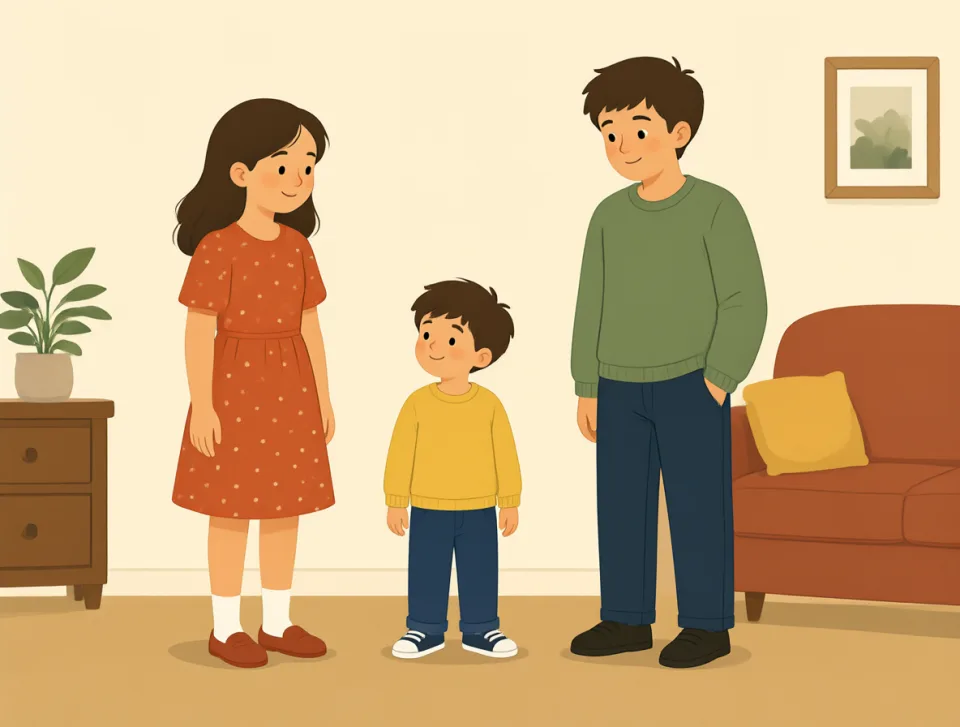
I have one sister and two brothers.
আমার এক বোন আর দুই ভাই আছে।

Please give me one coffee.
দয়া করে আমাকে এক কাপ কফি দিন।

One student answered the teacher's question.
একজন শিক্ষার্থী শিক্ষকের প্রশ্নের উত্তর দিয়েছিল।

This shoe is smaller than the other one.
এই জুতাটি অন্যটির চেয়ে ছোট।

One day, we will travel around the world.
একদিন আমরা সারা পৃথিবী ঘুরে বেড়াব।

would
#36verb, modal verb
করত
Used to talk about wishes, imagined situations, polite requests, or repeated past actions.
ইচ্ছা, কল্পিত পরিস্থিতি, ভদ্র অনুরোধ বা অতীতে বারবার ঘটত এমন কাজ বোঝাতে ব্যবহৃত হয়।
Would you like some coffee?
আপনি কি একটু কফি খাবেন?

I would like to book a room.
আমি একটি ঘর বুক করতে চাই।

She would help if she had time.
তার সময় থাকলে সে সাহায্য করত।

When we were children, we would play outside.
আমরা যখন ছোট ছিলাম, বাইরে খেলতাম।

Would you please close the window?
দয়া করে জানালাটা বন্ধ করবেন?

about
#37adverb, preposition
সম্পর্কে
Used to say what someone or something concerns, or roughly where, when, or how much.
কোনো ব্যক্তি বা বিষয় কী নিয়ে, অথবা আনুমানিক কোথায়, কখন বা কতটা—তা বোঝাতে ব্যবহৃত হয়।
We talked about our plans after dinner.
রাতের খাবারের পর আমরা আমাদের পরিকল্পনা নিয়ে কথা বলেছিলাম।

This book is about animals and nature.
এই বইটি প্রাণী ও প্রকৃতি সম্পর্কে।

There were about twenty people at the party.
পার্টিতে প্রায় বিশজন লোক ছিল।

The train leaves at about eight o'clock.
ট্রেনটি প্রায় আটটায় ছাড়ে।

I am worried about my sick dog.
আমার অসুস্থ কুকুরটিকে নিয়ে আমি চিন্তিত।
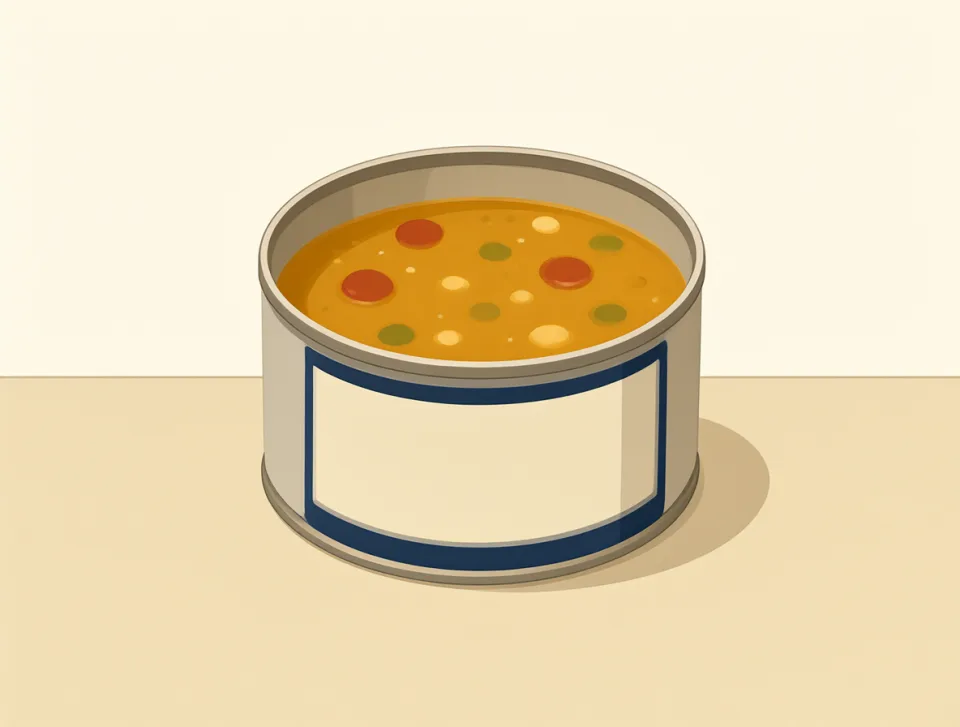
can
#38noun, verb, modal verb
কৌটো
A metal container; or to put food or drink into a metal container.
ধাতুর পাত্র; অথবা খাবার বা পানীয় ধাতুর পাত্রে ভরে সংরক্ষণ করা।

I can help you with your homework.
আমি তোমার বাড়ির কাজে সাহায্য করতে পারি।

Can you open this jar for me?
তুমি কি আমার জন্য এই বয়ামটা খুলে দিতে পারবে?

We can meet at the station at six.
আমরা ছয়টায় স্টেশনে দেখা করতে পারি।
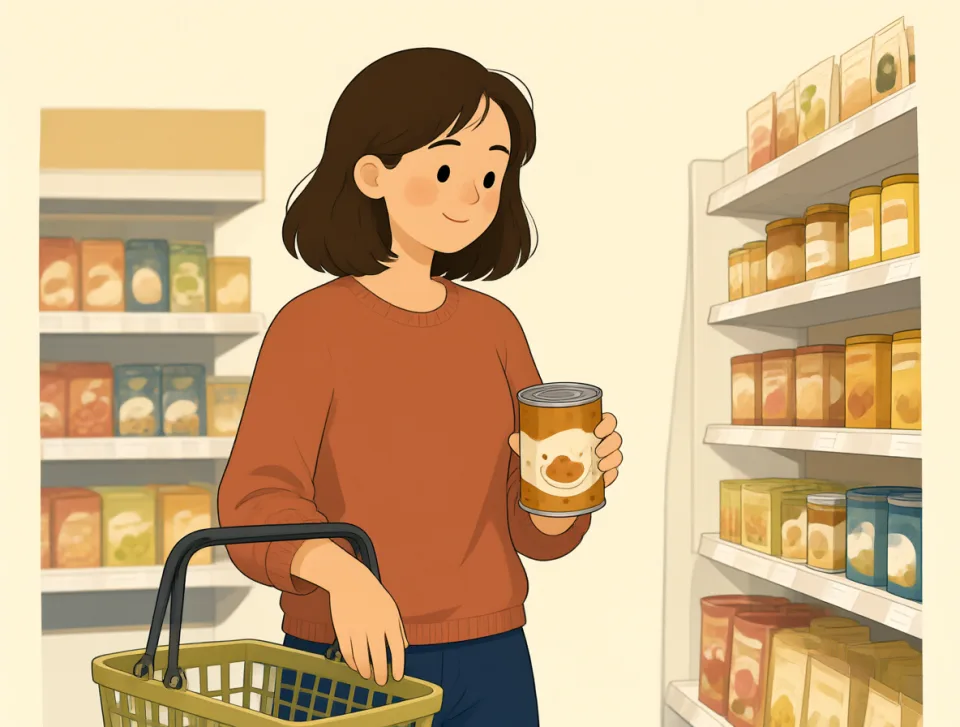
She bought a can of soup for lunch.
সে দুপুরের খাবারের জন্য এক কৌটো স্যুপ কিনেছিল।
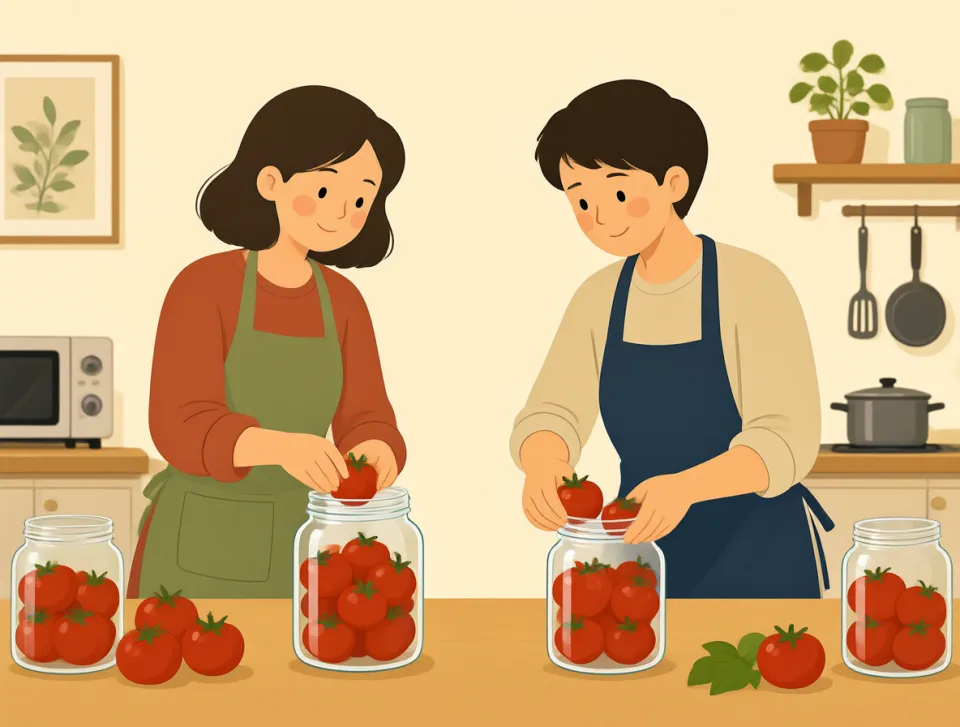
They canned the fresh tomatoes last summer.
গত গ্রীষ্মে তারা তাজা টমেটো কৌটোয় ভরে সংরক্ষণ করেছিল।

which
#39pronoun, determiner
কোনটি
Used to ask or show which person or thing you mean.
কোন ব্যক্তি বা বস্তুটির কথা বলা হচ্ছে, তা জানতে বা বোঝাতে ব্যবহৃত হয়।
Which shirt do you like best?
তোমার কোন শার্টটা সবচেয়ে ভালো লাগে?
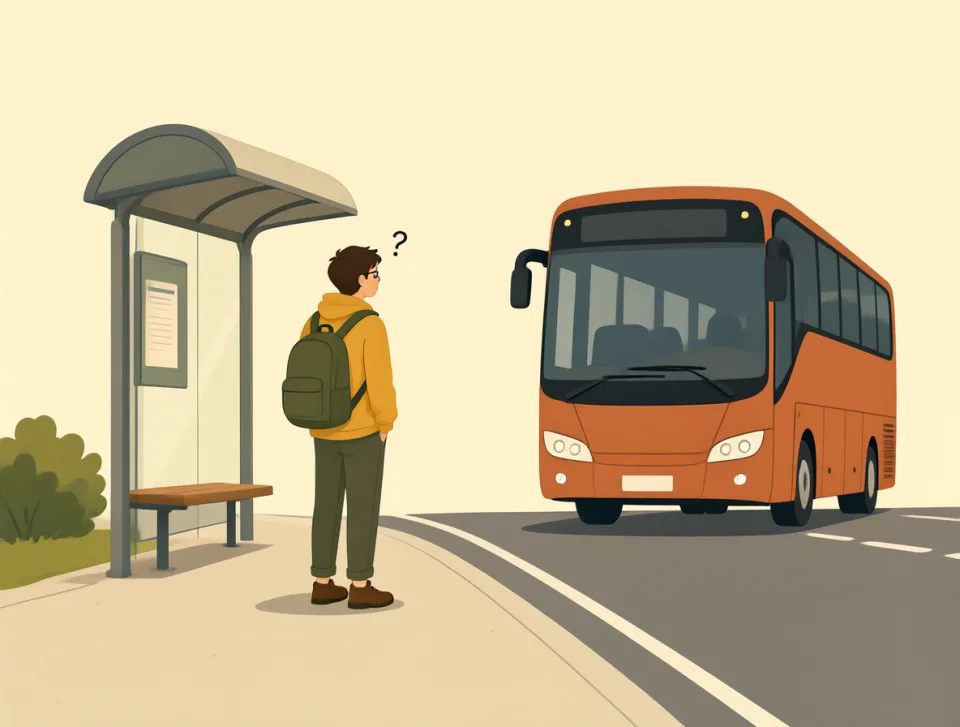
I forgot which bus goes downtown.
শহরের কেন্দ্রের দিকে যায় কোন বাস, তা আমি ভুলে গিয়েছিলাম।

She chose the book which I recommended.
সে আমার সুপারিশ করা বইটি বেছে নিয়েছিল।
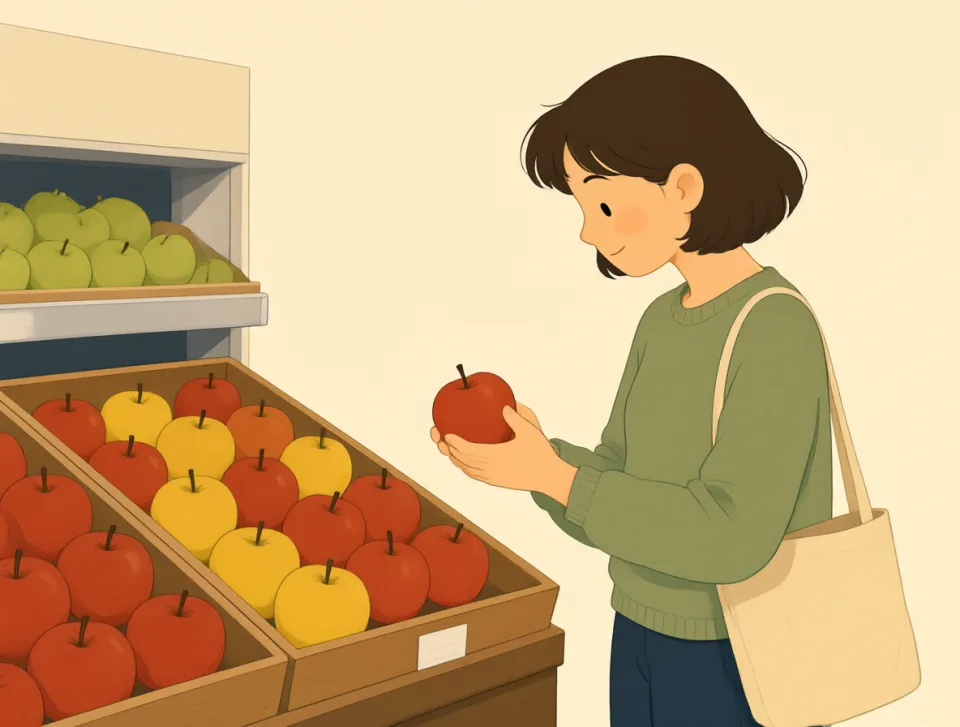
Which of these apples are fresh?
এই আপেলগুলোর মধ্যে কোনগুলো টাটকা?
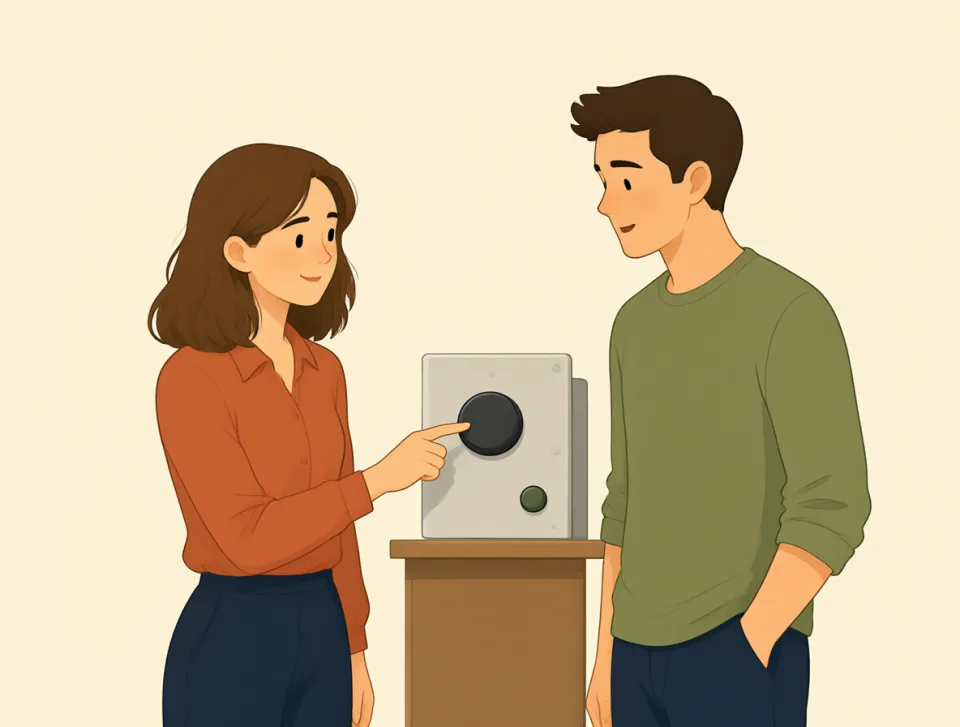
He explained which button to press.
কোন বোতামটি চাপতে হবে, সে তা বুঝিয়ে দিল।

there
#40adverb, pronoun, determiner
সেখানে
In, at, or to that place; used to show that something exists.
সেই জায়গায়, সেই জায়গার মধ্যে বা সেই জায়গার দিকে; কোনো কিছুর অস্তিত্ব বোঝাতেও ব্যবহৃত হয়।
Please put the bags over there.
দয়া করে ব্যাগগুলো ওইখানে রাখুন।
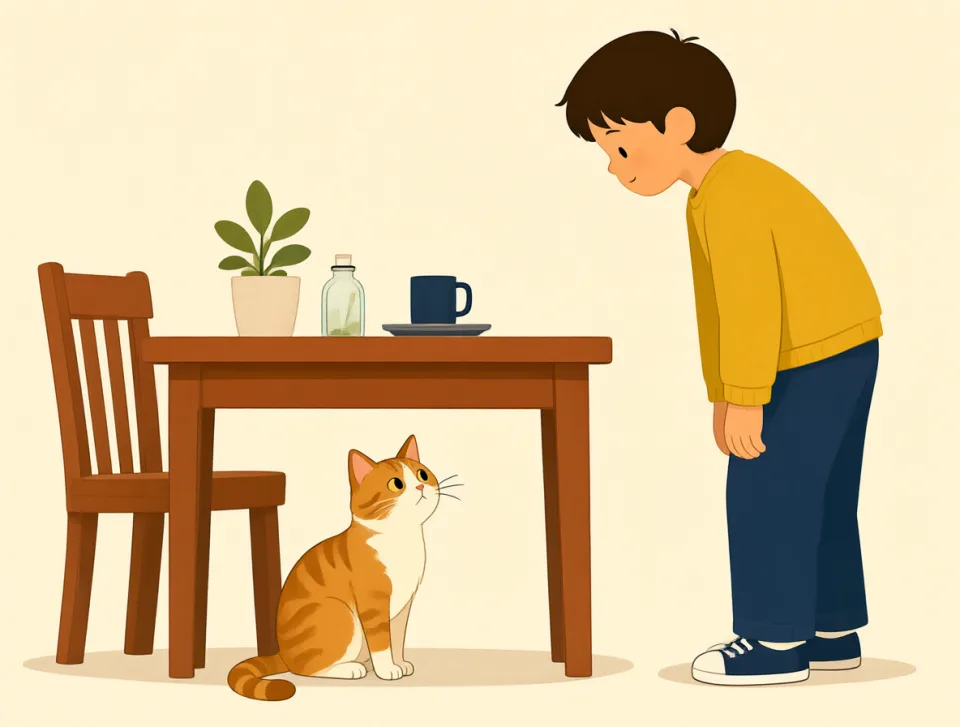
There is a cat under the table.
টেবিলের নিচে একটি বিড়াল আছে।

There are two apples in the bowl.
বাটিতে দুটি আপেল আছে।

We waited there for the bus.
আমরা সেখানে বাসের জন্য অপেক্ষা করেছিলাম।

Is anyone there?
ওখানে কি কেউ আছে?