Блок 2
Слова 21–40 · do, as, at, she, but, from

do
#21verb, auxiliary verb, noun
делать
To perform an action, task, or activity.
Выполнять действие, задание или какую-либо деятельность.

I do my homework after dinner.
Я делаю домашнее задание после ужина.
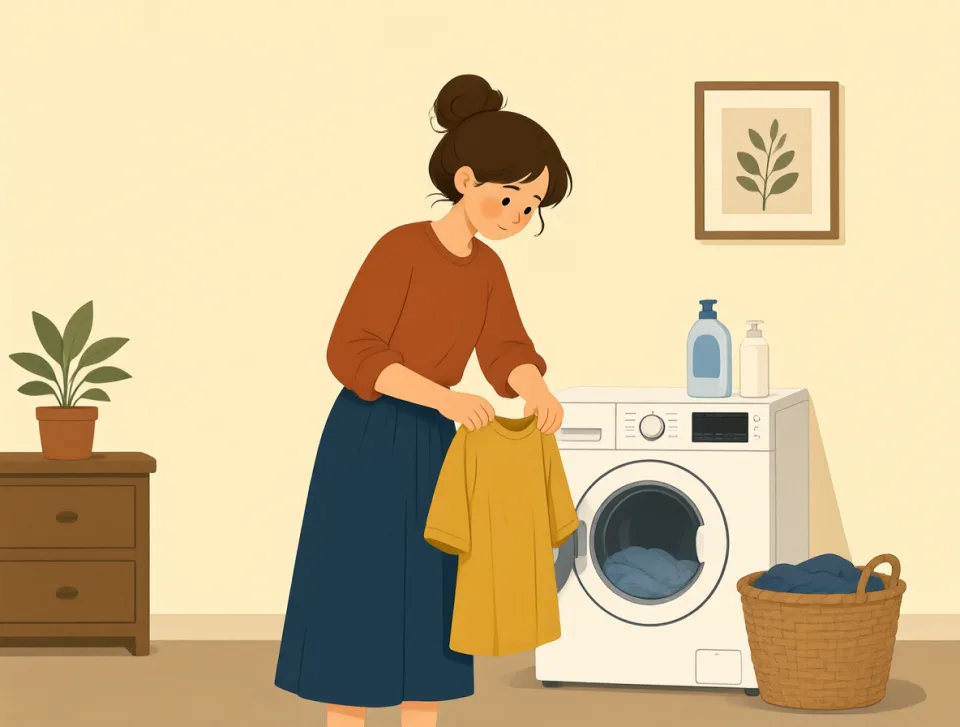
She does the washing every Saturday.
Она стирает каждую субботу.

Do you like this restaurant?
Тебе нравится этот ресторан?

We did some shopping after work.
После работы мы немного походили по магазинам.

He does exercise every morning.
Он занимается спортом каждое утро.
as
#22adverb, conjunction, preposition, pronoun, determiner
как; когда; поскольку
Used to compare, show time or reason, or describe someone or something.
Используется для сравнения, указания времени или причины, а также для описания кого-либо или чего-либо.
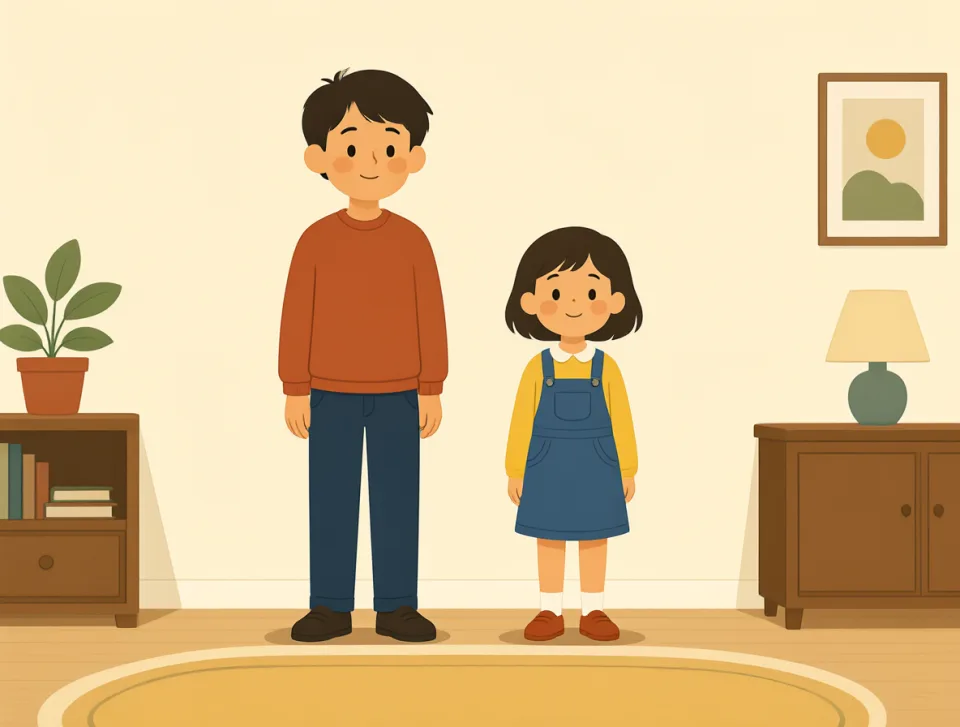
She is as tall as her brother.
Она такая же высокая, как её брат.

As I walked home, it started raining.
Пока я шёл домой, пошёл дождь.

Please do as your teacher says.
Пожалуйста, делайте так, как говорит учитель.

He works as a waiter at night.
По ночам он работает официантом.

As usual, we had dinner at seven.
Как обычно, мы ужинали в семь.
at
#23preposition
в; на
Used to show a specific time, place, or situation.
Используется для указания конкретного времени, места или ситуации.
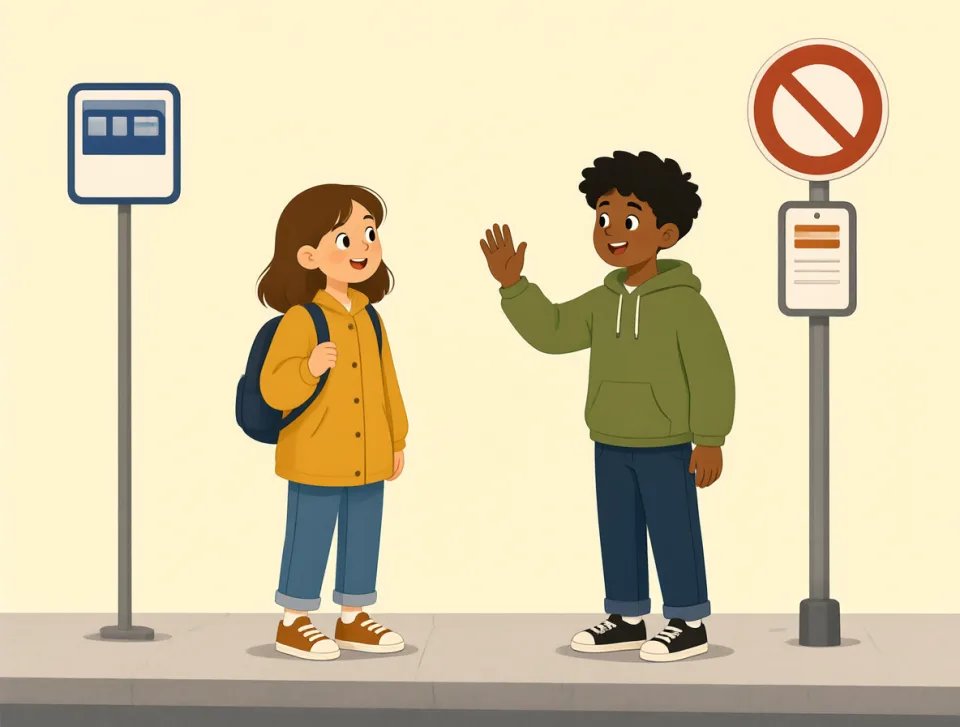
Meet me at the bus stop.
Встреться со мной на автобусной остановке.

The class starts at nine.
Занятие начинается в девять.
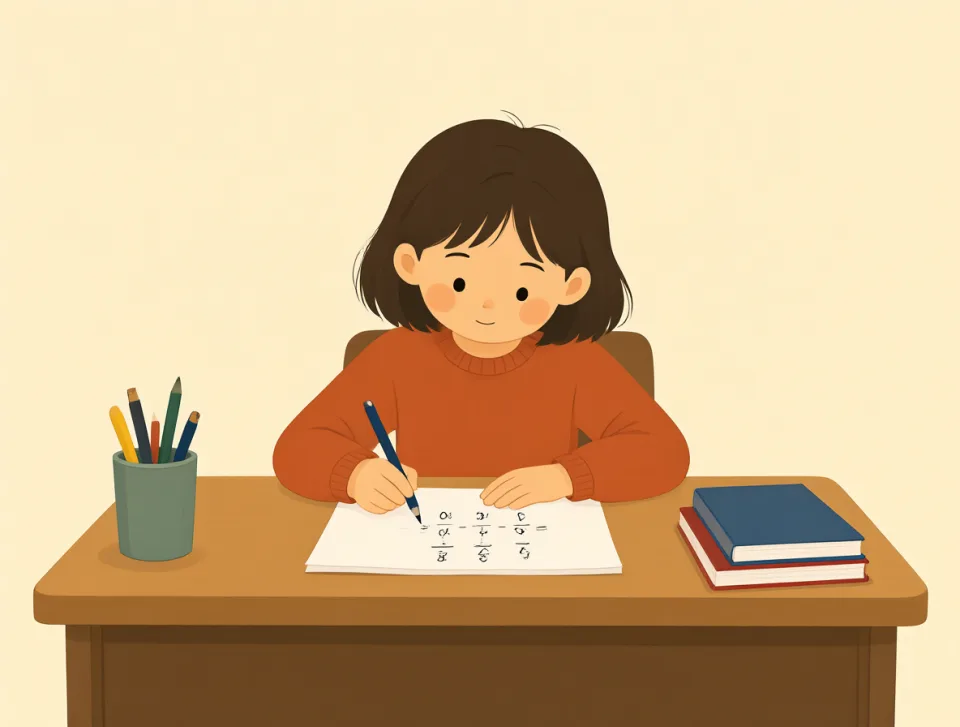
She is good at math.
Она хорошо разбирается в математике.

We ate lunch at home.
Мы пообедали дома.

He arrived at the airport early.
Он рано приехал в аэропорт.

she
#24pronoun
она
A female person or girl already mentioned or known.
Женщина или девочка, о которой уже говорили или которую знают.
She lives with her parents.
Она живёт с родителями.

She works at the hospital.
Она работает в больнице.

She is my best friend.
Она моя лучшая подруга.

She bought some apples at the market.
Она купила яблок на рынке.

She felt sick after dinner.
После ужина ей стало плохо.

but
#25conjunction, preposition, adverb, noun
но
Used to show a contrast, an exception, or a different choice.
Используется, чтобы выразить противопоставление, исключение или другой вариант.
I like tea, but I prefer coffee.
Мне нравится чай, но я предпочитаю кофе.

She is tired, but she keeps working.
Она устала, но продолжает работать.
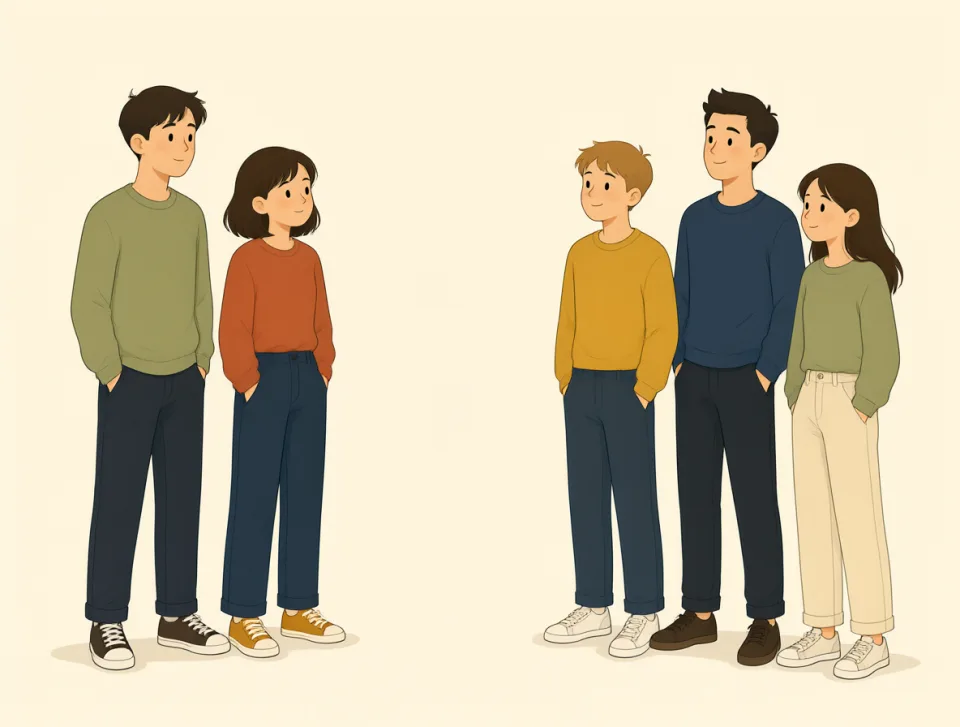
Everyone came but Tom.
Все пришли, кроме Тома.

We wanted to walk, but it started raining.
Мы хотели прогуляться, но пошёл дождь.

The shop was small, but it had everything.
Магазин был маленький, но в нём было всё.

from
#26preposition
из
Shows where something starts, where it comes from, or when it begins.
Указывает, откуда что-то начинается, откуда происходит или когда начинается.
I walk home from school every day.
Я каждый день иду домой из школы пешком.

This letter is from my best friend.
Это письмо от моего лучшего друга.

The shop is open from nine to five.
Магазин открыт с девяти до пяти.

She comes from a small town.
Она родом из маленького городка.

We bought fresh bread from the bakery.
Мы купили свежий хлеб в пекарне.

by
#27preposition, adverb
у; к; с помощью; кем-либо
near, before a time, using something, or done by someone
Означает «рядом», «не позднее определённого времени», «с помощью чего-либо» или указывает, кем что-то сделано.
Please sit by the window.
Пожалуйста, сядь у окна.

We travel by train every summer.
Каждое лето мы путешествуем на поезде.

Finish your homework by Friday.
Закончи домашнее задание к пятнице.

She walked by without saying hello.
Она прошла мимо, даже не поздоровавшись.

This cake was made by my sister.
Этот торт приготовила моя сестра.

will
#28verb, noun
буду; будет; завещание
Used to talk about the future, or a person’s strong wish or legal instructions.
Используется, чтобы говорить о будущем, а также может обозначать сильное желание человека или его юридические распоряжения на случай смерти.
I will call you after dinner.
Я позвоню тебе после ужина.

Will you help me with this box?
Поможешь мне с этой коробкой?

The doctor says you will feel better soon.
Врач говорит, что скоро тебе станет лучше.
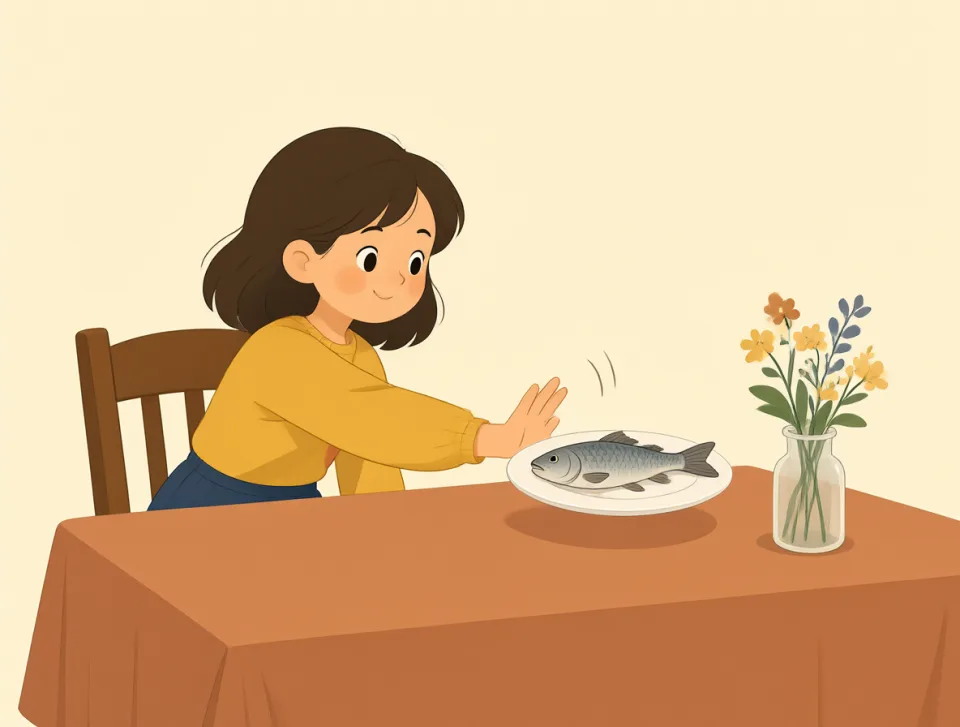
She will not eat the fish today.
Сегодня она не будет есть рыбу.
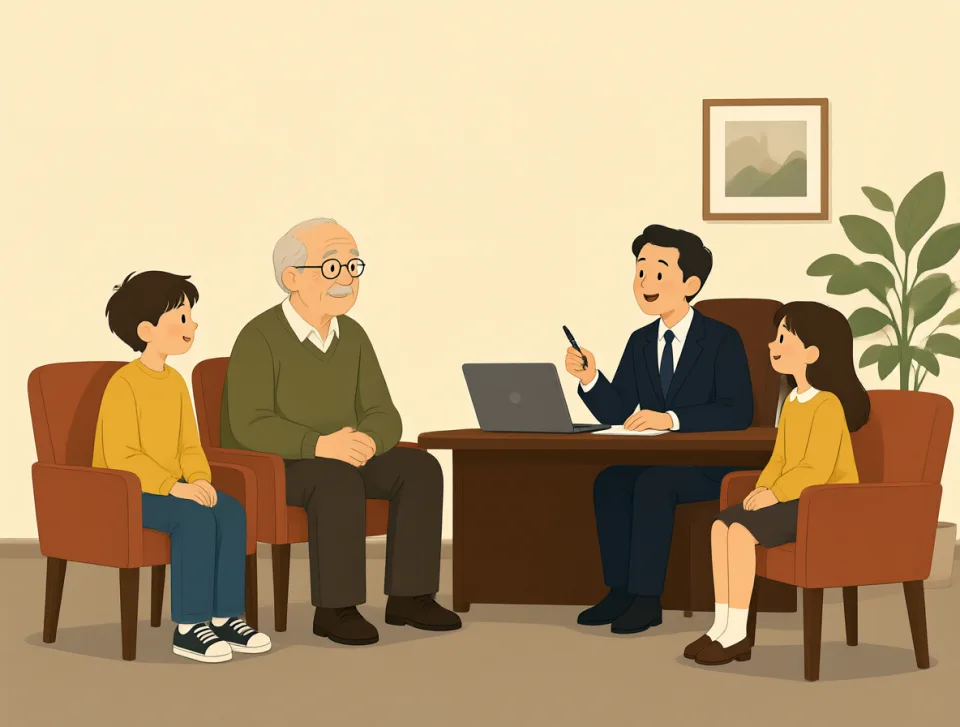
His will left money to his children.
В своём завещании он оставил деньги детям.

or
#29conjunction
или
Used to show a choice between two or more possibilities.
Используется, чтобы обозначить выбор между двумя или несколькими возможностями.
Would you like tea or coffee?
Хотите чаю или кофе?

You can walk or take the bus.
Можно пойти пешком или поехать на автобусе.

Is your sister at home or work?
Твоя сестра дома или на работе?

We need to buy milk or bread.
Нам нужно купить молоко или хлеб.

Hurry, or we will miss the train.
Поторопись, а то мы опоздаем на поезд.
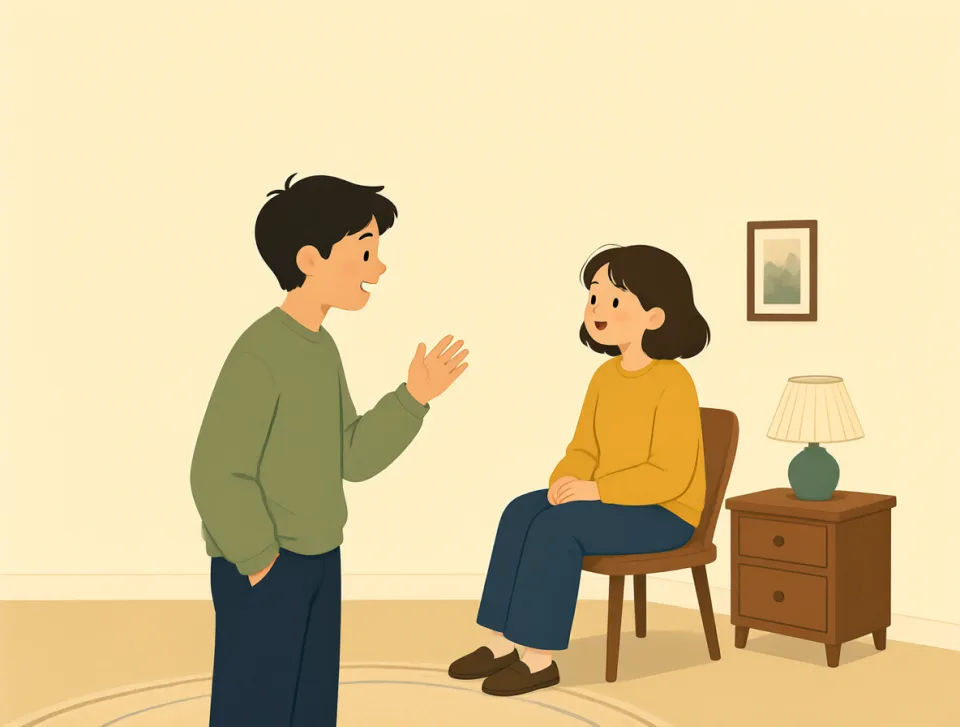
say
#30verb
говорить; сказать
to speak words or tell someone something
Произносить слова или сообщать что-либо кому-либо.

What did you say?
Что ты сказал?

She said hello to her teacher.
Она поздоровалась со своим учителем.

Please say your name slowly.
Пожалуйста, назовите своё имя медленно.

They say the soup is delicious.
Говорят, суп очень вкусный.

He said he felt sick yesterday.
Он сказал, что вчера плохо себя чувствовал.

go
#31verb, noun
ходить
to move or travel somewhere, or to happen or work in a particular way
Перемещаться или отправляться куда-либо; также — происходить или работать определённым образом.
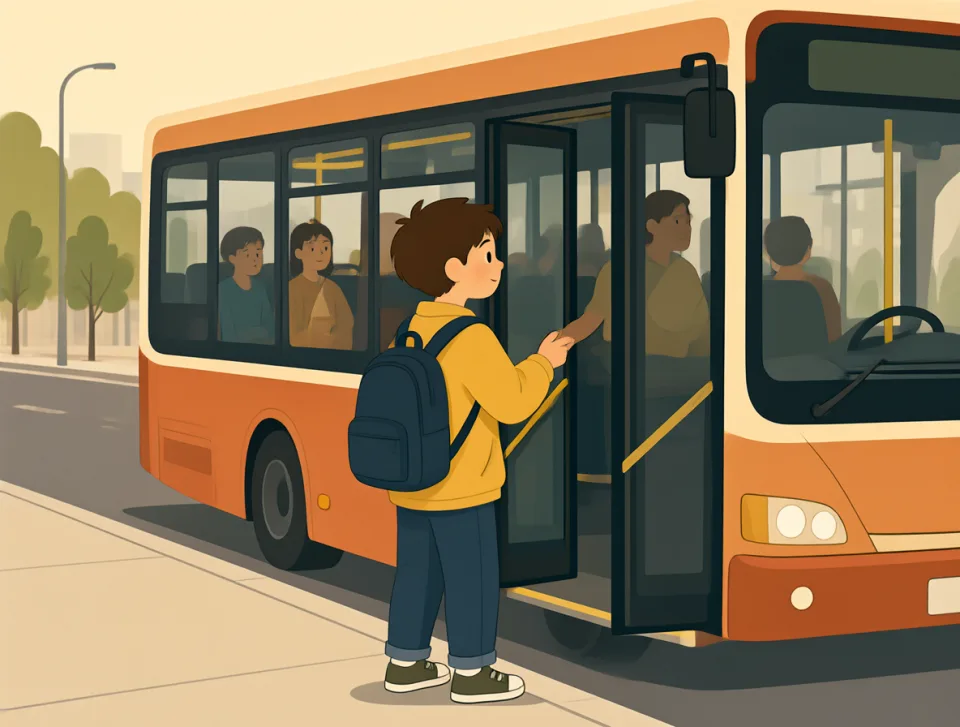
I go to school by bus every day.
Я каждый день езжу в школу на автобусе.

We went home after dinner.
После ужина мы пошли домой.
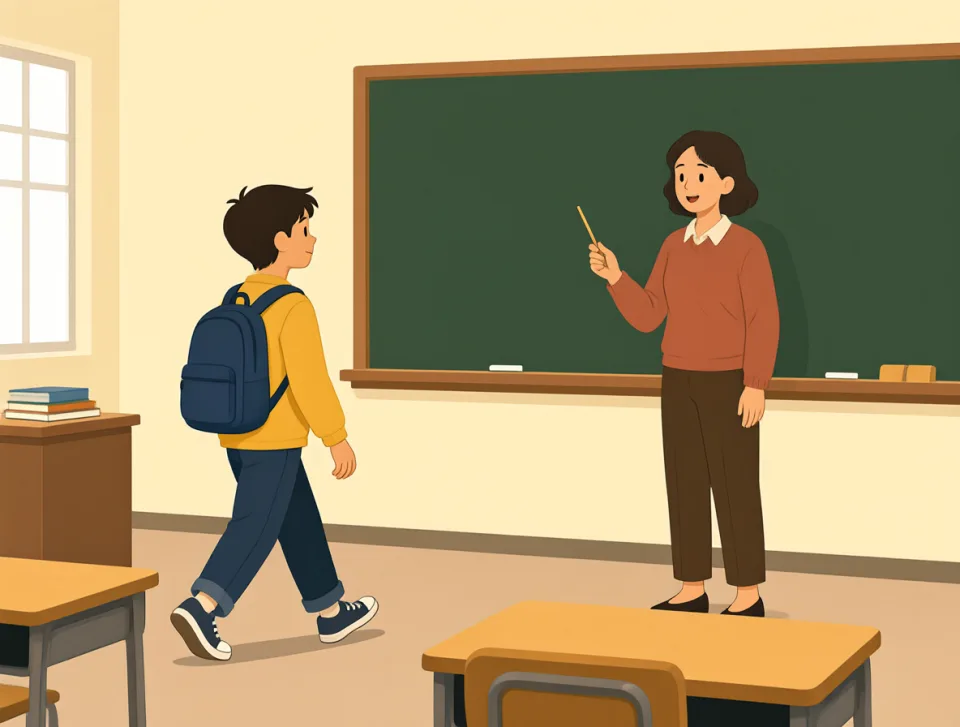
Please go and ask your teacher.
Пожалуйста, сходи и спроси своего учителя.

These shoes go well with your jeans.
Эти туфли хорошо сочетаются с твоими джинсами.
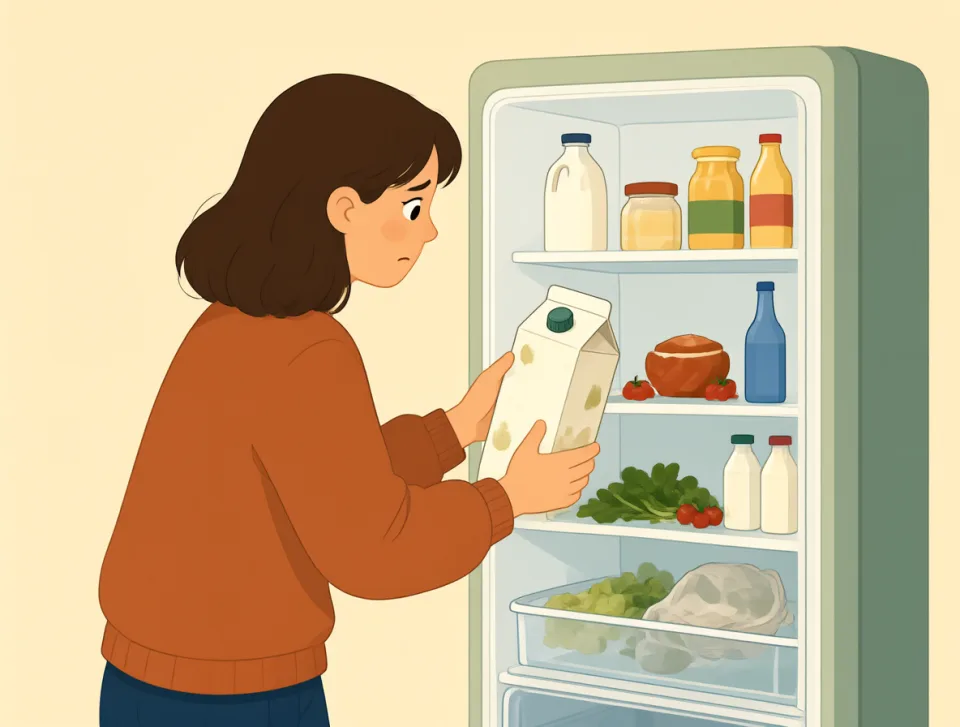
The milk went bad in the fridge.
Молоко испортилось в холодильнике.

so
#32adverb, conjunction
так; настолько
Used to show a result, a high degree, or agreement.
Используется, чтобы показать результат, высокую степень чего-либо или согласие.
I was tired, so I went to bed.
Я устал, поэтому лёг спать.

The soup is so hot I cannot eat it.
Суп такой горячий, что я не могу его есть.

She studied hard, so she passed the test.
Она усердно занималась, поэтому сдала тест.

The bus was late, so we walked home.
Автобус опоздал, поэтому мы пошли домой пешком.

“I like this.” “So do I.”
«Мне это нравится». «Мне тоже».

all
#33determiner, pronoun, adverb
весь; все
The whole amount or every person or thing in a group
Всё количество чего-либо или каждый человек либо предмет в группе.
All the students finished their homework.
Все ученики закончили домашнее задание.
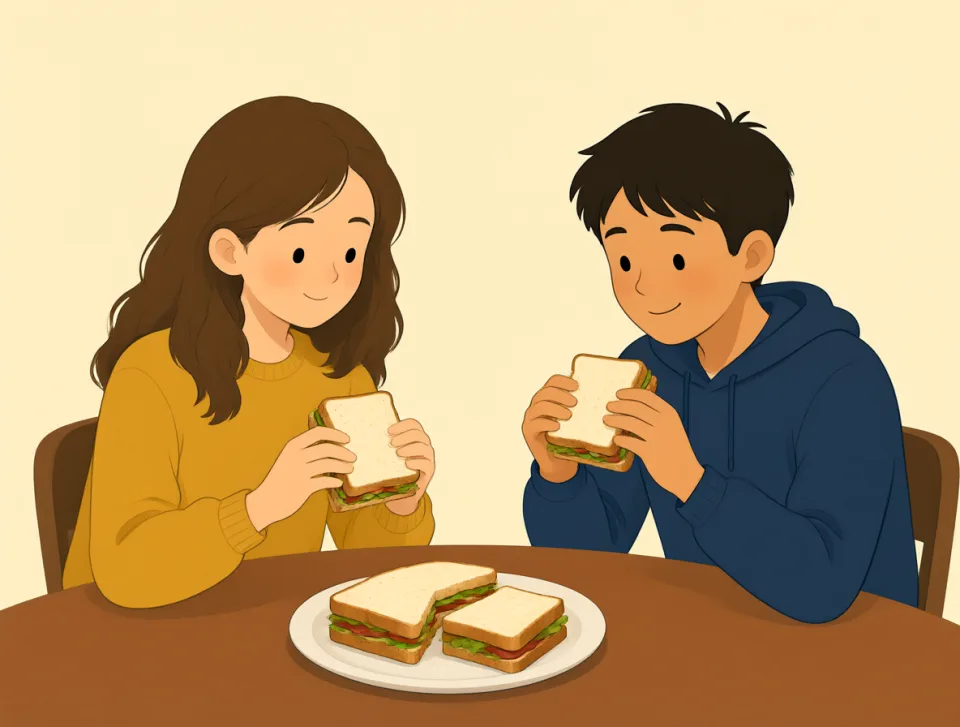
We ate all the sandwiches at lunch.
За обедом мы съели все бутерброды.

All of us took the train home.
Мы все поехали домой на поезде.

She worked all day at the shop.
Она весь день работала в магазине.

I am not at all tired today.
Сегодня я совсем не устал.

if
#34conjunction
если
Used to talk about a condition or a possible situation.
Используется, чтобы говорить об условии или возможной ситуации.
Call me if you need help.
Позвони мне, если тебе понадобится помощь.

If it rains, we will stay home.
Если пойдёт дождь, мы останемся дома.

Ask the teacher if you have questions.
Если у вас есть вопросы, спросите учителя.

I will buy it if it is cheaper.
Я куплю это, если оно будет дешевле.

She asked if the train was late.
Она спросила, не опаздывает ли поезд.

one
#35number, noun, pronoun, determiner
один
The number 1, or a single person or thing.
Число 1 или один человек либо предмет.
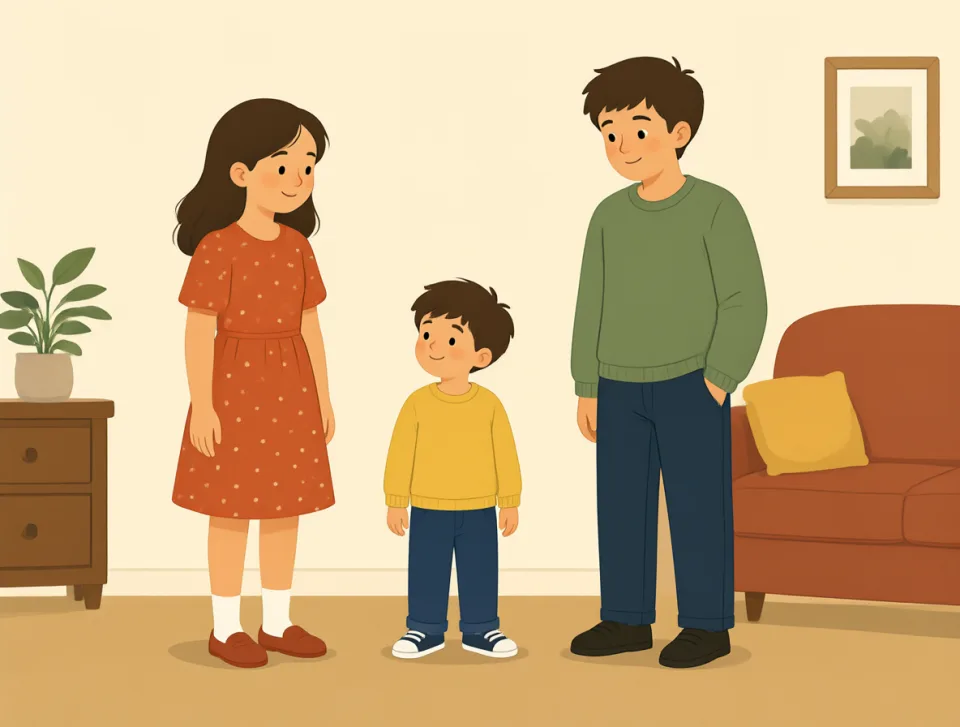
I have one sister and two brothers.
У меня есть одна сестра и два брата.

Please give me one coffee.
Пожалуйста, дайте мне один кофе.

One student answered the teacher's question.
Один ученик ответил на вопрос учителя.

This shoe is smaller than the other one.
Эта туфля меньше другой.

One day, we will travel around the world.
Однажды мы объедем весь мир.

would
#36verb, modal verb
бы
Used to talk about wishes, imagined situations, polite requests, or repeated past actions.
Используется, чтобы говорить о желаниях, воображаемых ситуациях, вежливых просьбах или повторявшихся действиях в прошлом.
Would you like some coffee?
Не хотите кофе?

I would like to book a room.
Я хотел бы забронировать номер.

She would help if she had time.
Она помогла бы, если бы у неё было время.
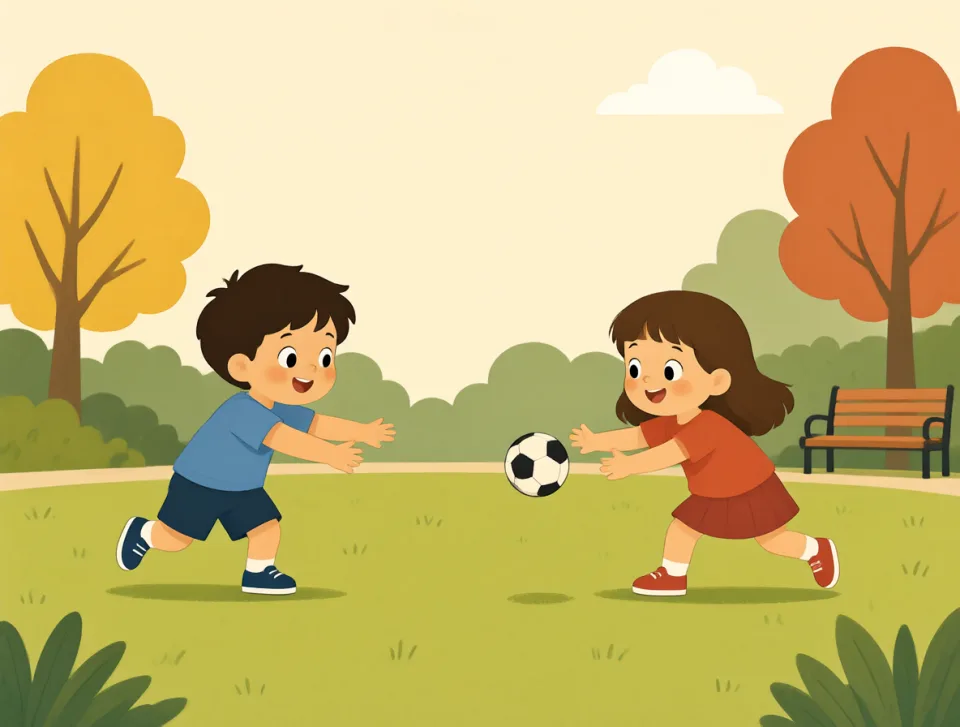
When we were children, we would play outside.
Когда мы были детьми, мы часто играли на улице.

Would you please close the window?
Не могли бы вы закрыть окно?

about
#37adverb, preposition
о
Used to say what someone or something concerns, or roughly where, when, or how much.
Используется, чтобы указать, о ком или о чём идёт речь, а также обозначить примерное место, время или количество.
We talked about our plans after dinner.
После ужина мы поговорили о наших планах.

This book is about animals and nature.
Эта книга о животных и природе.

There were about twenty people at the party.
На вечеринке было около двадцати человек.

The train leaves at about eight o'clock.
Поезд отправляется примерно в восемь часов.

I am worried about my sick dog.
Я беспокоюсь о своей больной собаке.
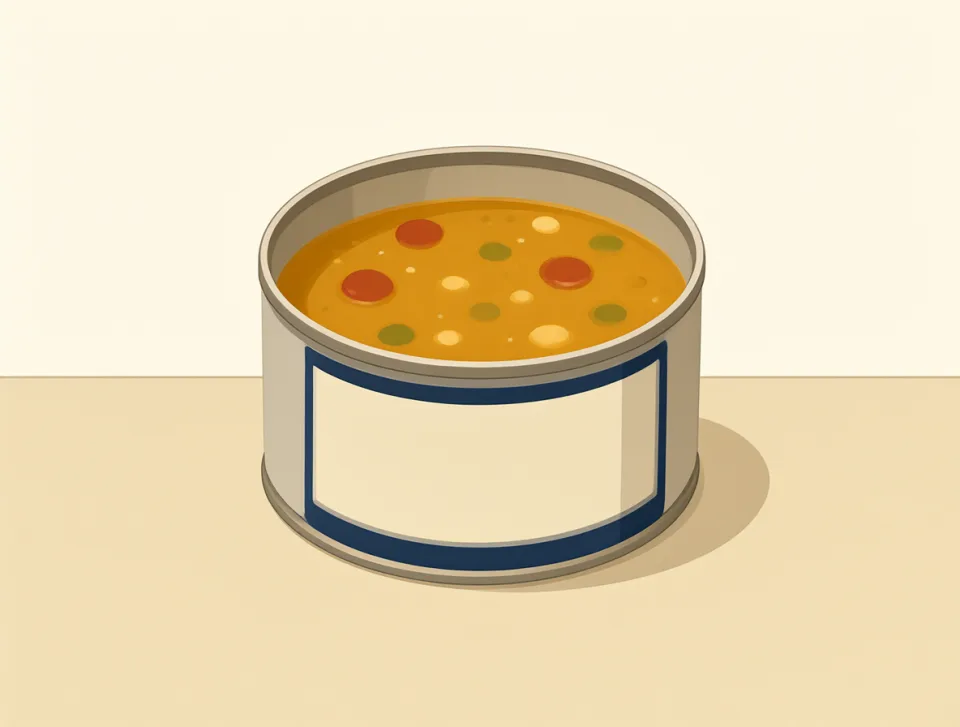
can
#38noun, verb, modal verb
консервная банка; мочь
A metal container; or to put food or drink into a metal container.
Металлическая ёмкость; также глагол «консервировать» — помещать еду или напитки в металлическую ёмкость.

I can help you with your homework.
Я могу помочь тебе с домашним заданием.

Can you open this jar for me?
Ты можешь открыть эту банку для меня?

We can meet at the station at six.
Мы можем встретиться на станции в шесть.

She bought a can of soup for lunch.
Она купила банку супа на обед.
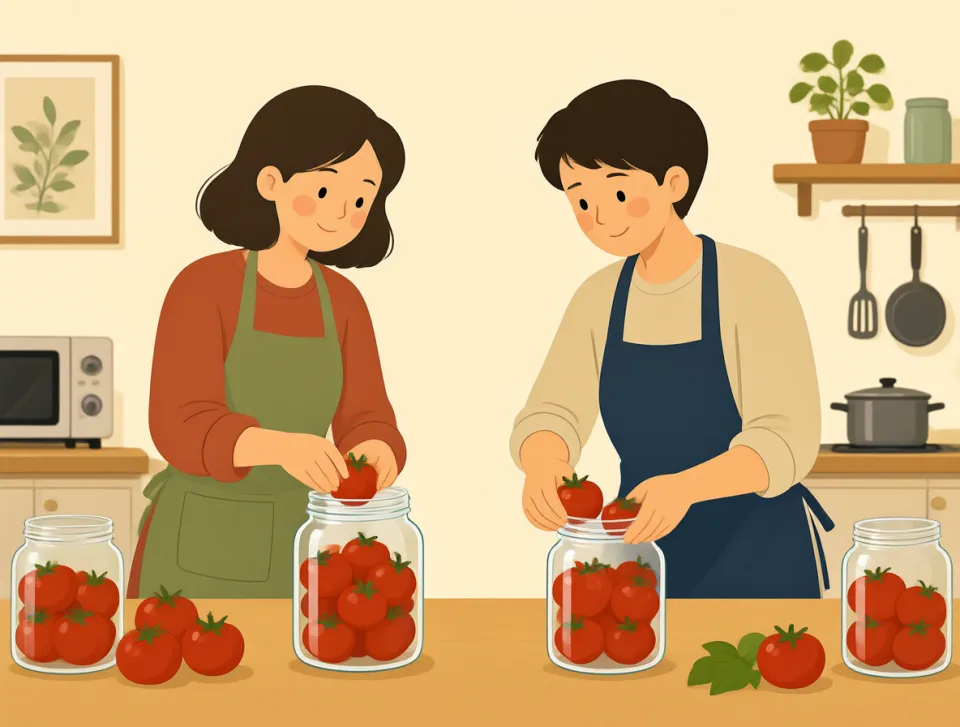
They canned the fresh tomatoes last summer.
Прошлым летом они законсервировали свежие помидоры.

which
#39pronoun, determiner
который; какой
Used to ask or show which person or thing you mean.
Используется, чтобы спросить или показать, о каком человеке или предмете идёт речь.
Which shirt do you like best?
Какая рубашка тебе нравится больше всего?
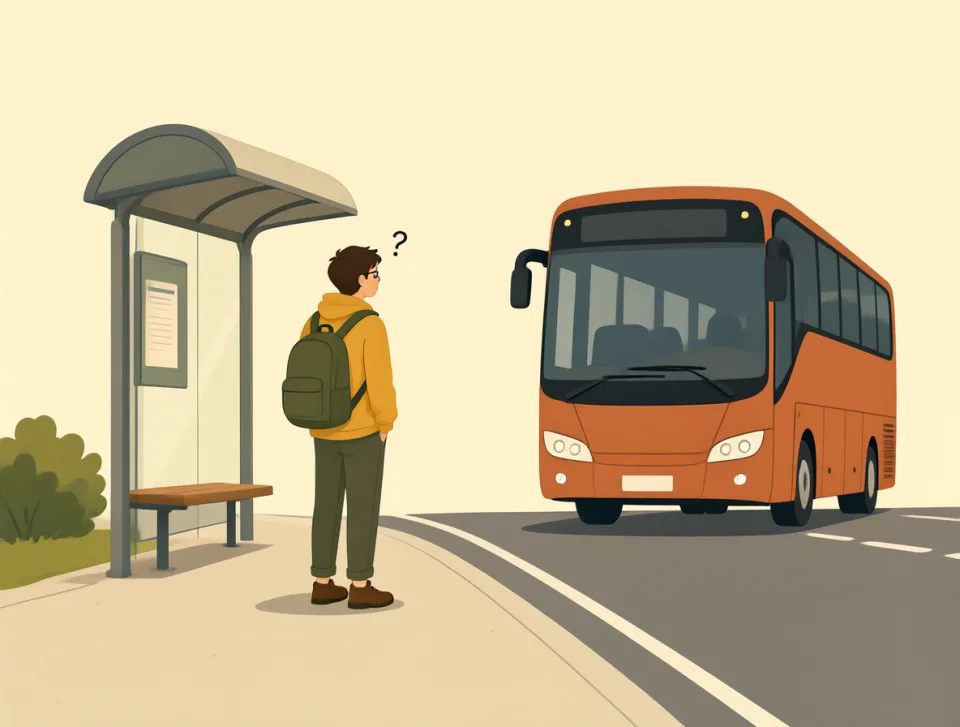
I forgot which bus goes downtown.
Я забыл, какой автобус едет в центр.

She chose the book which I recommended.
Она выбрала книгу, которую я рекомендовал.
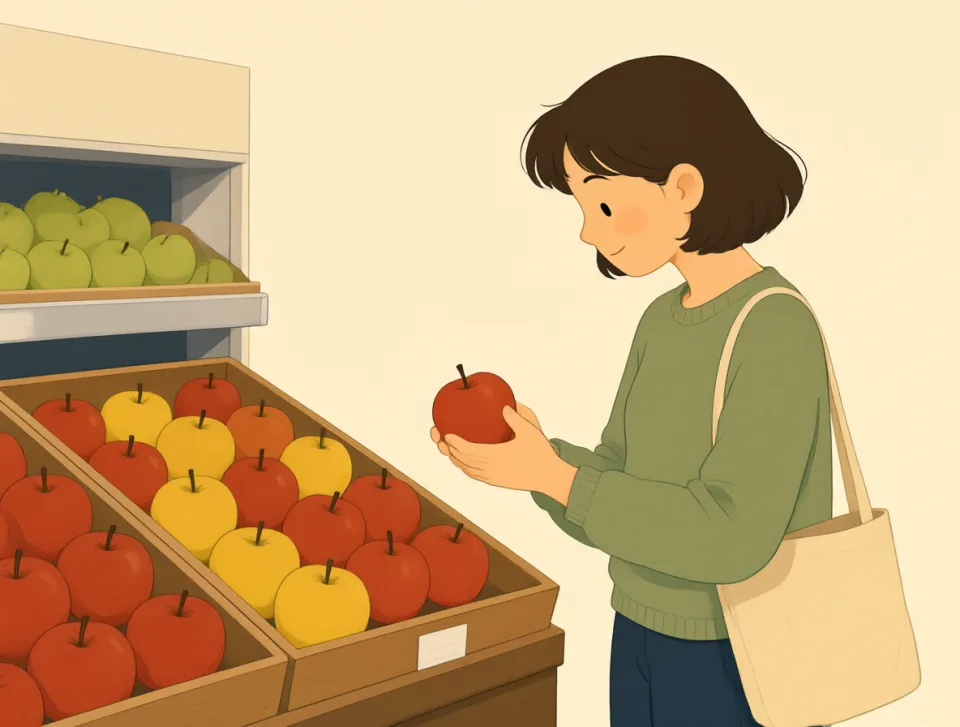
Which of these apples are fresh?
Какие из этих яблок свежие?
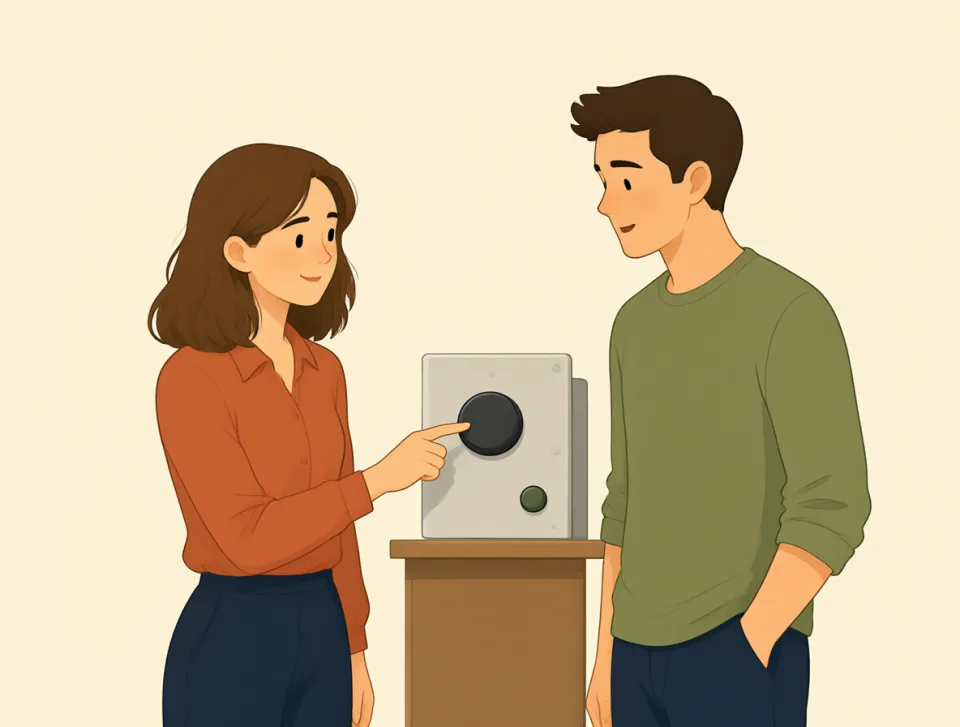
He explained which button to press.
Он объяснил, на какую кнопку нажать.

there
#40adverb, pronoun, determiner
там
In, at, or to that place; used to show that something exists.
В том месте, в том месте или в то место; также используется, чтобы показать, что что-то существует.
Please put the bags over there.
Пожалуйста, поставьте сумки вон туда.
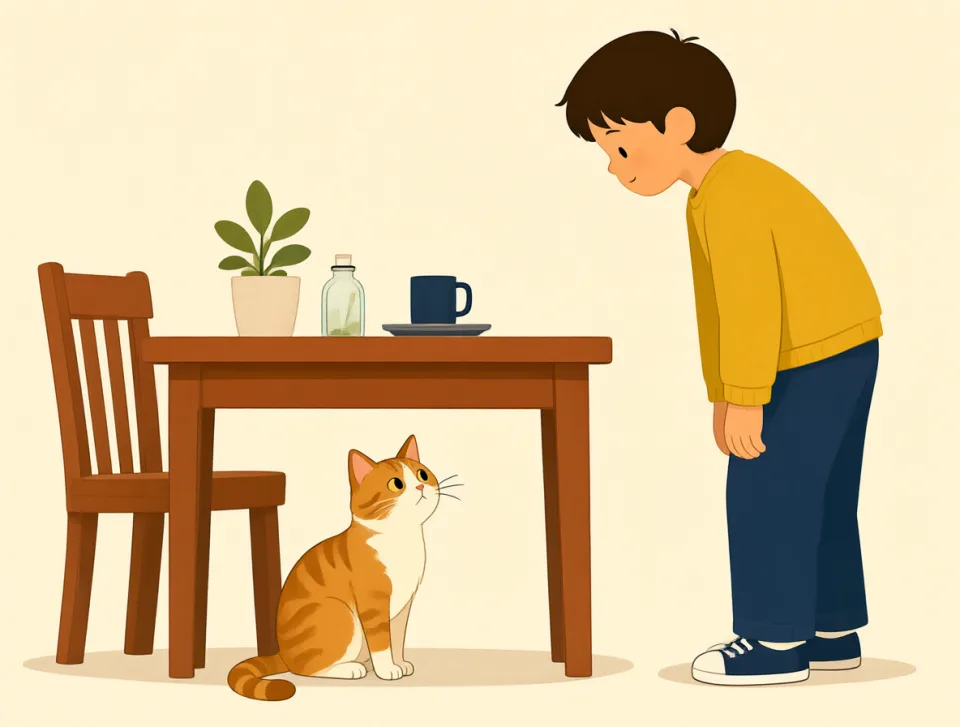
There is a cat under the table.
Под столом сидит кошка.

There are two apples in the bowl.
В миске лежат два яблока.

We waited there for the bus.
Мы ждали там автобус.
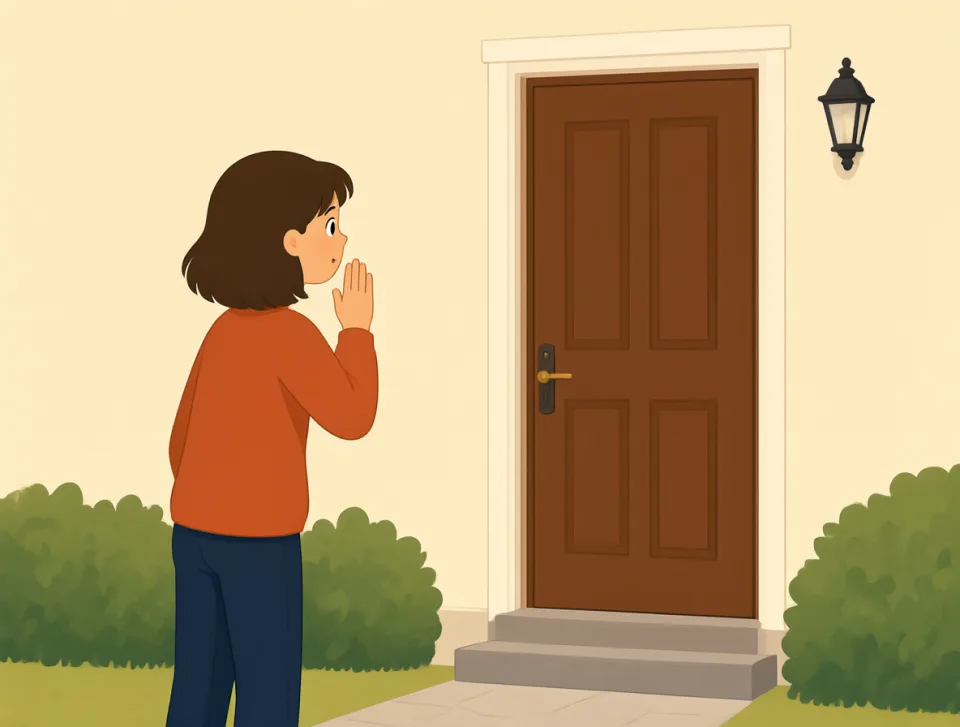
Is anyone there?
Там кто-нибудь есть?