ユニット 2
21〜40語 · do, as, at, she, but, from
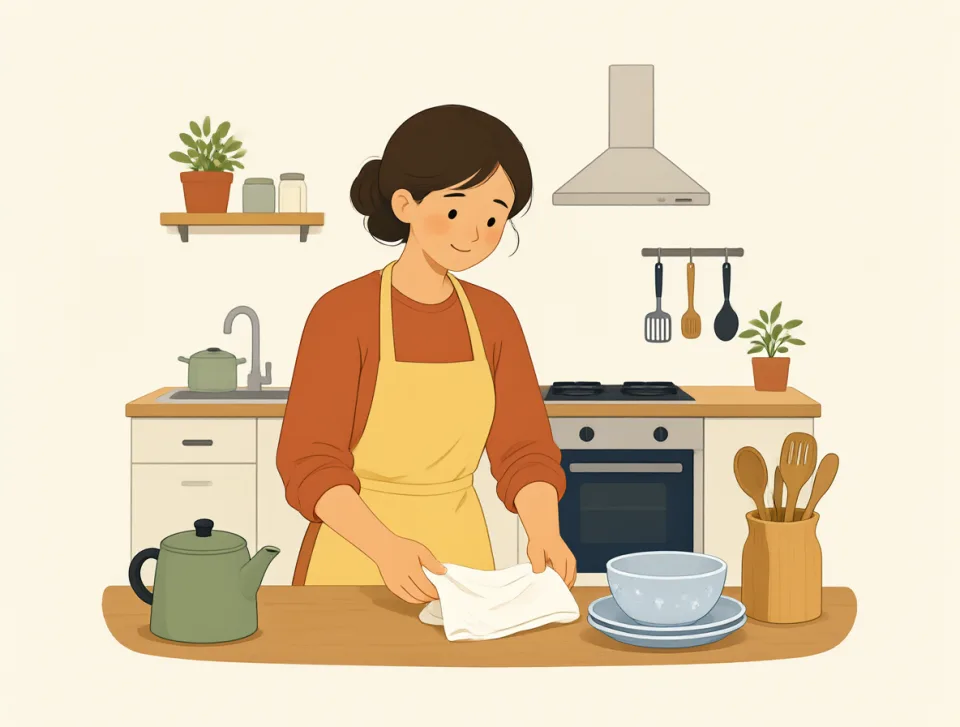
do
#21verb, auxiliary verb, noun
する; 行う; 取り組む
To perform an action, task, or activity.
動作や作業、活動を行う。
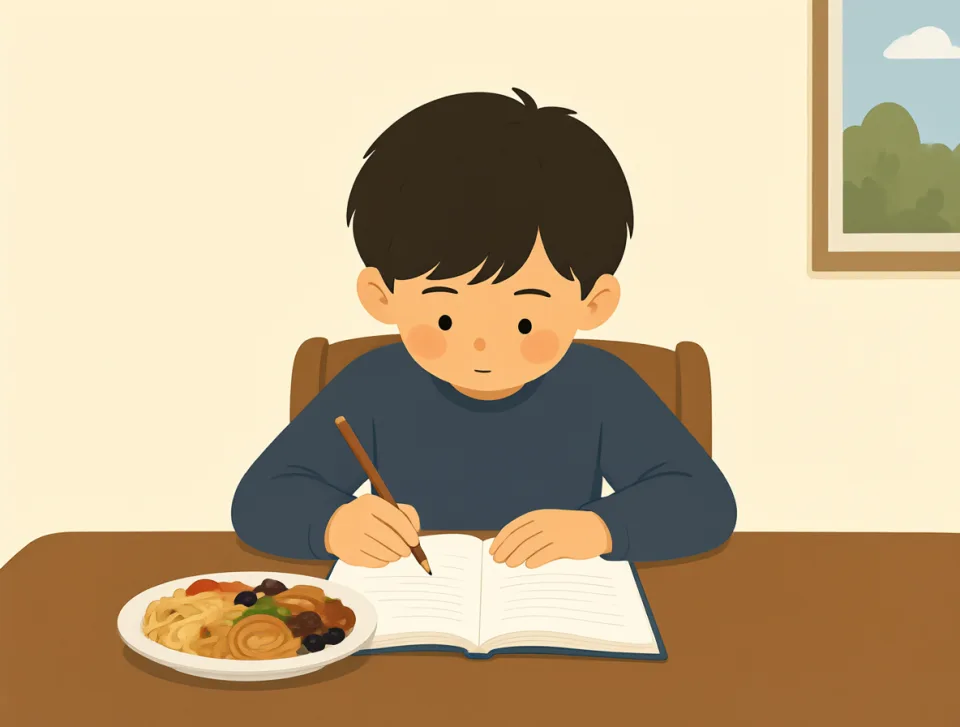
I do my homework after dinner.
夕食のあとに宿題をします。
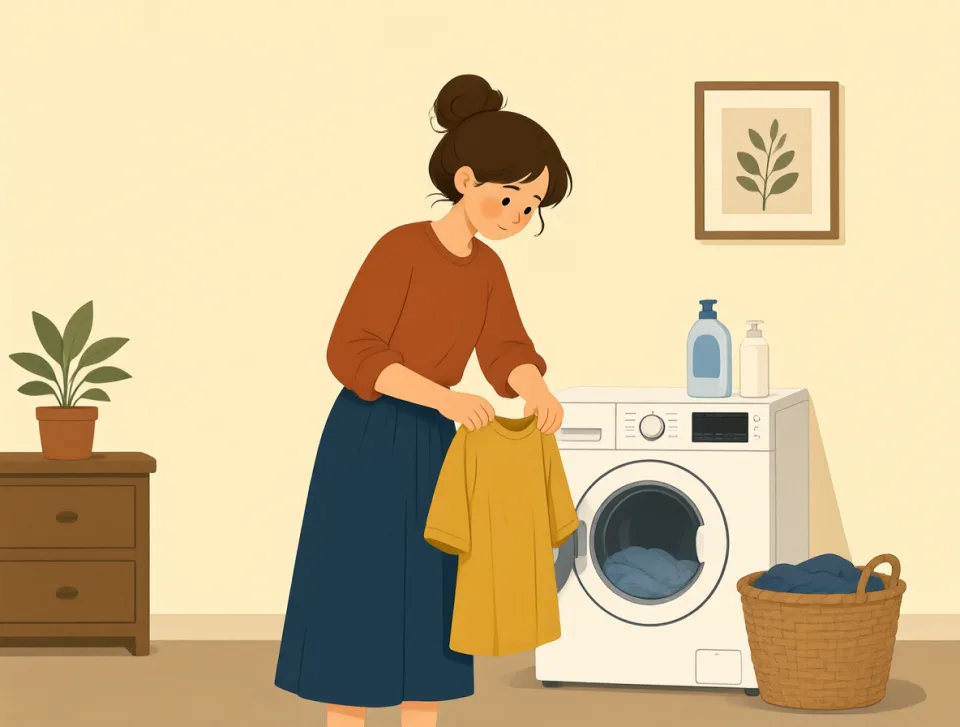
She does the washing every Saturday.
彼女は毎週土曜日に洗濯をします。

Do you like this restaurant?
このレストラン、好きですか?

We did some shopping after work.
仕事のあとに買い物をしました。
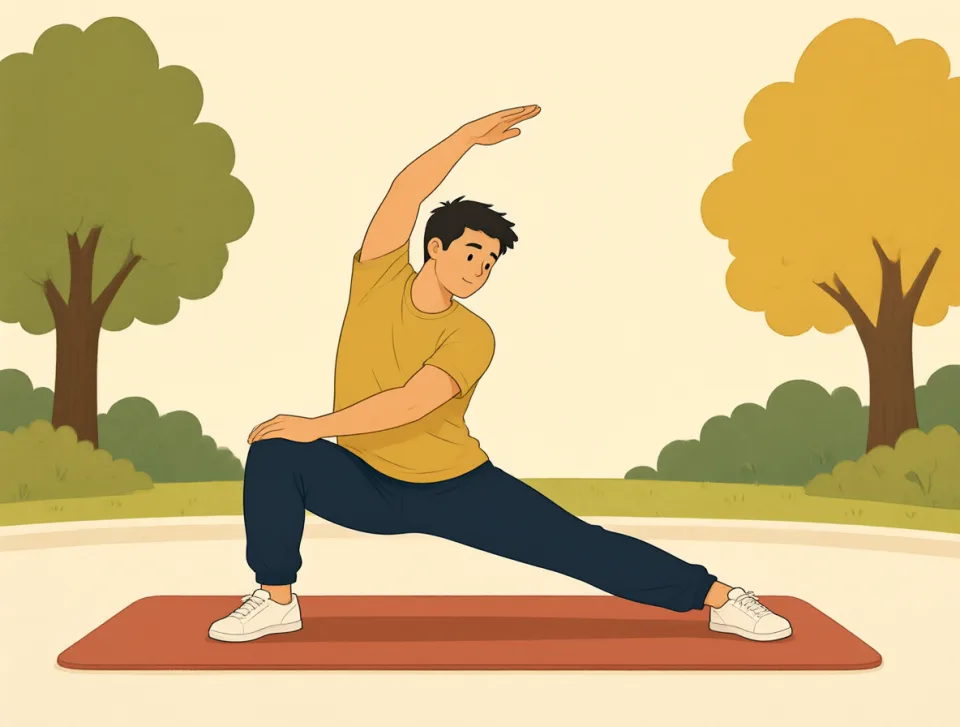
He does exercise every morning.
彼は毎朝運動をします。
as
#22adverb, conjunction, preposition, pronoun, determiner
同じくらい;〜として;〜するとき;〜のように
Used to compare, show time or reason, or describe someone or something.
比較したり、時や理由を示したり、人や物について説明したりするときに使う。
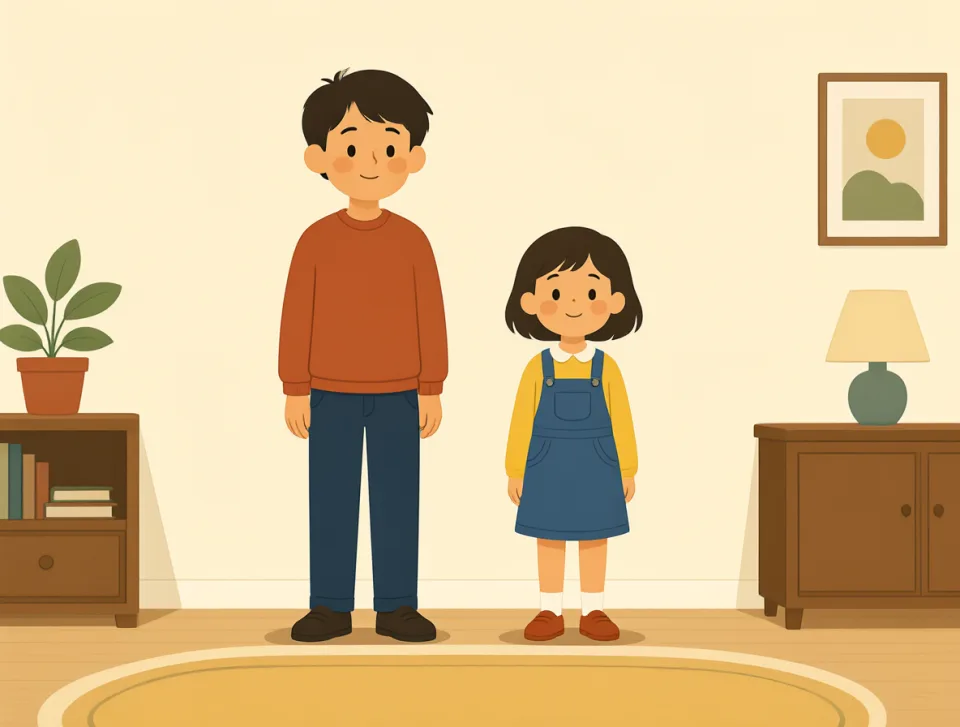
She is as tall as her brother.
彼女は兄と同じくらい背が高い。
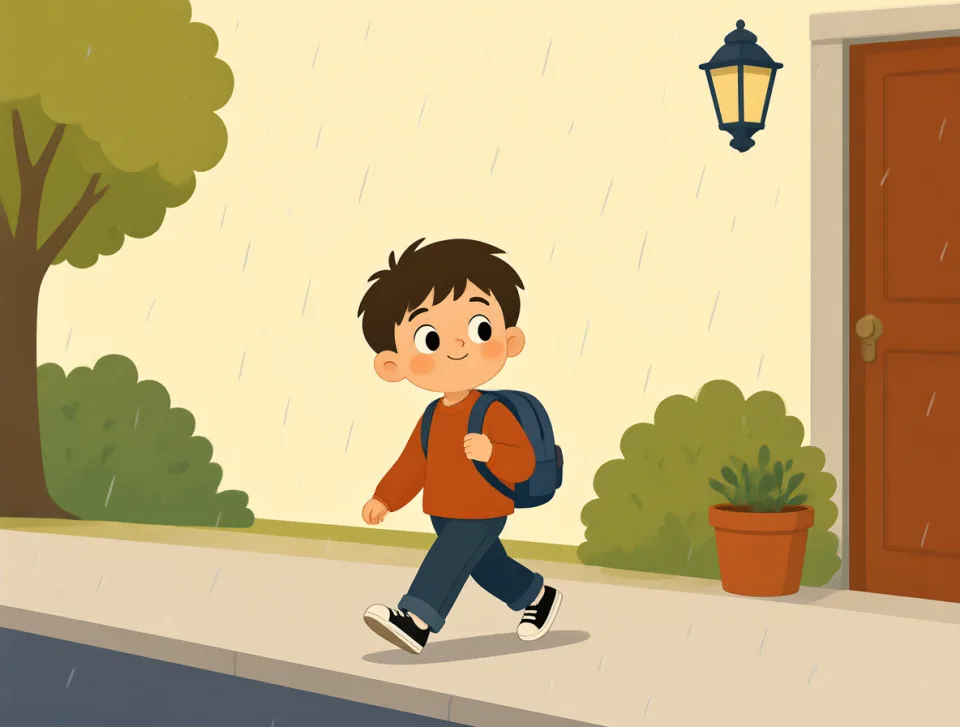
As I walked home, it started raining.
家に歩いて帰っていると、雨が降り始めた。
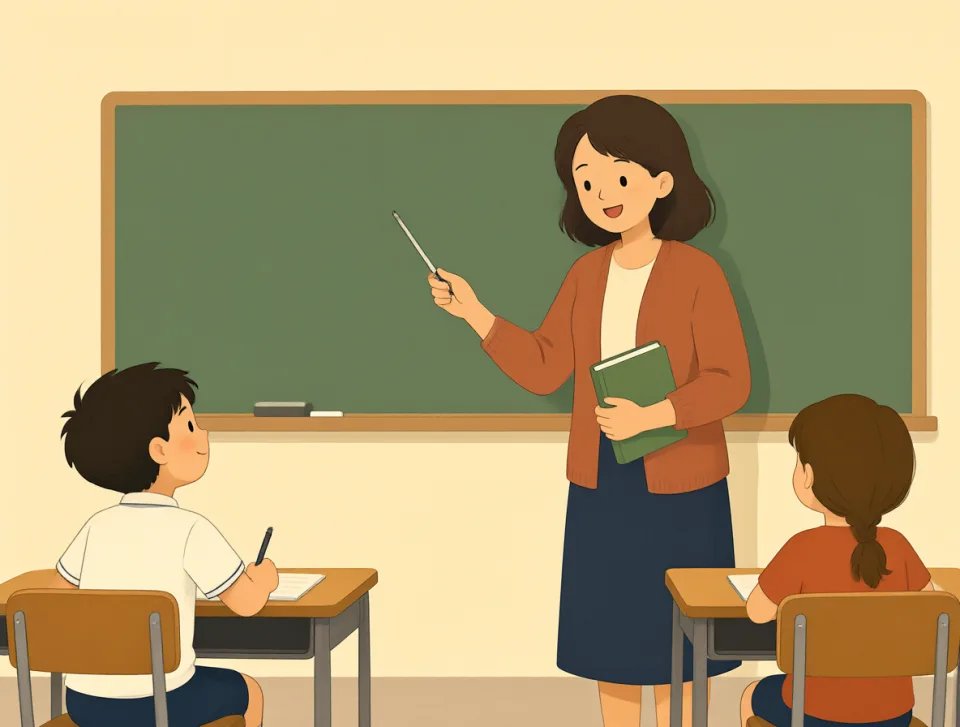
Please do as your teacher says.
先生の言うとおりにしてください。

He works as a waiter at night.
彼は夜、ウェイターとして働いている。
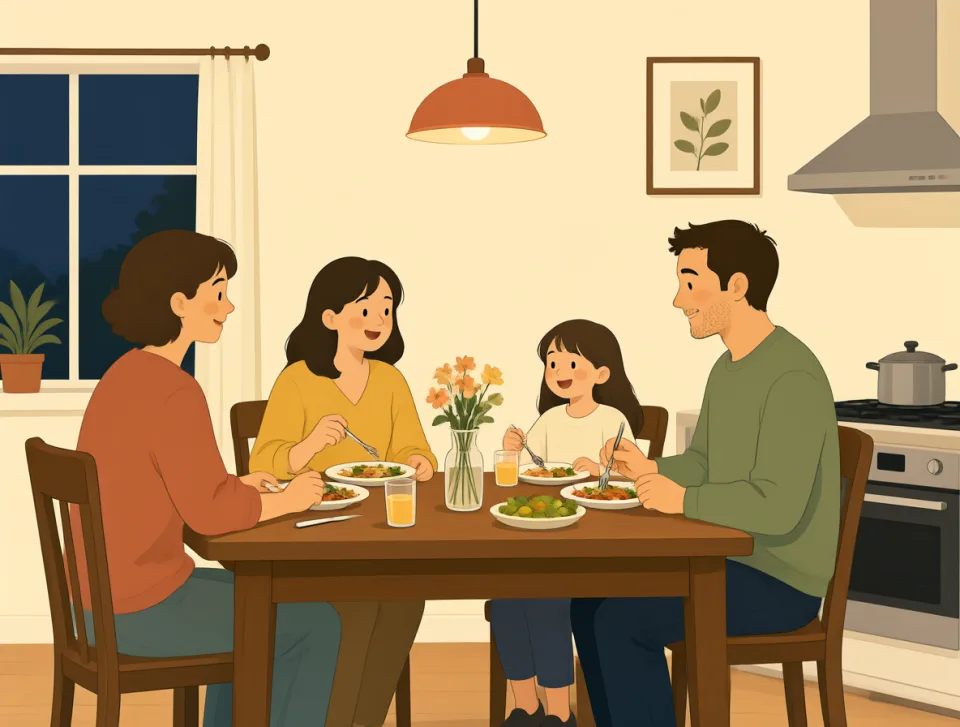
As usual, we had dinner at seven.
いつものように、私たちは7時に夕食を食べた。
at
#23preposition
で; に; の時に
Used to show a specific time, place, or situation.
特定の時間や場所、状況を示すときに使う。
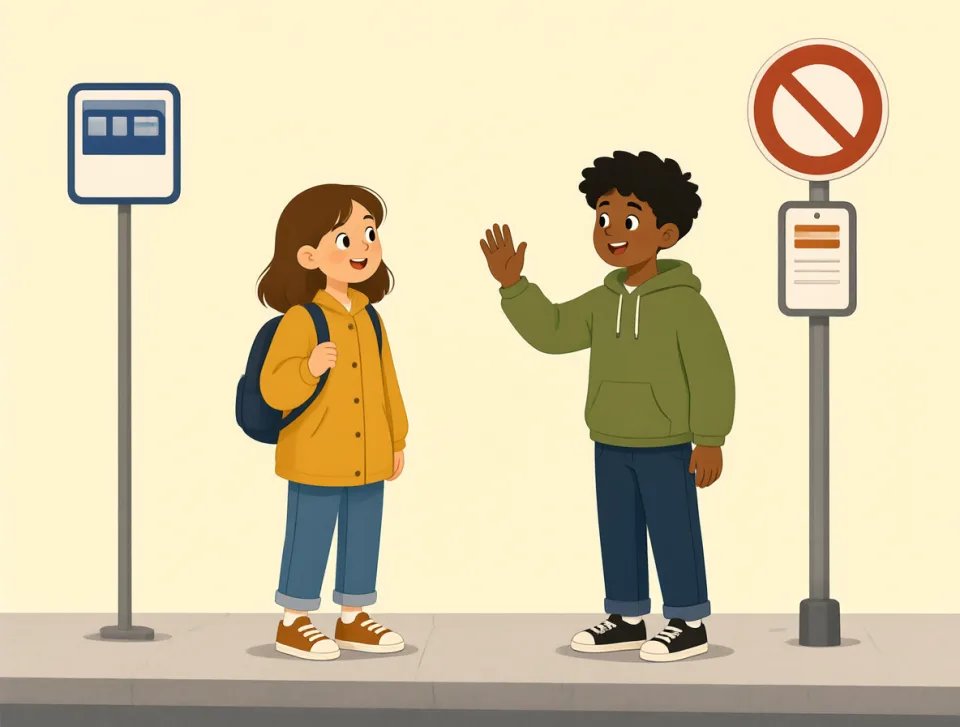
Meet me at the bus stop.
バス停で待ち合わせしよう。

The class starts at nine.
授業は9時に始まります。
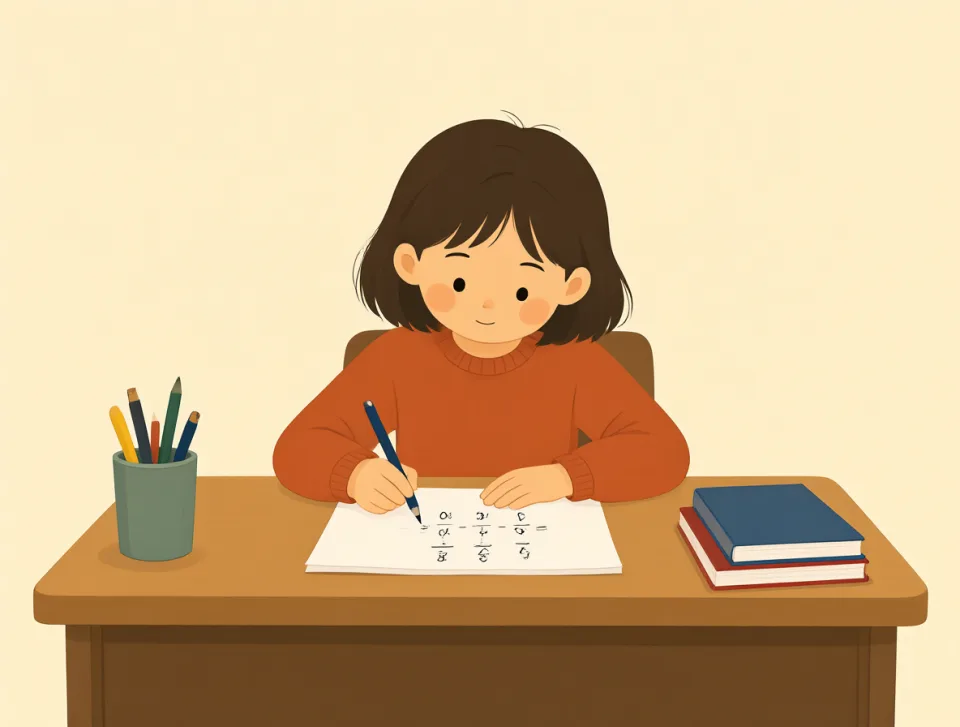
She is good at math.
彼女は数学が得意です。
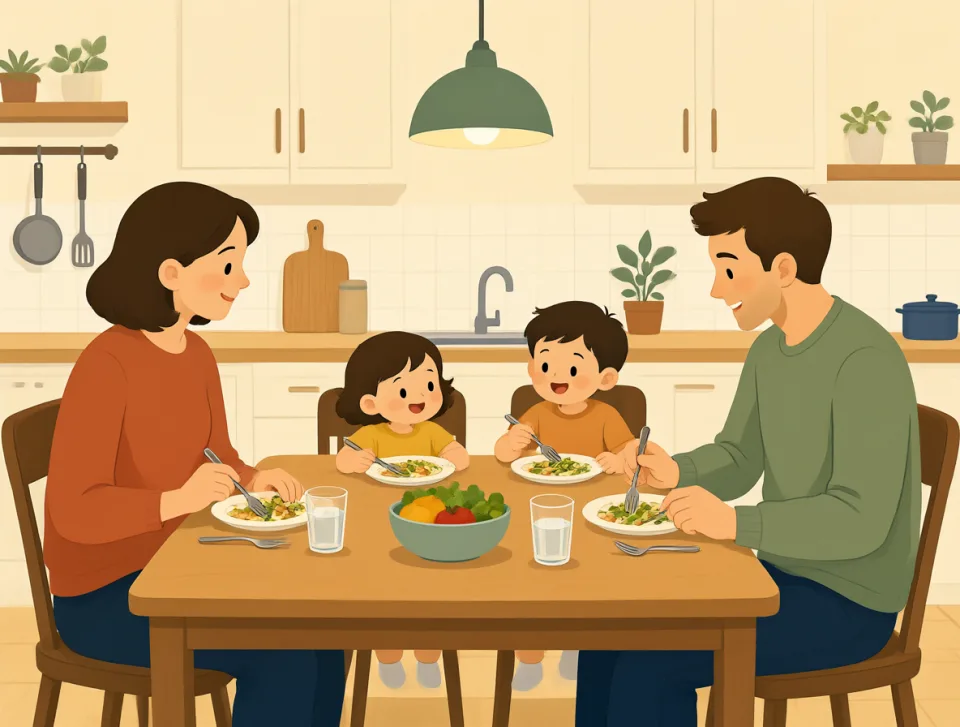
We ate lunch at home.
私たちは家で昼食を食べました。

He arrived at the airport early.
彼は早めに空港に到着しました。
she
#24pronoun
彼女
A female person or girl already mentioned or known.
すでに話題に出ている、または誰のことか分かっている女性や女の子を指す。
She lives with her parents.
彼女は両親と暮らしています。

She works at the hospital.
彼女は病院で働いています。

She is my best friend.
彼女は私の親友です。
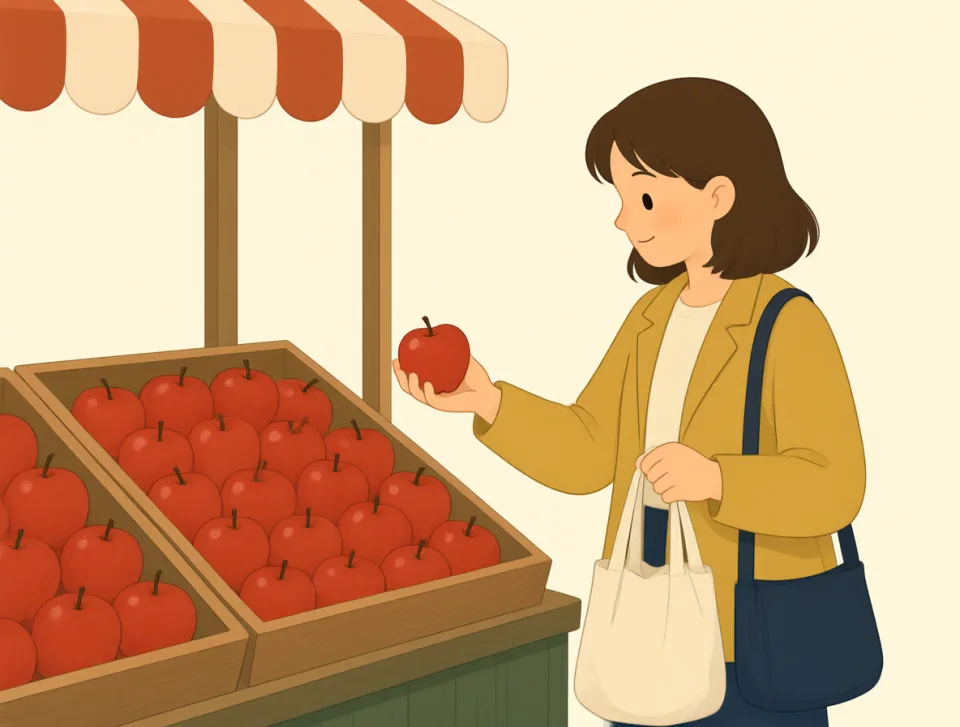
She bought some apples at the market.
彼女は市場でリンゴをいくつか買いました。
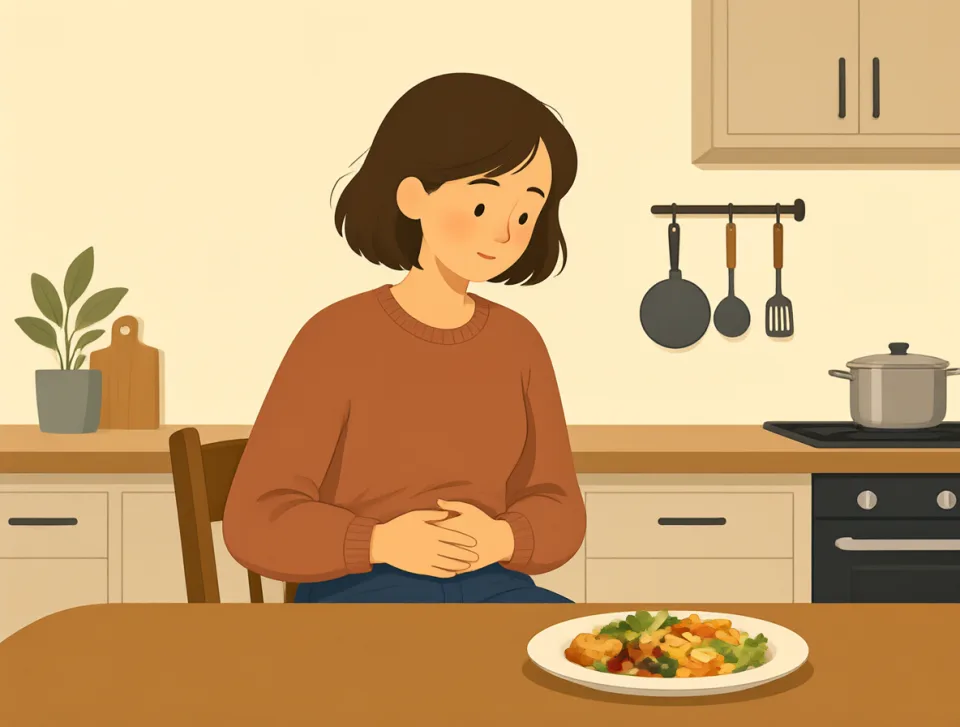
She felt sick after dinner.
彼女は夕食のあと、気分が悪くなりました。
but
#25conjunction, preposition, adverb, noun
しかし; 〜以外
Used to show a contrast, an exception, or a different choice.
対比、例外、または別の選択肢を示すときに使う。
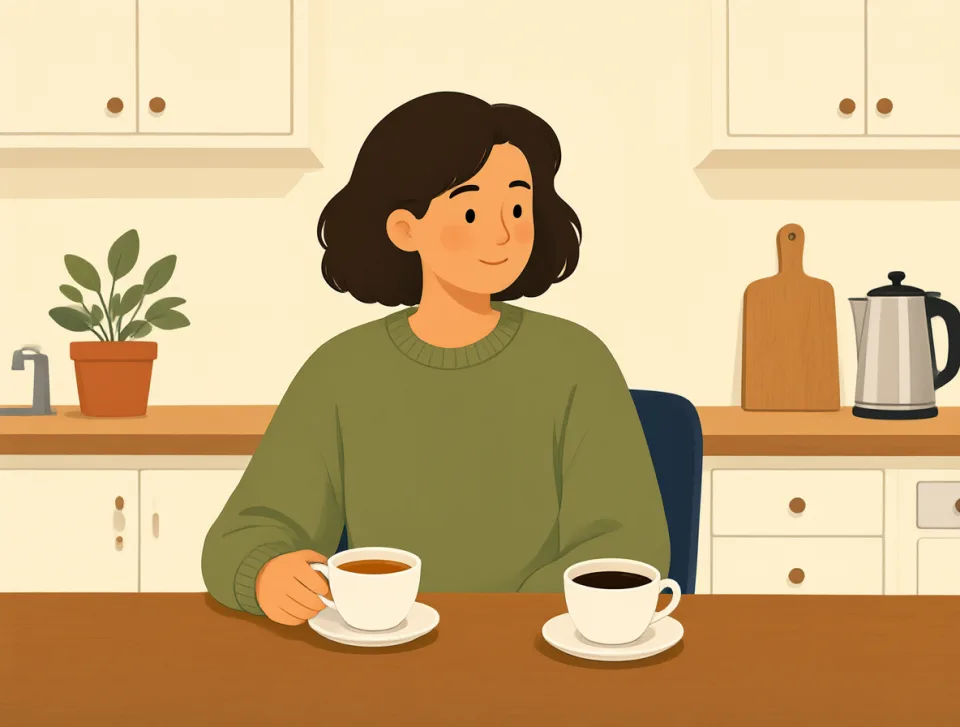
I like tea, but I prefer coffee.
紅茶も好きだけど、コーヒーのほうが好き。

She is tired, but she keeps working.
彼女は疲れているけれど、仕事を続けている。
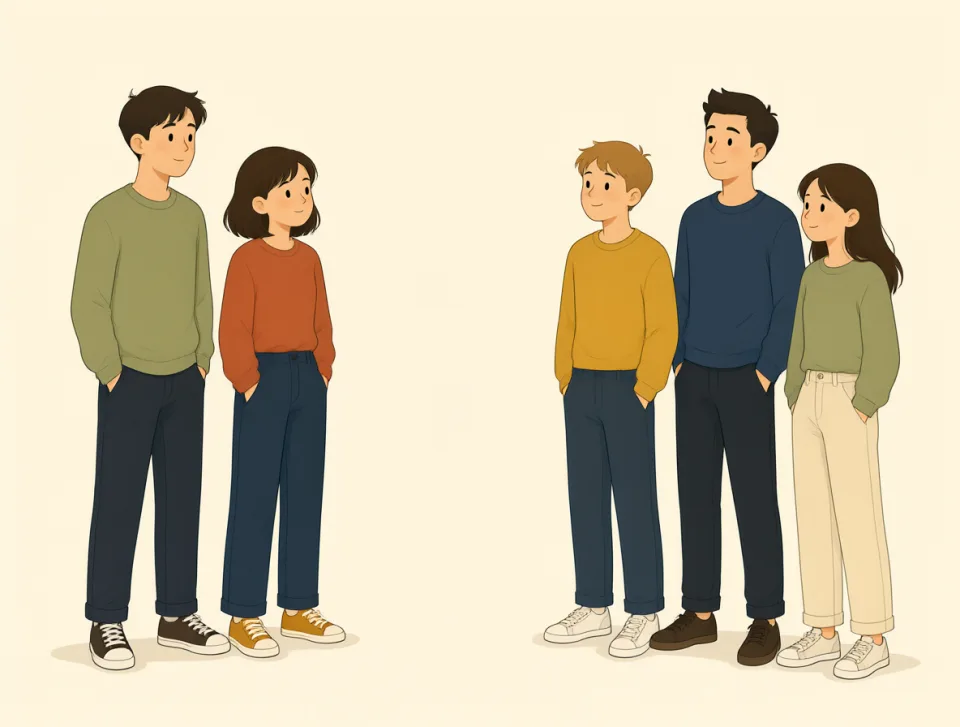
Everyone came but Tom.
Tom以外はみんな来た。

We wanted to walk, but it started raining.
歩いて行くつもりだったけど、雨が降り始めた。
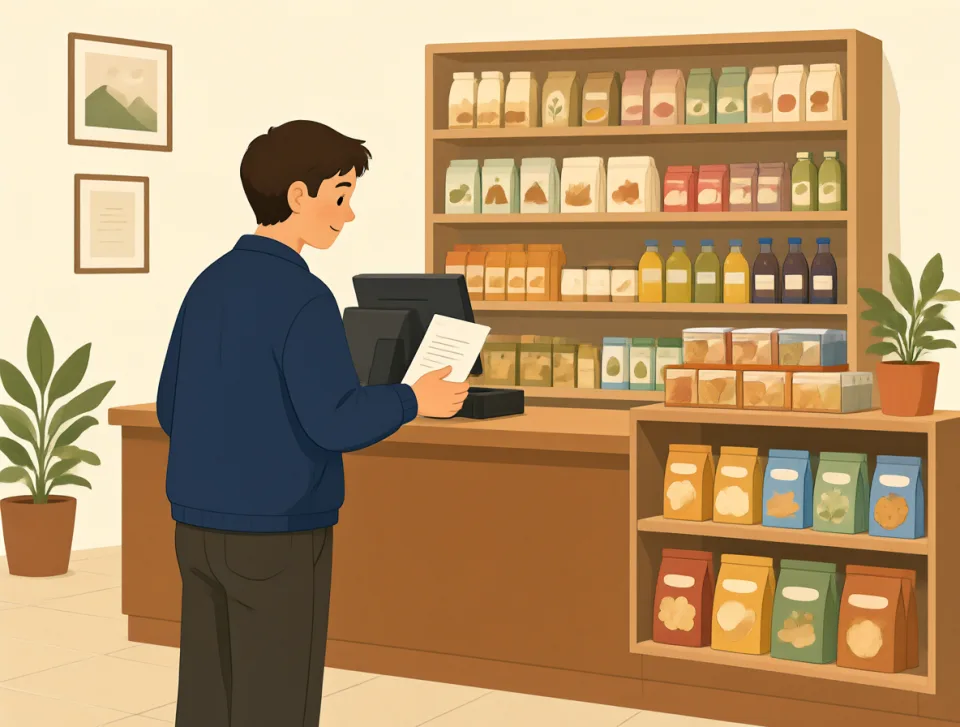
The shop was small, but it had everything.
その店は小さかったけれど、何でもそろっていた。

from
#26preposition
〜から; 〜出身
Shows where something starts, where it comes from, or when it begins.
物事の始まる場所や由来、または始まる時を表す。
I walk home from school every day.
毎日、学校から歩いて帰ります。

This letter is from my best friend.
この手紙は親友からです。
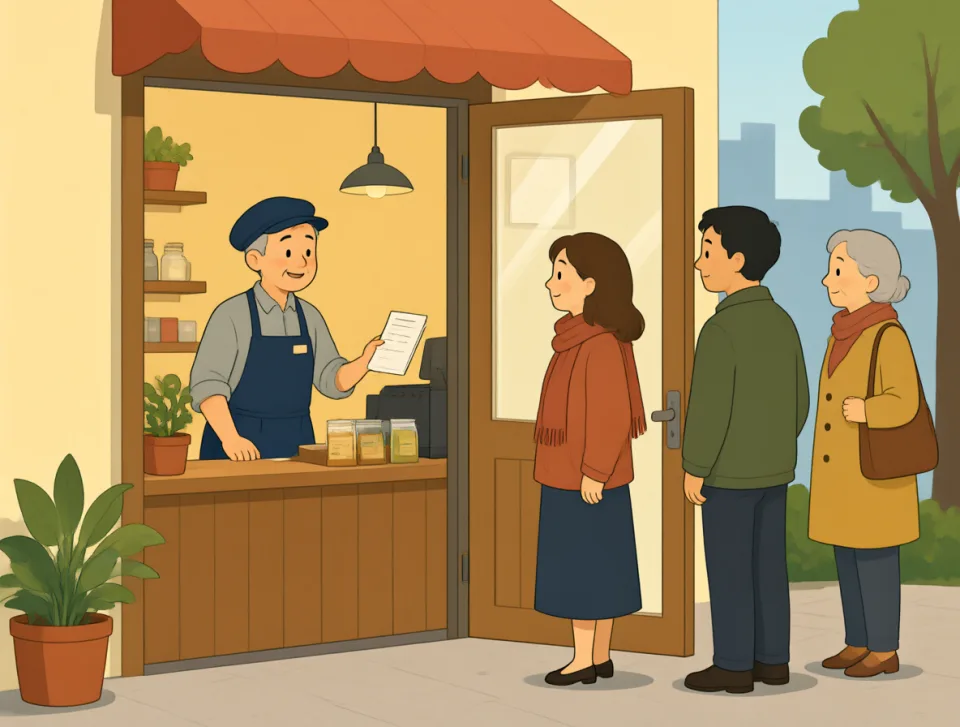
The shop is open from nine to five.
その店は9時から5時まで営業しています。

She comes from a small town.
彼女は小さな町の出身です。
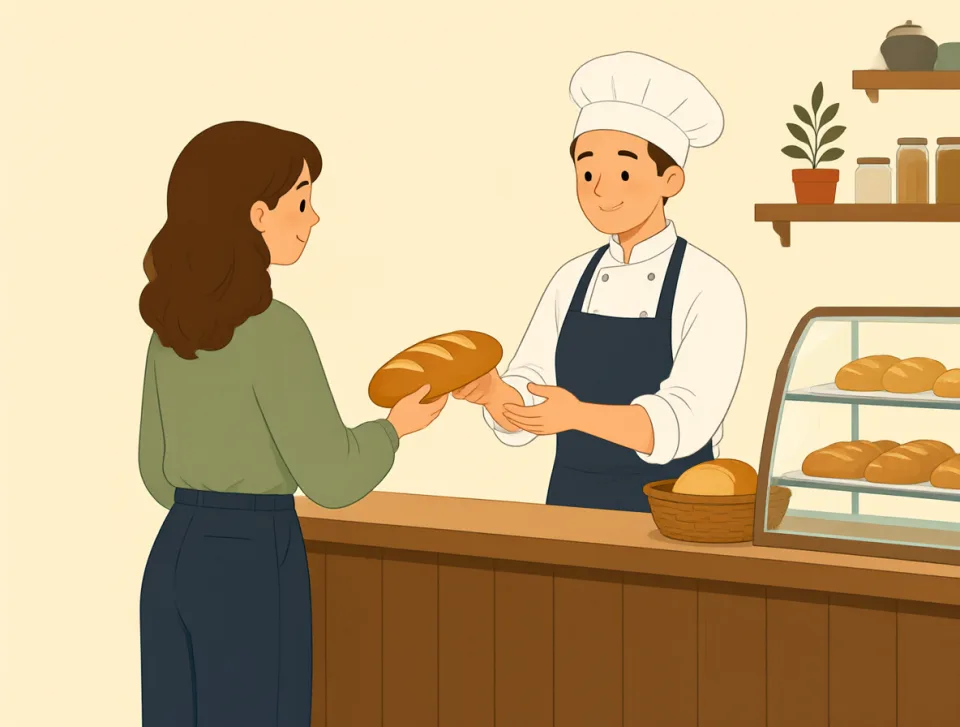
We bought fresh bread from the bakery.
パン屋で焼きたてのパンを買いました。
by
#27preposition, adverb
〜のそばに;〜までに;〜で;〜によって
near, before a time, using something, or done by someone
近くに、ある時刻までに、何かを使って、または誰かによって行われる
Please sit by the window.
窓のそばに座ってください。
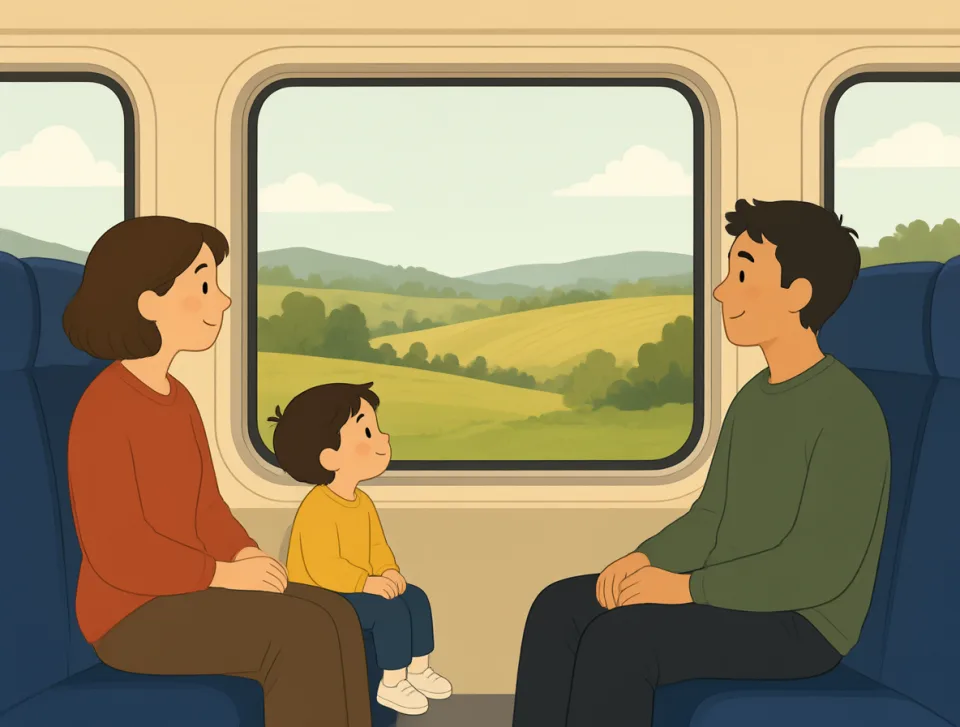
We travel by train every summer.
毎年夏は電車で旅行します。
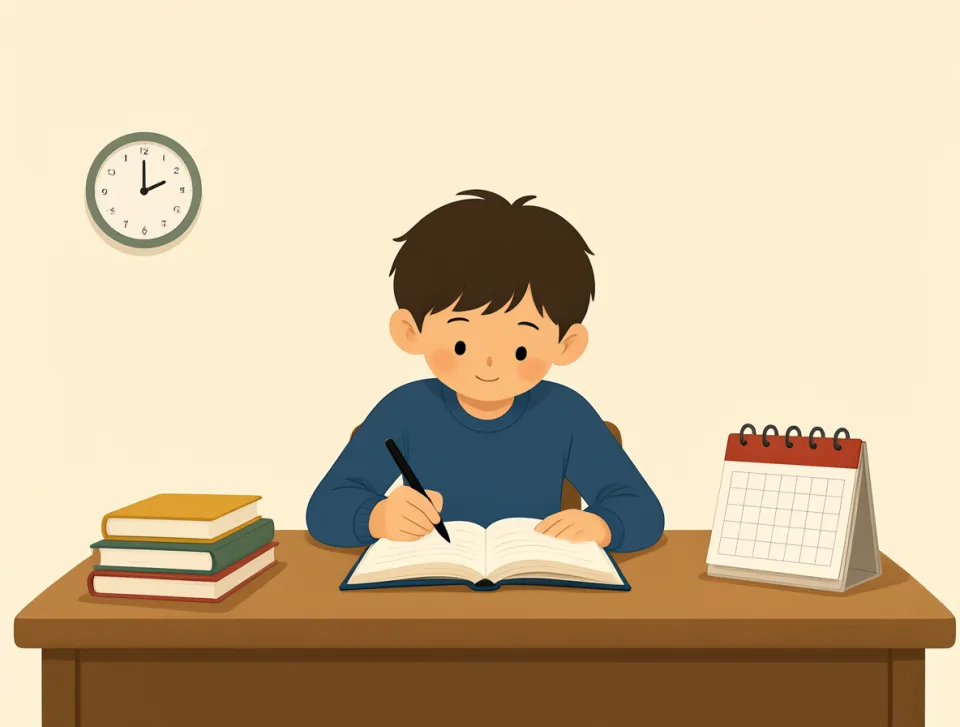
Finish your homework by Friday.
金曜日までに宿題を終わらせてください。
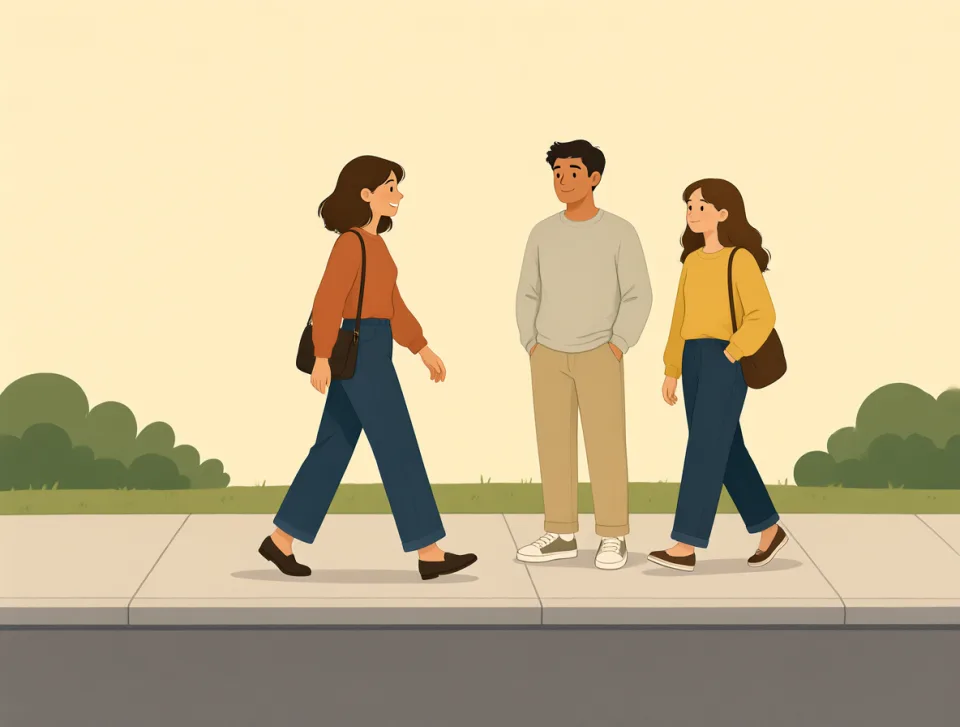
She walked by without saying hello.
彼女はあいさつもせずに通り過ぎました。

This cake was made by my sister.
このケーキは妹が作りました。
will
#28verb, noun
~だろう; ~するつもりだ; 遺言
Used to talk about the future, or a person’s strong wish or legal instructions.
未来のことや、人の強い願い、法的な指示について話すときに使う。
I will call you after dinner.
夕食のあとで電話するよ。
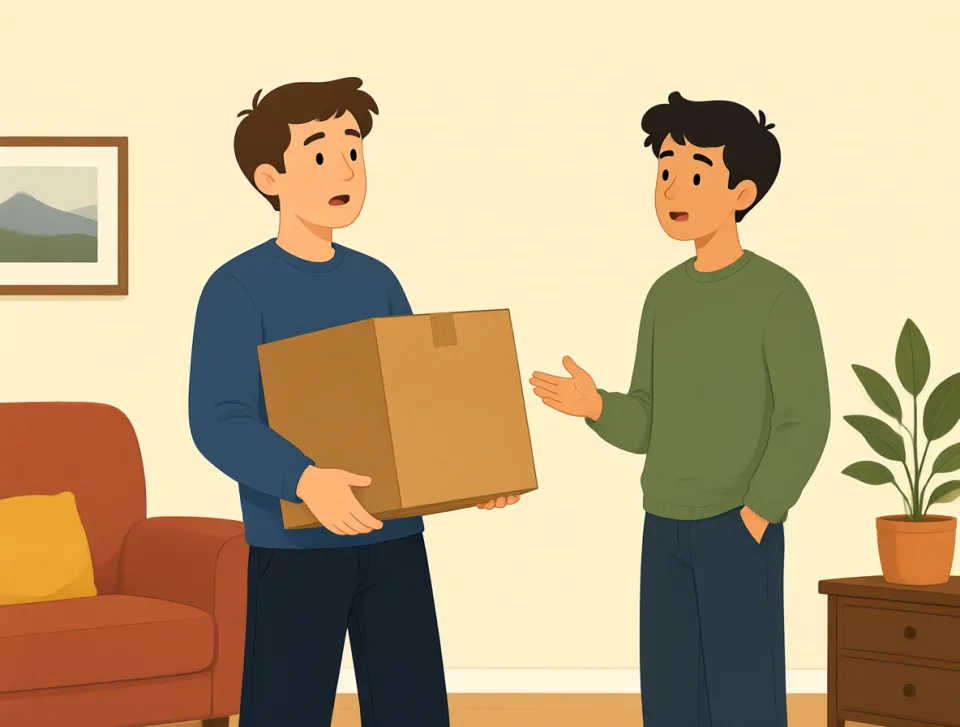
Will you help me with this box?
この箱を手伝ってくれる?
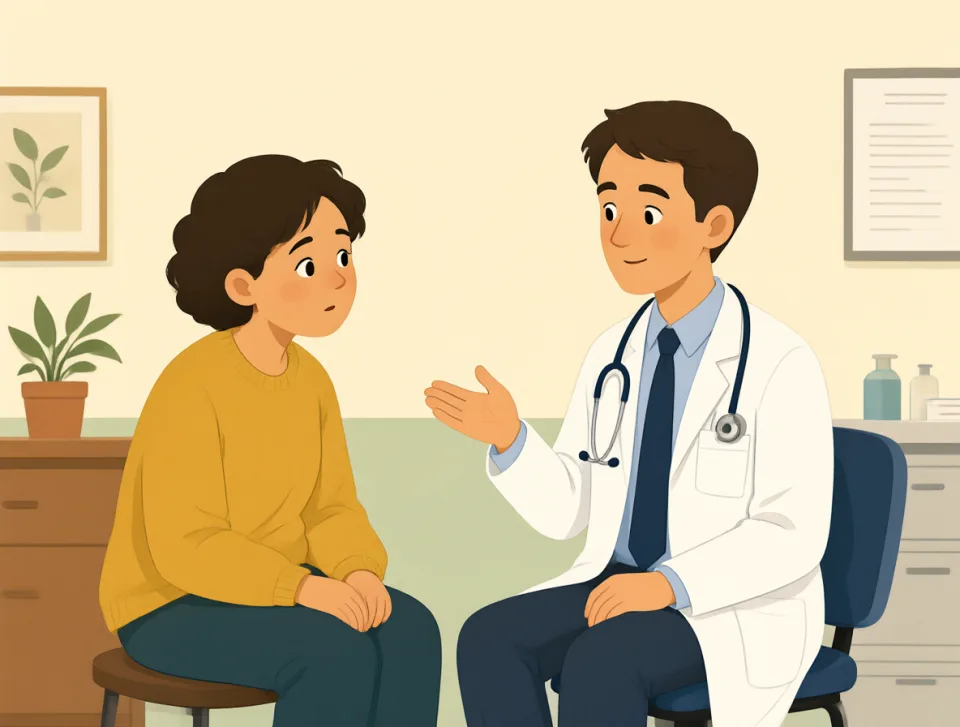
The doctor says you will feel better soon.
医師は、すぐに気分がよくなると言っています。
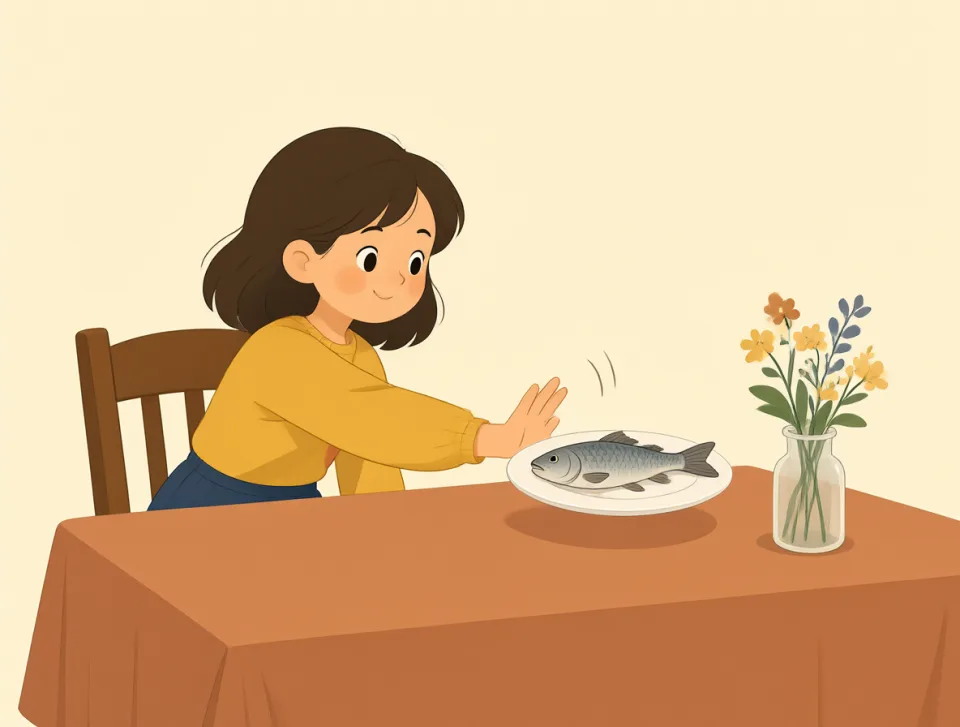
She will not eat the fish today.
彼女は今日は魚を食べようとしません。
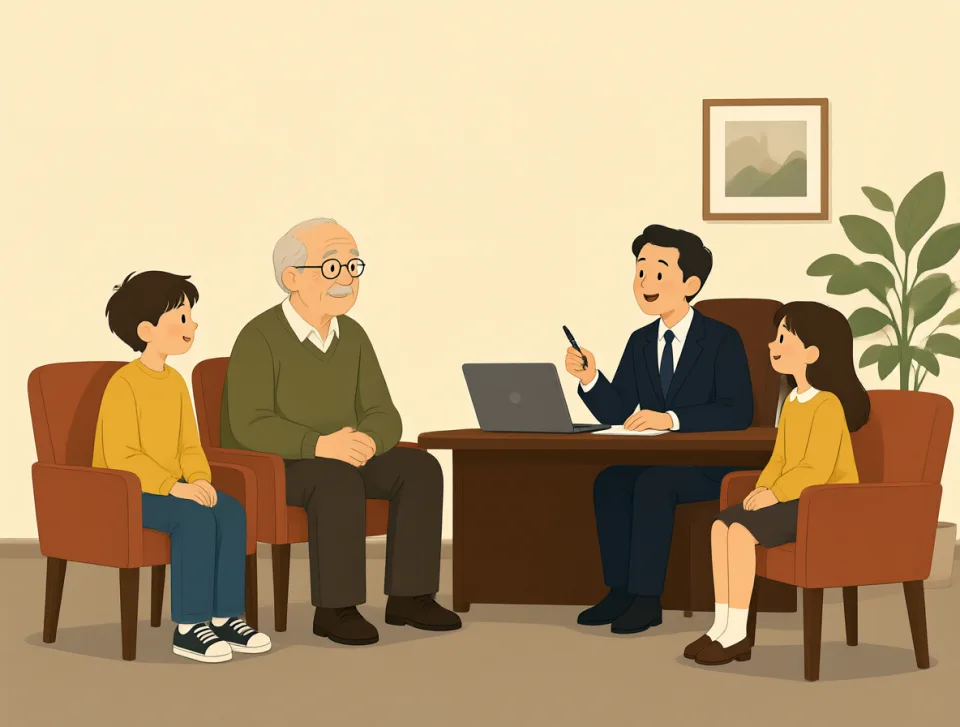
His will left money to his children.
彼の遺言では、子どもたちにお金を残していました。
or
#29conjunction
または; それとも; あるいは
Used to show a choice between two or more possibilities.
2つ以上の可能性から選ぶことを示すときに使う。
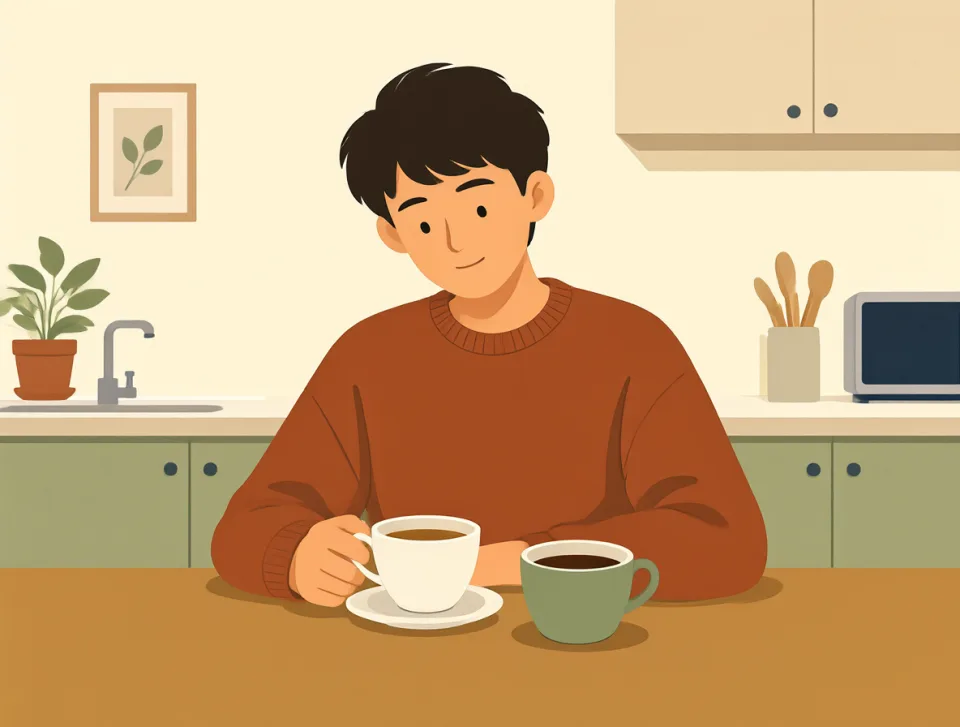
Would you like tea or coffee?
紅茶とコーヒー、どちらにしますか?
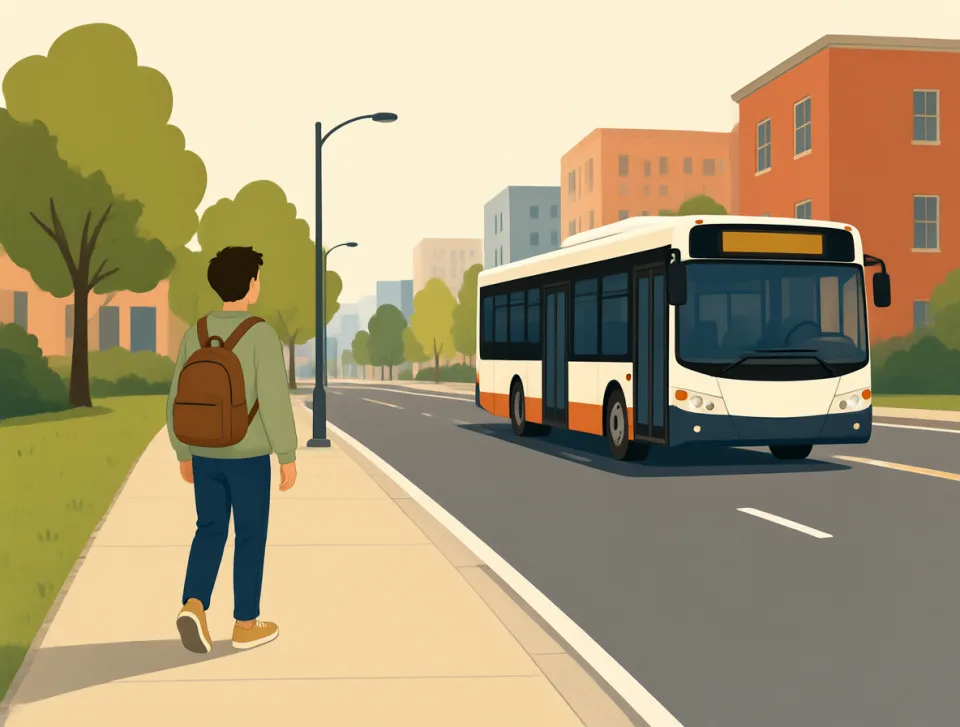
You can walk or take the bus.
歩いて行くか、バスに乗ることができます。
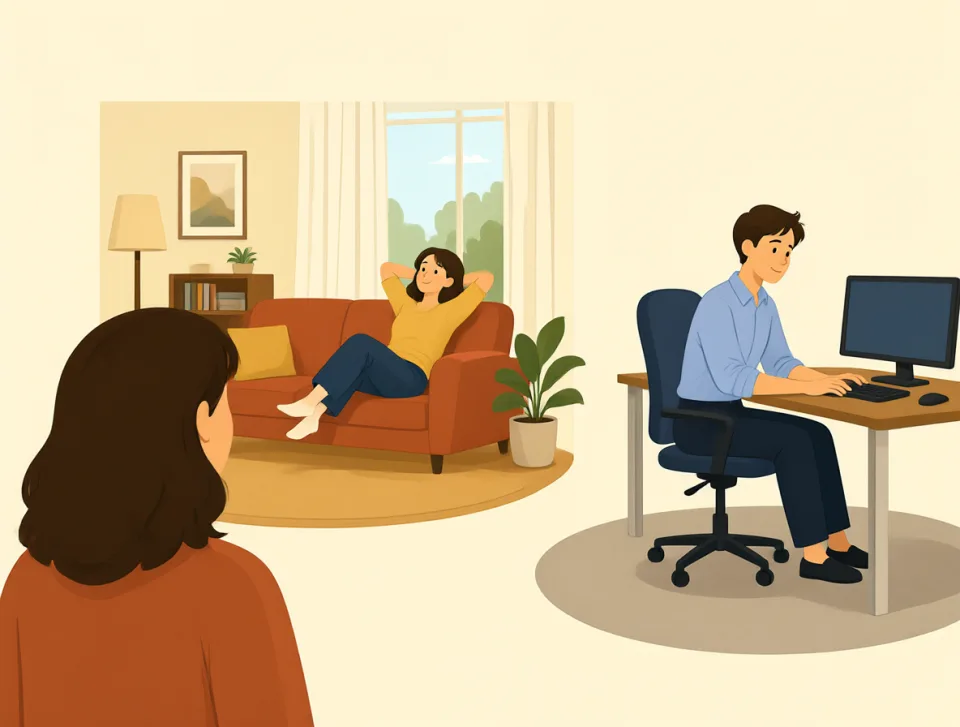
Is your sister at home or work?
あなたのお姉さんは家にいますか、それとも職場にいますか?
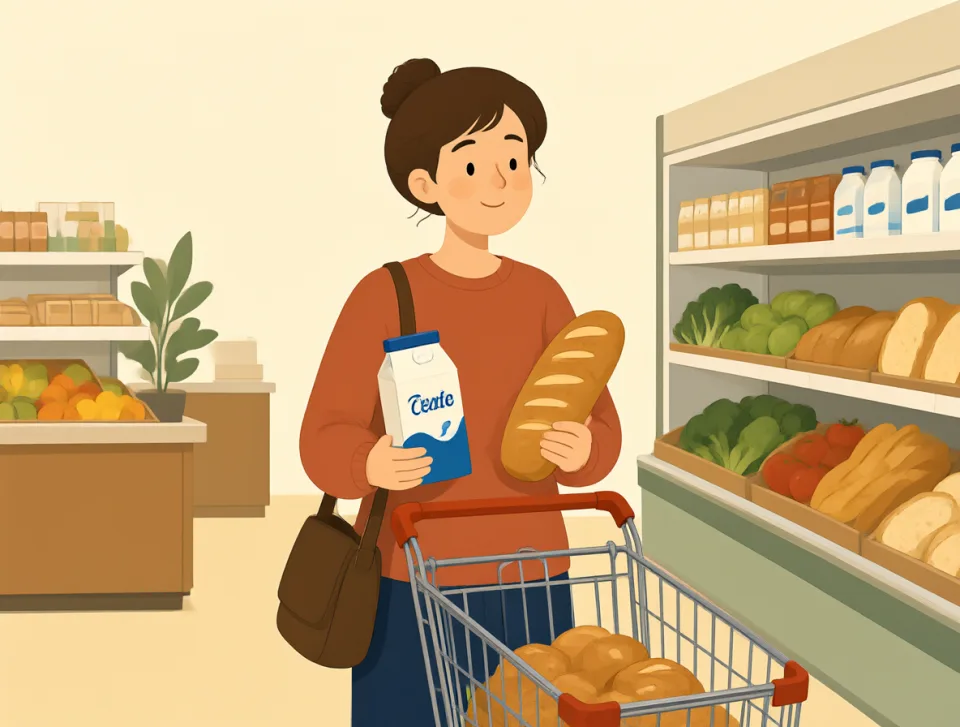
We need to buy milk or bread.
牛乳かパンを買わないといけません。
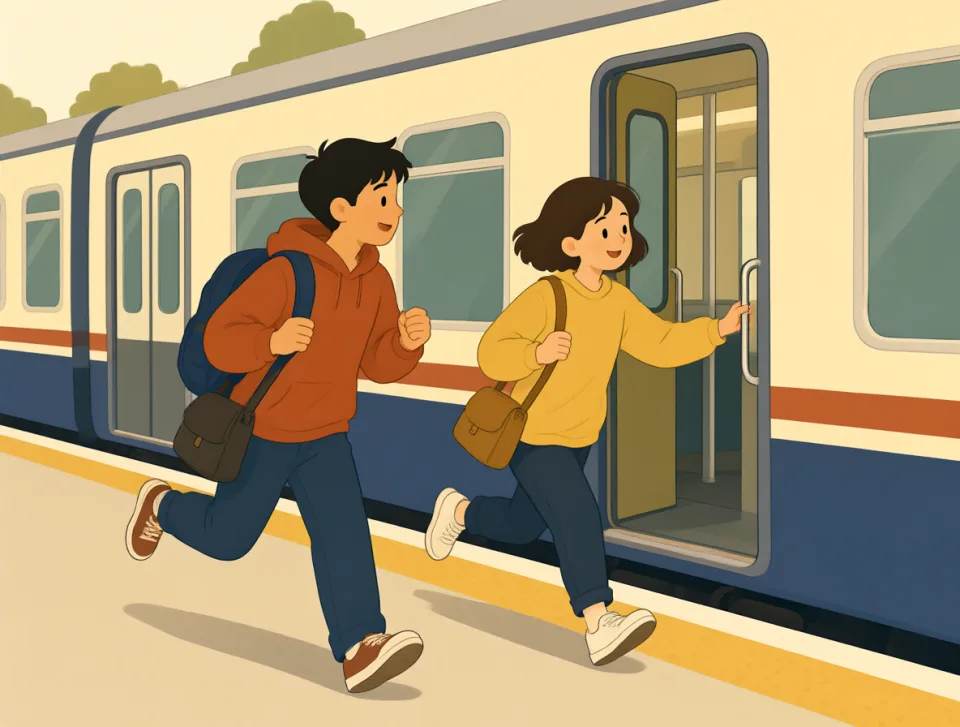
Hurry, or we will miss the train.
急いで。そうしないと電車に乗り遅れるよ。
say
#30verb
言う; 話す
to speak words or tell someone something
言葉を口にしたり、誰かに何かを伝えたりする

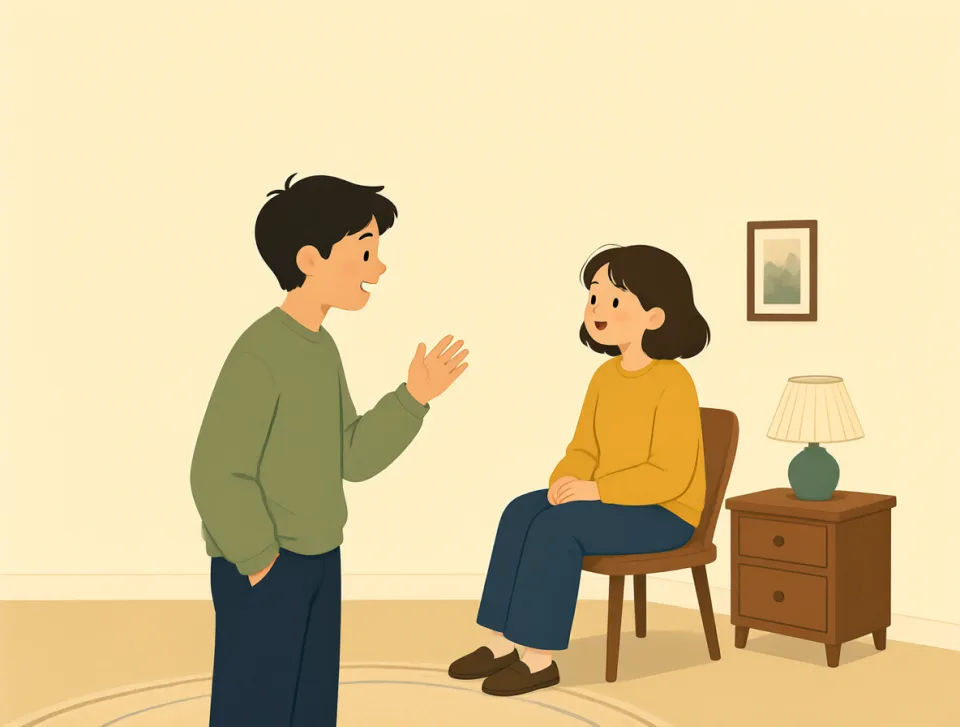
What did you say?
何て言ったの?
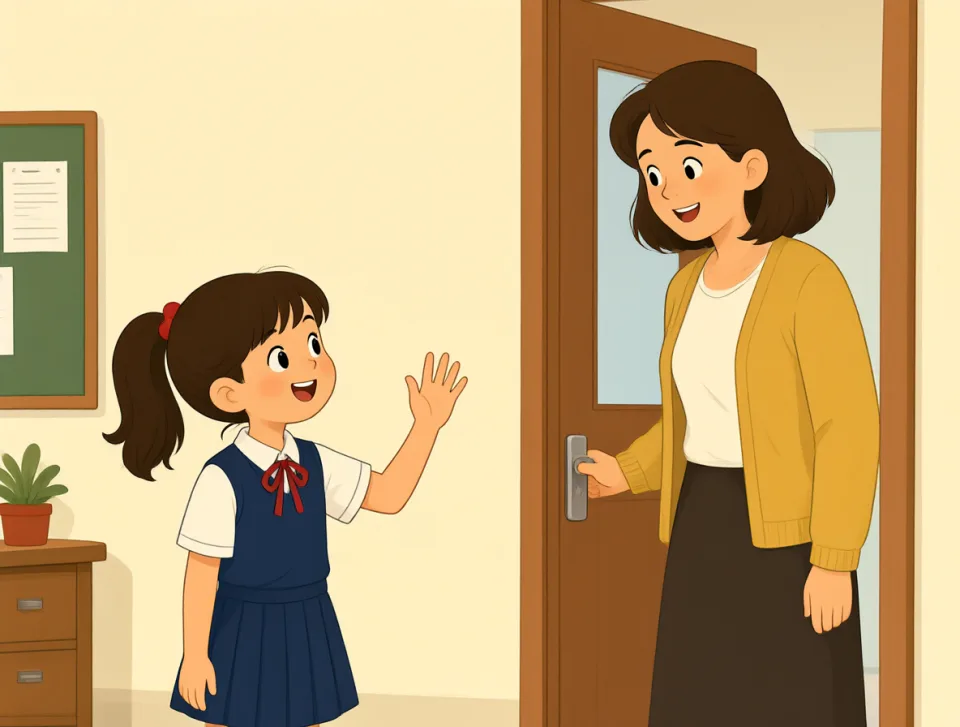
She said hello to her teacher.
彼女は先生にこんにちはと言った。

Please say your name slowly.
名前をゆっくり言ってください。
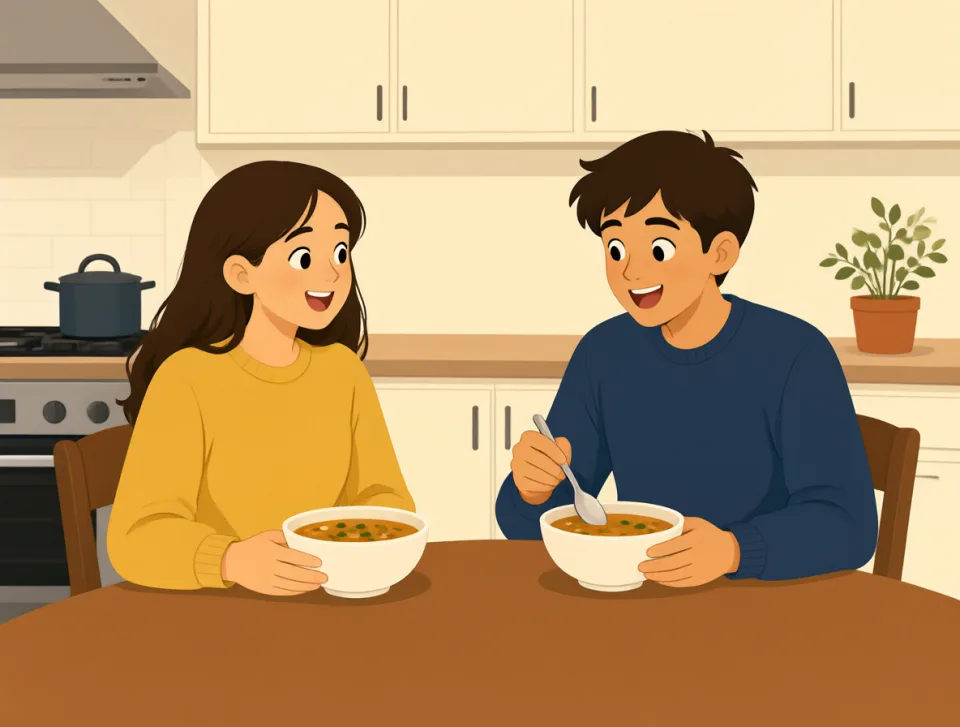
They say the soup is delicious.
そのスープはおいしいそうです。
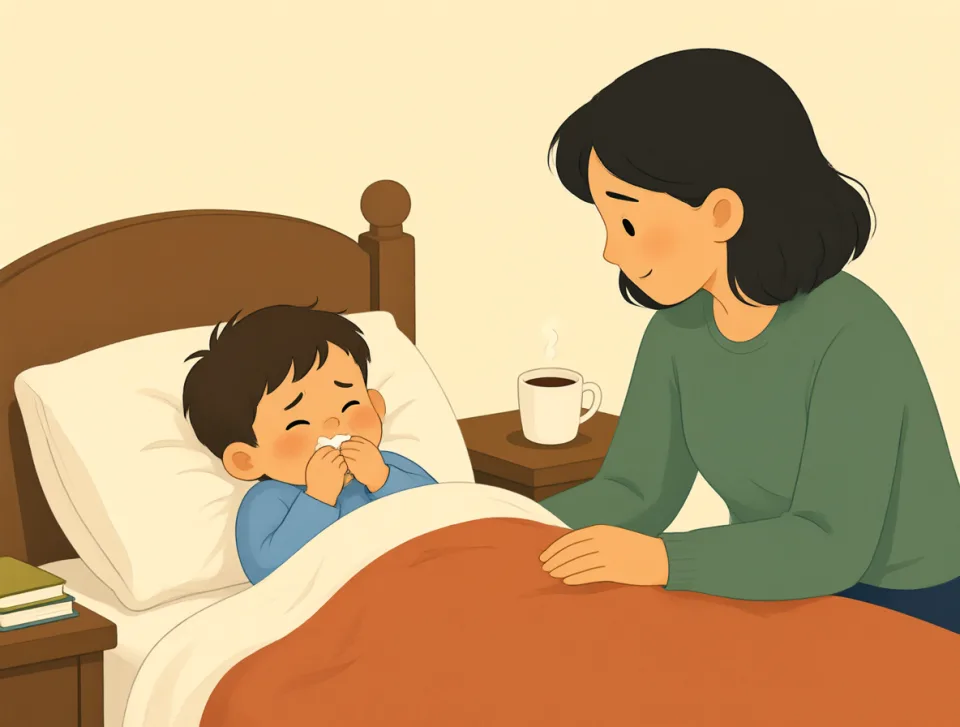
He said he felt sick yesterday.
彼は昨日、気分が悪かったと言った。
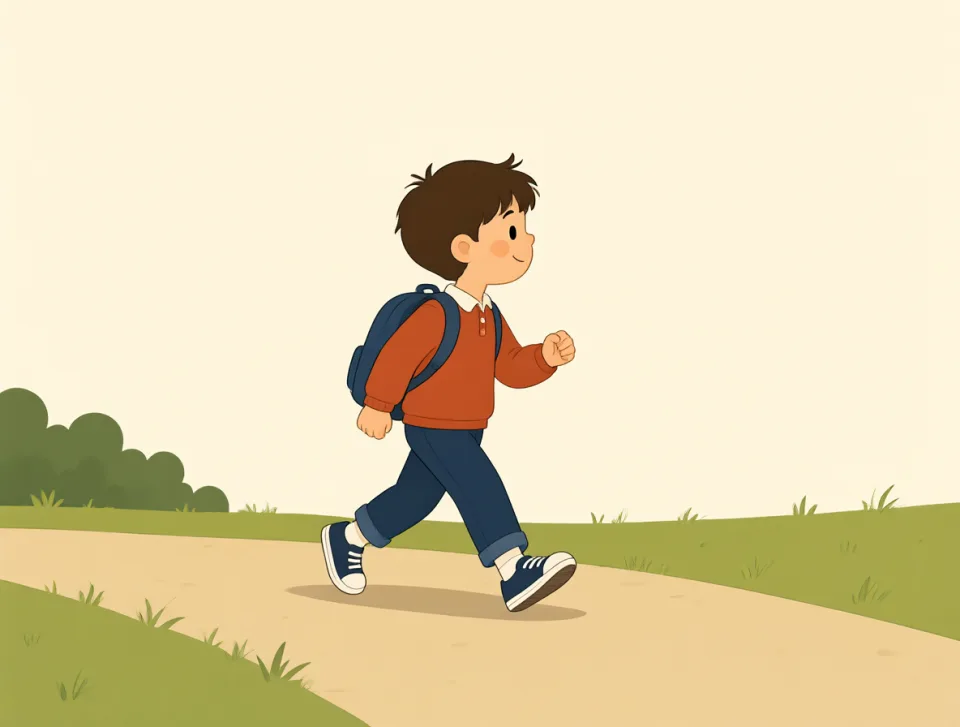
go
#31verb, noun
行く; 動く; 起こる; 合う
to move or travel somewhere, or to happen or work in a particular way
どこかへ移動したり旅行したりする、または特定の状態で起こったり機能したりすること
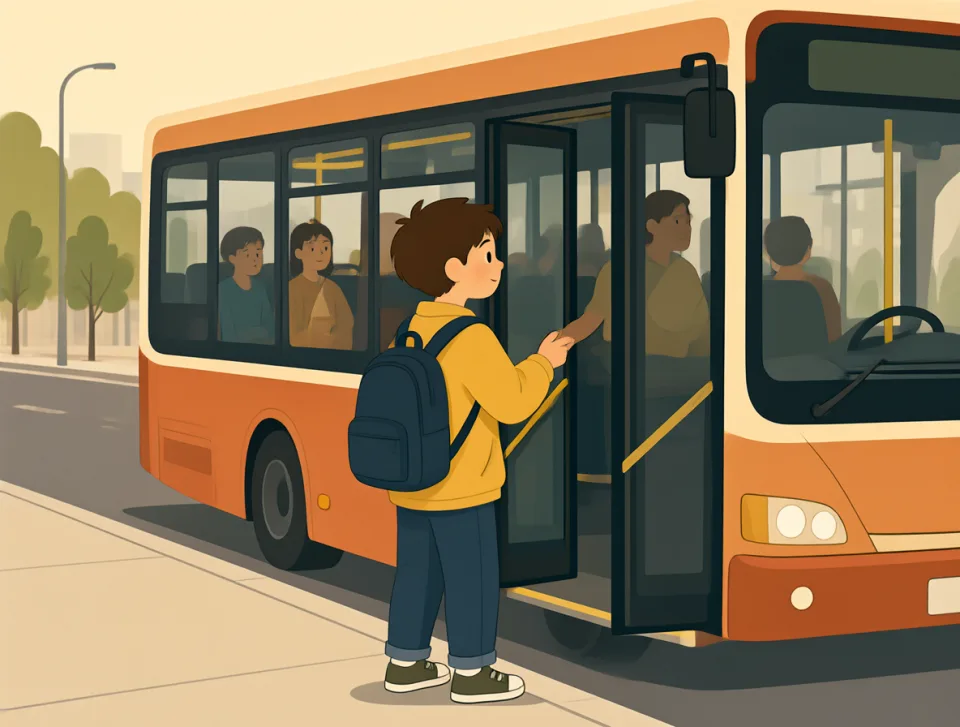
I go to school by bus every day.
私は毎日バスで学校に行きます。

We went home after dinner.
私たちは夕食の後、家に帰りました。
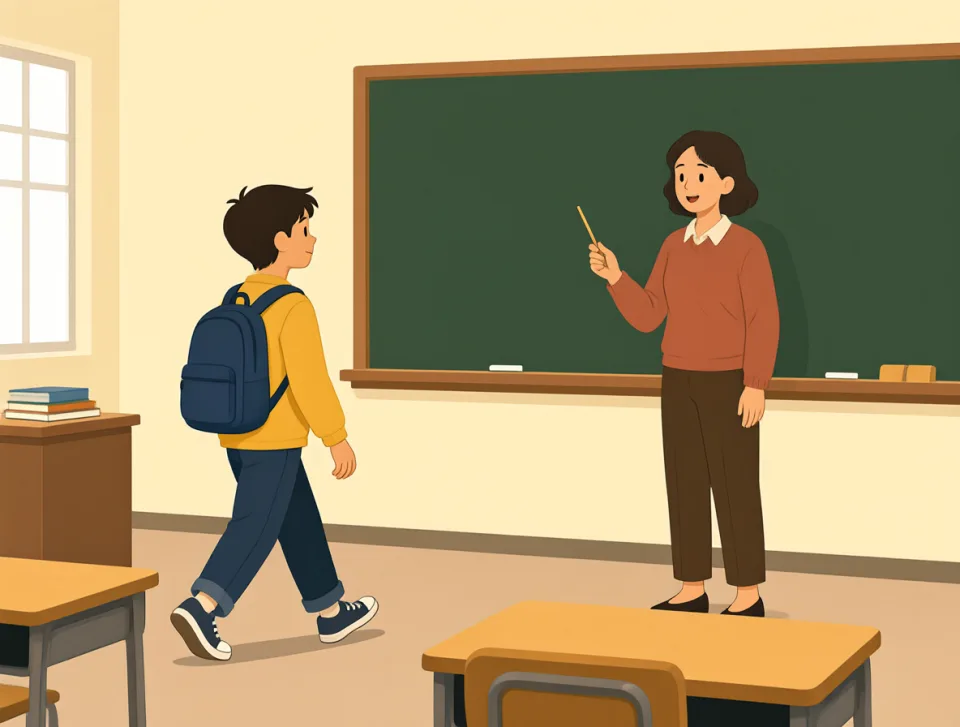
Please go and ask your teacher.
先生のところへ行って聞いてきてください。

These shoes go well with your jeans.
この靴はあなたのジーンズによく合います。
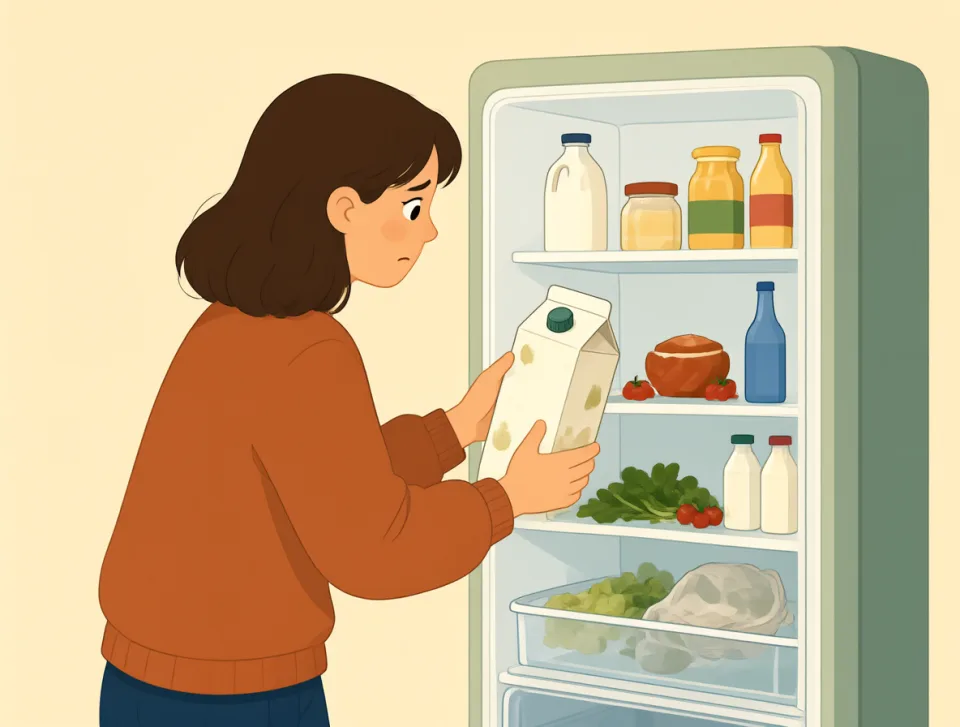
The milk went bad in the fridge.
冷蔵庫の中で牛乳が腐ってしまいました。
so
#32adverb, conjunction
だから;とても;そう
Used to show a result, a high degree, or agreement.
結果や程度の高さを表したり、同意を示したりするために使う。
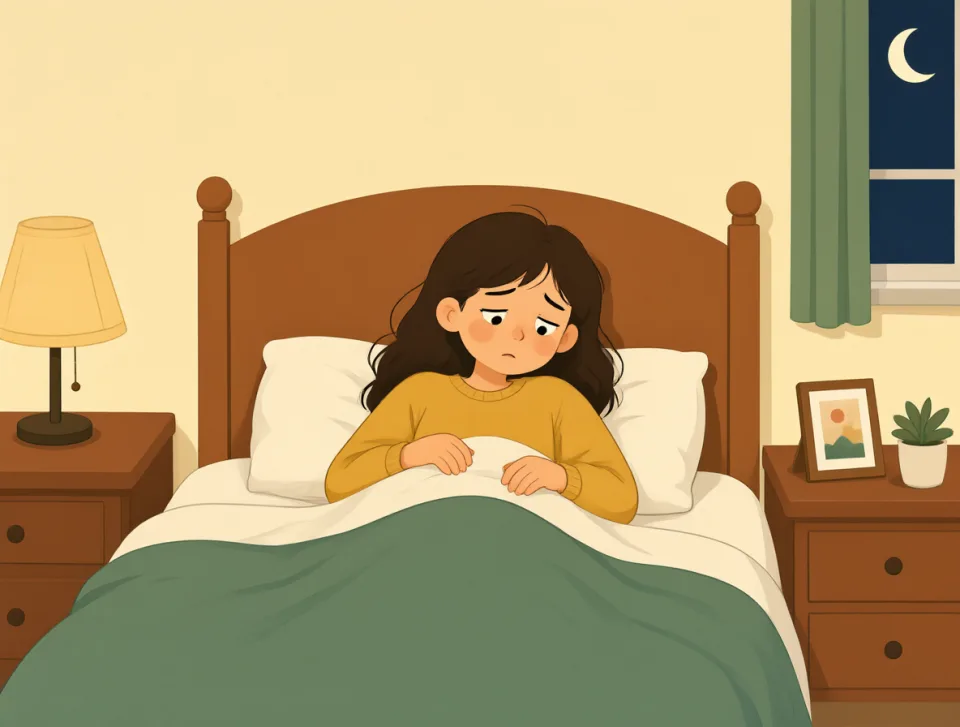
I was tired, so I went to bed.
疲れていたので、寝ることにした。

The soup is so hot I cannot eat it.
そのスープはとても熱くて、食べられない。
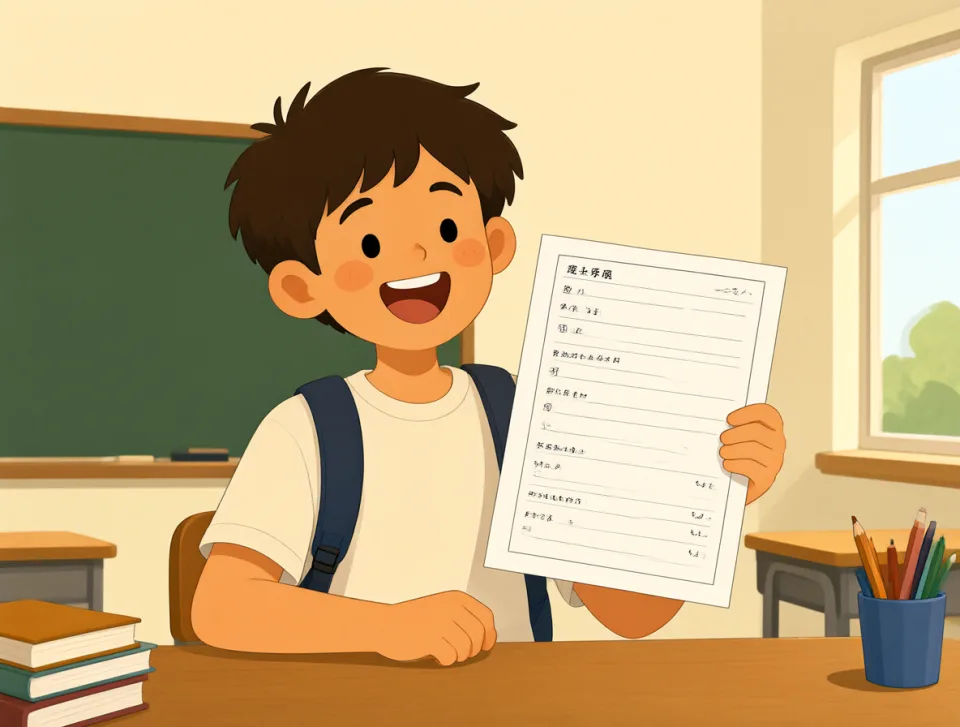
She studied hard, so she passed the test.
彼女は一生懸命勉強したので、試験に合格した。
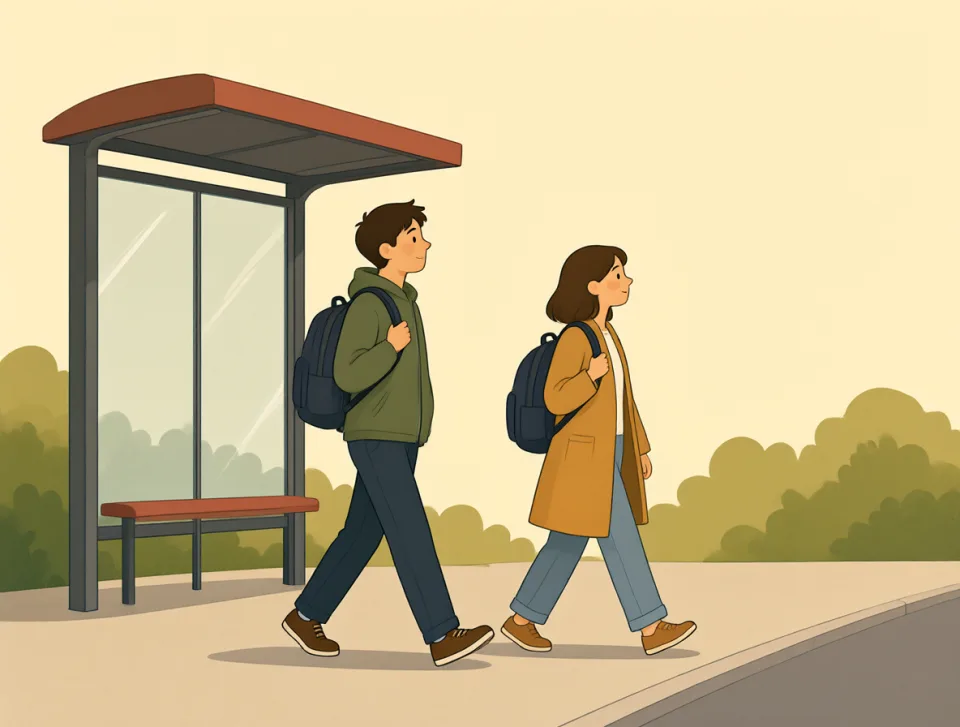
The bus was late, so we walked home.
バスが遅れたので、歩いて帰った。

“I like this.” “So do I.”
「これ好きだな」「私も」
all
#33determiner, pronoun, adverb
すべての; 全部; みんな; 全員
The whole amount or every person or thing in a group
グループ内の人や物のすべて、または全体の量
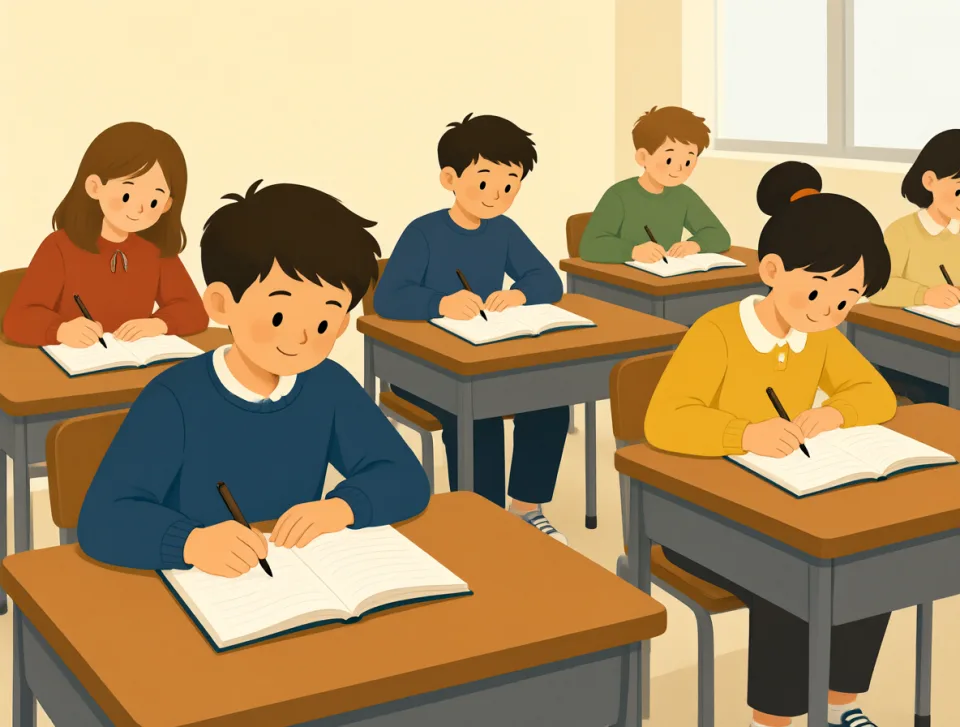
All the students finished their homework.
生徒全員が宿題を終えた。
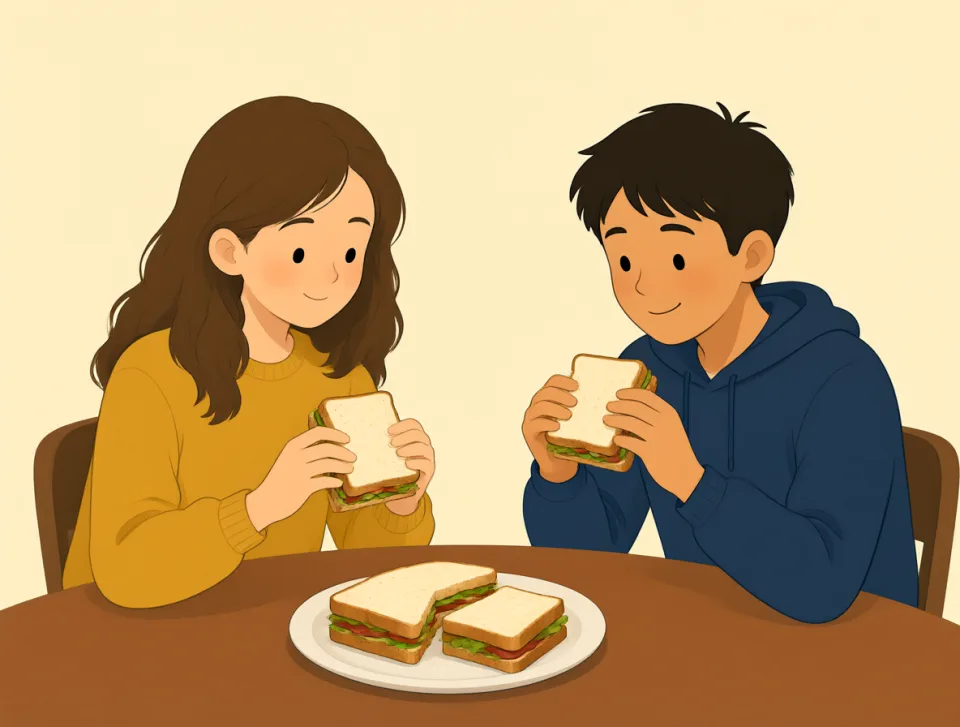
We ate all the sandwiches at lunch.
昼食にサンドイッチを全部食べた。
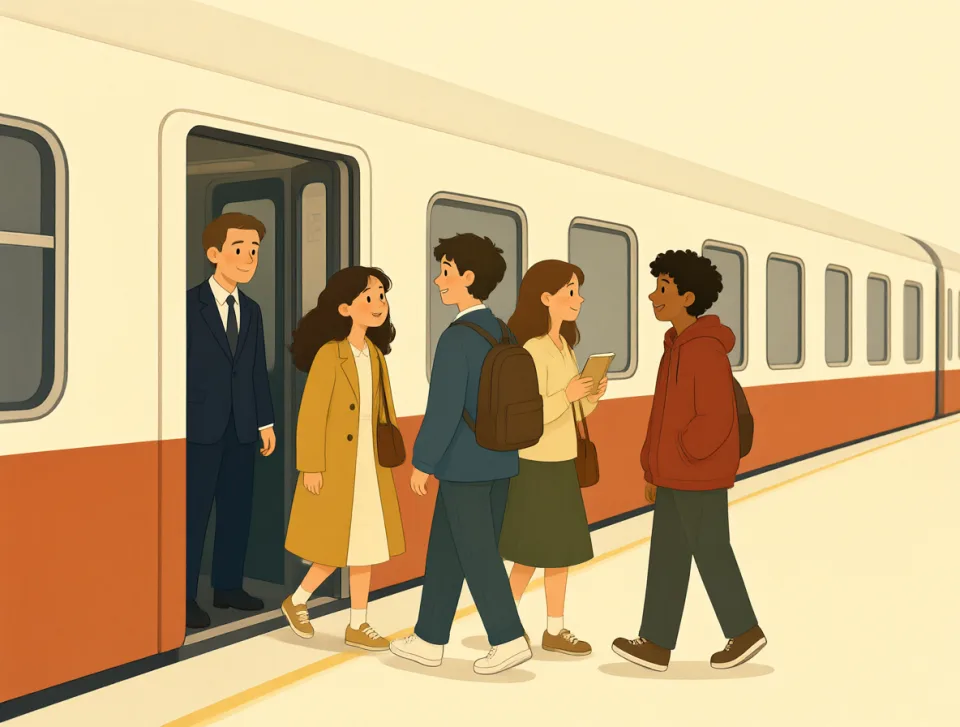
All of us took the train home.
私たちは全員、電車で家に帰った。

She worked all day at the shop.
彼女は一日中店で働いた。
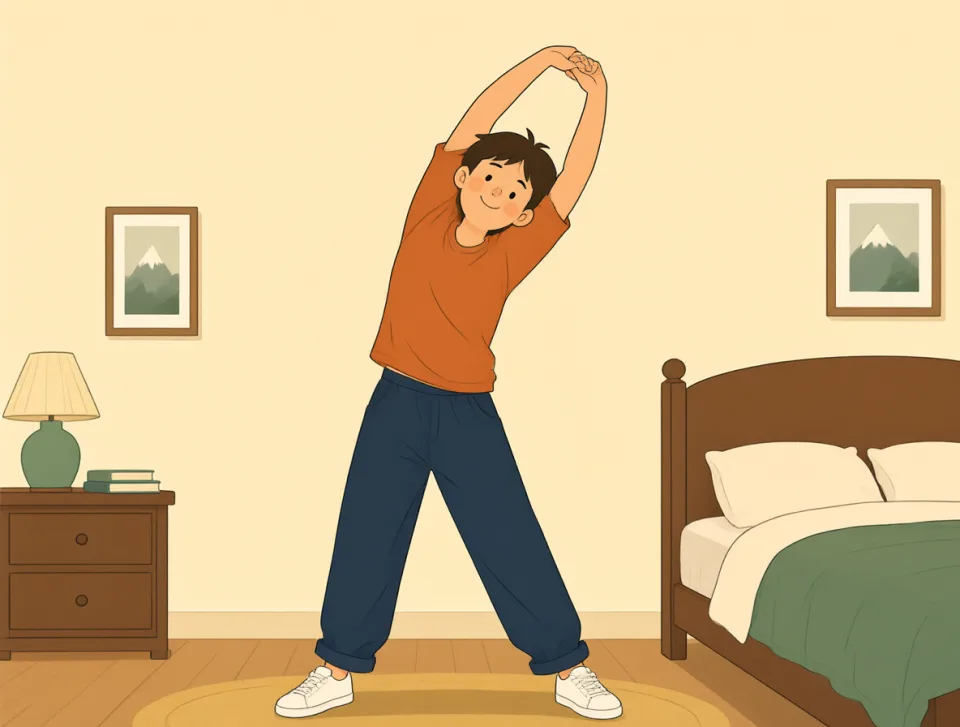
I am not at all tired today.
今日は全然疲れていない。

if
#34conjunction
もし; 〜かどうか
Used to talk about a condition or a possible situation.
条件や起こりうる状況について話すときに使う。
Call me if you need help.
助けが必要なら電話して。
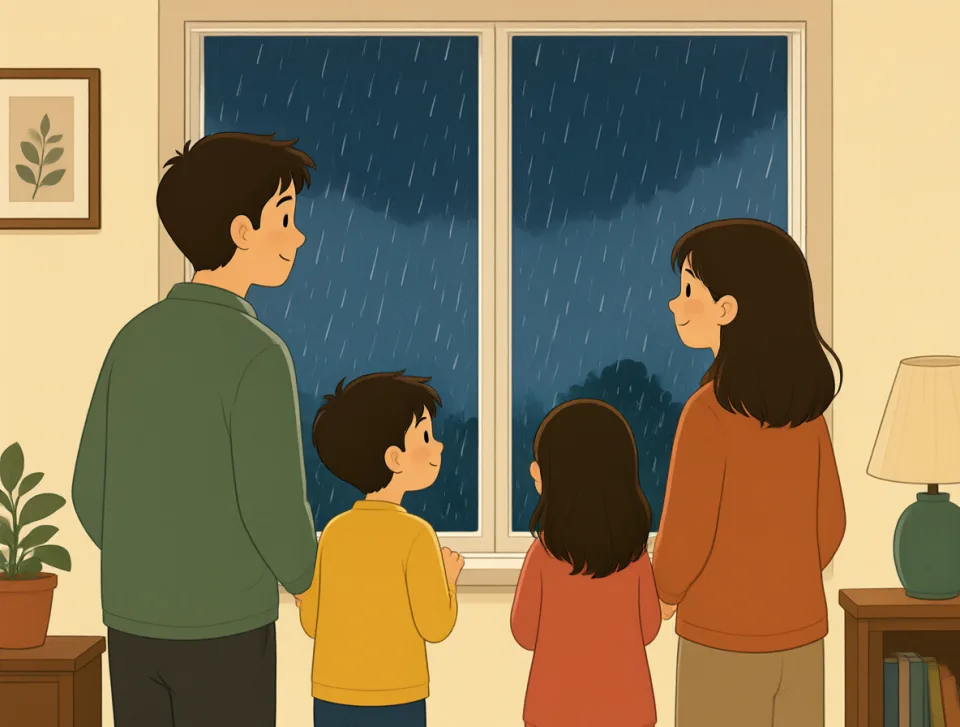
If it rains, we will stay home.
雨が降ったら、家にいます。

Ask the teacher if you have questions.
質問があったら先生に聞いてください。

I will buy it if it is cheaper.
もっと安ければ買います。
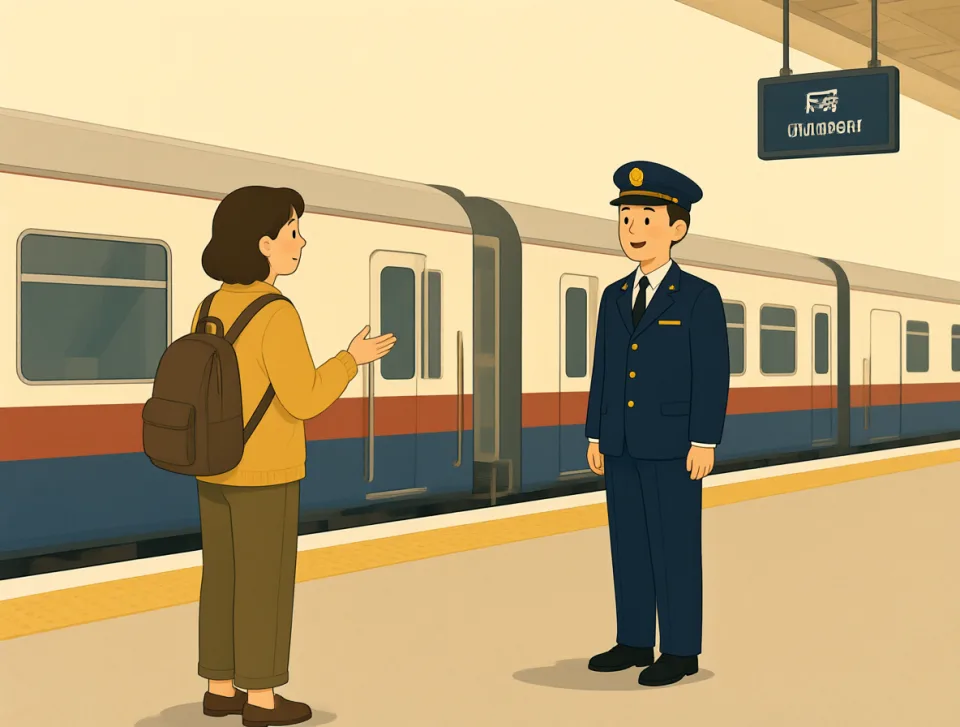
She asked if the train was late.
彼女は電車が遅れているかどうか尋ねた。

one
#35number, noun, pronoun, determiner
1; 一つ; 一人; もの
The number 1, or a single person or thing.
数字の1、または一人の人や一つの物。
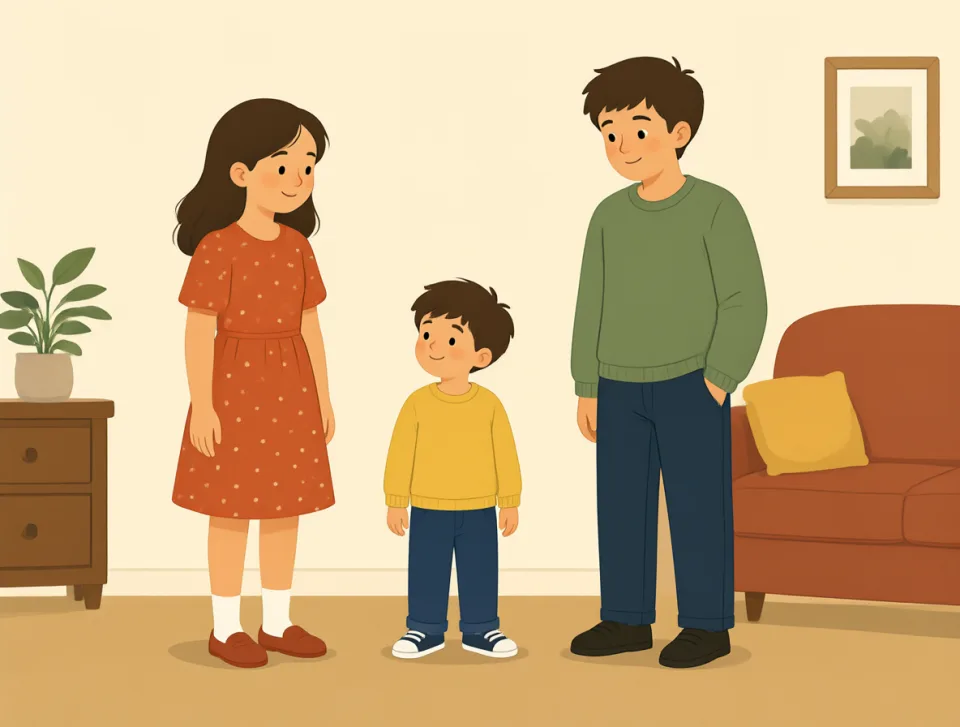
I have one sister and two brothers.
私には姉(妹)が一人と兄(弟)が二人います。

Please give me one coffee.
コーヒーを一杯ください。
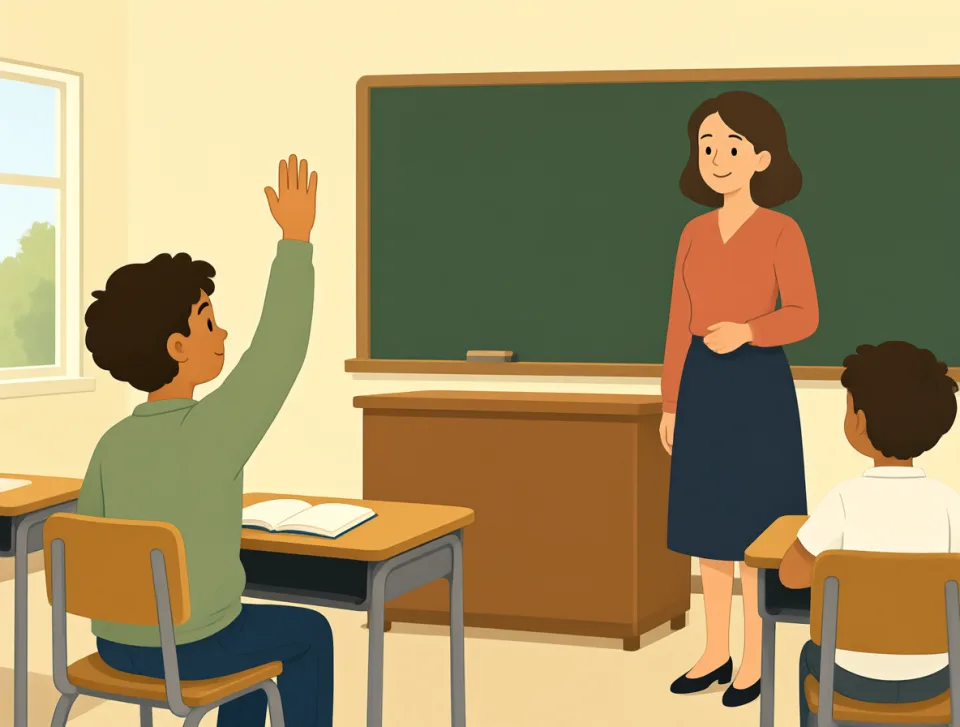
One student answered the teacher's question.
一人の生徒が先生の質問に答えました。
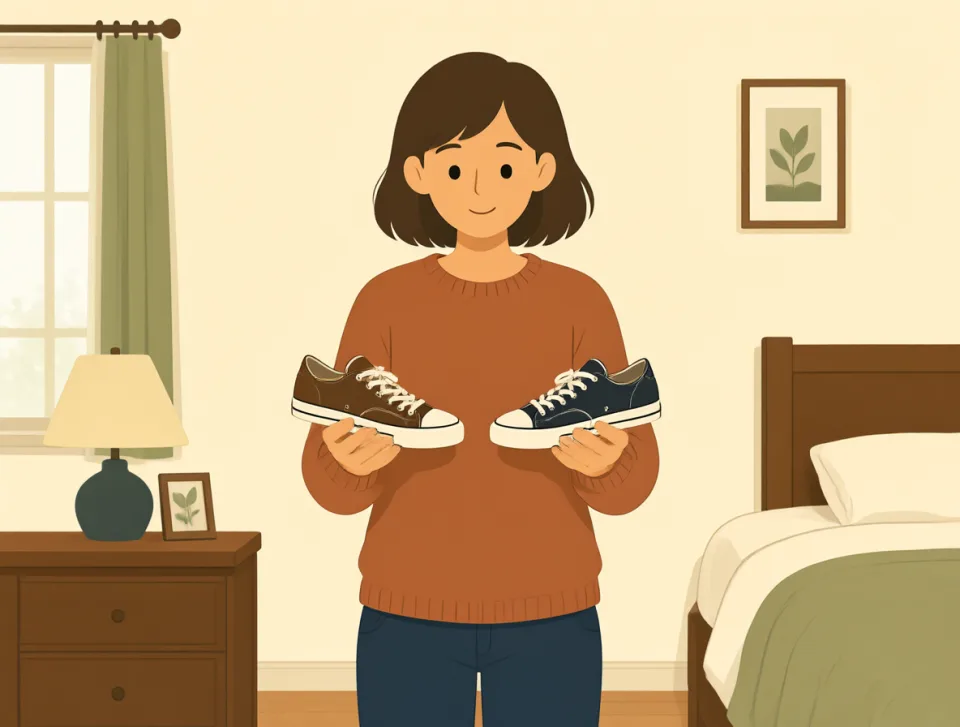
This shoe is smaller than the other one.
この靴はもう一方の靴より小さいです。

One day, we will travel around the world.
いつか、私たちは世界中を旅するでしょう。

would
#36verb, modal verb
〜したい; 〜だろう; 〜していただけますか
Used to talk about wishes, imagined situations, polite requests, or repeated past actions.
願望や想像上の状況、丁寧な依頼、または過去の繰り返しの行動について話すときに使う。
Would you like some coffee?
コーヒーはいかがですか?

I would like to book a room.
部屋を予約したいのですが。
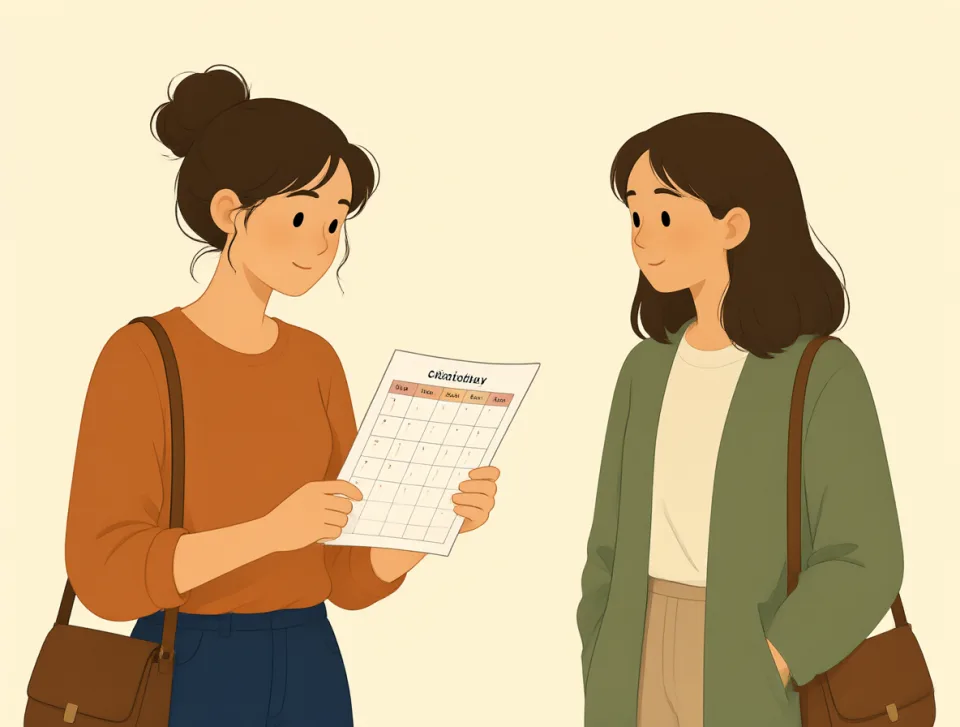
She would help if she had time.
彼女は時間があれば手伝うのに。
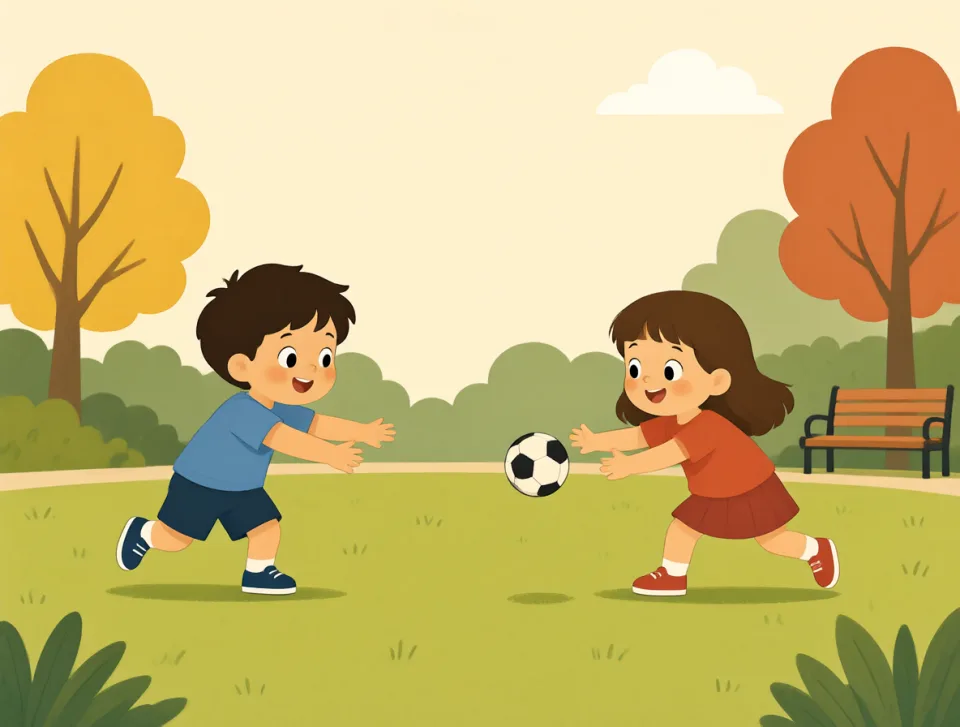
When we were children, we would play outside.
私たちは子どもの頃、外でよく遊んだものだ。
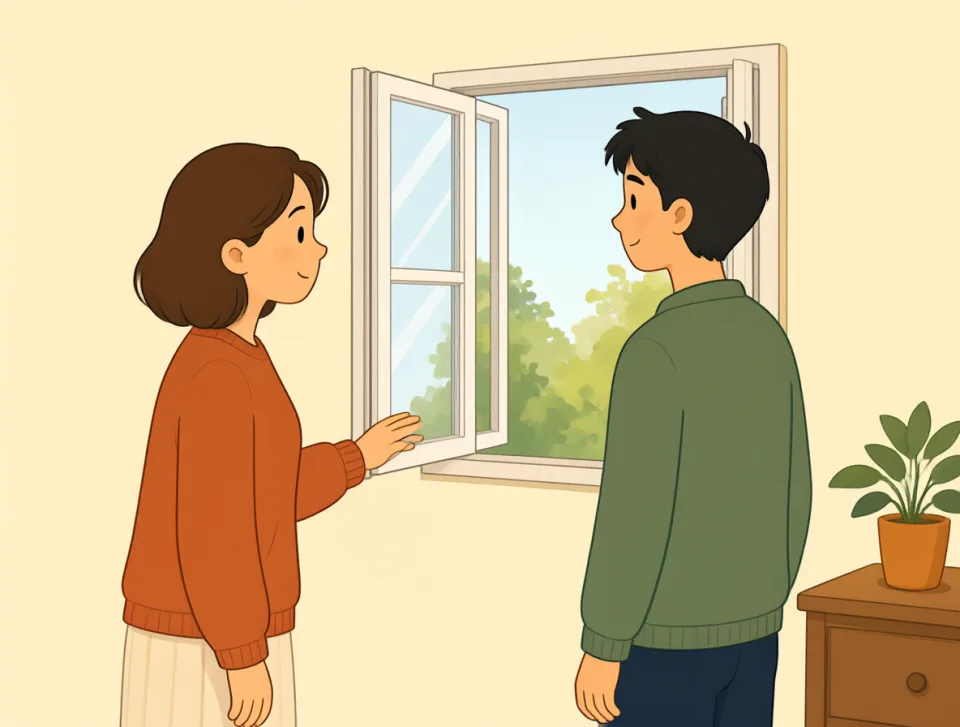
Would you please close the window?
窓を閉めていただけますか?

about
#37adverb, preposition
〜について;約;およそ
Used to say what someone or something concerns, or roughly where, when, or how much.
誰かや何かに関係すること、または場所・時間・量などがおおよそどのくらいかを表すときに使う。
We talked about our plans after dinner.
夕食のあと、私たちは自分たちの計画について話しました。
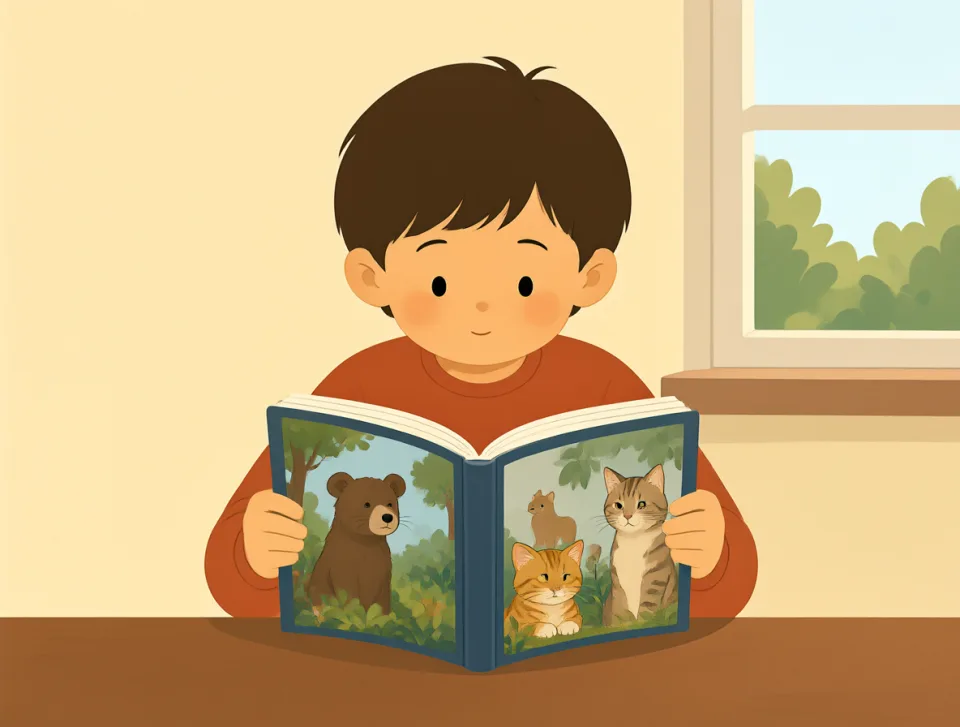
This book is about animals and nature.
この本は動物と自然について書かれています。
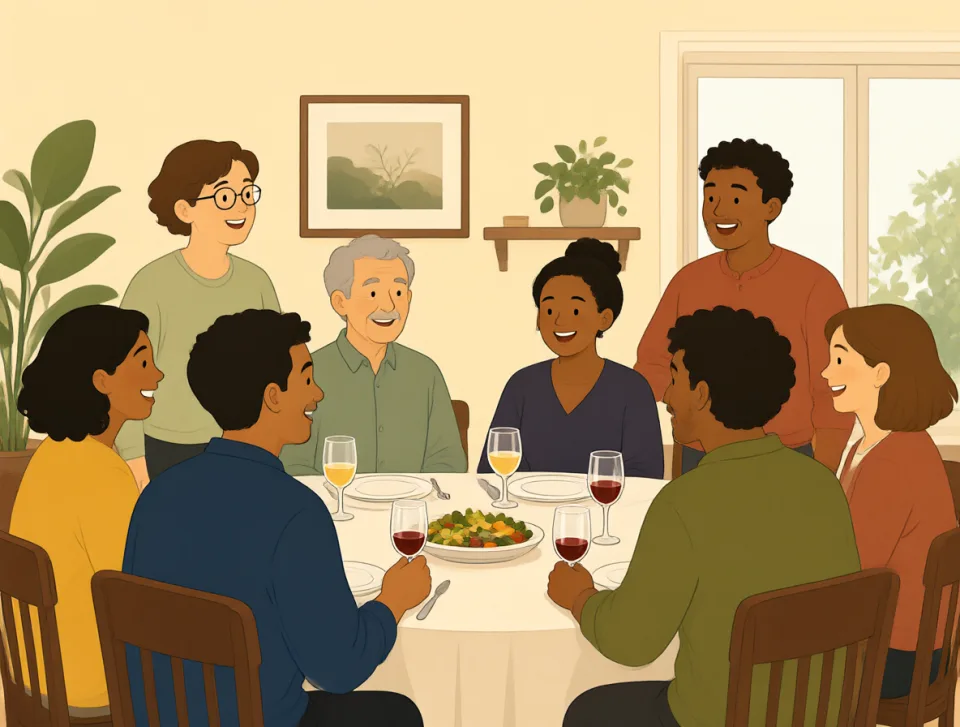
There were about twenty people at the party.
パーティーには約20人いました。
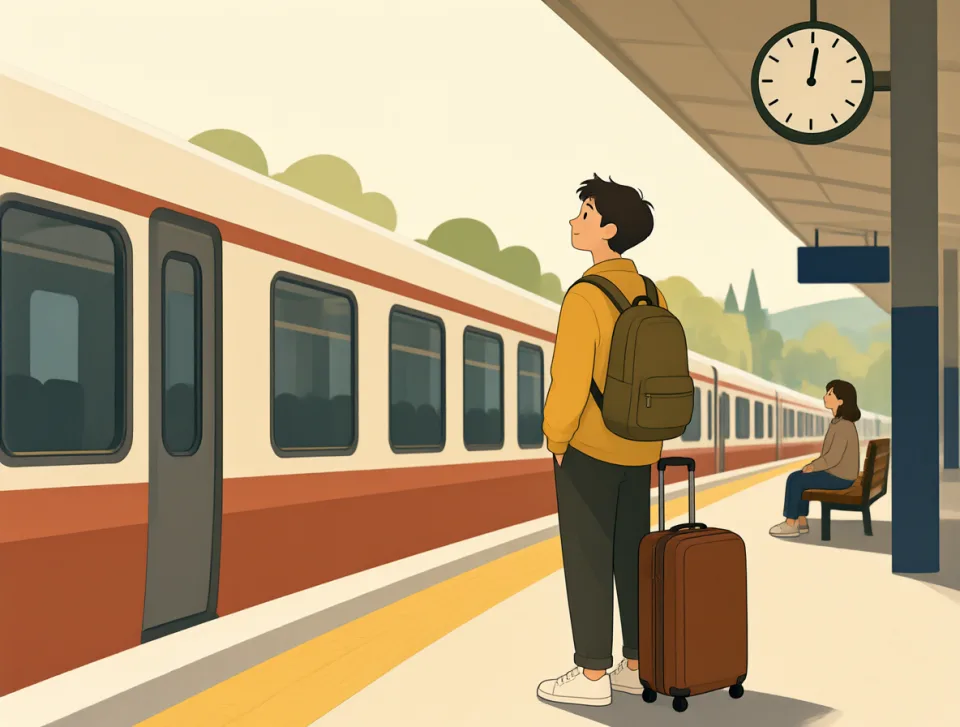
The train leaves at about eight o'clock.
電車は8時ごろに出発します。

I am worried about my sick dog.
病気の犬のことが心配です。
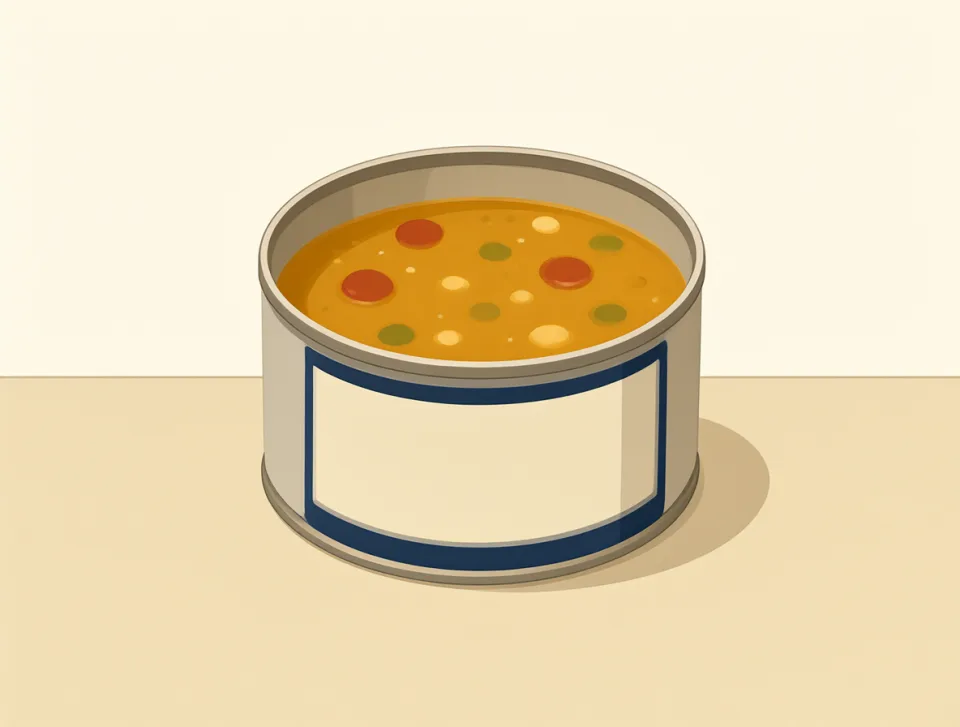
can
#38noun, verb, modal verb
できる; 缶; 缶詰にする
A metal container; or to put food or drink into a metal container.
金属製の容器。また、食べ物や飲み物を金属製の容器に入れること。

I can help you with your homework.
宿題を手伝えるよ。
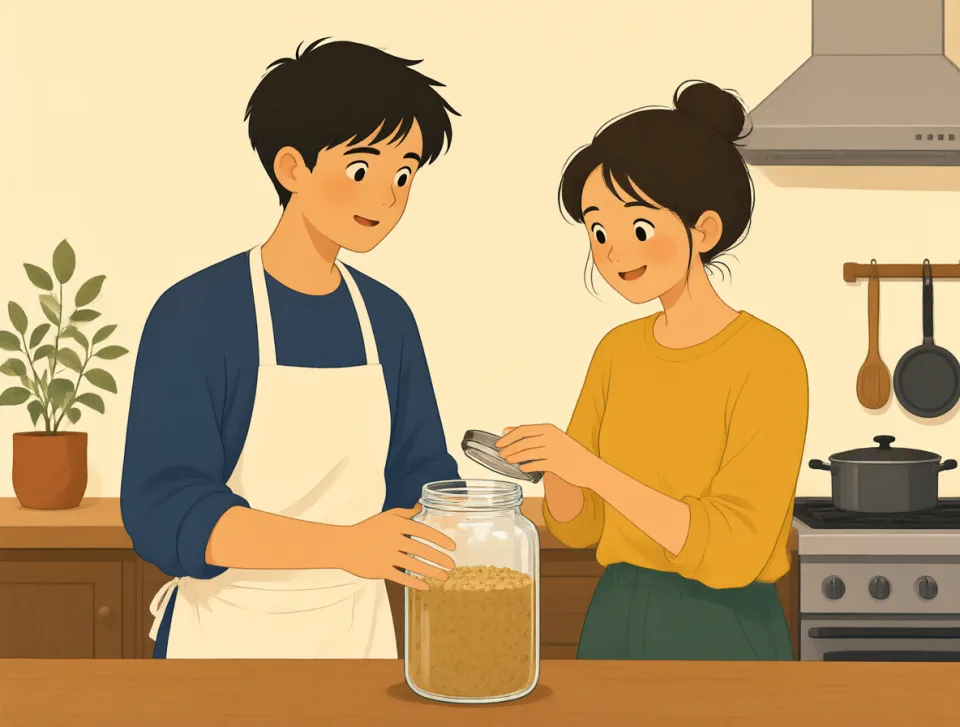
Can you open this jar for me?
この瓶を開けてくれる?

We can meet at the station at six.
6時に駅で会えるよ。
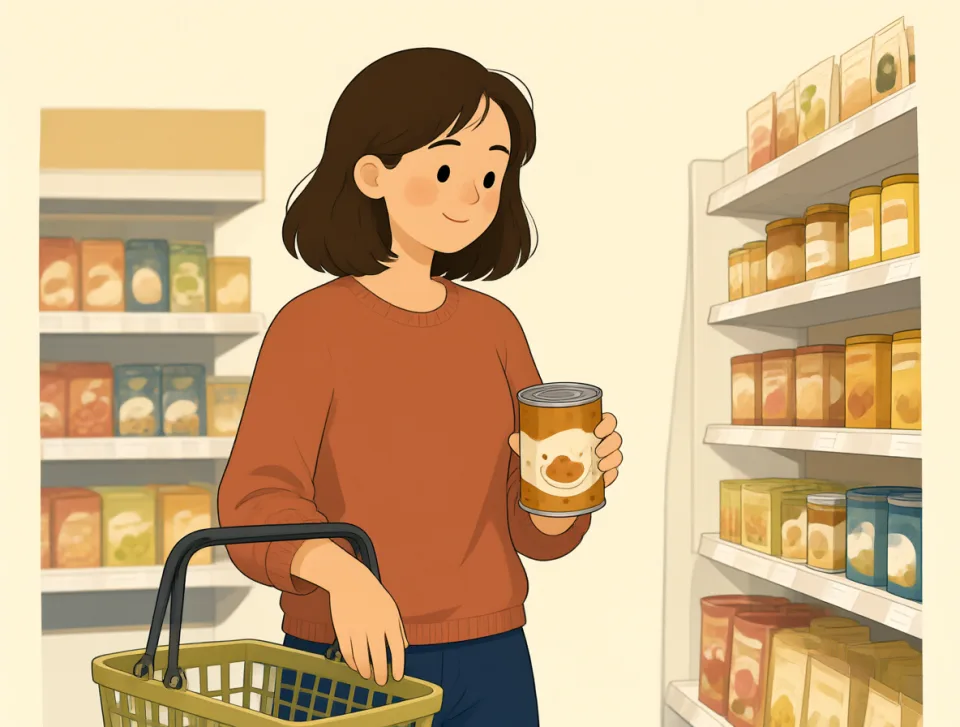
She bought a can of soup for lunch.
彼女は昼食用にスープの缶詰を1つ買った。
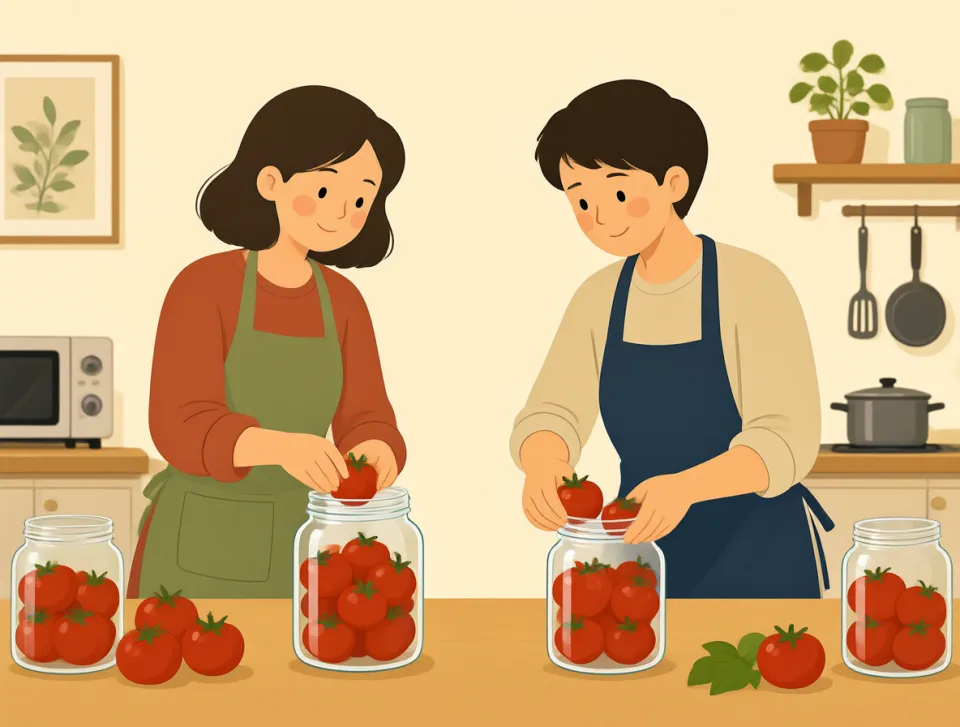
They canned the fresh tomatoes last summer.
彼らは去年の夏に採れたてのトマトを缶詰にした。

which
#39pronoun, determiner
どの; どれ; どちら
Used to ask or show which person or thing you mean.
自分がどの人や物を指しているのかを尋ねたり、示したりするときに使う。
Which shirt do you like best?
どのシャツが一番好き?
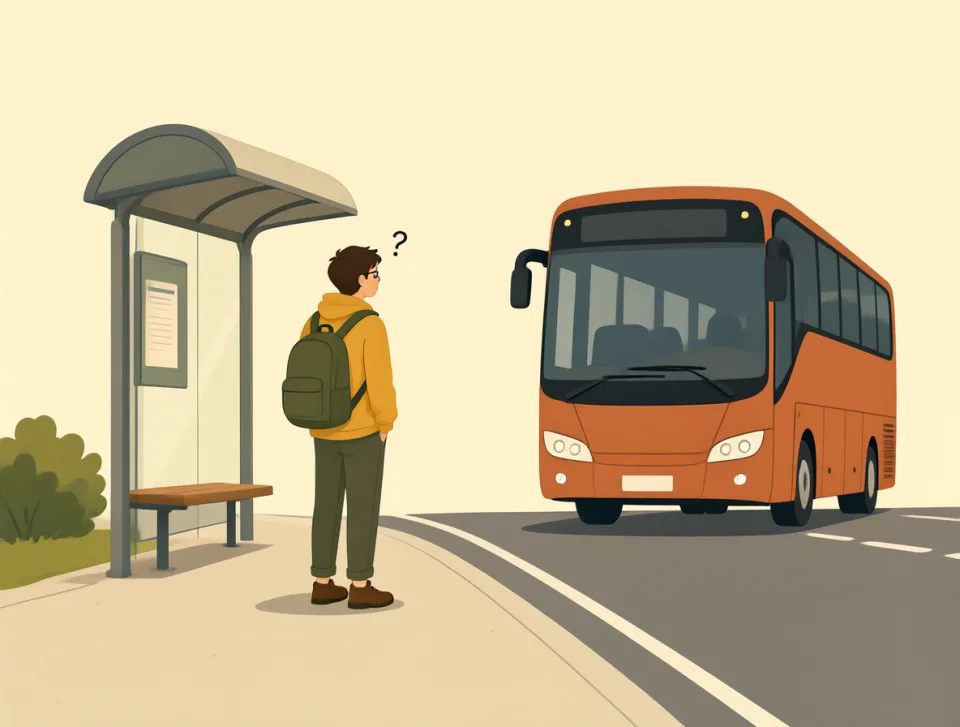
I forgot which bus goes downtown.
どのバスが中心街に行くのか忘れちゃった。
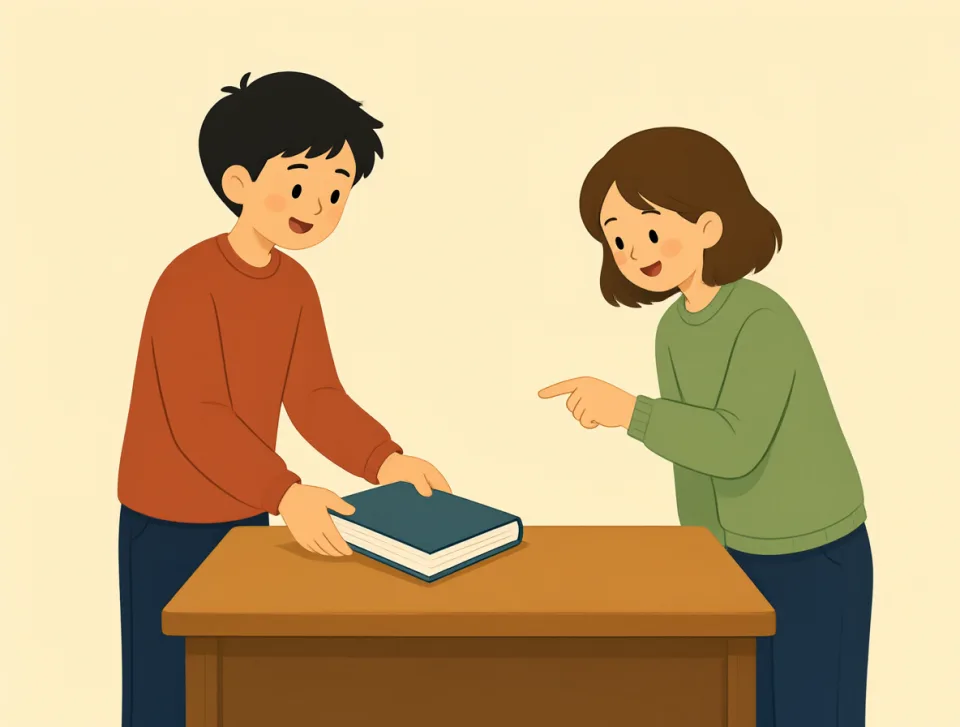
She chose the book which I recommended.
彼女は私がおすすめした本を選んだ。
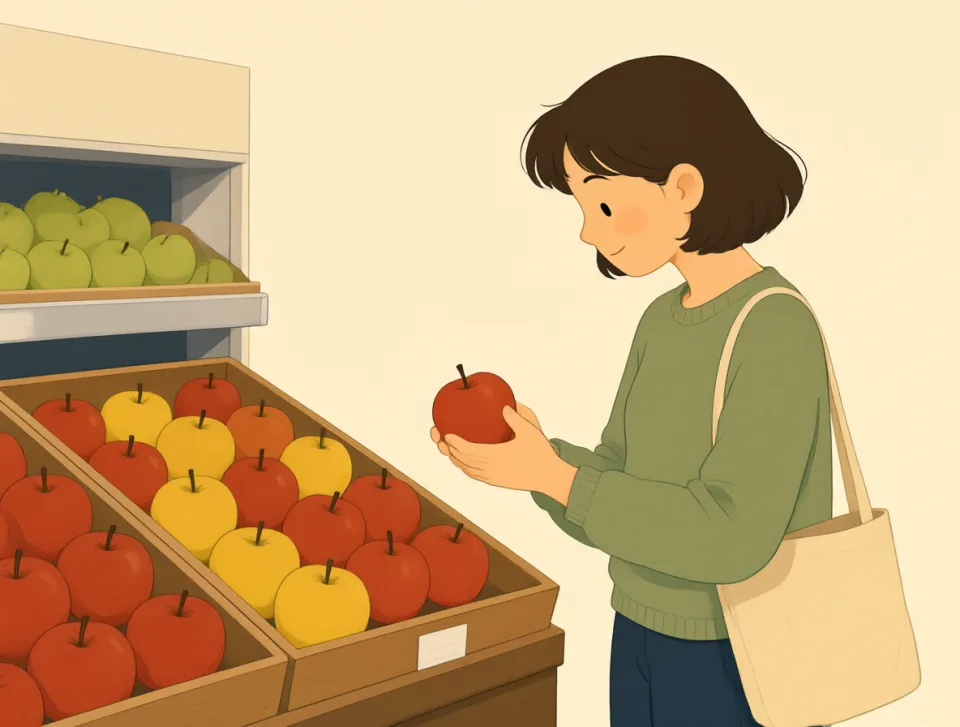
Which of these apples are fresh?
この中でどのりんごが新鮮?
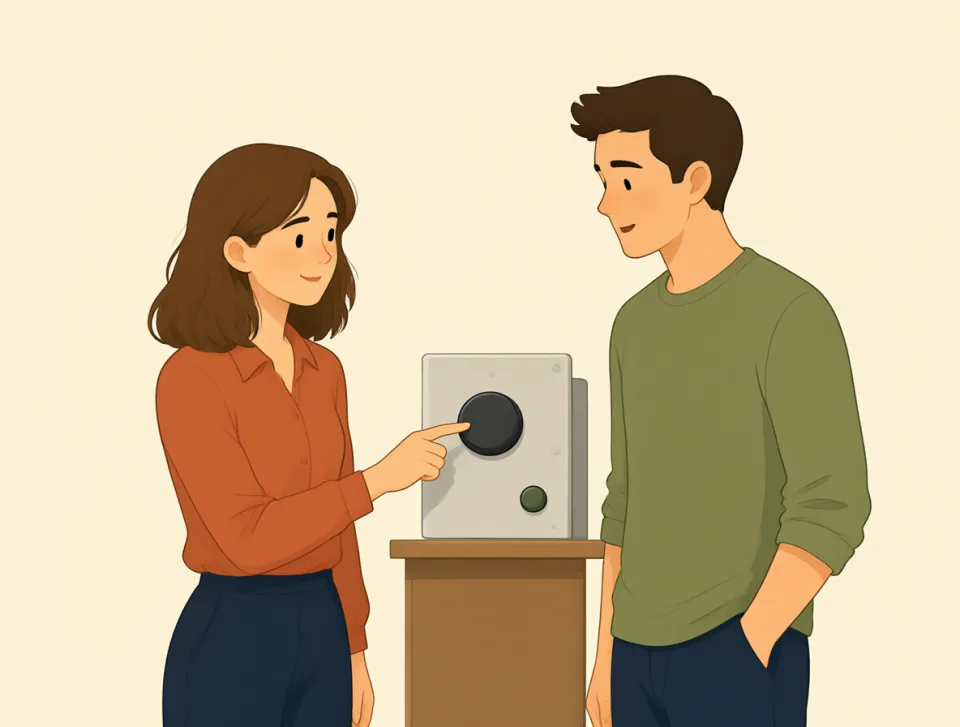
He explained which button to press.
彼はどのボタンを押せばいいのか説明した。
there
#40adverb, pronoun, determiner
そこ; あそこ; そこに; 〜がある
In, at, or to that place; used to show that something exists.
その場所に、あるいはその場所へ。何かが存在することを示すためにも使われる。
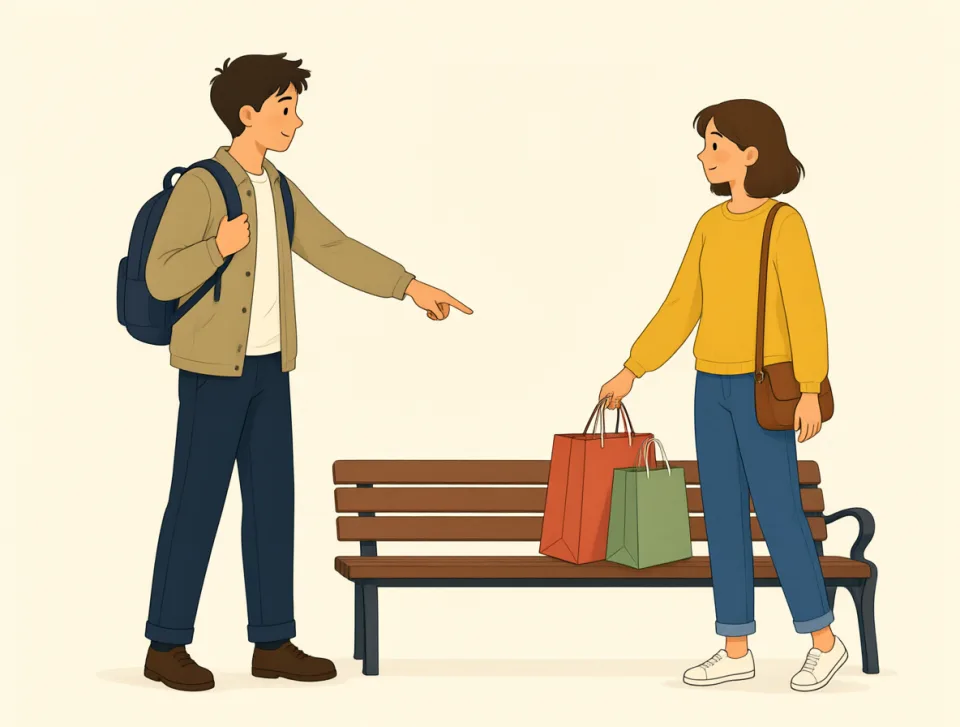
Please put the bags over there.
バッグをあそこに置いてください。
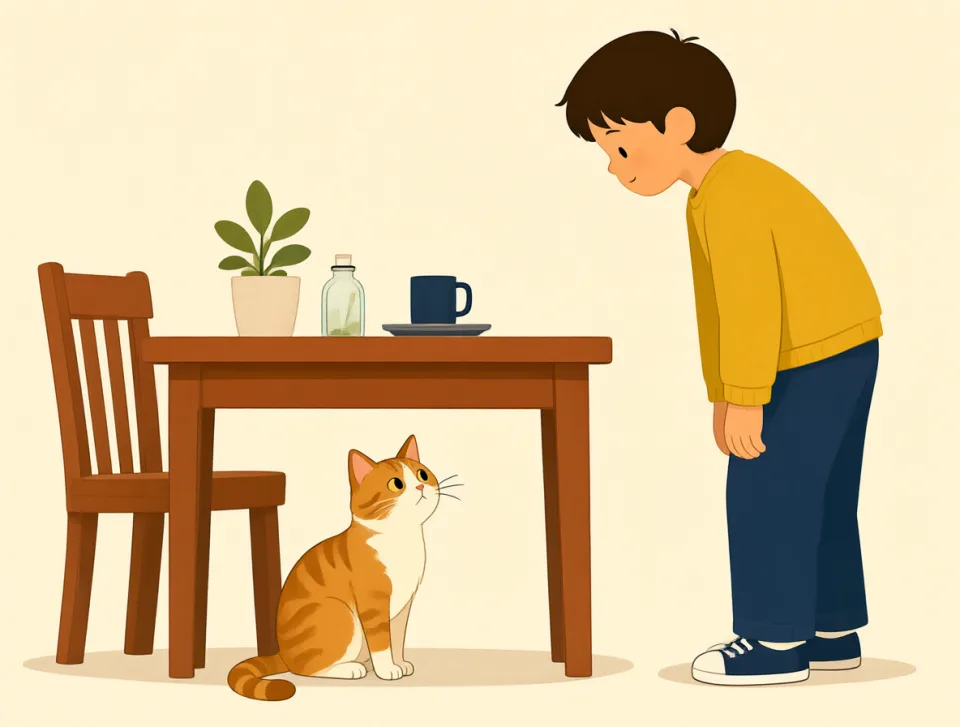
There is a cat under the table.
テーブルの下に猫がいます。
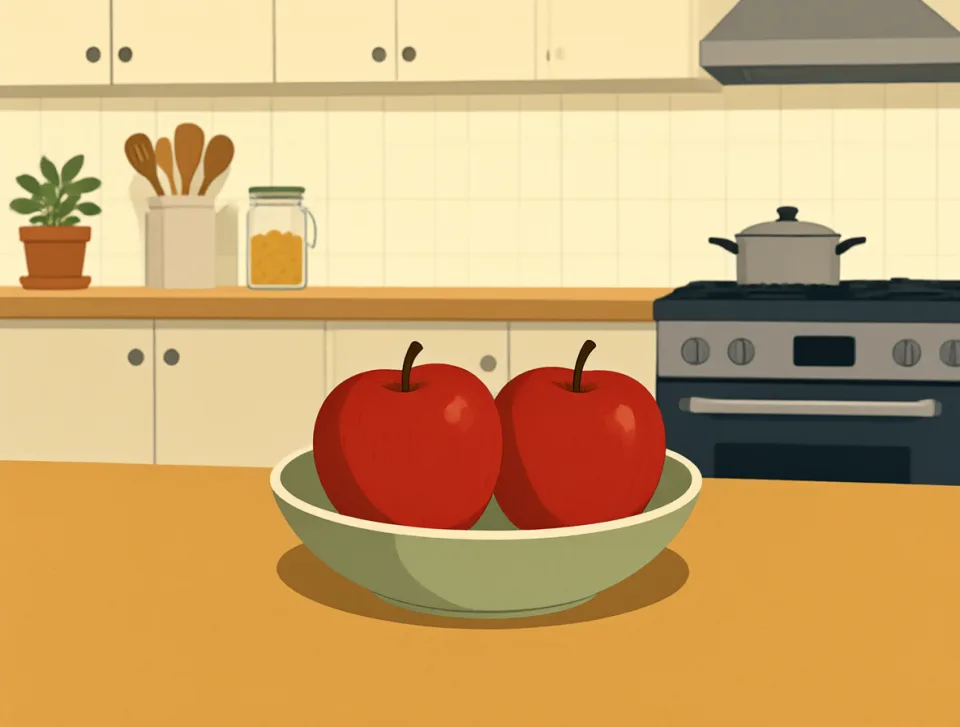
There are two apples in the bowl.
ボウルの中にリンゴが2つあります。

We waited there for the bus.
私たちはそこでバスを待ちました。
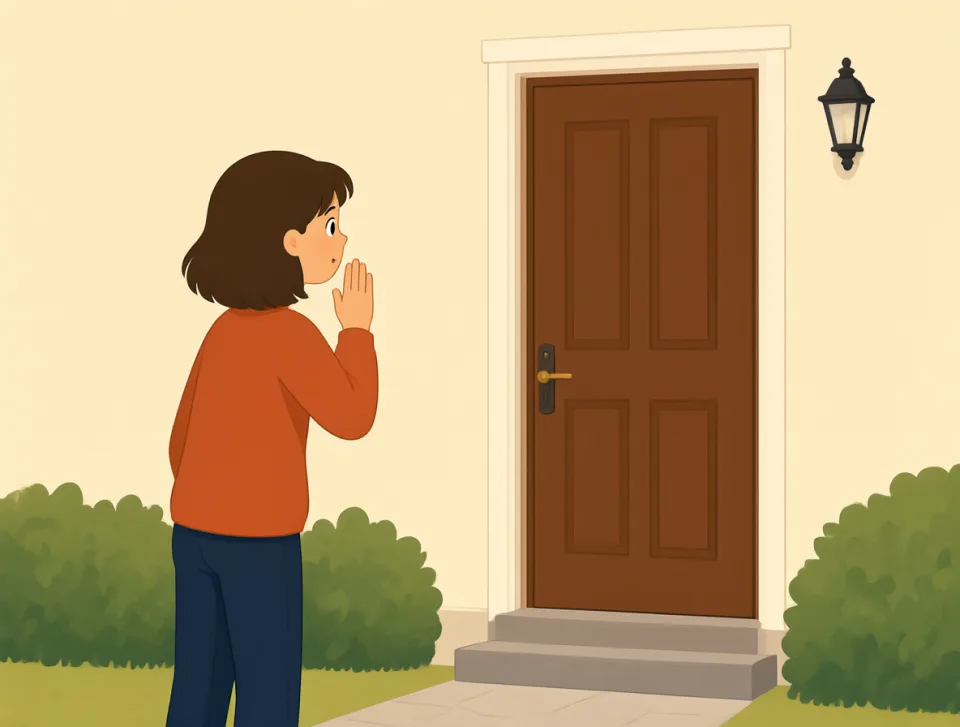
Is anyone there?
そこに誰かいますか?