Đơn vị 2
Từ 21–40 · do, as, at, she, but, from

do
#21verb, auxiliary verb, noun
làm
To perform an action, task, or activity.
Thực hiện một hành động, nhiệm vụ hoặc hoạt động.

I do my homework after dinner.
Tôi làm bài tập về nhà sau bữa tối.

She does the washing every Saturday.
Cô ấy giặt giũ vào mỗi thứ Bảy.

Do you like this restaurant?
Bạn có thích nhà hàng này không?

We did some shopping after work.
Chúng tôi đi mua sắm một chút sau giờ làm.

He does exercise every morning.
Anh ấy tập thể dục mỗi sáng.

as
#22adverb, conjunction, preposition, pronoun, determiner
như
Used to compare, show time or reason, or describe someone or something.
Dùng để so sánh, chỉ thời gian hoặc lý do, hay miêu tả ai đó hoặc điều gì đó.
She is as tall as her brother.
Cô ấy cao bằng anh trai mình.

As I walked home, it started raining.
Khi tôi đang đi bộ về nhà thì trời bắt đầu mưa.

Please do as your teacher says.
Hãy làm theo lời giáo viên của bạn.

He works as a waiter at night.
Ban đêm anh ấy làm bồi bàn.

As usual, we had dinner at seven.
Như thường lệ, chúng tôi ăn tối lúc bảy giờ.
at
#23preposition
ở
Used to show a specific time, place, or situation.
Dùng để chỉ một thời điểm, địa điểm hoặc tình huống cụ thể.
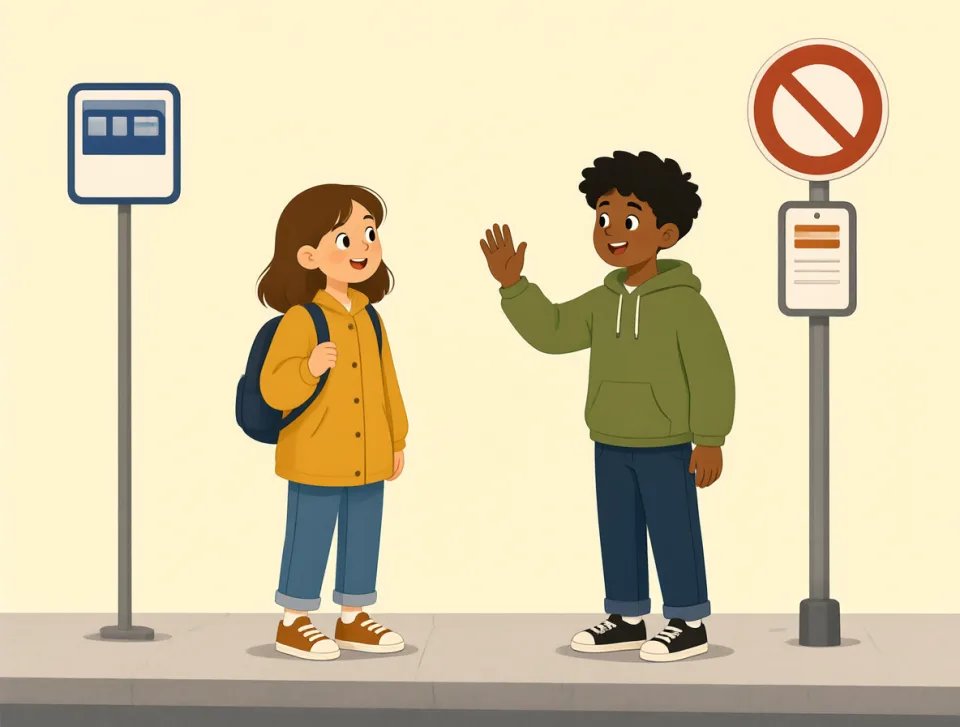
Meet me at the bus stop.
Gặp tôi ở trạm xe buýt nhé.

The class starts at nine.
Lớp học bắt đầu lúc chín giờ.

She is good at math.
Cô ấy giỏi toán.

We ate lunch at home.
Chúng tôi ăn trưa ở nhà.

He arrived at the airport early.
Anh ấy đến sân bay từ sớm.

she
#24pronoun
cô ấy
A female person or girl already mentioned or known.
Một người hoặc bé gái đã được nhắc đến hoặc đã biết.
She lives with her parents.
Cô ấy sống cùng bố mẹ.

She works at the hospital.
Cô ấy làm việc ở bệnh viện.

She is my best friend.
Cô ấy là bạn thân nhất của tôi.

She bought some apples at the market.
Cô ấy mua vài quả táo ở chợ.

She felt sick after dinner.
Cô ấy cảm thấy không khỏe sau bữa tối.

but
#25conjunction, preposition, adverb, noun
nhưng
Used to show a contrast, an exception, or a different choice.
Dùng để thể hiện sự tương phản, ngoại lệ hoặc một lựa chọn khác.
I like tea, but I prefer coffee.
Tôi thích trà, nhưng thích cà phê hơn.

She is tired, but she keeps working.
Cô ấy mệt, nhưng vẫn tiếp tục làm việc.
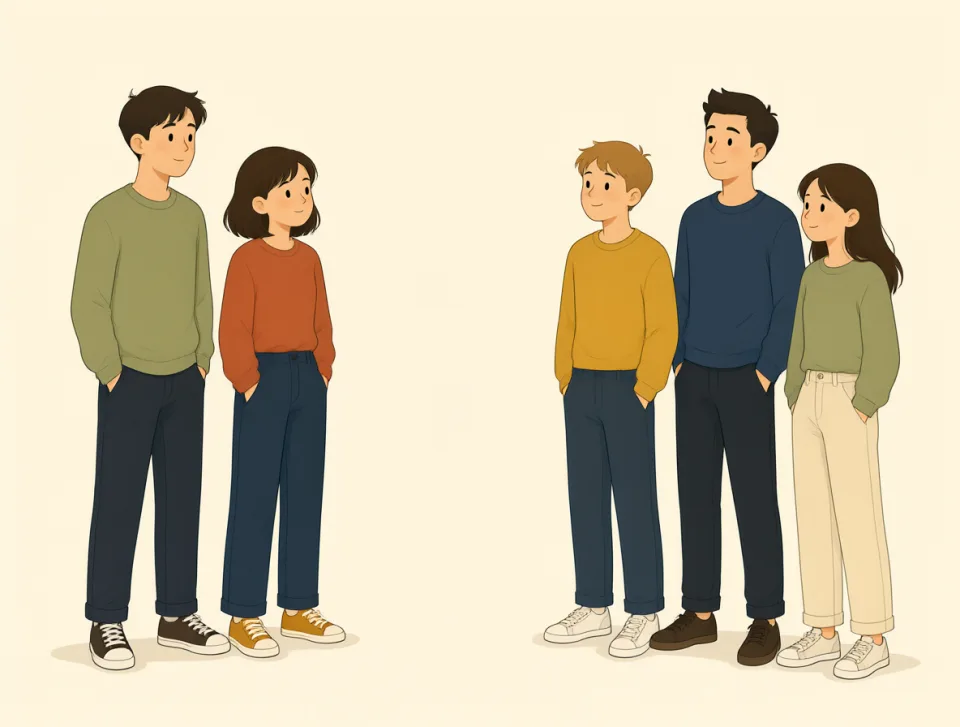
Everyone came but Tom.
Mọi người đều đến, trừ Tom.

We wanted to walk, but it started raining.
Chúng tôi định đi bộ, nhưng trời bắt đầu mưa.

The shop was small, but it had everything.
Cửa hàng nhỏ, nhưng có đủ mọi thứ.

from
#26preposition
từ
Shows where something starts, where it comes from, or when it begins.
Chỉ nơi một thứ bắt đầu, nguồn gốc của thứ đó hoặc thời điểm một việc bắt đầu.
I walk home from school every day.
Ngày nào tôi cũng đi bộ từ trường về nhà.

This letter is from my best friend.
Lá thư này là từ người bạn thân nhất của tôi.

The shop is open from nine to five.
Cửa hàng mở cửa từ chín giờ đến năm giờ.

She comes from a small town.
Cô ấy đến từ một thị trấn nhỏ.

We bought fresh bread from the bakery.
Chúng tôi mua bánh mì tươi ở tiệm bánh.

by
#27preposition, adverb
bên cạnh; trước; bằng; bởi
near, before a time, using something, or done by someone
Có nghĩa là ở gần, trước một thời điểm, sử dụng một thứ gì đó hoặc được thực hiện bởi ai đó.
Please sit by the window.
Vui lòng ngồi cạnh cửa sổ.

We travel by train every summer.
Mùa hè nào chúng tôi cũng đi du lịch bằng tàu hỏa.

Finish your homework by Friday.
Hãy hoàn thành bài tập về nhà trước thứ Sáu.

She walked by without saying hello.
Cô ấy đi ngang qua mà không chào.

This cake was made by my sister.
Chiếc bánh này do chị gái tôi làm.

will
#28verb, noun
sẽ
Used to talk about the future, or a person’s strong wish or legal instructions.
Dùng để nói về tương lai, hoặc chỉ mong muốn mạnh mẽ hay những chỉ dẫn pháp lý của một người.
I will call you after dinner.
Tôi sẽ gọi cho bạn sau bữa tối.

Will you help me with this box?
Bạn giúp tôi bê chiếc hộp này nhé?

The doctor says you will feel better soon.
Bác sĩ nói chẳng bao lâu nữa bạn sẽ thấy khỏe hơn.

She will not eat the fish today.
Hôm nay cô ấy sẽ không ăn cá.
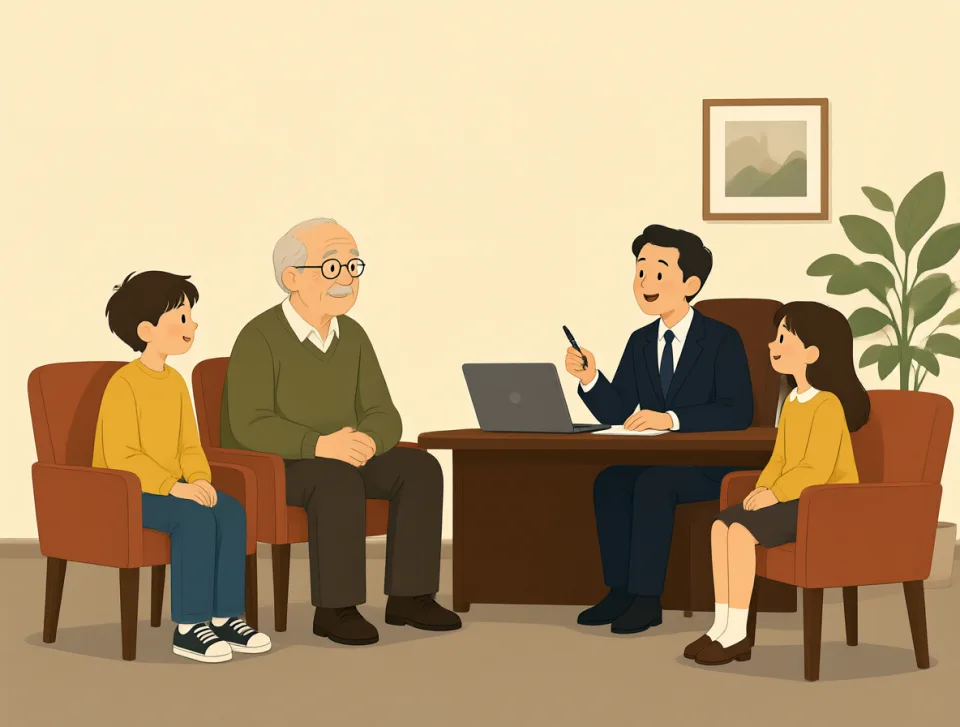
His will left money to his children.
Di chúc của ông ấy để lại tiền cho các con.

or
#29conjunction
hoặc
Used to show a choice between two or more possibilities.
Dùng để đưa ra lựa chọn giữa hai hay nhiều khả năng.
Would you like tea or coffee?
Bạn muốn uống trà hay cà phê?

You can walk or take the bus.
Bạn có thể đi bộ hoặc đi xe buýt.

Is your sister at home or work?
Chị/em gái bạn đang ở nhà hay ở chỗ làm?
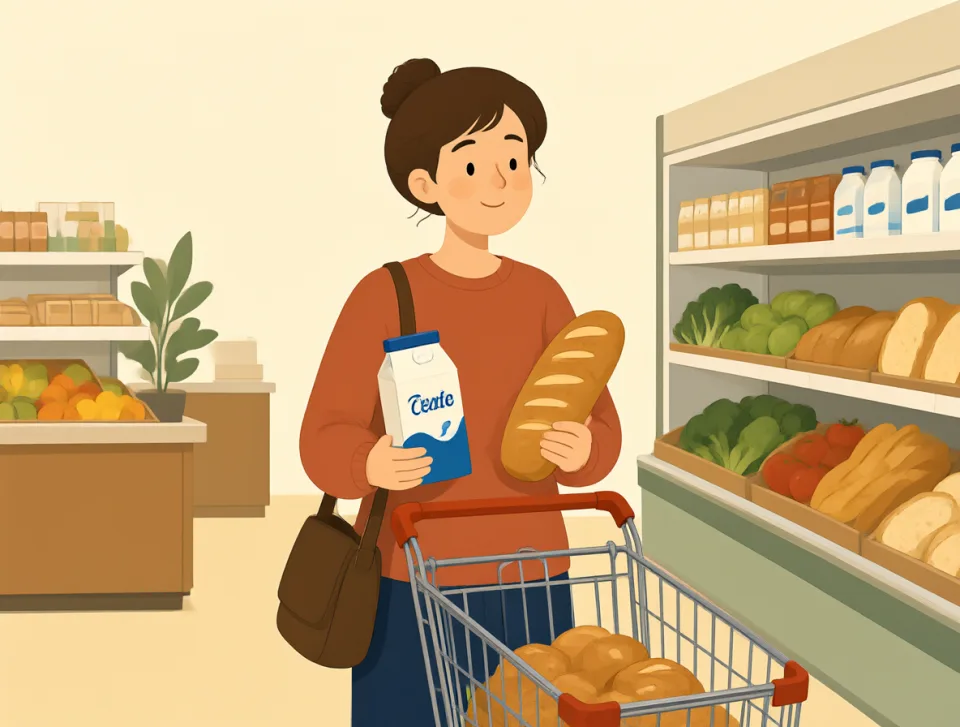
We need to buy milk or bread.
Chúng ta cần mua sữa hoặc bánh mì.

Hurry, or we will miss the train.
Nhanh lên, không thì chúng ta sẽ lỡ chuyến tàu.

say
#30verb
nói
to speak words or tell someone something
nói thành lời hoặc kể cho ai đó nghe điều gì

What did you say?
Bạn đã nói gì?

She said hello to her teacher.
Cô ấy chào giáo viên của mình.

Please say your name slowly.
Vui lòng đọc tên bạn chậm rãi.

They say the soup is delicious.
Nghe nói món súp ngon lắm.

He said he felt sick yesterday.
Hôm qua anh ấy nói rằng mình cảm thấy không khỏe.

go
#31verb, noun
đi
to move or travel somewhere, or to happen or work in a particular way
di chuyển hoặc đi đến một nơi nào đó, hoặc diễn ra hay hoạt động theo một cách nhất định

I go to school by bus every day.
Ngày nào tôi cũng đi học bằng xe buýt.

We went home after dinner.
Chúng tôi về nhà sau bữa tối.

Please go and ask your teacher.
Làm ơn đi hỏi thầy cô của bạn.

These shoes go well with your jeans.
Đôi giày này rất hợp với quần jeans của bạn.

The milk went bad in the fridge.
Sữa trong tủ lạnh đã bị hỏng.

so
#32adverb, conjunction
vì vậy; quá; cũng vậy
Used to show a result, a high degree, or agreement.
Dùng để chỉ kết quả, mức độ cao hoặc sự đồng tình.
I was tired, so I went to bed.
Tôi mệt nên đi ngủ.

The soup is so hot I cannot eat it.
Món súp nóng đến mức tôi không ăn được.

She studied hard, so she passed the test.
Cô ấy học chăm chỉ nên đã vượt qua bài kiểm tra.

The bus was late, so we walked home.
Xe buýt đến muộn nên chúng tôi đi bộ về nhà.

“I like this.” “So do I.”
“Tôi thích cái này.” “Tôi cũng vậy.”

all
#33determiner, pronoun, adverb
tất cả
The whole amount or every person or thing in a group
Toàn bộ số lượng hoặc mọi người, mọi vật trong một nhóm.
All the students finished their homework.
Tất cả học sinh đều làm xong bài tập về nhà.

We ate all the sandwiches at lunch.
Chúng tôi đã ăn hết bánh mì kẹp trong bữa trưa.

All of us took the train home.
Tất cả chúng tôi đi tàu về nhà.

She worked all day at the shop.
Cô ấy làm việc ở cửa hàng suốt cả ngày.

I am not at all tired today.
Hôm nay tôi chẳng mệt chút nào.

if
#34conjunction
nếu
Used to talk about a condition or a possible situation.
Dùng để nói về một điều kiện hoặc một tình huống có thể xảy ra.
Call me if you need help.
Gọi tôi nếu bạn cần giúp đỡ.

If it rains, we will stay home.
Nếu trời mưa, chúng ta sẽ ở nhà.

Ask the teacher if you have questions.
Hãy hỏi thầy cô nếu bạn có thắc mắc.

I will buy it if it is cheaper.
Tôi sẽ mua nó nếu nó rẻ hơn.

She asked if the train was late.
Cô ấy hỏi liệu tàu có bị muộn không.

one
#35number, noun, pronoun, determiner
một
The number 1, or a single person or thing.
Số 1, hoặc một người hay một vật đơn lẻ.

I have one sister and two brothers.
Tôi có một chị/em gái và hai anh/em trai.

Please give me one coffee.
Làm ơn cho tôi một ly cà phê.

One student answered the teacher's question.
Một học sinh đã trả lời câu hỏi của thầy cô.

This shoe is smaller than the other one.
Chiếc giày này nhỏ hơn chiếc còn lại.

One day, we will travel around the world.
Một ngày nào đó, chúng ta sẽ đi du lịch vòng quanh thế giới.

would
#36verb, modal verb
sẽ; muốn
Used to talk about wishes, imagined situations, polite requests, or repeated past actions.
Dùng để nói về mong muốn, tình huống giả định, lời đề nghị lịch sự hoặc những hành động lặp đi lặp lại trong quá khứ.
Would you like some coffee?
Bạn có muốn uống cà phê không?

I would like to book a room.
Tôi muốn đặt một phòng.

She would help if she had time.
Cô ấy sẽ giúp nếu có thời gian.

When we were children, we would play outside.
Hồi còn nhỏ, chúng tôi thường chơi ở ngoài trời.

Would you please close the window?
Bạn vui lòng đóng cửa sổ giúp tôi được không?

about
#37adverb, preposition
về; khoảng
Used to say what someone or something concerns, or roughly where, when, or how much.
Dùng để nói ai đó hoặc điều gì đó liên quan đến chủ đề nào, hoặc chỉ địa điểm, thời gian hay số lượng ước chừng.
We talked about our plans after dinner.
Chúng tôi đã nói về những dự định sau bữa tối.

This book is about animals and nature.
Cuốn sách này nói về động vật và thiên nhiên.

There were about twenty people at the party.
Có khoảng hai mươi người ở bữa tiệc.

The train leaves at about eight o'clock.
Tàu khởi hành vào khoảng tám giờ.

I am worried about my sick dog.
Tôi lo cho chú chó bị ốm của mình.

can
#38noun, verb, modal verb
có thể; lon
A metal container; or to put food or drink into a metal container.
Một vật đựng bằng kim loại; hoặc hành động cho thức ăn, đồ uống vào vật đựng bằng kim loại.

I can help you with your homework.
Mình có thể giúp bạn làm bài tập về nhà.

Can you open this jar for me?
Bạn mở lọ này giúp mình được không?

We can meet at the station at six.
Chúng ta có thể gặp nhau ở nhà ga lúc sáu giờ.

She bought a can of soup for lunch.
Cô ấy mua một hộp súp cho bữa trưa.
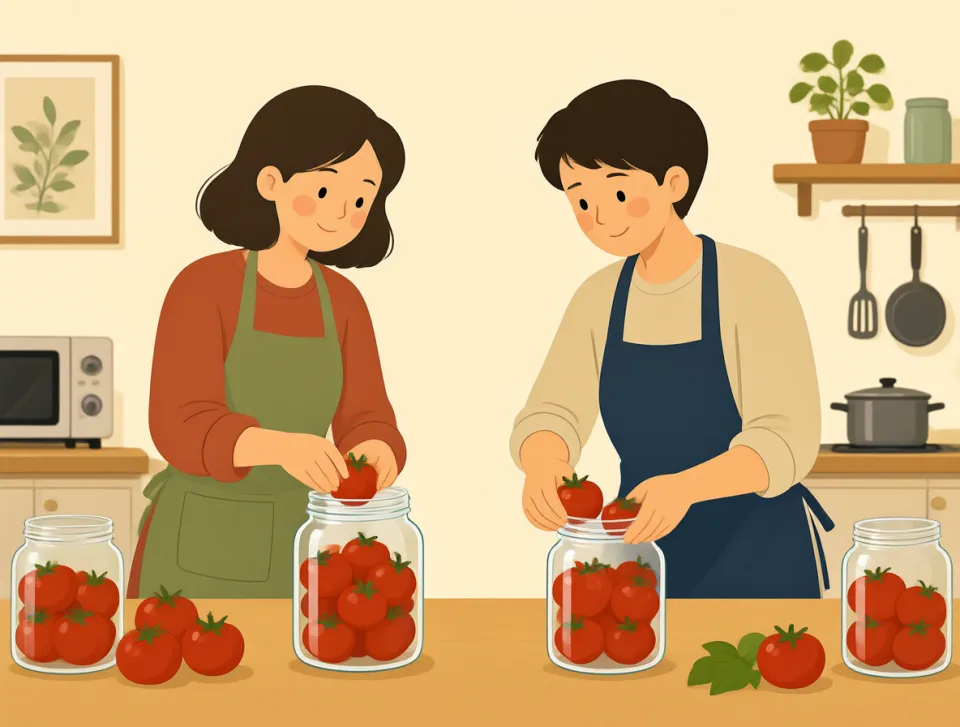
They canned the fresh tomatoes last summer.
Mùa hè năm ngoái, họ đã đóng hộp cà chua tươi.

which
#39pronoun, determiner
nào; mà
Used to ask or show which person or thing you mean.
Dùng để hỏi hoặc xác định người hay vật mà bạn muốn nói đến.
Which shirt do you like best?
Bạn thích chiếc áo nào nhất?
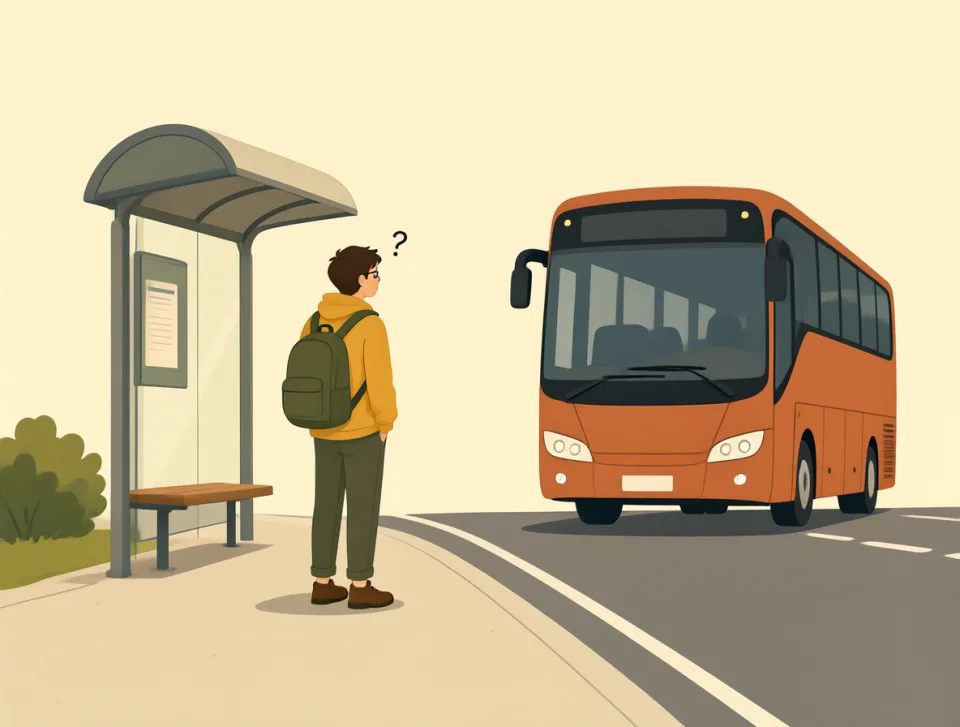
I forgot which bus goes downtown.
Tôi quên mất xe buýt nào đi vào trung tâm thành phố.

She chose the book which I recommended.
Cô ấy chọn cuốn sách mà tôi đã giới thiệu.
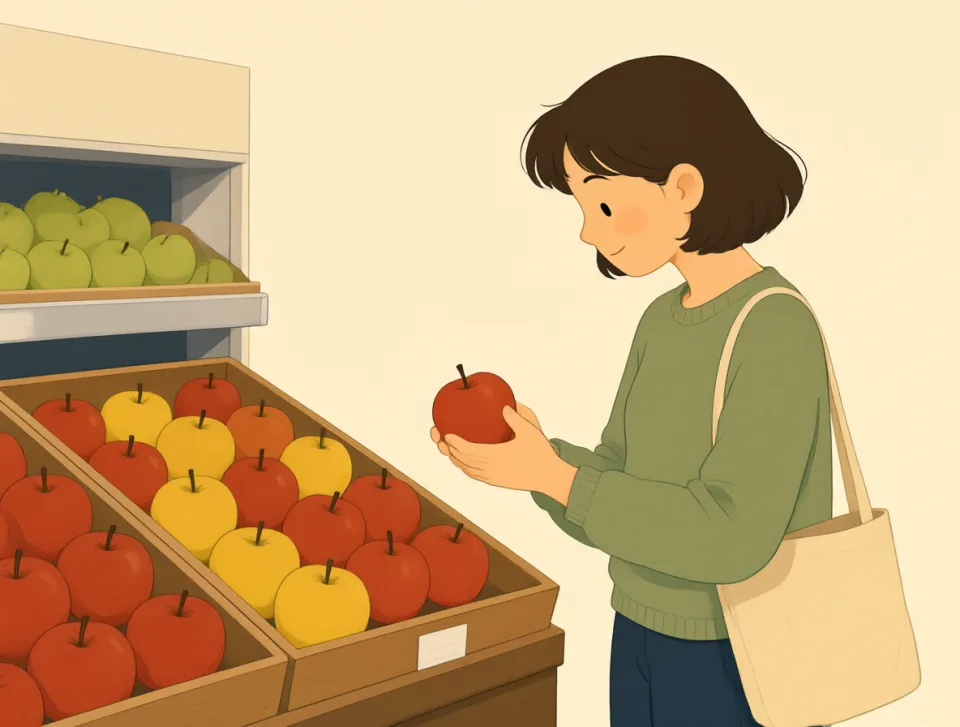
Which of these apples are fresh?
Quả táo nào trong số này còn tươi?

He explained which button to press.
Anh ấy giải thích nên bấm nút nào.

there
#40adverb, pronoun, determiner
ở đó; có
In, at, or to that place; used to show that something exists.
Ở tại hoặc đến nơi đó; cũng được dùng để nói rằng có thứ gì đó tồn tại.
Please put the bags over there.
Vui lòng để túi ở đằng kia.

There is a cat under the table.
Có một con mèo ở dưới bàn.

There are two apples in the bowl.
Có hai quả táo trong bát.

We waited there for the bus.
Chúng tôi đã đợi xe buýt ở đó.

Is anyone there?
Có ai ở đó không?