2. Ünite
21–40 arasındaki kelimeler · do, as, at, she, but, from
do
#21verb, auxiliary verb, noun
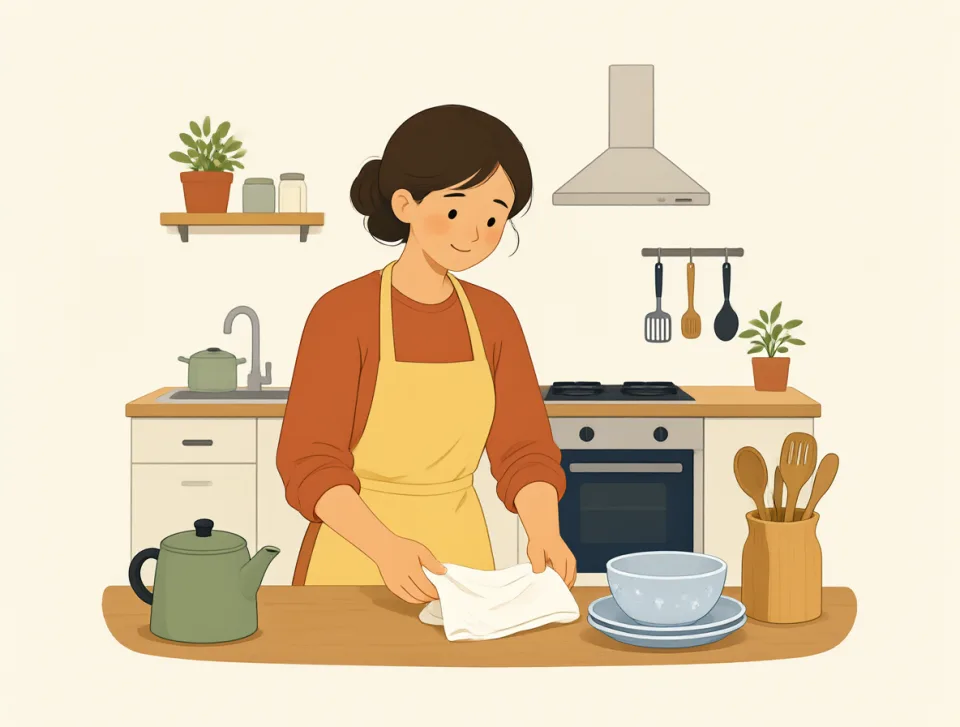
yapmak
To perform an action, task, or activity.
Bir eylemi, işi veya etkinliği gerçekleştirmek.

I do my homework after dinner.
Akşam yemeğinden sonra ödevimi yaparım.
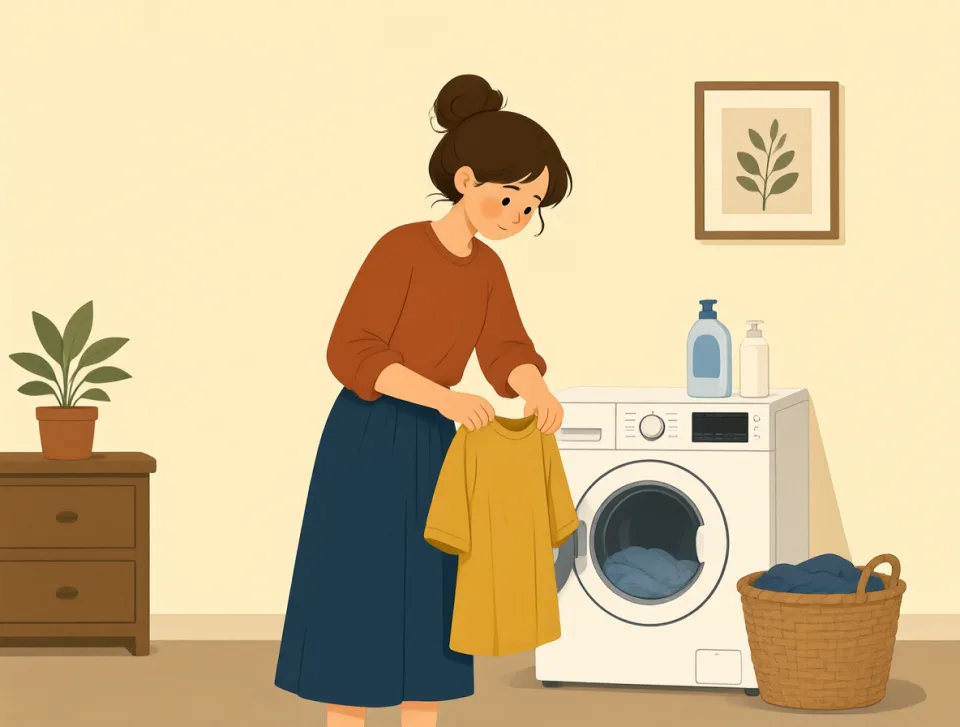
She does the washing every Saturday.
Her cumartesi çamaşır yıkar.
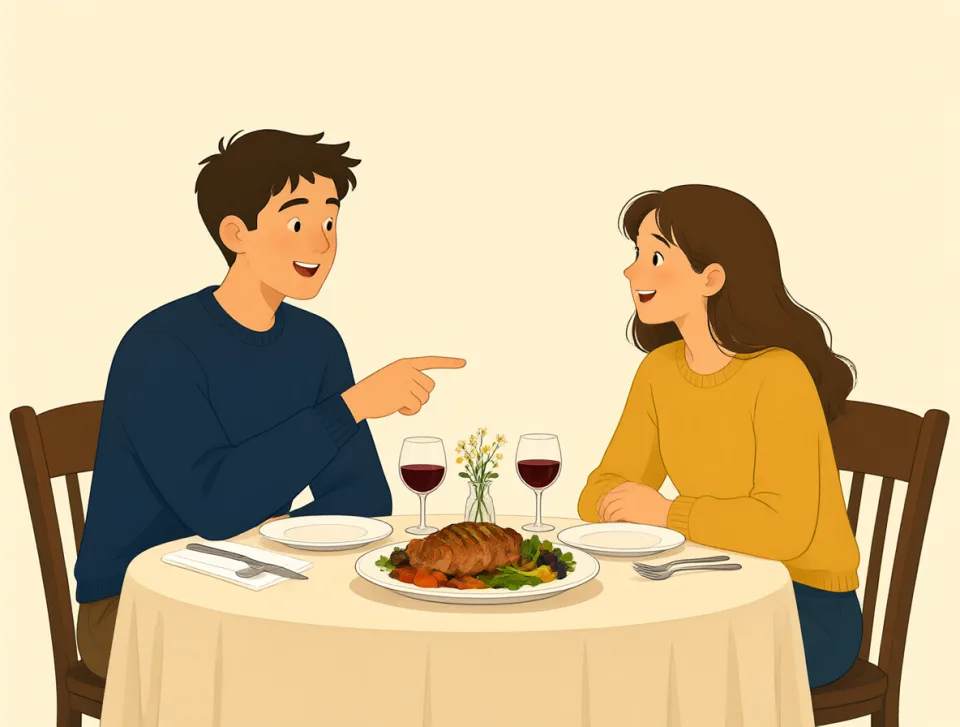
Do you like this restaurant?
Bu restoranı seviyor musun?

We did some shopping after work.
İşten sonra biraz alışveriş yaptık.

He does exercise every morning.
Her sabah egzersiz yapar.
as
#22adverb, conjunction, preposition, pronoun, determiner
olarak; gibi; -ken; çünkü
Used to compare, show time or reason, or describe someone or something.
Karşılaştırma yapmak, zaman veya neden belirtmek ya da birini veya bir şeyi tanımlamak için kullanılır.
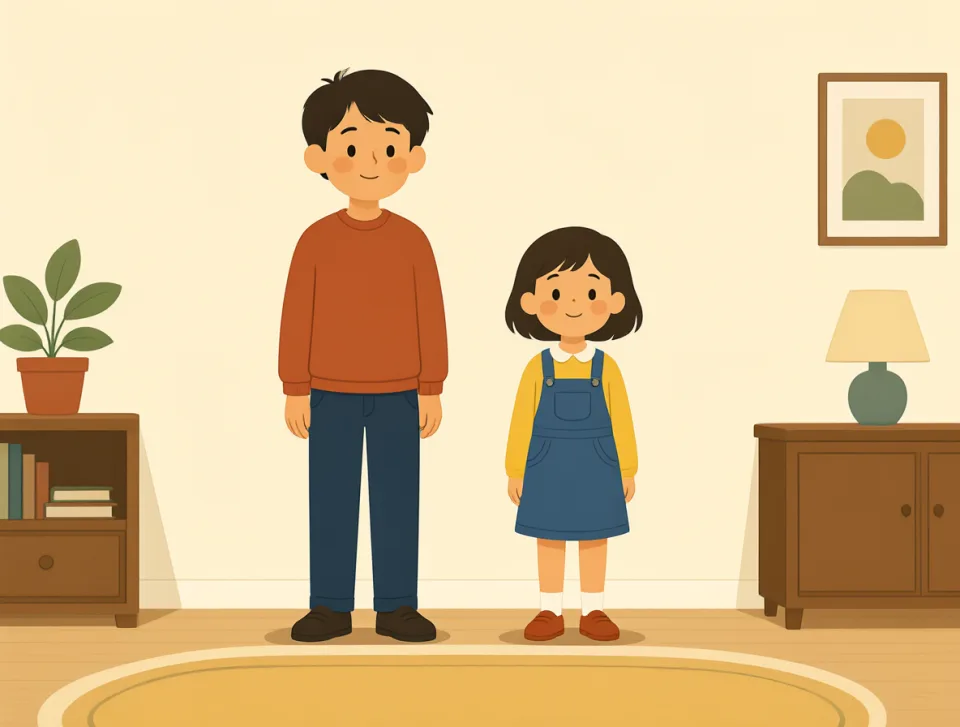
She is as tall as her brother.
O, erkek kardeşi kadar uzun.

As I walked home, it started raining.
Eve yürürken yağmur yağmaya başladı.

Please do as your teacher says.
Lütfen öğretmeninin söylediğini yap.

He works as a waiter at night.
Geceleri garson olarak çalışıyor.

As usual, we had dinner at seven.
Her zamanki gibi saat yedide akşam yemeği yedik.
at
#23preposition
-de/-da; saatinde
Used to show a specific time, place, or situation.
Belirli bir zamanı, yeri veya durumu belirtmek için kullanılır.
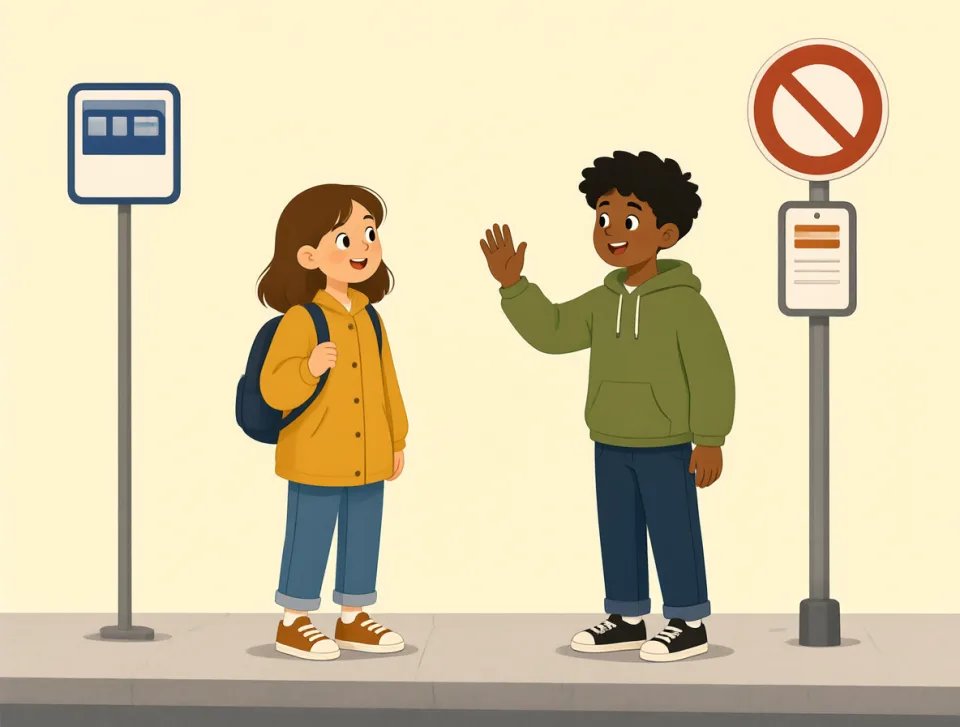
Meet me at the bus stop.
Benimle otobüs durağında buluş.

The class starts at nine.
Ders saat dokuzda başlıyor.
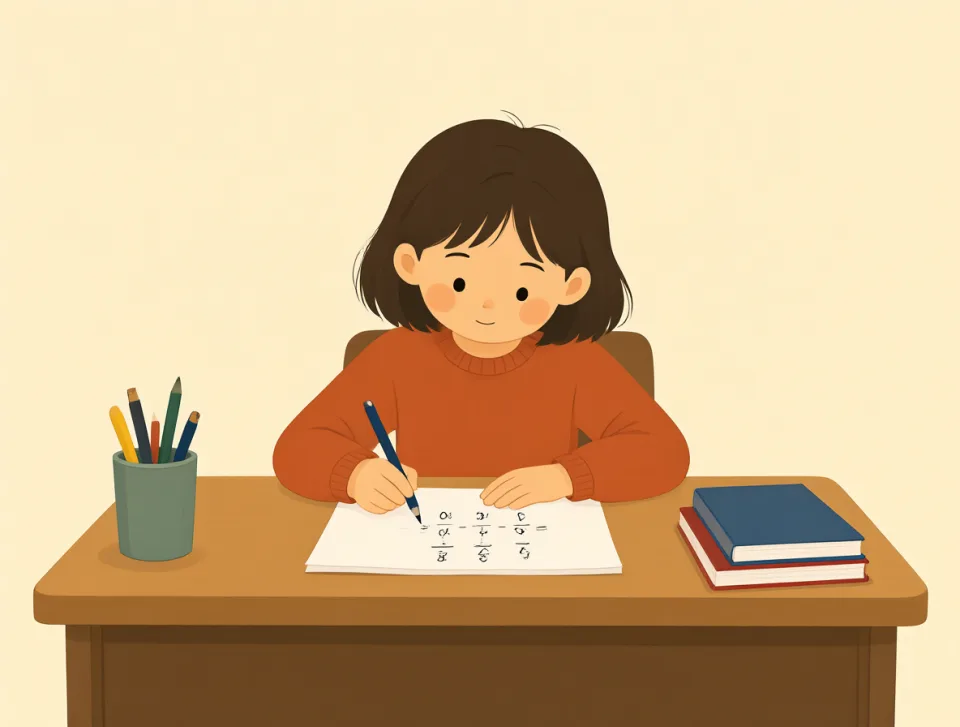
She is good at math.
Matematikte iyidir.
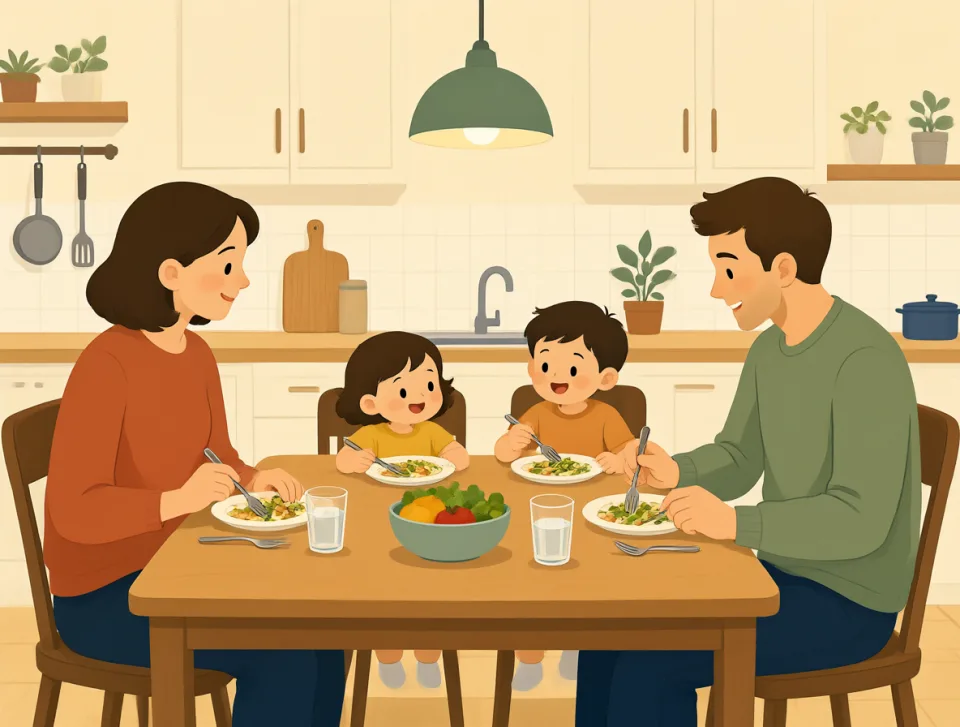
We ate lunch at home.
Öğle yemeğini evde yedik.

He arrived at the airport early.
Havaalanına erken vardı.

she
#24pronoun
o
A female person or girl already mentioned or known.
Daha önce sözü edilen ya da bilinen bir kadını veya kız çocuğunu belirtir.
She lives with her parents.
Ailesiyle yaşıyor.

She works at the hospital.
Hastanede çalışıyor.

She is my best friend.
O benim en iyi arkadaşım.
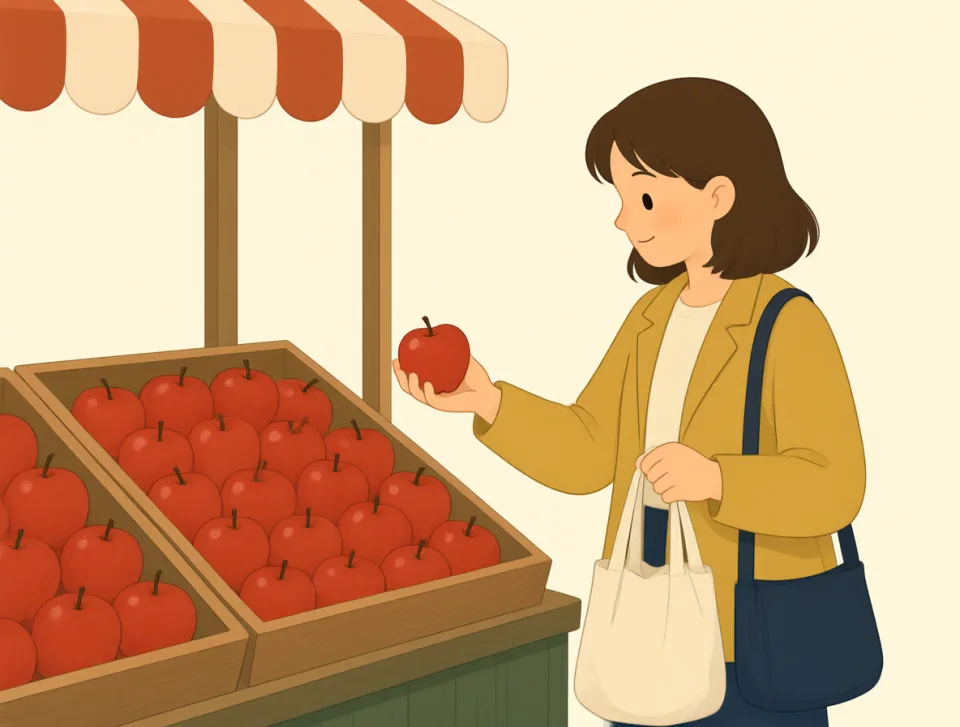
She bought some apples at the market.
Pazardan birkaç elma aldı.
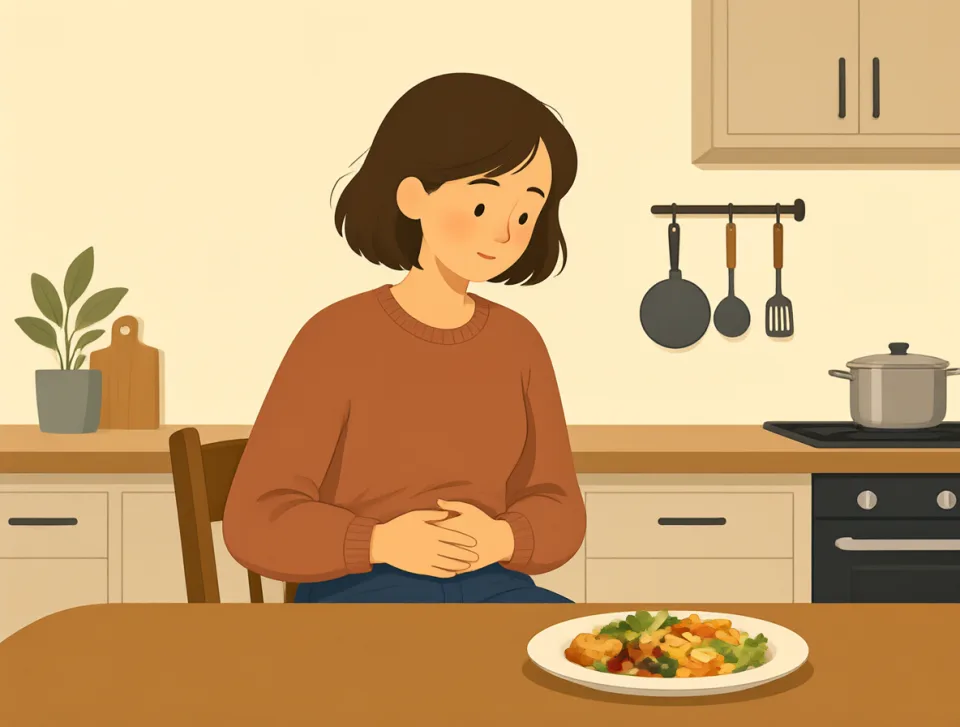
She felt sick after dinner.
Akşam yemeğinden sonra kendini hasta hissetti.
but
#25conjunction, preposition, adverb, noun
ama; fakat
Used to show a contrast, an exception, or a different choice.
Karşıtlık, istisna veya farklı bir seçenek belirtmek için kullanılır.
I like tea, but I prefer coffee.
Çayı severim ama kahveyi tercih ederim.

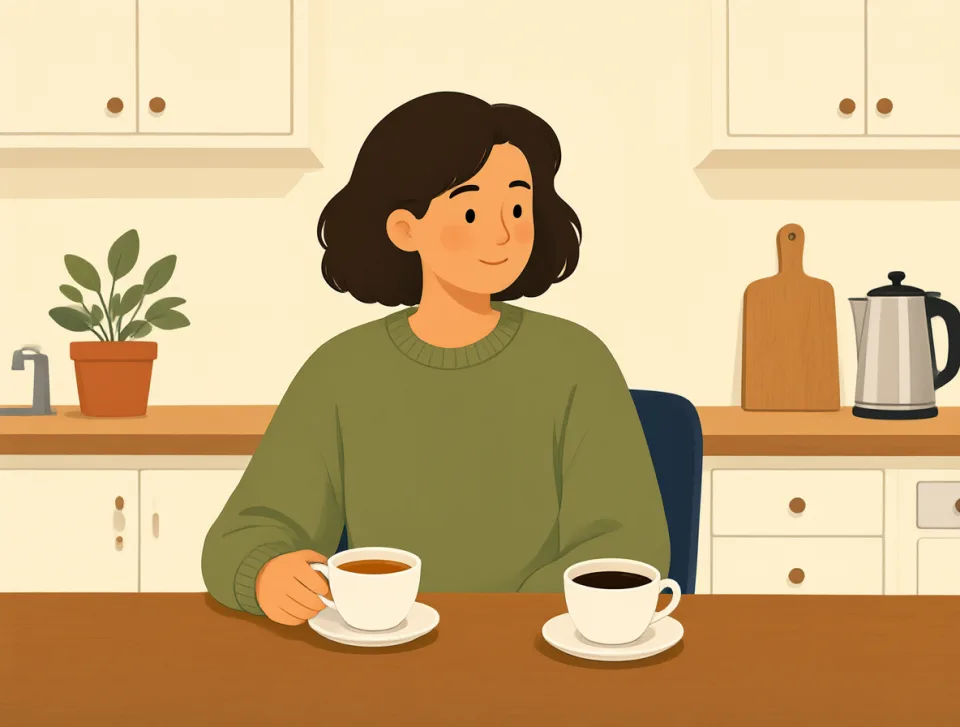
She is tired, but she keeps working.
Yorgun ama çalışmaya devam ediyor.
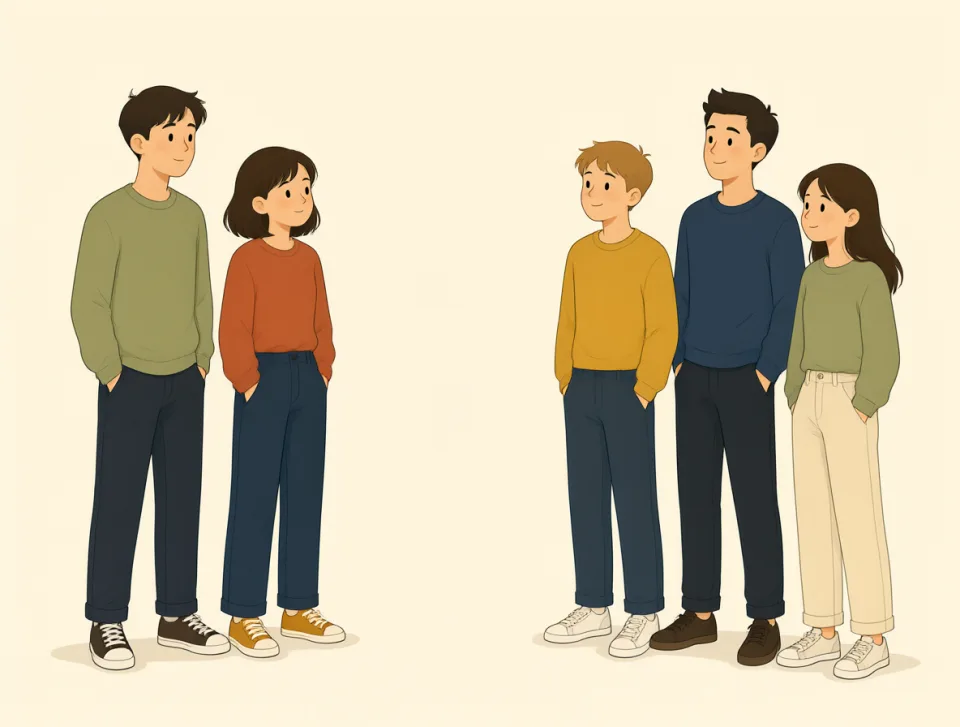
Everyone came but Tom.
Tom dışında herkes geldi.

We wanted to walk, but it started raining.
Yürümek istedik ama yağmur yağmaya başladı.
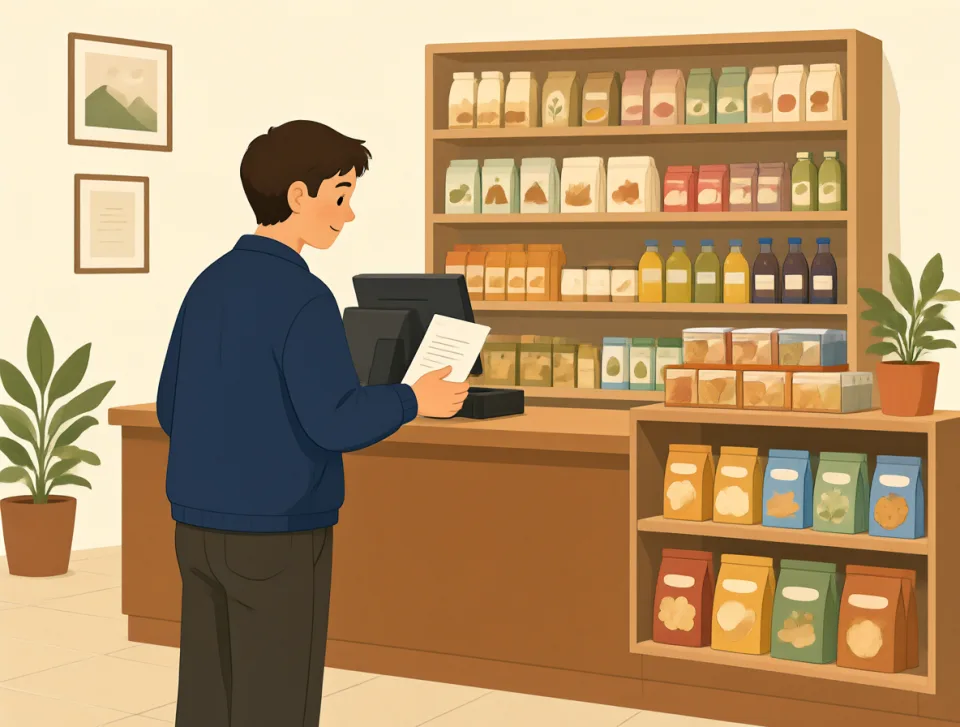
The shop was small, but it had everything.
Dükkân küçüktü ama içinde her şey vardı.

from
#26preposition
-den/-dan
Shows where something starts, where it comes from, or when it begins.
Bir şeyin nerede başladığını, nereden geldiğini veya ne zaman başladığını belirtir.
I walk home from school every day.
Her gün okuldan eve yürüyerek giderim.

This letter is from my best friend.
Bu mektup en iyi arkadaşımdan.
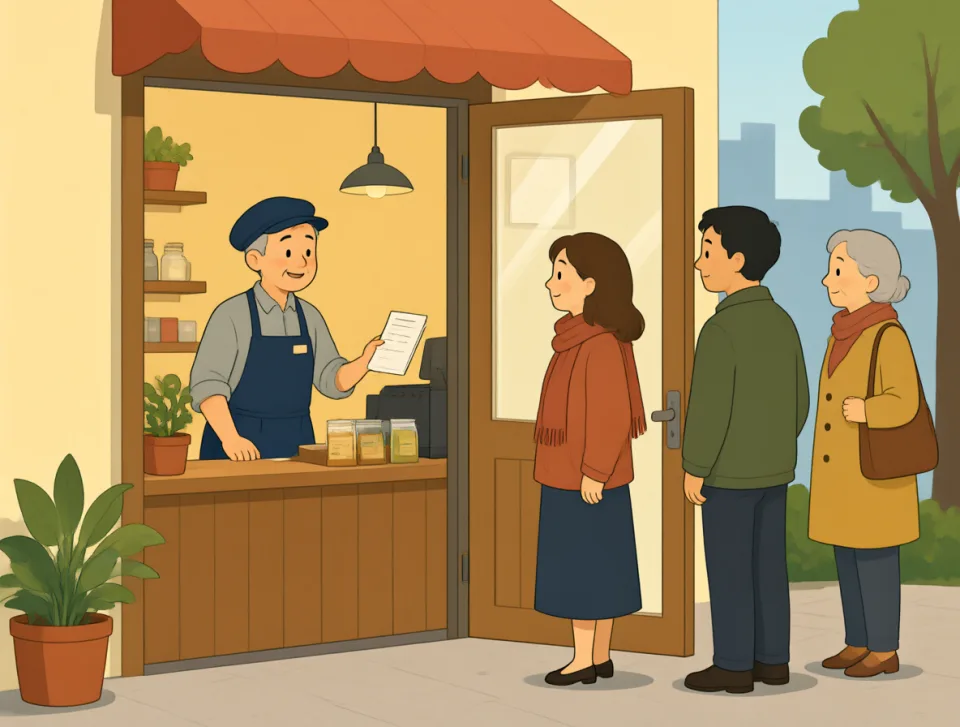
The shop is open from nine to five.
Dükkân dokuzdan beşe kadar açık.

She comes from a small town.
O küçük bir kasabadan geliyor.
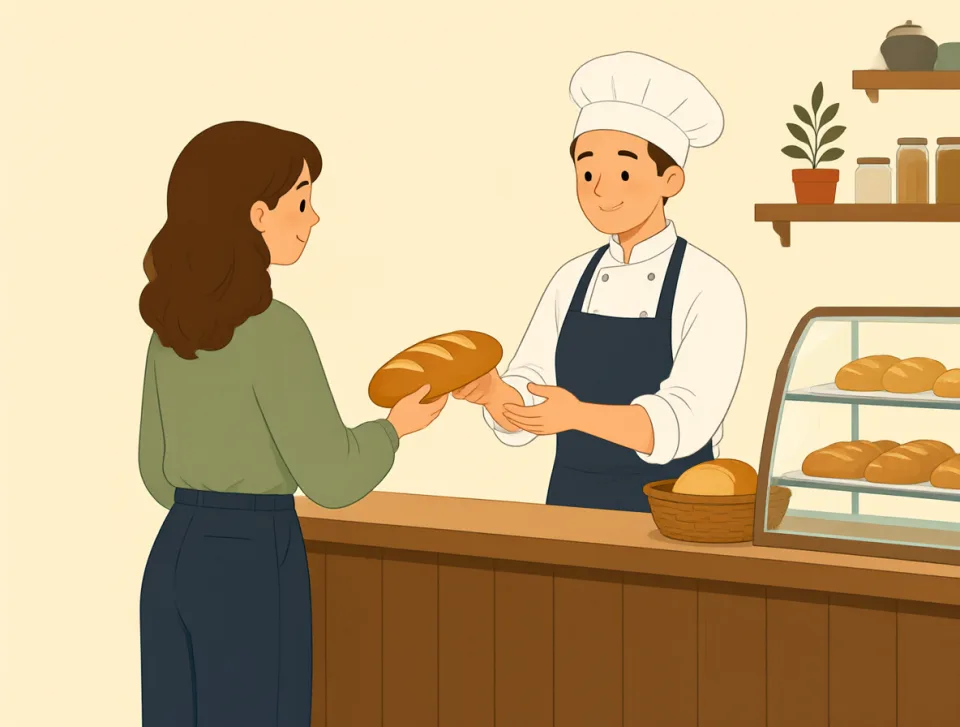
We bought fresh bread from the bakery.
Fırından taze ekmek aldık.
by
#27preposition, adverb
yanında; -e kadar; ile; tarafından
near, before a time, using something, or done by someone
Yakınlığı, bir zaman sınırını, bir şeyin nasıl yapıldığını veya işi kimin yaptığını belirtir.
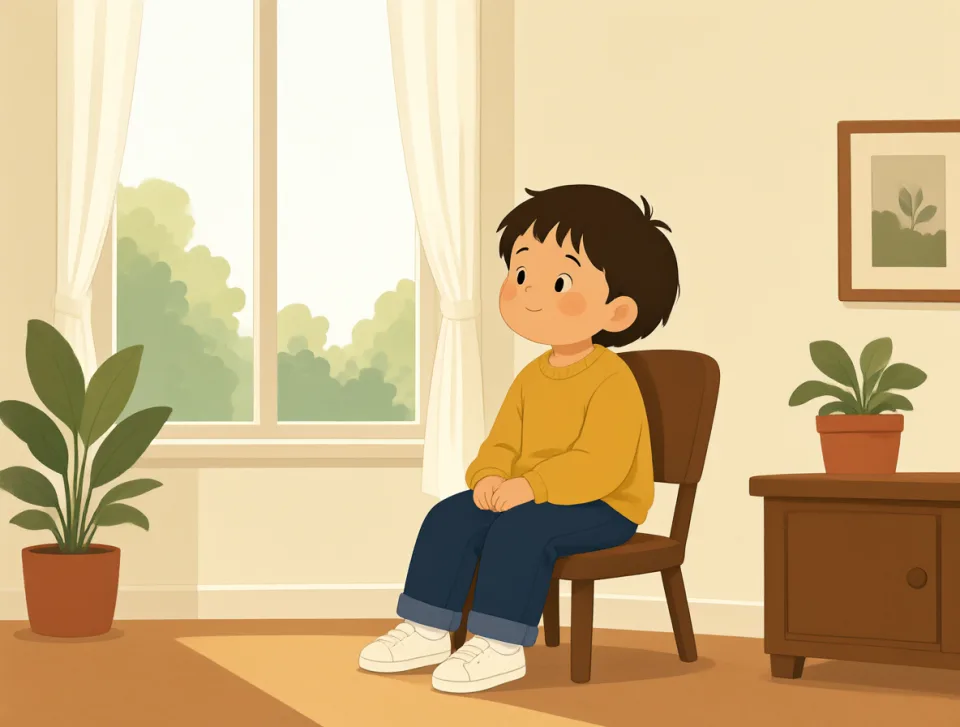
Please sit by the window.
Lütfen pencerenin yanına oturun.
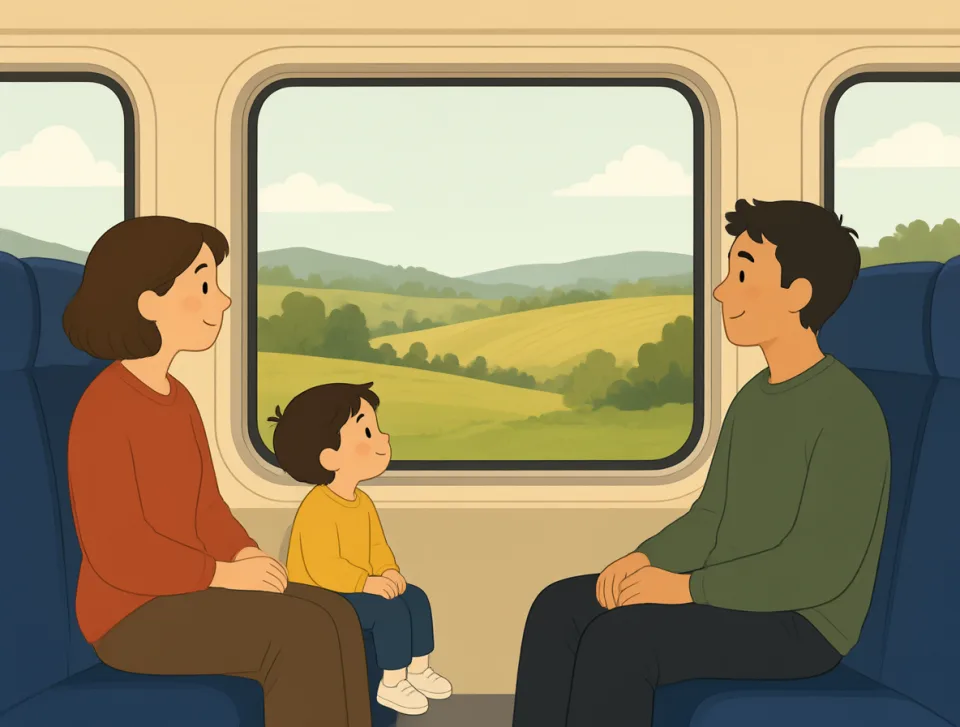
We travel by train every summer.
Her yaz trenle seyahat ederiz.

Finish your homework by Friday.
Ödevini cumaya kadar bitir.
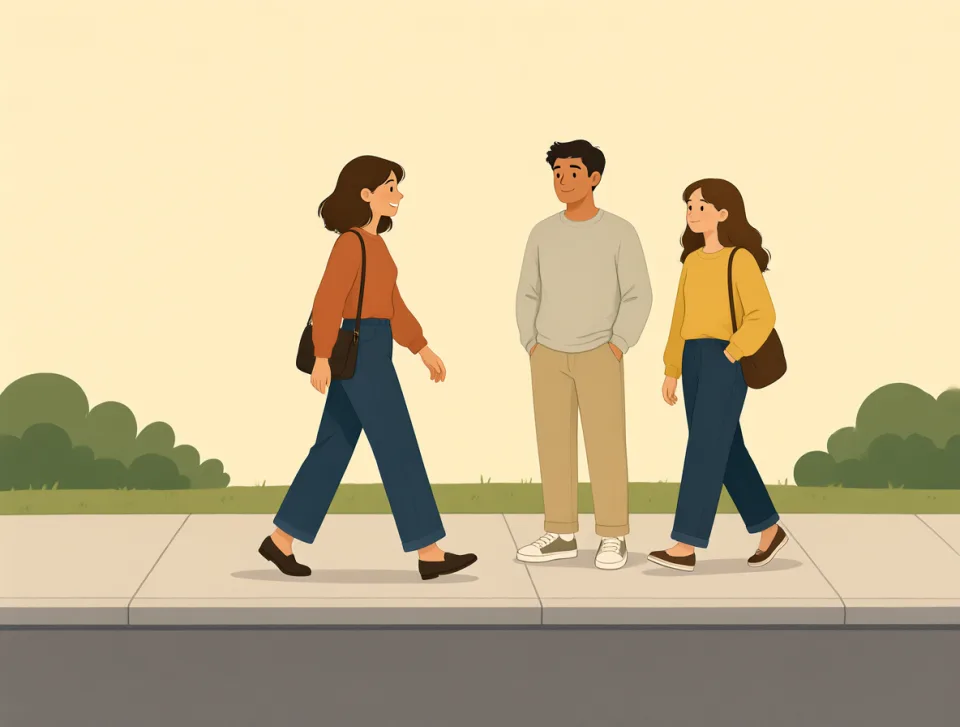
She walked by without saying hello.
Selam vermeden yanımdan geçip gitti.

This cake was made by my sister.
Bu pastayı kız kardeşim yaptı.
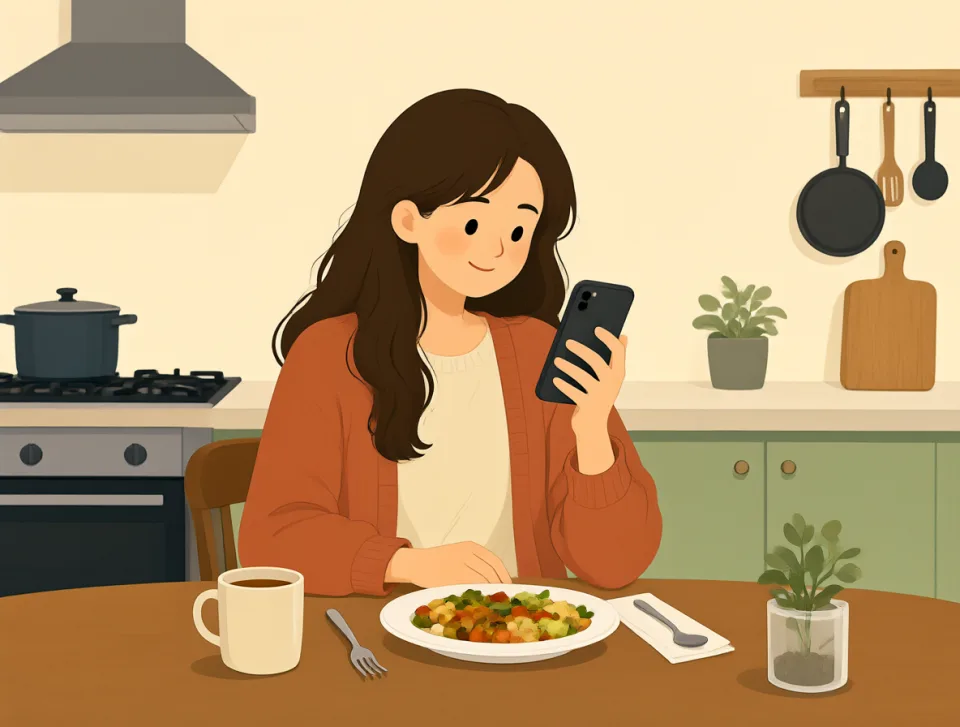
will
#28verb, noun
-ecek/-acak
Used to talk about the future, or a person’s strong wish or legal instructions.
Gelecekten, bir kişinin güçlü isteğinden veya yasal talimatlarından söz etmek için kullanılır.
I will call you after dinner.
Akşam yemeğinden sonra seni arayacağım.

Will you help me with this box?
Bu kutuyu taşımama yardım eder misin?

The doctor says you will feel better soon.
Doktor yakında daha iyi hissedeceğini söylüyor.
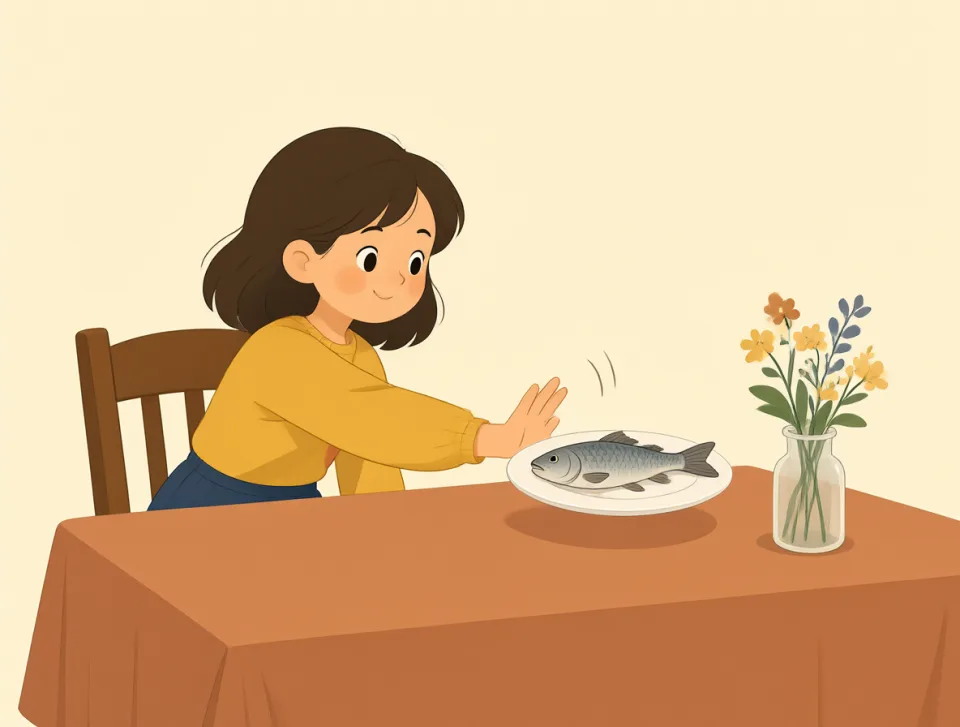
She will not eat the fish today.
Bugün balık yemeyecek.
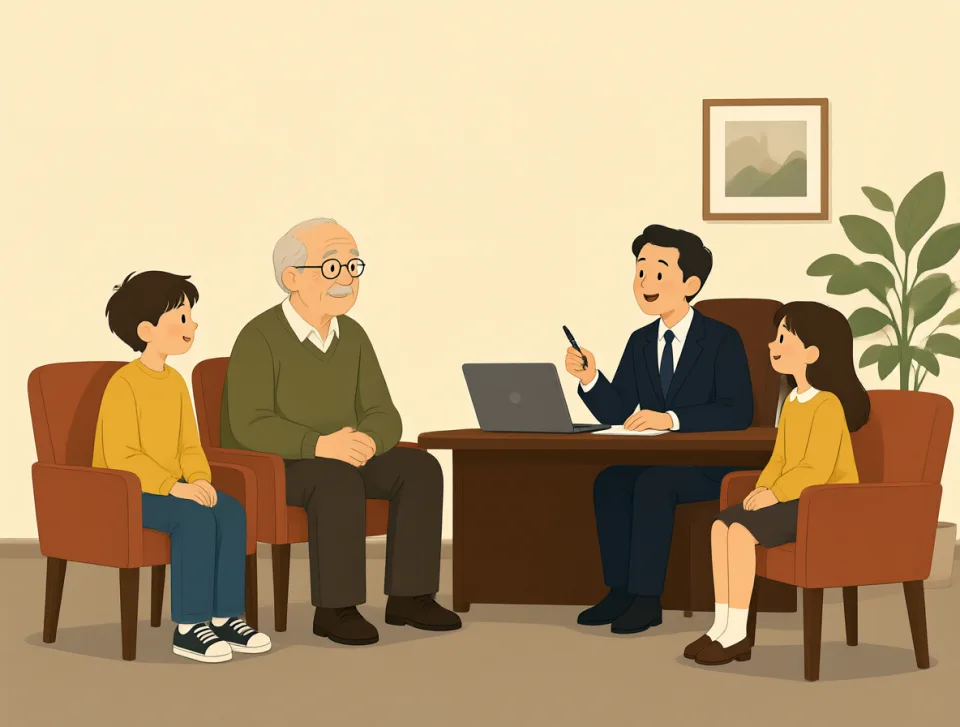
His will left money to his children.
Vasiyetinde çocuklarına para bıraktı.

or
#29conjunction
veya
Used to show a choice between two or more possibilities.
İki veya daha fazla seçenek arasında tercih belirtmek için kullanılır.
Would you like tea or coffee?
Çay mı kahve mi istersiniz?

You can walk or take the bus.
Yürüyebilir ya da otobüse binebilirsin.
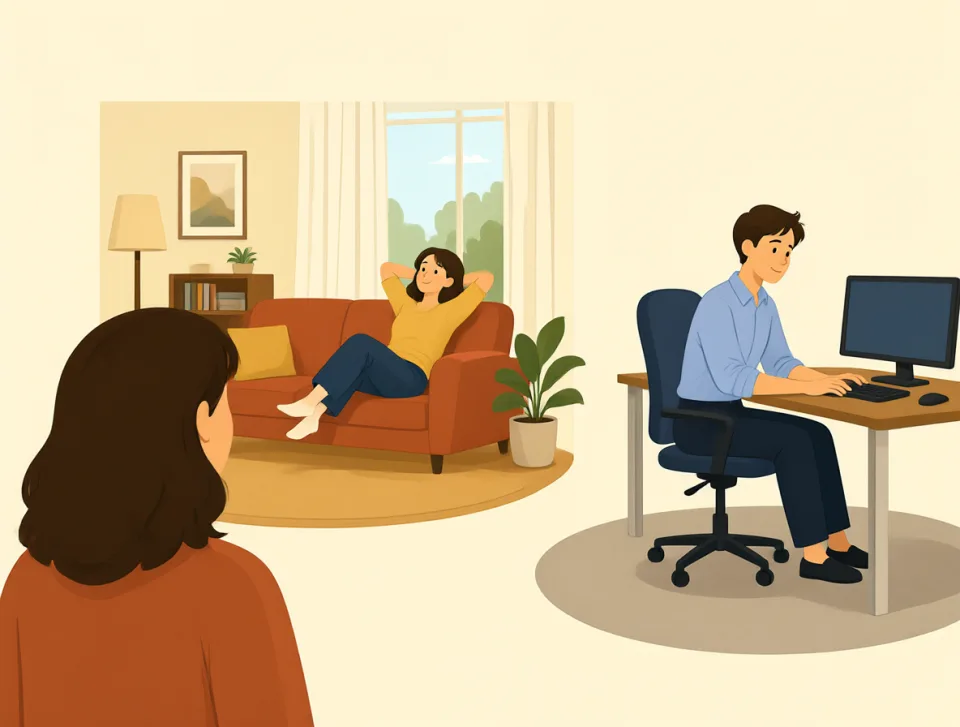
Is your sister at home or work?
Kız kardeşin evde mi, işte mi?
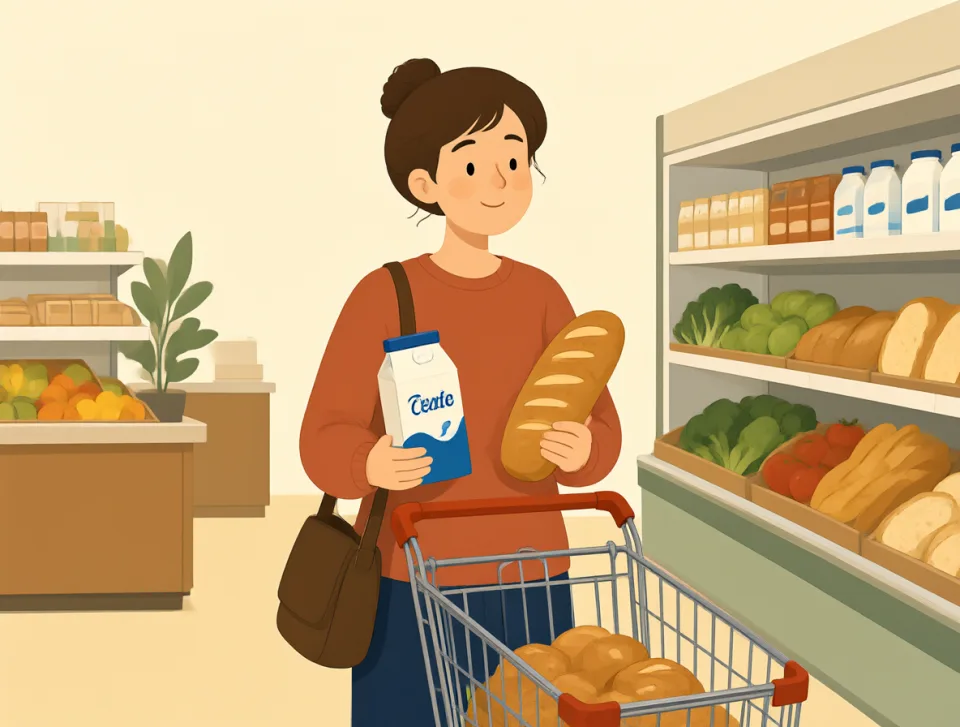
We need to buy milk or bread.
Süt ya da ekmek almamız gerekiyor.
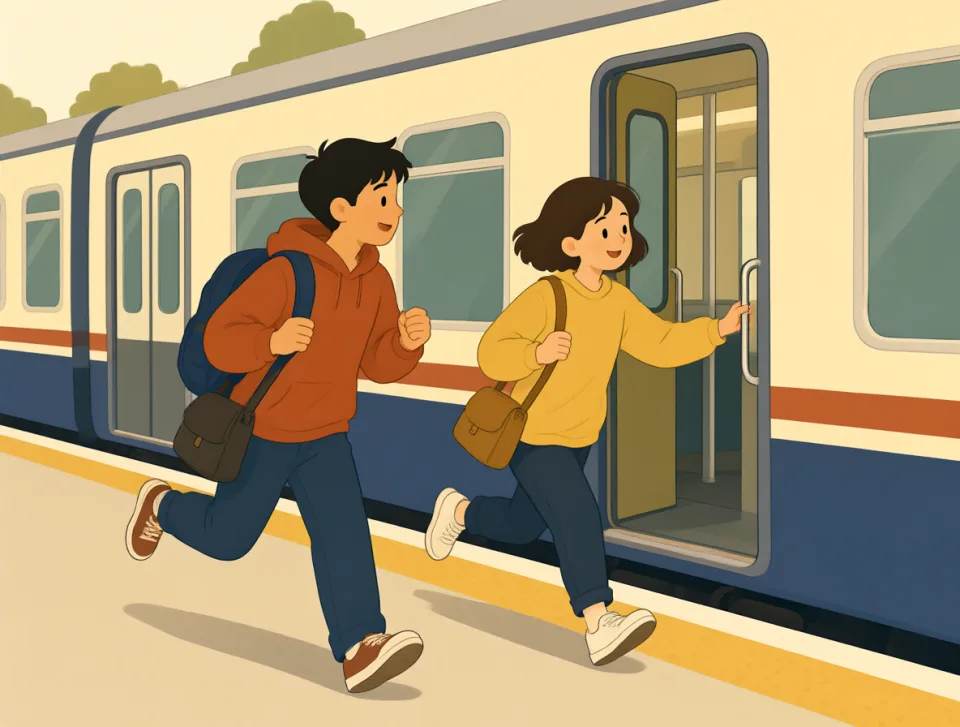
Hurry, or we will miss the train.
Acele et, yoksa treni kaçıracağız.
say
#30verb
söylemek
to speak words or tell someone something
Kelimeleri sesli olarak dile getirmek veya birine bir şey anlatmak.

What did you say?
Ne dedin?

She said hello to her teacher.
Öğretmenine merhaba dedi.

Please say your name slowly.
Lütfen adınızı yavaşça söyleyin.

They say the soup is delicious.
Çorbanın lezzetli olduğunu söylüyorlar.

He said he felt sick yesterday.
Dün kendini hasta hissettiğini söyledi.

go
#31verb, noun
gitmek
to move or travel somewhere, or to happen or work in a particular way
Bir yere gitmek ya da seyahat etmek; ayrıca bir şeyin belirli bir şekilde gerçekleşmesi veya işlemesi.
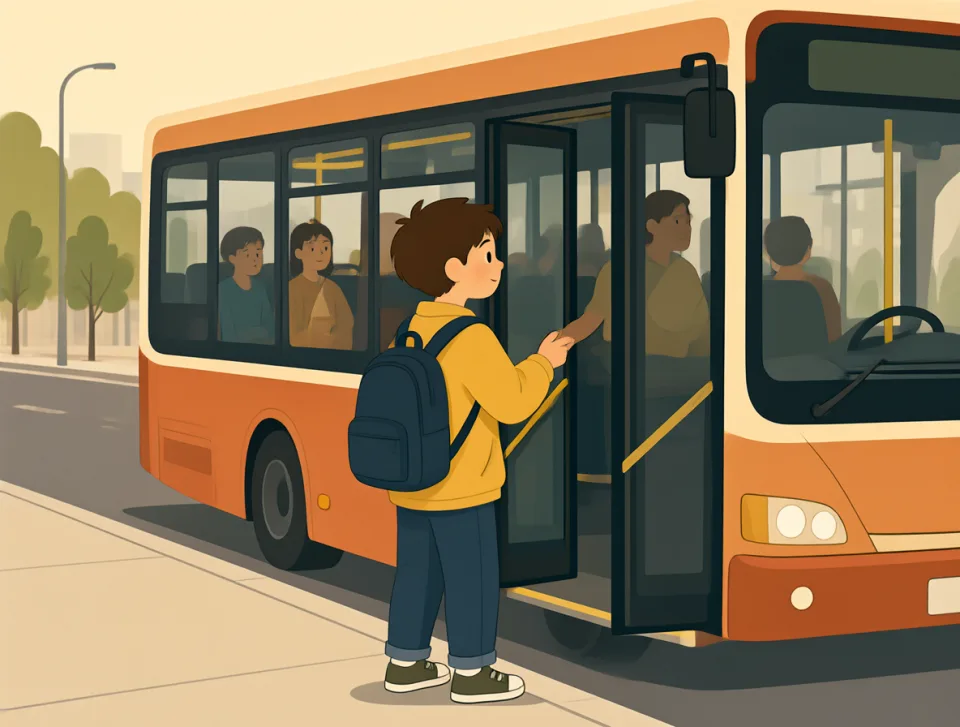
I go to school by bus every day.
Her gün okula otobüsle giderim.

We went home after dinner.
Akşam yemeğinden sonra eve gittik.
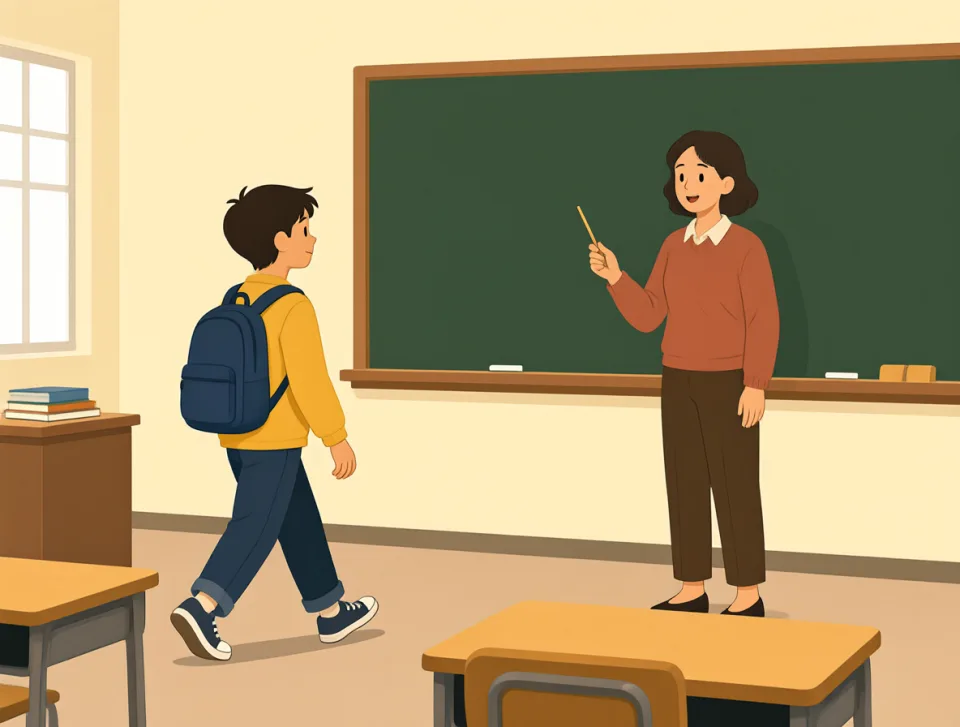
Please go and ask your teacher.
Lütfen gidip öğretmenine sor.

These shoes go well with your jeans.
Bu ayakkabılar kot pantolonunla çok iyi oluyor.
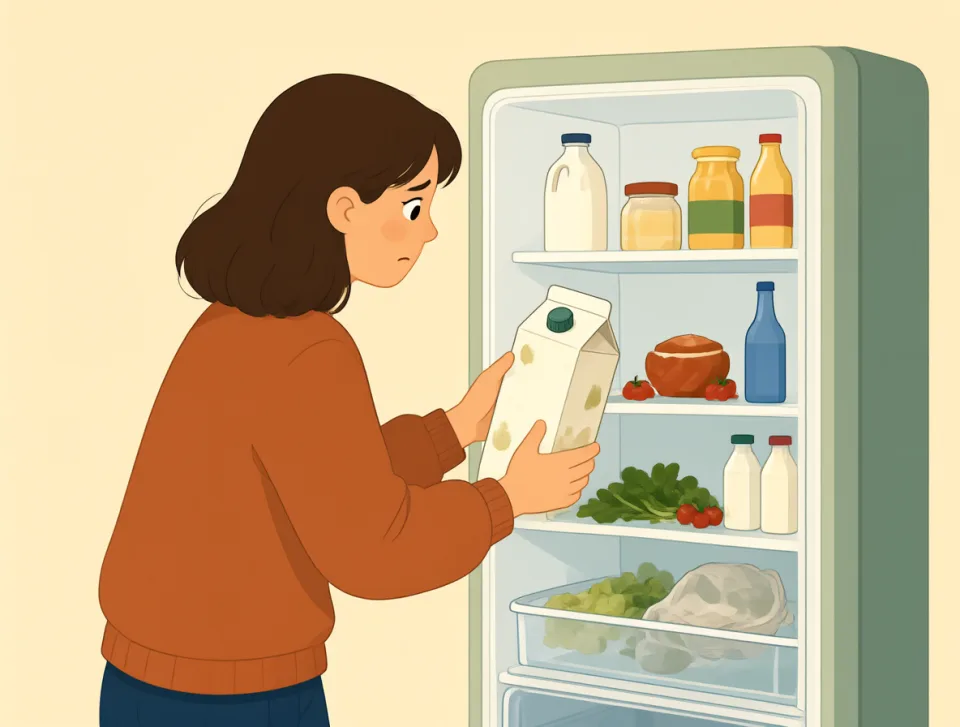
The milk went bad in the fridge.
Süt buzdolabında bozuldu.

so
#32adverb, conjunction
bu yüzden; çok; ben de
Used to show a result, a high degree, or agreement.
Bir sonucu, yüksek derecede bir özelliği ya da onaylamayı ifade etmek için kullanılır.
I was tired, so I went to bed.
Yorgundum, bu yüzden yatağa gittim.

The soup is so hot I cannot eat it.
Çorba o kadar sıcak ki yiyemiyorum.

She studied hard, so she passed the test.
Çok çalıştı, bu yüzden sınavı geçti.
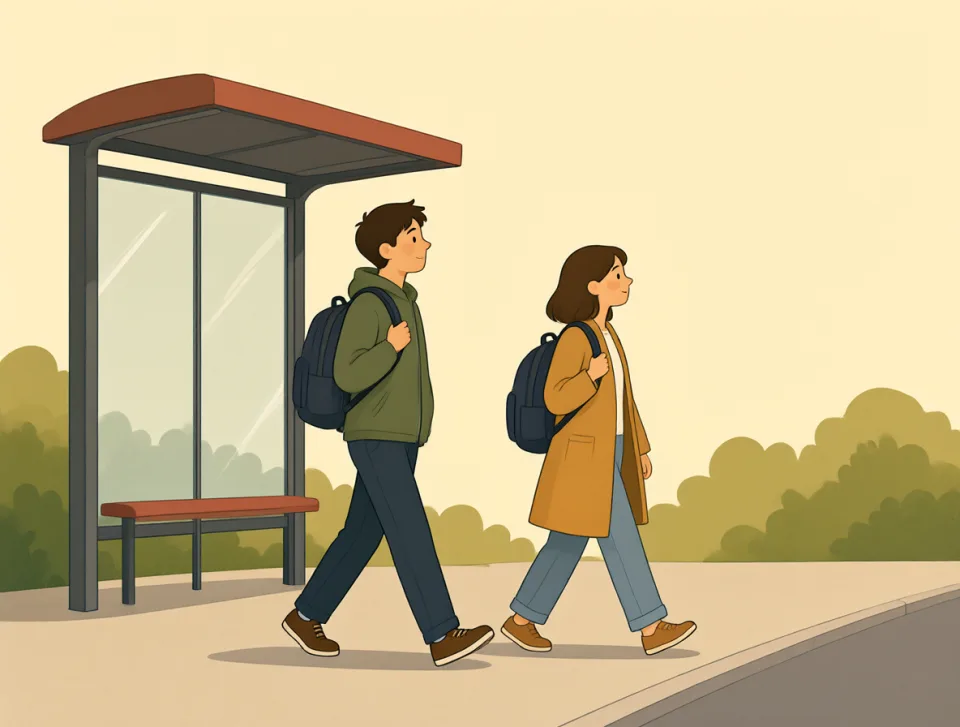
The bus was late, so we walked home.
Otobüs geç kaldı, bu yüzden eve yürüdük.

“I like this.” “So do I.”
“Bunu seviyorum.” “Ben de.”

all
#33determiner, pronoun, adverb
tüm; bütün
The whole amount or every person or thing in a group
Bir grubun tüm miktarı ya da içindeki her kişi veya şey.
All the students finished their homework.
Bütün öğrenciler ödevlerini bitirdi.
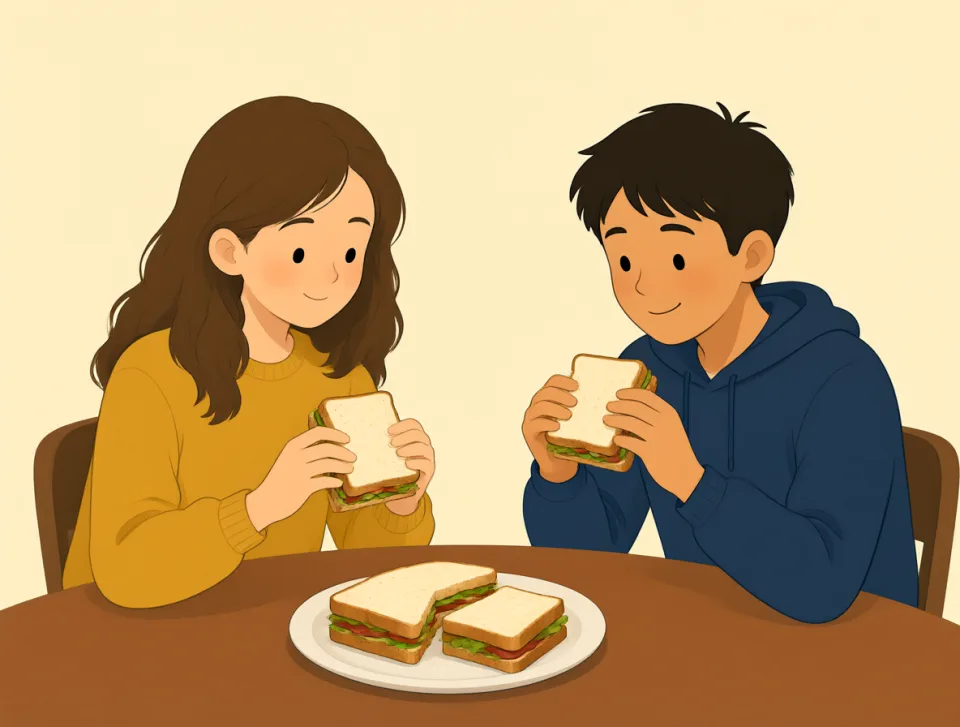
We ate all the sandwiches at lunch.
Öğle yemeğinde bütün sandviçleri yedik.

All of us took the train home.
Hepimiz eve trenle gittik.

She worked all day at the shop.
Dükkânda bütün gün çalıştı.

I am not at all tired today.
Bugün hiç yorgun değilim.

if
#34conjunction
eğer; -se/-sa
Used to talk about a condition or a possible situation.
Bir koşuldan veya olası bir durumdan söz etmek için kullanılır.
Call me if you need help.
Yardıma ihtiyacın olursa beni ara.

If it rains, we will stay home.
Yağmur yağarsa evde kalacağız.

Ask the teacher if you have questions.
Soruların varsa öğretmene sor.

I will buy it if it is cheaper.
Daha ucuzsa satın alacağım.
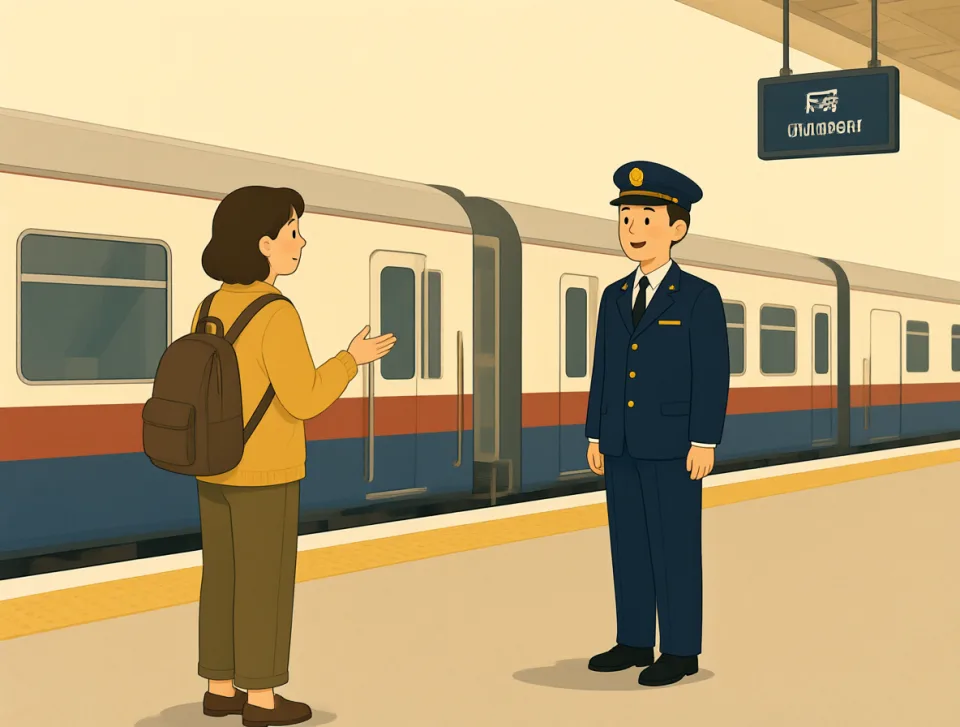
She asked if the train was late.
Trenin geç kalıp kalmadığını sordu.

one
#35number, noun, pronoun, determiner
bir; bir tane
The number 1, or a single person or thing.
1 sayısı ya da tek bir kişi veya şey.
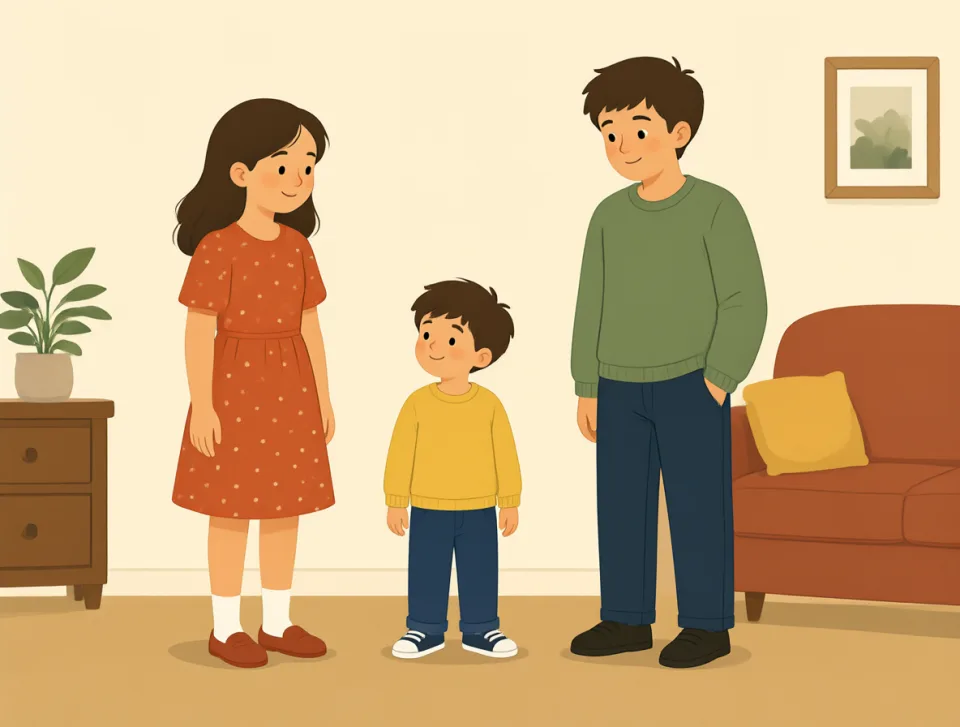
I have one sister and two brothers.
Bir kız kardeşim ve iki erkek kardeşim var.

Please give me one coffee.
Lütfen bana bir kahve ver.

One student answered the teacher's question.
Öğretmenin sorusunu bir öğrenci yanıtladı.
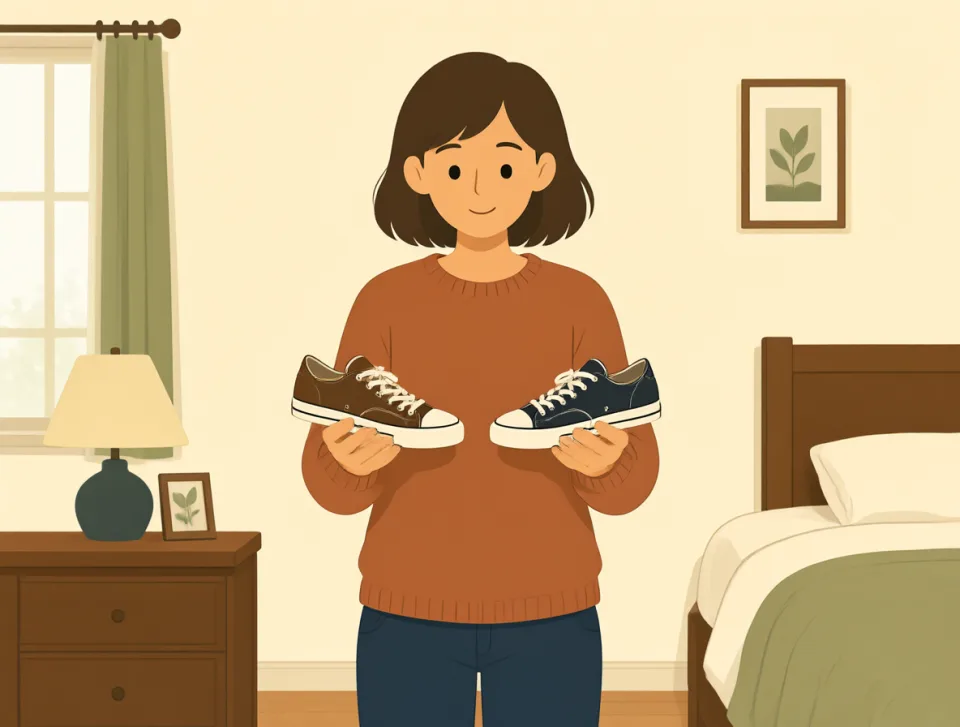
This shoe is smaller than the other one.
Bu ayakkabı ötekinden daha küçük.

One day, we will travel around the world.
Bir gün dünyayı dolaşacağız.

would
#36verb, modal verb
-ardı / -erdi; isterdi
Used to talk about wishes, imagined situations, polite requests, or repeated past actions.
Dileklerden, hayalî durumlardan, kibar ricalardan ya da geçmişte tekrarlanan eylemlerden söz etmek için kullanılır.
Would you like some coffee?
Biraz kahve ister misiniz?

I would like to book a room.
Bir oda ayırtmak istiyorum.

She would help if she had time.
Vakti olsaydı yardım ederdi.
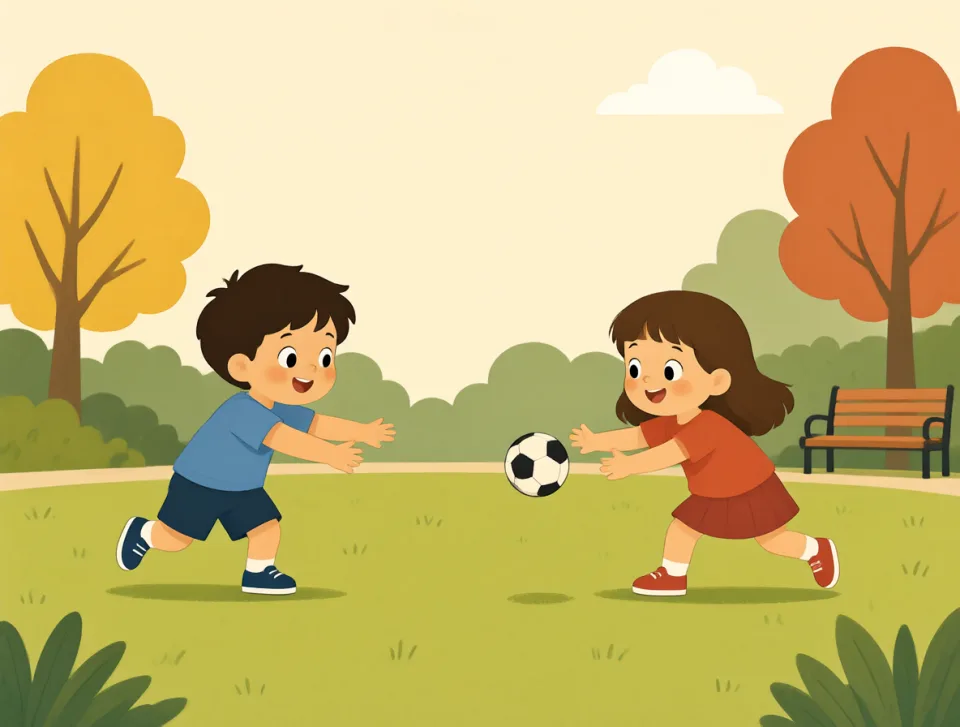
When we were children, we would play outside.
Çocukken dışarıda oynardık.

Would you please close the window?
Lütfen pencereyi kapatır mısınız?

about
#37adverb, preposition
hakkında; yaklaşık
Used to say what someone or something concerns, or roughly where, when, or how much.
Bir şeyin ya da kişinin neyle ilgili olduğunu veya yerin, zamanın ya da miktarın yaklaşık olarak ne olduğunu belirtmek için kullanılır.
We talked about our plans after dinner.
Akşam yemeğinden sonra planlarımız hakkında konuştuk.

This book is about animals and nature.
Bu kitap hayvanlar ve doğa hakkında.

There were about twenty people at the party.
Partide yaklaşık yirmi kişi vardı.
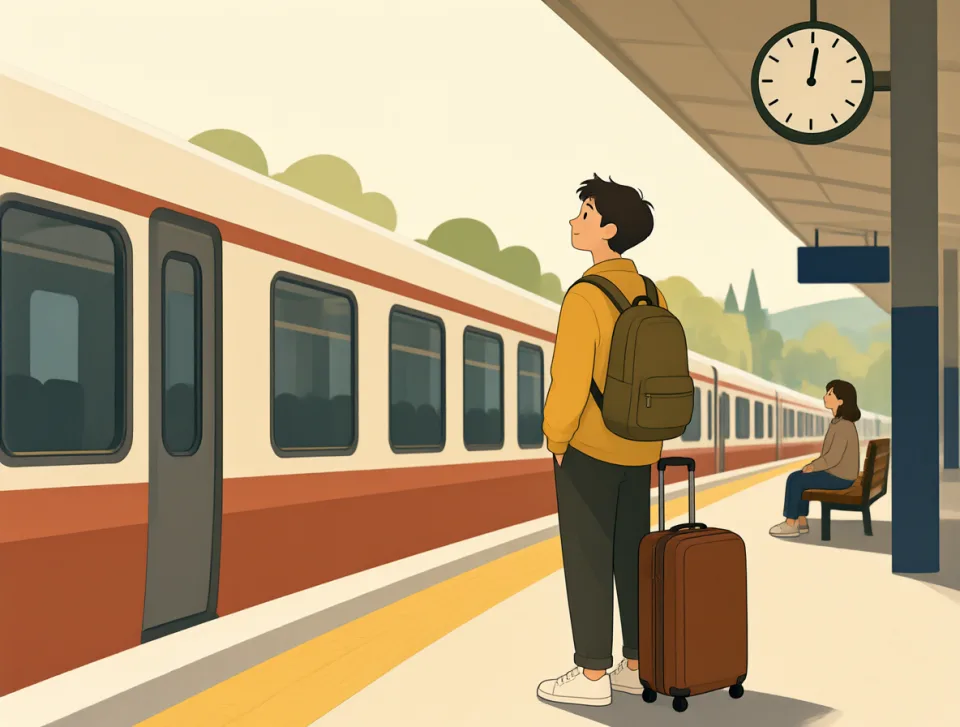
The train leaves at about eight o'clock.
Tren saat sekiz gibi kalkıyor.

I am worried about my sick dog.
Hasta köpeğim için endişeleniyorum.
can
#38noun, verb, modal verb
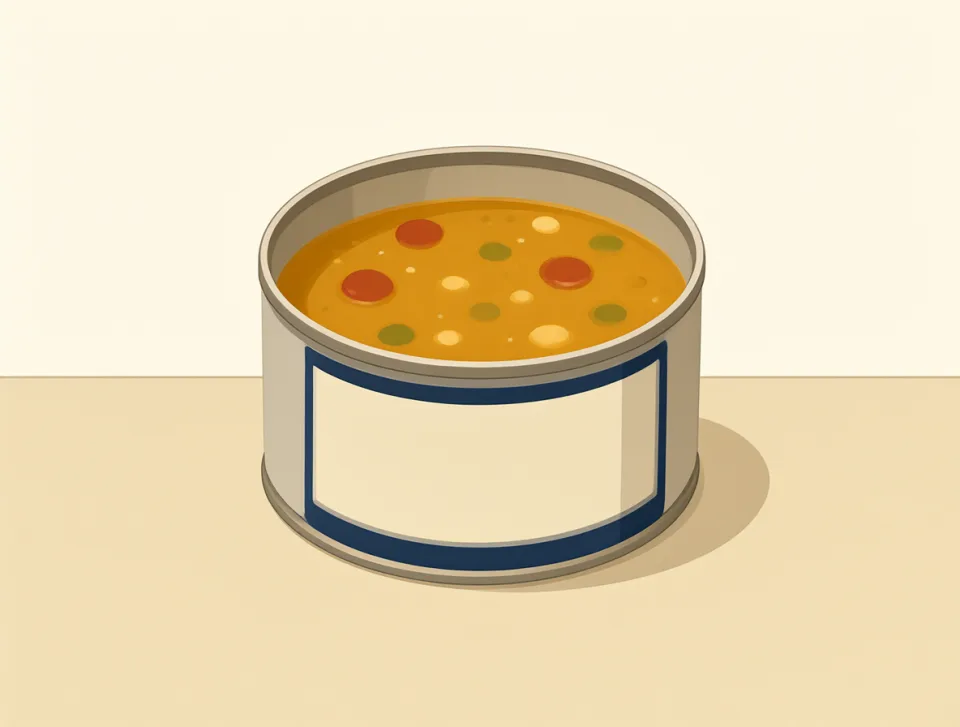
konserve kutusu; konservelemek
A metal container; or to put food or drink into a metal container.
Metal kap; ayrıca yiyecek veya içecekleri metal bir kaba koymak anlamına gelir.

I can help you with your homework.
Ödevlerinde sana yardım edebilirim.

Can you open this jar for me?
Bu kavanozu benim için açabilir misin?

We can meet at the station at six.
Saat altıda istasyonda buluşabiliriz.
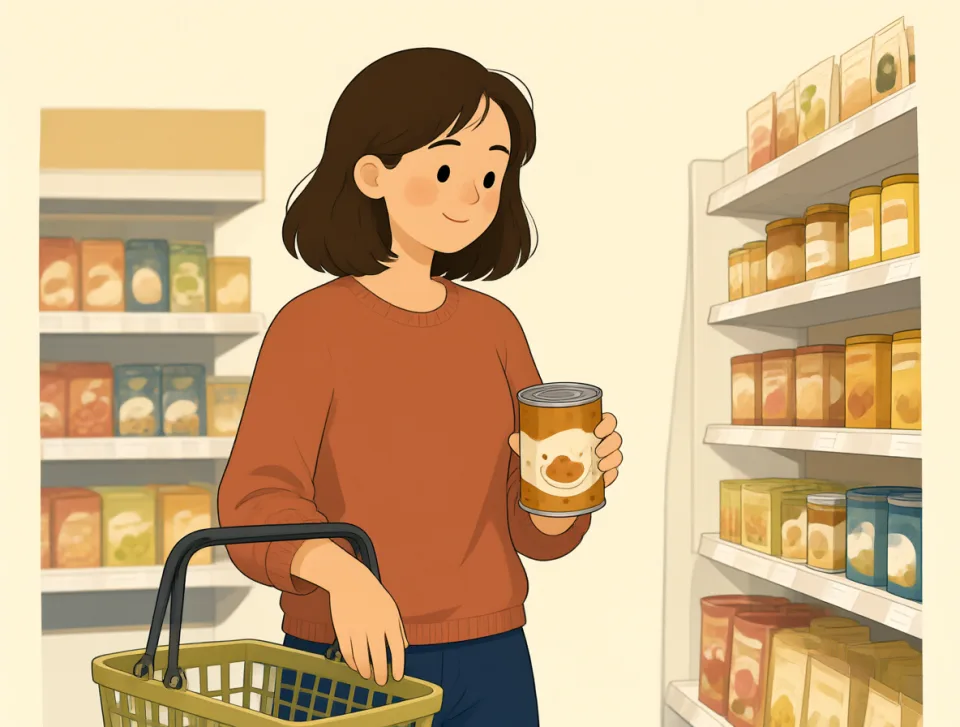
She bought a can of soup for lunch.
Öğle yemeği için bir kutu çorba aldı.
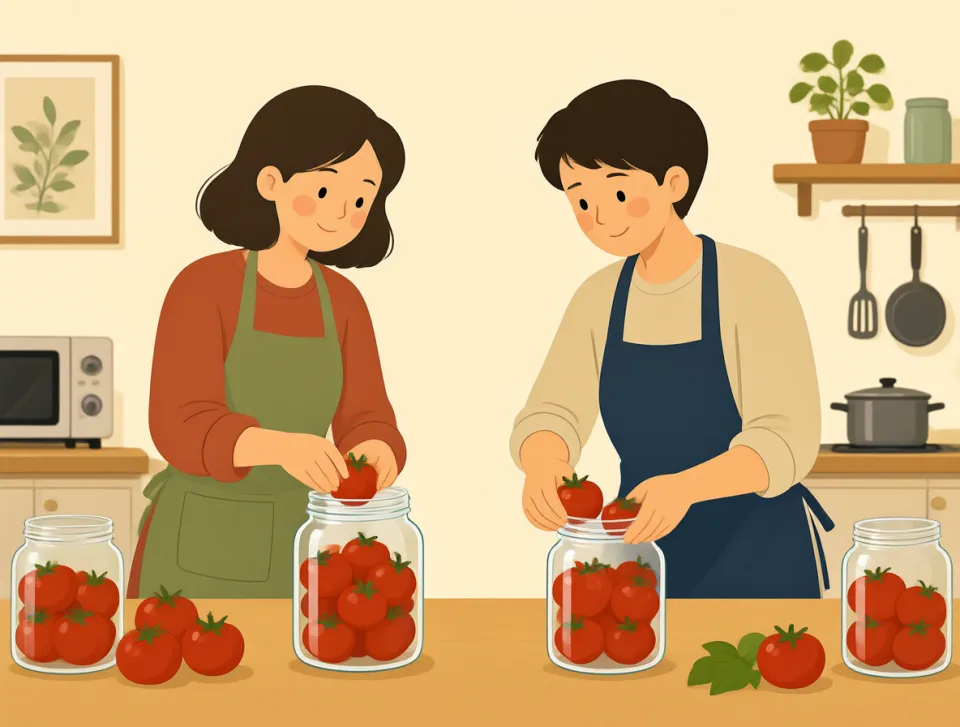
They canned the fresh tomatoes last summer.
Geçen yaz taze domatesleri konservelediler.

which
#39pronoun, determiner
hangi
Used to ask or show which person or thing you mean.
Hangi kişiyi ya da şeyi kastettiğini sormak veya belirtmek için kullanılır.
Which shirt do you like best?
En çok hangi gömleği beğeniyorsun?
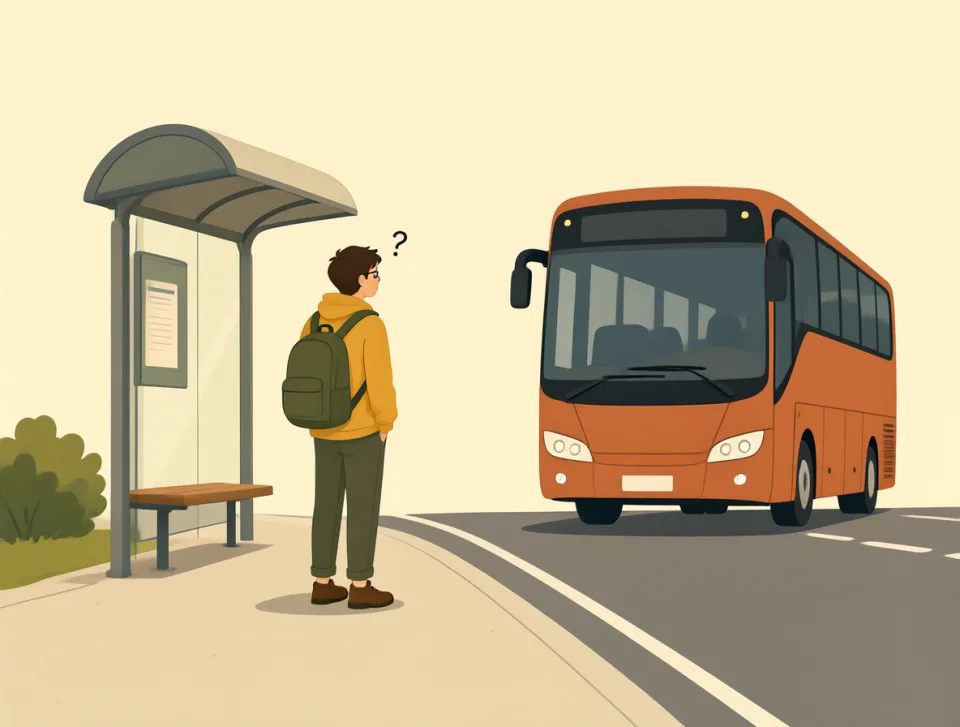
I forgot which bus goes downtown.
Şehir merkezine hangi otobüsün gittiğini unuttum.
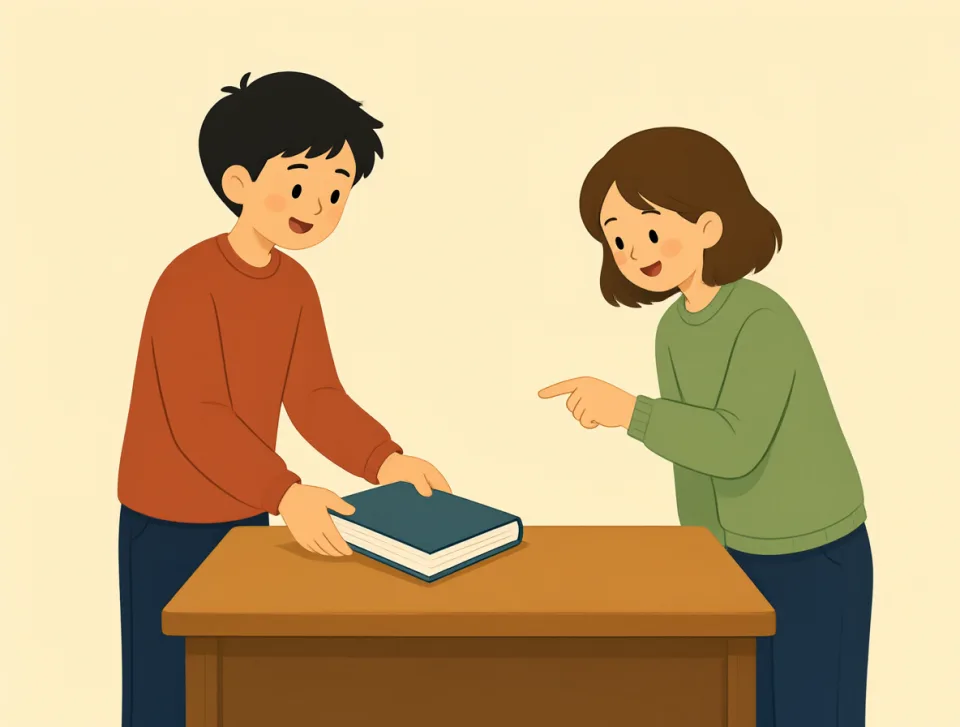
She chose the book which I recommended.
Önerdiğim kitabı seçti.
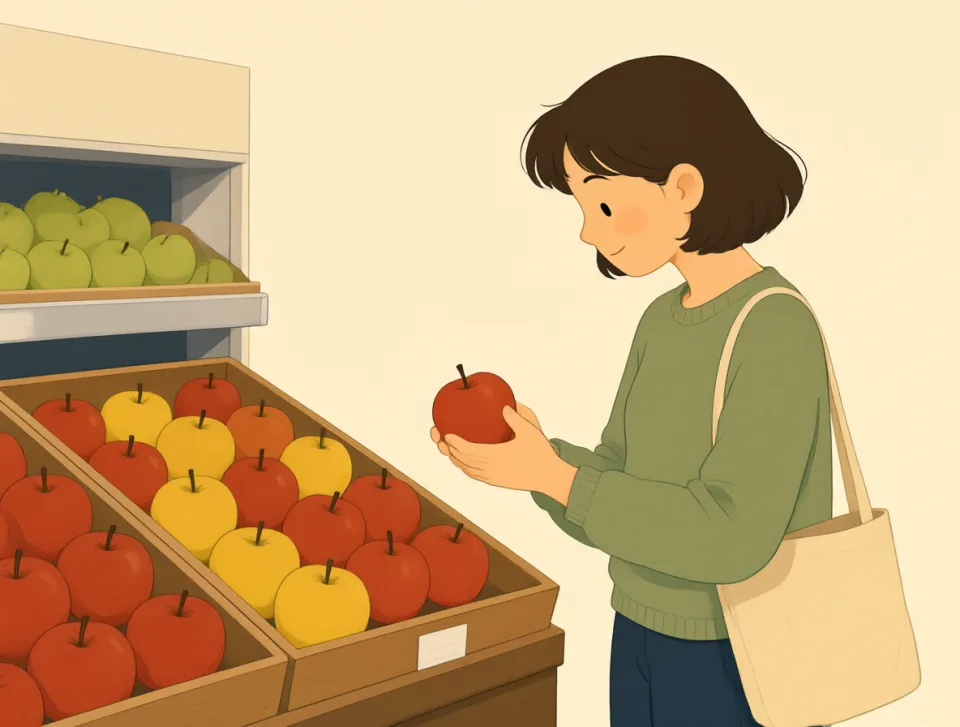
Which of these apples are fresh?
Bu elmalardan hangileri taze?
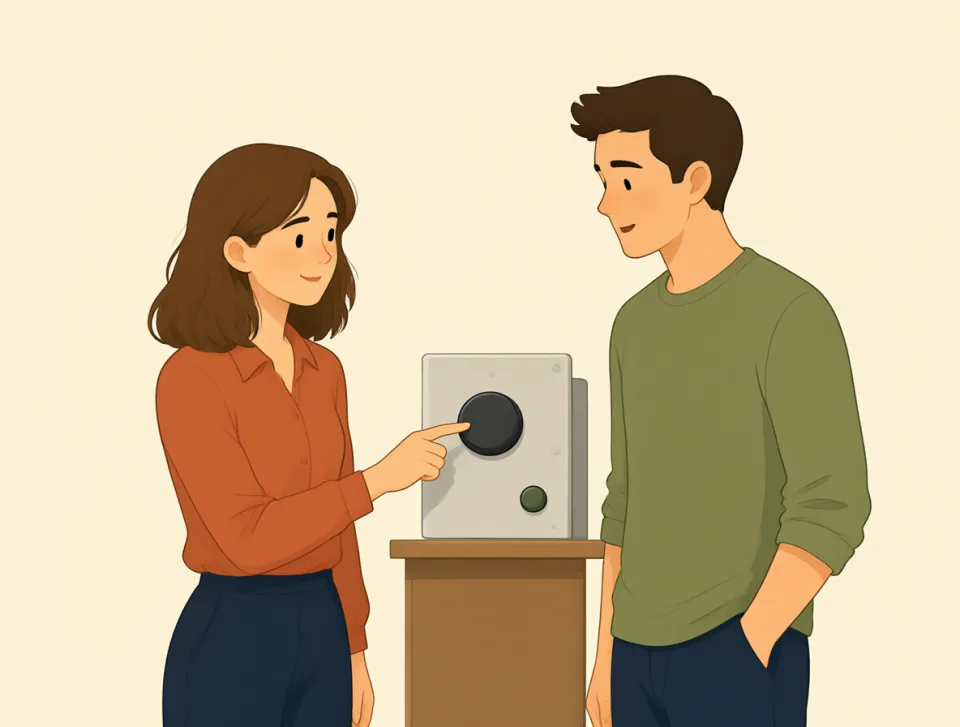
He explained which button to press.
Hangi düğmeye basacağını açıkladı.
there
#40adverb, pronoun, determiner
orada; var
In, at, or to that place; used to show that something exists.
O yerde, o yere ya da o yerden anlamına gelir; ayrıca bir şeyin var olduğunu belirtmek için kullanılır.
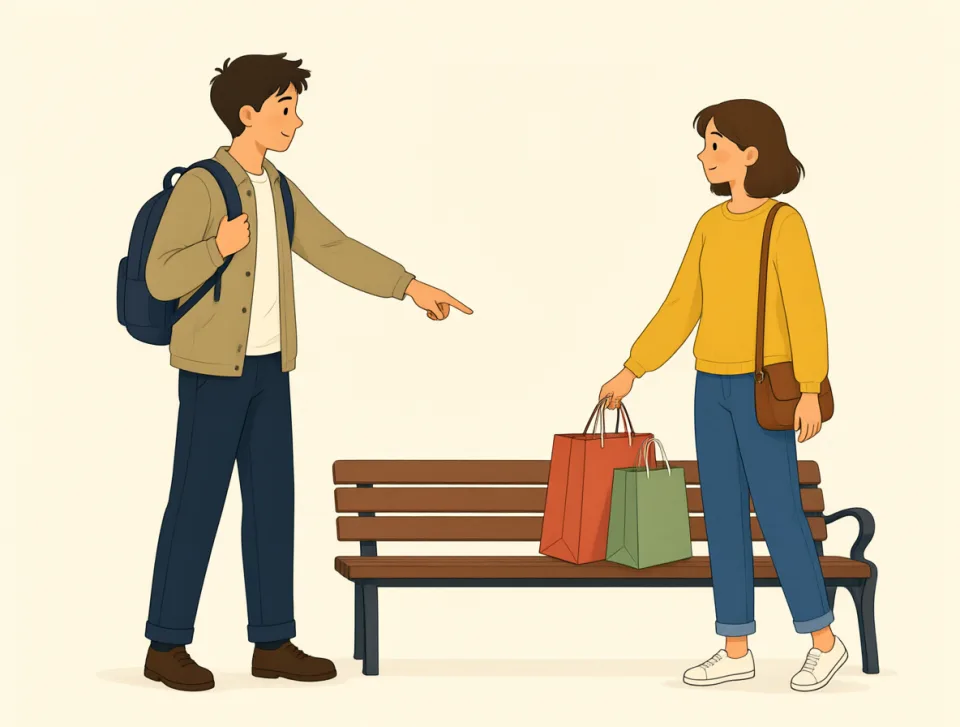
Please put the bags over there.
Lütfen çantaları şuraya koyun.
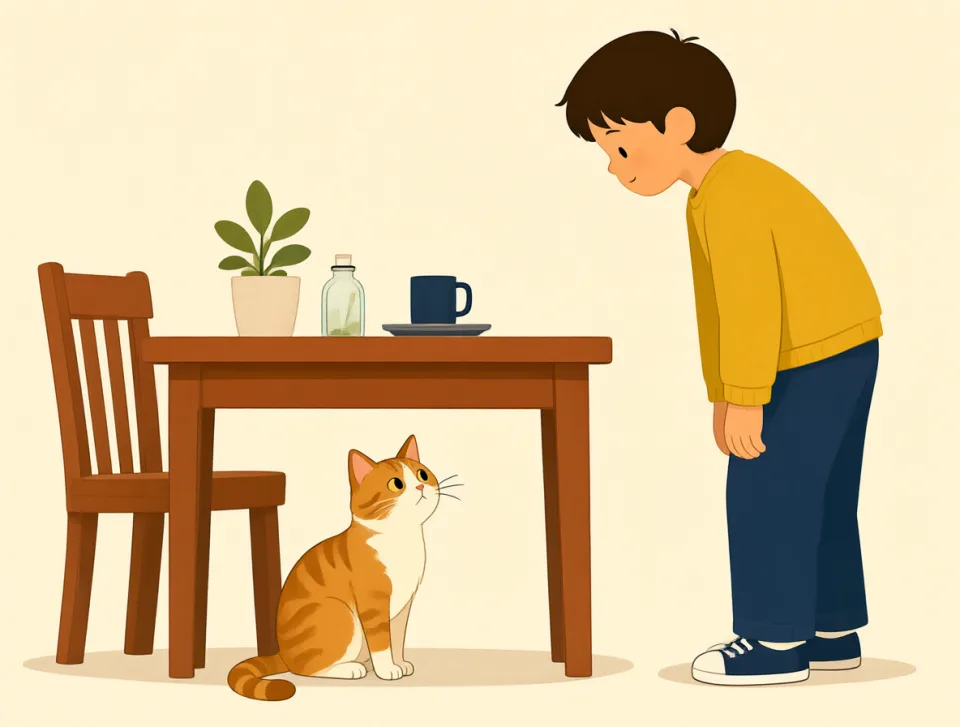
There is a cat under the table.
Masanın altında bir kedi var.
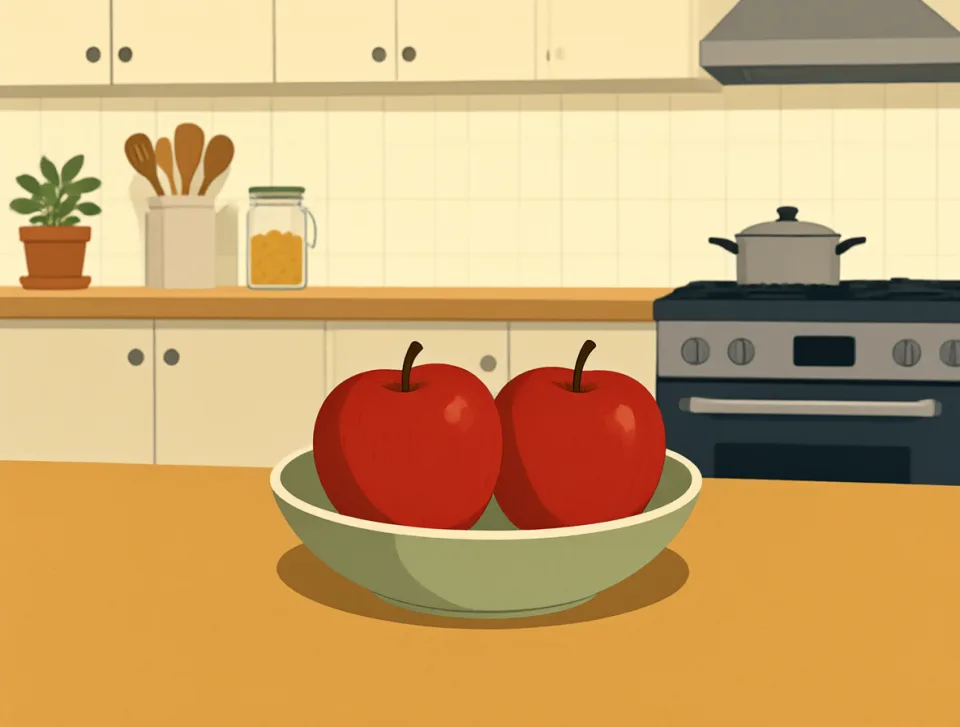
There are two apples in the bowl.
Kâsede iki elma var.

We waited there for the bus.
Otobüs için orada bekledik.
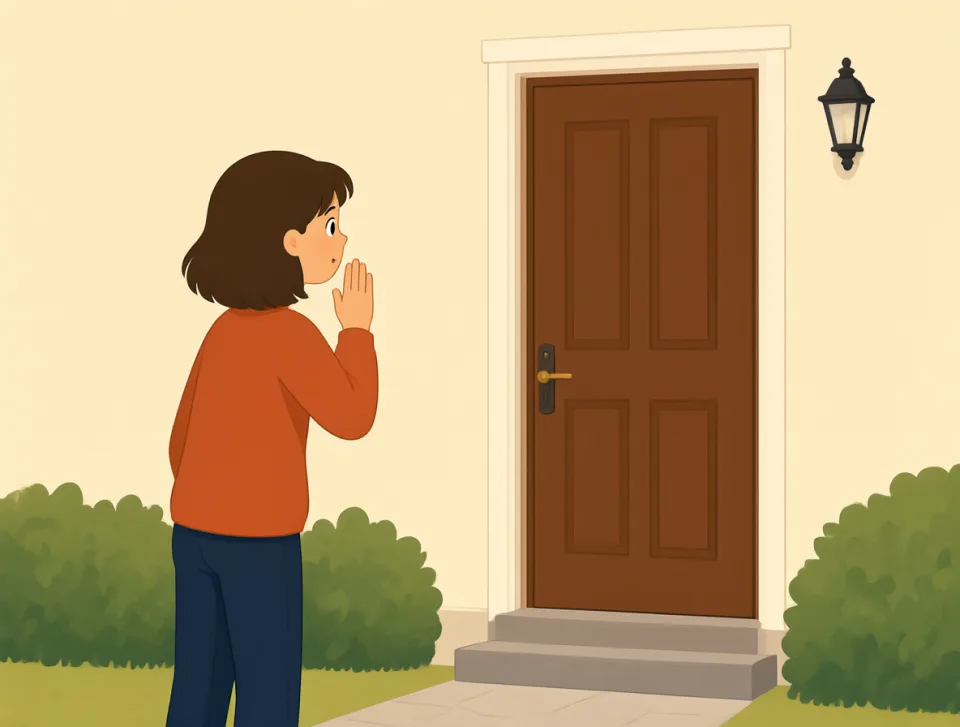
Is anyone there?
Orada kimse var mı?