الوحدة 2
الكلمات من 21 إلى 40 · do, as, at, she, but, from
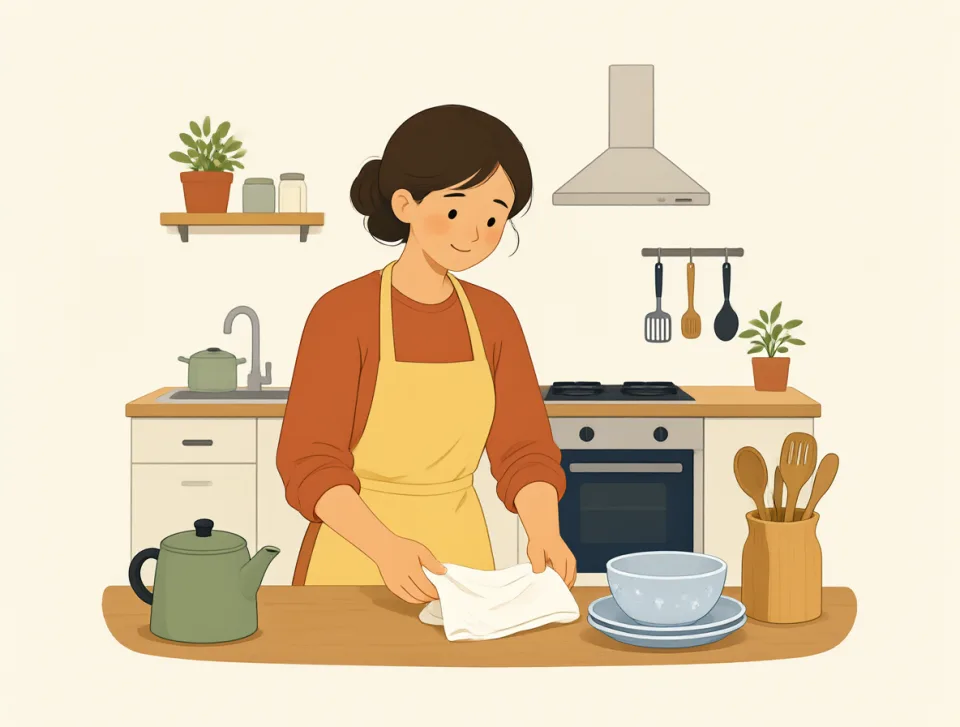
do
#21verb, auxiliary verb, noun
يفعل
To perform an action, task, or activity.
القيام بفعل أو مهمة أو نشاط.
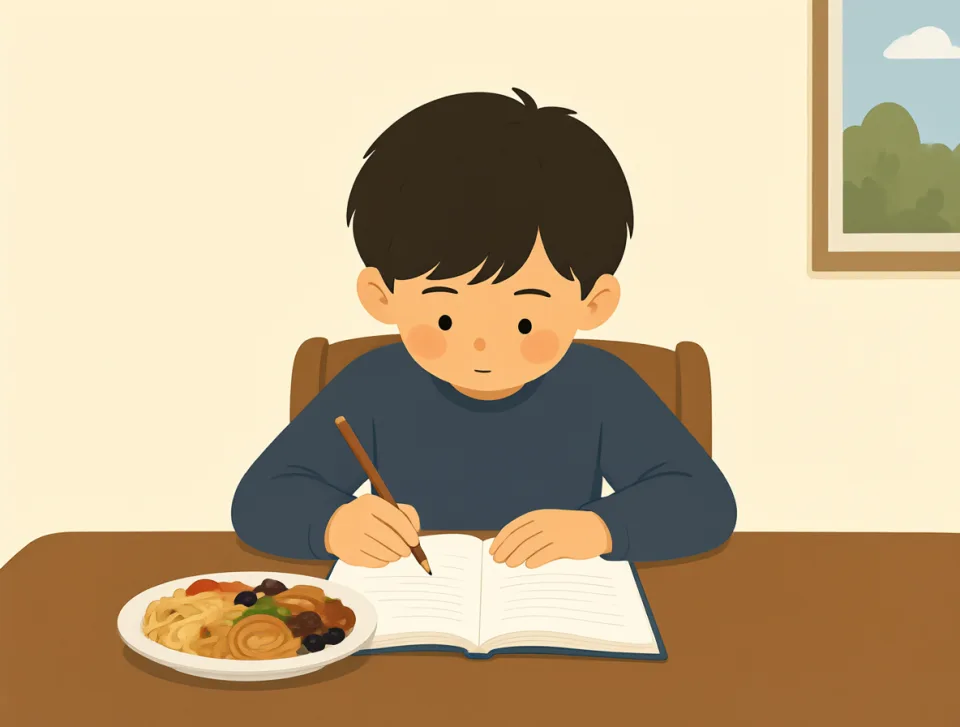
I do my homework after dinner.
أؤدي واجبي المنزلي بعد العشاء.
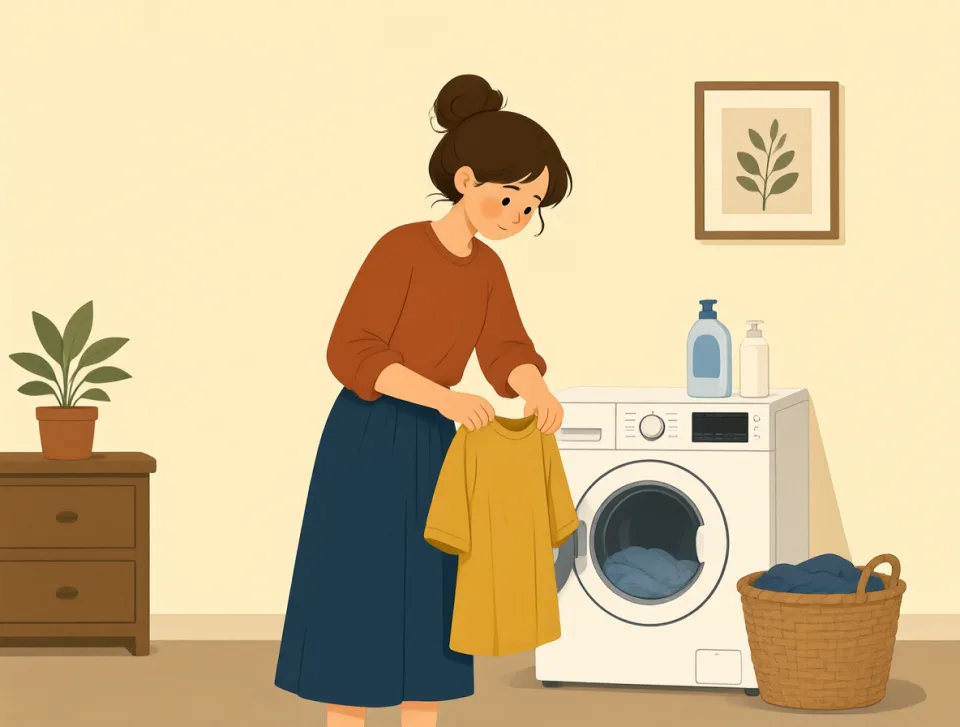
She does the washing every Saturday.
تغسل الملابس كل يوم سبت.

Do you like this restaurant?
هل تحب هذا المطعم؟

We did some shopping after work.
تسوّقنا قليلًا بعد العمل.
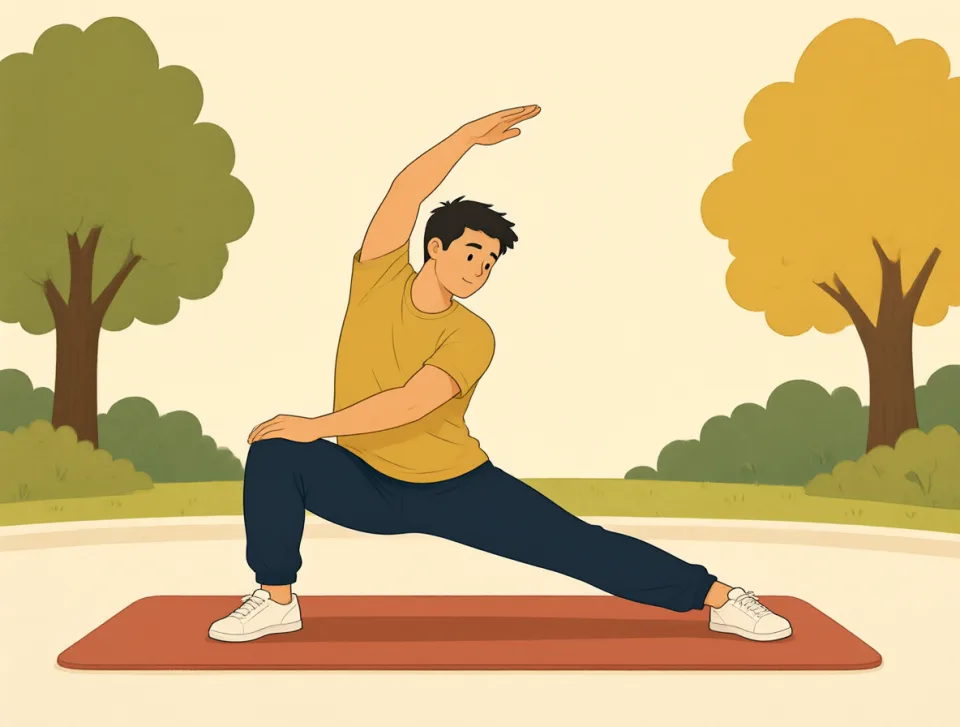
He does exercise every morning.
يمارس الرياضة كل صباح.
as
#22adverb, conjunction, preposition, pronoun, determiner
مثل؛ عندما؛ بصفته
Used to compare, show time or reason, or describe someone or something.
تُستخدم للمقارنة، أو للدلالة على الوقت أو السبب، أو لوصف شخص أو شيء.
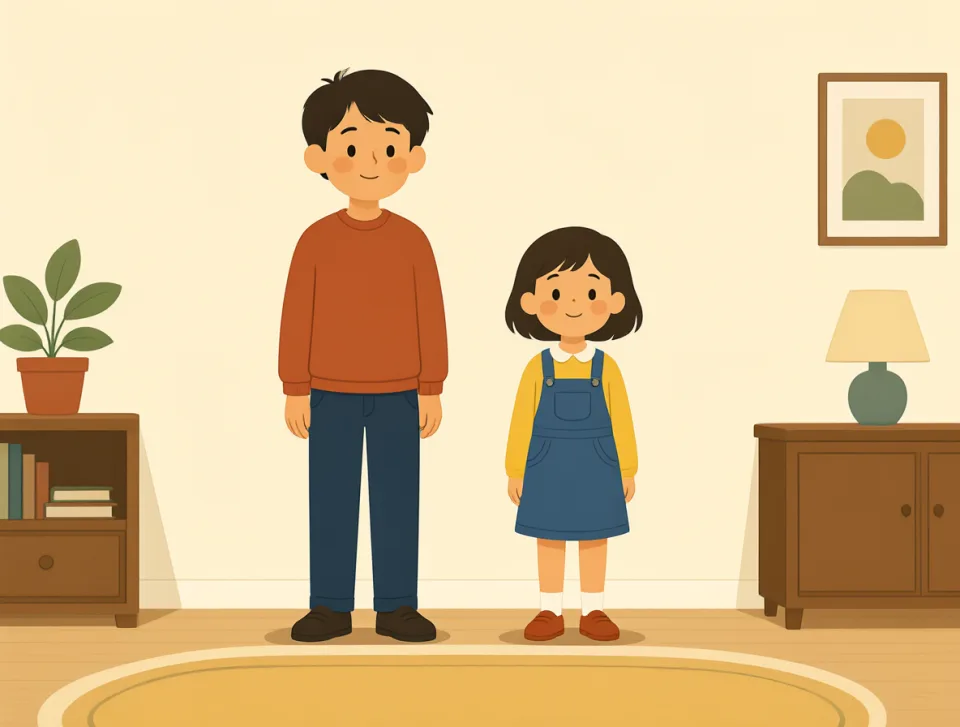
She is as tall as her brother.
هي بطول أخيها.
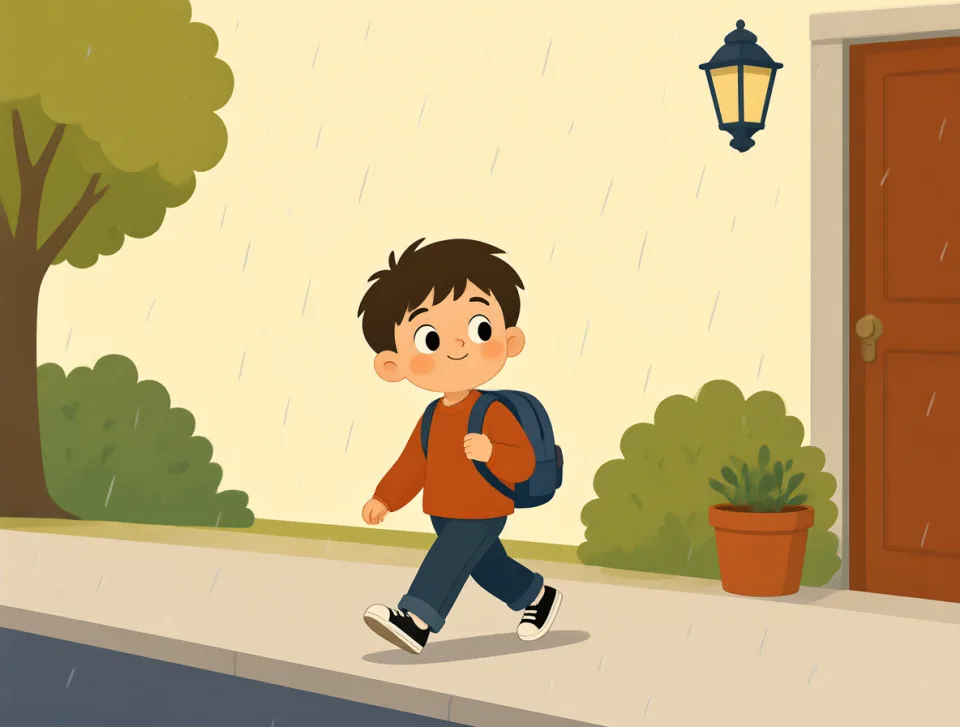
As I walked home, it started raining.
بدأ المطر يهطل بينما كنت أسير إلى المنزل.
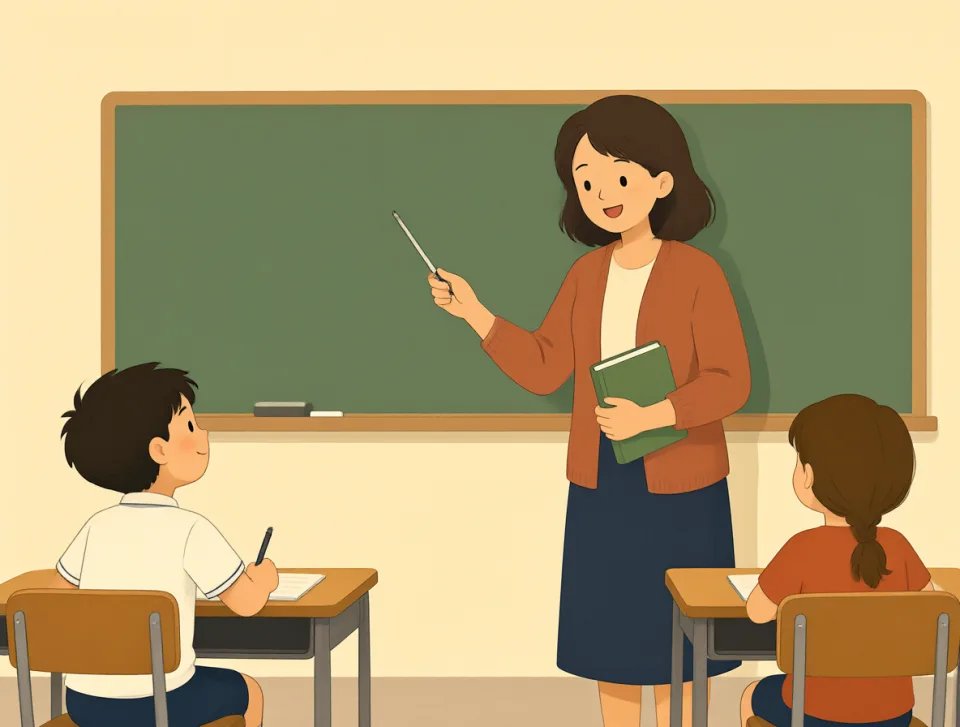
Please do as your teacher says.
من فضلك، افعل ما يقوله معلمك.

He works as a waiter at night.
يعمل نادلًا ليلًا.
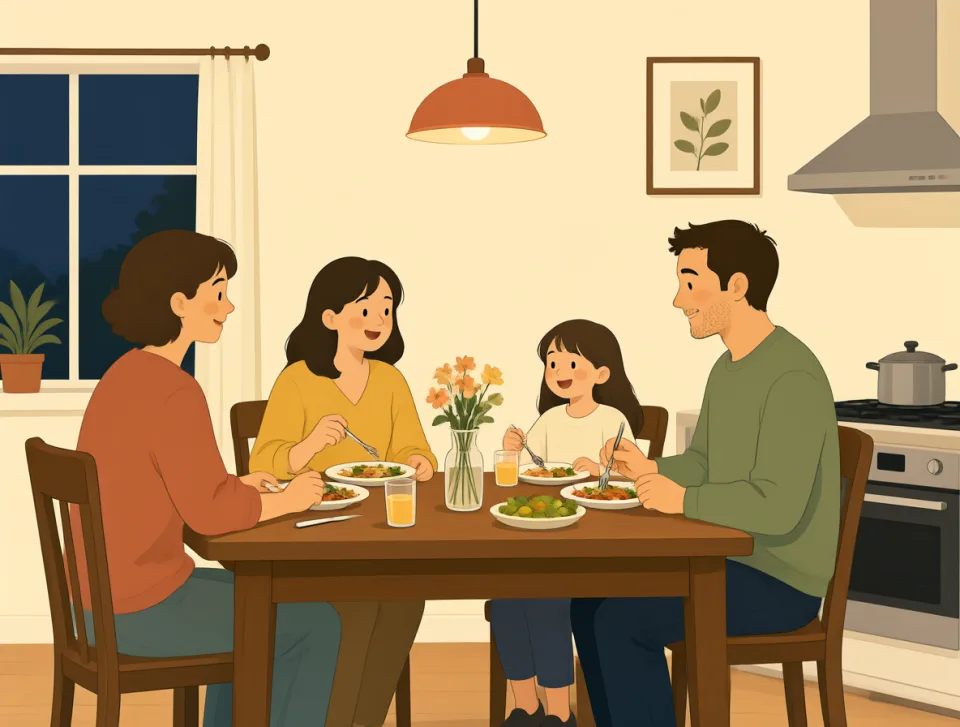
As usual, we had dinner at seven.
تناولنا العشاء في السابعة كالمعتاد.
at
#23preposition
في؛ عند
Used to show a specific time, place, or situation.
تُستخدم للدلالة على وقت أو مكان أو موقف محدد.
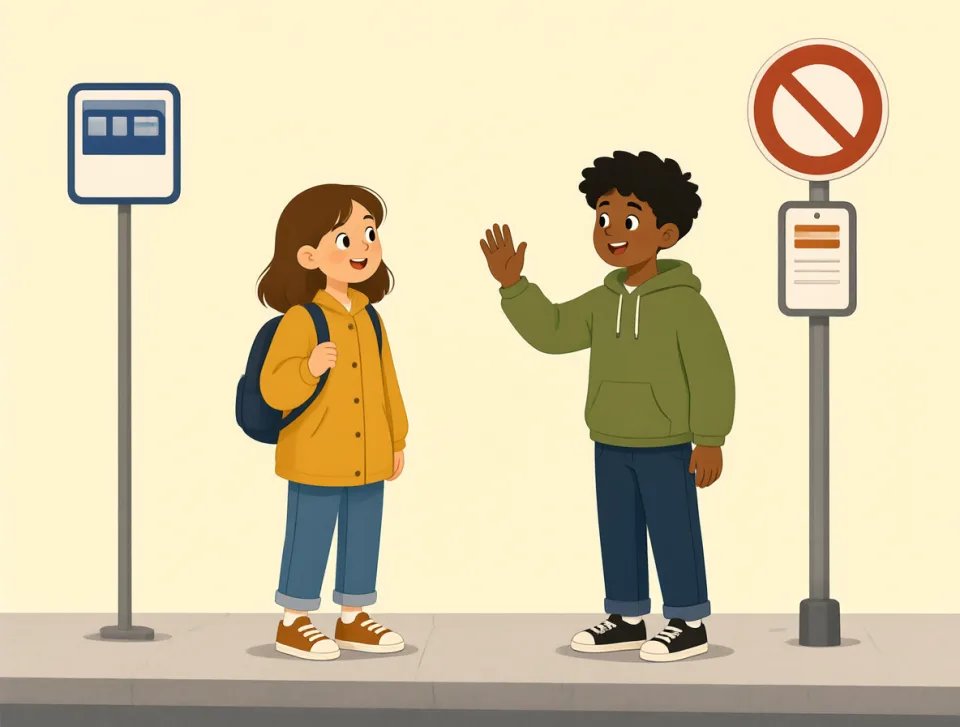
Meet me at the bus stop.
قابلني عند موقف الحافلات.
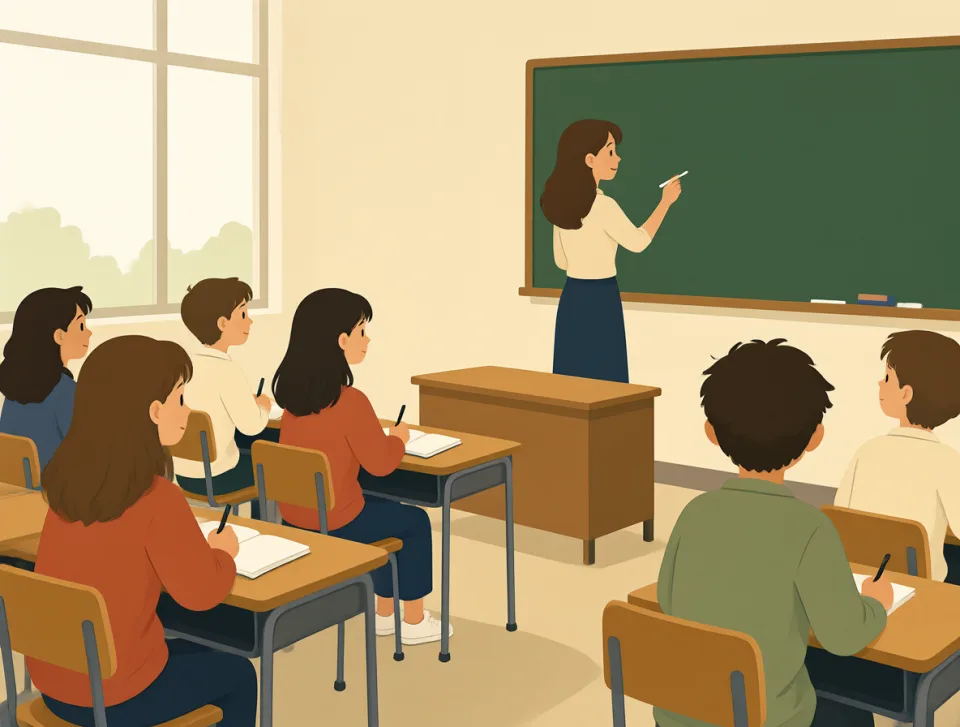
The class starts at nine.
يبدأ الدرس في الساعة التاسعة.
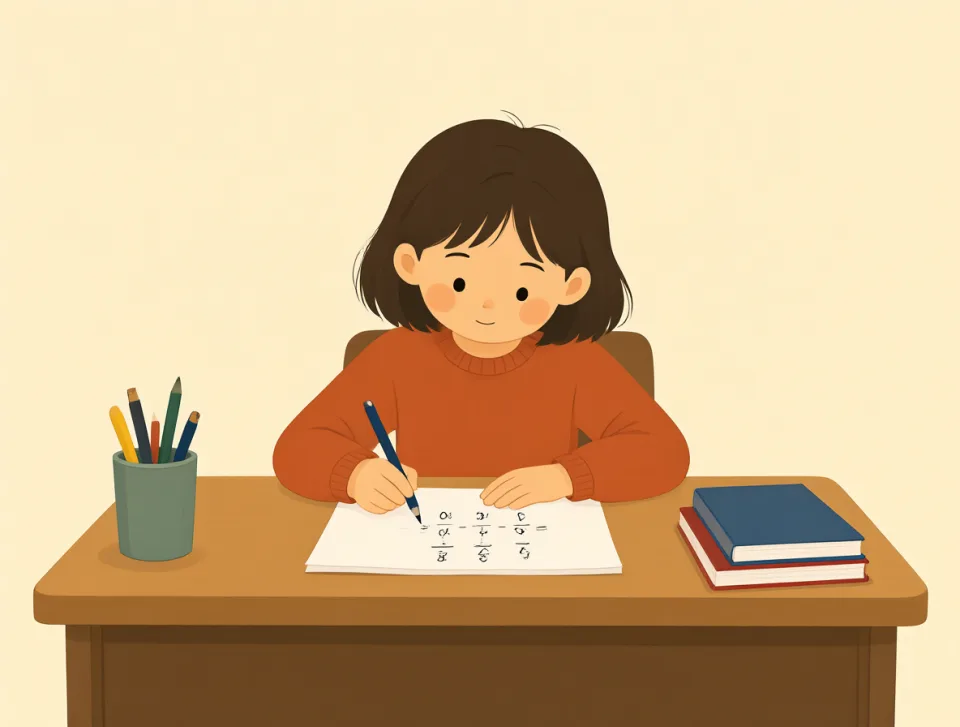
She is good at math.
هي بارعة في الرياضيات.
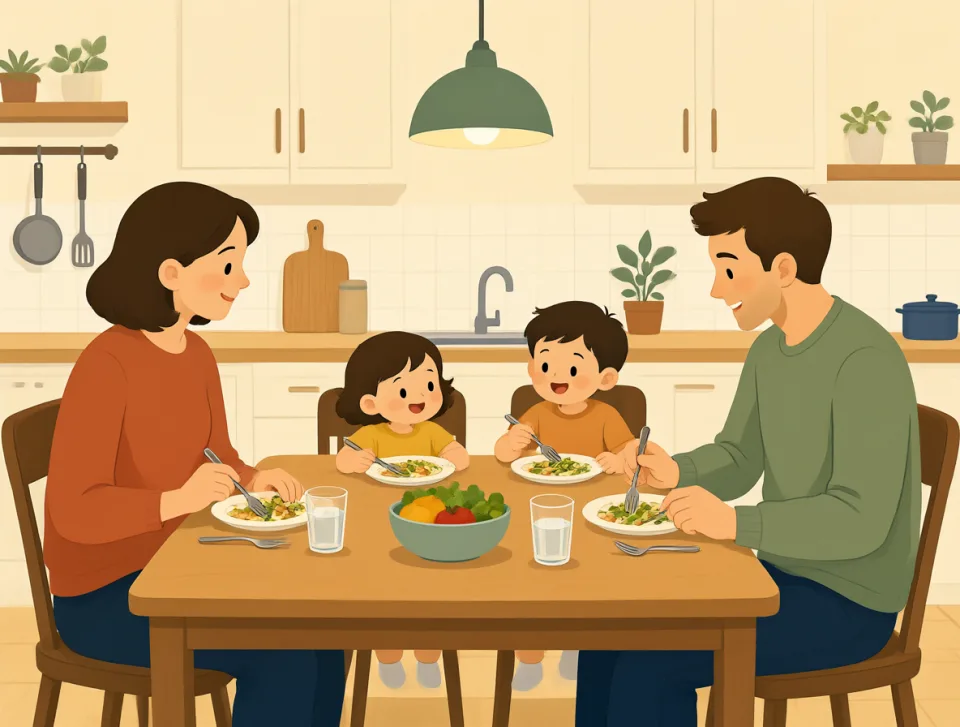
We ate lunch at home.
تناولنا الغداء في المنزل.

He arrived at the airport early.
وصل إلى المطار مبكرًا.
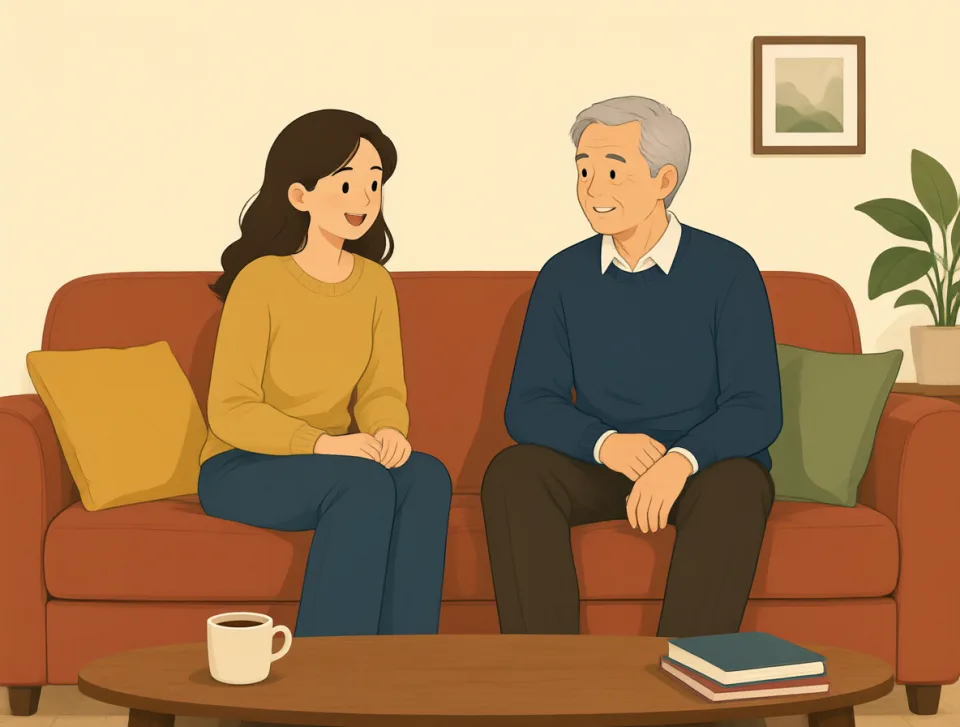
she
#24pronoun
هي
A female person or girl already mentioned or known.
ضمير يُستخدم للإشارة إلى امرأة أو فتاة سبق ذكرها أو معروفة.
She lives with her parents.
تعيش مع والديها.

She works at the hospital.
تعمل في المستشفى.
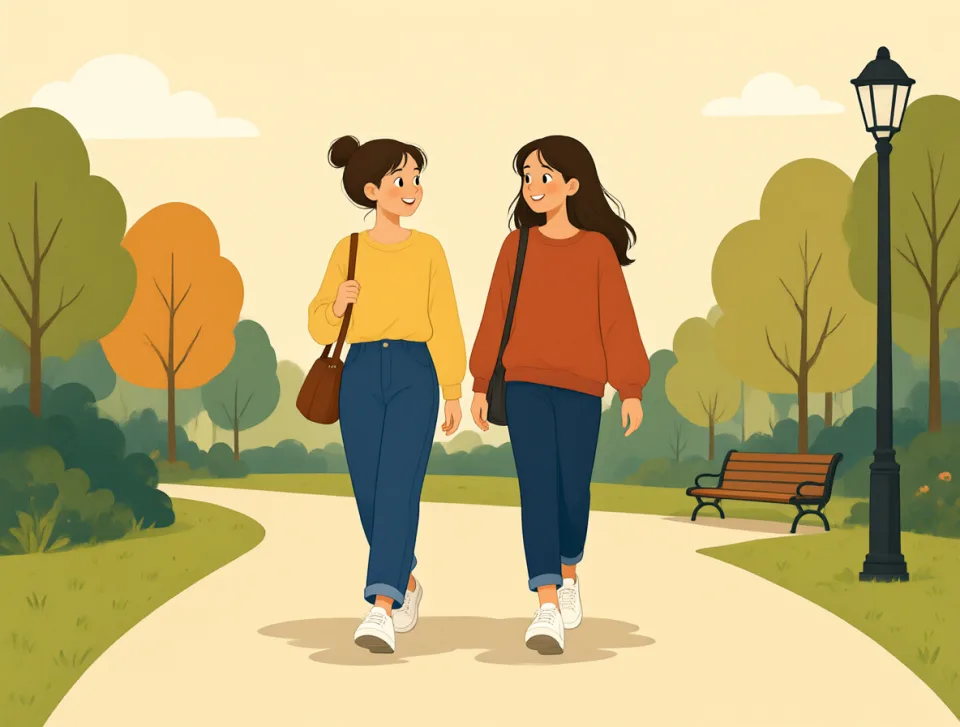
She is my best friend.
هي أعز صديقاتي.
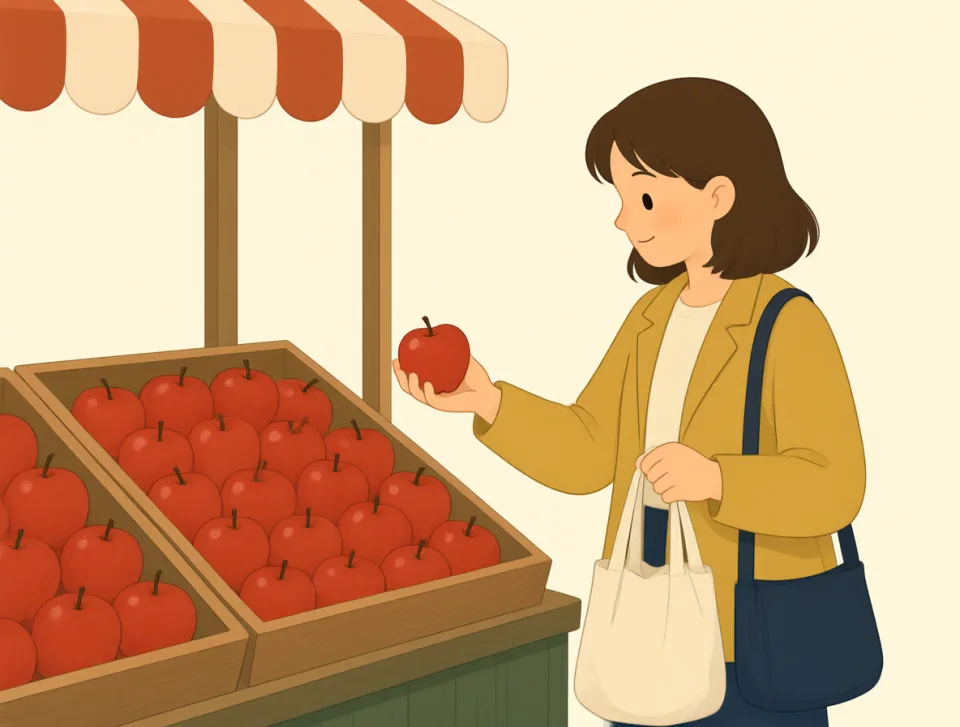
She bought some apples at the market.
اشترت بعض التفاح من السوق.
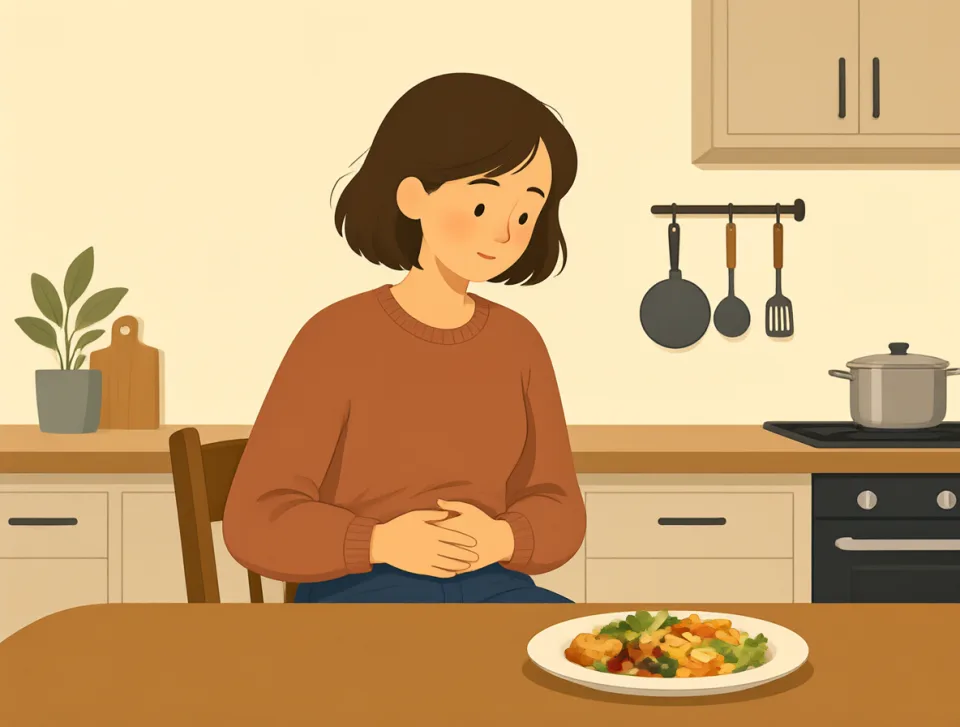
She felt sick after dinner.
شعرت بالمرض بعد العشاء.
but
#25conjunction, preposition, adverb, noun
لكن
Used to show a contrast, an exception, or a different choice.
تُستخدم للدلالة على التباين أو الاستثناء أو خيار مختلف.
I like tea, but I prefer coffee.
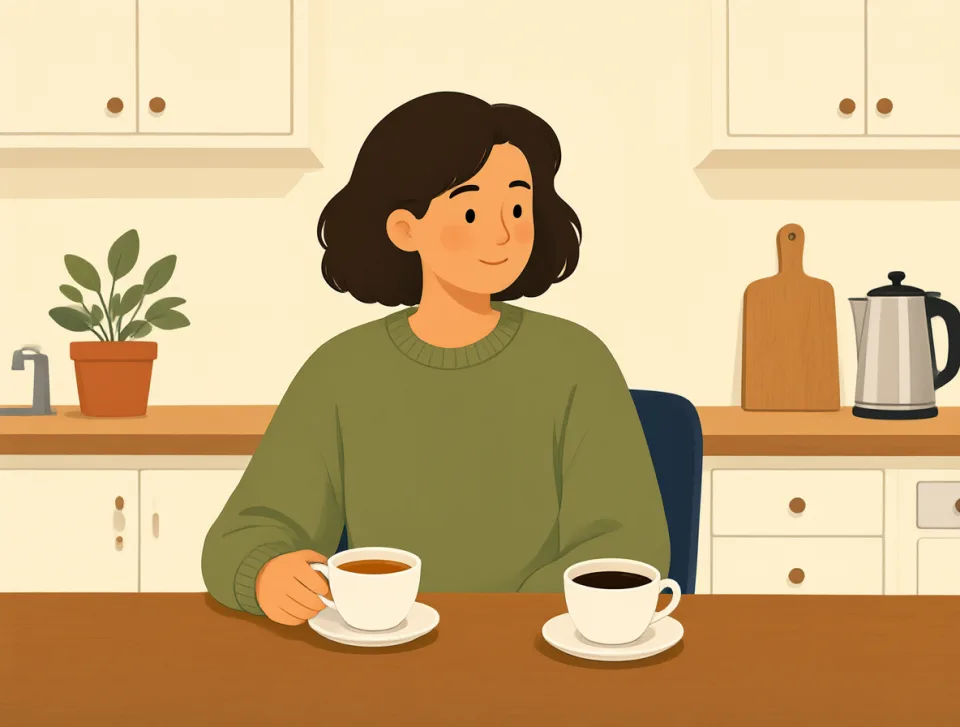
أحب الشاي، لكنني أفضّل القهوة.

She is tired, but she keeps working.
هي متعبة، لكنها تواصل العمل.
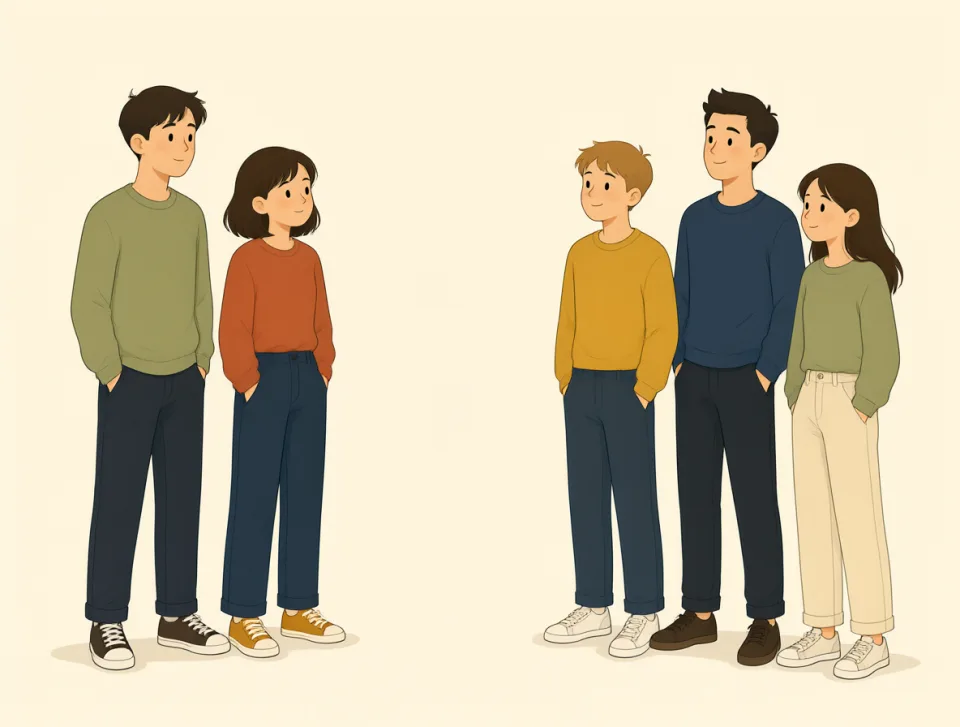
Everyone came but Tom.
جاء الجميع باستثناء توم.

We wanted to walk, but it started raining.
أردنا أن نمشي، لكن المطر بدأ يهطل.
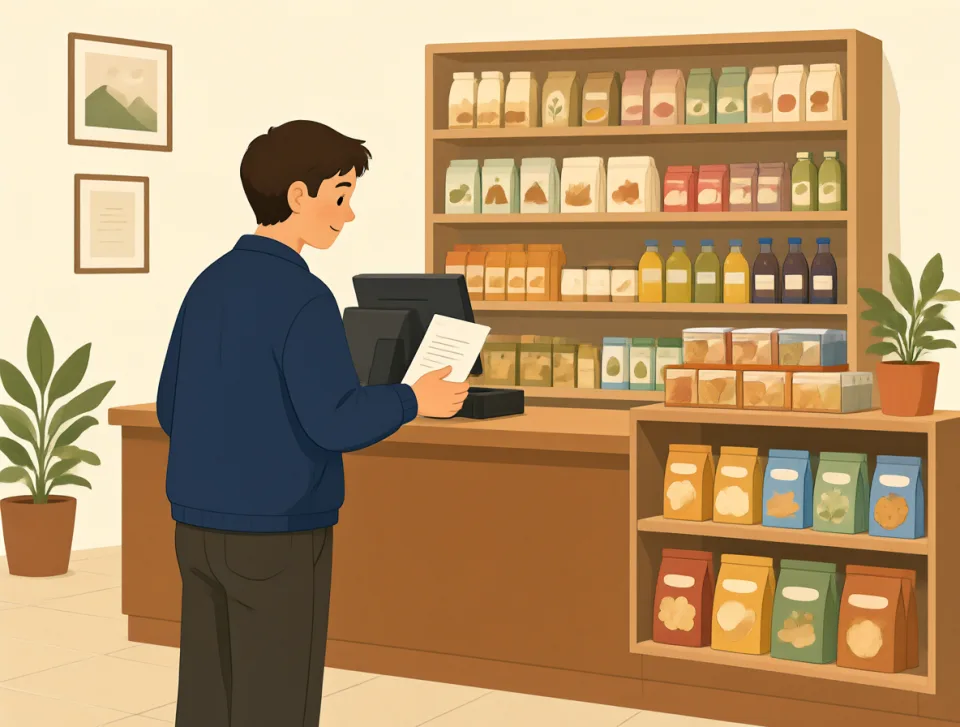
The shop was small, but it had everything.
كان المتجر صغيرًا، لكنه كان يضم كل شيء.
from
#26preposition
من
Shows where something starts, where it comes from, or when it begins.
تُبيّن نقطة بداية شيء ما أو مصدره أو وقت بدايته.
I walk home from school every day.
أمشي إلى المنزل من المدرسة كل يوم.
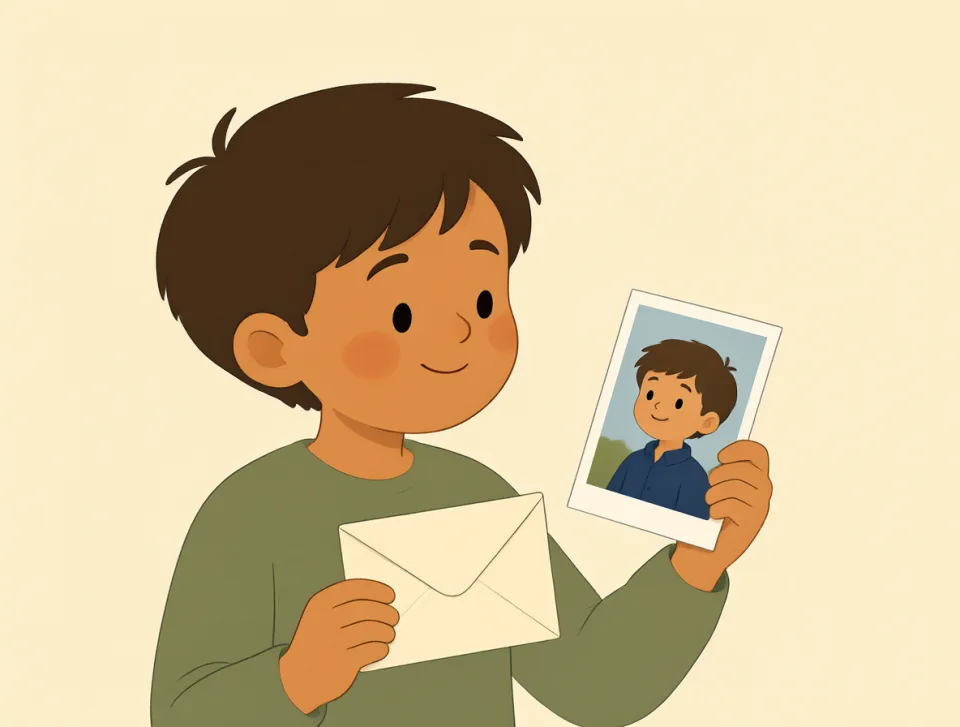
This letter is from my best friend.
هذه الرسالة من أعز أصدقائي.
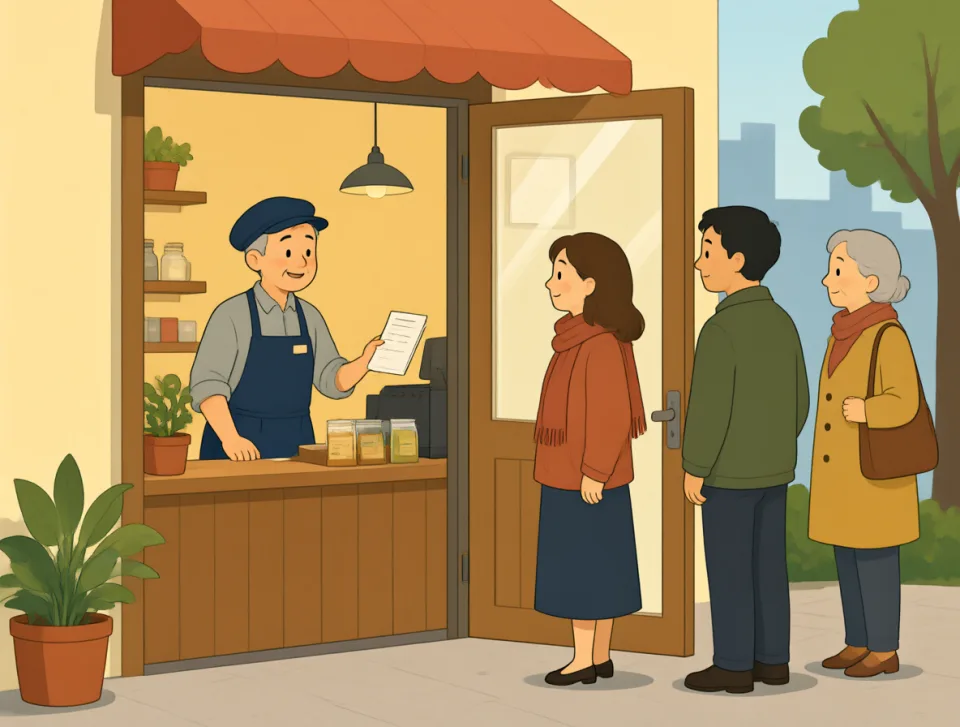
The shop is open from nine to five.
المتجر مفتوح من التاسعة إلى الخامسة.

She comes from a small town.
هي من بلدة صغيرة.
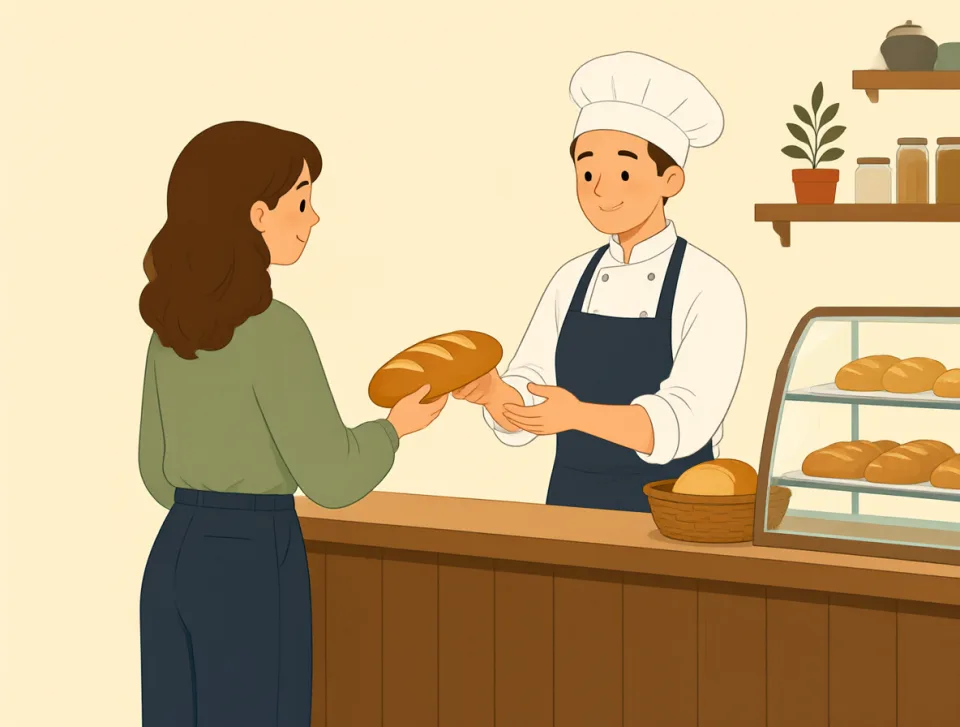
We bought fresh bread from the bakery.
اشترينا خبزًا طازجًا من المخبز.
by
#27preposition, adverb
بجانب؛ قبل؛ بواسطة
near, before a time, using something, or done by someone
تعني قريبًا من مكان، أو قبل وقت محدد، أو باستخدام شيء، أو أن شخصًا ما قام بالفعل.
Please sit by the window.
من فضلك، اجلس بجانب النافذة.
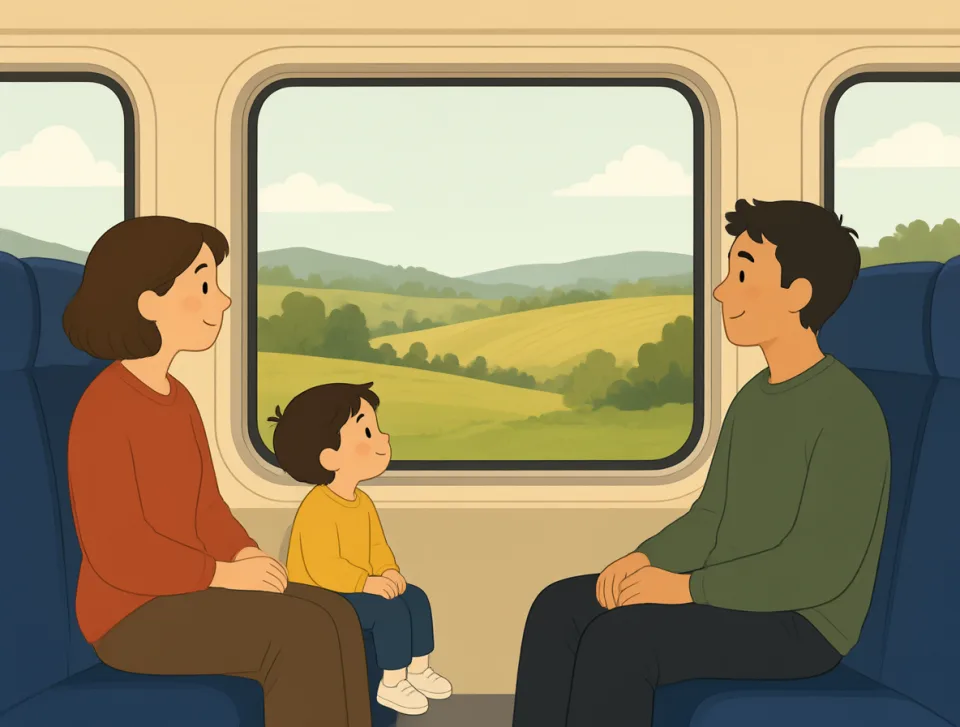
We travel by train every summer.
نسافر بالقطار كل صيف.
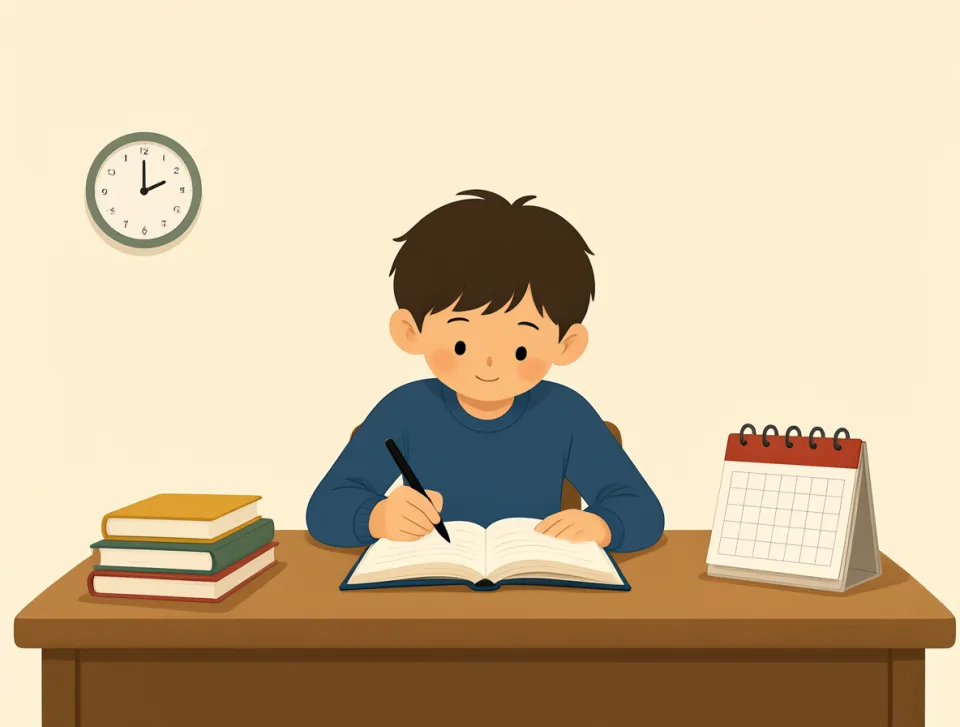
Finish your homework by Friday.
أنه واجبك المنزلي بحلول يوم الجمعة.
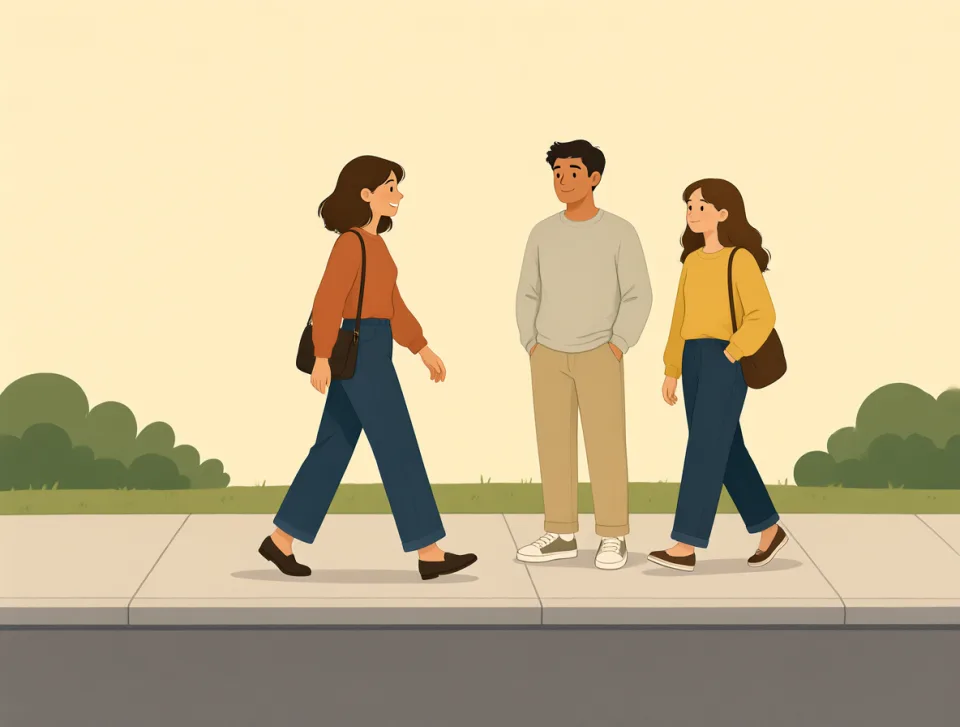
She walked by without saying hello.
مرّت بجانبي من دون أن تلقي التحية.
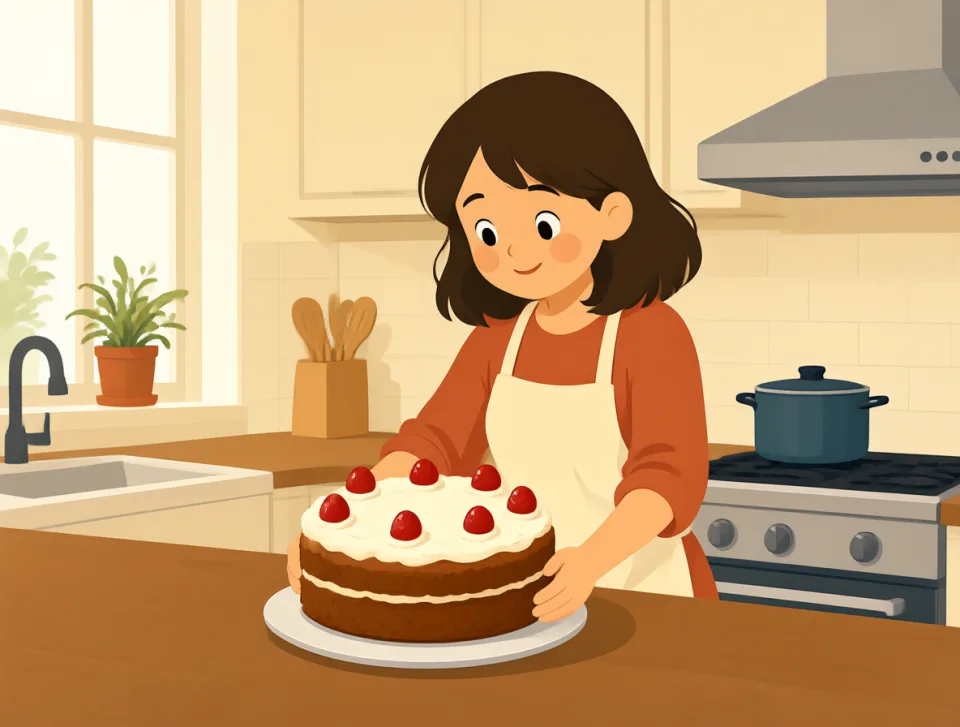
This cake was made by my sister.
صنعت أختي هذه الكعكة.
will
#28verb, noun
سوف؛ إرادة
Used to talk about the future, or a person’s strong wish or legal instructions.
تُستخدم للحديث عن المستقبل، أو للدلالة على رغبة قوية لدى شخص أو وصاياه القانونية.
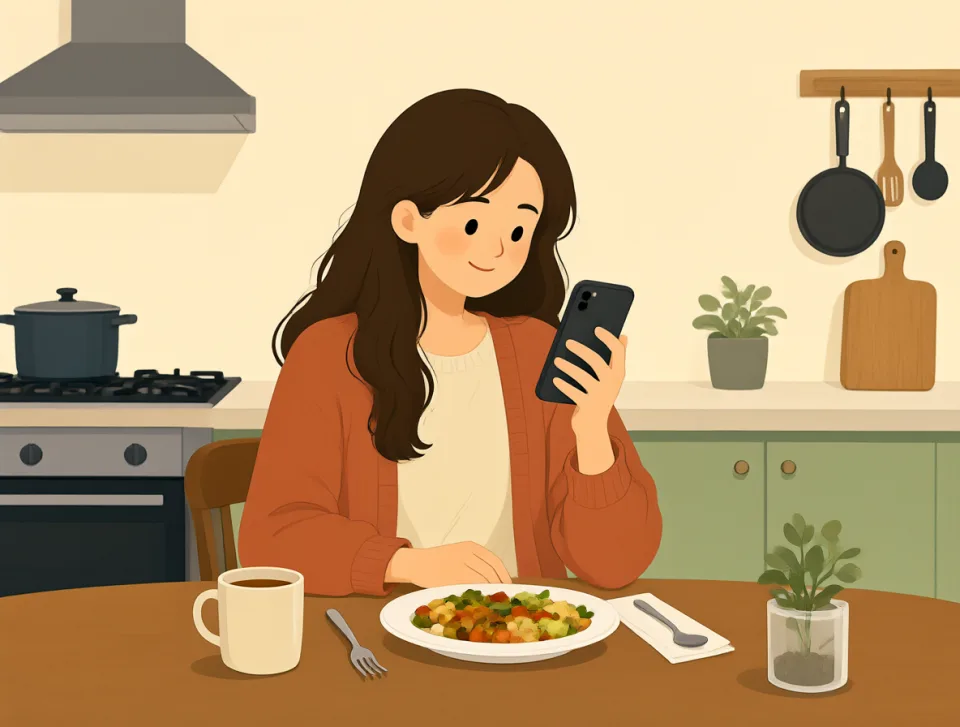
I will call you after dinner.
سأتصل بك بعد العشاء.
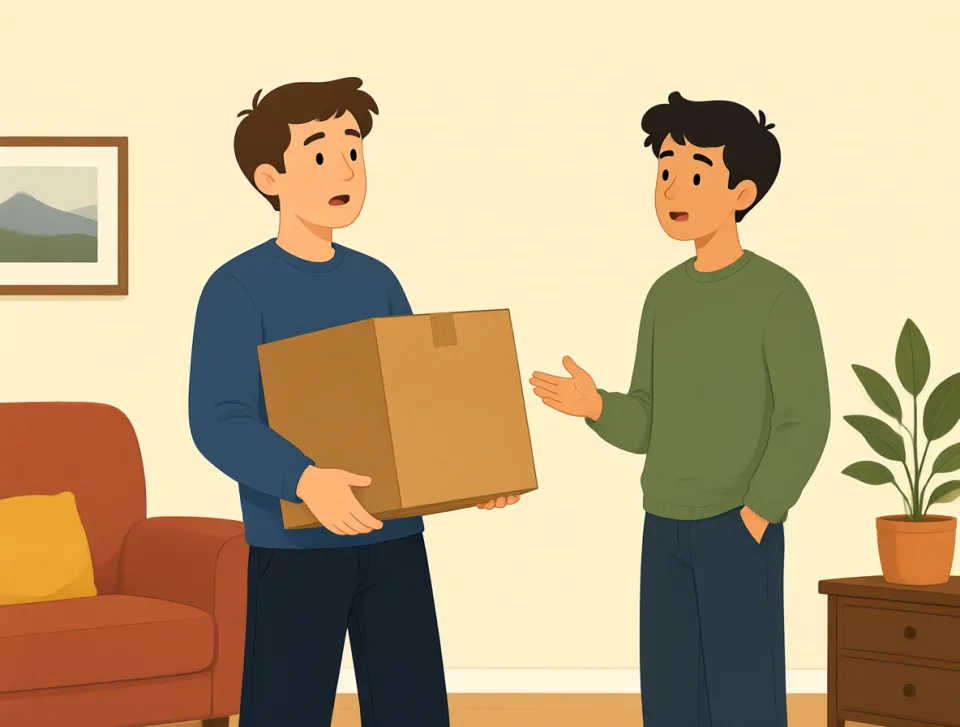
Will you help me with this box?
هل ستساعدني في حمل هذا الصندوق؟
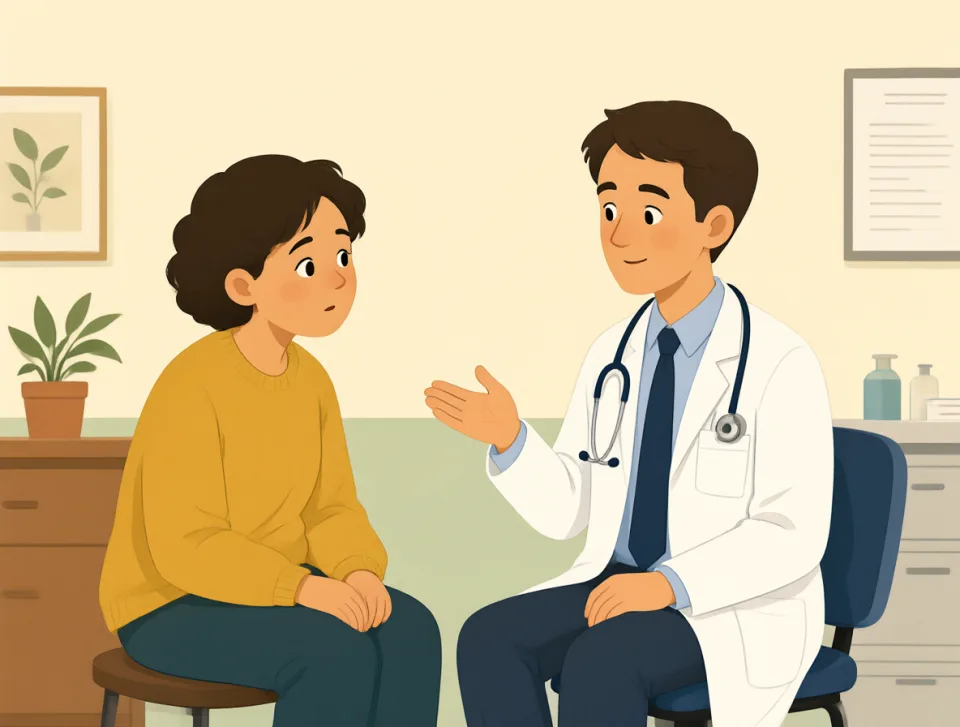
The doctor says you will feel better soon.
يقول الطبيب إنك ستتحسن قريبًا.
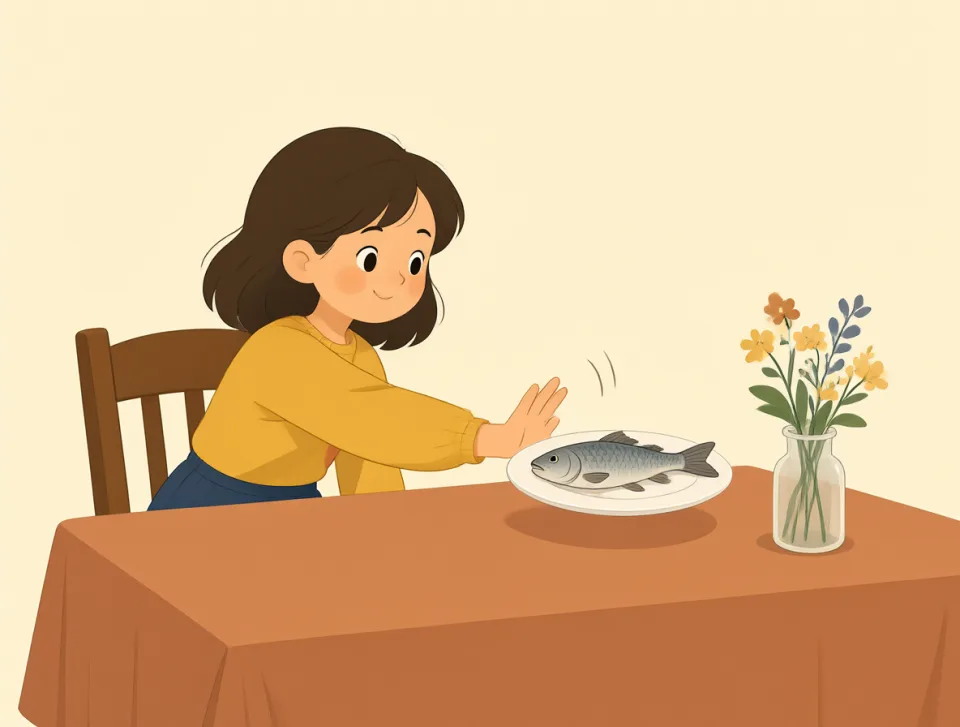
She will not eat the fish today.
لن تأكل السمك اليوم.
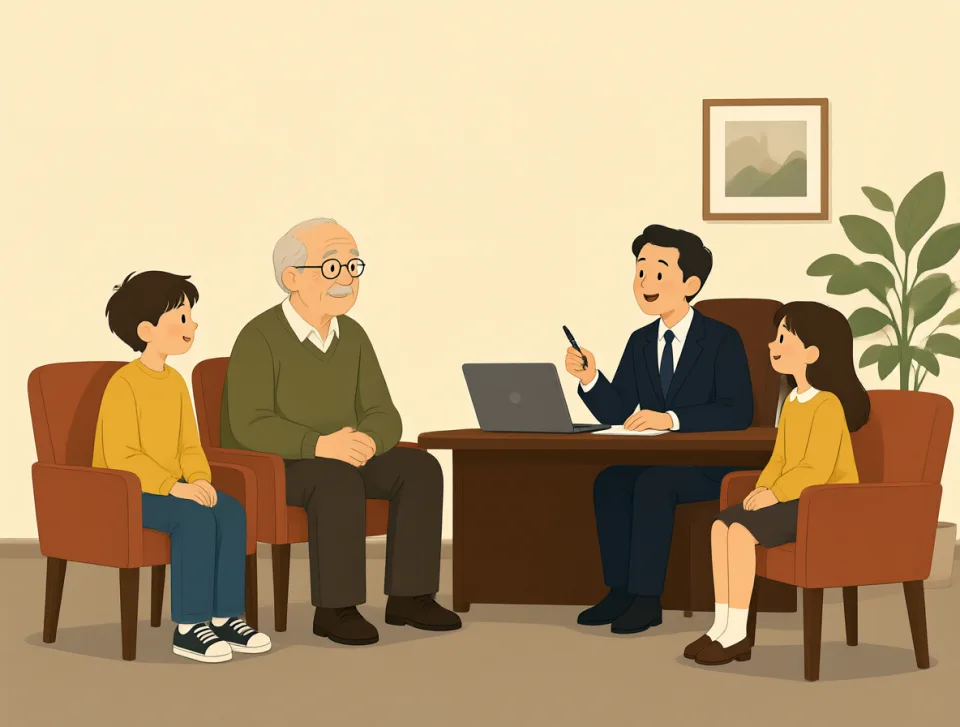
His will left money to his children.
ترك في وصيته مالًا لأطفاله.
or
#29conjunction
أو
Used to show a choice between two or more possibilities.
تُستخدم للدلالة على الاختيار بين احتمالين أو أكثر.
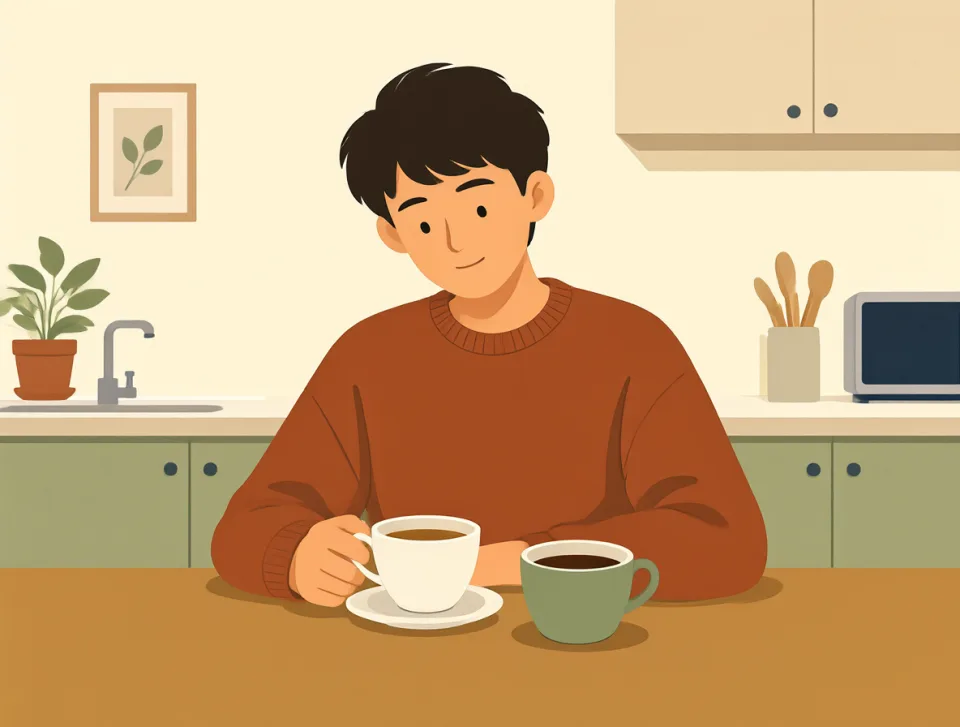
Would you like tea or coffee?
هل تود الشاي أم القهوة؟
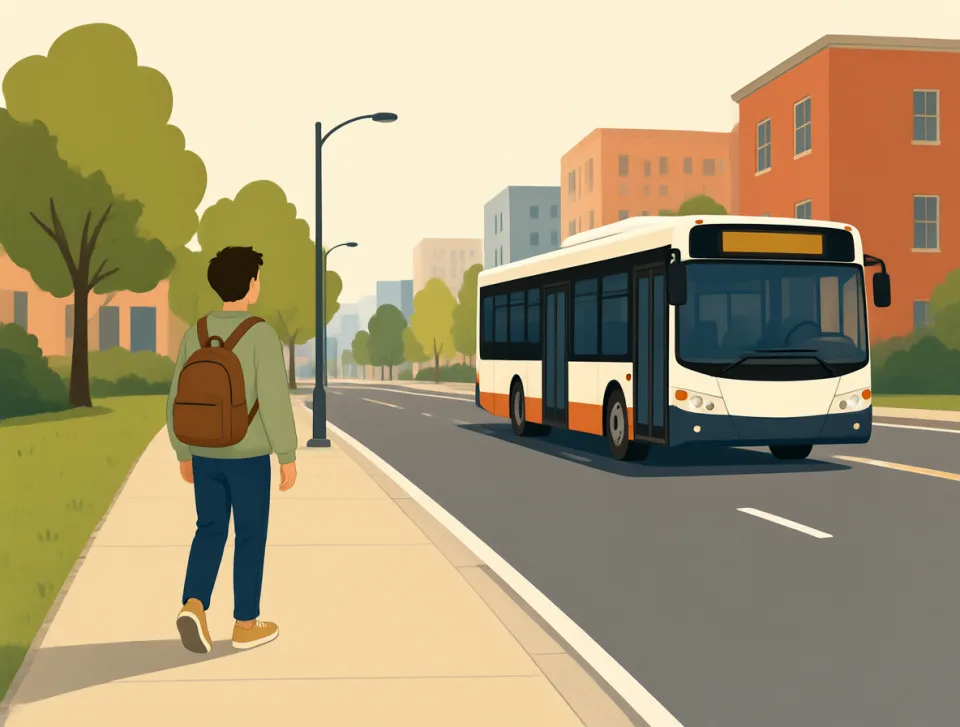
You can walk or take the bus.
يمكنك المشي أو ركوب الحافلة.
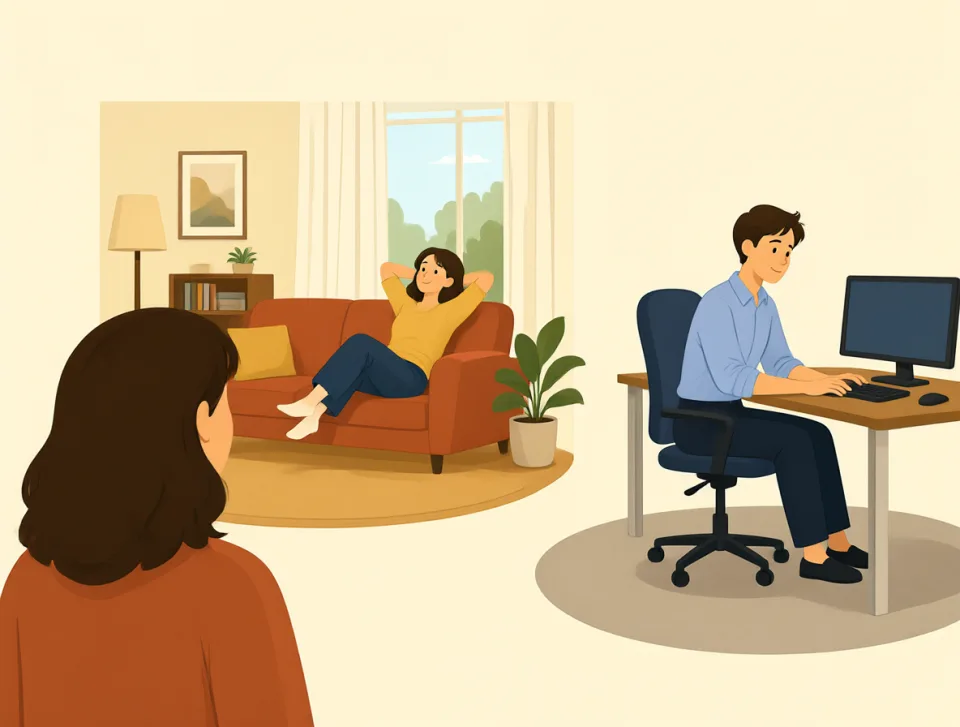
Is your sister at home or work?
هل أختك في المنزل أم في العمل؟
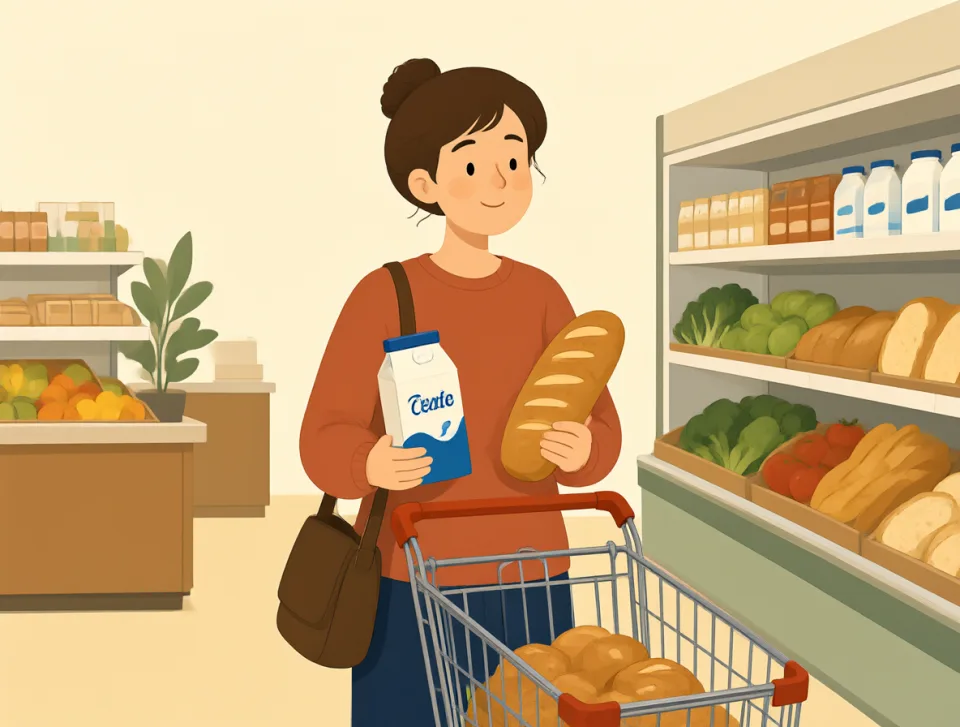
We need to buy milk or bread.
نحتاج إلى شراء الحليب أو الخبز.
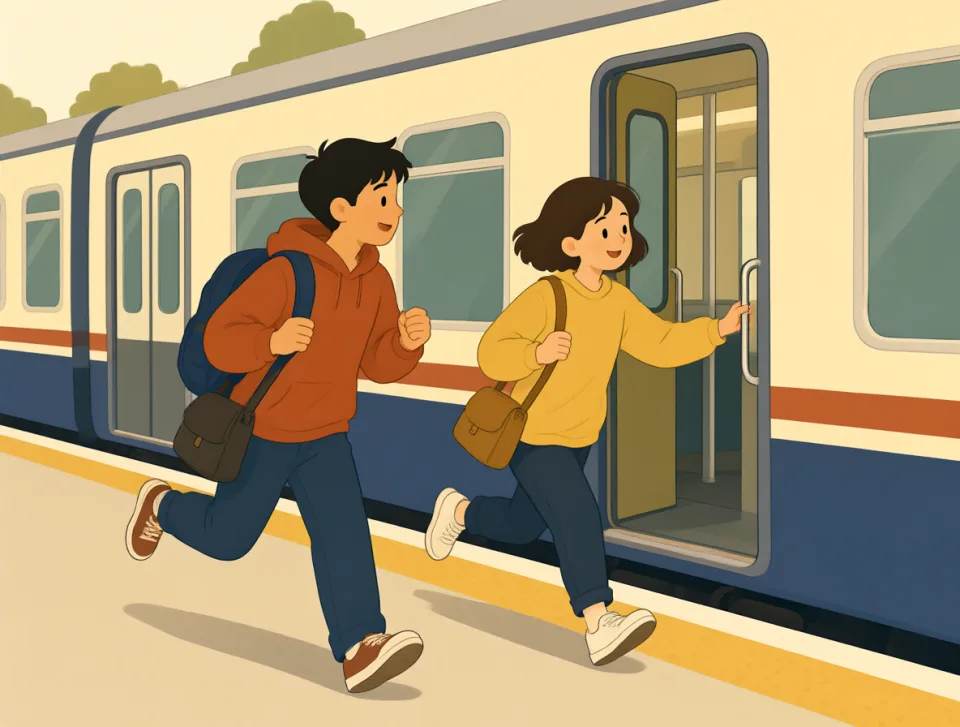
Hurry, or we will miss the train.
أسرع، وإلا فاتنا القطار.
say
#30verb
يقول
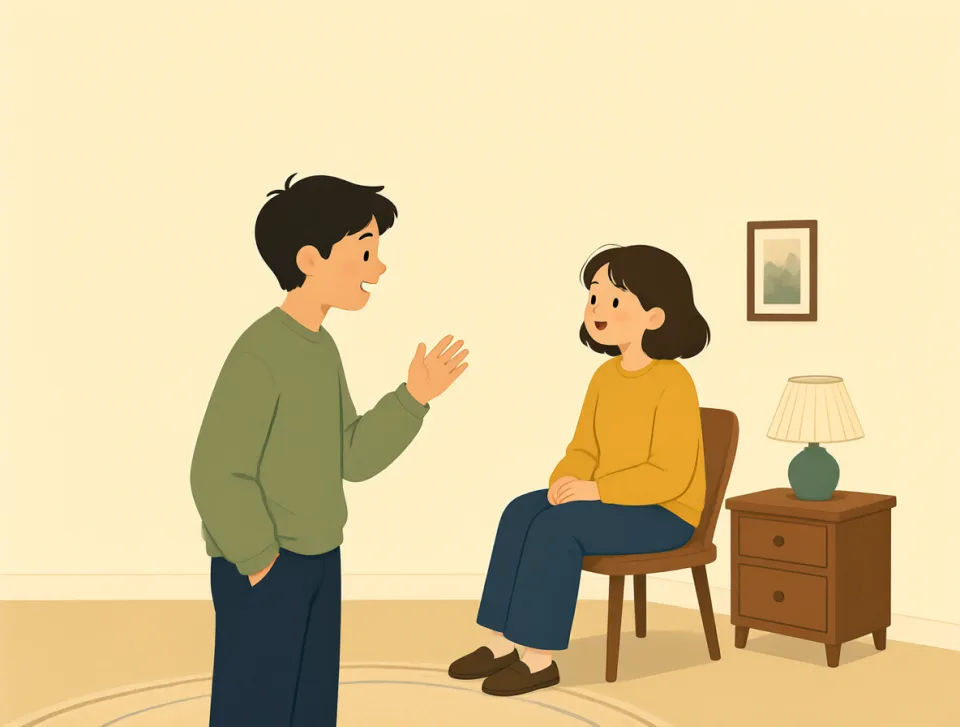
to speak words or tell someone something
ينطق كلمات أو يخبر شخصًا بشيء.

What did you say?
ماذا قلت؟
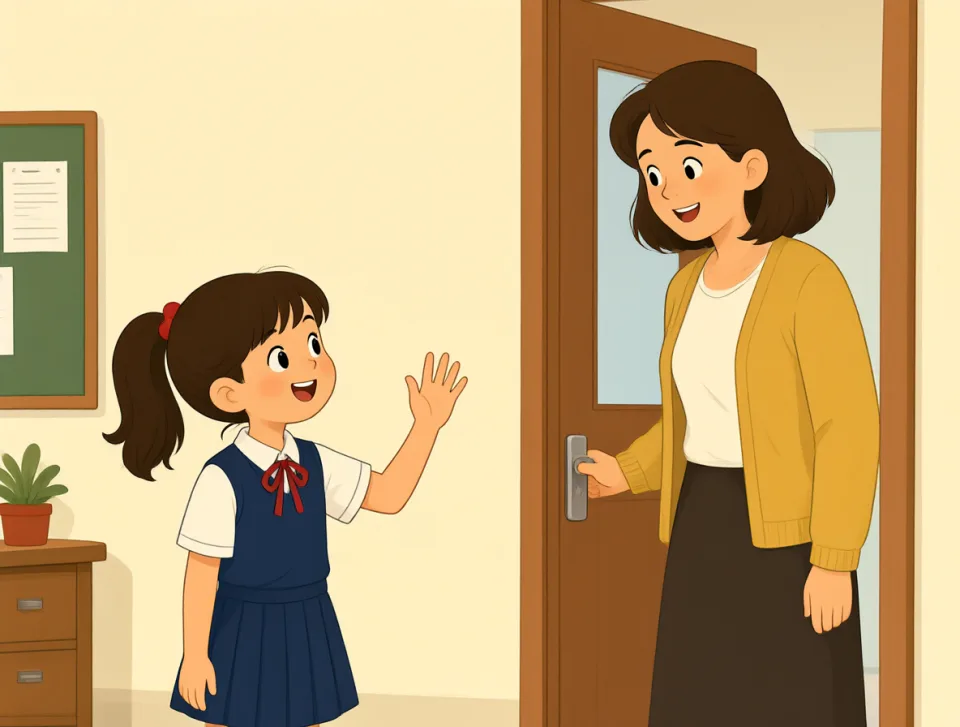
She said hello to her teacher.
ألقت التحية على معلمها.

Please say your name slowly.
من فضلك، قل اسمك ببطء.
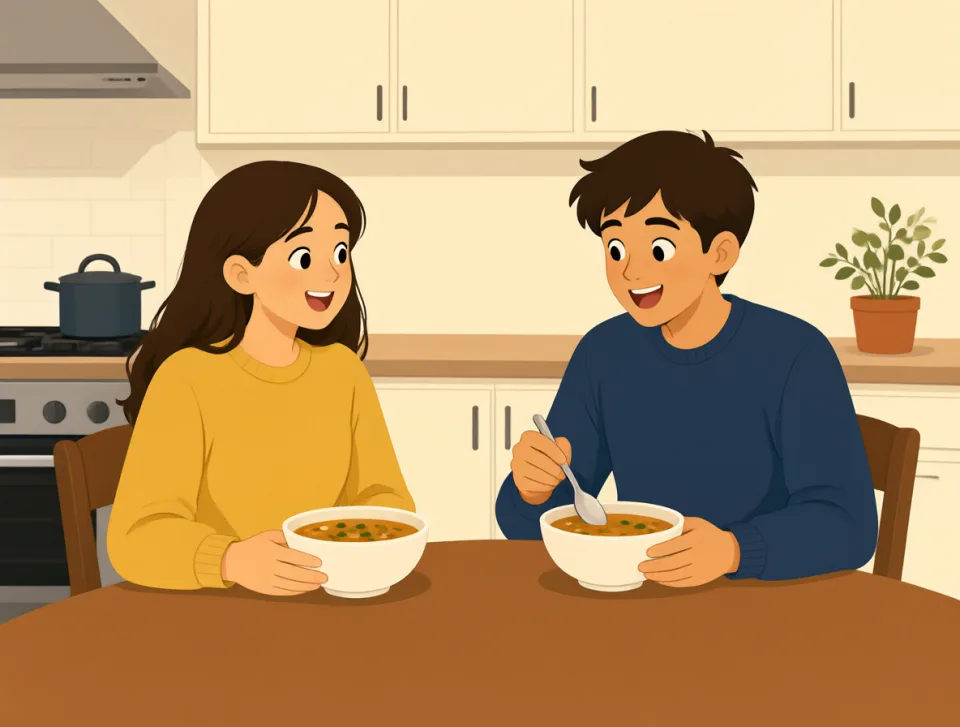
They say the soup is delicious.
يقولون إن الحساء لذيذ.
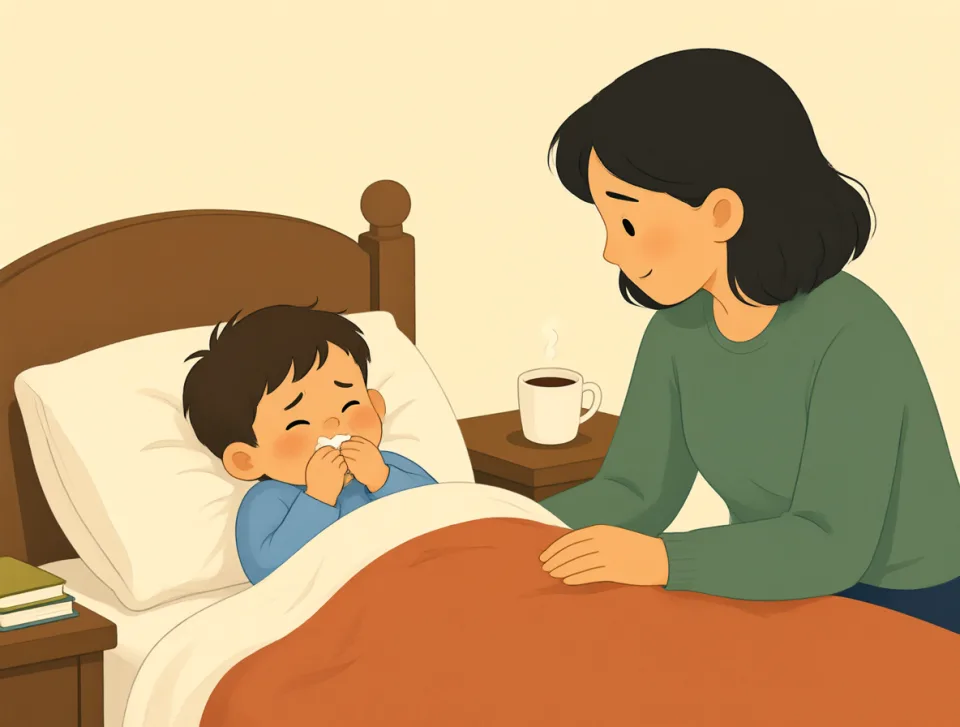
He said he felt sick yesterday.
قال إنه شعر بالمرض أمس.
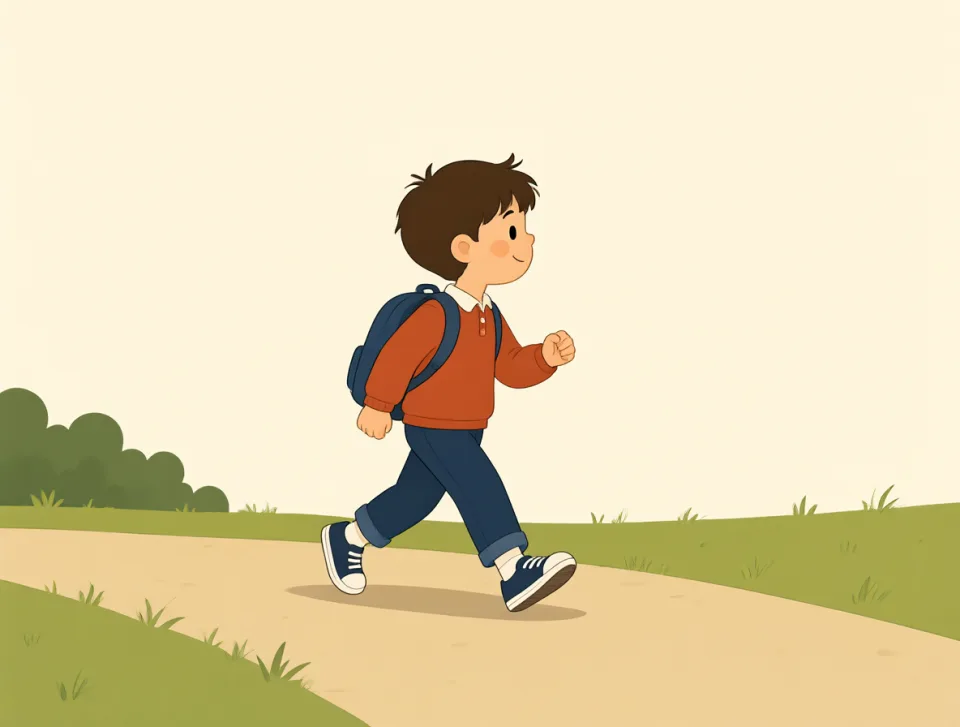
go
#31verb, noun
يذهب
to move or travel somewhere, or to happen or work in a particular way
أن ينتقل أو يسافر إلى مكان ما، أو أن يحدث شيء أو يسير بطريقة معينة
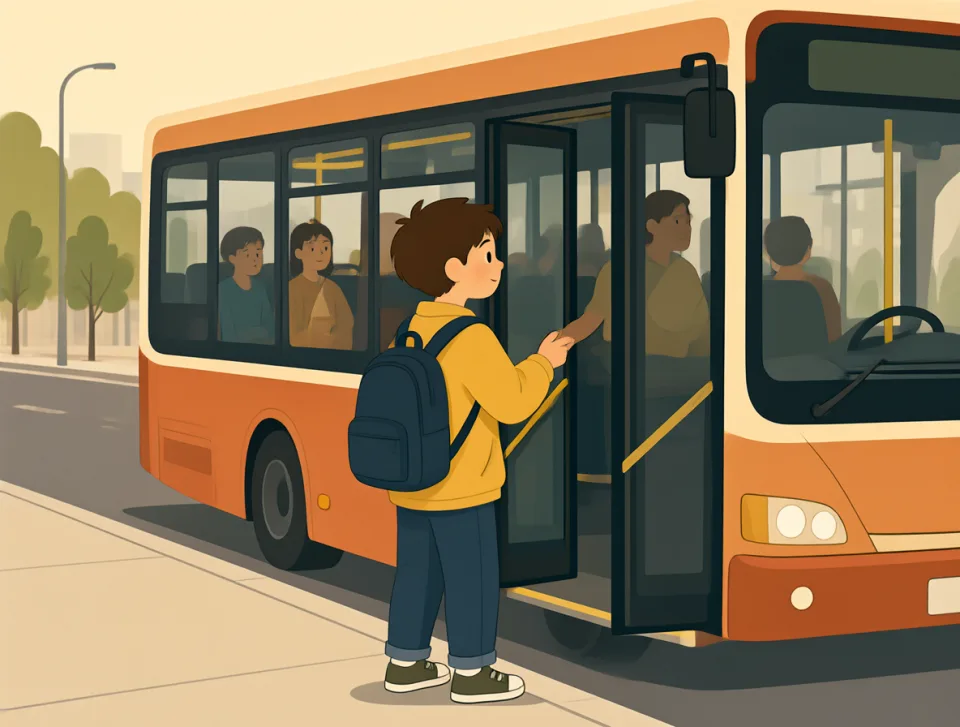
I go to school by bus every day.
أذهب إلى المدرسة بالحافلة كل يوم.
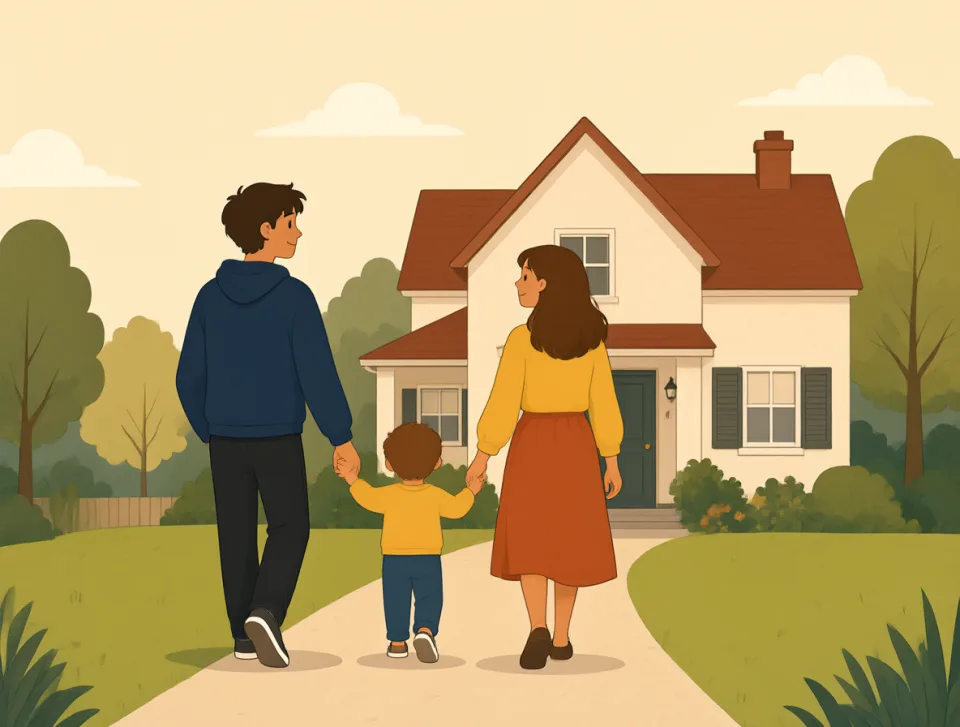
We went home after dinner.
عدنا إلى المنزل بعد العشاء.
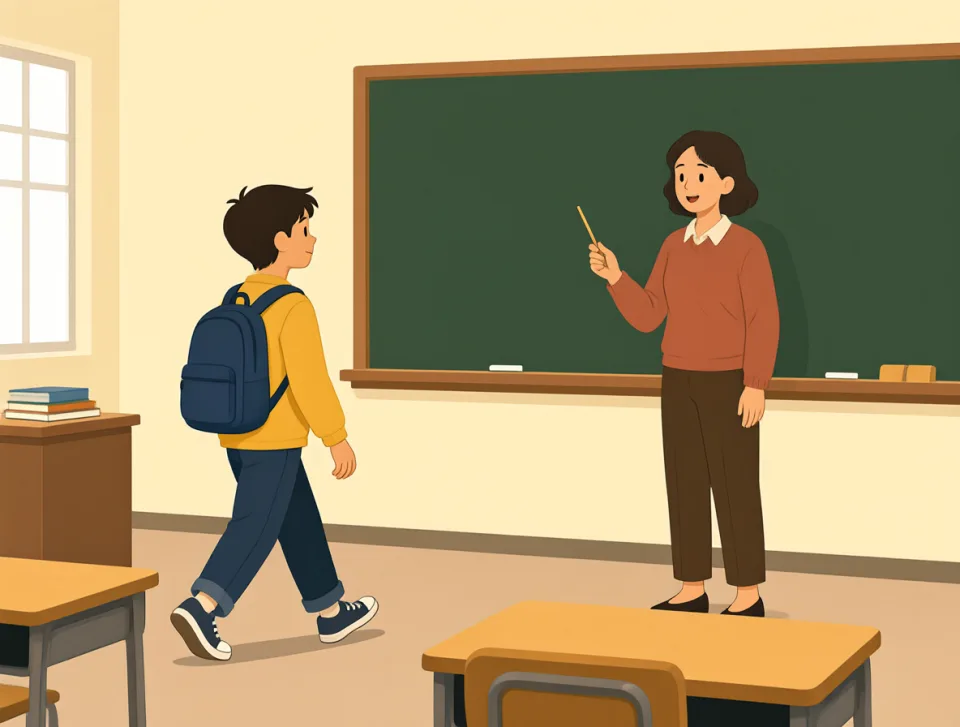
Please go and ask your teacher.
من فضلك اذهب واسأل معلمك.

These shoes go well with your jeans.
تتناسب هذه الأحذية جيدًا مع بنطالك الجينز.
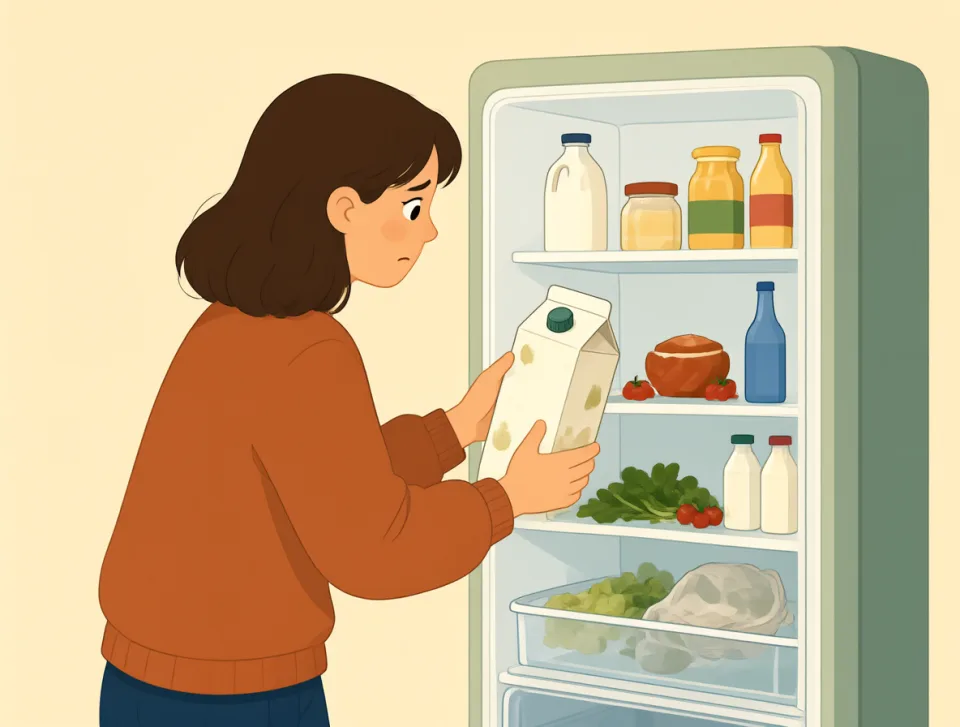
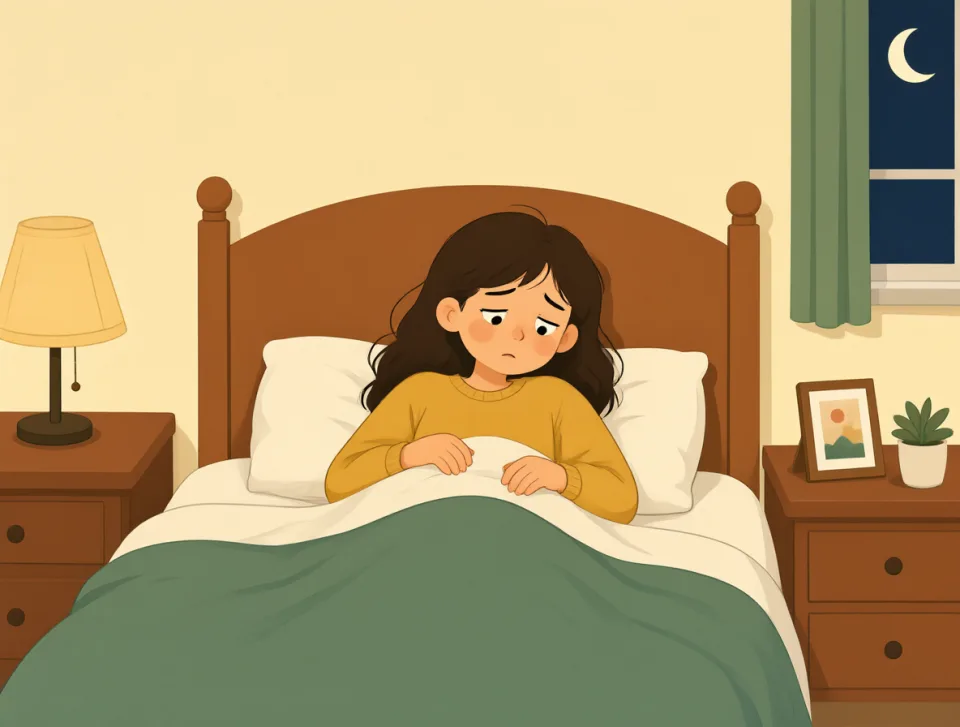
The milk went bad in the fridge.
فسد الحليب في الثلاجة.
so
#32adverb, conjunction
لذلك؛ جدًا
Used to show a result, a high degree, or agreement.
تُستخدم للدلالة على نتيجة أو درجة كبيرة أو الموافقة.
I was tired, so I went to bed.
كنت متعبًا، لذلك ذهبت إلى الفراش.

The soup is so hot I cannot eat it.
الحساء ساخن جدًا لدرجة أنني لا أستطيع تناوله.
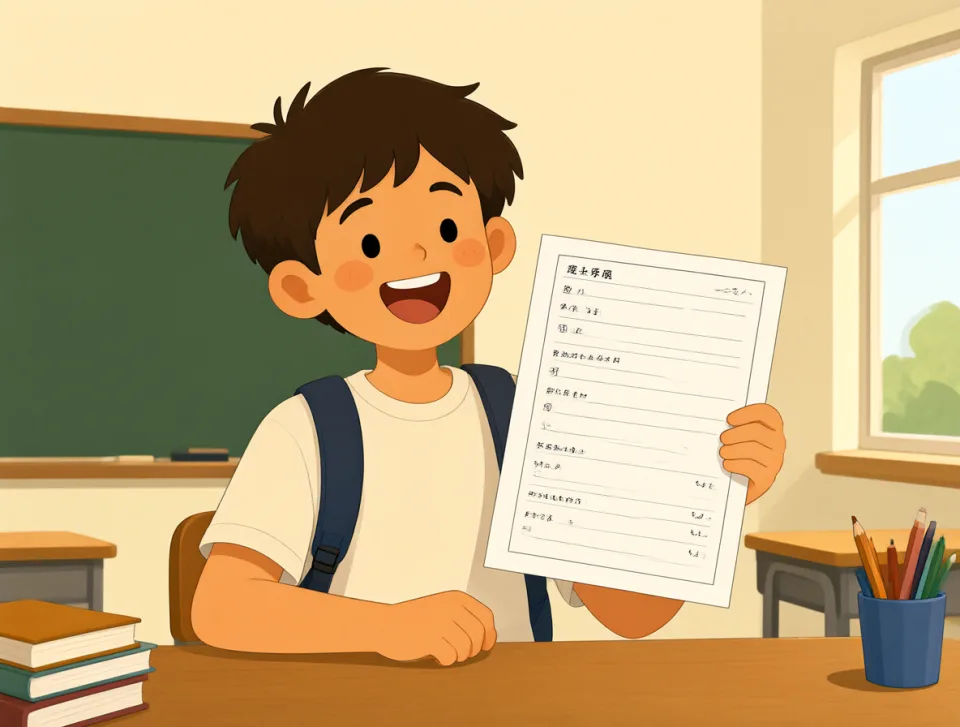
She studied hard, so she passed the test.
درست بجد، لذلك اجتازت الاختبار.
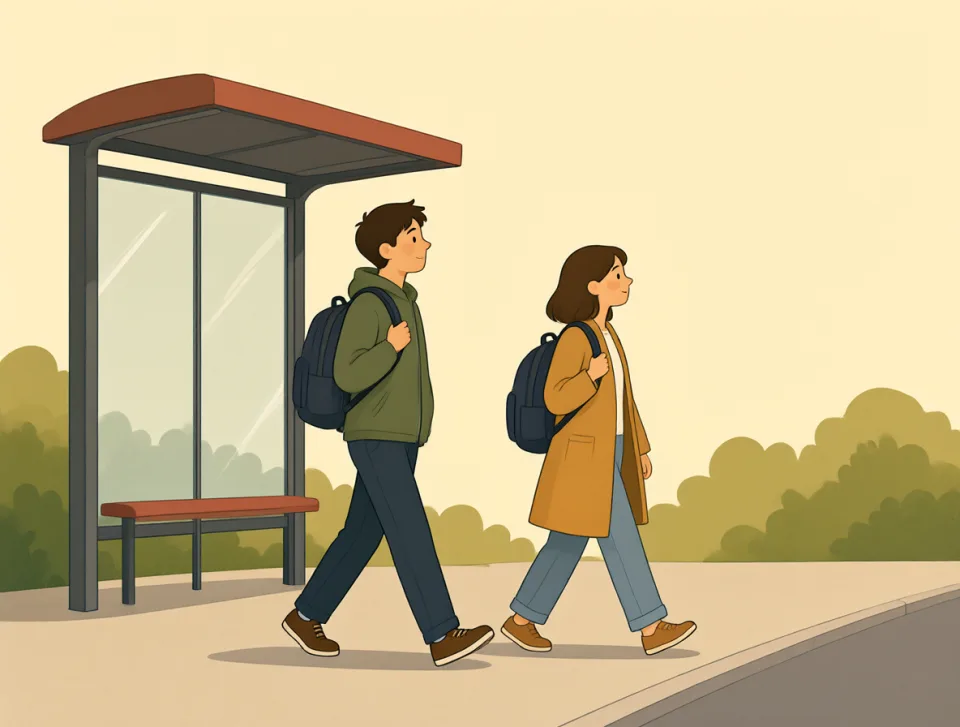
The bus was late, so we walked home.
تأخرت الحافلة، لذلك عدنا إلى المنزل سيرًا على الأقدام.

“I like this.” “So do I.”
«أحب هذا.» «وأنا أيضًا.»

all
#33determiner, pronoun, adverb
كلّ؛ جميع
The whole amount or every person or thing in a group
المقدار كله، أو كل شخص أو شيء في مجموعة.
All the students finished their homework.
أنهى جميع الطلاب واجباتهم المدرسية.
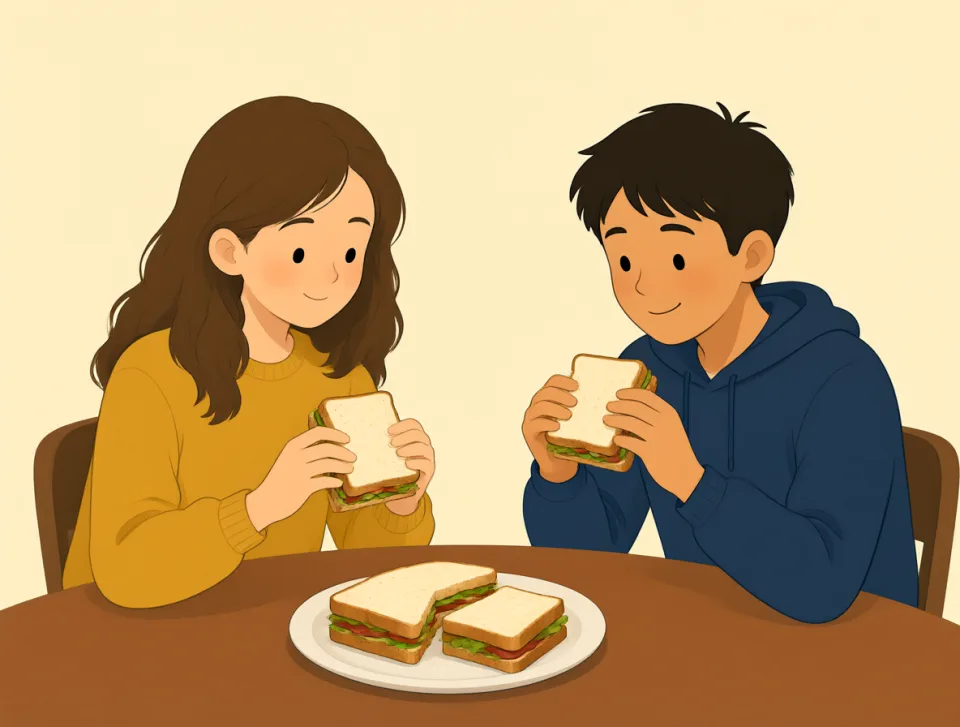
We ate all the sandwiches at lunch.
أكلنا كل شطائر الساندويتش على الغداء.
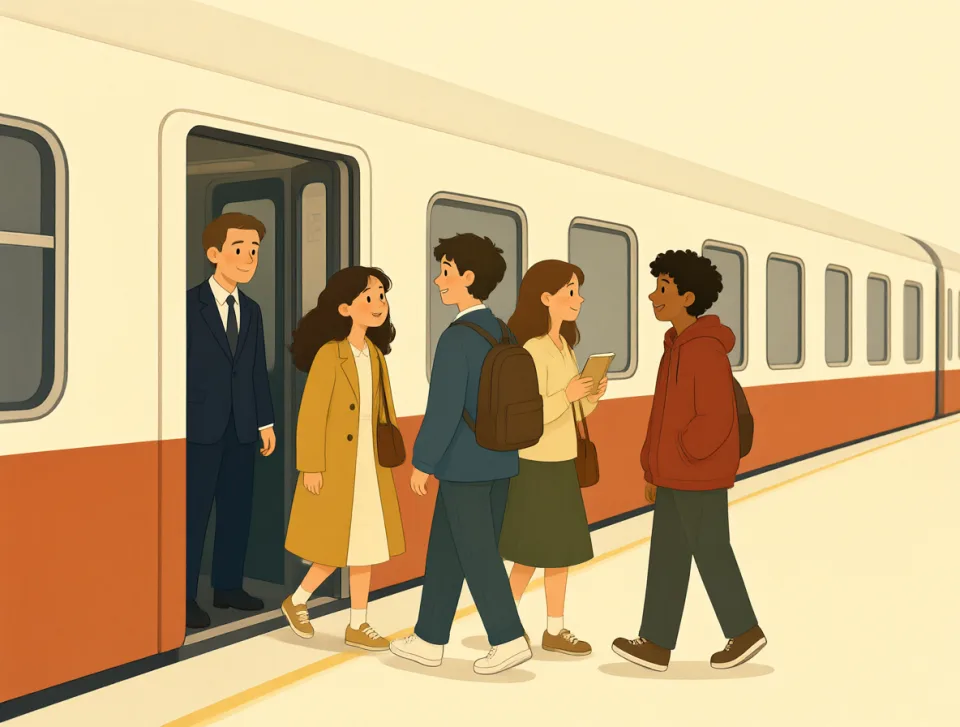
All of us took the train home.
استقللنا جميعًا القطار إلى المنزل.
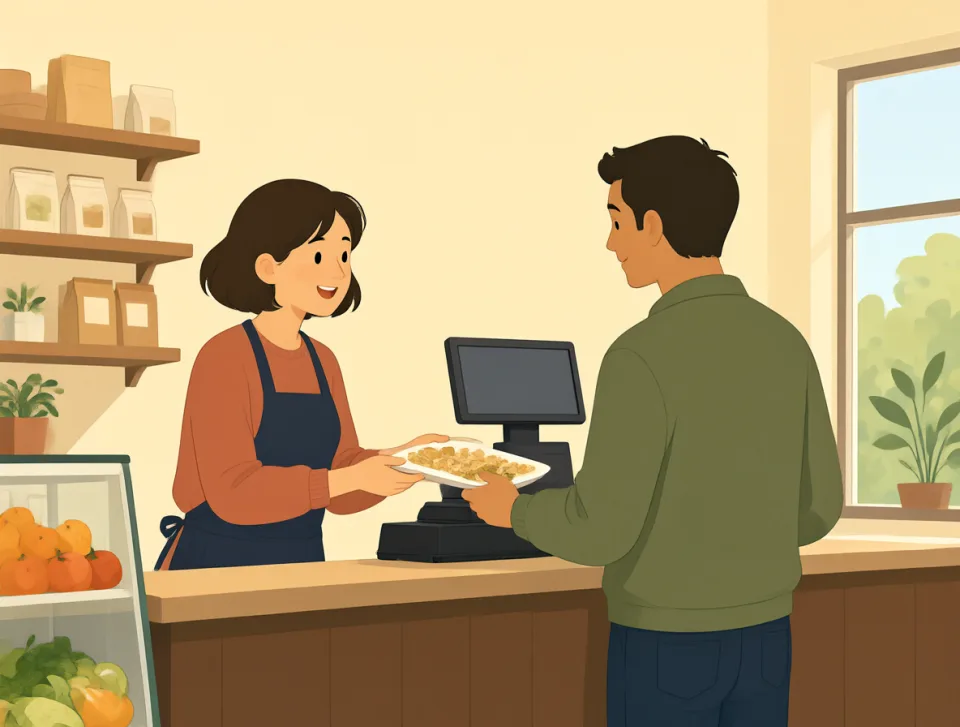
She worked all day at the shop.
عملت في المتجر طوال اليوم.
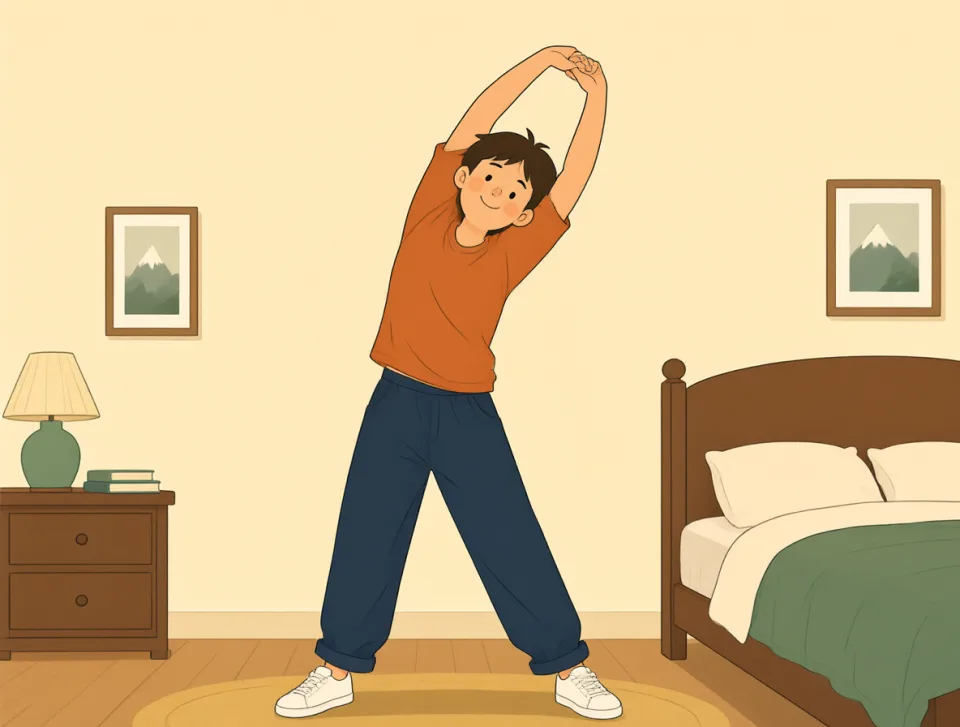
I am not at all tired today.
لست متعبًا على الإطلاق اليوم.
if
#34conjunction
إذا
Used to talk about a condition or a possible situation.
تُستخدم للحديث عن شرط أو موقف محتمل.
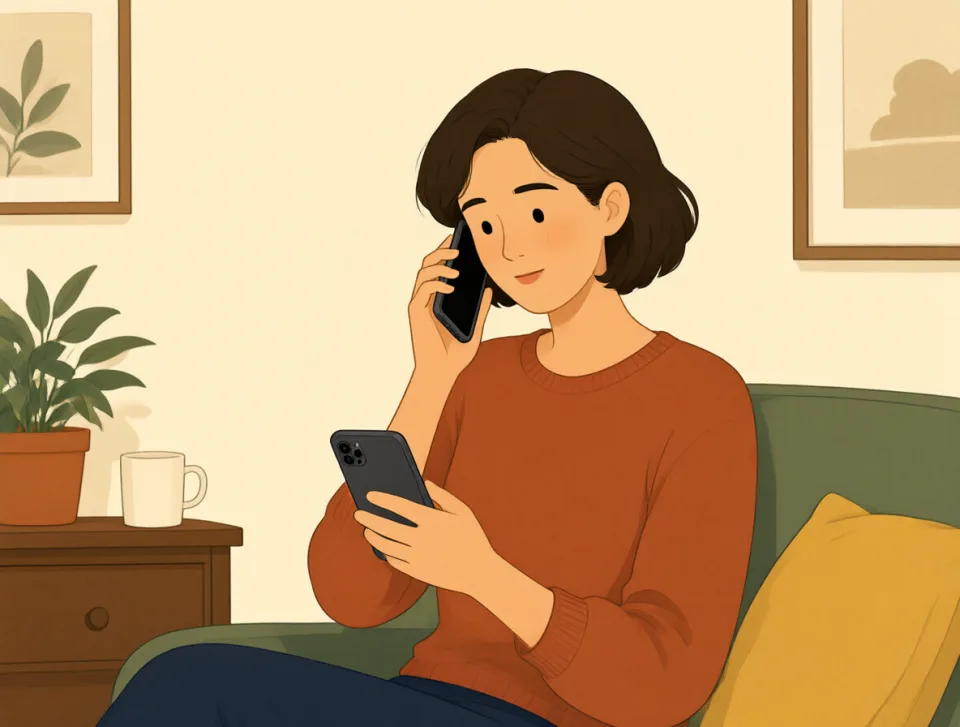
Call me if you need help.
اتصل بي إذا احتجت إلى مساعدة.
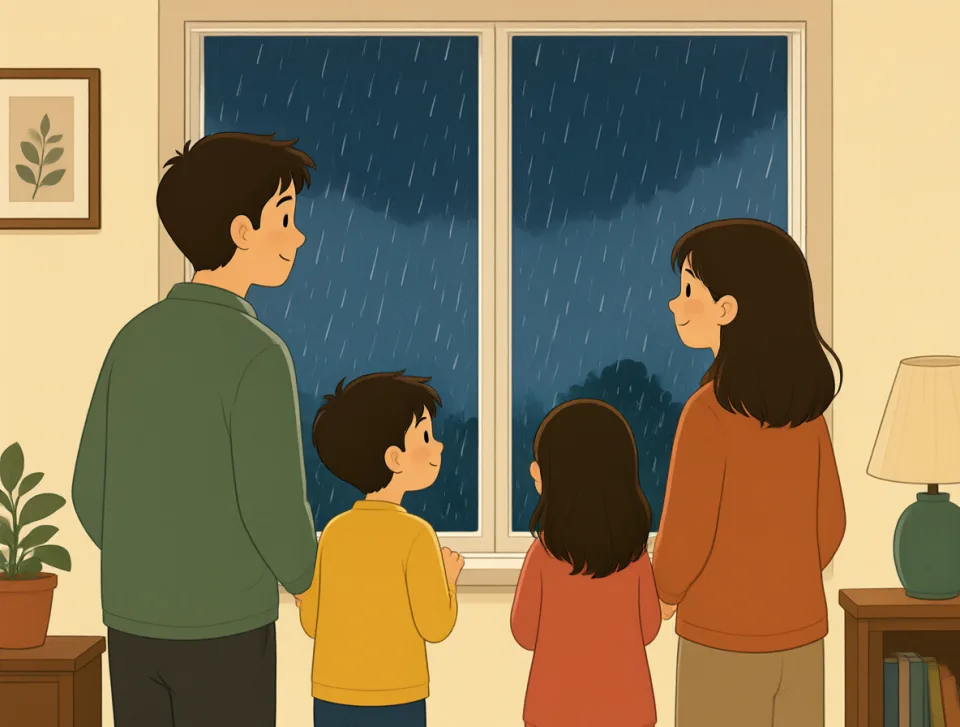
If it rains, we will stay home.
إذا أمطرت، فسنمكث في المنزل.

Ask the teacher if you have questions.
اسأل المعلم إذا كانت لديك أسئلة.

I will buy it if it is cheaper.
سأشتريه إذا كان أرخص.
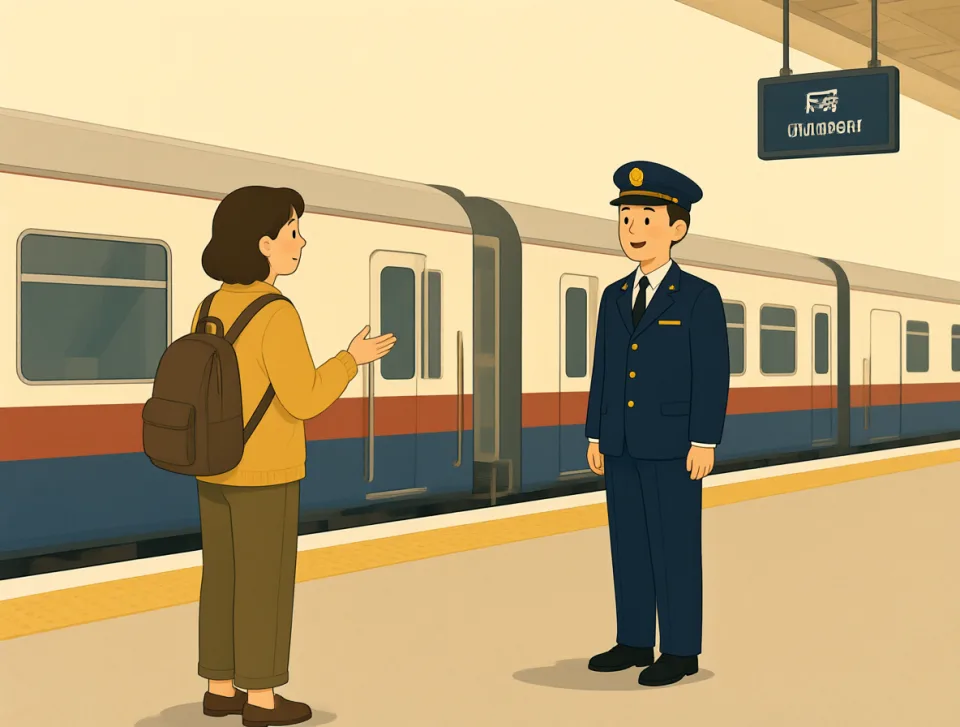
She asked if the train was late.
سألت عمّا إذا كان القطار متأخرًا.
one
#35number, noun, pronoun, determiner
واحد
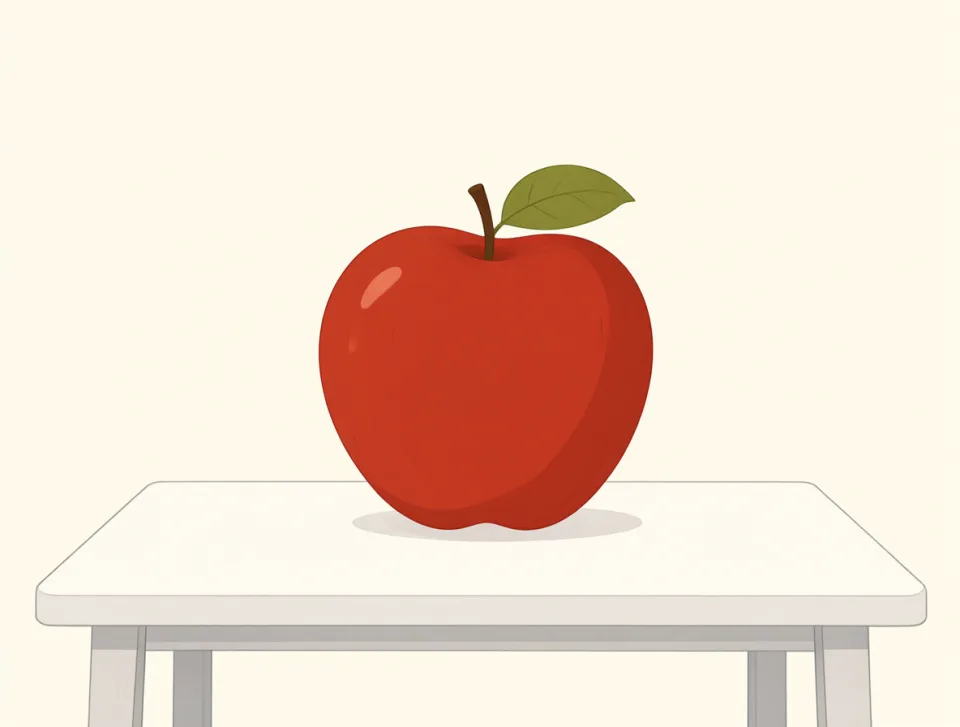
The number 1, or a single person or thing.
العدد ١، أو شخص أو شيء واحد.
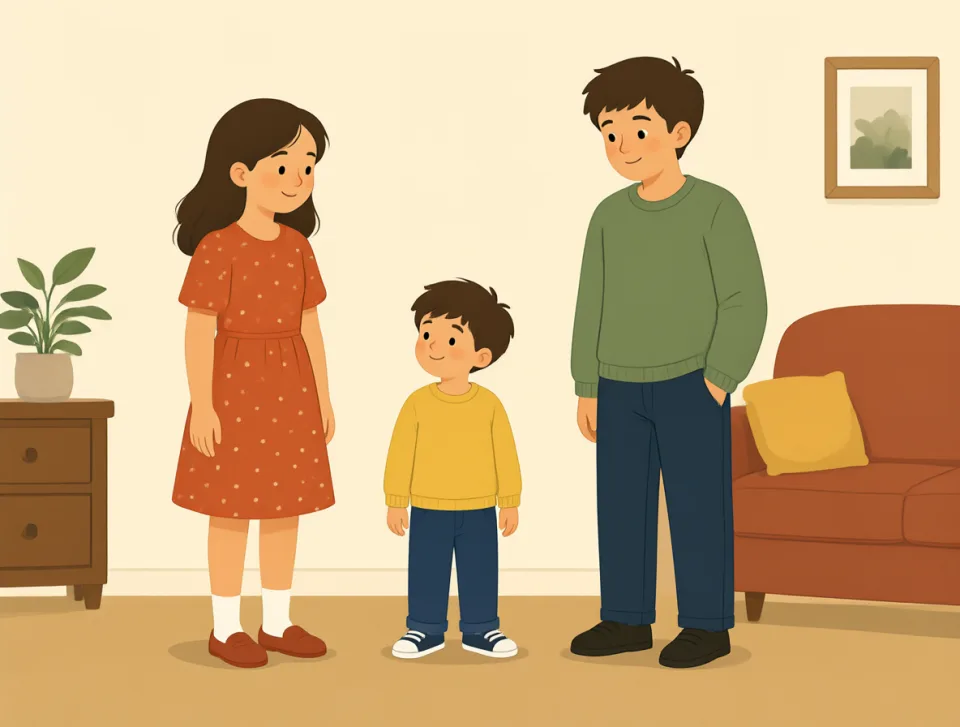
I have one sister and two brothers.
لدي أخت واحدة وأخوان.

Please give me one coffee.
من فضلك أعطني فنجان قهوة واحدًا.
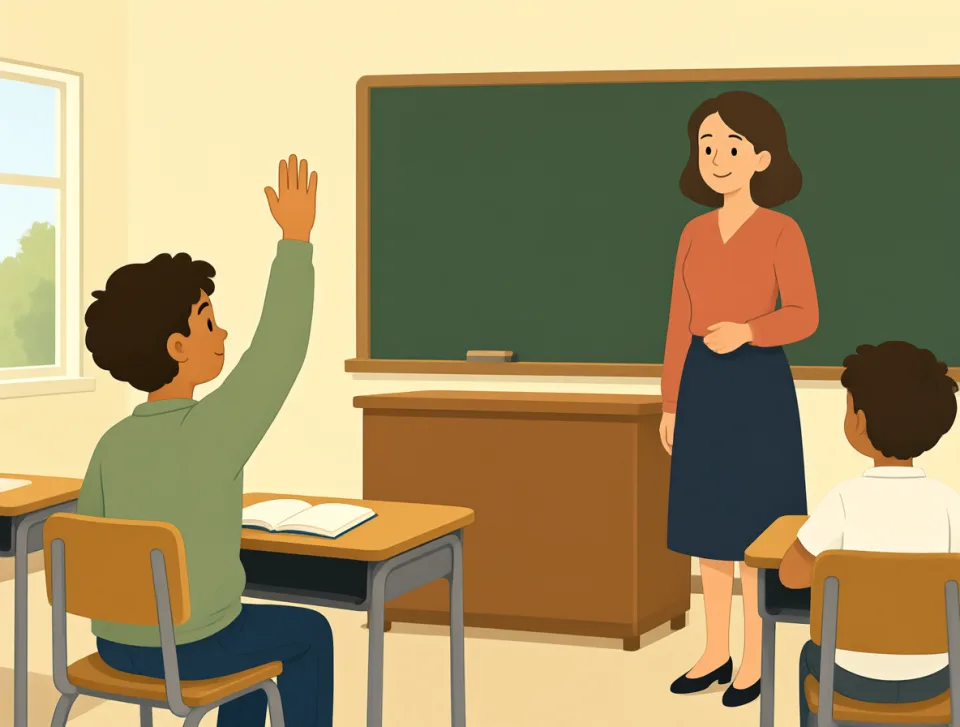
One student answered the teacher's question.
أجاب طالب واحد عن سؤال المعلم.
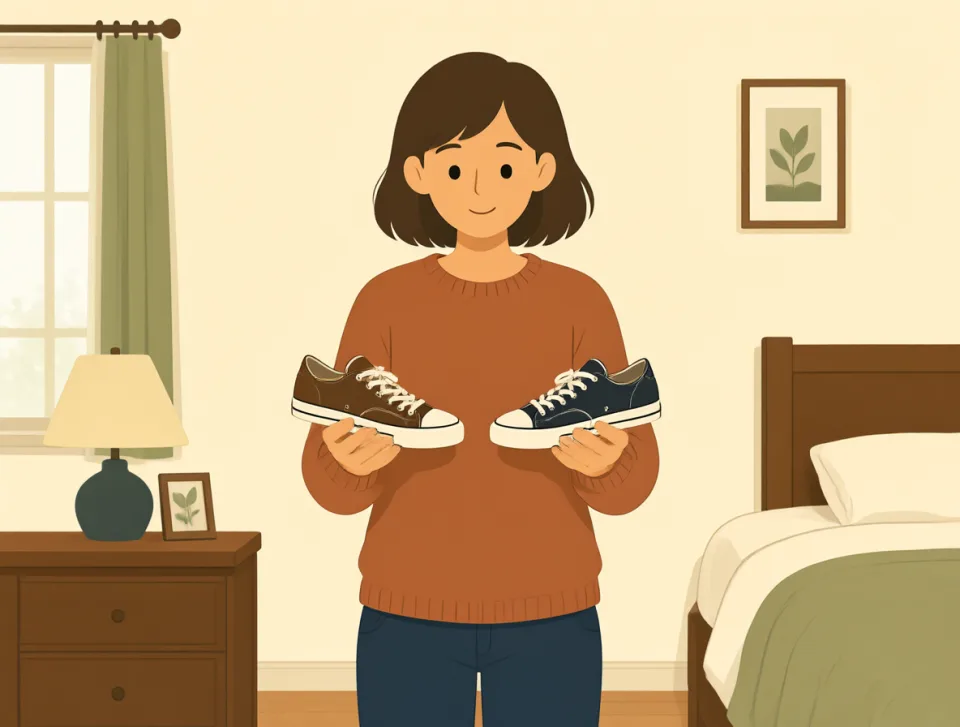
This shoe is smaller than the other one.
هذا الحذاء أصغر من الحذاء الآخر.

One day, we will travel around the world.
في يوم من الأيام، سنسافر حول العالم.

would
#36verb, modal verb
كان
Used to talk about wishes, imagined situations, polite requests, or repeated past actions.
تُستخدم للتعبير عن الرغبات أو المواقف الافتراضية أو الطلبات المهذبة أو الأفعال المتكررة في الماضي.
Would you like some coffee?
هل ترغب في بعض القهوة؟

I would like to book a room.
أودّ حجز غرفة.
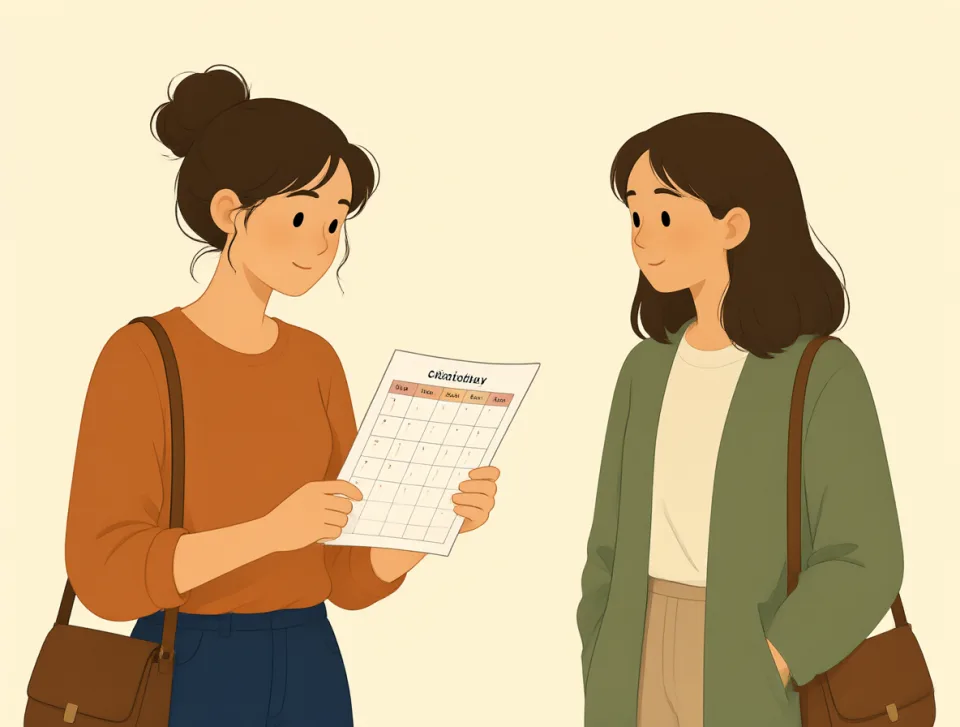
She would help if she had time.
كانت ستساعد لو كان لديها وقت.
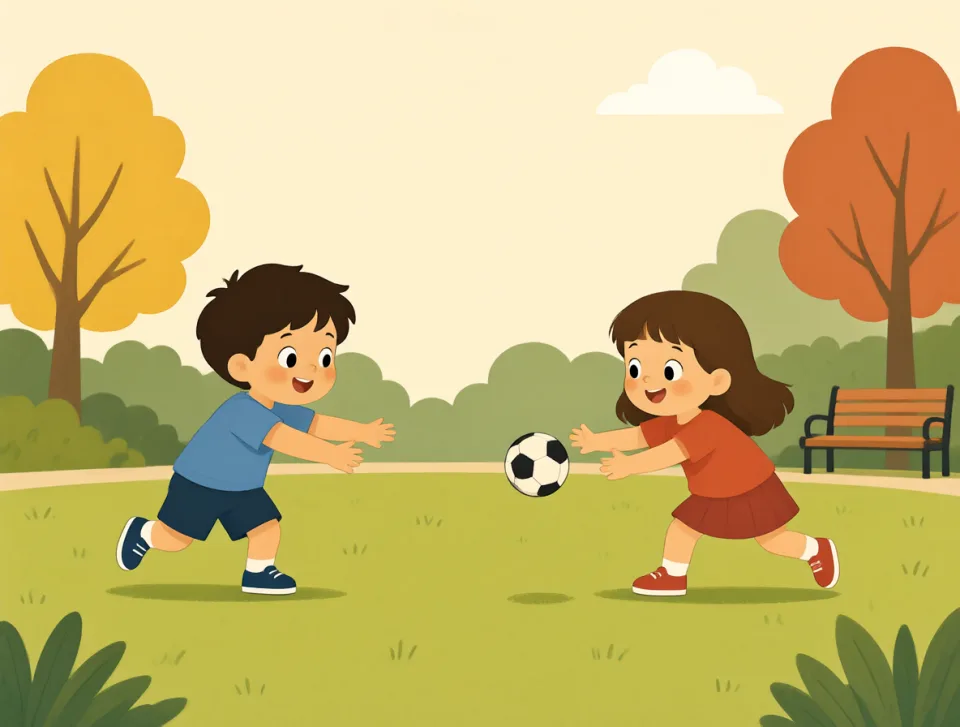
When we were children, we would play outside.
عندما كنا أطفالًا، كنا نلعب في الخارج.
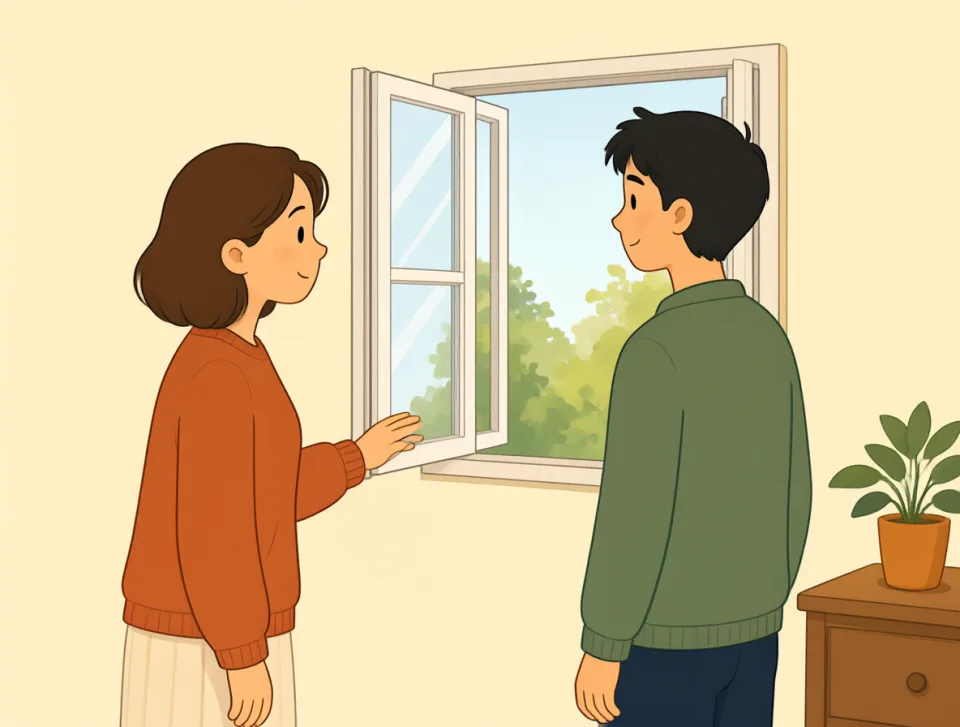
Would you please close the window?
هل يمكنك إغلاق النافذة من فضلك؟

about
#37adverb, preposition
عن
Used to say what someone or something concerns, or roughly where, when, or how much.
تُستخدم لبيان موضوع شخص أو شيء، أو للدلالة على مكان أو وقت أو مقدار تقريبي.
We talked about our plans after dinner.
تحدثنا عن خططنا بعد العشاء.
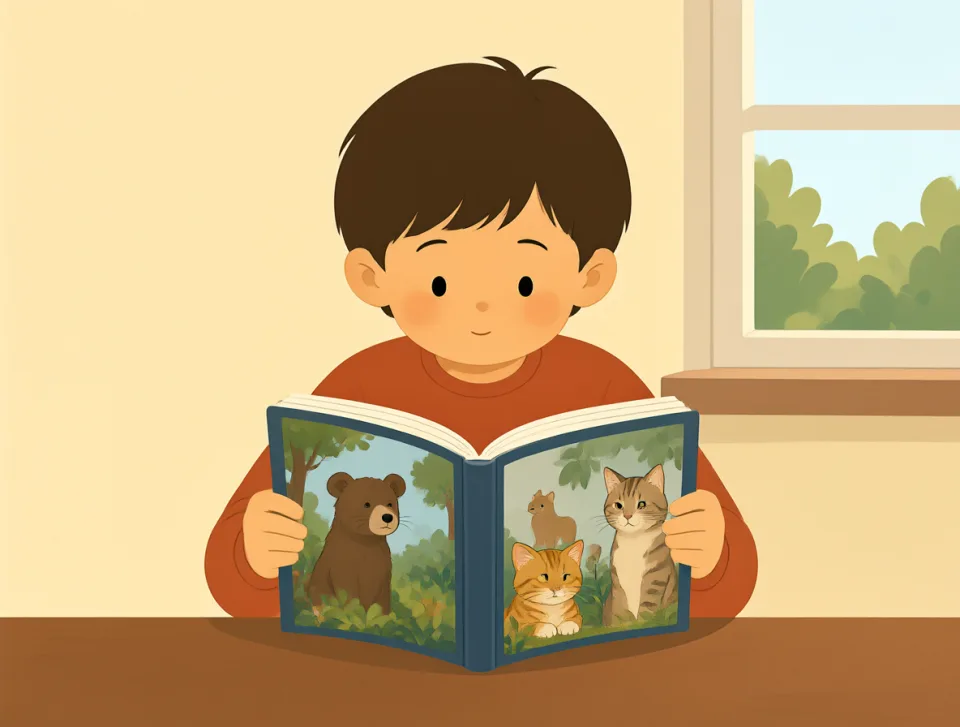
This book is about animals and nature.
يتناول هذا الكتاب الحيوانات والطبيعة.
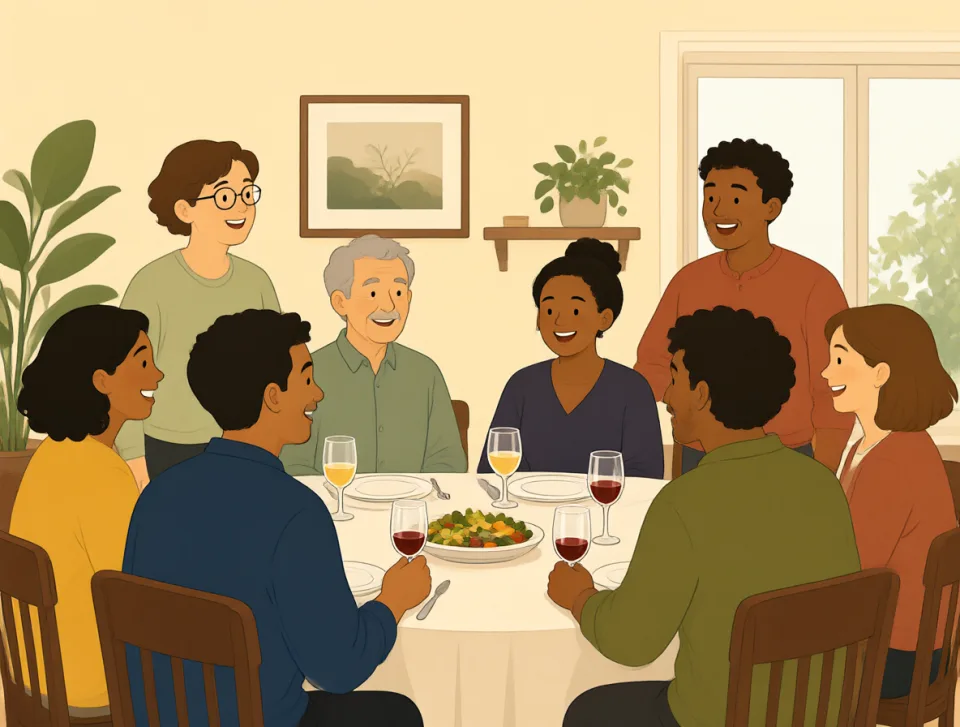
There were about twenty people at the party.
كان هناك نحو عشرين شخصًا في الحفلة.
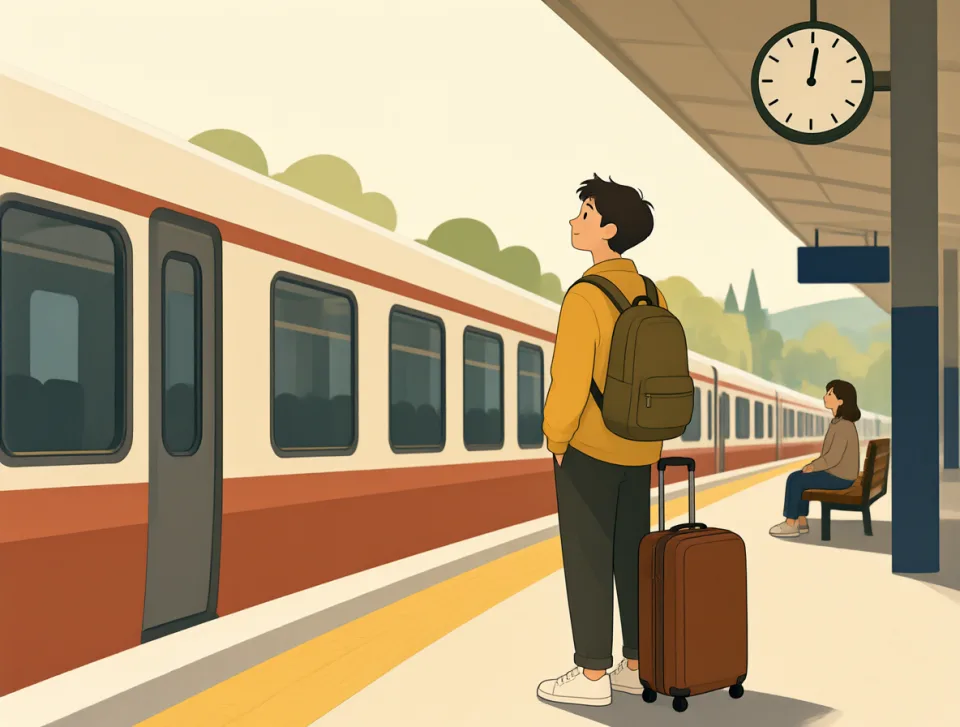
The train leaves at about eight o'clock.
يغادر القطار في نحو الساعة الثامنة.

I am worried about my sick dog.
أنا قلق بشأن كلبي المريض.
can
#38noun, verb, modal verb
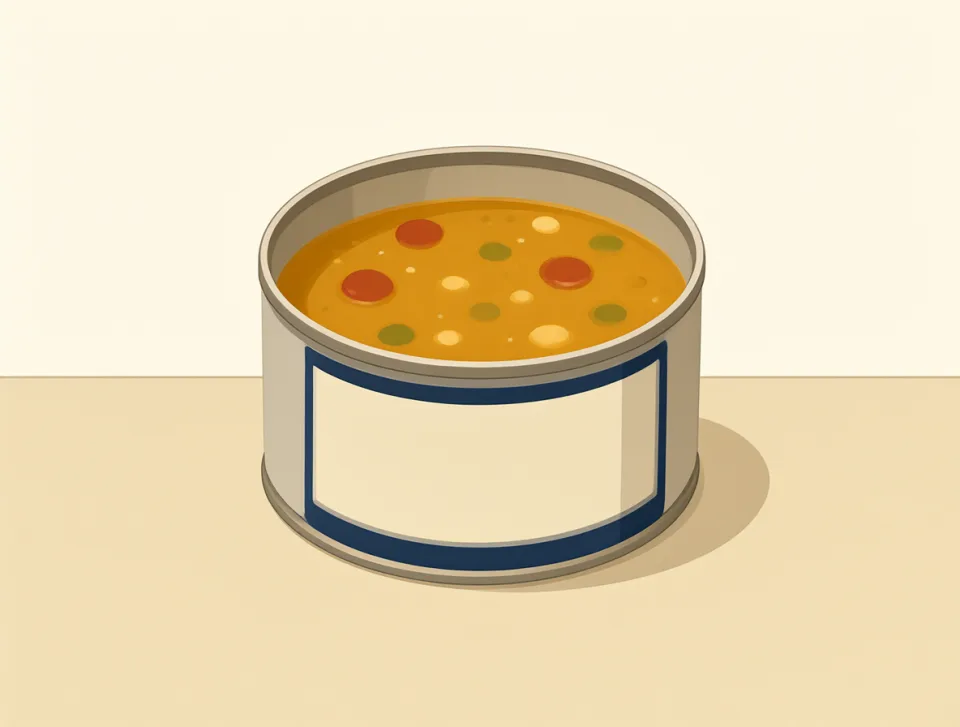
علبة معدنية؛ يُعلّب
A metal container; or to put food or drink into a metal container.
وعاء معدني، أو وضع الطعام أو الشراب في وعاء معدني.

I can help you with your homework.
يمكنني مساعدتك في واجبك المنزلي.
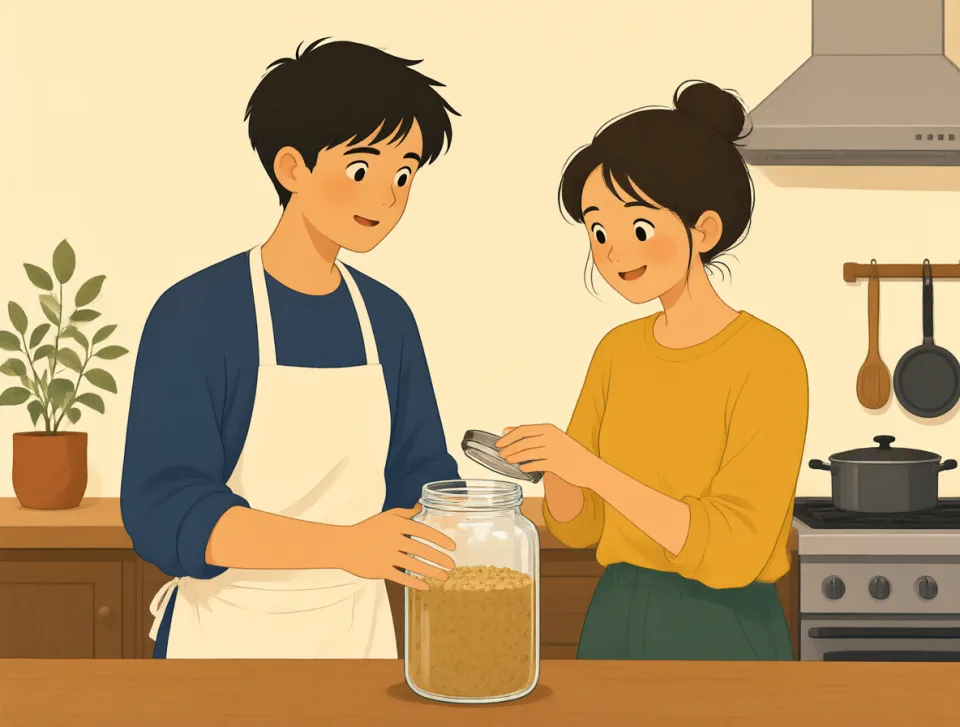
Can you open this jar for me?
هل يمكنك فتح هذا المرطبان من أجلي؟
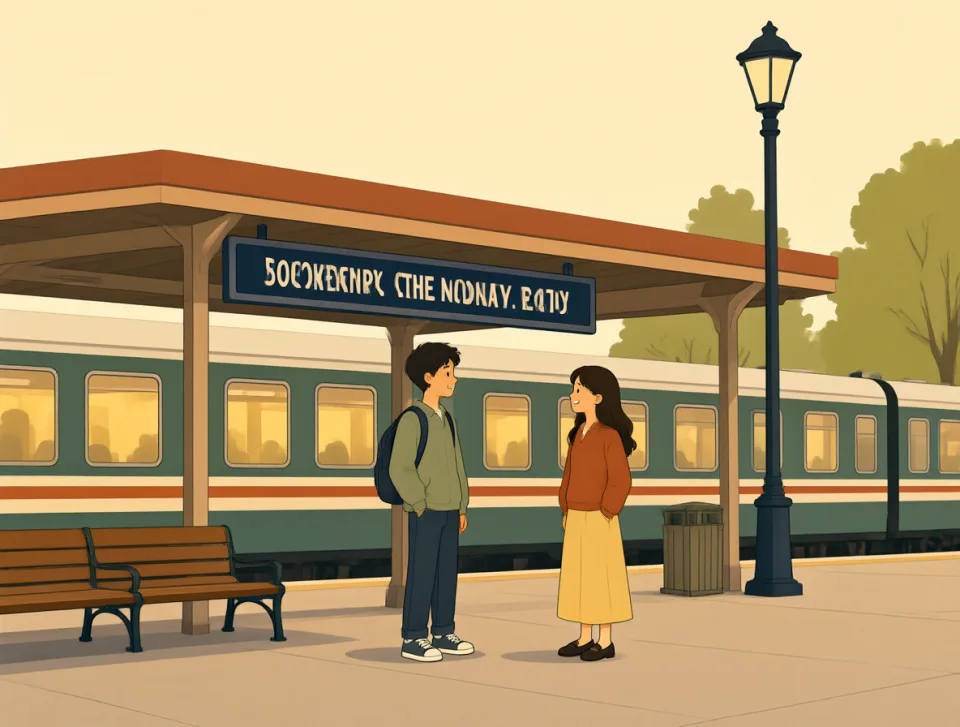
We can meet at the station at six.
يمكننا أن نلتقي في المحطة عند الساعة السادسة.
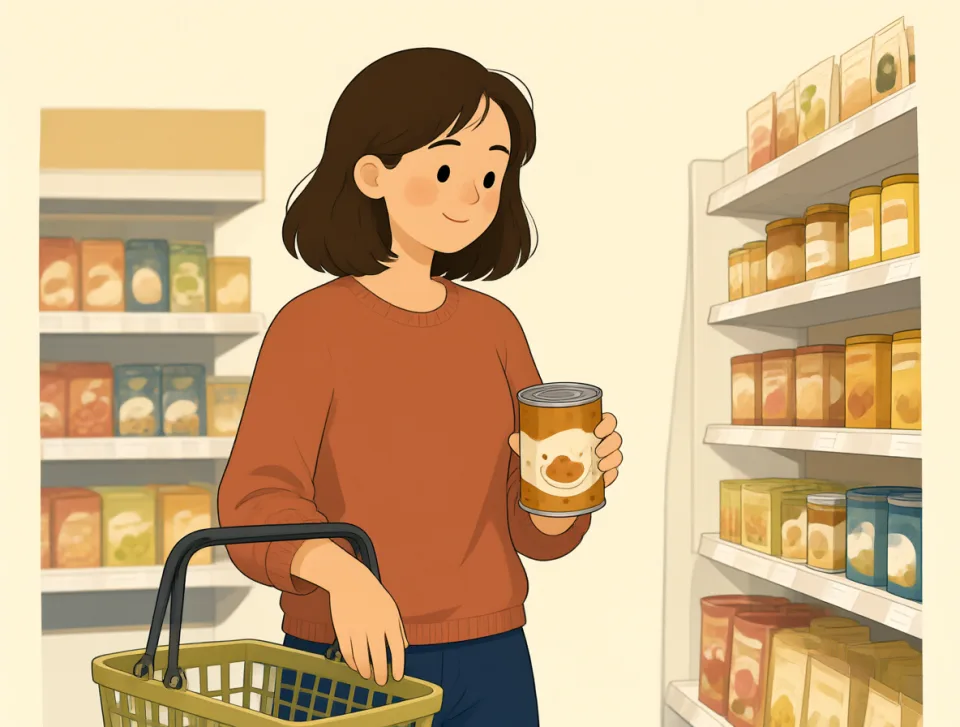
She bought a can of soup for lunch.
اشترت علبة حساء للغداء.
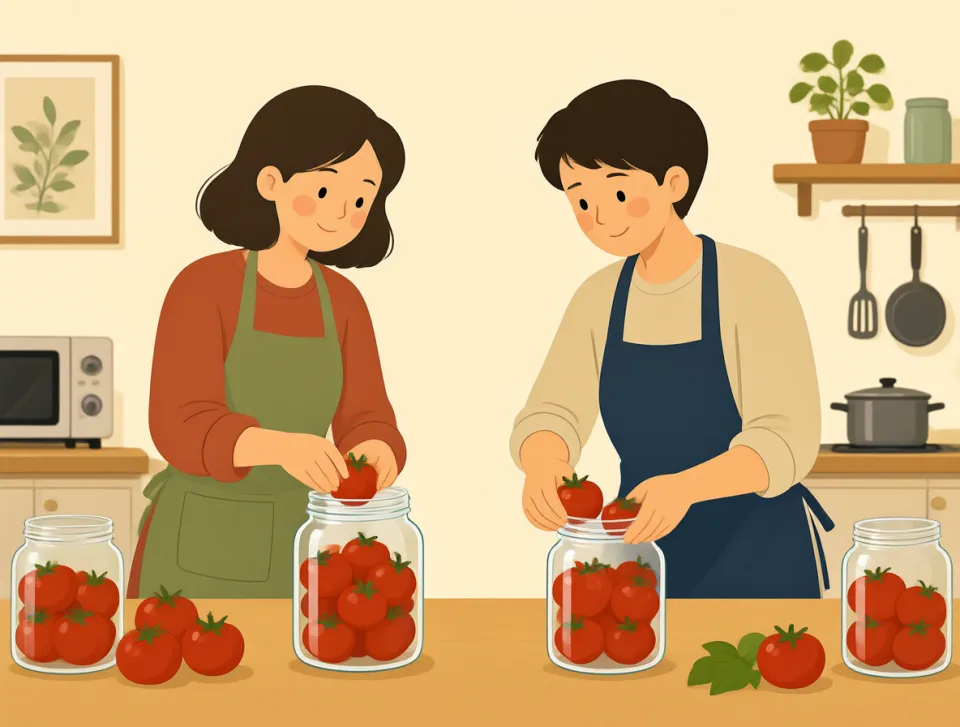
They canned the fresh tomatoes last summer.
علّبوا الطماطم الطازجة في الصيف الماضي.

which
#39pronoun, determiner
أيّ
Used to ask or show which person or thing you mean.
تُستخدم للسؤال عن الشخص أو الشيء المقصود أو لتحديده.
Which shirt do you like best?
أيّ قميص يعجبك أكثر؟
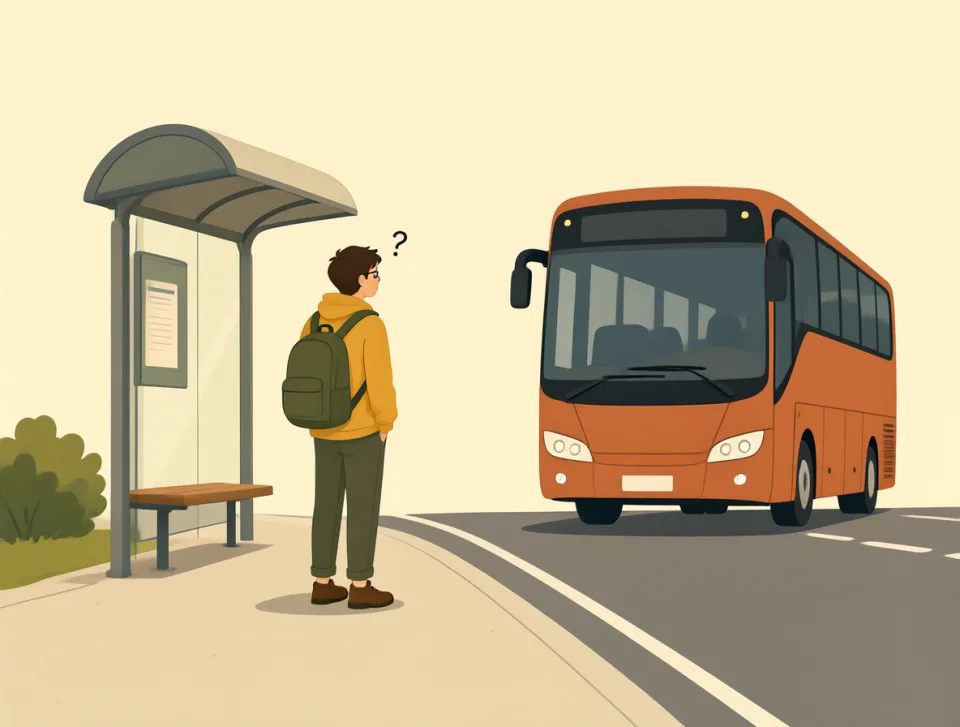
I forgot which bus goes downtown.
نسيت أيّ حافلة تذهب إلى وسط المدينة.
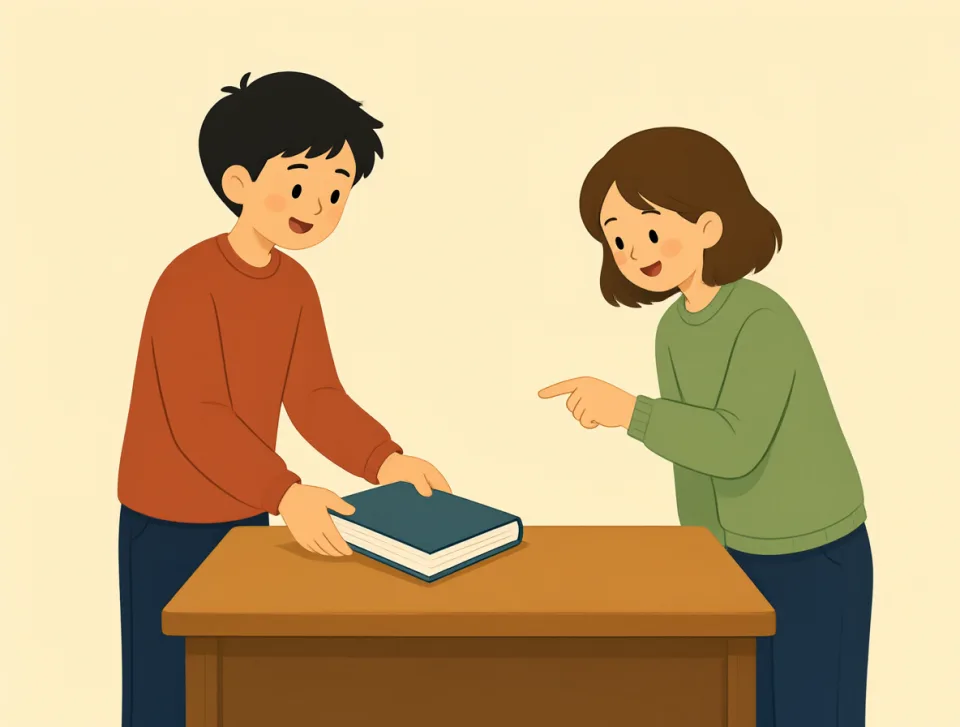
She chose the book which I recommended.
اختارت الكتاب الذي أوصيت به.
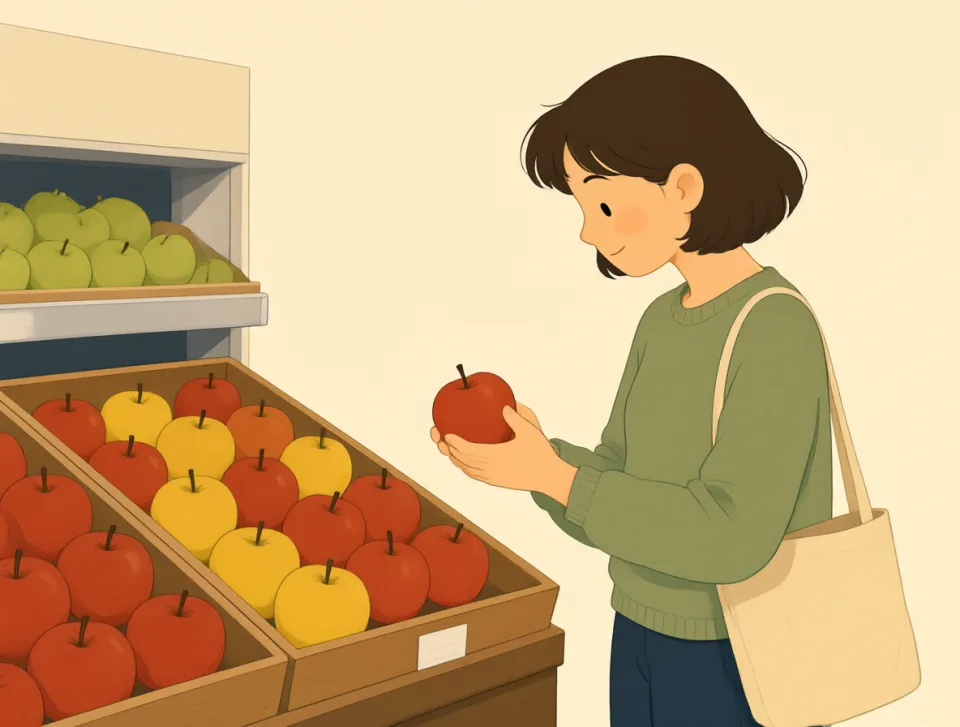
Which of these apples are fresh?
أيّ هذه التفاحات طازجة؟
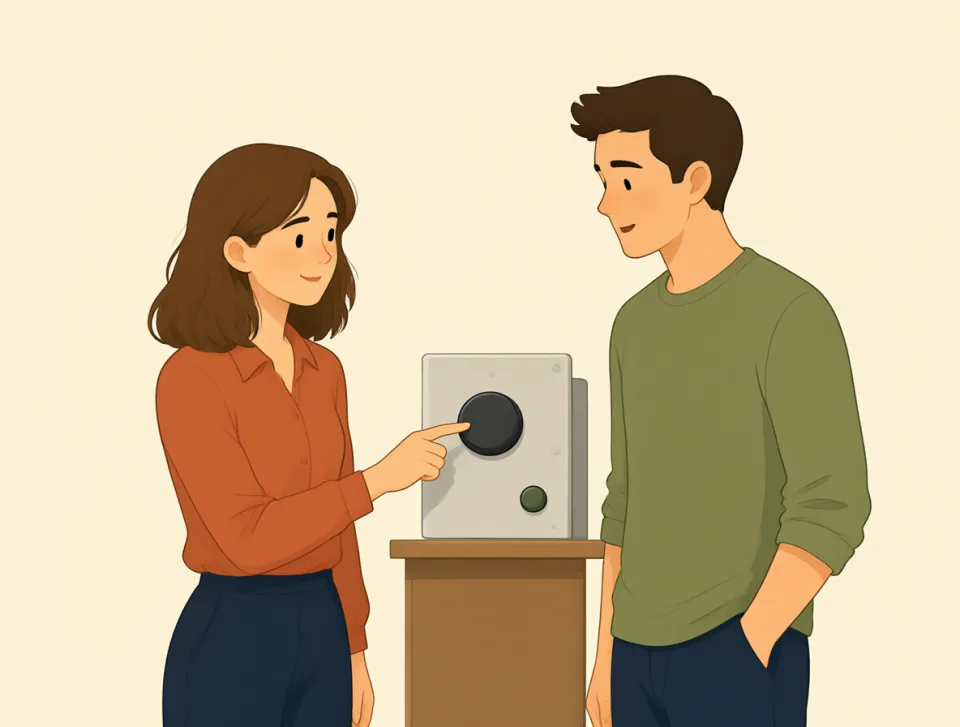
He explained which button to press.
شرح أيّ زر يجب الضغط عليه.
there
#40adverb, pronoun, determiner
هناك
In, at, or to that place; used to show that something exists.
في ذلك المكان أو عنده أو إليه؛ وتُستخدم أيضًا للدلالة على وجود شيء.
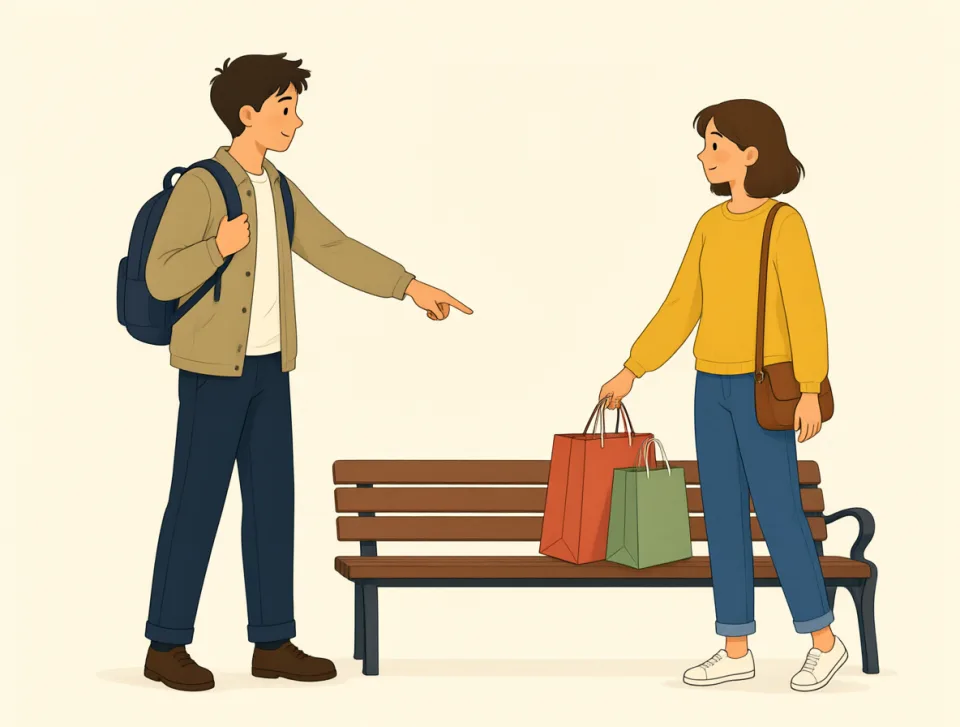
Please put the bags over there.
من فضلك ضع الحقائب هناك.
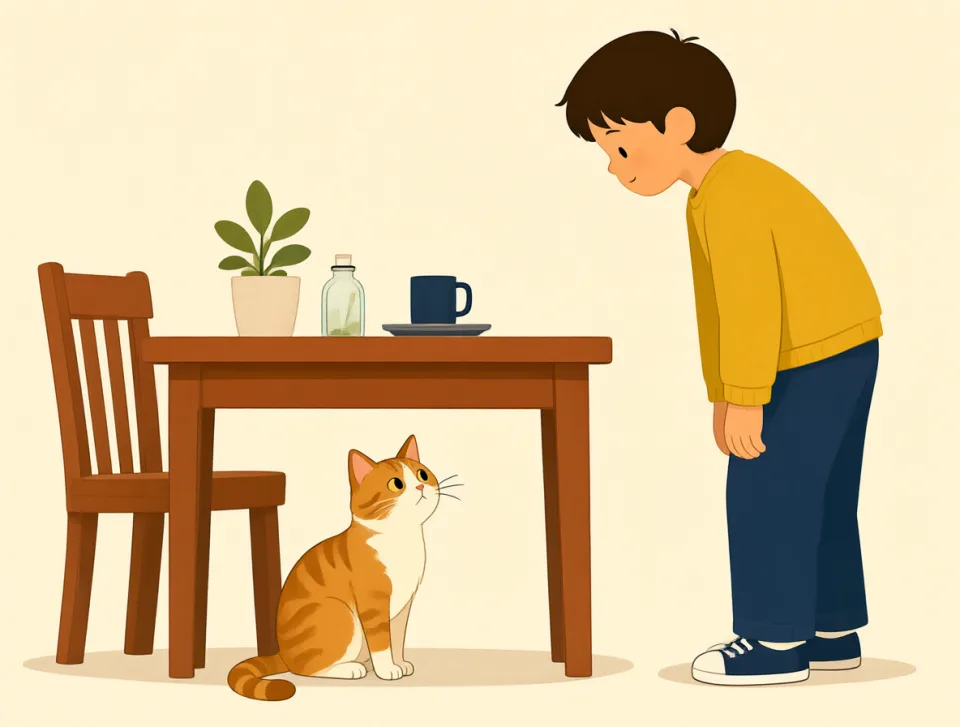
There is a cat under the table.
هناك قطة تحت الطاولة.
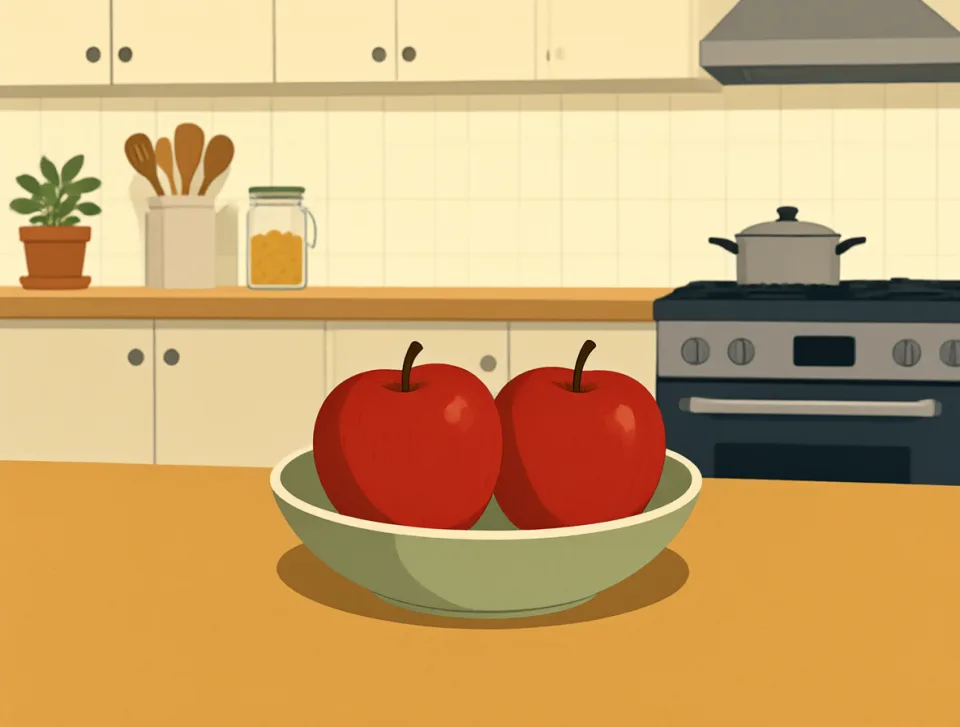
There are two apples in the bowl.
هناك تفاحتان في الوعاء.

We waited there for the bus.
انتظرنا الحافلة هناك.
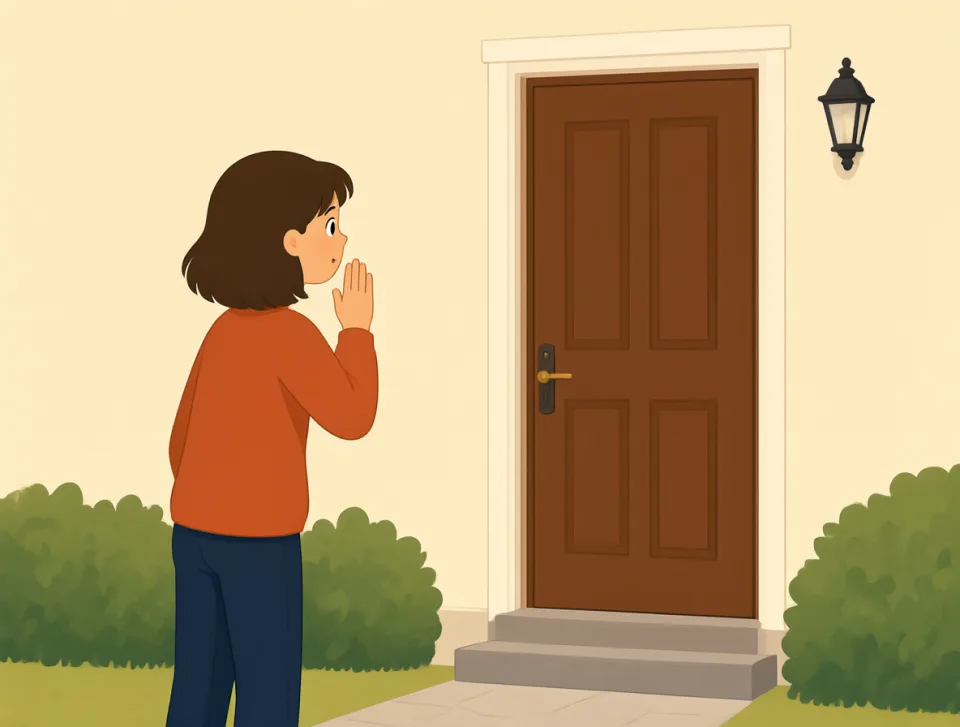
Is anyone there?
هل يوجد أحد هناك؟