Блок 88
Слова 1741–1760 · chart, attach, hell, everywhere, advise, household
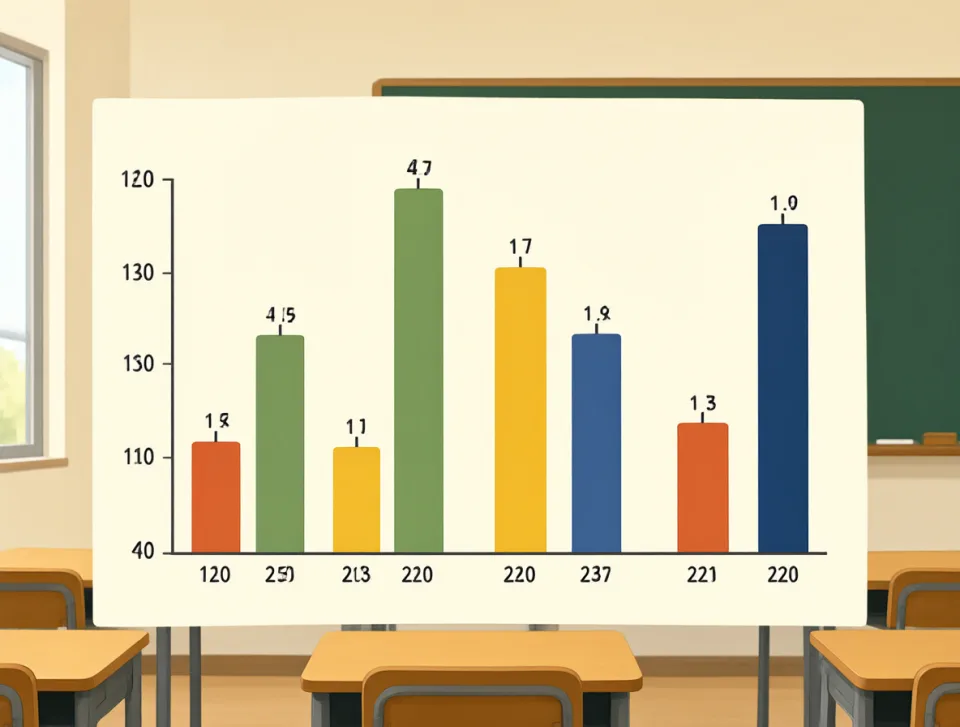
chart
#1741noun, verb
диаграмма
A drawing that shows information, or to record information on a chart.
Изображение, наглядно представляющее данные; также глагол — заносить данные в диаграмму.
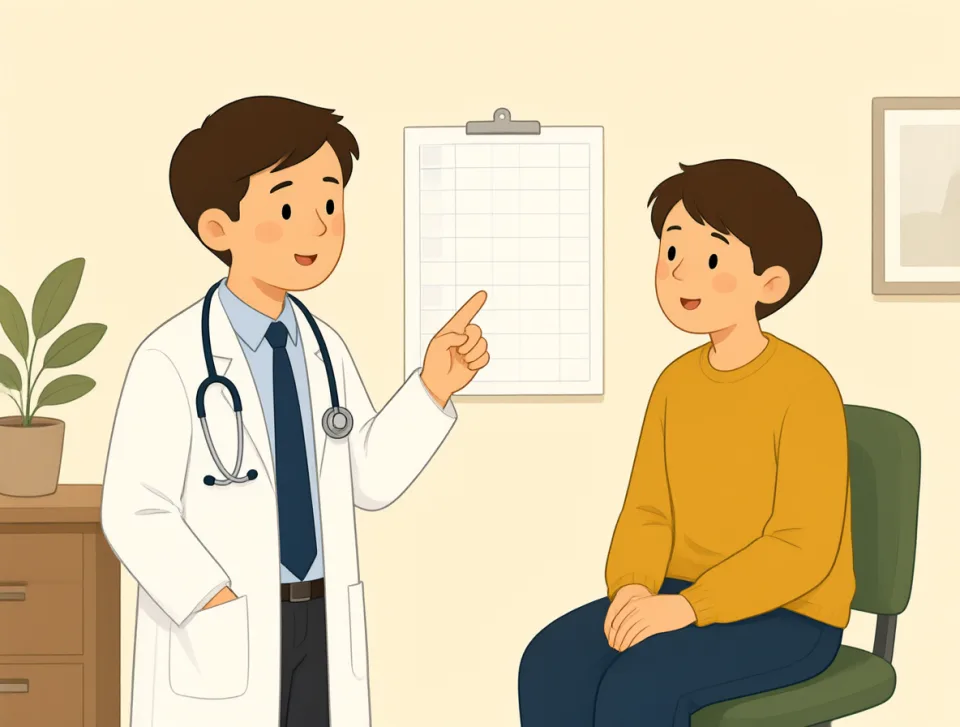
The doctor showed me a chart of my blood pressure.
Врач показал мне диаграмму моего артериального давления.

The weather chart predicts rain for most of the week.
Согласно погодной карте, большую часть недели будут идти дожди.

Our teacher asked us to make a chart about healthy foods.
Учитель попросил нас составить диаграмму о здоровом питании.

The song quickly climbed the charts after its release.
После выхода песня быстро поднялась в музыкальных чартах.
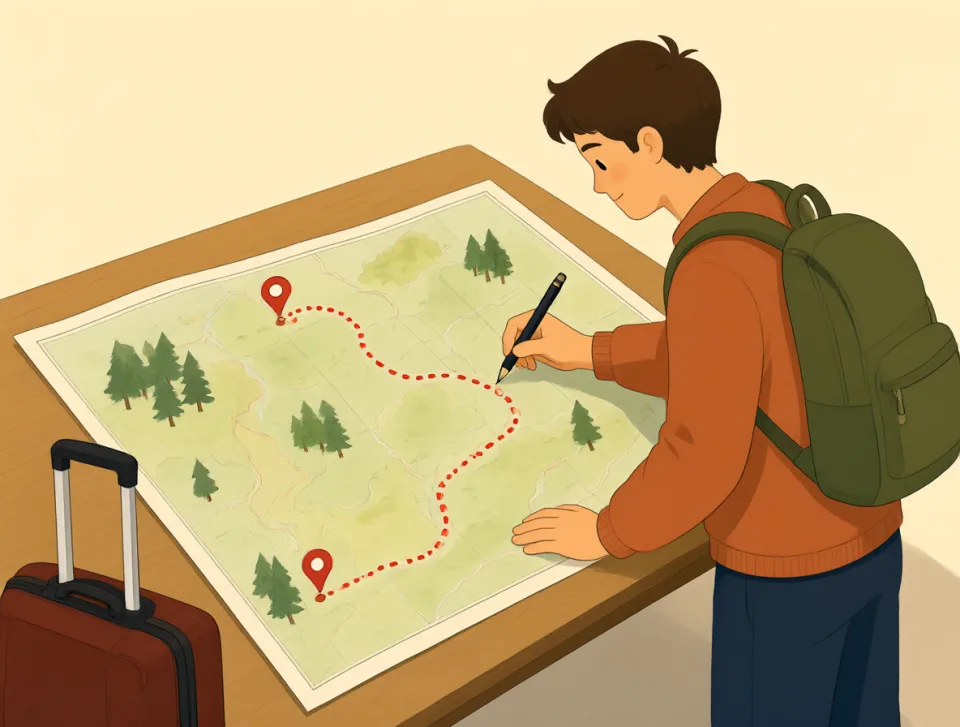
She charted our journey on a map before we left.
Перед отъездом она отметила наш маршрут на карте.

attach
#1742verb
прикреплять
to join one thing to another, or fasten something so it stays in place
Соединять или скреплять что-либо с чем-либо так, чтобы оно держалось на месте.

Please attach the file to your email before sending it.
Перед отправкой прикрепите файл к письму.
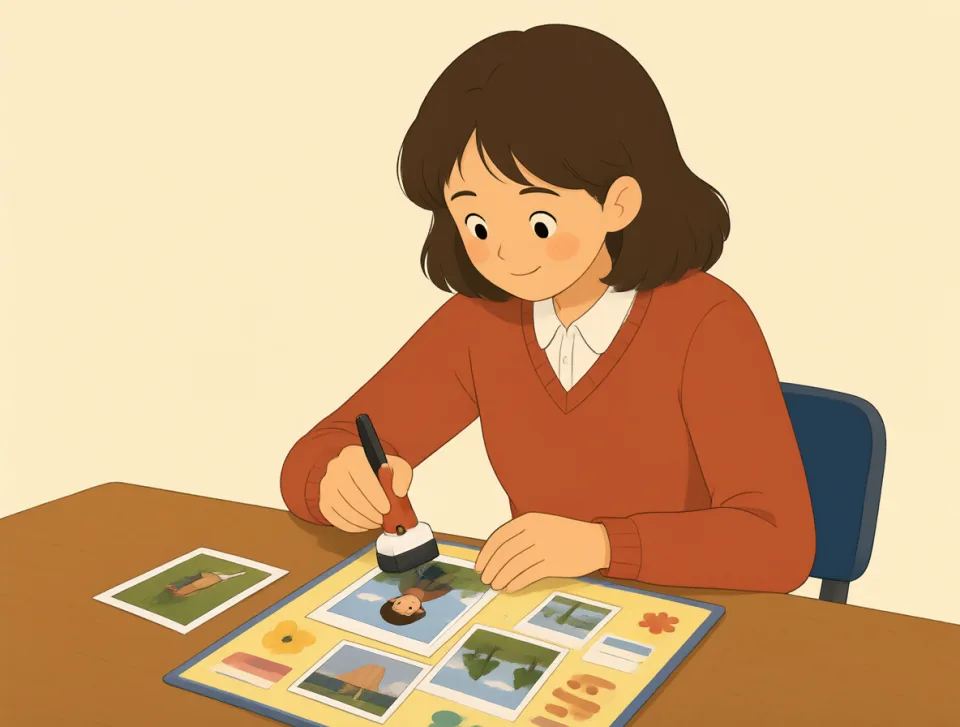
She attached a photo to her school project.
Она прикрепила фотографию к школьному проекту.
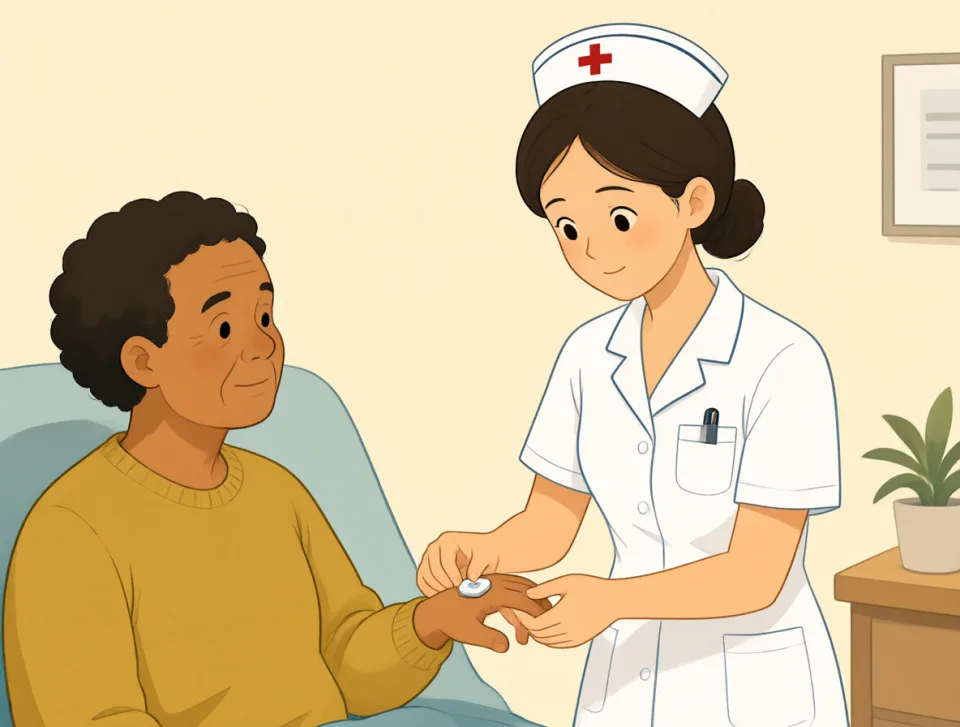
The nurse attached a small sensor to his finger.
Медсестра прикрепила небольшой датчик к его пальцу.

We attached the price tag to the new jacket.
Мы прикрепили ценник к новой куртке.
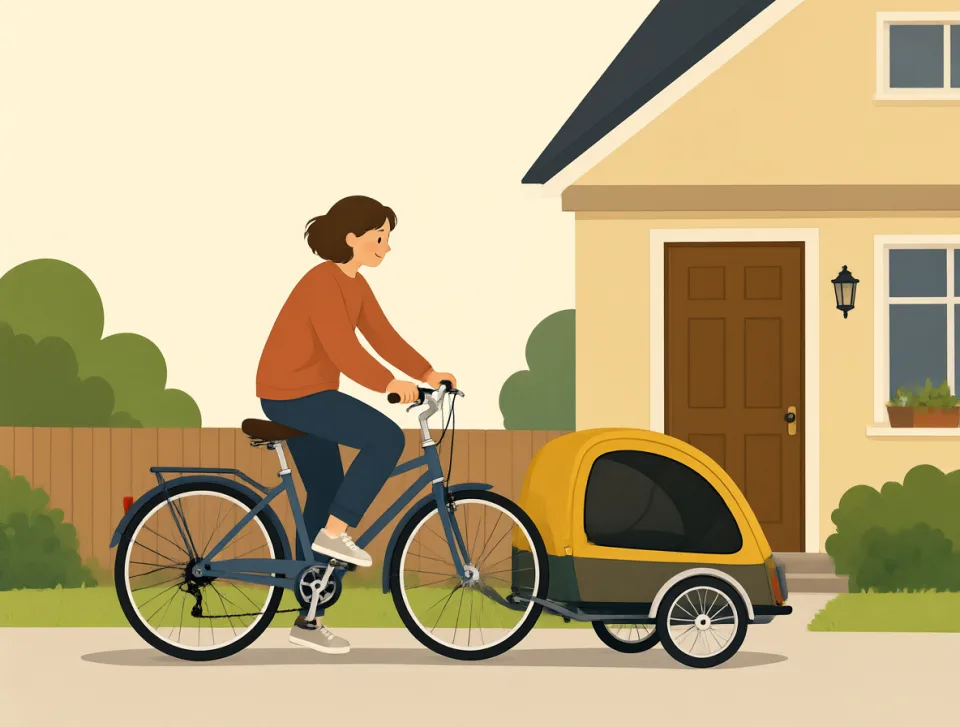
He attached the bicycle trailer before riding to the park.
Перед поездкой в парк он прицепил к велосипеду прицеп.

hell
#1743noun, interjection
ад
a place believed to be where bad people suffer after death; also used to show anger or surprise
Место, где, согласно верованиям, после смерти страдают грешники; также используется для выражения гнева или удивления.

He thought he would go to hell for his terrible actions.
Он думал, что за свои ужасные поступки попадёт в ад.

What the hell are you doing in my room?
Какого чёрта ты делаешь в моей комнате?
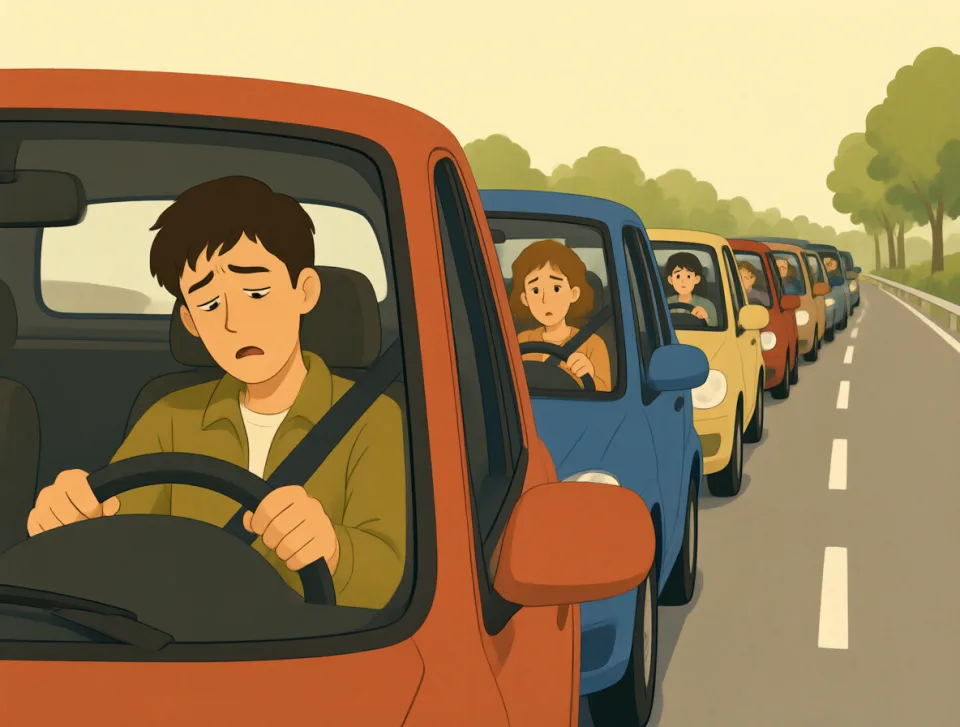
This traffic is driving me to hell today.
Сегодня из-за этих пробок я просто в аду.

The hikers walked through hell during the hot desert journey.
Во время путешествия по жаркой пустыне туристам пришлось пройти через настоящий ад.
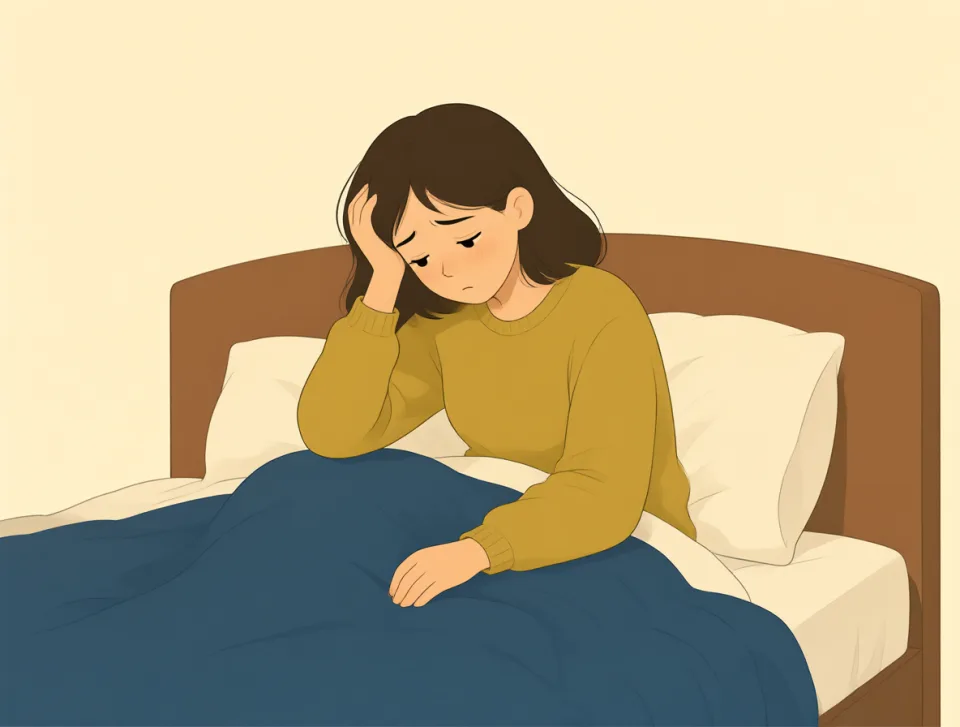
She felt like hell after staying awake all night.
После бессонной ночи она чувствовала себя ужасно.

everywhere
#1744adverb
везде
in or to every place
Во всех местах или в любое место.
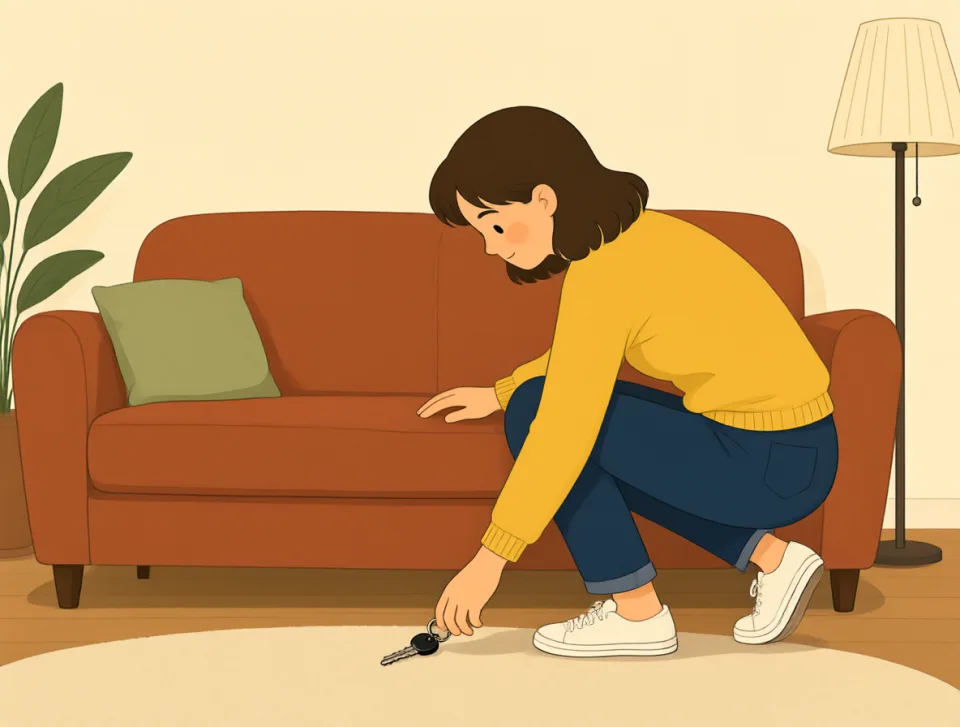
I looked everywhere for my missing keys this morning.
Сегодня утром я обыскал всё вокруг в поисках пропавших ключей.

You can find small cafés everywhere in this city.
В этом городе повсюду можно найти небольшие кафе.
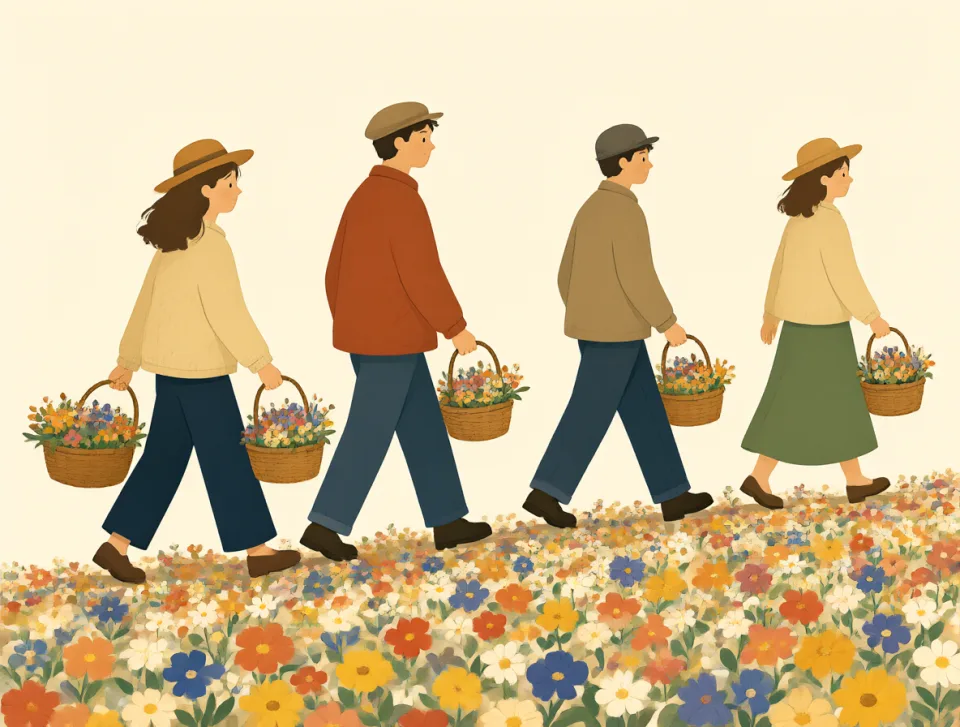
There were flowers everywhere at the spring festival.
На весеннем фестивале повсюду были цветы.
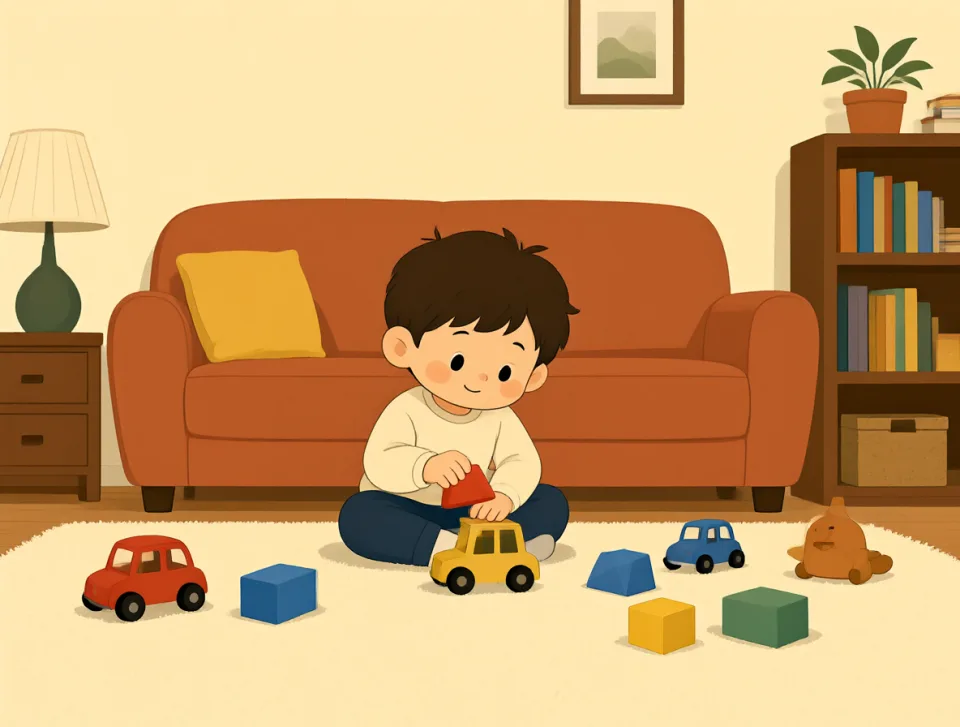
My little brother leaves his toys everywhere in the house.
Мой младший брат разбрасывает игрушки по всему дому.

After the storm, fallen branches were lying everywhere.
После шторма повсюду валялись упавшие ветки.

advise
#1745verb
советовать
to tell someone what you think they should do
Говорить кому-либо, как, по вашему мнению, ему следует поступить.
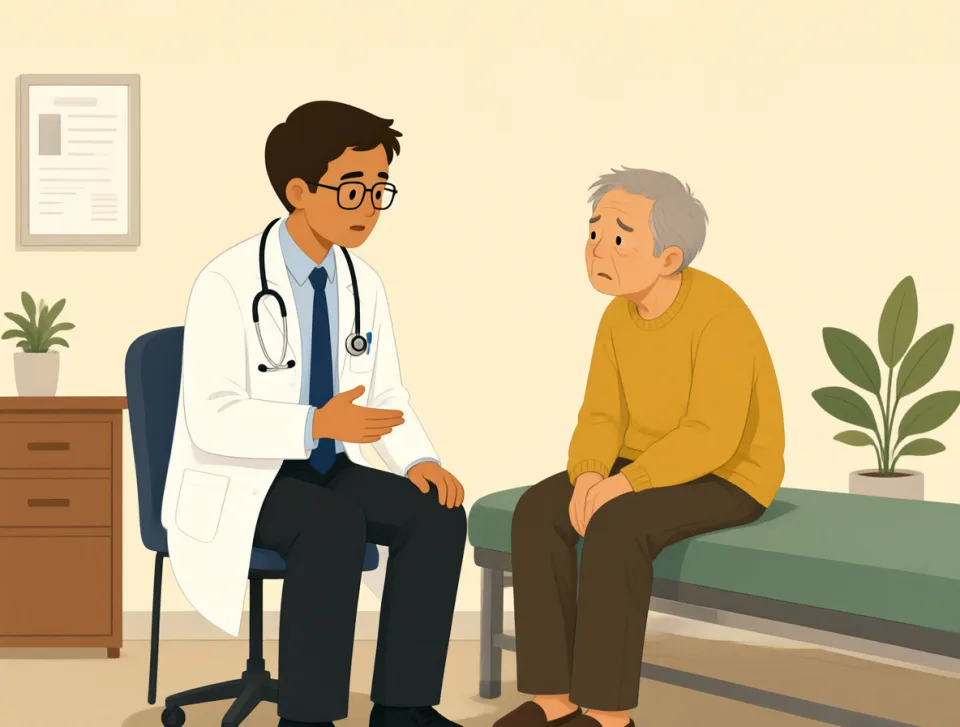
My doctor advised me to get more sleep.
Мой врач посоветовал мне больше спать.

I advise you to book your hotel early.
Я советую тебе забронировать отель заранее.

The teacher advised us to study for the test.
Учитель посоветовал нам подготовиться к контрольной.

Can you advise me on which jacket to buy?
Можешь посоветовать, какую куртку купить?
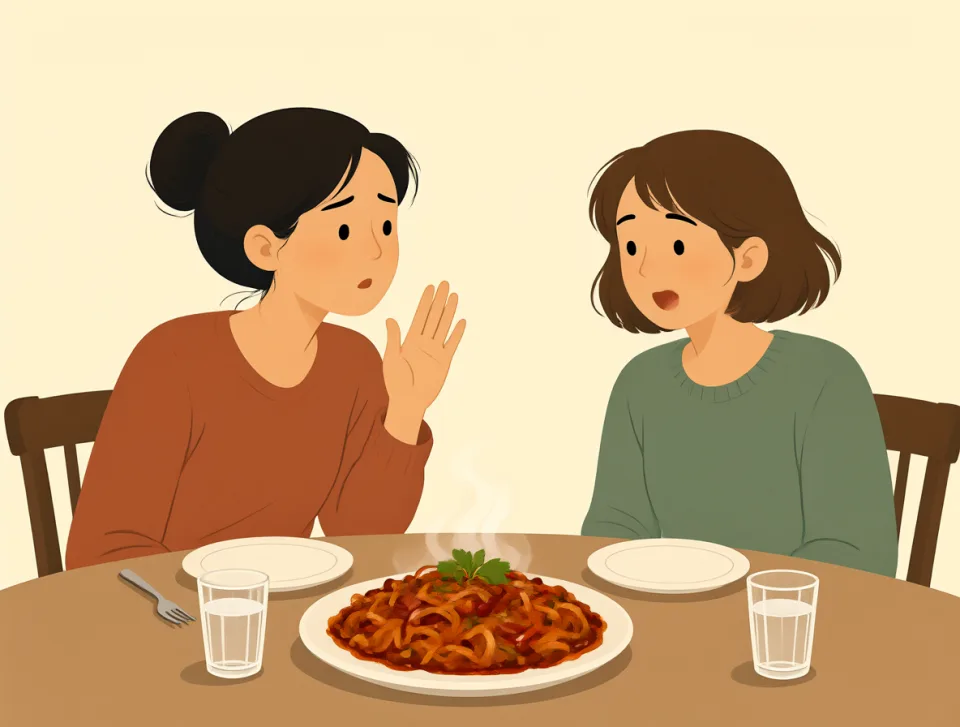
She advised against eating too much spicy food.
Она не советовала есть слишком много острой пищи.

household
#1746noun, adjective
домашнее хозяйство
A home and the people who live together in it.
Дом и люди, которые живут в нём вместе.
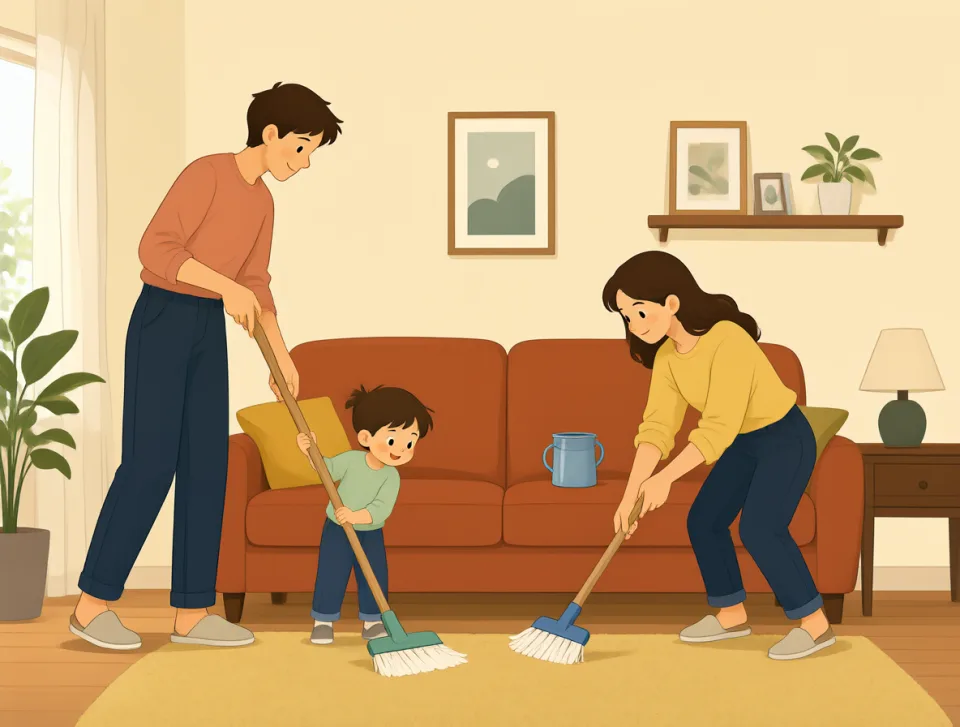
Everyone in our household helps clean the house on Saturday.
Все в нашей семье помогают убирать дом по субботам.
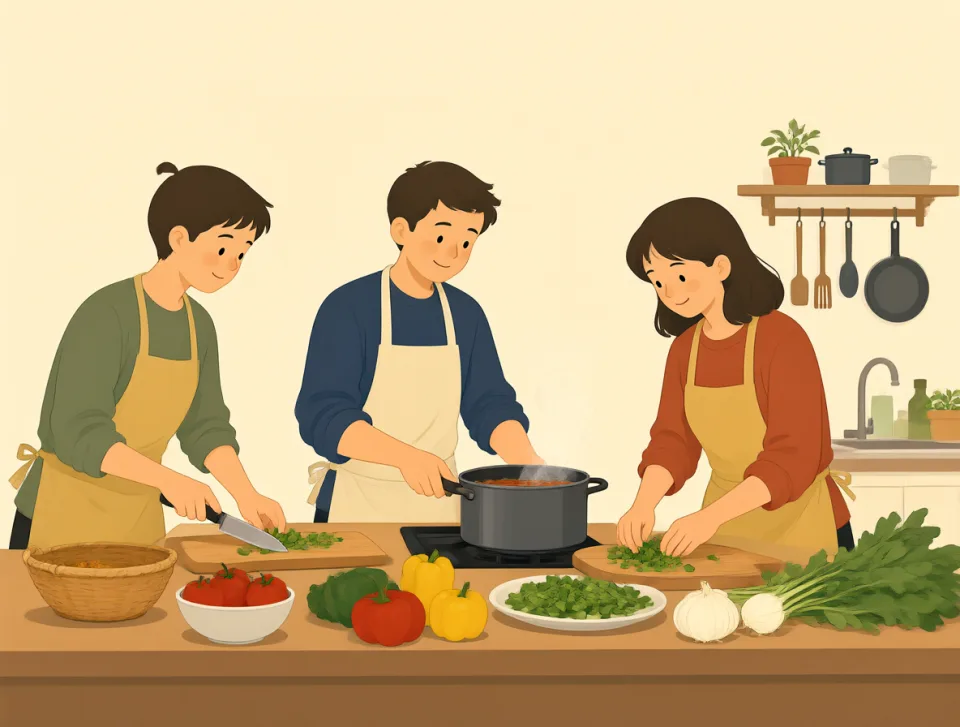
Our household spends less money when we cook at home.
Мы тратим меньше денег, когда готовим дома.

The store sells household goods like towels, plates, and lamps.
В магазине продаются товары для дома, например полотенца, тарелки и лампы.
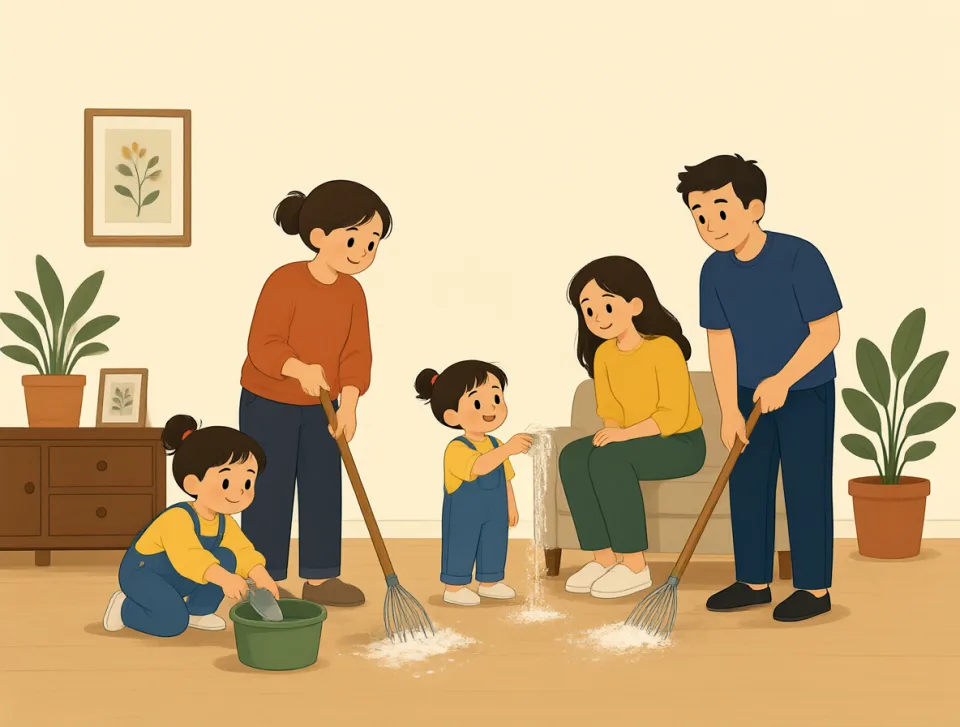
Household chores can be easier when everyone shares them.
С домашними делами справляться легче, когда все распределяют их между собой.

The doctor asked about household members with similar health problems.
Врач спросил, есть ли среди членов семьи люди с похожими проблемами со здоровьем.

acknowledge
#1747verb
признавать
to accept or show that something is true, important, or real
Принимать или показывать, что что-то правда, важно или действительно существует.

She smiled to acknowledge her neighbor across the street.
Она улыбнулась соседу на другой стороне улицы, показывая, что заметила его.

The manager acknowledged my hard work during the meeting.
Во время встречи руководитель отметил, как усердно я работал.

Please acknowledge that you received the package.
Пожалуйста, подтвердите, что получили посылку.

He finally acknowledged that he had made a mistake.
Наконец он признал, что совершил ошибку.
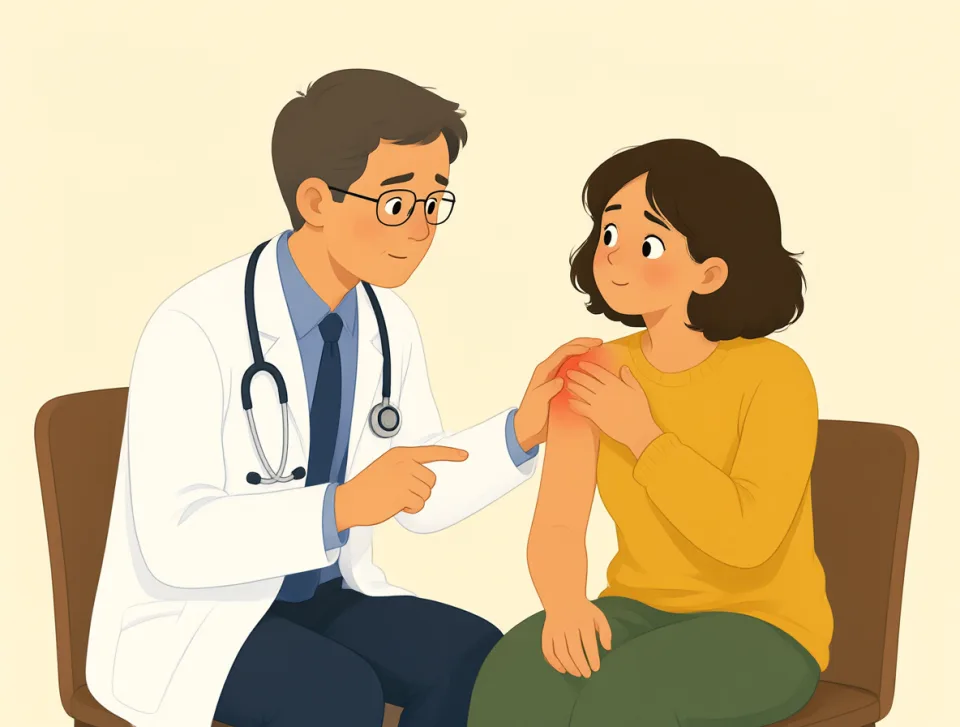
The doctor acknowledged her pain and offered helpful treatment.
Врач признал, что она испытывает боль, и предложил подходящее лечение.
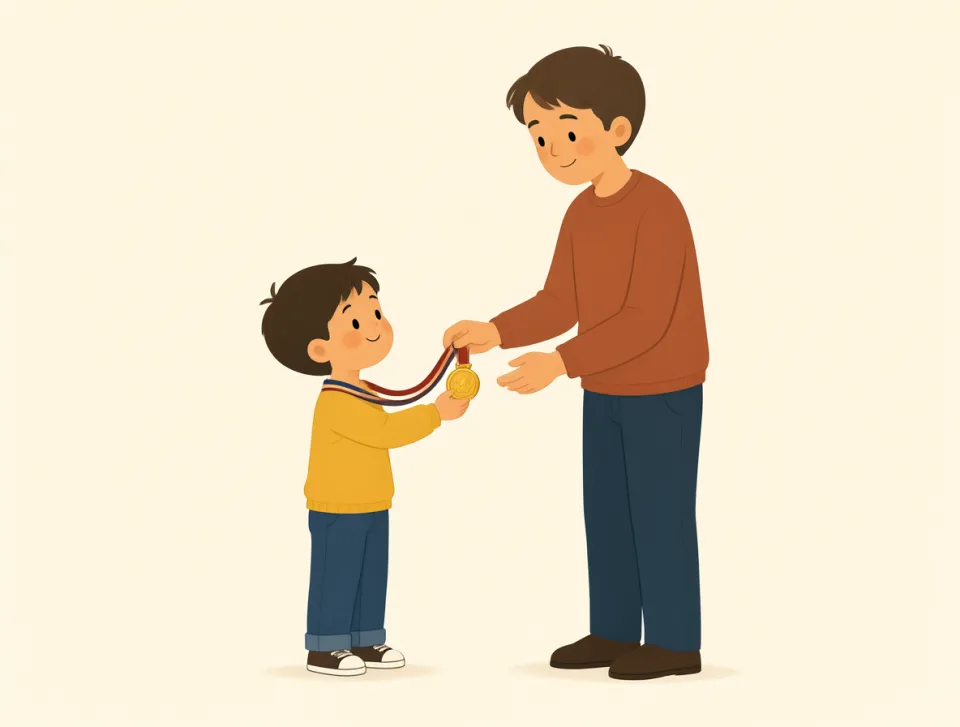
reward
#1748noun, verb
награда
Something given for good work or behavior, or to give someone this.
То, что дают за хорошую работу или поведение, или само действие — наградить кого-либо.

The winner received a reward for finishing the race first.
Победитель получил награду за то, что первым финишировал в забеге.

I bought myself a small reward after completing my difficult project.
После завершения сложного проекта я купил себе небольшой подарок.

The teacher rewarded the students with extra playtime.
Учитель наградил учеников дополнительным временем для игр.
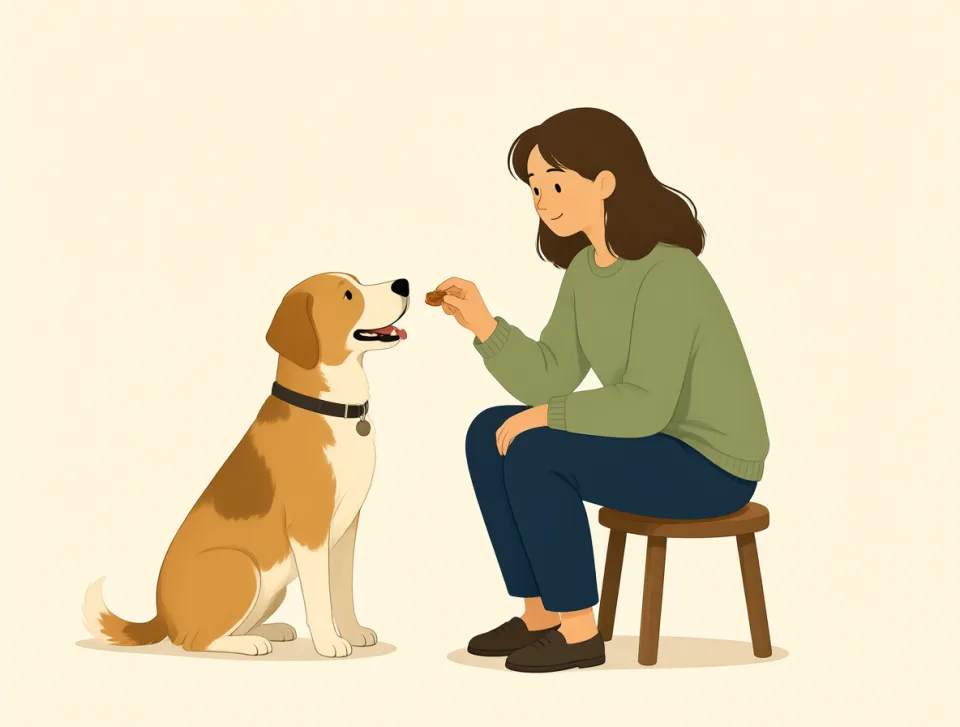
Our dog gets a reward whenever he follows a command.
Наша собака получает лакомство каждый раз, когда выполняет команду.

The company rewards loyal customers with special discounts.
Компания награждает постоянных клиентов специальными скидками.

east
#1749noun, adjective, adverb, preposition
восток
the direction where the sun rises, or the eastern part of a place
Направление, где восходит солнце, или восточная часть какого-либо места.

The sun rises in the east every morning.
Солнце каждое утро восходит на востоке.

Our hotel is on the east side of town.
Наш отель находится в восточной части города.

We drove east for two hours to reach the coast.
Мы два часа ехали на восток, чтобы добраться до побережья.
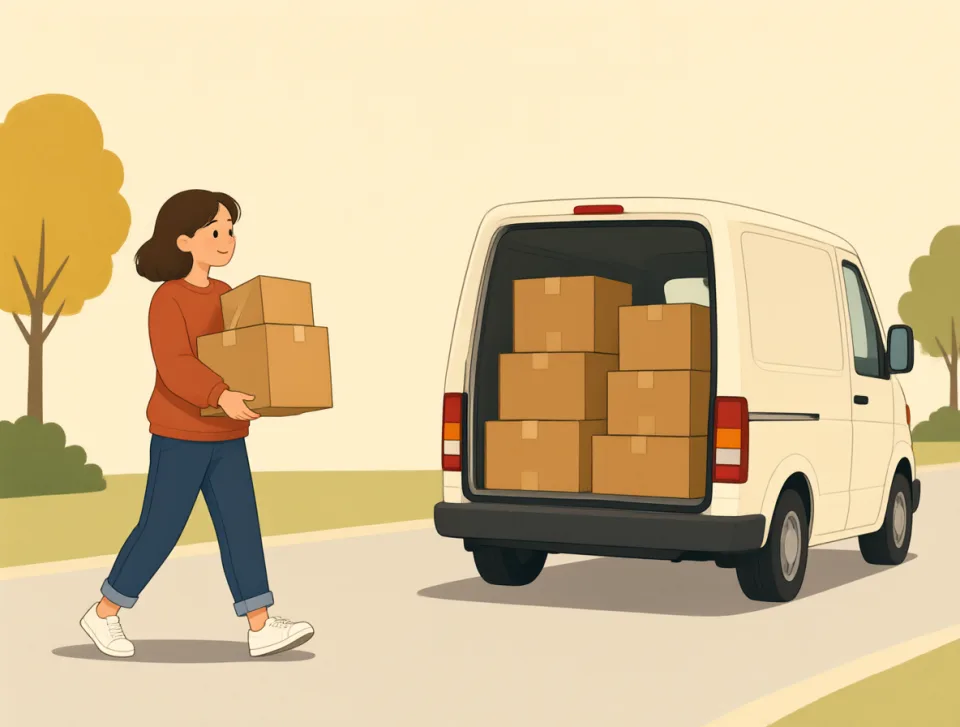
She moved east after finding a new job.
Найдя новую работу, она переехала на восток.
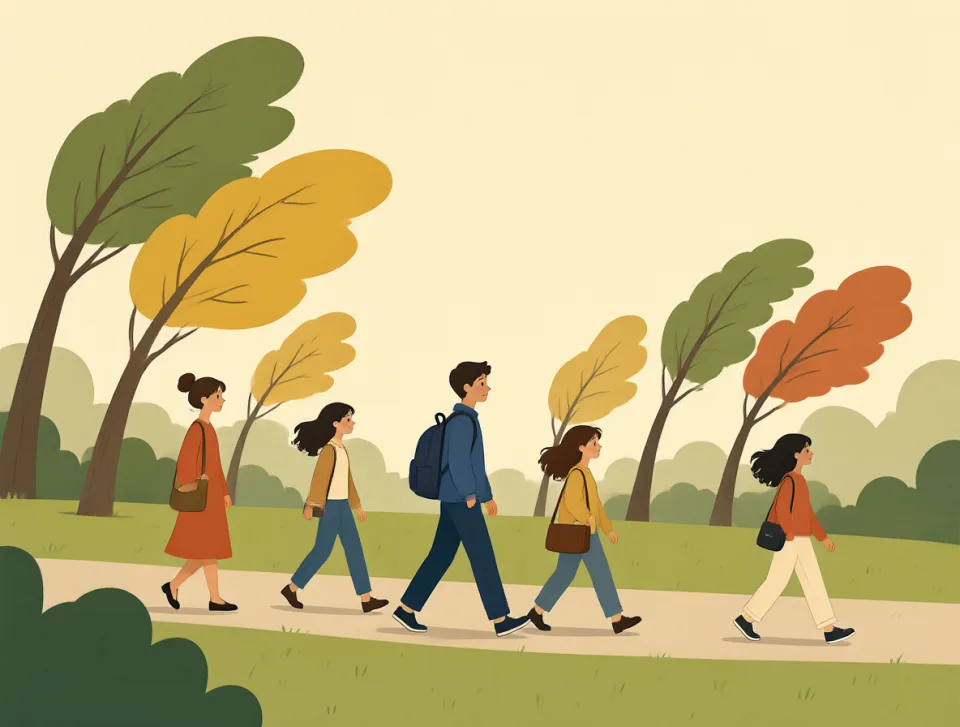
The wind is coming from the east today.
Сегодня ветер дует с востока.

hat
#1750noun
шляпа
A covering worn on the head, often for warmth, protection, or style.
Головной убор, который носят для тепла, защиты или красоты.

He put on his hat before going outside.
Перед тем как выйти на улицу, он надел шляпу.

She bought a new hat for the sunny beach.
Она купила новую шляпу для отдыха на солнечном пляже.
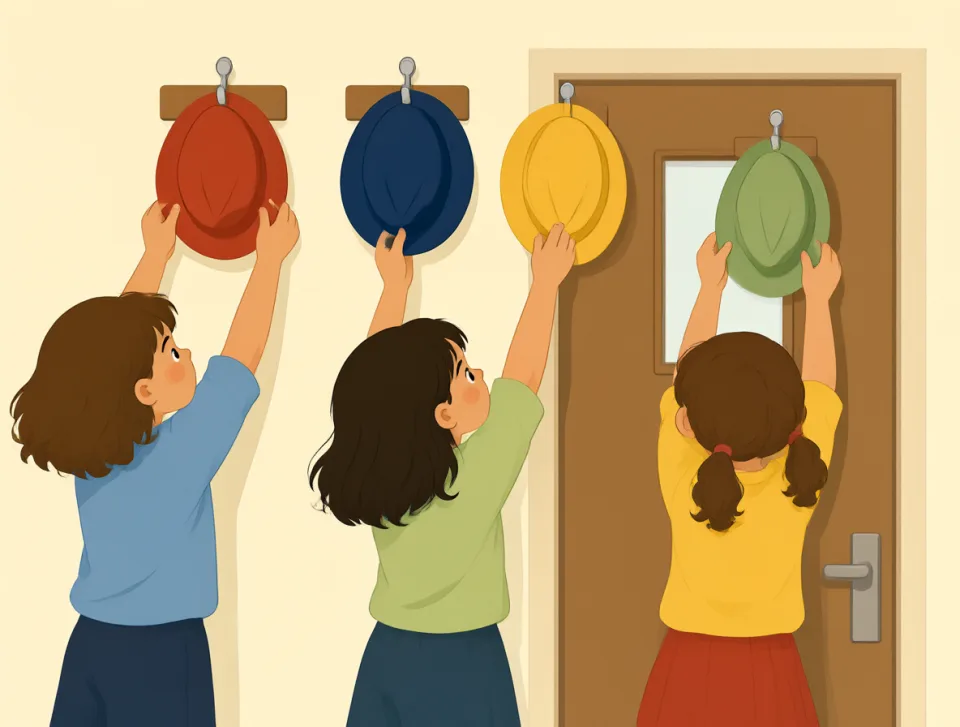
The children hung their hats beside the classroom door.
Дети повесили свои шляпы у двери класса.

Please take your hat off during the meeting.
Пожалуйста, снимите шляпу во время встречи.
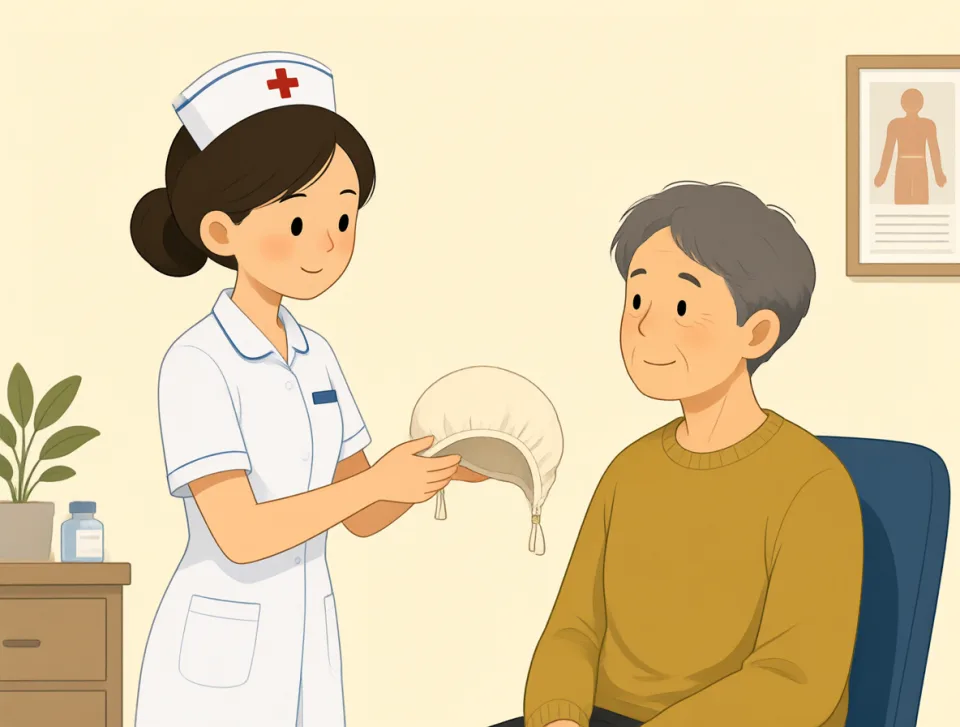
The nurse gave him a hat to protect his head.
Медсестра дала ему шляпу, чтобы защитить голову.

academic
#1751adjective
академический
Connected with education, especially studying and teaching at a school or university.
Связанный с образованием, особенно с учёбой и преподаванием в школе или университете.

She received an academic award for her excellent school results.
Она получила академическую награду за отличные результаты в школе.
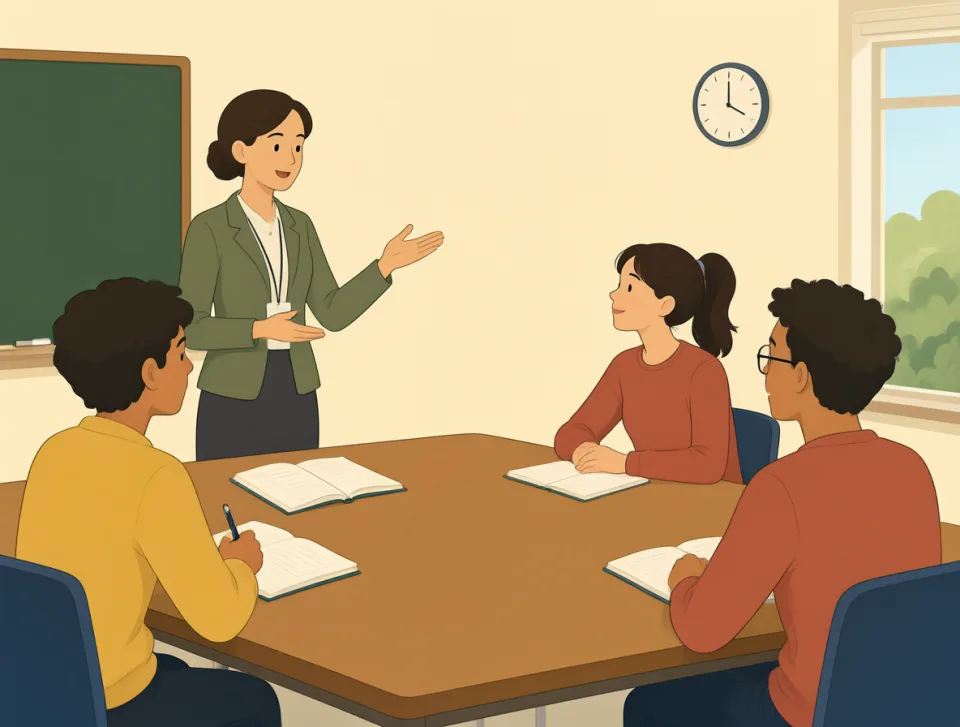
The university offers academic courses in business and computer science.
В университете есть академические курсы по бизнесу и информатике.

His academic record helped him get a place at college.
Его академические достижения помогли ему поступить в колледж.

The museum has many academic books about ancient history.
В музее много научных книг по древней истории.

After work, she enjoys academic discussions with her friends.
После работы ей нравятся интеллектуальные беседы с друзьями.
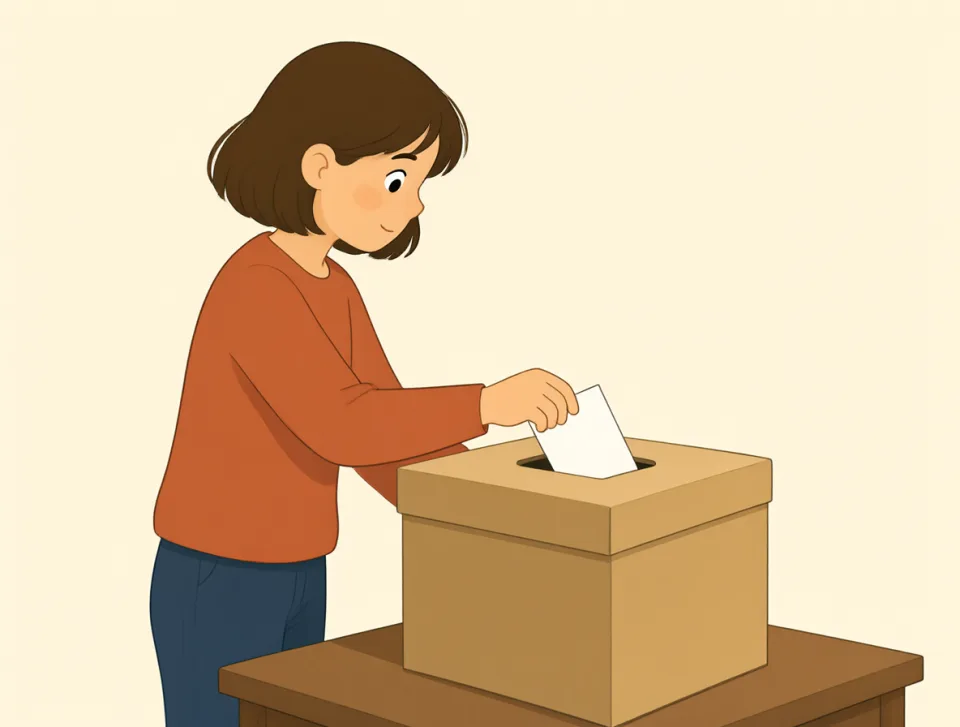
voter
#1752noun
избиратель
A person who votes in an election.
Человек, который голосует на выборах.
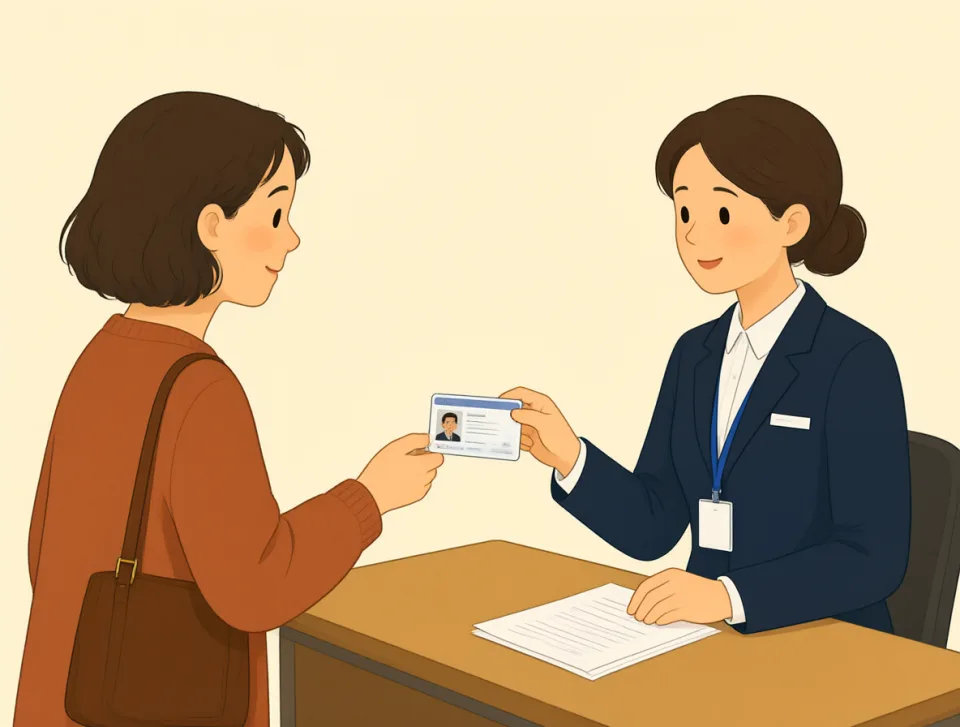
Every voter must show identification before casting a ballot.
Каждый избиратель должен предъявить удостоверение личности перед голосованием.
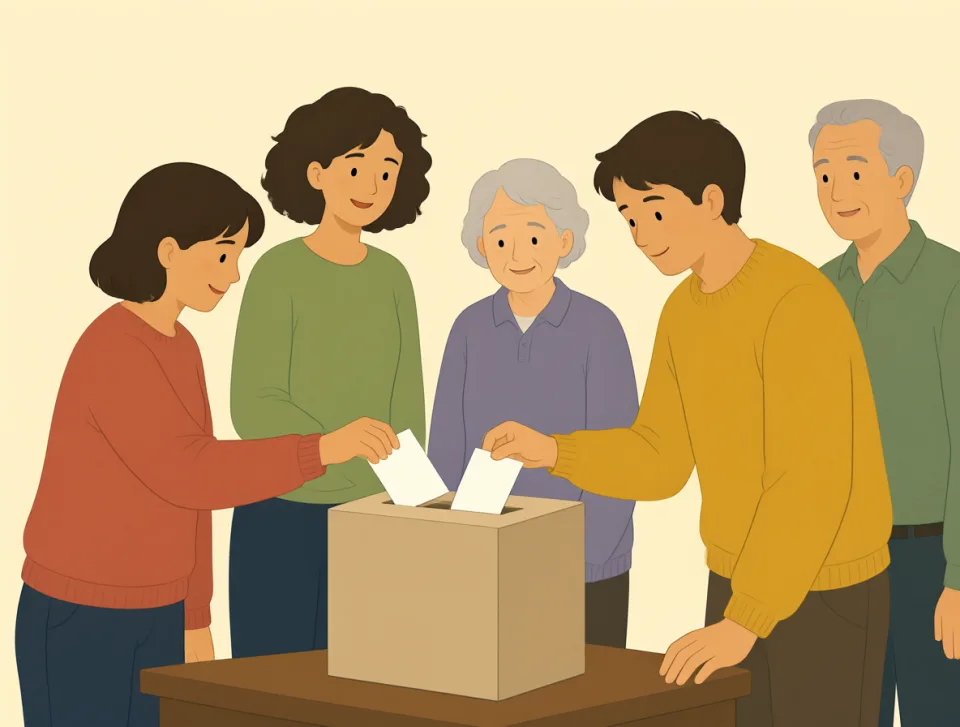
Many voters chose a new mayor in yesterday’s local election.
На вчерашних местных выборах многие избиратели выбрали нового мэра.
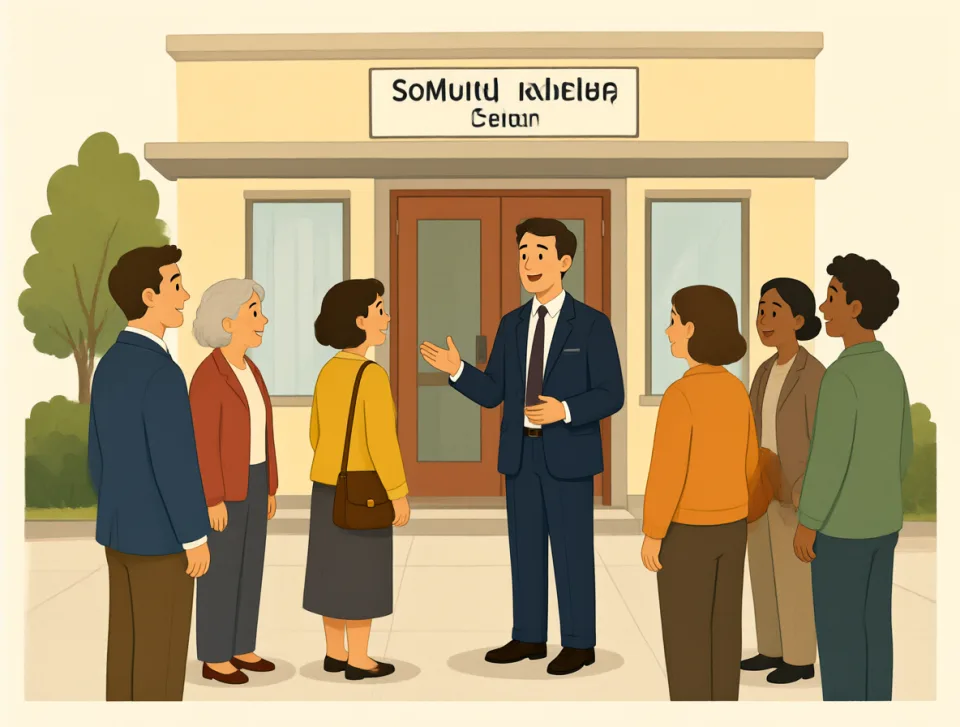
The candidate spoke with voters outside the community center.
Кандидат беседовал с избирателями у общественного центра.

Young voters often discuss elections with their friends at school.
Молодые избиратели часто обсуждают выборы с друзьями в школе.
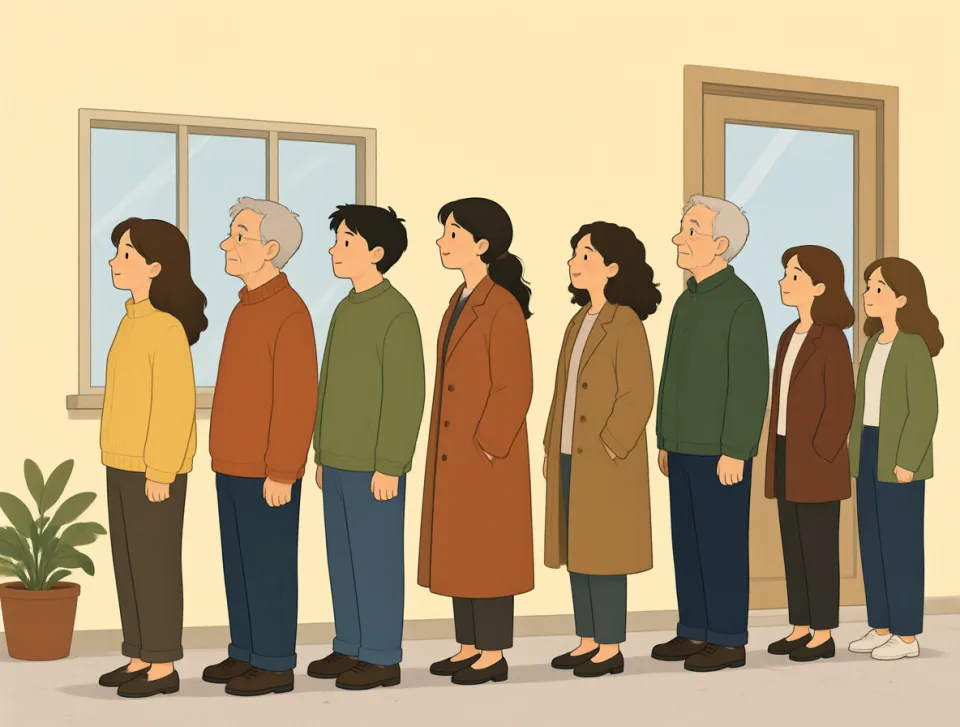
Voters waited patiently in line to cast their ballots.
Избиратели терпеливо ждали в очереди, чтобы проголосовать.
meanwhile
#1753adverb
тем временем
at the same time as something else is happening
В то время, как происходит что-то ещё.
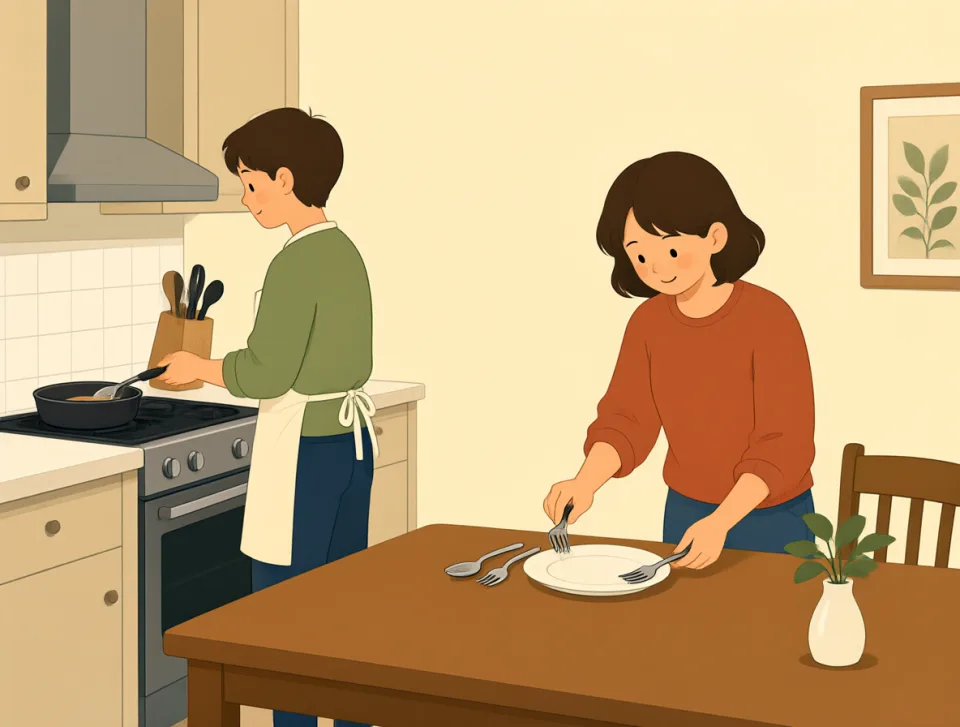
I cooked dinner; meanwhile, my brother set the table.
Я приготовил ужин, а тем временем мой брат накрыл на стол.
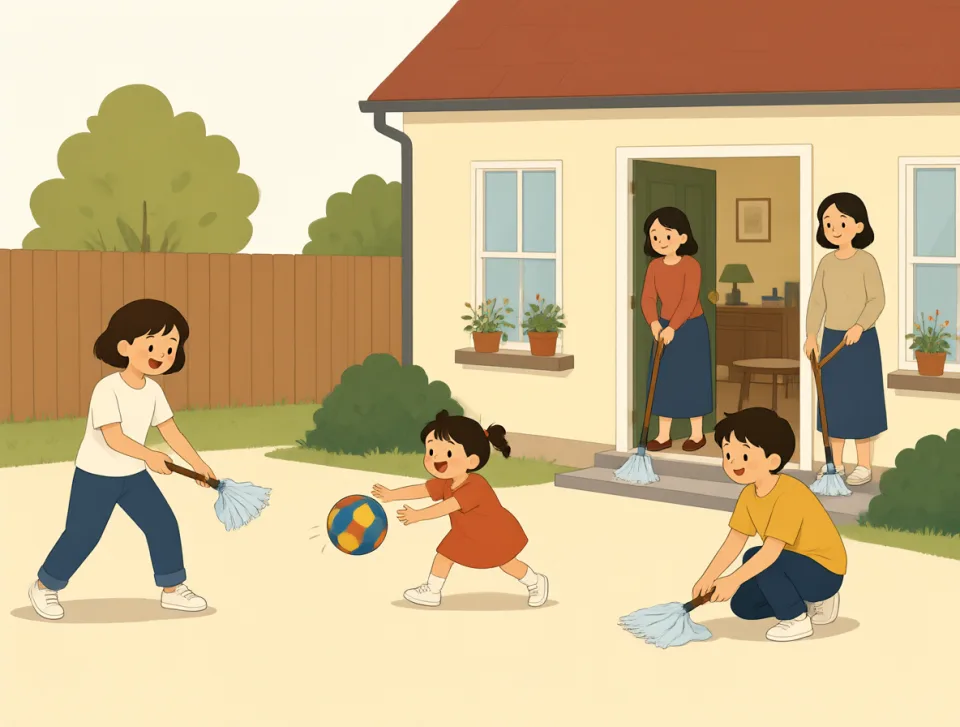
Meanwhile, the children played outside while their parents cleaned.
Тем временем дети играли на улице, пока родители убирались.
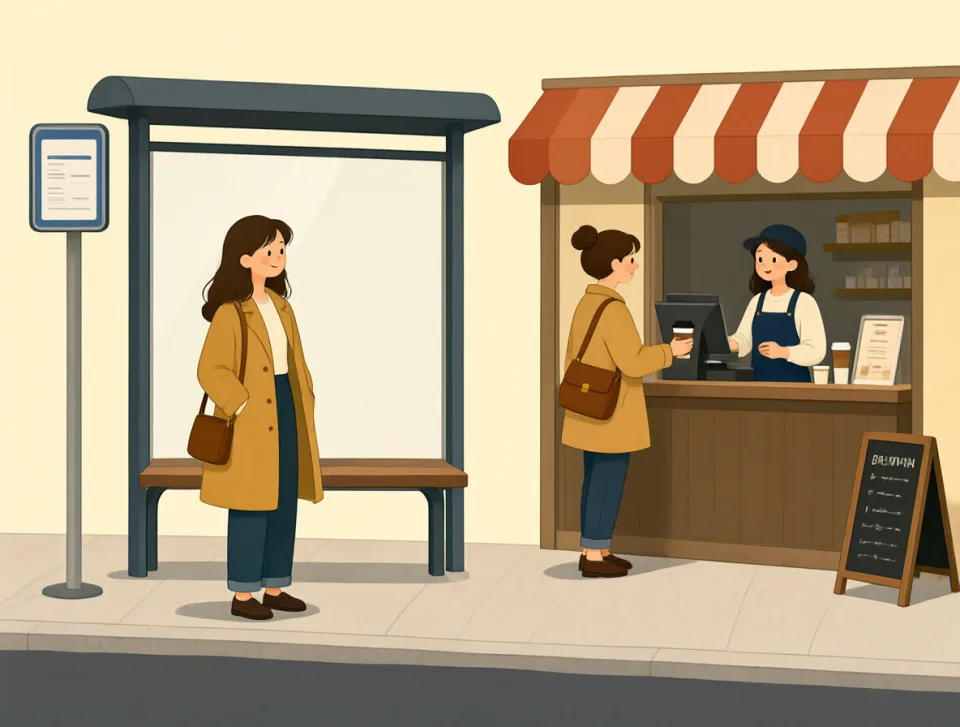
She waited for the bus; meanwhile, her friend bought coffee.
Она ждала автобус, а тем временем её подруга купила кофе.

The manager spoke to customers; meanwhile, workers filled the shelves.
Менеджер разговаривал с покупателями, а тем временем работники заполняли полки.
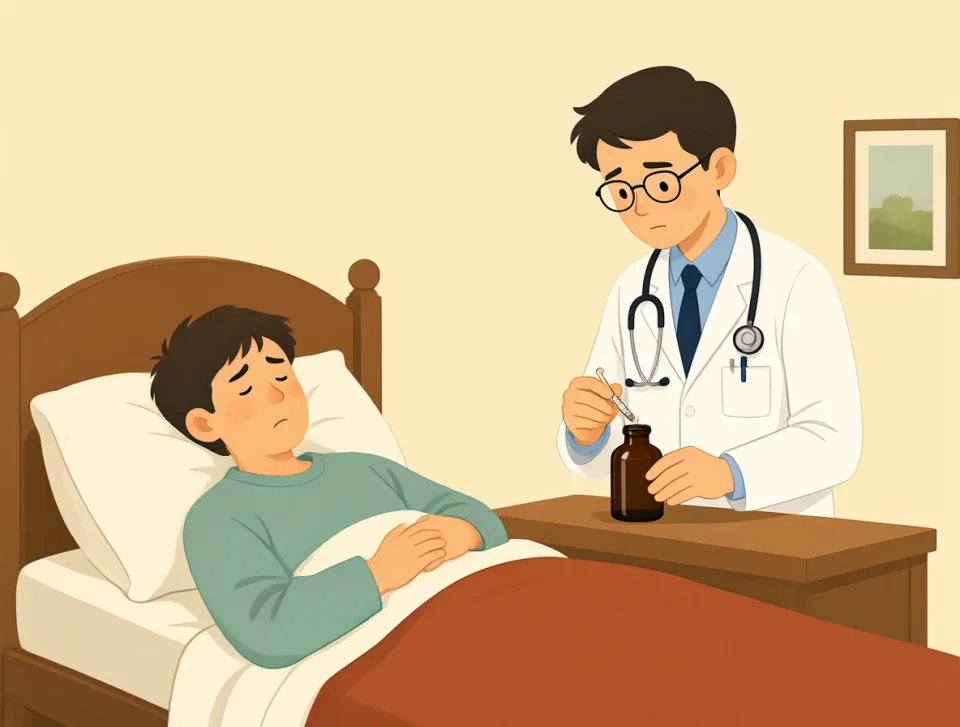
He rested in bed; meanwhile, the doctor prepared his medicine.
Он отдыхал в постели, а тем временем врач готовил ему лекарство.

furthermore
#1754adverb
кроме того
Used to add another important fact or reason to what you have just said.
Используется, чтобы добавить ещё один важный факт или довод к тому, что вы только что сказали.
The hotel is cheap; furthermore, it is close to the beach.
Отель недорогой; кроме того, он находится близко к пляжу.

She speaks three languages and furthermore has excellent computer skills.
Она говорит на трёх языках и, кроме того, отлично владеет компьютером.
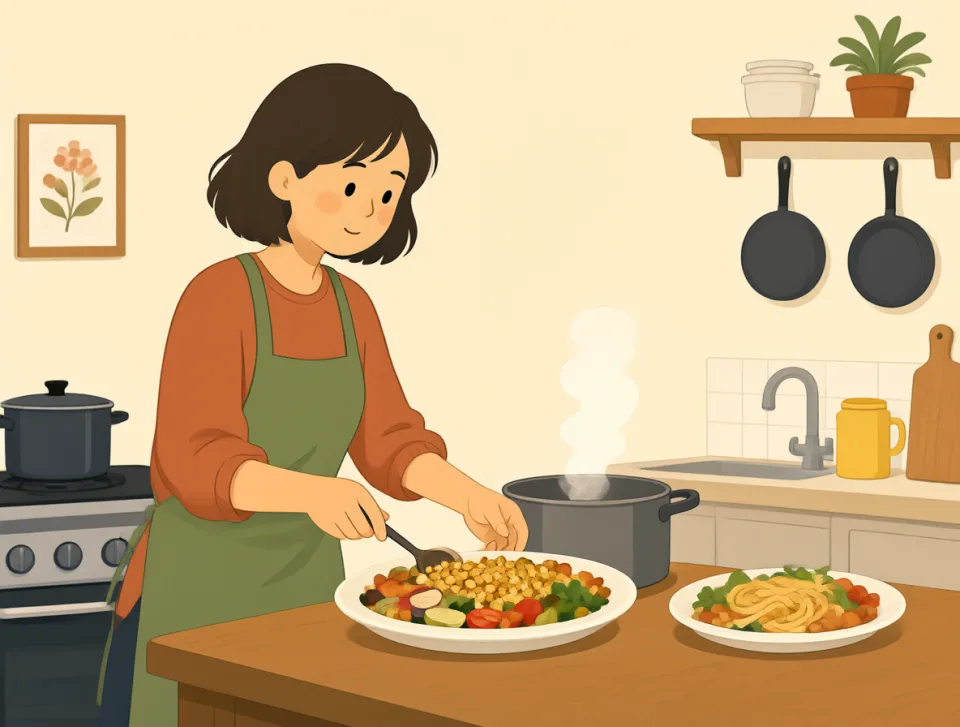
The meal was delicious and furthermore very easy to prepare.
Еда была вкусной и, кроме того, очень простой в приготовлении.
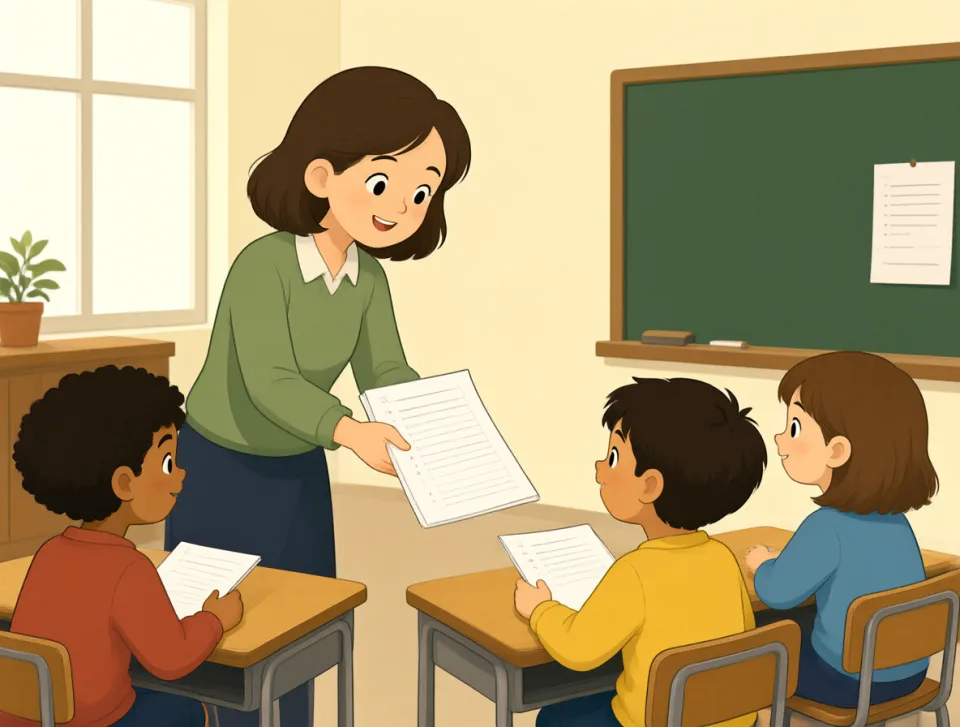
The teacher explained the lesson clearly; furthermore, she gave us extra practice.
Учительница ясно объяснила урок; кроме того, она дала нам дополнительные задания для практики.

The medicine is effective; furthermore, it has very few side effects.
Лекарство эффективно; кроме того, у него очень мало побочных эффектов.
accuse
#1755verb
обвинять
To say that someone did something wrong or illegal.
Говорить, что кто-то совершил что-то плохое или незаконное.
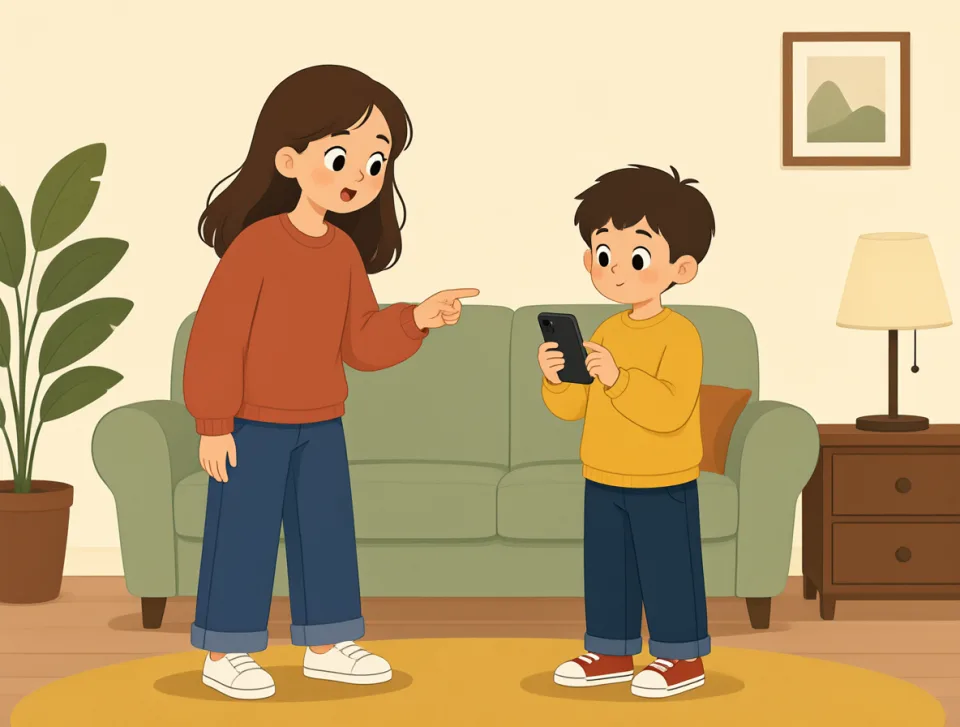
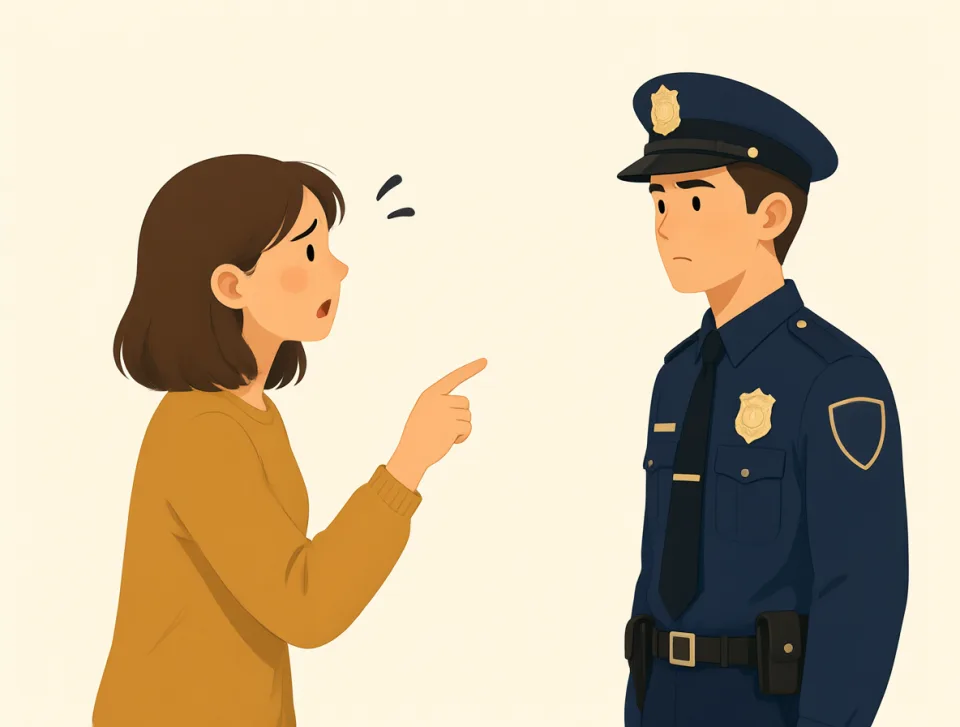
She accused her brother of taking her phone.
Она обвинила брата в том, что он взял её телефон.

The manager accused the employee of lying about being sick.
Менеджер обвинил сотрудника во лжи о том, что тот болел.
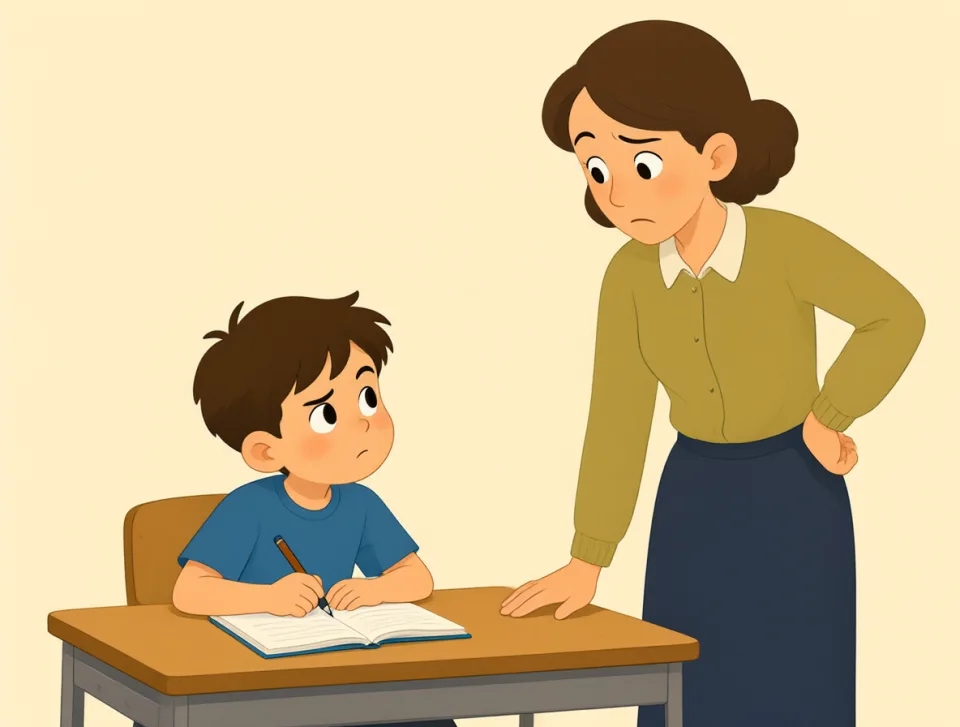
The teacher accused Tom of copying another student's homework.
Учительница обвинила Тома в том, что он списал домашнее задание у другого ученика.
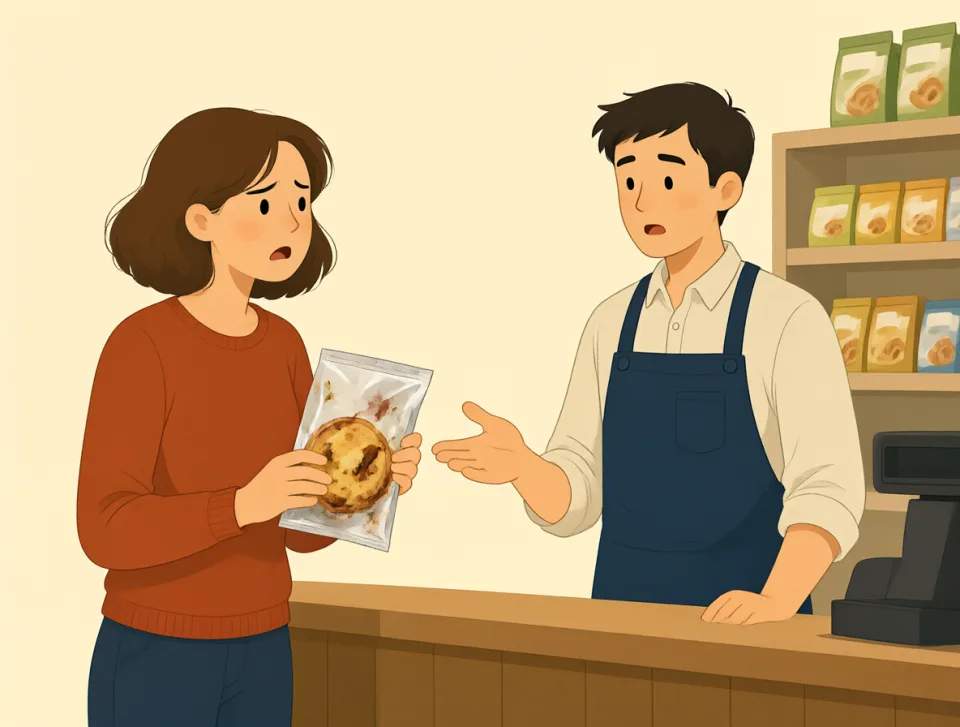
The customer accused the shop of selling her old food.
Покупательница обвинила магазин в том, что ей продали несвежую еду.

He accused his friend of ignoring him at the party.
Он обвинил друга в том, что тот игнорировал его на вечеринке.
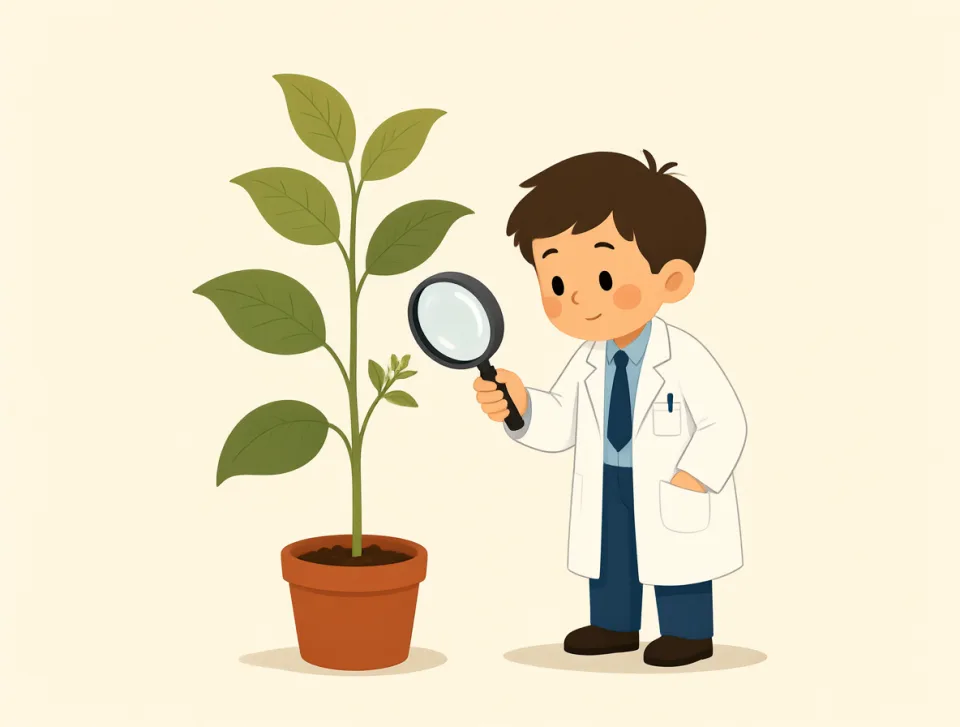
scientific
#1756adjective
научный
Connected with science or based on careful study and testing.
Связанный с наукой или основанный на тщательном изучении и проверке.

The report gives scientific evidence for the new health advice.
В отчёте приведены научные доказательства в пользу новых рекомендаций по здоровью.
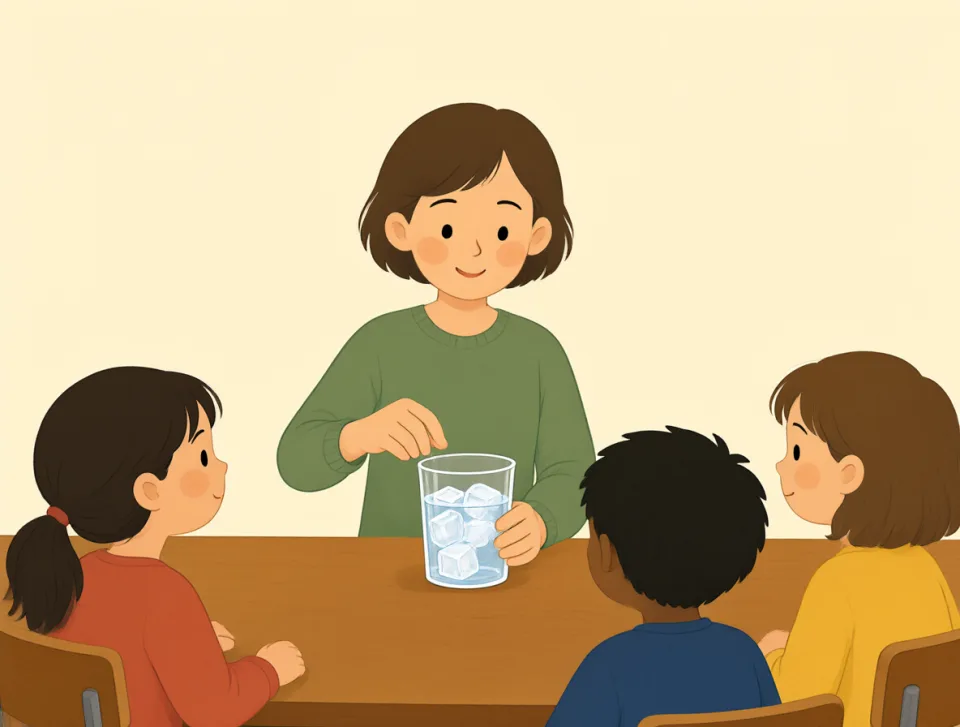
Our science teacher showed us a scientific experiment with water and ice.
Наш учитель естествознания показал нам научный эксперимент с водой и льдом.
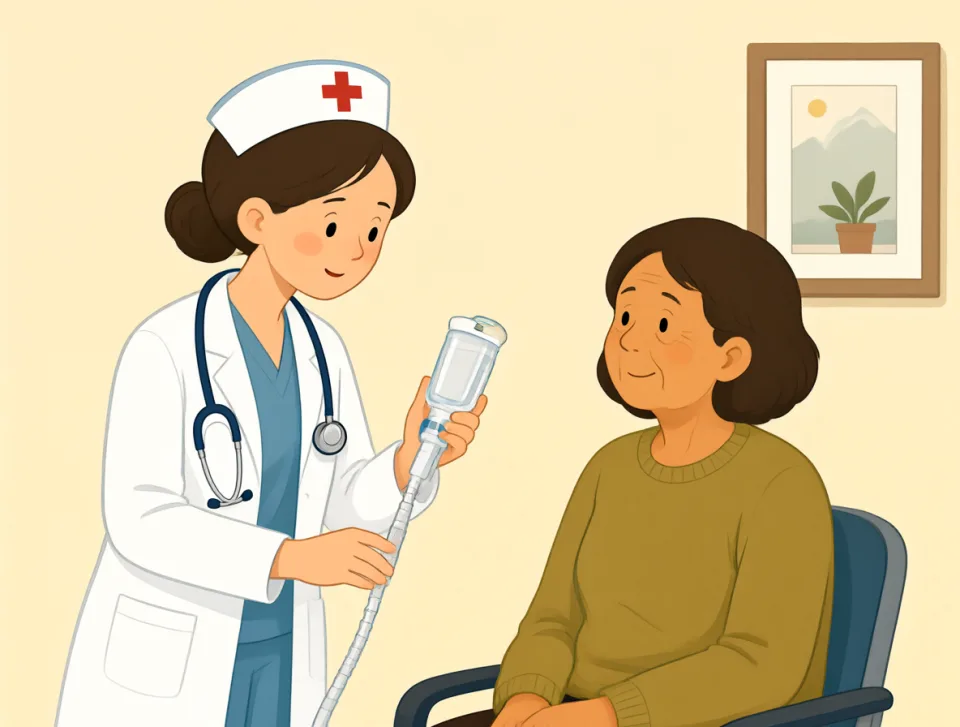
Doctors use scientific methods to find the best treatment for patients.
Врачи используют научные методы, чтобы подобрать пациентам наилучшее лечение.

The shop sells scientific equipment for schools and small laboratories.
В магазине продаётся научное оборудование для школ и небольших лабораторий.

My friend enjoys reading scientific books about animals and space.
Мой друг любит читать научные книги о животных и космосе.

wage
#1757noun, verb
зарплата
Money paid regularly for work, or to fight against something.
Деньги, которые регулярно платят за работу; также борьба с чем-либо.
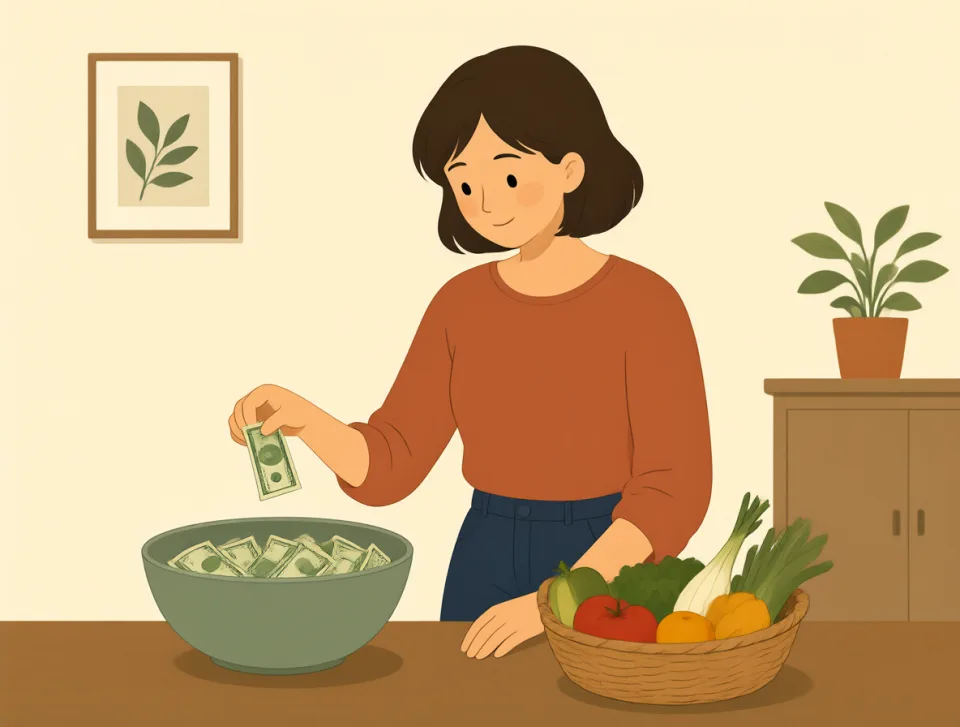
Her weekly wage helps pay for rent and food.
Её еженедельная зарплата помогает оплачивать жильё и еду.

The company raised wages for all its workers this year.
В этом году компания повысила зарплату всем своим работникам.

Many students work part-time to earn a wage.
Многие студенты подрабатывают, чтобы получать зарплату.

The workers went on strike for higher wages.
Рабочие объявили забастовку, требуя повышения зарплаты.
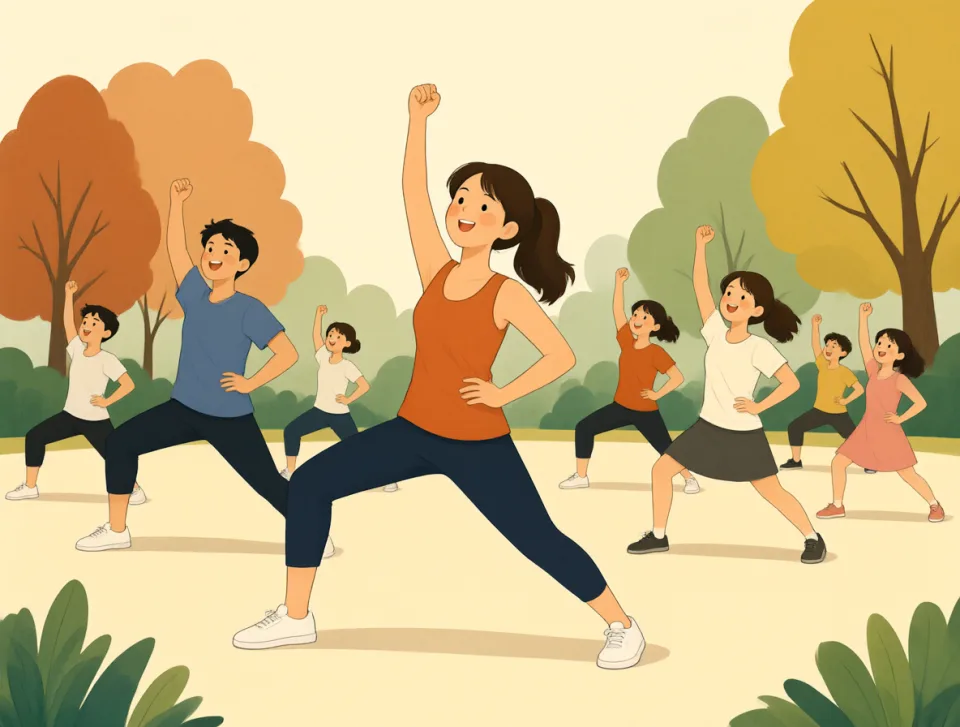
The government is waging a campaign against childhood obesity.
Правительство ведёт кампанию против детского ожирения.
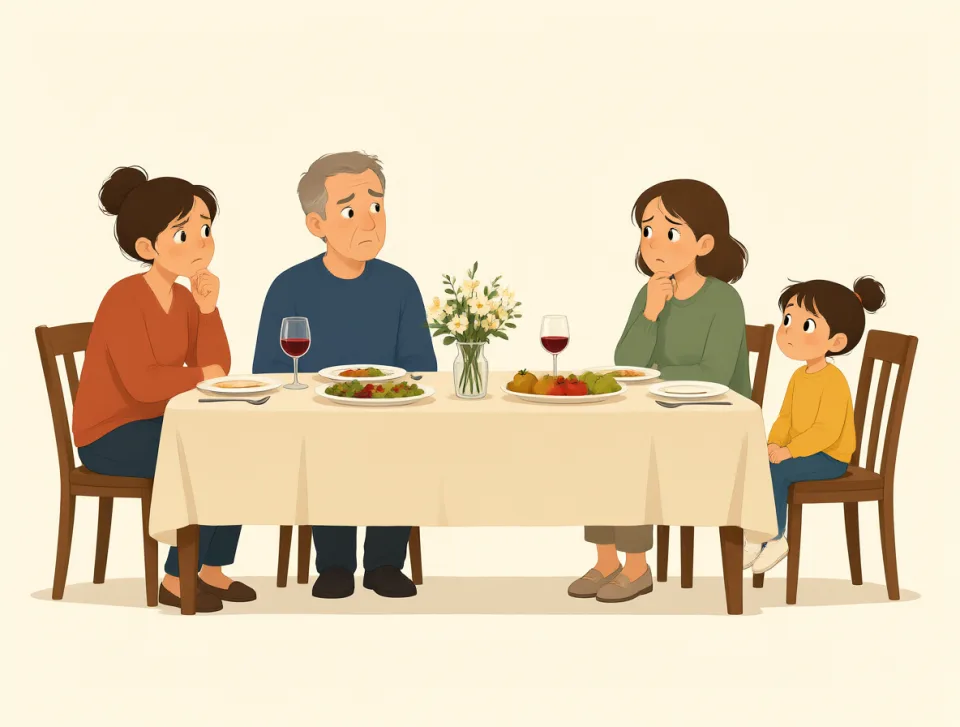
absence
#1758noun
отсутствие
The state of not being somewhere or not having something that is needed.
Состояние, когда кого-то нет в определённом месте или чего-то необходимого не хватает.

Her absence from work worried her manager.
Её отсутствие на работе обеспокоило её руководителя.
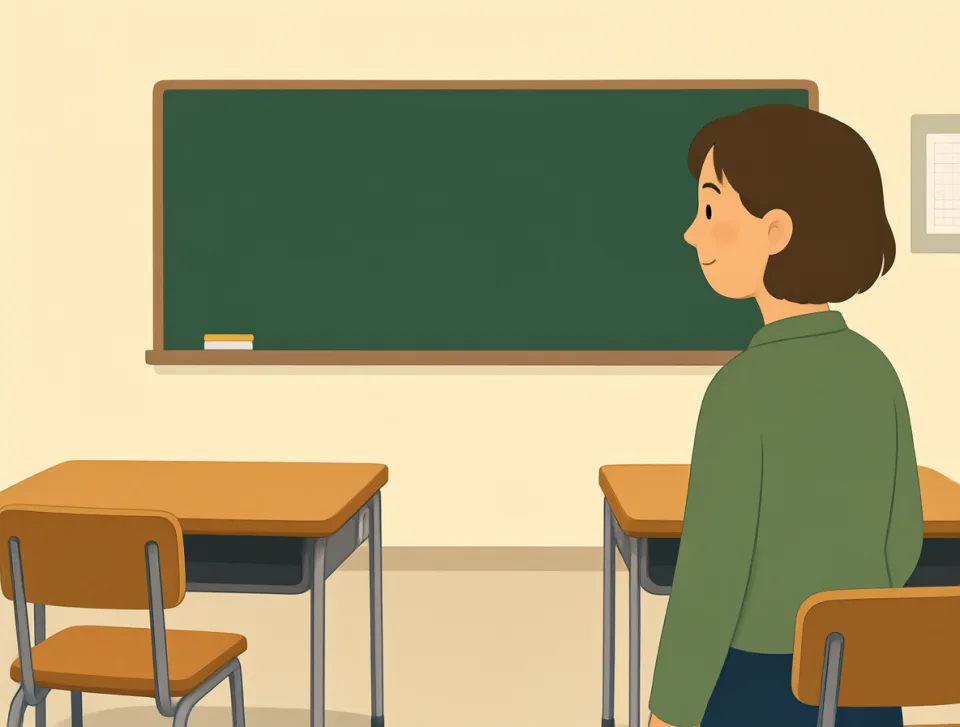
The teacher noticed his absence from class.
Учитель заметил, что его не было на уроке.
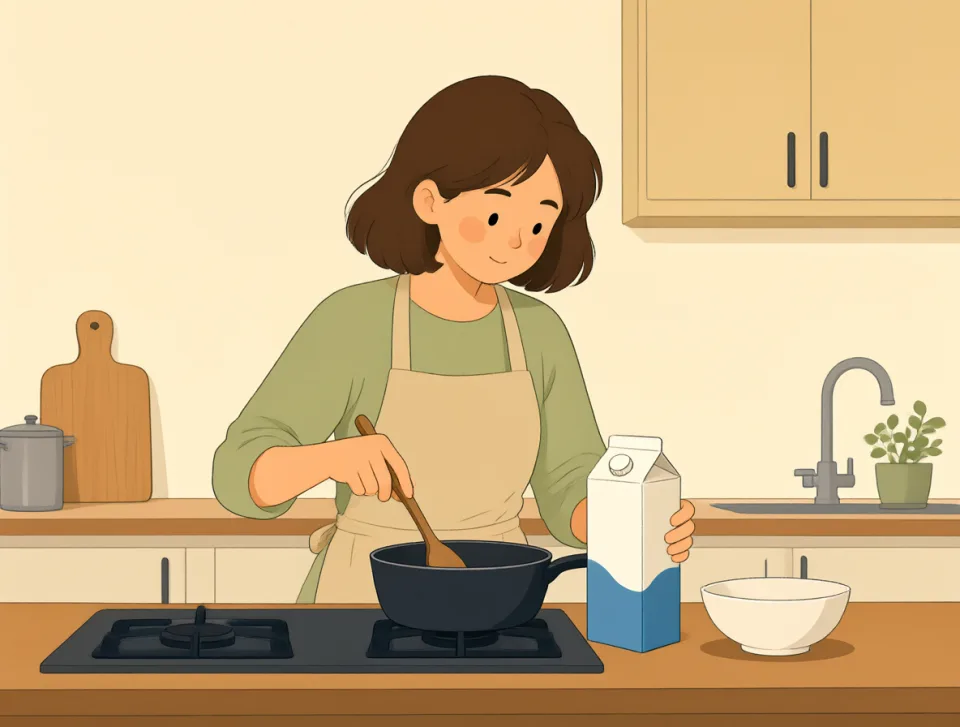
In the absence of milk, we used water instead.
Поскольку молока не было, мы использовали воду.

His long absence made his friends miss him.
Друзьям его долго не было, и они скучали по нему.

The doctor asked about any absence of pain.
Врач спросил, не было ли у меня боли.
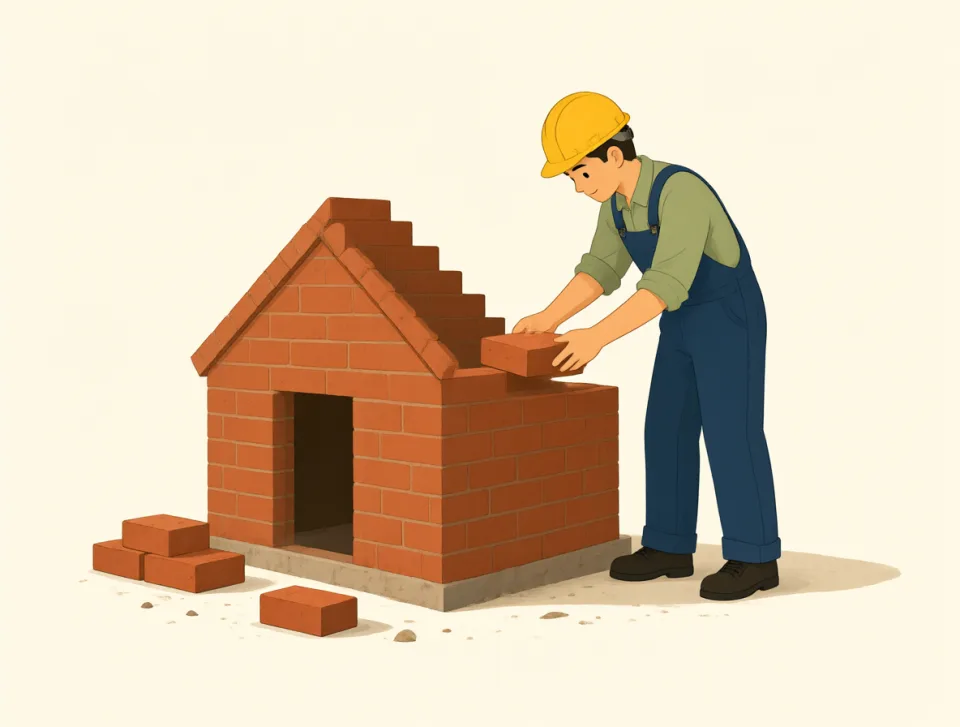
construct
#1759verb, noun
строить; составлять
to build something, or an idea formed from different parts
Строить что-либо или формировать идею из разных частей.
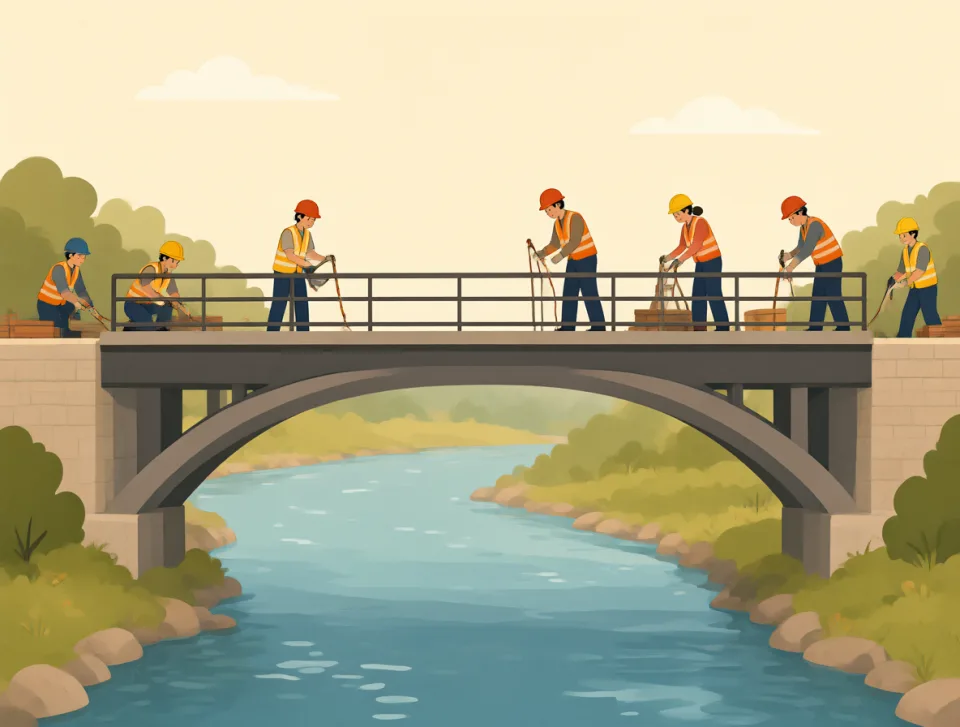
Workers are constructing a new bridge across the river.
Рабочие строят новый мост через реку.

The company constructed a simple plan for the next year.
Компания составила простой план на следующий год.

We constructed a shelter from branches during our hike.
Во время похода мы соорудили укрытие из веток.
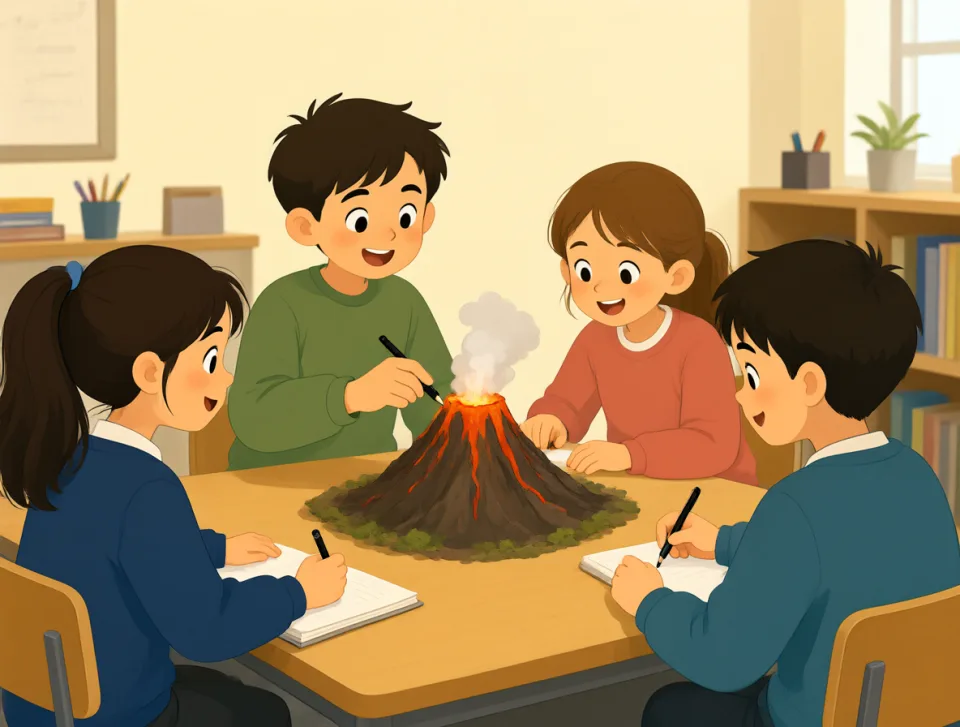
Students constructed a model volcano for their science class.
Ученики сделали модель вулкана для урока естествознания.
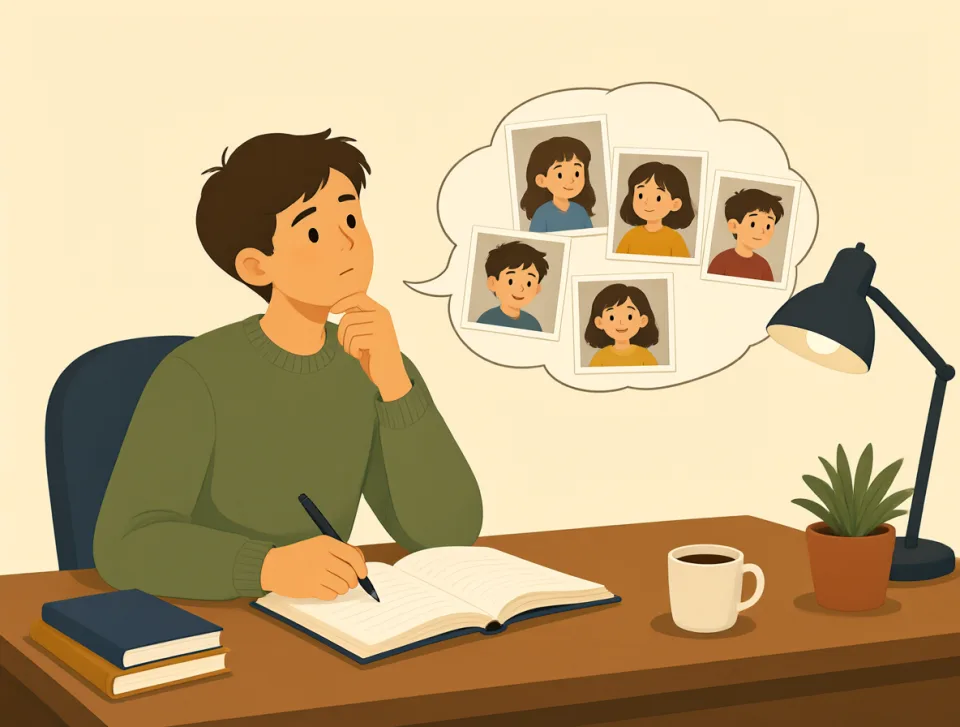
The story is constructed from memories of the writer's childhood.
Рассказ построен на воспоминаниях писателя о детстве.
remark
#1760noun, verb
замечание
a comment that gives your opinion, or to make such a comment
Высказывание, в котором выражают своё мнение; также делать такое замечание.

She made a helpful remark during the team meeting.
На командном совещании она высказала полезное замечание.
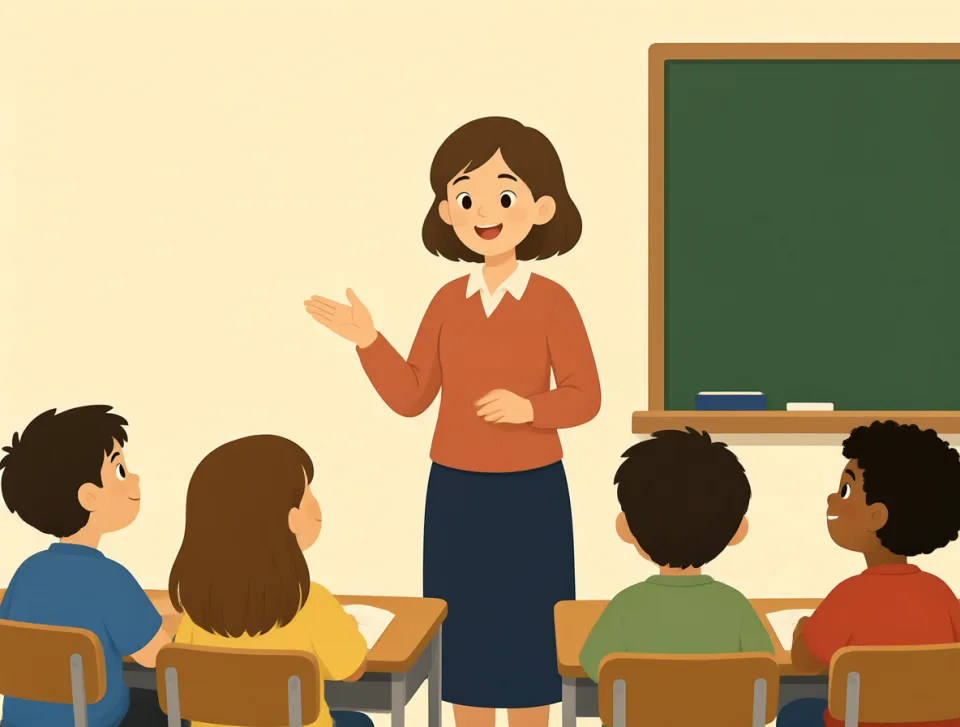
The teacher remarked that everyone had worked very hard.
Учитель отметил, что все очень усердно работали.
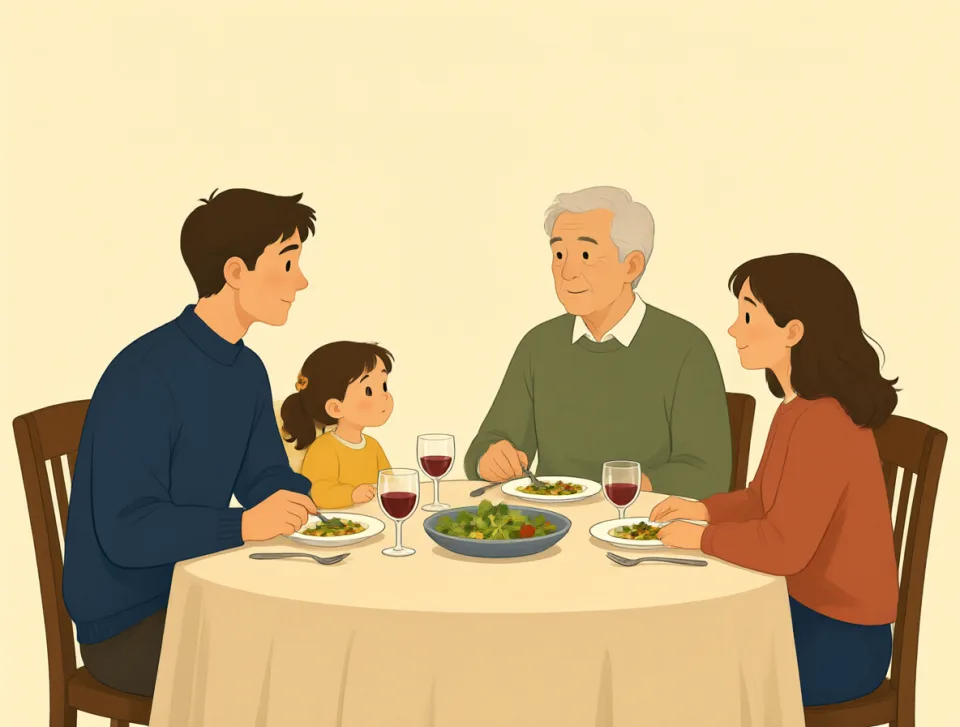
His rude remarks made dinner uncomfortable for everyone.
Из-за его грубых замечаний всем было неловко за ужином.

The shop assistant remarked on my bright red jacket.
Продавец отметил мой ярко-красный пиджак.

I heard several funny remarks during our train journey.
Во время поездки на поезде я услышал несколько забавных замечаний.