ইউনিট 88
শব্দ 1741–1760 · chart, attach, hell, everywhere, advise, household
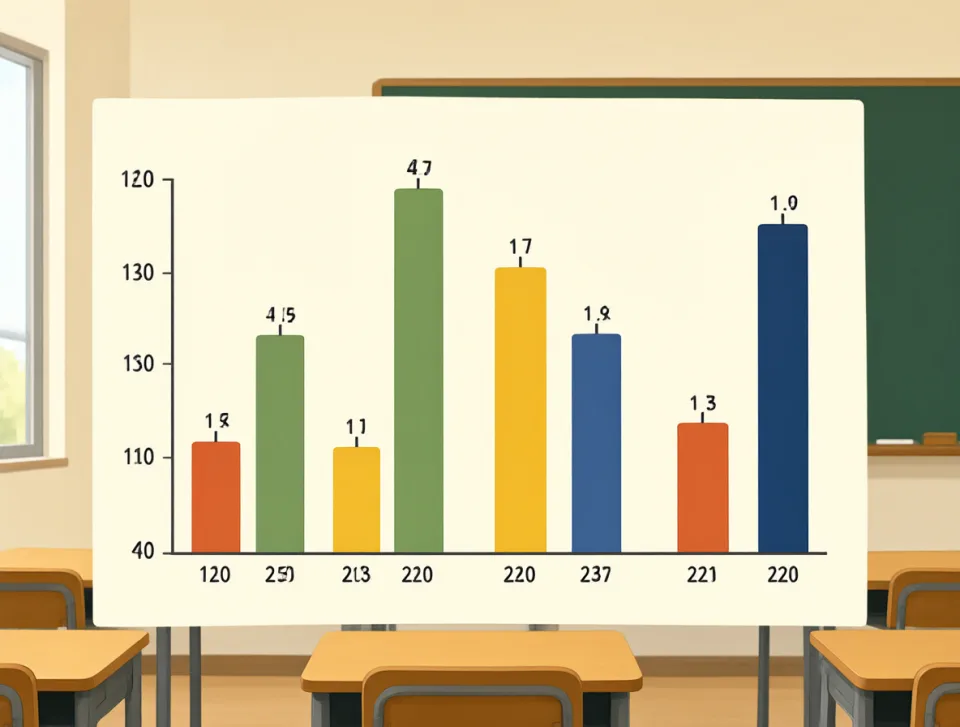
chart
#1741noun, verb
চার্ট
A drawing that shows information, or to record information on a chart.
তথ্য দেখানোর জন্য তৈরি চিত্র, অথবা চার্টে তথ্য লিপিবদ্ধ করা।

The doctor showed me a chart of my blood pressure.
ডাক্তার আমাকে আমার রক্তচাপের একটি চার্ট দেখিয়েছিলেন।

The weather chart predicts rain for most of the week.
আবহাওয়ার চার্টে সপ্তাহের বেশির ভাগ দিন বৃষ্টির পূর্বাভাস দেওয়া হয়েছে।

Our teacher asked us to make a chart about healthy foods.
আমাদের শিক্ষক স্বাস্থ্যকর খাবার নিয়ে একটি চার্ট তৈরি করতে বলেছিলেন।

The song quickly climbed the charts after its release.
প্রকাশের পর গানটি দ্রুত সঙ্গীতের চার্টে ওপরে উঠে আসে।

She charted our journey on a map before we left.
রওনা হওয়ার আগে সে মানচিত্রে আমাদের যাত্রাপথ এঁকে রেখেছিল।

attach
#1742verb
জুড়ে লাগানো
to join one thing to another, or fasten something so it stays in place
একটি জিনিসের সঙ্গে আরেকটি জোড়া লাগানো, অথবা কোনো কিছু এমনভাবে আটকে দেওয়া যাতে সেটি নিজের জায়গায় থাকে।

Please attach the file to your email before sending it.
পাঠানোর আগে অনুগ্রহ করে ফাইলটি আপনার ইমেইলের সঙ্গে জুড়ে দিন।

She attached a photo to her school project.
সে তার স্কুলের প্রজেক্টে একটি ছবি জুড়ে দিয়েছিল।
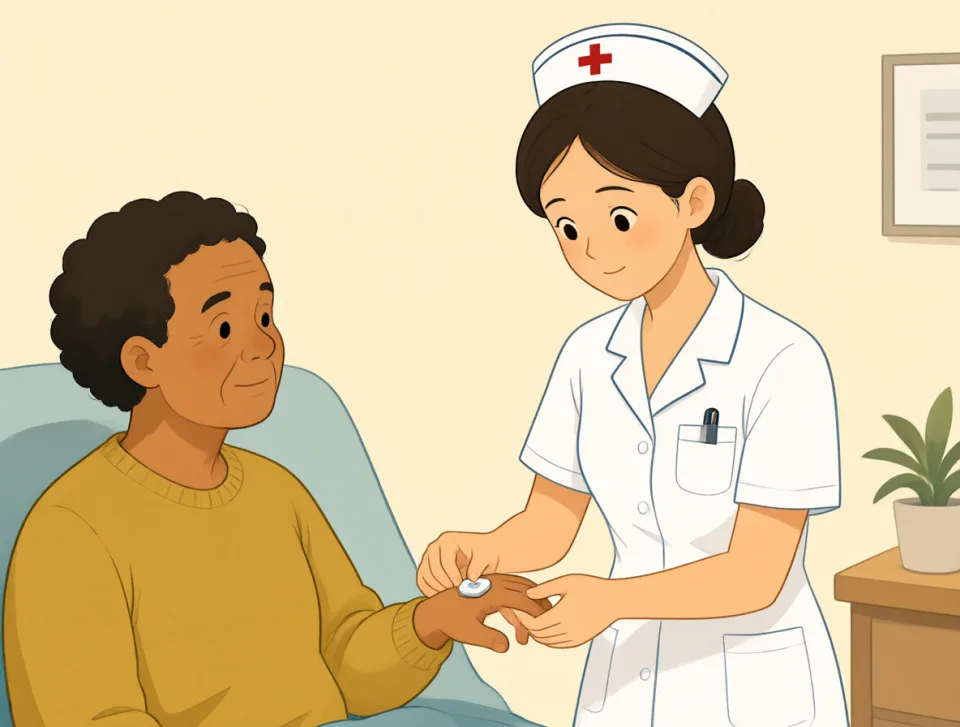
The nurse attached a small sensor to his finger.
নার্স তার আঙুলে একটি ছোট সেন্সর লাগিয়ে দিলেন।

We attached the price tag to the new jacket.
আমরা নতুন জ্যাকেটটিতে দামের ট্যাগটি লাগিয়ে দিলাম।
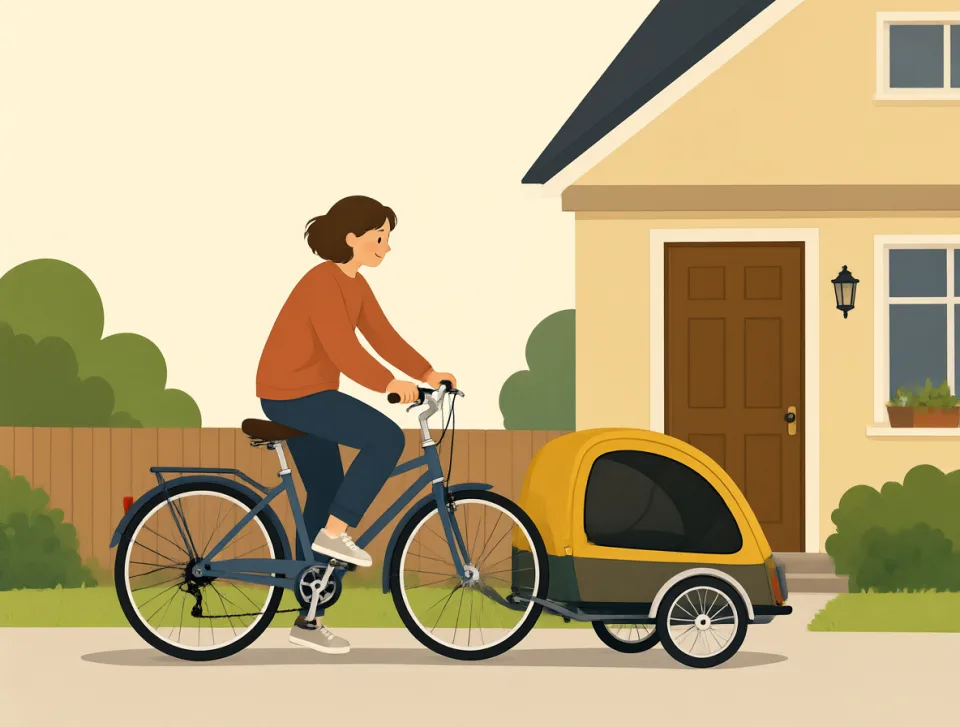
He attached the bicycle trailer before riding to the park.
পার্কে যাওয়ার জন্য সাইকেল চালানোর আগে সে সাইকেলের সঙ্গে ট্রেলারটি জুড়ে নিল।

hell
#1743noun, interjection
নরক
a place believed to be where bad people suffer after death; also used to show anger or surprise
মৃত্যুর পর খারাপ মানুষেরা যেখানে কষ্ট পায় বলে বিশ্বাস করা হয়; রাগ বা বিস্ময় প্রকাশ করতেও শব্দটি ব্যবহৃত হয়।

He thought he would go to hell for his terrible actions.
সে ভেবেছিল, ভয়ংকর কাজগুলোর জন্য মৃত্যুর পর তাকে নরকে যেতে হবে।

What the hell are you doing in my room?
আমার ঘরে তুমি কী করছ, বলো তো?
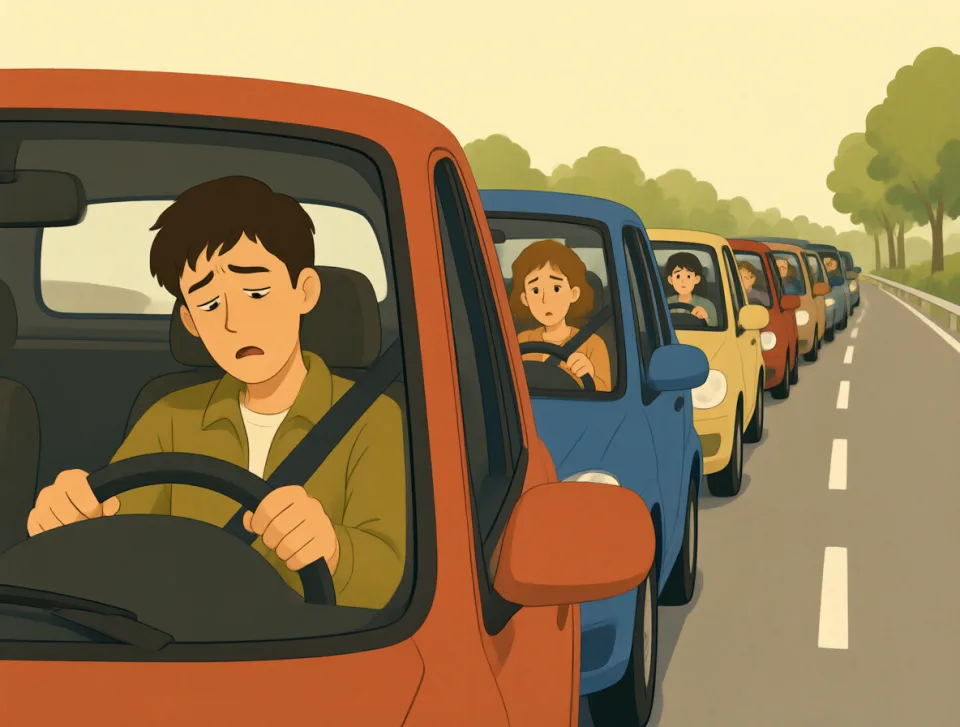
This traffic is driving me to hell today.
আজকের এই যানজট আমাকে পাগল করে দিচ্ছে।

The hikers walked through hell during the hot desert journey.
গরম মরুভূমির মধ্য দিয়ে যাত্রার সময় পদযাত্রীরা চরম দুর্ভোগ পোহালেন।
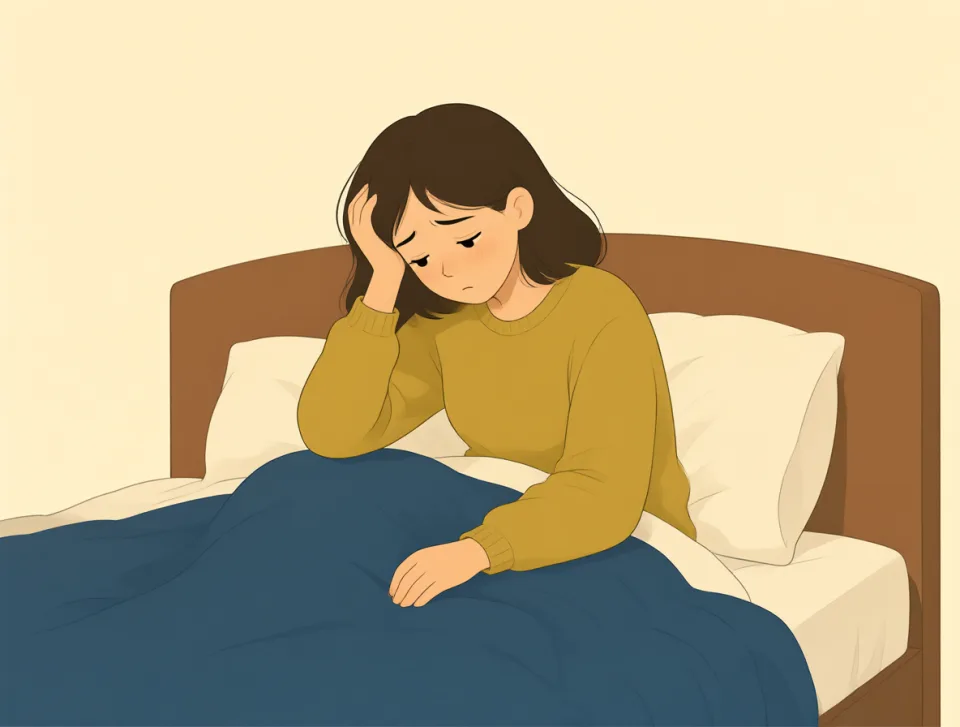
She felt like hell after staying awake all night.
সারা রাত জেগে থাকার পর তার ভীষণ খারাপ লাগছিল।

everywhere
#1744adverb
সবখানে
in or to every place
প্রতিটি জায়গায় বা প্রতিটি জায়গার দিকে।
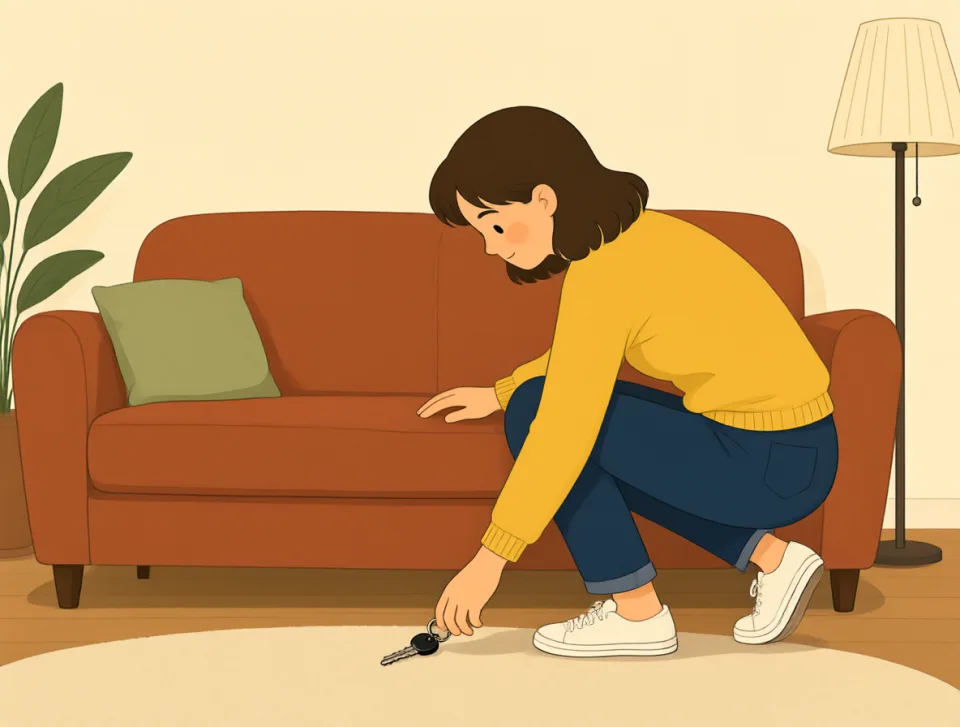
I looked everywhere for my missing keys this morning.
আজ সকালে হারিয়ে যাওয়া চাবিগুলোর জন্য আমি সবখানে খুঁজেছি।

You can find small cafés everywhere in this city.
এই শহরের সবখানেই ছোট ছোট ক্যাফে খুঁজে পাবেন।
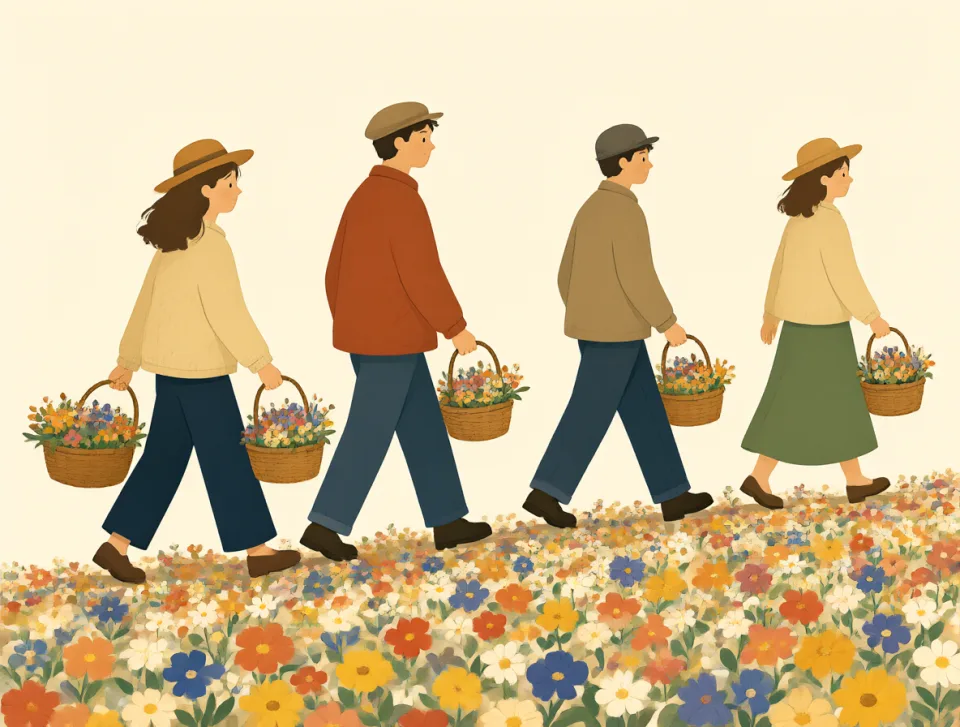
There were flowers everywhere at the spring festival.
বসন্ত উৎসবে সবখানে ফুল ছিল।

My little brother leaves his toys everywhere in the house.
আমার ছোট ভাই বাড়ির সবখানে তার খেলনা ফেলে রাখে।

After the storm, fallen branches were lying everywhere.
ঝড়ের পর সবখানে ভাঙা ডালপালা পড়ে ছিল।

advise
#1745verb
পরামর্শ দেওয়া
to tell someone what you think they should do
কাউকে বলা যে তার কী করা উচিত বলে আপনি মনে করেন।

My doctor advised me to get more sleep.
আমার ডাক্তার আমাকে আরও বেশি ঘুমানোর পরামর্শ দিয়েছেন।

I advise you to book your hotel early.
আমি আপনাকে হোটেলটি আগে থেকে বুক করার পরামর্শ দিচ্ছি।

The teacher advised us to study for the test.
শিক্ষক আমাদের পরীক্ষার জন্য পড়াশোনা করার পরামর্শ দিয়েছিলেন।

Can you advise me on which jacket to buy?
কোন জ্যাকেটটি কিনব, সে বিষয়ে আমাকে পরামর্শ দিতে পারবেন?
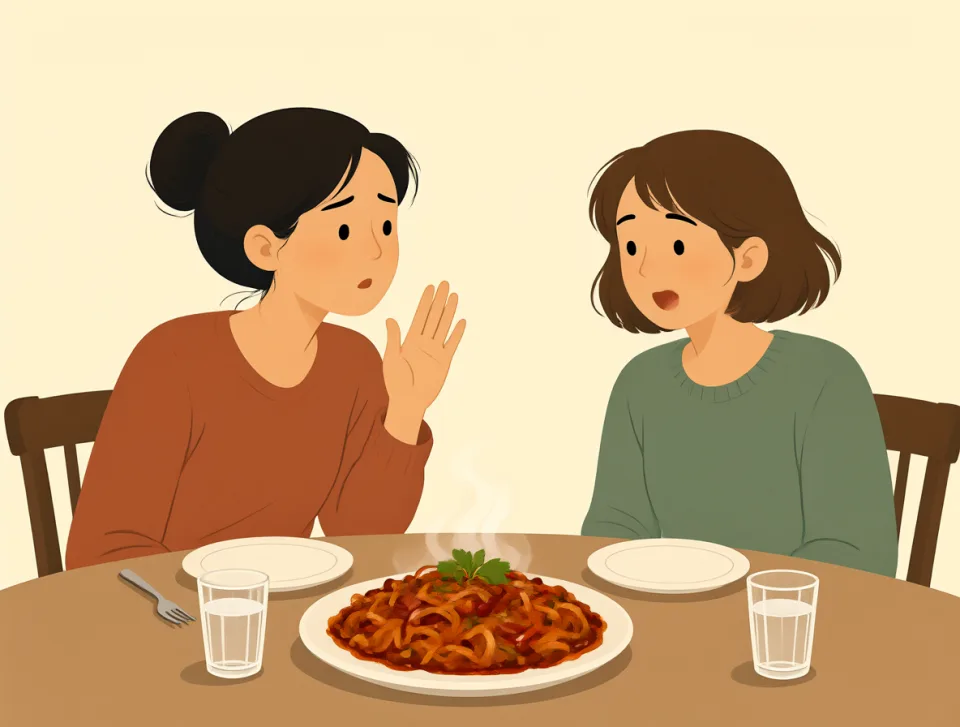
She advised against eating too much spicy food.
সে অতিরিক্ত ঝাল খাবার খেতে নিষেধ করেছিল।

household
#1746noun, adjective
পরিবার
A home and the people who live together in it.
একটি বাড়ি এবং সেখানে একসঙ্গে বসবাসকারী মানুষজন।

Everyone in our household helps clean the house on Saturday.
আমাদের পরিবারের সবাই শনিবারে ঘর পরিষ্কার করতে সাহায্য করে।
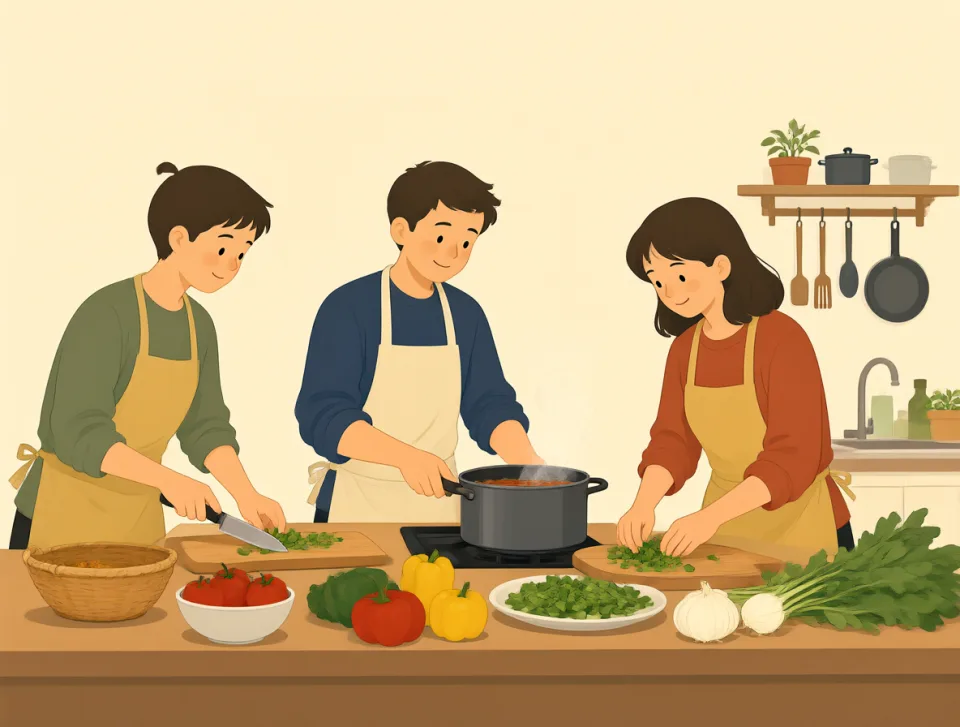
Our household spends less money when we cook at home.
বাড়িতে রান্না করলে আমাদের পরিবারের খরচ কম হয়।

The store sells household goods like towels, plates, and lamps.
দোকানটিতে তোয়ালে, থালা-বাসন ও বাতির মতো গৃহস্থালির জিনিস বিক্রি হয়।
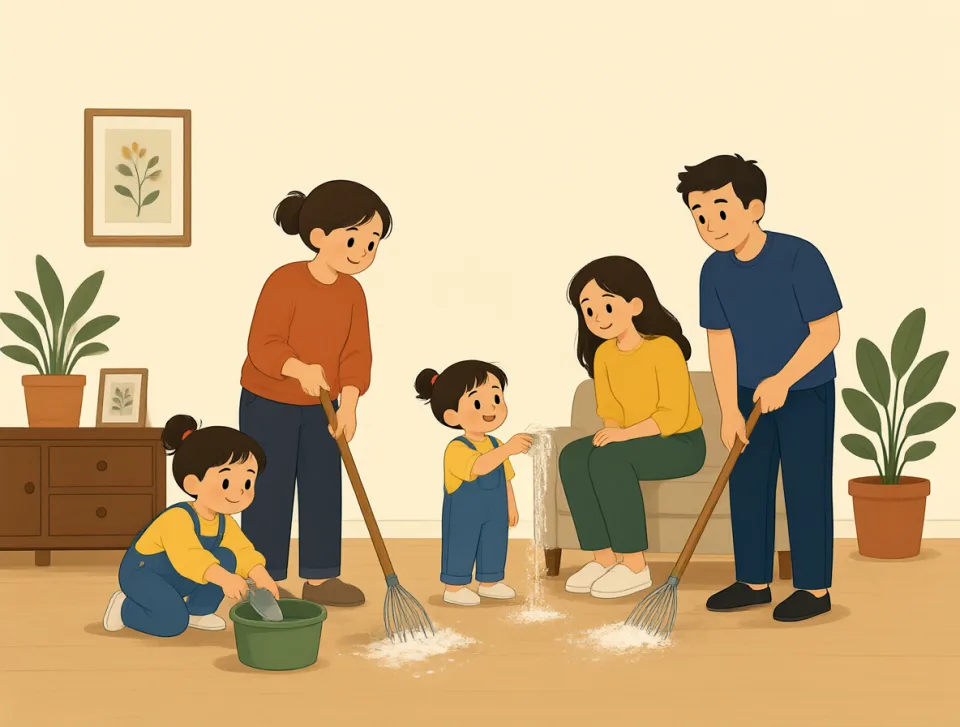
Household chores can be easier when everyone shares them.
সবাই ভাগ করে নিলে ঘরের কাজগুলো সহজ হতে পারে।

The doctor asked about household members with similar health problems.
চিকিৎসক পরিবারের অন্য সদস্যদের একই রকম স্বাস্থ্যসমস্যা আছে কি না জানতে চেয়েছিলেন।

acknowledge
#1747verb
স্বীকার করা
to accept or show that something is true, important, or real
কোনো কিছু সত্য, গুরুত্বপূর্ণ বা বাস্তব—তা মেনে নেওয়া বা প্রকাশ করা।

She smiled to acknowledge her neighbor across the street.
রাস্তার ওপারে থাকা প্রতিবেশীকে দেখে সে হাসল, যেন তাকে চিনেছে তা বোঝাল।

The manager acknowledged my hard work during the meeting.
সভায় ম্যানেজার আমার কঠোর পরিশ্রমের কথা স্বীকার করলেন।

Please acknowledge that you received the package.
আপনি পার্সেলটি পেয়েছেন—দয়া করে তা নিশ্চিত করুন।

He finally acknowledged that he had made a mistake.
শেষ পর্যন্ত সে স্বীকার করল যে সে ভুল করেছিল।
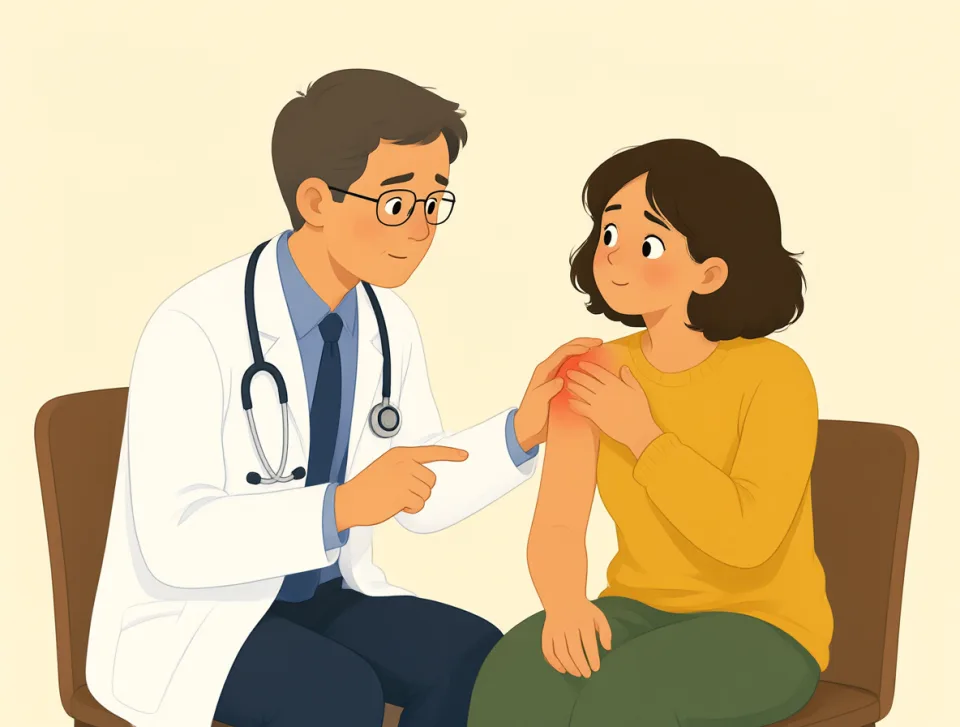
The doctor acknowledged her pain and offered helpful treatment.
চিকিৎসক তার ব্যথার কথা গুরুত্ব দিয়ে শুনলেন এবং উপকারী চিকিৎসার ব্যবস্থা করলেন।

reward
#1748noun, verb
পুরস্কার
Something given for good work or behavior, or to give someone this.
ভালো কাজ বা আচরণের জন্য দেওয়া কোনো কিছু, অথবা কাউকে এমন কিছু দেওয়া।

The winner received a reward for finishing the race first.
দৌড়ে সবার আগে শেষ করায় বিজয়ী পুরস্কার পেল।

I bought myself a small reward after completing my difficult project.
কঠিন প্রকল্পটি শেষ করার পর নিজেকে ছোট্ট একটি পুরস্কার কিনে দিলাম।

The teacher rewarded the students with extra playtime.
শিক্ষক শিক্ষার্থীদের অতিরিক্ত খেলাধুলার সময় দিয়ে পুরস্কৃত করলেন।
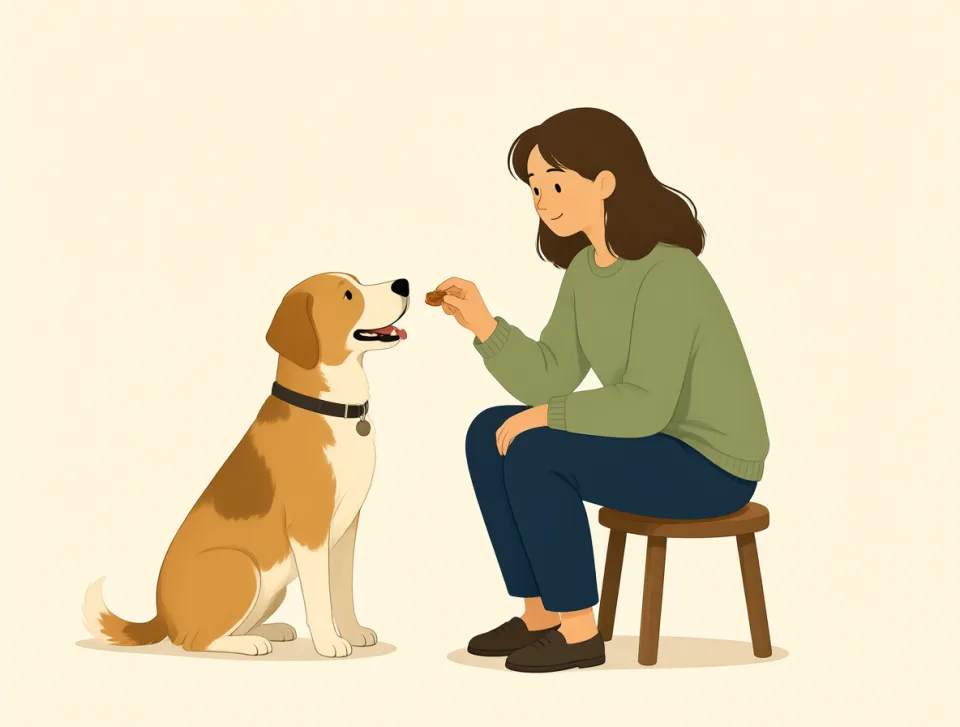
Our dog gets a reward whenever he follows a command.
আমাদের কুকুরটি কোনো নির্দেশ মানলেই পুরস্কার পায়।

The company rewards loyal customers with special discounts.
কোম্পানিটি বিশ্বস্ত ক্রেতাদের বিশেষ ছাড় দিয়ে পুরস্কৃত করে।

east
#1749noun, adjective, adverb, preposition
পূর্ব
the direction where the sun rises, or the eastern part of a place
যেদিকে সূর্য ওঠে, অথবা কোনো স্থানের পূর্ব দিকের অংশ।

The sun rises in the east every morning.
প্রতিদিন সকালে সূর্য পূর্ব দিকে ওঠে।

Our hotel is on the east side of town.
আমাদের হোটেলটি শহরের পূর্ব দিকে।

We drove east for two hours to reach the coast.
উপকূলে পৌঁছাতে আমরা দুই ঘণ্টা পূর্ব দিকে গাড়ি চালিয়েছিলাম।
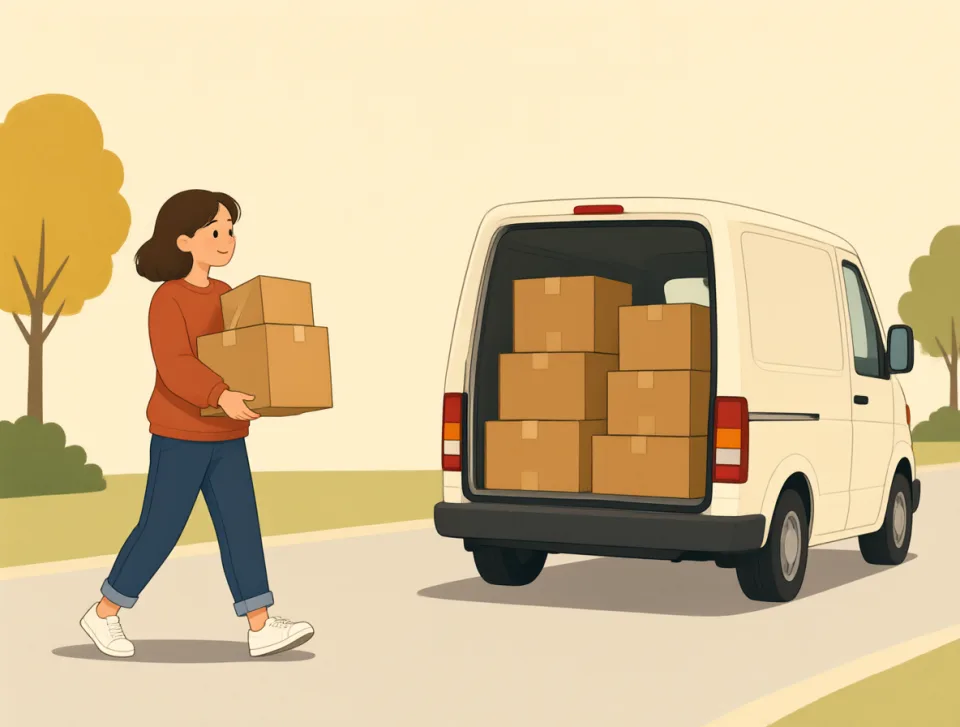
She moved east after finding a new job.
নতুন চাকরি পাওয়ার পর সে পূর্ব দিকে চলে গেল।

The wind is coming from the east today.
আজ বাতাস পূর্ব দিক থেকে আসছে।

hat
#1750noun
টুপি
A covering worn on the head, often for warmth, protection, or style.
মাথায় পরার আবরণ, যা সাধারণত উষ্ণতা, সুরক্ষা বা সাজের জন্য পরা হয়।

He put on his hat before going outside.
বাইরে যাওয়ার আগে সে টুপিটা পরল।

She bought a new hat for the sunny beach.
রোদেলা সমুদ্রসৈকতে পরার জন্য সে একটি নতুন টুপি কিনল।
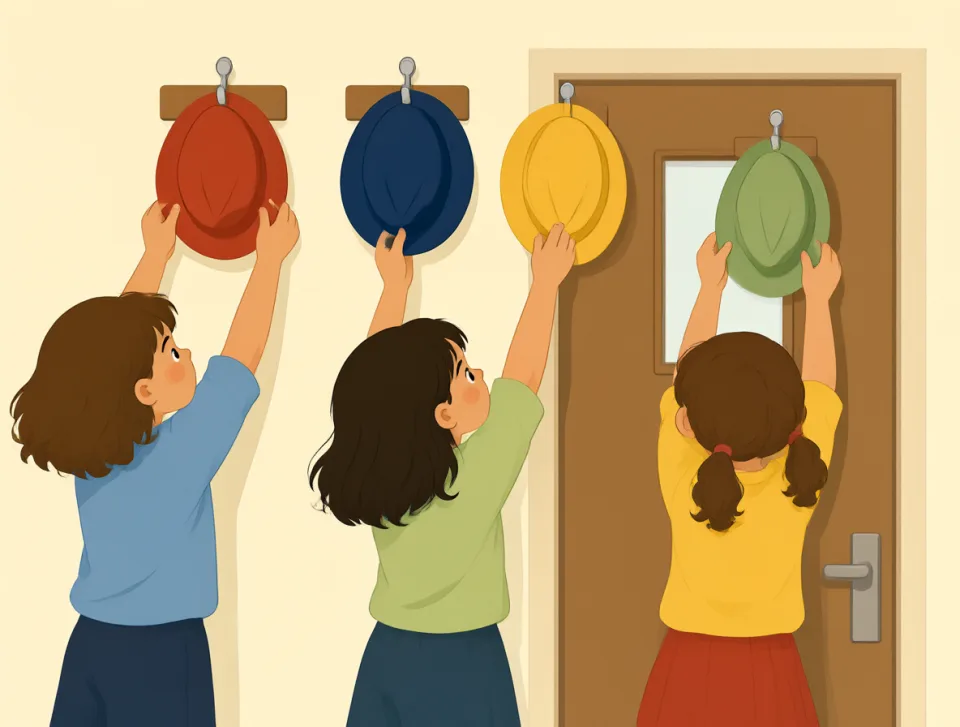
The children hung their hats beside the classroom door.
শিশুরা শ্রেণিকক্ষের দরজার পাশে তাদের টুপিগুলো ঝুলিয়ে রাখল।

Please take your hat off during the meeting.
সভা চলাকালে দয়া করে আপনার টুপিটি খুলে রাখুন।
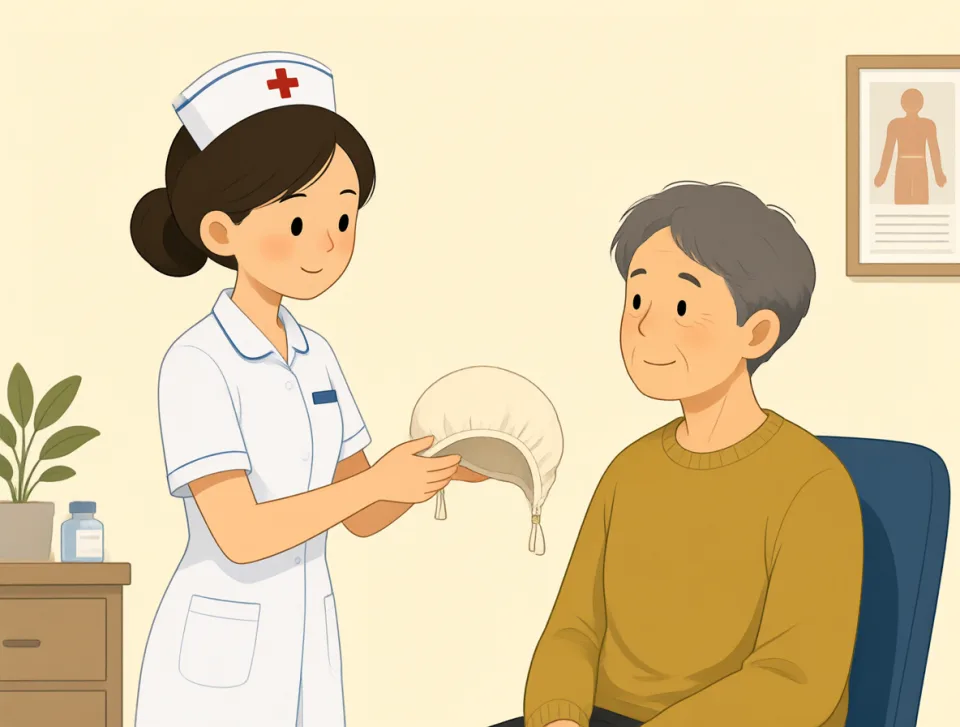
The nurse gave him a hat to protect his head.
মাথা রক্ষার জন্য নার্স তাকে একটি টুপি দিলেন।

academic
#1751adjective
শিক্ষাসংক্রান্ত
Connected with education, especially studying and teaching at a school or university.
শিক্ষার সঙ্গে সম্পর্কিত, বিশেষ করে স্কুল বা বিশ্ববিদ্যালয়ে পড়াশোনা ও শিক্ষাদানের সঙ্গে।

She received an academic award for her excellent school results.
স্কুলে দারুণ ফলাফলের জন্য সে একটি শিক্ষাসংক্রান্ত পুরস্কার পেয়েছিল।

The university offers academic courses in business and computer science.
বিশ্ববিদ্যালয়টি ব্যবসা ও কম্পিউটার বিজ্ঞানের বিভিন্ন শিক্ষাসংক্রান্ত কোর্স করায়।
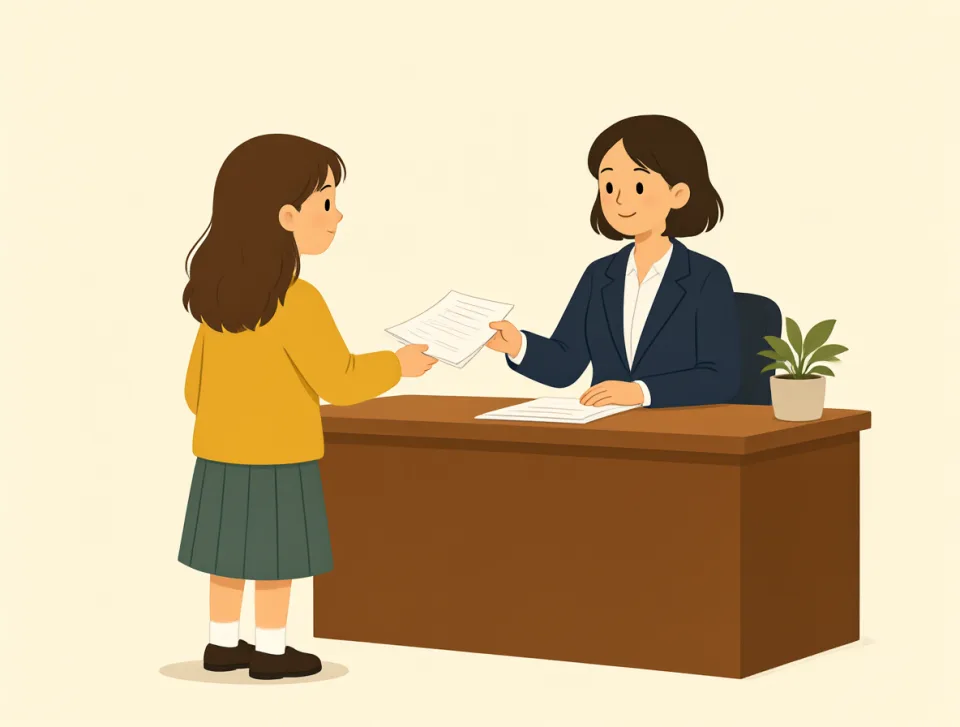
His academic record helped him get a place at college.
তার শিক্ষাগত রেকর্ড তাকে কলেজে ভর্তির সুযোগ পেতে সাহায্য করেছিল।

The museum has many academic books about ancient history.
জাদুঘরটিতে প্রাচীন ইতিহাসের ওপর অনেক গবেষণাধর্মী বই আছে।

After work, she enjoys academic discussions with her friends.
কাজের পর সে বন্ধুদের সঙ্গে পড়াশোনাবিষয়ক আলোচনা করতে পছন্দ করে।
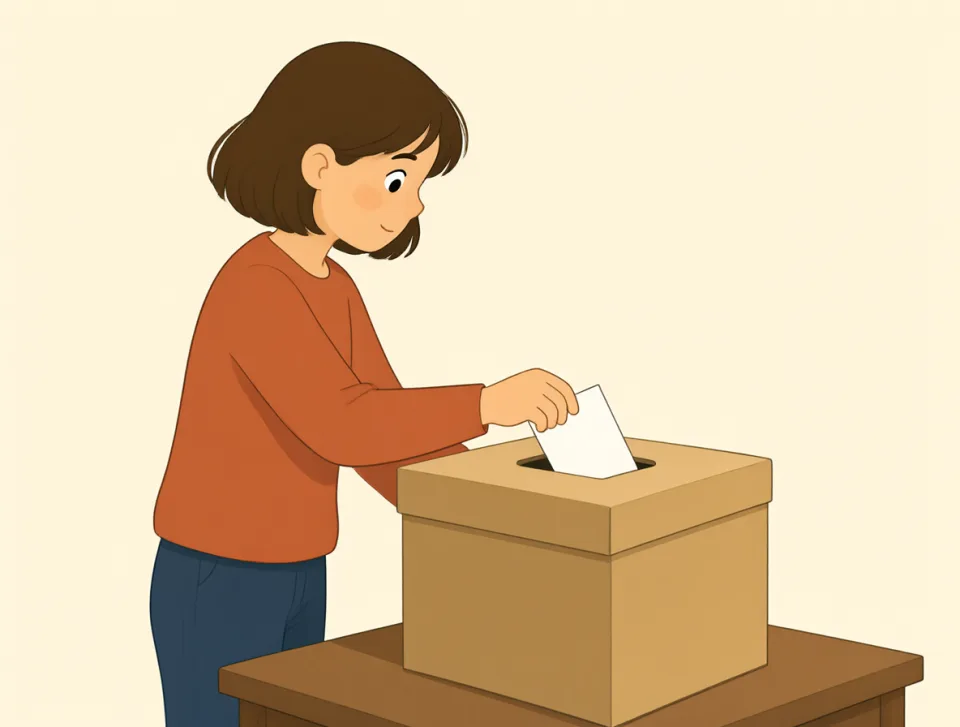
voter
#1752noun
ভোটার
A person who votes in an election.
নির্বাচনে ভোট দেন এমন ব্যক্তি।
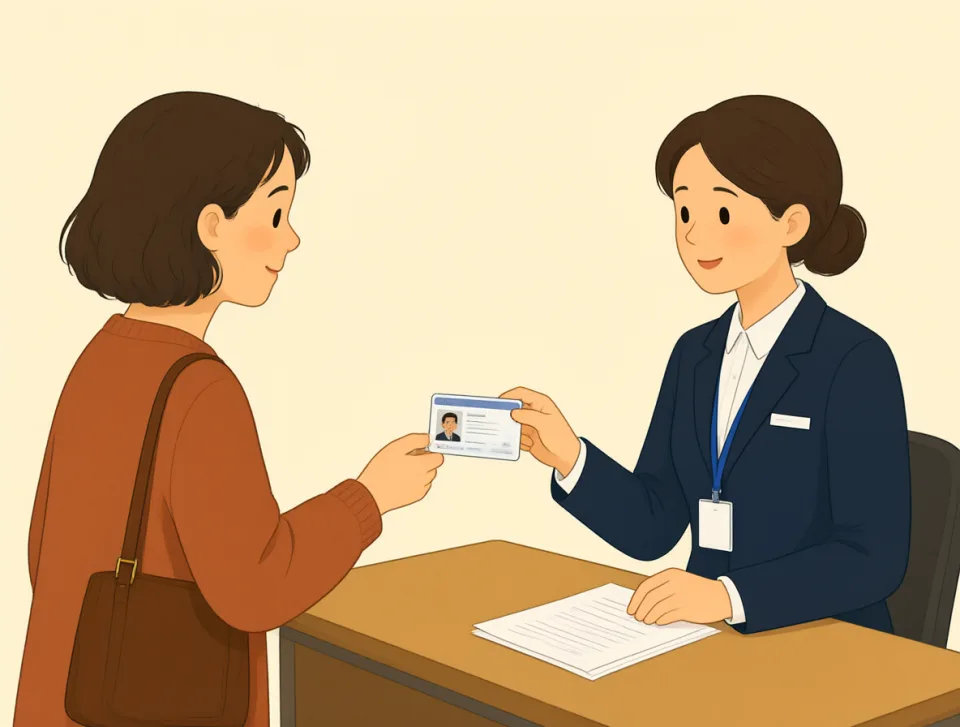
Every voter must show identification before casting a ballot.
ভোট দেওয়ার আগে প্রত্যেক ভোটারকে পরিচয়পত্র দেখাতে হবে।
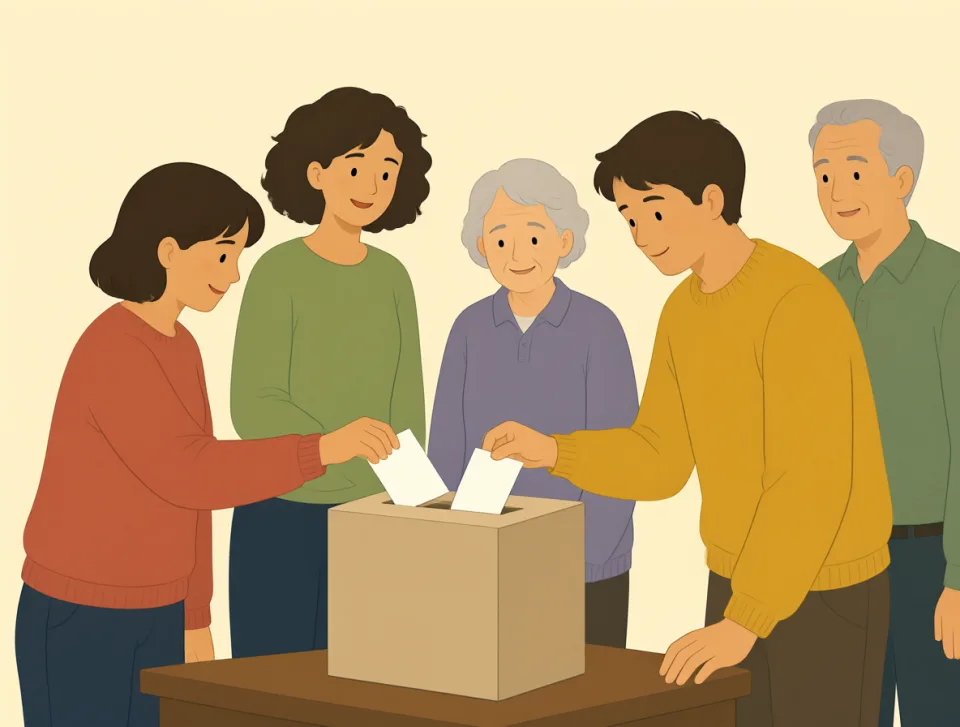
Many voters chose a new mayor in yesterday’s local election.
গতকালের স্থানীয় নির্বাচনে অনেক ভোটার নতুন মেয়র বেছে নিয়েছেন।
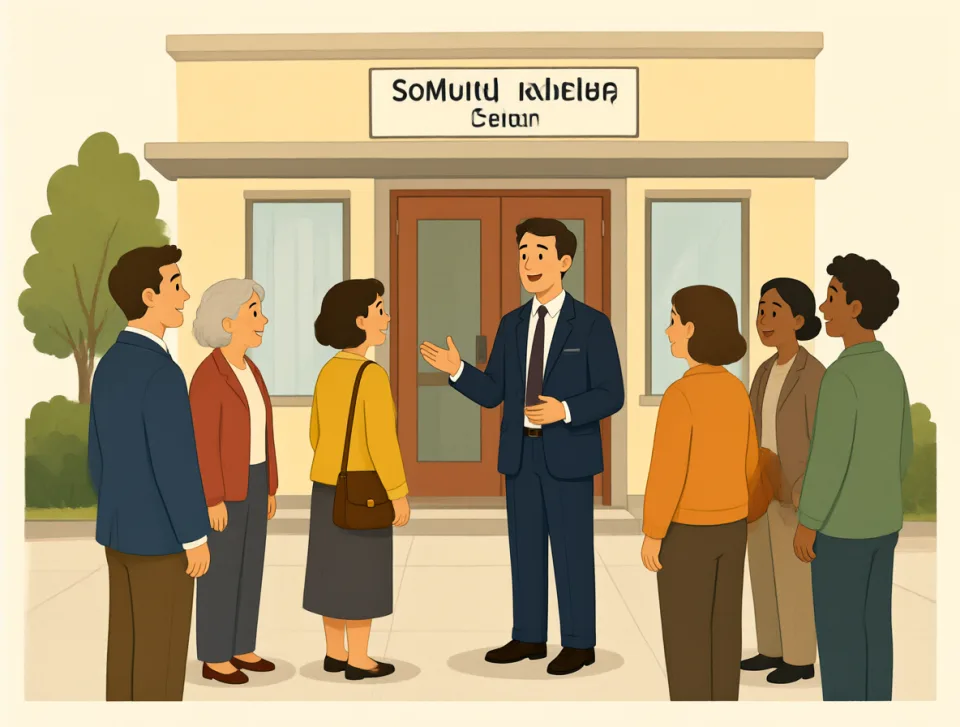
The candidate spoke with voters outside the community center.
প্রার্থী কমিউনিটি সেন্টারের বাইরে ভোটারদের সঙ্গে কথা বলেছিলেন।

Young voters often discuss elections with their friends at school.
তরুণ ভোটাররা প্রায়ই স্কুলে বন্ধুদের সঙ্গে নির্বাচন নিয়ে আলোচনা করে।
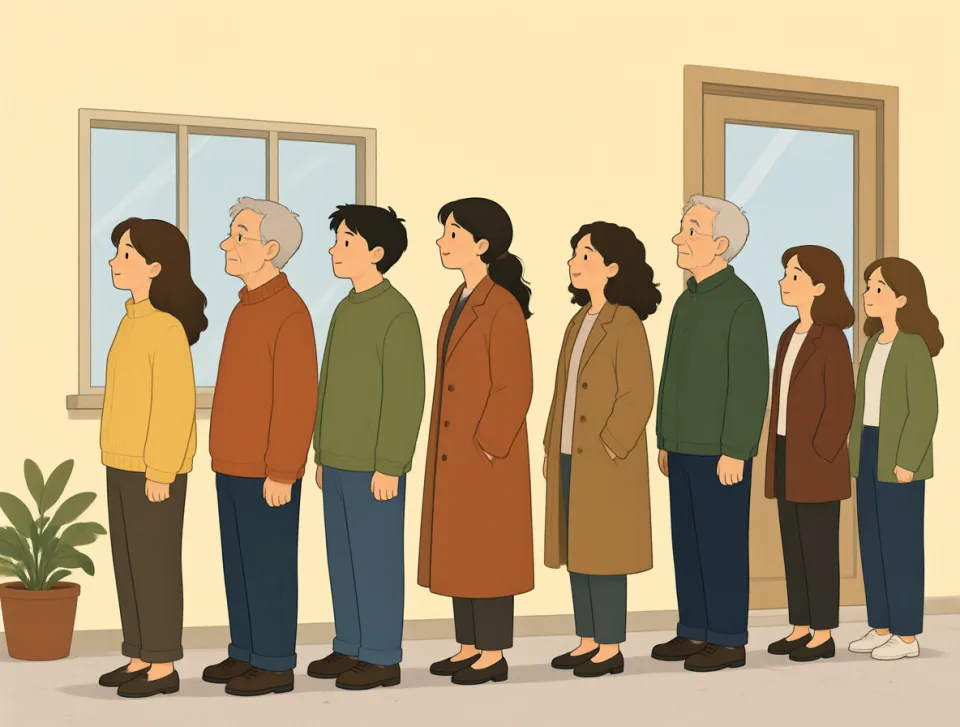
Voters waited patiently in line to cast their ballots.
ভোটাররা ভোট দেওয়ার জন্য ধৈর্য ধরে লাইনে অপেক্ষা করছিলেন।
meanwhile
#1753adverb
এদিকে
at the same time as something else is happening
অন্য কোনো ঘটনা ঘটার একই সময়ে।
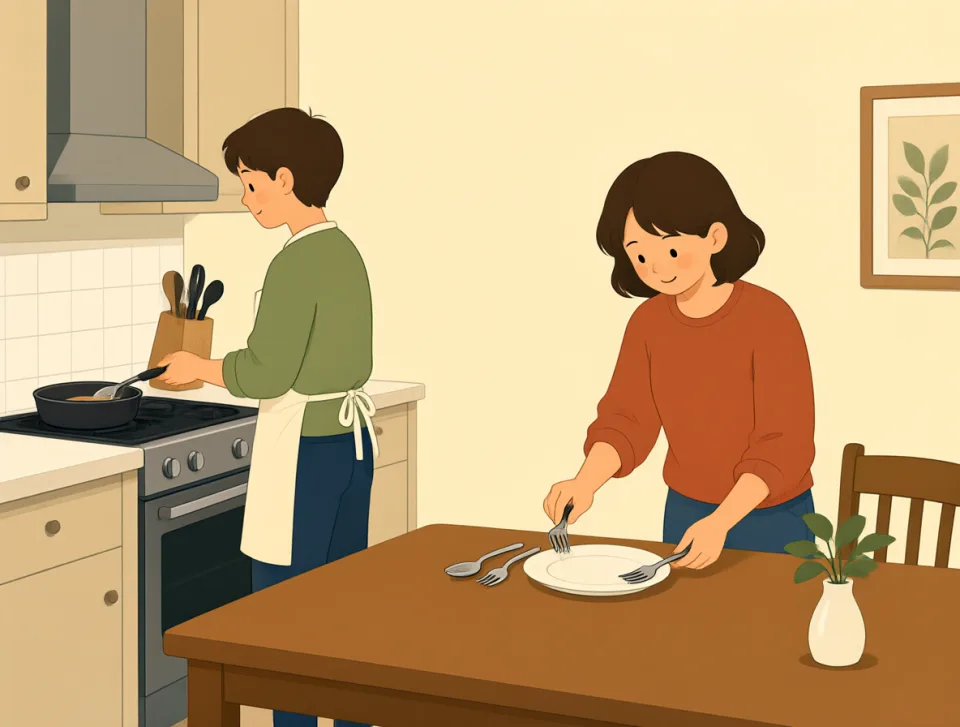
I cooked dinner; meanwhile, my brother set the table.
আমি রাতের খাবার রান্না করলাম; এদিকে, আমার ভাই টেবিল সাজাল।
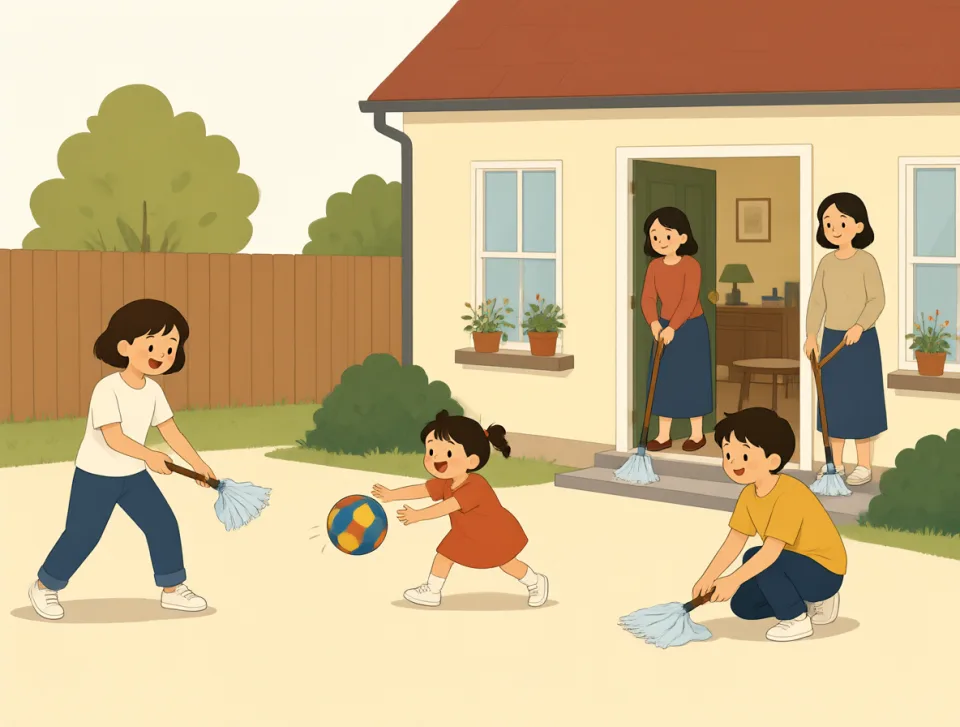
Meanwhile, the children played outside while their parents cleaned.
এদিকে, বাচ্চারা বাইরে খেলছিল, আর তাদের বাবা-মা ঘর পরিষ্কার করছিলেন।
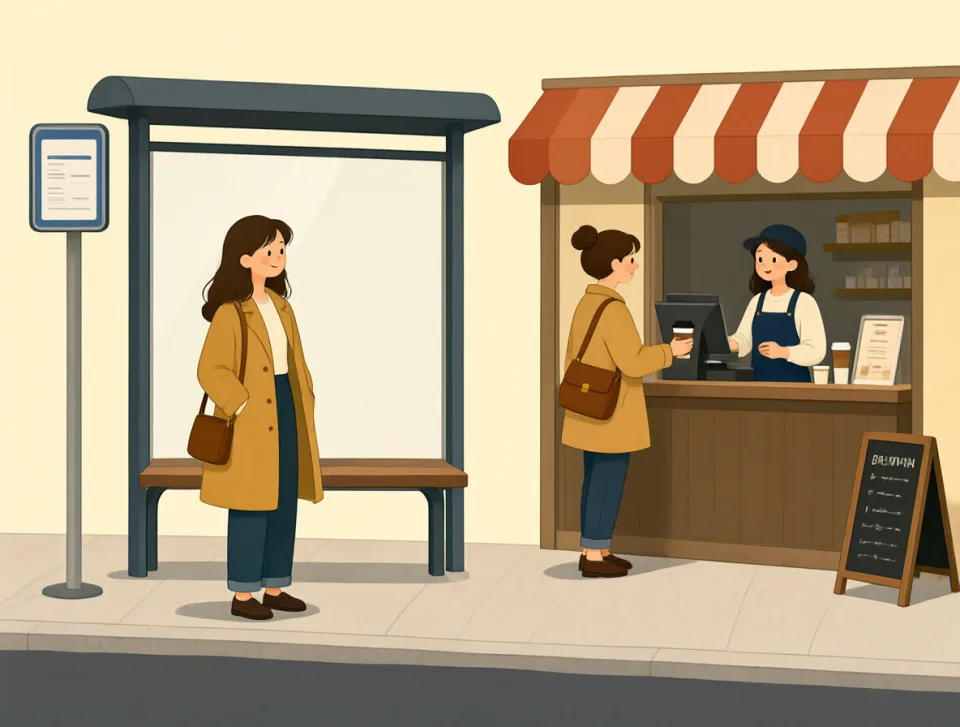
She waited for the bus; meanwhile, her friend bought coffee.
সে বাসের জন্য অপেক্ষা করছিল; এদিকে, তার বন্ধু কফি কিনল।

The manager spoke to customers; meanwhile, workers filled the shelves.
ম্যানেজার ক্রেতাদের সঙ্গে কথা বলছিলেন; এদিকে, কর্মীরা তাকগুলোতে পণ্য সাজাচ্ছিলেন।
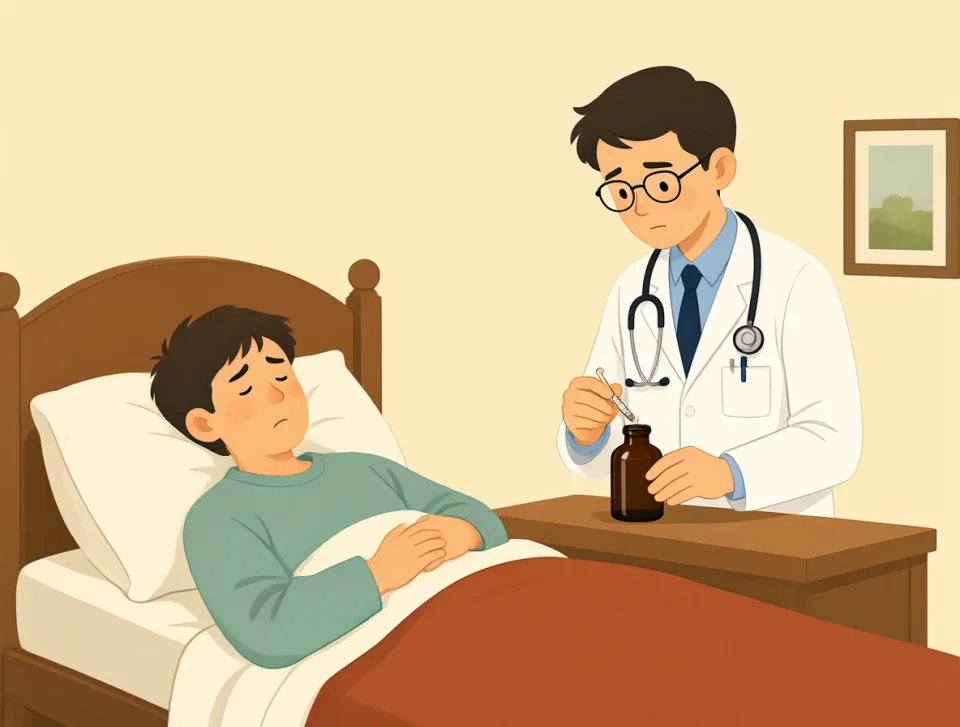
He rested in bed; meanwhile, the doctor prepared his medicine.
সে বিছানায় বিশ্রাম নিচ্ছিল; এদিকে, ডাক্তার তার ওষুধ তৈরি করছিলেন।

furthermore
#1754adverb
তদুপরি
Used to add another important fact or reason to what you have just said.
আপনি এইমাত্র যা বলেছেন, তার সঙ্গে আরেকটি গুরুত্বপূর্ণ তথ্য বা কারণ যোগ করতে ব্যবহৃত হয়।
The hotel is cheap; furthermore, it is close to the beach.
হোটেলটি সস্তা; তদুপরি, এটি সমুদ্রসৈকতের কাছেও।

She speaks three languages and furthermore has excellent computer skills.
সে তিনটি ভাষায় কথা বলে, তদুপরি তার কম্পিউটারে দারুণ দক্ষতা আছে।
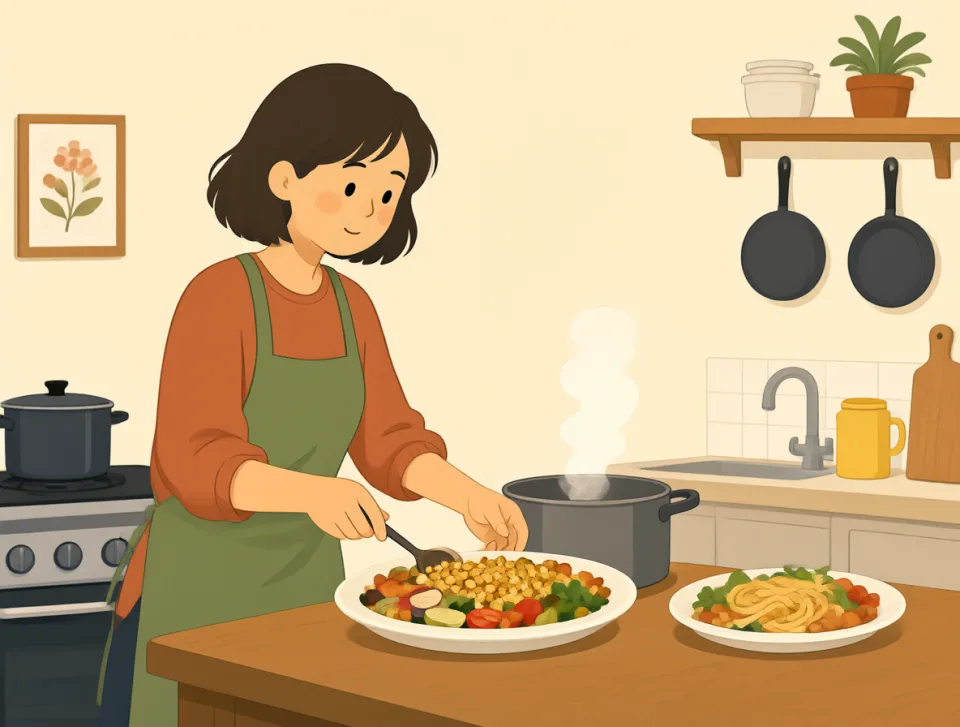
The meal was delicious and furthermore very easy to prepare.
খাবারটি সুস্বাদু ছিল, তদুপরি তৈরি করাও খুব সহজ ছিল।
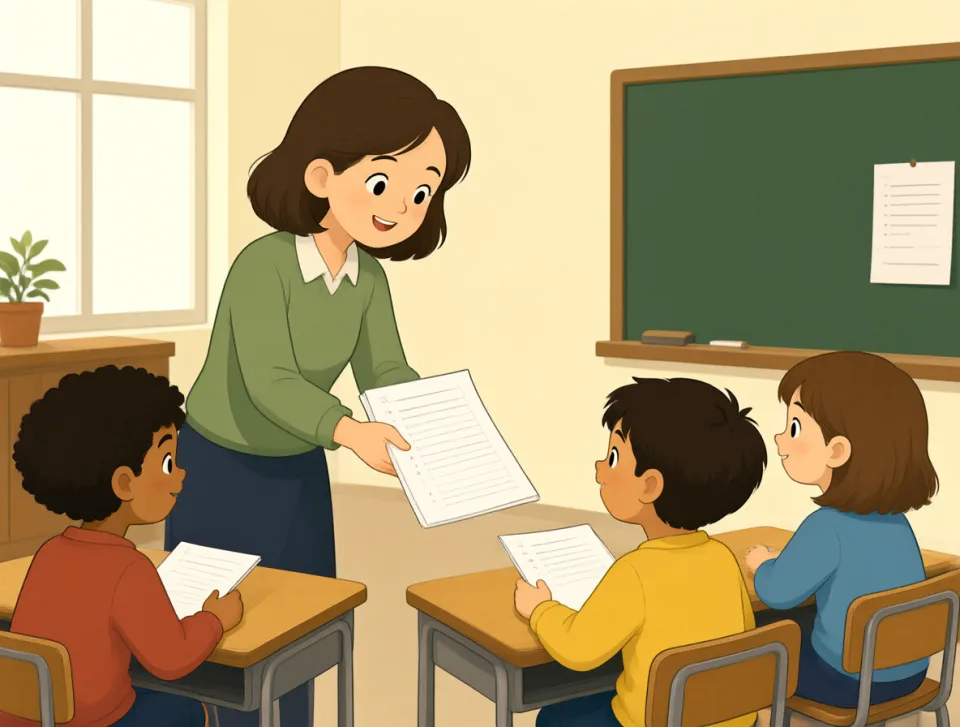
The teacher explained the lesson clearly; furthermore, she gave us extra practice.
শিক্ষক পাঠটি স্পষ্টভাবে বুঝিয়ে দিয়েছিলেন; তদুপরি, তিনি আমাদের অতিরিক্ত অনুশীলন করিয়েছিলেন।

The medicine is effective; furthermore, it has very few side effects.
ওষুধটি কার্যকর; তদুপরি, এর পার্শ্বপ্রতিক্রিয়াও খুব কম।

accuse
#1755verb
অভিযুক্ত করা
To say that someone did something wrong or illegal.
কেউ কোনো অন্যায় বা বেআইনি কাজ করেছে বলে দাবি করা।
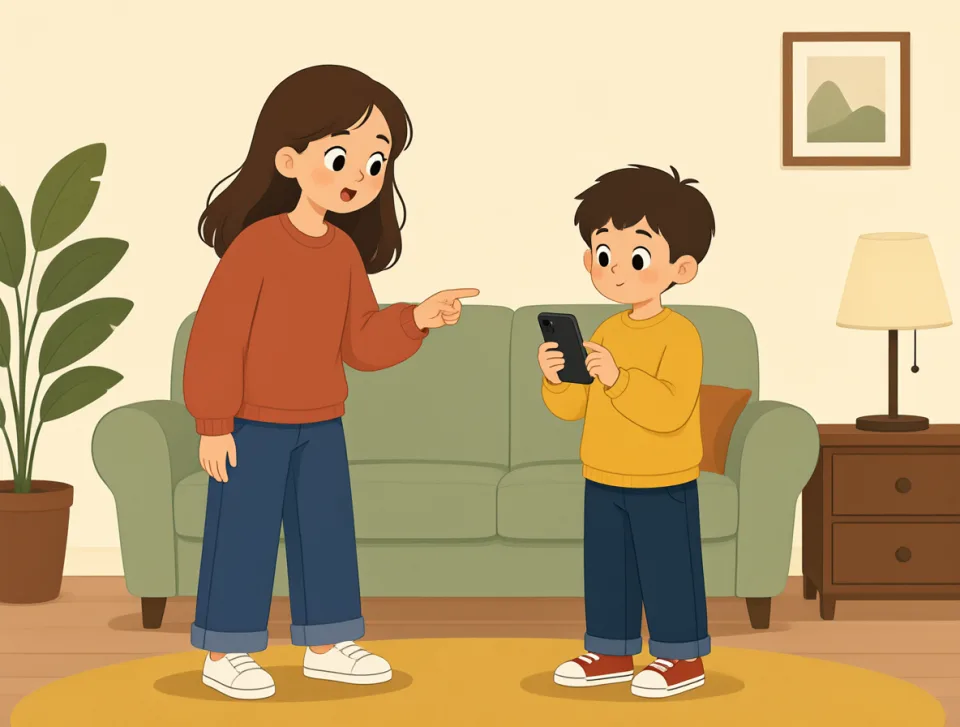
She accused her brother of taking her phone.
সে তার ভাইকে তার ফোন নেওয়ার জন্য অভিযুক্ত করল।

The manager accused the employee of lying about being sick.
ম্যানেজার কর্মচারীকে অসুস্থ থাকার কথা মিথ্যা বলার জন্য অভিযুক্ত করলেন।

The teacher accused Tom of copying another student's homework.
শিক্ষক টমকে অন্য এক শিক্ষার্থীর বাড়ির কাজ নকল করার জন্য অভিযুক্ত করলেন।
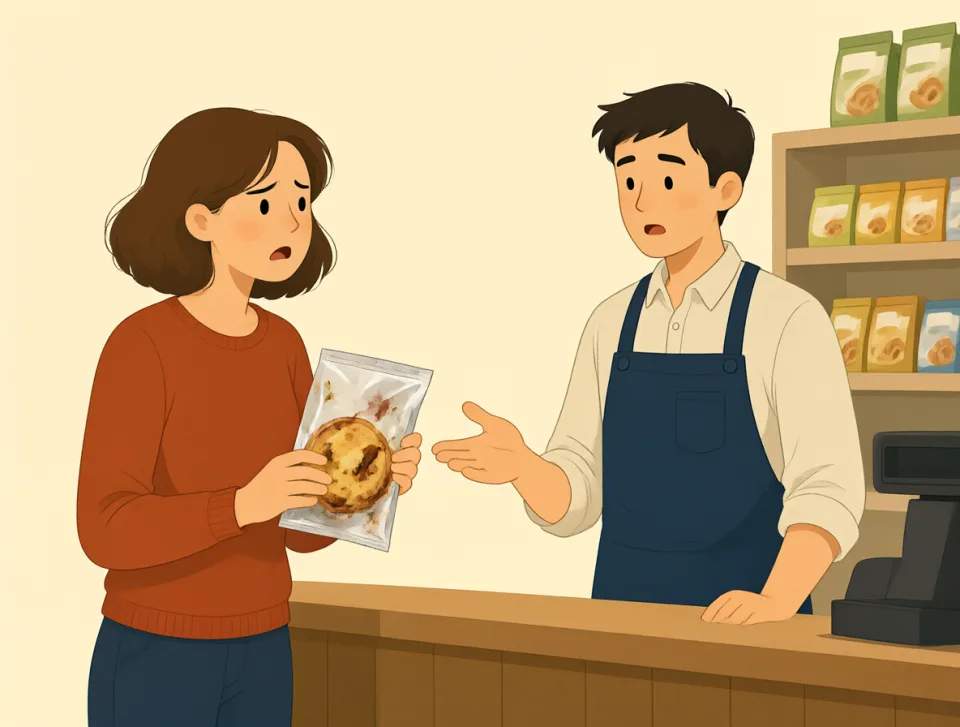
The customer accused the shop of selling her old food.
ক্রেতা দোকানটির বিরুদ্ধে তাকে বাসি খাবার বিক্রির অভিযোগ করলেন।

He accused his friend of ignoring him at the party.
সে তার বন্ধুকে পার্টিতে তাকে উপেক্ষা করার জন্য অভিযুক্ত করল।

scientific
#1756adjective
বৈজ্ঞানিক
Connected with science or based on careful study and testing.
বিজ্ঞান-সম্পর্কিত বা সতর্কভাবে গবেষণা ও পরীক্ষা-নিরীক্ষার ভিত্তিতে তৈরি।

The report gives scientific evidence for the new health advice.
প্রতিবেদনটিতে নতুন স্বাস্থ্যবিষয়ক পরামর্শের পক্ষে বৈজ্ঞানিক প্রমাণ রয়েছে।
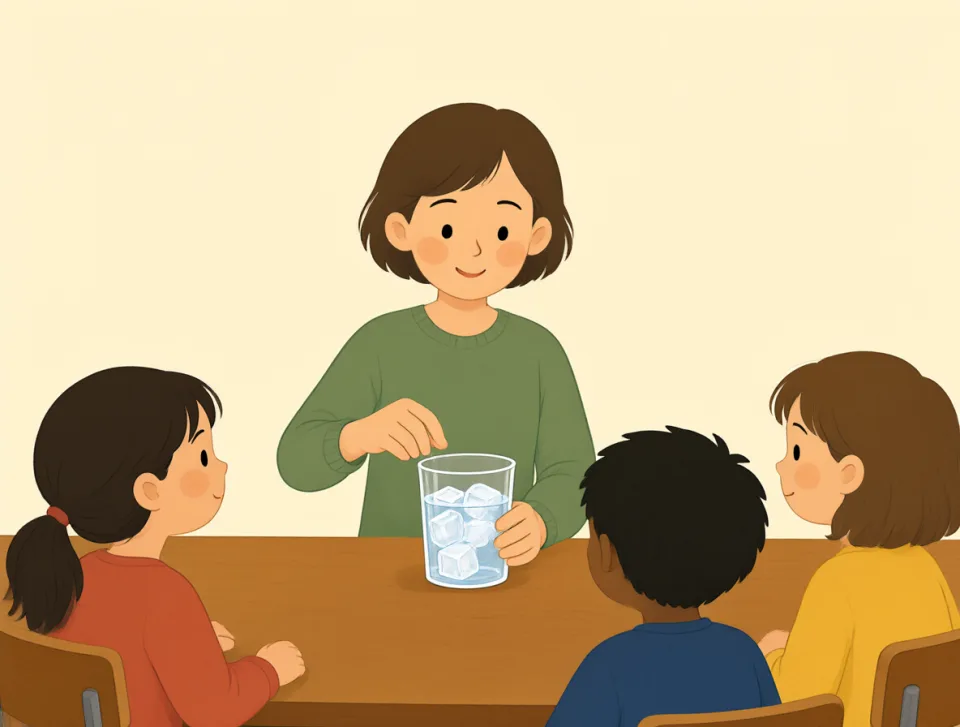
Our science teacher showed us a scientific experiment with water and ice.
আমাদের বিজ্ঞানের শিক্ষক পানি ও বরফ নিয়ে একটি বৈজ্ঞানিক পরীক্ষা দেখিয়েছিলেন।
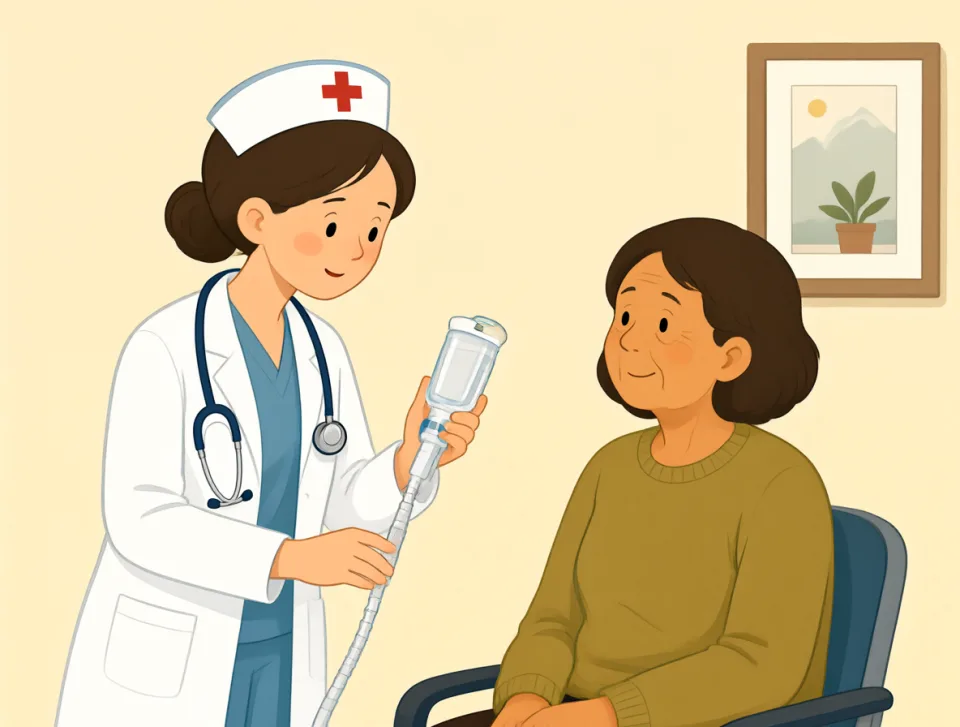
Doctors use scientific methods to find the best treatment for patients.
রোগীদের জন্য সবচেয়ে ভালো চিকিৎসা খুঁজে পেতে চিকিৎসকেরা বৈজ্ঞানিক পদ্ধতি ব্যবহার করেন।

The shop sells scientific equipment for schools and small laboratories.
দোকানটিতে স্কুল ও ছোট পরীক্ষাগারের জন্য বৈজ্ঞানিক সরঞ্জাম বিক্রি হয়।

My friend enjoys reading scientific books about animals and space.
আমার বন্ধু প্রাণী ও মহাকাশ নিয়ে বৈজ্ঞানিক বই পড়তে ভালোবাসে।

wage
#1757noun, verb
মজুরি
Money paid regularly for work, or to fight against something.
কাজের বিনিময়ে নিয়মিত দেওয়া অর্থ; অথবা কোনো কিছুর বিরুদ্ধে লড়াই করা।
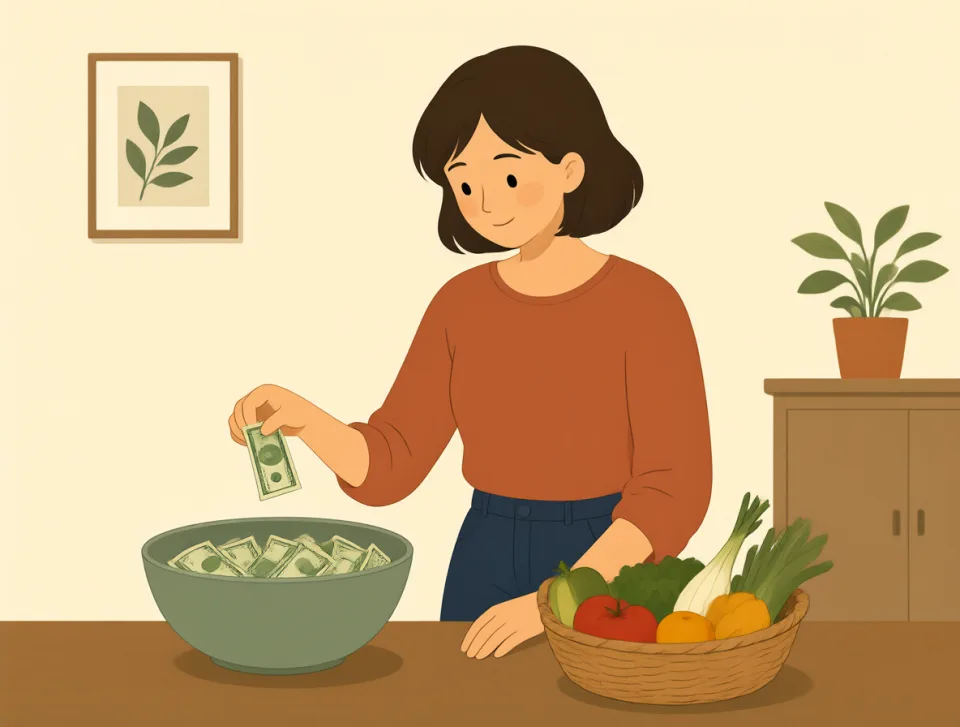
Her weekly wage helps pay for rent and food.
তার সাপ্তাহিক মজুরি দিয়ে ভাড়া ও খাবারের খরচ মেটাতে সাহায্য হয়।

The company raised wages for all its workers this year.
কোম্পানিটি এ বছর সব কর্মীর মজুরি বাড়িয়েছে।

Many students work part-time to earn a wage.
অনেক শিক্ষার্থী মজুরি উপার্জনের জন্য খণ্ডকালীন কাজ করে।

The workers went on strike for higher wages.
বেশি মজুরির দাবিতে শ্রমিকেরা ধর্মঘট করেছিলেন।

The government is waging a campaign against childhood obesity.
শিশুদের স্থূলতার বিরুদ্ধে সরকার একটি প্রচারাভিযান চালাচ্ছে।
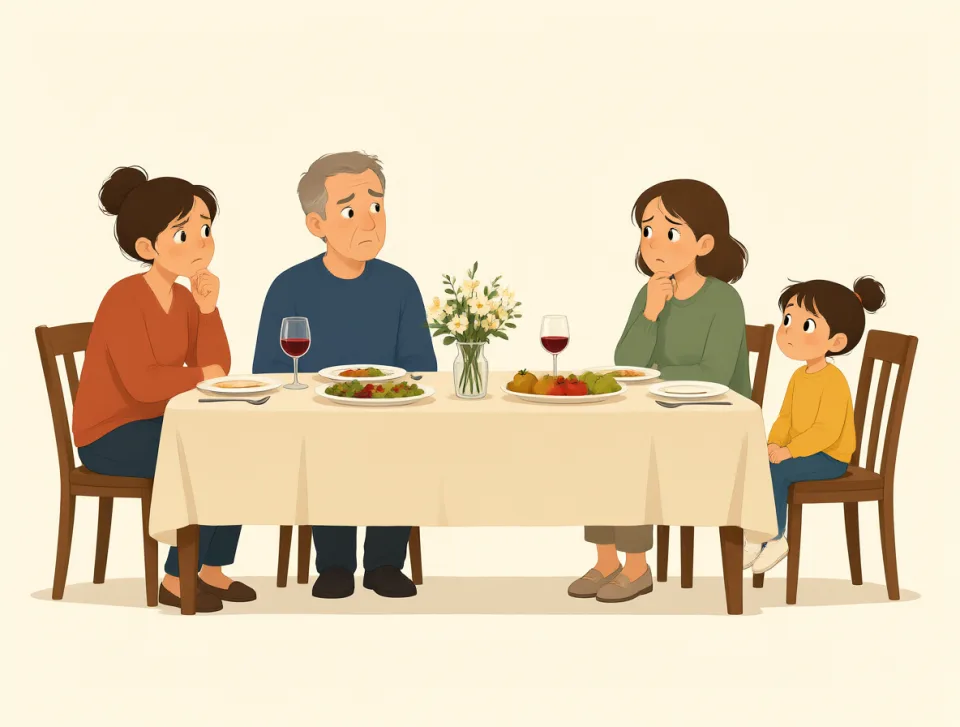
absence
#1758noun
অনুপস্থিতি
The state of not being somewhere or not having something that is needed.
কোথাও না থাকা বা প্রয়োজনীয় কোনো কিছুর অভাবের অবস্থা।

Her absence from work worried her manager.
কাজে তার অনুপস্থিতি তার ব্যবস্থাপককে চিন্তিত করেছিল।
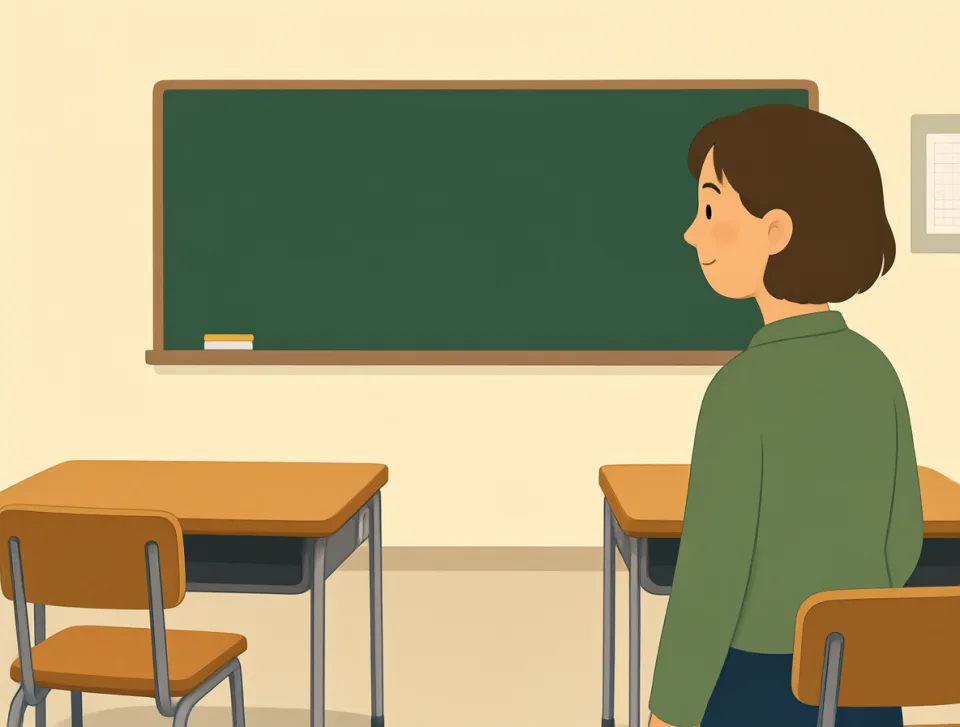
The teacher noticed his absence from class.
শিক্ষক ক্লাসে তার অনুপস্থিতি লক্ষ করেছিলেন।
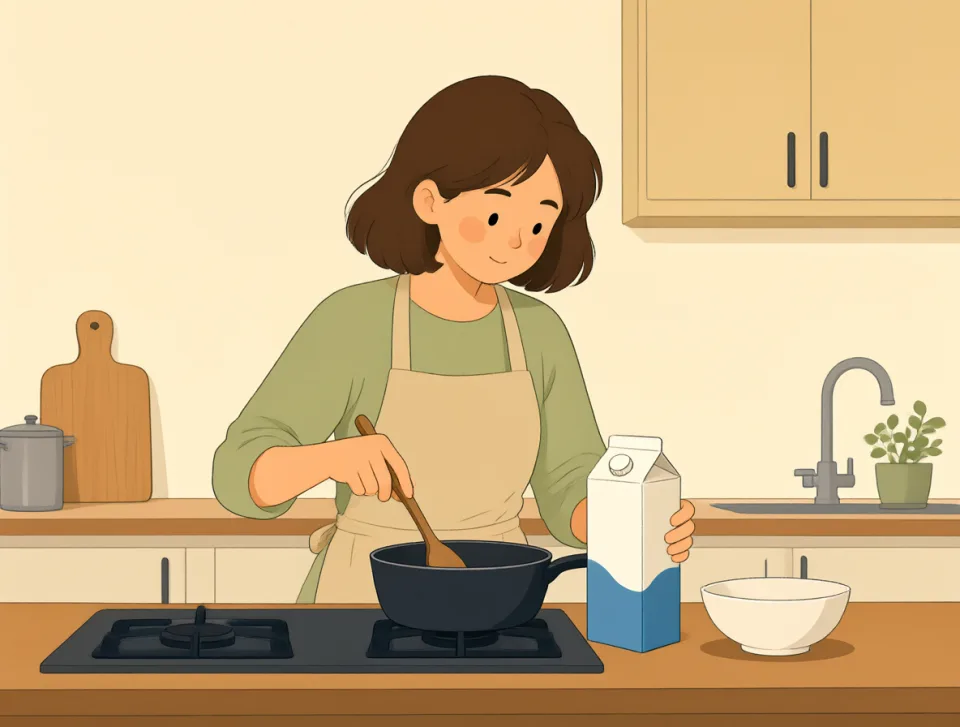
In the absence of milk, we used water instead.
দুধ না থাকায় আমরা তার বদলে পানি ব্যবহার করেছিলাম।
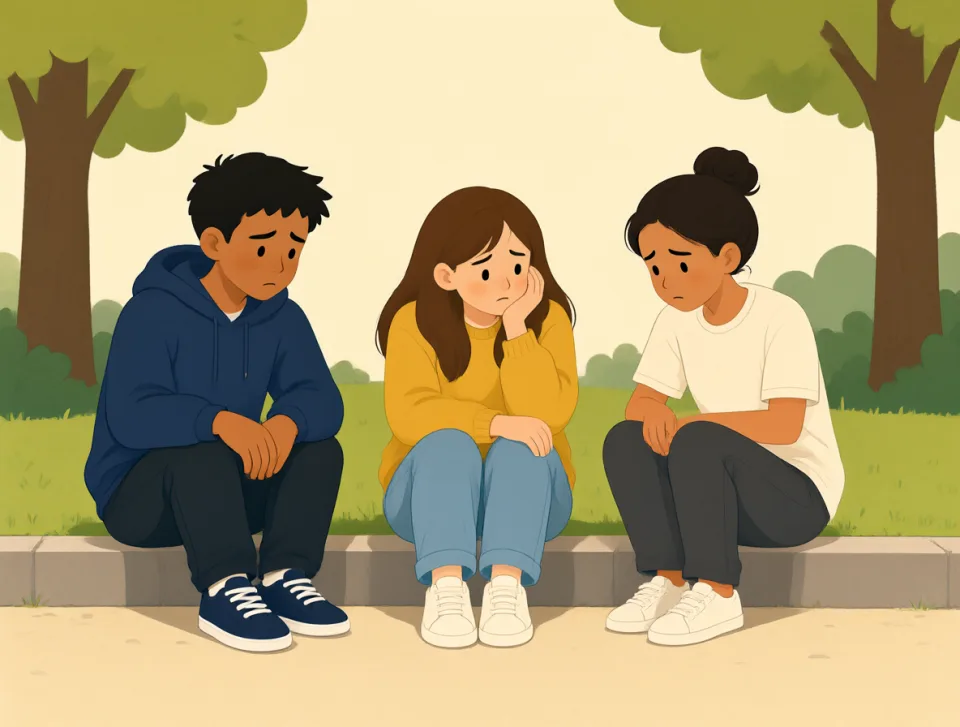
His long absence made his friends miss him.
তার দীর্ঘ অনুপস্থিতিতে বন্ধুরা তাকে খুব মিস করেছিল।

The doctor asked about any absence of pain.
চিকিৎসক ব্যথা একেবারেই আছে কি না জানতে চেয়েছিলেন।

construct
#1759verb, noun
নির্মাণ করা
to build something, or an idea formed from different parts
কিছু তৈরি বা নির্মাণ করা; অথবা বিভিন্ন অংশ নিয়ে গঠিত কোনো ধারণা।
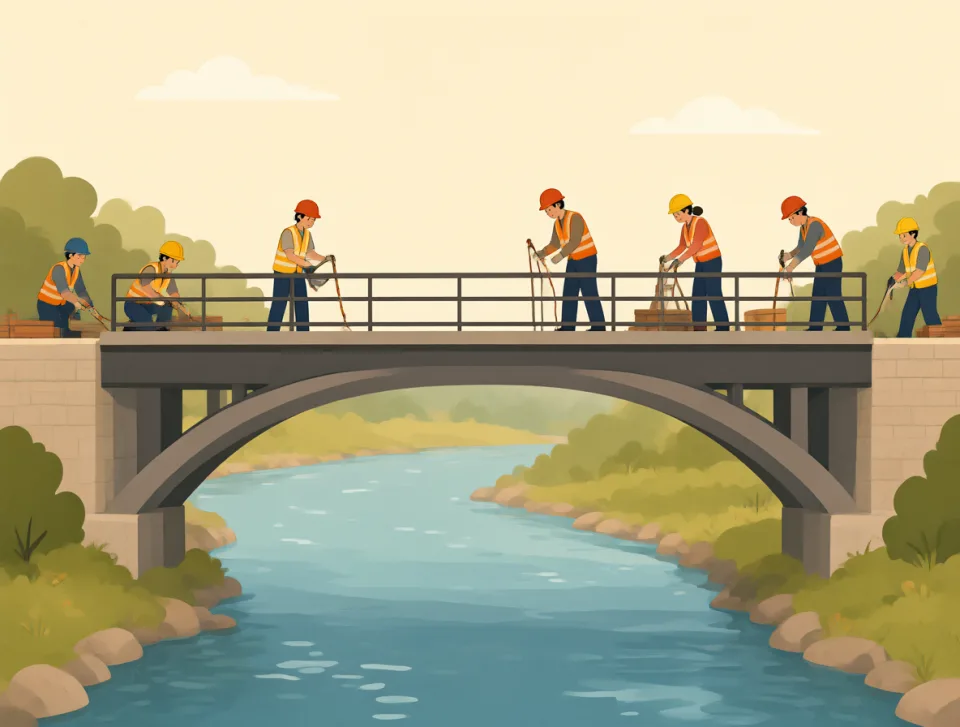
Workers are constructing a new bridge across the river.
শ্রমিকেরা নদীর ওপর দিয়ে একটি নতুন সেতু নির্মাণ করছেন।

The company constructed a simple plan for the next year.
কোম্পানিটি আগামী বছরের জন্য একটি সহজ পরিকল্পনা তৈরি করেছিল।

We constructed a shelter from branches during our hike.
হাইকিংয়ের সময় আমরা গাছের ডাল দিয়ে একটি আশ্রয়স্থল তৈরি করেছিলাম।
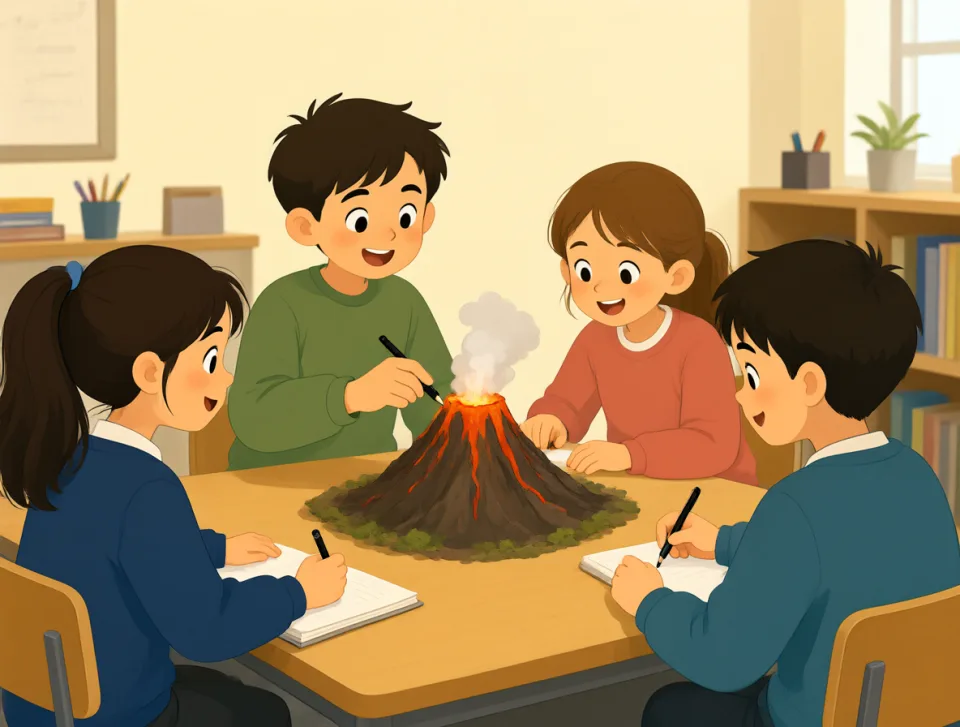
Students constructed a model volcano for their science class.
শিক্ষার্থীরা বিজ্ঞানের ক্লাসের জন্য আগ্নেয়গিরির একটি মডেল তৈরি করেছিল।
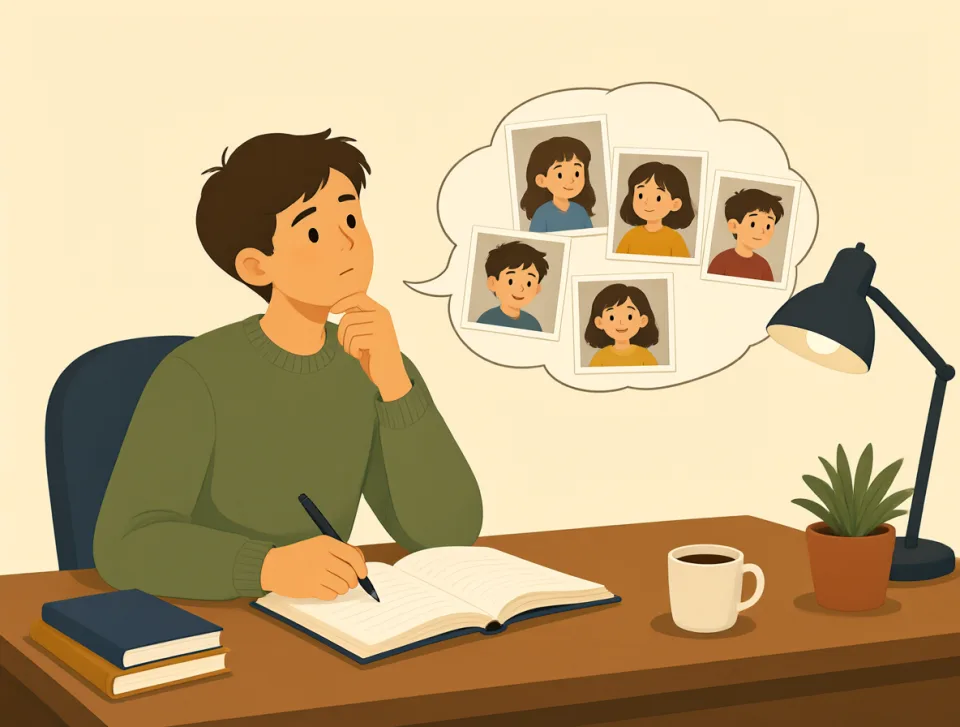
The story is constructed from memories of the writer's childhood.
গল্পটি লেখকের শৈশবের স্মৃতি থেকে গড়ে উঠেছে।
remark
#1760noun, verb
মন্তব্য
a comment that gives your opinion, or to make such a comment
মতামত জানানো কোনো কথা; অথবা এমন মন্তব্য করা।

She made a helpful remark during the team meeting.
দলের বৈঠকে সে একটি উপকারী মন্তব্য করেছিল।

The teacher remarked that everyone had worked very hard.
শিক্ষক মন্তব্য করেছিলেন যে সবাই খুব পরিশ্রম করেছে।
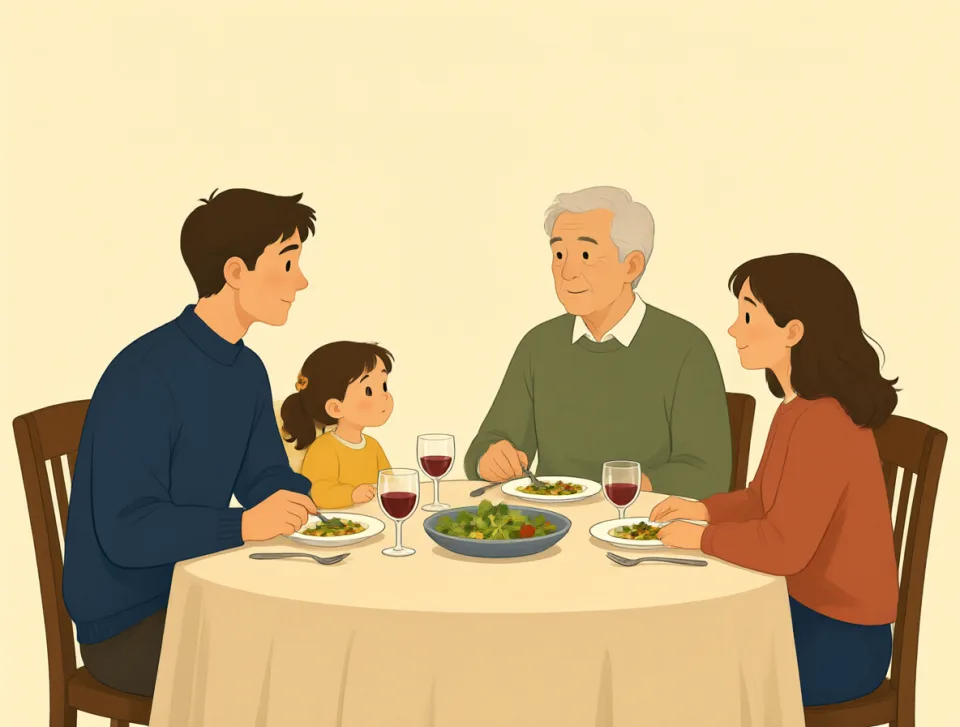
His rude remarks made dinner uncomfortable for everyone.
তার অভদ্র মন্তব্যগুলো সবার জন্য রাতের খাবারের পরিবেশ অস্বস্তিকর করে তুলেছিল।

The shop assistant remarked on my bright red jacket.
দোকানের সহকারী আমার উজ্জ্বল লাল জ্যাকেটটি নিয়ে মন্তব্য করেছিলেন।

I heard several funny remarks during our train journey.
ট্রেনে আমাদের যাত্রার সময় আমি বেশ কয়েকটি মজার মন্তব্য শুনেছিলাম।