इकाई 88
शब्द 1741–1760 · chart, attach, hell, everywhere, advise, household
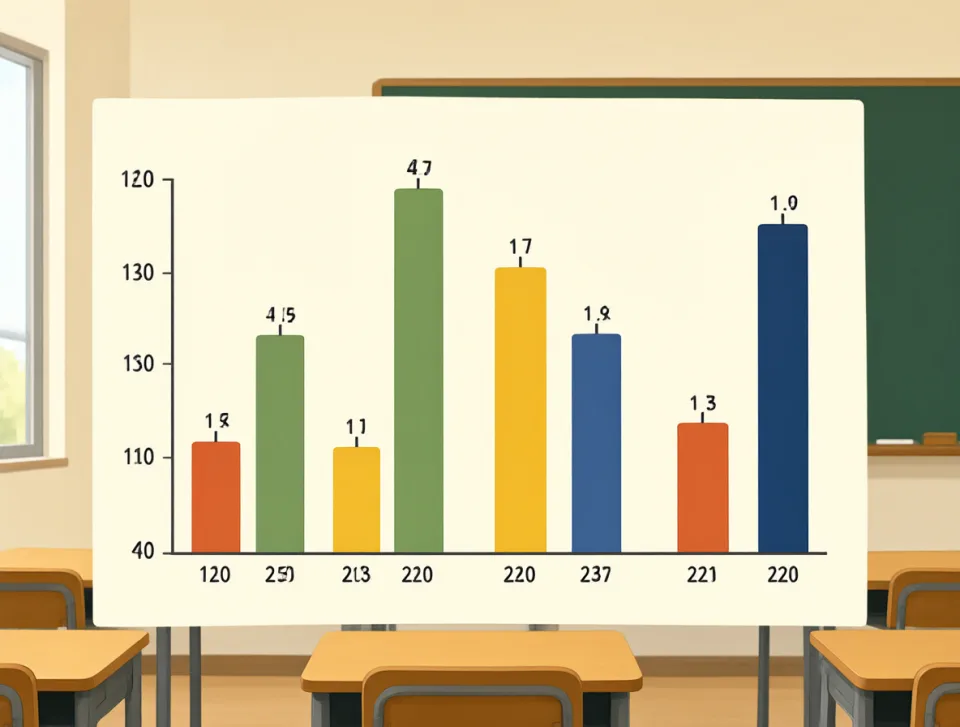
chart
#1741noun, verb
चार्ट
A drawing that shows information, or to record information on a chart.
जानकारी दिखाने वाला चित्र, या चार्ट में जानकारी दर्ज करना।

The doctor showed me a chart of my blood pressure.
डॉक्टर ने मुझे मेरे रक्तचाप का चार्ट दिखाया।

The weather chart predicts rain for most of the week.
मौसम का चार्ट बताता है कि सप्ताह के ज़्यादातर दिनों में बारिश होगी।
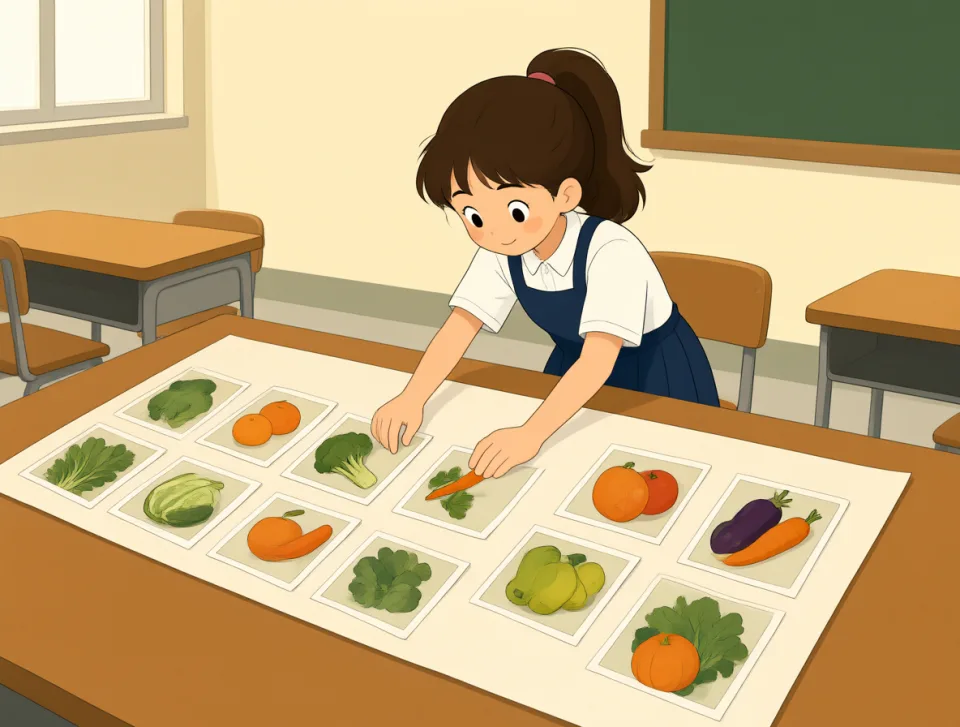
Our teacher asked us to make a chart about healthy foods.
हमारे शिक्षक ने हमसे स्वस्थ भोजन के बारे में एक चार्ट बनाने को कहा।

The song quickly climbed the charts after its release.
रिलीज़ होने के बाद यह गाना तेज़ी से संगीत चार्ट में ऊपर चढ़ गया।

She charted our journey on a map before we left.
हमारे निकलने से पहले उसने नक्शे पर हमारी यात्रा का रास्ता दर्ज किया।

attach
#1742verb
जोड़ना
to join one thing to another, or fasten something so it stays in place
एक चीज़ को दूसरी चीज़ से जोड़ना या किसी चीज़ को इस तरह बाँधना कि वह अपनी जगह पर टिकी रहे।

Please attach the file to your email before sending it.
भेजने से पहले कृपया फ़ाइल अपने ईमेल के साथ संलग्न कर दें।
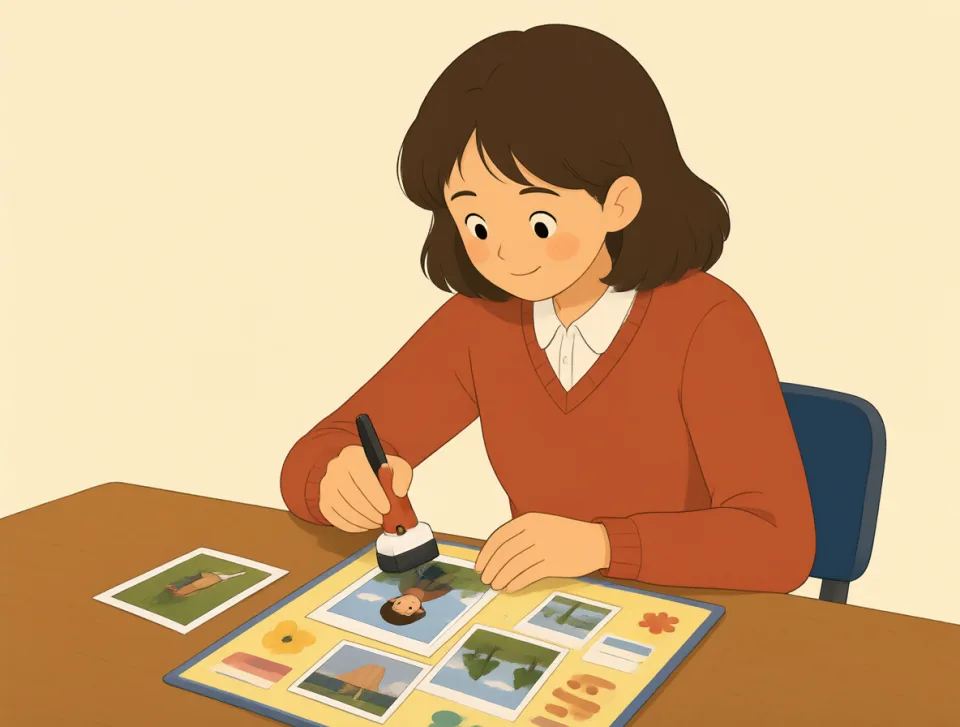
She attached a photo to her school project.
उसने अपने स्कूल प्रोजेक्ट के साथ एक तस्वीर लगाई।
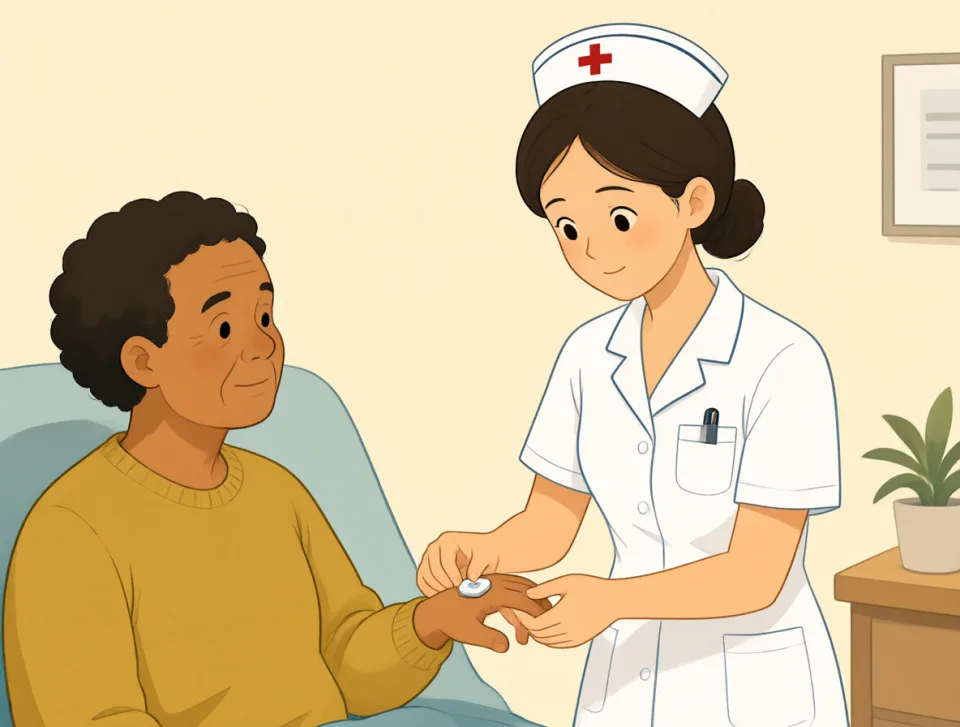
The nurse attached a small sensor to his finger.
नर्स ने उसकी उंगली पर एक छोटा सेंसर लगाया।

We attached the price tag to the new jacket.
हमने नई जैकेट पर कीमत का टैग लगा दिया।
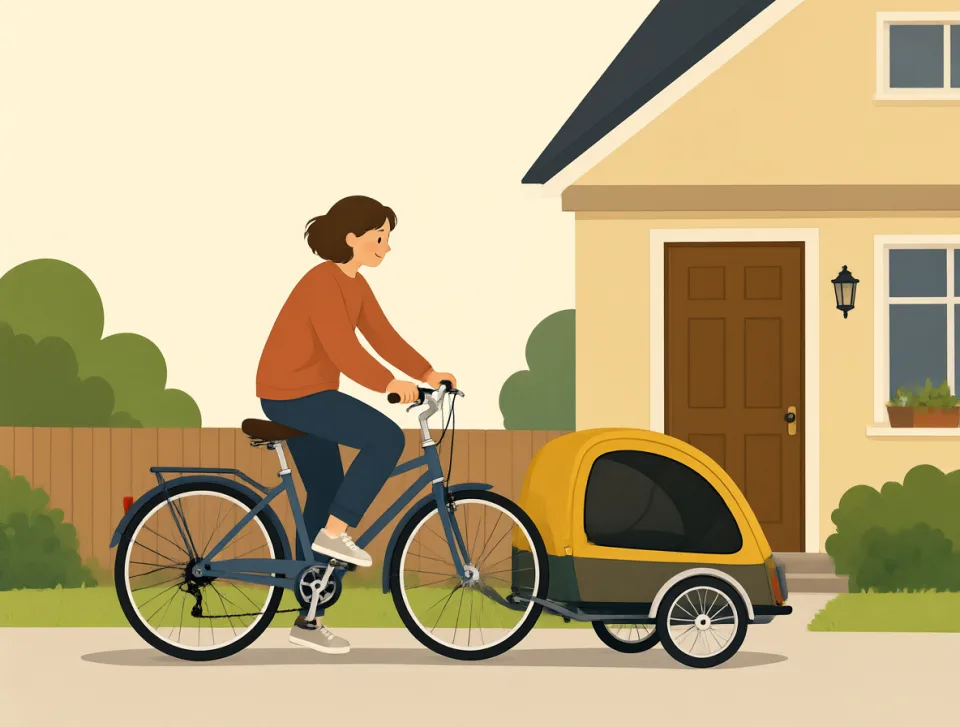
He attached the bicycle trailer before riding to the park.
पार्क जाने के लिए साइकिल चलाने से पहले उसने ट्रेलर जोड़ लिया।

hell
#1743noun, interjection
नरक
a place believed to be where bad people suffer after death; also used to show anger or surprise
ऐसी जगह जहाँ माना जाता है कि बुरे लोगों को मृत्यु के बाद कष्ट सहना पड़ता है; गुस्सा या हैरानी जताने के लिए भी इसका इस्तेमाल होता है।

He thought he would go to hell for his terrible actions.
उसने सोचा कि अपने भयानक कामों के लिए उसे नरक जाना पड़ेगा।

What the hell are you doing in my room?
आख़िर तुम मेरे कमरे में क्या कर रहे हो?
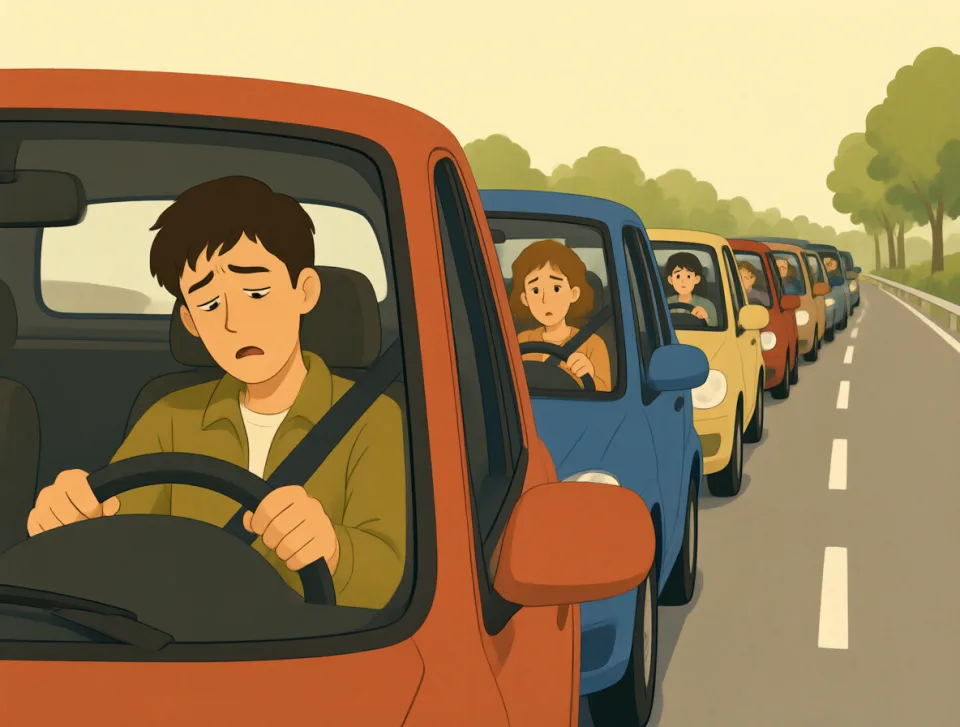
This traffic is driving me to hell today.
आज इस ट्रैफ़िक ने मेरी जान निकाल दी है।

The hikers walked through hell during the hot desert journey.
गर्म रेगिस्तान की यात्रा के दौरान पैदल यात्रियों को बहुत मुश्किलों का सामना करना पड़ा।
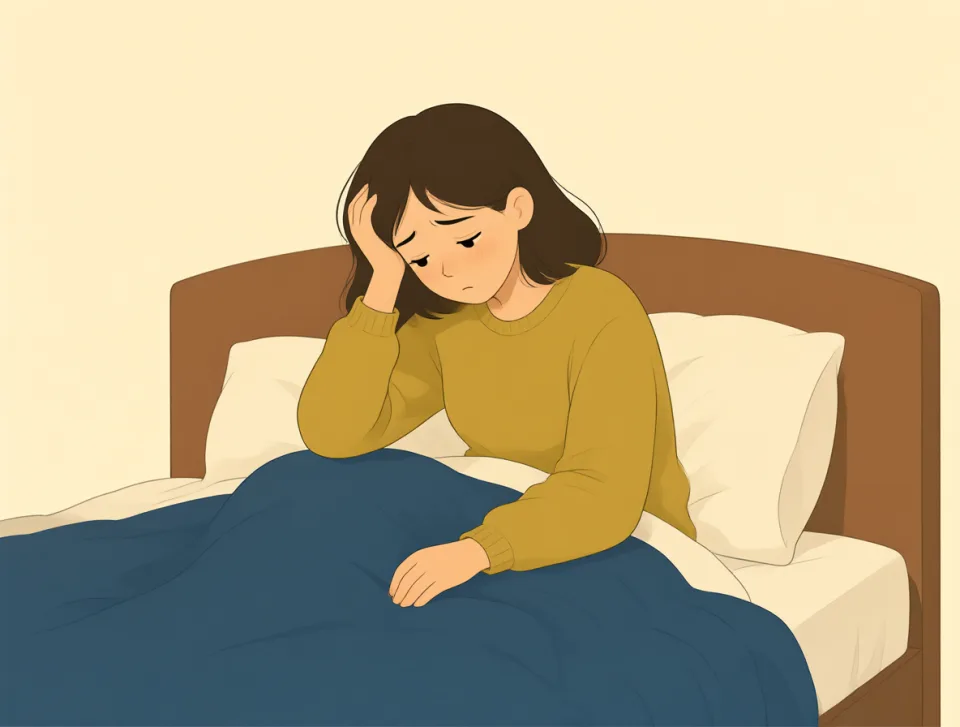
She felt like hell after staying awake all night.
पूरी रात जागने के बाद उसे बहुत बुरा महसूस हुआ।

everywhere
#1744adverb
हर जगह
in or to every place
हर स्थान पर या हर स्थान तक।
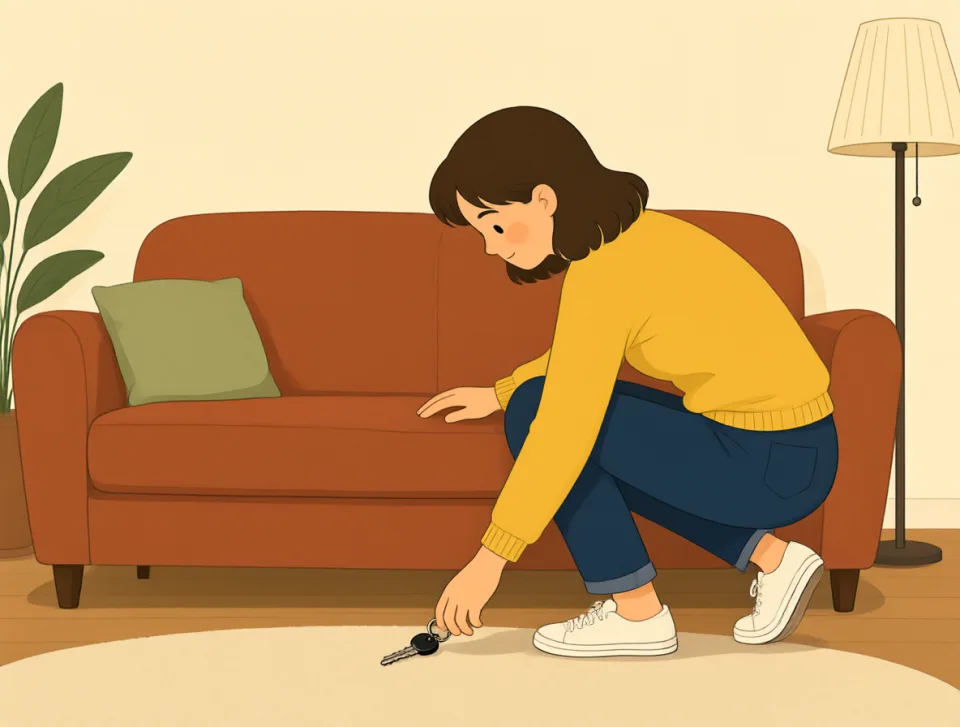
I looked everywhere for my missing keys this morning.
आज सुबह मैंने अपनी खोई हुई चाबियाँ हर जगह ढूँढ़ीं।

You can find small cafés everywhere in this city.
इस शहर में छोटी-छोटी कैफ़े हर जगह मिल जाएँगी।
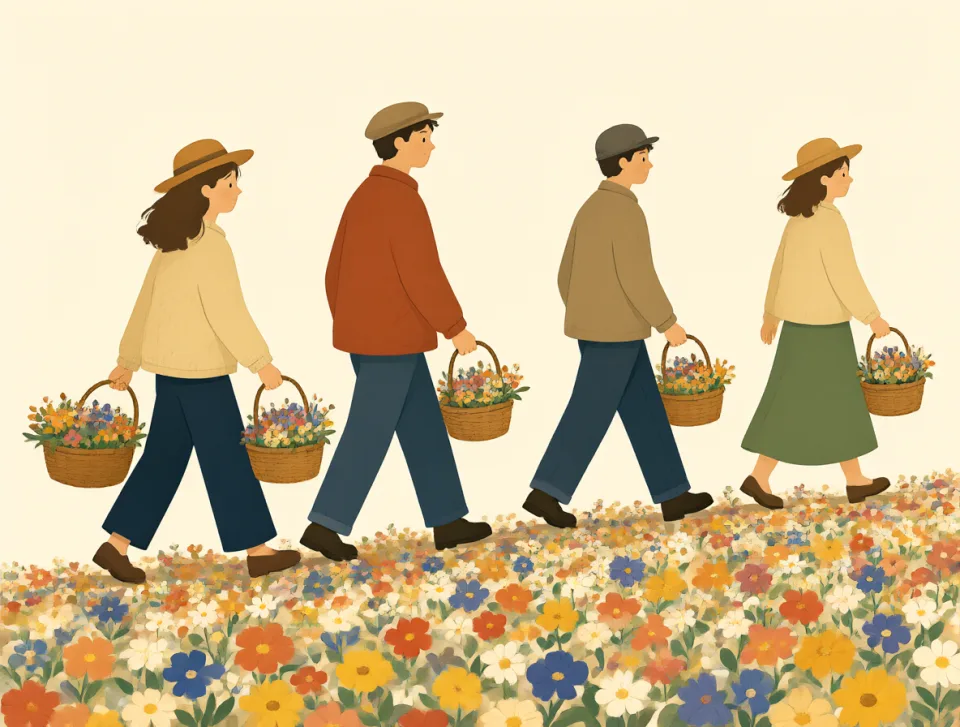
There were flowers everywhere at the spring festival.
वसंत उत्सव में हर जगह फूल ही फूल थे।
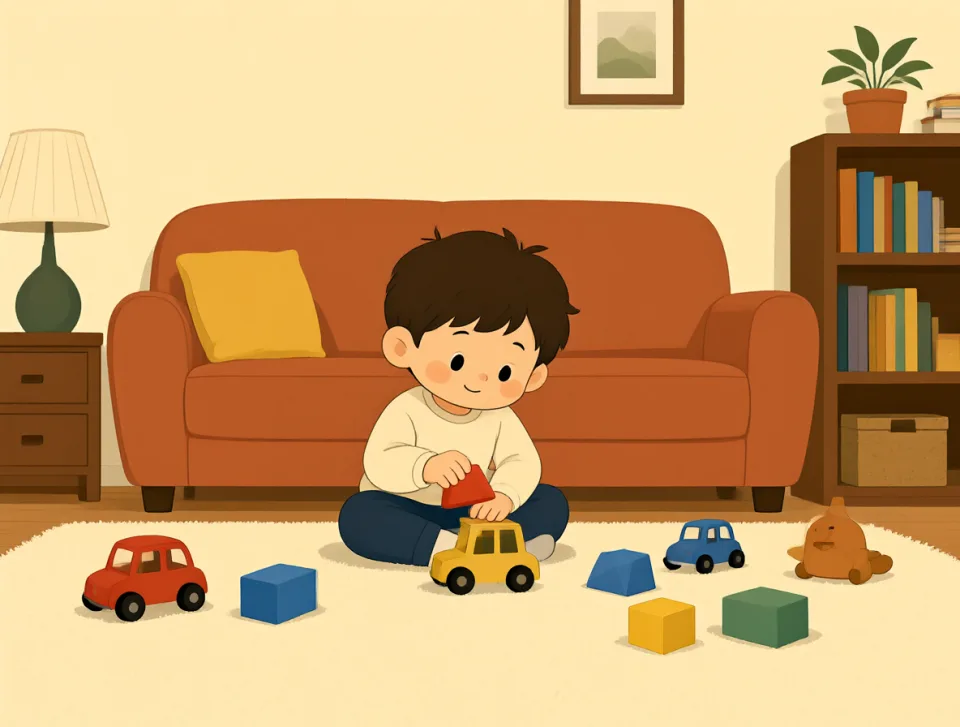
My little brother leaves his toys everywhere in the house.
मेरा छोटा भाई घर में अपने खिलौने हर जगह बिखेर देता है।

After the storm, fallen branches were lying everywhere.
तूफ़ान के बाद टूटी हुई डालियाँ हर जगह पड़ी थीं।

advise
#1745verb
सलाह देना
to tell someone what you think they should do
किसी को बताना कि आपके विचार से उसे क्या करना चाहिए।
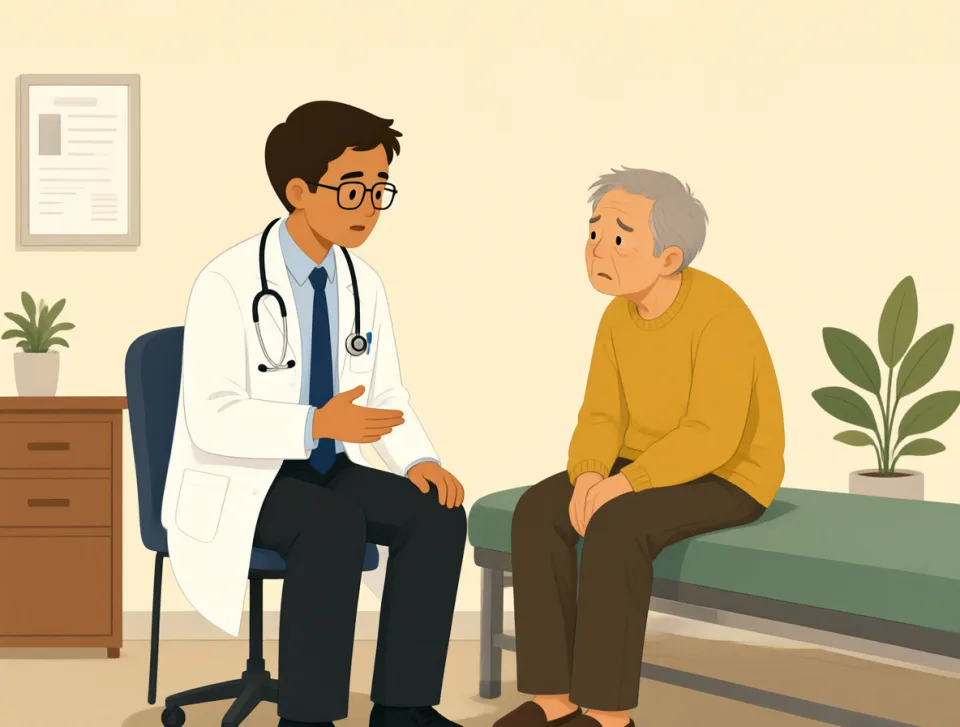
My doctor advised me to get more sleep.
मेरे डॉक्टर ने मुझे ज़्यादा सोने की सलाह दी।

I advise you to book your hotel early.
मैं तुम्हें सलाह देता हूँ कि अपना होटल पहले से बुक कर लो।

The teacher advised us to study for the test.
शिक्षक ने हमें परीक्षा की तैयारी करने की सलाह दी।

Can you advise me on which jacket to buy?
क्या तुम मुझे बता सकते हो कि कौन-सी जैकेट खरीदूँ?
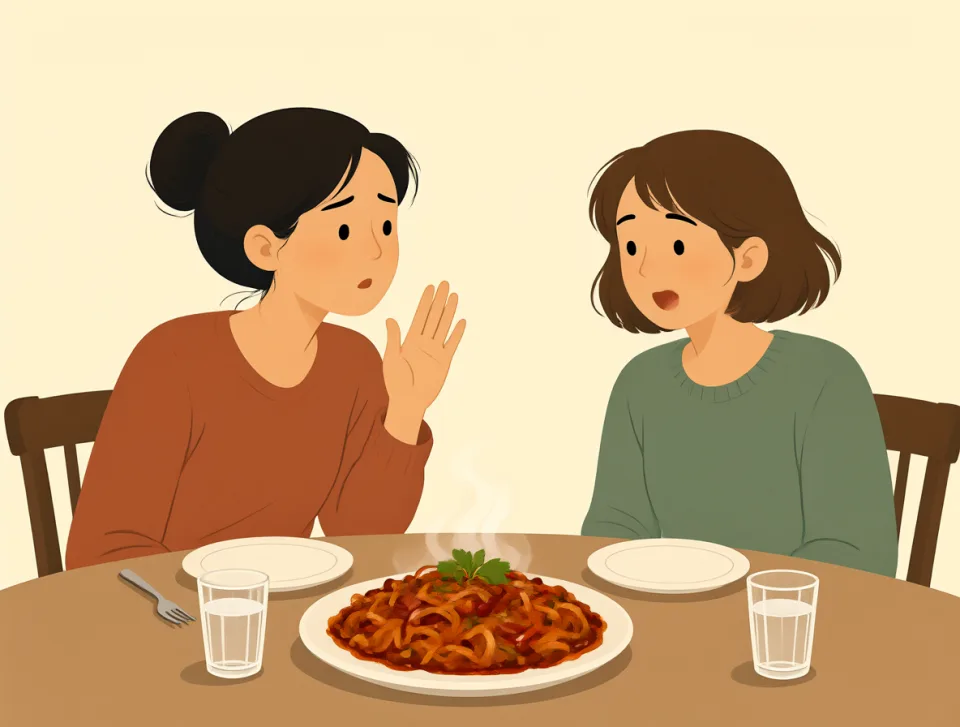
She advised against eating too much spicy food.
उसने बहुत ज़्यादा मसालेदार खाना खाने से मना किया।

household
#1746noun, adjective
परिवार
A home and the people who live together in it.
एक घर और उसमें साथ रहने वाले लोग।
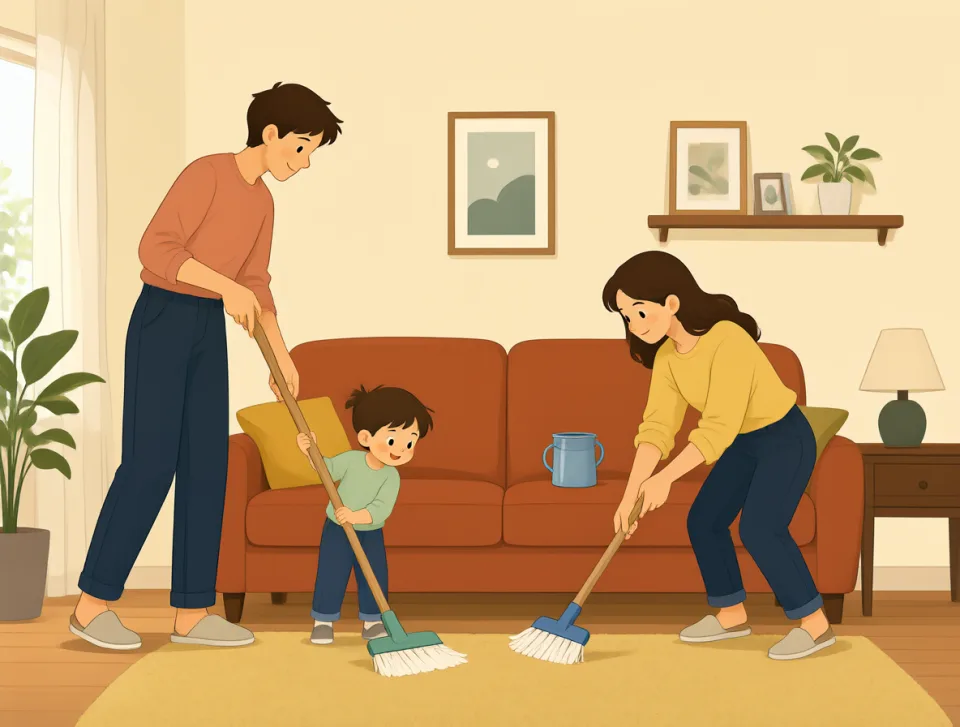
Everyone in our household helps clean the house on Saturday.
हमारे परिवार में शनिवार को घर साफ़ करने में हर कोई मदद करता है।
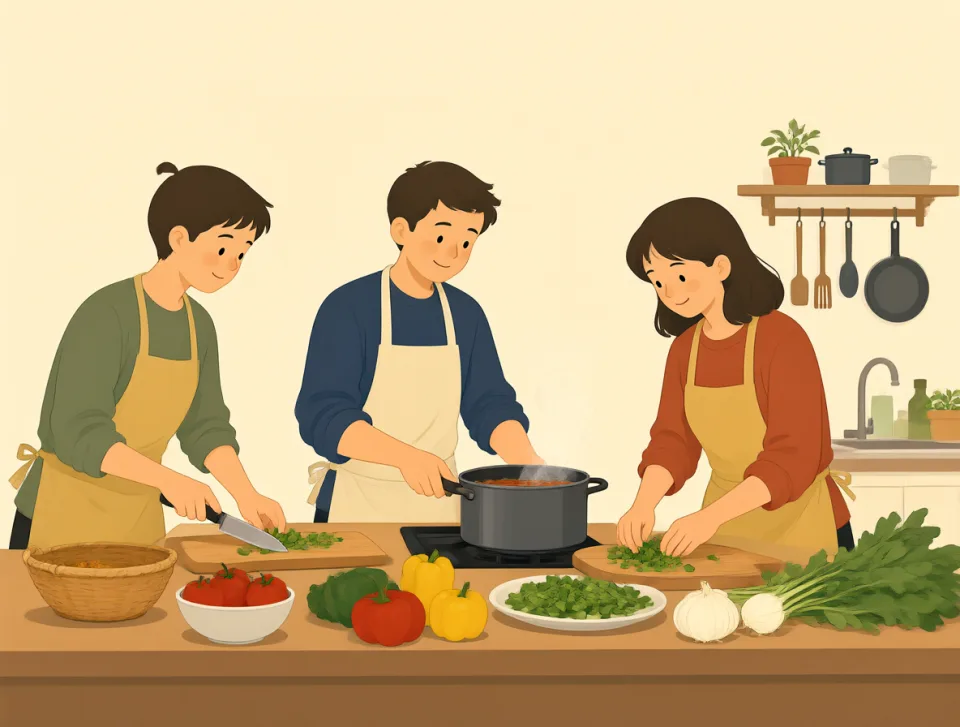
Our household spends less money when we cook at home.
घर पर खाना बनाने से हमारे परिवार का खर्च कम होता है।

The store sells household goods like towels, plates, and lamps.
यह दुकान तौलिए, प्लेटें और लैम्प जैसी घरेलू चीज़ें बेचती है।
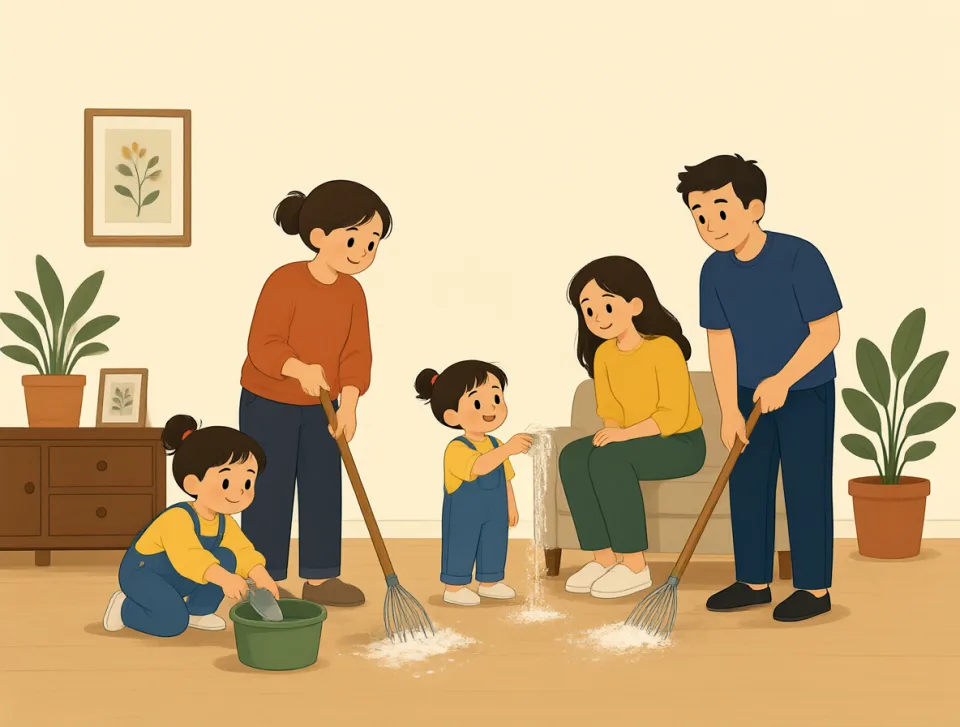
Household chores can be easier when everyone shares them.
जब सब लोग घर के काम बाँट लेते हैं, तो वे आसान हो जाते हैं।

The doctor asked about household members with similar health problems.
डॉक्टर ने पूछा कि घर में किसी और को भी ऐसी स्वास्थ्य समस्याएँ हैं या नहीं।

acknowledge
#1747verb
स्वीकार करना
to accept or show that something is true, important, or real
यह मानना या जताना कि कोई बात सच, महत्वपूर्ण या वास्तविक है।

She smiled to acknowledge her neighbor across the street.
उसने सड़क पार अपने पड़ोसी को देखकर मुस्कुराकर अभिवादन किया।

The manager acknowledged my hard work during the meeting.
मैनेजर ने बैठक के दौरान मेरी मेहनत की सराहना की।

Please acknowledge that you received the package.
कृपया पुष्टि करें कि आपको पैकेज मिल गया है।

He finally acknowledged that he had made a mistake.
आखिरकार उसने मान लिया कि उससे गलती हुई थी।
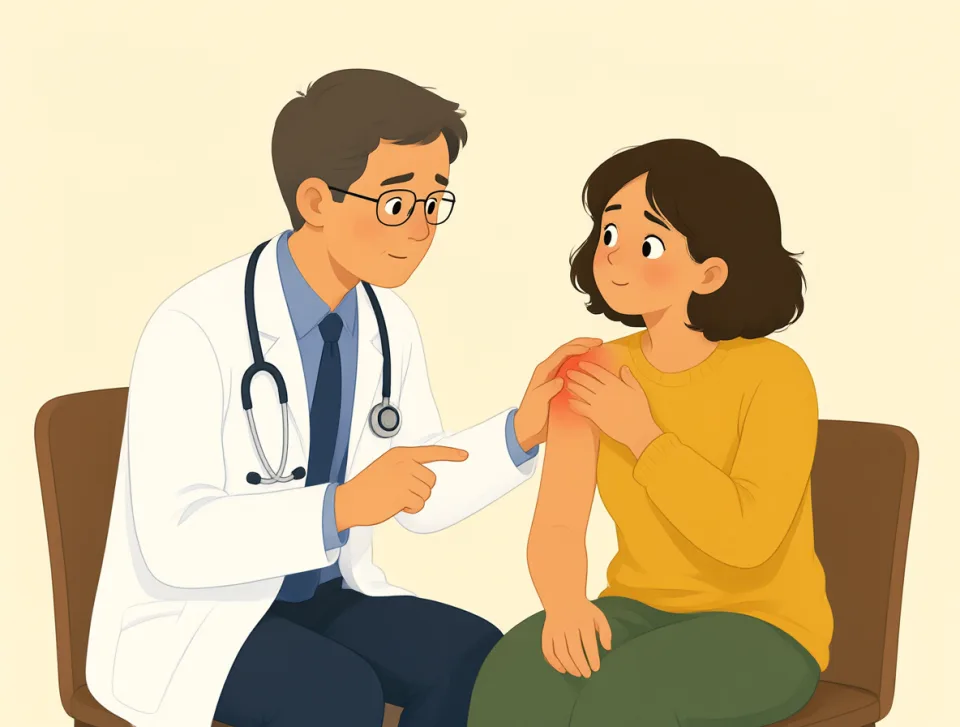
The doctor acknowledged her pain and offered helpful treatment.
डॉक्टर ने उसके दर्द को गंभीरता से लिया और असरदार इलाज सुझाया।
reward
#1748noun, verb
इनाम
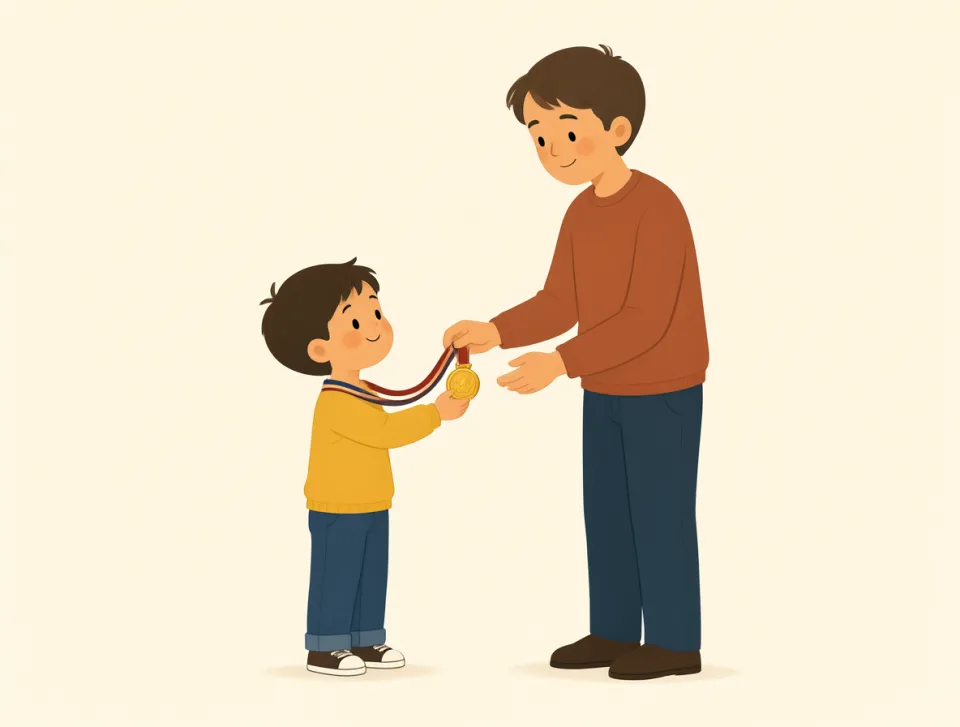
Something given for good work or behavior, or to give someone this.
अच्छे काम या व्यवहार के लिए दी जाने वाली चीज़, या किसी को ऐसी चीज़ देना।

The winner received a reward for finishing the race first.
दौड़ में सबसे पहले पहुँचने पर विजेता को इनाम मिला।

I bought myself a small reward after completing my difficult project.
अपना मुश्किल प्रोजेक्ट पूरा करने के बाद मैंने खुद को एक छोटा-सा इनाम दिया।

The teacher rewarded the students with extra playtime.
शिक्षक ने विद्यार्थियों को खेलने के लिए अतिरिक्त समय देकर पुरस्कृत किया।
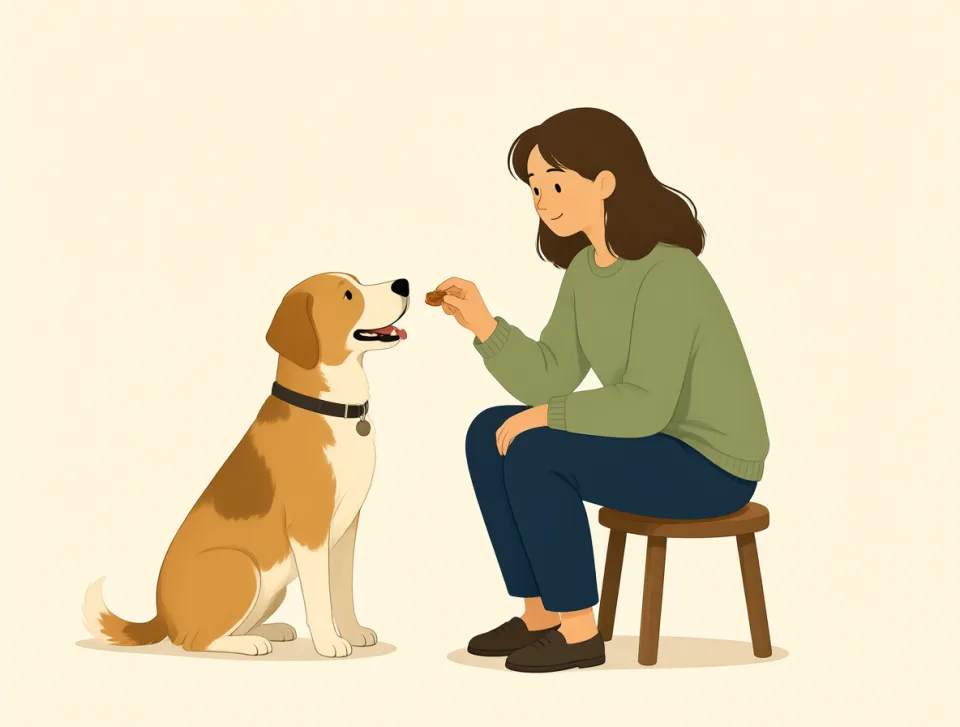
Our dog gets a reward whenever he follows a command.
जब भी हमारा कुत्ता कोई आदेश मानता है, उसे इनाम मिलता है।

The company rewards loyal customers with special discounts.
कंपनी वफ़ादार ग्राहकों को खास छूट देकर पुरस्कृत करती है।

east
#1749noun, adjective, adverb, preposition
पूर्व
the direction where the sun rises, or the eastern part of a place
वह दिशा जहाँ से सूरज उगता है, या किसी जगह का पूर्वी हिस्सा।

The sun rises in the east every morning.
हर सुबह सूरज पूर्व दिशा में उगता है।

Our hotel is on the east side of town.
हमारा होटल शहर के पूर्वी हिस्से में है।

We drove east for two hours to reach the coast.
समुद्र तट तक पहुँचने के लिए हमने दो घंटे पूर्व की ओर गाड़ी चलाई।

She moved east after finding a new job.
नई नौकरी मिलने के बाद वह पूर्व की ओर चली गई।

The wind is coming from the east today.
आज हवा पूर्व से चल रही है।

hat
#1750noun
टोपी
A covering worn on the head, often for warmth, protection, or style.
सिर पर पहनी जाने वाली चीज़, जो अक्सर गर्मी, सुरक्षा या सजावट के लिए होती है।

He put on his hat before going outside.
बाहर जाने से पहले उसने टोपी पहन ली।

She bought a new hat for the sunny beach.
उसने धूप वाले समुद्र तट के लिए एक नई टोपी खरीदी।
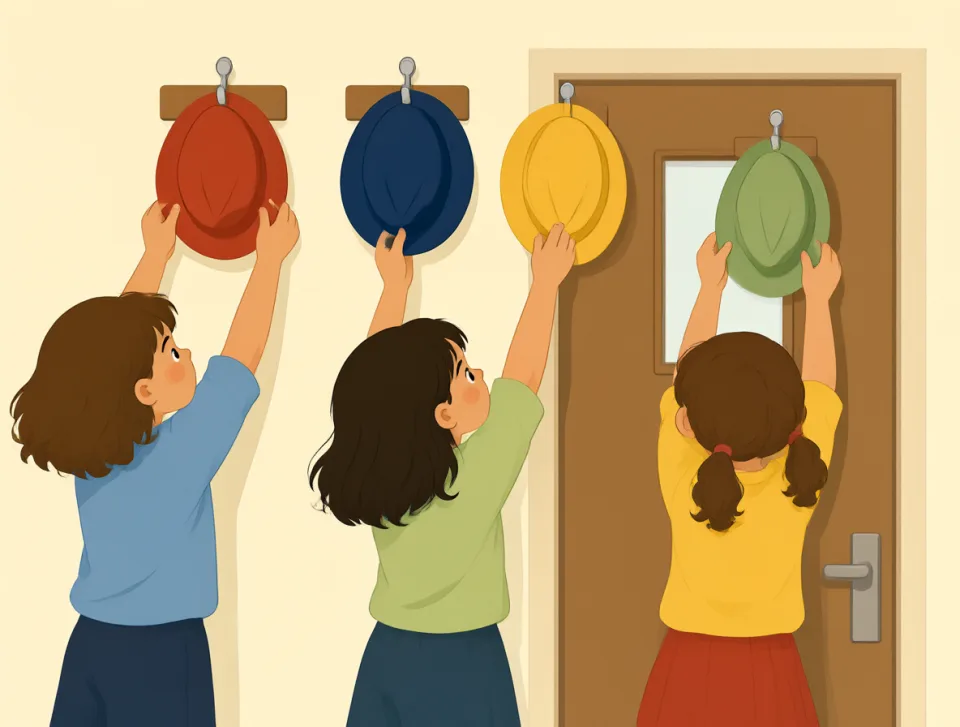
The children hung their hats beside the classroom door.
बच्चों ने अपनी टोपियाँ कक्षा के दरवाज़े के पास टाँग दीं।

Please take your hat off during the meeting.
कृपया बैठक के दौरान अपनी टोपी उतार लें।
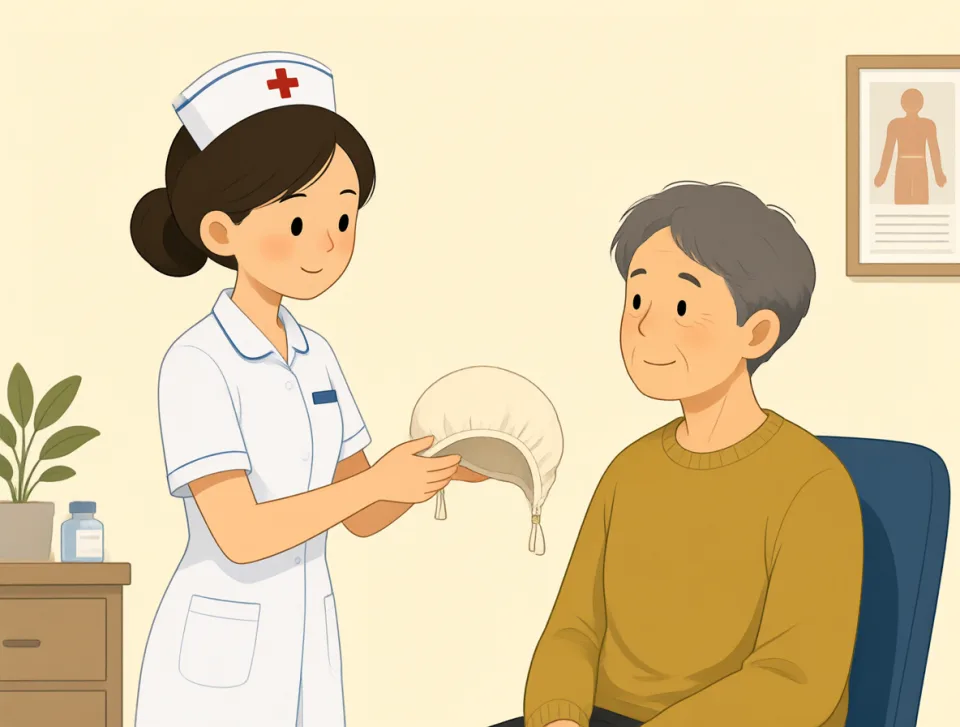
The nurse gave him a hat to protect his head.
नर्स ने उसके सिर की सुरक्षा के लिए उसे एक टोपी दी।

academic
#1751adjective
शैक्षणिक
Connected with education, especially studying and teaching at a school or university.
शिक्षा से संबंधित, खासकर स्कूल या विश्वविद्यालय में पढ़ाई और अध्यापन से।

She received an academic award for her excellent school results.
स्कूल में उसके उत्कृष्ट परिणामों के लिए उसे एक शैक्षणिक पुरस्कार मिला।

The university offers academic courses in business and computer science.
विश्वविद्यालय व्यवसाय और कंप्यूटर विज्ञान में शैक्षणिक पाठ्यक्रम उपलब्ध कराता है।

His academic record helped him get a place at college.
उसके शैक्षणिक रिकॉर्ड ने उसे कॉलेज में दाखिला पाने में मदद की।

The museum has many academic books about ancient history.
संग्रहालय में प्राचीन इतिहास पर कई शैक्षणिक पुस्तकें हैं।

After work, she enjoys academic discussions with her friends.
काम के बाद उसे अपने दोस्तों के साथ शैक्षणिक चर्चाएँ करना अच्छा लगता है।
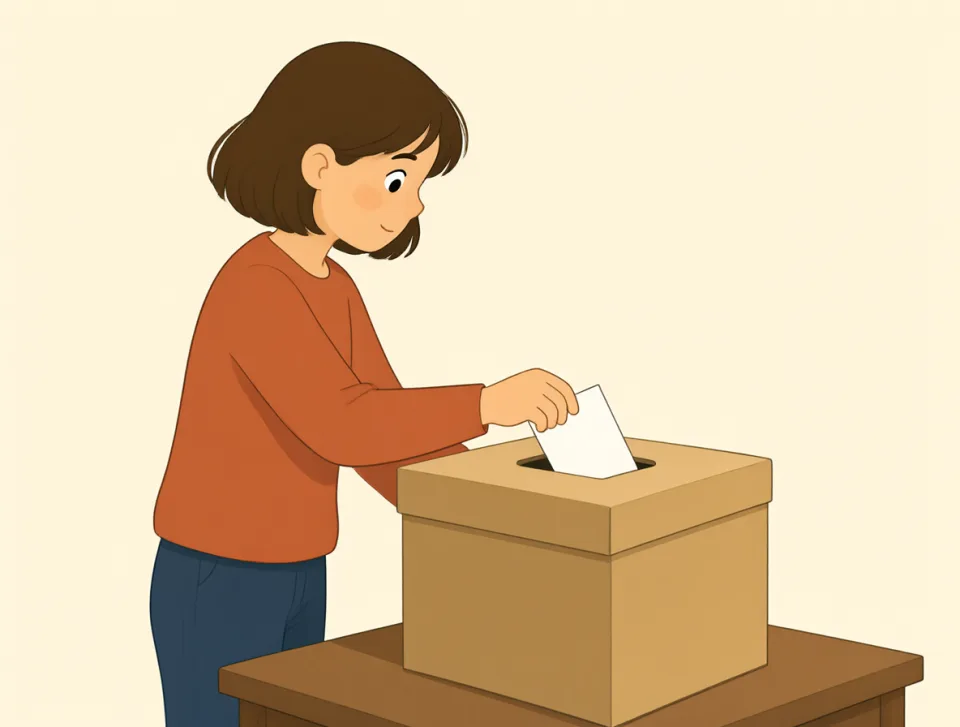
voter
#1752noun
मतदाता
A person who votes in an election.
वह व्यक्ति जो चुनाव में मतदान करता है।
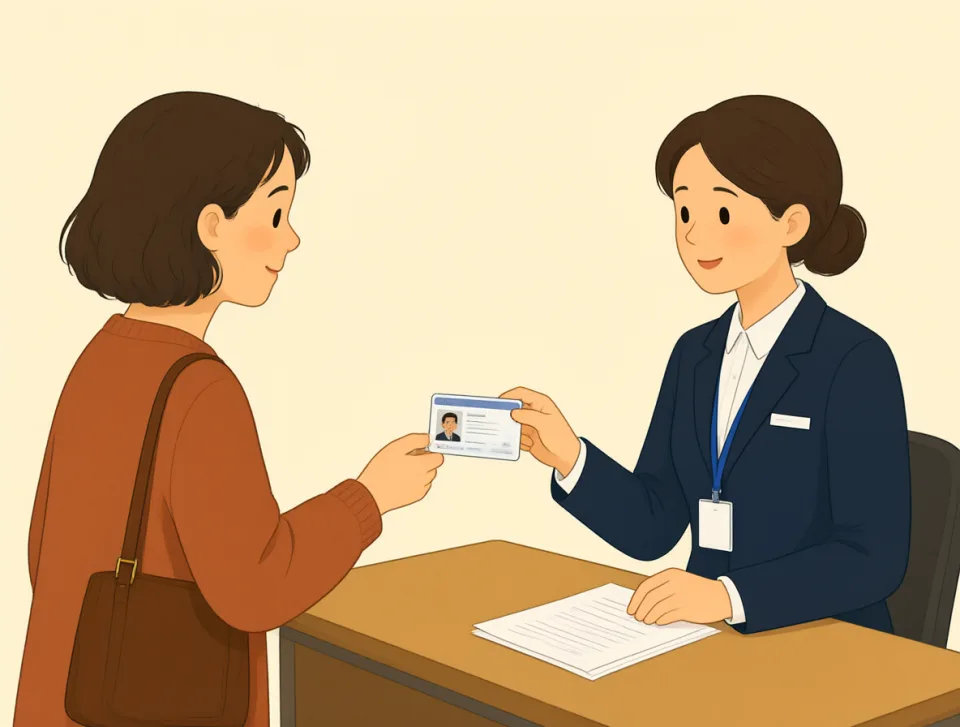
Every voter must show identification before casting a ballot.
हर मतदाता को मतदान करने से पहले अपना पहचान-पत्र दिखाना ज़रूरी है।
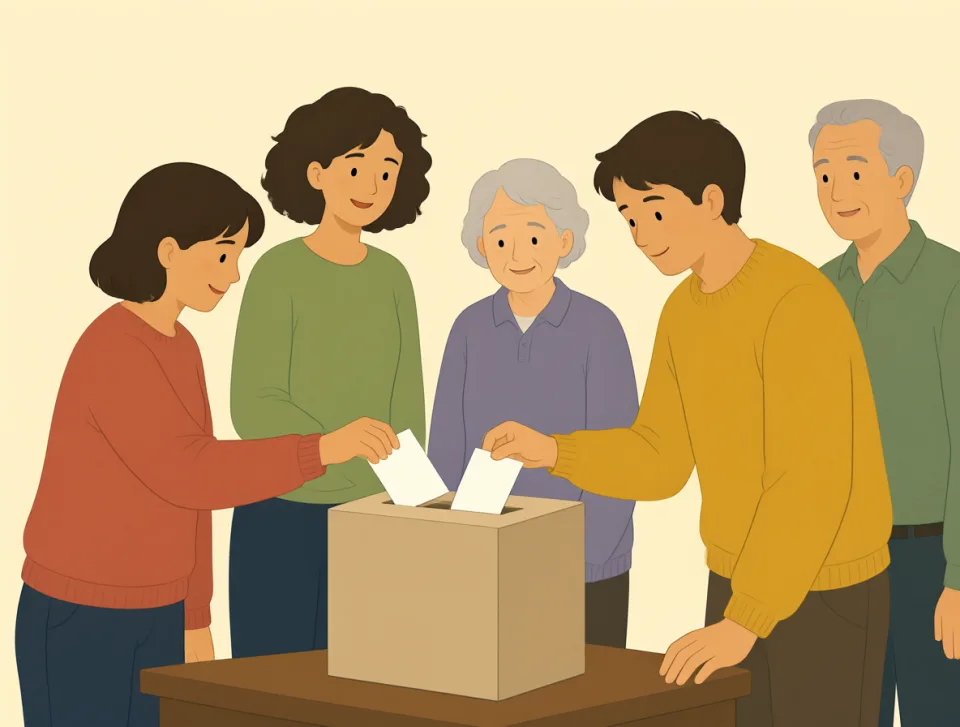
Many voters chose a new mayor in yesterday’s local election.
कल के स्थानीय चुनाव में कई मतदाताओं ने एक नए मेयर को चुना।
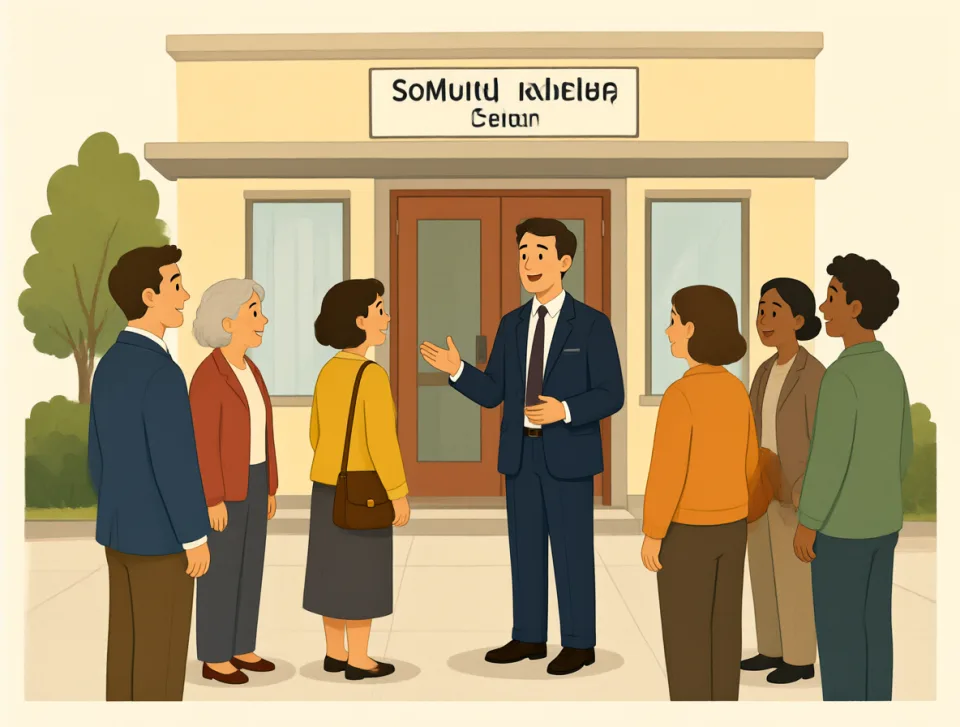
The candidate spoke with voters outside the community center.
उम्मीदवार ने सामुदायिक केंद्र के बाहर मतदाताओं से बात की।

Young voters often discuss elections with their friends at school.
युवा मतदाता अक्सर स्कूल में अपने दोस्तों के साथ चुनावों पर चर्चा करते हैं।
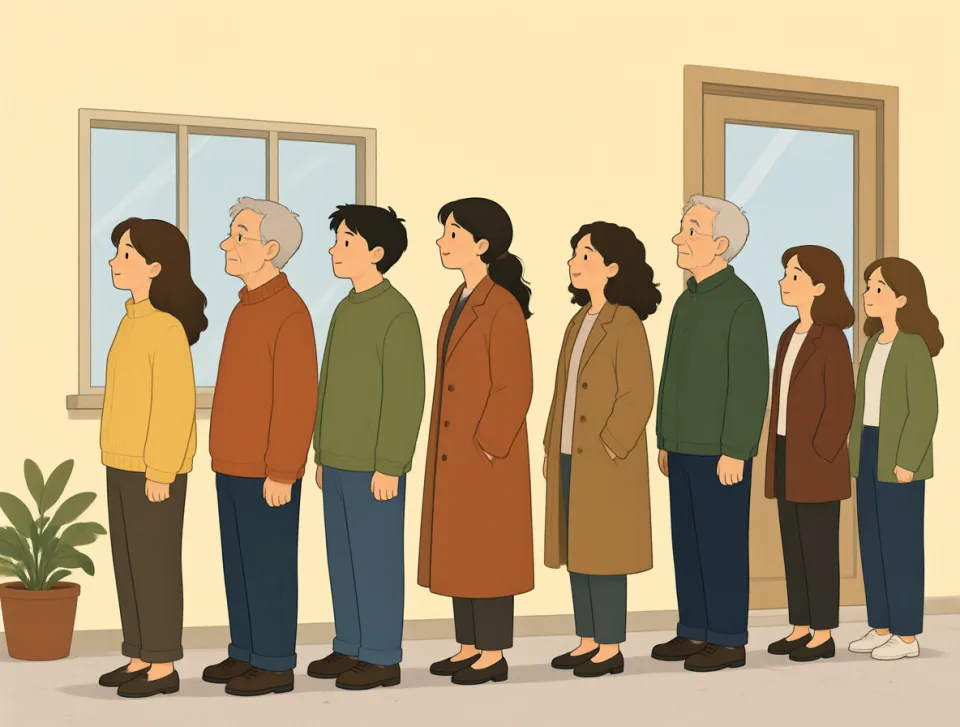
Voters waited patiently in line to cast their ballots.
मतदाता अपने मत डालने के लिए कतार में धैर्यपूर्वक इंतज़ार करते रहे।
meanwhile
#1753adverb
इस बीच
at the same time as something else is happening
जब कोई दूसरी चीज़ हो रही हो, उसी समय।
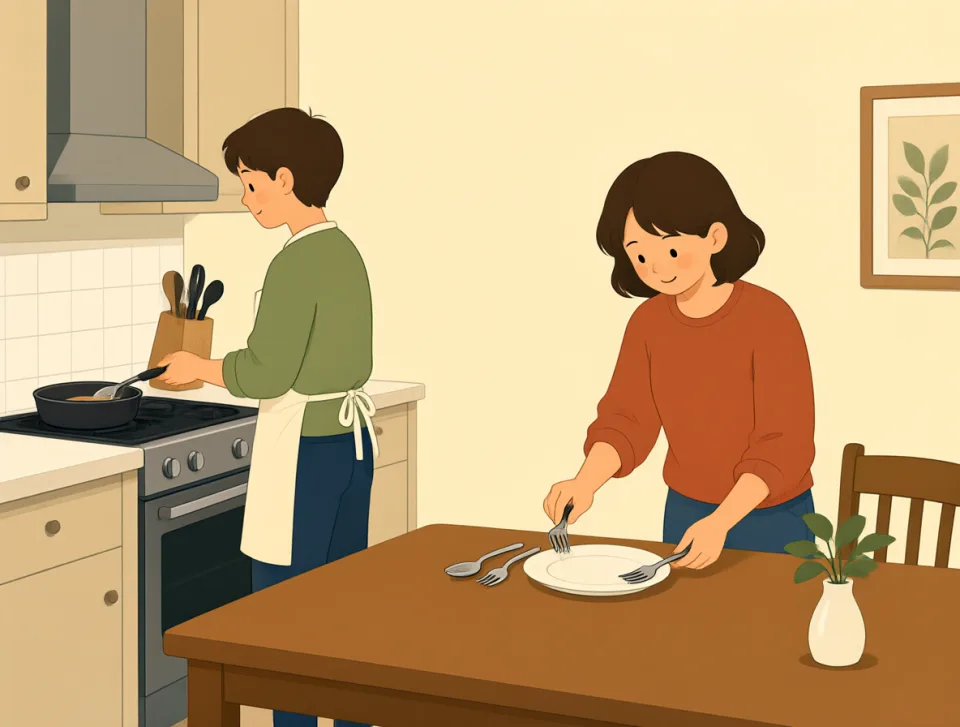
I cooked dinner; meanwhile, my brother set the table.
मैंने रात का खाना बनाया; इस बीच, मेरे भाई ने मेज़ लगा दी।
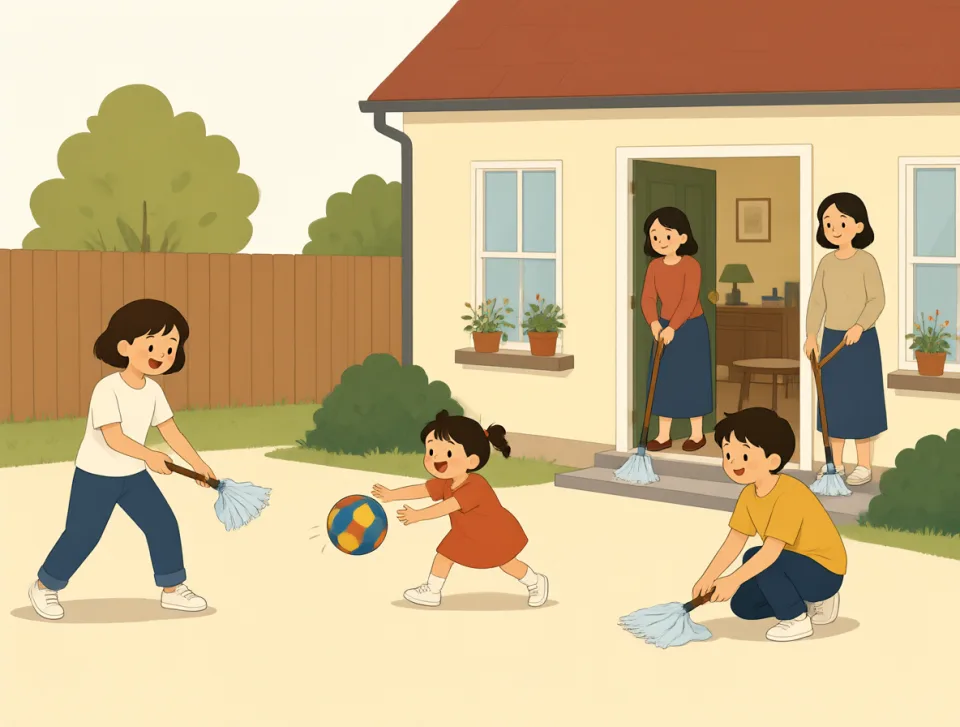
Meanwhile, the children played outside while their parents cleaned.
इस बीच, बच्चे बाहर खेलते रहे, जबकि उनके माता-पिता सफाई करते रहे।
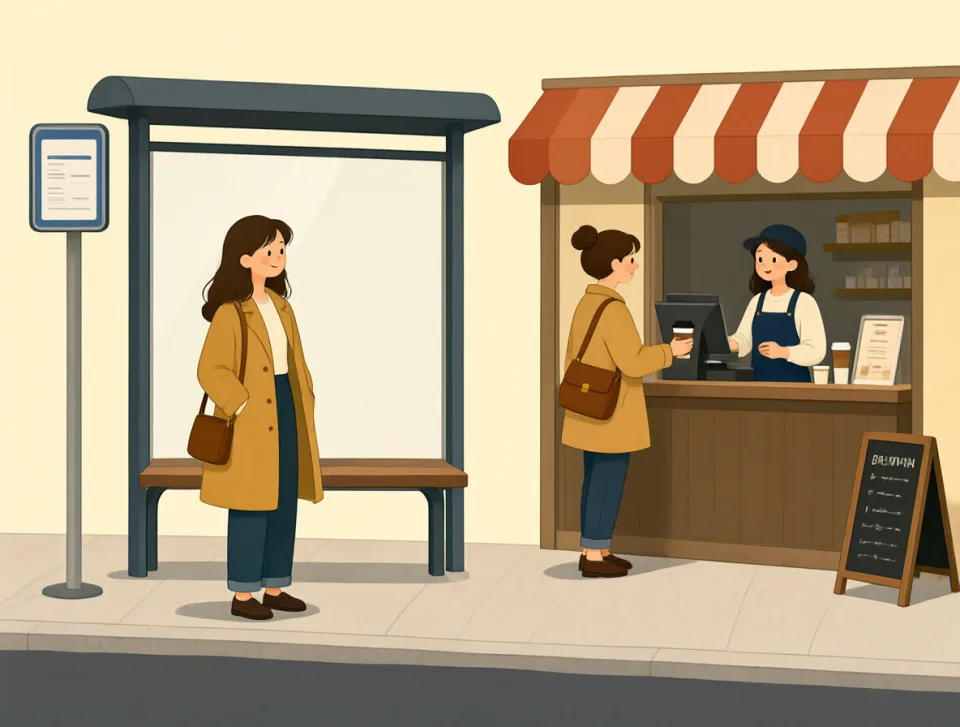
She waited for the bus; meanwhile, her friend bought coffee.
वह बस का इंतज़ार कर रही थी; इस बीच, उसकी दोस्त कॉफी खरीद लाई।

The manager spoke to customers; meanwhile, workers filled the shelves.
प्रबंधक ग्राहकों से बात कर रहा था; इस बीच, कर्मचारी अलमारियों में सामान भर रहे थे।
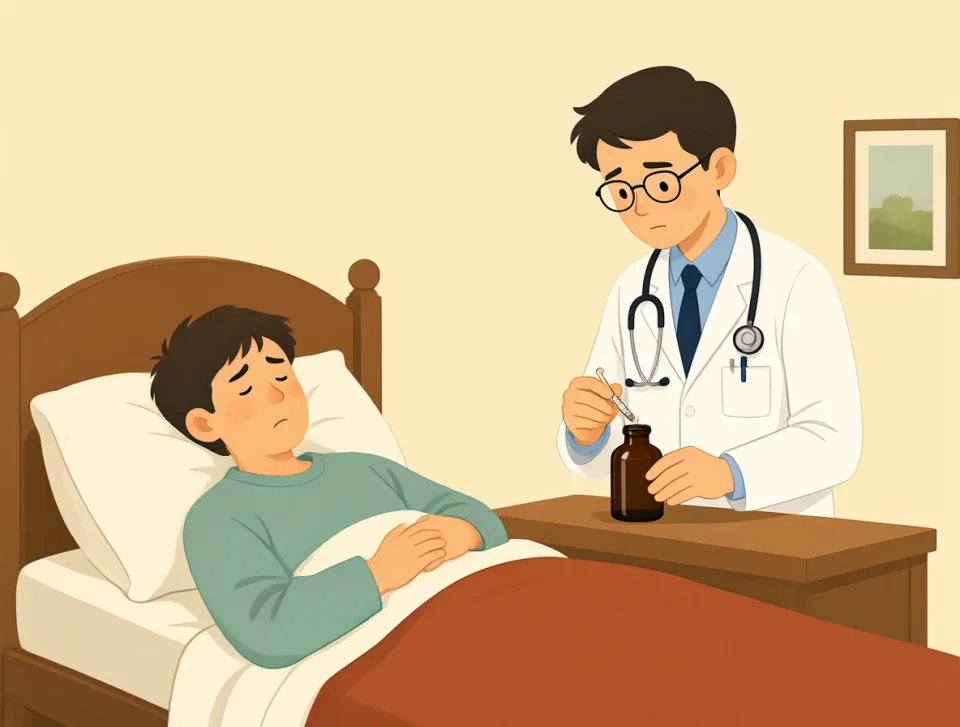
He rested in bed; meanwhile, the doctor prepared his medicine.
वह बिस्तर पर आराम कर रहा था; इस बीच, डॉक्टर उसकी दवा तैयार कर रहे थे।

furthermore
#1754adverb
इसके अलावा
Used to add another important fact or reason to what you have just said.
आपके अभी कहे गए किसी महत्वपूर्ण तथ्य या कारण में एक और बात जोड़ने के लिए इस्तेमाल किया जाता है।
The hotel is cheap; furthermore, it is close to the beach.
होटल सस्ता है; इसके अलावा, यह समुद्र तट के पास है।

She speaks three languages and furthermore has excellent computer skills.
वह तीन भाषाएँ बोलती है और इसके अलावा, उसके पास कंप्यूटर का उत्कृष्ट कौशल भी है।
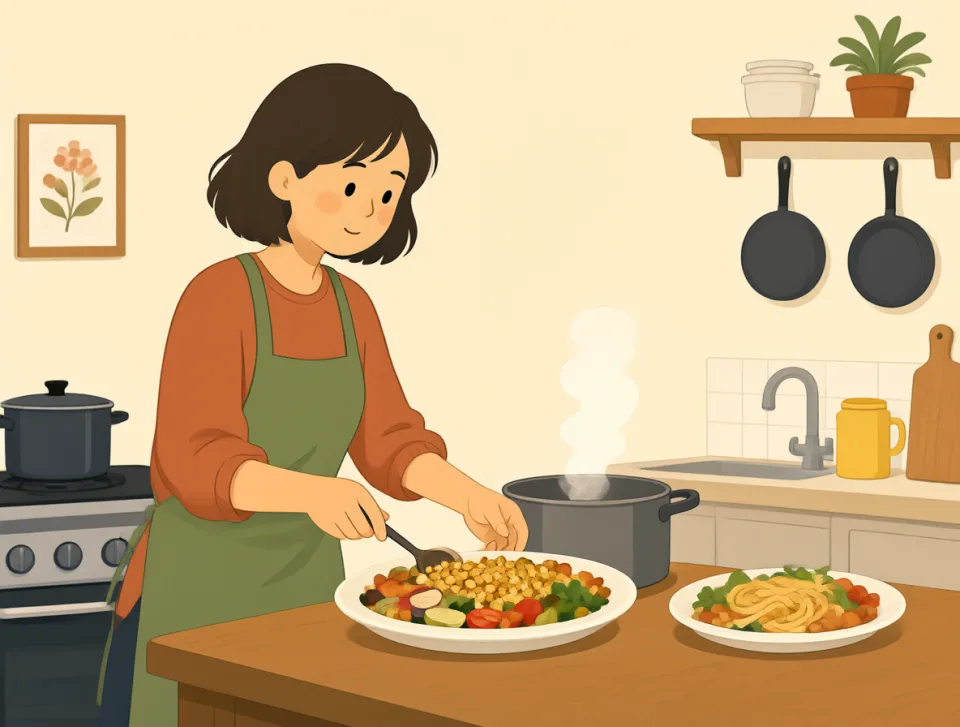
The meal was delicious and furthermore very easy to prepare.
खाना स्वादिष्ट था और इसके अलावा, इसे बनाना बहुत आसान था।
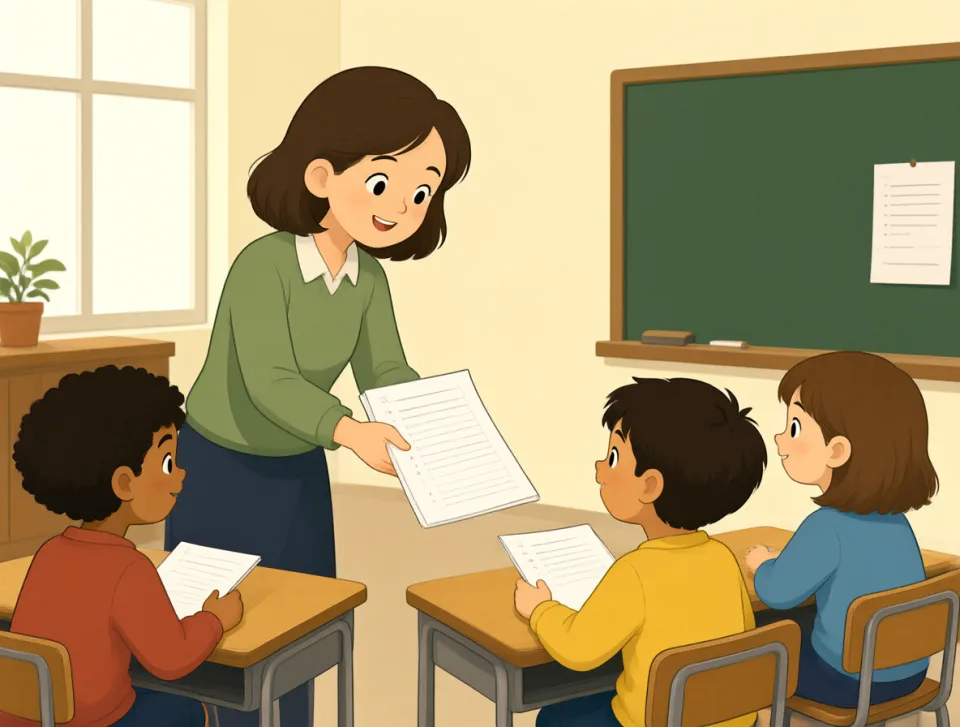
The teacher explained the lesson clearly; furthermore, she gave us extra practice.
शिक्षिका ने पाठ को स्पष्ट रूप से समझाया; इसके अलावा, उन्होंने हमें अतिरिक्त अभ्यास भी करवाया।

The medicine is effective; furthermore, it has very few side effects.
यह दवा प्रभावी है; इसके अलावा, इसके बहुत कम दुष्प्रभाव हैं।

accuse
#1755verb
आरोप लगाना
To say that someone did something wrong or illegal.
यह कहना कि किसी व्यक्ति ने कुछ गलत या गैरकानूनी किया है।
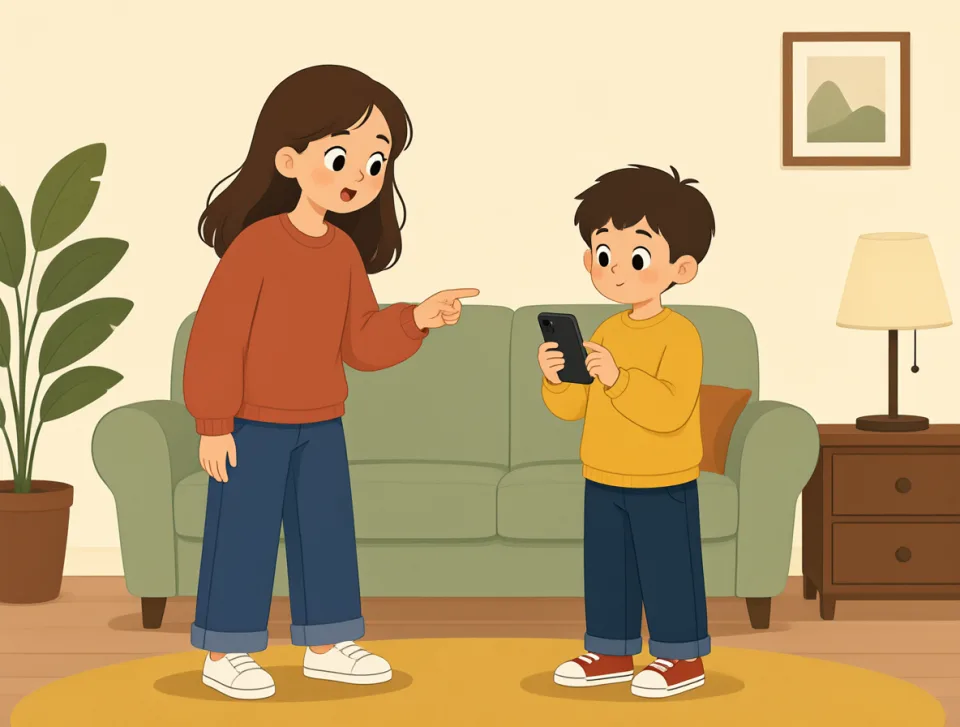
She accused her brother of taking her phone.
उसने अपने भाई पर अपना फोन लेने का आरोप लगाया।

The manager accused the employee of lying about being sick.
प्रबंधक ने कर्मचारी पर बीमार होने के बारे में झूठ बोलने का आरोप लगाया।
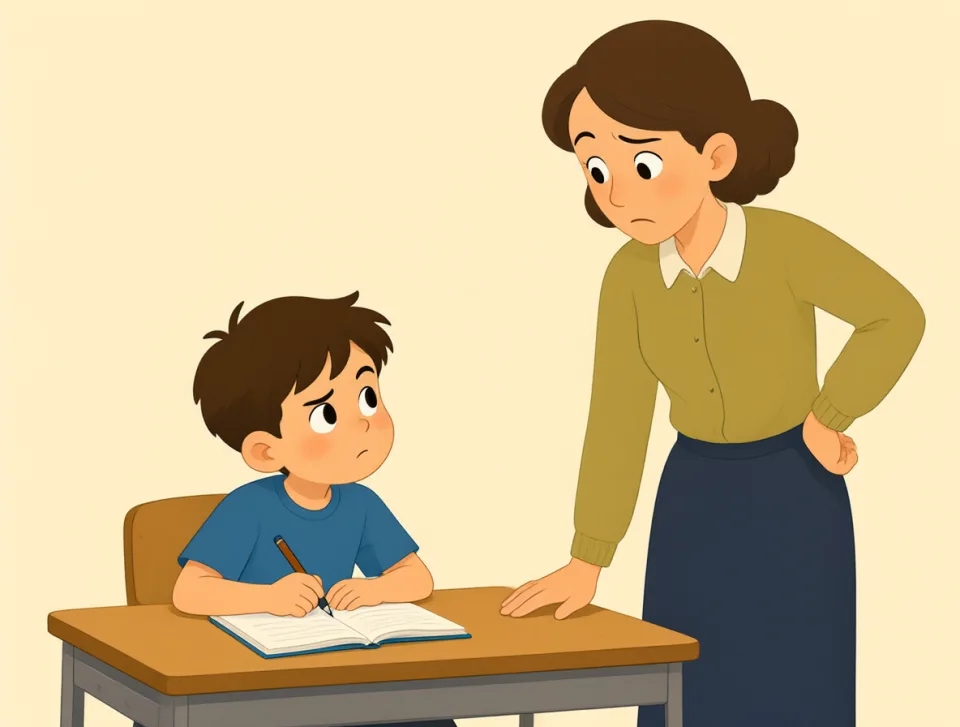
The teacher accused Tom of copying another student's homework.
शिक्षक ने टॉम पर किसी दूसरे विद्यार्थी का गृहकार्य नकल करने का आरोप लगाया।
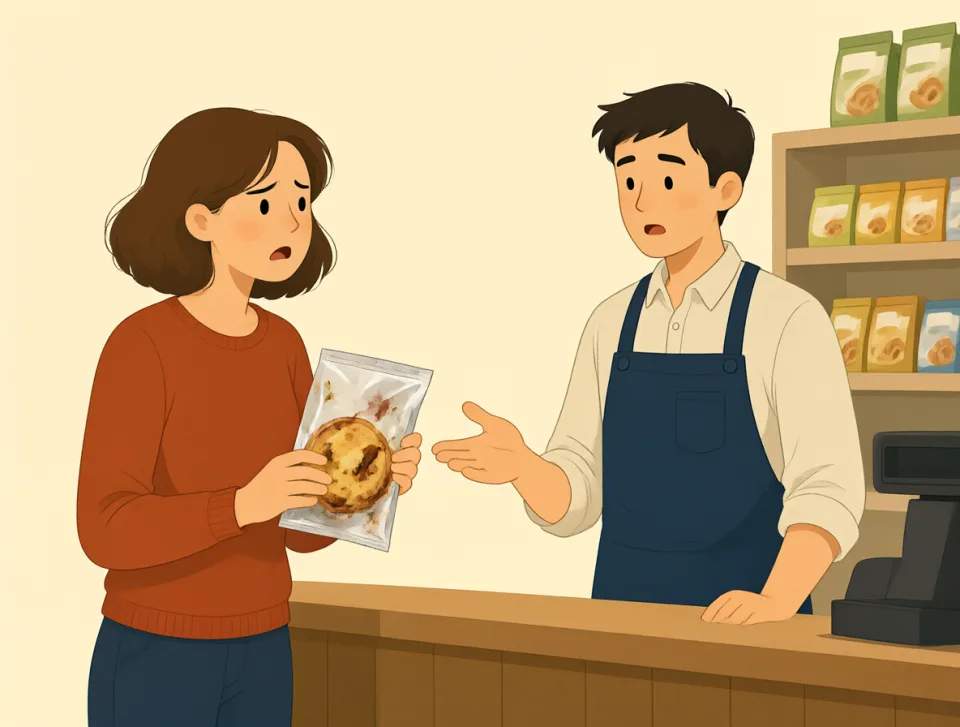
The customer accused the shop of selling her old food.
ग्राहक ने दुकान पर उसे बासी खाना बेचने का आरोप लगाया।

He accused his friend of ignoring him at the party.
उसने अपने दोस्त पर पार्टी में उसकी अनदेखी करने का आरोप लगाया।

scientific
#1756adjective
वैज्ञानिक
Connected with science or based on careful study and testing.
विज्ञान से जुड़ा हुआ या सावधानीपूर्वक अध्ययन और परीक्षण पर आधारित।

The report gives scientific evidence for the new health advice.
यह रिपोर्ट नई स्वास्थ्य सलाह के समर्थन में वैज्ञानिक सबूत देती है।
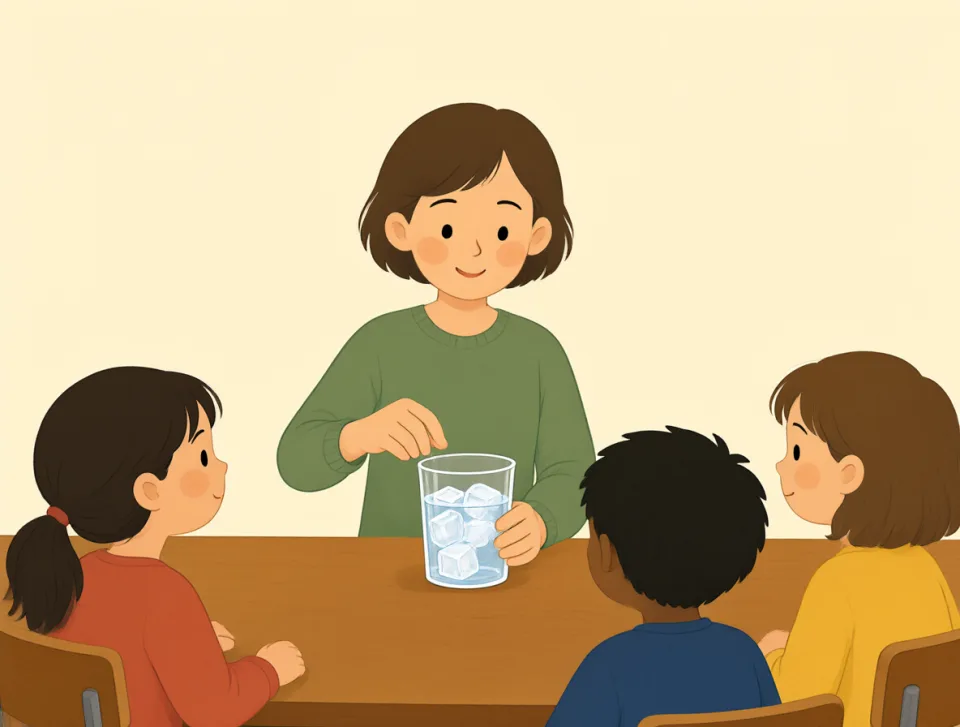
Our science teacher showed us a scientific experiment with water and ice.
हमारे विज्ञान के शिक्षक ने हमें पानी और बर्फ़ से जुड़ा एक वैज्ञानिक प्रयोग दिखाया।
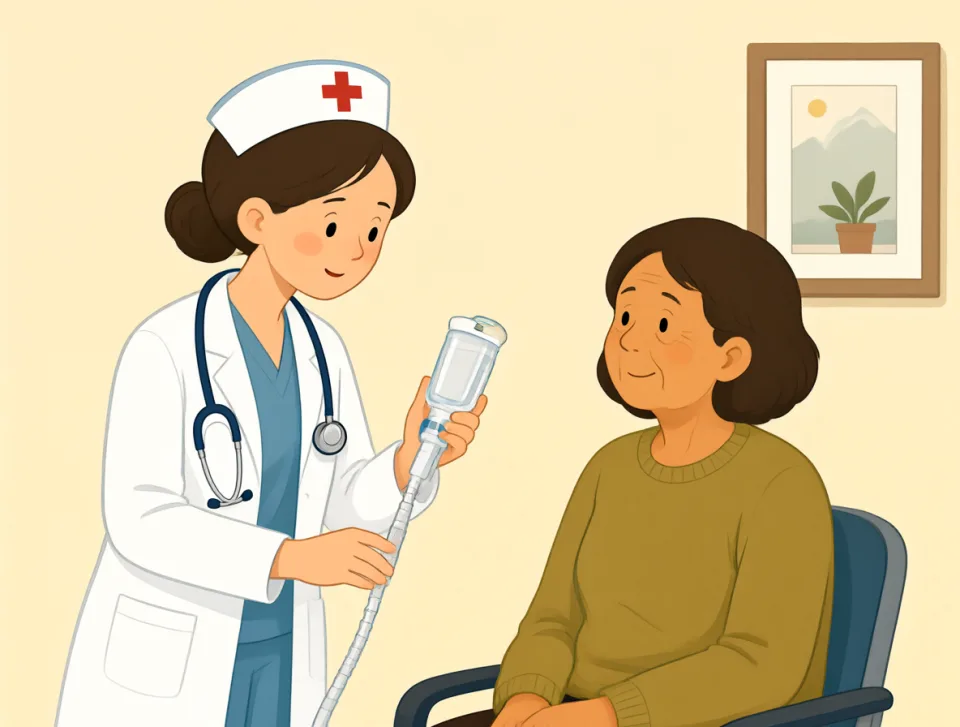
Doctors use scientific methods to find the best treatment for patients.
मरीज़ों के लिए सबसे अच्छा इलाज खोजने के लिए डॉक्टर वैज्ञानिक तरीकों का इस्तेमाल करते हैं।

The shop sells scientific equipment for schools and small laboratories.
यह दुकान स्कूलों और छोटी प्रयोगशालाओं के लिए वैज्ञानिक उपकरण बेचती है।

My friend enjoys reading scientific books about animals and space.
मेरे दोस्त को जानवरों और अंतरिक्ष के बारे में वैज्ञानिक किताबें पढ़ना पसंद है।

wage
#1757noun, verb
मज़दूरी
Money paid regularly for work, or to fight against something.
काम के बदले नियमित रूप से मिलने वाला पैसा; या किसी चीज़ के ख़िलाफ़ अभियान चलाना।
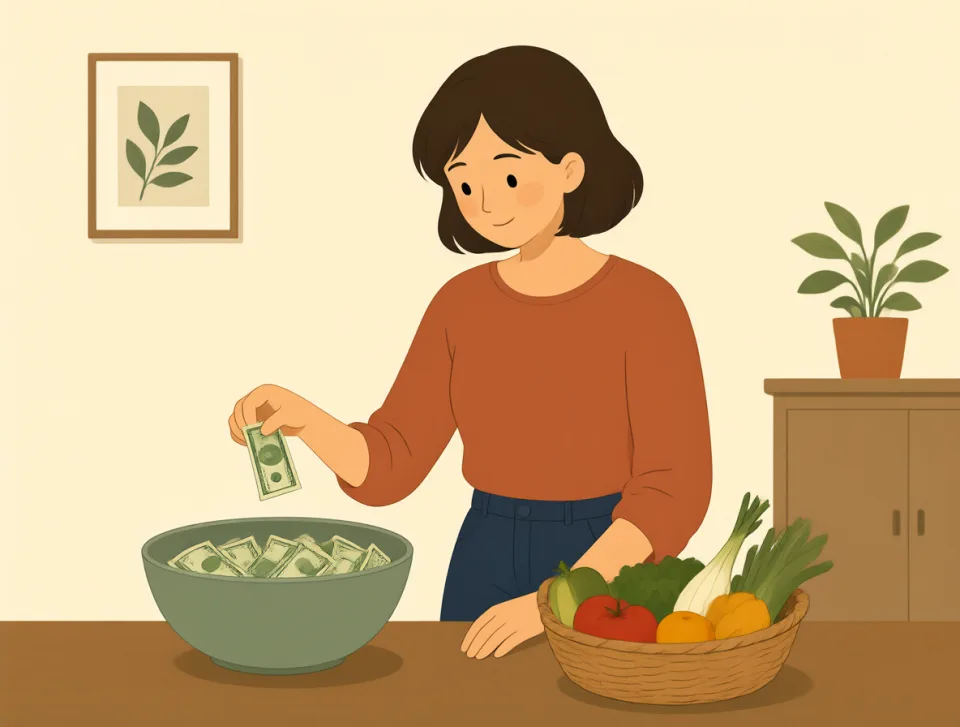
Her weekly wage helps pay for rent and food.
उसकी साप्ताहिक मज़दूरी से किराए और खाने का खर्च निकल जाता है।

The company raised wages for all its workers this year.
कंपनी ने इस साल अपने सभी कर्मचारियों की मज़दूरी बढ़ा दी।

Many students work part-time to earn a wage.
कई छात्र मज़दूरी कमाने के लिए अंशकालिक काम करते हैं।

The workers went on strike for higher wages.
कर्मचारियों ने ज़्यादा मज़दूरी की मांग को लेकर हड़ताल की।

The government is waging a campaign against childhood obesity.
सरकार बच्चों में मोटापे के ख़िलाफ़ अभियान चला रही है।
absence
#1758noun
अनुपस्थिति
The state of not being somewhere or not having something that is needed.
कहीं मौजूद न होने या किसी ज़रूरी चीज़ के न होने की स्थिति।

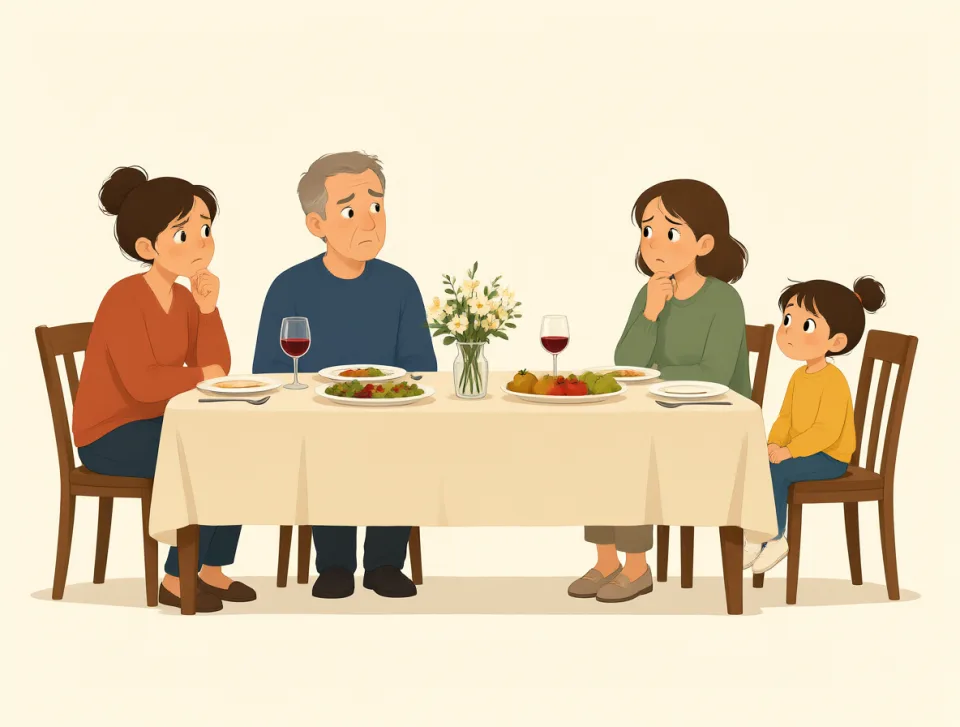
Her absence from work worried her manager.
काम से उसकी अनुपस्थिति ने उसके मैनेजर को चिंतित कर दिया।
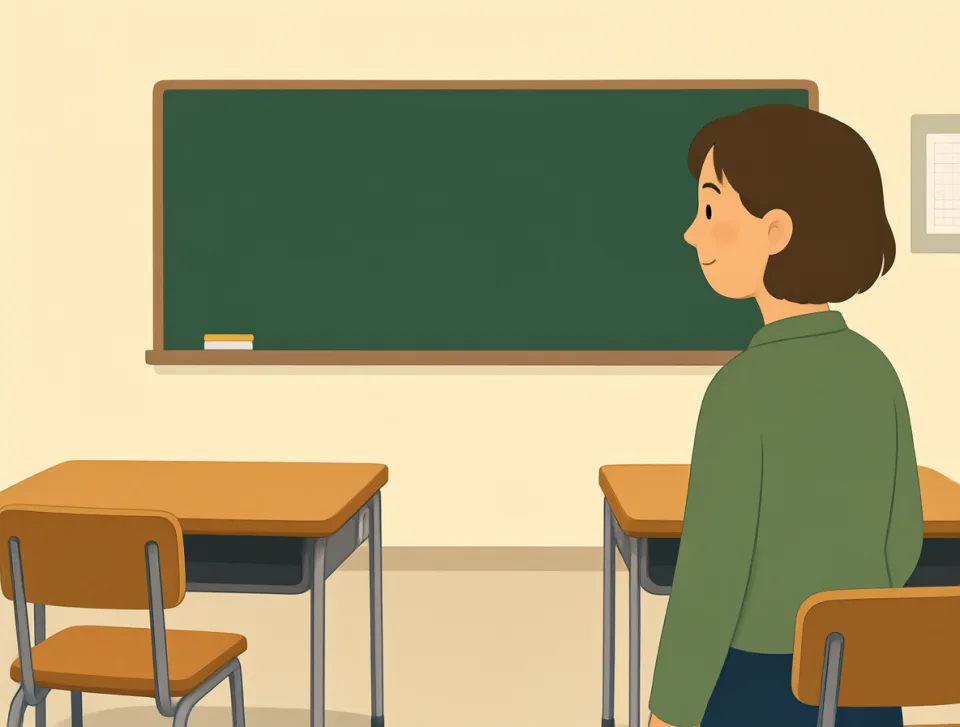
The teacher noticed his absence from class.
शिक्षक ने देखा कि वह कक्षा में अनुपस्थित था।
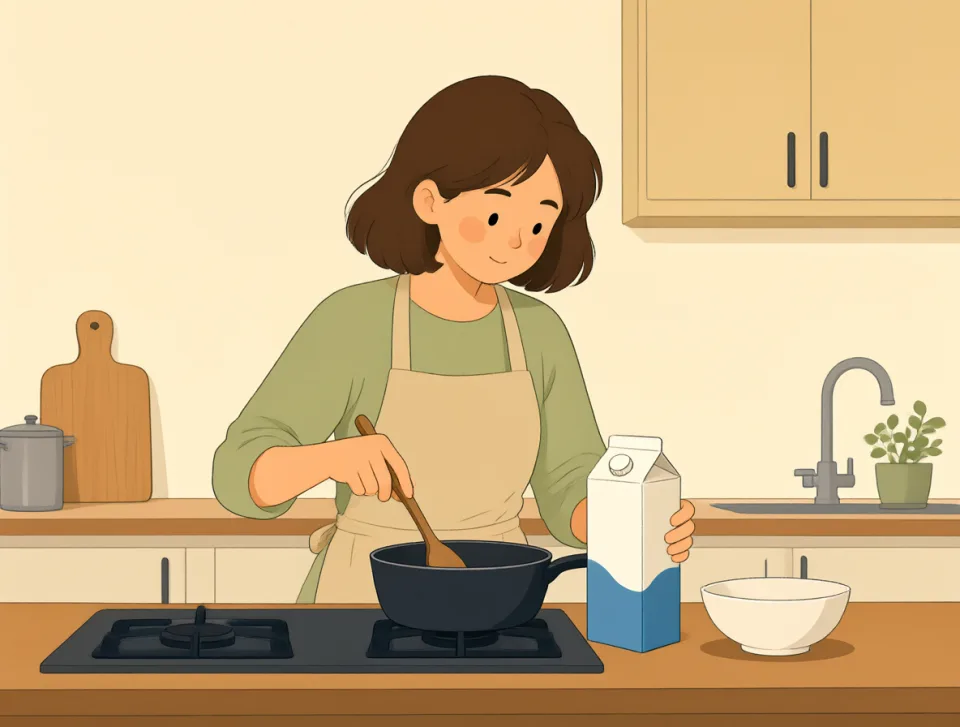
In the absence of milk, we used water instead.
दूध न होने पर हमने उसकी जगह पानी इस्तेमाल किया।
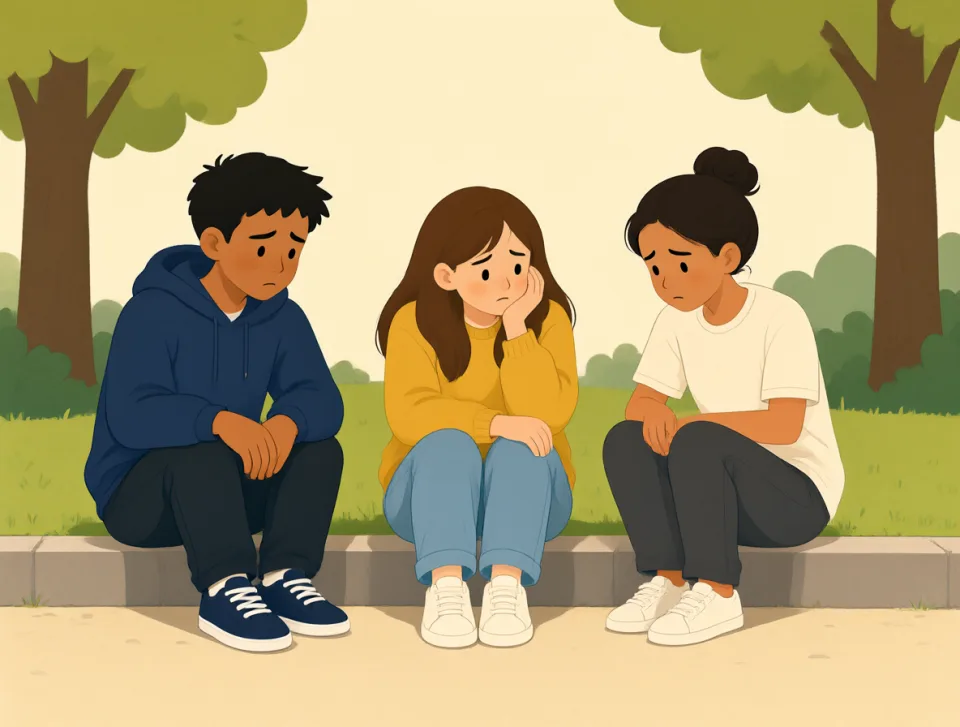
His long absence made his friends miss him.
उसकी लंबे समय तक अनुपस्थिति के कारण उसके दोस्तों को उसकी कमी खली।

The doctor asked about any absence of pain.
डॉक्टर ने पूछा कि क्या दर्द बिल्कुल नहीं था।
construct
#1759verb, noun
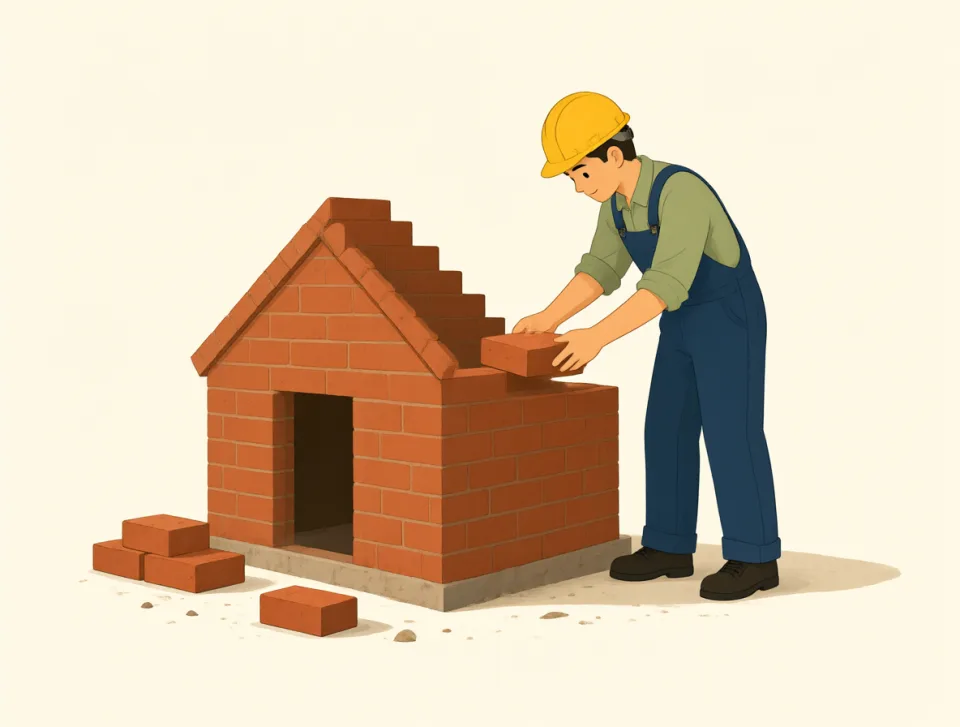
निर्माण करना
to build something, or an idea formed from different parts
किसी चीज़ का निर्माण करना, या अलग-अलग हिस्सों से बना कोई विचार।
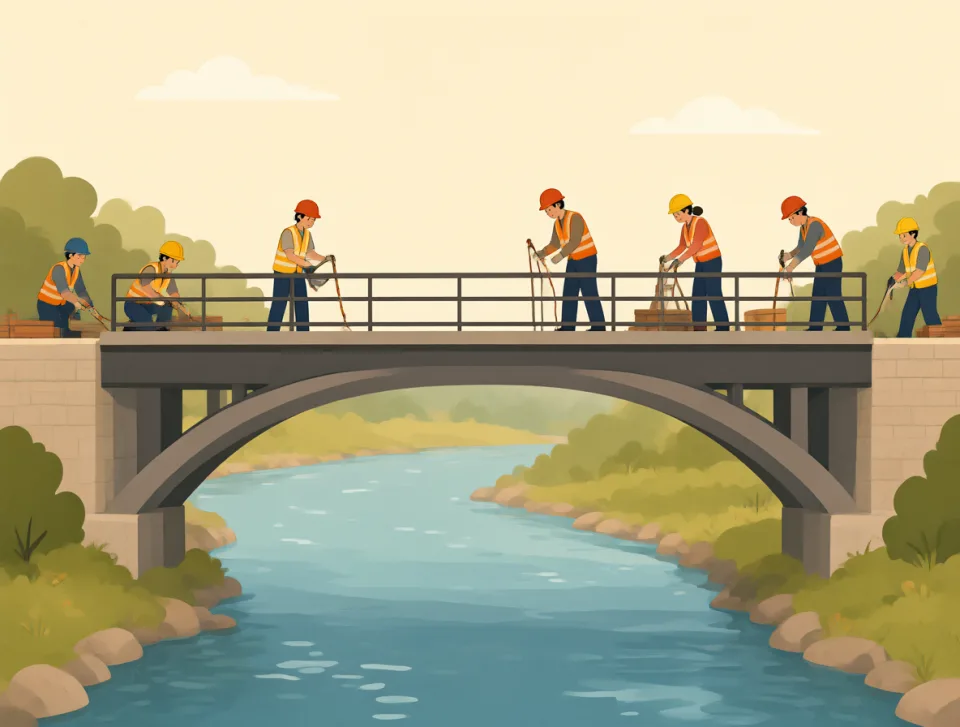
Workers are constructing a new bridge across the river.
मज़दूर नदी पर एक नया पुल बना रहे हैं।

The company constructed a simple plan for the next year.
कंपनी ने अगले साल के लिए एक सरल योजना बनाई।

We constructed a shelter from branches during our hike.
हमने पैदल यात्रा के दौरान टहनियों से एक आश्रय बनाया।
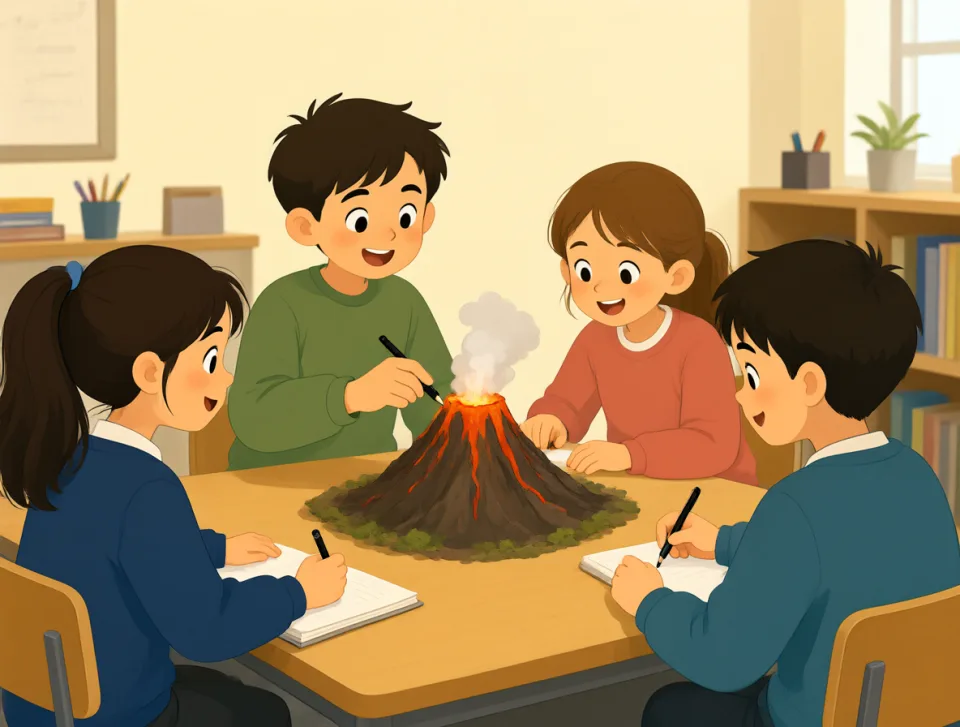
Students constructed a model volcano for their science class.
छात्रों ने अपनी विज्ञान की कक्षा के लिए ज्वालामुखी का एक मॉडल बनाया।
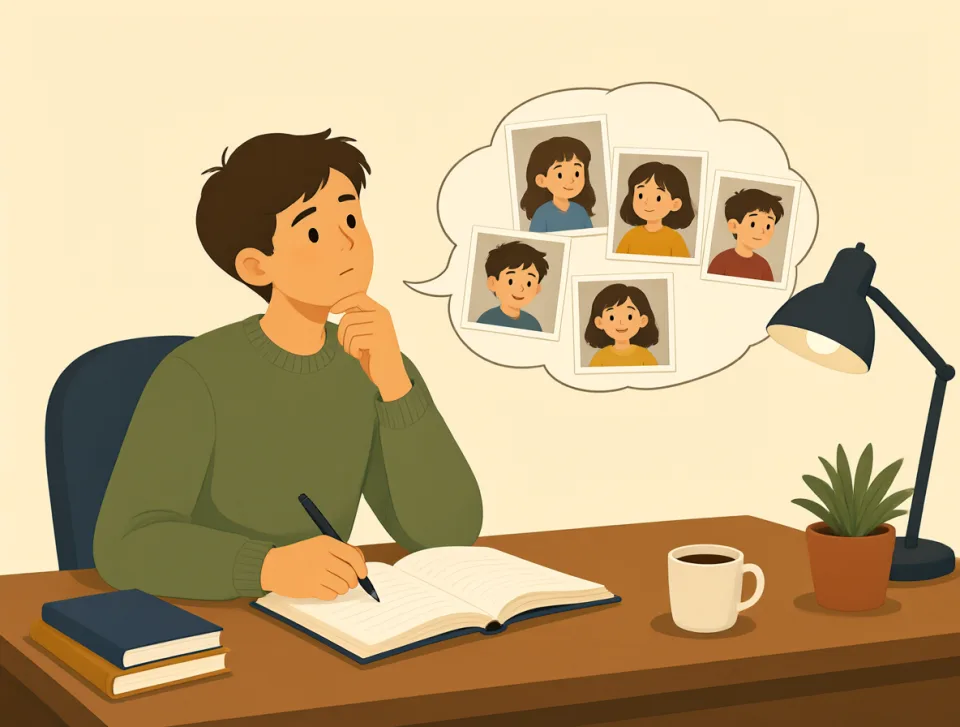
The story is constructed from memories of the writer's childhood.
यह कहानी लेखक के बचपन की यादों से बनी है।
remark
#1760noun, verb
टिप्पणी
a comment that gives your opinion, or to make such a comment
अपनी राय ज़ाहिर करने वाली टिप्पणी; या ऐसी टिप्पणी करना।

She made a helpful remark during the team meeting.
उसने टीम की बैठक के दौरान एक मददगार टिप्पणी की।

The teacher remarked that everyone had worked very hard.
शिक्षक ने कहा कि सभी ने बहुत मेहनत की थी।
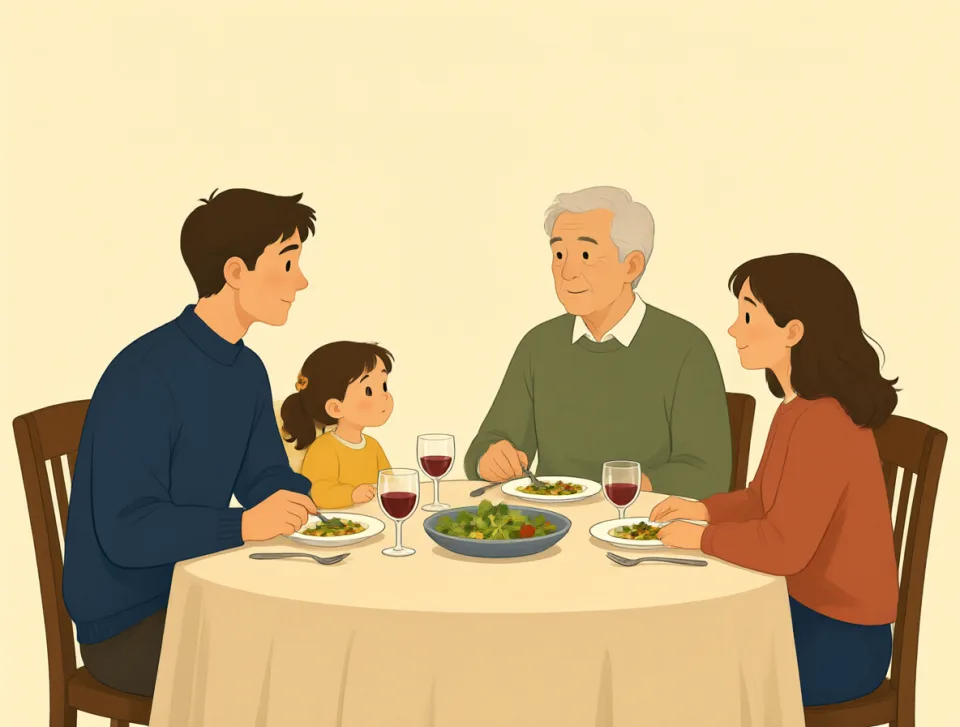
His rude remarks made dinner uncomfortable for everyone.
उसकी रूखी टिप्पणियों से सभी के लिए रात का खाना असहज हो गया।

The shop assistant remarked on my bright red jacket.
दुकान के सहायक ने मेरी चमकीली लाल जैकेट पर टिप्पणी की।

I heard several funny remarks during our train journey.
ट्रेन के सफ़र के दौरान मैंने कई मज़ेदार टिप्पणियाँ सुनीं।