Đơn vị 88
Từ 1741–1760 · chart, attach, hell, everywhere, advise, household
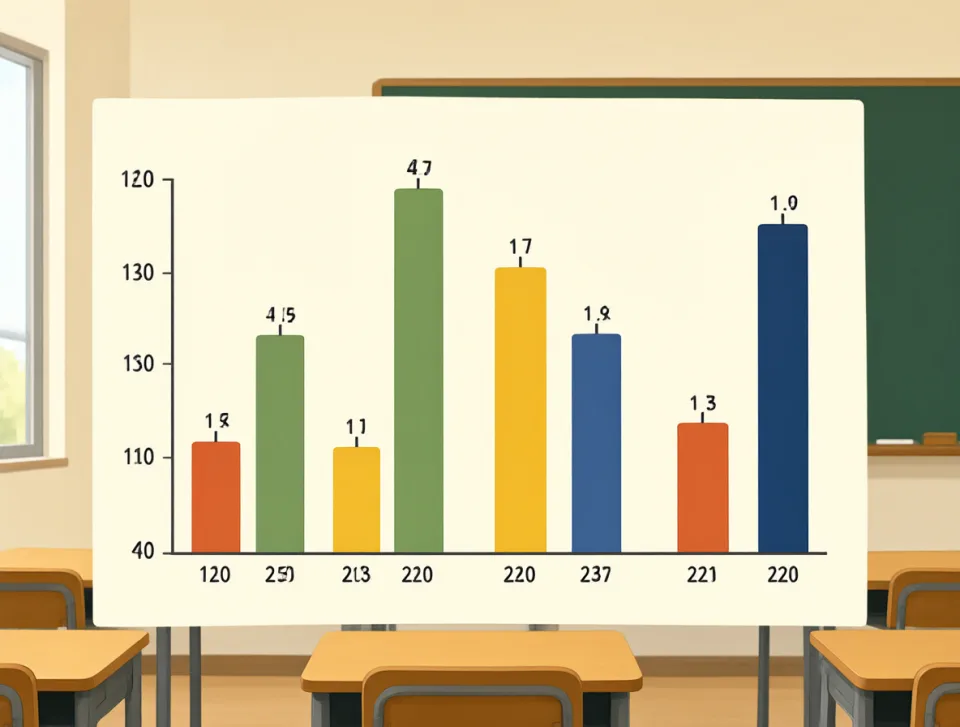
chart
#1741noun, verb
biểu đồ
A drawing that shows information, or to record information on a chart.
Hình vẽ thể hiện thông tin, hoặc việc ghi thông tin lên biểu đồ.

The doctor showed me a chart of my blood pressure.
Bác sĩ cho tôi xem biểu đồ huyết áp của mình.

The weather chart predicts rain for most of the week.
Biểu đồ thời tiết dự báo trời sẽ mưa hầu hết các ngày trong tuần.
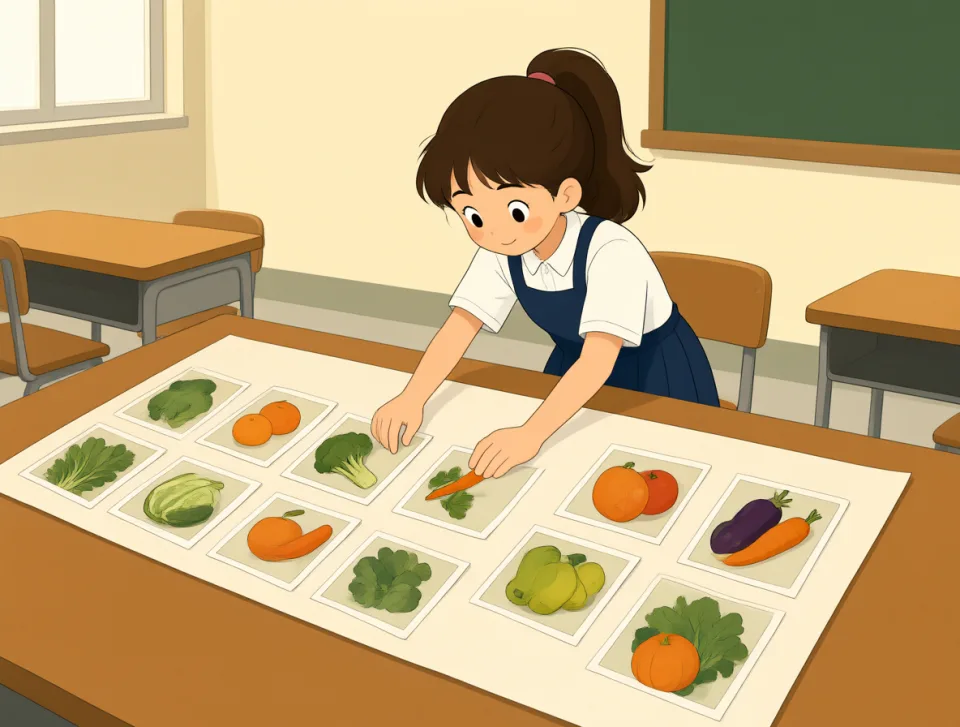
Our teacher asked us to make a chart about healthy foods.
Giáo viên yêu cầu chúng tôi làm một biểu đồ về các thực phẩm lành mạnh.

The song quickly climbed the charts after its release.
Bài hát nhanh chóng leo lên các bảng xếp hạng sau khi phát hành.

She charted our journey on a map before we left.
Cô ấy đánh dấu hành trình của chúng tôi trên bản đồ trước khi chúng tôi khởi hành.

attach
#1742verb
đính kèm
to join one thing to another, or fasten something so it stays in place
nối hoặc gắn một vật vào vật khác để nó giữ nguyên vị trí.

Please attach the file to your email before sending it.
Vui lòng đính kèm tệp vào email trước khi gửi.

She attached a photo to her school project.
Cô ấy đính kèm một bức ảnh vào bài tập ở trường.
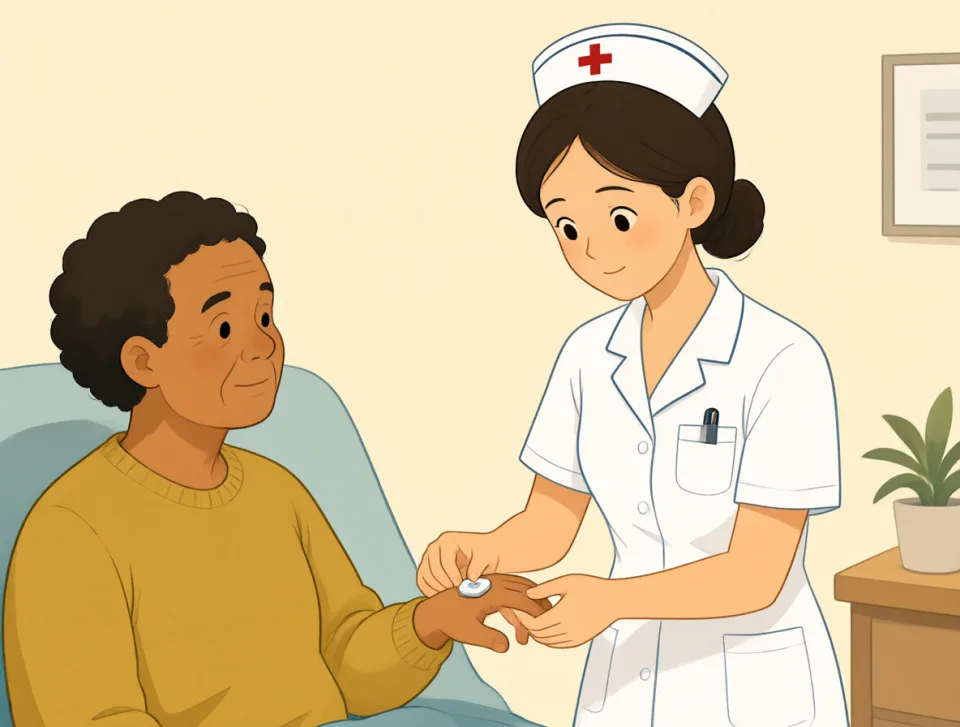
The nurse attached a small sensor to his finger.
Y tá gắn một cảm biến nhỏ vào ngón tay anh ấy.

We attached the price tag to the new jacket.
Chúng tôi gắn nhãn giá vào chiếc áo khoác mới.
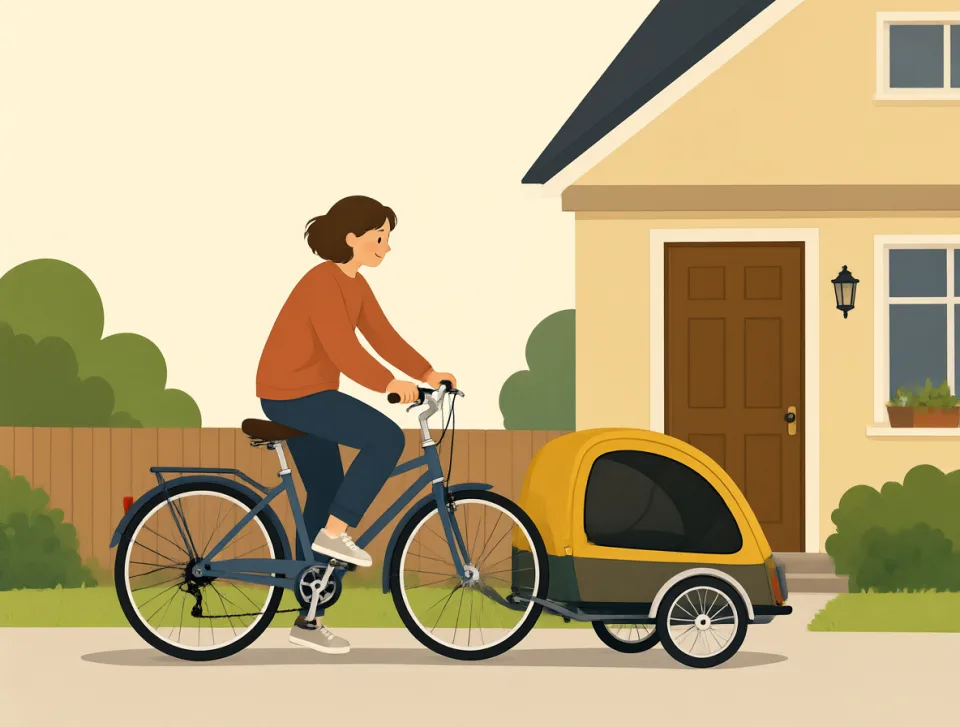
He attached the bicycle trailer before riding to the park.
Anh ấy gắn rơ-moóc xe đạp vào xe trước khi đạp đến công viên.

hell
#1743noun, interjection
địa ngục
a place believed to be where bad people suffer after death; also used to show anger or surprise
Nơi người ta tin rằng những kẻ xấu phải chịu khổ sau khi chết; cũng được dùng để thể hiện sự tức giận hoặc ngạc nhiên.

He thought he would go to hell for his terrible actions.
Anh ấy nghĩ mình sẽ xuống địa ngục vì những việc tồi tệ mình đã làm.

What the hell are you doing in my room?
Cậu đang làm cái quái gì trong phòng tôi thế?
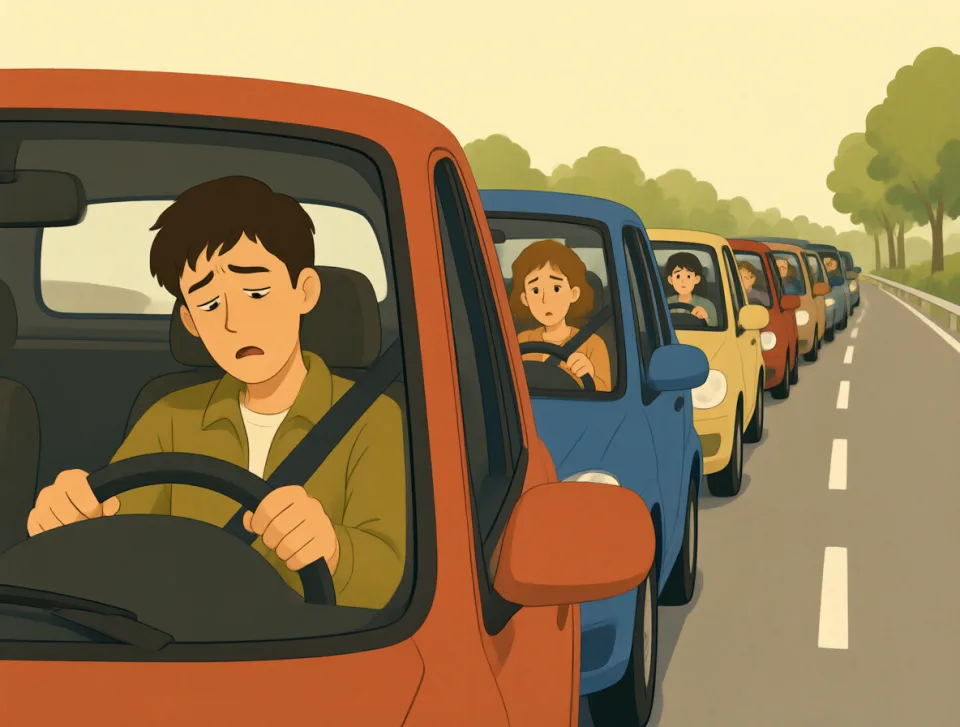
This traffic is driving me to hell today.
Hôm nay tình trạng giao thông này làm tôi phát điên.

The hikers walked through hell during the hot desert journey.
Những người đi bộ đường dài đã trải qua một chuyến đi khắc nghiệt qua sa mạc nóng bỏng.

She felt like hell after staying awake all night.
Cô ấy cảm thấy vô cùng mệt mỏi sau khi thức trắng cả đêm.

everywhere
#1744adverb
mọi nơi
in or to every place
Ở khắp mọi nơi hoặc đến bất cứ nơi nào.

I looked everywhere for my missing keys this morning.
Sáng nay tôi tìm chùm chìa khóa bị mất khắp nơi.

You can find small cafés everywhere in this city.
Ở thành phố này, bạn có thể tìm thấy những quán cà phê nhỏ ở khắp nơi.
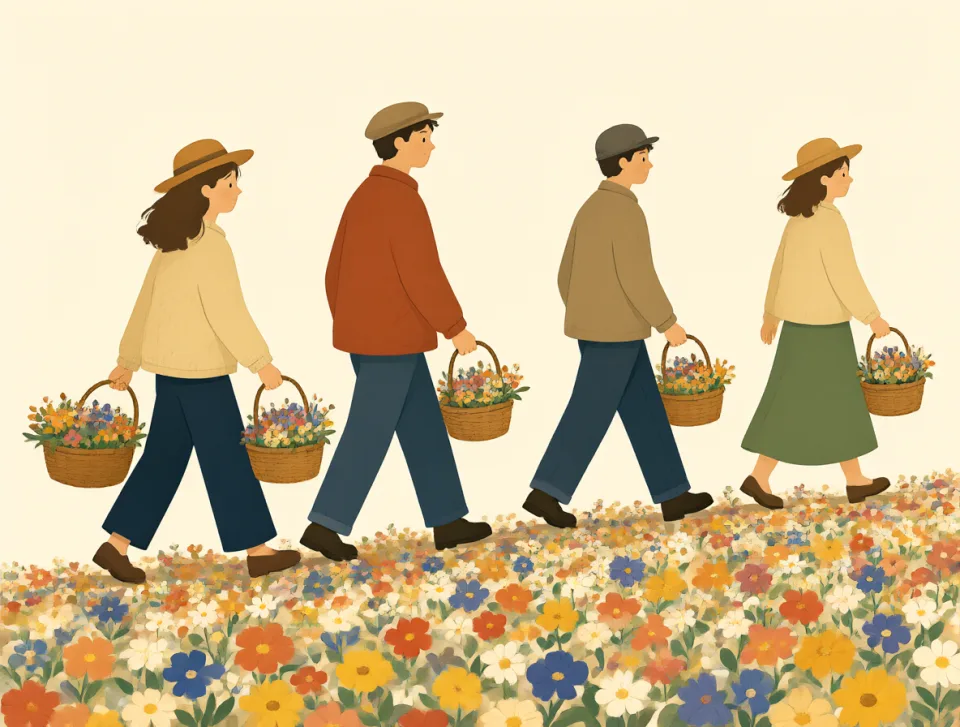
There were flowers everywhere at the spring festival.
Hoa nở khắp nơi trong lễ hội mùa xuân.

My little brother leaves his toys everywhere in the house.
Em trai tôi để đồ chơi vương vãi khắp nhà.

After the storm, fallen branches were lying everywhere.
Sau cơn bão, cành cây gãy nằm la liệt khắp nơi.

advise
#1745verb
khuyên
to tell someone what you think they should do
Nói với ai đó điều bạn nghĩ họ nên làm.

My doctor advised me to get more sleep.
Bác sĩ khuyên tôi nên ngủ nhiều hơn.

I advise you to book your hotel early.
Tôi khuyên bạn nên đặt khách sạn sớm.

The teacher advised us to study for the test.
Giáo viên khuyên chúng tôi học bài để chuẩn bị cho bài kiểm tra.

Can you advise me on which jacket to buy?
Bạn có thể tư vấn cho tôi nên mua chiếc áo khoác nào không?
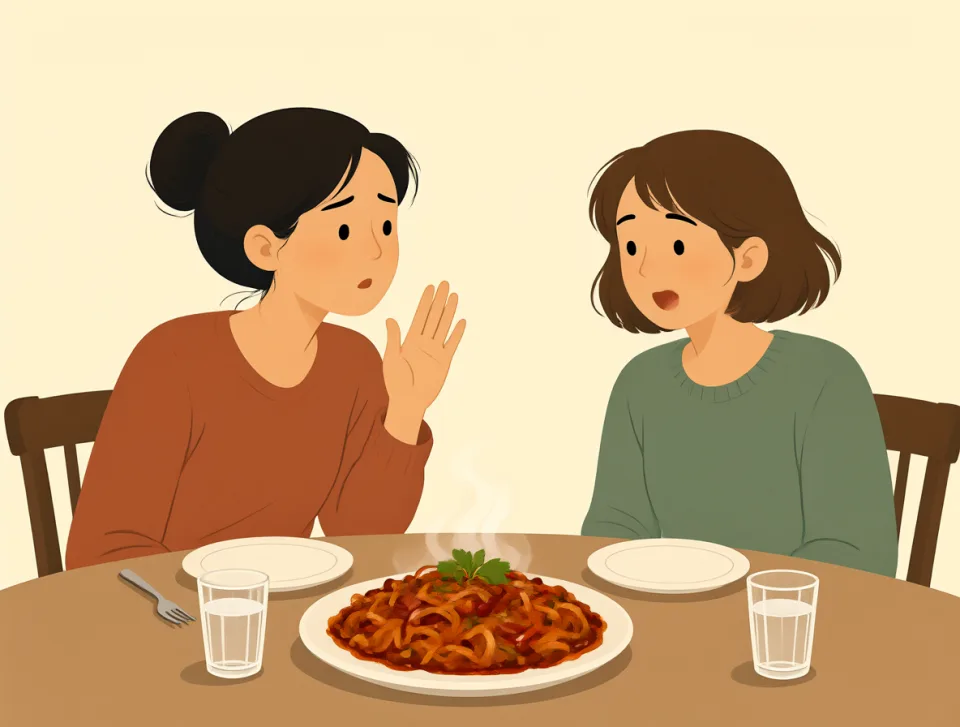
She advised against eating too much spicy food.
Cô ấy khuyên không nên ăn quá nhiều đồ cay.

household
#1746noun, adjective
hộ gia đình
A home and the people who live together in it.
Một ngôi nhà và những người cùng sống trong đó.

Everyone in our household helps clean the house on Saturday.
Mọi người trong gia đình tôi đều giúp dọn nhà vào thứ Bảy.
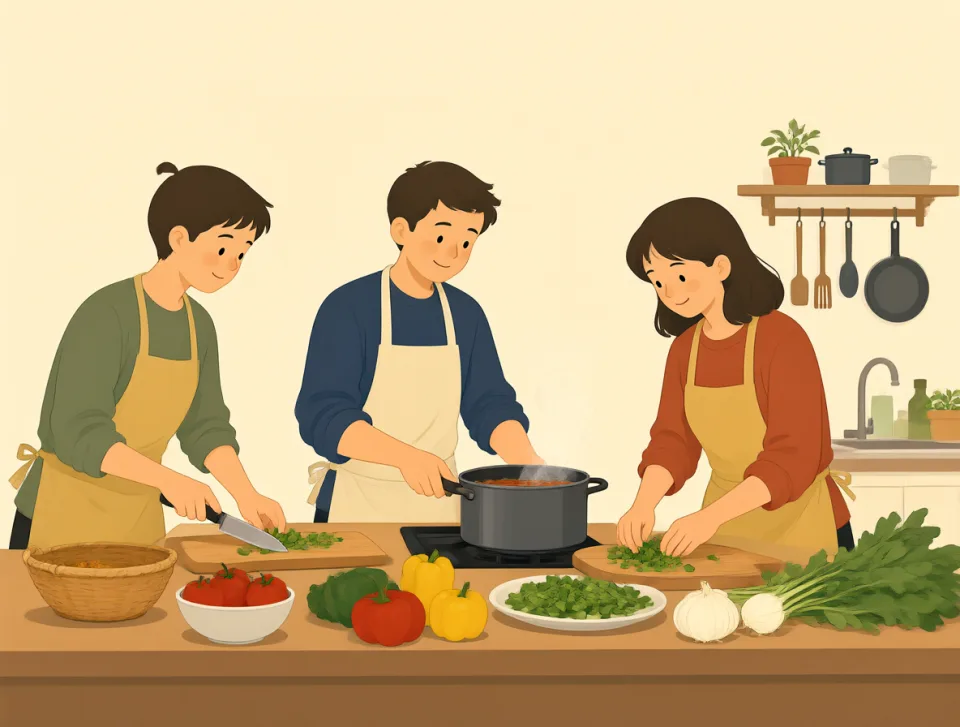
Our household spends less money when we cook at home.
Gia đình tôi tốn ít tiền hơn khi nấu ăn ở nhà.

The store sells household goods like towels, plates, and lamps.
Cửa hàng bán đồ gia dụng như khăn tắm, đĩa và đèn.
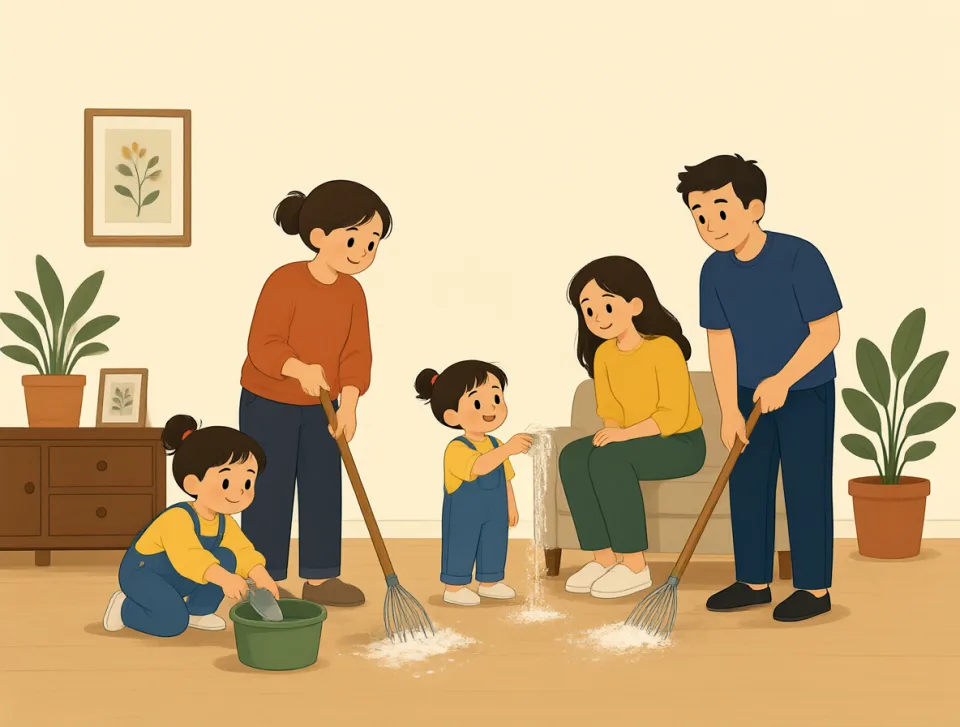
Household chores can be easier when everyone shares them.
Việc nhà có thể trở nên dễ dàng hơn khi mọi người cùng chia sẻ.

The doctor asked about household members with similar health problems.
Bác sĩ hỏi về những người trong gia đình có vấn đề sức khỏe tương tự.

acknowledge
#1747verb
thừa nhận
to accept or show that something is true, important, or real
Chấp nhận hoặc thể hiện rằng điều gì đó là đúng, quan trọng hoặc có thật.

She smiled to acknowledge her neighbor across the street.
Cô ấy mỉm cười để chào người hàng xóm ở bên kia đường.

The manager acknowledged my hard work during the meeting.
Người quản lý ghi nhận sự chăm chỉ của tôi trong cuộc họp.

Please acknowledge that you received the package.
Vui lòng xác nhận rằng bạn đã nhận được gói hàng.

He finally acknowledged that he had made a mistake.
Cuối cùng anh ấy cũng thừa nhận mình đã mắc lỗi.

The doctor acknowledged her pain and offered helpful treatment.
Bác sĩ ghi nhận cơn đau của cô ấy và đưa ra phương pháp điều trị hữu ích.
reward
#1748noun, verb
phần thưởng
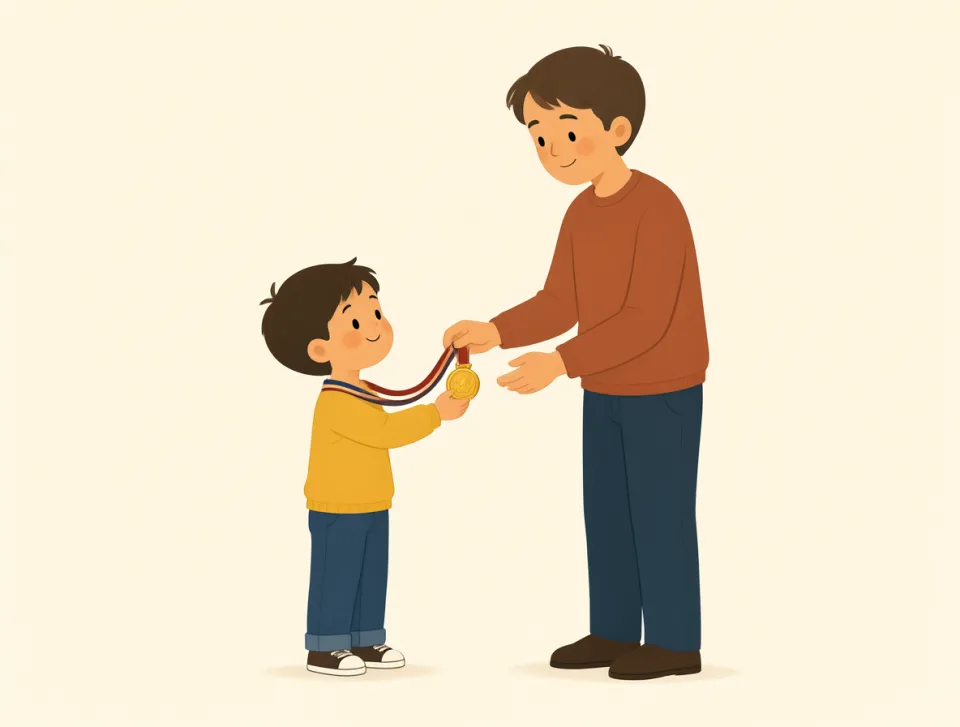
Something given for good work or behavior, or to give someone this.
Thứ được trao cho thành tích hoặc hành vi tốt, hoặc hành động trao thứ đó cho ai.

The winner received a reward for finishing the race first.
Người chiến thắng nhận được phần thưởng vì về đích đầu tiên.

I bought myself a small reward after completing my difficult project.
Tôi tự thưởng cho mình một món quà nhỏ sau khi hoàn thành dự án khó khăn.

The teacher rewarded the students with extra playtime.
Giáo viên thưởng cho học sinh thêm thời gian vui chơi.
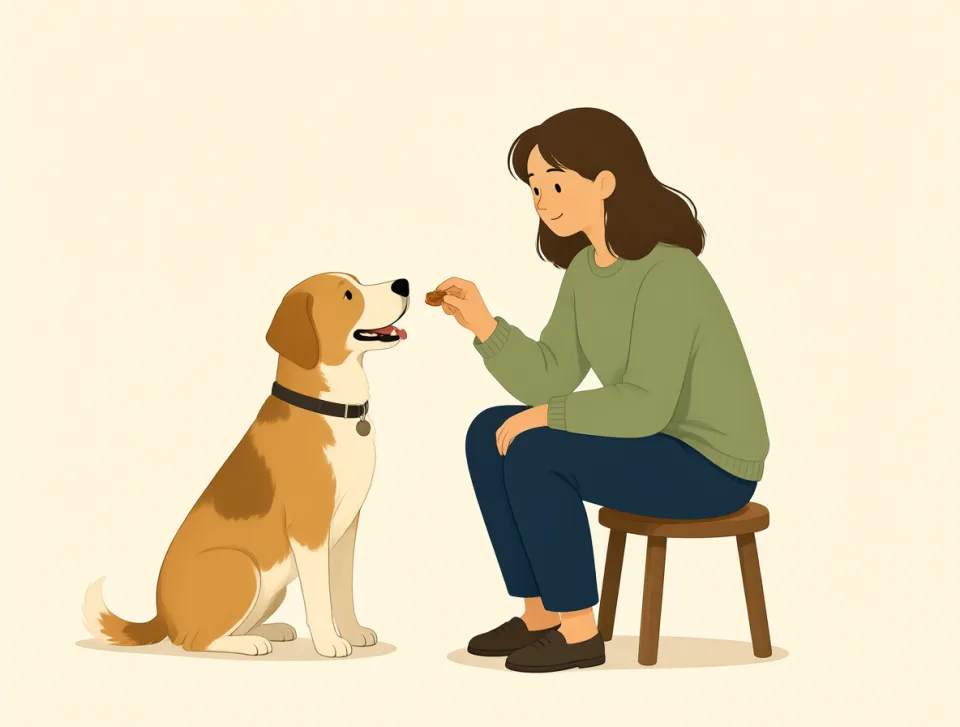
Our dog gets a reward whenever he follows a command.
Chú chó nhà chúng tôi được thưởng mỗi khi làm theo mệnh lệnh.

The company rewards loyal customers with special discounts.
Công ty thưởng cho khách hàng thân thiết bằng những ưu đãi đặc biệt.

east
#1749noun, adjective, adverb, preposition
phía đông
the direction where the sun rises, or the eastern part of a place
Hướng mặt trời mọc hoặc khu vực phía đông của một nơi.

The sun rises in the east every morning.
Mặt trời mọc ở phía đông mỗi sáng.

Our hotel is on the east side of town.
Khách sạn của chúng tôi nằm ở phía đông thị trấn.

We drove east for two hours to reach the coast.
Chúng tôi lái xe về phía đông hai tiếng để đến bờ biển.

She moved east after finding a new job.
Cô ấy chuyển về phía đông sau khi tìm được công việc mới.

The wind is coming from the east today.
Hôm nay gió thổi từ phía đông.

hat
#1750noun
mũ
A covering worn on the head, often for warmth, protection, or style.
Vật đội trên đầu, thường để giữ ấm, bảo vệ hoặc làm đẹp.

He put on his hat before going outside.
Anh ấy đội mũ trước khi ra ngoài.

She bought a new hat for the sunny beach.
Cô ấy mua một chiếc mũ mới để đội khi đi biển nắng.
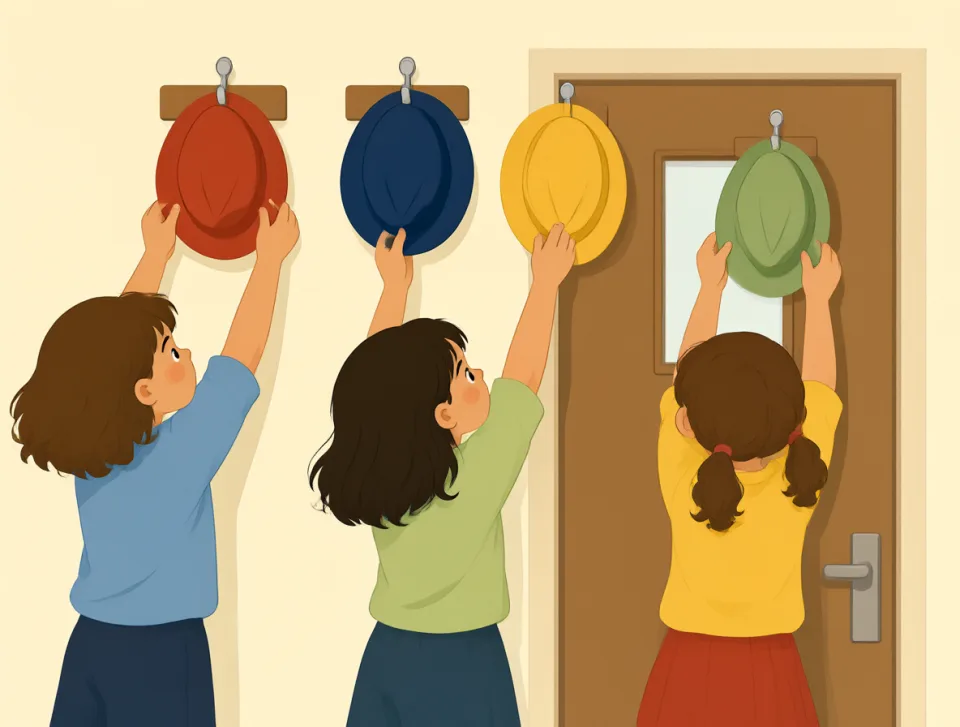
The children hung their hats beside the classroom door.
Bọn trẻ treo mũ bên cạnh cửa lớp học.

Please take your hat off during the meeting.
Vui lòng bỏ mũ ra trong cuộc họp.
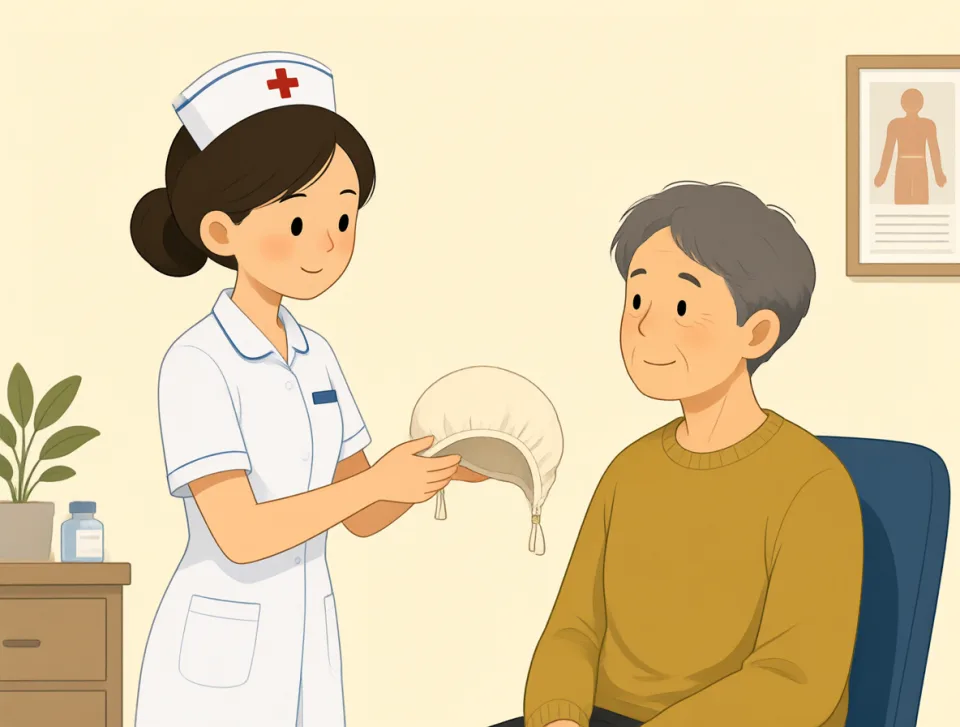
The nurse gave him a hat to protect his head.
Y tá đưa cho anh ấy một chiếc mũ để bảo vệ đầu.

academic
#1751adjective
học thuật
Connected with education, especially studying and teaching at a school or university.
Liên quan đến giáo dục, đặc biệt là việc học tập và giảng dạy ở trường học hoặc đại học.

She received an academic award for her excellent school results.
Cô ấy nhận được giải thưởng học thuật nhờ thành tích học tập xuất sắc ở trường.

The university offers academic courses in business and computer science.
Trường đại học có các khóa học về kinh doanh và khoa học máy tính.

His academic record helped him get a place at college.
Hồ sơ học tập của anh ấy đã giúp anh ấy được nhận vào trường cao đẳng.

The museum has many academic books about ancient history.
Bảo tàng có nhiều sách học thuật về lịch sử cổ đại.

After work, she enjoys academic discussions with her friends.
Sau giờ làm, cô ấy thích thảo luận về các chủ đề học thuật với bạn bè.
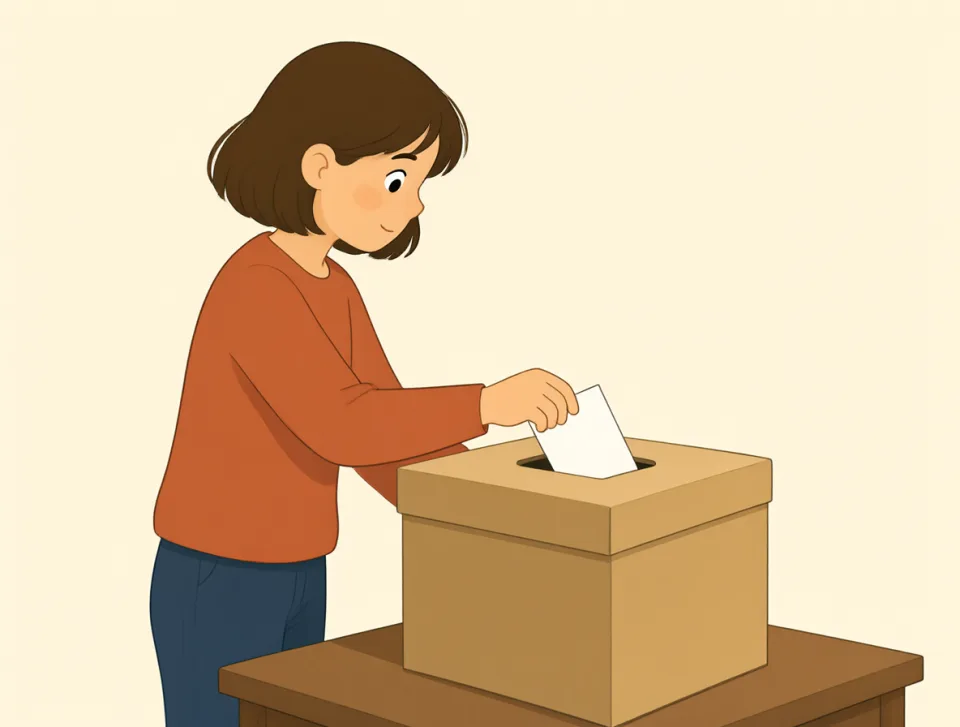
voter
#1752noun
cử tri
A person who votes in an election.
Người bỏ phiếu trong một cuộc bầu cử.
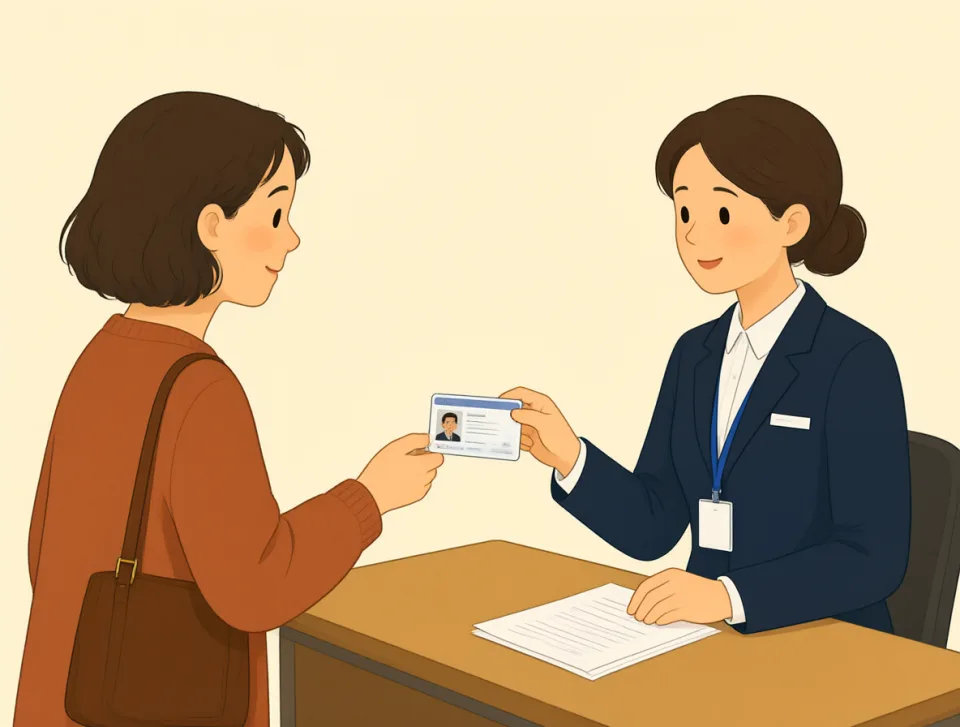
Every voter must show identification before casting a ballot.
Mỗi cử tri phải xuất trình giấy tờ tùy thân trước khi bỏ phiếu.
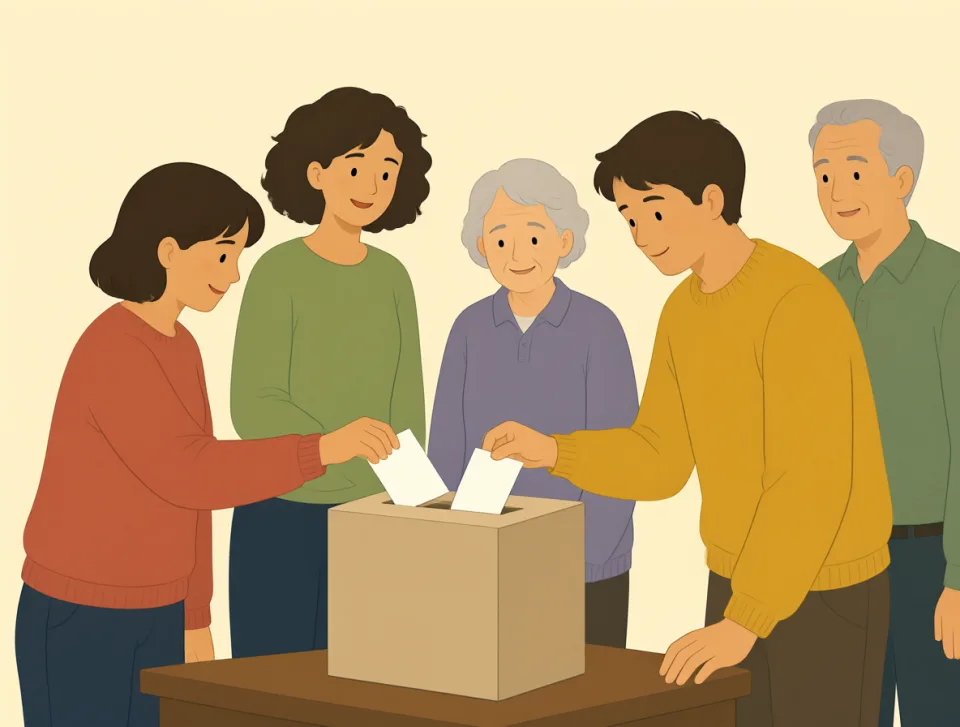
Many voters chose a new mayor in yesterday’s local election.
Nhiều cử tri đã chọn một thị trưởng mới trong cuộc bầu cử địa phương hôm qua.
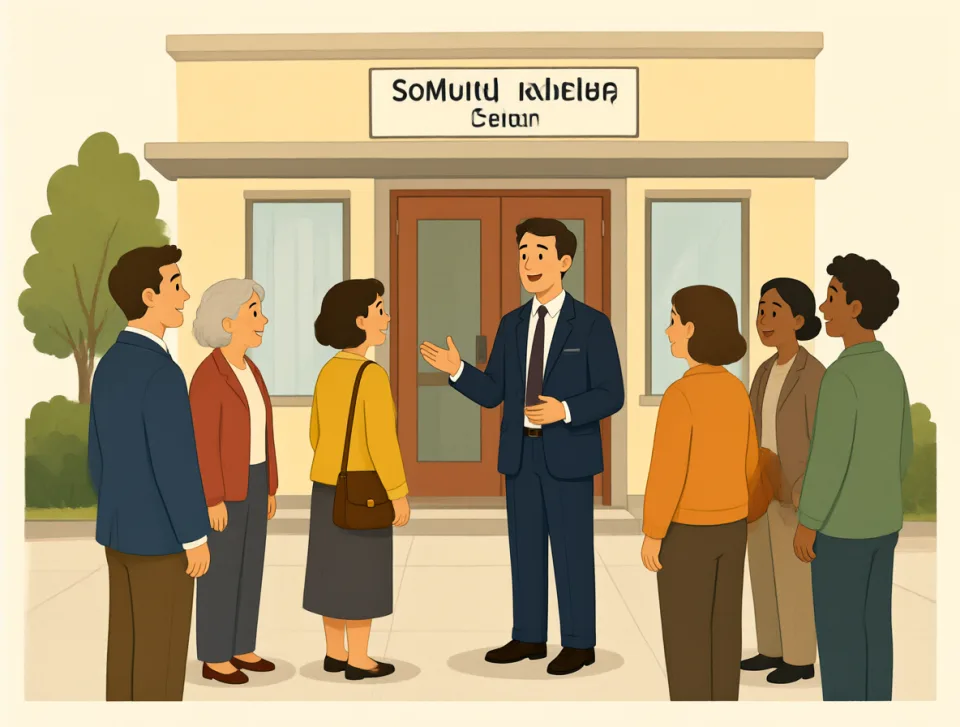
The candidate spoke with voters outside the community center.
Ứng cử viên trò chuyện với các cử tri bên ngoài trung tâm sinh hoạt cộng đồng.

Young voters often discuss elections with their friends at school.
Các cử tri trẻ thường bàn về bầu cử với bạn bè ở trường.
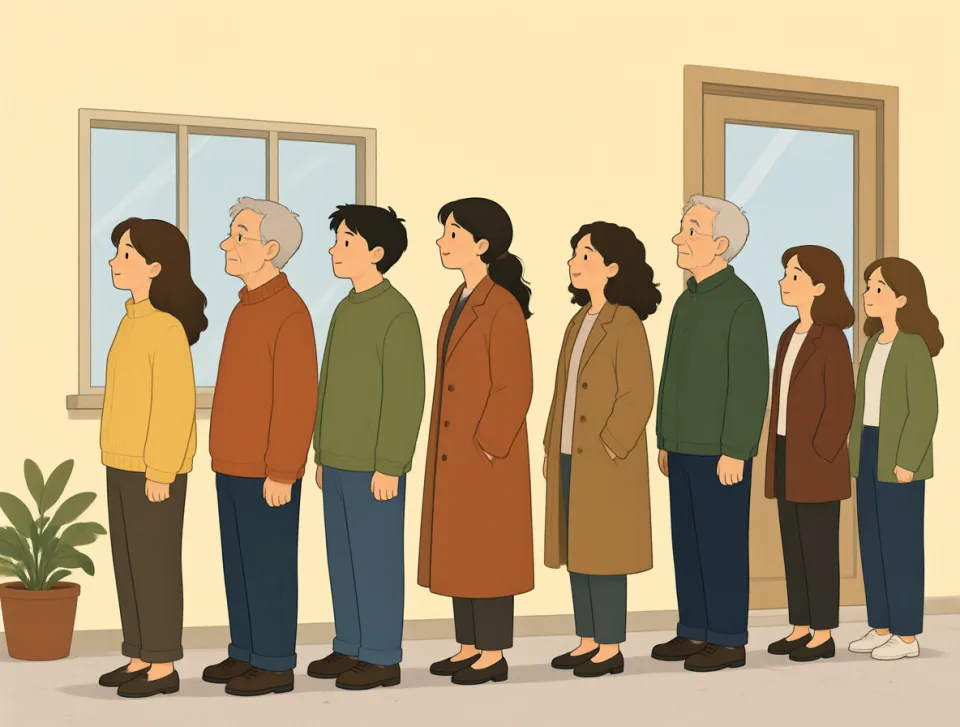
Voters waited patiently in line to cast their ballots.
Các cử tri kiên nhẫn xếp hàng chờ bỏ phiếu.
meanwhile
#1753adverb
trong khi đó
at the same time as something else is happening
Trong cùng khoảng thời gian một việc khác đang diễn ra.
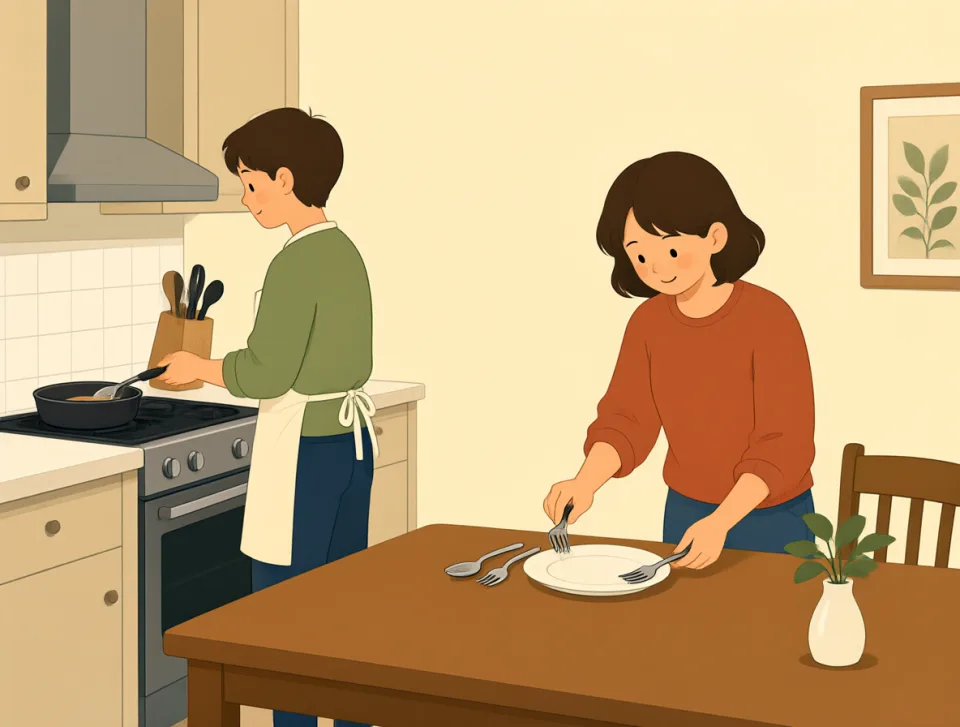
I cooked dinner; meanwhile, my brother set the table.
Tôi nấu bữa tối; trong khi đó, anh trai tôi dọn bàn ăn.
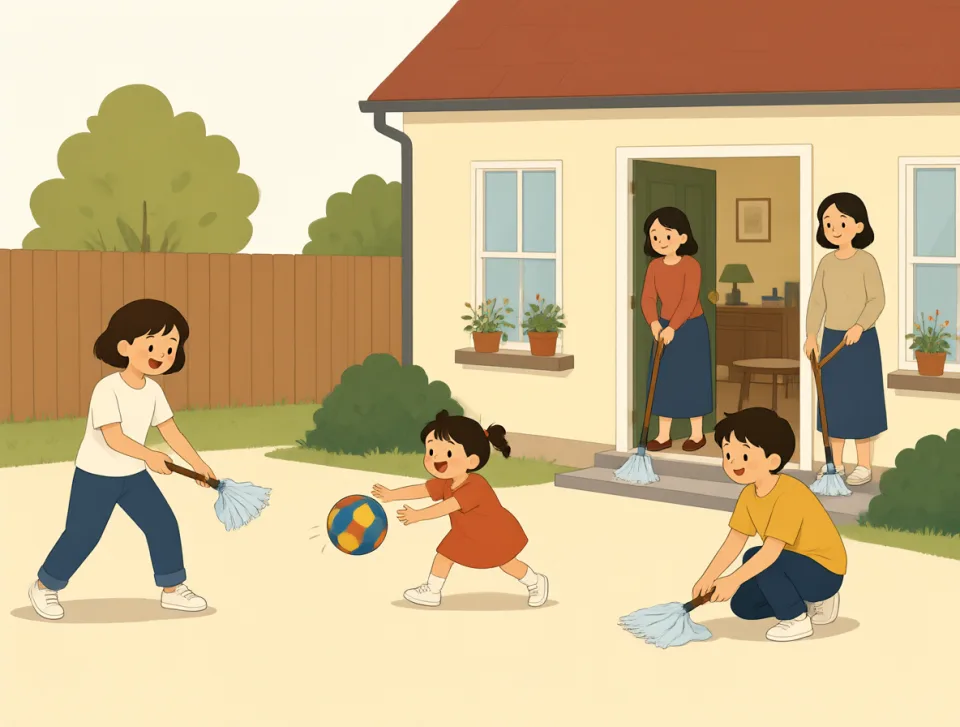
Meanwhile, the children played outside while their parents cleaned.
Trong khi đó, bọn trẻ chơi ngoài trời còn bố mẹ chúng dọn dẹp.
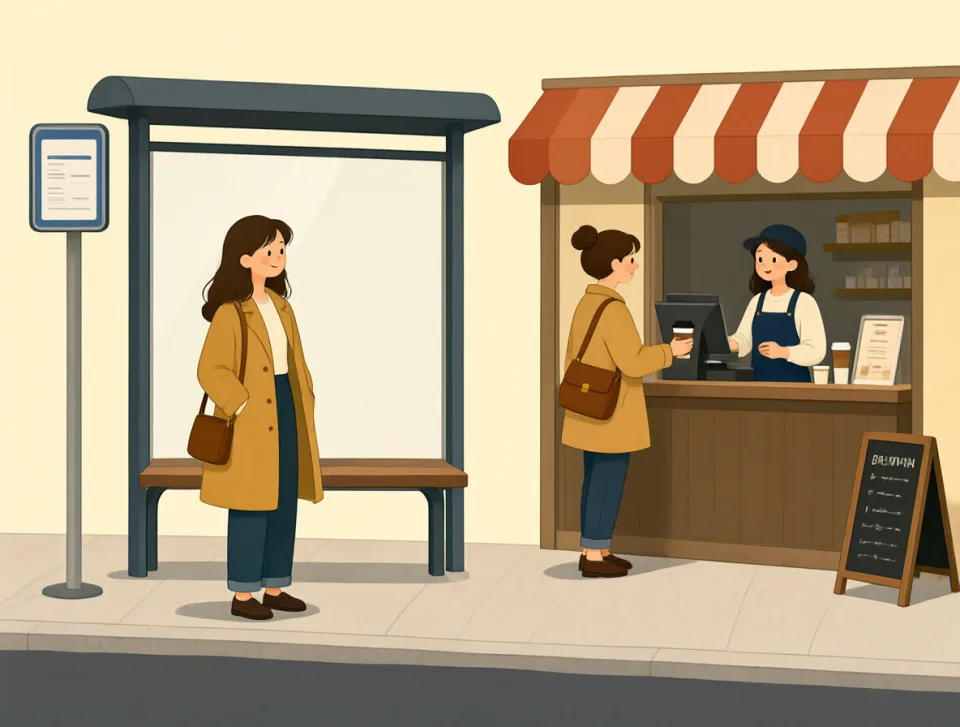
She waited for the bus; meanwhile, her friend bought coffee.
Cô ấy đợi xe buýt; trong khi đó, bạn cô ấy đi mua cà phê.

The manager spoke to customers; meanwhile, workers filled the shelves.
Người quản lý nói chuyện với khách hàng; trong khi đó, các nhân viên xếp hàng hóa lên kệ.

He rested in bed; meanwhile, the doctor prepared his medicine.
Anh ấy nghỉ ngơi trên giường; trong khi đó, bác sĩ chuẩn bị thuốc cho anh ấy.

furthermore
#1754adverb
hơn nữa
Used to add another important fact or reason to what you have just said.
Dùng để bổ sung một thông tin hoặc lý do quan trọng khác cho điều bạn vừa nói.
The hotel is cheap; furthermore, it is close to the beach.
Khách sạn giá rẻ; hơn nữa, lại gần bãi biển.

She speaks three languages and furthermore has excellent computer skills.
Cô ấy nói được ba thứ tiếng, hơn nữa còn có kỹ năng máy tính xuất sắc.
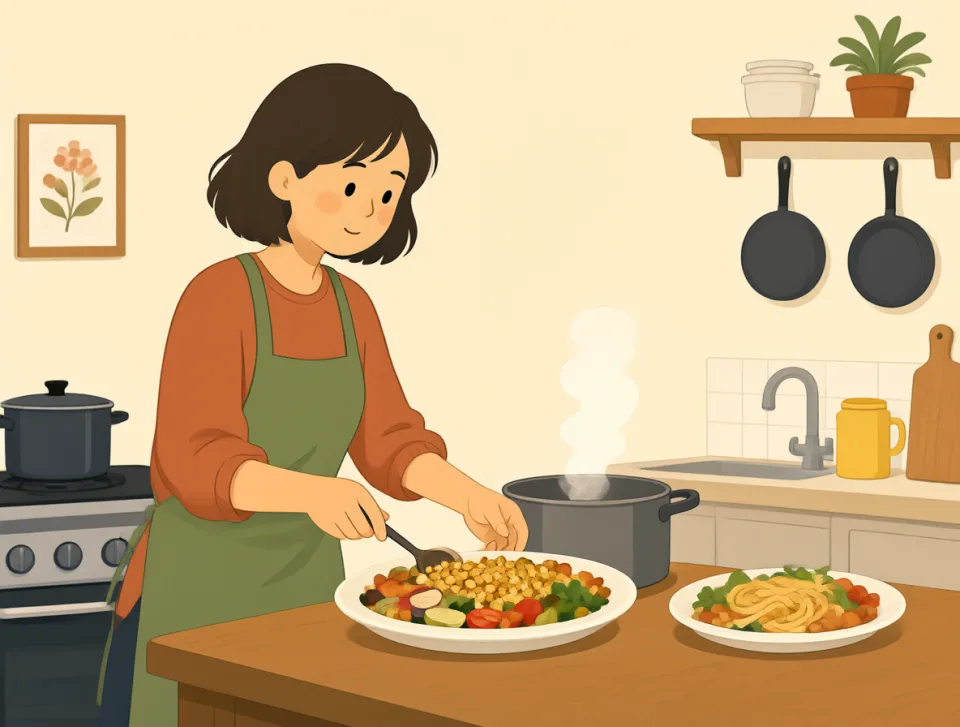
The meal was delicious and furthermore very easy to prepare.
Món ăn rất ngon, hơn nữa còn cực kỳ dễ chế biến.

The teacher explained the lesson clearly; furthermore, she gave us extra practice.
Giáo viên giải thích bài học rõ ràng; hơn nữa, cô ấy còn cho chúng tôi luyện tập thêm.

The medicine is effective; furthermore, it has very few side effects.
Thuốc có hiệu quả; hơn nữa, nó có rất ít tác dụng phụ.

accuse
#1755verb
buộc tội
To say that someone did something wrong or illegal.
Nói rằng ai đó đã làm điều sai trái hoặc phạm pháp.
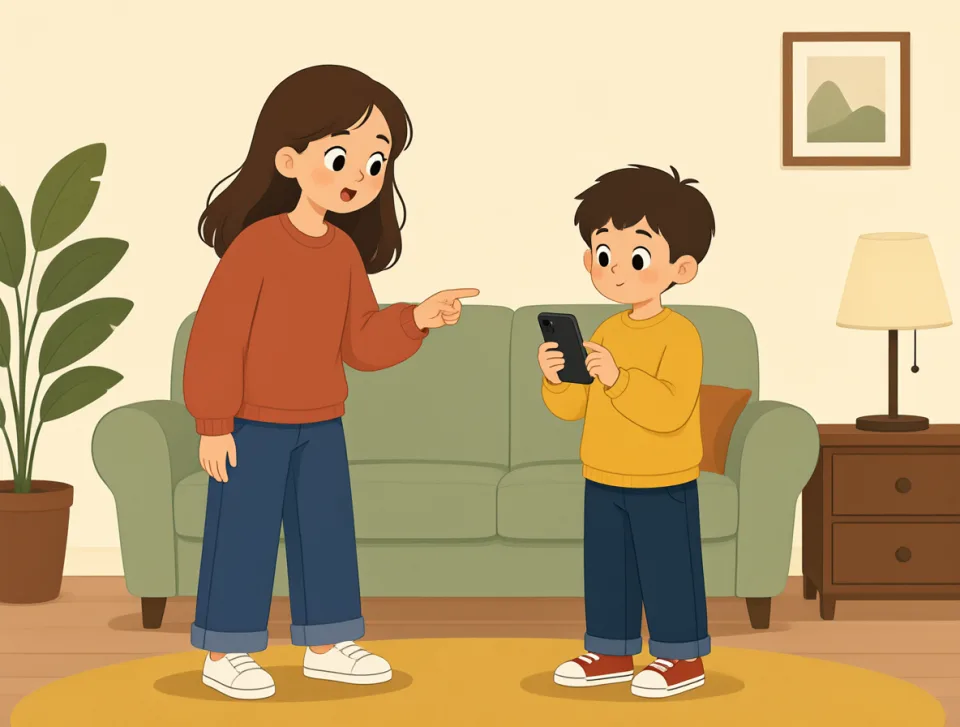
She accused her brother of taking her phone.
Cô ấy buộc tội anh trai lấy điện thoại của mình.

The manager accused the employee of lying about being sick.
Người quản lý buộc tội nhân viên nói dối về việc mình bị ốm.
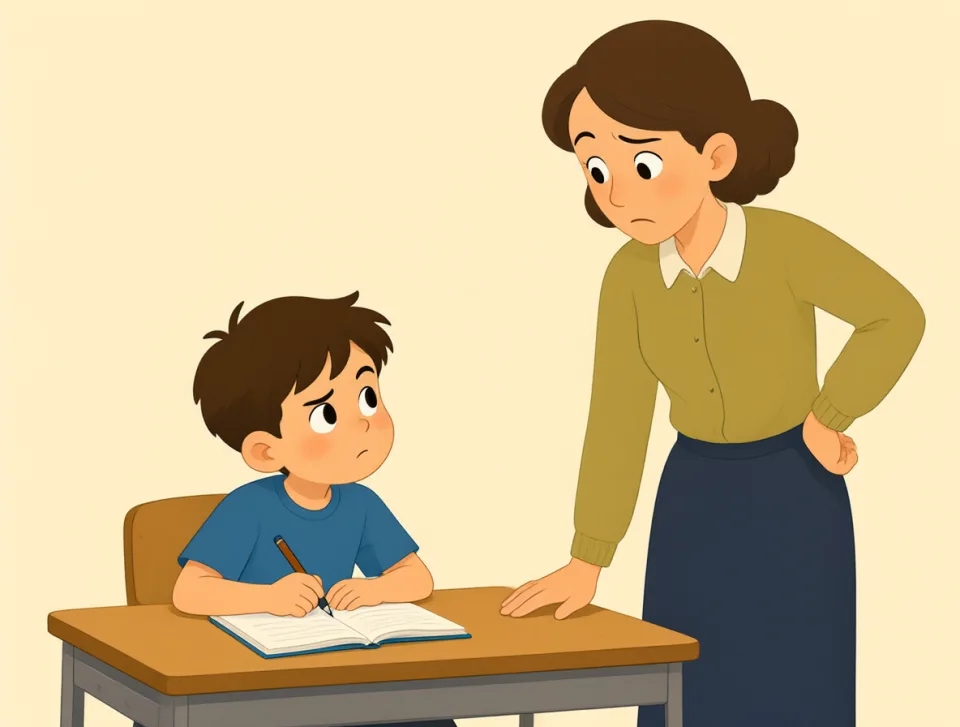
The teacher accused Tom of copying another student's homework.
Giáo viên buộc tội Tom chép bài tập về nhà của một học sinh khác.
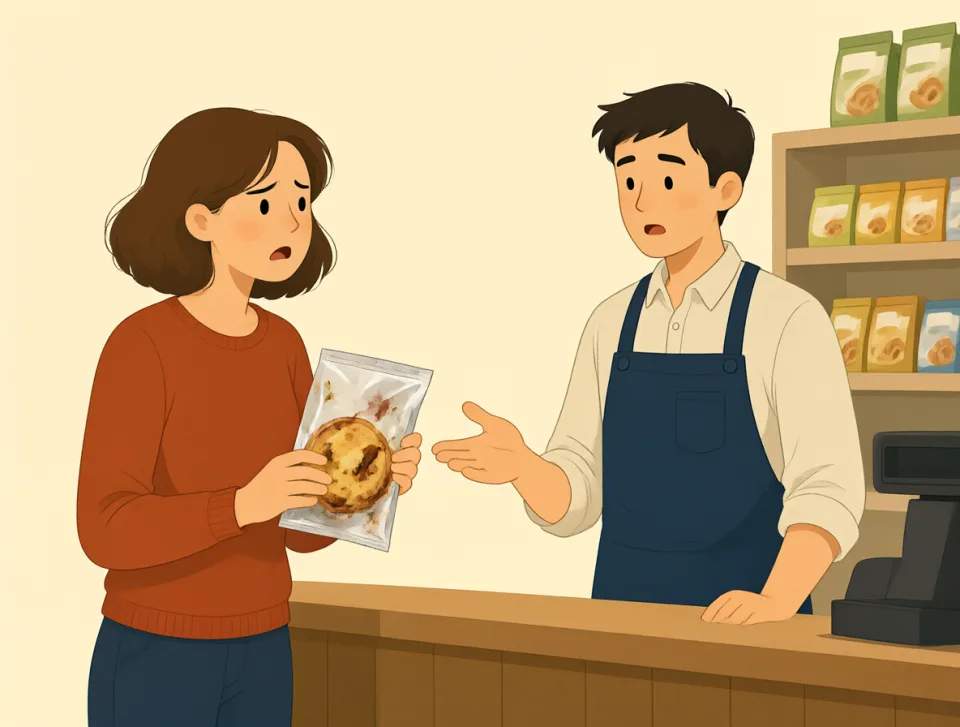
The customer accused the shop of selling her old food.
Khách hàng buộc tội cửa hàng bán đồ ăn cũ cho cô ấy.

He accused his friend of ignoring him at the party.
Anh ấy buộc tội bạn mình phớt lờ anh ấy ở bữa tiệc.
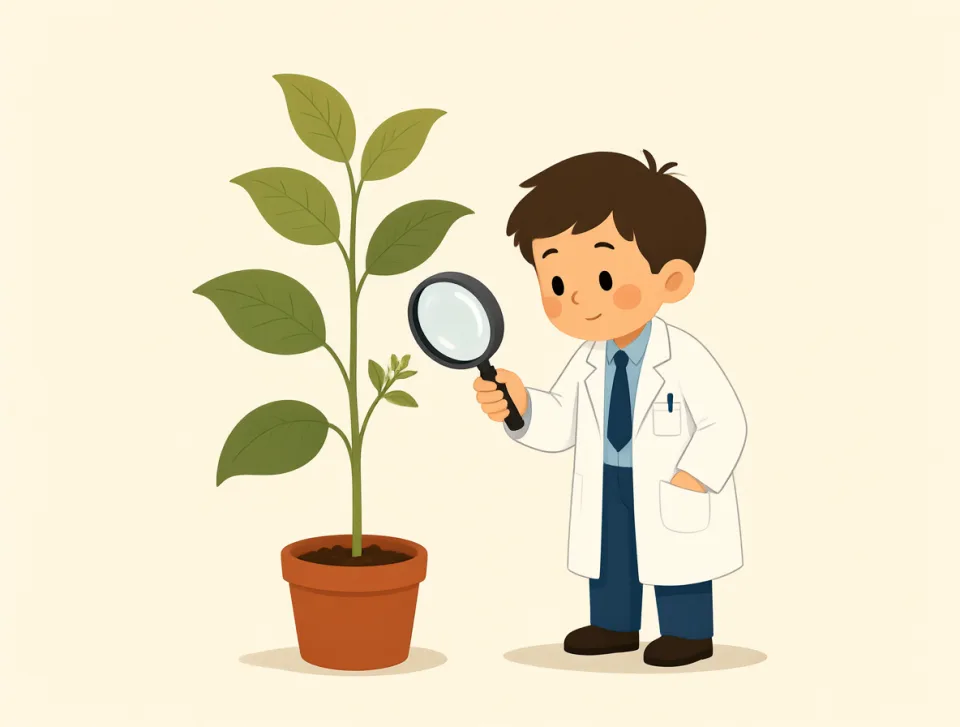
scientific
#1756adjective
mang tính khoa học
Connected with science or based on careful study and testing.
Liên quan đến khoa học hoặc dựa trên việc nghiên cứu và thử nghiệm cẩn thận.

The report gives scientific evidence for the new health advice.
Báo cáo đưa ra bằng chứng khoa học ủng hộ lời khuyên sức khỏe mới.
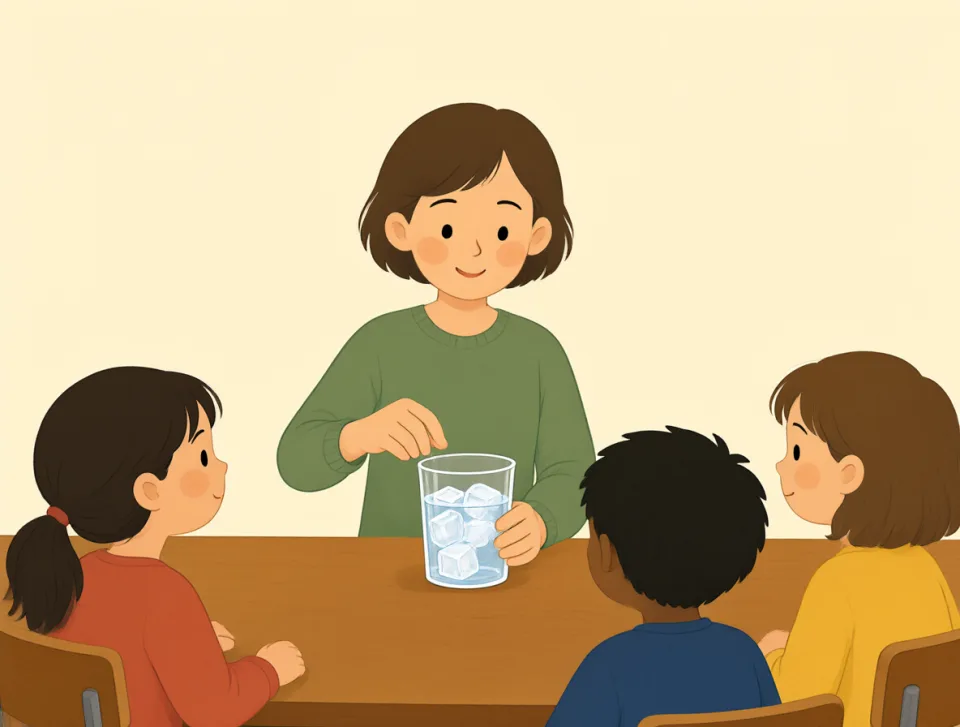
Our science teacher showed us a scientific experiment with water and ice.
Giáo viên khoa học cho chúng tôi xem một thí nghiệm khoa học với nước và đá.
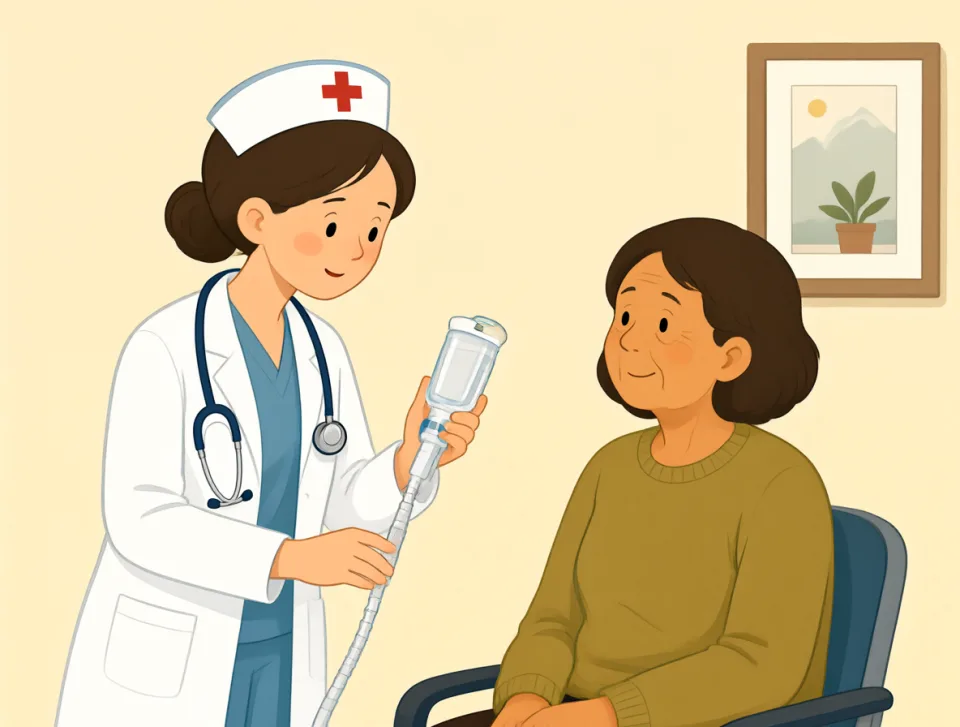
Doctors use scientific methods to find the best treatment for patients.
Các bác sĩ dùng những phương pháp khoa học để tìm ra phương pháp điều trị tốt nhất cho bệnh nhân.

The shop sells scientific equipment for schools and small laboratories.
Cửa hàng bán thiết bị khoa học cho trường học và các phòng thí nghiệm nhỏ.

My friend enjoys reading scientific books about animals and space.
Bạn tôi thích đọc những cuốn sách khoa học về động vật và vũ trụ.

wage
#1757noun, verb
tiền công
Money paid regularly for work, or to fight against something.
Tiền được trả đều đặn cho công việc, hoặc hành động đấu tranh chống lại điều gì đó.

Her weekly wage helps pay for rent and food.
Tiền công hằng tuần của cô ấy giúp trả tiền thuê nhà và mua thức ăn.

The company raised wages for all its workers this year.
Năm nay, công ty đã tăng tiền công cho tất cả nhân viên.

Many students work part-time to earn a wage.
Nhiều sinh viên làm thêm bán thời gian để kiếm tiền công.

The workers went on strike for higher wages.
Công nhân đình công để đòi tăng tiền công.

The government is waging a campaign against childhood obesity.
Chính phủ đang tiến hành một chiến dịch chống béo phì ở trẻ em.
absence
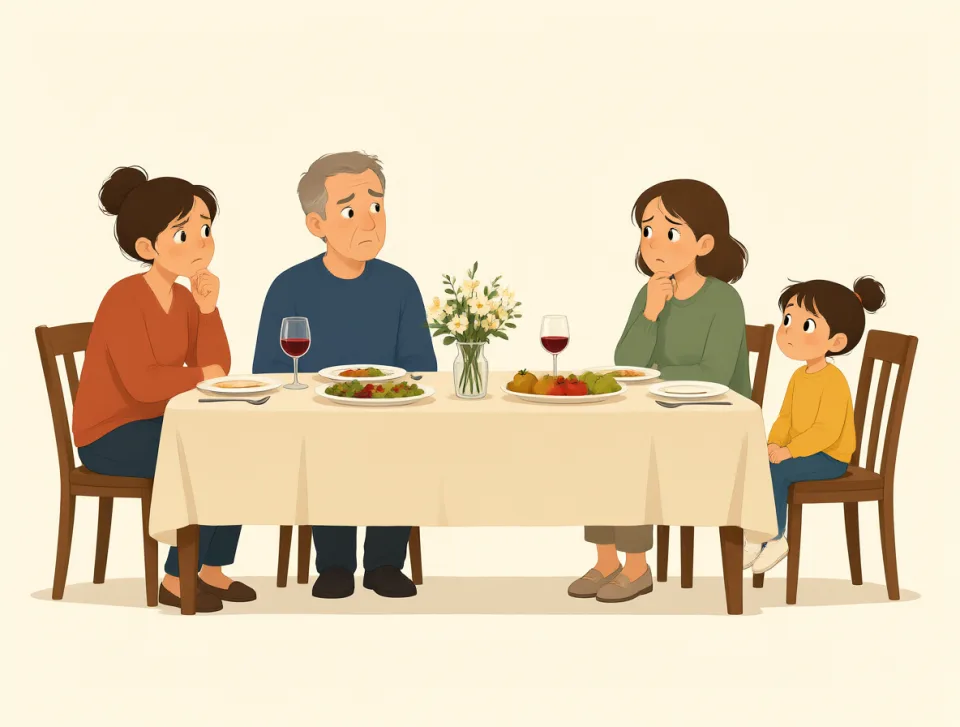
#1758noun
sự vắng mặt
The state of not being somewhere or not having something that is needed.
Tình trạng không có mặt ở một nơi nào đó hoặc không có thứ cần thiết.

Her absence from work worried her manager.
Việc cô ấy vắng mặt ở chỗ làm khiến quản lý lo lắng.

The teacher noticed his absence from class.
Giáo viên nhận thấy cậu ấy vắng mặt trong lớp.
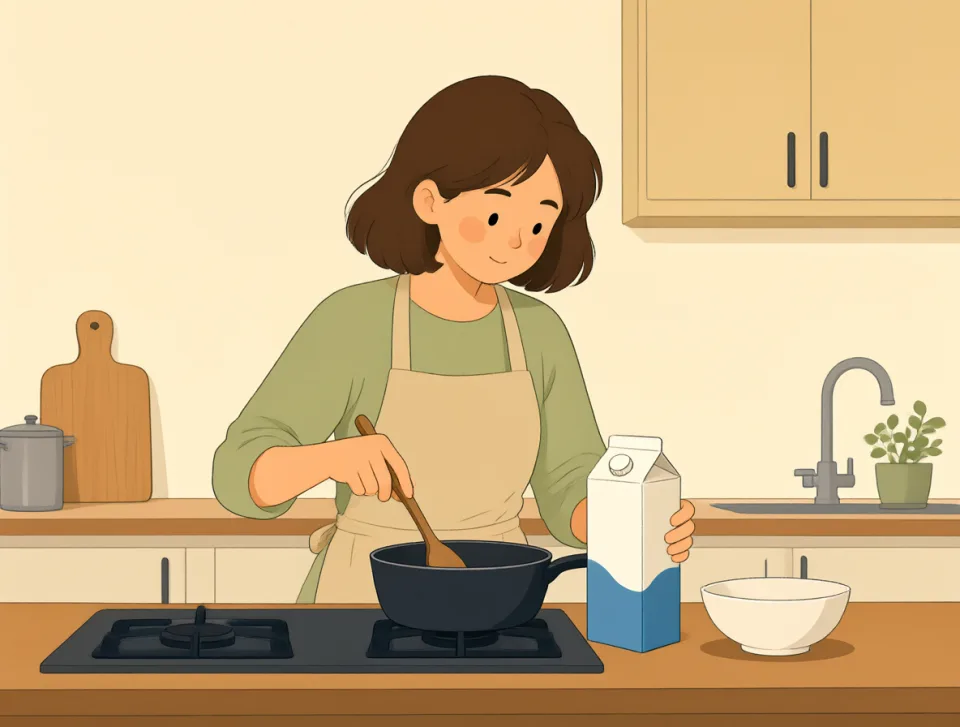
In the absence of milk, we used water instead.
Khi không có sữa, chúng tôi dùng nước thay thế.

His long absence made his friends miss him.
Cậu ấy vắng mặt lâu ngày khiến bạn bè nhớ cậu ấy.

The doctor asked about any absence of pain.
Bác sĩ hỏi liệu tôi có bị đau ở đâu không.

construct
#1759verb, noun
xây dựng; cấu tạo
to build something, or an idea formed from different parts
Xây dựng một thứ gì đó, hoặc một ý tưởng được hình thành từ nhiều phần khác nhau.
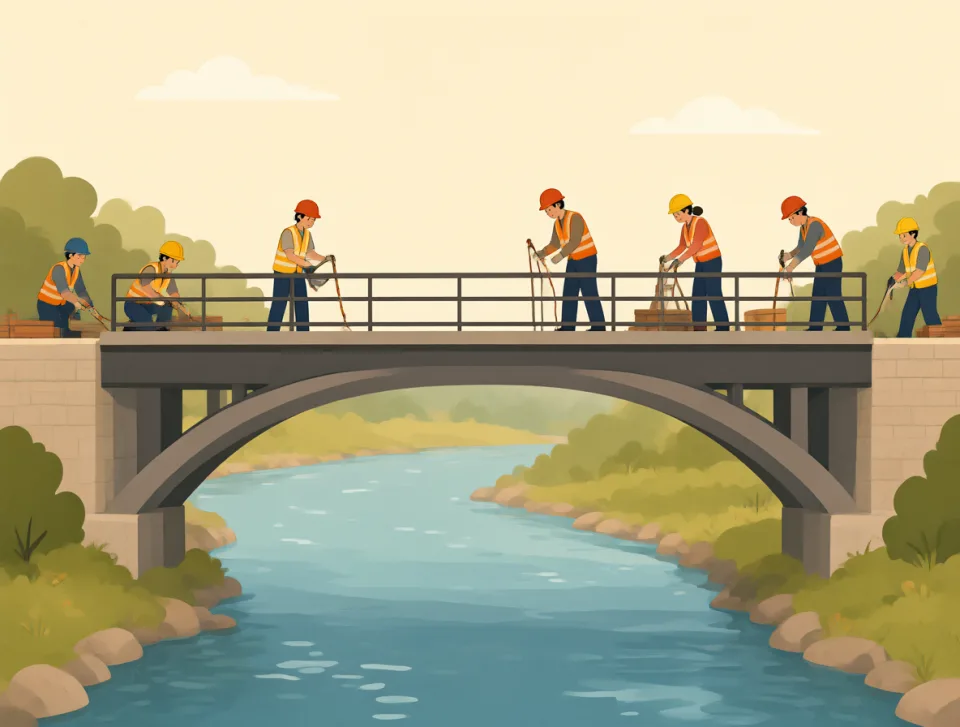
Workers are constructing a new bridge across the river.
Công nhân đang xây một cây cầu mới bắc qua sông.

The company constructed a simple plan for the next year.
Công ty đã lập một kế hoạch đơn giản cho năm tới.

We constructed a shelter from branches during our hike.
Trong chuyến đi bộ đường dài, chúng tôi dựng một chỗ trú bằng cành cây.

Students constructed a model volcano for their science class.
Học sinh làm một mô hình núi lửa cho tiết khoa học.

The story is constructed from memories of the writer's childhood.
Câu chuyện được xây dựng từ những ký ức về thời thơ ấu của nhà văn.

remark
#1760noun, verb
lời nhận xét; nhận xét
a comment that gives your opinion, or to make such a comment
Lời bình luận nêu ý kiến của bạn, hoặc hành động đưa ra lời bình luận như vậy.

She made a helpful remark during the team meeting.
Cô ấy đưa ra một nhận xét hữu ích trong cuộc họp nhóm.

The teacher remarked that everyone had worked very hard.
Giáo viên nhận xét rằng mọi người đã làm việc rất chăm chỉ.
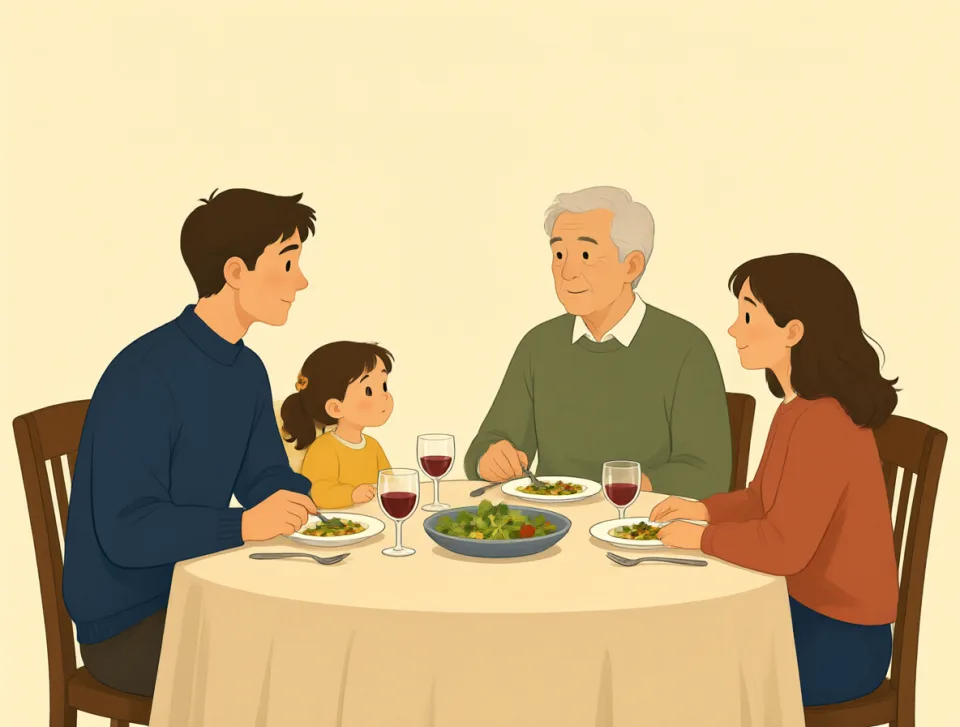
His rude remarks made dinner uncomfortable for everyone.
Những lời nhận xét thô lỗ của anh ấy khiến bữa tối trở nên khó xử với mọi người.

The shop assistant remarked on my bright red jacket.
Nhân viên cửa hàng nhận xét về chiếc áo khoác đỏ tươi của tôi.

I heard several funny remarks during our train journey.
Tôi nghe thấy vài lời nhận xét hài hước trong chuyến đi tàu của chúng tôi.