單元 88
單字 1741–1760 · chart, attach, hell, everywhere, advise, household
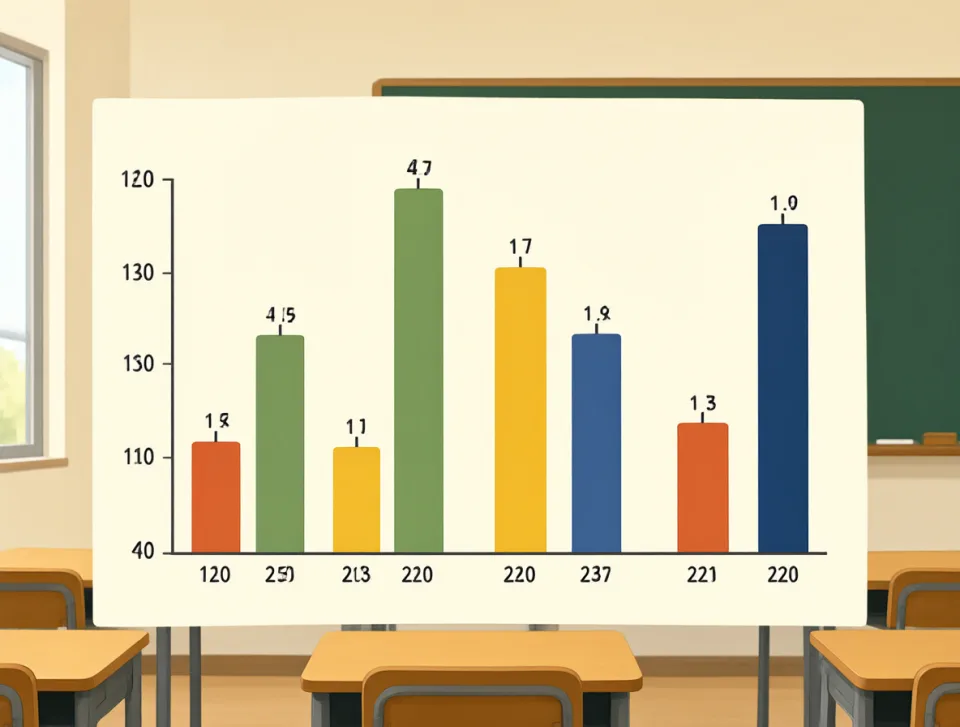
chart
#1741noun, verb
圖表;排行榜;繪製圖表
A drawing that shows information, or to record information on a chart.
用來展示資訊的圖表;把資訊記錄在圖表上。

The doctor showed me a chart of my blood pressure.
醫生給我看了一張血壓圖表。

The weather chart predicts rain for most of the week.
天氣圖表預測,本週大部分時間都會下雨。

Our teacher asked us to make a chart about healthy foods.
老師讓我們製作一張關於健康食品的圖表。

The song quickly climbed the charts after its release.
這首歌發行後很快就登上了排行榜。

She charted our journey on a map before we left.
出發前,她在地圖上標出了我們的行程。

attach
#1742verb
附上;連線;固定
to join one thing to another, or fasten something so it stays in place
把一件東西連線到另一件東西上,或把某物固定好使其保持在原位

Please attach the file to your email before sending it.
請在傳送郵件前把檔案附上。
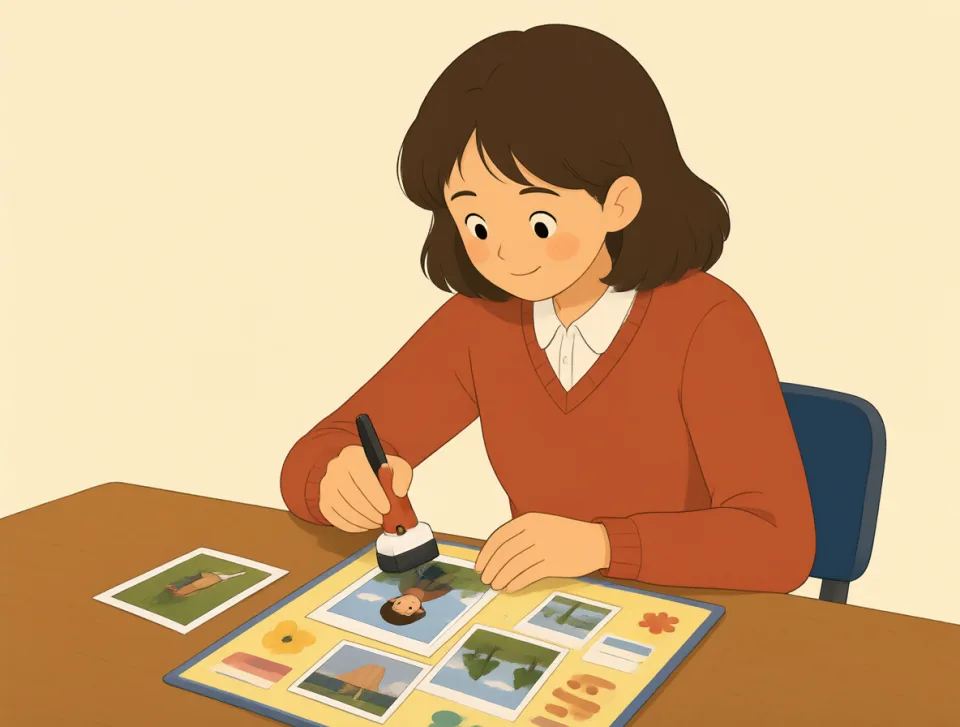
She attached a photo to her school project.
她在學校作業上貼了一張照片。
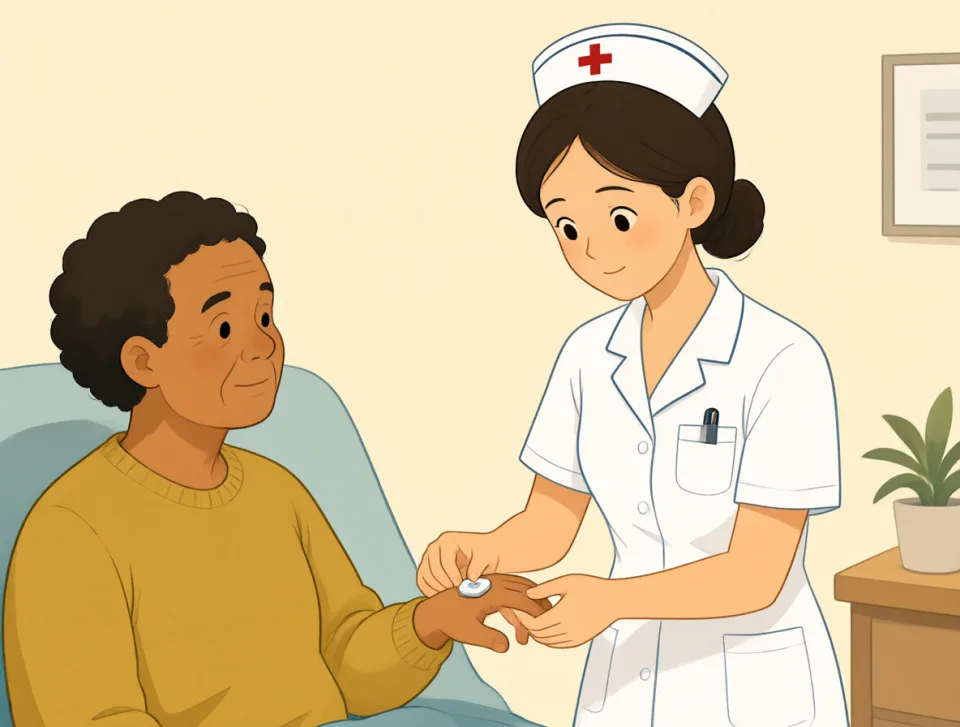
The nurse attached a small sensor to his finger.
護士把一個小型感測器固定在他的手指上。

We attached the price tag to the new jacket.
我們把價格標籤貼在了那件新夾克上。
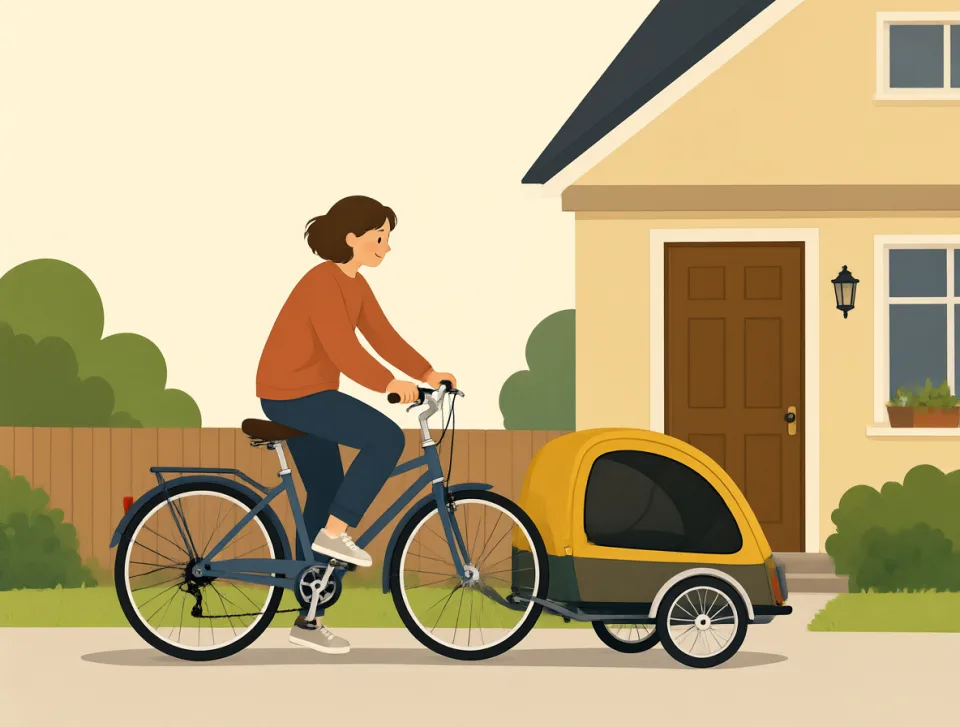
He attached the bicycle trailer before riding to the park.
他裝好腳踏車拖車後,才騎車去公園。

hell
#1743noun, interjection
地獄;該死;糟透了
a place believed to be where bad people suffer after death; also used to show anger or surprise
人們相信壞人死後會在那裡受苦的地方;也用來表達憤怒或驚訝

He thought he would go to hell for his terrible actions.
他覺得自己做了那麼多壞事,死後肯定會下地獄。

What the hell are you doing in my room?
你他媽在我房間裡幹什麼?
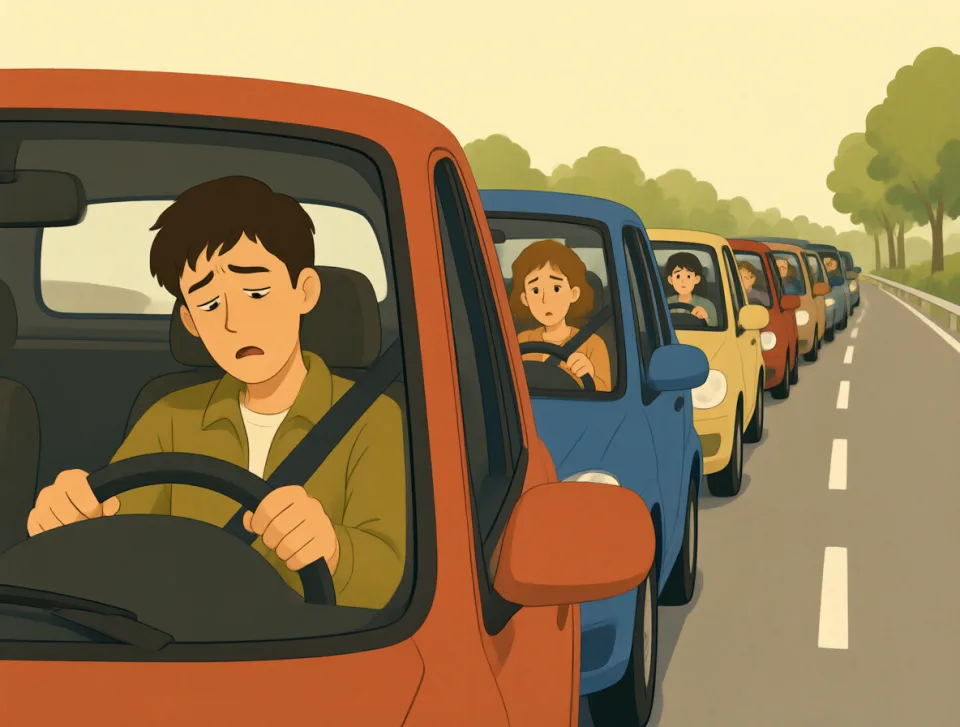
This traffic is driving me to hell today.
今天這堵車真是把我折騰慘了。

The hikers walked through hell during the hot desert journey.
徒步旅行者在炎熱的沙漠旅途中吃盡了苦頭。

She felt like hell after staying awake all night.
她熬了一整夜,感覺糟透了。

everywhere
#1744adverb
到處;四處
in or to every place
在每一個地方或到每一個地方

I looked everywhere for my missing keys this morning.
今天早上我到處找丟失的鑰匙。

You can find small cafés everywhere in this city.
在這座城市裡,到處都能找到小咖啡館。

There were flowers everywhere at the spring festival.
春季節日期間,到處都是鮮花。

My little brother leaves his toys everywhere in the house.
我弟弟把他的玩具扔得滿屋子都是。

After the storm, fallen branches were lying everywhere.
暴風雨過後,到處都躺著被刮落的樹枝。

advise
#1745verb
建議;勸告
to tell someone what you think they should do
告訴某人你認為他們應該做什麼
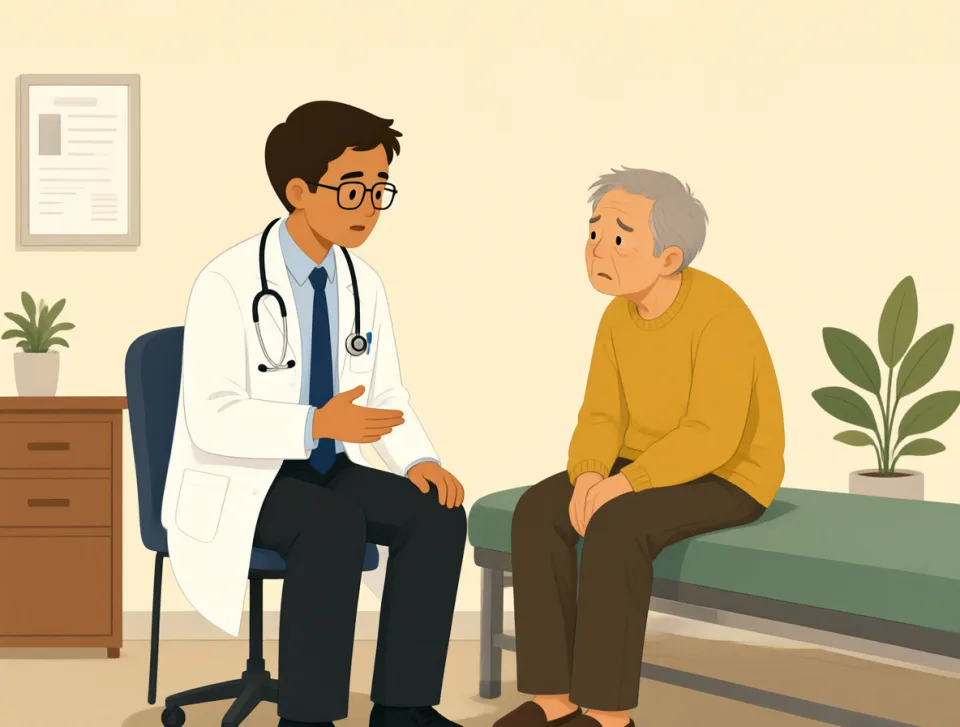
My doctor advised me to get more sleep.
我的醫生建議我多睡覺。

I advise you to book your hotel early.
我建議你早點預訂酒店。

The teacher advised us to study for the test.
老師建議我們為考試複習。

Can you advise me on which jacket to buy?
你能建議我買哪件夾克嗎?
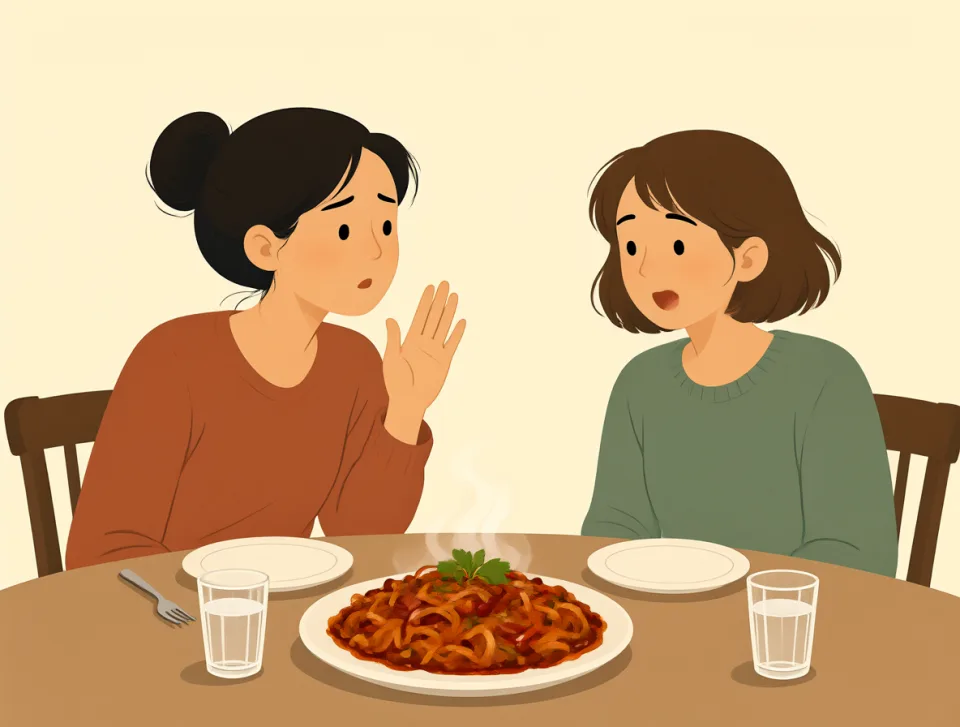
She advised against eating too much spicy food.
她勸阻我吃太多辛辣食物。

household
#1746noun, adjective
家庭;家務的;家用的
A home and the people who live together in it.
一個家庭以及共同居住在其中的人。

Everyone in our household helps clean the house on Saturday.
我們家裡的每個人星期六都會幫忙打掃房子。
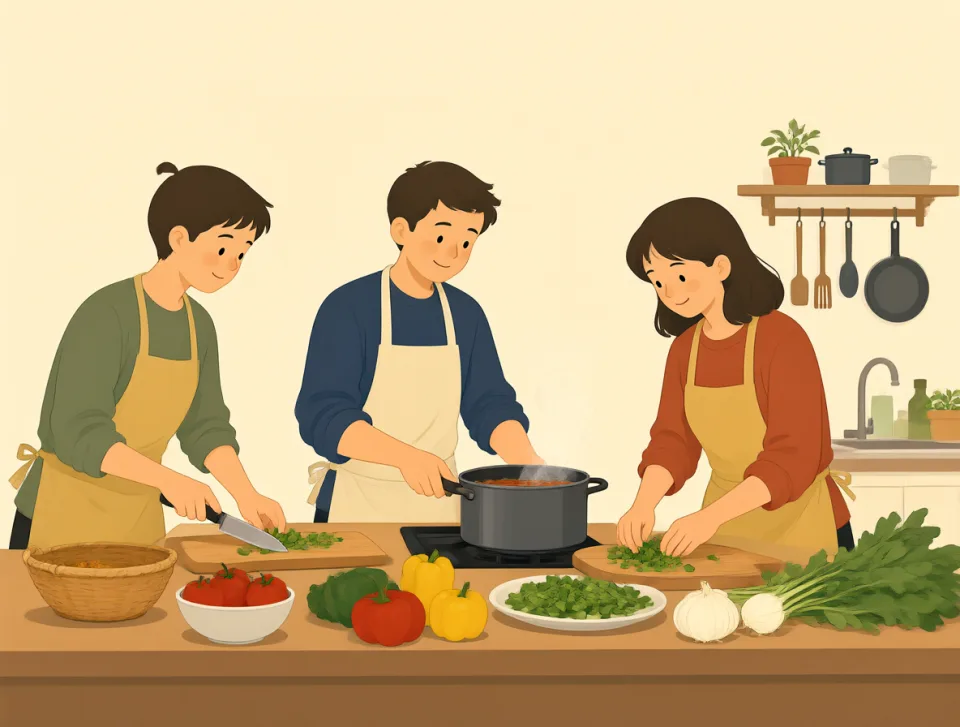
Our household spends less money when we cook at home.
我們在家做飯時,家庭開支會少一些。

The store sells household goods like towels, plates, and lamps.
這家商店出售毛巾、盤子和檯燈等家居用品。
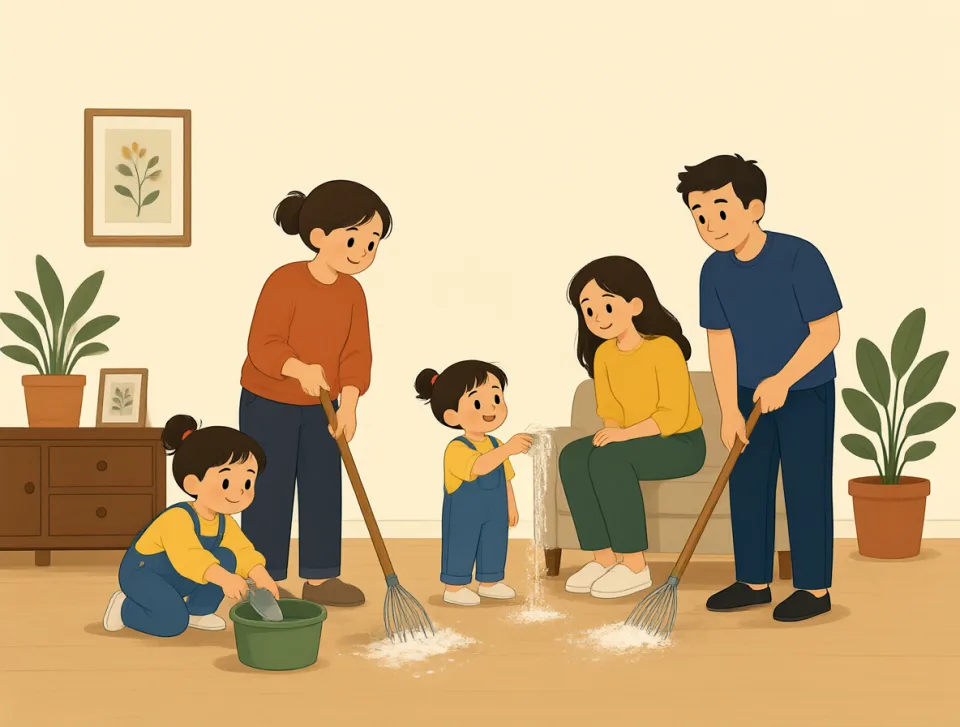
Household chores can be easier when everyone shares them.
如果每個人都分擔家務,家務活會更容易完成。

The doctor asked about household members with similar health problems.
醫生詢問了家裡是否有成員存在類似的健康問題。

acknowledge
#1747verb
承認;認可;確認
to accept or show that something is true, important, or real
接受或表明某件事是真實的、重要的或確實存在的

She smiled to acknowledge her neighbor across the street.
她微笑著向街對面的鄰居打招呼。

The manager acknowledged my hard work during the meeting.
經理在會議上肯定了我的辛勤工作。

Please acknowledge that you received the package.
請確認您已收到包裹。

He finally acknowledged that he had made a mistake.
他最終承認自己犯了一個錯誤。
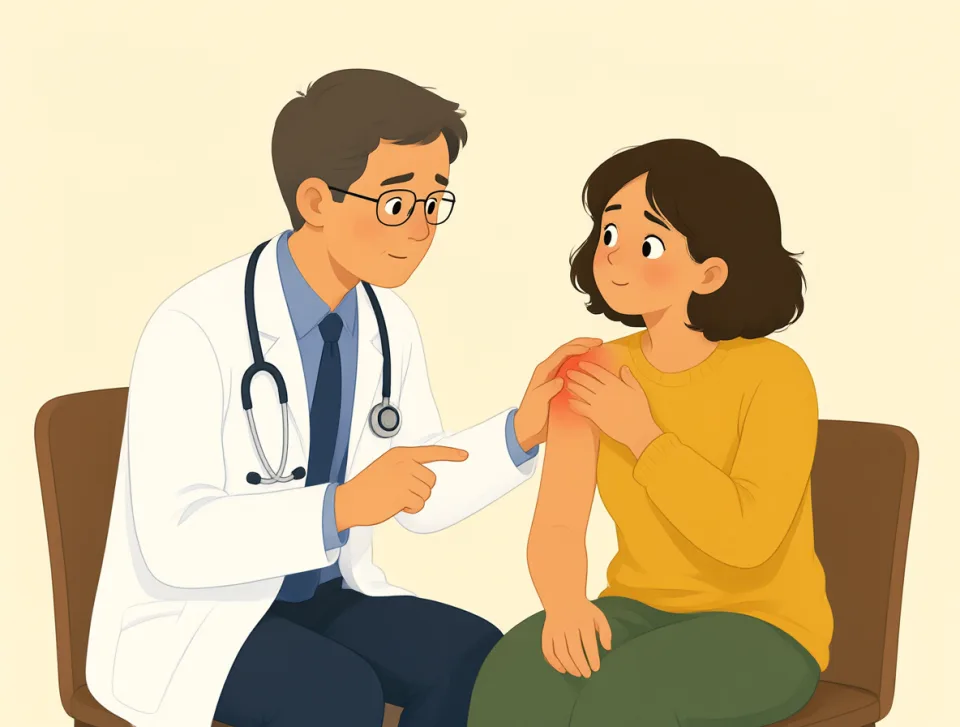
The doctor acknowledged her pain and offered helpful treatment.
醫生了解了她的疼痛,並提供了有效的治療。
reward
#1748noun, verb
獎勵;獎賞
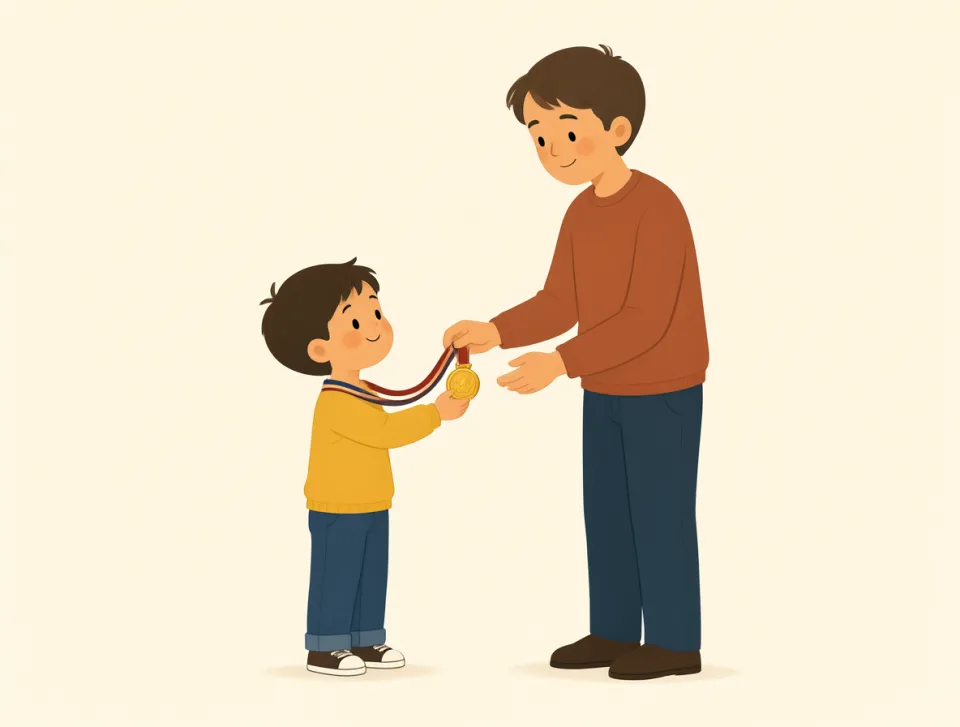
Something given for good work or behavior, or to give someone this.
因工作出色或表現良好而給予的東西;或給予某人這樣的東西。

The winner received a reward for finishing the race first.
冠軍第一個衝過終點線,獲得了獎勵。

I bought myself a small reward after completing my difficult project.
完成這個難度很大的專案後,我給自己買了個小禮物作為獎勵。

The teacher rewarded the students with extra playtime.
老師獎勵學生們多一些課間玩耍時間。
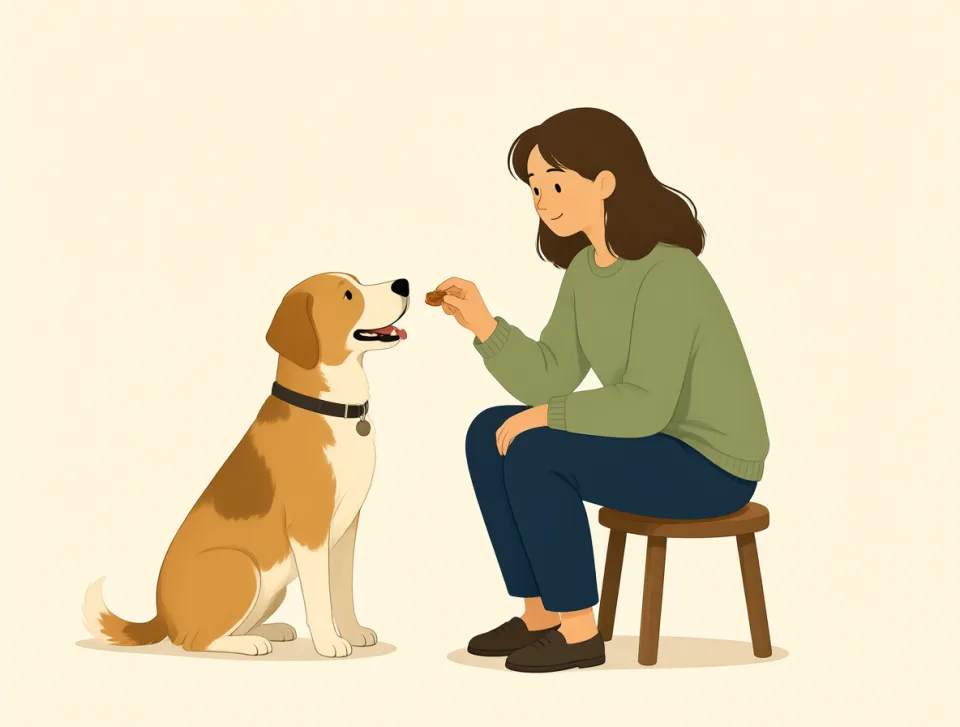
Our dog gets a reward whenever he follows a command.
我們的狗每次聽從指令,都會得到獎勵。

The company rewards loyal customers with special discounts.
公司會給忠實顧客特別折扣作為獎勵。

east
#1749noun, adjective, adverb, preposition
東方;東部;向東
the direction where the sun rises, or the eastern part of a place
太陽昇起的方向,或某個地方的東部

The sun rises in the east every morning.
太陽每天早晨從東方升起。

Our hotel is on the east side of town.
我們的酒店在鎮子的東邊。

We drove east for two hours to reach the coast.
我們向東開了兩個小時的車,才到達海岸。
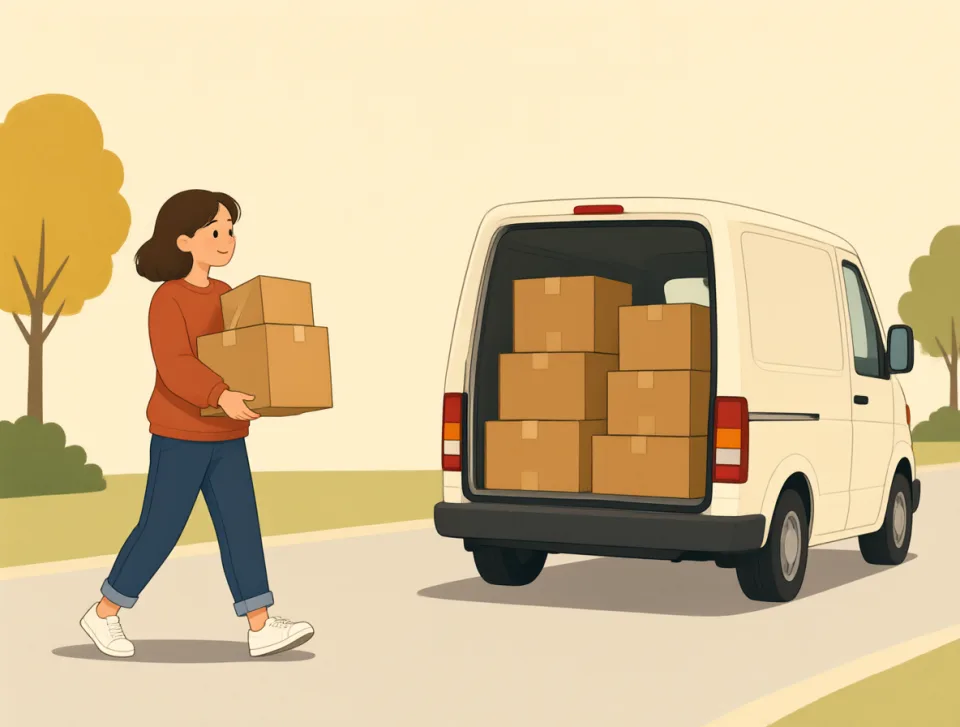
She moved east after finding a new job.
她找到一份新工作後搬到了東邊。

The wind is coming from the east today.
今天刮的是東風。

hat
#1750noun
帽子
A covering worn on the head, often for warmth, protection, or style.
戴在頭上的遮蓋物,常用於保暖、防護或裝飾。

He put on his hat before going outside.
他出門前戴上了帽子。

She bought a new hat for the sunny beach.
她買了一頂新帽子,準備去陽光明媚的海灘戴。
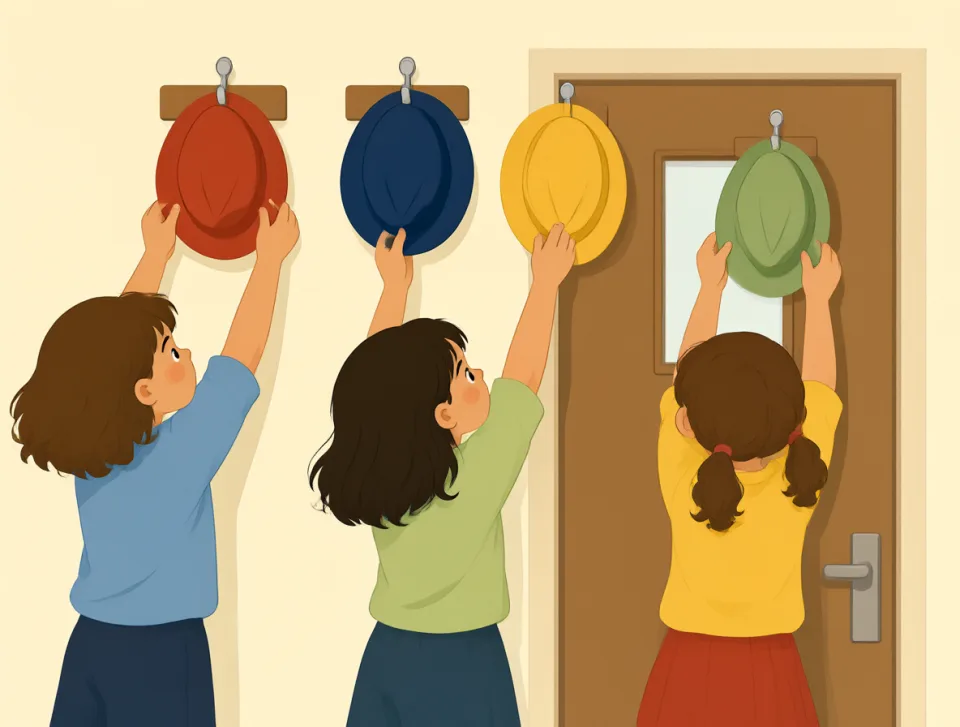
The children hung their hats beside the classroom door.
孩子們把帽子掛在教室門旁。

Please take your hat off during the meeting.
開會時請摘下帽子。
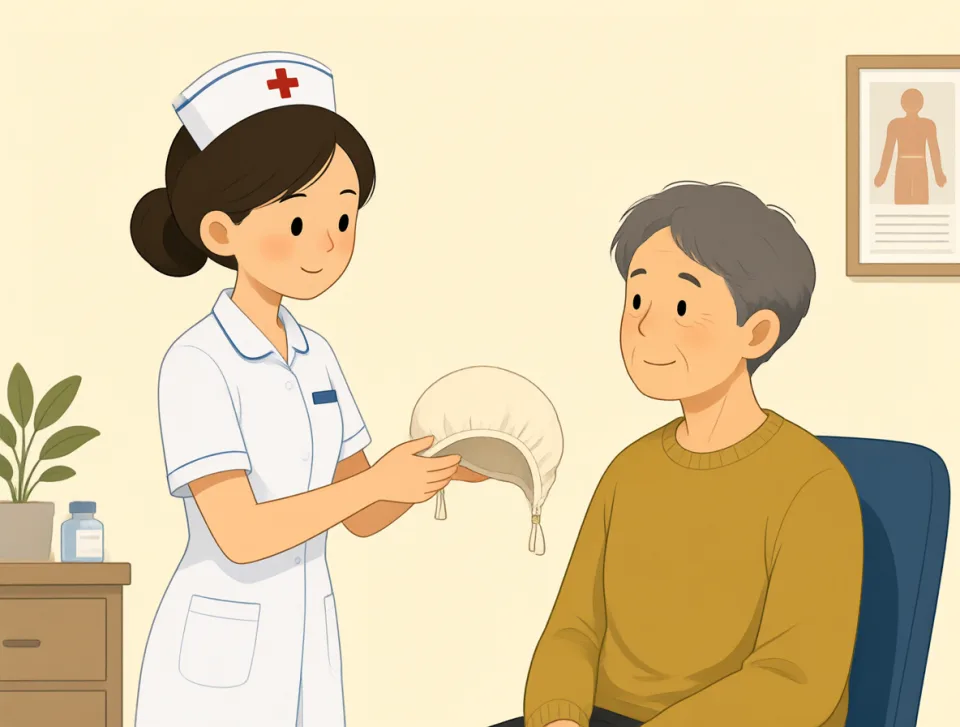
The nurse gave him a hat to protect his head.
護士給了他一頂帽子,用來保護頭部。

academic
#1751adjective
學術的;學校的
Connected with education, especially studying and teaching at a school or university.
與教育有關,尤其是指在學校或大學學習和教學。

She received an academic award for her excellent school results.
由於她優異的學習成績,她獲得了一項學術獎。

The university offers academic courses in business and computer science.
這所大學開設了商科和電腦科學方面的學術課程。

His academic record helped him get a place at college.
他的學習成績記錄幫助他獲得了大學錄取名額。

The museum has many academic books about ancient history.
這座博物館收藏了許多關於古代歷史的學術書籍。

After work, she enjoys academic discussions with her friends.
下班後,她喜歡和朋友們進行學術討論。
voter
#1752noun
選民
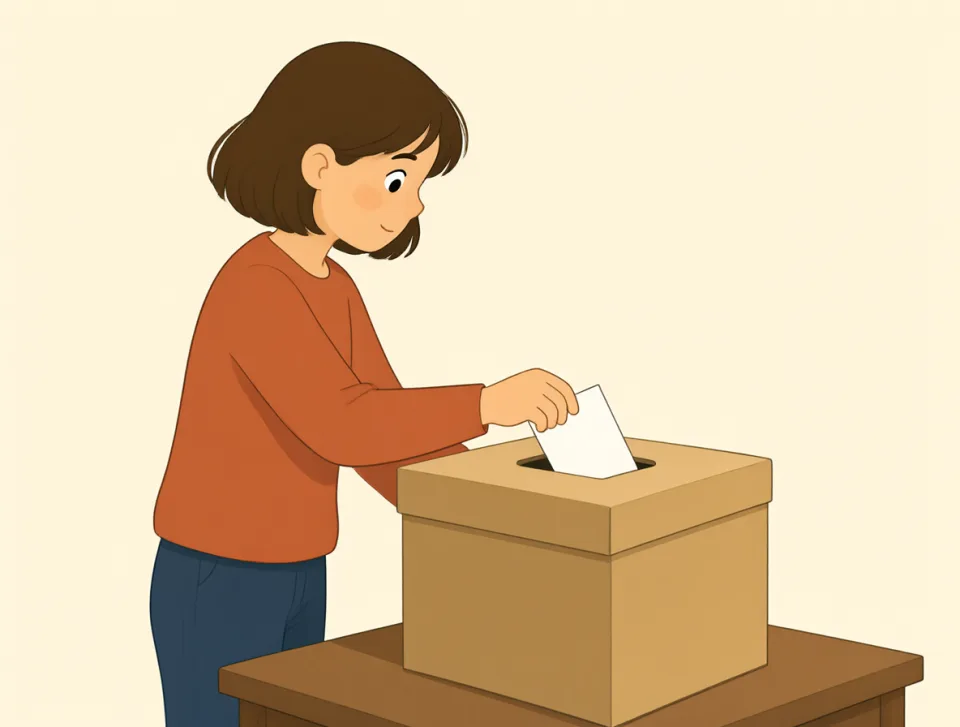
A person who votes in an election.
在選舉中投票的人。
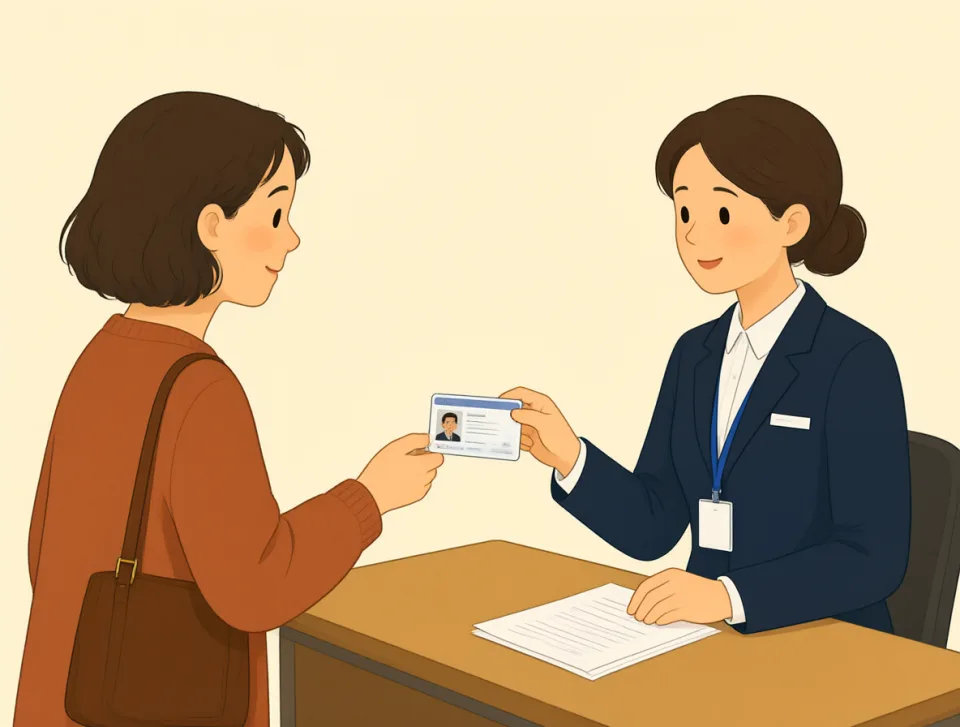
Every voter must show identification before casting a ballot.
每位選民在投票前都必須出示身份證件。
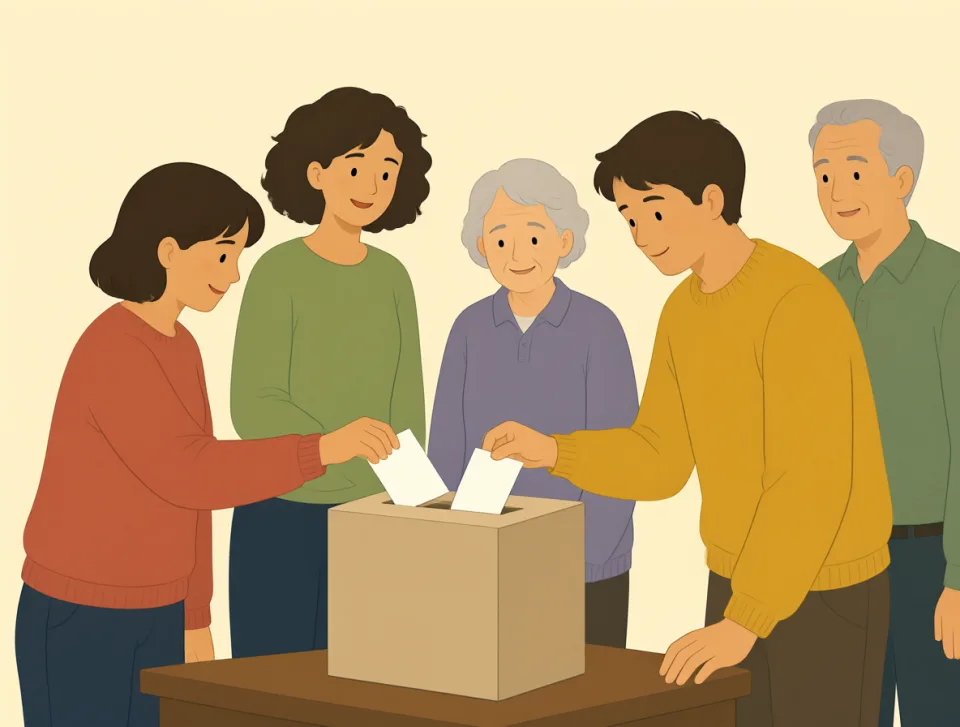
Many voters chose a new mayor in yesterday’s local election.
昨天的地方選舉中,許多選民選擇了一位新市長。
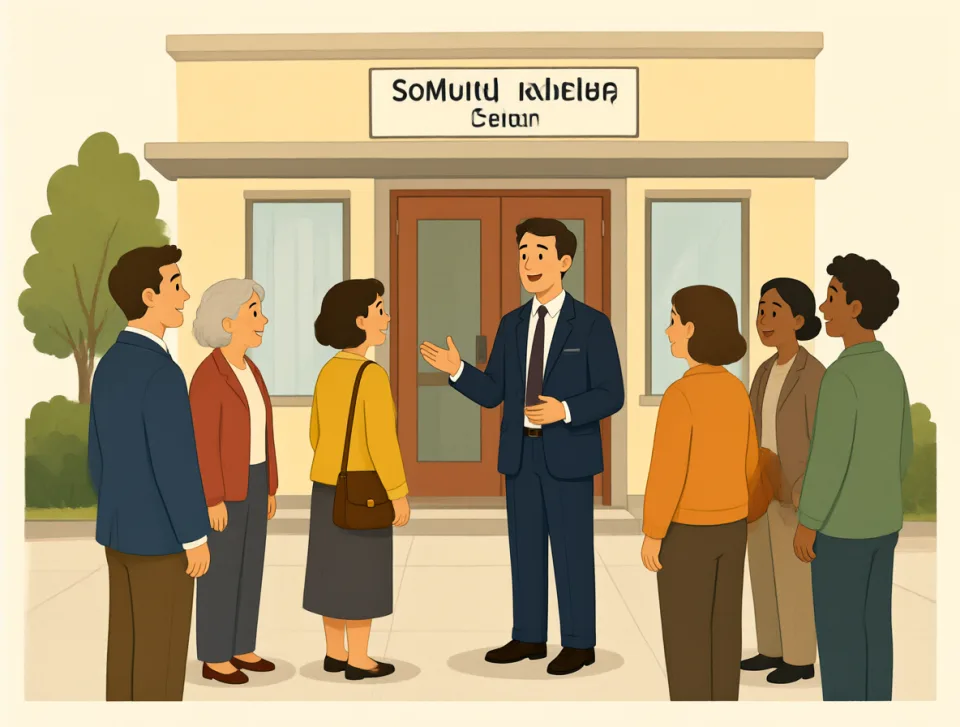
The candidate spoke with voters outside the community center.
這位候選人在社群中心外與選民交談。

Young voters often discuss elections with their friends at school.
年輕選民經常在學校和朋友討論選舉。
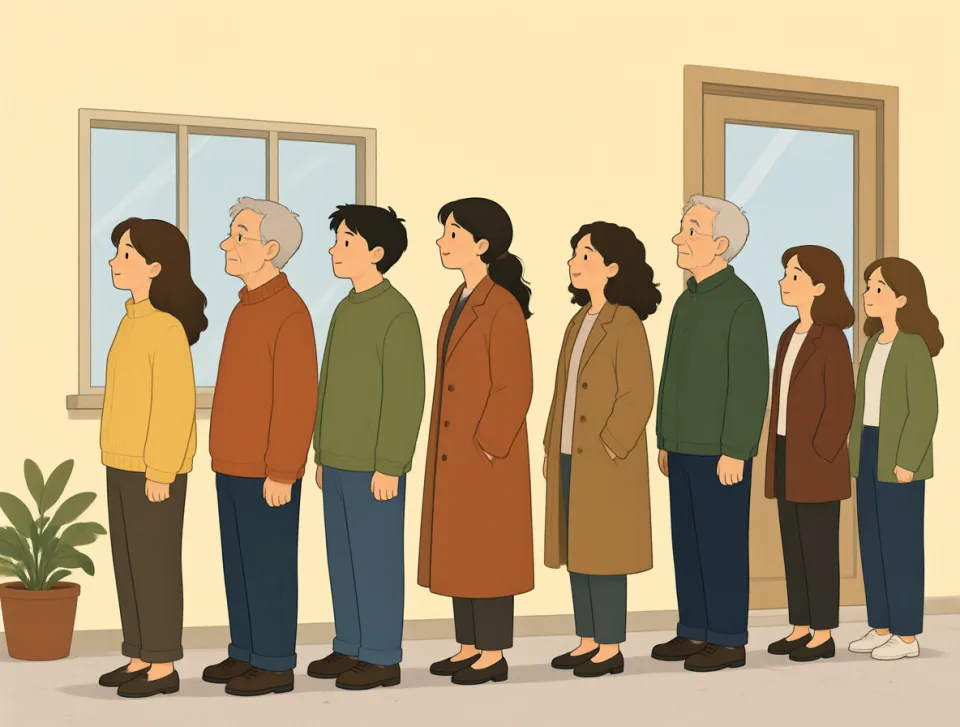
Voters waited patiently in line to cast their ballots.
選民們耐心地排隊等待投票。
meanwhile
#1753adverb
與此同時;同時
at the same time as something else is happening
在另一件事發生的同時
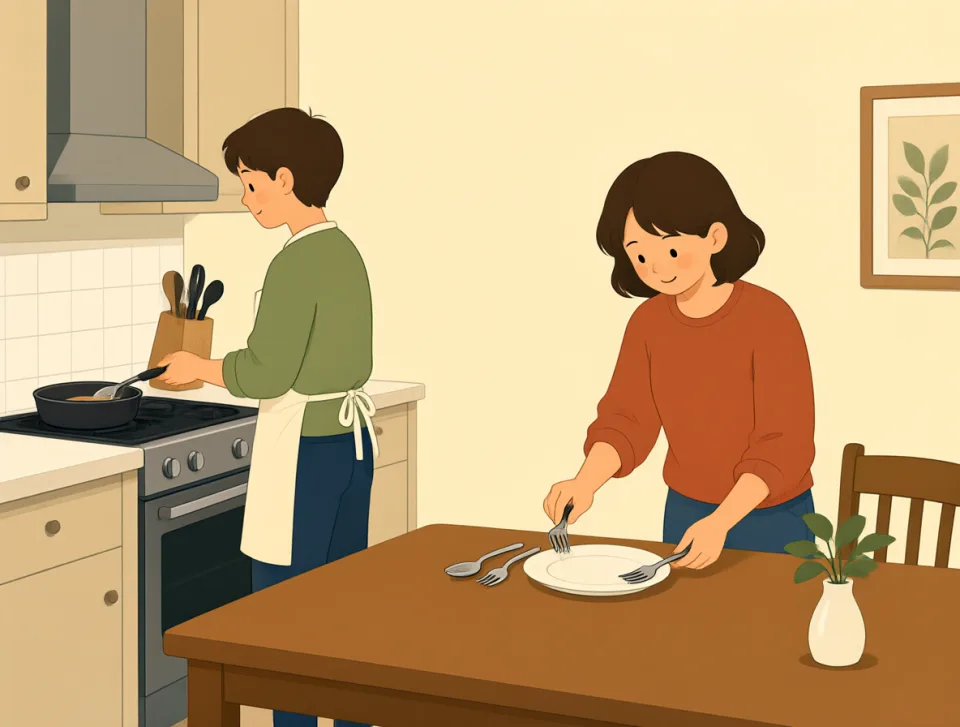
I cooked dinner; meanwhile, my brother set the table.
我做晚飯;與此同時,我哥哥擺好了餐桌。
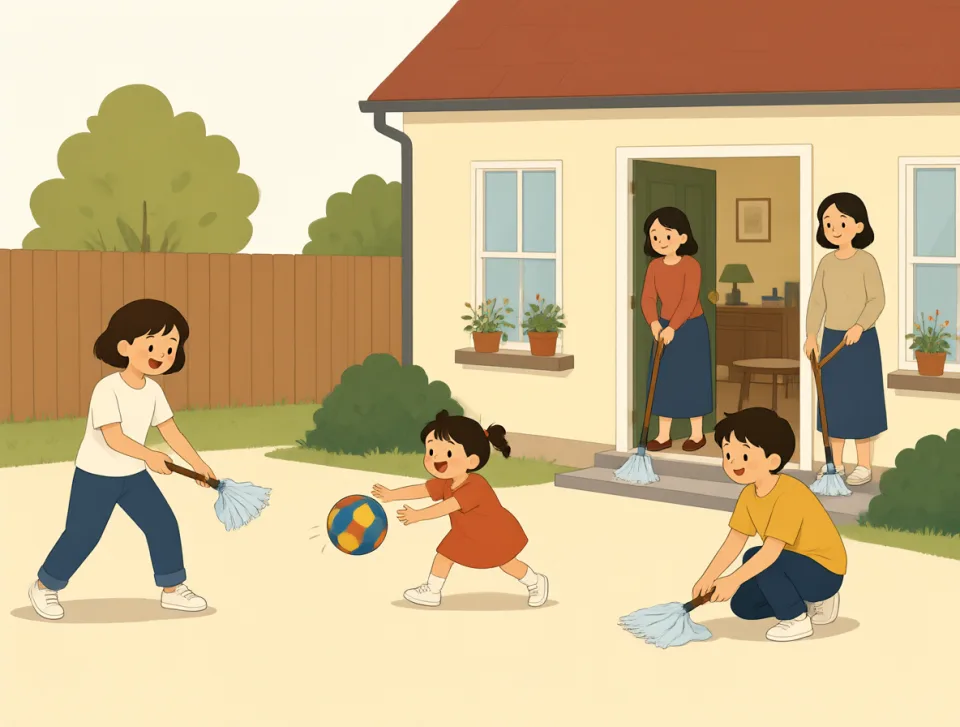
Meanwhile, the children played outside while their parents cleaned.
與此同時,孩子們在外面玩耍,父母則在打掃衛生。
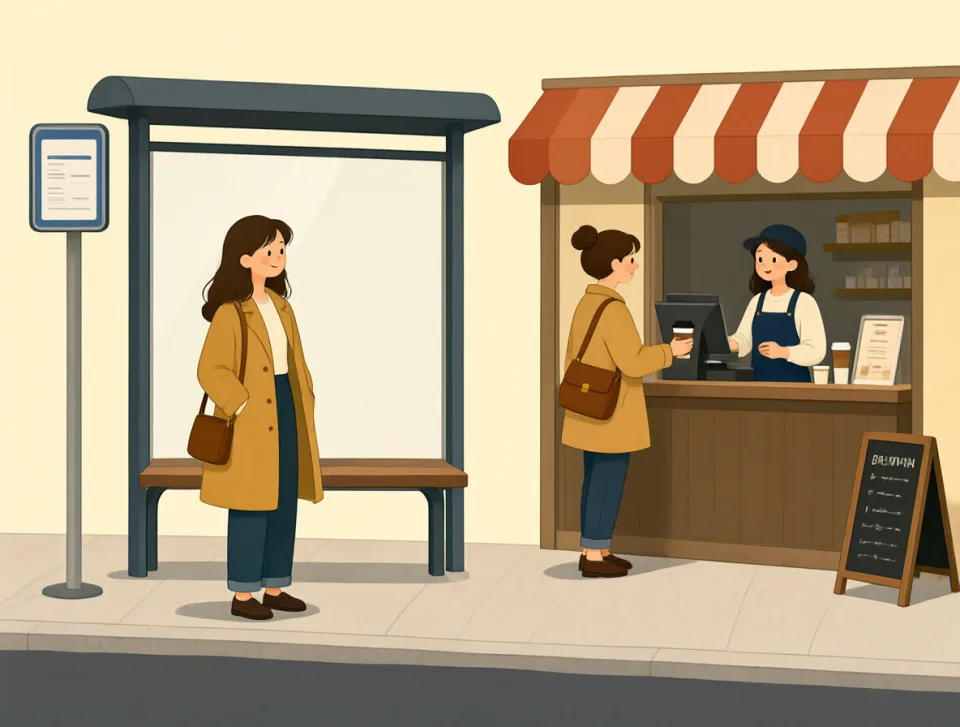
She waited for the bus; meanwhile, her friend bought coffee.
她等公交車;與此同時,她的朋友買了咖啡。

The manager spoke to customers; meanwhile, workers filled the shelves.
經理在和顧客交談;與此同時,工作人員把貨架擺滿。
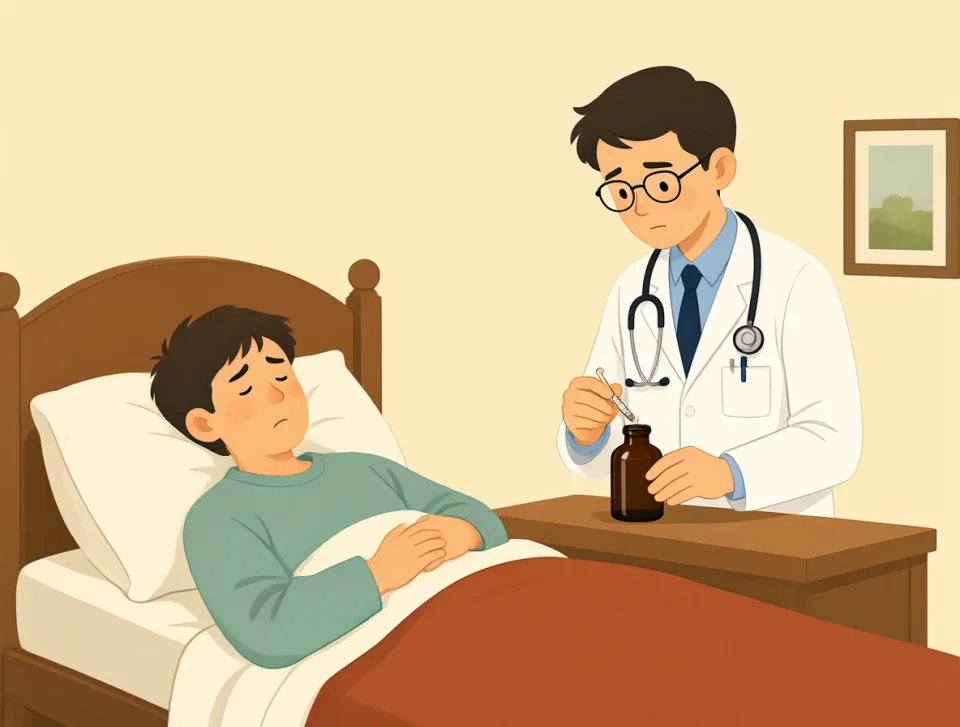
He rested in bed; meanwhile, the doctor prepared his medicine.
他躺在床上休息;與此同時,醫生準備好了他的藥。

furthermore
#1754adverb
此外;而且
Used to add another important fact or reason to what you have just said.
用於在剛才所說的話中補充另一個重要事實或理由。
The hotel is cheap; furthermore, it is close to the beach.
這家酒店很便宜;此外,離海灘也很近。

She speaks three languages and furthermore has excellent computer skills.
她會說三種語言,而且電腦技能也很出色。

The meal was delicious and furthermore very easy to prepare.
這頓飯很好吃,而且做起來也很容易。

The teacher explained the lesson clearly; furthermore, she gave us extra practice.
老師把課講得很清楚;此外,還給我們安排了額外的練習。

The medicine is effective; furthermore, it has very few side effects.
這種藥很有效;此外,副作用也非常少。

accuse
#1755verb
指責;控告
To say that someone did something wrong or illegal.
說某人做了錯事或違法的事。
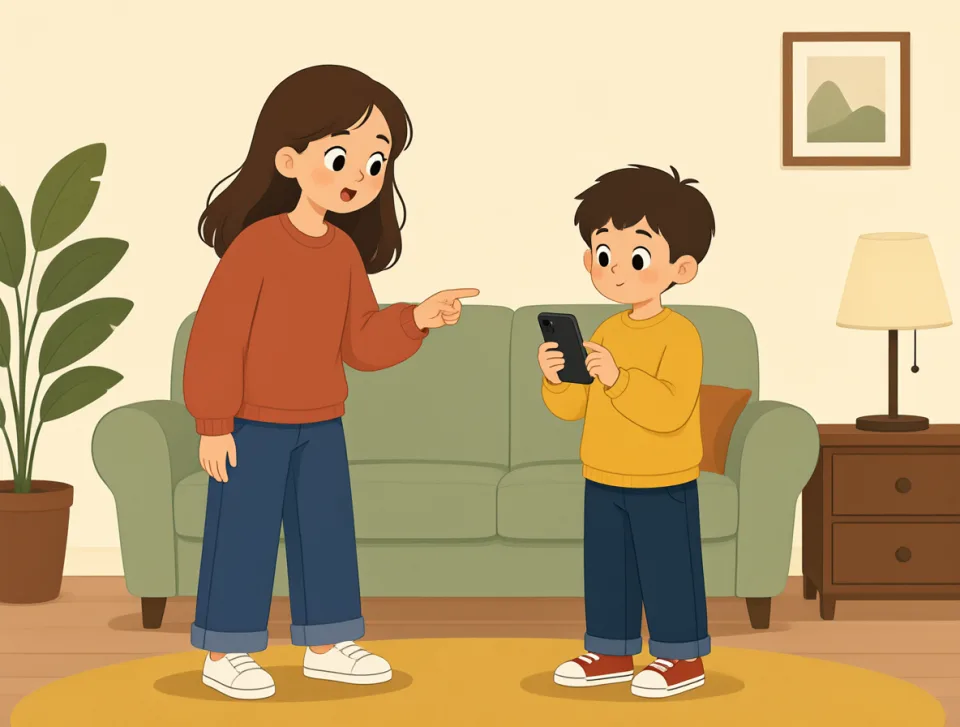
She accused her brother of taking her phone.
她指責她哥哥拿走了她的手機。

The manager accused the employee of lying about being sick.
經理指責員工謊稱自己生病了。
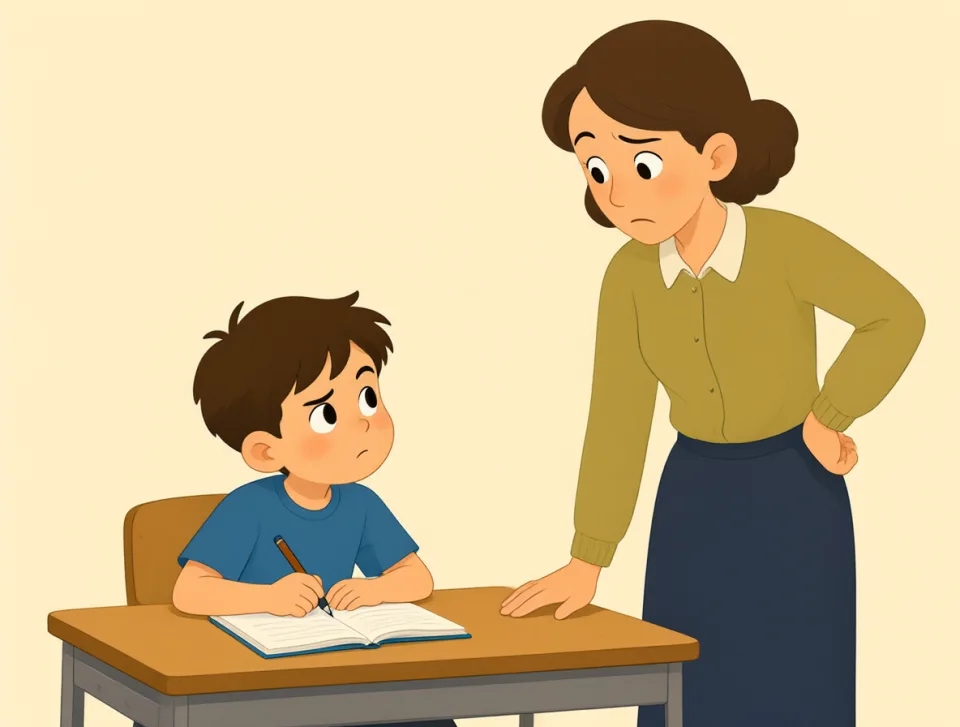
The teacher accused Tom of copying another student's homework.
老師指責湯姆抄了另一名學生的作業。
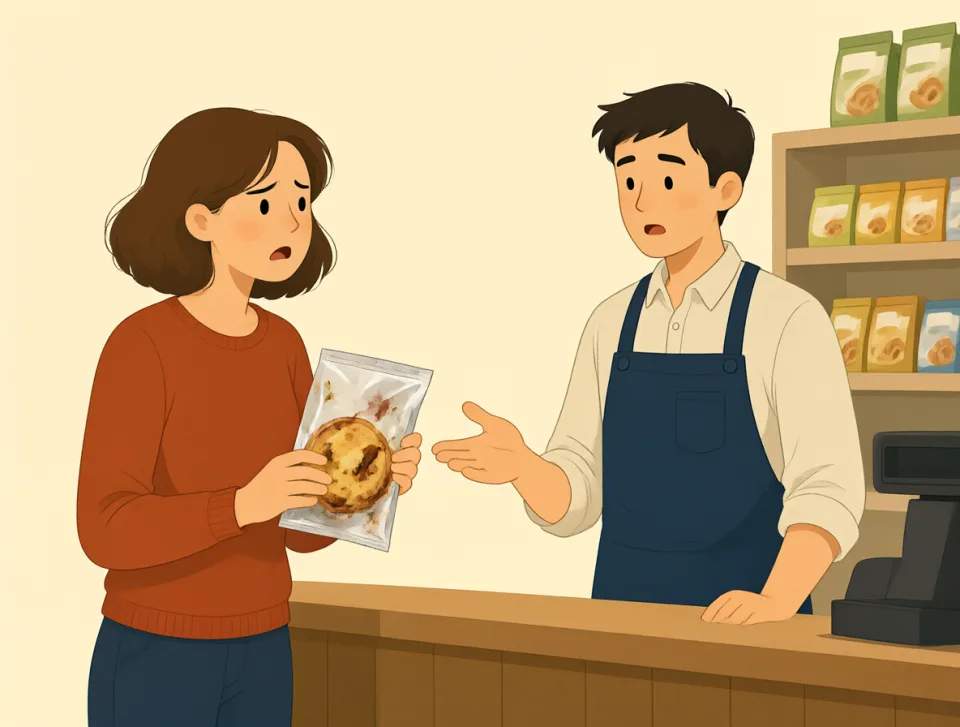
The customer accused the shop of selling her old food.
顧客指責店家賣給她不新鮮的食物。

He accused his friend of ignoring him at the party.
他指責朋友在聚會上不理他。
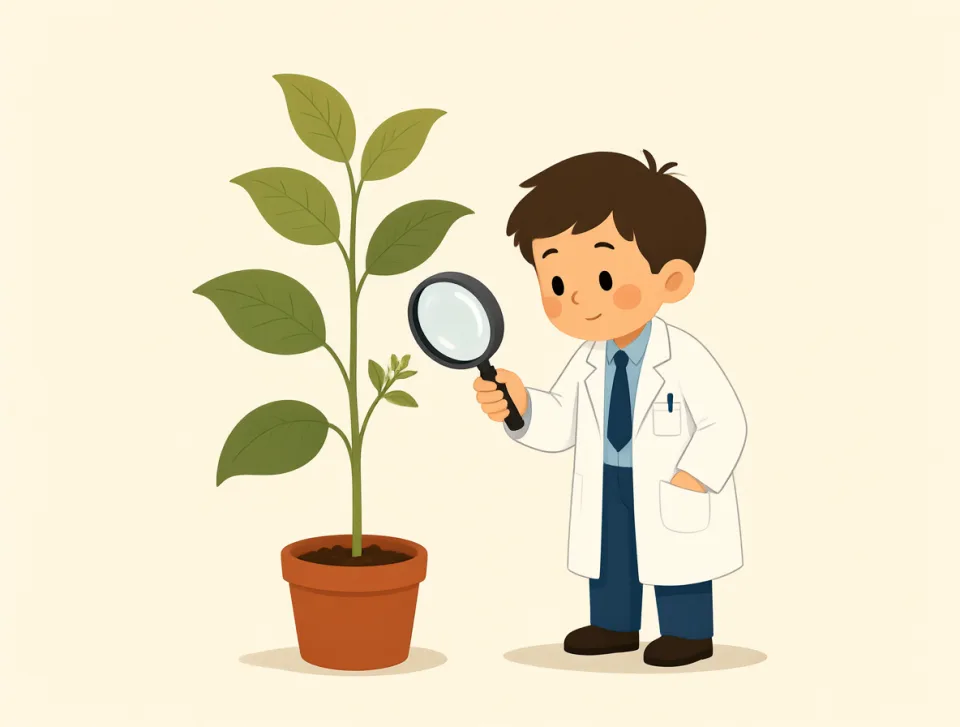
scientific
#1756adjective
科學的
Connected with science or based on careful study and testing.
與科學有關的,或基於仔細研究和測試的。

The report gives scientific evidence for the new health advice.
這份報告為新的健康建議提供了科學證據。
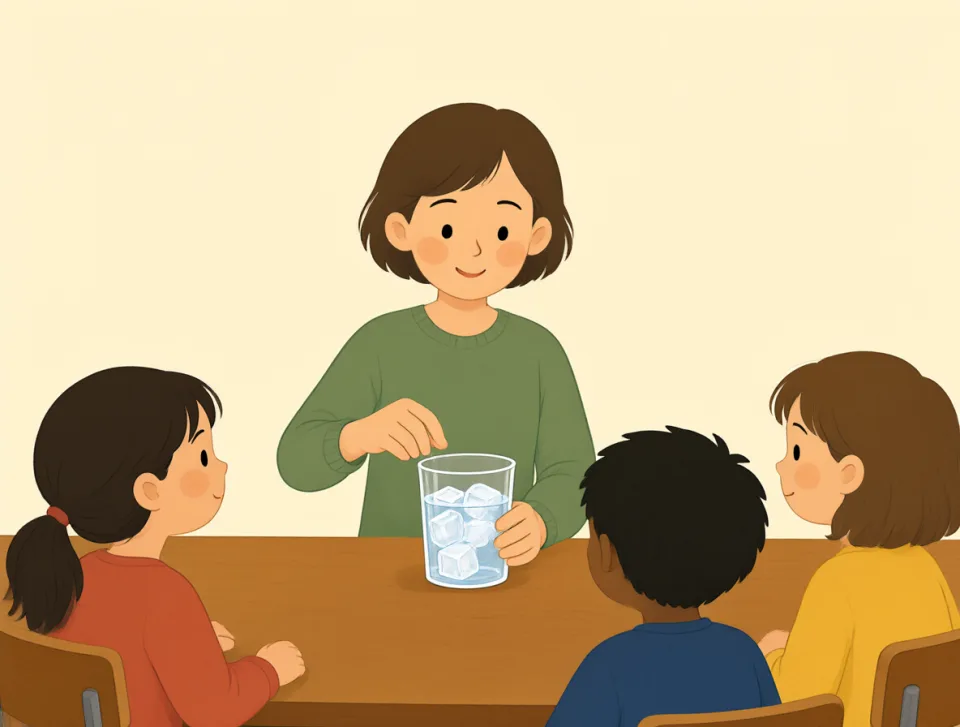
Our science teacher showed us a scientific experiment with water and ice.
我們的科學老師給我們演示了一個用水和冰做的科學實驗。
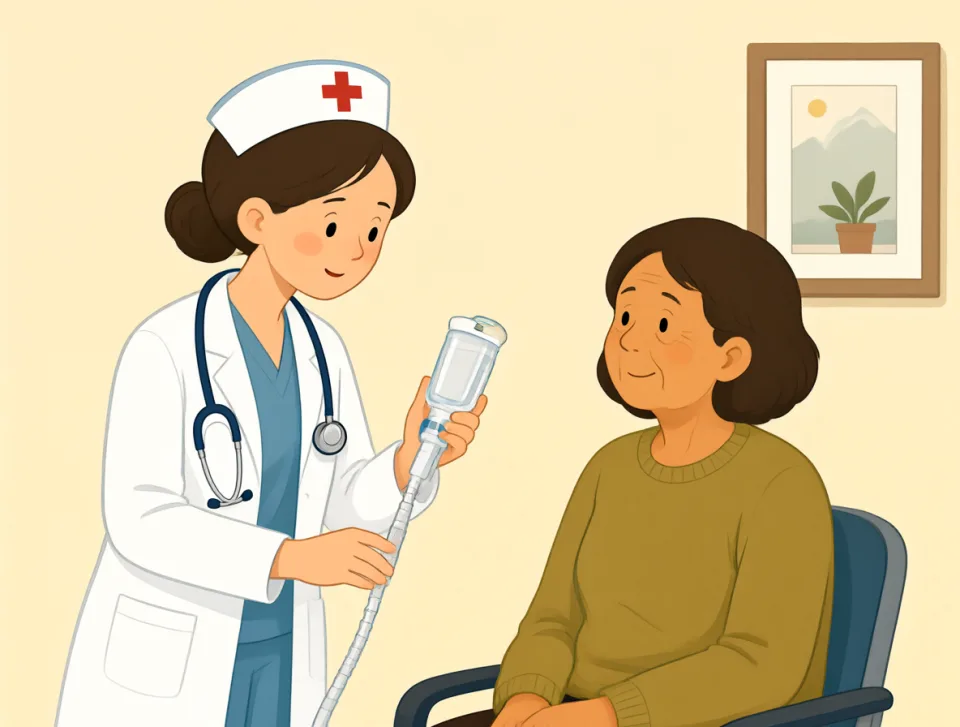
Doctors use scientific methods to find the best treatment for patients.
醫生運用科學方法,為患者尋找最佳治療方案。

The shop sells scientific equipment for schools and small laboratories.
這家商店出售供學校和小型實驗室使用的科學裝置。

My friend enjoys reading scientific books about animals and space.
我的朋友喜歡讀有關動物和太空的科普書籍。

wage
#1757noun, verb
工資;發動;進行
Money paid regularly for work, or to fight against something.
定期因工作獲得的錢,或為反對某事而進行鬥爭。
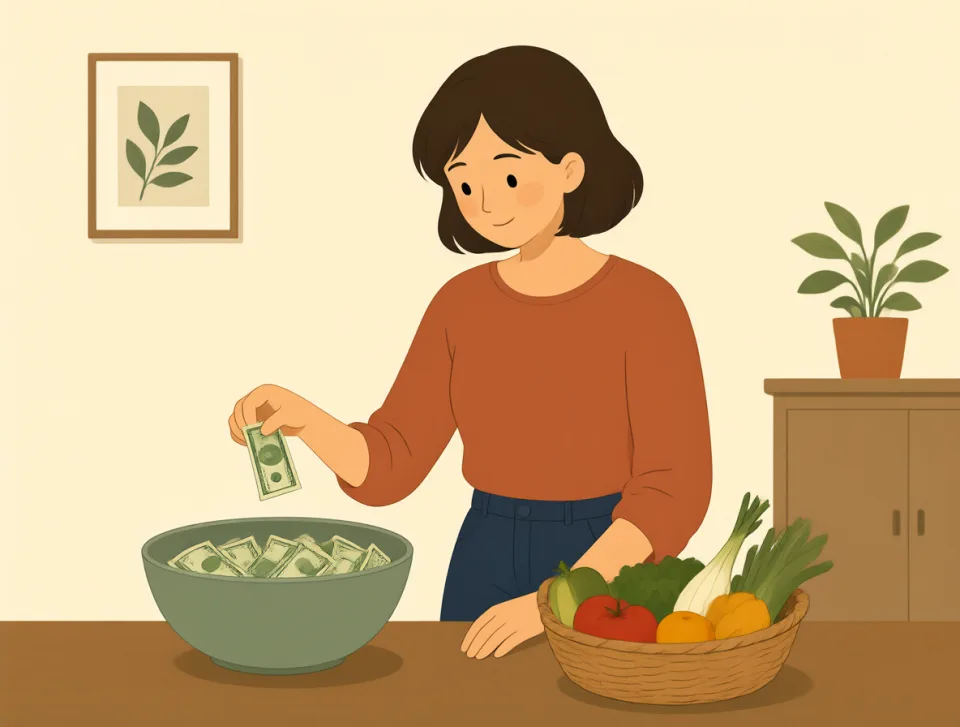
Her weekly wage helps pay for rent and food.
她每週的工資可以幫助支付房租和食物費用。

The company raised wages for all its workers this year.
今年公司給所有員工漲了工資。

Many students work part-time to earn a wage.
許多學生做兼職來賺取工資。

The workers went on strike for higher wages.
工人們舉行罷工,要求提高工資。

The government is waging a campaign against childhood obesity.
政府正在開展一項反對兒童肥胖的運動。
absence
#1758noun
缺席;缺乏
The state of not being somewhere or not having something that is needed.
沒有出現在某個地方,或缺少某種必需品的狀態。

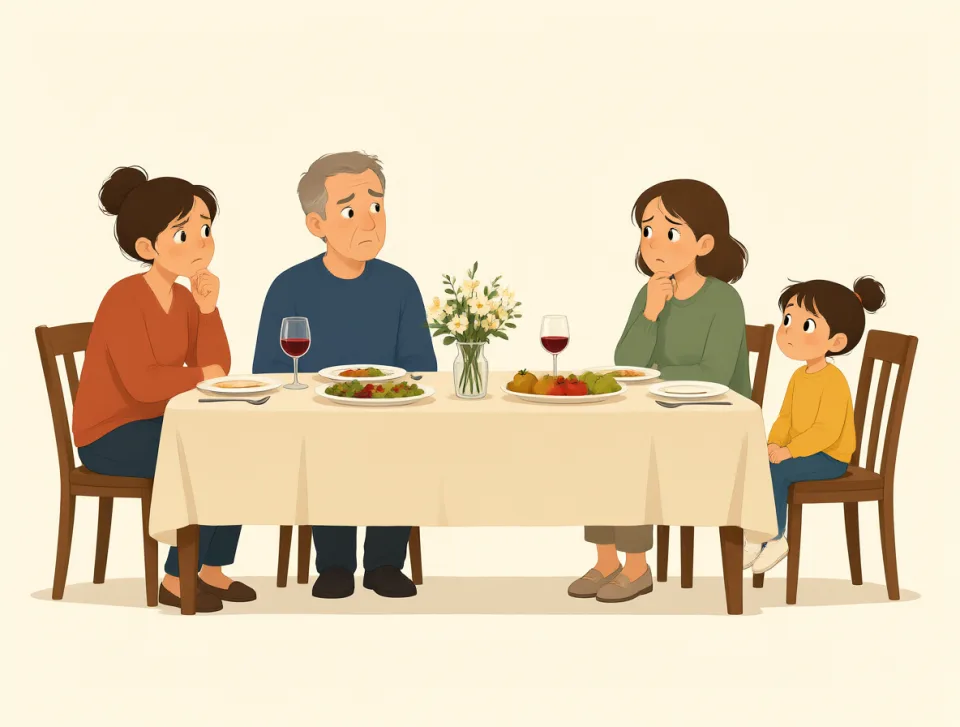
Her absence from work worried her manager.
她沒來上班,讓經理很擔心。

The teacher noticed his absence from class.
老師注意到他沒來上課。

In the absence of milk, we used water instead.
沒有牛奶,我們就用水代替了。

His long absence made his friends miss him.
他長期不在,朋友們都很想念他。

The doctor asked about any absence of pain.
醫生詢問他是否有過沒有疼痛的情況。
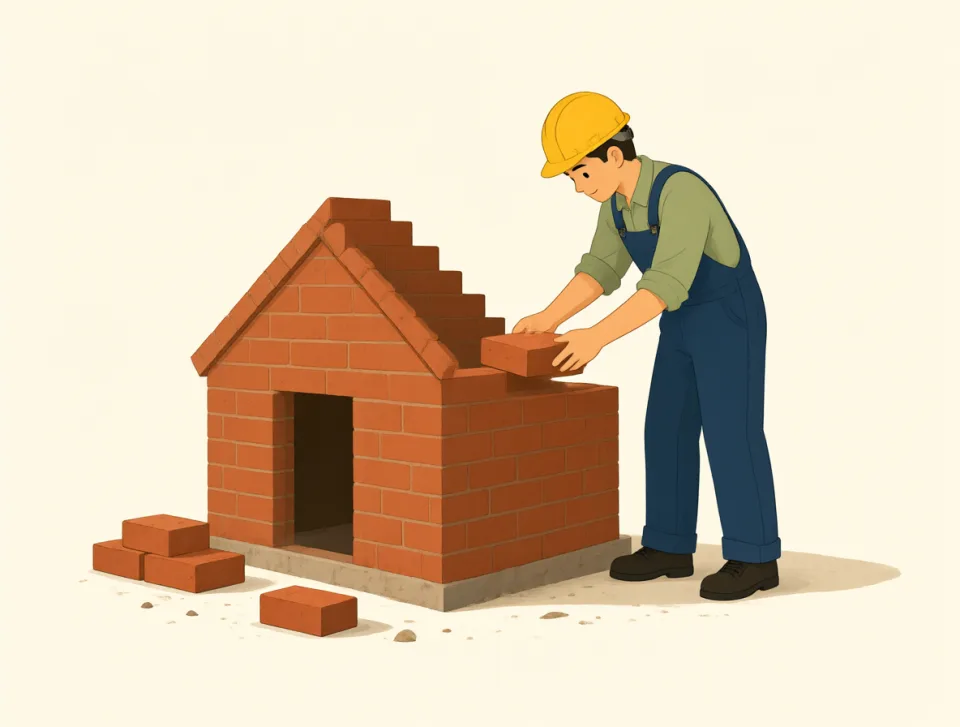
construct
#1759verb, noun
建造;構建;構成
to build something, or an idea formed from different parts
建造某物,或由不同部分形成的想法
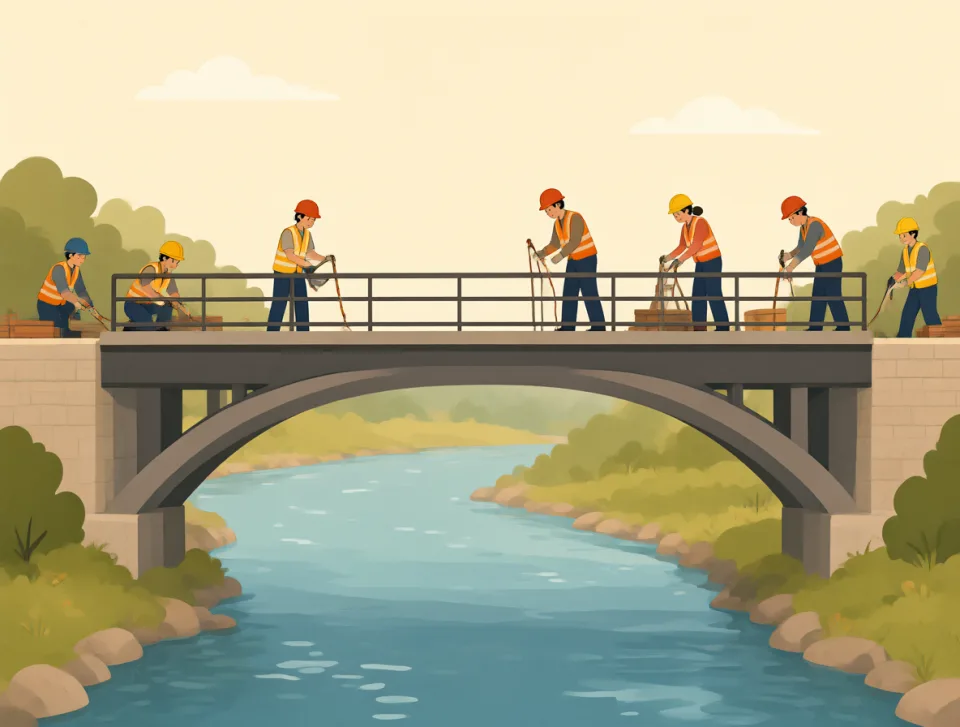
Workers are constructing a new bridge across the river.
工人們正在河上建造一座新橋。

The company constructed a simple plan for the next year.
公司為下一年制定了一個簡單的計劃。

We constructed a shelter from branches during our hike.
徒步旅行時,我們用樹枝搭建了一個 shelter。
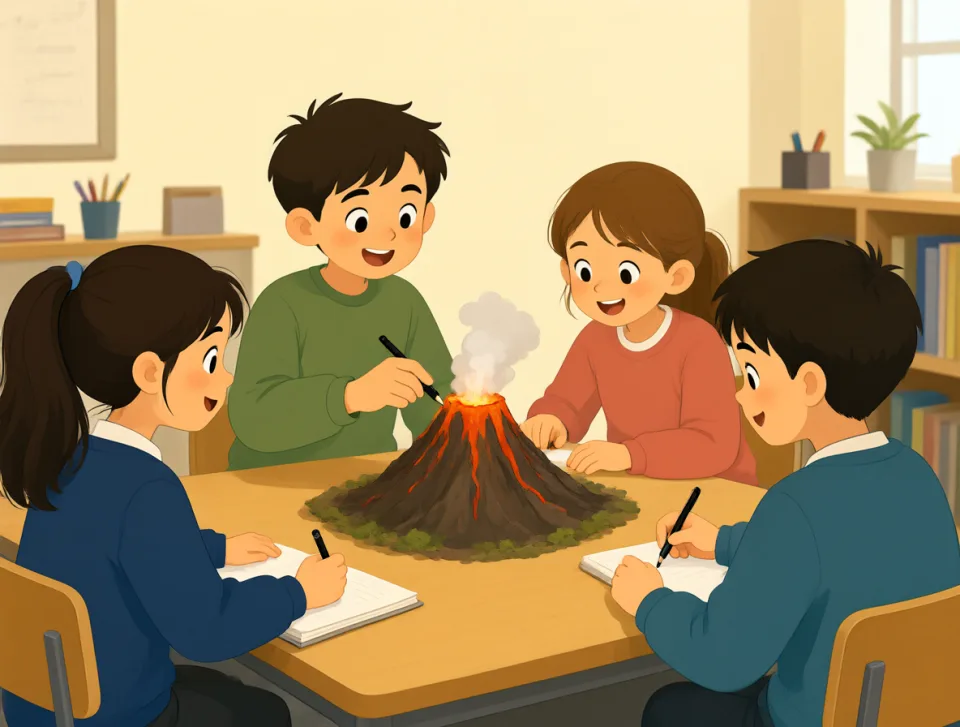
Students constructed a model volcano for their science class.
學生們為科學課製作了一個火山模型。

The story is constructed from memories of the writer's childhood.
這個故事由作者童年時期的記憶構成。

remark
#1760noun, verb
評論;話語;談論
a comment that gives your opinion, or to make such a comment
表達觀點的評論,或發表這樣的評論

She made a helpful remark during the team meeting.
她在團隊會議期間發表了一條很有幫助的評論。

The teacher remarked that everyone had worked very hard.
老師說每個人都非常努力。
His rude remarks made dinner uncomfortable for everyone.
他無禮的話讓大家的晚餐都變得很不自在。

The shop assistant remarked on my bright red jacket.
店員評論了我那件鮮紅色的夾克。

I heard several funny remarks during our train journey.
在我們的火車旅途中,我聽到了幾句有趣的評論。