หน่วย 100
คำที่ 1981–2000 · intellectual, derive, crucial, unemployment, wheel, crop
intellectual
#1981adjective, noun
เชิงปัญญา
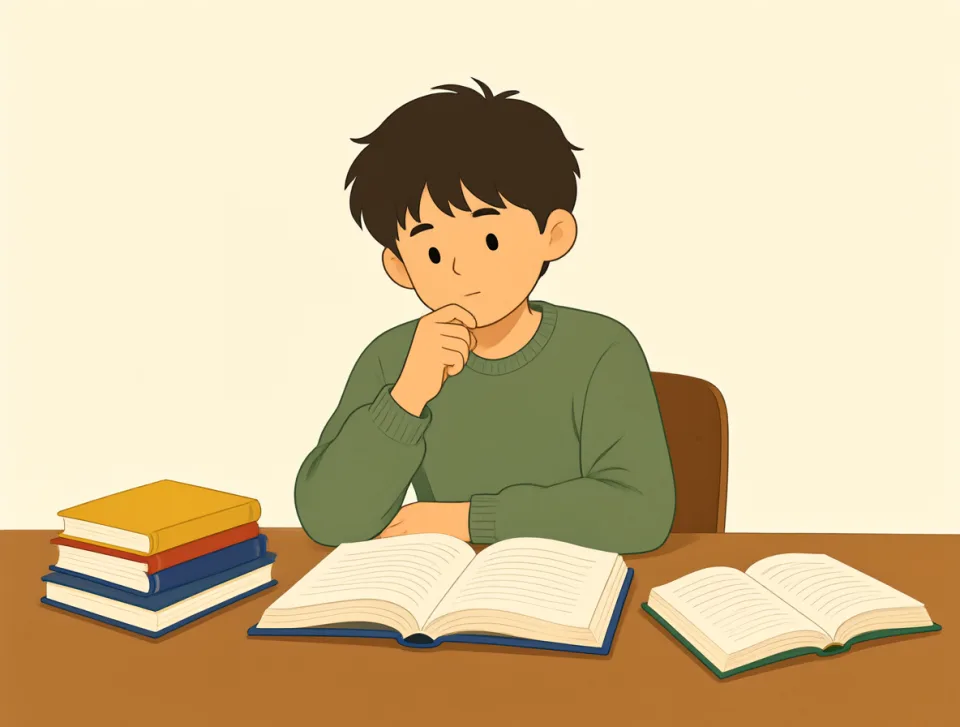
Related to thinking and understanding, or a person who enjoys serious ideas and learning.
เกี่ยวกับการคิดและการทำความเข้าใจ หรือหมายถึงคนที่ชื่นชอบแนวคิดจริงจังและการเรียนรู้

She enjoys intellectual conversations with her friends after dinner.
เธอชอบพูดคุยเรื่องที่ต้องใช้ความคิดกับเพื่อน ๆ หลังอาหารเย็น
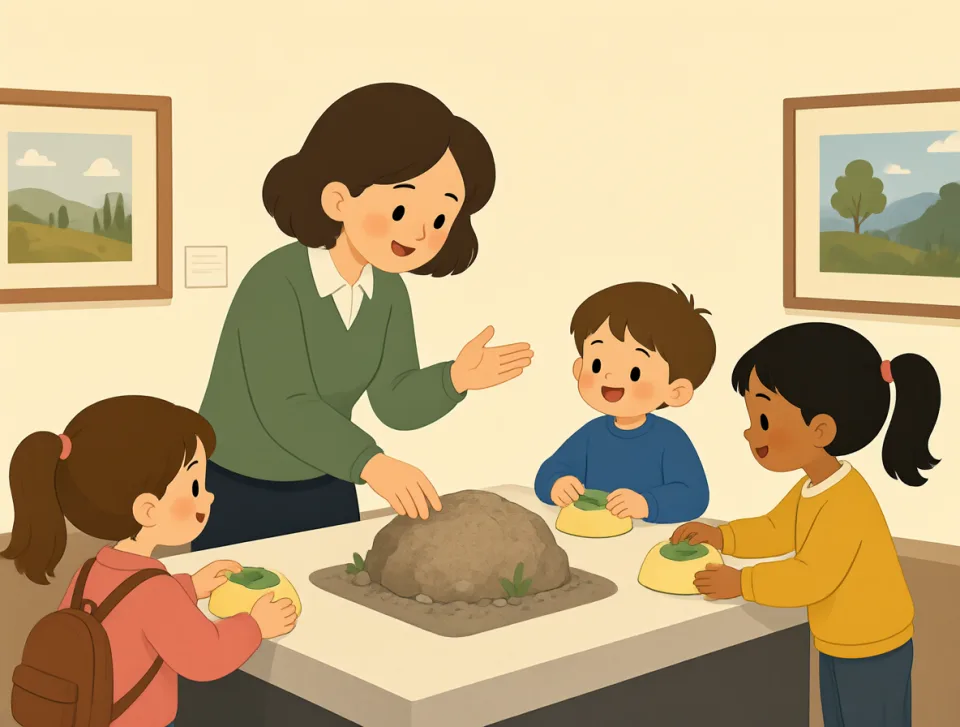
The museum offers many intellectual activities for young students.
พิพิธภัณฑ์มีกิจกรรมส่งเสริมความคิดมากมายสำหรับนักเรียนวัยเยาว์

He is an intellectual who reads books about history and science.
เขาเป็นคนรักความรู้ที่อ่านหนังสือเกี่ยวกับประวัติศาสตร์และวิทยาศาสตร์

The job requires both practical skills and intellectual ability.
งานนี้ต้องใช้ทั้งทักษะเชิงปฏิบัติและความสามารถในการคิด
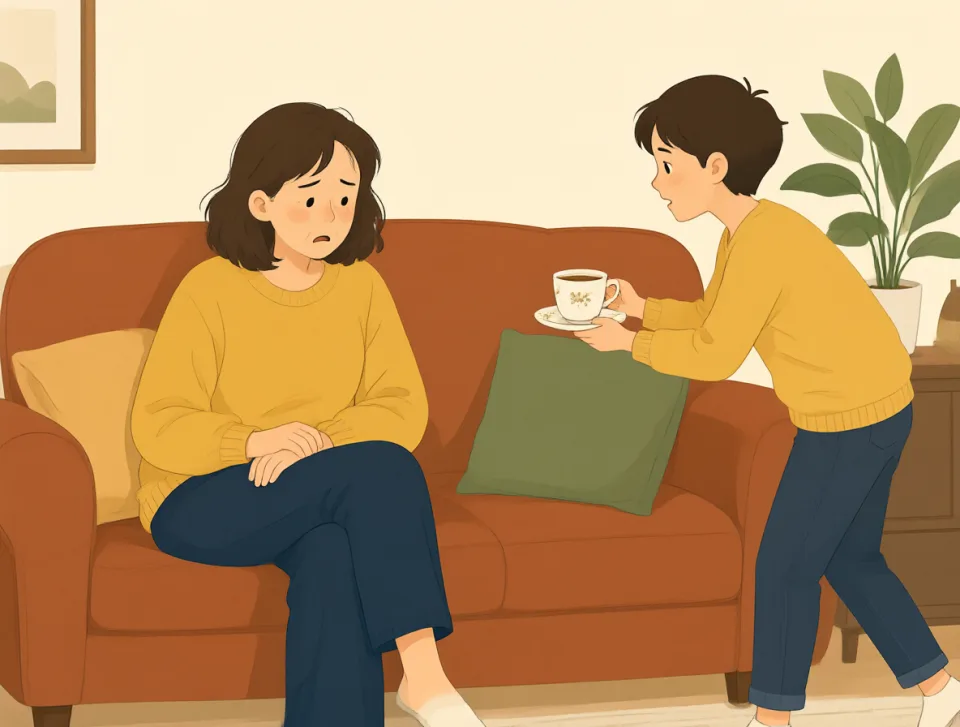
After the illness, she felt tired and less intellectually active.
หลังจากป่วย เธอรู้สึกเหนื่อยและไม่ค่อยกระตือรือร้นในการใช้ความคิด
derive
#1982verb
ได้มาจาก
to get something from a particular source or cause
ได้สิ่งหนึ่งมาจากแหล่งที่มาหรือสาเหตุใดสาเหตุหนึ่ง
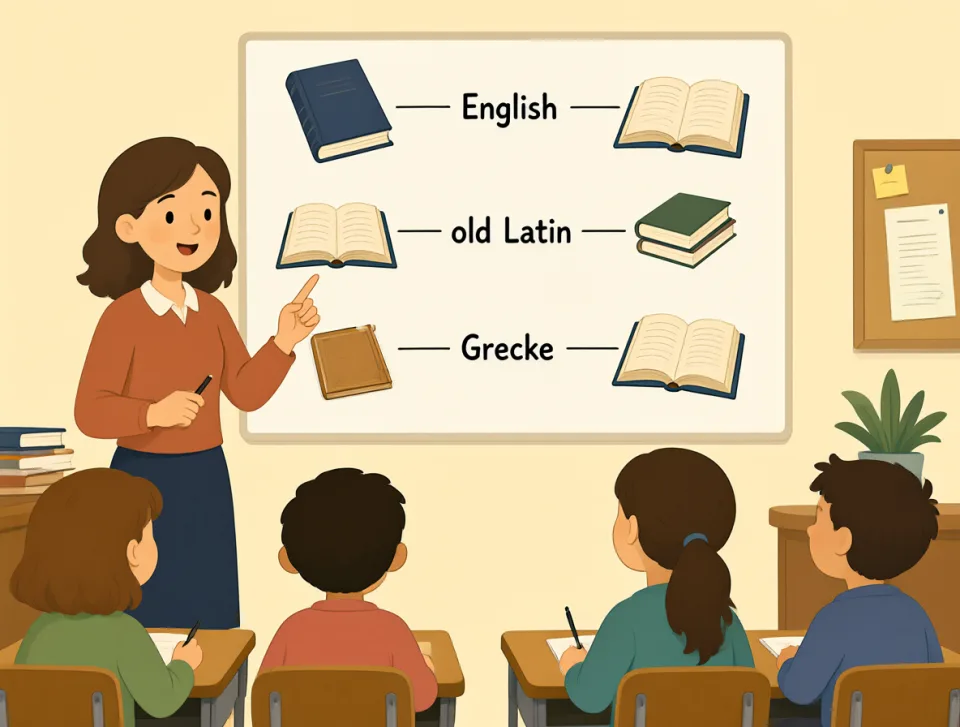
Many English words derive from Latin and Greek.
คำภาษาอังกฤษหลายคำมีรากศัพท์มาจากภาษาละตินและกรีก
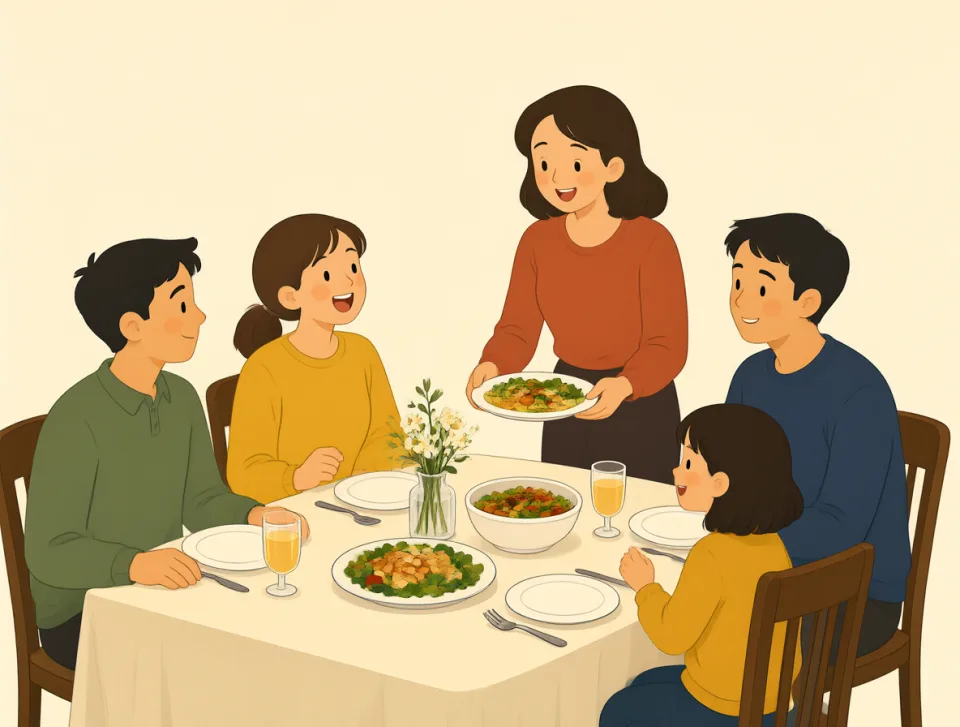
She derives great pleasure from cooking for her family.
เธอมีความสุขมากจากการทำอาหารให้ครอบครัว

The company derives most of its income from online sales.
บริษัทมีรายได้ส่วนใหญ่จากการขายทางออนไลน์
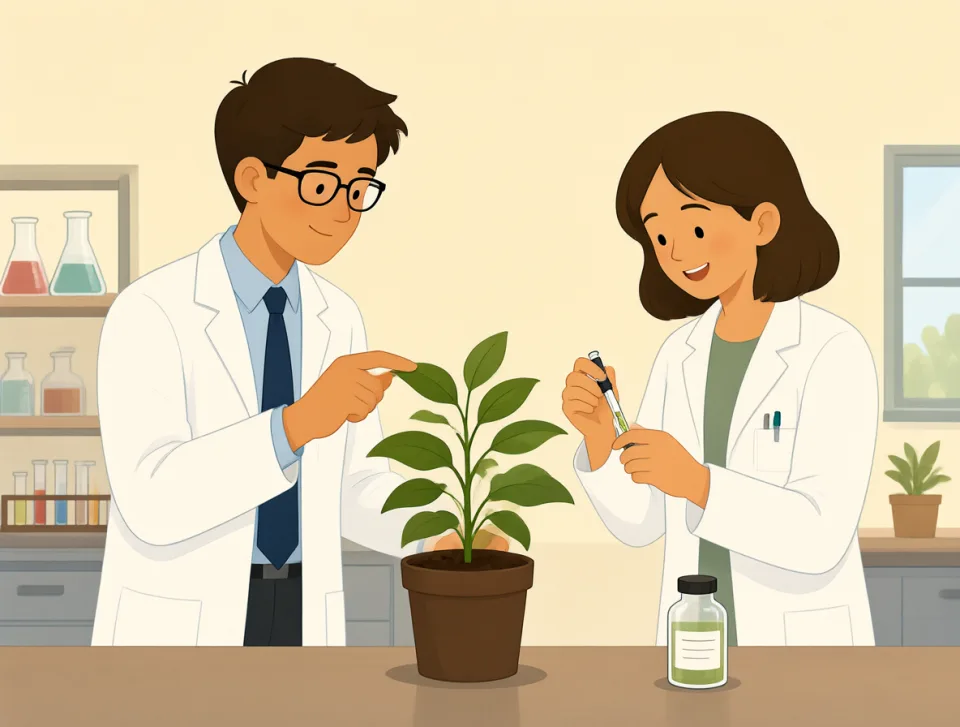
Scientists derived the new medicine from a natural plant.
นักวิทยาศาสตร์สกัดยาชนิดใหม่จากพืชธรรมชาติ
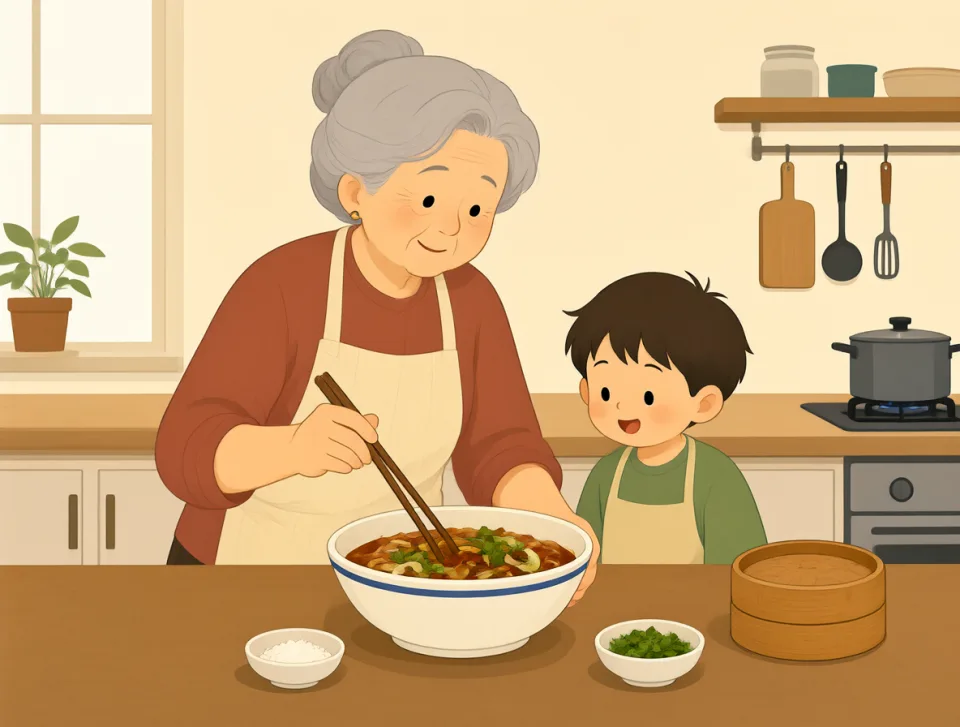
The recipe was derived from an old family tradition.
สูตรอาหารนี้ดัดแปลงมาจากธรรมเนียมเก่าแก่ของครอบครัว

crucial
#1983adjective
สำคัญอย่างยิ่ง
Extremely important for achieving a result or making a situation successful.
สำคัญอย่างยิ่งต่อการบรรลุผลหรือทำให้สถานการณ์ประสบความสำเร็จ
Good communication is crucial for a successful team.
การสื่อสารที่ดีสำคัญอย่างยิ่งต่อการทำงานเป็นทีมให้ประสบความสำเร็จ

It is crucial to check your passport before leaving home.
การตรวจหนังสือเดินทางก่อนออกจากบ้านเป็นเรื่องสำคัญอย่างยิ่ง

Regular exercise is crucial for keeping your heart healthy.
การออกกำลังกายเป็นประจำสำคัญอย่างยิ่งต่อการรักษาสุขภาพหัวใจ

Timing was crucial when we crossed the busy road.
จังหวะเวลาเป็นเรื่องสำคัญอย่างยิ่งตอนที่เราข้ามถนนที่มีรถพลุกพล่าน
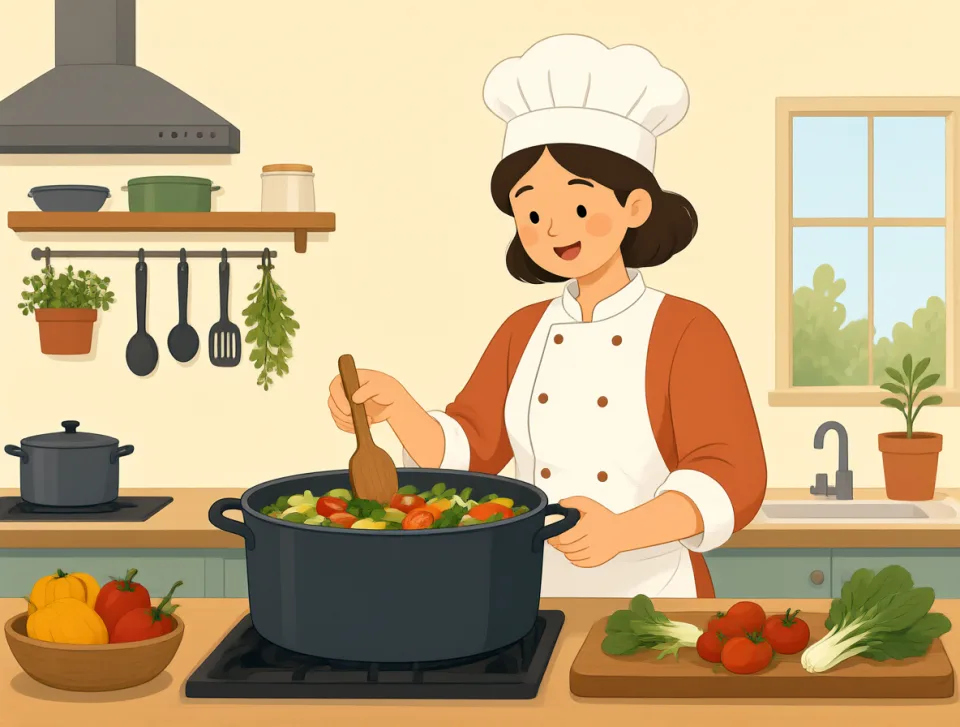
Fresh ingredients are crucial for making a delicious soup.
วัตถุดิบสดใหม่สำคัญอย่างยิ่งต่อการทำซุปให้อร่อย
unemployment
#1984noun
การว่างงาน
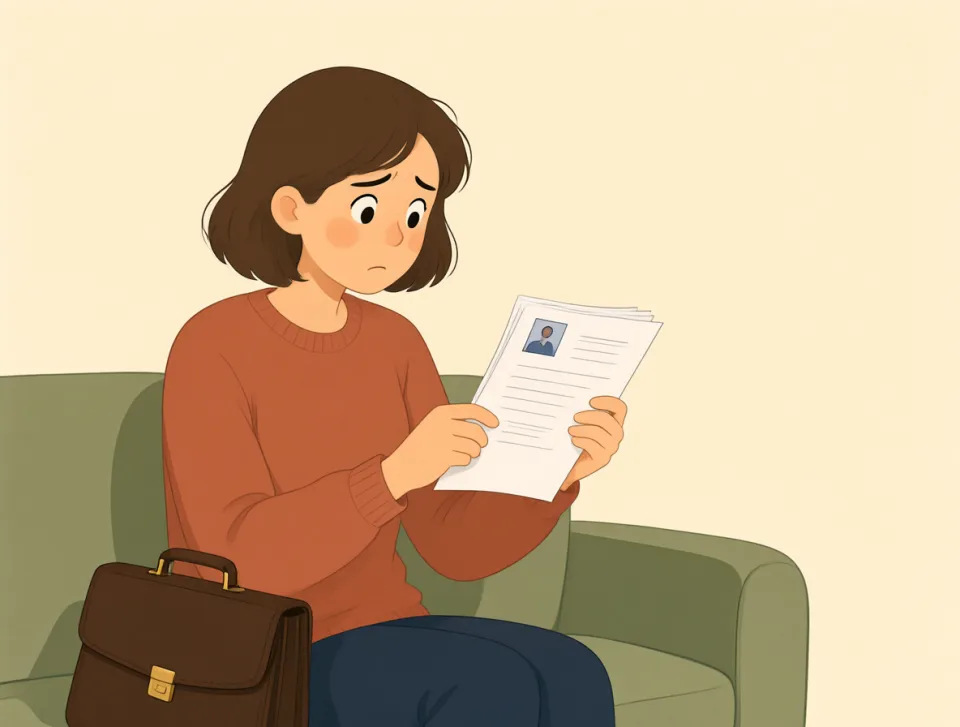
The condition of not having a job and looking for work.
ภาวะที่ไม่มีงานทำและกำลังหางานอยู่

Unemployment rose after the factory closed last year.
การว่างงานเพิ่มสูงขึ้นหลังจากโรงงานปิดตัวลงเมื่อปีที่แล้ว

The government is trying to reduce unemployment among young people.
รัฐบาลกำลังพยายามลดการว่างงานในหมู่คนหนุ่มสาว
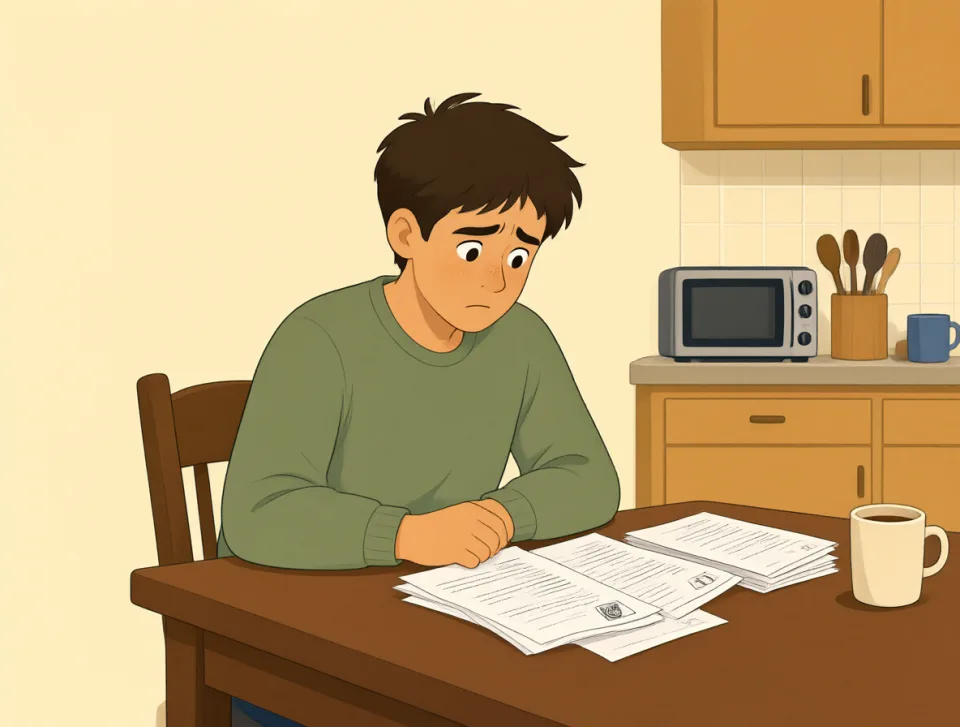
Long-term unemployment can make it difficult to pay the bills.
การว่างงานเป็นเวลานานอาจทำให้จ่ายบิลต่าง ๆ ได้ยาก

He received unemployment benefits while searching for a new job.
เขาได้รับเงินช่วยเหลือกรณีว่างงานระหว่างหางานใหม่

The town suffered from high unemployment when the tourist season ended.
เมืองนี้ได้รับผลกระทบจากการว่างงานสูงหลังสิ้นสุดฤดูท่องเที่ยว

wheel
#1985noun, verb
ล้อ
A round object that turns to help a vehicle move, or to control something.
วัตถุทรงกลมที่หมุนเพื่อช่วยให้ยานพาหนะเคลื่อนที่ หรือใช้ควบคุมสิ่งใดสิ่งหนึ่ง

The car has a flat wheel, so we stopped beside the road.
รถยางแบน เราเลยจอดข้างทาง

She turned the wheel carefully and drove into the parking space.
เธอหมุนพวงมาลัยอย่างระมัดระวังแล้วขับเข้าไปจอดในช่องจอด

The children watched the big wheel turn at the fair.
เด็ก ๆ ดูชิงช้าสวรรค์ขนาดใหญ่หมุนในงานเทศกาล

Please wheel the heavy suitcase to the train platform.
ช่วยเข็นกระเป๋าเดินทางใบหนักไปที่ชานชาลารถไฟหน่อย

My bicycle wheel came off during the morning ride.
ล้อจักรยานของฉันหลุดระหว่างปั่นในตอนเช้า

crop
#1986noun, verb
พืชผล
A plant grown for food, or to cut part of a picture or video.
พืชที่ปลูกไว้เป็นอาหาร หรือการตัดบางส่วนของภาพหรือวิดีโอออก
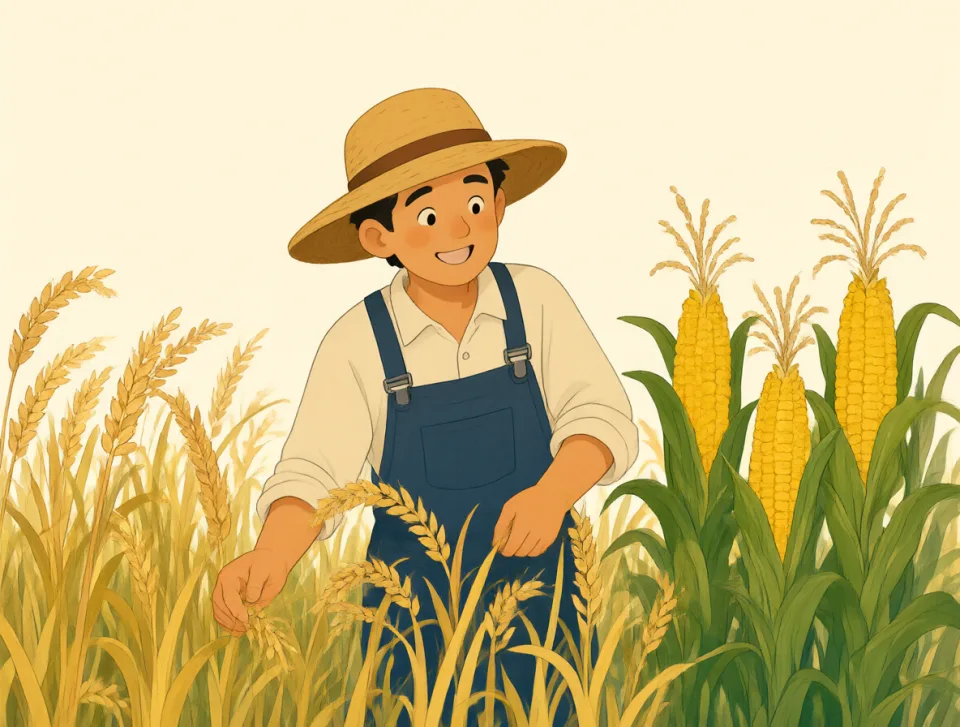
Farmers grow crops such as wheat, rice, and corn.
เกษตรกรปลูกพืชผล เช่น ข้าวสาลี ข้าว และข้าวโพด
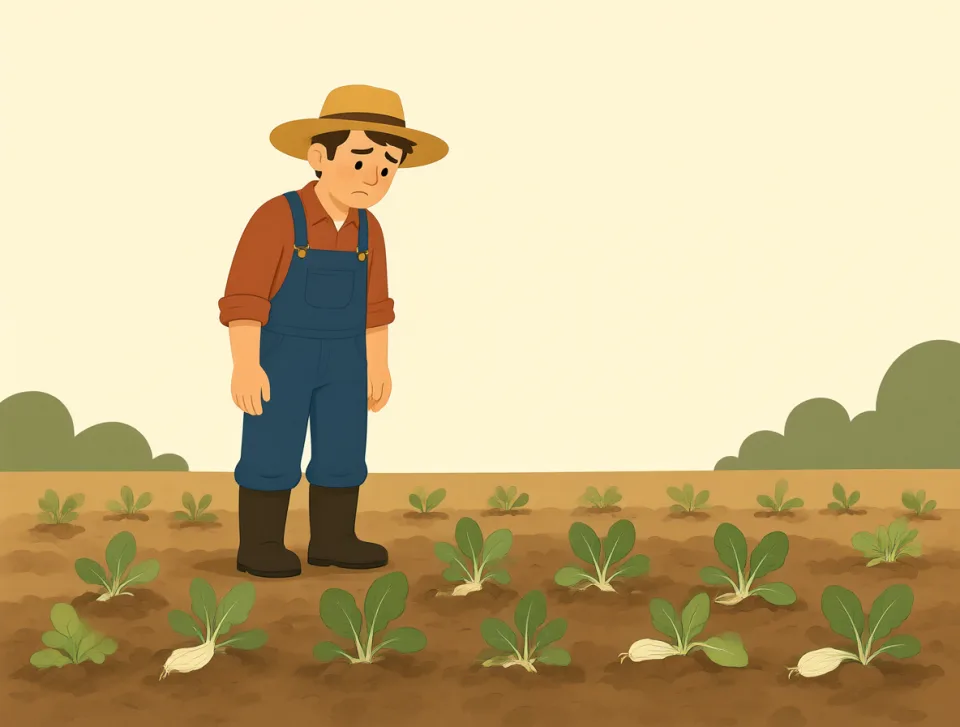
The heavy rain damaged the vegetable crops this year.
ฝนตกหนักทำให้พืชผักเสียหายในปีนี้

We bought fresh crops from the local market.
เราซื้อพืชผลสดจากตลาดท้องถิ่น

Please crop the photo before you send it.
กรุณาตัดภาพให้เรียบร้อยก่อนส่งให้ฉัน
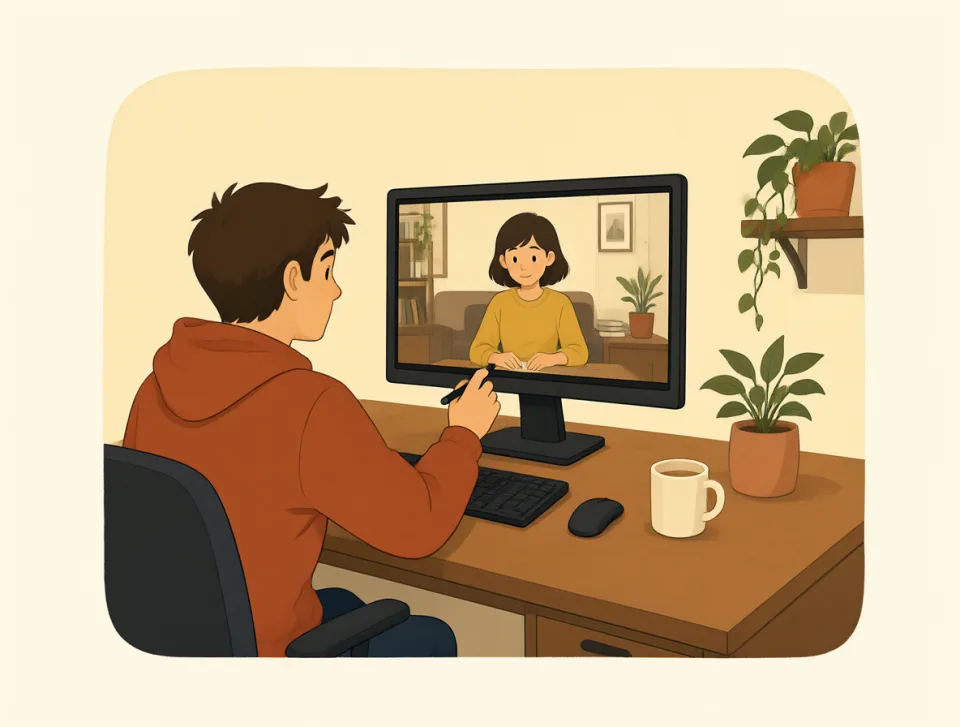
The editor cropped the video to remove the empty space.
บรรณาธิการตัดวิดีโอเพื่อลบพื้นที่ว่างออก
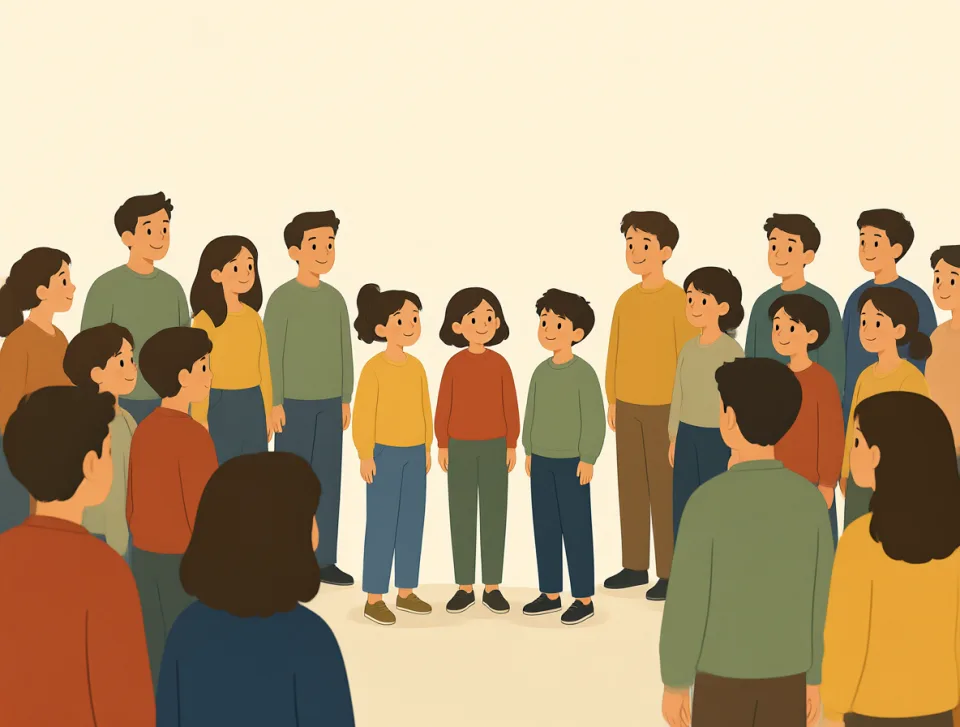
minority
#1987noun
ชนกลุ่มน้อย
A smaller group of people in a community, country, or organization.
กลุ่มคนที่มีจำนวนน้อยกว่าในชุมชน ประเทศ หรือองค์กร

Women are still a minority in some engineering jobs.
ผู้หญิงยังคงเป็นชนกลุ่มน้อยในงานวิศวกรรมบางประเภท

Only a minority of students chose to study abroad.
มีนักเรียนเพียงส่วนน้อยที่เลือกไปเรียนต่อต่างประเทศ
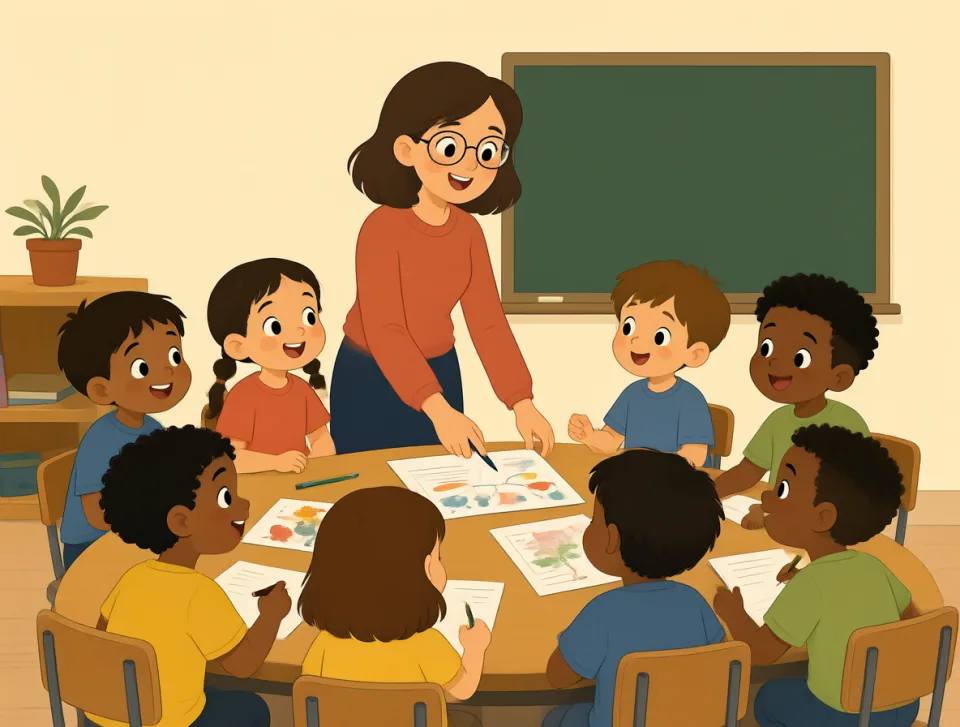
The school supports children from ethnic minorities.
โรงเรียนสนับสนุนเด็กจากชนกลุ่มน้อยทางชาติพันธุ์

A small minority of shoppers complained about the new bags.
มีผู้ซื้อเพียงส่วนน้อยที่บ่นเกี่ยวกับถุงแบบใหม่

The minority party wants better healthcare for everyone.
พรรคเสียงข้างน้อยต้องการให้ทุกคนได้รับการรักษาพยาบาลที่ดีขึ้น
origin
#1988noun
ต้นกำเนิด
the place, person, or thing that something comes from
สถานที่ บุคคล หรือสิ่งที่บางสิ่งมาจาก

The shop sells coffee from many different countries of origin.
ร้านนี้ขายกาแฟจากหลายประเทศต้นกำเนิด

The doctor asked about the origin of my stomach pain.
คุณหมอถามถึงต้นเหตุของอาการปวดท้องของฉัน

The teacher explained the origin of this old English word.
ครูอธิบายที่มาของคำภาษาอังกฤษโบราณคำนี้
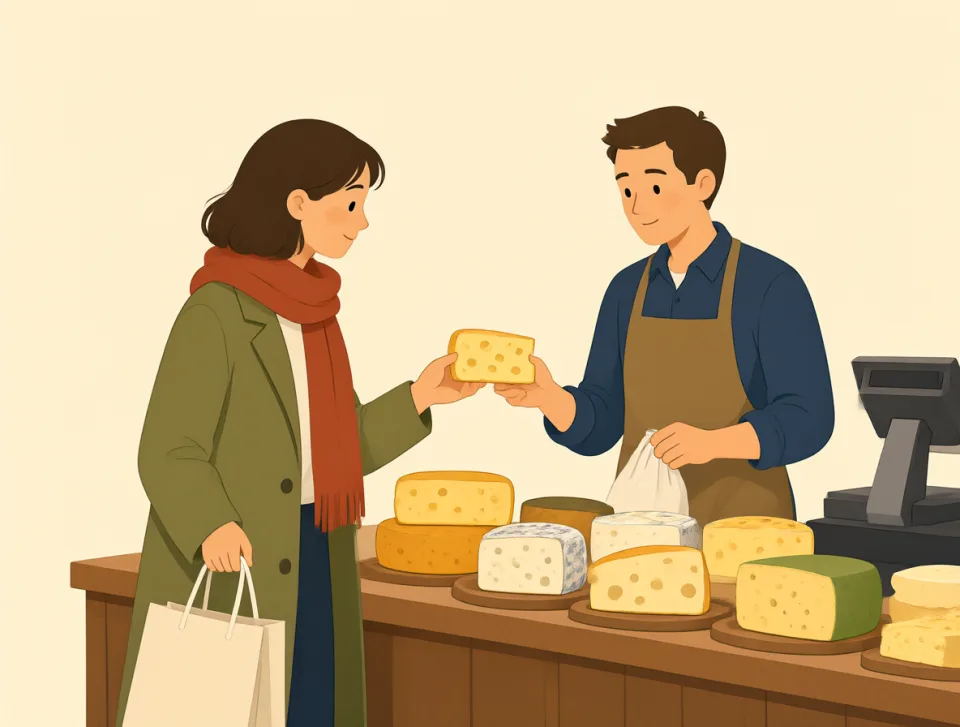
We checked the origin of the cheese before buying it.
เราตรวจสอบแหล่งที่มาของชีสก่อนซื้อ
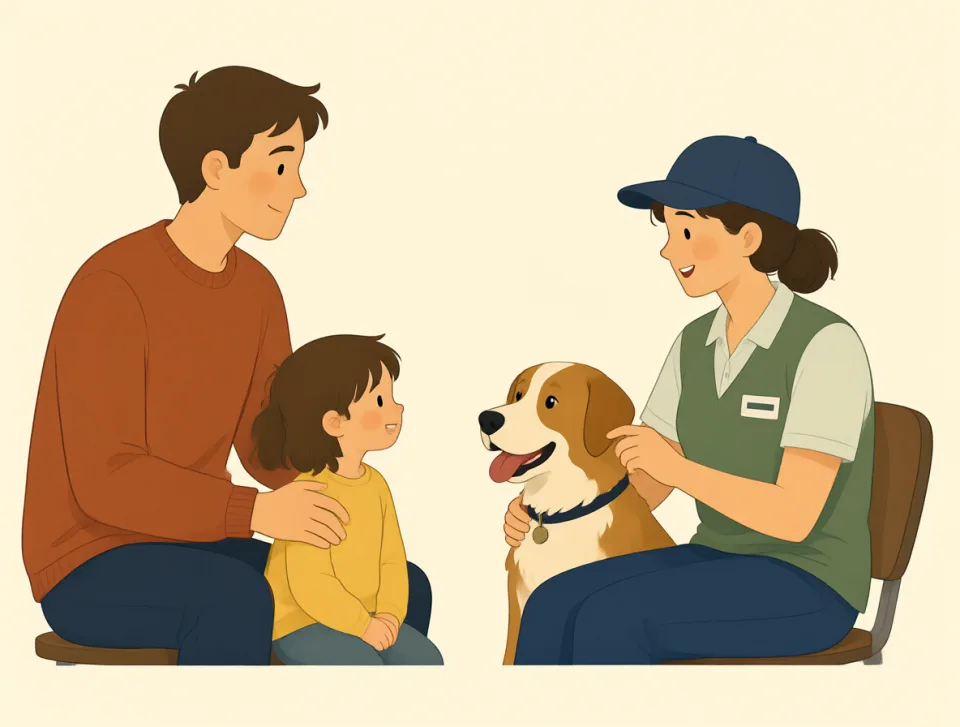
The family discovered their dog's origin at the animal shelter.
ครอบครัวค้นพบที่มาของสุนัขของพวกเขาที่ศูนย์พักพิงสัตว์
interpretation
#1989noun
การตีความ
An explanation of what something means or how it should be understood.
คำอธิบายว่าสิ่งหนึ่งหมายถึงอะไร หรือควรทำความเข้าใจอย่างไร
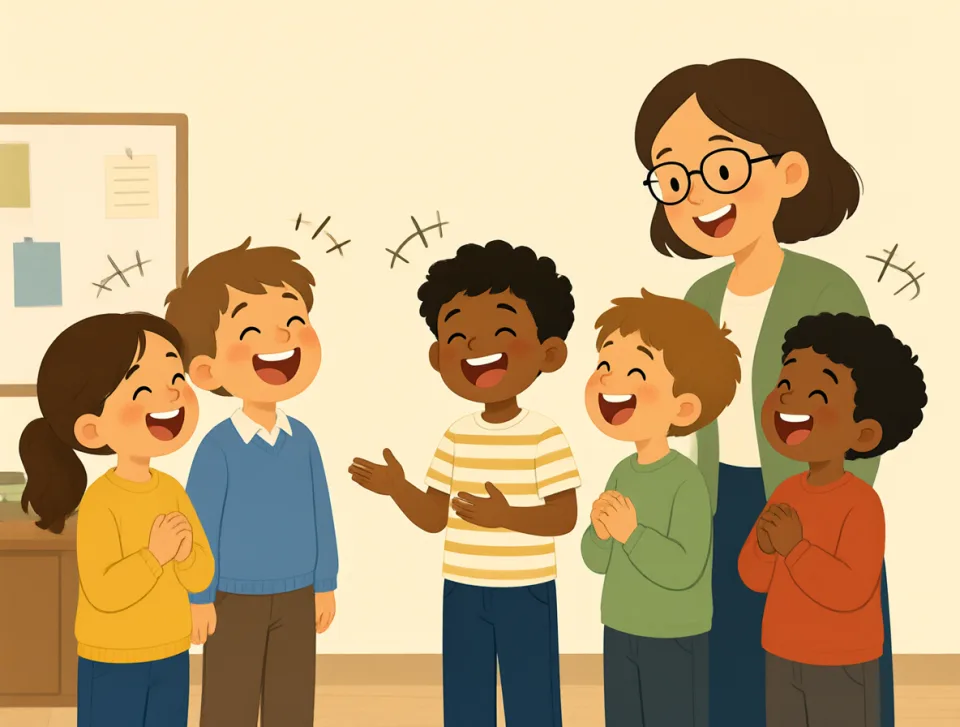
Her interpretation of the teacher's joke made everyone laugh.
การตีความมุกของครูโดยเธอทำให้ทุกคนหัวเราะ

Different people may have different interpretations of this painting.
ผู้คนแต่ละคนอาจตีความภาพวาดนี้แตกต่างกัน

The doctor explained his interpretation of my blood test results.
คุณหมออธิบายการตีความผลตรวจเลือดของฉัน

The actor gave a funny interpretation of the famous character.
นักแสดงตีความตัวละครชื่อดังออกมาได้อย่างตลก
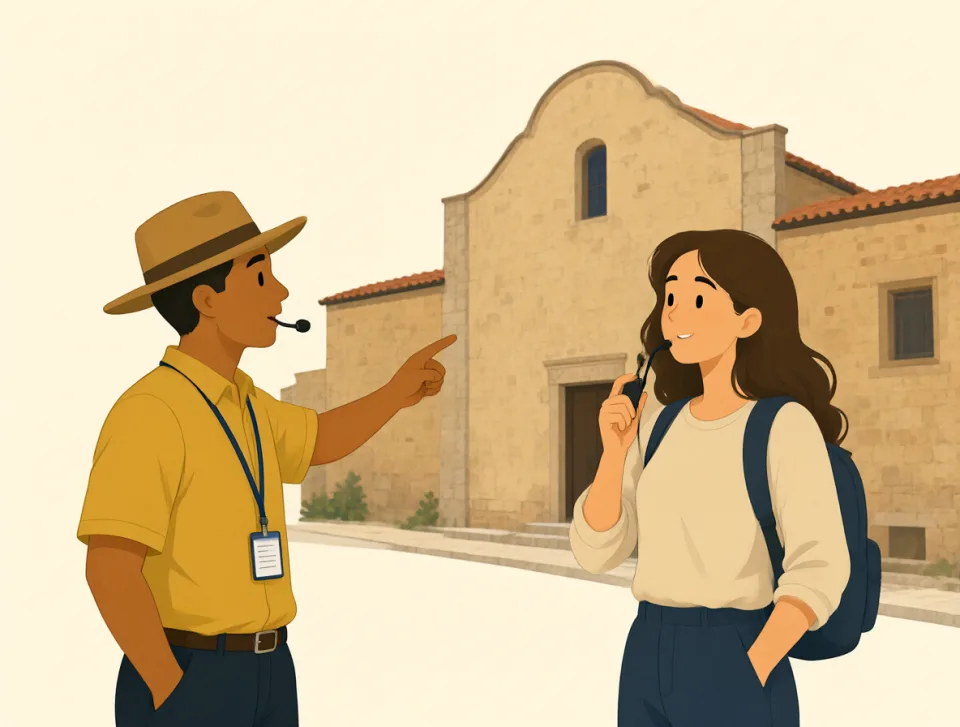
The tour included interpretation for visitors who did not speak English.
ทัวร์นี้มีบริการล่ามสำหรับผู้เข้าชมที่พูดภาษาอังกฤษไม่ได้

gentleman
#1990noun
สุภาพบุรุษ
A polite and well-mannered man, often used as a respectful way to address one.
ผู้ชายที่สุภาพและมีมารยาทดี มักใช้เป็นคำเรียกผู้ชายด้วยความเคารพ
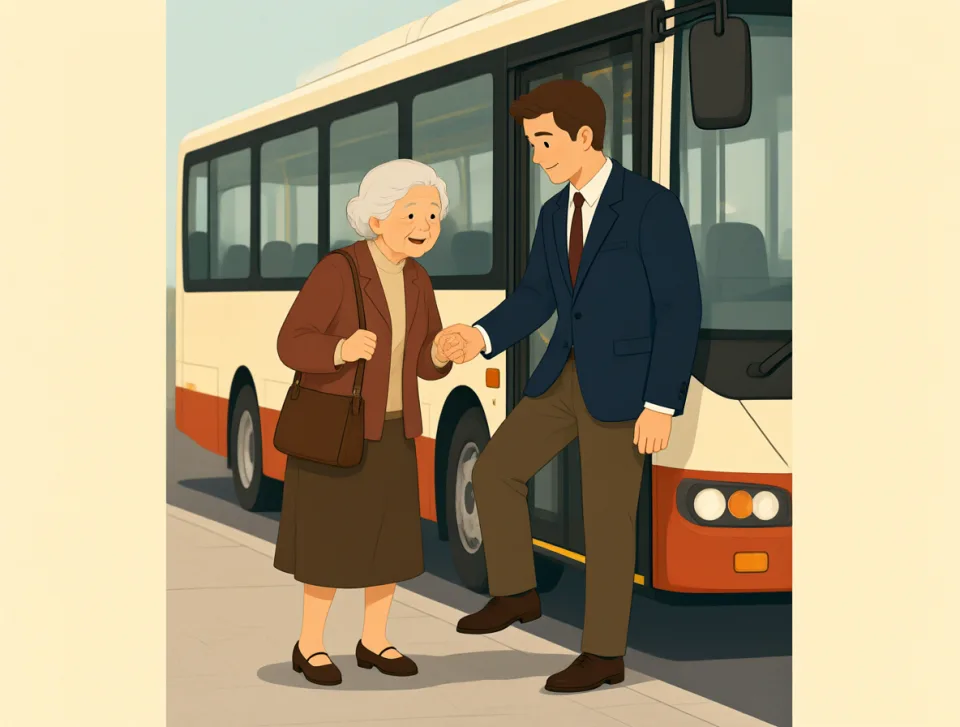
The gentleman helped an elderly woman onto the bus.
สุภาพบุรุษคนนั้นช่วยหญิงชราขึ้นรถบัส

A gentleman always says please and thank you.
สุภาพบุรุษมักพูดคำว่า กรุณา และขอบคุณเสมอ
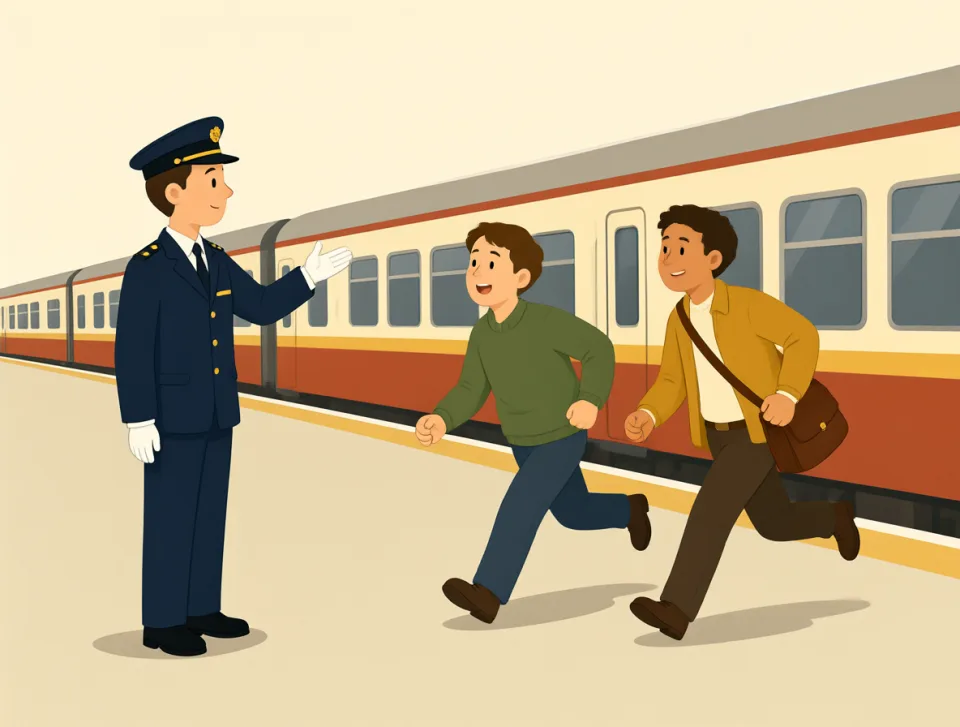
Excuse me, gentlemen, your train is leaving soon.
ขอโทษนะครับ สุภาพบุรุษทุกท่าน รถไฟของพวกคุณกำลังจะออกในไม่ช้า

The gentleman at the hotel desk found my passport.
สุภาพบุรุษที่เคาน์เตอร์โรงแรมพบหนังสือเดินทางของผม

He behaved like a true gentleman at dinner.
เขาวางตัวเหมือนสุภาพบุรุษที่แท้จริงในงานเลี้ยงอาหารค่ำ

drama
#1991noun
ดราม่า
An exciting or emotional situation that causes trouble or strong feelings.
สถานการณ์ที่ตื่นเต้นหรือสะเทือนอารมณ์ ซึ่งก่อให้เกิดปัญหาหรือความรู้สึกที่รุนแรง

There was a lot of drama at home last night.
เมื่อคืนที่บ้านมีเรื่องดราม่าเยอะมาก

She loves watching drama series after work.
เธอชอบดูซีรีส์ดราม่าหลังเลิกงาน
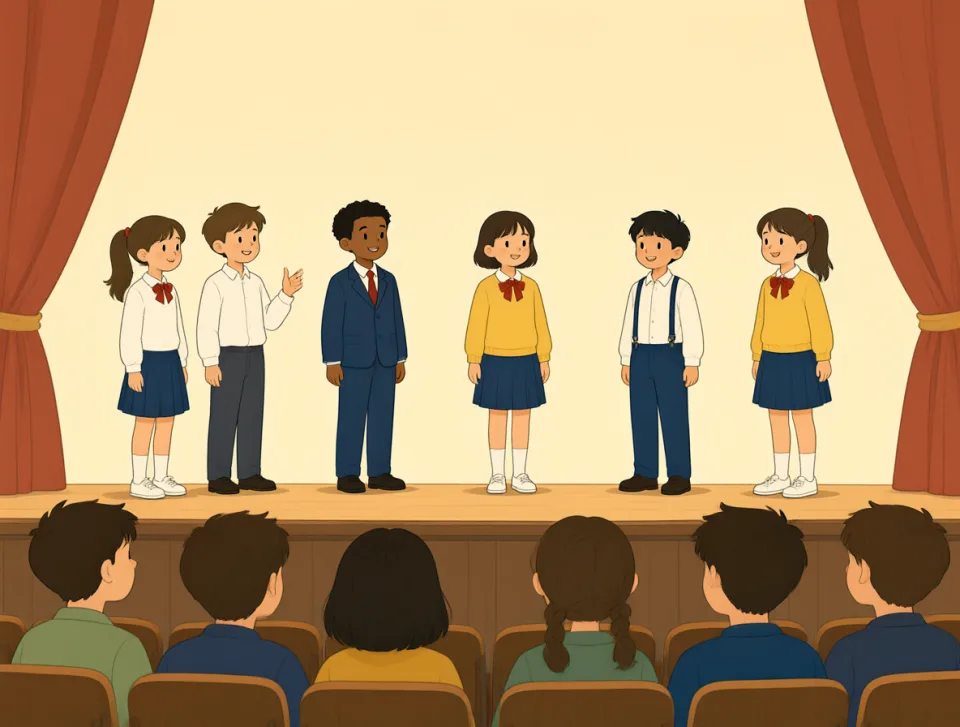
The school drama club performed a play on Friday.
ชมรมการแสดงของโรงเรียนแสดงละครเมื่อวันศุกร์

Please stop creating drama over a small mistake.
เลิกทำเรื่องเล็กให้เป็นเรื่องใหญ่สักที

The flight had some drama when the weather suddenly changed.
เที่ยวบินมีเหตุวุ่นวายอยู่บ้างเมื่อจู่ ๆ อากาศเปลี่ยน

landscape
#1992noun
ทิวทัศน์
The land, plants, and natural features of a place, especially as seen from far away.
ผืนดิน พืชพรรณ และลักษณะทางธรรมชาติของสถานที่แห่งหนึ่ง โดยเฉพาะเมื่อมองจากระยะไกล

We stopped to enjoy the beautiful mountain landscape.
เราหยุดชมทิวทัศน์ภูเขาอันงดงาม

The countryside landscape was covered with green fields and trees.
ทิวทัศน์ชนบทเต็มไปด้วยทุ่งหญ้าสีเขียวและต้นไม้

The artist painted a peaceful landscape near the lake.
ศิลปินวาดภาพทิวทัศน์อันเงียบสงบใกล้ทะเลสาบ
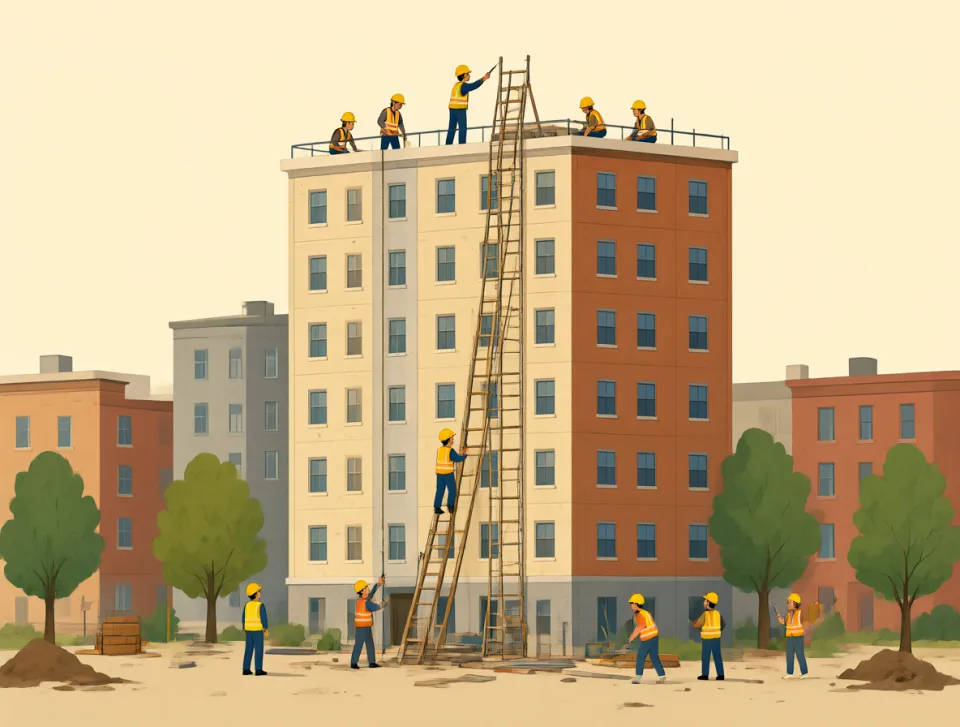
New buildings are changing the city landscape quickly.
อาคารใหม่ ๆ กำลังเปลี่ยนโฉมทิวทัศน์ของเมืองอย่างรวดเร็ว

The snowy landscape looked magical during our winter trip.
ทิวทัศน์ที่ปกคลุมด้วยหิมะดูราวกับเวทมนตร์ระหว่างทริปฤดูหนาวของเรา
educate
#1993verb
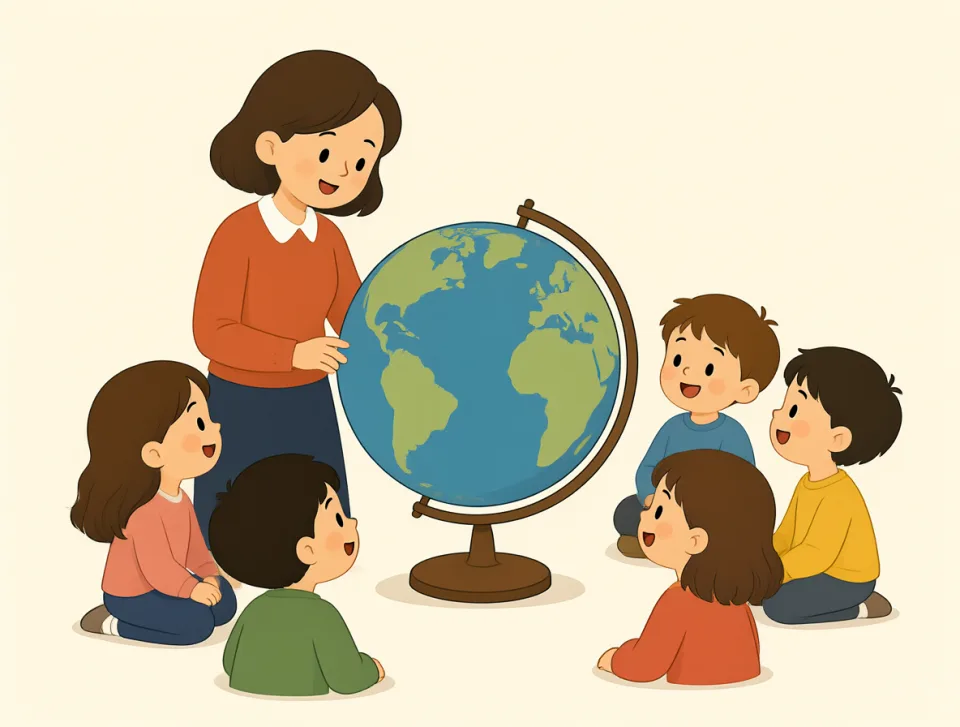
ให้ความรู้
to teach someone about a subject or help them develop knowledge and skills
สอนใครสักคนเกี่ยวกับเรื่องหนึ่ง หรือช่วยให้เขาพัฒนาความรู้และทักษะ
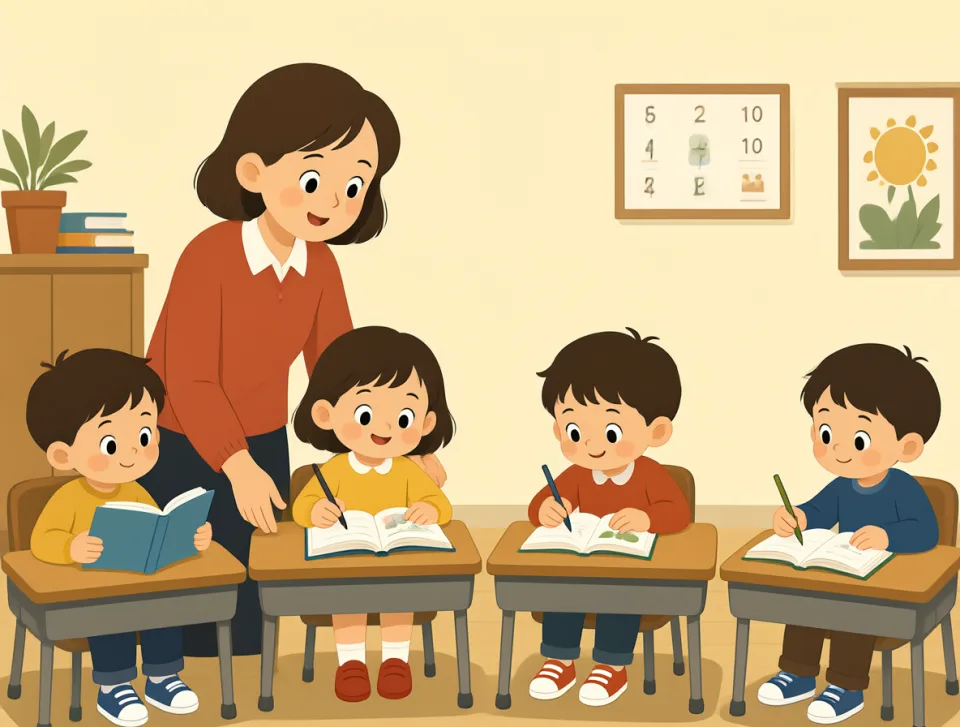
Schools educate children in reading, writing, and mathematics.
โรงเรียนให้ความรู้แก่เด็ก ๆ ในด้านการอ่าน การเขียน และคณิตศาสตร์

Parents educate their children about safety and kindness.
พ่อแม่สอนลูก ๆ เรื่องความปลอดภัยและความมีน้ำใจ

The course educates workers about workplace safety.
หลักสูตรนี้ให้ความรู้แก่พนักงานเกี่ยวกับความปลอดภัยในที่ทำงาน

Doctors educate patients about healthy food and exercise.
แพทย์ให้ความรู้แก่ผู้ป่วยเกี่ยวกับอาหารที่ดีต่อสุขภาพและการออกกำลังกาย
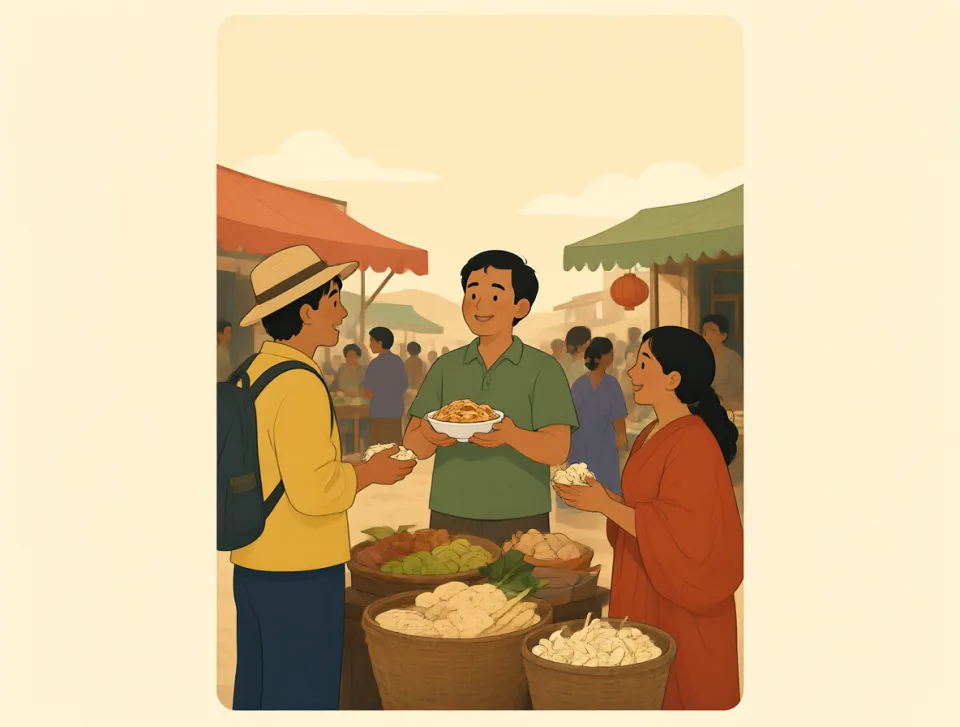
Travel can educate people about different cultures and traditions.
การเดินทางช่วยให้ผู้คนได้เรียนรู้เกี่ยวกับวัฒนธรรมและประเพณีที่แตกต่างกัน
toy
#1994noun, verb
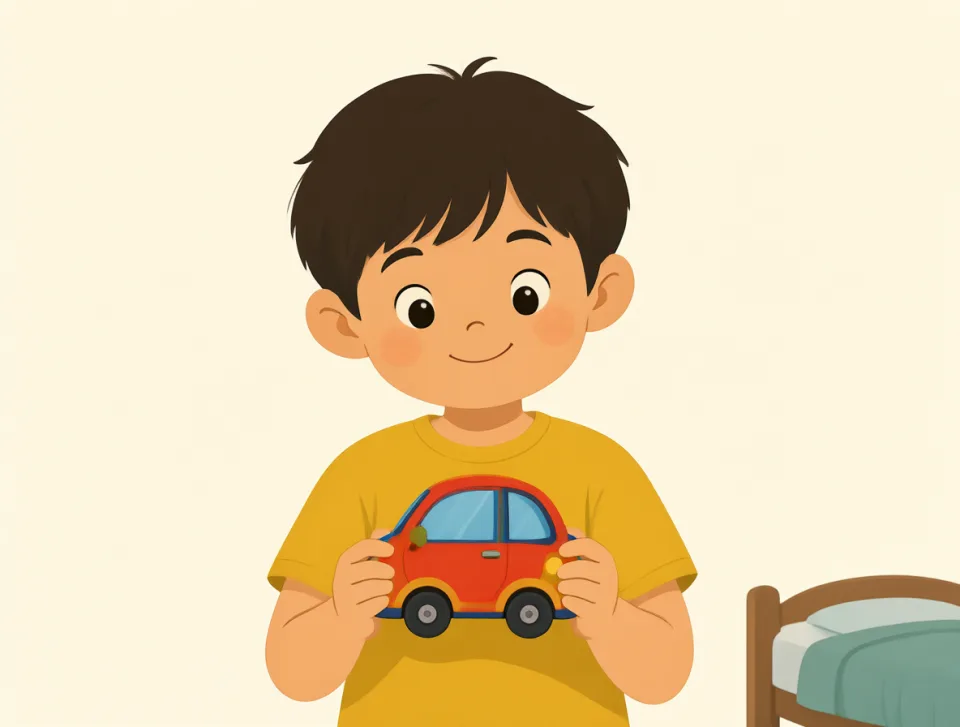
ของเล่น
An object children play with; to treat something as if it were only for fun.
สิ่งของที่เด็กใช้เล่น หรือมองบางสิ่งราวกับเป็นแค่เรื่องสนุกเล่น ๆ
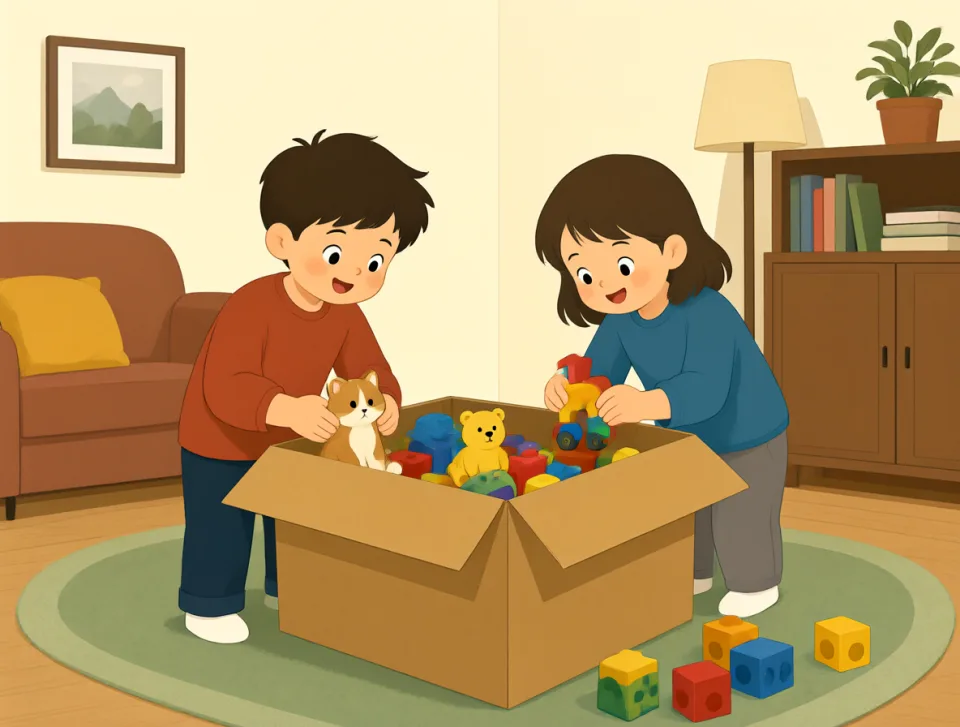
The children put their toys away before dinner.
เด็ก ๆ เก็บของเล่นก่อนมื้อเย็น
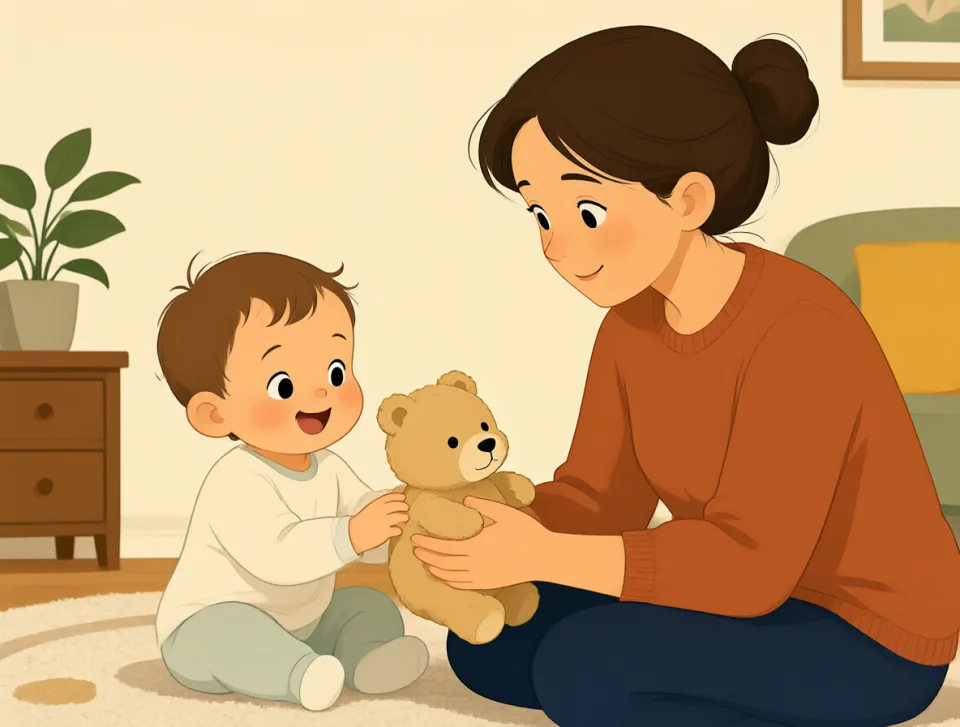
She bought a new toy for her baby.
เธอซื้อของเล่นชิ้นใหม่ให้ลูกน้อย

This toy train runs on batteries.
รถไฟของเล่นขบวนนี้ใช้แบตเตอรี่

He toyed with the idea of traveling abroad.
เขาลองคิดเล่น ๆ เรื่องการไปเที่ยวต่างประเทศ

The puppy toyed with the loose shoelace.
ลูกสุนัขเล่นกับเชือกรองเท้าที่หลุดอยู่
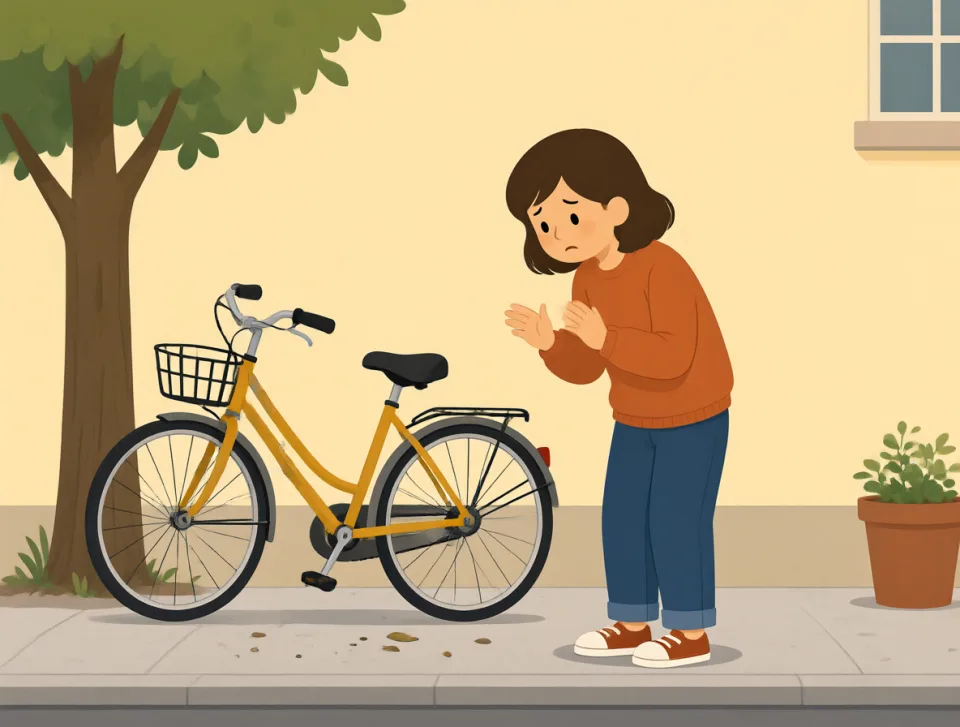
fault
#1995noun
ความผิด
A mistake, problem, or responsibility for something bad that happened.
ความผิดพลาด ปัญหา หรือความรับผิดชอบต่อสิ่งไม่ดีที่เกิดขึ้น
The accident was my fault, so I apologized to everyone.
อุบัติเหตุเป็นความผิดของฉัน ฉันเลยขอโทษทุกคน
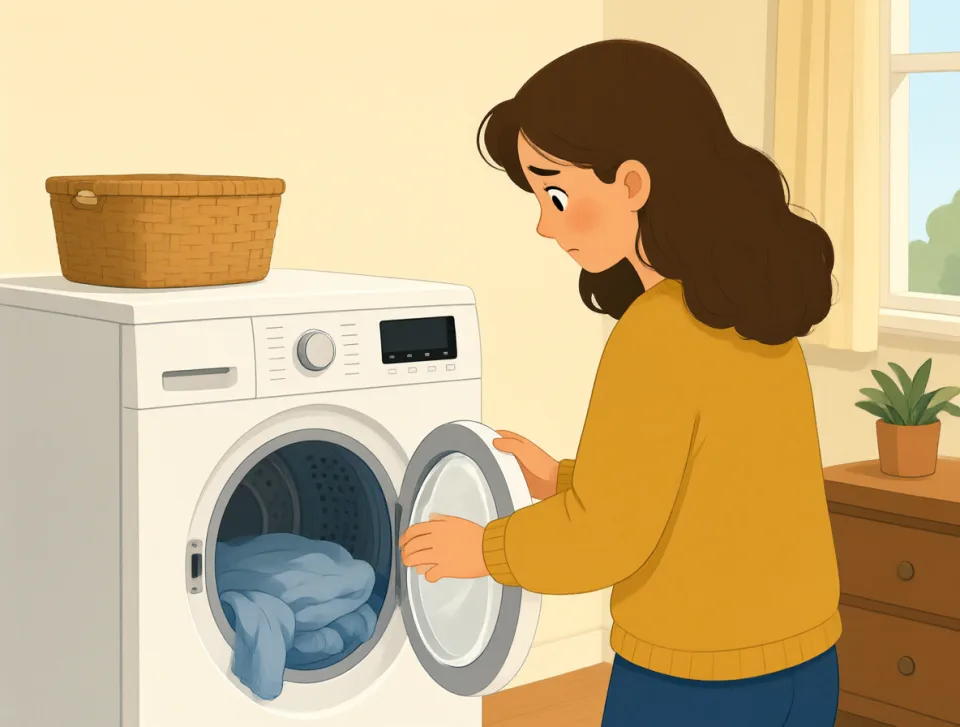
There is a fault in the washing machine, and it will not start.
เครื่องซักผ้ามีปัญหาและเปิดไม่ติด

The teacher found a fault in my answer and explained it.
ครูพบข้อผิดพลาดในคำตอบของฉันและอธิบายให้ฟัง

The hotel room was clean, but the shower had a small fault.
ห้องพักในโรงแรมสะอาด แต่ฝักบัวมีปัญหาเล็กน้อย
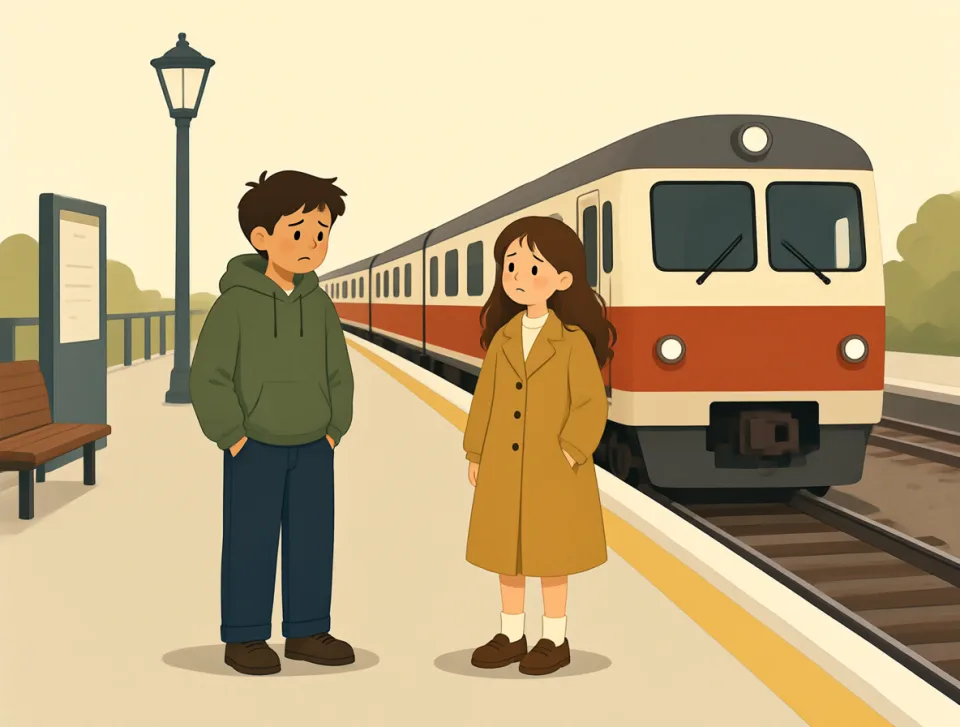
It was not your fault that we missed the train.
ที่เราพลาดรถไฟไม่ใช่ความผิดของคุณ

exhibit
#1996noun, verb
นิทรรศการ
A public display, an object shown publicly, or to show a quality.
การจัดแสดงต่อสาธารณะ สิ่งของที่นำมาแสดงต่อสาธารณะ หรือการแสดงคุณลักษณะบางอย่าง
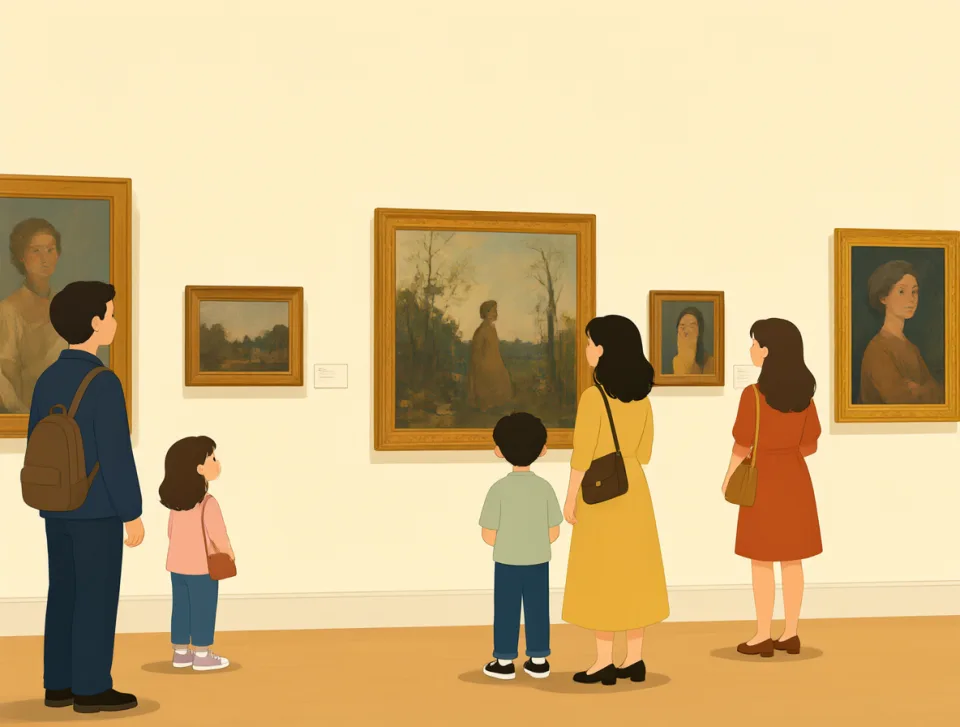
The museum's new exhibit features paintings by local artists.
นิทรรศการใหม่ของพิพิธภัณฑ์จัดแสดงภาพวาดของศิลปินท้องถิ่น

The zoo exhibit lets visitors watch penguins swim underwater.
นิทรรศการในสวนสัตว์เปิดให้ผู้เข้าชมดูเพนกวินว่ายน้ำใต้น้ำได้
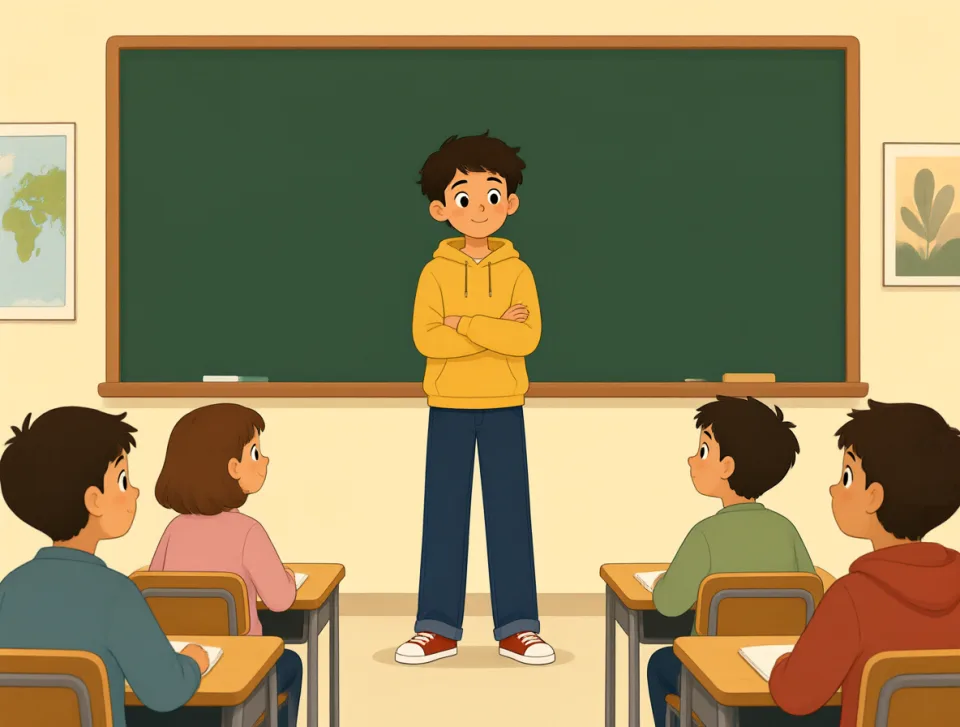
The student exhibited confidence during her first presentation.
นักเรียนแสดงความมั่นใจระหว่างการนำเสนอครั้งแรก

The patient exhibited signs of dehydration after the long hike.
ผู้ป่วยแสดงอาการขาดน้ำหลังจากเดินป่าเป็นเวลานาน
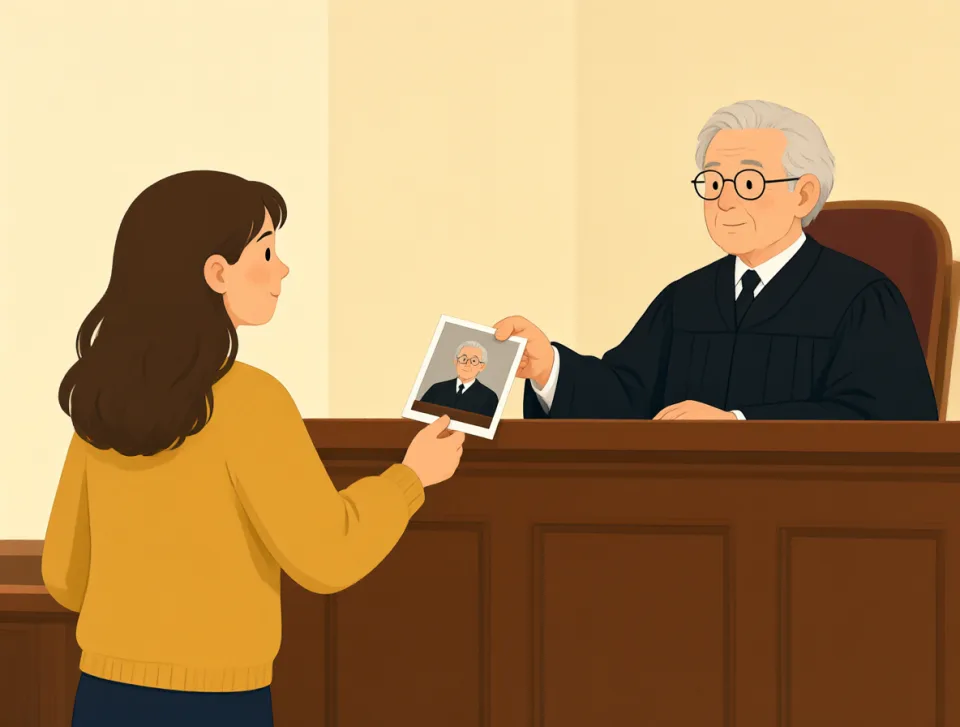
The lawyer presented a photograph as an exhibit in court.
ทนายความนำเสนอภาพถ่ายเป็นหลักฐานในศาล

minor
#1997adjective, noun
เล็กน้อย
Small or not very important; a student studying a subject as a second field.
มีขนาดเล็กหรือไม่สำคัญมาก หรือวิชาโทที่นักศึกษาเรียนเป็นสาขารอง
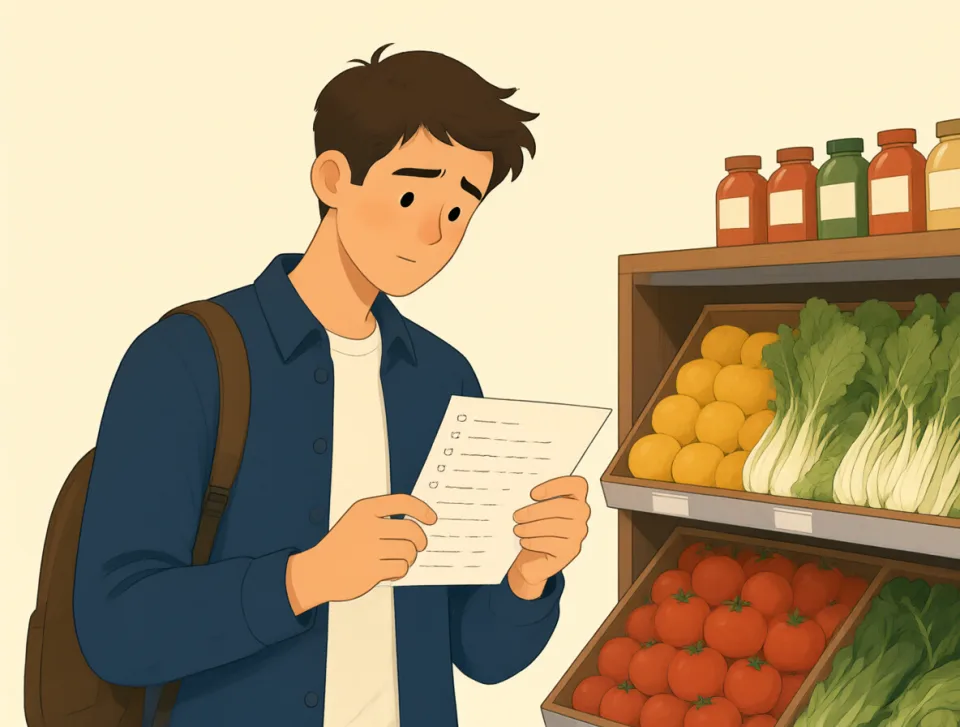
He made a minor mistake in the shopping list.
เขาทำพลาดเล็กน้อยในรายการซื้อของ

The doctor said her injury was minor and would heal soon.
หมอบอกว่าอาการบาดเจ็บของเธอไม่รุนแรงและจะหายเร็ว ๆ นี้

We had a minor problem with the hotel room.
เรามีปัญหาเล็กน้อยกับห้องพักในโรงแรม

She chose history as her minor at college.
เธอเลือกประวัติศาสตร์เป็นวิชาโทตอนเรียนมหาวิทยาลัย
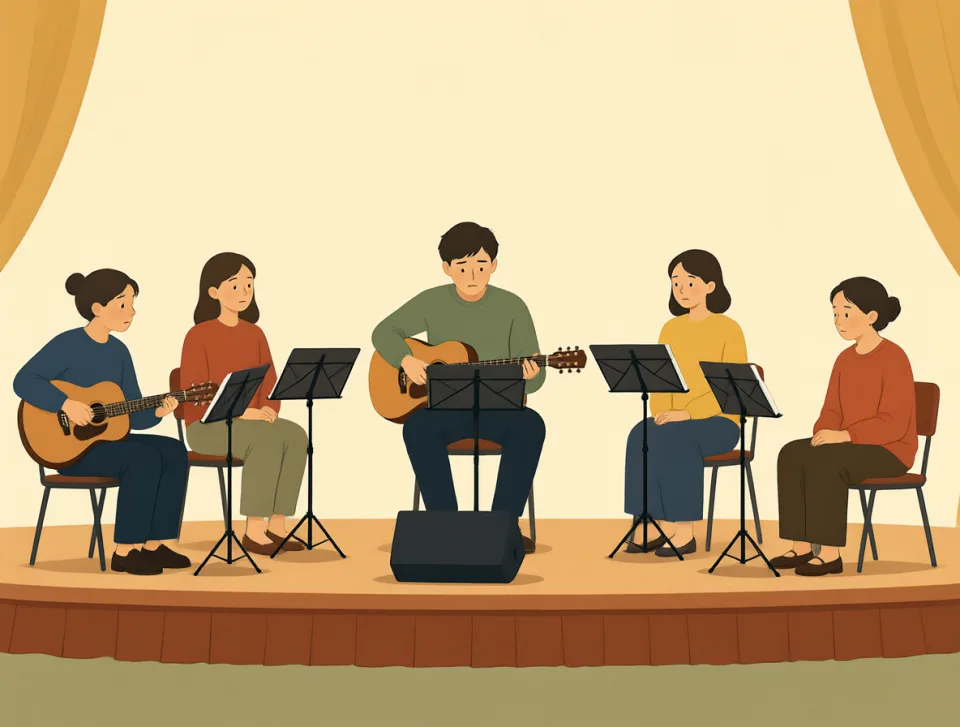
The band played several minor songs at the concert.
วงดนตรีเล่นเพลงแนวไมเนอร์หลายเพลงในคอนเสิร์ต

hunt
#1998noun, verb
ค้นหา
To look for someone or something carefully, especially over a wide area.
มองหาใครบางคนหรือสิ่งของบางอย่างอย่างละเอียด โดยเฉพาะในบริเวณกว้าง
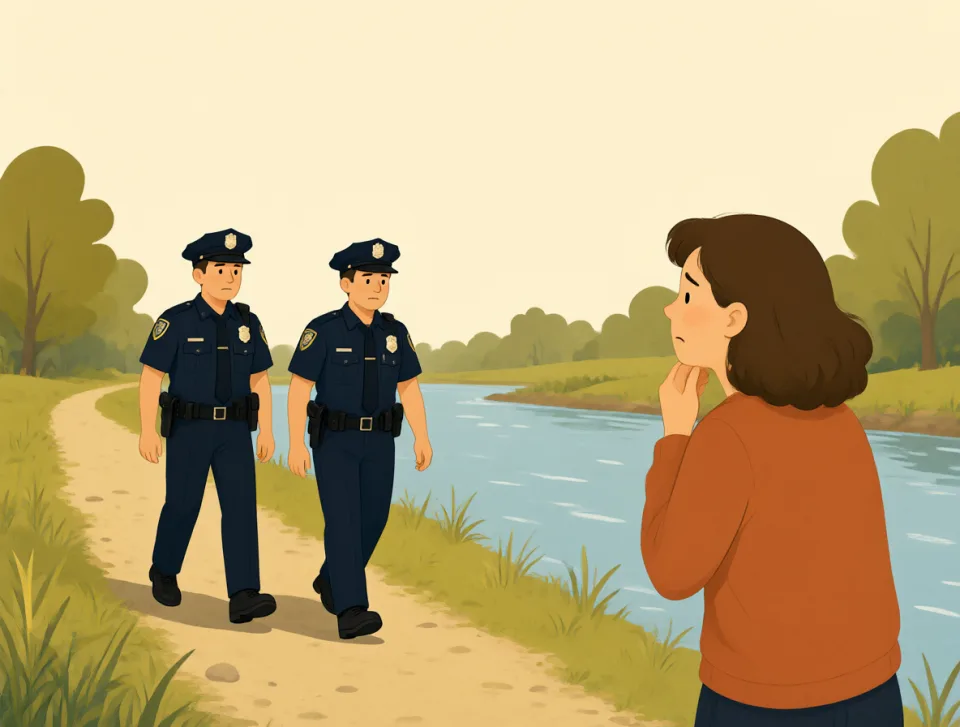
Police are hunting for the missing child near the river.
ตำรวจกำลังตามหาเด็กที่หายไปใกล้แม่น้ำ
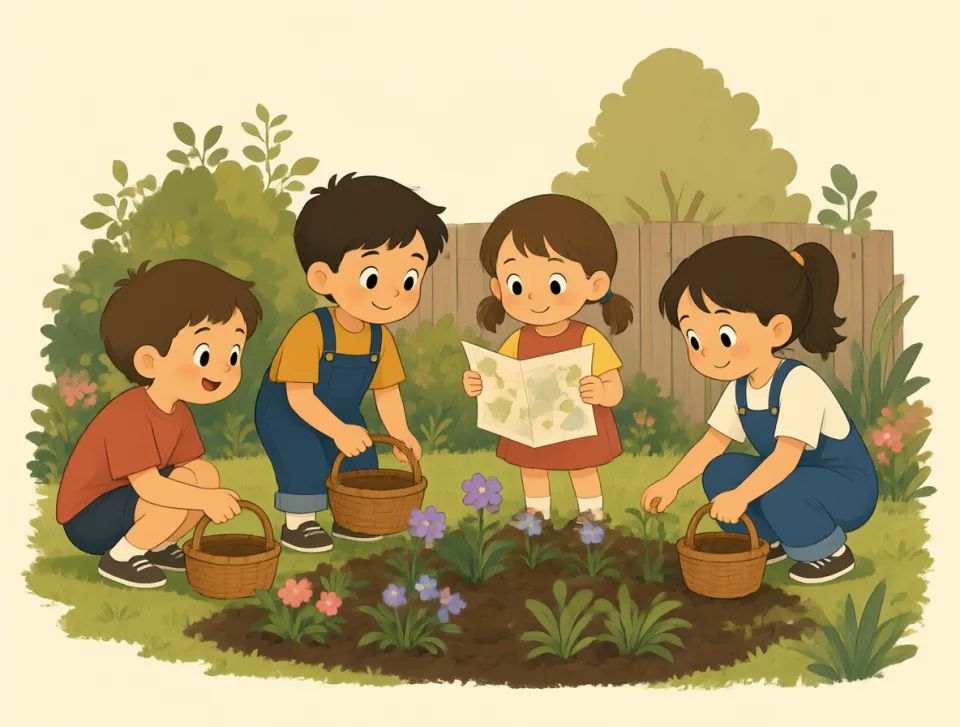
We went on a treasure hunt in the garden.
เราไปล่าสมบัติในสวน

She is hunting for a new apartment after moving to the city.
เธอกำลังหาห้องชุดใหม่หลังจากย้ายเข้าเมือง
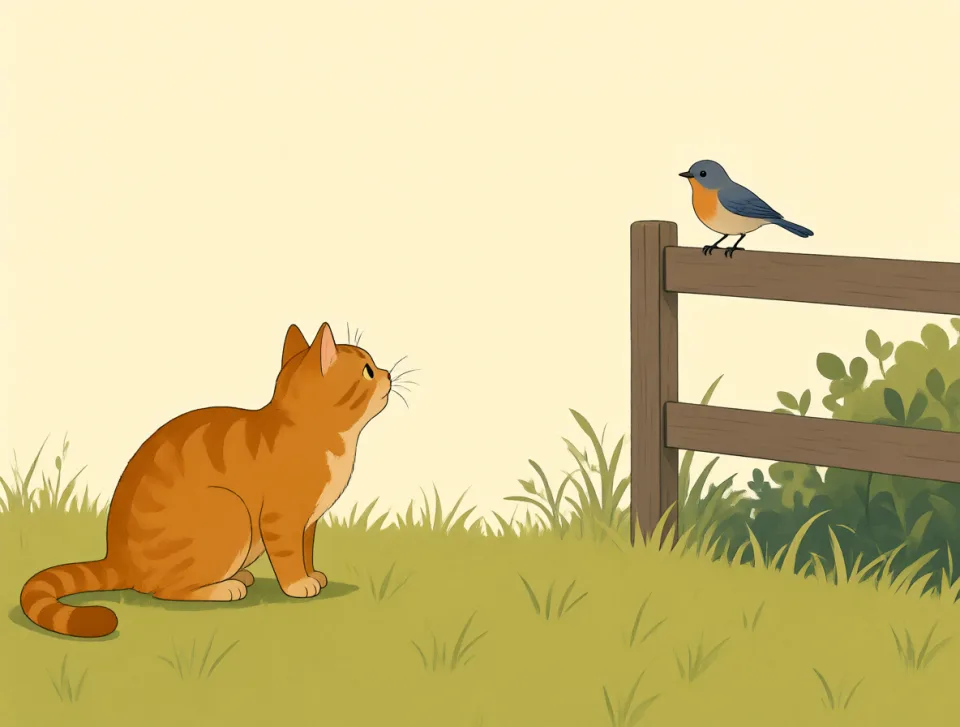
The cat likes to hunt birds in the backyard.
แมวชอบล่านกในสวนหลังบ้าน
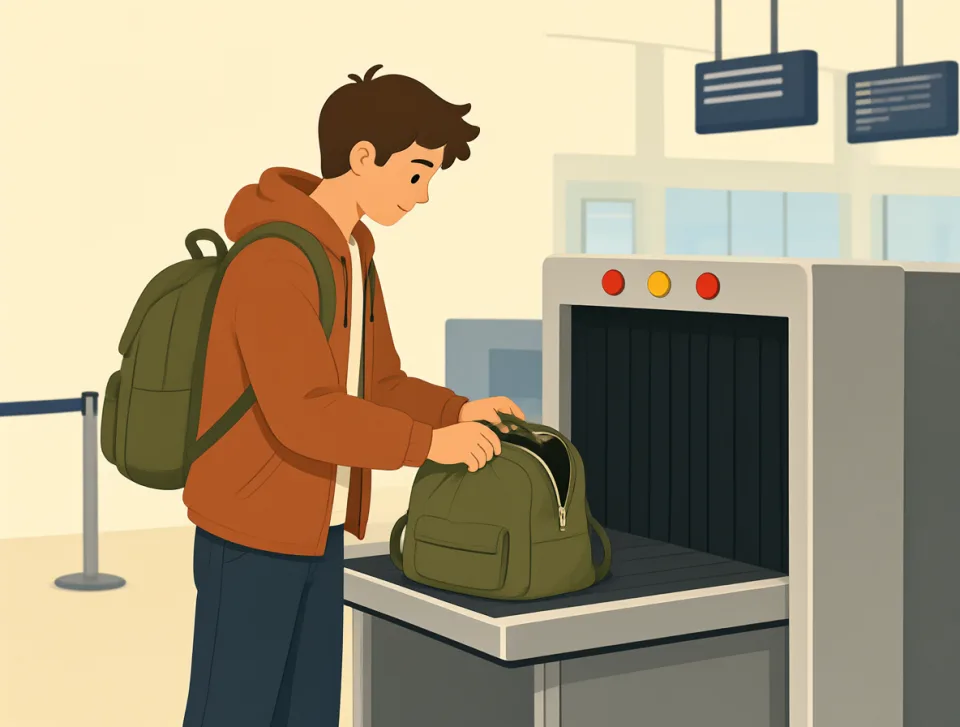
I hunted through my bag for my passport at the airport.
ฉันค้นกระเป๋าหาหนังสือเดินทางที่สนามบิน

storm
#1999noun, verb
พายุ
A period of very bad weather with strong winds, rain, snow, or thunder.
ช่วงที่สภาพอากาศเลวร้ายมาก มีลมแรง ฝน หิมะ หรือฟ้าร้อง
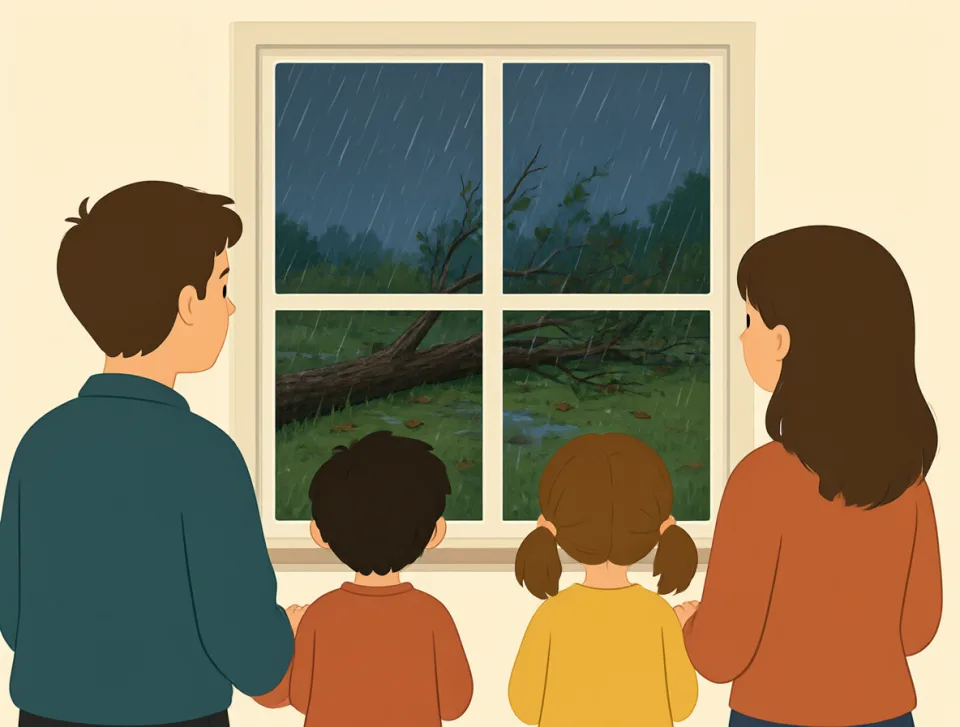
The storm knocked down several trees near our house.
พายุทำให้ต้นไม้หลายต้นใกล้บ้านเราล้ม

We stayed home because a storm was coming.
เราอยู่บ้านเพราะพายุกำลังจะมา

The flight was delayed because of a heavy storm.
เที่ยวบินล่าช้าเพราะพายุรุนแรง
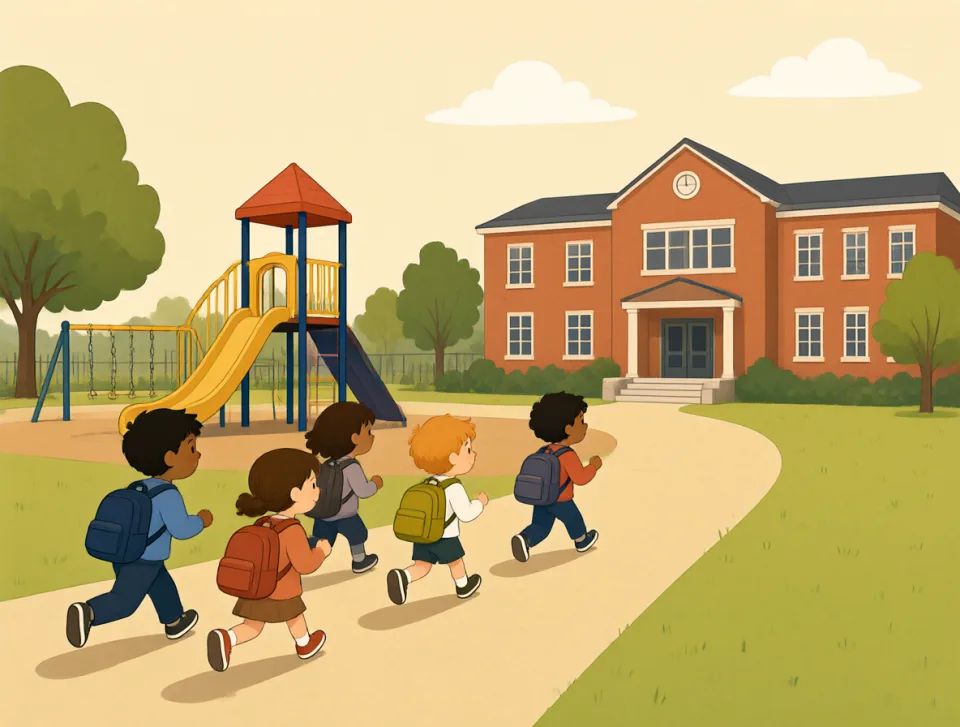
The children ran inside when the storm started.
เด็ก ๆ วิ่งเข้าไปข้างในเมื่อพายุเริ่มขึ้น
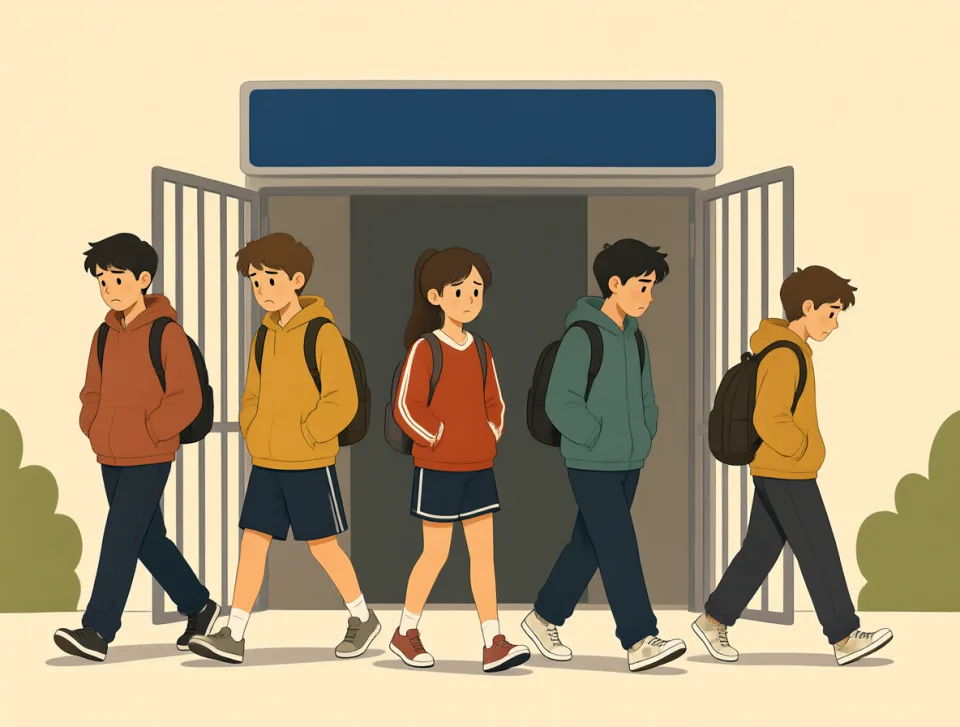
Fans stormed out of the stadium after their team lost.
แฟน ๆ พากันกรูออกจากสนามหลังทีมของพวกเขาแพ้
thick
#2000adjective, noun
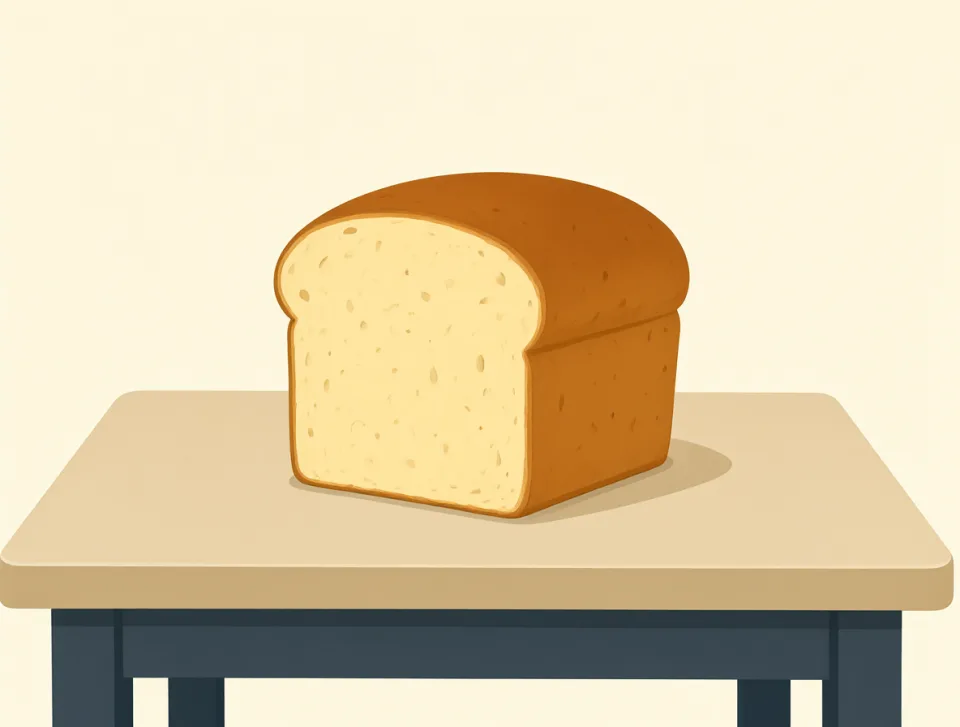
หนา
having a large distance between opposite sides; a deep layer or piece
มีระยะห่างระหว่างด้านตรงข้ามมาก หรือเป็นชั้นหรือชิ้นที่หนา

She wore a thick coat on the cold winter morning.
เธอสวมเสื้อโค้ตหนาในเช้าฤดูหนาวที่หนาวเย็น
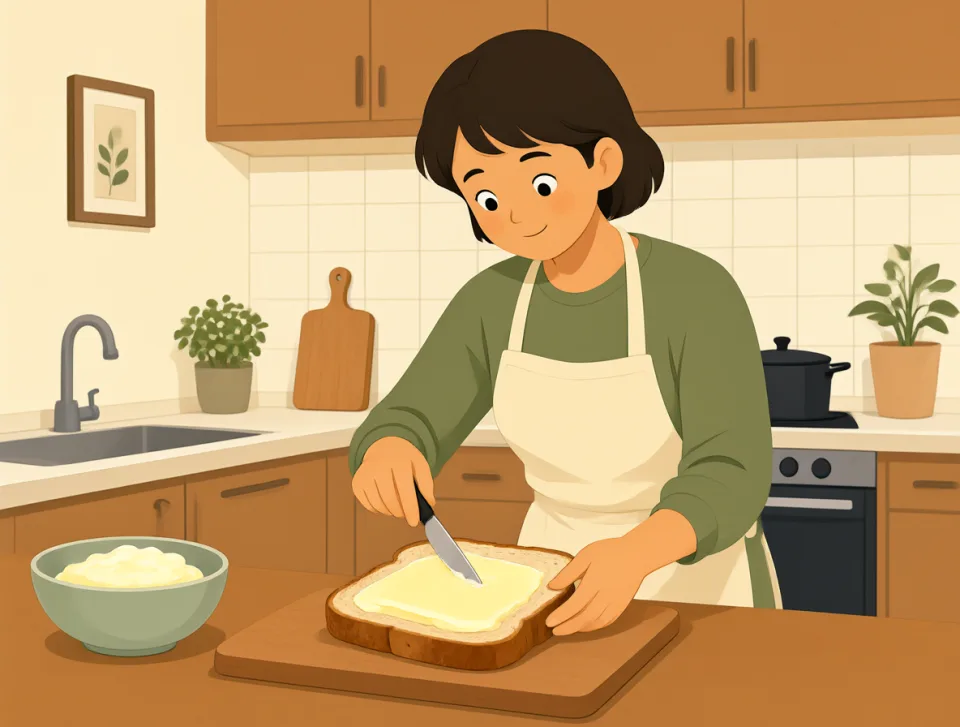
Spread a thick layer of butter on the bread.
ทาเนยเป็นชั้นหนา ๆ บนขนมปัง

The forest was thick with trees and difficult to walk through.
ป่ามีต้นไม้ขึ้นหนาแน่นจนเดินผ่านได้ยาก

He has thick, curly hair that reaches his shoulders.
เขามีผมหยิกหนาที่ประบ่า
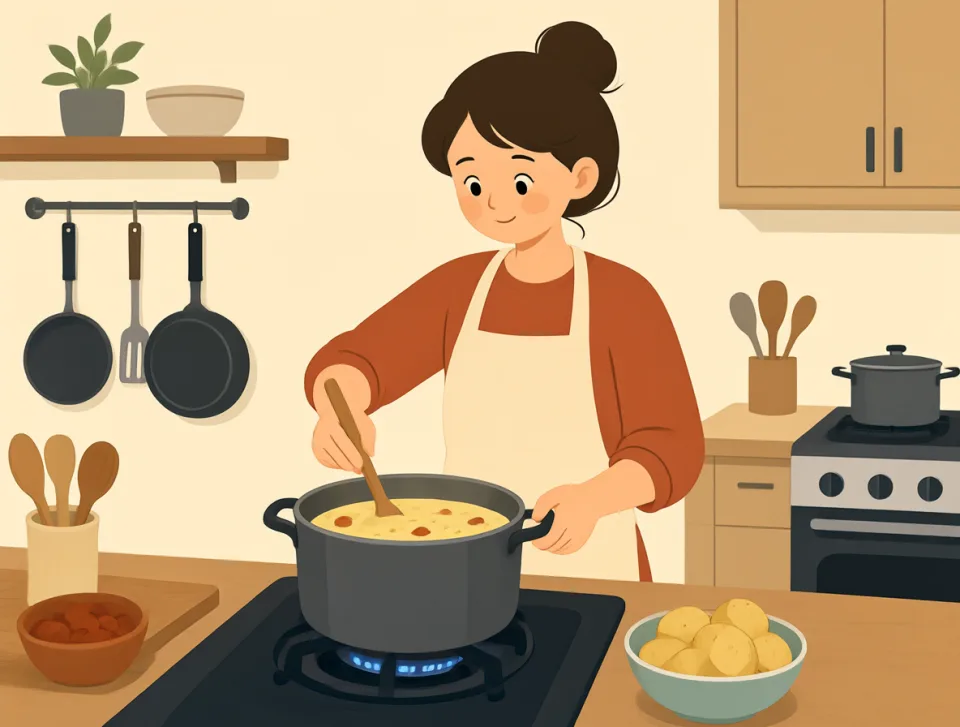
The soup became thick after we added the potatoes.
ซุปข้นขึ้นหลังจากเราใส่มันฝรั่งลงไป