Блок 100
Слова 1981–2000 · intellectual, derive, crucial, unemployment, wheel, crop

intellectual
#1981adjective, noun
интеллектуальный; интеллектуал
Related to thinking and understanding, or a person who enjoys serious ideas and learning.
Связанный с мышлением и пониманием; также так называют человека, которому нравятся серьёзные идеи и учёба.

She enjoys intellectual conversations with her friends after dinner.
После ужина ей нравится вести с друзьями интеллектуальные беседы.
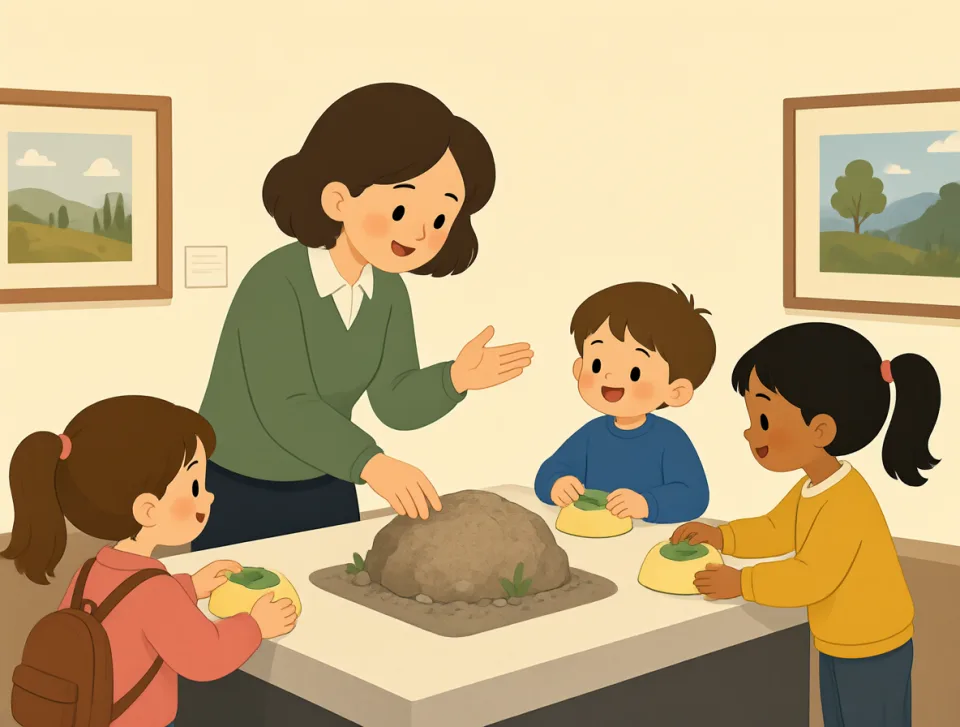
The museum offers many intellectual activities for young students.
В музее предлагают множество интеллектуальных занятий для юных учеников.

He is an intellectual who reads books about history and science.
Он интеллектуал, который читает книги по истории и науке.

The job requires both practical skills and intellectual ability.
Эта работа требует как практических навыков, так и интеллектуальных способностей.
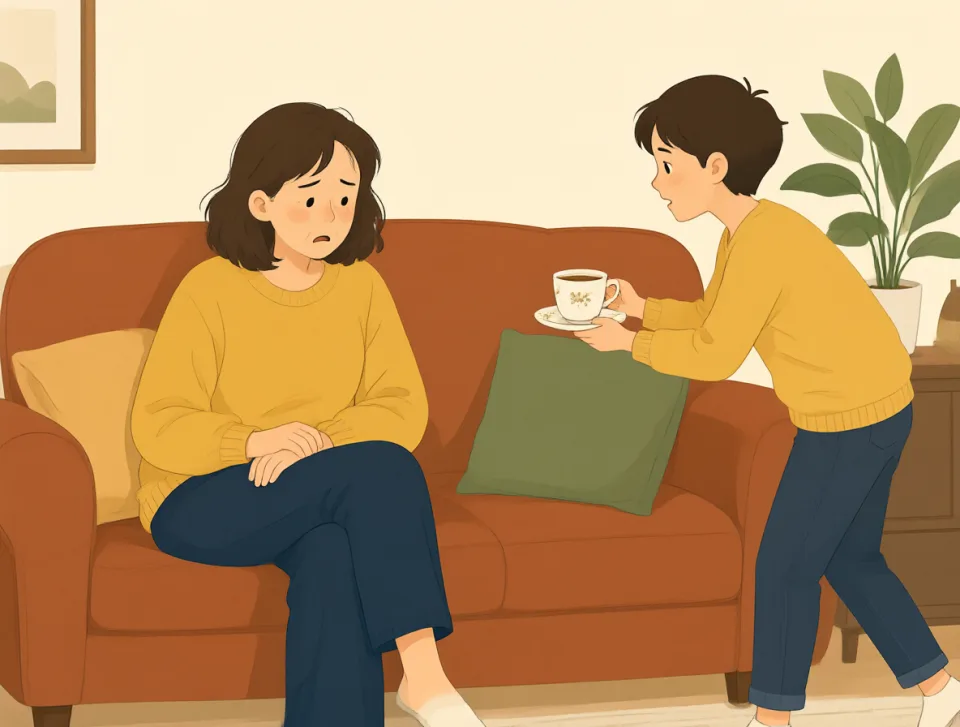
After the illness, she felt tired and less intellectually active.
После болезни она чувствовала усталость и стала меньше заниматься интеллектуальной деятельностью.
derive
#1982verb
происходить; получать
to get something from a particular source or cause
получать что-либо из определённого источника или в результате определённой причины
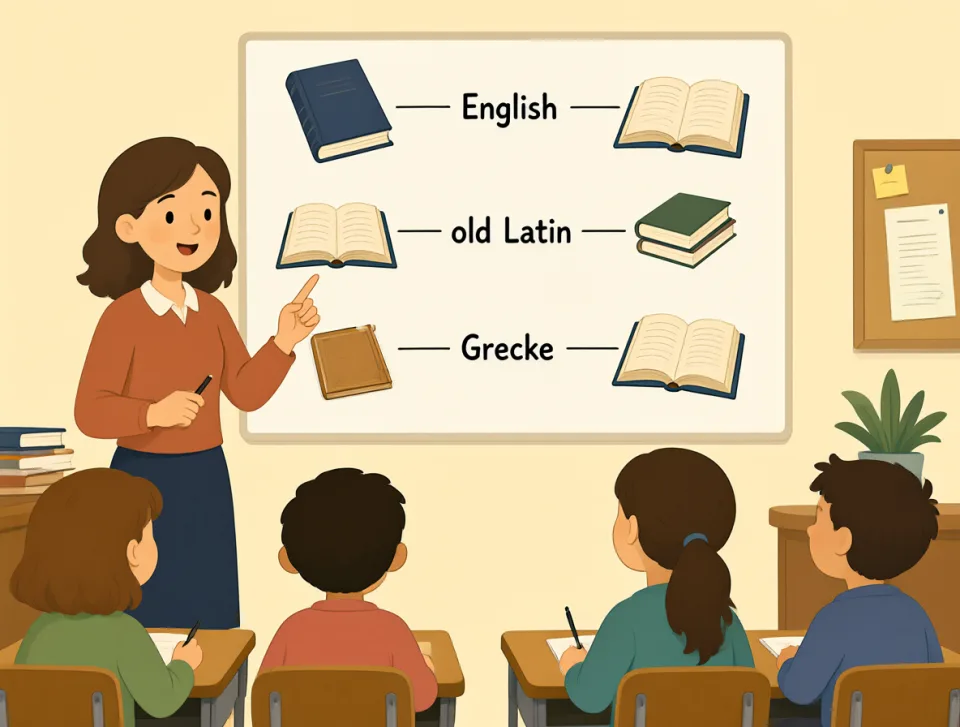
Many English words derive from Latin and Greek.
Многие английские слова происходят из латыни и греческого.
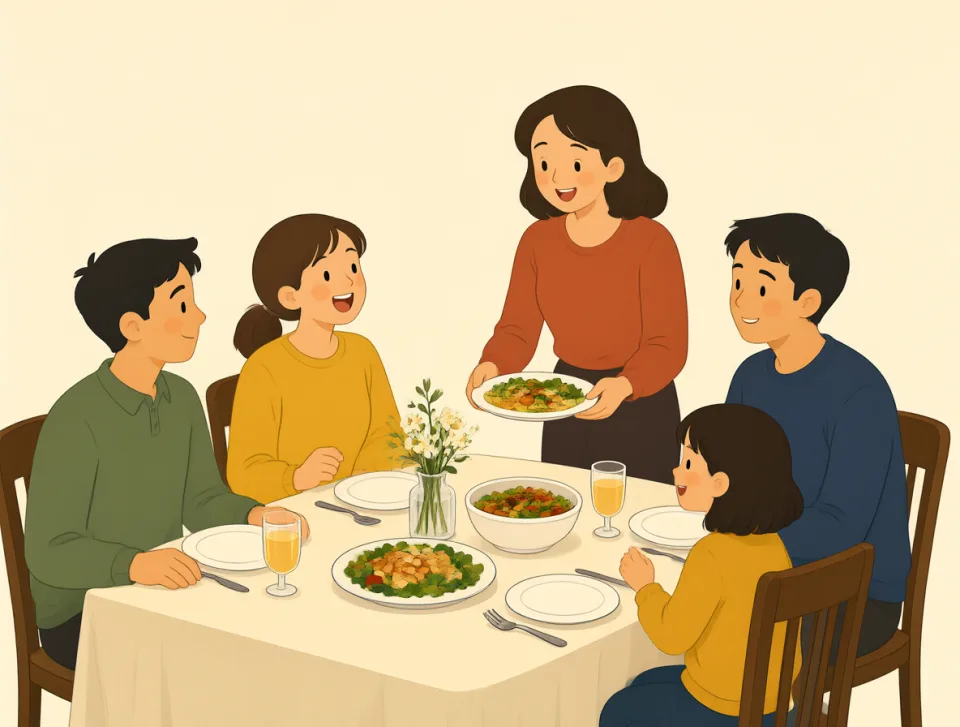
She derives great pleasure from cooking for her family.
Она получает огромное удовольствие, готовя для своей семьи.

The company derives most of its income from online sales.
Компания получает большую часть дохода от онлайн-продаж.
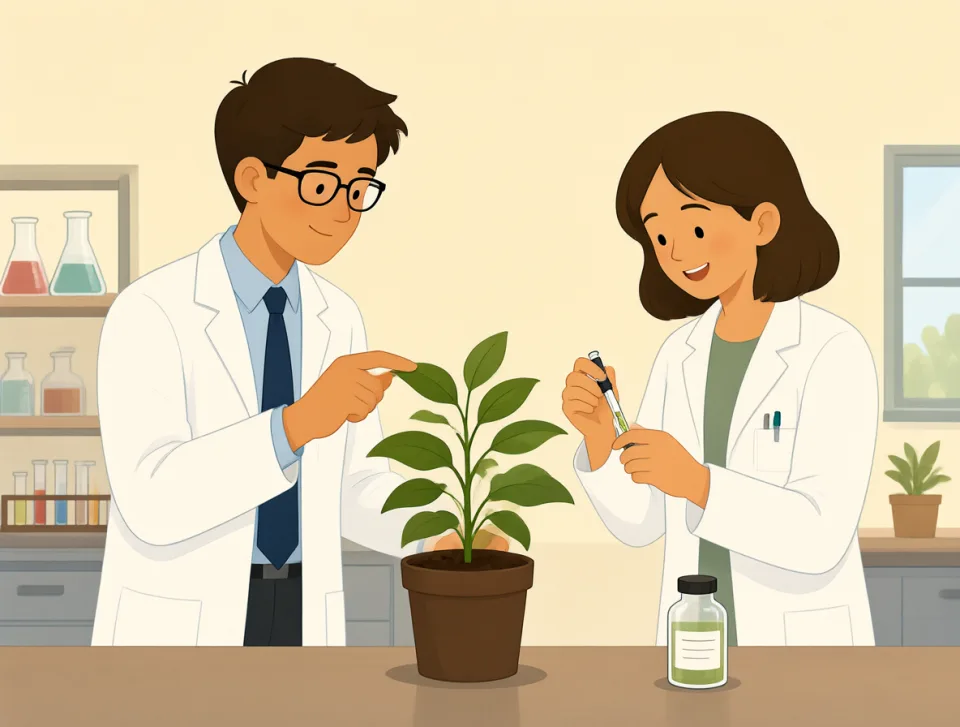
Scientists derived the new medicine from a natural plant.
Учёные получили новое лекарство из натурального растения.
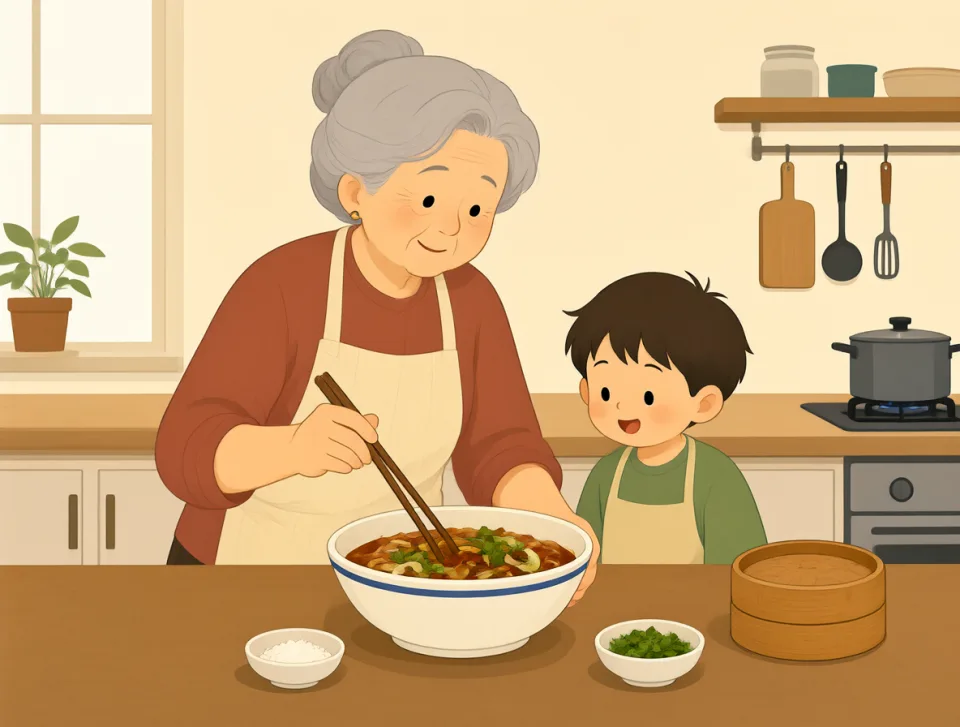
The recipe was derived from an old family tradition.
Рецепт восходит к старой семейной традиции.

crucial
#1983adjective
решающий; крайне важный
Extremely important for achieving a result or making a situation successful.
Крайне важный для достижения результата или успеха в какой-либо ситуации.
Good communication is crucial for a successful team.
Для успешной команды крайне важно хорошо общаться.

It is crucial to check your passport before leaving home.
Перед выходом из дома крайне важно проверить паспорт.

Regular exercise is crucial for keeping your heart healthy.
Регулярные физические нагрузки крайне важны для здоровья сердца.
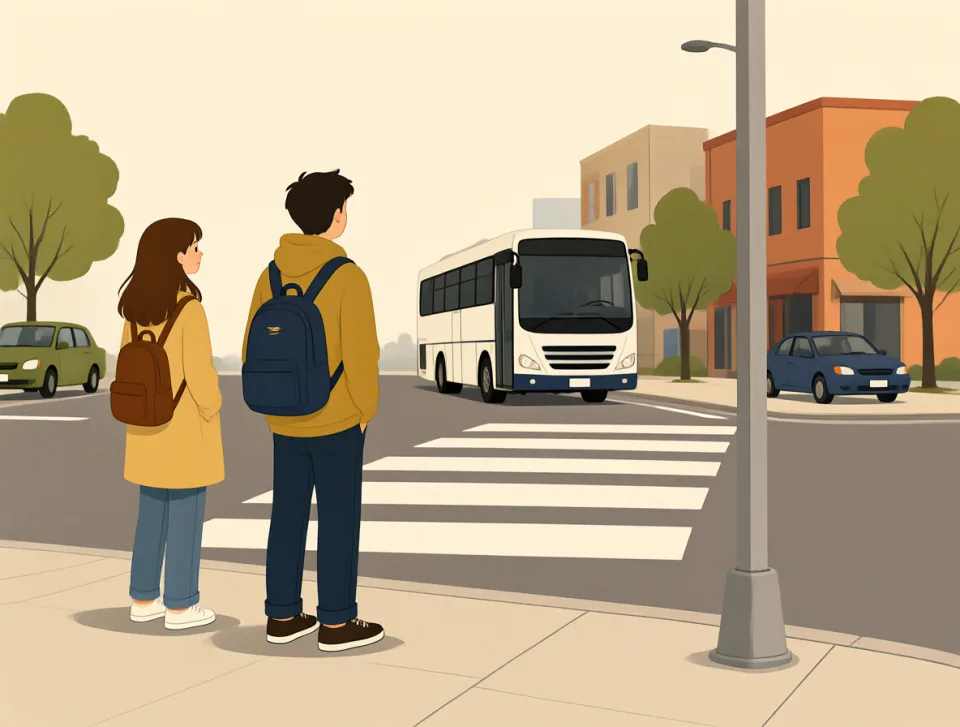
Timing was crucial when we crossed the busy road.
Когда мы переходили оживлённую дорогу, решающее значение имел выбор момента.
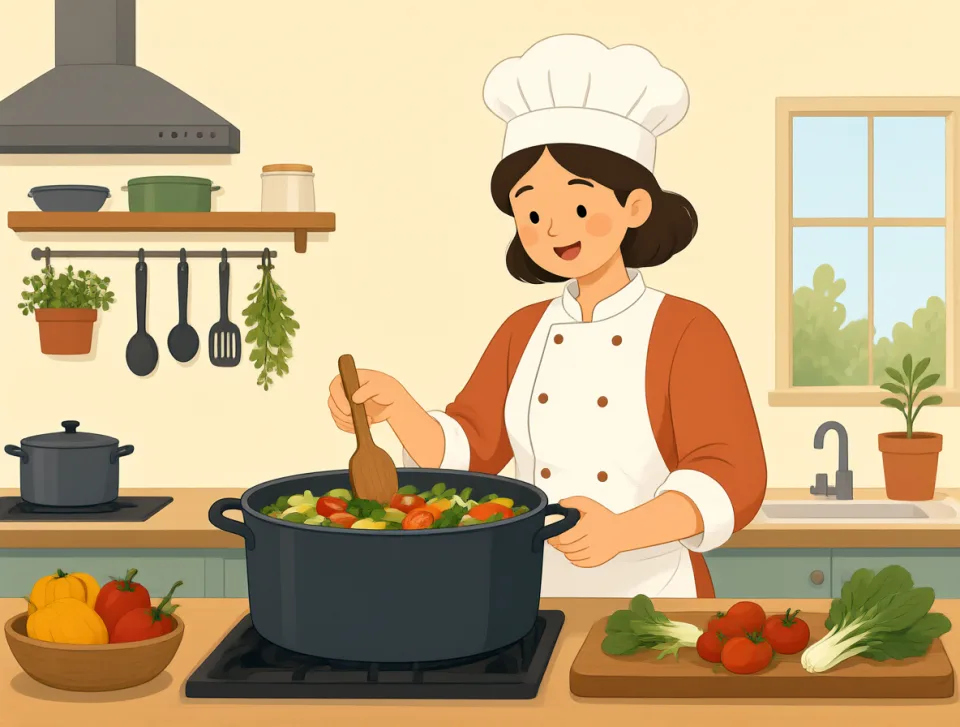
Fresh ingredients are crucial for making a delicious soup.
Для вкусного супа крайне важны свежие ингредиенты.
unemployment
#1984noun
безработица
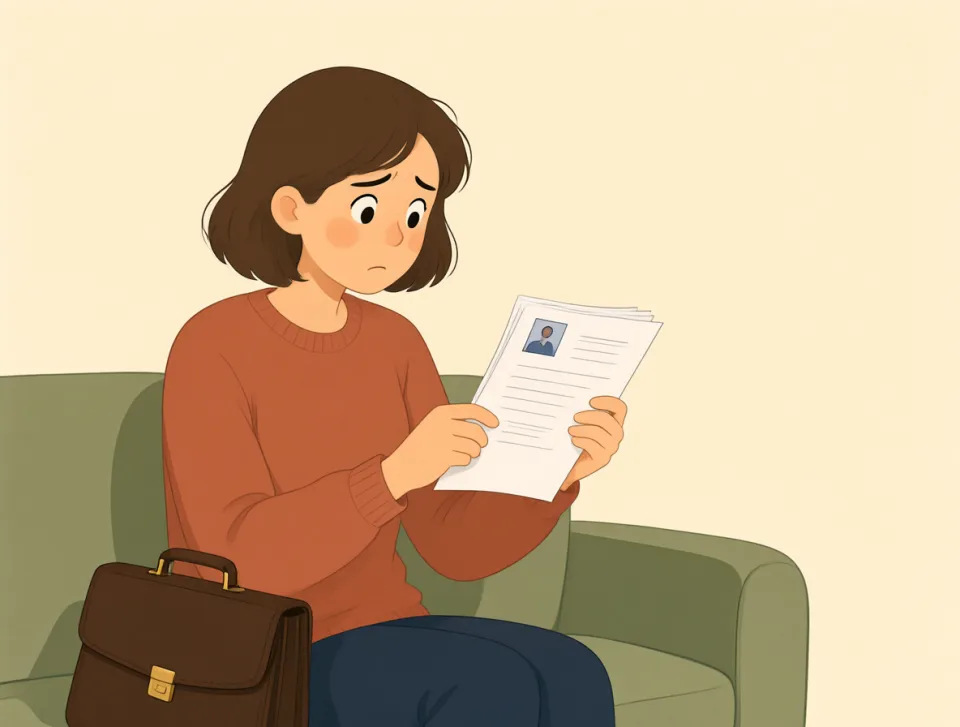
The condition of not having a job and looking for work.
Состояние, когда человек не имеет работы и ищет её.

Unemployment rose after the factory closed last year.
После закрытия фабрики в прошлом году безработица выросла.

The government is trying to reduce unemployment among young people.
Правительство пытается снизить безработицу среди молодёжи.

Long-term unemployment can make it difficult to pay the bills.
Длительная безработица может затруднить оплату счетов.

He received unemployment benefits while searching for a new job.
Пока он искал новую работу, он получал пособие по безработице.

The town suffered from high unemployment when the tourist season ended.
Когда закончился туристический сезон, в городе была высокая безработица.

wheel
#1985noun, verb
колесо
A round object that turns to help a vehicle move, or to control something.
Круглый предмет, который вращается и помогает транспортному средству двигаться или служит для управления чем-либо.
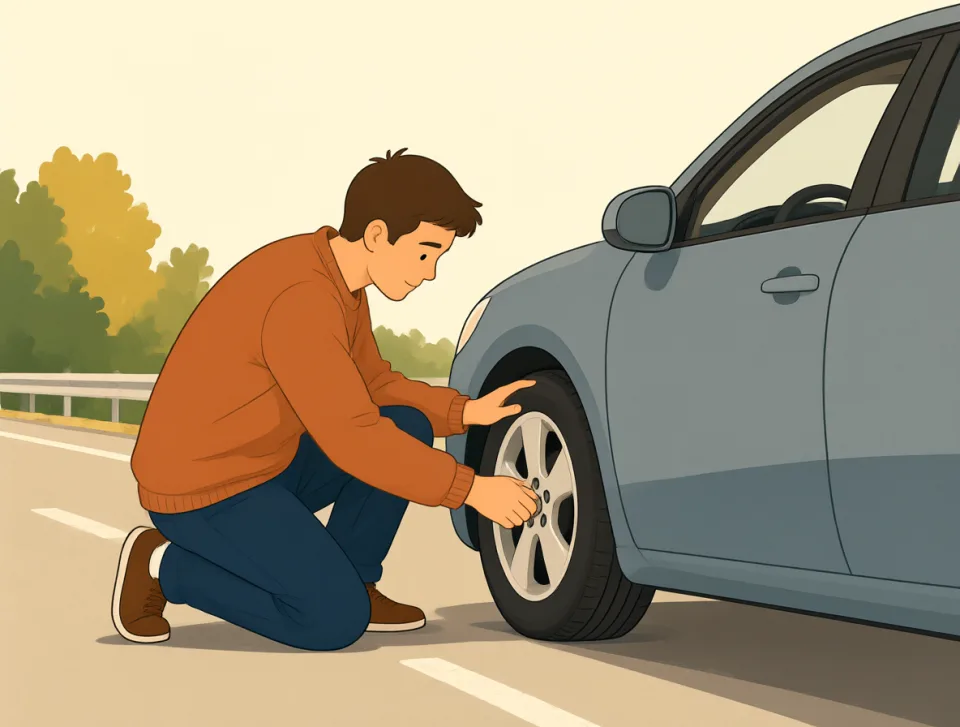
The car has a flat wheel, so we stopped beside the road.
У машины спустило колесо, поэтому мы остановились у дороги.

She turned the wheel carefully and drove into the parking space.
Она осторожно повернула руль и въехала на парковочное место.

The children watched the big wheel turn at the fair.
Дети смотрели, как на ярмарке вращается большое колесо обозрения.

Please wheel the heavy suitcase to the train platform.
Пожалуйста, подкатите тяжёлый чемодан к платформе.

My bicycle wheel came off during the morning ride.
Во время утренней поездки у моего велосипеда отвалилось колесо.

crop
#1986noun, verb
урожай; культура
A plant grown for food, or to cut part of a picture or video.
Растение, которое выращивают в пищу, или обрезать часть изображения или видео.
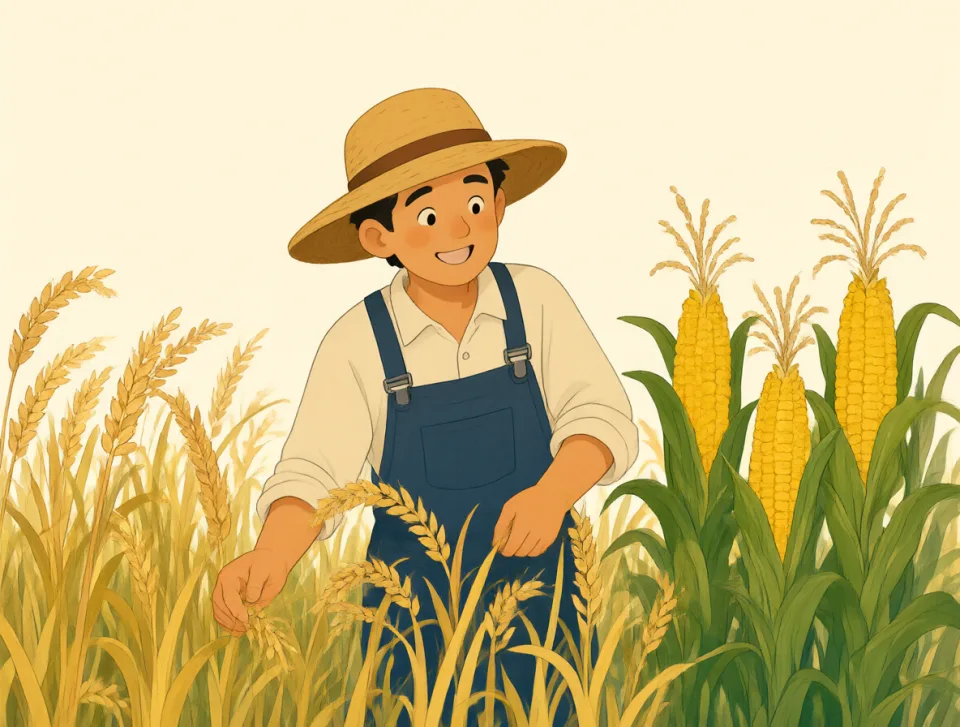
Farmers grow crops such as wheat, rice, and corn.
Фермеры выращивают такие культуры, как пшеница, рис и кукуруза.
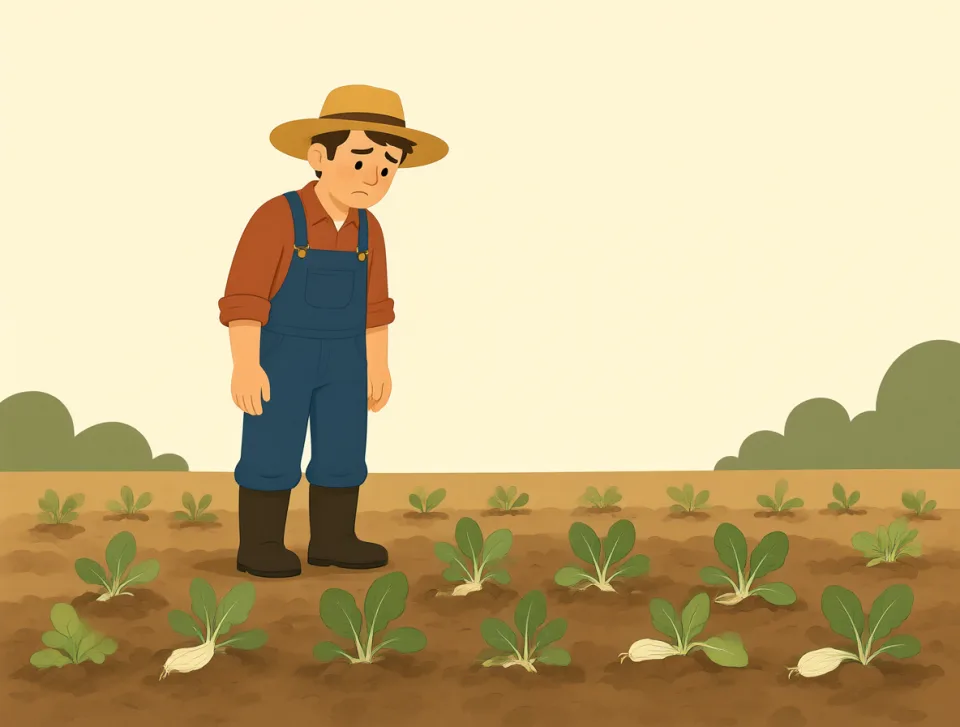
The heavy rain damaged the vegetable crops this year.
В этом году сильный дождь повредил посевы овощей.

We bought fresh crops from the local market.
Мы купили на местном рынке свежие овощи.

Please crop the photo before you send it.
Пожалуйста, обрежьте фотографию перед отправкой.

The editor cropped the video to remove the empty space.
Монтажёр обрезал видео, чтобы убрать пустое пространство.
minority
#1987noun
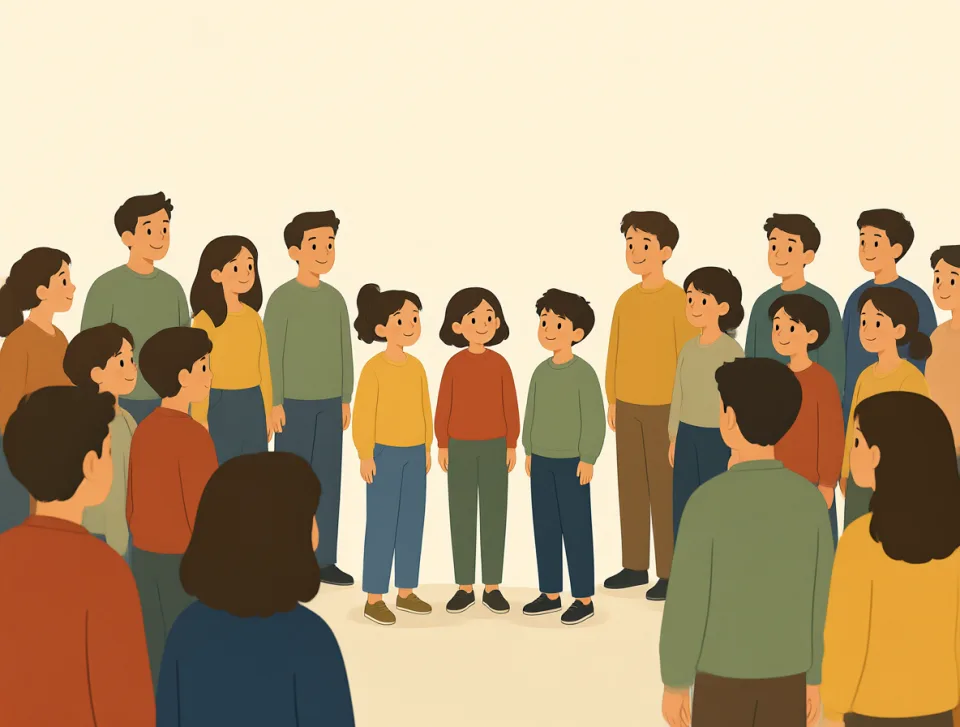
меньшинство
A smaller group of people in a community, country, or organization.
Меньшая по численности группа людей в сообществе, стране или организации.

Women are still a minority in some engineering jobs.
В некоторых инженерных профессиях женщины по-прежнему составляют меньшинство.

Only a minority of students chose to study abroad.
Только меньшинство студентов решило учиться за границей.
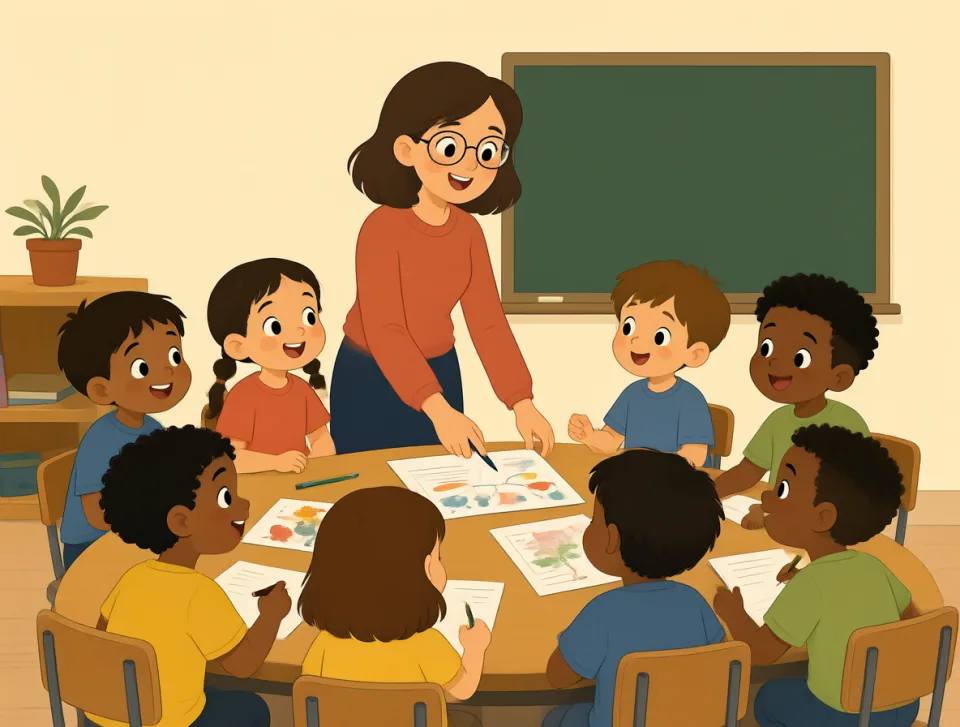
The school supports children from ethnic minorities.
Школа поддерживает детей из этнических меньшинств.

A small minority of shoppers complained about the new bags.
На новые пакеты пожаловалось небольшое число покупателей.

The minority party wants better healthcare for everyone.
Партия меньшинства хочет, чтобы качественная медицинская помощь была доступна всем.
origin
#1988noun
происхождение; источник
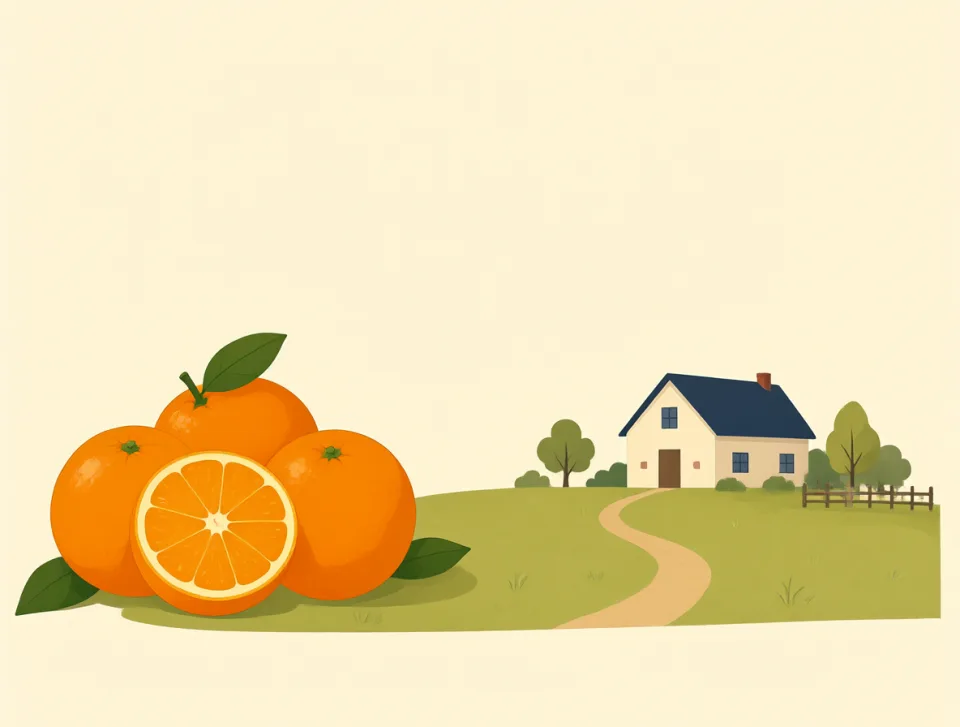
the place, person, or thing that something comes from
Место, человек или предмет, от которого что-либо происходит или берёт начало.

The shop sells coffee from many different countries of origin.
В магазине продаётся кофе из самых разных стран.
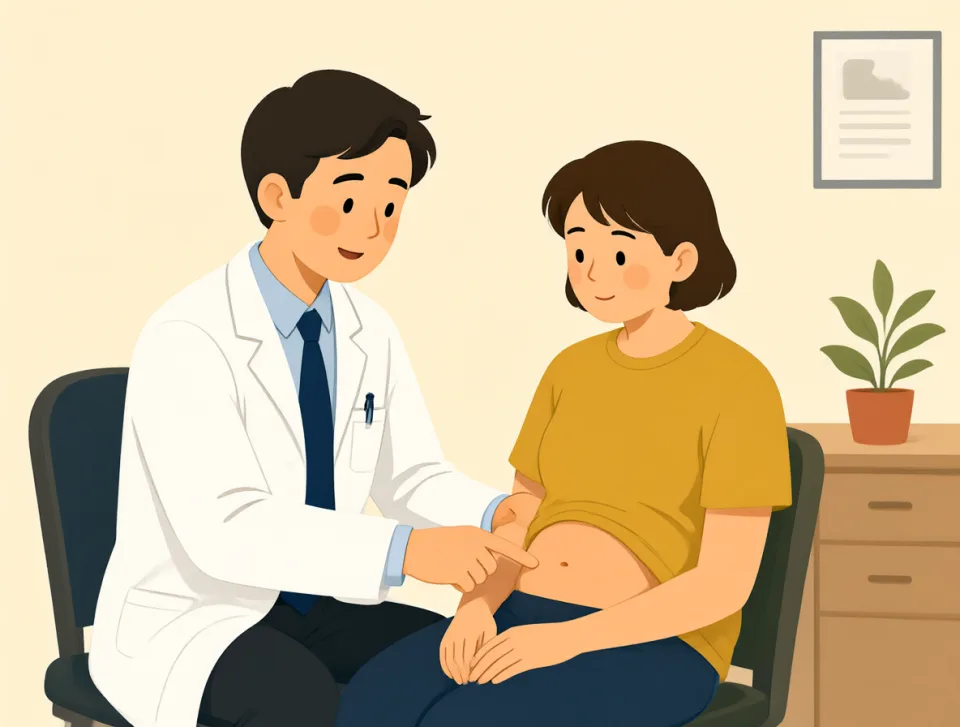
The doctor asked about the origin of my stomach pain.
Врач спросил, откуда могла взяться боль в животе.
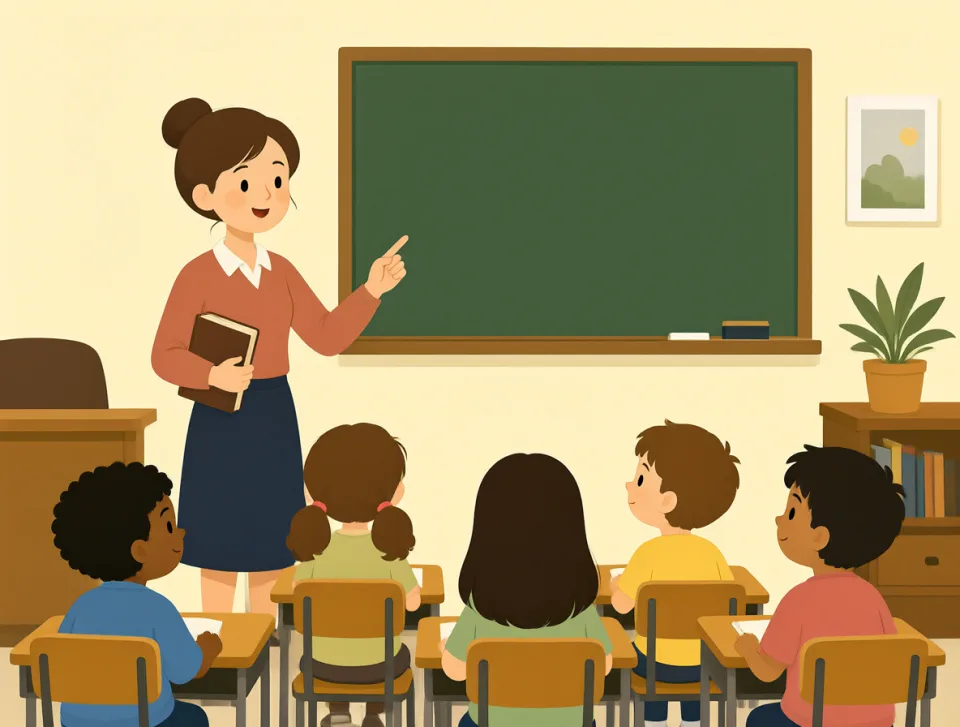
The teacher explained the origin of this old English word.
Учитель объяснил происхождение этого старого английского слова.

We checked the origin of the cheese before buying it.
Перед покупкой мы выяснили, откуда привезли сыр.
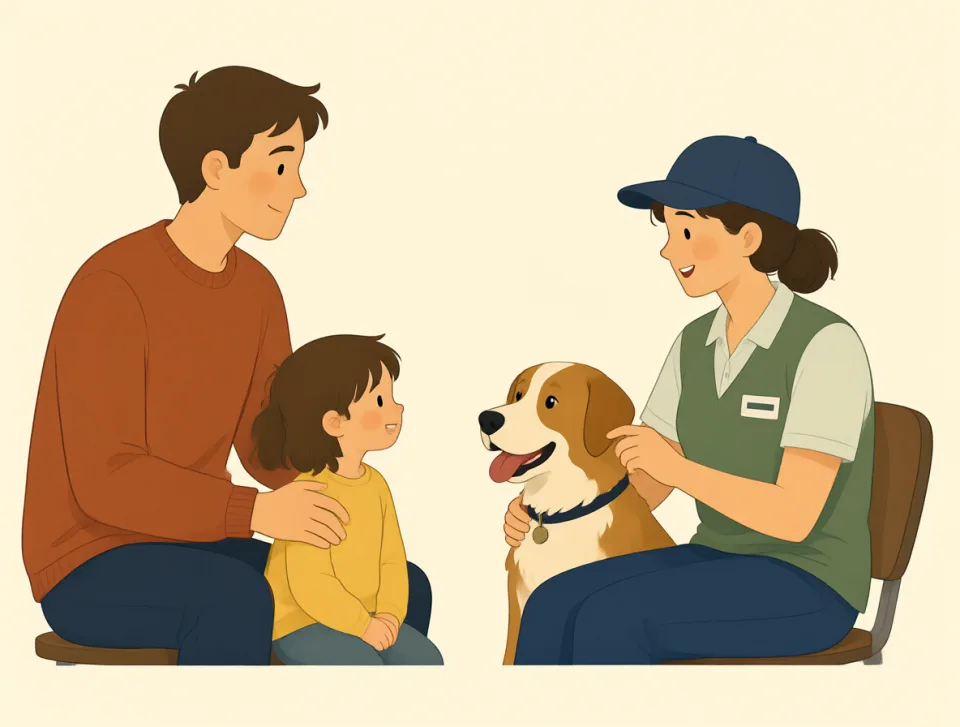
The family discovered their dog's origin at the animal shelter.
В приюте для животных семья узнала, откуда родом их собака.
interpretation
#1989noun
толкование; интерпретация
An explanation of what something means or how it should be understood.
Объяснение того, что что-либо означает или как это следует понимать.
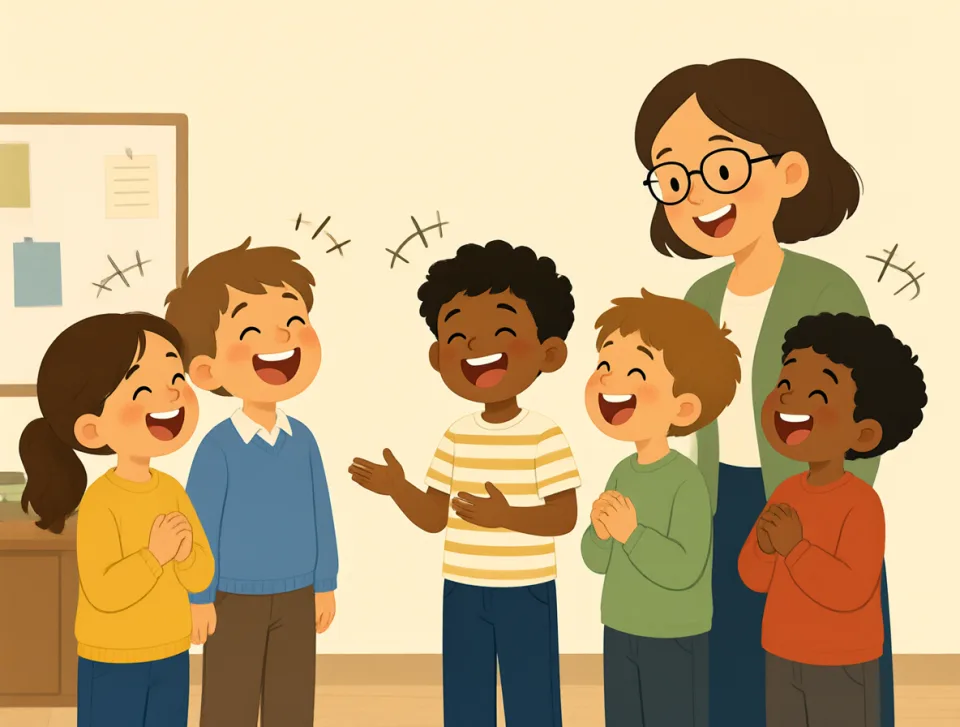
Her interpretation of the teacher's joke made everyone laugh.
Её толкование шутки учителя рассмешило всех.
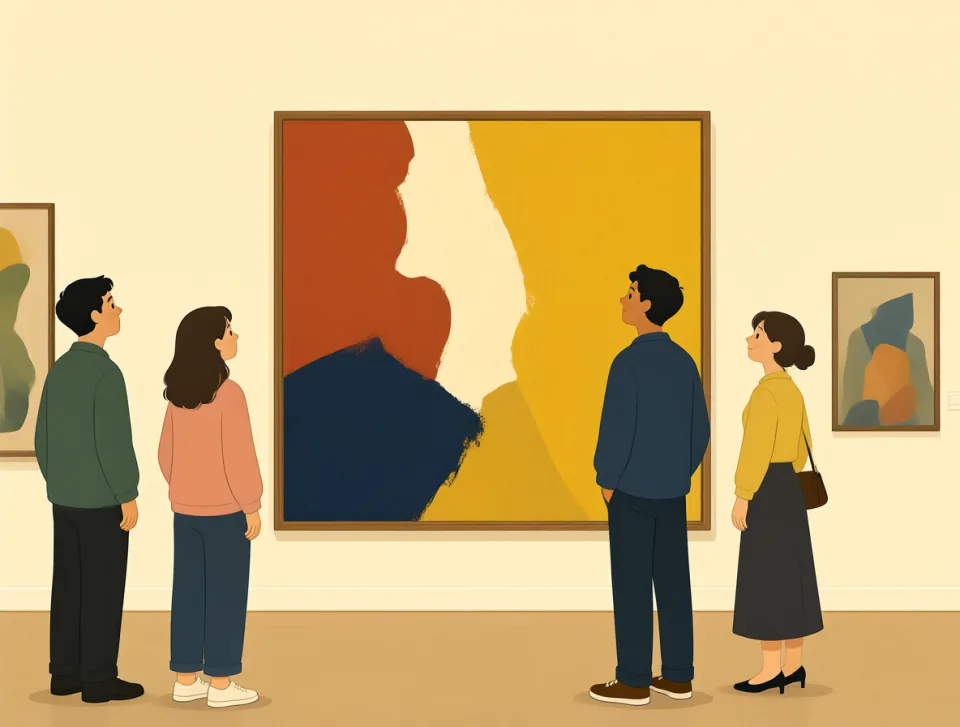
Different people may have different interpretations of this painting.
У разных людей могут быть разные интерпретации этой картины.

The doctor explained his interpretation of my blood test results.
Врач объяснил, как он интерпретирует результаты моего анализа крови.

The actor gave a funny interpretation of the famous character.
Актёр забавно представил знаменитого персонажа.
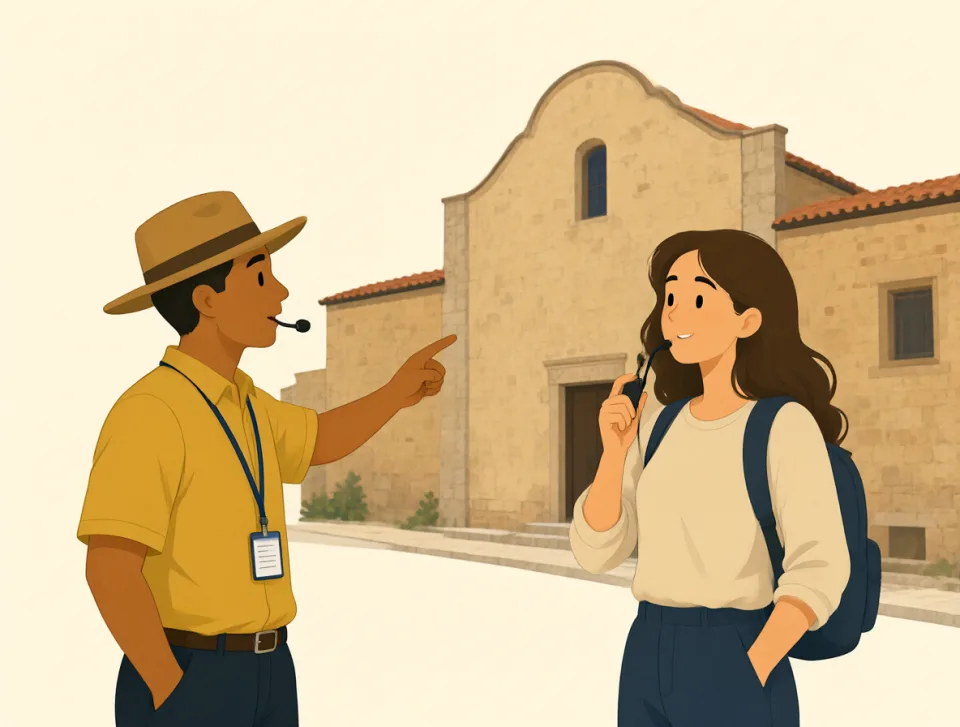
The tour included interpretation for visitors who did not speak English.
В экскурсию входил перевод для посетителей, которые не говорили по-английски.

gentleman
#1990noun
джентльмен
A polite and well-mannered man, often used as a respectful way to address one.
Вежливый и воспитанный мужчина; это слово также часто используют как уважительное обращение к мужчине.
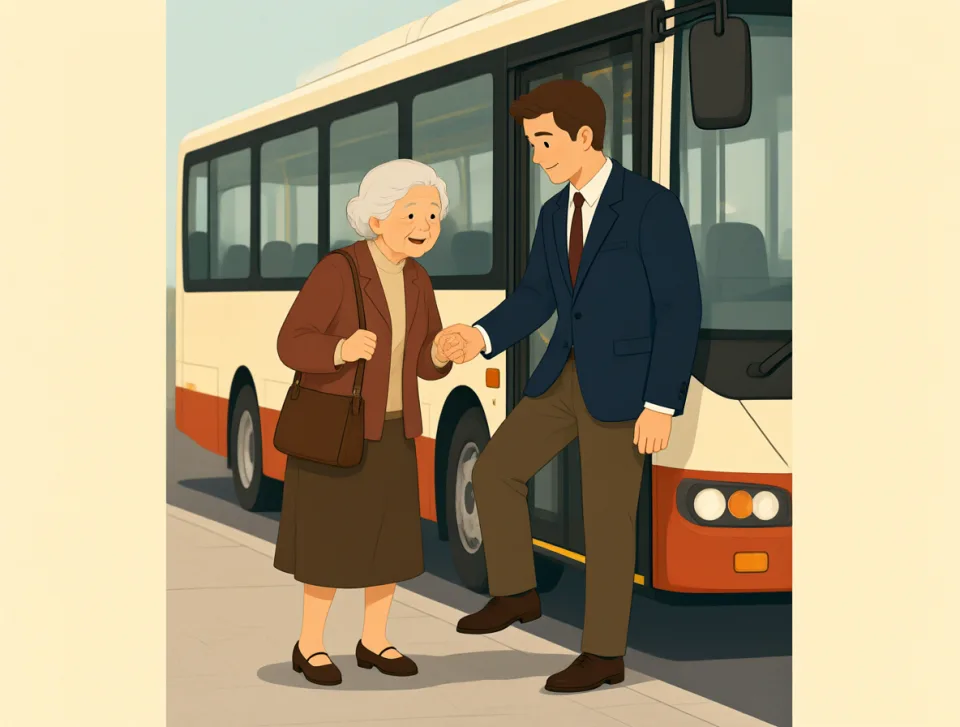
The gentleman helped an elderly woman onto the bus.
Джентльмен помог пожилой женщине сесть в автобус.

A gentleman always says please and thank you.
Джентльмен всегда говорит «пожалуйста» и «спасибо».
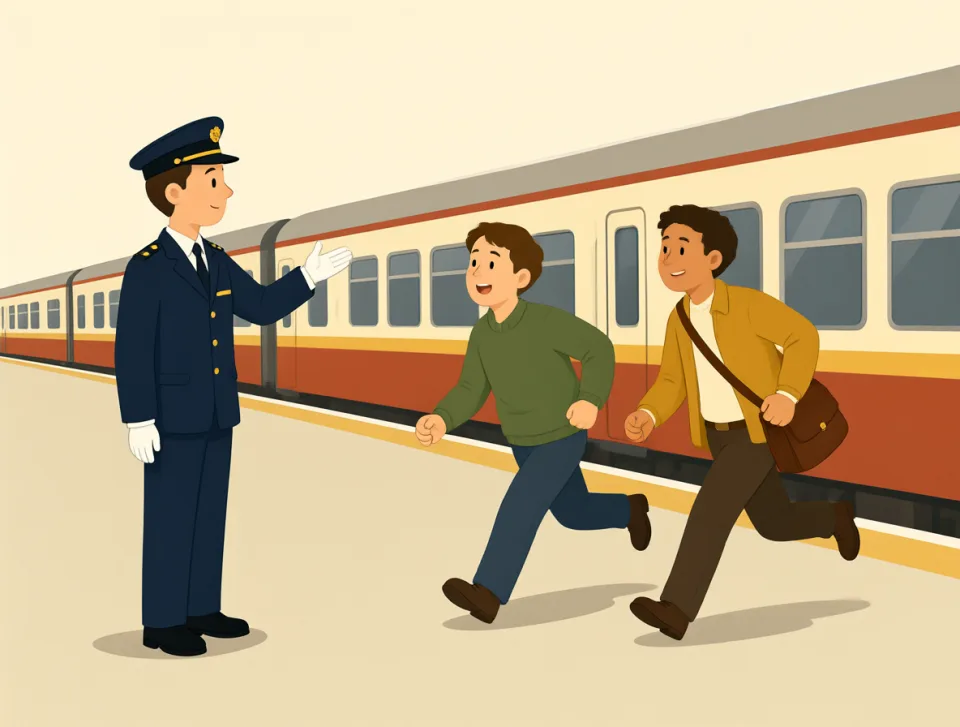
Excuse me, gentlemen, your train is leaving soon.
Извините, господа, ваш поезд скоро отправляется.

The gentleman at the hotel desk found my passport.
Мужчина на стойке регистрации в отеле нашёл мой паспорт.

He behaved like a true gentleman at dinner.
За ужином он вёл себя как настоящий джентльмен.
drama
#1991noun
драма
An exciting or emotional situation that causes trouble or strong feelings.
Волнующая или эмоционально напряжённая ситуация, которая приводит к неприятностям или вызывает сильные чувства.

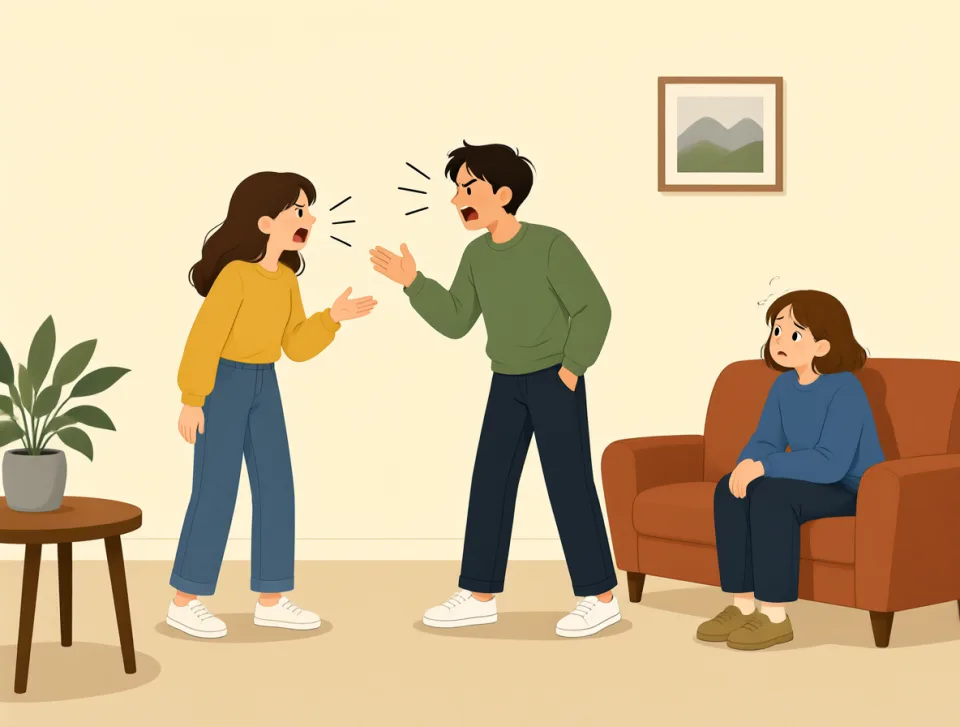
There was a lot of drama at home last night.
Вчера вечером дома было полно драматичных событий.

She loves watching drama series after work.
Она любит смотреть драматические сериалы после работы.
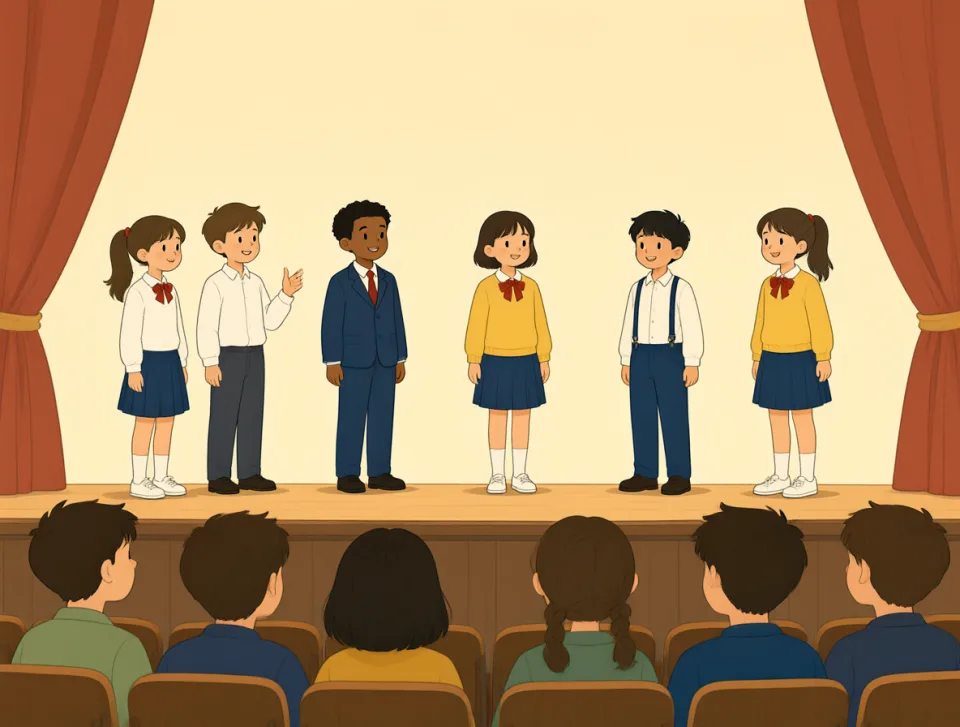
The school drama club performed a play on Friday.
В пятницу школьный драматический кружок поставил спектакль.

Please stop creating drama over a small mistake.
Пожалуйста, перестань раздувать драму из-за небольшой ошибки.

The flight had some drama when the weather suddenly changed.
Во время полёта возникла небольшая суматоха, когда погода внезапно изменилась.

landscape
#1992noun
пейзаж
The land, plants, and natural features of a place, especially as seen from far away.
Местность, растения и природные особенности какого-либо места, особенно если смотреть на него издалека.

We stopped to enjoy the beautiful mountain landscape.
Мы остановились, чтобы полюбоваться красивым горным пейзажем.

The countryside landscape was covered with green fields and trees.
Сельский пейзаж был покрыт зелёными полями и деревьями.

The artist painted a peaceful landscape near the lake.
Художник написал безмятежный пейзаж у озера.
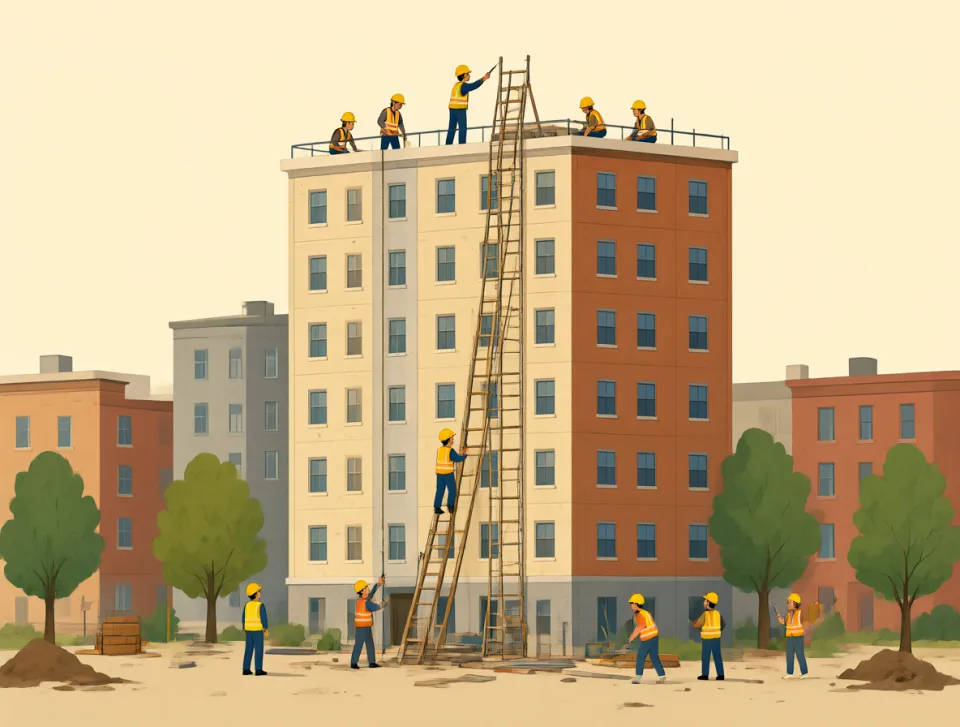
New buildings are changing the city landscape quickly.
Новые здания быстро меняют городской облик.
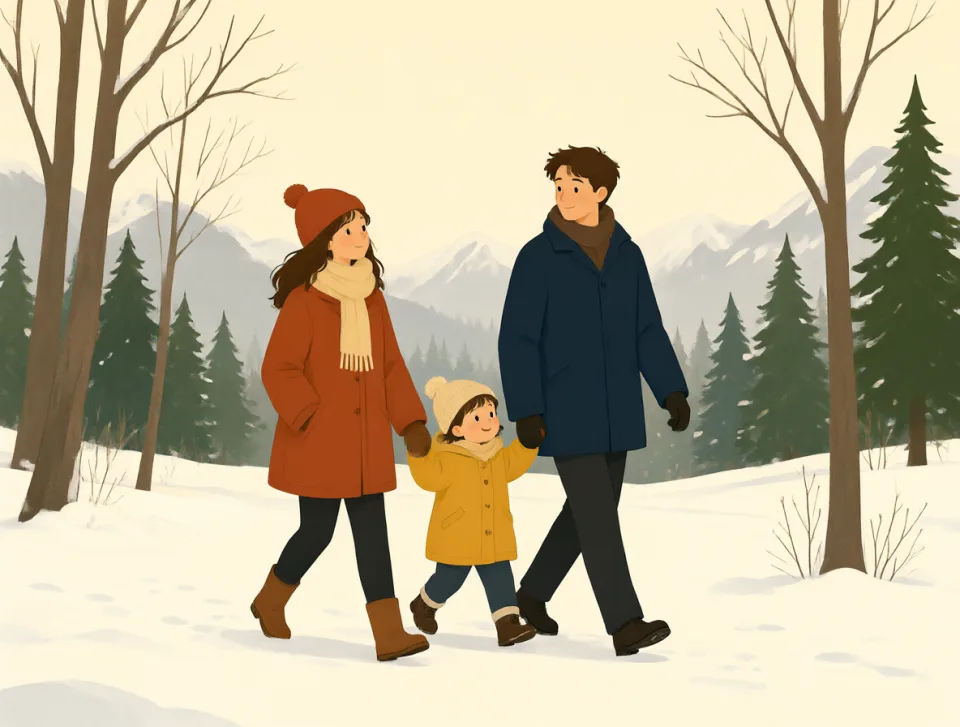
The snowy landscape looked magical during our winter trip.
Во время нашей зимней поездки заснеженный пейзаж казался волшебным.
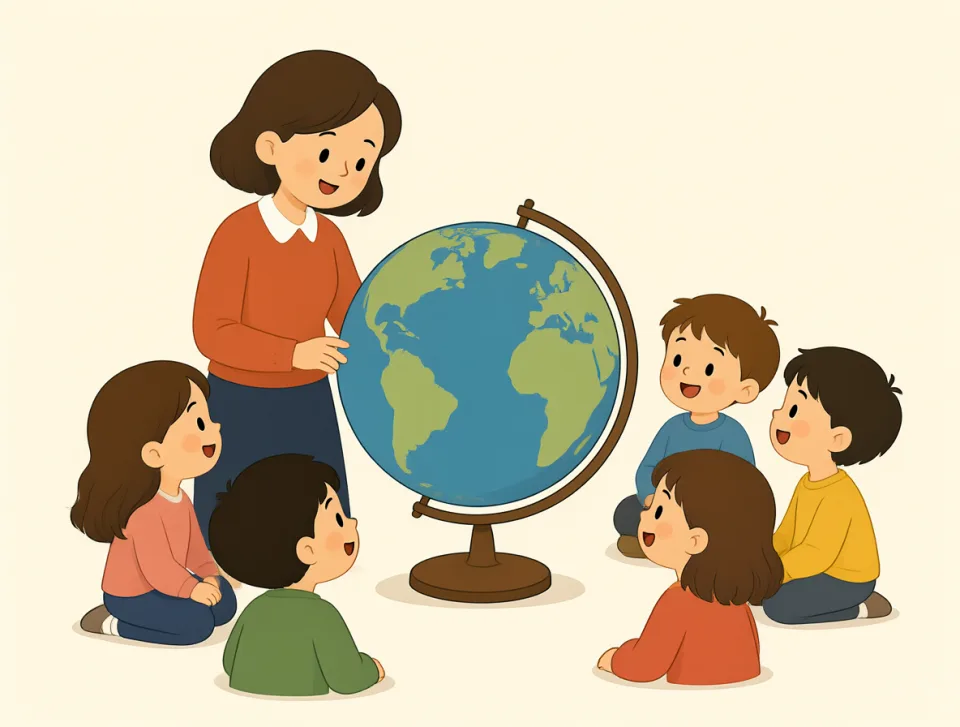
educate
#1993verb
обучать
to teach someone about a subject or help them develop knowledge and skills
преподавать кому-либо какой-либо предмет или помогать развивать знания и навыки.
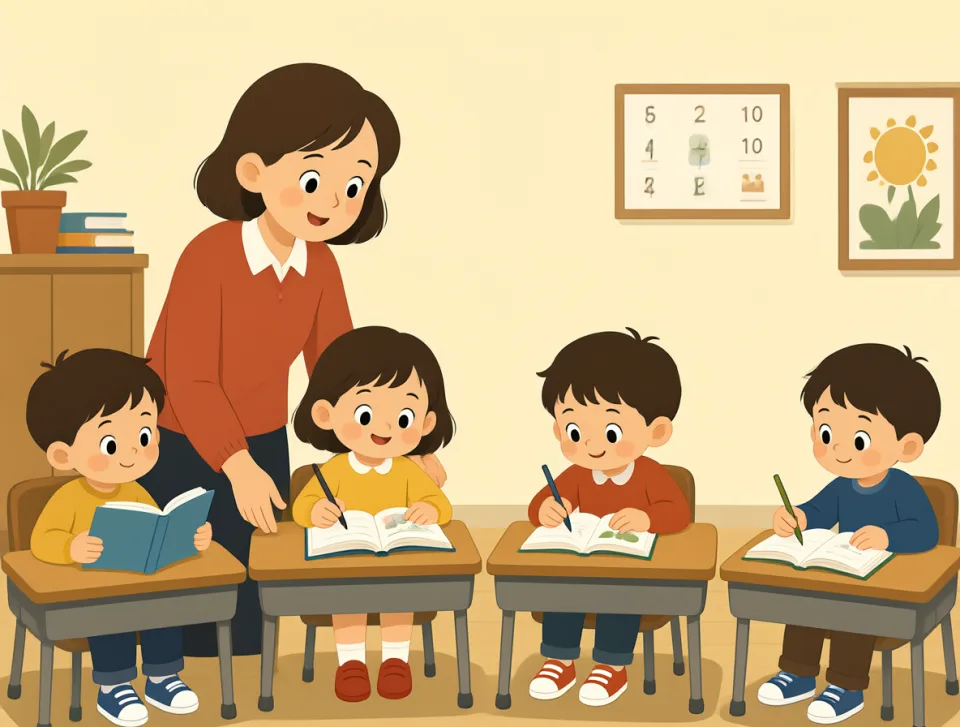
Schools educate children in reading, writing, and mathematics.
В школах детей учат чтению, письму и математике.

Parents educate their children about safety and kindness.
Родители учат детей правилам безопасности и доброте.

The course educates workers about workplace safety.
Курс знакомит работников с правилами безопасности на рабочем месте.

Doctors educate patients about healthy food and exercise.
Врачи рассказывают пациентам о здоровом питании и физических упражнениях.
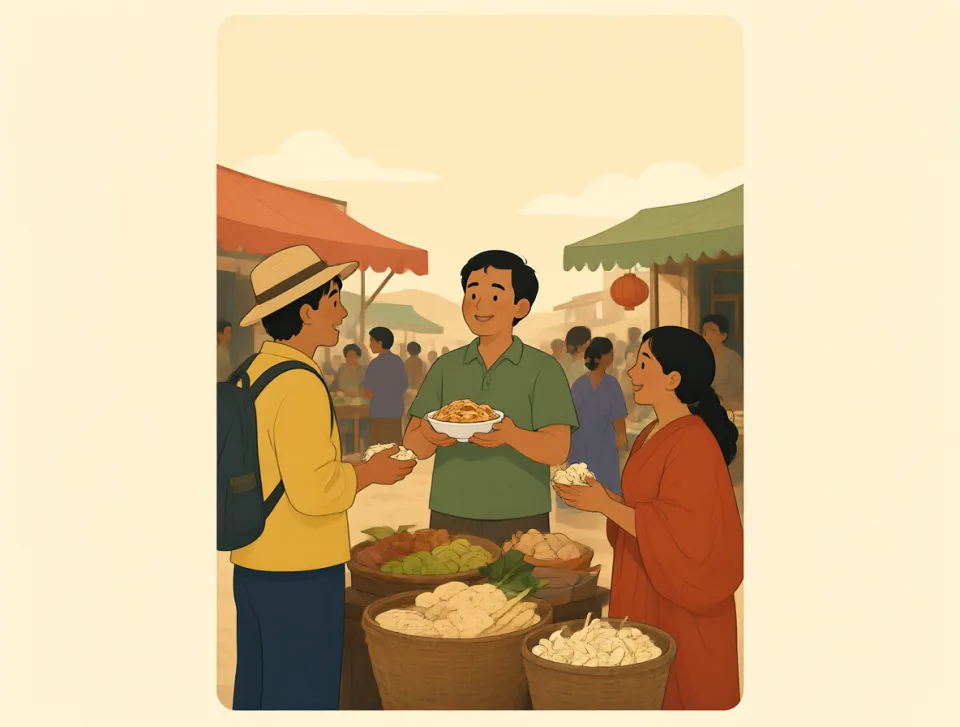
Travel can educate people about different cultures and traditions.
Путешествия помогают людям узнавать о разных культурах и традициях.
toy
#1994noun, verb
игрушка
An object children play with; to treat something as if it were only for fun.
Предмет, с которым играют дети; относиться к чему-либо так, будто это просто развлечение.
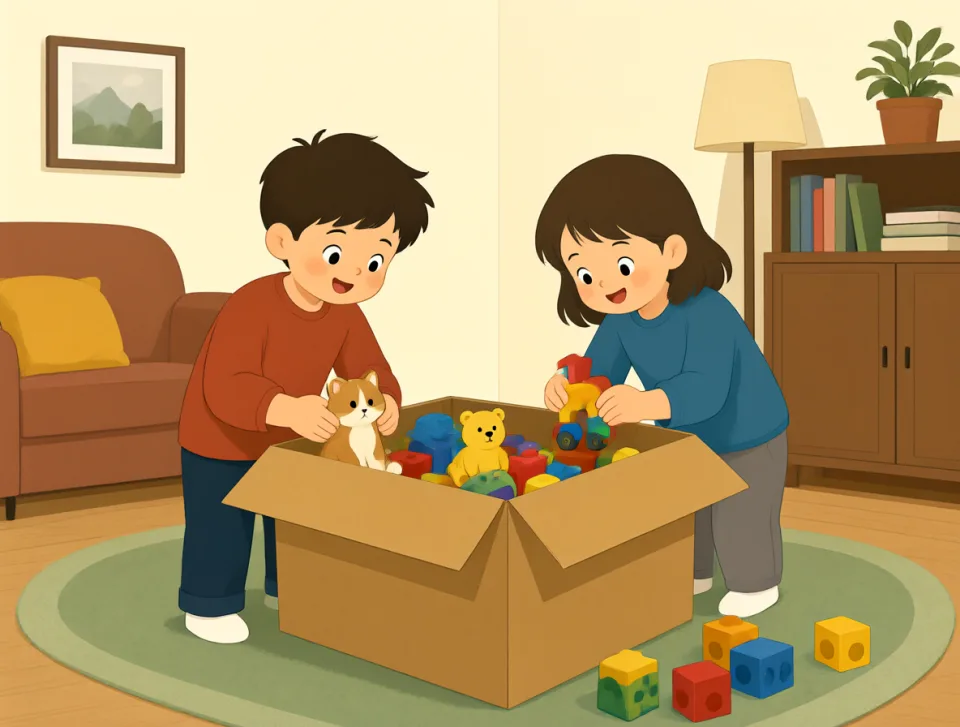
The children put their toys away before dinner.
Перед ужином дети убрали свои игрушки.
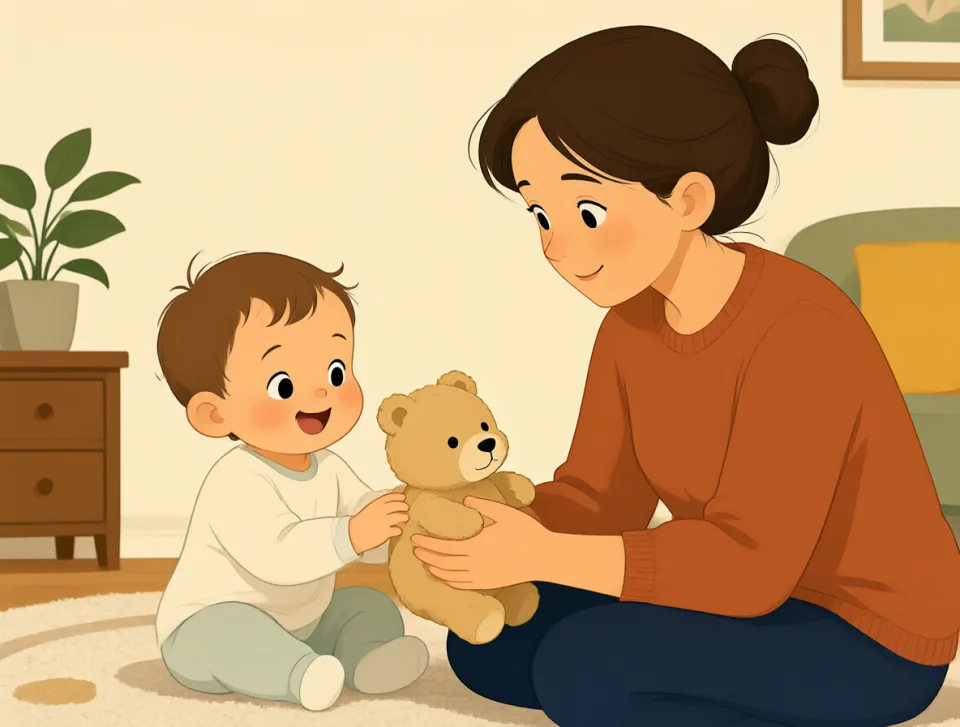
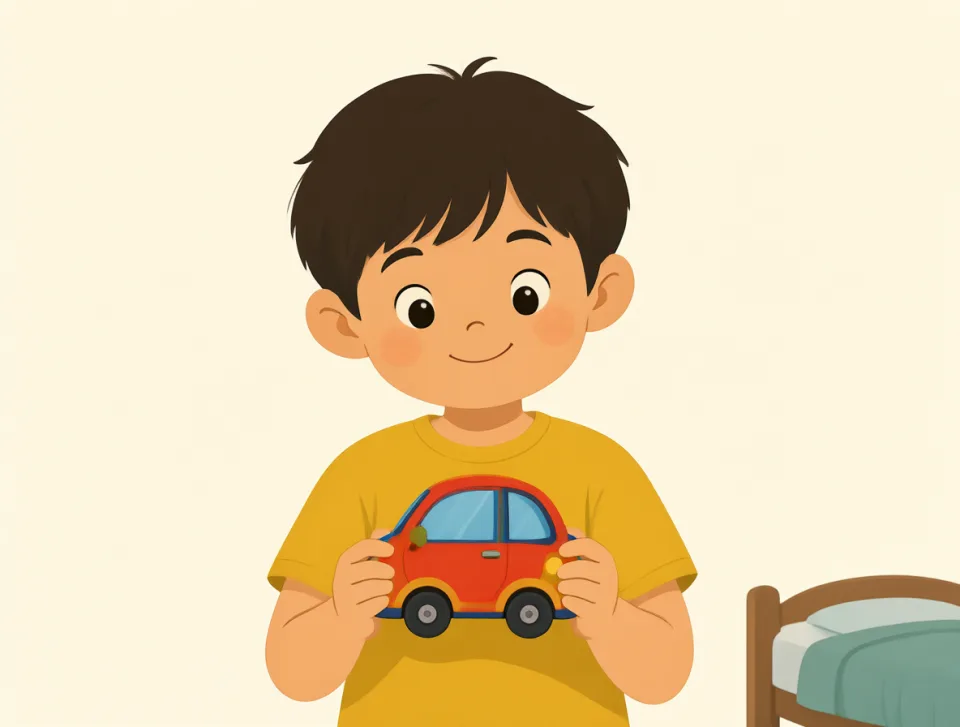
She bought a new toy for her baby.
Она купила новую игрушку для своего малыша.
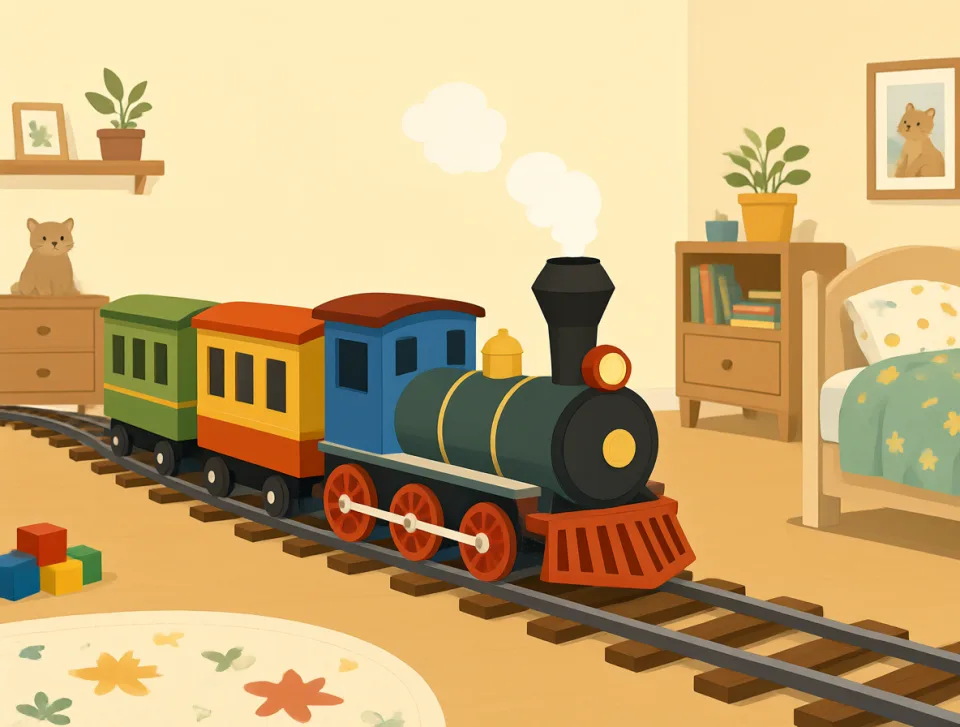
This toy train runs on batteries.
Этот игрушечный поезд работает на батарейках.
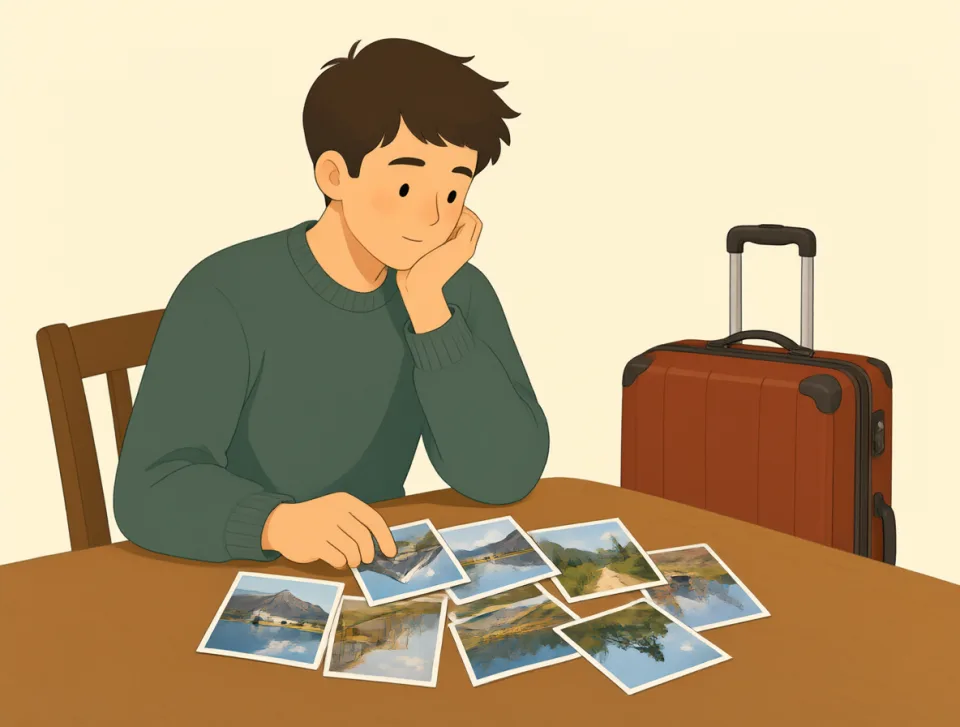
He toyed with the idea of traveling abroad.
Он подумывал о поездке за границу.

The puppy toyed with the loose shoelace.
Щенок играл с развязанным шнурком.
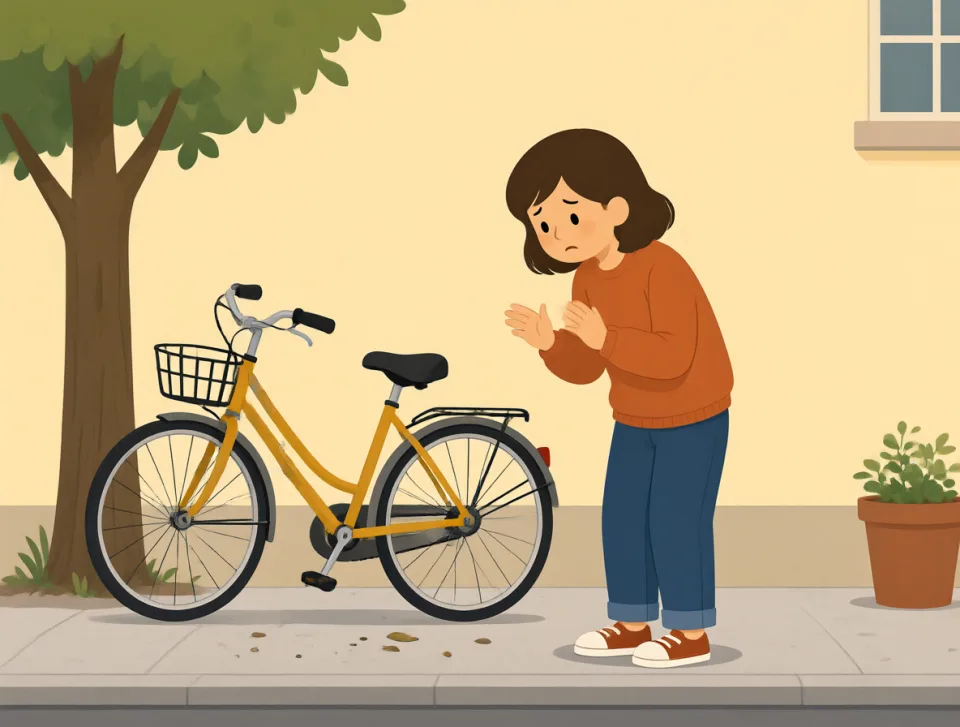
fault
#1995noun
вина
A mistake, problem, or responsibility for something bad that happened.
Ошибка, проблема или ответственность за то, что случилось что-то плохое.
The accident was my fault, so I apologized to everyone.
Авария произошла по моей вине, поэтому я извинился перед всеми.
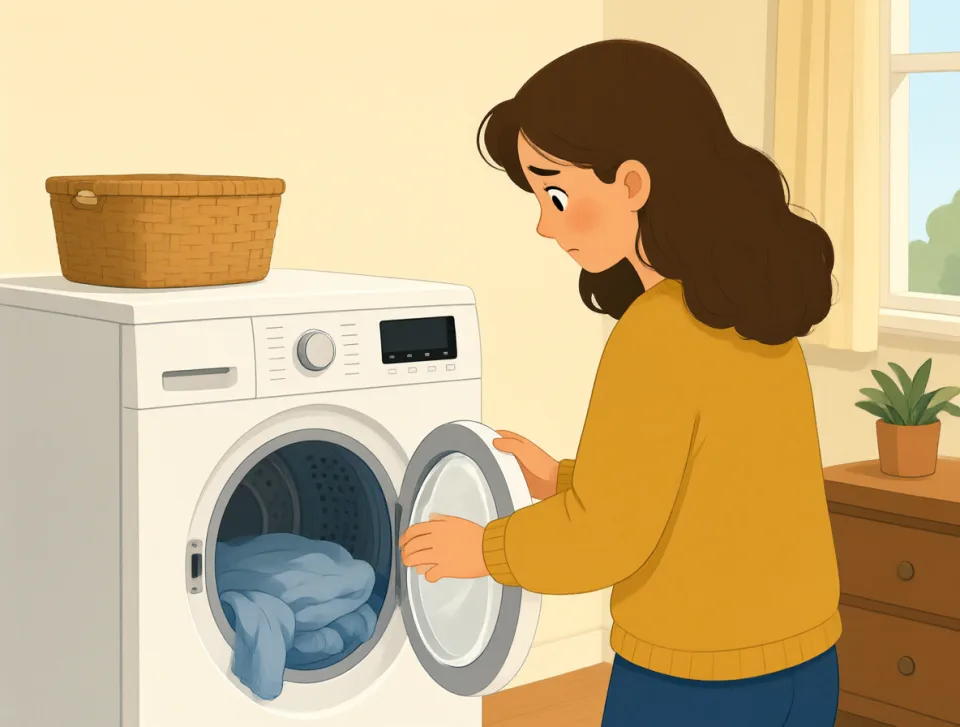
There is a fault in the washing machine, and it will not start.
В стиральной машине есть неисправность, и она не запускается.

The teacher found a fault in my answer and explained it.
Учитель нашёл ошибку в моём ответе и объяснил её.

The hotel room was clean, but the shower had a small fault.
В гостиничном номере было чисто, но в душе была небольшая неисправность.
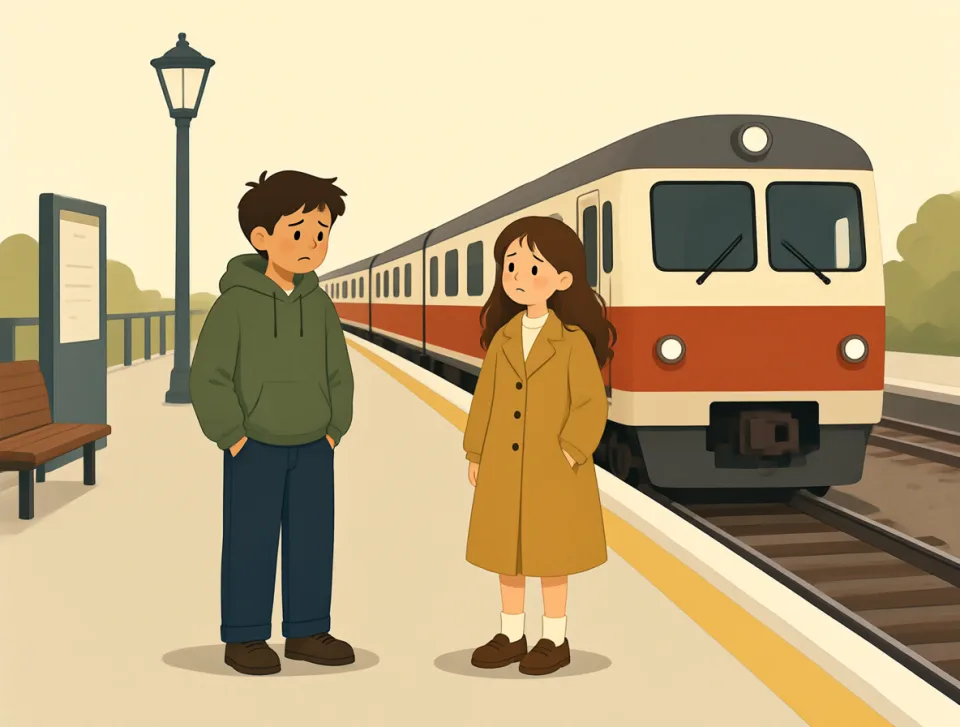
It was not your fault that we missed the train.
Мы опоздали на поезд не по твоей вине.

exhibit
#1996noun, verb
экспонат; выставка
A public display, an object shown publicly, or to show a quality.
Публичная выставка, предмет, представленный публике, или проявлять какое-либо качество.
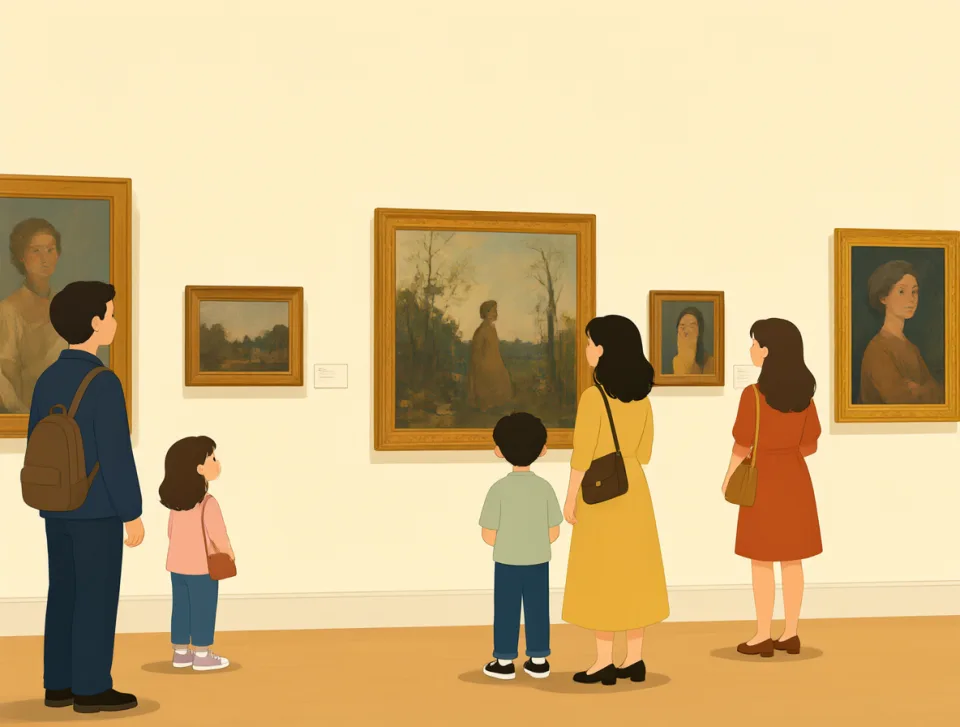
The museum's new exhibit features paintings by local artists.
На новой выставке в музее представлены картины местных художников.
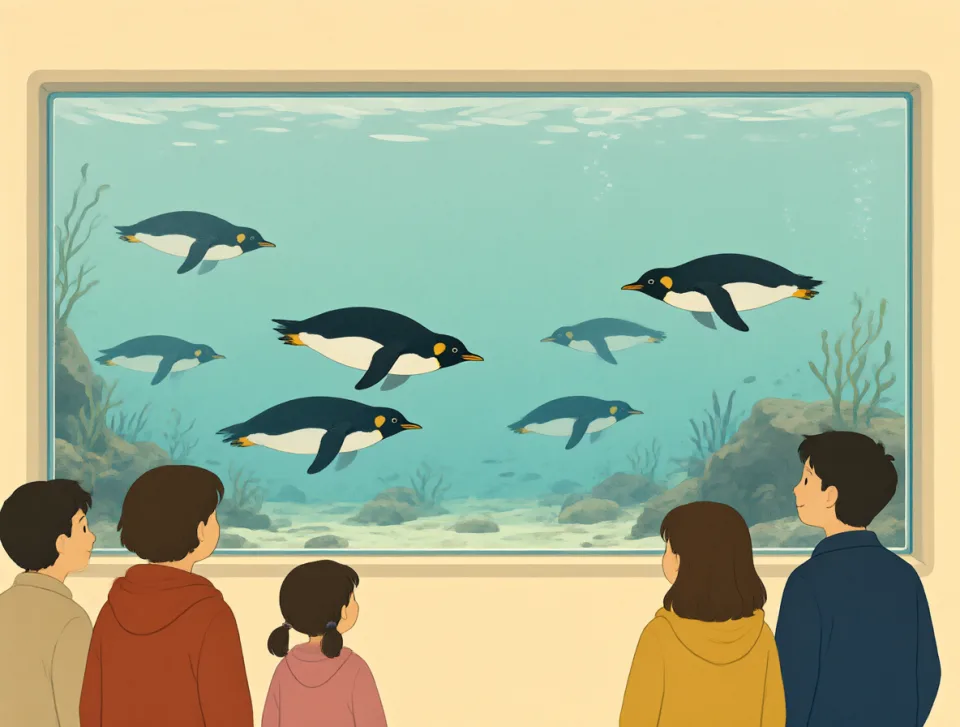
The zoo exhibit lets visitors watch penguins swim underwater.
В экспозиции зоопарка посетители могут наблюдать, как пингвины плавают под водой.
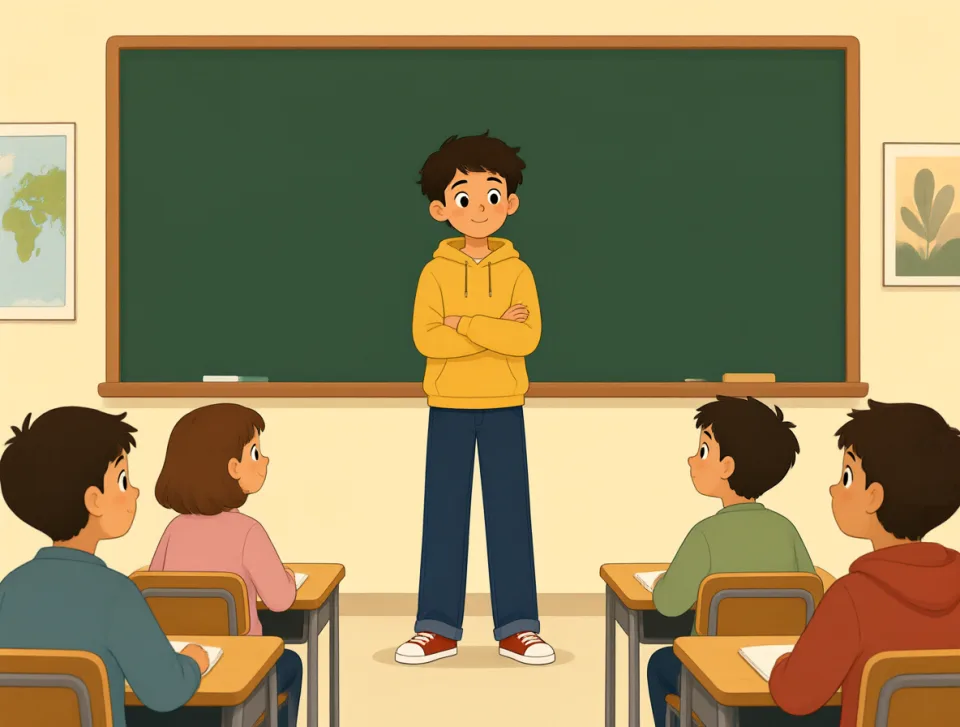
The student exhibited confidence during her first presentation.
Во время своей первой презентации студентка продемонстрировала уверенность.

The patient exhibited signs of dehydration after the long hike.
После долгого похода у пациента появились признаки обезвоживания.
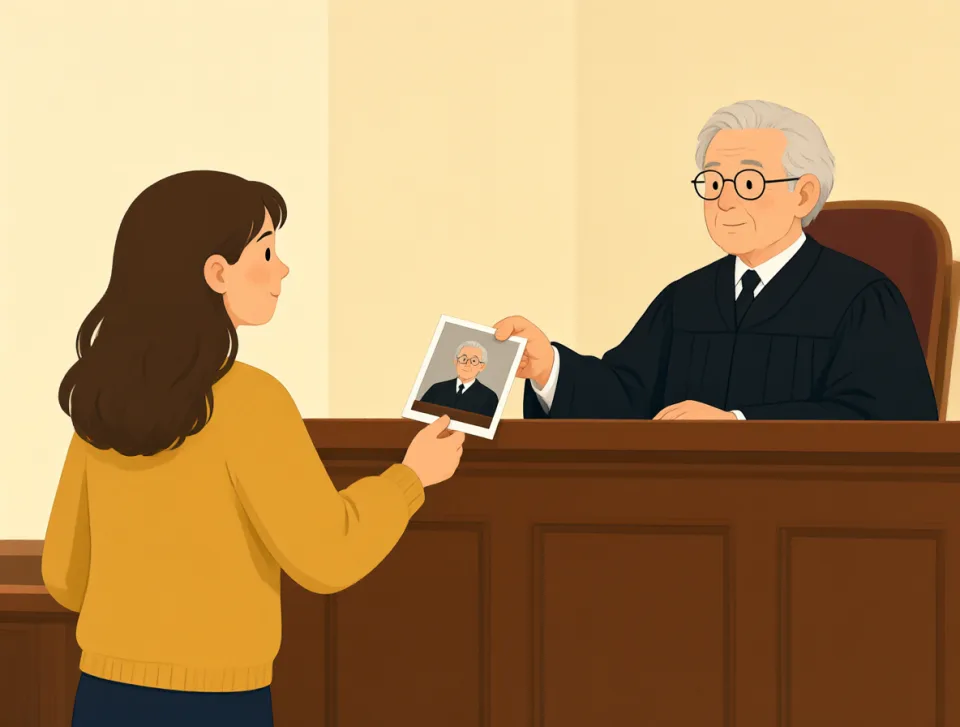
The lawyer presented a photograph as an exhibit in court.
Адвокат представил фотографию в суде в качестве вещественного доказательства.
minor
#1997adjective, noun
незначительный; второстепенный предмет
Small or not very important; a student studying a subject as a second field.
Небольшой или не очень важный; учебный предмет, который студент изучает как дополнительную специализацию.

He made a minor mistake in the shopping list.
Он допустил небольшую ошибку в списке покупок.
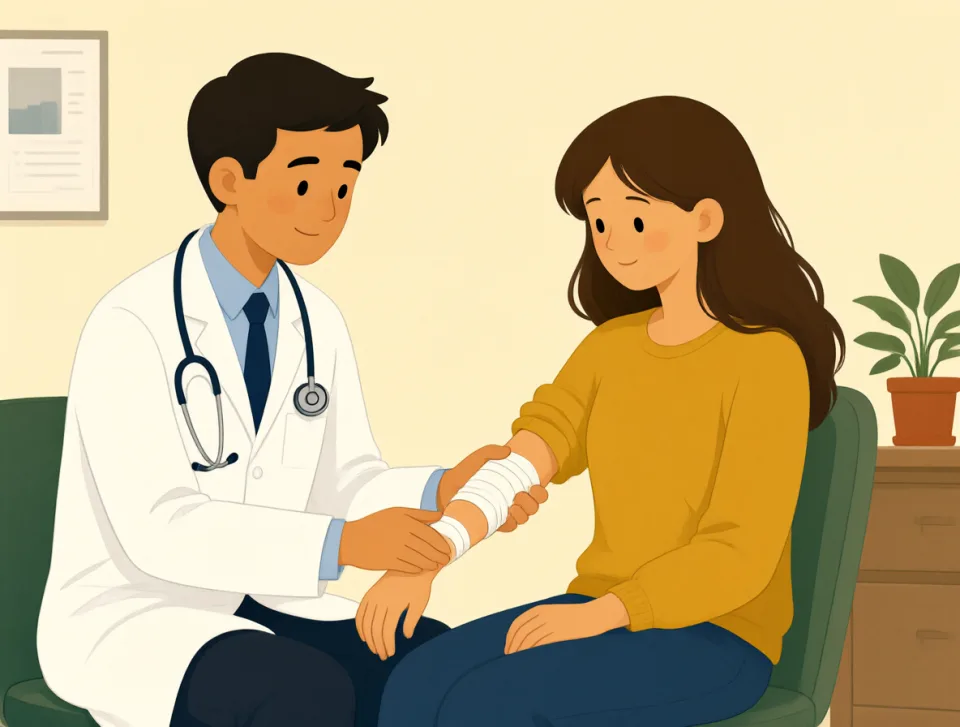
The doctor said her injury was minor and would heal soon.
Врач сказал, что травма у неё незначительная и скоро заживёт.

We had a minor problem with the hotel room.
У нас возникла небольшая проблема с номером в отеле.

She chose history as her minor at college.
В колледже она выбрала историю в качестве дополнительного предмета.
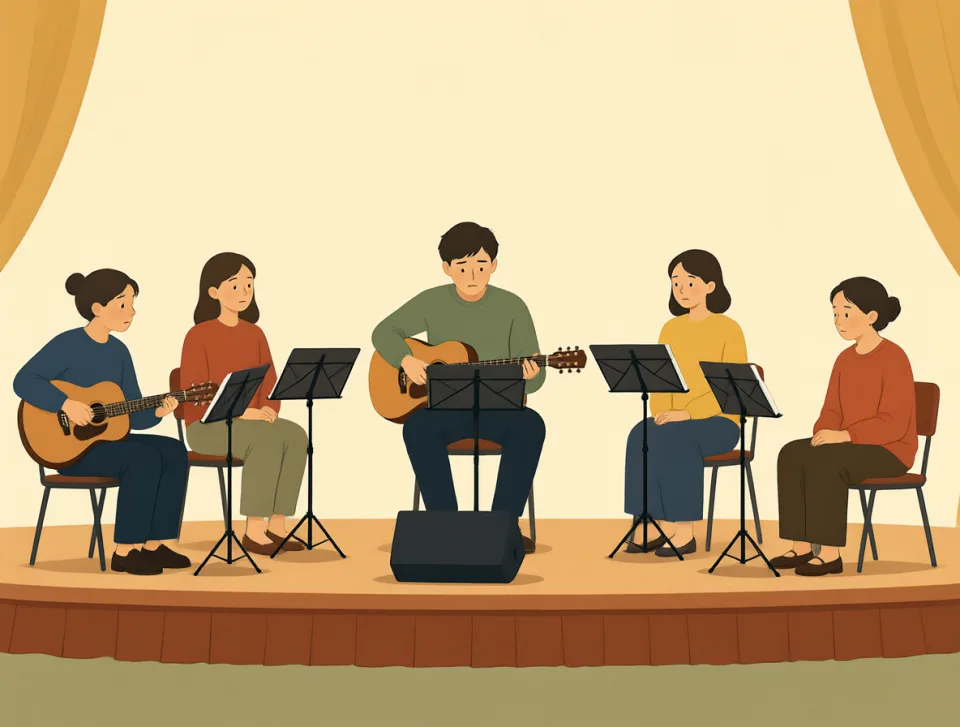
The band played several minor songs at the concert.
На концерте группа сыграла несколько песен в миноре.

hunt
#1998noun, verb
искать; разыскивать
To look for someone or something carefully, especially over a wide area.
Тщательно искать кого-либо или что-либо, особенно на большой территории.
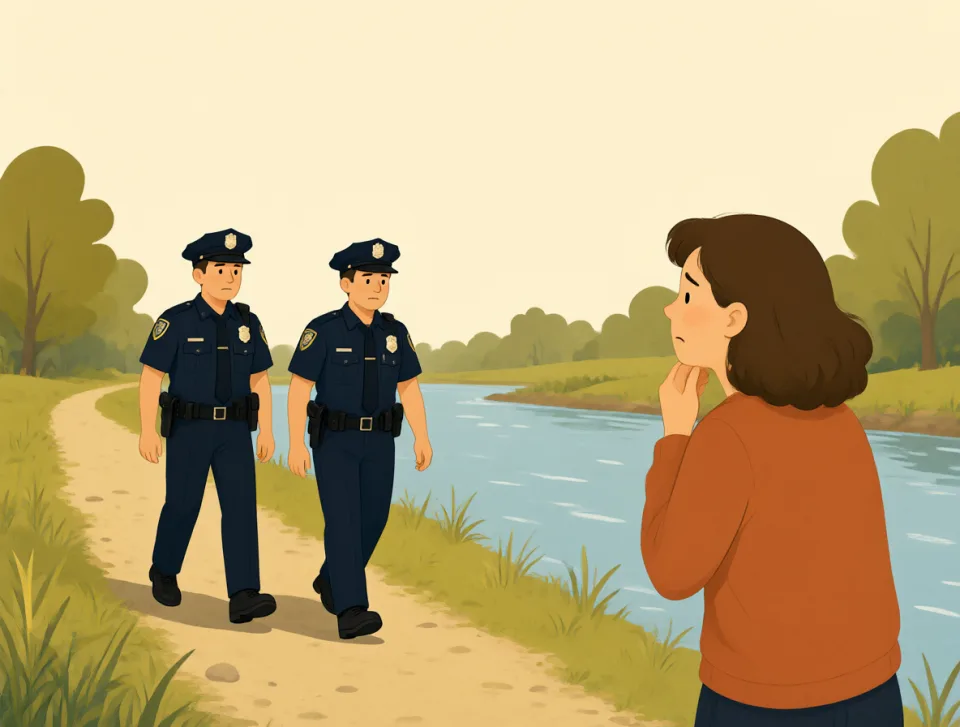
Police are hunting for the missing child near the river.
Полиция разыскивает пропавшего ребёнка возле реки.
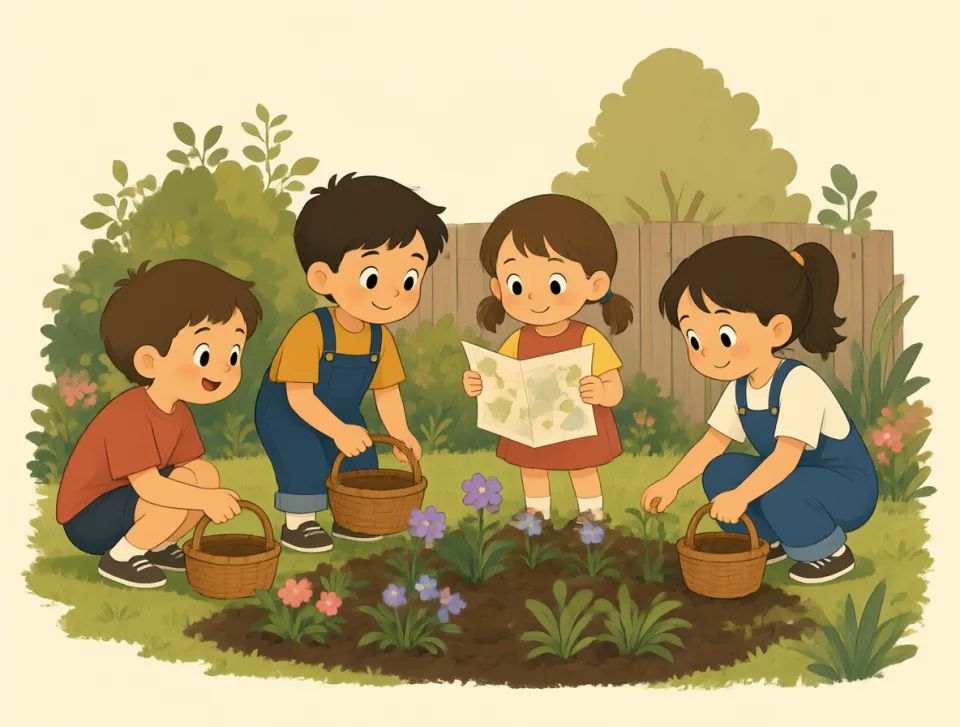
We went on a treasure hunt in the garden.
Мы устроили в саду поиски клада.

She is hunting for a new apartment after moving to the city.
После переезда в город она ищет новую квартиру.
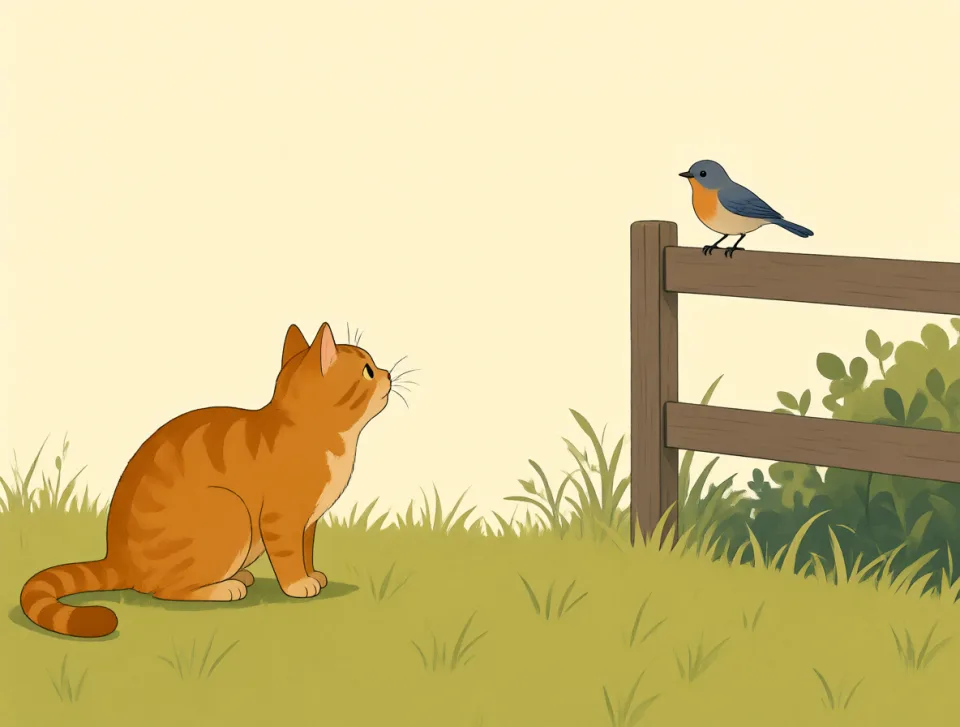
The cat likes to hunt birds in the backyard.
Кошка любит охотиться на птиц во дворе.
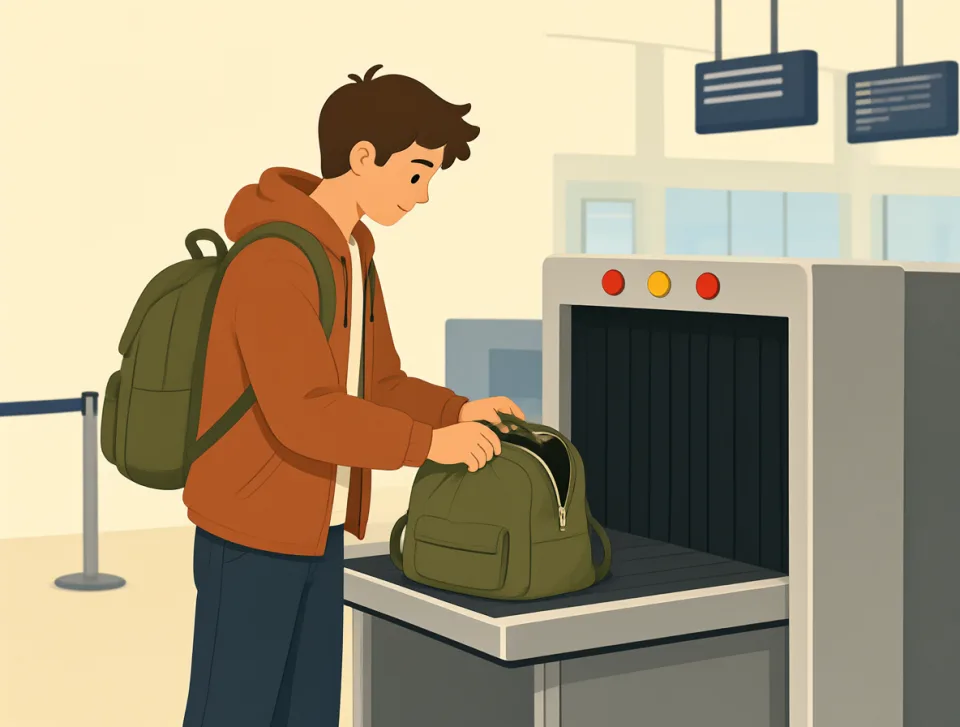
I hunted through my bag for my passport at the airport.
В аэропорту я перерыл сумку в поисках паспорта.

storm
#1999noun, verb
шторм; буря
A period of very bad weather with strong winds, rain, snow, or thunder.
Период очень плохой погоды с сильным ветром, дождём, снегом или грозой.
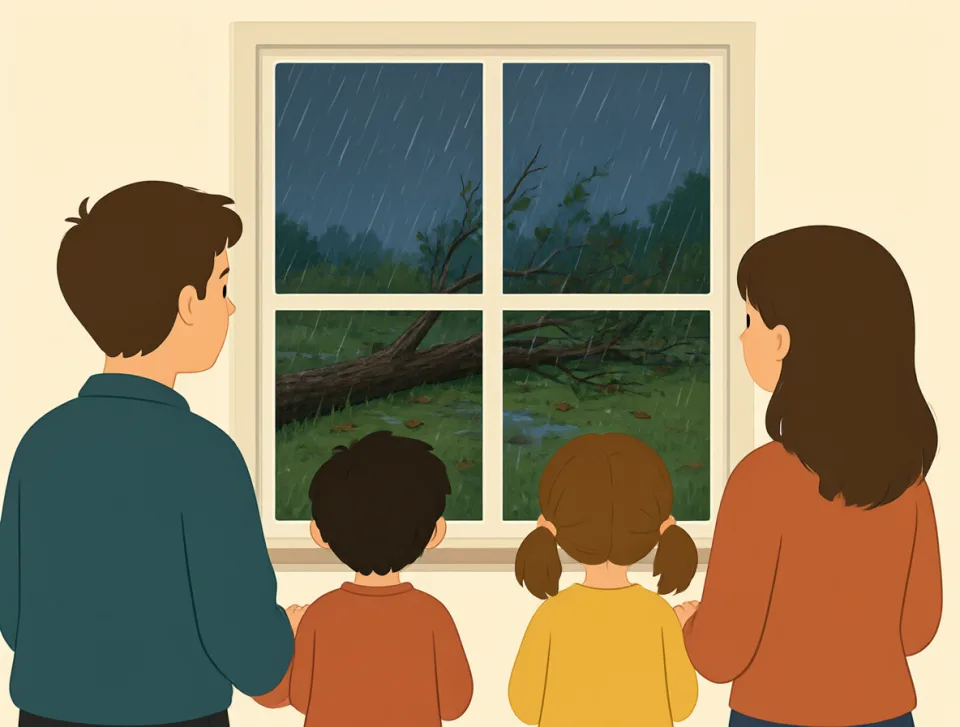
The storm knocked down several trees near our house.
Буря повалила несколько деревьев возле нашего дома.

We stayed home because a storm was coming.
Мы остались дома, потому что надвигалась буря.
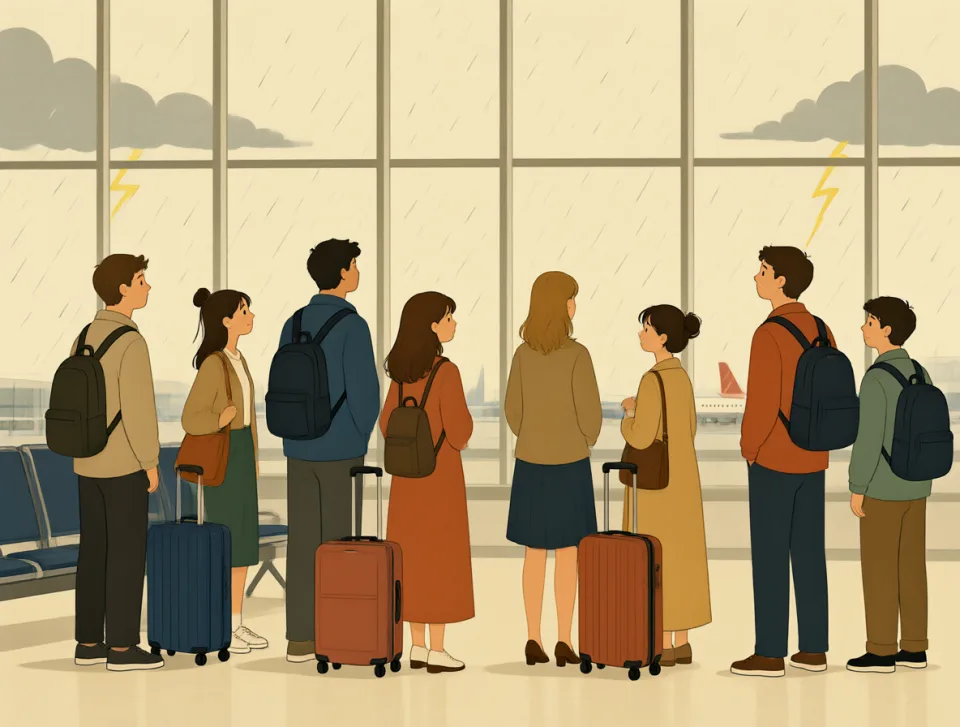
The flight was delayed because of a heavy storm.
Рейс задержали из-за сильного шторма.
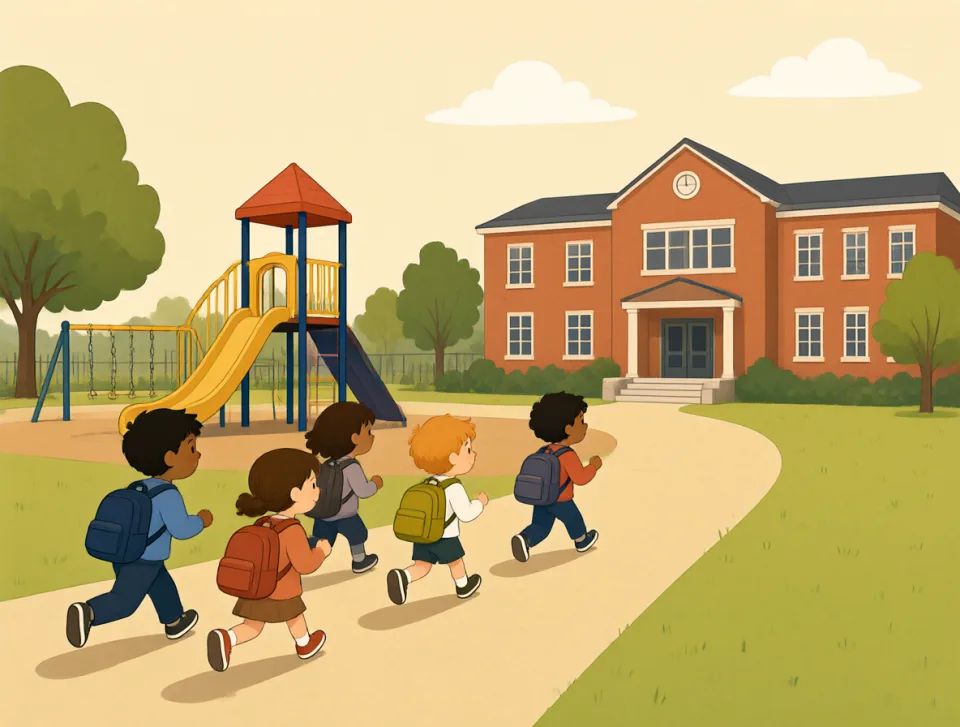
The children ran inside when the storm started.
Когда началась буря, дети забежали в дом.
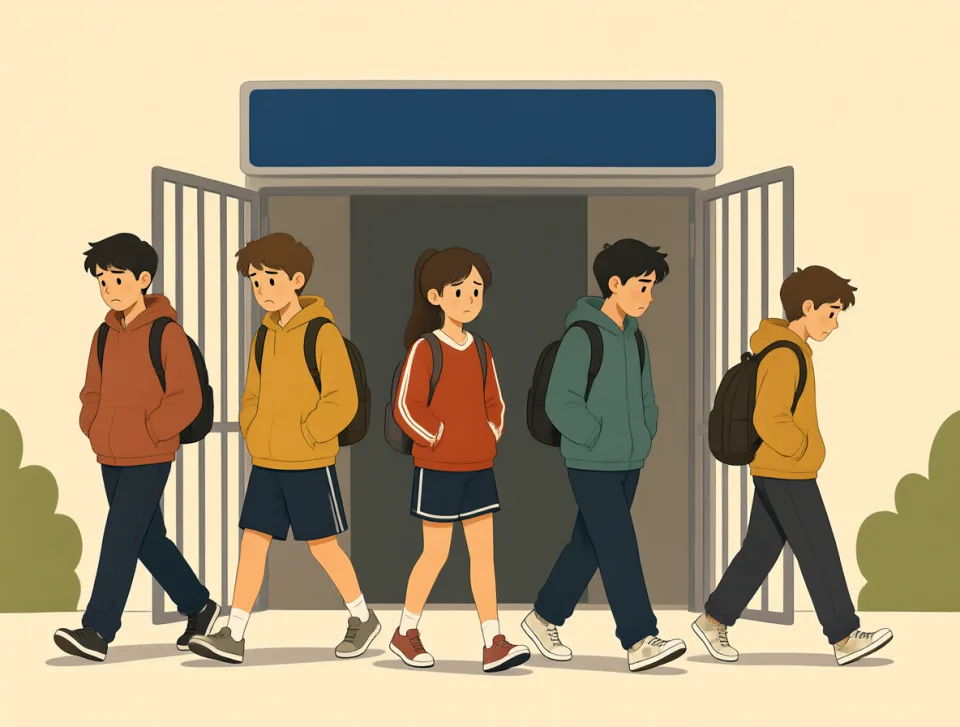
Fans stormed out of the stadium after their team lost.
После поражения своей команды болельщики толпой покинули стадион.
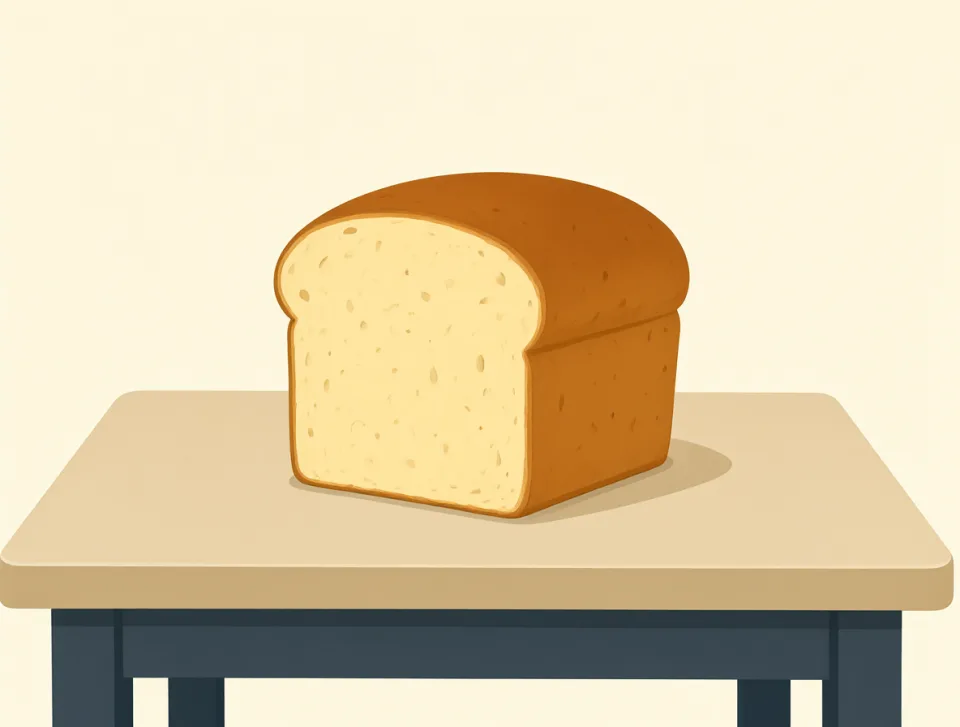
thick
#2000adjective, noun
толстый; густой
having a large distance between opposite sides; a deep layer or piece
Имеющий большую толщину; образующий плотный слой или представляющий собой толстый кусок.

She wore a thick coat on the cold winter morning.
В холодное зимнее утро она надела толстое пальто.
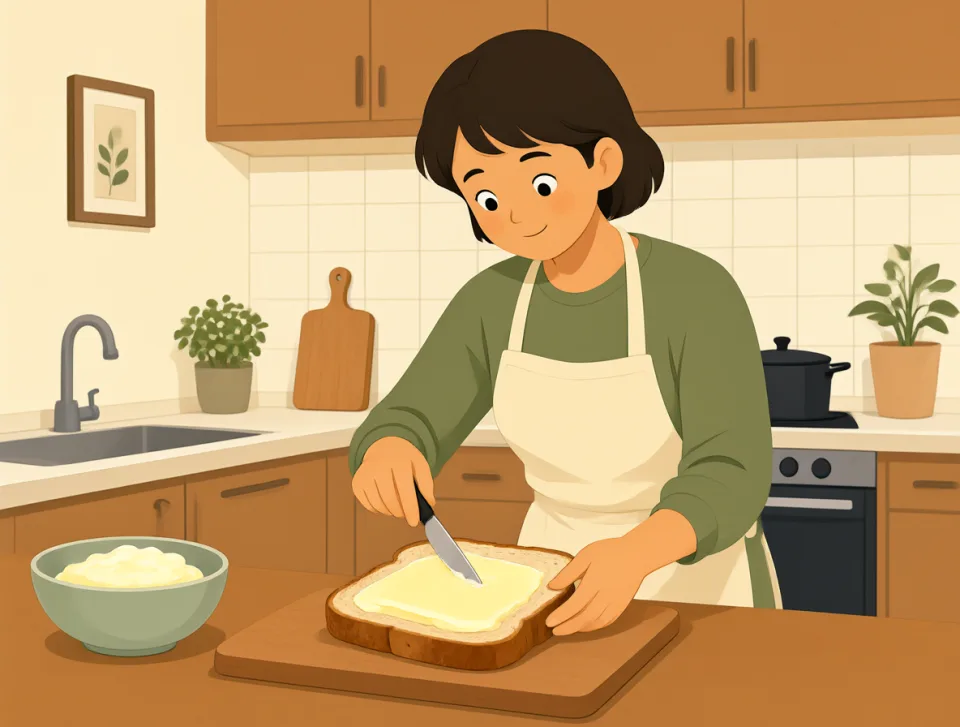
Spread a thick layer of butter on the bread.
Намажь хлеб толстым слоем масла.

The forest was thick with trees and difficult to walk through.
Лес был густо зарос деревьями, и через него было трудно пробираться.

He has thick, curly hair that reaches his shoulders.
У него густые кудрявые волосы до плеч.
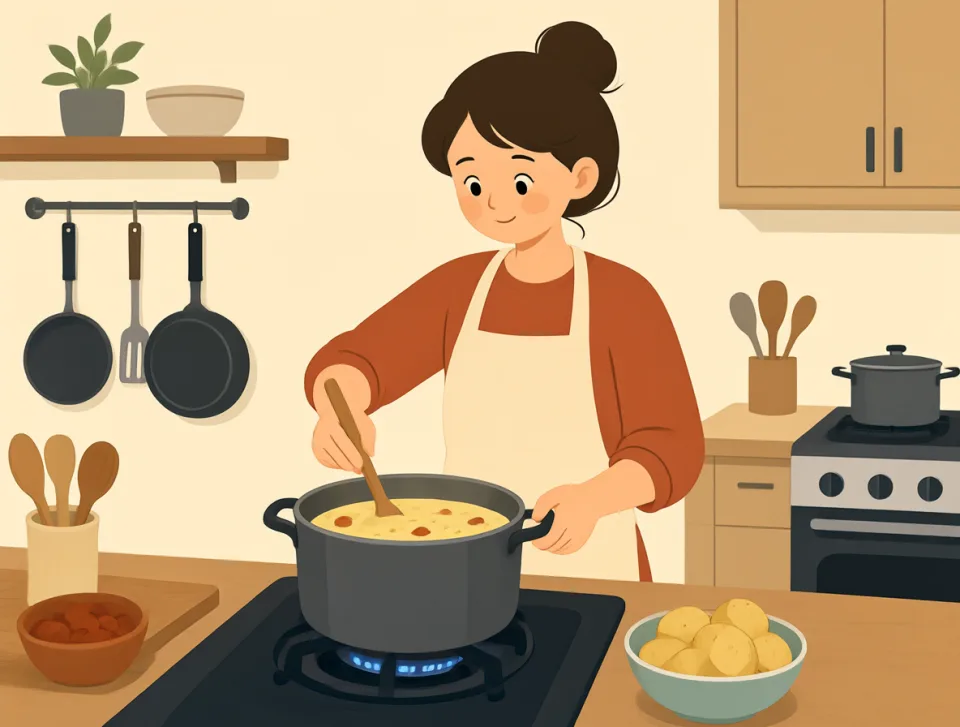
The soup became thick after we added the potatoes.
После того как мы добавили картофель, суп загустел.