इकाई 100
शब्द 1981–2000 · intellectual, derive, crucial, unemployment, wheel, crop
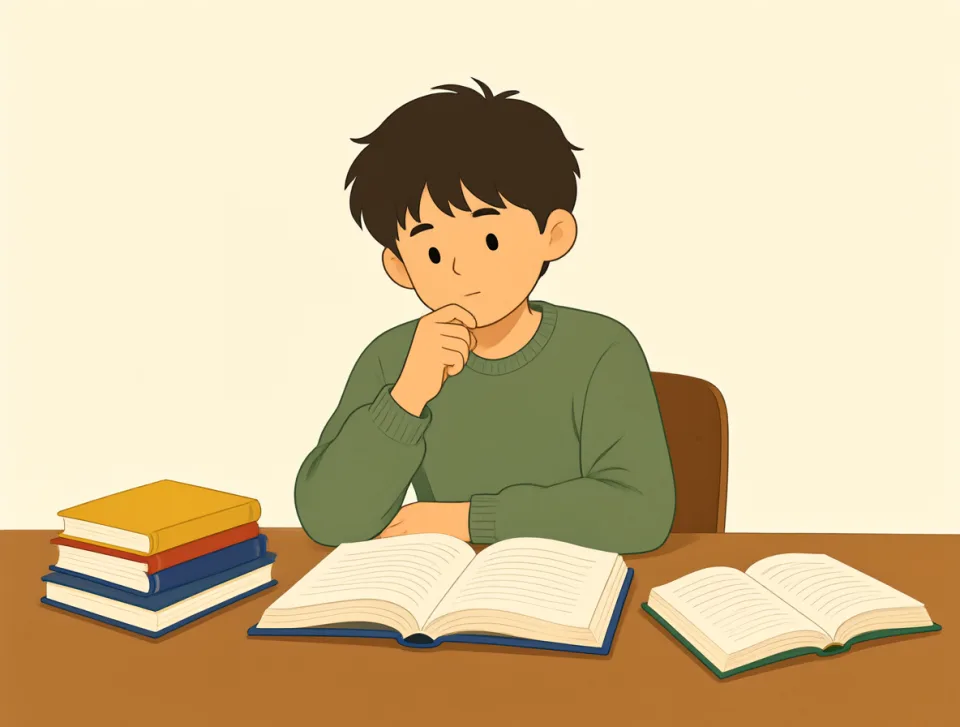
intellectual
#1981adjective, noun
बौद्धिक
Related to thinking and understanding, or a person who enjoys serious ideas and learning.
सोचने और समझने से जुड़ा हुआ, या ऐसा व्यक्ति जिसे गंभीर विचारों और सीखने में रुचि हो।
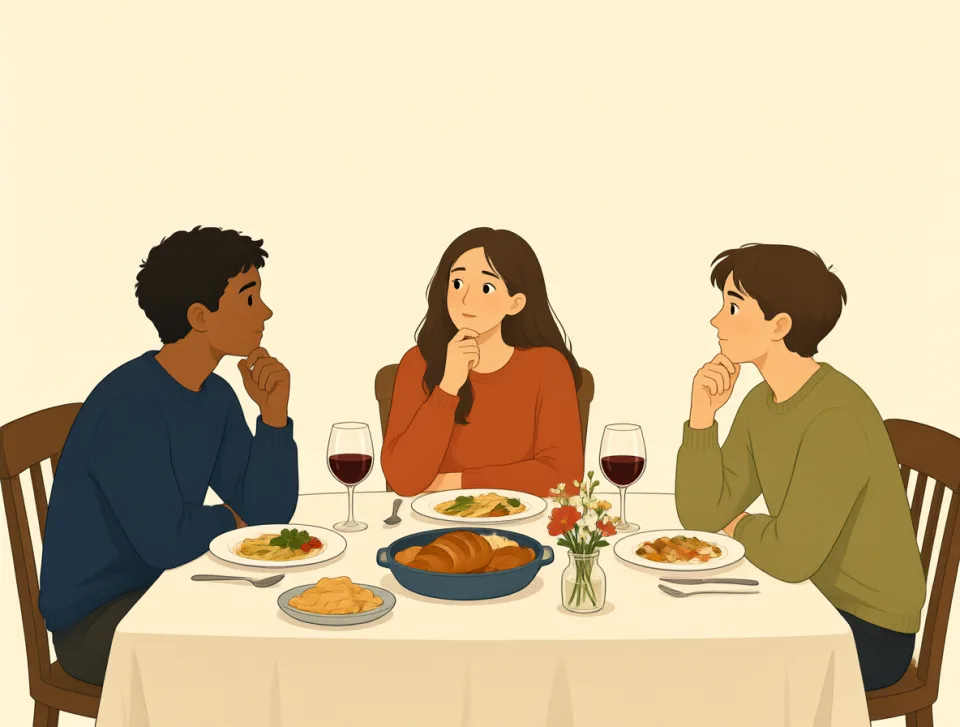
She enjoys intellectual conversations with her friends after dinner.
उसे रात के खाने के बाद अपने दोस्तों के साथ बौद्धिक बातचीत करना पसंद है।
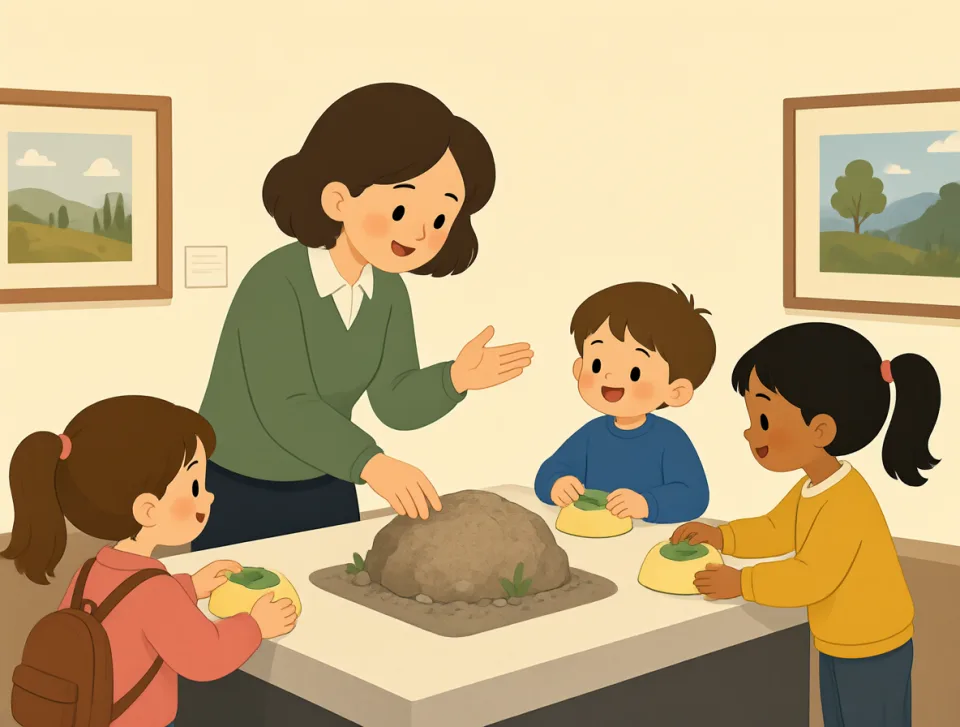
The museum offers many intellectual activities for young students.
संग्रहालय युवा विद्यार्थियों के लिए कई बौद्धिक गतिविधियाँ आयोजित करता है।

He is an intellectual who reads books about history and science.
वह एक बुद्धिजीवी है, जो इतिहास और विज्ञान की किताबें पढ़ता है।
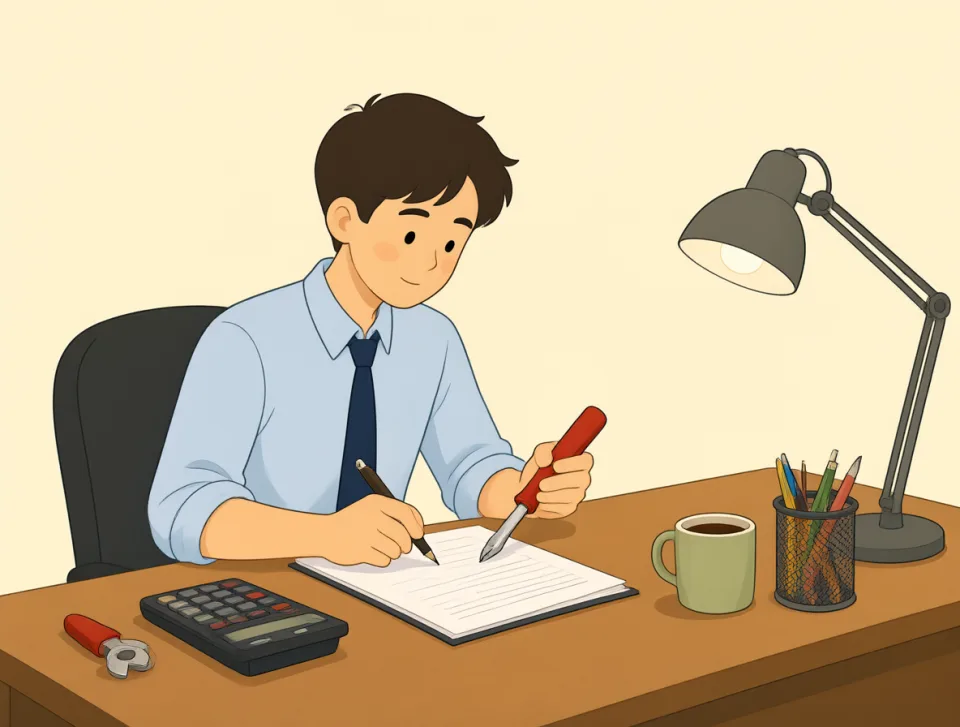
The job requires both practical skills and intellectual ability.
इस नौकरी के लिए व्यावहारिक कौशल और बौद्धिक क्षमता, दोनों की ज़रूरत है।
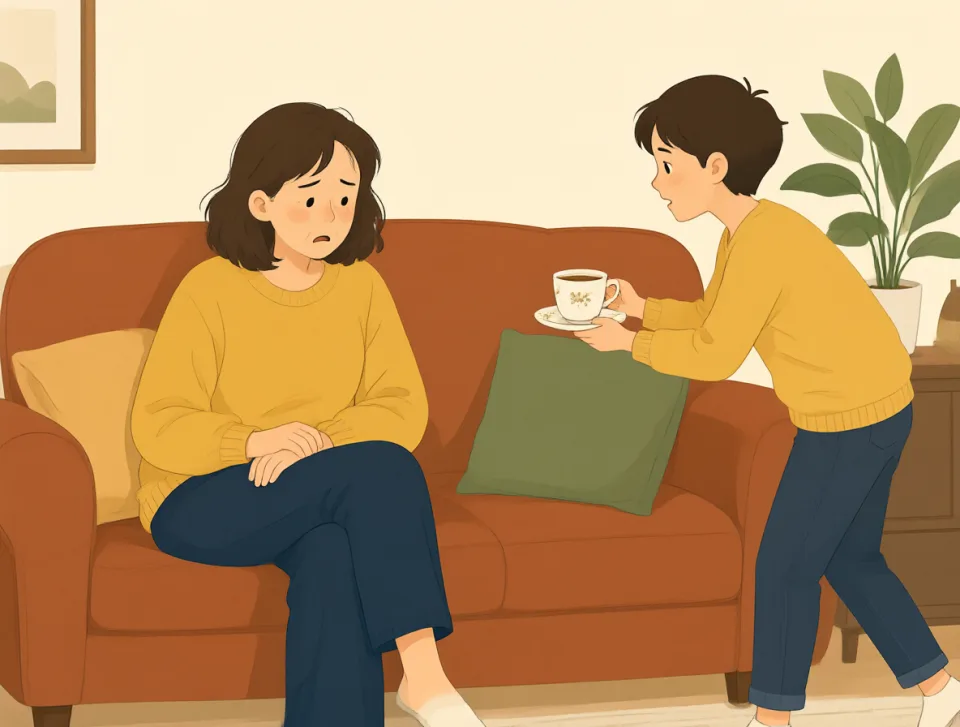
After the illness, she felt tired and less intellectually active.
बीमारी के बाद उसे थकान महसूस हुई और वह पहले से कम बौद्धिक रूप से सक्रिय रही।
derive
#1982verb
से प्राप्त करना
to get something from a particular source or cause
किसी खास स्रोत या कारण से कुछ प्राप्त करना।
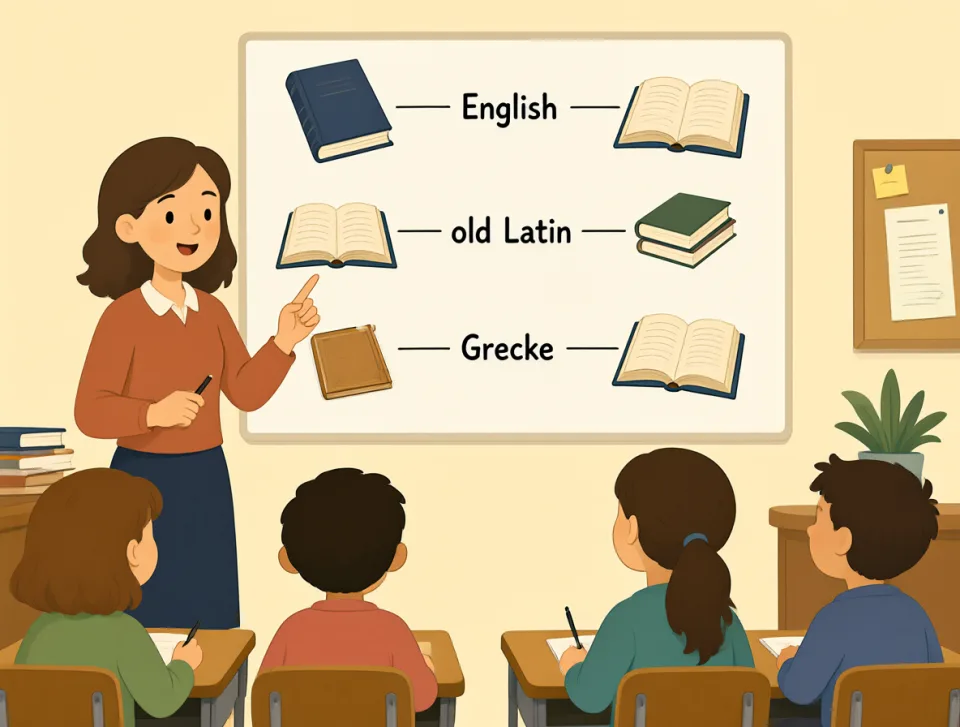
Many English words derive from Latin and Greek.
अंग्रेज़ी के कई शब्द लैटिन और ग्रीक भाषाओं से निकले हैं।
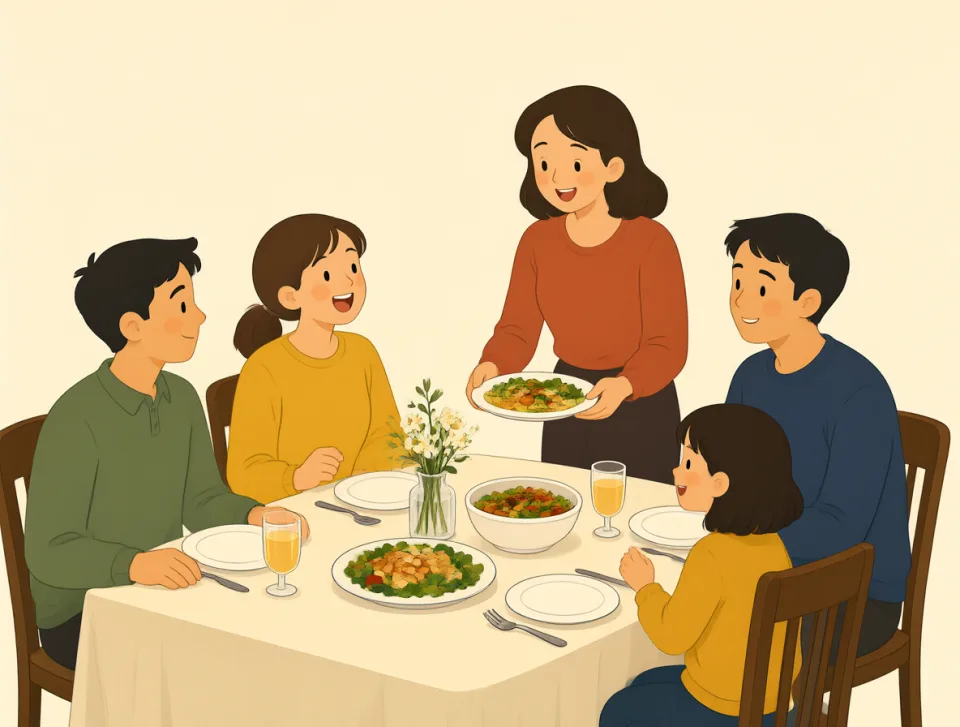
She derives great pleasure from cooking for her family.
उसे अपने परिवार के लिए खाना बनाने से बहुत खुशी मिलती है।

The company derives most of its income from online sales.
कंपनी की ज़्यादातर आमदनी ऑनलाइन बिक्री से होती है।
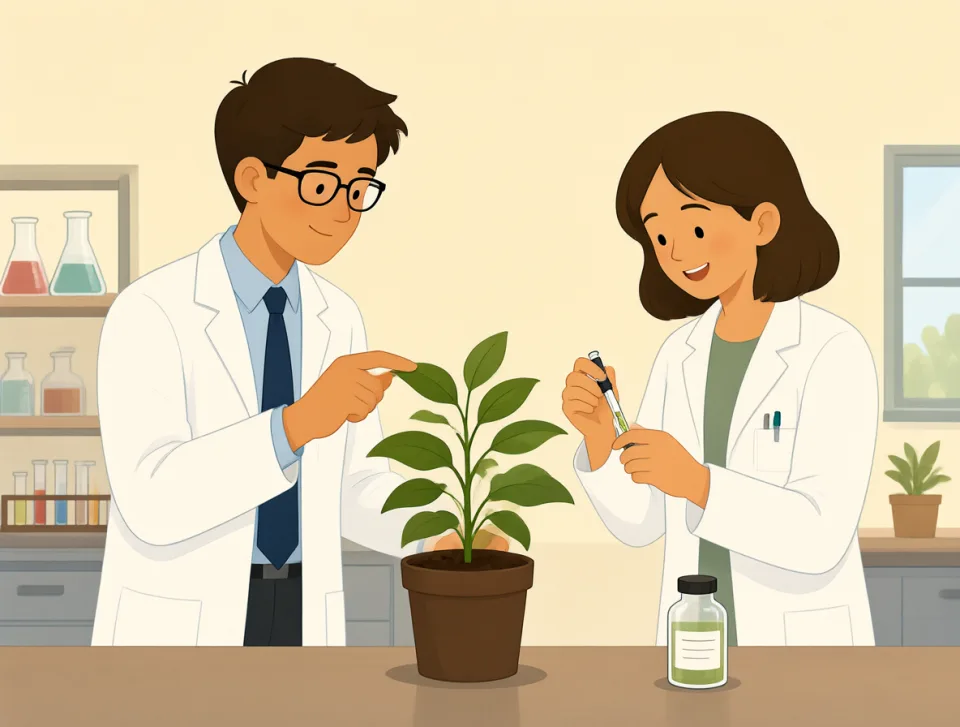
Scientists derived the new medicine from a natural plant.
वैज्ञानिकों ने एक प्राकृतिक पौधे से नई दवा बनाई।
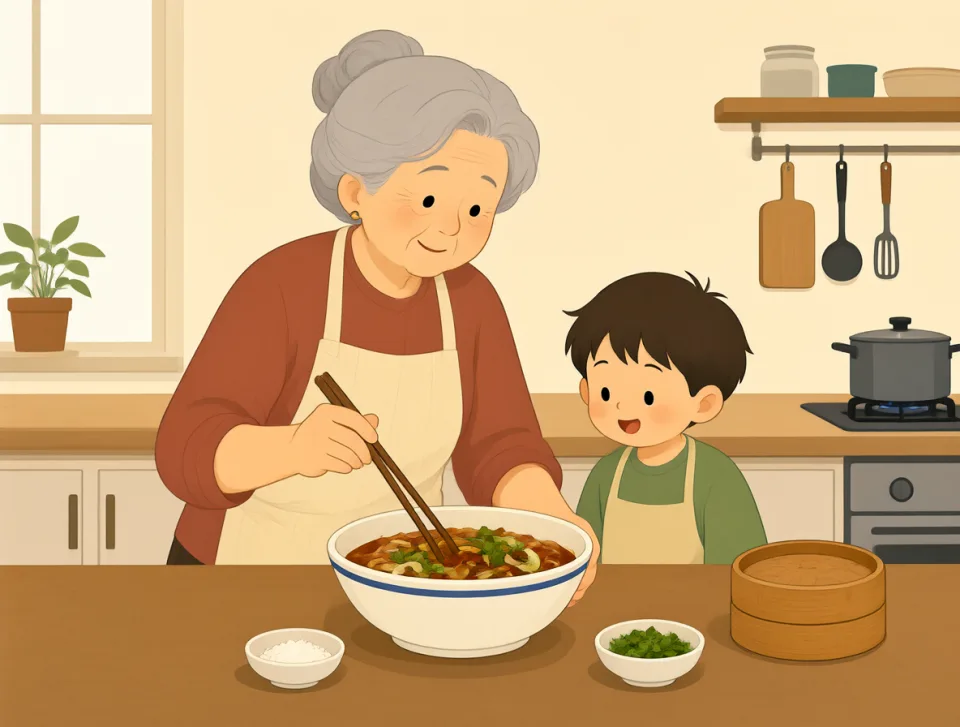
The recipe was derived from an old family tradition.
यह नुस्खा परिवार की एक पुरानी परंपरा से लिया गया था।

crucial
#1983adjective
अत्यंत महत्वपूर्ण
Extremely important for achieving a result or making a situation successful.
किसी नतीजे को हासिल करने या किसी स्थिति को सफल बनाने के लिए बेहद महत्वपूर्ण।
Good communication is crucial for a successful team.
एक सफल टीम के लिए अच्छा संवाद बेहद ज़रूरी है।

It is crucial to check your passport before leaving home.
घर से निकलने से पहले अपना पासपोर्ट जाँचना बेहद ज़रूरी है।
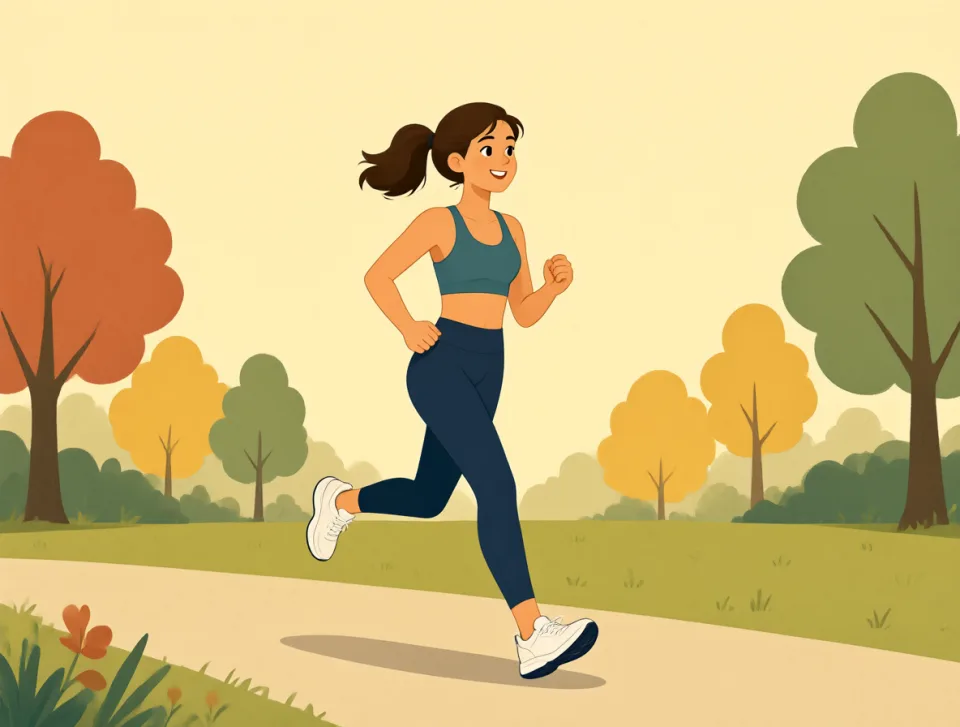
Regular exercise is crucial for keeping your heart healthy.
दिल को स्वस्थ रखने के लिए नियमित व्यायाम बेहद ज़रूरी है।
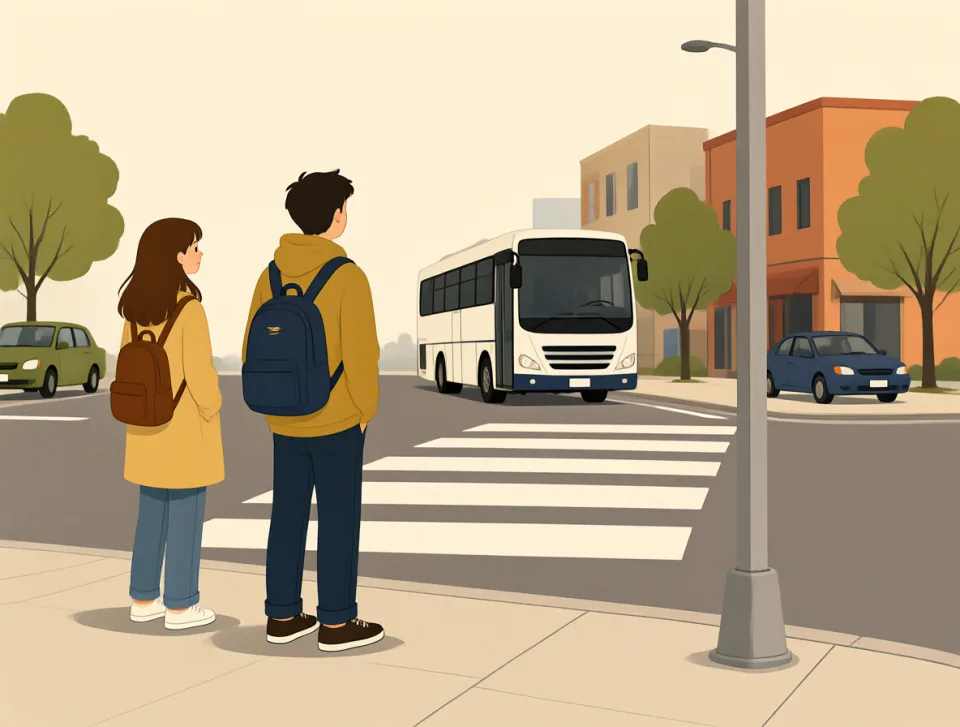
Timing was crucial when we crossed the busy road.
जब हमने व्यस्त सड़क पार की, तो सही समय चुनना बेहद ज़रूरी था।
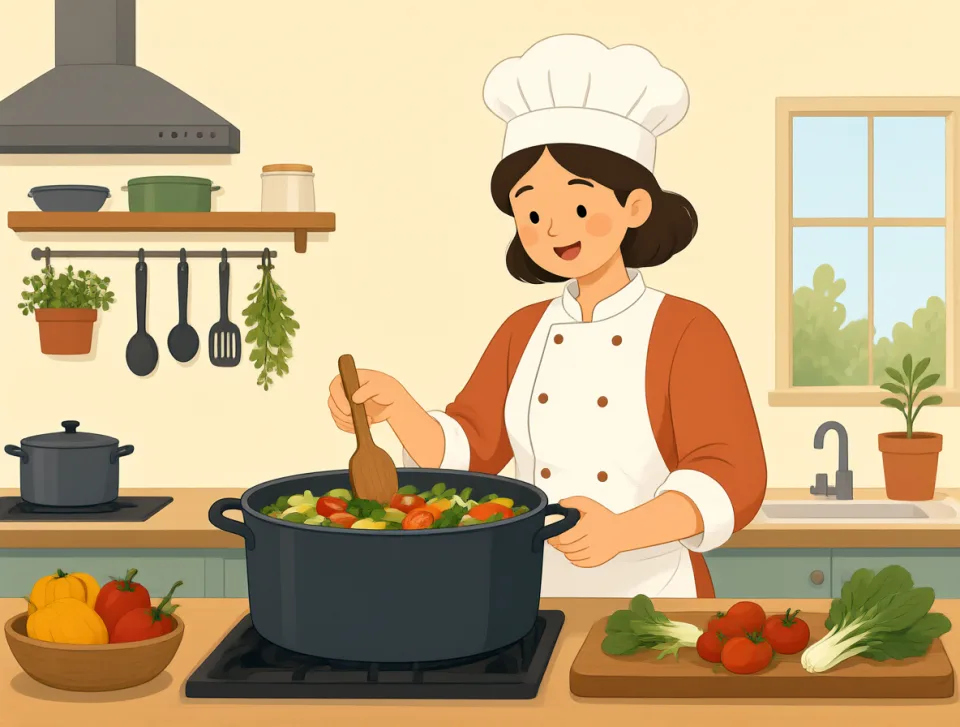
Fresh ingredients are crucial for making a delicious soup.
स्वादिष्ट सूप बनाने के लिए ताज़ी सामग्री बेहद ज़रूरी है।
unemployment
#1984noun
बेरोज़गारी
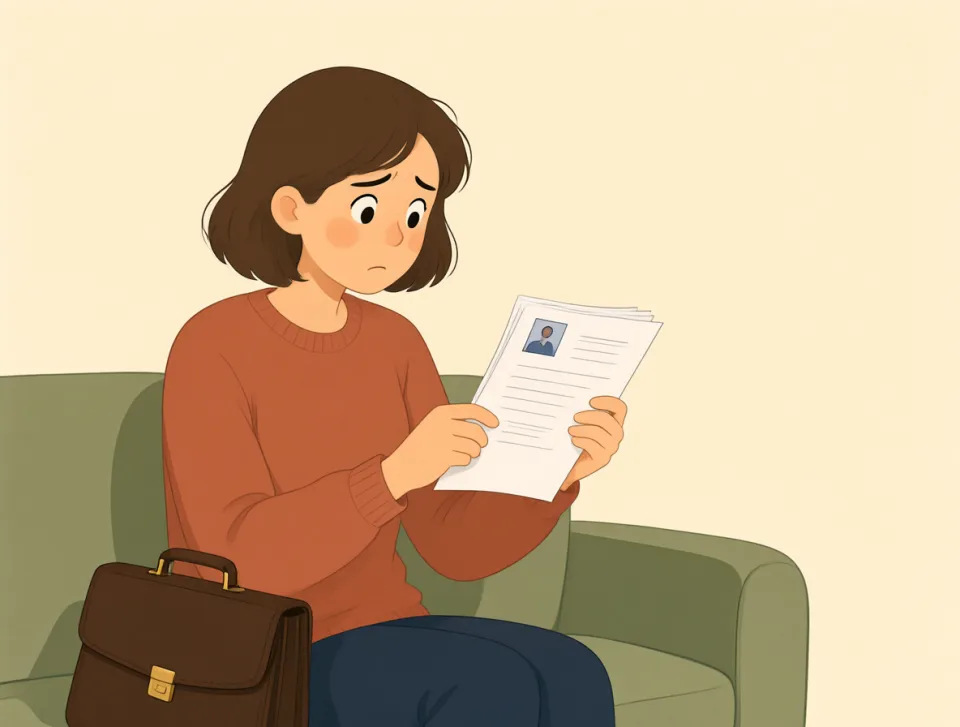
The condition of not having a job and looking for work.
वह स्थिति जिसमें किसी व्यक्ति के पास नौकरी न हो और वह काम की तलाश कर रहा हो।
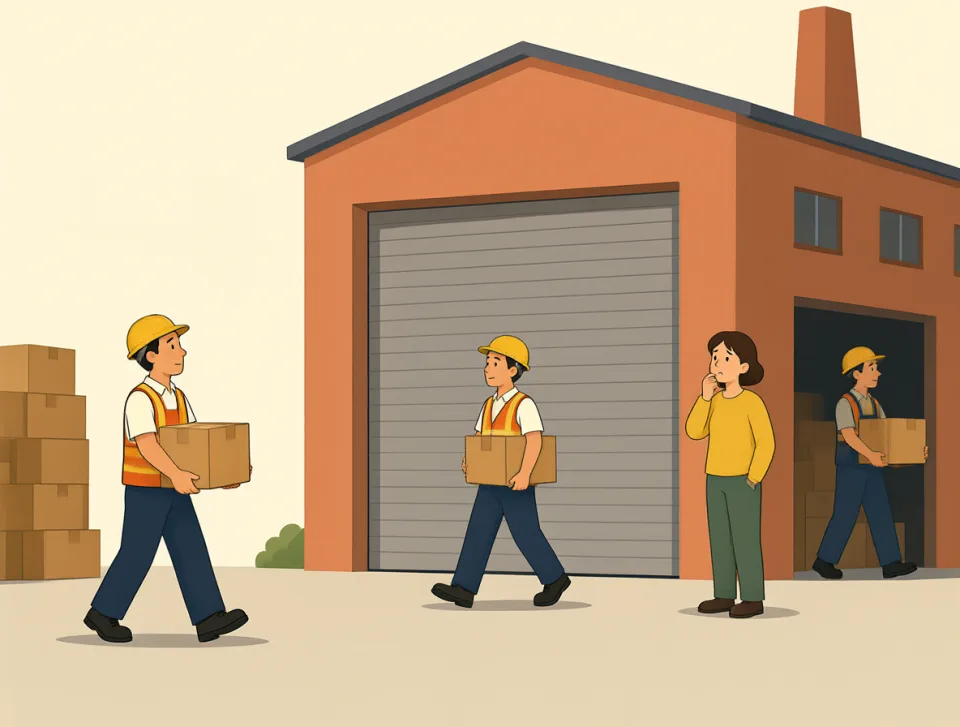
Unemployment rose after the factory closed last year.
पिछले साल कारखाना बंद होने के बाद बेरोज़गारी बढ़ गई।

The government is trying to reduce unemployment among young people.
सरकार युवाओं में बेरोज़गारी कम करने की कोशिश कर रही है।
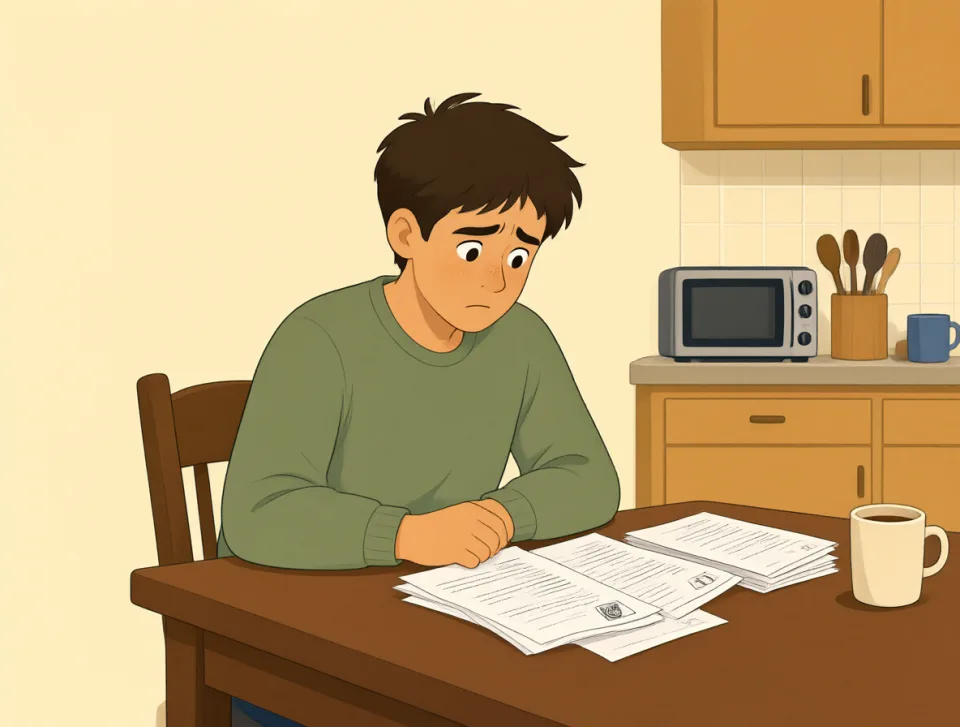
Long-term unemployment can make it difficult to pay the bills.
लंबे समय तक बेरोज़गार रहने से बिल चुकाना मुश्किल हो सकता है।

He received unemployment benefits while searching for a new job.
नई नौकरी ढूँढ़ते समय उसे बेरोज़गारी भत्ता मिला।
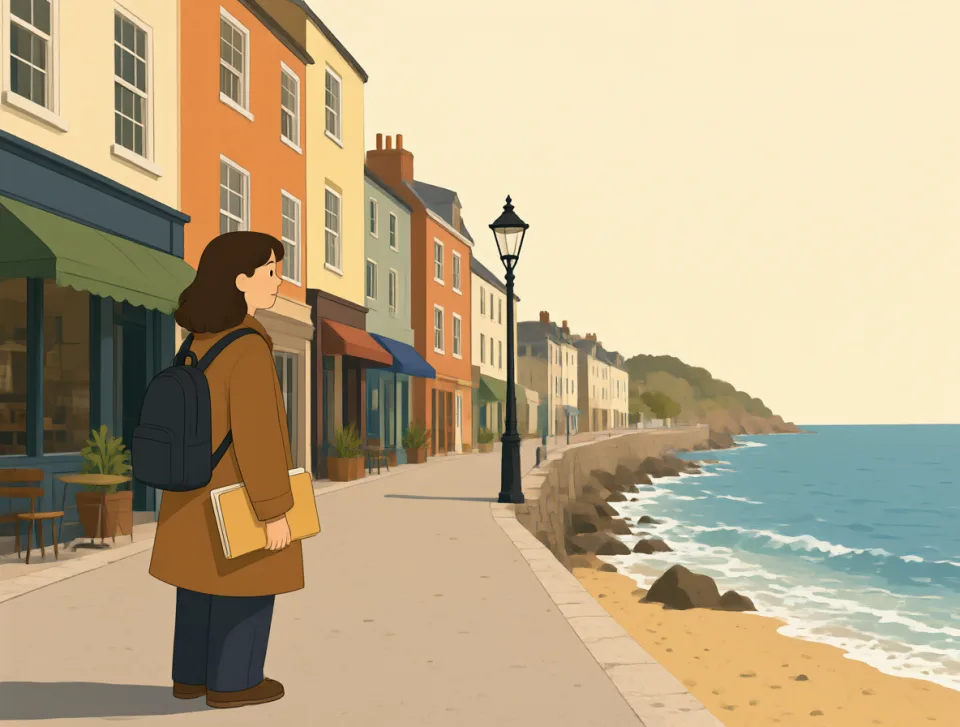
The town suffered from high unemployment when the tourist season ended.
पर्यटन का मौसम खत्म होने पर कस्बे में बेरोज़गारी बहुत बढ़ गई।
wheel
#1985noun, verb
पहिया
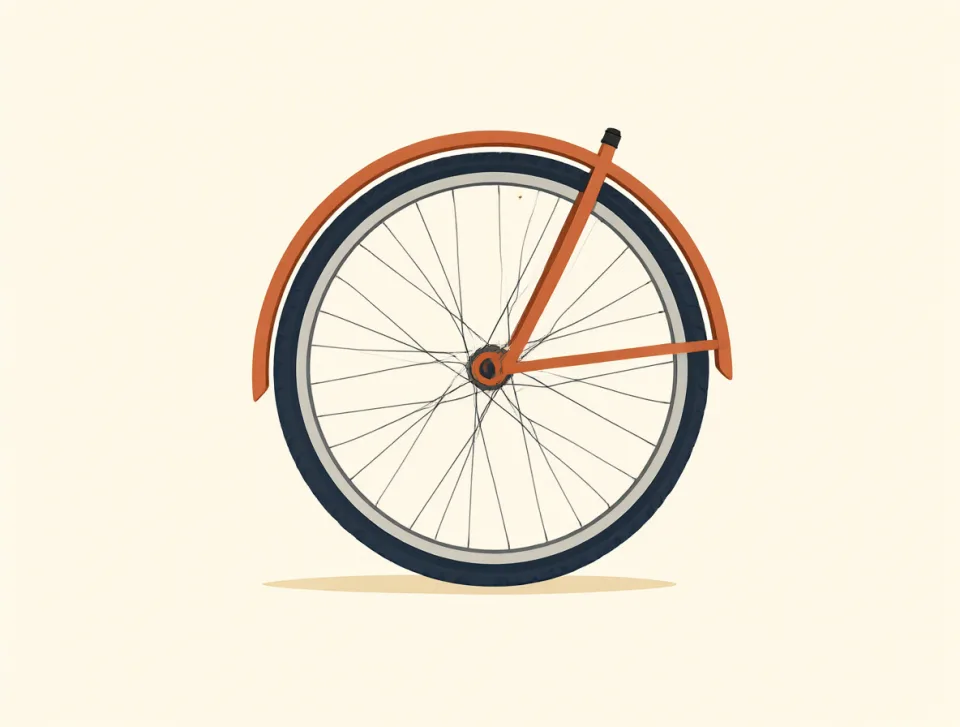
A round object that turns to help a vehicle move, or to control something.
एक गोल वस्तु जो वाहन को चलाने या किसी चीज़ को नियंत्रित करने में मदद करने के लिए घूमती है।
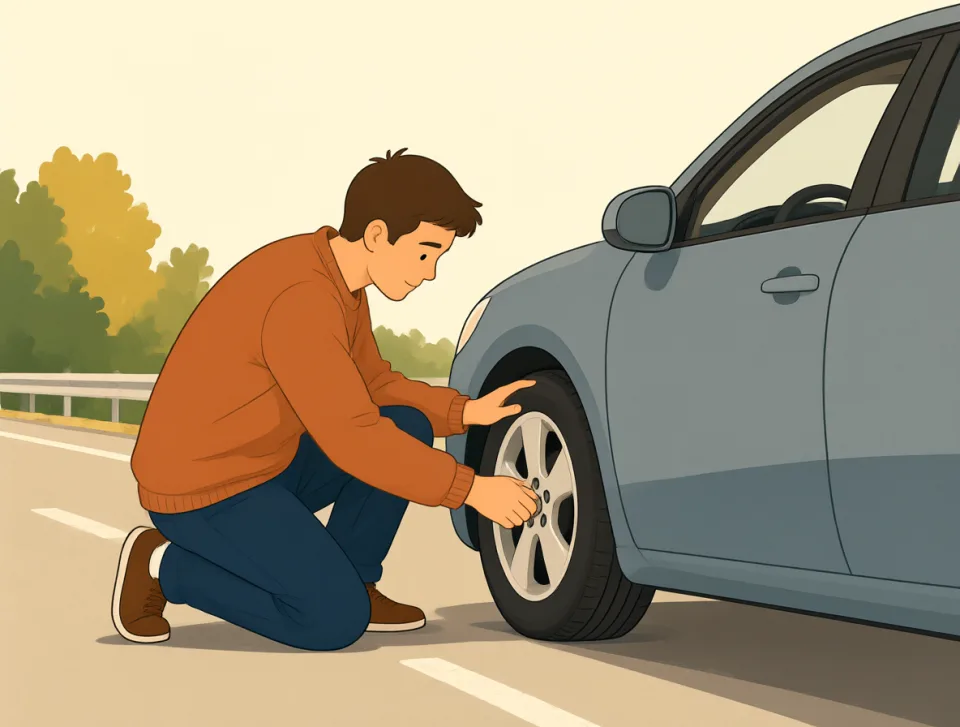
The car has a flat wheel, so we stopped beside the road.
गाड़ी का एक पहिया पंक्चर हो गया था, इसलिए हमने सड़क किनारे गाड़ी रोक दी।
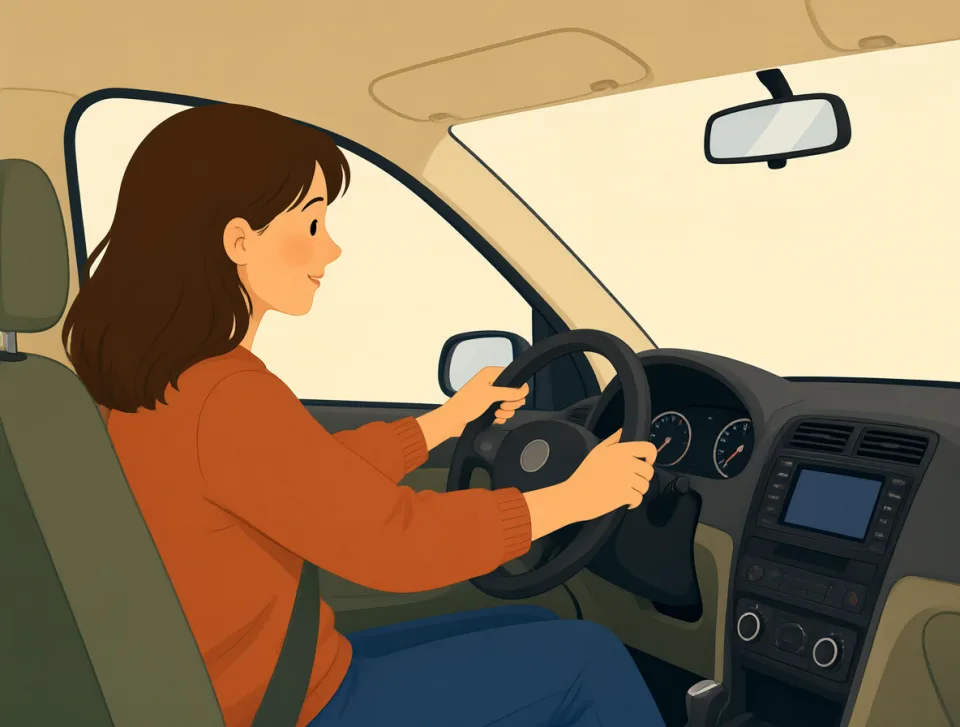
She turned the wheel carefully and drove into the parking space.
उसने सावधानी से स्टीयरिंग घुमाया और गाड़ी पार्किंग की जगह में ले गई।
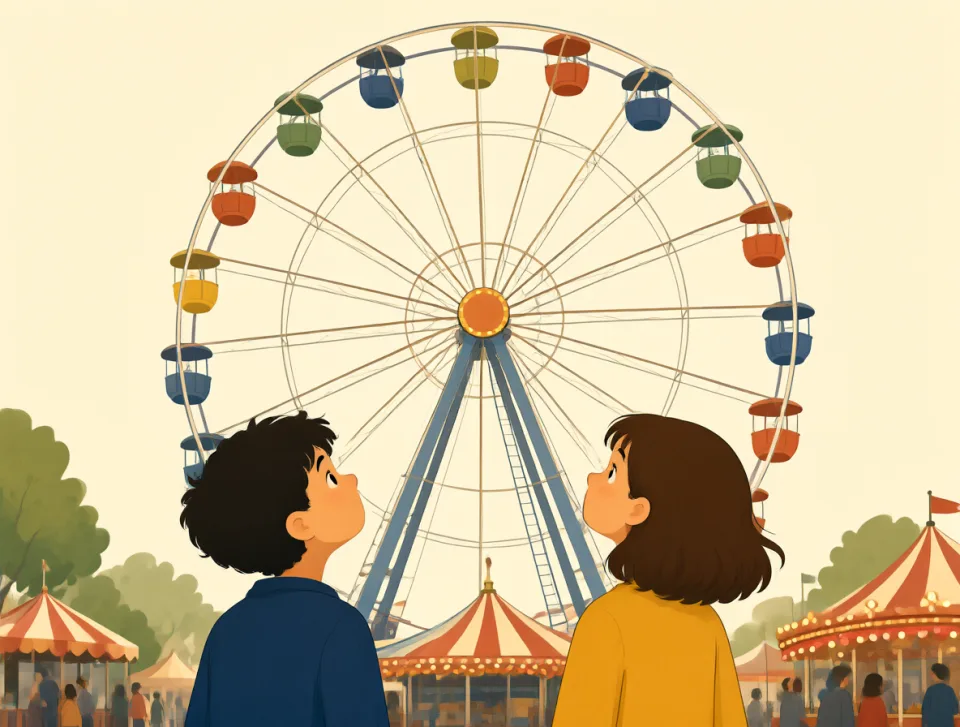
The children watched the big wheel turn at the fair.
बच्चे मेले में बड़े झूले को घूमते हुए देखते रहे।
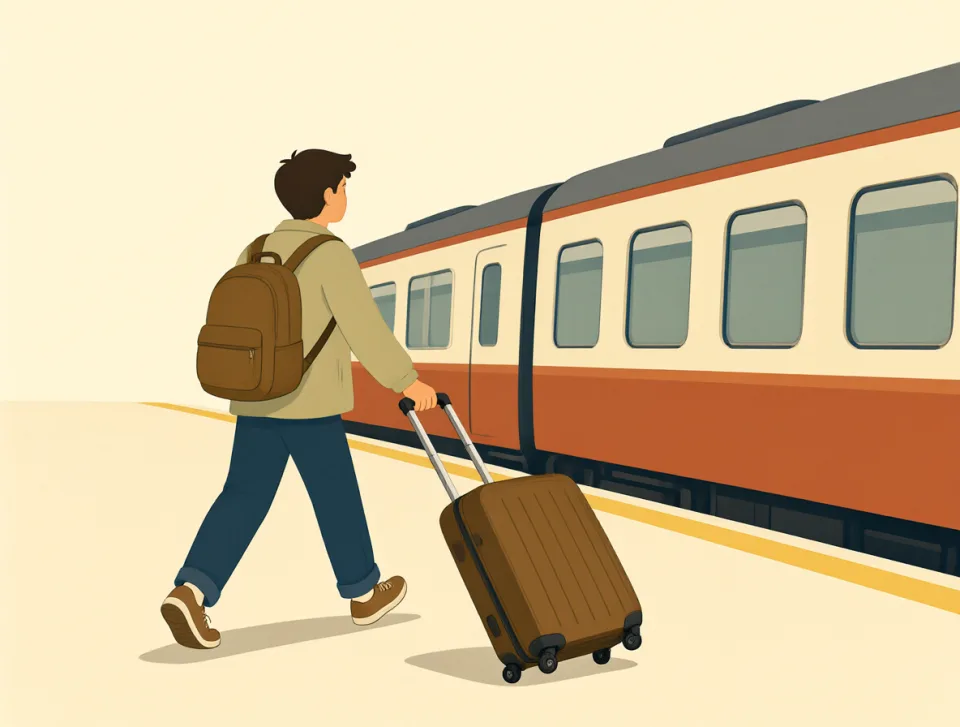
Please wheel the heavy suitcase to the train platform.
कृपया भारी सूटकेस को घसीटकर ट्रेन के प्लेटफ़ॉर्म तक ले जाइए।
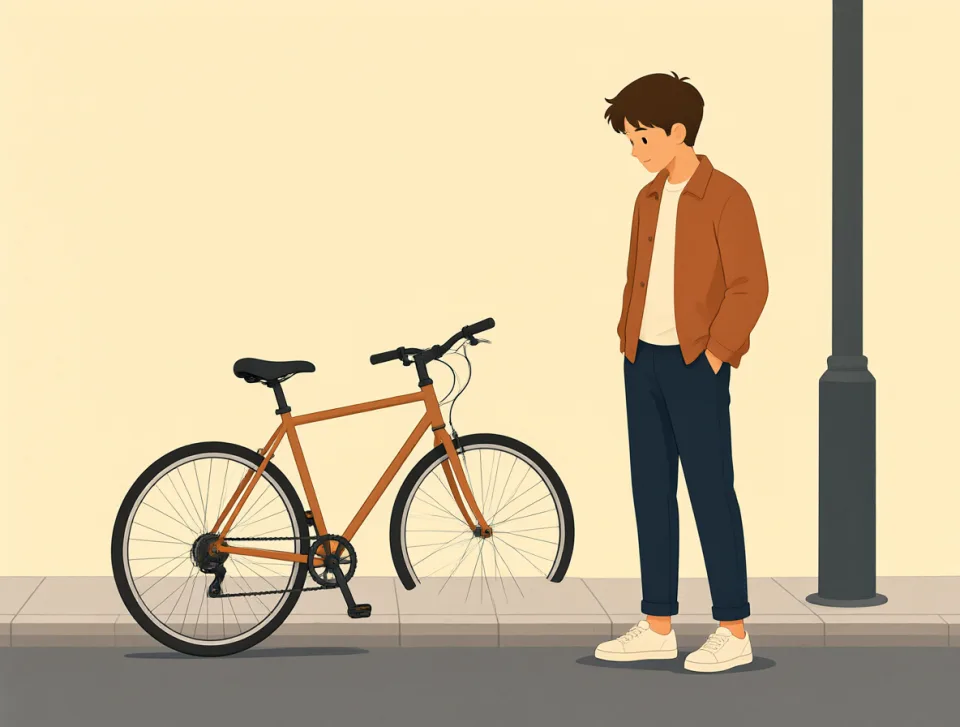
My bicycle wheel came off during the morning ride.
सुबह साइकिल चलाते समय मेरी साइकिल का पहिया निकल गया।
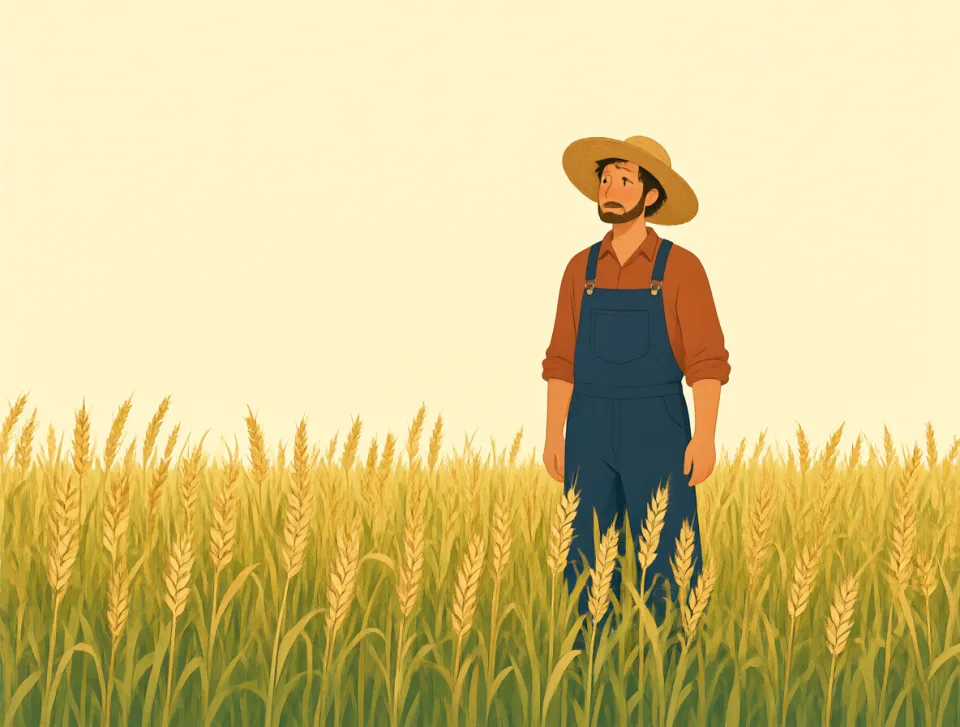
crop
#1986noun, verb
फसल
A plant grown for food, or to cut part of a picture or video.
भोजन के लिए उगाया जाने वाला पौधा, या तस्वीर या वीडियो के किसी हिस्से को काटकर हटाना।
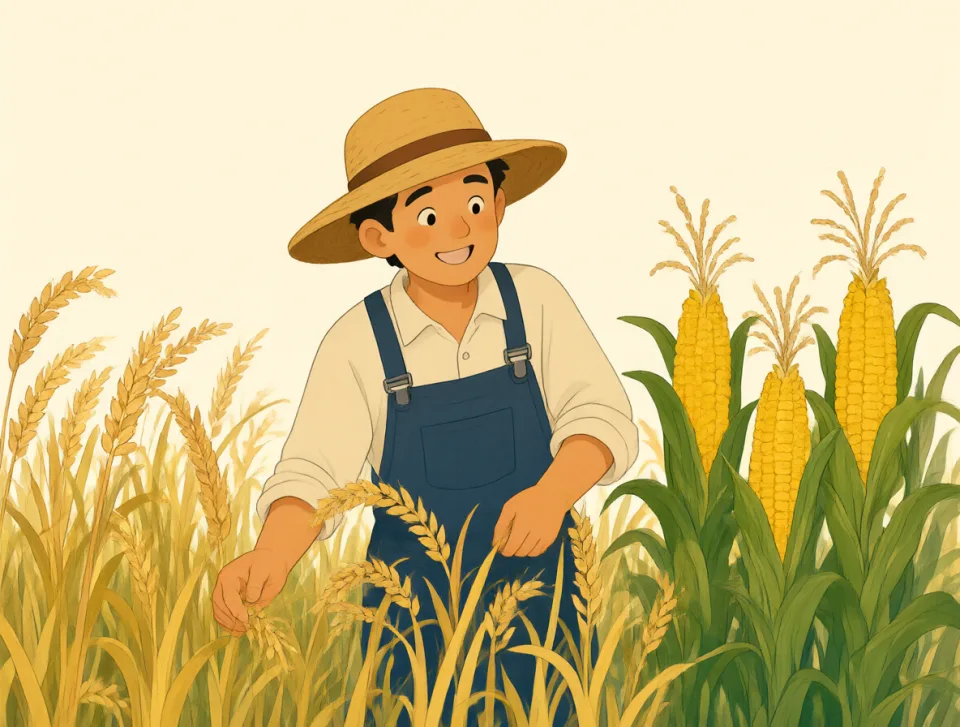
Farmers grow crops such as wheat, rice, and corn.
किसान गेहूँ, चावल और मक्का जैसी फसलें उगाते हैं।
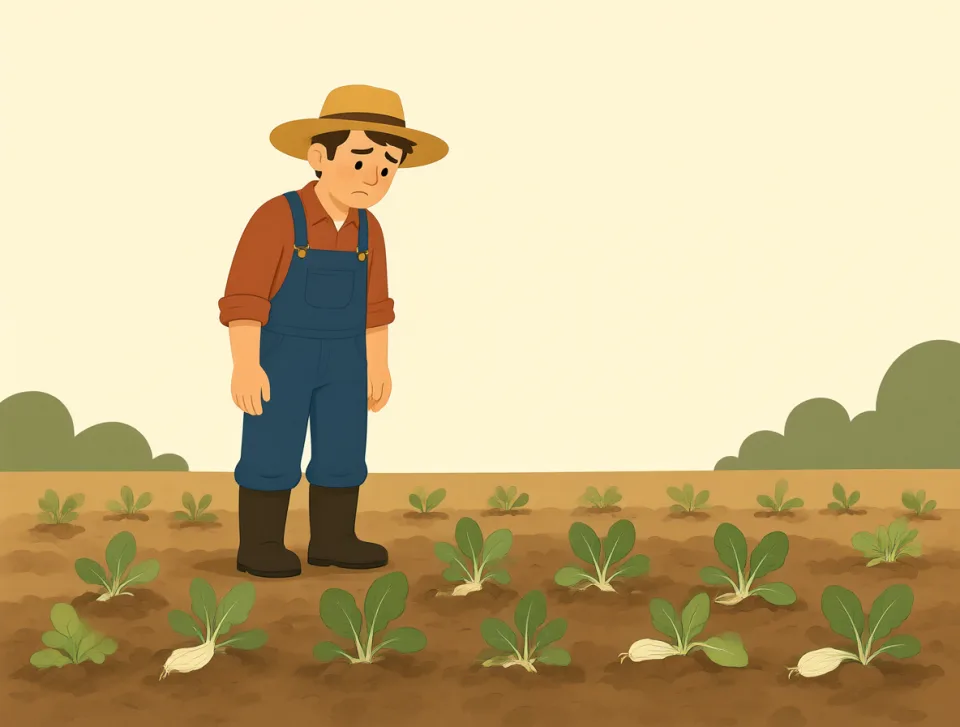
The heavy rain damaged the vegetable crops this year.
इस साल भारी बारिश ने सब्ज़ियों की फसलों को नुकसान पहुँचाया।
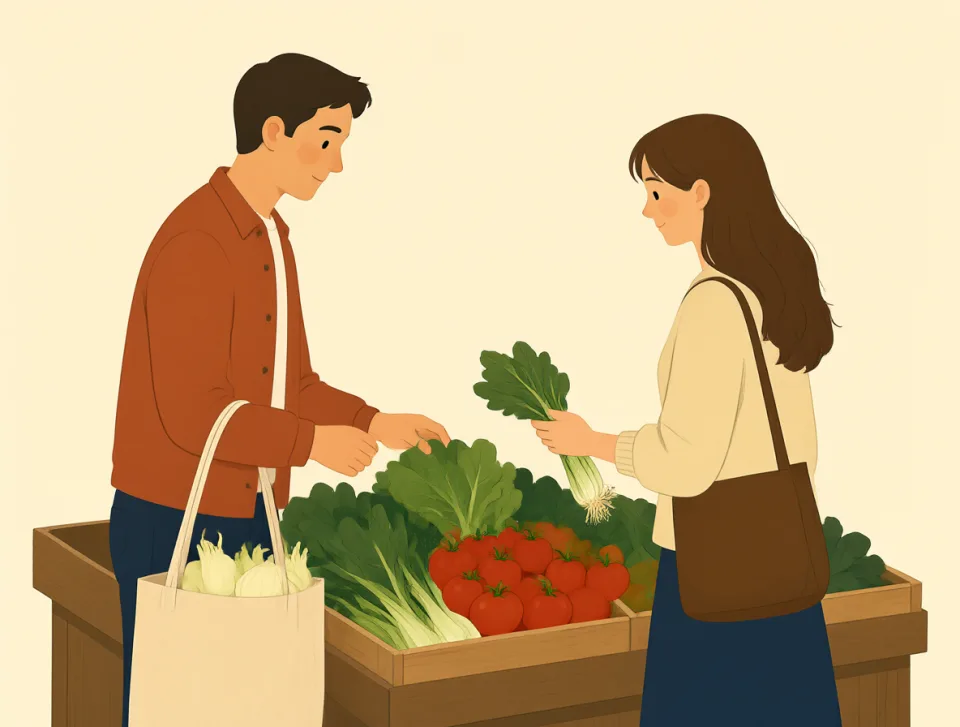
We bought fresh crops from the local market.
हमने स्थानीय बाज़ार से ताज़ी फसलें खरीदीं।
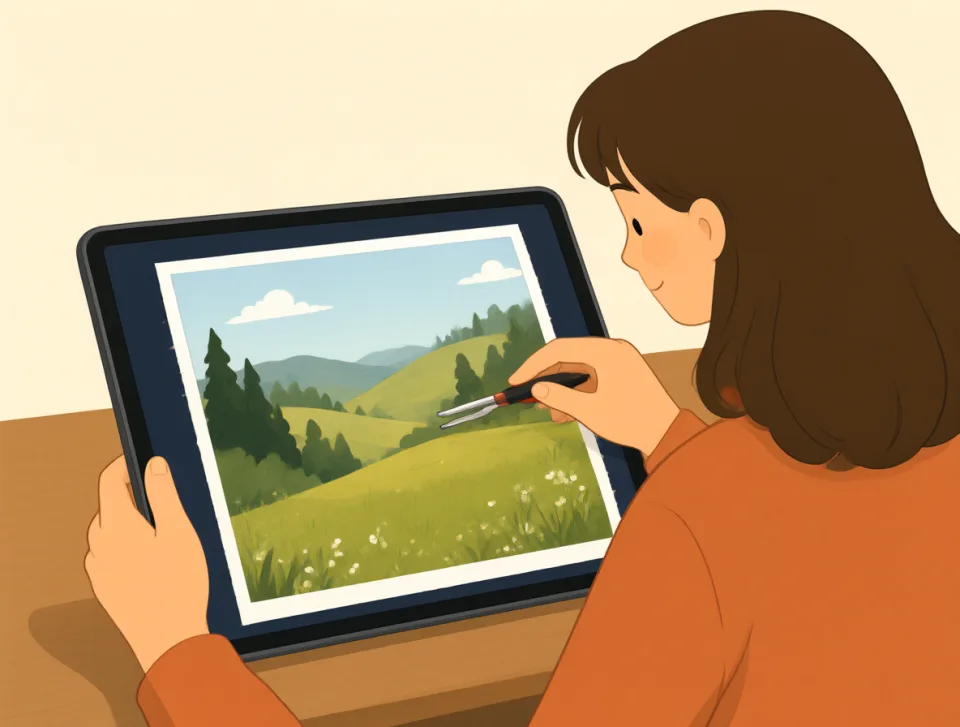
Please crop the photo before you send it.
कृपया तस्वीर भेजने से पहले उसे क्रॉप कर लें।
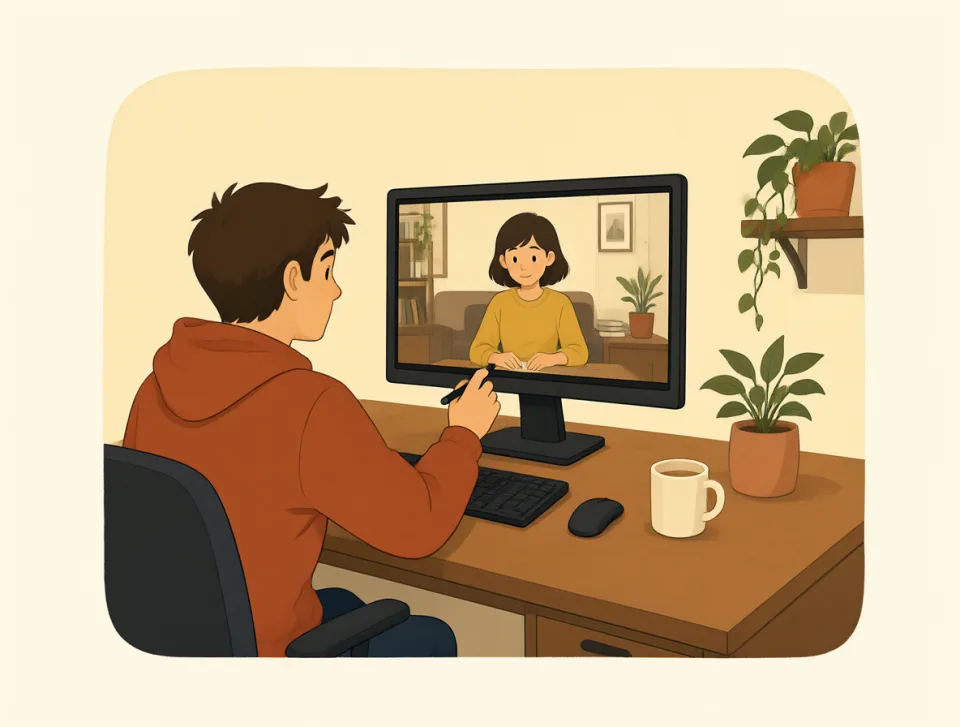
The editor cropped the video to remove the empty space.
संपादक ने खाली जगह हटाने के लिए वीडियो को क्रॉप कर दिया।
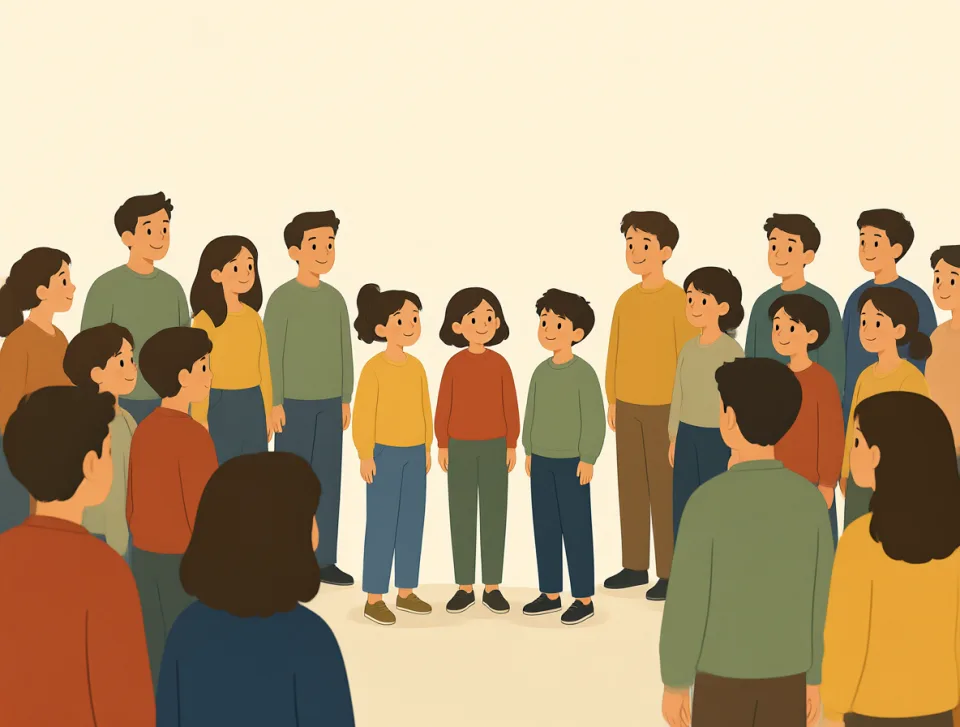
minority
#1987noun
अल्पसंख्यक
A smaller group of people in a community, country, or organization.
किसी समुदाय, देश या संगठन में लोगों का अपेक्षाकृत छोटा समूह।

Women are still a minority in some engineering jobs.
इंजीनियरिंग की कुछ नौकरियों में महिलाएँ अभी भी अल्पसंख्यक हैं।
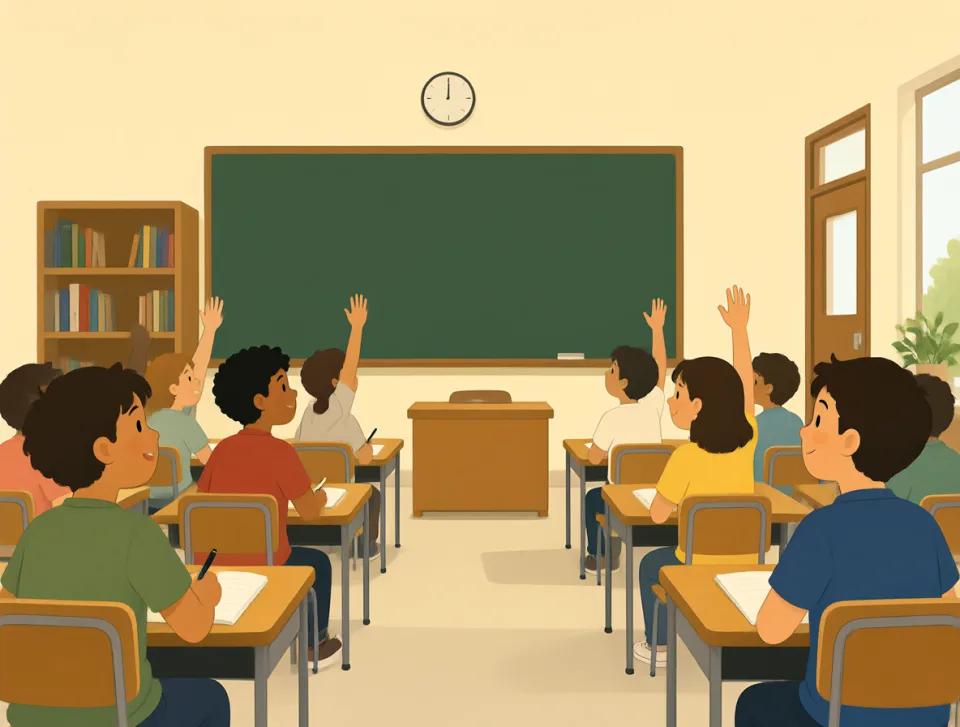
Only a minority of students chose to study abroad.
केवल कुछ ही छात्रों ने विदेश में पढ़ाई करने का विकल्प चुना।
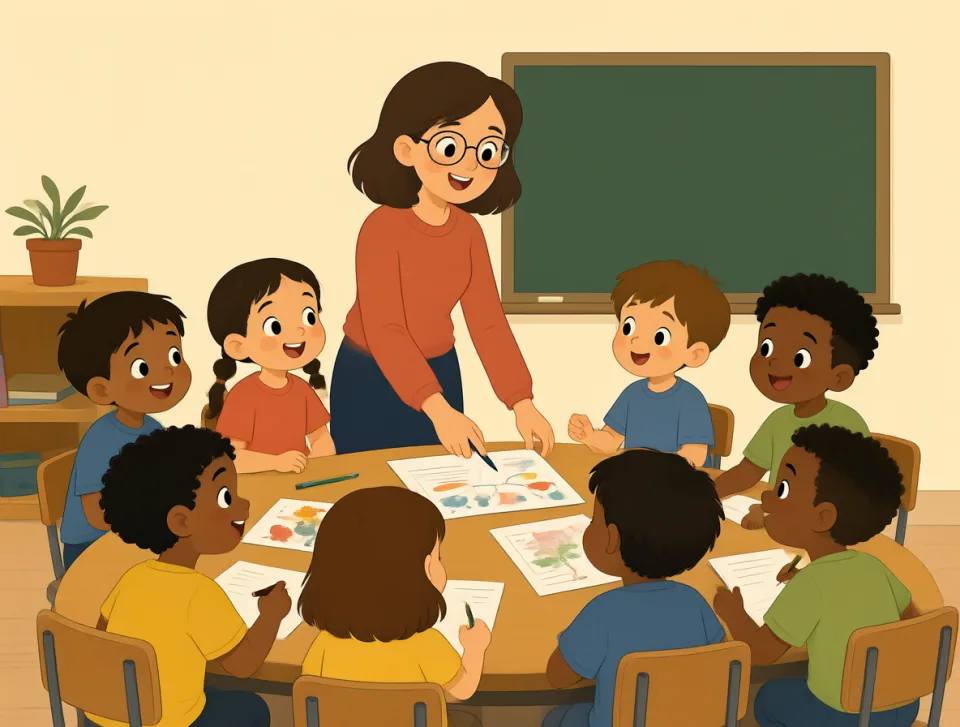
The school supports children from ethnic minorities.
स्कूल जातीय अल्पसंख्यकों के बच्चों का समर्थन करता है।

A small minority of shoppers complained about the new bags.
खरीदारों के एक छोटे से अल्पसंख्यक समूह ने नए थैलों की शिकायत की।

The minority party wants better healthcare for everyone.
अल्पसंख्यक पार्टी सभी के लिए बेहतर स्वास्थ्य सेवा चाहती है।
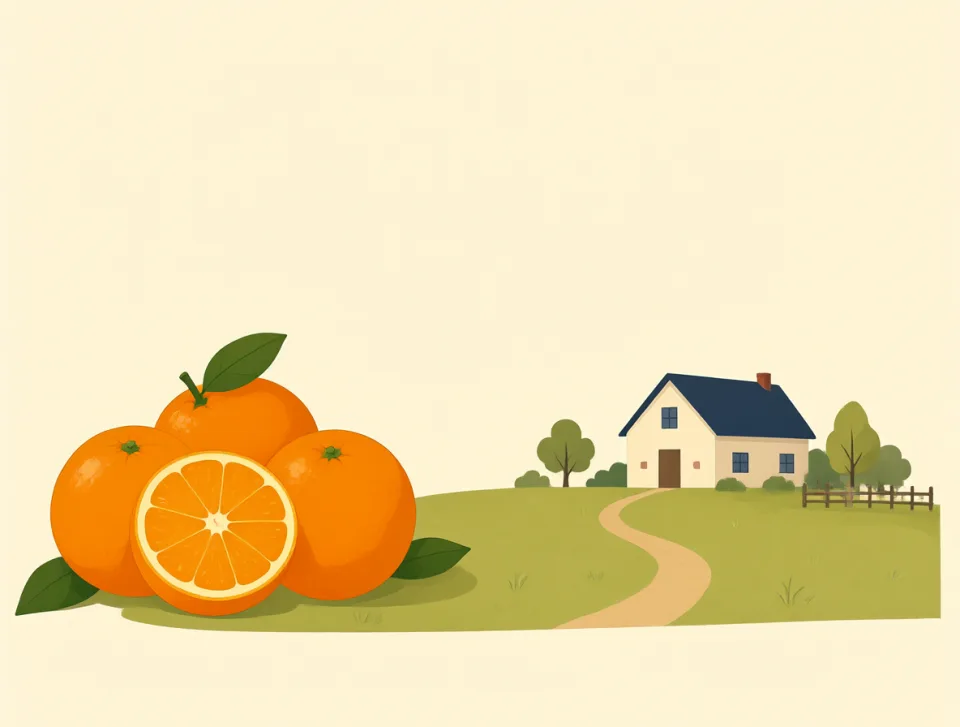
origin
#1988noun
उत्पत्ति
the place, person, or thing that something comes from
वह स्थान, व्यक्ति या वस्तु जहाँ से कोई चीज़ आती है।
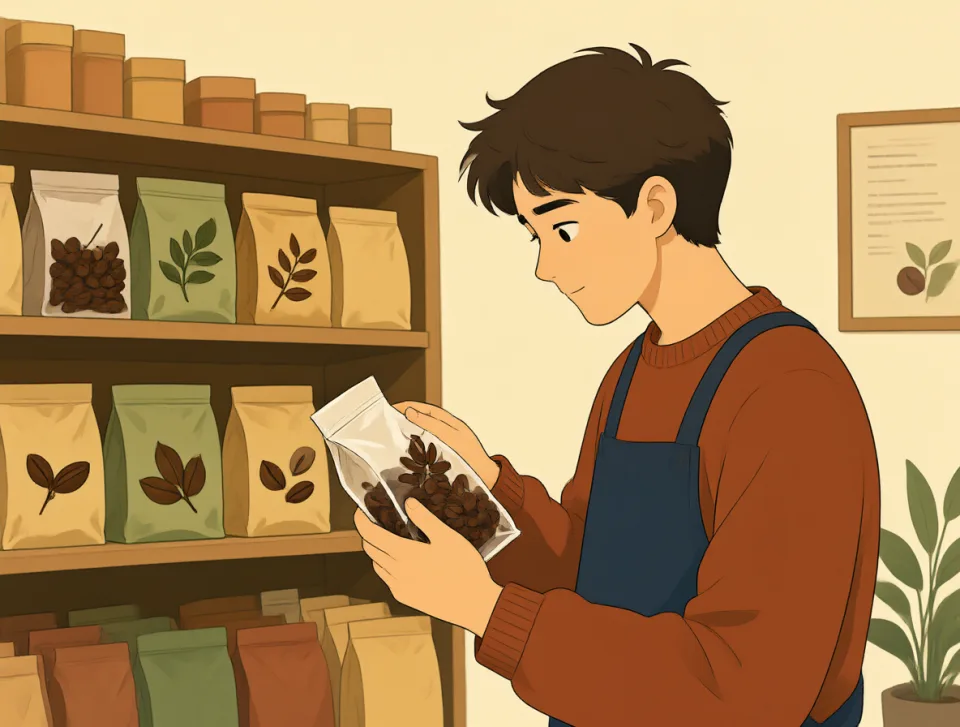
The shop sells coffee from many different countries of origin.
यह दुकान कई अलग-अलग मूल देशों की कॉफी बेचती है।
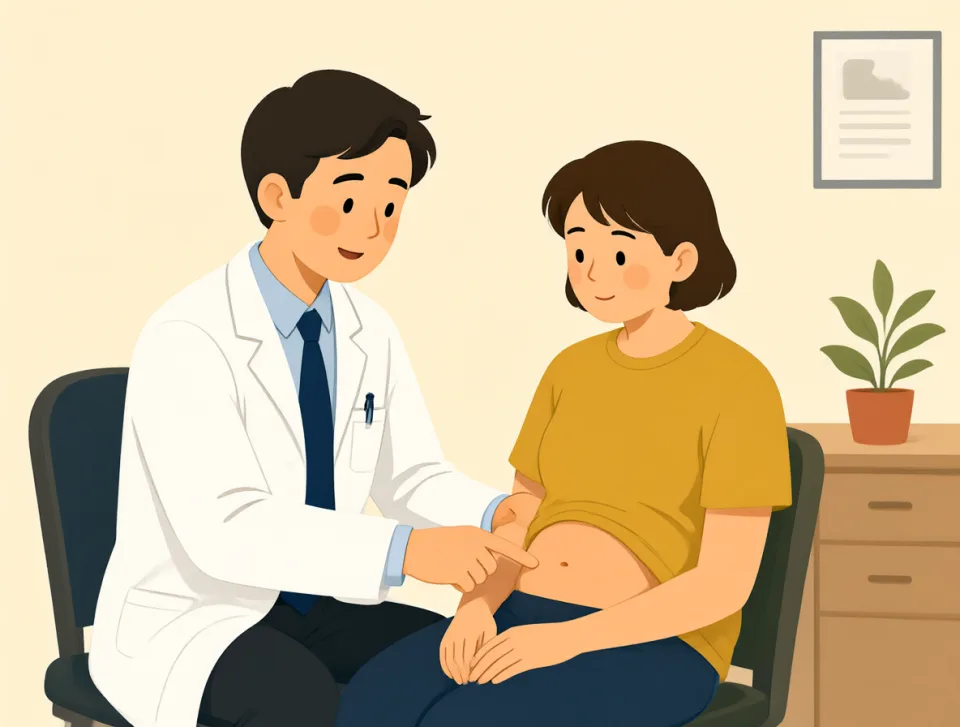
The doctor asked about the origin of my stomach pain.
डॉक्टर ने मेरे पेट के दर्द की उत्पत्ति के बारे में पूछा।
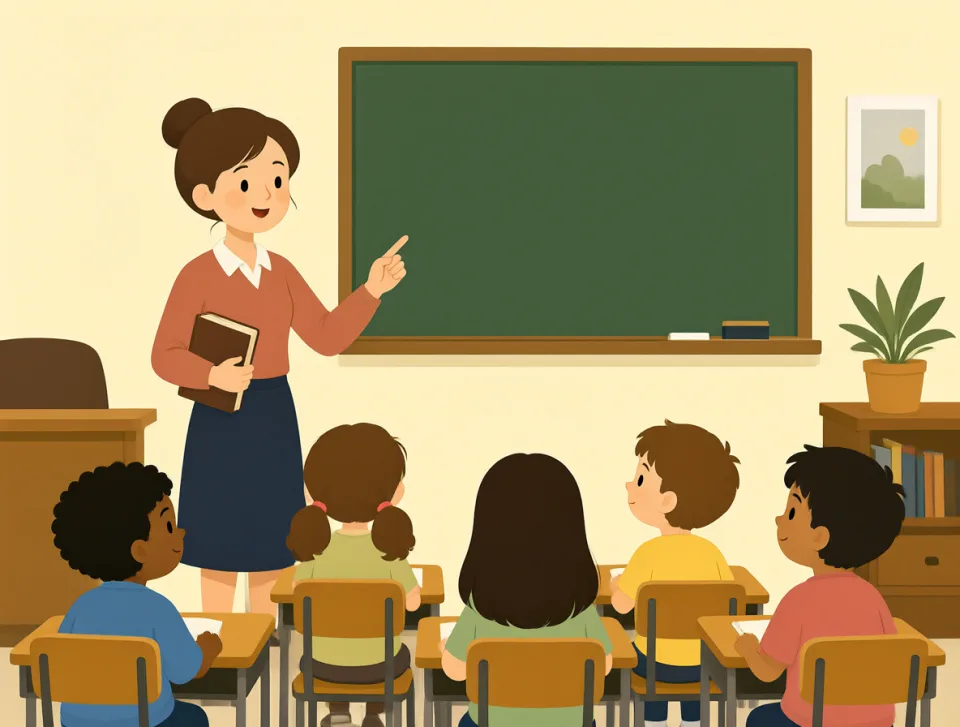
The teacher explained the origin of this old English word.
शिक्षक ने इस पुराने अंग्रेज़ी शब्द की उत्पत्ति समझाई।
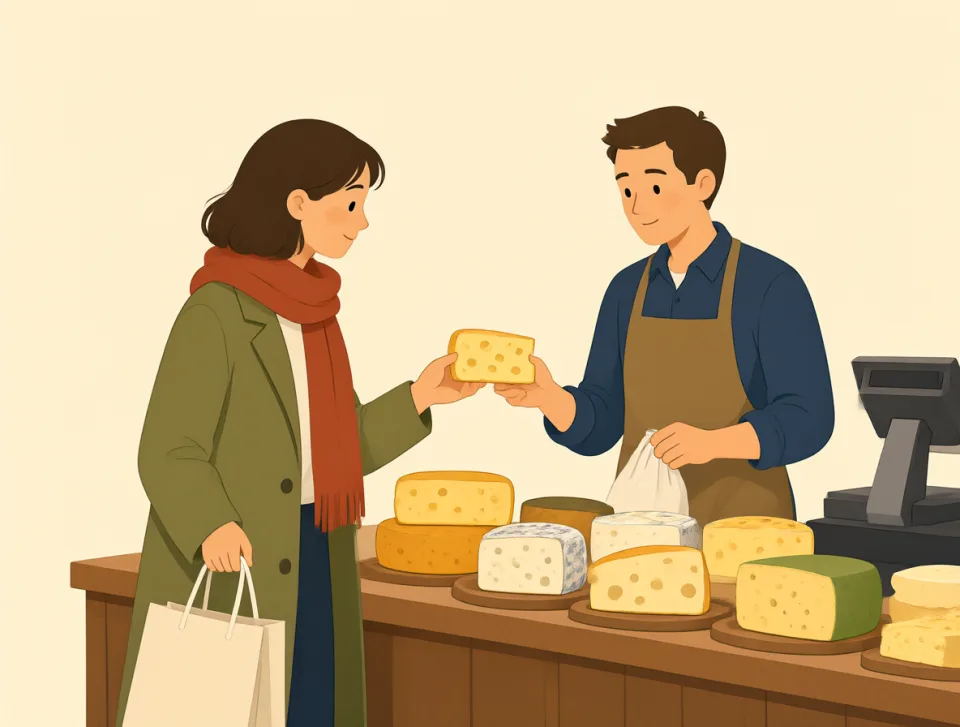
We checked the origin of the cheese before buying it.
इसे खरीदने से पहले हमने पनीर की उत्पत्ति की जाँच की।
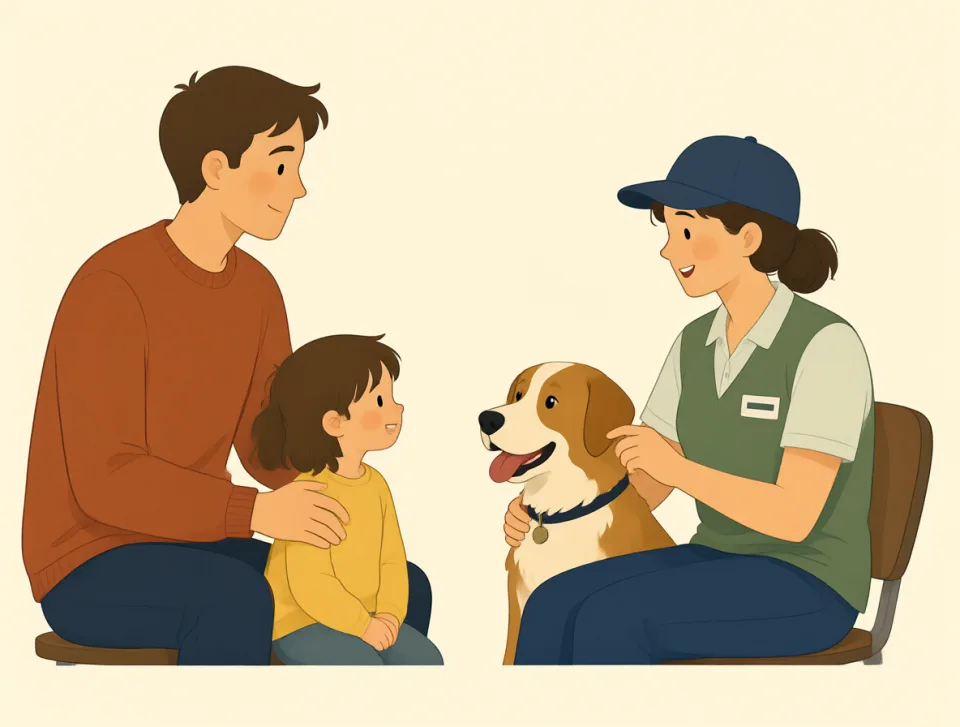
The family discovered their dog's origin at the animal shelter.
परिवार को पशु आश्रय में अपने कुत्ते की उत्पत्ति के बारे में पता चला।
interpretation
#1989noun
व्याख्या
An explanation of what something means or how it should be understood.
किसी चीज़ के अर्थ या उसे समझने के तरीके का स्पष्टीकरण।
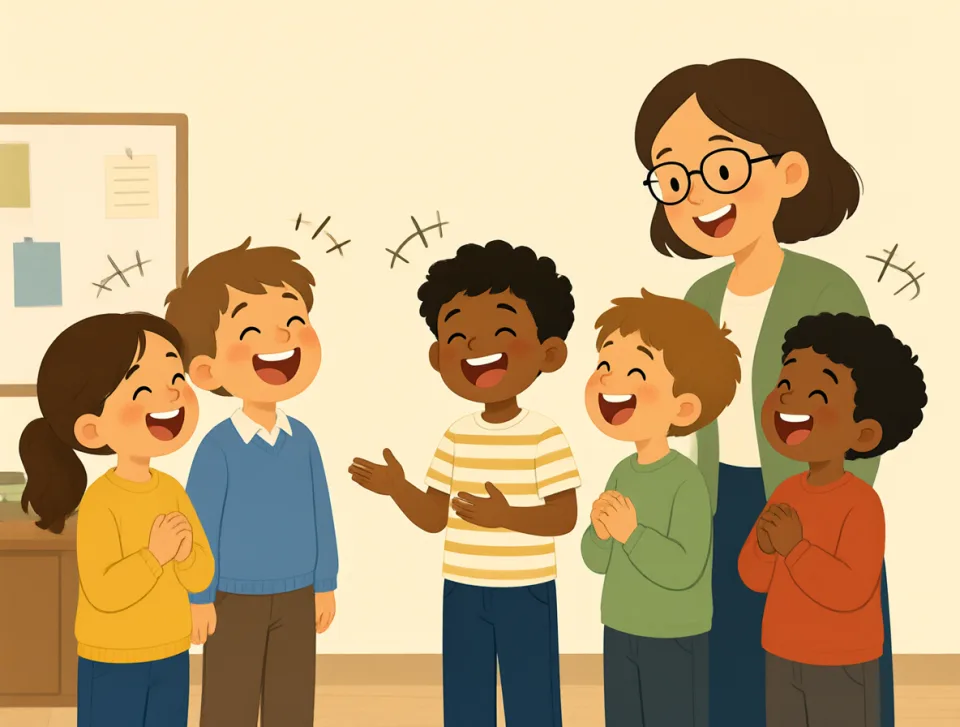
Her interpretation of the teacher's joke made everyone laugh.
शिक्षक के मज़ाक की उसकी व्याख्या ने सबको हँसा दिया।
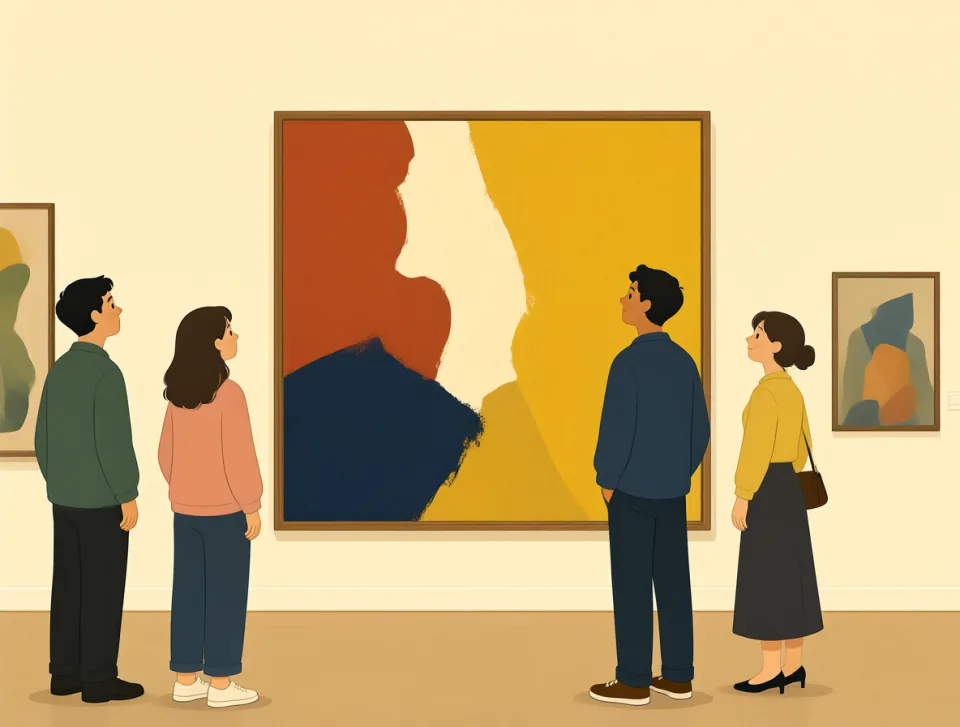
Different people may have different interpretations of this painting.
अलग-अलग लोगों की इस चित्रकला की अलग-अलग व्याख्याएँ हो सकती हैं।

The doctor explained his interpretation of my blood test results.
डॉक्टर ने मेरे रक्त जाँच के परिणामों की अपनी व्याख्या समझाई।
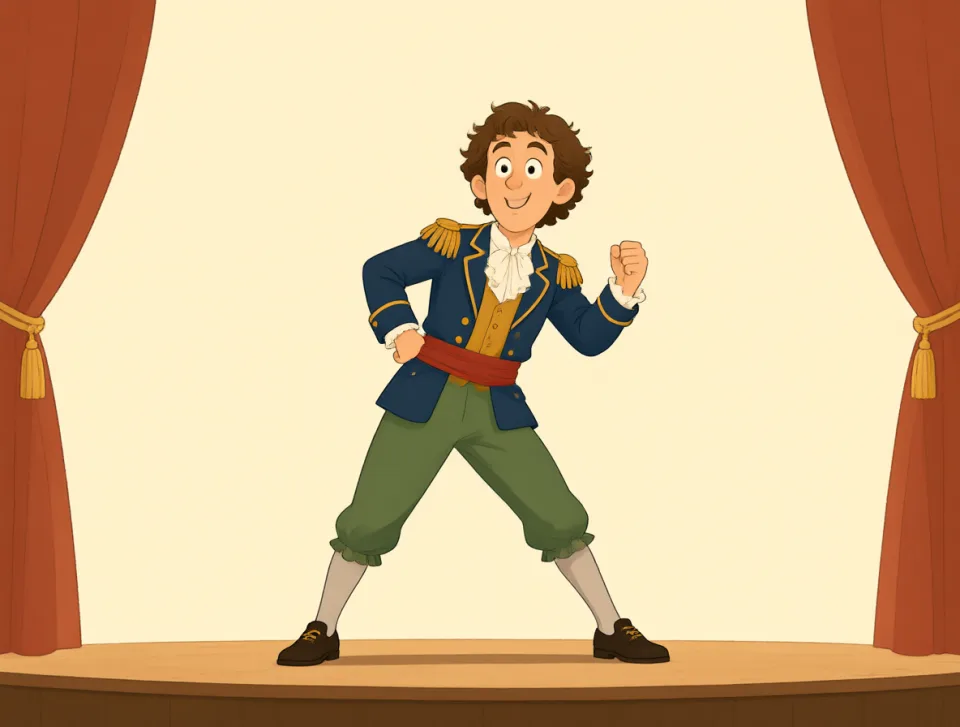
The actor gave a funny interpretation of the famous character.
अभिनेता ने उस प्रसिद्ध पात्र की मज़ेदार व्याख्या प्रस्तुत की।
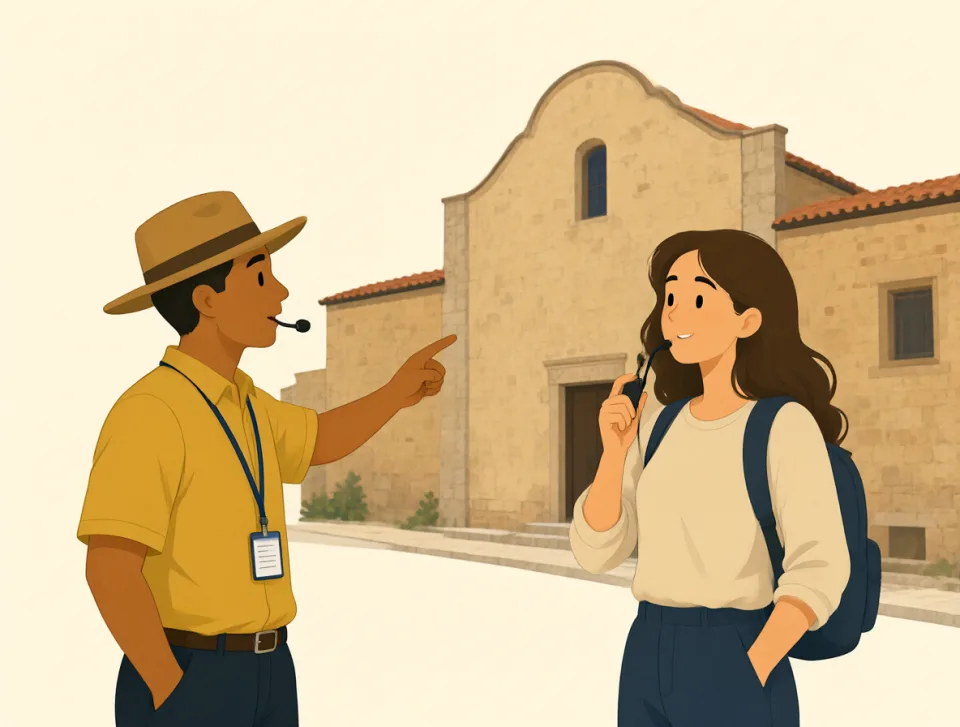
The tour included interpretation for visitors who did not speak English.
इस दौरे में उन आगंतुकों के लिए व्याख्या की सुविधा शामिल थी, जो अंग्रेज़ी नहीं बोलते थे।
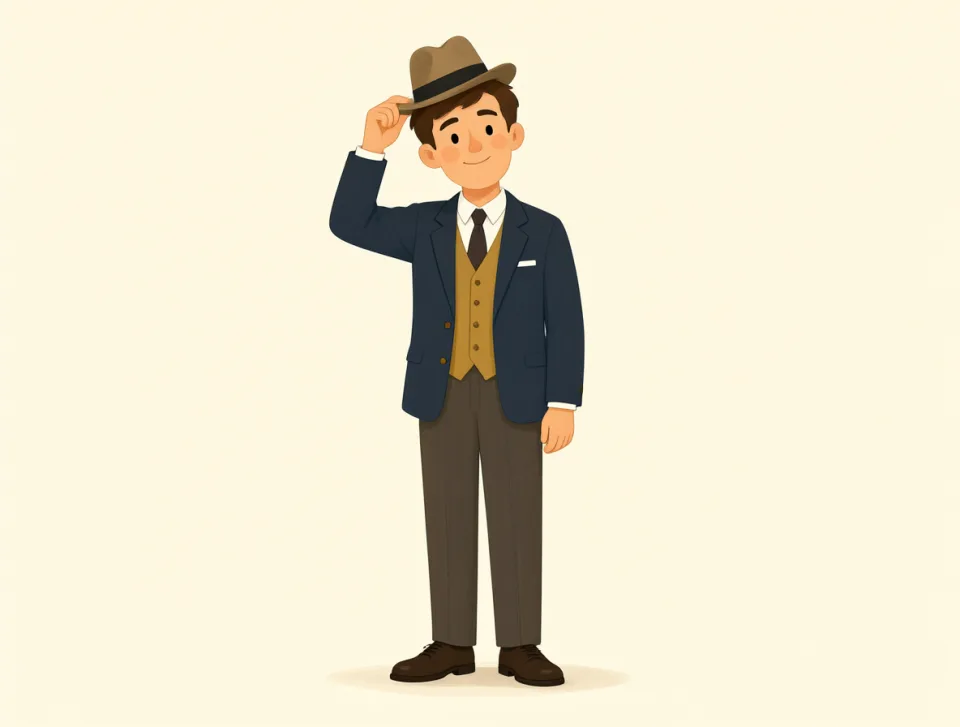
gentleman
#1990noun
सज्जन
A polite and well-mannered man, often used as a respectful way to address one.
शिष्ट और अच्छे व्यवहार वाला पुरुष; किसी पुरुष को सम्मानपूर्वक संबोधित करने के लिए भी इस्तेमाल किया जाता है।
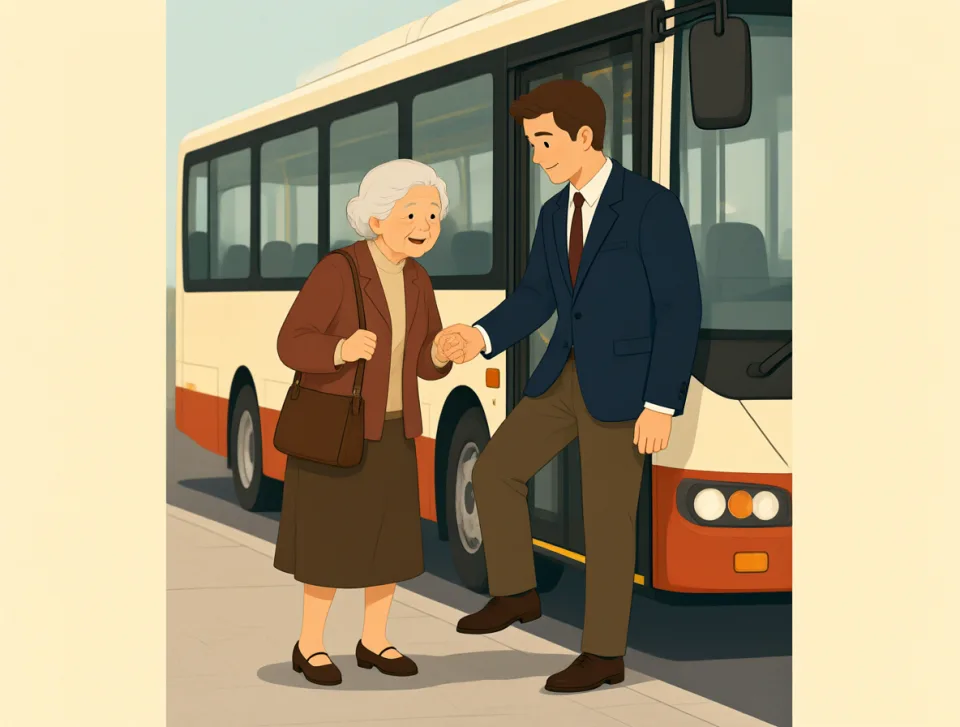
The gentleman helped an elderly woman onto the bus.
उस सज्जन ने एक बुज़ुर्ग महिला को बस में चढ़ने में मदद की।

A gentleman always says please and thank you.
एक सज्जन हमेशा कृपया और धन्यवाद कहता है।
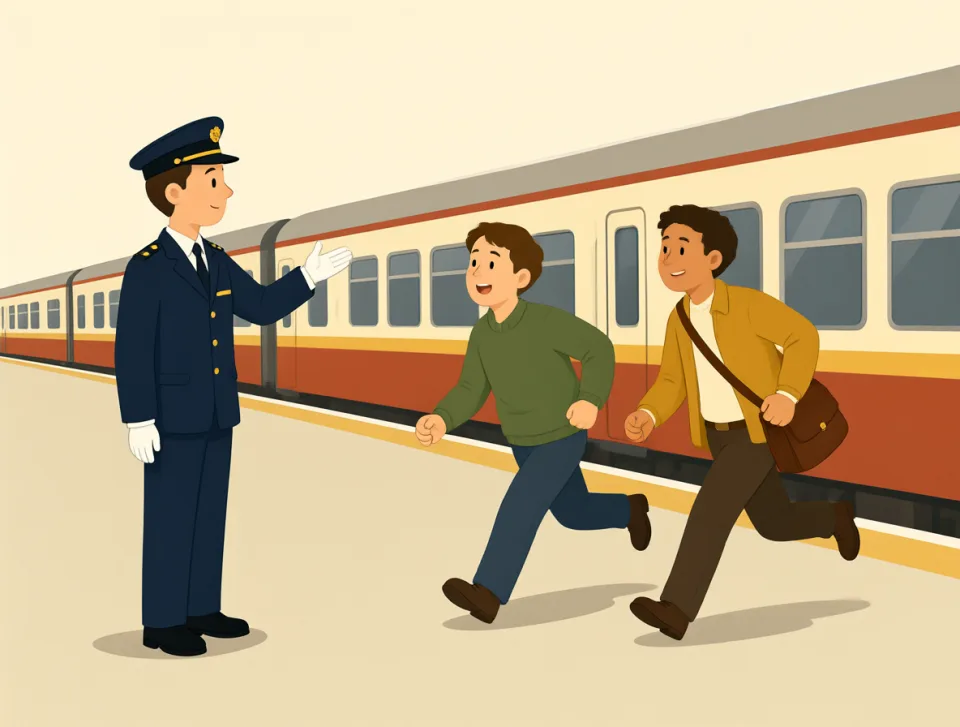
Excuse me, gentlemen, your train is leaving soon.
माफ़ कीजिए, सज्जनो, आपकी ट्रेन जल्द ही रवाना होने वाली है।

The gentleman at the hotel desk found my passport.
होटल के रिसेप्शन पर मौजूद सज्जन को मेरा पासपोर्ट मिल गया।
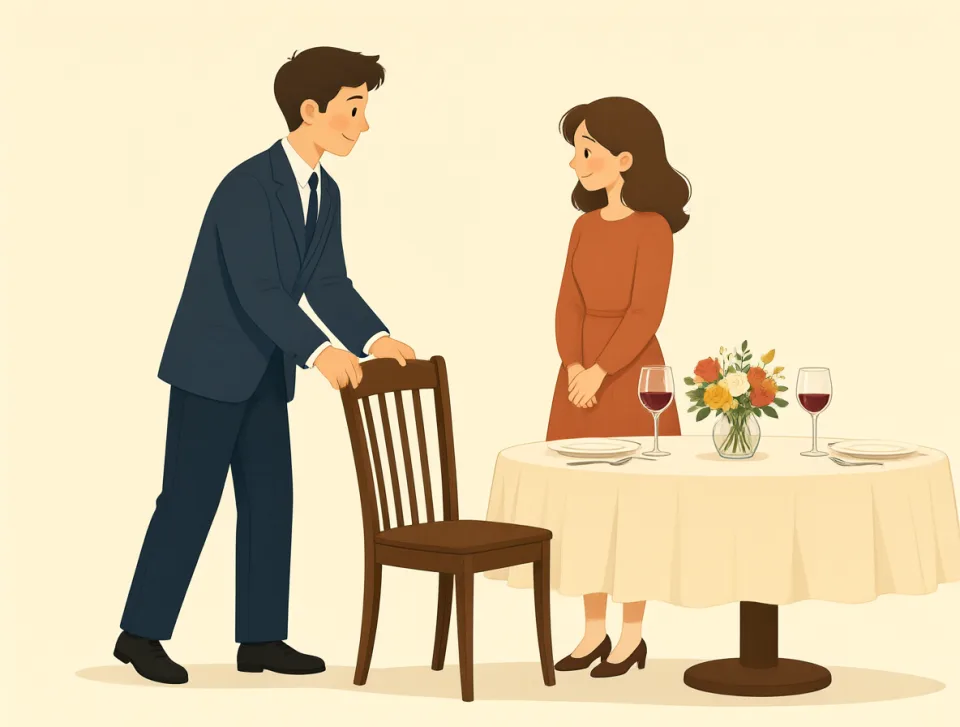
He behaved like a true gentleman at dinner.
रात के खाने पर उसने एक सच्चे सज्जन की तरह व्यवहार किया।
drama
#1991noun
नाटकीय घटना
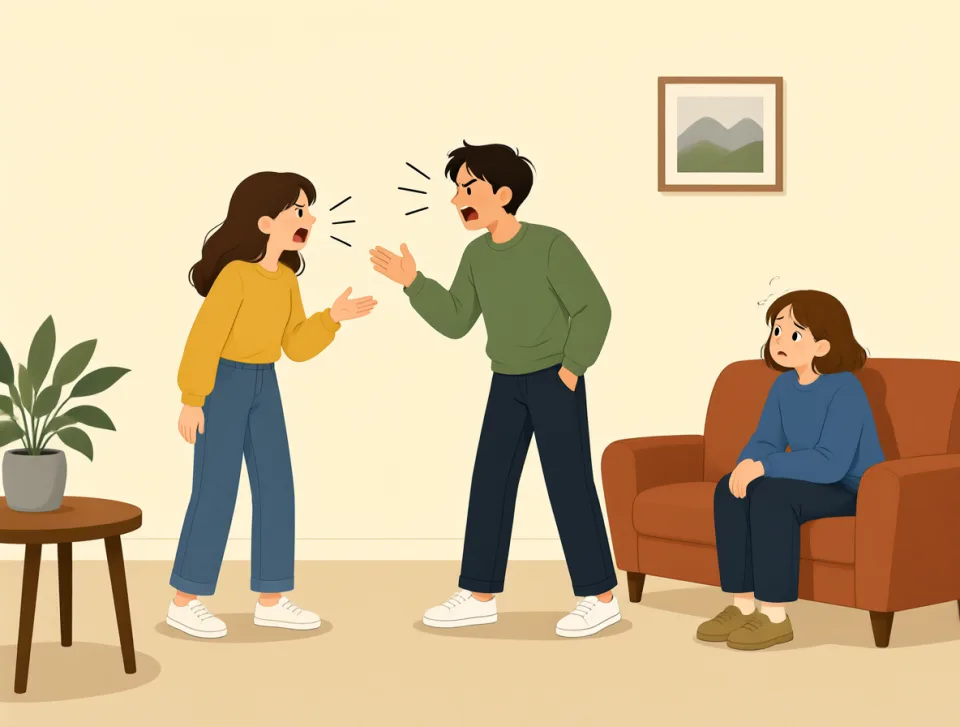
An exciting or emotional situation that causes trouble or strong feelings.
ऐसी रोमांचक या भावनात्मक स्थिति जिससे परेशानी या तीव्र भावनाएँ पैदा हों।
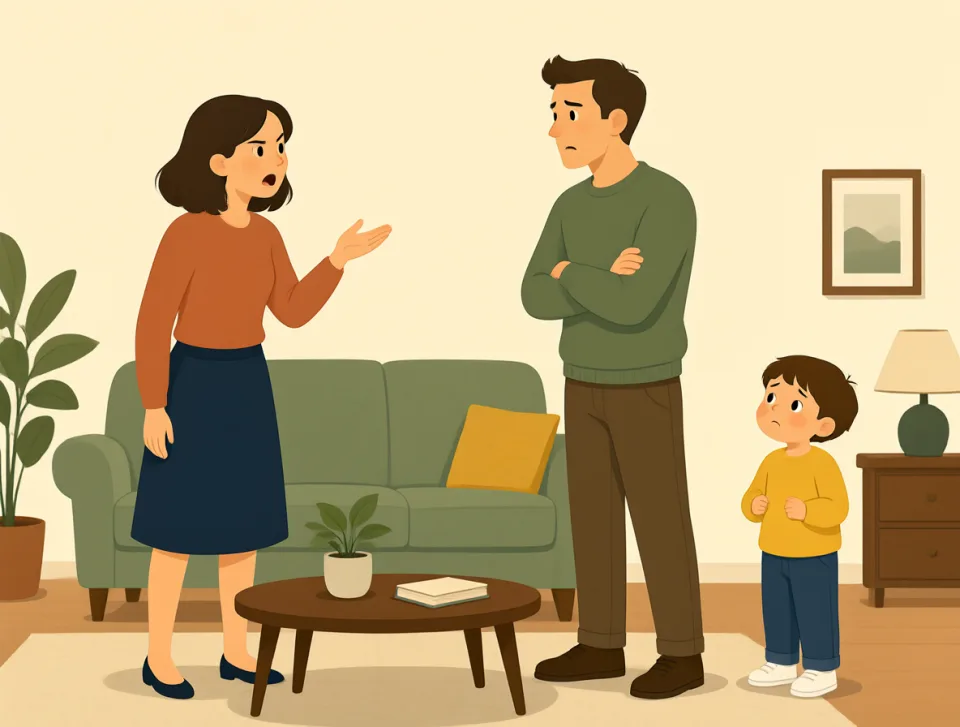
There was a lot of drama at home last night.
कल रात घर पर बहुत हंगामा हुआ।
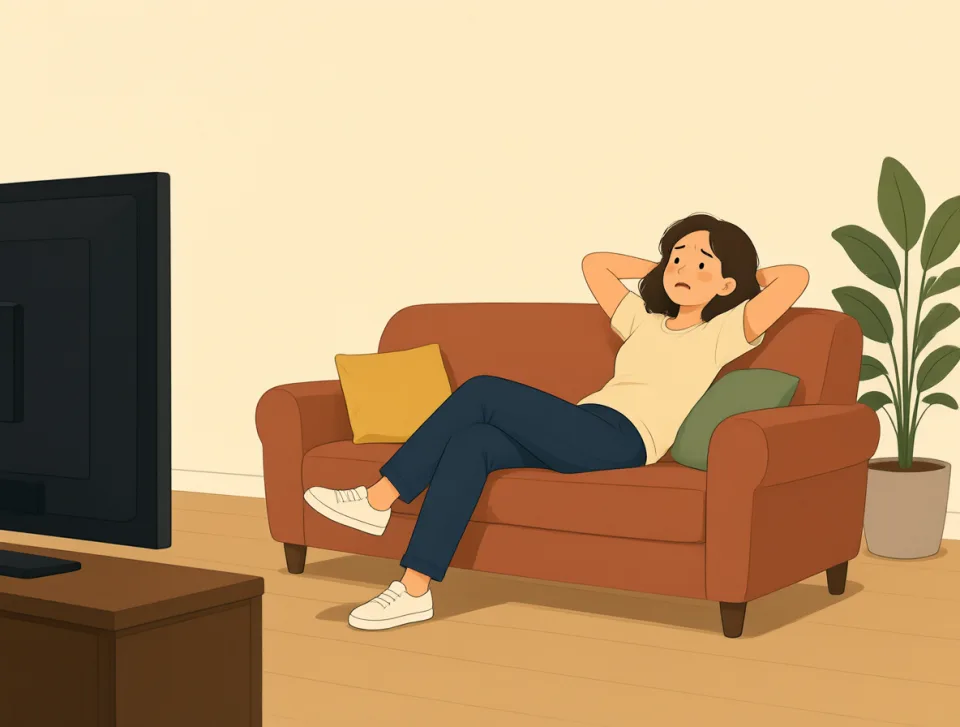
She loves watching drama series after work.
उसे काम के बाद ड्रामा सीरीज़ देखना बहुत पसंद है।
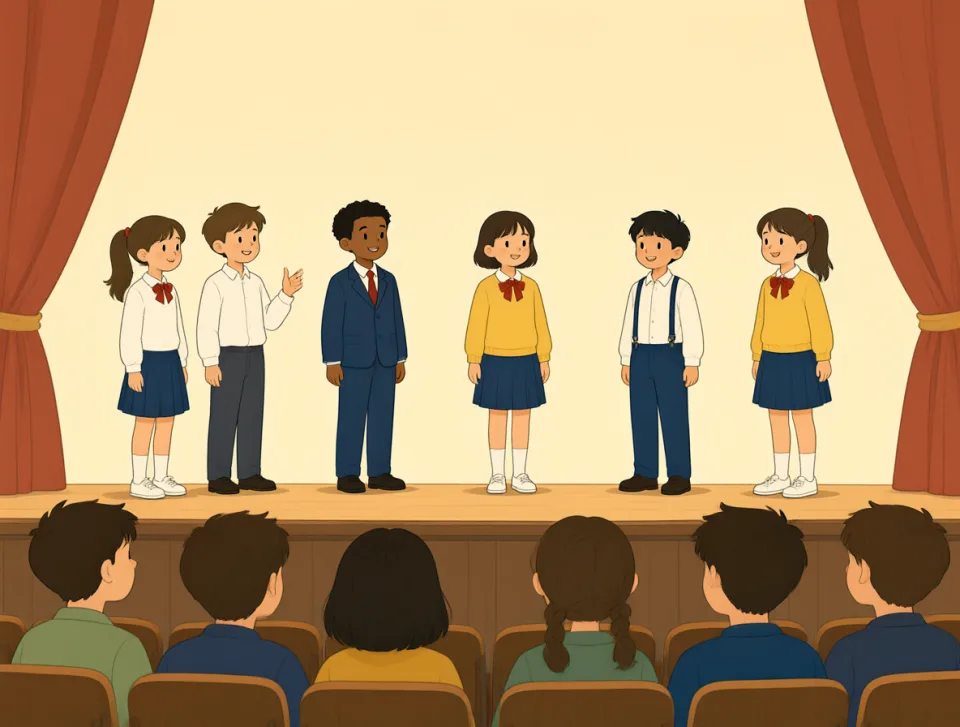
The school drama club performed a play on Friday.
स्कूल के नाटक क्लब ने शुक्रवार को एक नाटक पेश किया।

Please stop creating drama over a small mistake.
एक छोटी-सी गलती पर इतना हंगामा करना बंद करो।
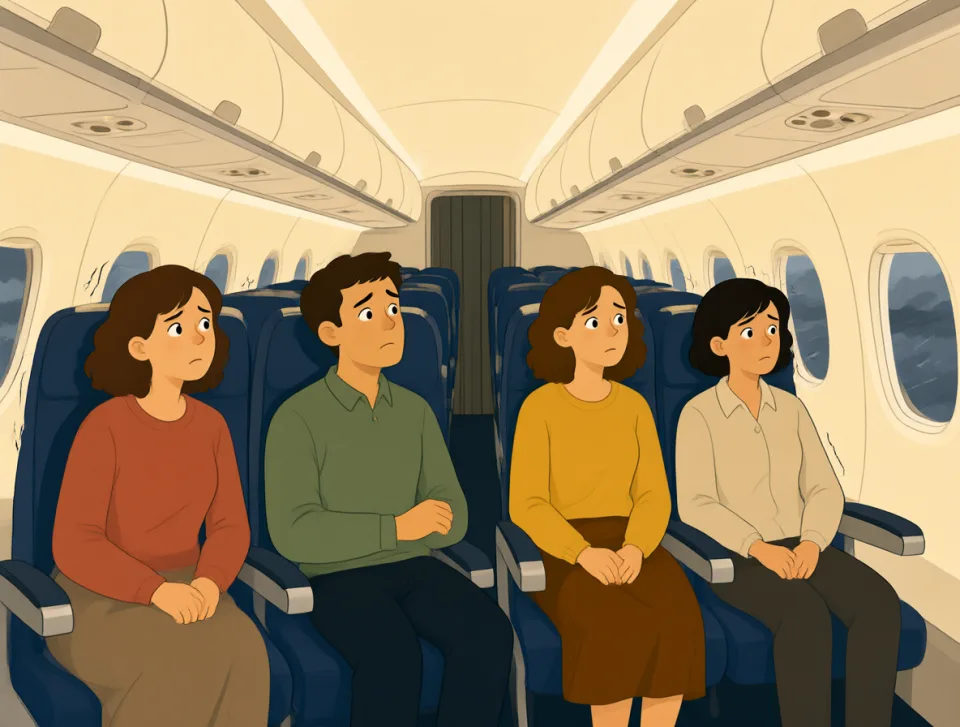
The flight had some drama when the weather suddenly changed.
मौसम अचानक बदलने पर उड़ान के दौरान कुछ हंगामा हुआ।
landscape
#1992noun
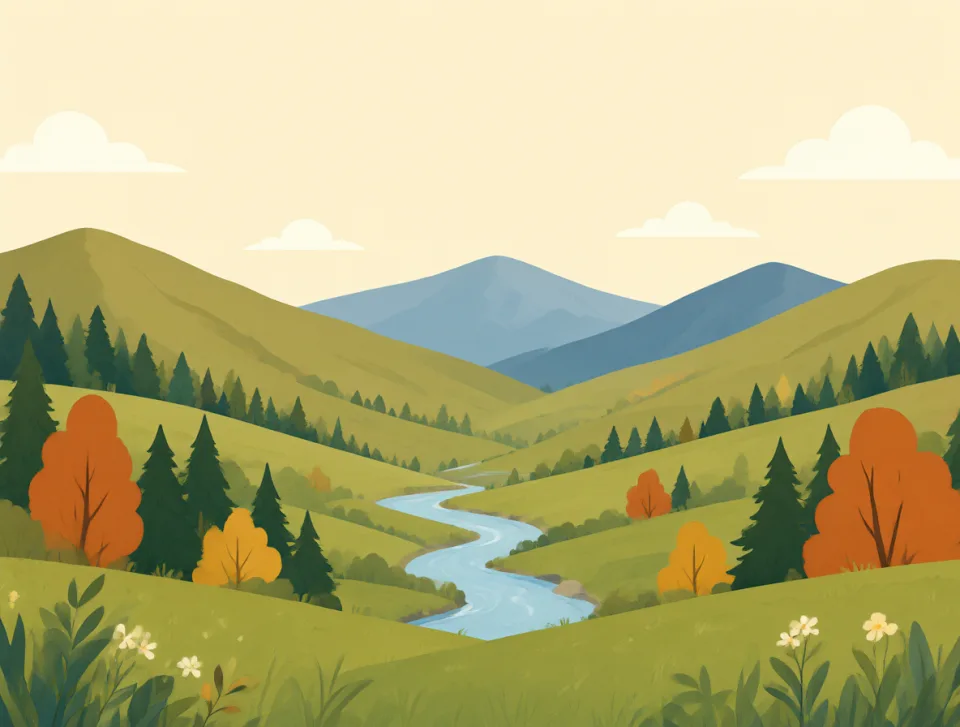
प्राकृतिक दृश्य
The land, plants, and natural features of a place, especially as seen from far away.
किसी जगह की ज़मीन, पेड़-पौधे और प्राकृतिक बनावट, खासकर दूर से दिखाई देने वाला दृश्य।
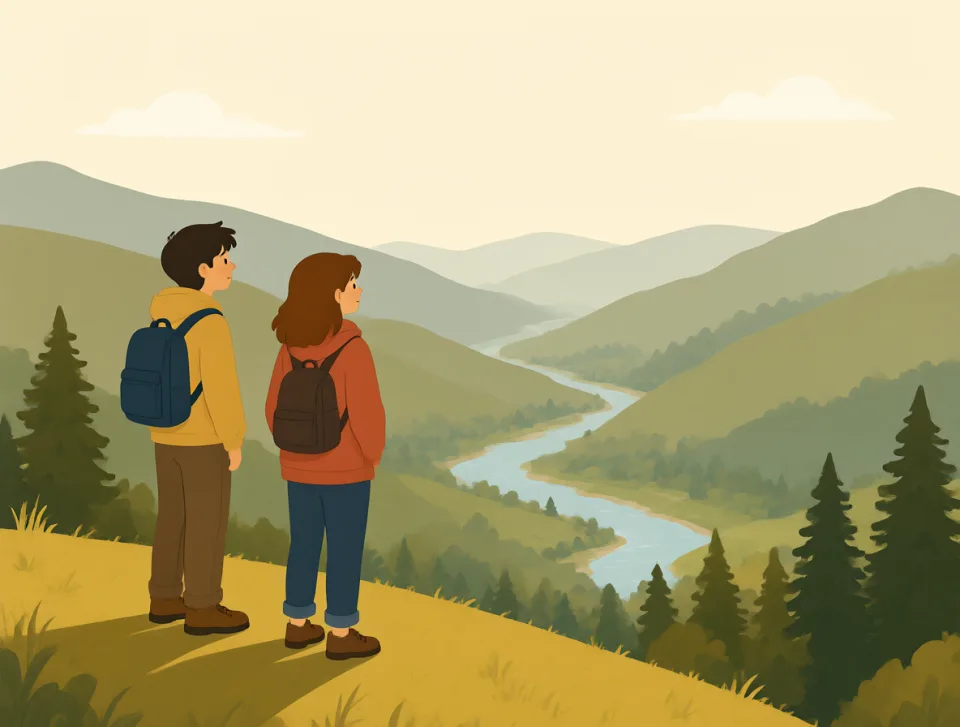
We stopped to enjoy the beautiful mountain landscape.
हम खूबसूरत पहाड़ी नज़ारे का आनंद लेने के लिए रुके।
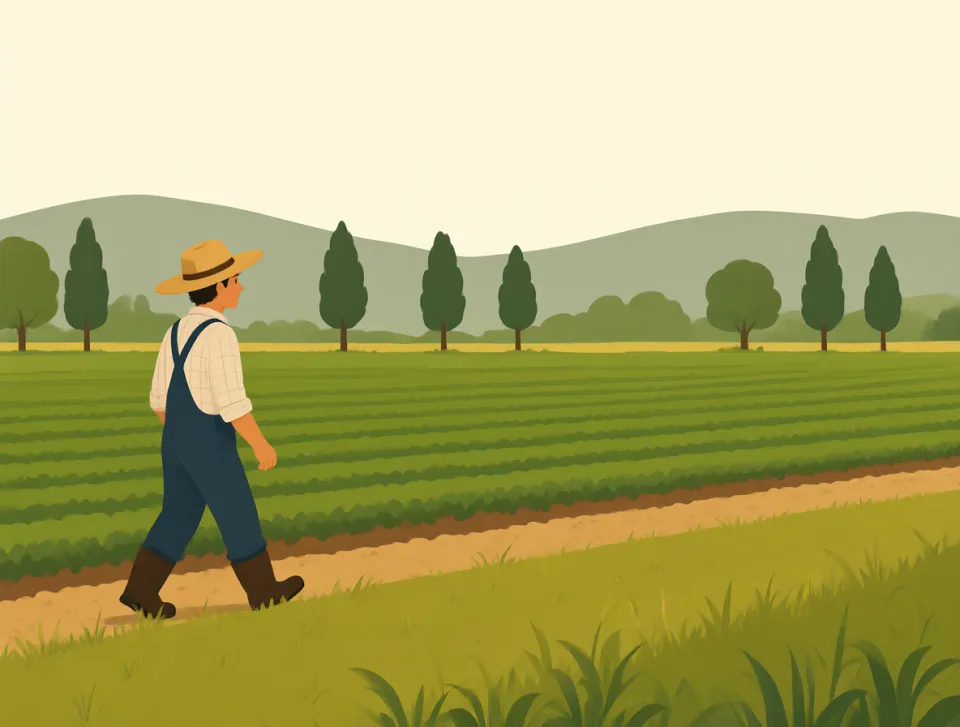
The countryside landscape was covered with green fields and trees.
ग्रामीण इलाक़े का नज़ारा हरे-भरे खेतों और पेड़ों से ढका था।
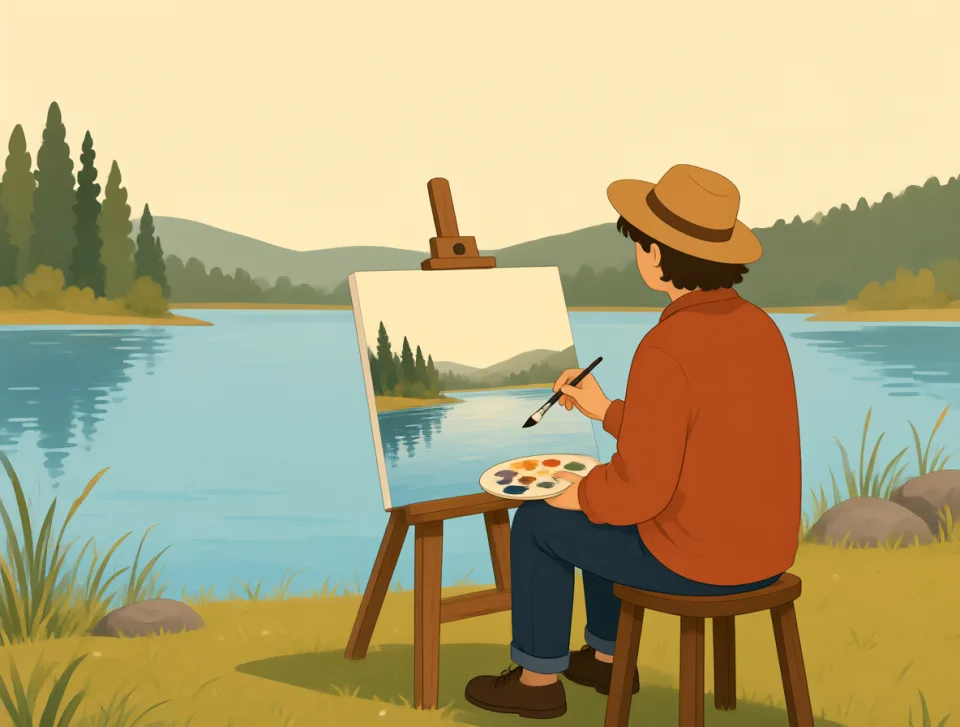
The artist painted a peaceful landscape near the lake.
कलाकार ने झील के पास का शांत प्राकृतिक दृश्य बनाया।
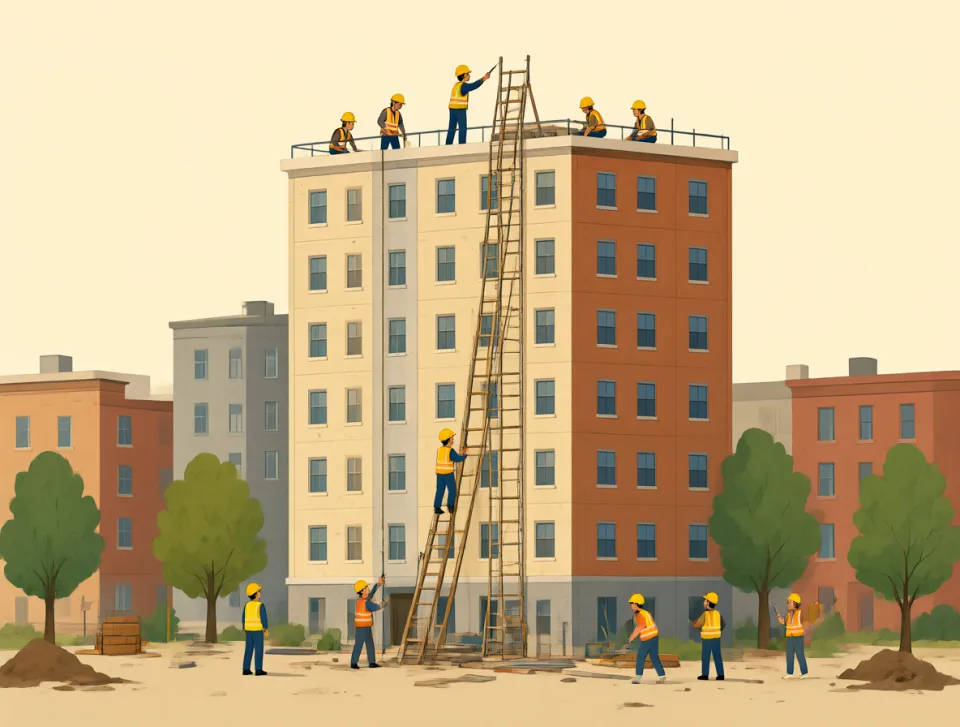
New buildings are changing the city landscape quickly.
नई इमारतें शहर का रूप तेज़ी से बदल रही हैं।
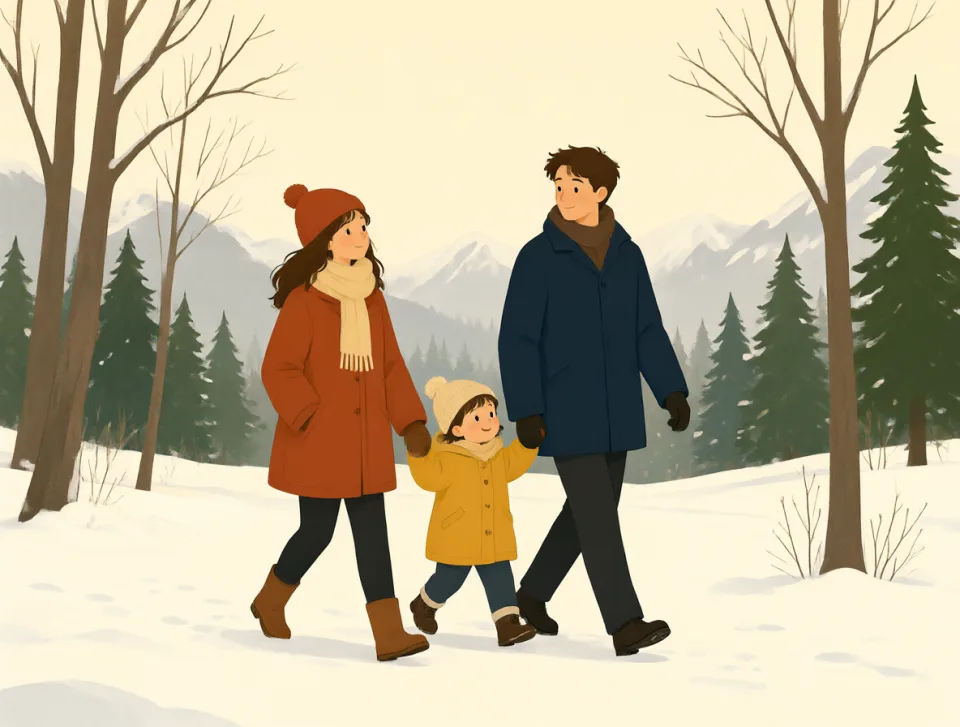
The snowy landscape looked magical during our winter trip.
सर्दियों की हमारी यात्रा के दौरान बर्फ़ से ढका नज़ारा जादुई लग रहा था।
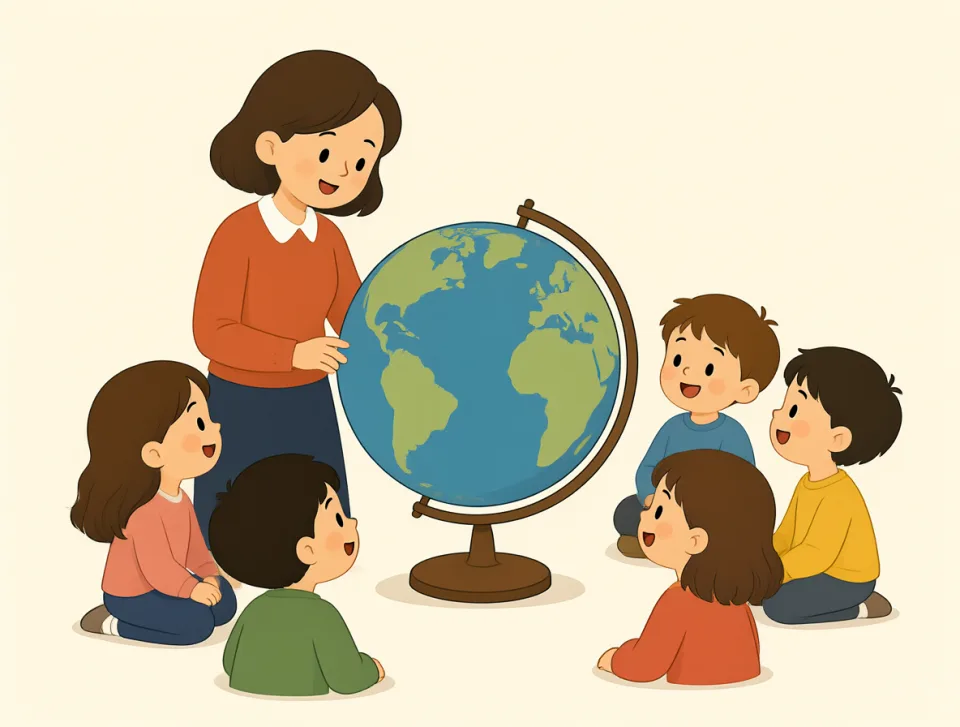
educate
#1993verb
शिक्षित करना
to teach someone about a subject or help them develop knowledge and skills
किसी को किसी विषय के बारे में सिखाना या उसका ज्ञान और कौशल बढ़ाने में मदद करना।
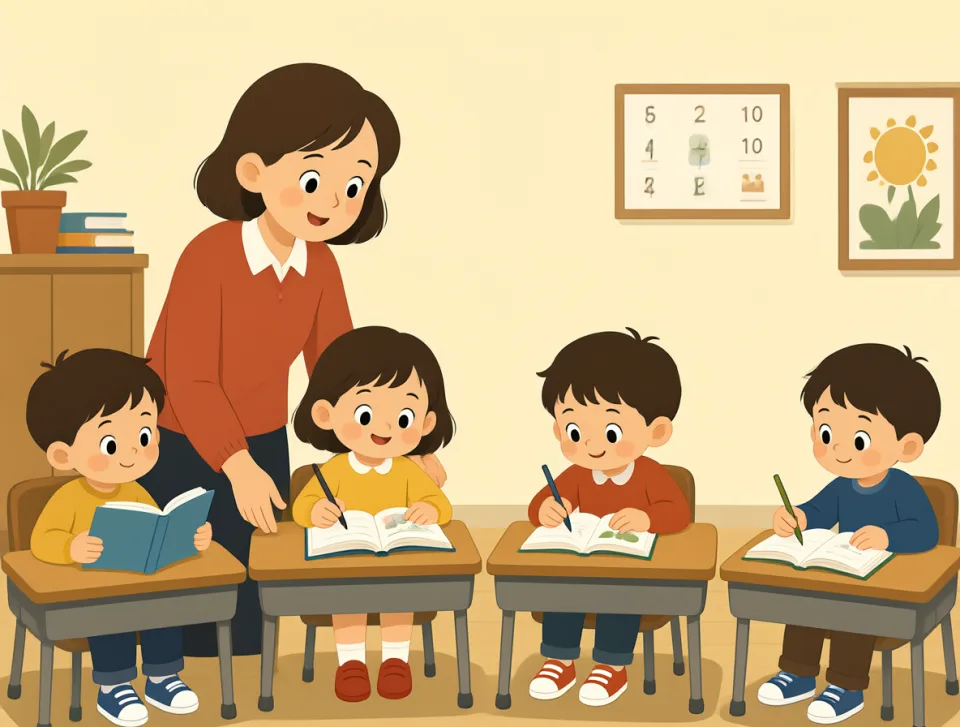
Schools educate children in reading, writing, and mathematics.
स्कूल बच्चों को पढ़ना, लिखना और गणित सिखाते हैं।
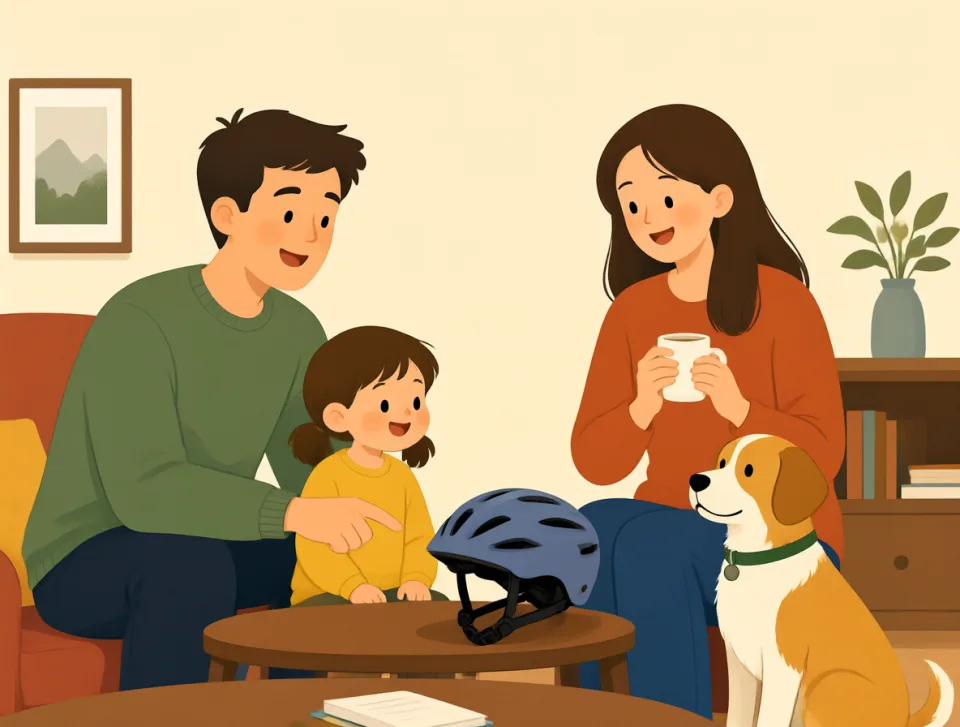
Parents educate their children about safety and kindness.
माता-पिता अपने बच्चों को सुरक्षा और दयालुता के बारे में सिखाते हैं।

The course educates workers about workplace safety.
यह कोर्स कर्मचारियों को कार्यस्थल की सुरक्षा के बारे में जानकारी देता है।
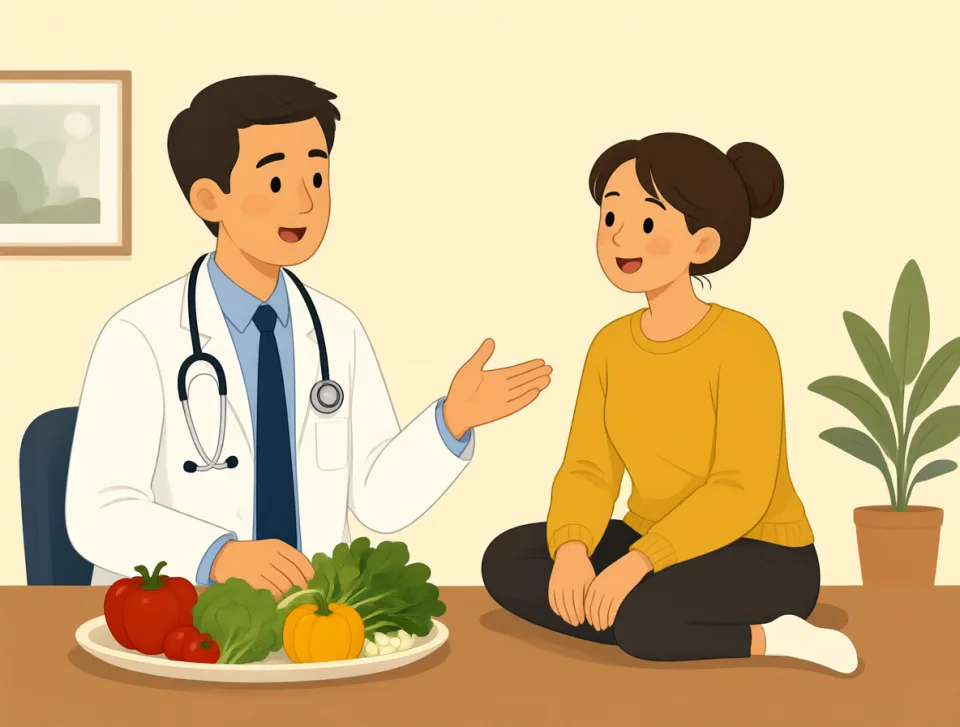
Doctors educate patients about healthy food and exercise.
डॉक्टर मरीज़ों को स्वस्थ भोजन और व्यायाम के बारे में जानकारी देते हैं।
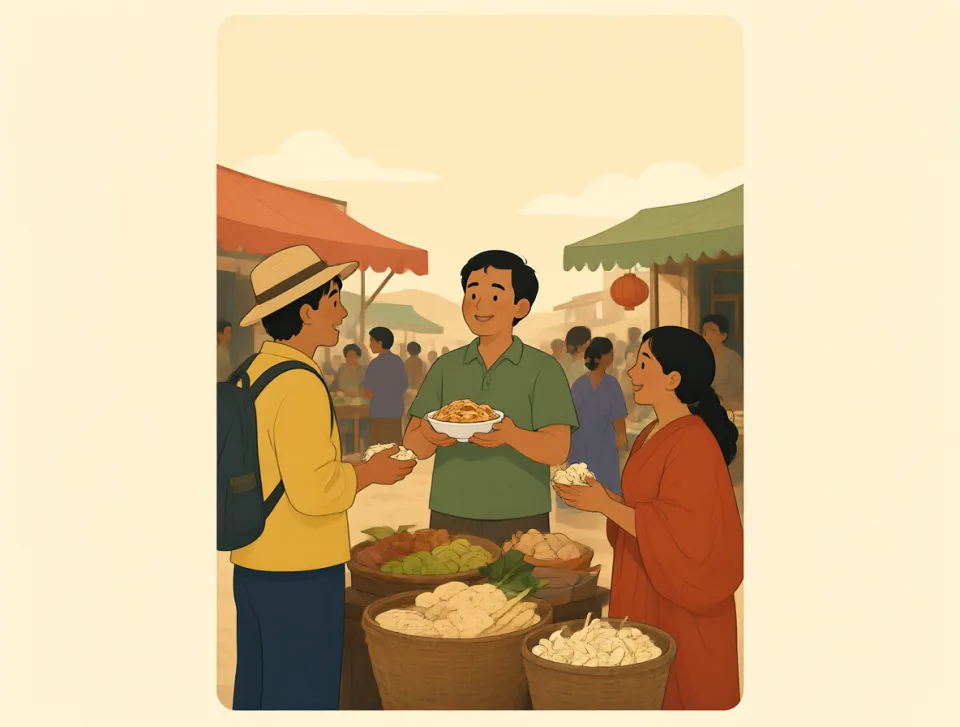
Travel can educate people about different cultures and traditions.
यात्रा से लोग अलग-अलग संस्कृतियों और परंपराओं के बारे में सीख सकते हैं।
toy
#1994noun, verb
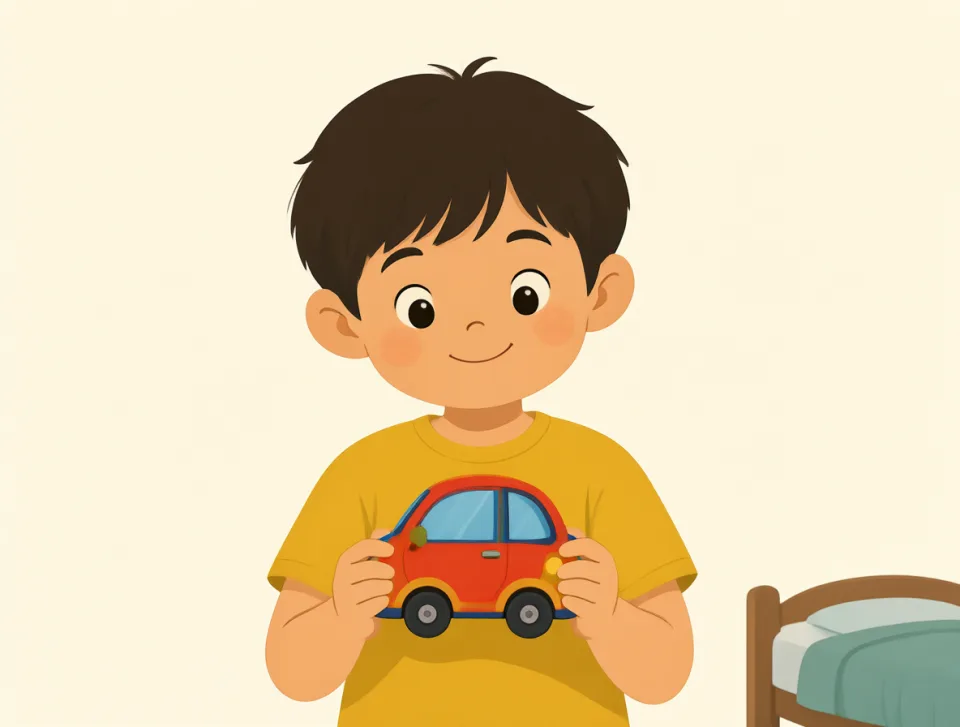
खिलौना
An object children play with; to treat something as if it were only for fun.
ऐसी वस्तु जिससे बच्चे खेलते हैं; किसी चीज़ को ऐसे लेना मानो वह सिर्फ़ मज़े के लिए हो।
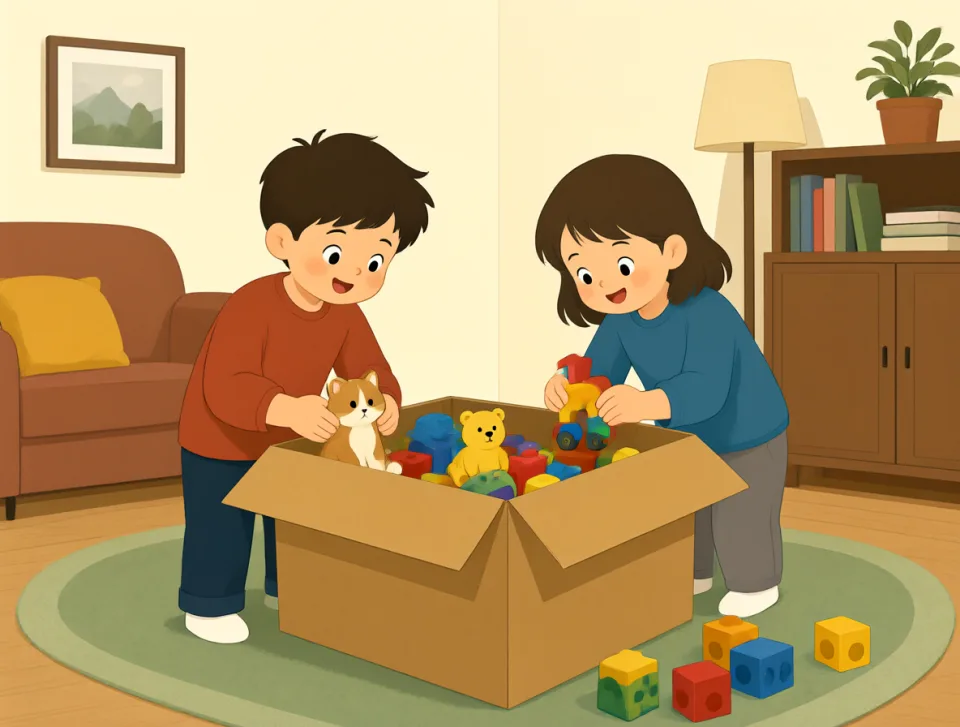
The children put their toys away before dinner.
बच्चों ने रात के खाने से पहले अपने खिलौने समेटकर रख दिए।
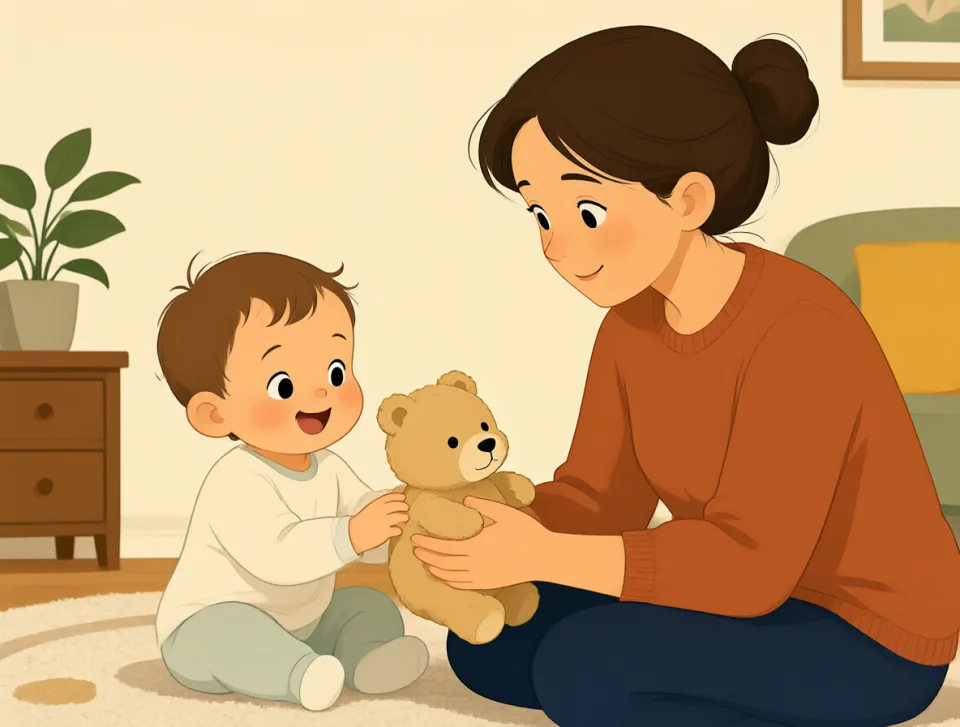
She bought a new toy for her baby.
उसने अपने बच्चे के लिए एक नया खिलौना खरीदा।
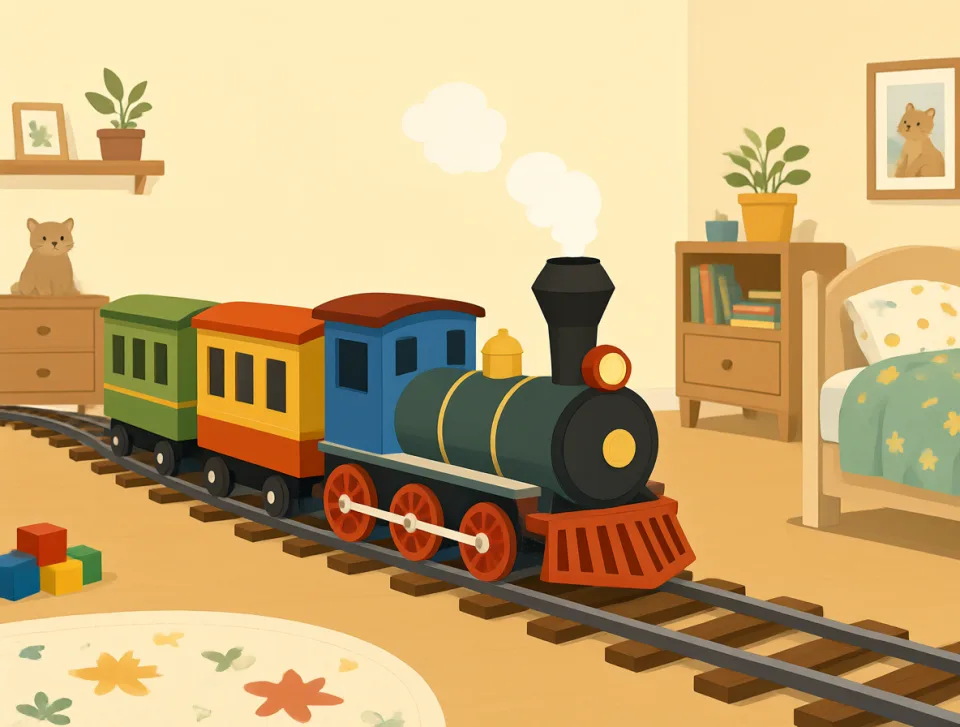
This toy train runs on batteries.
यह खिलौना ट्रेन बैटरियों से चलती है।
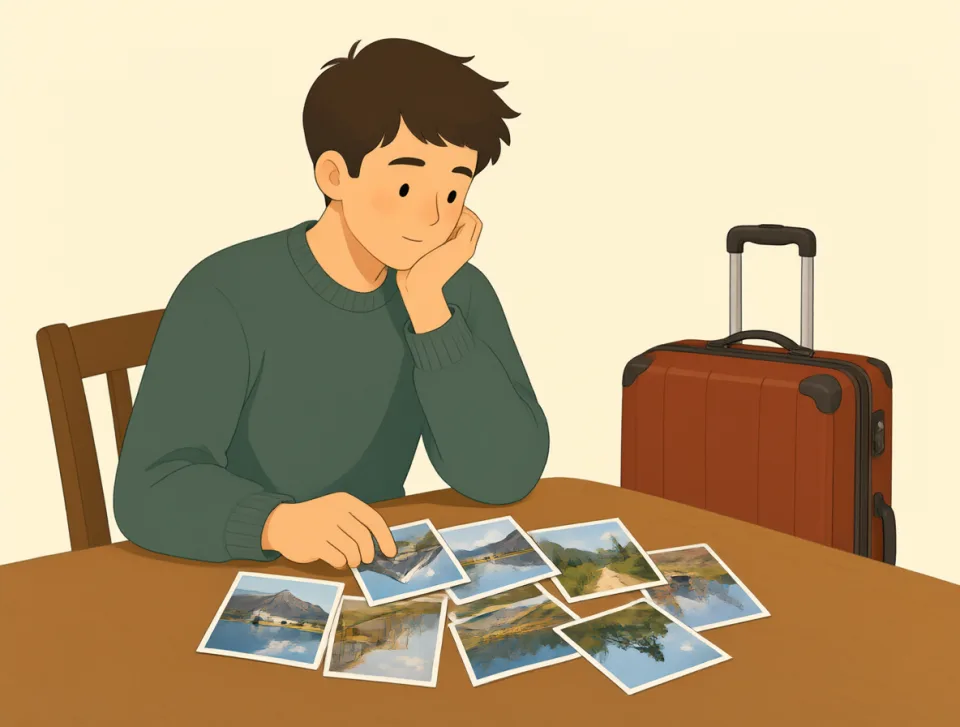
He toyed with the idea of traveling abroad.
उसने विदेश यात्रा करने के विचार पर विचार किया।
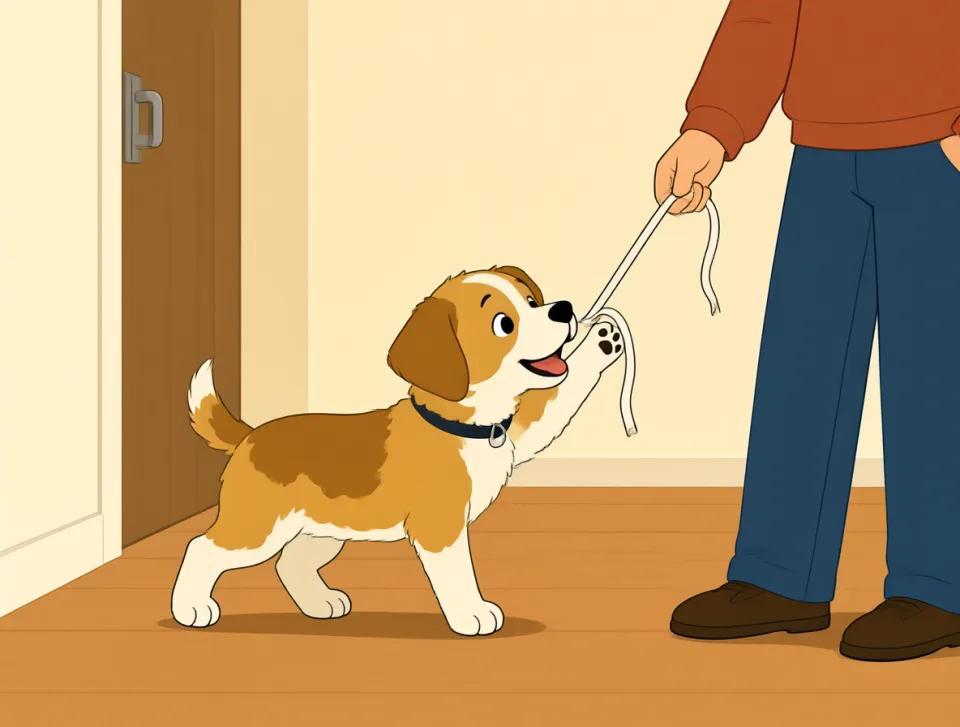
The puppy toyed with the loose shoelace.
पिल्ला ढीले पड़े जूते के फीते से खेलता रहा।
fault
#1995noun
गलती
A mistake, problem, or responsibility for something bad that happened.
कोई गलती या समस्या, या किसी बुरी घटना के लिए ज़िम्मेदारी।
The accident was my fault, so I apologized to everyone.
दुर्घटना मेरी गलती थी, इसलिए मैंने सब से माफ़ी माँगी।
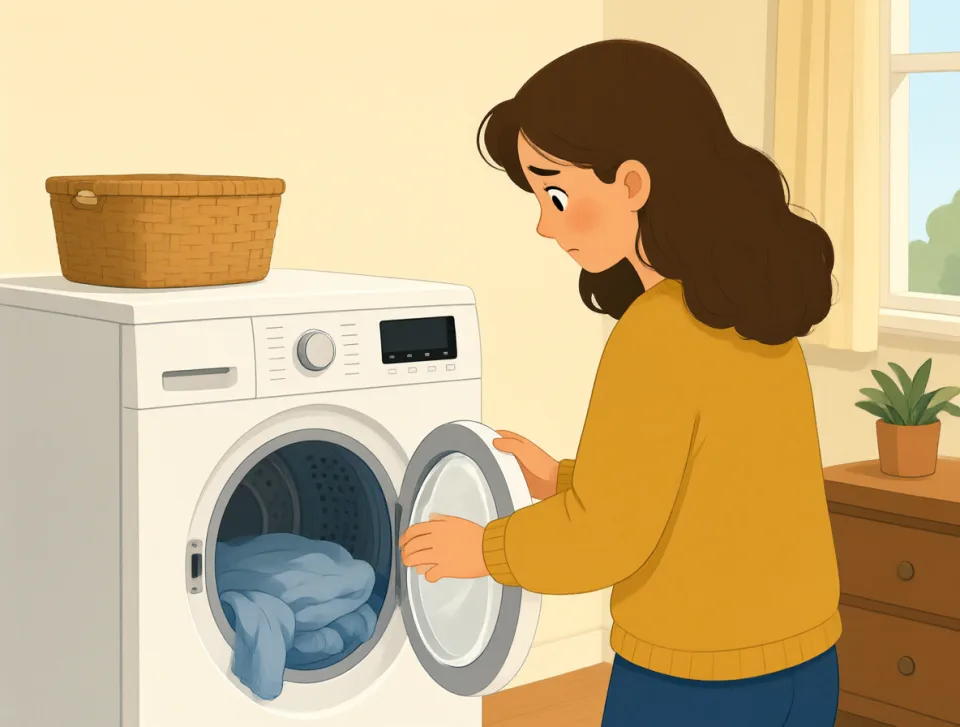
There is a fault in the washing machine, and it will not start.
वॉशिंग मशीन में खराबी है और वह चालू नहीं होगी।
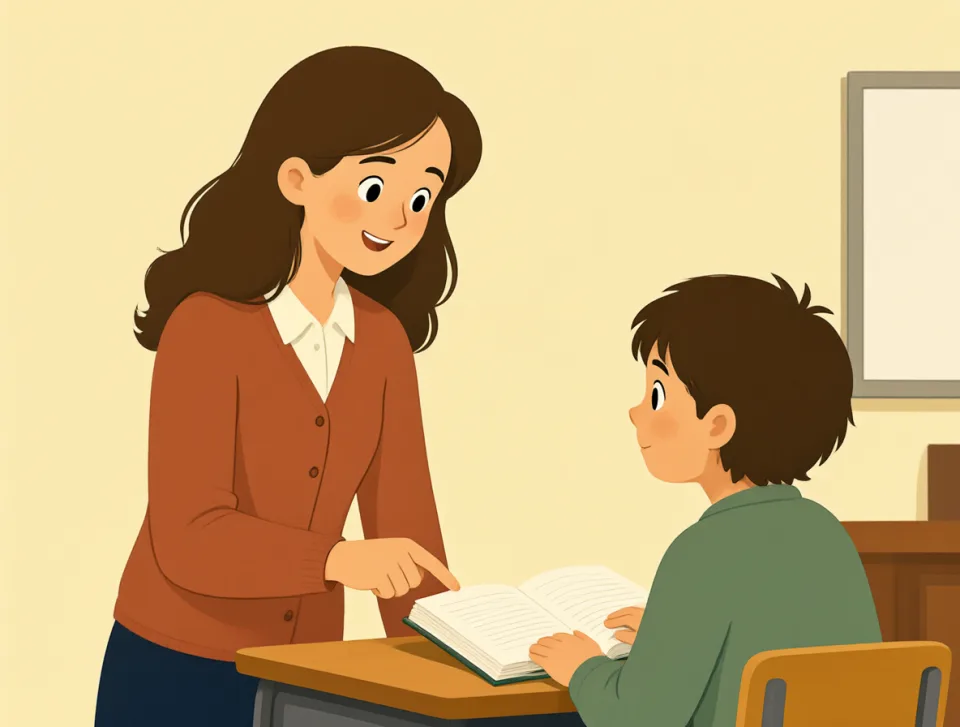
The teacher found a fault in my answer and explained it.
शिक्षक ने मेरे जवाब में एक गलती पकड़ी और उसे समझाया।

The hotel room was clean, but the shower had a small fault.
होटल का कमरा साफ़ था, लेकिन शावर में एक छोटी-सी खराबी थी।
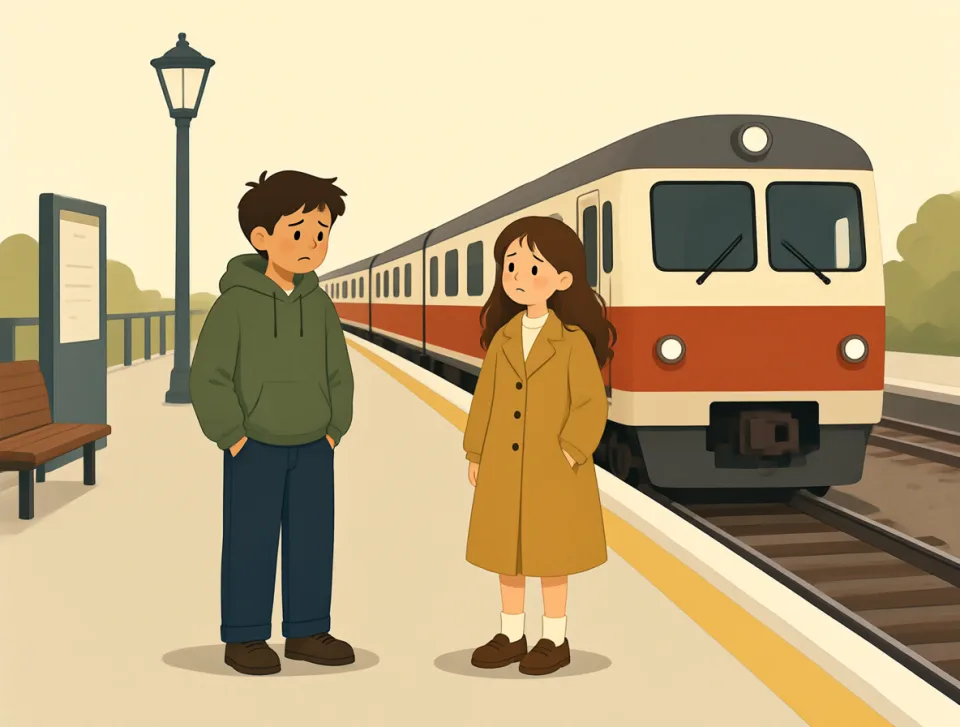
It was not your fault that we missed the train.
ट्रेन छूट जाने में तुम्हारी कोई गलती नहीं थी।
exhibit
#1996noun, verb
प्रदर्शनी
A public display, an object shown publicly, or to show a quality.
सार्वजनिक रूप से प्रदर्शित की जाने वाली चीज़ या वस्तु; किसी गुण को दिखाना।
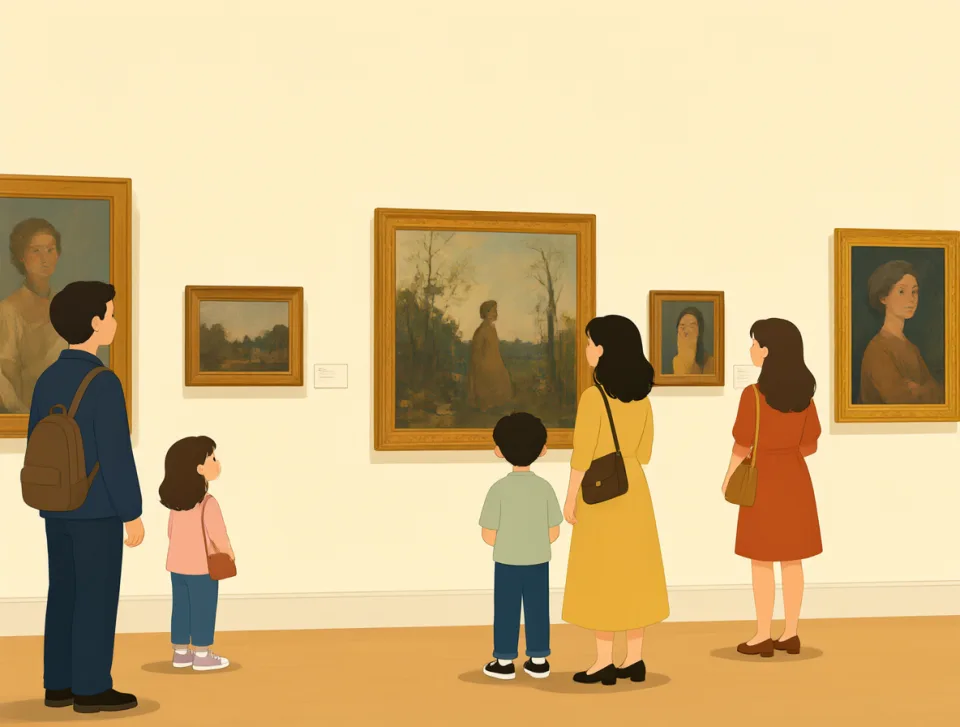
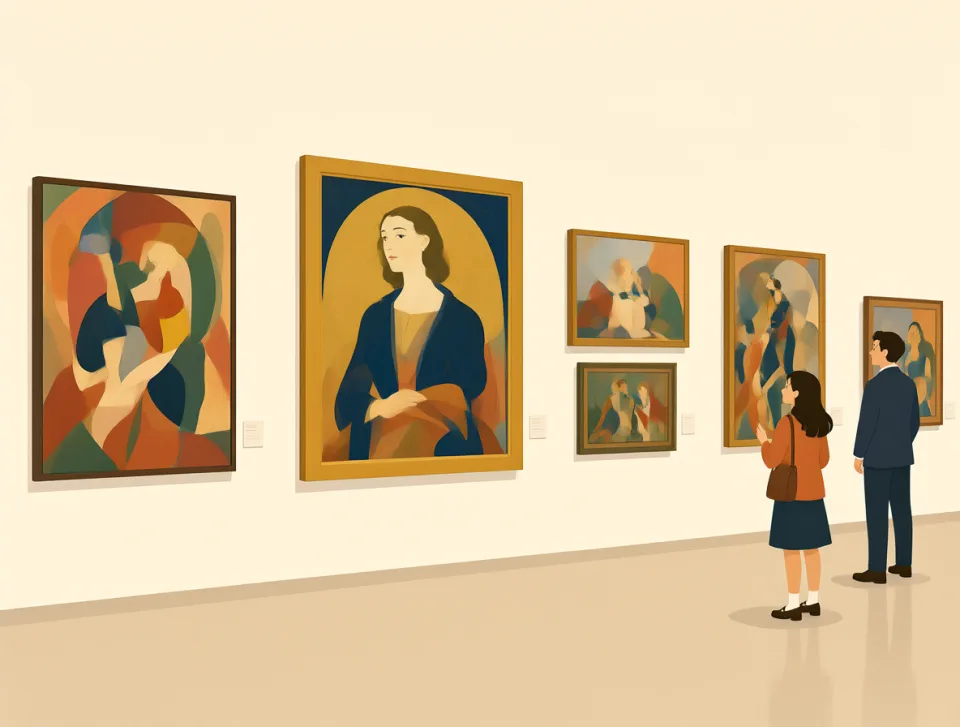
The museum's new exhibit features paintings by local artists.
संग्रहालय की नई प्रदर्शनी में स्थानीय कलाकारों की पेंटिंग्स हैं।
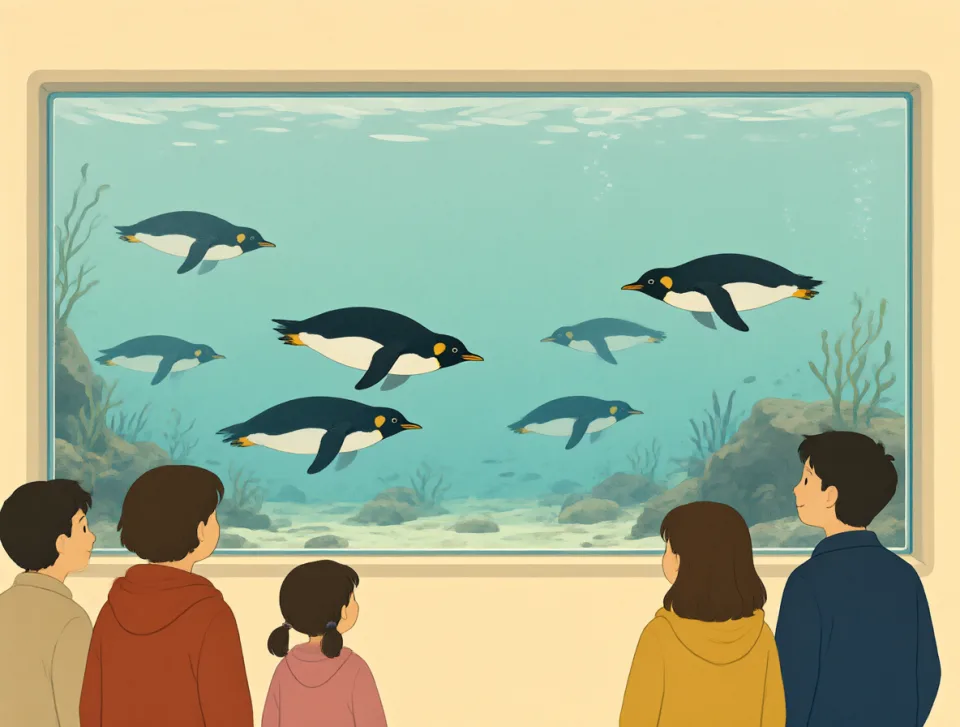
The zoo exhibit lets visitors watch penguins swim underwater.
चिड़ियाघर की प्रदर्शनी में आगंतुक पेंगुइनों को पानी के भीतर तैरते हुए देख सकते हैं।
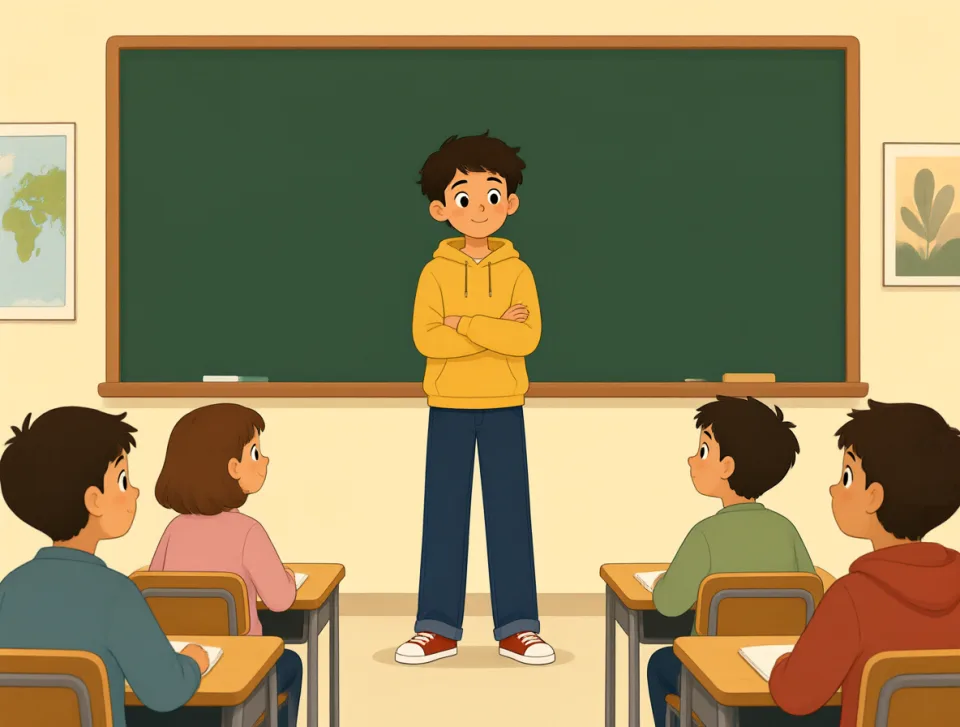
The student exhibited confidence during her first presentation.
छात्रा ने अपनी पहली प्रस्तुति के दौरान आत्मविश्वास दिखाया।
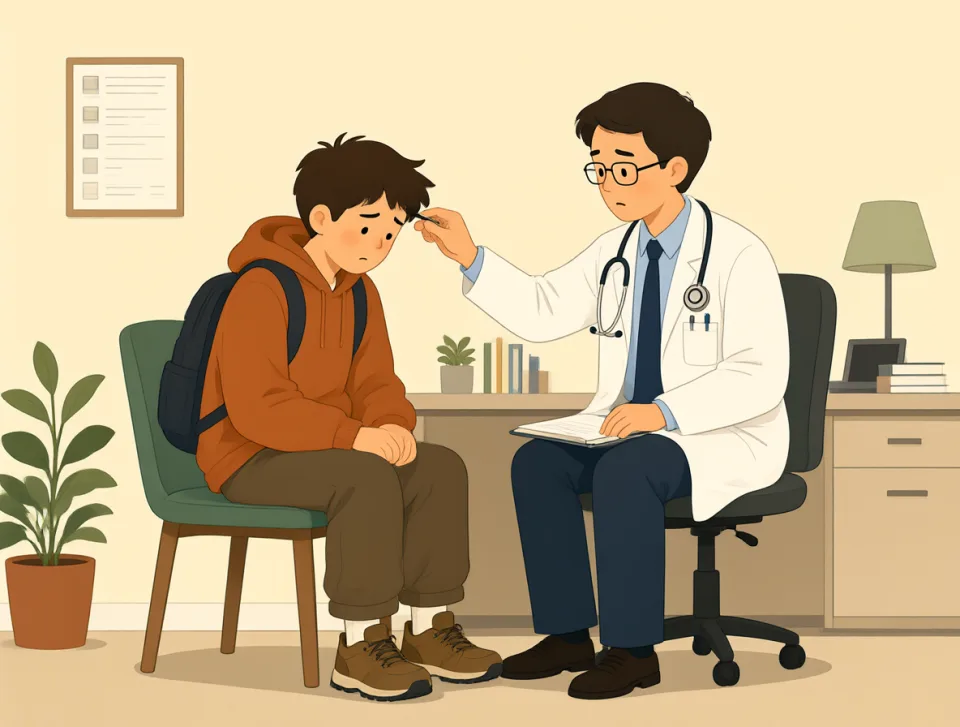
The patient exhibited signs of dehydration after the long hike.
लंबी पैदल यात्रा के बाद मरीज़ में निर्जलीकरण के लक्षण दिखाई दिए।
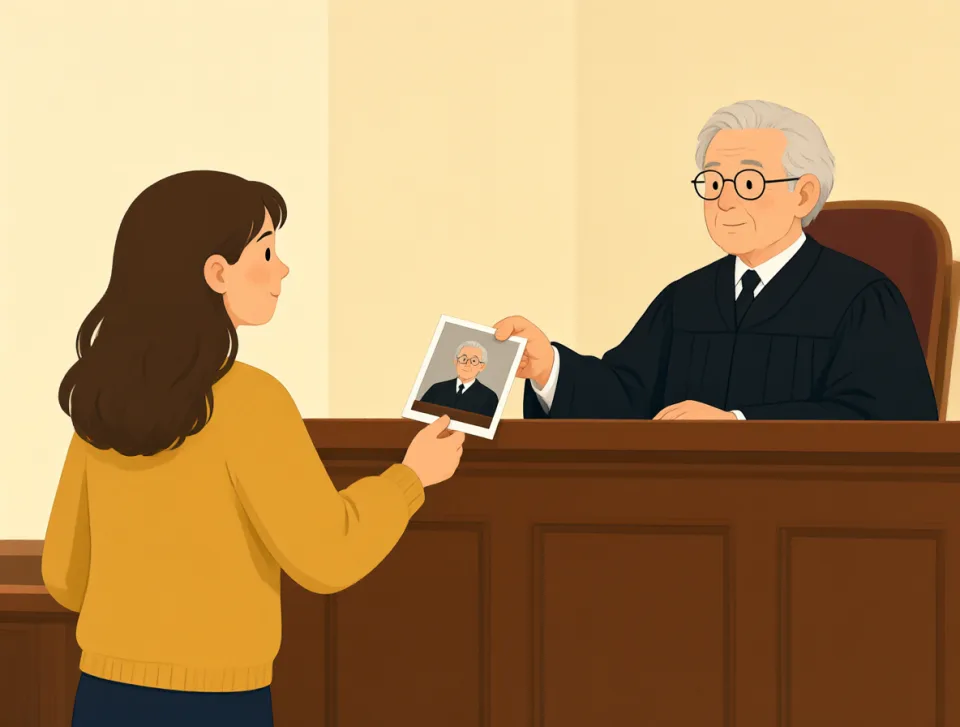
The lawyer presented a photograph as an exhibit in court.
वकील ने अदालत में एक तस्वीर को सबूत के तौर पर पेश किया।
minor
#1997adjective, noun
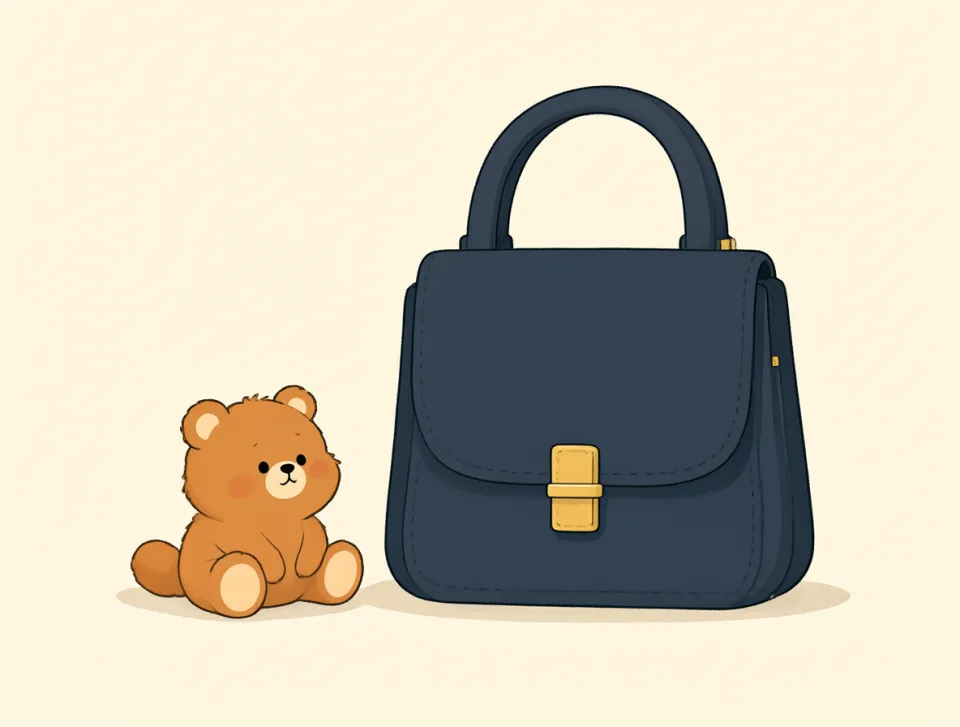
मामूली
Small or not very important; a student studying a subject as a second field.
छोटा या ज़्यादा महत्वपूर्ण न होना; किसी छात्र का मुख्य विषय के अलावा पढ़ा जाने वाला विषय।
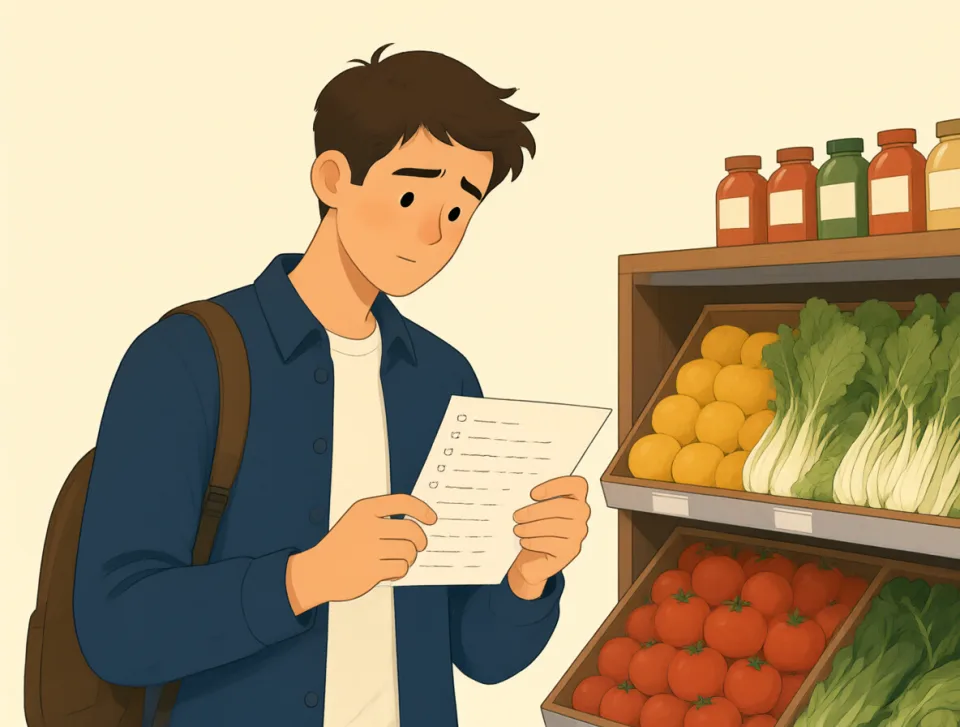
He made a minor mistake in the shopping list.
उसने खरीदारी की सूची में एक छोटी-सी गलती की।
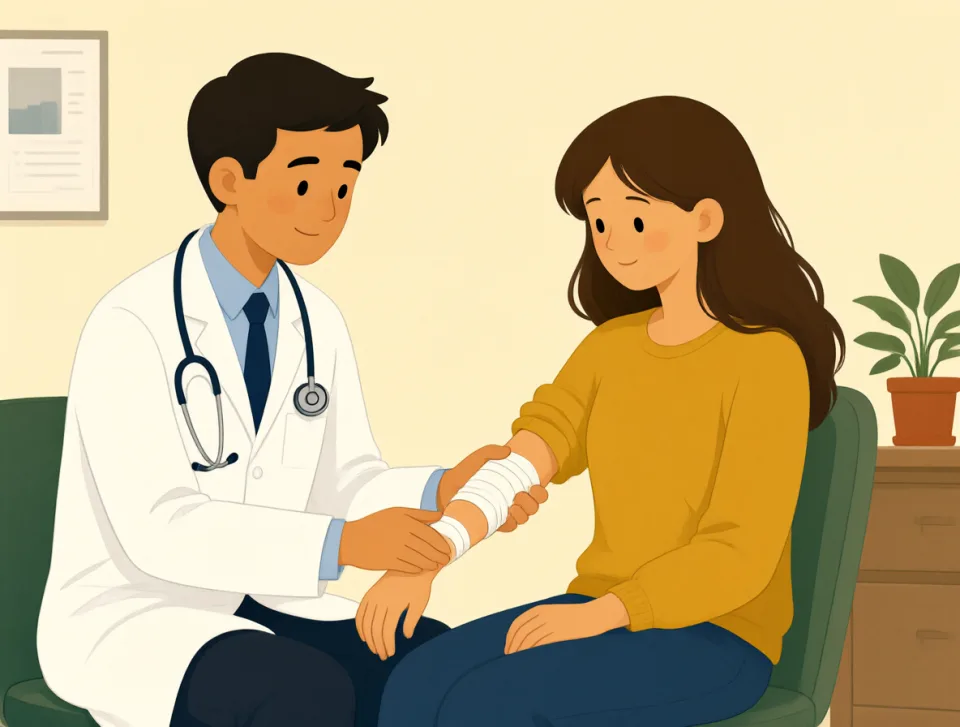
The doctor said her injury was minor and would heal soon.
डॉक्टर ने कहा कि उसकी चोट मामूली है और जल्द ठीक हो जाएगी।

We had a minor problem with the hotel room.
होटल के कमरे में हमें एक छोटी-सी समस्या हुई।
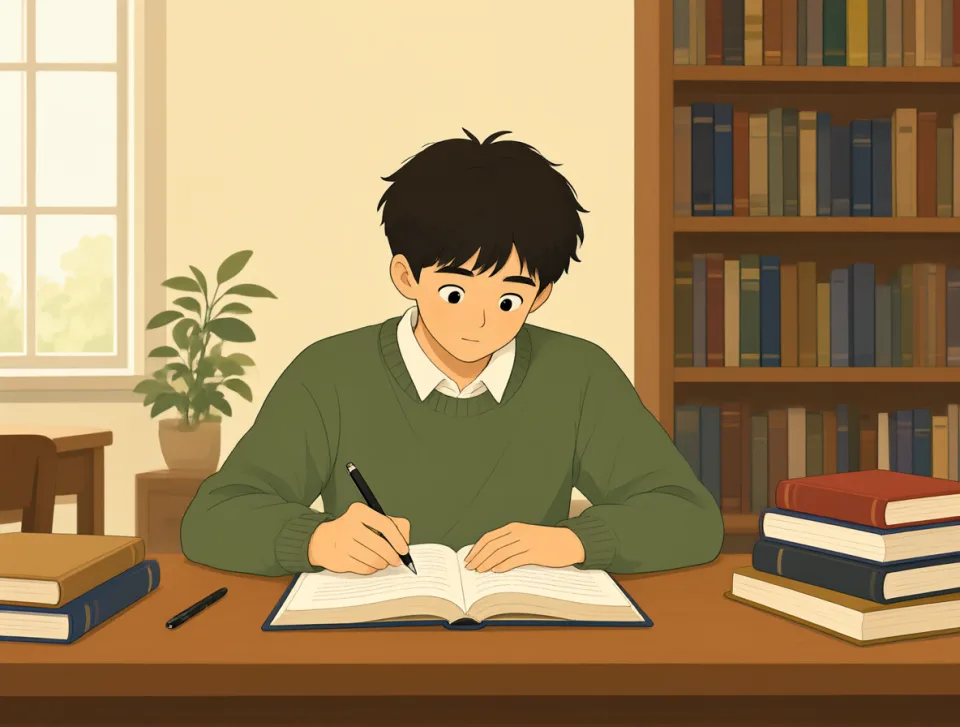
She chose history as her minor at college.
कॉलेज में उसने इतिहास को अपना गौण विषय चुना।
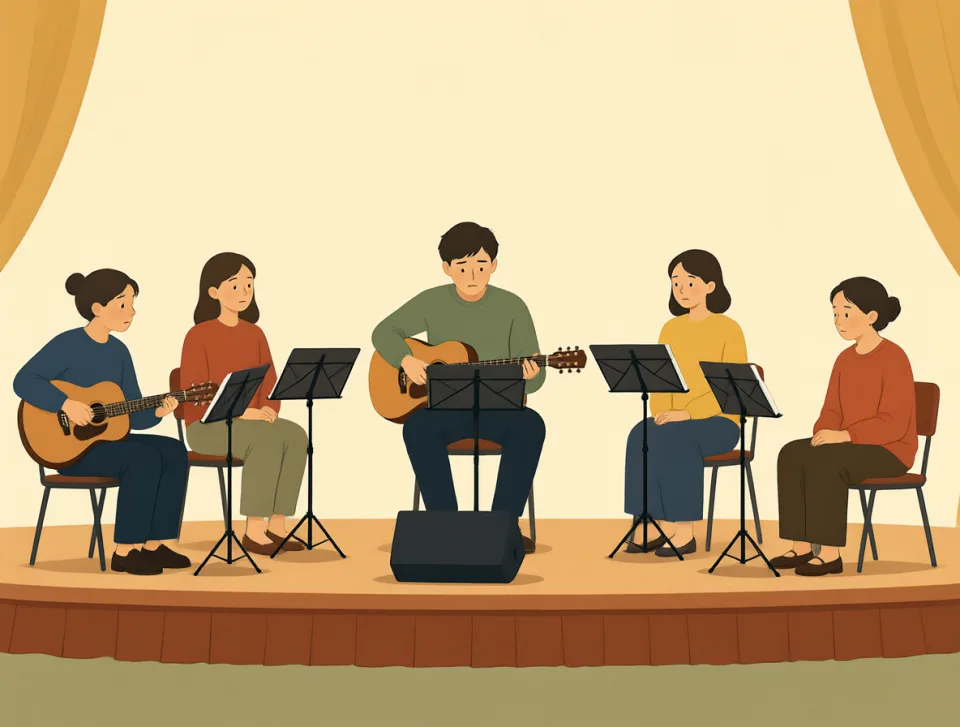
The band played several minor songs at the concert.
बैंड ने कॉन्सर्ट में कई धीमे सुरों वाले गाने बजाए।
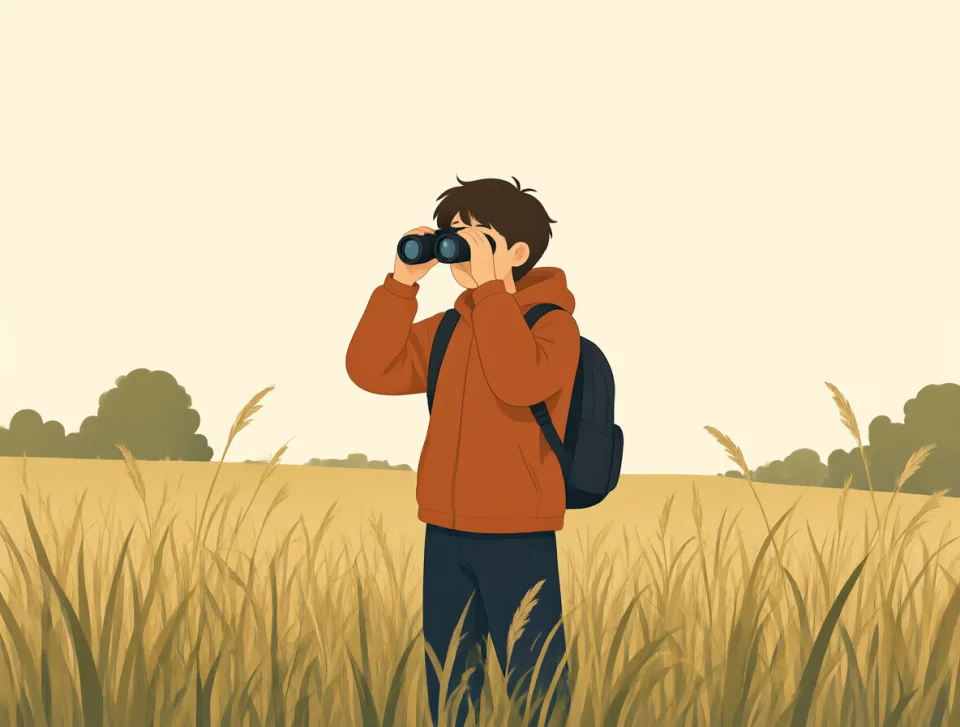
hunt
#1998noun, verb
तलाश करना
To look for someone or something carefully, especially over a wide area.
किसी व्यक्ति या चीज़ को ध्यान से ढूँढ़ना, खासकर किसी बड़े इलाके में।
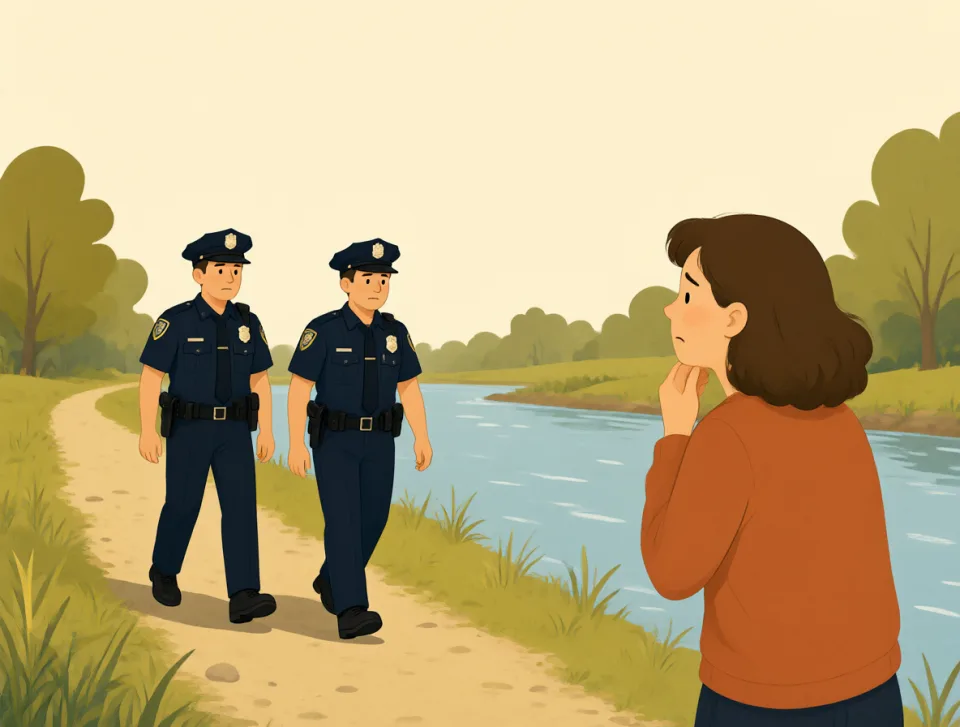
Police are hunting for the missing child near the river.
पुलिस नदी के पास लापता बच्चे की तलाश कर रही है।
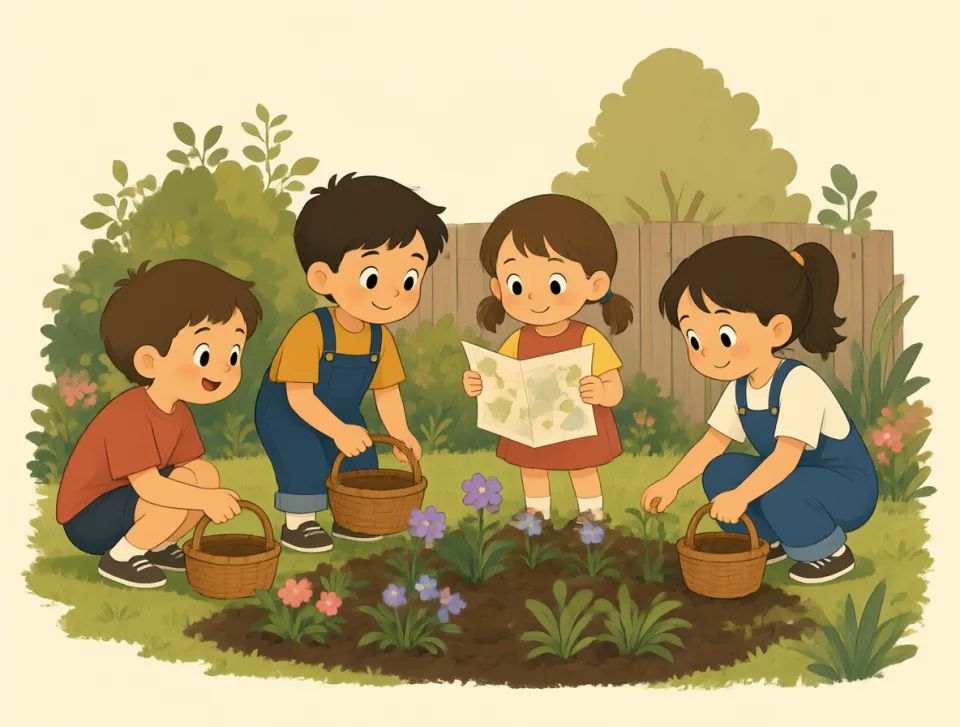
We went on a treasure hunt in the garden.
हमने बगीचे में ख़ज़ाने की खोज का खेल खेला।

She is hunting for a new apartment after moving to the city.
शहर आने के बाद वह नए अपार्टमेंट की तलाश कर रही है।
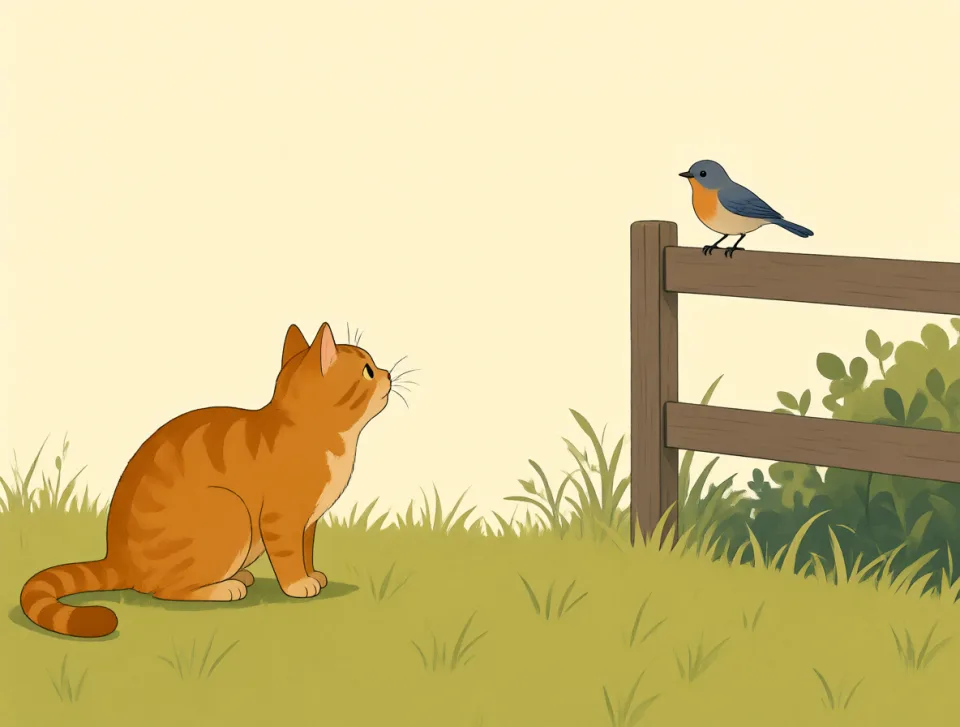
The cat likes to hunt birds in the backyard.
बिल्ली को पिछवाड़े में चिड़ियों का शिकार करना पसंद है।
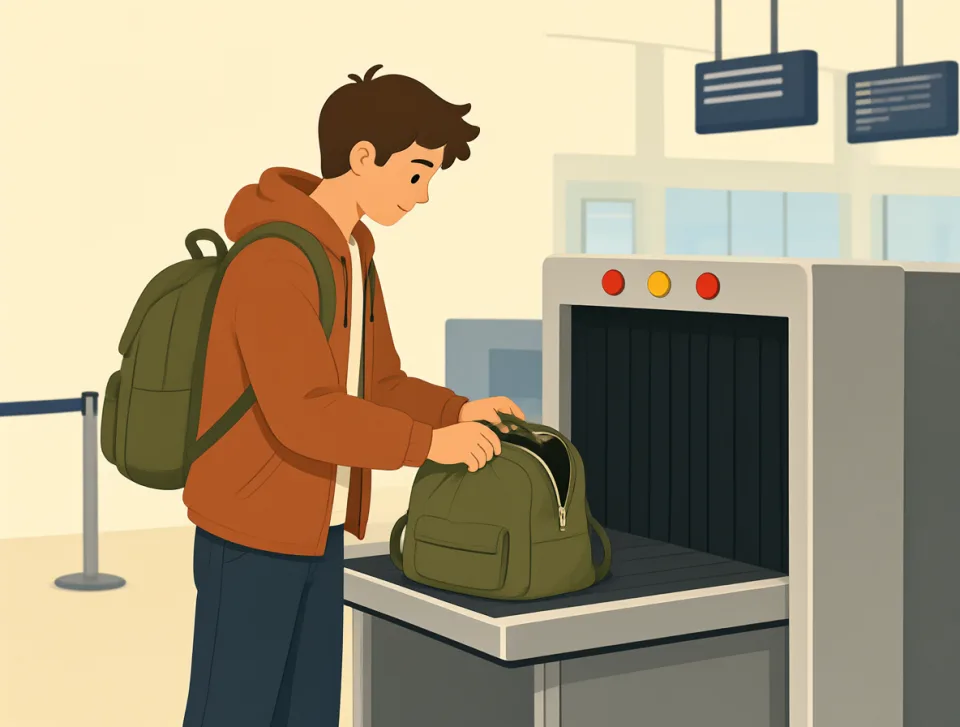
I hunted through my bag for my passport at the airport.
हवाई अड्डे पर मैंने पासपोर्ट के लिए अपना बैग अच्छी तरह टटोला।
storm
#1999noun, verb
तूफ़ान
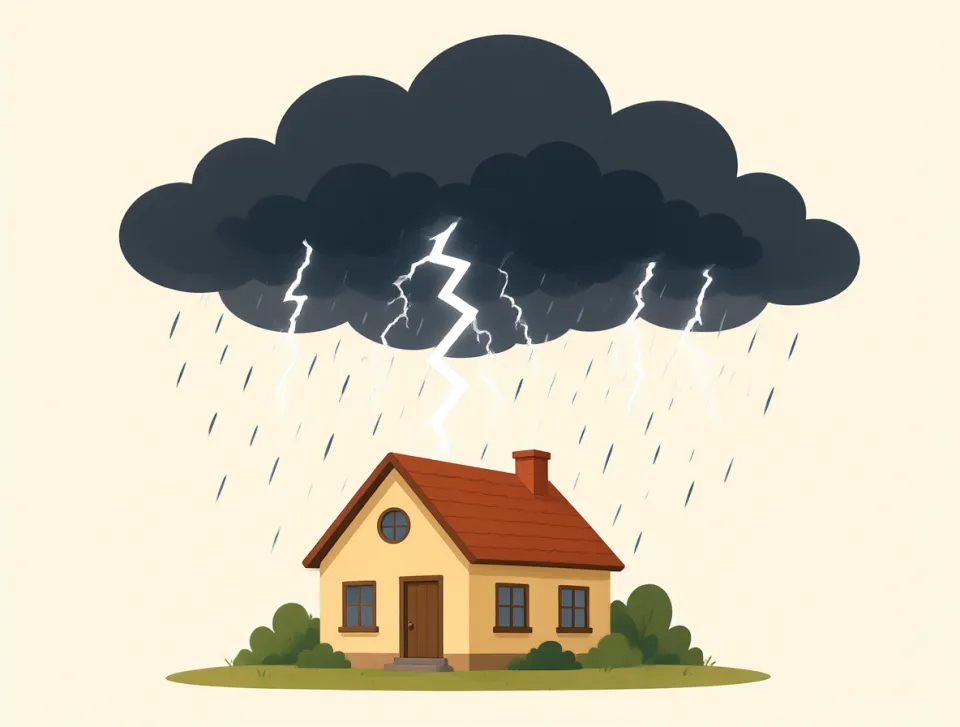
A period of very bad weather with strong winds, rain, snow, or thunder.
खराब मौसम का ऐसा दौर जिसमें तेज़ हवाएँ, बारिश, बर्फ़बारी या गरज-चमक हो।
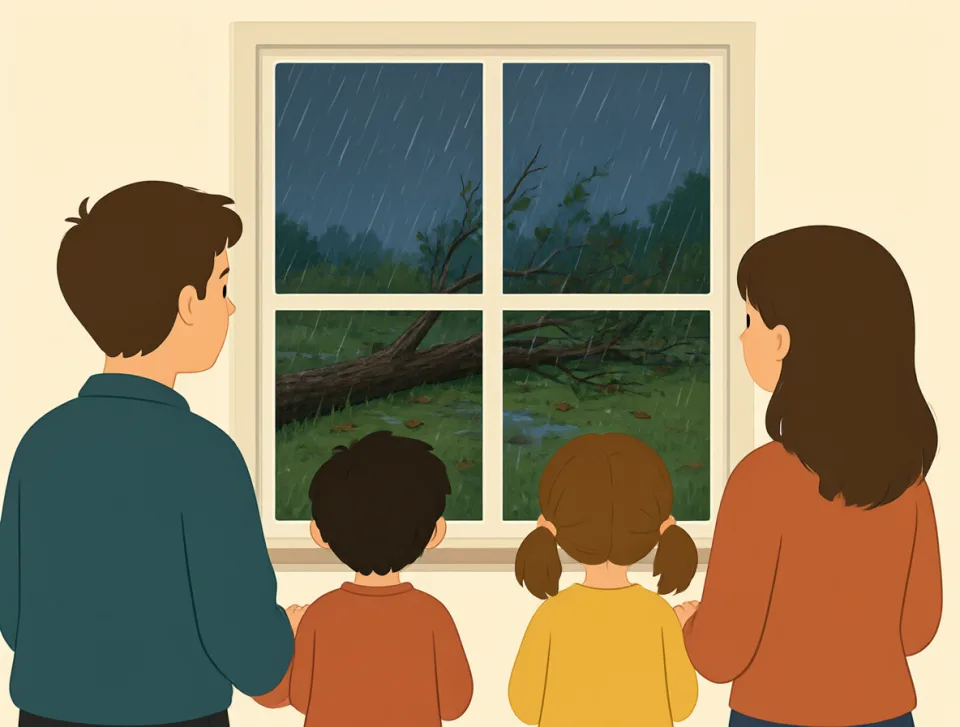
The storm knocked down several trees near our house.
तूफ़ान ने हमारे घर के पास कई पेड़ गिरा दिए।
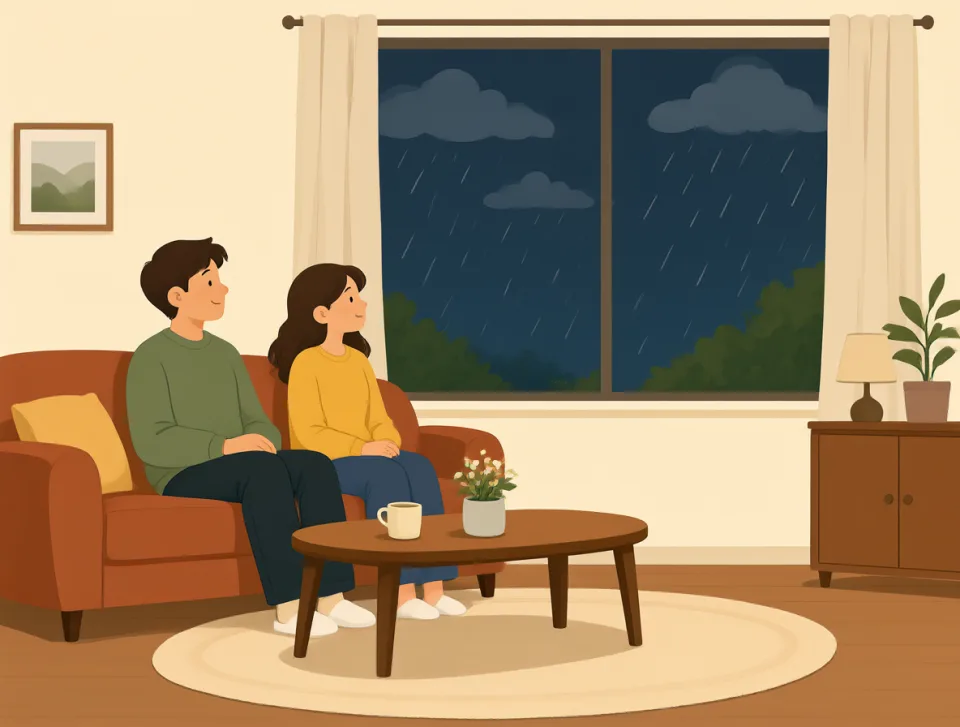
We stayed home because a storm was coming.
हम घर पर ही रहे क्योंकि तूफ़ान आने वाला था।
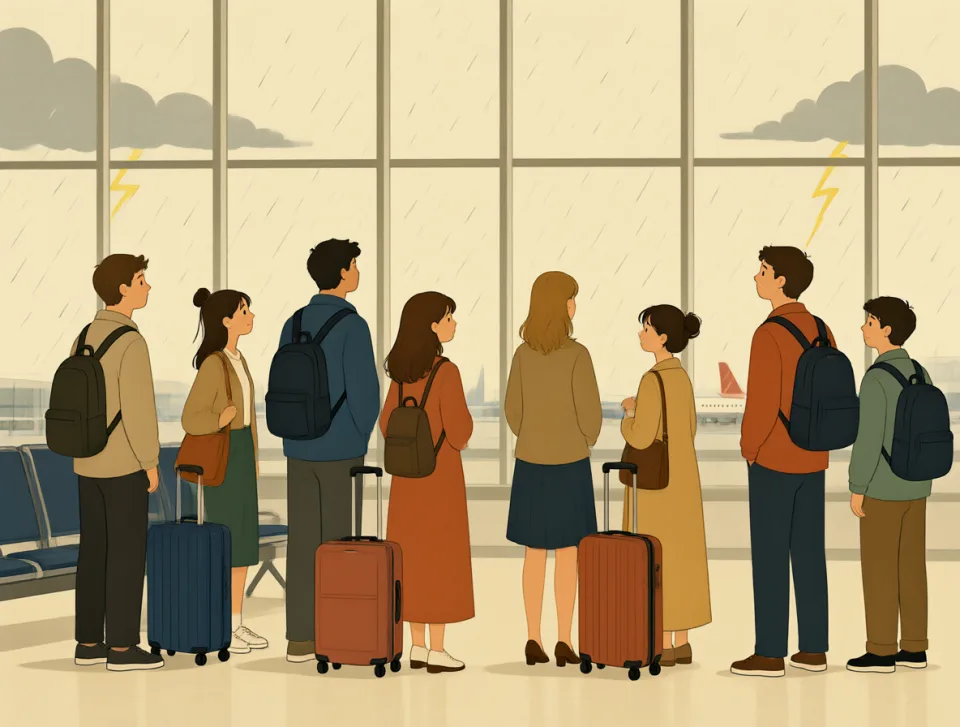
The flight was delayed because of a heavy storm.
भयंकर तूफ़ान के कारण उड़ान में देरी हुई।
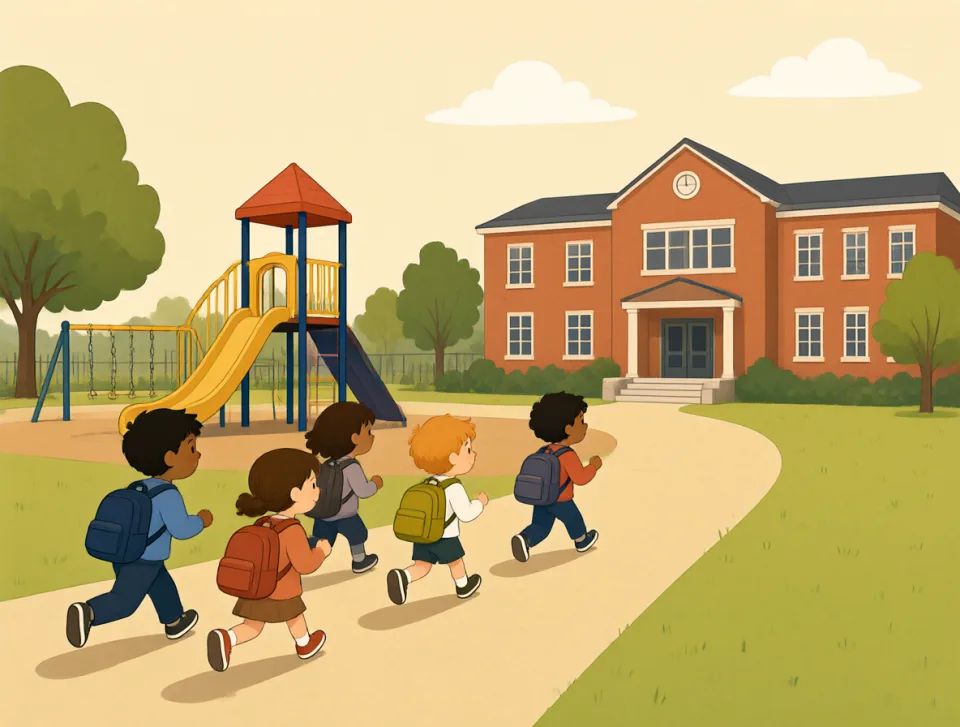
The children ran inside when the storm started.
तूफ़ान शुरू होते ही बच्चे अंदर भाग गए।
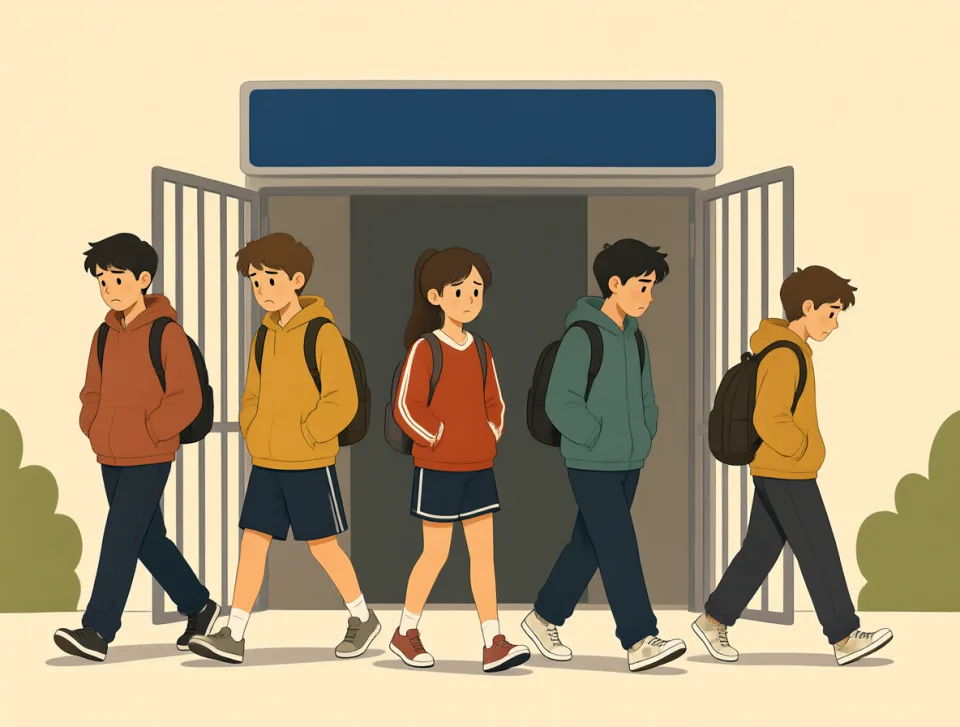
Fans stormed out of the stadium after their team lost.
अपनी टीम के हारने के बाद प्रशंसक स्टेडियम से गुस्से में बाहर निकल गए।
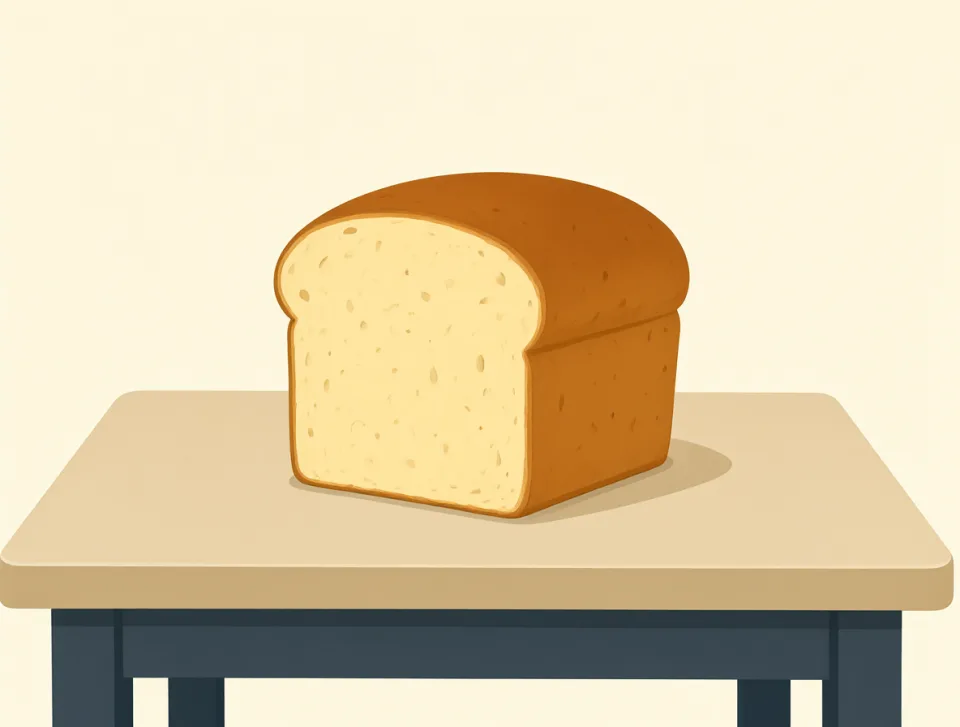
thick
#2000adjective, noun
मोटा
having a large distance between opposite sides; a deep layer or piece
जिसकी विपरीत सतहों के बीच की दूरी अधिक हो; किसी चीज़ की मोटी परत या टुकड़ा।
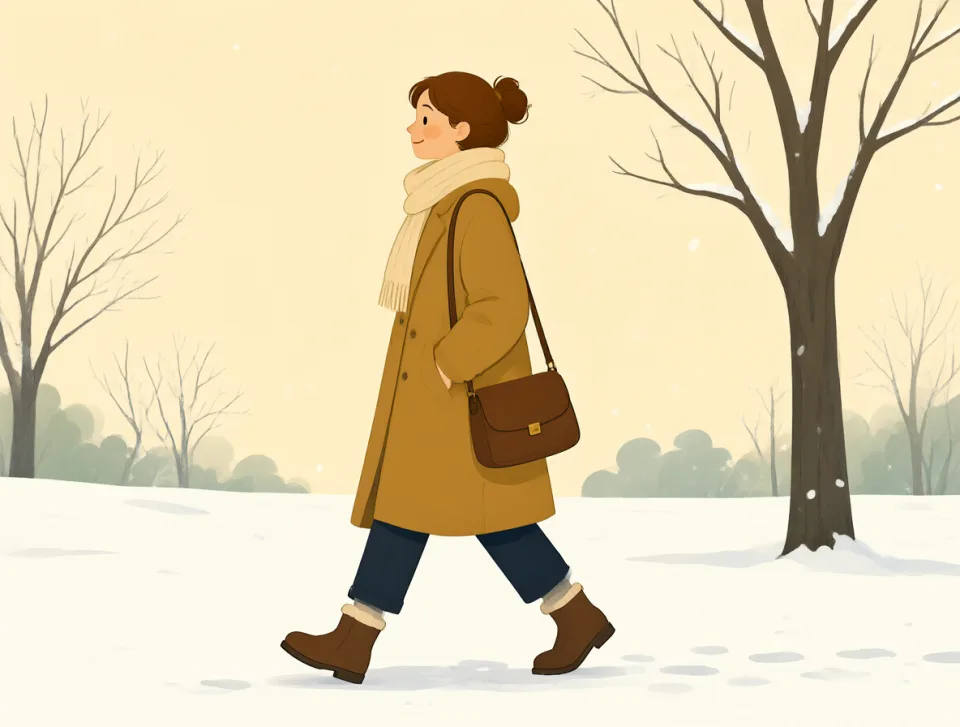
She wore a thick coat on the cold winter morning.
सर्दियों की ठंडी सुबह उसने मोटा कोट पहना।
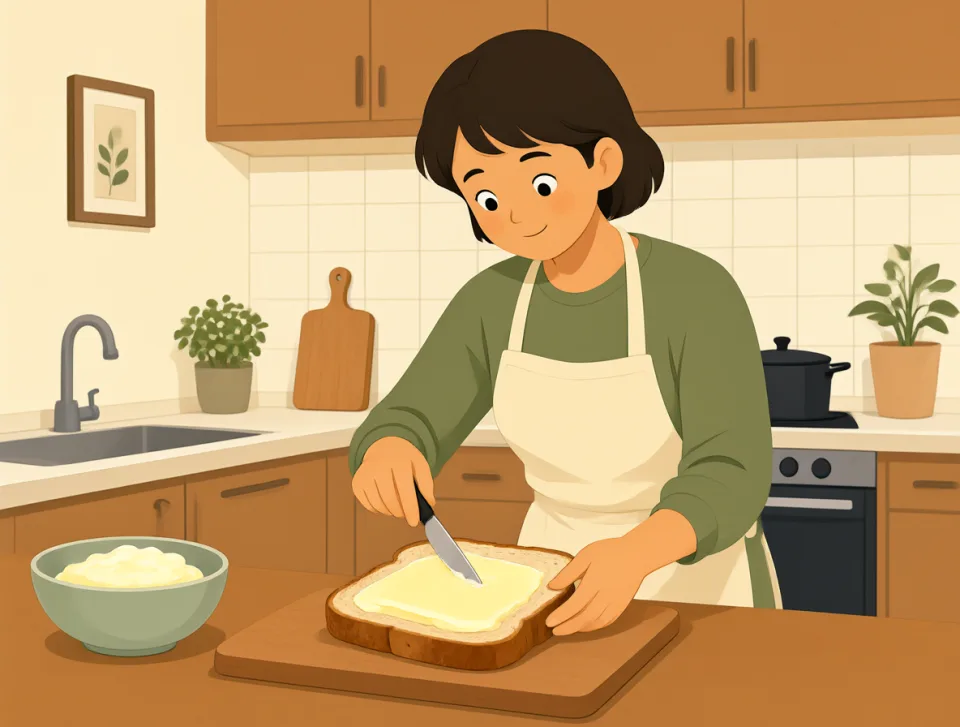
Spread a thick layer of butter on the bread.
ब्रेड पर मक्खन की मोटी परत लगाएँ।
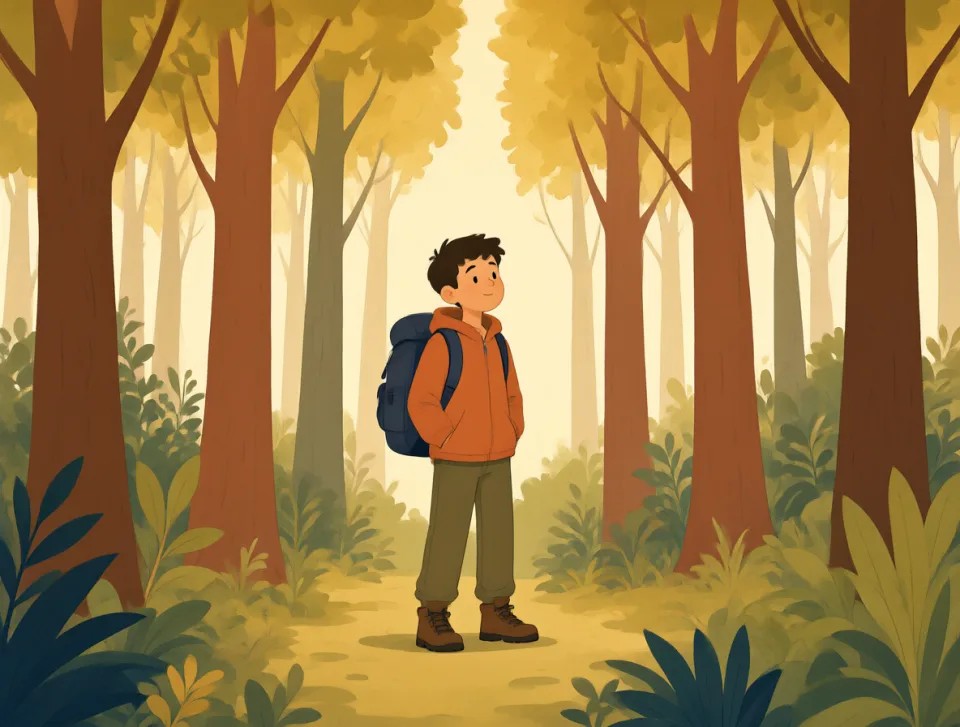
The forest was thick with trees and difficult to walk through.
जंगल पेड़ों से इतना घना था कि उसमें से चलकर निकलना मुश्किल था।
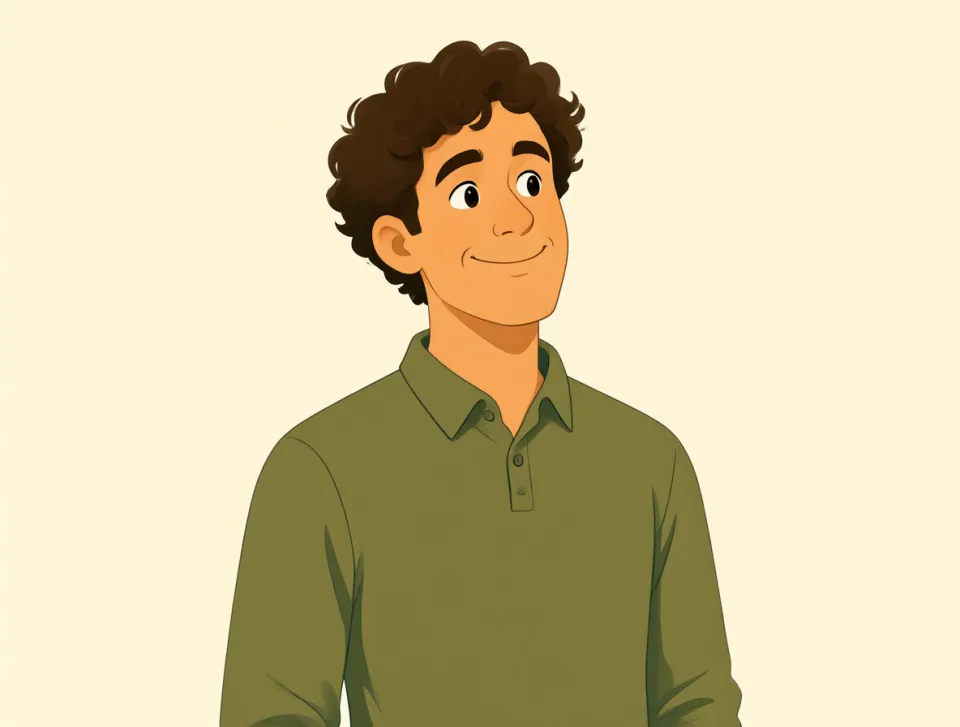
He has thick, curly hair that reaches his shoulders.
उसके घने, घुँघराले बाल कंधों तक आते हैं।
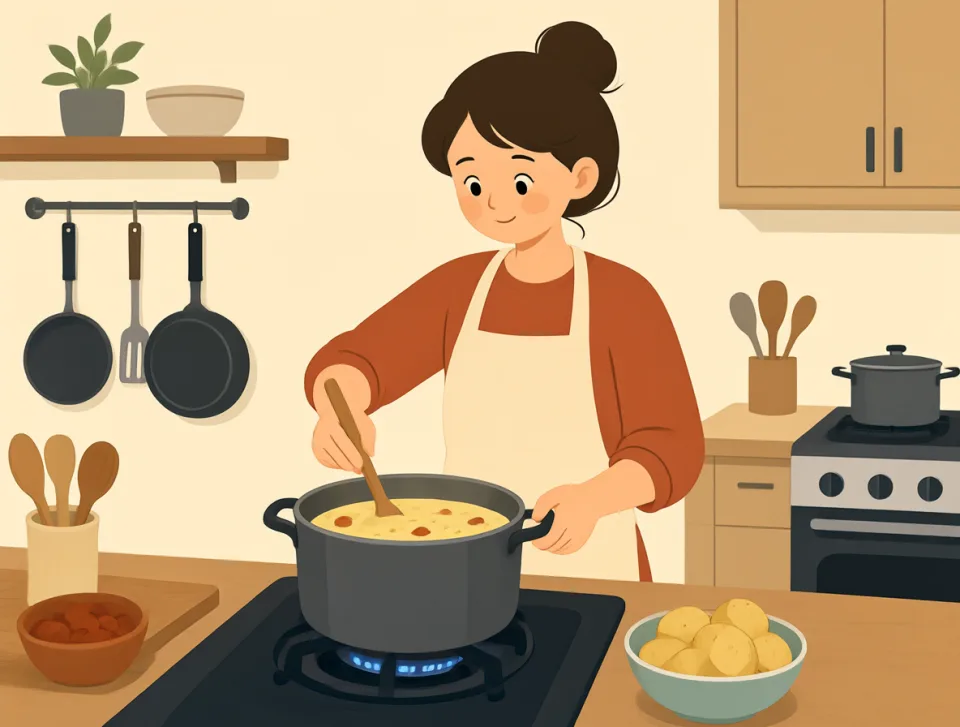
The soup became thick after we added the potatoes.
आलू डालने के बाद सूप गाढ़ा हो गया।