單元 100
單字 1981–2000 · intellectual, derive, crucial, unemployment, wheel, crop
intellectual
#1981adjective, noun
智力的;知識分子
Related to thinking and understanding, or a person who enjoys serious ideas and learning.
與思考和理解有關的,或指喜歡深入探討各種思想、熱愛學習的人。

She enjoys intellectual conversations with her friends after dinner.
晚飯後,她喜歡和朋友們聊一些有深度的話題。
The museum offers many intellectual activities for young students.
這家博物館為年輕學生提供了許多啟發思考的活動。

He is an intellectual who reads books about history and science.
他是一位知識分子,喜歡讀歷史和科學方面的書。

The job requires both practical skills and intellectual ability.
這份工作既需要實際技能,也需要智力。
After the illness, she felt tired and less intellectually active.
生病後,她覺得很疲憊,思維也不如以前活躍了。
derive
#1982verb
源自;獲得;得益於
to get something from a particular source or cause
從特定來源或原因中獲得某物
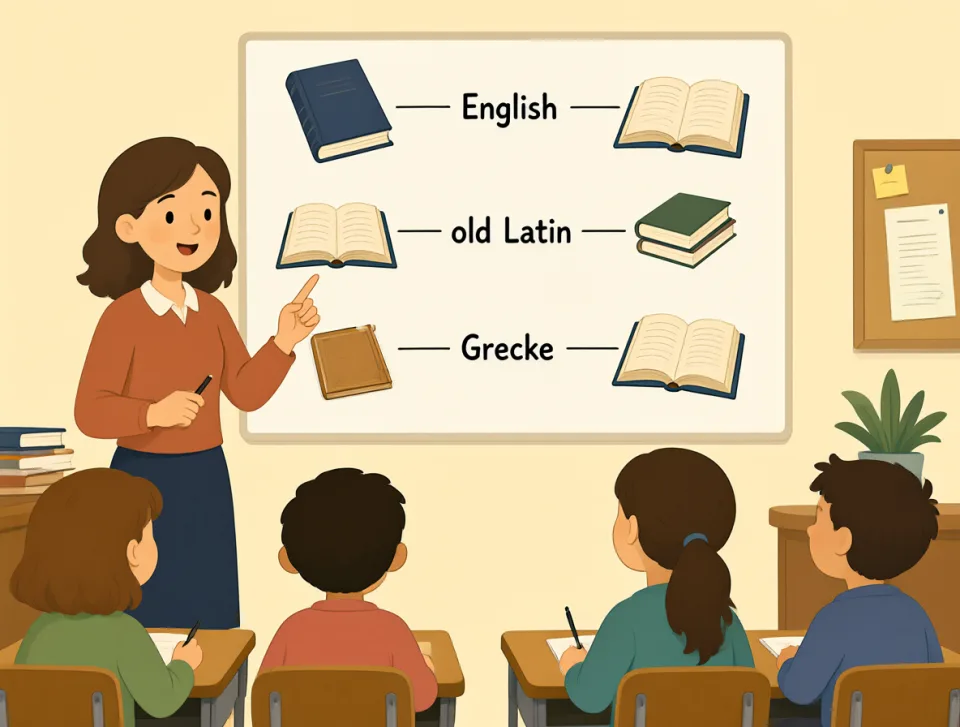
Many English words derive from Latin and Greek.
許多英語單詞源自拉丁語和希臘語。
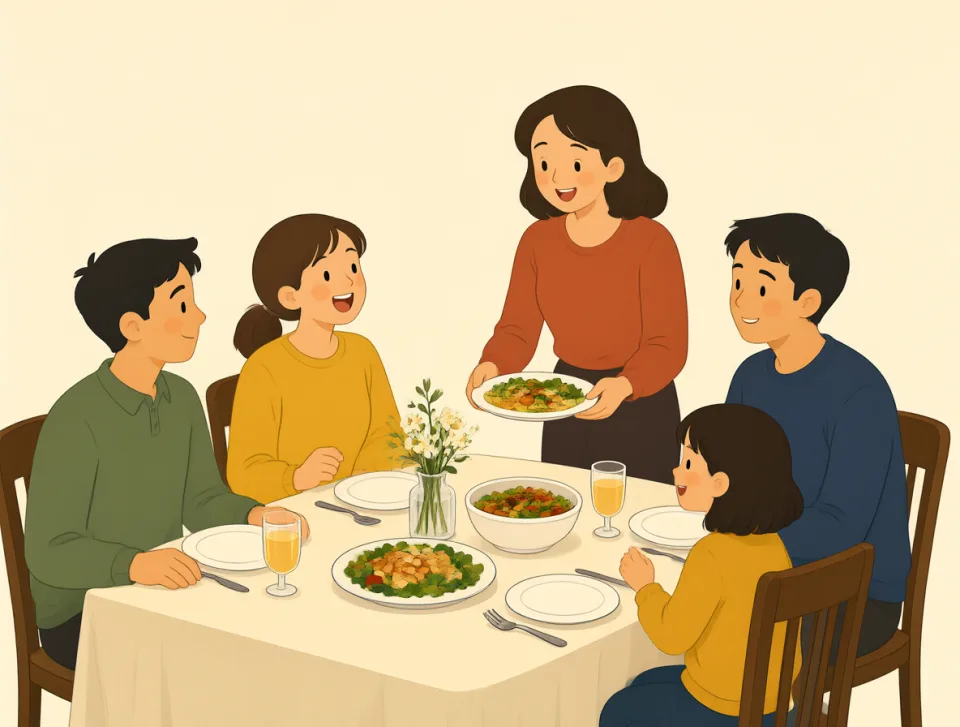
She derives great pleasure from cooking for her family.
她從為家人做飯中獲得了極大的樂趣。

The company derives most of its income from online sales.
這家公司大部分收入來自線上銷售。
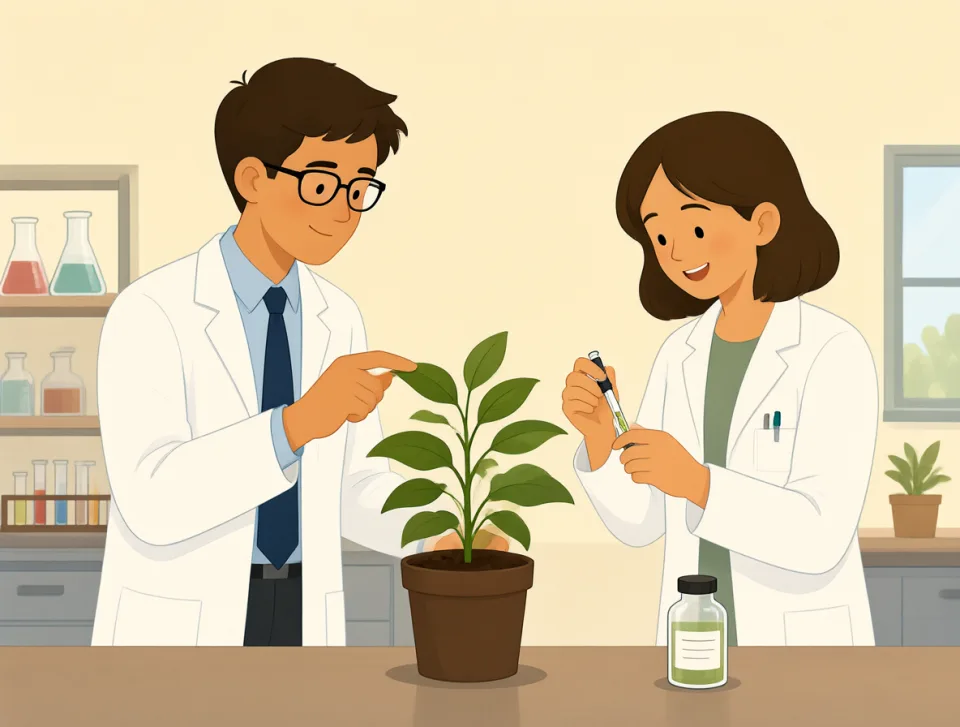
Scientists derived the new medicine from a natural plant.
科學家從一種天然植物中提取出了這種新藥。
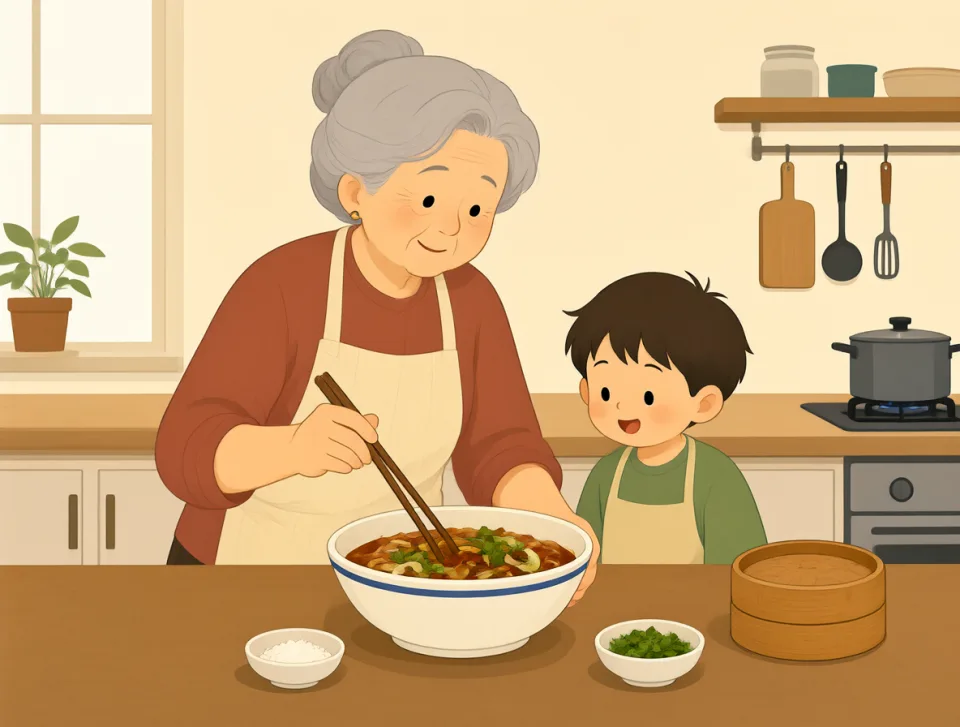
The recipe was derived from an old family tradition.
這道菜譜源自一個古老的家族傳統。

crucial
#1983adjective
至關重要的;極其重要的
Extremely important for achieving a result or making a situation successful.
對取得成果或確保事情成功極其重要的。
Good communication is crucial for a successful team.
良好的溝通對團隊成功至關重要。

It is crucial to check your passport before leaving home.
離家前檢查一下護照非常重要。

Regular exercise is crucial for keeping your heart healthy.
定期鍛鍊對保持心臟健康至關重要。
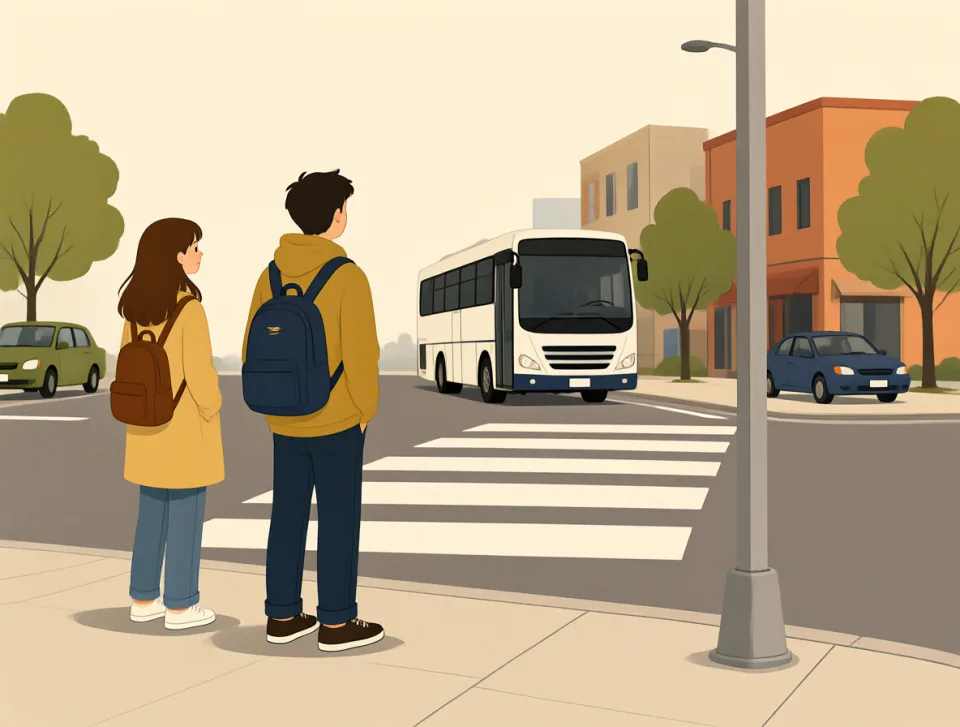
Timing was crucial when we crossed the busy road.
我們穿過繁忙的馬路時,時機至關重要。
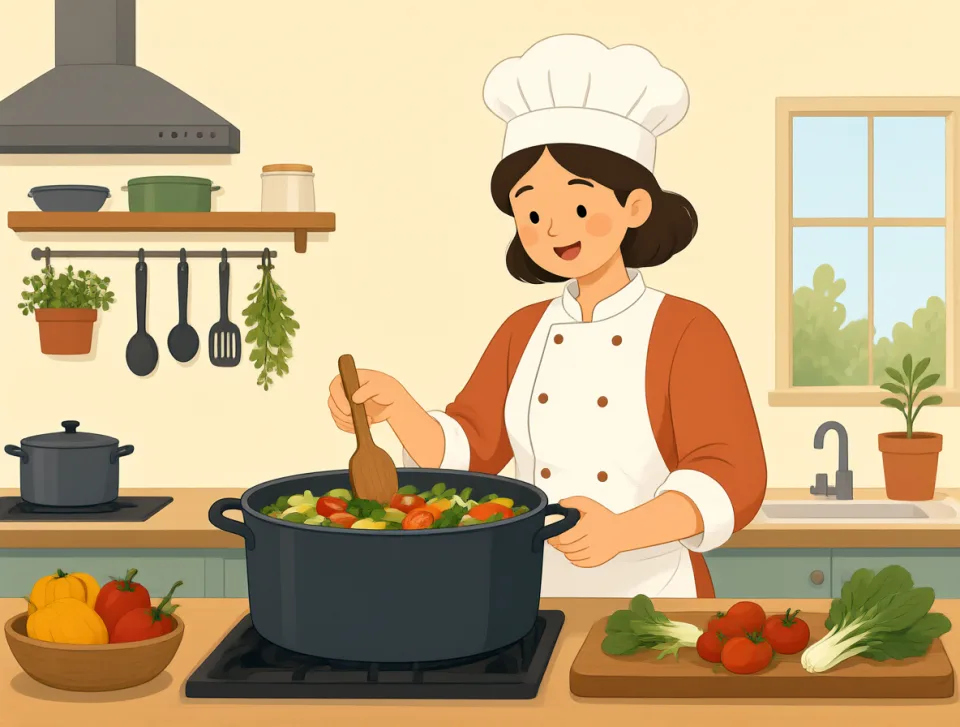
Fresh ingredients are crucial for making a delicious soup.
新鮮食材是做出美味湯品的關鍵。
unemployment
#1984noun
失業
The condition of not having a job and looking for work.
沒有工作並且正在找工作的狀態。
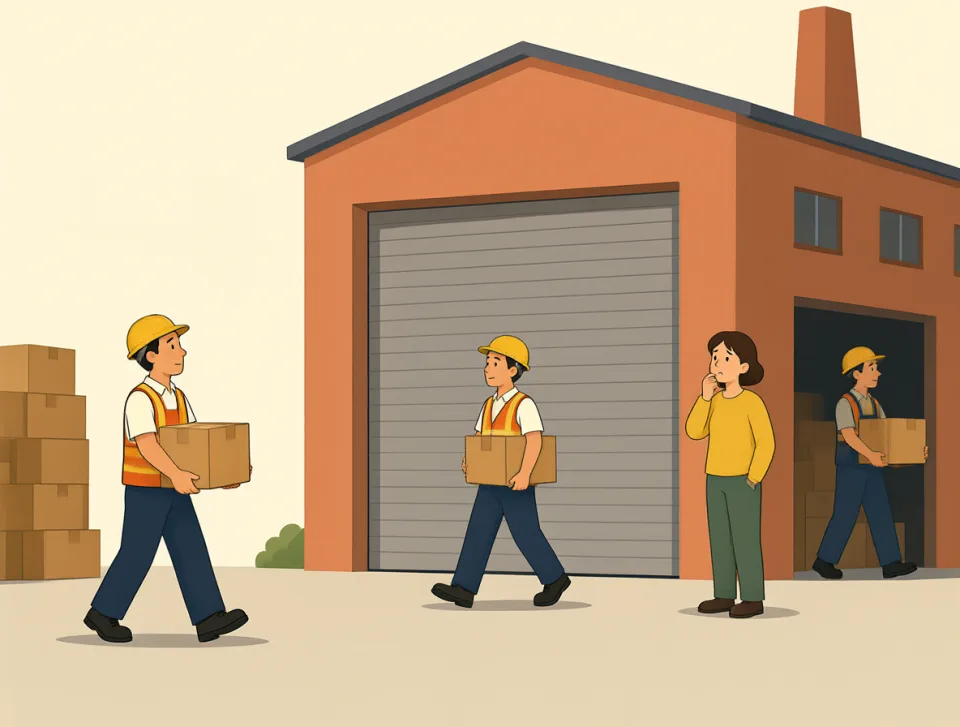
Unemployment rose after the factory closed last year.
去年工廠關閉後,失業率上升了。

The government is trying to reduce unemployment among young people.
政府正在努力減少年輕人的失業現象。
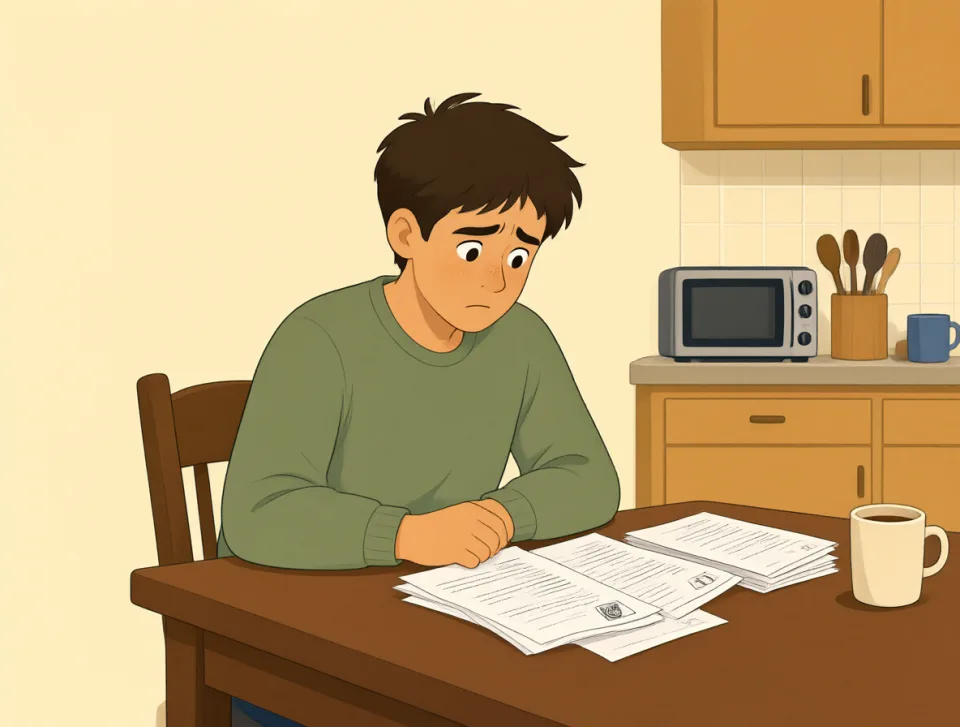
Long-term unemployment can make it difficult to pay the bills.
長期失業會讓人難以支付各種賬單。

He received unemployment benefits while searching for a new job.
他在尋找新工作期間領取了失業救濟金。

The town suffered from high unemployment when the tourist season ended.
旅遊旺季結束後,這座小鎮失業率居高不下。
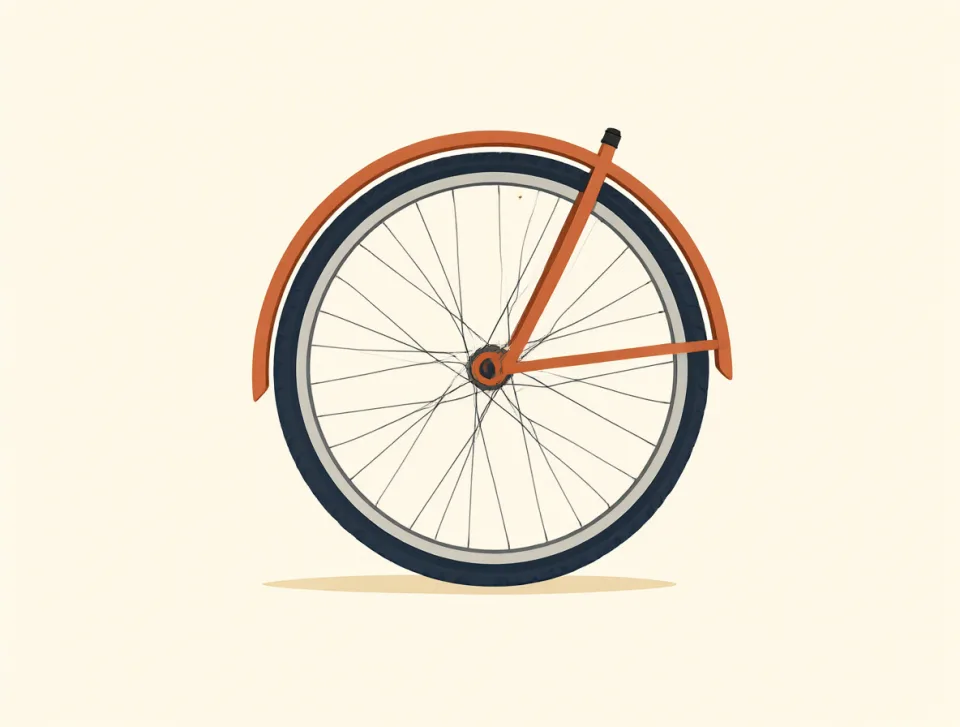
wheel
#1985noun, verb
輪子;方向盤;推著……走
A round object that turns to help a vehicle move, or to control something.
一種圓形的物體,轉動起來可以帶動車輛前進,也可以用來控制某些東西。

The car has a flat wheel, so we stopped beside the road.
汽車的一個輪胎癟了,所以我們把車停在路邊。

She turned the wheel carefully and drove into the parking space.
她小心地轉動方向盤,把車開進了停車位。
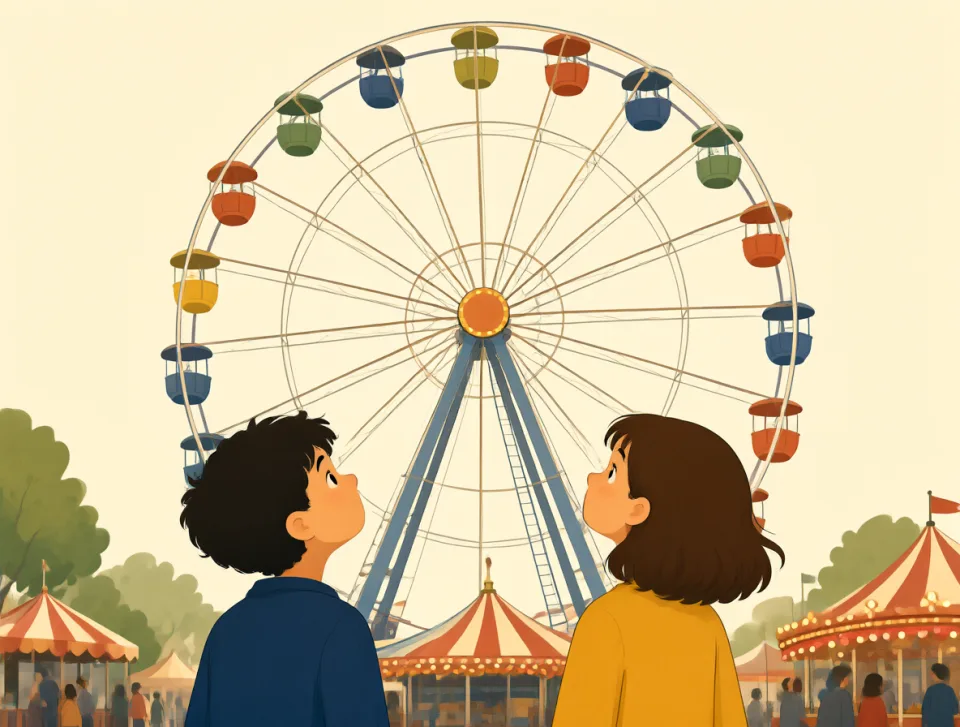
The children watched the big wheel turn at the fair.
孩子們看著遊樂場裡的大轉輪轉動。

Please wheel the heavy suitcase to the train platform.
請把這個沉重的行李箱推到火車站臺上。
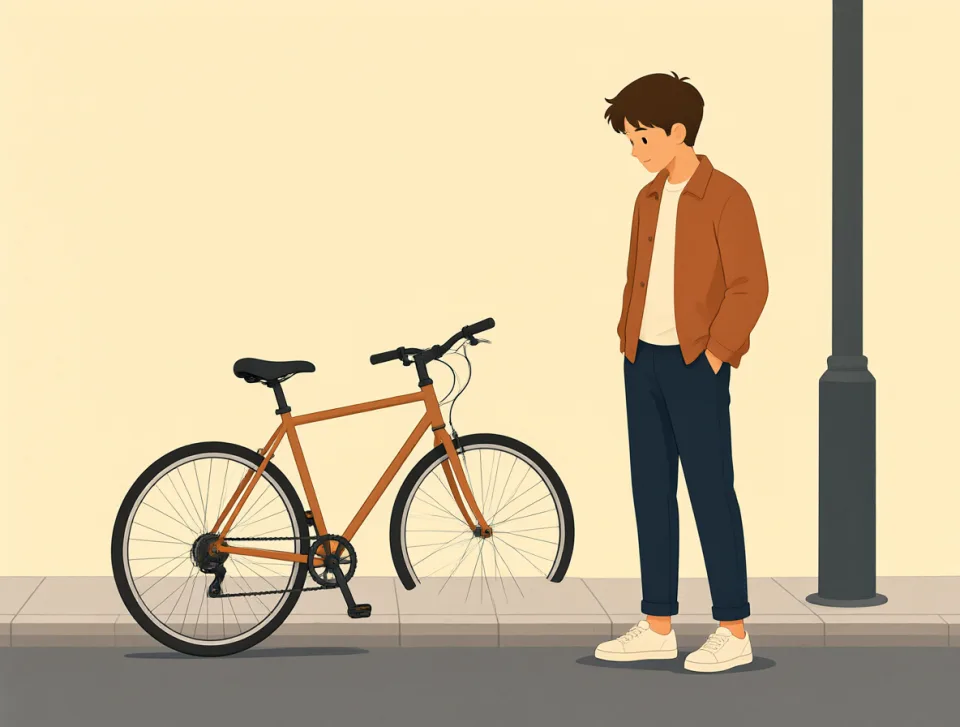
My bicycle wheel came off during the morning ride.
早上騎車時,我的腳踏車輪子掉了下來。
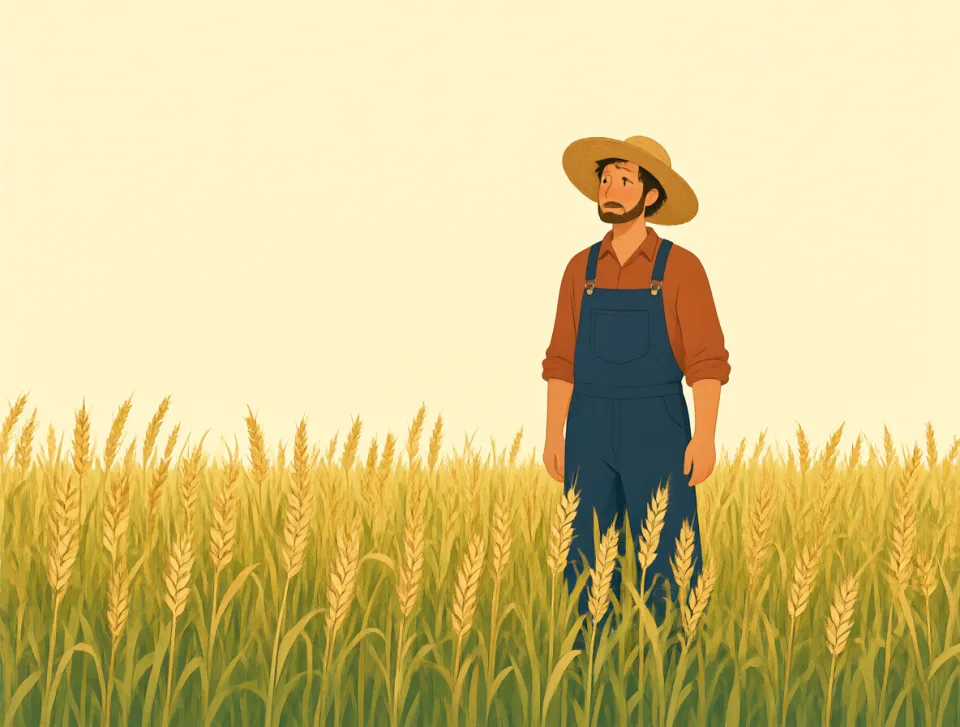
crop
#1986noun, verb
作物;裁剪;農產品
A plant grown for food, or to cut part of a picture or video.
為食物種植的植物,或裁剪圖片或影片的一部分。
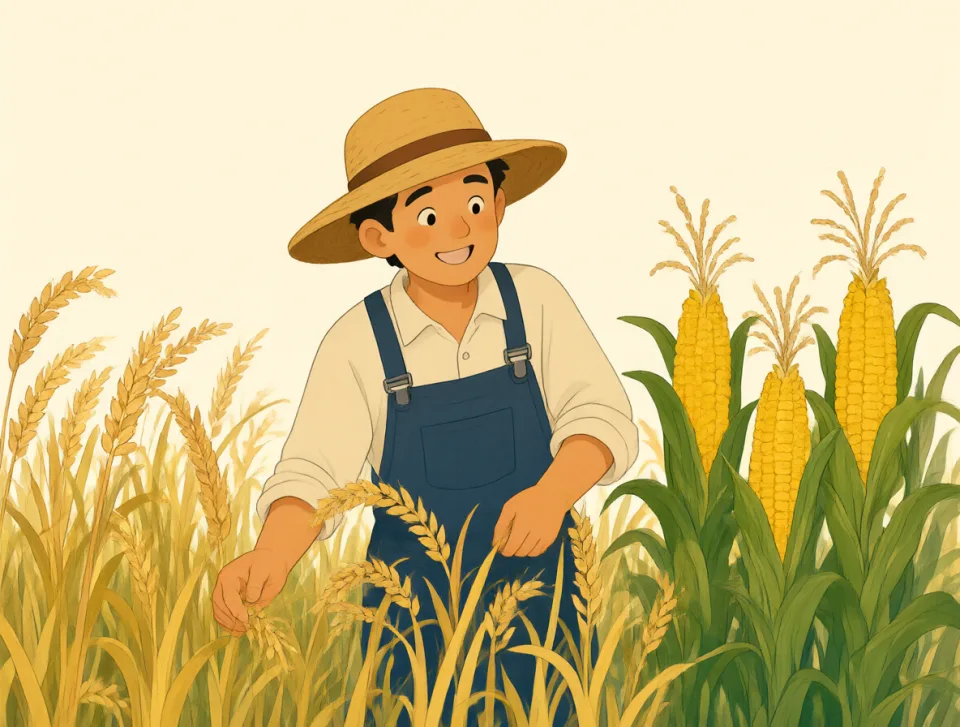
Farmers grow crops such as wheat, rice, and corn.
農民種植小麥、水稻和玉米等作物。
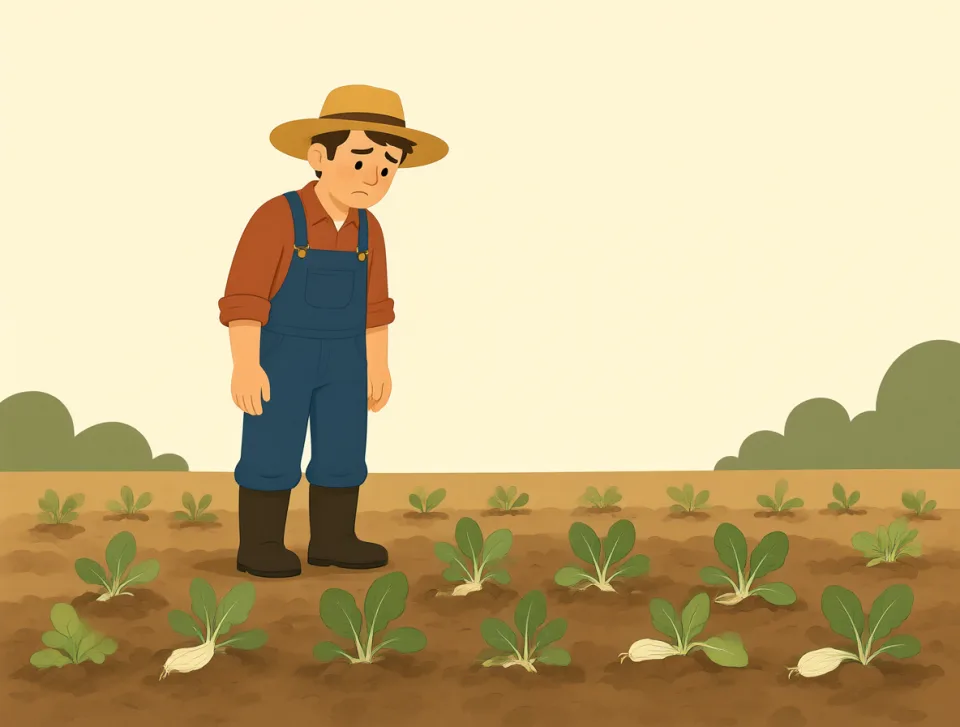
The heavy rain damaged the vegetable crops this year.
今年的大雨損壞了蔬菜作物。

We bought fresh crops from the local market.
我們從當地市場買了新鮮的農產品。

Please crop the photo before you send it.
請在傳送照片前先裁剪一下。
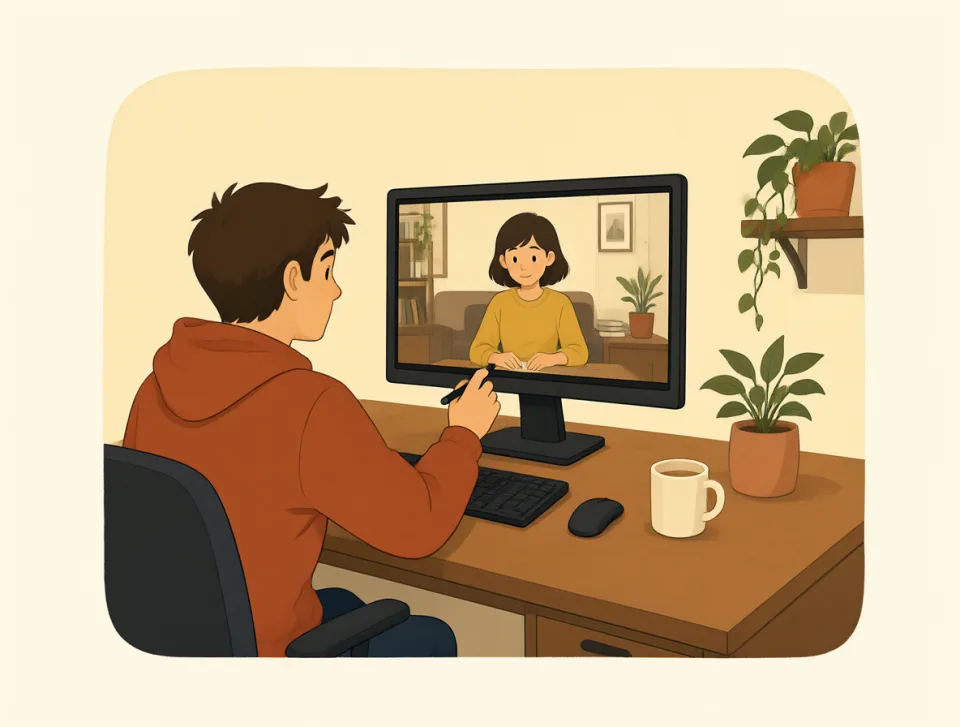
The editor cropped the video to remove the empty space.
編輯把影片裁剪了一下,去掉了空白部分。
minority
#1987noun
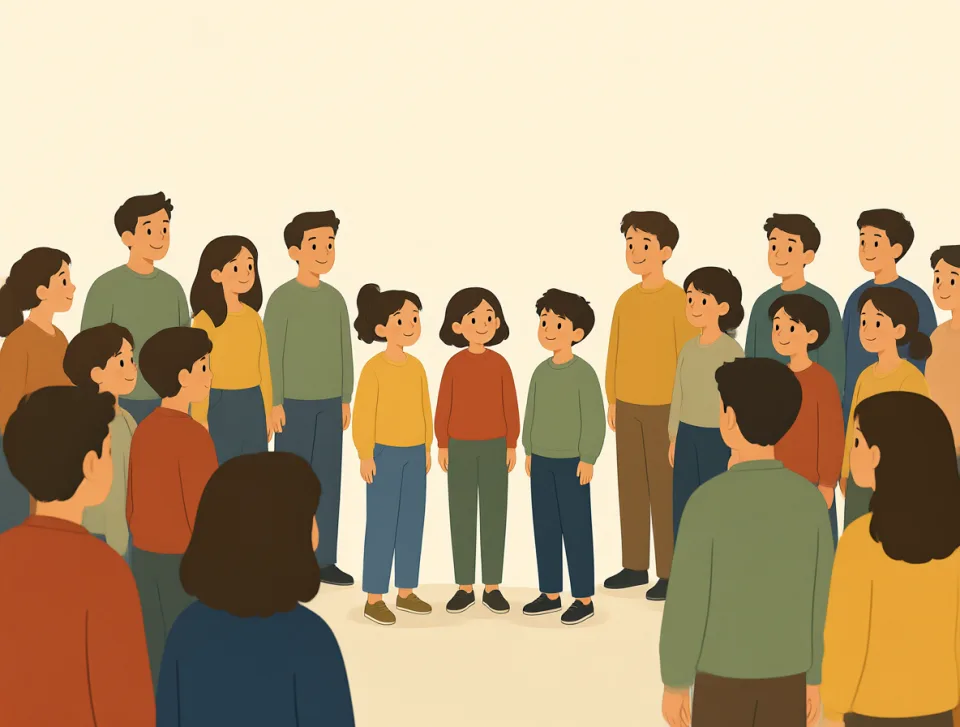
少數;少數群體;少數民族;少數黨
A smaller group of people in a community, country, or organization.
社群、國家或組織中人數較少的群體。

Women are still a minority in some engineering jobs.
在一些工程類工作中,女性仍然佔少數。
Only a minority of students chose to study abroad.
只有少數學生選擇出國留學。
The school supports children from ethnic minorities.
這所學校為少數民族兒童提供支援。

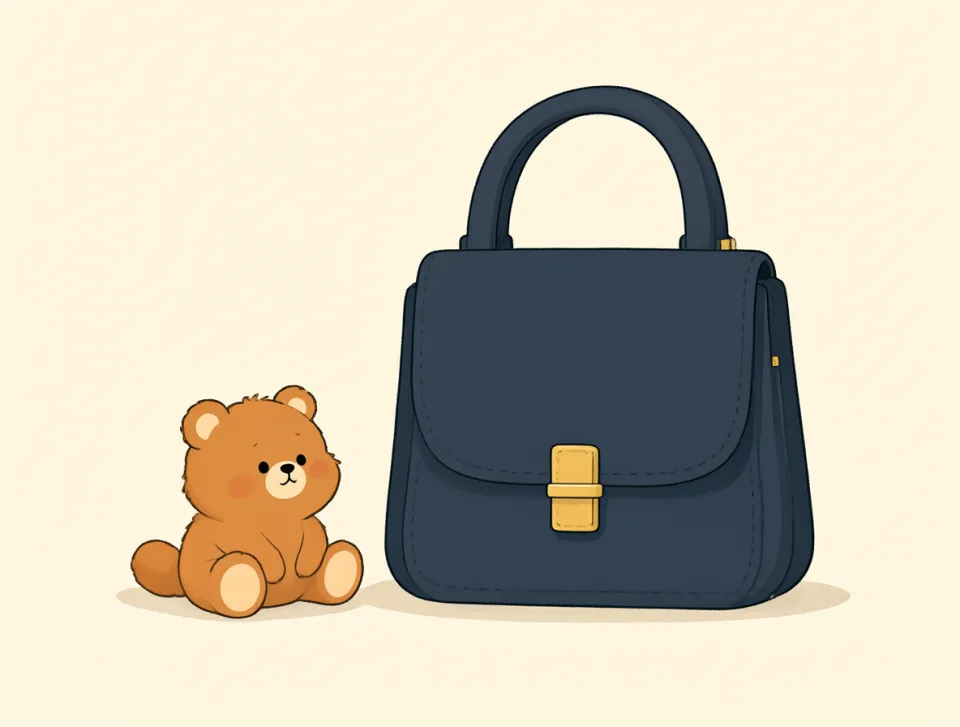
A small minority of shoppers complained about the new bags.
只有極少數購物者抱怨新袋子。

The minority party wants better healthcare for everyone.
少數黨希望為所有人提供更好的醫療保健。
origin
#1988noun
來源;起源
the place, person, or thing that something comes from
某事物所來自的地方、人或事物

The shop sells coffee from many different countries of origin.
這家商店出售來自許多不同原產國的咖啡。

The doctor asked about the origin of my stomach pain.
醫生詢問了我胃痛的起因。
The teacher explained the origin of this old English word.
老師講解了這個古老英語單詞的起源。

We checked the origin of the cheese before buying it.
買乳酪之前,我們核實了它的產地。
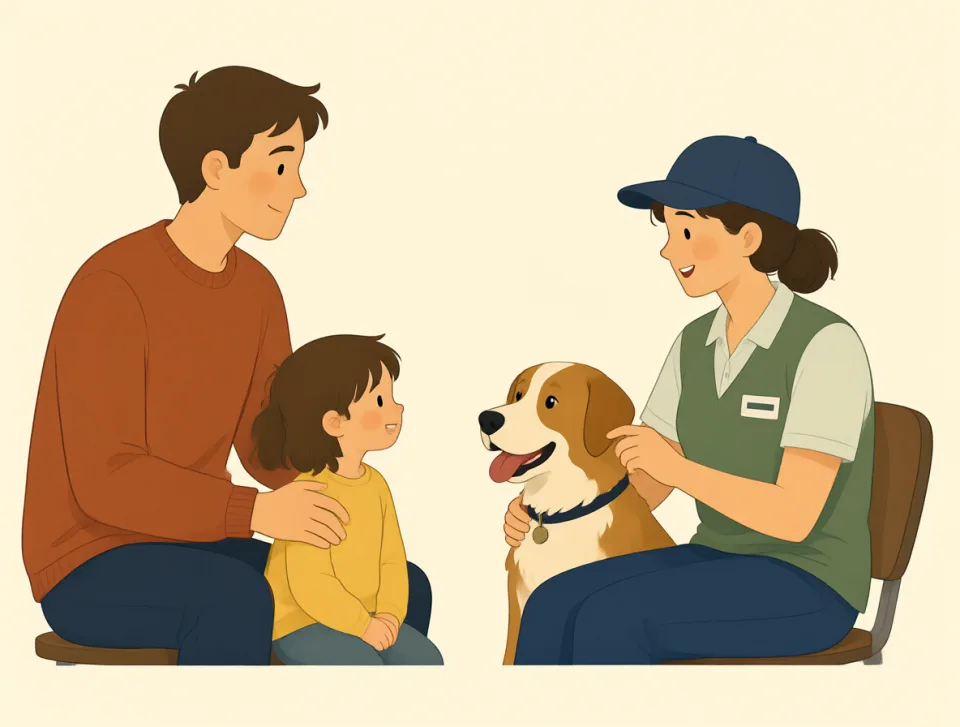
The family discovered their dog's origin at the animal shelter.
這家人在動物收容所發現了他們的狗的身世。
interpretation
#1989noun
解釋;理解;演繹;口譯
An explanation of what something means or how it should be understood.
對某事的含義或應如何理解所作的解釋。
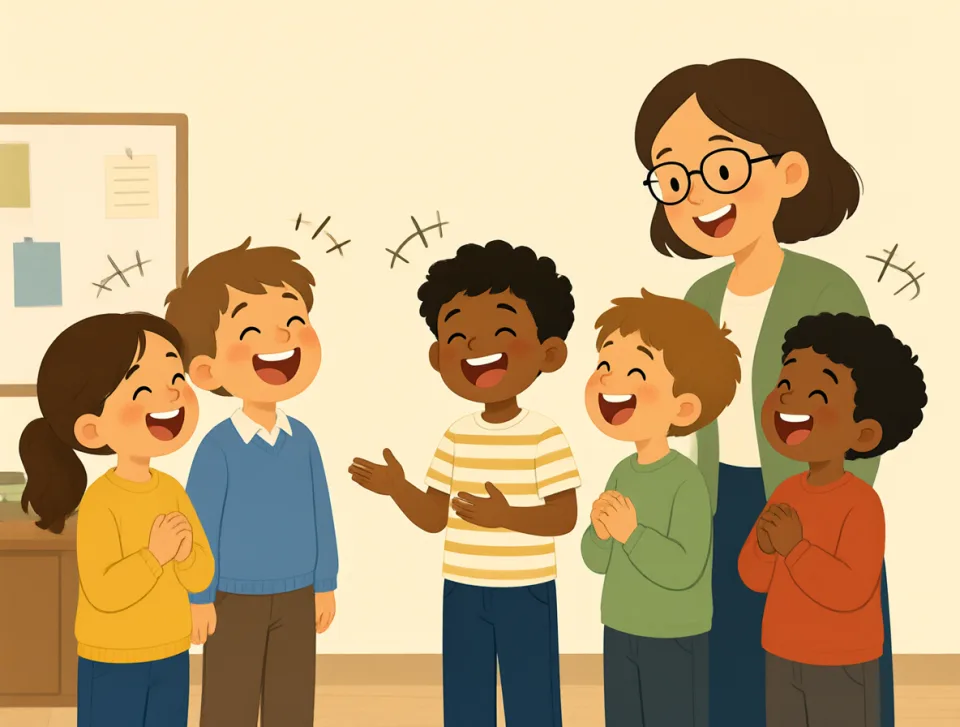
Her interpretation of the teacher's joke made everyone laugh.
她對老師那個笑話的理解把大家都逗笑了。
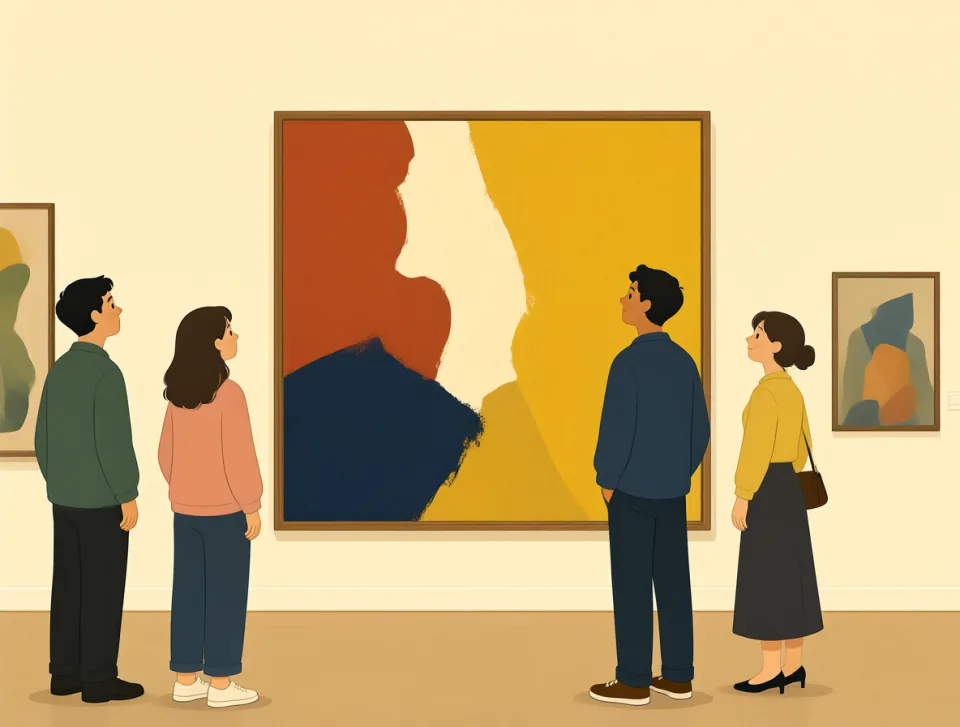
Different people may have different interpretations of this painting.
不同的人對這幅畫可能有不同的解讀。

The doctor explained his interpretation of my blood test results.
醫生解釋了他對我的血液檢查結果的解讀。

The actor gave a funny interpretation of the famous character.
這位演員對這個著名角色進行了有趣的演繹。
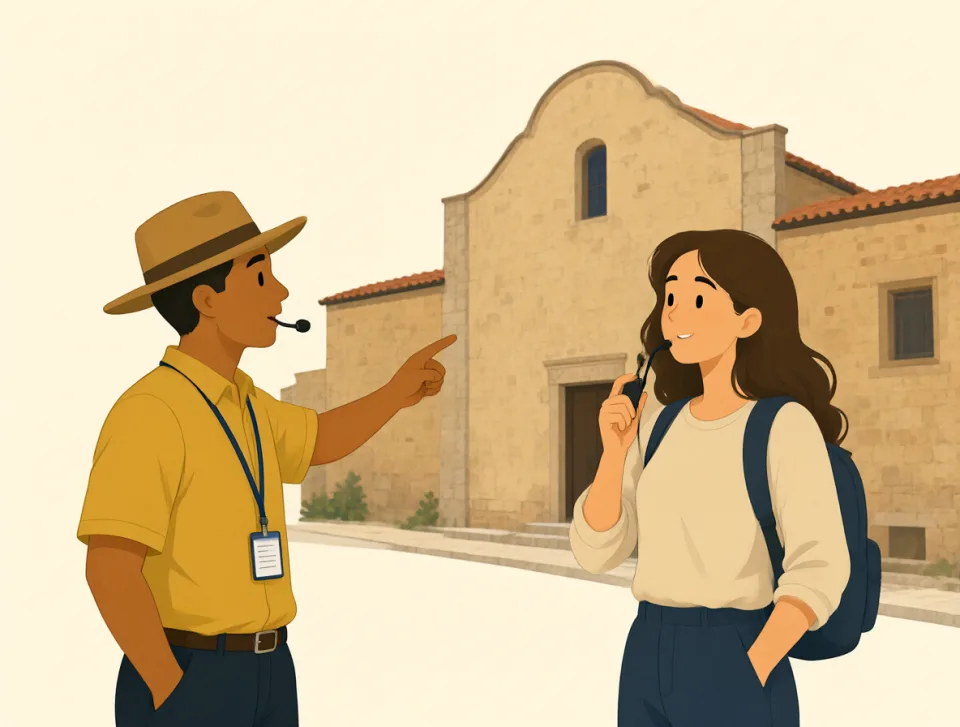
The tour included interpretation for visitors who did not speak English.
這次旅行還為不會說英語的遊客提供了口譯服務。

gentleman
#1990noun
紳士; 先生
A polite and well-mannered man, often used as a respectful way to address one.
有禮貌、舉止得體的男子,常用作對男性的尊稱。
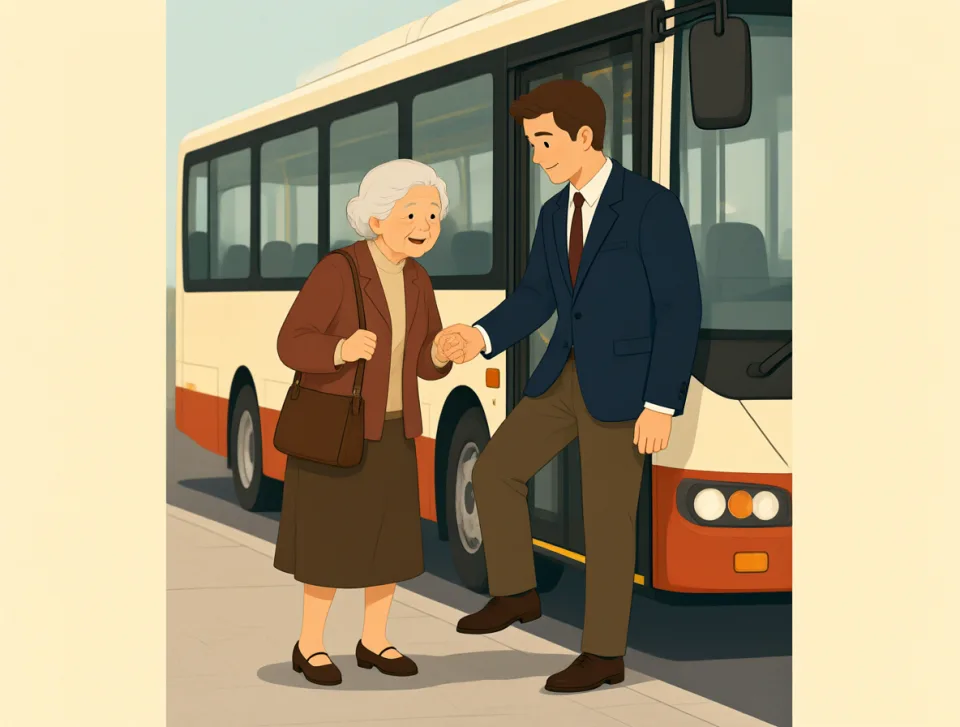
The gentleman helped an elderly woman onto the bus.
那位先生幫一位老婦人上了公交車。

A gentleman always says please and thank you.
紳士總是會說“請”和“謝謝”。
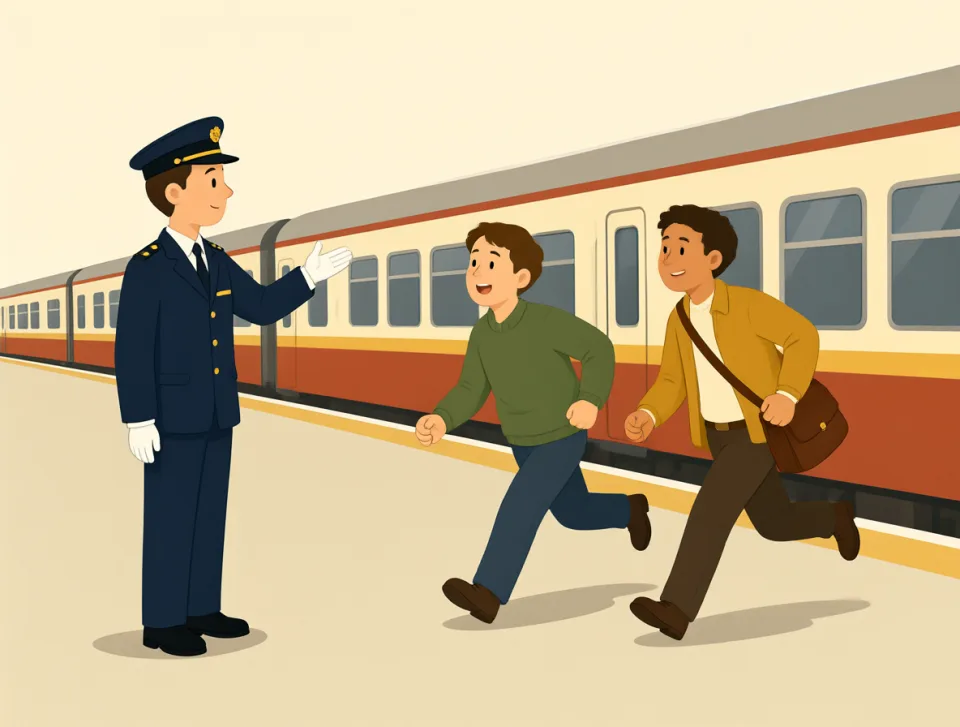
Excuse me, gentlemen, your train is leaving soon.
先生們,不好意思,你們的火車很快就要開了。

The gentleman at the hotel desk found my passport.
酒店前臺的那位先生找到了我的護照。

He behaved like a true gentleman at dinner.
晚餐時,他表現得像一位真正的紳士。

drama
#1991noun
戲劇;鬧劇;戲劇性事件
An exciting or emotional situation that causes trouble or strong feelings.
會引發麻煩或強烈情緒的激動人心或充滿情緒的情況。

There was a lot of drama at home last night.
昨晚家裡發生了很多鬧劇。

She loves watching drama series after work.
她喜歡下班後看電視劇。
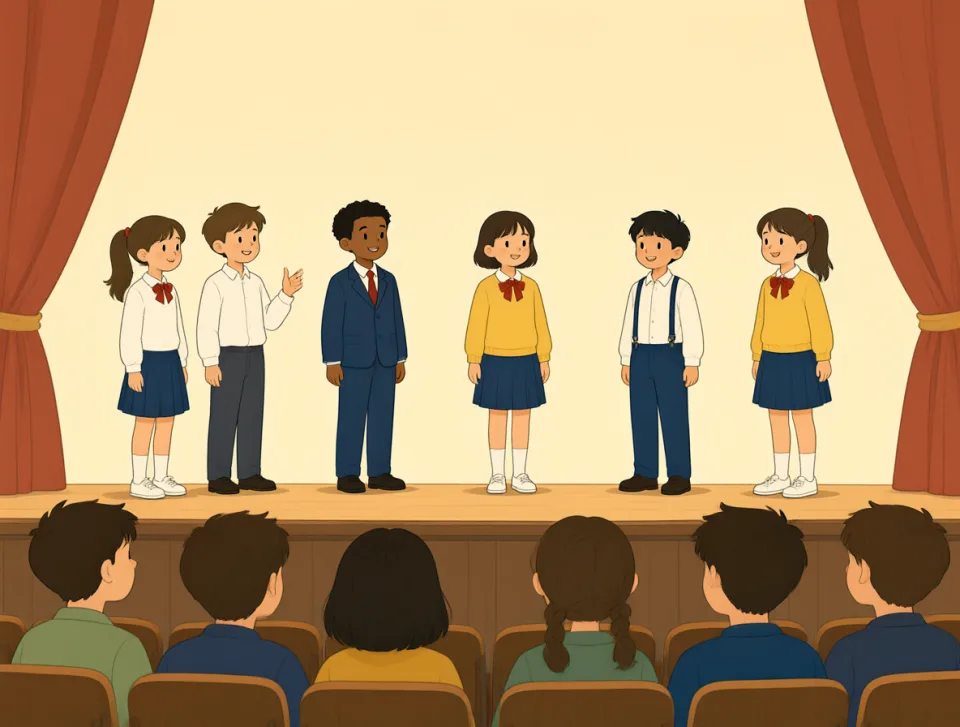
The school drama club performed a play on Friday.
學校戲劇社週五演出了一部戲劇。

Please stop creating drama over a small mistake.
請別因為一個小錯誤就大驚小怪、製造麻煩。
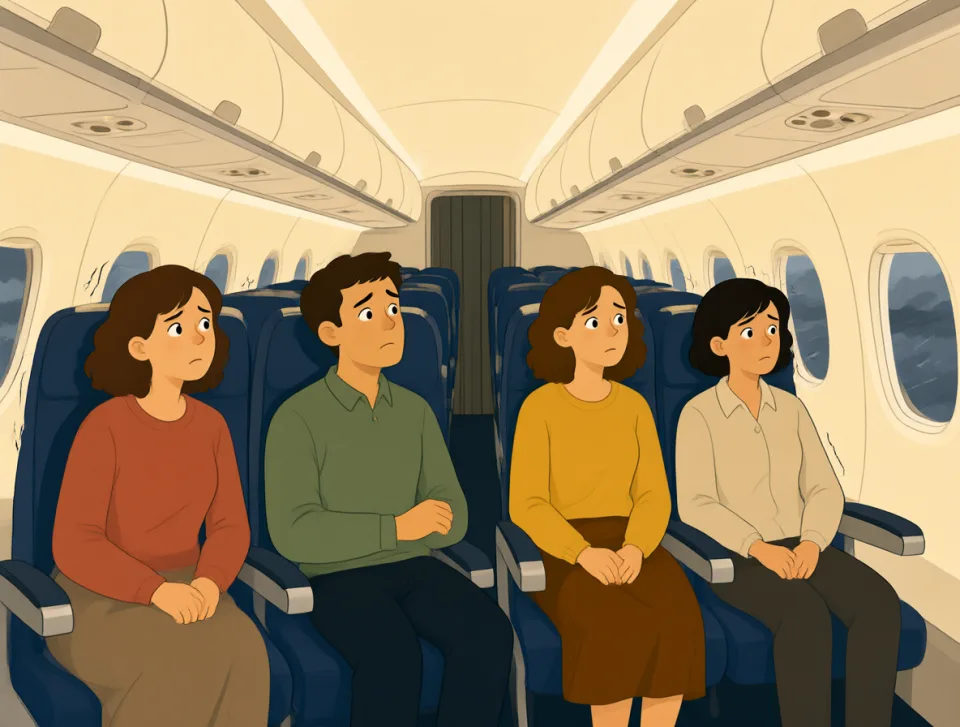
The flight had some drama when the weather suddenly changed.
天氣突然變化,航班出了些狀況。

landscape
#1992noun
風景; 景觀
The land, plants, and natural features of a place, especially as seen from far away.
一個地方的土地、植物和自然特徵,尤其是從遠處看時呈現的景色。

We stopped to enjoy the beautiful mountain landscape.
我們停下來欣賞美麗的山景。
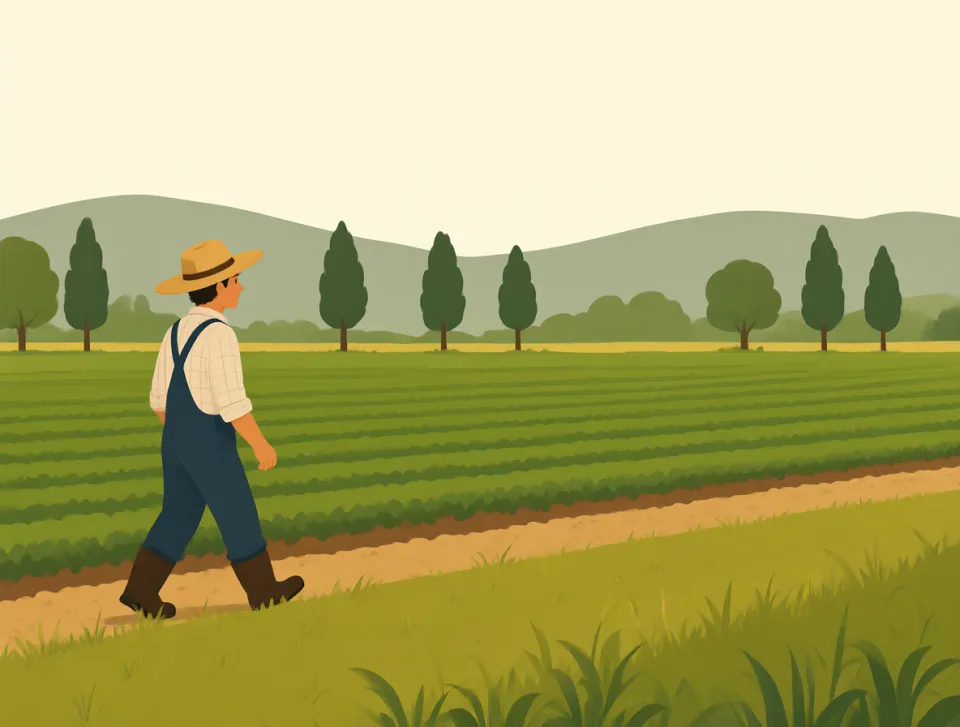
The countryside landscape was covered with green fields and trees.
鄉間的景色被一片片綠油油的田野和樹木覆蓋著。

The artist painted a peaceful landscape near the lake.
這位藝術家畫了一幅湖邊寧靜的風景畫。
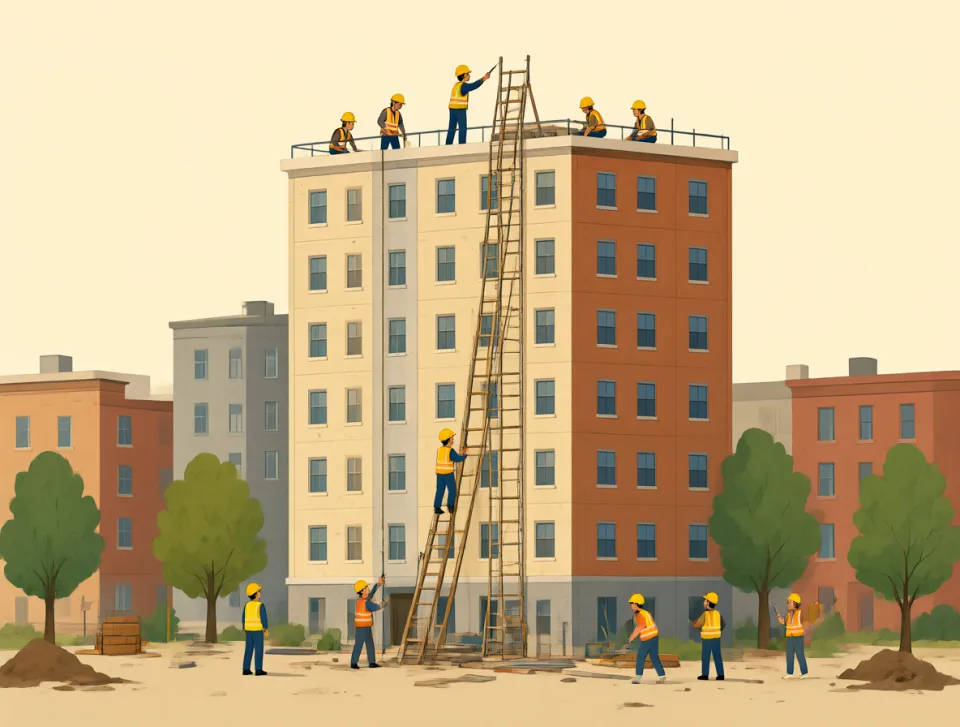
New buildings are changing the city landscape quickly.
新建築正在迅速改變城市景觀。

The snowy landscape looked magical during our winter trip.
冬季旅行期間,雪景看起來美得像童話一樣。
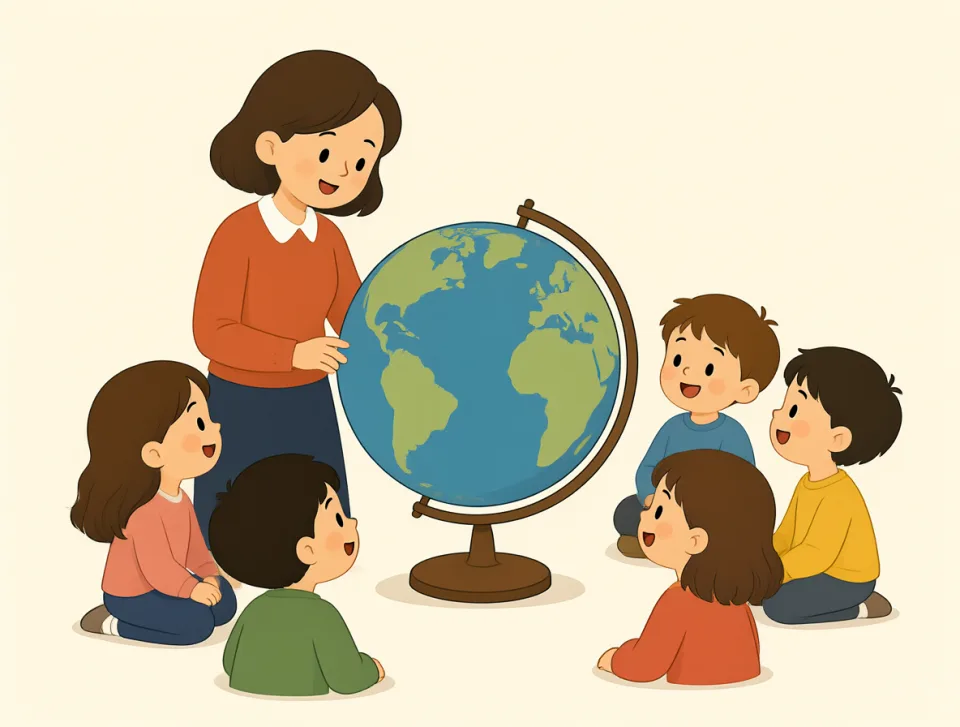
educate
#1993verb
教育;教導
to teach someone about a subject or help them develop knowledge and skills
教某人某個科目,或幫助他們培養知識和技能
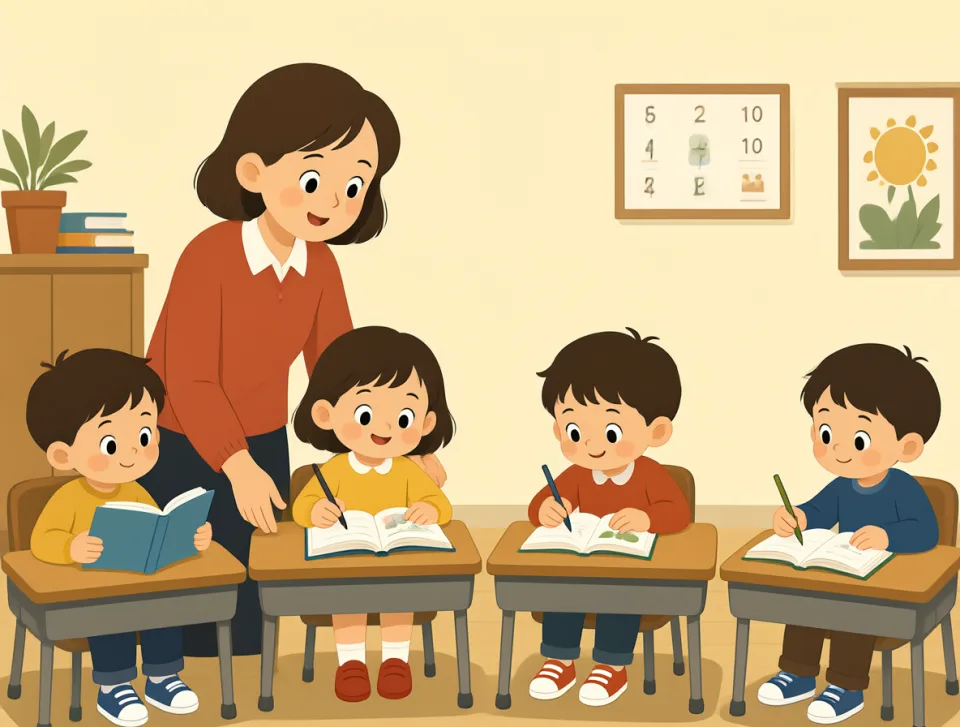
Schools educate children in reading, writing, and mathematics.
學校教孩子們閱讀、寫作和數學。

Parents educate their children about safety and kindness.
父母教育孩子注意安全、待人友善。

The course educates workers about workplace safety.
這門課程向員工講解工作場所的安全知識。

Doctors educate patients about healthy food and exercise.
醫生向患者普及健康飲食和鍛鍊知識。
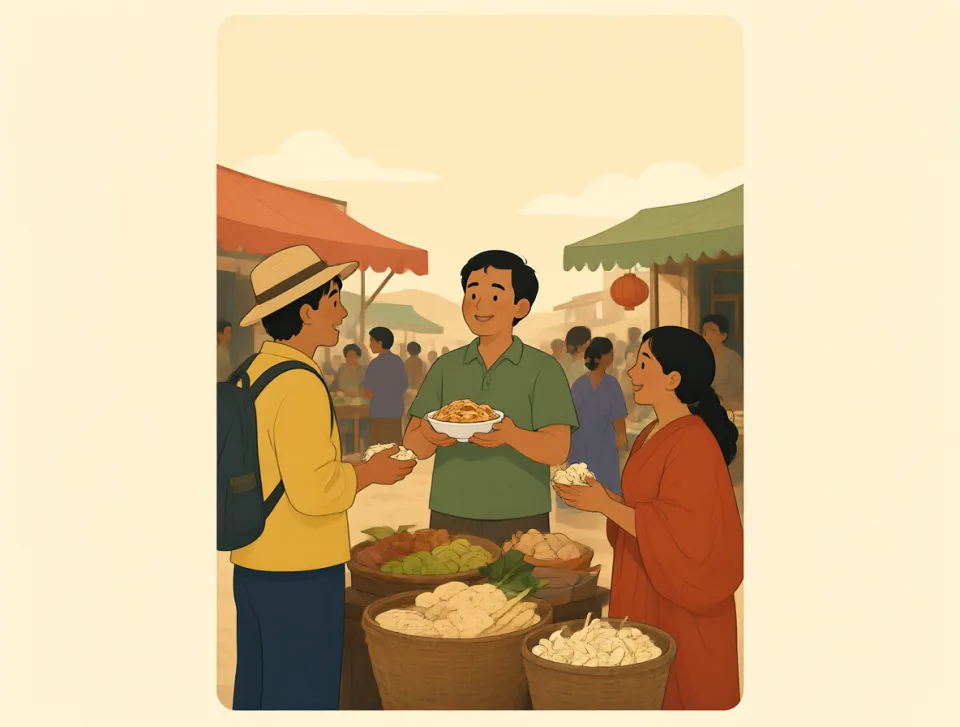
Travel can educate people about different cultures and traditions.
旅行能讓人瞭解不同的文化和傳統。
toy
#1994noun, verb
玩具; 玩弄; 逗弄
An object children play with; to treat something as if it were only for fun.
供孩子玩耍的物品;把某事當作只是好玩而不認真對待。
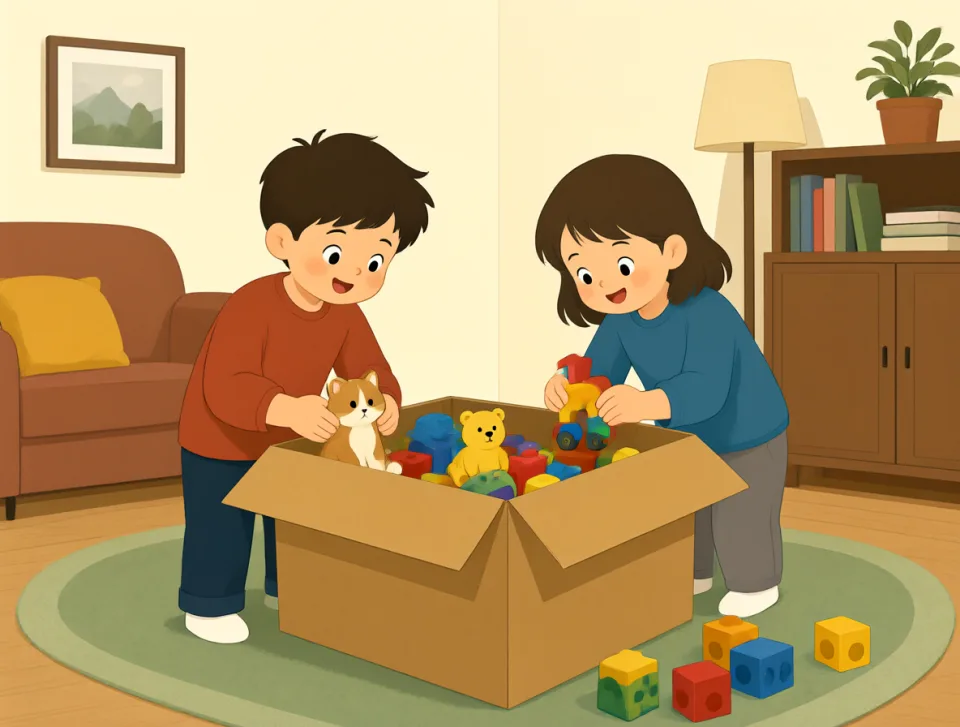
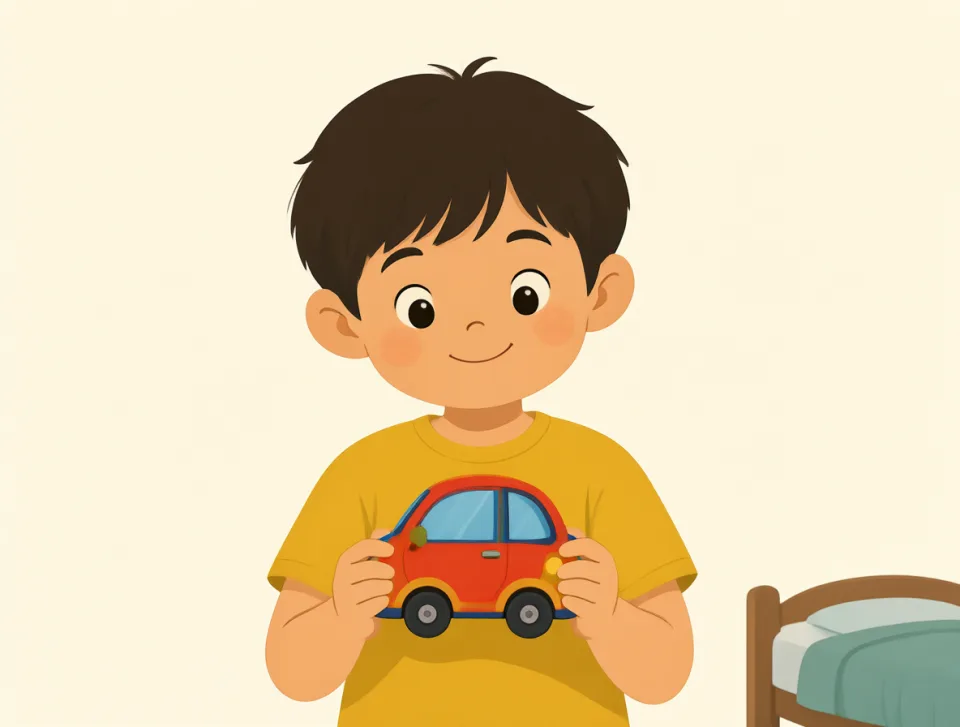
The children put their toys away before dinner.
孩子們在晚飯前把玩具收拾好了。
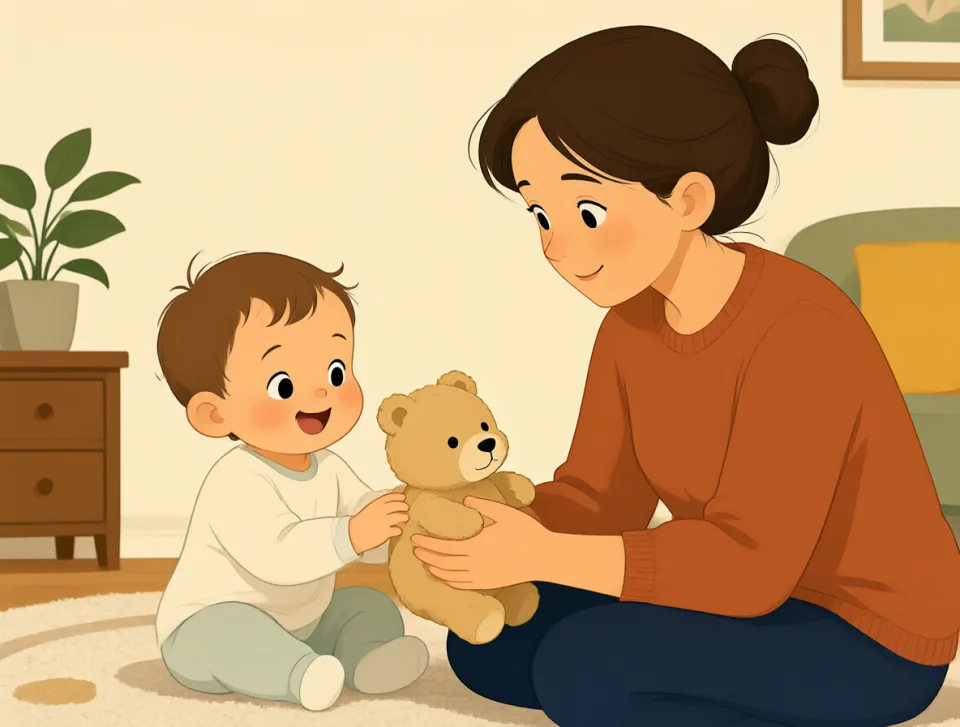
She bought a new toy for her baby.
她給寶寶買了一個新玩具。
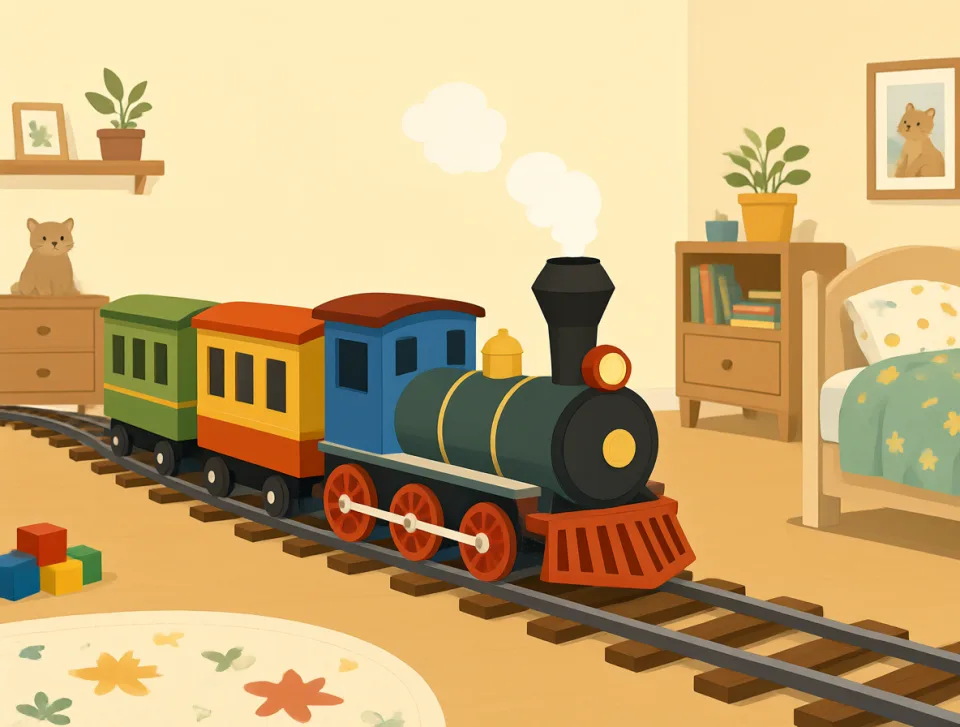
This toy train runs on batteries.
這輛玩具火車靠電池執行。
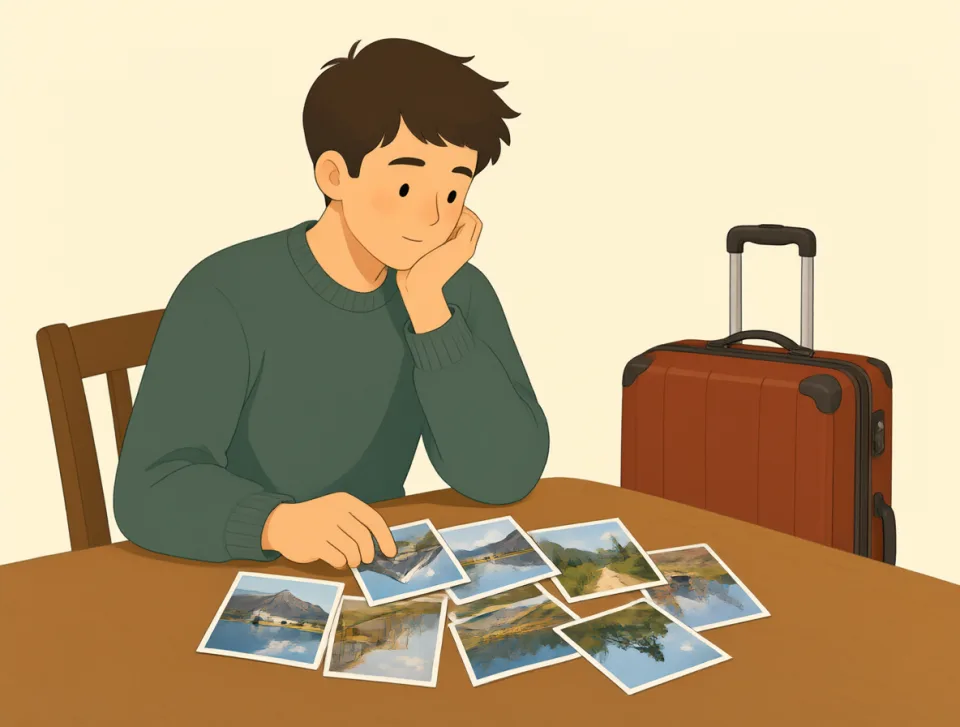
He toyed with the idea of traveling abroad.
他一度萌生過出國旅行的念頭。

The puppy toyed with the loose shoelace.
小狗逗弄著鬆開的鞋帶。
fault
#1995noun
過錯;故障;責任
A mistake, problem, or responsibility for something bad that happened.
錯誤、問題,或對所發生的不良後果負有的責任。
The accident was my fault, so I apologized to everyone.
事故是我的錯,所以我向大家道了歉。
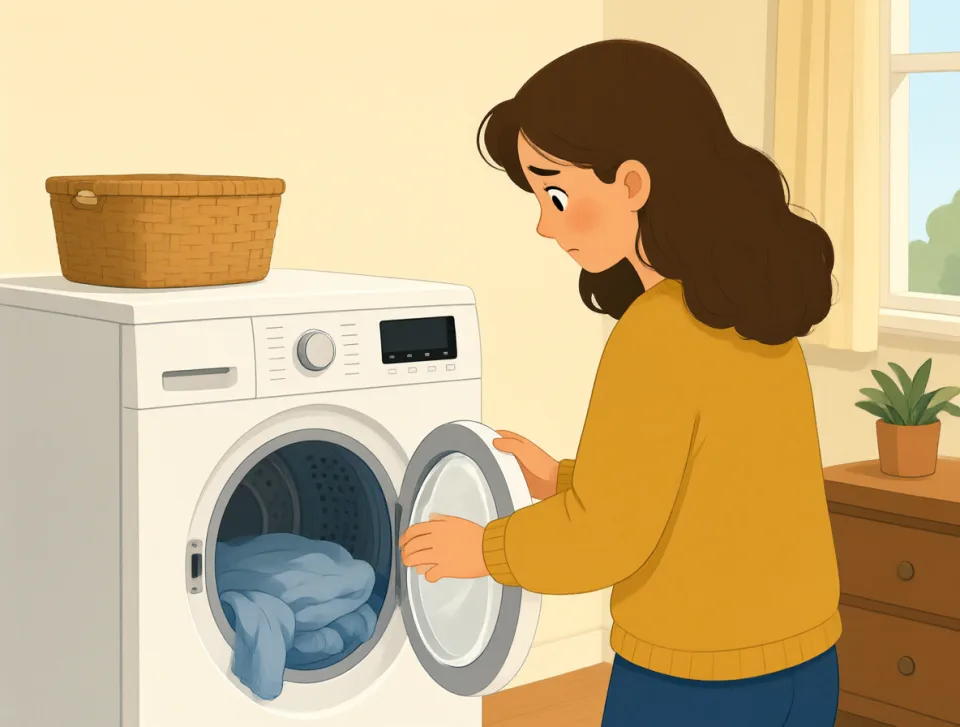
There is a fault in the washing machine, and it will not start.
洗衣機出了故障,無法啟動。

The teacher found a fault in my answer and explained it.
老師發現我的答案有錯誤,並給我講解了。

The hotel room was clean, but the shower had a small fault.
酒店房間很乾淨,但淋浴器有個小故障。
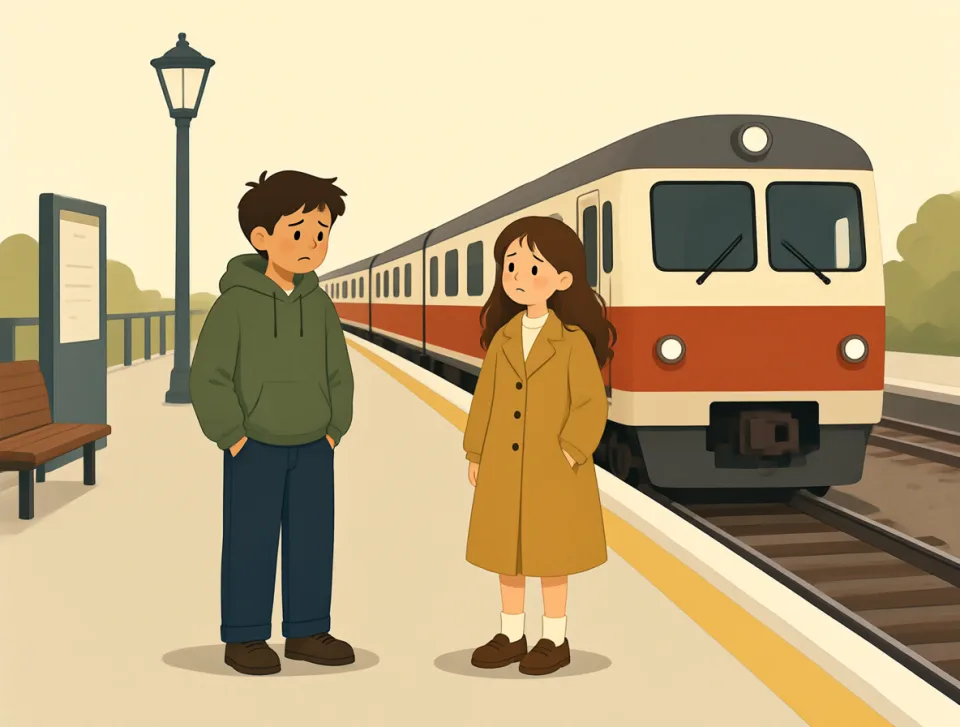
It was not your fault that we missed the train.
我們沒趕上火車,不是你的錯。

exhibit
#1996noun, verb
展覽;展品;表現;顯示
A public display, an object shown publicly, or to show a quality.
公開展覽;公開展出的物品;表現出某種特質。
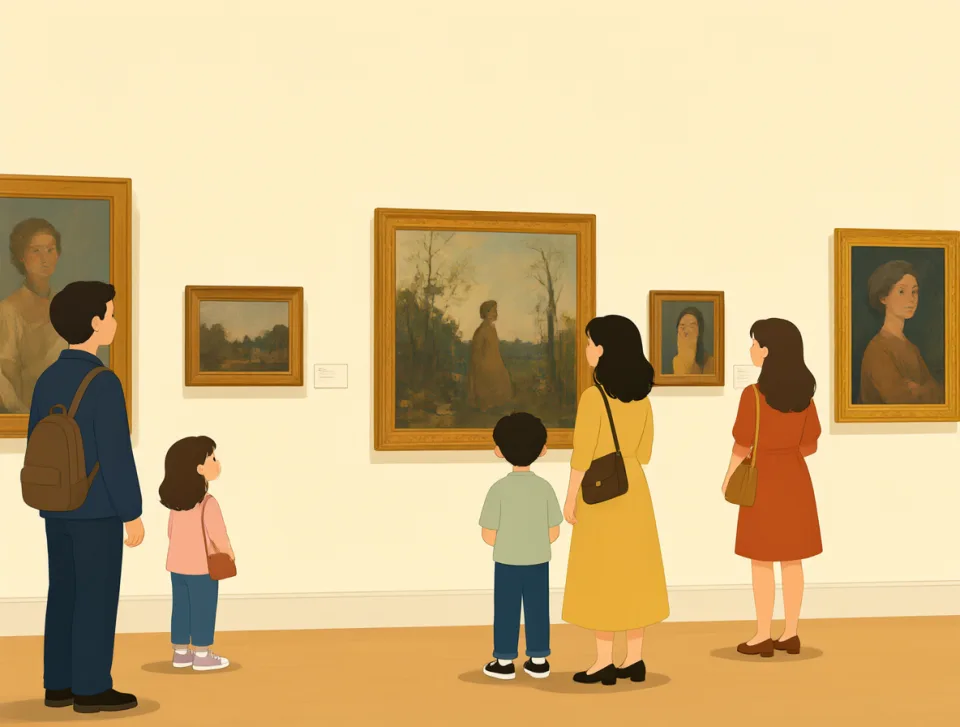
The museum's new exhibit features paintings by local artists.
博物館的新展覽展出了當地藝術家的畫作。
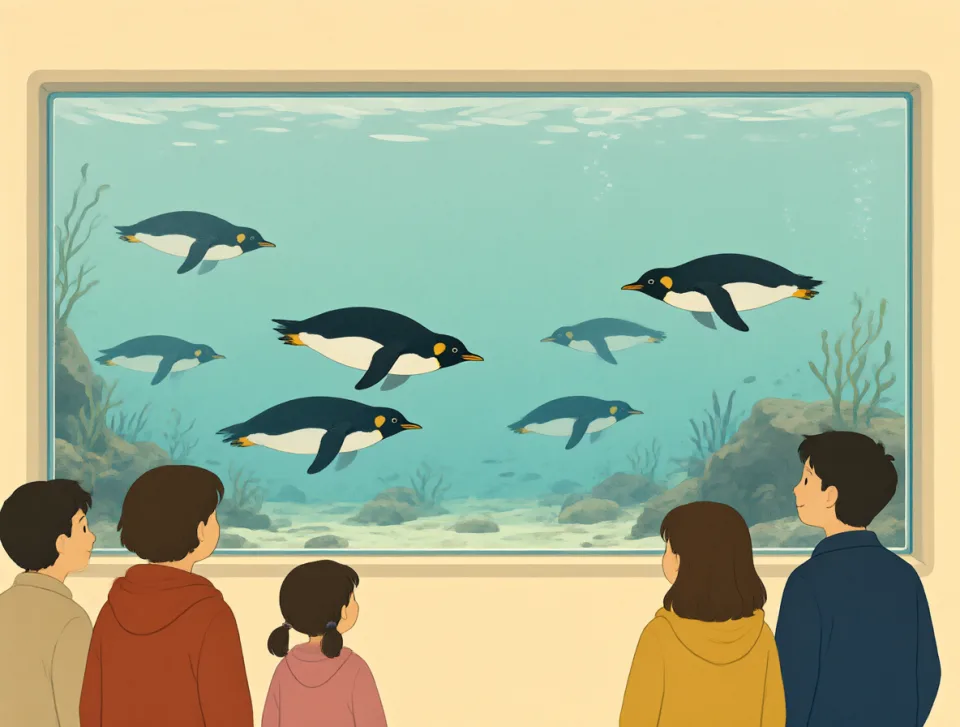
The zoo exhibit lets visitors watch penguins swim underwater.
動物園裡的企鵝展區讓遊客可以觀看企鵝在水下游泳。
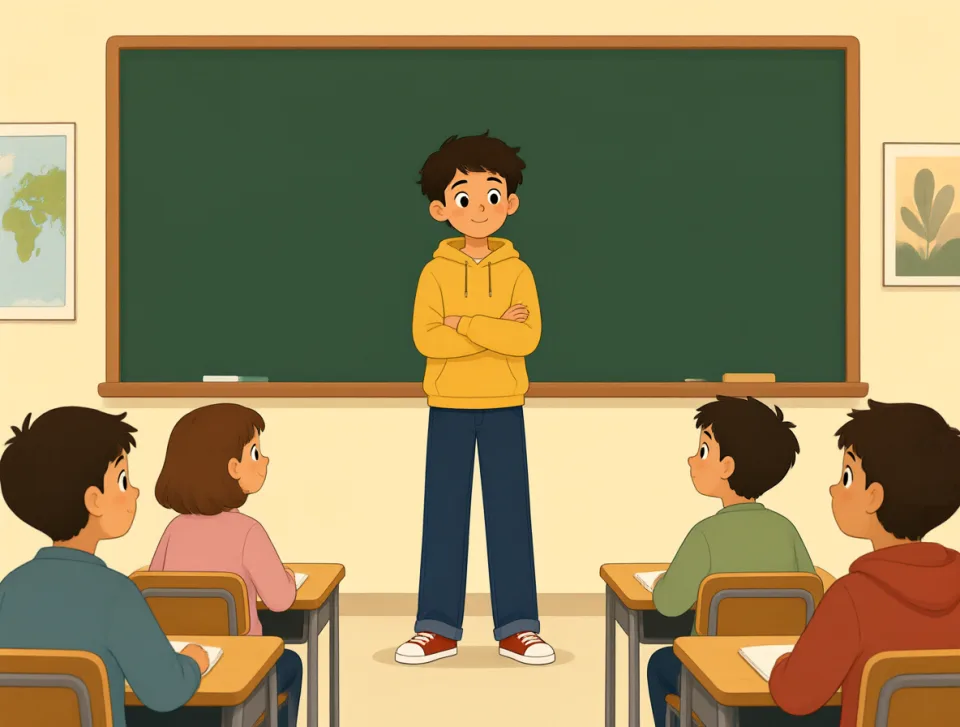
The student exhibited confidence during her first presentation.
這名學生在第一次演講時表現得很自信。

The patient exhibited signs of dehydration after the long hike.
長途徒步後,患者出現了脫水的跡象。
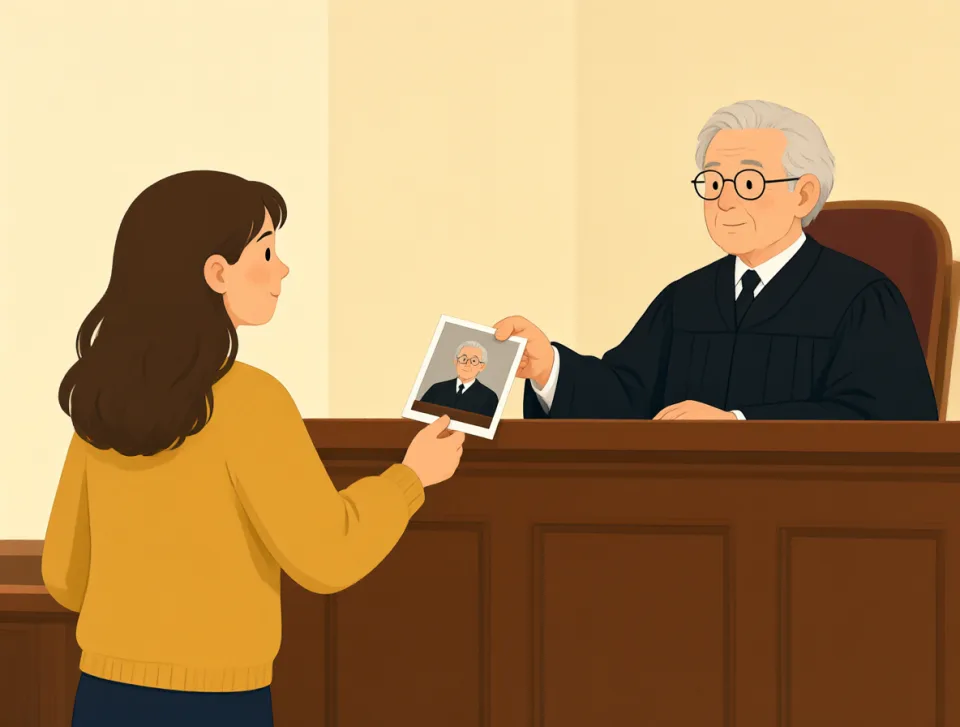
The lawyer presented a photograph as an exhibit in court.
律師在法庭上出示了一張照片作為證物。
minor
#1997adjective, noun
較小的;不重要的;輔修科目
Small or not very important; a student studying a subject as a second field.
較小或不太重要的;大學裡作為第二專業學習的科目。
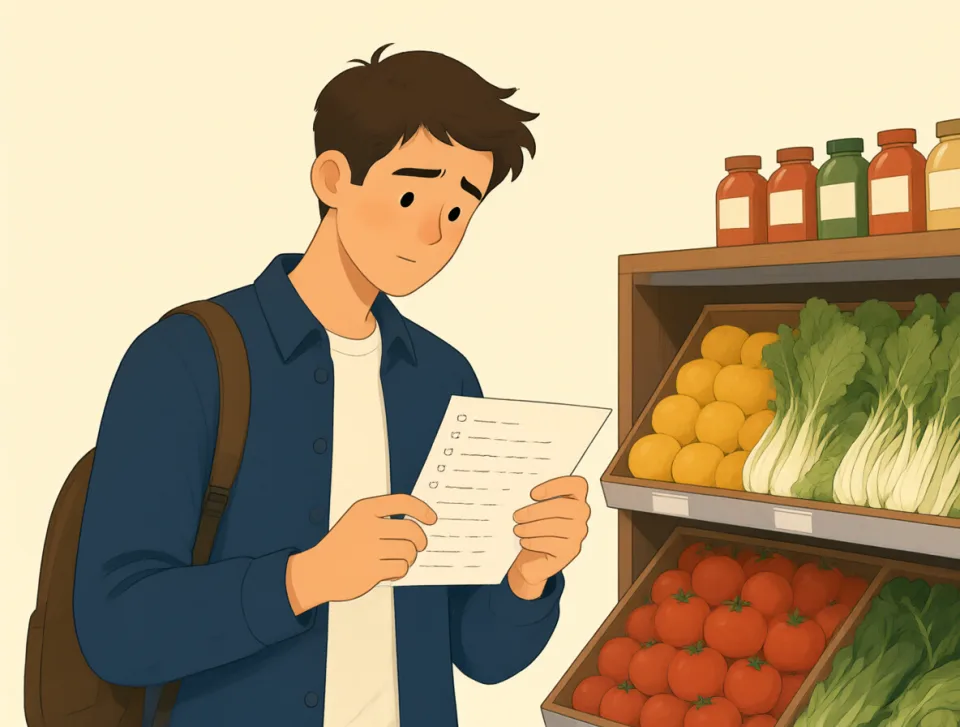
He made a minor mistake in the shopping list.
他在購物清單上犯了個小錯誤。

The doctor said her injury was minor and would heal soon.
醫生說她的傷勢不重,很快就會痊癒。

We had a minor problem with the hotel room.
我們的酒店房間出了點小問題。

She chose history as her minor at college.
她在大學選擇歷史作為輔修專業。
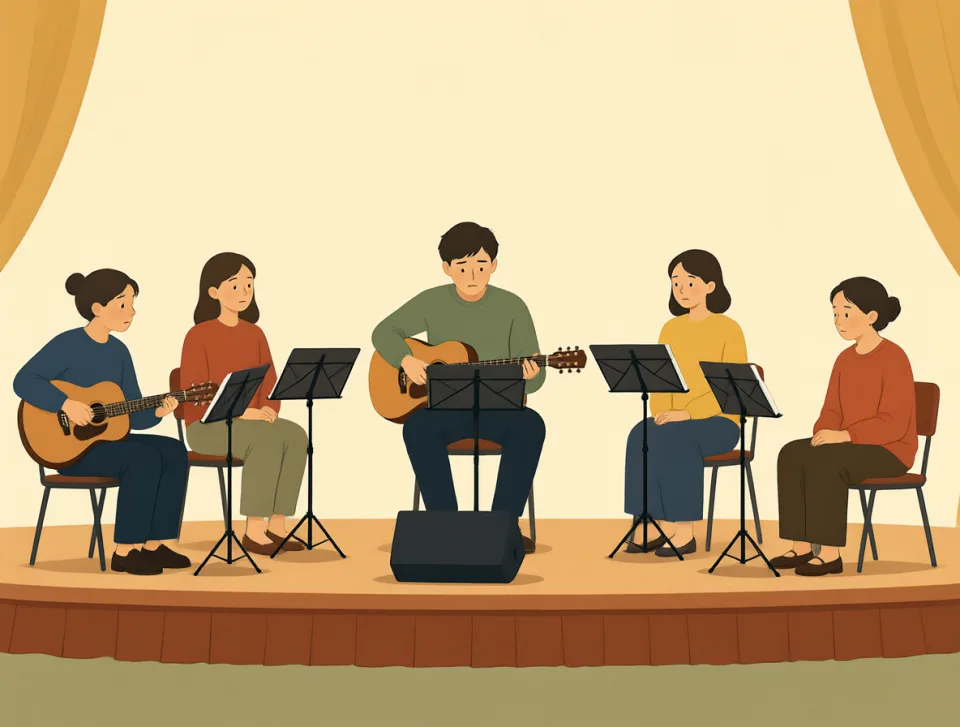
The band played several minor songs at the concert.
樂隊在音樂會上演奏了幾首小調歌曲。

hunt
#1998noun, verb
尋找;搜尋;打獵
To look for someone or something carefully, especially over a wide area.
仔細尋找某人或某物,尤其是在大片區域內尋找。
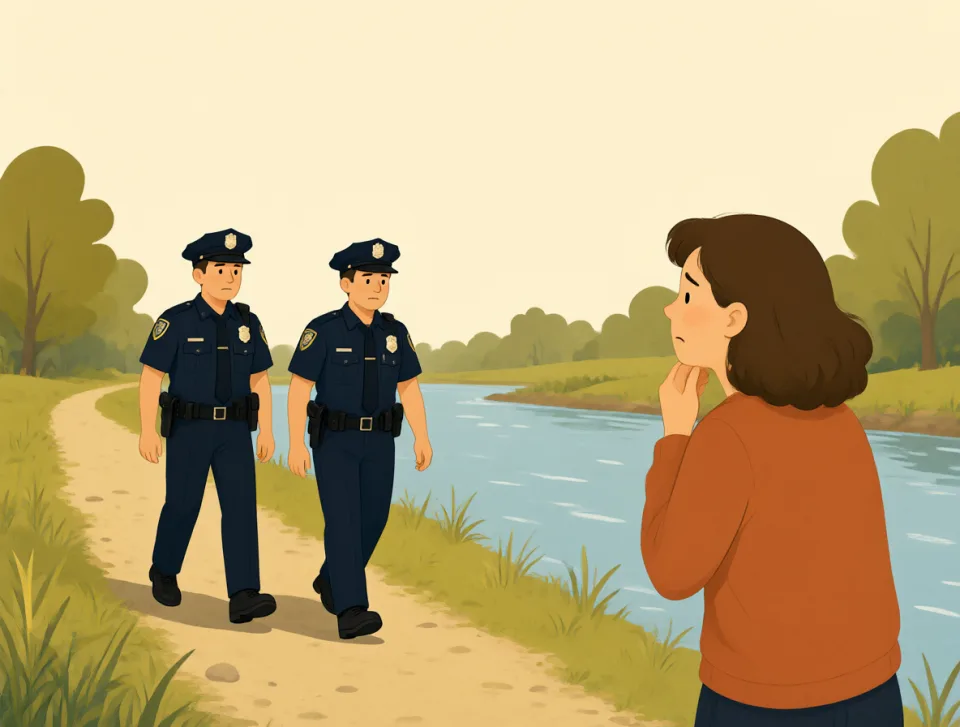
Police are hunting for the missing child near the river.
警方正在河邊附近搜尋那個失蹤的孩子。
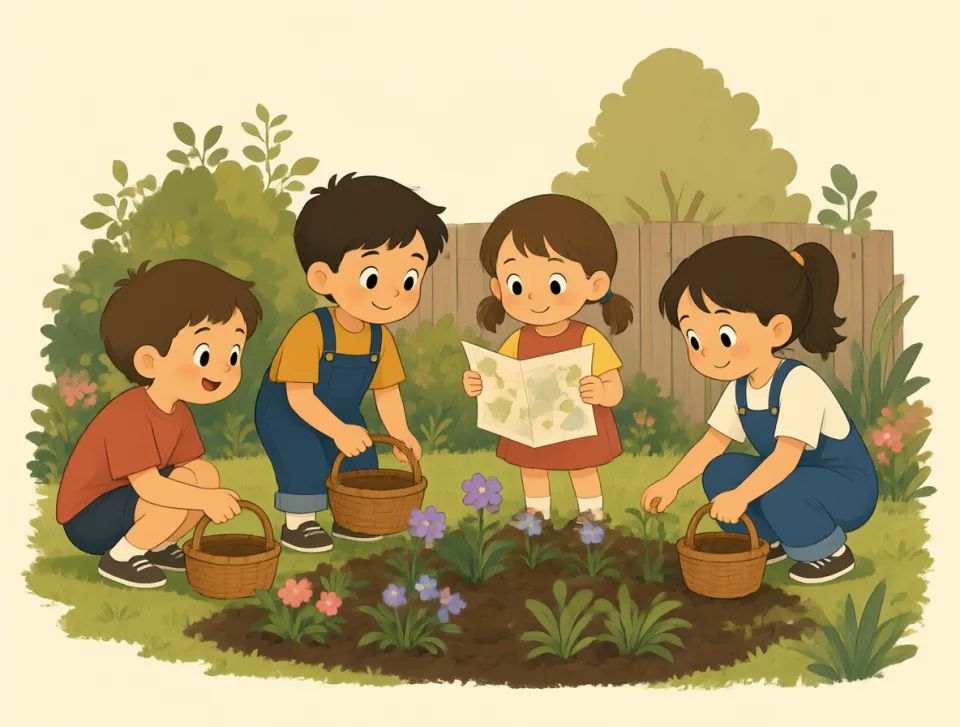
We went on a treasure hunt in the garden.
我們在花園裡玩了一場尋寶遊戲。

She is hunting for a new apartment after moving to the city.
搬到這座城市後,她正在找新公寓。
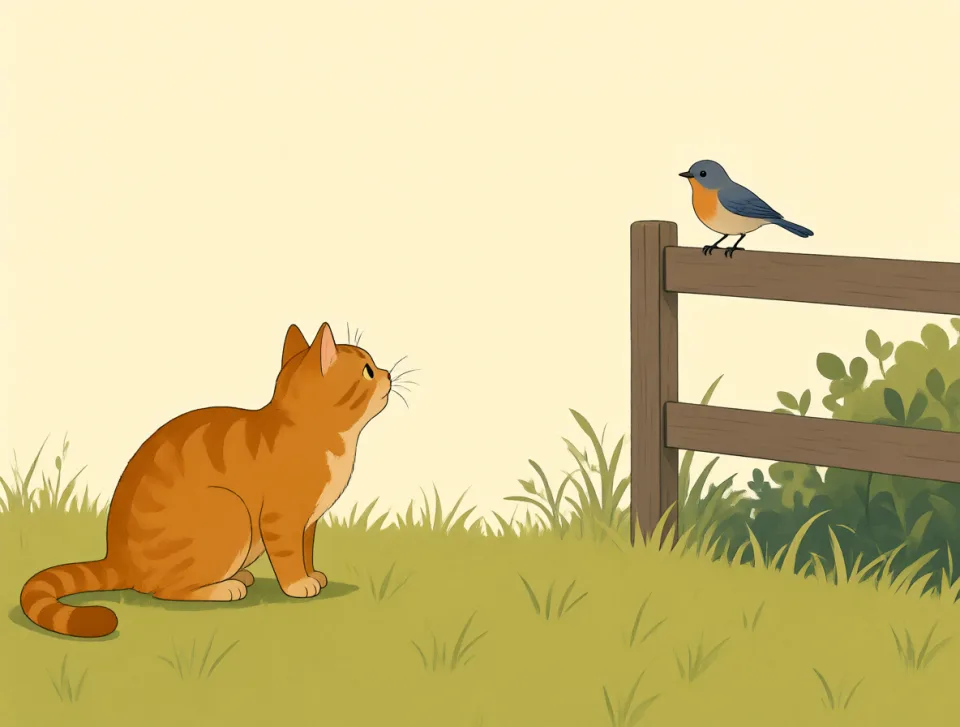
The cat likes to hunt birds in the backyard.
這隻貓喜歡在後院捕鳥。
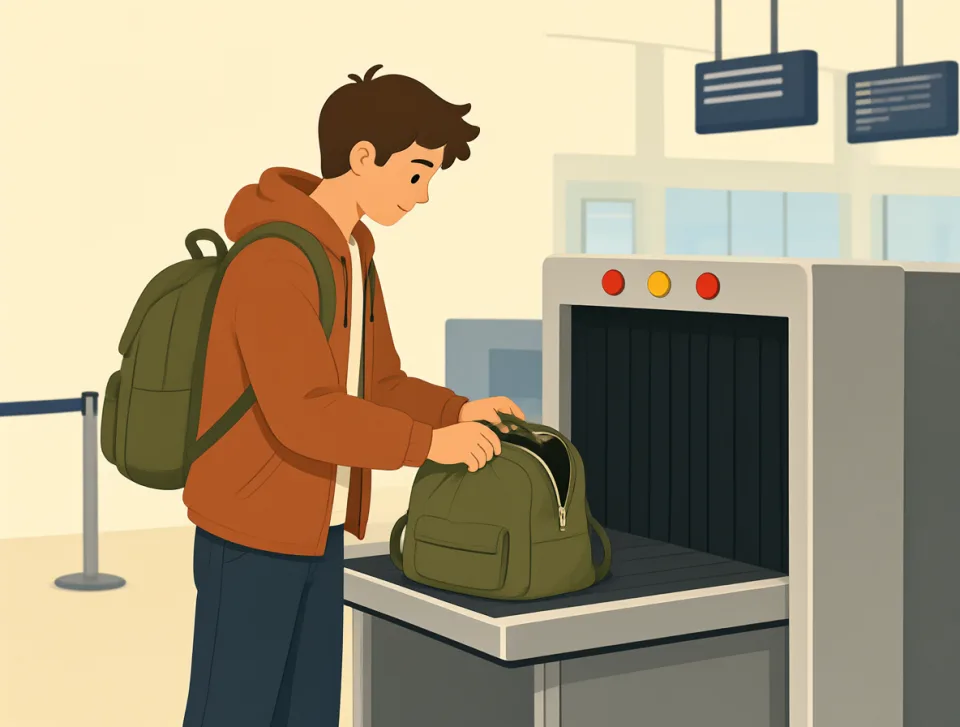
I hunted through my bag for my passport at the airport.
我在機場翻遍了包,尋找護照。

storm
#1999noun, verb
暴風雨;風暴;猛衝
A period of very bad weather with strong winds, rain, snow, or thunder.
一段天氣非常惡劣的時期,伴有強風、雨、雪或雷電。
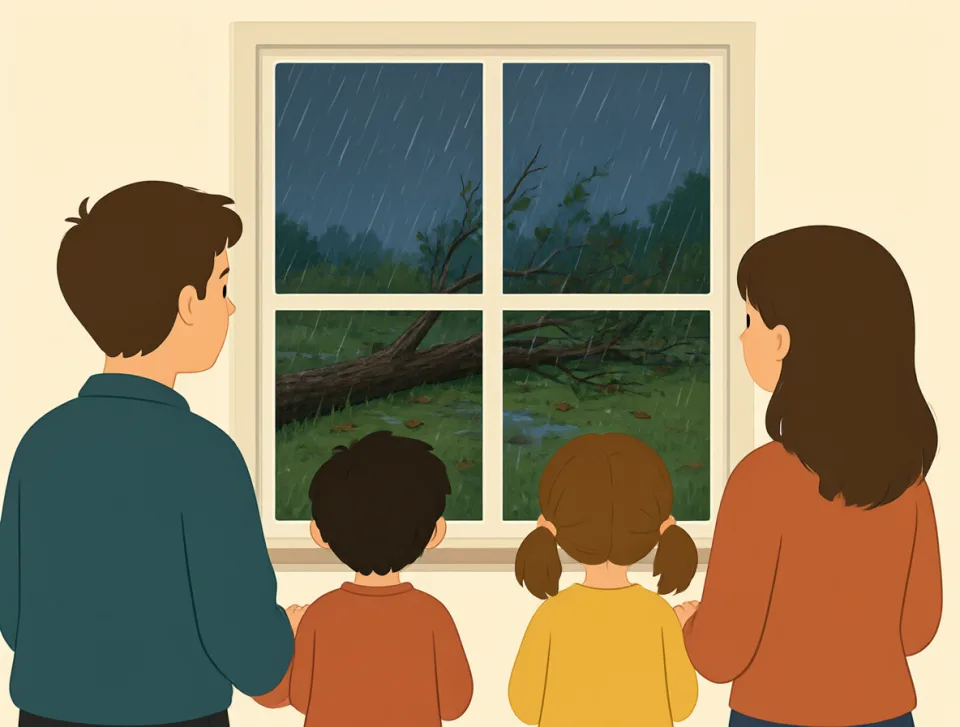
The storm knocked down several trees near our house.
暴風雨刮倒了我們家附近的好幾棵樹。

We stayed home because a storm was coming.
因為暴風雨就要來了,我們待在了家裡。

The flight was delayed because of a heavy storm.
航班因一場強烈的暴風雨而延誤。
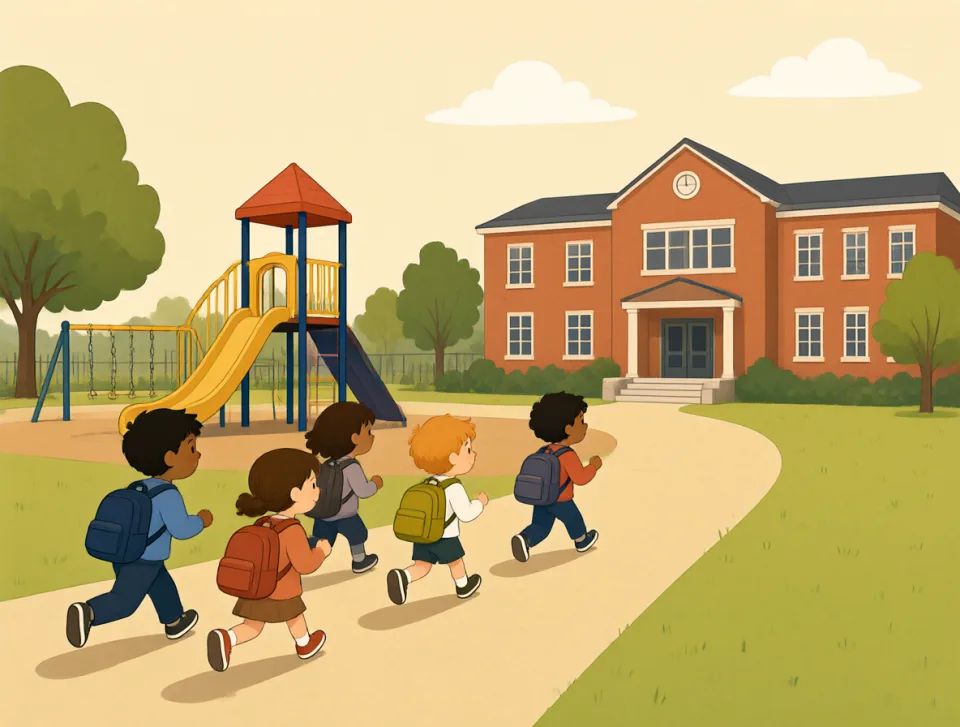
The children ran inside when the storm started.
暴風雨開始時,孩子們跑進了屋裡。
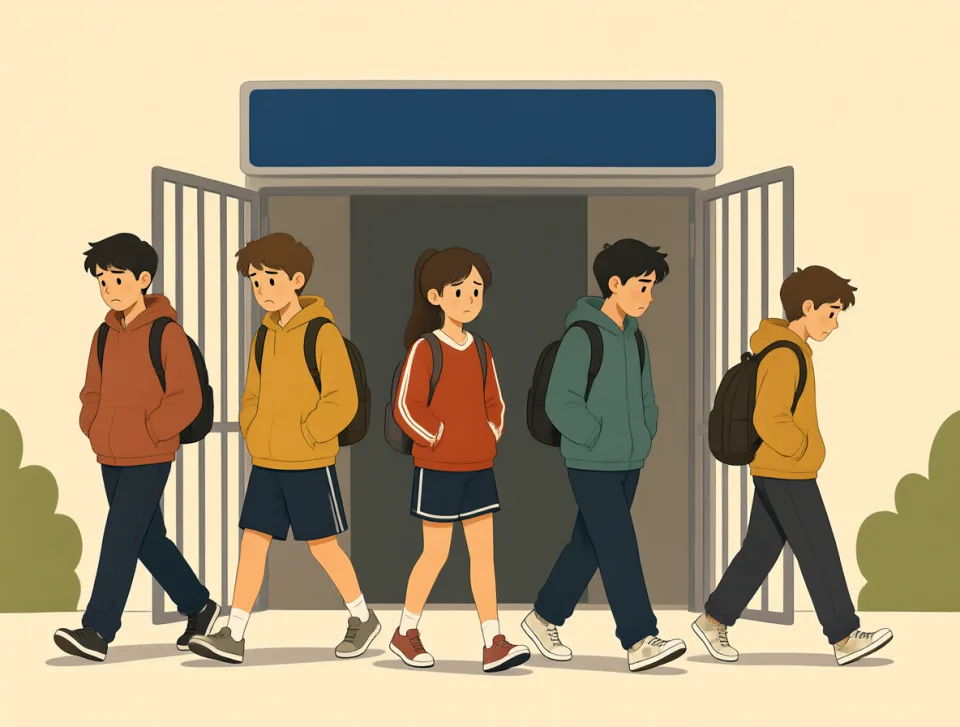
Fans stormed out of the stadium after their team lost.
球隊輸球后,球迷們怒氣衝衝地離開了體育場。
thick
#2000adjective, noun
厚的;濃稠的;茂密的
having a large distance between opposite sides; a deep layer or piece
兩面之間的距離較大;厚厚的一層或一塊

She wore a thick coat on the cold winter morning.
那個寒冷的冬日早晨,她穿了一件厚外套。
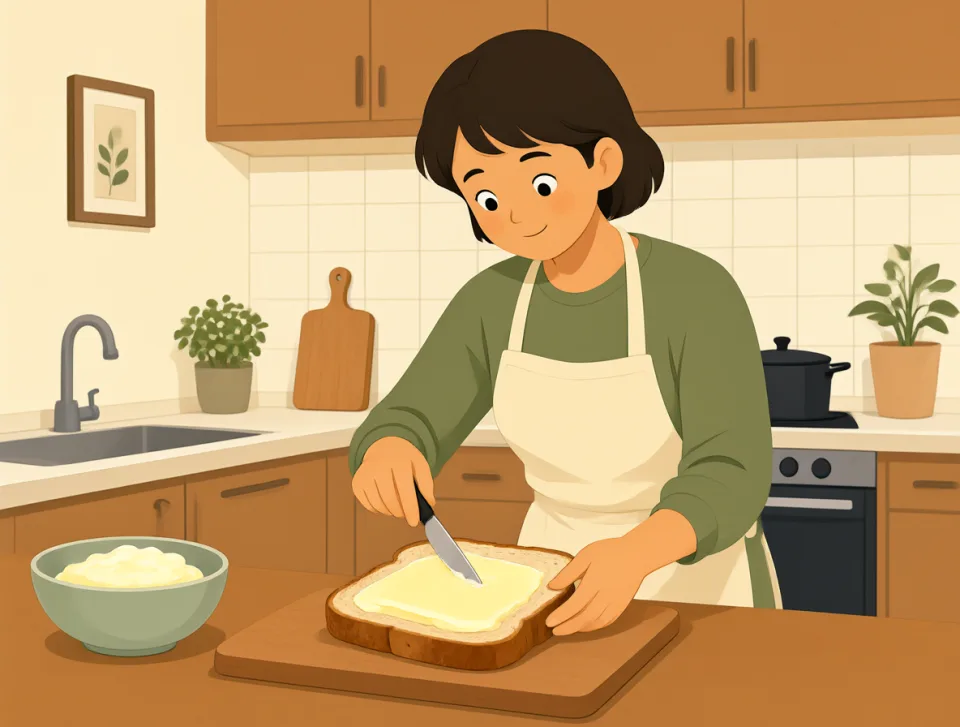
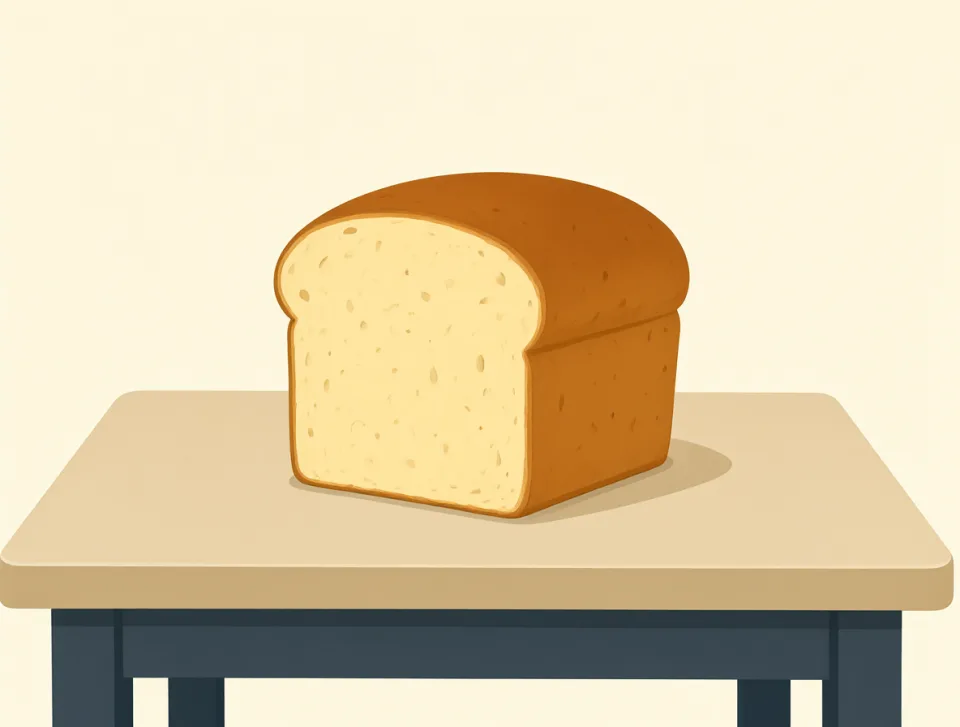
Spread a thick layer of butter on the bread.
在麵包上厚厚地抹一層黃油。

The forest was thick with trees and difficult to walk through.
森林裡樹木茂密,很難穿行。

He has thick, curly hair that reaches his shoulders.
他留著一頭濃密的捲髮,長及肩膀。
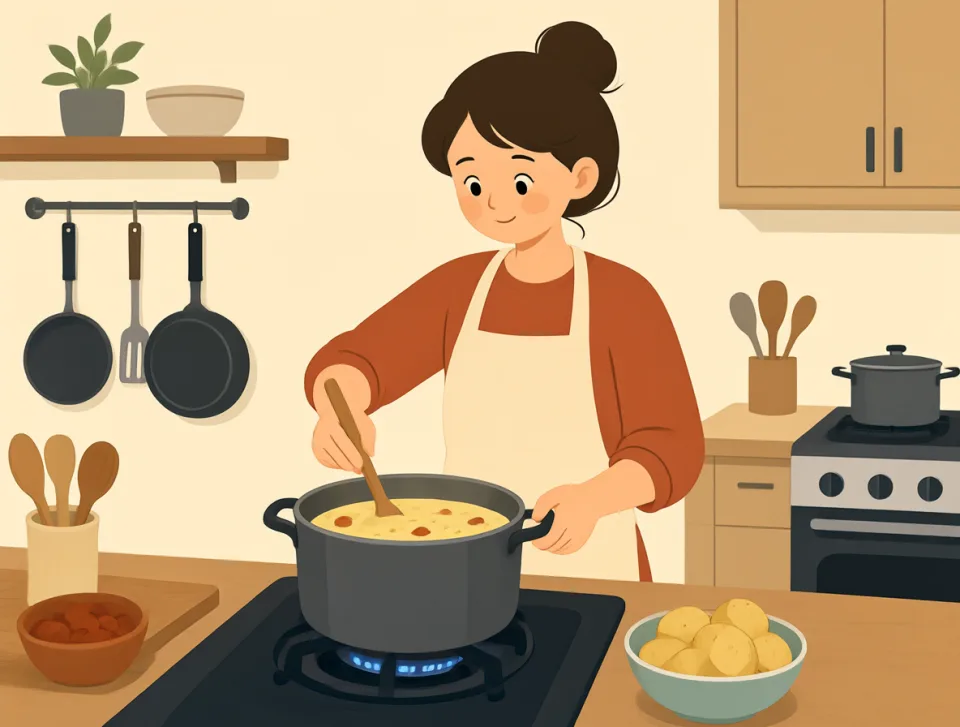
The soup became thick after we added the potatoes.
加了土豆後,湯變得濃稠了。