Đơn vị 100
Từ 1981–2000 · intellectual, derive, crucial, unemployment, wheel, crop
intellectual
#1981adjective, noun
trí tuệ
Related to thinking and understanding, or a person who enjoys serious ideas and learning.
Liên quan đến tư duy và sự hiểu biết, hoặc chỉ người yêu thích những ý tưởng sâu sắc và ham học hỏi.

She enjoys intellectual conversations with her friends after dinner.
Cô ấy thích trò chuyện về những chủ đề sâu sắc với bạn bè sau bữa tối.
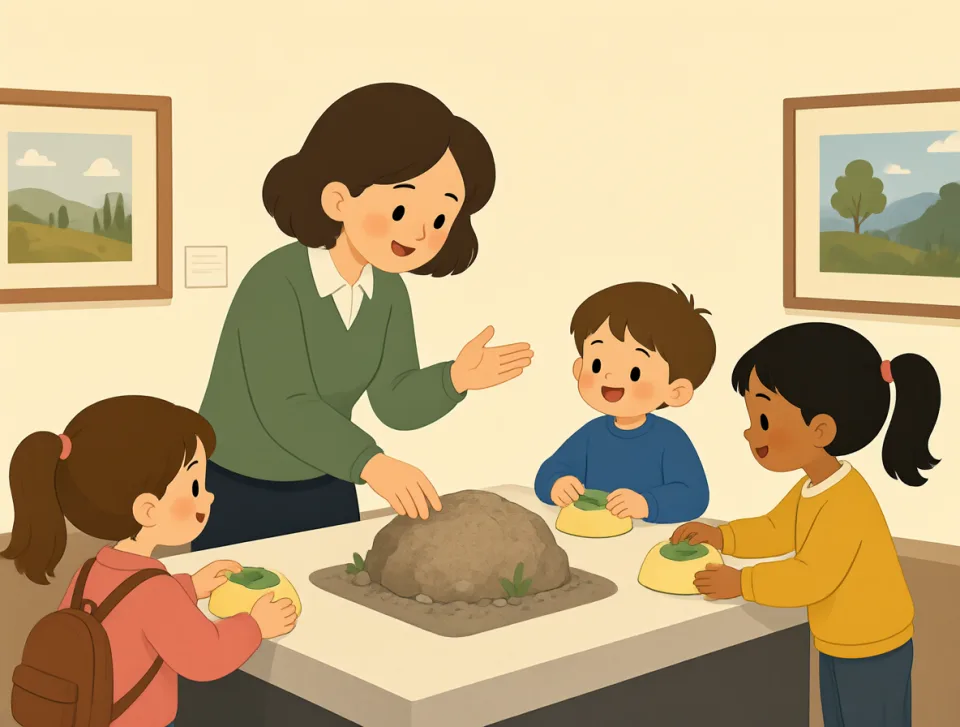
The museum offers many intellectual activities for young students.
Bảo tàng tổ chức nhiều hoạt động học thuật dành cho học sinh nhỏ tuổi.

He is an intellectual who reads books about history and science.
Anh ấy là một trí thức, thường đọc sách về lịch sử và khoa học.

The job requires both practical skills and intellectual ability.
Công việc này đòi hỏi cả kỹ năng thực tế lẫn năng lực tư duy.
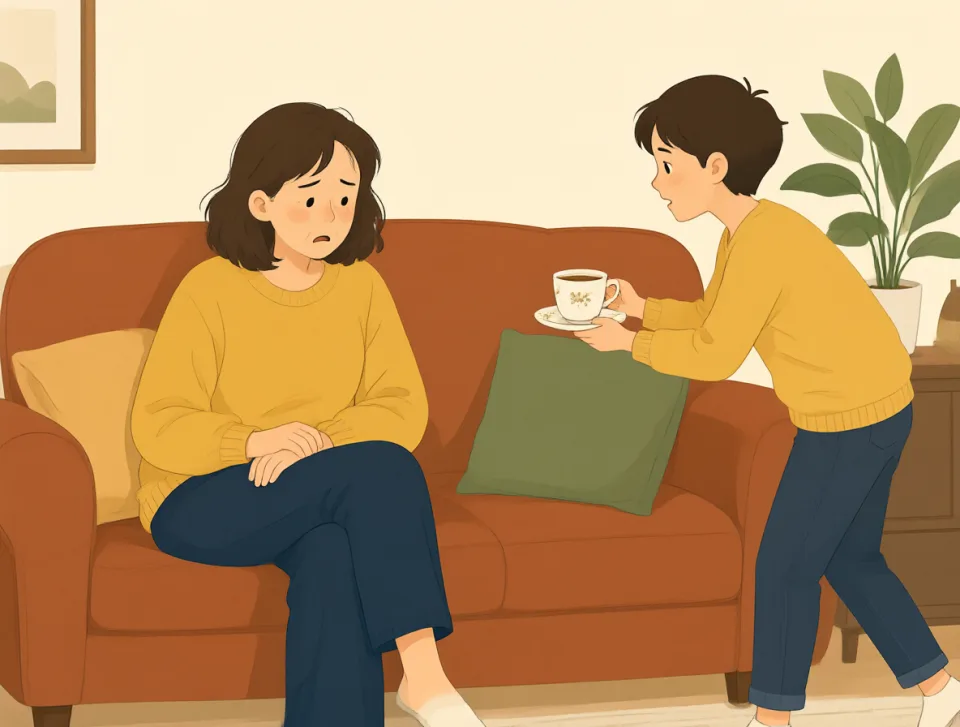
After the illness, she felt tired and less intellectually active.
Sau trận ốm, cô ấy cảm thấy mệt mỏi và kém minh mẫn hơn.
derive
#1982verb
bắt nguồn từ
to get something from a particular source or cause
Có được hoặc phát sinh từ một nguồn hay nguyên nhân cụ thể.
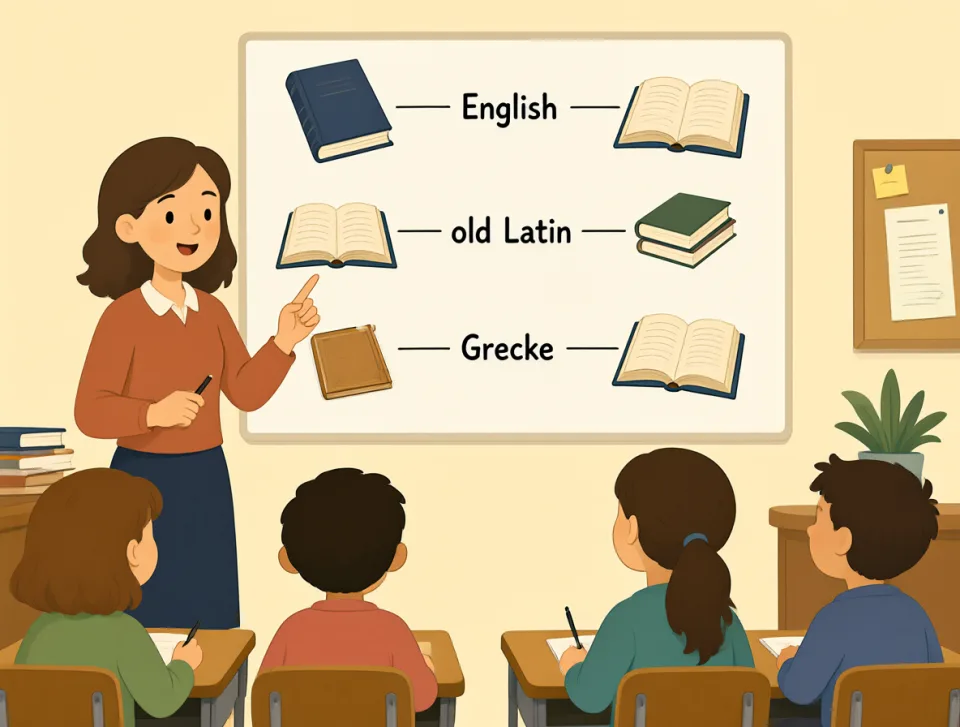
Many English words derive from Latin and Greek.
Nhiều từ tiếng Anh bắt nguồn từ tiếng Latin và tiếng Hy Lạp.
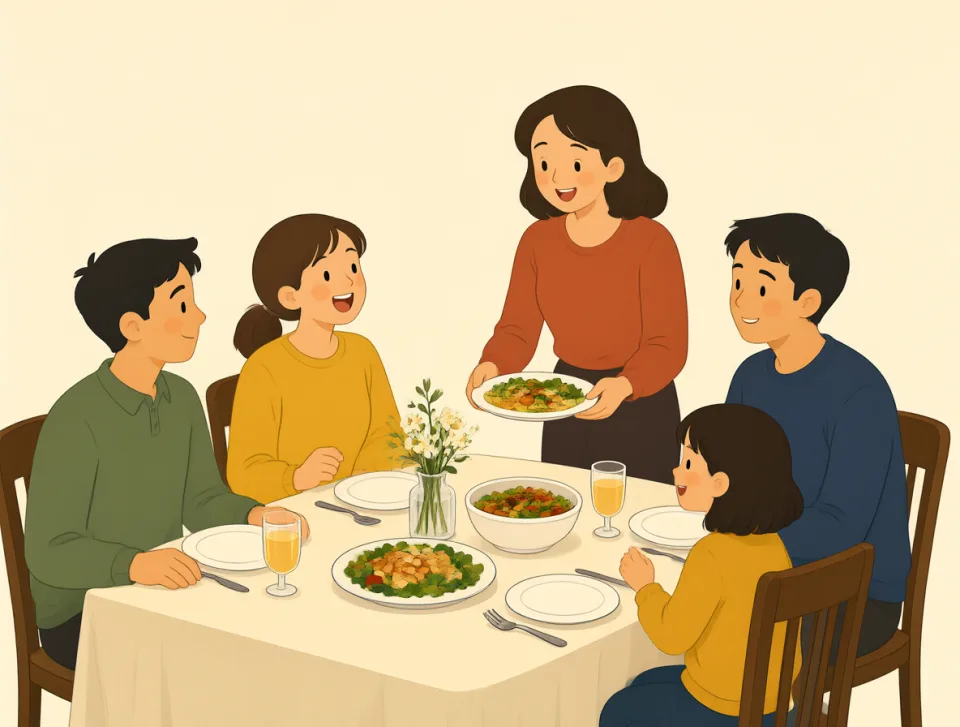
She derives great pleasure from cooking for her family.
Cô ấy tìm thấy niềm vui lớn khi nấu ăn cho gia đình.

The company derives most of its income from online sales.
Công ty có phần lớn doanh thu từ việc bán hàng trực tuyến.

Scientists derived the new medicine from a natural plant.
Các nhà khoa học chiết xuất loại thuốc mới từ một loài cây tự nhiên.
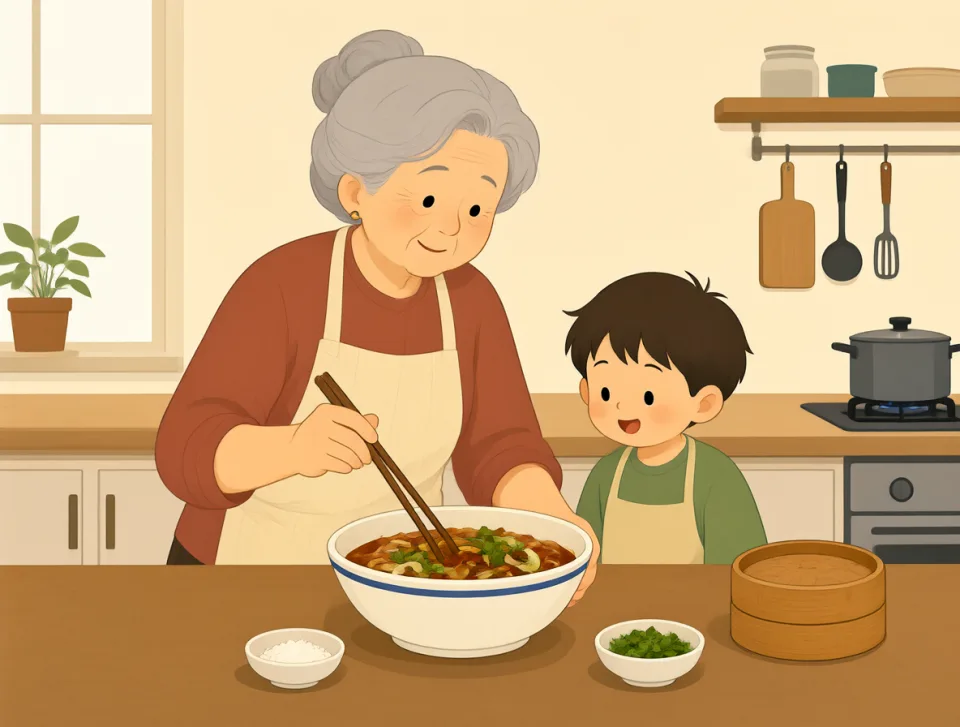
The recipe was derived from an old family tradition.
Công thức này bắt nguồn từ một truyền thống lâu đời của gia đình.

crucial
#1983adjective
then chốt
Extremely important for achieving a result or making a situation successful.
Cực kỳ quan trọng để đạt được kết quả hoặc giúp tình huống diễn ra thuận lợi.
Good communication is crucial for a successful team.
Giao tiếp tốt là yếu tố then chốt để xây dựng một đội ngũ thành công.

It is crucial to check your passport before leaving home.
Kiểm tra hộ chiếu trước khi rời nhà là việc vô cùng quan trọng.

Regular exercise is crucial for keeping your heart healthy.
Tập thể dục thường xuyên rất quan trọng để giữ cho tim khỏe mạnh.
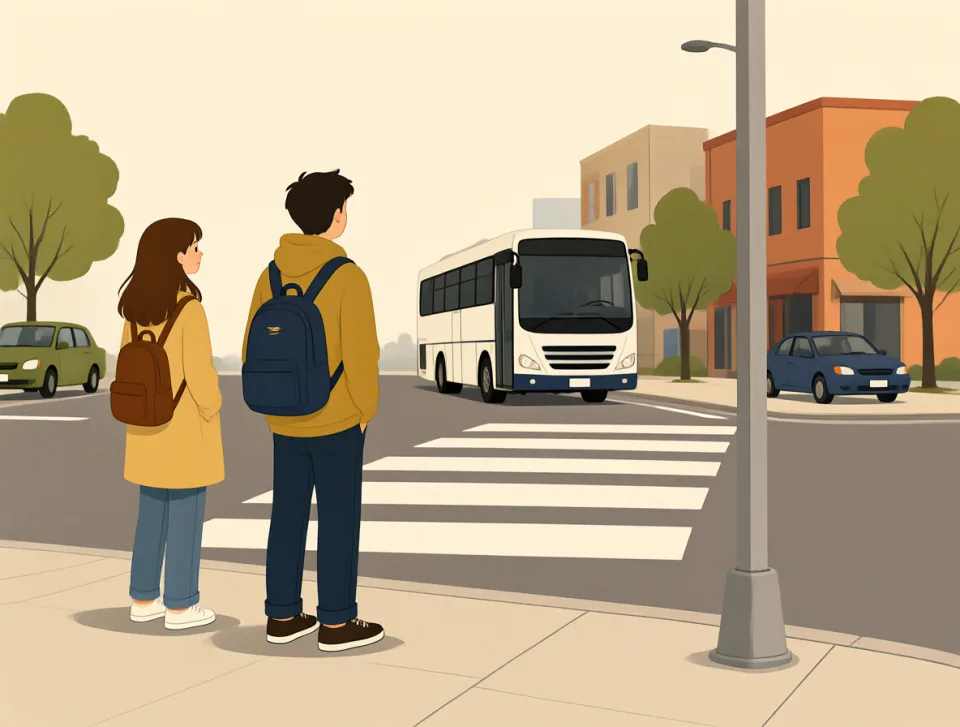
Timing was crucial when we crossed the busy road.
Canh đúng thời điểm là điều then chốt khi chúng tôi băng qua con đường đông đúc.
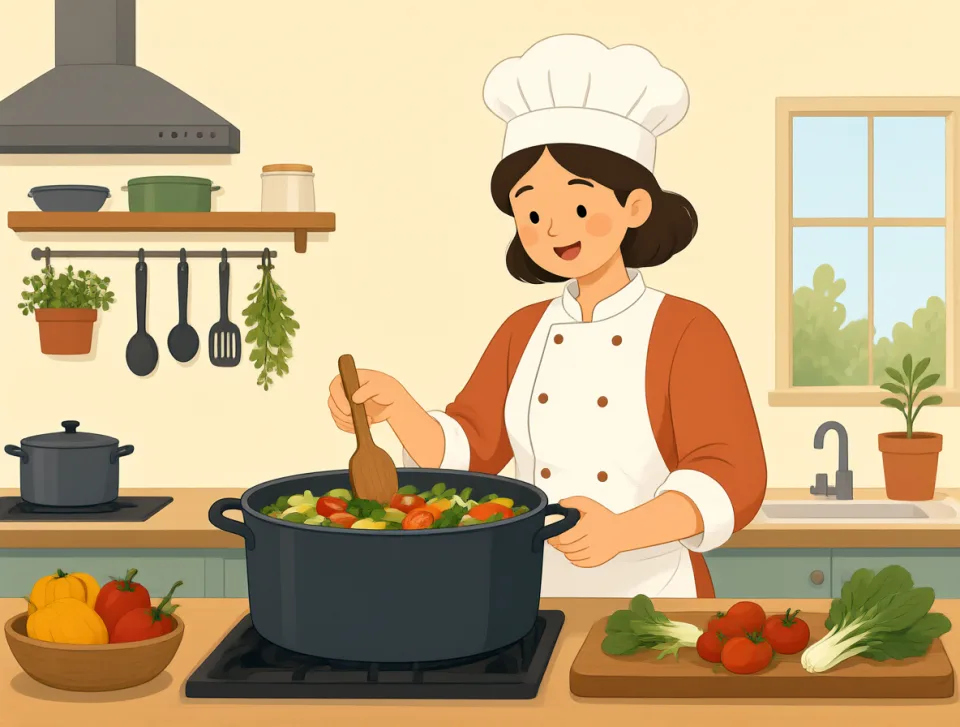
Fresh ingredients are crucial for making a delicious soup.
Nguyên liệu tươi ngon là yếu tố không thể thiếu để nấu món súp ngon.
unemployment
#1984noun
tình trạng thất nghiệp
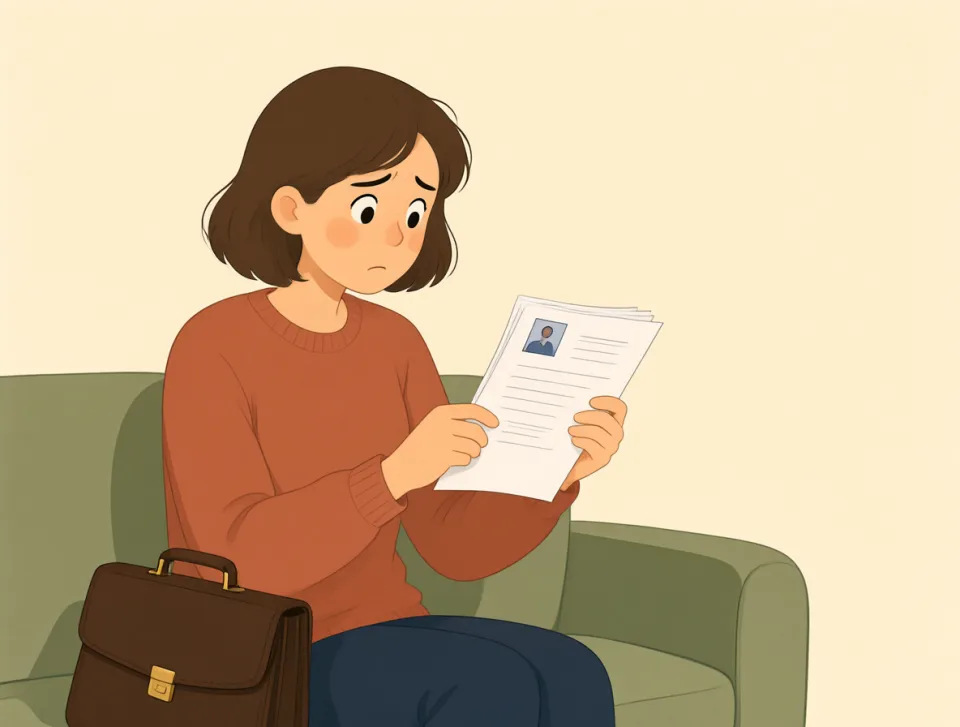
The condition of not having a job and looking for work.
Tình trạng không có việc làm và đang tìm việc.
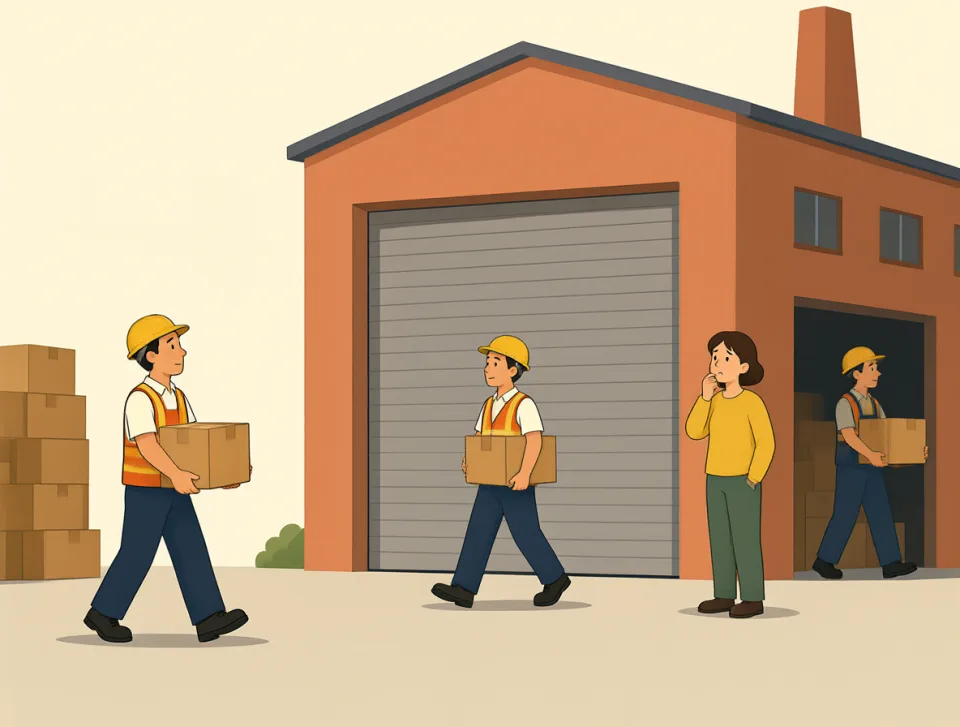
Unemployment rose after the factory closed last year.
Tình trạng thất nghiệp gia tăng sau khi nhà máy đóng cửa vào năm ngoái.

The government is trying to reduce unemployment among young people.
Chính phủ đang cố gắng giảm tình trạng thất nghiệp ở giới trẻ.
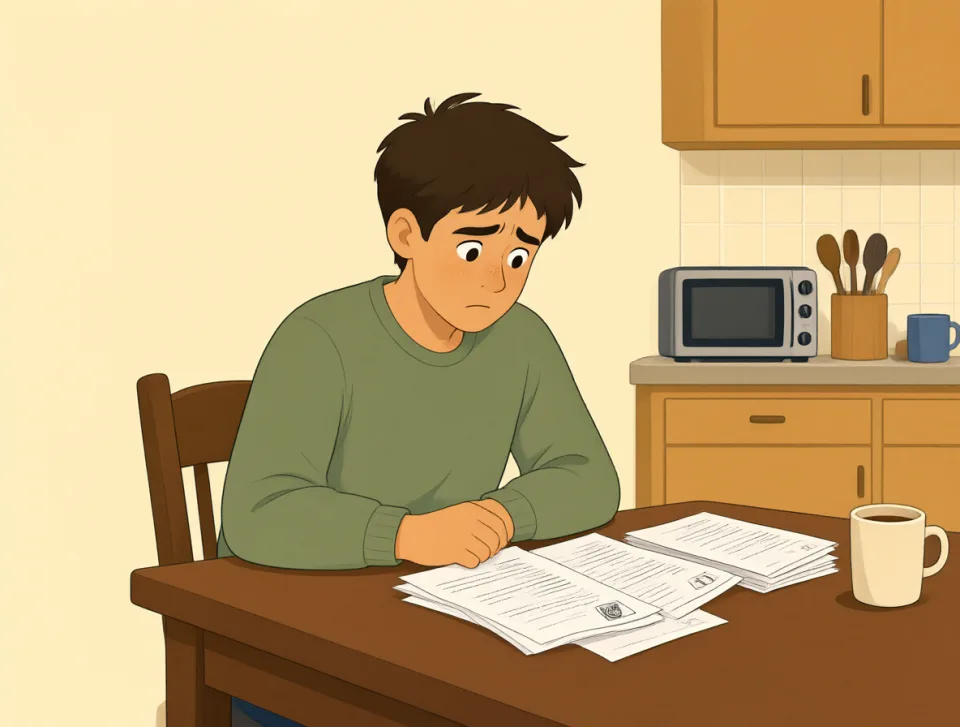
Long-term unemployment can make it difficult to pay the bills.
Thất nghiệp kéo dài có thể khiến việc thanh toán hóa đơn trở nên khó khăn.

He received unemployment benefits while searching for a new job.
Anh ấy nhận trợ cấp thất nghiệp trong khi tìm công việc mới.
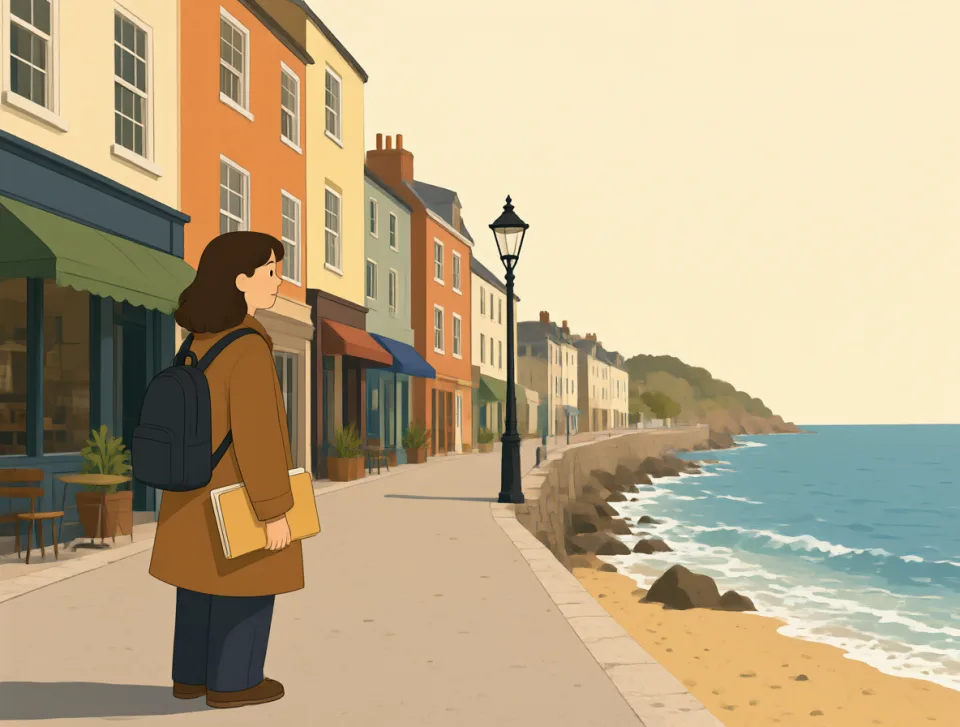
The town suffered from high unemployment when the tourist season ended.
Thị trấn phải đối mặt với tình trạng thất nghiệp cao khi mùa du lịch kết thúc.
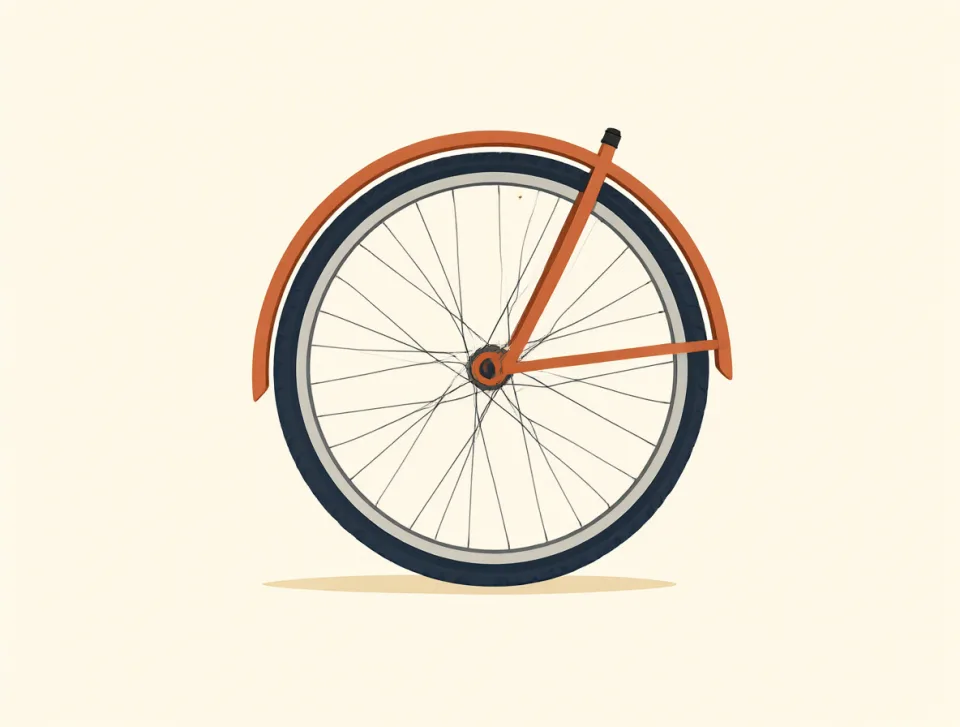
wheel
#1985noun, verb
bánh xe
A round object that turns to help a vehicle move, or to control something.
Vật hình tròn quay để giúp phương tiện di chuyển hoặc để điều khiển thứ gì đó.
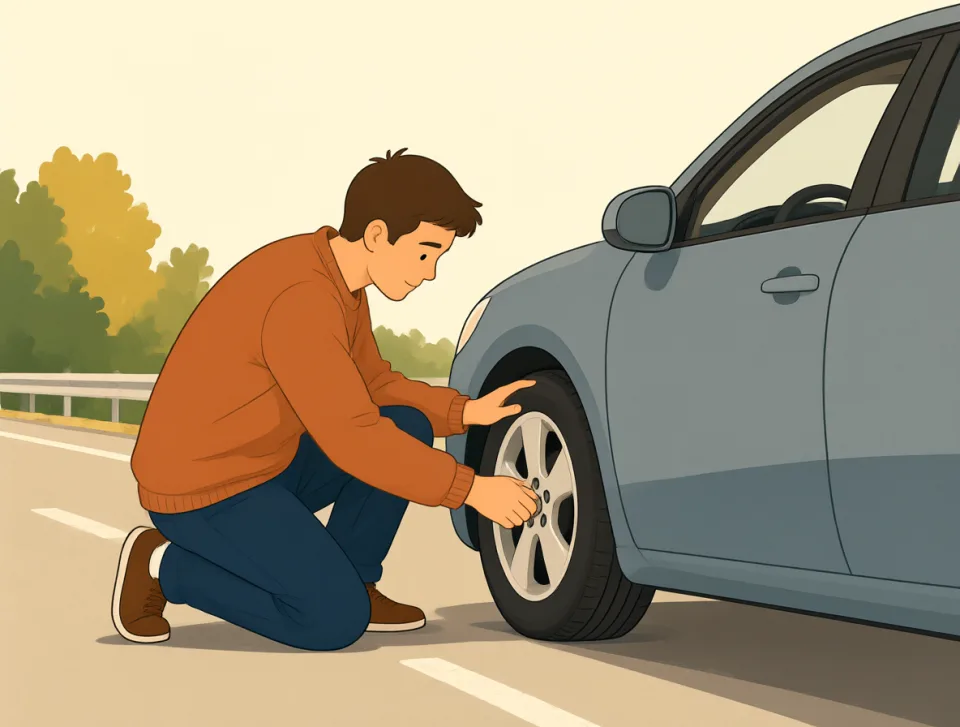
The car has a flat wheel, so we stopped beside the road.
Xe bị xẹp lốp nên chúng tôi dừng lại bên đường.

She turned the wheel carefully and drove into the parking space.
Cô ấy xoay vô lăng cẩn thận rồi lái xe vào chỗ đỗ.

The children watched the big wheel turn at the fair.
Bọn trẻ nhìn vòng quay lớn ở hội chợ quay tròn.

Please wheel the heavy suitcase to the train platform.
Làm ơn kéo chiếc va-li nặng đến sân ga giúp tôi.

My bicycle wheel came off during the morning ride.
Bánh xe đạp của tôi bị tuột ra trong chuyến đạp xe buổi sáng.
crop
#1986noun, verb
cây trồng
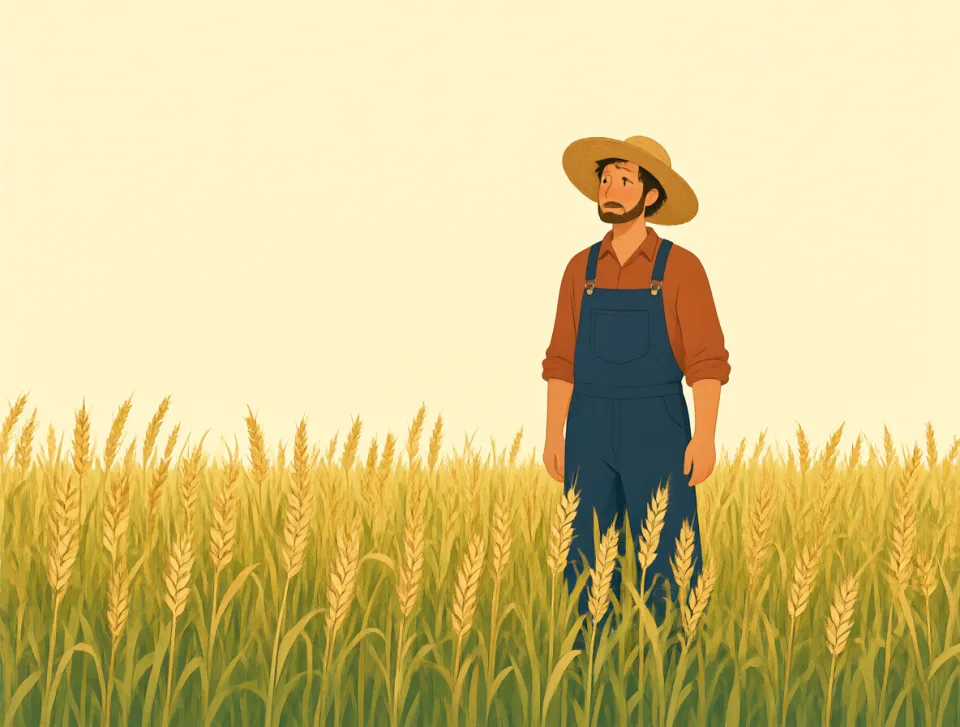
A plant grown for food, or to cut part of a picture or video.
Loài cây được trồng để làm thực phẩm; hoặc hành động cắt xén một phần ảnh hay video.
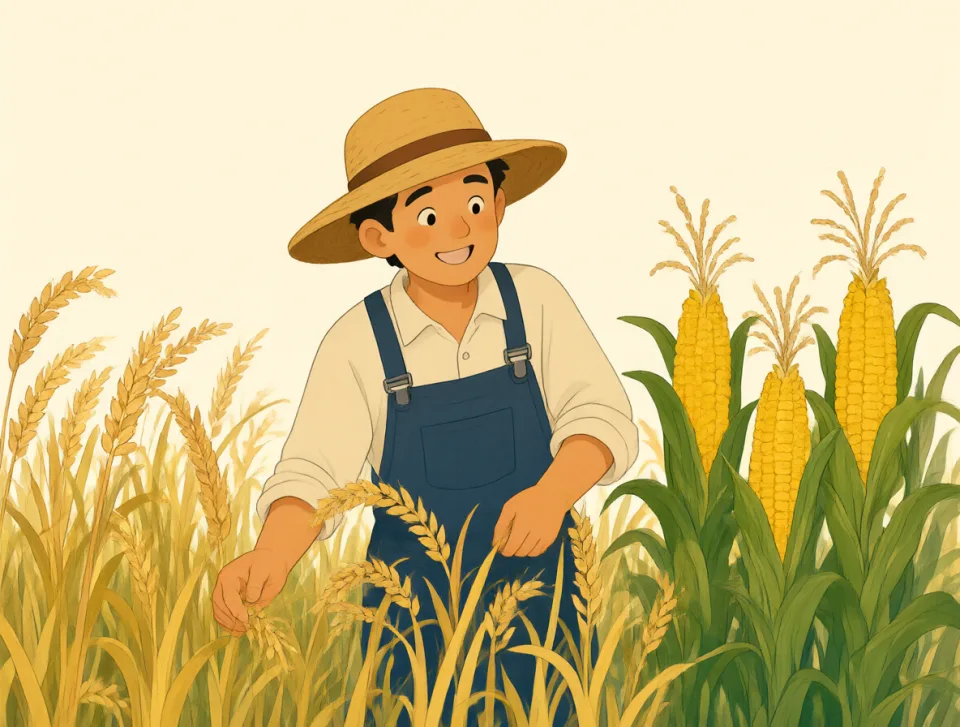
Farmers grow crops such as wheat, rice, and corn.
Nông dân trồng các loại cây như lúa mì, lúa gạo và ngô.
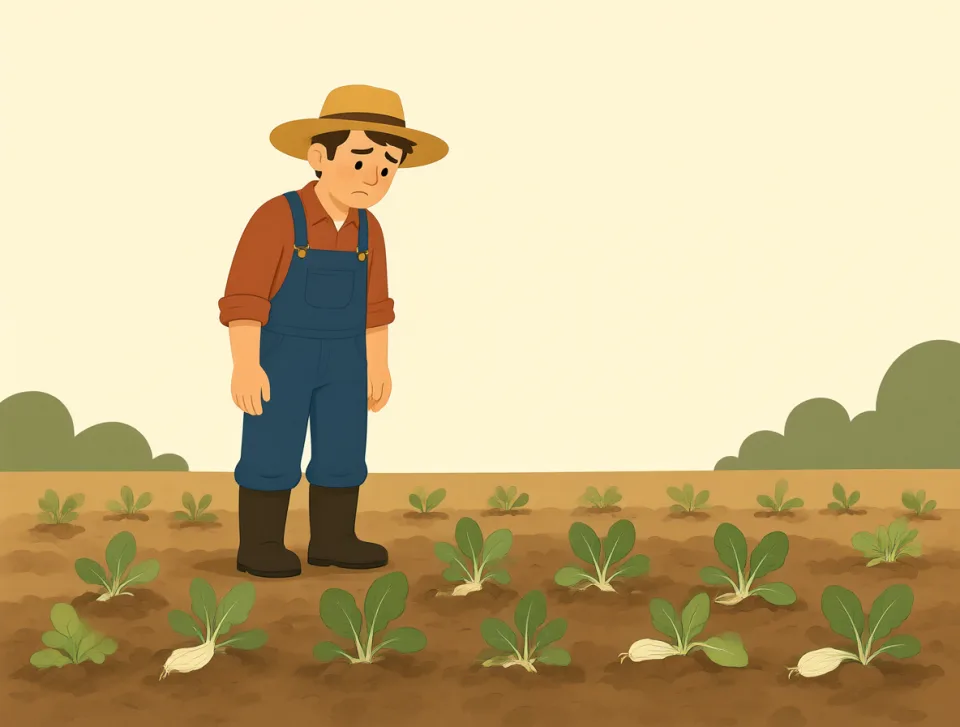
The heavy rain damaged the vegetable crops this year.
Mưa lớn làm hư hại các vụ rau năm nay.

We bought fresh crops from the local market.
Chúng tôi mua nông sản tươi ở chợ địa phương.

Please crop the photo before you send it.
Làm ơn cắt xén ảnh trước khi gửi nhé.
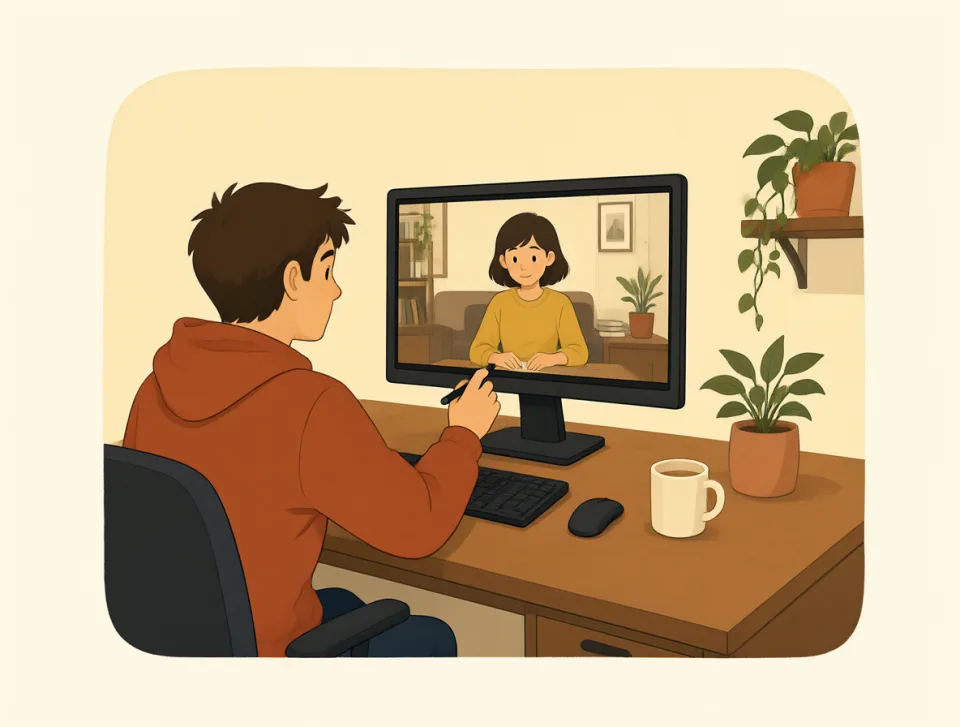
The editor cropped the video to remove the empty space.
Biên tập viên đã cắt video để bỏ phần khoảng trống.
minority
#1987noun
thiểu số
A smaller group of people in a community, country, or organization.
Một nhóm người ít hơn trong một cộng đồng, quốc gia hoặc tổ chức.

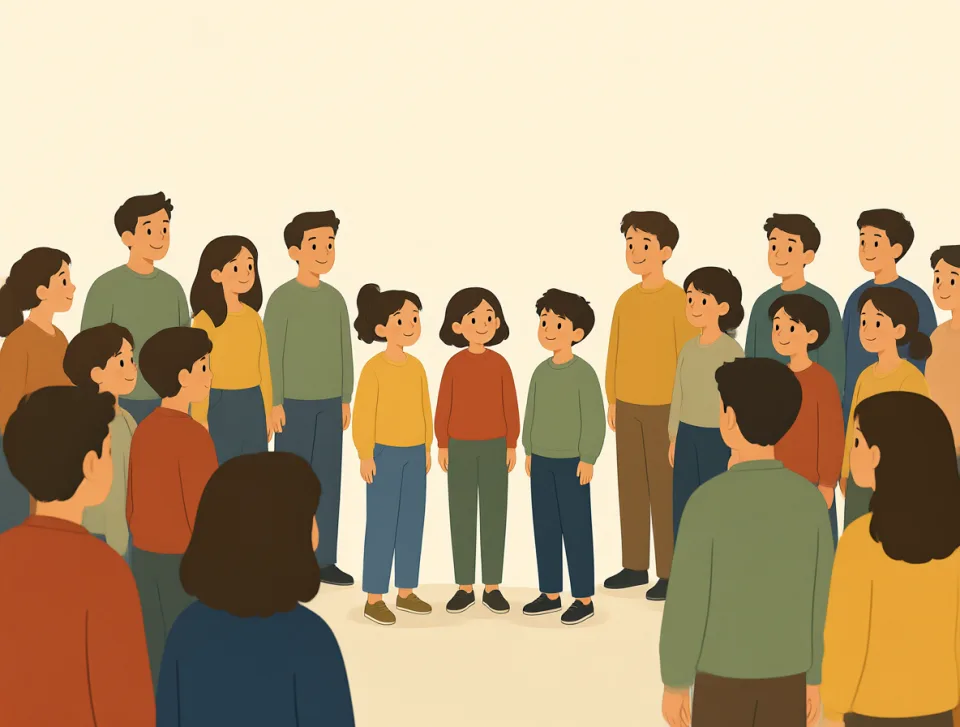
Women are still a minority in some engineering jobs.
Phụ nữ vẫn là thiểu số trong một số ngành kỹ thuật.

Only a minority of students chose to study abroad.
Chỉ một thiểu số sinh viên chọn đi du học.
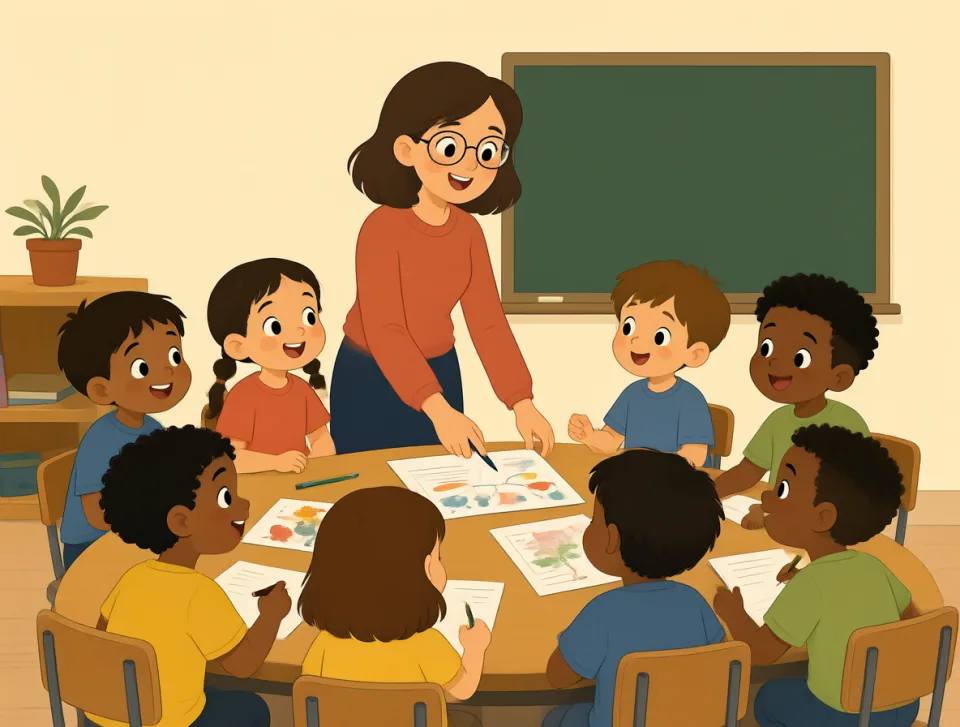
The school supports children from ethnic minorities.
Trường hỗ trợ trẻ em thuộc các dân tộc thiểu số.

A small minority of shoppers complained about the new bags.
Một nhóm nhỏ khách mua hàng phàn nàn về những chiếc túi mới.

The minority party wants better healthcare for everyone.
Đảng thiểu số muốn mọi người được chăm sóc sức khỏe tốt hơn.
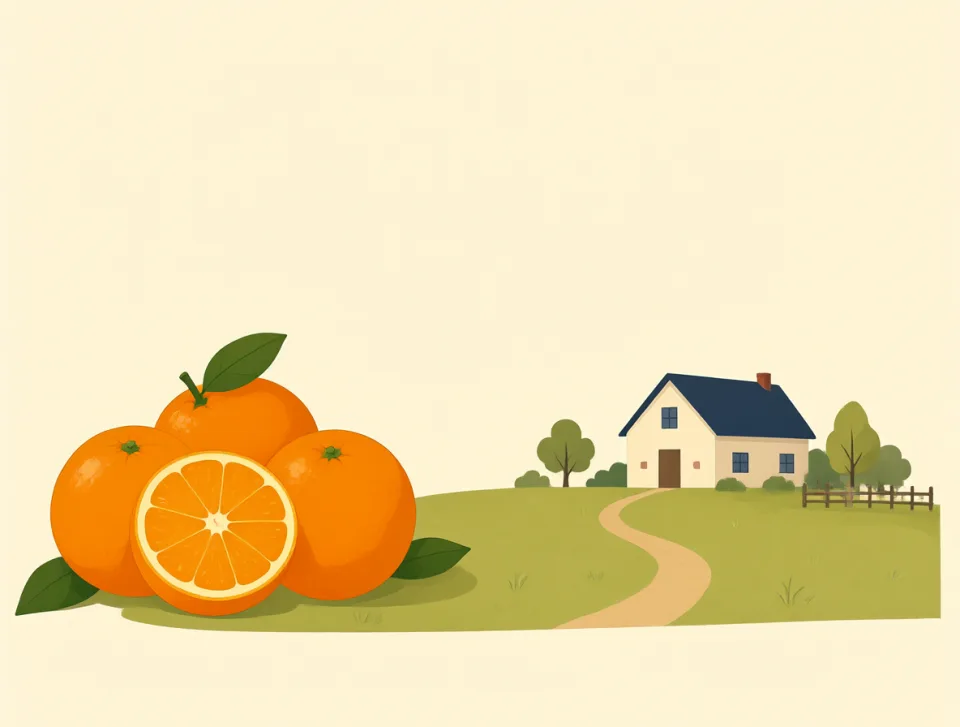
origin
#1988noun
nguồn gốc
the place, person, or thing that something comes from
Nơi chốn, người hoặc vật mà một thứ bắt nguồn từ đó.
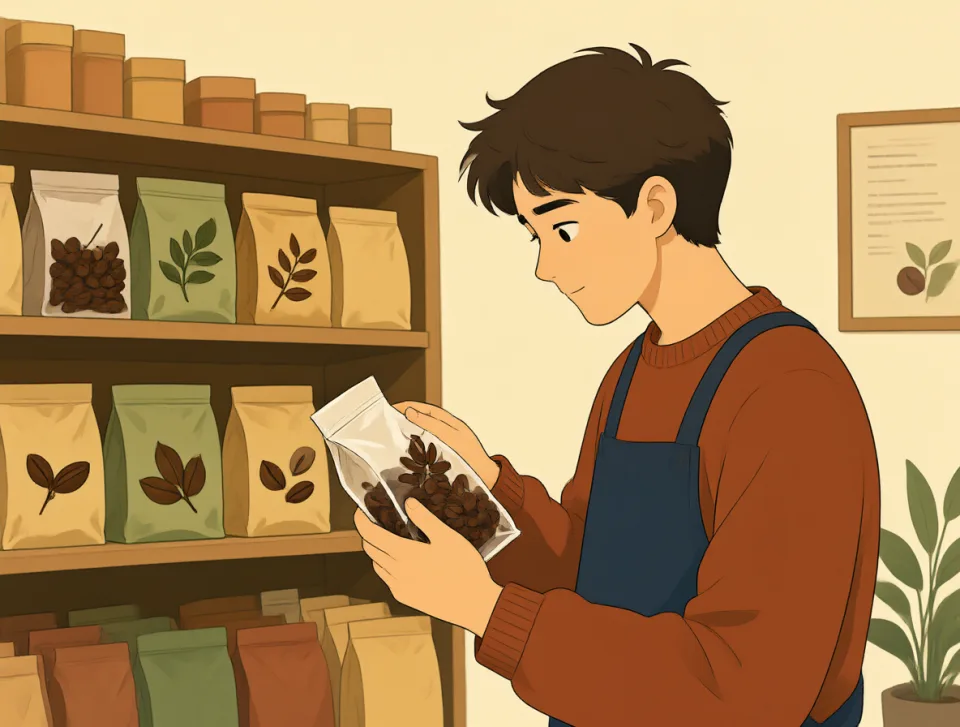
The shop sells coffee from many different countries of origin.
Cửa hàng bán cà phê có nguồn gốc từ nhiều quốc gia khác nhau.

The doctor asked about the origin of my stomach pain.
Bác sĩ hỏi về nguyên nhân cơn đau bụng của tôi.
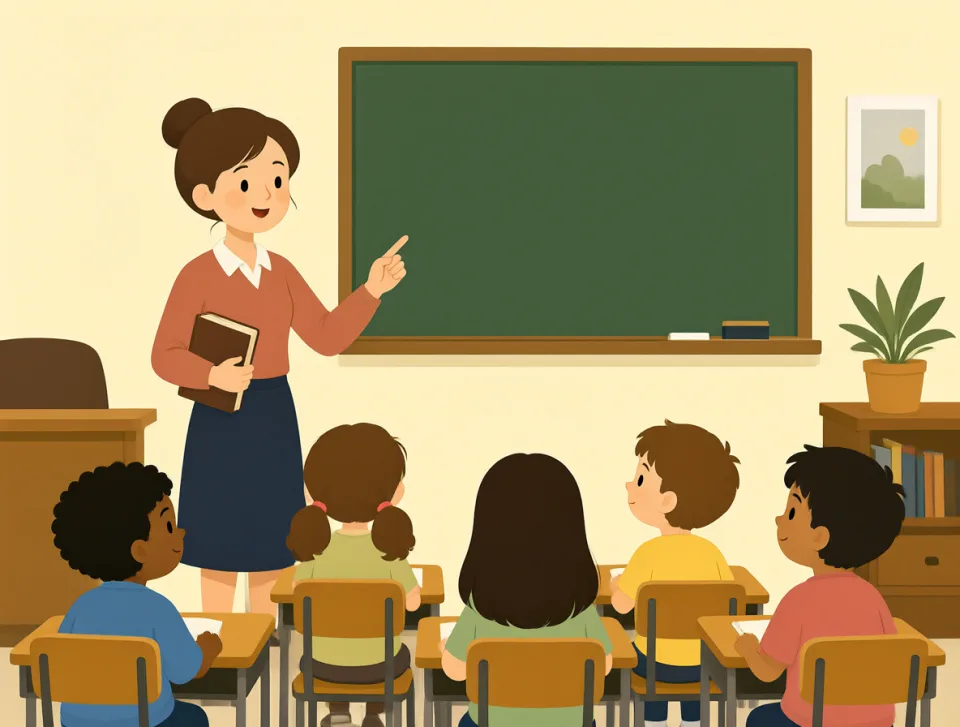
The teacher explained the origin of this old English word.
Giáo viên giải thích nguồn gốc của từ tiếng Anh cổ này.

We checked the origin of the cheese before buying it.
Chúng tôi kiểm tra nguồn gốc của phô mai trước khi mua.
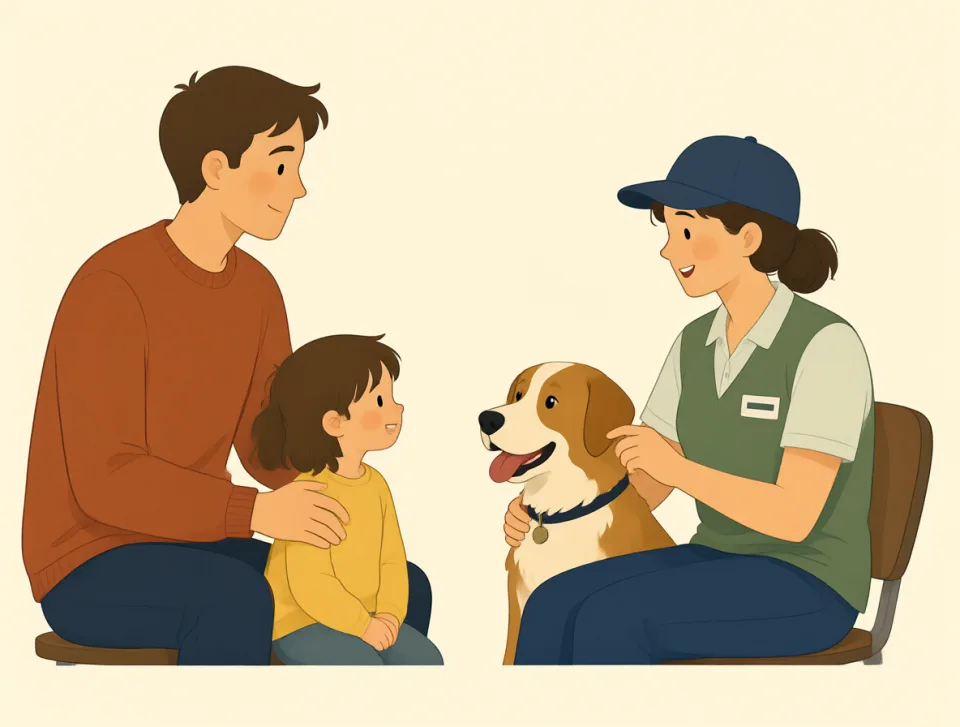
The family discovered their dog's origin at the animal shelter.
Gia đình phát hiện ra nguồn gốc của chú chó nhà mình tại trạm cứu hộ động vật.
interpretation
#1989noun
cách diễn giải
An explanation of what something means or how it should be understood.
Lời giải thích về ý nghĩa của một điều gì đó hoặc cách nên hiểu điều đó.
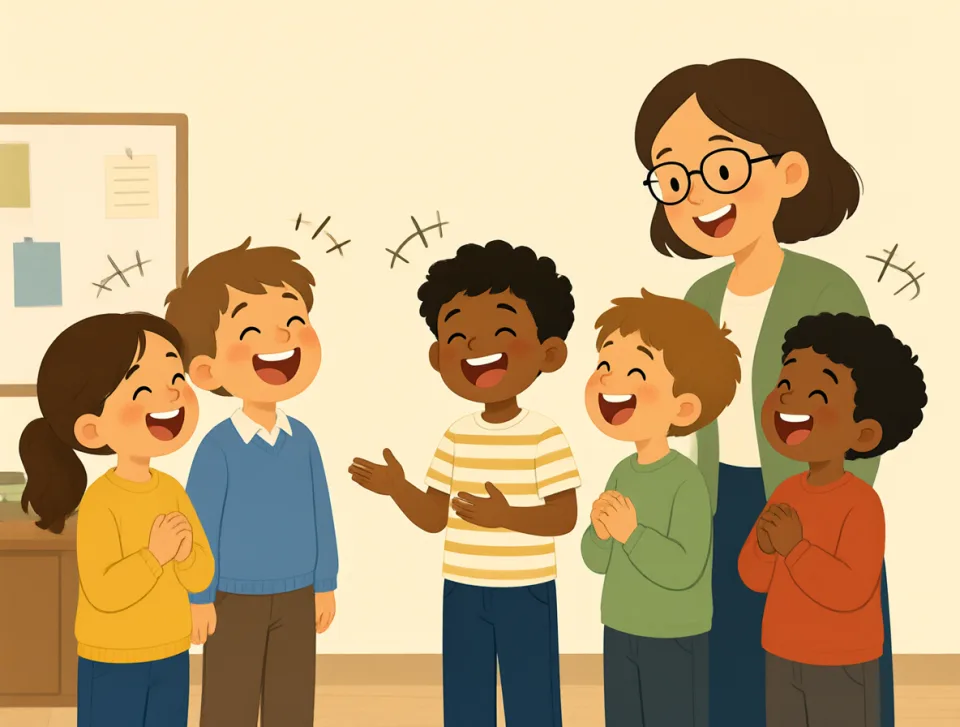
Her interpretation of the teacher's joke made everyone laugh.
Cách cô ấy diễn giải câu đùa của giáo viên khiến mọi người bật cười.

Different people may have different interpretations of this painting.
Mỗi người có thể có cách diễn giải khác nhau về bức tranh này.

The doctor explained his interpretation of my blood test results.
Bác sĩ giải thích cách ông ấy hiểu kết quả xét nghiệm máu của tôi.

The actor gave a funny interpretation of the famous character.
Diễn viên đã thể hiện nhân vật nổi tiếng đó theo một cách hài hước.
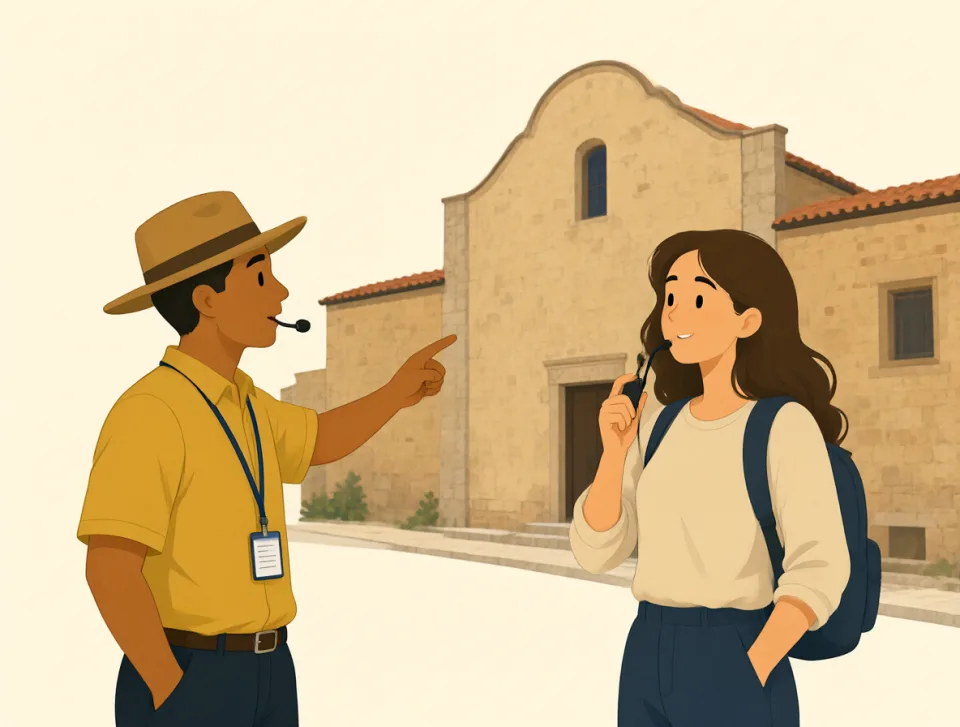
The tour included interpretation for visitors who did not speak English.
Chuyến tham quan có dịch vụ phiên dịch cho những du khách không nói tiếng Anh.

gentleman
#1990noun
quý ông
A polite and well-mannered man, often used as a respectful way to address one.
Người đàn ông lịch sự, cư xử đúng mực; thường được dùng như một cách gọi thể hiện sự tôn trọng.
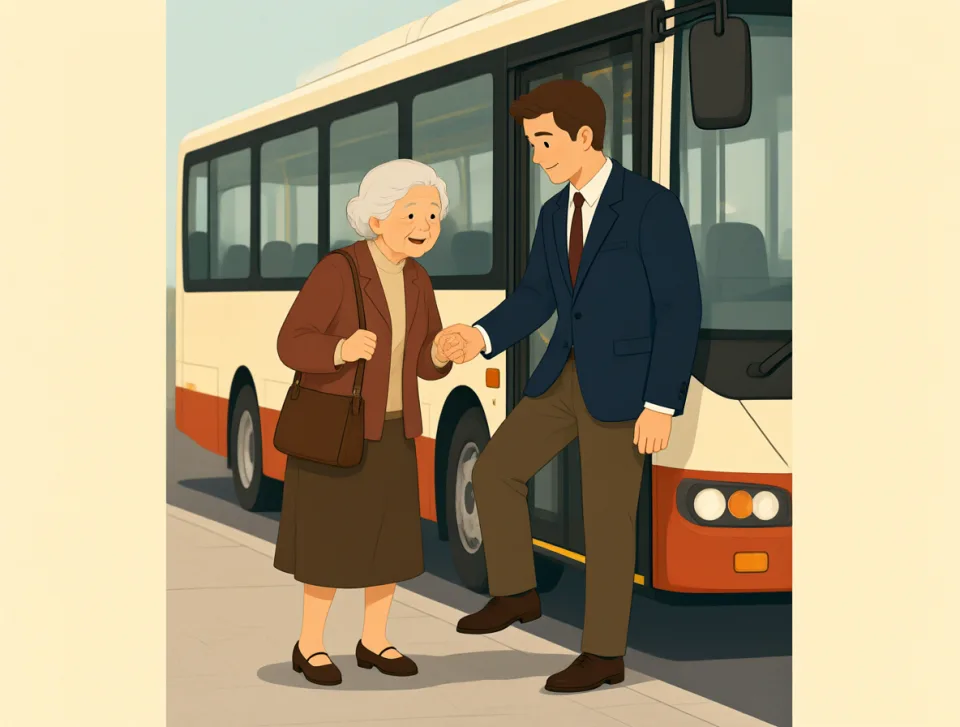
The gentleman helped an elderly woman onto the bus.
Quý ông ấy đã giúp một cụ bà lên xe buýt.

A gentleman always says please and thank you.
Một quý ông luôn nói “làm ơn” và “cảm ơn”.
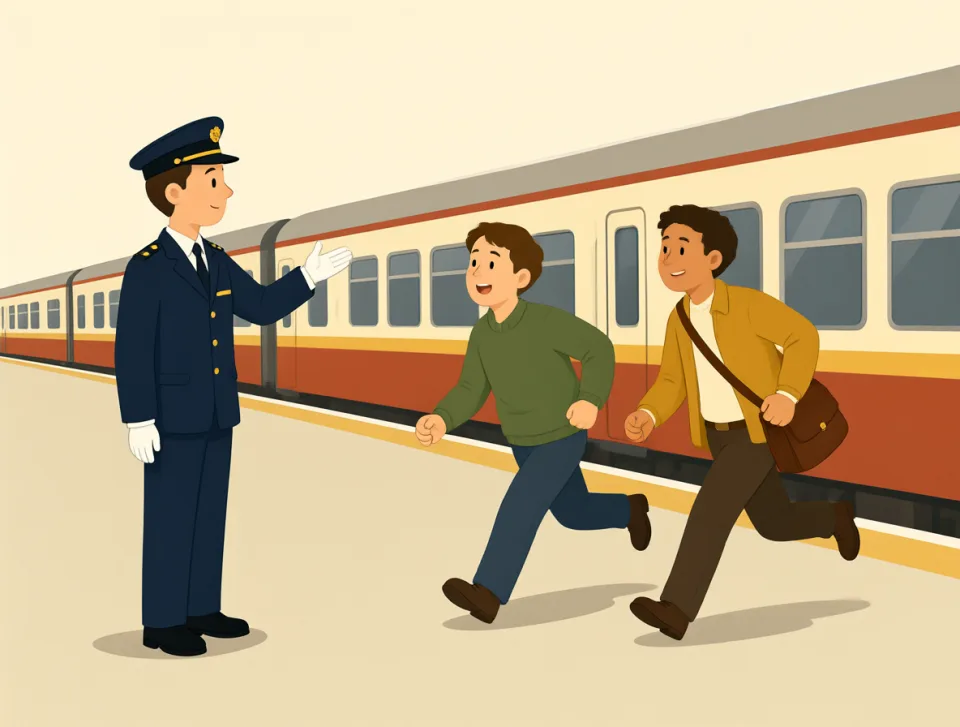
Excuse me, gentlemen, your train is leaving soon.
Xin lỗi các quý ông, tàu của các vị sắp khởi hành rồi.

The gentleman at the hotel desk found my passport.
Người đàn ông ở quầy lễ tân khách sạn đã tìm thấy hộ chiếu của tôi.

He behaved like a true gentleman at dinner.
Trong bữa tối, anh ấy cư xử đúng như một quý ông thực thụ.

drama
#1991noun
drama: chuyện rắc rối, ồn ào
An exciting or emotional situation that causes trouble or strong feelings.
Một tình huống căng thẳng hoặc đầy cảm xúc, gây ra rắc rối hay khiến mọi người xúc động mạnh.

There was a lot of drama at home last night.
Tối qua ở nhà đã xảy ra bao nhiêu chuyện rắc rối.

She loves watching drama series after work.
Cô ấy thích xem phim truyền hình sau giờ làm.
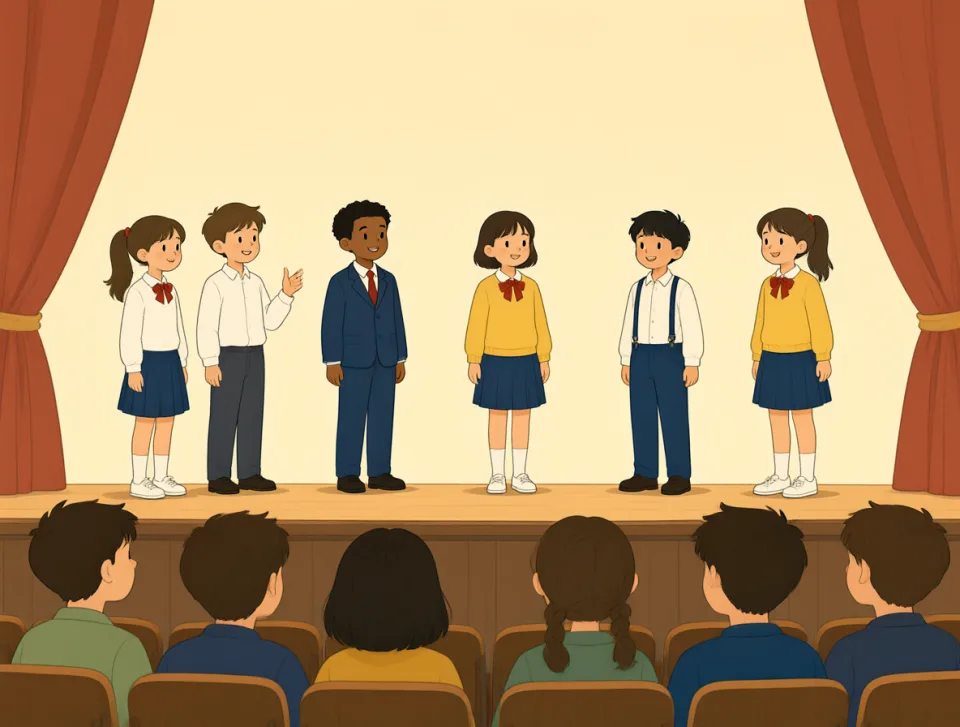
The school drama club performed a play on Friday.
Câu lạc bộ kịch của trường đã diễn một vở vào thứ Sáu.

Please stop creating drama over a small mistake.
Đừng làm ầm lên vì một lỗi nhỏ nữa.

The flight had some drama when the weather suddenly changed.
Chuyến bay đã có chút rắc rối khi thời tiết đột ngột thay đổi.

landscape
#1992noun
phong cảnh
The land, plants, and natural features of a place, especially as seen from far away.
Đất đai, cây cối và những đặc điểm tự nhiên của một nơi, nhất là khi nhìn từ xa.

We stopped to enjoy the beautiful mountain landscape.
Chúng tôi dừng lại để thưởng ngoạn phong cảnh núi non tuyệt đẹp.
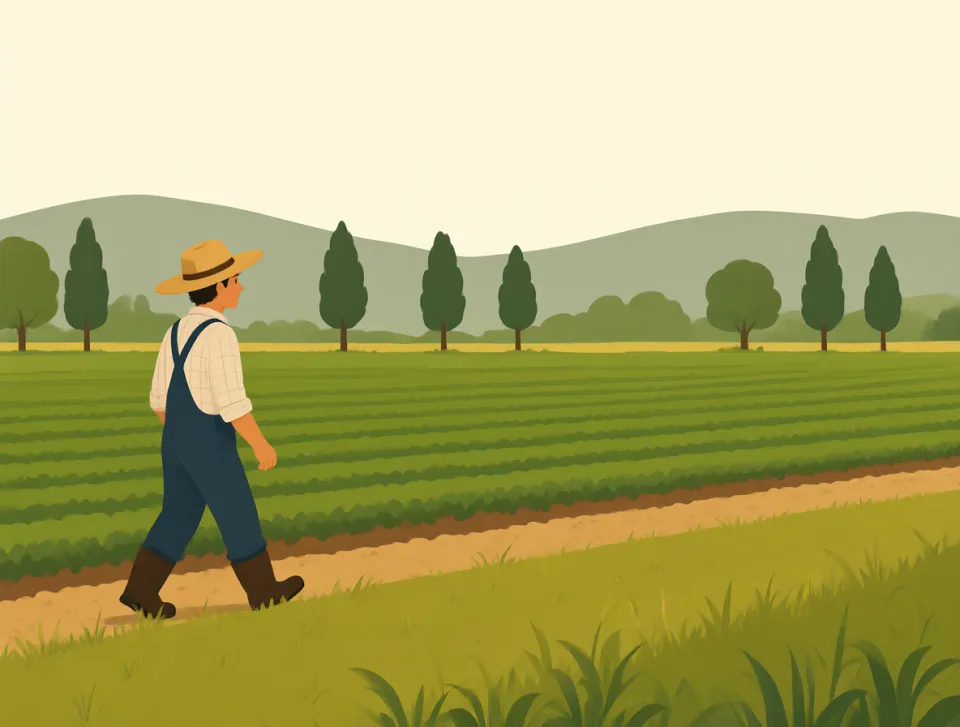
The countryside landscape was covered with green fields and trees.
Phong cảnh vùng quê trải rộng với những cánh đồng xanh và cây cối.

The artist painted a peaceful landscape near the lake.
Người họa sĩ vẽ một khung cảnh yên bình bên hồ.
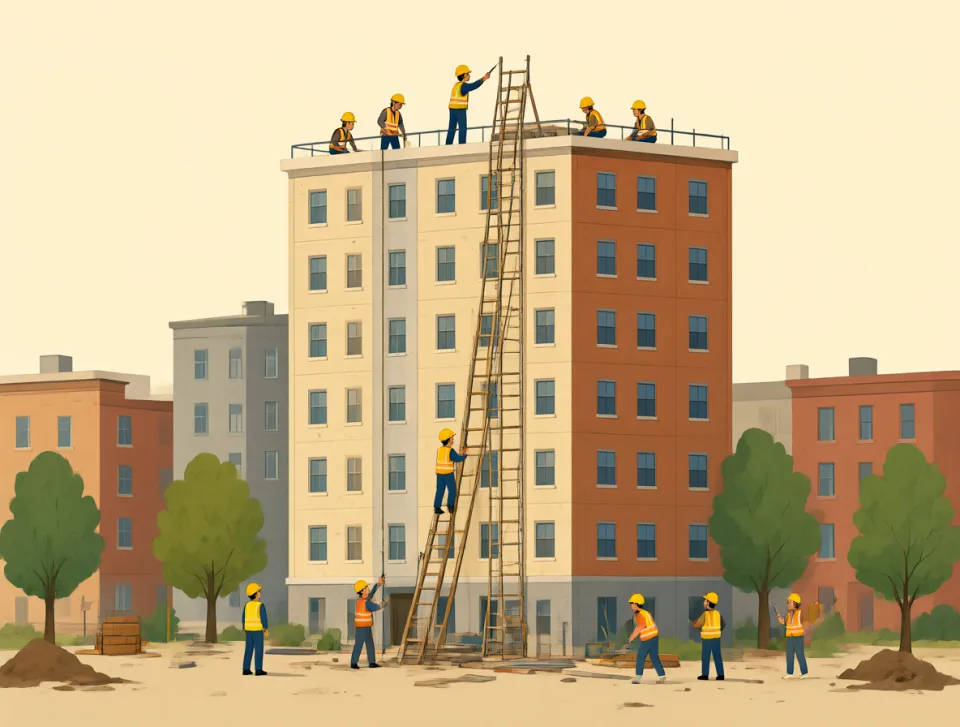
New buildings are changing the city landscape quickly.
Các tòa nhà mới đang nhanh chóng làm thay đổi diện mạo thành phố.

The snowy landscape looked magical during our winter trip.
Phong cảnh phủ tuyết trông thật kỳ diệu trong chuyến đi mùa đông của chúng tôi.
educate
#1993verb
giáo dục; dạy dỗ
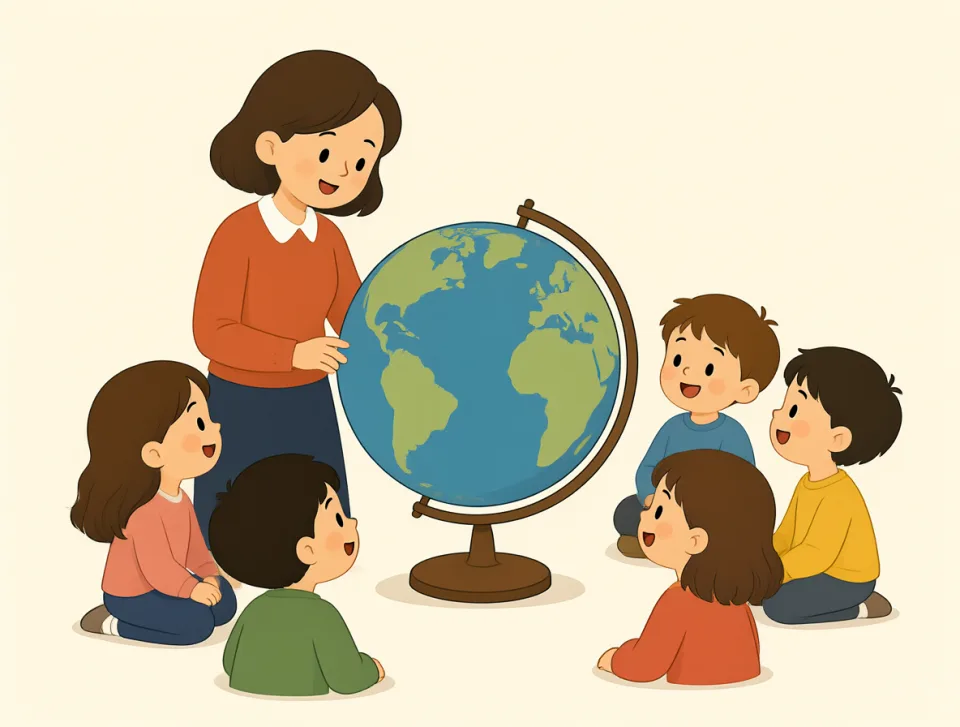
to teach someone about a subject or help them develop knowledge and skills
Dạy ai đó về một chủ đề hoặc giúp họ phát triển kiến thức và kỹ năng.
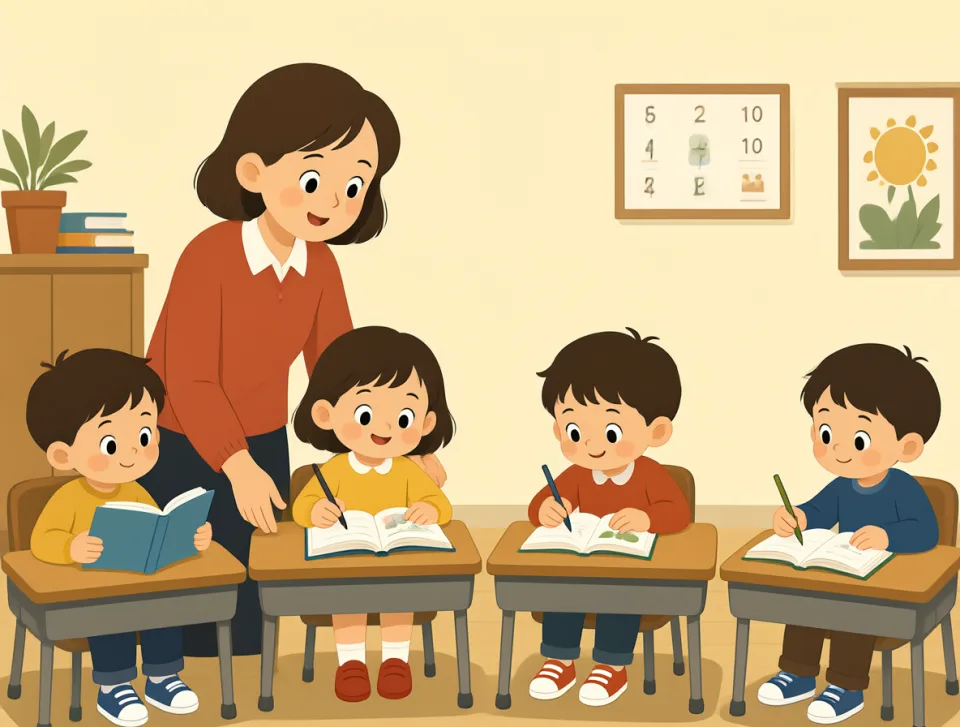
Schools educate children in reading, writing, and mathematics.
Trường học dạy trẻ em đọc, viết và toán.
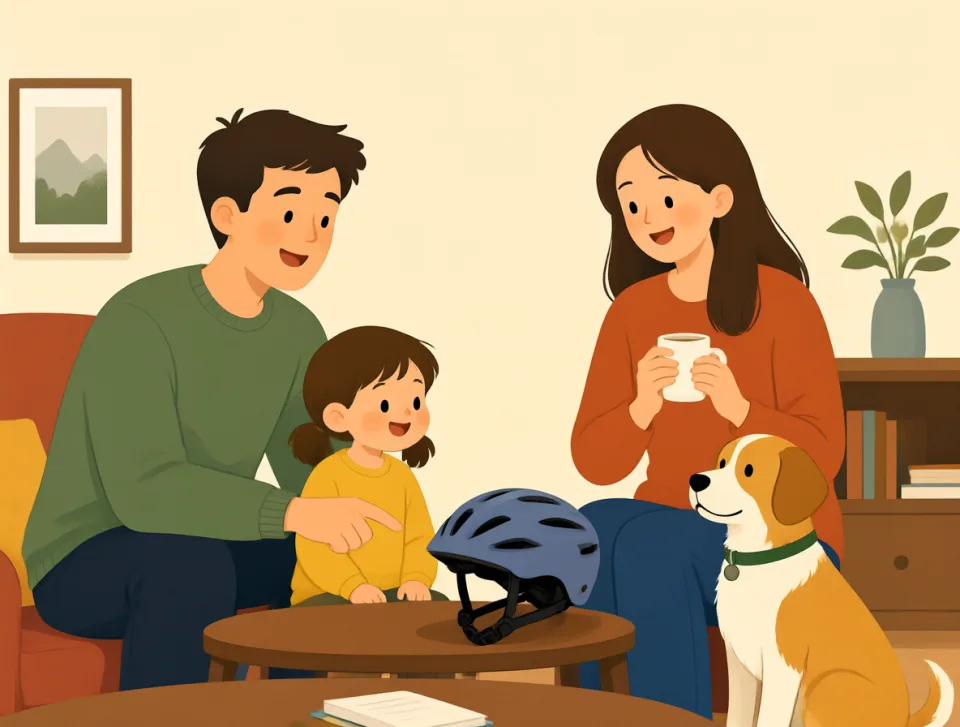
Parents educate their children about safety and kindness.
Cha mẹ dạy con về sự an toàn và lòng tốt.

The course educates workers about workplace safety.
Khóa học hướng dẫn người lao động về an toàn tại nơi làm việc.

Doctors educate patients about healthy food and exercise.
Bác sĩ hướng dẫn bệnh nhân về chế độ ăn uống lành mạnh và việc tập thể dục.
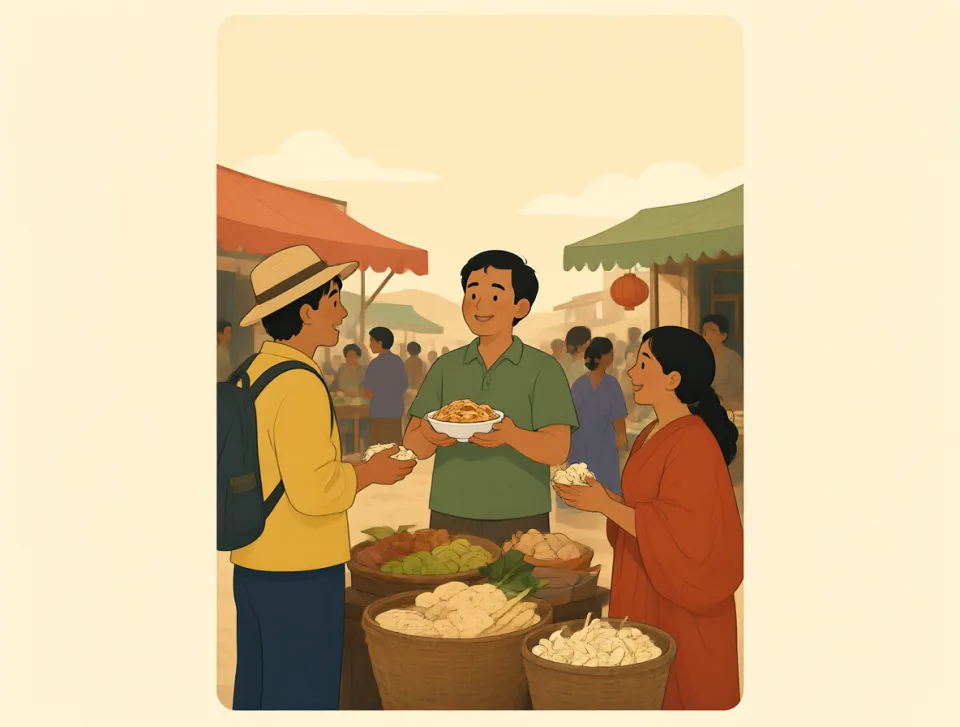
Travel can educate people about different cultures and traditions.
Du lịch có thể giúp mọi người hiểu biết về các nền văn hóa và phong tục khác nhau.
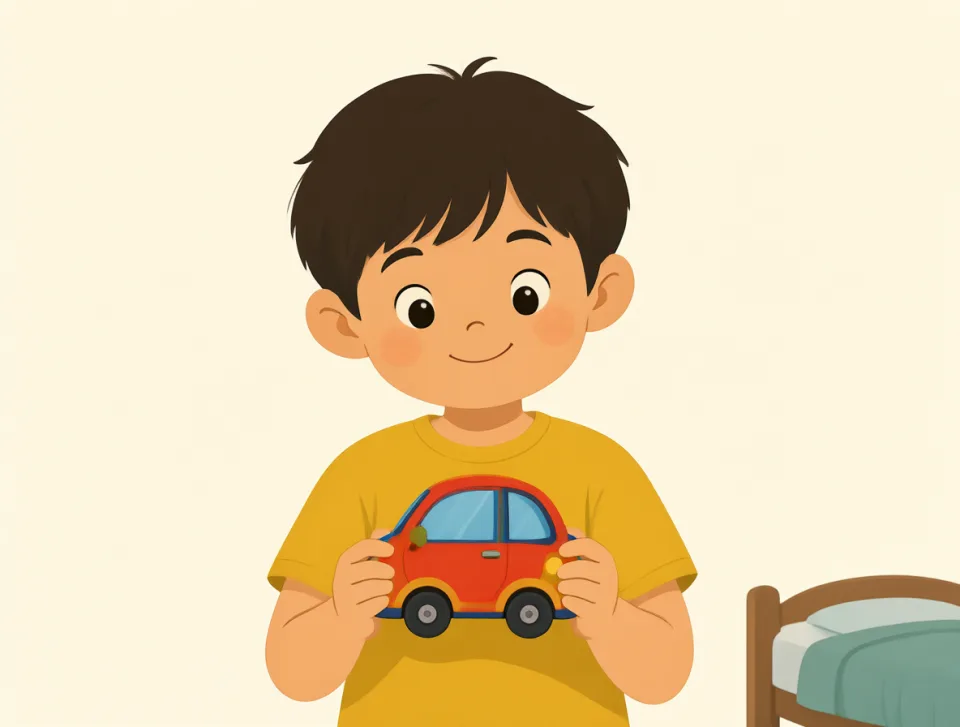
toy
#1994noun, verb
đồ chơi
An object children play with; to treat something as if it were only for fun.
Đồ vật trẻ em dùng để chơi; xem nhẹ điều gì đó như thể nó chỉ là trò vui.
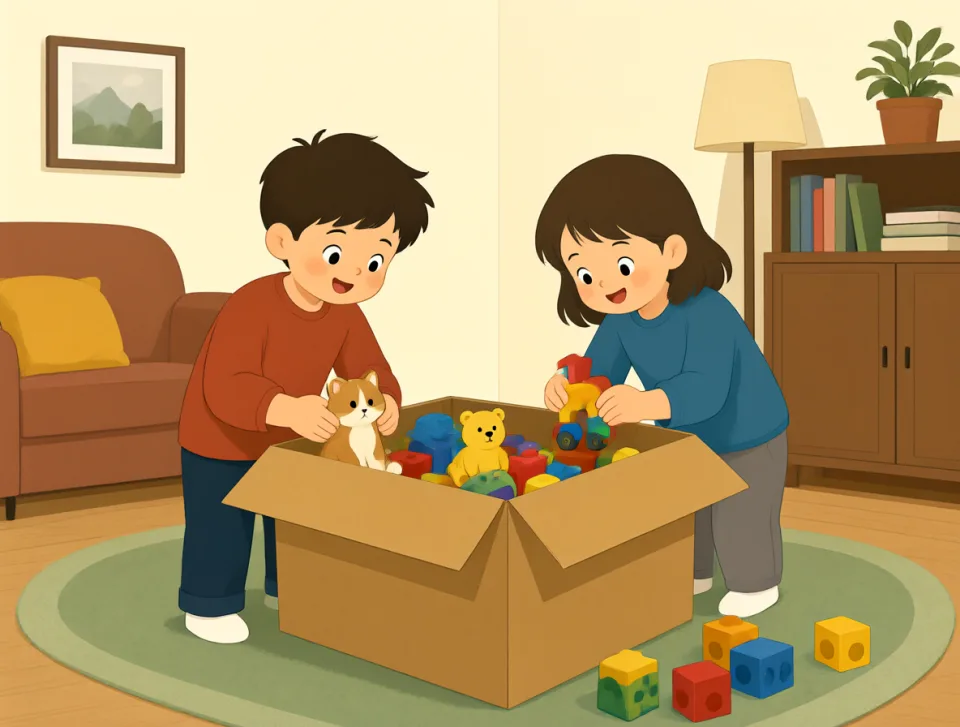
The children put their toys away before dinner.
Bọn trẻ cất đồ chơi đi trước bữa tối.
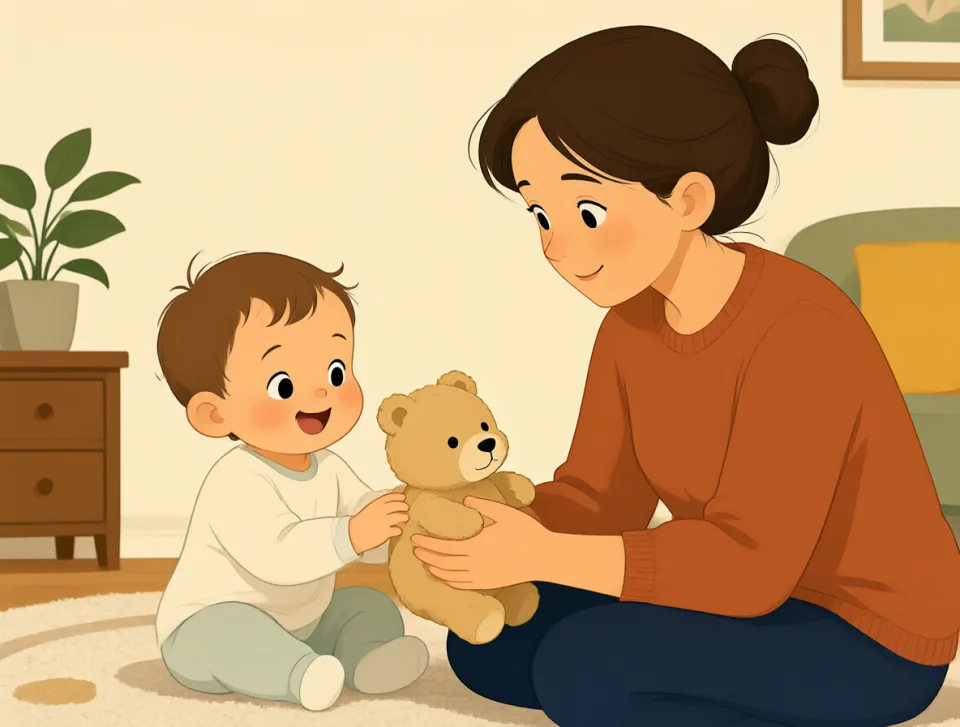
She bought a new toy for her baby.
Cô ấy mua một món đồ chơi mới cho em bé.
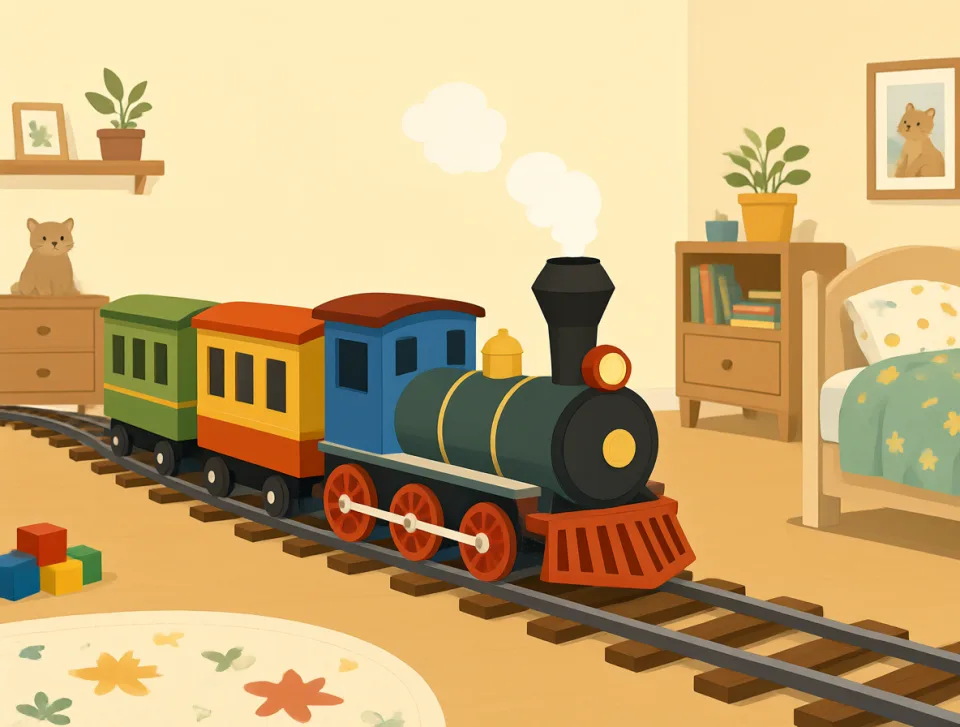
This toy train runs on batteries.
Đoàn tàu đồ chơi này chạy bằng pin.

He toyed with the idea of traveling abroad.
Anh ấy từng cân nhắc chuyện đi du lịch nước ngoài.
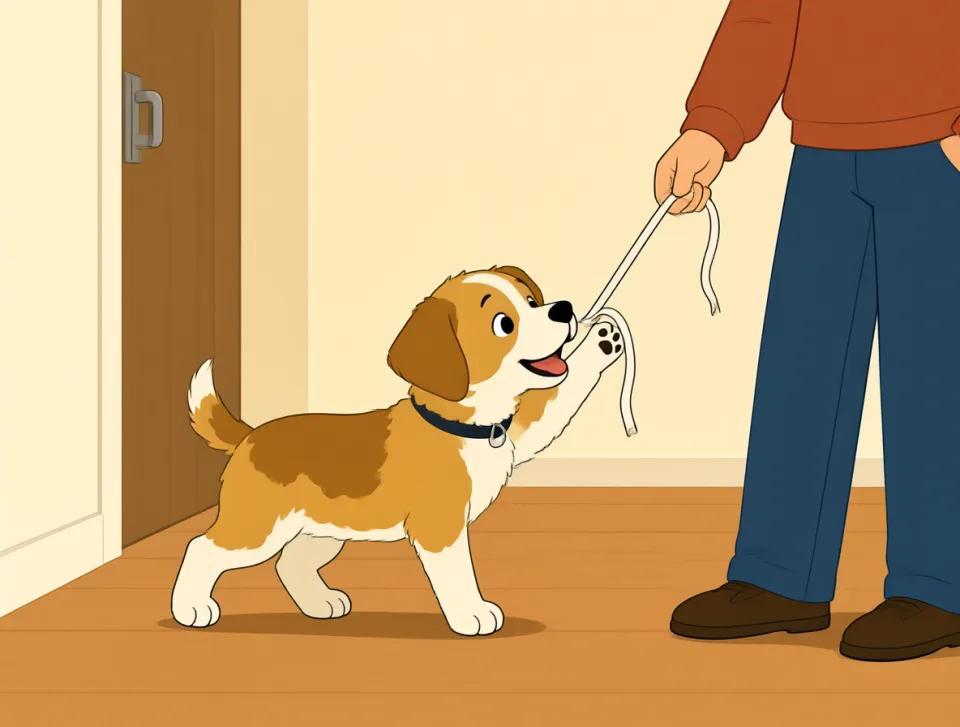
The puppy toyed with the loose shoelace.
Chú chó con nghịch sợi dây giày đang tuột.
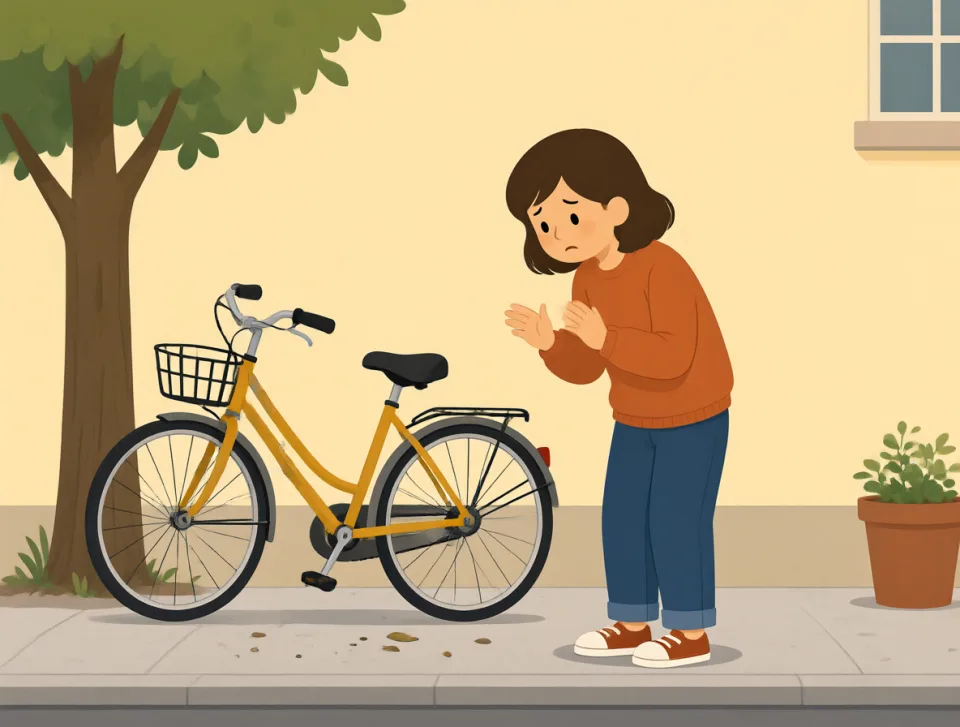
fault
#1995noun
lỗi; trách nhiệm
A mistake, problem, or responsibility for something bad that happened.
Sai sót, vấn đề hoặc trách nhiệm về một việc xấu đã xảy ra.
The accident was my fault, so I apologized to everyone.
Tai nạn là lỗi của tôi, nên tôi đã xin lỗi mọi người.
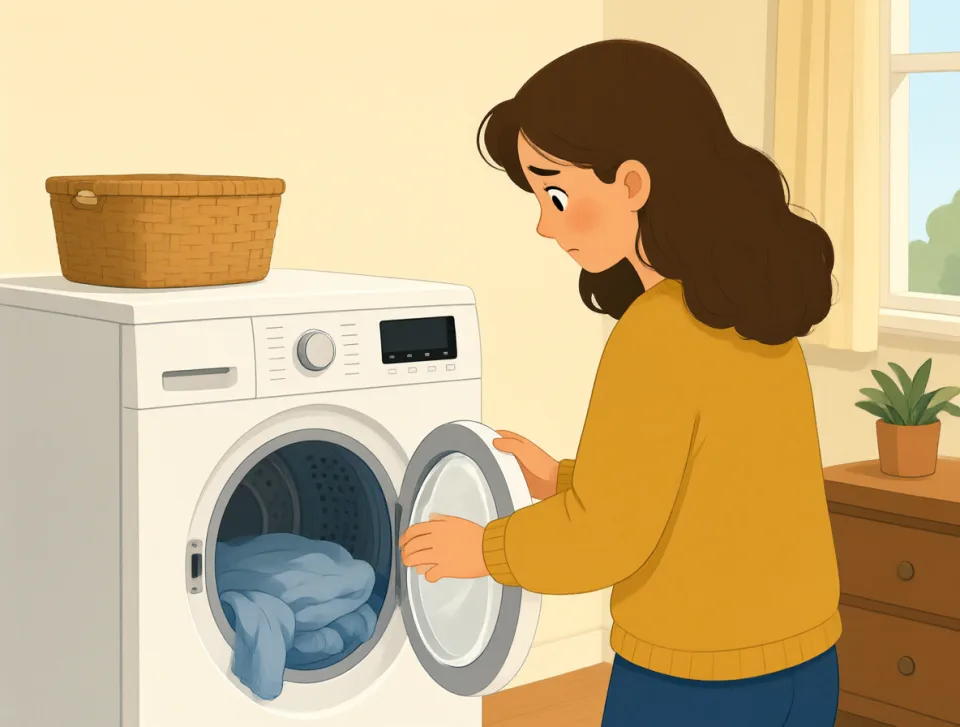
There is a fault in the washing machine, and it will not start.
Máy giặt bị hỏng nên không khởi động được.
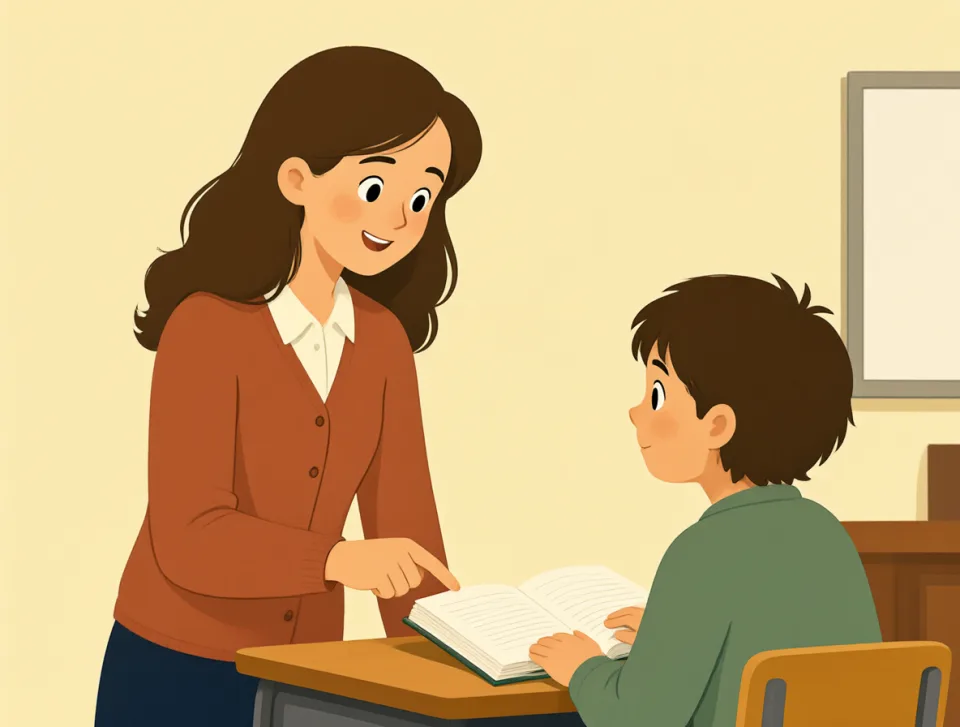
The teacher found a fault in my answer and explained it.
Giáo viên phát hiện lỗi trong câu trả lời của tôi và giải thích cho tôi.

The hotel room was clean, but the shower had a small fault.
Phòng khách sạn sạch sẽ, nhưng vòi sen bị hỏng một chút.
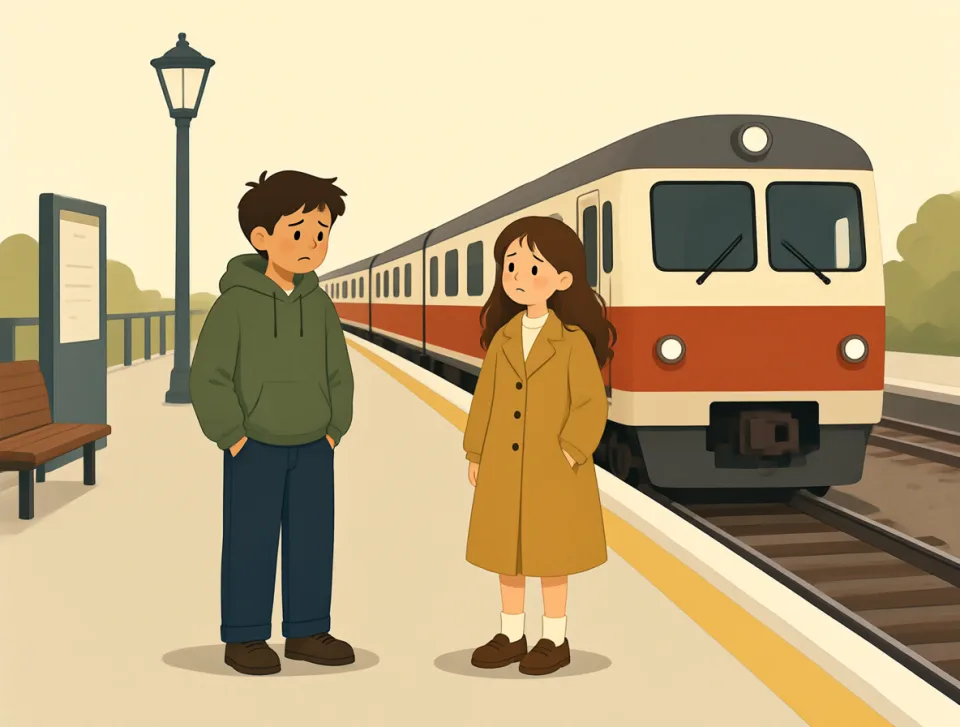
It was not your fault that we missed the train.
Việc chúng ta lỡ chuyến tàu không phải lỗi của bạn.

exhibit
#1996noun, verb
vật trưng bày; triển lãm
A public display, an object shown publicly, or to show a quality.
Một buổi trưng bày công khai, một vật được trưng bày công khai, hoặc thể hiện một phẩm chất.
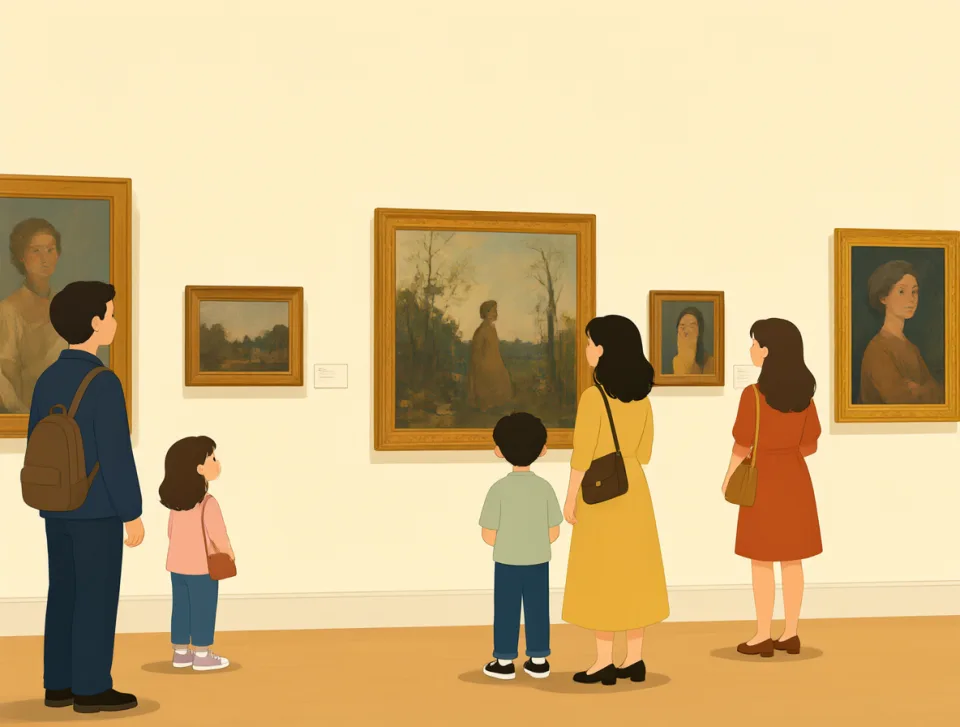
The museum's new exhibit features paintings by local artists.
Triển lãm mới của bảo tàng trưng bày tranh của các nghệ sĩ địa phương.

The zoo exhibit lets visitors watch penguins swim underwater.
Khu trưng bày ở sở thú cho phép khách tham quan ngắm chim cánh cụt bơi dưới nước.
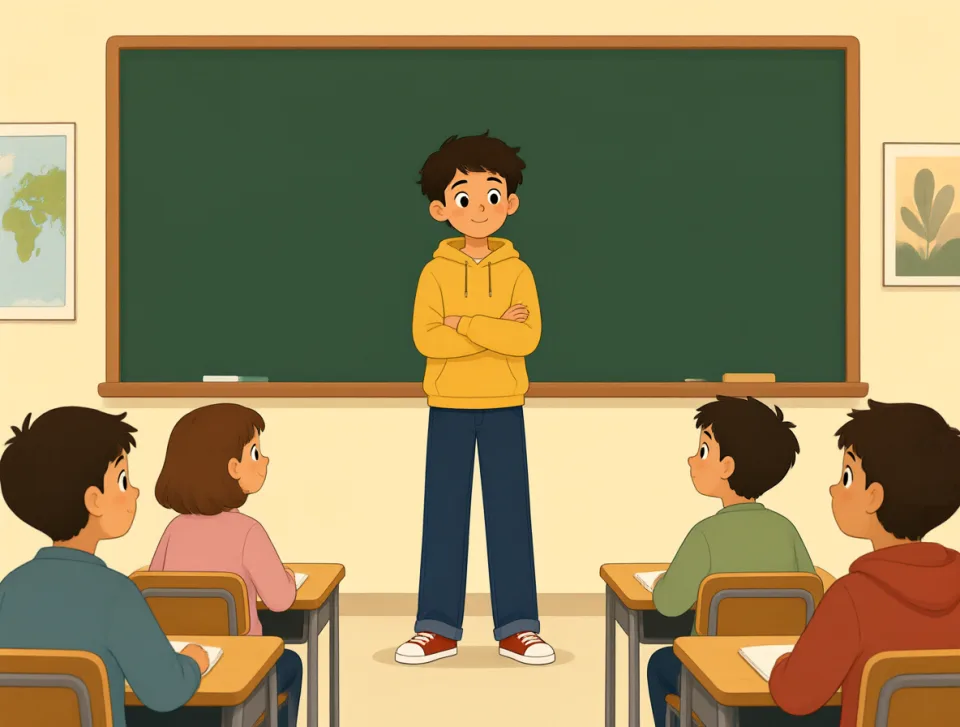
The student exhibited confidence during her first presentation.
Cô học sinh thể hiện sự tự tin trong buổi thuyết trình đầu tiên.

The patient exhibited signs of dehydration after the long hike.
Bệnh nhân có dấu hiệu mất nước sau chuyến đi bộ đường dài.
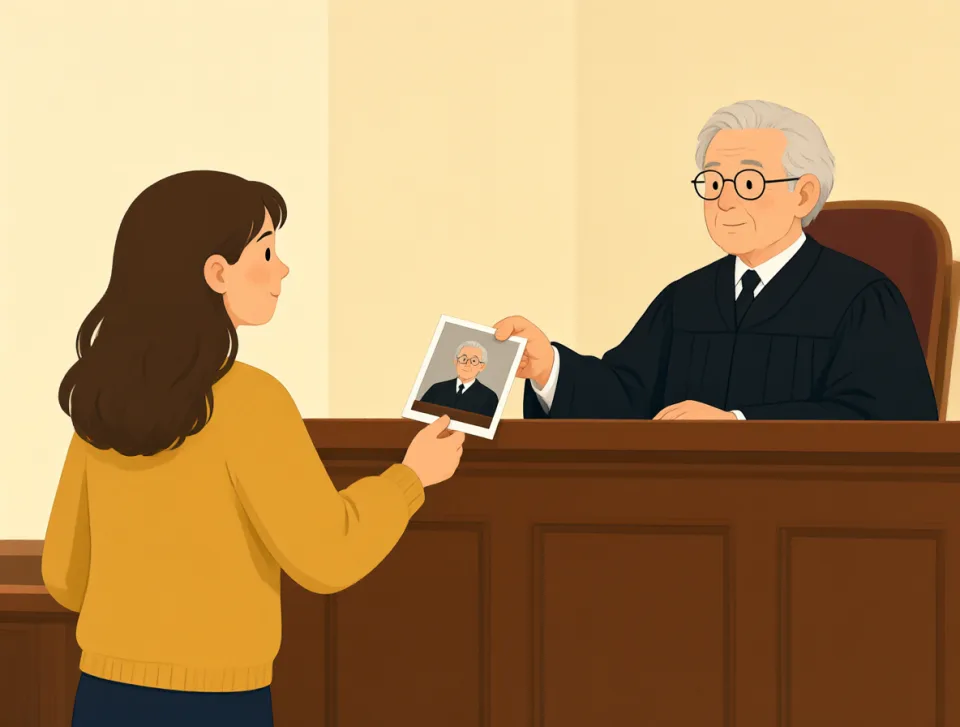
The lawyer presented a photograph as an exhibit in court.
Luật sư đưa ra một bức ảnh làm vật chứng tại tòa.
minor
#1997adjective, noun
nhỏ; không đáng kể; môn phụ
Small or not very important; a student studying a subject as a second field.
Nhỏ hoặc không quan trọng lắm; môn học sinh viên chọn làm ngành học phụ.
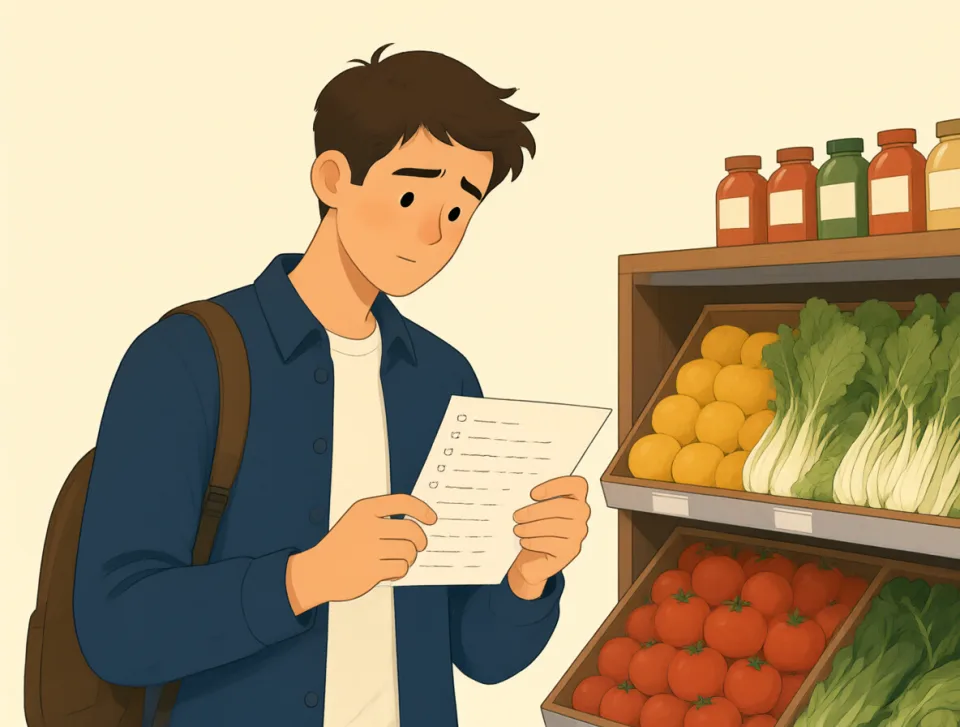
He made a minor mistake in the shopping list.
Anh ấy mắc một lỗi nhỏ trong danh sách mua sắm.

The doctor said her injury was minor and would heal soon.
Bác sĩ nói chấn thương của cô ấy nhẹ và sẽ sớm lành.

We had a minor problem with the hotel room.
Chúng tôi gặp một vấn đề nhỏ với phòng khách sạn.

She chose history as her minor at college.
Cô ấy chọn lịch sử làm môn học phụ ở đại học.
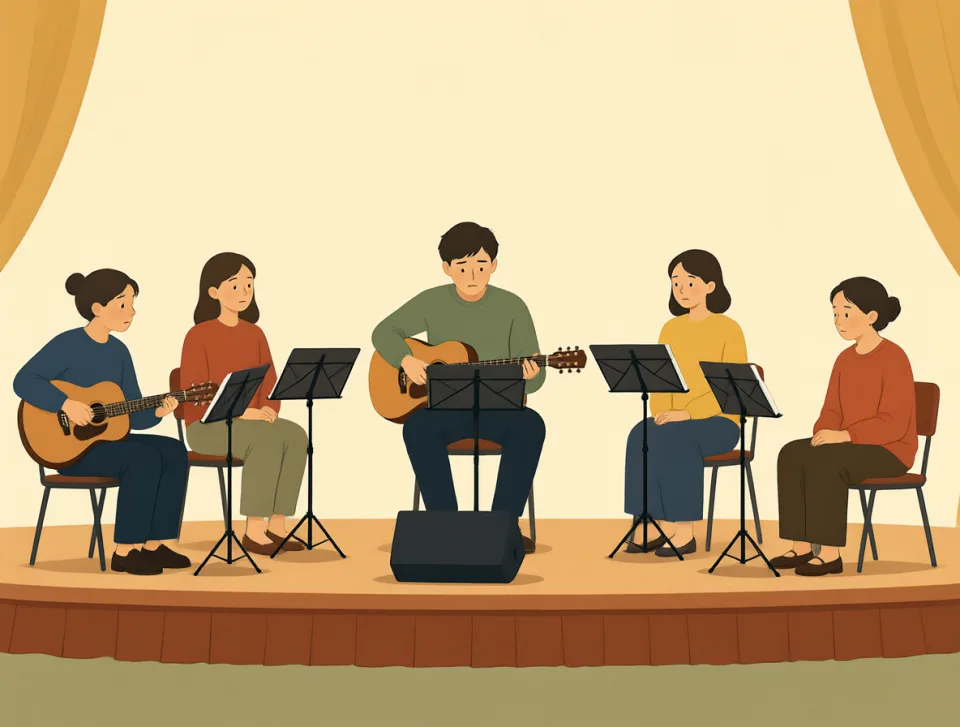
The band played several minor songs at the concert.
Ban nhạc chơi một số bài ở điệu thứ tại buổi hòa nhạc.

hunt
#1998noun, verb
tìm kiếm; săn tìm
To look for someone or something carefully, especially over a wide area.
Tìm ai đó hoặc thứ gì đó một cách kỹ lưỡng, đặc biệt là trong một khu vực rộng.
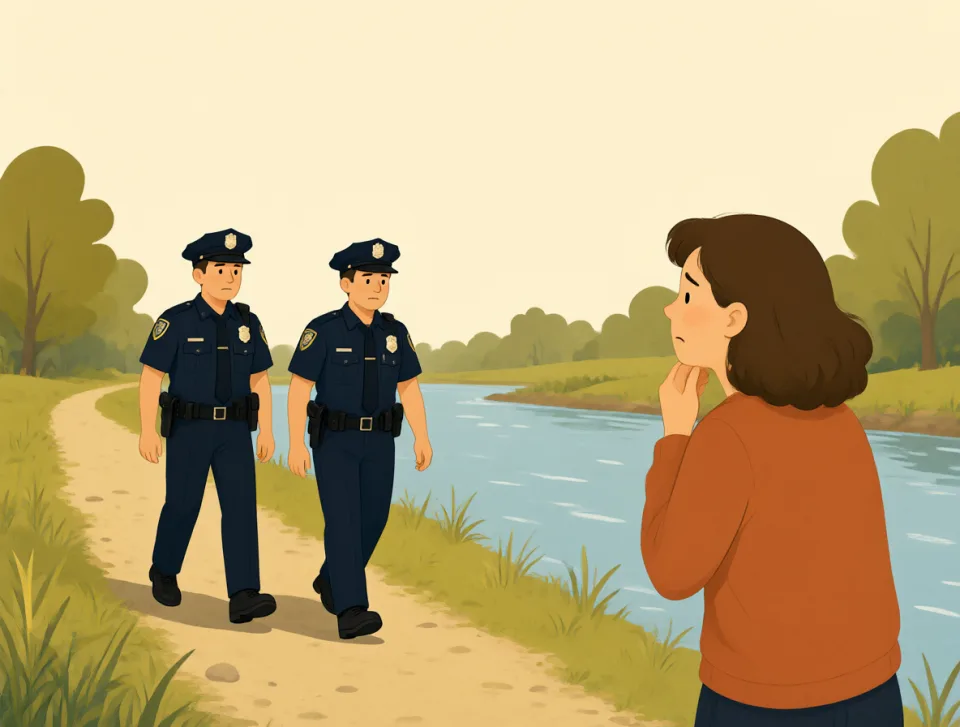
Police are hunting for the missing child near the river.
Cảnh sát đang tìm kiếm đứa trẻ mất tích gần bờ sông.
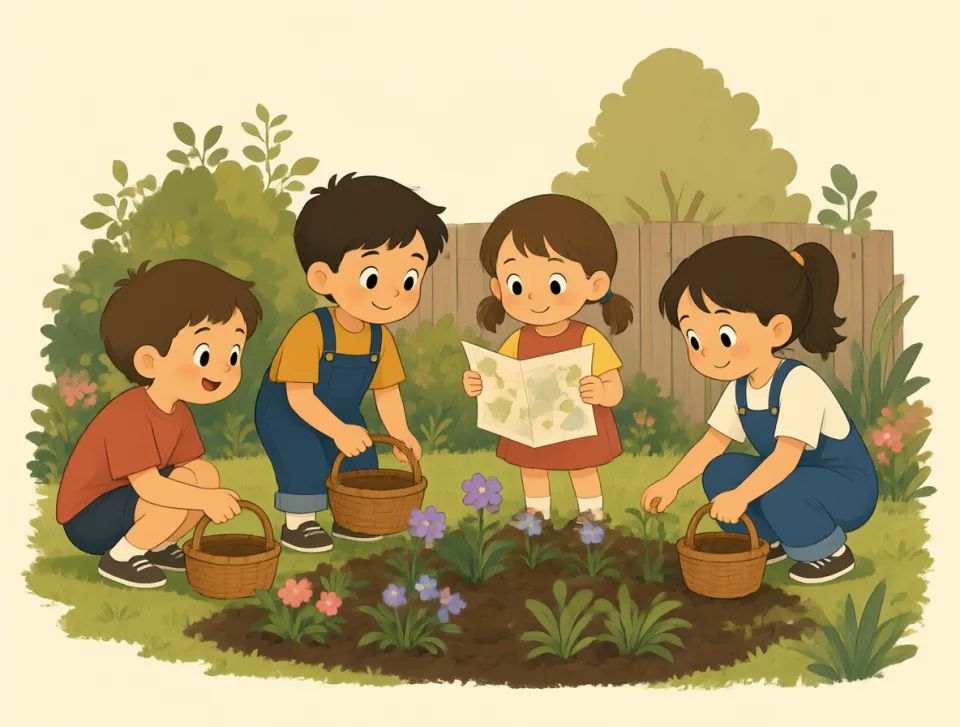
We went on a treasure hunt in the garden.
Chúng tôi tham gia một cuộc săn tìm kho báu trong vườn.

She is hunting for a new apartment after moving to the city.
Cô ấy đang tìm một căn hộ mới sau khi chuyển đến thành phố.
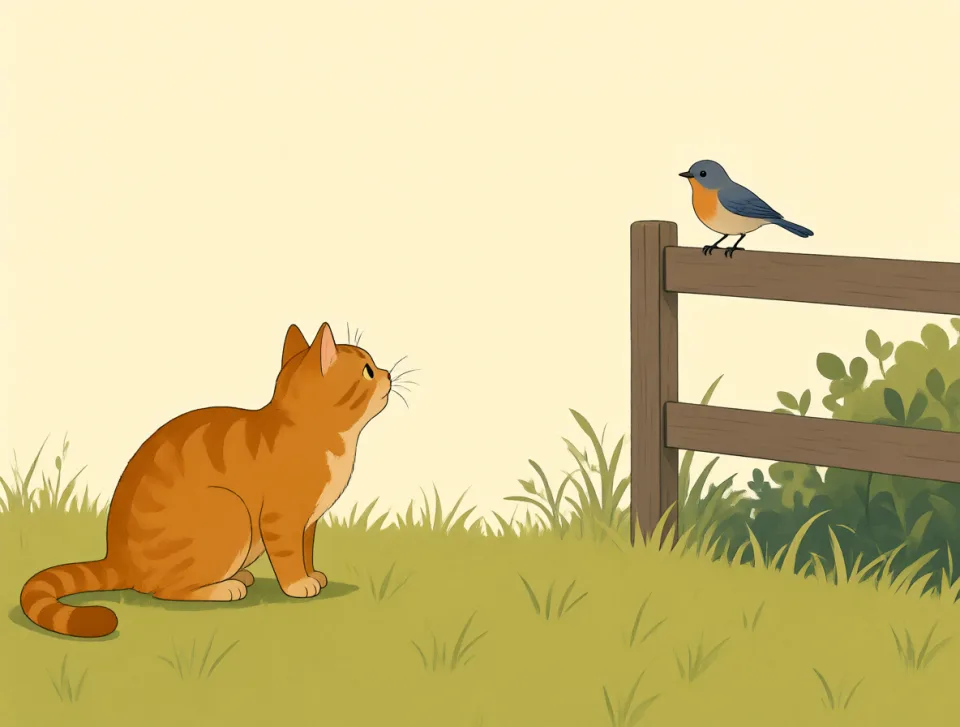
The cat likes to hunt birds in the backyard.
Con mèo thích săn chim ở sân sau.
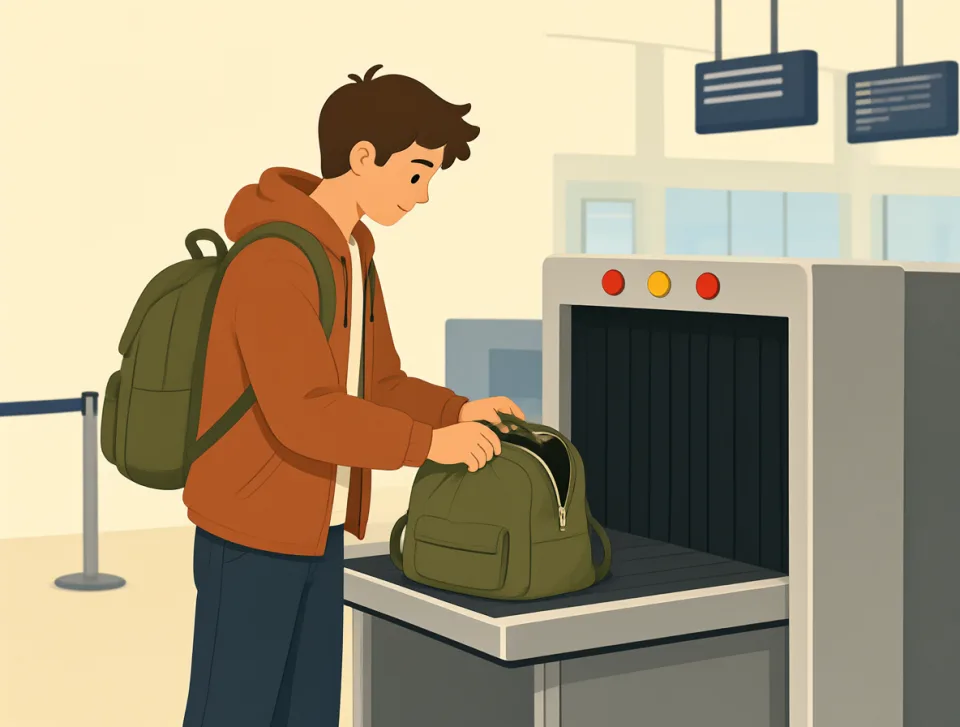
I hunted through my bag for my passport at the airport.
Tôi lục tìm hộ chiếu trong túi ở sân bay.

storm
#1999noun, verb
bão
A period of very bad weather with strong winds, rain, snow, or thunder.
Một khoảng thời gian có thời tiết rất xấu, kèm theo gió mạnh, mưa, tuyết hoặc sấm sét.
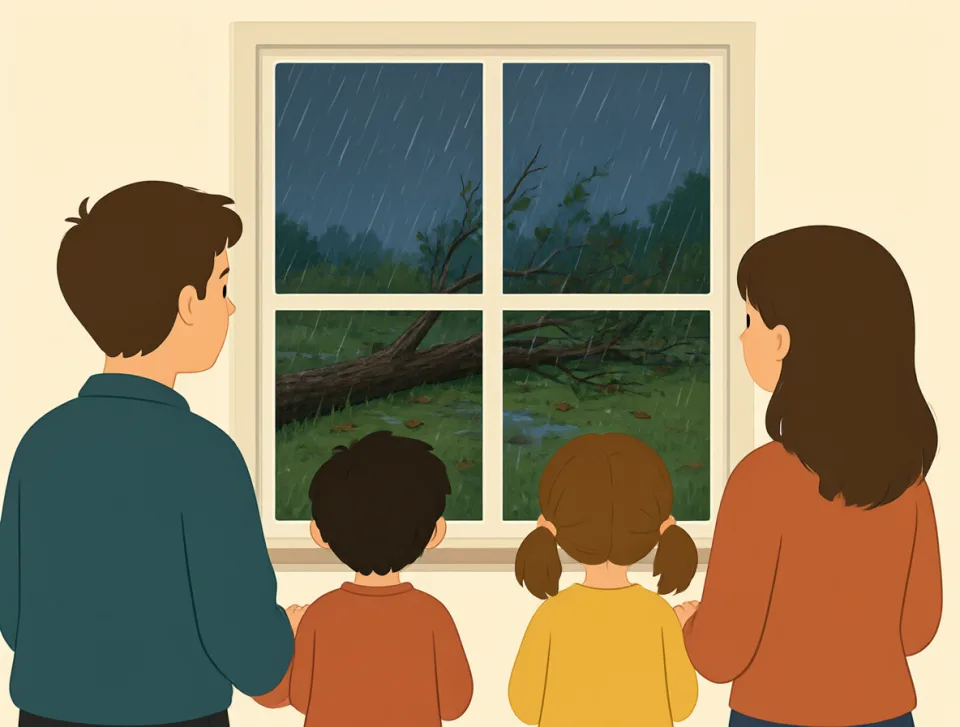
The storm knocked down several trees near our house.
Cơn bão quật đổ vài cái cây gần nhà chúng tôi.

We stayed home because a storm was coming.
Chúng tôi ở nhà vì sắp có bão.

The flight was delayed because of a heavy storm.
Chuyến bay bị hoãn vì một cơn bão lớn.

The children ran inside when the storm started.
Bọn trẻ chạy vào trong nhà khi cơn bão bắt đầu.
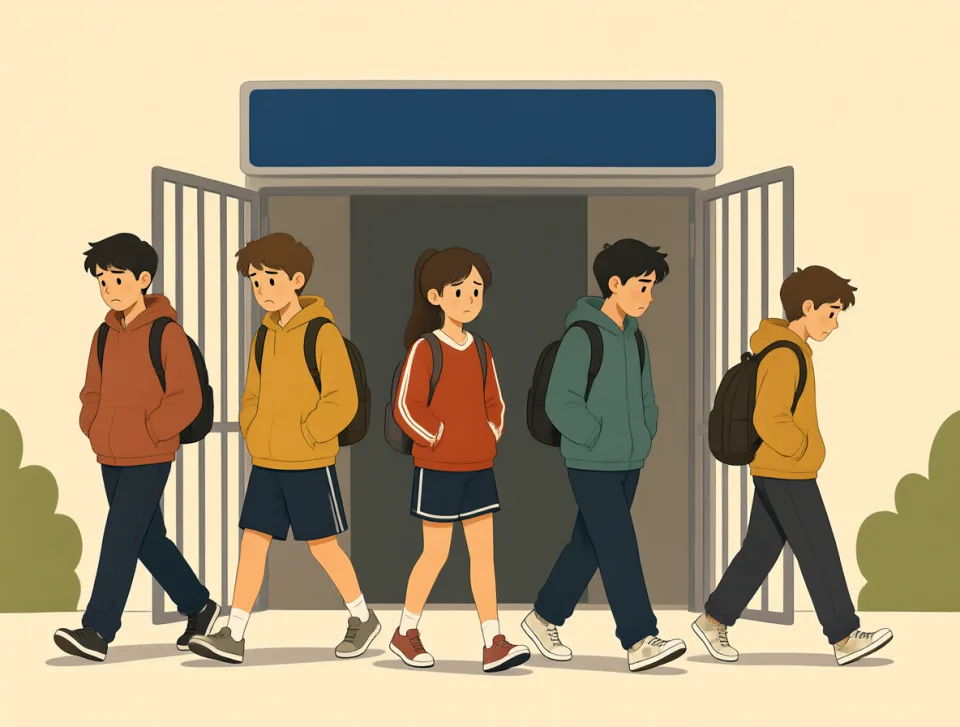
Fans stormed out of the stadium after their team lost.
Người hâm mộ ùa ra khỏi sân vận động sau khi đội của họ thua.
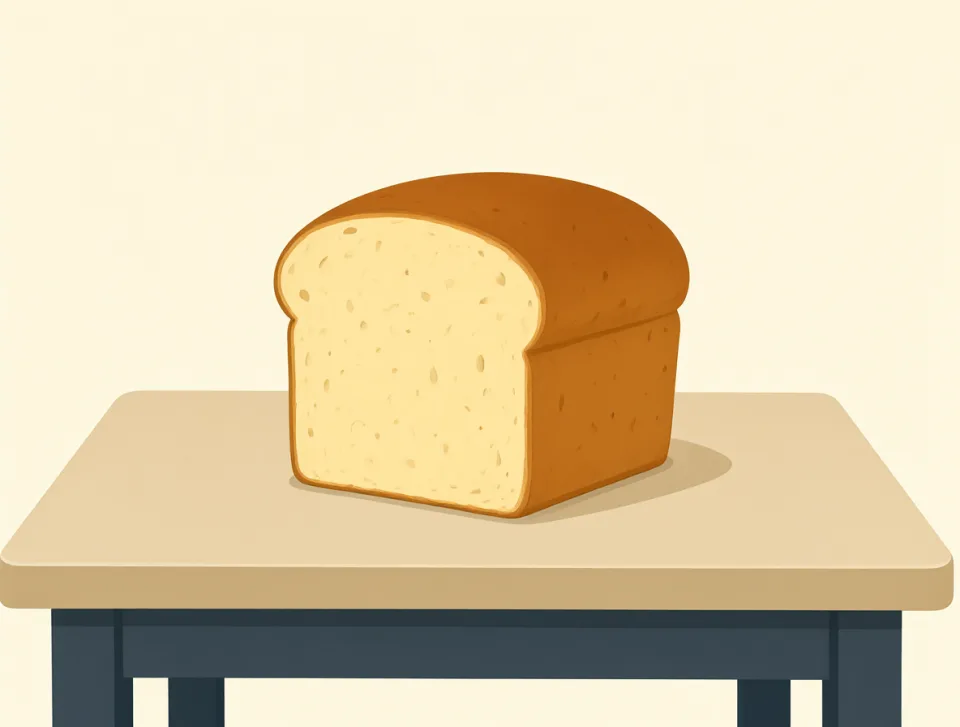
thick
#2000adjective, noun
dày; đặc
having a large distance between opposite sides; a deep layer or piece
Có khoảng cách lớn giữa hai mặt đối diện; có lớp hoặc miếng dày.

She wore a thick coat on the cold winter morning.
Cô ấy mặc một chiếc áo khoác dày vào buổi sáng mùa đông lạnh giá.
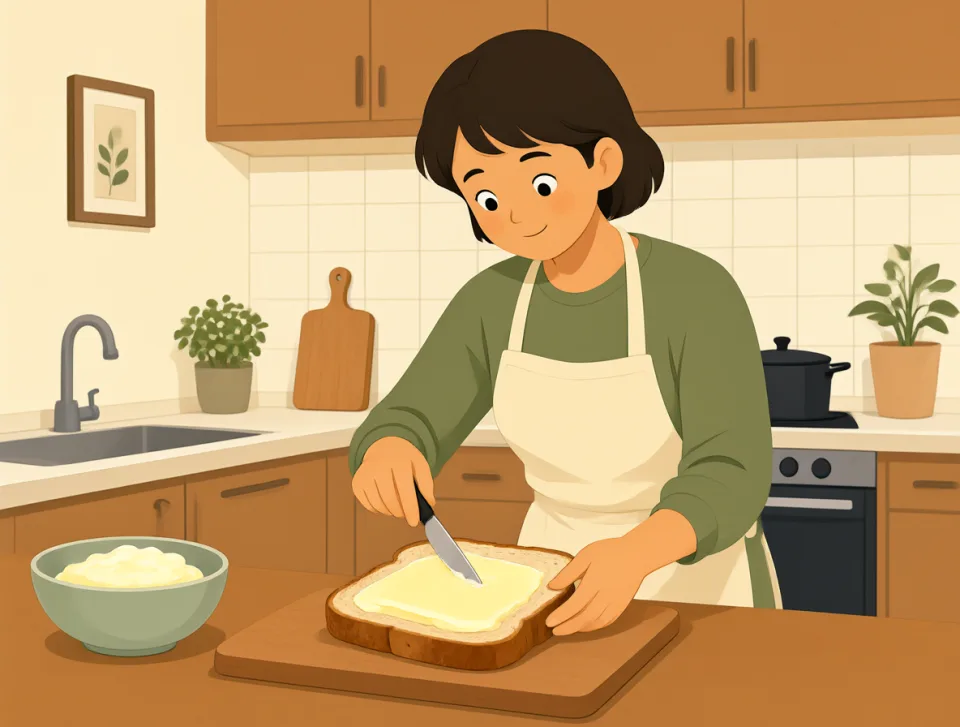
Spread a thick layer of butter on the bread.
Phết một lớp bơ dày lên bánh mì.

The forest was thick with trees and difficult to walk through.
Khu rừng rậm cây cối nên rất khó đi qua.

He has thick, curly hair that reaches his shoulders.
Anh ấy có mái tóc dày, xoăn và dài đến vai.
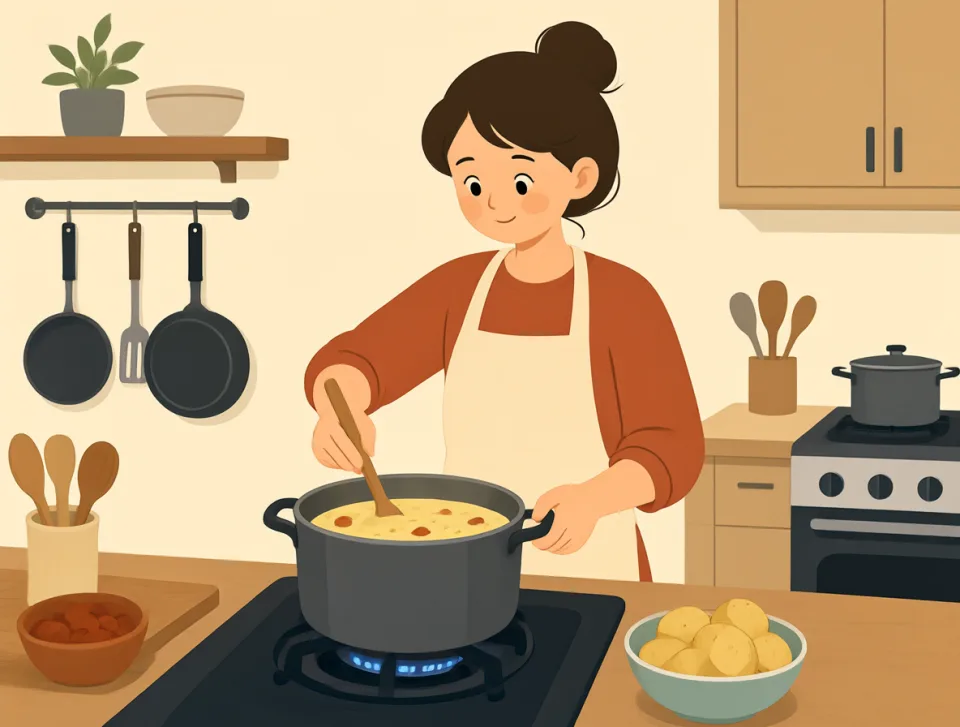
The soup became thick after we added the potatoes.
Món súp trở nên sánh đặc sau khi chúng tôi cho khoai tây vào.