ইউনিট 100
শব্দ 1981–2000 · intellectual, derive, crucial, unemployment, wheel, crop
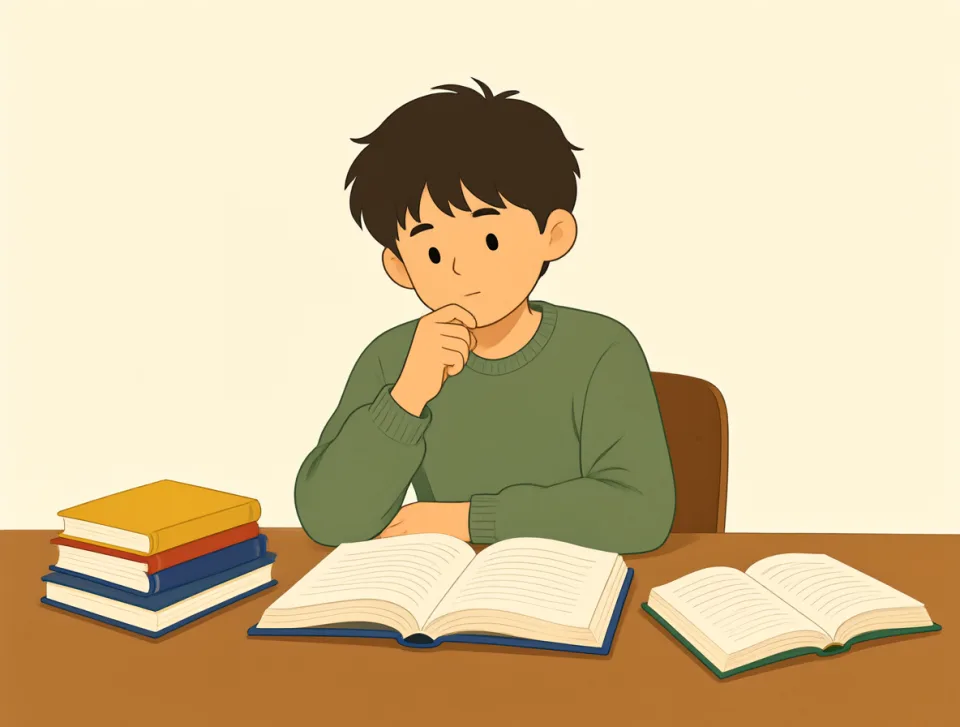
intellectual
#1981adjective, noun
বুদ্ধিবৃত্তিক
Related to thinking and understanding, or a person who enjoys serious ideas and learning.
চিন্তাভাবনা ও বোঝাপড়ার সঙ্গে সম্পর্কিত, অথবা এমন ব্যক্তি যিনি গভীর ভাবনা ও জ্ঞানার্জন পছন্দ করেন।
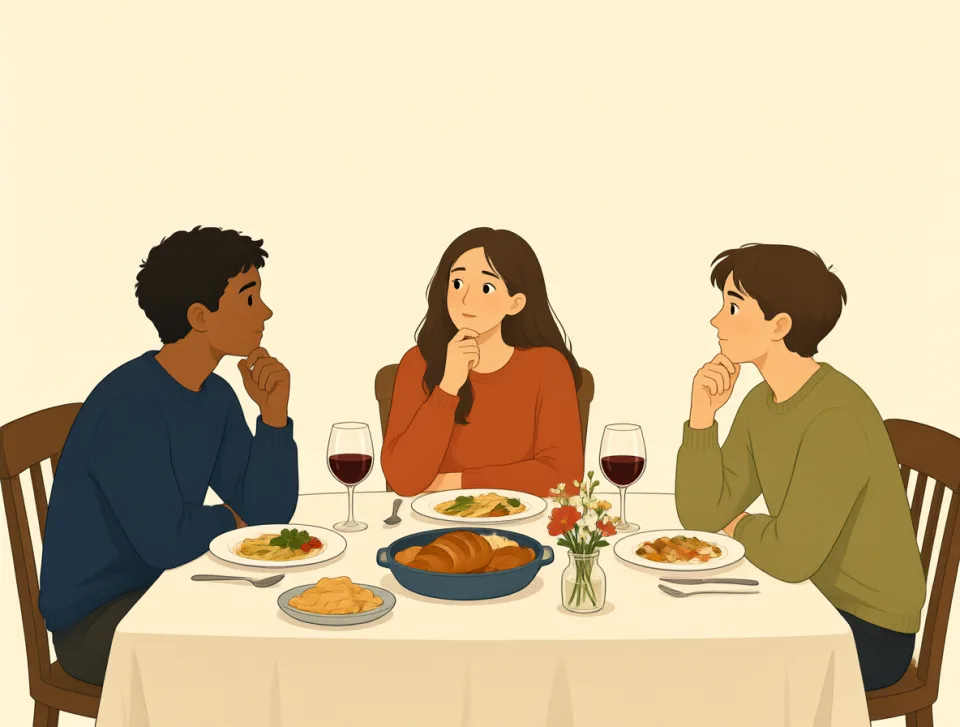
She enjoys intellectual conversations with her friends after dinner.
রাতের খাবারের পর সে বন্ধুদের সঙ্গে বুদ্ধিবৃত্তিক আলোচনা করতে পছন্দ করে।
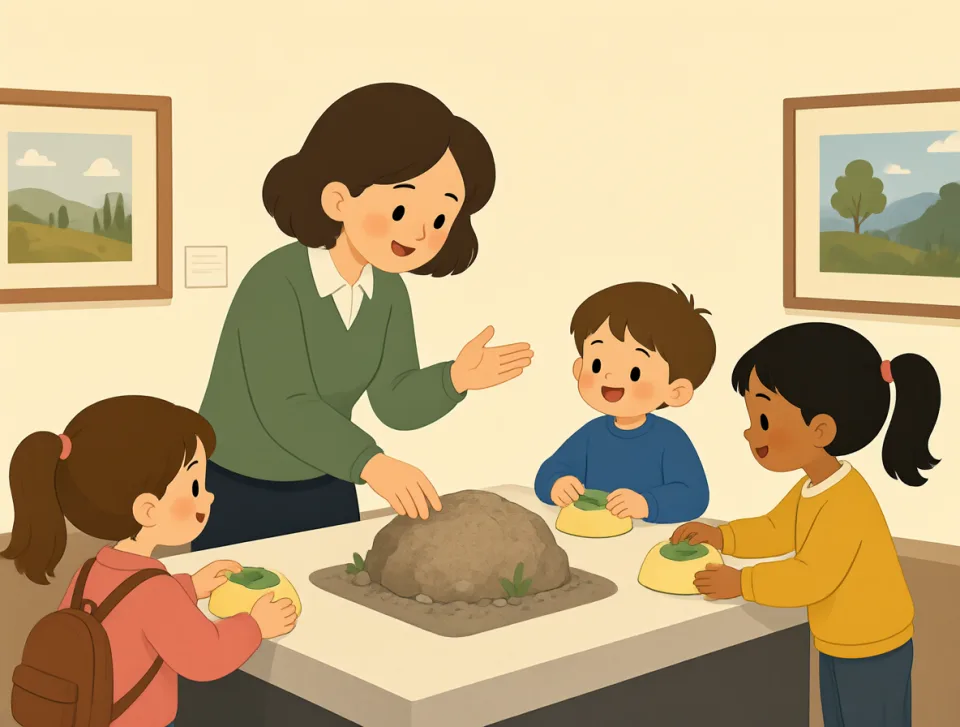
The museum offers many intellectual activities for young students.
জাদুঘরটি তরুণ শিক্ষার্থীদের জন্য অনেক বুদ্ধিবৃত্তিক কার্যক্রমের আয়োজন করে।

He is an intellectual who reads books about history and science.
সে একজন বুদ্ধিজীবী, যে ইতিহাস ও বিজ্ঞানবিষয়ক বই পড়ে।

The job requires both practical skills and intellectual ability.
এই কাজের জন্য ব্যবহারিক দক্ষতার পাশাপাশি বুদ্ধিবৃত্তিক ক্ষমতাও দরকার।
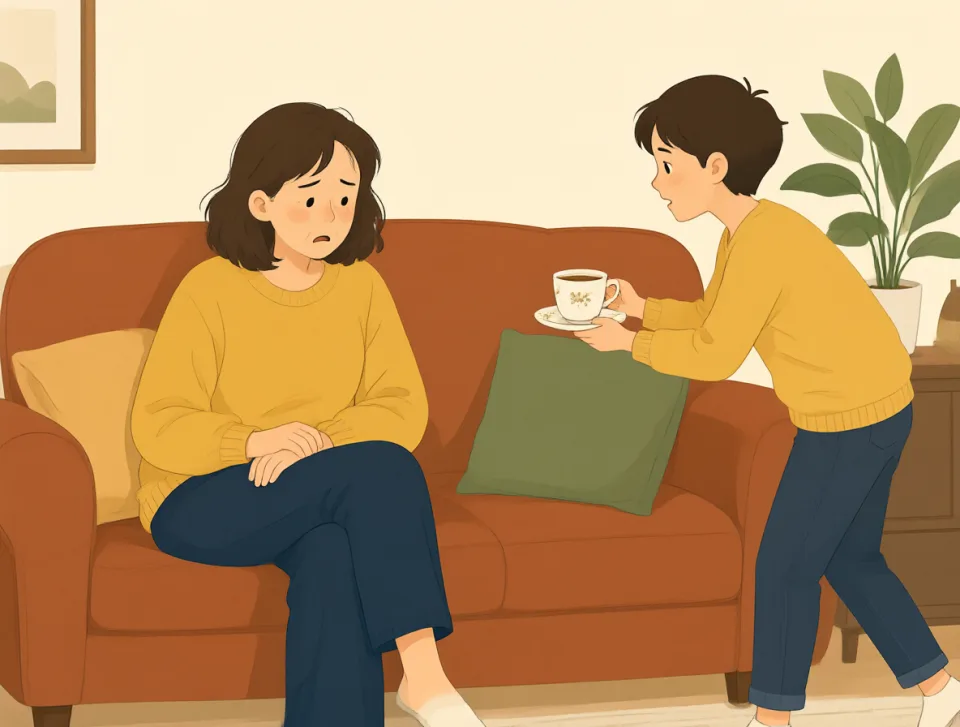
After the illness, she felt tired and less intellectually active.
অসুস্থতার পর সে ক্লান্ত বোধ করত এবং আগের চেয়ে কম বুদ্ধিবৃত্তিকভাবে সক্রিয় ছিল।
derive
#1982verb
থেকে পাওয়া
to get something from a particular source or cause
কোনো নির্দিষ্ট উৎস বা কারণ থেকে কিছু পাওয়া।
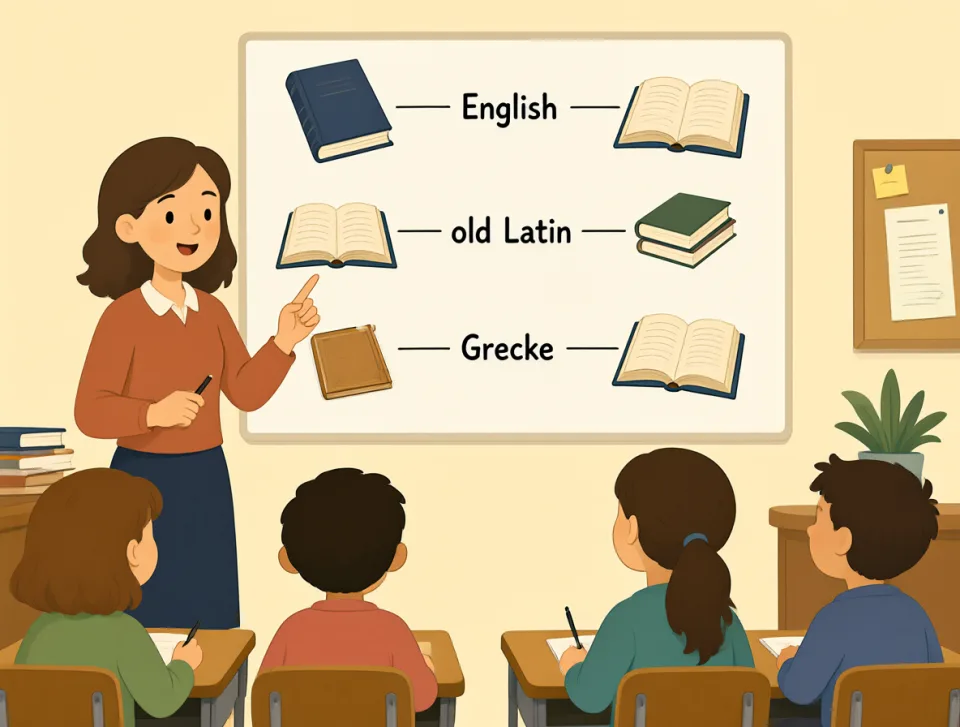
Many English words derive from Latin and Greek.
ইংরেজির অনেক শব্দের উৎপত্তি লাতিন ও গ্রিক ভাষা থেকে।
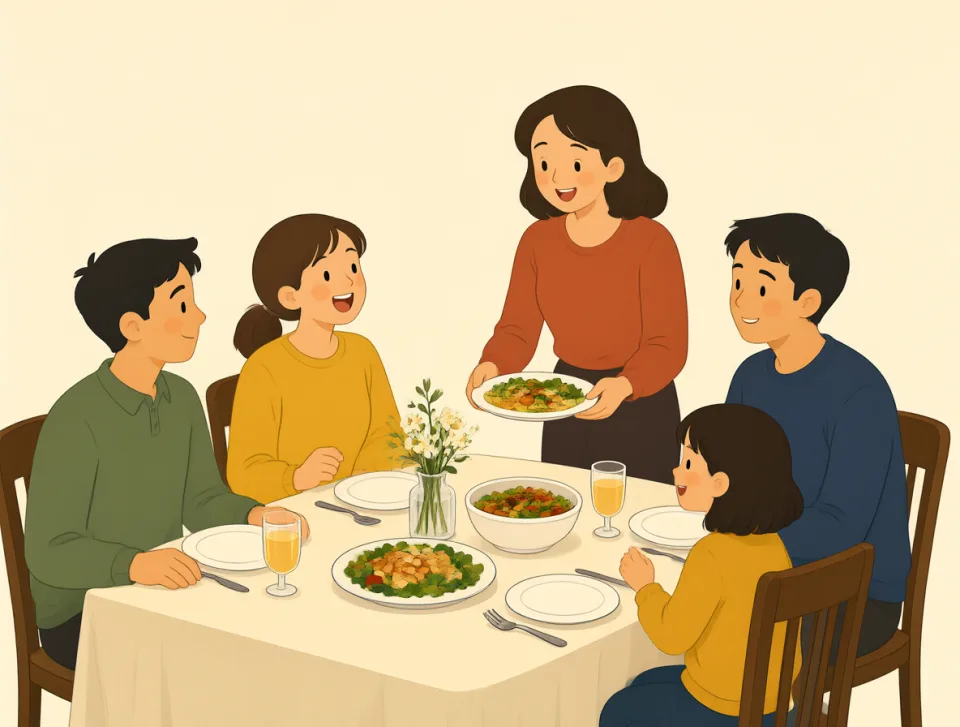
She derives great pleasure from cooking for her family.
পরিবারের জন্য রান্না করে সে অনেক আনন্দ পায়।

The company derives most of its income from online sales.
কোম্পানিটি তার আয়ের বেশির ভাগই অনলাইন বিক্রি থেকে পায়।
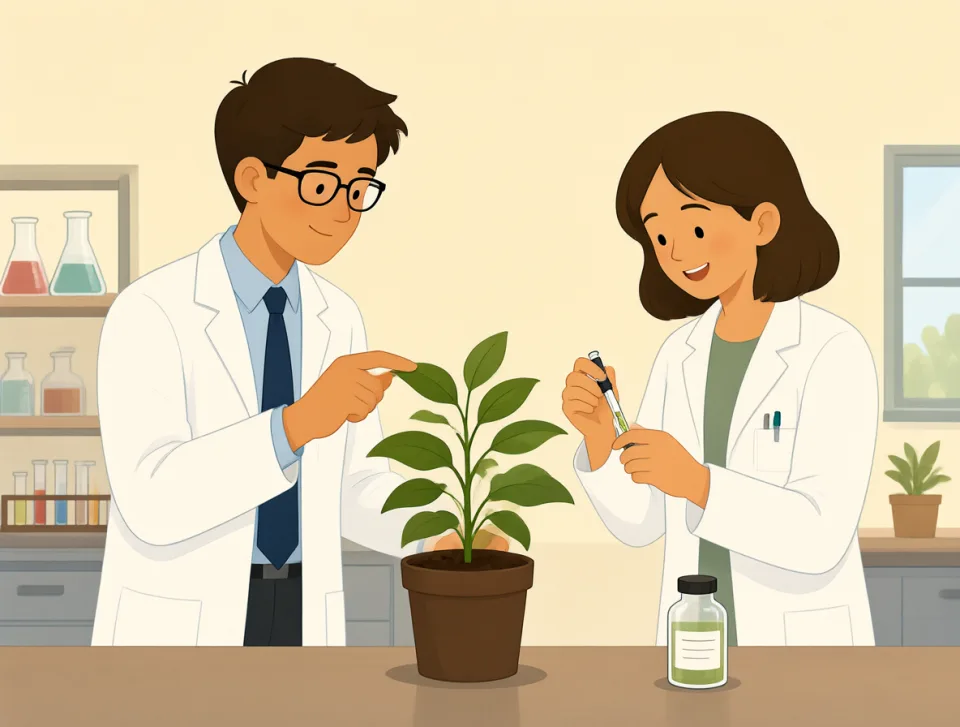
Scientists derived the new medicine from a natural plant.
বিজ্ঞানীরা একটি প্রাকৃতিক উদ্ভিদ থেকে নতুন ওষুধটি তৈরি করেছিলেন।
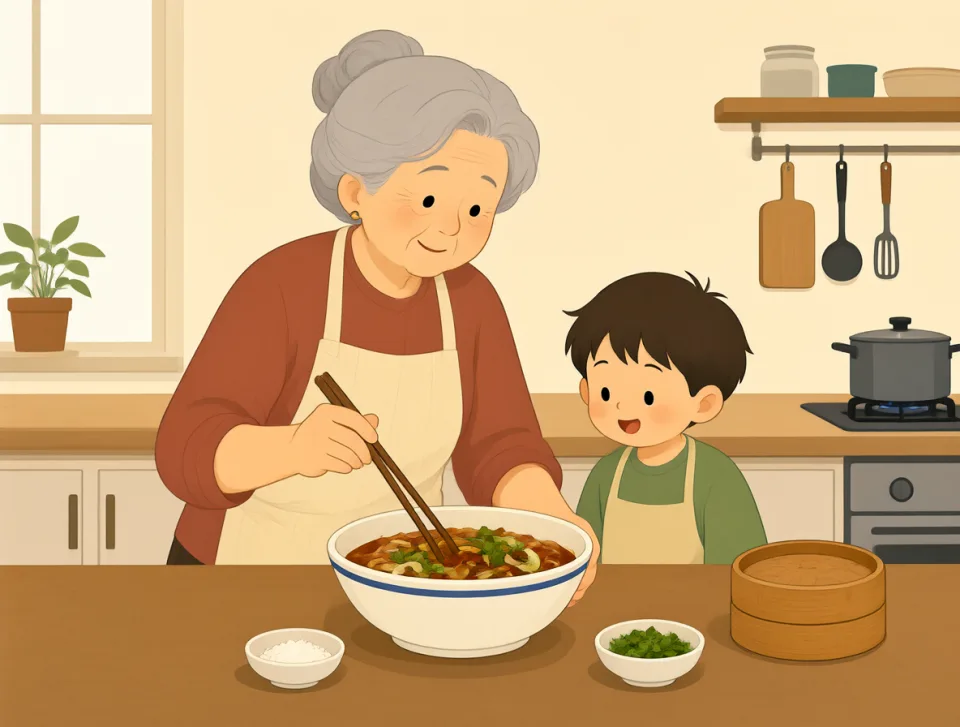
The recipe was derived from an old family tradition.
রেসিপিটি পরিবারের পুরোনো ঐতিহ্য থেকে এসেছে।

crucial
#1983adjective
অত্যন্ত গুরুত্বপূর্ণ
Extremely important for achieving a result or making a situation successful.
কোনো ফল অর্জন করতে বা পরিস্থিতি সফল করতে যা অত্যন্ত গুরুত্বপূর্ণ।
Good communication is crucial for a successful team.
একটি সফল দলের জন্য ভালো যোগাযোগ অত্যন্ত গুরুত্বপূর্ণ।

It is crucial to check your passport before leaving home.
বাড়ি থেকে বের হওয়ার আগে পাসপোর্ট পরীক্ষা করা অত্যন্ত জরুরি।

Regular exercise is crucial for keeping your heart healthy.
হৃদ্যন্ত্র সুস্থ রাখতে নিয়মিত ব্যায়াম অত্যন্ত জরুরি।
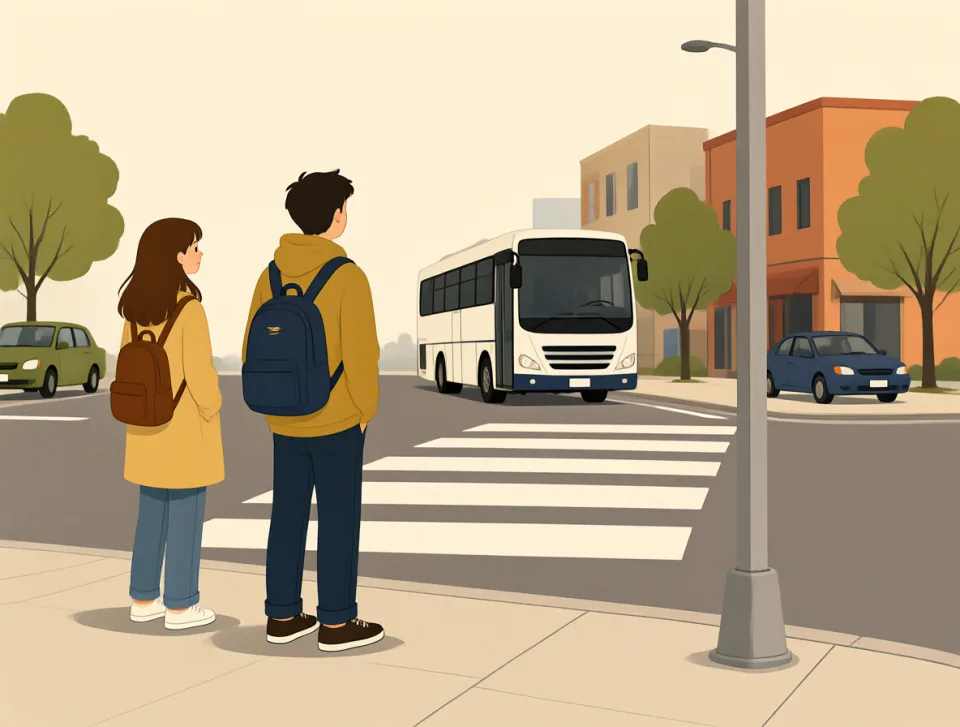
Timing was crucial when we crossed the busy road.
ব্যস্ত রাস্তাটি পার হওয়ার সময় সঠিক সময় বেছে নেওয়া অত্যন্ত গুরুত্বপূর্ণ ছিল।
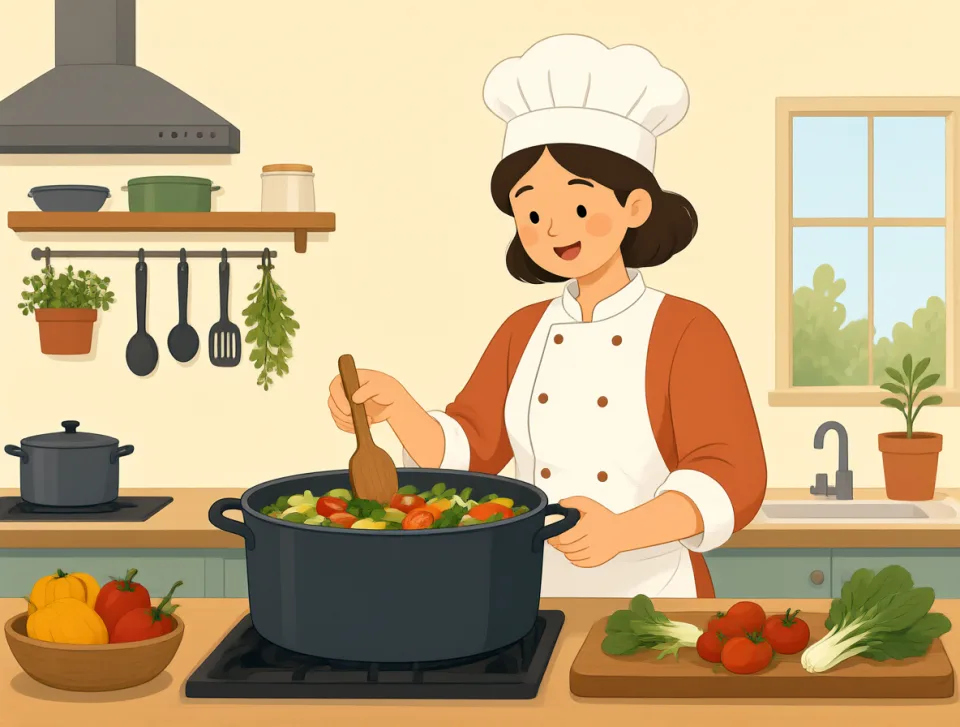
Fresh ingredients are crucial for making a delicious soup.
সুস্বাদু স্যুপ বানাতে তাজা উপকরণ অত্যন্ত জরুরি।
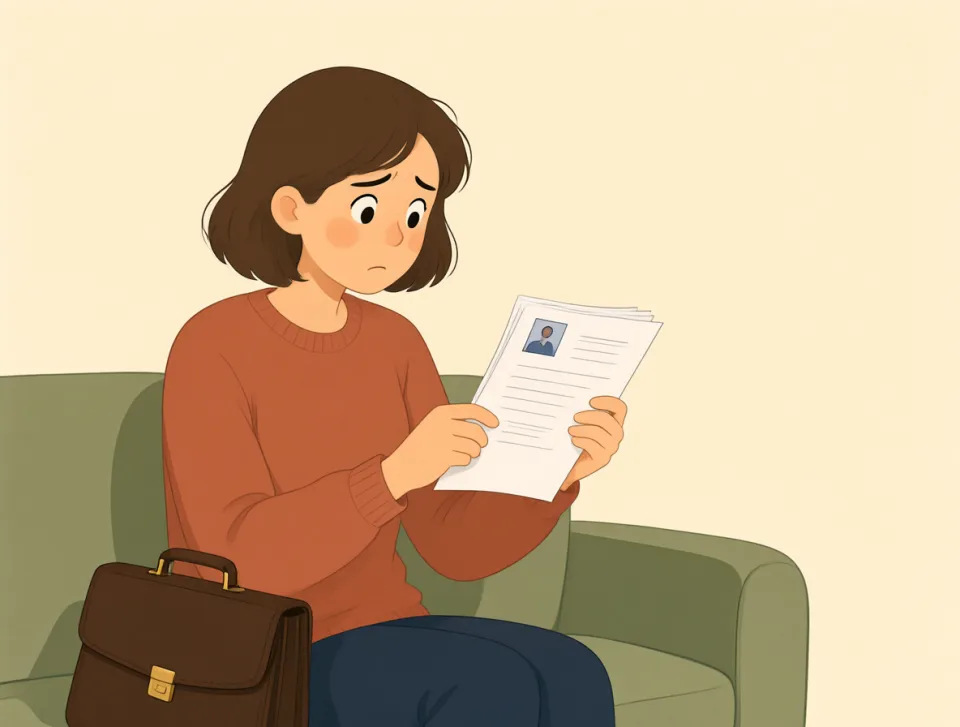
unemployment
#1984noun
বেকারত্ব
The condition of not having a job and looking for work.
চাকরি না থাকা এবং কাজ খোঁজার অবস্থা।
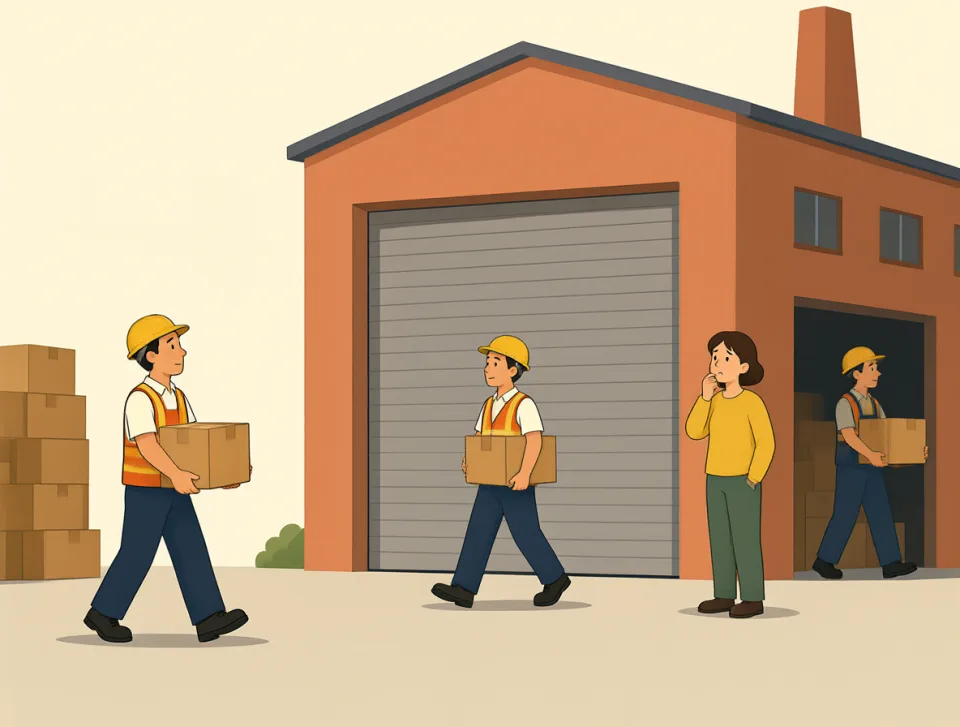
Unemployment rose after the factory closed last year.
গত বছর কারখানাটি বন্ধ হওয়ার পর বেকারত্ব বেড়ে যায়।

The government is trying to reduce unemployment among young people.
সরকার তরুণদের মধ্যে বেকারত্ব কমানোর চেষ্টা করছে।
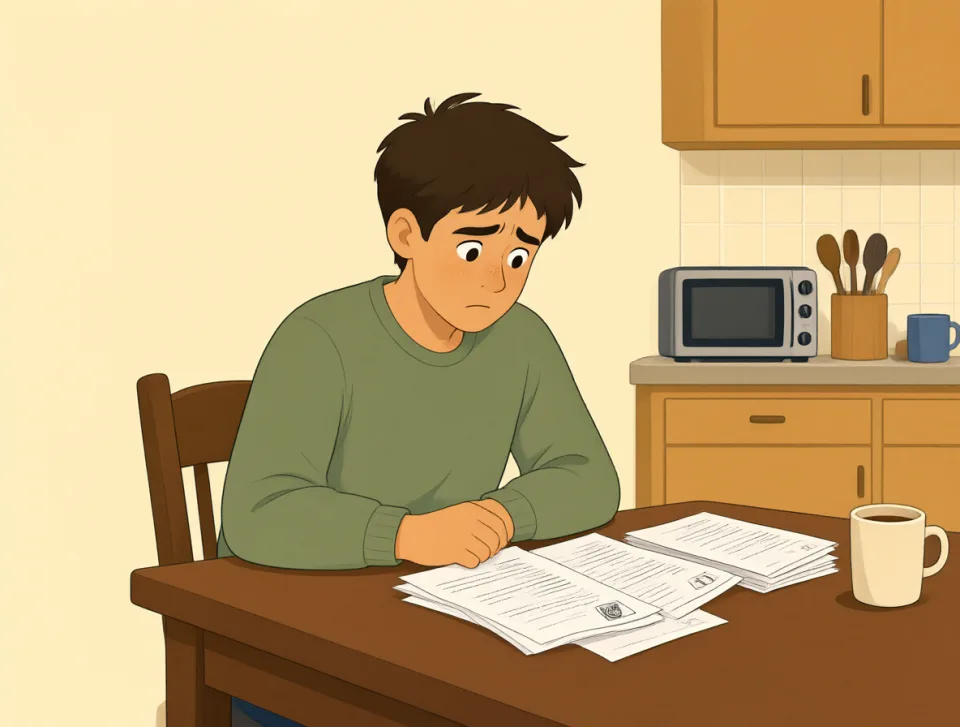
Long-term unemployment can make it difficult to pay the bills.
দীর্ঘদিন বেকার থাকলে বিল পরিশোধ করা কঠিন হয়ে পড়তে পারে।

He received unemployment benefits while searching for a new job.
নতুন চাকরি খোঁজার সময় সে বেকার ভাতা পেয়েছিল।

The town suffered from high unemployment when the tourist season ended.
পর্যটনের মৌসুম শেষ হলে শহরটিতে বেকারত্ব বেড়ে যায়।

wheel
#1985noun, verb
চাকা
A round object that turns to help a vehicle move, or to control something.
গোলাকার বস্তু, যা ঘুরে যানবাহনকে চলতে সাহায্য করে অথবা কোনো কিছু নিয়ন্ত্রণ করে।

The car has a flat wheel, so we stopped beside the road.
গাড়ির একটি চাকা পাংচার হওয়ায় আমরা রাস্তার পাশে থামলাম।

She turned the wheel carefully and drove into the parking space.
সে সাবধানে স্টিয়ারিং ঘুরিয়ে গাড়িটি পার্কিংয়ের জায়গায় ঢোকাল।

The children watched the big wheel turn at the fair.
মেলায় শিশুরা বড় ফেরিস হুইলটিকে ঘুরতে দেখল।

Please wheel the heavy suitcase to the train platform.
দয়া করে ভারী স্যুটকেসটি ঠেলে ট্রেনের প্ল্যাটফর্মে নিয়ে যান।
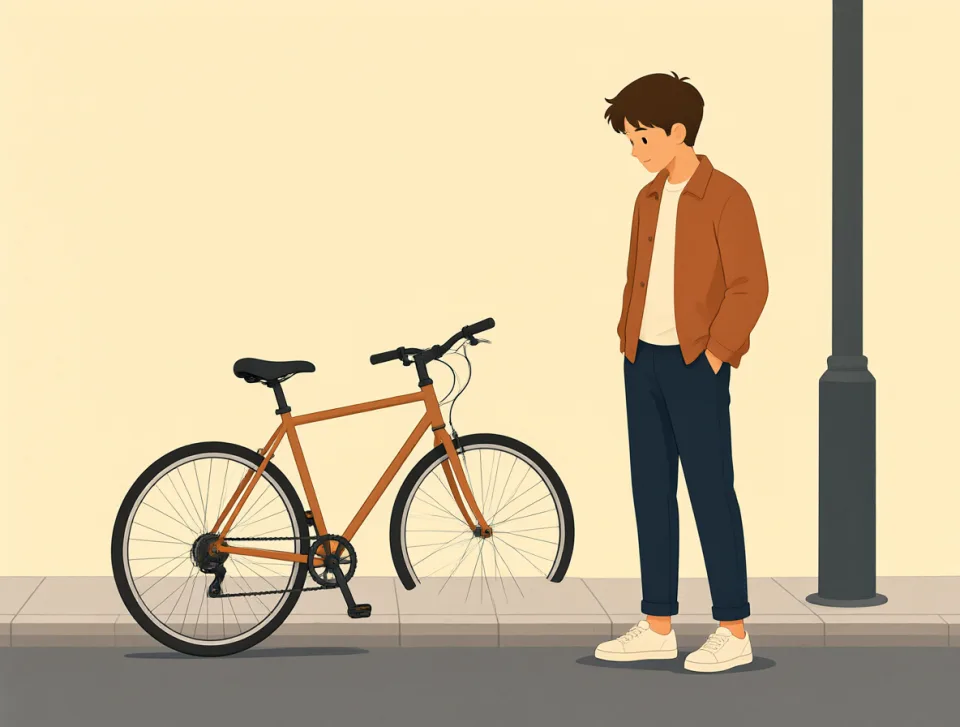
My bicycle wheel came off during the morning ride.
সকালের সাইকেল চালানোর সময় আমার সাইকেলের চাকাটি খুলে পড়েছিল।
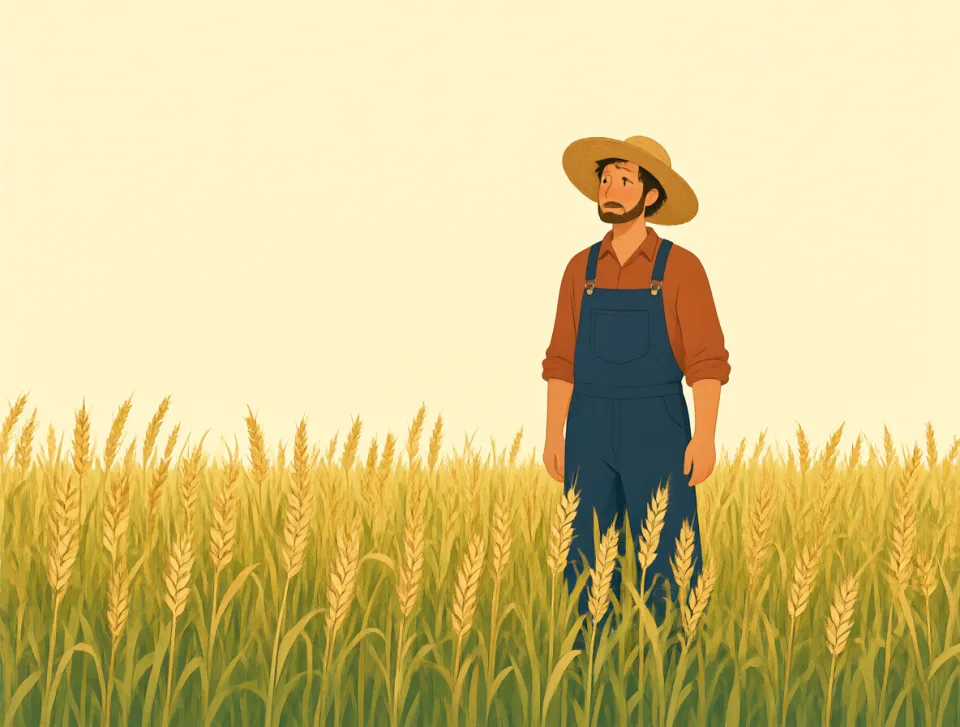
crop
#1986noun, verb
ফসল
A plant grown for food, or to cut part of a picture or video.
খাবারের জন্য চাষ করা উদ্ভিদ; অথবা ছবি বা ভিডিওর কোনো অংশ কেটে বাদ দেওয়া।
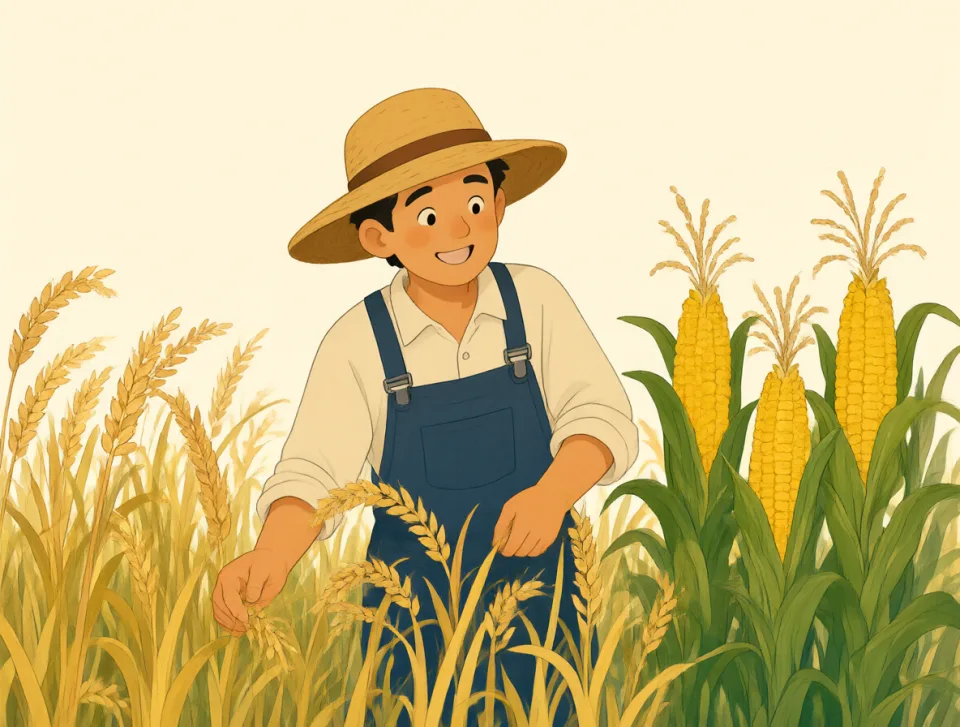
Farmers grow crops such as wheat, rice, and corn.
কৃষকেরা গম, ধান ও ভুট্টার মতো ফসল ফলান।
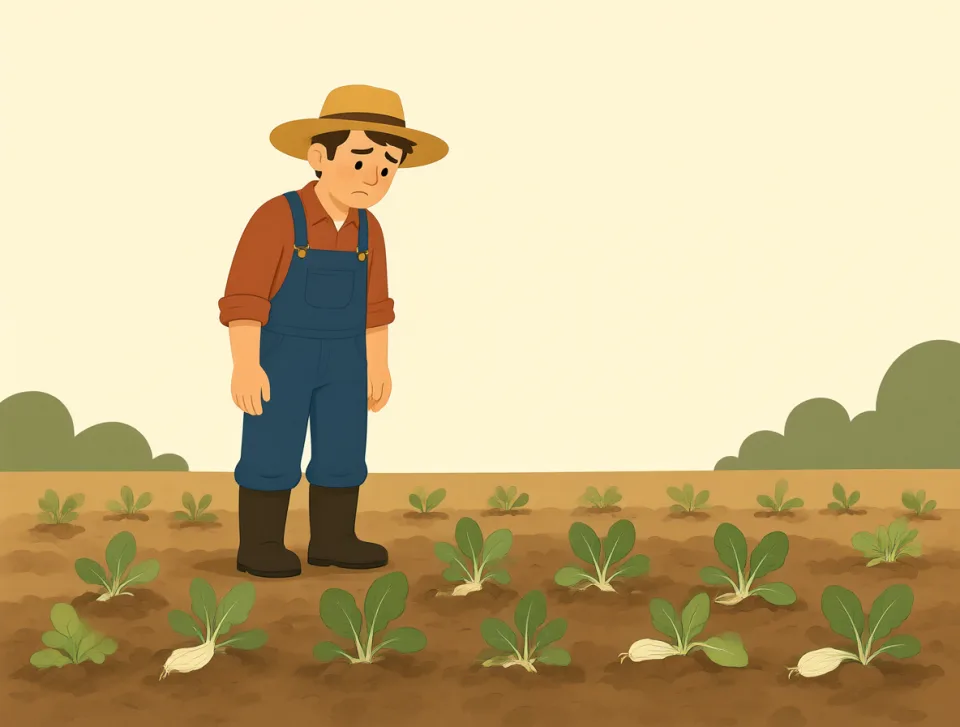
The heavy rain damaged the vegetable crops this year.
এ বছর ভারী বৃষ্টিতে সবজির ফসল নষ্ট হয়েছে।

We bought fresh crops from the local market.
আমরা স্থানীয় বাজার থেকে টাটকা ফসল কিনেছি।

Please crop the photo before you send it.
পাঠানোর আগে ছবিটা কেটে ঠিক করে নিন।
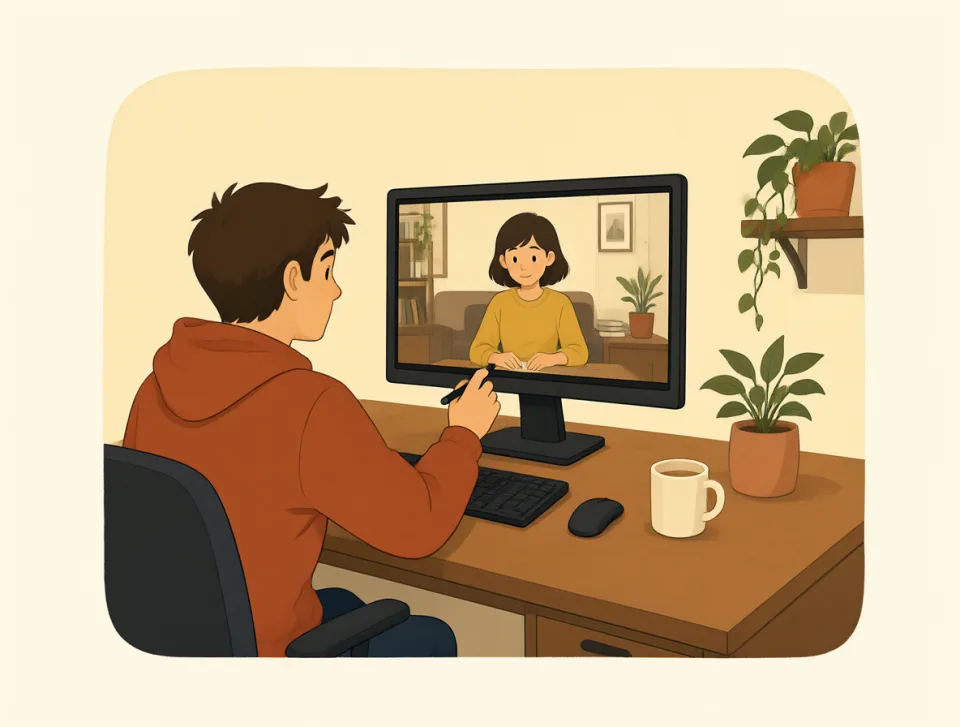
The editor cropped the video to remove the empty space.
ফাঁকা জায়গা বাদ দিতে সম্পাদক ভিডিওটি কেটে ছোট করেছেন।
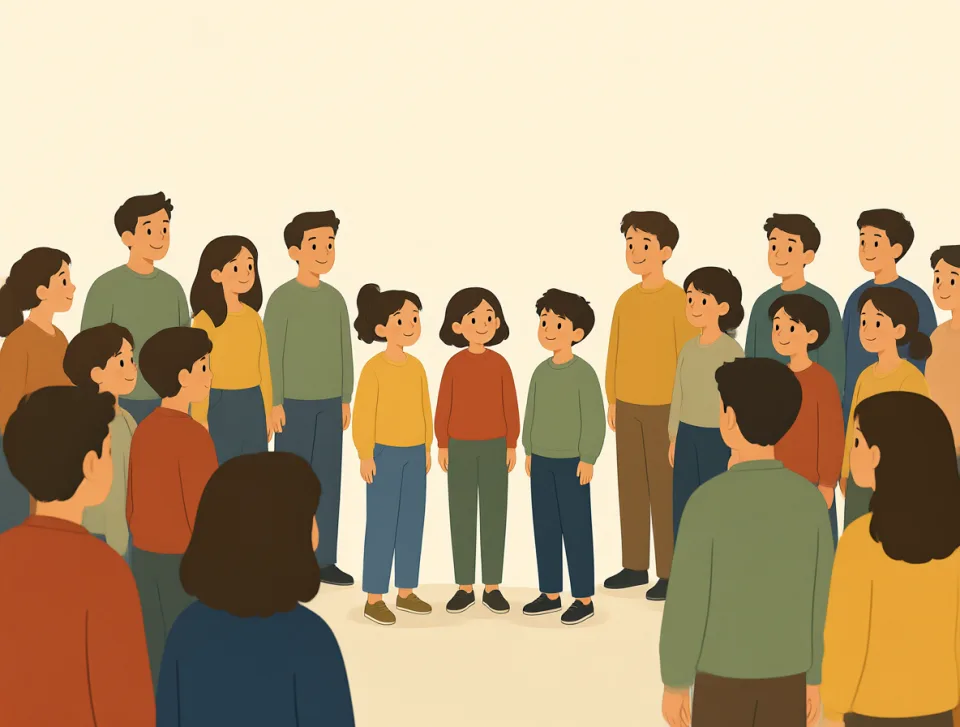
minority
#1987noun
সংখ্যালঘু
A smaller group of people in a community, country, or organization.
কোনো সম্প্রদায়, দেশ বা প্রতিষ্ঠানের তুলনামূলকভাবে ছোট একটি জনগোষ্ঠী।

Women are still a minority in some engineering jobs.
কিছু প্রকৌশল পেশায় এখনো নারীরা সংখ্যালঘু।
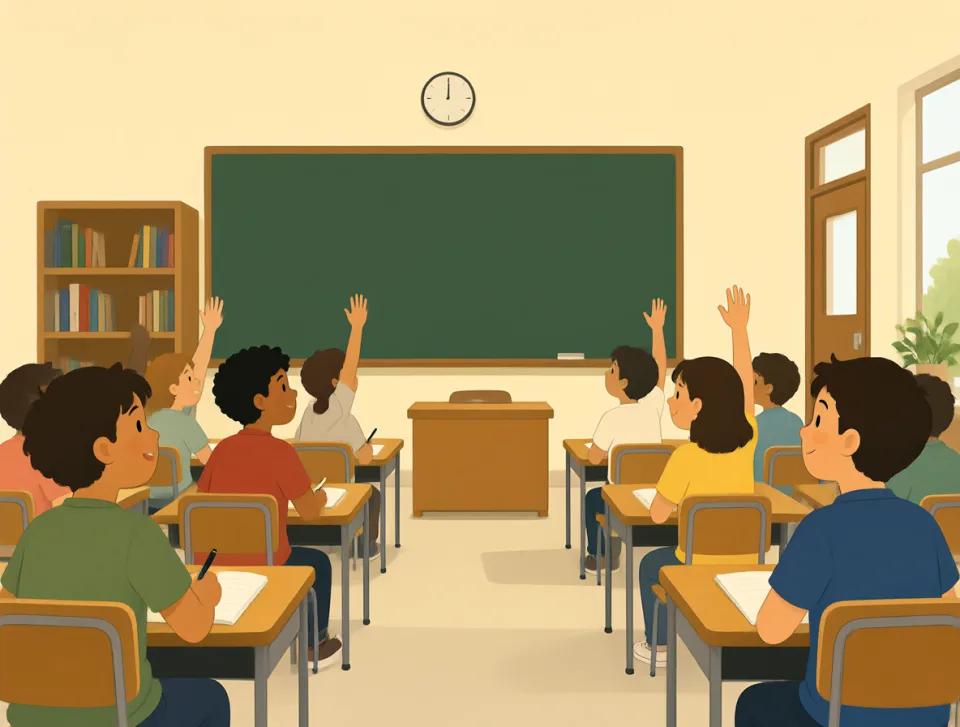
Only a minority of students chose to study abroad.
শিক্ষার্থীদের মধ্যে মাত্র সংখ্যালঘু কয়েকজন বিদেশে পড়াশোনা করার সিদ্ধান্ত নিয়েছিল।
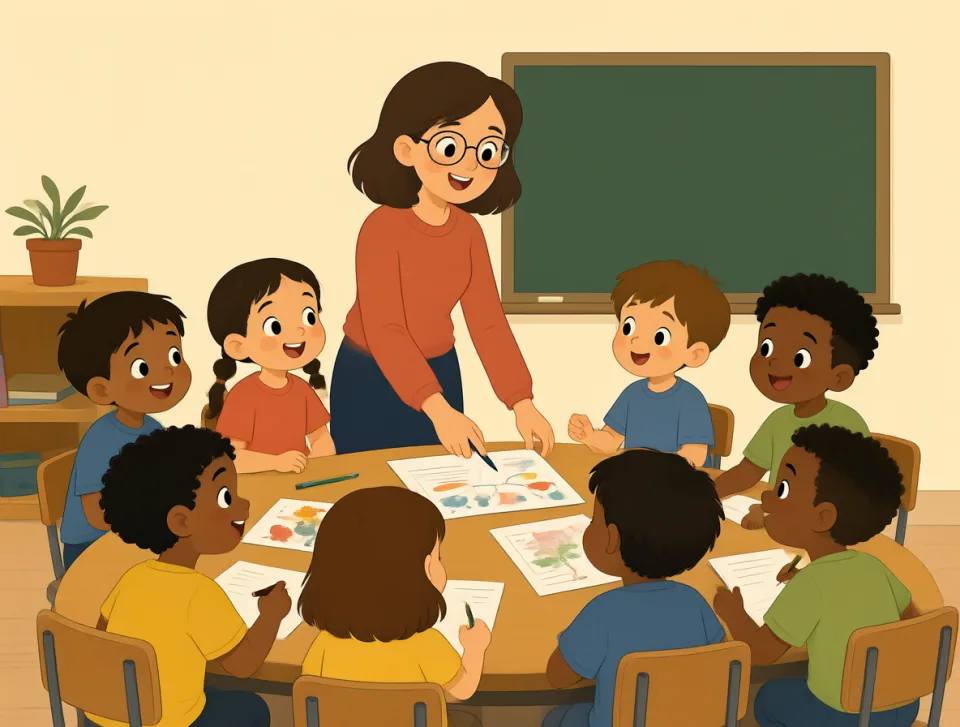
The school supports children from ethnic minorities.
স্কুলটি জাতিগত সংখ্যালঘু সম্প্রদায়ের শিশুদের সহায়তা করে।

A small minority of shoppers complained about the new bags.
নতুন ব্যাগ নিয়ে ক্রেতাদের সামান্য কয়েকজন অভিযোগ করেছিলেন।

The minority party wants better healthcare for everyone.
সংখ্যালঘু দলটি সবার জন্য উন্নত স্বাস্থ্যসেবা চায়।
origin
#1988noun
উৎস
the place, person, or thing that something comes from
যে স্থান, ব্যক্তি বা জিনিস থেকে কোনো কিছু এসেছে।

The shop sells coffee from many different countries of origin.
দোকানটিতে বিভিন্ন উৎসের অনেক দেশের কফি বিক্রি হয়।

The doctor asked about the origin of my stomach pain.
ডাক্তার আমার পেটে ব্যথার কারণ জানতে চেয়েছিলেন।
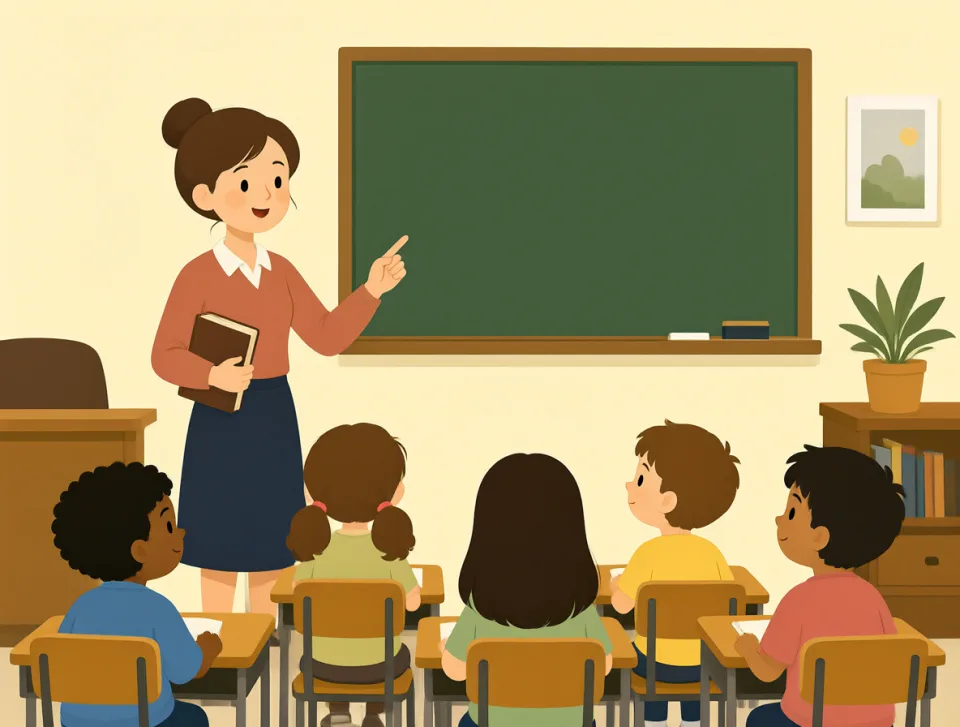
The teacher explained the origin of this old English word.
শিক্ষক এই পুরোনো ইংরেজি শব্দটির উৎপত্তি ব্যাখ্যা করেছিলেন।

We checked the origin of the cheese before buying it.
কেনার আগে আমরা পনিরটির উৎস যাচাই করেছিলাম।
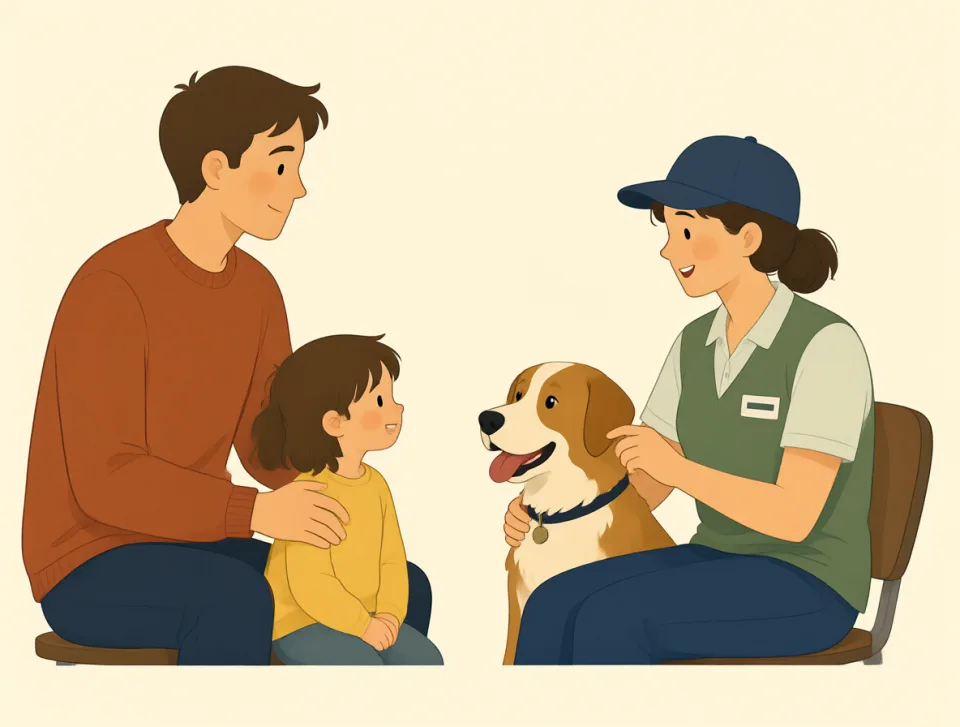
The family discovered their dog's origin at the animal shelter.
পশু আশ্রয়কেন্দ্রে পরিবারটি তাদের কুকুরটির বংশপরিচয় জানতে পেরেছিল।
interpretation
#1989noun
ব্যাখ্যা
An explanation of what something means or how it should be understood.
কোনো কিছুর অর্থ কী বা সেটিকে কীভাবে বুঝতে হবে, তার ব্যাখ্যা।
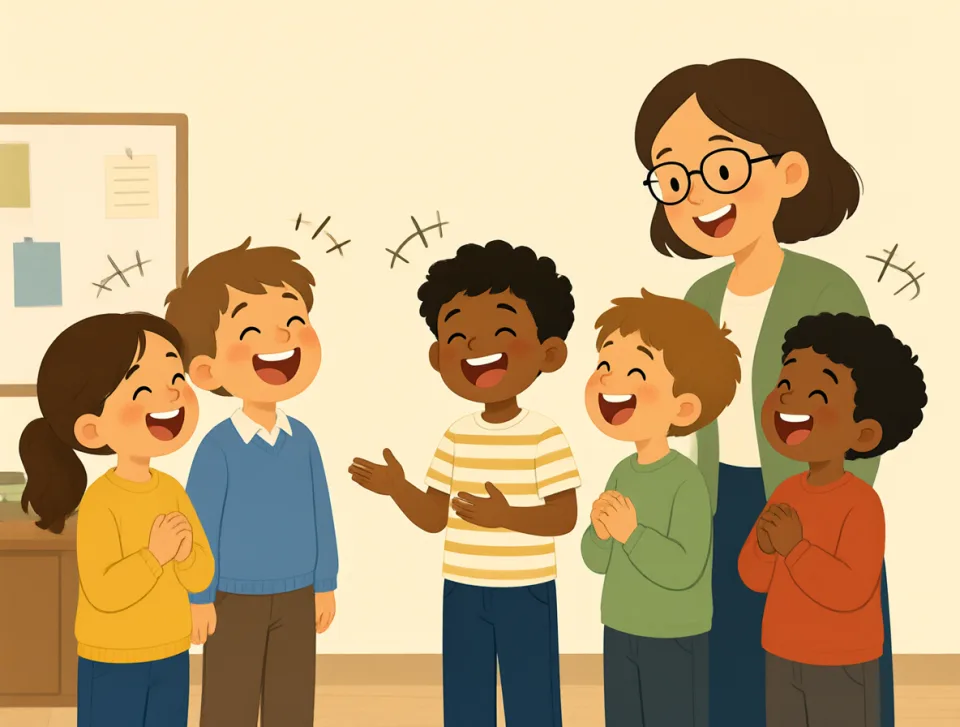
Her interpretation of the teacher's joke made everyone laugh.
শিক্ষকের কৌতুক নিয়ে তার ব্যাখ্যা শুনে সবাই হেসে উঠেছিল।
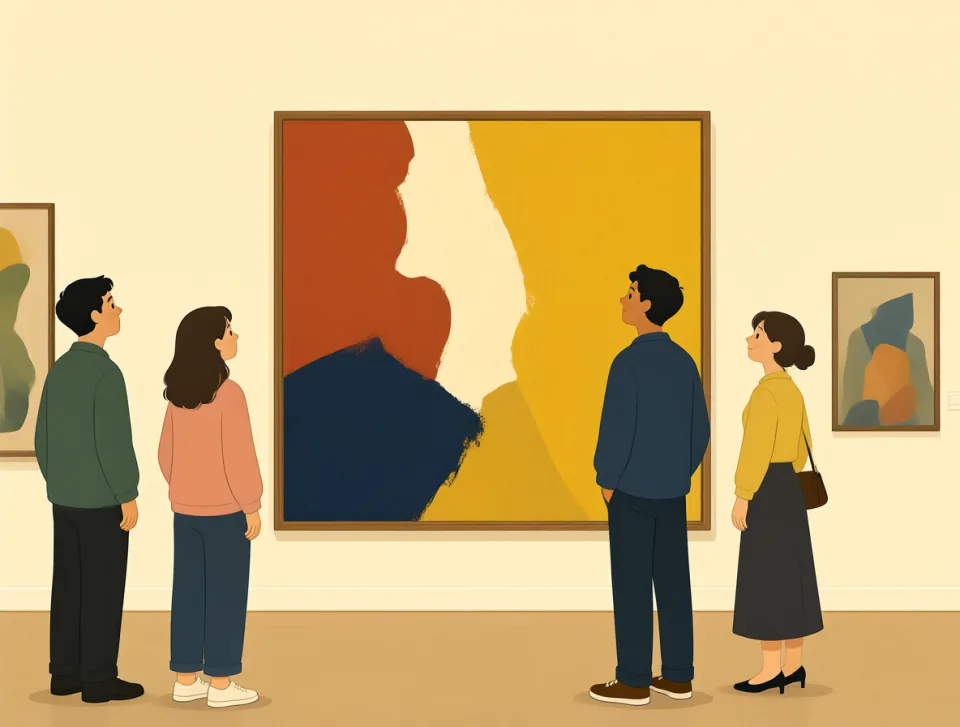
Different people may have different interpretations of this painting.
এই ছবিটির ব্যাখ্যা ভিন্ন ভিন্ন মানুষের কাছে ভিন্ন হতে পারে।

The doctor explained his interpretation of my blood test results.
ডাক্তার আমার রক্ত পরীক্ষার ফলাফল সম্পর্কে তাঁর ব্যাখ্যা দিয়েছিলেন।

The actor gave a funny interpretation of the famous character.
অভিনেতা বিখ্যাত চরিত্রটির একটি মজার রূপ ফুটিয়ে তুলেছিলেন।
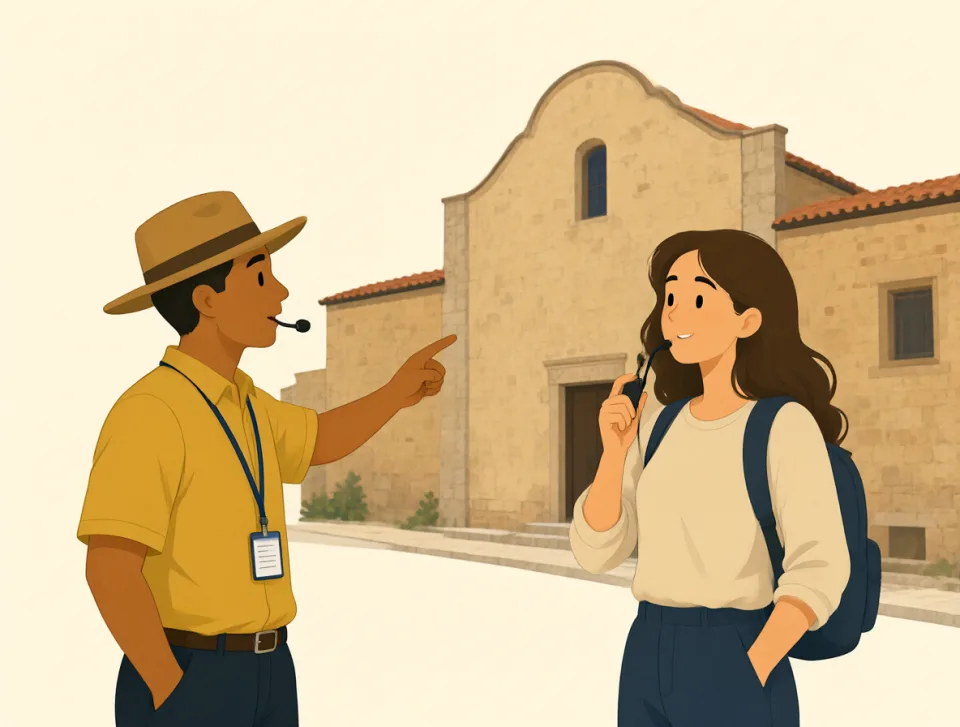
The tour included interpretation for visitors who did not speak English.
ভ্রমণে ইংরেজি বলতে পারেন না এমন দর্শনার্থীদের জন্য দোভাষীর ব্যবস্থা ছিল।

gentleman
#1990noun
ভদ্রলোক
A polite and well-mannered man, often used as a respectful way to address one.
ভদ্র ও শিষ্টাচারসম্পন্ন একজন পুরুষ; কাউকে সম্মান করে সম্বোধন করতেও প্রায়ই শব্দটি ব্যবহার করা হয়।
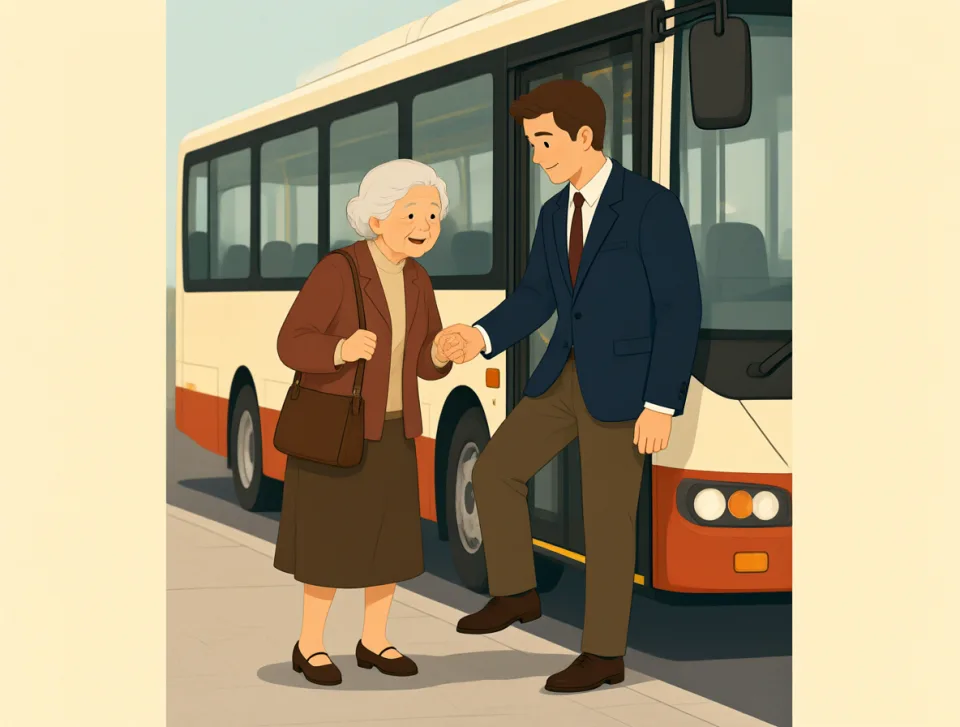
The gentleman helped an elderly woman onto the bus.
ভদ্রলোকটি একজন বয়স্ক নারীকে বাসে উঠতে সাহায্য করেছিলেন।

A gentleman always says please and thank you.
একজন ভদ্রলোক সব সময় ‘দয়া করে’ ও ‘ধন্যবাদ’ বলেন।
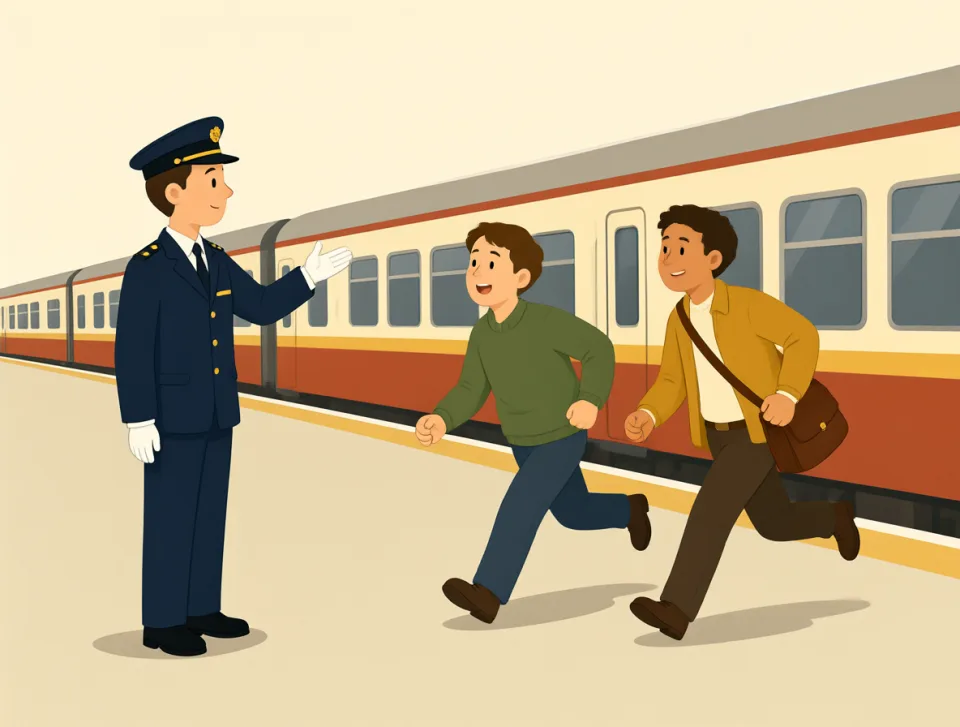
Excuse me, gentlemen, your train is leaving soon.
মাফ করবেন, ভদ্রলোকেরা, আপনাদের ট্রেন শিগগিরই ছেড়ে যাবে।

The gentleman at the hotel desk found my passport.
হোটেলের অভ্যর্থনা ডেস্কের ভদ্রলোকটি আমার পাসপোর্ট খুঁজে দিয়েছিলেন।

He behaved like a true gentleman at dinner.
রাতের খাবারের সময় সে সত্যিকারের ভদ্রলোকের মতো আচরণ করেছিল।
drama
#1991noun
নাটকীয় ঝামেলা
An exciting or emotional situation that causes trouble or strong feelings.
ঝামেলা বা তীব্র আবেগের সৃষ্টি করে—এমন উত্তেজনাপূর্ণ বা আবেগঘন পরিস্থিতি।

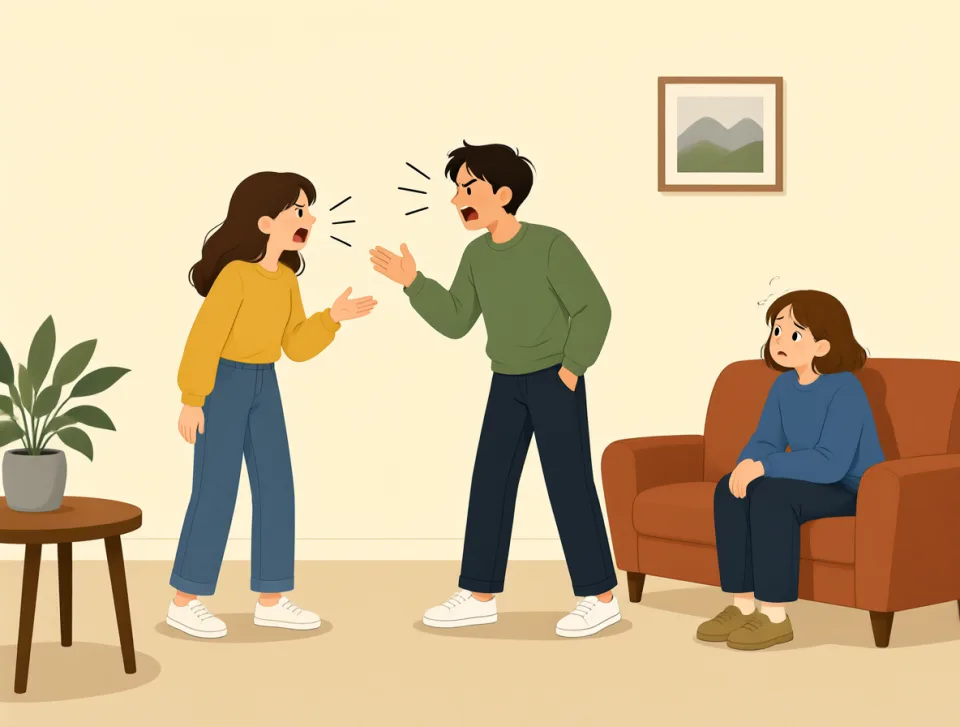
There was a lot of drama at home last night.
গত রাতে বাড়িতে বেশ নাটকীয় ঝামেলা হয়েছিল।
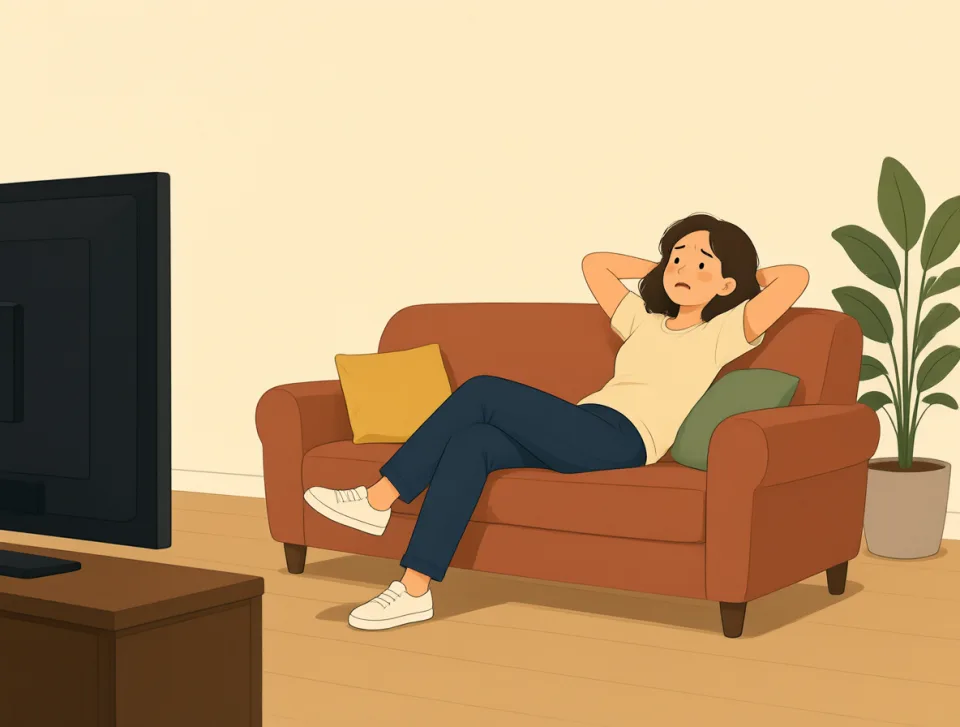
She loves watching drama series after work.
কাজের পর সে নাটকের সিরিজ দেখতে খুব ভালোবাসে।
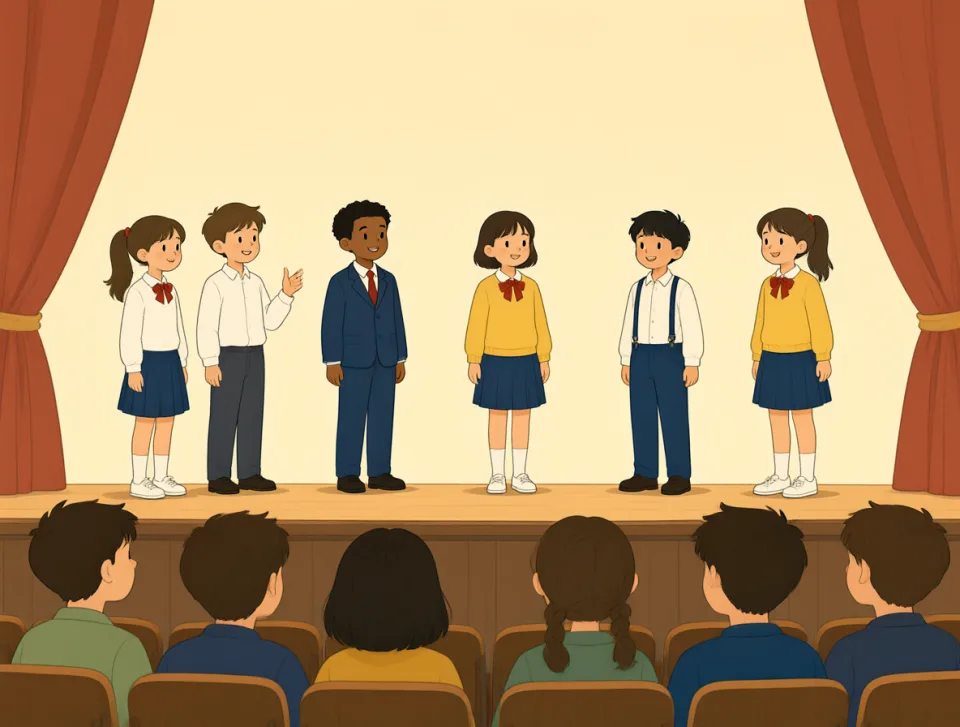
The school drama club performed a play on Friday.
স্কুলের নাট্যদল শুক্রবার একটি নাটক মঞ্চস্থ করেছিল।

Please stop creating drama over a small mistake.
একটা ছোট ভুল নিয়ে এত ঝামেলা করা বন্ধ করো।
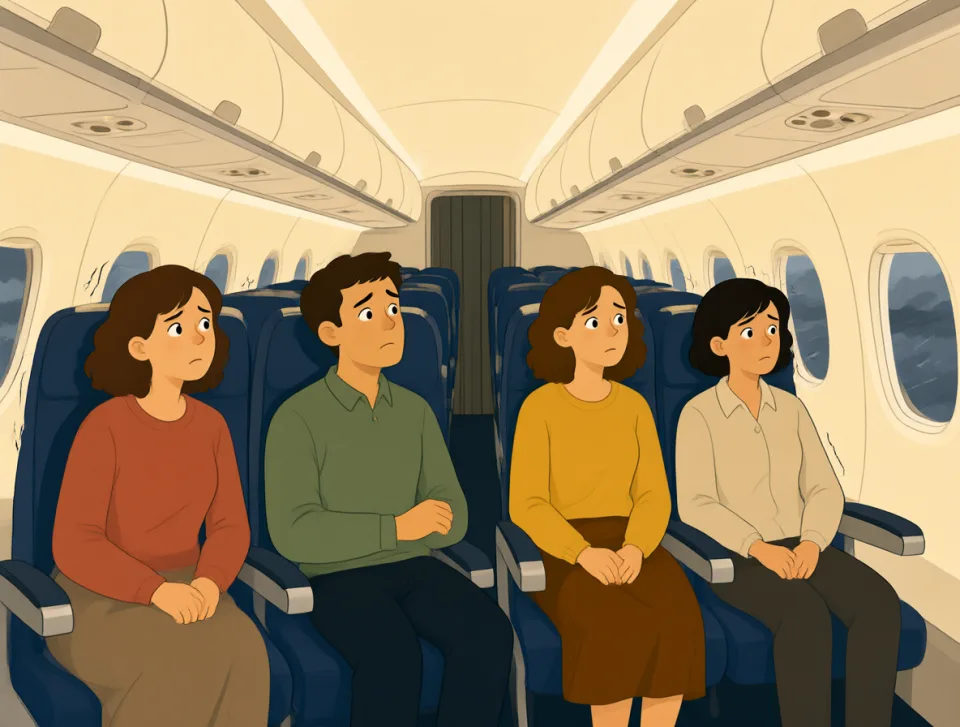
The flight had some drama when the weather suddenly changed.
আবহাওয়া হঠাৎ বদলে যাওয়ায় ফ্লাইটে কিছুটা নাটকীয় পরিস্থিতি তৈরি হয়েছিল।

landscape
#1992noun
প্রাকৃতিক দৃশ্য
The land, plants, and natural features of a place, especially as seen from far away.
কোনো স্থানের ভূমি, গাছপালা ও প্রাকৃতিক বৈশিষ্ট্য—বিশেষ করে দূর থেকে যেমন দেখা যায়।

We stopped to enjoy the beautiful mountain landscape.
সুন্দর পাহাড়ি দৃশ্য উপভোগ করতে আমরা থেমেছিলাম।
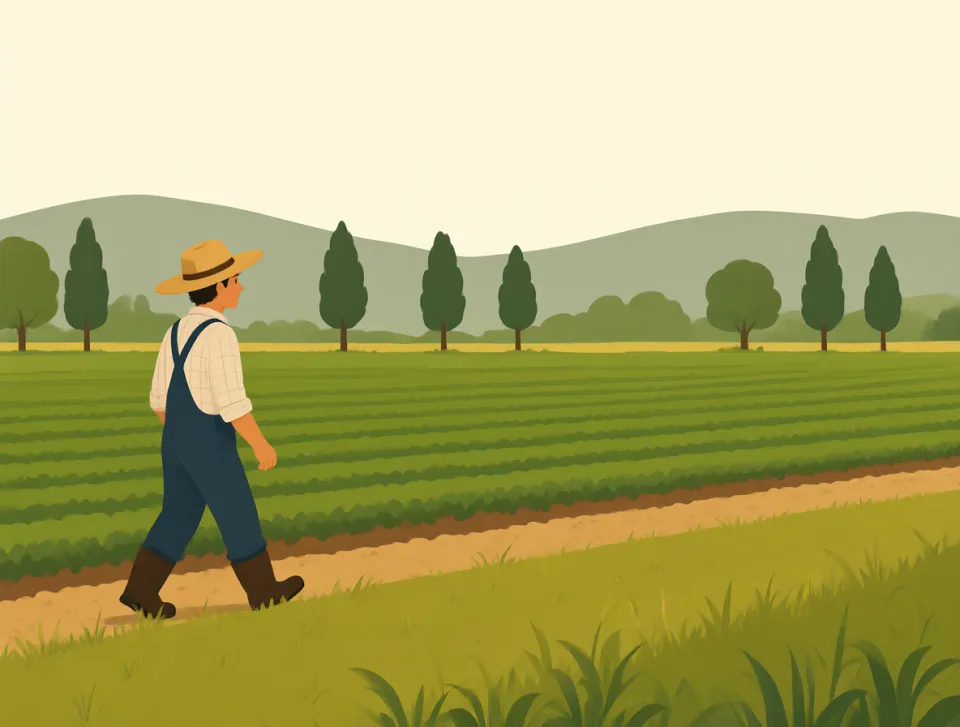
The countryside landscape was covered with green fields and trees.
গ্রামাঞ্চলের দৃশ্যজুড়ে ছিল সবুজ মাঠ আর গাছপালা।

The artist painted a peaceful landscape near the lake.
শিল্পী হ্রদের ধারে শান্ত একটি প্রাকৃতিক দৃশ্য এঁকেছিলেন।
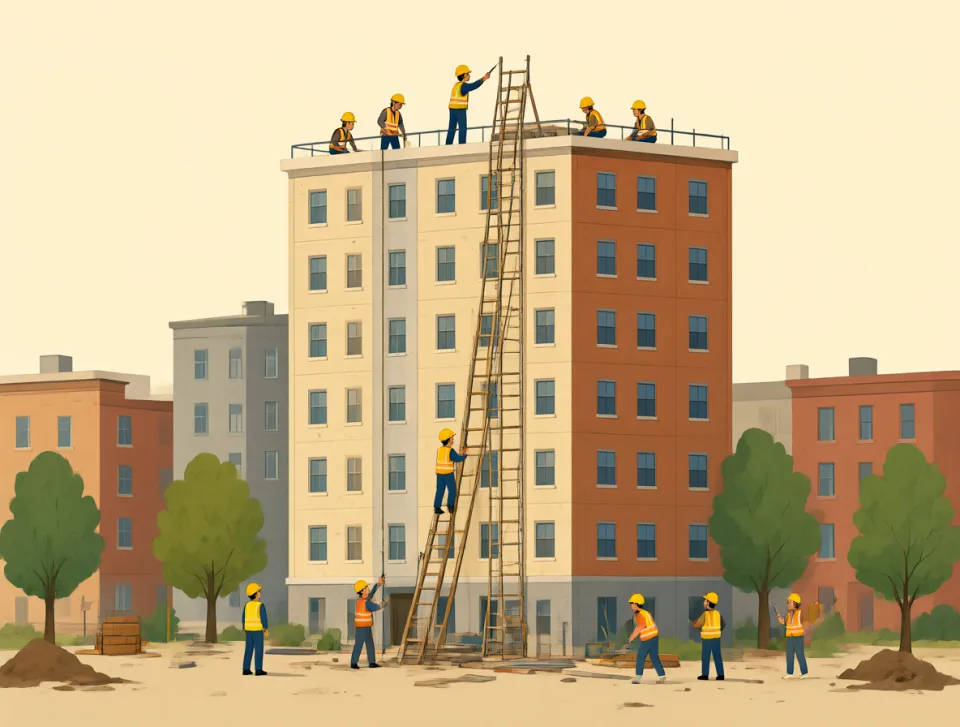
New buildings are changing the city landscape quickly.
নতুন ভবনগুলো শহরের দৃশ্যপট দ্রুত বদলে দিচ্ছে।

The snowy landscape looked magical during our winter trip.
শীতের ভ্রমণে তুষারে ঢাকা দৃশ্যটিকে জাদুর মতো লাগছিল।
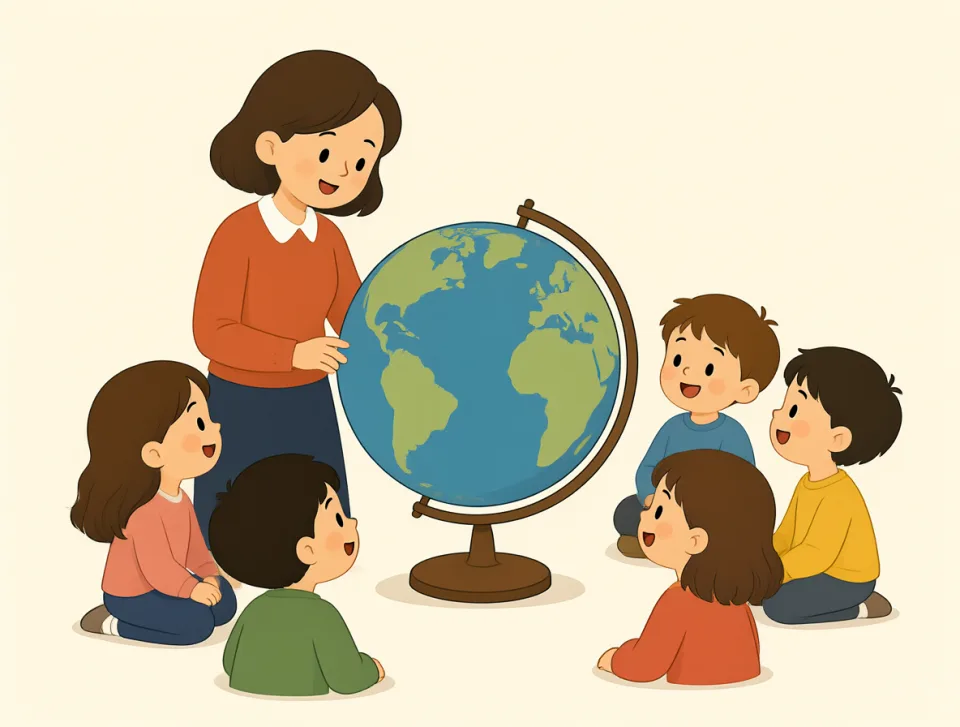
educate
#1993verb
শিক্ষা দেওয়া
to teach someone about a subject or help them develop knowledge and skills
কোনো বিষয়ে কাউকে শেখানো বা তার জ্ঞান ও দক্ষতা বাড়াতে সাহায্য করা।
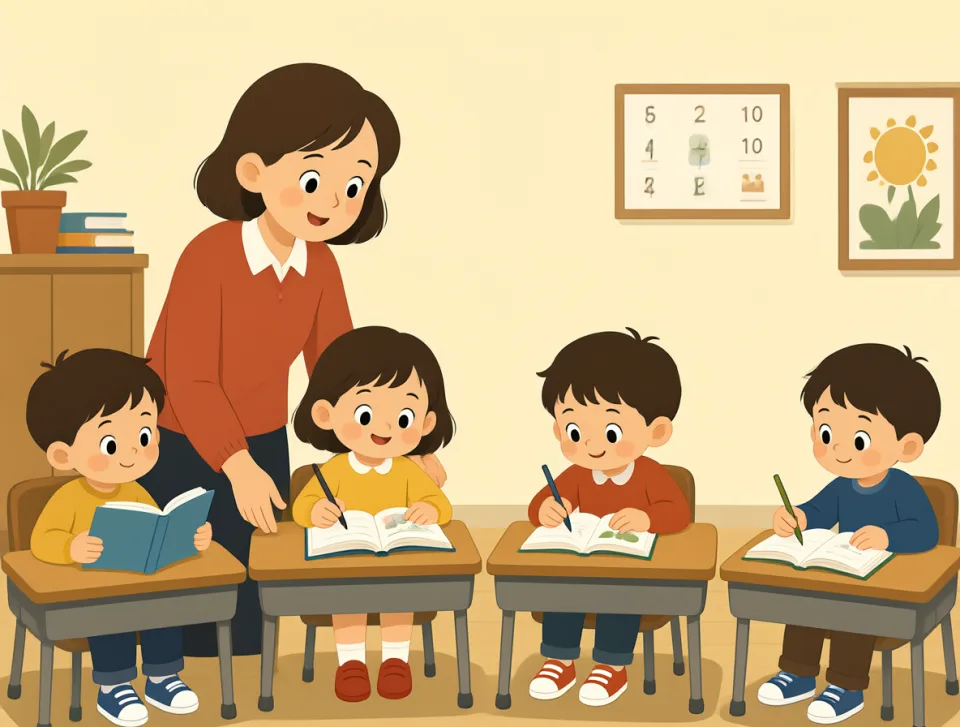
Schools educate children in reading, writing, and mathematics.
স্কুলগুলো শিশুদের পড়া, লেখা ও গণিত শেখায়।

Parents educate their children about safety and kindness.
মা-বাবারা সন্তানদের নিরাপত্তা ও সদয় আচরণ সম্পর্কে শেখান।

The course educates workers about workplace safety.
কোর্সটি কর্মীদের কর্মক্ষেত্রের নিরাপত্তা সম্পর্কে শেখায়।
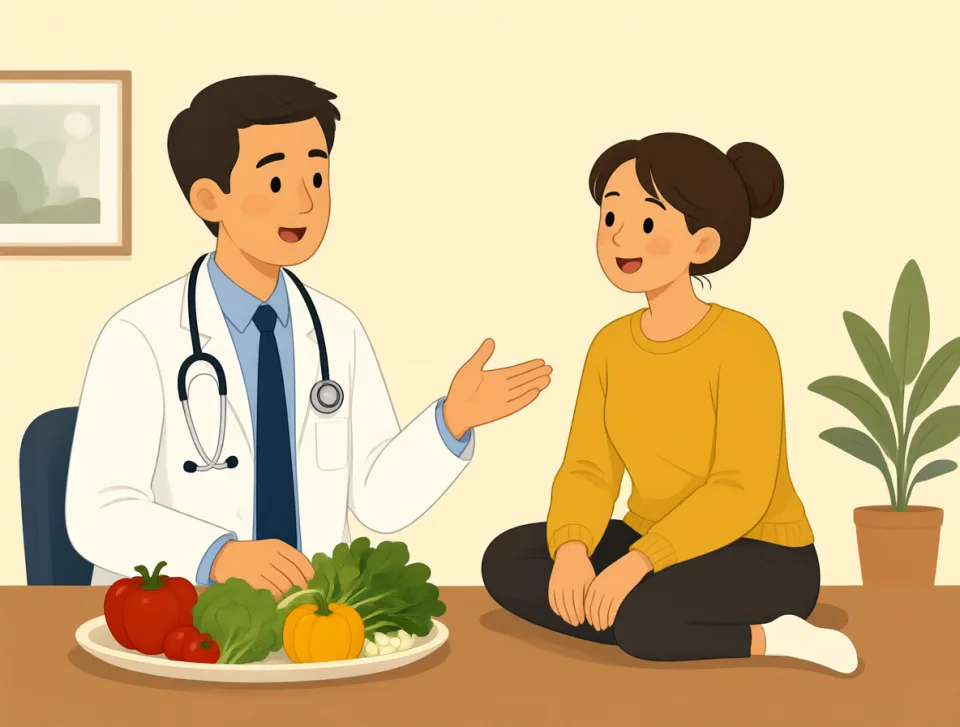
Doctors educate patients about healthy food and exercise.
চিকিৎসকেরা রোগীদের স্বাস্থ্যকর খাবার ও ব্যায়াম সম্পর্কে শেখান।
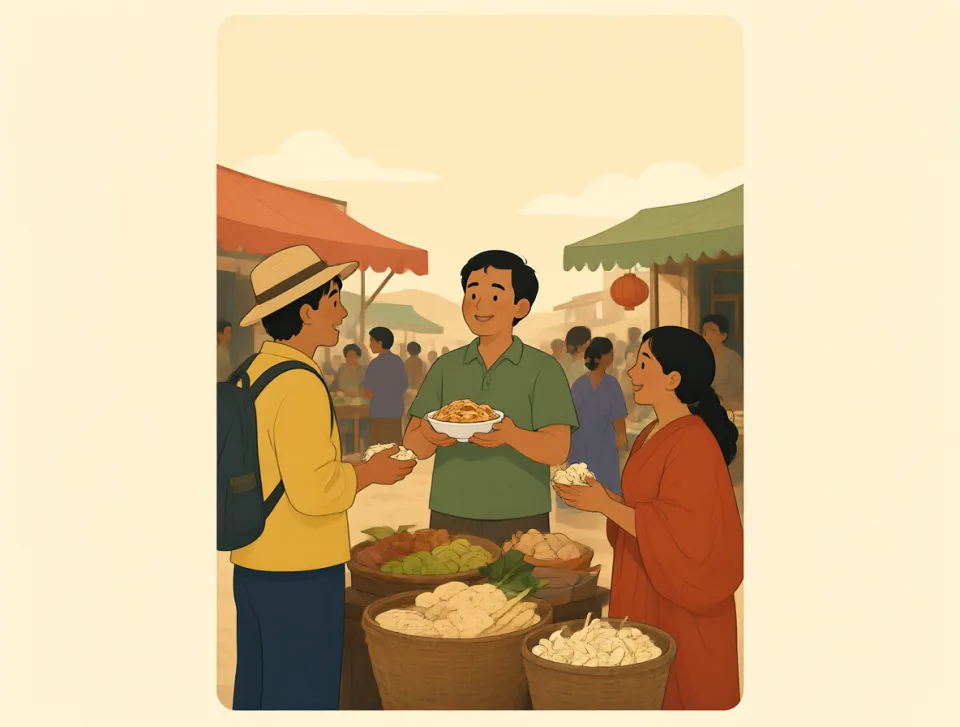
Travel can educate people about different cultures and traditions.
ভ্রমণ মানুষকে বিভিন্ন সংস্কৃতি ও ঐতিহ্য সম্পর্কে জানতে সাহায্য করে।
toy
#1994noun, verb
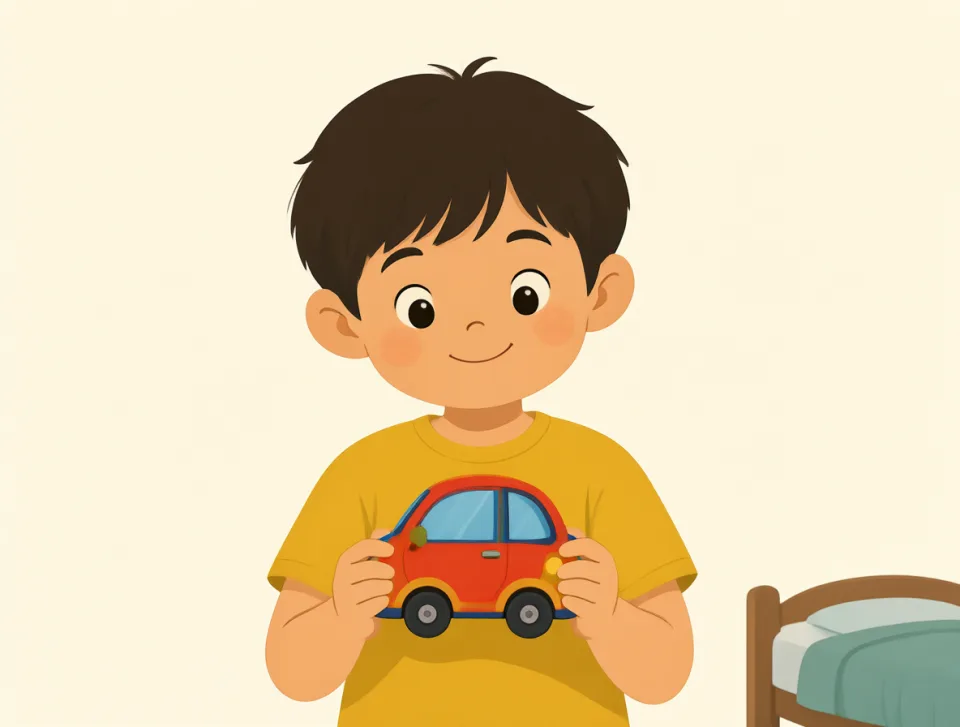
খেলনা
An object children play with; to treat something as if it were only for fun.
শিশুদের খেলার বস্তু; কোনো কিছুকে নিছক খেলার বিষয় হিসেবে নেওয়া।
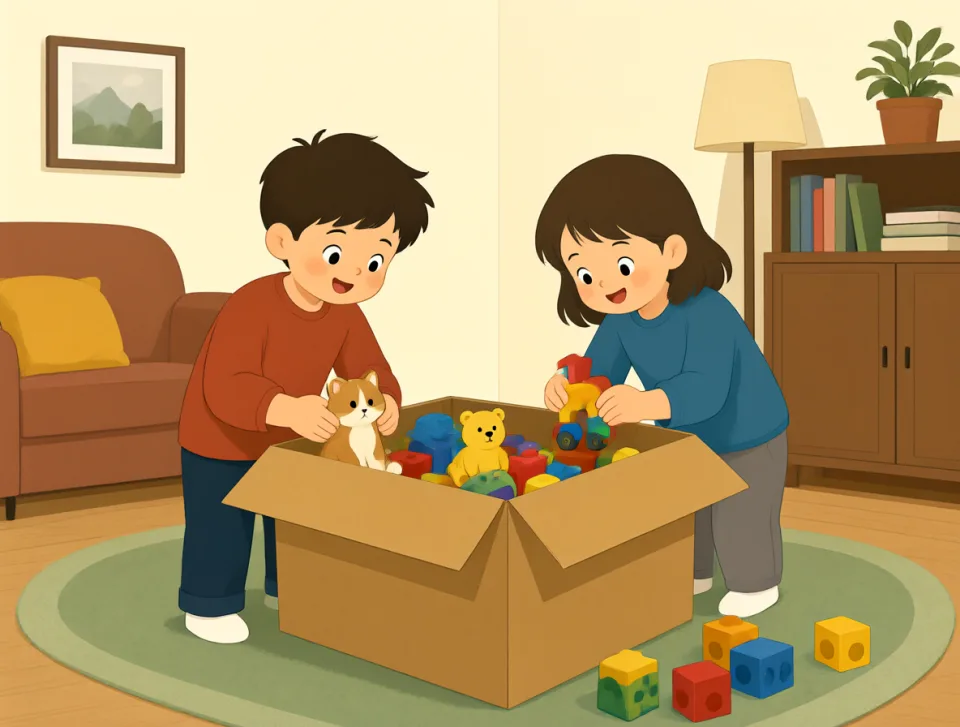
The children put their toys away before dinner.
রাতের খাবারের আগে বাচ্চারা তাদের খেলনাগুলো গুছিয়ে রাখল।
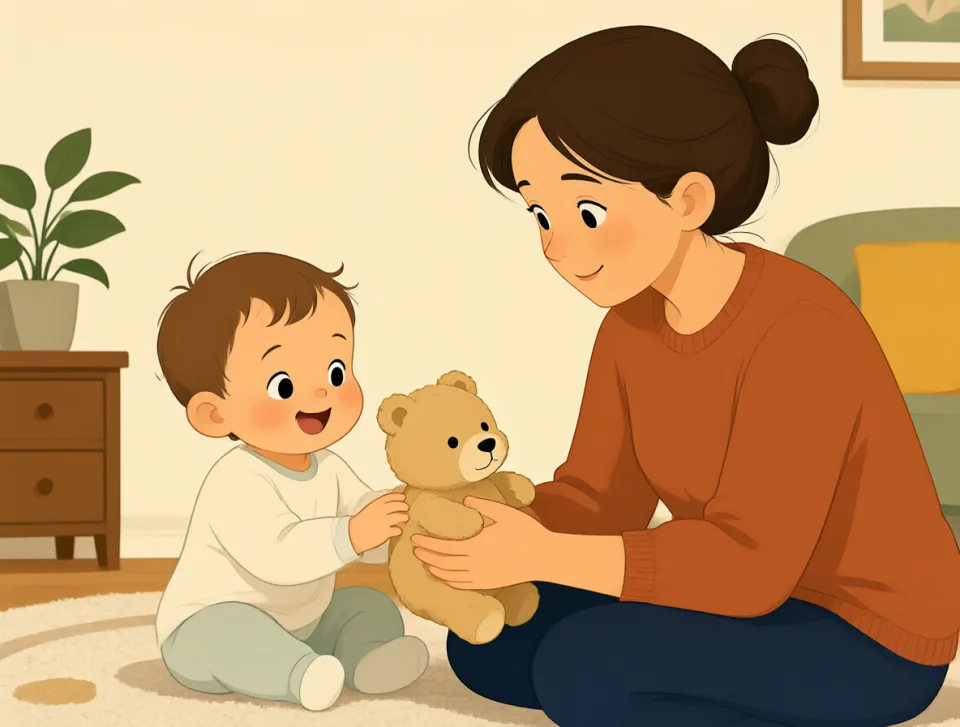
She bought a new toy for her baby.
সে তার শিশুর জন্য একটি নতুন খেলনা কিনেছিল।
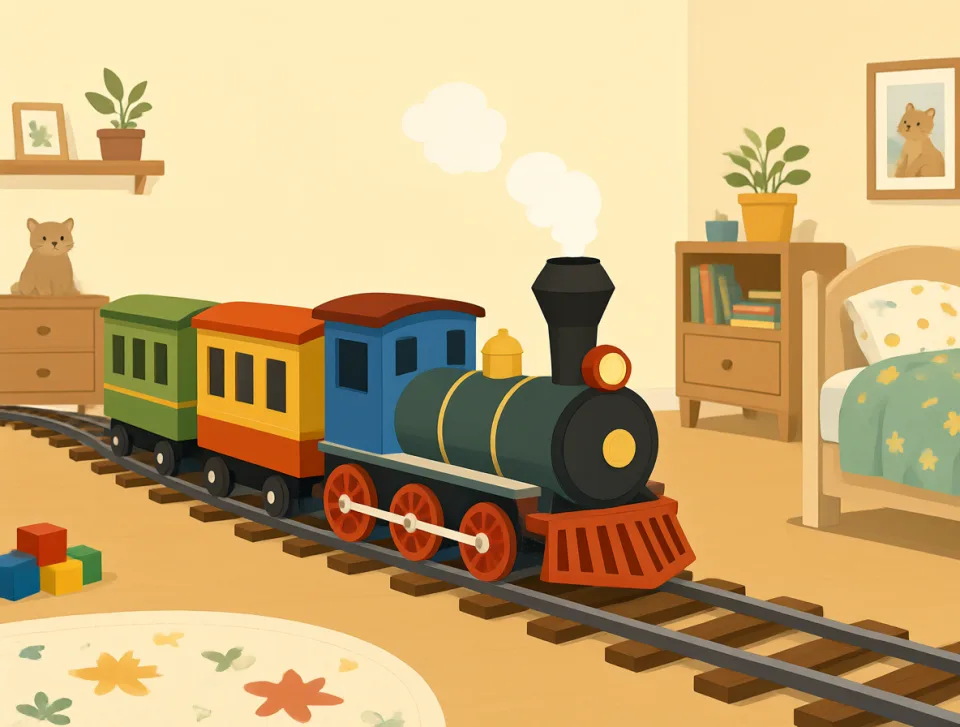
This toy train runs on batteries.
এই খেলনা ট্রেনটি ব্যাটারিতে চলে।

He toyed with the idea of traveling abroad.
সে বিদেশ ভ্রমণের কথা ভেবেছিল, তবে সিদ্ধান্ত নেয়নি।

The puppy toyed with the loose shoelace.
কুকুরছানাটি ঢিলে হয়ে থাকা জুতার ফিতাটি নিয়ে খেলছিল।
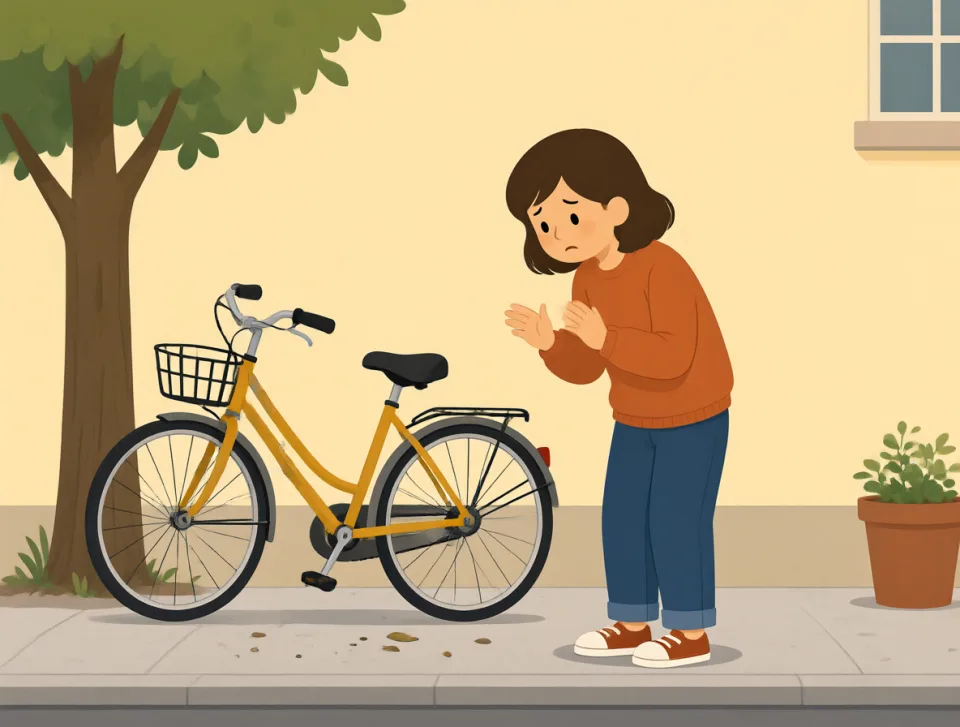
fault
#1995noun
দোষ
A mistake, problem, or responsibility for something bad that happened.
কোনো ভুল, সমস্যা বা খারাপ কিছু ঘটার জন্য দায়।
The accident was my fault, so I apologized to everyone.
দুর্ঘটনাটা আমার দোষ ছিল, তাই আমি সবার কাছে ক্ষমা চেয়েছিলাম।
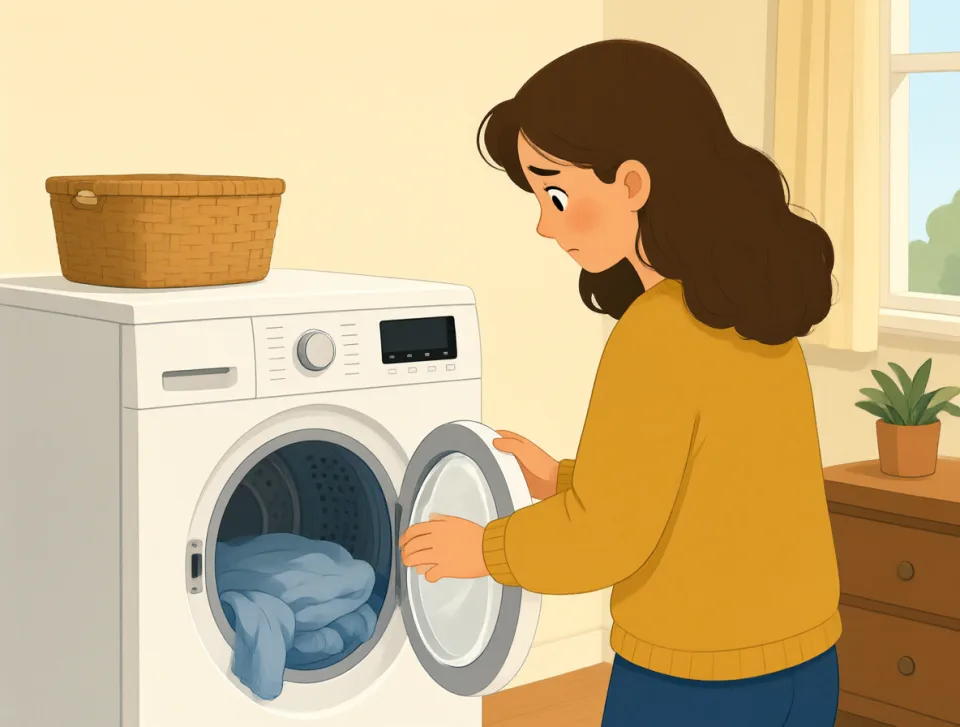
There is a fault in the washing machine, and it will not start.
ওয়াশিং মেশিনে ত্রুটি আছে, তাই এটি চালু হচ্ছে না।

The teacher found a fault in my answer and explained it.
শিক্ষক আমার উত্তরে একটি ভুল খুঁজে পেয়ে তা বুঝিয়ে দিলেন।

The hotel room was clean, but the shower had a small fault.
হোটেলের ঘরটি পরিষ্কার ছিল, কিন্তু শাওয়ারে ছোটখাটো ত্রুটি ছিল।
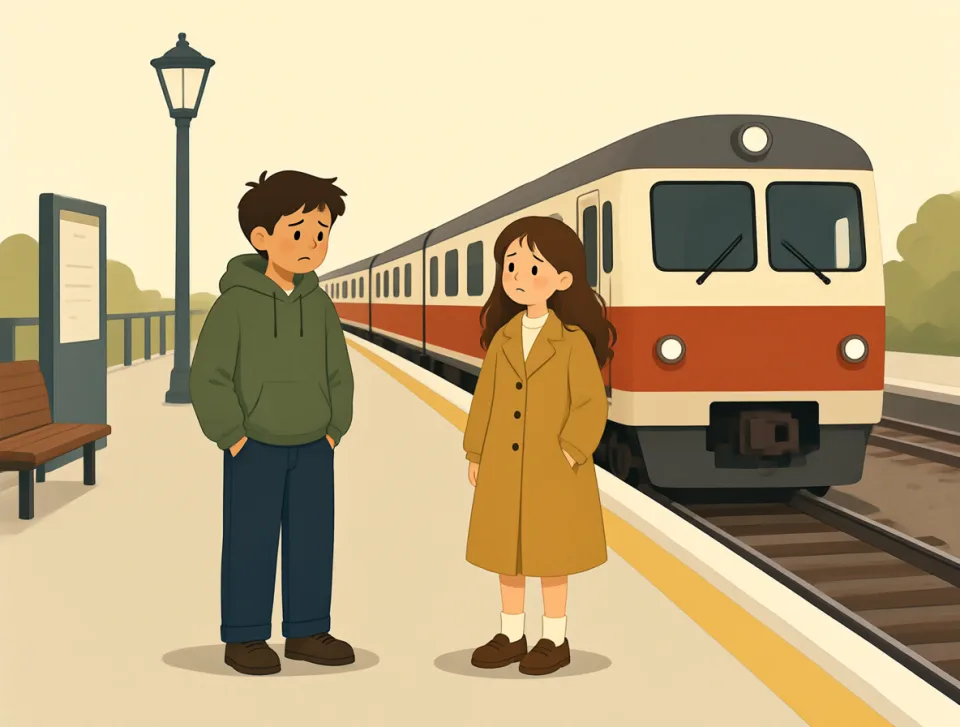
It was not your fault that we missed the train.
আমাদের ট্রেন মিস হওয়াটা তোমার দোষ ছিল না।
exhibit
#1996noun, verb
প্রদর্শনী
A public display, an object shown publicly, or to show a quality.
জনসাধারণের জন্য প্রদর্শিত কোনো কিছু বা প্রদর্শনী; কোনো গুণ প্রকাশ করা।
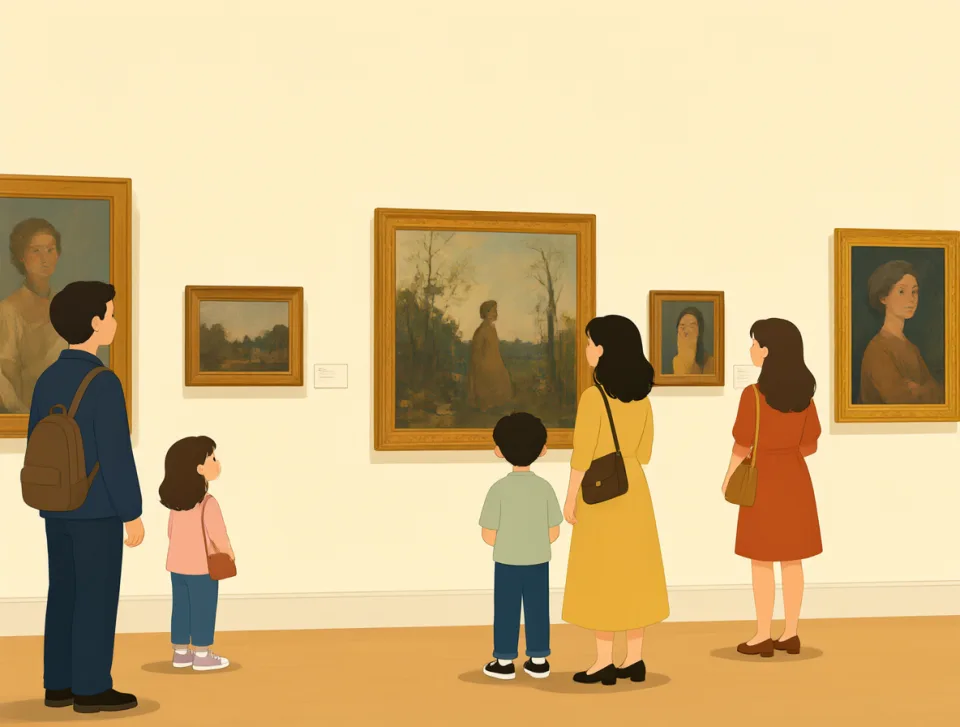
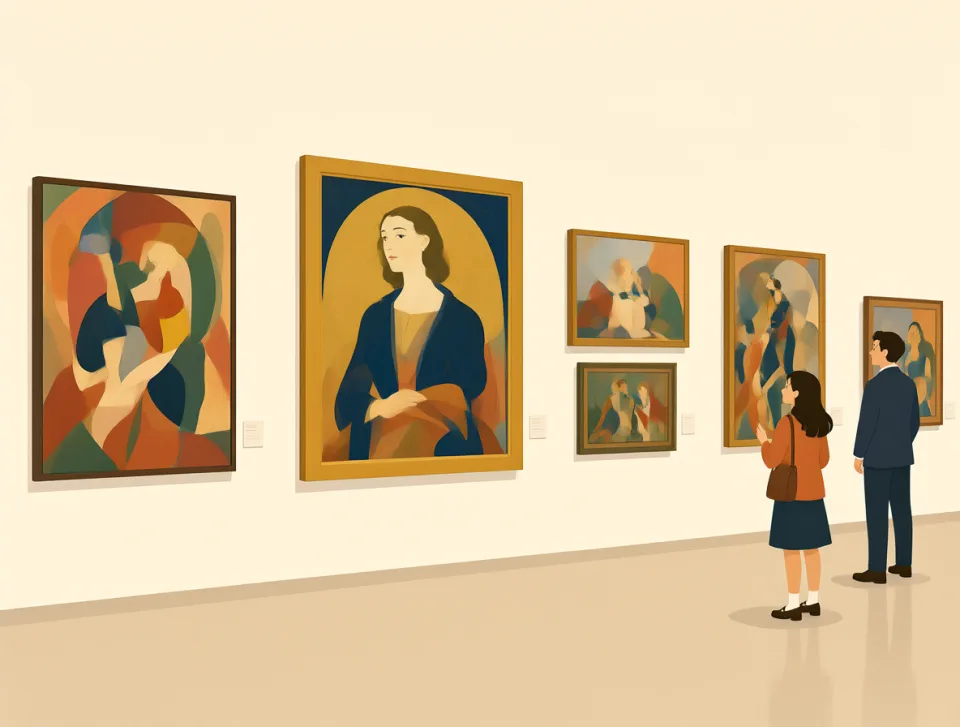
The museum's new exhibit features paintings by local artists.
জাদুঘরের নতুন প্রদর্শনীতে স্থানীয় শিল্পীদের আঁকা ছবি রয়েছে।
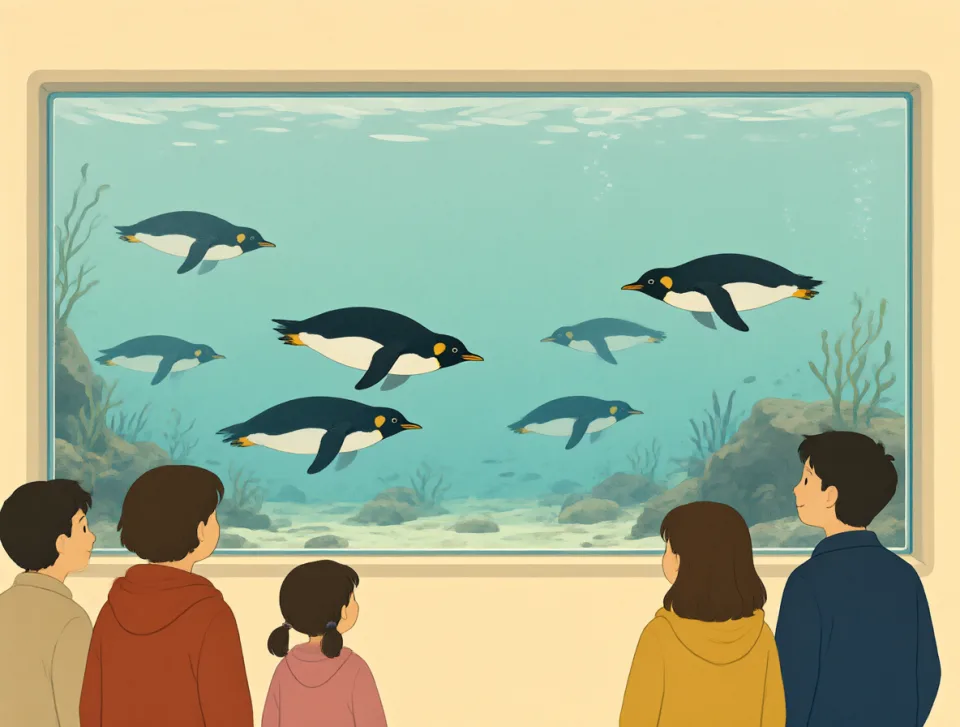
The zoo exhibit lets visitors watch penguins swim underwater.
চিড়িয়াখানার প্রদর্শনীতে দর্শনার্থীরা পেঙ্গুইনদের পানির নিচে সাঁতার কাটতে দেখতে পারেন।
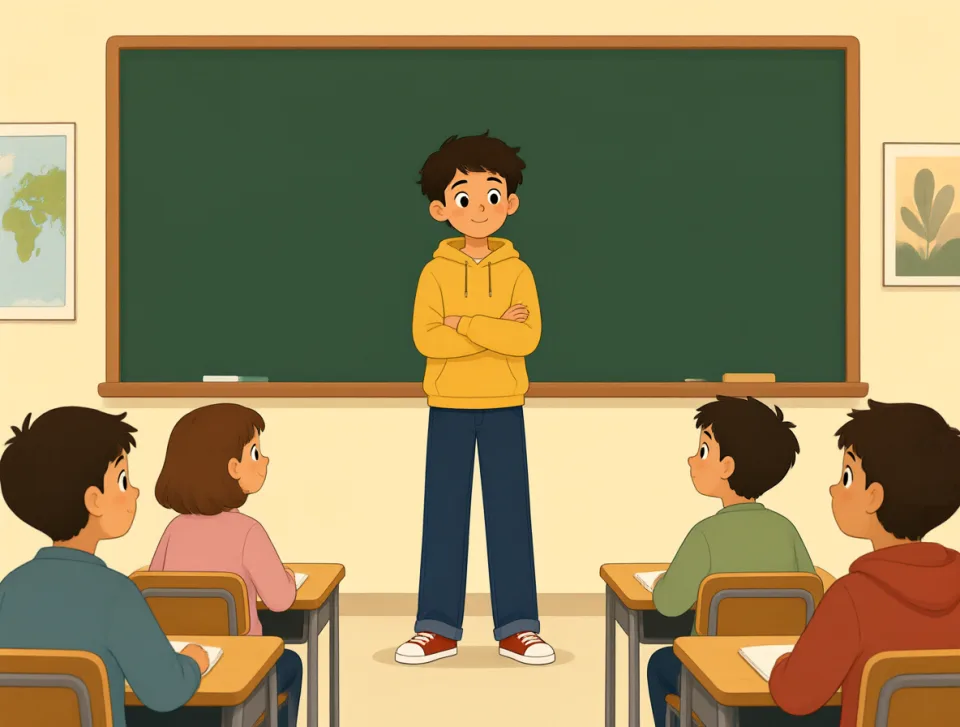
The student exhibited confidence during her first presentation.
প্রথম উপস্থাপনার সময় ছাত্রীটি আত্মবিশ্বাস দেখিয়েছিল।

The patient exhibited signs of dehydration after the long hike.
দীর্ঘ পথ চলার পর রোগীর শরীরে পানিশূন্যতার লক্ষণ দেখা গিয়েছিল।
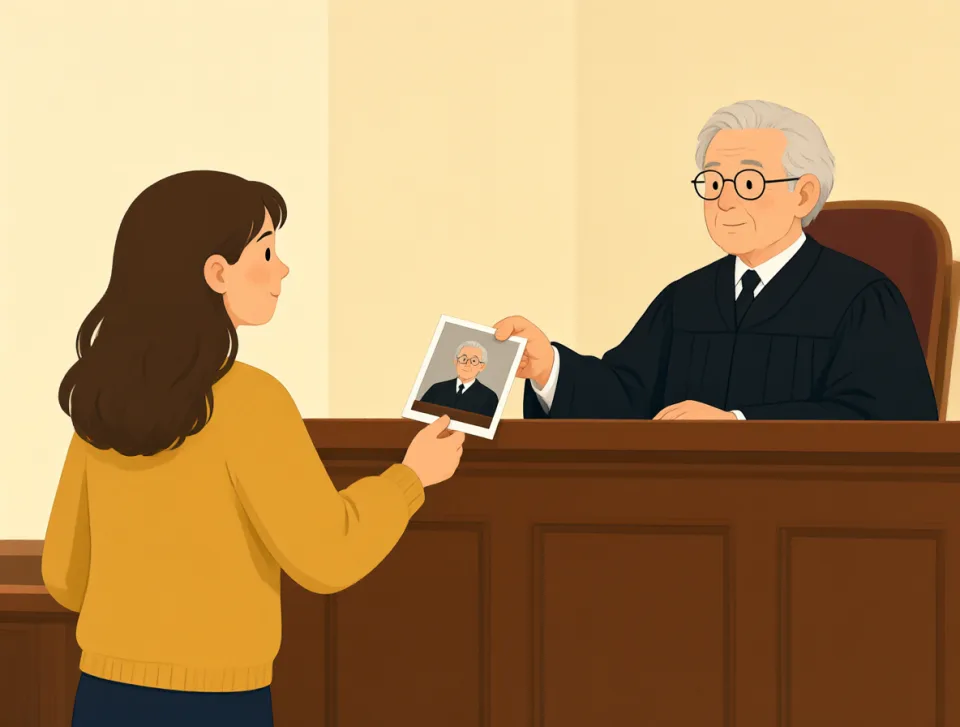
The lawyer presented a photograph as an exhibit in court.
আইনজীবী আদালতে প্রমাণ হিসেবে একটি ছবি পেশ করেছিলেন।
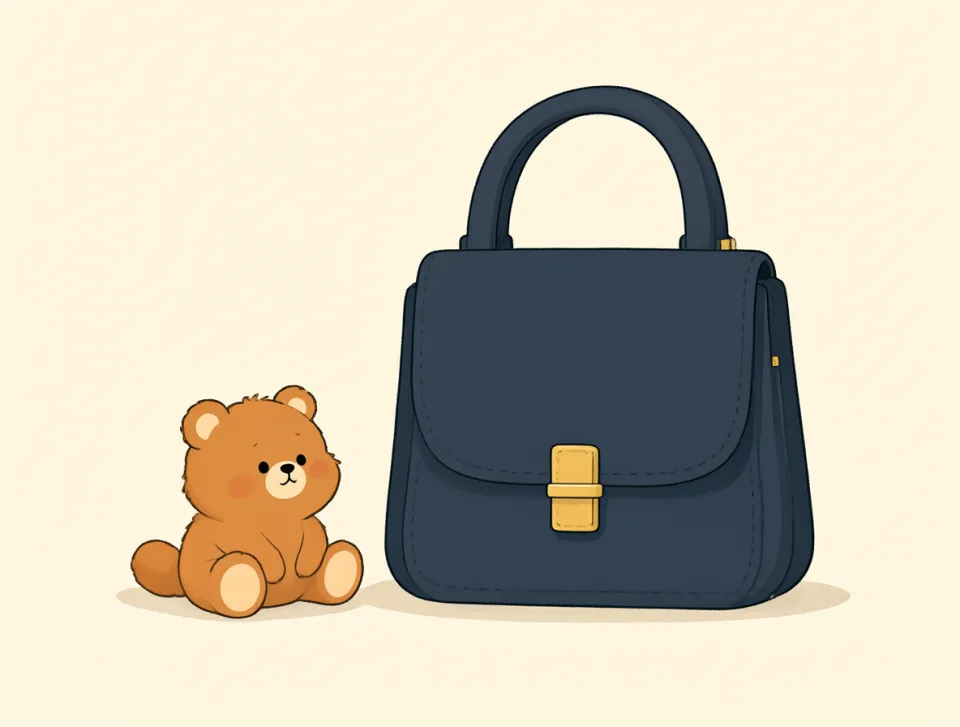
minor
#1997adjective, noun
সামান্য
Small or not very important; a student studying a subject as a second field.
ছোট বা তেমন গুরুত্বপূর্ণ নয়; কোনো শিক্ষার্থীর প্রধান বিষয়ের পাশাপাশি পড়া দ্বিতীয় বিষয়।
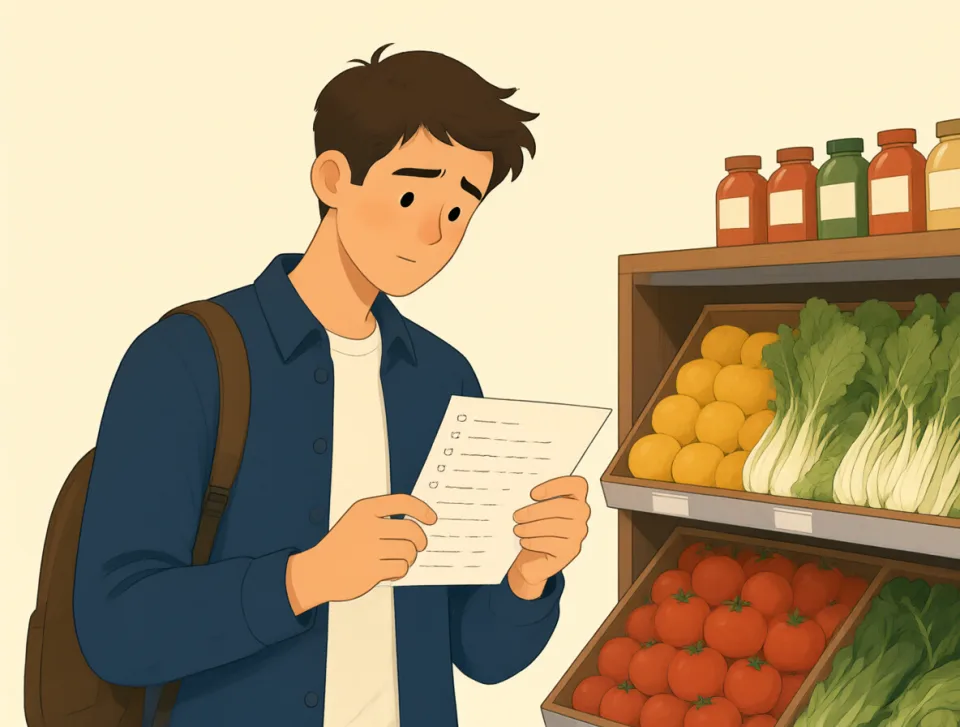
He made a minor mistake in the shopping list.
সে কেনাকাটার তালিকায় একটি সামান্য ভুল করেছিল।

The doctor said her injury was minor and would heal soon.
ডাক্তার বলেছিলেন, তার আঘাতটা সামান্য এবং শিগগিরই সেরে যাবে।

We had a minor problem with the hotel room.
হোটেলের ঘরটিতে আমাদের সামান্য একটা সমস্যা হয়েছিল।

She chose history as her minor at college.
কলেজে সে ইতিহাসকে তার দ্বিতীয় বিষয় হিসেবে বেছে নিয়েছিল।
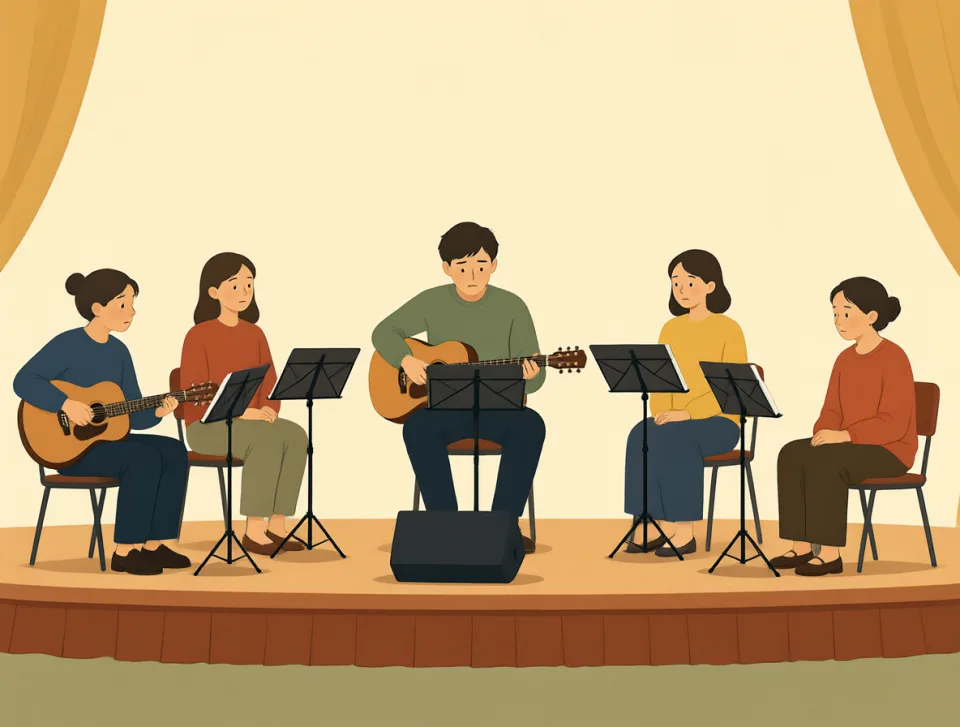
The band played several minor songs at the concert.
কনসার্টে ব্যান্ডটি কয়েকটি মাইনর সুরের গান বাজিয়েছিল।

hunt
#1998noun, verb
খোঁজা
To look for someone or something carefully, especially over a wide area.
কাউকে বা কোনো কিছুকে, বিশেষ করে বিস্তীর্ণ এলাকাজুড়ে, মনোযোগ দিয়ে খোঁজা।
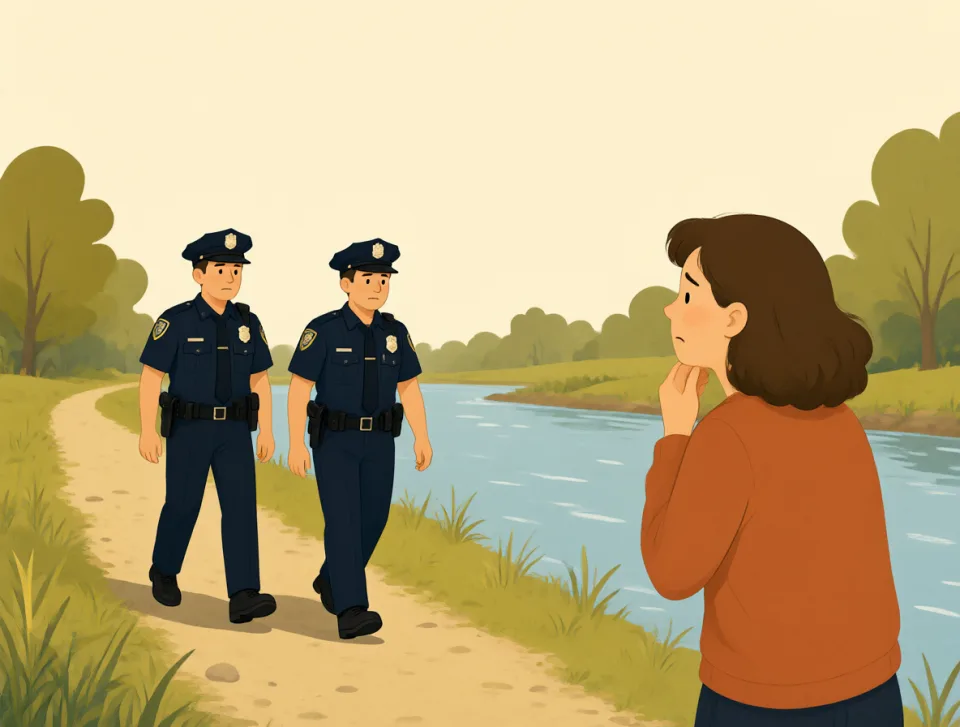
Police are hunting for the missing child near the river.
পুলিশ নদীর কাছে নিখোঁজ শিশুটিকে খুঁজছে।
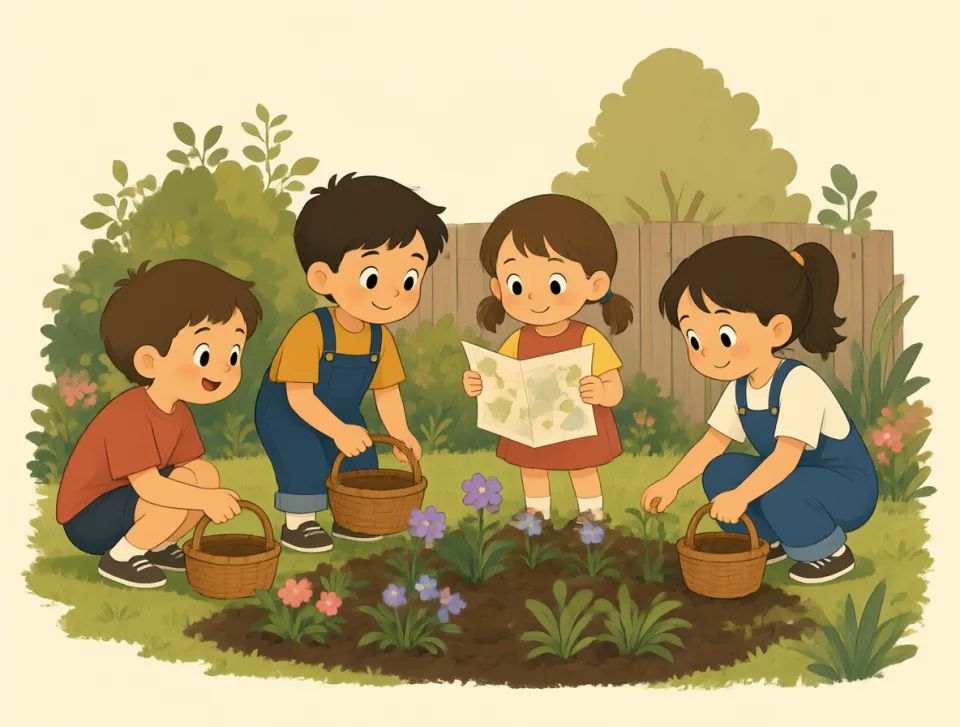
We went on a treasure hunt in the garden.
আমরা বাগানে গুপ্তধন খোঁজার খেলায় মেতেছিলাম।

She is hunting for a new apartment after moving to the city.
শহরে আসার পর সে নতুন অ্যাপার্টমেন্ট খুঁজছে।
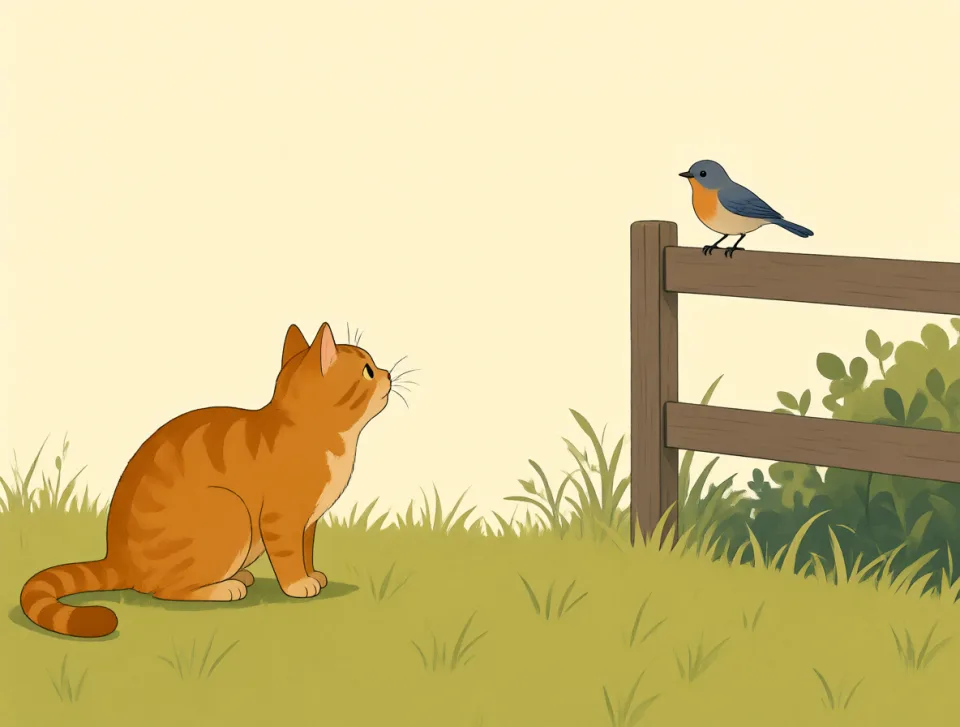
The cat likes to hunt birds in the backyard.
বিড়ালটি বাড়ির পেছনের উঠোনে পাখি শিকার করতে ভালোবাসে।
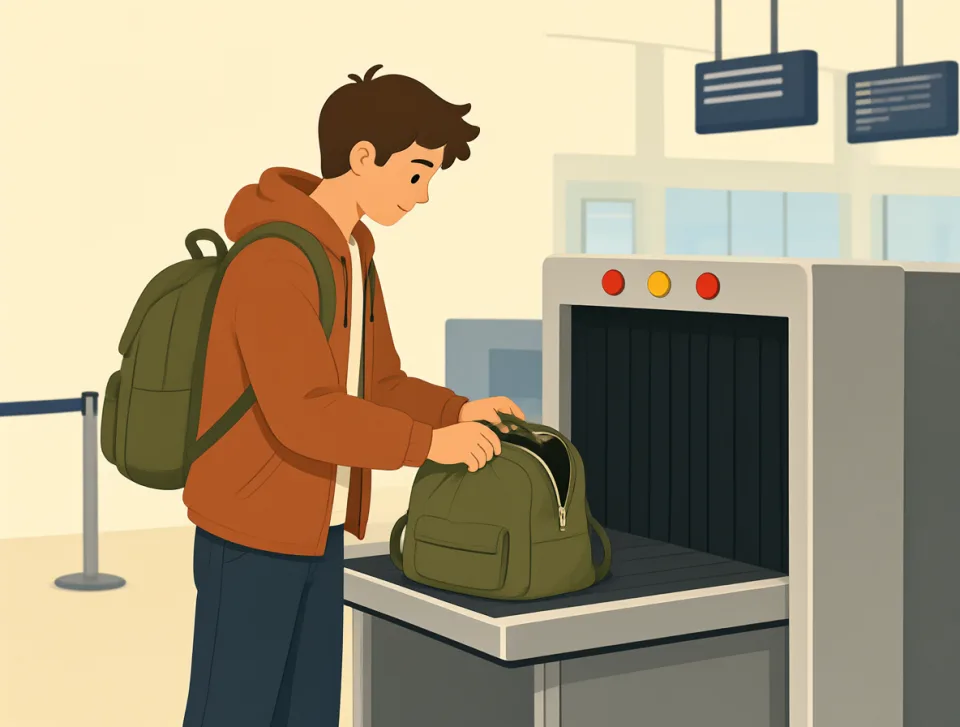
I hunted through my bag for my passport at the airport.
বিমানবন্দরে পাসপোর্ট খুঁজতে আমি ব্যাগের ভেতর হাতড়েছিলাম।

storm
#1999noun, verb
ঝড়
A period of very bad weather with strong winds, rain, snow, or thunder.
প্রবল বাতাস, বৃষ্টি, তুষারপাত বা বজ্রসহ খুব খারাপ আবহাওয়ার একটি সময়।
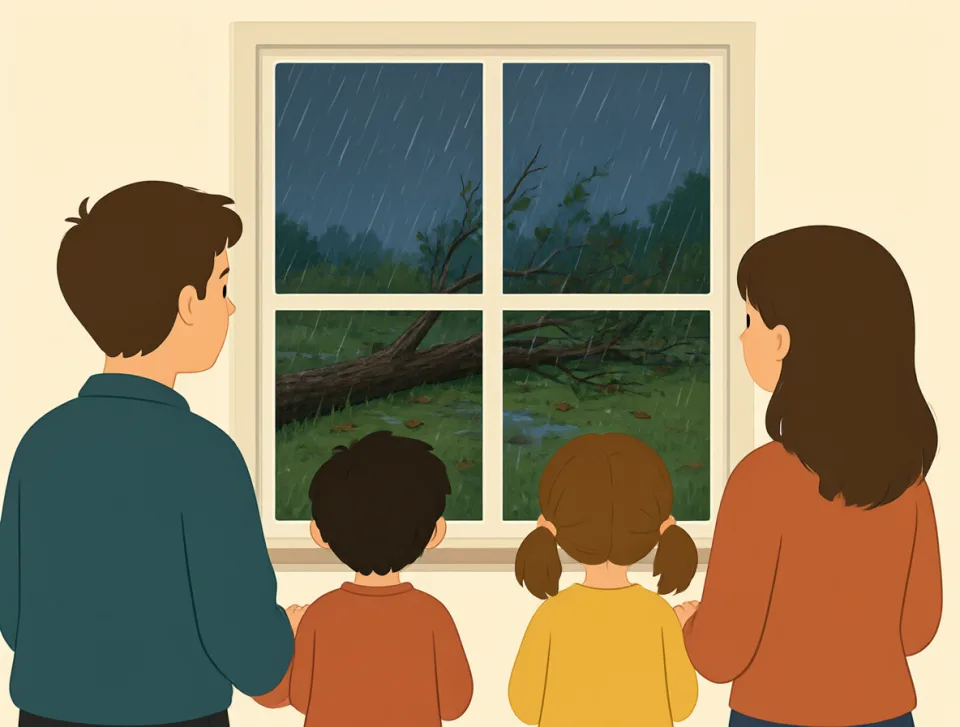
The storm knocked down several trees near our house.
ঝড়ে আমাদের বাড়ির কাছে কয়েকটি গাছ ভেঙে পড়েছিল।

We stayed home because a storm was coming.
ঝড় আসছিল বলে আমরা বাড়িতেই ছিলাম।

The flight was delayed because of a heavy storm.
প্রচণ্ড ঝড়ের কারণে ফ্লাইটটি দেরি হয়েছিল।
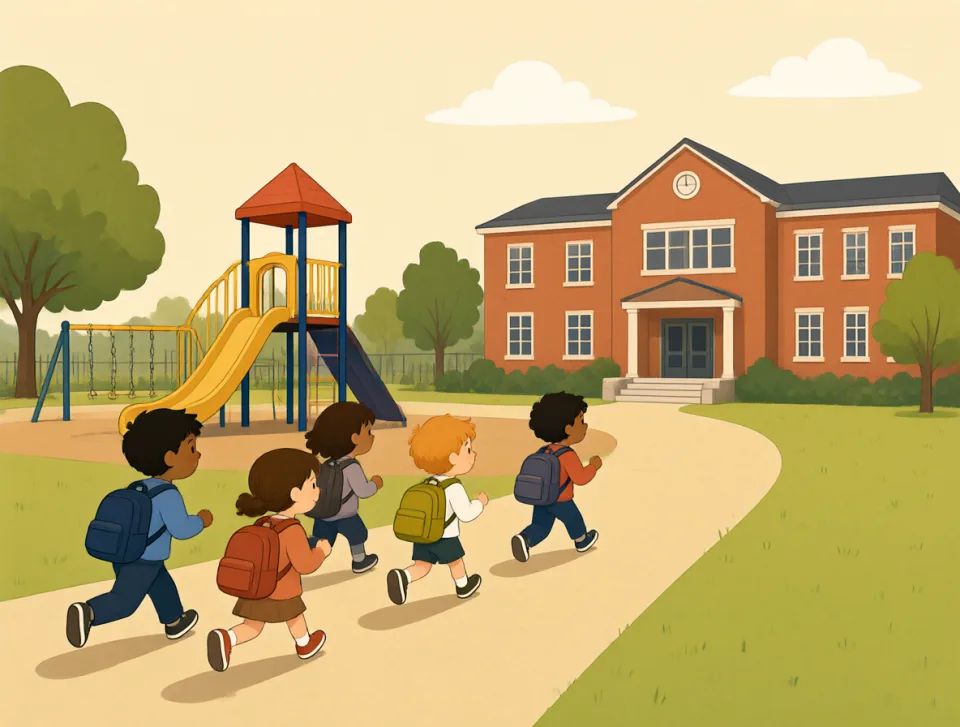
The children ran inside when the storm started.
ঝড় শুরু হলে শিশুরা দৌড়ে ঘরের ভেতরে ঢুকে পড়েছিল।
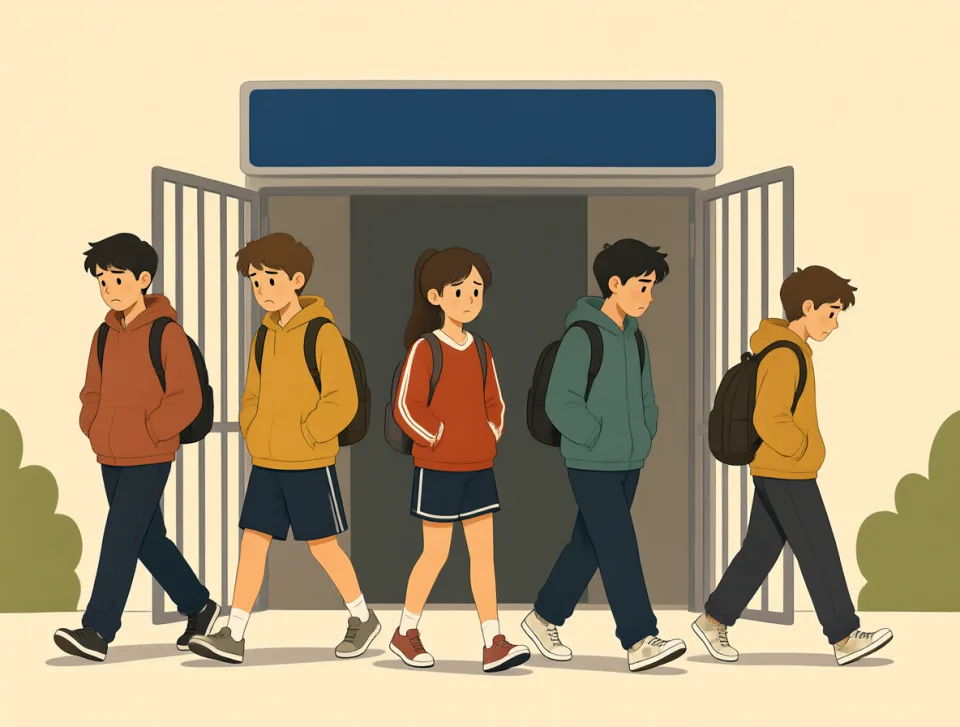
Fans stormed out of the stadium after their team lost.
তাদের দল হেরে যাওয়ার পর সমর্থকেরা হুড়মুড় করে স্টেডিয়াম ছেড়ে বেরিয়ে গেল।
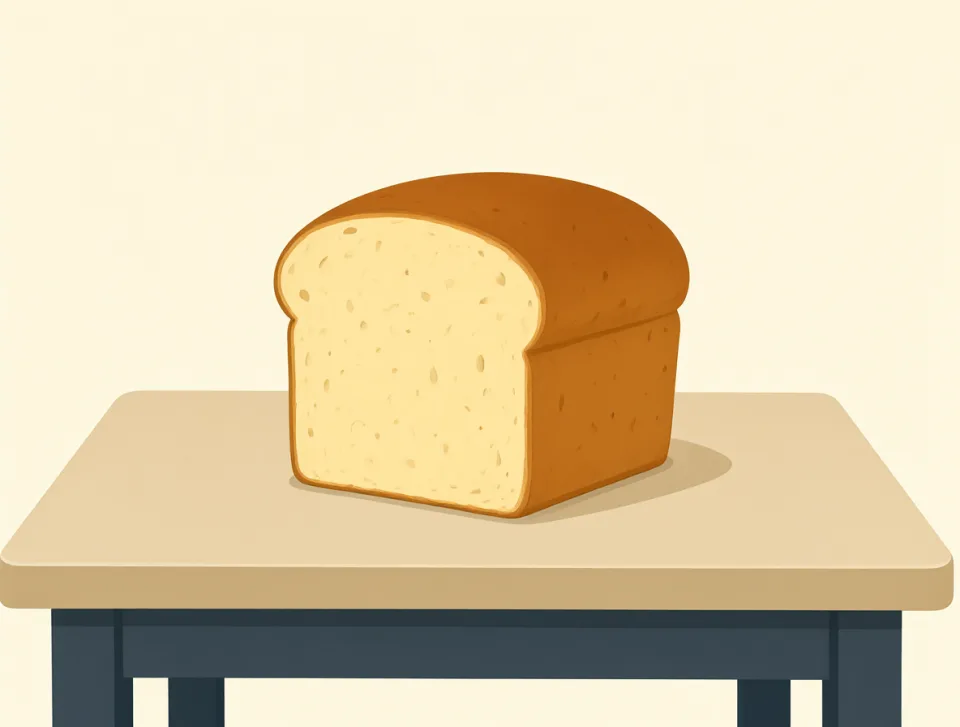
thick
#2000adjective, noun
মোটা
having a large distance between opposite sides; a deep layer or piece
দুই বিপরীত পাশের মধ্যবর্তী দূরত্ব বেশি এমন; পুরু স্তর বা টুকরো।

She wore a thick coat on the cold winter morning.
শীতের ঠান্ডা সকালে সে একটি মোটা কোট পরেছিল।
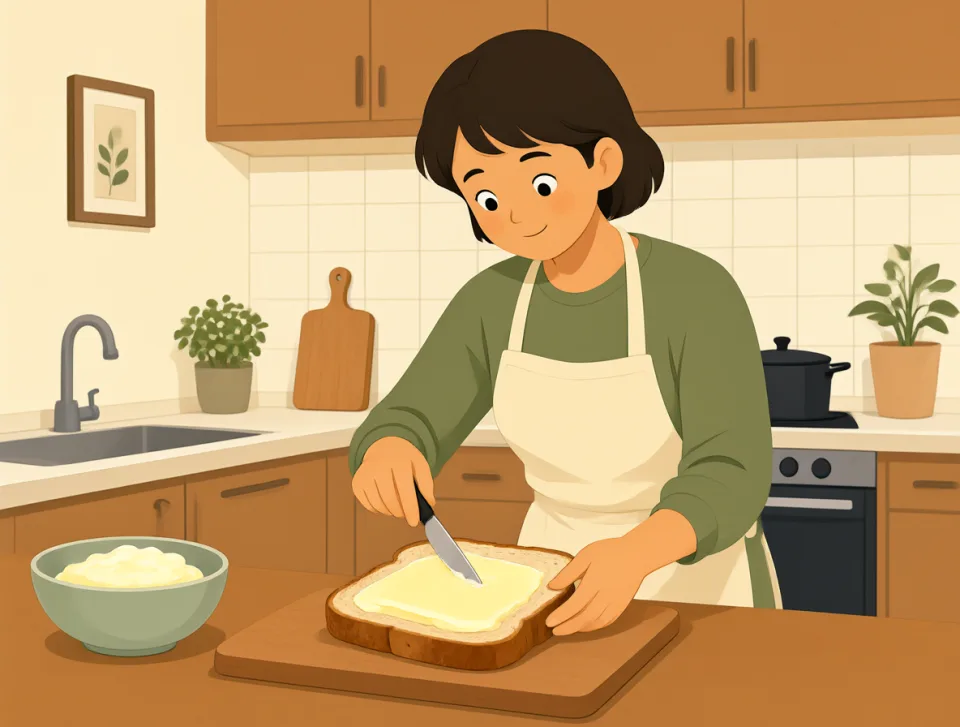
Spread a thick layer of butter on the bread.
পাউরুটির ওপর মাখনের একটি পুরু স্তর মাখিয়ে দাও।

The forest was thick with trees and difficult to walk through.
বনটি ঘন গাছে ভরা ছিল, তাই এর ভেতর দিয়ে হাঁটা কঠিন ছিল।

He has thick, curly hair that reaches his shoulders.
তার কাঁধ পর্যন্ত লম্বা ঘন কোঁকড়ানো চুল।
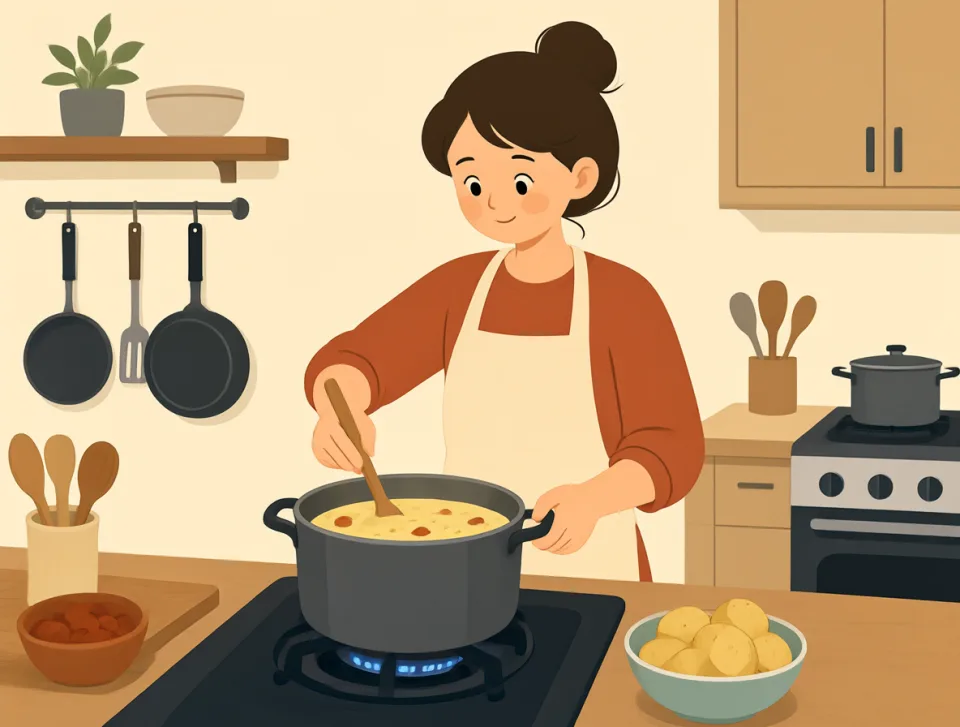
The soup became thick after we added the potatoes.
আলু দেওয়ার পর স্যুপটি ঘন হয়ে গেল।