Unidade 8
Palavras 141–160 · become, interest, country, old, each, school
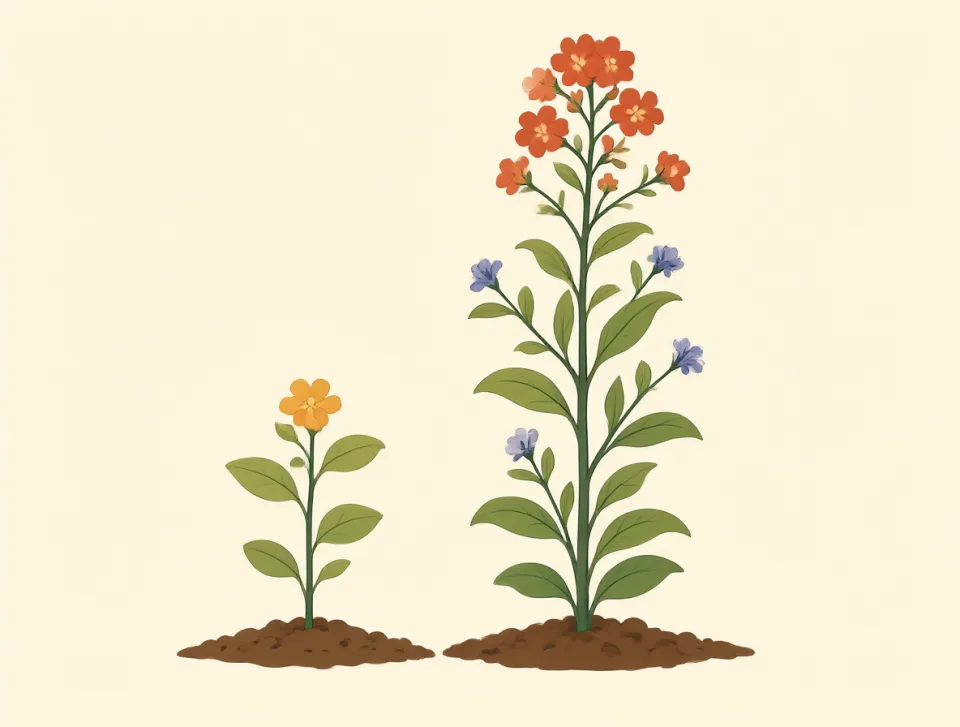
become
#141verb
tornar-se; ficar; virar
to start to be something or change into a different state
começar a ser algo ou mudar para um estado diferente
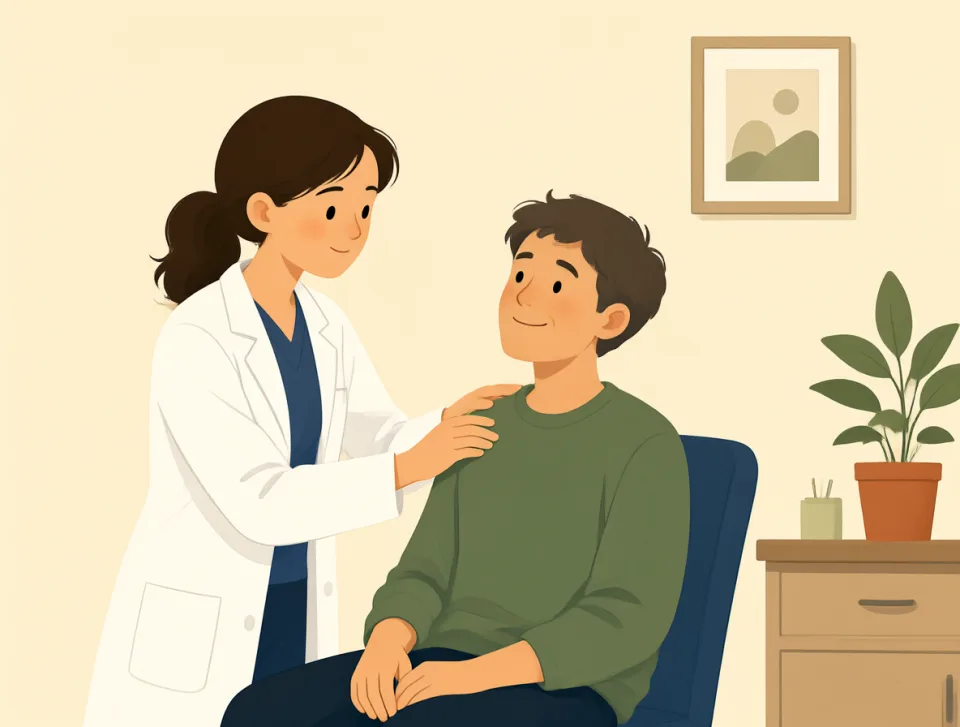
She wants to become a doctor someday.
Ela quer se tornar médica algum dia.
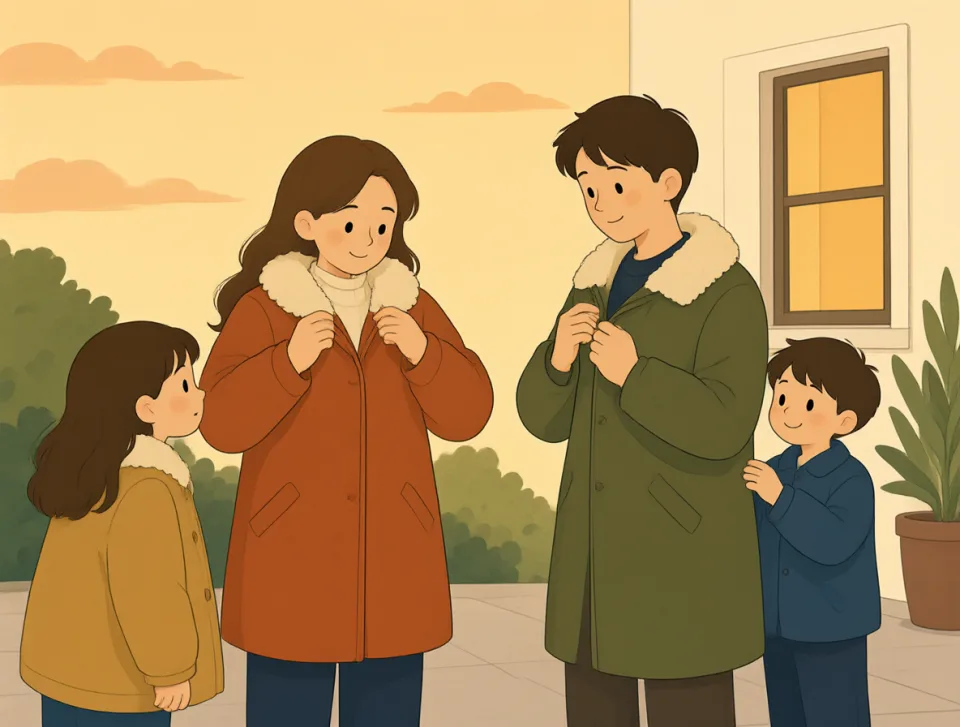
The weather became cold after sunset.
O tempo ficou frio depois do pôr do sol.
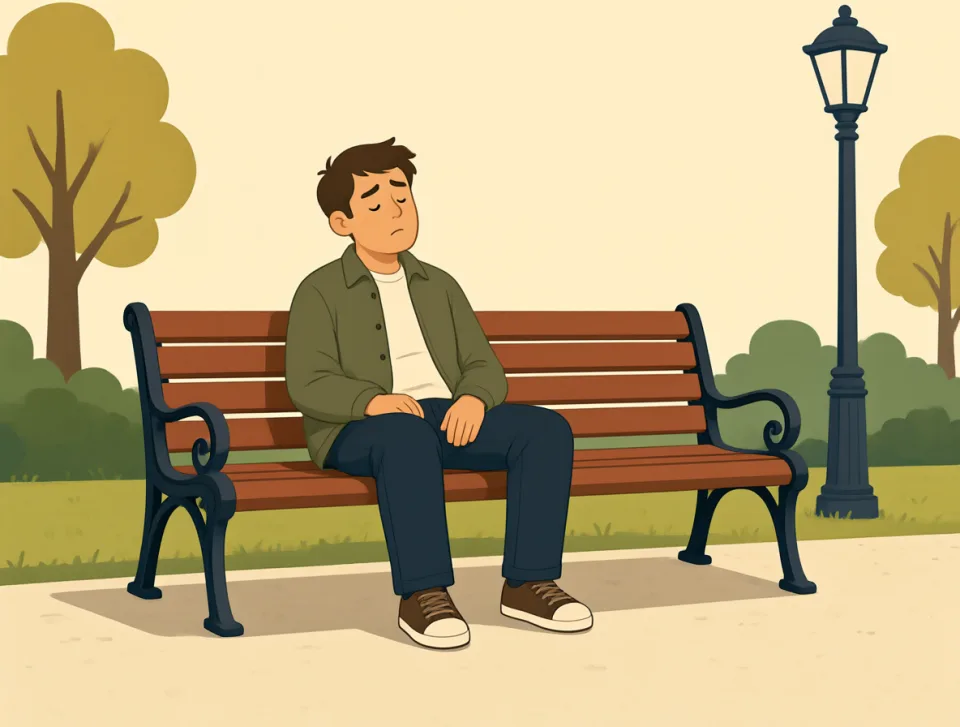
He became tired after the long walk.
Ele ficou cansado depois da longa caminhada.
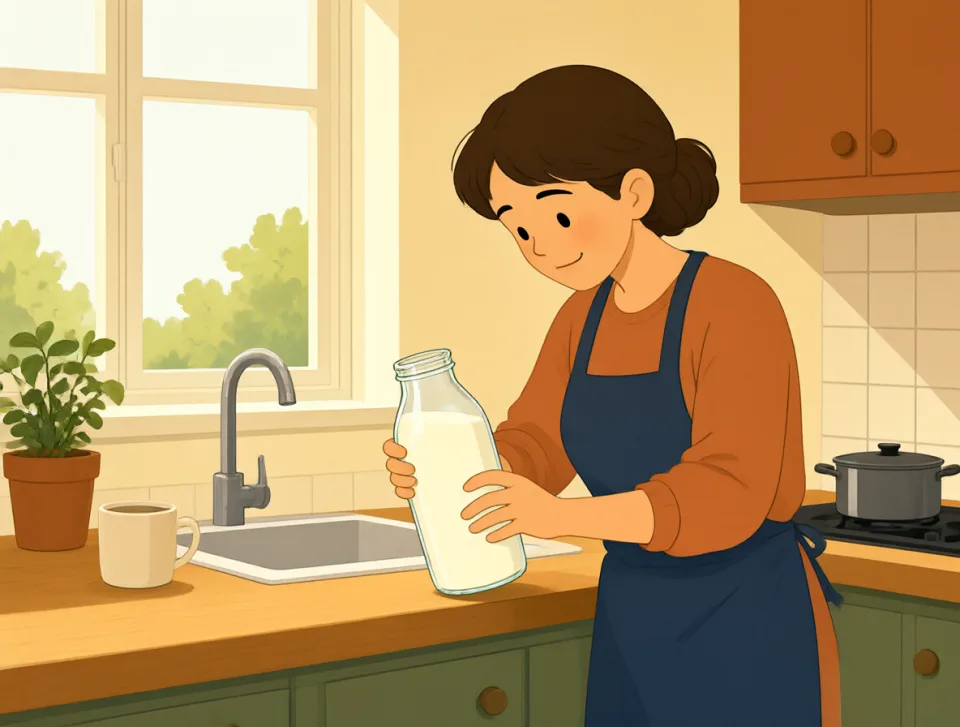
The milk became sour in the heat.
O leite azedou com o calor.
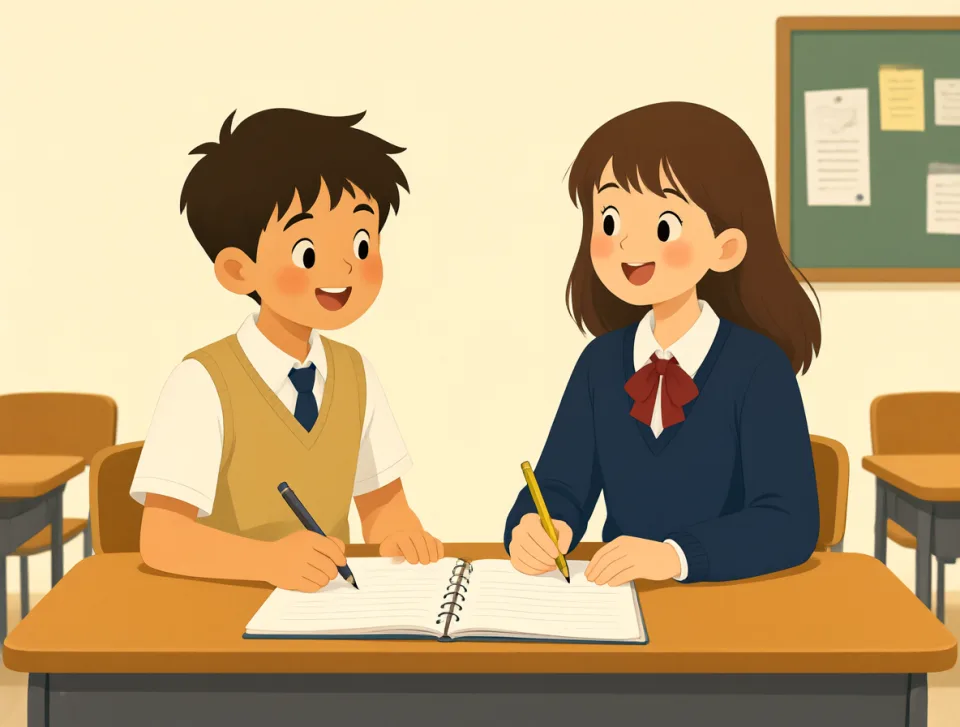
They became good friends at school.
Eles se tornaram bons amigos na escola.
interest
#142noun, verb
interesse; juros
A feeling of wanting to know or learn about something; to make someone curious.
A vontade de saber ou aprender algo; despertar a curiosidade de alguém.
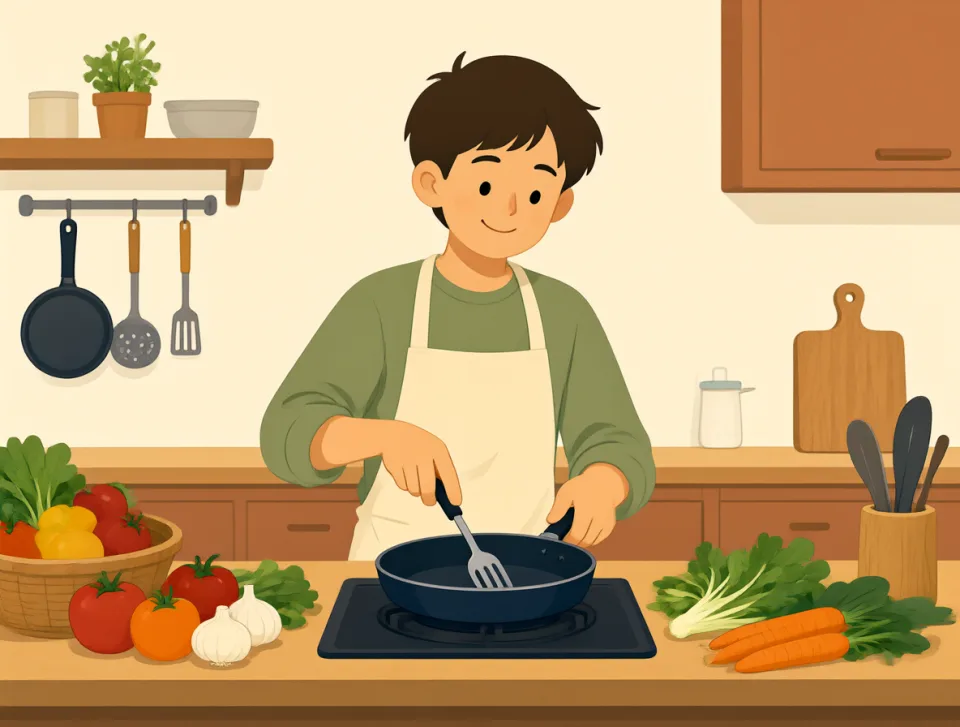
I have a strong interest in cooking.
Tenho muito interesse por culinária.

She showed interest in the new job.
Ela demonstrou interesse pelo novo emprego.
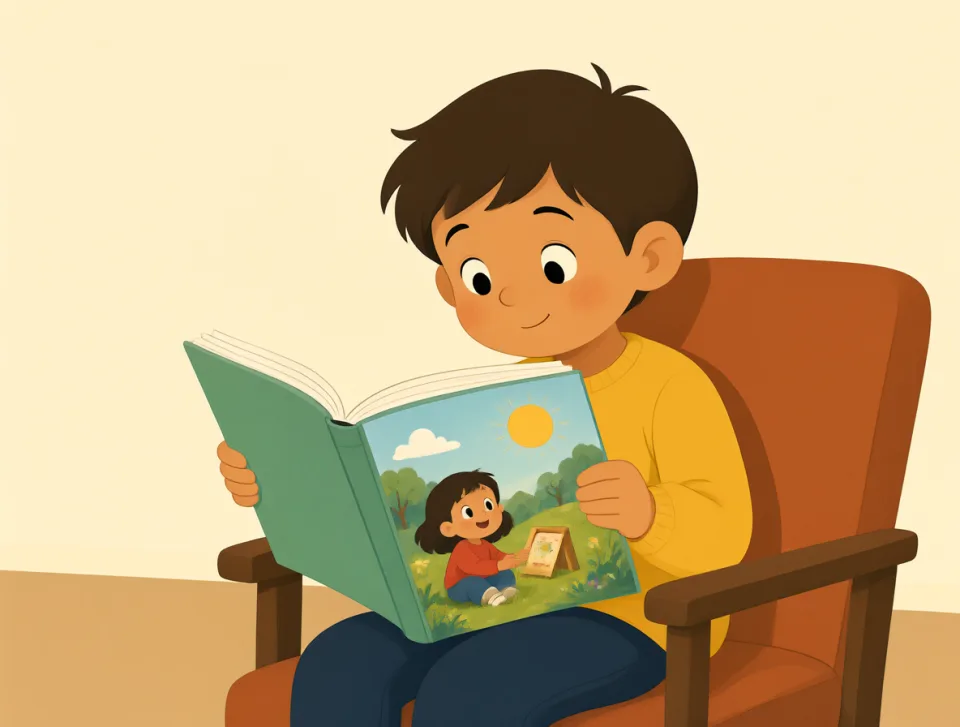
The book caught my interest quickly.
O livro despertou meu interesse rapidamente.
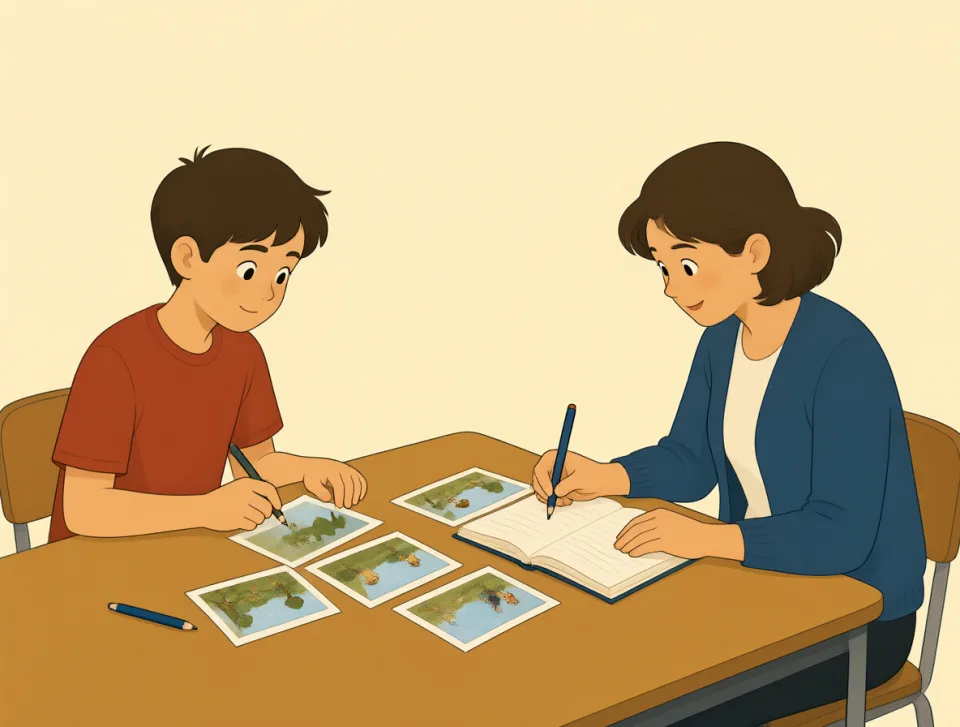
He is interested in learning Spanish.
Ele está interessado em aprender espanhol.
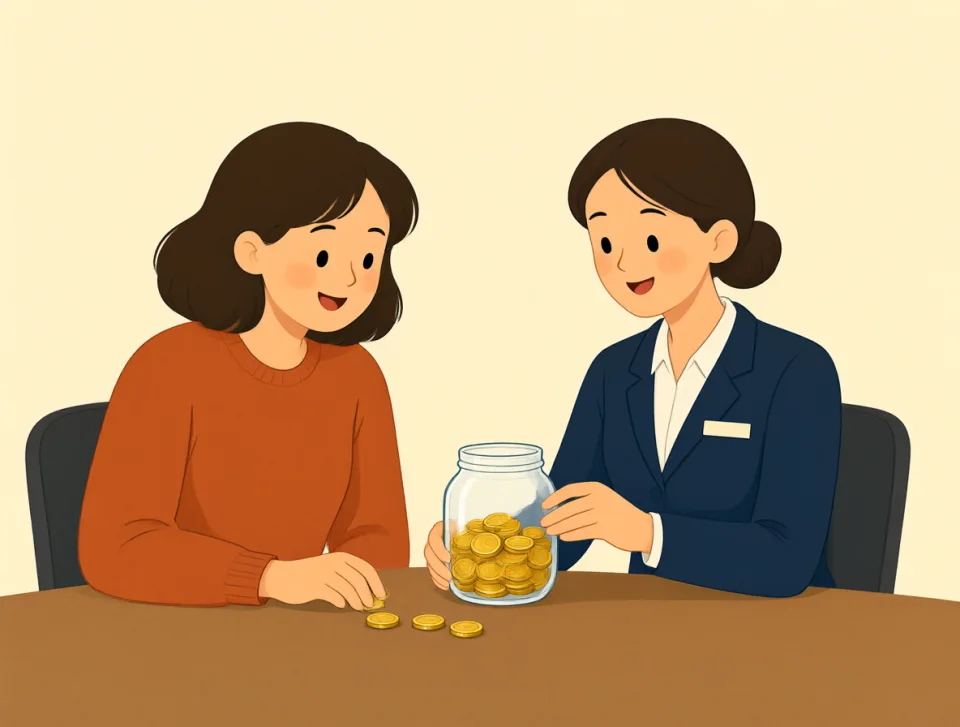
The bank pays interest on savings.
O banco paga juros sobre a poupança.
country
#143noun
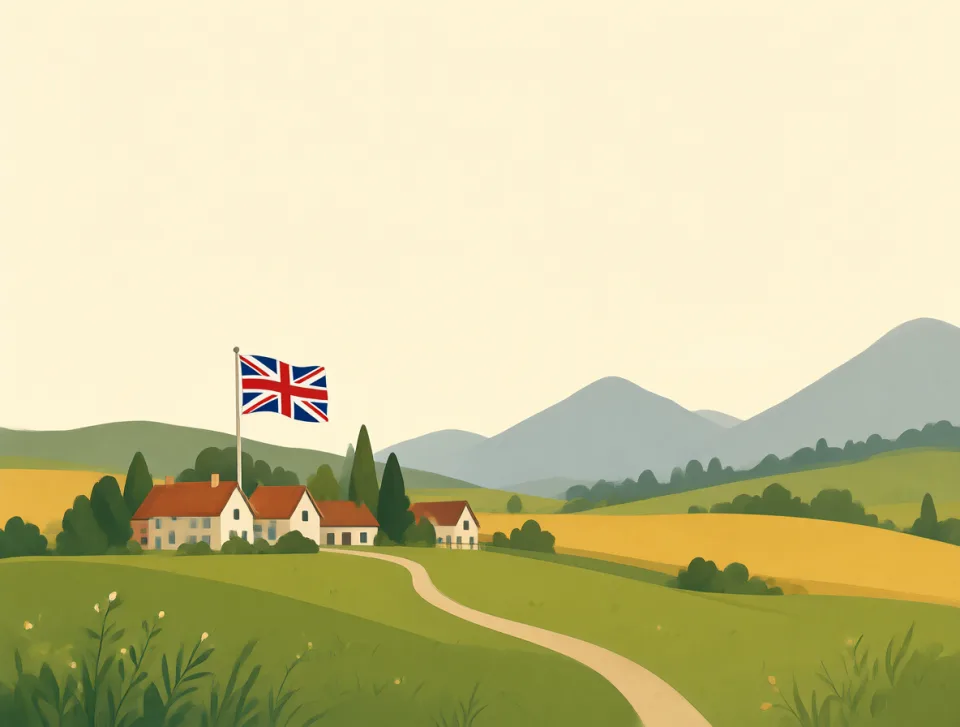
país; zona rural; campo
A nation with its own government, land, and people.
Uma nação com governo, território e população próprios.
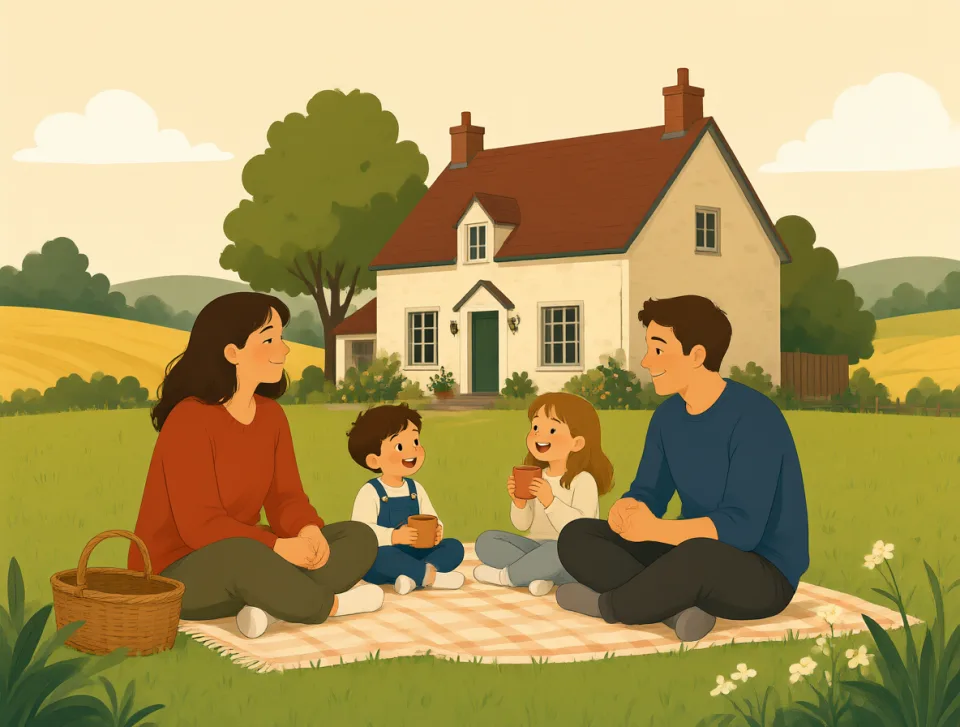
She lives in the country with her family.
Ela mora no campo com a família.

I want to visit another country this summer.
Quero visitar outro país neste verão.
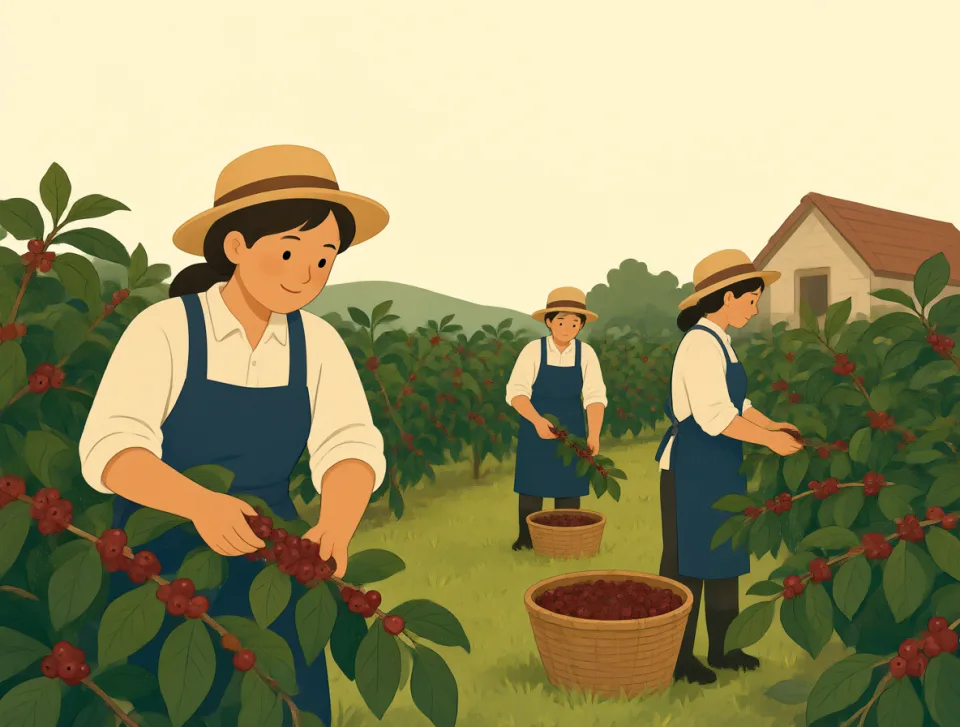
This country produces much of the world's coffee.
Este país produz boa parte do café do mundo.
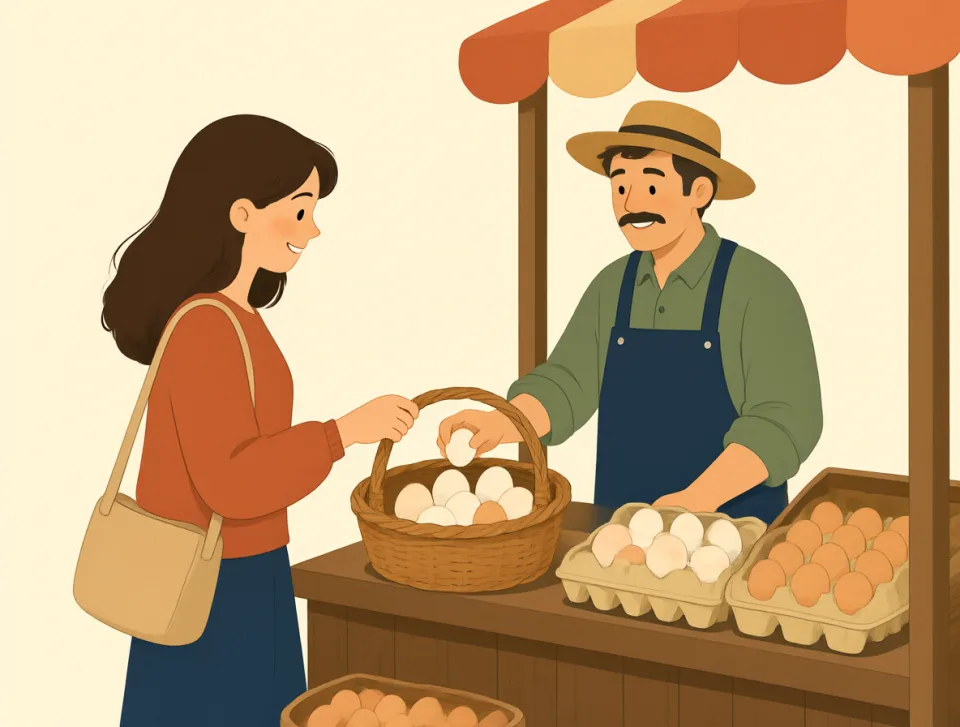
We bought fresh eggs from the country.
Compramos ovos frescos de uma propriedade rural.
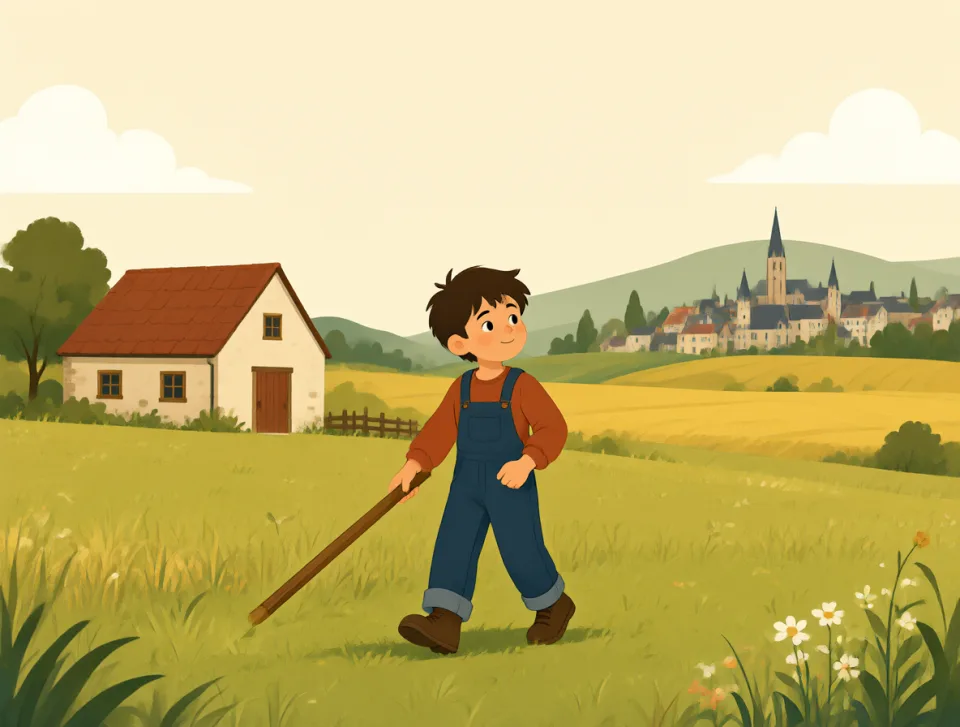
He grew up in the country near a small town.
Ele cresceu no campo, perto de uma cidade pequena.
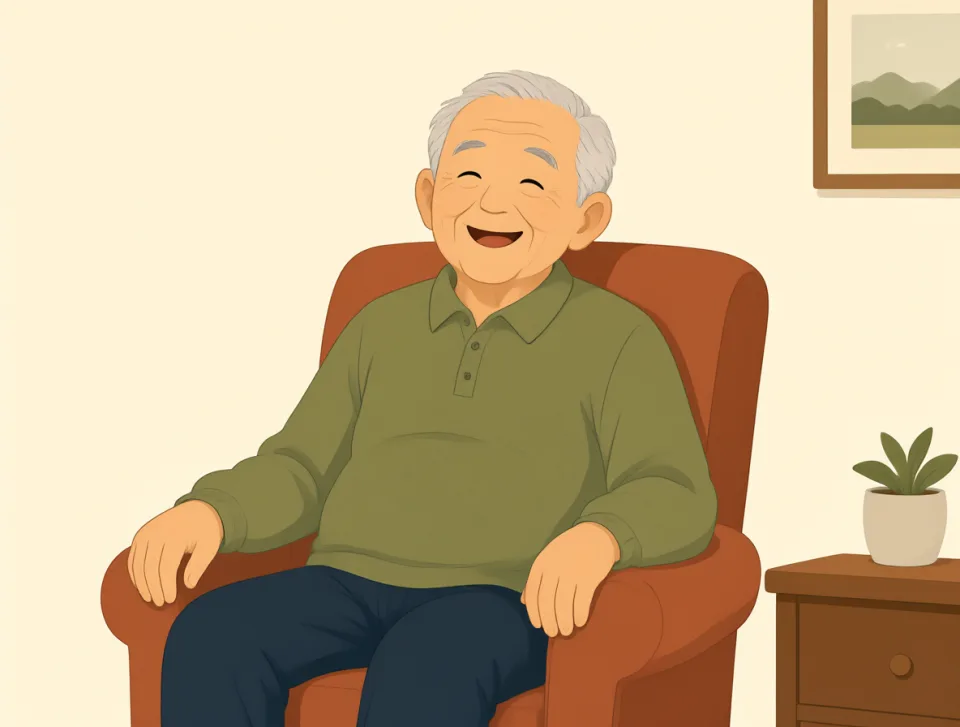
old
#144adjective, noun
velho; antigo; idoso
having lived for many years; belonging to a time long ago
que viveu por muitos anos; que pertence a um tempo distante
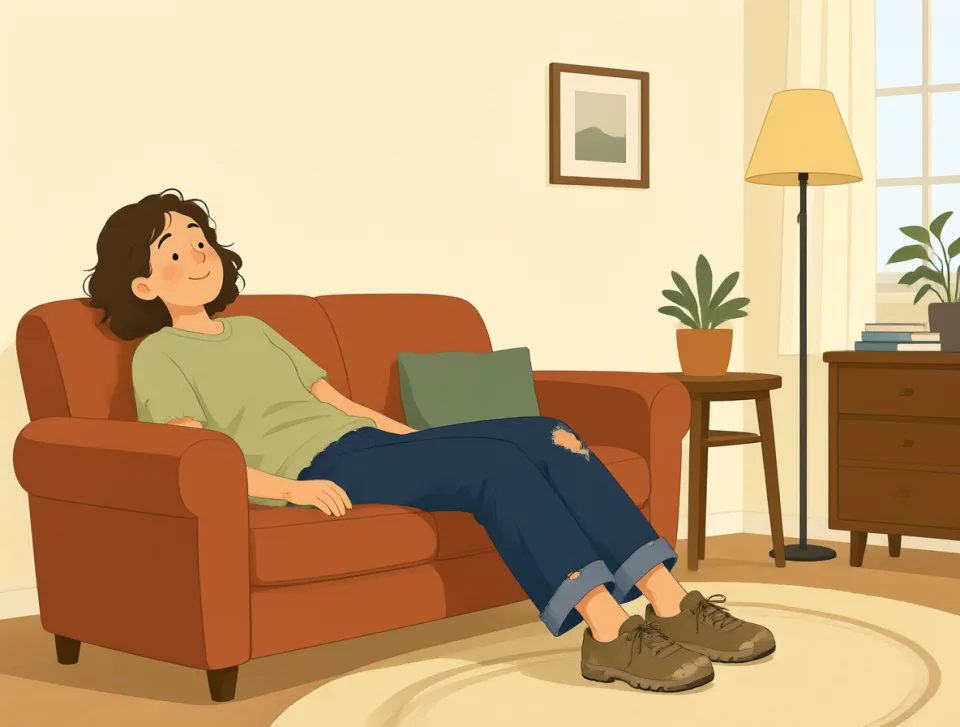
My old shoes are very comfortable.
Meus sapatos velhos são muito confortáveis.
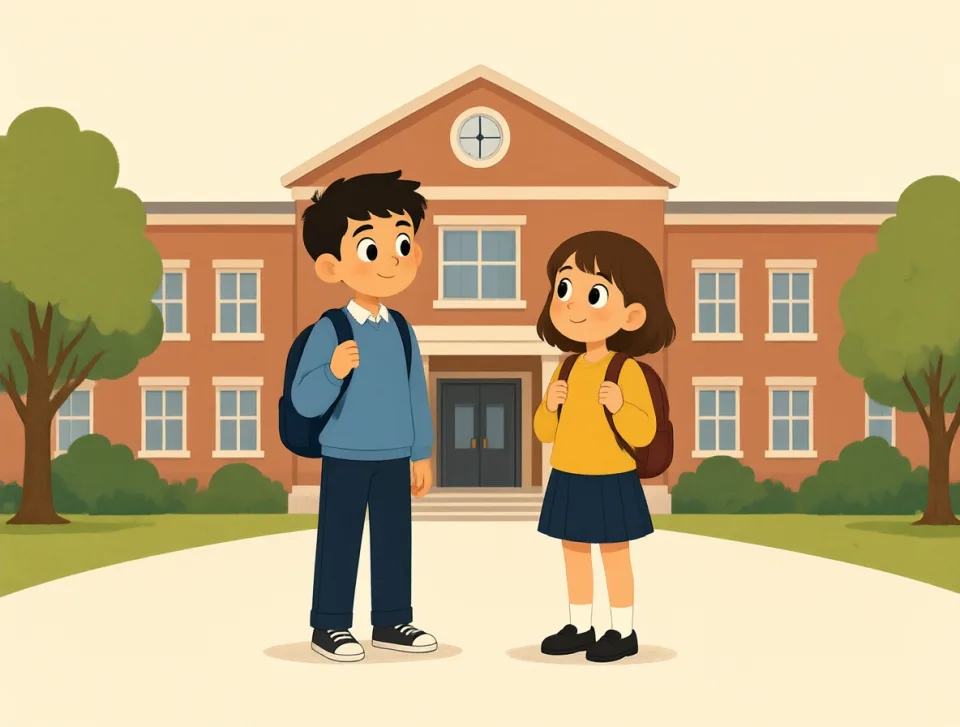
We visited my old school yesterday.
Visitamos minha antiga escola ontem.
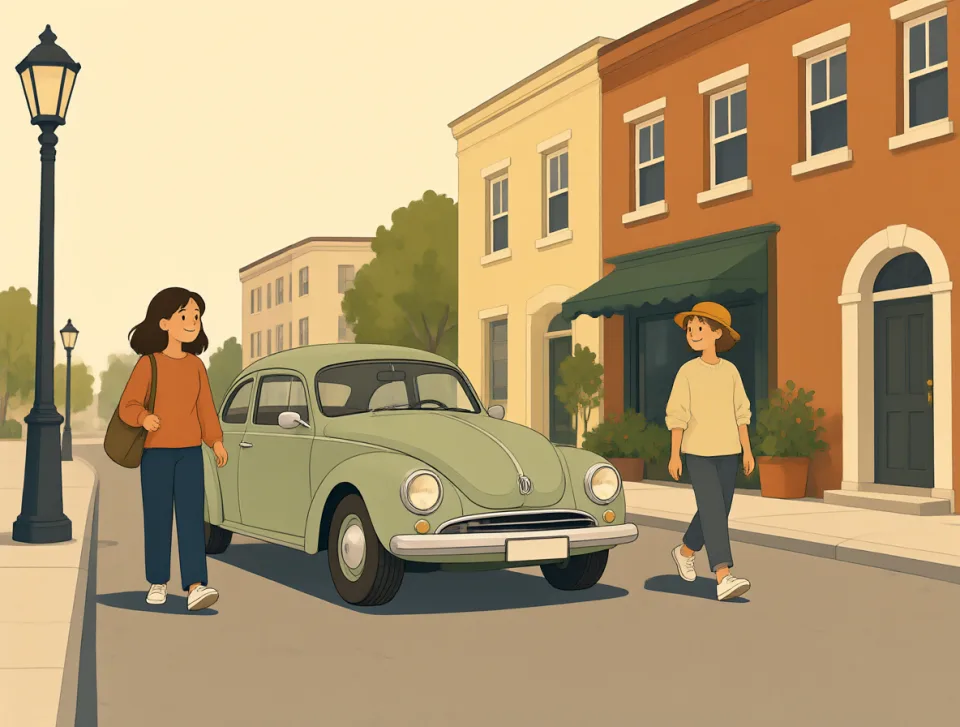
That old car still works well.
Aquele carro velho ainda funciona bem.
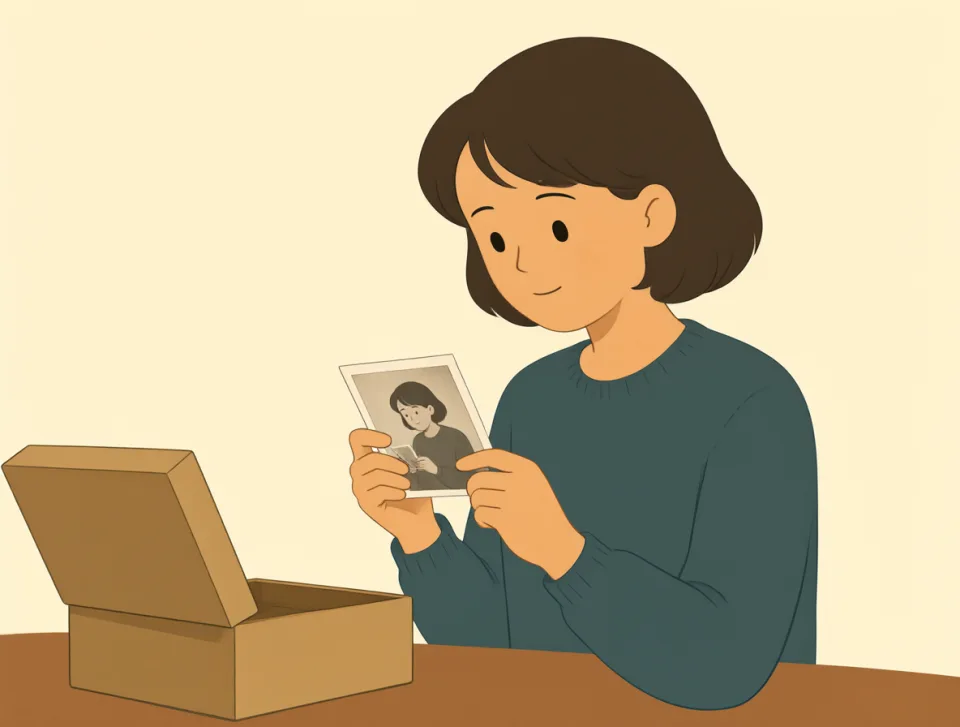
I found an old photo in a box.
Encontrei uma foto antiga em uma caixa.
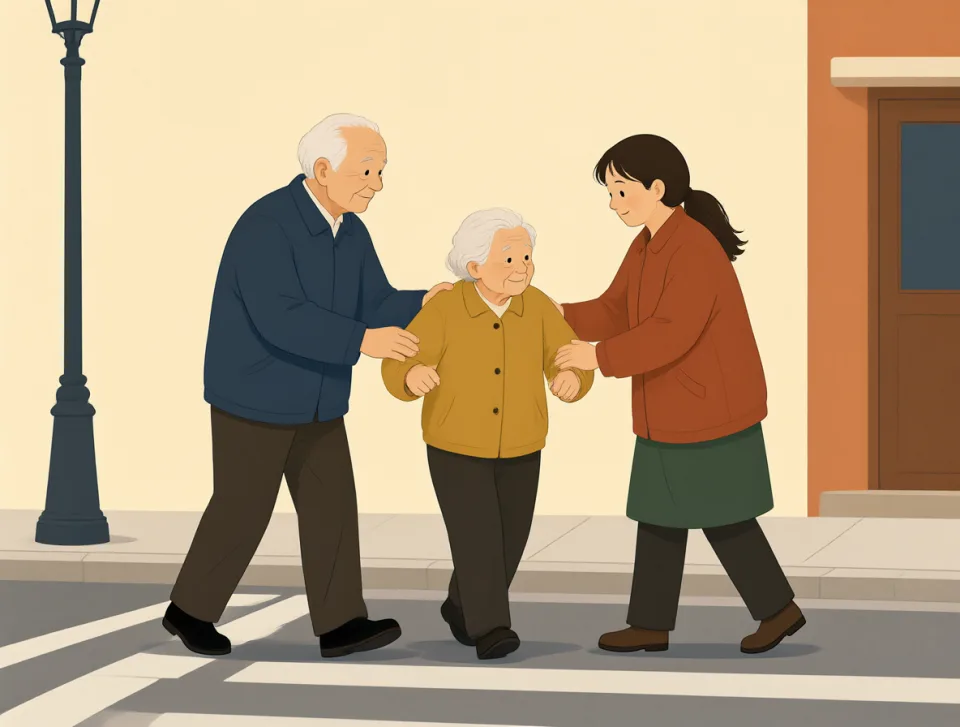
The old man needs help crossing the street.
O homem idoso precisa de ajuda para atravessar a rua.
each
#145determiner, pronoun
cada; cada um
Every one of two or more people or things, considered separately.
Cada uma de duas ou mais pessoas ou coisas, considerada separadamente.
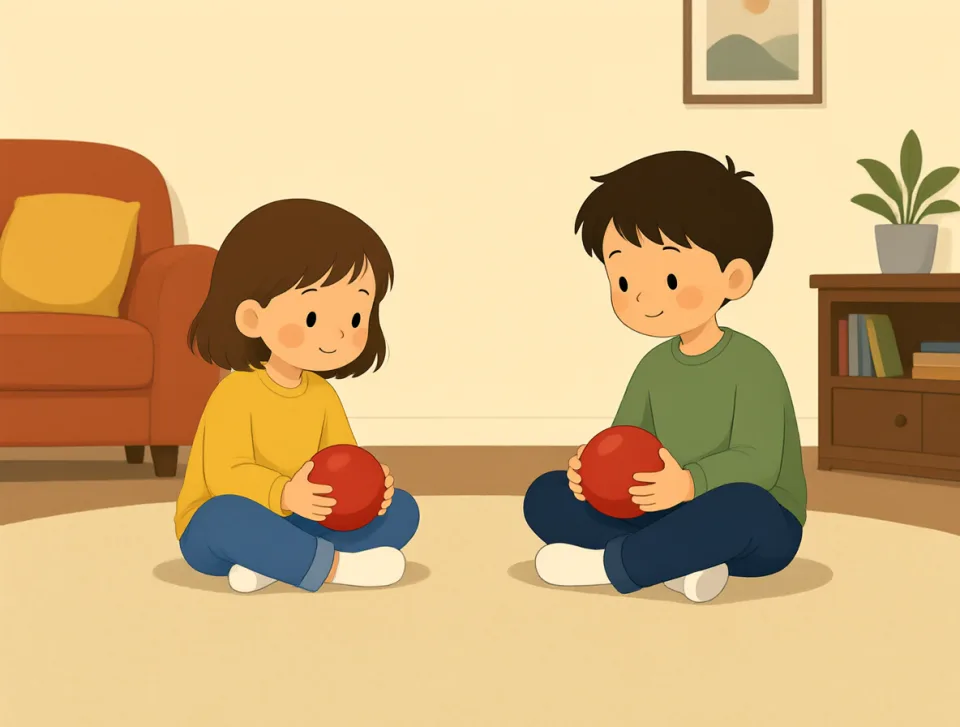
Each child has a small red ball.
Cada criança tem uma bolinha vermelha.
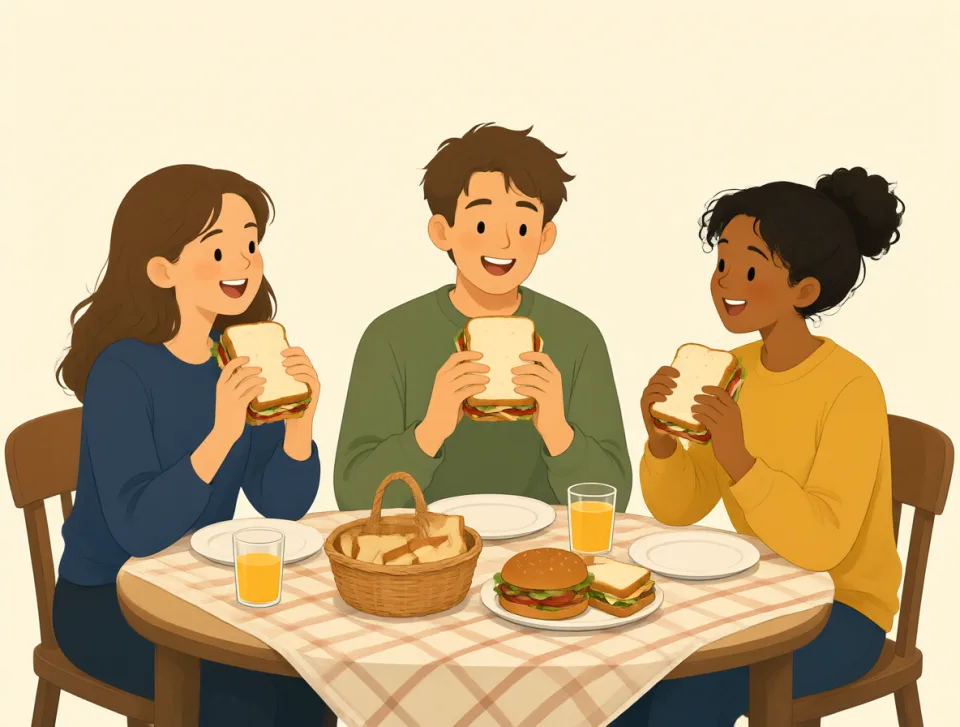
We each brought a sandwich for lunch.
Cada um de nós trouxe um sanduíche para o almoço.
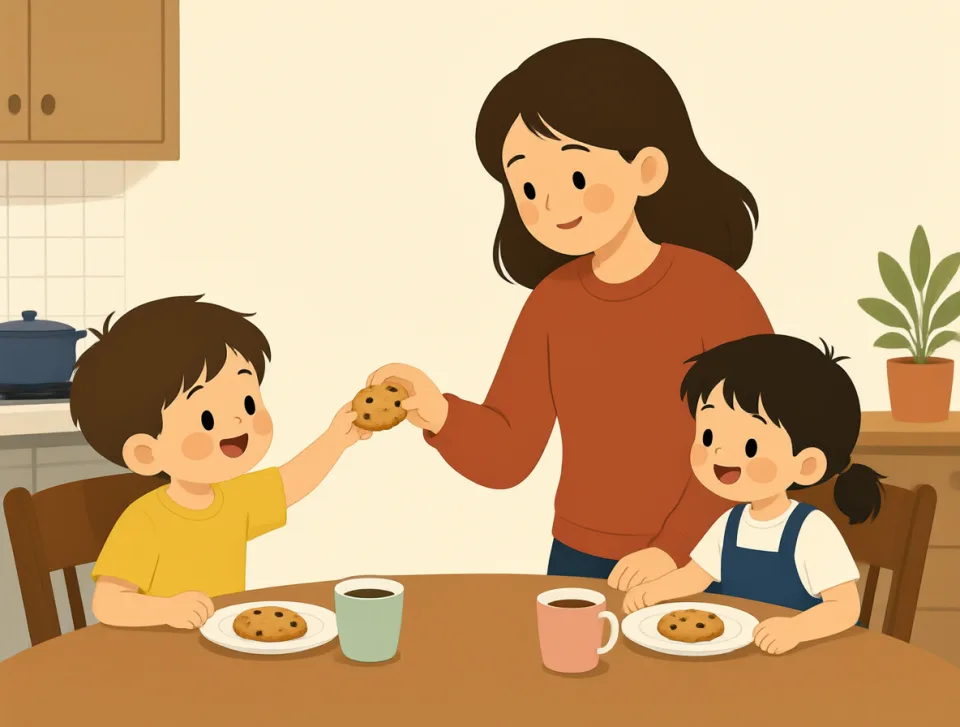
Please take one cookie each.
Por favor, pegue um biscoito cada um.
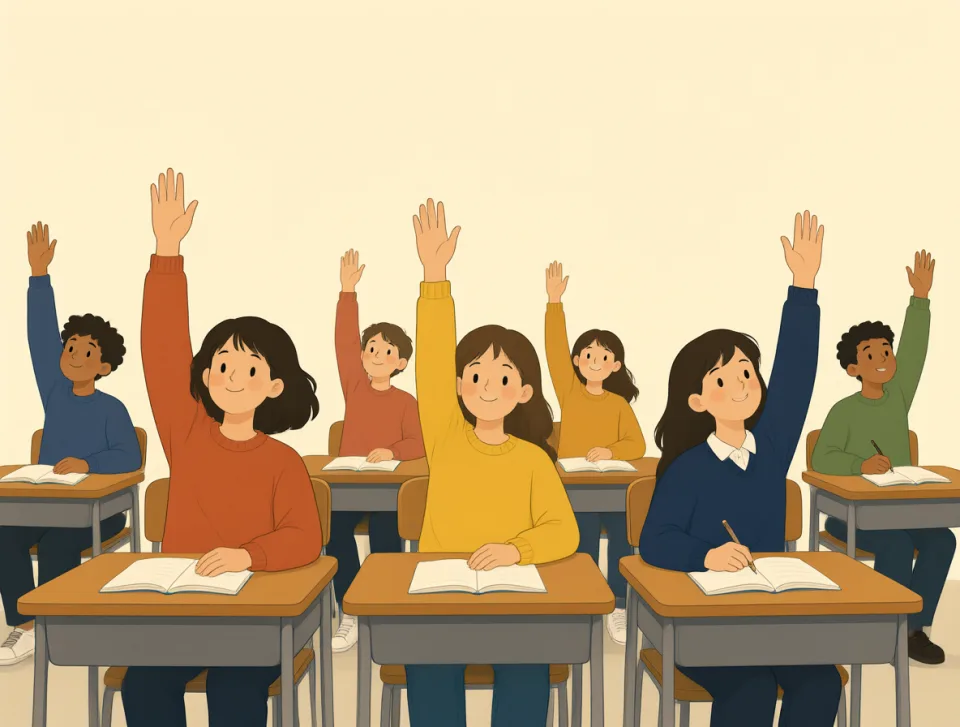
The students each answered one question.
Cada aluno respondeu a uma pergunta.
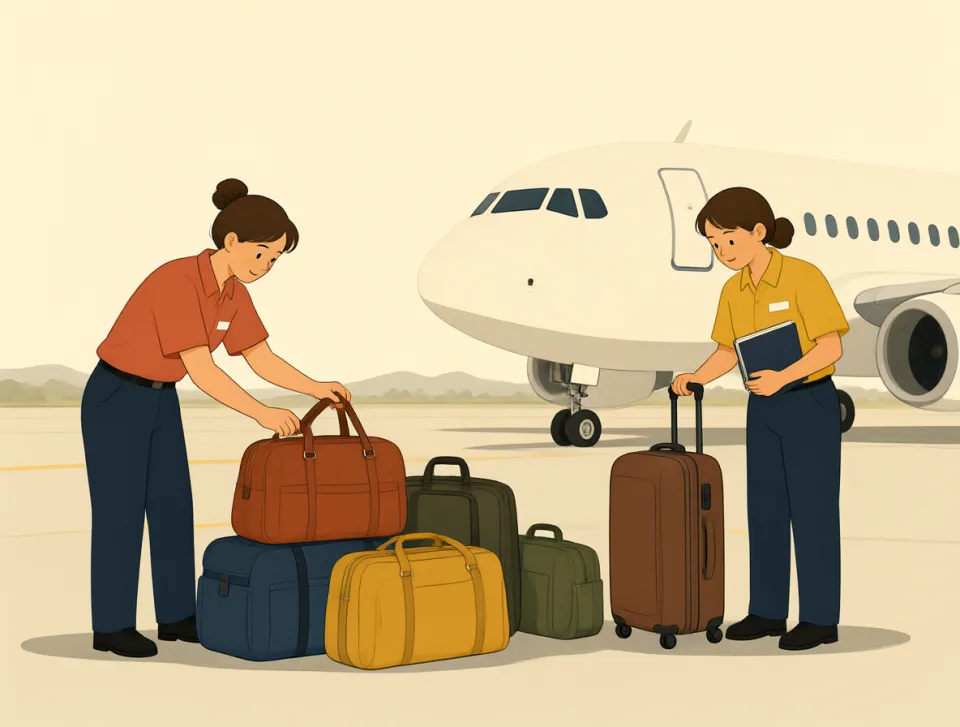
They checked each bag before the flight.
Eles revistaram cada mala antes do voo.
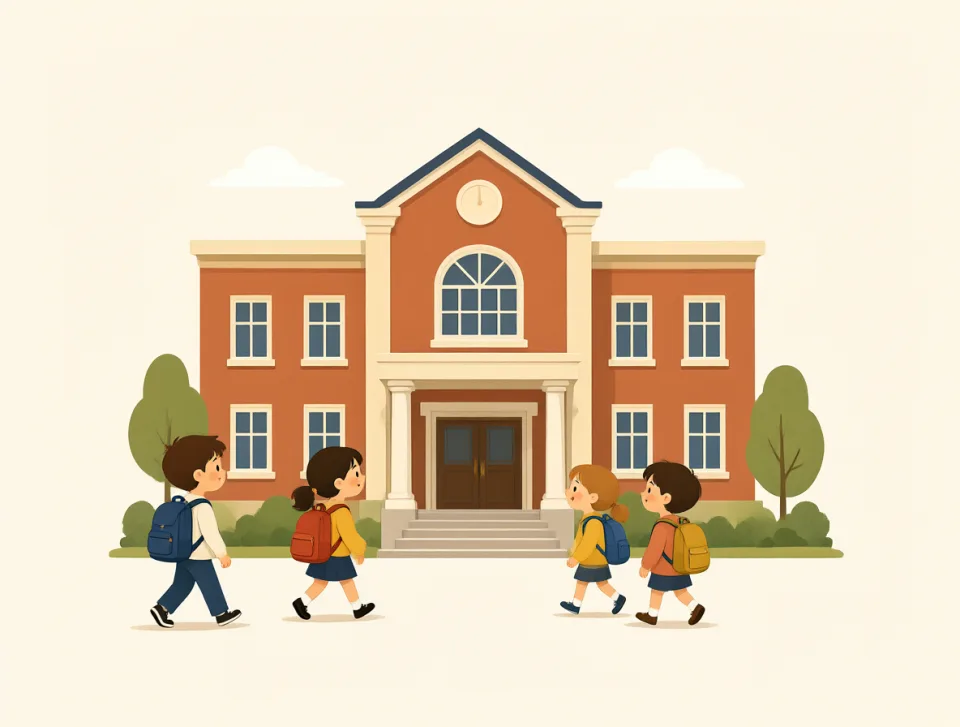
school
#146noun, verb
escola; adestrar
A place where children learn, or the time spent learning there.
Um lugar onde as crianças aprendem ou o tempo que passam estudando lá.
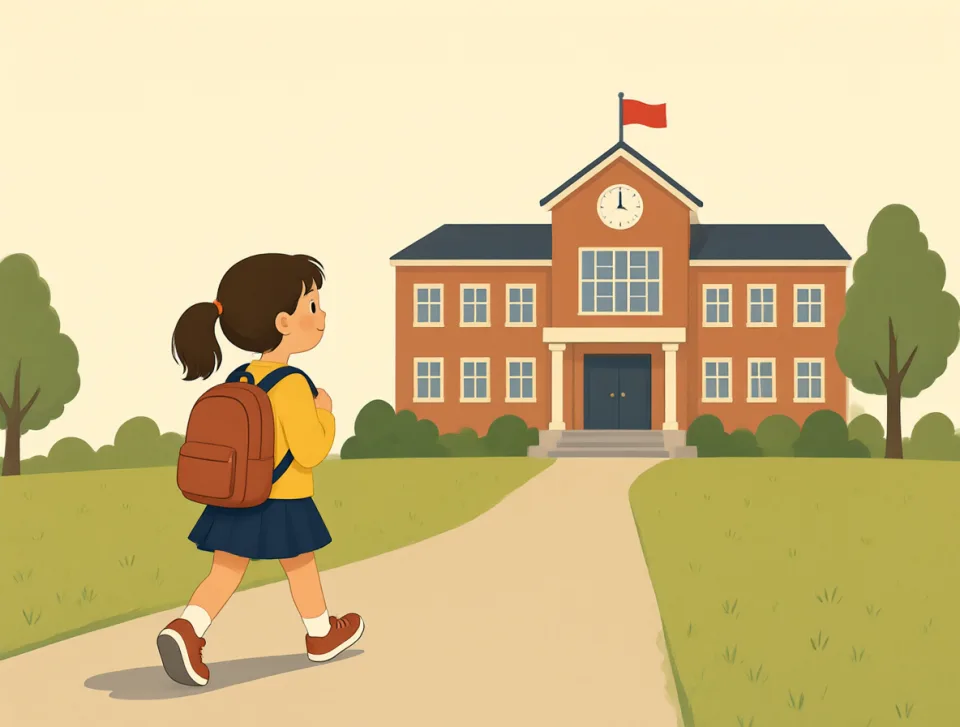
My sister walks to school every morning.
Minha irmã vai a pé para a escola todas as manhãs.
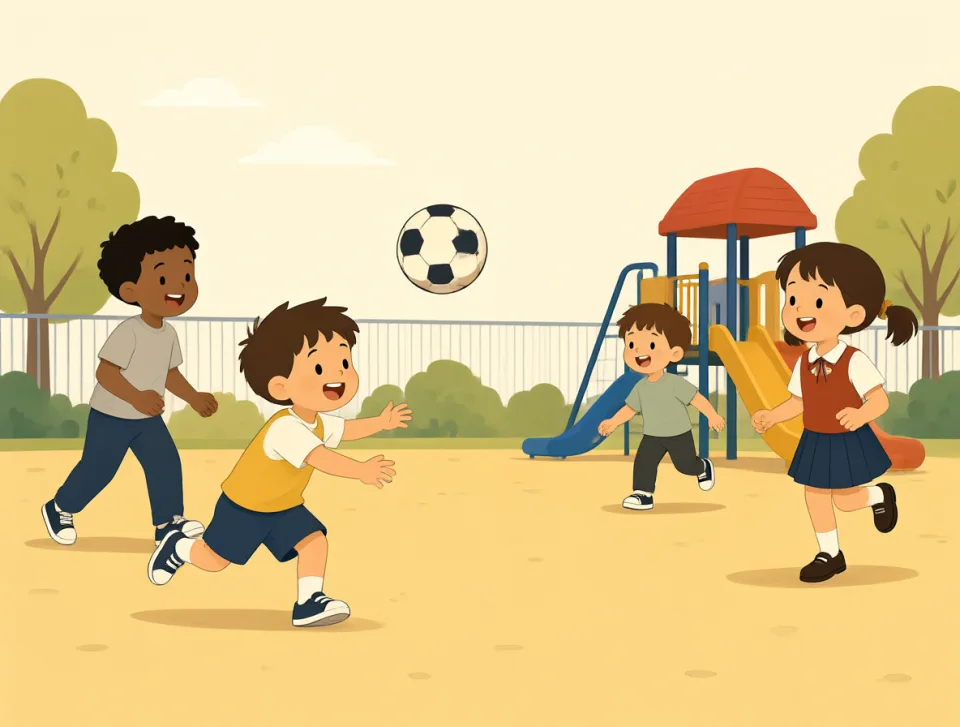
The children are playing outside school.
As crianças estão brincando do lado de fora da escola.
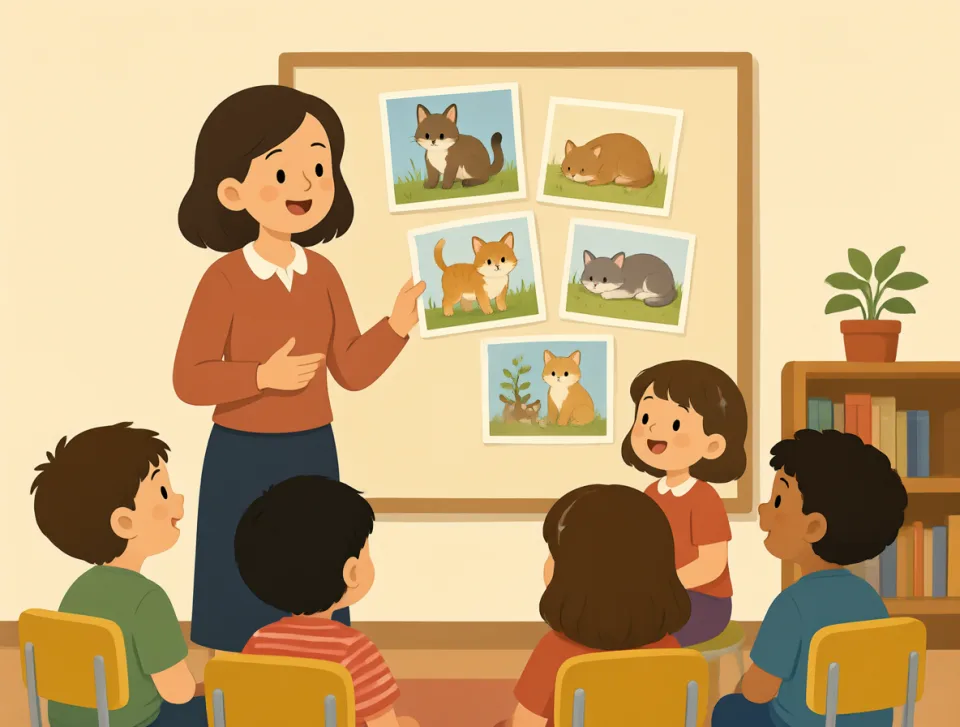
We learned about animals at school.
Aprendemos sobre animais na escola.
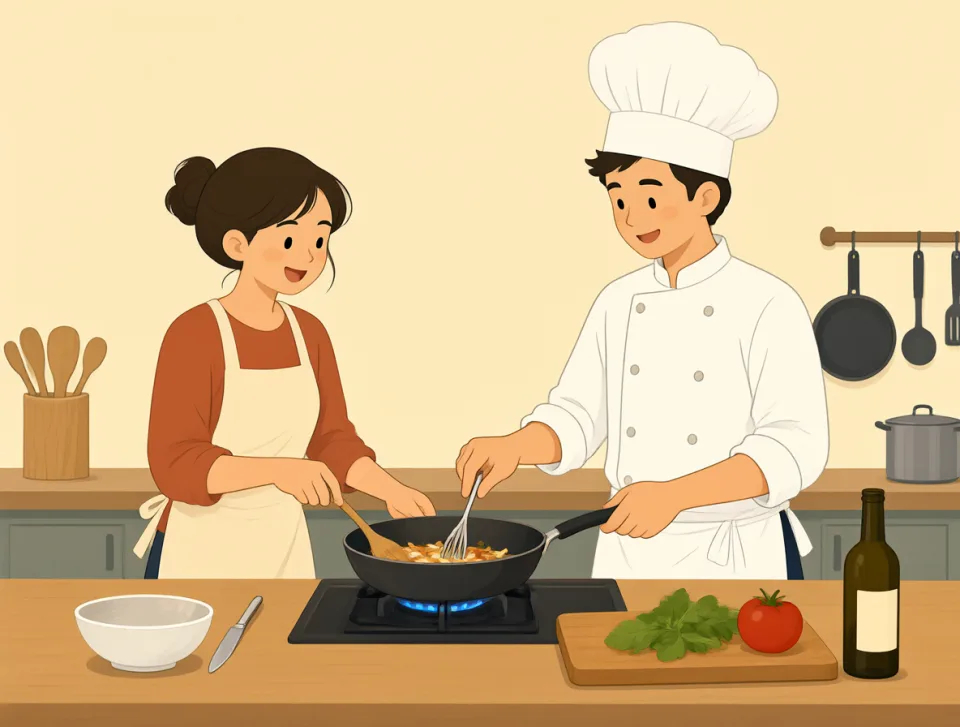
My father went to cooking school.
Meu pai fez um curso de culinária.
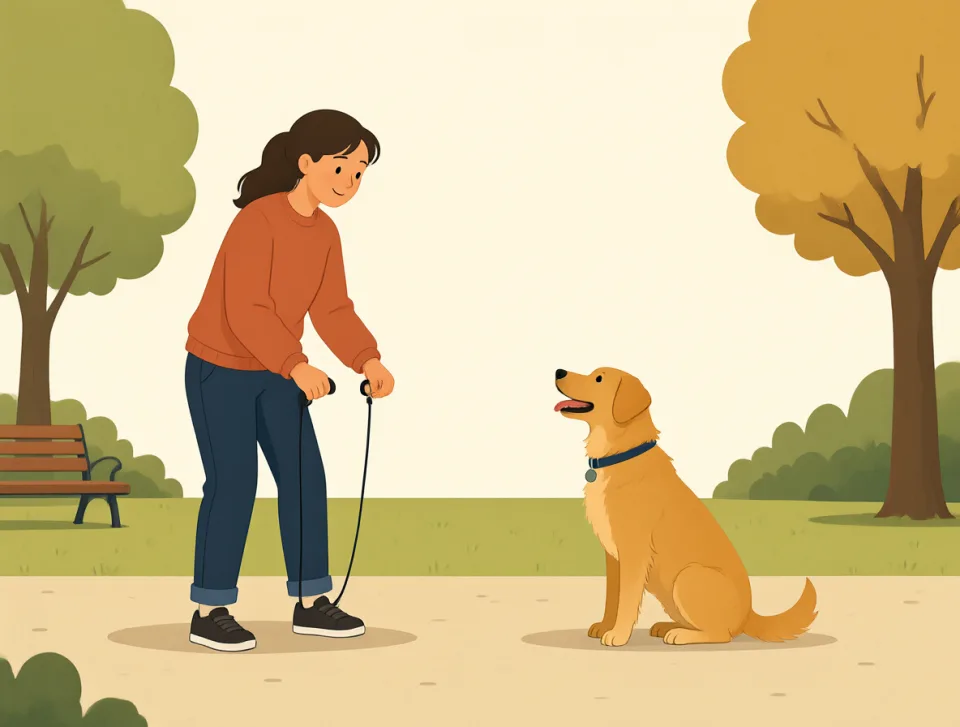
They school their dog every day.
Eles adestram o cachorro todos os dias.
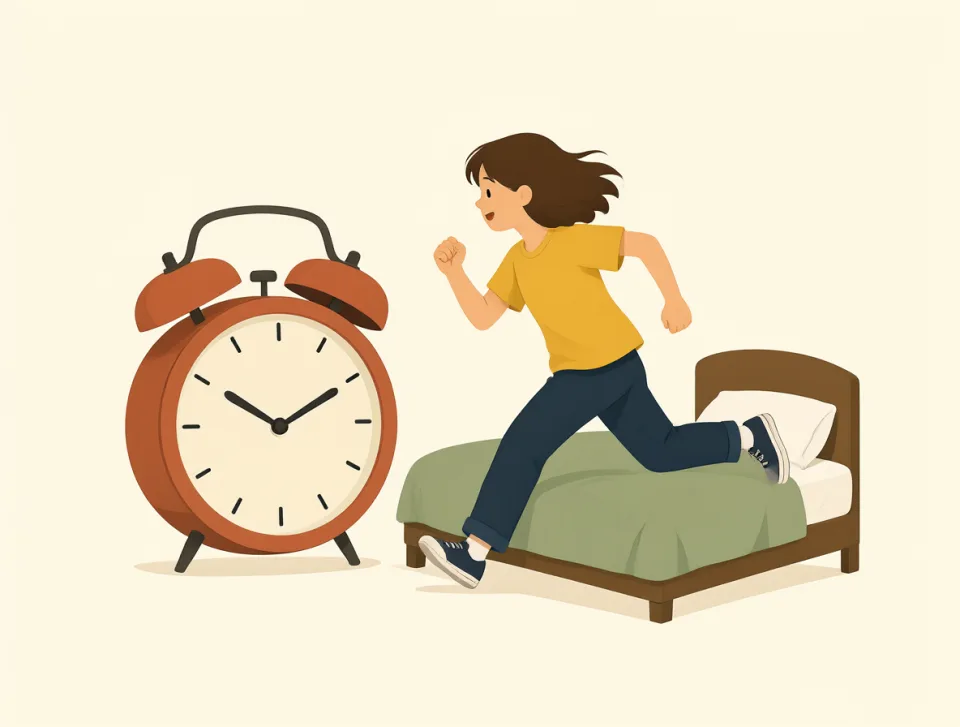
late
#147adjective, adverb, noun
atrasado; tarde; falecido
Happening, arriving, or being after the expected or usual time.
Que acontece, chega ou ocorre depois do horário esperado ou habitual.
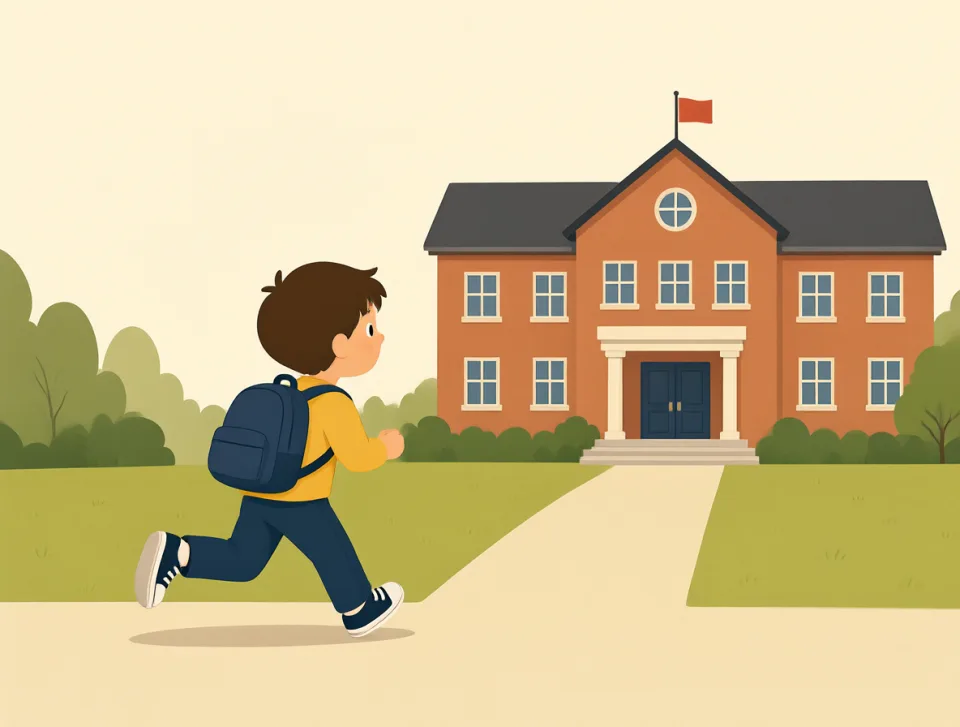
I was late for school this morning.
Cheguei atrasado à escola hoje de manhã.
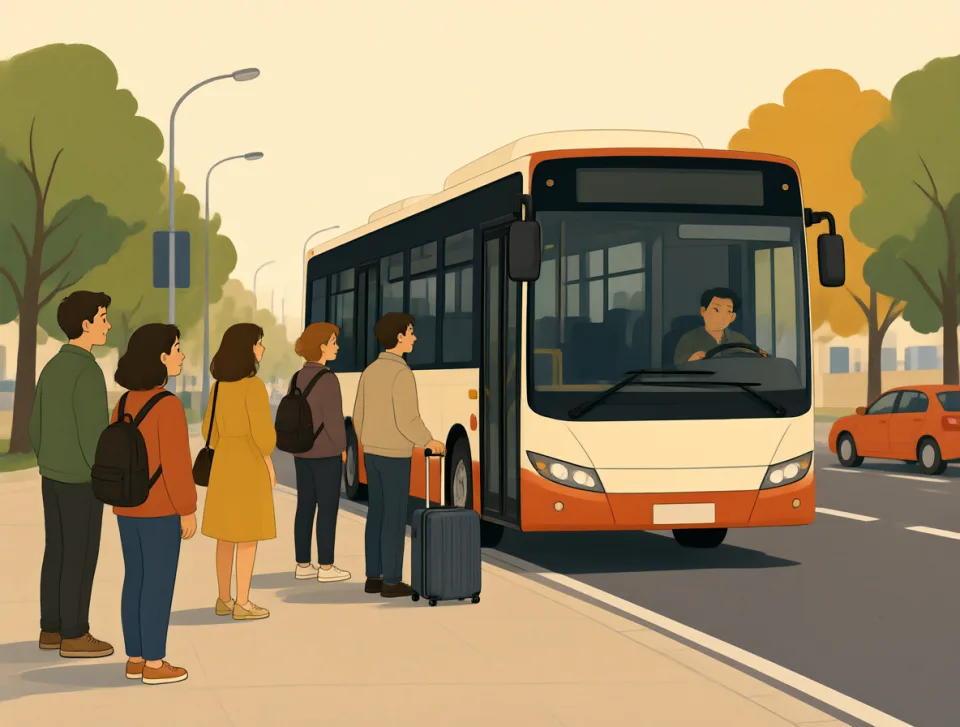
The bus arrived late because of traffic.
O ônibus chegou atrasado por causa do trânsito.
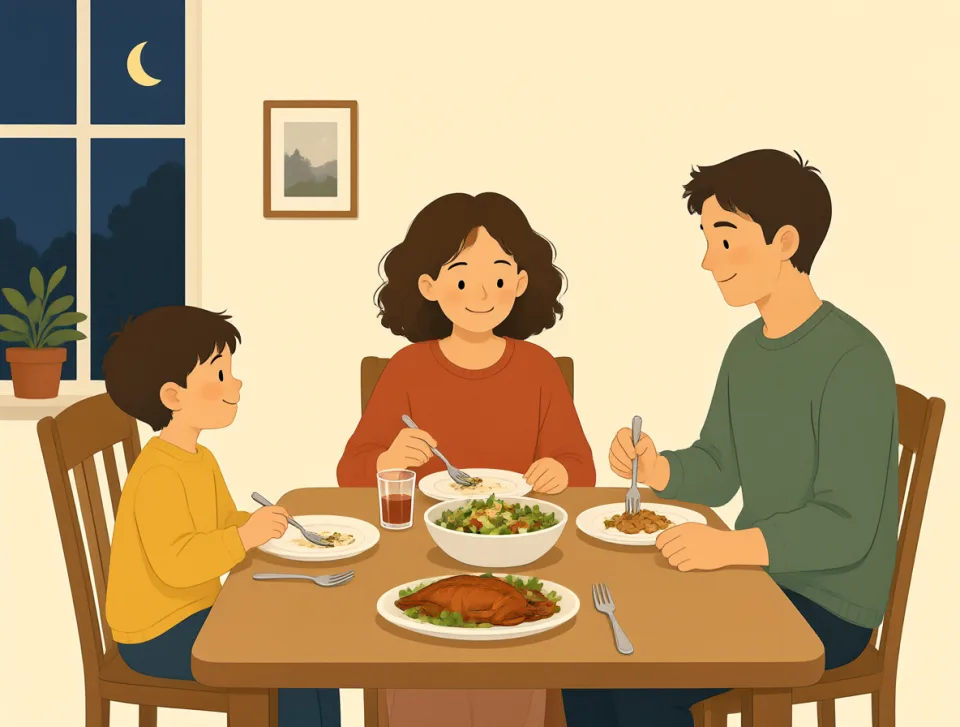
We had dinner late last night.
Jantamos tarde ontem à noite.

She stayed late at work yesterday.
Ela ficou trabalhando até tarde ontem.
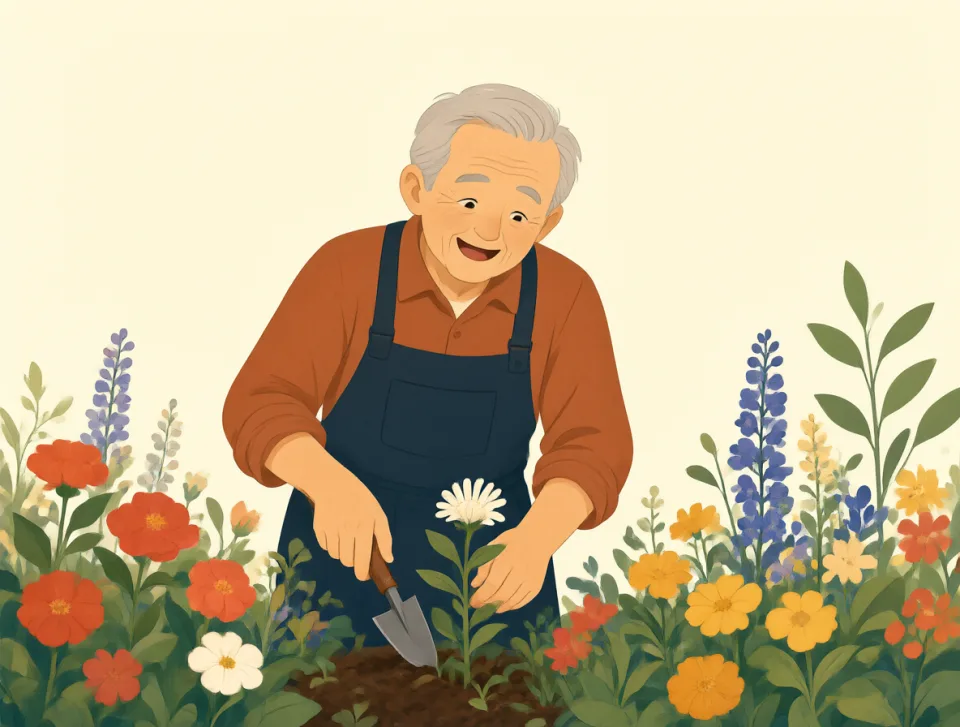
My late grandfather loved gardening.
Meu avô falecido adorava jardinagem.
high
#148adjective, adverb, noun
alto; elevado; grande
Far above the ground, or greater than usual in amount, level, or price.
Muito acima do chão ou maior do que o normal em quantidade, nível ou preço.
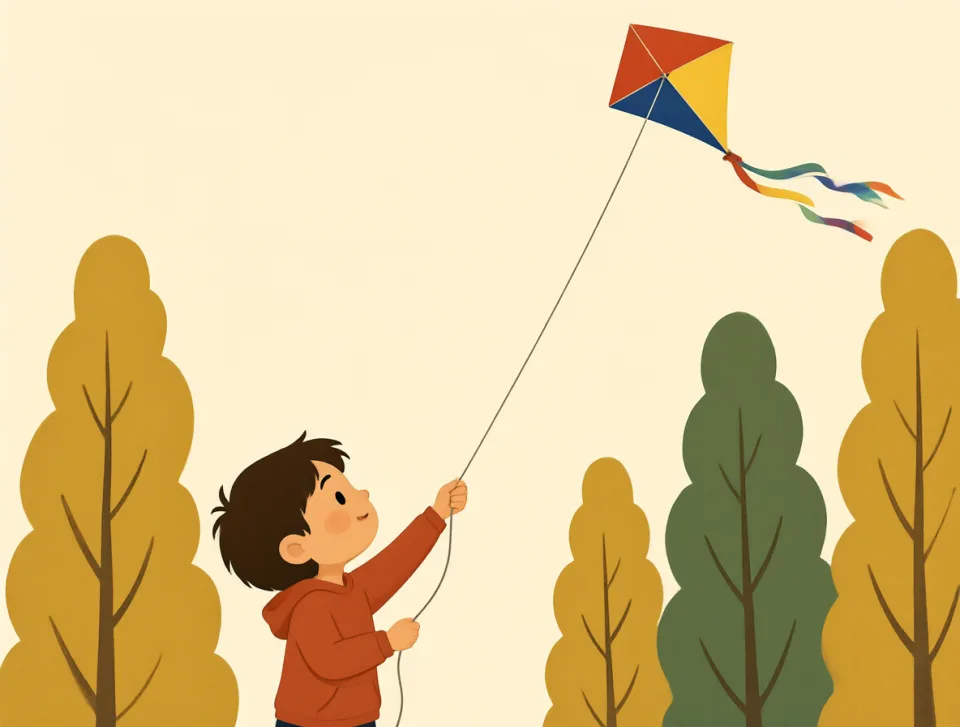
The kite flew high above the trees.
A pipa voou bem alto acima das árvores.
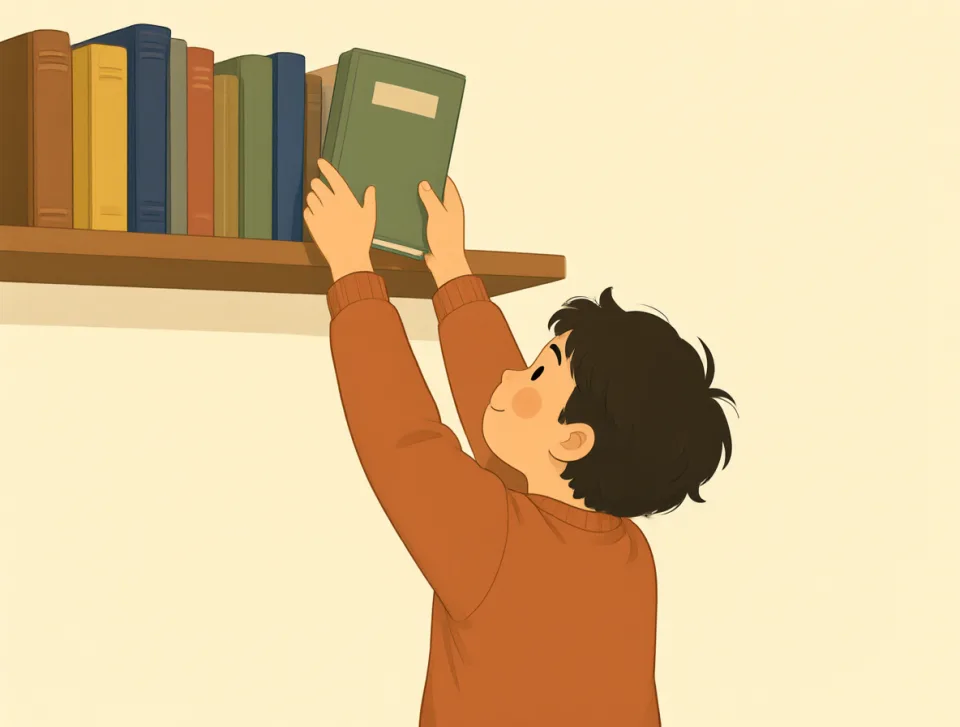
Please put the books on the high shelf.
Por favor, coloque os livros na prateleira alta.
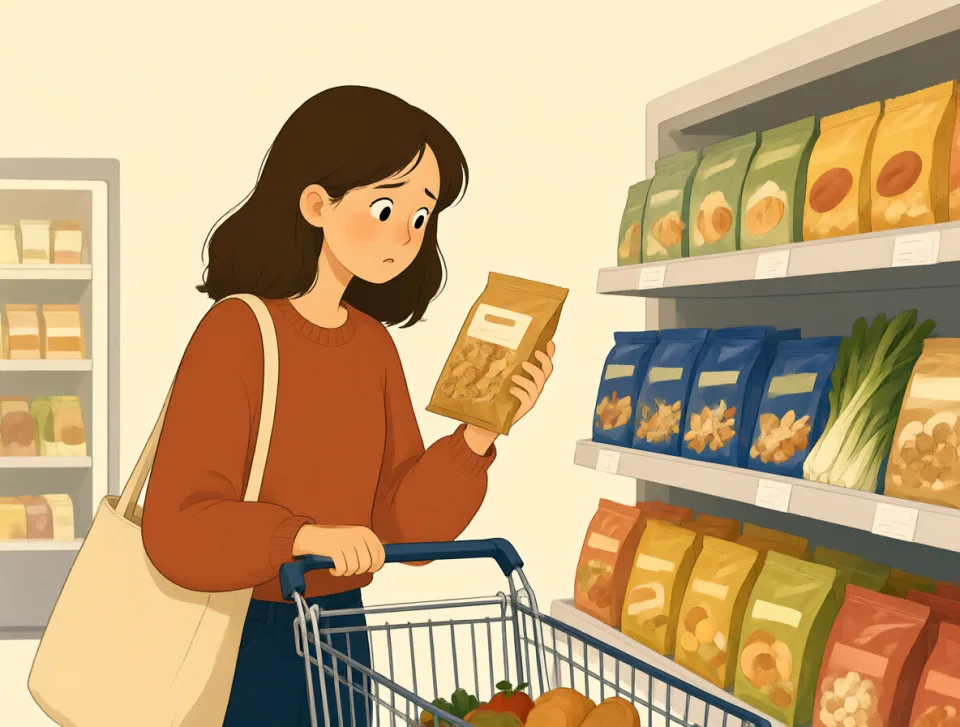
Prices are high at this store.
Os preços são altos nesta loja.
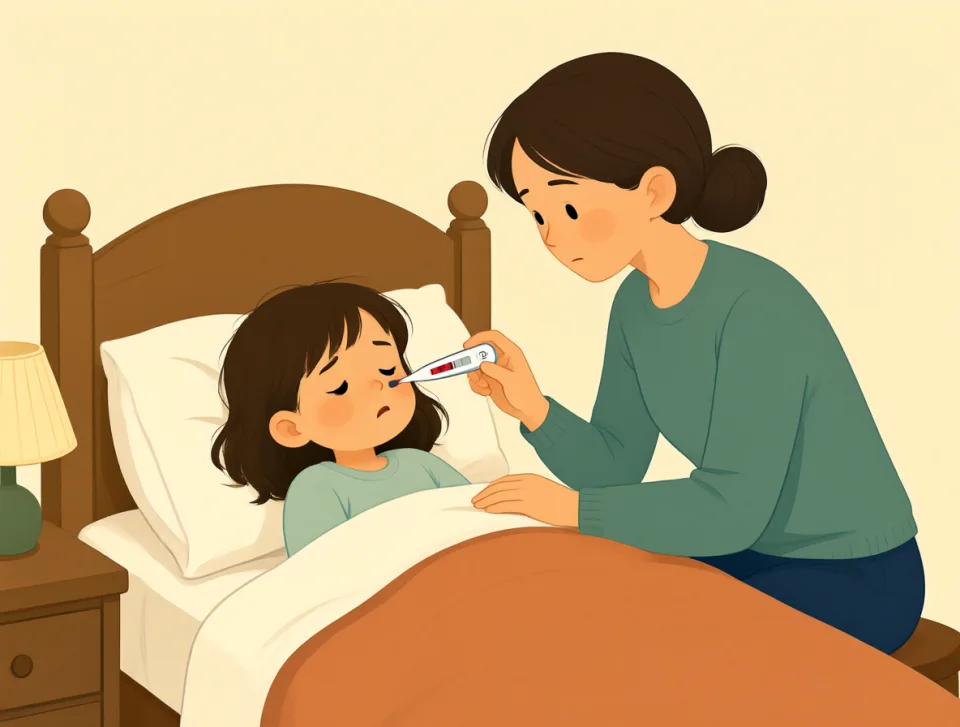
She has a high fever today.
Ela está com febre alta hoje.

The plane climbed high into the sky.
O avião subiu bem alto no céu.
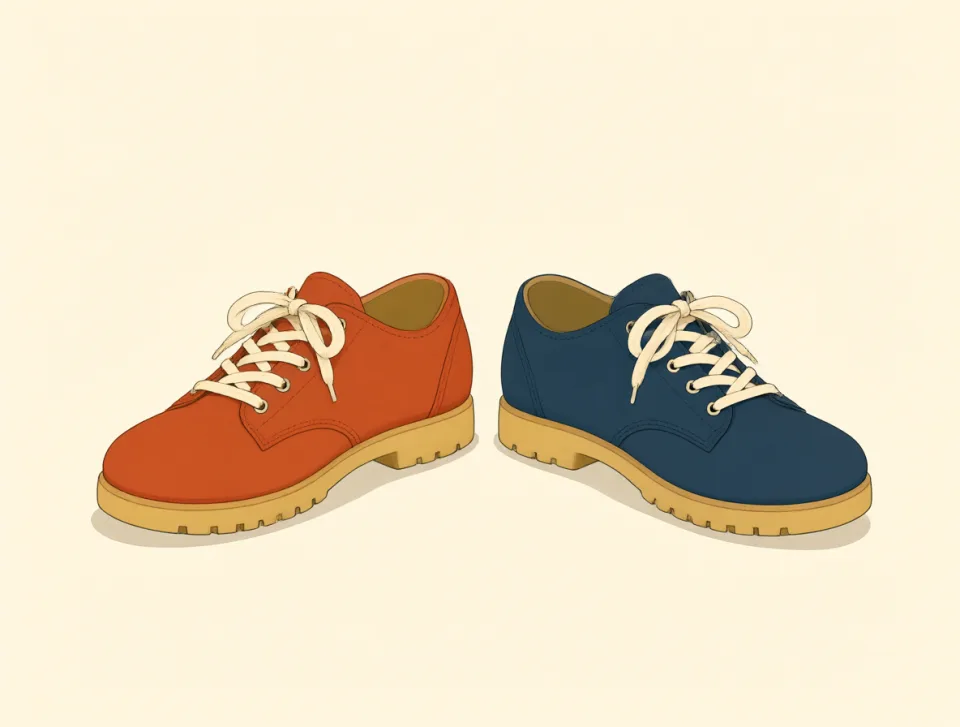
different
#149adjective
diferente
Not the same as another person or thing.
Que não é igual a outra pessoa ou coisa.
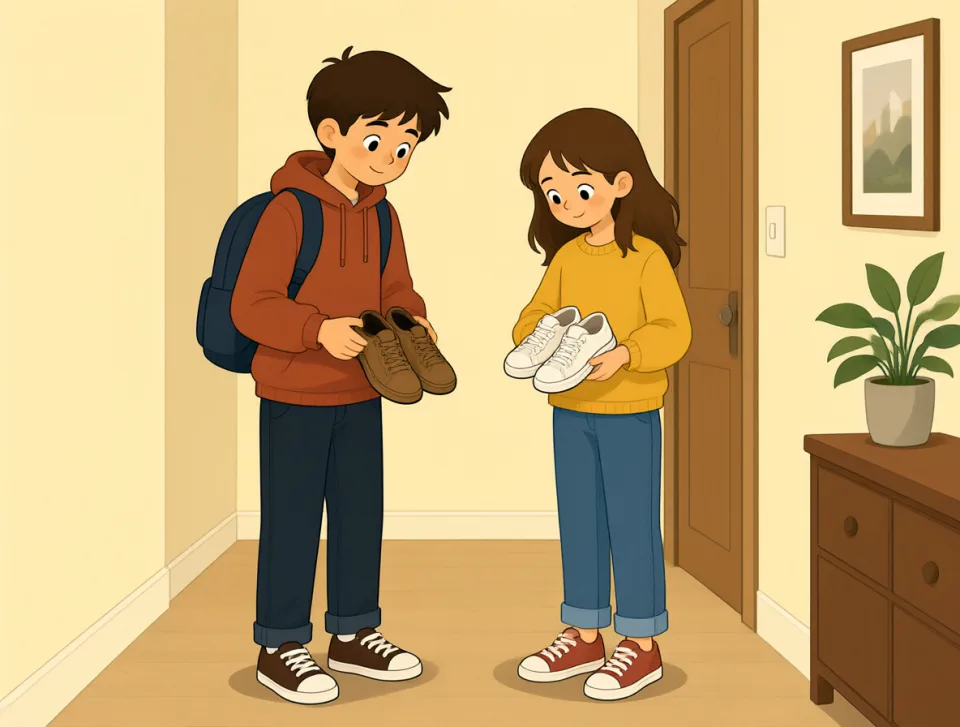
My new shoes are different from yours.
Meus sapatos novos são diferentes dos seus.
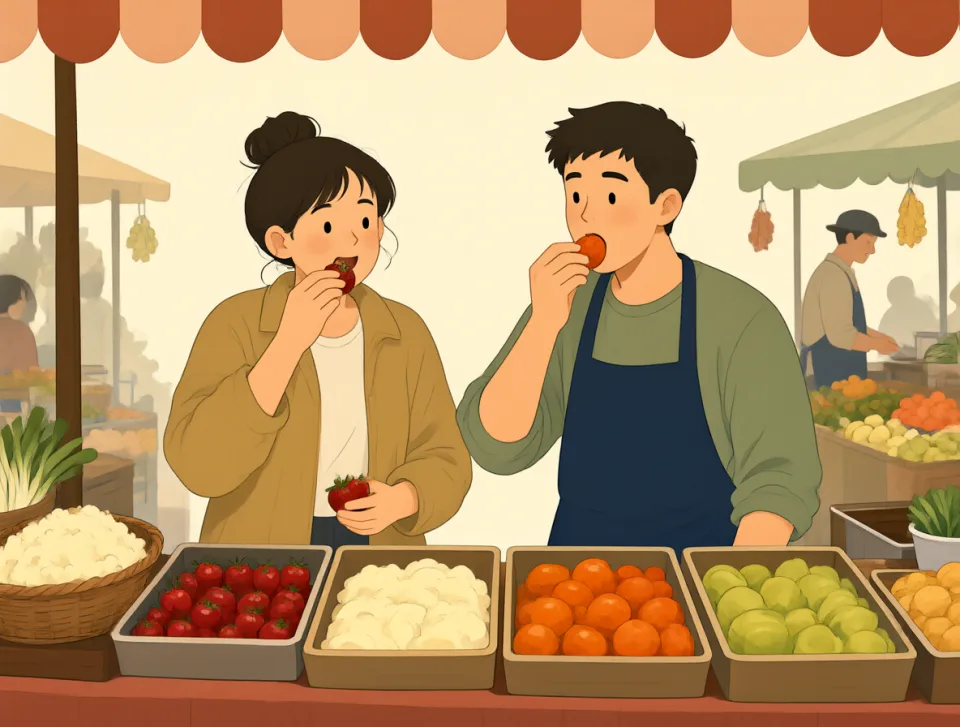
We tried different foods at the market.
Experimentamos comidas diferentes no mercado.
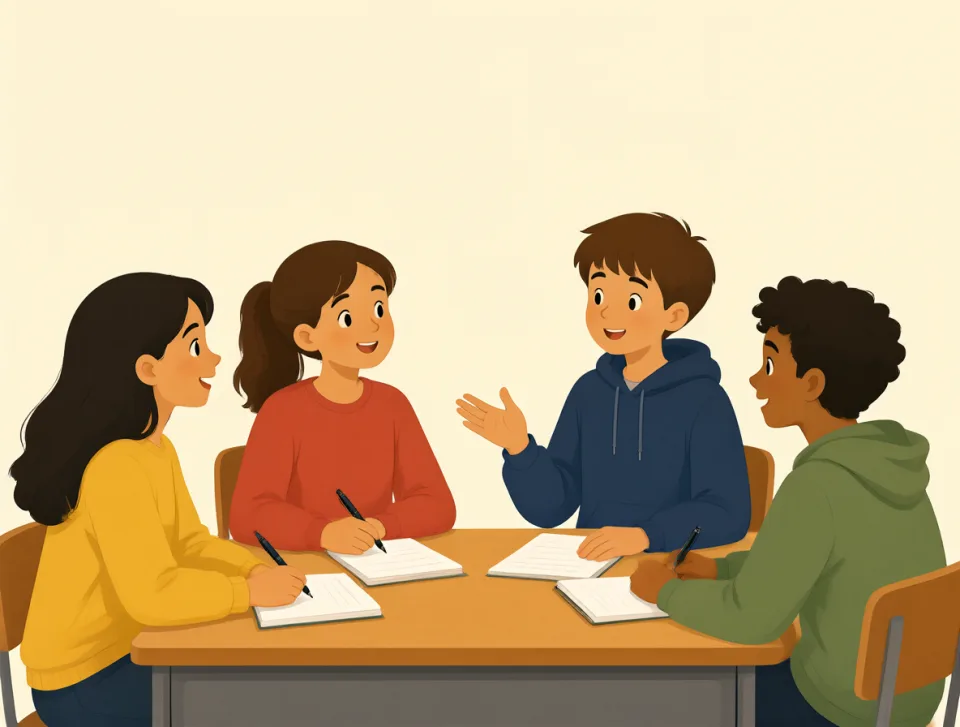
She has a different idea for the project.
Ela tem uma ideia diferente para o projeto.

The weather is different in the mountains.
O clima é diferente nas montanhas.
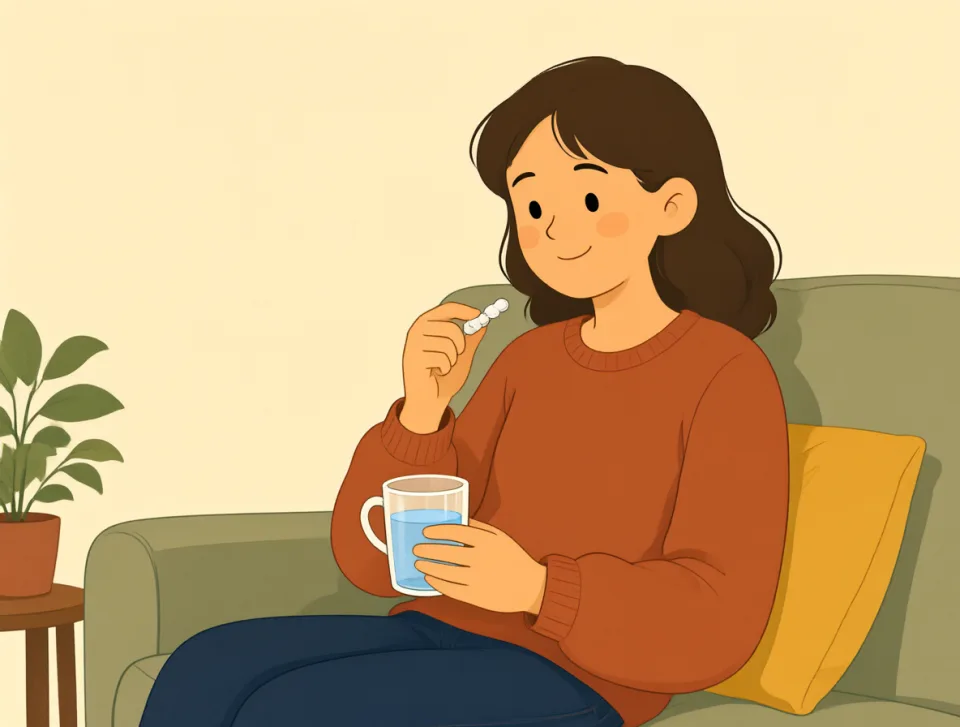
He feels different after taking the medicine.
Ele se sente diferente depois de tomar o remédio.

off
#150adverb, adjective, preposition, noun
desligado; fora; afastado; estragado
Away from a place, position, or working state; not operating or attached.
Longe de um lugar ou posição, ou fora de funcionamento ou desencaixado.
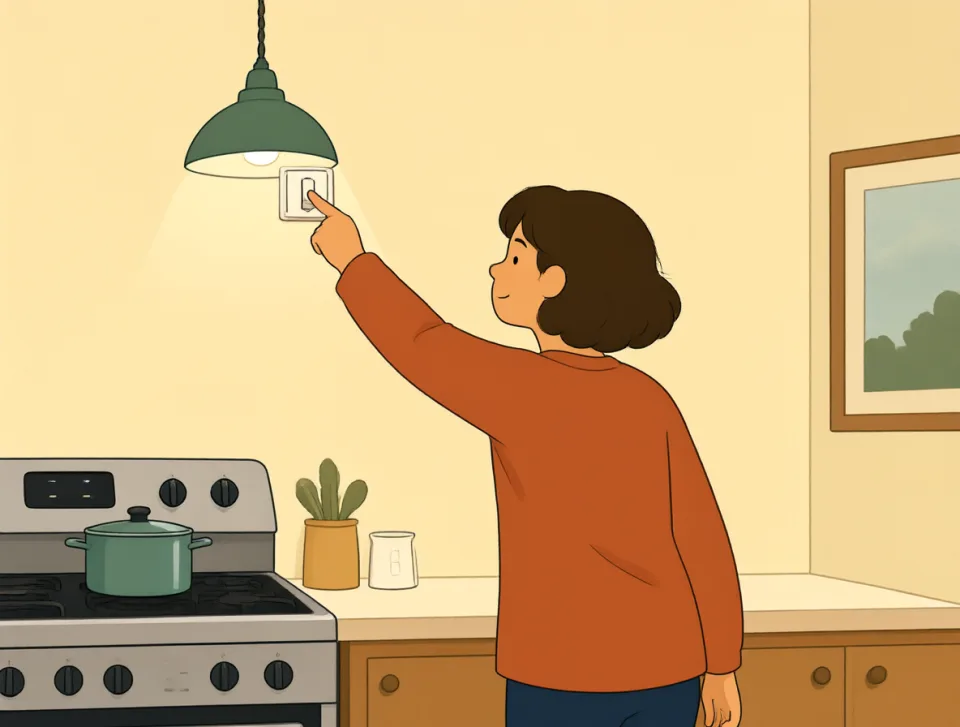
Please turn off the kitchen light.
Por favor, apague a luz da cozinha.
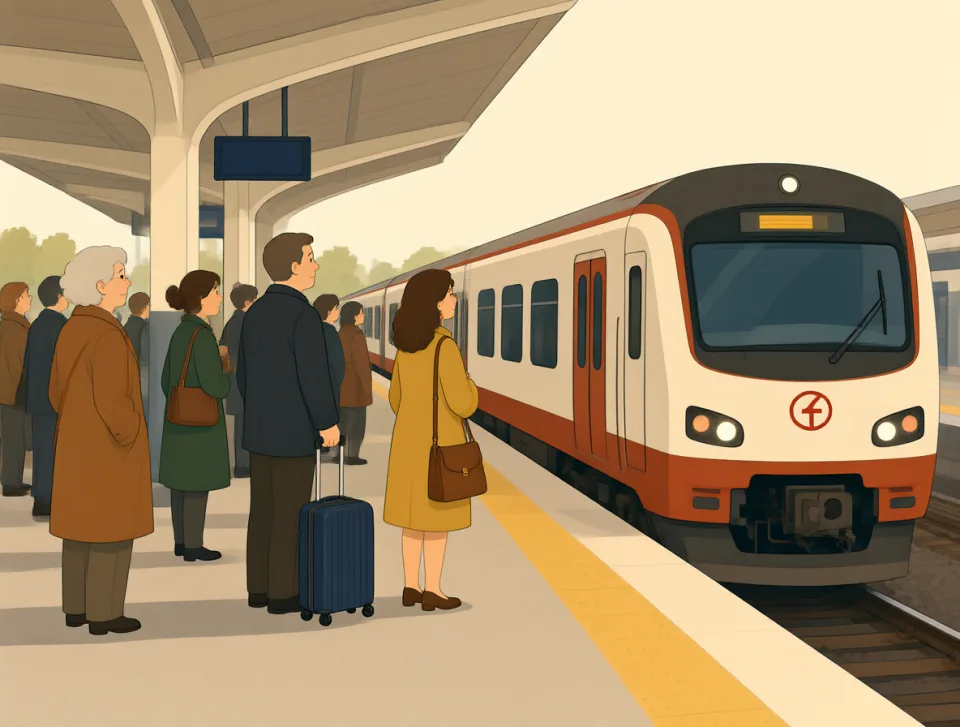
The train left ten minutes off schedule.
O trem partiu dez minutos antes do horário.
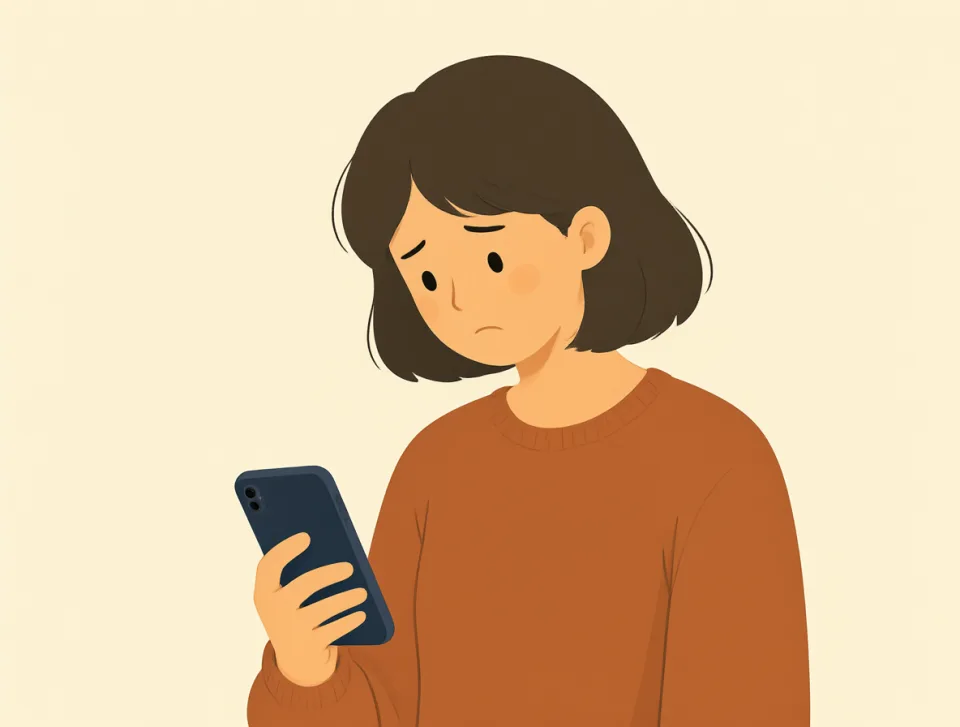
My phone is off because its battery died.
Meu celular está desligado porque a bateria acabou.
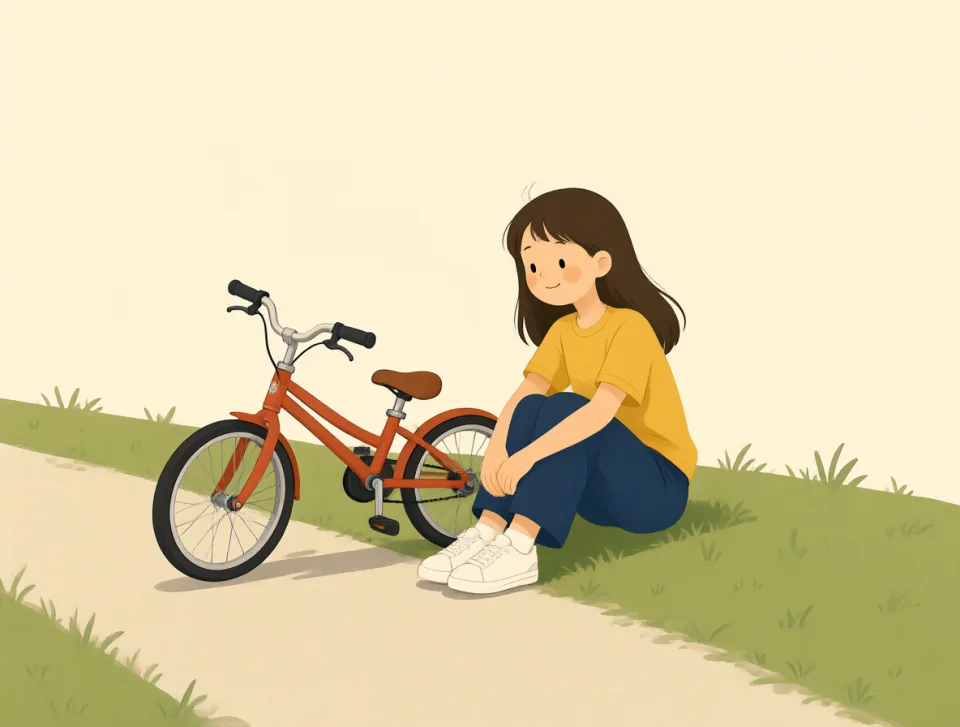
She fell off her bike yesterday.
Ela caiu da bicicleta ontem.
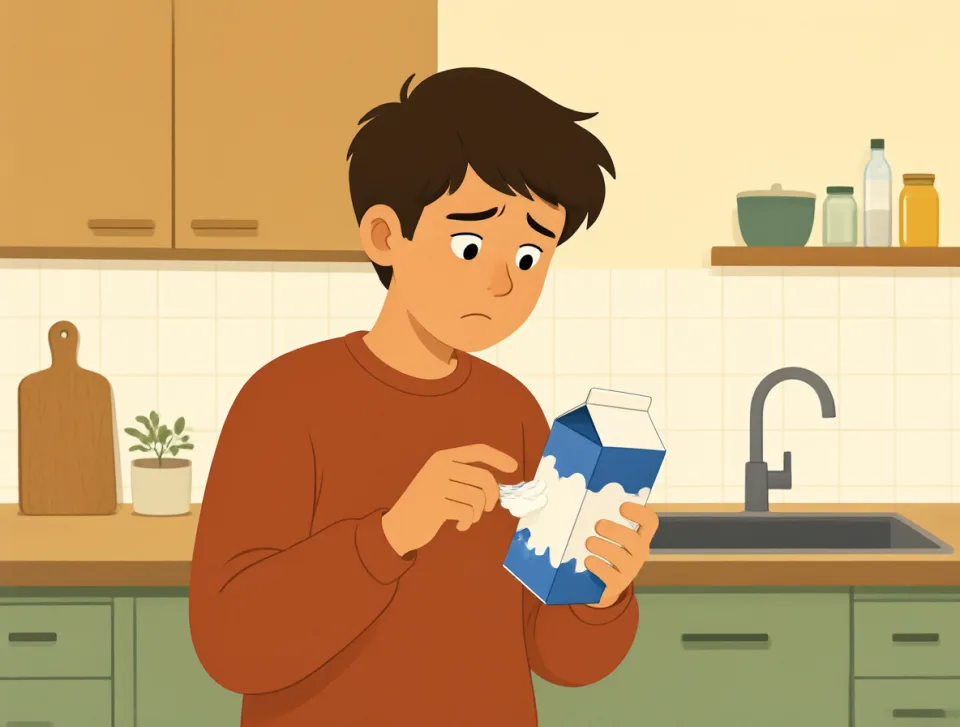
The milk smells off, so throw it away.
O leite está com cheiro estranho, então jogue-o fora.
next
#151adjective, adverb, noun, determiner
próximo; seguinte
Coming immediately after this one in time, order, or place.
Que vem imediatamente depois deste em tempo, ordem ou lugar.
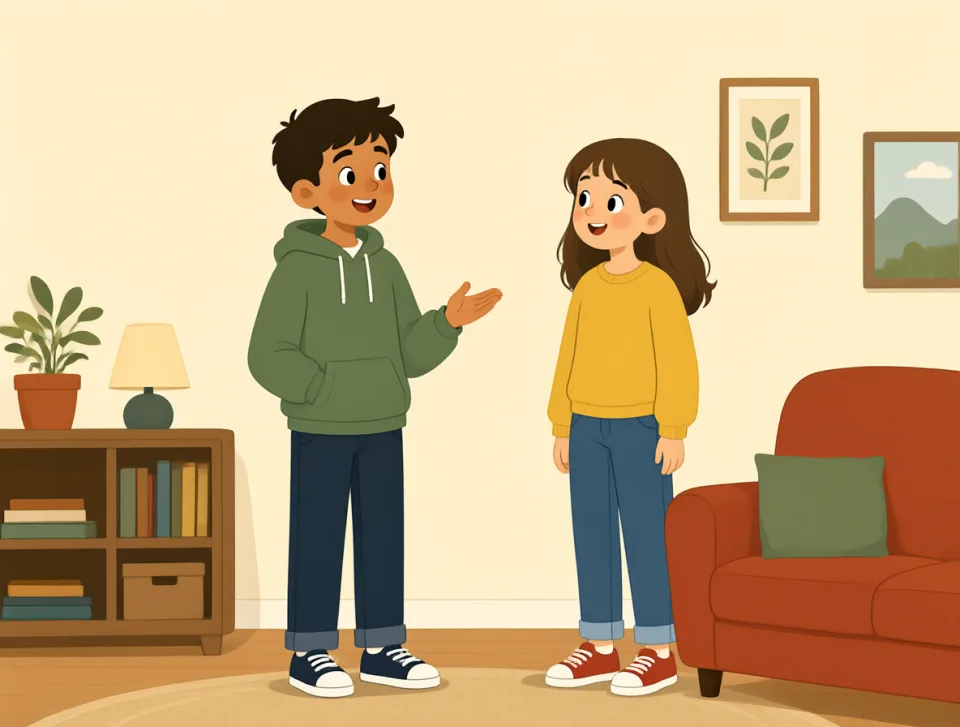
What are you doing next?
O que você vai fazer em seguida?
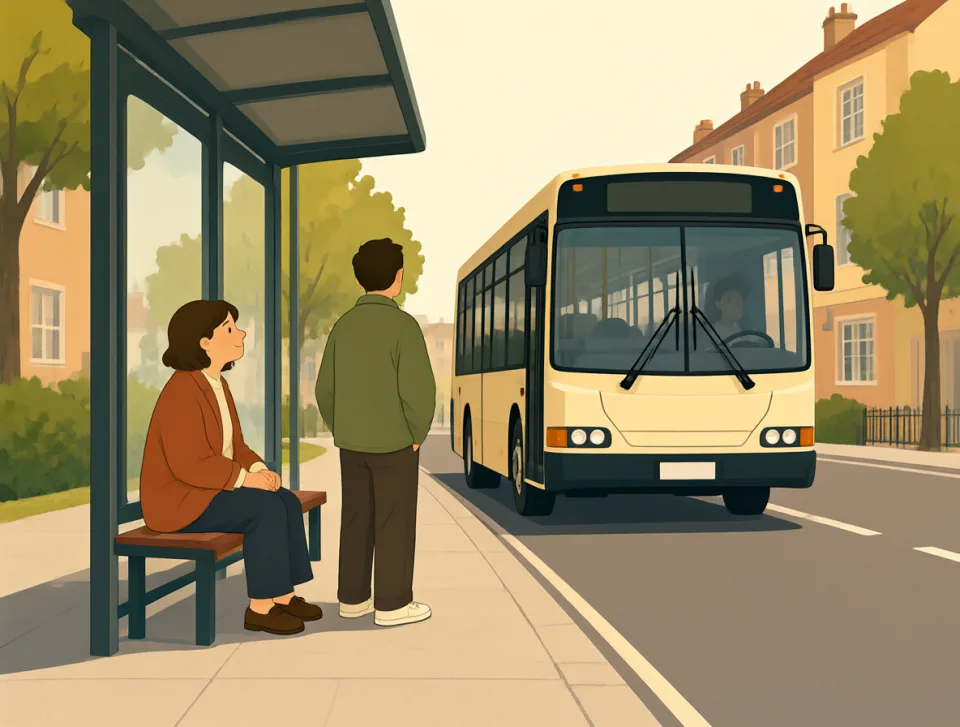
The next bus leaves at noon.
O próximo ônibus sai ao meio-dia.
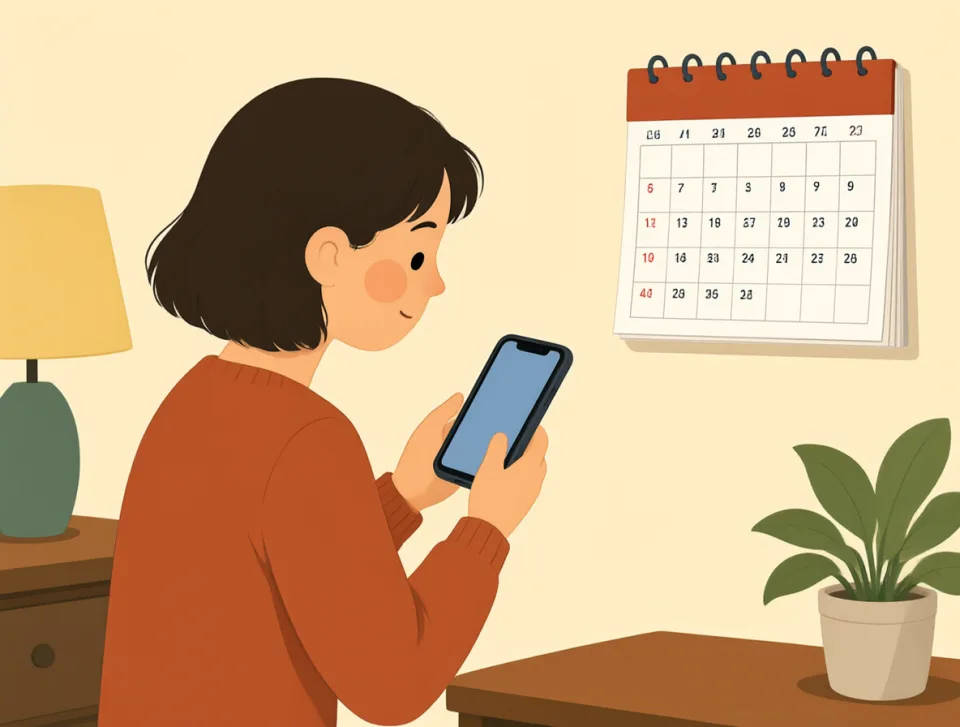
Please call me next week.
Por favor, ligue para mim na próxima semana.
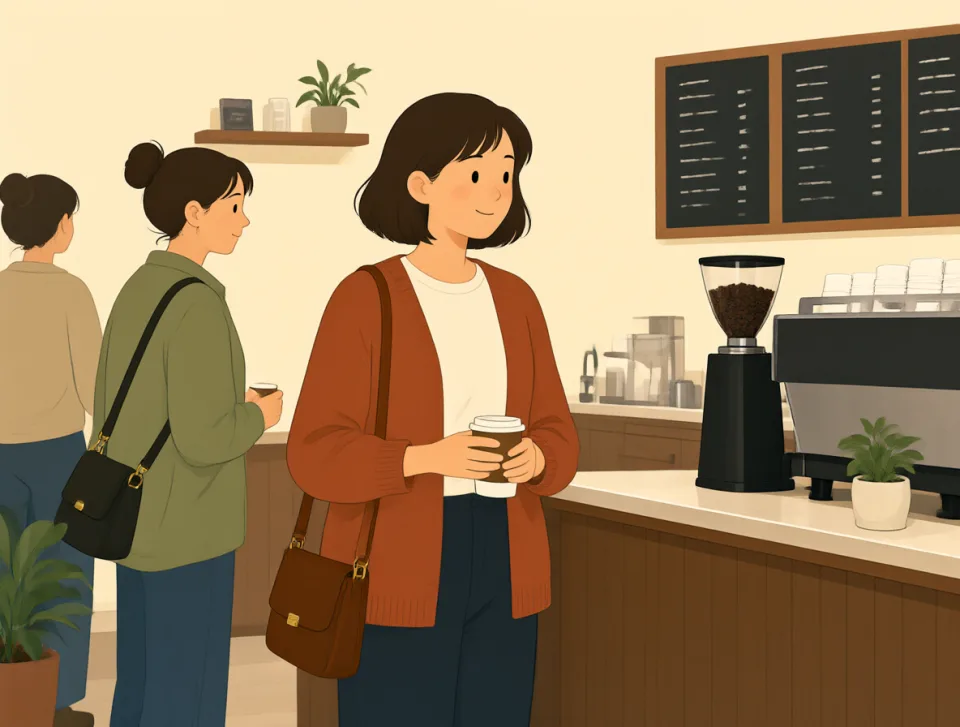
She was next in line for coffee.
Ela era a próxima da fila para pegar café.
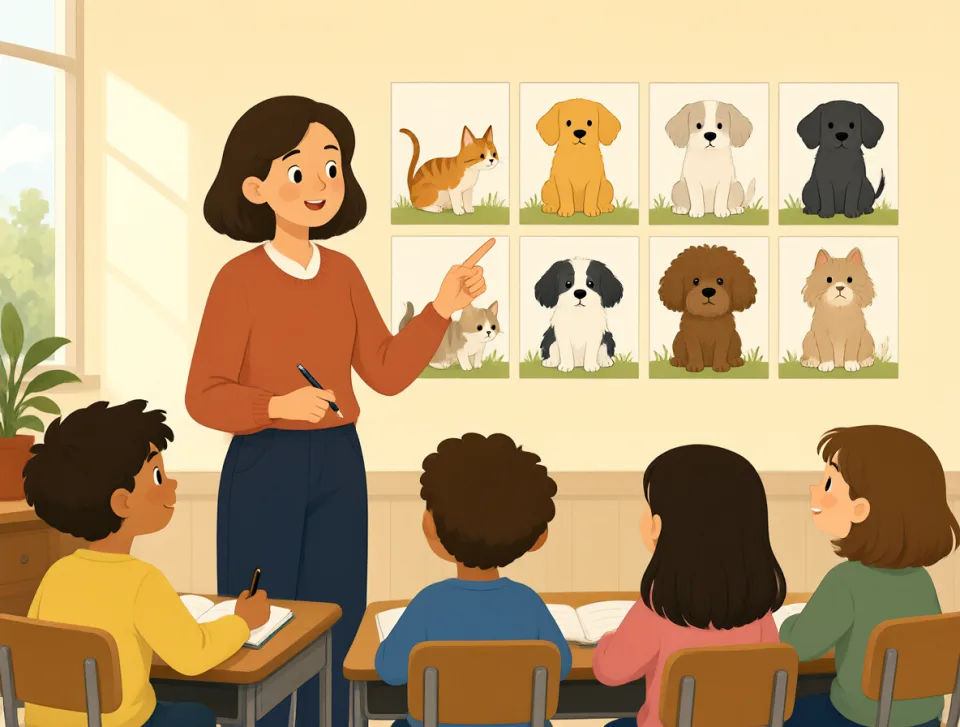
Our next lesson is about animals.
Nossa próxima aula é sobre animais.
end
#152noun, verb
fim; terminar
the final part of something, or to finish something
a parte final de algo, ou terminar algo
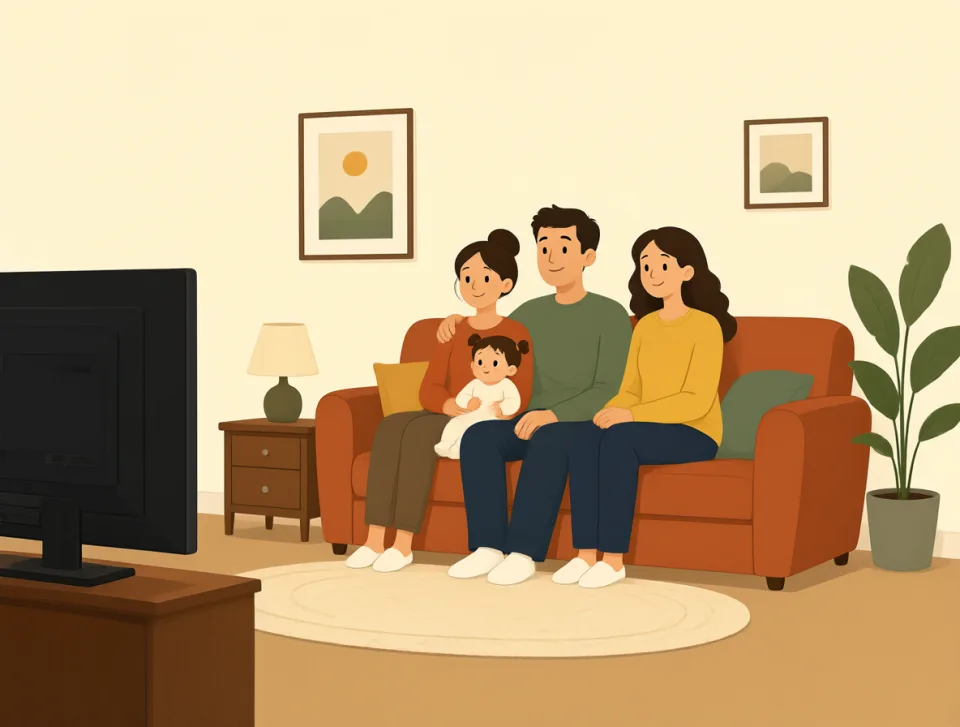
The movie ended late last night.
O filme terminou tarde ontem à noite.
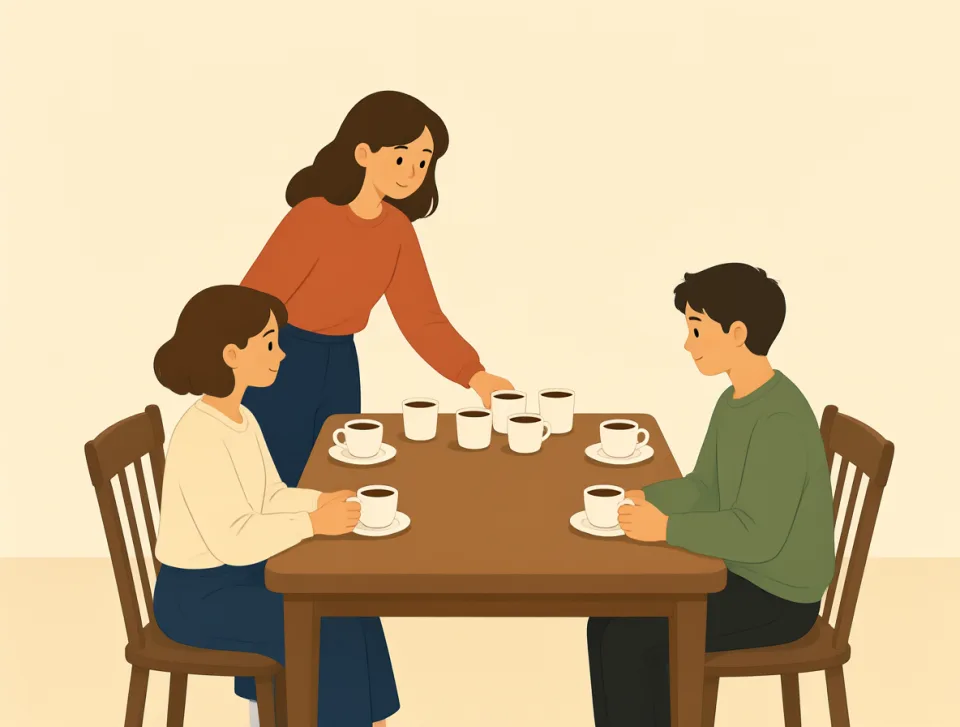
Please put the cups at the end.
Por favor, coloque as xícaras no fim.
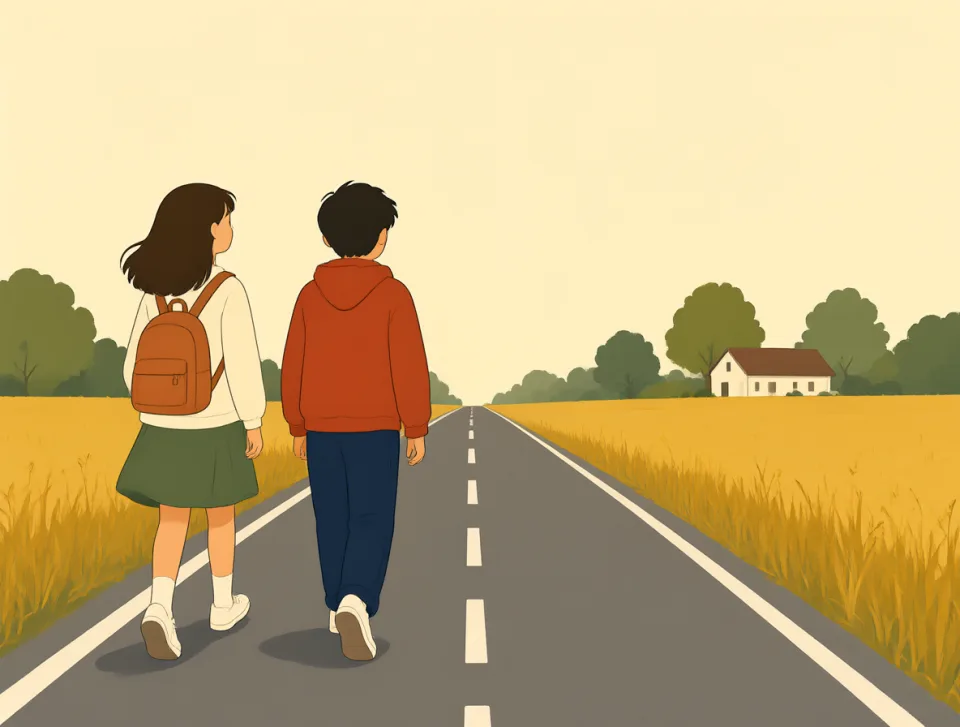
We walked to the end of the road.
Caminhamos até o fim da estrada.
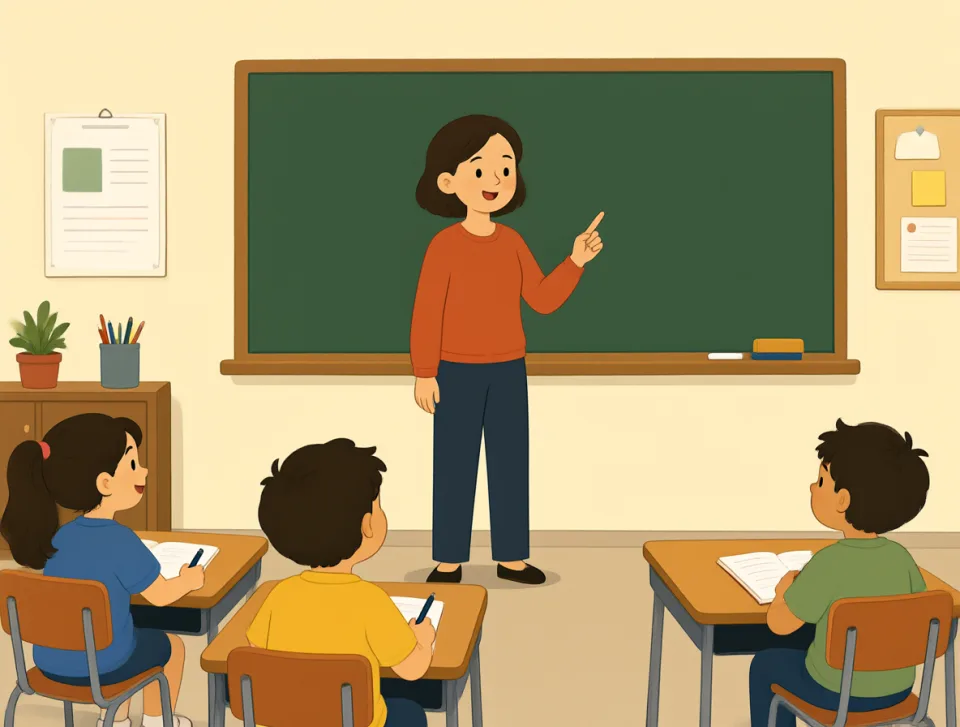
The lesson ends at three o’clock.
A aula termina às três horas.
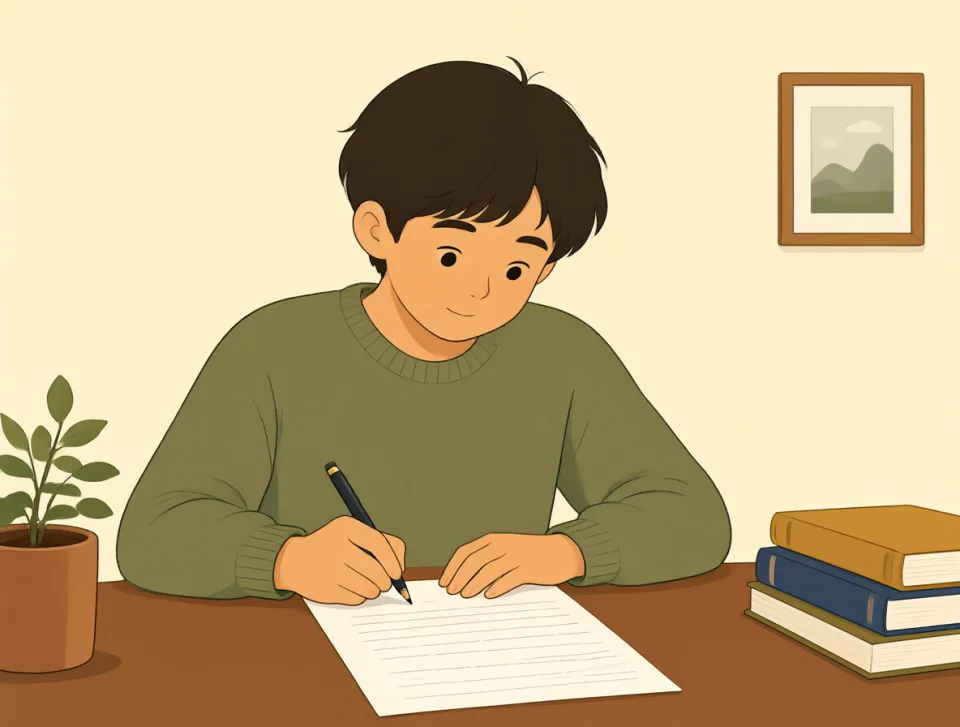
I ended my letter with a kind message.
Terminei minha carta com uma mensagem carinhosa.
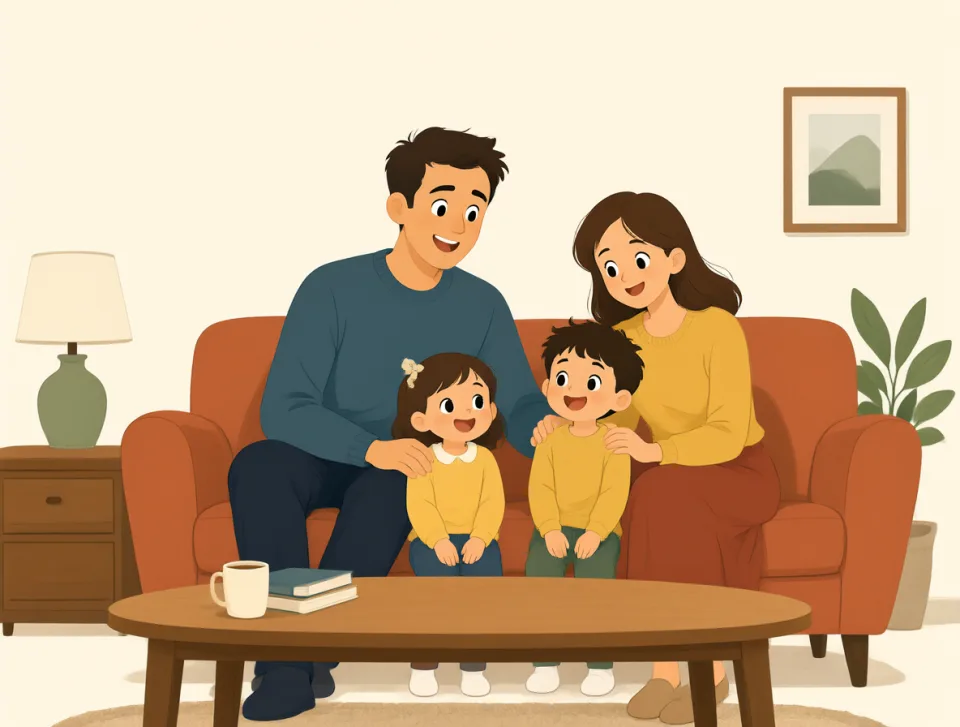
live
#153verb, adjective, adverb
morar; ao vivo; vivo
To have your home in a place; or happening now, in real time.
Ter sua casa em um lugar; ou estar acontecendo agora, em tempo real.
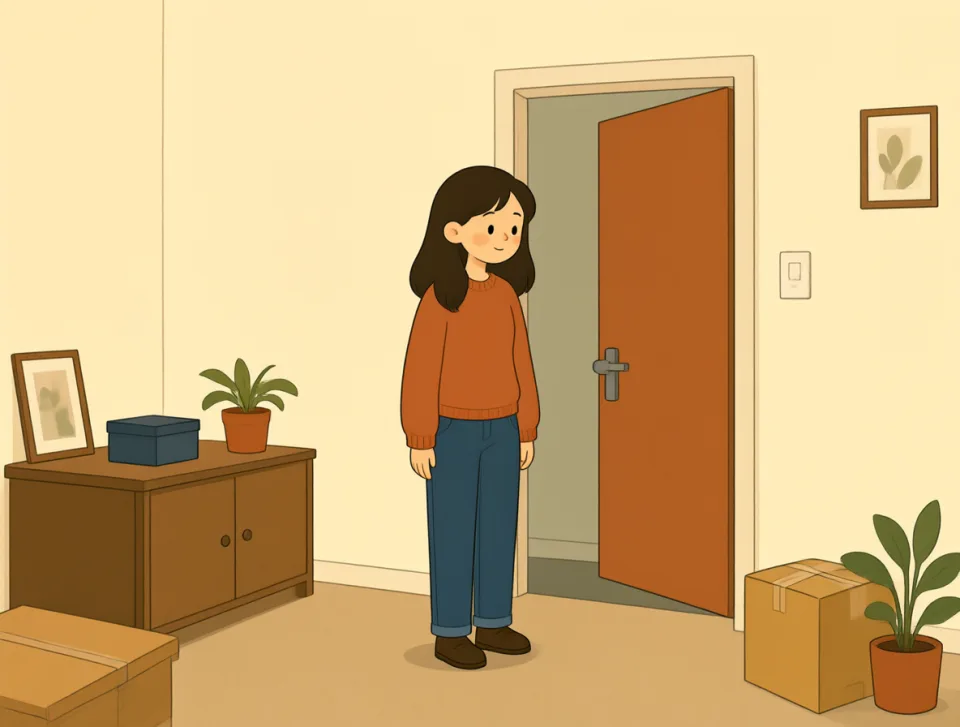
I live in a small apartment.
Eu moro em um apartamento pequeno.
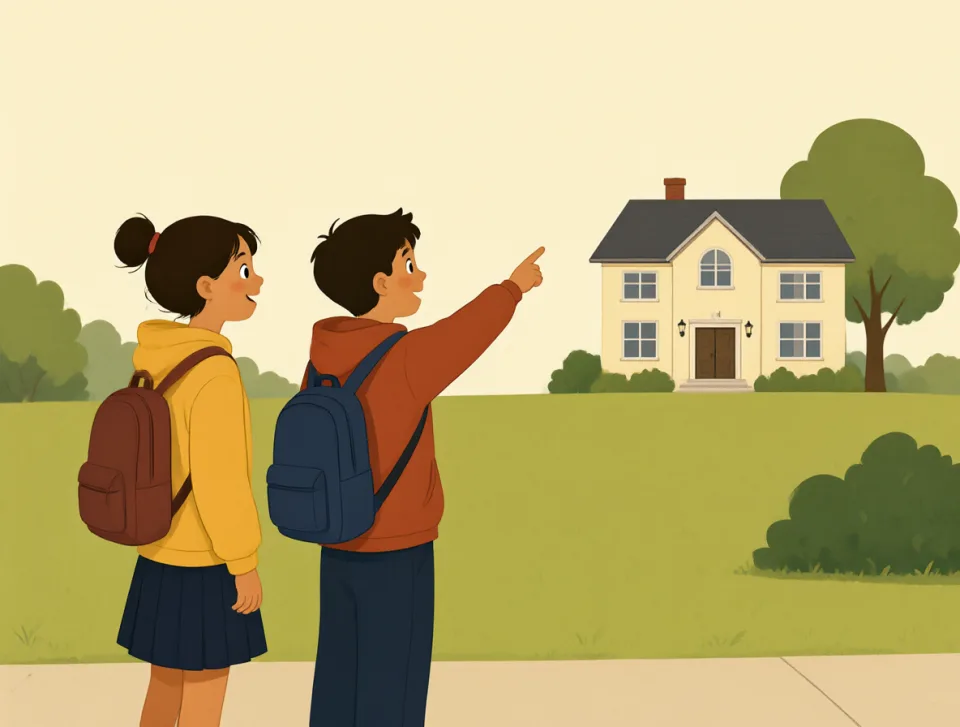
Do you live near the school?
Você mora perto da escola?
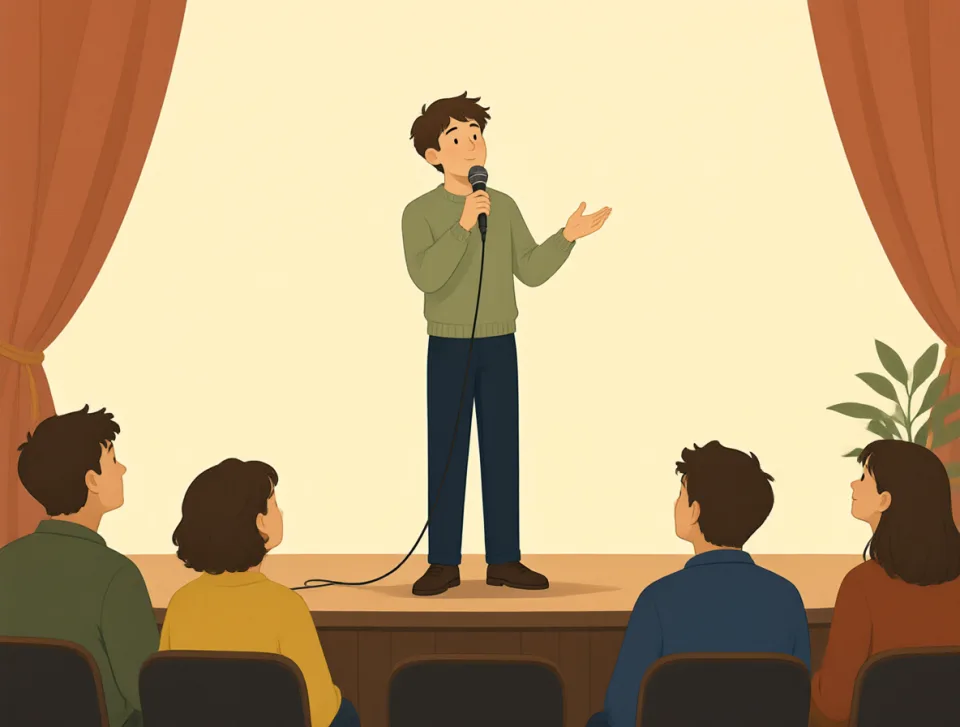
We watched a live music show.
Assistimos a um show de música ao vivo.
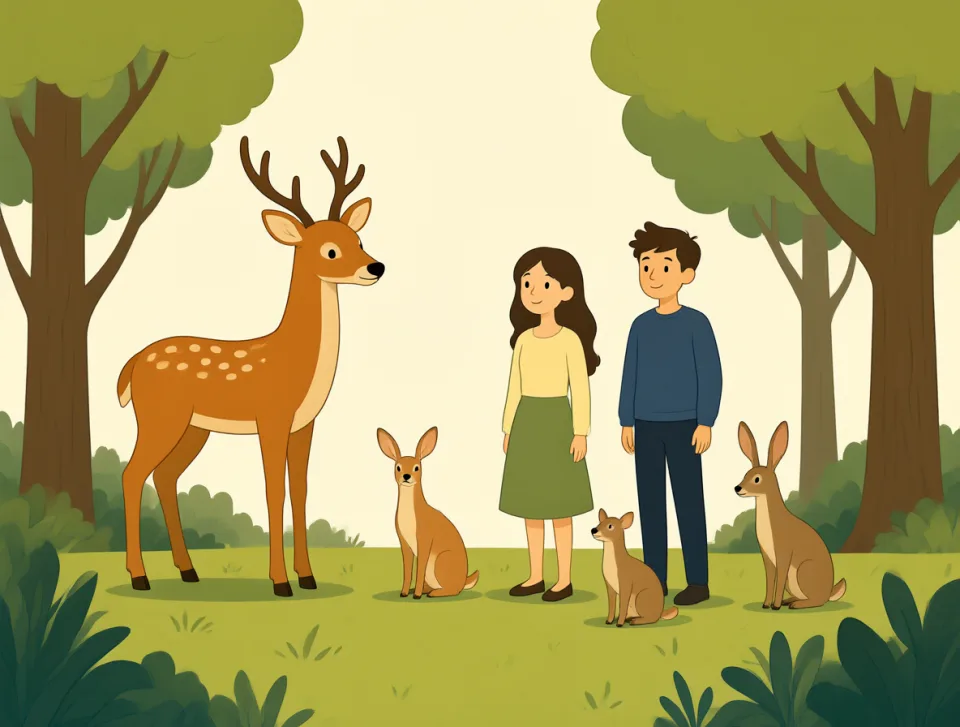
Many animals live in the forest.
Muitos animais vivem na floresta.
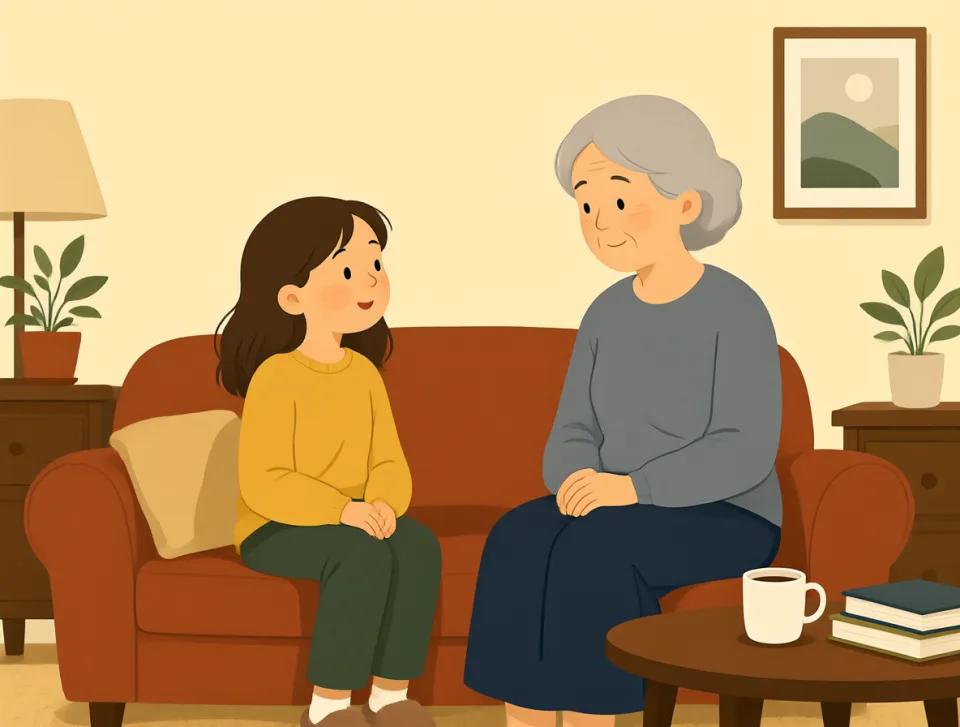
She is living with her aunt.
Ela está morando com a tia.
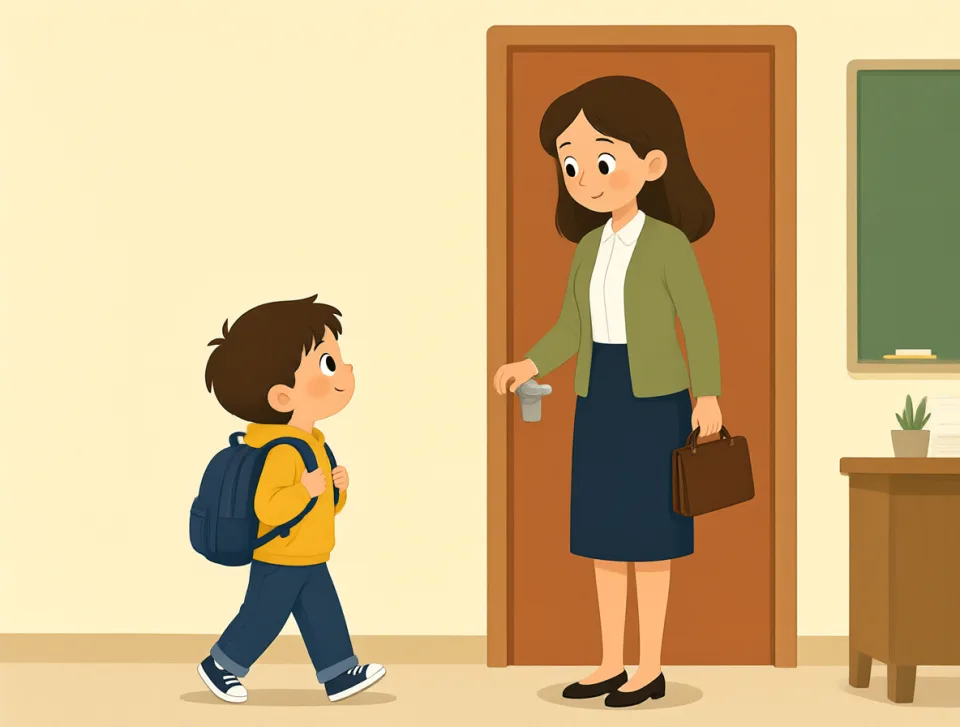
why
#154adverb, noun
por quê; por que; motivo
Used to ask about or explain the reason for something.
Usado para perguntar ou explicar a razão de algo.
Why are you late for school?
Por que você está atrasado para a escola?
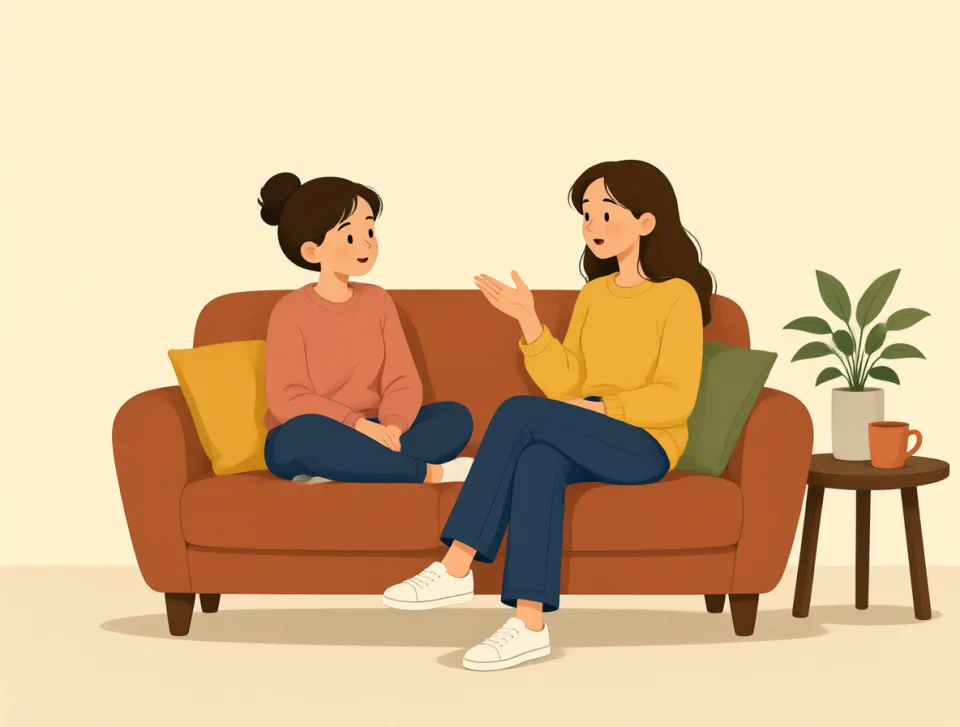
I know why she feels tired.
Eu sei por que ela se sente cansada.

Why did you leave work early?
Por que você saiu mais cedo do trabalho?
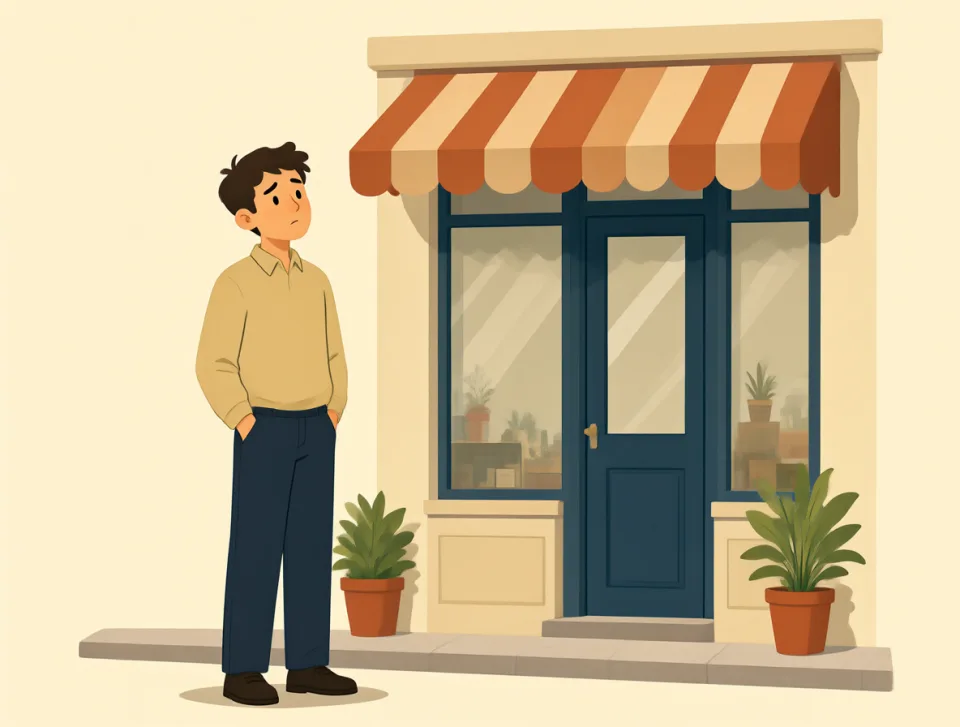
He asked why the shop was closed.
Ele perguntou por que a loja estava fechada.

There is no reason why we cannot go.
Não há motivo para não podermos ir.
while
#155noun, conjunction, preposition
enquanto; durante; um tempo
a period of time; during the time that something happens
um período de tempo; durante o tempo em que algo acontece

Please wait here while I get your bag.
Por favor, espere aqui enquanto pego sua bolsa.
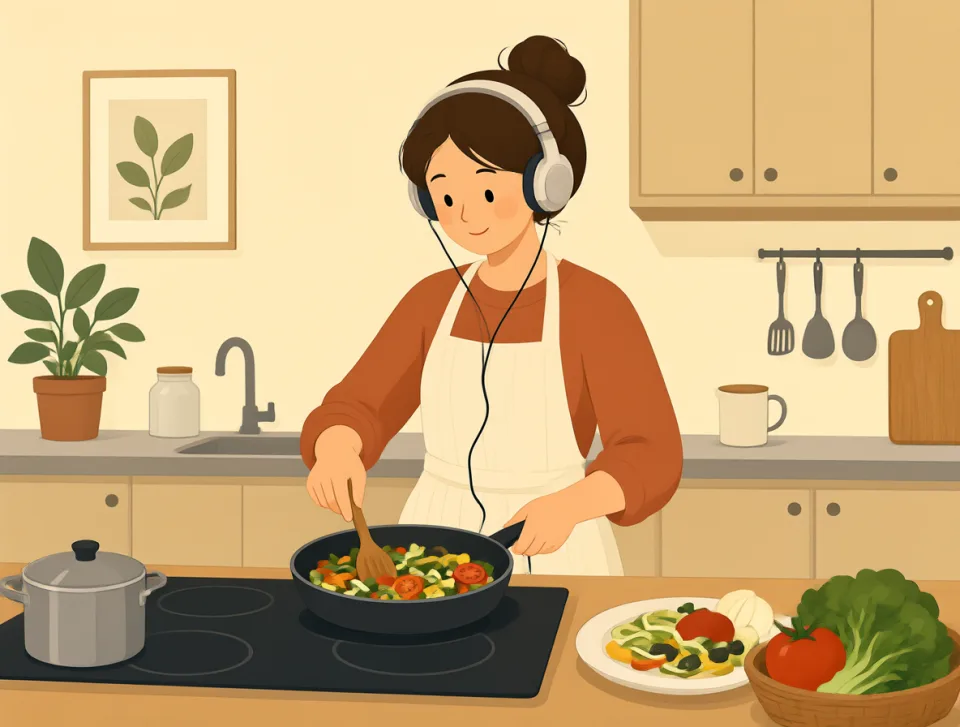
She listened to music while cooking dinner.
Ela ouviu música enquanto preparava o jantar.
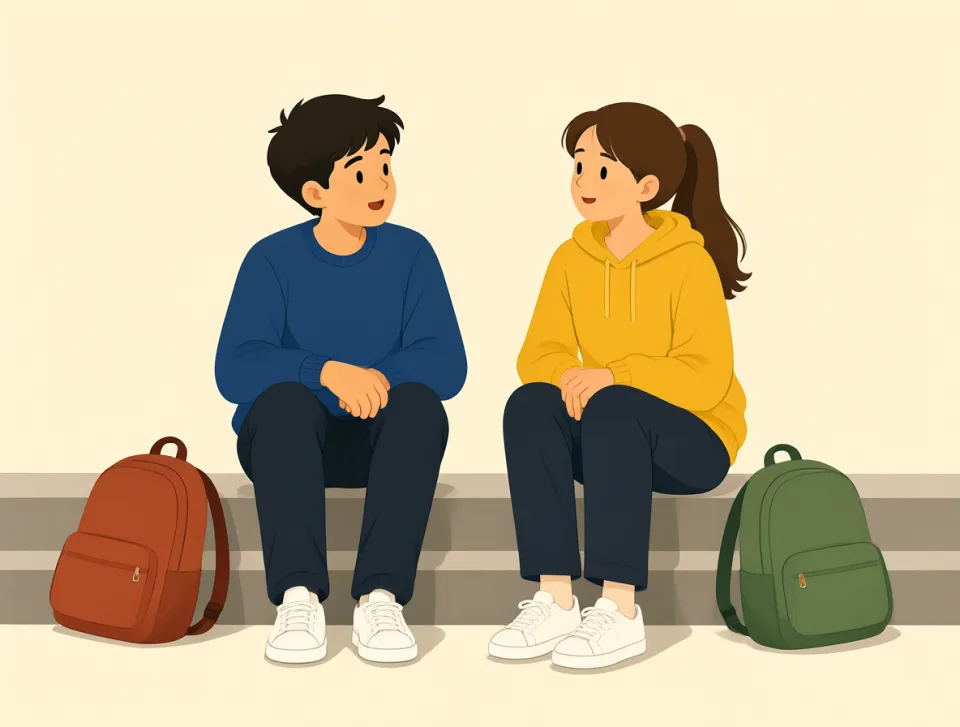
We talked for a while after school.
Conversamos por um tempo depois da escola.
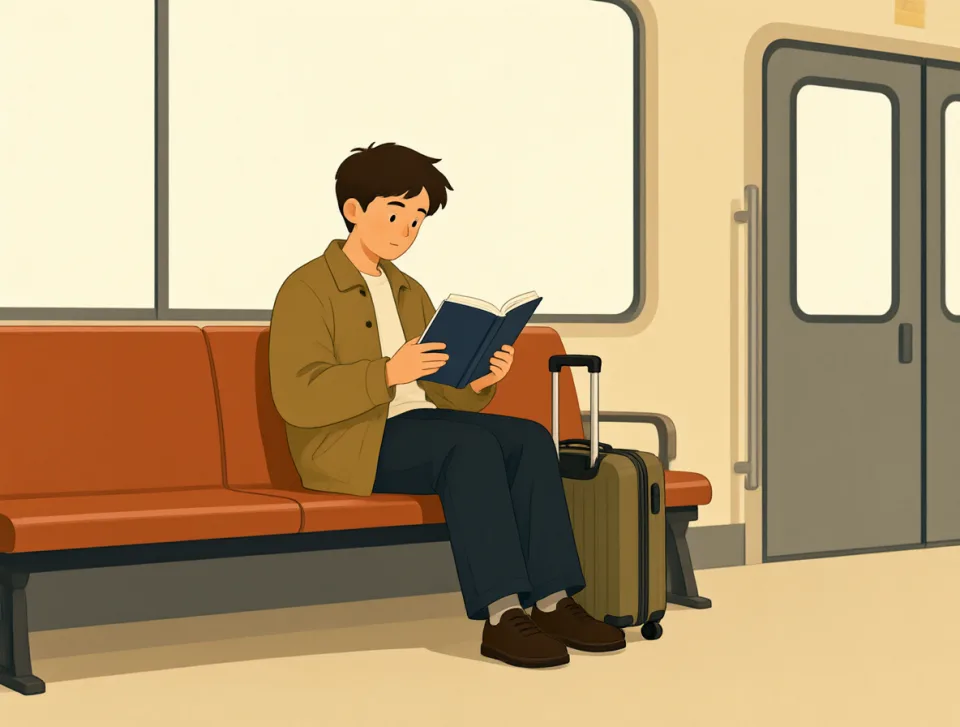
He read a book while waiting for the train.
Ele leu um livro enquanto esperava o trem.
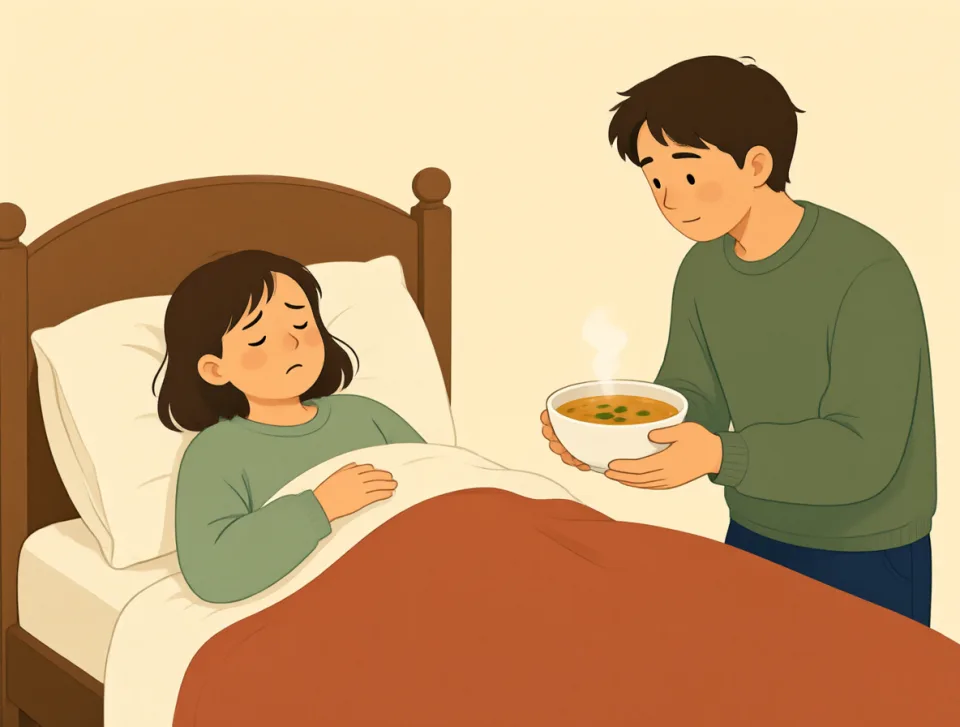
While I was sick, my friend brought soup.
Enquanto eu estava doente, meu amigo trouxe sopa.

world
#156noun
mundo
the Earth and all its people, countries, and places
a Terra e todas as suas pessoas, países e lugares
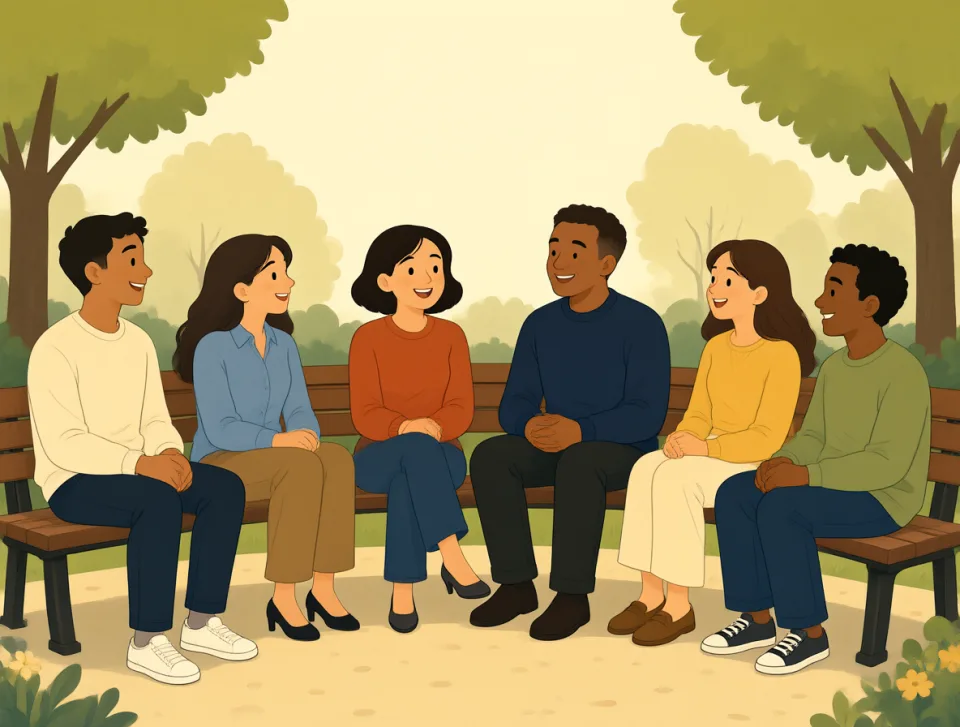
People around the world enjoy music.
Pessoas do mundo todo gostam de música.
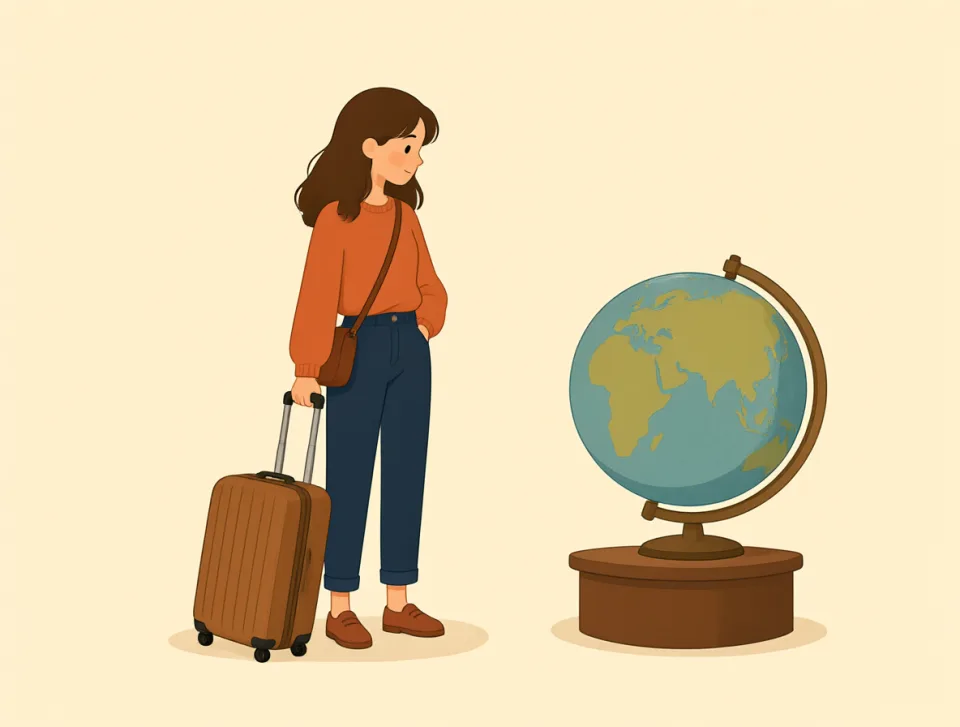
She wants to travel the world.
Ela quer viajar pelo mundo.

The whole world watched the game.
O mundo inteiro assistiu ao jogo.
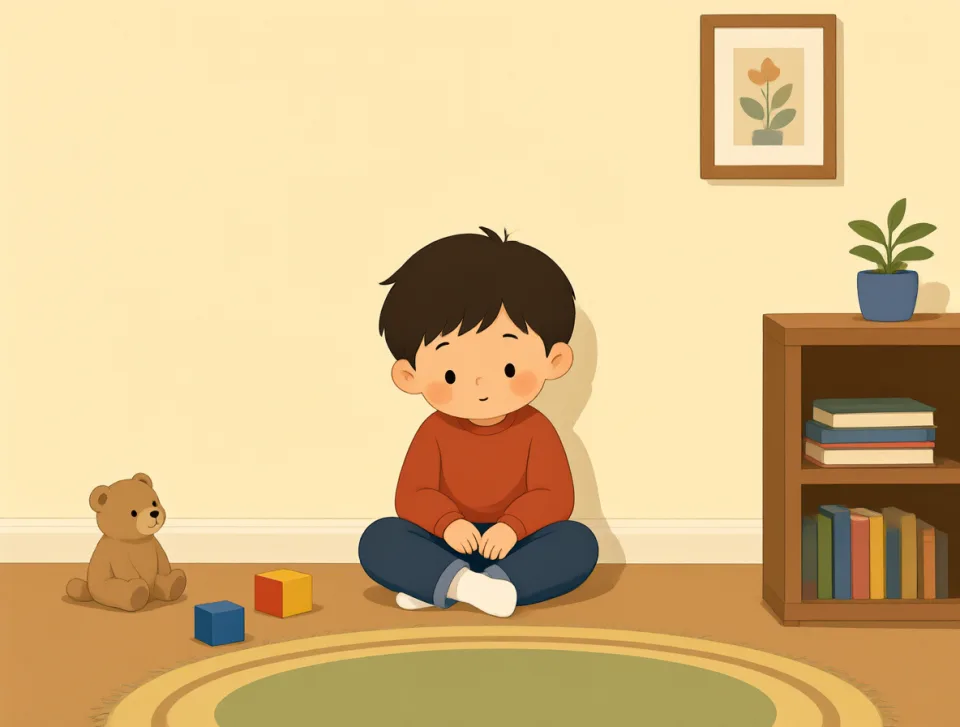
He lives in a small world.
Ele vive em um mundo pequeno.
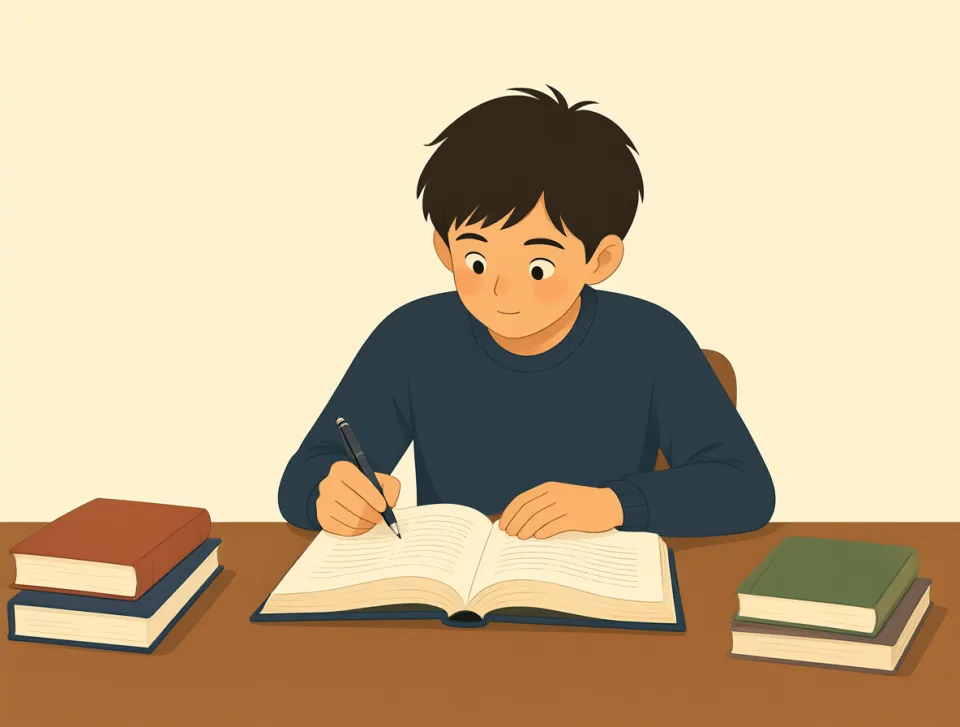
World history is my favorite school subject.
História mundial é minha matéria favorita na escola.
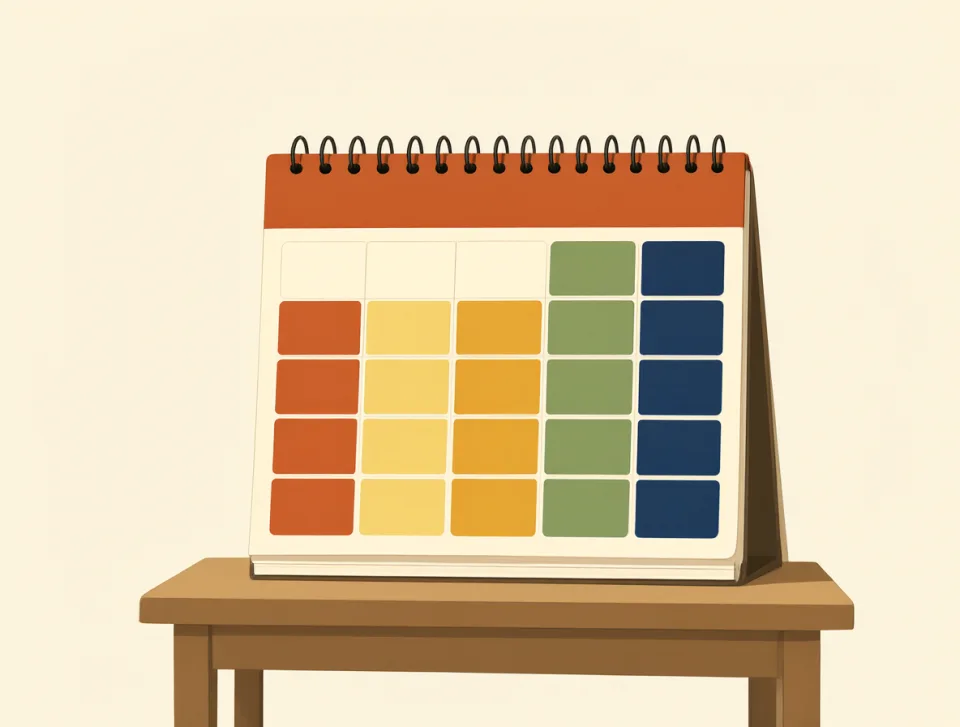
week
#157noun
semana
A period of seven days, from one day to the same day the next week.
Um período de sete dias, de um dia até o mesmo dia da semana seguinte.

I visit my parents every week.
Visito meus pais toda semana.
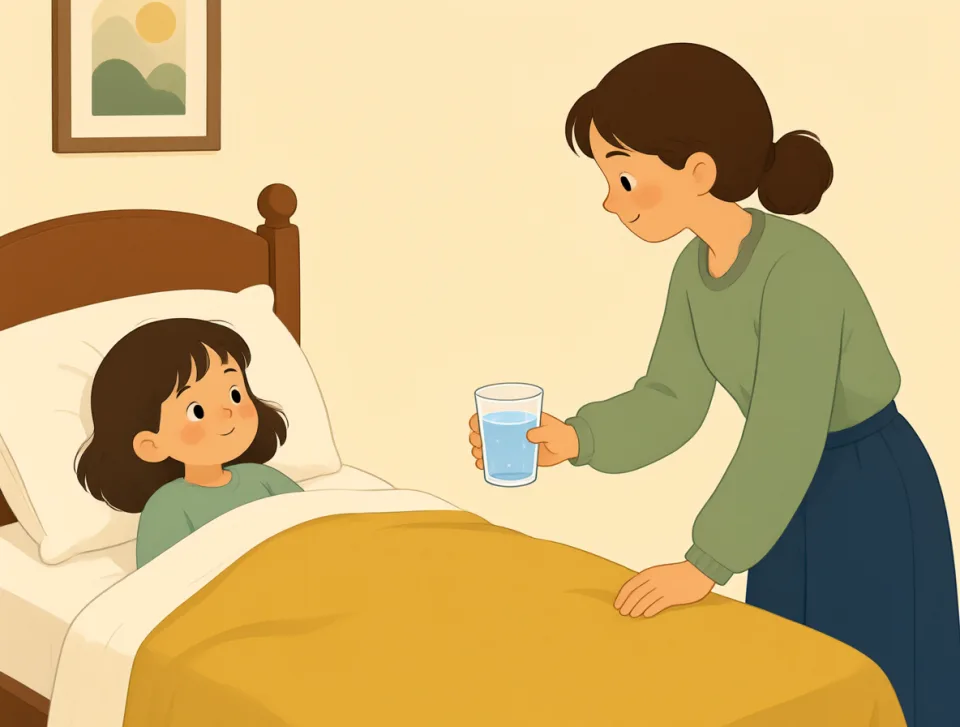
She was sick last week.
Ela ficou doente na semana passada.

We have a team meeting this week.
Temos uma reunião da equipe esta semana.
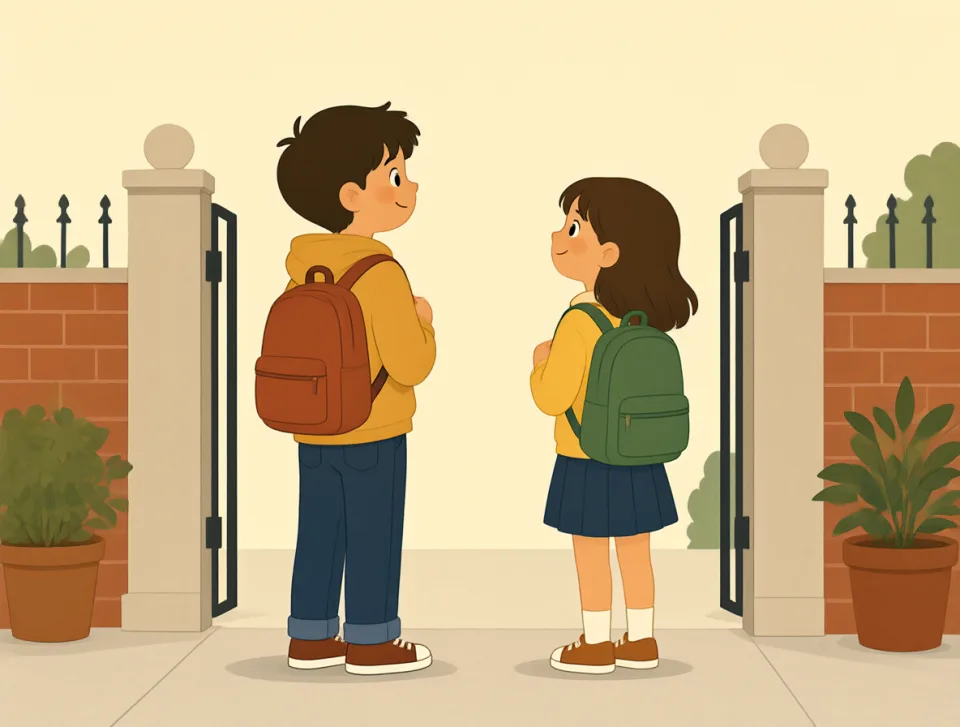
The children start school next week.
As crianças começam a escola na próxima semana.

We are traveling to Spain in two weeks.
Vamos viajar para a Espanha daqui a duas semanas.
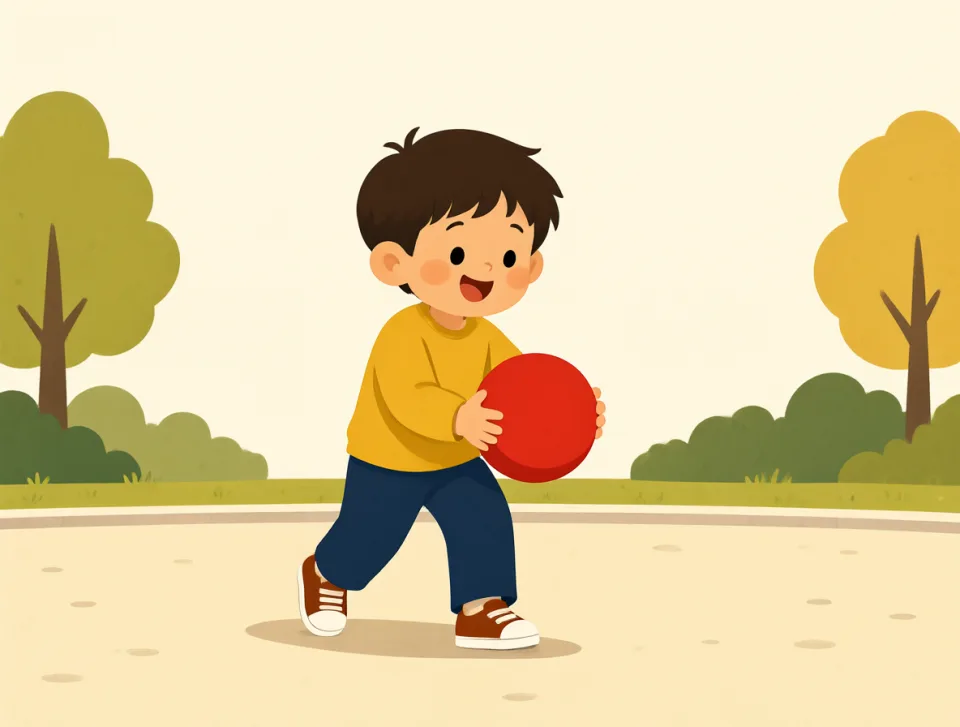
play
#158verb, noun
brincar; jogar; tocar; interpretar
to do something for fun, or to act in a show
fazer algo por diversão ou atuar em uma apresentação
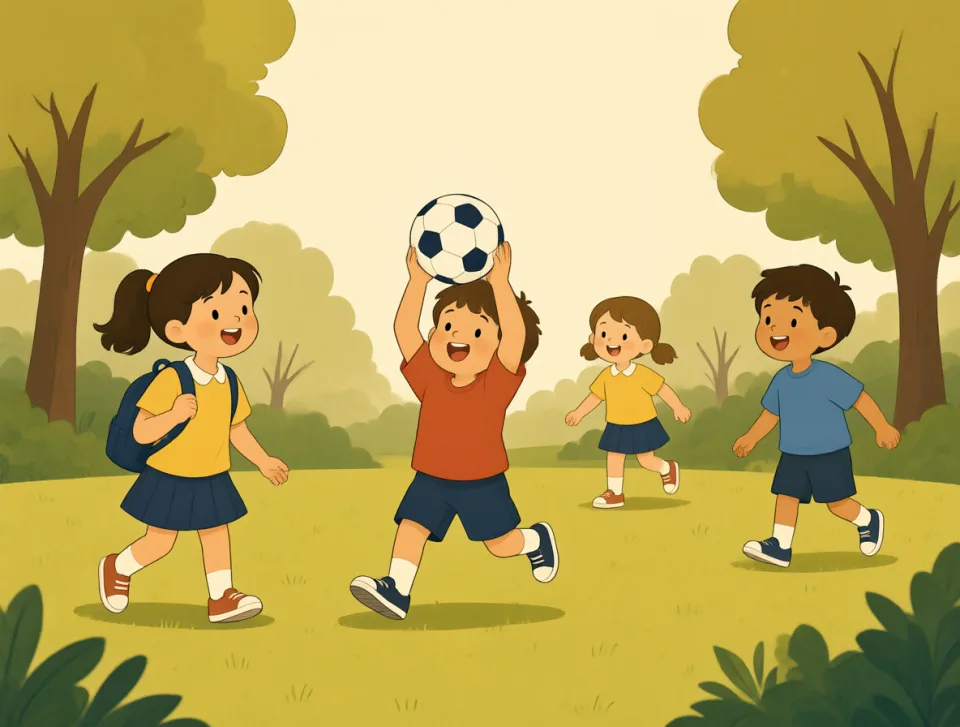
The children play outside after school.
As crianças brincam lá fora depois da escola.
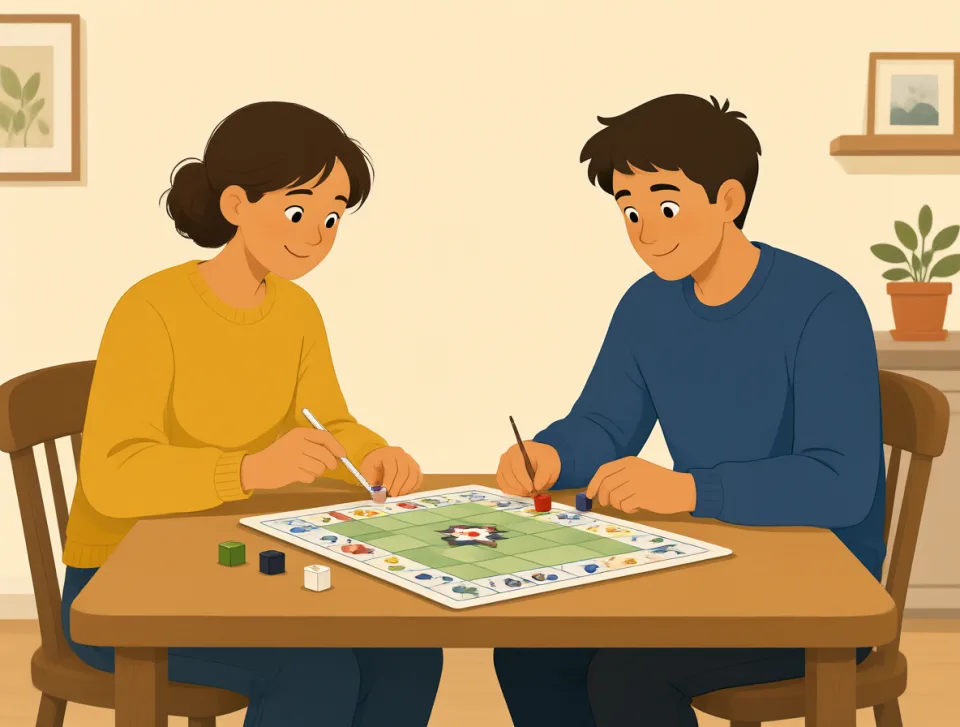
We played a game at home.
Nós jogamos um jogo em casa.
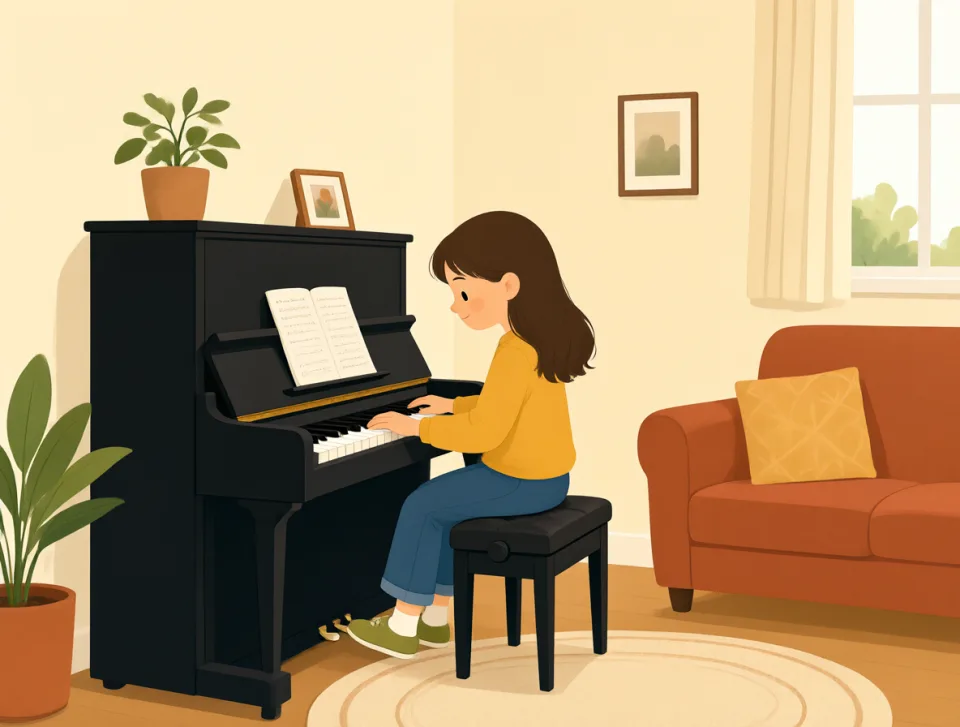
She plays the piano every morning.
Ela toca piano todas as manhãs.
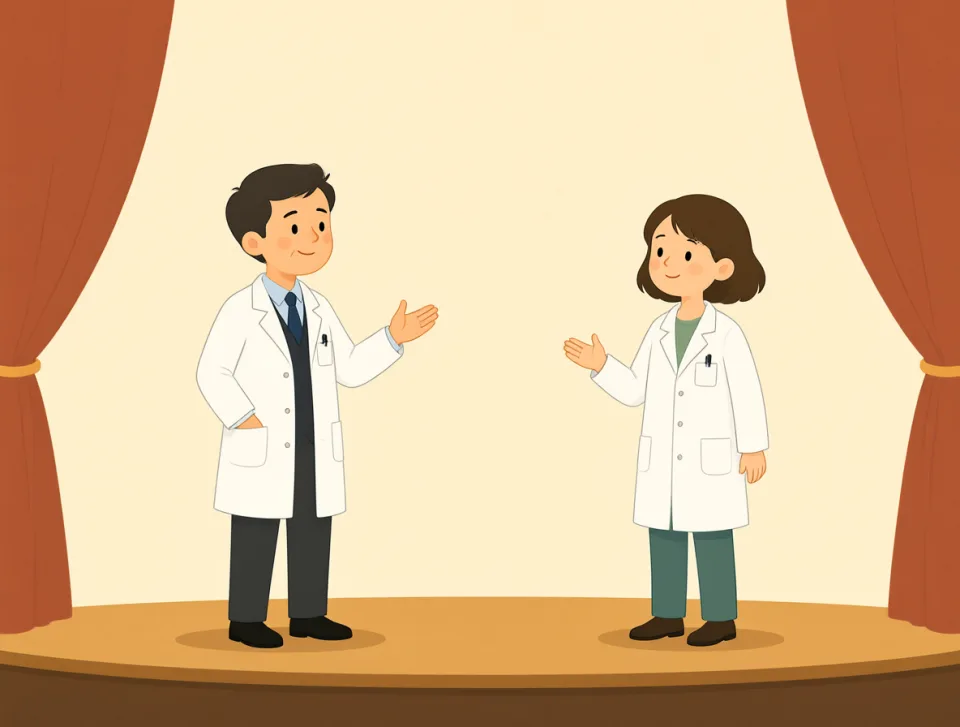
The actors play doctors in the show.
Os atores interpretam médicos na apresentação.
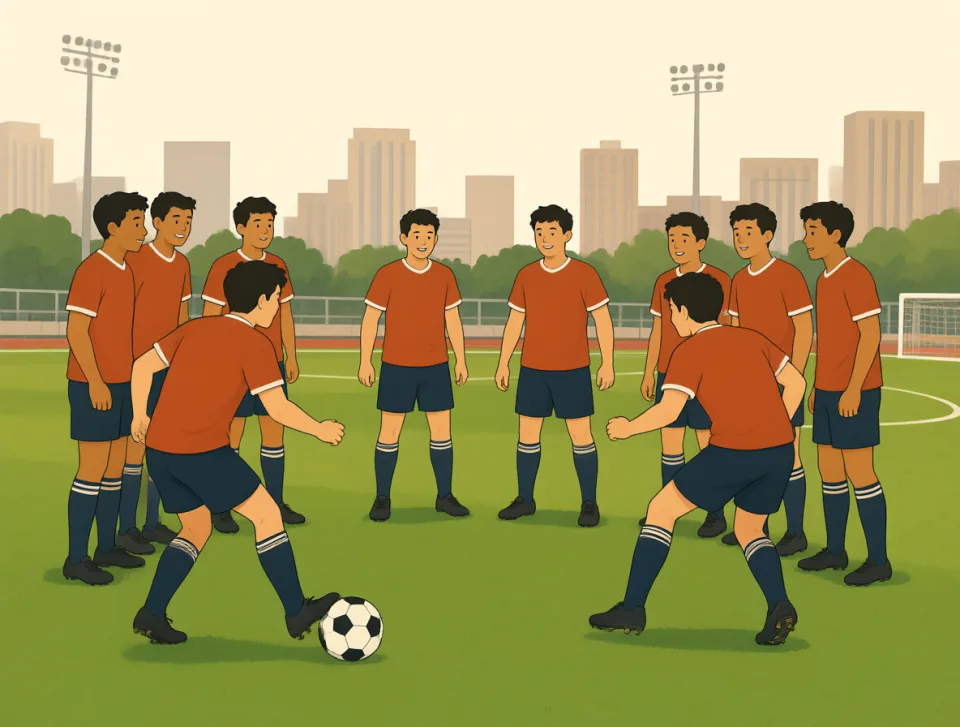
Our team plays in London tomorrow.
Nosso time joga em Londres amanhã.
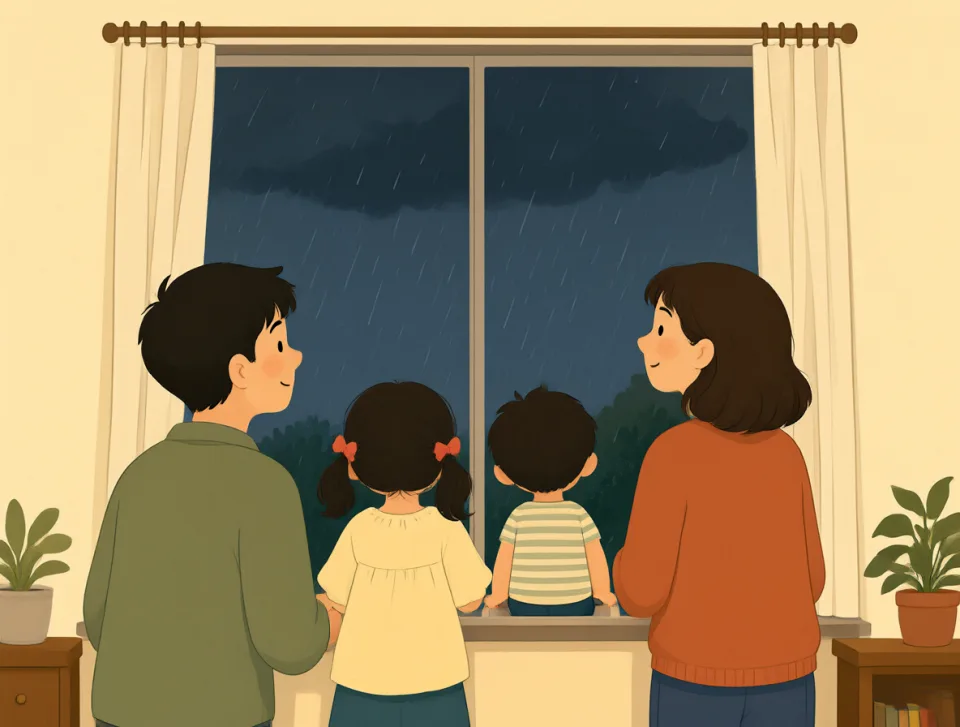
might
#159modal verb, noun
poder; talvez
Used to say something is possible or to ask permission politely.
Usado para dizer que algo é possível ou para pedir permissão educadamente.
It might rain this afternoon.
Pode chover hoje à tarde.
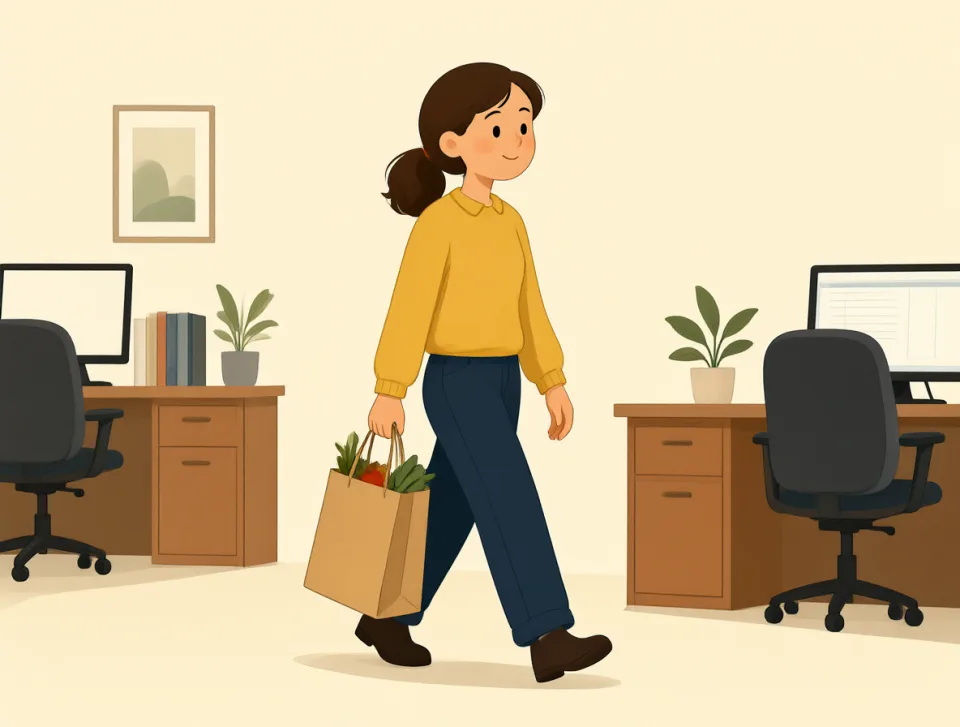
I might go shopping after work.
Talvez eu vá fazer compras depois do trabalho.
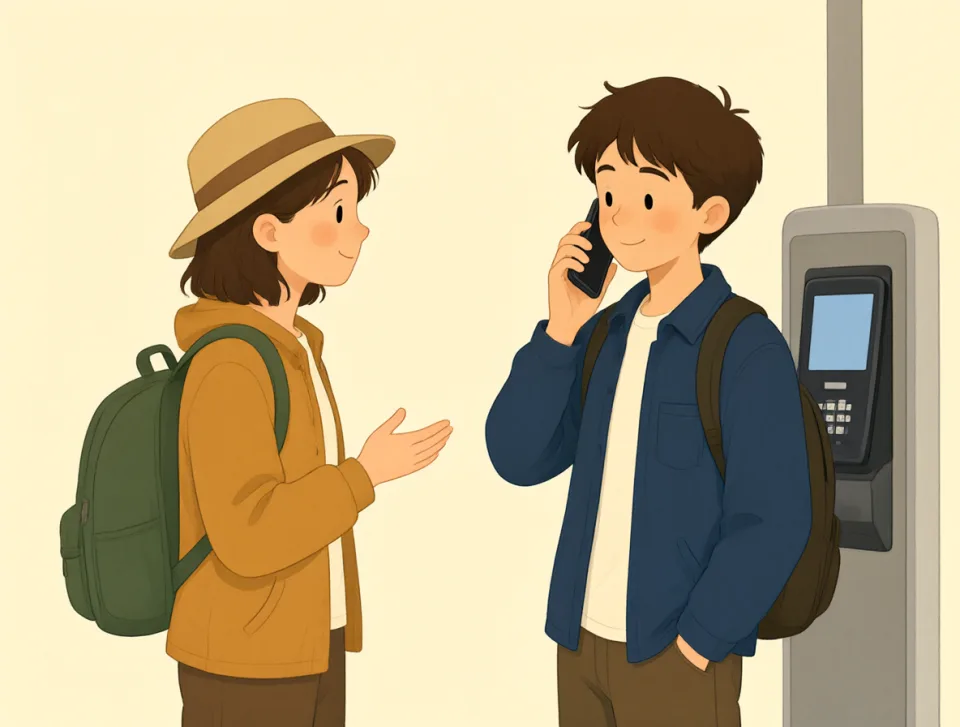
Might I use your phone, please?
Posso usar seu telefone, por favor?
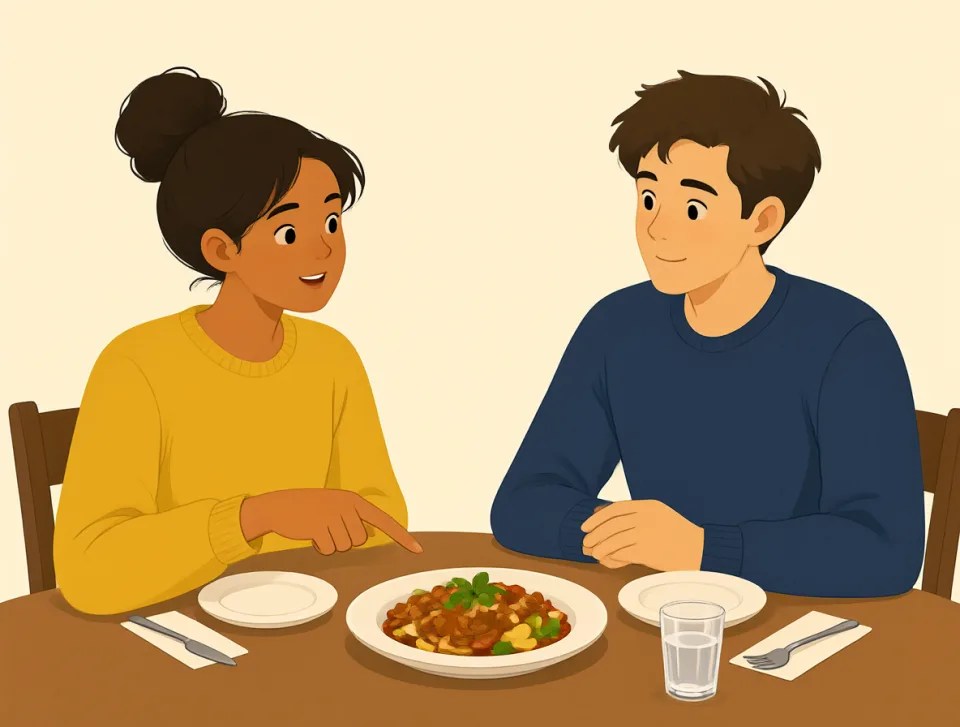
You might like this new restaurant.
Você pode gostar deste restaurante novo.
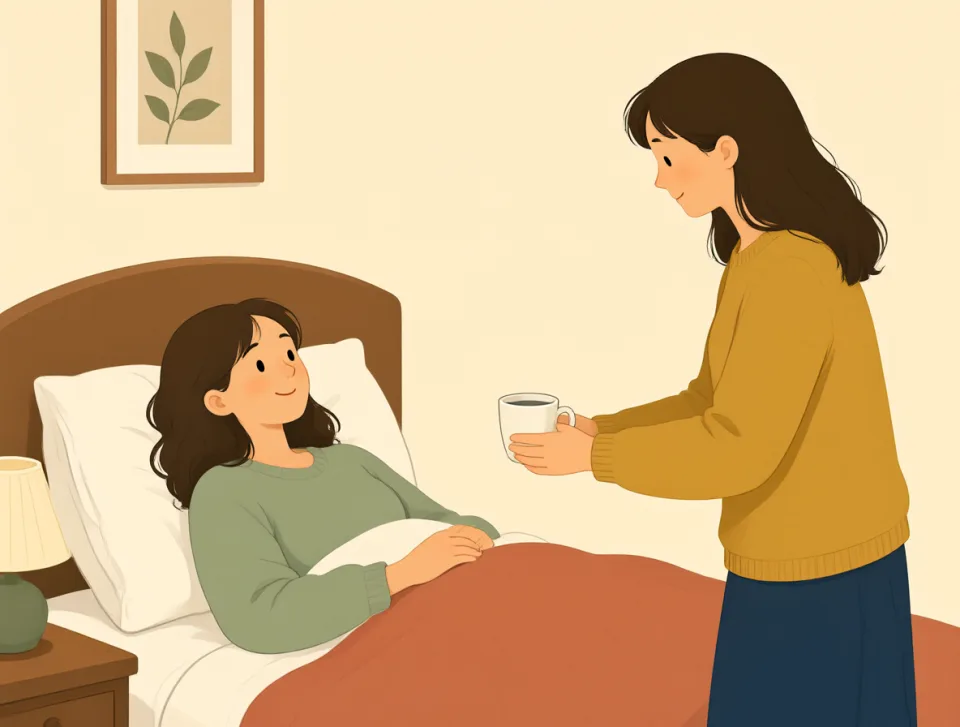
She might be sick today.
Talvez ela esteja doente hoje.
must
#160verb, noun
dever; obrigação
To be necessary or required; something that you need to do or have.
Ser necessário ou exigido; algo que você precisa fazer ou ter.
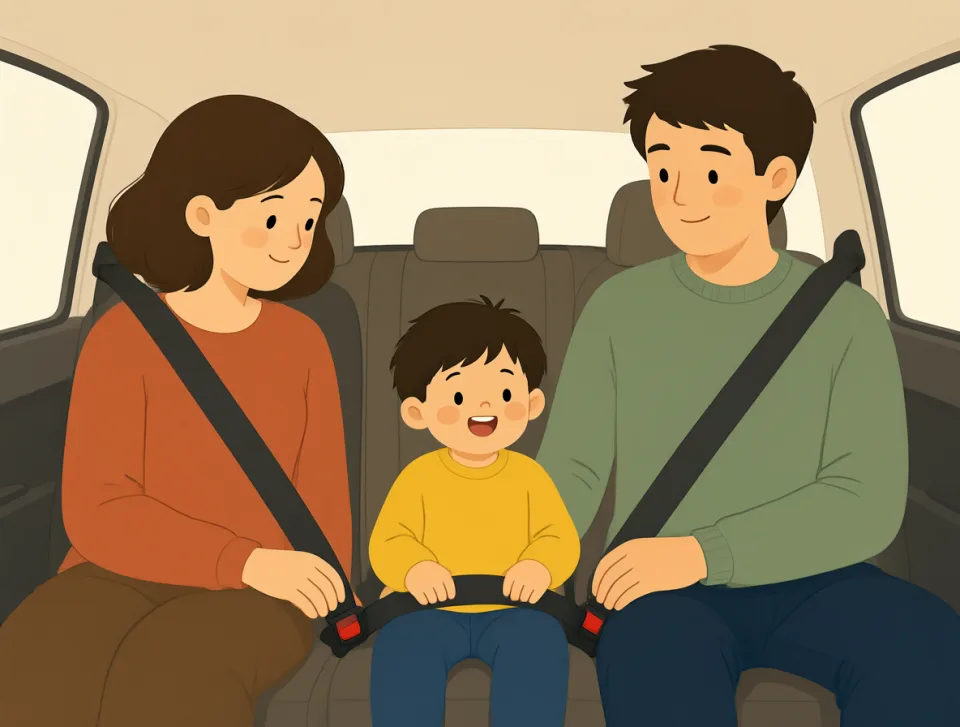
You must wear a seat belt.
Você deve usar cinto de segurança.
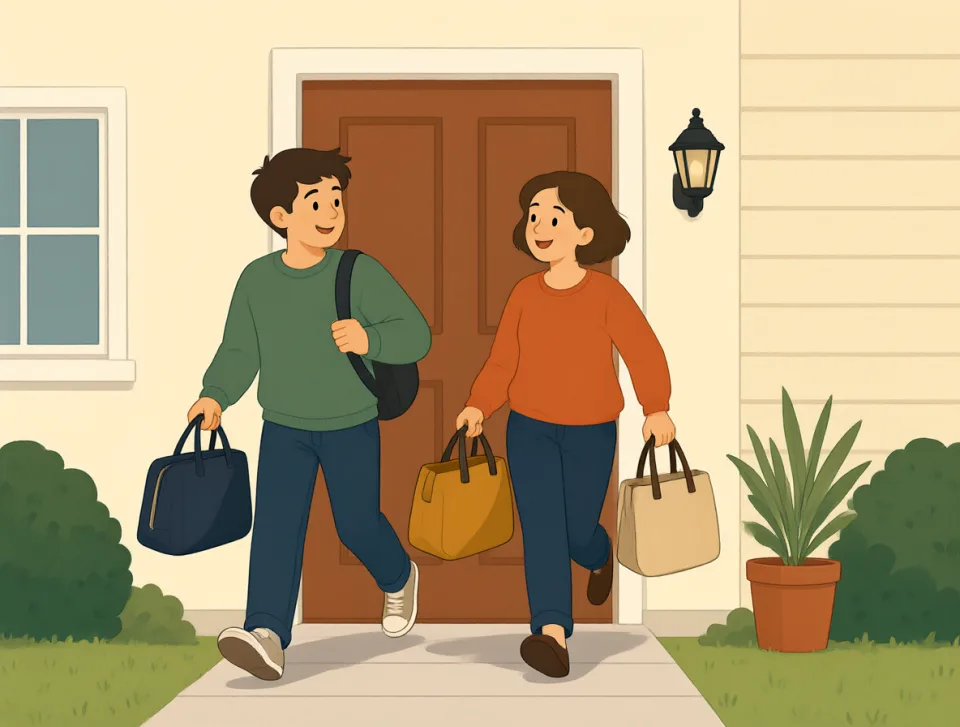
We must leave home at seven.
Nós devemos sair de casa às sete.
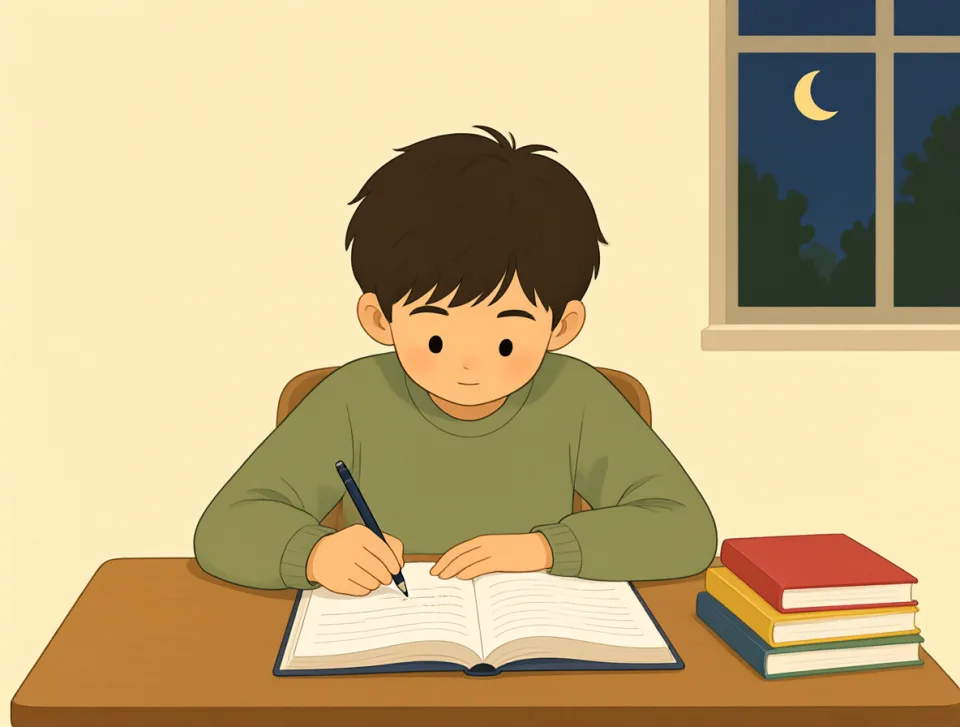
Students must finish their homework tonight.
Os alunos devem terminar a lição de casa hoje à noite.
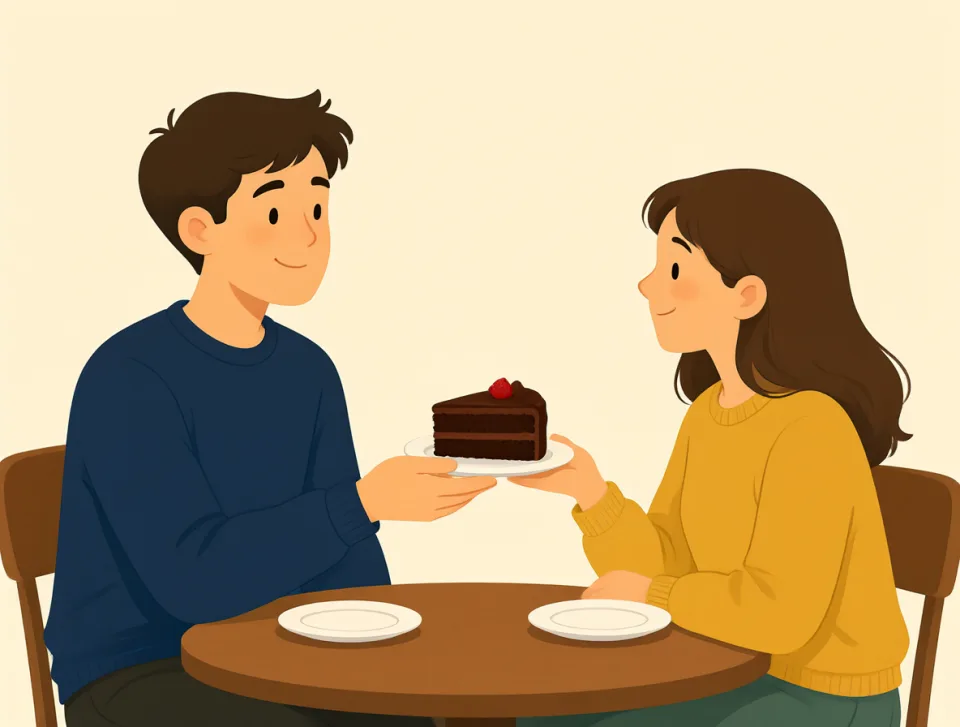
You must try this chocolate cake.
Você precisa experimentar este bolo de chocolate.
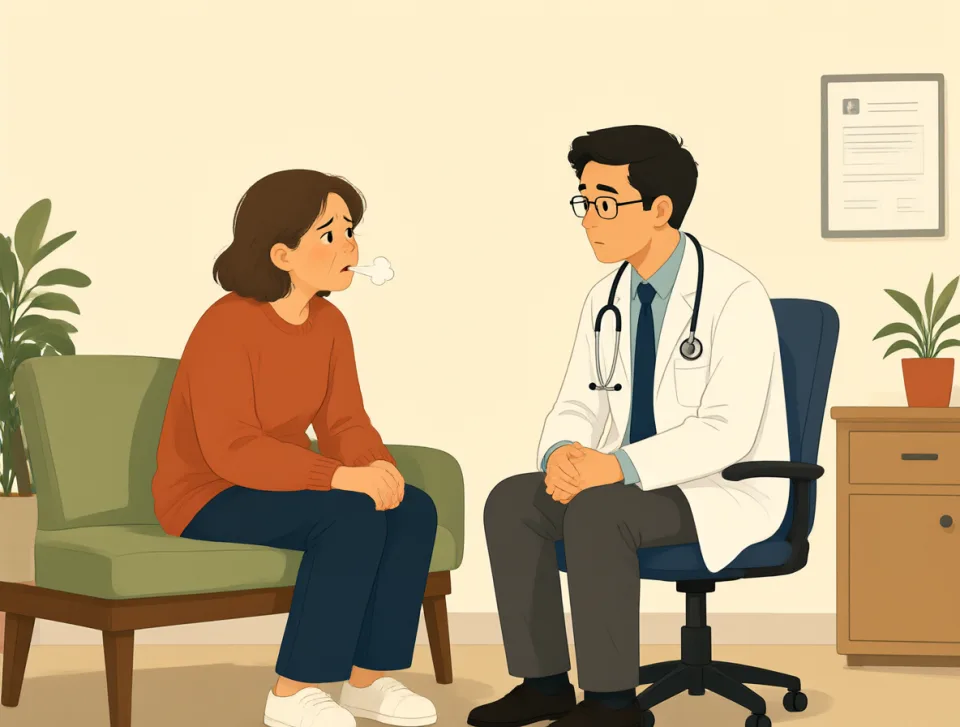
I must see a doctor about my cough.
Preciso consultar um médico por causa da minha tosse.