ইউনিট 8
শব্দ 141–160 · become, interest, country, old, each, school
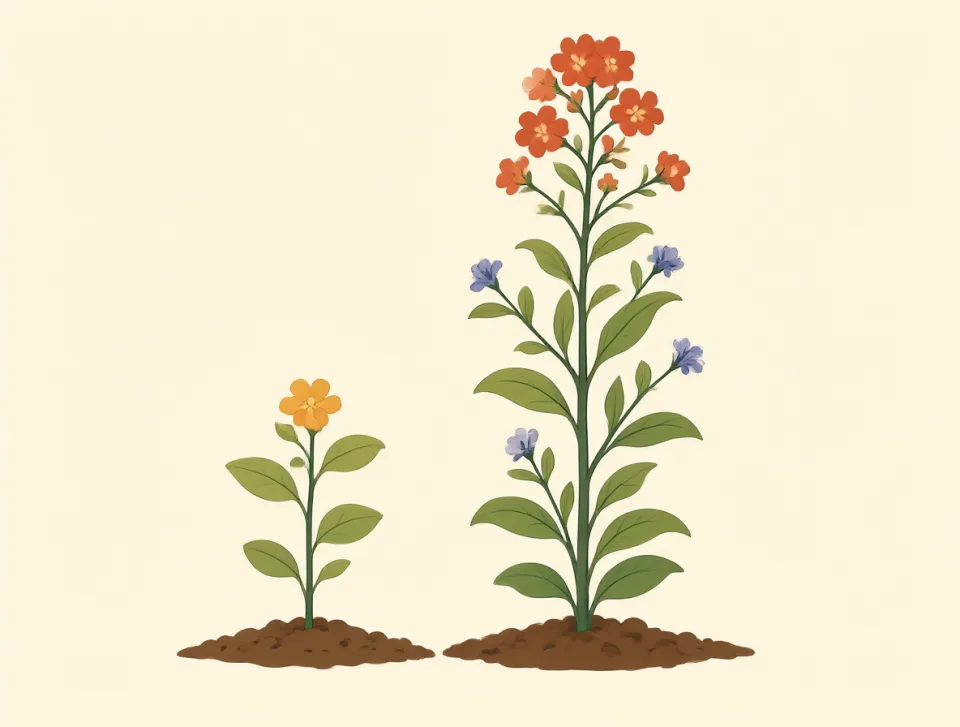
become
#141verb
হওয়া
to start to be something or change into a different state
কোনো কিছু হওয়া শুরু করা বা অন্য অবস্থায় পরিবর্তিত হওয়া

She wants to become a doctor someday.
সে একদিন ডাক্তার হতে চায়।

The weather became cold after sunset.
সূর্যাস্তের পর আবহাওয়া ঠান্ডা হয়ে গেল।
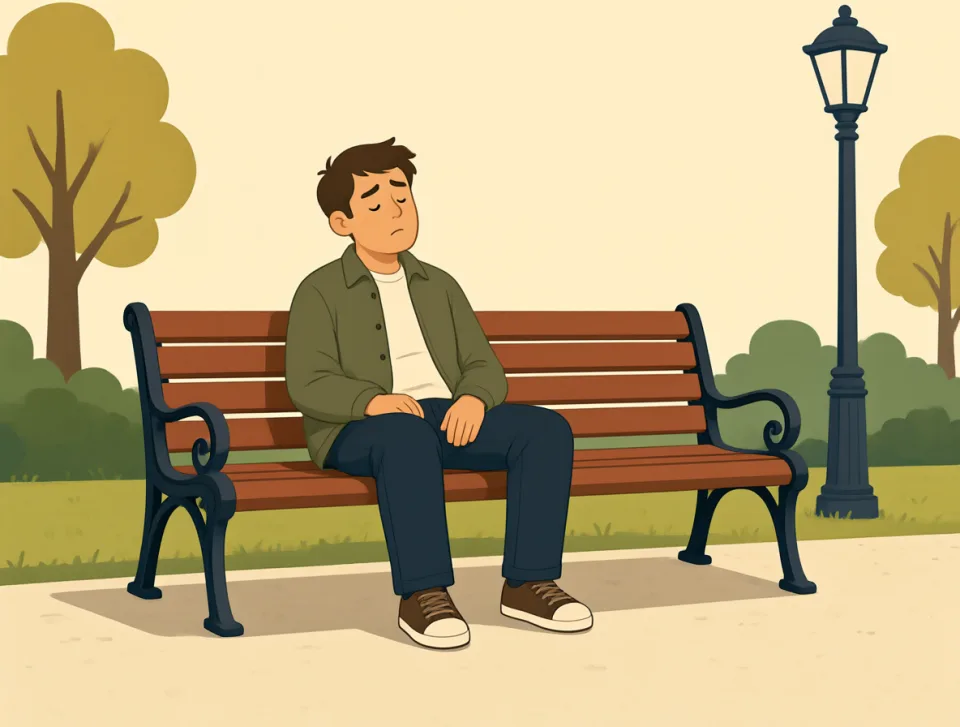
He became tired after the long walk.
দীর্ঘক্ষণ হাঁটার পর সে ক্লান্ত হয়ে পড়ল।

The milk became sour in the heat.
গরমে দুধ টক হয়ে গেল।

They became good friends at school.
স্কুলে তারা ভালো বন্ধু হয়ে উঠল।
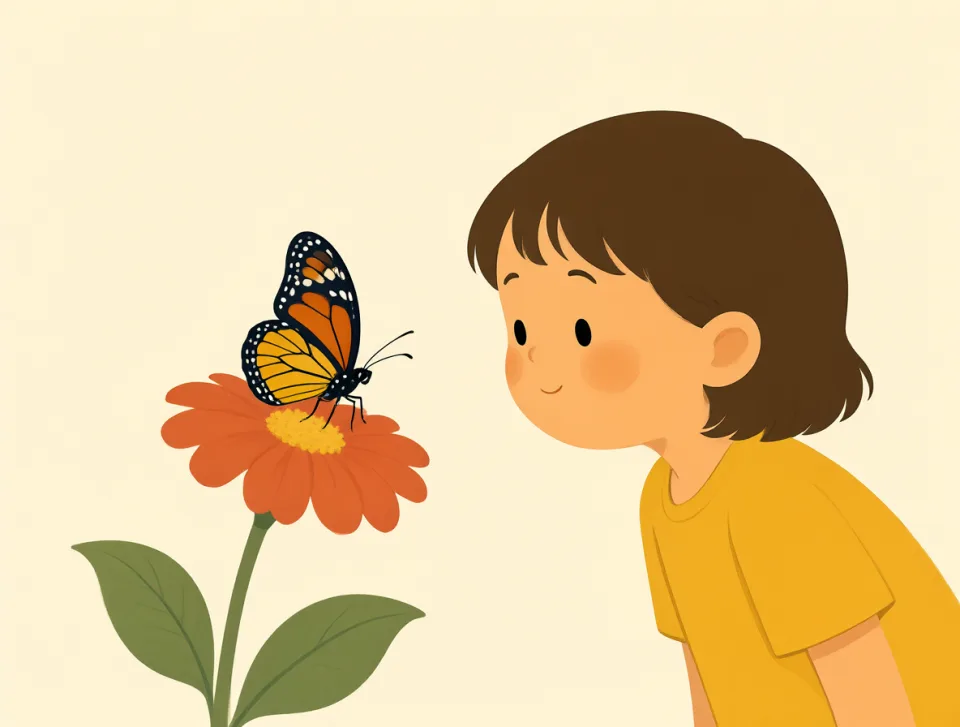
interest
#142noun, verb
আগ্রহ
A feeling of wanting to know or learn about something; to make someone curious.
কোনো কিছু জানতে বা শিখতে চাওয়ার অনুভূতি; কাউকে কৌতূহলী করে তোলা।

I have a strong interest in cooking.
রান্নার প্রতি আমার প্রবল আগ্রহ আছে।

She showed interest in the new job.
নতুন চাকরিটির প্রতি সে আগ্রহ দেখিয়েছিল।

The book caught my interest quickly.
বইটি দ্রুতই আমার আগ্রহ জাগিয়ে তুলেছিল।
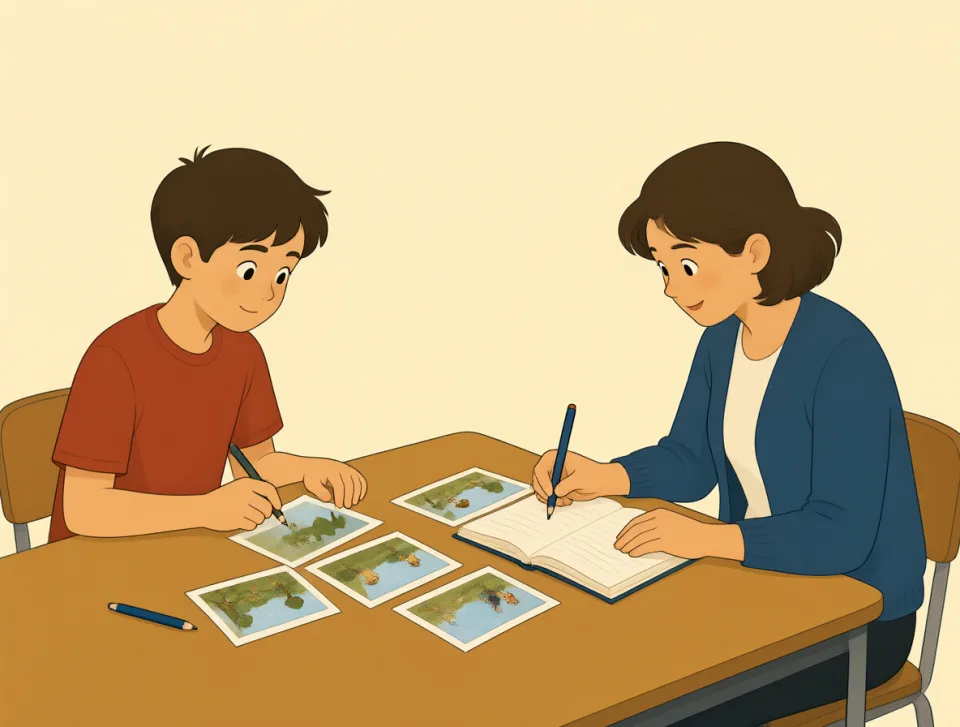
He is interested in learning Spanish.
সে স্প্যানিশ শিখতে আগ্রহী।
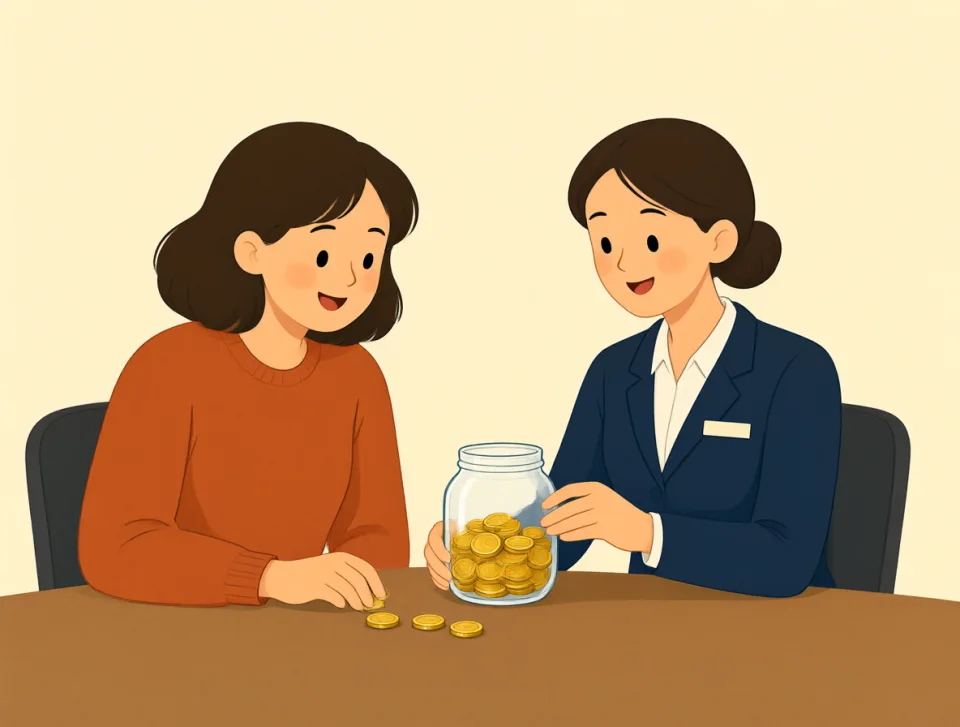
The bank pays interest on savings.
ব্যাংক সঞ্চয়ের ওপর সুদ দেয়।

country
#143noun
দেশ
A nation with its own government, land, and people.
নিজস্ব সরকার, ভূখণ্ড ও জনগণসহ একটি জাতি।

She lives in the country with her family.
সে পরিবারের সঙ্গে গ্রামাঞ্চলে থাকে।

I want to visit another country this summer.
আমি এই গ্রীষ্মে অন্য একটি দেশ ঘুরে দেখতে চাই।
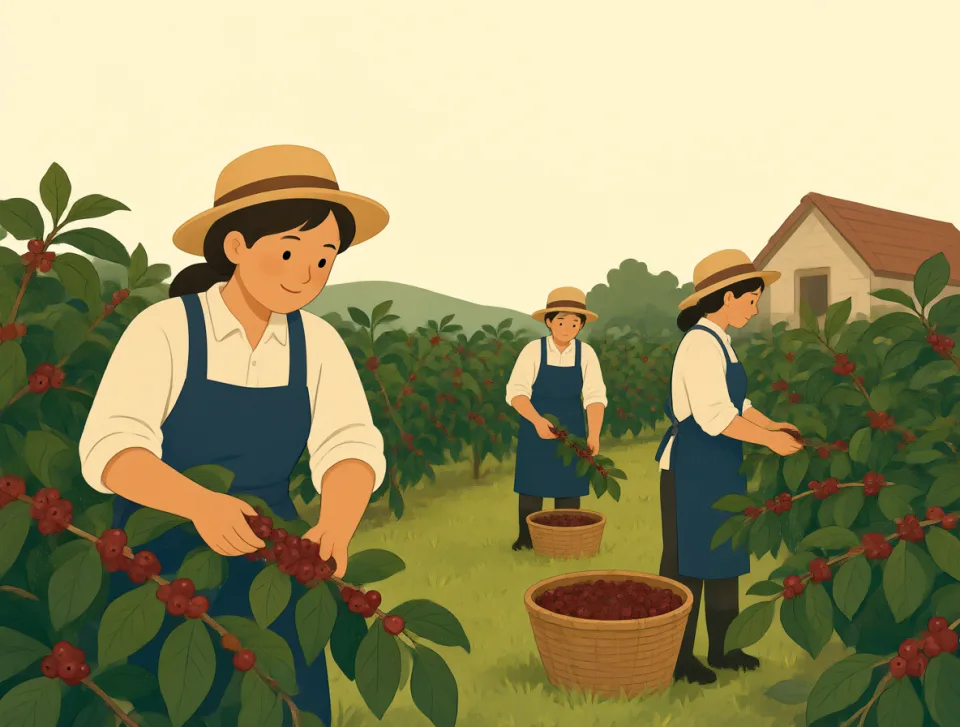
This country produces much of the world's coffee.
এই দেশটি বিশ্বের কফির অনেকটাই উৎপাদন করে।

We bought fresh eggs from the country.
আমরা গ্রামাঞ্চল থেকে টাটকা ডিম কিনেছিলাম।
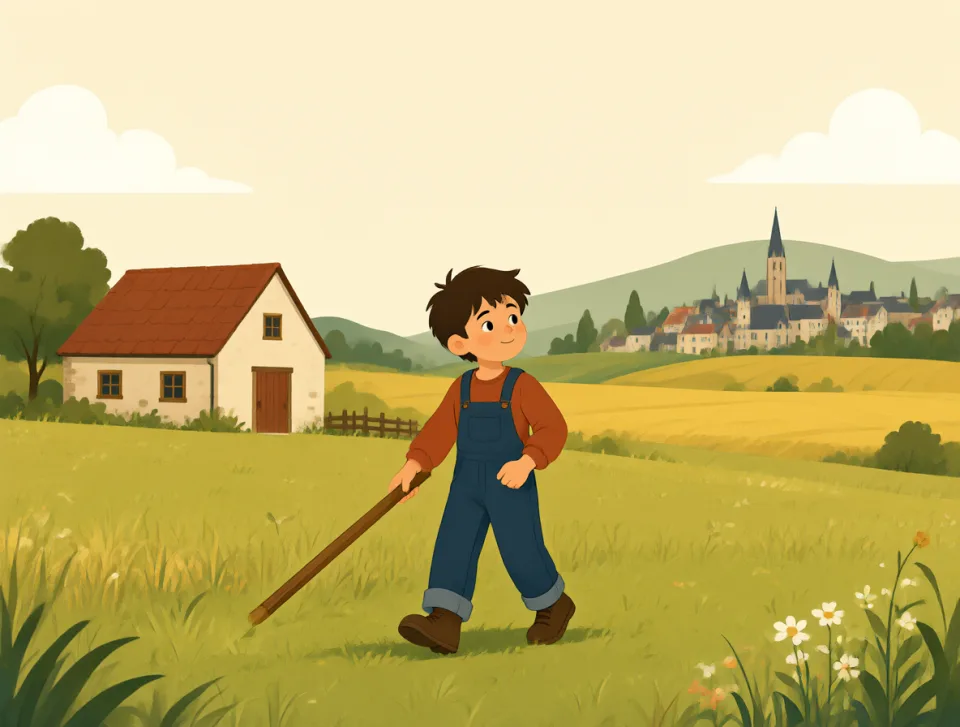
He grew up in the country near a small town.
সে একটি ছোট শহরের কাছে গ্রামাঞ্চলে বড় হয়েছে।
old
#144adjective, noun
পুরোনো
having lived for many years; belonging to a time long ago
অনেক বছর ধরে বেঁচে থাকা; বহু আগের সময়ের।

My old shoes are very comfortable.
আমার পুরোনো জুতাগুলো খুব আরামদায়ক।

We visited my old school yesterday.
গতকাল আমরা আমার পুরোনো স্কুলে গিয়েছিলাম।

That old car still works well.
ওই পুরোনো গাড়িটা এখনও ভালো চলে।
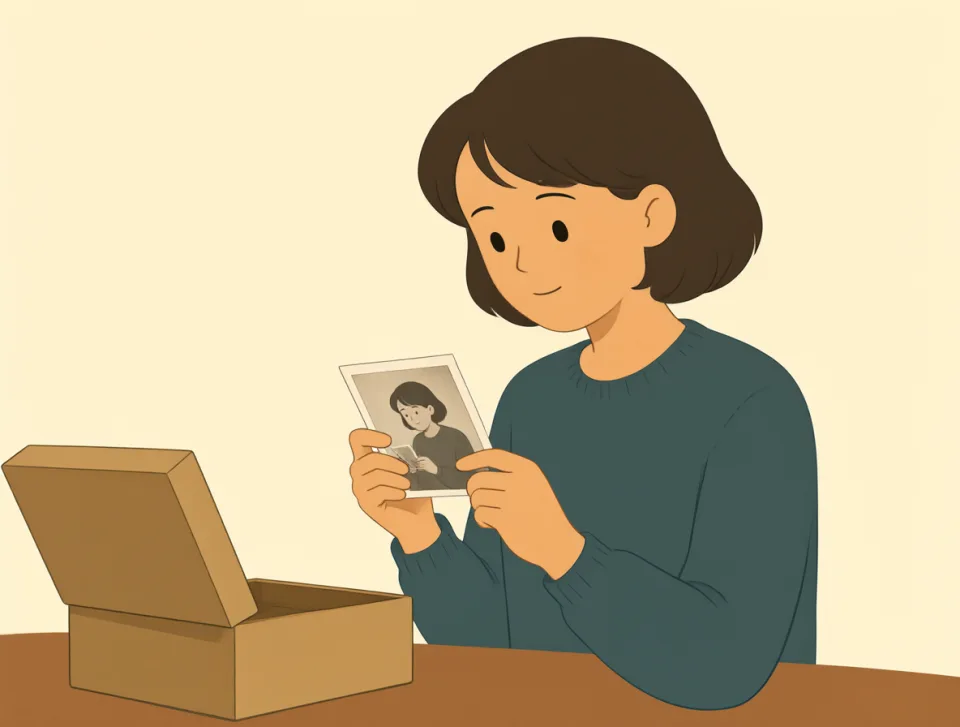
I found an old photo in a box.
আমি একটা বাক্সে পুরোনো একটি ছবি পেয়েছিলাম।
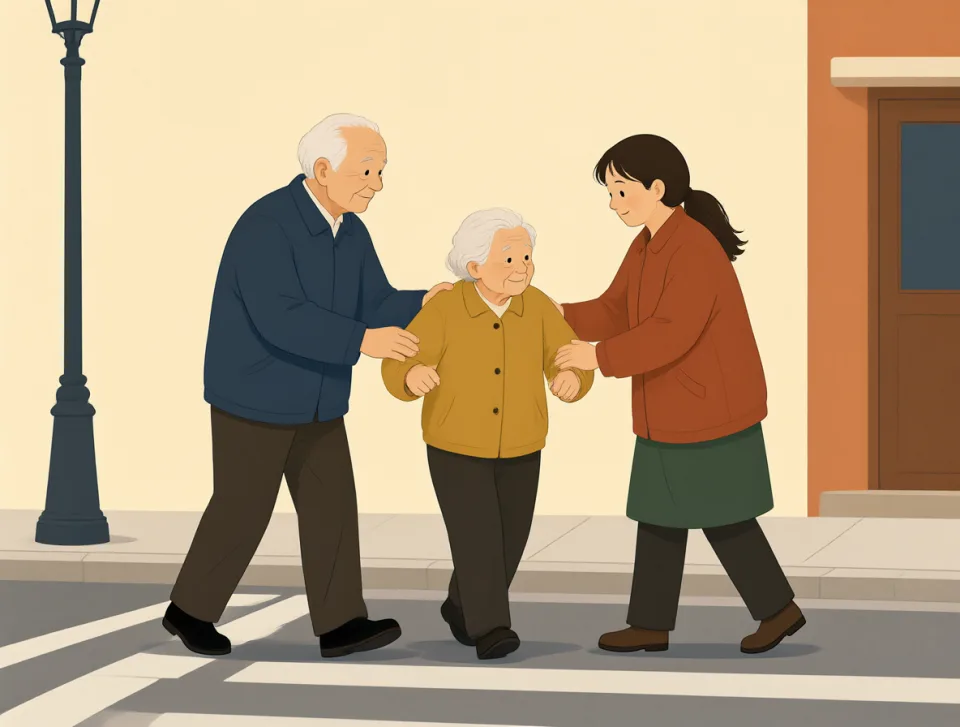
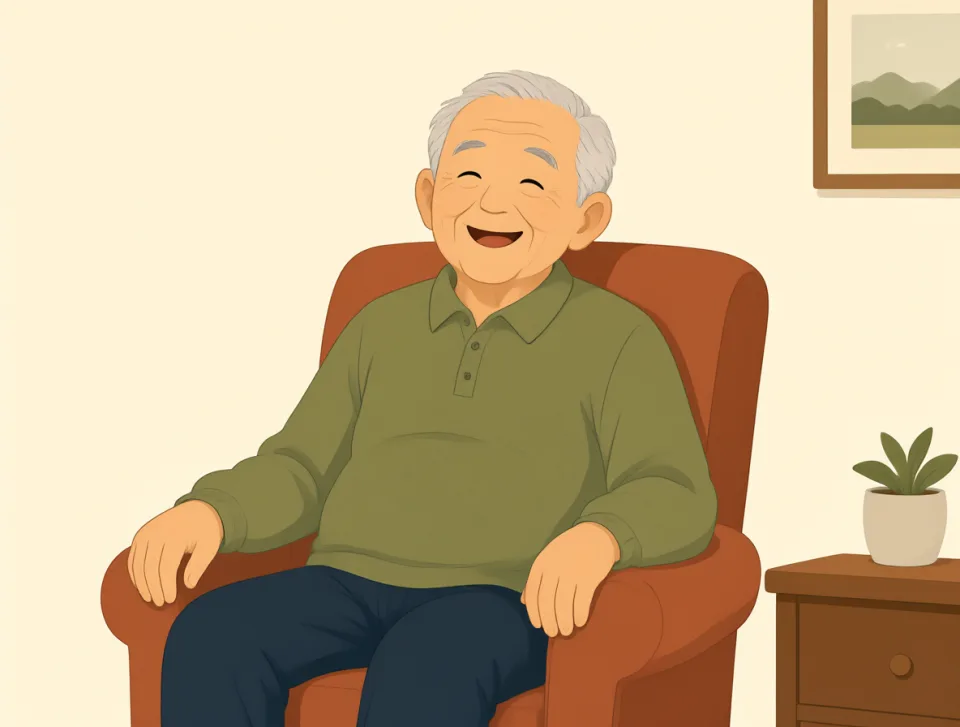
The old man needs help crossing the street.
বৃদ্ধ লোকটির রাস্তা পার হতে সাহায্য দরকার।
each
#145determiner, pronoun
প্রত্যেক
Every one of two or more people or things, considered separately.
দুই বা তার বেশি ব্যক্তি বা বস্তুর প্রত্যেকটিকে আলাদাভাবে বিবেচনা করে বোঝায়।
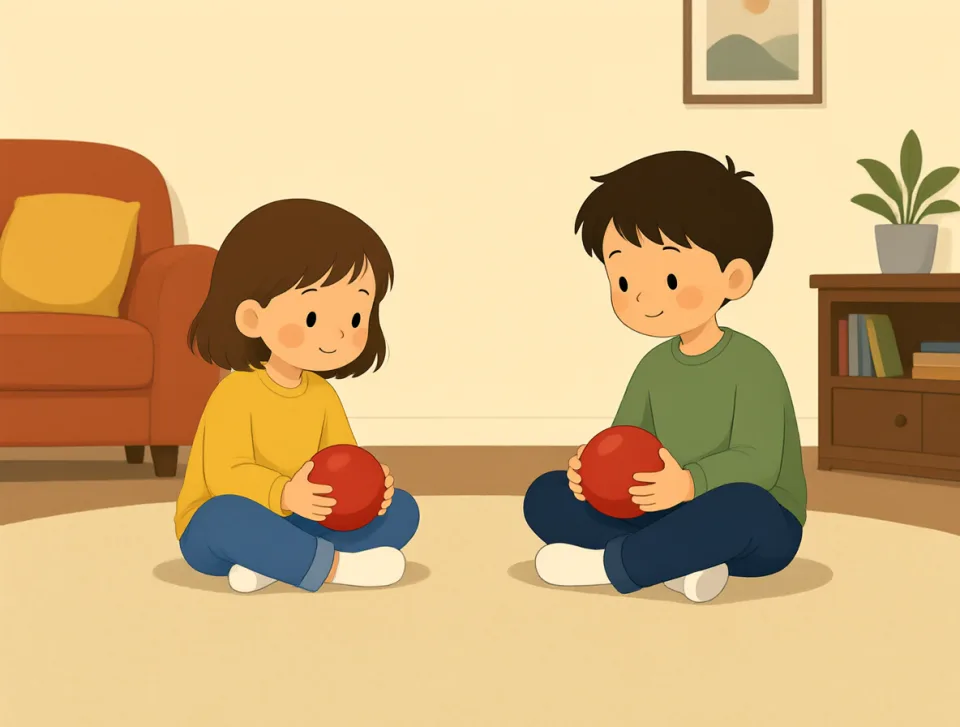
Each child has a small red ball.
প্রত্যেক শিশুর একটি ছোট লাল বল আছে।

We each brought a sandwich for lunch.
দুপুরের খাবারের জন্য আমরা প্রত্যেকে একটি করে স্যান্ডউইচ এনেছিলাম।
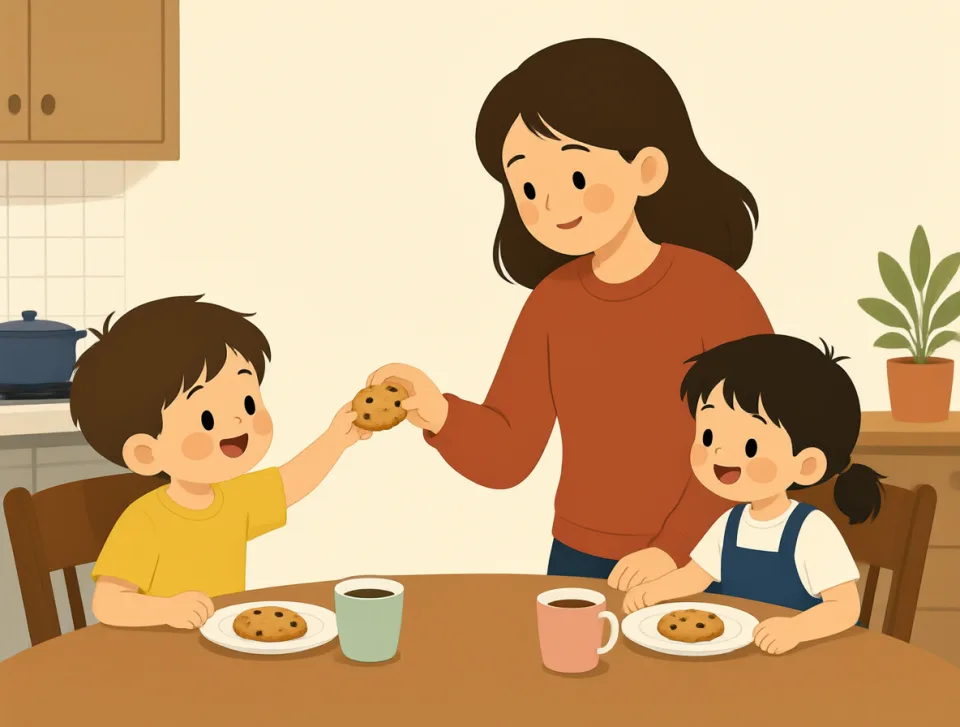
Please take one cookie each.
দয়া করে প্রত্যেকে একটি করে কুকি নিন।
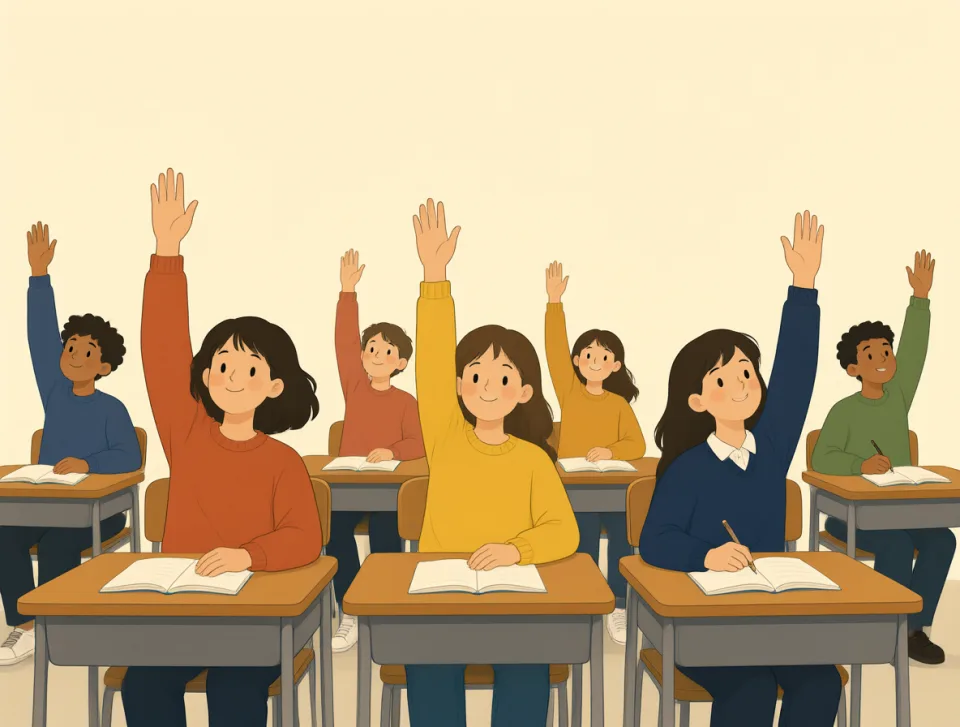
The students each answered one question.
শিক্ষার্থীরা প্রত্যেকে একটি করে প্রশ্নের উত্তর দিয়েছিল।
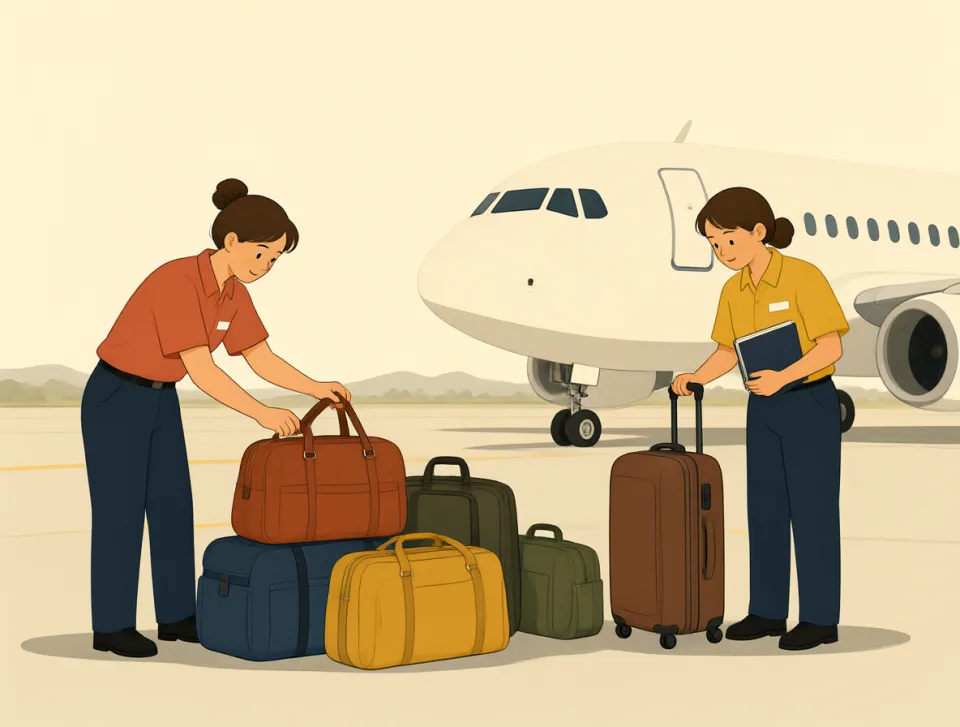
They checked each bag before the flight.
বিমানে ওঠার আগে তারা প্রতিটি ব্যাগ পরীক্ষা করেছিল।

school
#146noun, verb
স্কুল
A place where children learn, or the time spent learning there.
যেখানে শিশুরা পড়াশোনা করে, অথবা সেখানে পড়াশোনার জন্য কাটানো সময়।
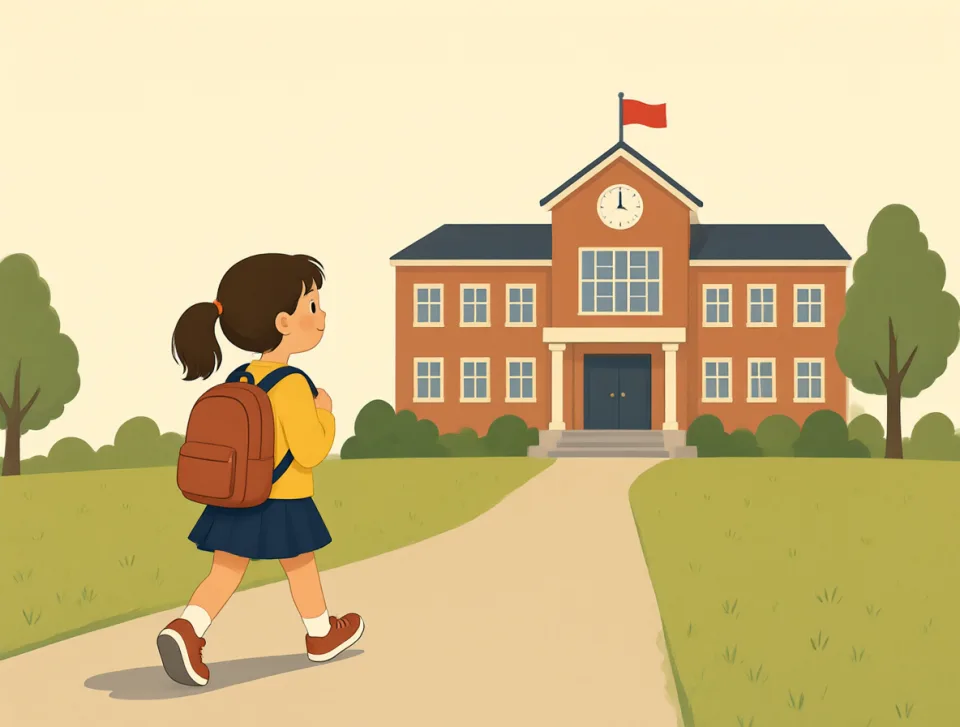
My sister walks to school every morning.
আমার বোন প্রতিদিন সকালে হেঁটে স্কুলে যায়।
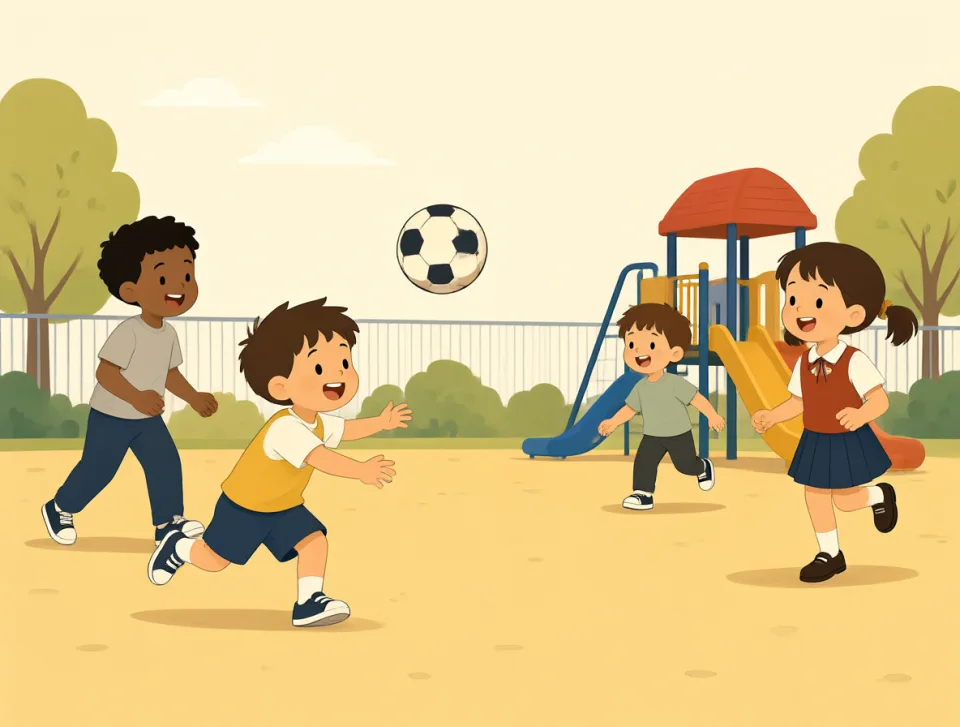
The children are playing outside school.
শিশুরা স্কুলের বাইরে খেলছে।
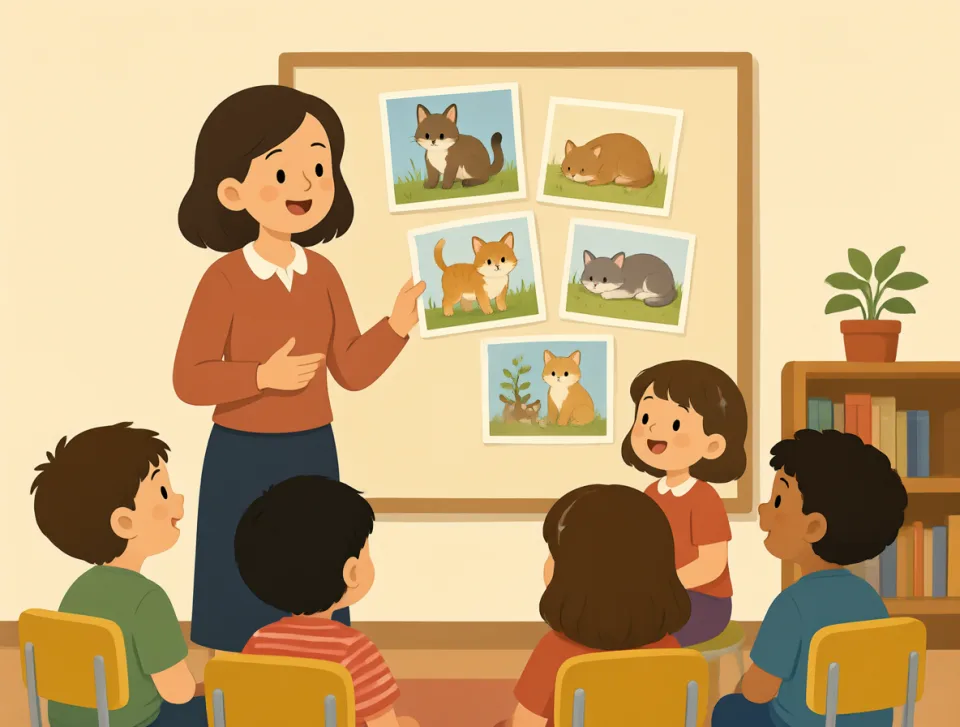
We learned about animals at school.
আমরা স্কুলে পশুপাখি সম্পর্কে শিখেছি।

My father went to cooking school.
আমার বাবা রান্নার স্কুলে গিয়েছিলেন।
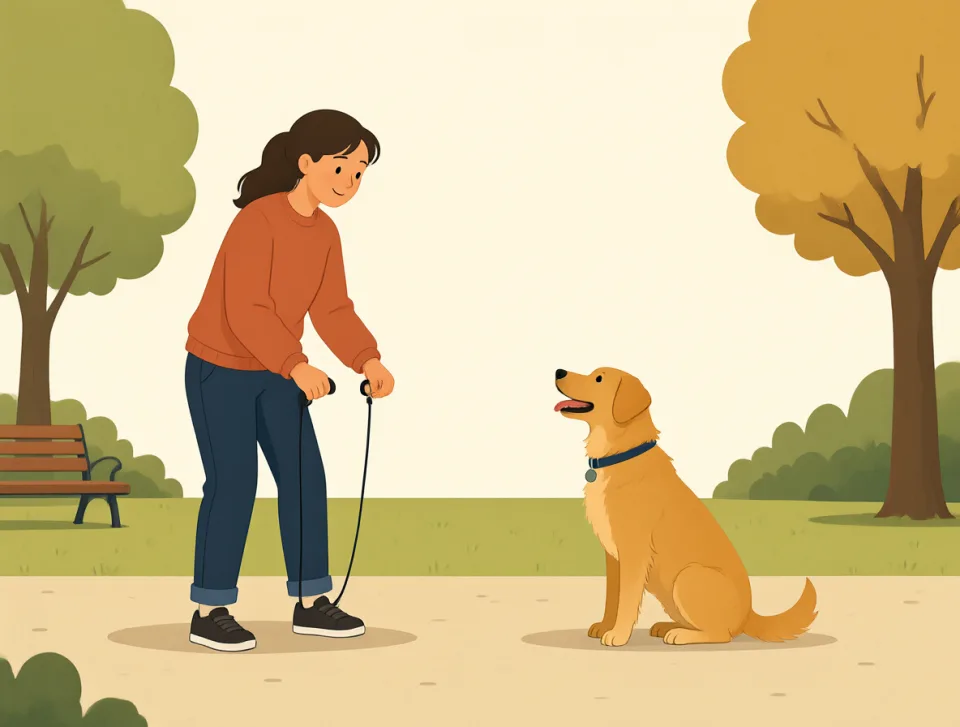
They school their dog every day.
তারা প্রতিদিন তাদের কুকুরকে প্রশিক্ষণ দেয়।
late
#147adjective, adverb, noun
দেরি
Happening, arriving, or being after the expected or usual time.
নির্ধারিত বা স্বাভাবিক সময়ের পরে ঘটা, পৌঁছানো বা হওয়া।

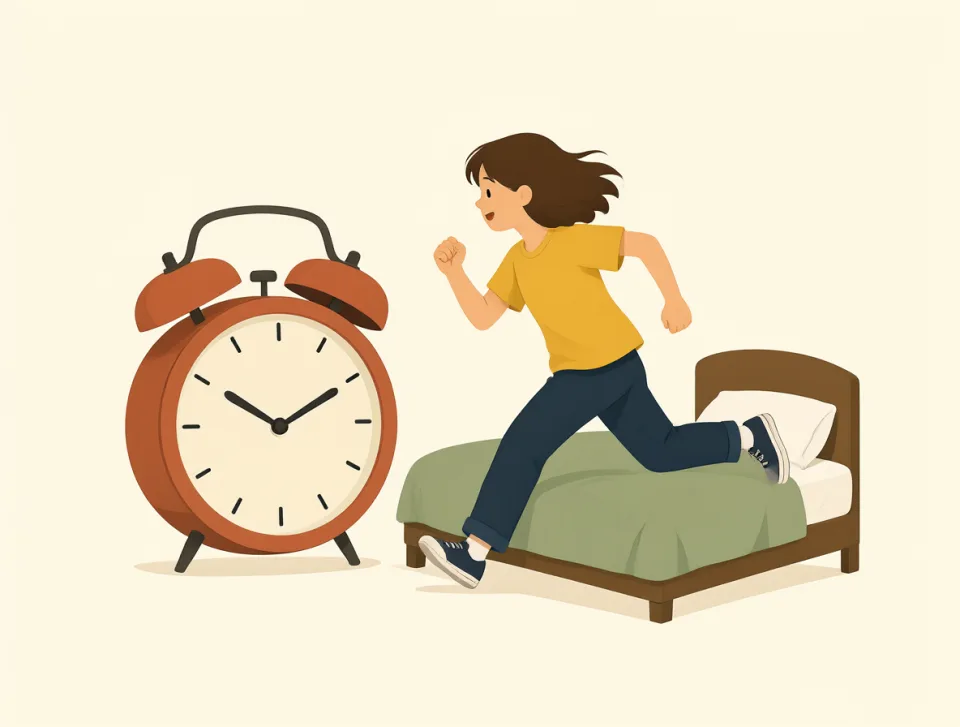
I was late for school this morning.
আজ সকালে স্কুলে যেতে আমার দেরি হয়েছিল।
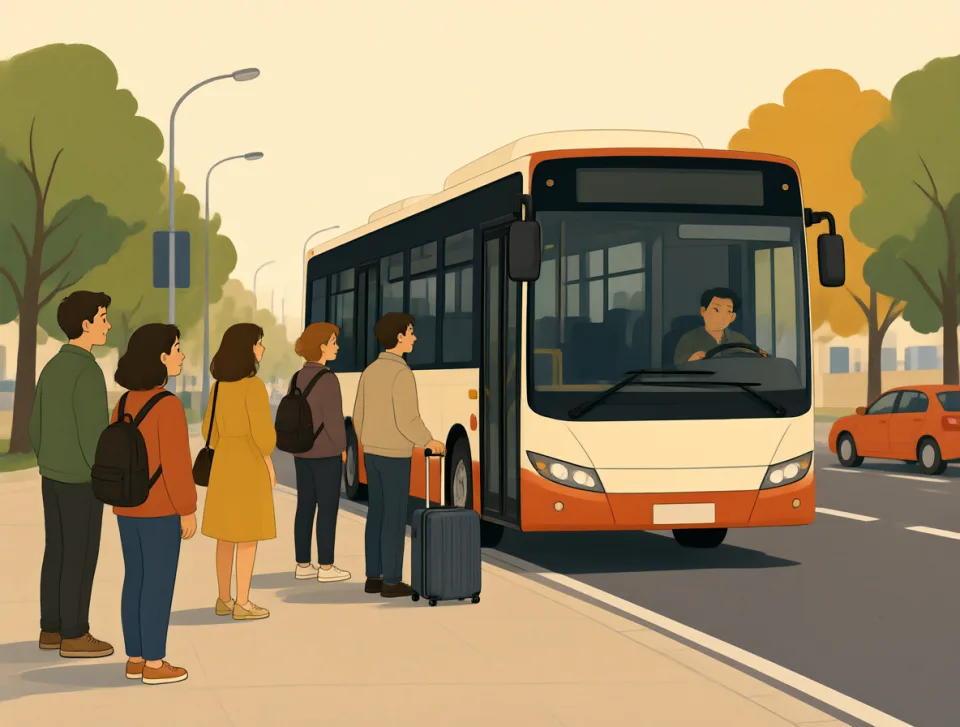
The bus arrived late because of traffic.
যানজটের কারণে বাসটি দেরিতে পৌঁছেছিল।

We had dinner late last night.
গত রাতে আমাদের দেরিতে রাতের খাবার খাওয়া হয়েছিল।

She stayed late at work yesterday.
সে গতকাল কাজে দেরি পর্যন্ত ছিল।

My late grandfather loved gardening.
আমার প্রয়াত দাদু বাগান করতে ভালোবাসতেন।

high
#148adjective, adverb, noun
উঁচু
Far above the ground, or greater than usual in amount, level, or price.
মাটি থেকে অনেক ওপরে, অথবা পরিমাণ, মাত্রা বা দামের দিক থেকে স্বাভাবিকের চেয়ে বেশি।
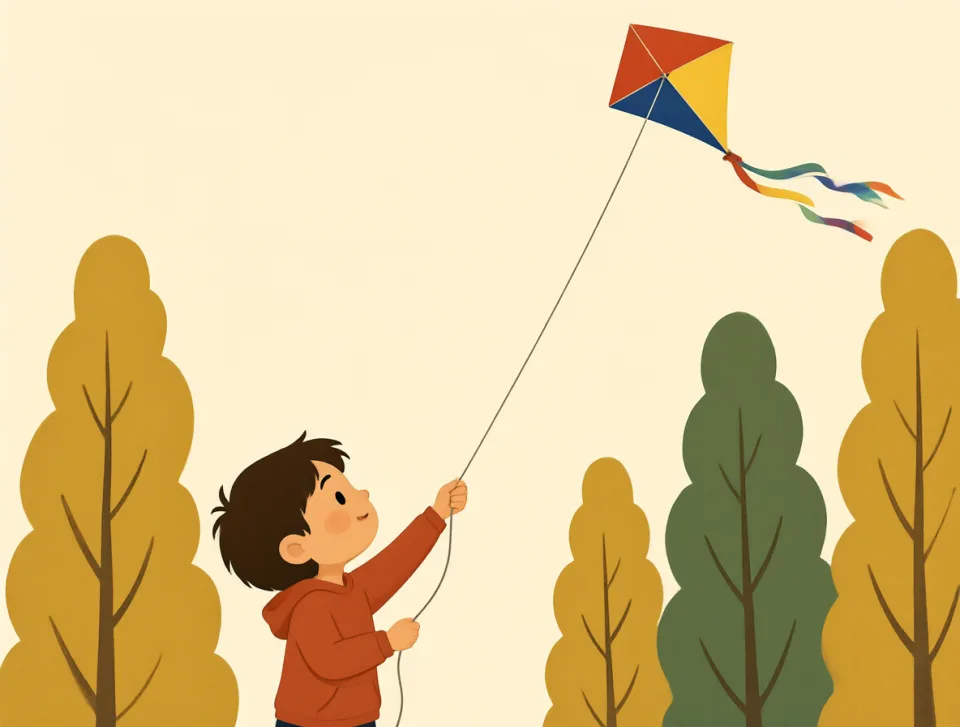
The kite flew high above the trees.
ঘুড়িটি গাছগুলোর অনেক ওপরে উড়ে গেল।

Please put the books on the high shelf.
দয়া করে বইগুলো উঁচু তাকটিতে রাখুন।

Prices are high at this store.
এই দোকানে জিনিসপত্রের দাম বেশি।

She has a high fever today.
আজ তার প্রচণ্ড জ্বর হয়েছে।

The plane climbed high into the sky.
বিমানটি আকাশের অনেক ওপরে উঠে গেল।

different
#149adjective
ভিন্ন
Not the same as another person or thing.
অন্য কোনো ব্যক্তি বা জিনিসের মতো নয়।

My new shoes are different from yours.
আমার নতুন জুতাগুলো তোমার জুতাগুলোর থেকে আলাদা।

We tried different foods at the market.
আমরা বাজারে নানা রকম খাবার চেখে দেখেছি।
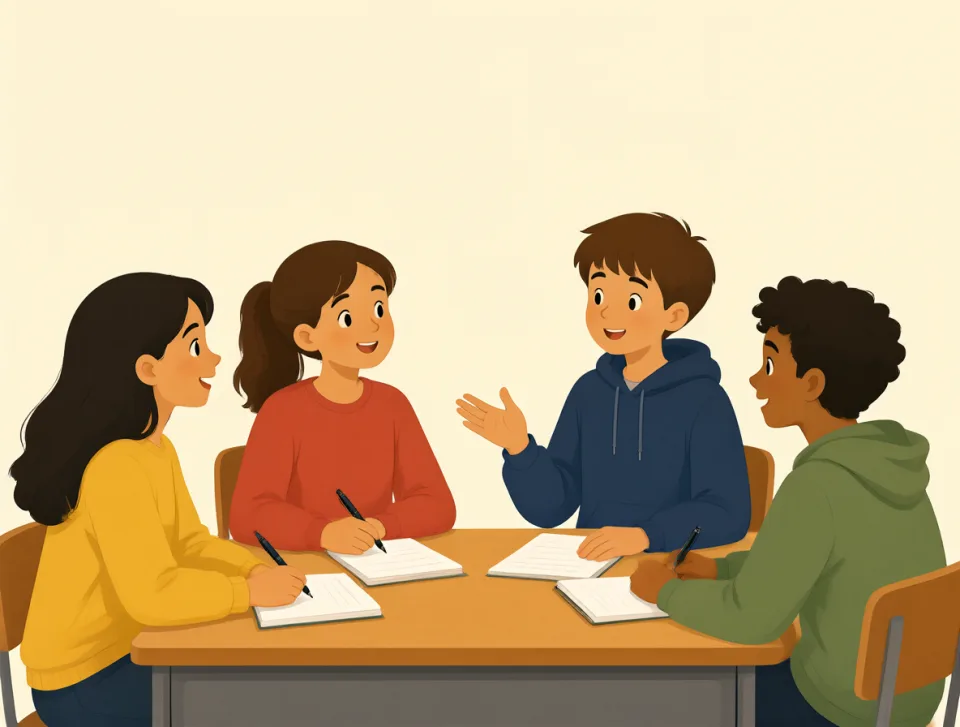
She has a different idea for the project.
প্রকল্পটির জন্য তার আলাদা একটি ধারণা আছে।

The weather is different in the mountains.
পাহাড়ে আবহাওয়া আলাদা।

He feels different after taking the medicine.
ওষুধ খাওয়ার পর তার অন্য রকম লাগছে।

off
#150adverb, adjective, preposition, noun
বন্ধ
Away from a place, position, or working state; not operating or attached.
কোনো স্থান বা অবস্থান থেকে দূরে; চালু নয় বা লাগানো নেই।
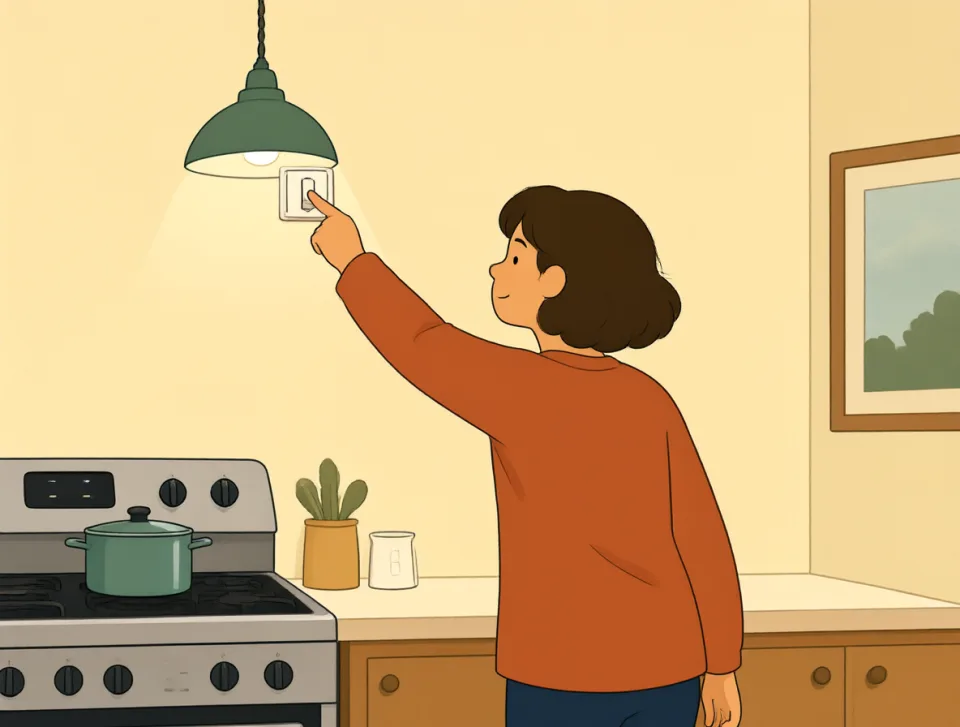
Please turn off the kitchen light.
দয়া করে রান্নাঘরের বাতিটি নিভিয়ে দিন।
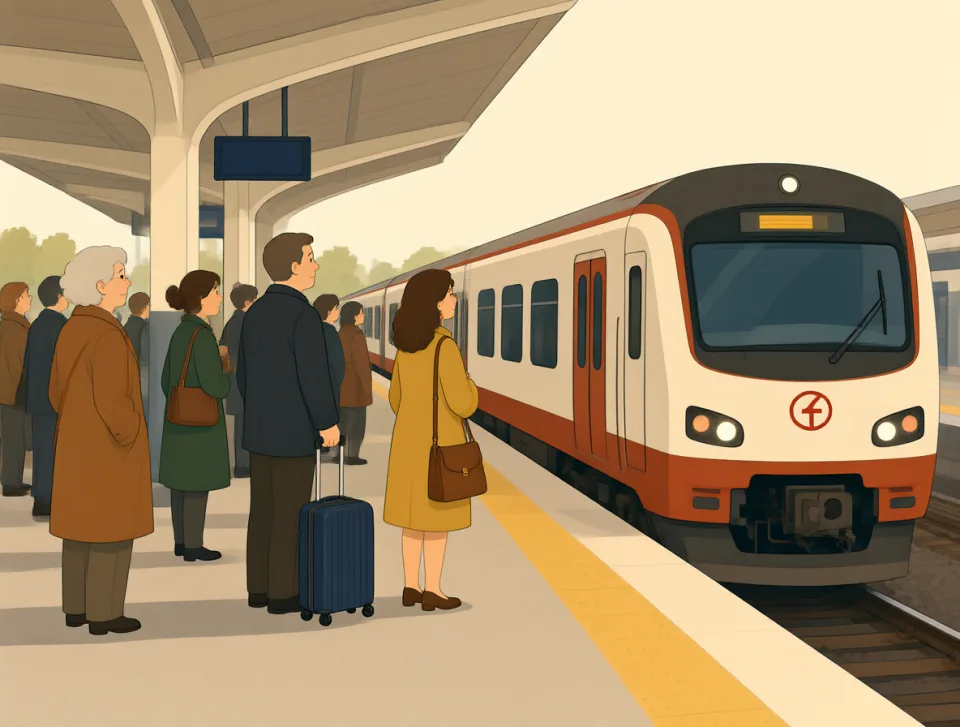
The train left ten minutes off schedule.
ট্রেনটি সময়সূচির চেয়ে দশ মিনিট আগে ছেড়েছিল।
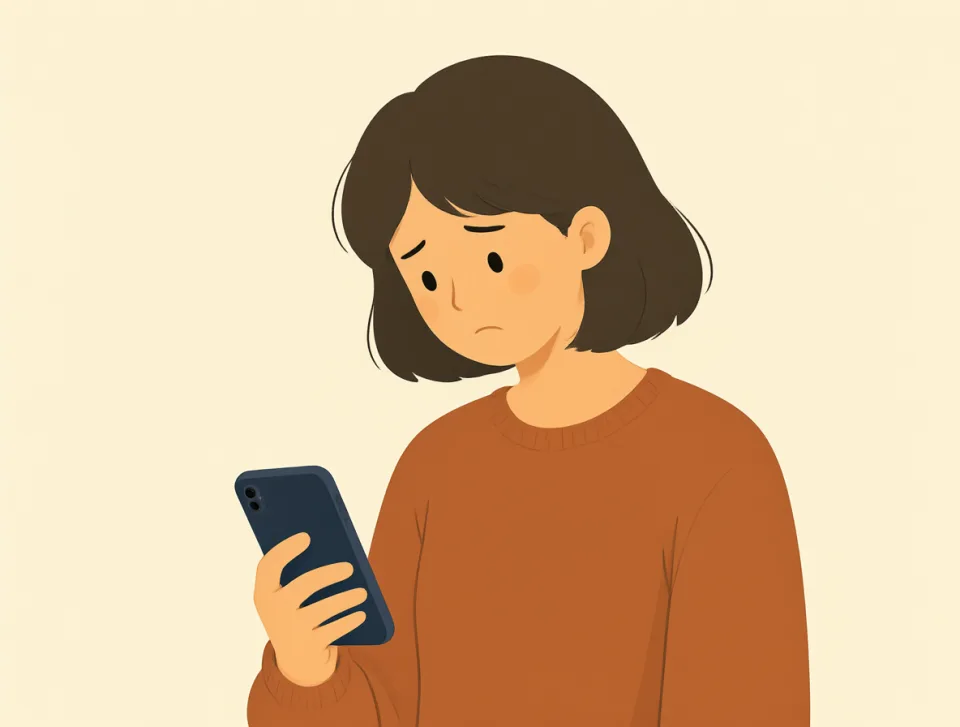
My phone is off because its battery died.
ব্যাটারি শেষ হয়ে যাওয়ায় আমার ফোন বন্ধ।
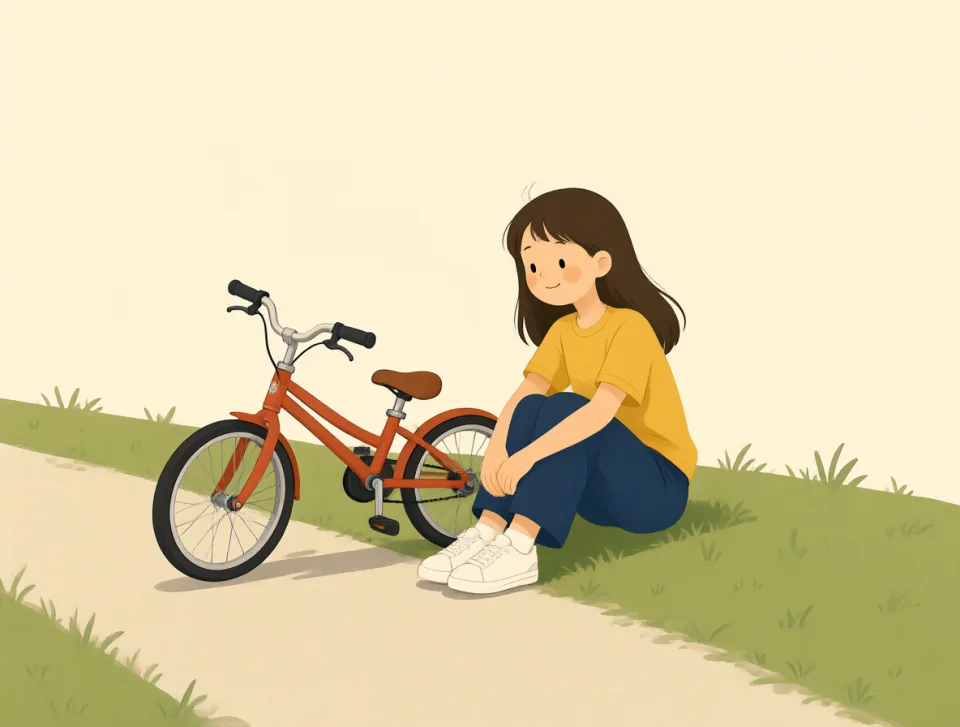
She fell off her bike yesterday.
গতকাল সে সাইকেল থেকে পড়ে গিয়েছিল।

The milk smells off, so throw it away.
দুধে কেমন যেন গন্ধ হচ্ছে, তাই এটা ফেলে দিন।
next
#151adjective, adverb, noun, determiner
পরবর্তী
Coming immediately after this one in time, order, or place.
সময়, ক্রম বা স্থানের দিক থেকে কোনো কিছুর ঠিক পরেই আসে এমন।
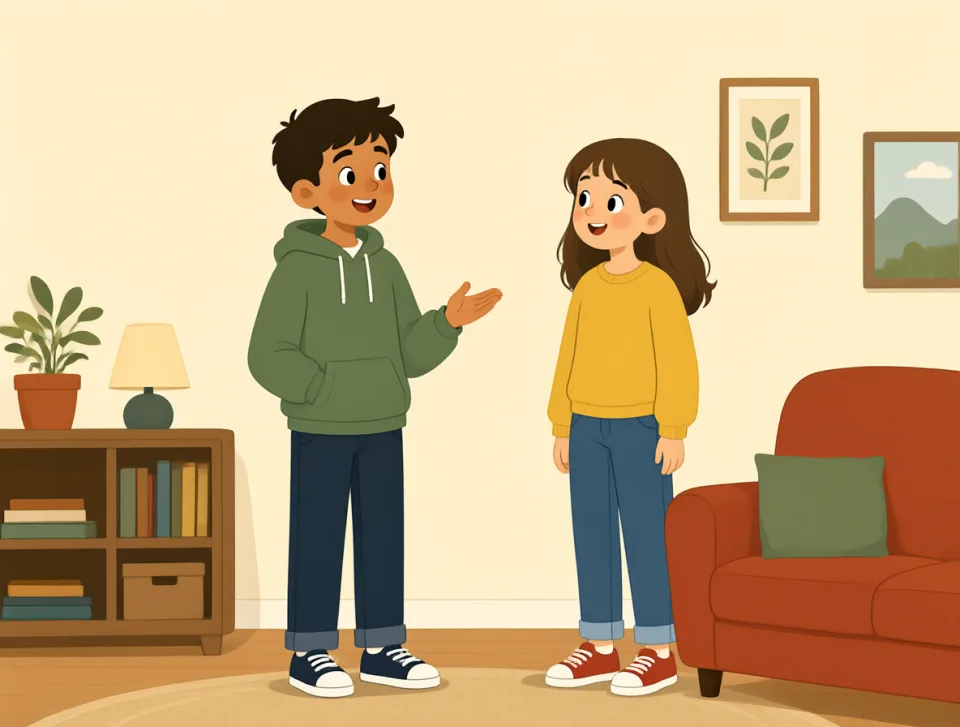
What are you doing next?
এরপর তুমি কী করবে?
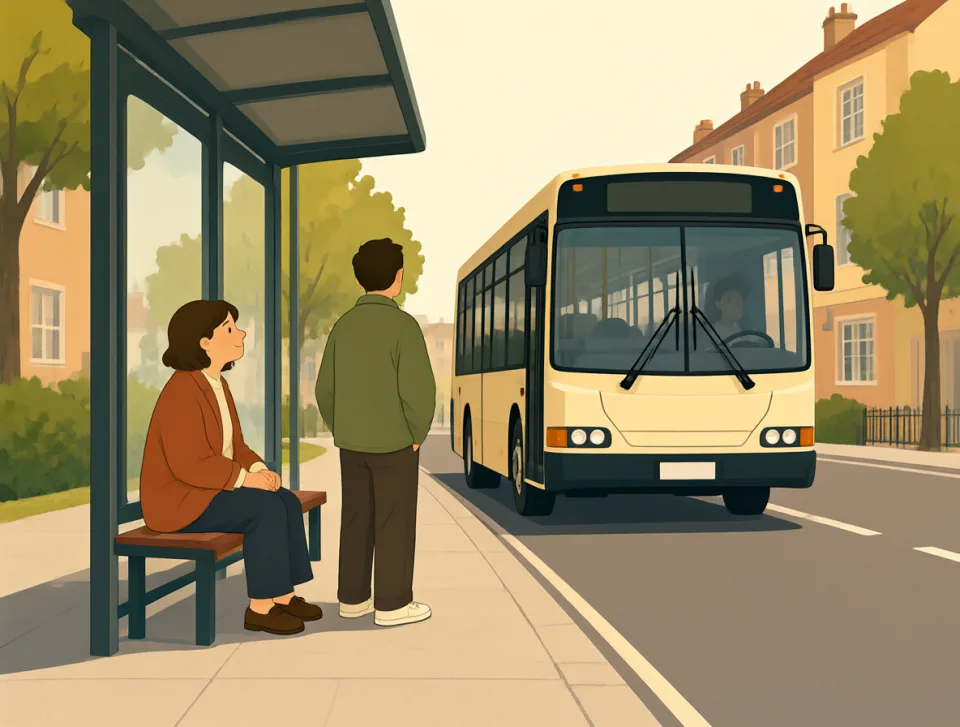
The next bus leaves at noon.
পরবর্তী বাসটি দুপুরে ছাড়বে।

Please call me next week.
দয়া করে আগামী সপ্তাহে আমাকে ফোন করবেন।

She was next in line for coffee.
কফি নেওয়ার লাইনে তার পালা ছিল সবার পরের।
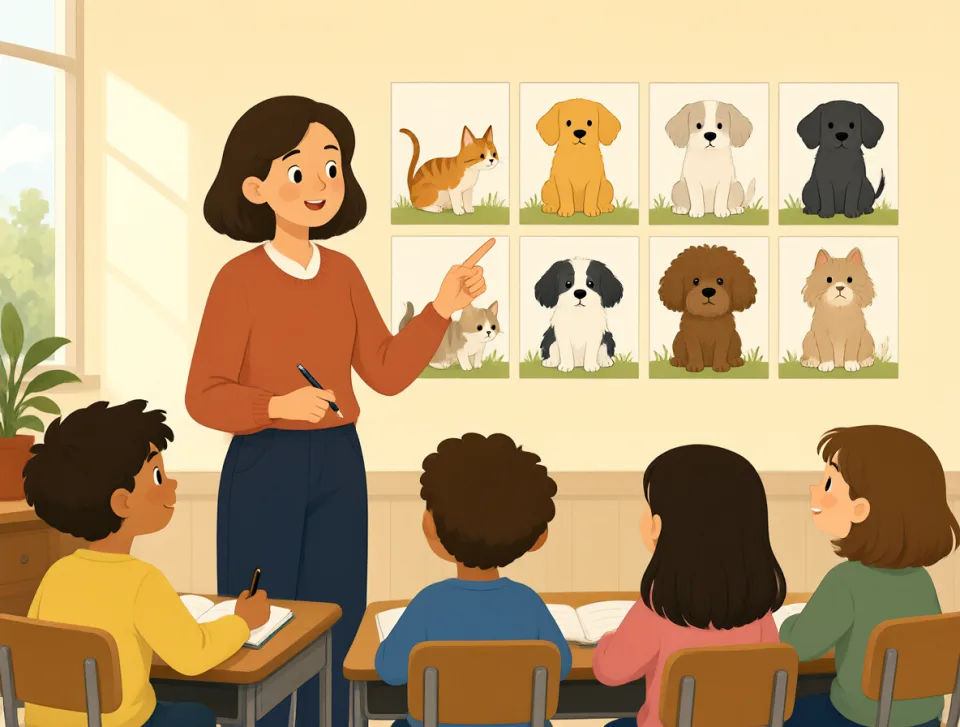
Our next lesson is about animals.
আমাদের পরবর্তী পাঠটি প্রাণীদের নিয়ে।

end
#152noun, verb
শেষ; শেষ করা
the final part of something, or to finish something
কোনো কিছুর শেষ অংশ, অথবা কোনো কিছু শেষ করা।
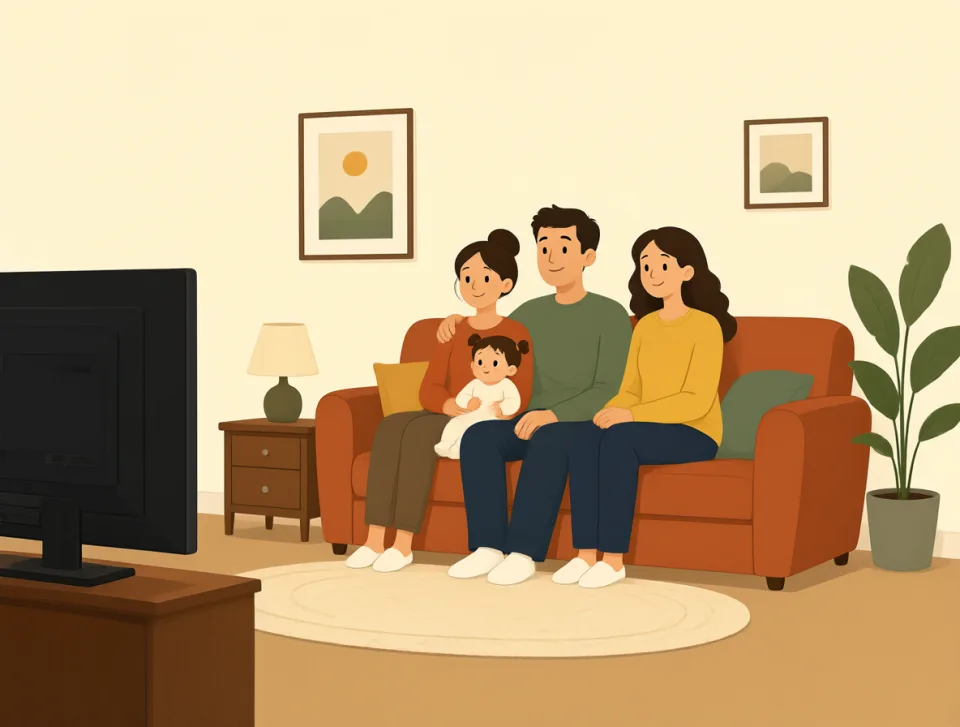
The movie ended late last night.
গত রাতে সিনেমাটি শেষ হতে দেরি হয়েছিল।
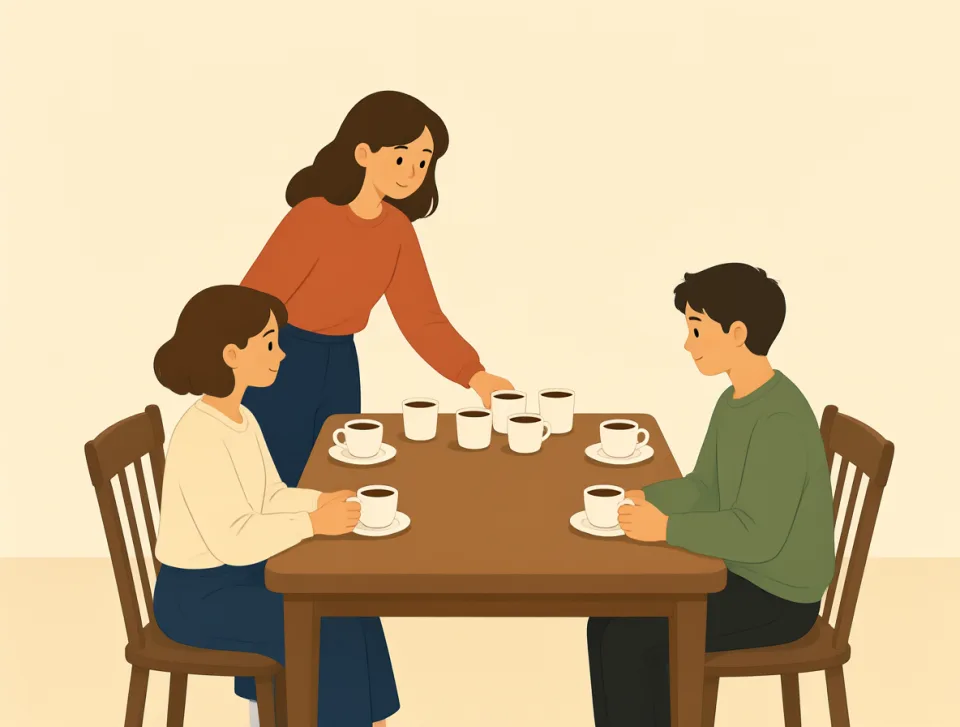
Please put the cups at the end.
দয়া করে কাপগুলো একেবারে শেষে রাখুন।
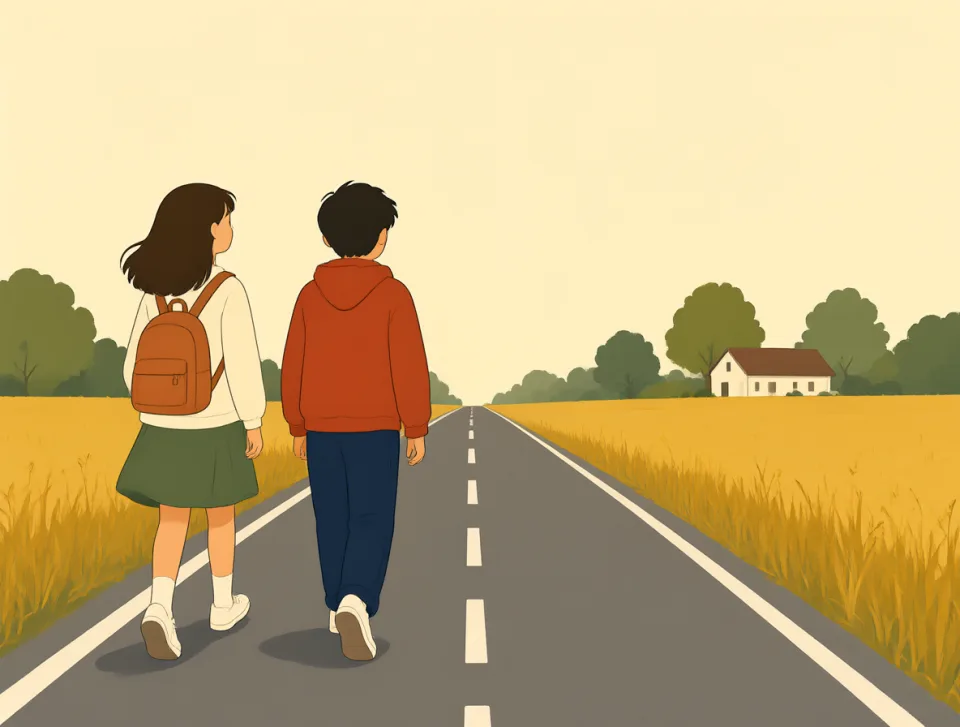
We walked to the end of the road.
আমরা রাস্তার শেষ পর্যন্ত হেঁটে গিয়েছিলাম।
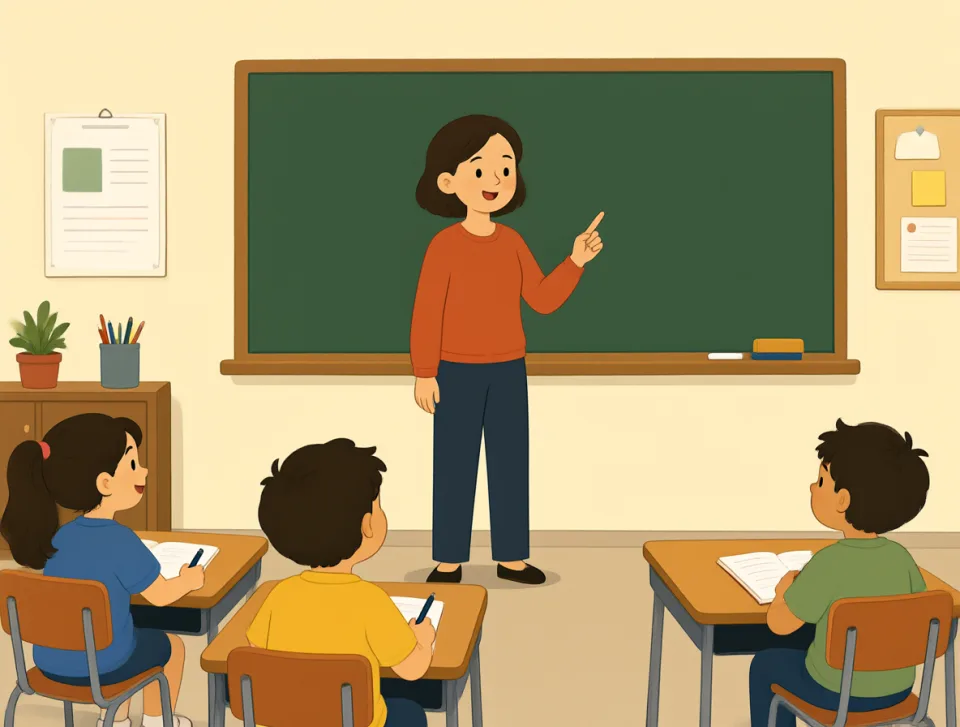
The lesson ends at three o’clock.
পাঠটি তিনটায় শেষ হয়।

I ended my letter with a kind message.
আমি আমার চিঠির শেষে একটি আন্তরিক বার্তা লিখেছিলাম।

live
#153verb, adjective, adverb
বাস করা; সরাসরি সম্প্রচারিত
To have your home in a place; or happening now, in real time.
কোনো জায়গায় বসবাস করা; অথবা যা এখন, বাস্তব সময়ে ঘটছে।
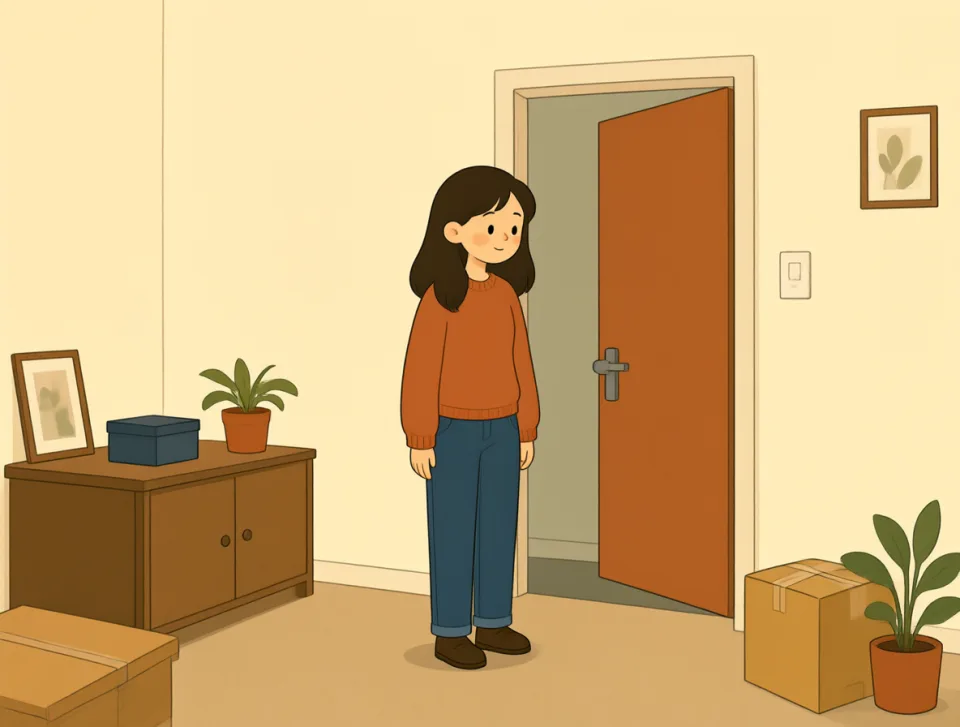
I live in a small apartment.
আমি একটি ছোট অ্যাপার্টমেন্টে থাকি।

Do you live near the school?
তুমি কি স্কুলের কাছে থাকো?
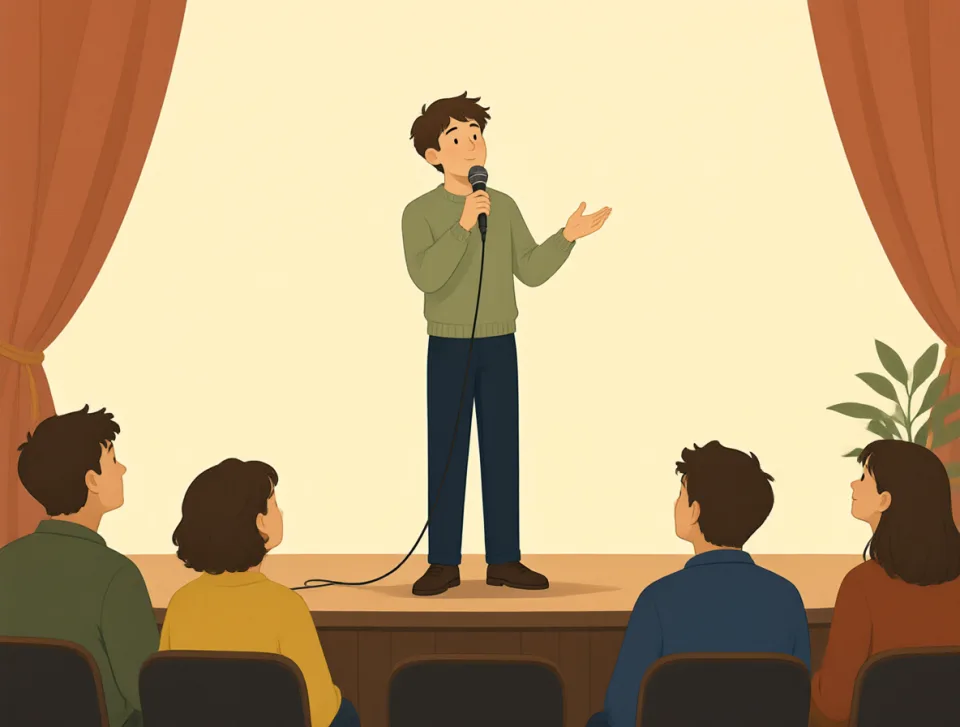
We watched a live music show.
আমরা সরাসরি পরিবেশিত একটি সংগীতানুষ্ঠান দেখেছিলাম।

Many animals live in the forest.
অনেক প্রাণী বনে বাস করে।
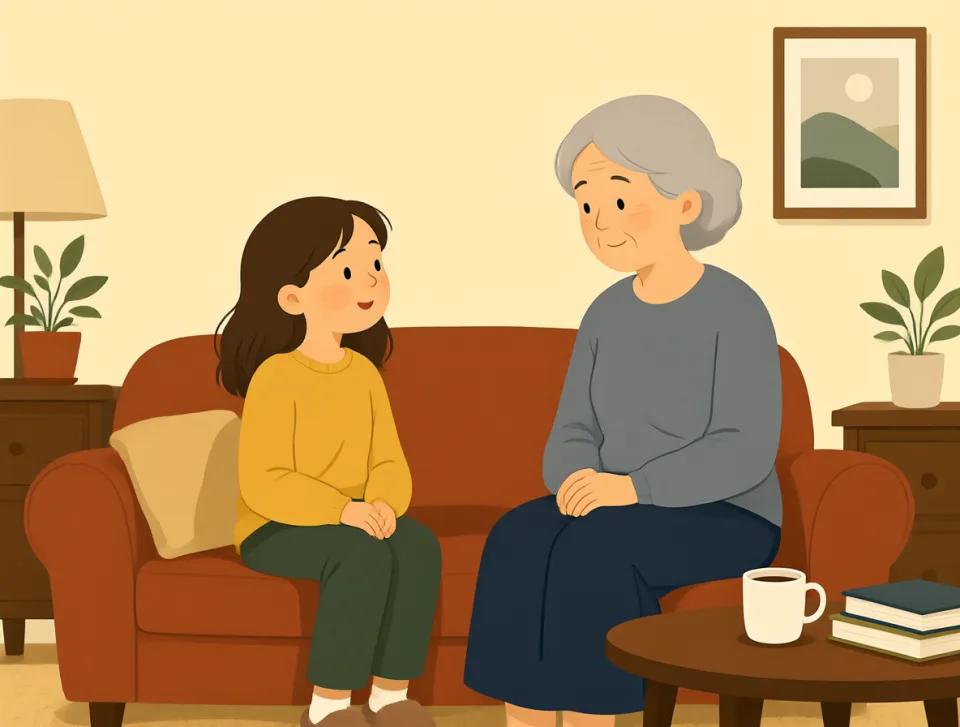
She is living with her aunt.
সে তার খালার সঙ্গে থাকছে।
why
#154adverb, noun
কেন
Used to ask about or explain the reason for something.
কোনো কিছুর কারণ জানতে বা ব্যাখ্যা করতে ব্যবহৃত হয়।
Why are you late for school?
তুমি স্কুলে আসতে দেরি করছ কেন?

I know why she feels tired.
সে কেন ক্লান্ত বোধ করে, তা আমি জানি।

Why did you leave work early?
তুমি কাজ থেকে তাড়াতাড়ি চলে গিয়েছিলে কেন?

He asked why the shop was closed.
সে জিজ্ঞেস করেছিল, দোকানটি কেন বন্ধ ছিল।

There is no reason why we cannot go.
আমরা যেতে পারব না—এমন কোনো কারণ নেই।
while
#155noun, conjunction, preposition
কিছুক্ষণ; যখন
a period of time; during the time that something happens
একটি সময়কাল; কোনো কিছু ঘটার সময়ে।

Please wait here while I get your bag.
আমি আপনার ব্যাগটি নিয়ে আসার সময় দয়া করে এখানে অপেক্ষা করুন।

She listened to music while cooking dinner.
রাতের খাবার রান্না করার সময় সে গান শুনছিল।

We talked for a while after school.
স্কুলের পরে আমরা কিছুক্ষণ গল্প করেছিলাম।

He read a book while waiting for the train.
ট্রেনের জন্য অপেক্ষা করার সময় সে একটি বই পড়েছিল।

While I was sick, my friend brought soup.
আমি অসুস্থ থাকার সময় আমার বন্ধু স্যুপ নিয়ে এসেছিল।

world
#156noun
বিশ্ব
the Earth and all its people, countries, and places
পৃথিবী এবং এর সব মানুষ, দেশ ও স্থান

People around the world enjoy music.
বিশ্বজুড়ে মানুষ গান উপভোগ করে।
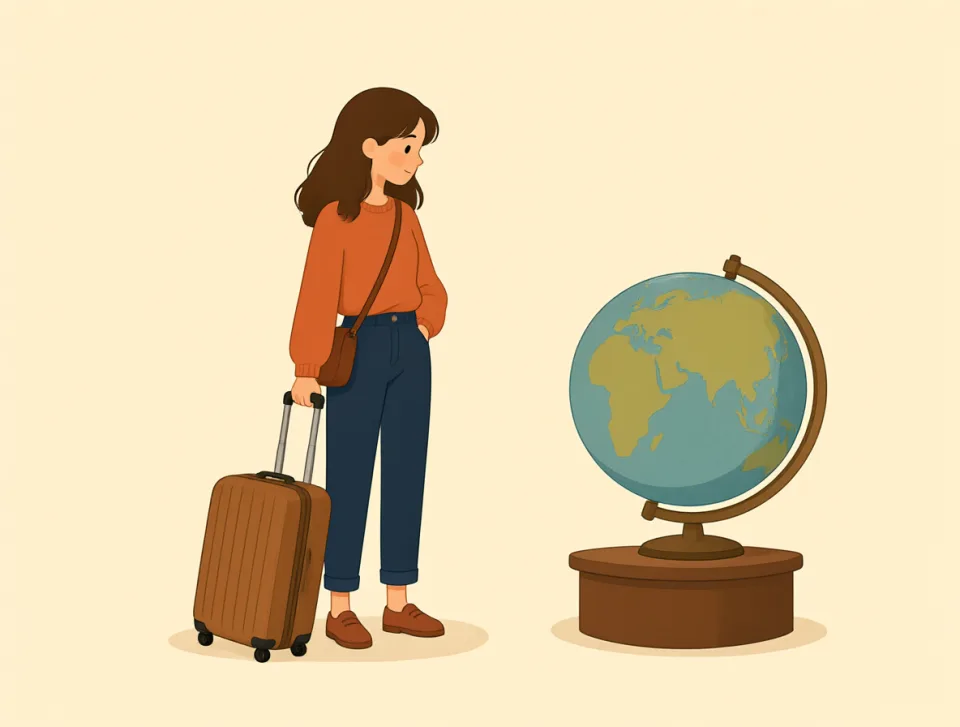
She wants to travel the world.
সে সারা বিশ্ব ঘুরে দেখতে চায়।

The whole world watched the game.
পুরো বিশ্ব খেলাটি দেখেছিল।
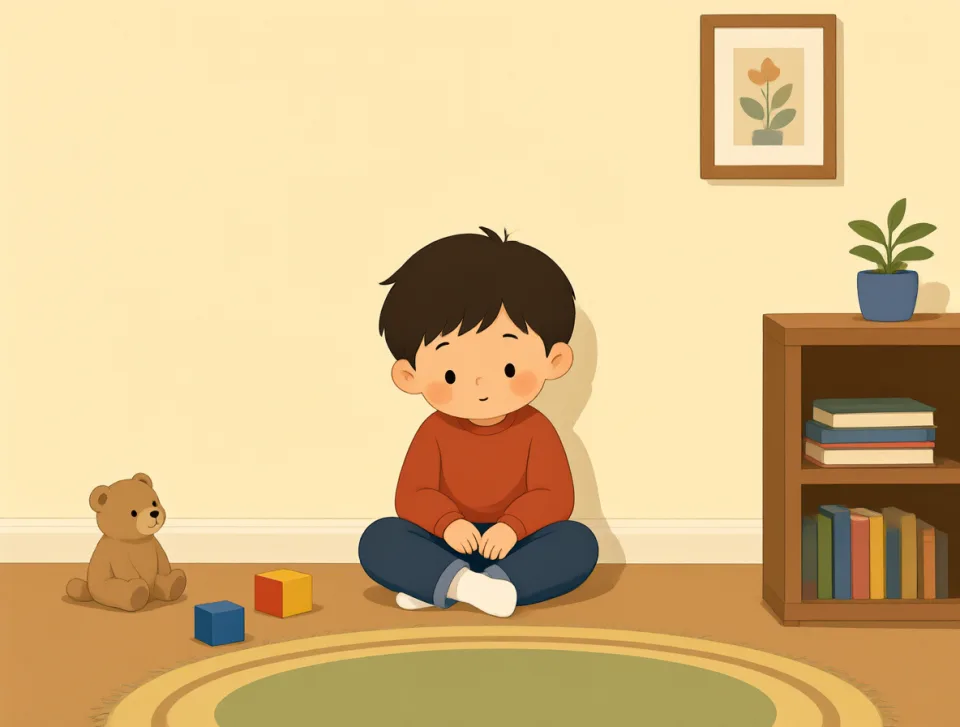
He lives in a small world.
সে এক ছোট্ট জগতে বাস করে।

World history is my favorite school subject.
বিশ্বের ইতিহাস স্কুলে আমার সবচেয়ে প্রিয় বিষয়।

week
#157noun
সপ্তাহ
A period of seven days, from one day to the same day the next week.
সাত দিনের একটি সময়কাল, এক দিন থেকে পরের সপ্তাহের একই দিন পর্যন্ত।

I visit my parents every week.
আমি প্রতি সপ্তাহে আমার বাবা-মায়ের সঙ্গে দেখা করি।

She was sick last week.
গত সপ্তাহে সে অসুস্থ ছিল।

We have a team meeting this week.
এই সপ্তাহে আমাদের দলের একটি মিটিং আছে।
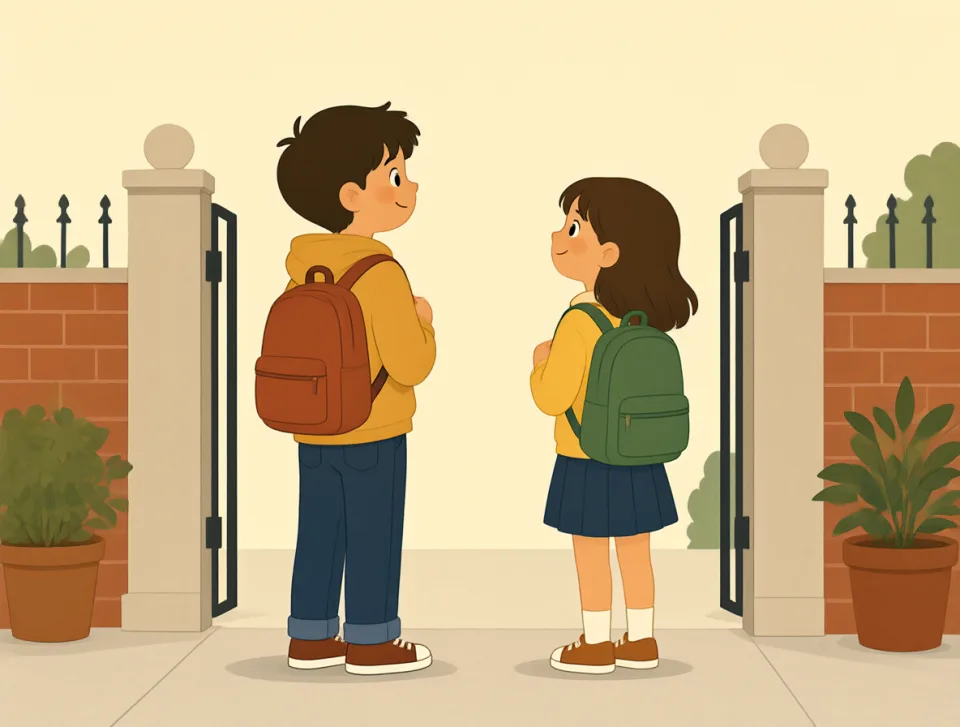
The children start school next week.
বাচ্চারা আগামী সপ্তাহে স্কুল শুরু করবে।

We are traveling to Spain in two weeks.
দুই সপ্তাহ পর আমরা স্পেনে বেড়াতে যাচ্ছি।
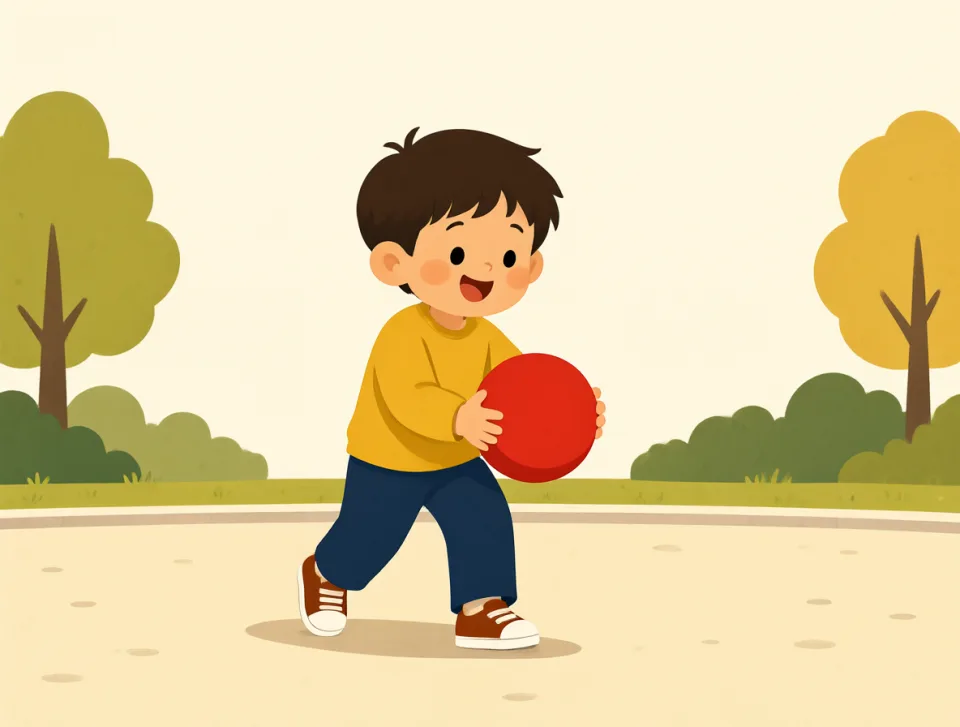
play
#158verb, noun
খেলা করা
to do something for fun, or to act in a show
আনন্দের জন্য কিছু করা, অথবা কোনো নাটক বা অনুষ্ঠানে অভিনয় করা
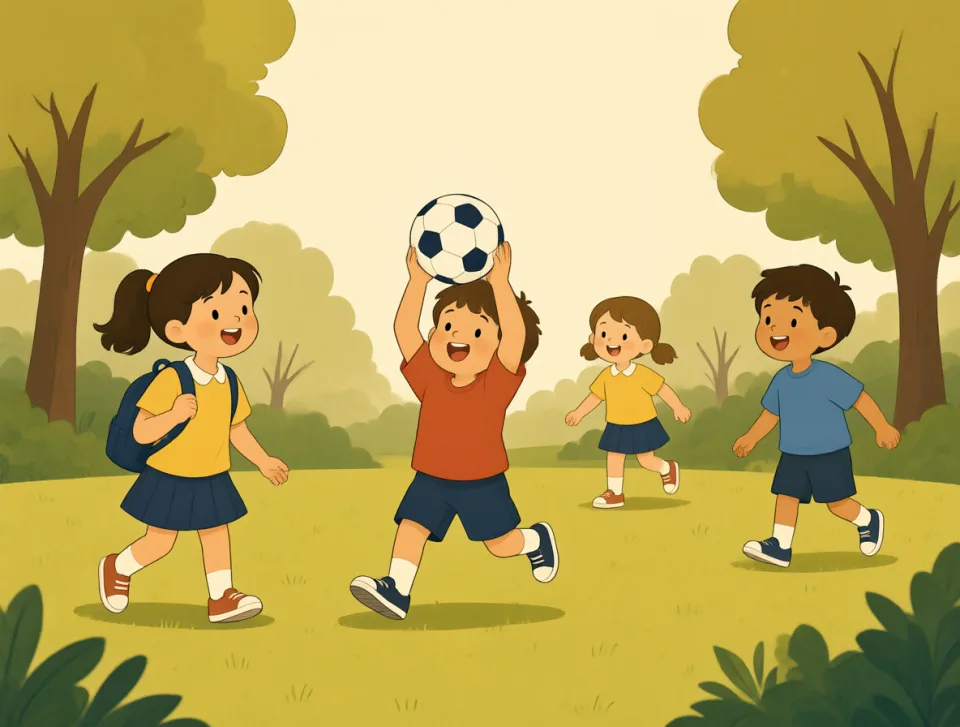
The children play outside after school.
বাচ্চারা স্কুলের পর বাইরে খেলাধুলা করে।
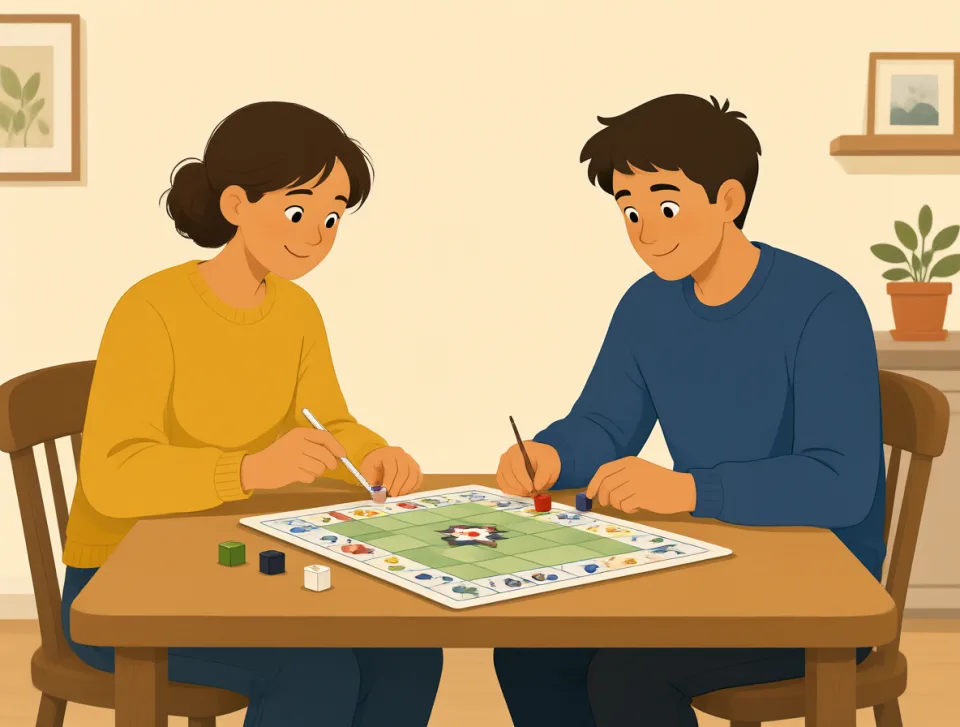
We played a game at home.
আমরা বাড়িতে একটি খেলা খেলেছিলাম।
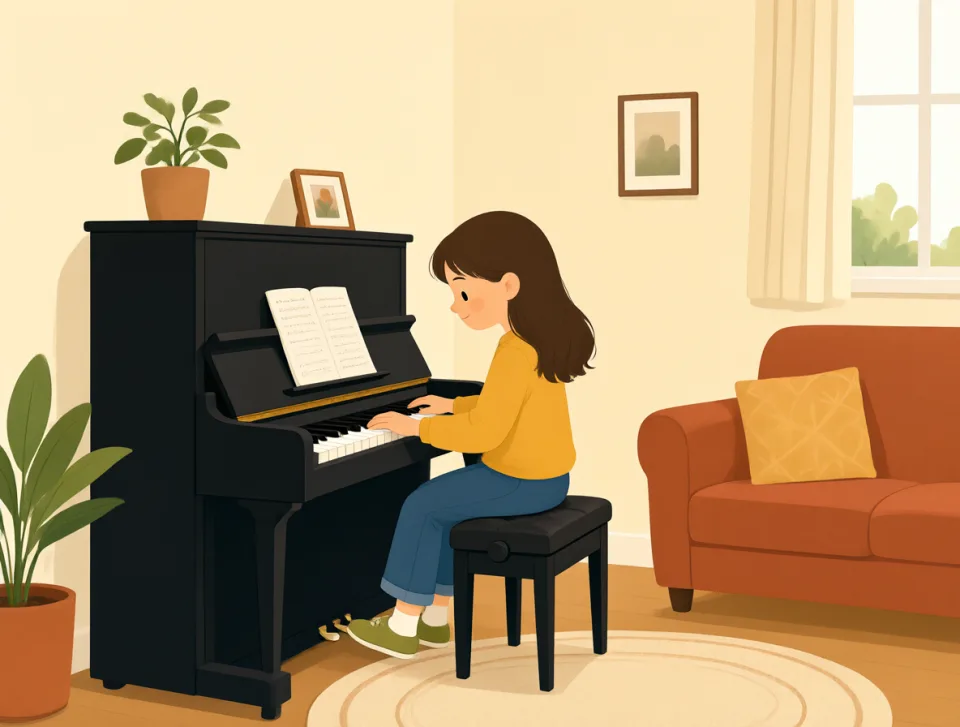
She plays the piano every morning.
সে প্রতিদিন সকালে পিয়ানো বাজায়।
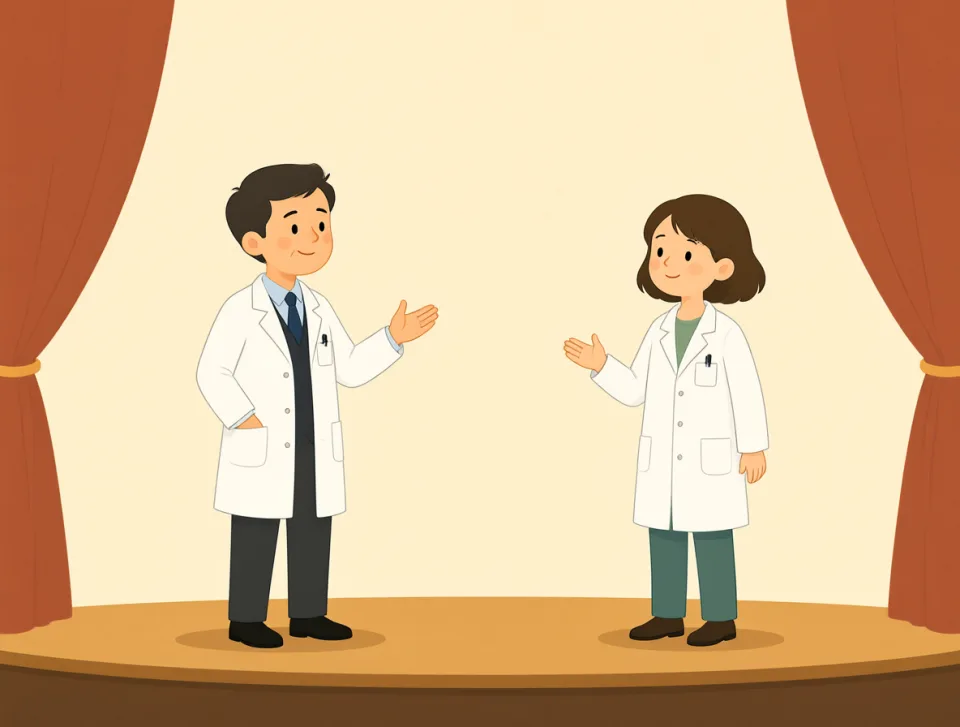
The actors play doctors in the show.
অনুষ্ঠানটিতে অভিনেতারা ডাক্তার সেজেছেন।
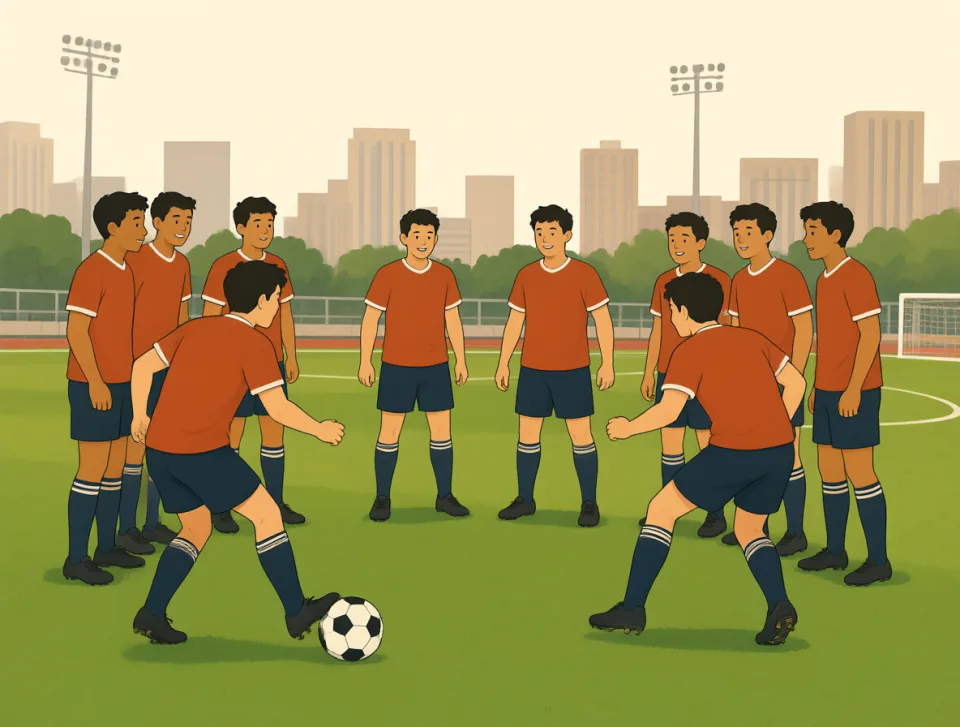
Our team plays in London tomorrow.
আমাদের দল আগামীকাল লন্ডনে খেলবে।

might
#159modal verb, noun
হতে পারে
Used to say something is possible or to ask permission politely.
কোনো কিছু সম্ভব—এ কথা বোঝাতে বা ভদ্রভাবে অনুমতি চাইতে ব্যবহৃত হয়।
It might rain this afternoon.
আজ বিকেলে বৃষ্টি হতে পারে।

I might go shopping after work.
কাজের পর হয়তো আমি কেনাকাটা করতে যাব।

Might I use your phone, please?
আমি কি দয়া করে আপনার ফোনটি ব্যবহার করতে পারি?

You might like this new restaurant.
এই নতুন রেস্তোরাঁটি তোমার ভালো লাগতে পারে।

She might be sick today.
সে আজ অসুস্থ হতে পারে।
must
#160verb, noun
অবশ্যই করতে হবে
To be necessary or required; something that you need to do or have.
প্রয়োজনীয় বা বাধ্যতামূলক হওয়া; এমন কিছু যা তোমার করা বা থাকা দরকার।
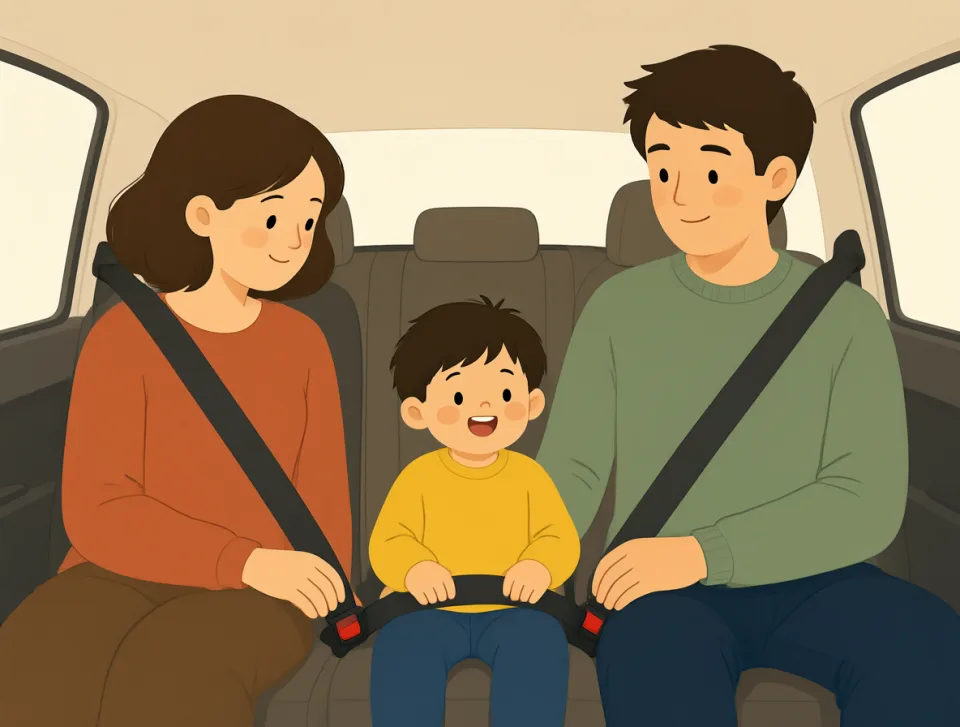
You must wear a seat belt.
তোমাকে অবশ্যই সিটবেল্ট পরতে হবে।

We must leave home at seven.
আমাদের অবশ্যই সাতটায় বাড়ি থেকে বেরোতে হবে।

Students must finish their homework tonight.
শিক্ষার্থীদের আজ রাতেই অবশ্যই বাড়ির কাজ শেষ করতে হবে।

You must try this chocolate cake.
তোমার এই চকোলেট কেকটা অবশ্যই চেখে দেখা উচিত।

I must see a doctor about my cough.
কাশির জন্য আমাকে অবশ্যই একজন ডাক্তার দেখাতে হবে।