Unidad 8
Palabras 141–160 · become, interest, country, old, each, school
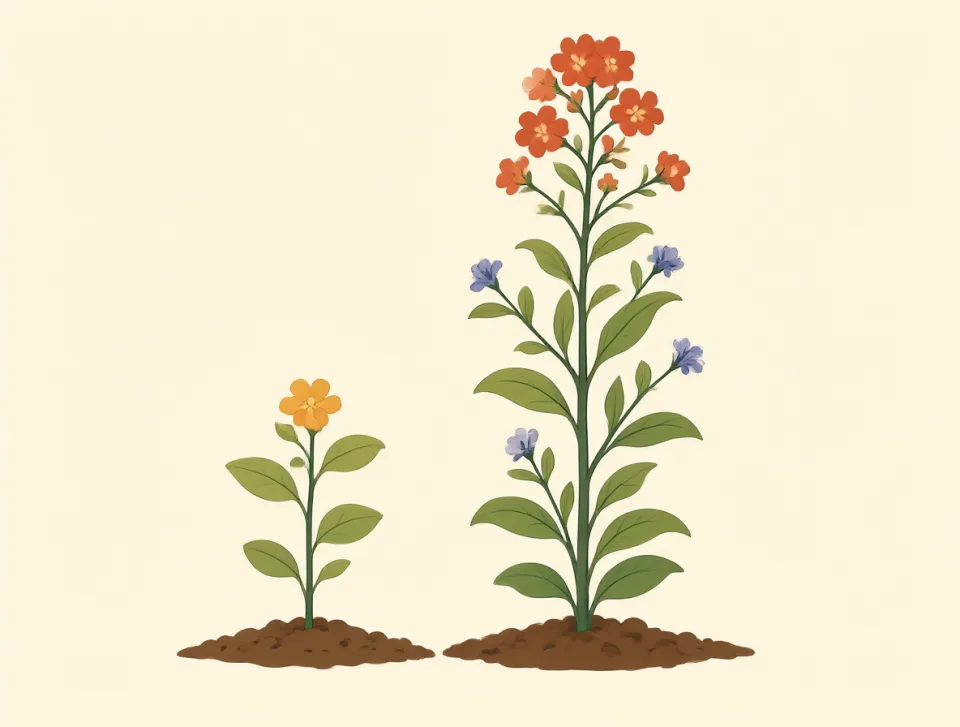
become
#141verb
convertirse en; llegar a ser
to start to be something or change into a different state
Empezar a ser algo o cambiar a un estado diferente.
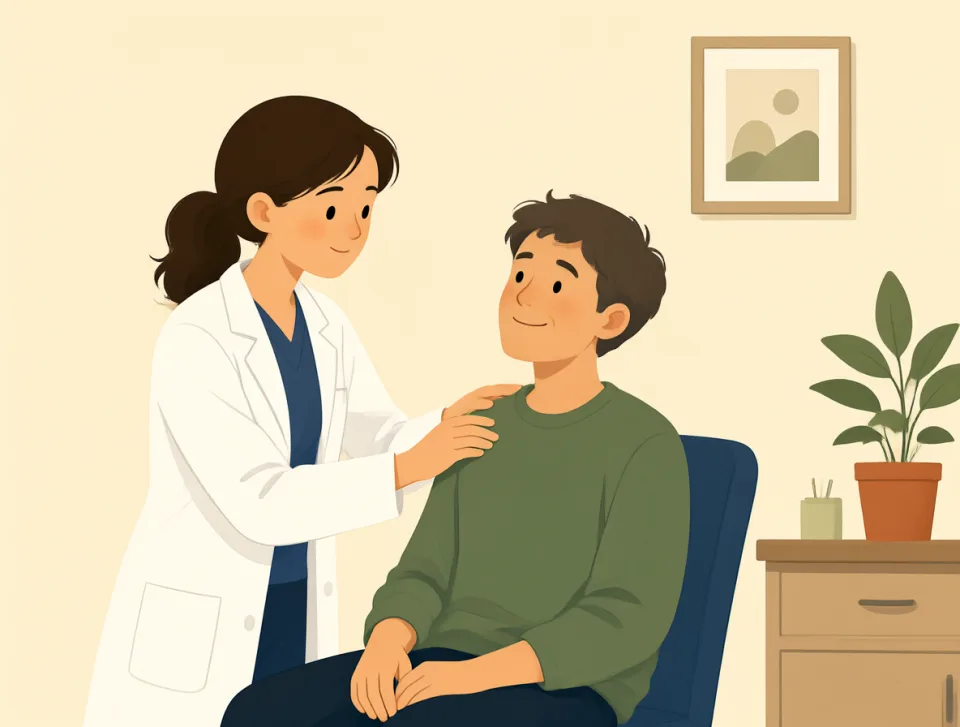
She wants to become a doctor someday.
Algún día quiere convertirse en médica.
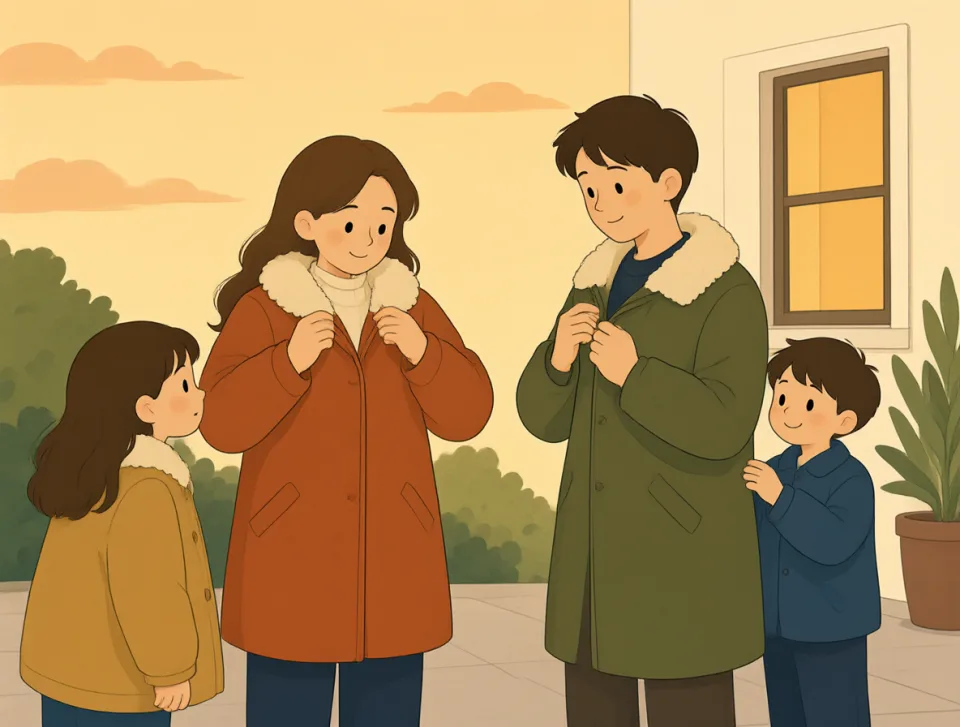
The weather became cold after sunset.
El tiempo se puso frío después del atardecer.
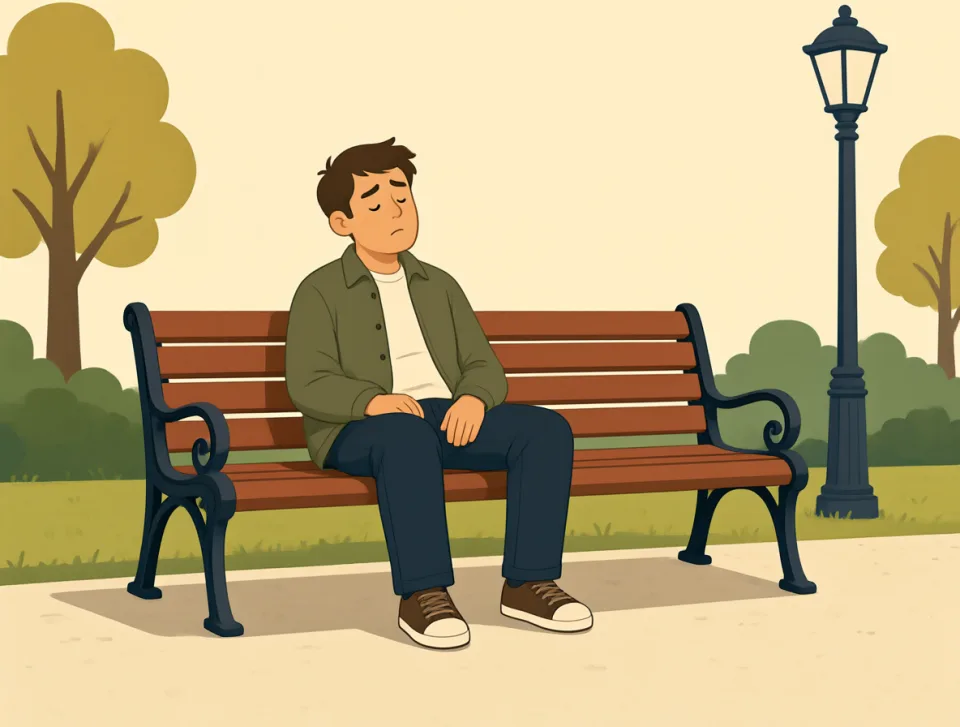
He became tired after the long walk.
Se cansó después de la larga caminata.
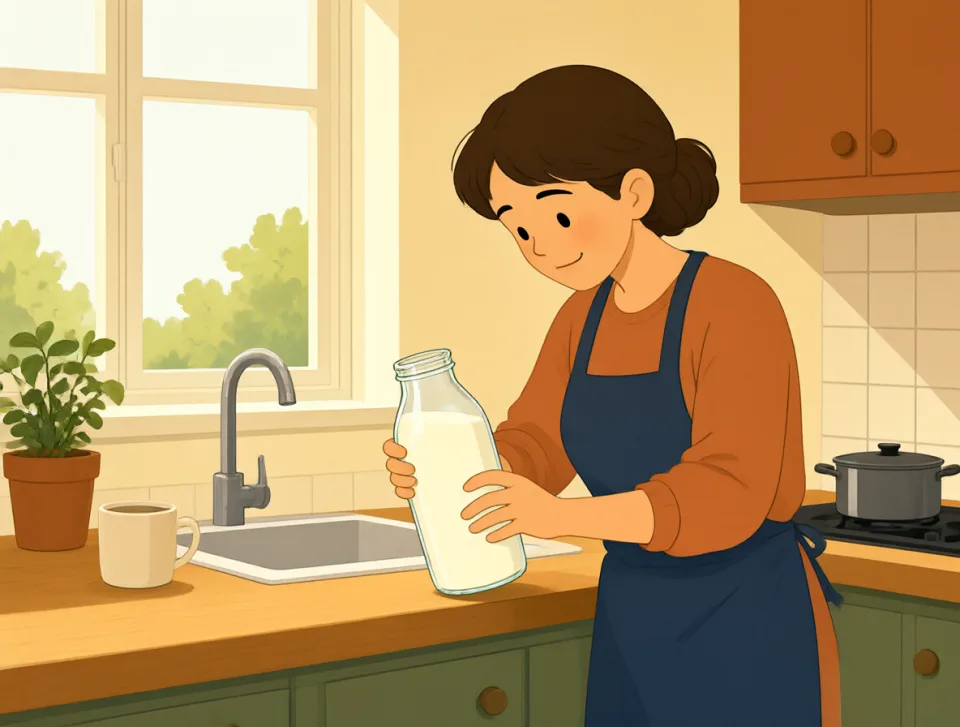
The milk became sour in the heat.
La leche se agrió con el calor.
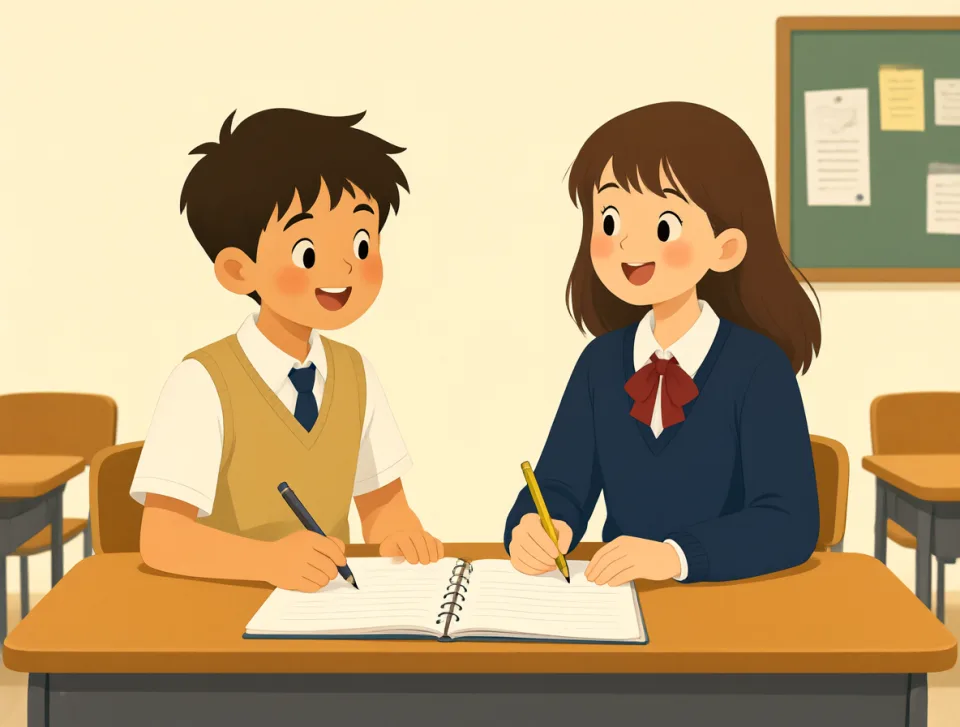
They became good friends at school.
Se hicieron buenos amigos en la escuela.
interest
#142noun, verb
interés; interesar; interesarse
A feeling of wanting to know or learn about something; to make someone curious.
Una sensación de querer saber o aprender sobre algo; hacer que alguien sienta curiosidad.
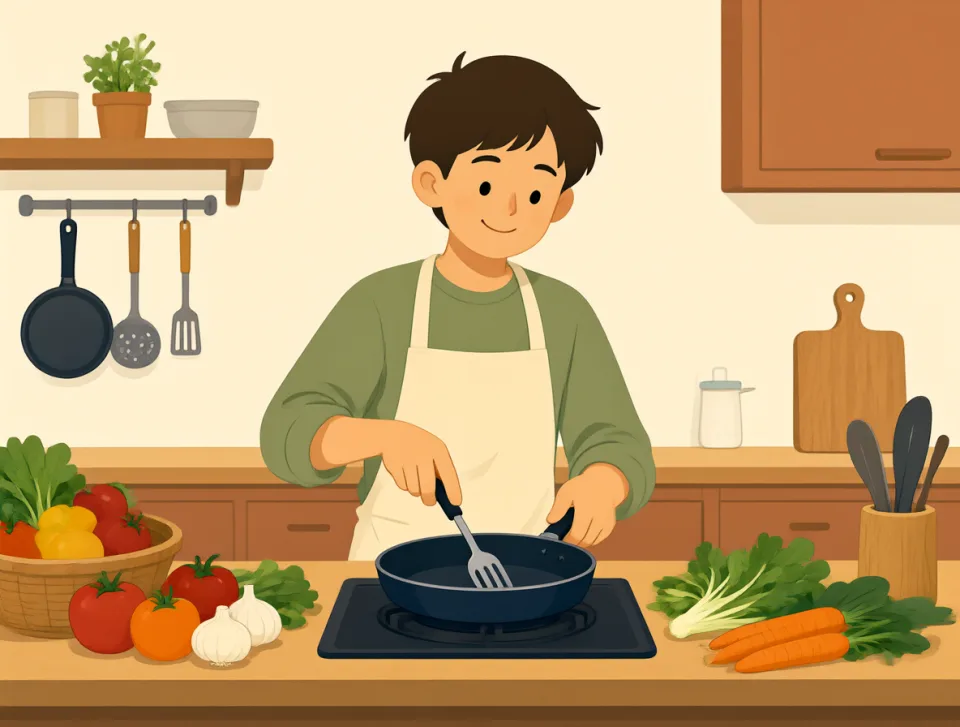
I have a strong interest in cooking.
Tengo mucho interés en la cocina.

She showed interest in the new job.
Ella mostró interés en el nuevo trabajo.
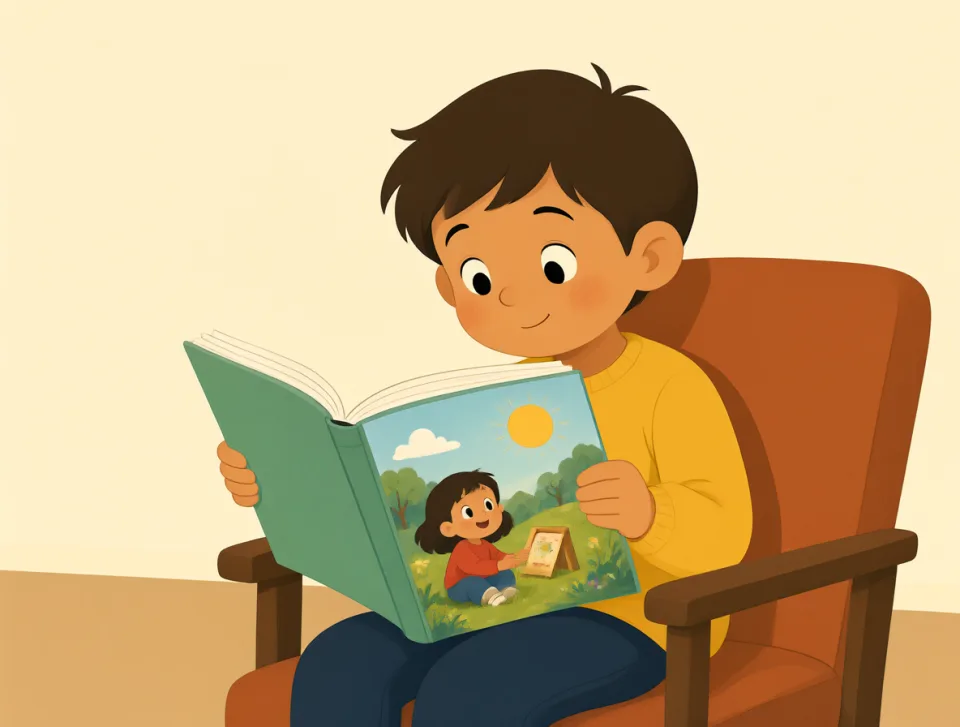
The book caught my interest quickly.
El libro captó mi interés rápidamente.
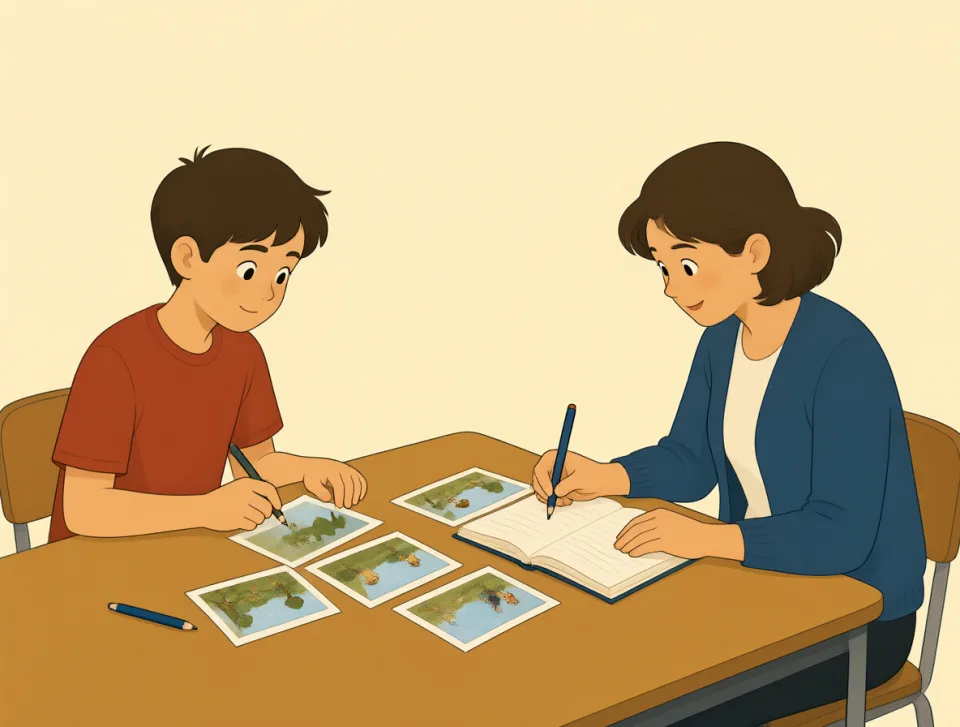
He is interested in learning Spanish.
A él le interesa aprender español.
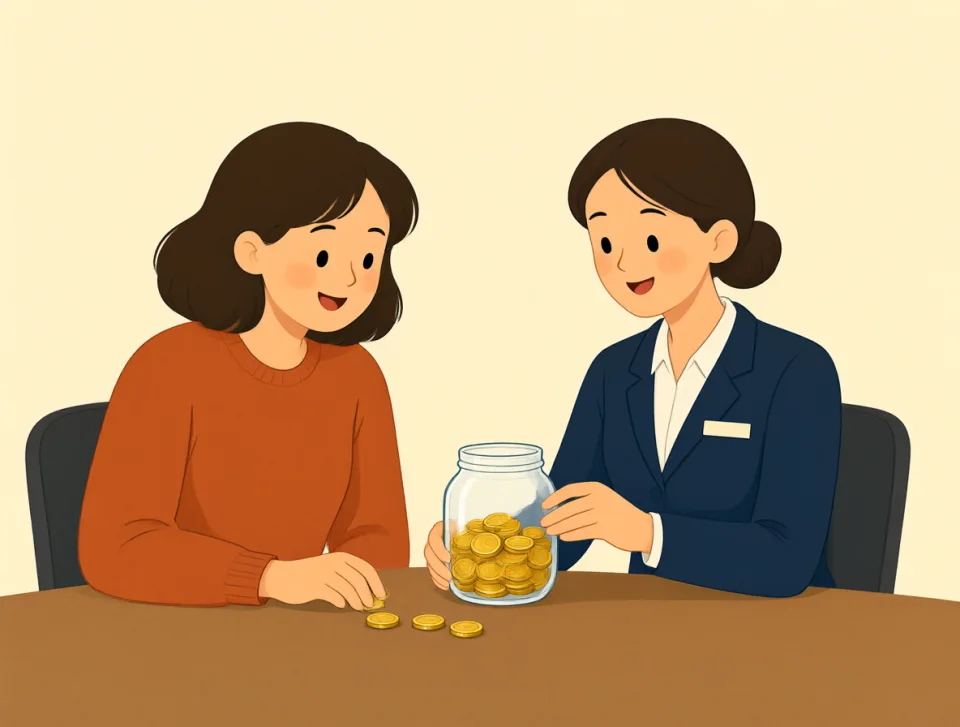
The bank pays interest on savings.
El banco paga intereses sobre los ahorros.
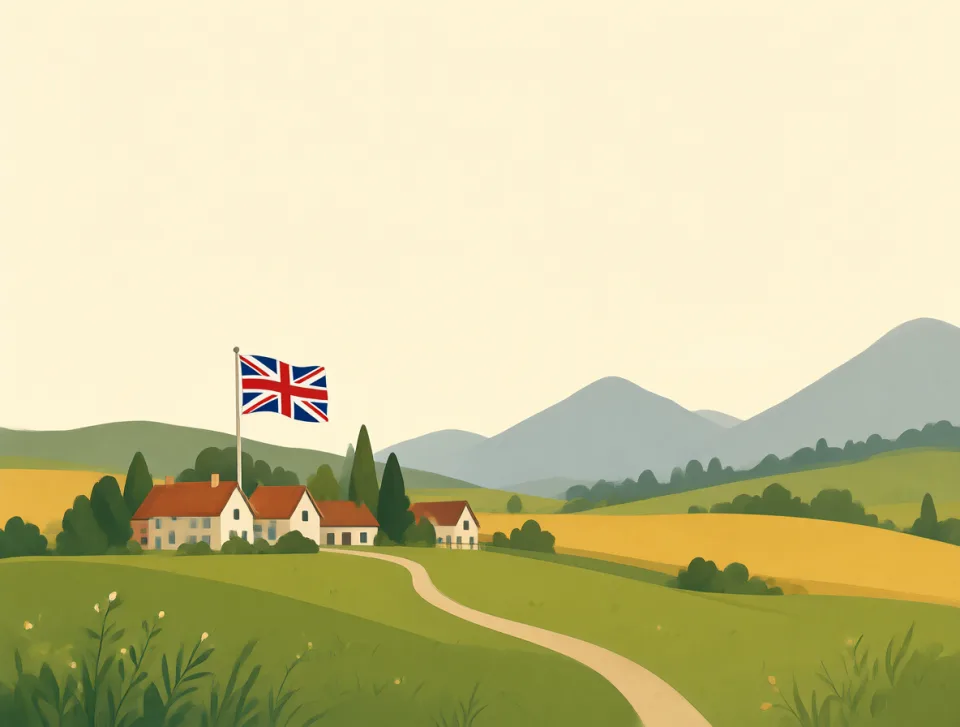
country
#143noun
país; campo
A nation with its own government, land, and people.
Una nación con su propio gobierno, territorio y población.
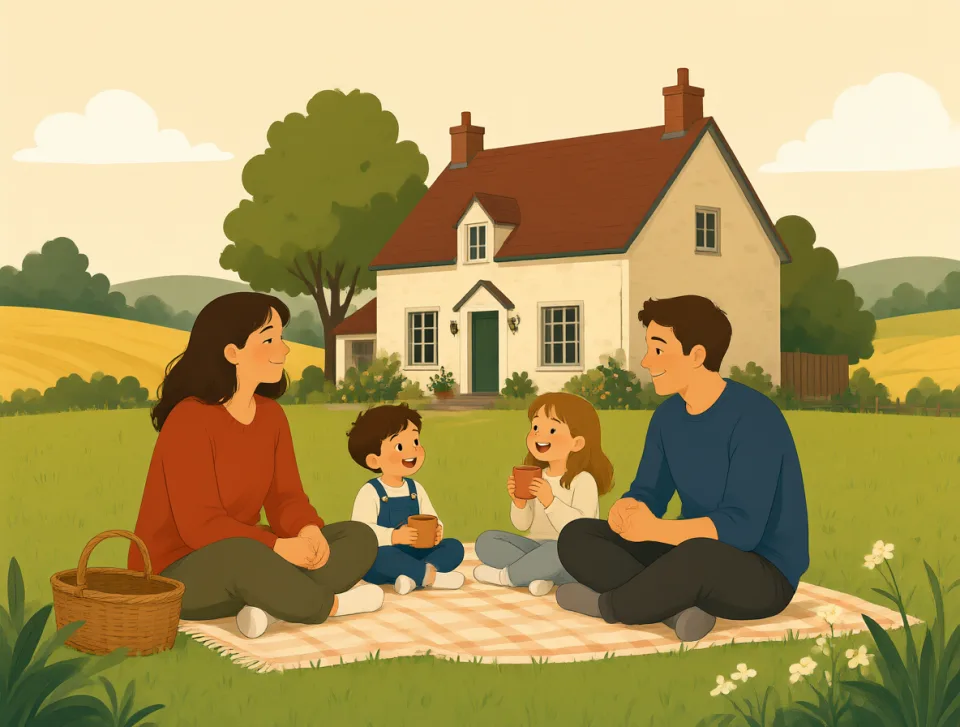
She lives in the country with her family.
Ella vive en el campo con su familia.

I want to visit another country this summer.
Quiero visitar otro país este verano.
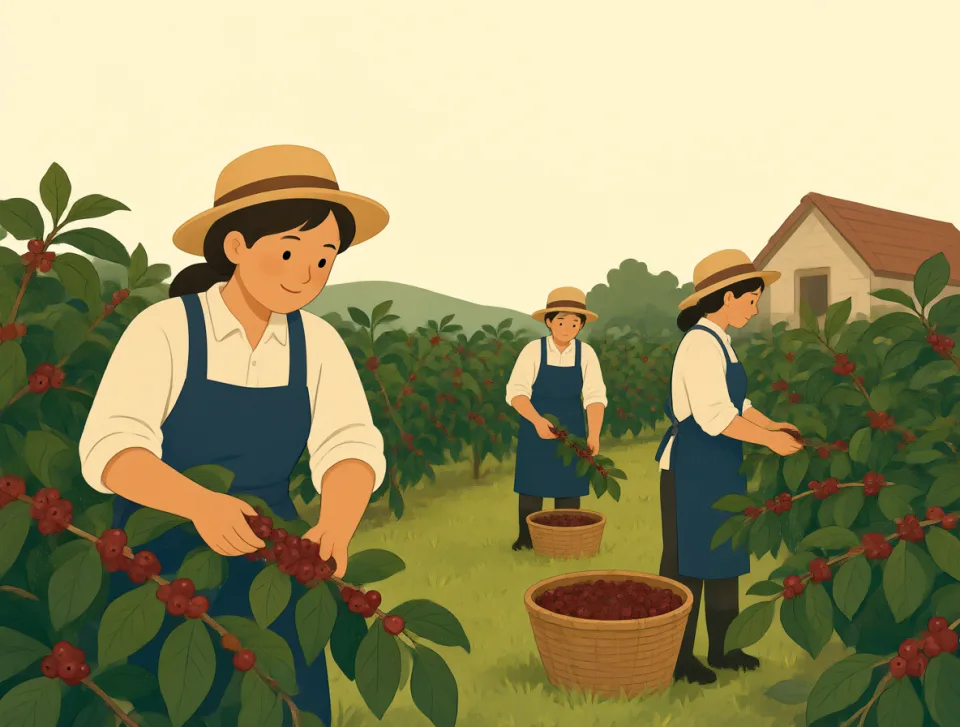
This country produces much of the world's coffee.
Este país produce gran parte del café del mundo.
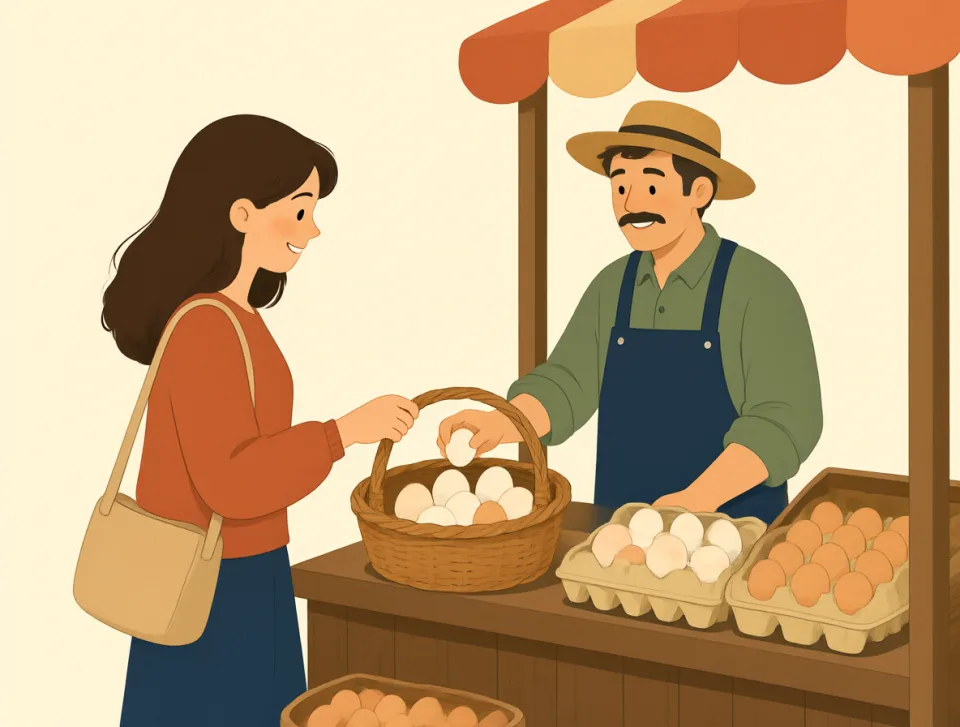
We bought fresh eggs from the country.
Compramos huevos frescos en el campo.
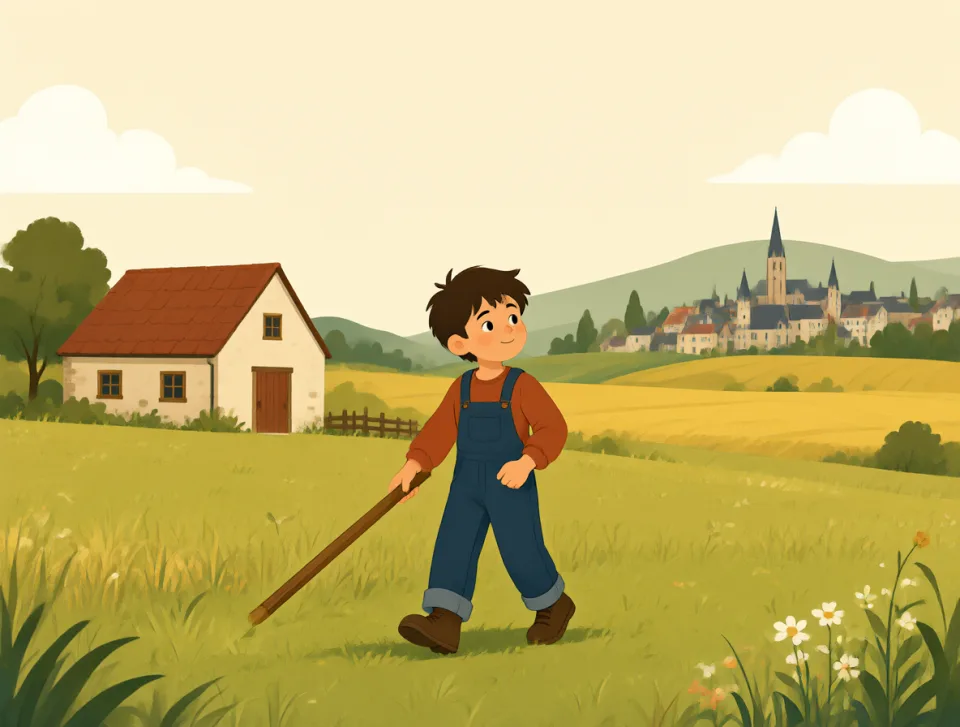
He grew up in the country near a small town.
Creció en el campo, cerca de un pueblo pequeño.
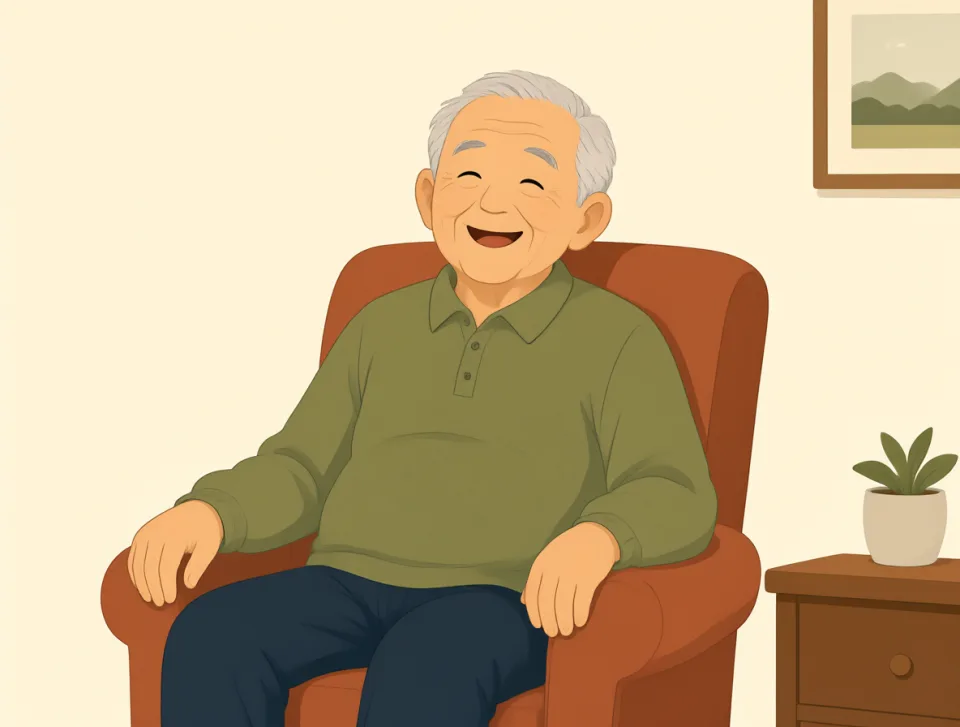
old
#144adjective, noun
viejo; antiguo
having lived for many years; belonging to a time long ago
que ha vivido muchos años; que pertenece a una época lejana
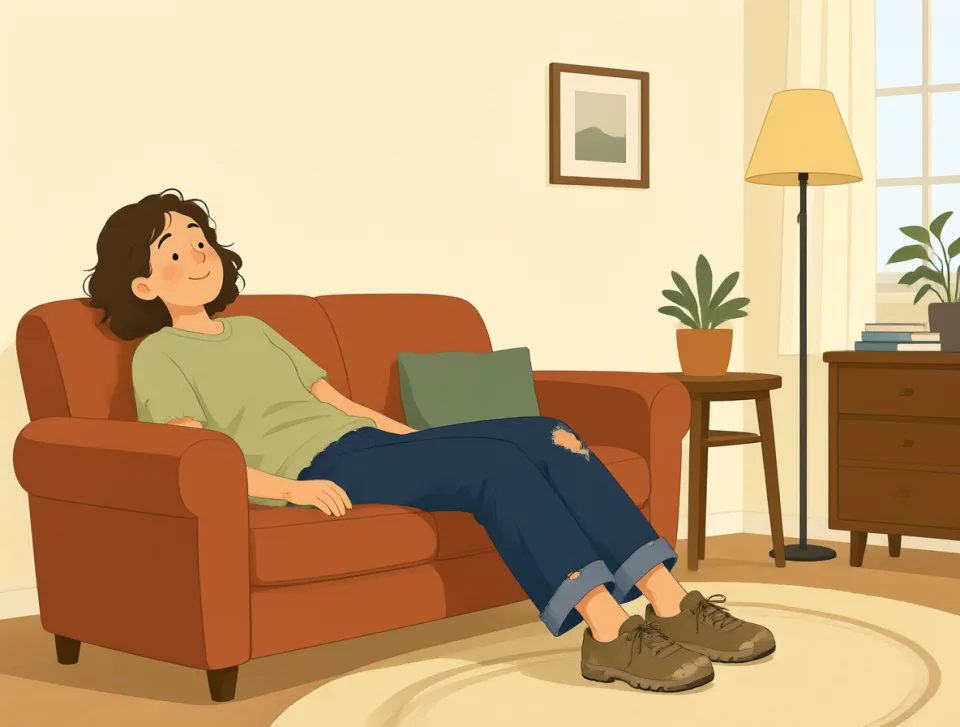
My old shoes are very comfortable.
Mis zapatos viejos son muy cómodos.
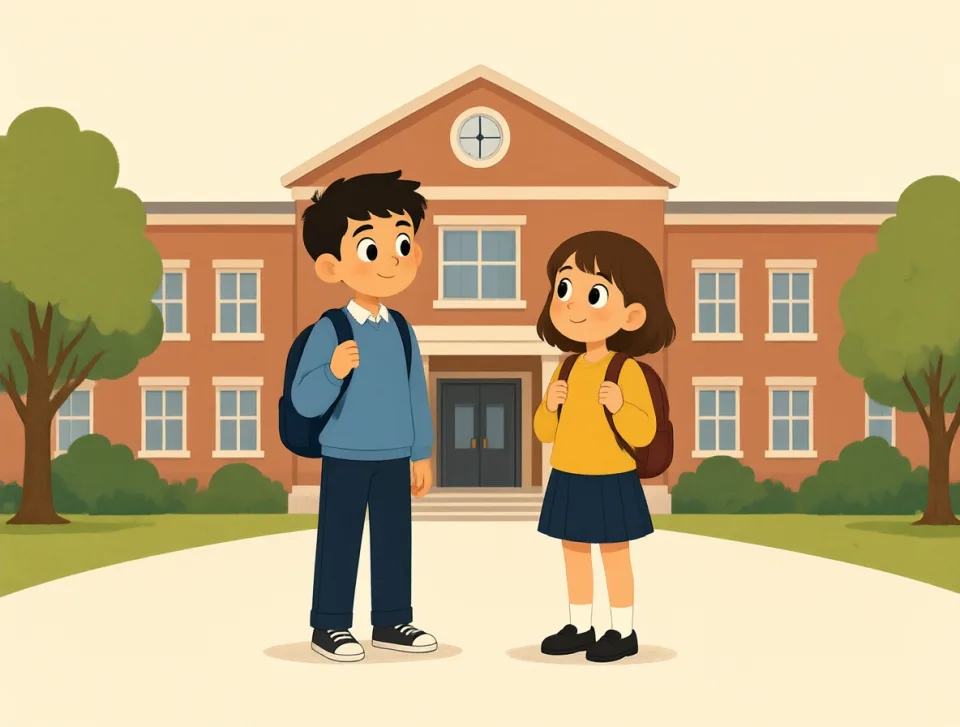
We visited my old school yesterday.
Ayer visitamos mi antigua escuela.
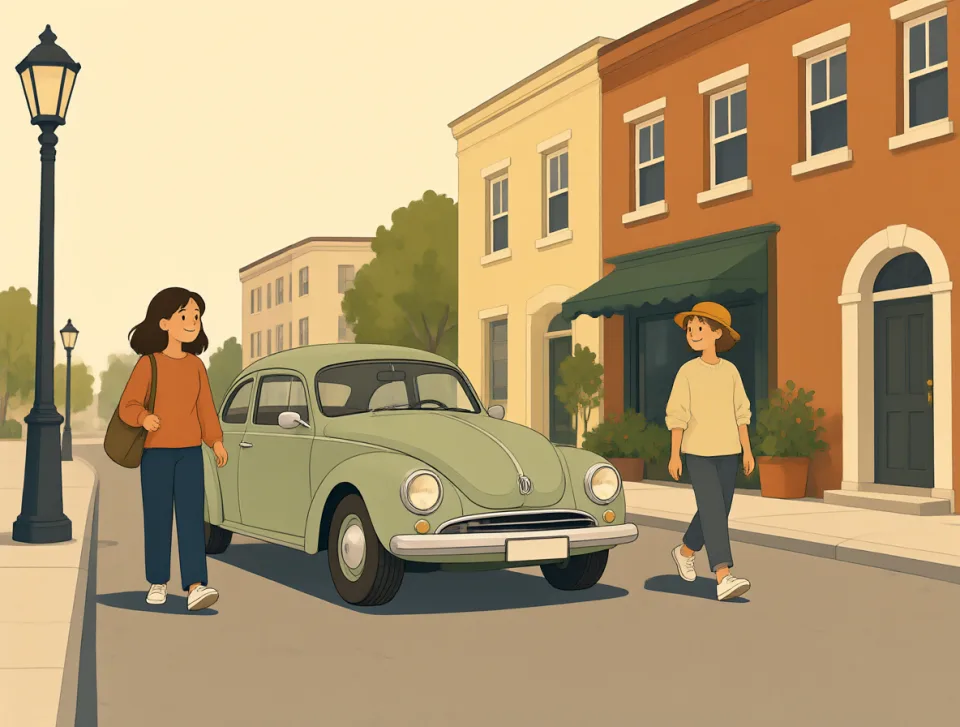
That old car still works well.
Ese auto viejo todavía funciona bien.
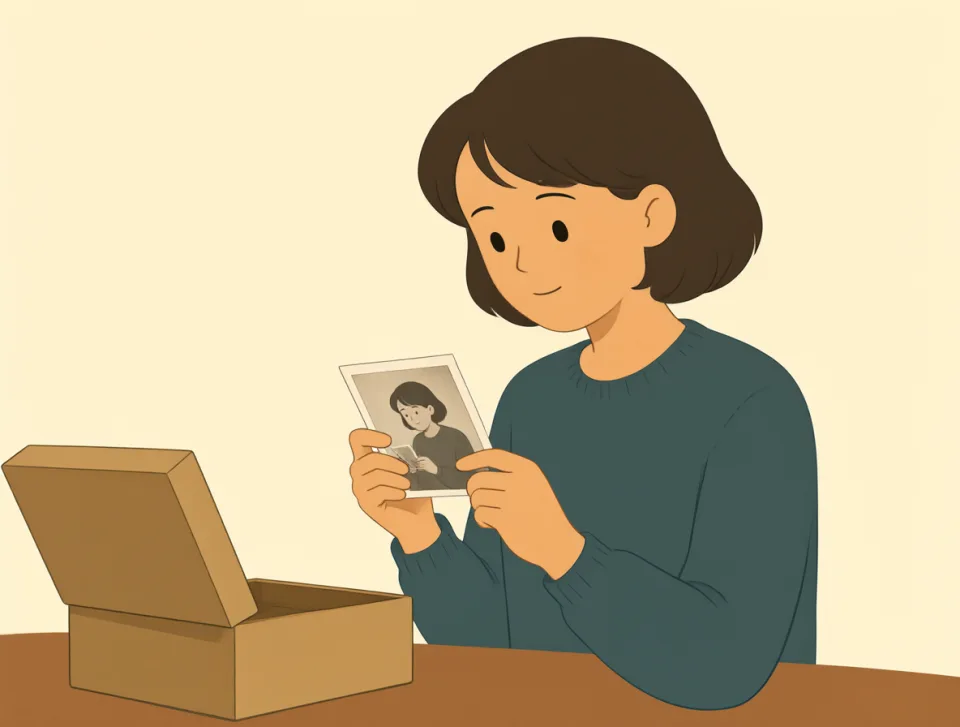
I found an old photo in a box.
Encontré una foto antigua en una caja.
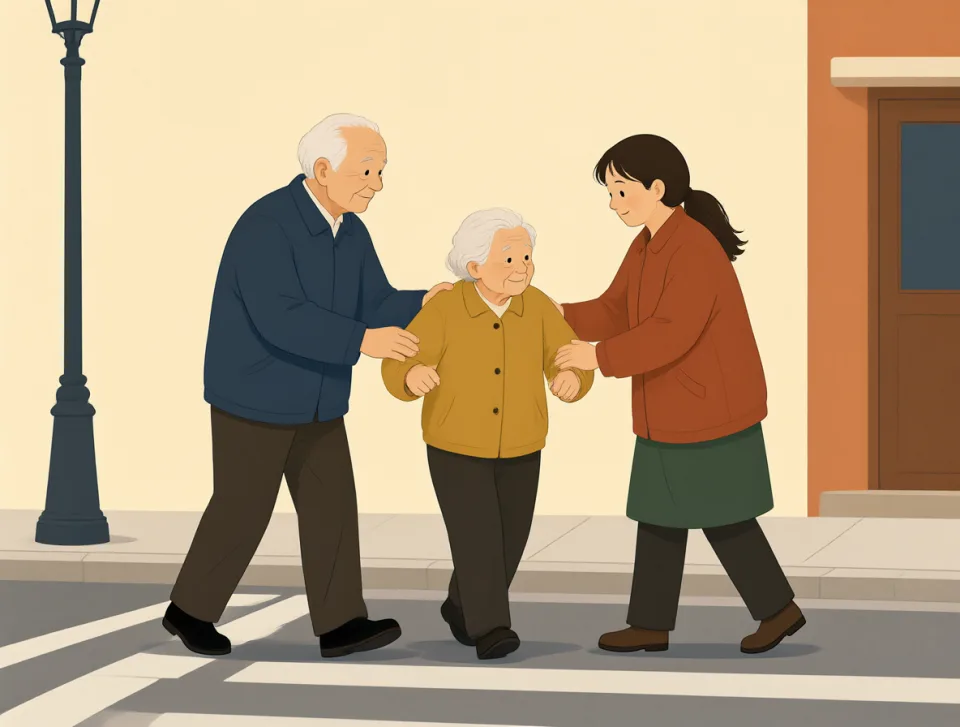
The old man needs help crossing the street.
El anciano necesita ayuda para cruzar la calle.
each
#145determiner, pronoun
cada; cada uno; cada una
Every one of two or more people or things, considered separately.
Cada una de dos o más personas o cosas, consideradas por separado.
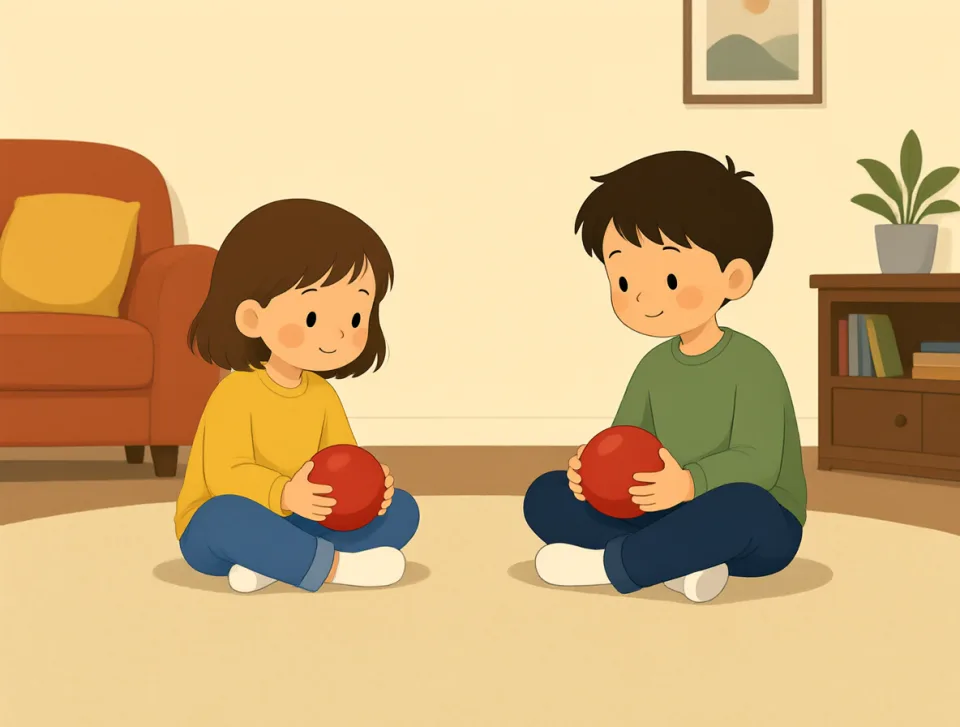
Each child has a small red ball.
Cada niño tiene una pelota roja pequeña.
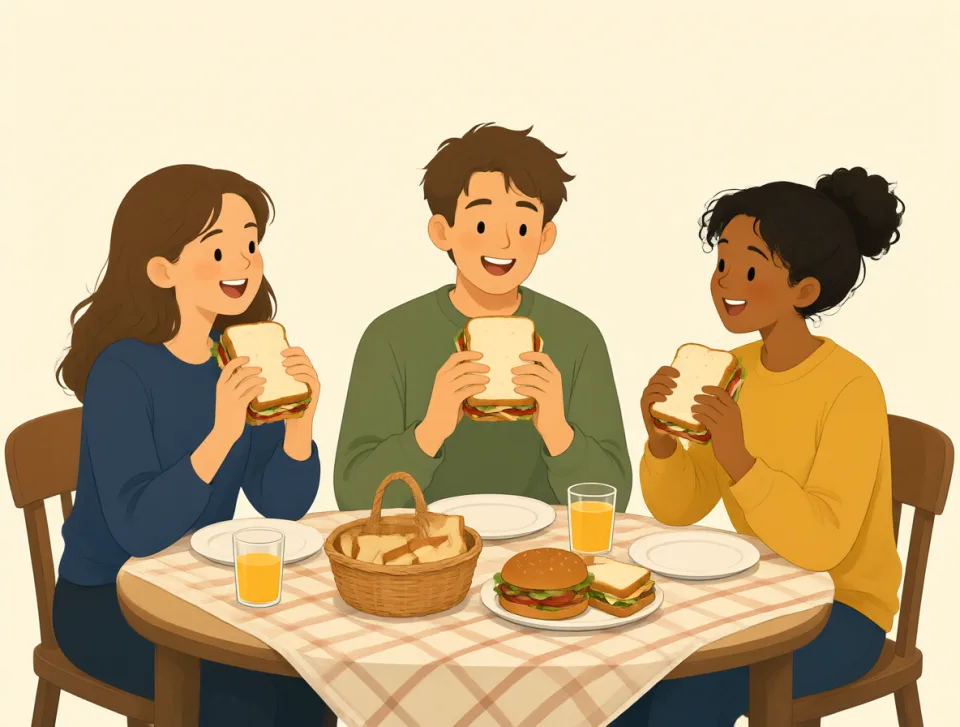
We each brought a sandwich for lunch.
Cada uno de nosotros llevó un sándwich para el almuerzo.
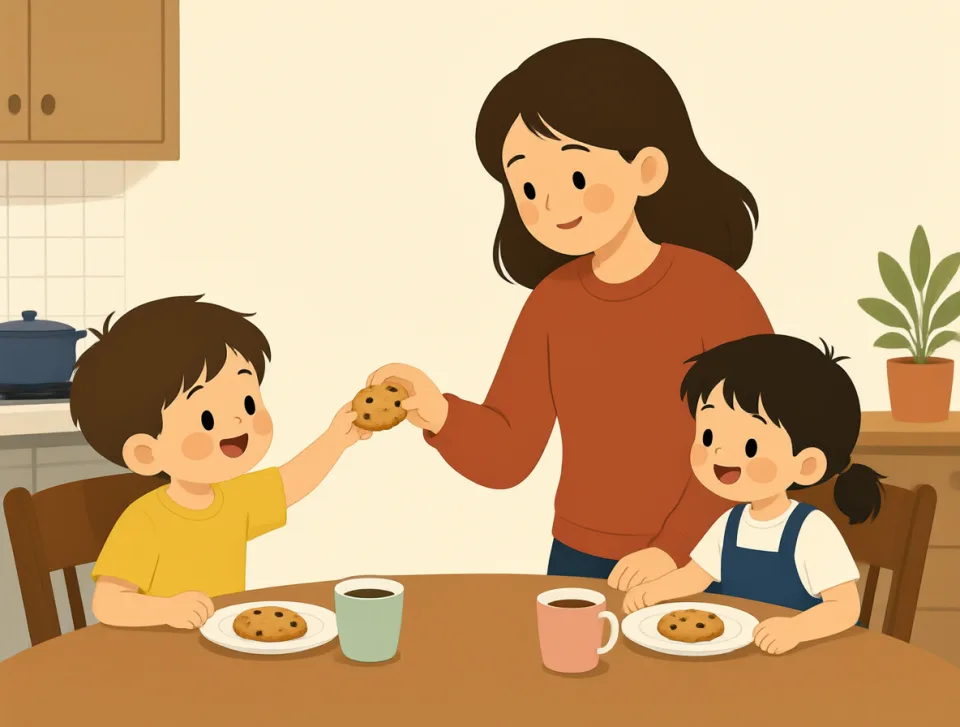
Please take one cookie each.
Por favor, tomen una galleta cada uno.
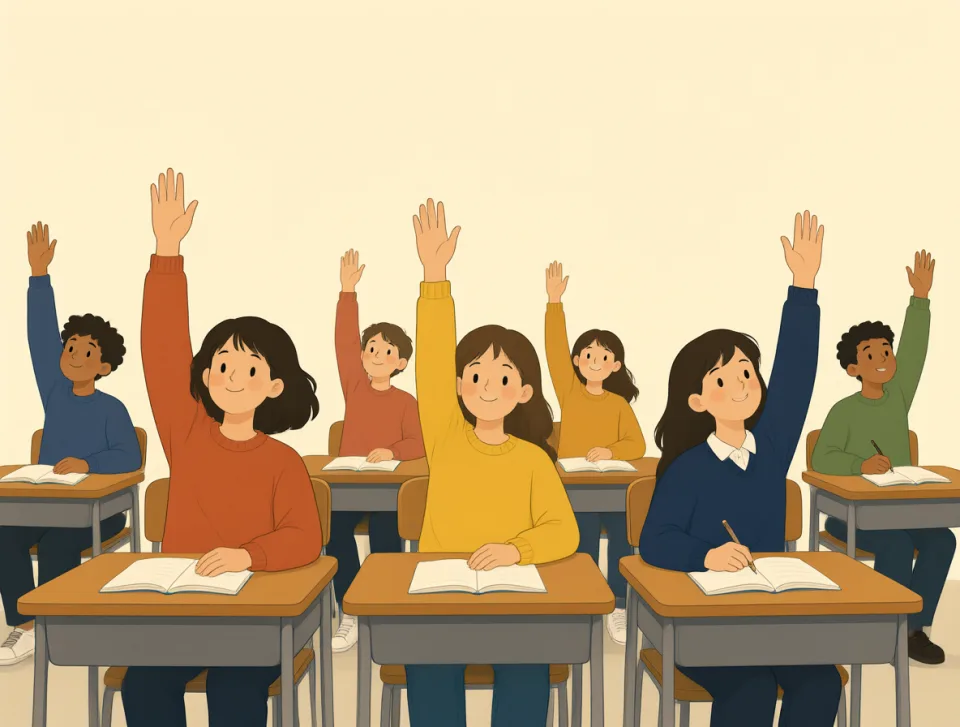
The students each answered one question.
Los estudiantes respondieron una pregunta cada uno.
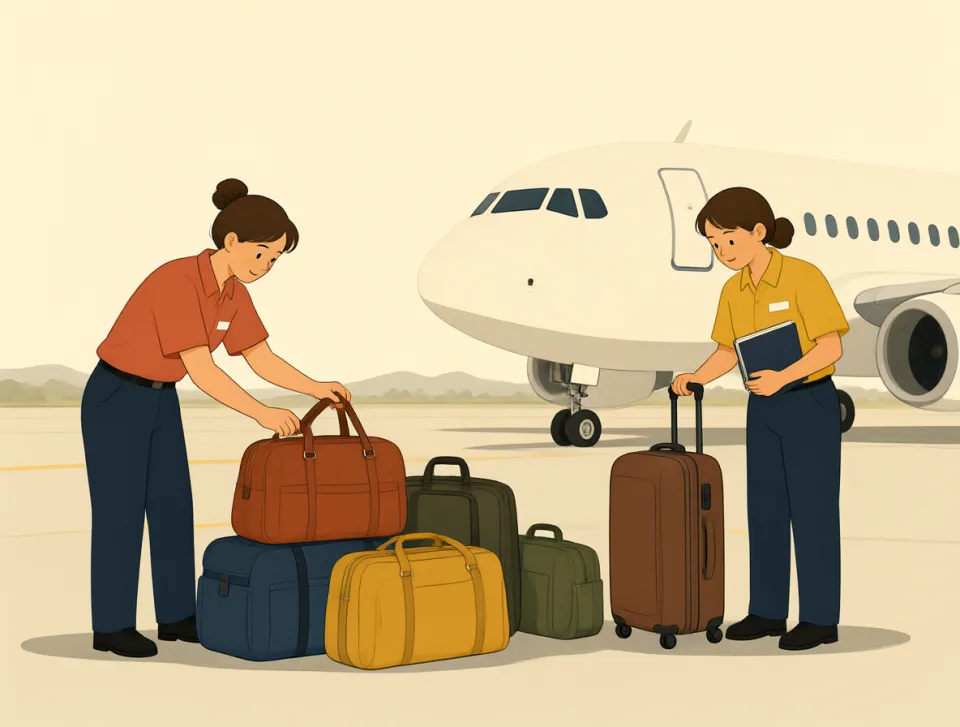
They checked each bag before the flight.
Revisaron cada bolsa antes del vuelo.
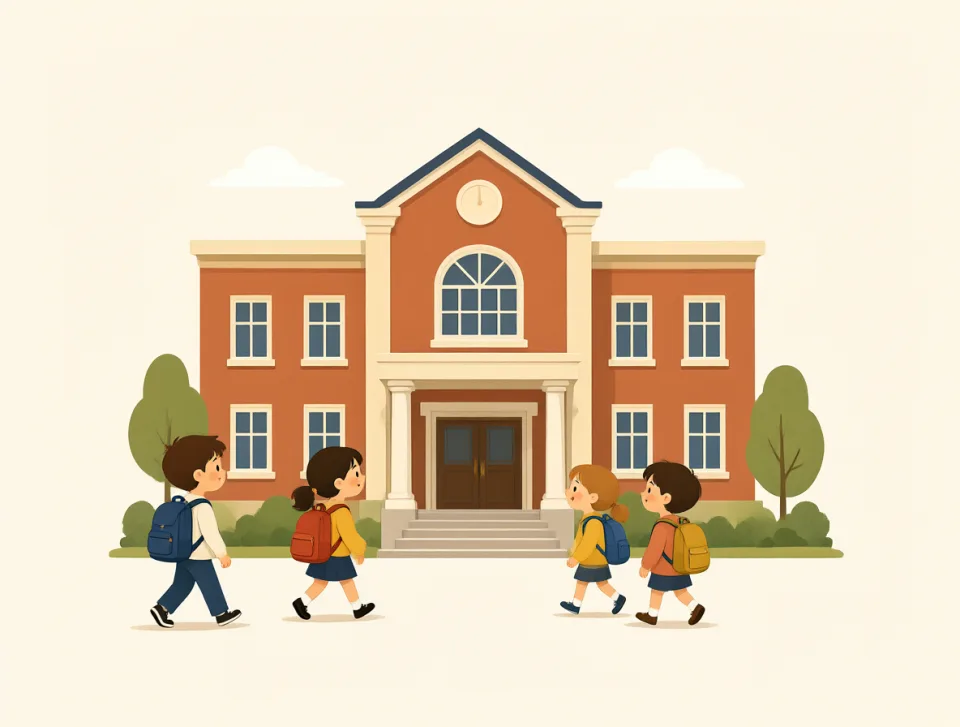
school
#146noun, verb
escuela; colegio; educar
A place where children learn, or the time spent learning there.
Un lugar donde los niños aprenden, o el tiempo que pasan aprendiendo allí.
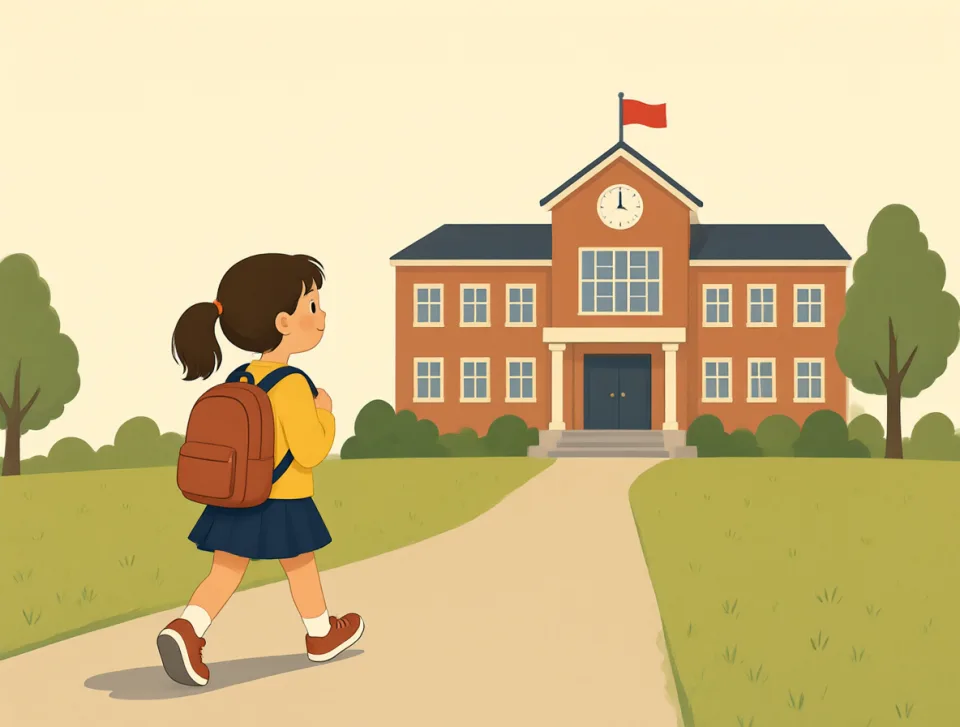
My sister walks to school every morning.
Mi hermana va caminando a la escuela todas las mañanas.
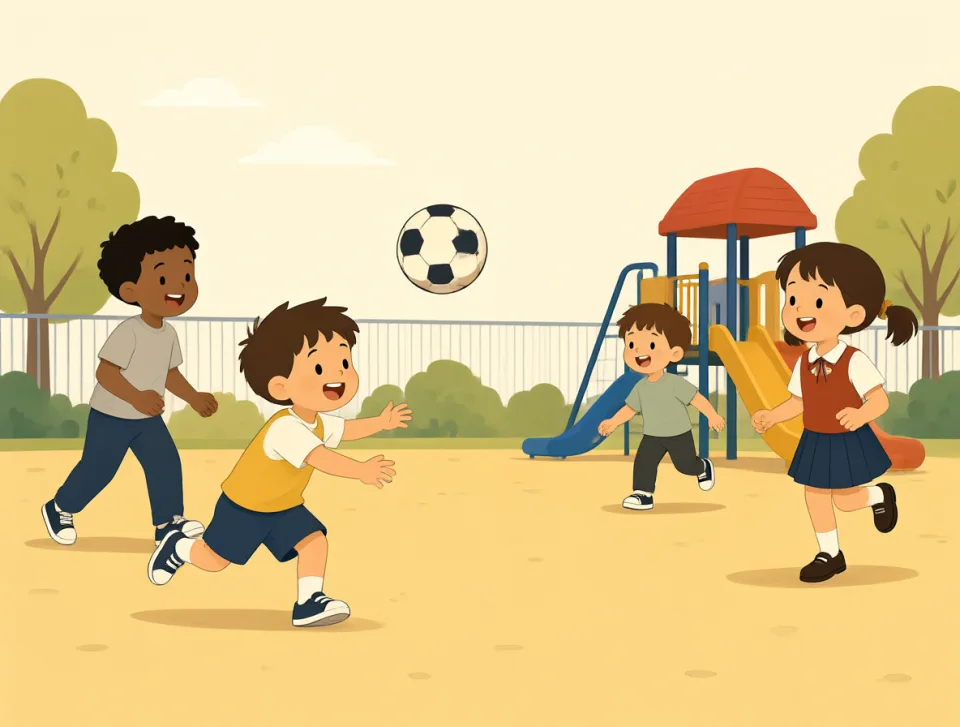
The children are playing outside school.
Los niños están jugando afuera de la escuela.
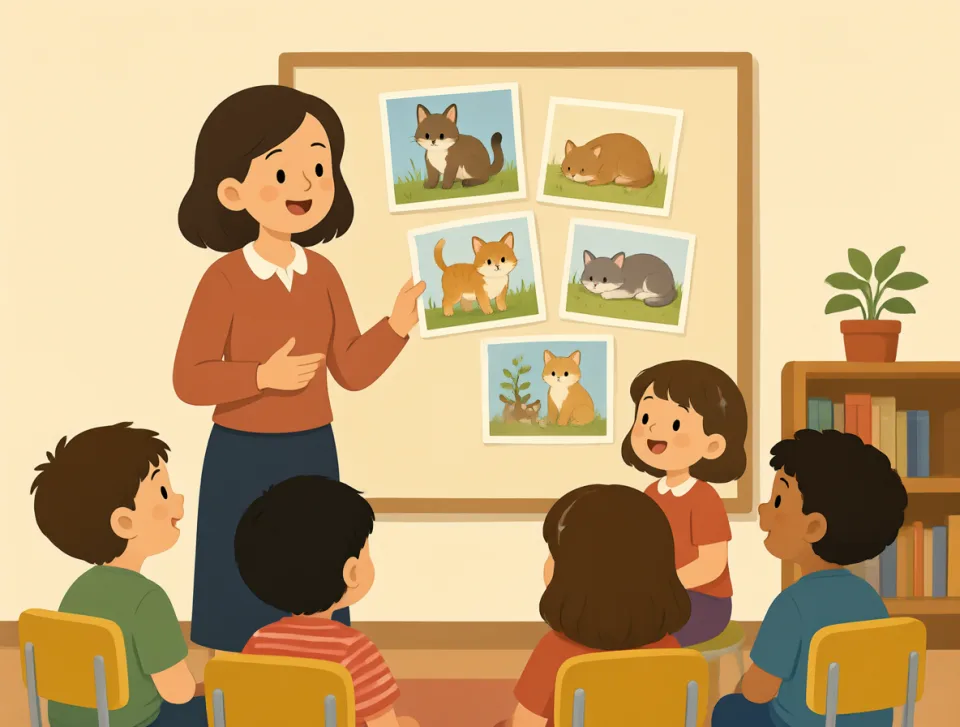
We learned about animals at school.
Aprendimos sobre los animales en la escuela.
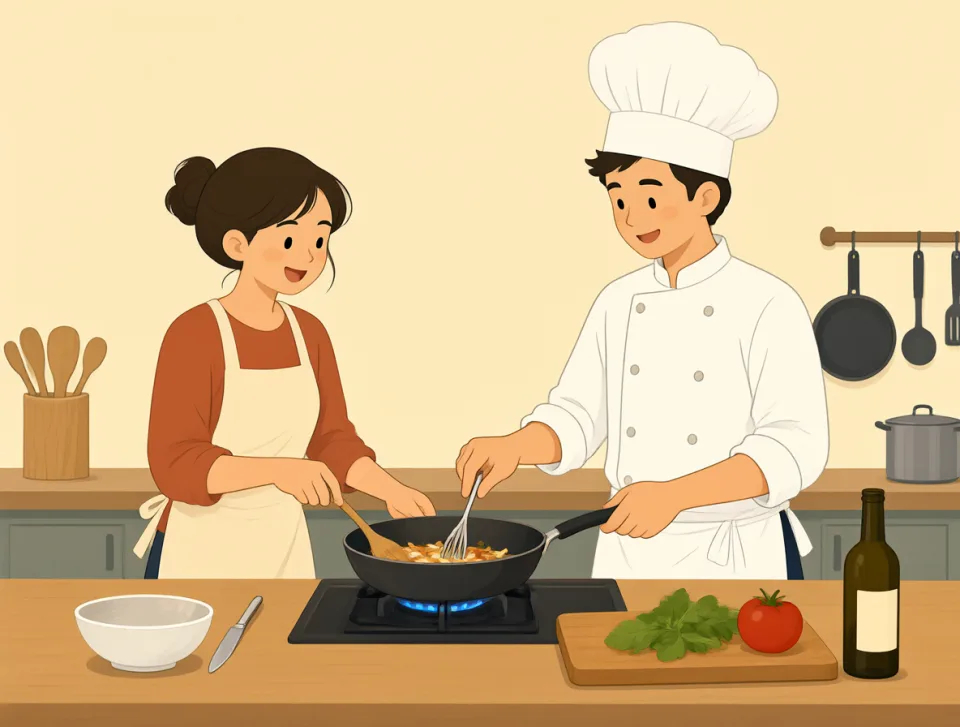
My father went to cooking school.
Mi padre fue a una escuela de cocina.
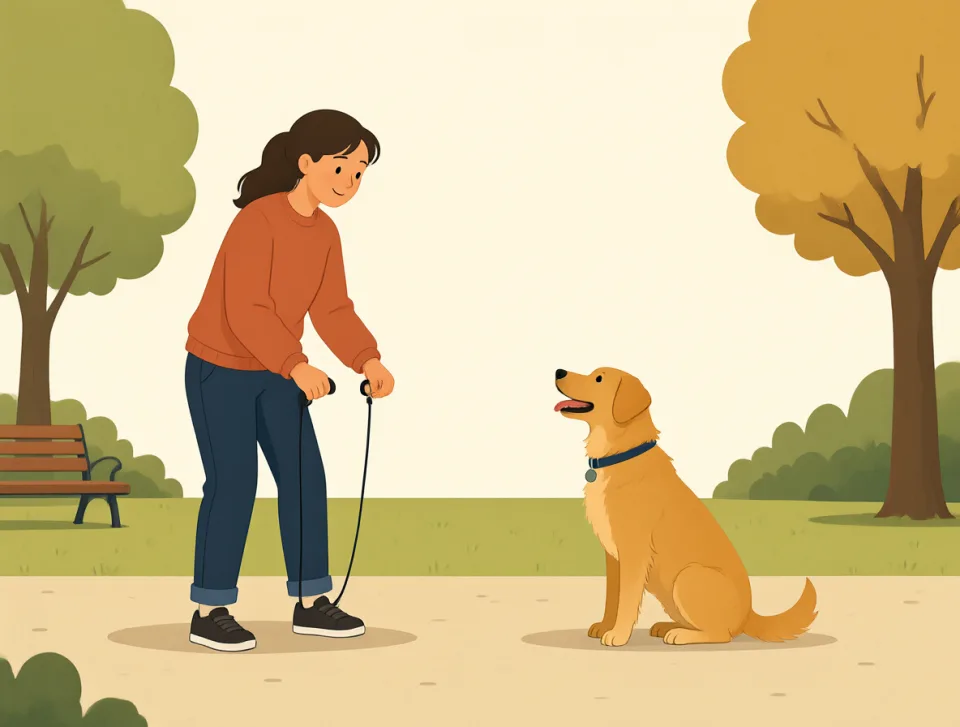
They school their dog every day.
Ellos adiestran a su perro todos los días.
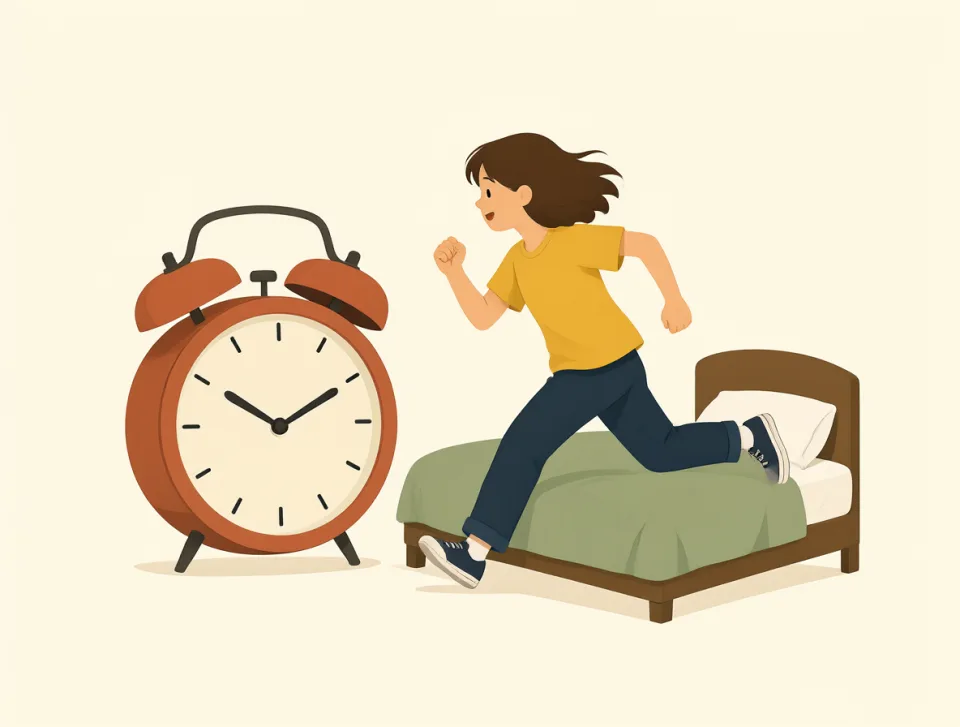
late
#147adjective, adverb, noun
tarde; fallecido
Happening, arriving, or being after the expected or usual time.
Que ocurre, llega o está después de la hora prevista o habitual.
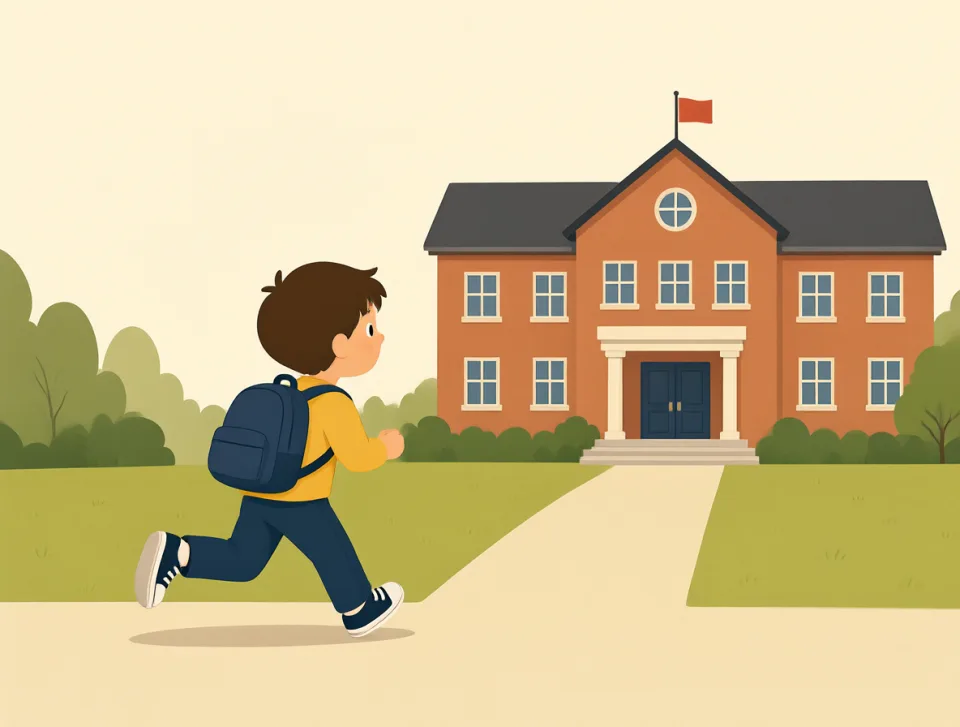
I was late for school this morning.
Esta mañana llegué tarde a la escuela.
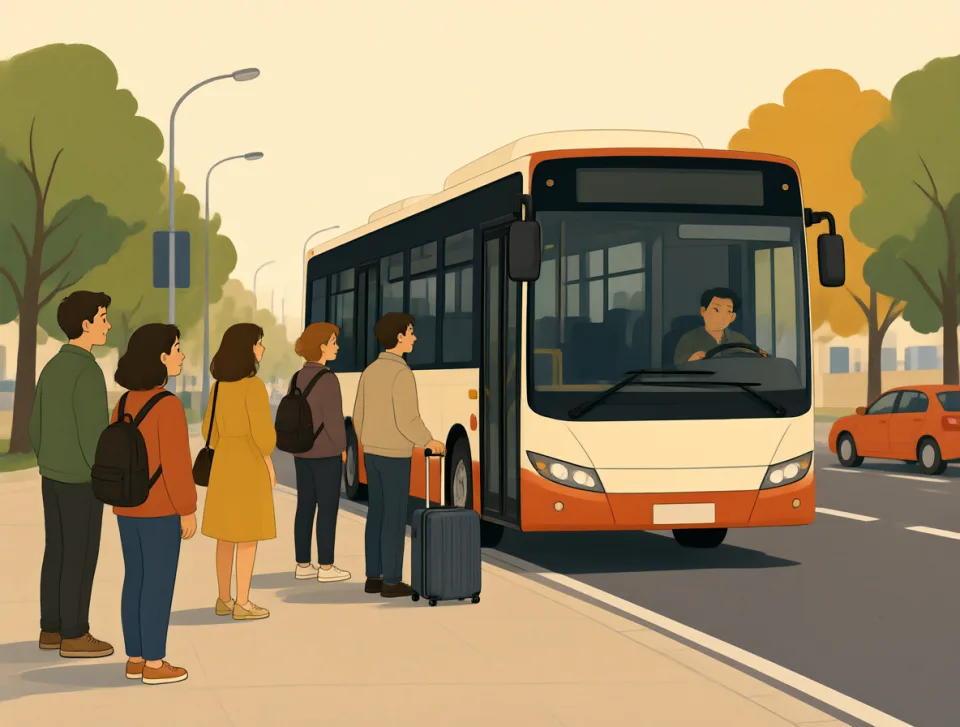
The bus arrived late because of traffic.
El autobús llegó tarde por el tráfico.
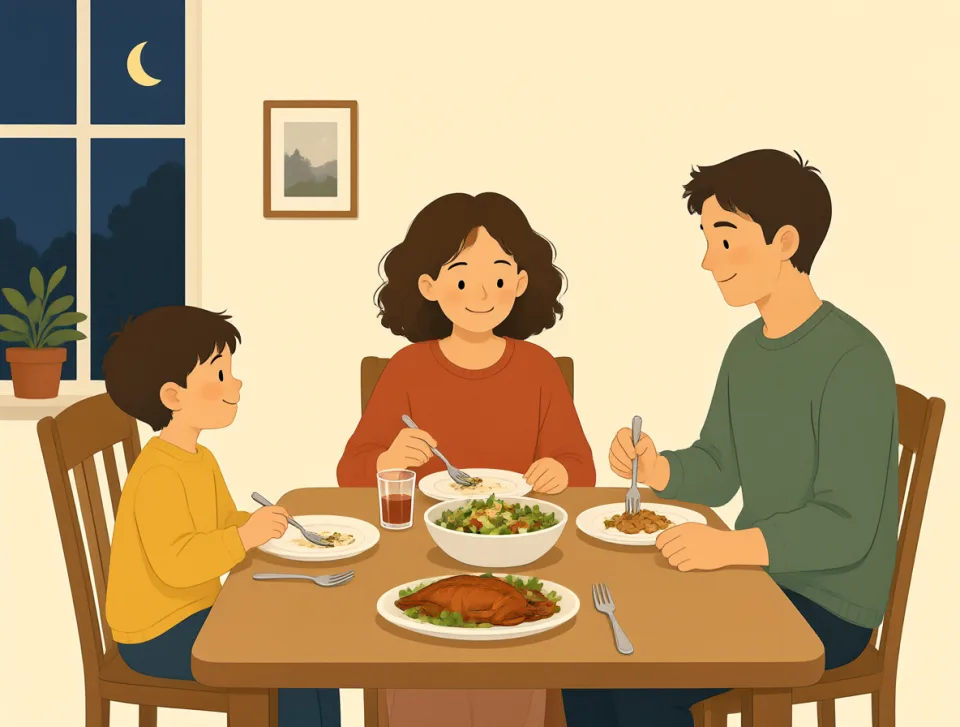
We had dinner late last night.
Anoche cenamos tarde.

She stayed late at work yesterday.
Ayer se quedó hasta tarde en el trabajo.
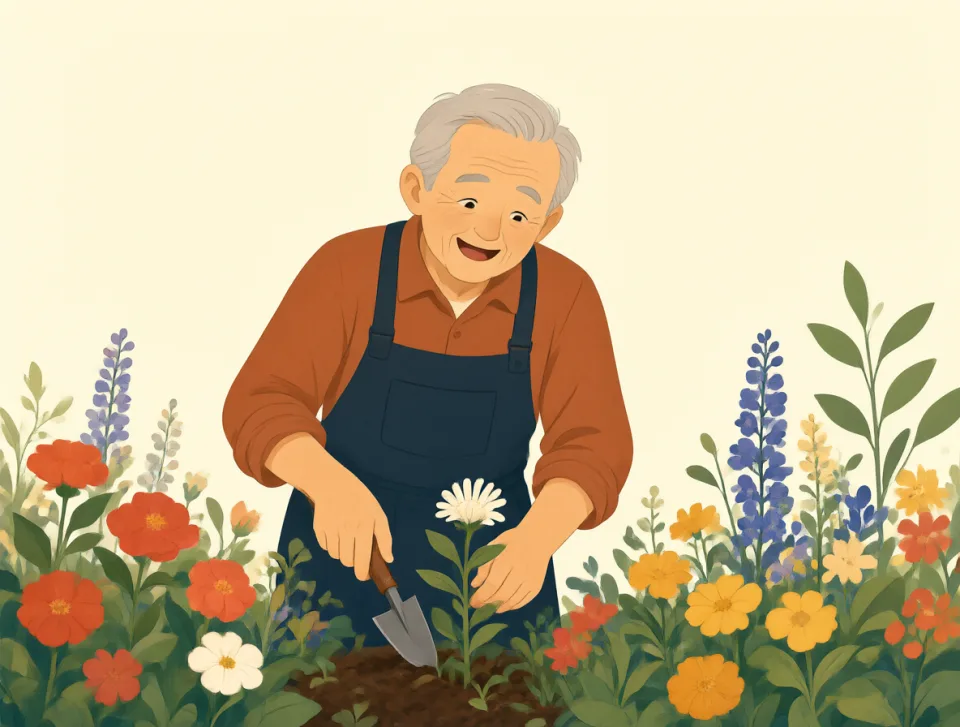
My late grandfather loved gardening.
A mi difunto abuelo le encantaba la jardinería.

high
#148adjective, adverb, noun
alto; elevado; mucho
Far above the ground, or greater than usual in amount, level, or price.
Que está muy por encima del suelo o que es mayor de lo habitual en cantidad, nivel o precio.
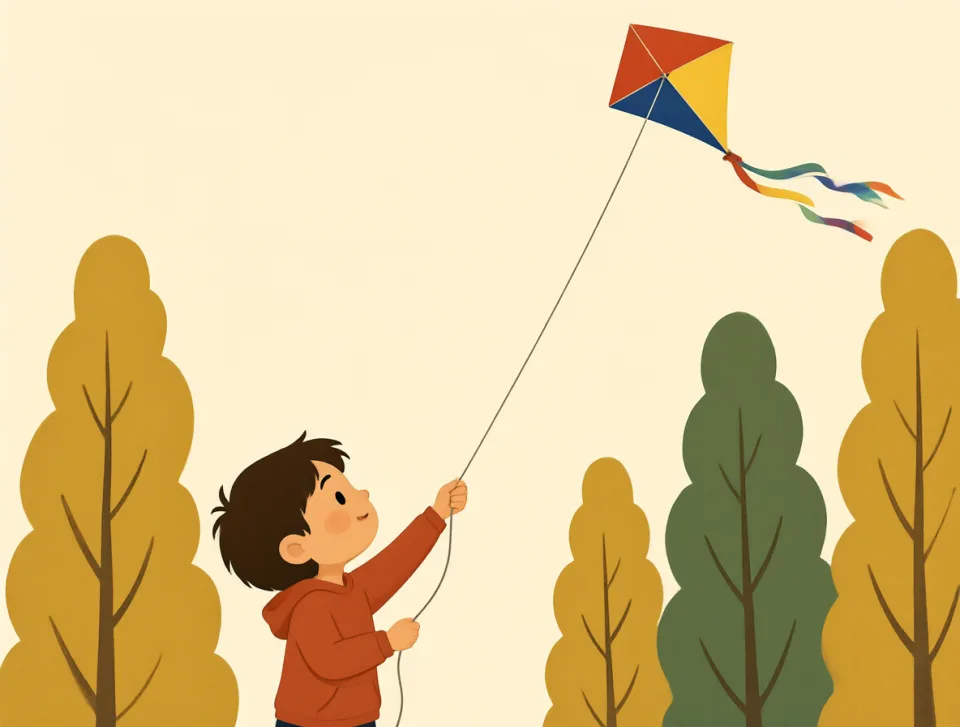
The kite flew high above the trees.
La cometa voló muy alto por encima de los árboles.
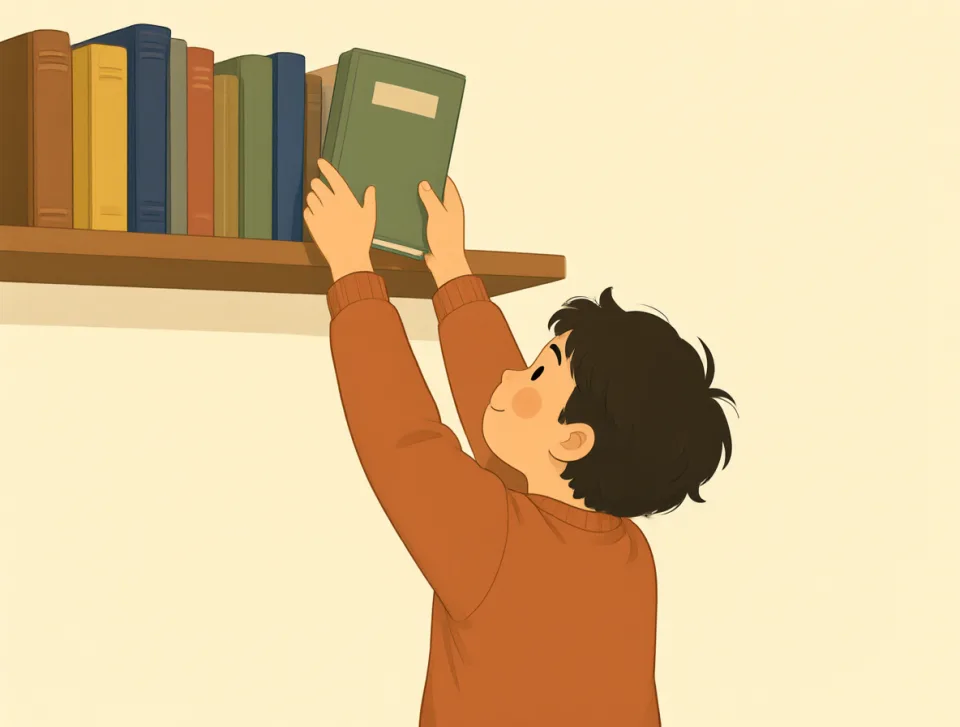
Please put the books on the high shelf.
Por favor, pon los libros en el estante alto.
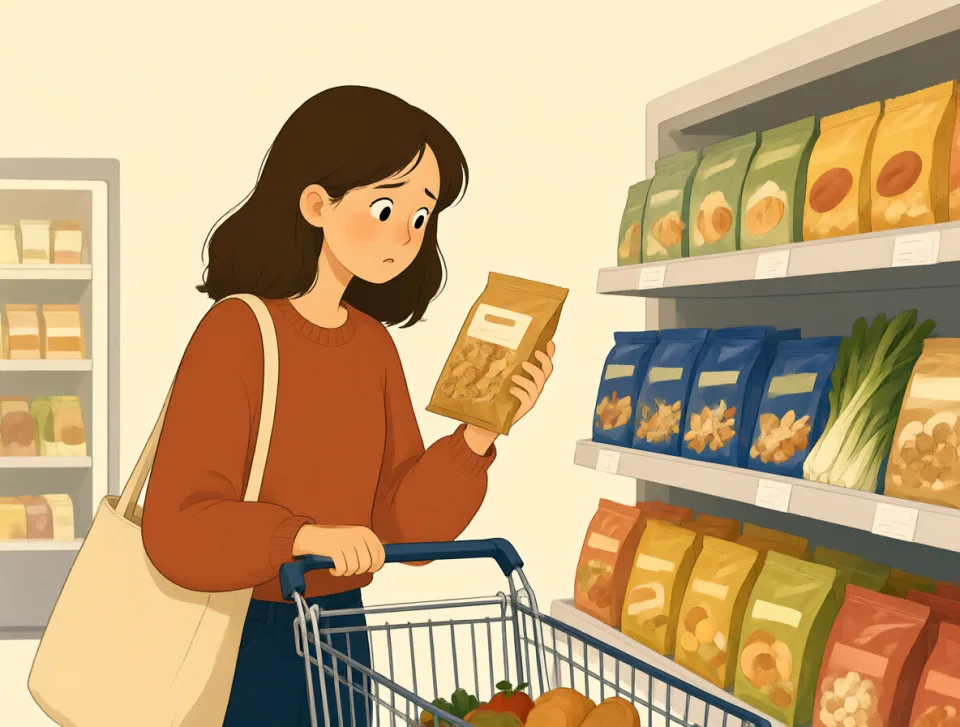
Prices are high at this store.
Los precios son altos en esta tienda.
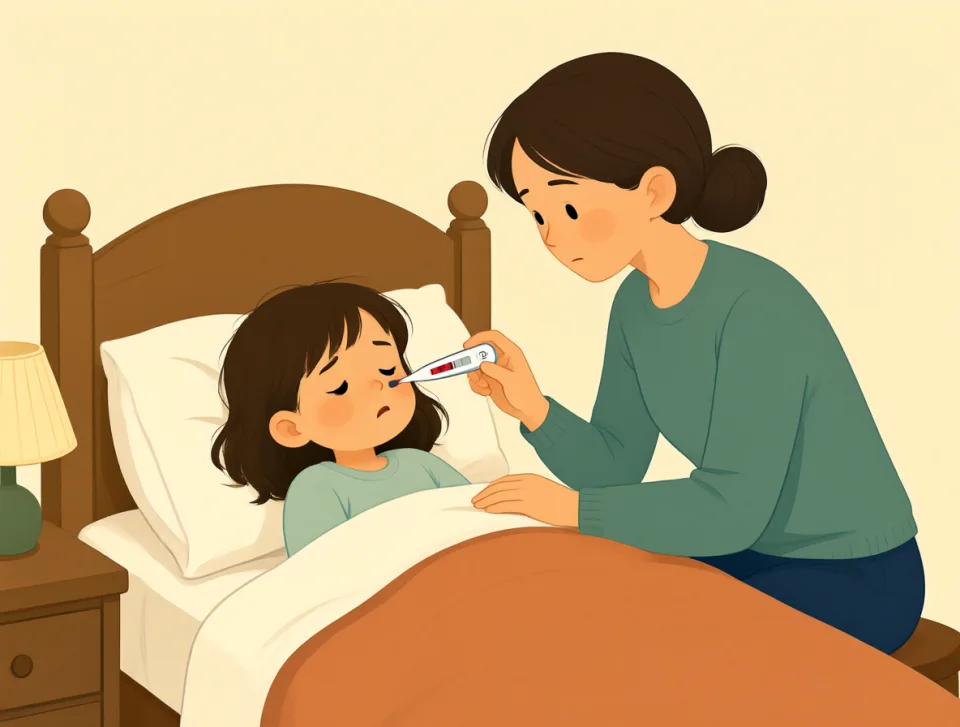
She has a high fever today.
Hoy tiene fiebre alta.

The plane climbed high into the sky.
El avión subió muy alto en el cielo.
different
#149adjective
diferente; distinto
Not the same as another person or thing.
Que no es igual a otra persona o cosa.
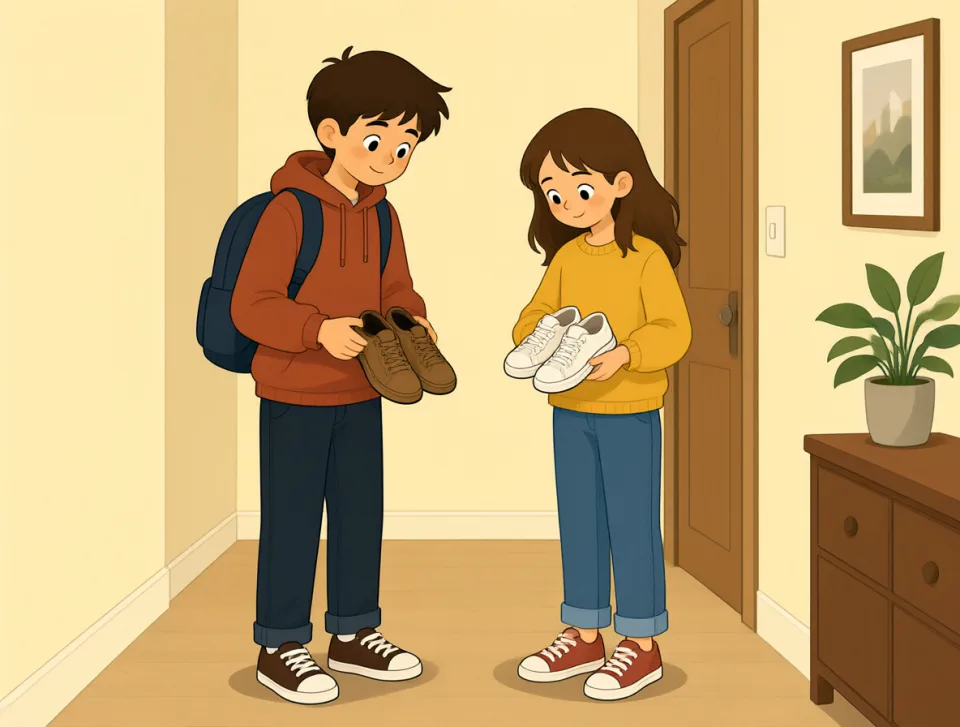
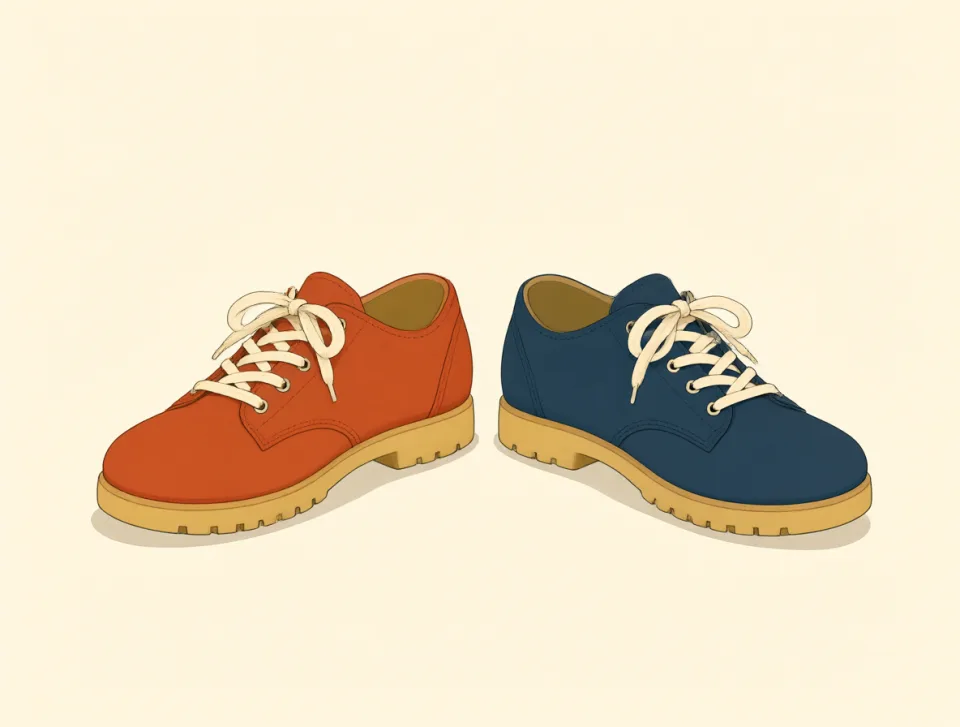
My new shoes are different from yours.
Mis zapatos nuevos son diferentes de los tuyos.

We tried different foods at the market.
Probamos diferentes comidas en el mercado.
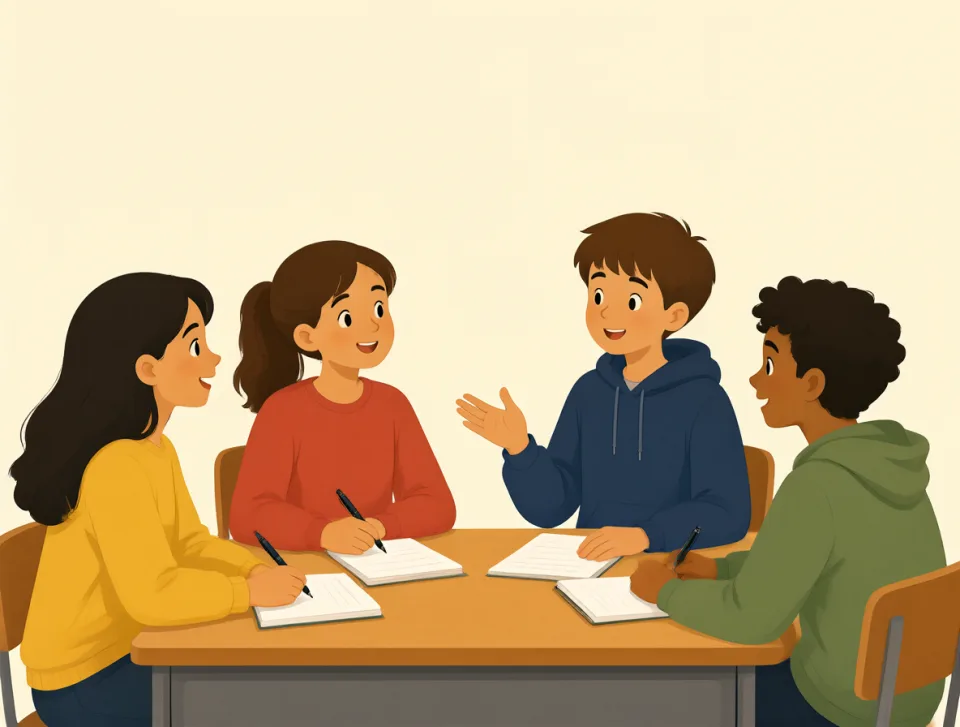
She has a different idea for the project.
Ella tiene una idea diferente para el proyecto.

The weather is different in the mountains.
El clima es diferente en las montañas.
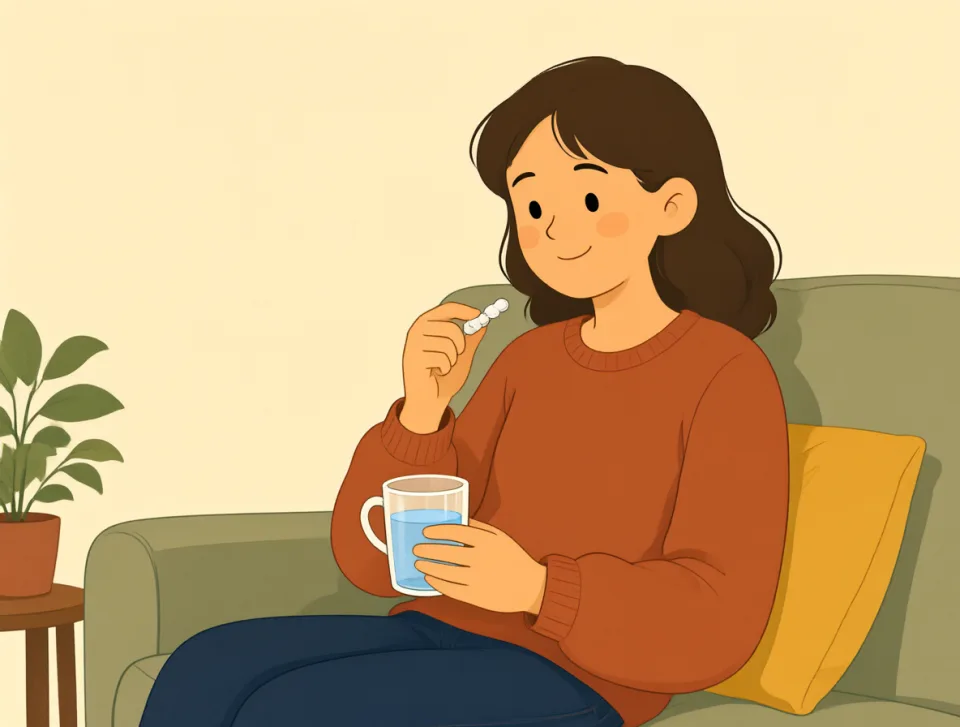
He feels different after taking the medicine.
Se siente diferente después de tomar el medicamento.

off
#150adverb, adjective, preposition, noun
apagado; fuera; malo; libre
Away from a place, position, or working state; not operating or attached.
Alejado de un lugar o posición, sin funcionar o separado de algo.
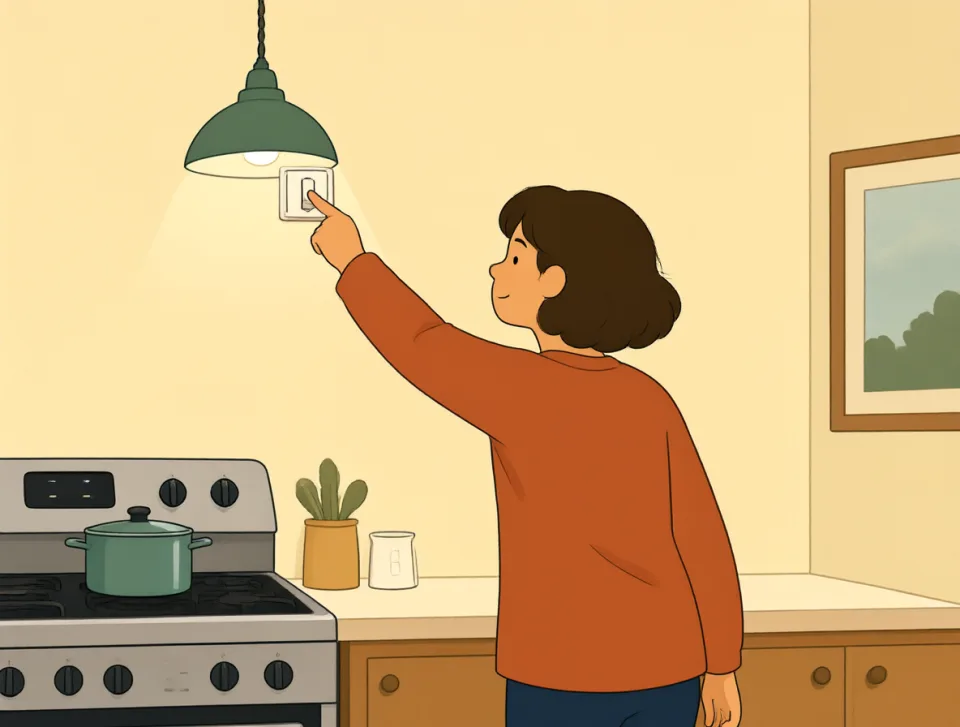
Please turn off the kitchen light.
Apaga la luz de la cocina, por favor.
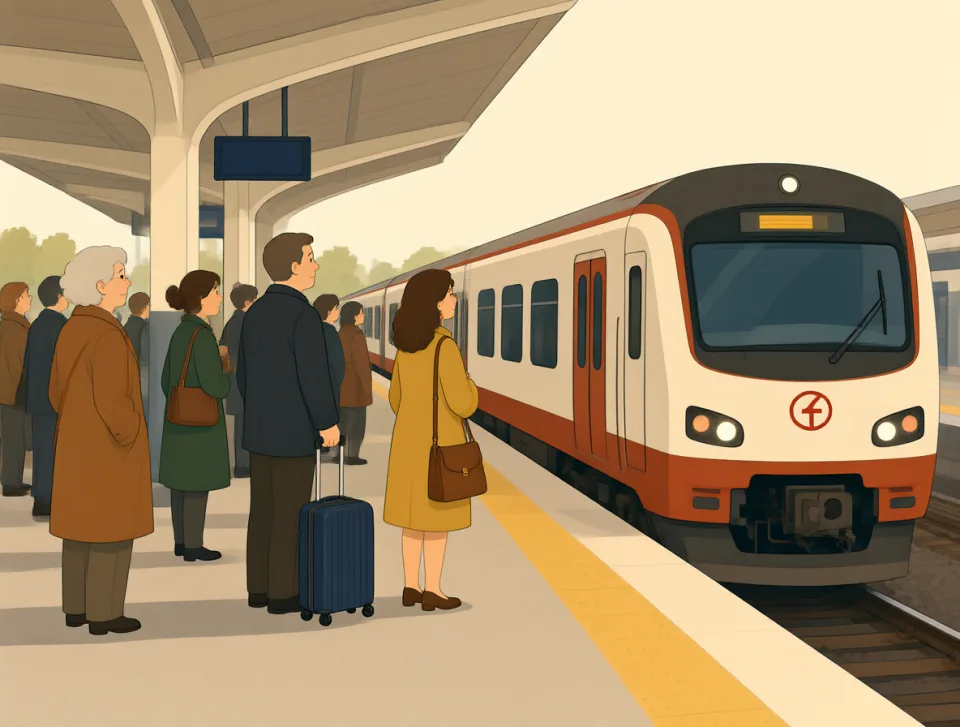
The train left ten minutes off schedule.
El tren salió diez minutos antes de lo previsto.
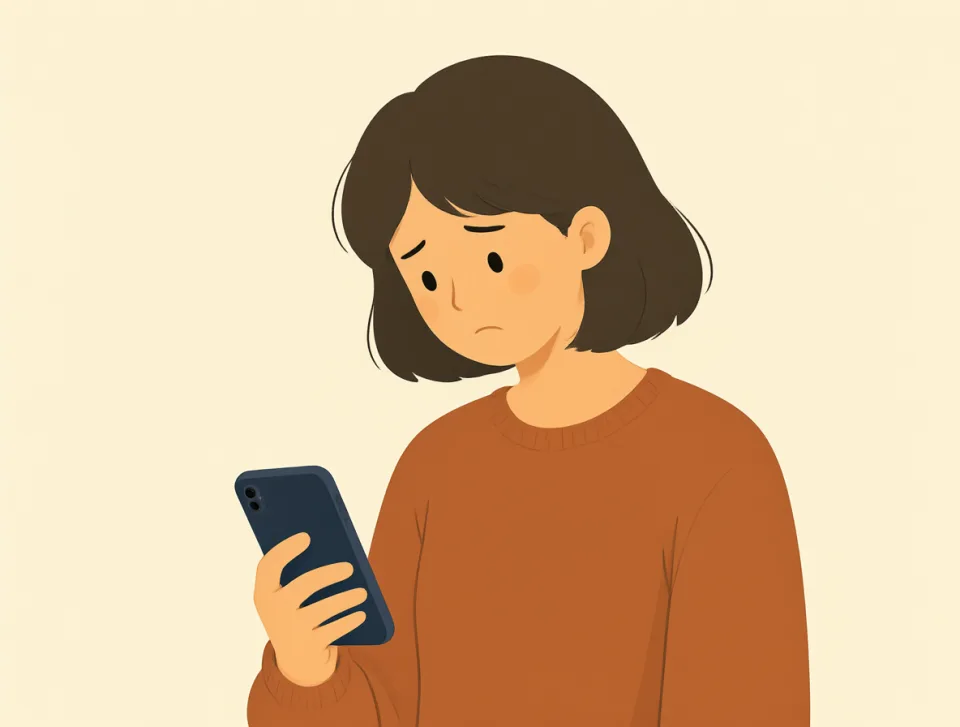
My phone is off because its battery died.
Mi teléfono está apagado porque se le acabó la batería.
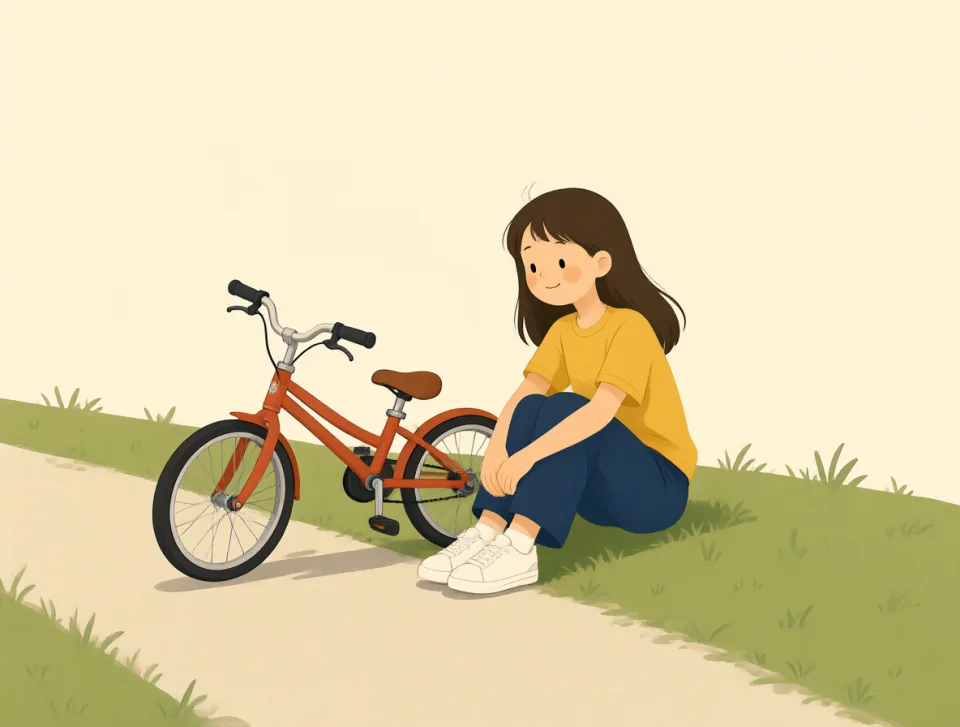
She fell off her bike yesterday.
Ayer se cayó de la bicicleta.
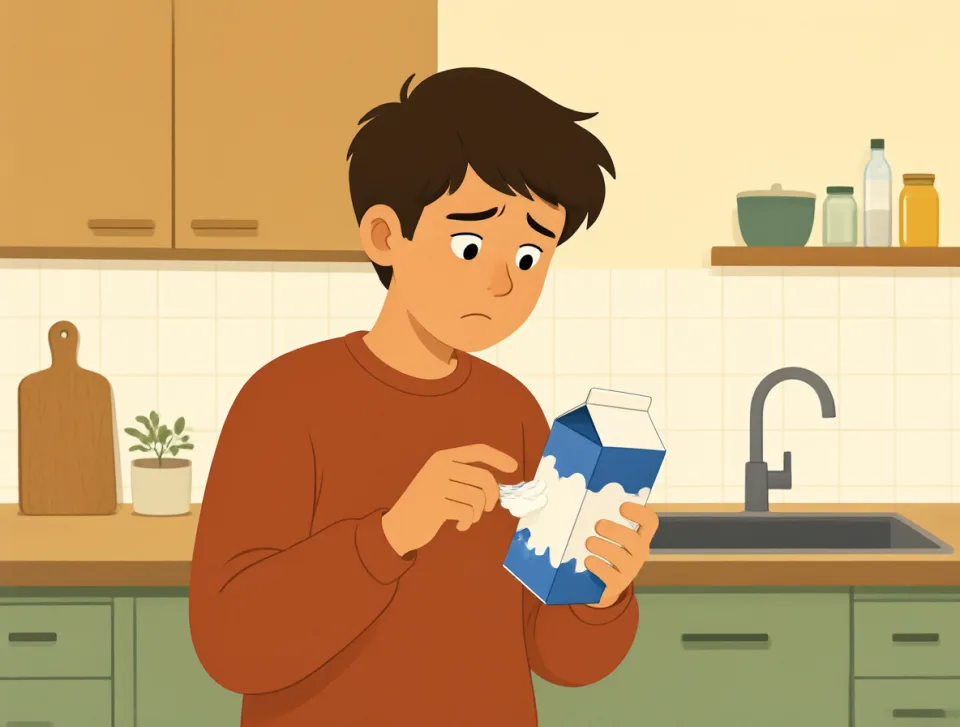
The milk smells off, so throw it away.
La leche huele mal, así que tírala.
next
#151adjective, adverb, noun, determiner
siguiente; próximo; después
Coming immediately after this one in time, order, or place.
Que viene inmediatamente después de este en el tiempo, el orden o el lugar.
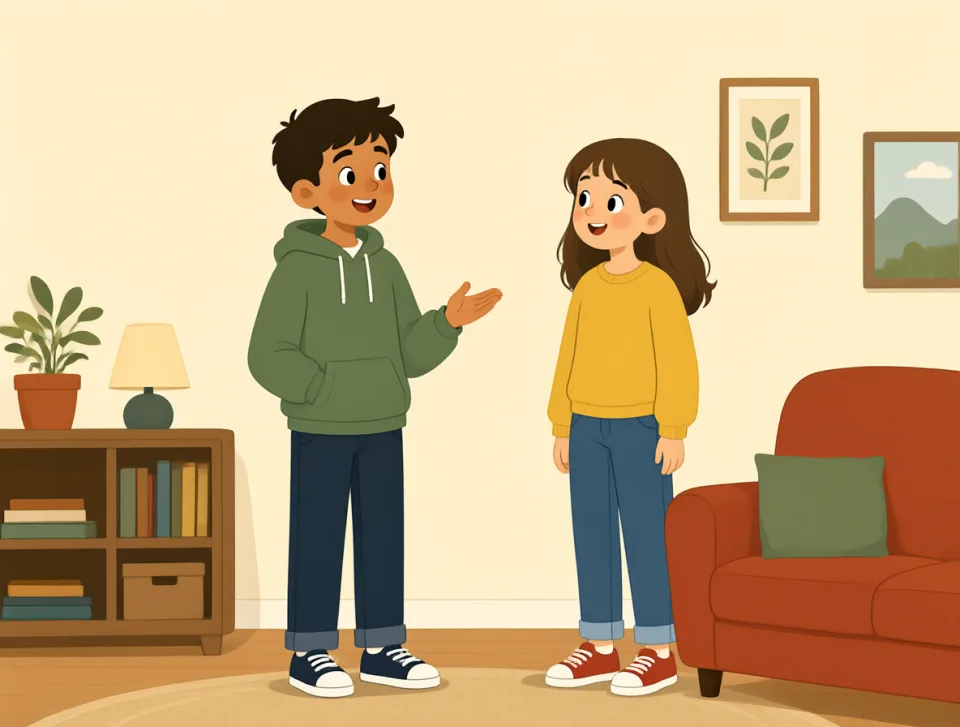
What are you doing next?
¿Qué vas a hacer después?
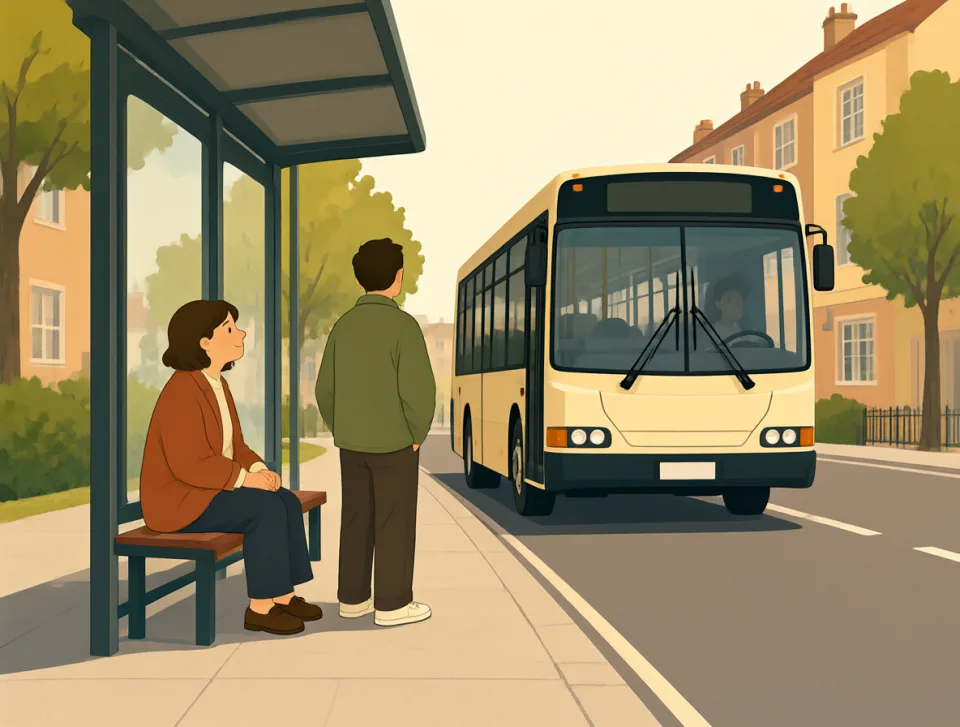
The next bus leaves at noon.
El próximo autobús sale al mediodía.
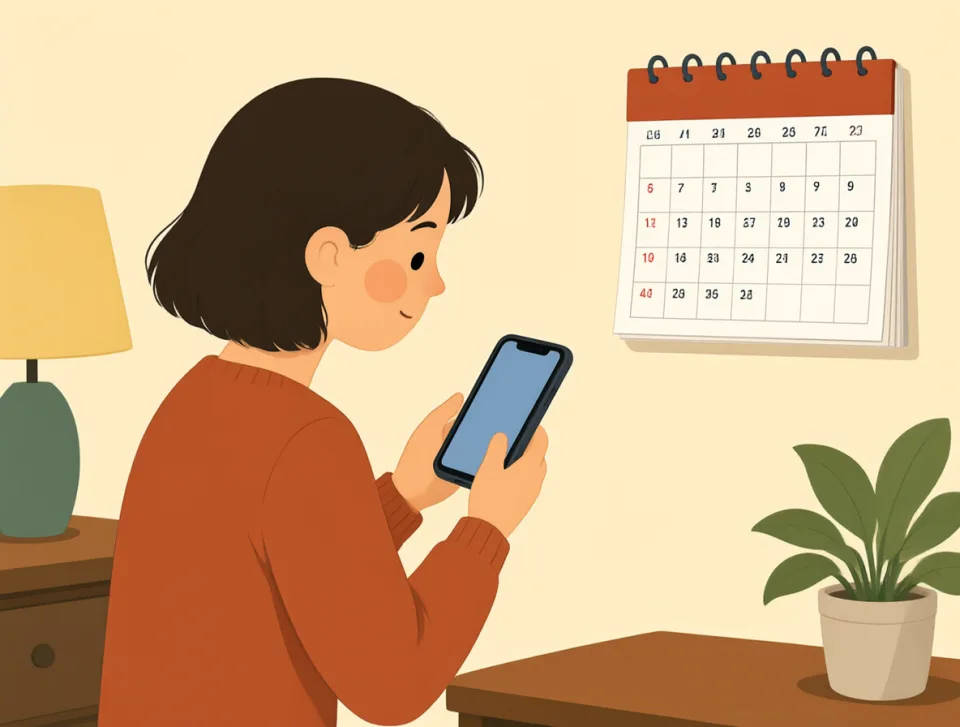
Please call me next week.
Por favor, llámame la próxima semana.
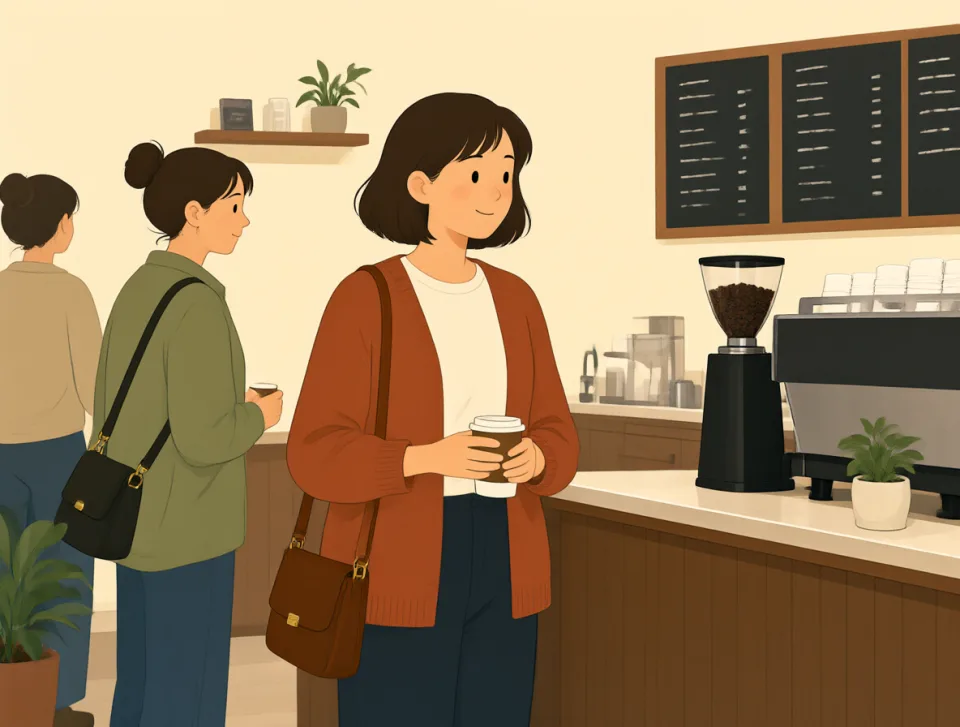
She was next in line for coffee.
Ella era la siguiente en la fila para comprar café.
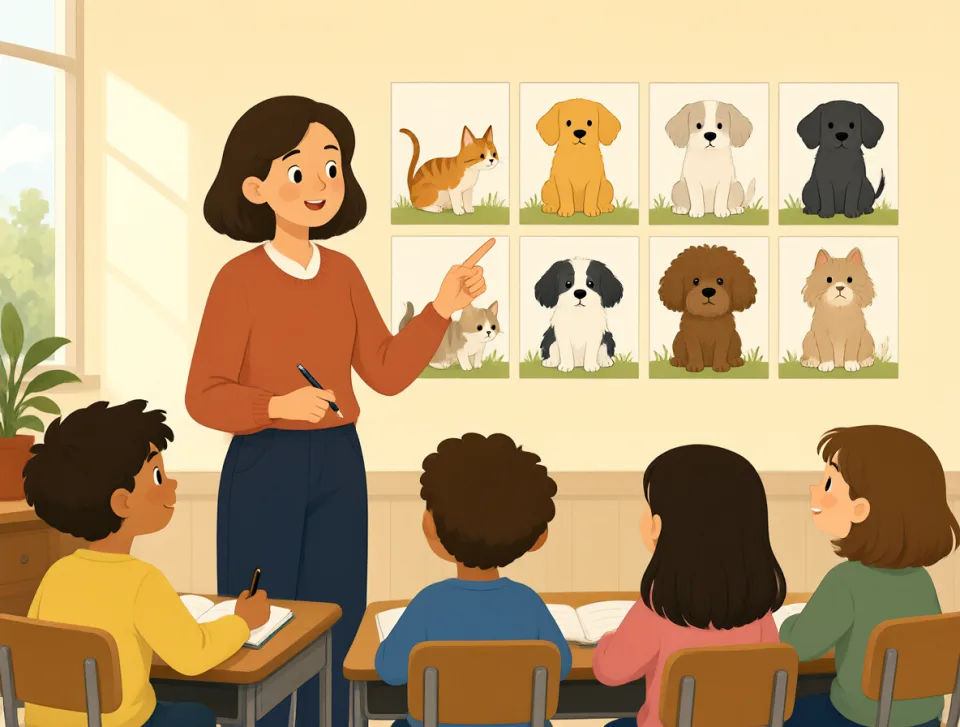
Our next lesson is about animals.
Nuestra próxima lección es sobre animales.

end
#152noun, verb
fin; terminar; acabar
the final part of something, or to finish something
la parte final de algo, o terminar algo
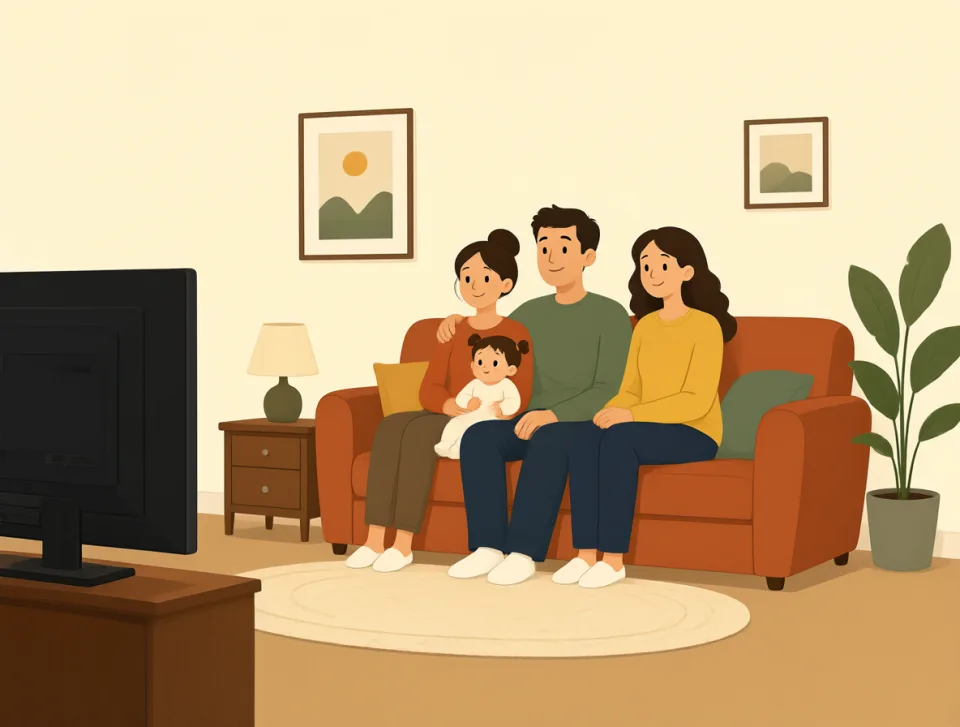
The movie ended late last night.
La película terminó tarde anoche.
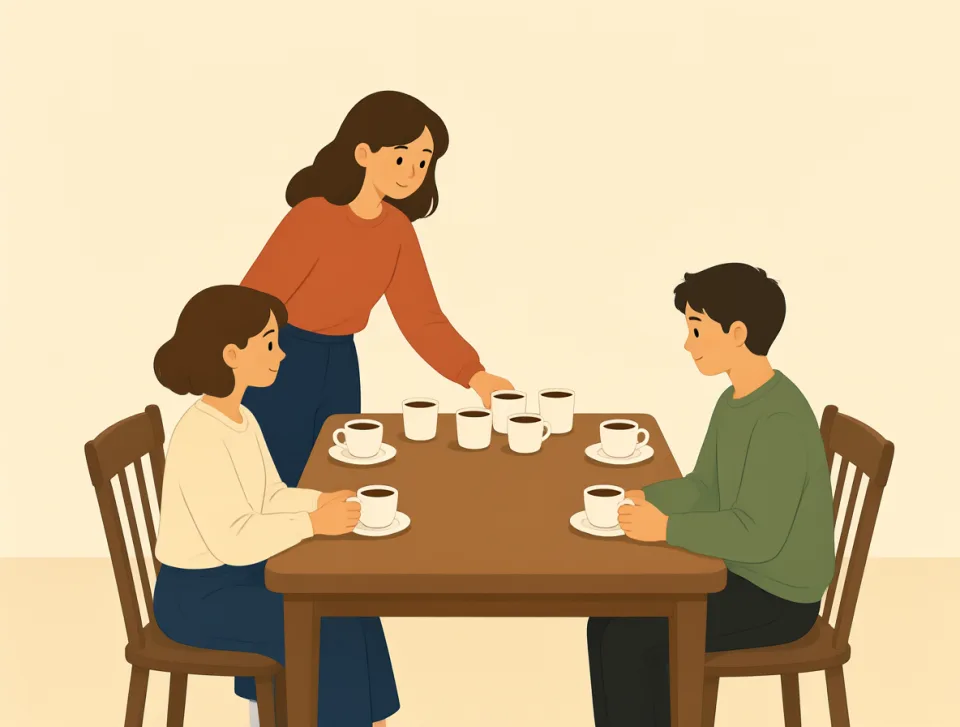
Please put the cups at the end.
Por favor, pon las tazas al final.
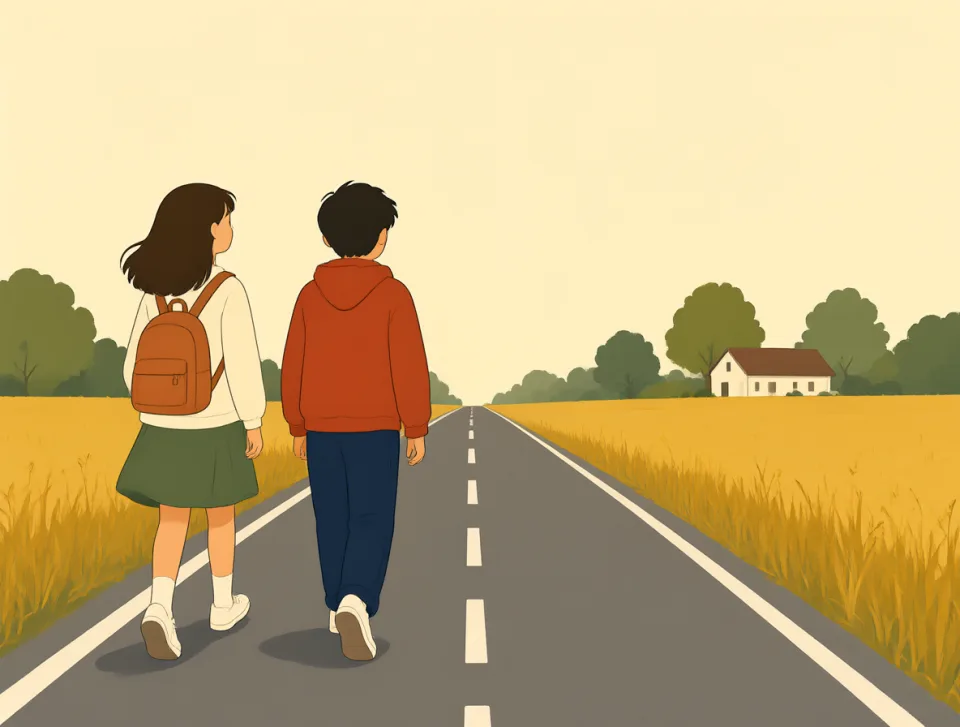
We walked to the end of the road.
Caminamos hasta el final de la carretera.
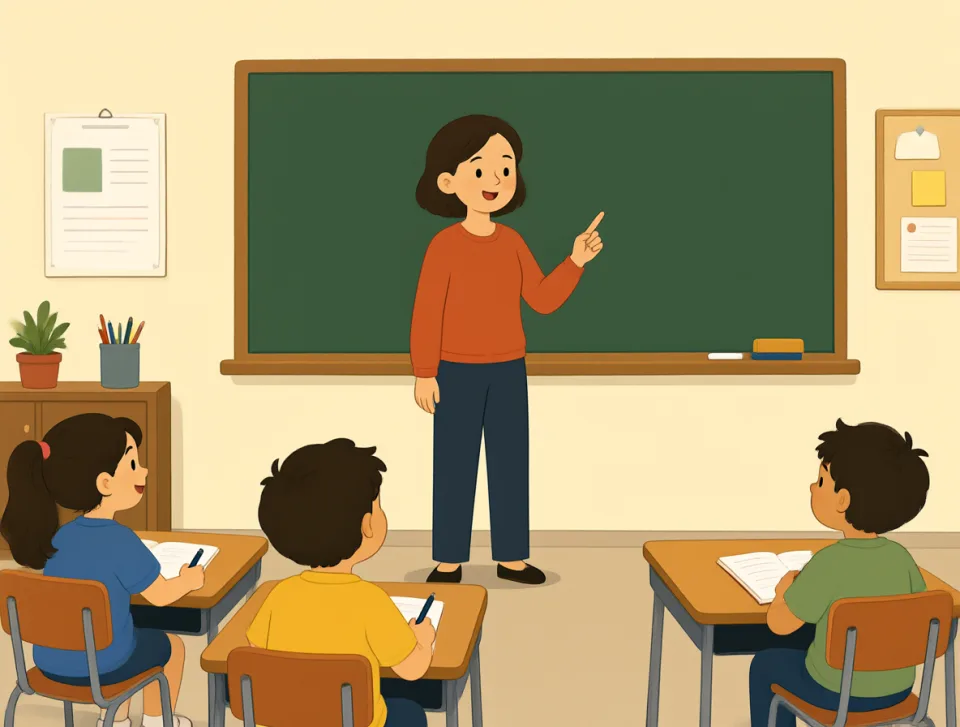
The lesson ends at three o’clock.
La clase termina a las tres.
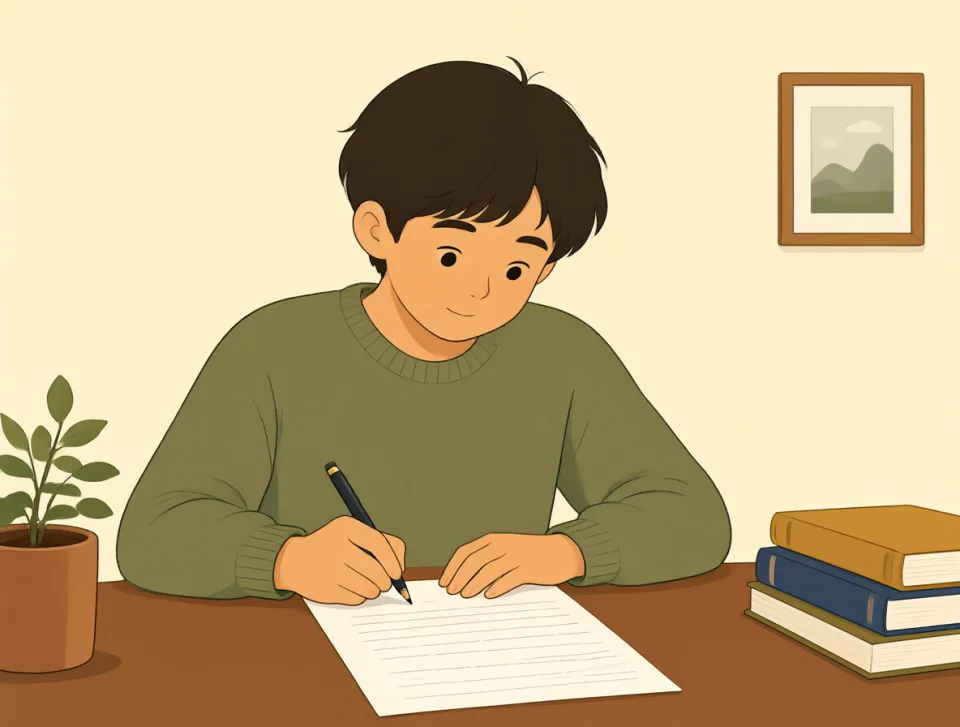
I ended my letter with a kind message.
Terminé mi carta con un mensaje amable.
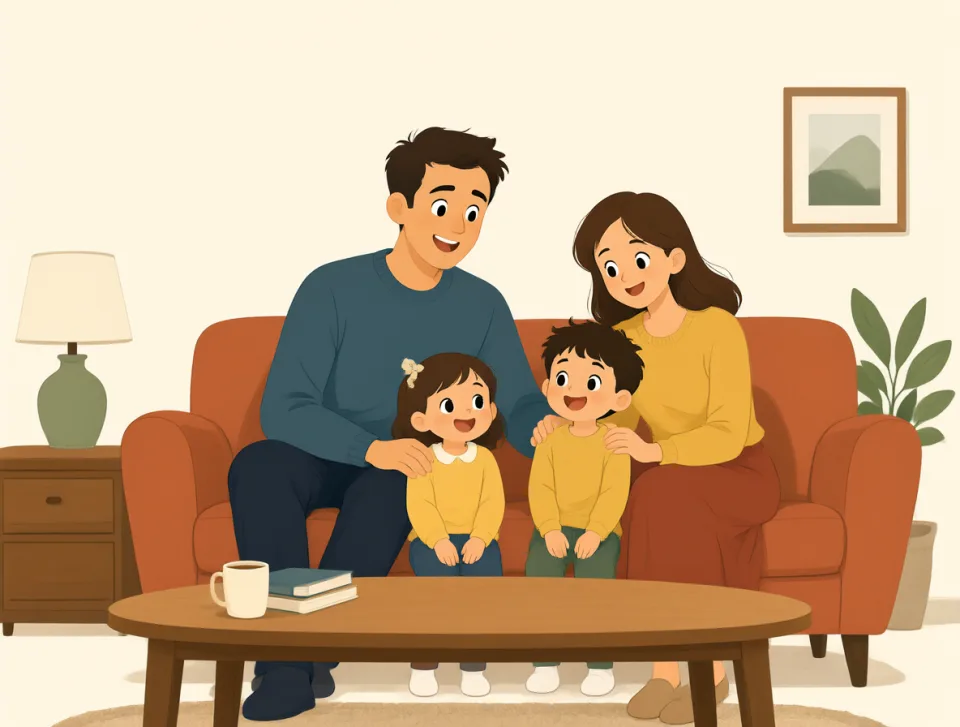
live
#153verb, adjective, adverb
vivir; en vivo
To have your home in a place; or happening now, in real time.
Tener tu hogar en un lugar; o estar sucediendo ahora, en tiempo real.
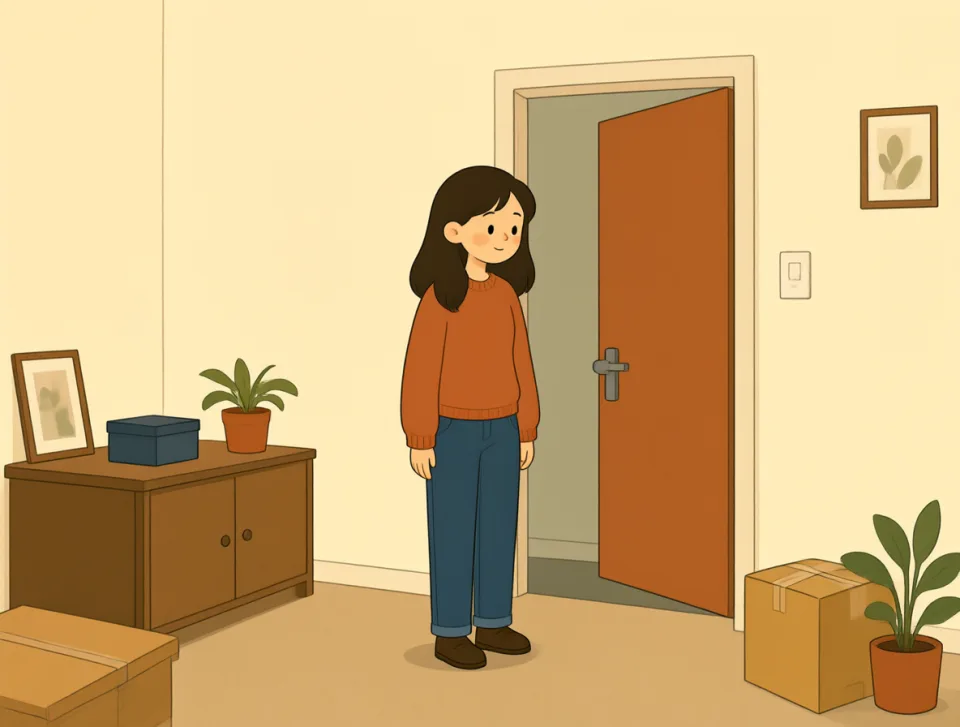
I live in a small apartment.
Vivo en un departamento pequeño.
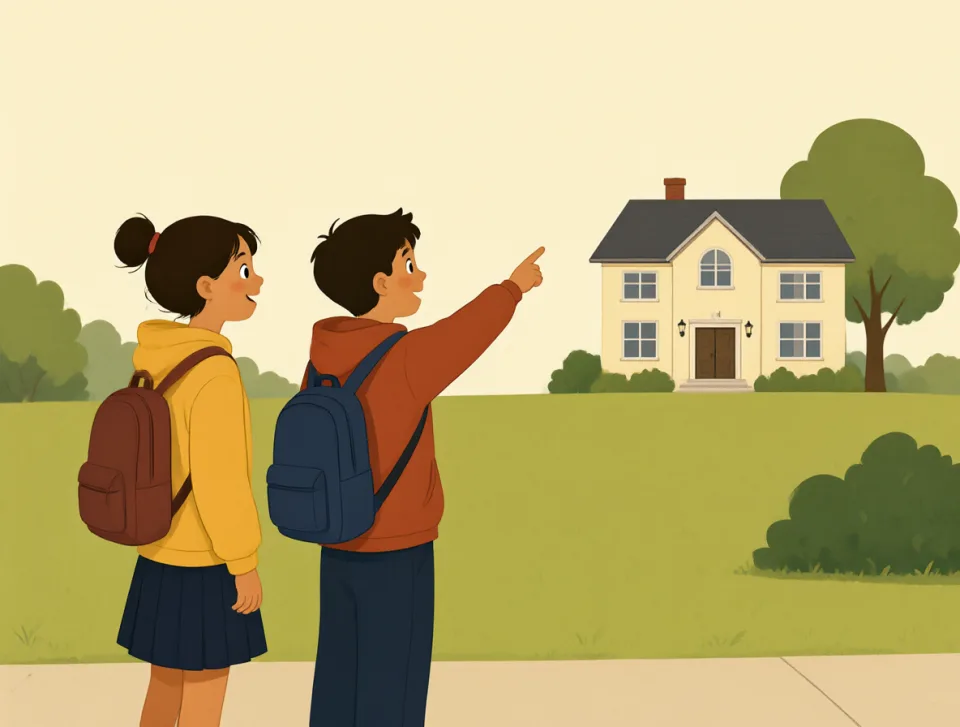
Do you live near the school?
¿Vives cerca de la escuela?
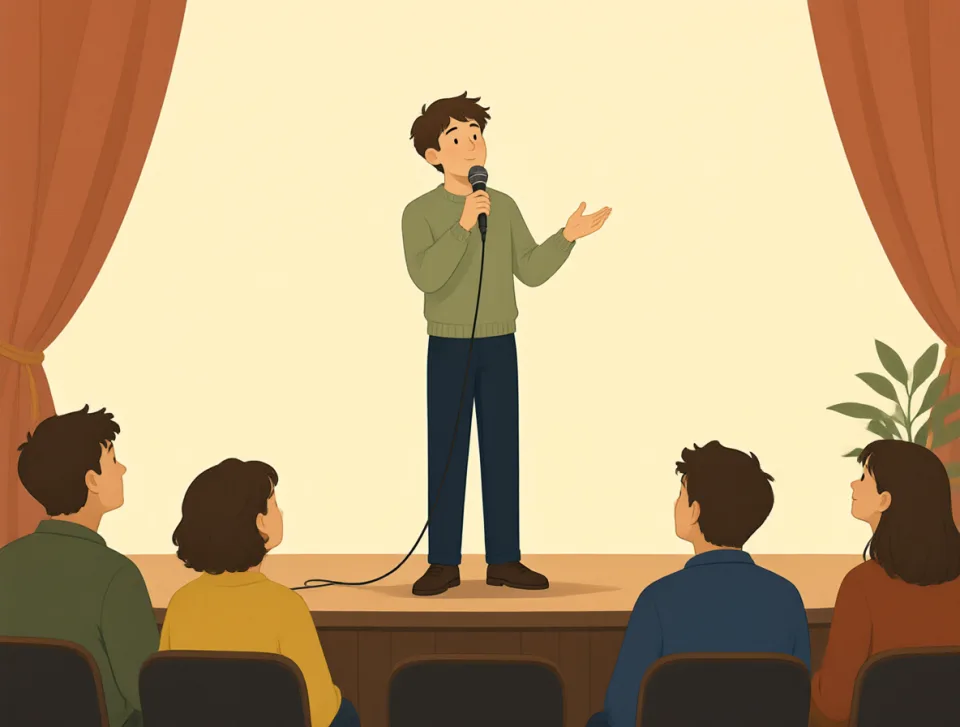
We watched a live music show.
Vimos un concierto de música en vivo.
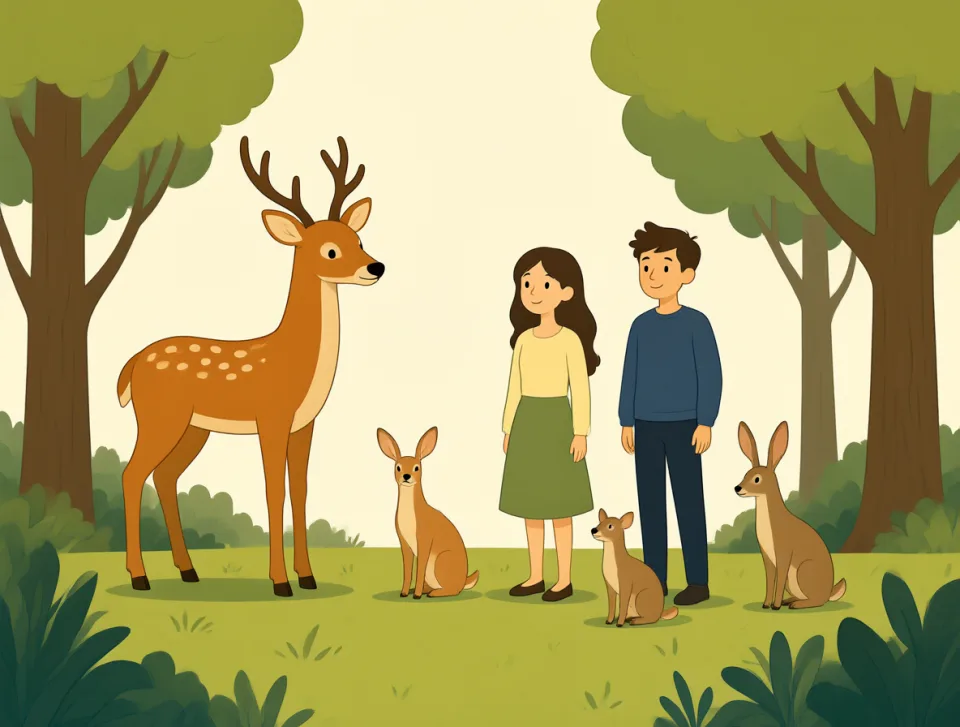
Many animals live in the forest.
Muchos animales viven en el bosque.
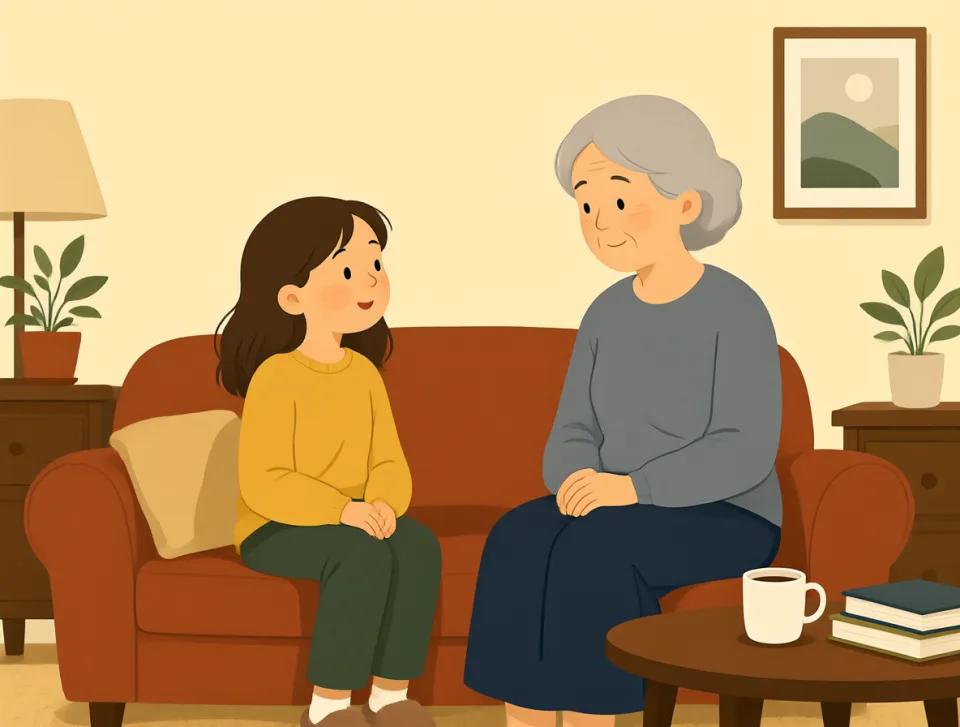
She is living with her aunt.
Ella está viviendo con su tía.
why
#154adverb, noun
por qué; razón
Used to ask about or explain the reason for something.
Se usa para preguntar o explicar la razón de algo.
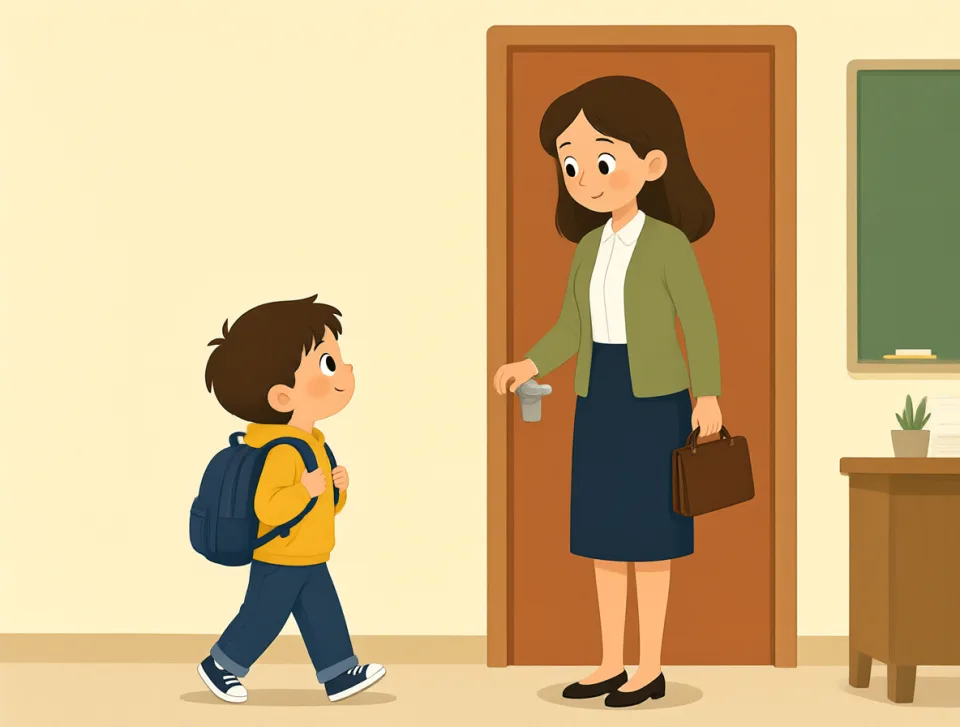
Why are you late for school?
¿Por qué llegas tarde a la escuela?
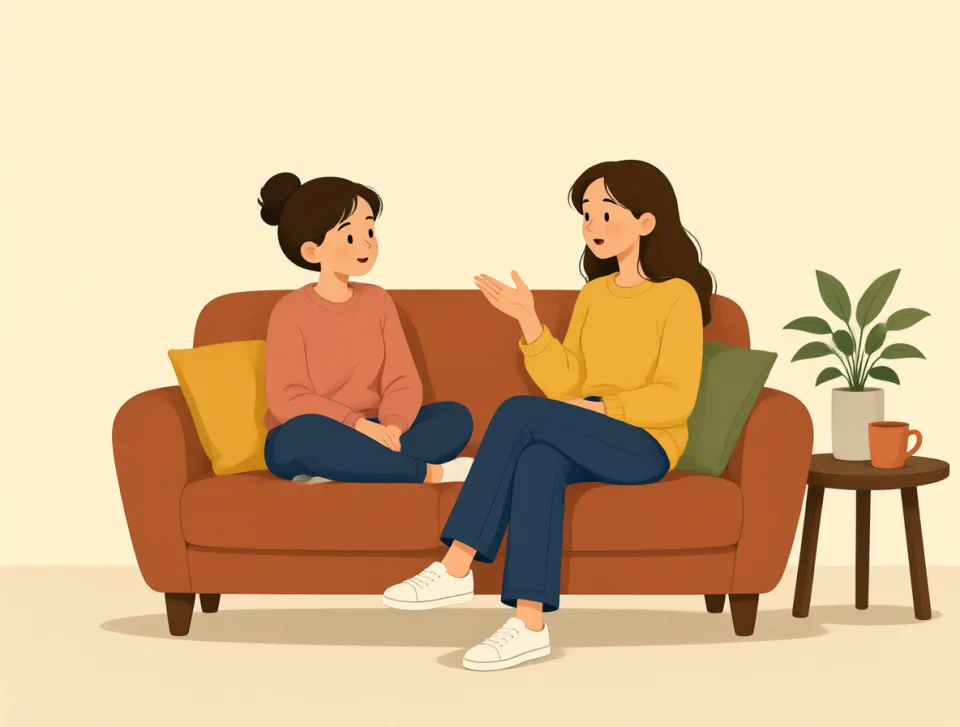
I know why she feels tired.
Sé por qué ella se siente cansada.

Why did you leave work early?
¿Por qué saliste temprano del trabajo?
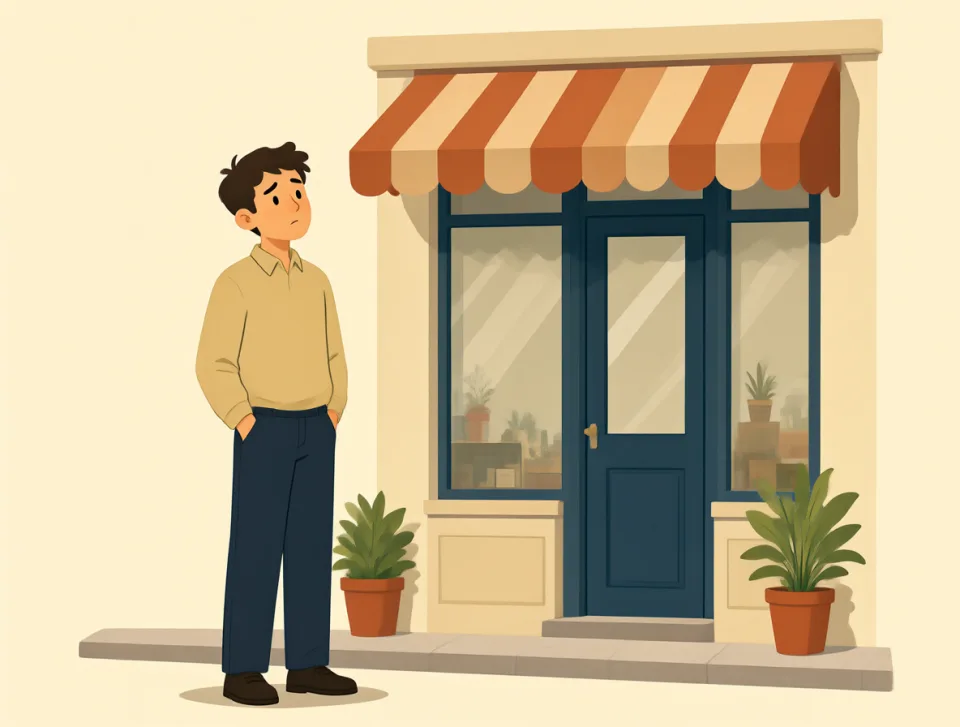
He asked why the shop was closed.
Preguntó por qué la tienda estaba cerrada.

There is no reason why we cannot go.
No hay ninguna razón por la que no podamos ir.
while
#155noun, conjunction, preposition
mientras; rato; durante
a period of time; during the time that something happens
un período de tiempo; durante el tiempo en que sucede algo

Please wait here while I get your bag.
Espera aquí mientras voy por tu bolso.
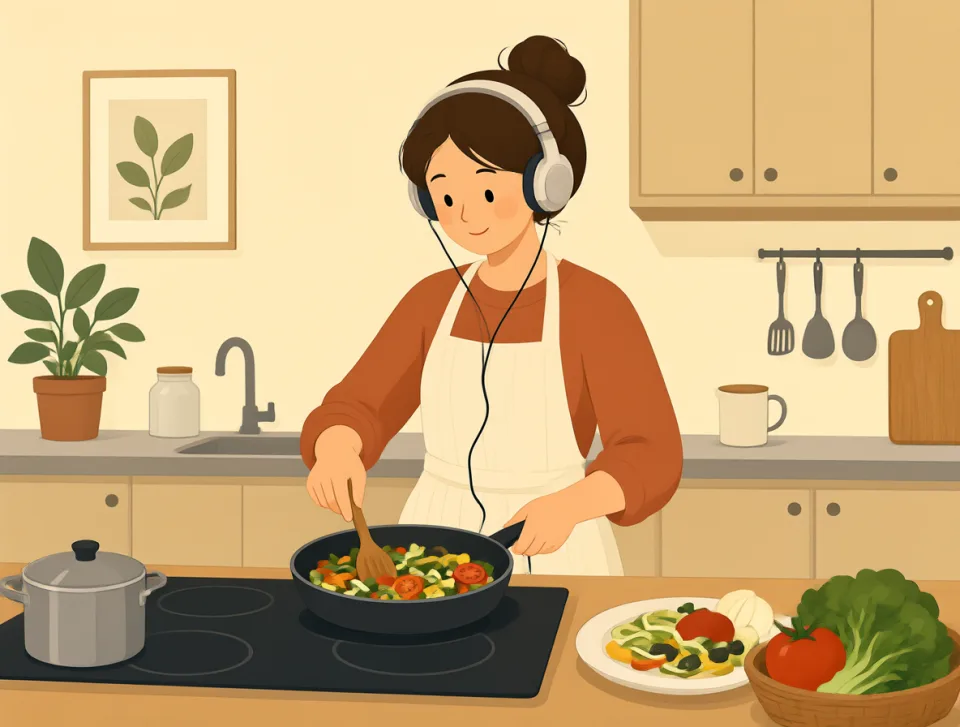
She listened to music while cooking dinner.
Ella escuchaba música mientras preparaba la cena.
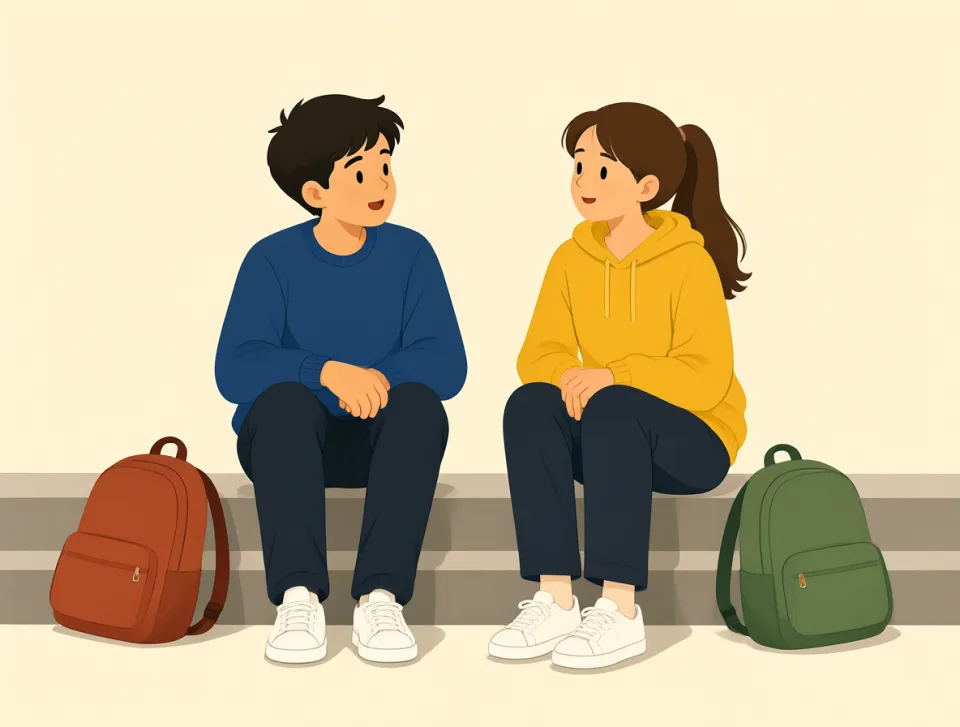
We talked for a while after school.
Hablamos un rato después de clases.
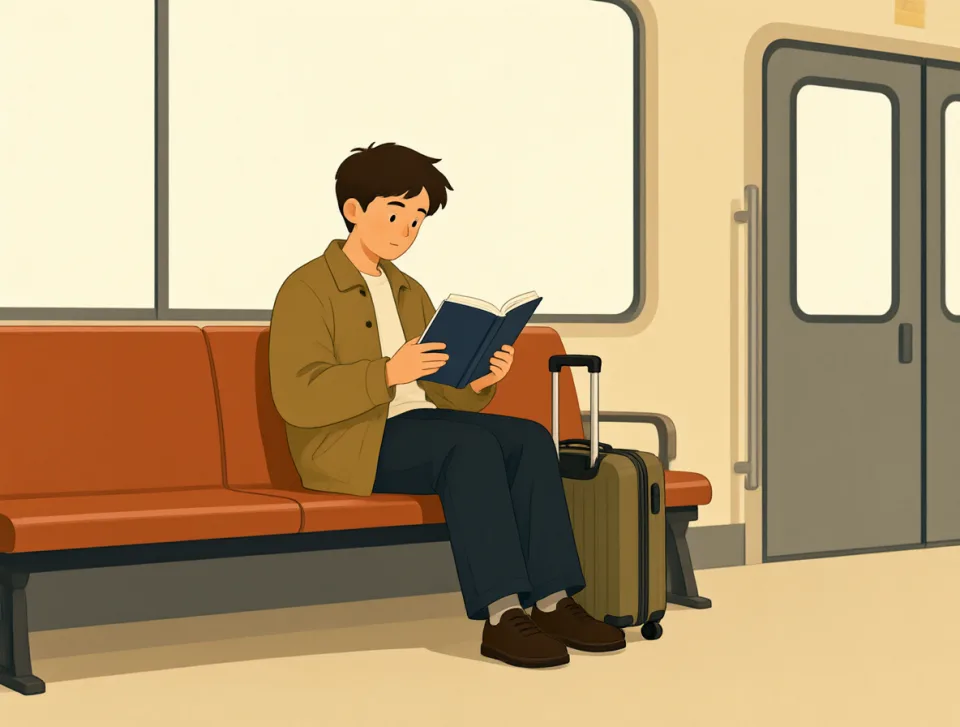
He read a book while waiting for the train.
Leyó un libro mientras esperaba el tren.
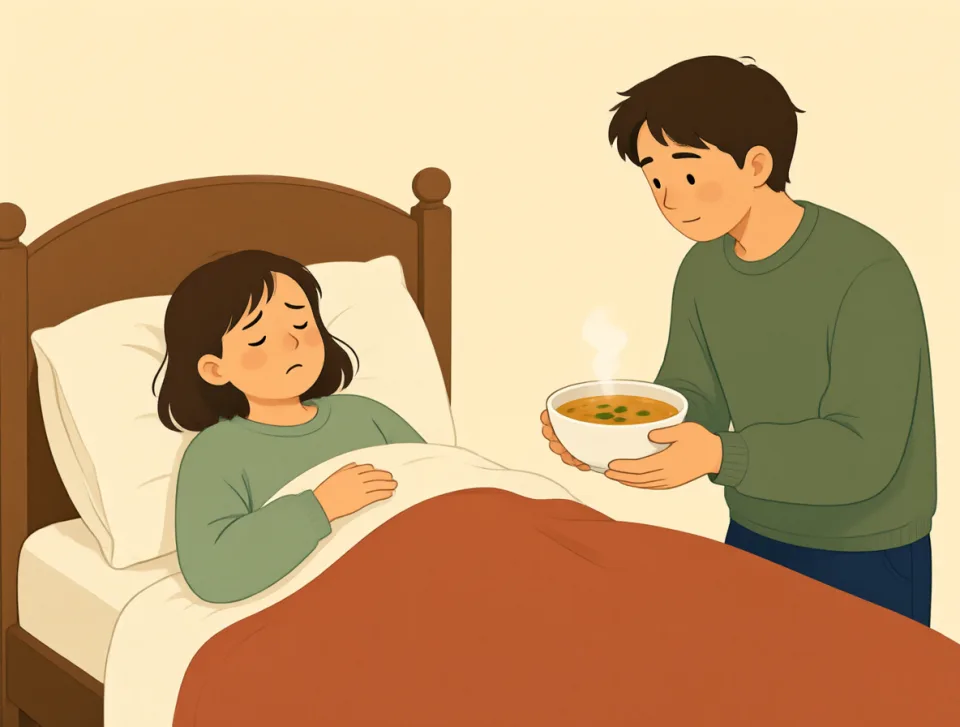
While I was sick, my friend brought soup.
Mientras estuve enfermo, mi amigo me trajo sopa.

world
#156noun
mundo
the Earth and all its people, countries, and places
la Tierra y todas sus personas, países y lugares
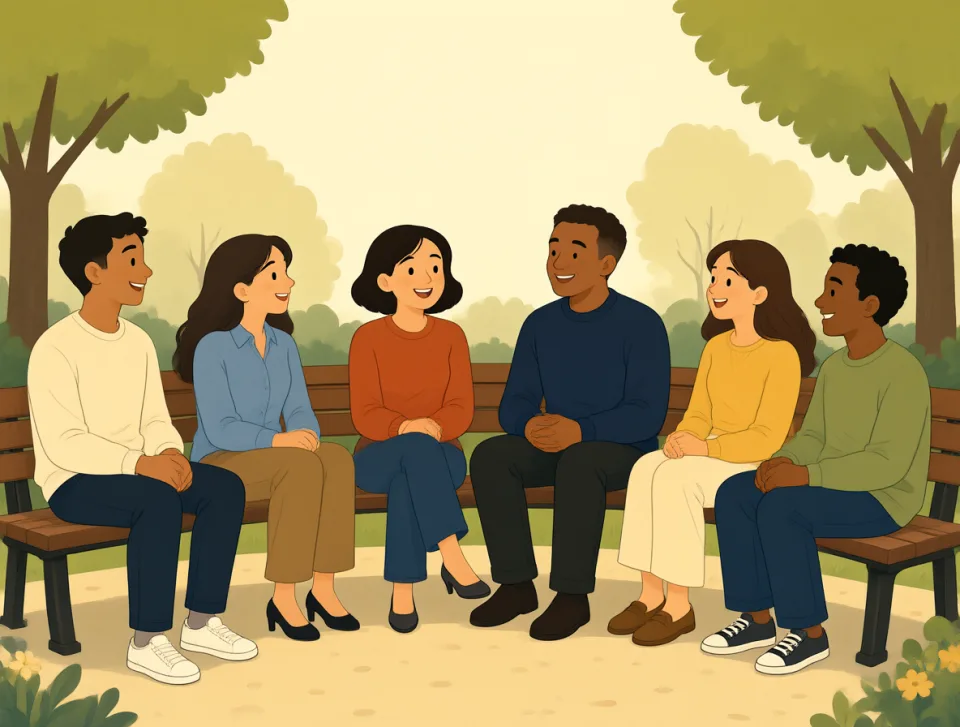
People around the world enjoy music.
A la gente de todo el mundo le gusta la música.
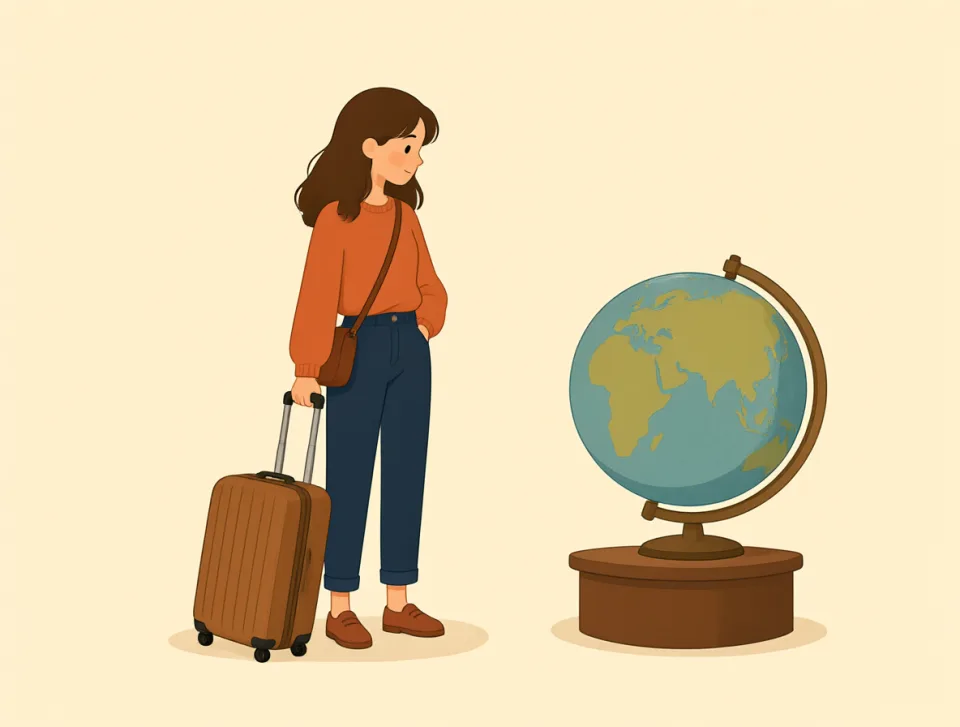
She wants to travel the world.
Ella quiere viajar por todo el mundo.

The whole world watched the game.
Todo el mundo vio el partido.
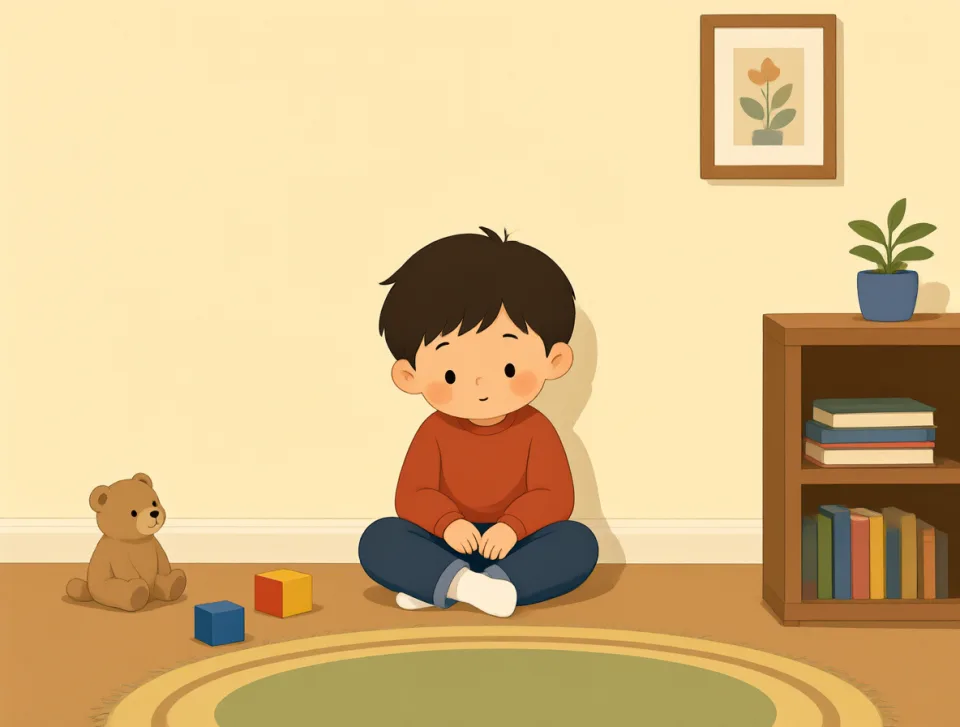
He lives in a small world.
Él vive en un mundo pequeño.
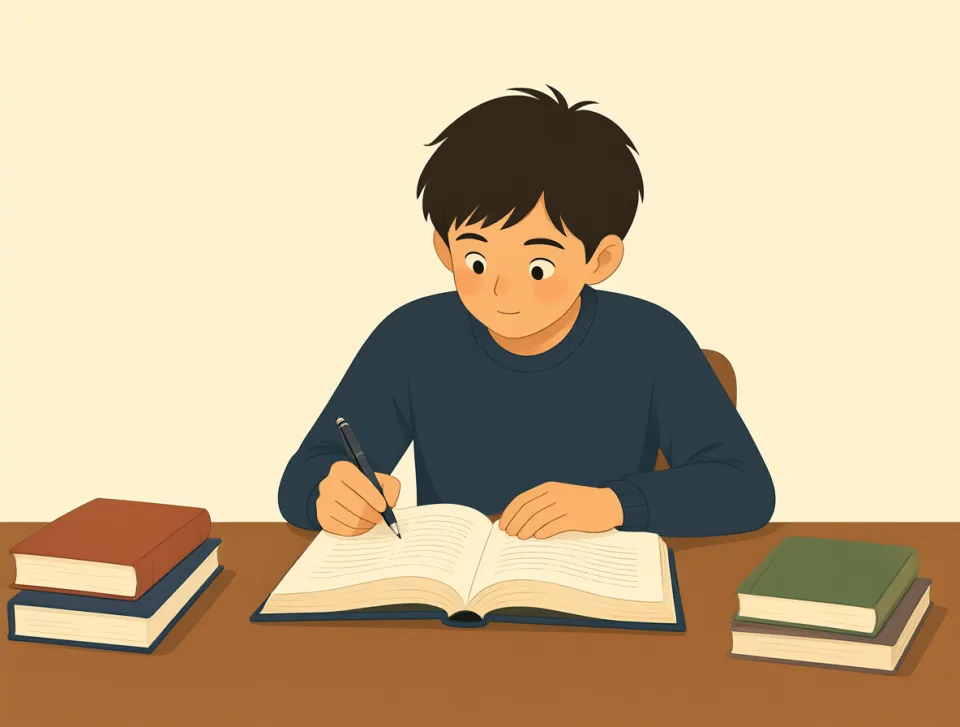
World history is my favorite school subject.
La historia mundial es mi asignatura favorita.
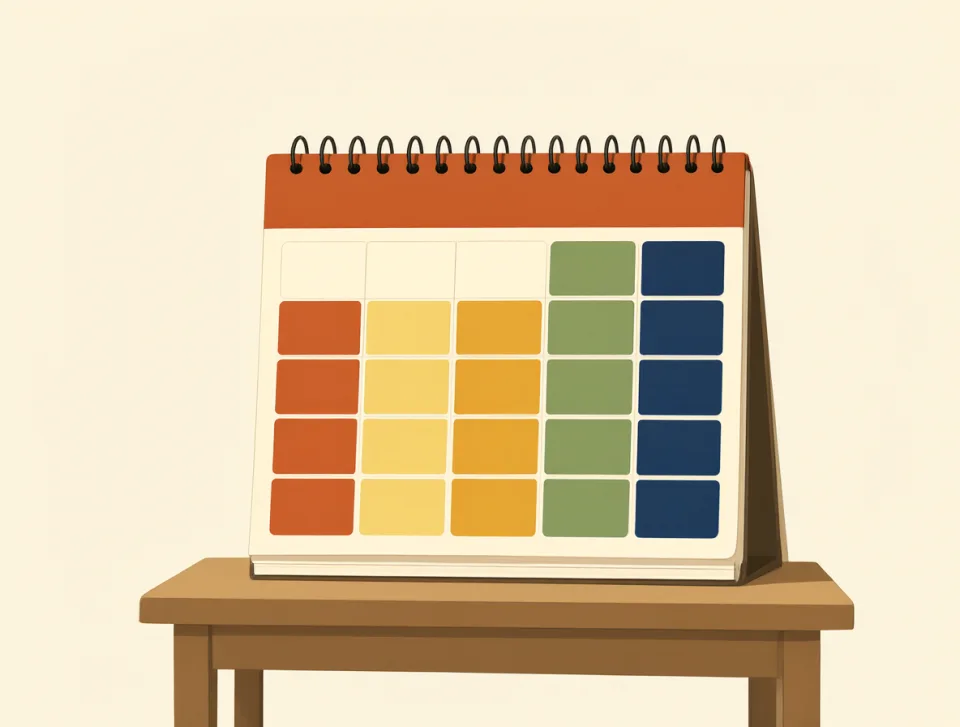
week
#157noun
semana
A period of seven days, from one day to the same day the next week.
Un período de siete días, desde un día hasta el mismo día de la semana siguiente.

I visit my parents every week.
Visito a mis padres todas las semanas.
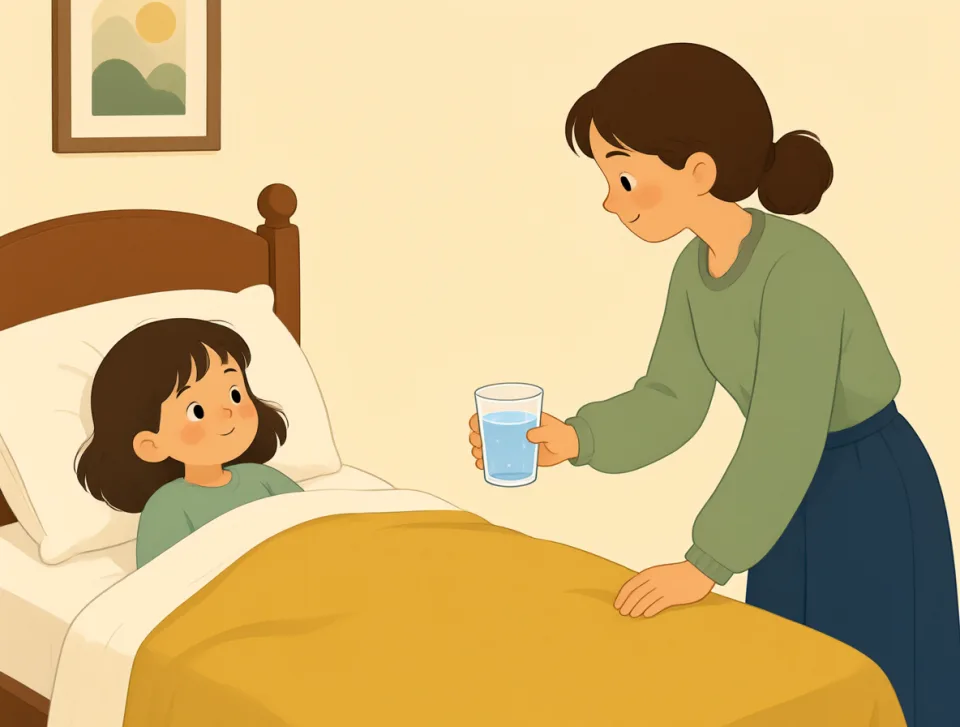
She was sick last week.
Estuvo enferma la semana pasada.

We have a team meeting this week.
Esta semana tenemos una reunión de equipo.
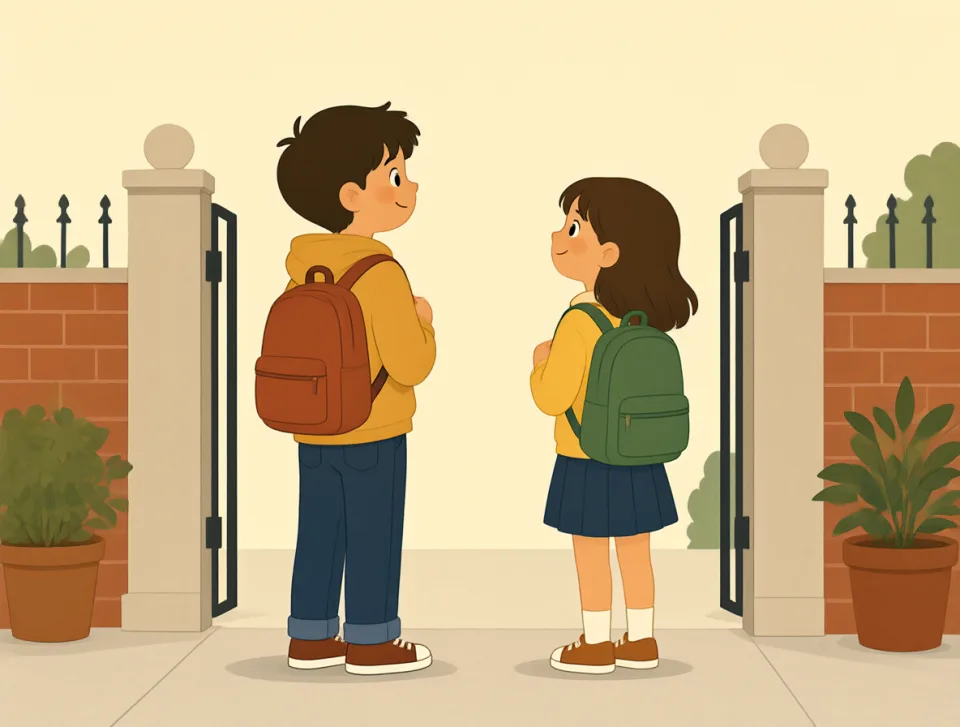
The children start school next week.
Los niños empiezan la escuela la semana que viene.

We are traveling to Spain in two weeks.
Viajamos a España dentro de dos semanas.
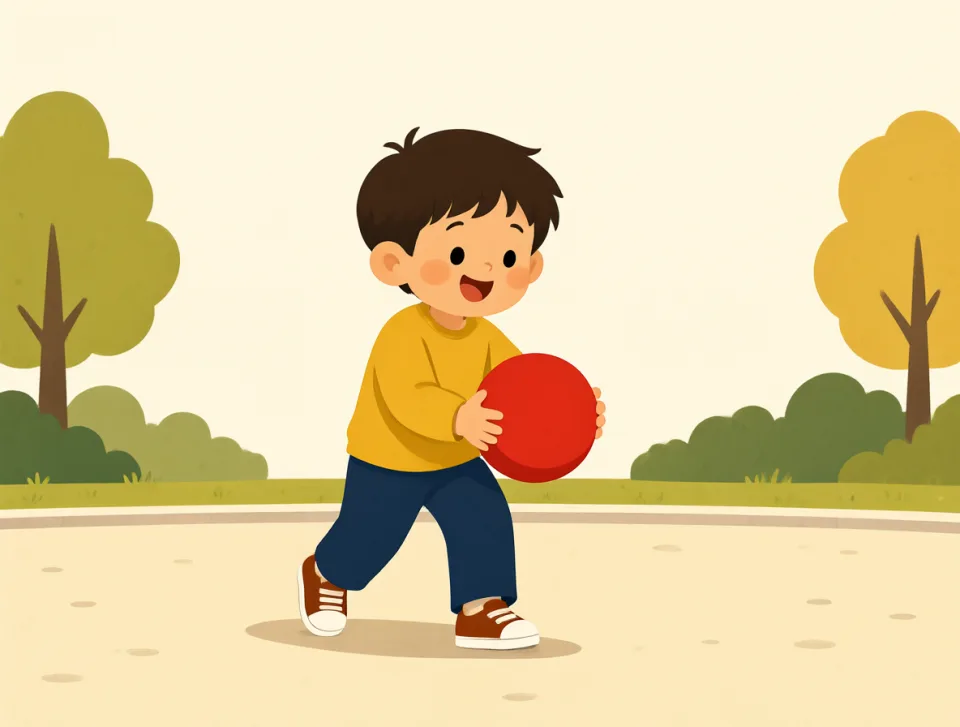
play
#158verb, noun
jugar; interpretar; tocar
to do something for fun, or to act in a show
hacer algo por diversión o actuar en una obra o espectáculo
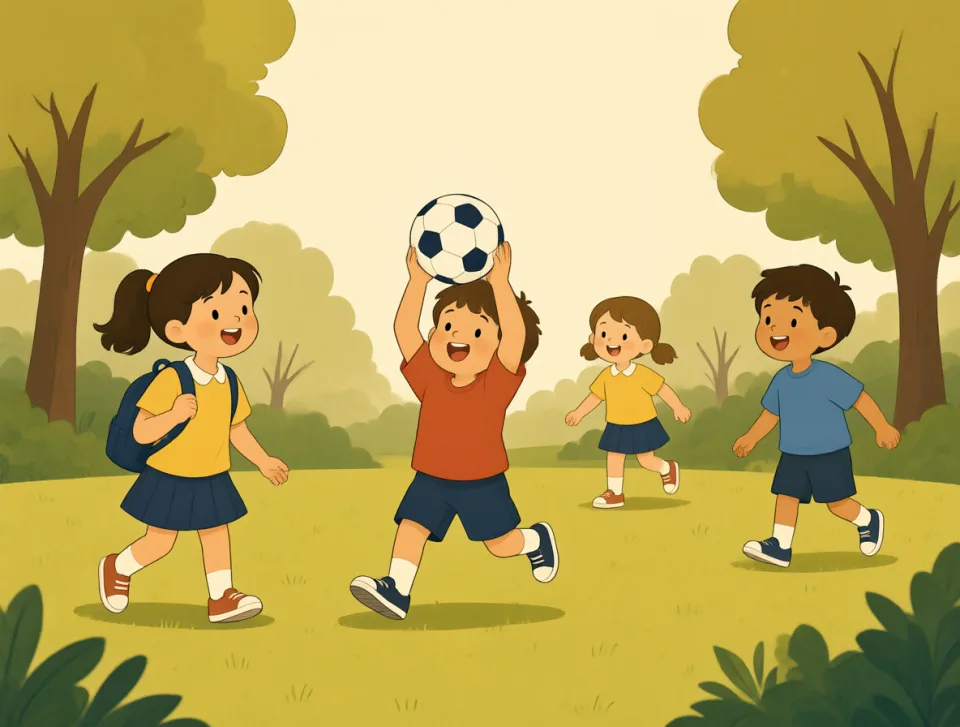
The children play outside after school.
Los niños juegan afuera después de la escuela.
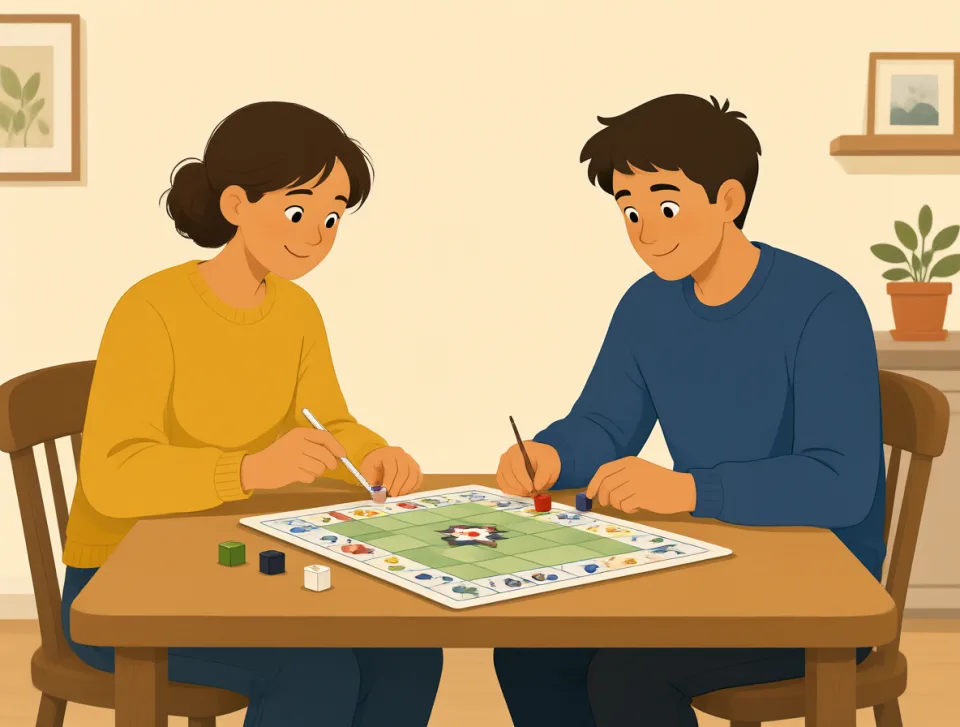
We played a game at home.
Jugamos un juego en casa.
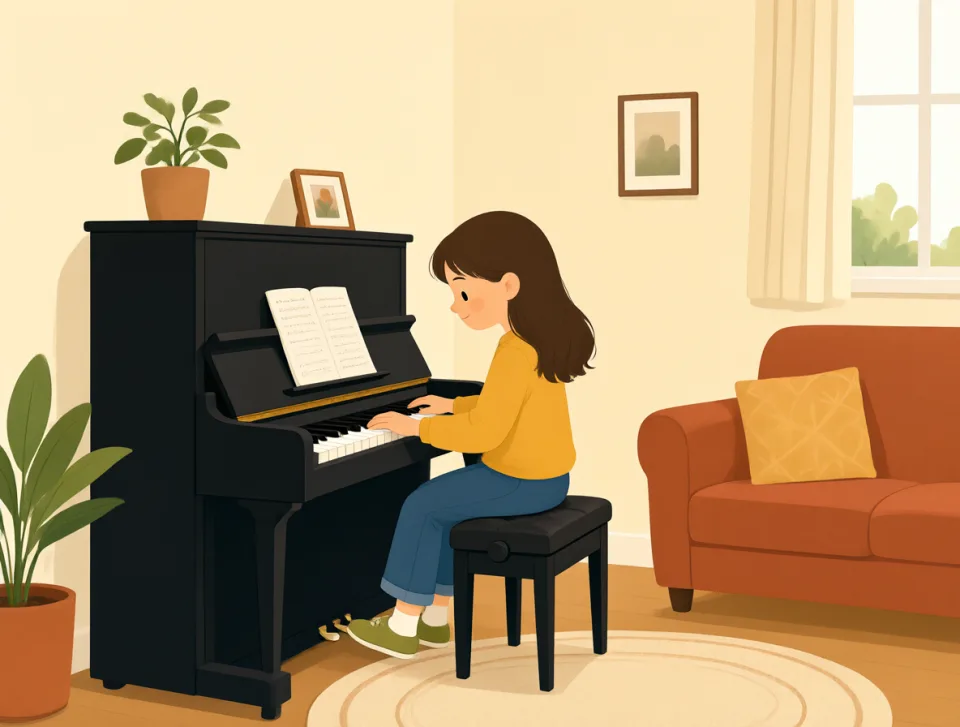
She plays the piano every morning.
Ella toca el piano todas las mañanas.
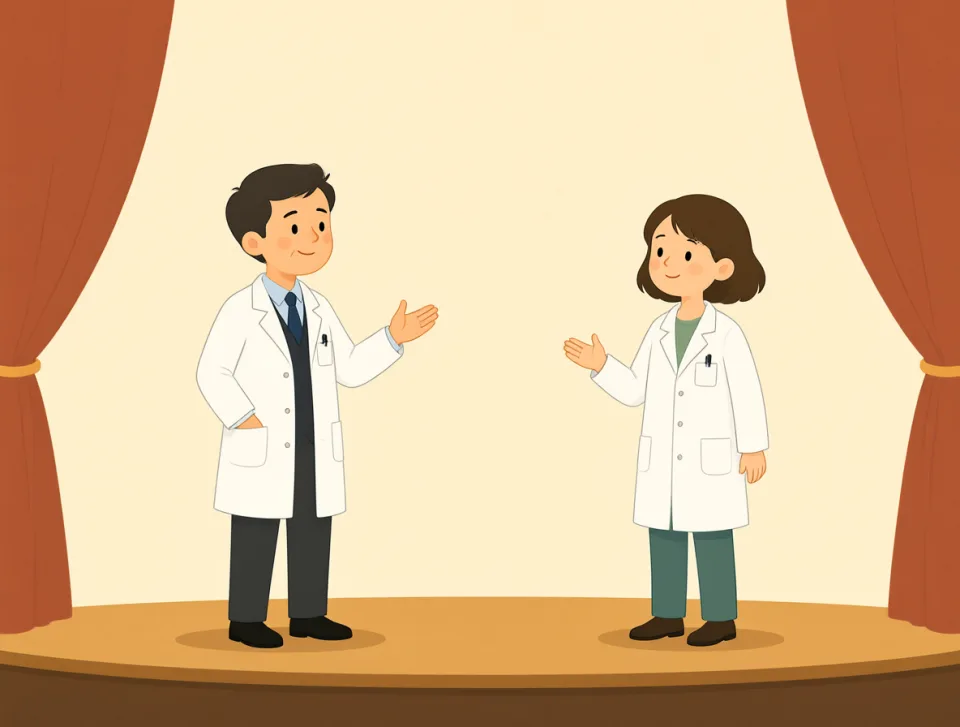
The actors play doctors in the show.
Los actores interpretan a médicos en el espectáculo.
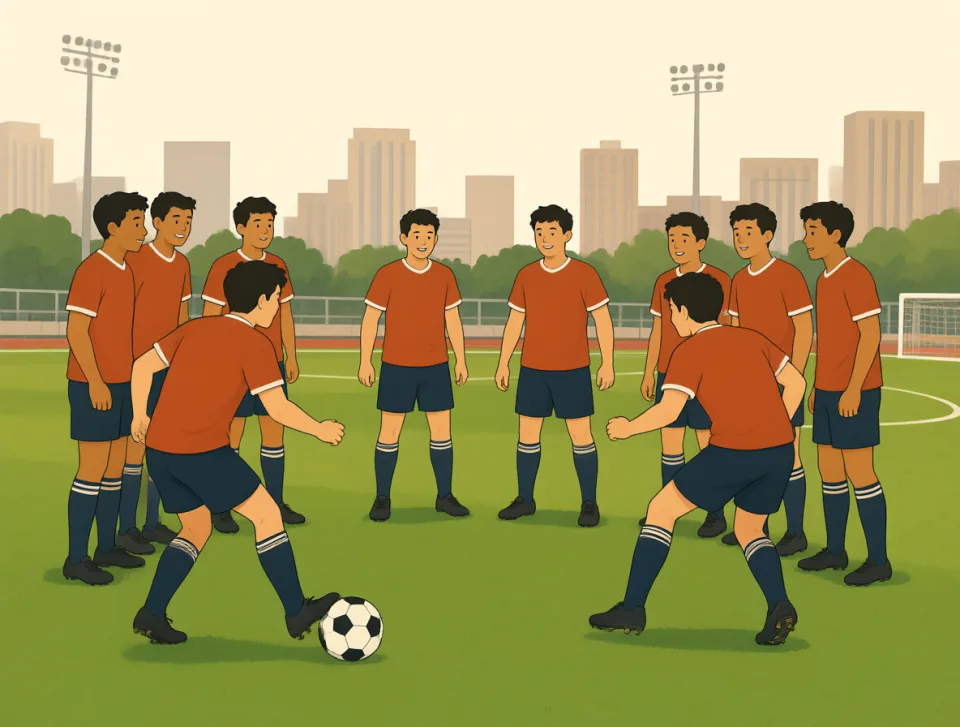
Our team plays in London tomorrow.
Nuestro equipo juega en Londres mañana.
might
#159modal verb, noun
podría; quizás; permiso
Used to say something is possible or to ask permission politely.
Se usa para decir que algo es posible o para pedir permiso de manera educada.
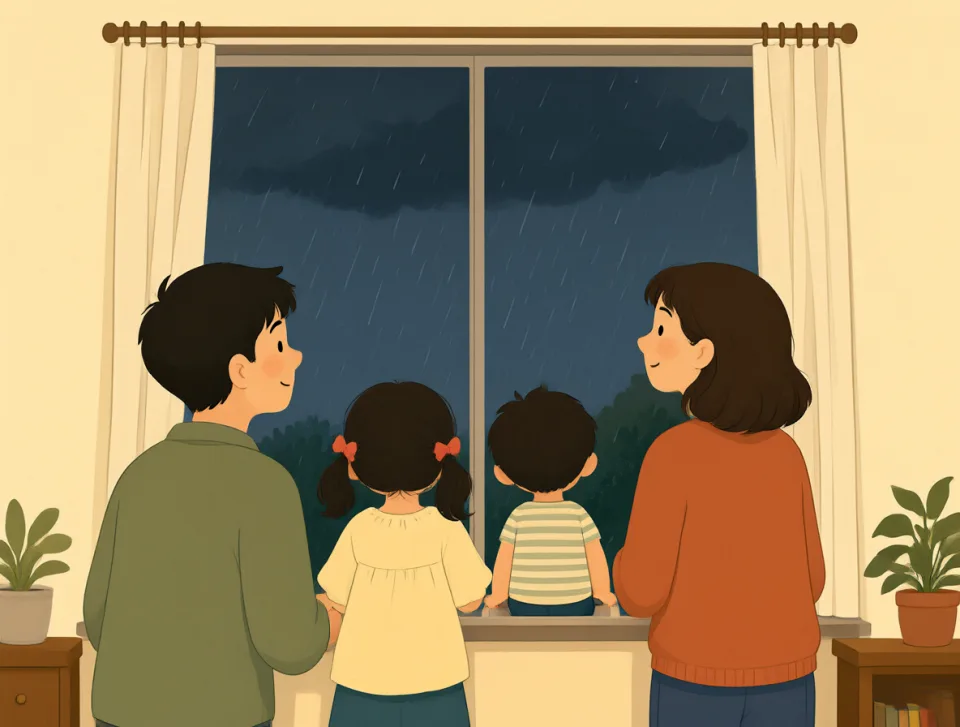
It might rain this afternoon.
Podría llover esta tarde.
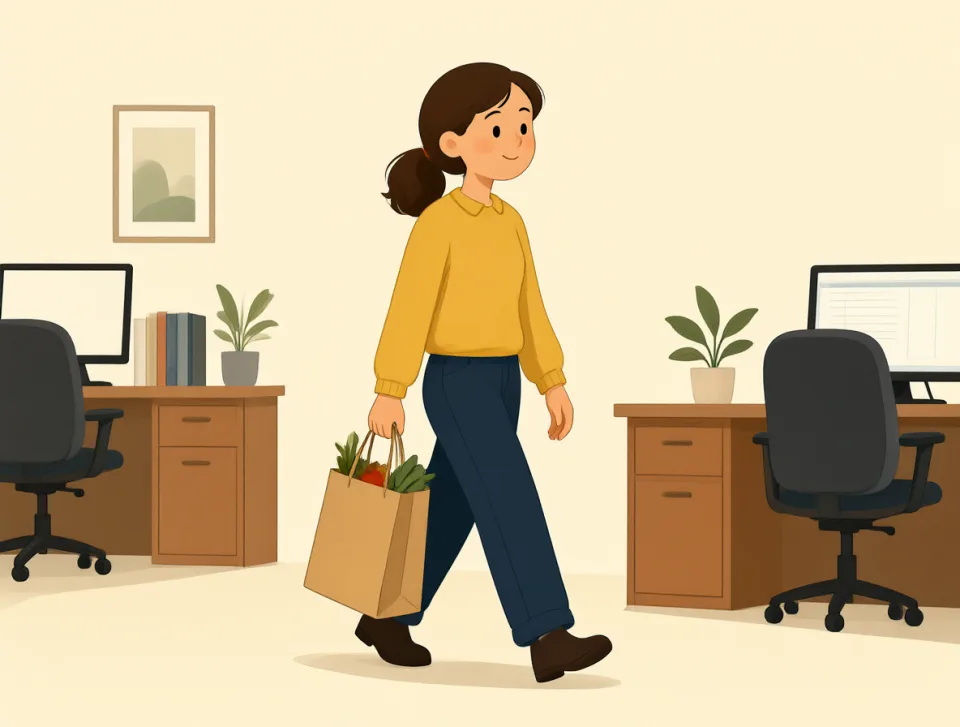
I might go shopping after work.
Quizás vaya de compras después del trabajo.
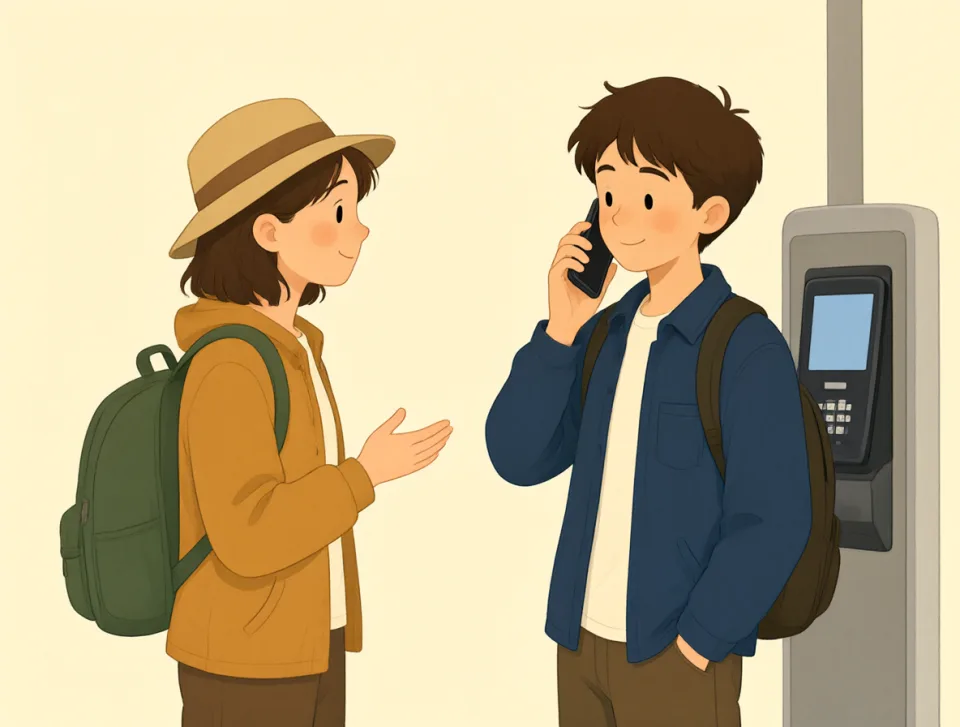
Might I use your phone, please?
¿Podría usar su teléfono, por favor?
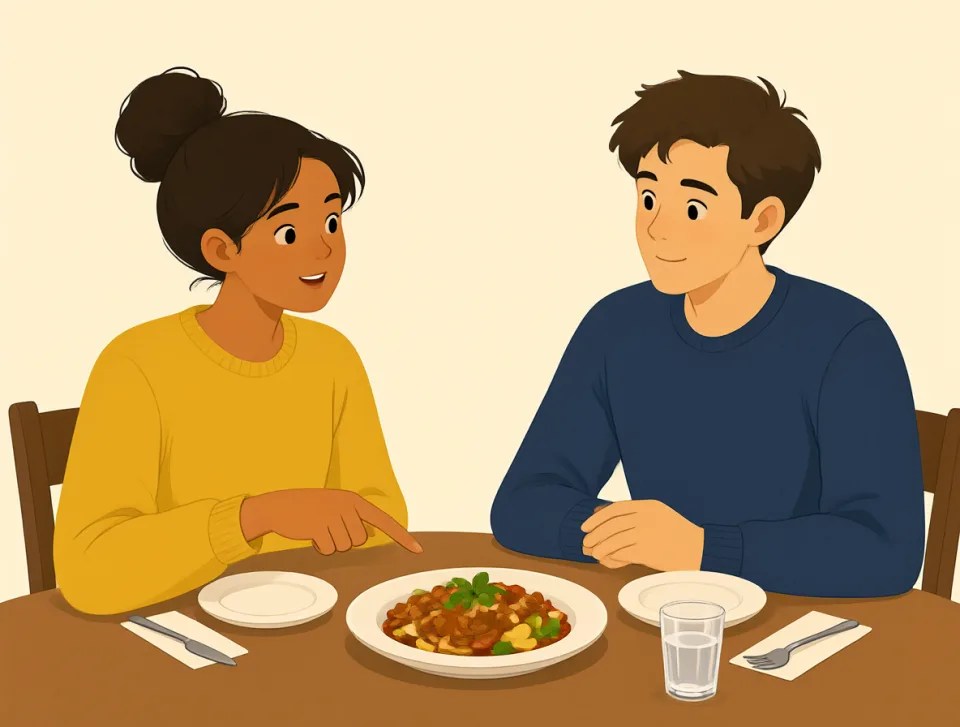
You might like this new restaurant.
Quizás te guste este nuevo restaurante.
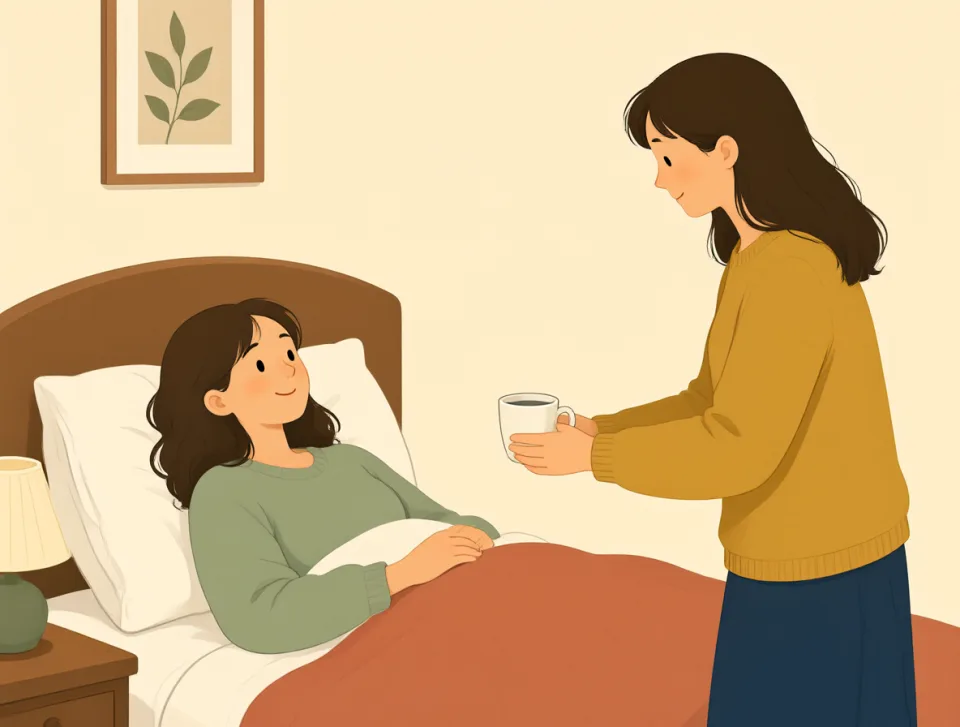
She might be sick today.
Puede que hoy esté enferma.
must
#160verb, noun
deber; tener que
To be necessary or required; something that you need to do or have.
Ser necesario u obligatorio; algo que necesitas hacer o tener.
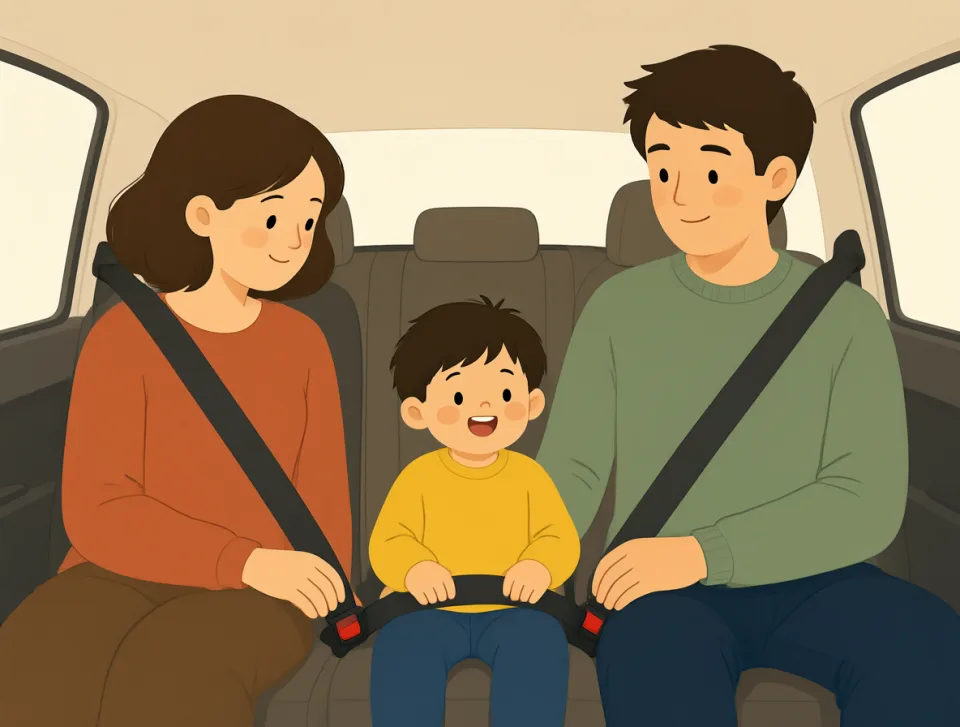
You must wear a seat belt.
Debes usar el cinturón de seguridad.
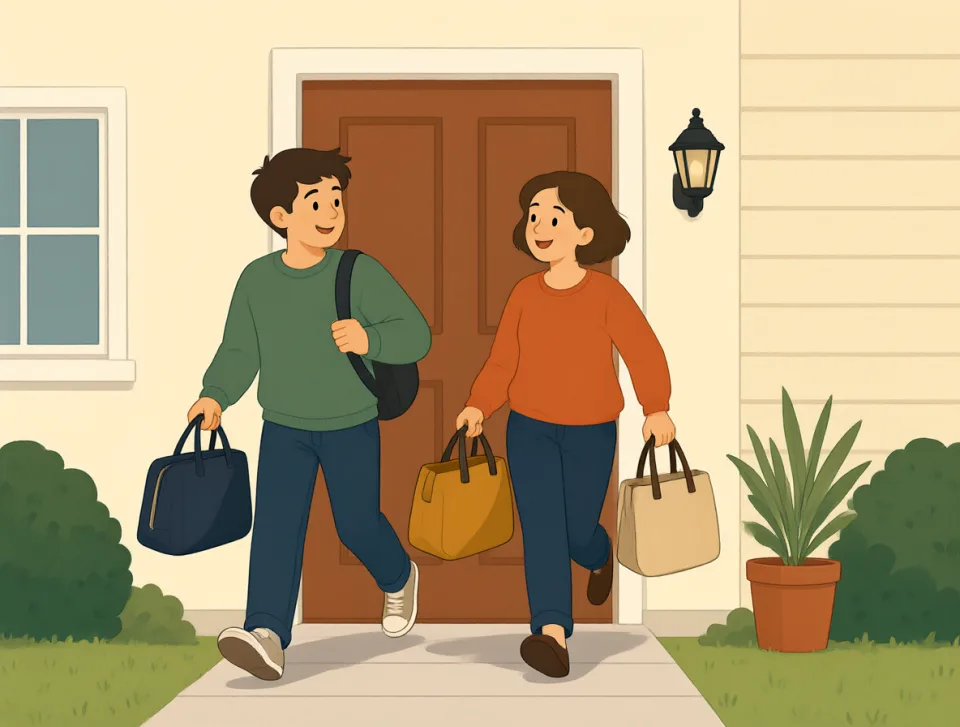
We must leave home at seven.
Tenemos que salir de casa a las siete.
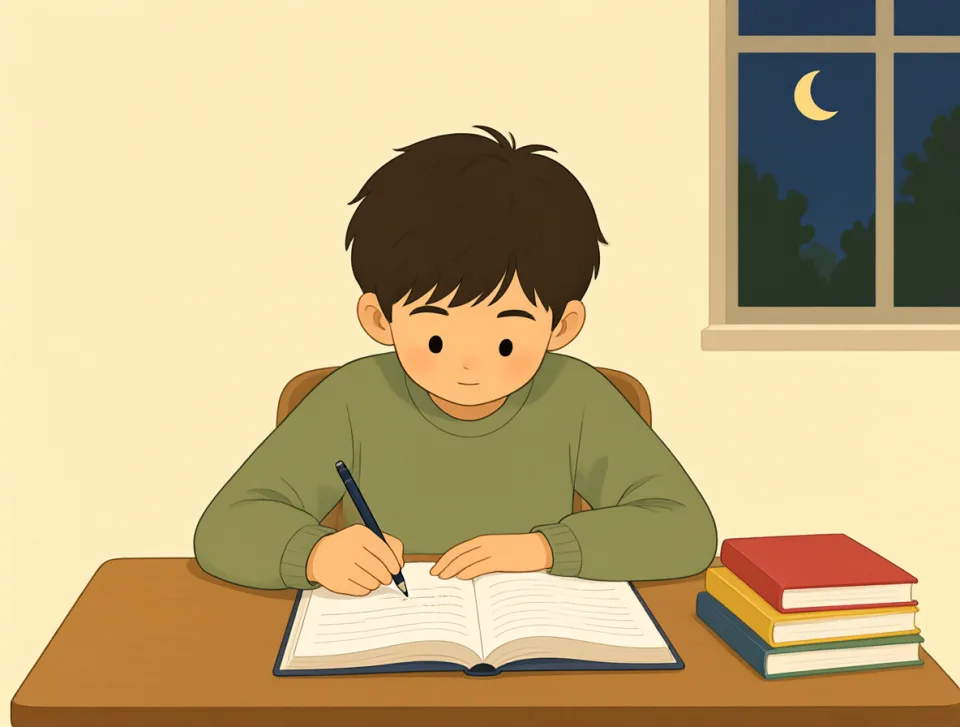
Students must finish their homework tonight.
Los estudiantes tienen que terminar sus tareas esta noche.
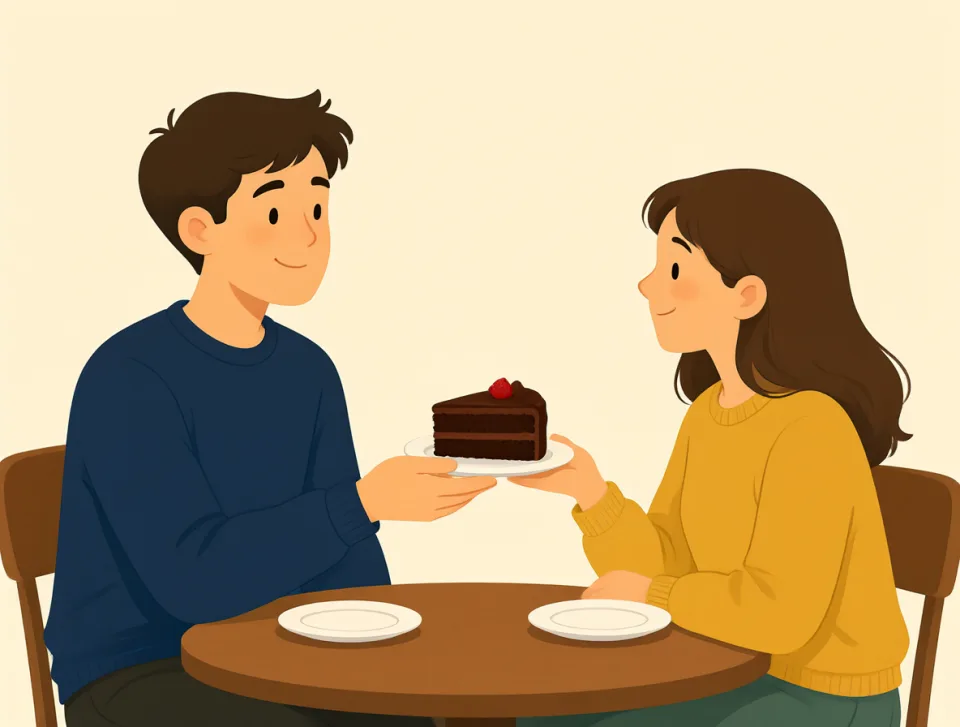
You must try this chocolate cake.
Tienes que probar este pastel de chocolate.
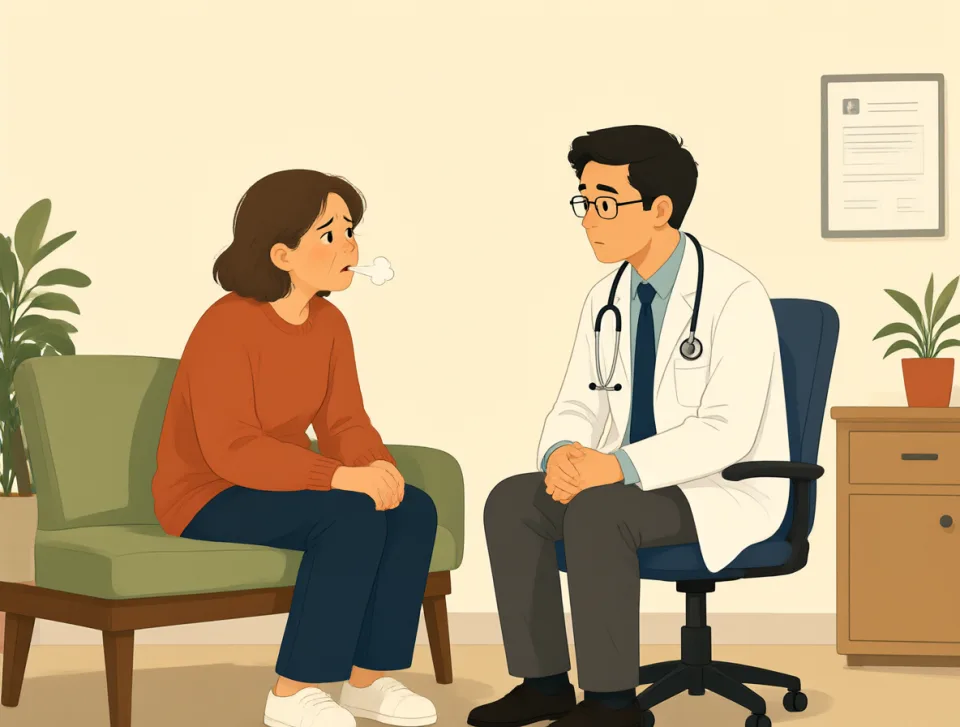
I must see a doctor about my cough.
Tengo que ir al médico por la tos.