الوحدة 8
الكلمات من 141 إلى 160 · become, interest, country, old, each, school
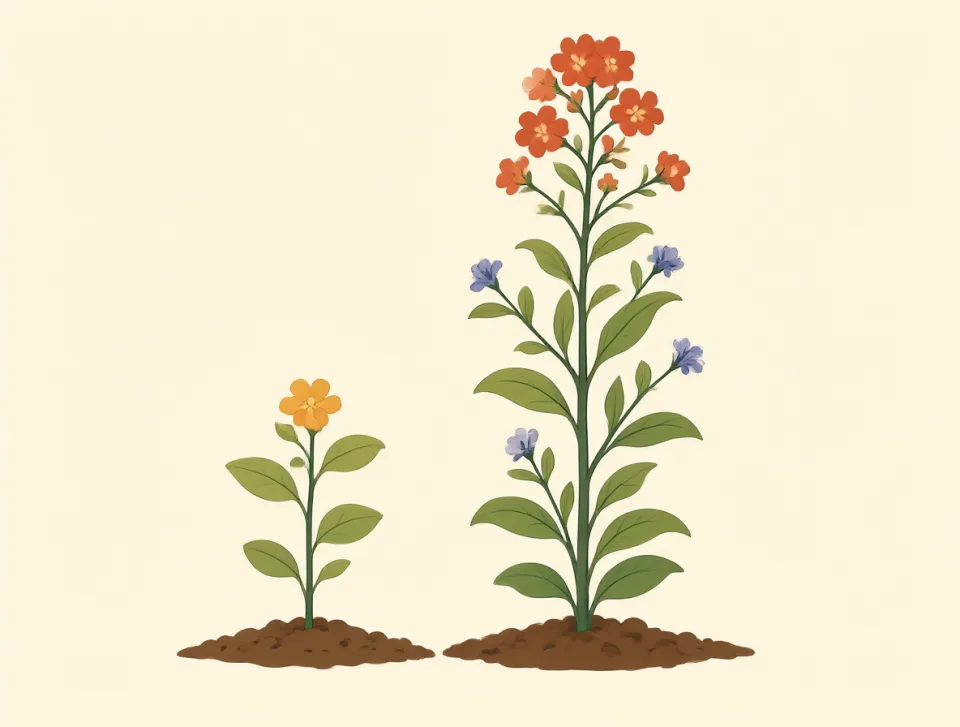
become
#141verb
يصبح
to start to be something or change into a different state
أن يبدأ المرء في أن يكون شيئًا ما أو أن يتحول إلى حالة مختلفة.
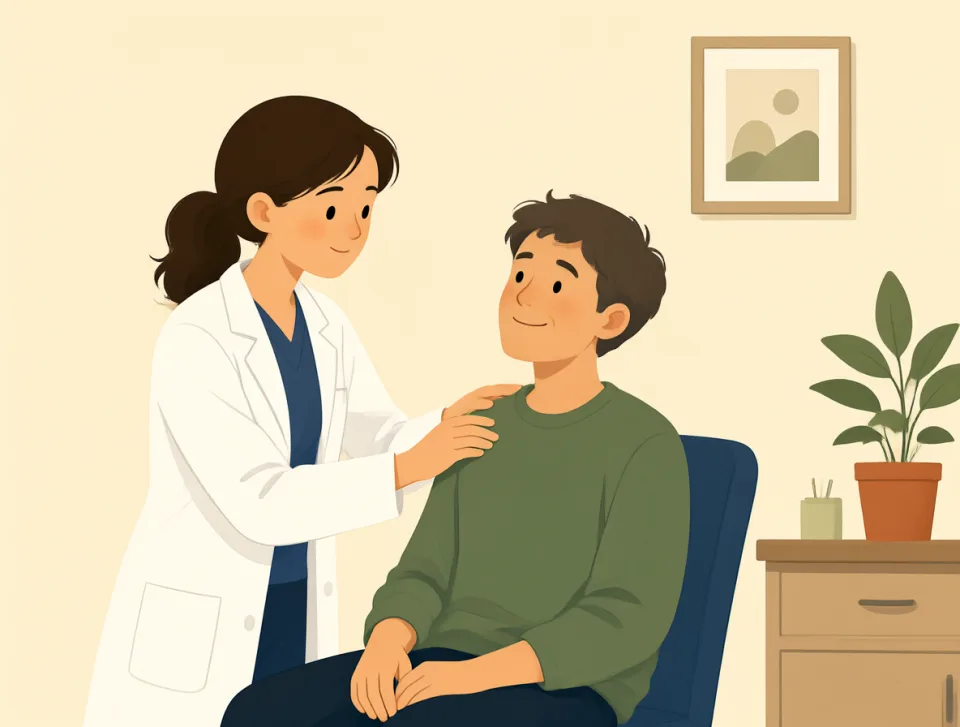
She wants to become a doctor someday.
تريد أن تصبح طبيبة يومًا ما.
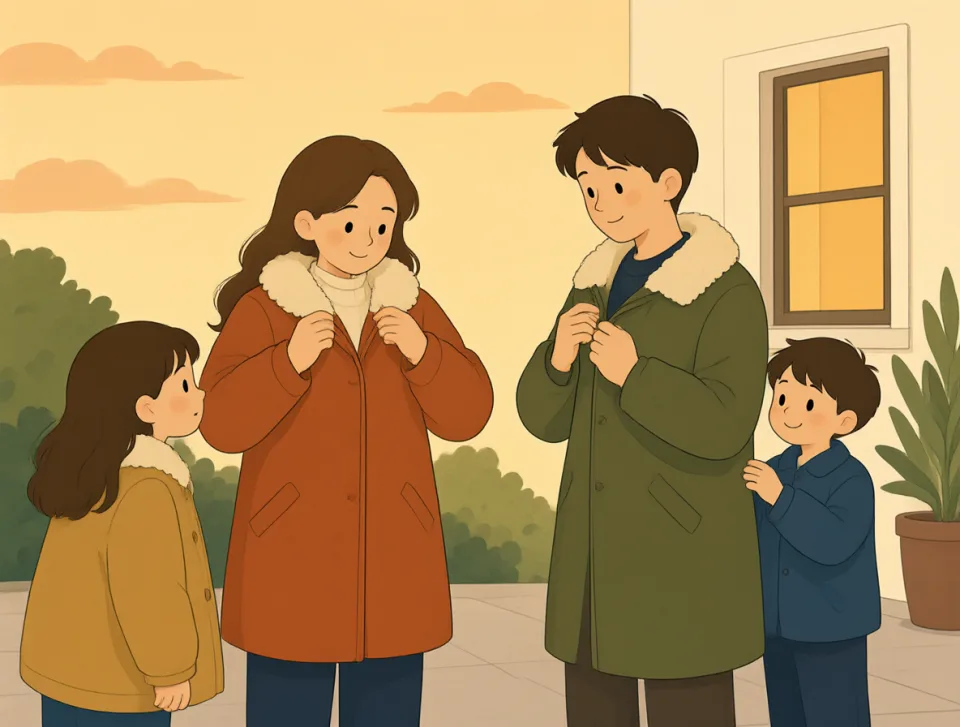
The weather became cold after sunset.
أصبح الطقس باردًا بعد غروب الشمس.
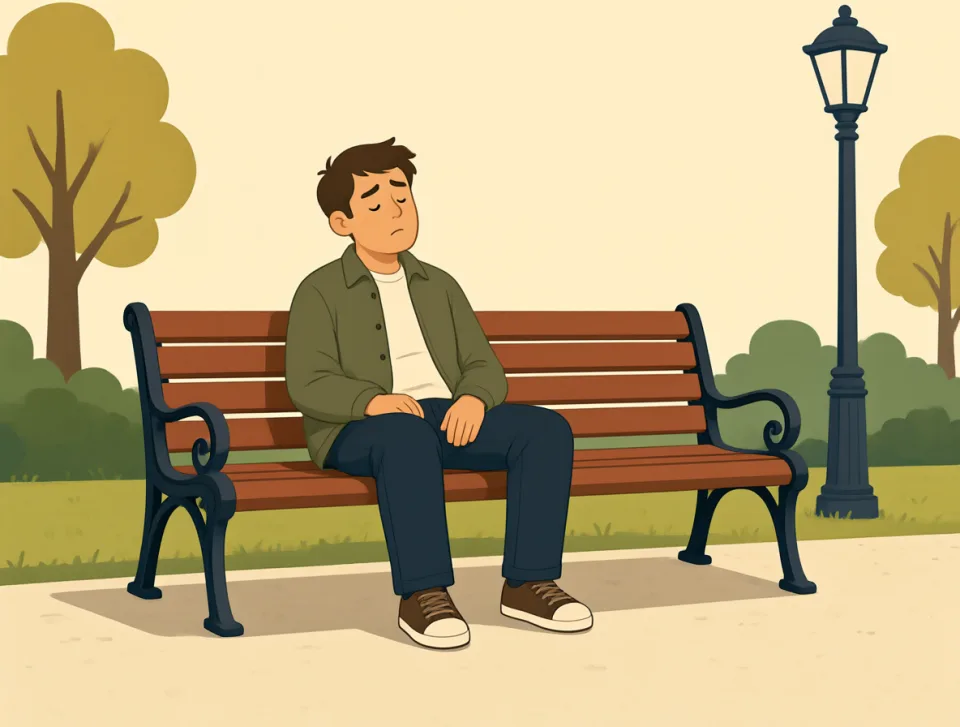
He became tired after the long walk.
أصابه التعب بعد المشي الطويل.
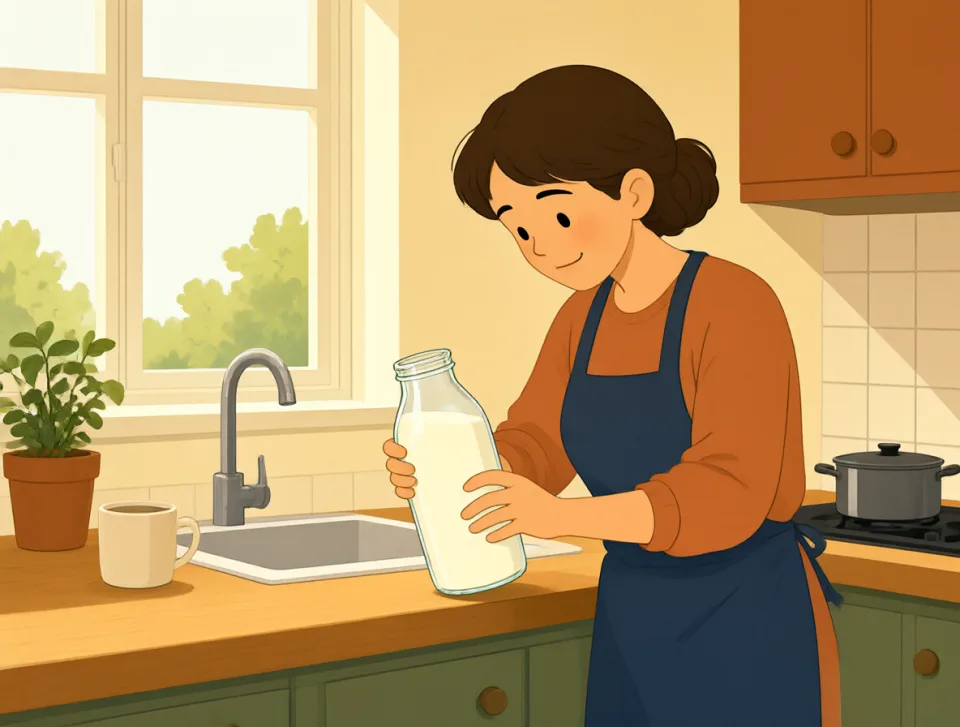
The milk became sour in the heat.
أصبح الحليب حامضًا بسبب الحر.
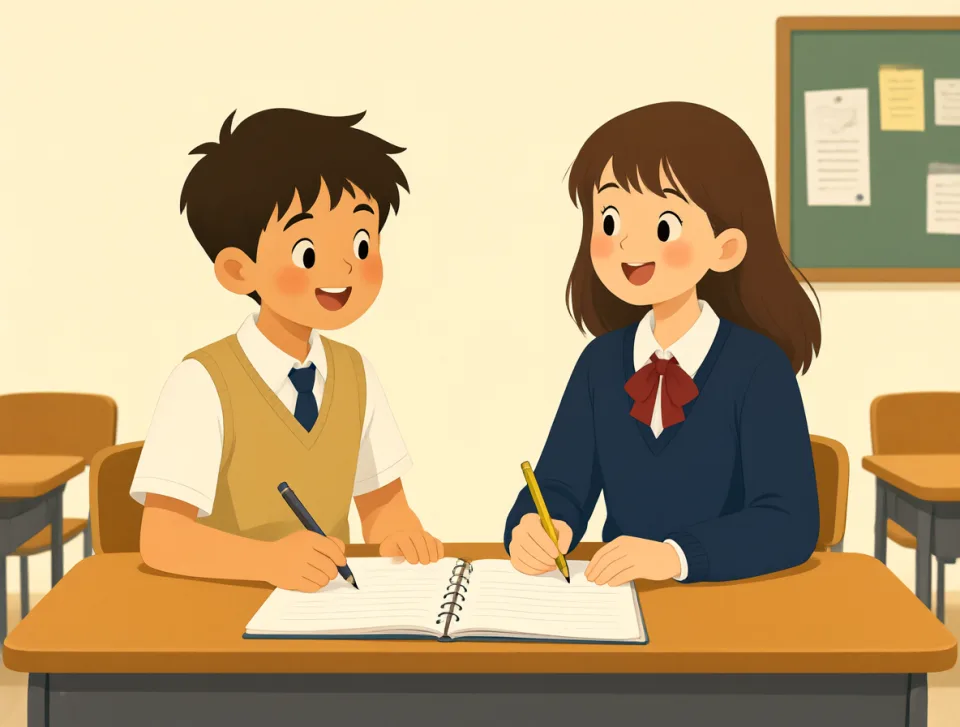
They became good friends at school.
أصبحوا أصدقاء مقربين في المدرسة.
interest
#142noun, verb
اهتمام
A feeling of wanting to know or learn about something; to make someone curious.
رغبة في معرفة شيء أو تعلّمه؛ أو إثارة فضول شخص ما.
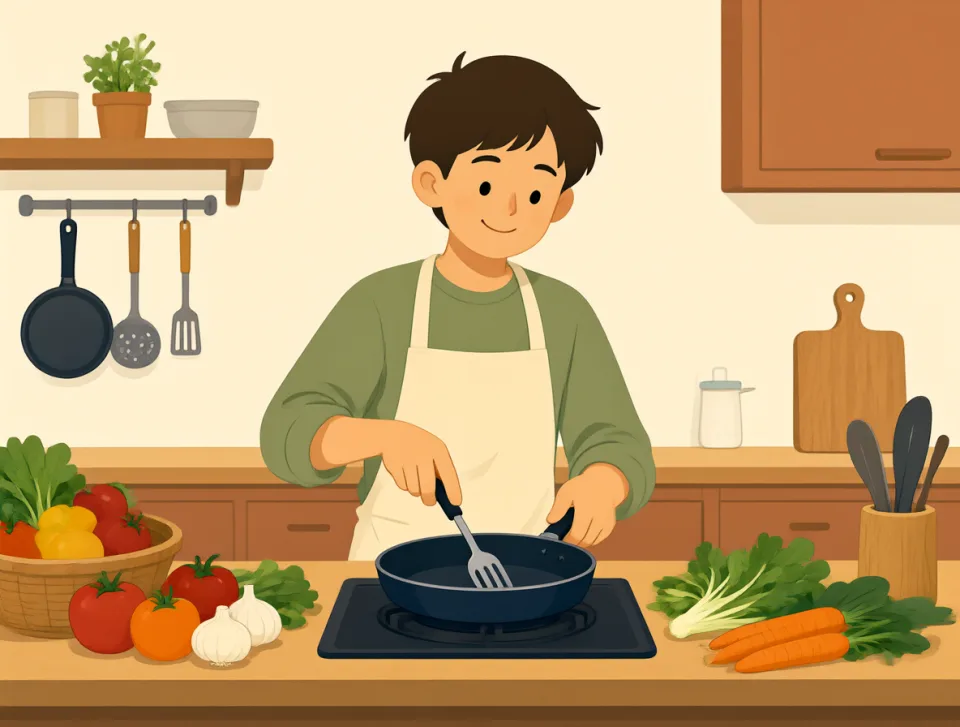
I have a strong interest in cooking.
لديّ اهتمام كبير بالطبخ.

She showed interest in the new job.
أبدت اهتمامًا بالوظيفة الجديدة.
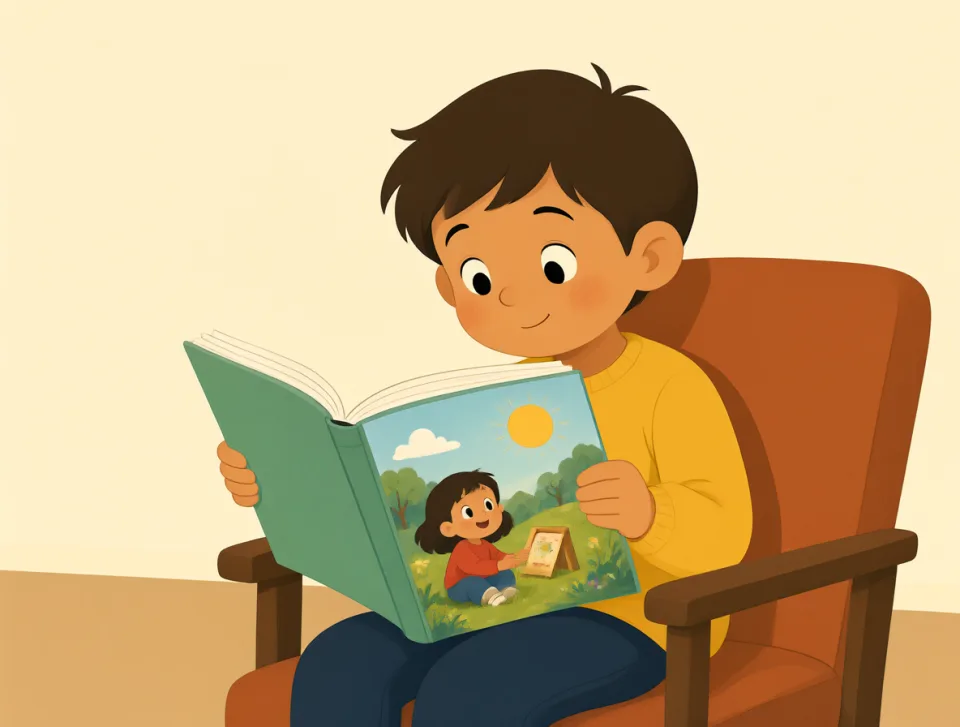
The book caught my interest quickly.
شدّني الكتاب بسرعة.
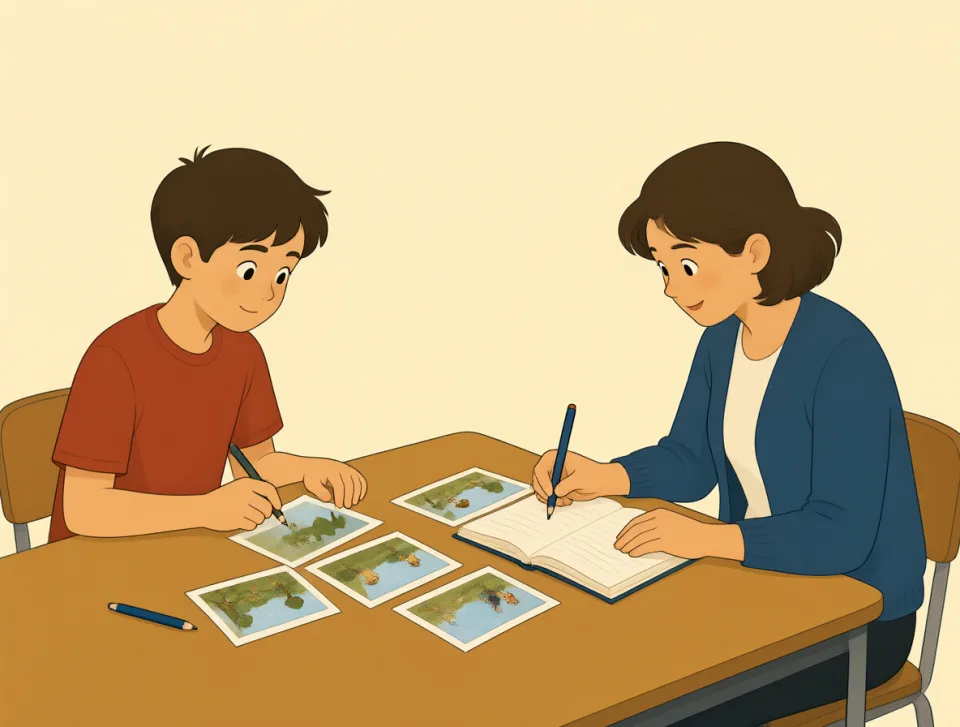
He is interested in learning Spanish.
هو مهتم بتعلّم الإسبانية.
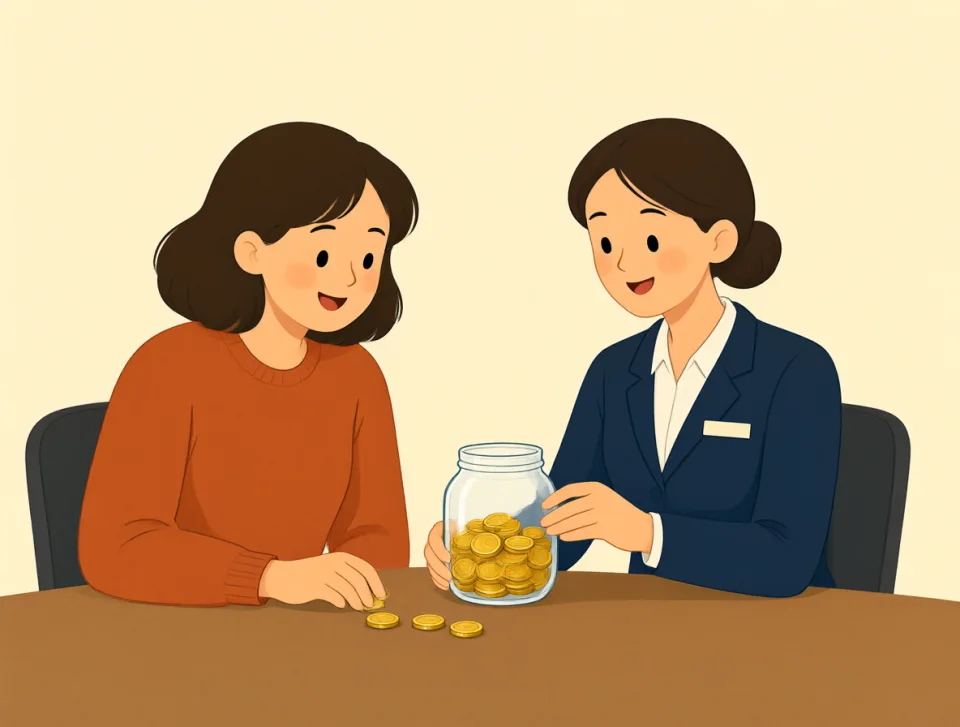
The bank pays interest on savings.
يدفع البنك فوائد على المدخرات.
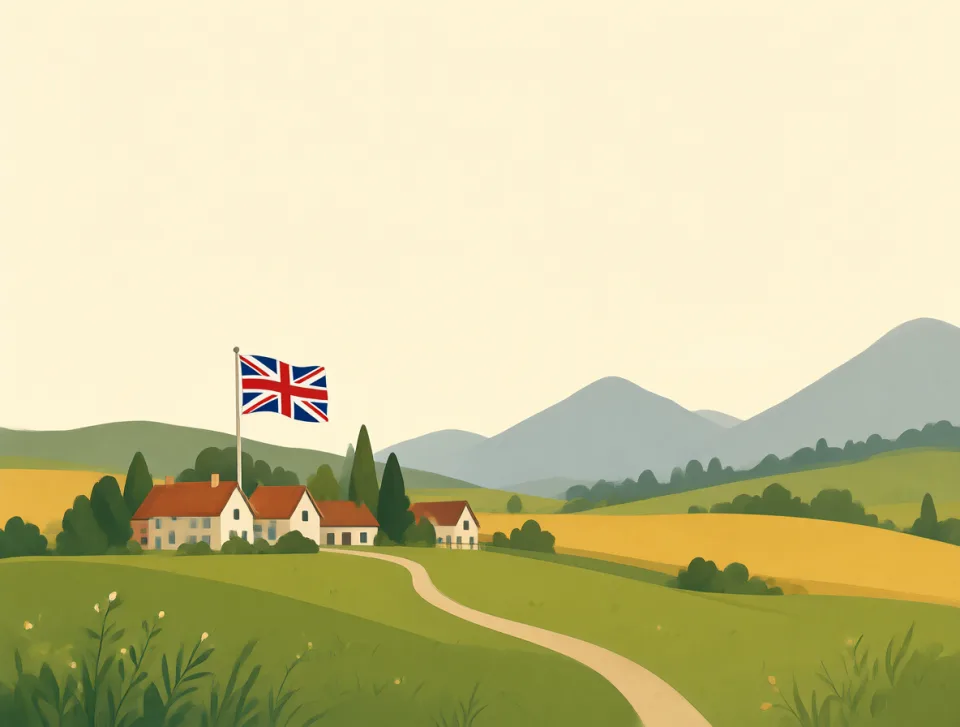
country
#143noun
دولة
A nation with its own government, land, and people.
أمة لها حكومتها وأرضها وشعبها.
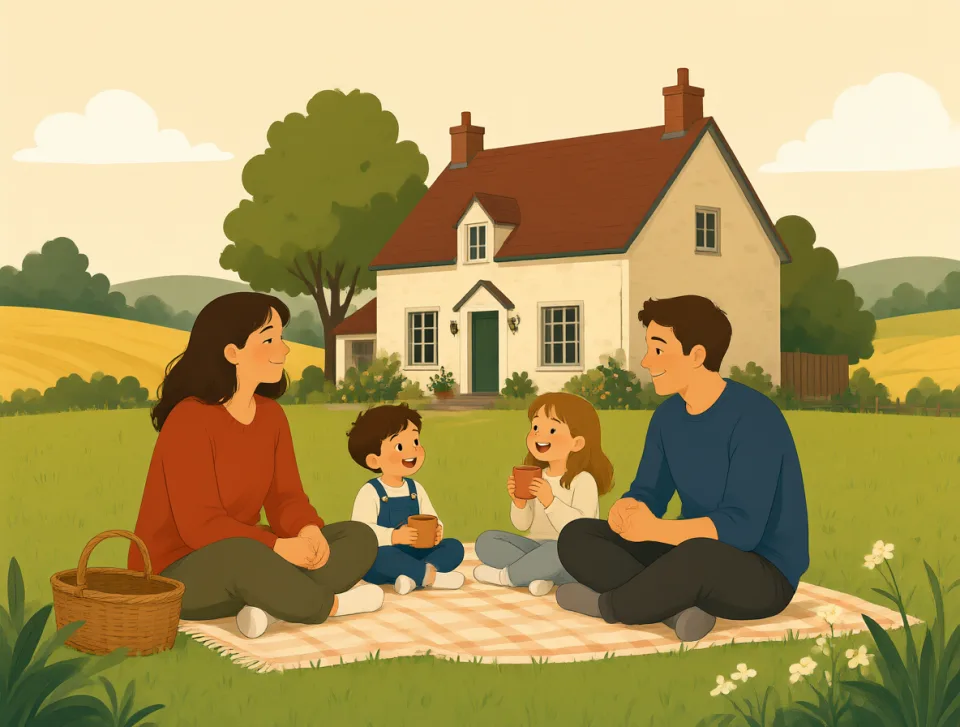
She lives in the country with her family.
تعيش في الريف مع عائلتها.
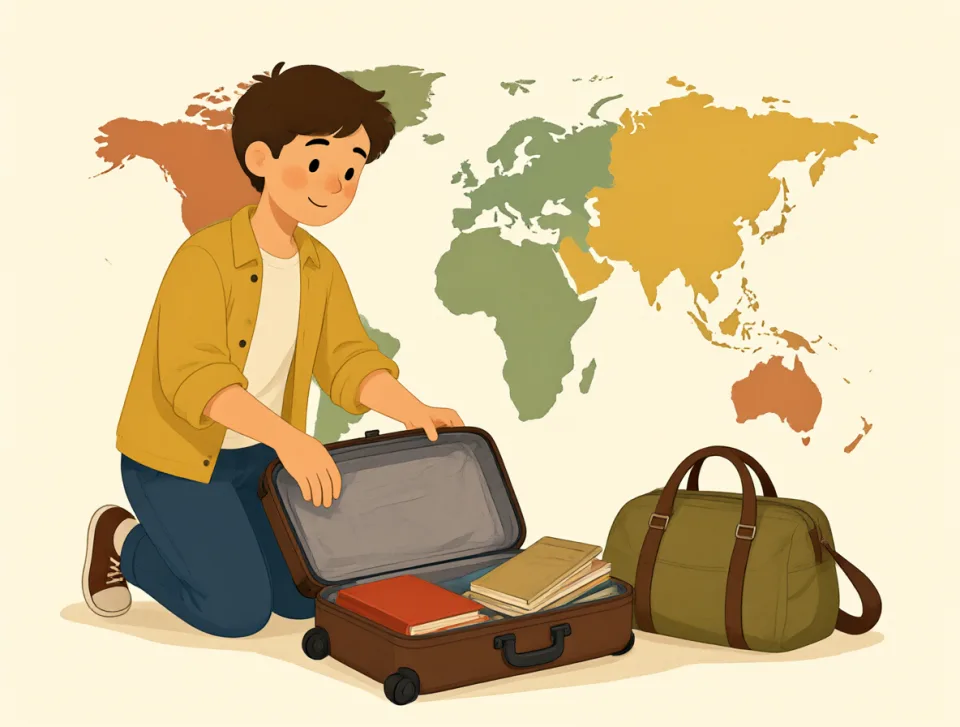
I want to visit another country this summer.
أريد زيارة دولة أخرى هذا الصيف.
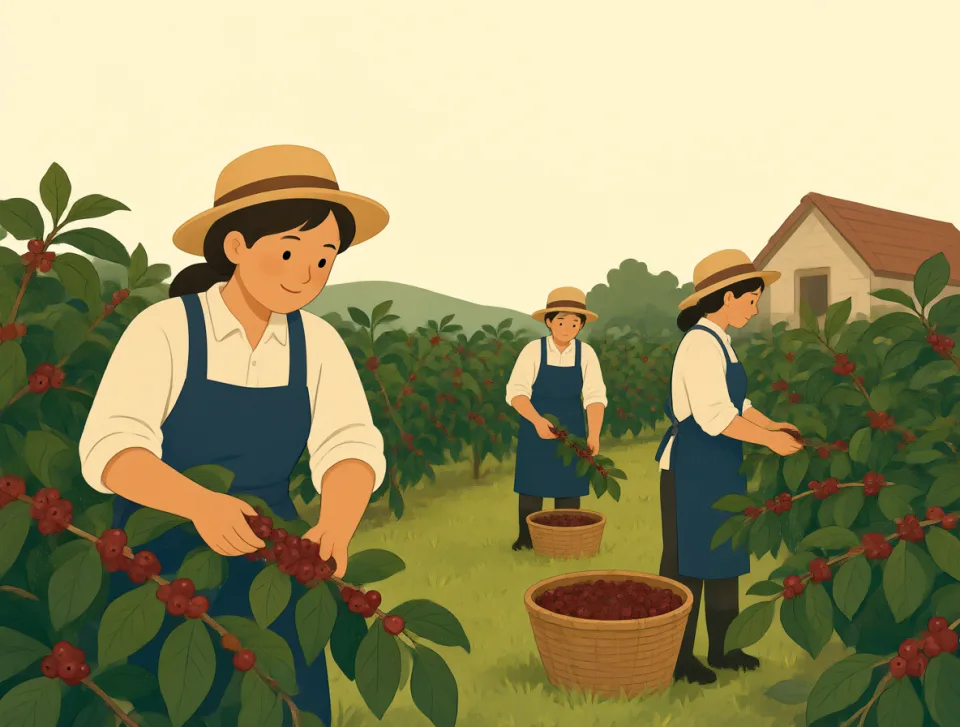
This country produces much of the world's coffee.
تنتج هذه الدولة قدرًا كبيرًا من قهوة العالم.
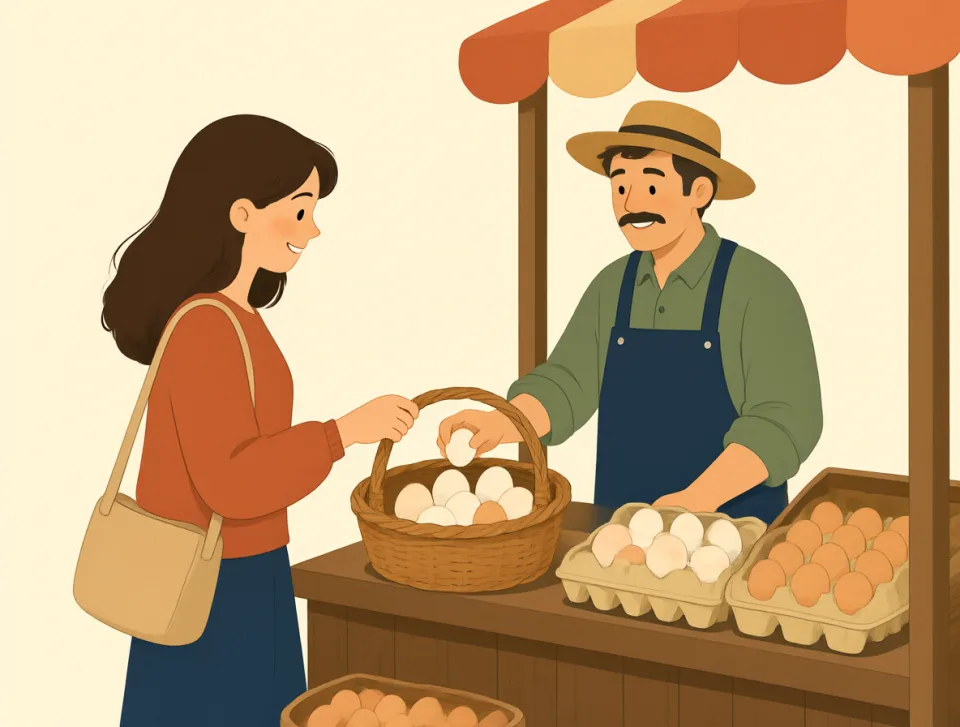
We bought fresh eggs from the country.
اشترينا بيضًا طازجًا من الريف.
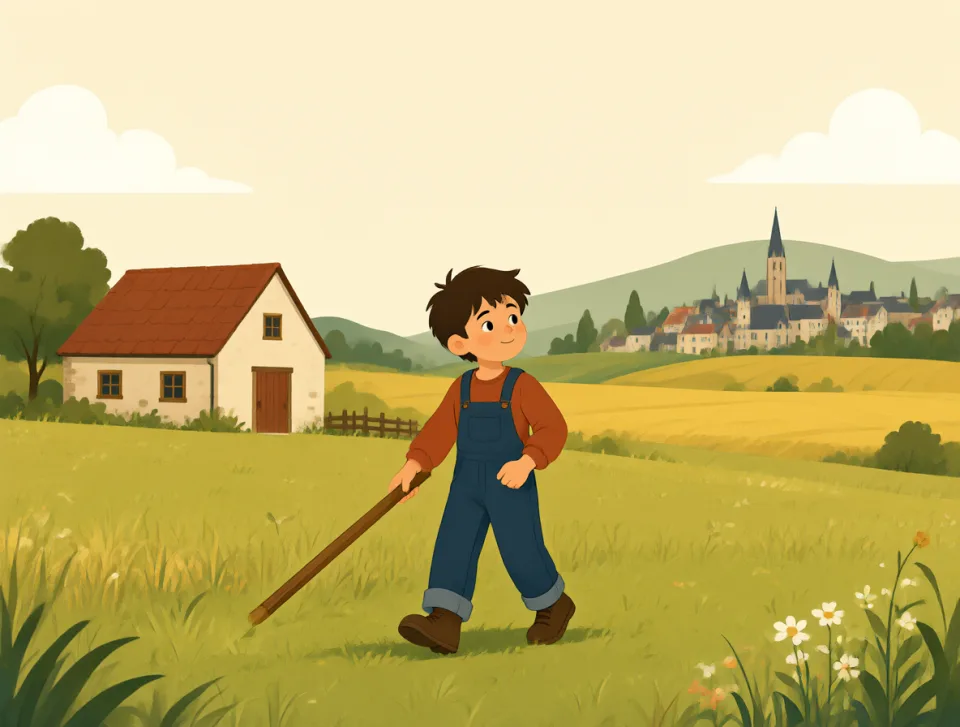
He grew up in the country near a small town.
نشأ في الريف قرب بلدة صغيرة.
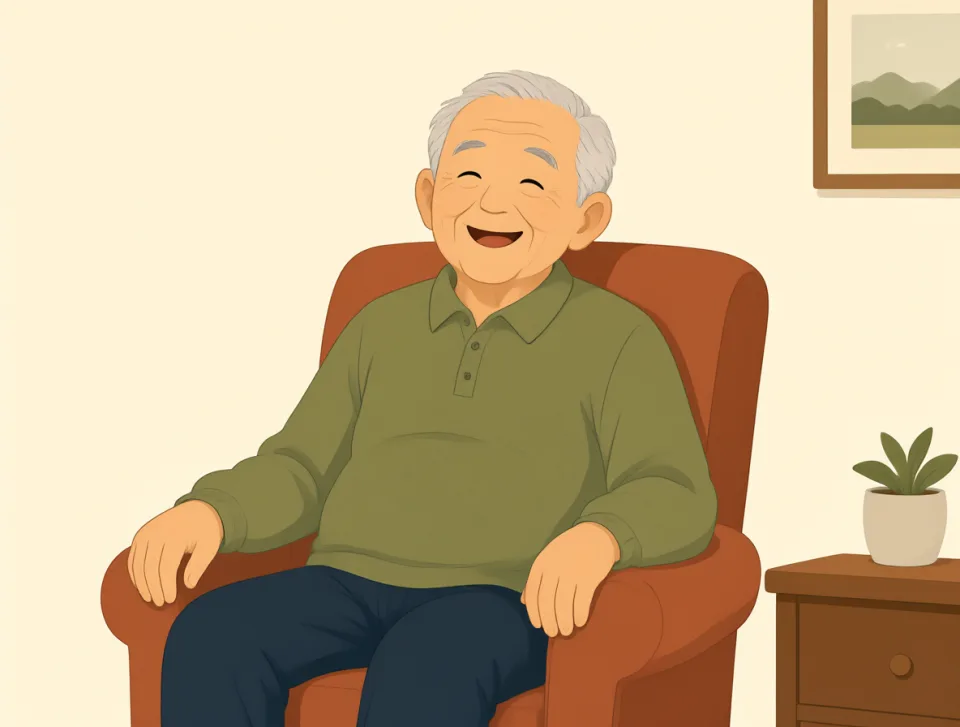
old
#144adjective, noun
قديم؛ مسنّ
having lived for many years; belonging to a time long ago
عاش سنوات طويلة؛ أو يعود إلى زمن بعيد.

My old shoes are very comfortable.
حذائي القديم مريح جدًا.
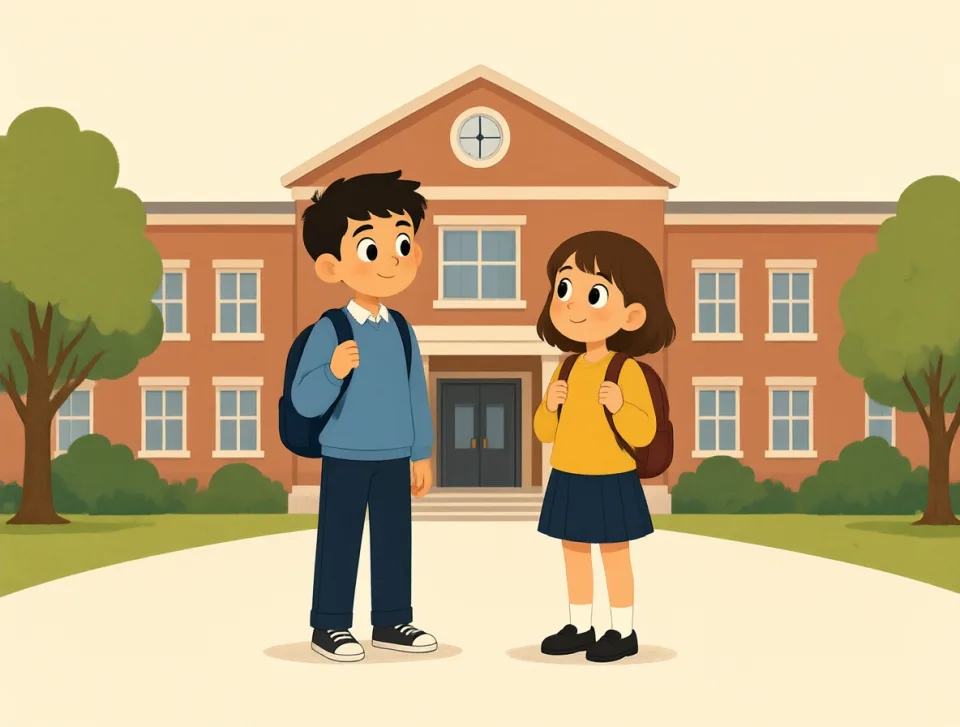
We visited my old school yesterday.
زرنا مدرستي القديمة أمس.
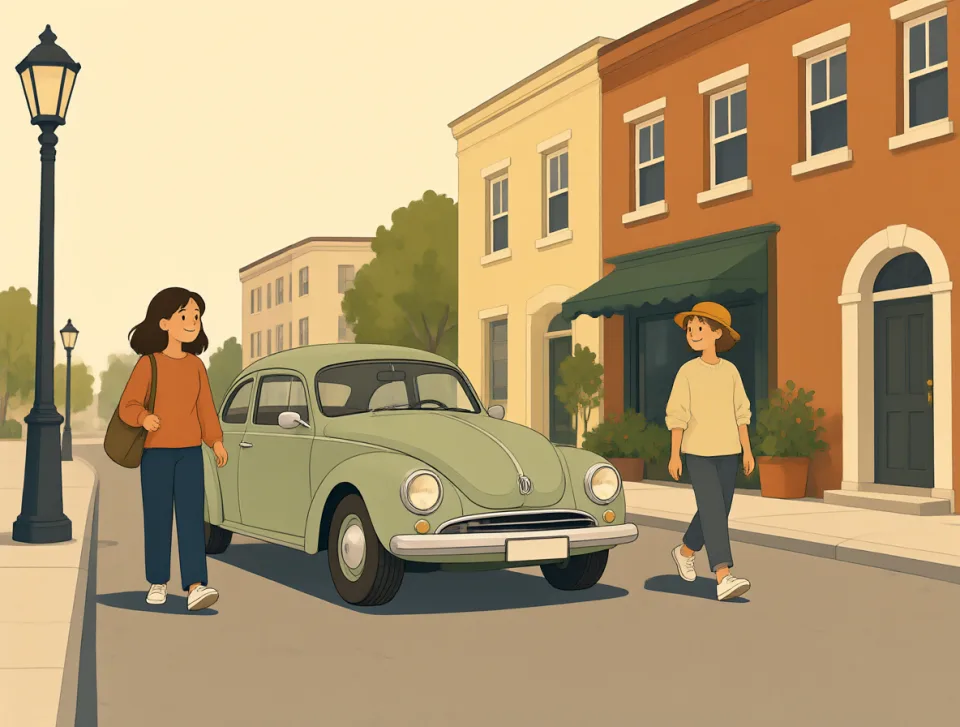
That old car still works well.
ما زالت تلك السيارة القديمة تعمل جيدًا.
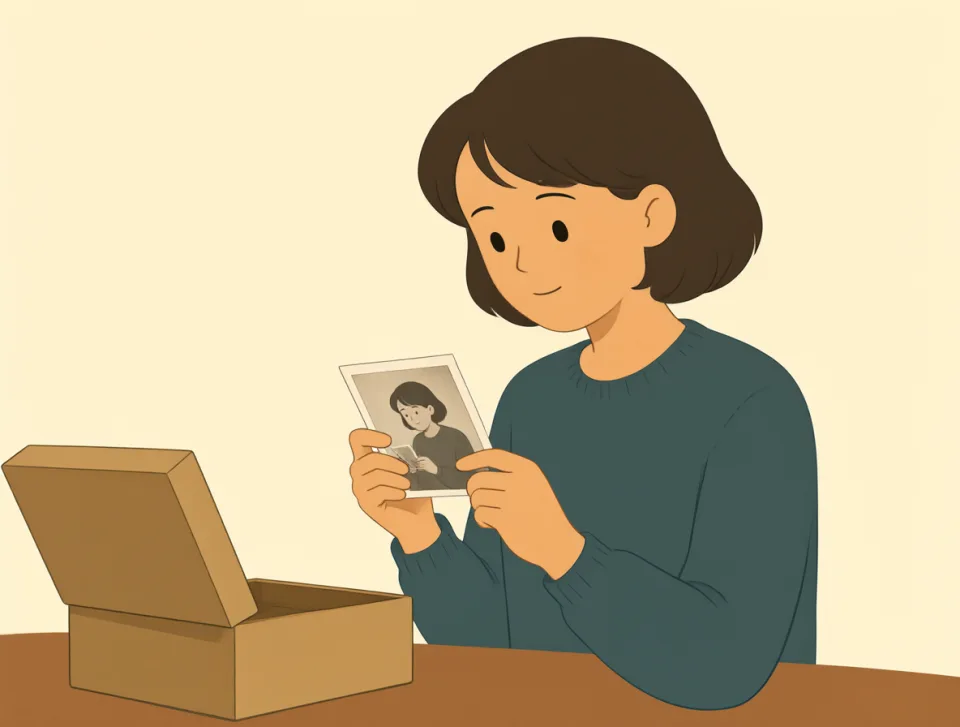
I found an old photo in a box.
عثرت على صورة قديمة في صندوق.
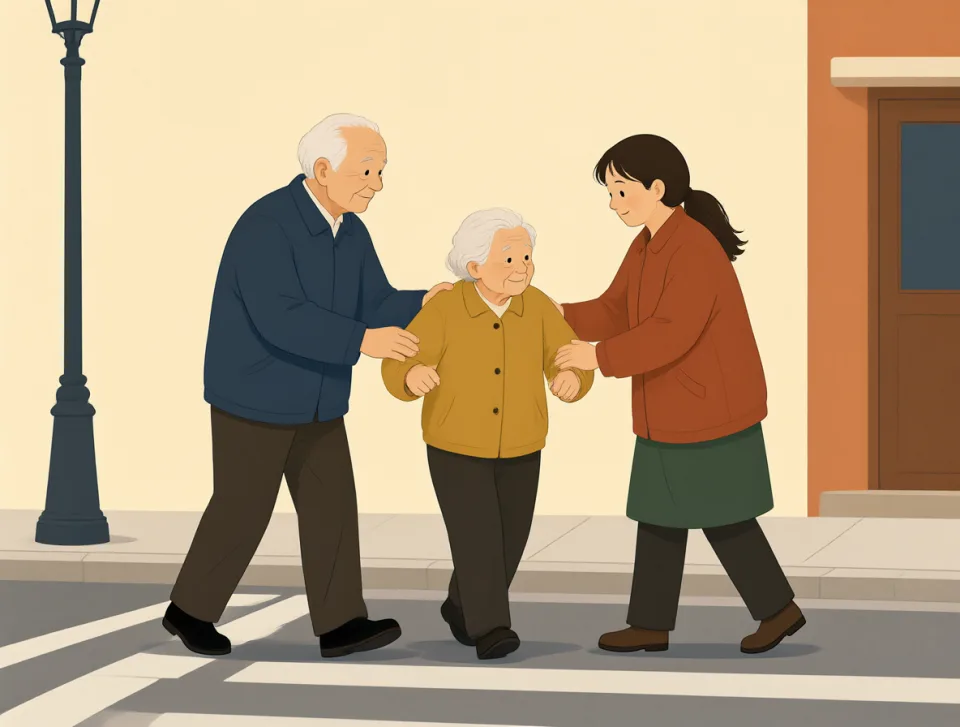
The old man needs help crossing the street.
يحتاج الرجل المسن إلى مساعدة لعبور الشارع.
each
#145determiner, pronoun
كلّ
Every one of two or more people or things, considered separately.
كل فرد من شخصين أو أكثر، أو كل شيء من شيئين أو أكثر، على حدة.
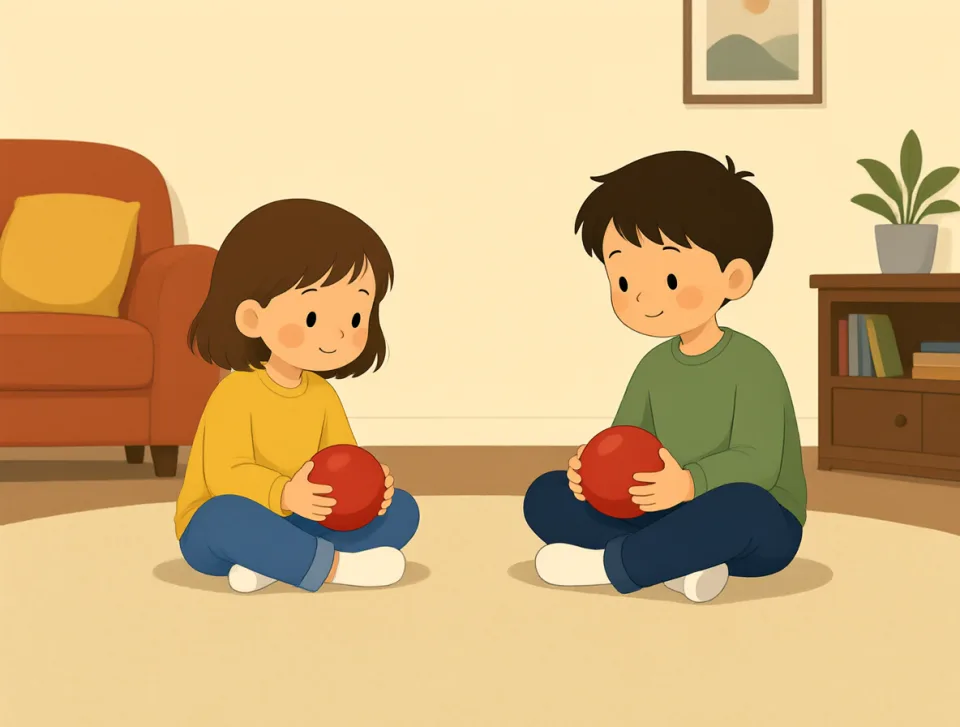
Each child has a small red ball.
لكل طفل كرة حمراء صغيرة.
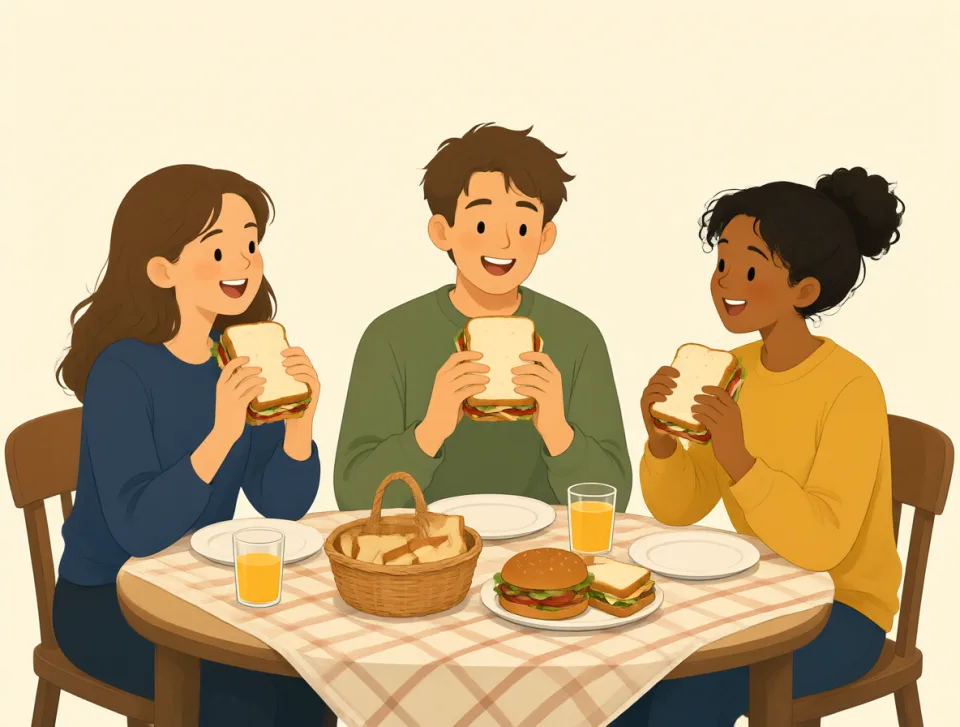
We each brought a sandwich for lunch.
أحضر كل واحد منا شطيرة للغداء.
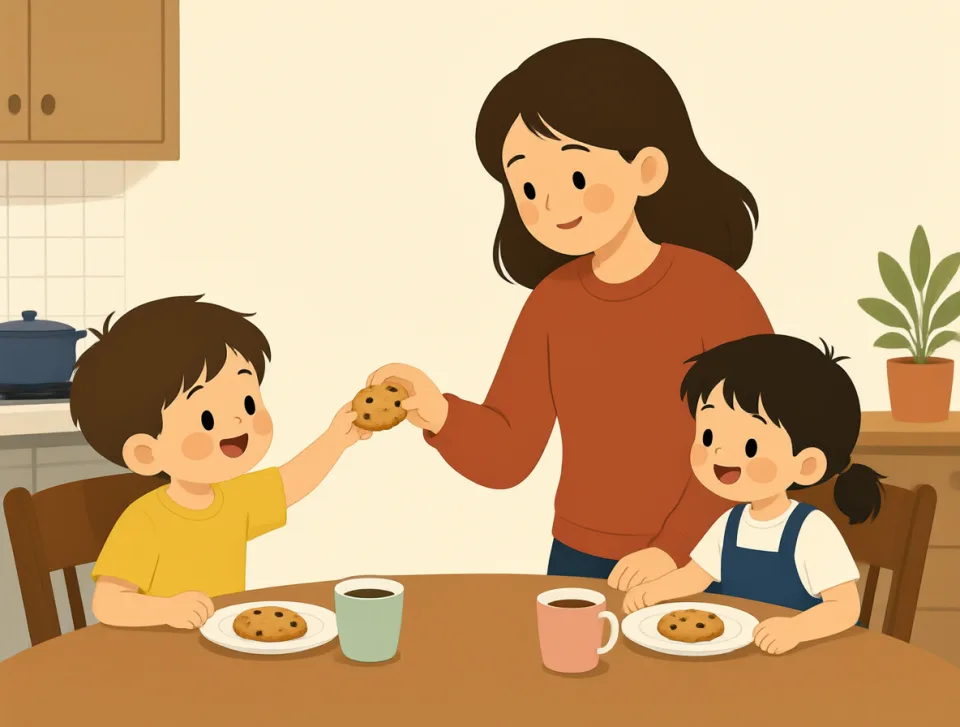
Please take one cookie each.
من فضلك، خذوا قطعة بسكويت واحدة لكل شخص.
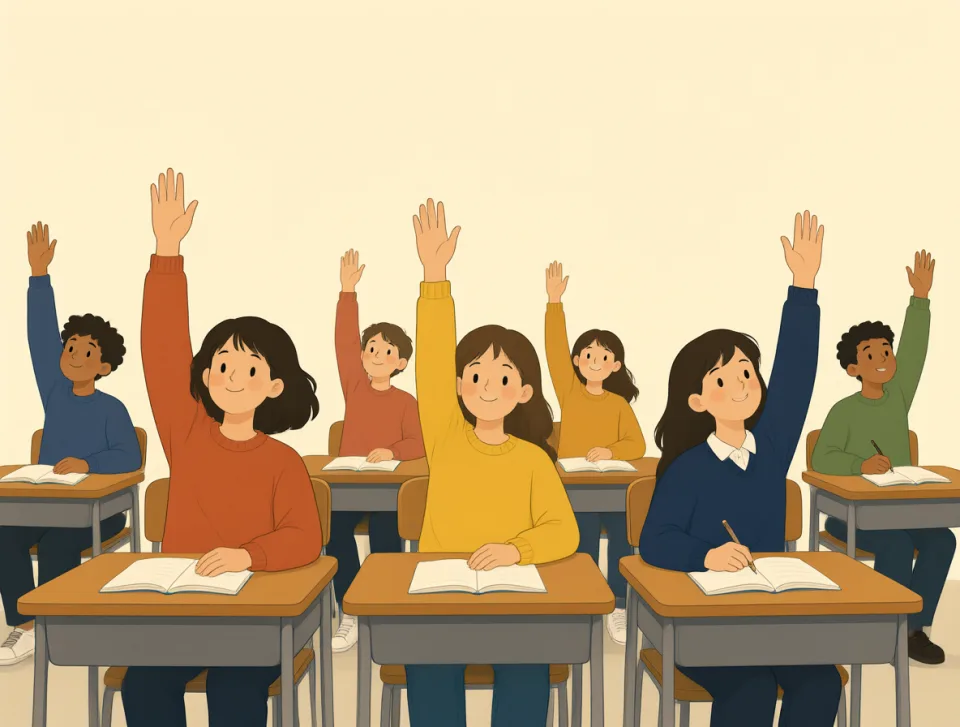
The students each answered one question.
أجاب كل طالب عن سؤال واحد.
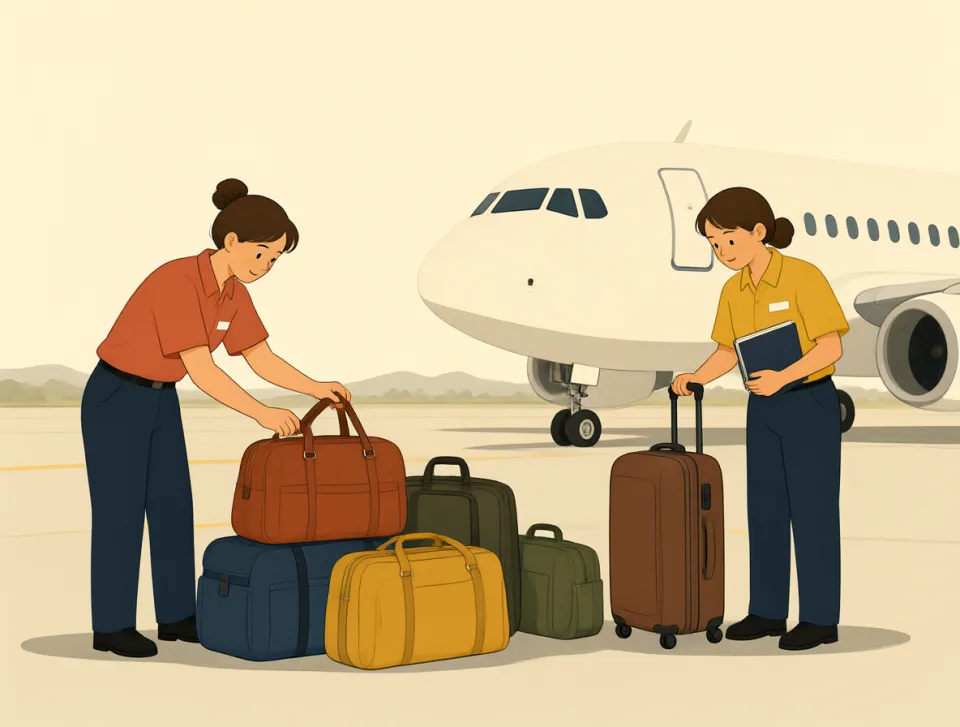
They checked each bag before the flight.
فتشوا كل حقيبة قبل الرحلة بالطائرة.
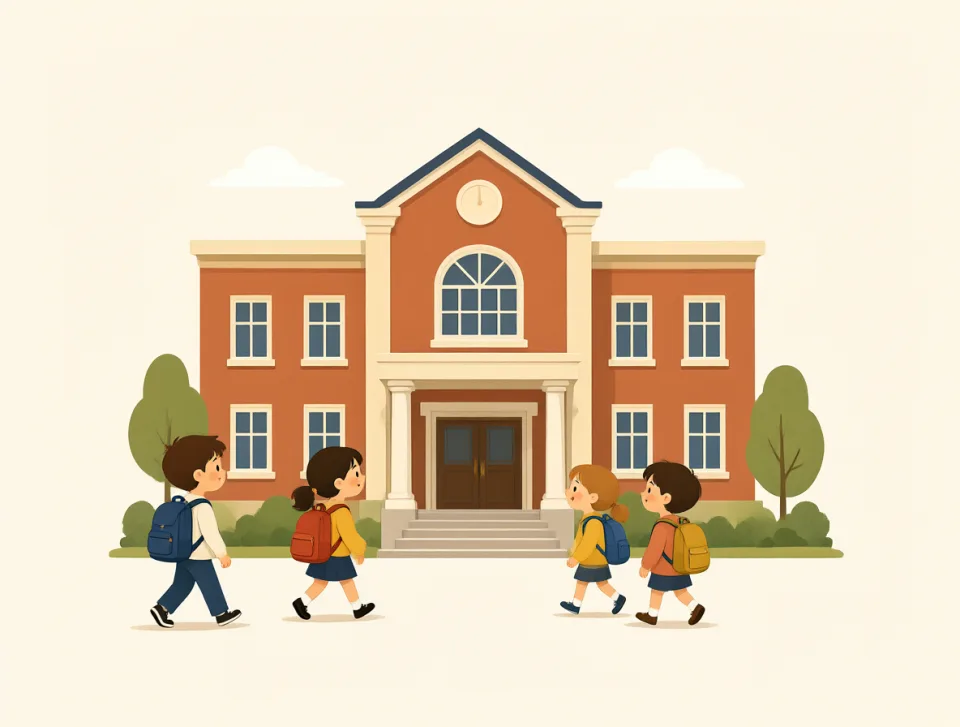
school
#146noun, verb
مدرسة
A place where children learn, or the time spent learning there.
مكان يتعلم فيه الأطفال، أو الفترة التي يقضونها في التعلم هناك.
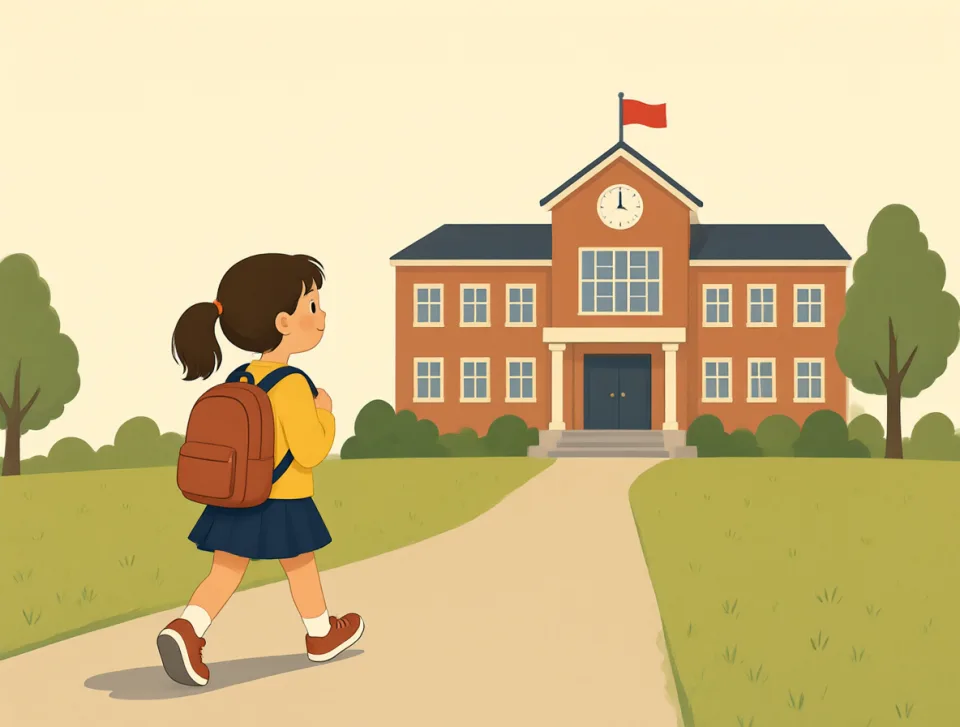
My sister walks to school every morning.
تذهب أختي إلى المدرسة سيرًا على الأقدام كل صباح.
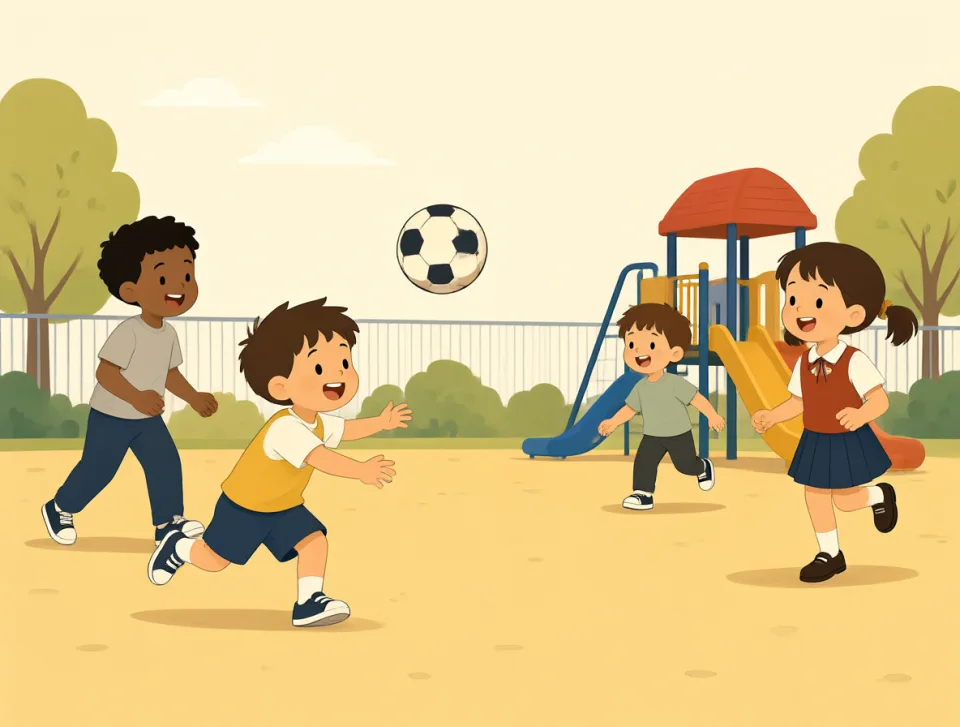
The children are playing outside school.
يلعب الأطفال خارج المدرسة.
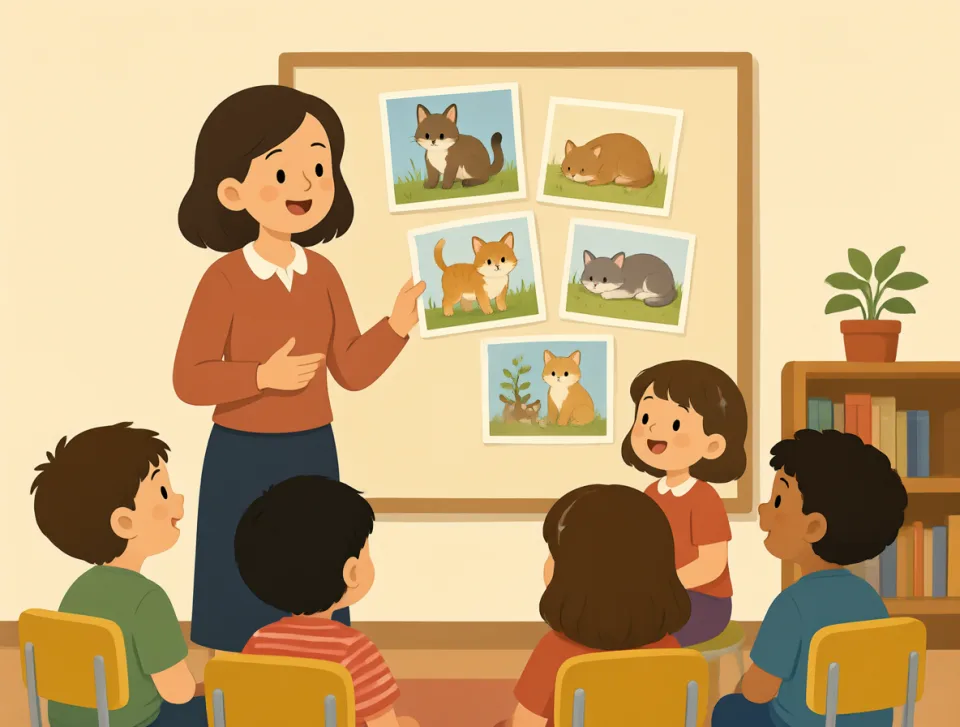
We learned about animals at school.
تعلّمنا عن الحيوانات في المدرسة.
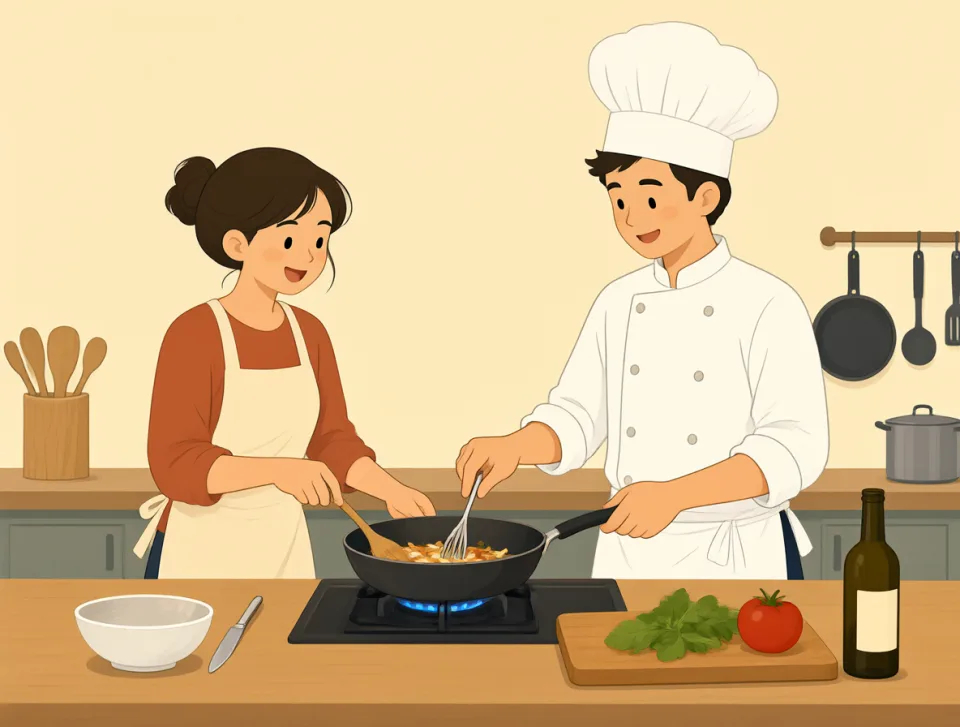
My father went to cooking school.
ذهب أبي إلى مدرسة للطهي.
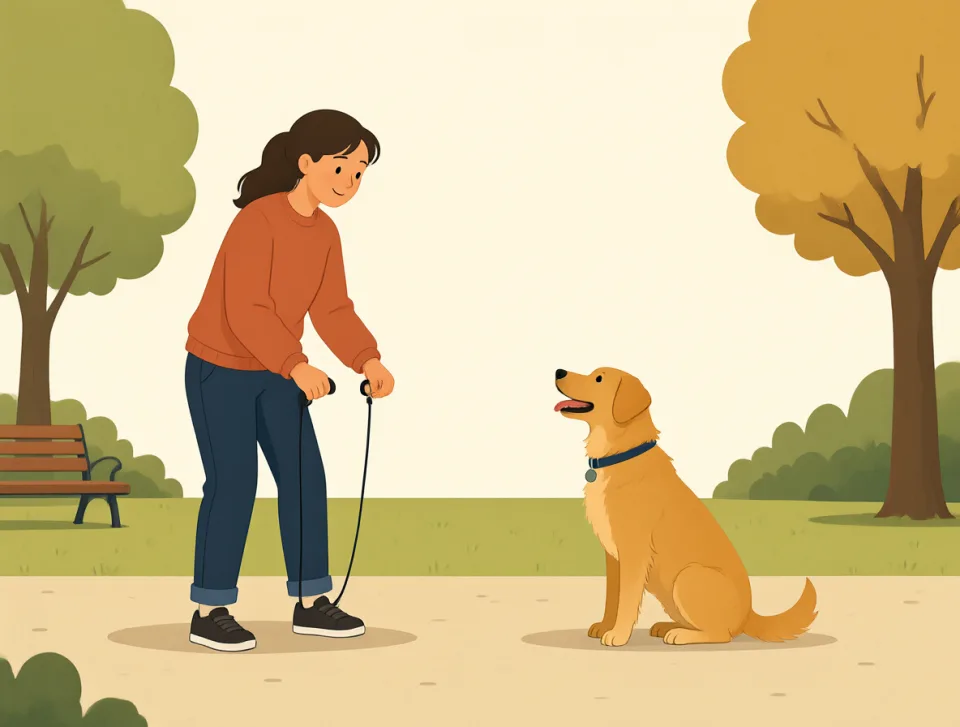
They school their dog every day.
يدرّبون كلبهم كل يوم.
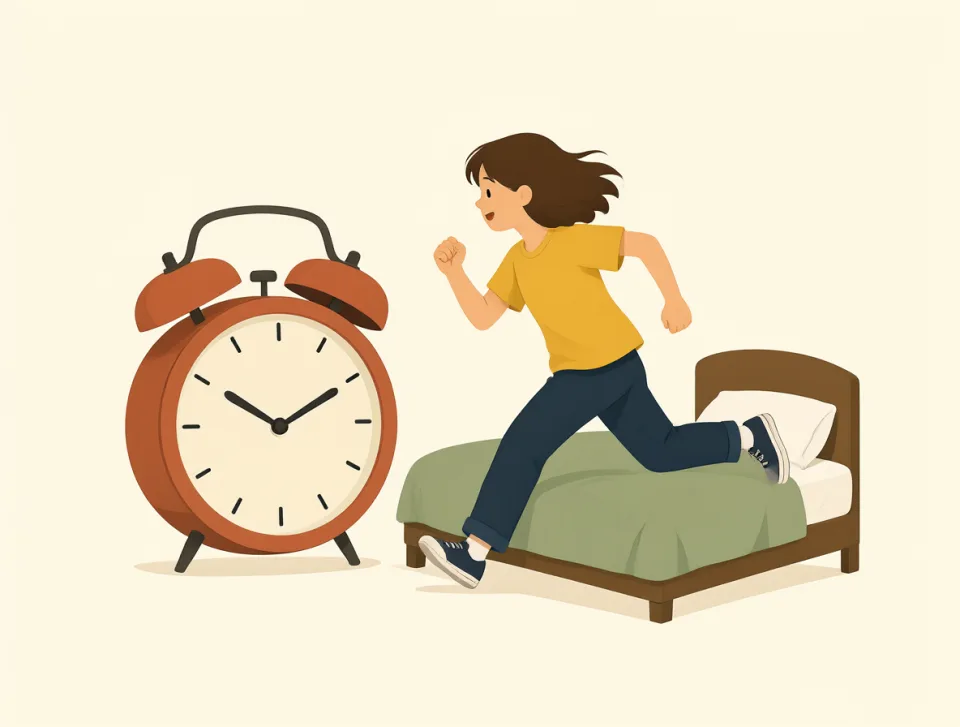
late
#147adjective, adverb, noun
متأخر
Happening, arriving, or being after the expected or usual time.
يحدث أو يصل أو يكون بعد الوقت المتوقع أو المعتاد.
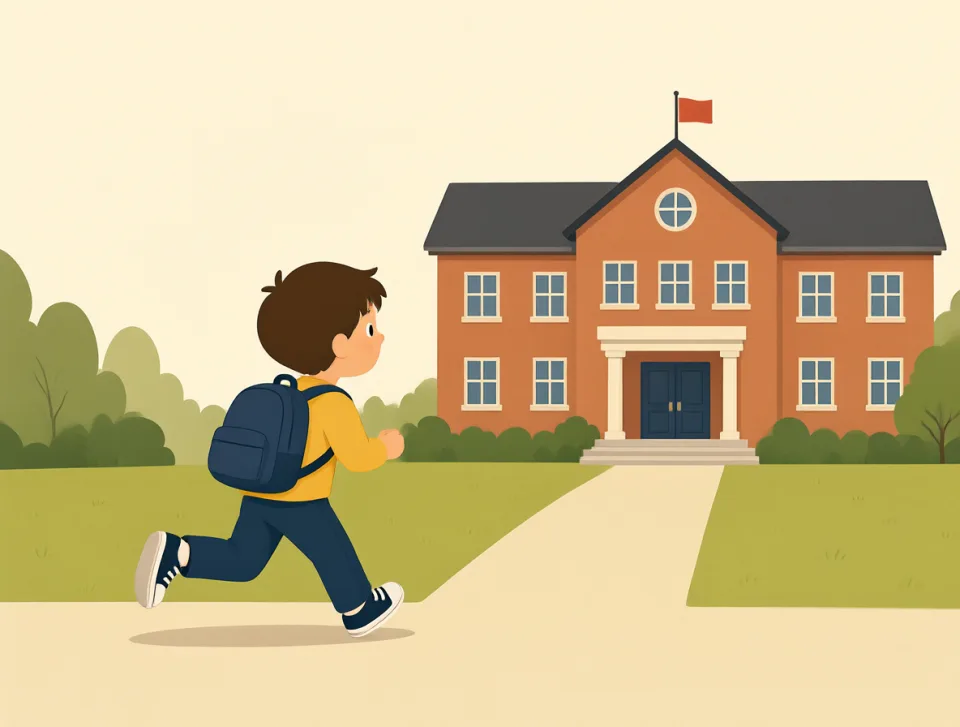
I was late for school this morning.
تأخرت عن المدرسة هذا الصباح.
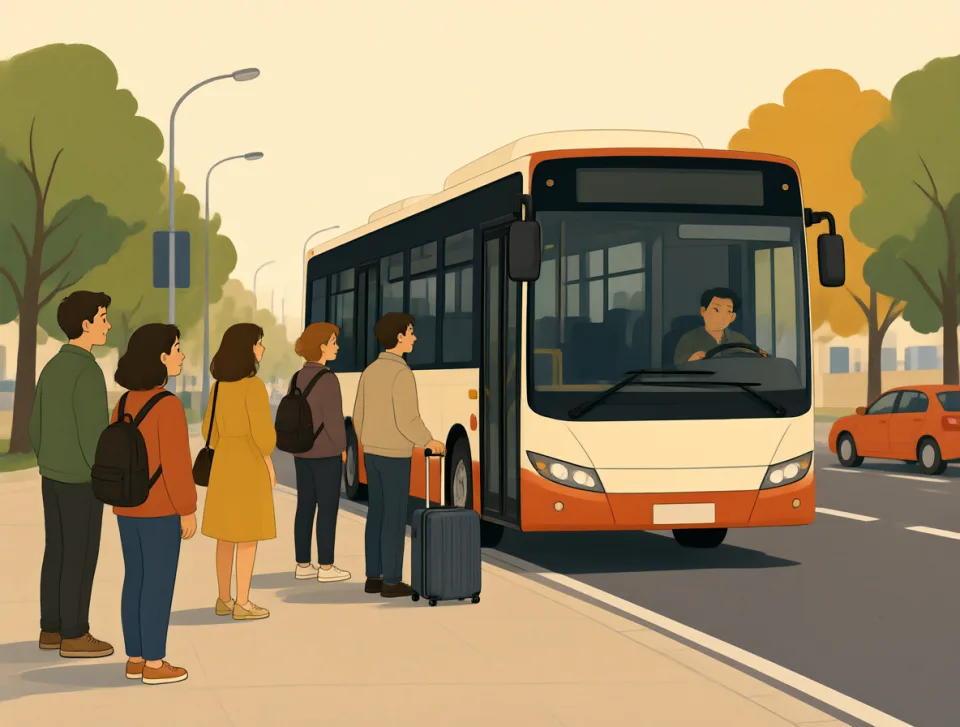
The bus arrived late because of traffic.
وصلت الحافلة متأخرة بسبب الازدحام المروري.
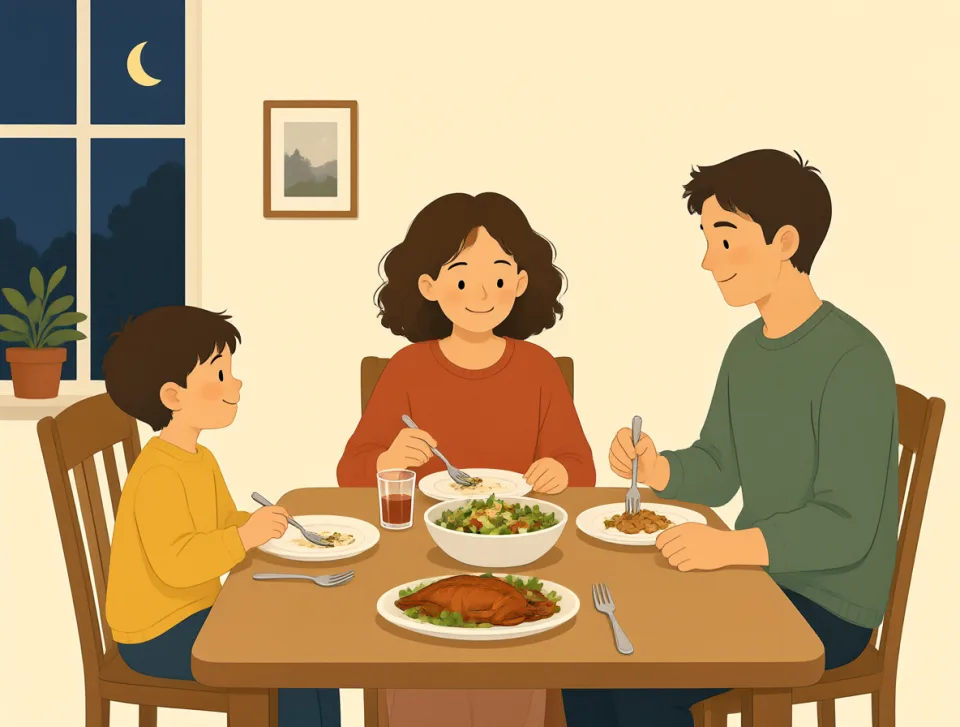
We had dinner late last night.
تناولنا العشاء في وقت متأخر من الليلة الماضية.

She stayed late at work yesterday.
بقيت في العمل حتى وقت متأخر أمس.
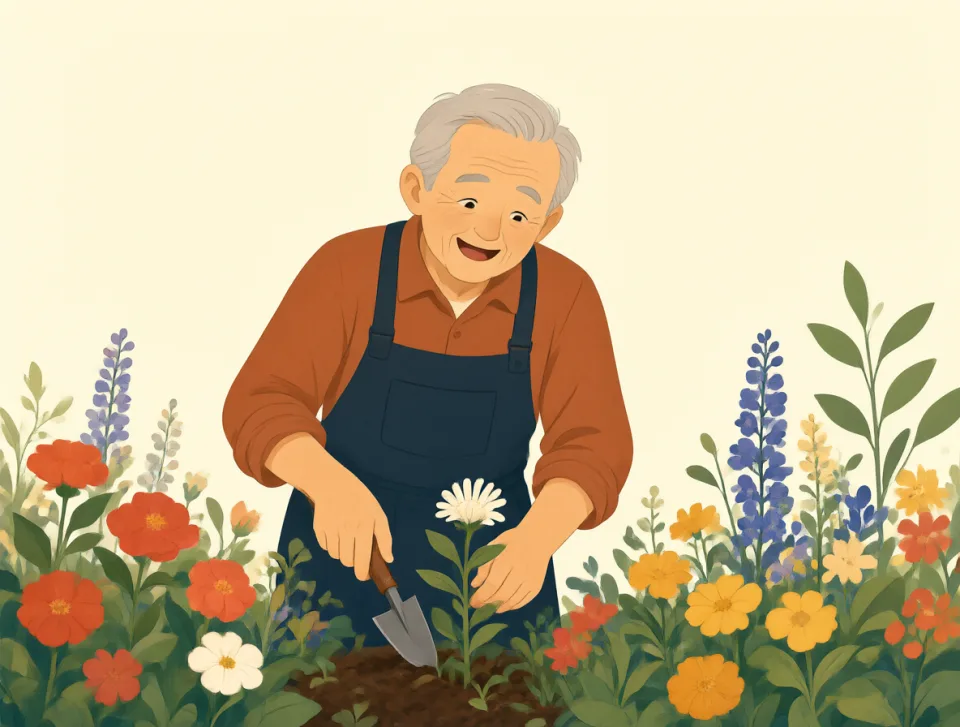
My late grandfather loved gardening.
كان جدي الراحل يحب البستنة.

high
#148adjective, adverb, noun
عالٍ
Far above the ground, or greater than usual in amount, level, or price.
مرتفع عن الأرض، أو أكبر من المعتاد من حيث الكمية أو المستوى أو السعر.
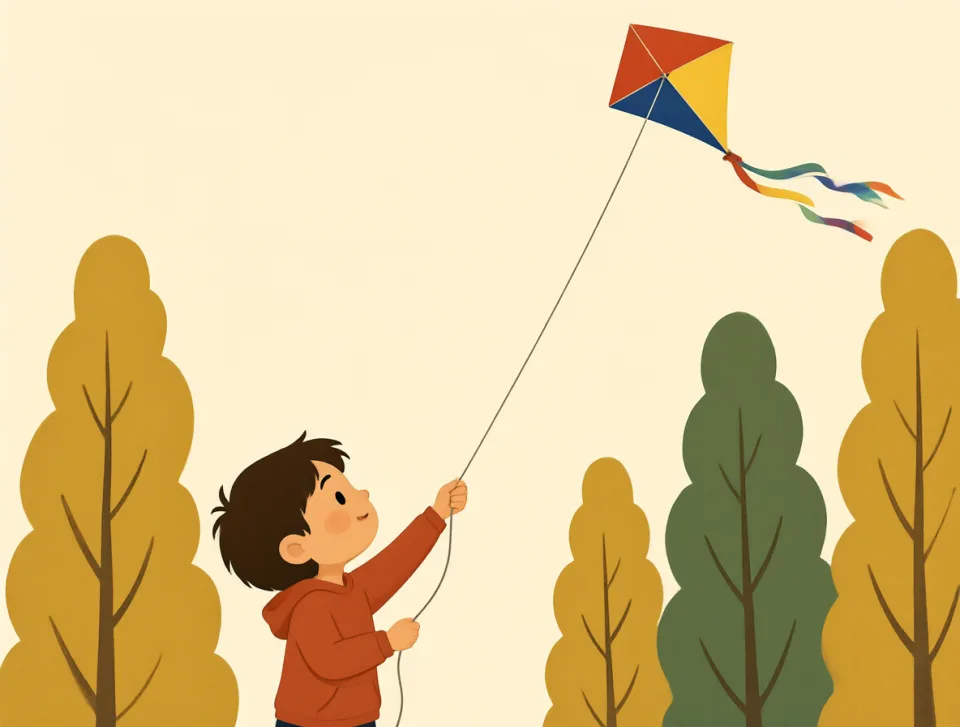
The kite flew high above the trees.
حلّقت الطائرة الورقية عاليًا فوق الأشجار.
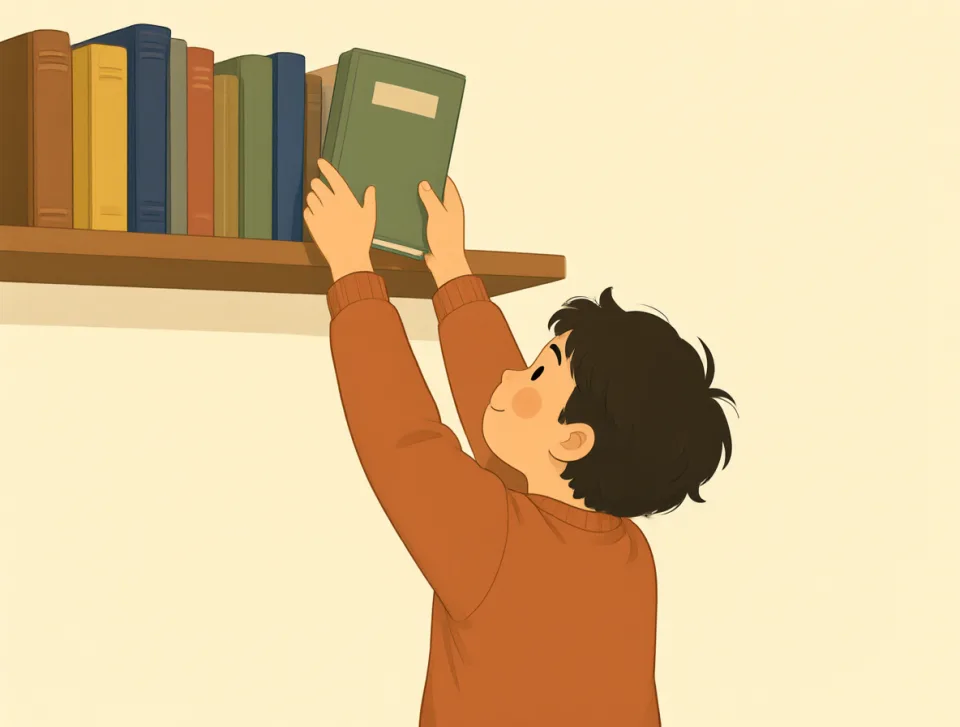
Please put the books on the high shelf.
من فضلك ضع الكتب على الرف المرتفع.
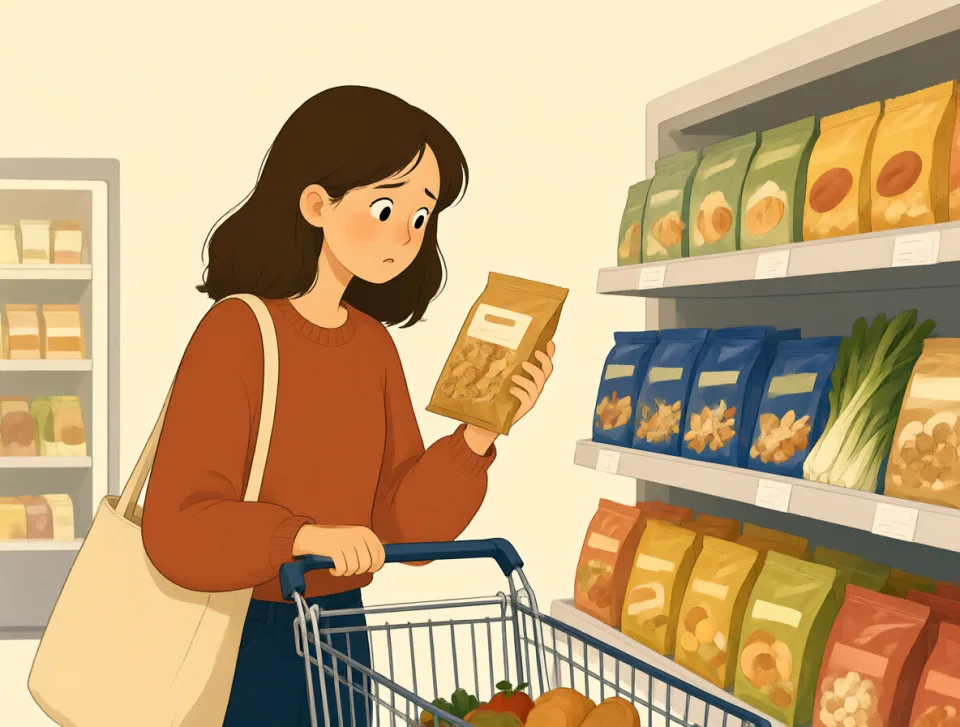
Prices are high at this store.
الأسعار مرتفعة في هذا المتجر.
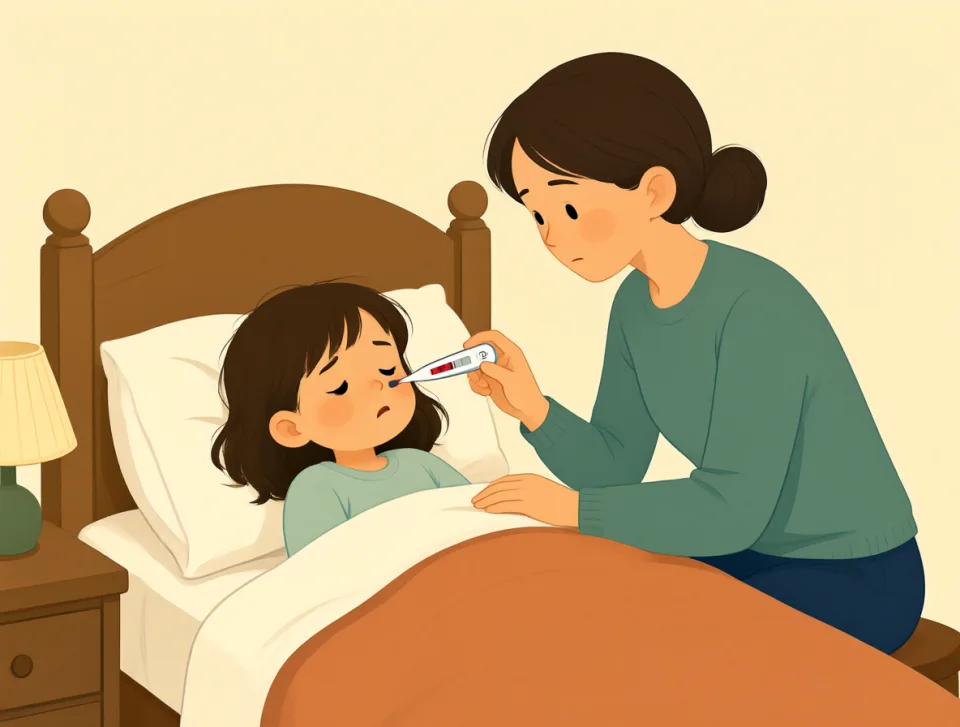
She has a high fever today.
تعاني اليوم من حمى شديدة.

The plane climbed high into the sky.
ارتفعت الطائرة عاليًا في السماء.
different
#149adjective
مختلف
Not the same as another person or thing.
ليس مماثلًا لشخص أو شيء آخر.
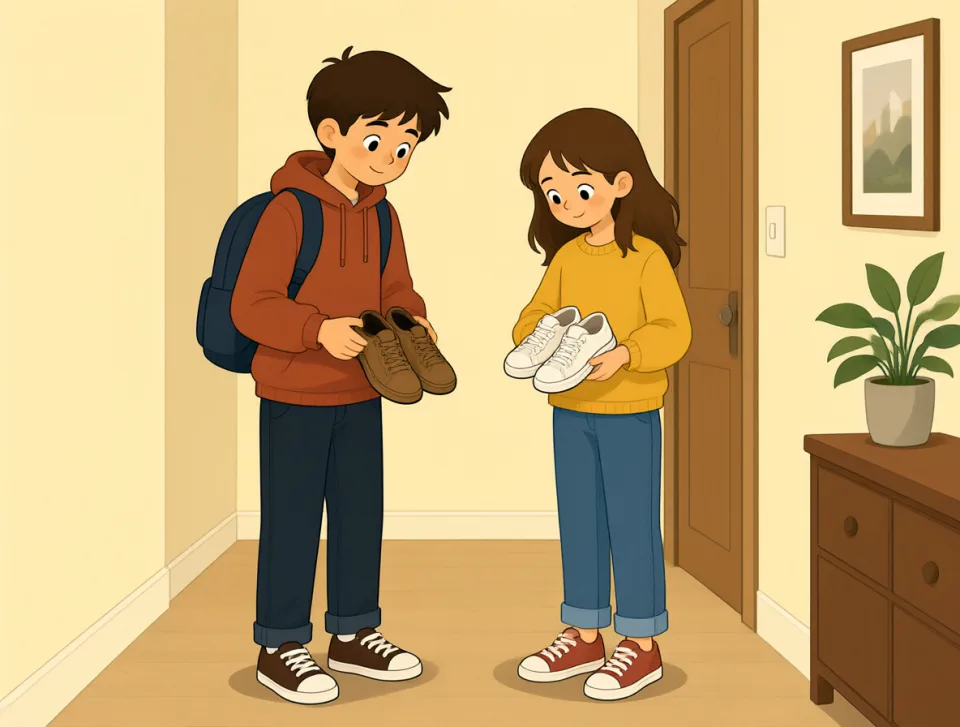
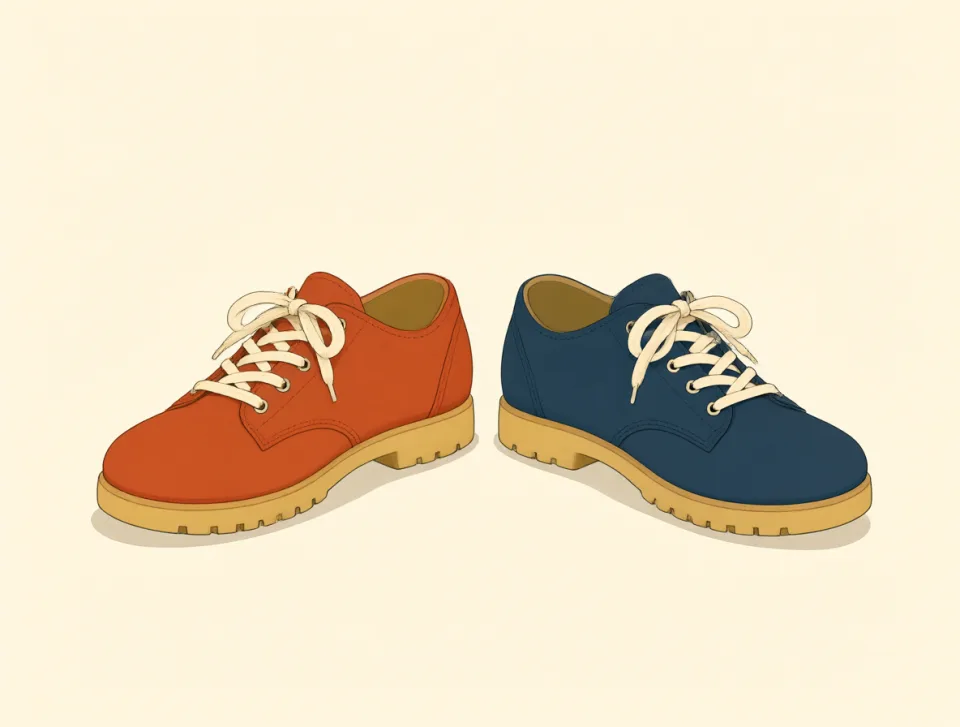
My new shoes are different from yours.
حذائي الجديد مختلف عن حذائك.
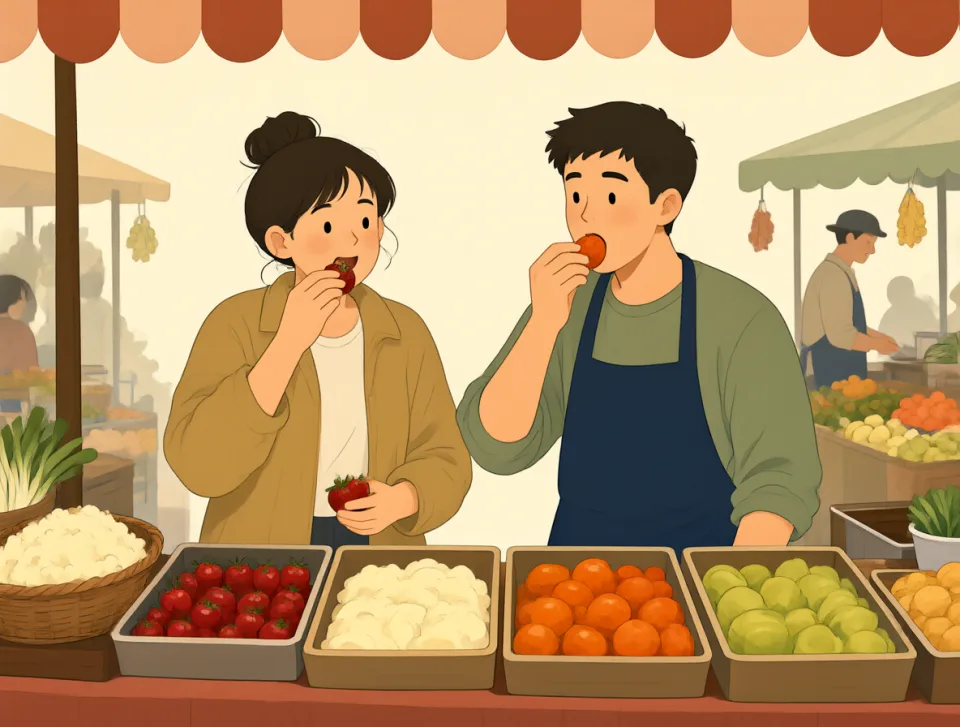
We tried different foods at the market.
جرّبنا أطعمة مختلفة في السوق.
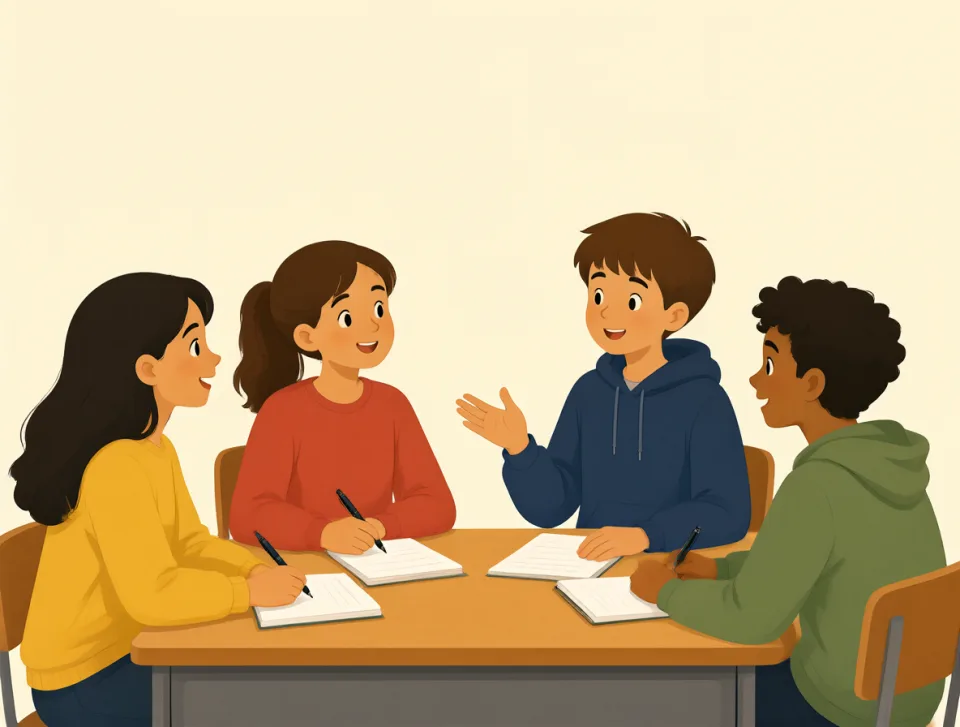
She has a different idea for the project.
لديها فكرة مختلفة للمشروع.

The weather is different in the mountains.
يختلف الطقس في الجبال.

He feels different after taking the medicine.
يشعر بأنه مختلف بعد تناول الدواء.

off
#150adverb, adjective, preposition, noun
مطفأ
Away from a place, position, or working state; not operating or attached.
بعيد عن مكان أو موضع أو حالة تشغيل؛ أو غير عامل أو غير متصل.
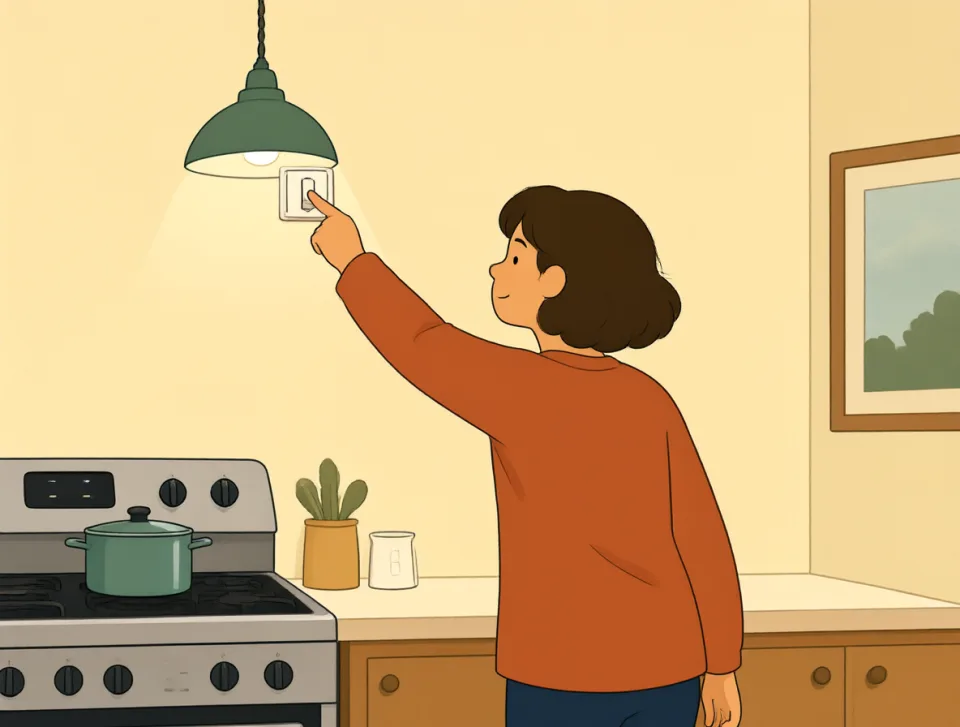
Please turn off the kitchen light.
من فضلك أطفئ ضوء المطبخ.
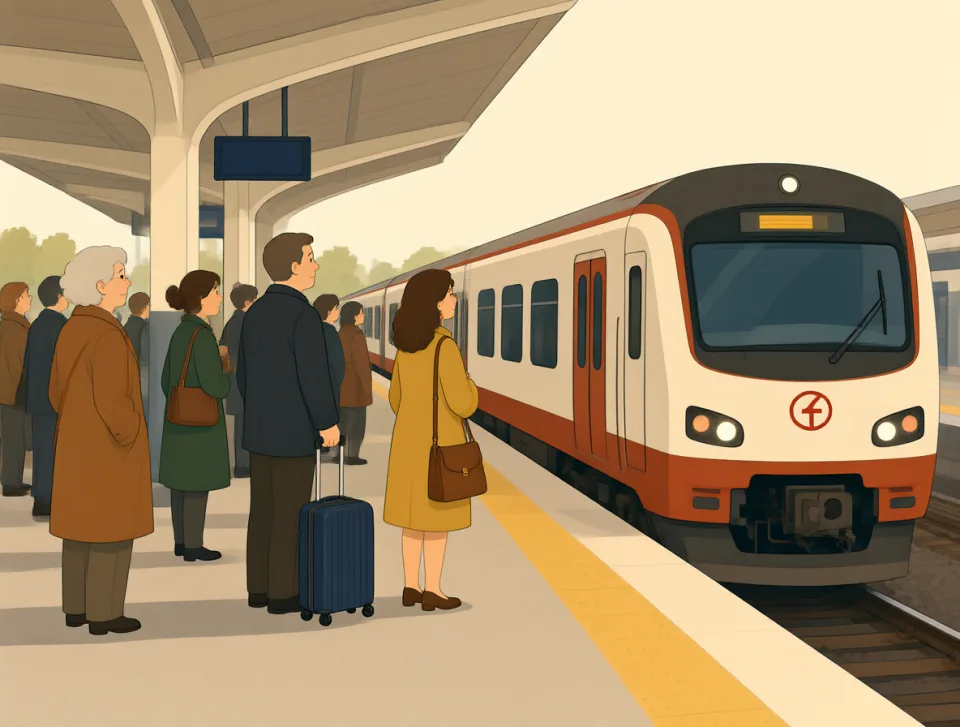
The train left ten minutes off schedule.
غادر القطار متأخرًا عن موعده بعشر دقائق.
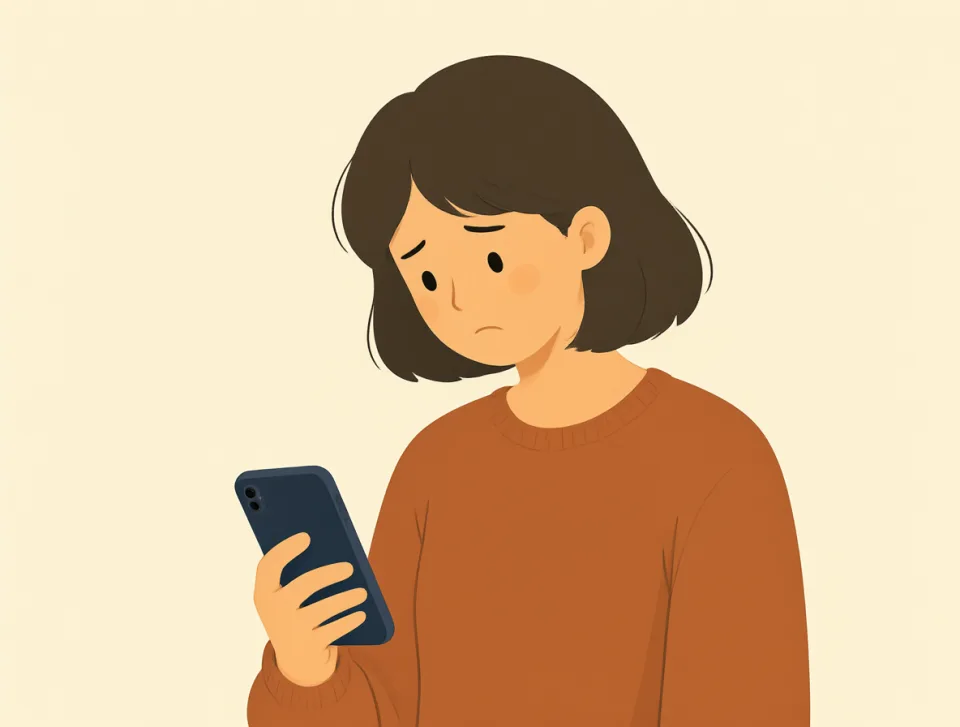
My phone is off because its battery died.
هاتفي مطفأ لأن بطاريته نفدت.
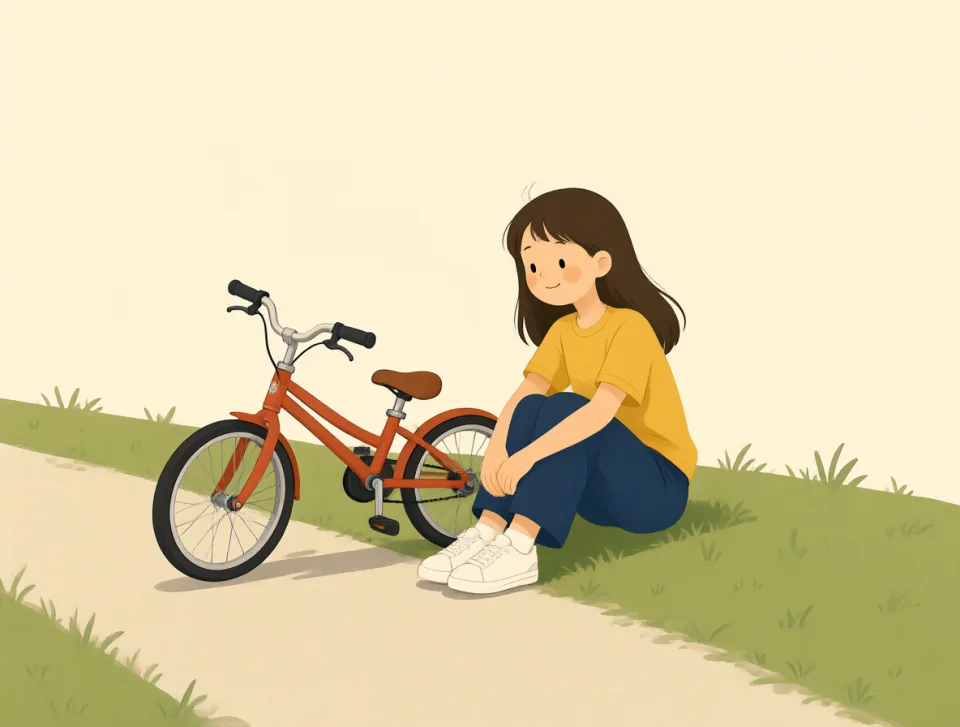
She fell off her bike yesterday.
سقطت عن دراجتها أمس.
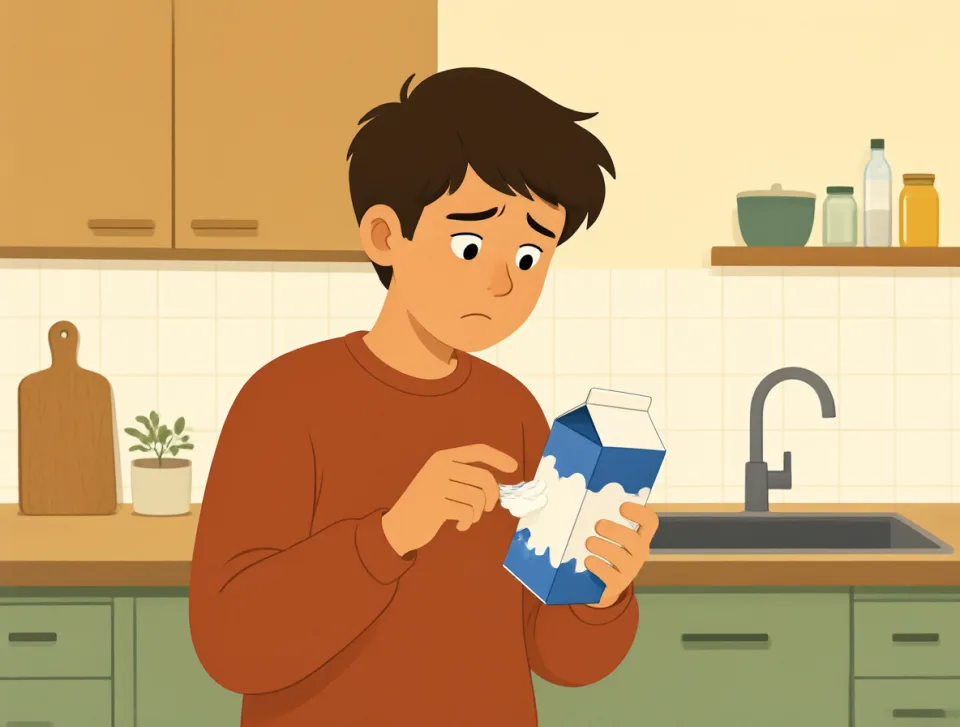
The milk smells off, so throw it away.
رائحة الحليب كريهة، لذا تخلّص منه.
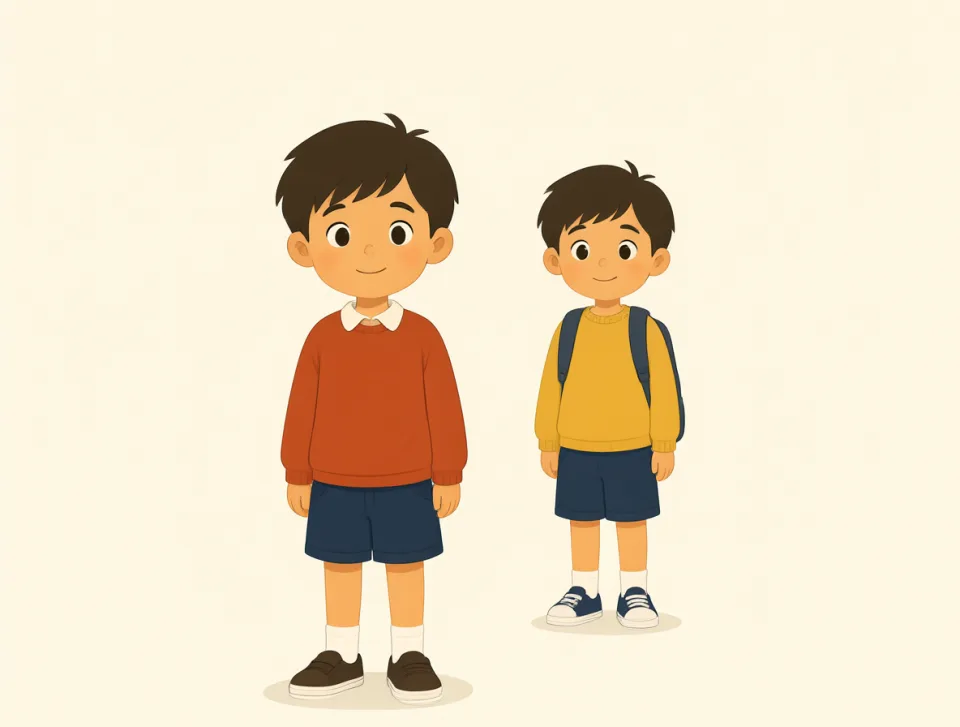
next
#151adjective, adverb, noun, determiner
التالي
Coming immediately after this one in time, order, or place.
يأتي مباشرة بعد هذا في الزمن أو الترتيب أو المكان.
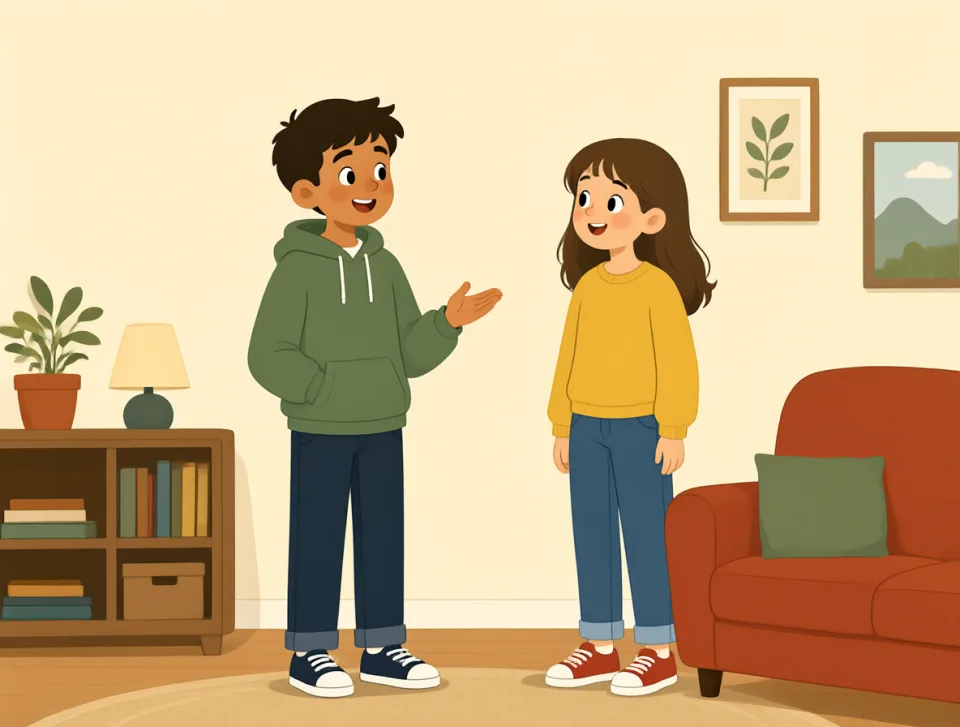
What are you doing next?
ماذا ستفعل بعد ذلك؟
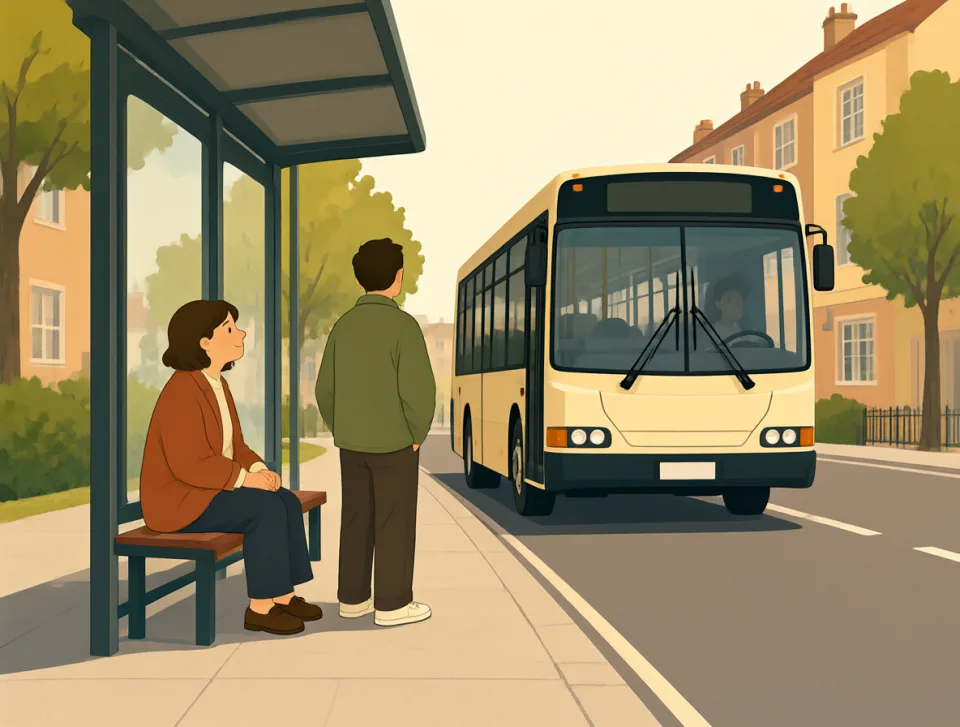
The next bus leaves at noon.
تغادر الحافلة التالية عند الظهر.
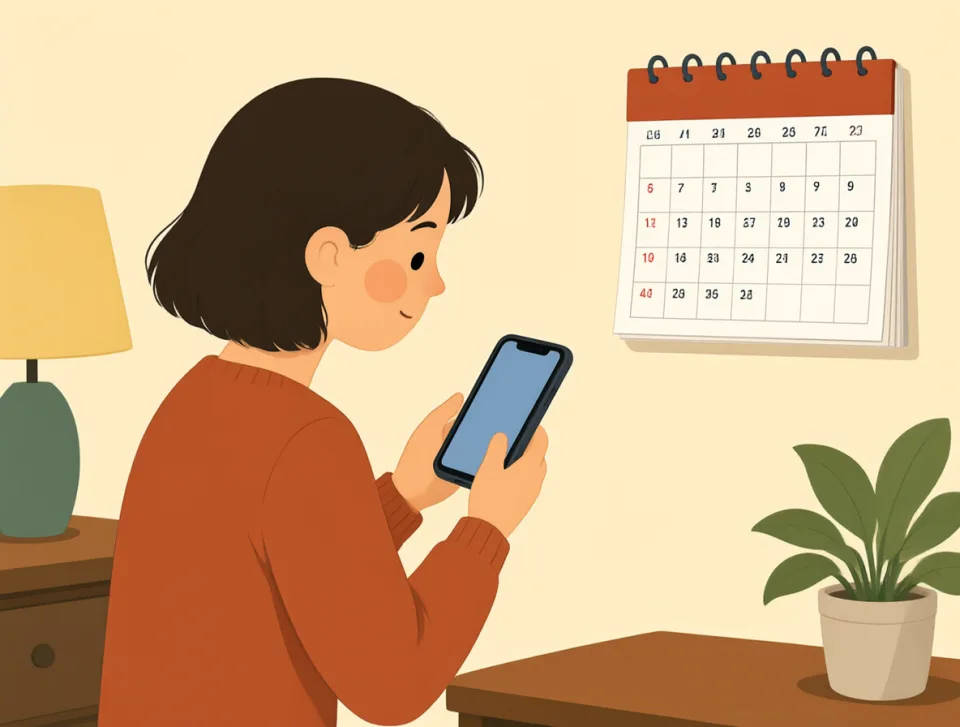
Please call me next week.
من فضلك اتصل بي الأسبوع المقبل.
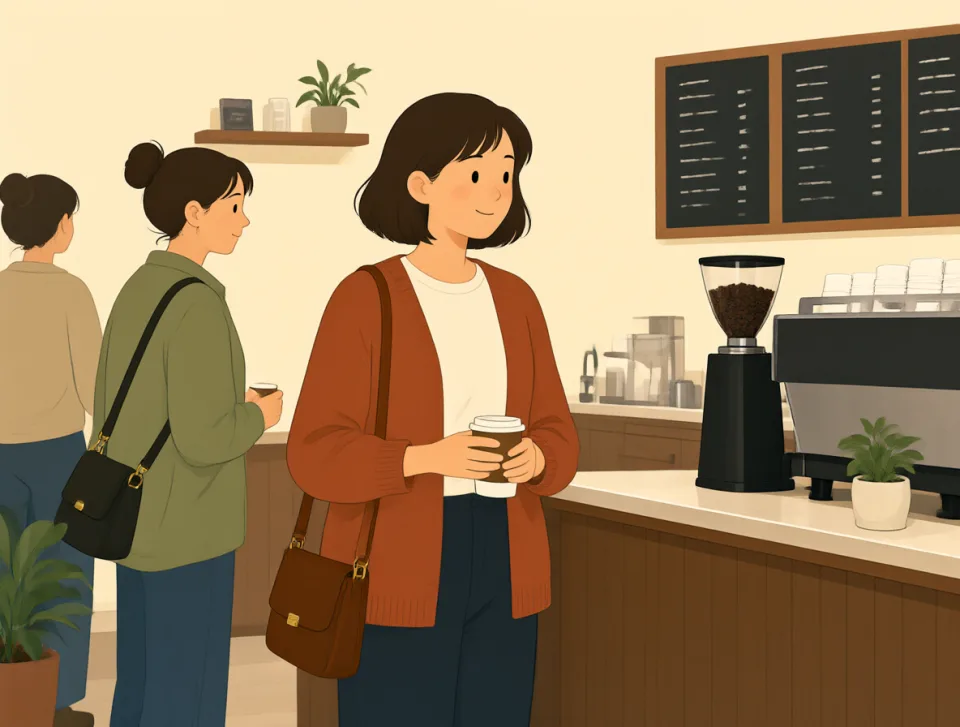
She was next in line for coffee.
كانت التالية في طابور القهوة.
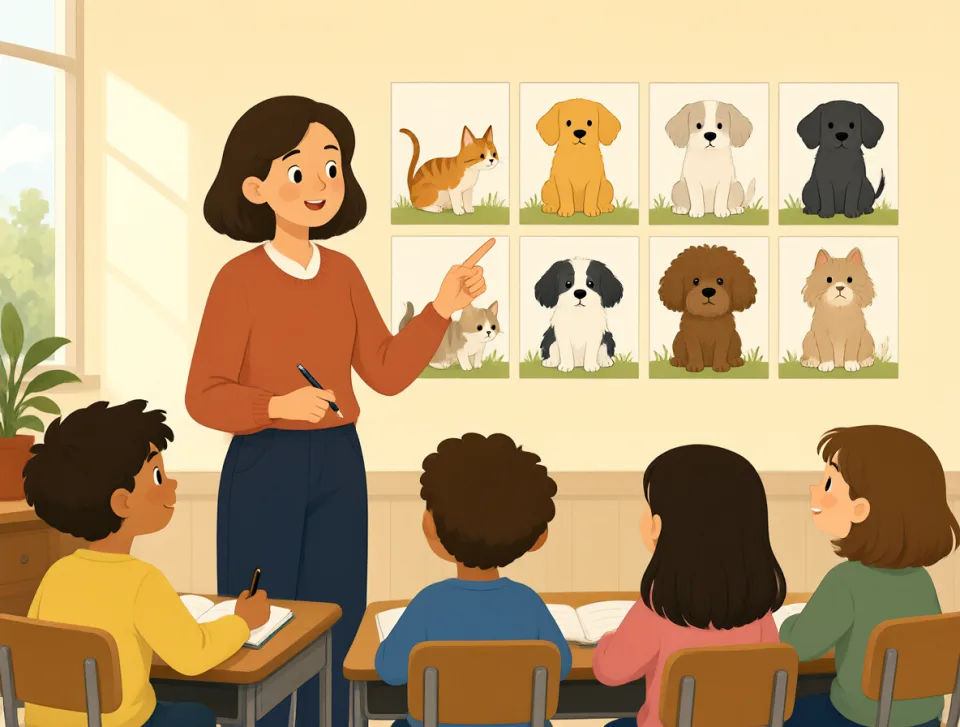
Our next lesson is about animals.
درسنا التالي عن الحيوانات.

end
#152noun, verb
نهاية؛ ينتهي
the final part of something, or to finish something
الجزء الأخير من شيء ما، أو إتمام شيء ما.
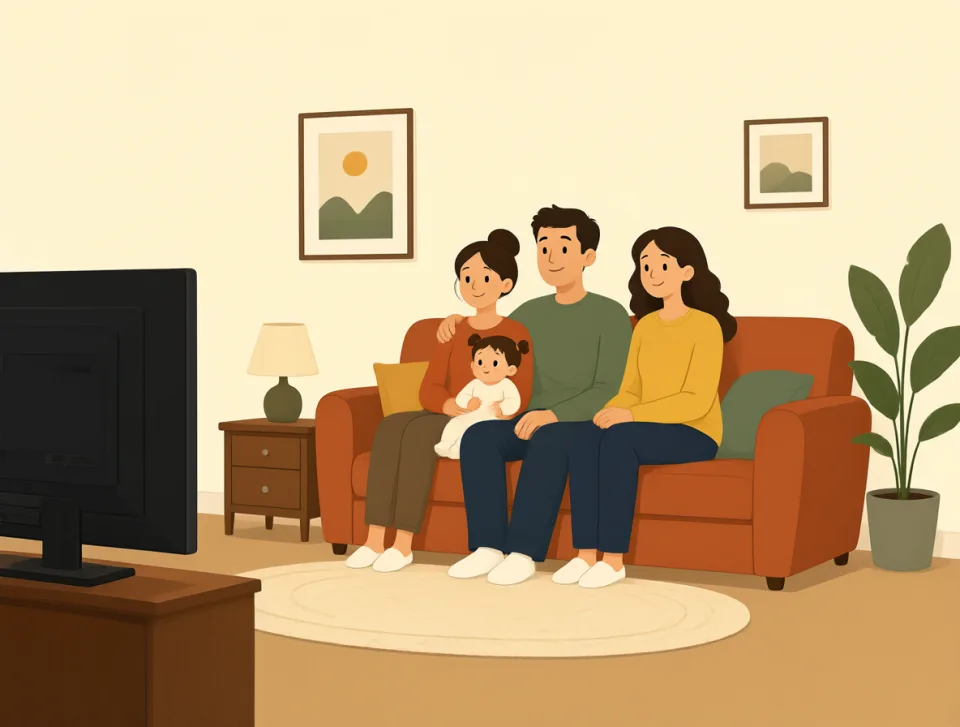
The movie ended late last night.
انتهى الفيلم في وقت متأخر من الليلة الماضية.
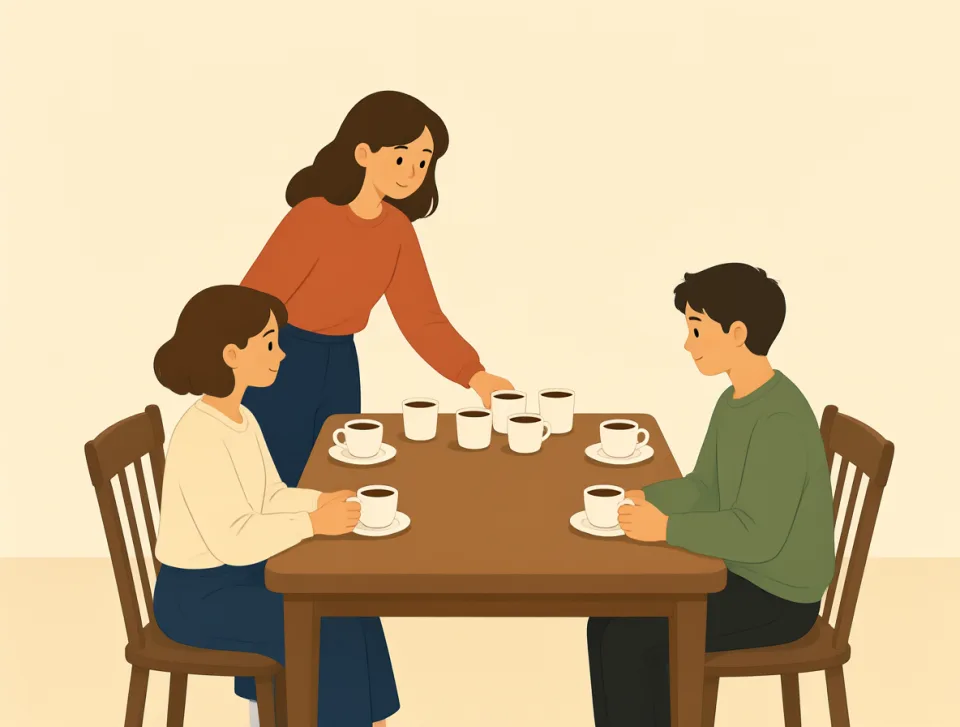
Please put the cups at the end.
من فضلك ضع الأكواب في الطرف.
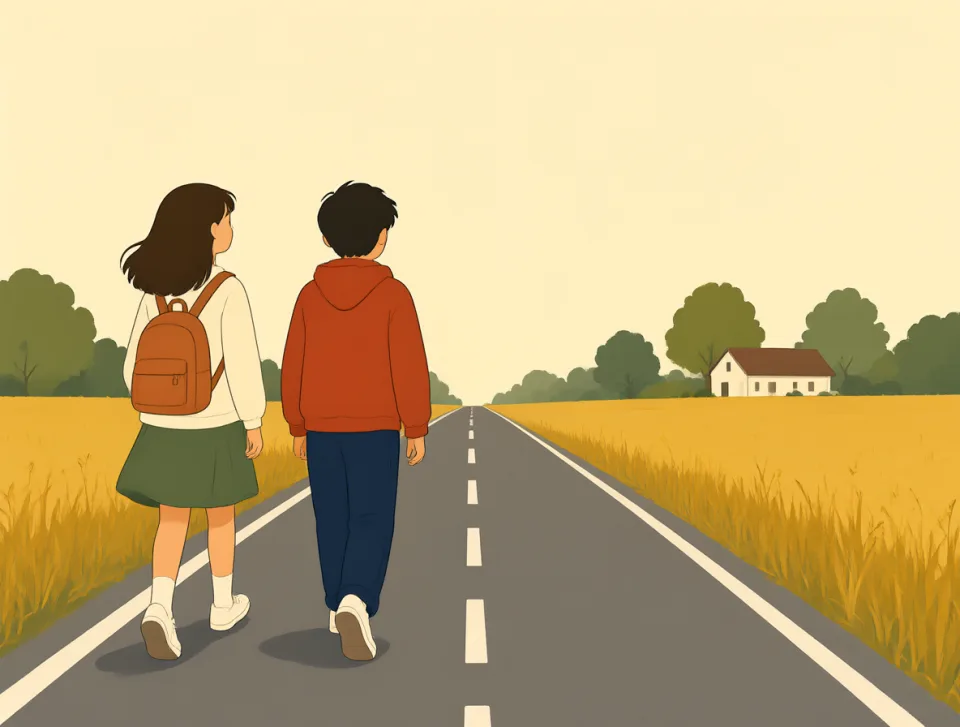
We walked to the end of the road.
مشينا حتى نهاية الطريق.
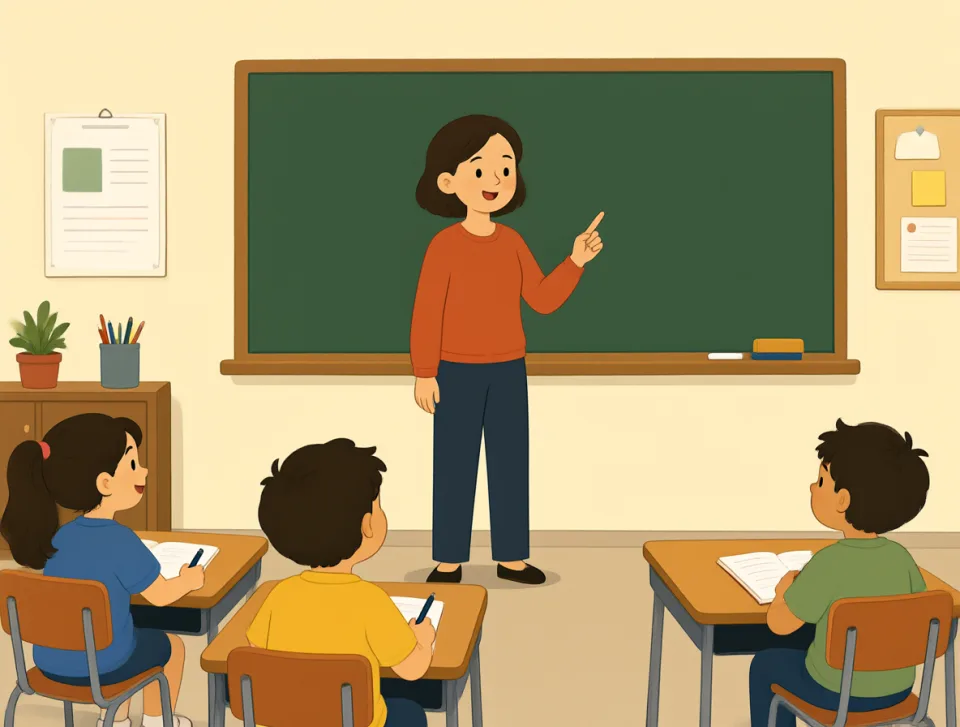
The lesson ends at three o’clock.
ينتهي الدرس عند الساعة الثالثة.
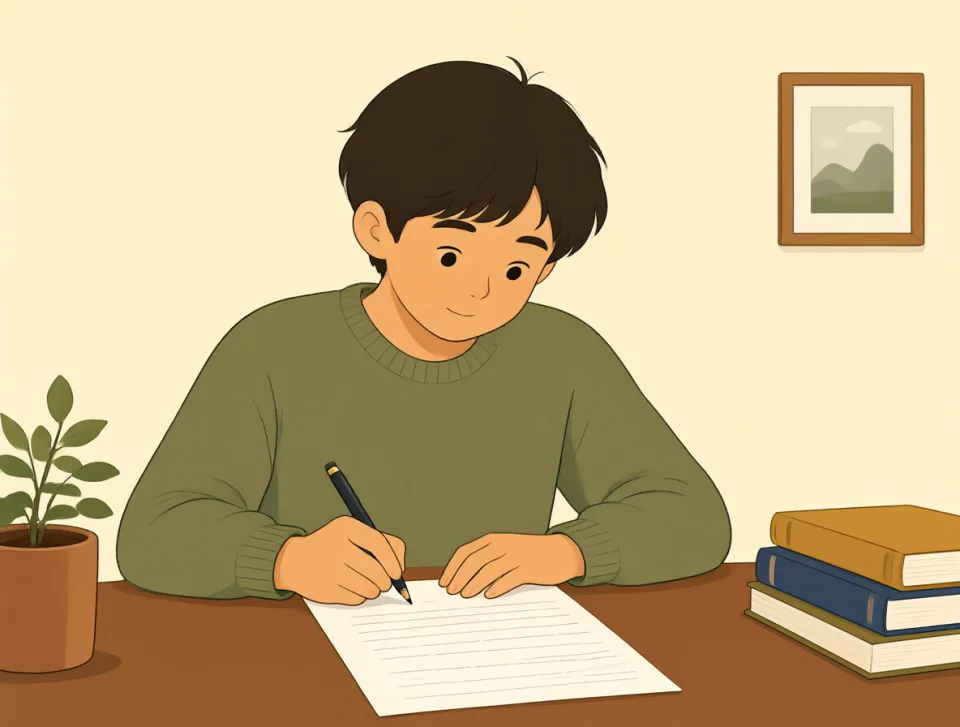
I ended my letter with a kind message.
أنهيت رسالتي بعبارة لطيفة.
live
#153verb, adjective, adverb
يعيش؛ مباشر
To have your home in a place; or happening now, in real time.
أن يكون لك منزل في مكان ما؛ أو أن يحدث الآن في الوقت الفعلي.
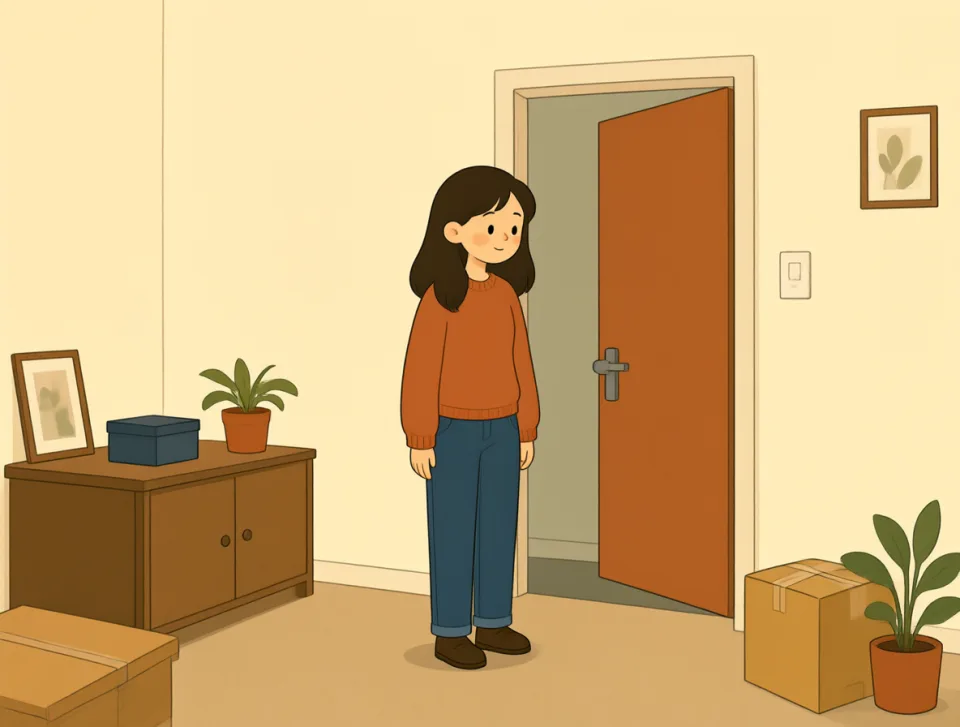
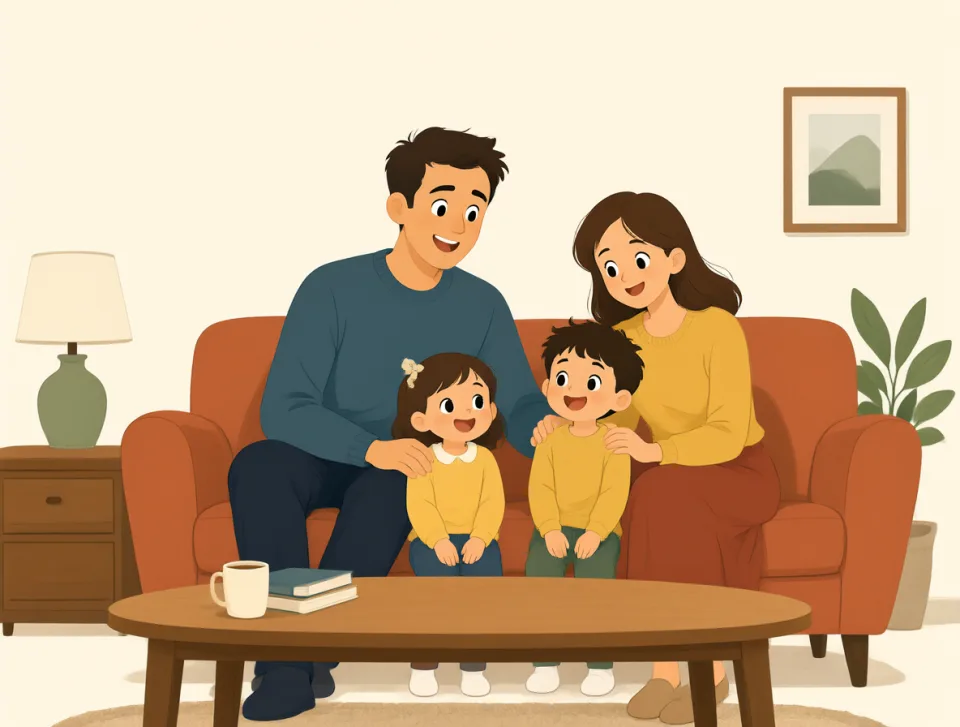
I live in a small apartment.
أعيش في شقة صغيرة.
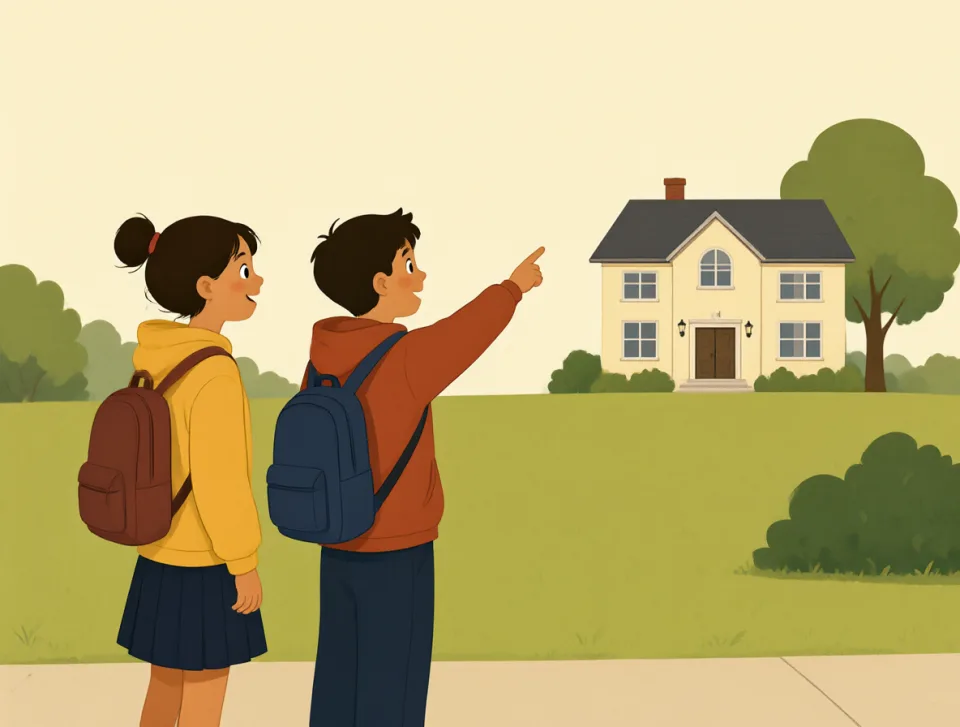
Do you live near the school?
هل تعيش بالقرب من المدرسة؟
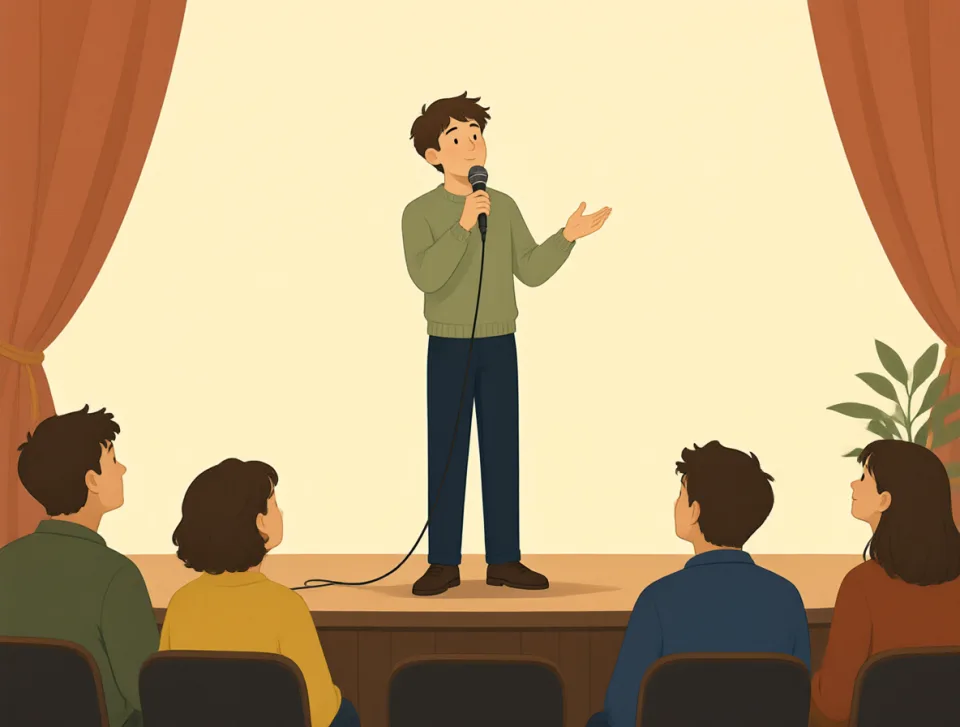
We watched a live music show.
شاهدنا عرضًا موسيقيًا مباشرًا.
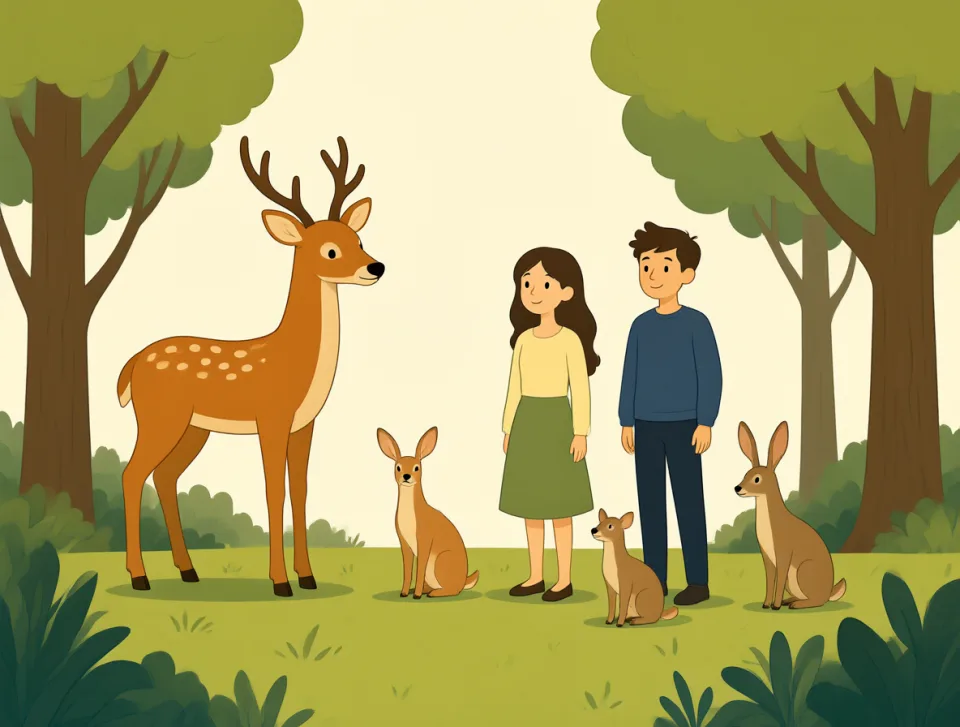
Many animals live in the forest.
تعيش حيوانات كثيرة في الغابة.
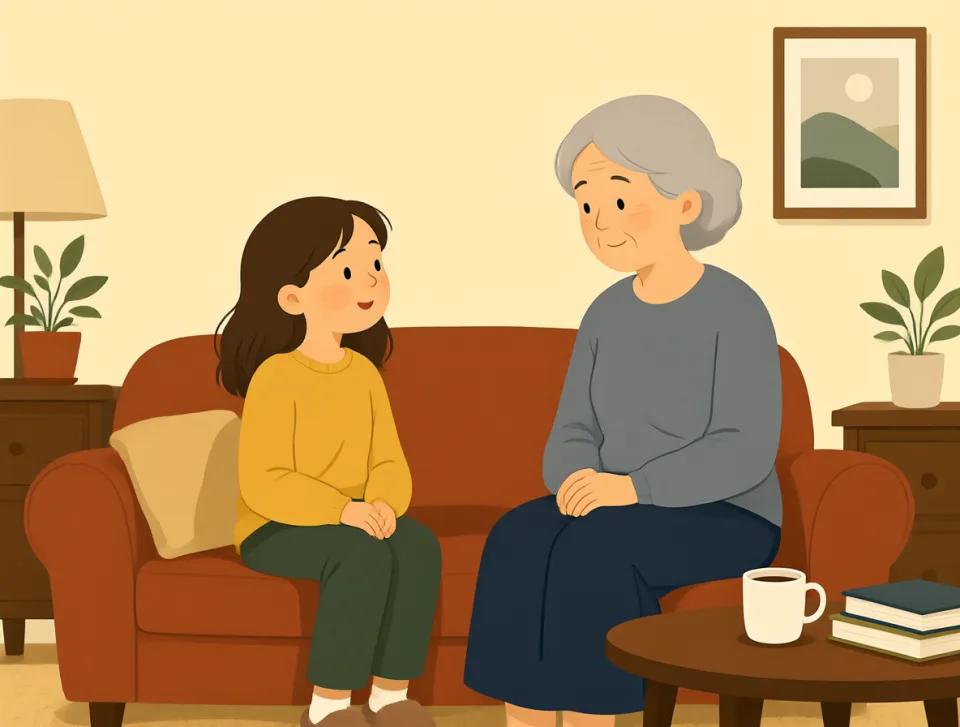
She is living with her aunt.
هي تقيم مع عمتها.
why
#154adverb, noun
لماذا
Used to ask about or explain the reason for something.
تُستخدم للسؤال عن سبب شيء ما أو توضيحه.
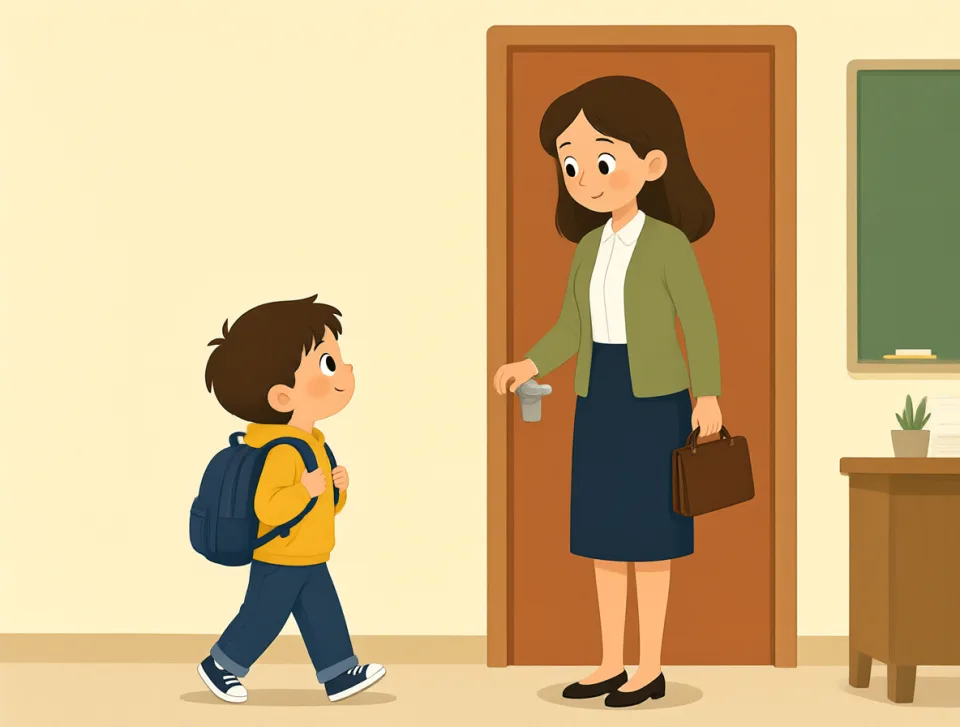
Why are you late for school?
لماذا تأخرت عن المدرسة؟
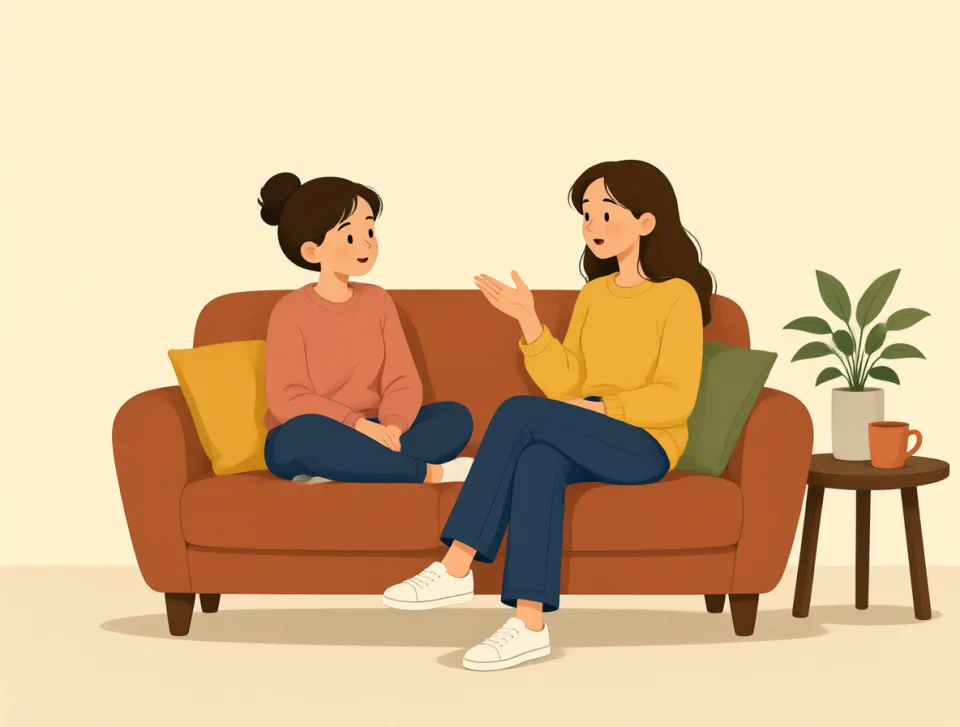
I know why she feels tired.
أعرف سبب شعورها بالتعب.

Why did you leave work early?
لماذا غادرت العمل مبكرًا؟
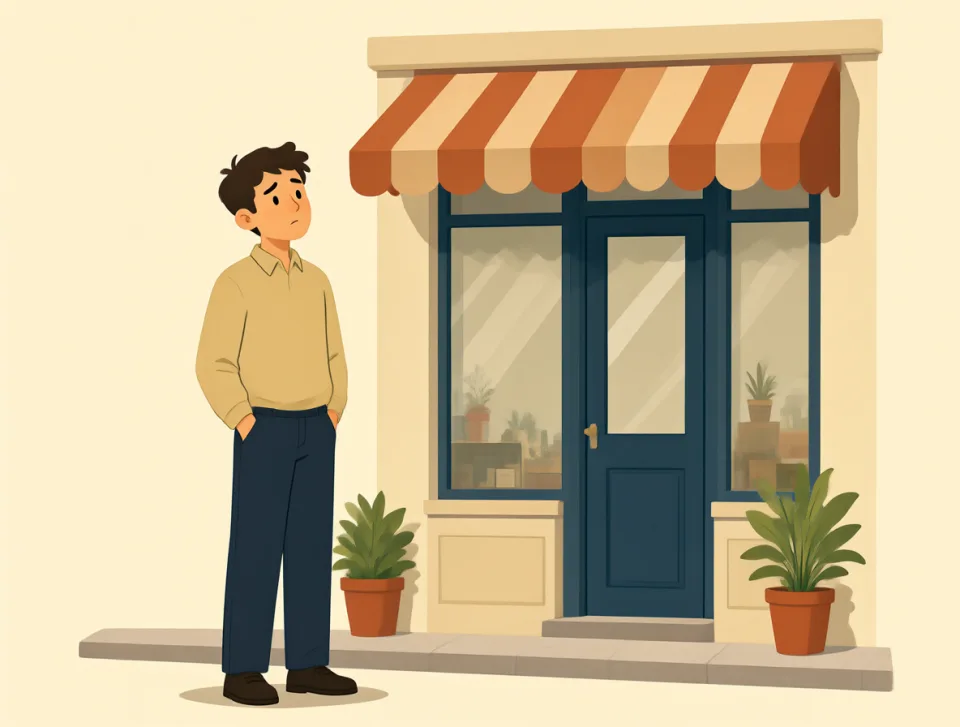
He asked why the shop was closed.
سأل عن سبب إغلاق المتجر.

There is no reason why we cannot go.
لا يوجد سبب يمنعنا من الذهاب.
while
#155noun, conjunction, preposition
فترة؛ بينما
a period of time; during the time that something happens
فترة من الزمن؛ أثناء حدوث شيء ما.

Please wait here while I get your bag.
من فضلك انتظر هنا بينما أحضر حقيبتك.
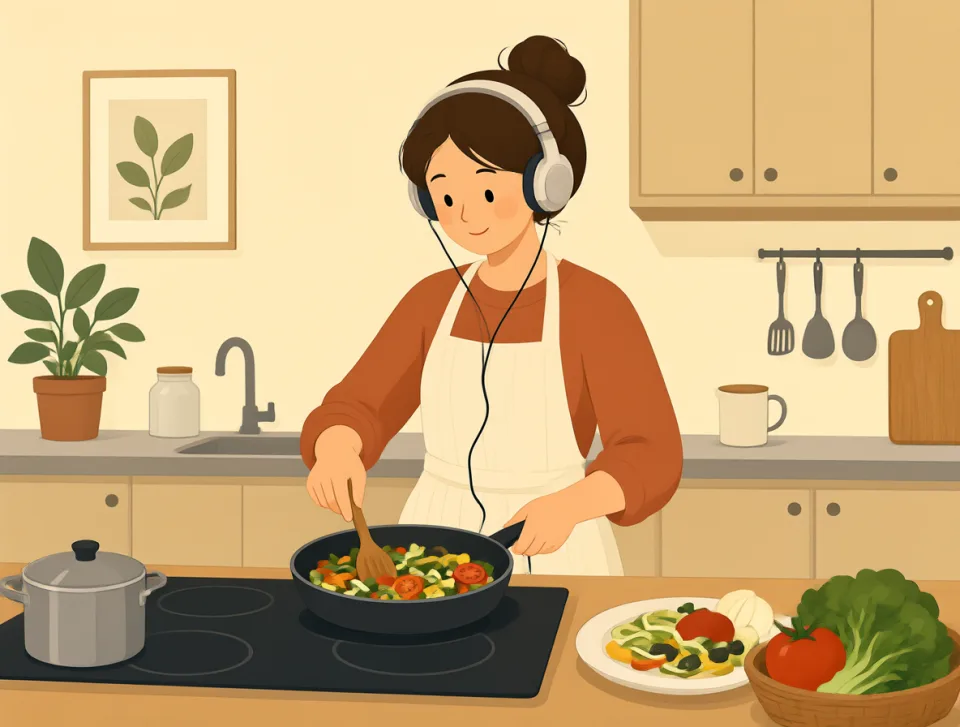
She listened to music while cooking dinner.
استمعت إلى الموسيقى أثناء طهي العشاء.
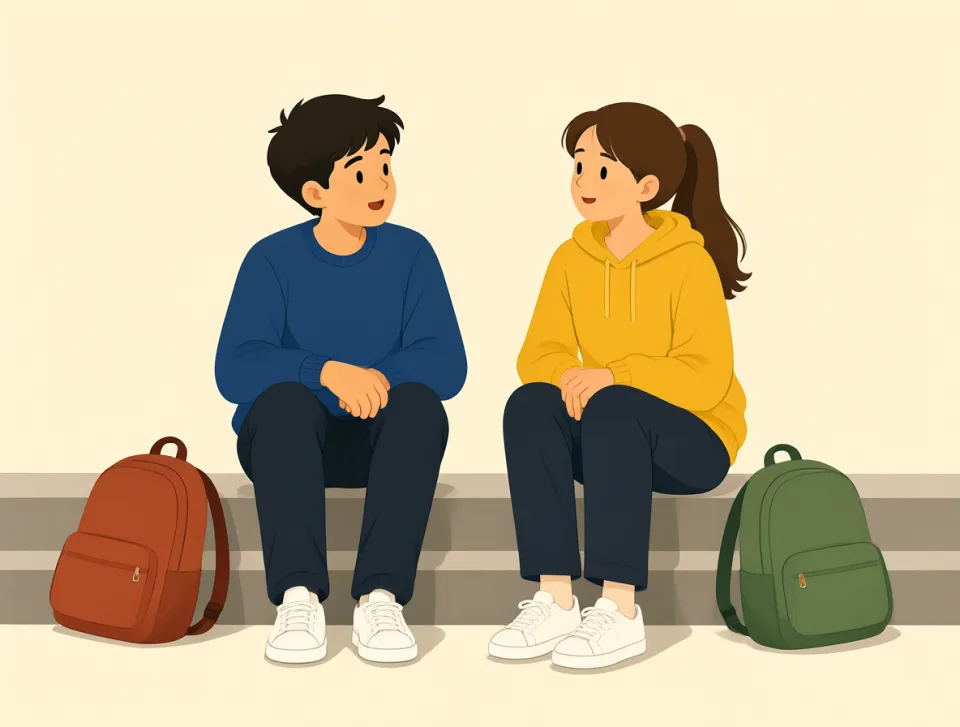
We talked for a while after school.
تحدثنا قليلًا بعد المدرسة.
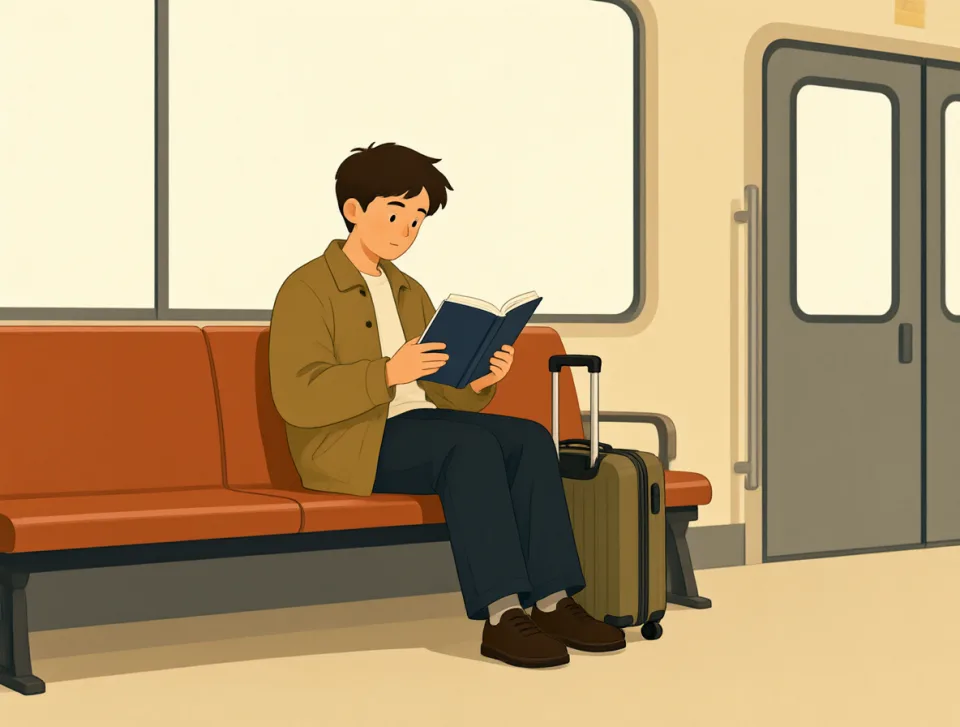
He read a book while waiting for the train.
قرأ كتابًا أثناء انتظاره القطار.
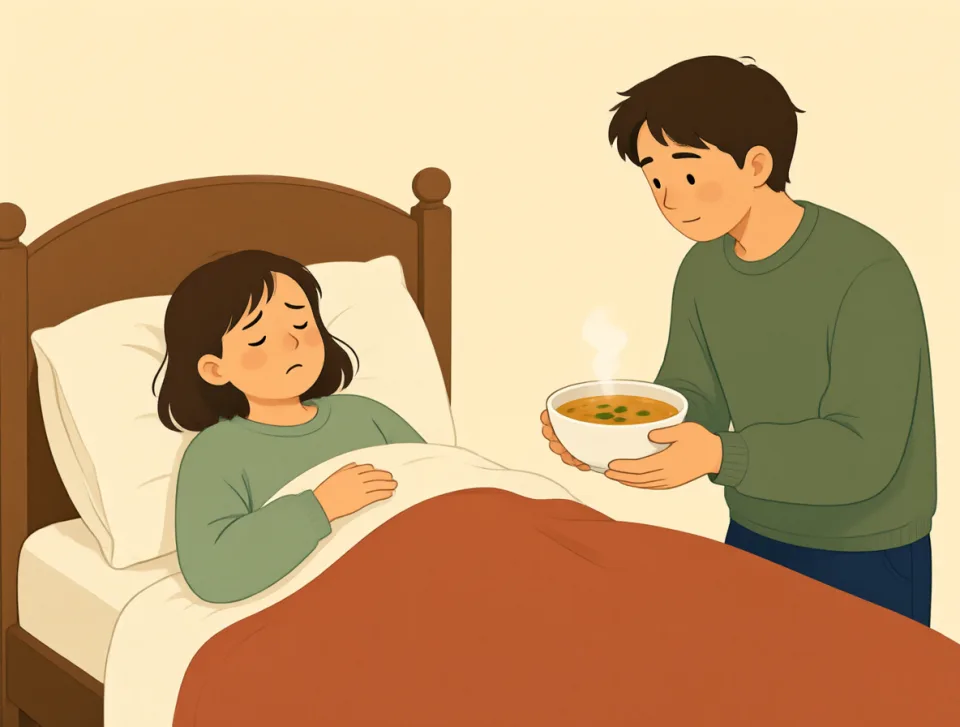
While I was sick, my friend brought soup.
أحضر لي صديقي الحساء عندما كنت مريضًا.

world
#156noun
العالم
the Earth and all its people, countries, and places
الأرض وجميع سكانها وبلدانها وأماكنها
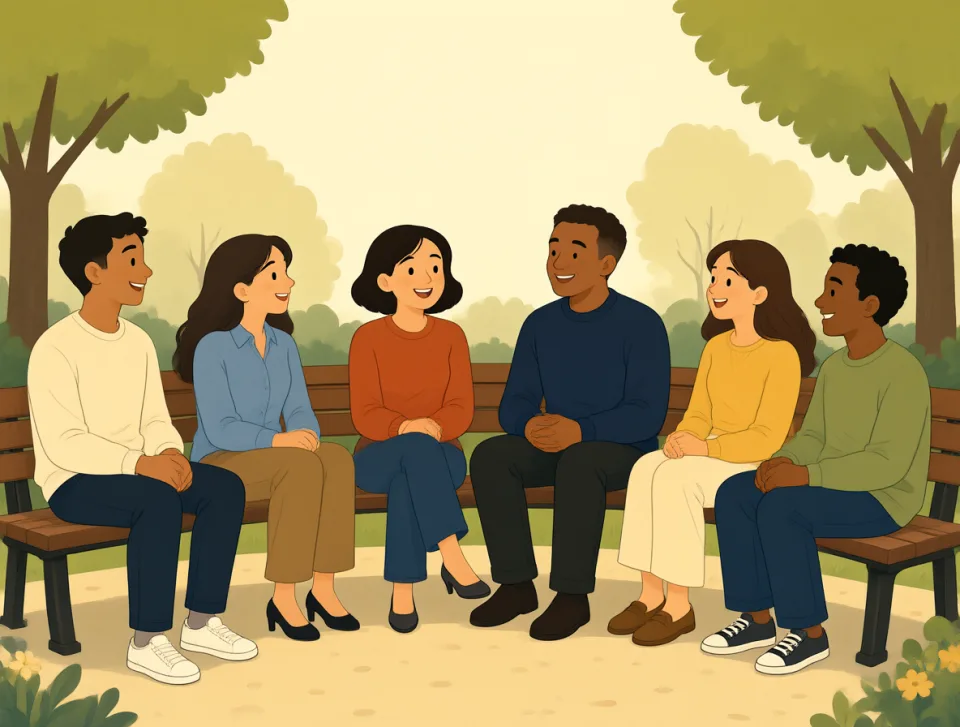
People around the world enjoy music.
يستمتع الناس في أنحاء العالم بالموسيقى.
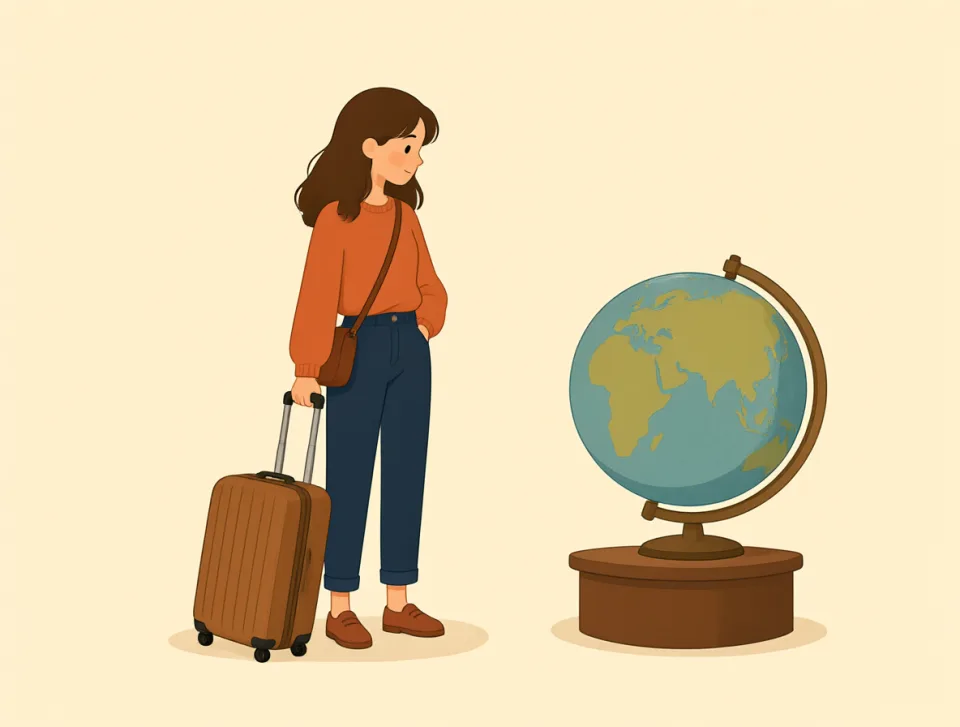
She wants to travel the world.
تريد أن تسافر حول العالم.

The whole world watched the game.
شاهد العالم كله المباراة.
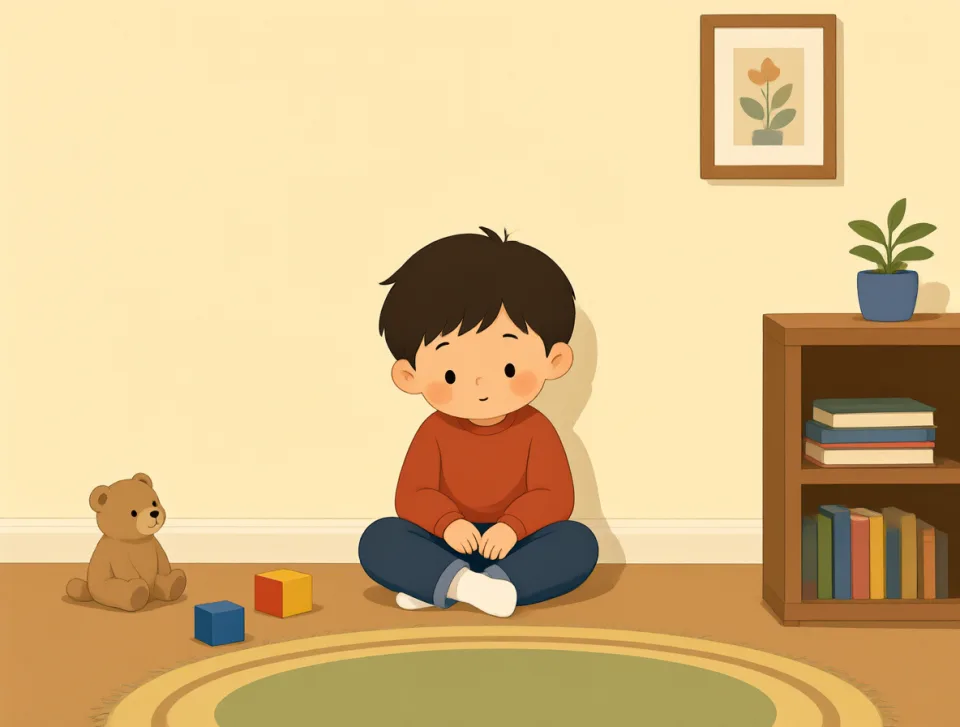
He lives in a small world.
إنه يعيش في عالم صغير.
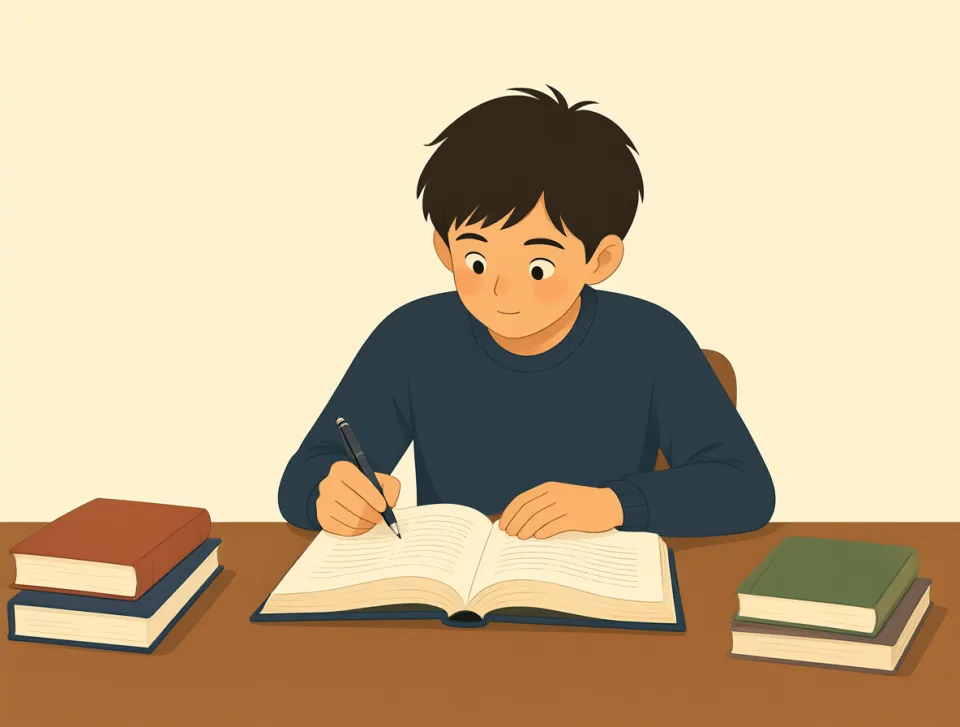
World history is my favorite school subject.
تاريخ العالم مادتي الدراسية المفضلة.
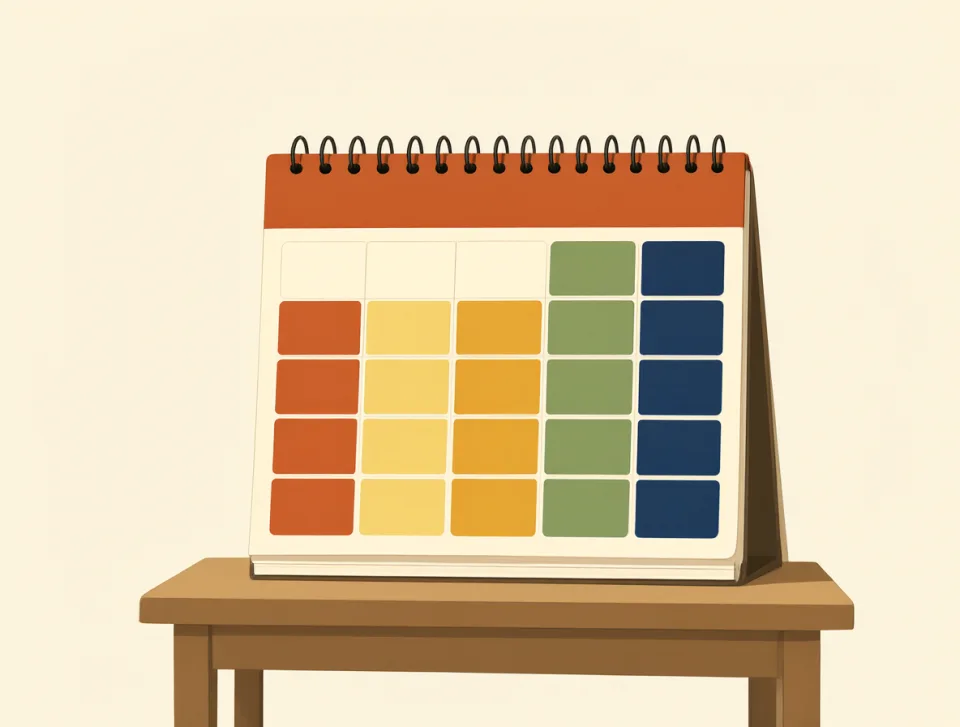
week
#157noun
أسبوع
A period of seven days, from one day to the same day the next week.
فترة من سبعة أيام، تبدأ في يوم وتنتهي في اليوم نفسه من الأسبوع التالي.

I visit my parents every week.
أزور والديّ كل أسبوع.
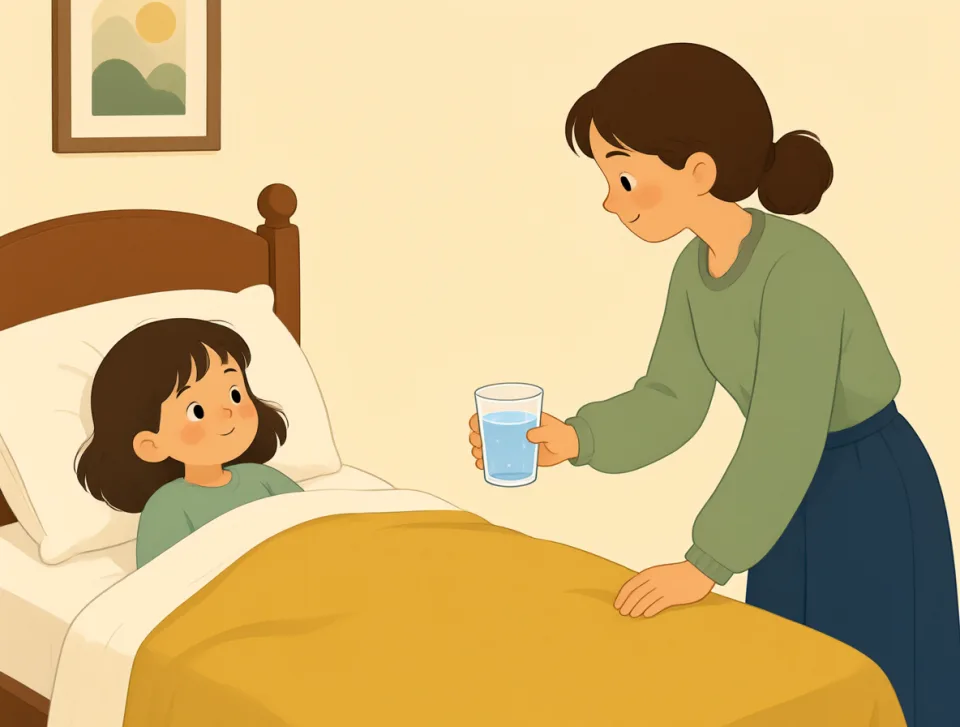
She was sick last week.
كانت مريضة الأسبوع الماضي.

We have a team meeting this week.
لدينا اجتماع للفريق هذا الأسبوع.
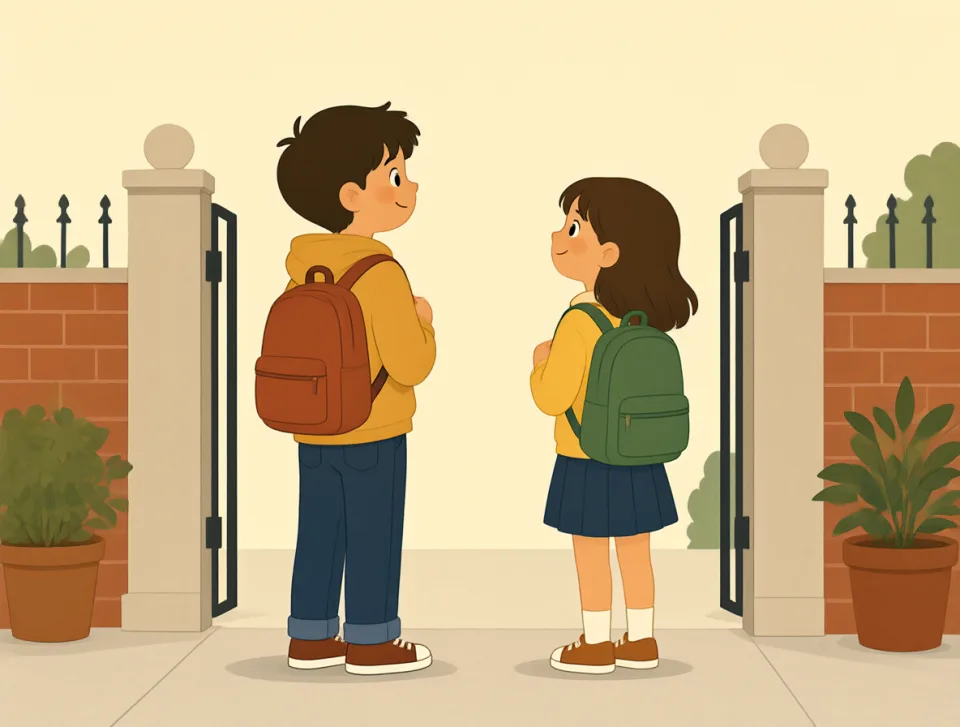
The children start school next week.
سيبدأ الأطفال المدرسة الأسبوع المقبل.

We are traveling to Spain in two weeks.
سنسافر إلى إسبانيا بعد أسبوعين.
play
#158verb, noun
يلعب
to do something for fun, or to act in a show
يفعل شيئًا للتسلية، أو يؤدي دورًا في عرض.
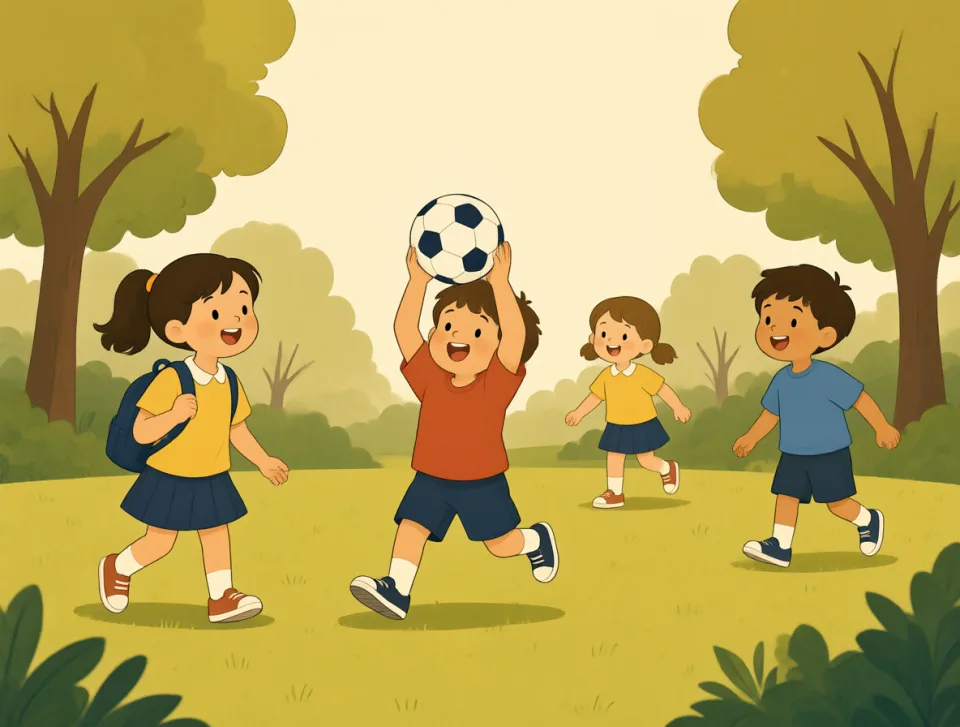
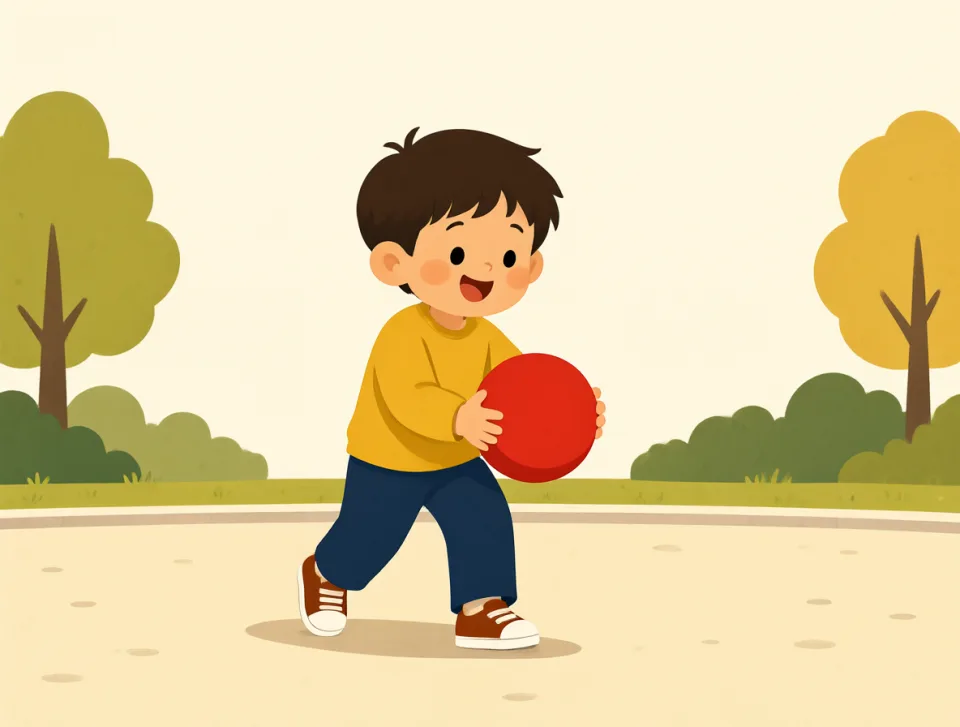
The children play outside after school.
يلعب الأطفال في الخارج بعد المدرسة.
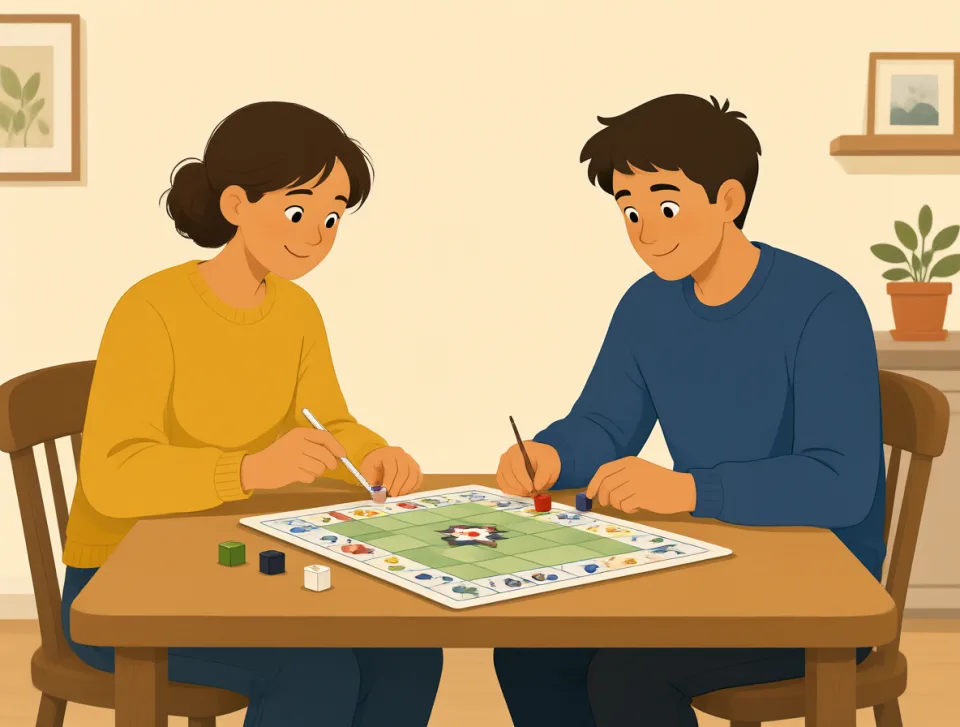
We played a game at home.
لعبنا لعبة في المنزل.
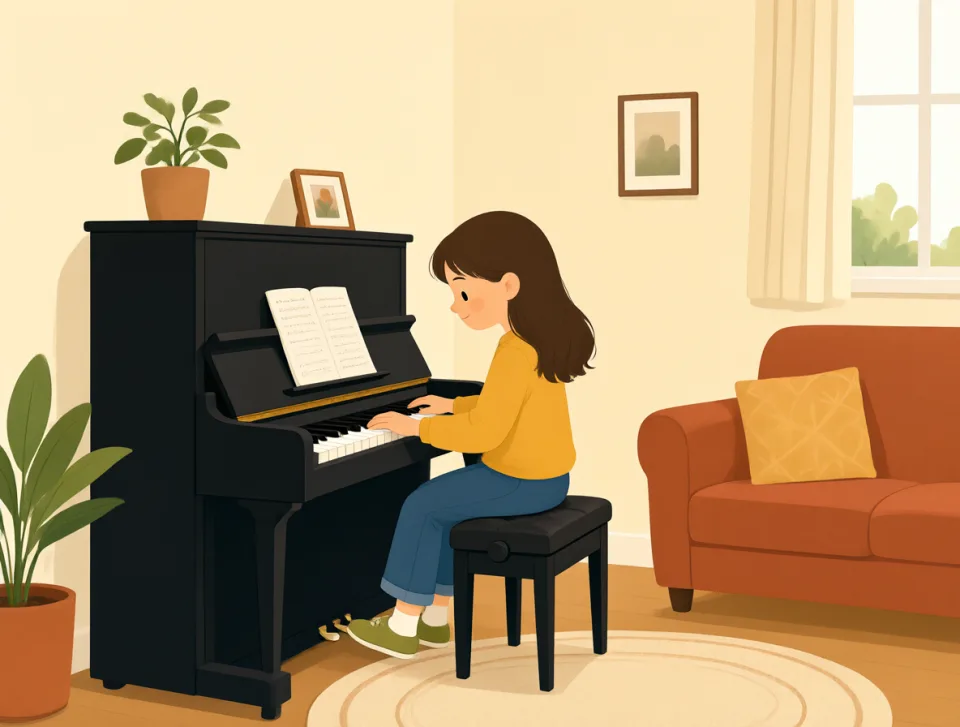
She plays the piano every morning.
تعزف البيانو كل صباح.
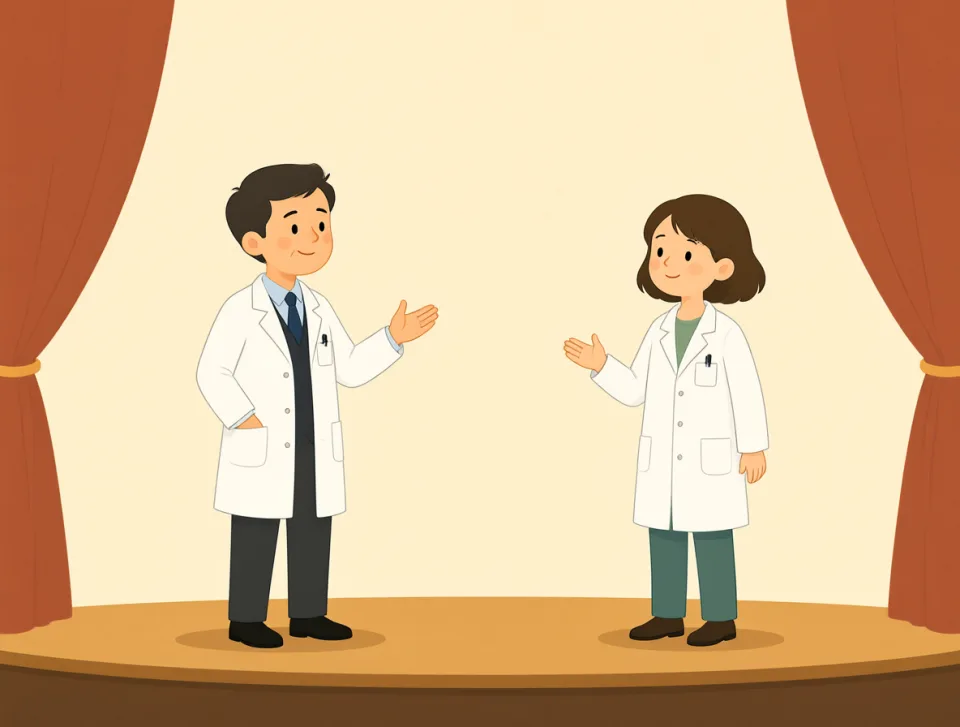
The actors play doctors in the show.
يؤدي الممثلون أدوار أطباء في العرض.
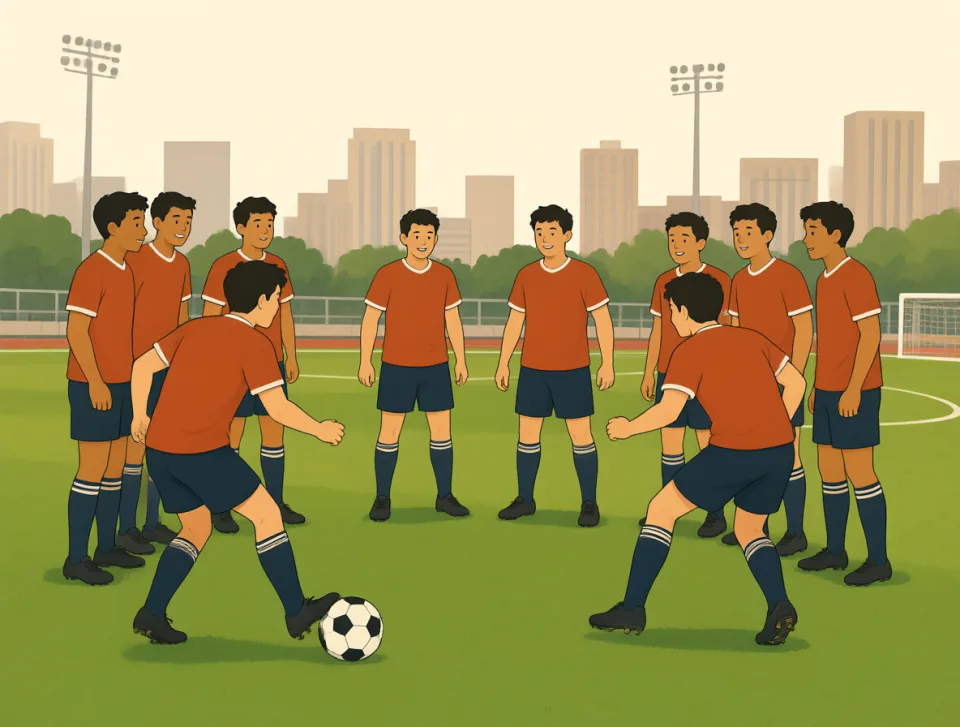
Our team plays in London tomorrow.
يلعب فريقنا في لندن غدًا.
might
#159modal verb, noun
قد
Used to say something is possible or to ask permission politely.
تُستخدم للدلالة على احتمال حدوث شيء أو لطلب الإذن بأدب.
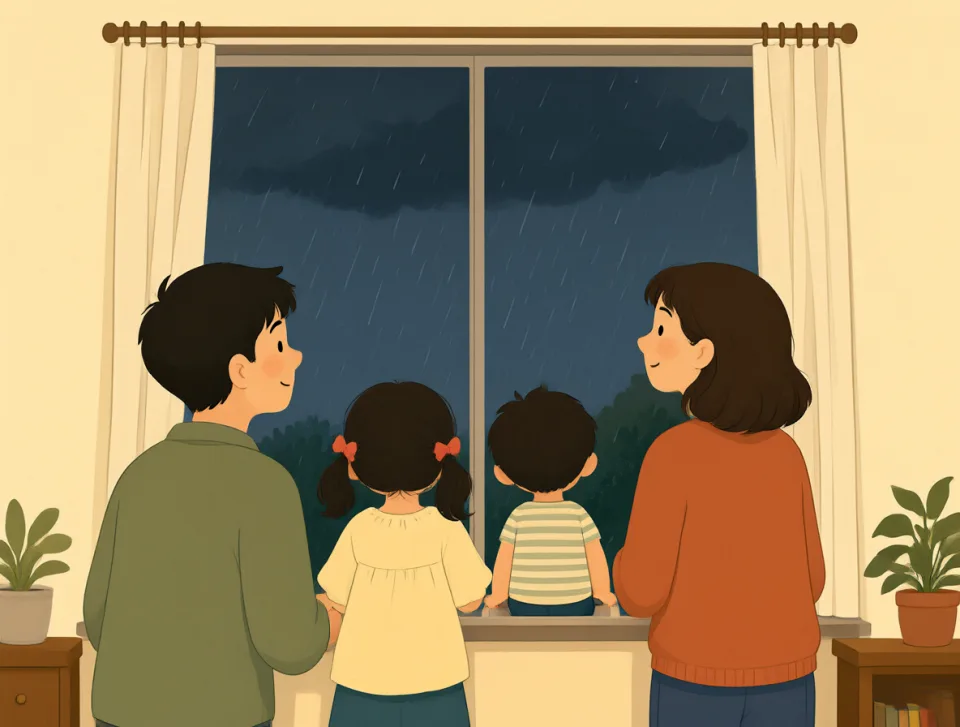
It might rain this afternoon.
قد تمطر بعد ظهر اليوم.
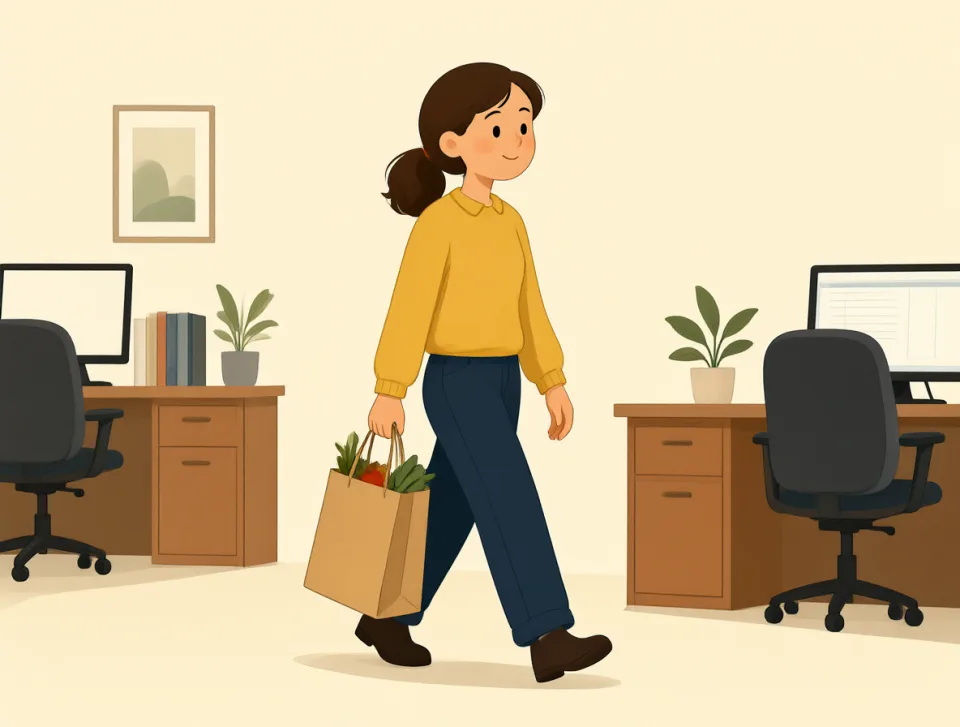
I might go shopping after work.
قد أذهب للتسوق بعد العمل.
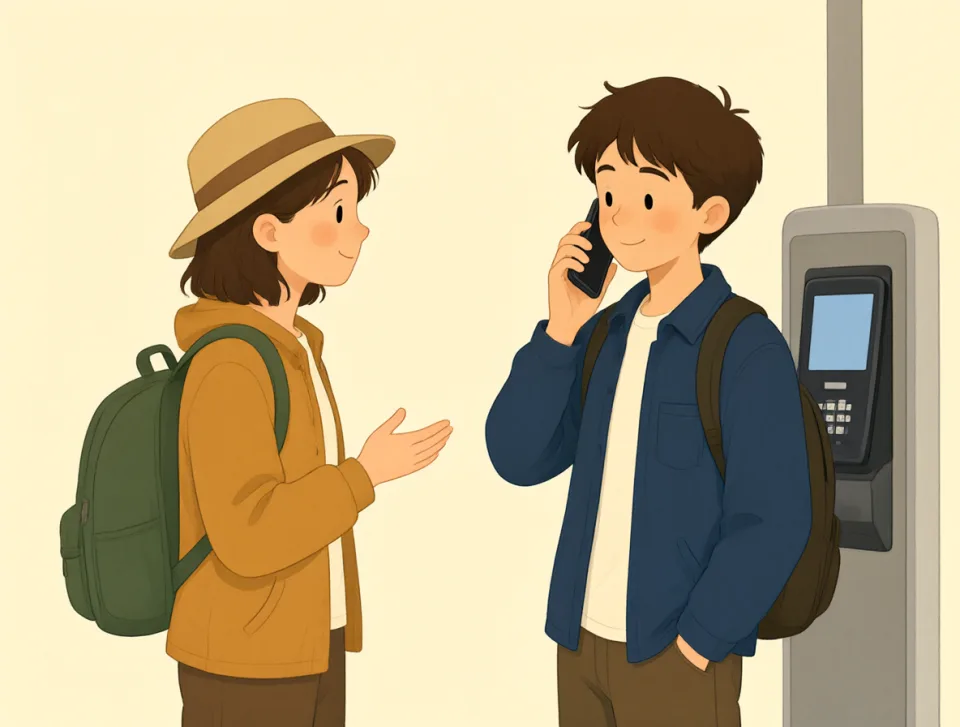
Might I use your phone, please?
هل يمكنني استخدام هاتفك، من فضلك؟
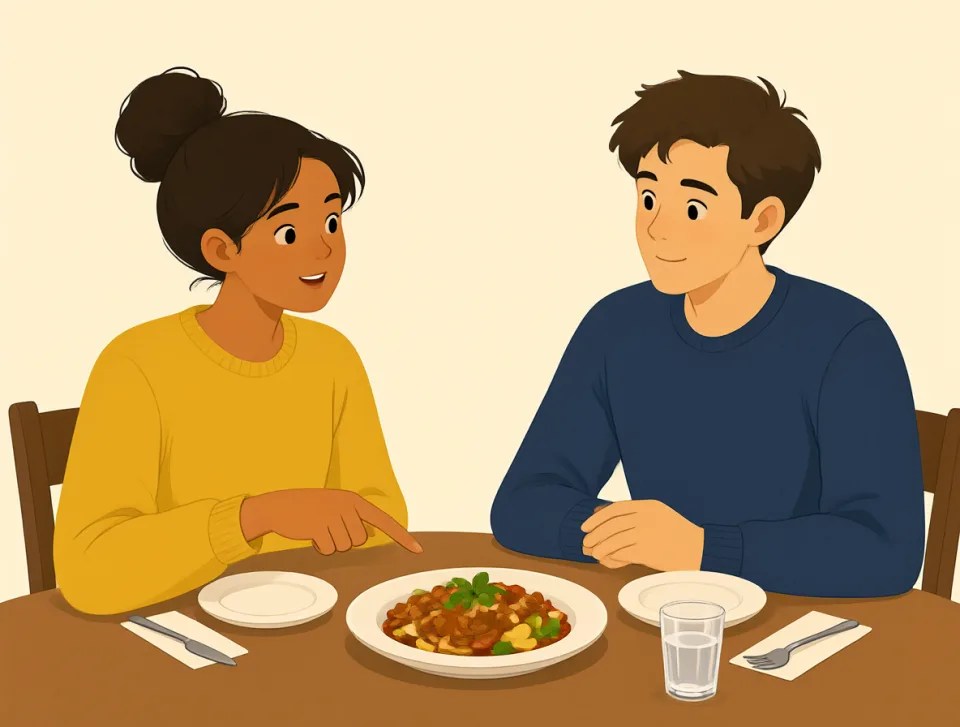
You might like this new restaurant.
قد يعجبك هذا المطعم الجديد.
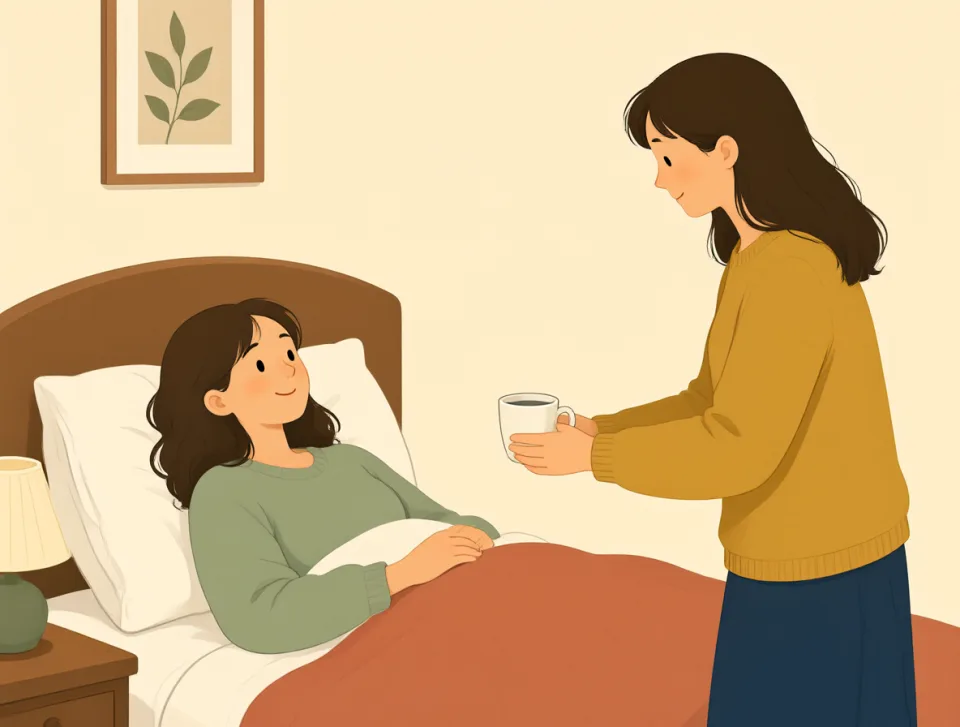
She might be sick today.
قد تكون مريضة اليوم.
must
#160verb, noun
يجب
To be necessary or required; something that you need to do or have.
يكون ضروريًا أو مطلوبًا؛ شيء تحتاج إلى فعله أو امتلاكه.
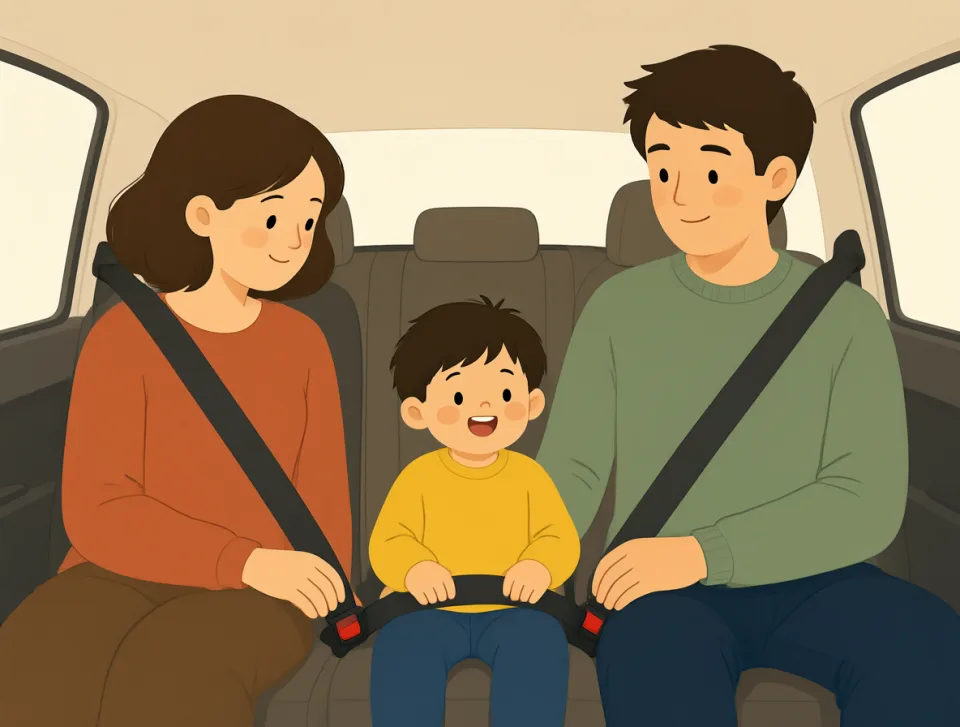
You must wear a seat belt.
يجب أن تضع حزام الأمان.

We must leave home at seven.
يجب أن نغادر المنزل في السابعة.
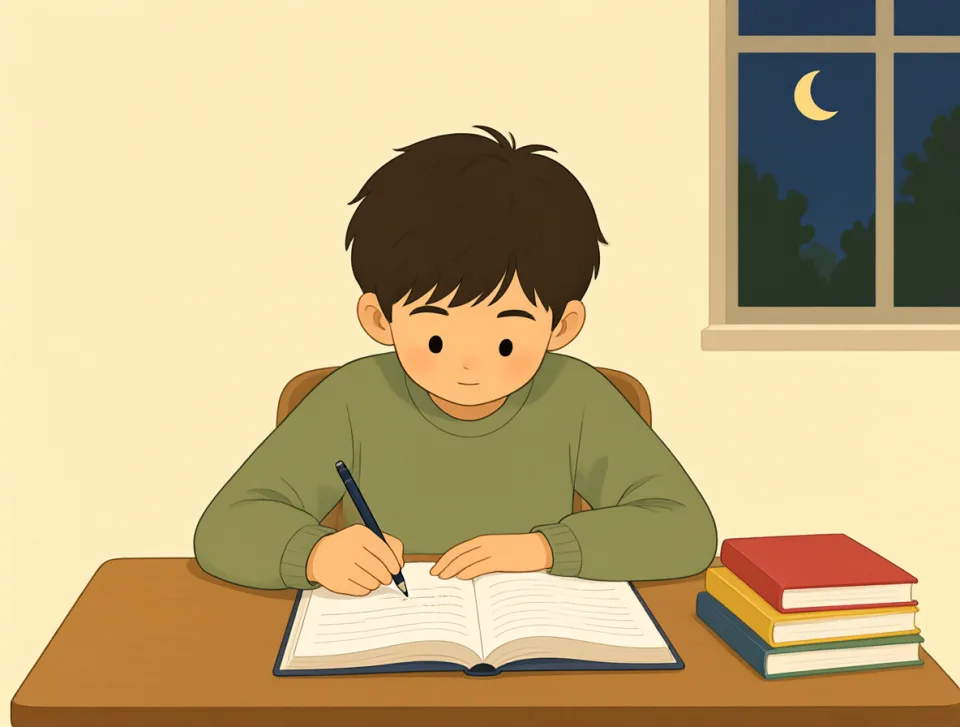
Students must finish their homework tonight.
يجب على الطلاب إنهاء واجباتهم المنزلية الليلة.
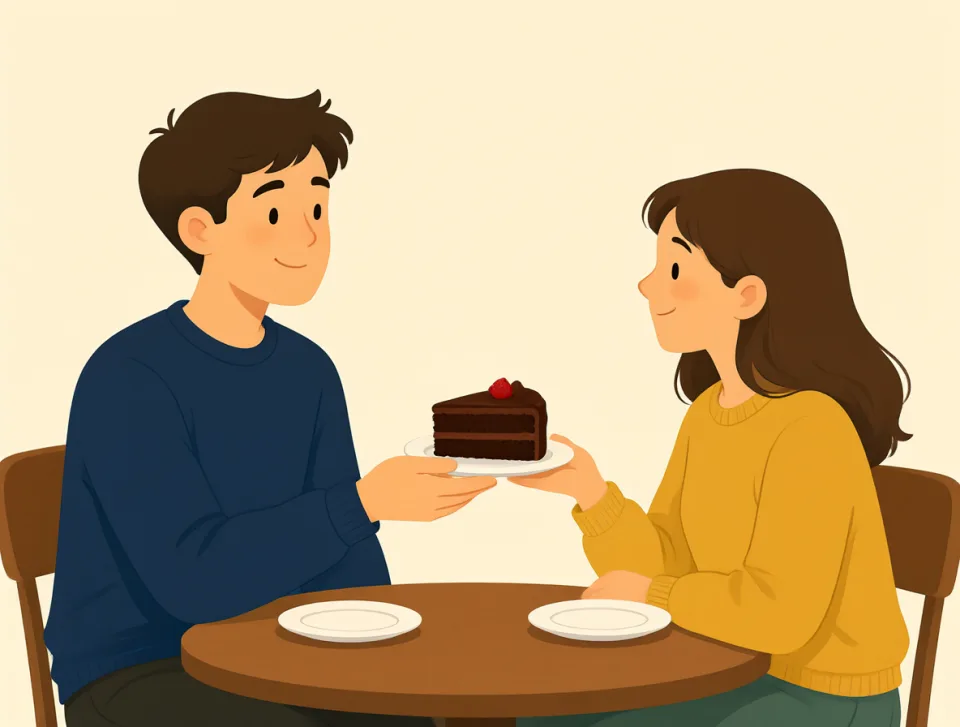
You must try this chocolate cake.
يجب أن تجرّب كعكة الشوكولاتة هذه.
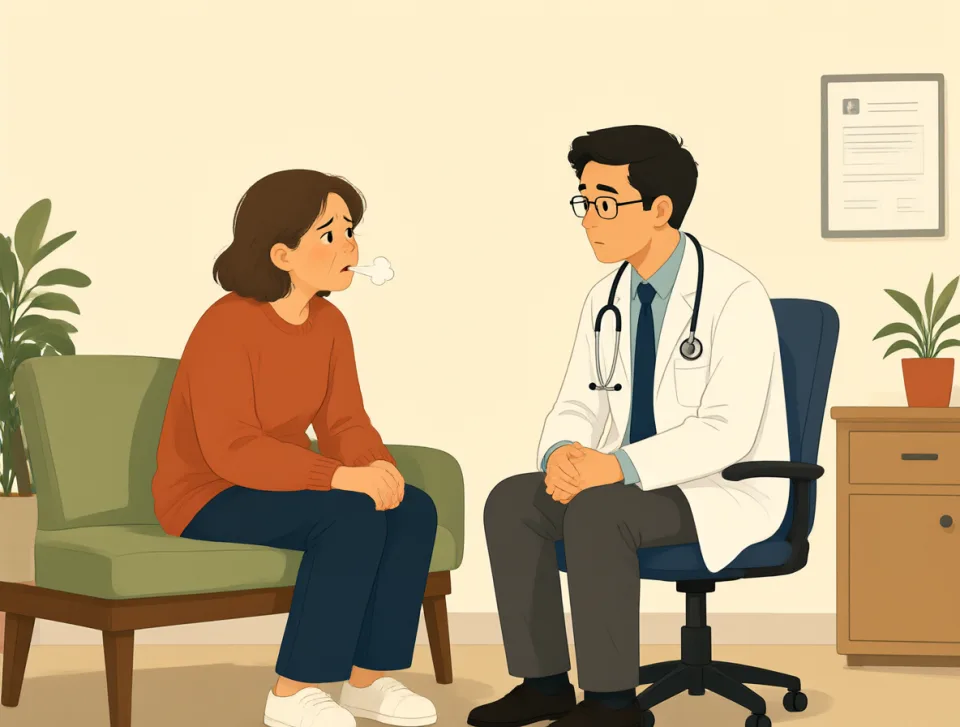
I must see a doctor about my cough.
يجب أن أزور طبيبًا بسبب سعالي.