第 8 单元
第 141–160 个单词 · become, interest, country, old, each, school
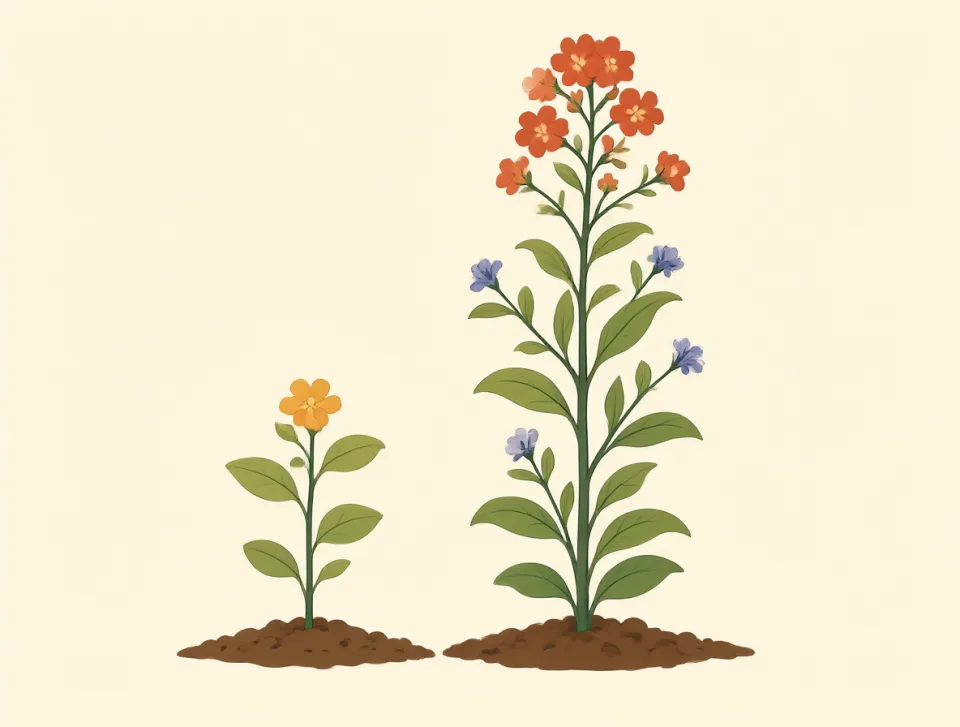
become
#141verb
成为;变成
to start to be something or change into a different state
开始成为某种身份或变成另一种状态

She wants to become a doctor someday.
她希望有一天能成为一名医生。

The weather became cold after sunset.
日落后,天气变冷了。
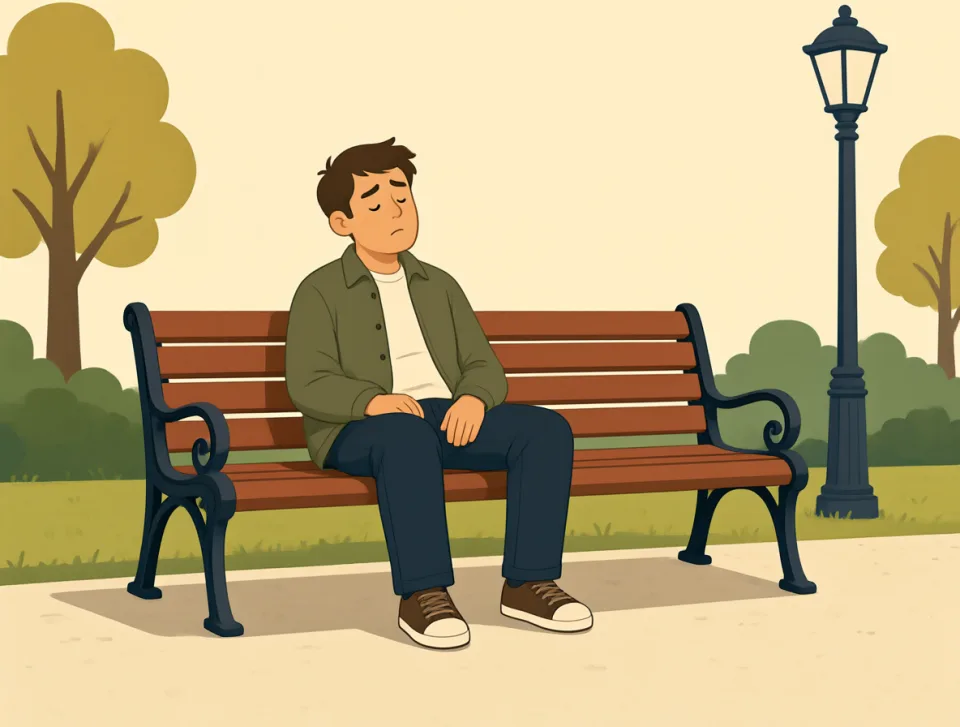
He became tired after the long walk.
走了很长一段路后,他累了。

The milk became sour in the heat.
牛奶在高温下变酸了。

They became good friends at school.
他们在学校里成了好朋友。
interest
#142noun, verb
兴趣;利息
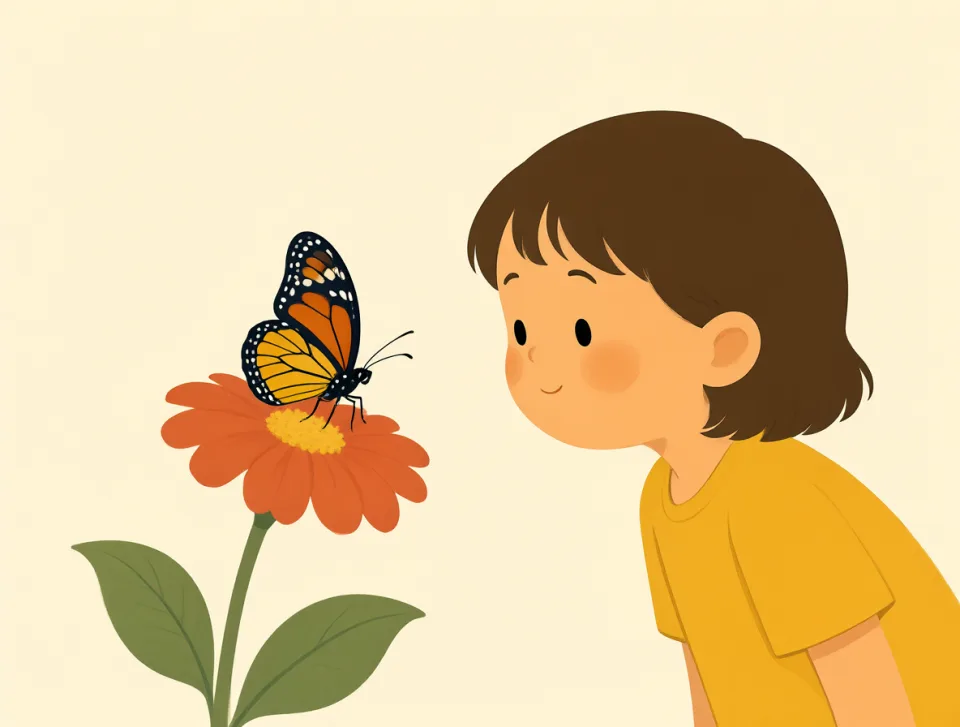
A feeling of wanting to know or learn about something; to make someone curious.
想要了解或学习某事的感觉;使某人感到好奇。

I have a strong interest in cooking.
我对烹饪很感兴趣。

She showed interest in the new job.
她对这份新工作表现出了兴趣。
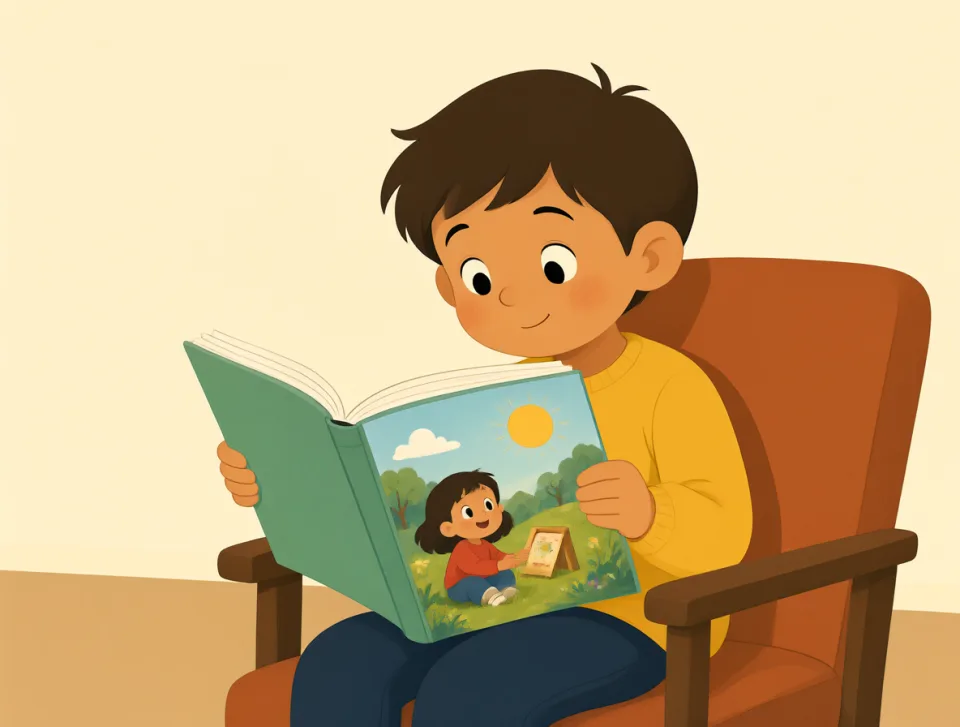
The book caught my interest quickly.
这本书很快就引起了我的兴趣。
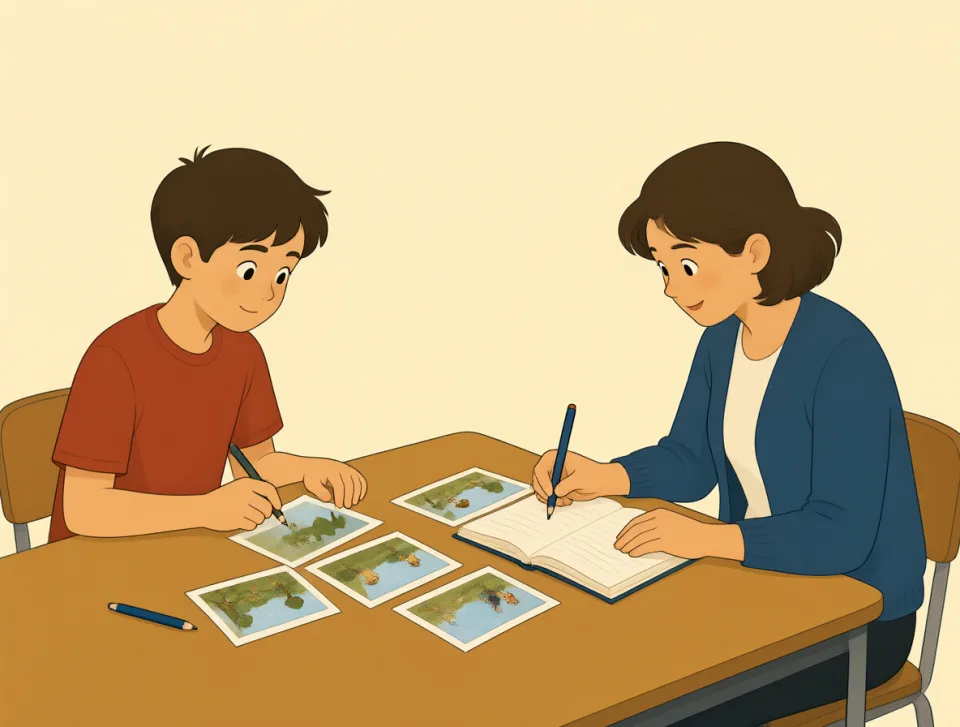
He is interested in learning Spanish.
他对学习西班牙语很感兴趣。
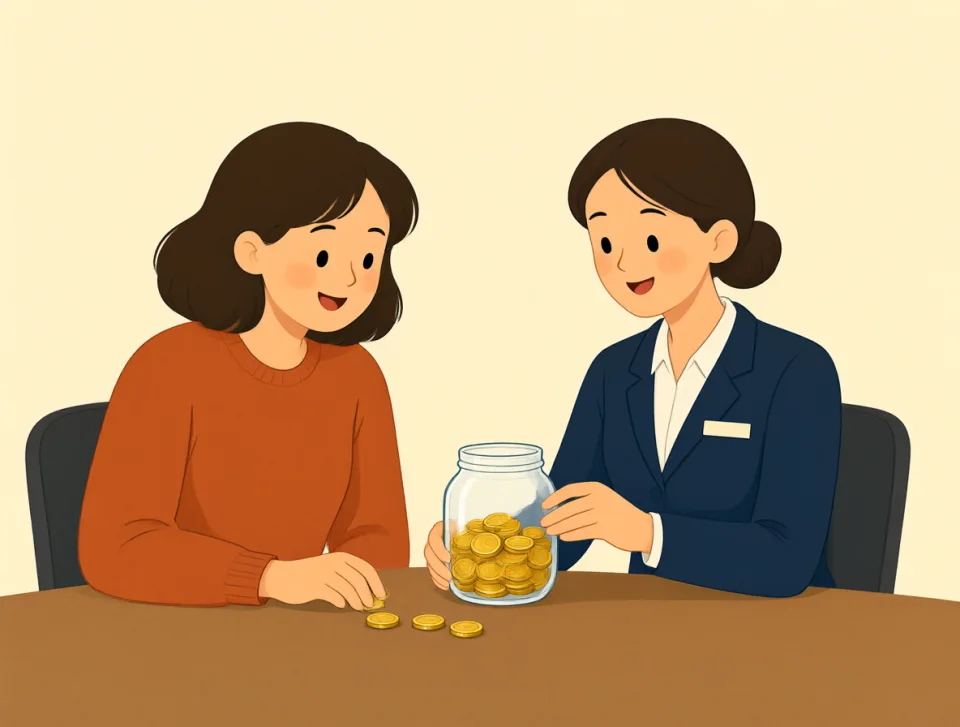
The bank pays interest on savings.
银行会支付储蓄利息。

country
#143noun
国家;乡下
A nation with its own government, land, and people.
拥有自己的政府、土地和人民的国家。

She lives in the country with her family.
她和家人住在乡下。

I want to visit another country this summer.
我今年夏天想去另一个国家旅游。
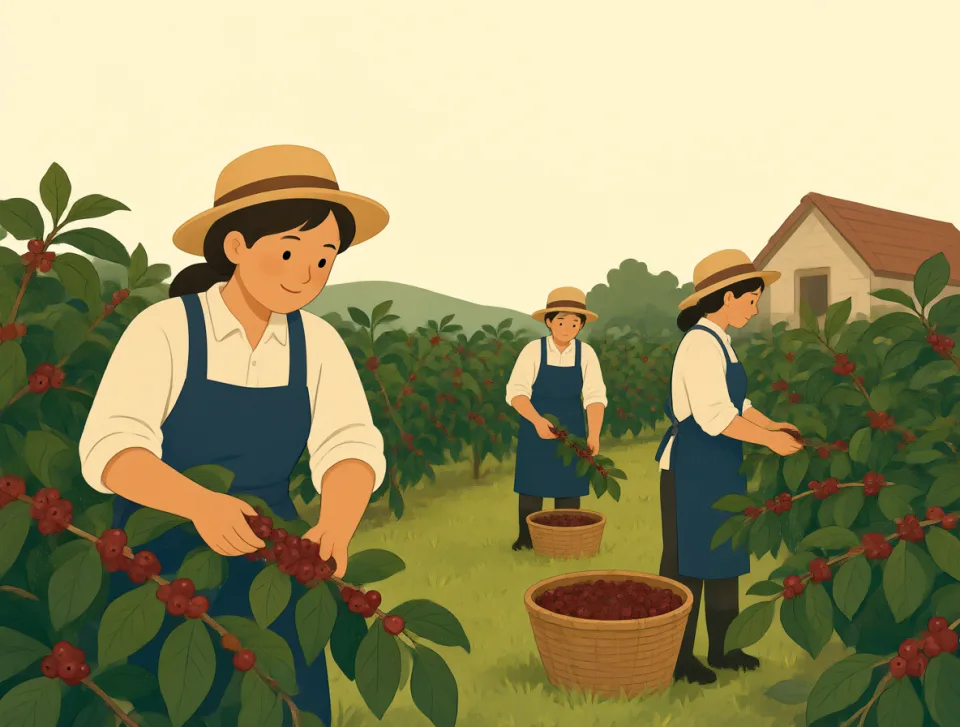
This country produces much of the world's coffee.
这个国家生产了世界上大部分的咖啡。

We bought fresh eggs from the country.
我们从乡下买了新鲜的鸡蛋。

He grew up in the country near a small town.
他在一个小镇附近的乡下长大。

old
#144adjective, noun
旧的;年老的
having lived for many years; belonging to a time long ago
活了很多年;属于很久以前的年代

My old shoes are very comfortable.
我的旧鞋穿起来很舒服。
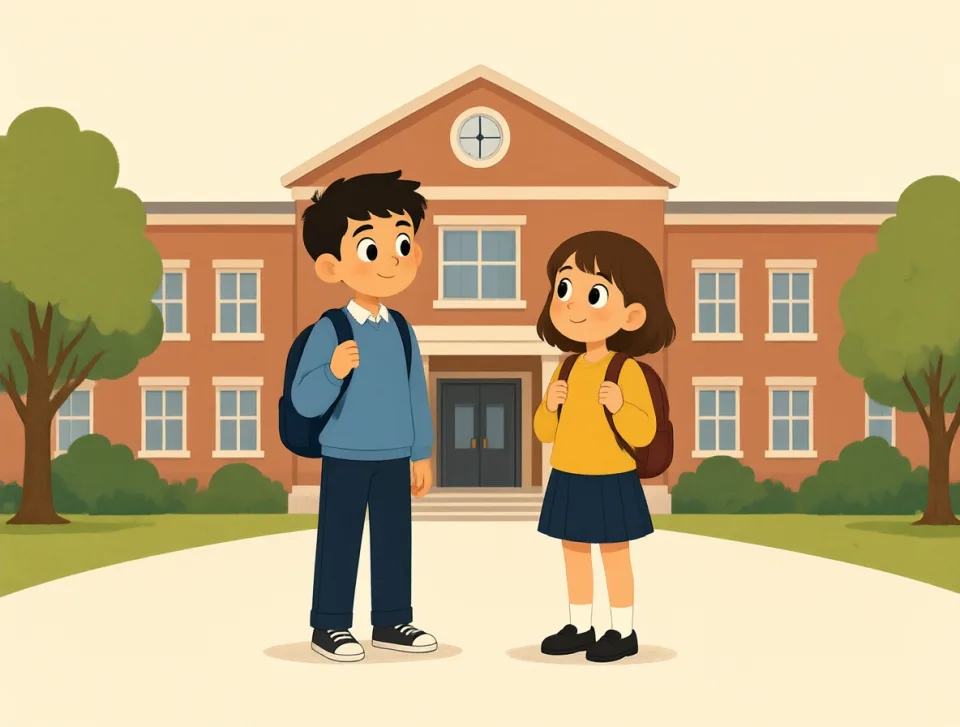
We visited my old school yesterday.
我们昨天去了我以前的学校。

That old car still works well.
那辆旧车还能开得很好。
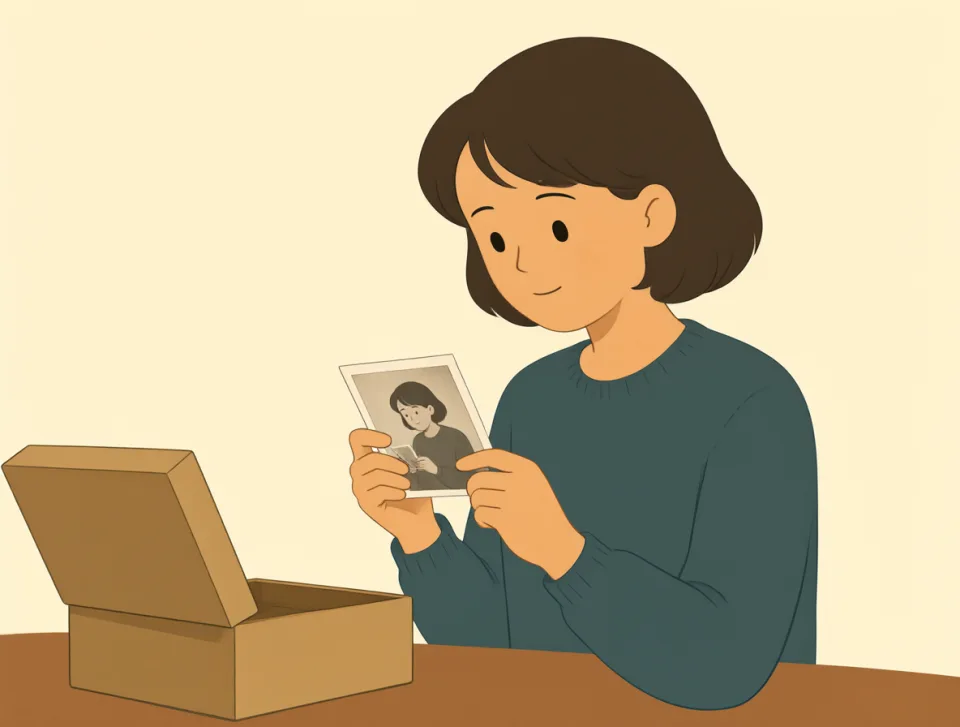
I found an old photo in a box.
我在一个盒子里找到了一张老照片。
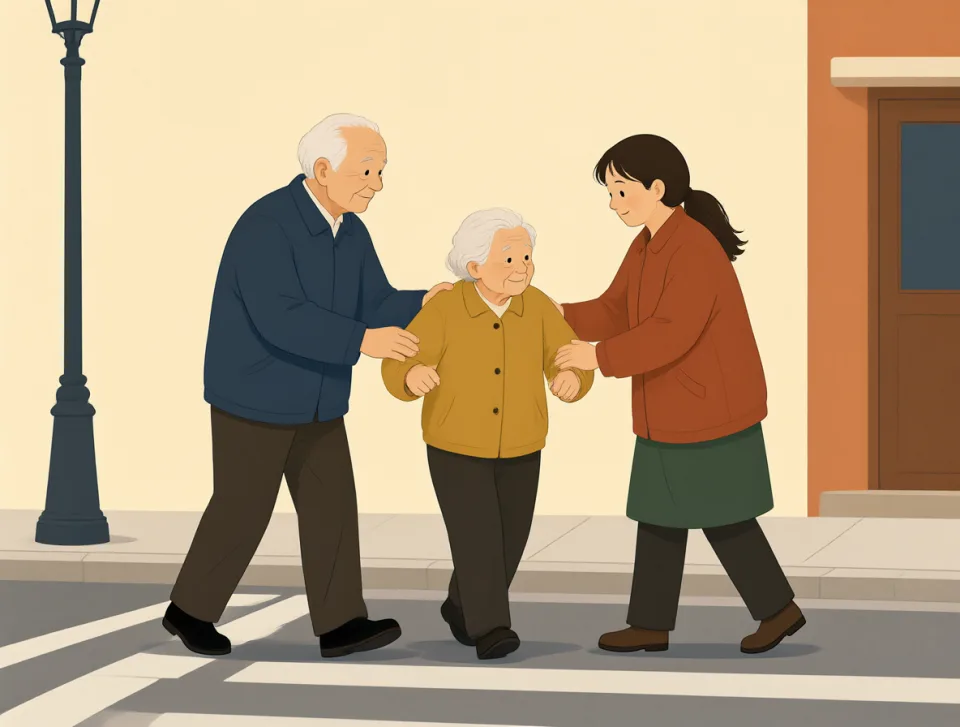
The old man needs help crossing the street.
那位老人过马路需要帮助。
each
#145determiner, pronoun
每个
Every one of two or more people or things, considered separately.
两个或两个以上的人或事物中的每一个,分别看待。
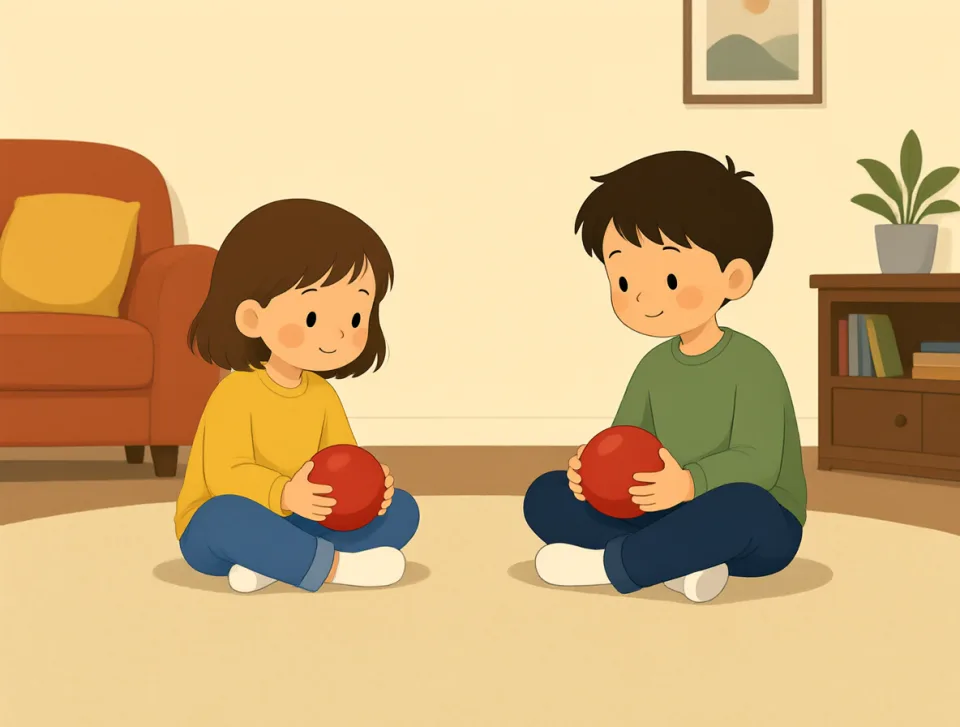
Each child has a small red ball.
每个孩子都有一个小红球。

We each brought a sandwich for lunch.
我们每个人都带了一个三明治当午餐。
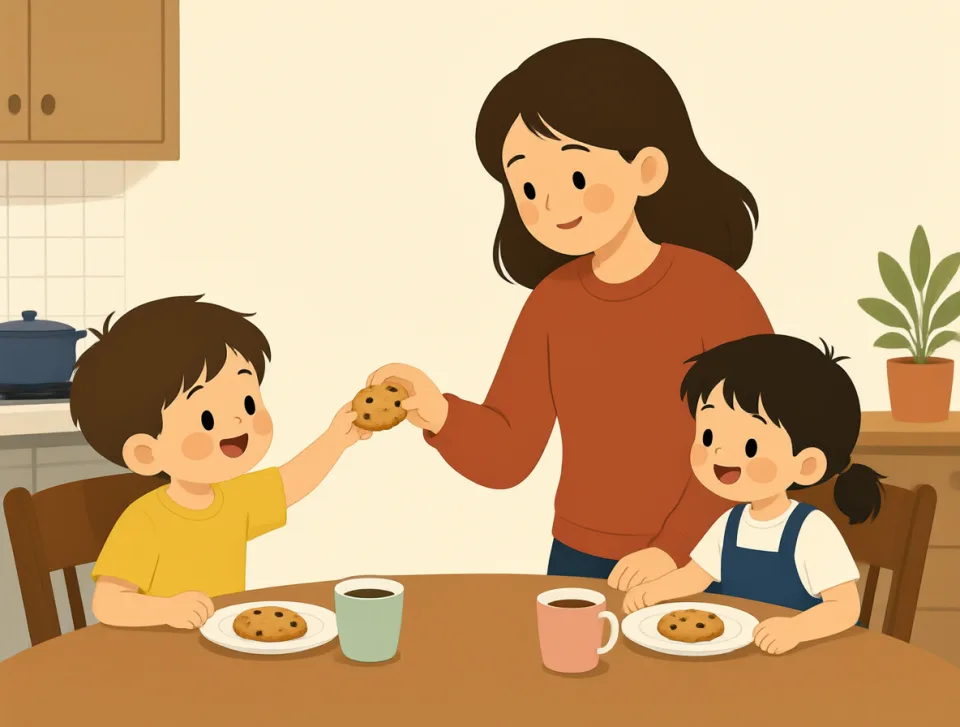
Please take one cookie each.
请每人拿一块饼干。

The students each answered one question.
学生们每人回答了一个问题。
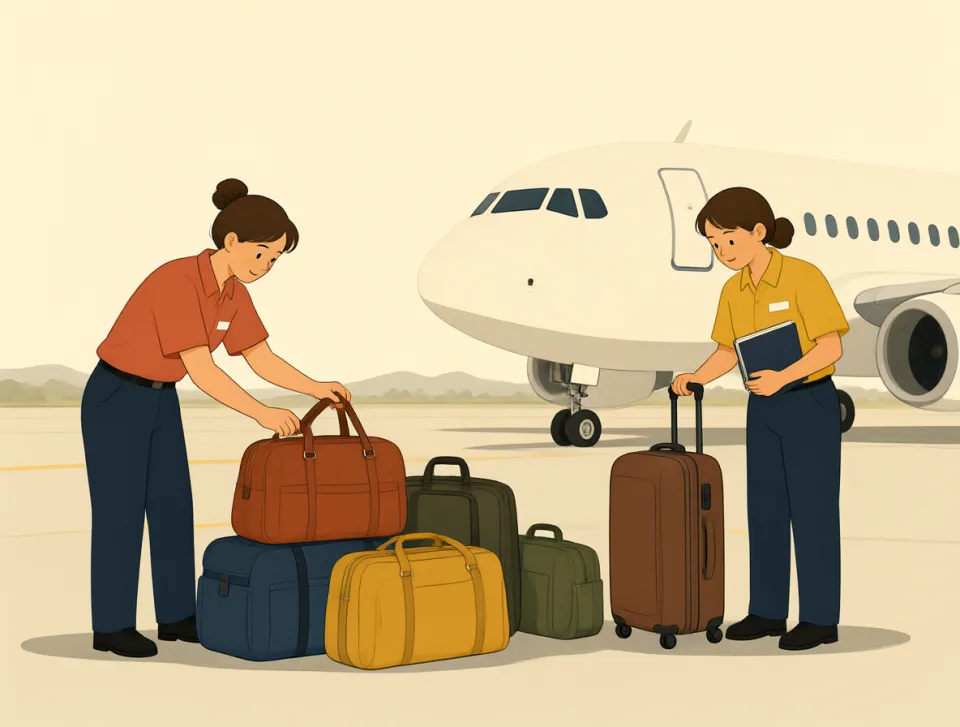
They checked each bag before the flight.
他们在航班起飞前检查了每个包。
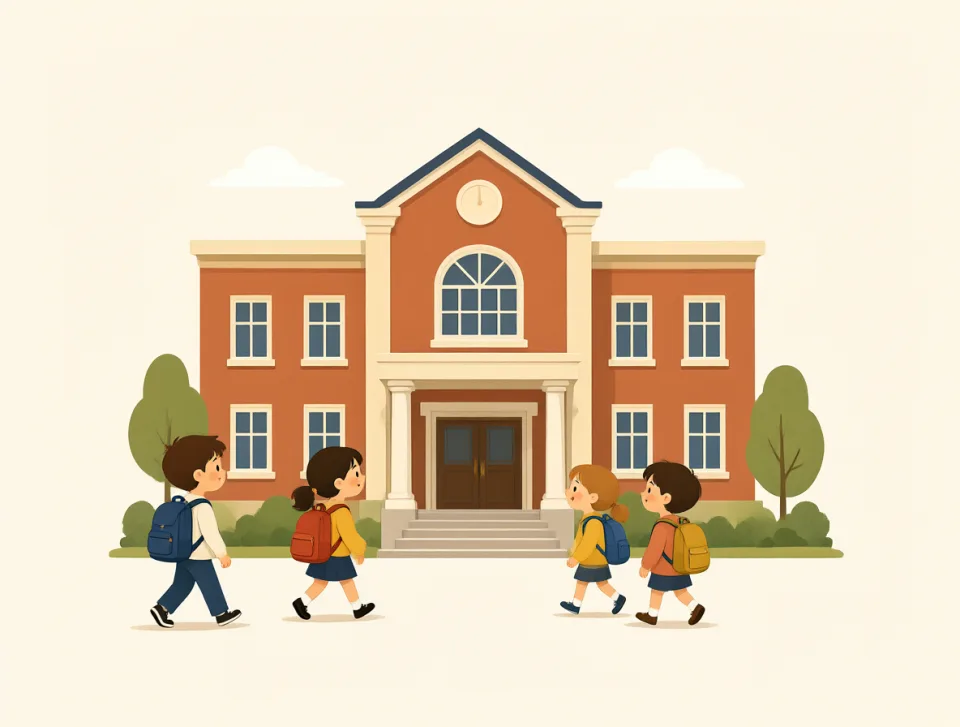
school
#146noun, verb
学校;训练
A place where children learn, or the time spent learning there.
孩子们学习的地方,或在那里学习的那段时间。
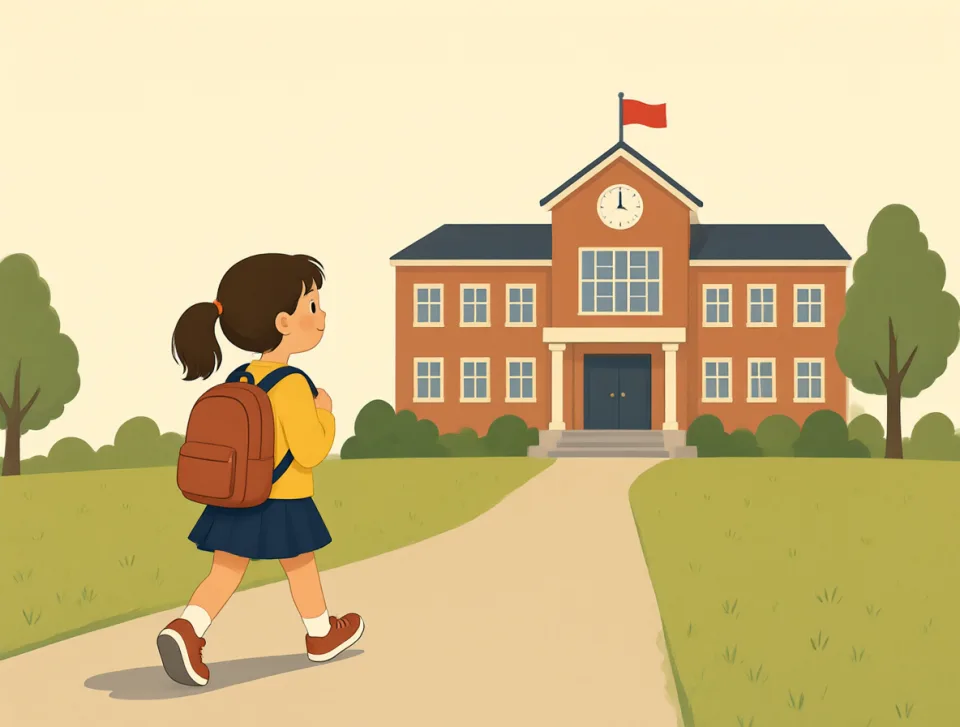
My sister walks to school every morning.
我姐姐每天早上步行去学校。
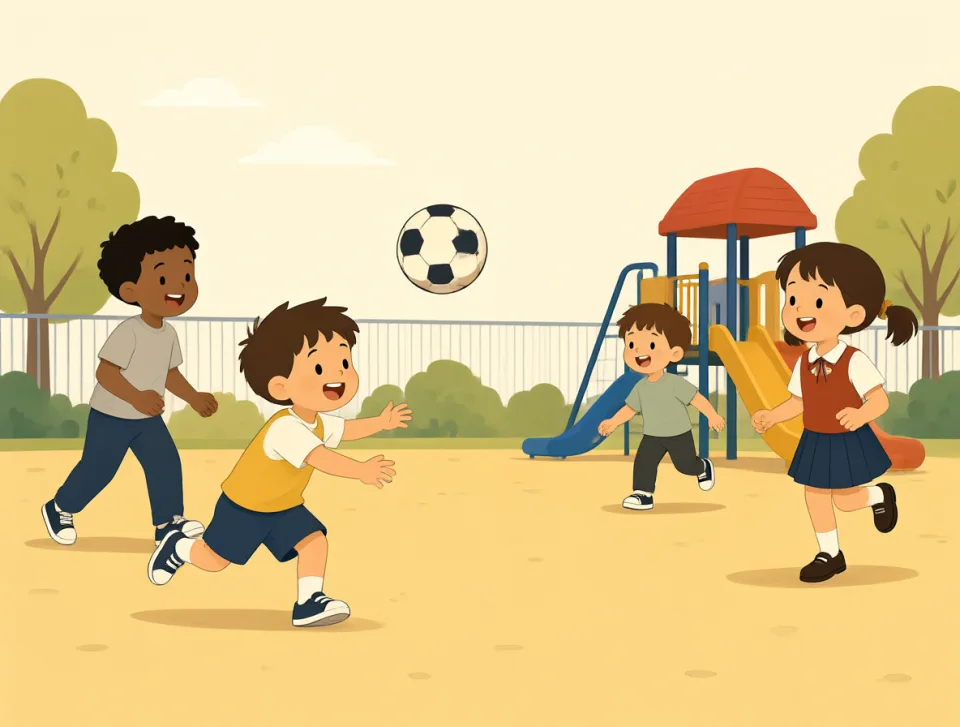
The children are playing outside school.
孩子们正在学校外面玩。
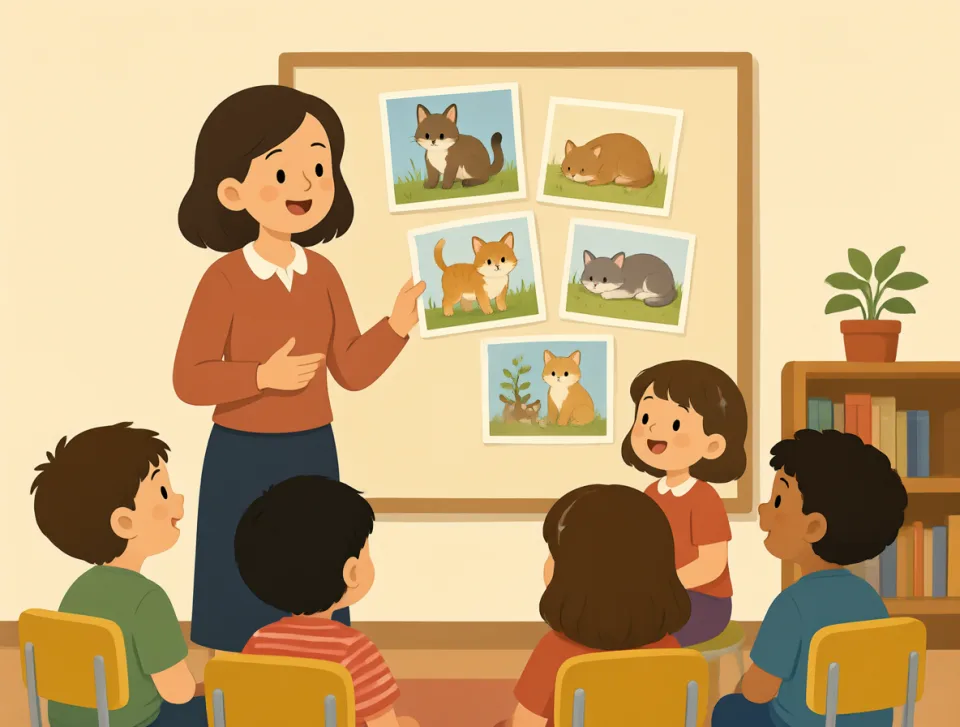
We learned about animals at school.
我们在学校学习了动物知识。

My father went to cooking school.
我爸爸去烹饪学校学习了。
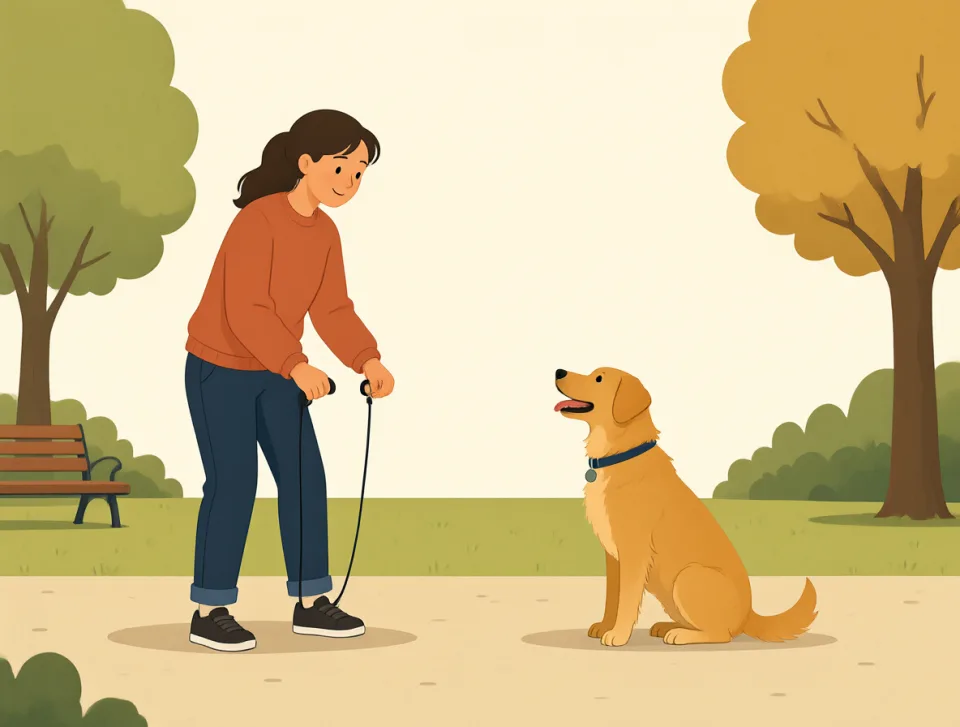
They school their dog every day.
他们每天训练自己的狗。
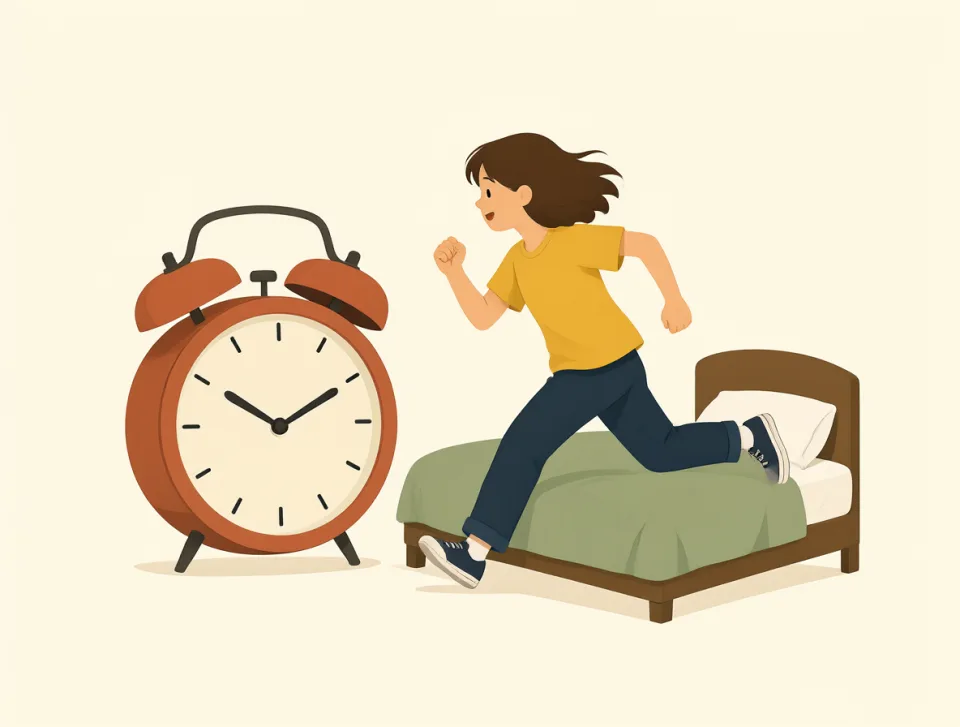
late
#147adjective, adverb, noun
迟到的;晚的;已故的
Happening, arriving, or being after the expected or usual time.
发生、到达或处于预期或通常时间之后的

I was late for school this morning.
我今天早上上学迟到了。
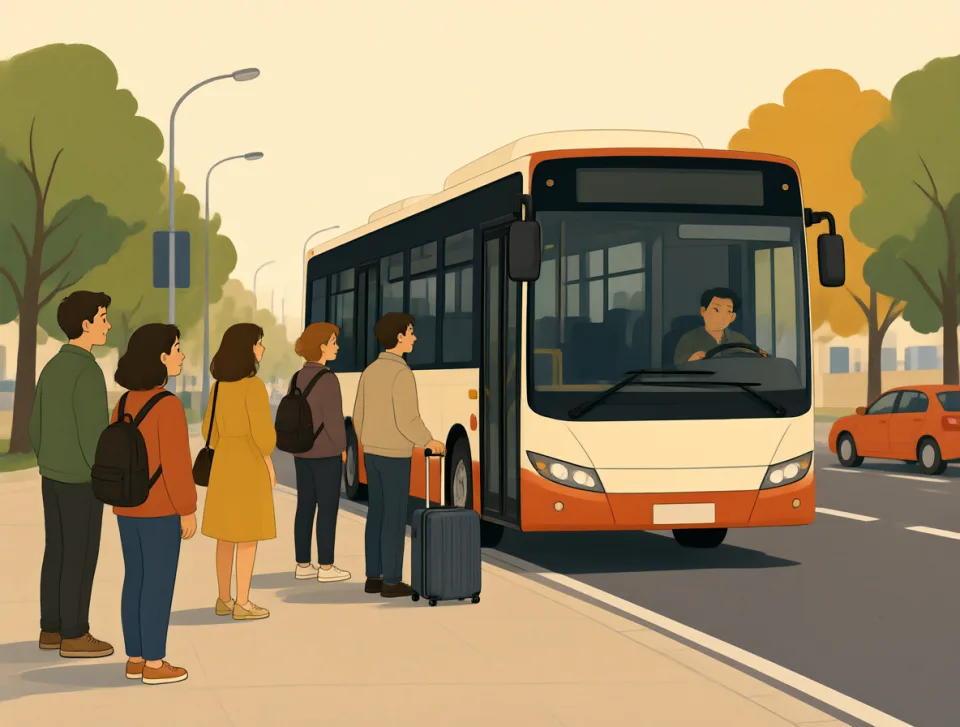
The bus arrived late because of traffic.
公共汽车因为堵车晚到了。

We had dinner late last night.
我们昨晚很晚才吃晚饭。

She stayed late at work yesterday.
她昨天在公司加班到很晚。

My late grandfather loved gardening.
我已故的祖父很喜欢园艺。

high
#148adjective, adverb, noun
高的;高处;高价的
Far above the ground, or greater than usual in amount, level, or price.
远离地面,或在数量、水平或价格上高于通常的程度。
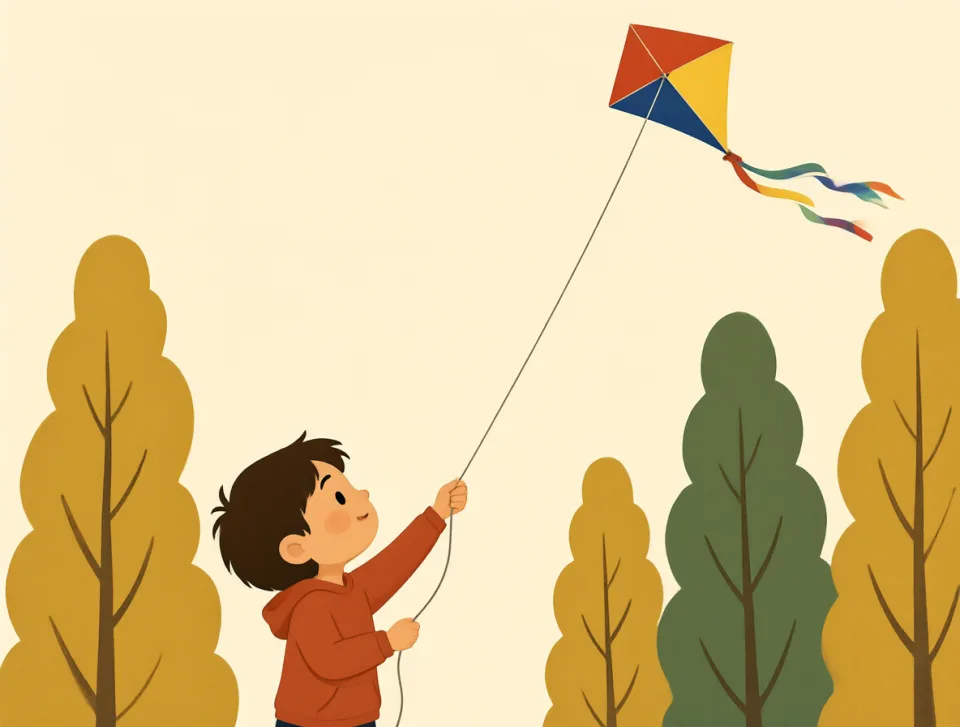
The kite flew high above the trees.
风筝在树上方高高地飞着。

Please put the books on the high shelf.
请把书放在高架子上。

Prices are high at this store.
这家店的价格很高。
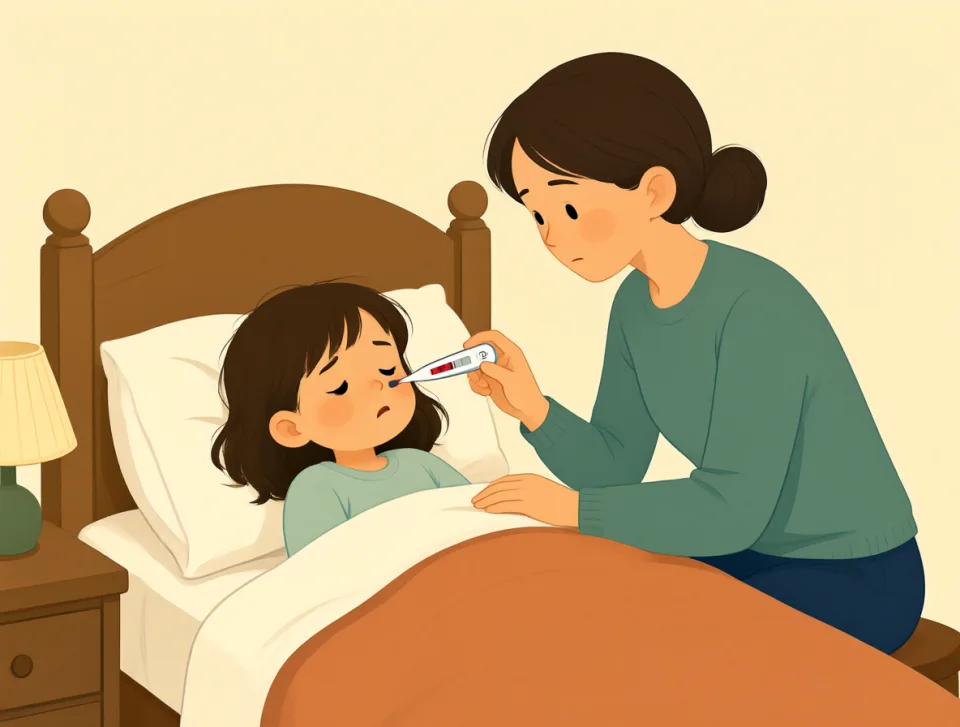
She has a high fever today.
她今天发高烧。

The plane climbed high into the sky.
飞机高高地爬升到天空中。
different
#149adjective
不同的;不一样的
Not the same as another person or thing.
与另一个人或事物不一样。

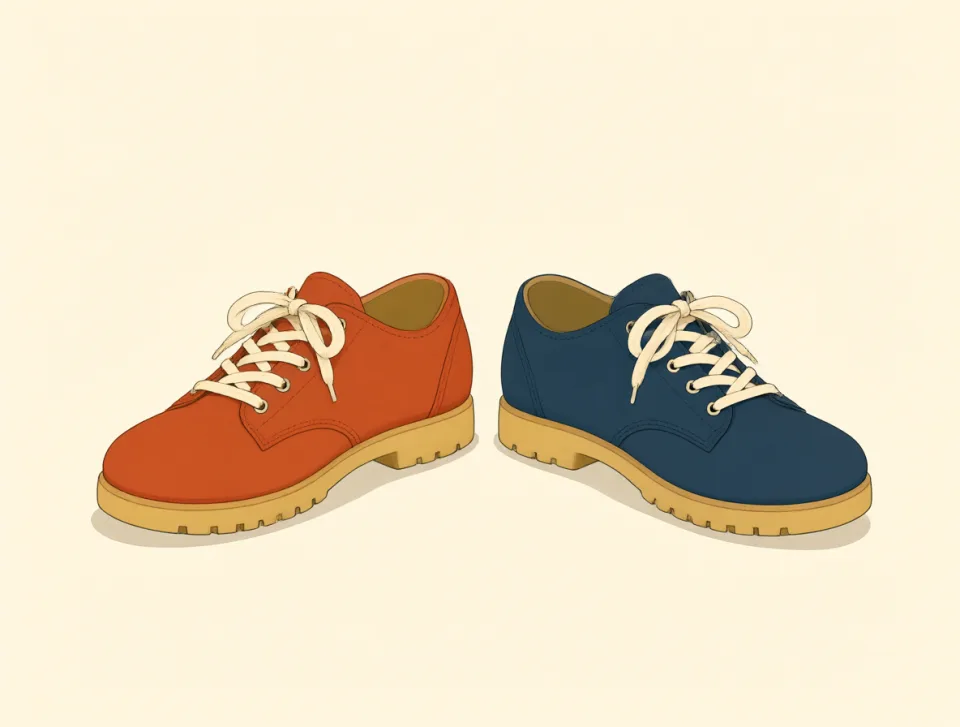
My new shoes are different from yours.
我的新鞋和你的不一样。

We tried different foods at the market.
我们在市场上尝试了不同的食物。

She has a different idea for the project.
她对这个项目有不同的想法。

The weather is different in the mountains.
山里的天气不一样。

He feels different after taking the medicine.
吃了药后,他感觉不一样了。

off
#150adverb, adjective, preposition, noun
关闭;离开;脱离;变质
Away from a place, position, or working state; not operating or attached.
离开某个地方或位置,处于非工作状态,或没有连接在一起。
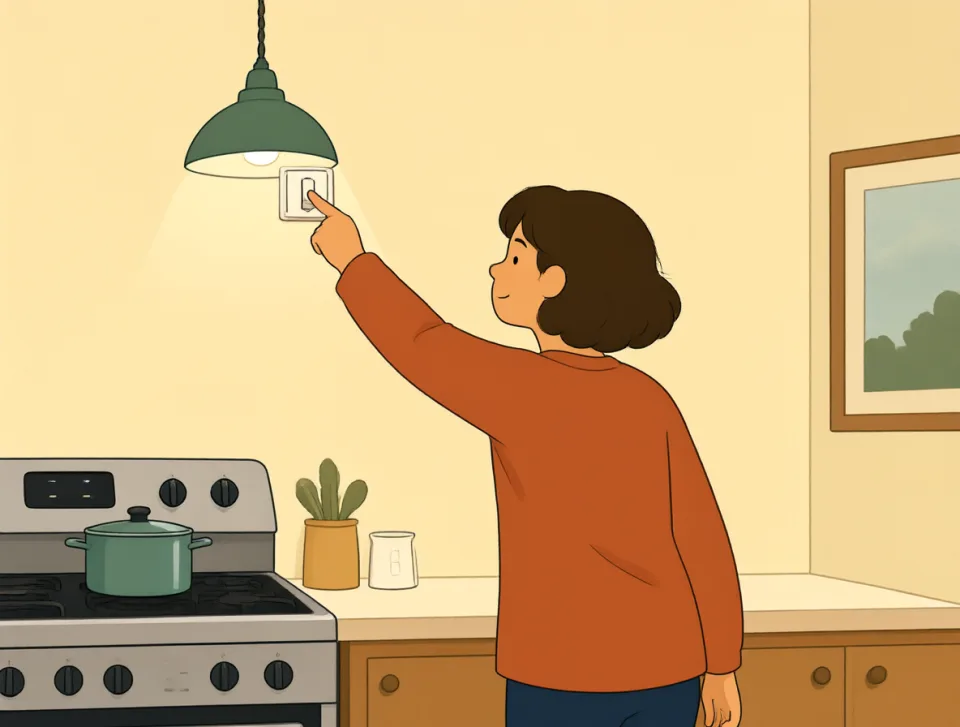
Please turn off the kitchen light.
请把厨房的灯关掉。
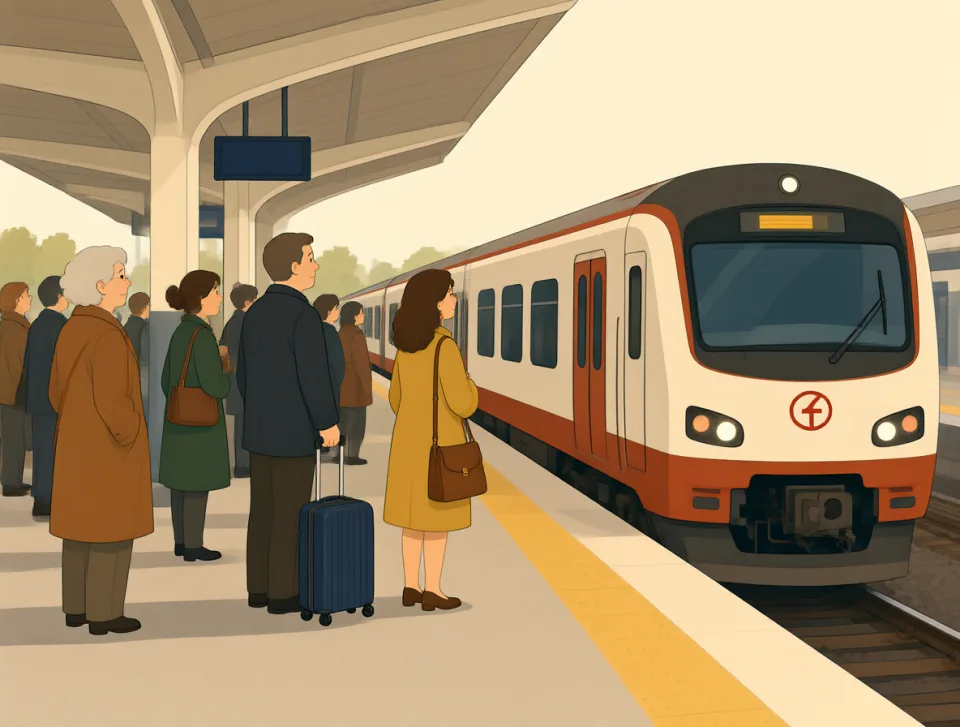
The train left ten minutes off schedule.
火车晚点十分钟出发。
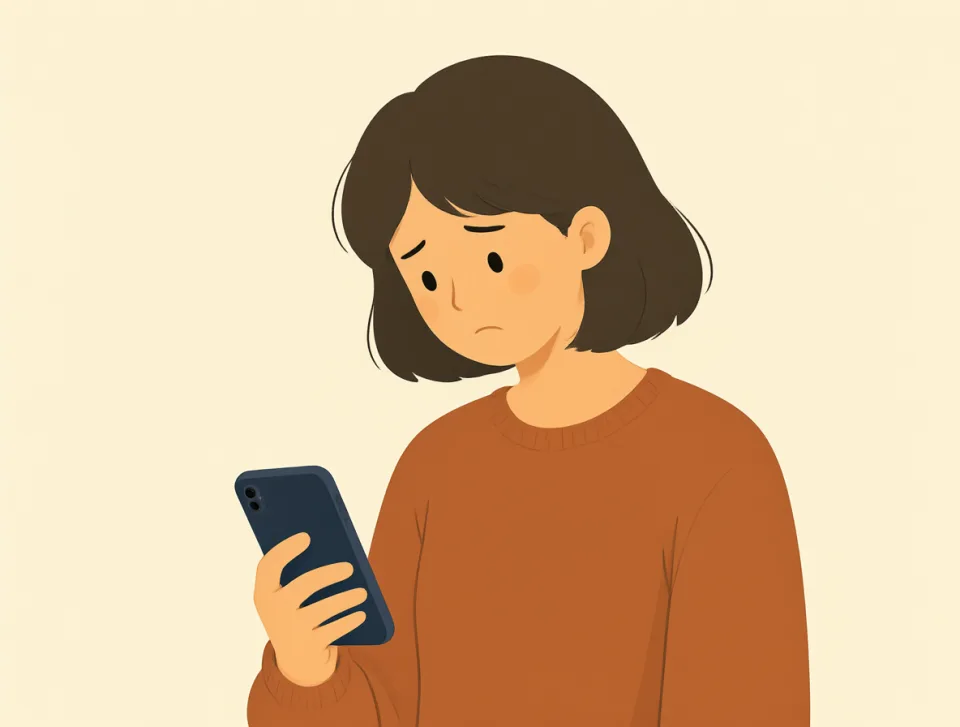
My phone is off because its battery died.
我的手机没电关机了。
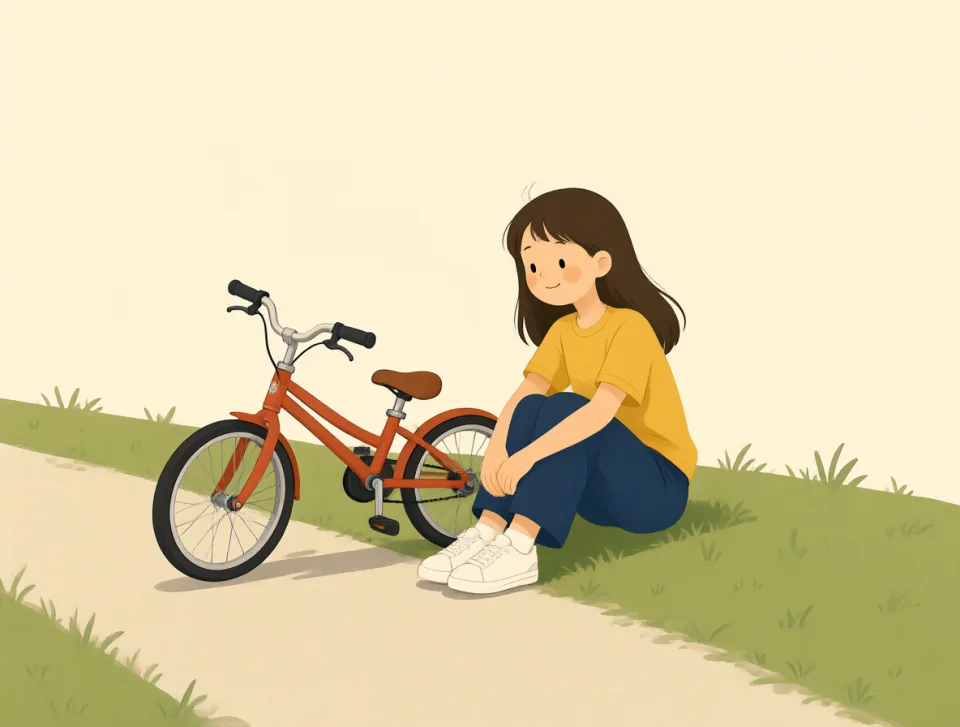
She fell off her bike yesterday.
她昨天从自行车上摔了下来。
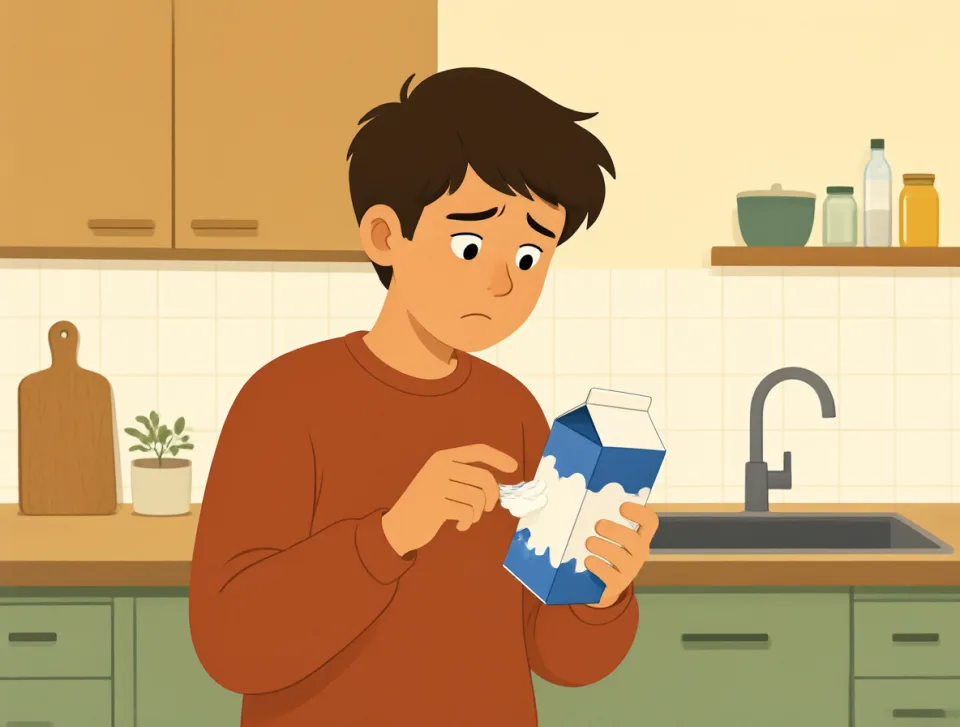
The milk smells off, so throw it away.
牛奶闻起来变质了,把它扔掉吧。
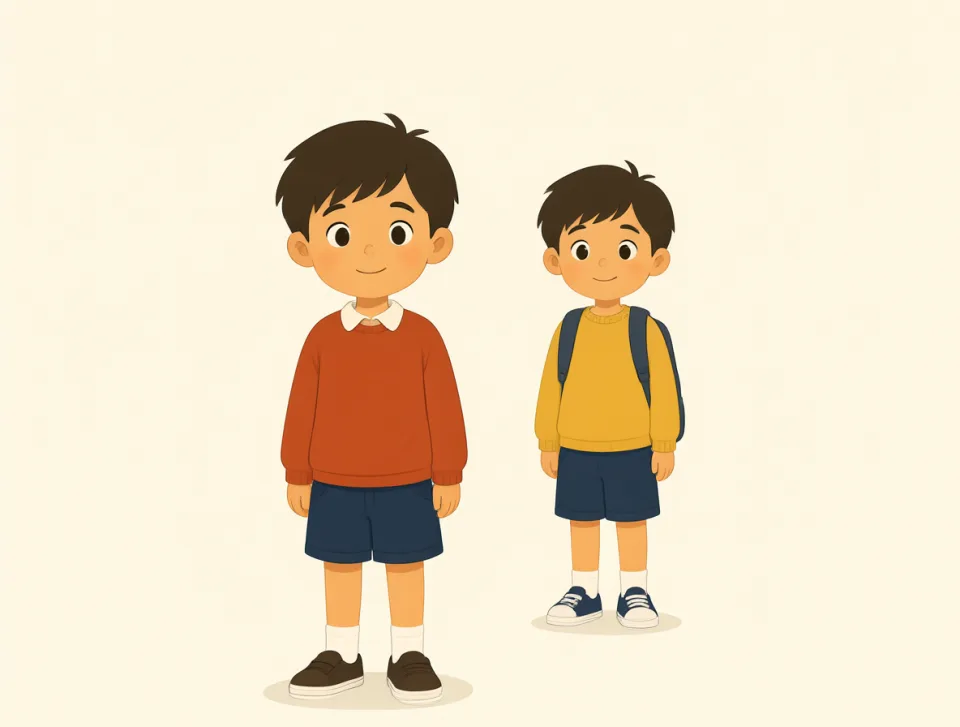
next
#151adjective, adverb, noun, determiner
下一个;接下来;下一次
Coming immediately after this one in time, order, or place.
在时间、顺序或位置上紧接着这一个之后的。
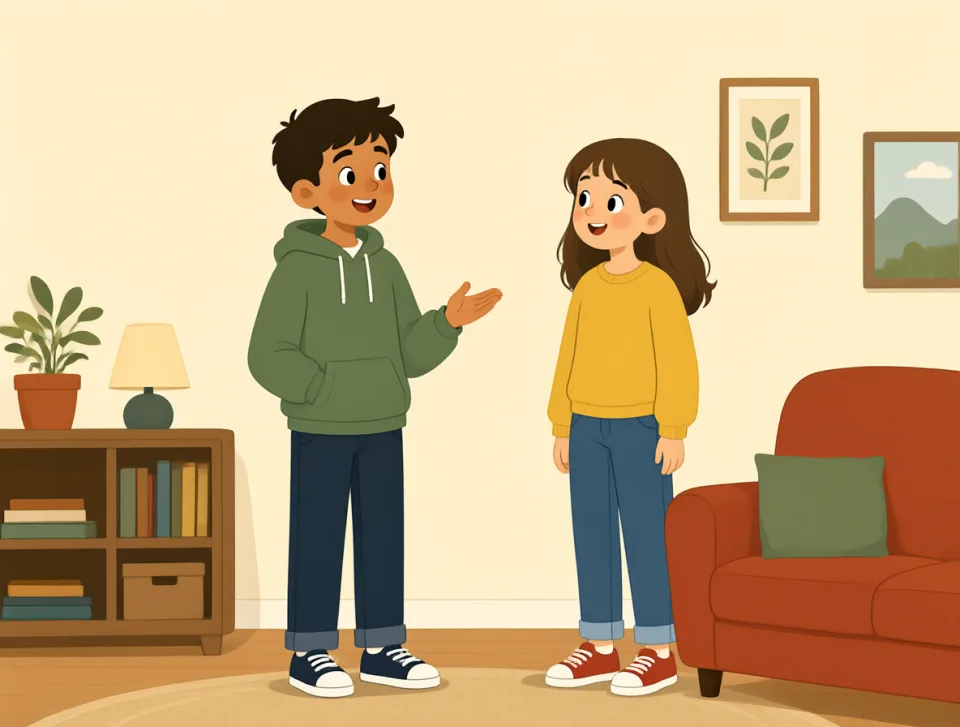
What are you doing next?
你接下来要做什么?
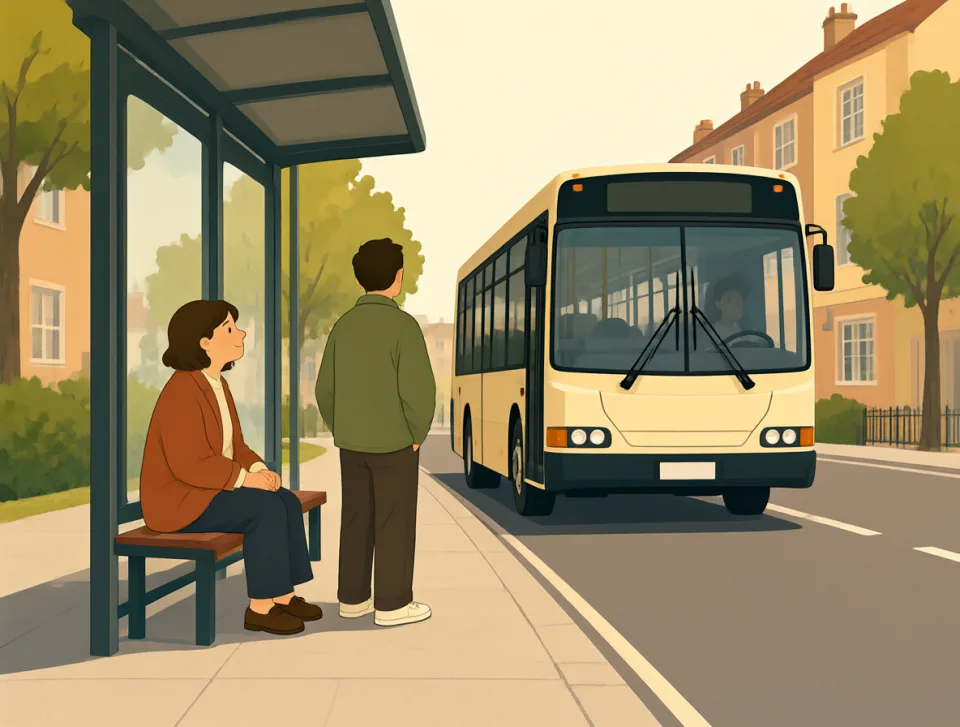
The next bus leaves at noon.
下一班公共汽车中午出发。

Please call me next week.
请下周给我打电话。

She was next in line for coffee.
她排在队伍中,下一位就轮到她买咖啡了。
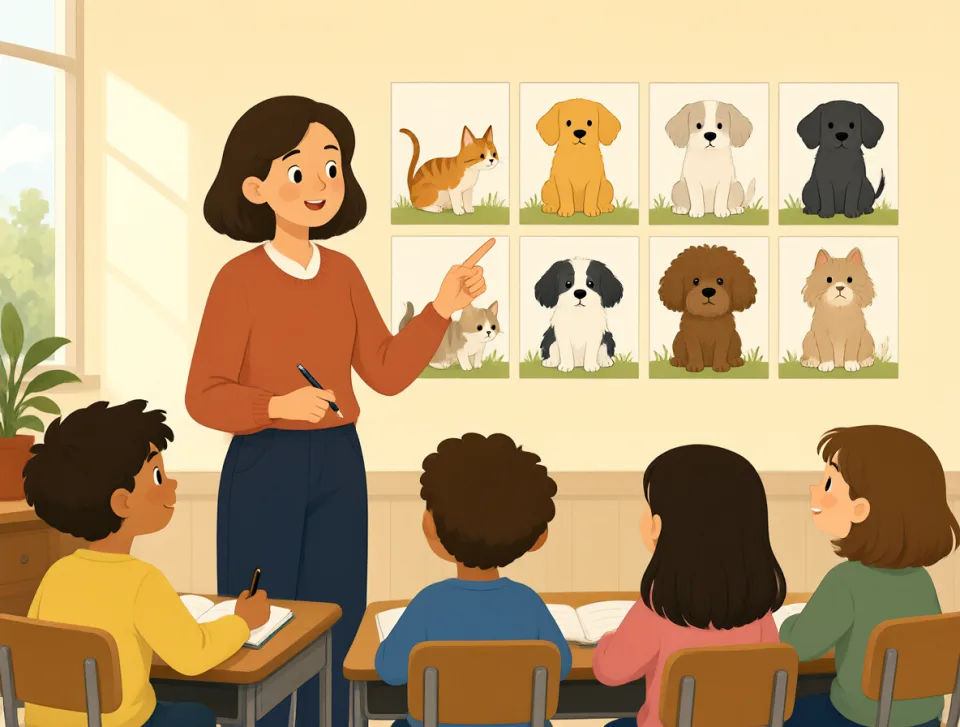
Our next lesson is about animals.
我们的下一课是关于动物的。

end
#152noun, verb
结束;末尾;尽头
the final part of something, or to finish something
某事物的最后部分,或完成某事
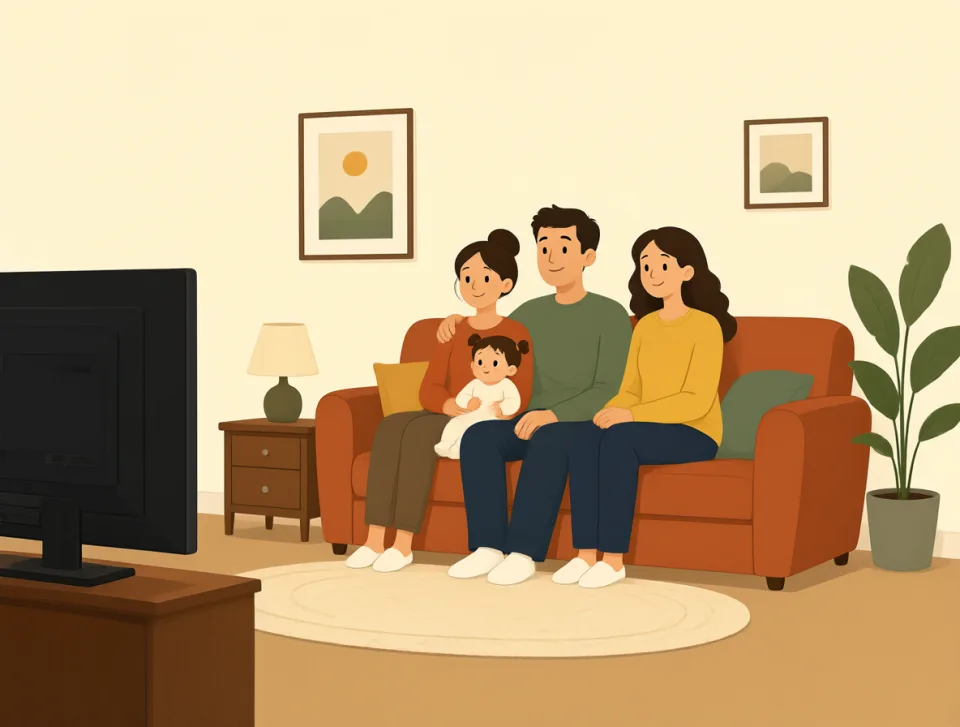
The movie ended late last night.
昨晚电影很晚才结束。
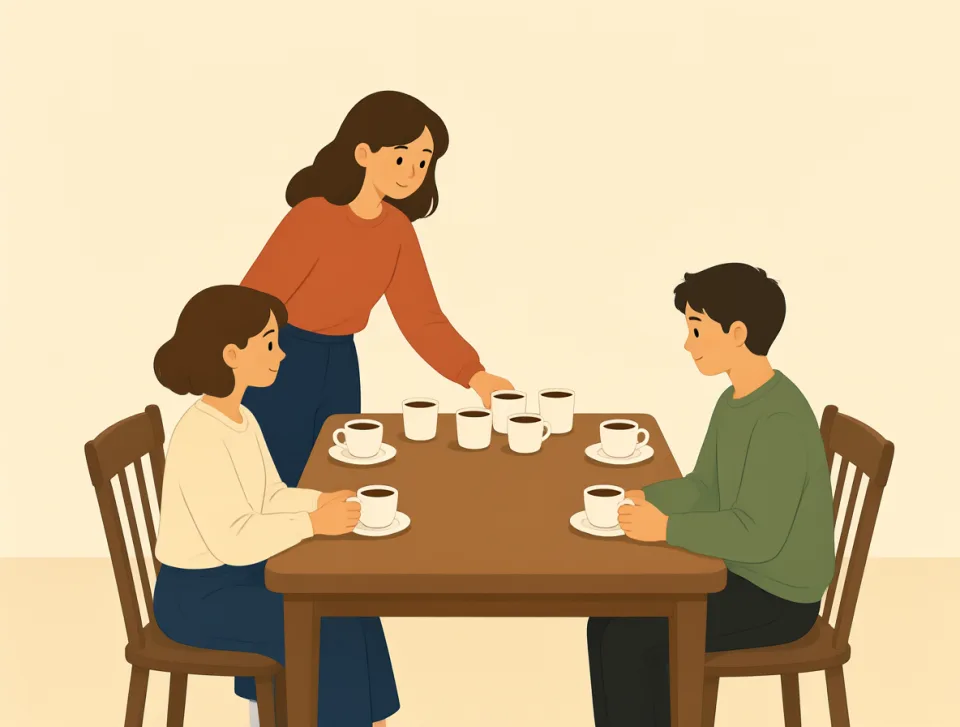
Please put the cups at the end.
请把杯子放在末尾。
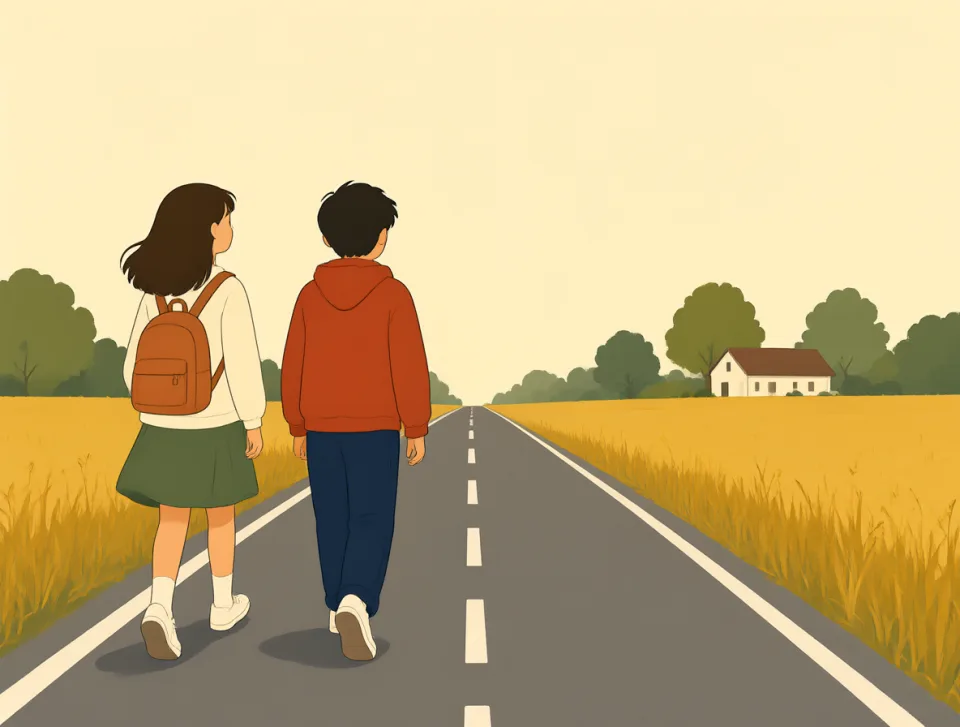
We walked to the end of the road.
我们走到了路的尽头。
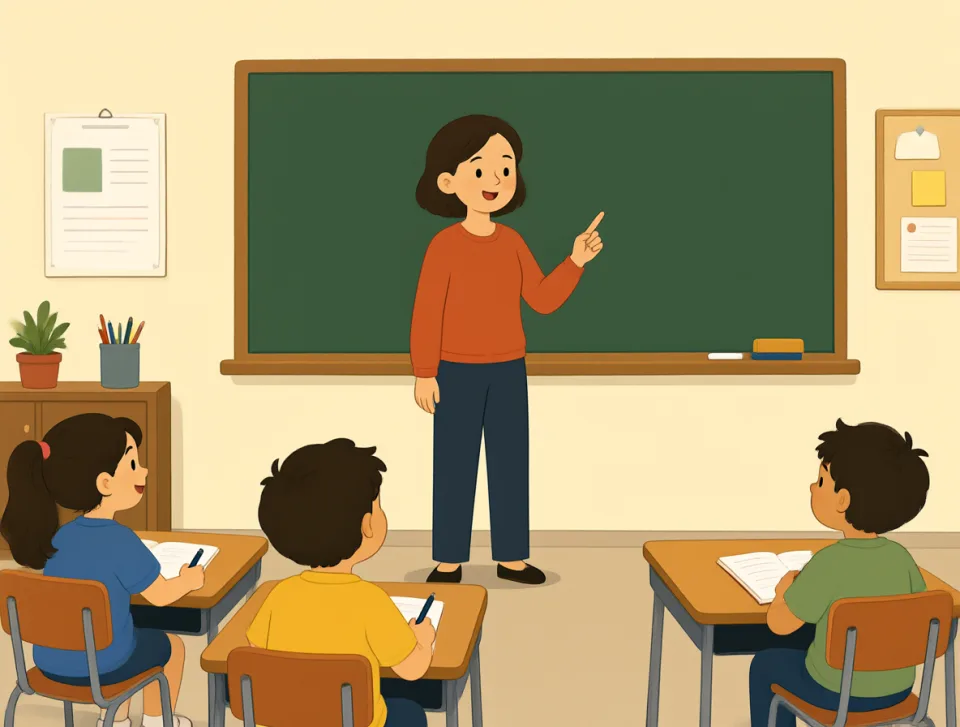
The lesson ends at three o’clock.
课在三点结束。

I ended my letter with a kind message.
我在信的结尾写了一句友好的话。

live
#153verb, adjective, adverb
居住;生活;直播的;现场的
To have your home in a place; or happening now, in real time.
住在某个地方;或正在发生、实时进行
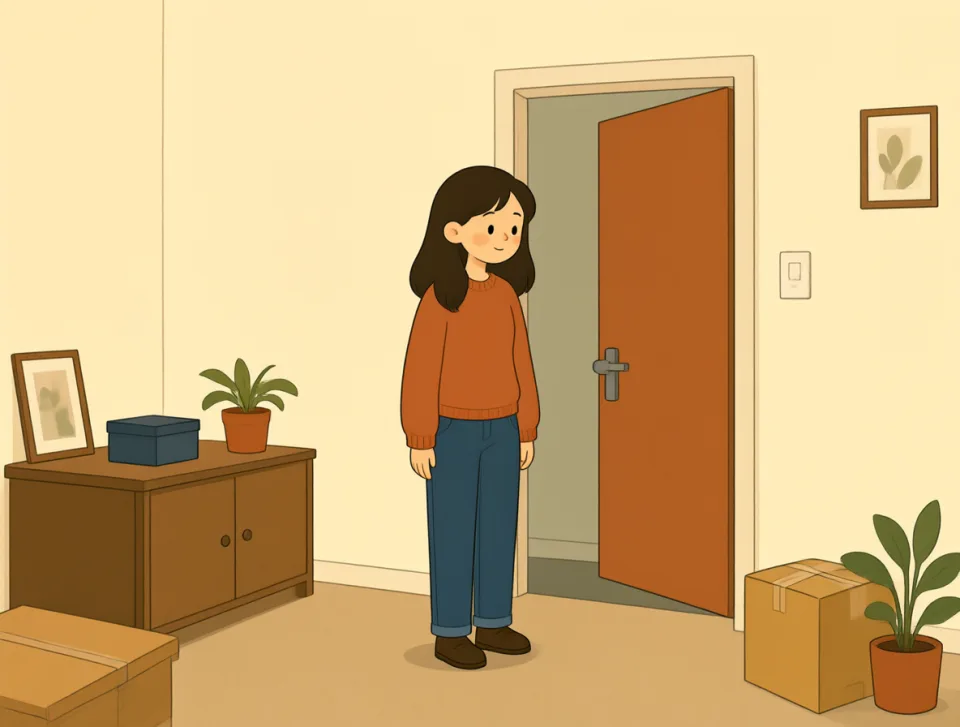
I live in a small apartment.
我住在一间小公寓里。

Do you live near the school?
你住在学校附近吗?
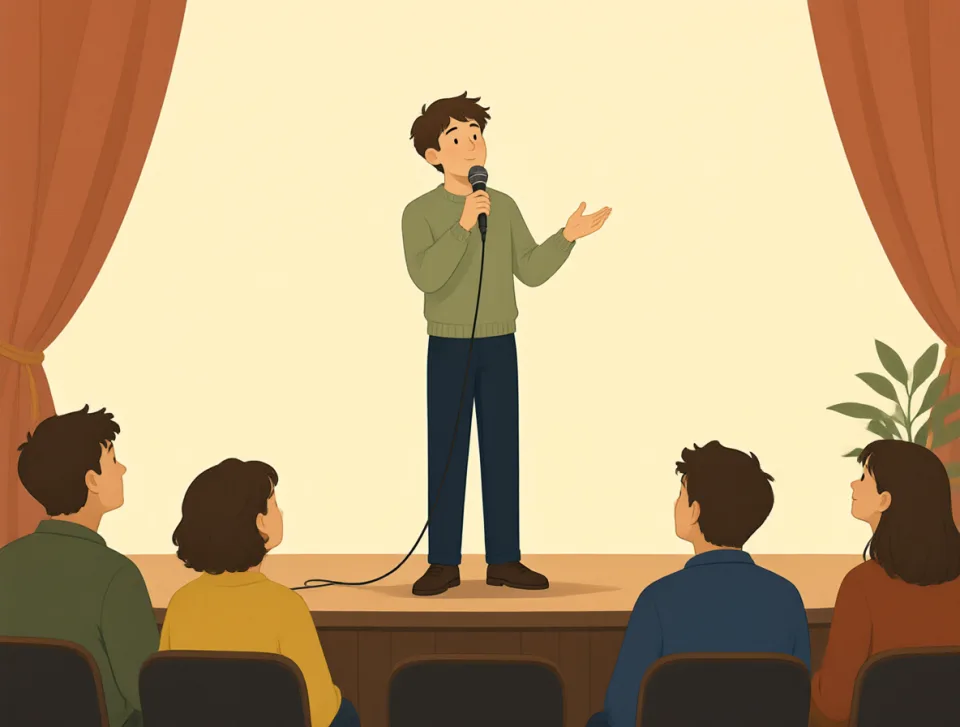
We watched a live music show.
我们看了一场现场音乐演出。

Many animals live in the forest.
许多动物生活在森林里。
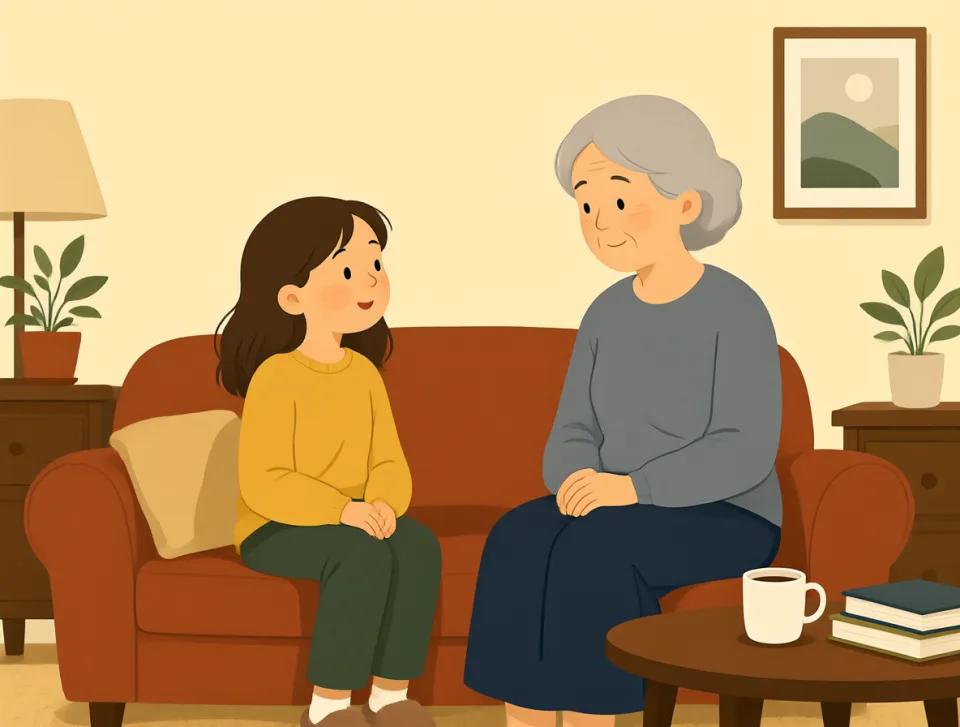
She is living with her aunt.
她和她的姨妈住在一起。
why
#154adverb, noun
为什么;理由
Used to ask about or explain the reason for something.
用于询问或解释某件事情的原因。
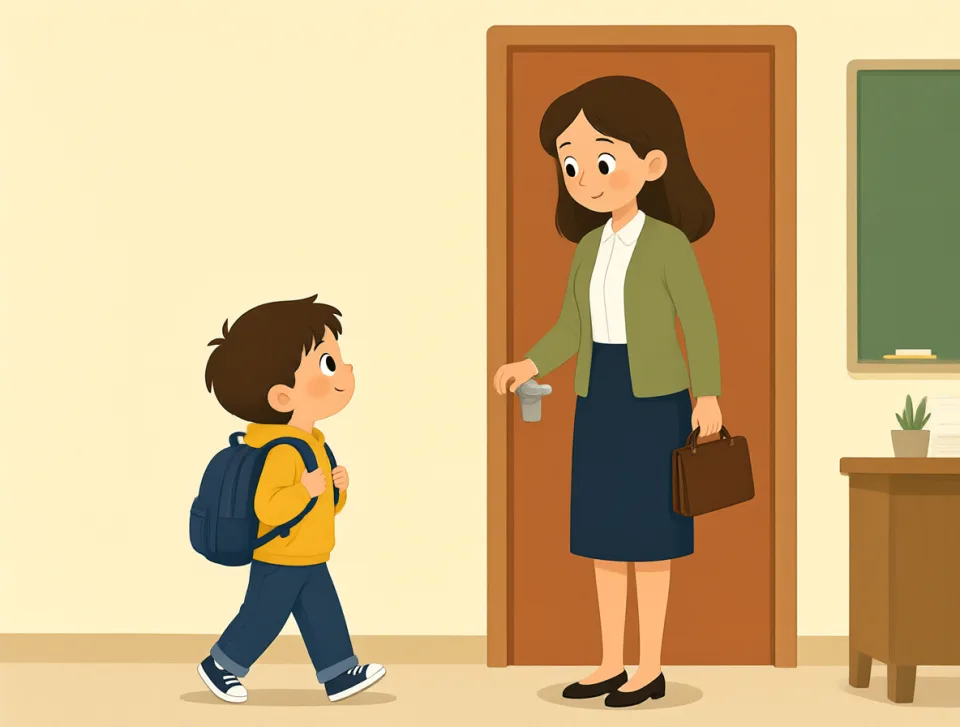
Why are you late for school?
你为什么上学迟到了?

I know why she feels tired.
我知道她为什么觉得累。

Why did you leave work early?
你为什么提前下班了?

He asked why the shop was closed.
他问商店为什么关门了。

There is no reason why we cannot go.
没有理由说我们不能去。
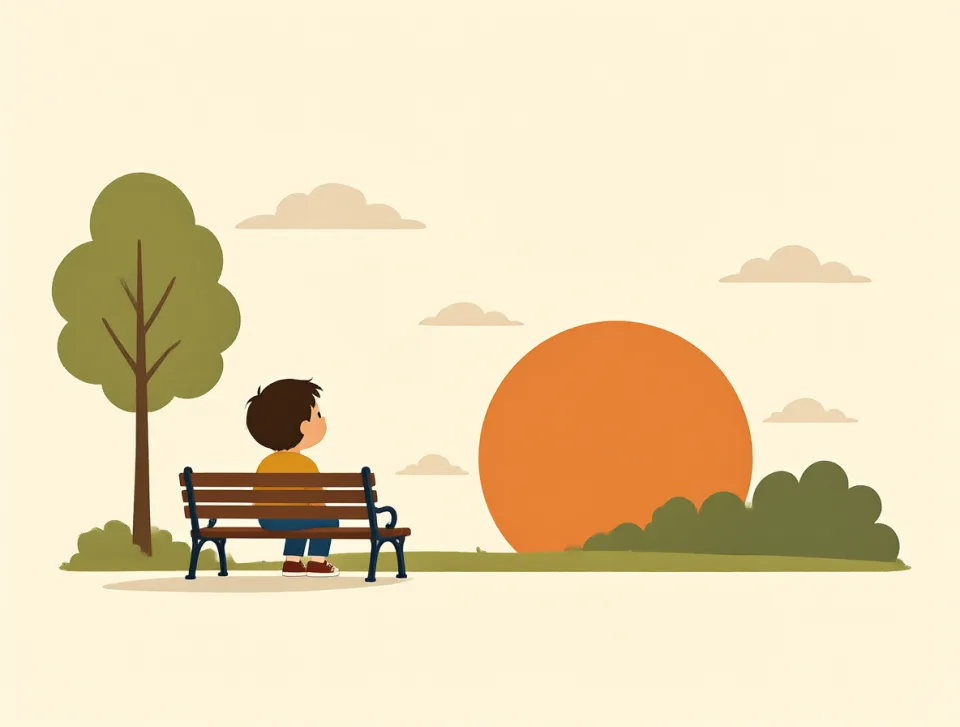
while
#155noun, conjunction, preposition
一段时间;当……时;在……期间
a period of time; during the time that something happens
一段时间;某事发生期间

Please wait here while I get your bag.
我去拿你的包时,请在这里等一下。

She listened to music while cooking dinner.
她一边做晚饭,一边听音乐。

We talked for a while after school.
放学后,我们聊了一会儿。

He read a book while waiting for the train.
他在等火车时看了一本书。
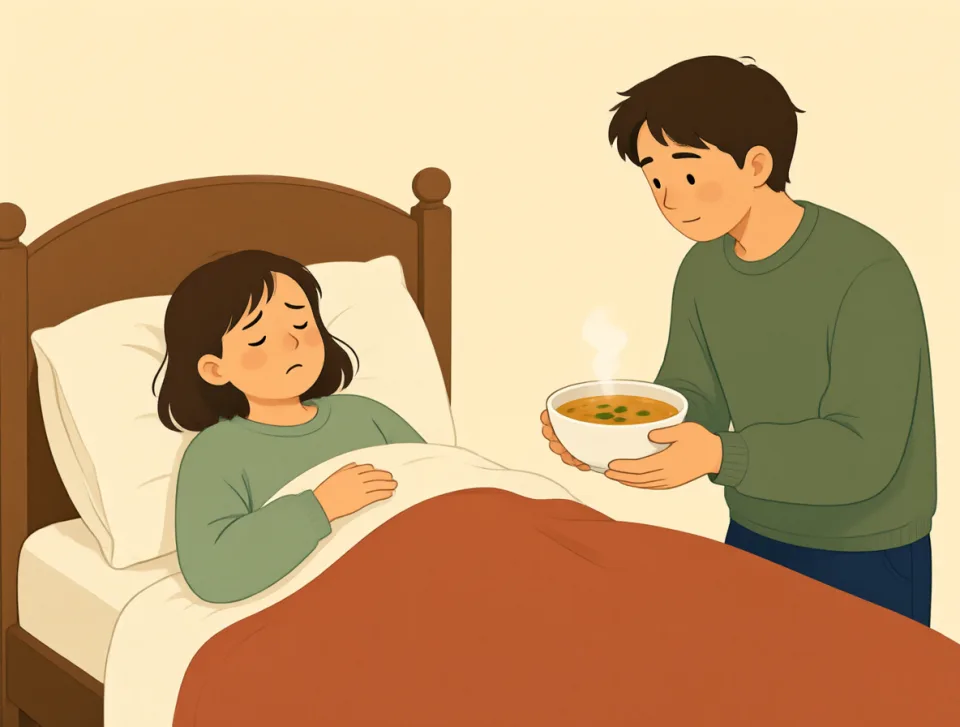
While I was sick, my friend brought soup.
我生病期间,我的朋友给我送来了汤。

world
#156noun
世界
the Earth and all its people, countries, and places
地球以及地球上的所有人、国家和地方

People around the world enjoy music.
世界各地的人都喜欢音乐。
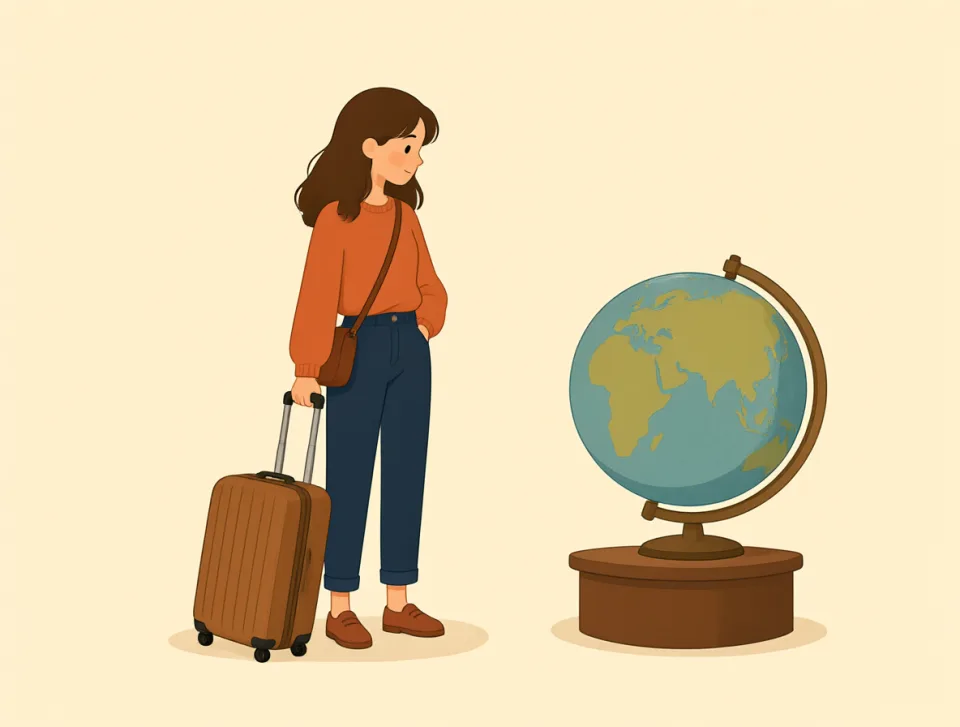
She wants to travel the world.
她想周游世界。

The whole world watched the game.
全世界都观看了这场比赛。
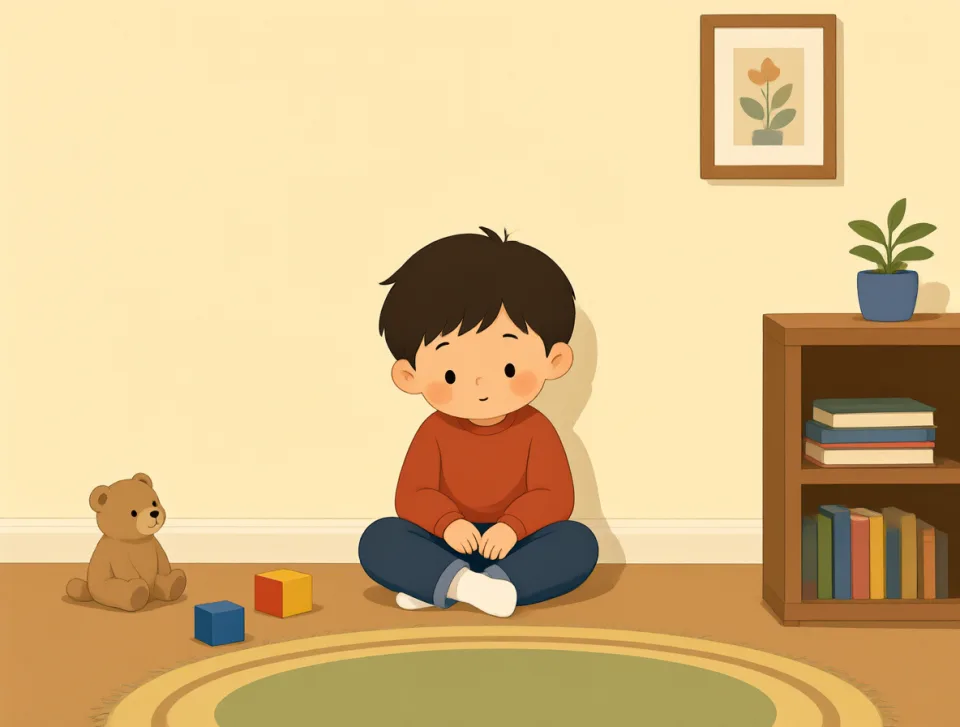
He lives in a small world.
他生活在一个小世界里。

World history is my favorite school subject.
世界历史是我最喜欢的学校科目。

week
#157noun
星期;周
A period of seven days, from one day to the same day the next week.
从某一天到下一周同一天的七天时间段。

I visit my parents every week.
我每周都去看望父母。

She was sick last week.
她上周生病了。

We have a team meeting this week.
我们这周要开团队会议。
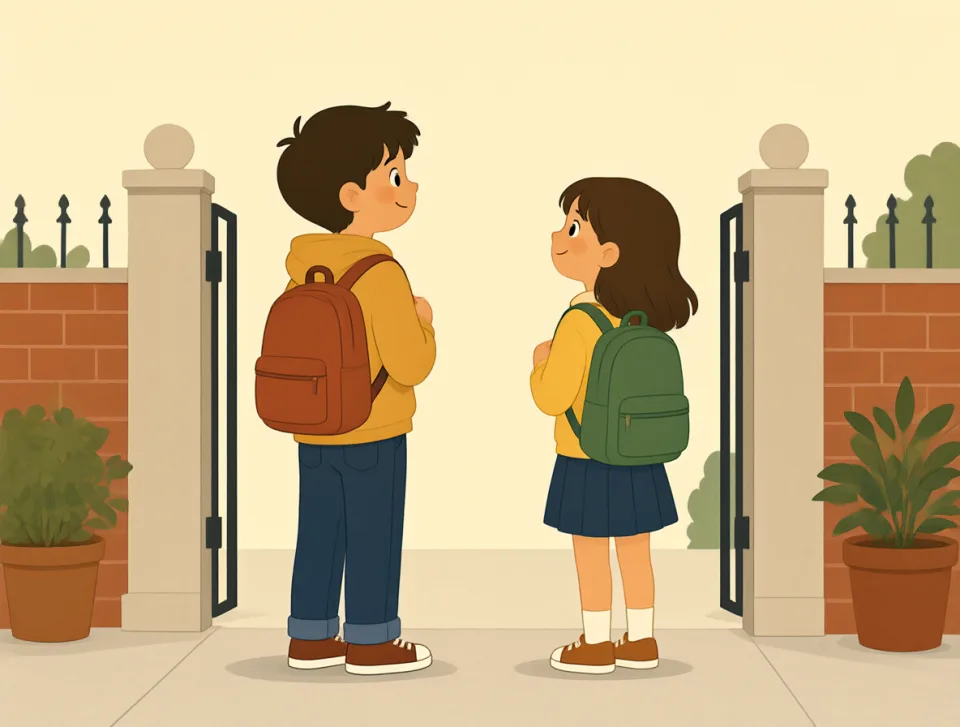
The children start school next week.
孩子们下周开学。

We are traveling to Spain in two weeks.
我们两周后要去西班牙旅行。
play
#158verb, noun
玩;演奏;扮演;参加比赛
to do something for fun, or to act in a show
为了娱乐而做某事,或在演出中扮演角色
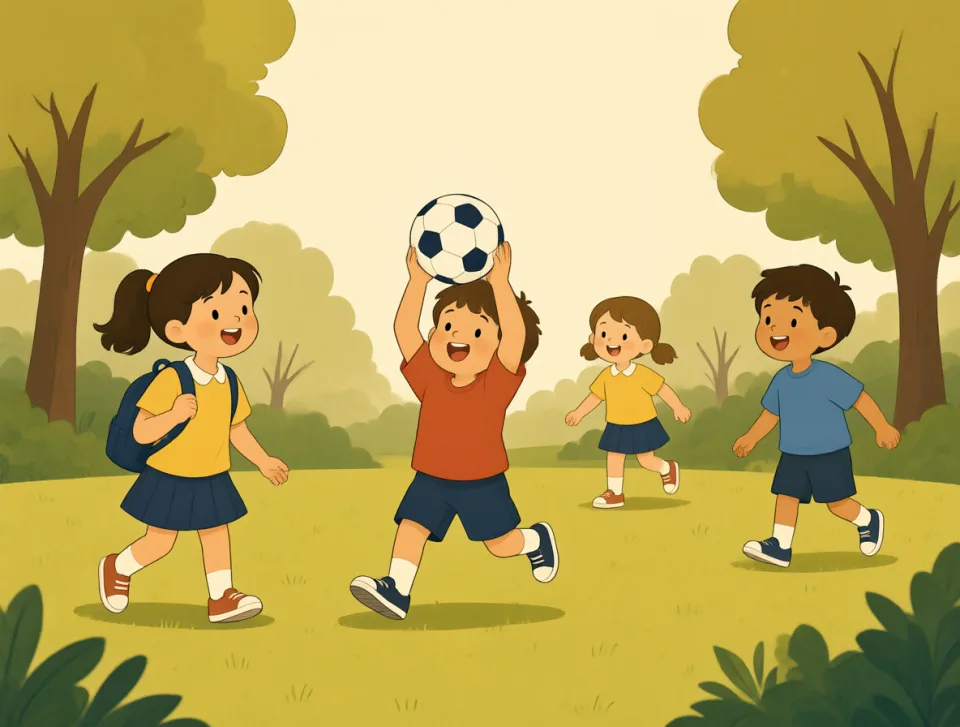
The children play outside after school.
孩子们放学后在外面玩。
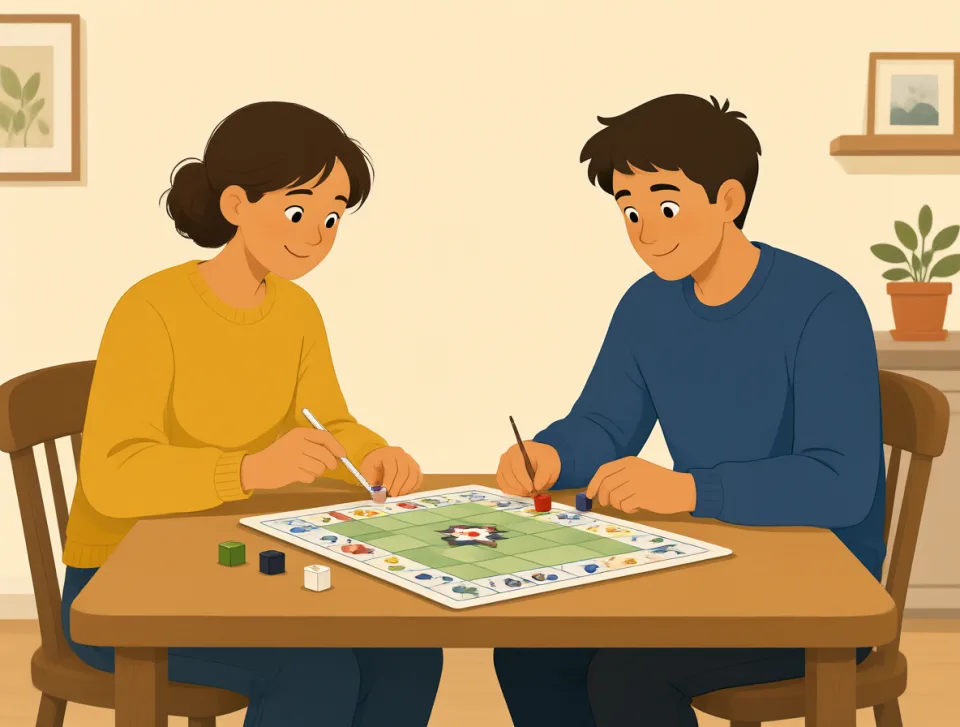
We played a game at home.
我们在家玩了一个游戏。
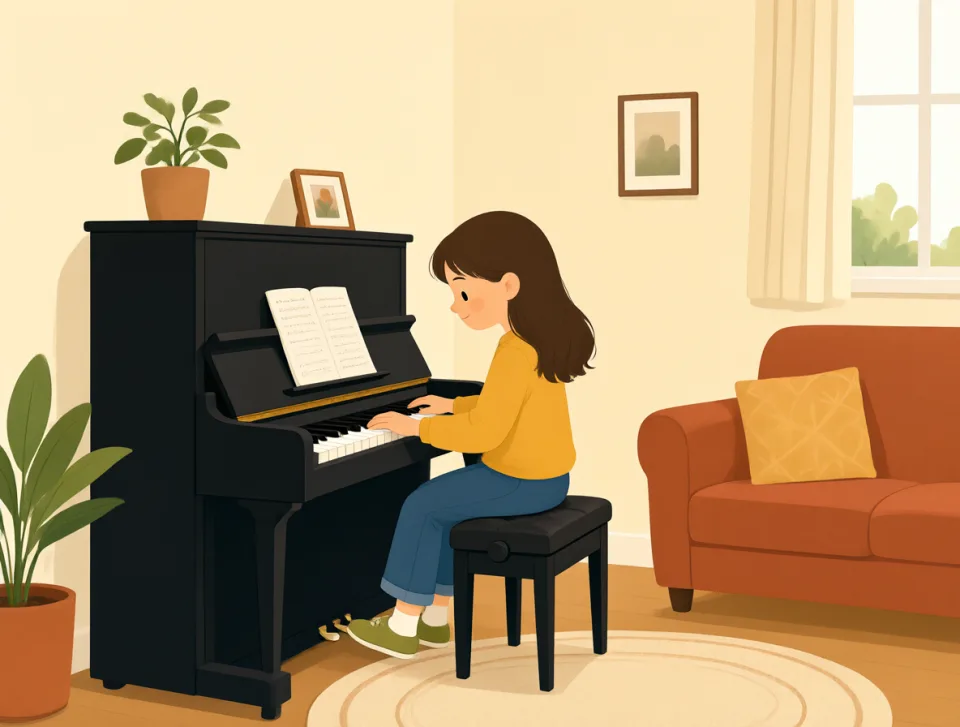
She plays the piano every morning.
她每天早上弹钢琴。
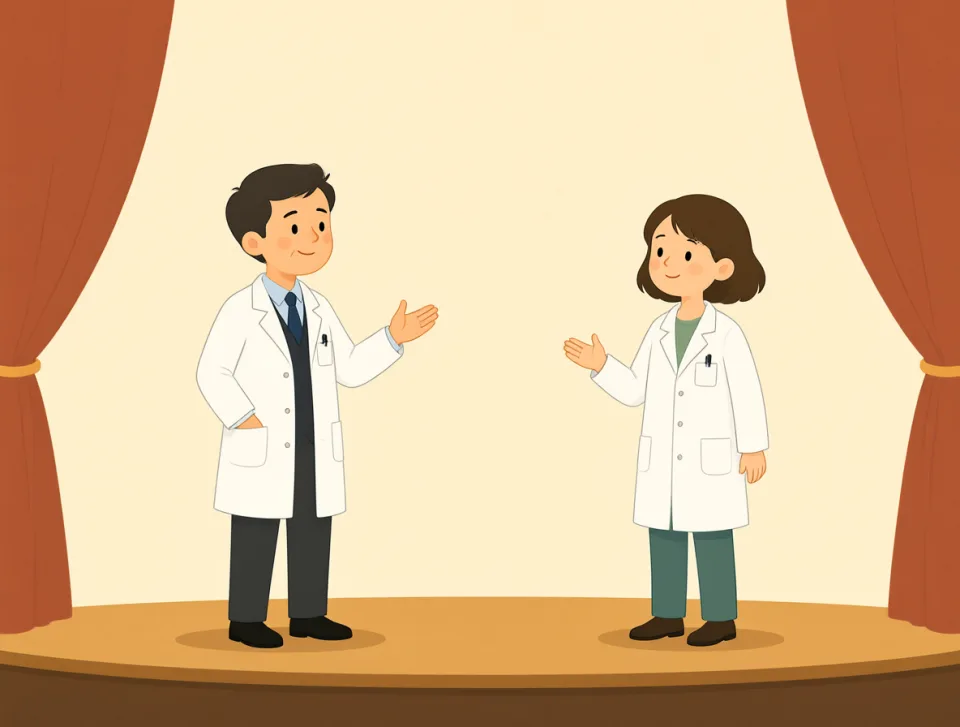
The actors play doctors in the show.
演员们在节目中扮演医生。
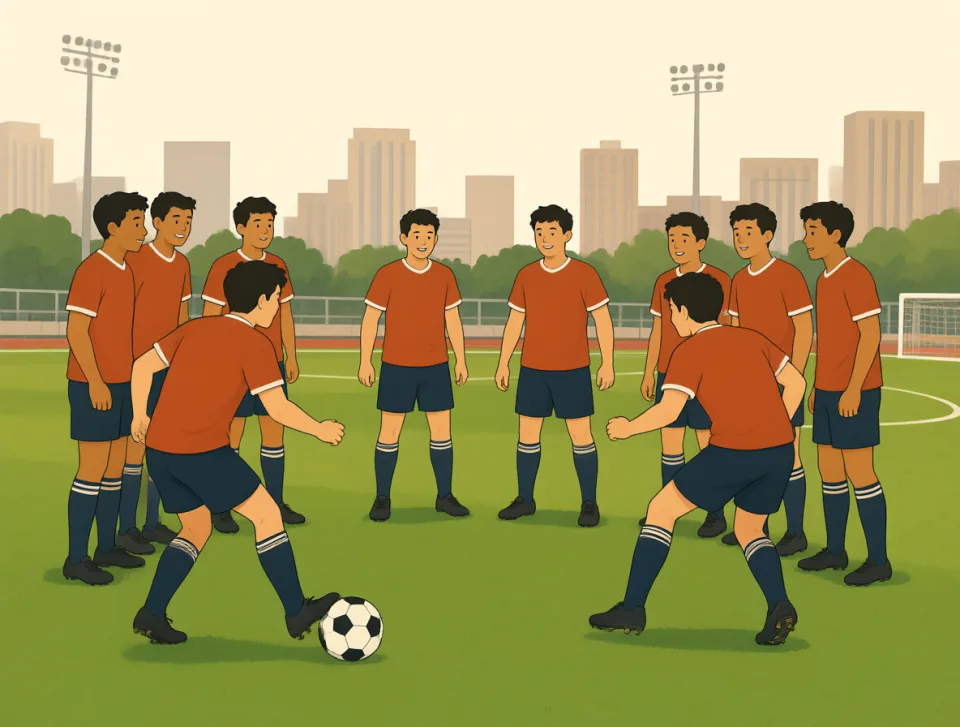
Our team plays in London tomorrow.
我们的球队明天在伦敦比赛。
might
#159modal verb, noun
可能;可以;威力;力量
Used to say something is possible or to ask permission politely.
用于表示某事有可能发生,或礼貌地请求许可。
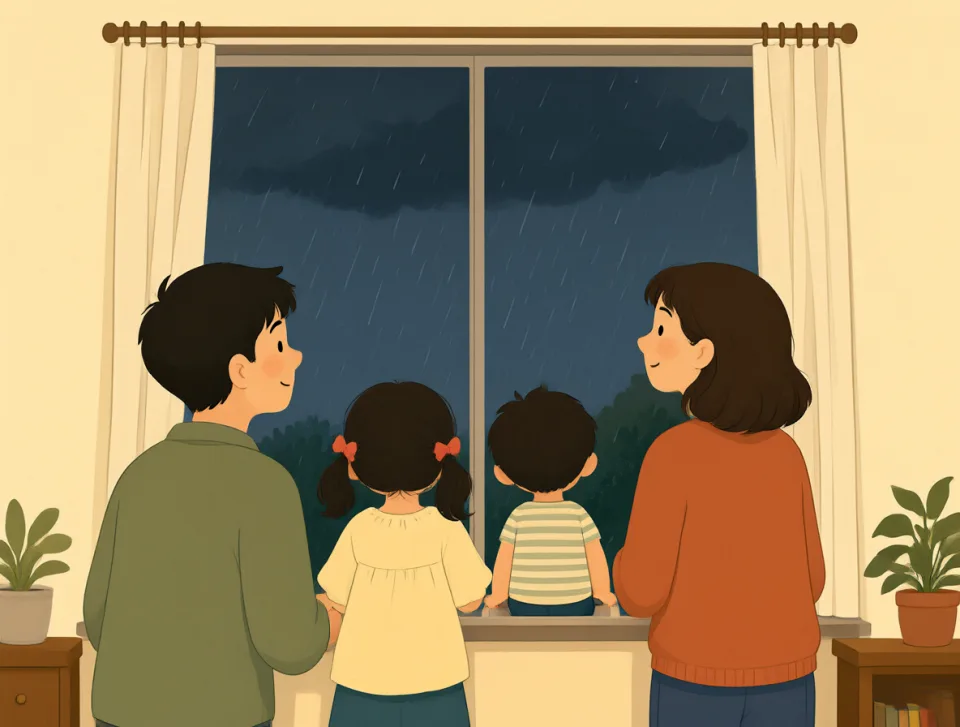
It might rain this afternoon.
今天下午可能会下雨。

I might go shopping after work.
我下班后可能会去购物。

Might I use your phone, please?
请问我可以用一下您的手机吗?

You might like this new restaurant.
你可能会喜欢这家新餐厅。

She might be sick today.
她今天可能生病了。
must
#160verb, noun
必须;一定要
To be necessary or required; something that you need to do or have.
表示有必要或被要求做某事;你需要做或拥有的事情。
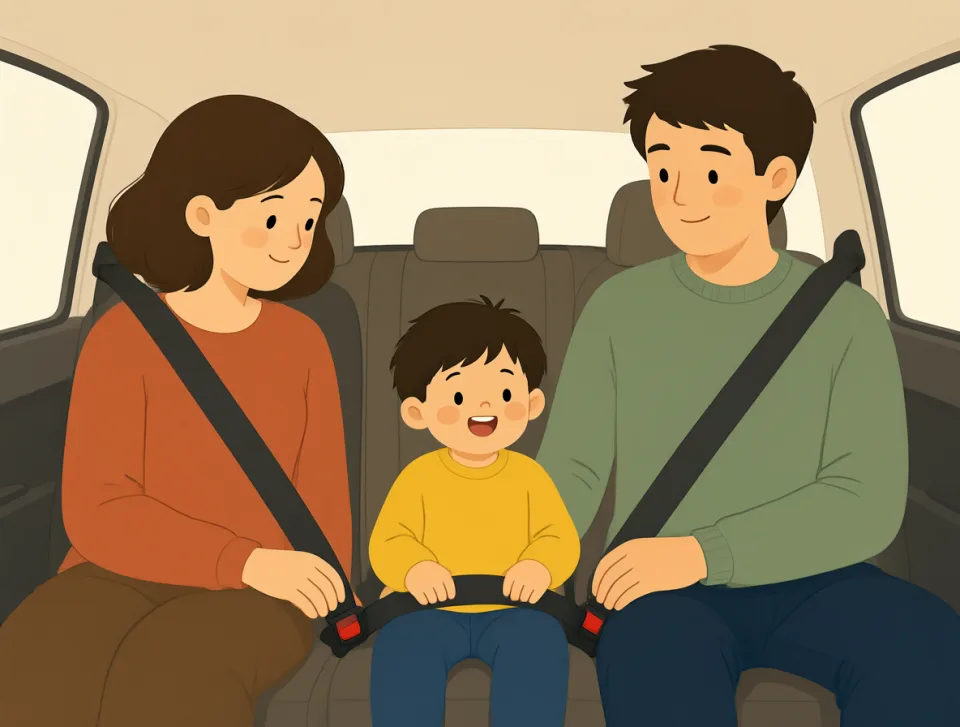
You must wear a seat belt.
你必须系好安全带。

We must leave home at seven.
我们必须七点离开家。
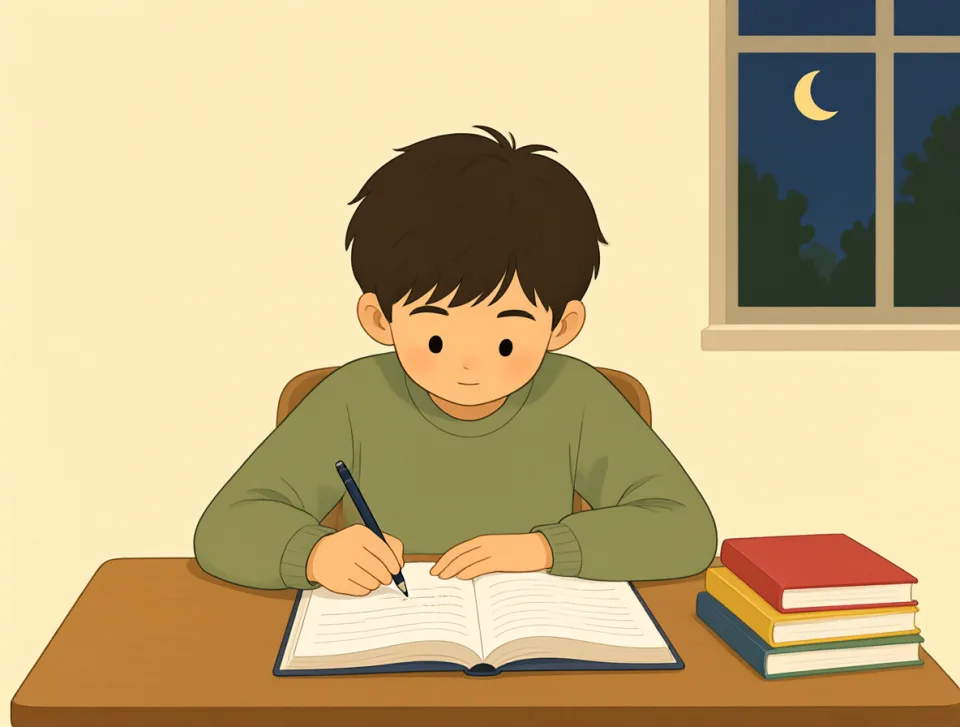
Students must finish their homework tonight.
学生今晚必须完成家庭作业。

You must try this chocolate cake.
你一定要尝尝这块巧克力蛋糕。

I must see a doctor about my cough.
我必须去看医生,检查一下我的咳嗽。