8. Ünite
141–160 arasındaki kelimeler · become, interest, country, old, each, school
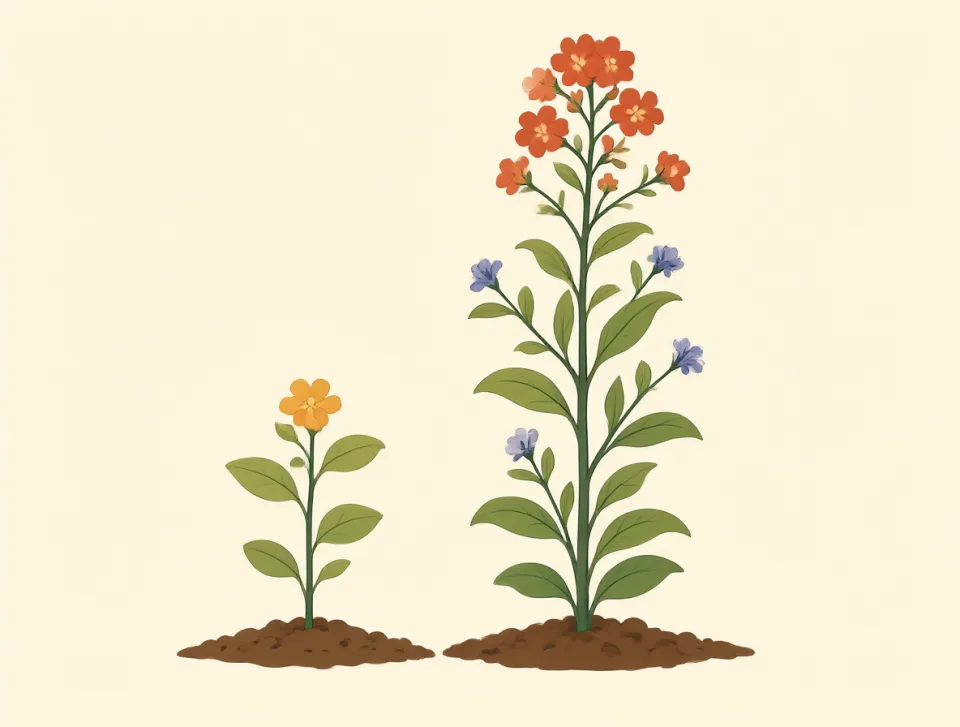
become
#141verb
olmak
to start to be something or change into a different state
bir şey olmaya başlamak veya farklı bir duruma geçmek
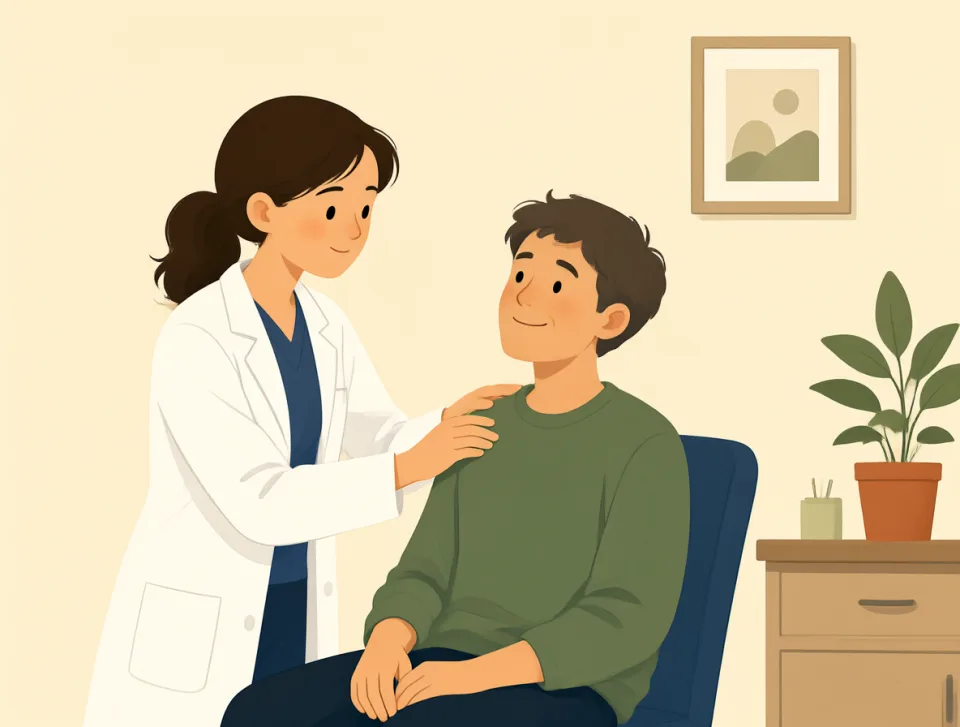
She wants to become a doctor someday.
Bir gün doktor olmak istiyor.
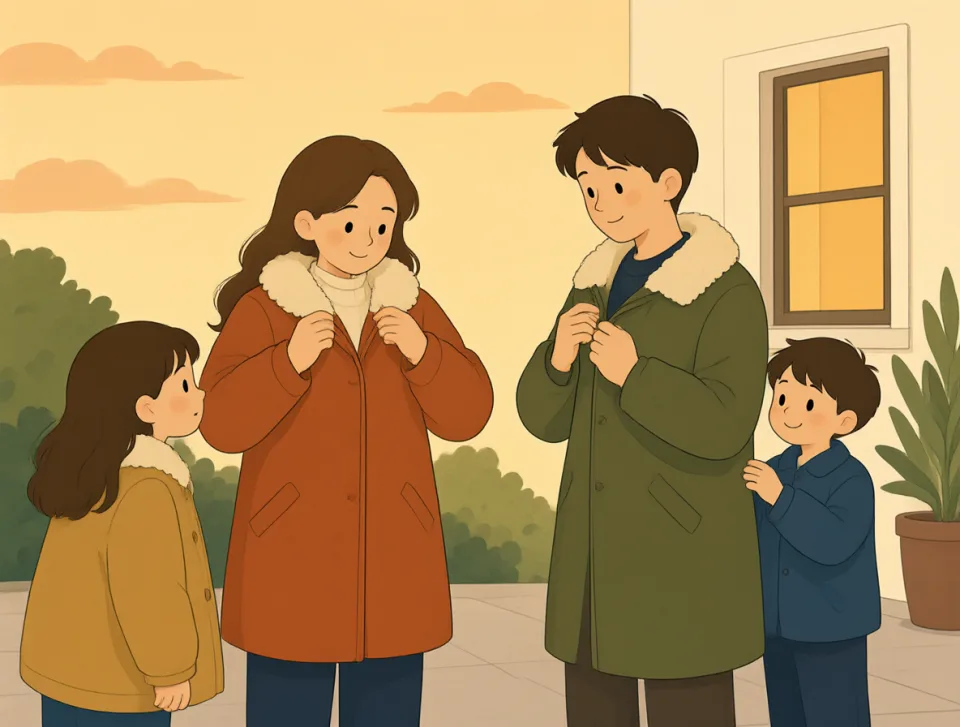
The weather became cold after sunset.
Gün batımından sonra hava soğudu.
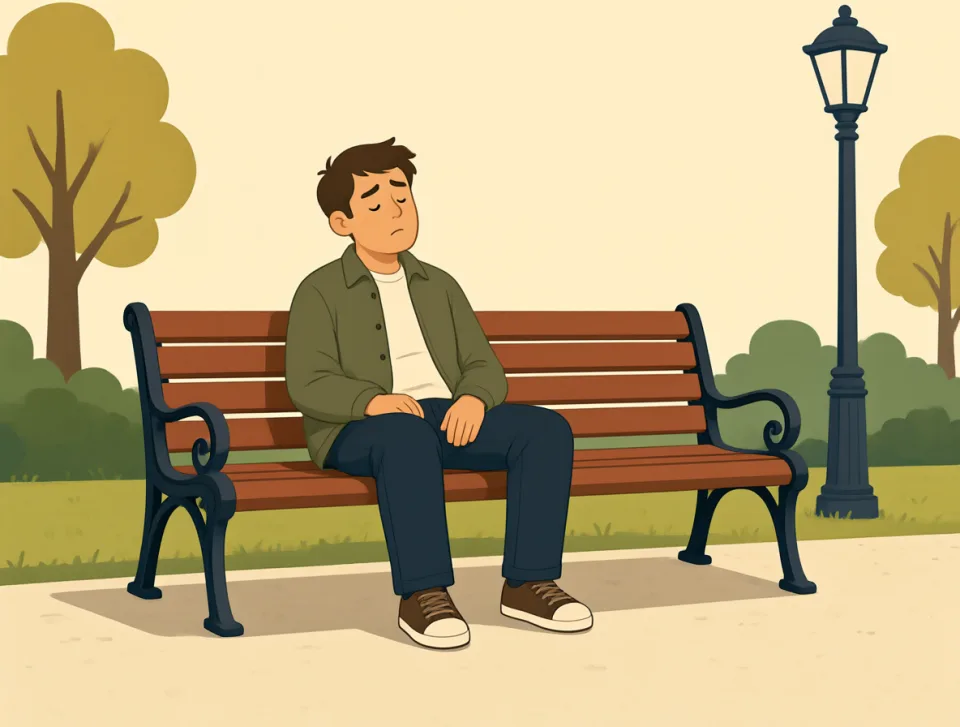
He became tired after the long walk.
Uzun yürüyüşten sonra yoruldu.
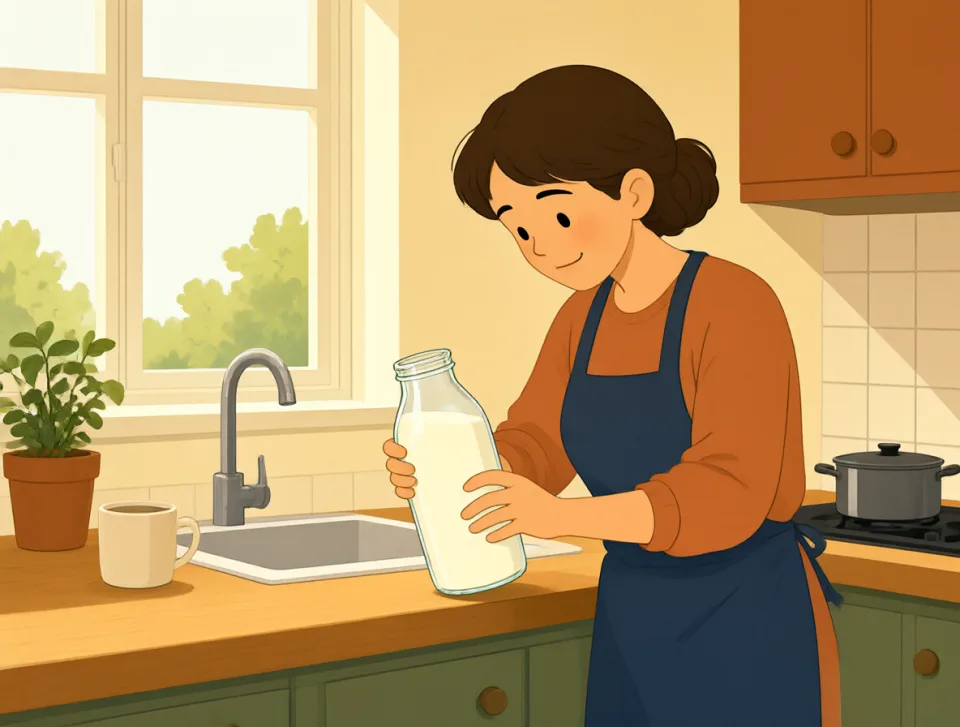
The milk became sour in the heat.
Sıcakta süt ekşidi.
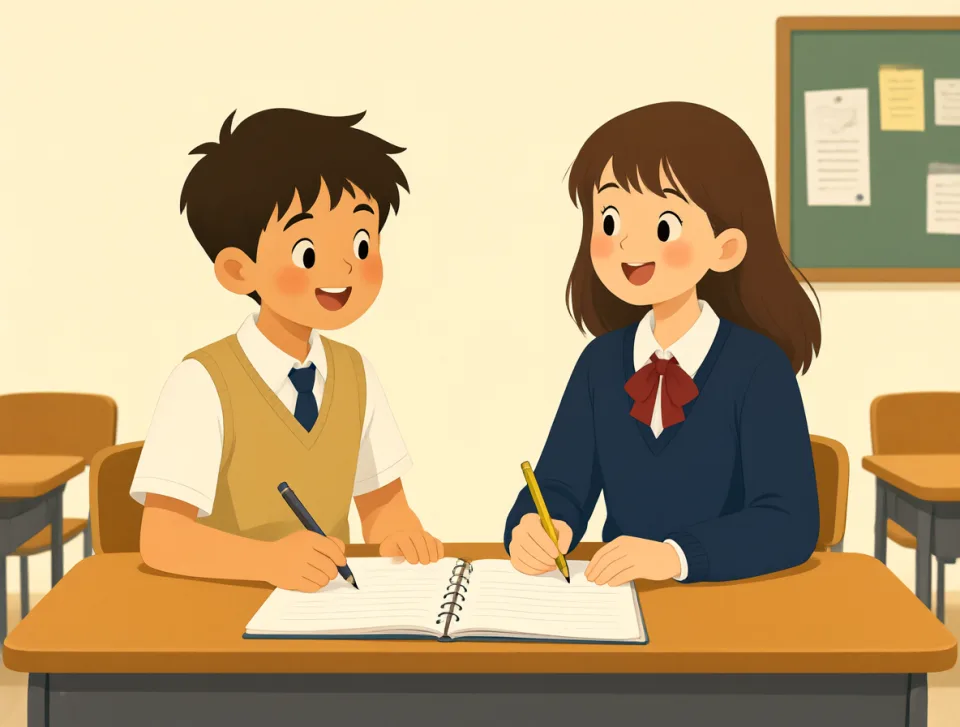
They became good friends at school.
Okulda iyi arkadaş oldular.
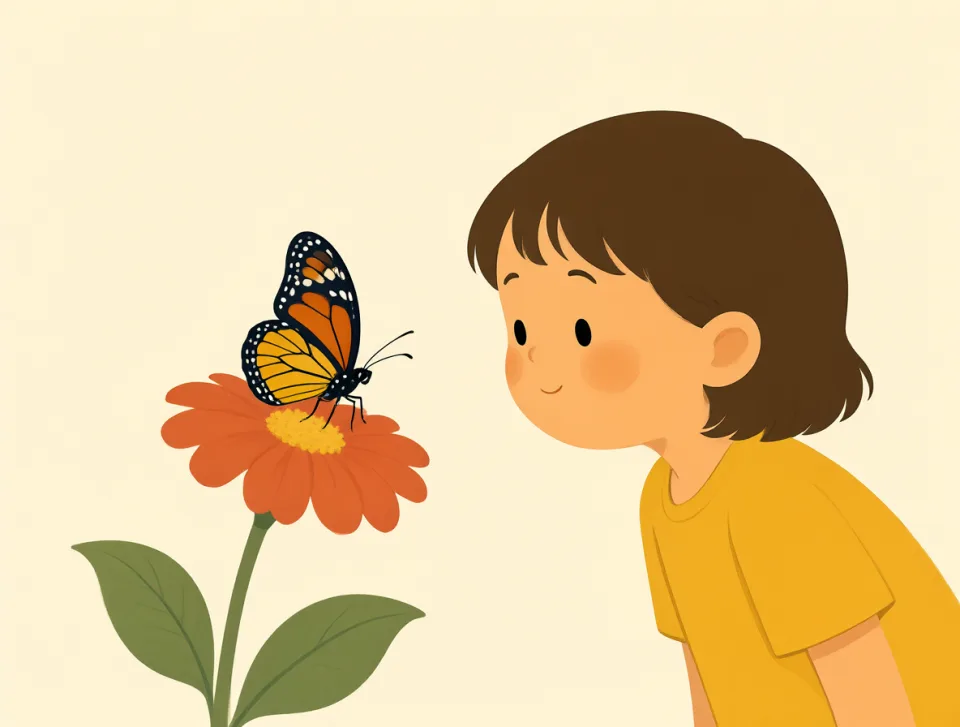
interest
#142noun, verb
ilgi
A feeling of wanting to know or learn about something; to make someone curious.
Bir şeyi öğrenme ya da hakkında bilgi edinme isteği; birinin merakını uyandırma.
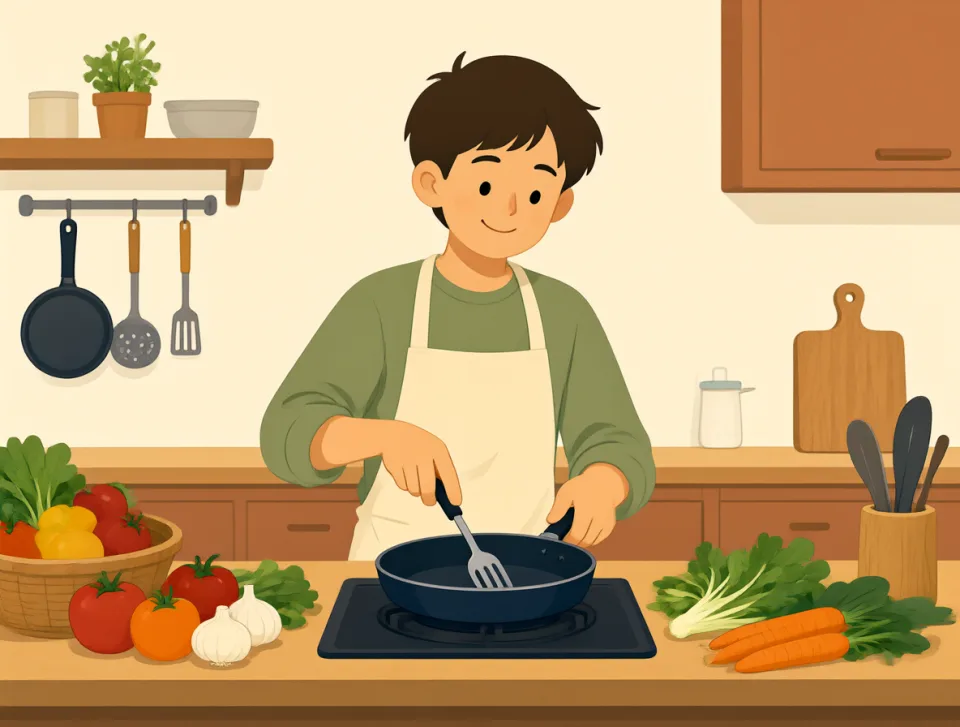
I have a strong interest in cooking.
Yemek yapmaya büyük ilgi duyuyorum.

She showed interest in the new job.
Yeni işe ilgi gösterdi.
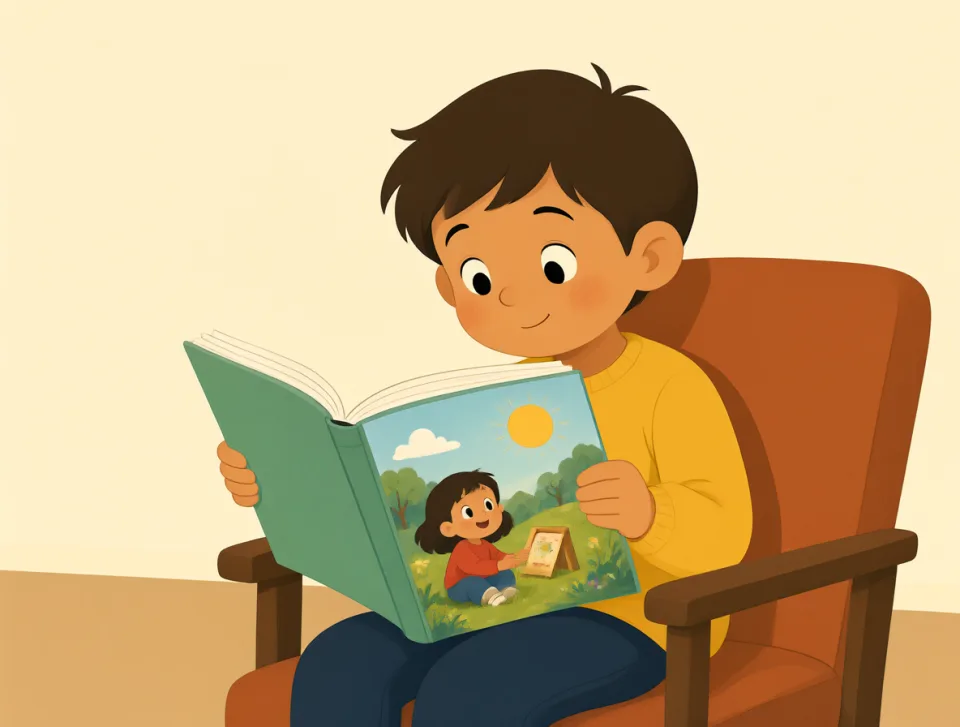
The book caught my interest quickly.
Kitap kısa sürede ilgimi çekti.
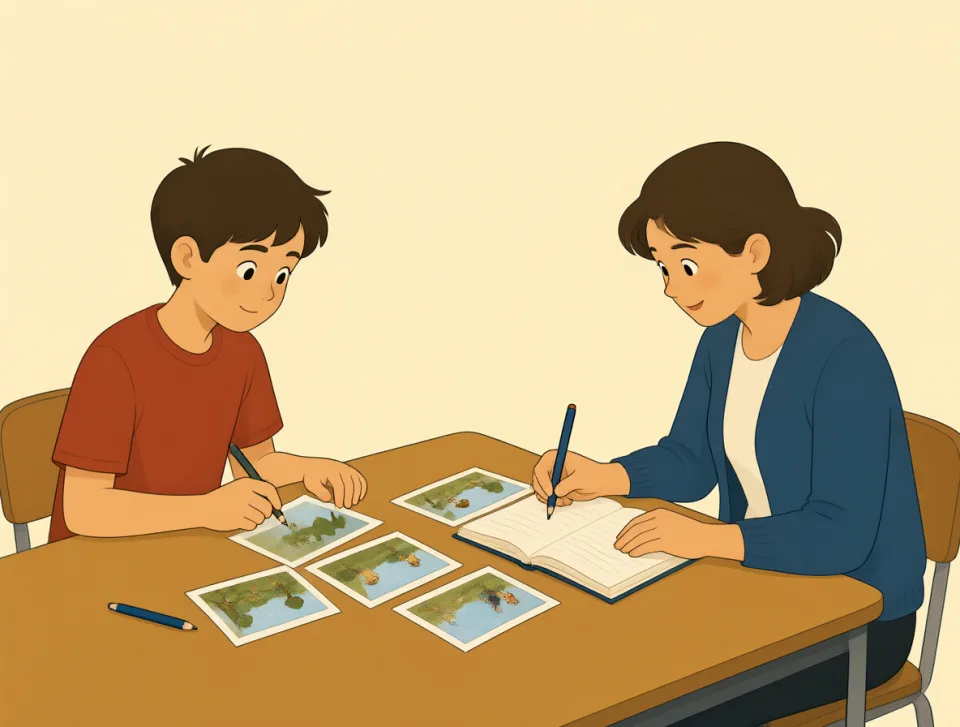
He is interested in learning Spanish.
İspanyolca öğrenmeye ilgi duyuyor.
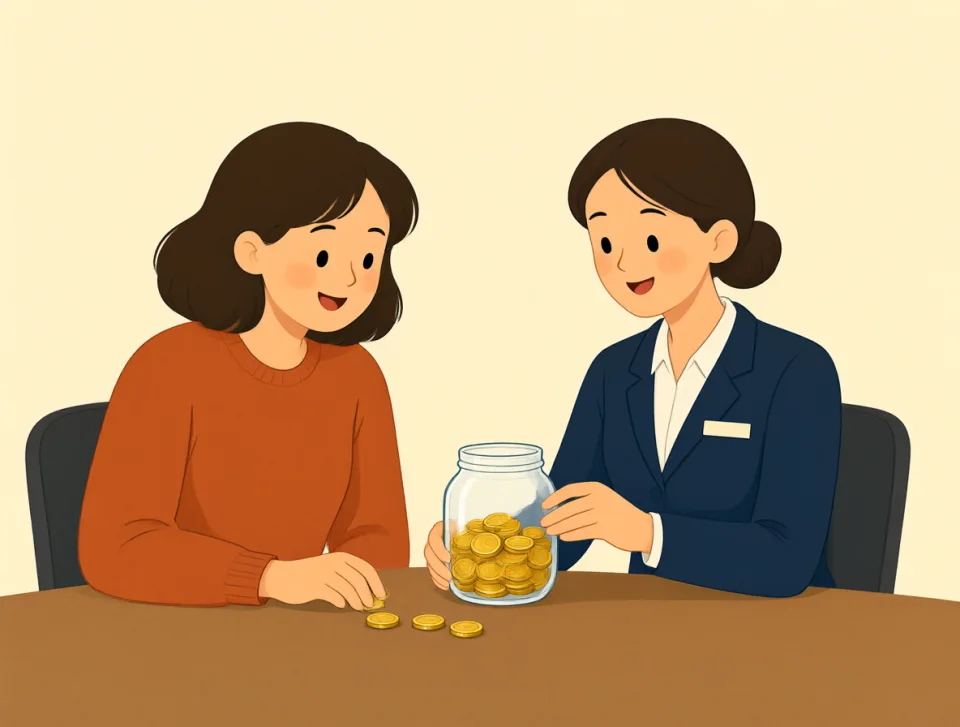
The bank pays interest on savings.
Banka, tasarruf hesaplarına faiz ödüyor.
country
#143noun
ülke
A nation with its own government, land, and people.
Kendi yönetimi, toprakları ve halkı olan ulus.
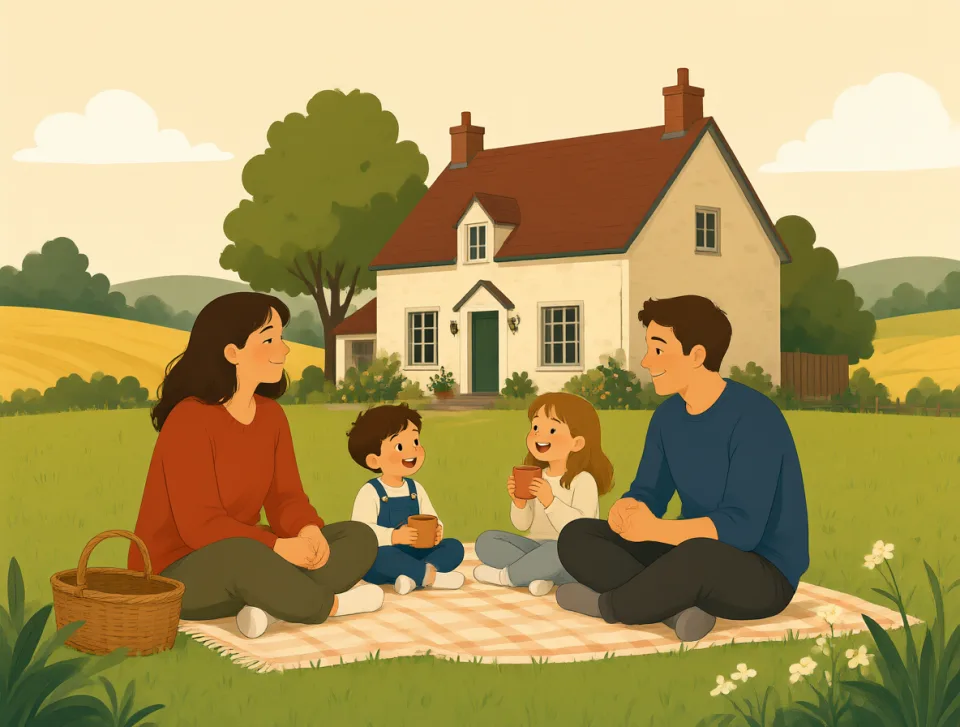
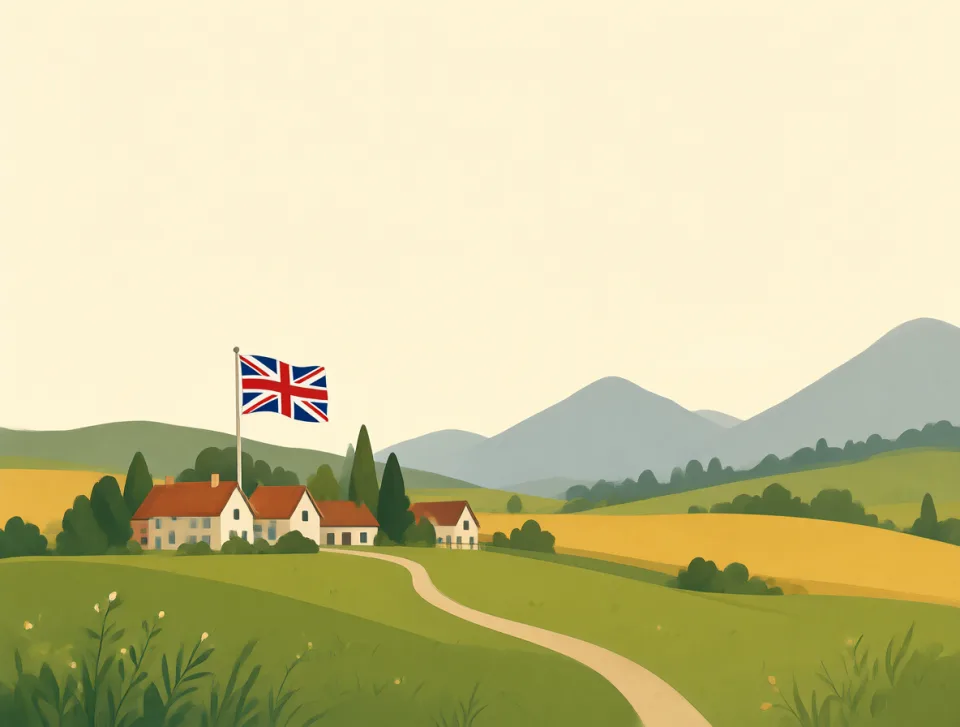
She lives in the country with her family.
Ailesiyle birlikte kırsalda yaşıyor.
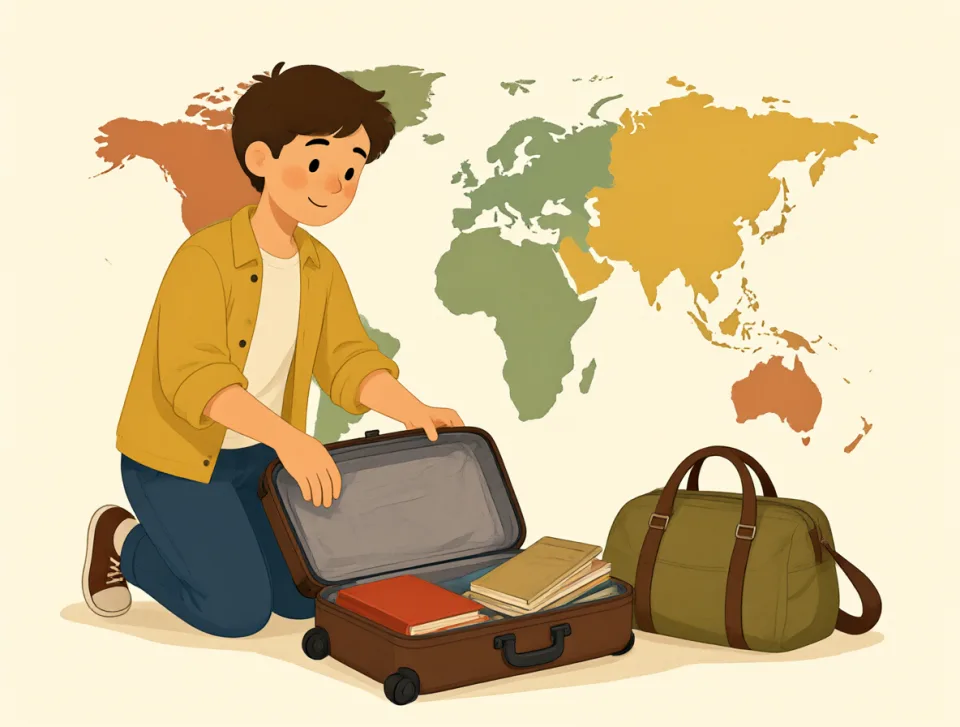
I want to visit another country this summer.
Bu yaz başka bir ülkeyi ziyaret etmek istiyorum.
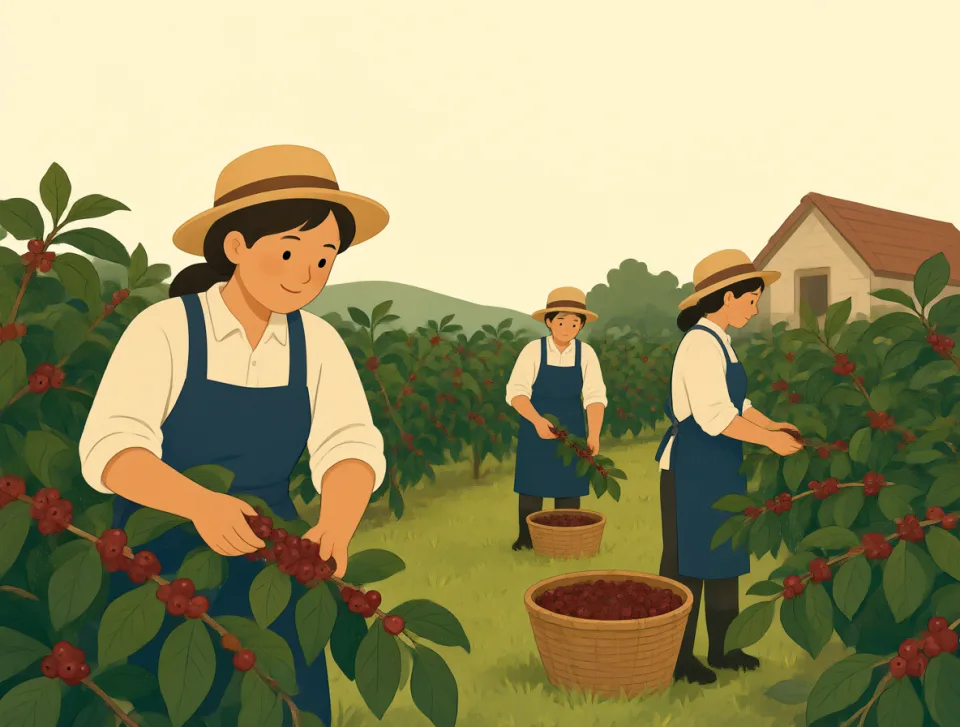
This country produces much of the world's coffee.
Bu ülke, dünyadaki kahvenin büyük bir bölümünü üretiyor.
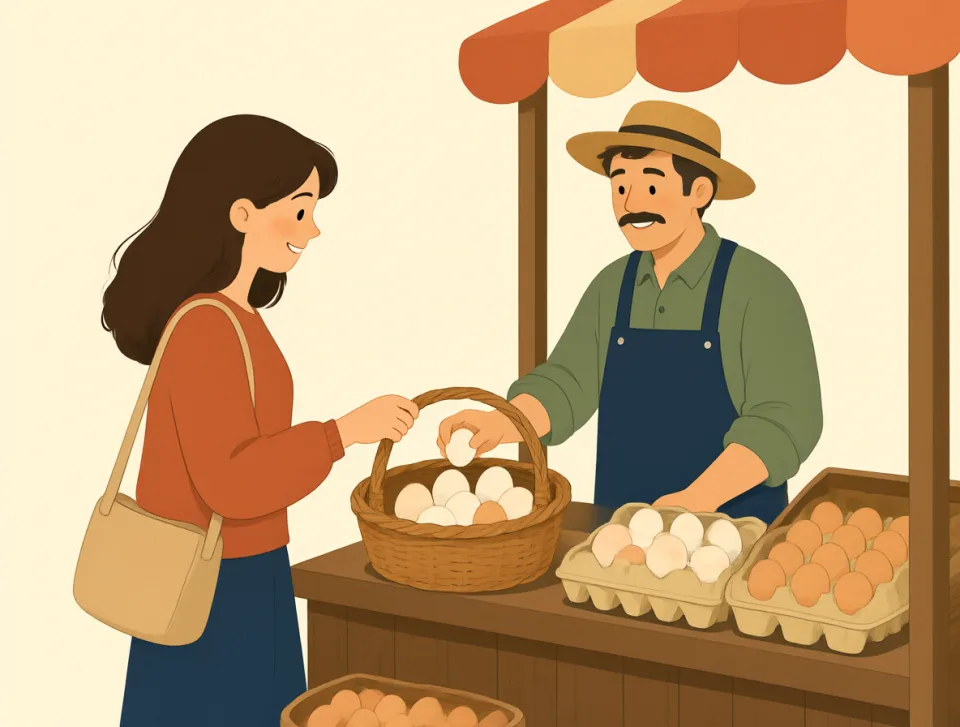
We bought fresh eggs from the country.
Kırsaldan taze yumurta aldık.
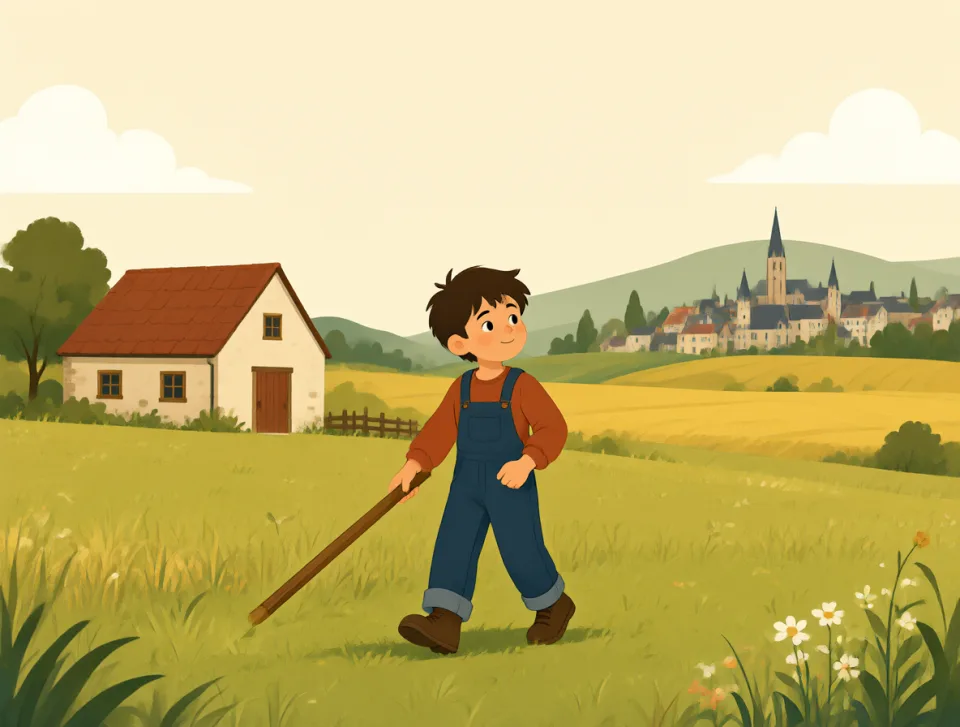
He grew up in the country near a small town.
Küçük bir kasabanın yakınında, kırsalda büyüdü.
old
#144adjective, noun
eski
having lived for many years; belonging to a time long ago
Uzun yıllar yaşamış; çok önceki bir zamana ait.
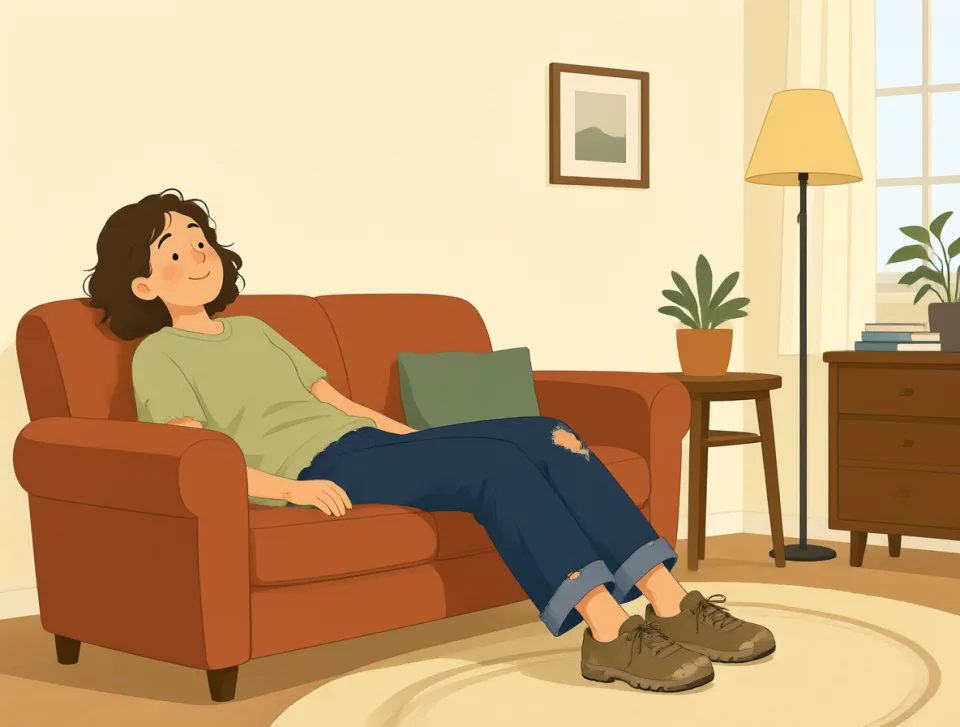
My old shoes are very comfortable.
Eski ayakkabılarım çok rahat.
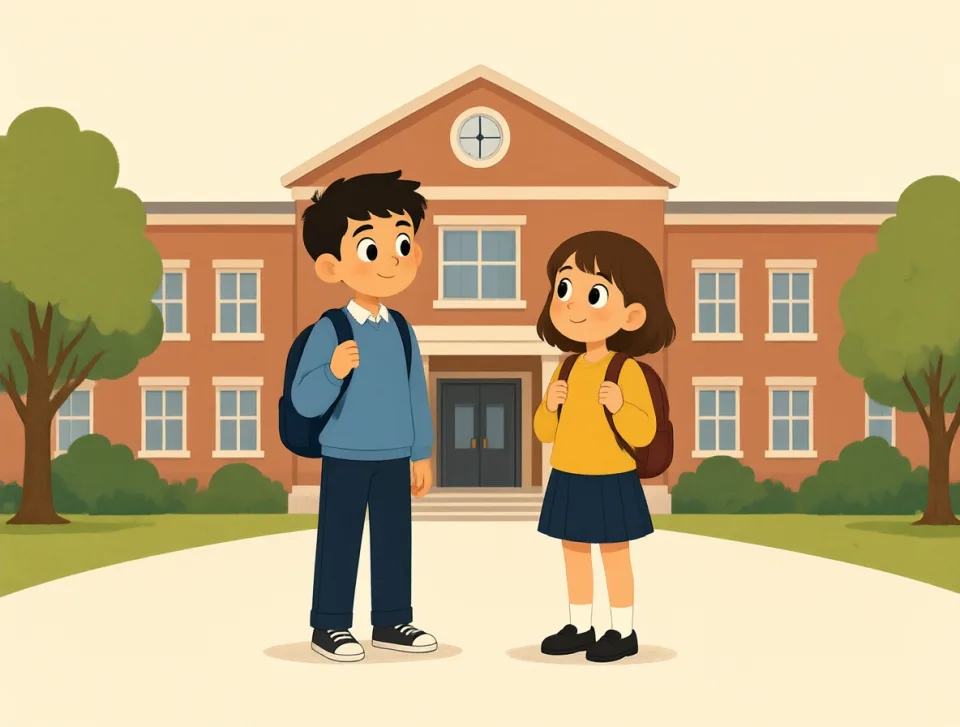
We visited my old school yesterday.
Dün eski okulumu ziyaret ettik.
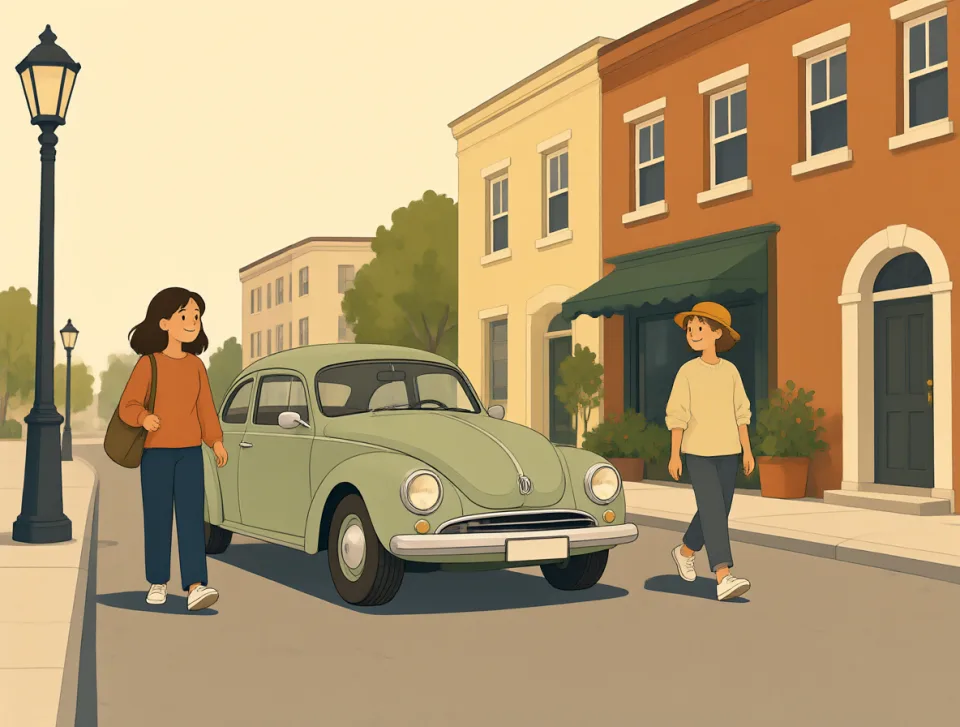
That old car still works well.
O eski araba hâlâ iyi çalışıyor.
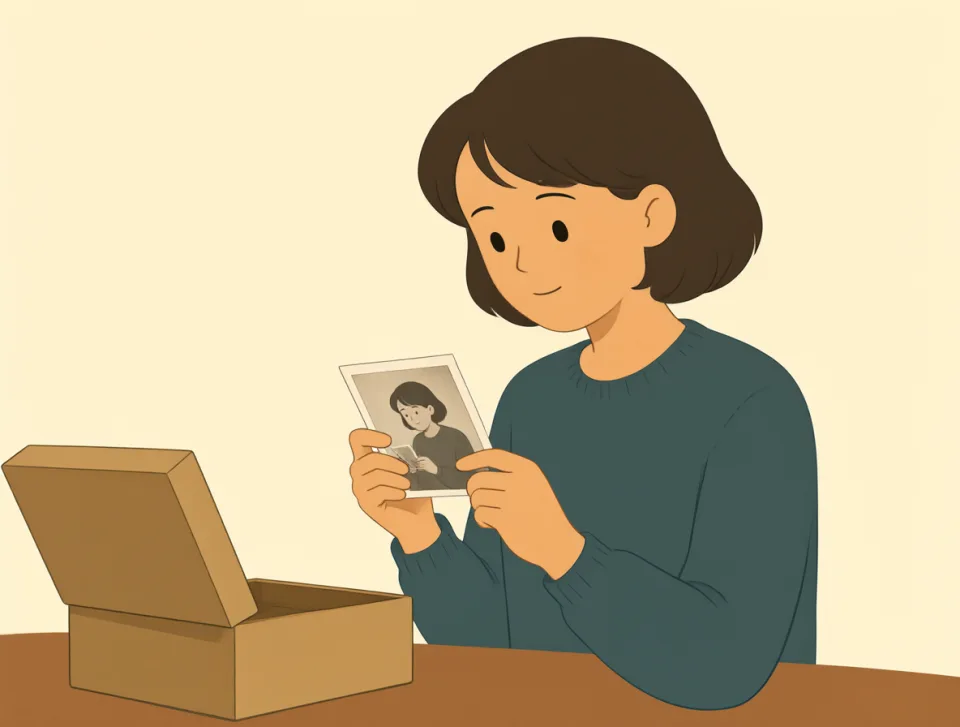
I found an old photo in a box.
Bir kutuda eski bir fotoğraf buldum.
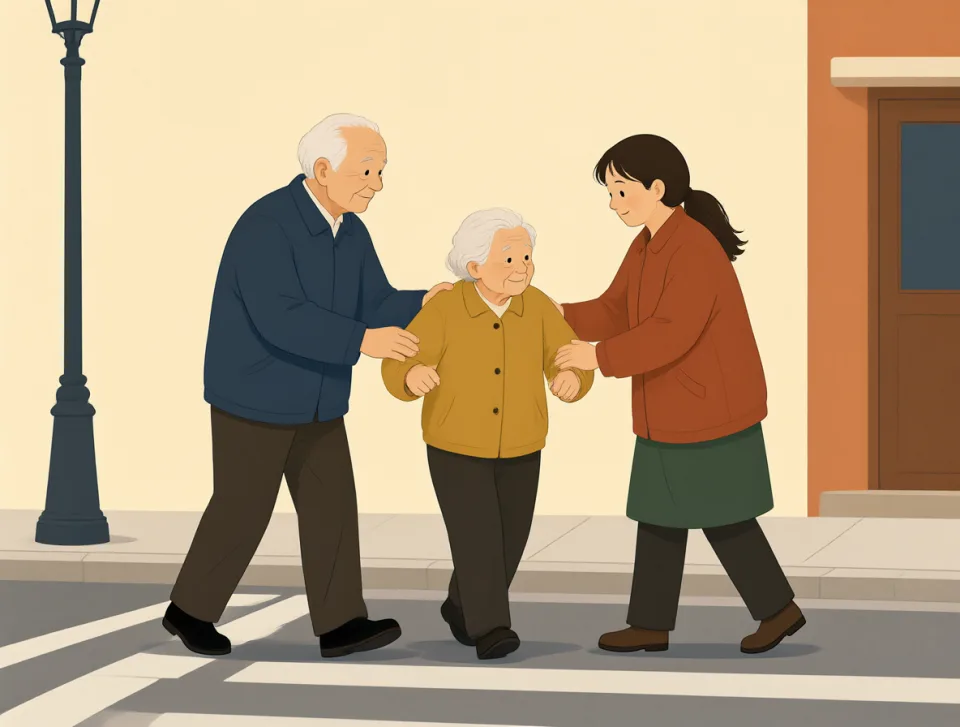
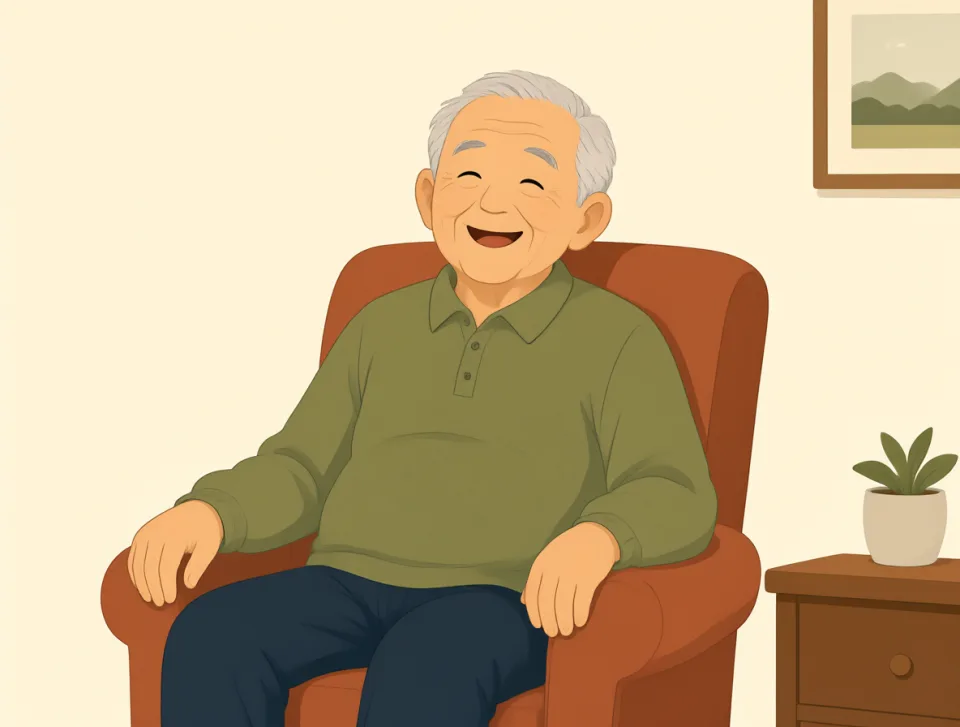
The old man needs help crossing the street.
Yaşlı adamın karşıya geçerken yardıma ihtiyacı var.
each
#145determiner, pronoun
her bir
Every one of two or more people or things, considered separately.
İki veya daha fazla kişi ya da şeyin ayrı ayrı her biri.
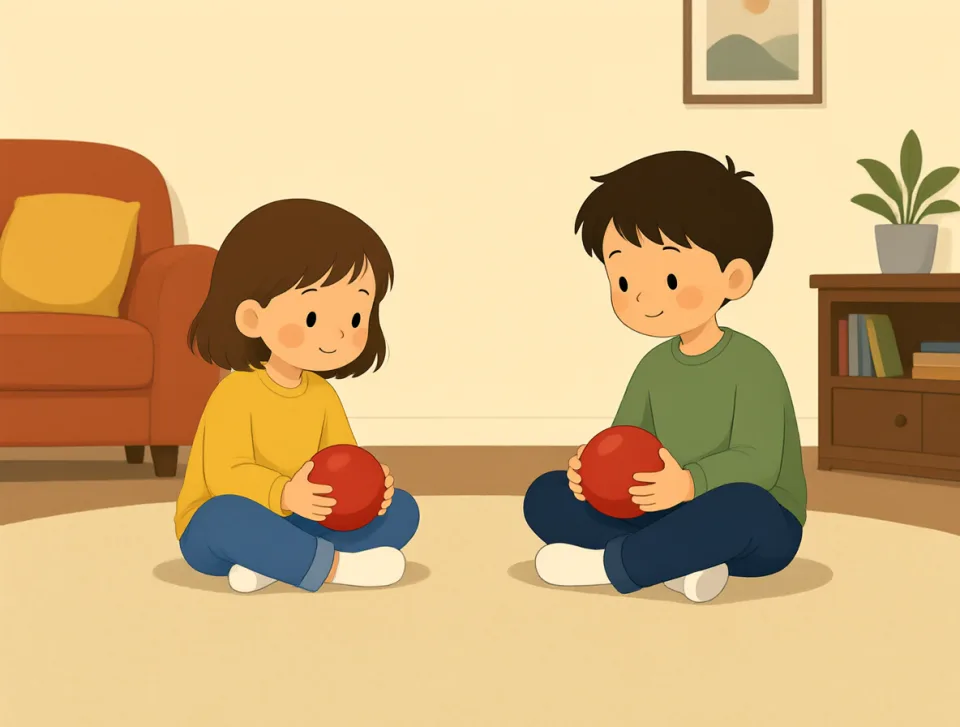
Each child has a small red ball.
Her çocuğun küçük, kırmızı bir topu var.
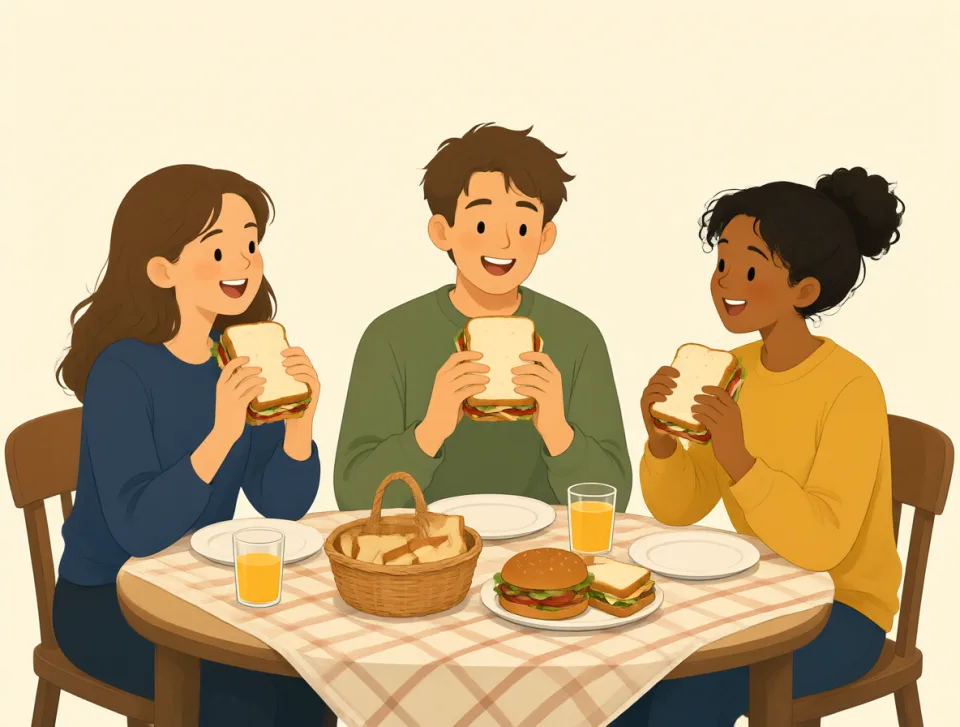
We each brought a sandwich for lunch.
Öğle yemeği için hepimiz birer sandviç getirdik.
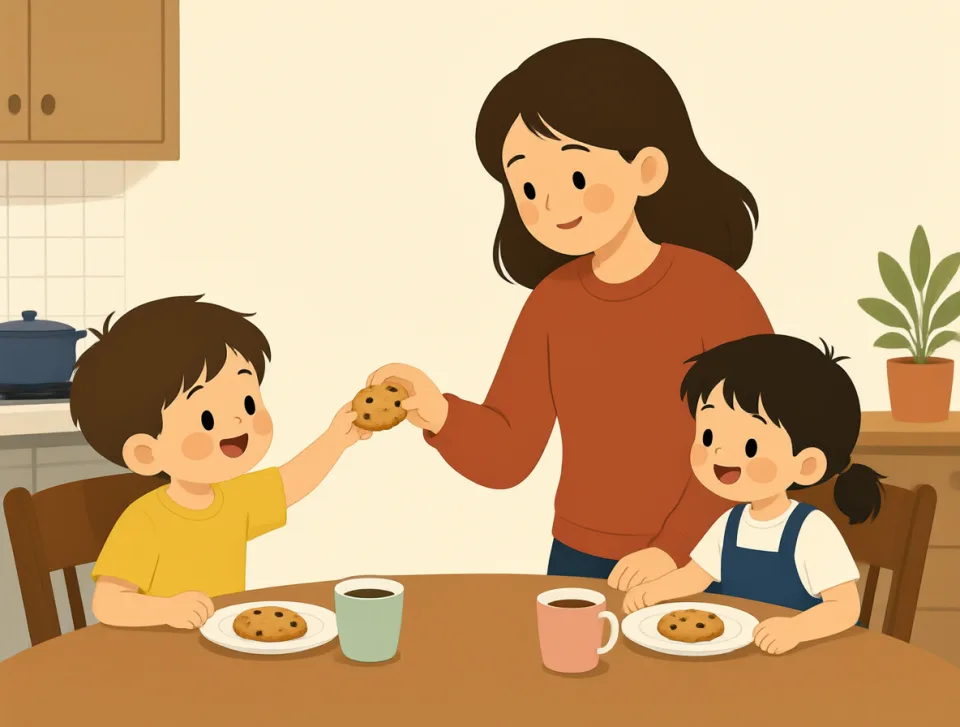
Please take one cookie each.
Lütfen kişi başı bir kurabiye alın.
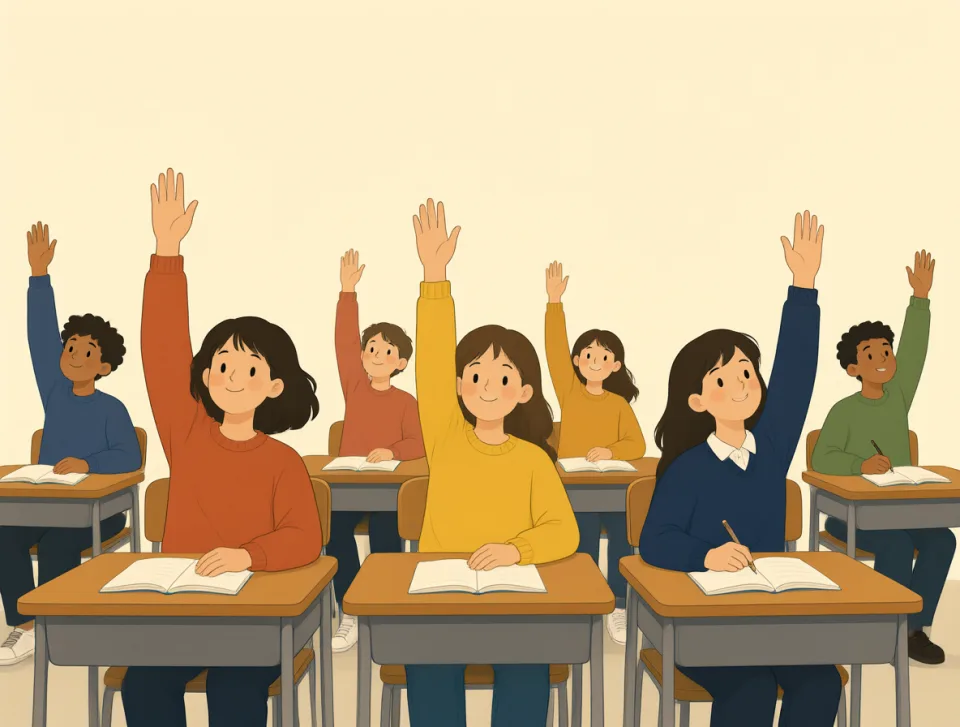
The students each answered one question.
Öğrencilerin her biri bir soruyu yanıtladı.
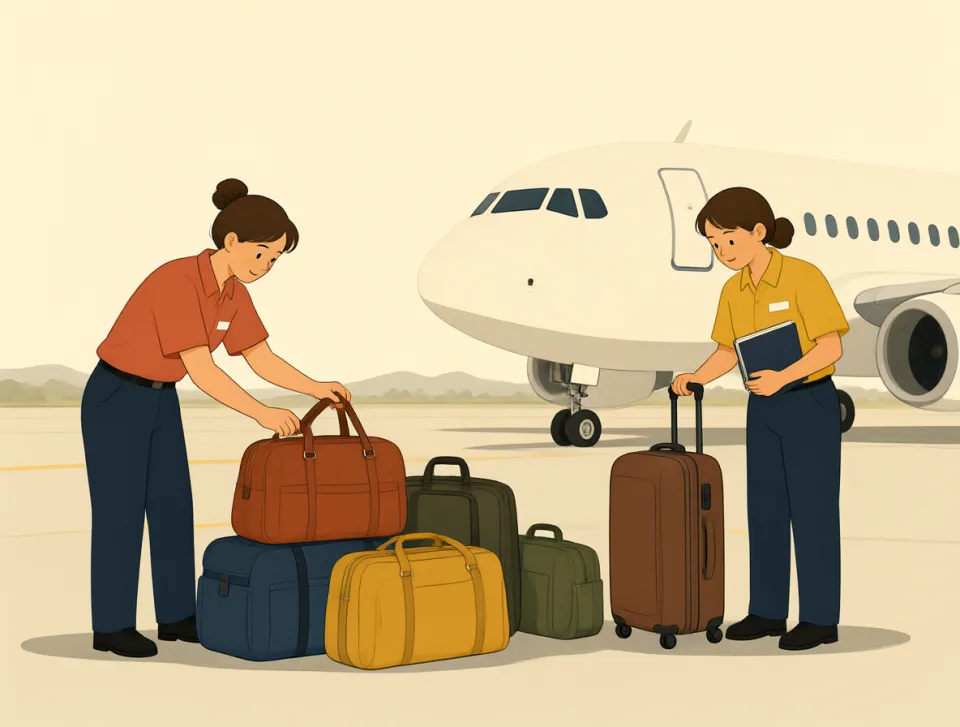
They checked each bag before the flight.
Uçuştan önce her çantayı kontrol ettiler.
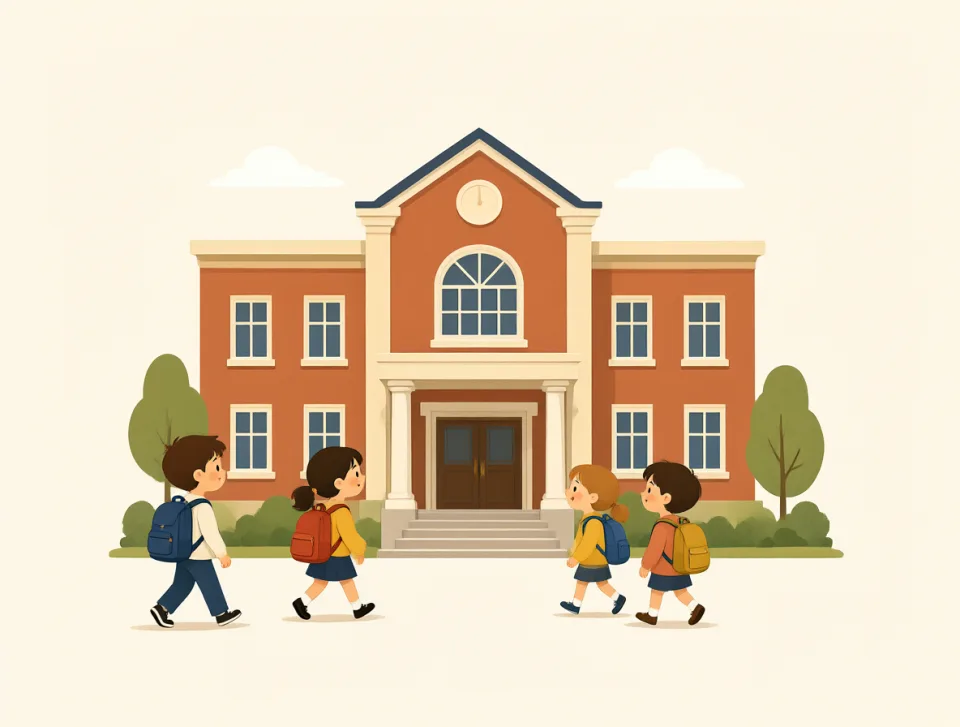
school
#146noun, verb
okul
A place where children learn, or the time spent learning there.
Çocukların öğrenim gördüğü yer veya orada öğrenim görmek için geçirilen süre.
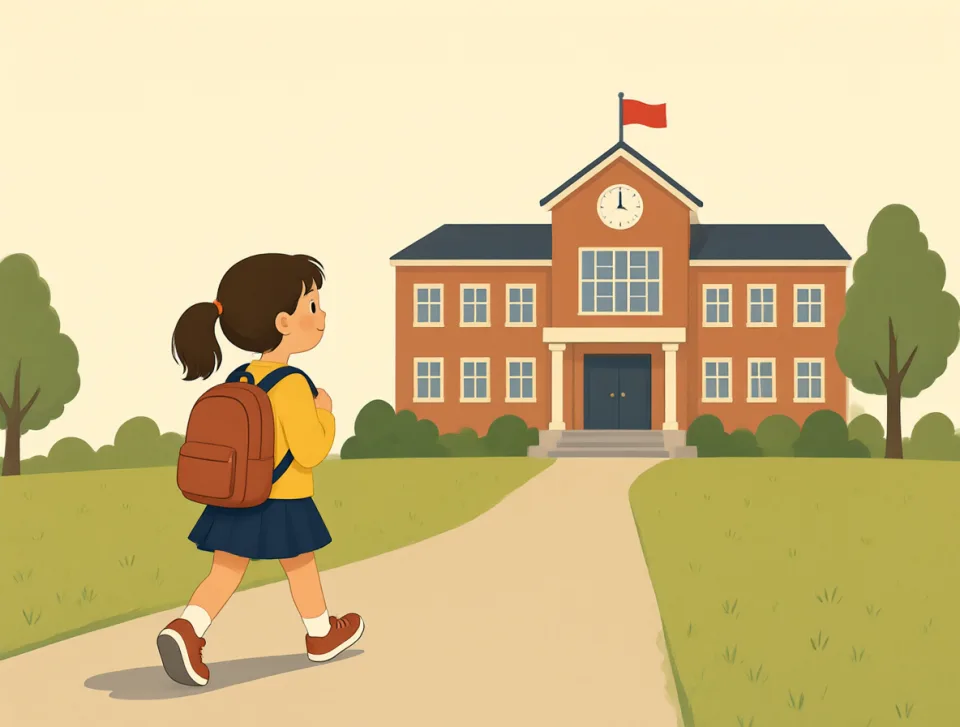
My sister walks to school every morning.
Kız kardeşim her sabah okula yürüyerek gider.
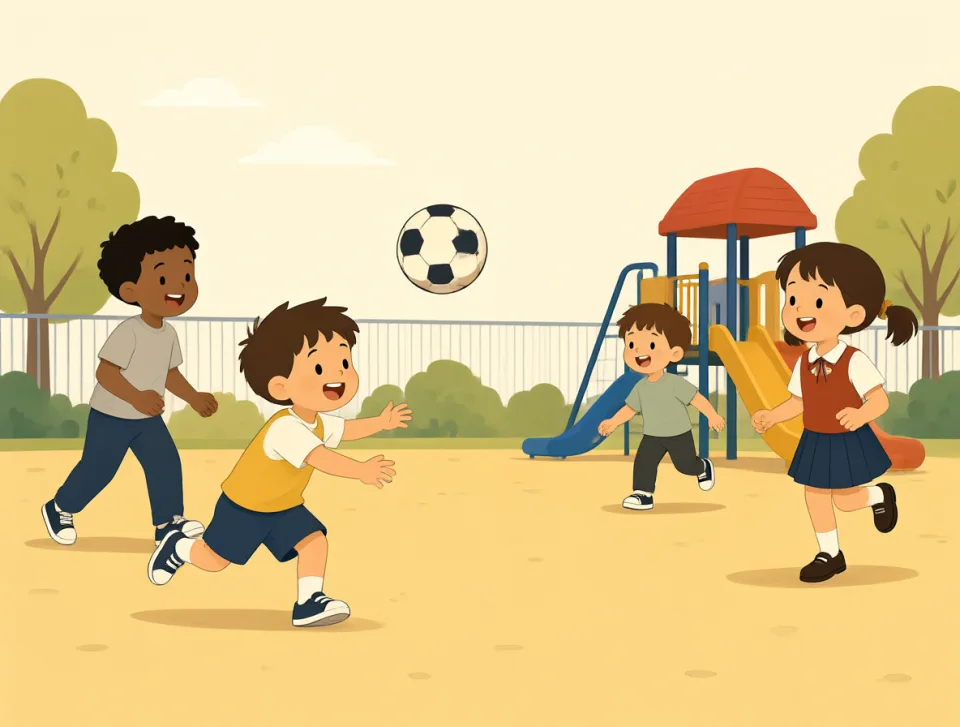
The children are playing outside school.
Çocuklar okulun dışında oynuyor.
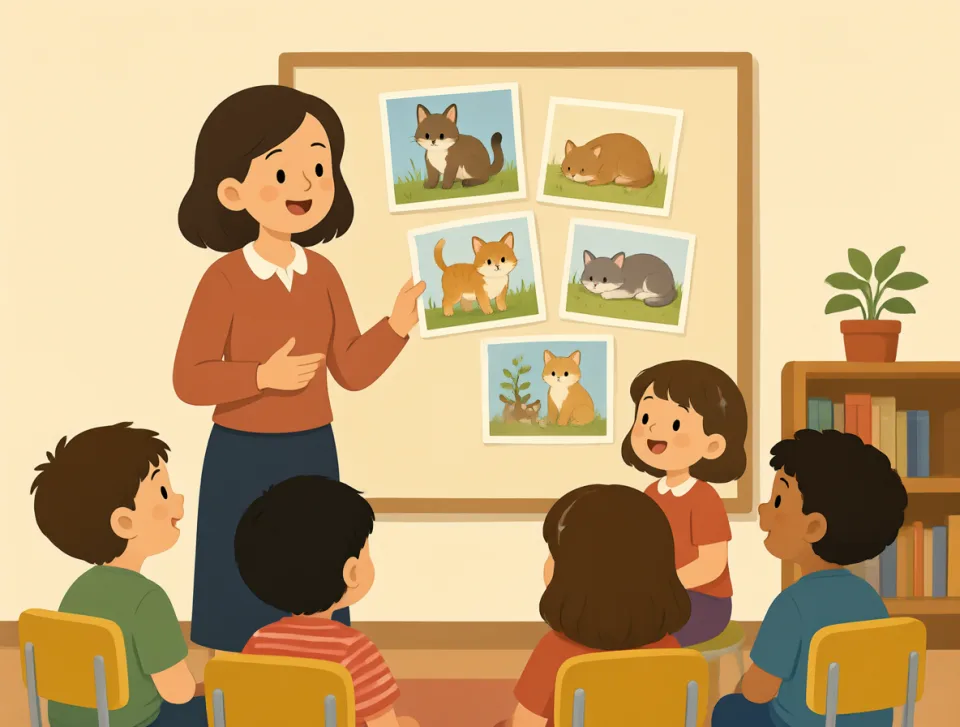
We learned about animals at school.
Okulda hayvanlar hakkında bilgi edindik.
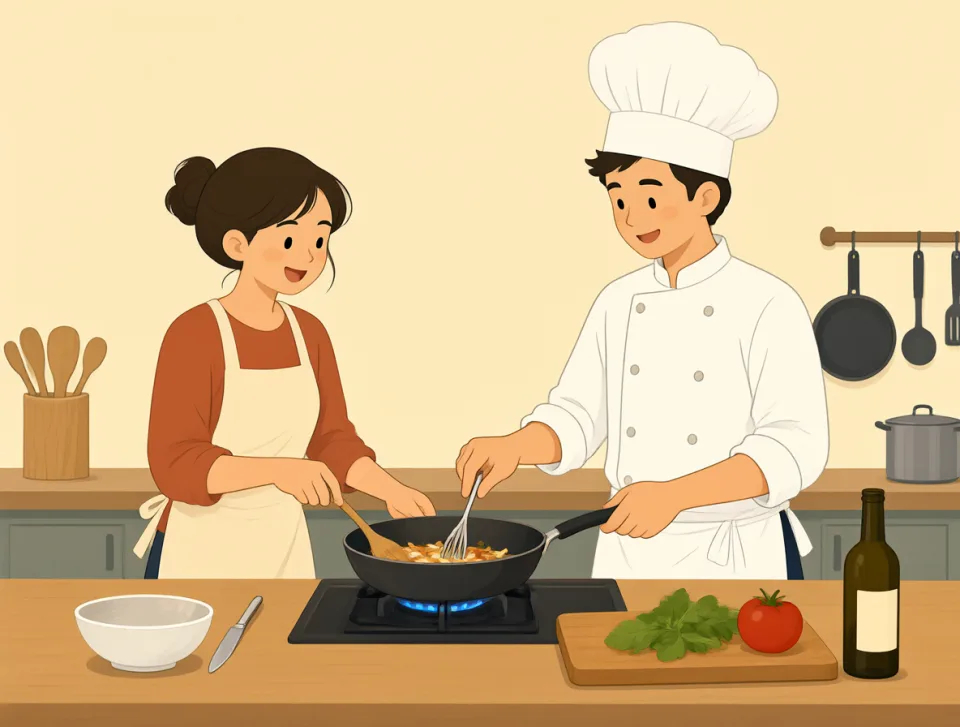
My father went to cooking school.
Babam aşçılık okuluna gitti.
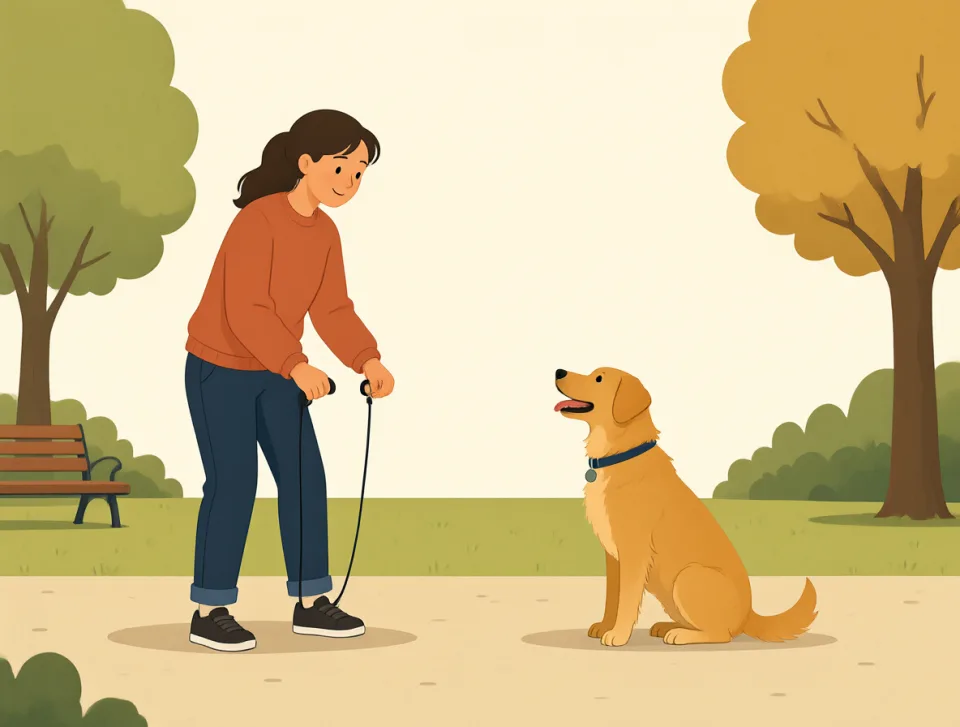
They school their dog every day.
Köpeklerini her gün eğitiyorlar.
late
#147adjective, adverb, noun
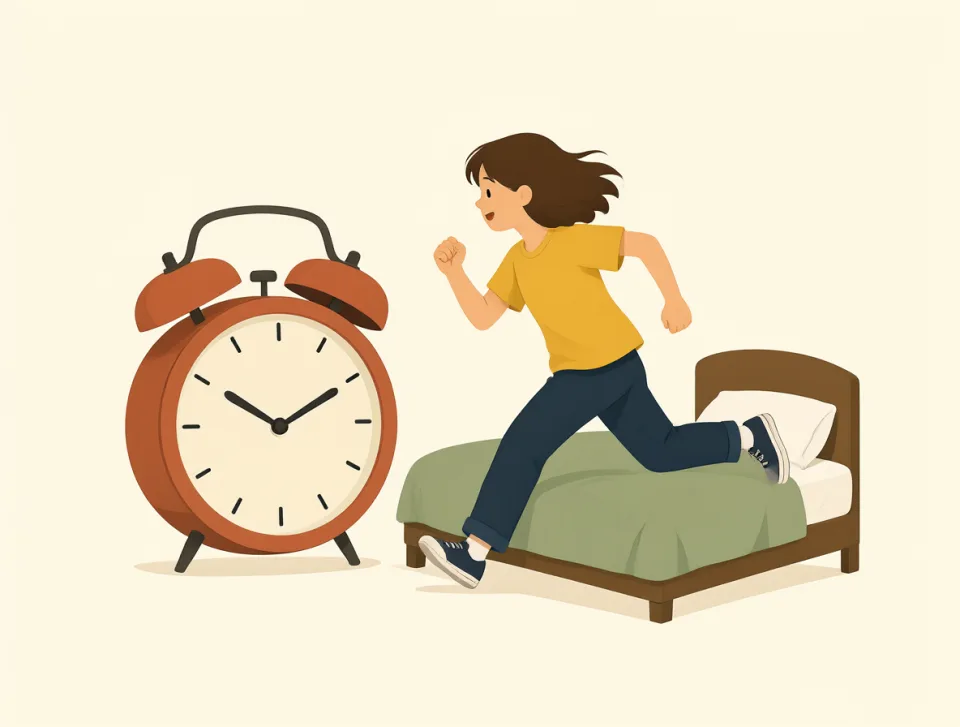
geç
Happening, arriving, or being after the expected or usual time.
Beklenen ya da alışılmış zamandan sonra gerçekleşen, varan veya olan.
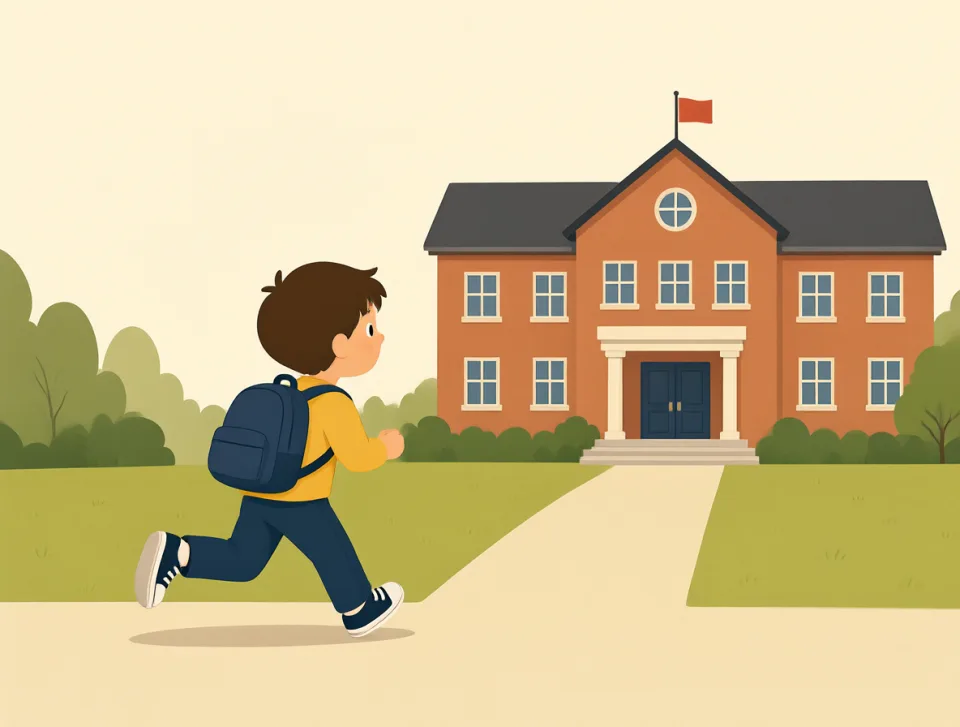
I was late for school this morning.
Bu sabah okula geç kaldım.
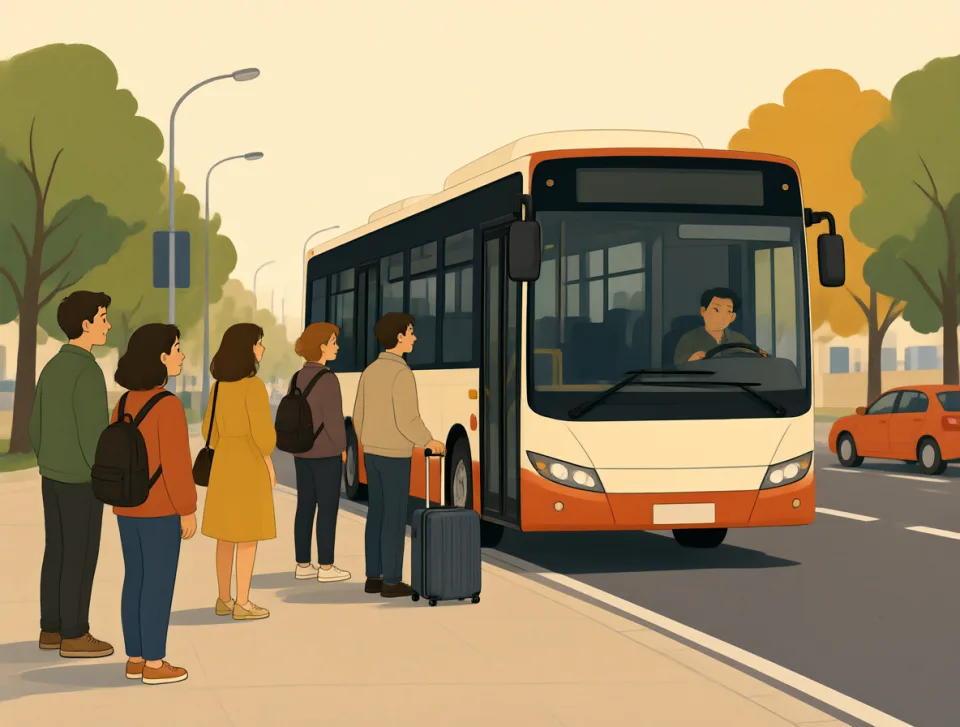
The bus arrived late because of traffic.
Trafik yüzünden otobüs geç geldi.
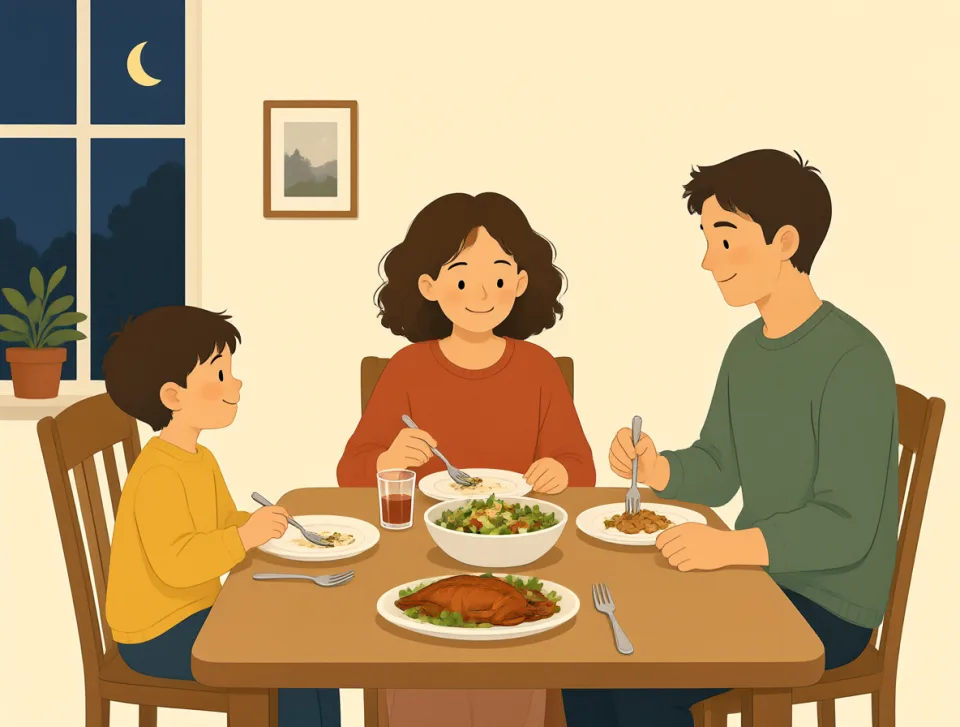
We had dinner late last night.
Dün gece geç saatte akşam yemeği yedik.

She stayed late at work yesterday.
Dün işte geç saate kadar kaldı.
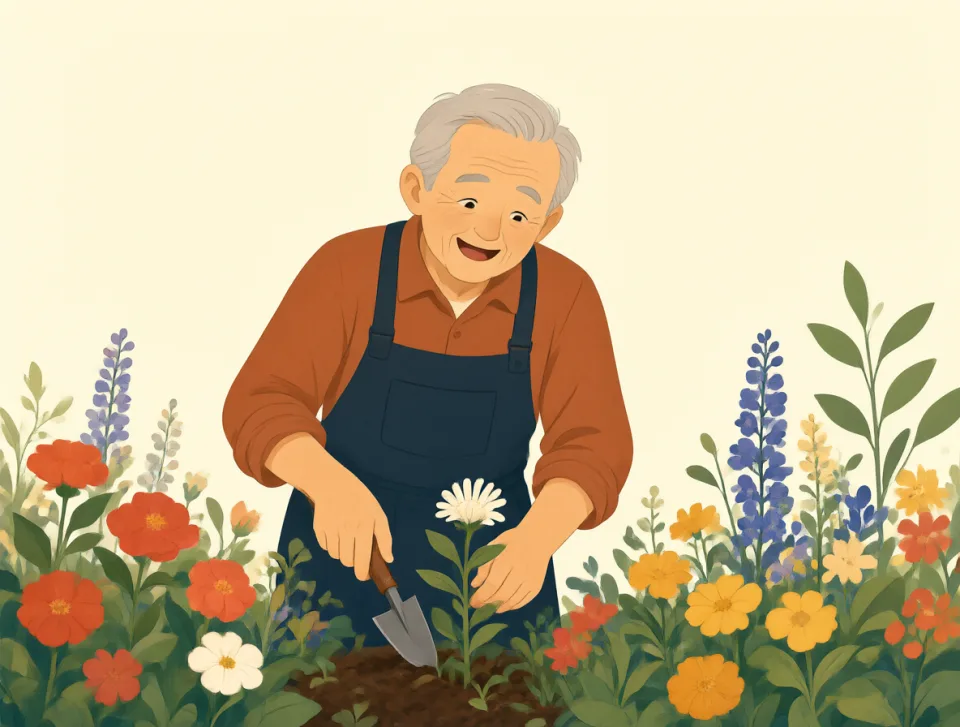
My late grandfather loved gardening.
Rahmetli büyükbabam bahçeyle uğraşmayı çok severdi.
high
#148adjective, adverb, noun
yüksek
Far above the ground, or greater than usual in amount, level, or price.
Yerden oldukça yukarıda bulunan veya miktar, düzey ya da fiyat bakımından normalden fazla olan.
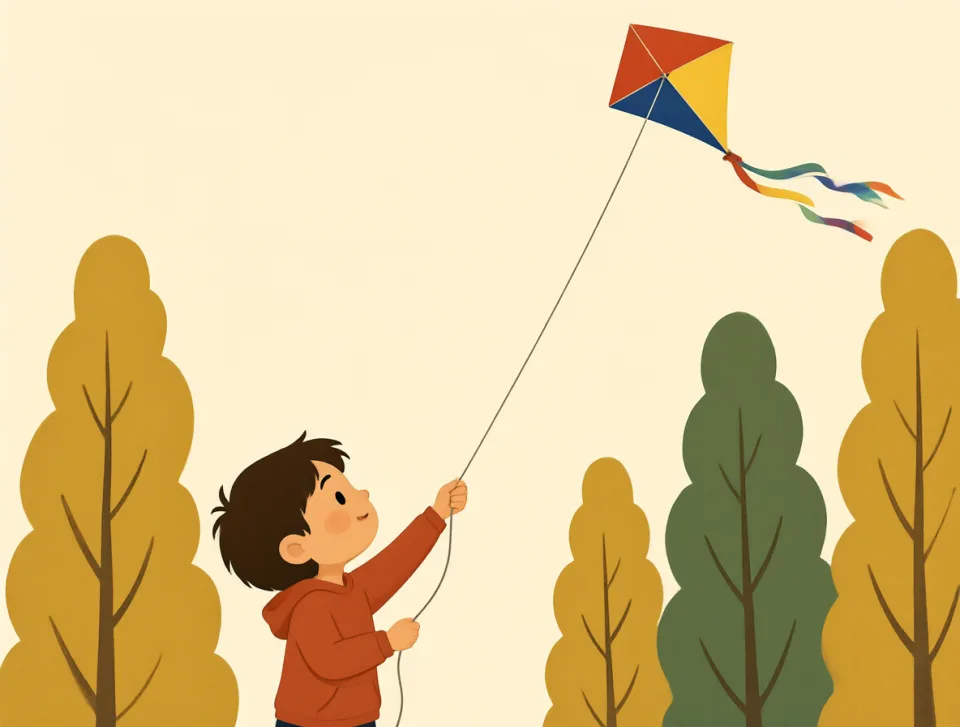
The kite flew high above the trees.
Uçurtma ağaçların çok üzerinde uçtu.

Please put the books on the high shelf.
Lütfen kitapları yüksek rafa koy.
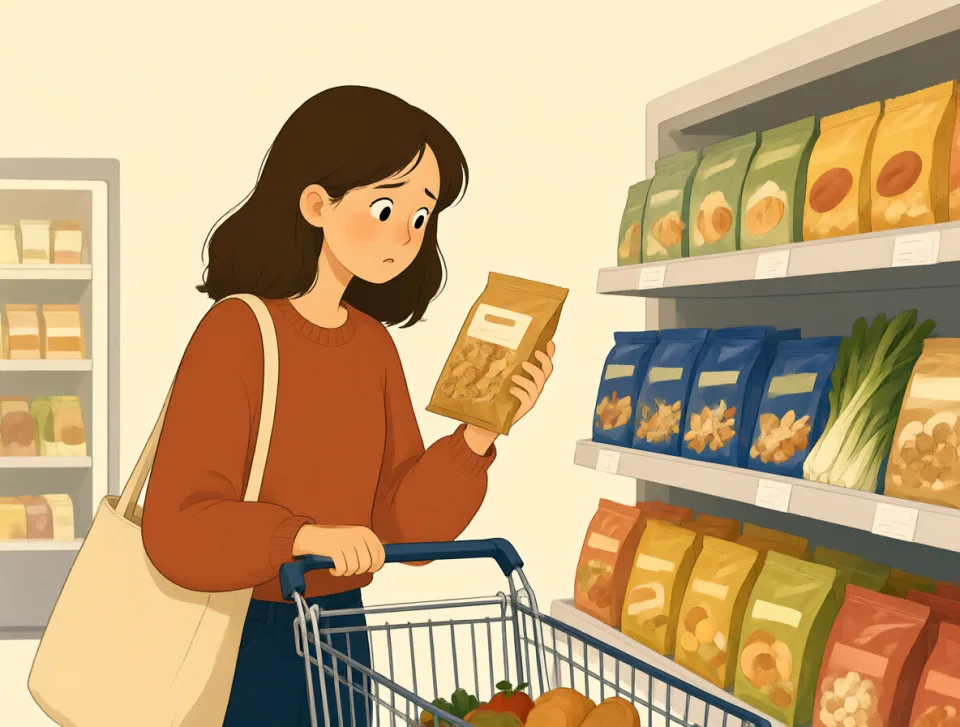
Prices are high at this store.
Bu mağazada fiyatlar yüksek.
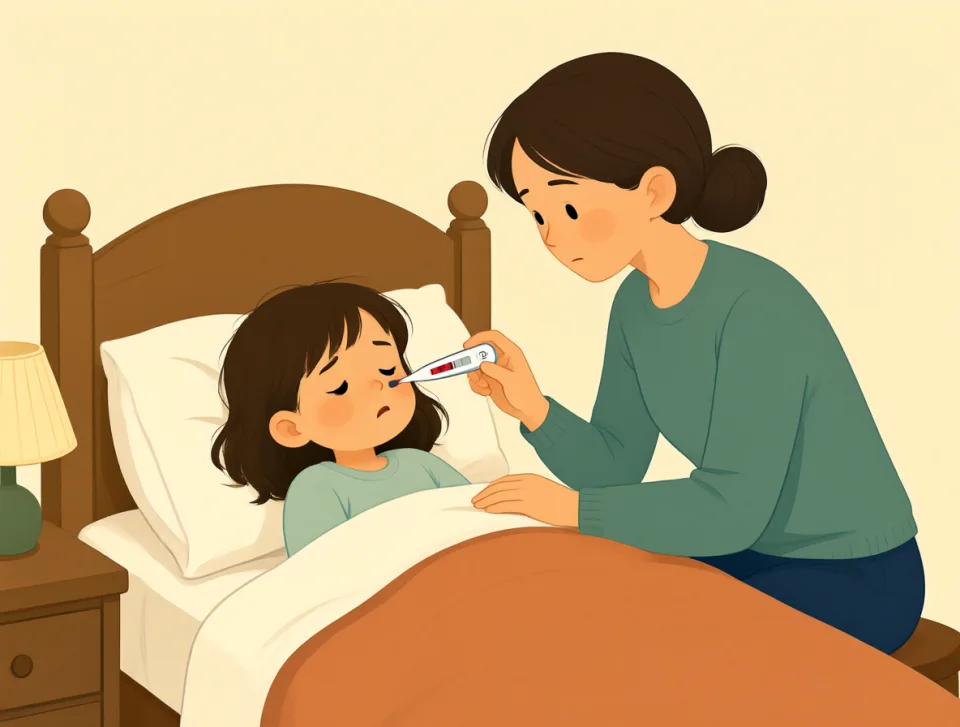
She has a high fever today.
Bugün ateşi yüksek.

The plane climbed high into the sky.
Uçak gökyüzünde yükseklere çıktı.
different
#149adjective
farklı
Not the same as another person or thing.
Başka bir kişi ya da şeyle aynı olmayan.
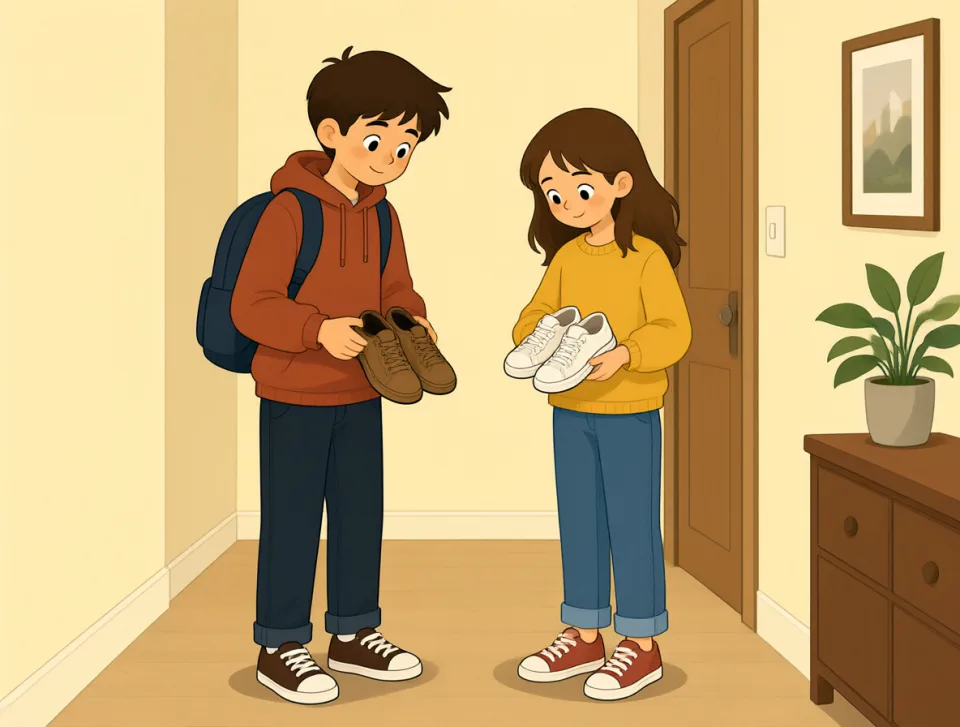
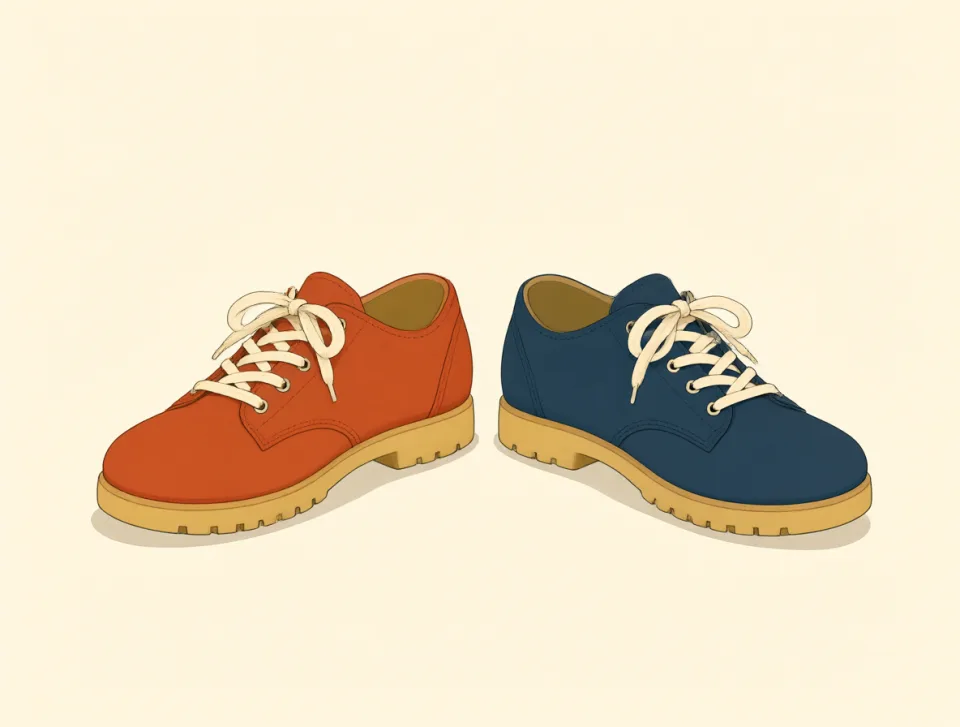
My new shoes are different from yours.
Yeni ayakkabılarım seninkilerden farklı.
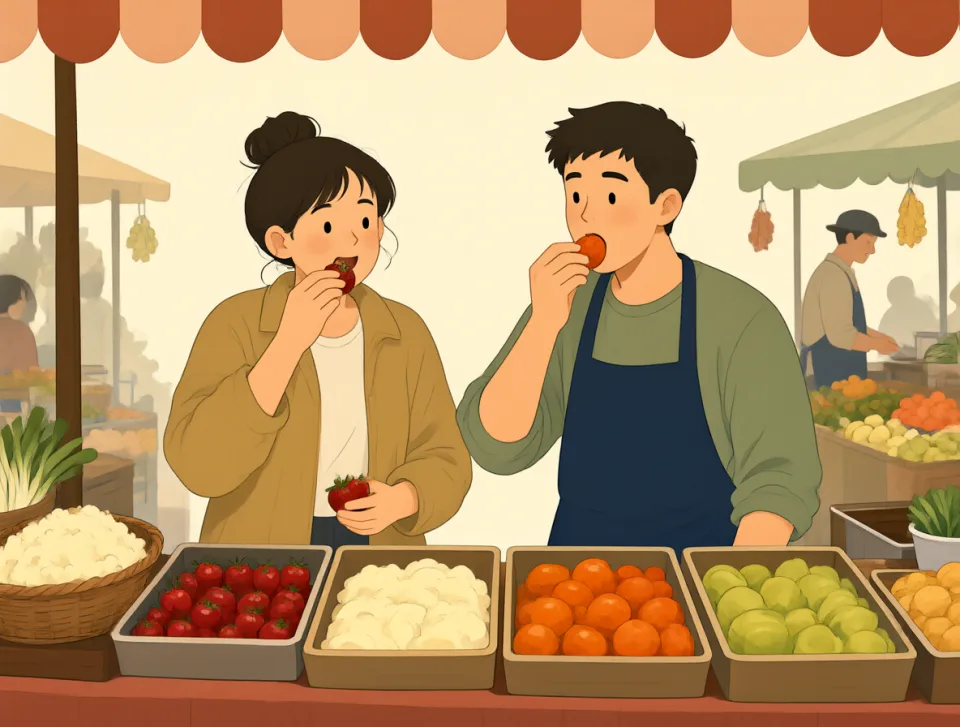
We tried different foods at the market.
Markette farklı yiyecekler denedik.
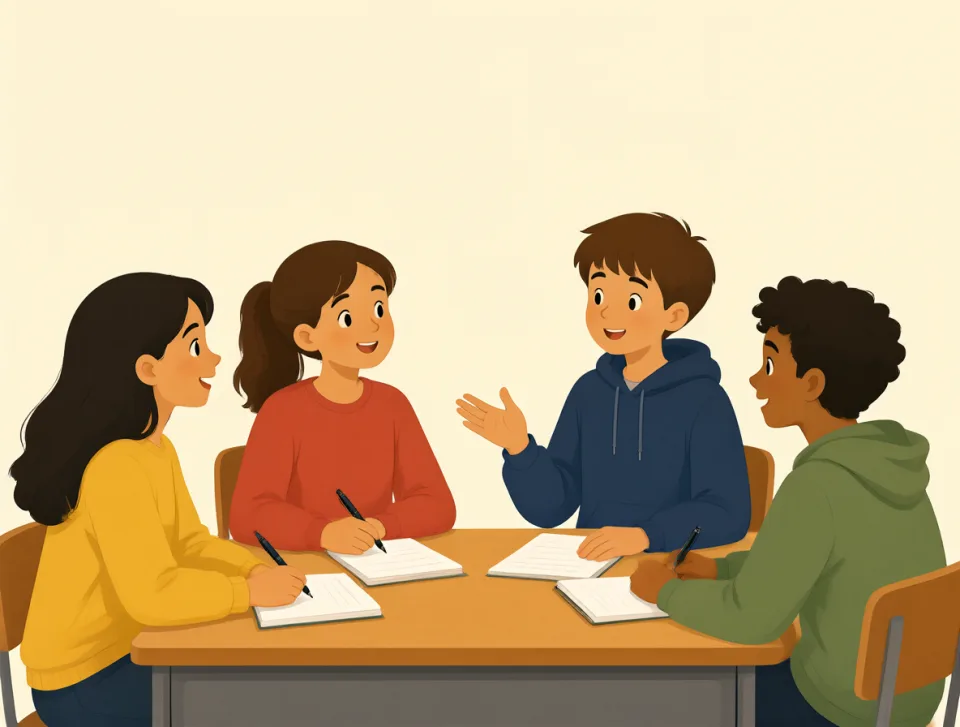
She has a different idea for the project.
Proje için farklı bir fikri var.

The weather is different in the mountains.
Dağlarda hava farklıdır.
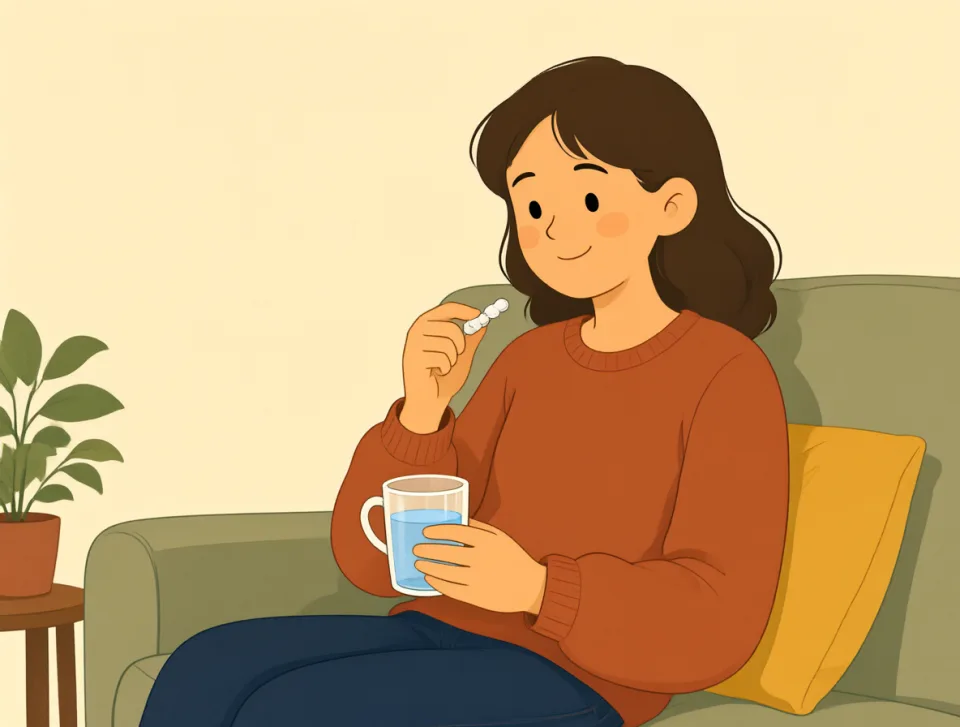
He feels different after taking the medicine.
İlacı aldıktan sonra kendini farklı hissediyor.

off
#150adverb, adjective, preposition, noun
kapalı; dışında; kopmuş
Away from a place, position, or working state; not operating or attached.
Bir yerden, konumdan veya çalışma durumundan uzak; çalışmayan ya da bağlı olmayan.
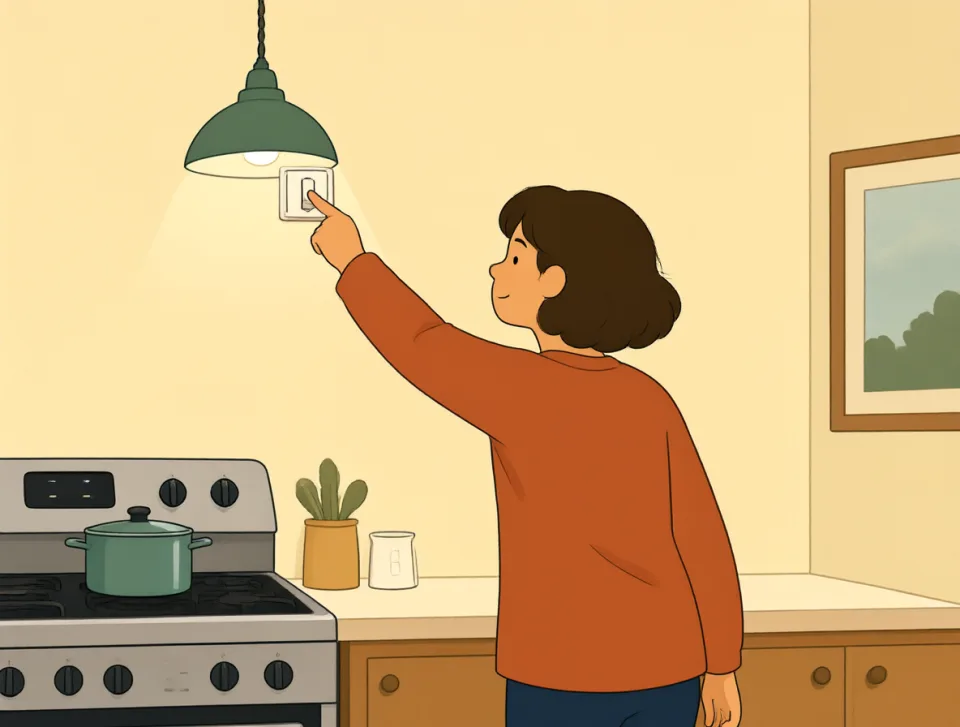
Please turn off the kitchen light.
Lütfen mutfağın ışığını kapat.
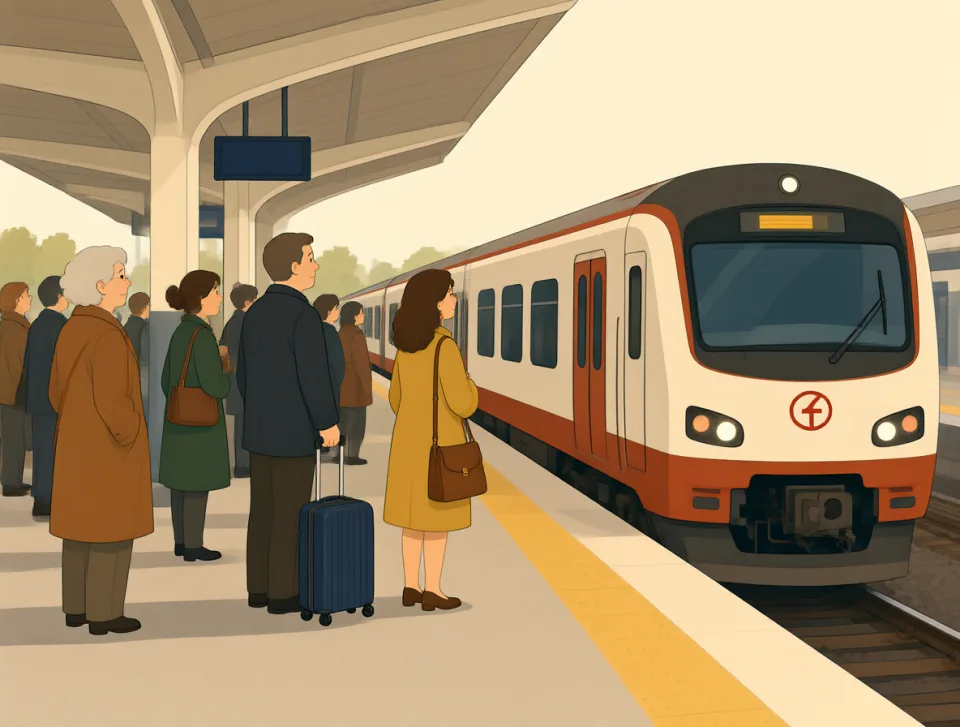
The train left ten minutes off schedule.
Tren tarifeden on dakika saptı.
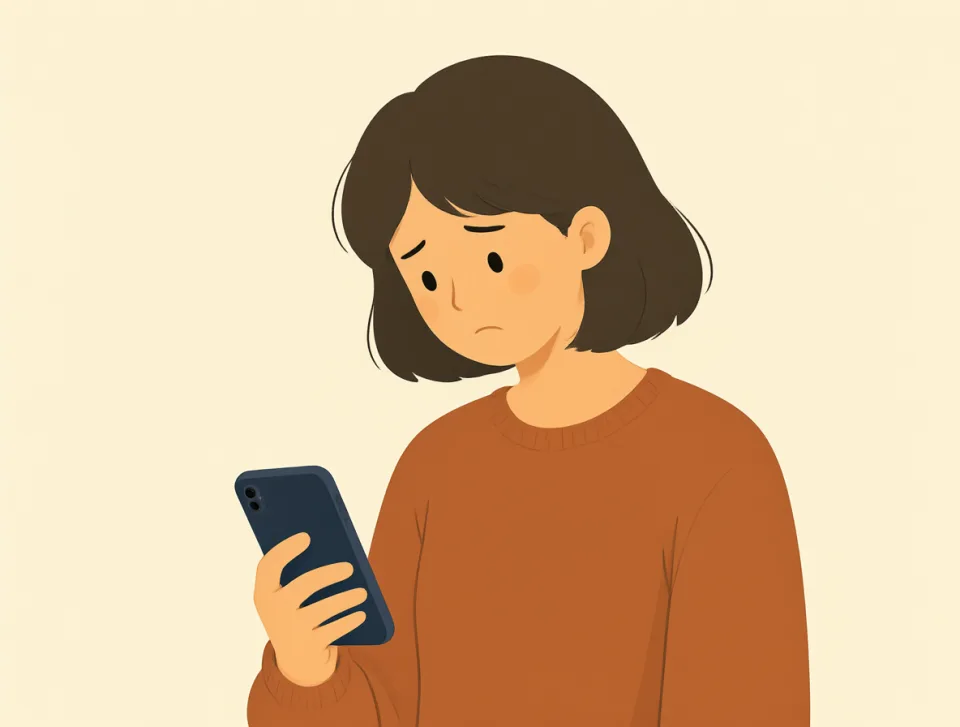
My phone is off because its battery died.
Telefonumun pili bittiği için kapalı.
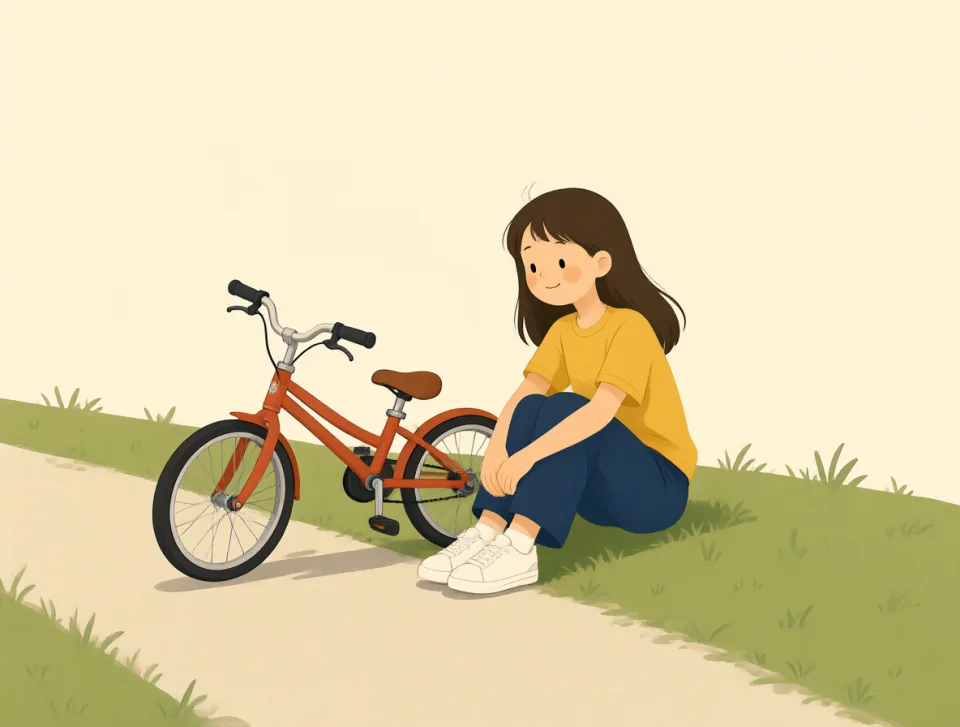
She fell off her bike yesterday.
Dün bisikletinden düştü.
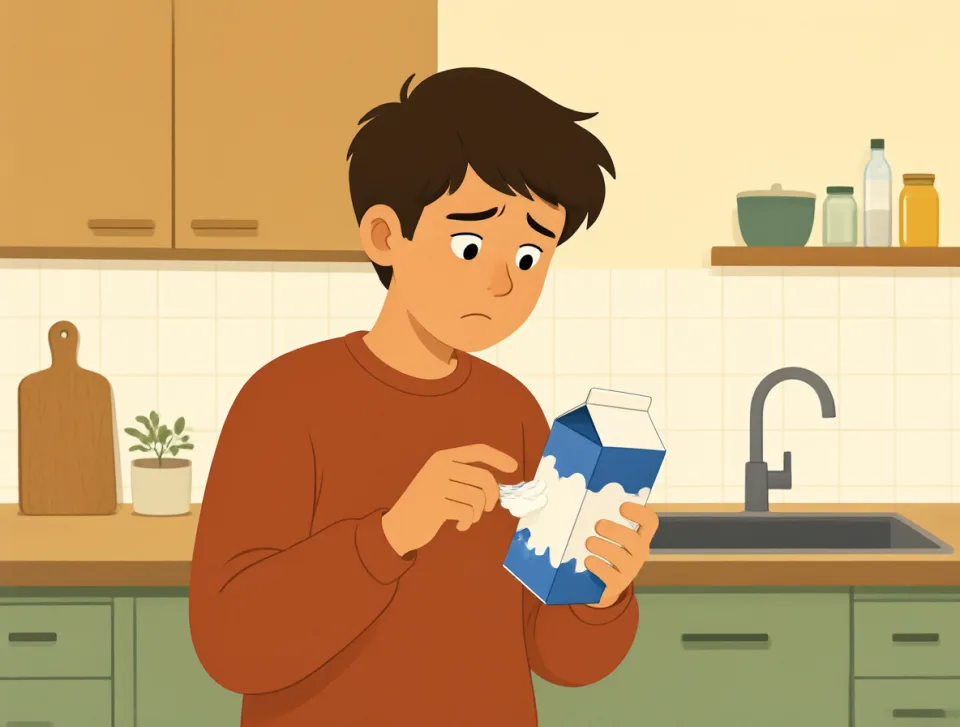
The milk smells off, so throw it away.
Sütün kokusu bozuk, o yüzden onu çöpe at.
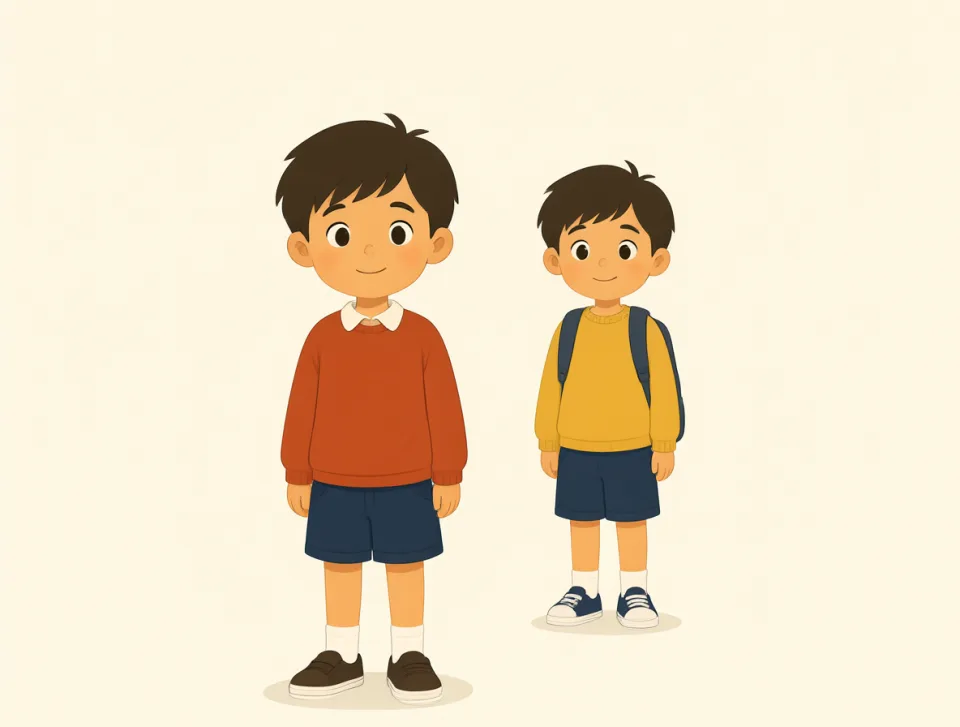
next
#151adjective, adverb, noun, determiner
sonraki
Coming immediately after this one in time, order, or place.
Zaman, sıra veya yer bakımından bunun hemen ardından gelen.
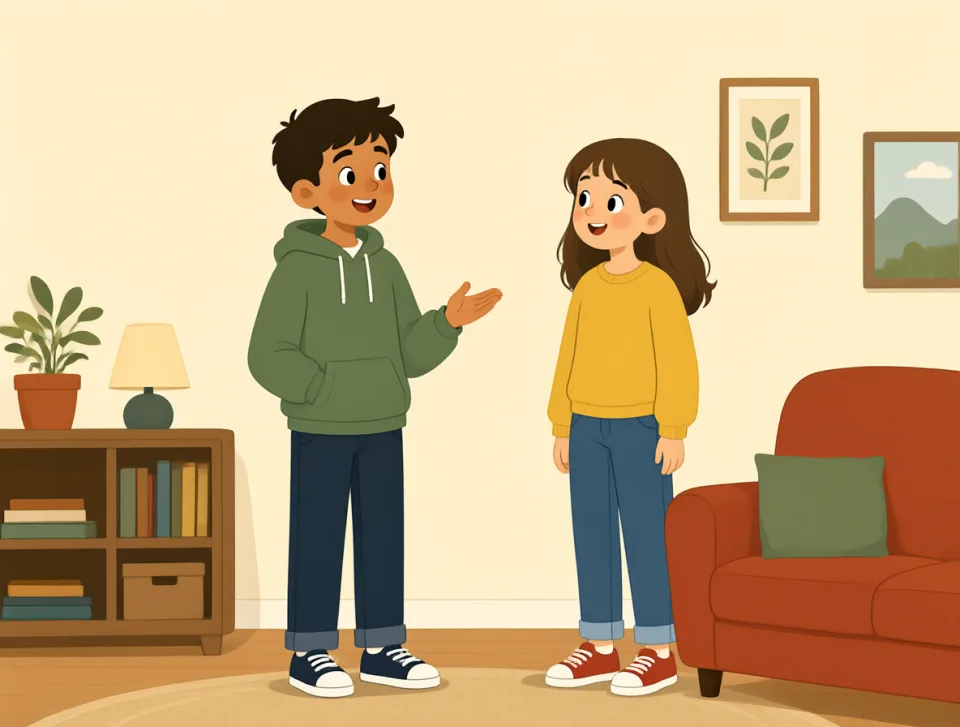
What are you doing next?
Sırada ne yapacaksın?
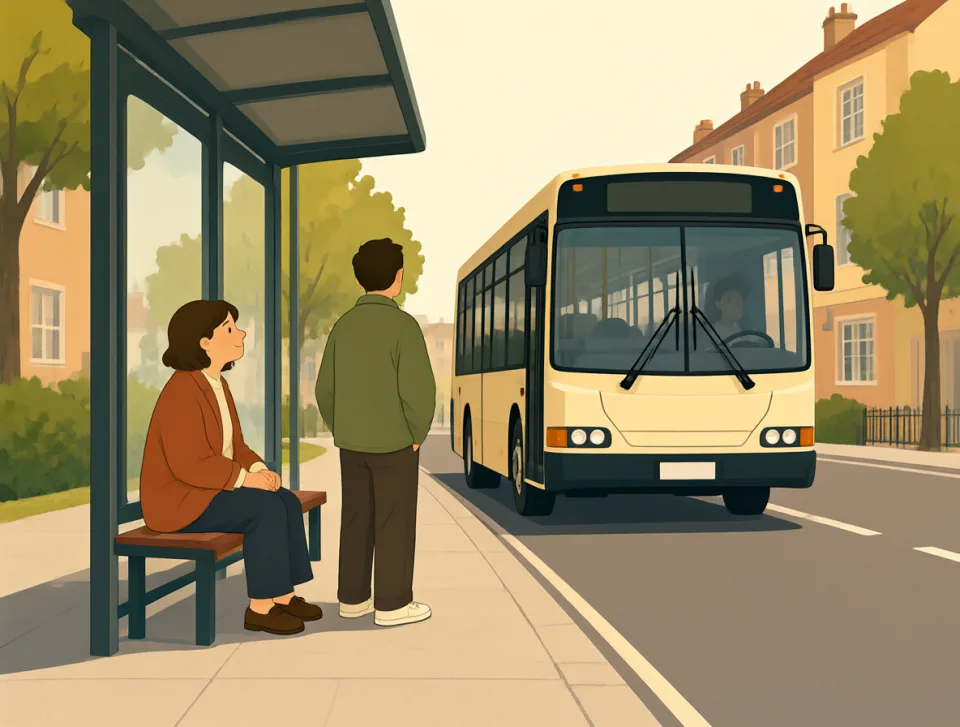
The next bus leaves at noon.
Bir sonraki otobüs öğlen kalkıyor.
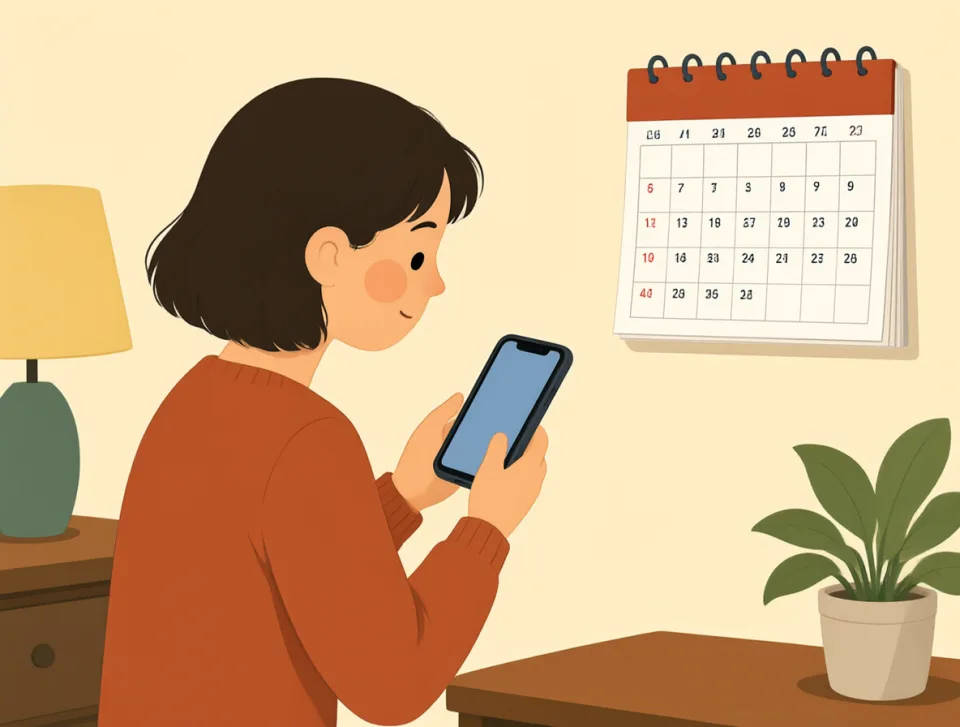
Please call me next week.
Lütfen gelecek hafta beni ara.
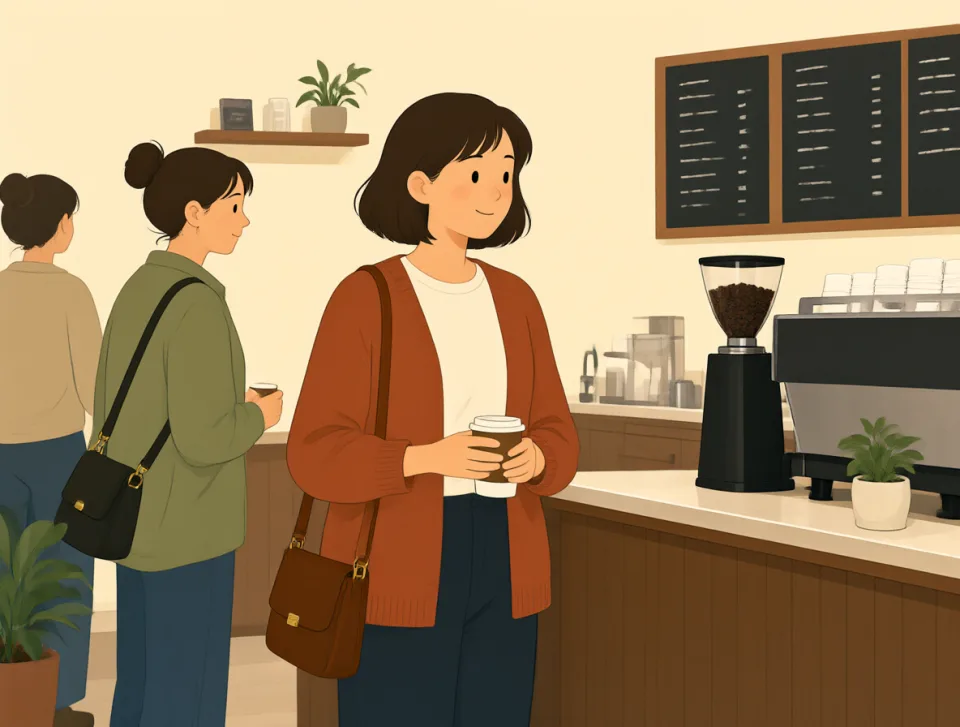
She was next in line for coffee.
Kahve almak için sırada bir sonraki oydu.
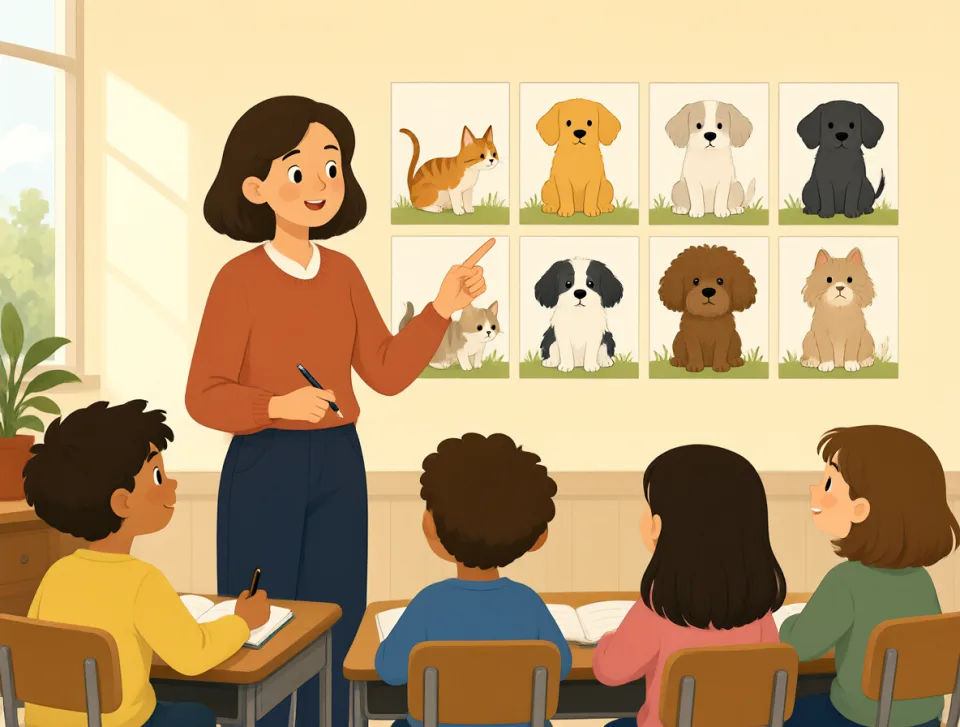
Our next lesson is about animals.
Bir sonraki dersimiz hayvanlarla ilgili.
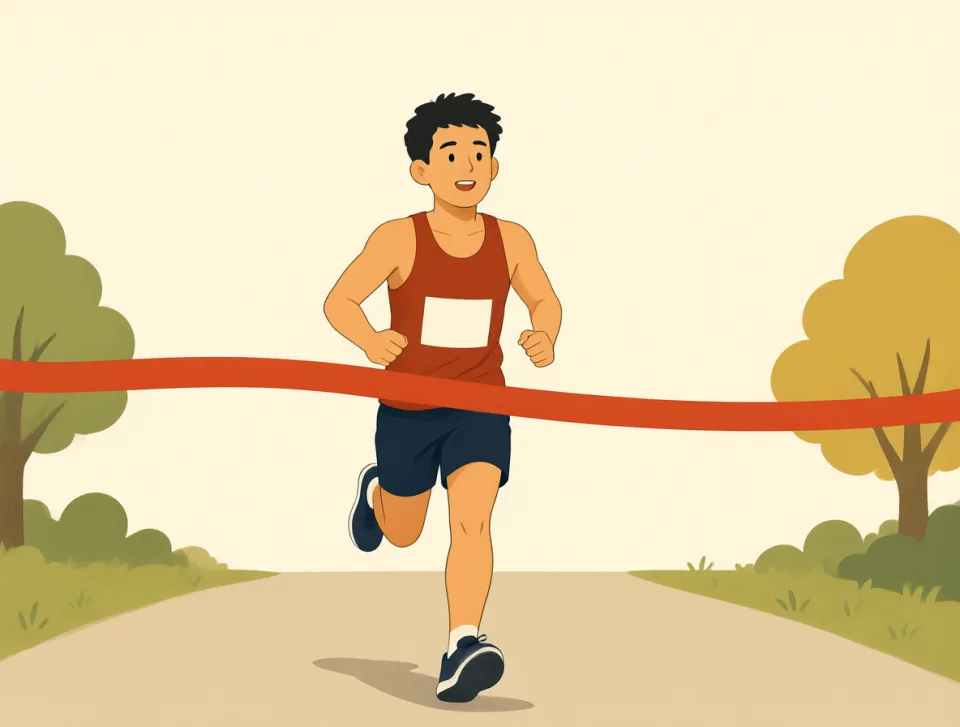
end
#152noun, verb
son; bitirmek
the final part of something, or to finish something
Bir şeyin son bölümü ya da bir şeyi sona erdirmek.
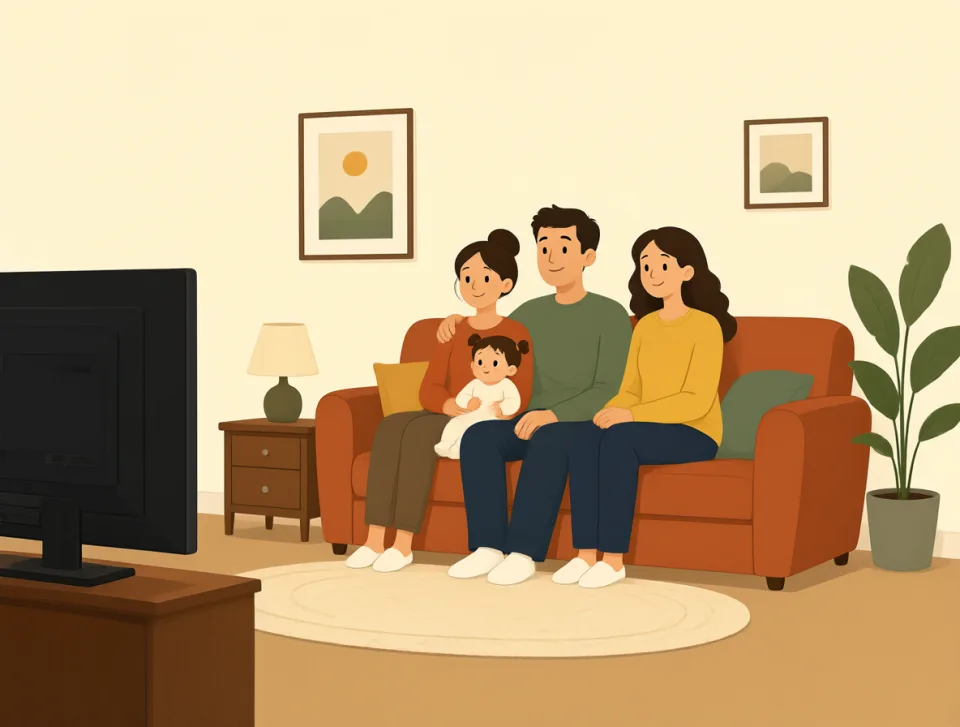
The movie ended late last night.
Film dün gece geç saatte bitti.
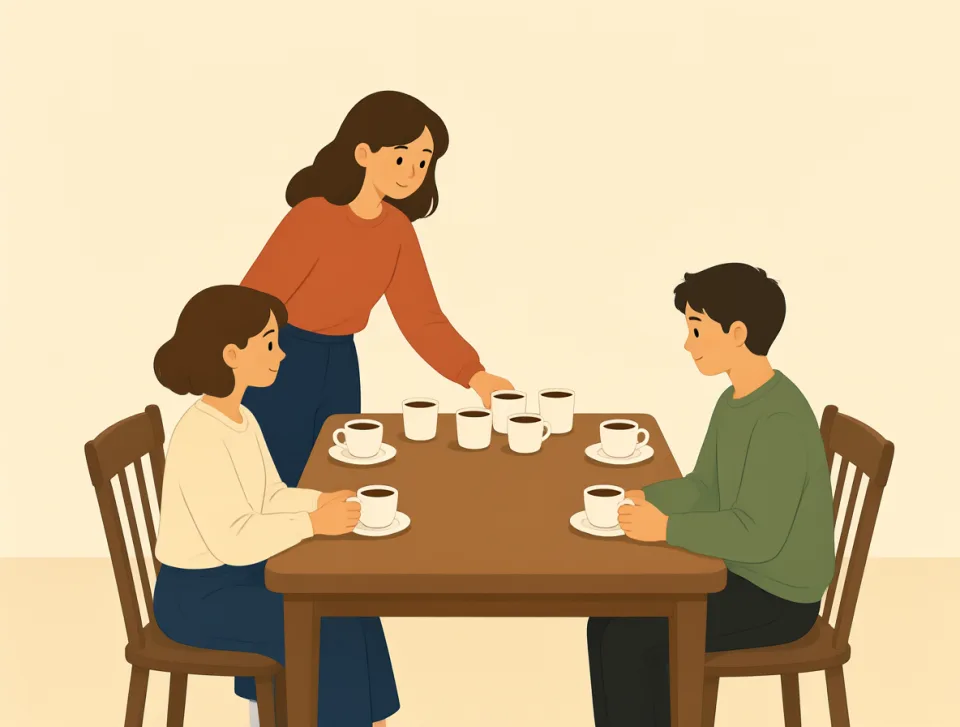
Please put the cups at the end.
Lütfen bardakları en sona koy.
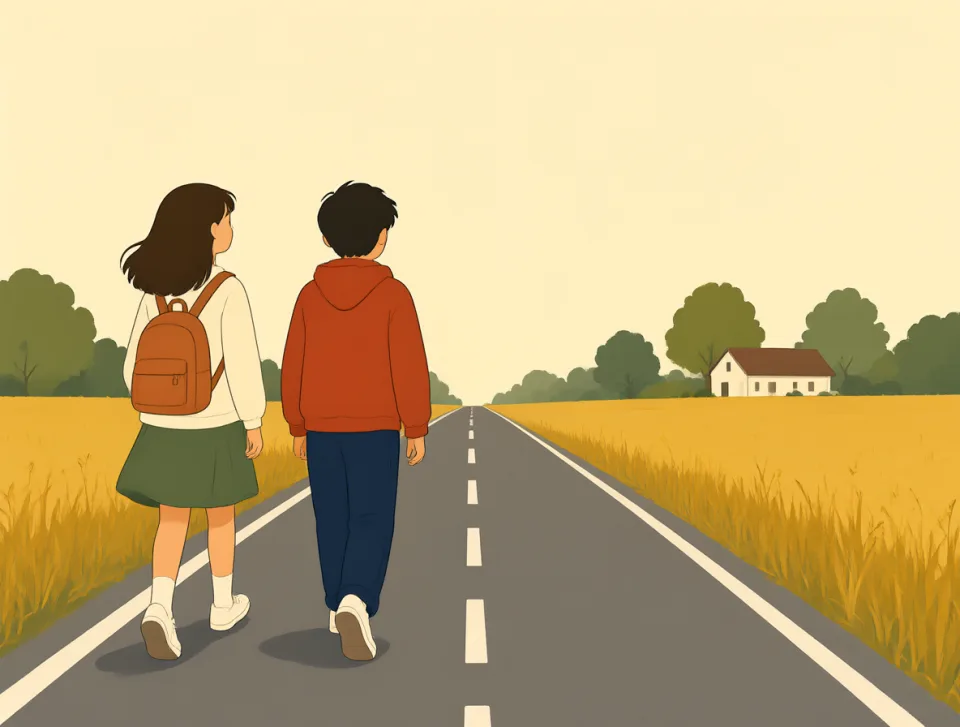
We walked to the end of the road.
Yolun sonuna kadar yürüdük.
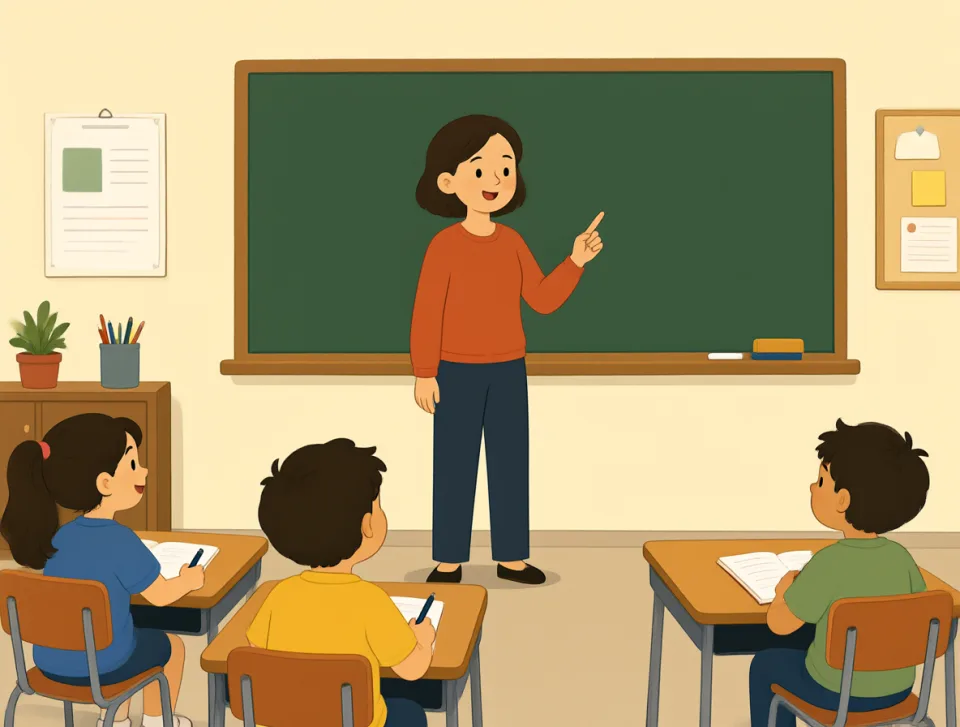
The lesson ends at three o’clock.
Ders saat üçte bitiyor.

I ended my letter with a kind message.
Mektubumu içten bir mesajla bitirdim.
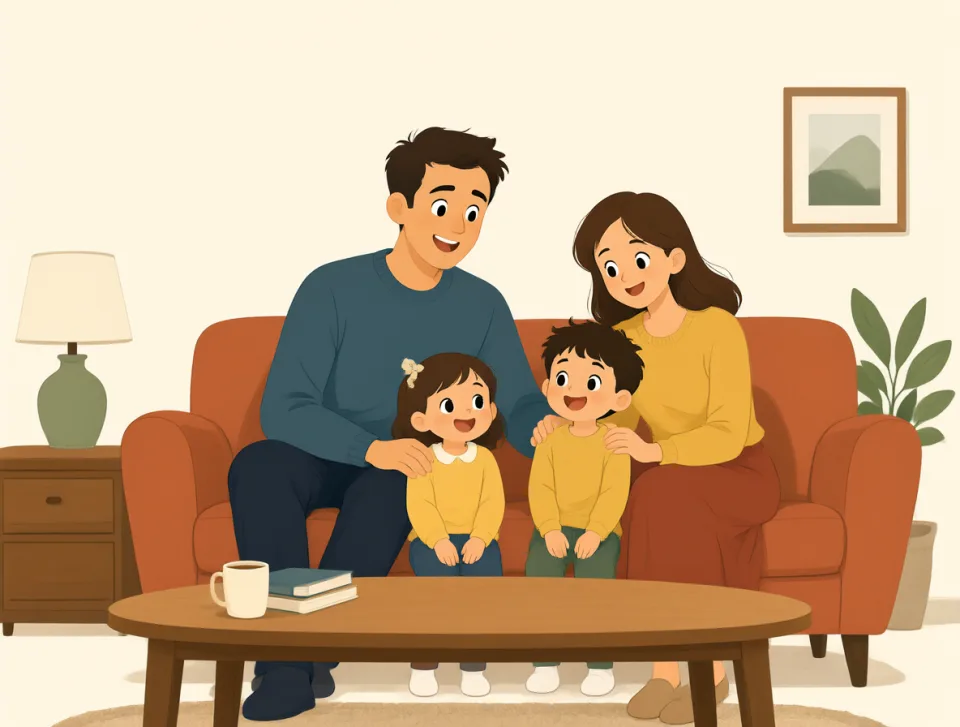
live
#153verb, adjective, adverb
yaşamak; canlı
To have your home in a place; or happening now, in real time.
Bir yerde ikamet etmek; ya da o anda, gerçek zamanlı olarak gerçekleşmek.
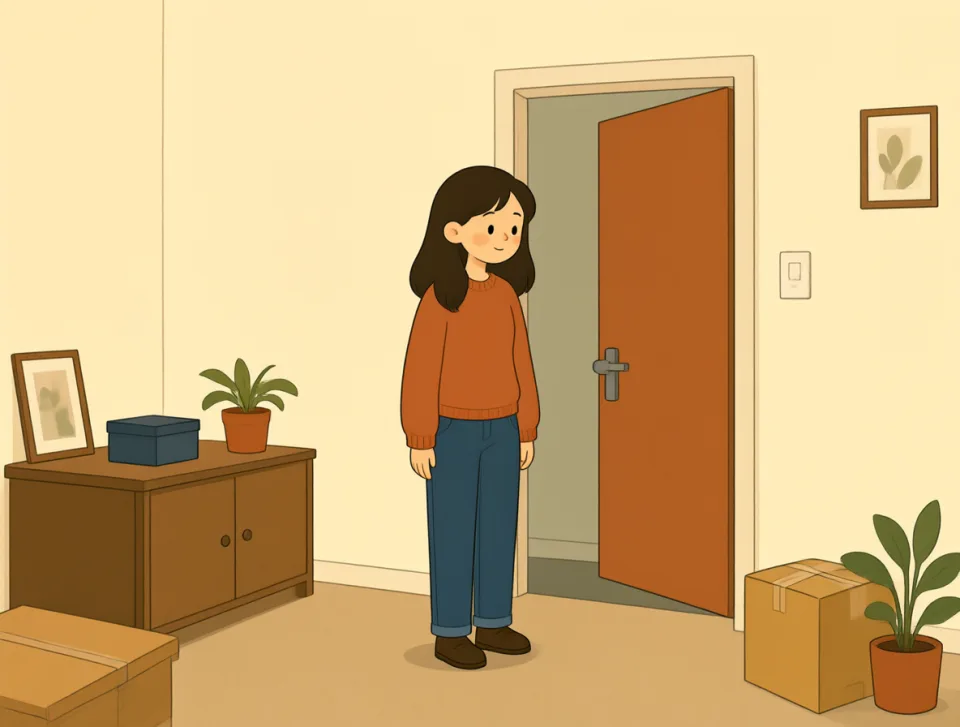
I live in a small apartment.
Küçük bir dairede yaşıyorum.
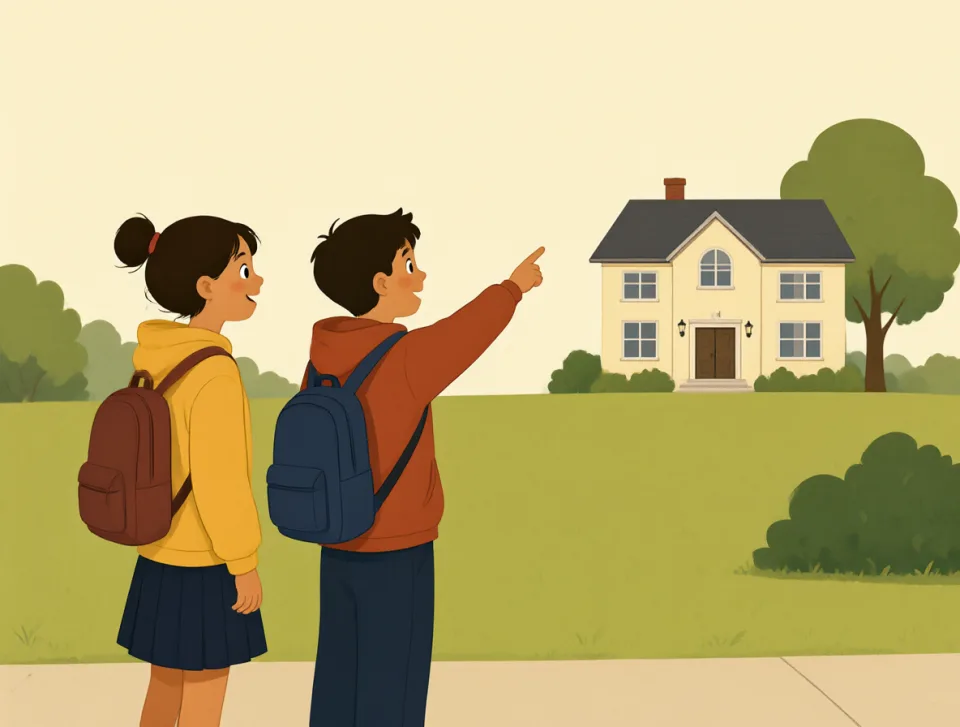
Do you live near the school?
Okulun yakınında mı yaşıyorsun?
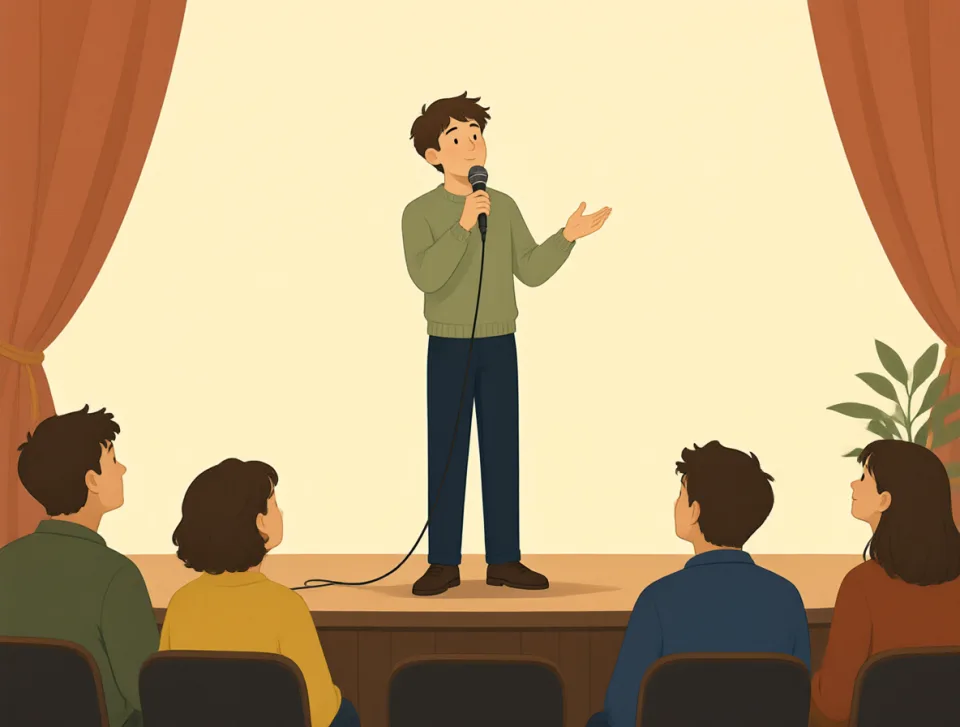
We watched a live music show.
Canlı bir müzik gösterisi izledik.
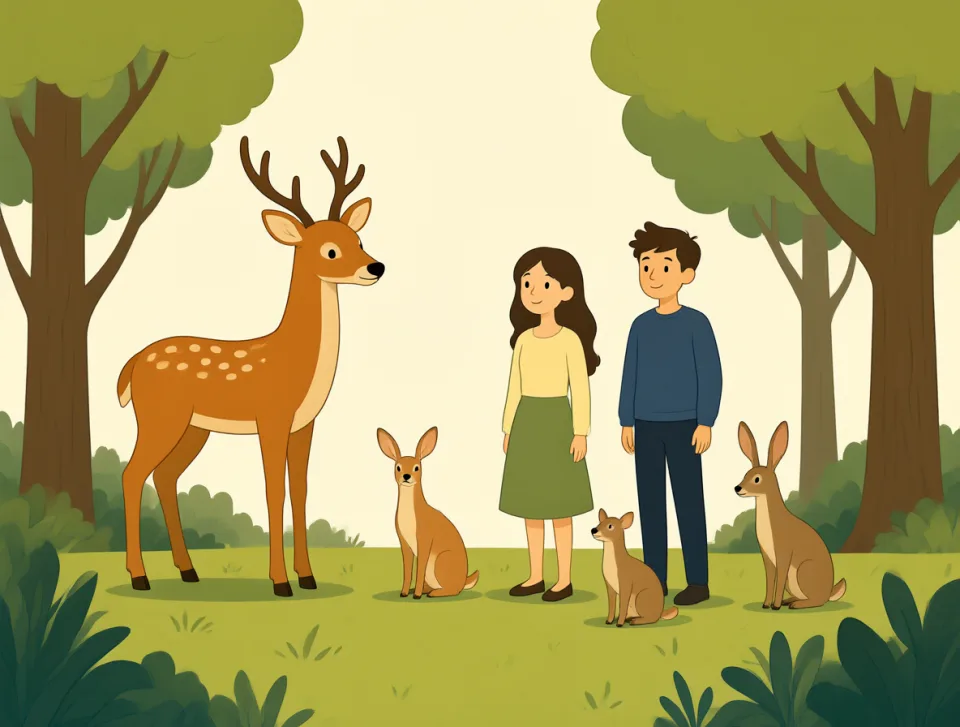
Many animals live in the forest.
Ormanda birçok hayvan yaşar.
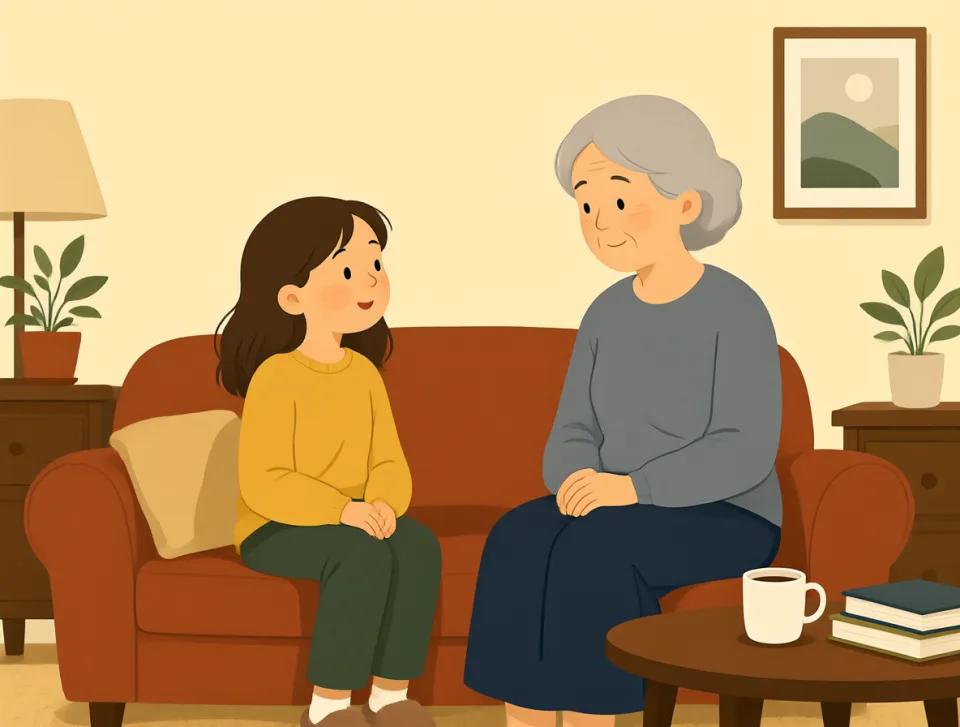
She is living with her aunt.
Teyzesiyle yaşıyor.
why
#154adverb, noun
neden
Used to ask about or explain the reason for something.
Bir şeyin nedenini sormak veya açıklamak için kullanılır.
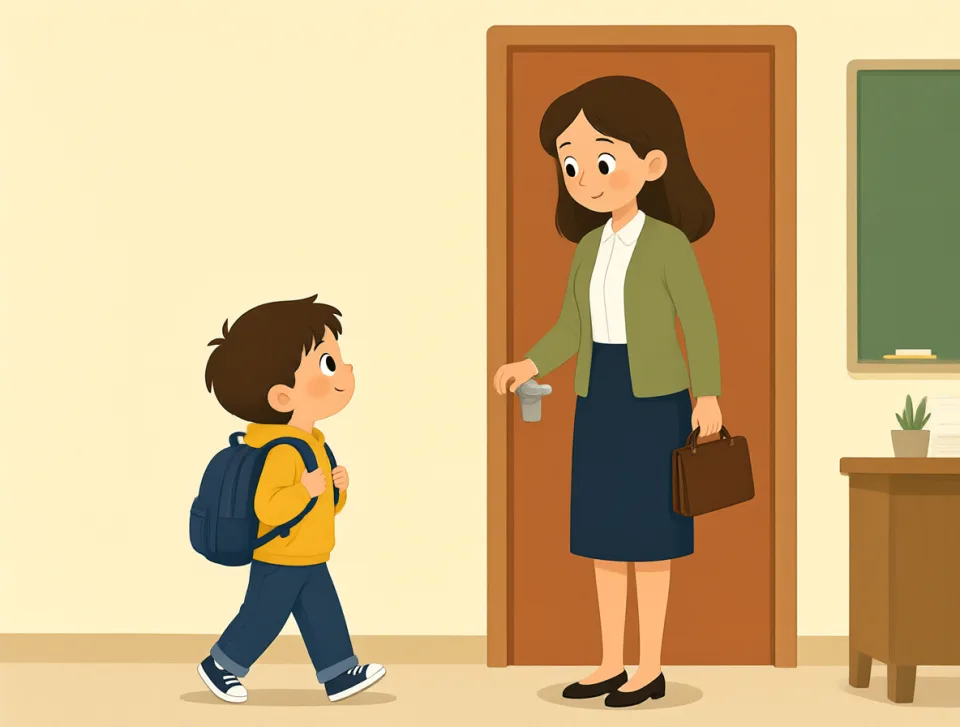
Why are you late for school?
Okula neden geç kaldın?
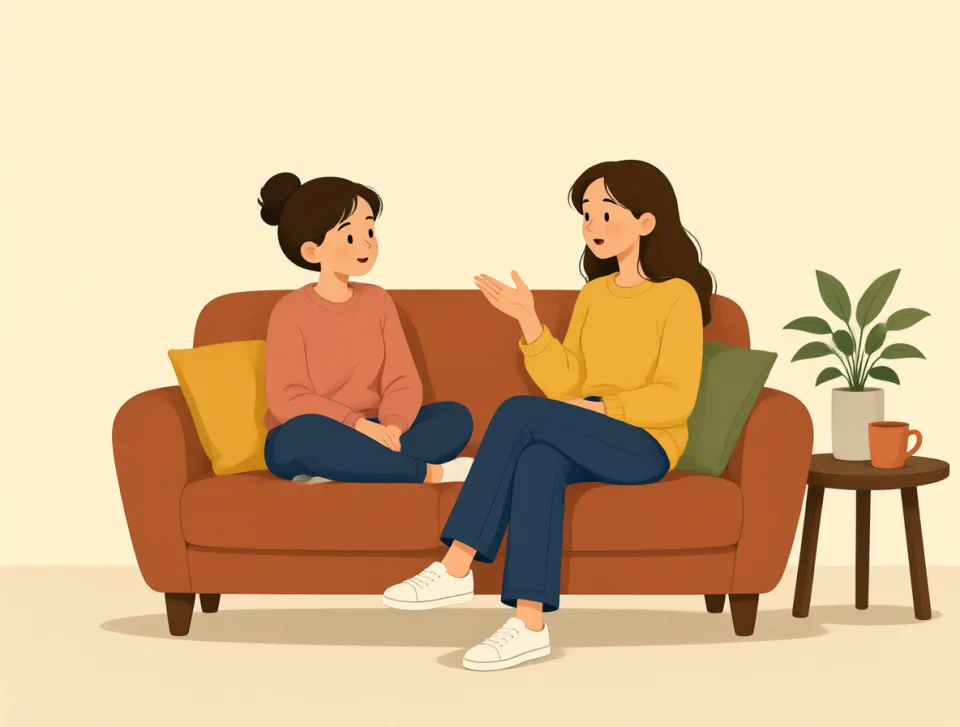
I know why she feels tired.
Neden yorgun hissettiğini biliyorum.

Why did you leave work early?
İşten neden erken ayrıldın?
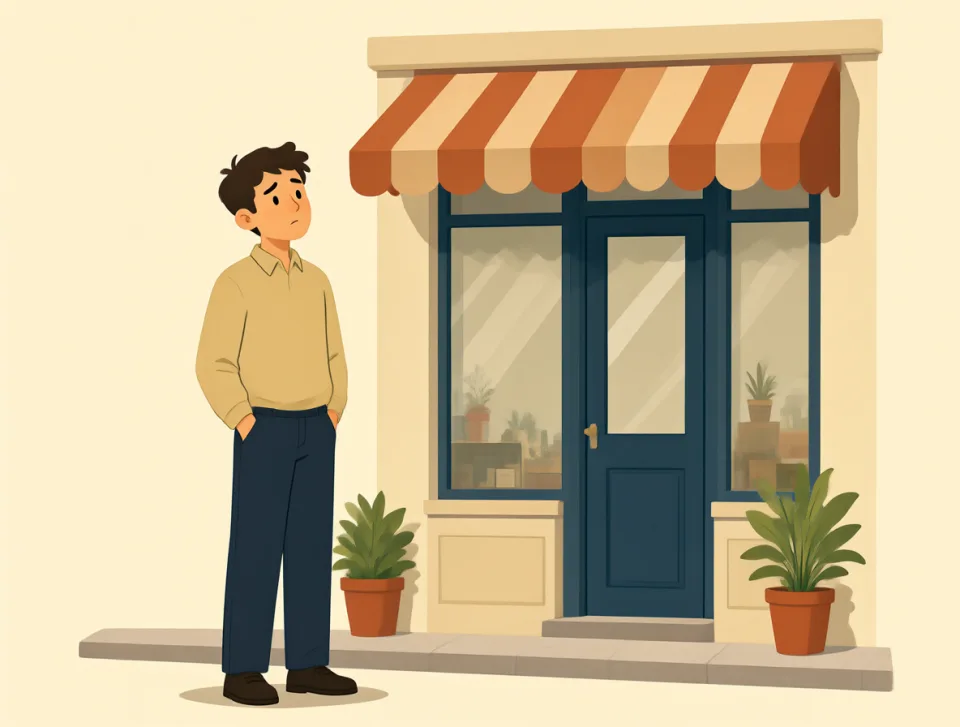
He asked why the shop was closed.
Dükkânın neden kapalı olduğunu sordu.

There is no reason why we cannot go.
Gitmememiz için hiçbir neden yok.
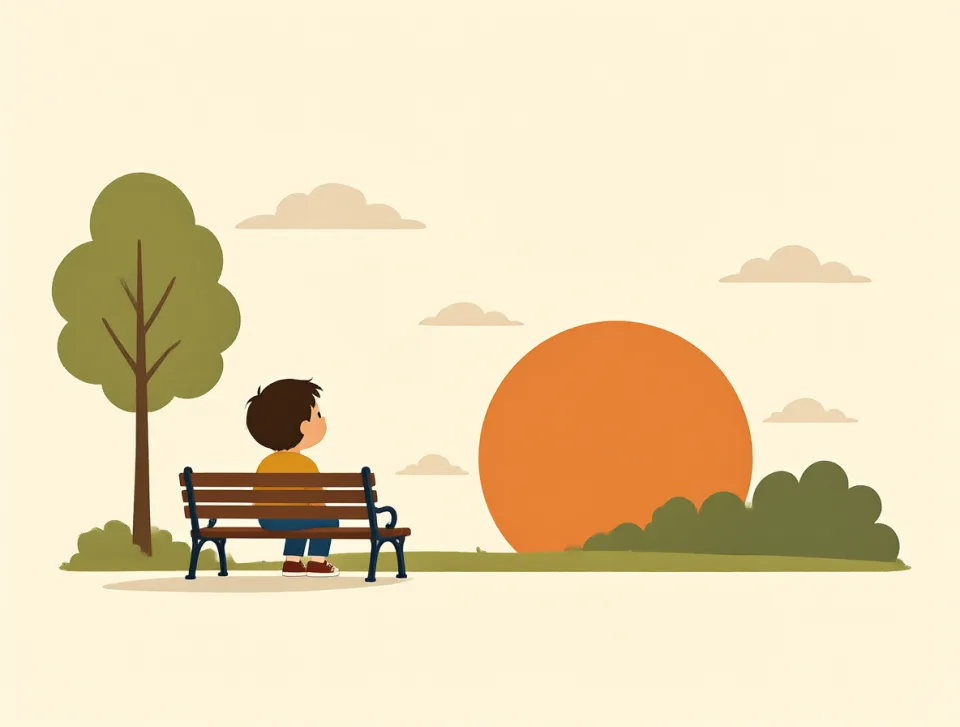
while
#155noun, conjunction, preposition
süre; -iken
a period of time; during the time that something happens
Bir zaman dilimi; bir şey gerçekleşirken.
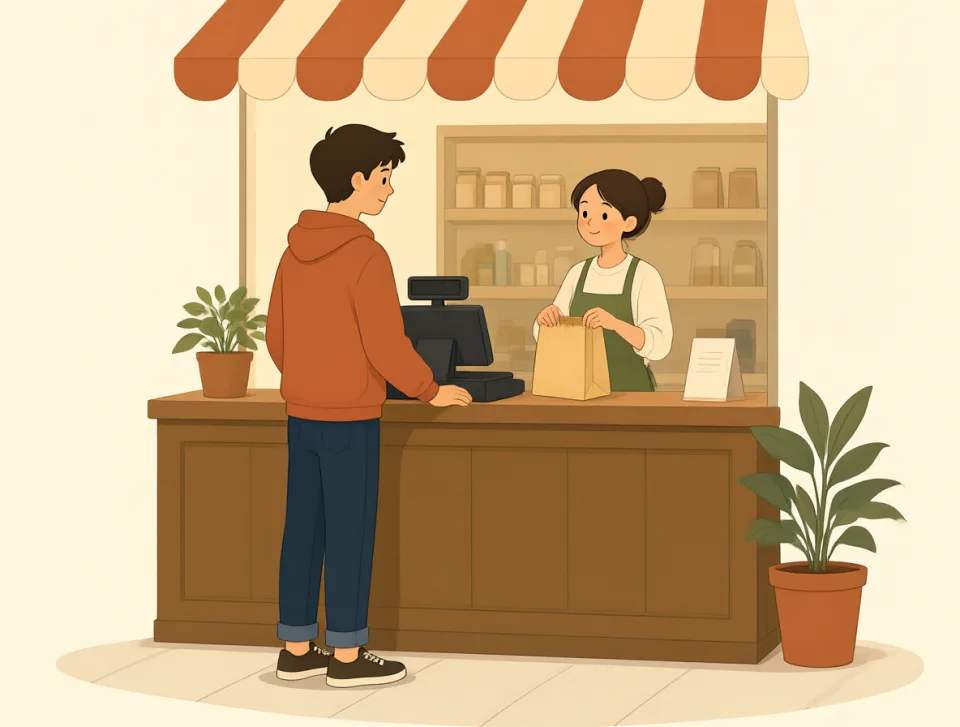
Please wait here while I get your bag.
Çantanı alırken lütfen burada bekle.
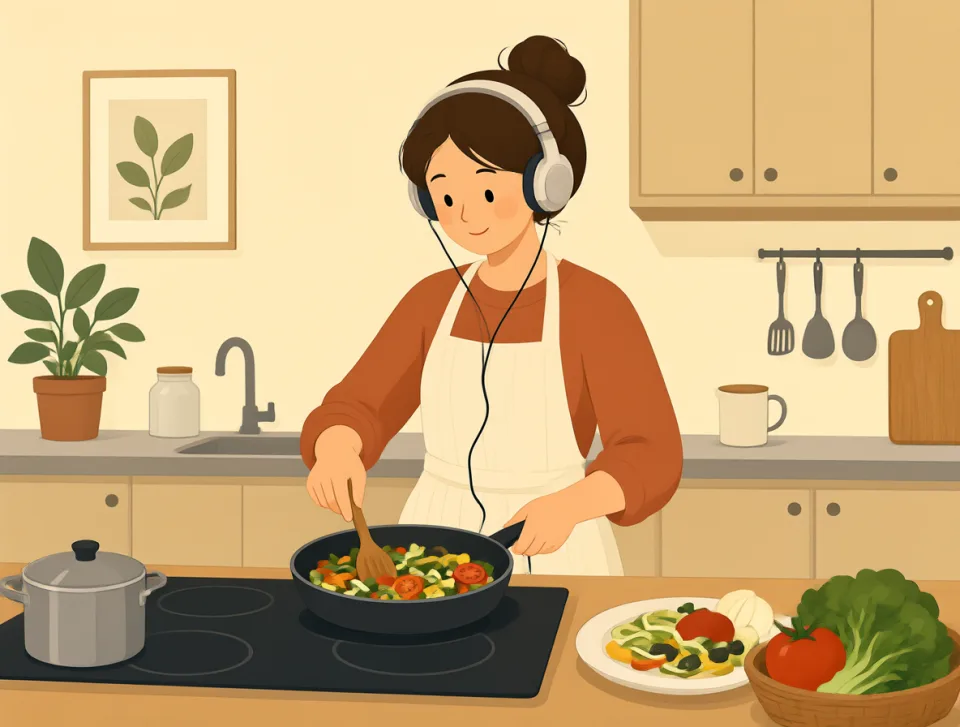
She listened to music while cooking dinner.
Akşam yemeğini pişirirken müzik dinledi.
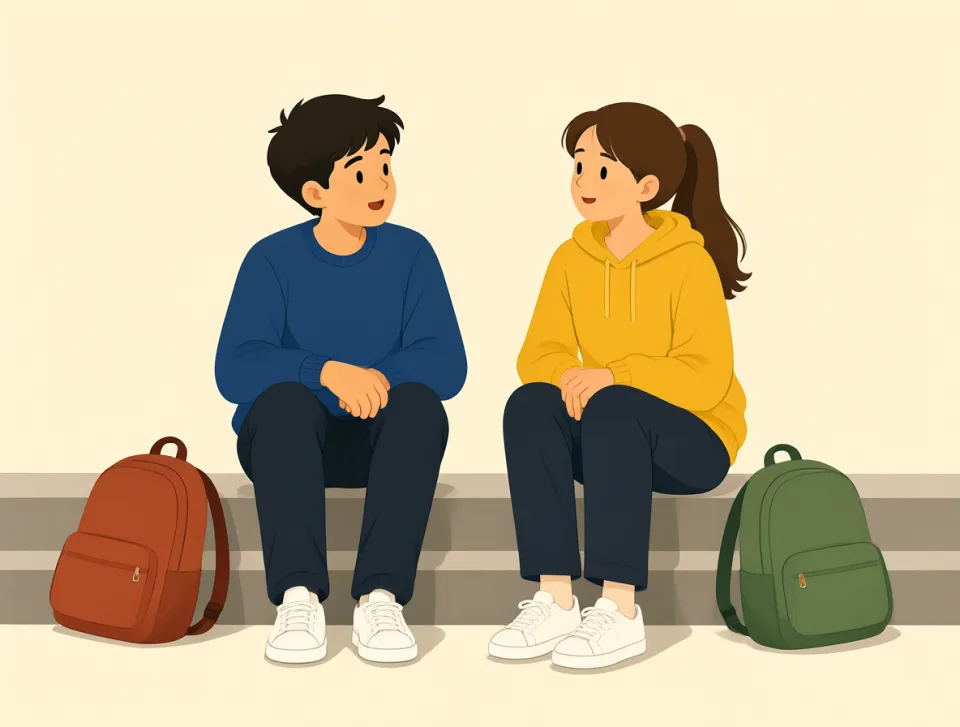
We talked for a while after school.
Okuldan sonra bir süre sohbet ettik.
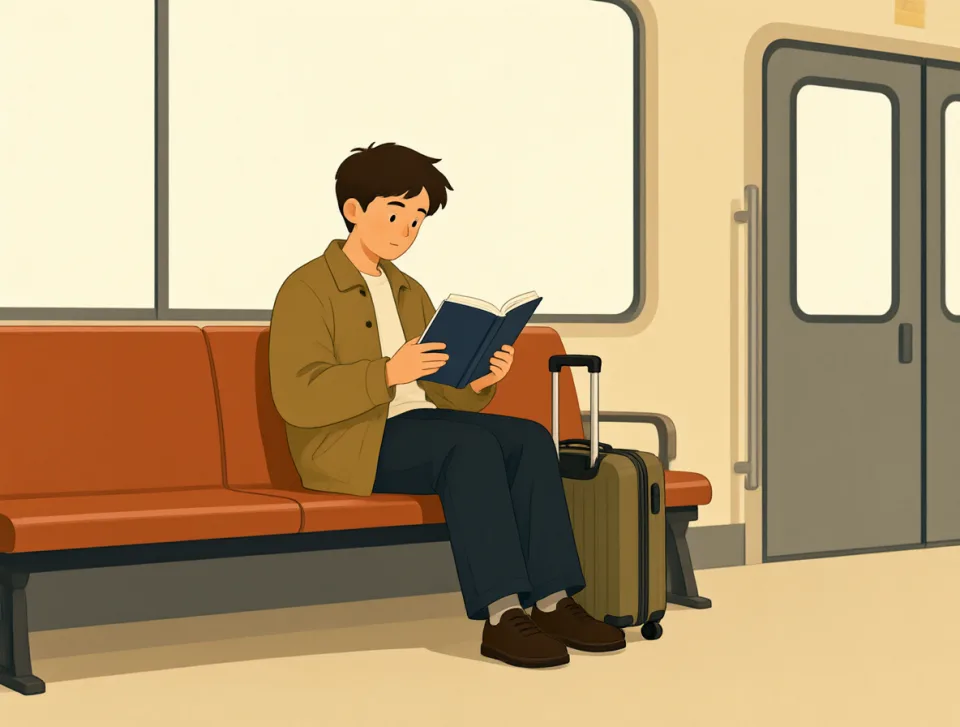
He read a book while waiting for the train.
Treni beklerken kitap okudu.
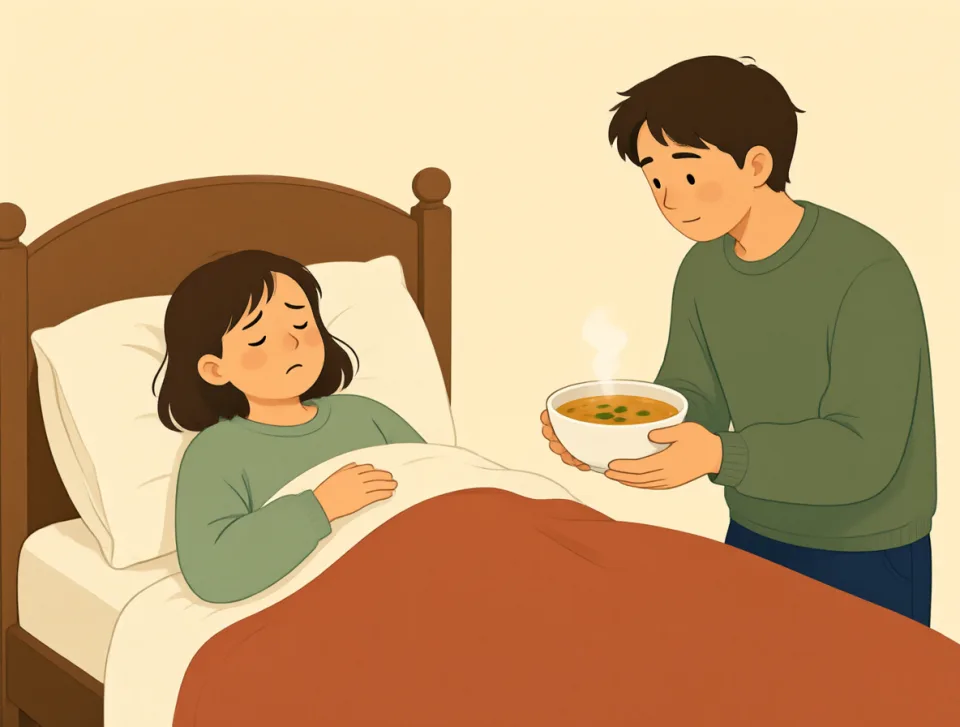
While I was sick, my friend brought soup.
Hastayken arkadaşım bana çorba getirdi.
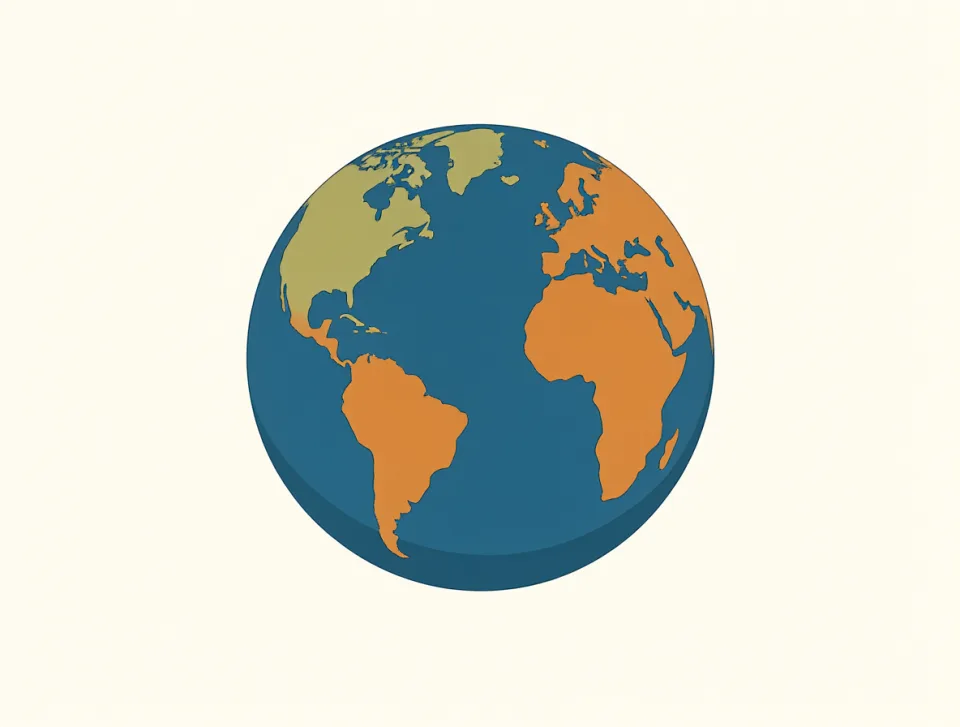
world
#156noun
dünya
the Earth and all its people, countries, and places
Dünya ve üzerindeki tüm insanlar, ülkeler ve yerler.
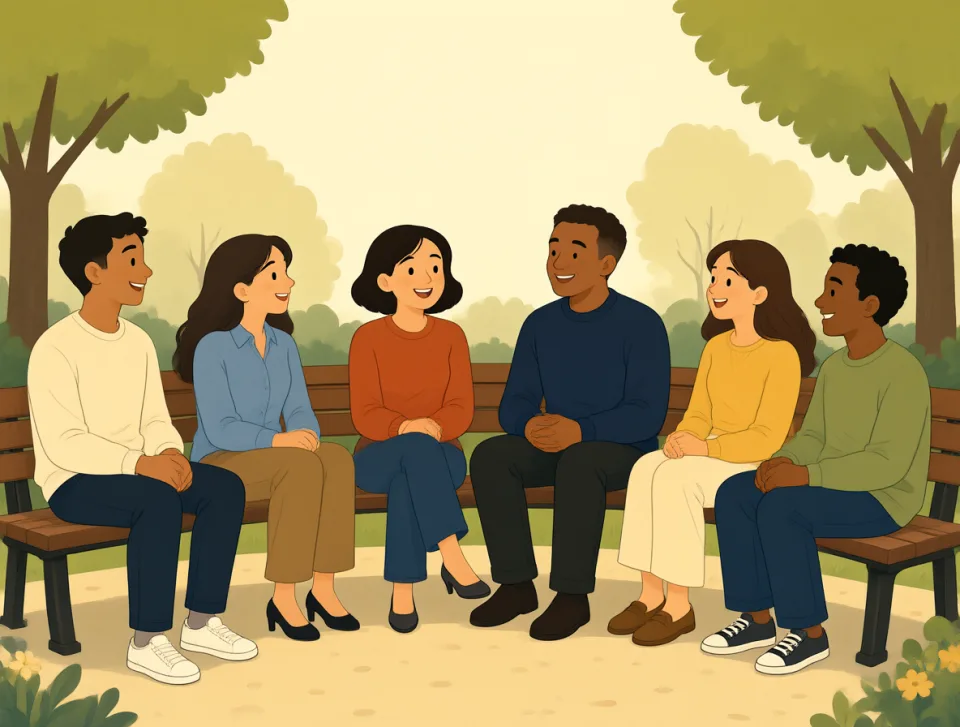
People around the world enjoy music.
Dünyanın dört bir yanındaki insanlar müzikten keyif alır.
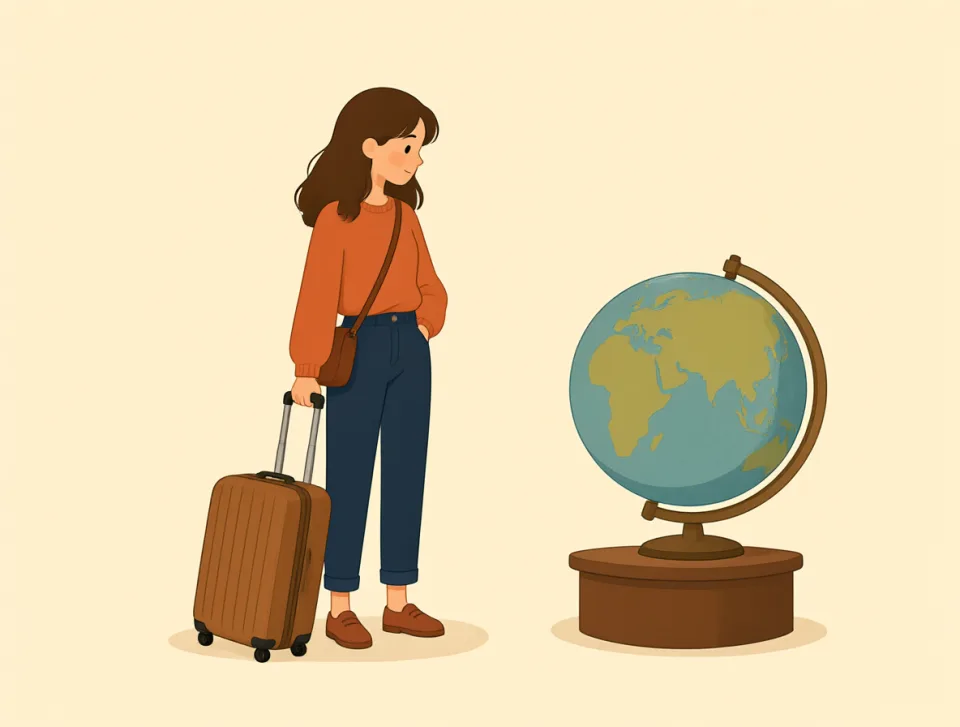
She wants to travel the world.
Dünyayı gezmek istiyor.

The whole world watched the game.
Maçı bütün dünya izledi.
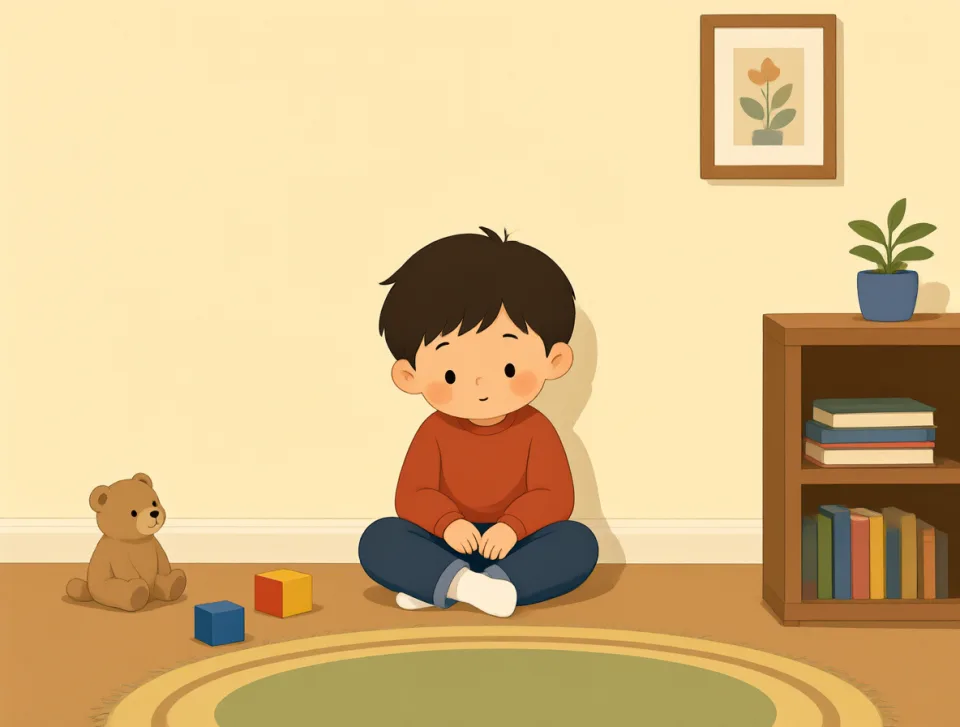
He lives in a small world.
Küçük bir dünyada yaşıyor.

World history is my favorite school subject.
Dünya tarihi en sevdiğim okul dersi.
week
#157noun
hafta
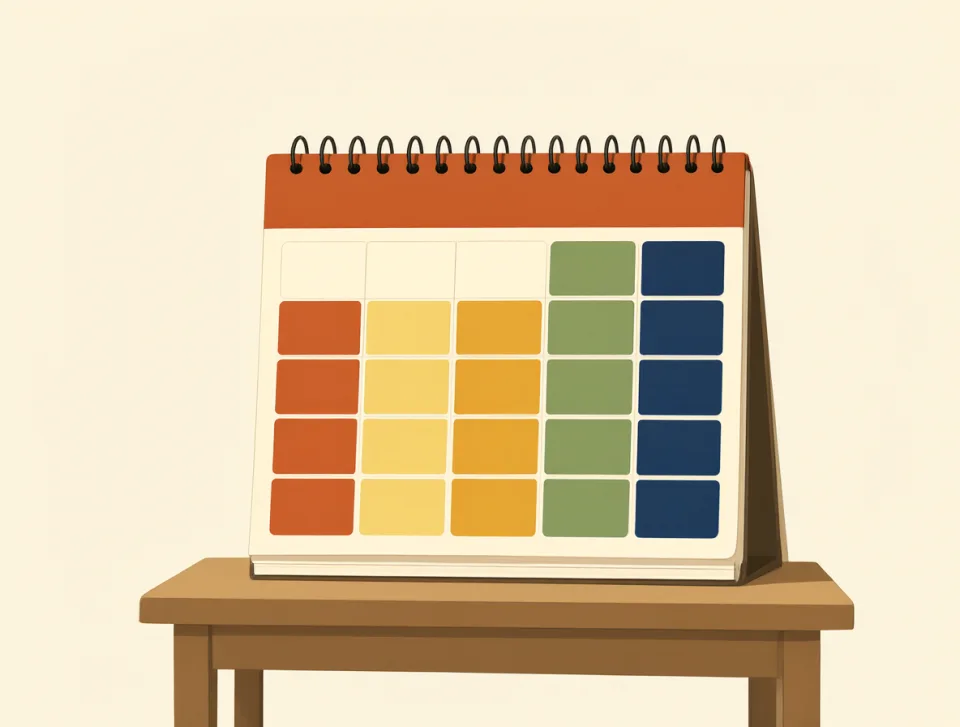
A period of seven days, from one day to the same day the next week.
Bir günden başlayıp sonraki hafta aynı güne kadar süren yedi günlük dönem.
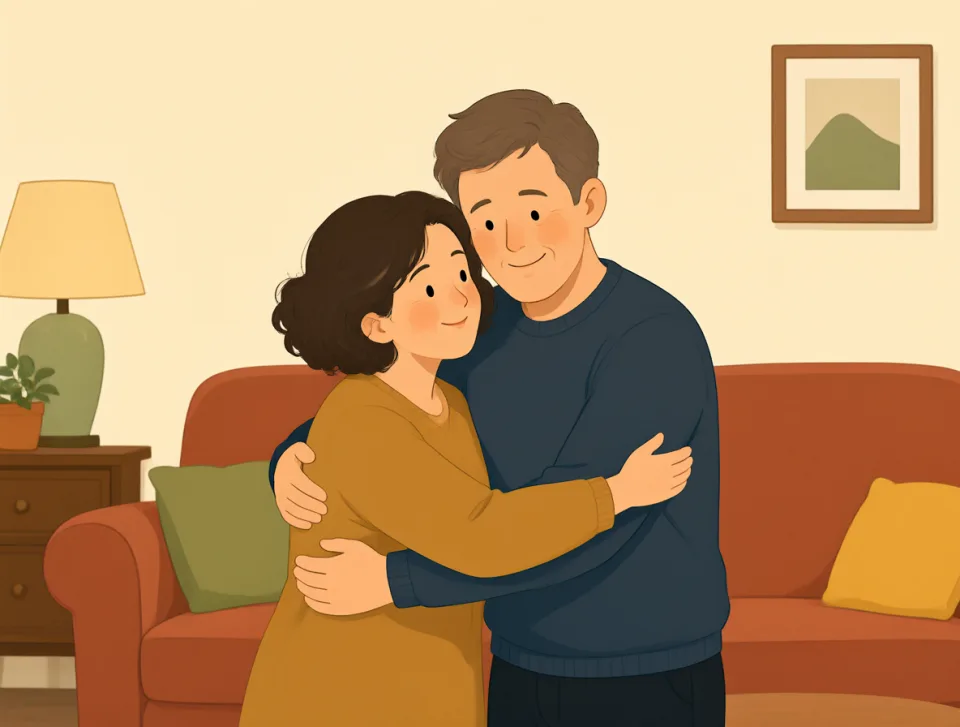
I visit my parents every week.
Ailemi her hafta ziyaret ederim.
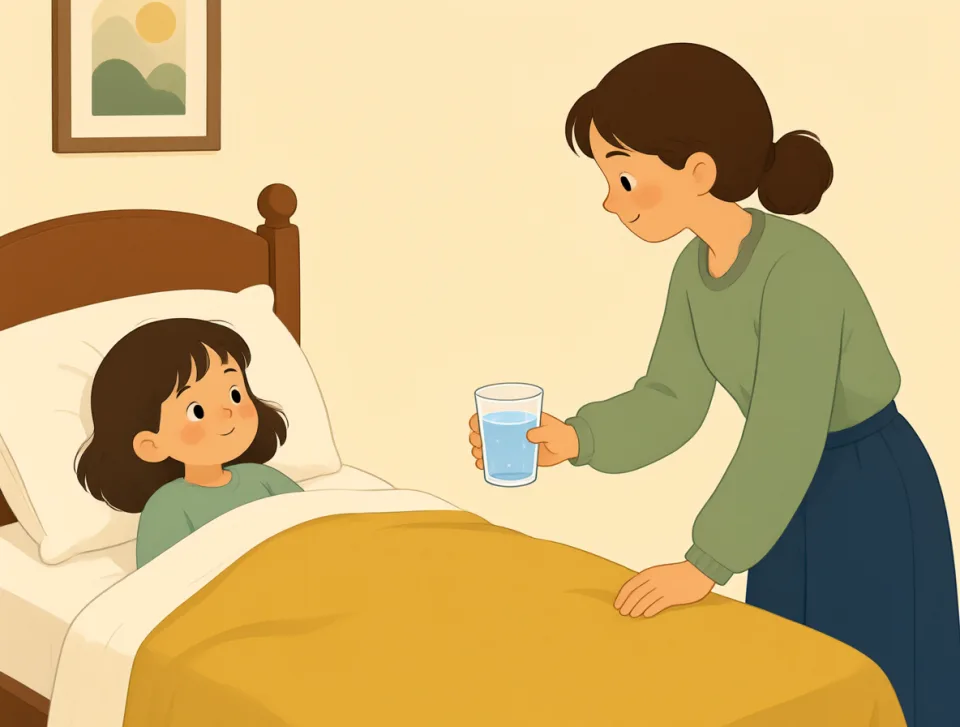
She was sick last week.
Geçen hafta hastaydı.

We have a team meeting this week.
Bu hafta bir takım toplantımız var.
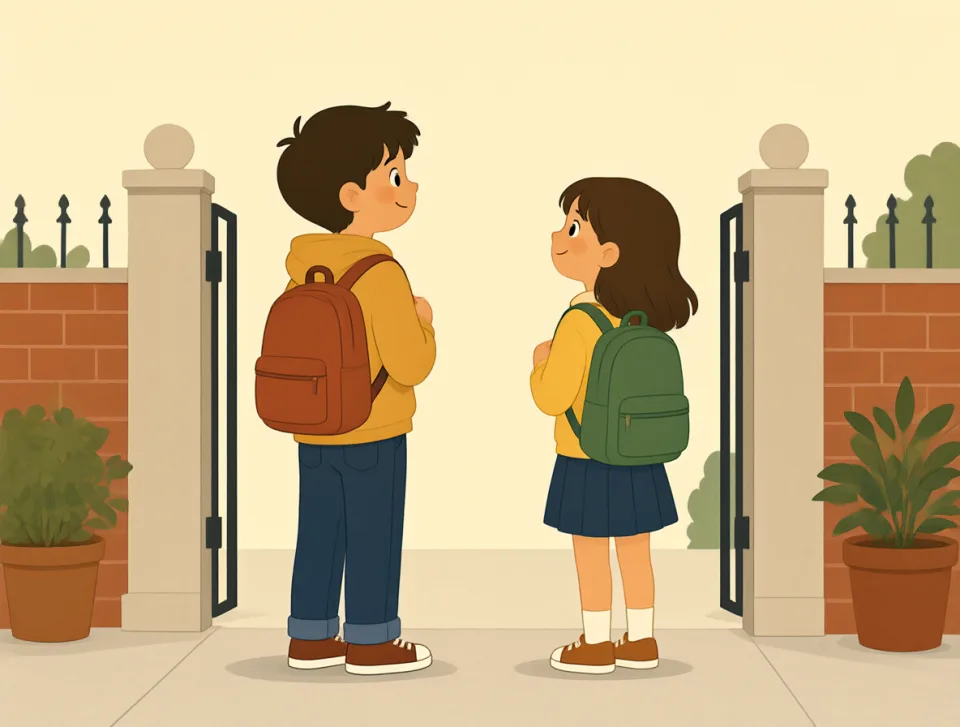
The children start school next week.
Çocuklar gelecek hafta okula başlayacak.

We are traveling to Spain in two weeks.
İki hafta sonra İspanya'ya seyahat ediyoruz.
play
#158verb, noun
oynamak
to do something for fun, or to act in a show
Eğlenmek için bir şey yapmak ya da bir gösteride rol almak.
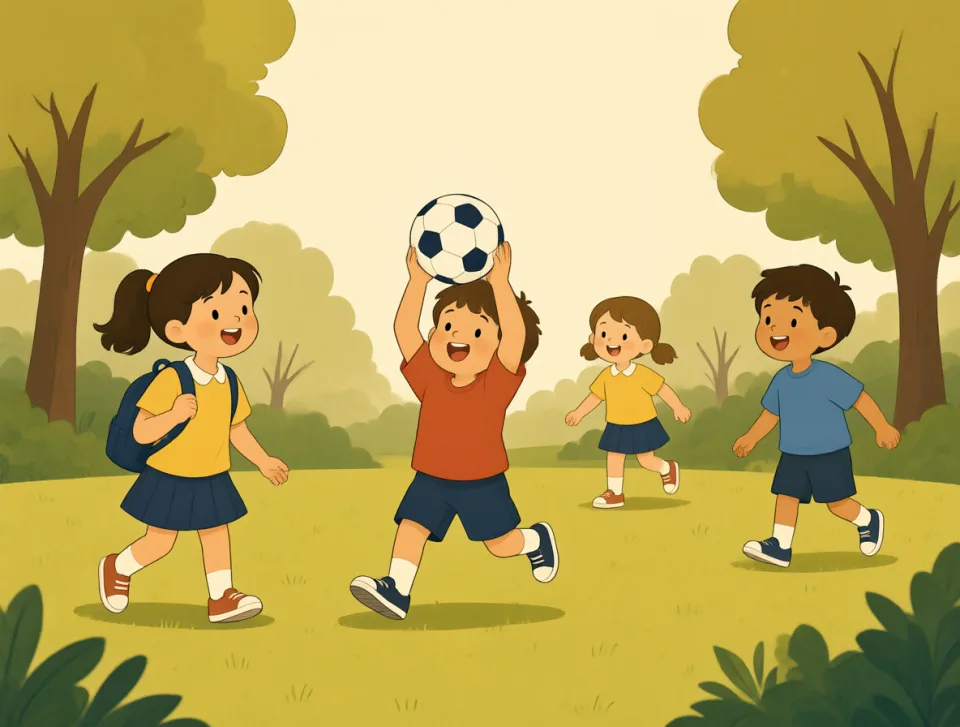
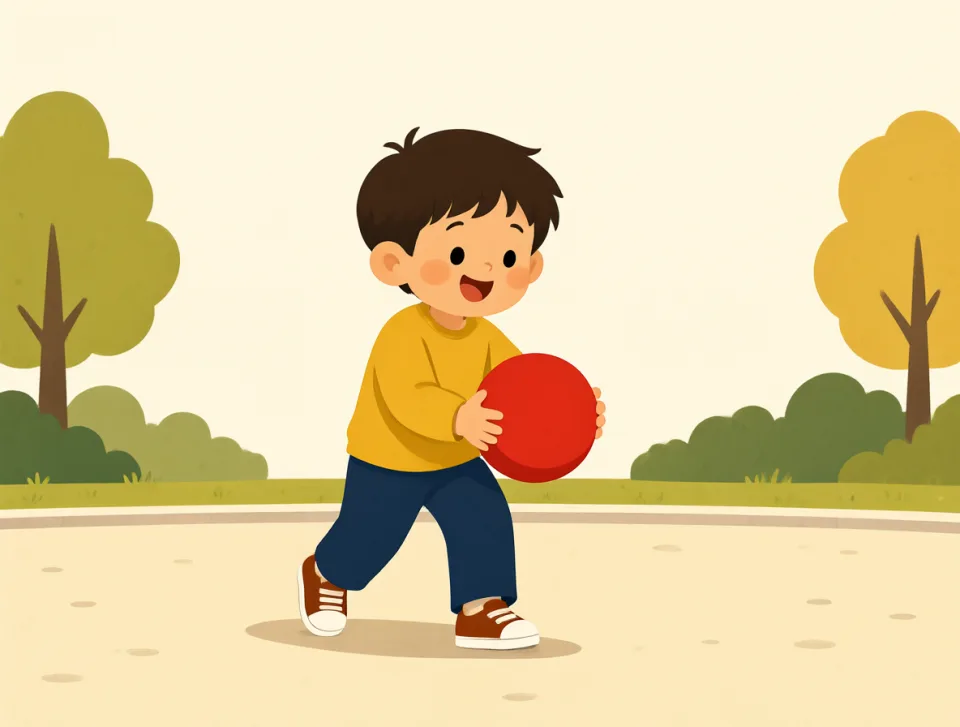
The children play outside after school.
Çocuklar okuldan sonra dışarıda oynar.
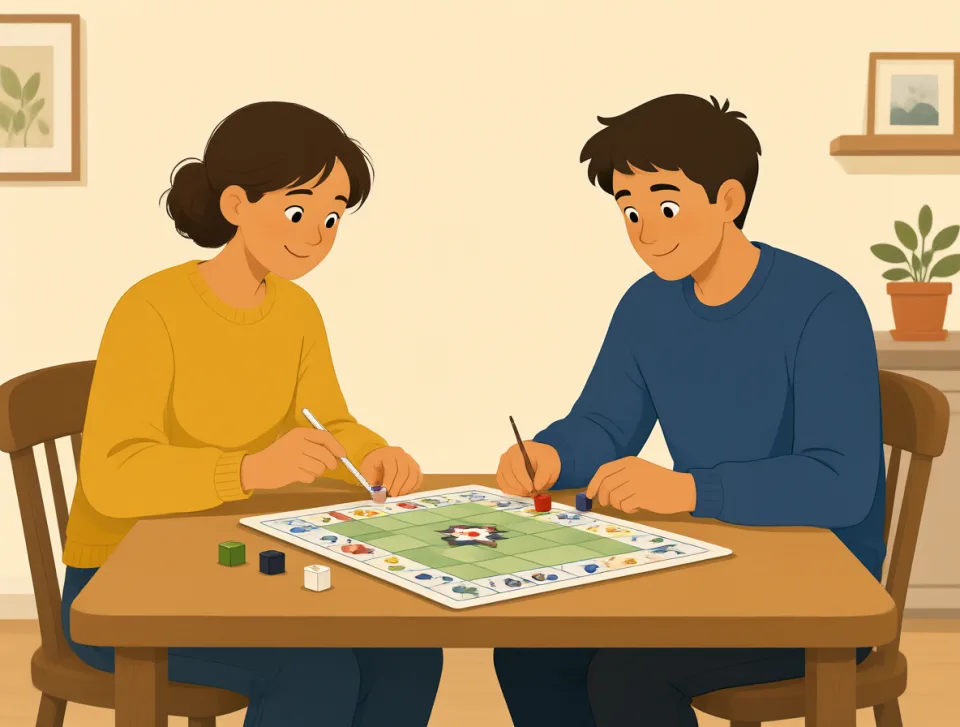
We played a game at home.
Evde bir oyun oynadık.
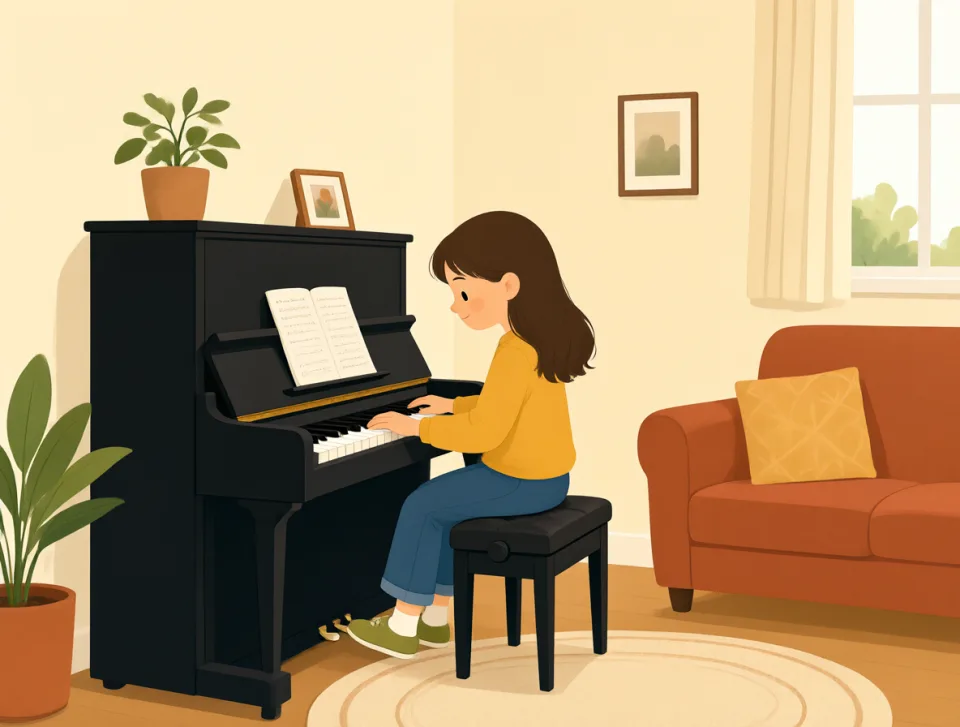
She plays the piano every morning.
Her sabah piyano çalar.
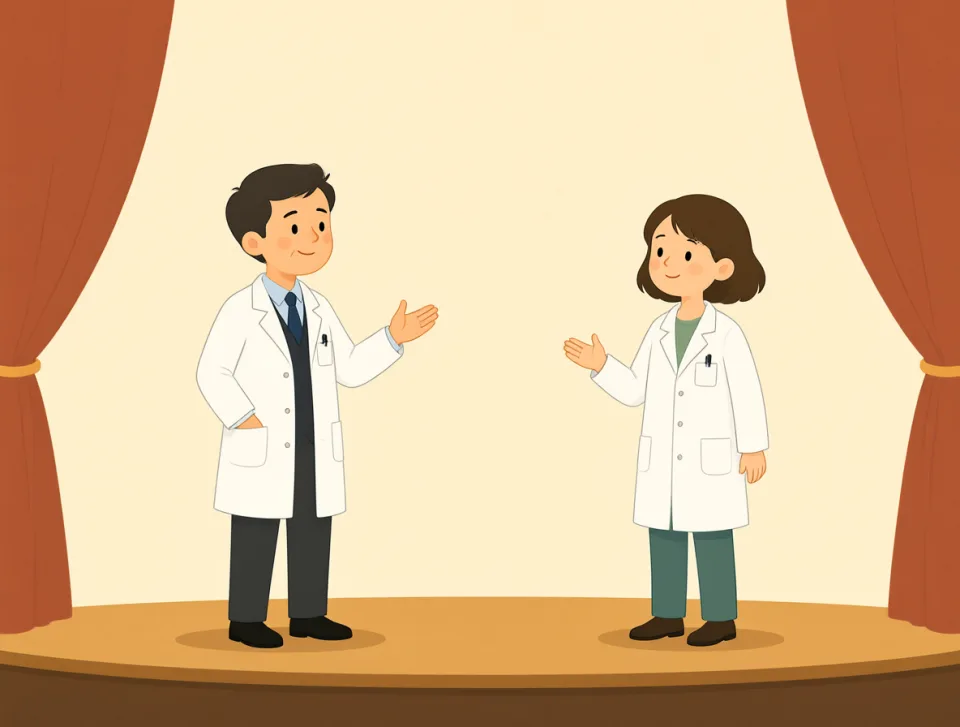
The actors play doctors in the show.
Gösteride oyuncular doktor rolünü oynuyor.
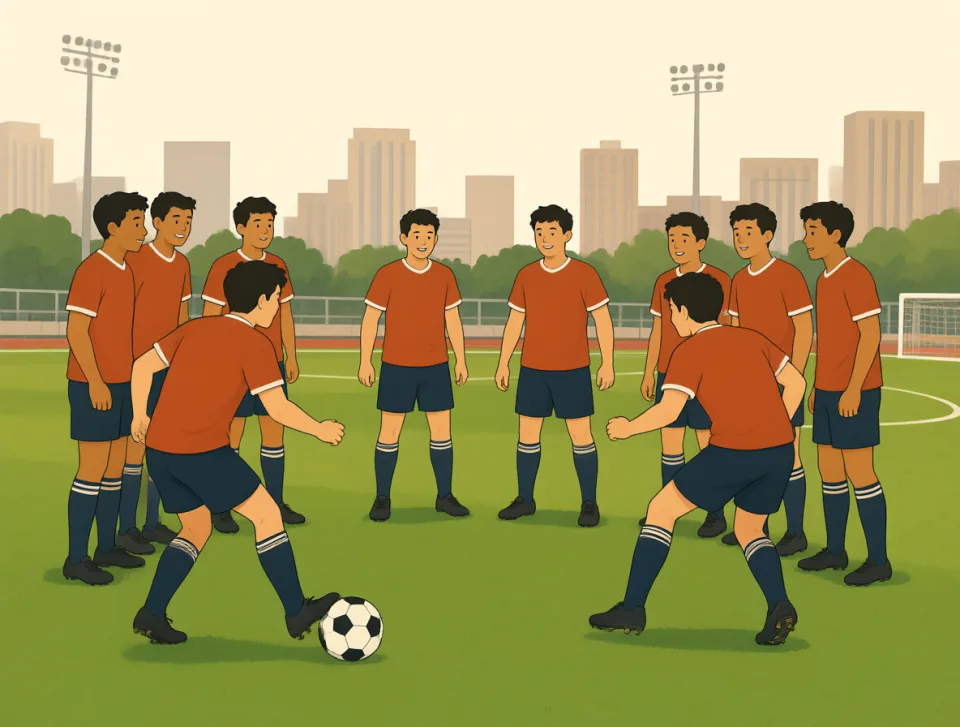
Our team plays in London tomorrow.
Takımımız yarın Londra'da oynuyor.
might
#159modal verb, noun
-ebilir / olabilir
Used to say something is possible or to ask permission politely.
Bir şeyin mümkün olduğunu belirtmek veya kibarca izin istemek için kullanılır.
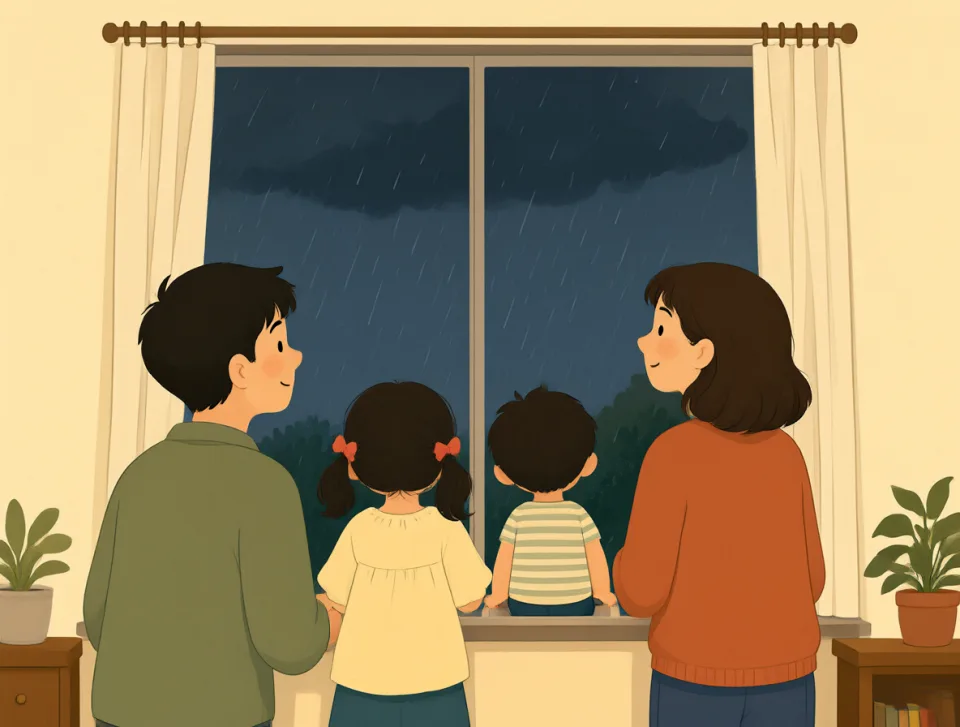
It might rain this afternoon.
Bu öğleden sonra yağmur yağabilir.
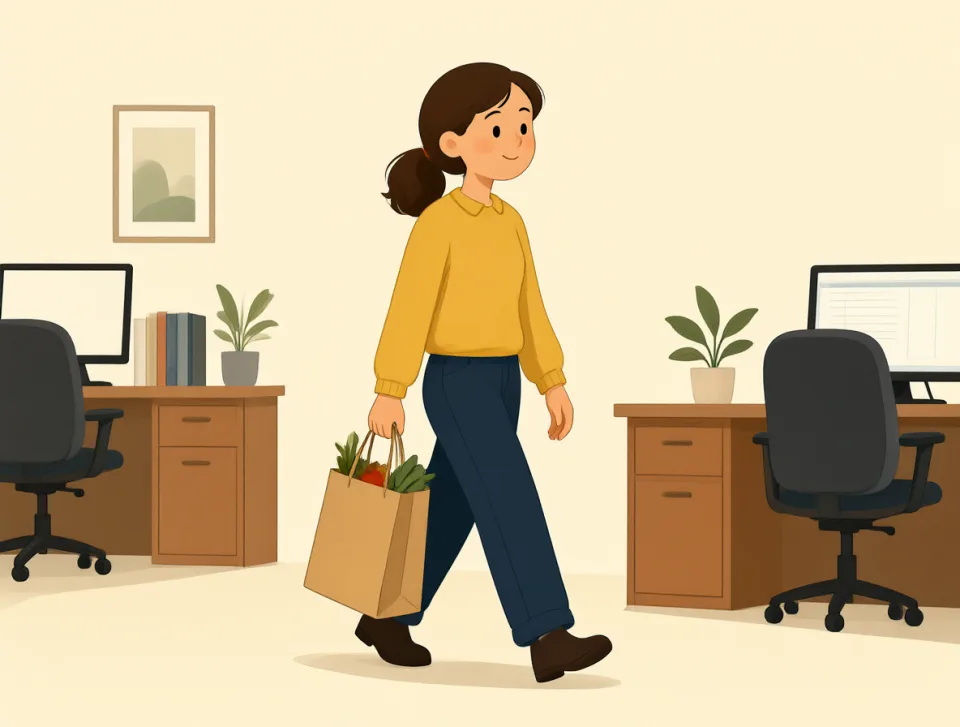
I might go shopping after work.
İşten sonra alışverişe gidebilirim.
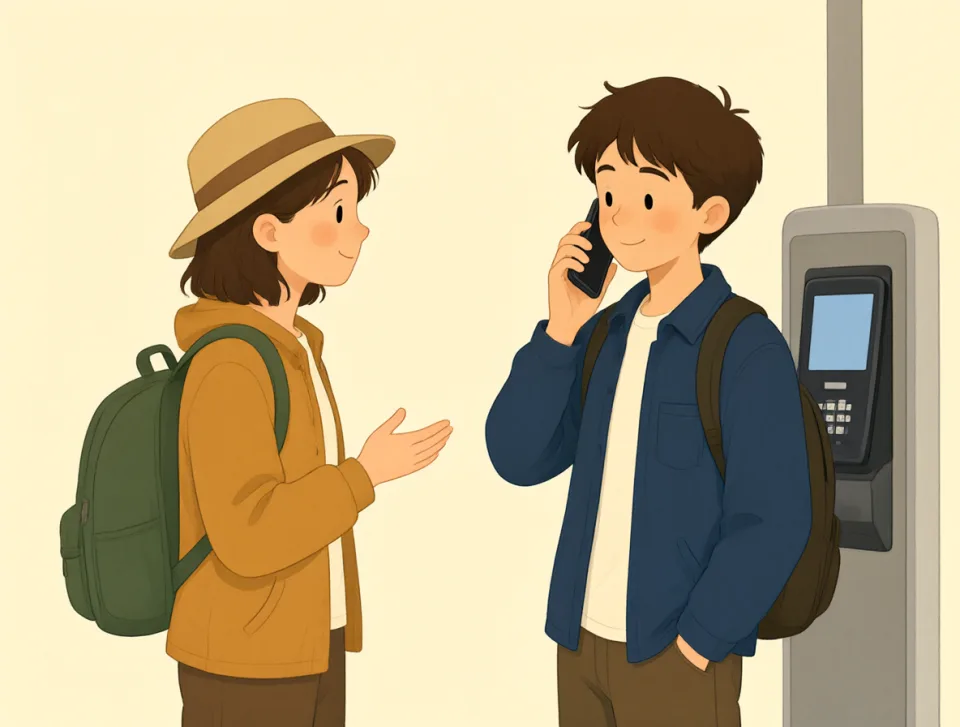
Might I use your phone, please?
Telefonunuzu kullanabilir miyim, lütfen?
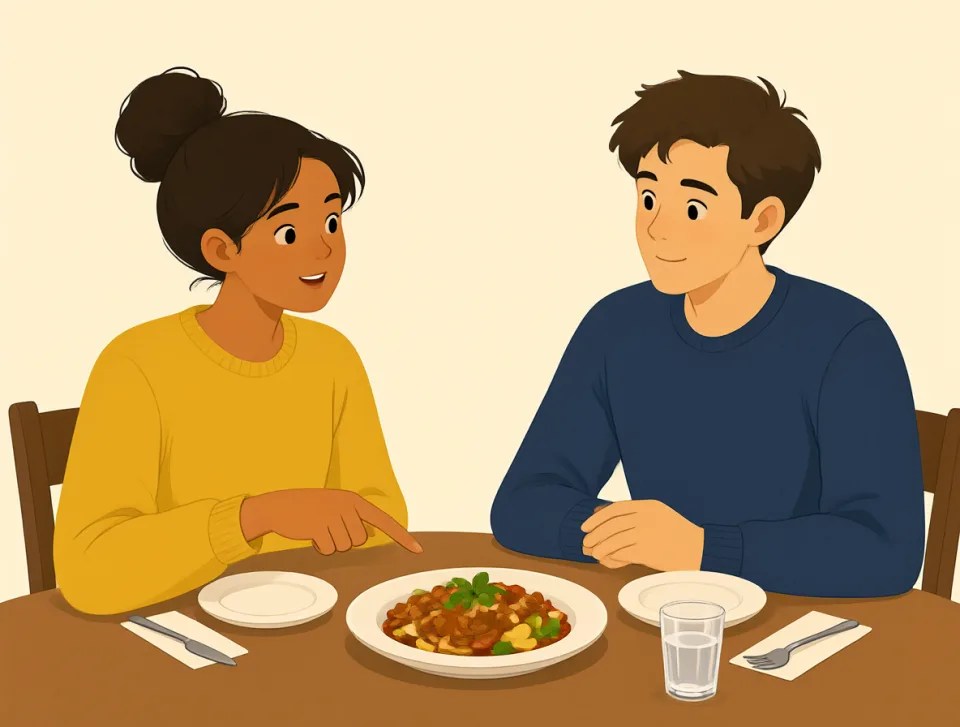
You might like this new restaurant.
Bu yeni restoran hoşuna gidebilir.
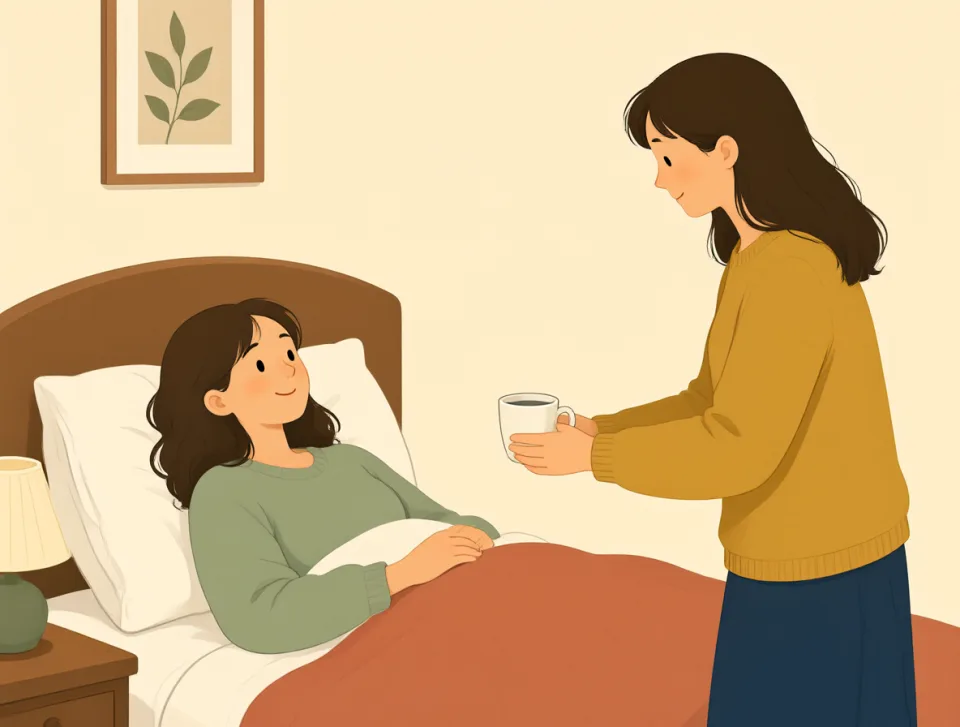
She might be sick today.
Bugün hasta olabilir.
must
#160verb, noun
zorunda olmak
To be necessary or required; something that you need to do or have.
Gerekli ya da zorunlu olmak; yapmanız veya sahip olmanız gereken bir şey.
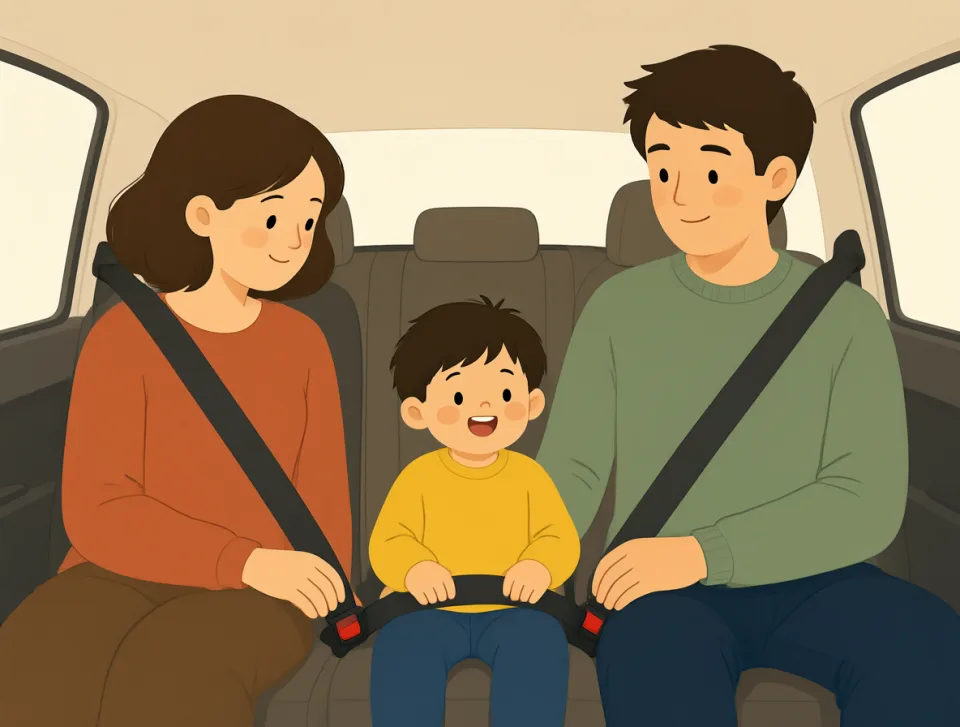
You must wear a seat belt.
Emniyet kemeri takmak zorundasınız.

We must leave home at seven.
Saat yedide evden çıkmalıyız.
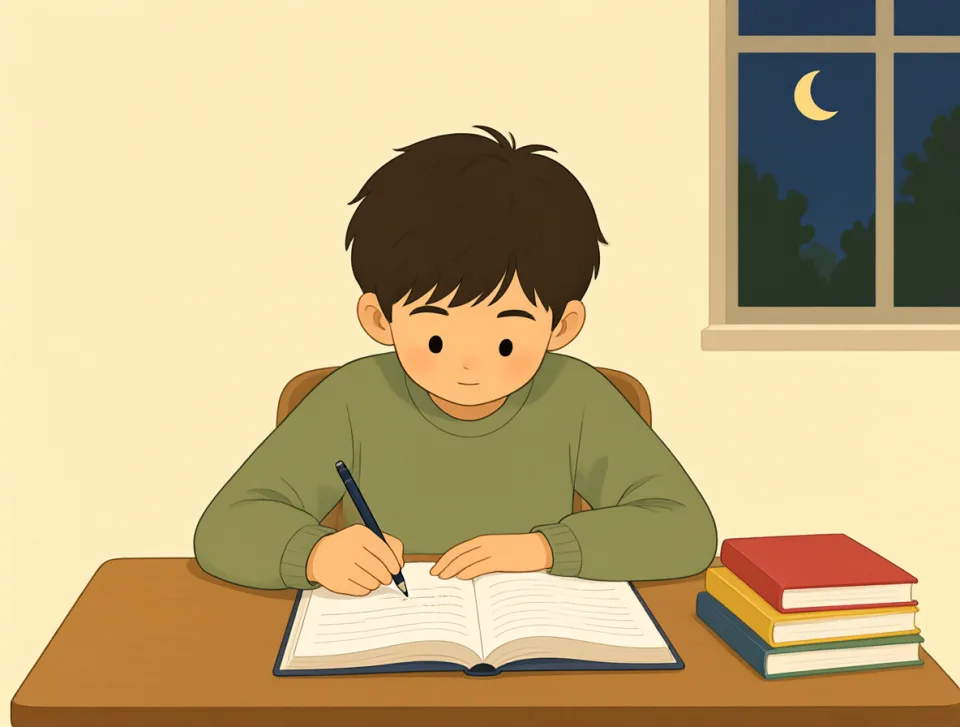
Students must finish their homework tonight.
Öğrenciler ödevlerini bu gece bitirmeli.
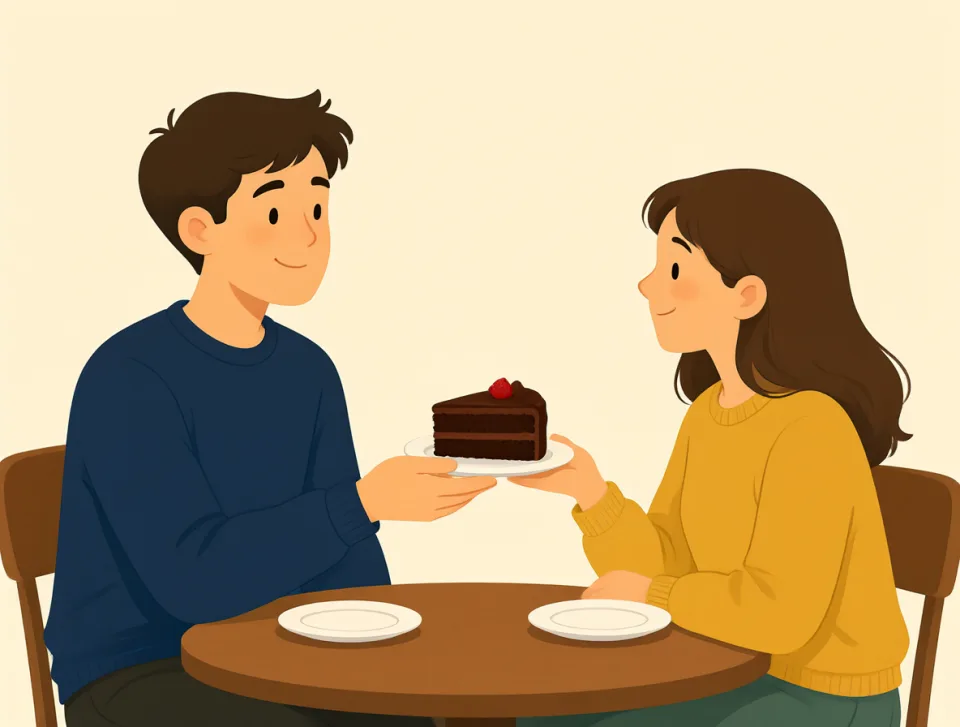
You must try this chocolate cake.
Bu çikolatalı keki mutlaka denemelisin.
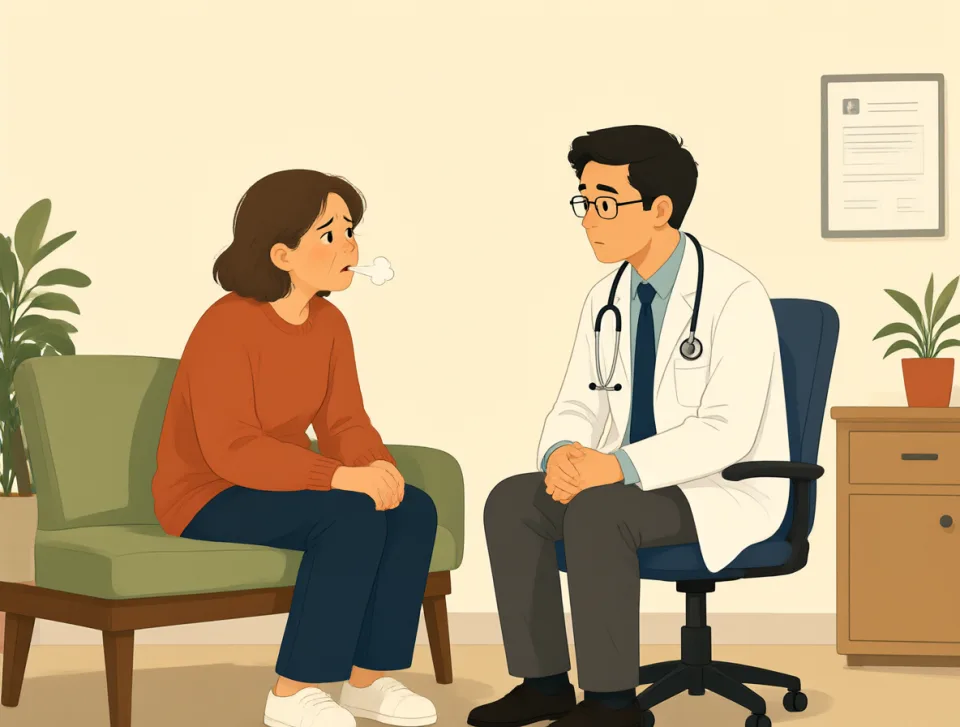
I must see a doctor about my cough.
Öksürüğüm için mutlaka doktora görünmeliyim.