Đơn vị 8
Từ 141–160 · become, interest, country, old, each, school
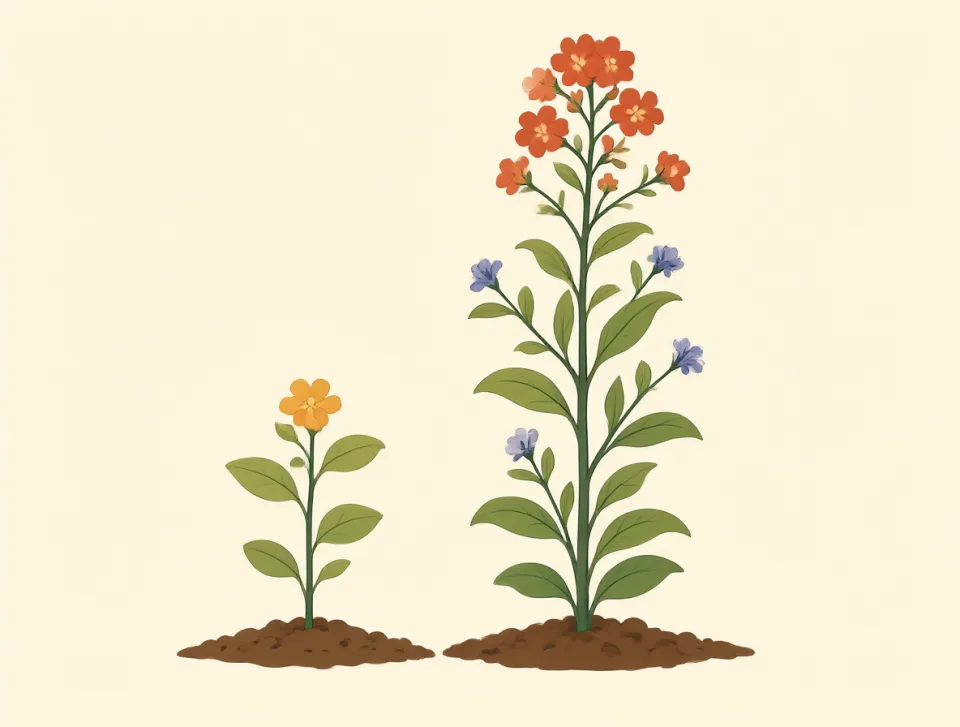
become
#141verb
trở thành
to start to be something or change into a different state
bắt đầu trở thành một thứ gì đó hoặc chuyển sang một trạng thái khác

She wants to become a doctor someday.
Cô ấy muốn trở thành bác sĩ vào một ngày nào đó.

The weather became cold after sunset.
Thời tiết trở lạnh sau khi mặt trời lặn.
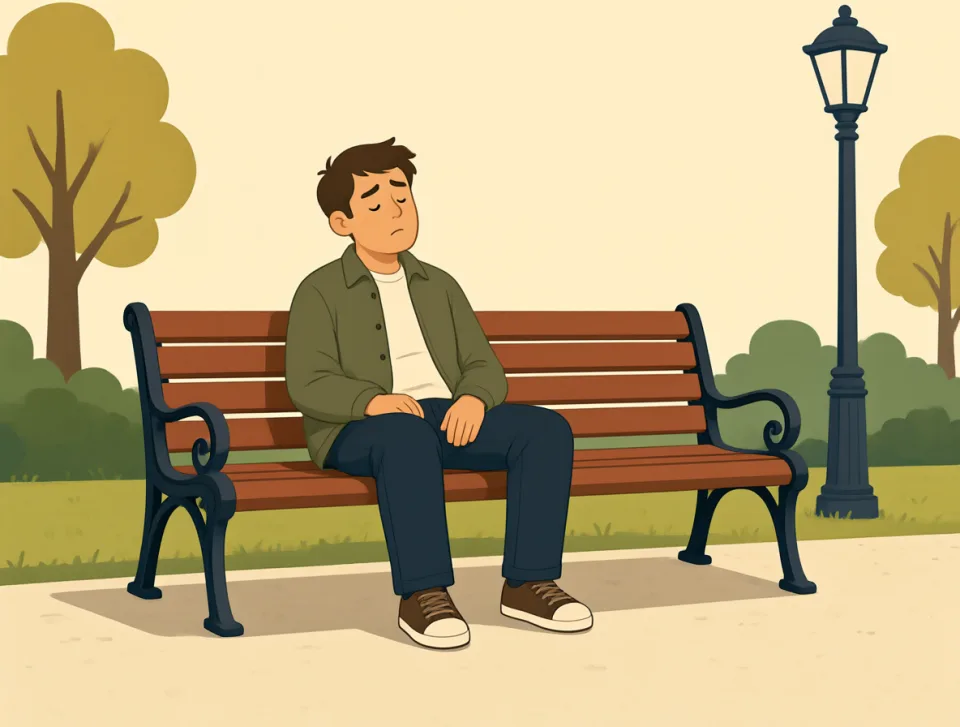
He became tired after the long walk.
Anh ấy mệt sau chuyến đi bộ dài.

The milk became sour in the heat.
Sữa bị chua vì trời nóng.

They became good friends at school.
Họ trở thành bạn thân ở trường.
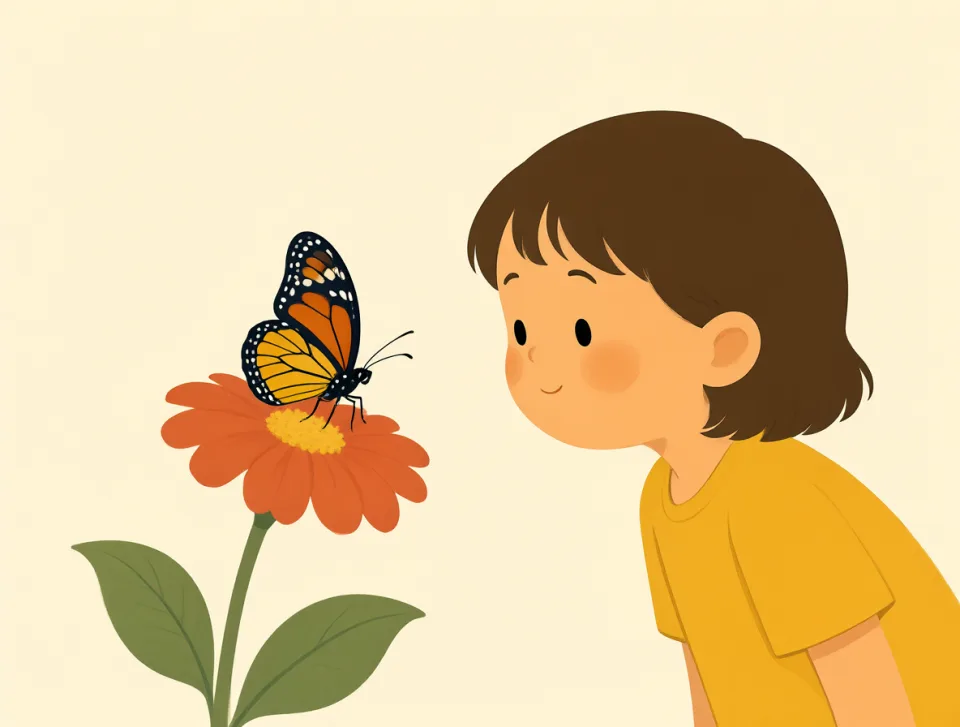
interest
#142noun, verb
sự quan tâm
A feeling of wanting to know or learn about something; to make someone curious.
Cảm giác muốn biết hoặc tìm hiểu về điều gì đó; khiến ai đó tò mò.
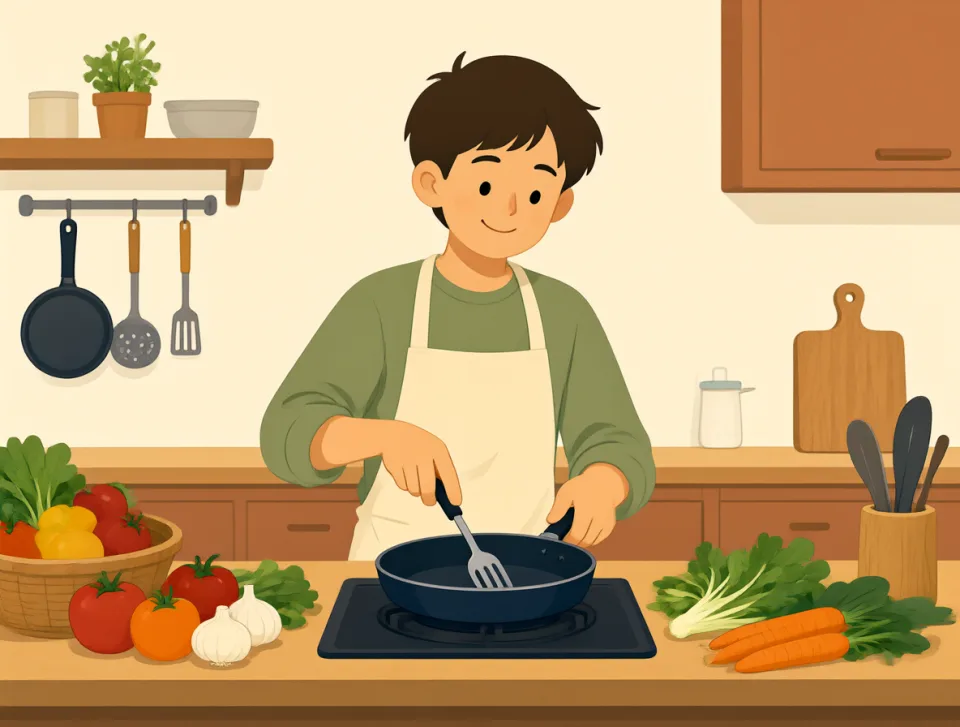
I have a strong interest in cooking.
Tôi rất thích nấu ăn.

She showed interest in the new job.
Cô ấy tỏ ra quan tâm đến công việc mới.

The book caught my interest quickly.
Cuốn sách nhanh chóng thu hút sự chú ý của tôi.
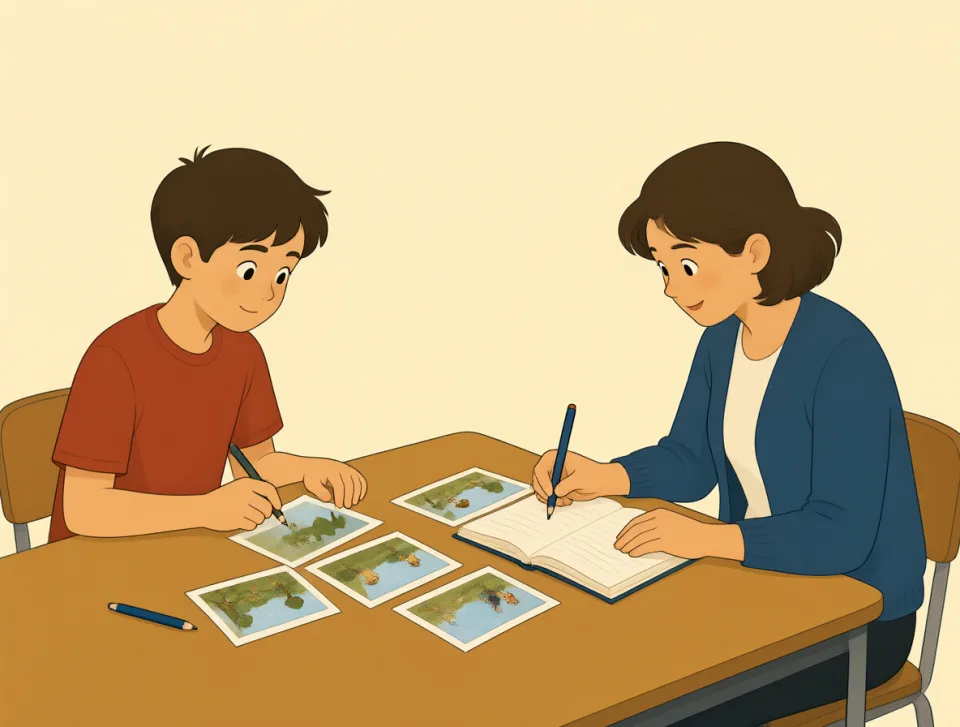
He is interested in learning Spanish.
Anh ấy thích học tiếng Tây Ban Nha.
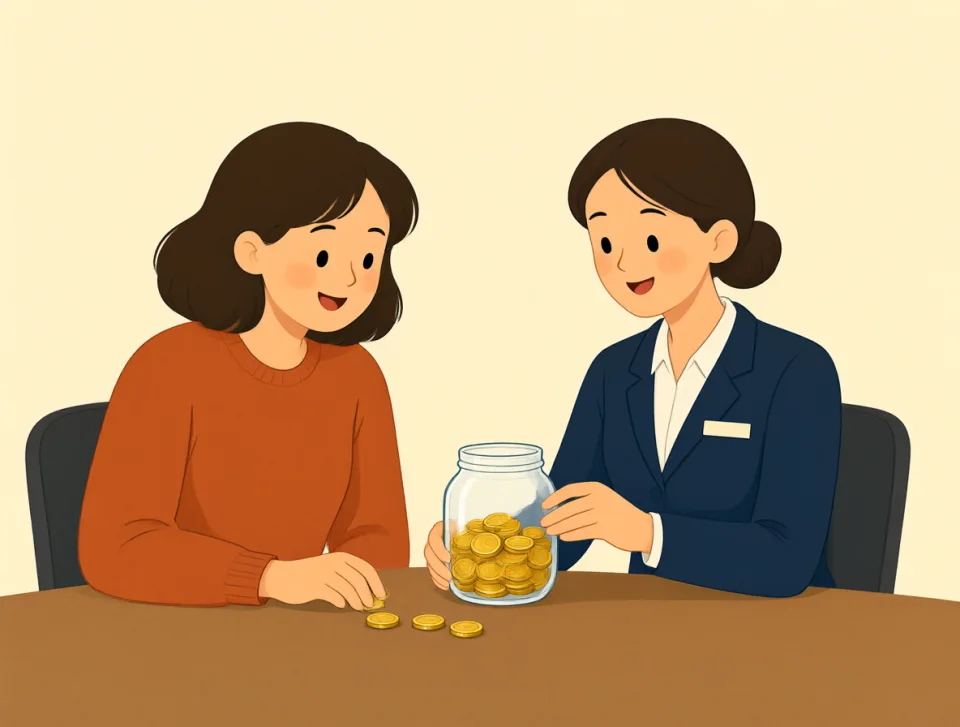
The bank pays interest on savings.
Ngân hàng trả lãi cho khoản tiết kiệm.

country
#143noun
quốc gia
A nation with its own government, land, and people.
Một quốc gia có chính phủ, lãnh thổ và người dân riêng.

She lives in the country with her family.
Cô ấy sống ở vùng nông thôn cùng gia đình.

I want to visit another country this summer.
Tôi muốn đến thăm một quốc gia khác vào mùa hè này.
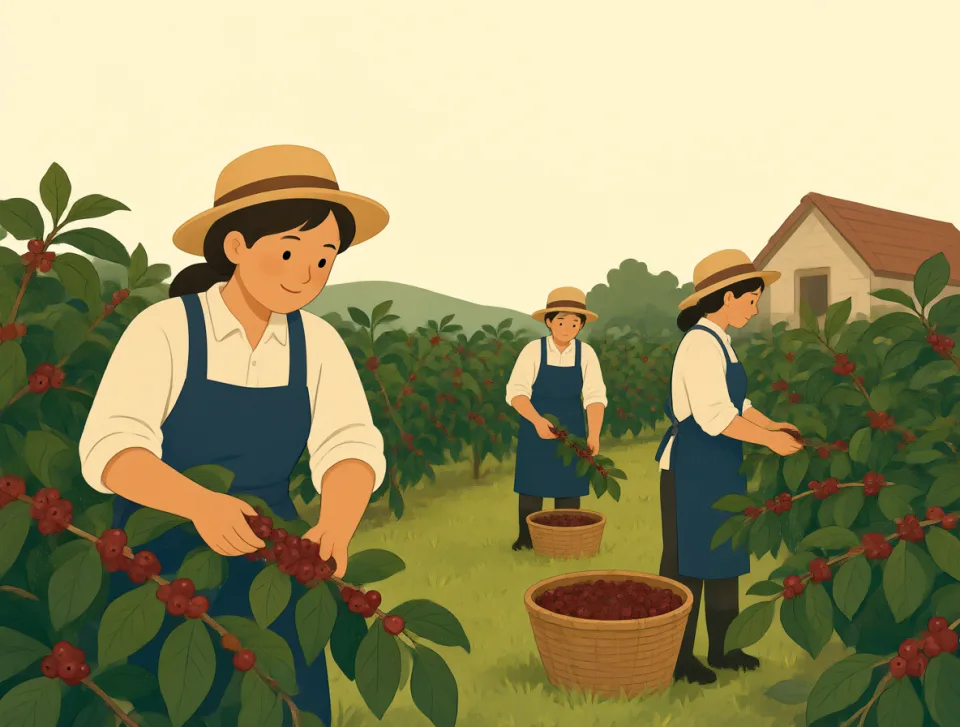
This country produces much of the world's coffee.
Quốc gia này sản xuất phần lớn cà phê trên thế giới.
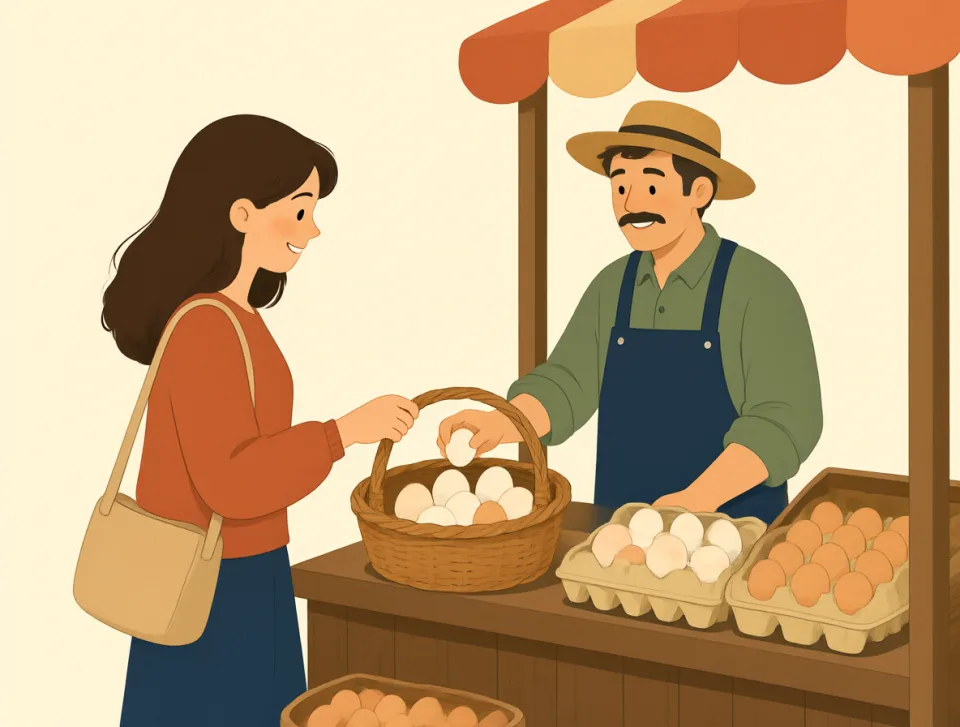
We bought fresh eggs from the country.
Chúng tôi mua trứng tươi từ vùng quê.

He grew up in the country near a small town.
Anh ấy lớn lên ở vùng nông thôn gần một thị trấn nhỏ.

old
#144adjective, noun
cũ; già
having lived for many years; belonging to a time long ago
Đã tồn tại nhiều năm; thuộc về một thời kỳ đã lâu.

My old shoes are very comfortable.
Đôi giày cũ của tôi rất thoải mái.

We visited my old school yesterday.
Hôm qua chúng tôi đến thăm ngôi trường cũ của tôi.

That old car still works well.
Chiếc xe cũ đó vẫn chạy tốt.
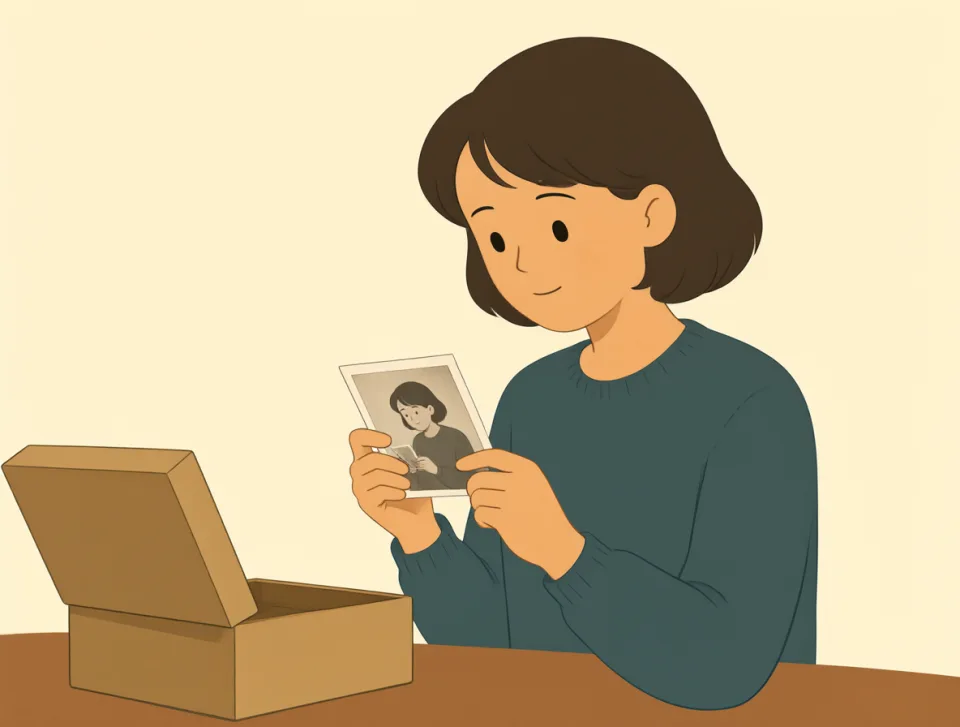
I found an old photo in a box.
Tôi tìm thấy một bức ảnh cũ trong hộp.
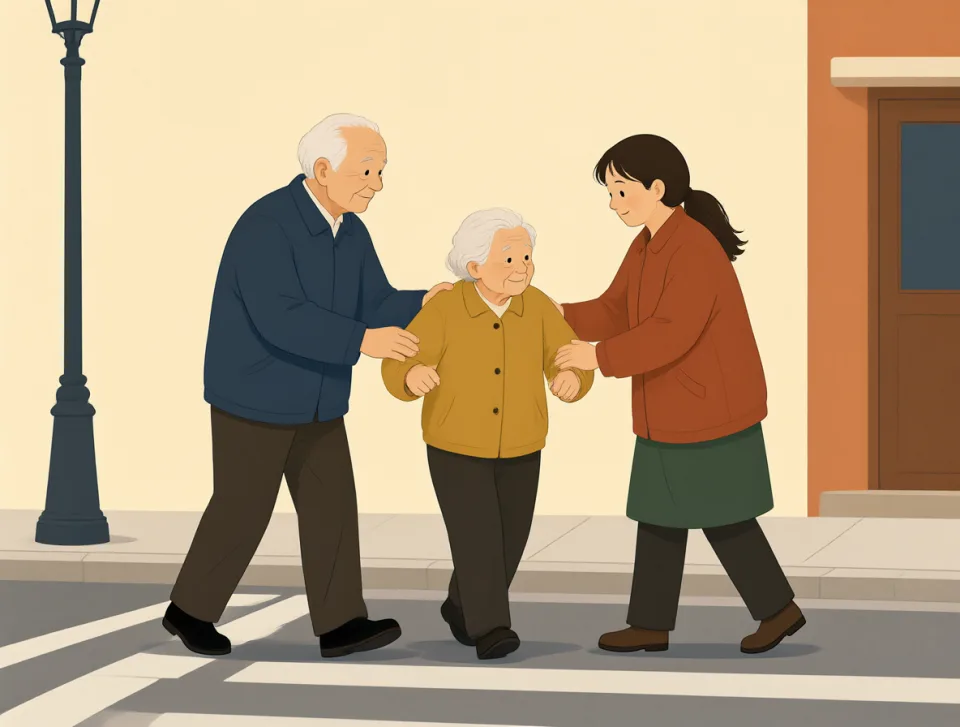
The old man needs help crossing the street.
Ông cụ cần được giúp đỡ khi băng qua đường.
each
#145determiner, pronoun
mỗi
Every one of two or more people or things, considered separately.
Từng người hoặc vật trong số hai hay nhiều người hoặc vật, được xét riêng lẻ.
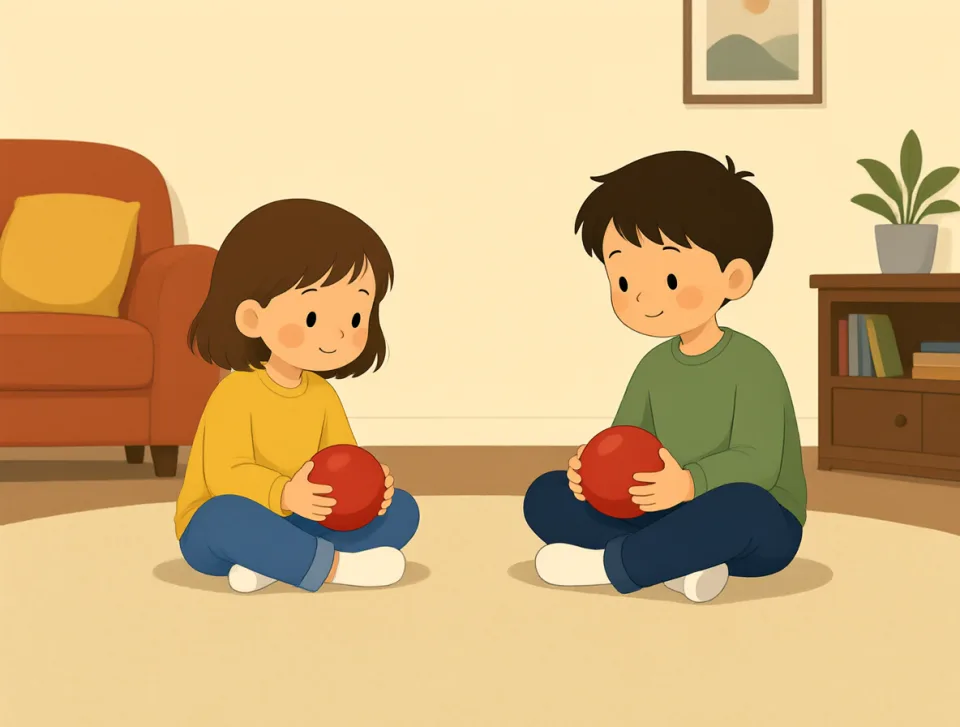
Each child has a small red ball.
Mỗi đứa trẻ có một quả bóng nhỏ màu đỏ.

We each brought a sandwich for lunch.
Mỗi người chúng tôi mang theo một chiếc bánh mì kẹp để ăn trưa.
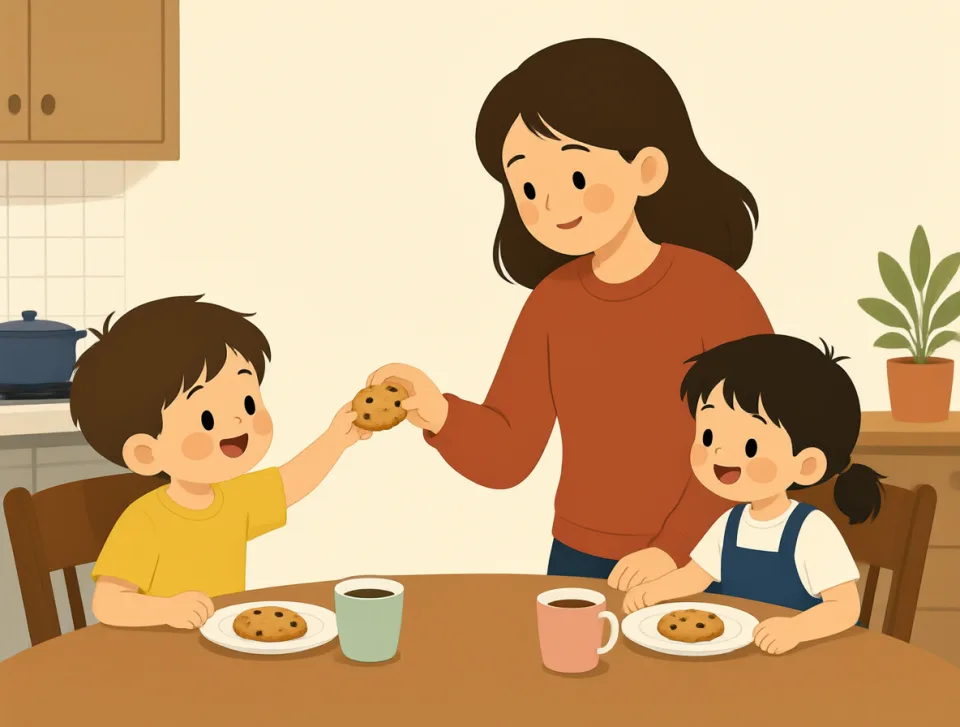
Please take one cookie each.
Mỗi người vui lòng lấy một chiếc bánh quy.

The students each answered one question.
Mỗi học sinh trả lời một câu hỏi.
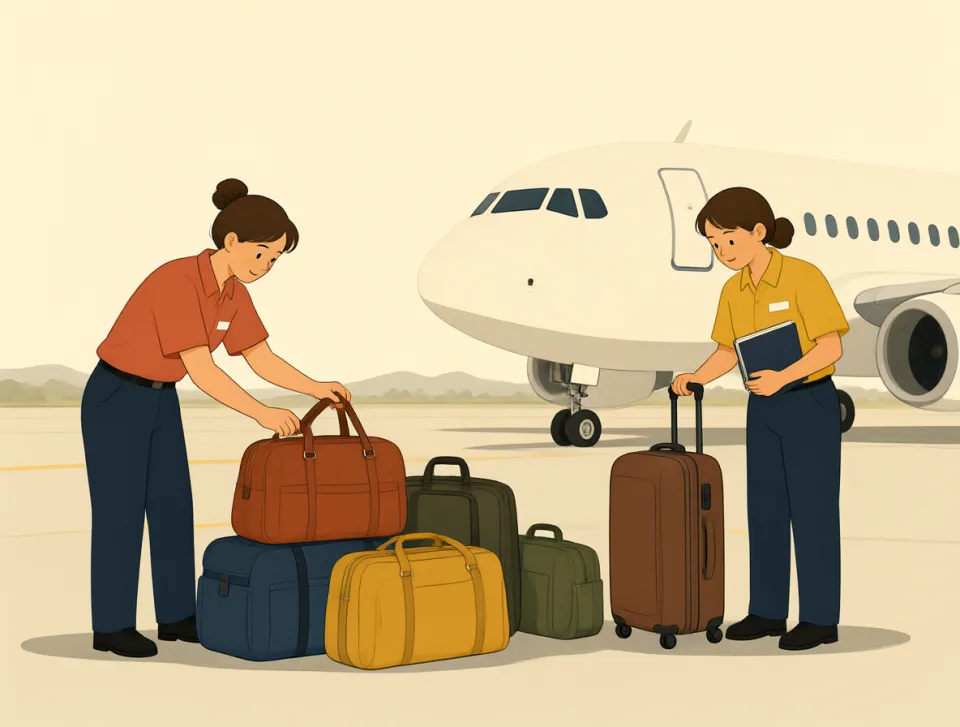
They checked each bag before the flight.
Họ kiểm tra từng chiếc túi trước chuyến bay.

school
#146noun, verb
trường học
A place where children learn, or the time spent learning there.
Nơi trẻ em học tập, hoặc khoảng thời gian dành cho việc học ở đó.

My sister walks to school every morning.
Chị gái tôi đi bộ đến trường mỗi sáng.
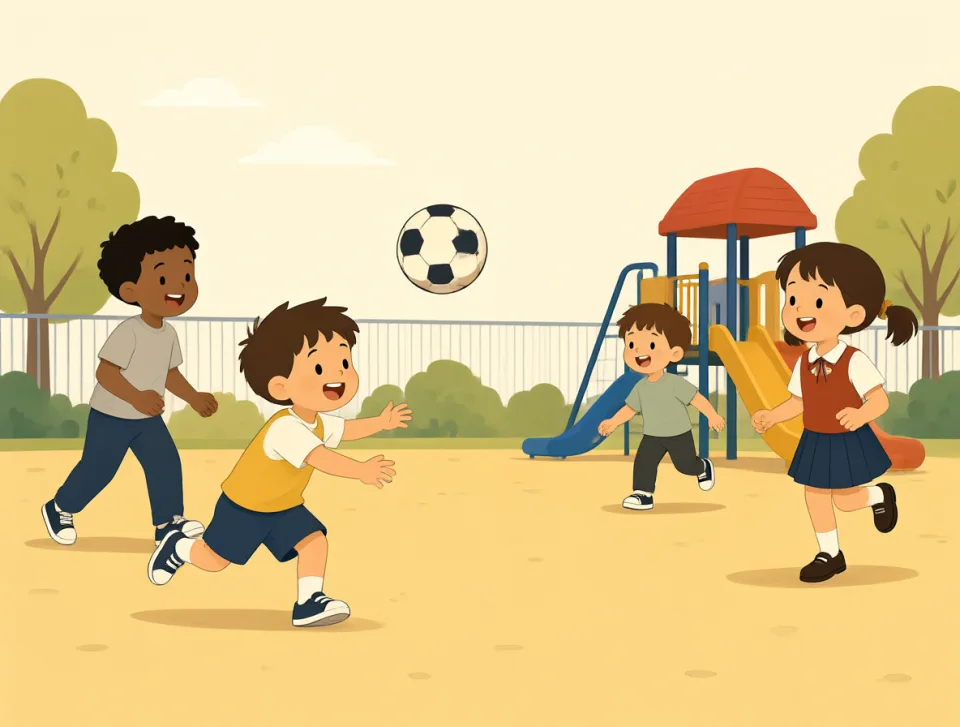
The children are playing outside school.
Bọn trẻ đang chơi bên ngoài trường học.
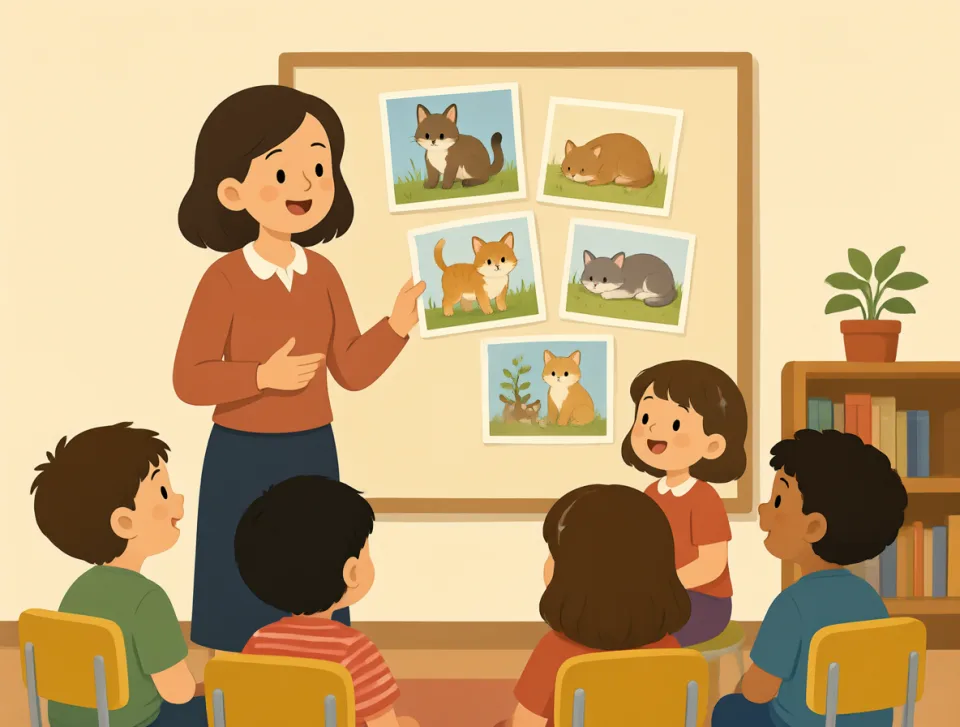
We learned about animals at school.
Chúng tôi đã học về động vật ở trường.
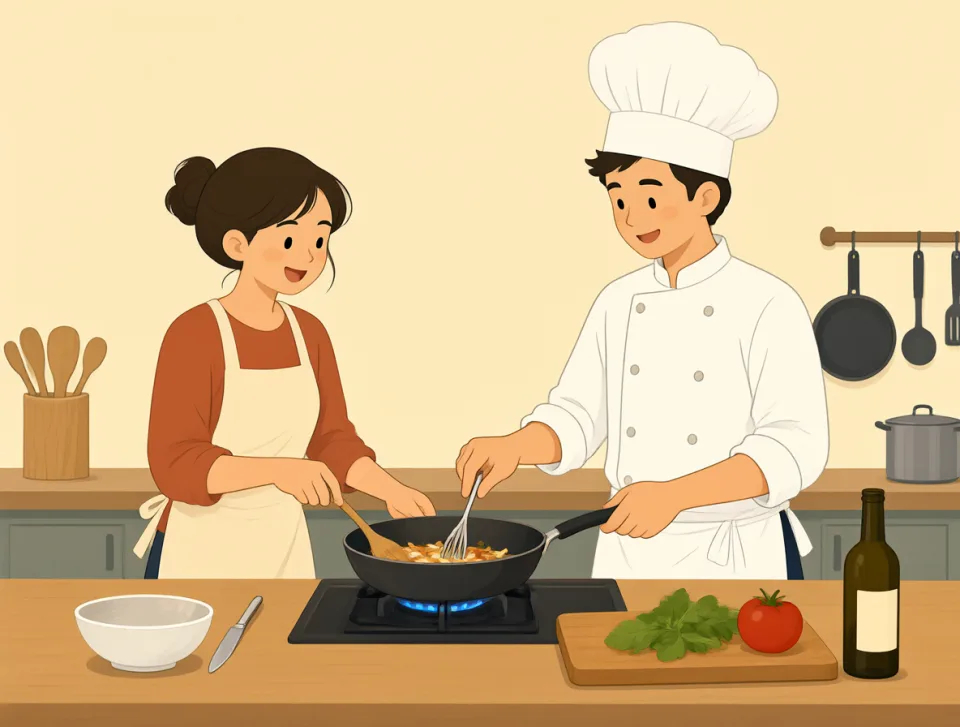
My father went to cooking school.
Bố tôi đã đi học trường dạy nấu ăn.
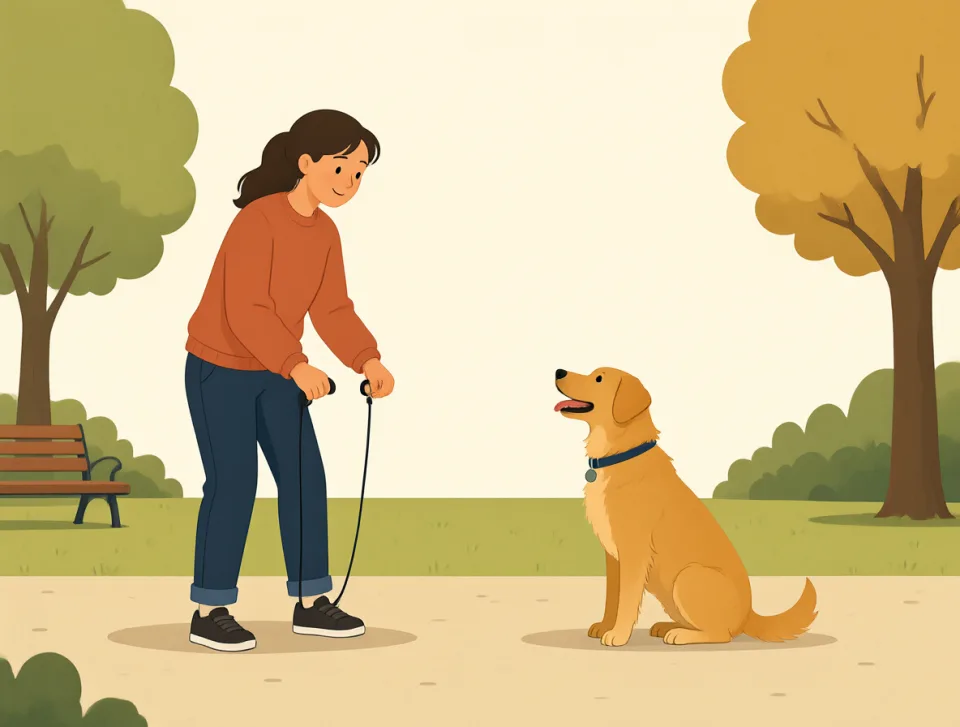
They school their dog every day.
Họ huấn luyện chó của mình mỗi ngày.

late
#147adjective, adverb, noun
muộn; trễ
Happening, arriving, or being after the expected or usual time.
Xảy ra, đến hoặc diễn ra sau thời gian dự kiến hoặc thường lệ.

I was late for school this morning.
Sáng nay tôi đi học muộn.
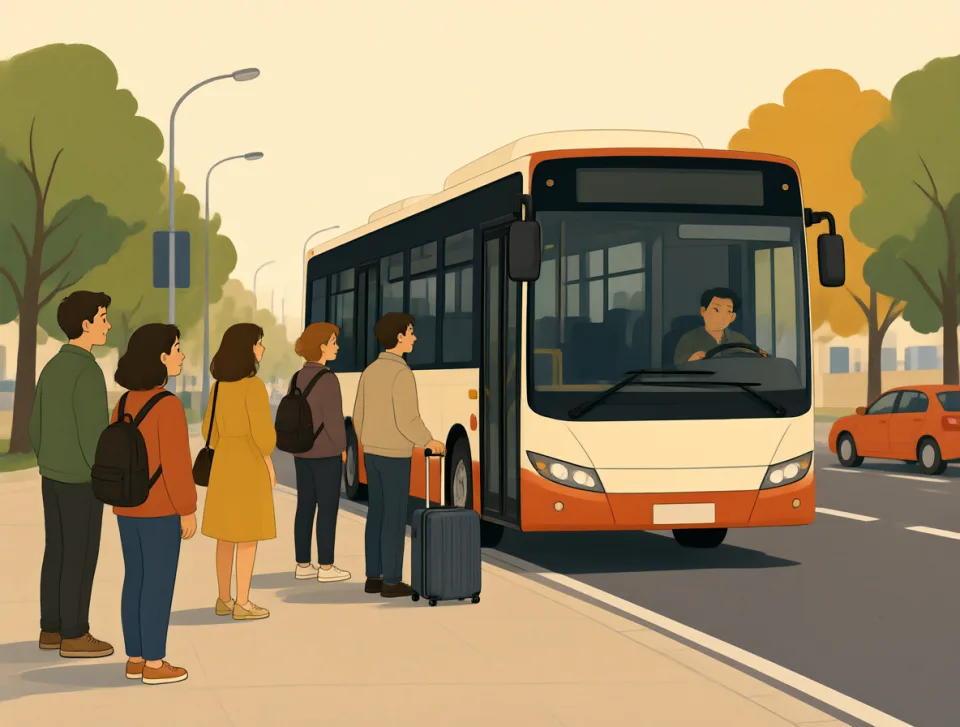
The bus arrived late because of traffic.
Xe buýt đến muộn vì tắc đường.

We had dinner late last night.
Tối qua chúng tôi ăn tối muộn.

She stayed late at work yesterday.
Hôm qua cô ấy ở lại chỗ làm đến muộn.

My late grandfather loved gardening.
Người ông quá cố của tôi rất thích làm vườn.

high
#148adjective, adverb, noun
cao
Far above the ground, or greater than usual in amount, level, or price.
Ở cách xa mặt đất, hoặc lớn hơn mức thông thường về số lượng, mức độ hay giá cả.
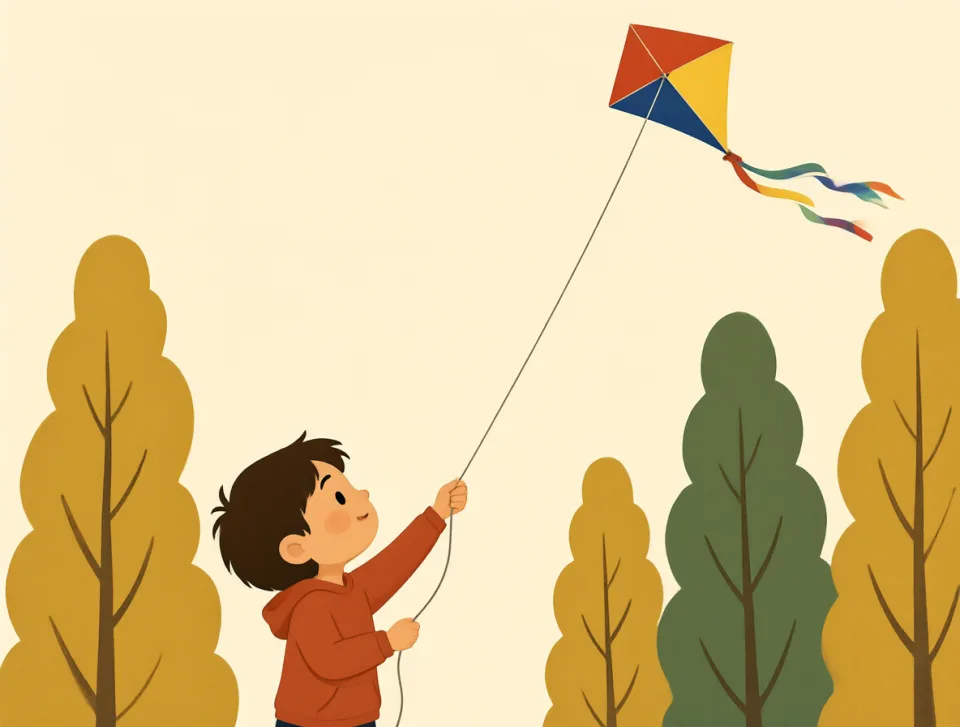
The kite flew high above the trees.
Con diều bay cao trên những ngọn cây.

Please put the books on the high shelf.
Vui lòng đặt những quyển sách lên kệ cao.

Prices are high at this store.
Giá cả ở cửa hàng này rất cao.

She has a high fever today.
Hôm nay cô ấy bị sốt cao.

The plane climbed high into the sky.
Máy bay bay vút cao lên bầu trời.

different
#149adjective
khác
Not the same as another person or thing.
Không giống với một người hoặc một vật khác.

My new shoes are different from yours.
Đôi giày mới của tôi khác với đôi giày của bạn.

We tried different foods at the market.
Chúng tôi đã thử những món ăn khác nhau ở chợ.

She has a different idea for the project.
Cô ấy có một ý tưởng khác cho dự án.

The weather is different in the mountains.
Thời tiết ở vùng núi khác hẳn.

He feels different after taking the medicine.
Anh ấy cảm thấy khác đi sau khi uống thuốc.

off
#150adverb, adjective, preposition, noun
tắt; rời khỏi; không hoạt động
Away from a place, position, or working state; not operating or attached.
Ra khỏi một nơi hoặc vị trí, không ở trạng thái hoạt động hoặc không còn được gắn vào.
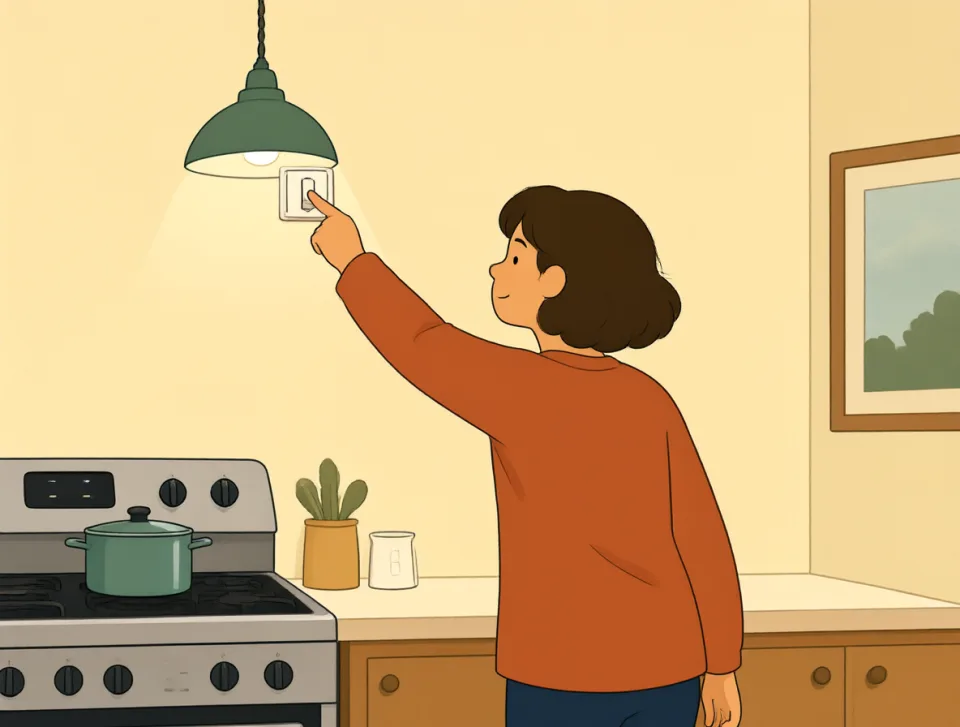
Please turn off the kitchen light.
Vui lòng tắt đèn bếp.
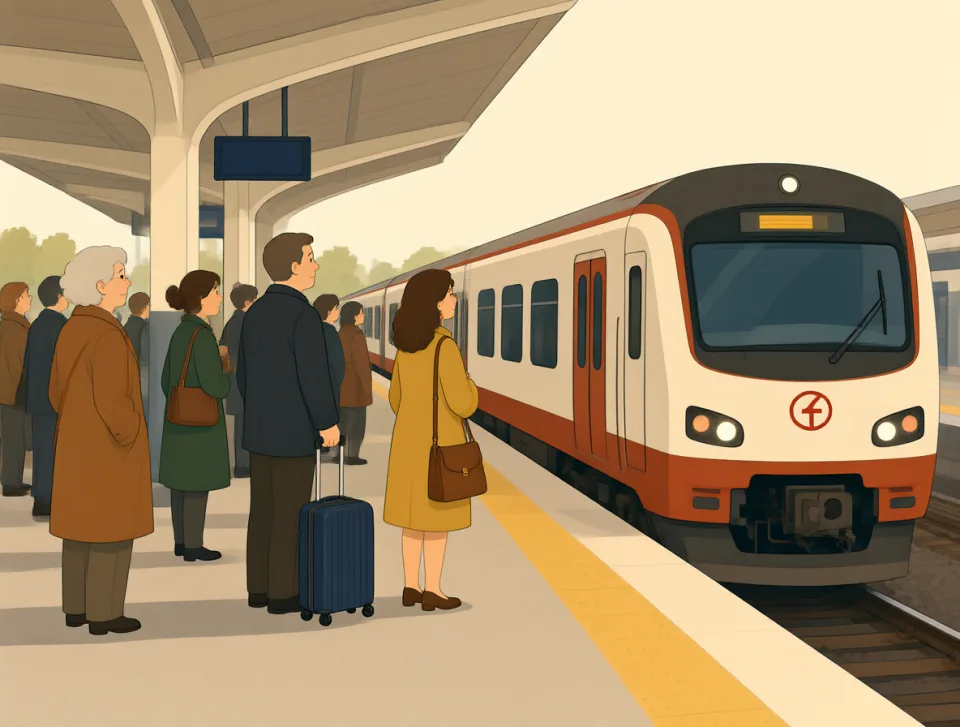
The train left ten minutes off schedule.
Tàu khởi hành chậm mười phút so với lịch trình.
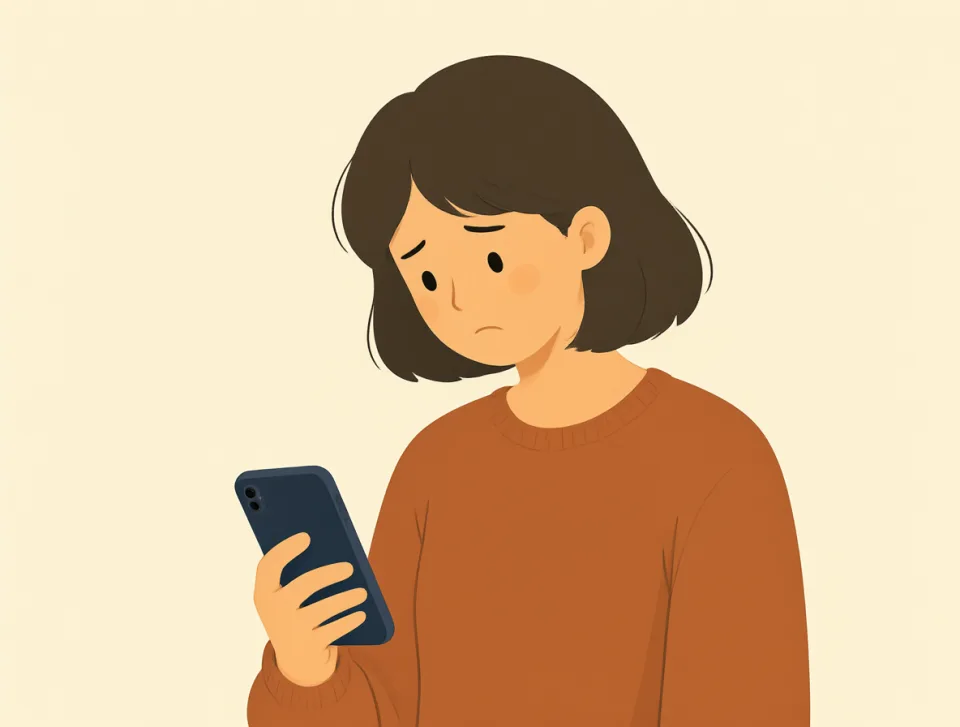
My phone is off because its battery died.
Điện thoại của tôi tắt vì hết pin.
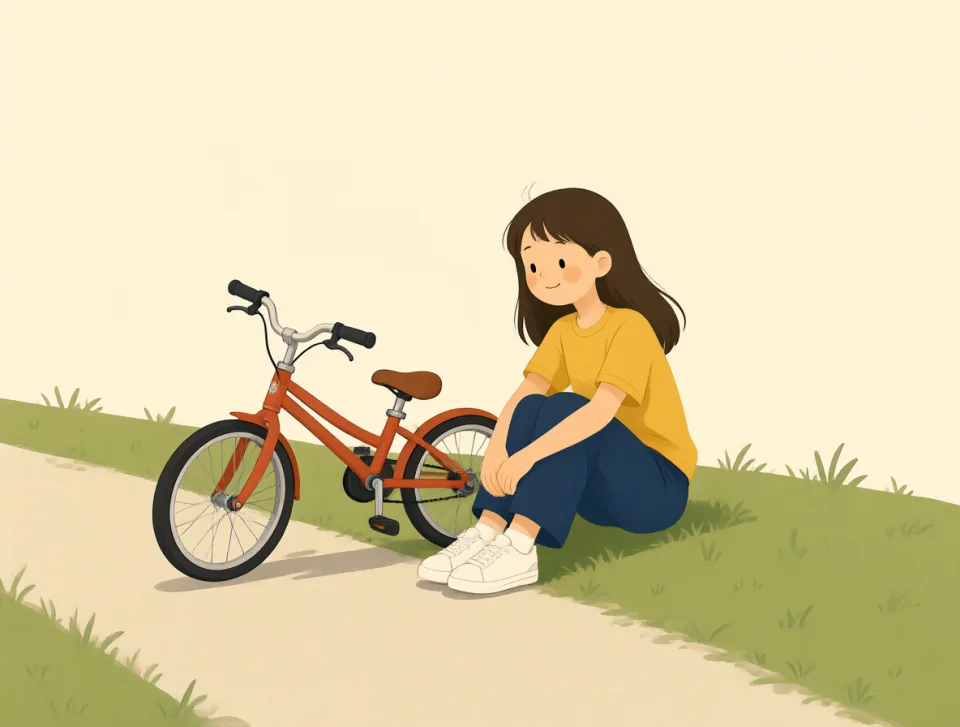
She fell off her bike yesterday.
Hôm qua cô ấy bị ngã khỏi xe đạp.

The milk smells off, so throw it away.
Sữa có mùi ôi, nên hãy vứt nó đi.
next
#151adjective, adverb, noun, determiner
tiếp theo
Coming immediately after this one in time, order, or place.
Xảy ra ngay sau điều này về thời gian, thứ tự hoặc vị trí.
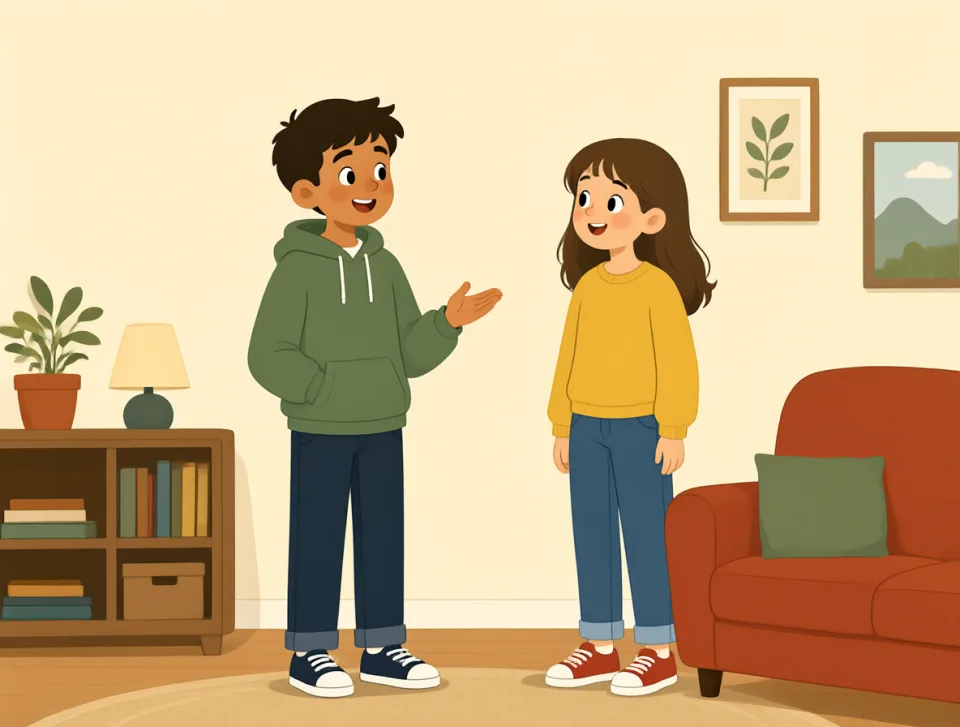
What are you doing next?
Tiếp theo bạn định làm gì?
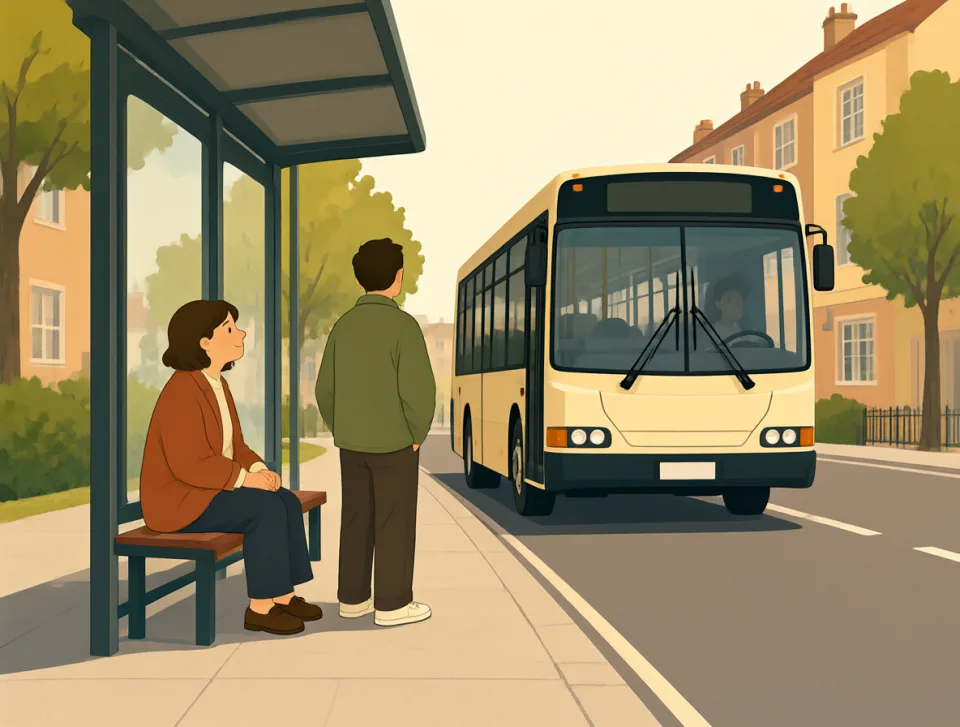
The next bus leaves at noon.
Chuyến xe buýt tiếp theo khởi hành lúc trưa.

Please call me next week.
Tuần sau nhớ gọi cho tôi nhé.

She was next in line for coffee.
Cô ấy là người tiếp theo trong hàng chờ mua cà phê.

Our next lesson is about animals.
Bài học tiếp theo của chúng ta nói về động vật.

end
#152noun, verb
kết thúc; cuối
the final part of something, or to finish something
Phần cuối cùng của một thứ gì đó, hoặc hành động làm cho thứ gì đó kết thúc.
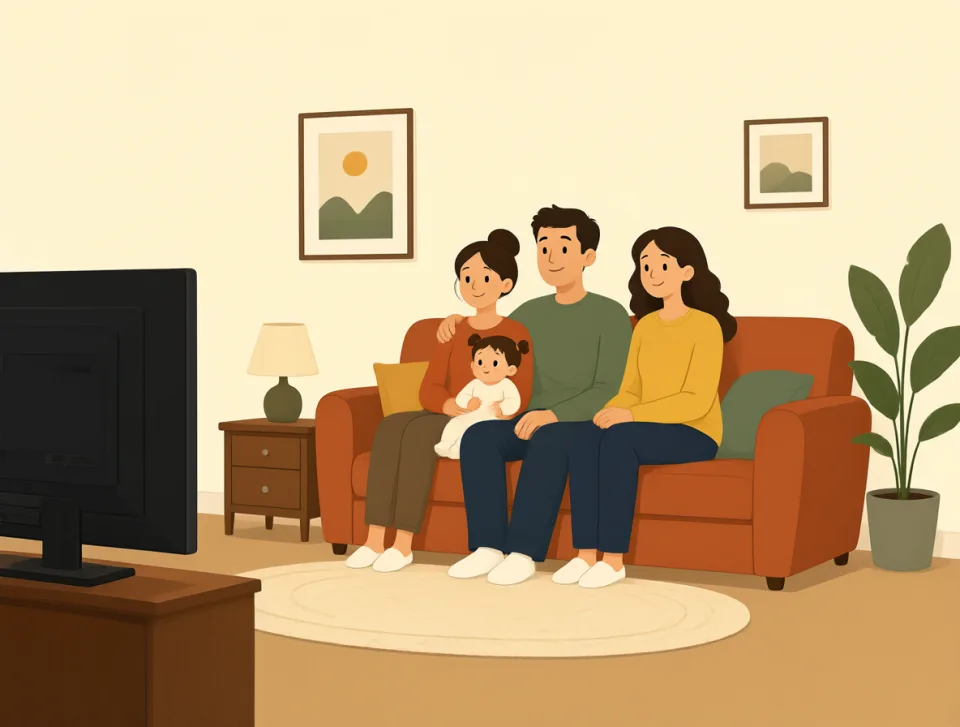
The movie ended late last night.
Bộ phim kết thúc muộn vào tối qua.
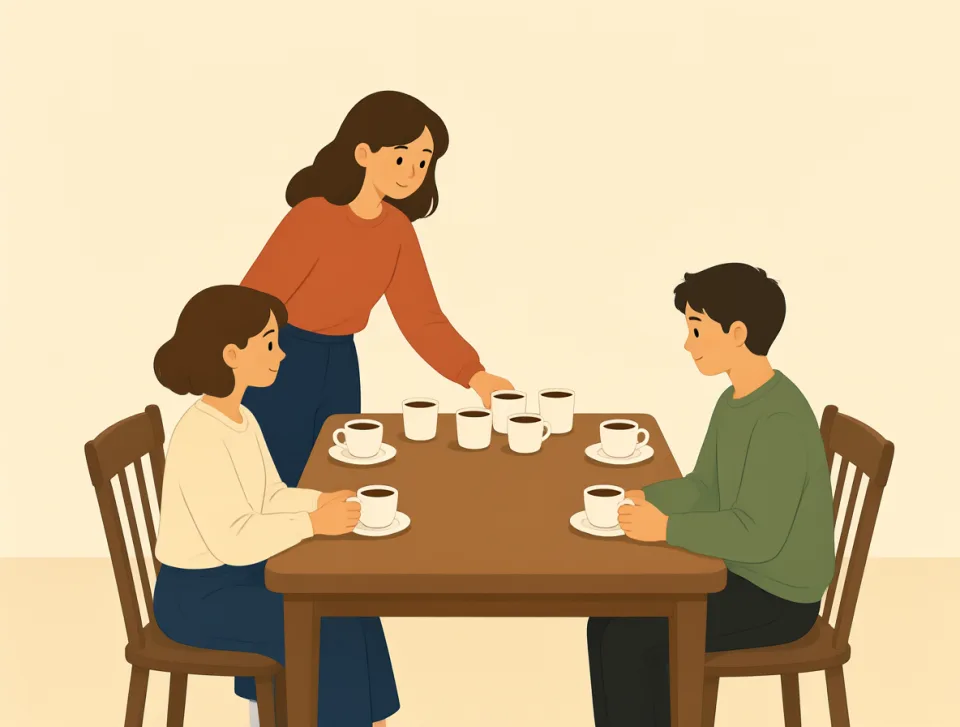
Please put the cups at the end.
Vui lòng đặt những chiếc cốc ở cuối.
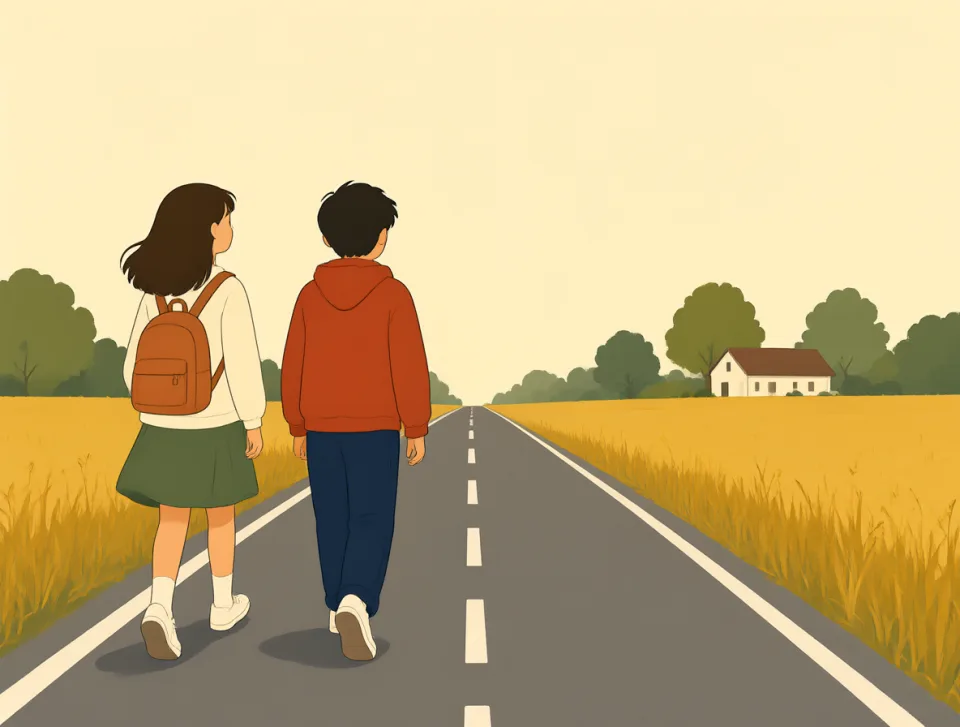
We walked to the end of the road.
Chúng tôi đi bộ đến cuối con đường.
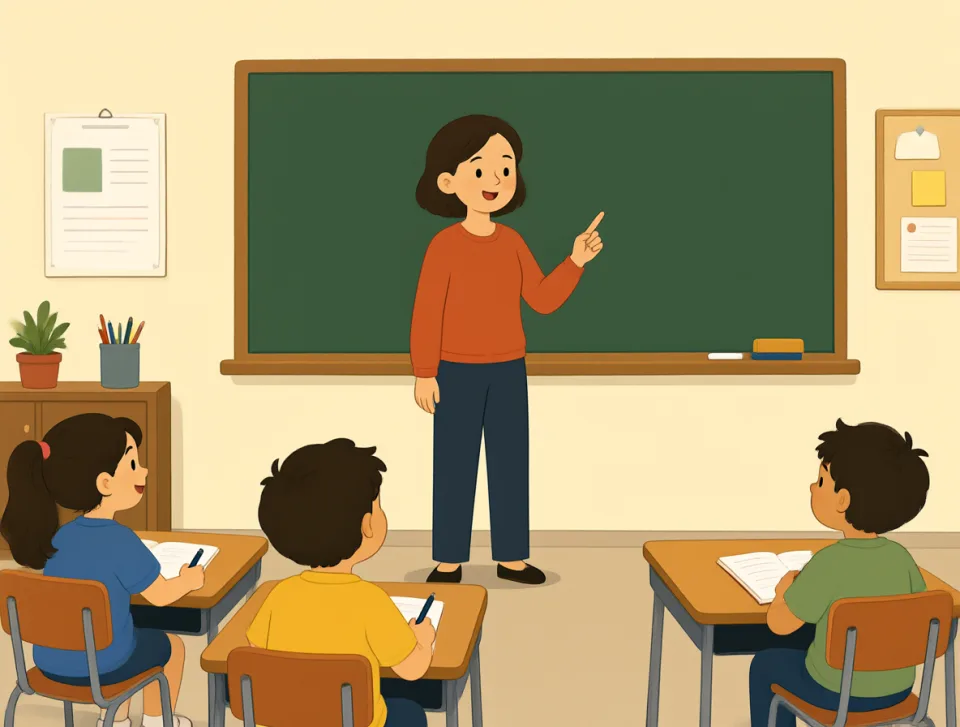
The lesson ends at three o’clock.
Buổi học kết thúc lúc ba giờ.

I ended my letter with a kind message.
Tôi kết thúc lá thư bằng một lời nhắn tử tế.

live
#153verb, adjective, adverb
sống; trực tiếp
To have your home in a place; or happening now, in real time.
Có nhà ở một nơi nào đó; hoặc đang diễn ra ngay lúc này, theo thời gian thực.

I live in a small apartment.
Tôi sống trong một căn hộ nhỏ.

Do you live near the school?
Bạn có sống gần trường không?
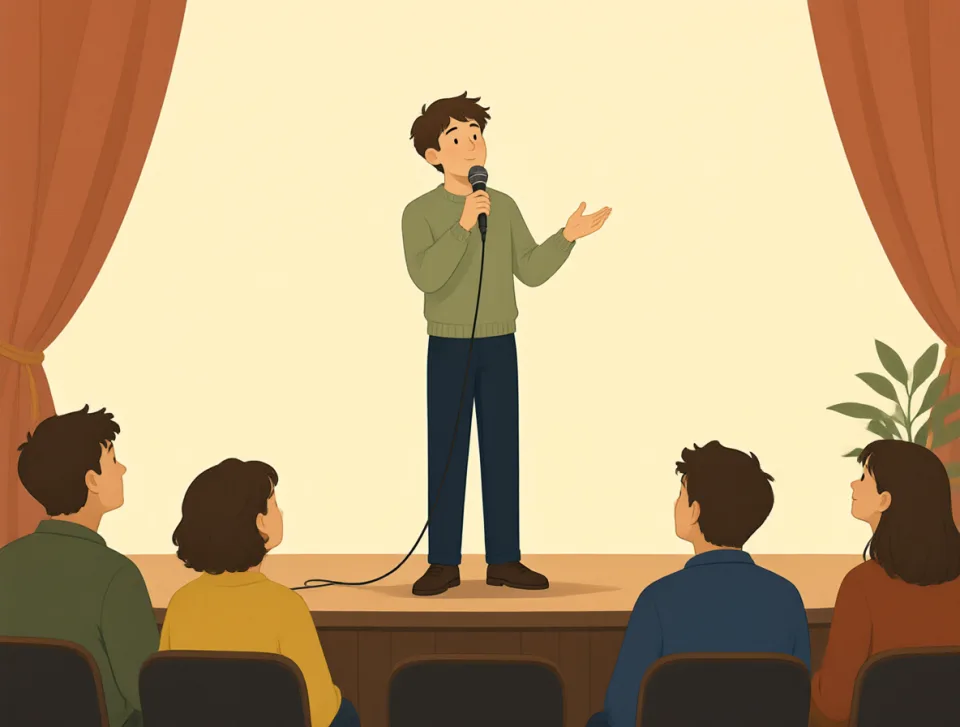
We watched a live music show.
Chúng tôi đã xem một buổi biểu diễn nhạc sống.

Many animals live in the forest.
Nhiều loài động vật sống trong rừng.
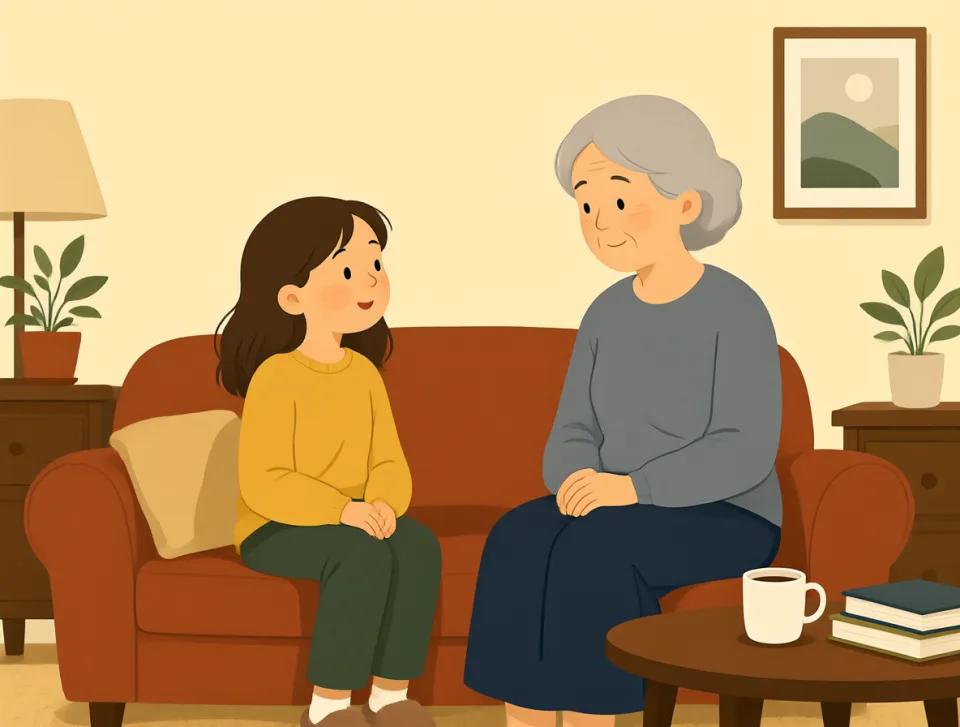
She is living with her aunt.
Cô ấy đang sống cùng dì.
why
#154adverb, noun
tại sao; lý do
Used to ask about or explain the reason for something.
Dùng để hỏi về hoặc giải thích lý do của một việc gì đó.
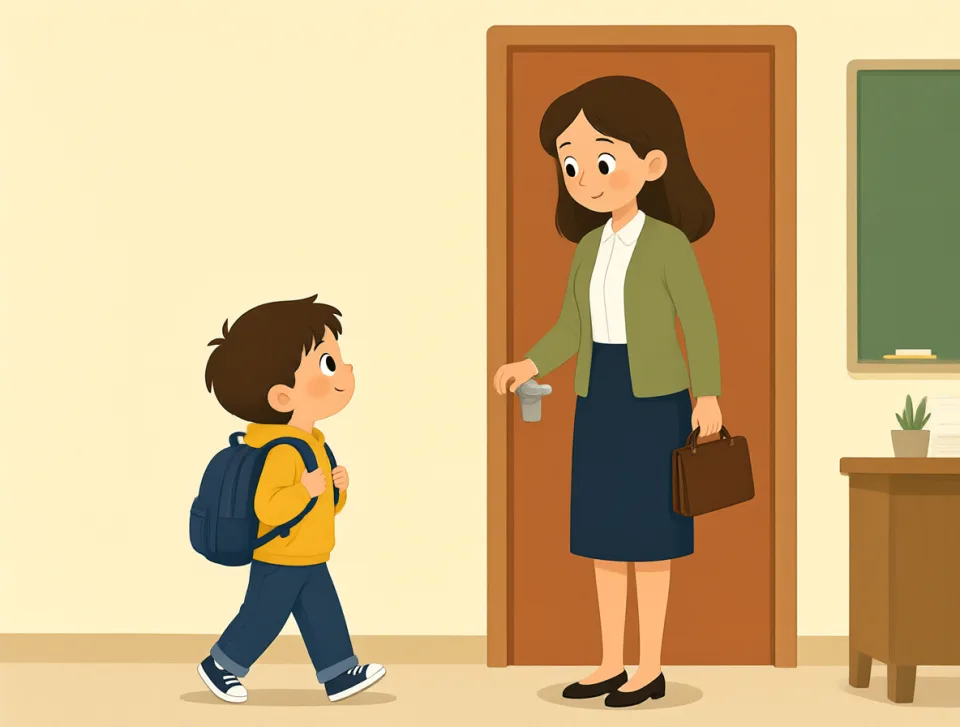
Why are you late for school?
Tại sao bạn đi học muộn?

I know why she feels tired.
Tôi biết tại sao cô ấy cảm thấy mệt.

Why did you leave work early?
Tại sao bạn rời chỗ làm sớm vậy?

He asked why the shop was closed.
Anh ấy hỏi tại sao cửa hàng lại đóng cửa.

There is no reason why we cannot go.
Không có lý do gì khiến chúng ta không thể đi.

while
#155noun, conjunction, preposition
một lúc; trong khi
a period of time; during the time that something happens
Một khoảng thời gian; trong khoảng thời gian một việc gì đó diễn ra.

Please wait here while I get your bag.
Vui lòng đợi ở đây trong khi tôi lấy túi cho bạn.
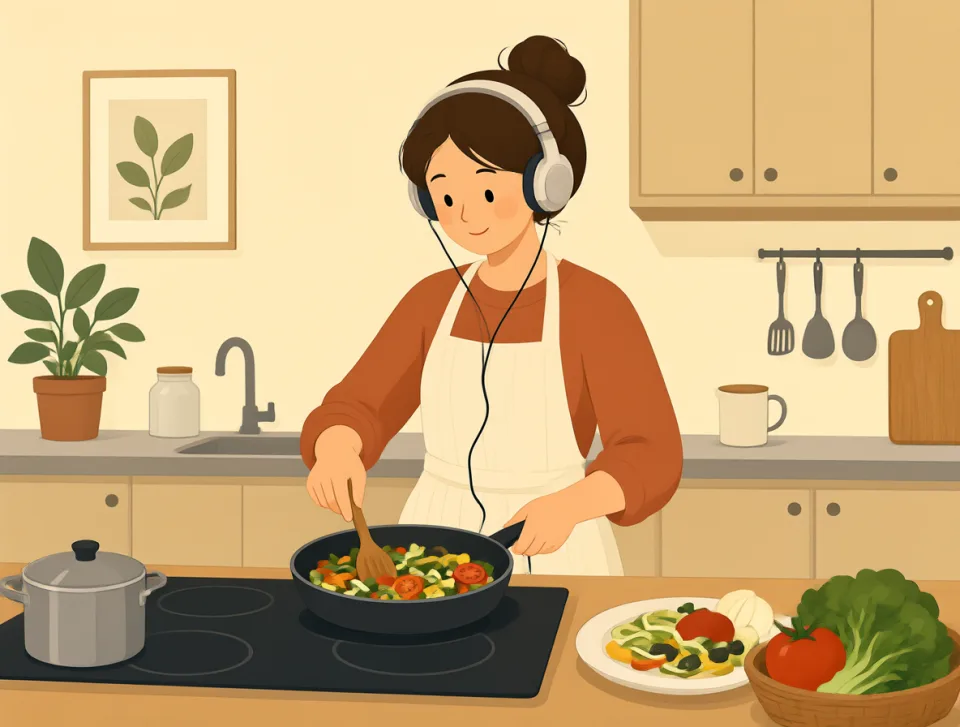
She listened to music while cooking dinner.
Cô ấy nghe nhạc trong khi nấu bữa tối.

We talked for a while after school.
Chúng tôi trò chuyện một lúc sau giờ học.

He read a book while waiting for the train.
Anh ấy đọc sách trong khi chờ tàu.

While I was sick, my friend brought soup.
Trong lúc tôi bị ốm, bạn tôi đã mang súp đến.

world
#156noun
thế giới
the Earth and all its people, countries, and places
Trái Đất cùng tất cả con người, quốc gia và địa điểm trên đó.

People around the world enjoy music.
Mọi người trên khắp thế giới đều thích âm nhạc.
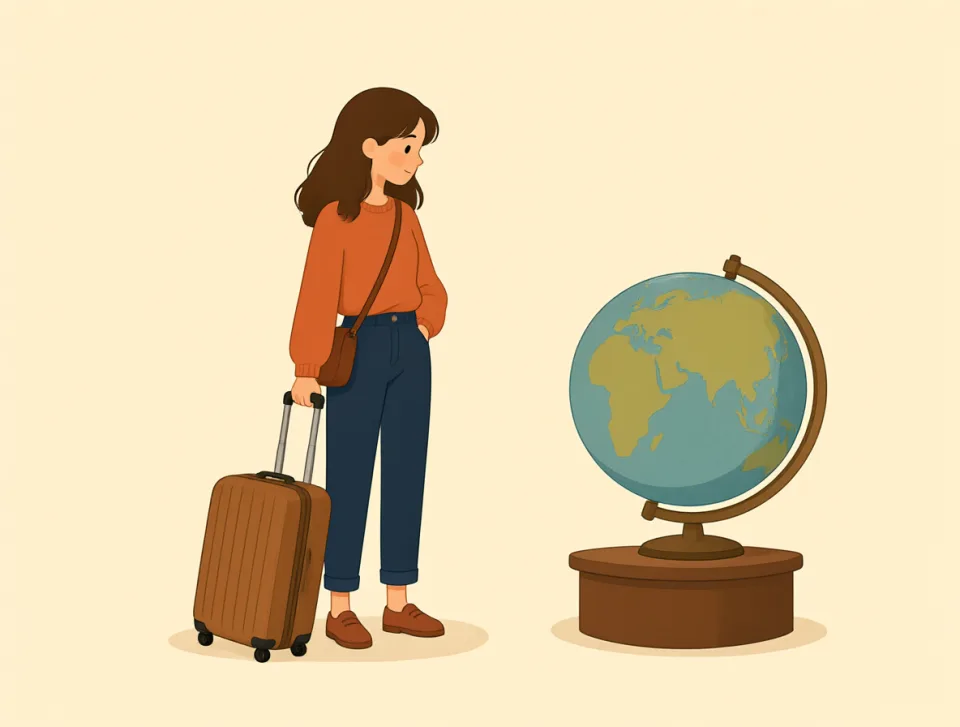
She wants to travel the world.
Cô ấy muốn đi du lịch khắp thế giới.

The whole world watched the game.
Cả thế giới đã theo dõi trận đấu.
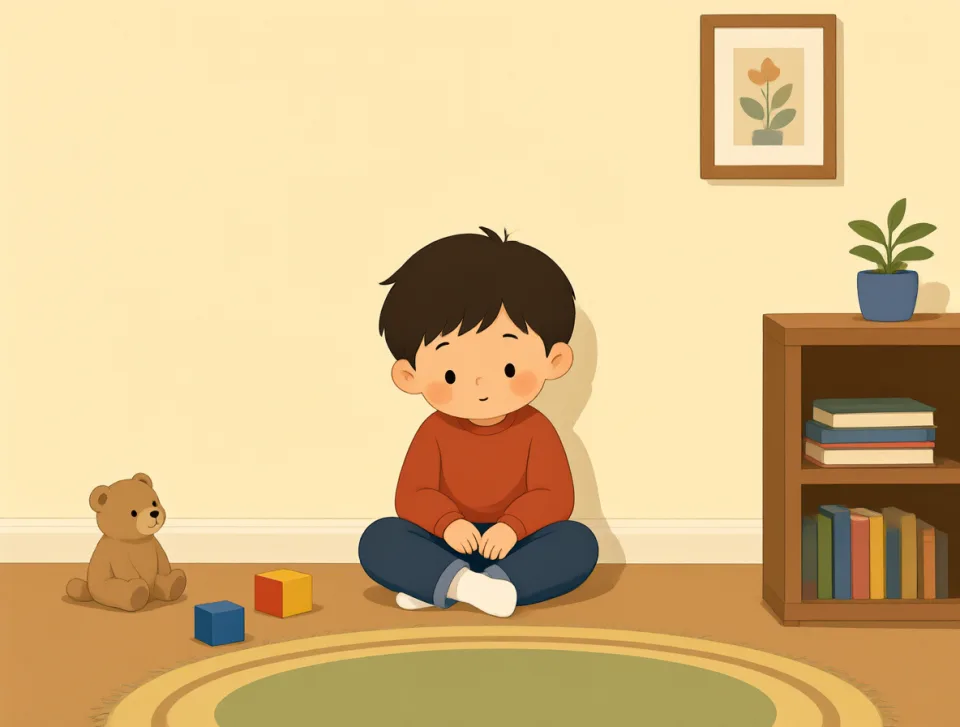
He lives in a small world.
Anh ấy sống trong một thế giới nhỏ bé.

World history is my favorite school subject.
Lịch sử thế giới là môn học yêu thích của tôi ở trường.

week
#157noun
tuần
A period of seven days, from one day to the same day the next week.
Khoảng thời gian gồm bảy ngày, từ một ngày đến cùng ngày đó của tuần kế tiếp.

I visit my parents every week.
Tuần nào tôi cũng đến thăm bố mẹ.

She was sick last week.
Cô ấy bị ốm vào tuần trước.

We have a team meeting this week.
Tuần này chúng tôi có cuộc họp nhóm.

The children start school next week.
Bọn trẻ sẽ bắt đầu đi học vào tuần sau.

We are traveling to Spain in two weeks.
Chúng tôi sẽ đi Tây Ban Nha sau hai tuần nữa.
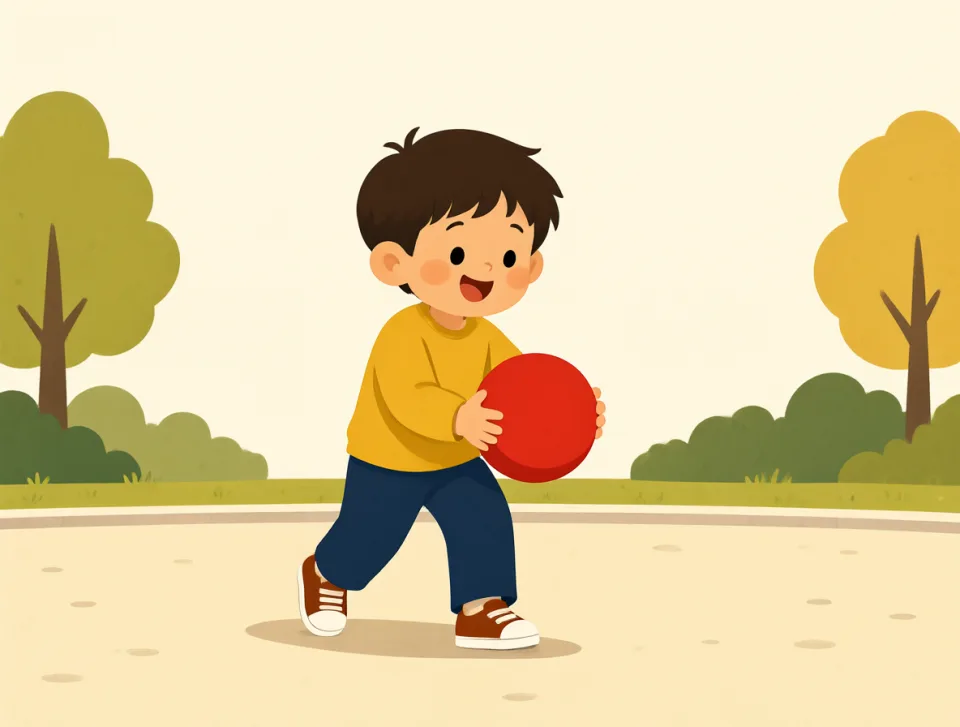
play
#158verb, noun
chơi; diễn
to do something for fun, or to act in a show
làm điều gì đó để vui chơi hoặc hóa thân vào một vai trong buổi biểu diễn.
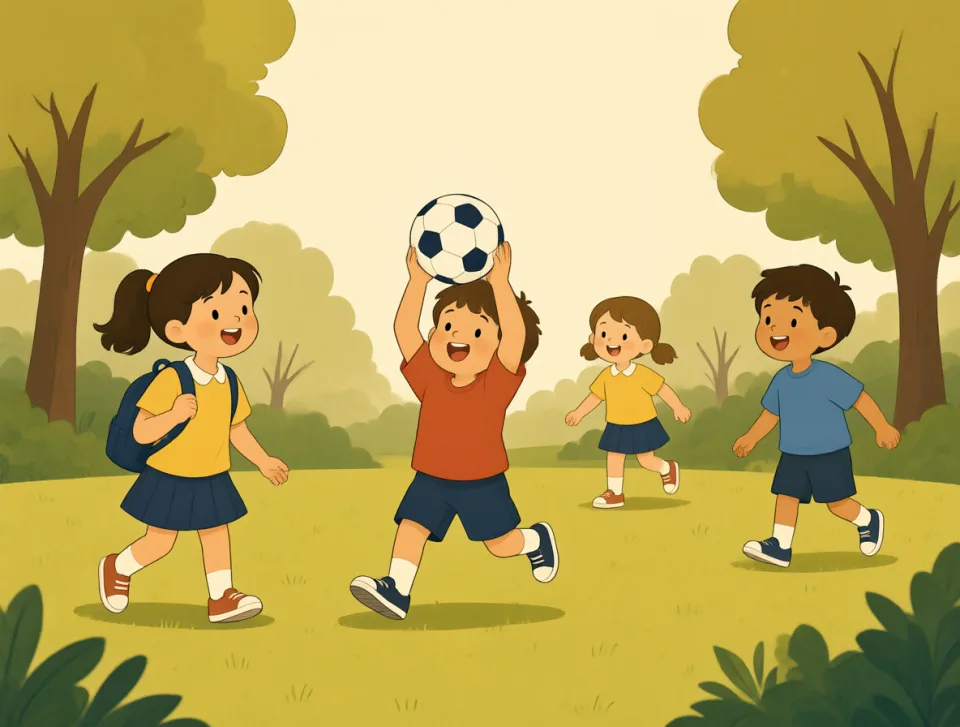
The children play outside after school.
Bọn trẻ chơi ngoài trời sau giờ học.
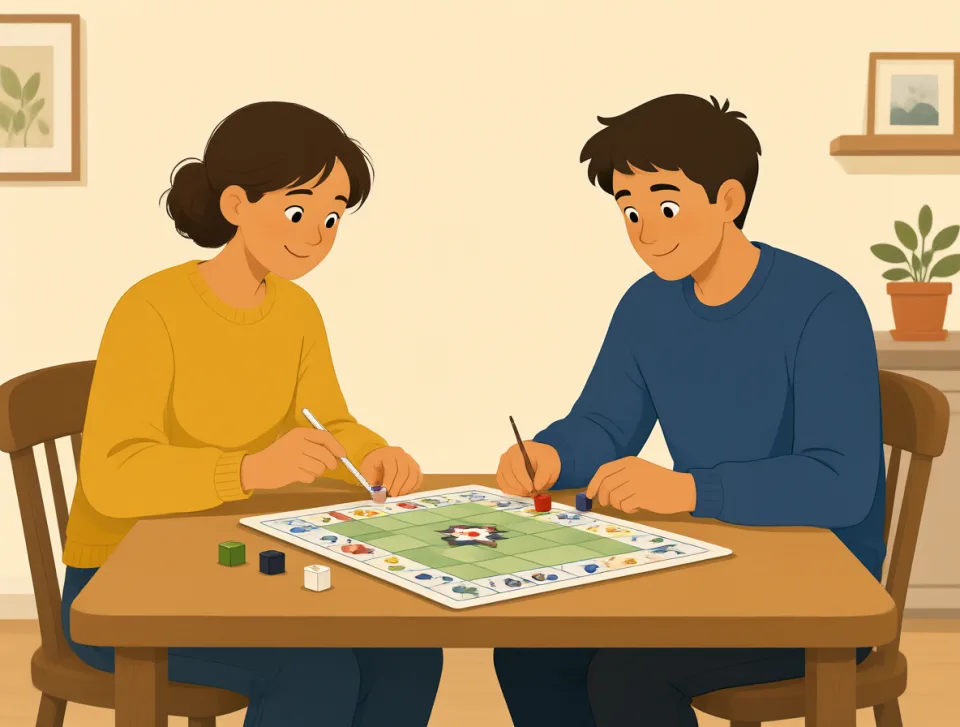
We played a game at home.
Chúng tôi chơi một trò chơi ở nhà.
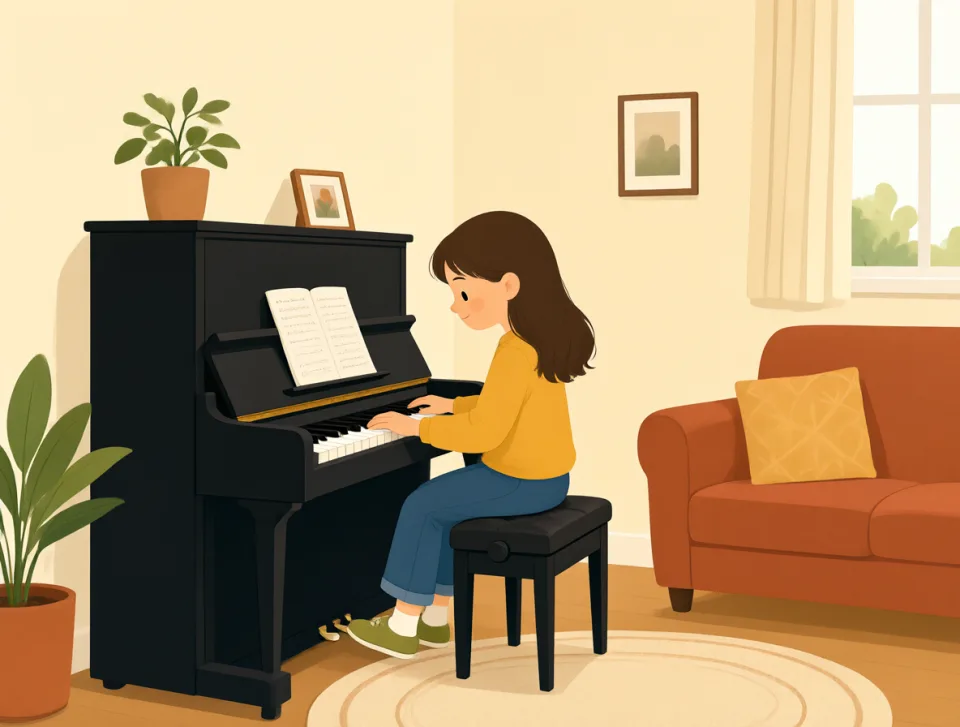
She plays the piano every morning.
Sáng nào cô ấy cũng chơi đàn piano.
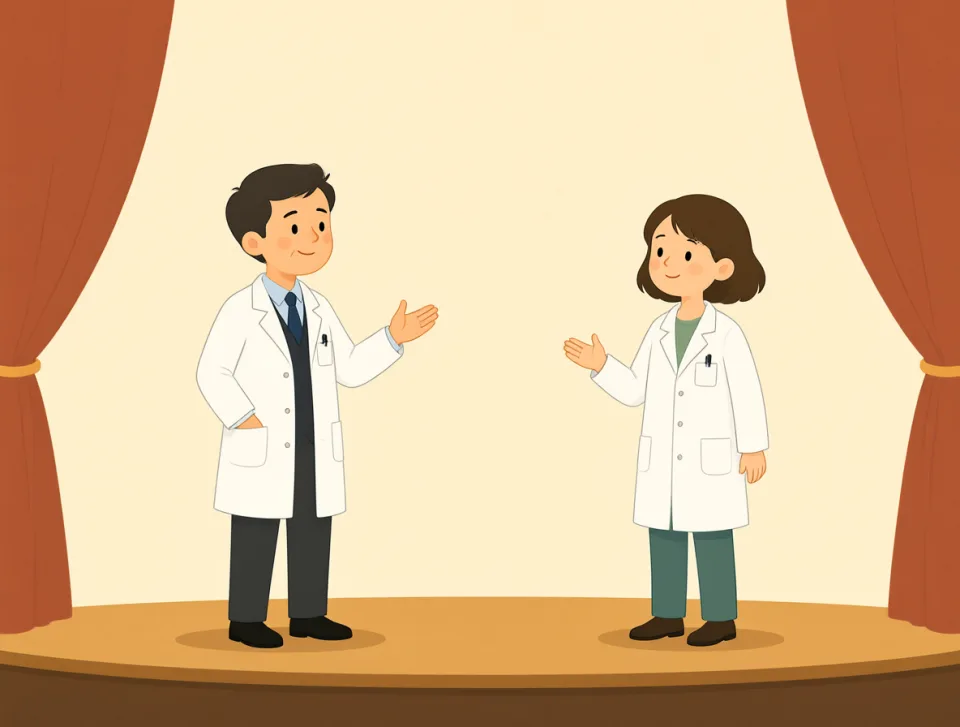
The actors play doctors in the show.
Các diễn viên đóng vai bác sĩ trong chương trình.
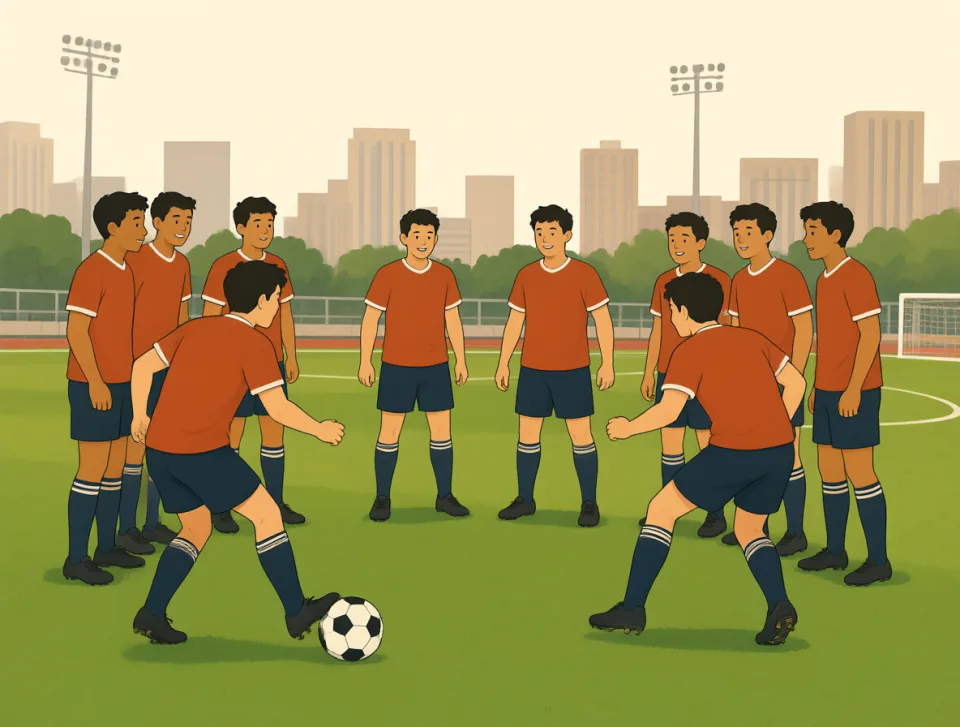
Our team plays in London tomorrow.
Ngày mai đội chúng tôi sẽ thi đấu ở London.

might
#159modal verb, noun
có thể
Used to say something is possible or to ask permission politely.
Dùng để nói rằng điều gì đó có khả năng xảy ra hoặc để xin phép một cách lịch sự.
It might rain this afternoon.
Chiều nay trời có thể mưa.

I might go shopping after work.
Tôi có thể sẽ đi mua sắm sau giờ làm.

Might I use your phone, please?
Tôi có thể dùng điện thoại của bạn được không ạ?

You might like this new restaurant.
Có thể bạn sẽ thích nhà hàng mới này.

She might be sick today.
Hôm nay cô ấy có thể bị ốm.
must
#160verb, noun
phải
To be necessary or required; something that you need to do or have.
Cần thiết hoặc bắt buộc; điều bạn cần làm hoặc cần có.
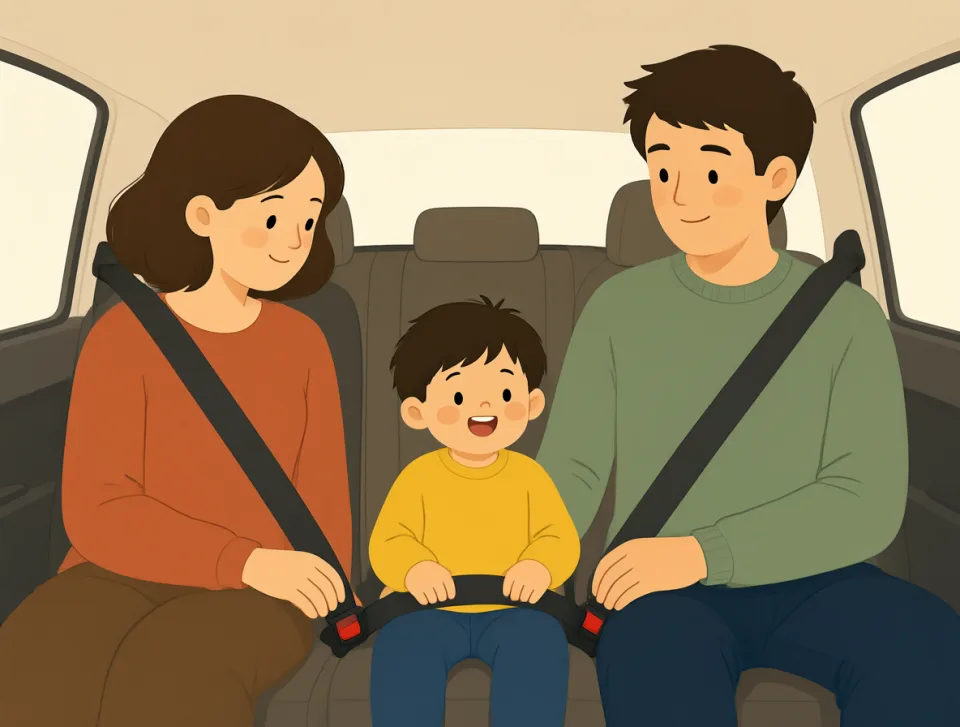
You must wear a seat belt.
Bạn phải thắt dây an toàn.

We must leave home at seven.
Chúng ta phải rời nhà lúc bảy giờ.

Students must finish their homework tonight.
Học sinh phải hoàn thành bài tập về nhà tối nay.

You must try this chocolate cake.
Bạn nhất định phải thử món bánh sô-cô-la này.

I must see a doctor about my cough.
Tôi phải đi khám bác sĩ vì bị ho.