Блок 8
Слова 141–160 · become, interest, country, old, each, school

become
#141verb
становиться
to start to be something or change into a different state
начать быть кем-либо или чем-либо либо перейти в другое состояние
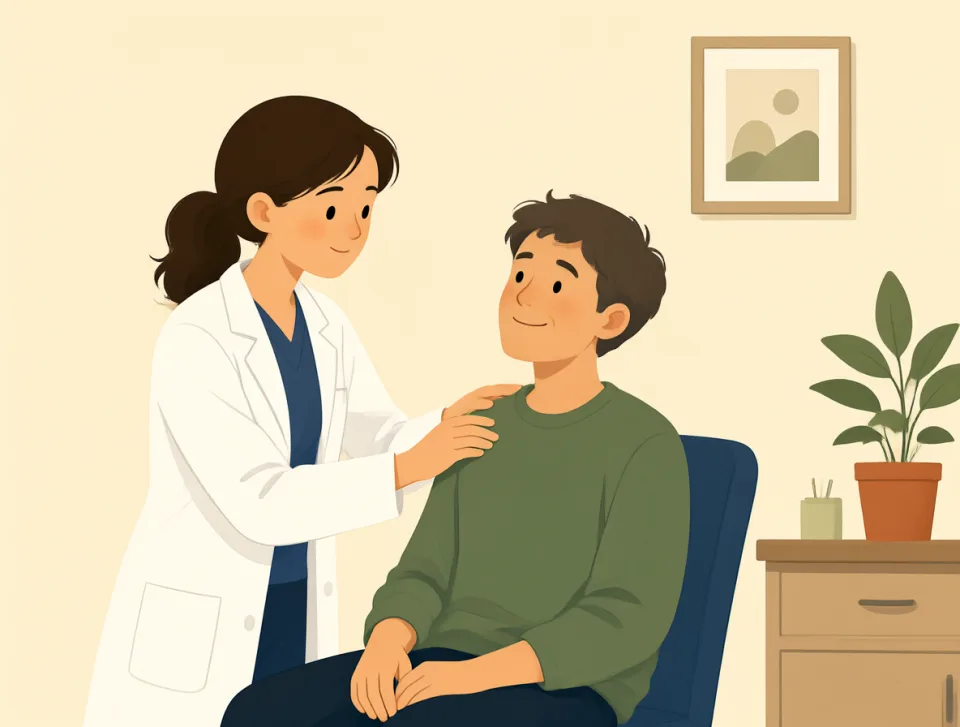
She wants to become a doctor someday.
Когда-нибудь она хочет стать врачом.

The weather became cold after sunset.
После заката похолодало.
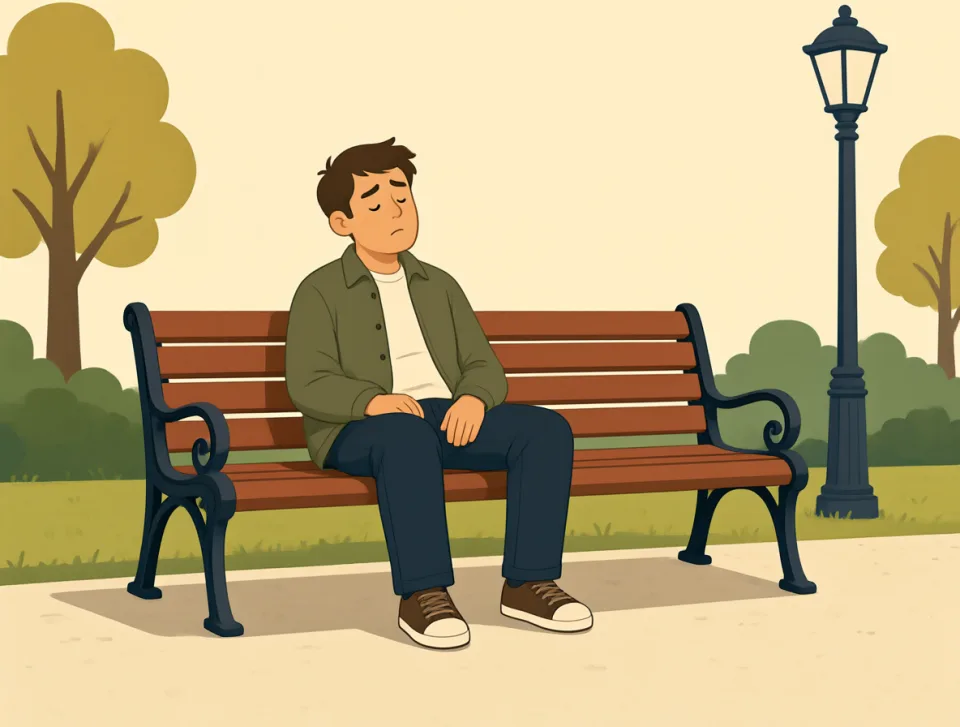
He became tired after the long walk.
После долгой прогулки он устал.
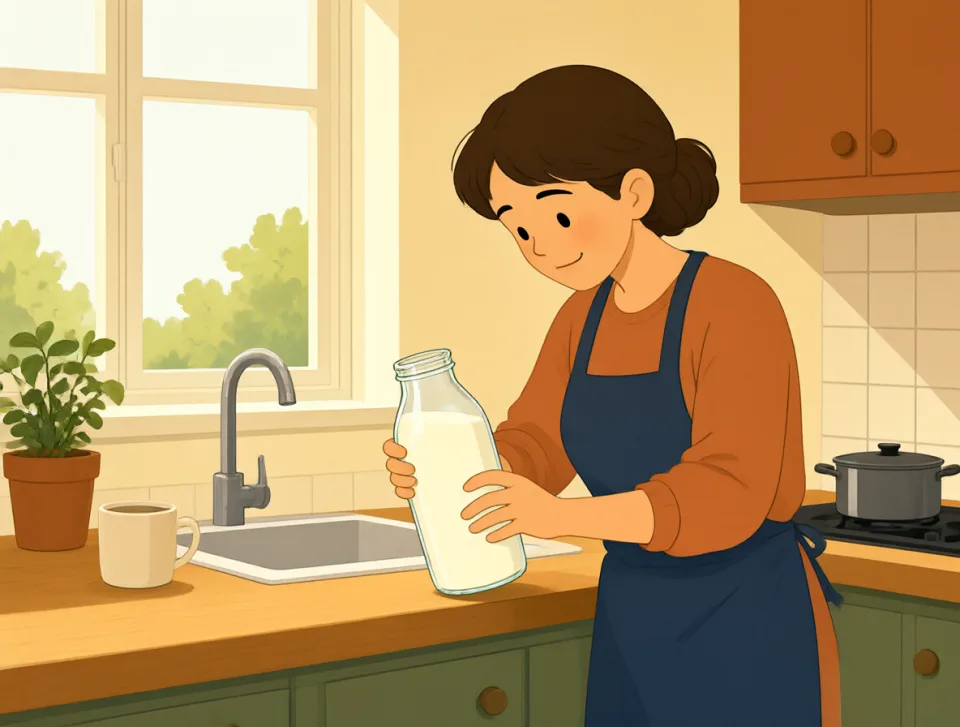
The milk became sour in the heat.
На жаре молоко скисло.

They became good friends at school.
В школе они стали хорошими друзьями.
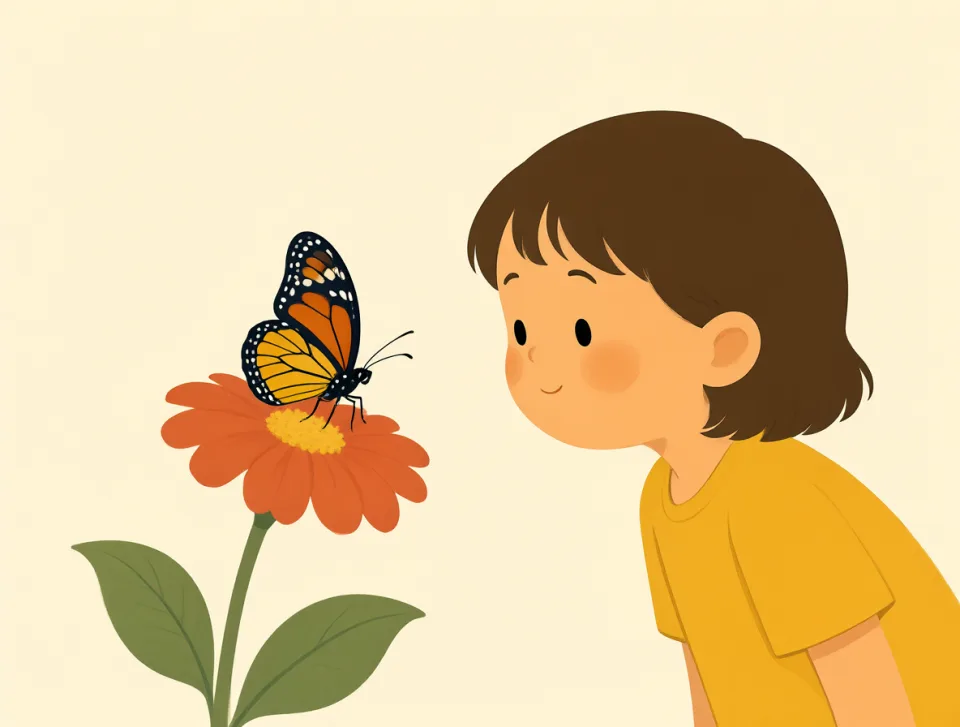
interest
#142noun, verb
интерес
A feeling of wanting to know or learn about something; to make someone curious.
Желание узнать или изучить что-либо; то, что вызывает у кого-либо любопытство.

I have a strong interest in cooking.
Я очень интересуюсь кулинарией.

She showed interest in the new job.
Она проявила интерес к новой работе.

The book caught my interest quickly.
Книга быстро меня увлекла.
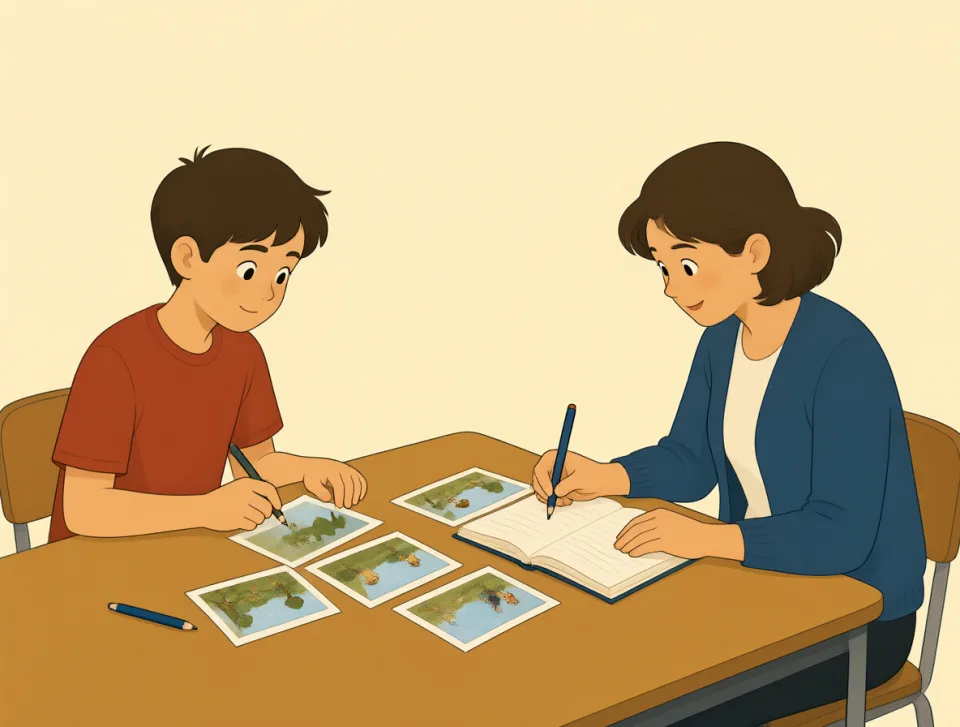
He is interested in learning Spanish.
Он интересуется изучением испанского языка.
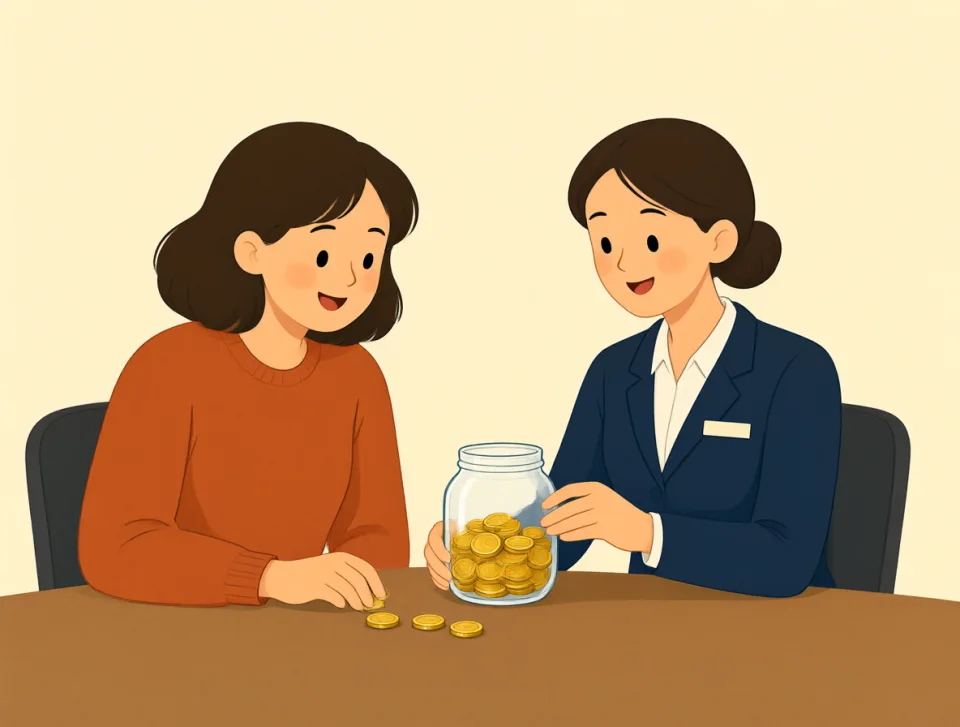
The bank pays interest on savings.
Банк начисляет проценты на сбережения.

country
#143noun
страна
A nation with its own government, land, and people.
Государство со своей территорией, населением и правительством.

She lives in the country with her family.
Она живёт за городом вместе с семьёй.
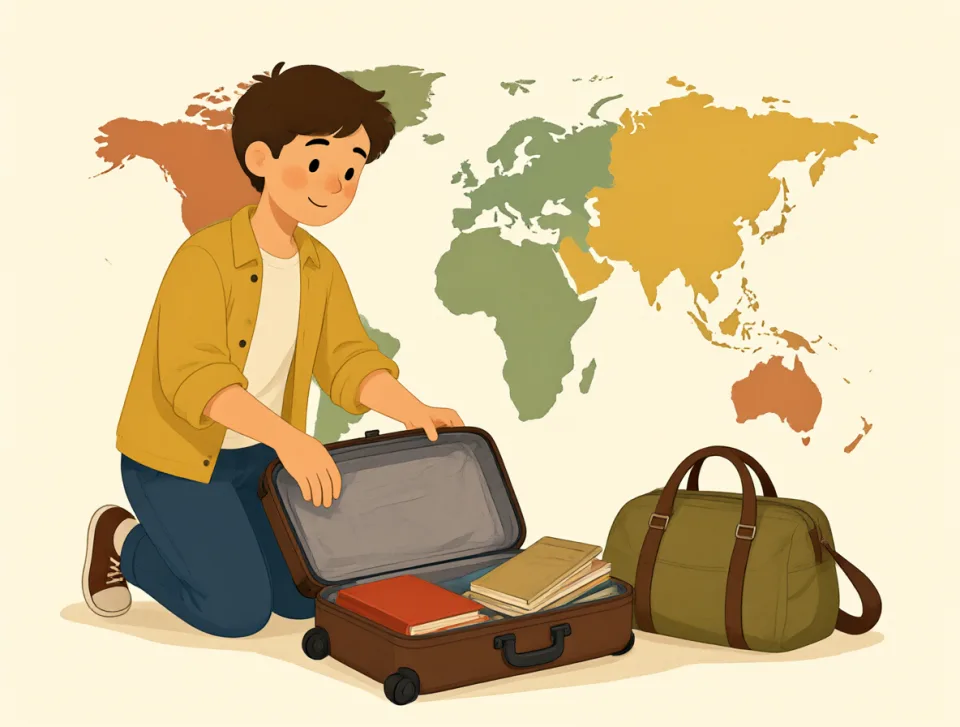
I want to visit another country this summer.
Этим летом я хочу посетить другую страну.
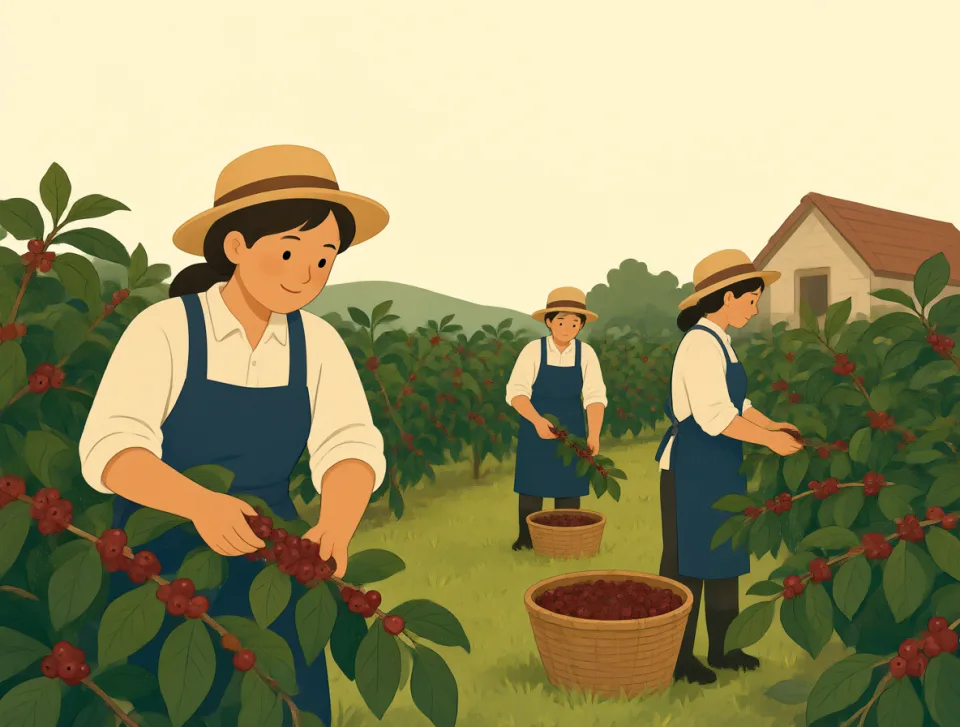
This country produces much of the world's coffee.
Эта страна производит значительную часть кофе в мире.
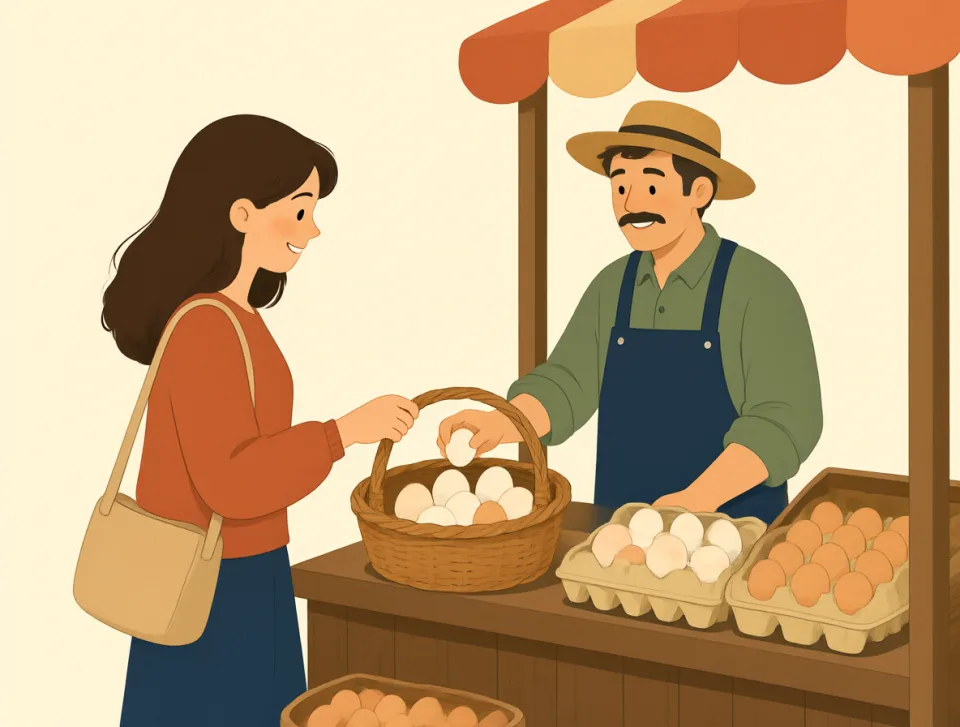
We bought fresh eggs from the country.
Мы купили свежие яйца у сельских жителей.
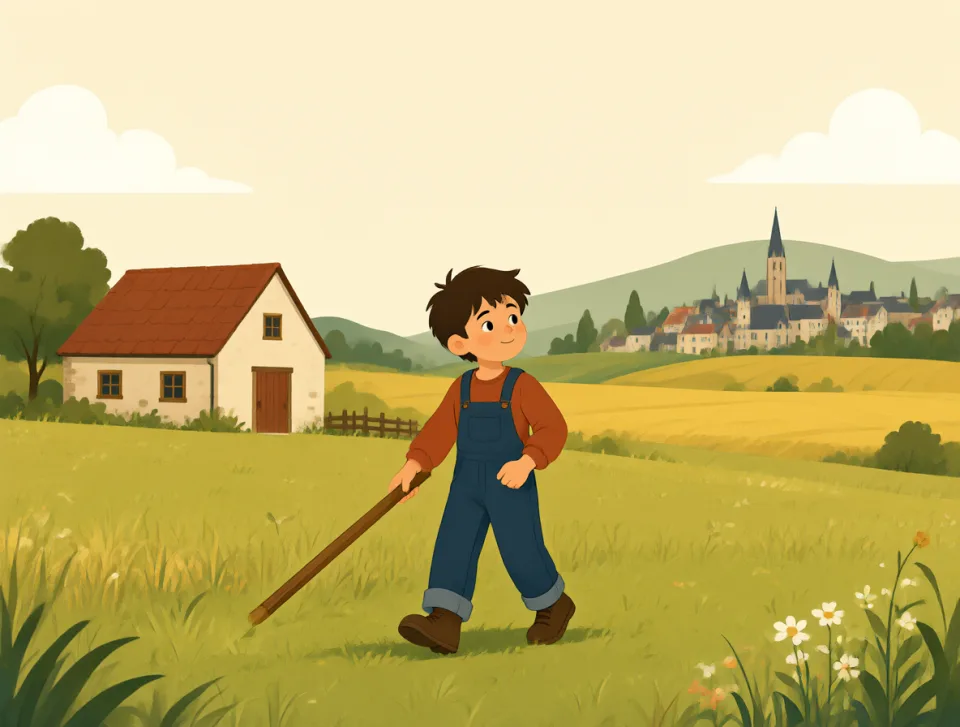
He grew up in the country near a small town.
Он вырос в сельской местности недалеко от небольшого города.
old
#144adjective, noun
старый
having lived for many years; belonging to a time long ago
Проживший много лет; относящийся к давнему времени.

My old shoes are very comfortable.
Мои старые туфли очень удобные.
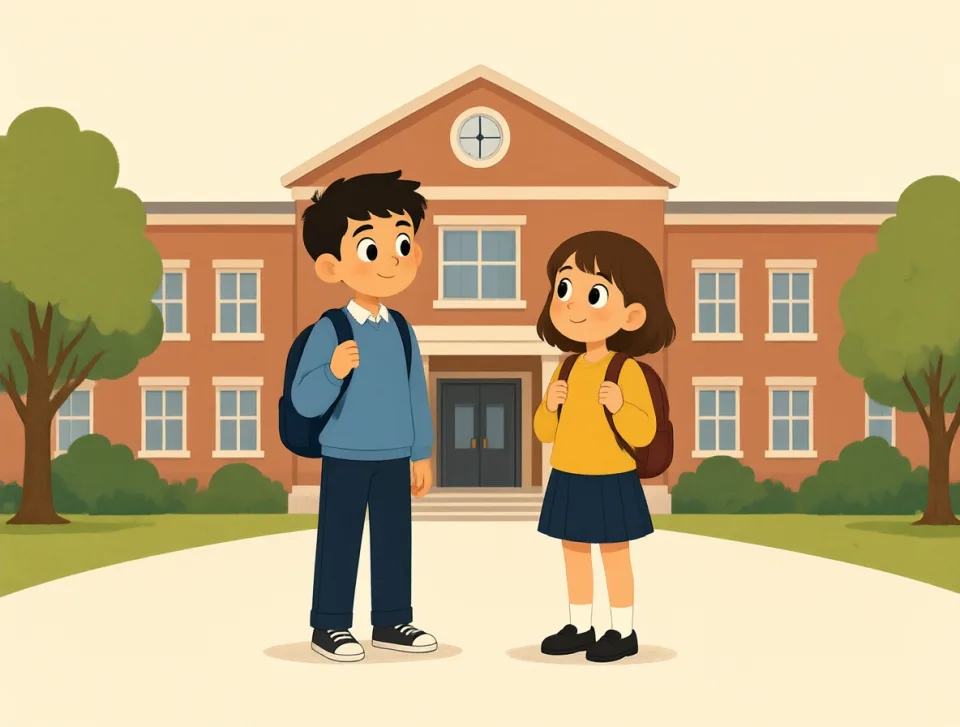
We visited my old school yesterday.
Вчера мы побывали в моей бывшей школе.

That old car still works well.
Эта старая машина всё ещё хорошо работает.
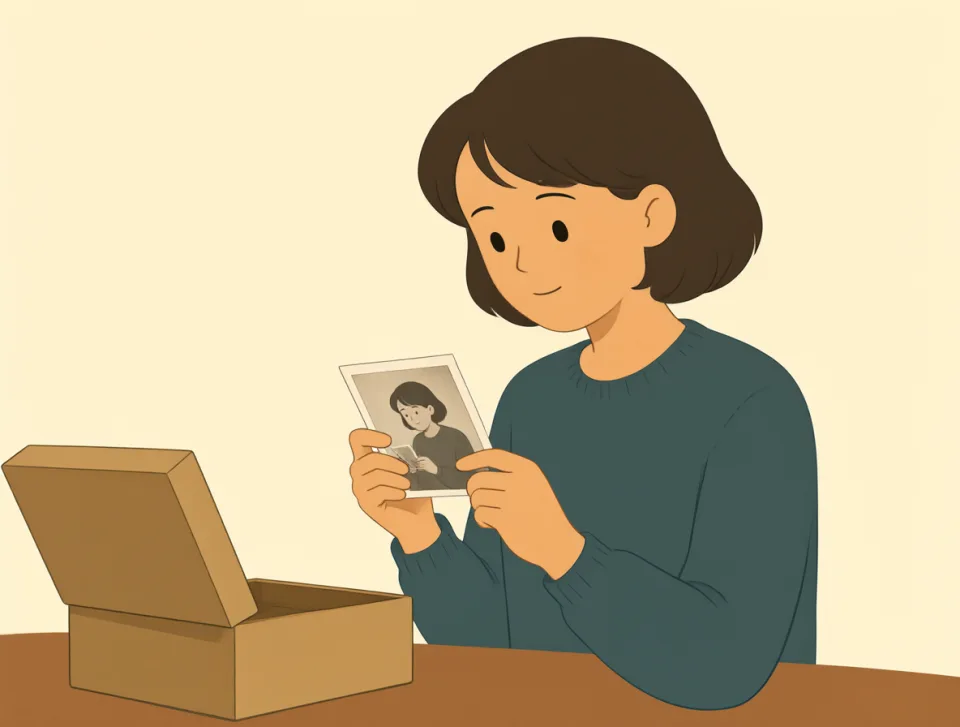
I found an old photo in a box.
Я нашёл старую фотографию в коробке.
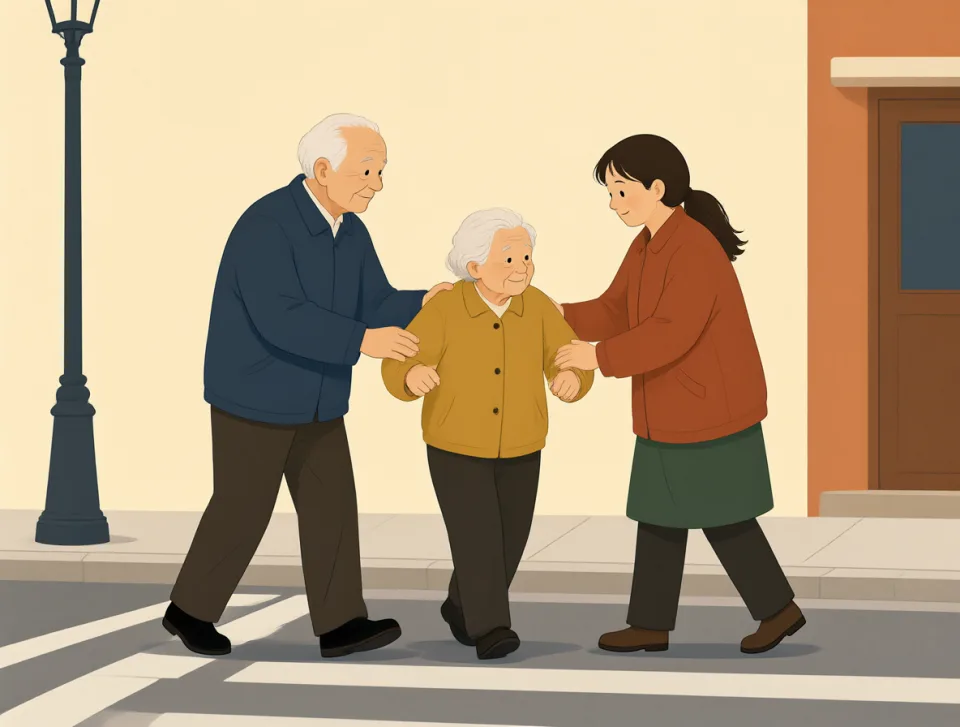
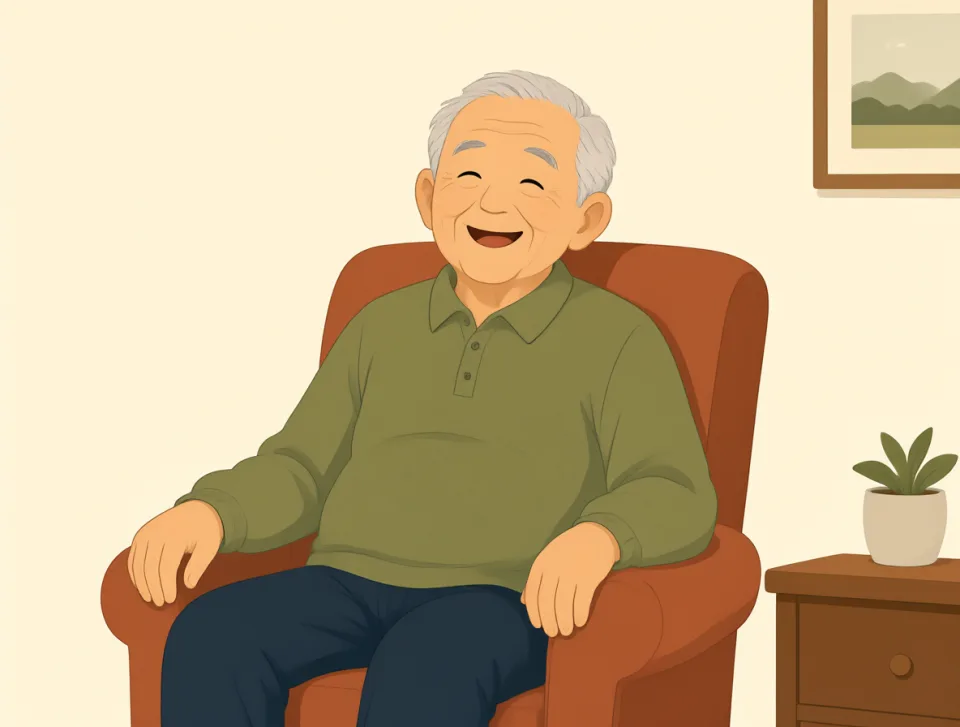
The old man needs help crossing the street.
Пожилому мужчине нужна помощь, чтобы перейти улицу.
each
#145determiner, pronoun
каждый
Every one of two or more people or things, considered separately.
Каждый из двух или более людей или предметов, рассматриваемый отдельно.
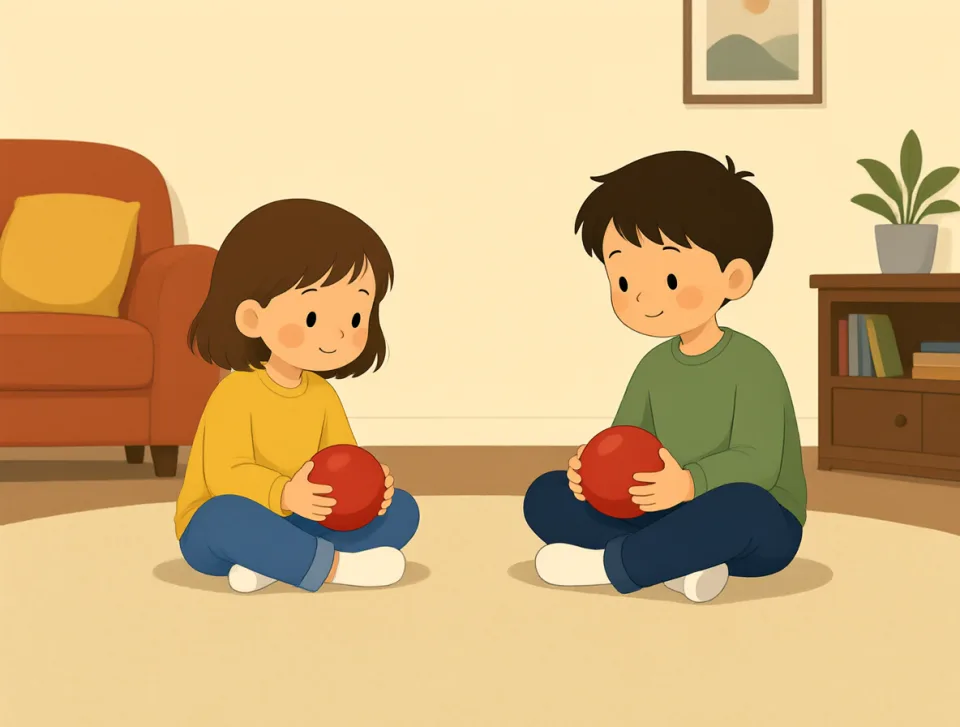
Each child has a small red ball.
У каждого ребёнка есть небольшой красный мяч.

We each brought a sandwich for lunch.
Мы каждый принесли по бутерброду на обед.
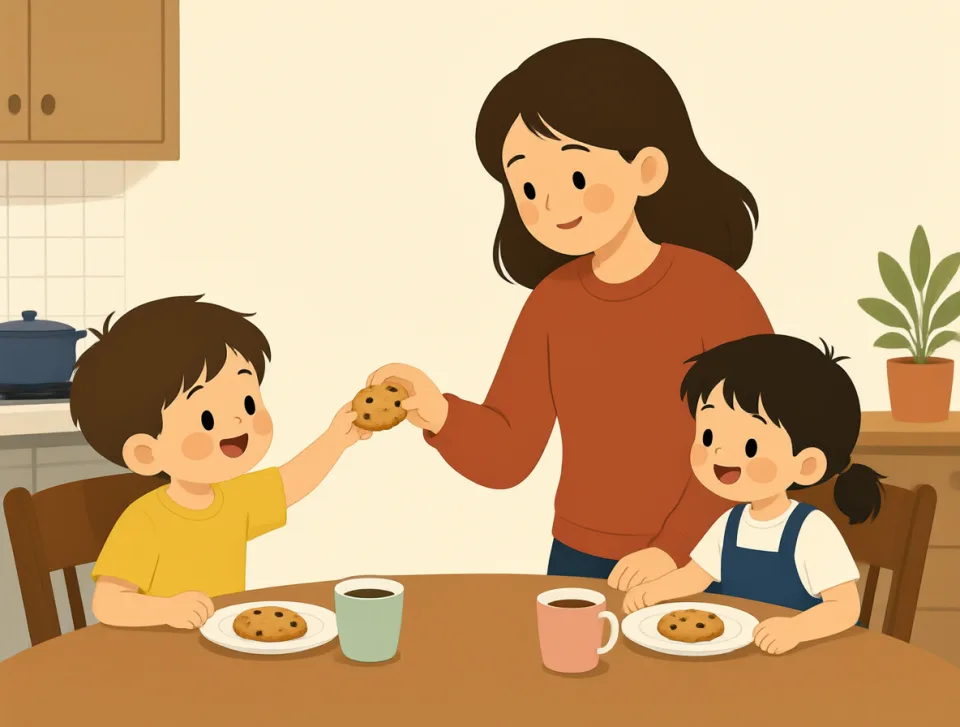
Please take one cookie each.
Пожалуйста, возьмите по одному печенью.
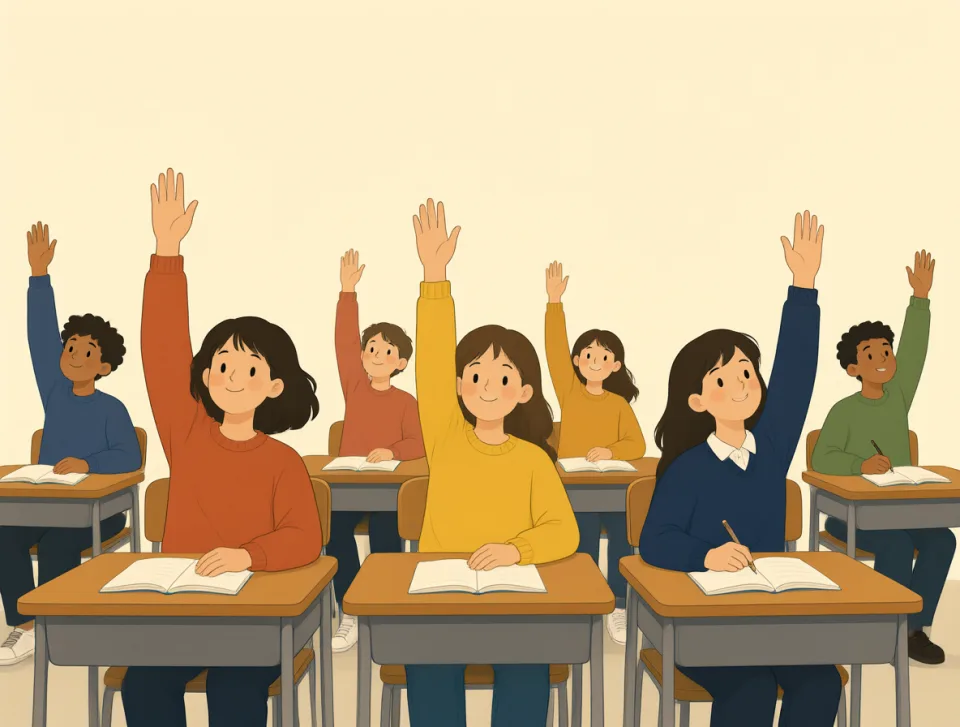
The students each answered one question.
Каждый из учеников ответил на один вопрос.
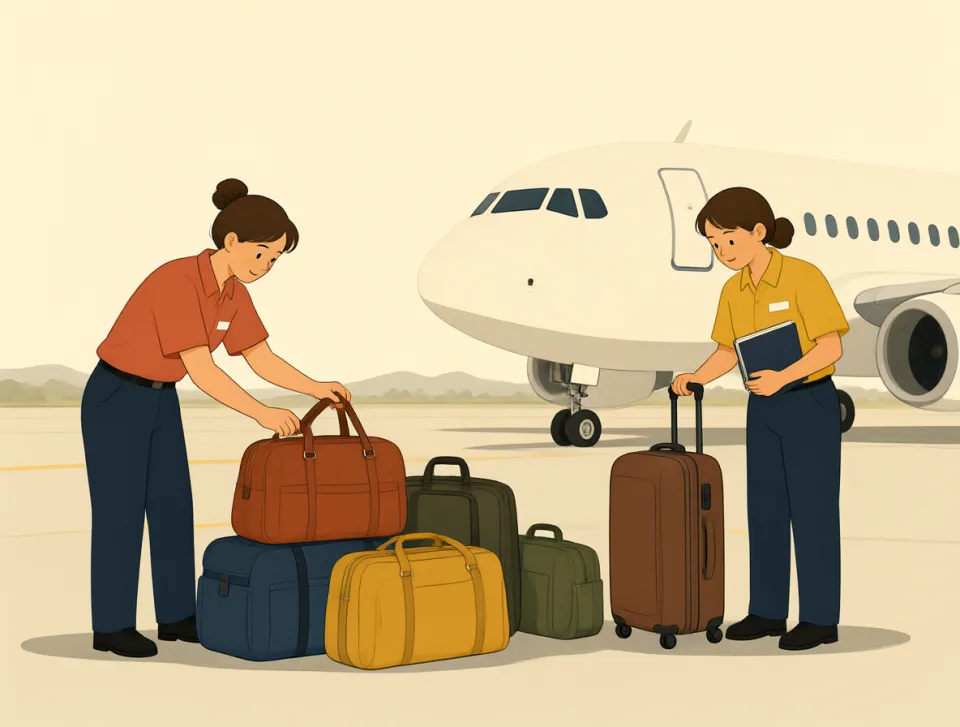
They checked each bag before the flight.
Перед вылетом они проверили каждую сумку.
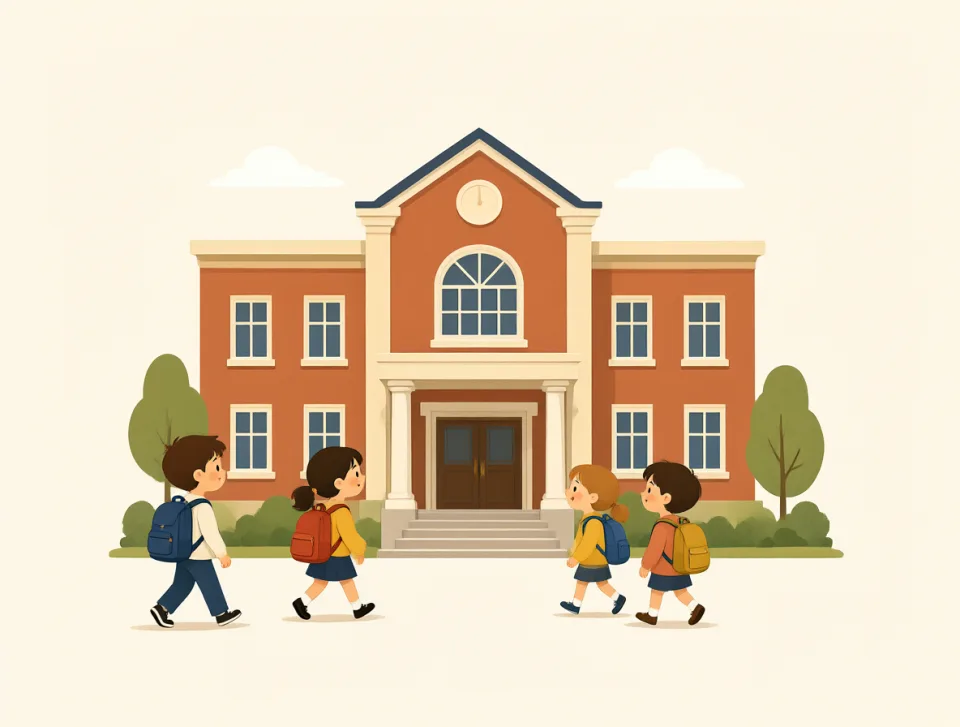
school
#146noun, verb
школа
A place where children learn, or the time spent learning there.
Место, где учатся дети, или время, проведённое за учёбой.
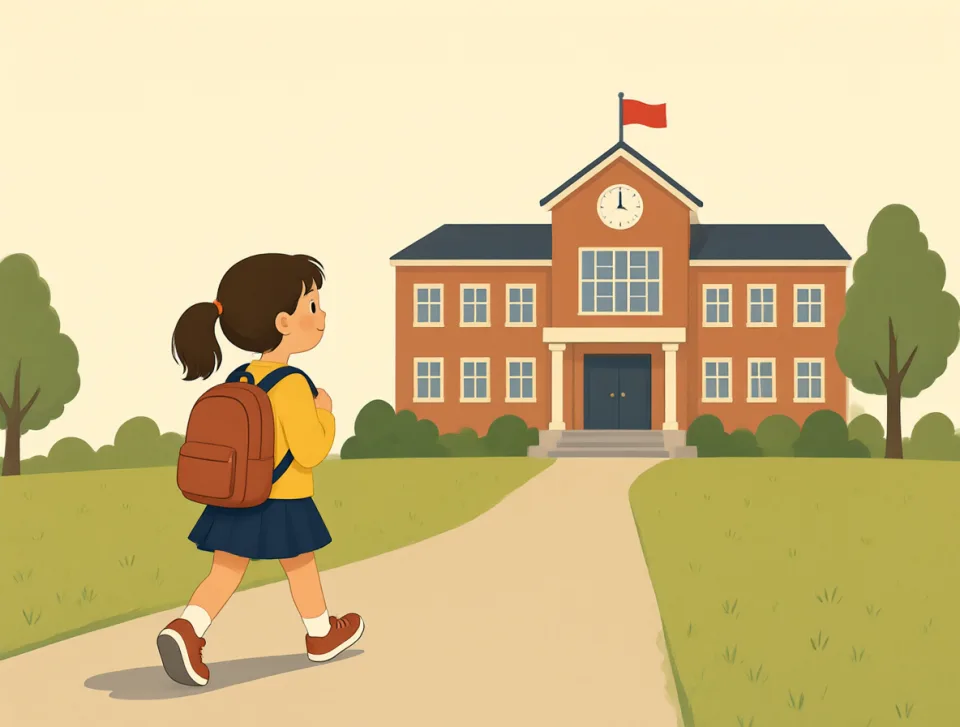
My sister walks to school every morning.
Моя сестра каждое утро ходит в школу пешком.
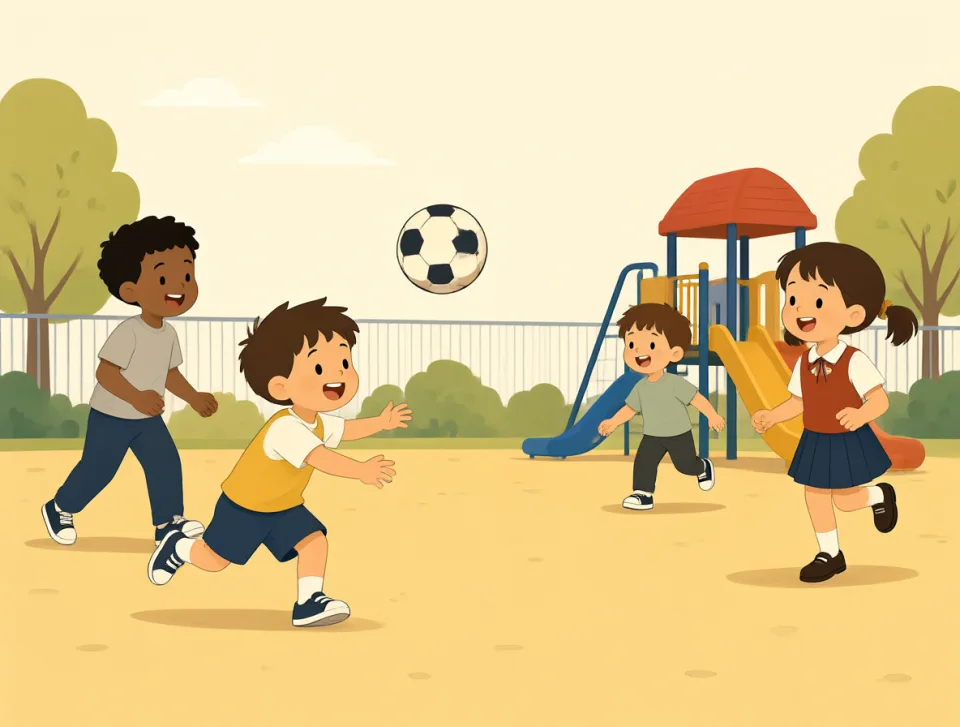
The children are playing outside school.
Дети играют на улице возле школы.
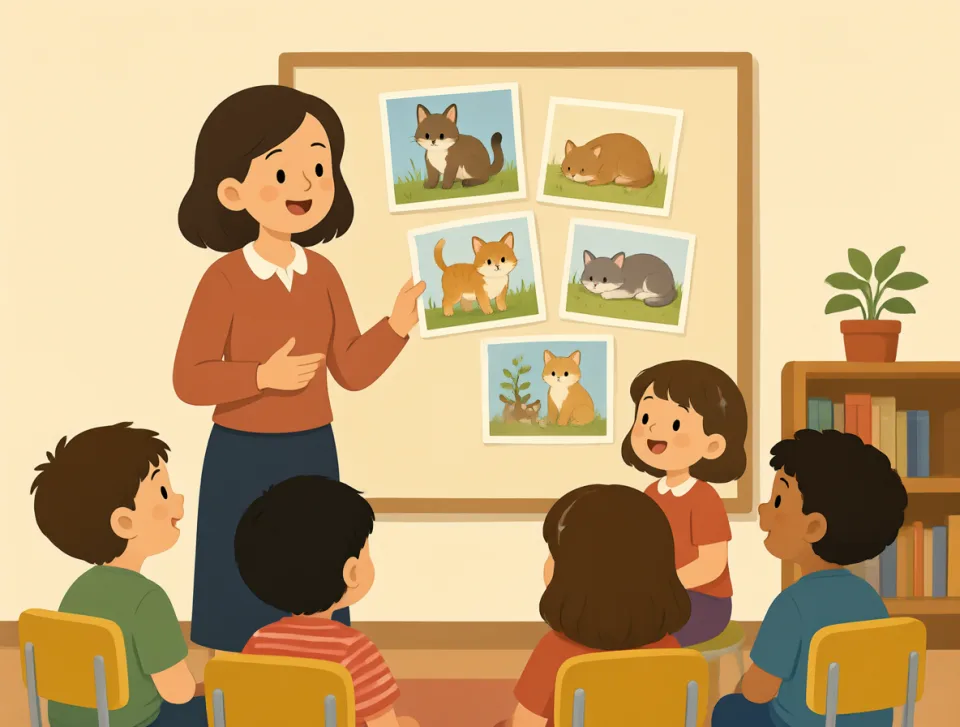
We learned about animals at school.
В школе мы изучали животных.

My father went to cooking school.
Мой отец учился в кулинарной школе.
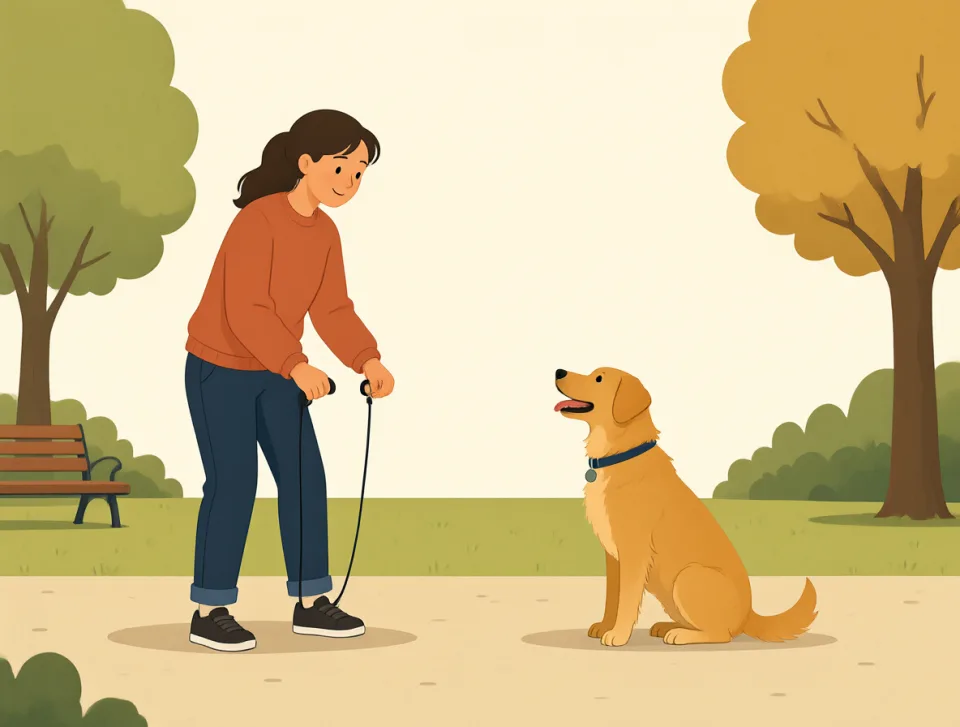
They school their dog every day.
Они каждый день дрессируют свою собаку.
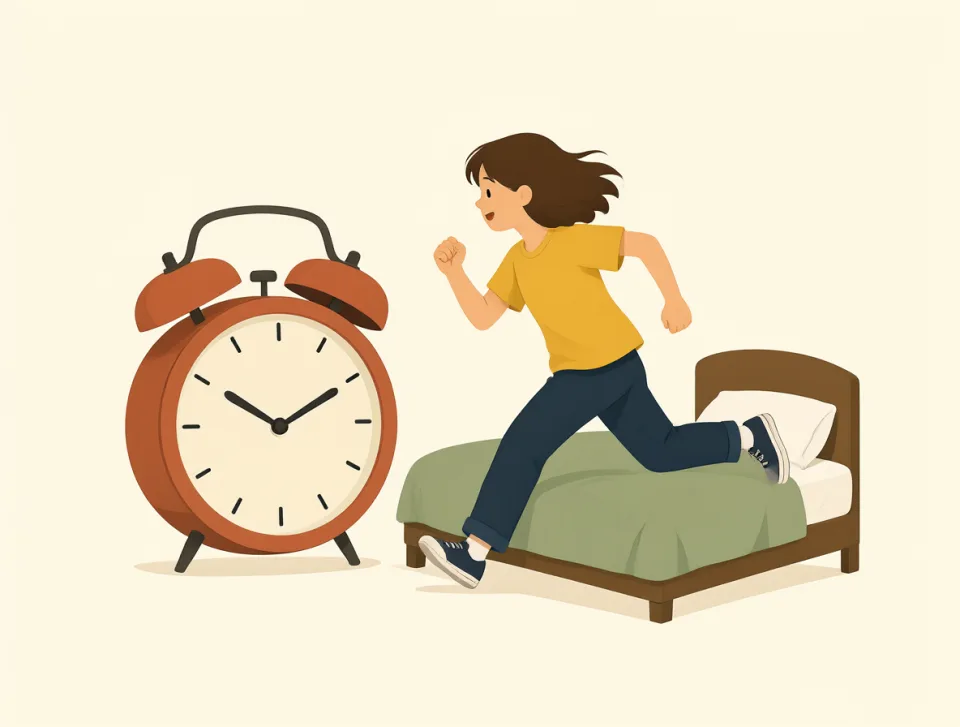
late
#147adjective, adverb, noun
поздно
Happening, arriving, or being after the expected or usual time.
Происходящий, прибывающий или наступающий позже ожидаемого или обычного времени.
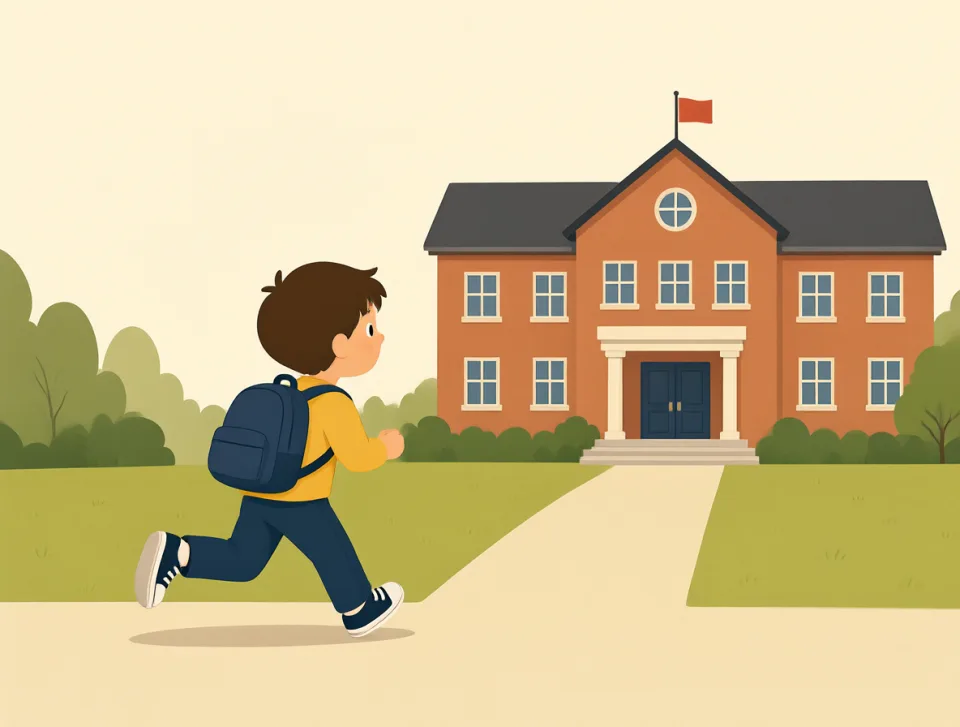
I was late for school this morning.
Сегодня утром я опоздал(а) в школу.
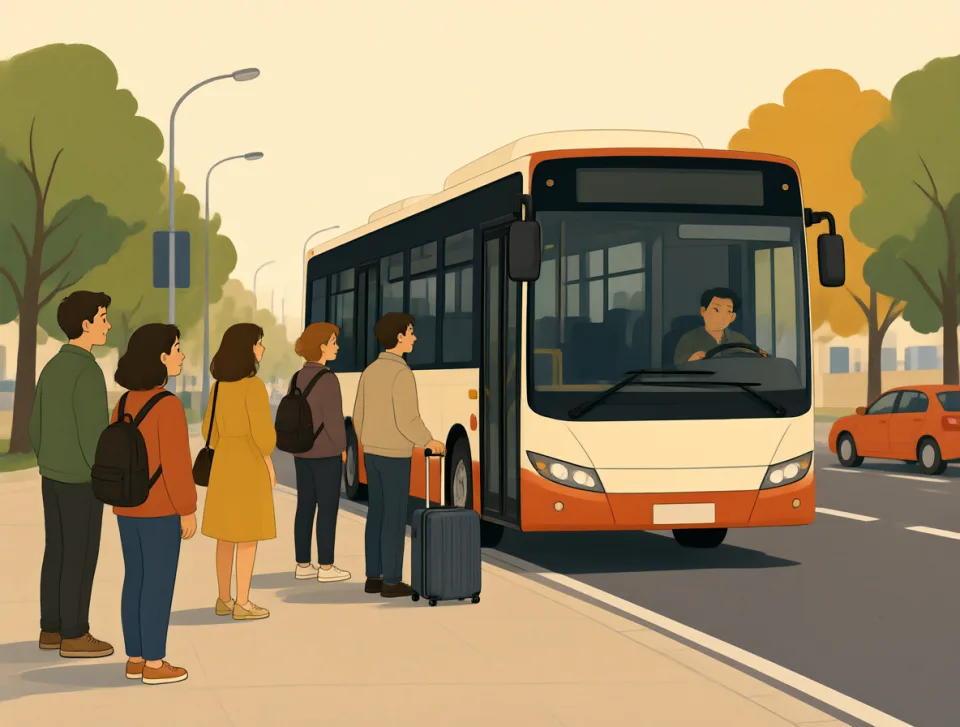
The bus arrived late because of traffic.
Автобус опоздал из-за пробок.
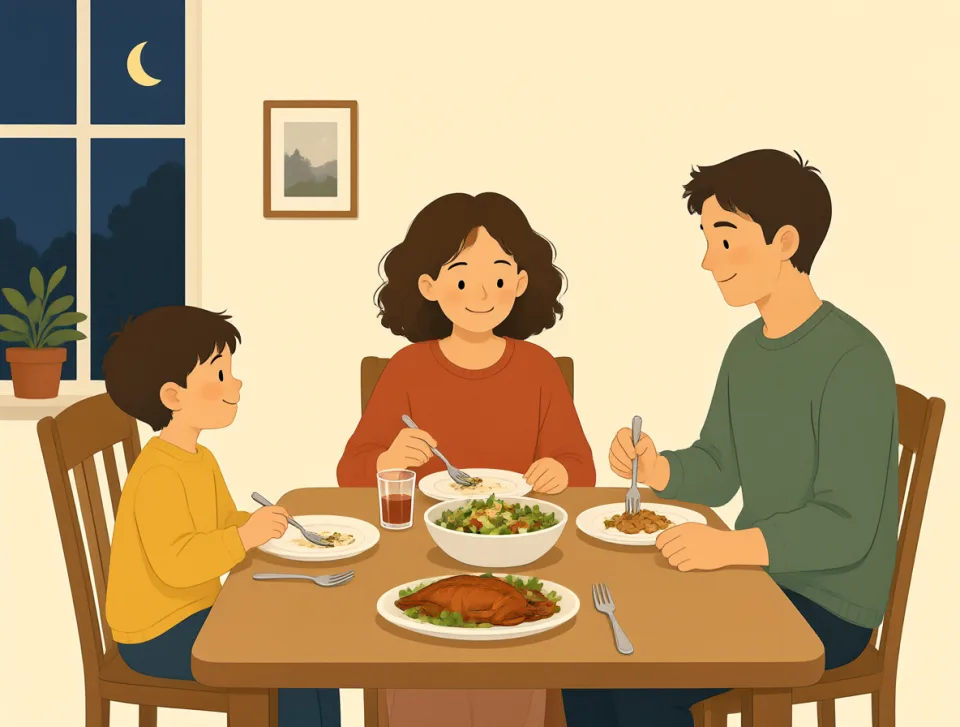
We had dinner late last night.
Вчера вечером мы поздно поужинали.

She stayed late at work yesterday.
Вчера она задержалась на работе.

My late grandfather loved gardening.
Мой покойный дедушка любил заниматься садом.

high
#148adjective, adverb, noun
высокий
Far above the ground, or greater than usual in amount, level, or price.
Находящийся далеко над землёй или превышающий обычный уровень, количество или цену.
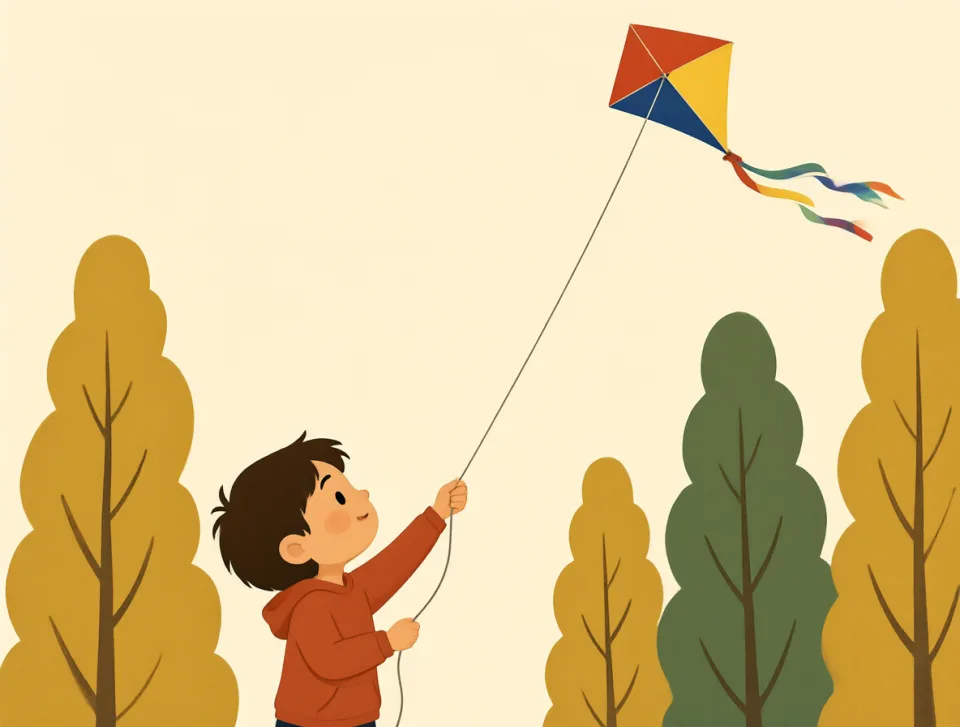
The kite flew high above the trees.
Воздушный змей взлетел высоко над деревьями.

Please put the books on the high shelf.
Пожалуйста, поставь книги на высокую полку.

Prices are high at this store.
В этом магазине высокие цены.
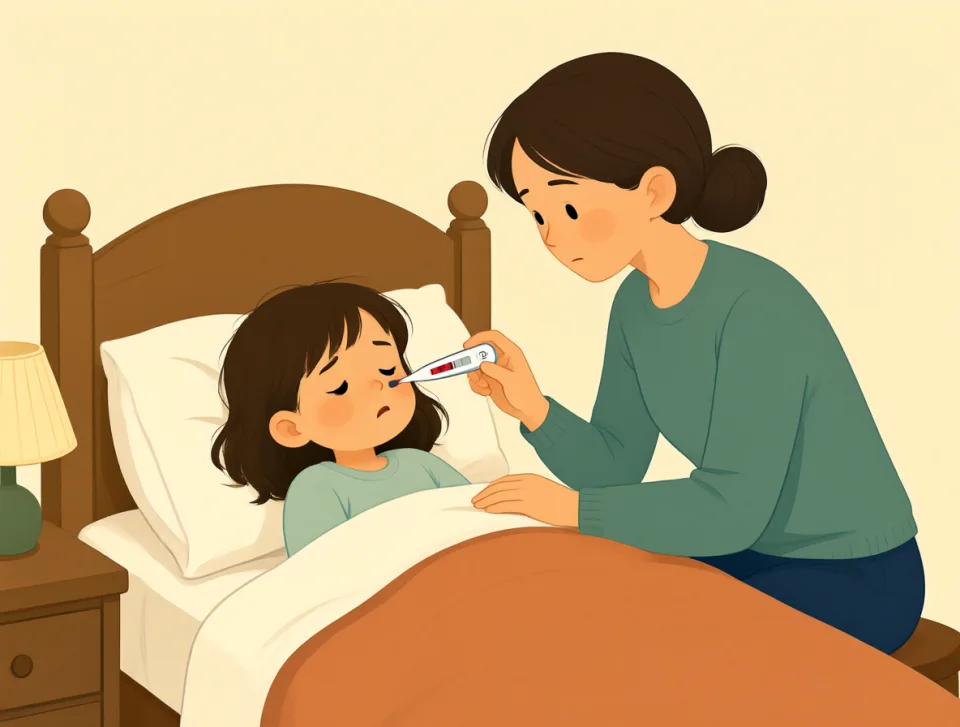
She has a high fever today.
Сегодня у неё высокая температура.

The plane climbed high into the sky.
Самолёт поднялся высоко в небо.

different
#149adjective
другой; отличающийся
Not the same as another person or thing.
Не такой, как другой человек или предмет.

My new shoes are different from yours.
Мои новые туфли отличаются от твоих.

We tried different foods at the market.
На рынке мы попробовали разные блюда.
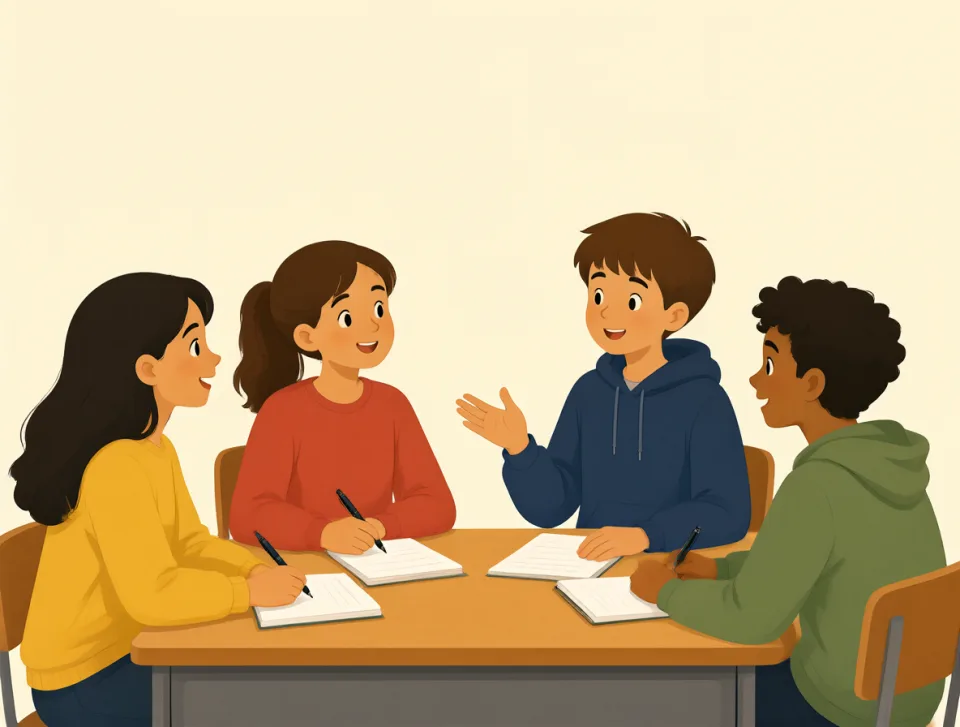
She has a different idea for the project.
У неё есть другая идея для проекта.

The weather is different in the mountains.
В горах погода другая.

He feels different after taking the medicine.
После приёма лекарства он чувствует себя иначе.

off
#150adverb, adjective, preposition, noun
выключенный; прочь
Away from a place, position, or working state; not operating or attached.
Не находящийся на месте, в нужном положении или в рабочем состоянии; не работающий или отсоединённый.
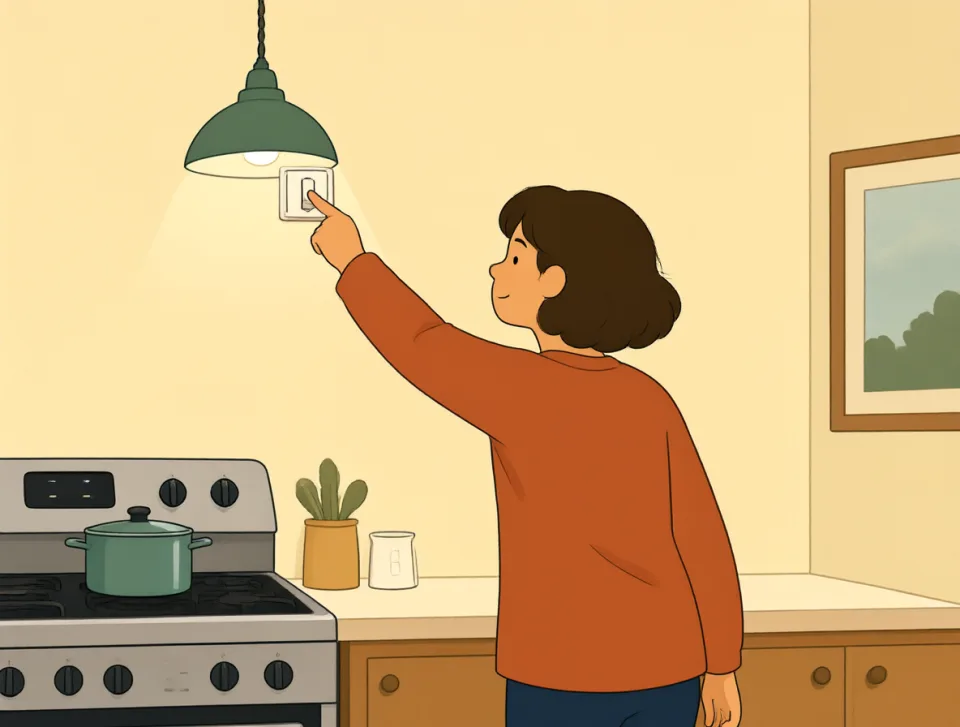
Please turn off the kitchen light.
Пожалуйста, выключи свет на кухне.
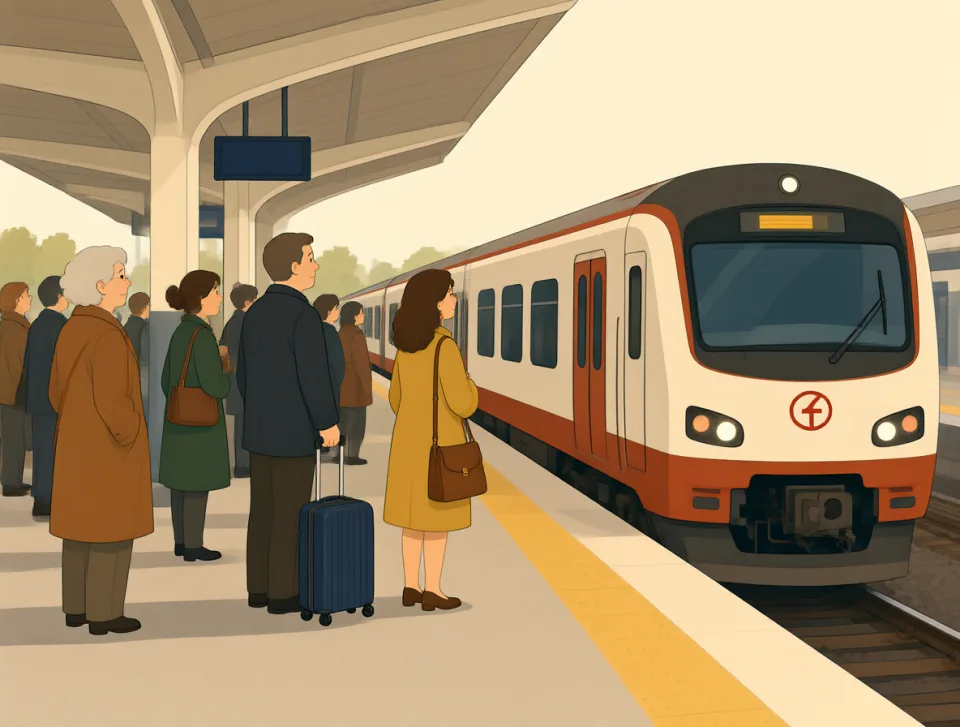
The train left ten minutes off schedule.
Поезд отправился на десять минут раньше расписания.
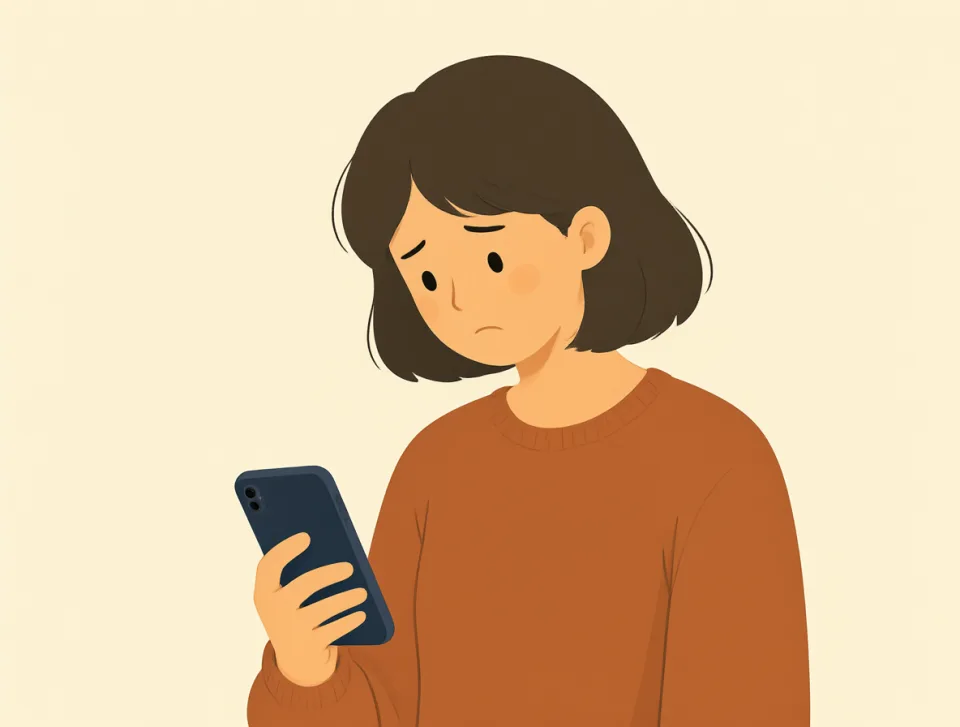
My phone is off because its battery died.
Мой телефон выключен, потому что разрядился аккумулятор.
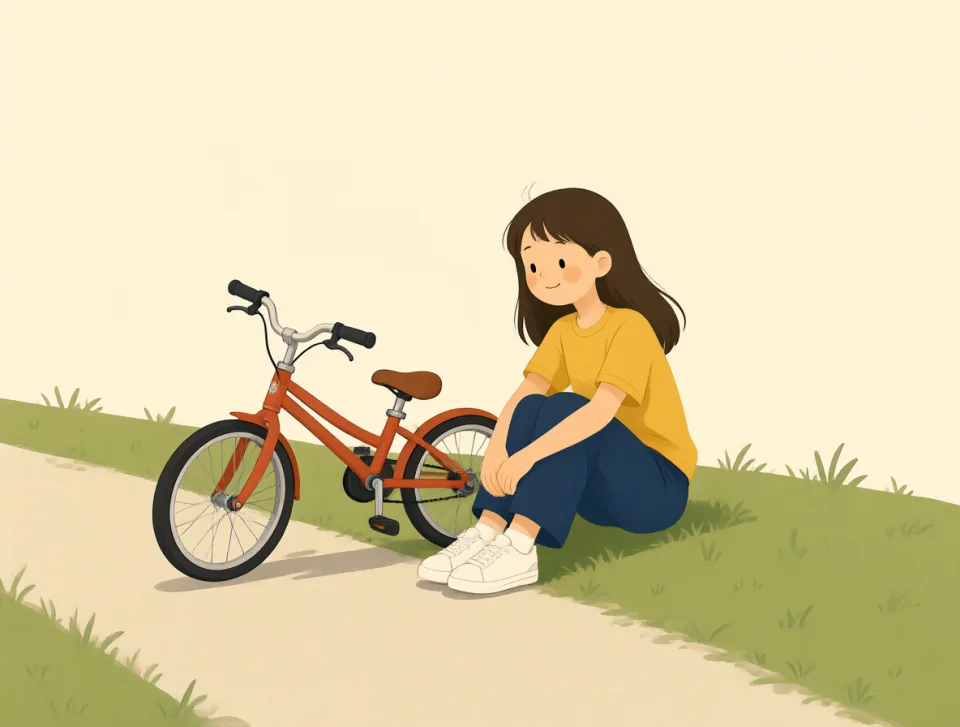
She fell off her bike yesterday.
Вчера она упала с велосипеда.
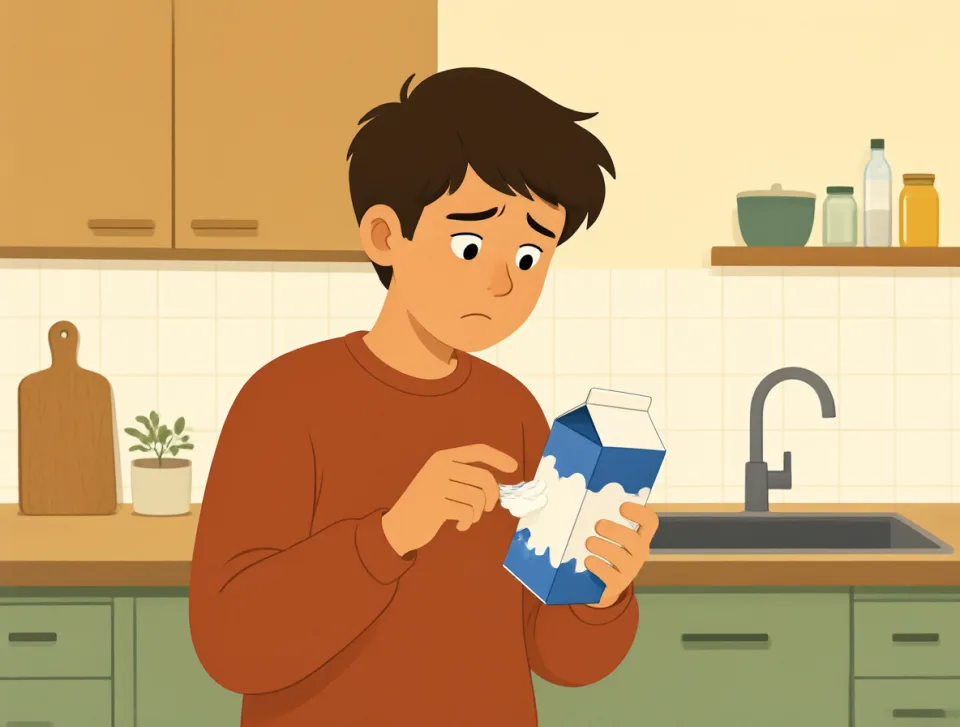
The milk smells off, so throw it away.
Молоко испортилось на запах, так что выбрось его.
next
#151adjective, adverb, noun, determiner
следующий
Coming immediately after this one in time, order, or place.
Идущий сразу после чего-либо по времени, порядку или месту.
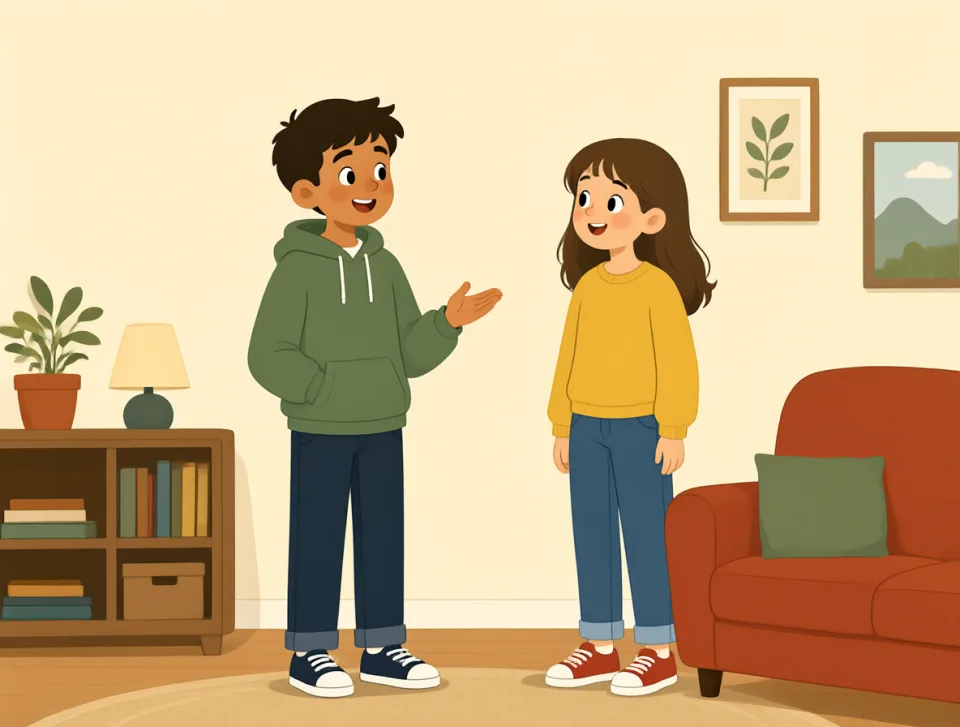
What are you doing next?
Что ты будешь делать дальше?
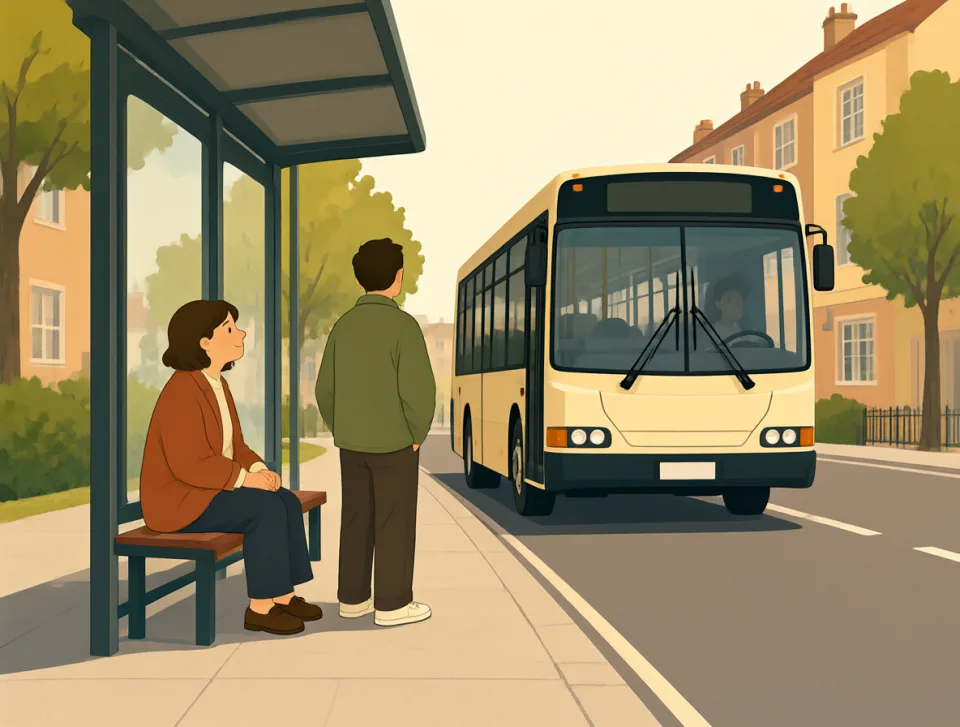
The next bus leaves at noon.
Следующий автобус отправляется в полдень.
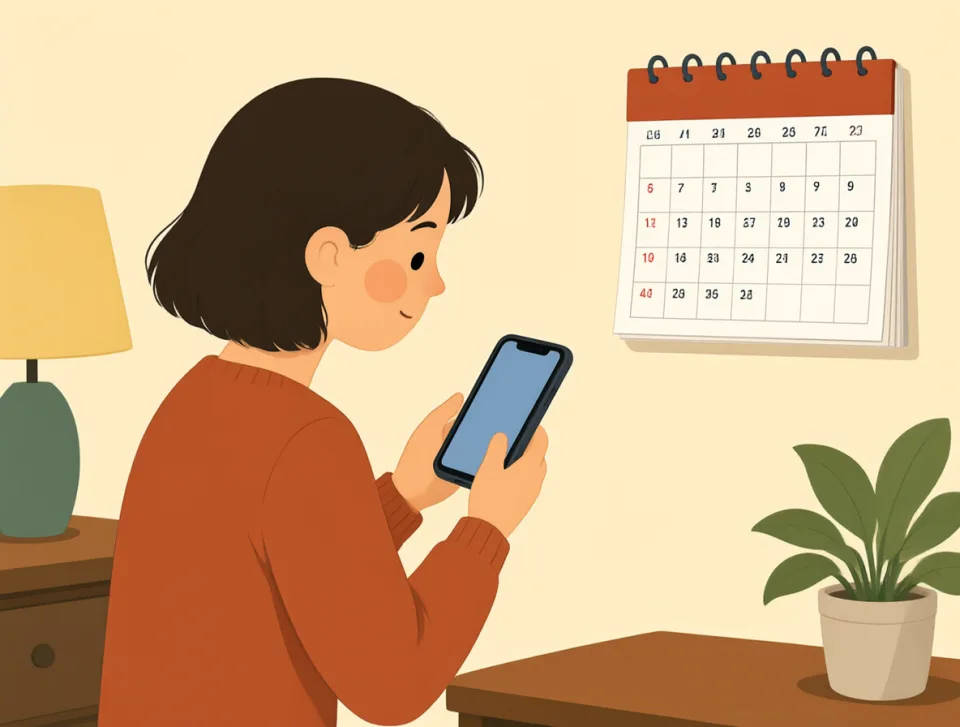
Please call me next week.
Пожалуйста, позвони мне на следующей неделе.

She was next in line for coffee.
Она была следующей в очереди за кофе.
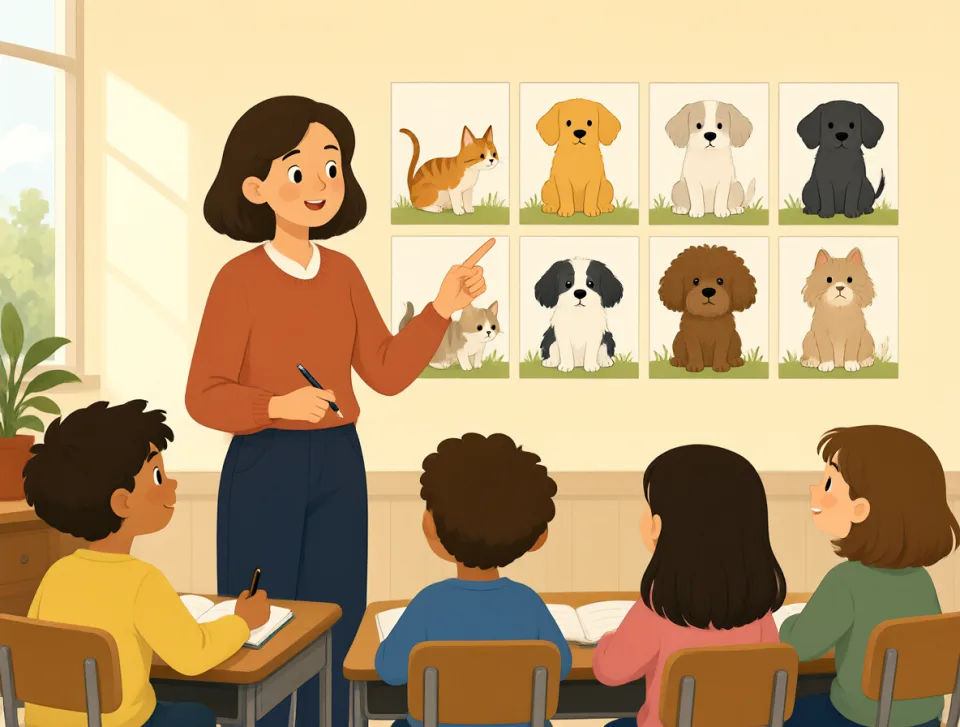
Our next lesson is about animals.
Наш следующий урок будет посвящён животным.

end
#152noun, verb
конец; заканчивать
the final part of something, or to finish something
Последняя часть чего-либо; также — завершить что-либо.
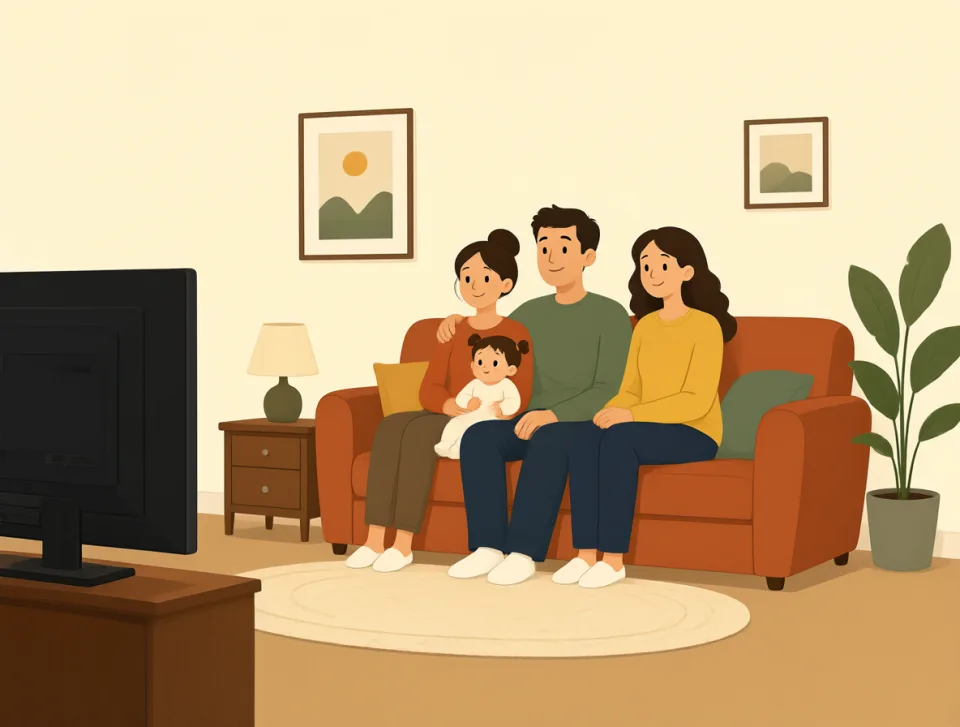
The movie ended late last night.
Фильм закончился поздно прошлой ночью.
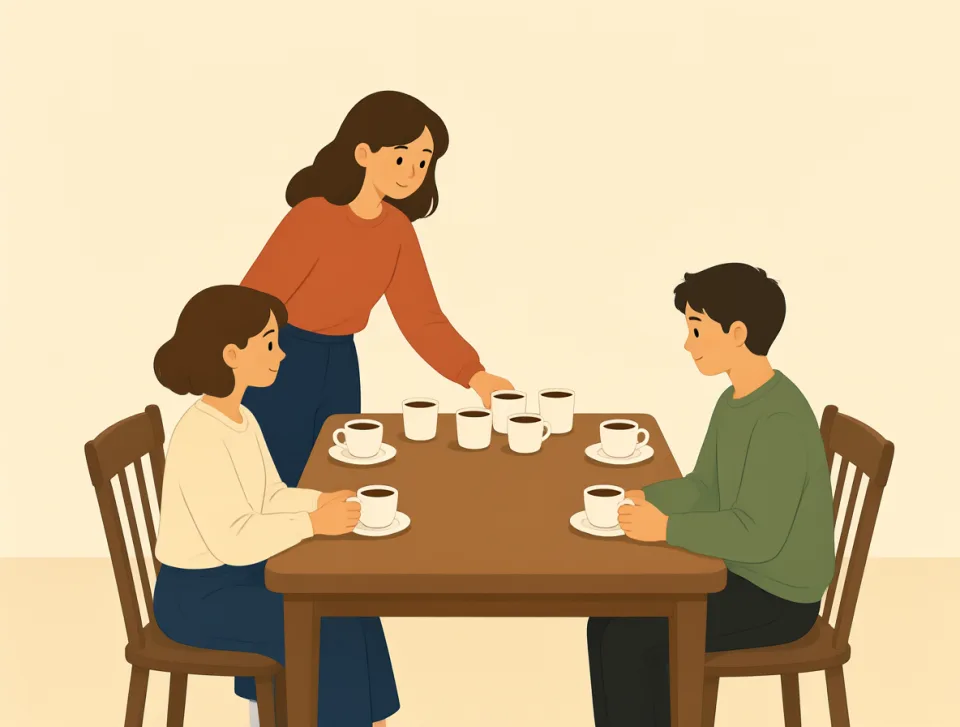
Please put the cups at the end.
Пожалуйста, поставьте чашки в конец.
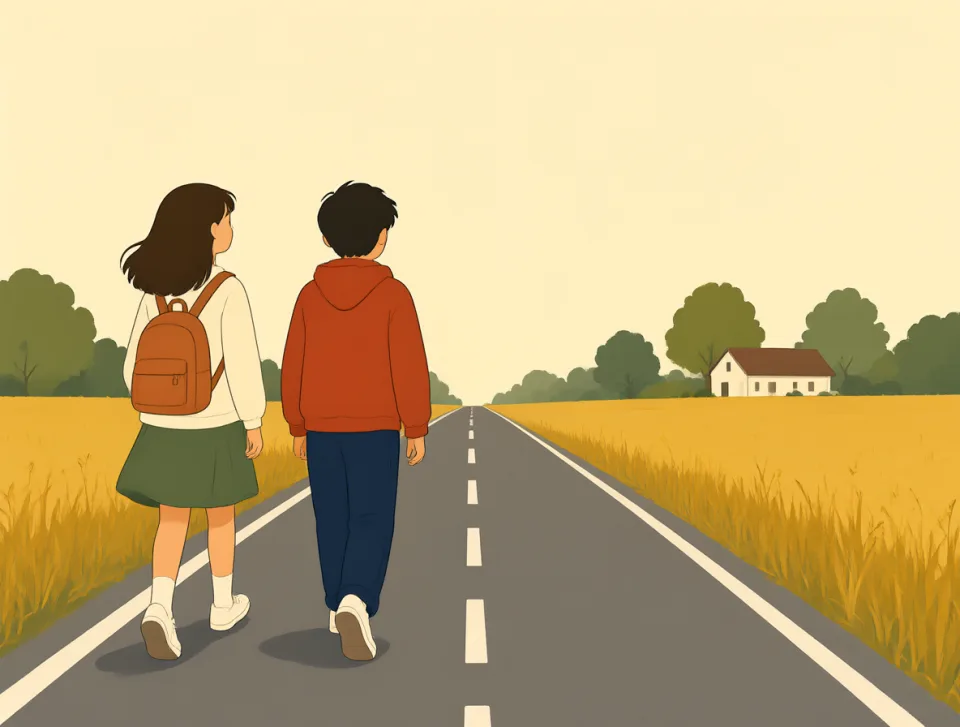
We walked to the end of the road.
Мы дошли до конца дороги.
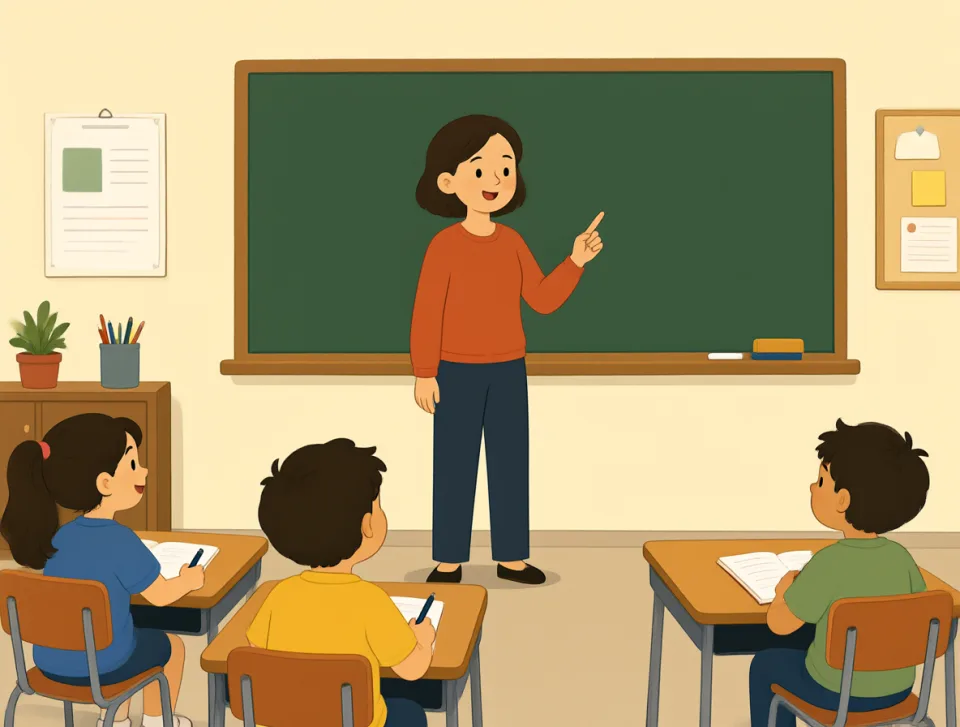
The lesson ends at three o’clock.
Урок заканчивается в три часа.

I ended my letter with a kind message.
Я закончил письмо добрыми словами.

live
#153verb, adjective, adverb
жить; прямой эфир
To have your home in a place; or happening now, in real time.
Иметь жильё в каком-либо месте; также — происходящий сейчас, в реальном времени.
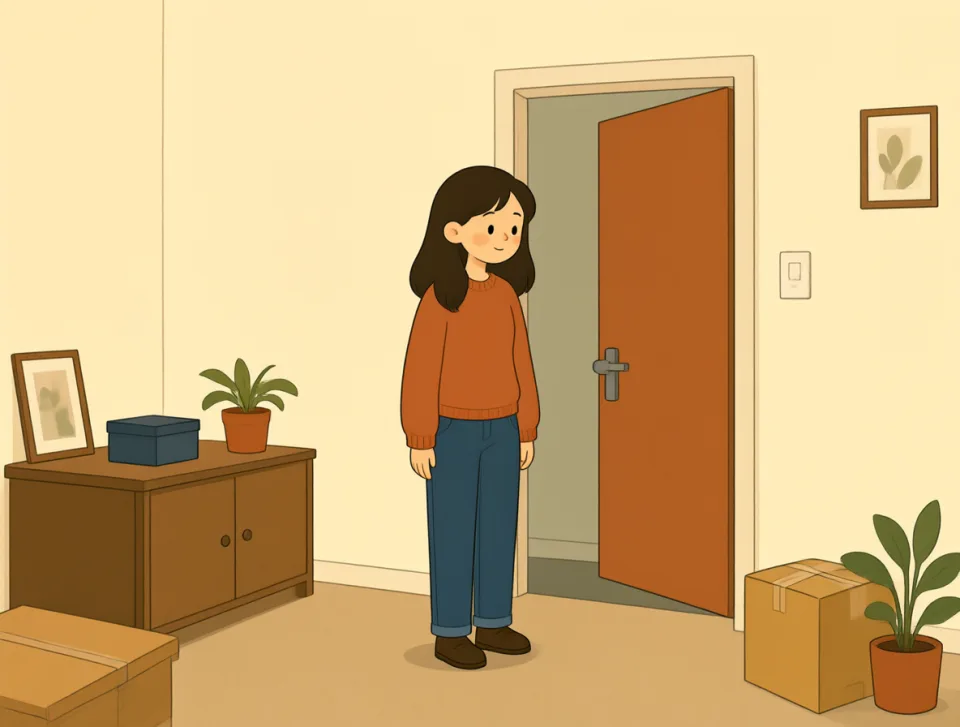
I live in a small apartment.
Я живу в небольшой квартире.

Do you live near the school?
Ты живёшь недалеко от школы?
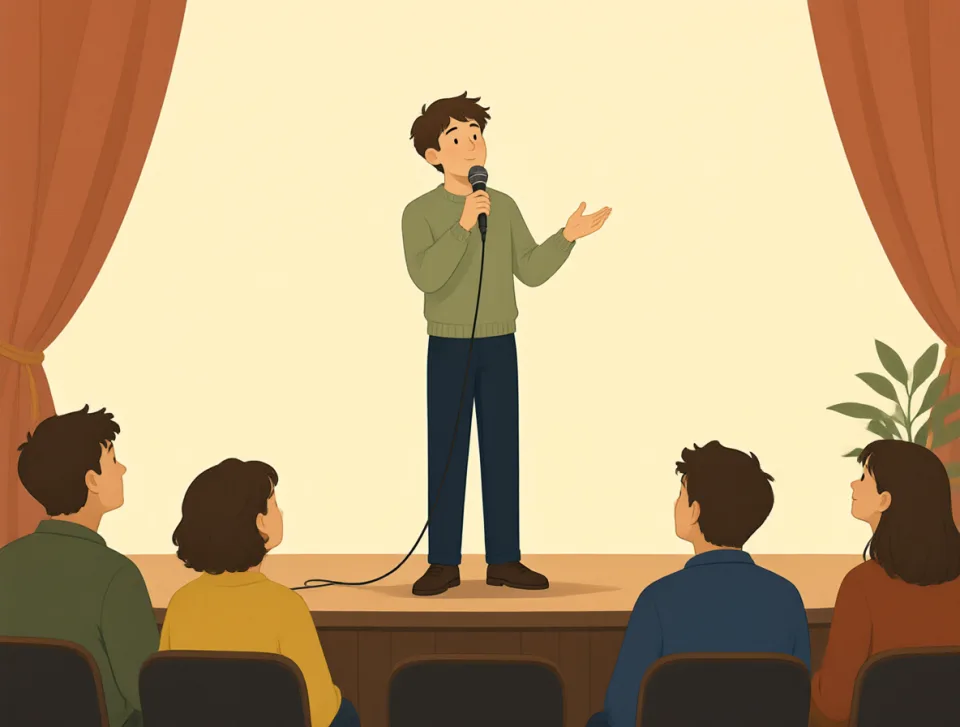
We watched a live music show.
Мы посмотрели концерт живой музыки.
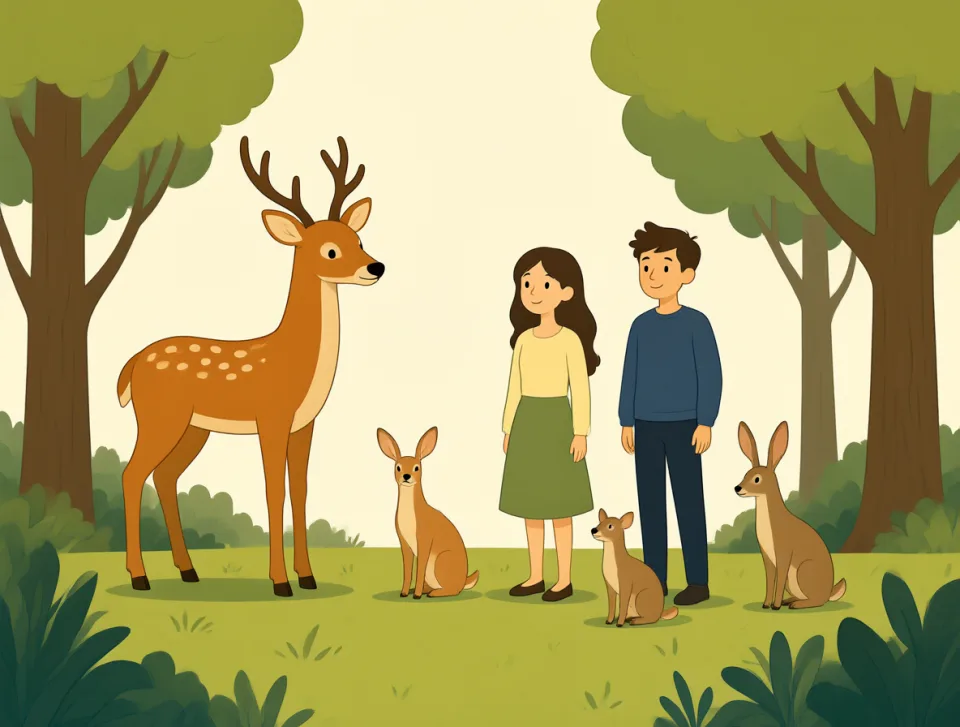
Many animals live in the forest.
В лесу живёт много животных.
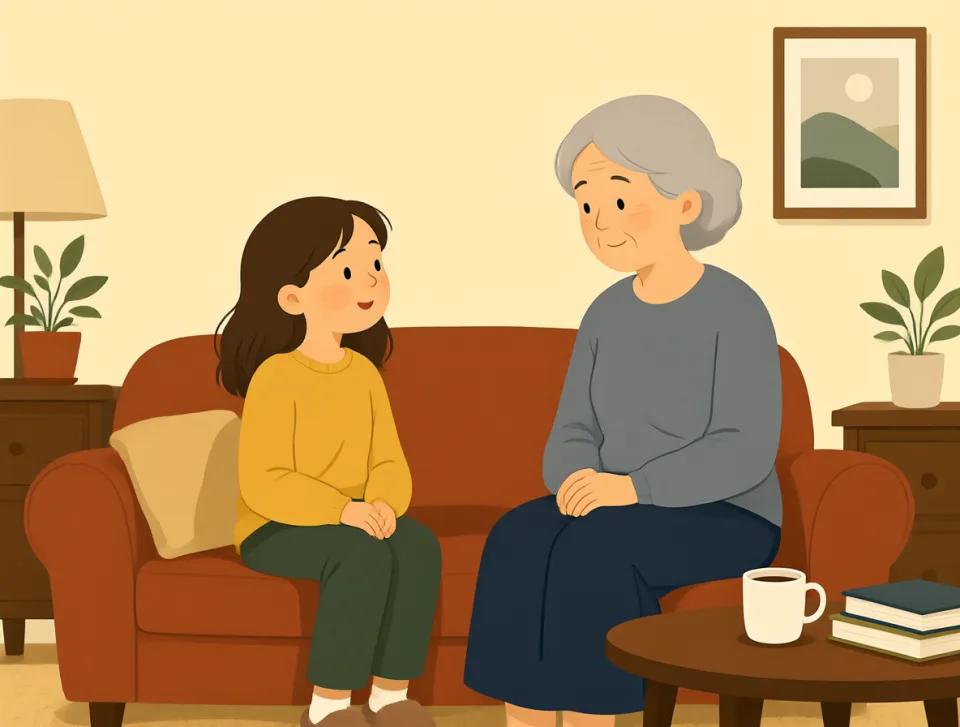
She is living with her aunt.
Она сейчас живёт у своей тёти.
why
#154adverb, noun
почему
Used to ask about or explain the reason for something.
Используется, чтобы спросить о причине чего-либо или объяснить её.
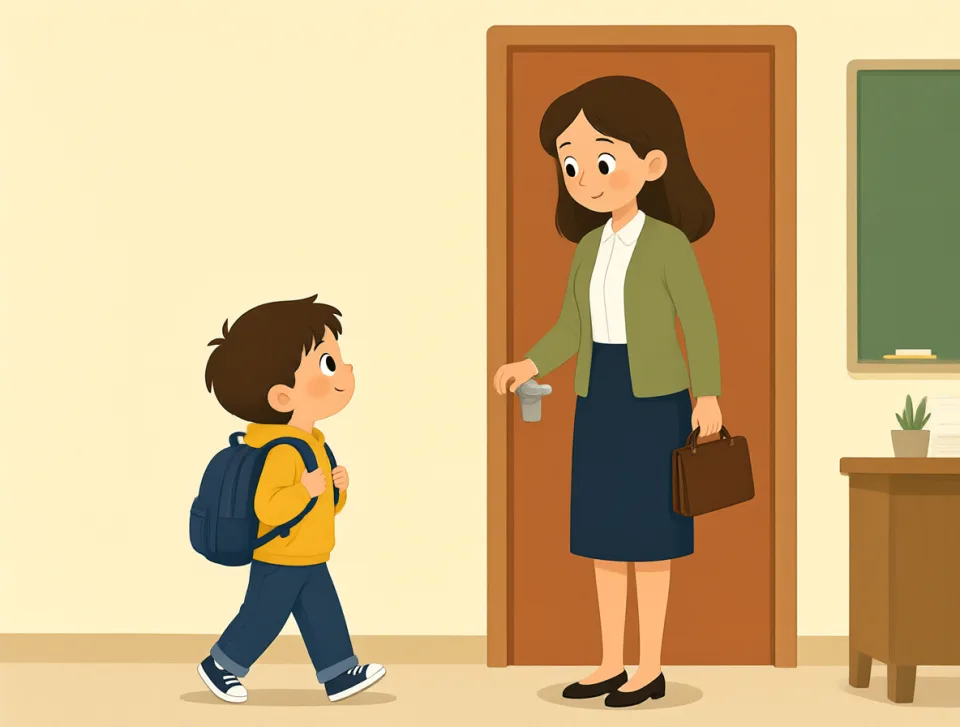
Why are you late for school?
Почему ты опаздываешь в школу?

I know why she feels tired.
Я знаю, почему она чувствует себя уставшей.

Why did you leave work early?
Почему ты ушёл с работы пораньше?

He asked why the shop was closed.
Он спросил, почему магазин был закрыт.

There is no reason why we cannot go.
Нет причин, по которым мы не можем пойти.
while
#155noun, conjunction, preposition
в течение; пока; некоторое время
a period of time; during the time that something happens
Промежуток времени; также — в то время, когда что-либо происходит.

Please wait here while I get your bag.
Пожалуйста, подожди здесь, пока я принесу твою сумку.

She listened to music while cooking dinner.
Она слушала музыку, пока готовила ужин.
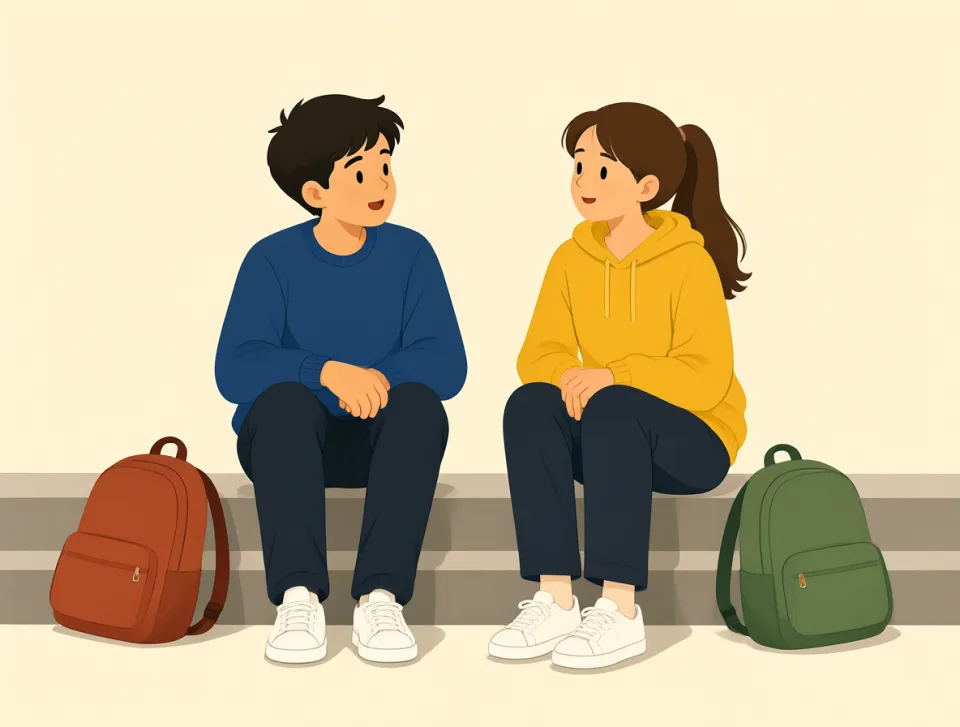
We talked for a while after school.
После школы мы некоторое время разговаривали.

He read a book while waiting for the train.
Он читал книгу, пока ждал поезд.
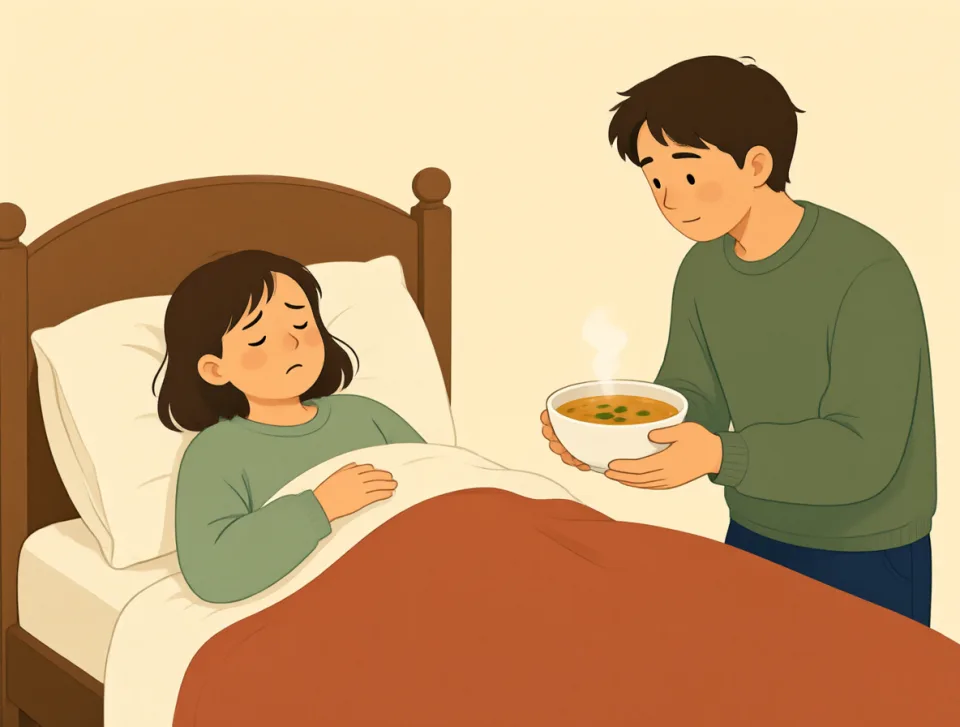
While I was sick, my friend brought soup.
Пока я болел, мой друг принёс мне суп.

world
#156noun
мир
the Earth and all its people, countries, and places
Земля и все её жители, страны и места.

People around the world enjoy music.
Люди по всему миру любят музыку.
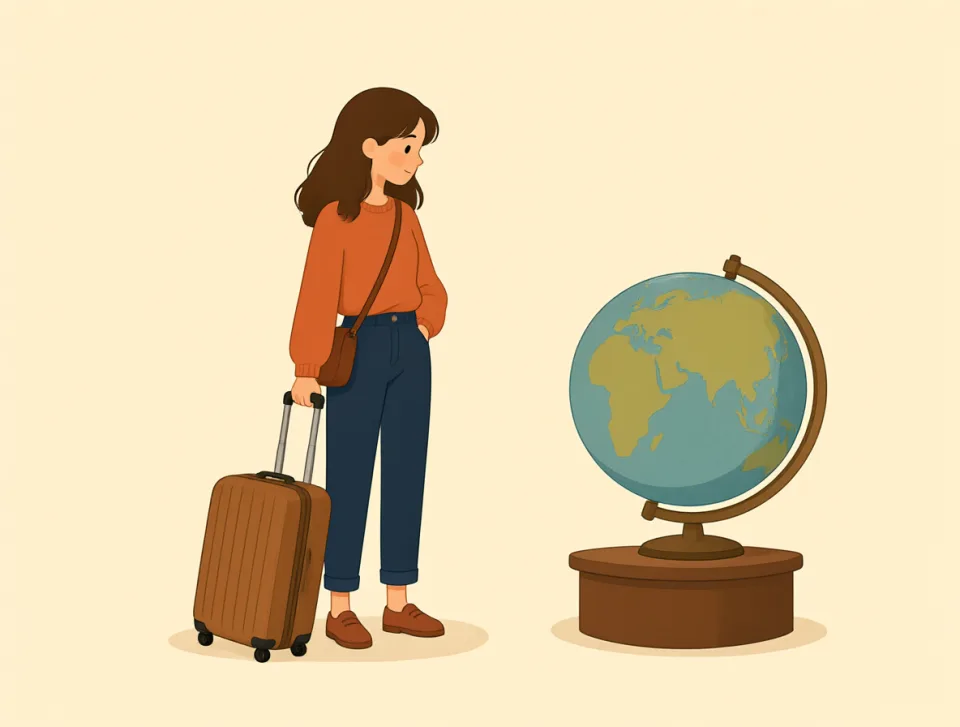
She wants to travel the world.
Она хочет объехать весь мир.

The whole world watched the game.
Весь мир смотрел эту игру.
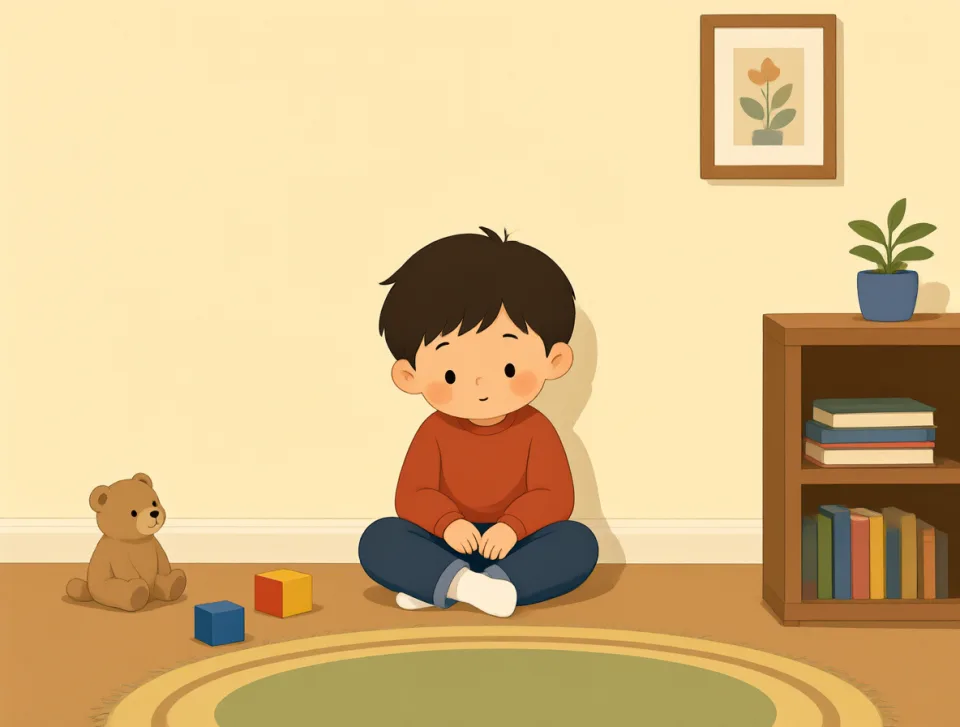
He lives in a small world.
Он живёт в своём маленьком мире.

World history is my favorite school subject.
История мира — мой любимый школьный предмет.

week
#157noun
неделя
A period of seven days, from one day to the same day the next week.
Период из семи дней: от одного дня до того же дня следующей недели.

I visit my parents every week.
Я навещаю родителей каждую неделю.
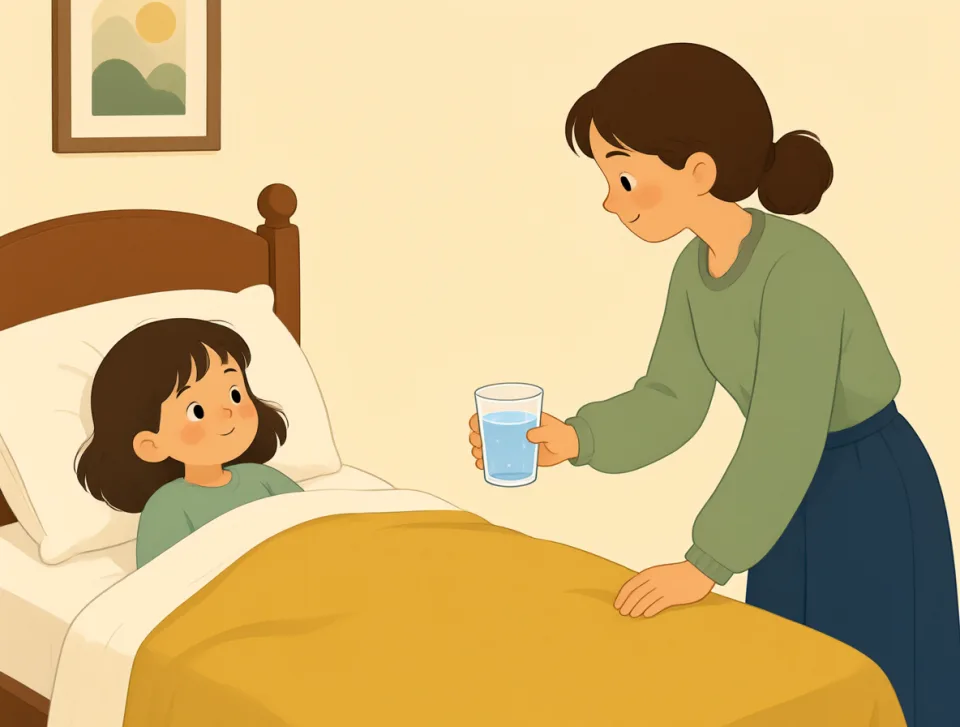
She was sick last week.
На прошлой неделе она болела.

We have a team meeting this week.
На этой неделе у нас будет командное собрание.
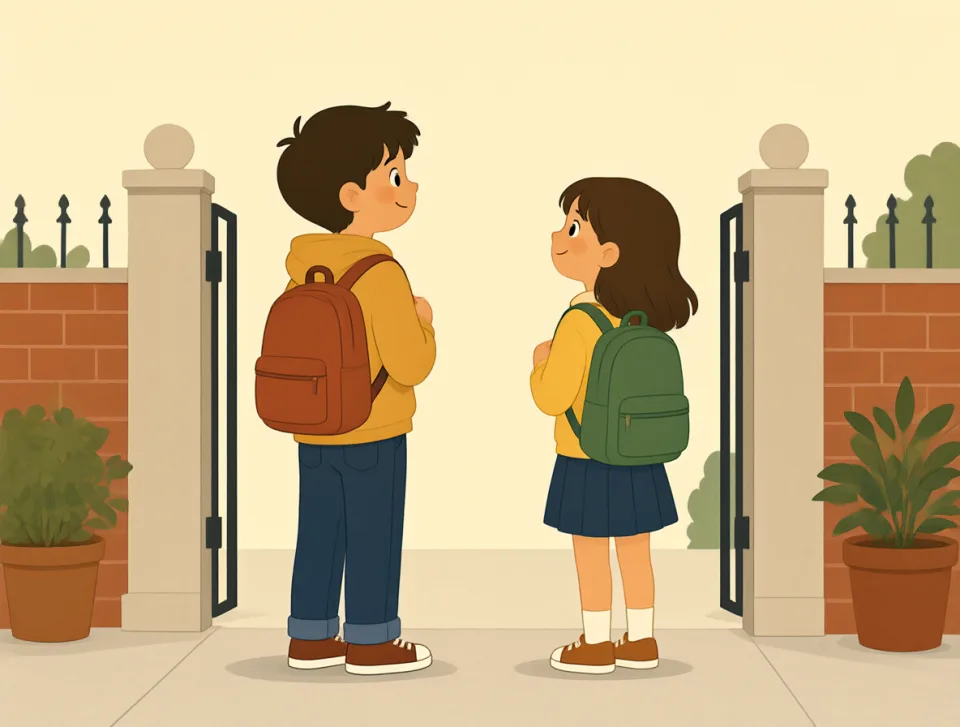
The children start school next week.
На следующей неделе дети пойдут в школу.

We are traveling to Spain in two weeks.
Через две недели мы едем в Испанию.
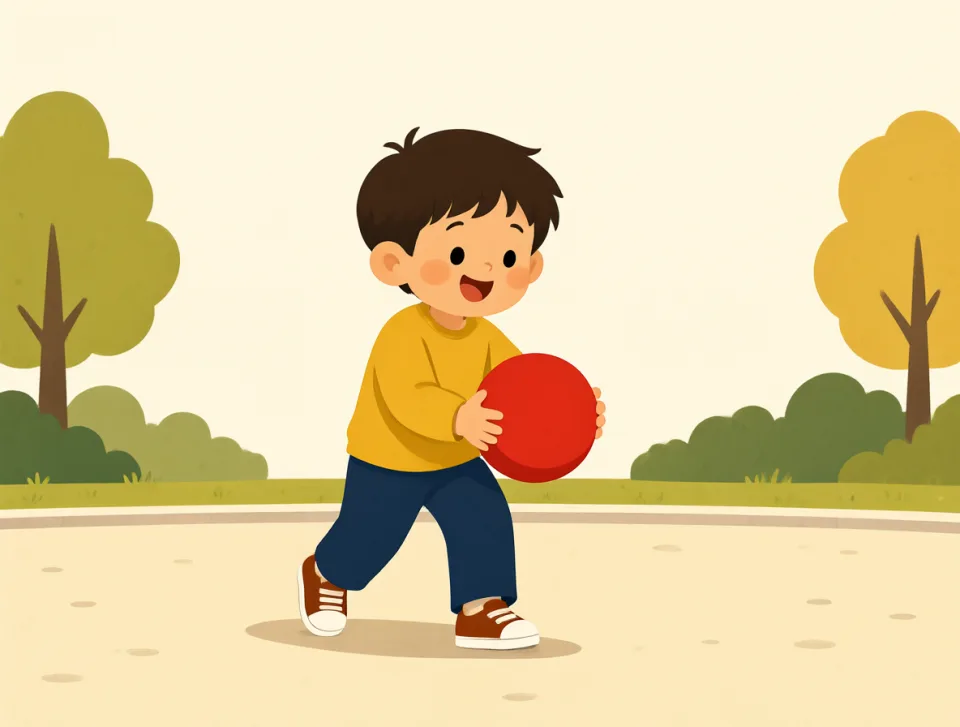
play
#158verb, noun
играть
to do something for fun, or to act in a show
Заниматься чем-либо ради удовольствия или исполнять роль в спектакле.
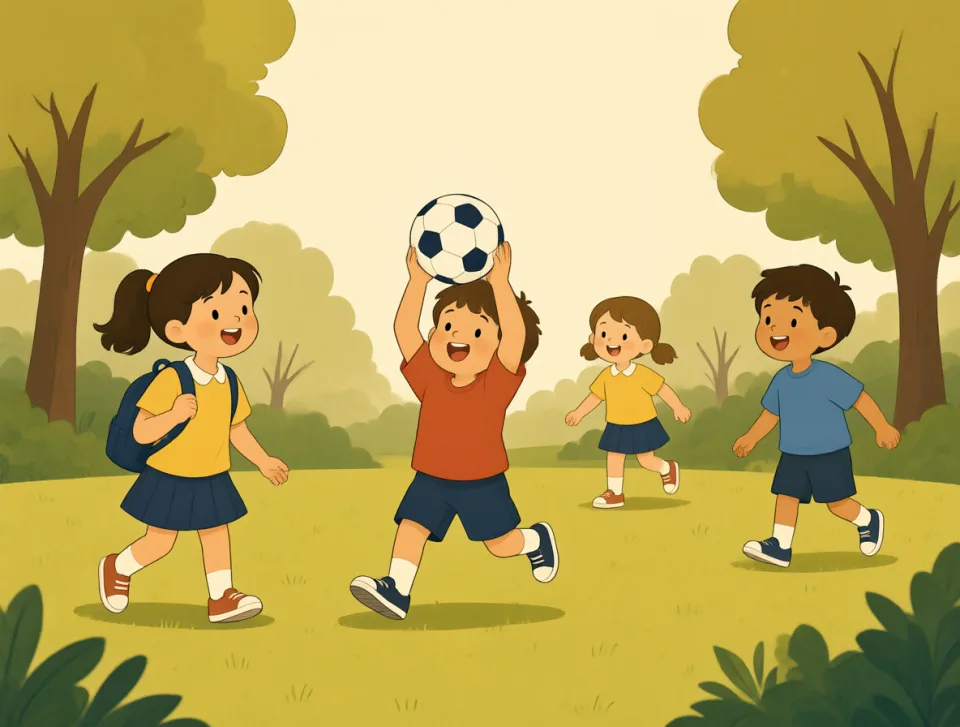
The children play outside after school.
Дети играют на улице после школы.
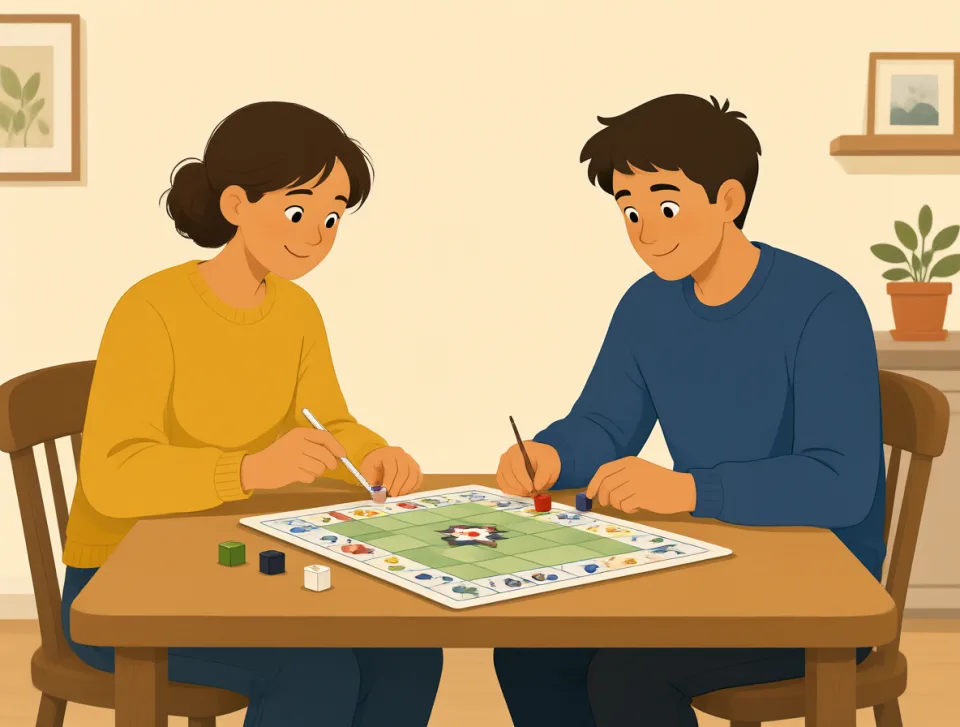
We played a game at home.
Мы сыграли в игру дома.
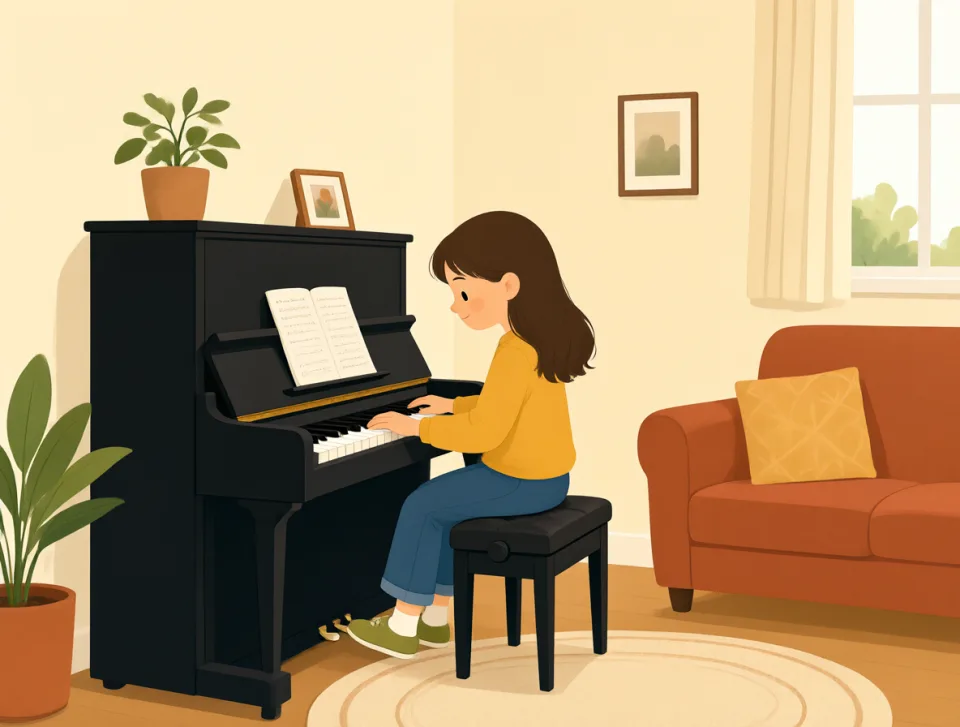
She plays the piano every morning.
Она играет на пианино каждое утро.
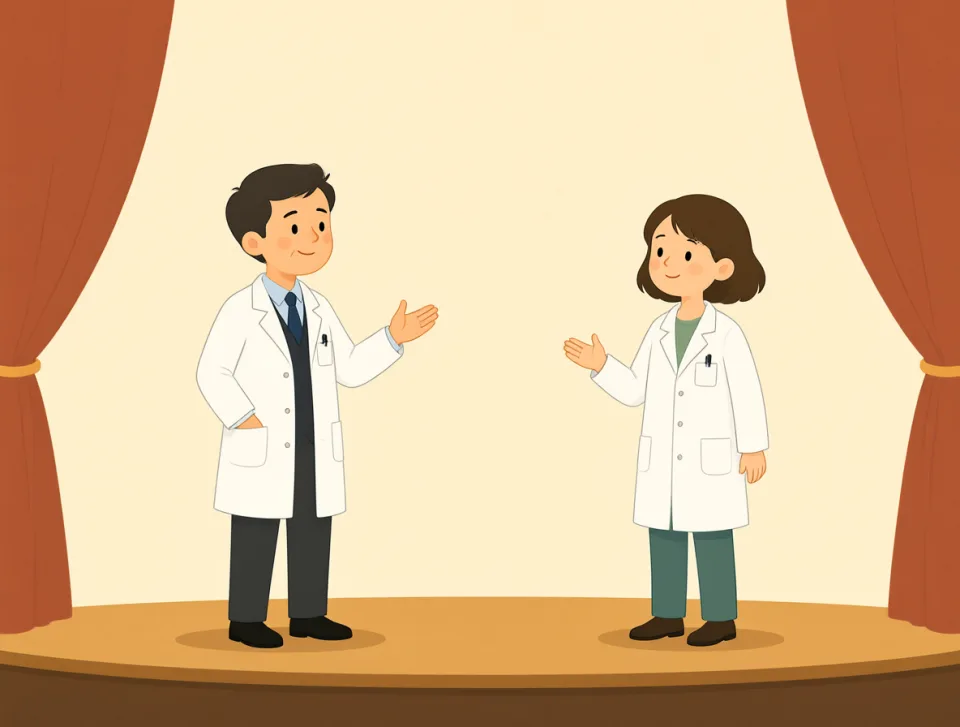
The actors play doctors in the show.
В спектакле актёры играют врачей.
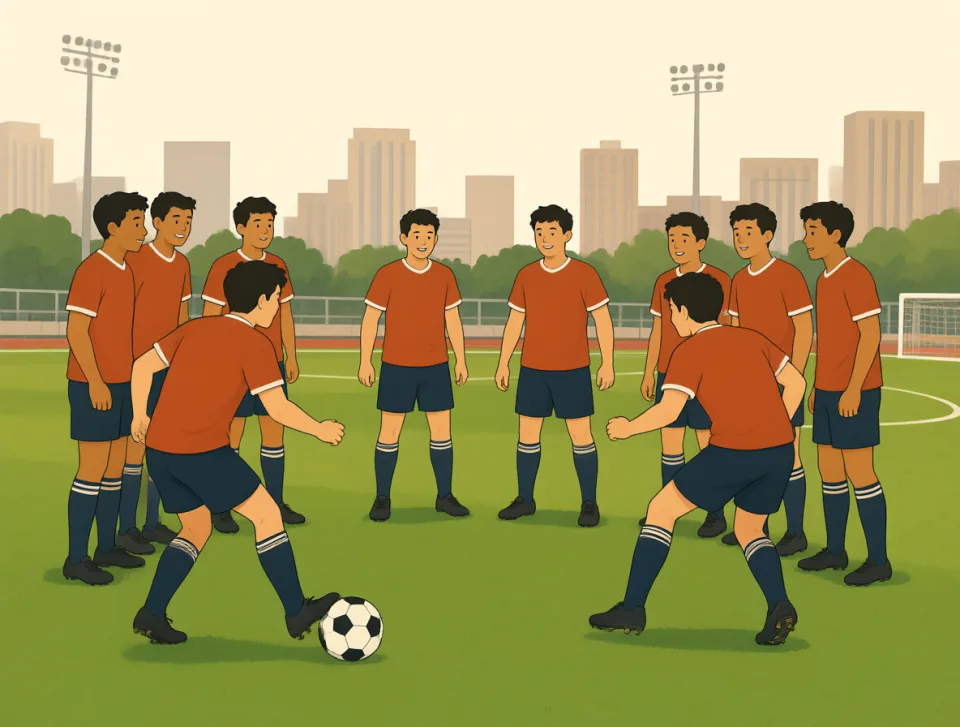
Our team plays in London tomorrow.
Завтра наша команда играет в Лондоне.
might
#159modal verb, noun
мочь; возможно
Used to say something is possible or to ask permission politely.
Употребляется, чтобы сказать, что что-либо возможно, или вежливо попросить разрешения.
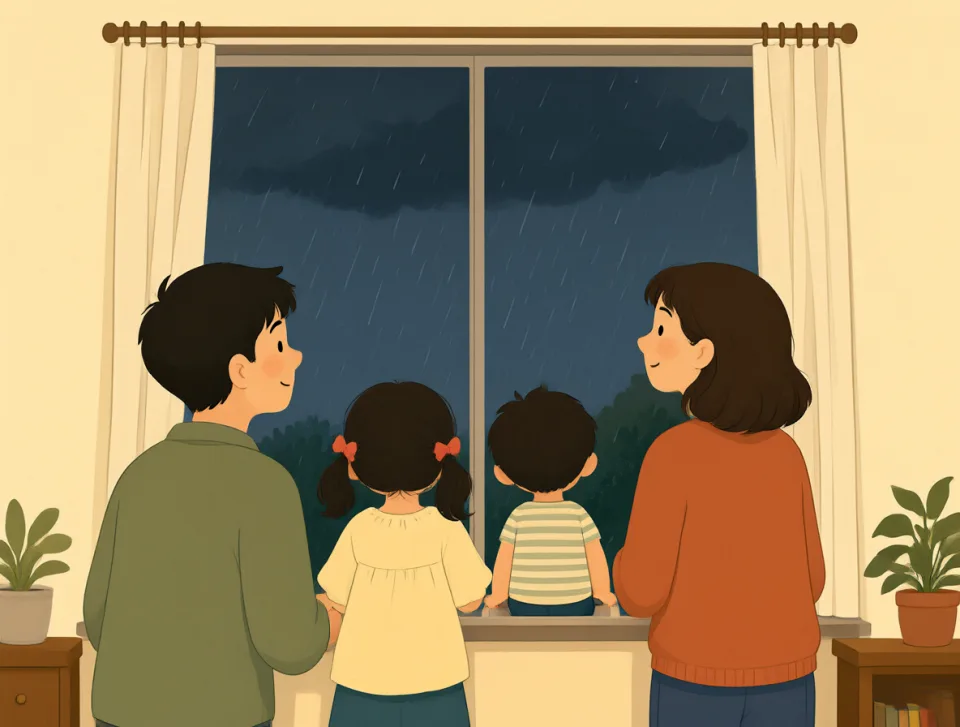
It might rain this afternoon.
Сегодня после обеда может пойти дождь.

I might go shopping after work.
Возможно, после работы я пойду за покупками.

Might I use your phone, please?
Можно мне воспользоваться вашим телефоном, пожалуйста?

You might like this new restaurant.
Возможно, тебе понравится этот новый ресторан.

She might be sick today.
Возможно, сегодня она болеет.
must
#160verb, noun
должен; необходимо
To be necessary or required; something that you need to do or have.
Быть необходимым или обязательным; то, что нужно сделать или иметь.
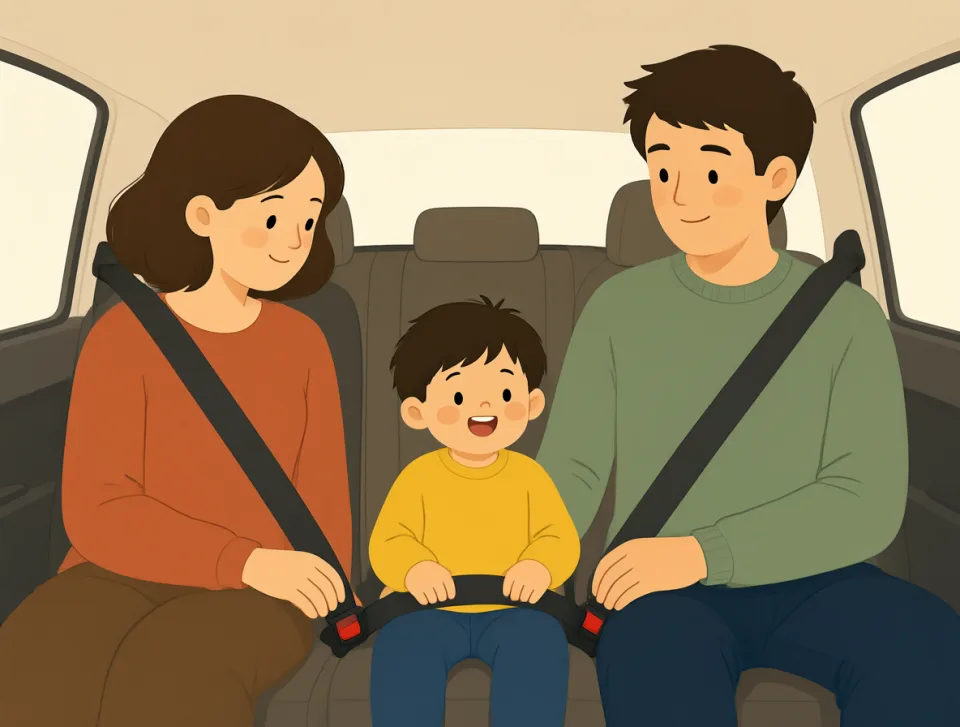
You must wear a seat belt.
Вы должны пристегнуть ремень безопасности.

We must leave home at seven.
Нам нужно выйти из дома в семь.
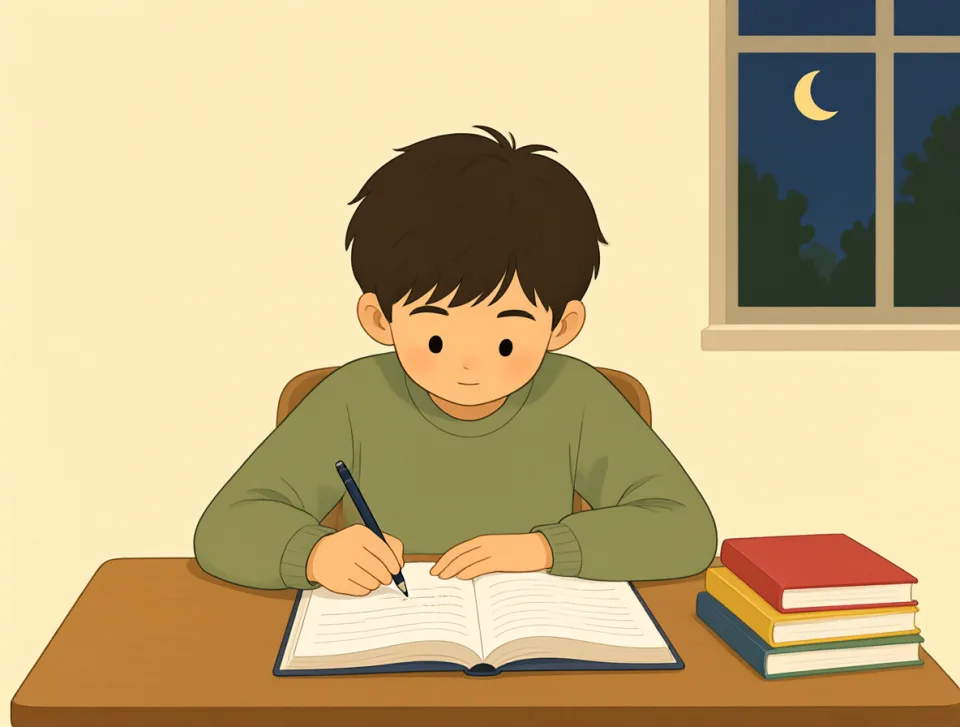
Students must finish their homework tonight.
Ученики должны закончить домашнее задание сегодня вечером.

You must try this chocolate cake.
Ты обязательно должен попробовать этот шоколадный торт.

I must see a doctor about my cough.
Мне нужно сходить к врачу из-за кашля.