इकाई 8
शब्द 141–160 · become, interest, country, old, each, school
become
#141verb
बनना
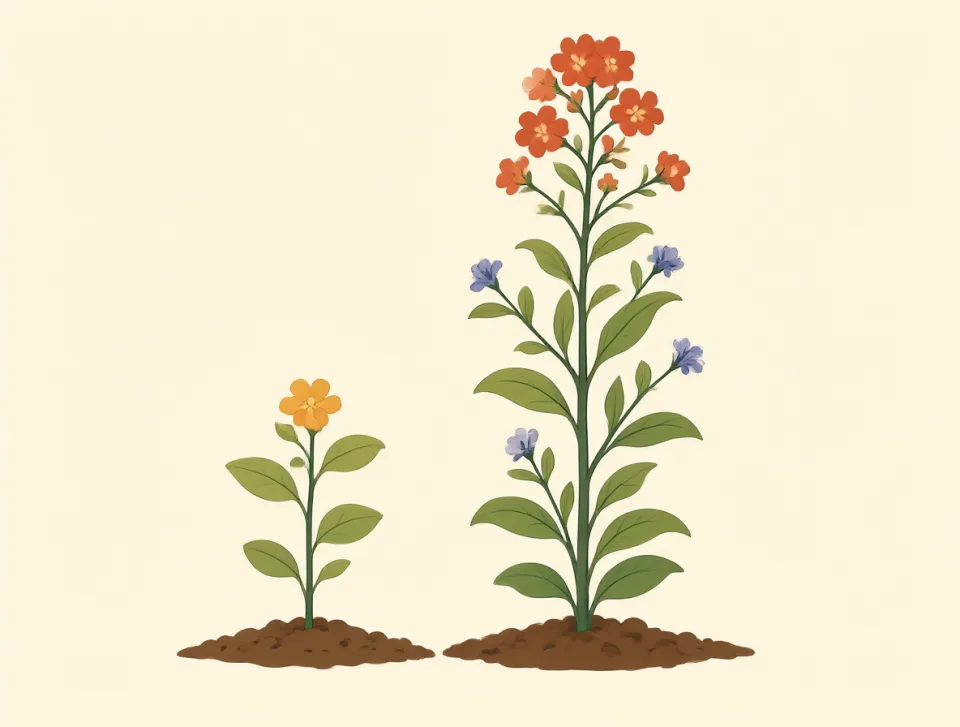
to start to be something or change into a different state
किसी चीज़ के रूप में होना शुरू होना या किसी दूसरी अवस्था में बदल जाना।

She wants to become a doctor someday.
वह किसी दिन डॉक्टर बनना चाहती है।

The weather became cold after sunset.
सूरज डूबने के बाद मौसम ठंडा हो गया।
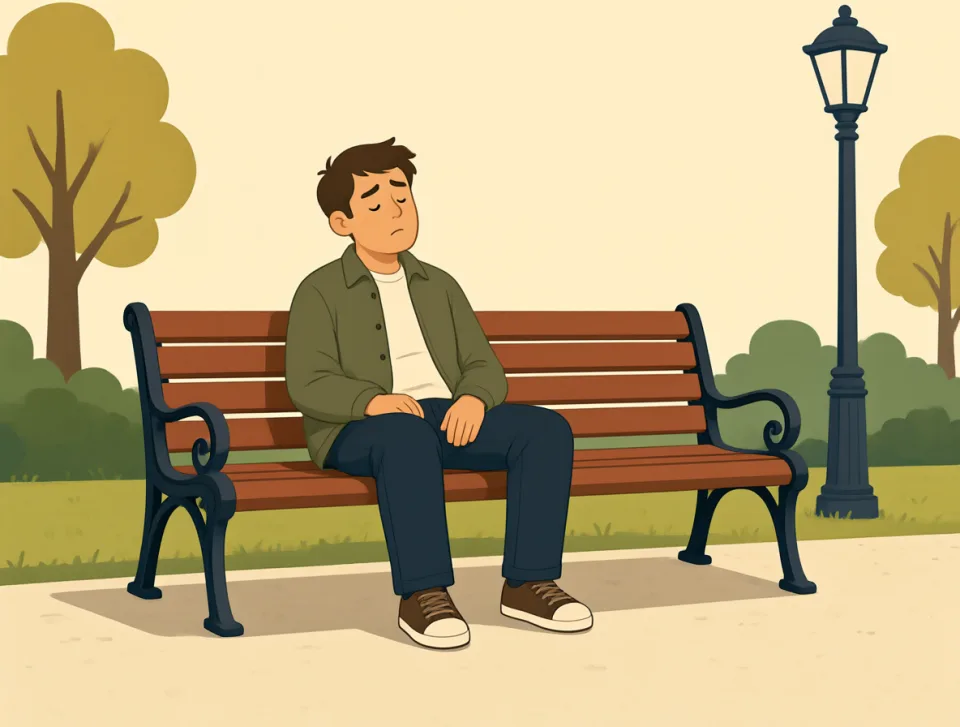
He became tired after the long walk.
लंबी सैर के बाद वह थक गया।
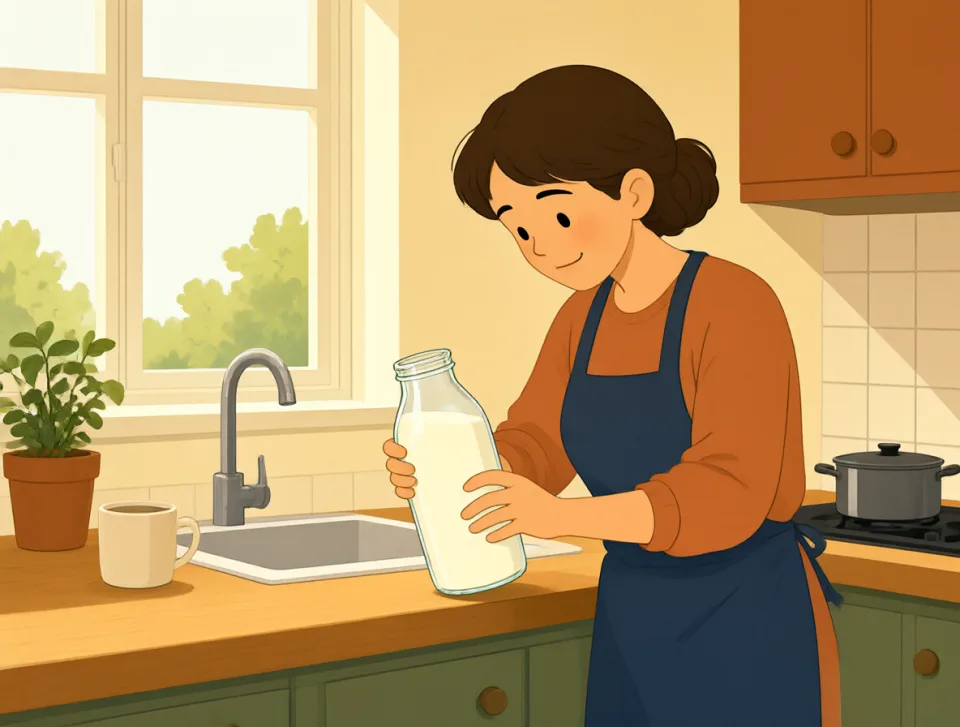
The milk became sour in the heat.
गर्मी में दूध खट्टा हो गया।
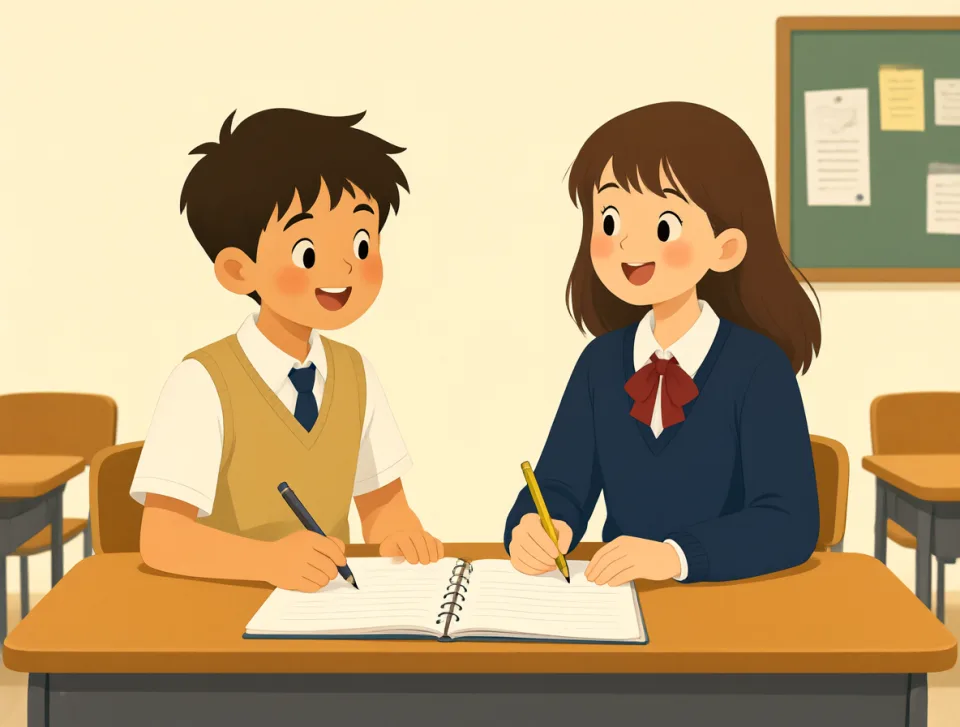
They became good friends at school.
वे स्कूल में अच्छे दोस्त बन गए।
interest
#142noun, verb
रुचि; ब्याज
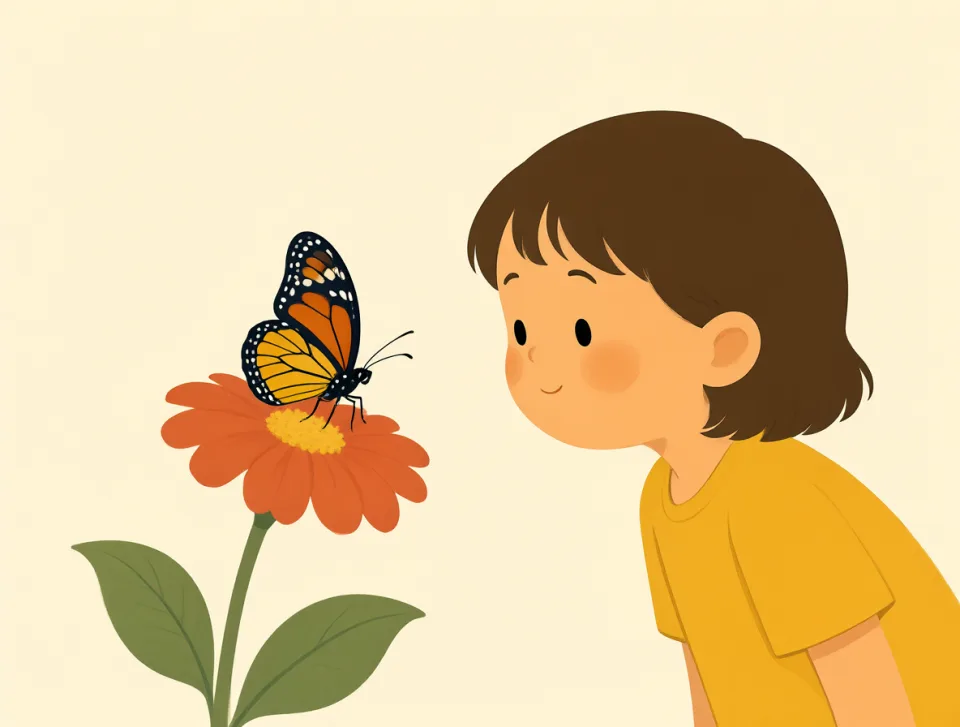
A feeling of wanting to know or learn about something; to make someone curious.
किसी चीज़ के बारे में जानने या सीखने की इच्छा; किसी में जिज्ञासा जगाना।
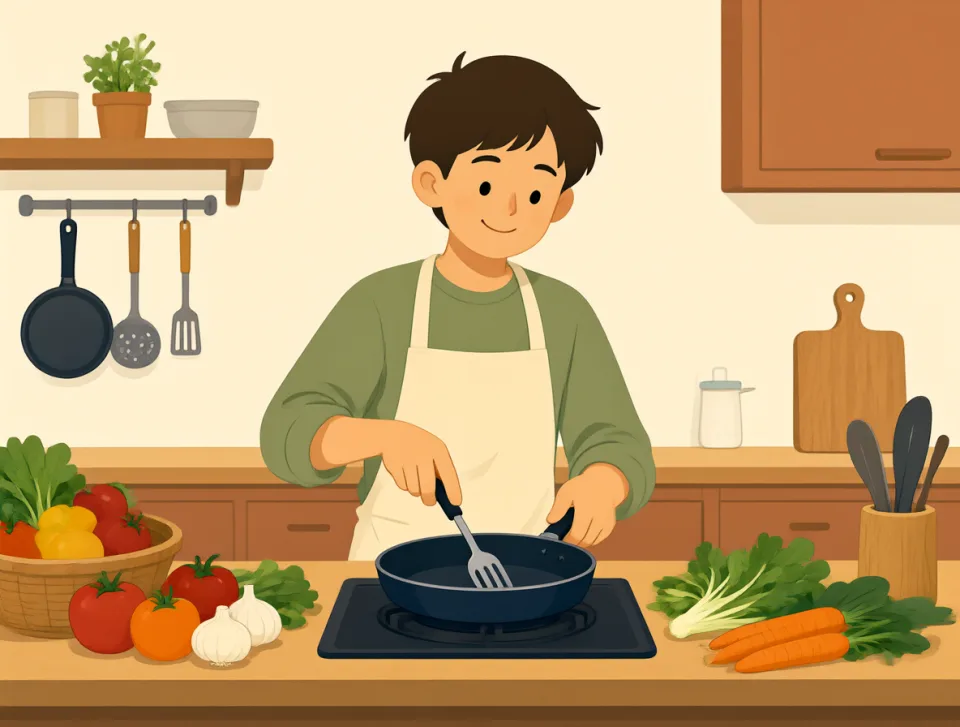
I have a strong interest in cooking.
मुझे खाना पकाने में बहुत दिलचस्पी है।

She showed interest in the new job.
उसने नई नौकरी में दिलचस्पी दिखाई।
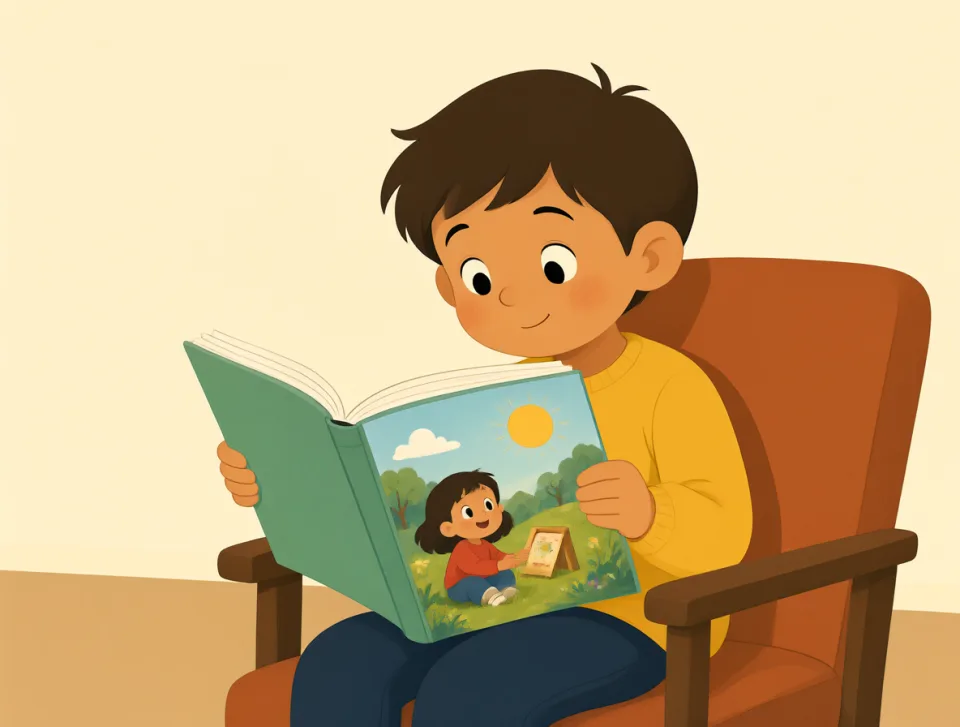
The book caught my interest quickly.
उस किताब ने तुरंत मेरी रुचि जगा दी।
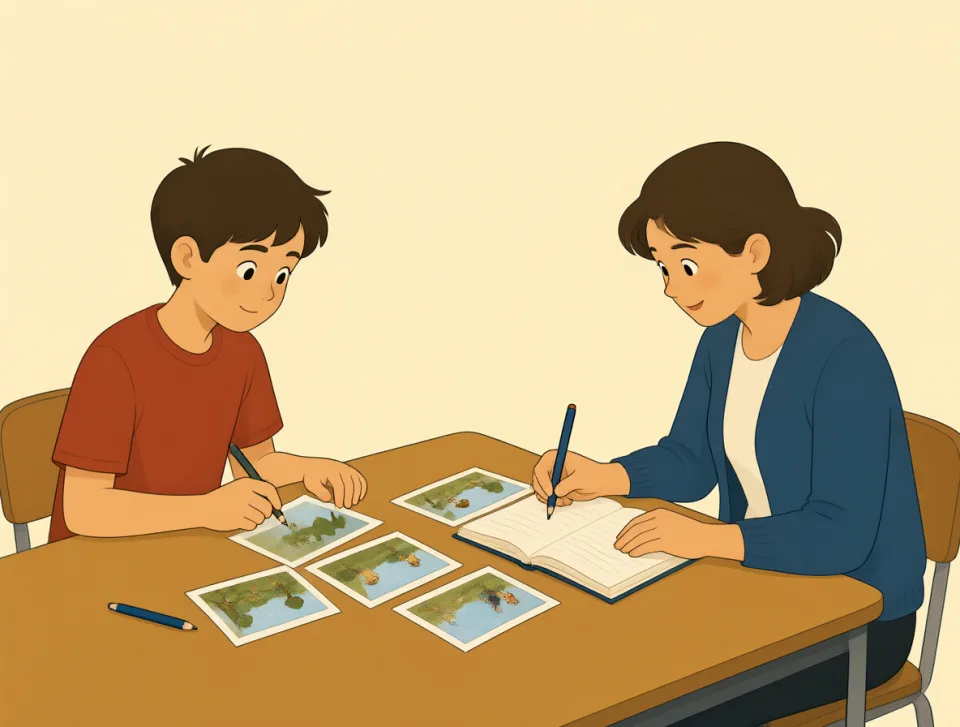
He is interested in learning Spanish.
उसे स्पैनिश सीखने में दिलचस्पी है।
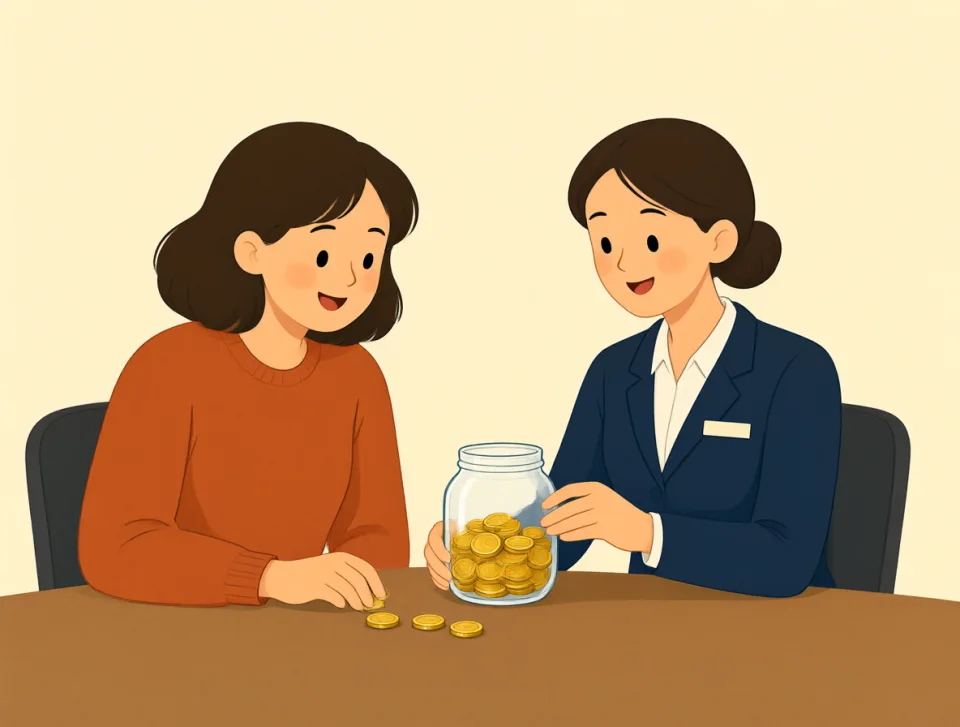
The bank pays interest on savings.
बैंक बचत पर ब्याज देता है।
country
#143noun
देश; ग्रामीण इलाका
A nation with its own government, land, and people.
अपनी सरकार, ज़मीन और लोगों वाला राष्ट्र।
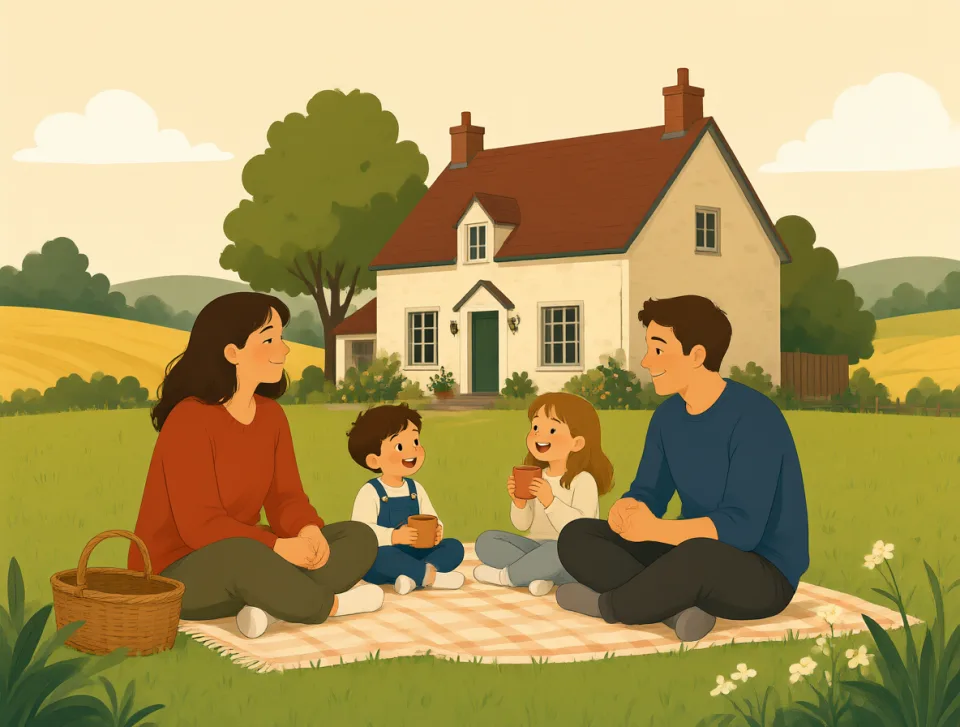
She lives in the country with her family.
वह अपने परिवार के साथ गाँव में रहती है।

I want to visit another country this summer.
मैं इस गर्मी में किसी दूसरे देश जाना चाहता हूँ।
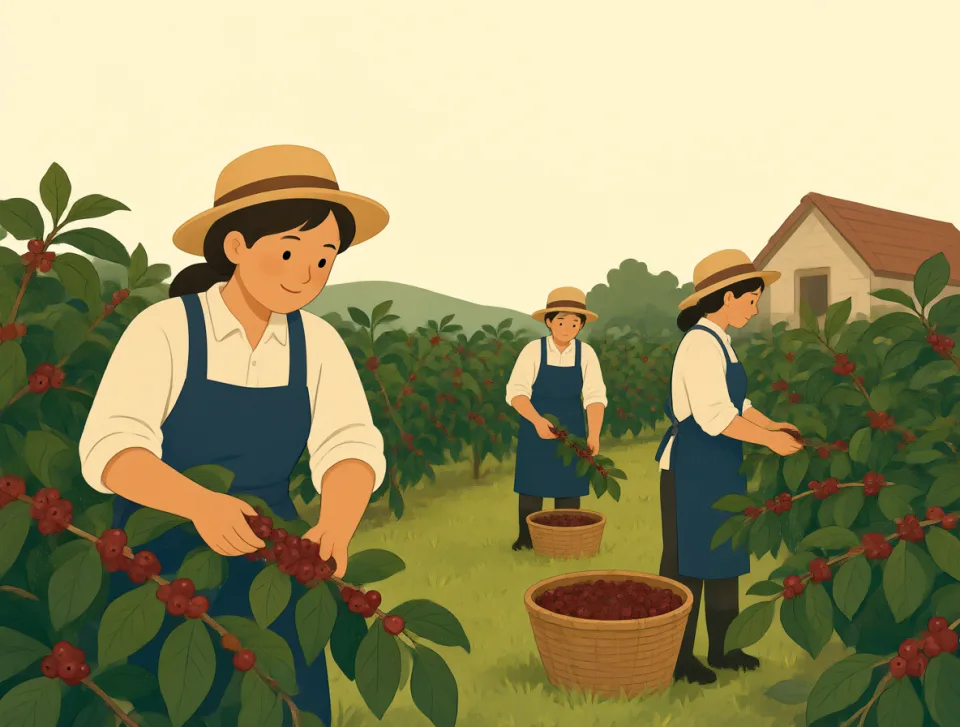
This country produces much of the world's coffee.
यह देश दुनिया की कॉफ़ी का बड़ा हिस्सा पैदा करता है।
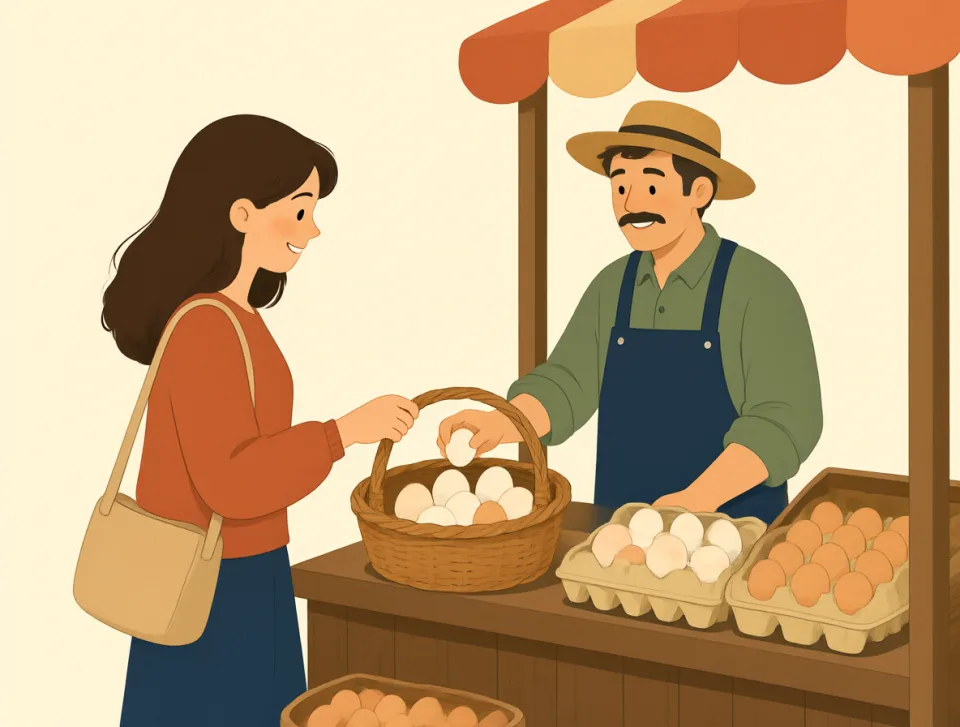
We bought fresh eggs from the country.
हमने गाँव से ताज़े अंडे खरीदे।
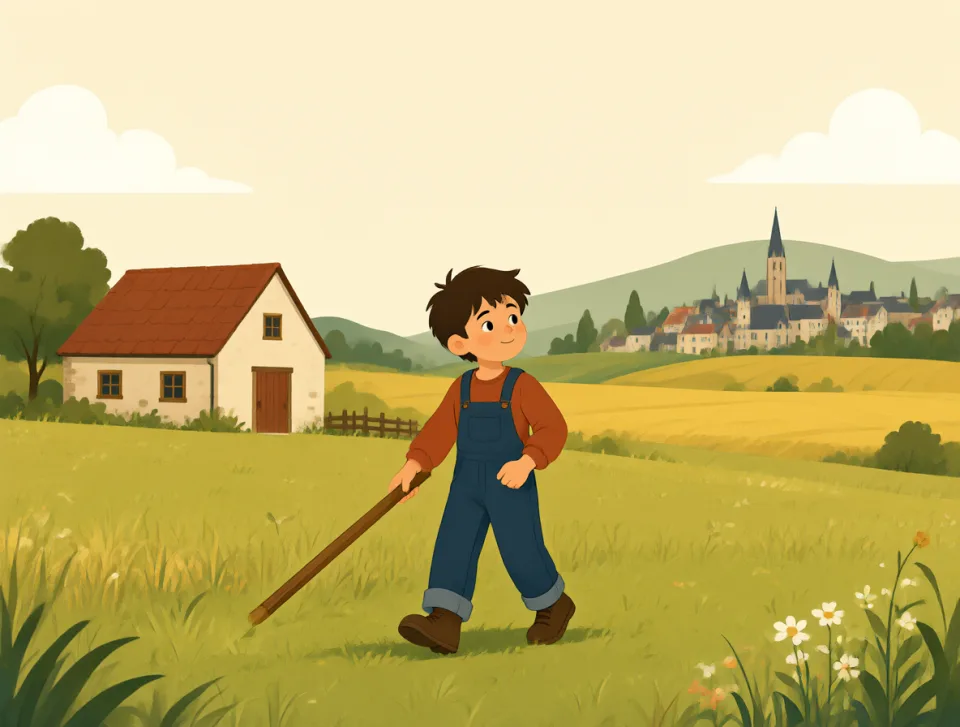
He grew up in the country near a small town.
वह एक छोटे शहर के पास देहात में बड़ा हुआ।
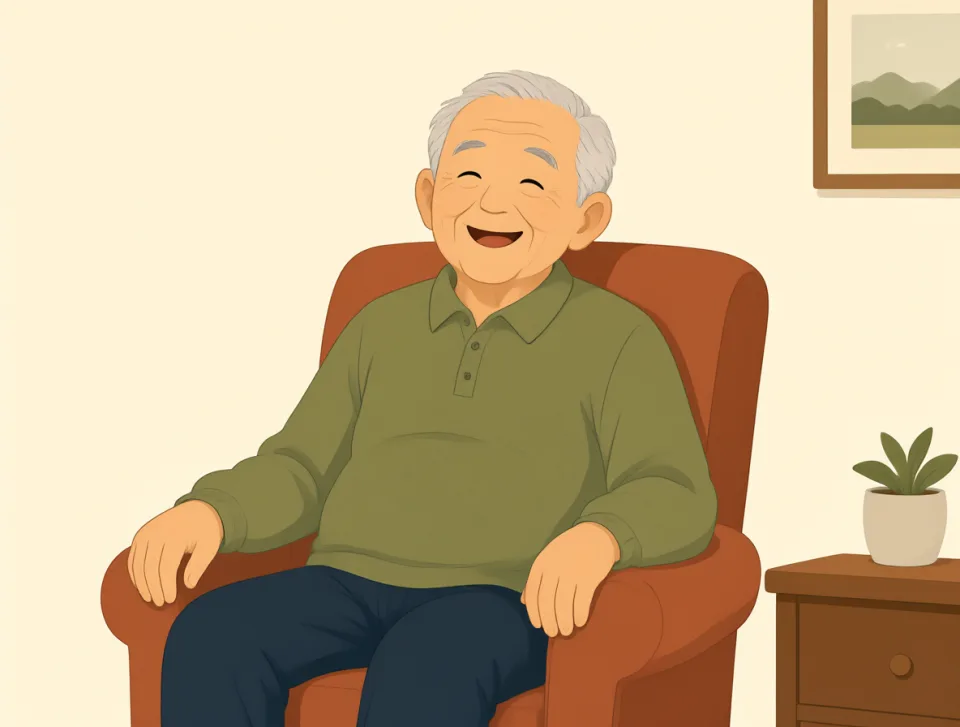
old
#144adjective, noun
पुराना; बूढ़ा
having lived for many years; belonging to a time long ago
कई सालों से जीवित; या पुराने समय का।
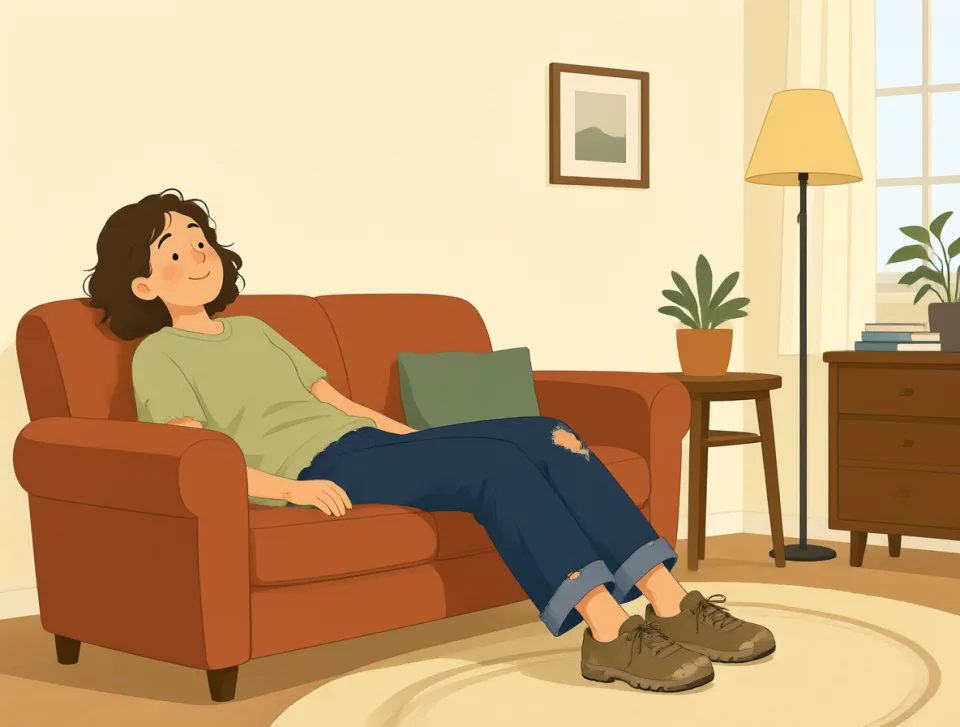
My old shoes are very comfortable.
मेरे पुराने जूते बहुत आरामदायक हैं।
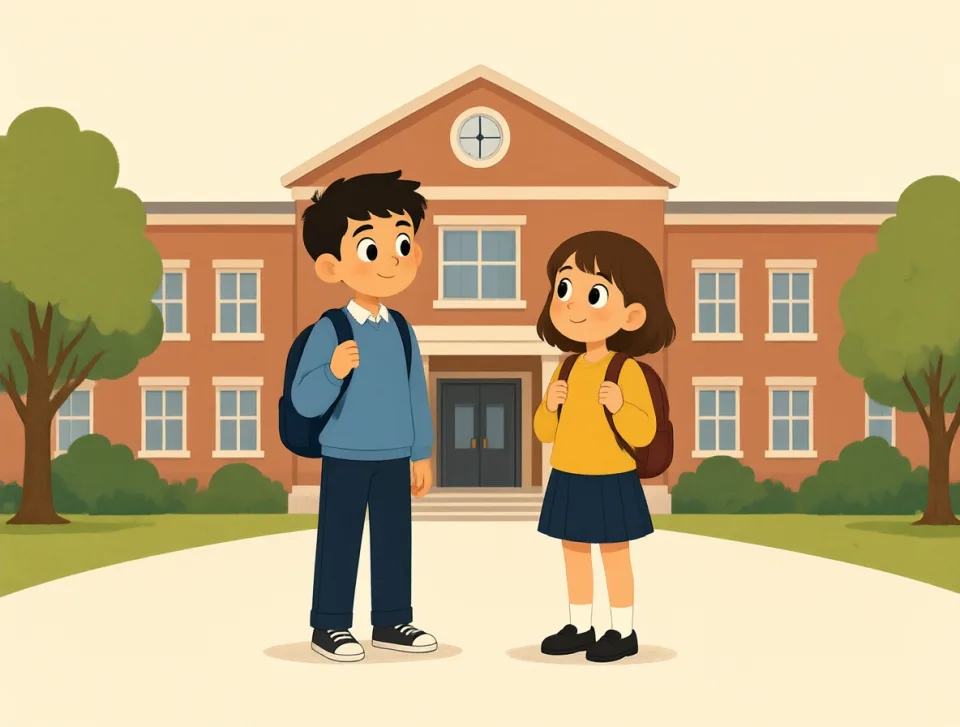
We visited my old school yesterday.
हम कल मेरे पुराने स्कूल गए थे।
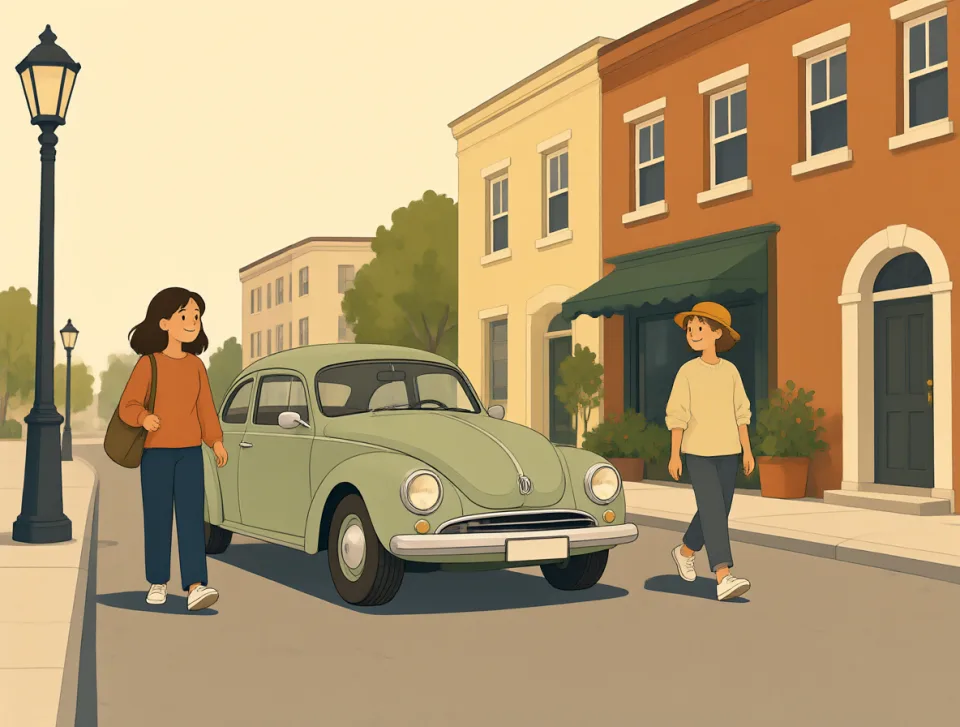
That old car still works well.
वह पुरानी कार अब भी अच्छी तरह चलती है।
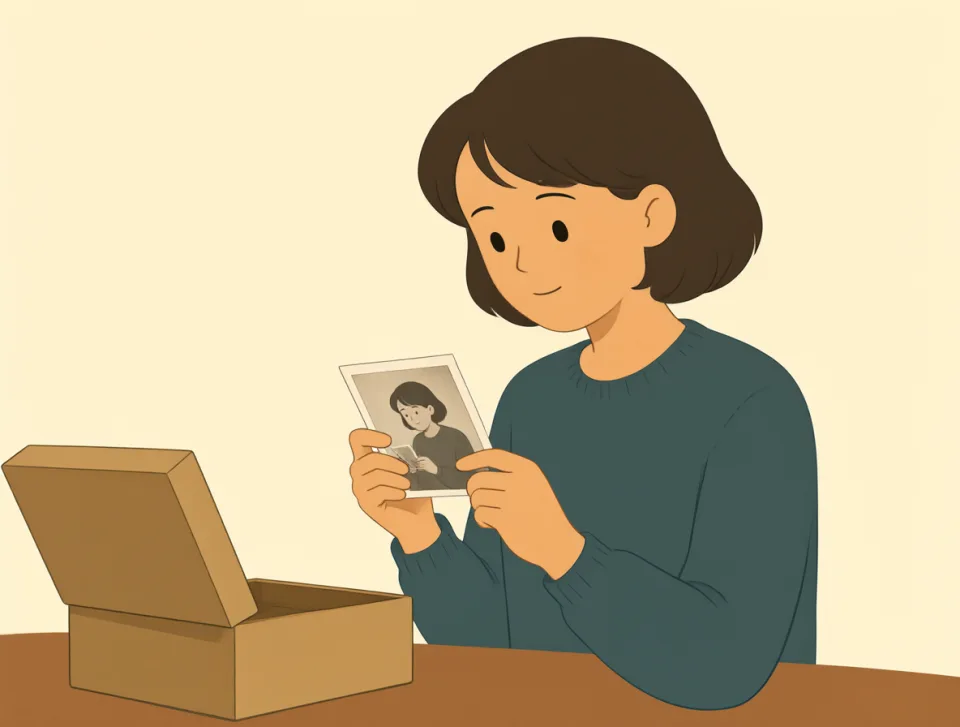
I found an old photo in a box.
मुझे एक डिब्बे में पुरानी तस्वीर मिली।
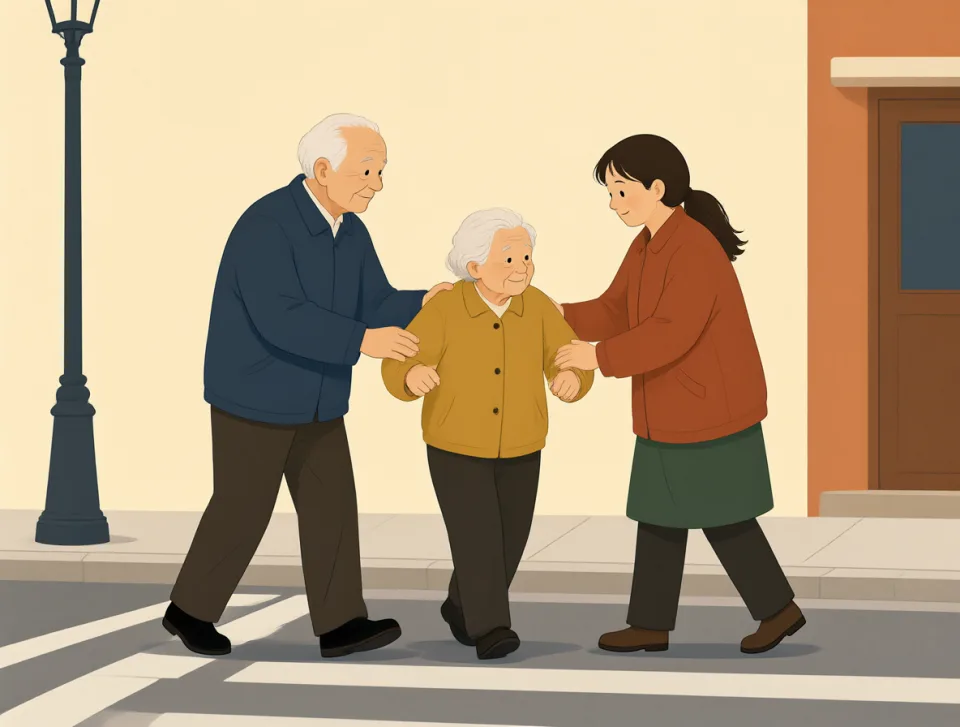
The old man needs help crossing the street.
बूढ़े आदमी को सड़क पार करने में मदद चाहिए।
each
#145determiner, pronoun
हर एक; प्रत्येक
Every one of two or more people or things, considered separately.
दो या दो से ज़्यादा लोगों या चीज़ों में से हर एक को अलग-अलग मानना।
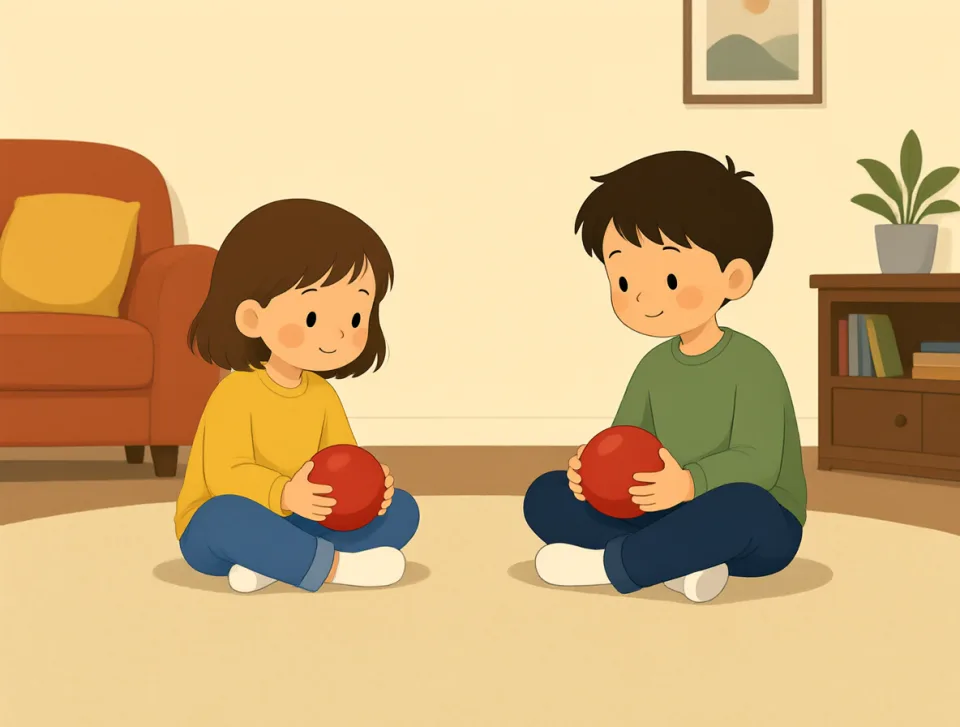
Each child has a small red ball.
हर बच्चे के पास एक छोटी लाल गेंद है।
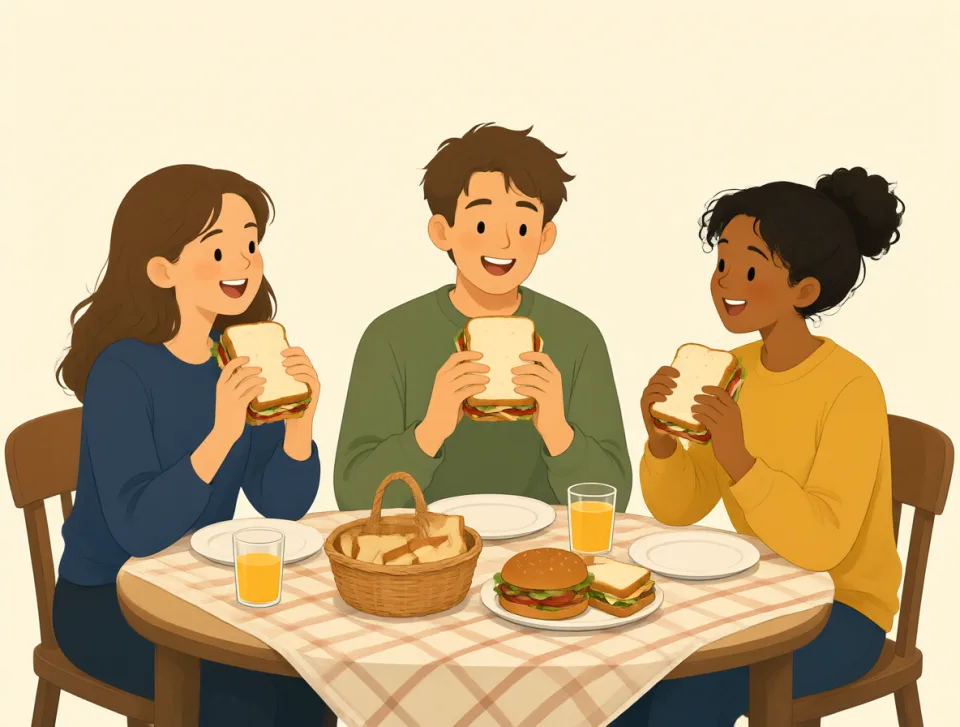
We each brought a sandwich for lunch.
हम में से हर कोई दोपहर के खाने के लिए एक सैंडविच लाया।
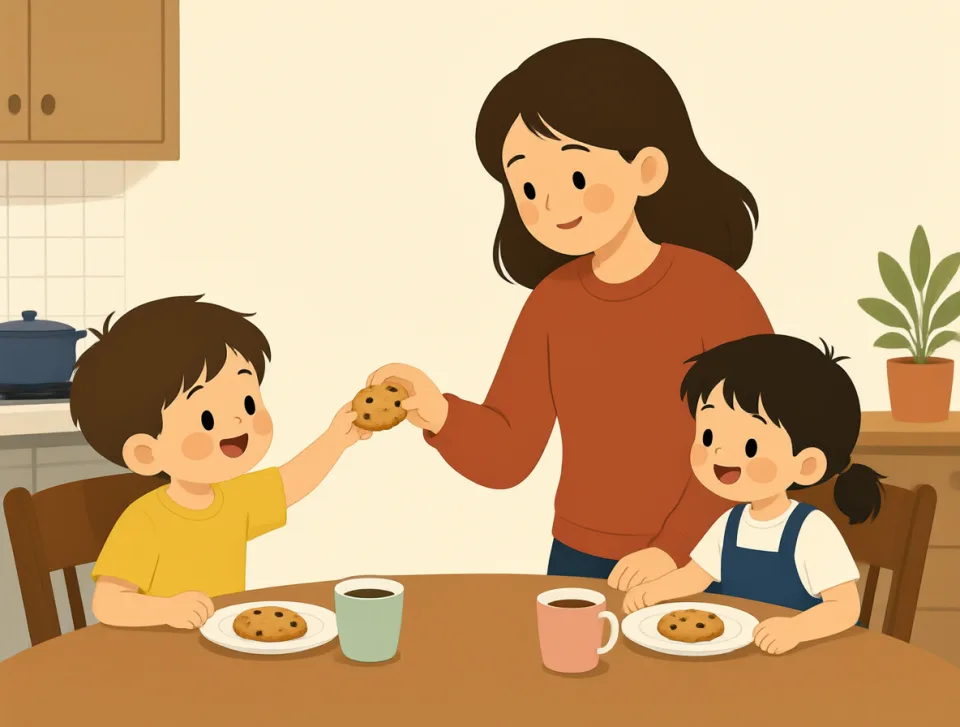
Please take one cookie each.
कृपया हर व्यक्ति एक-एक कुकी ले लें।
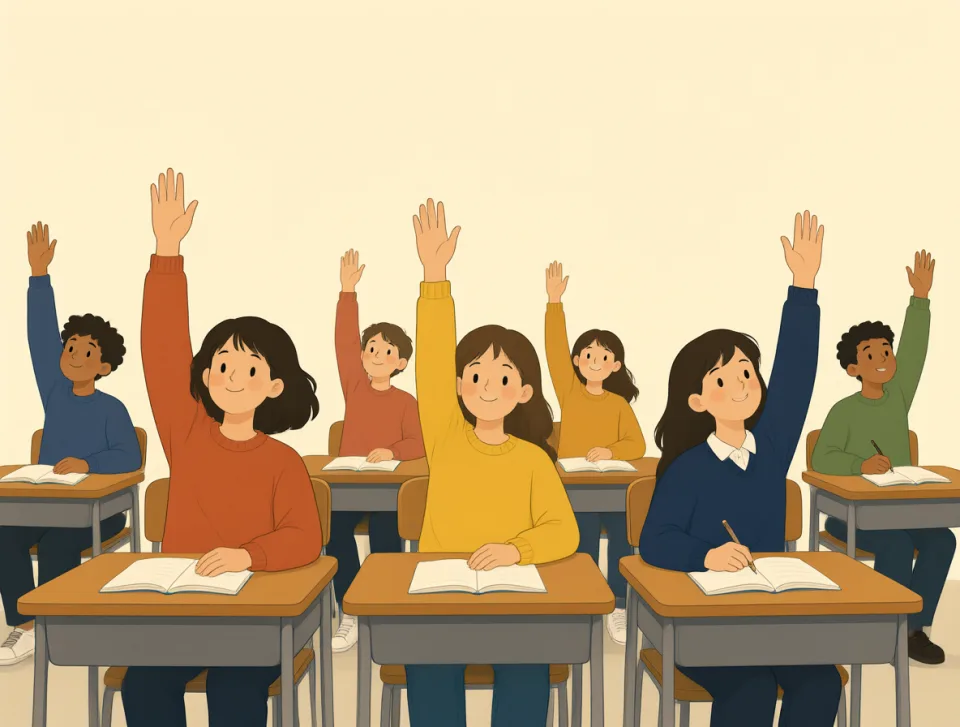
The students each answered one question.
छात्रों ने एक-एक सवाल का जवाब दिया।
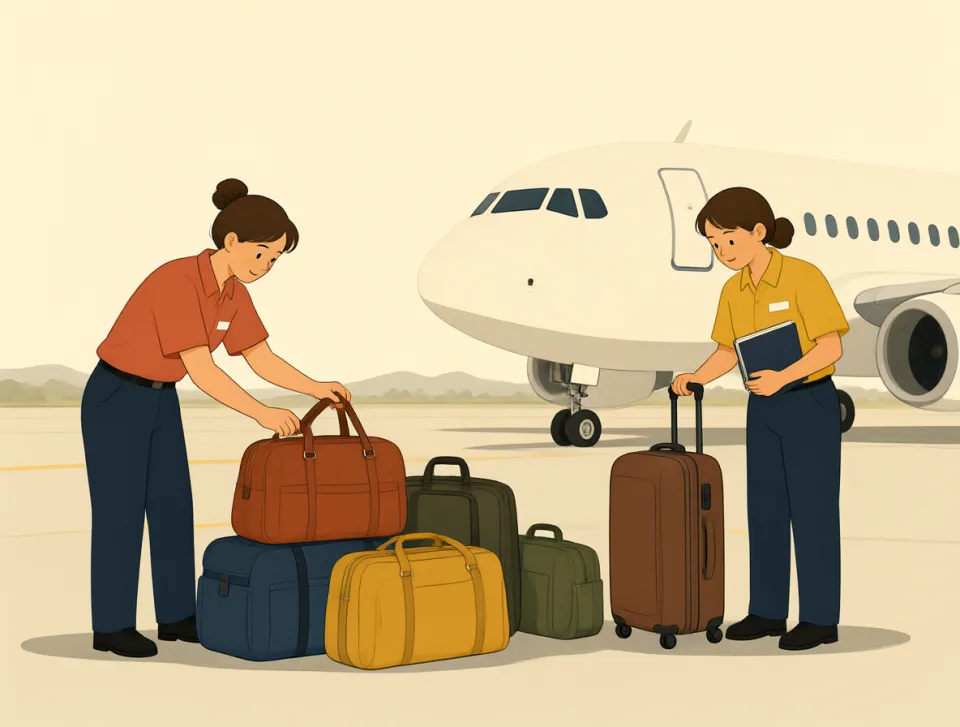
They checked each bag before the flight.
उन्होंने उड़ान से पहले हर बैग की जाँच की।
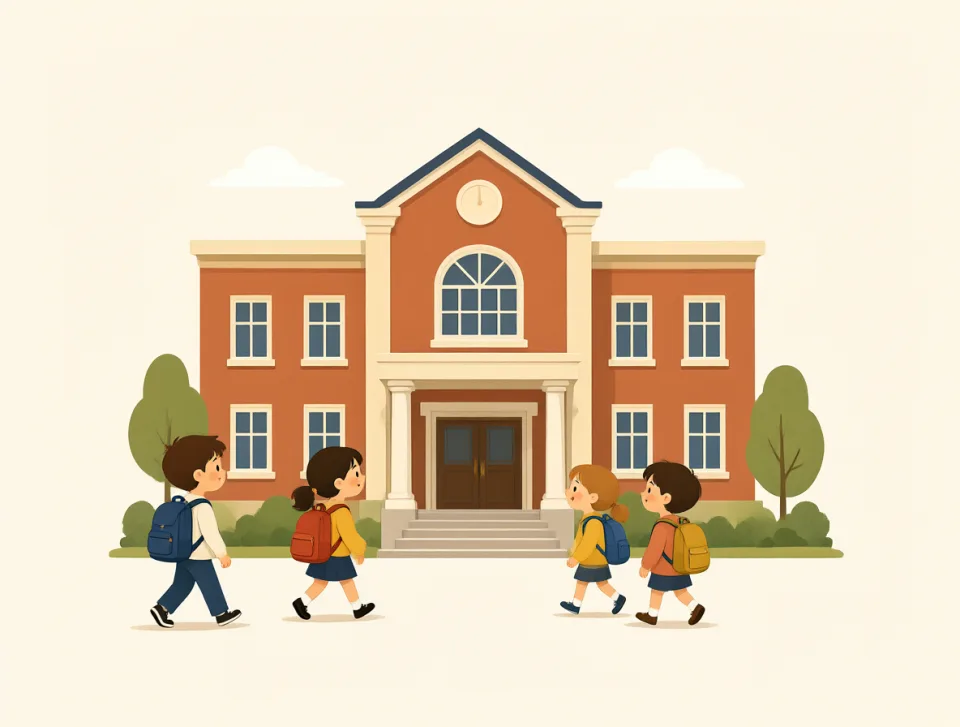
school
#146noun, verb
स्कूल
A place where children learn, or the time spent learning there.
ऐसी जगह जहाँ बच्चे पढ़ते हैं, या वहाँ पढ़ाई में बिताया गया समय।
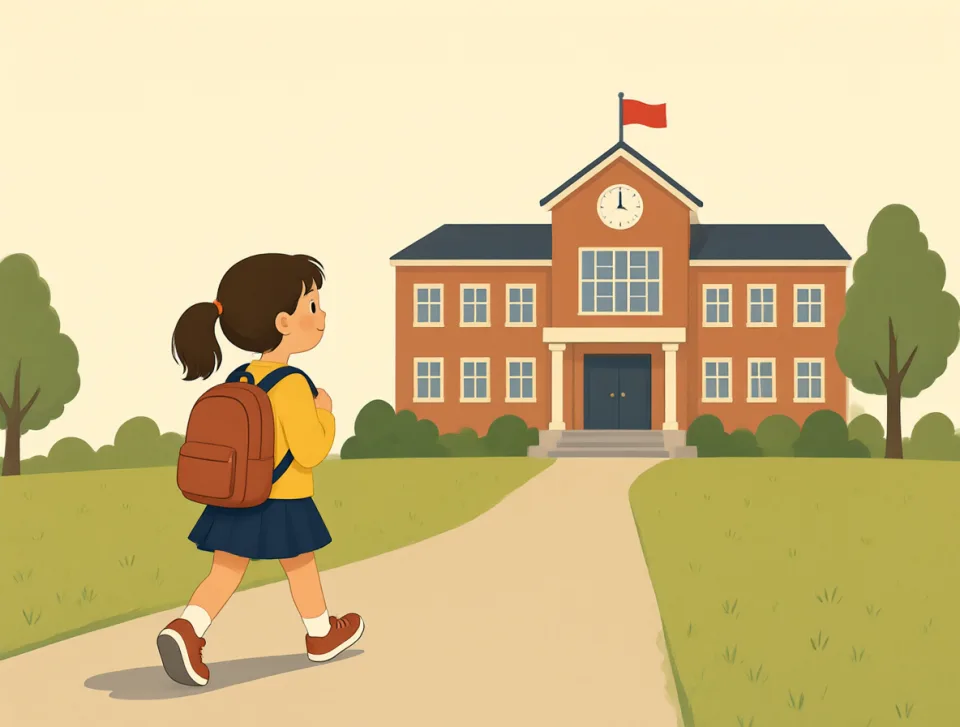
My sister walks to school every morning.
मेरी बहन हर सुबह पैदल स्कूल जाती है।
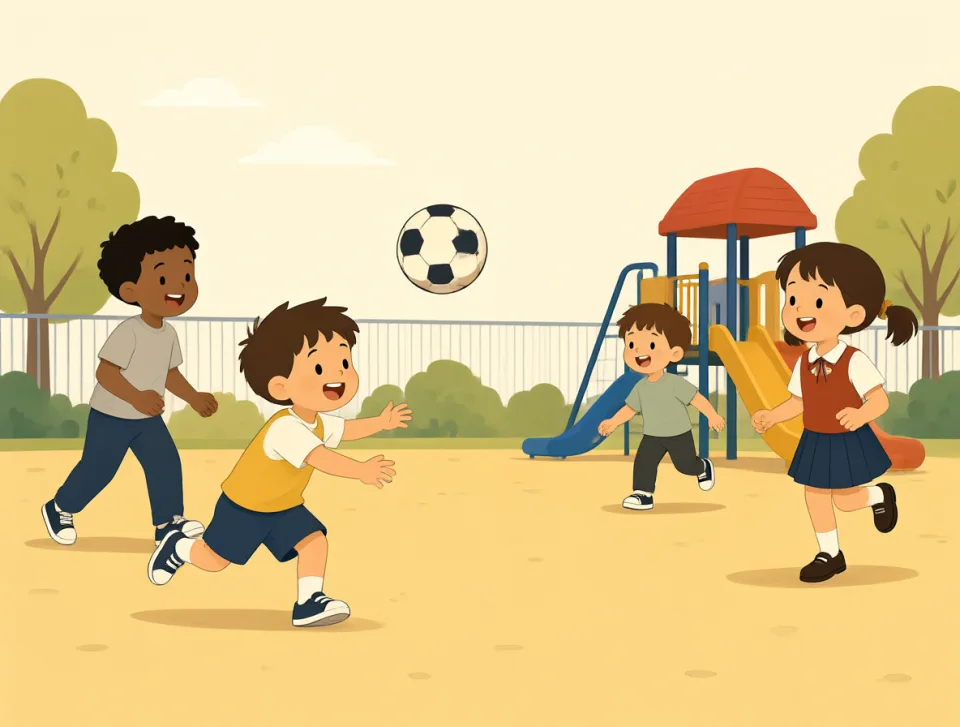
The children are playing outside school.
बच्चे स्कूल के बाहर खेल रहे हैं।
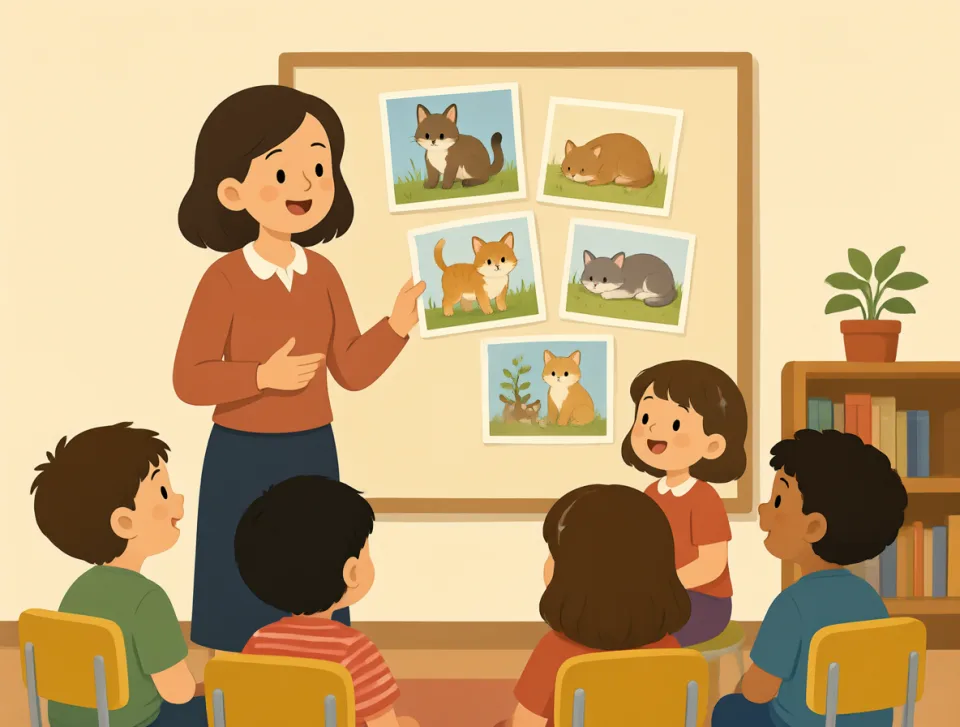
We learned about animals at school.
हमने स्कूल में जानवरों के बारे में सीखा।
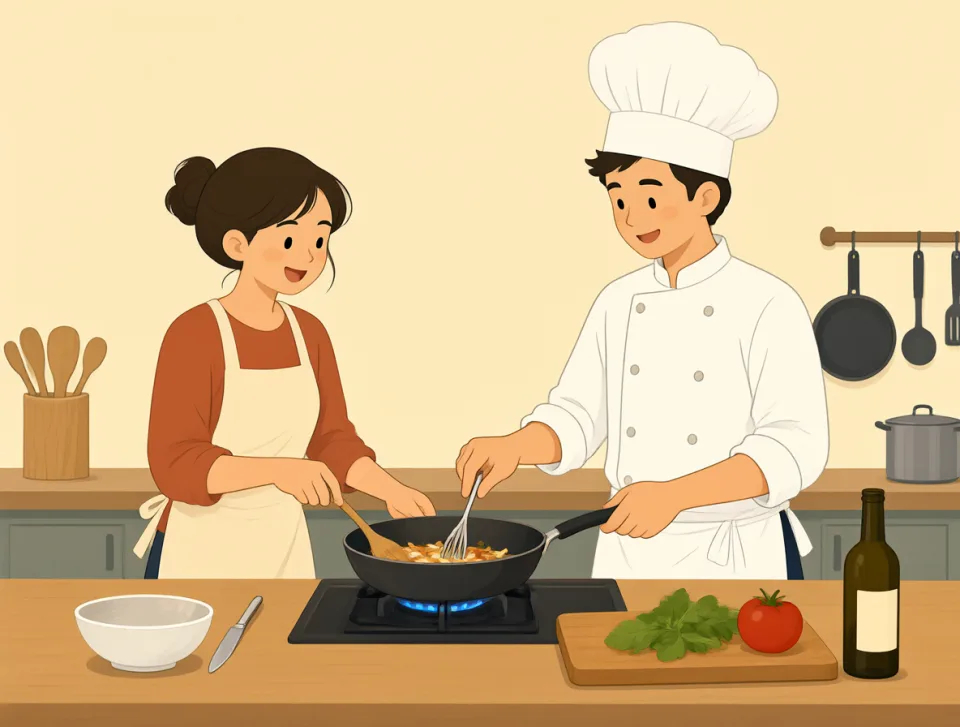
My father went to cooking school.
मेरे पिता खाना पकाने के स्कूल गए।
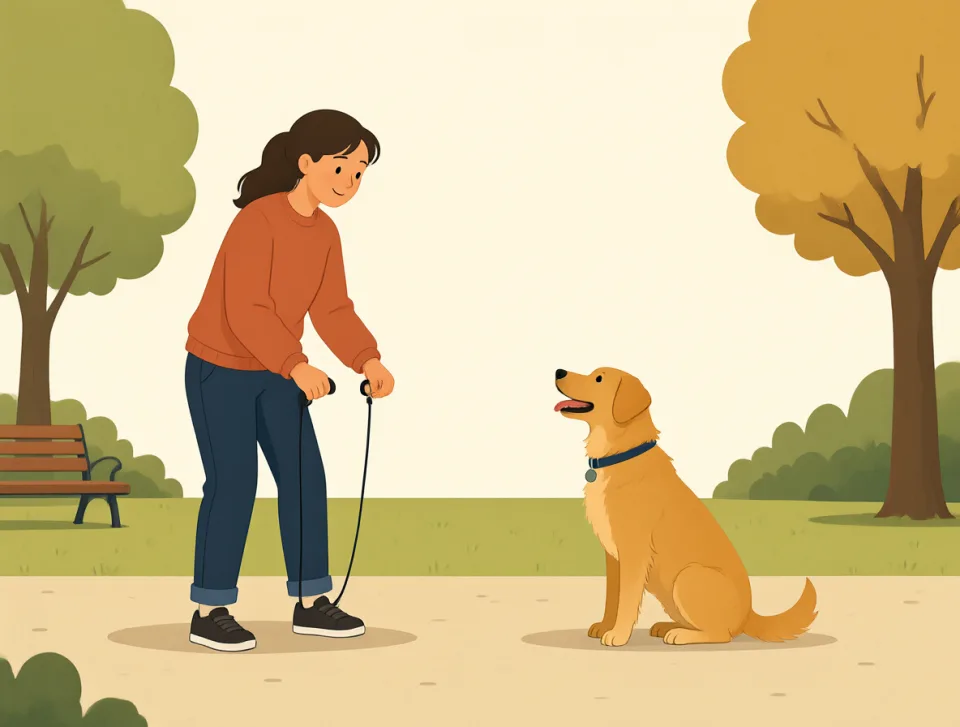
They school their dog every day.
वे अपने कुत्ते को हर दिन प्रशिक्षण देते हैं।
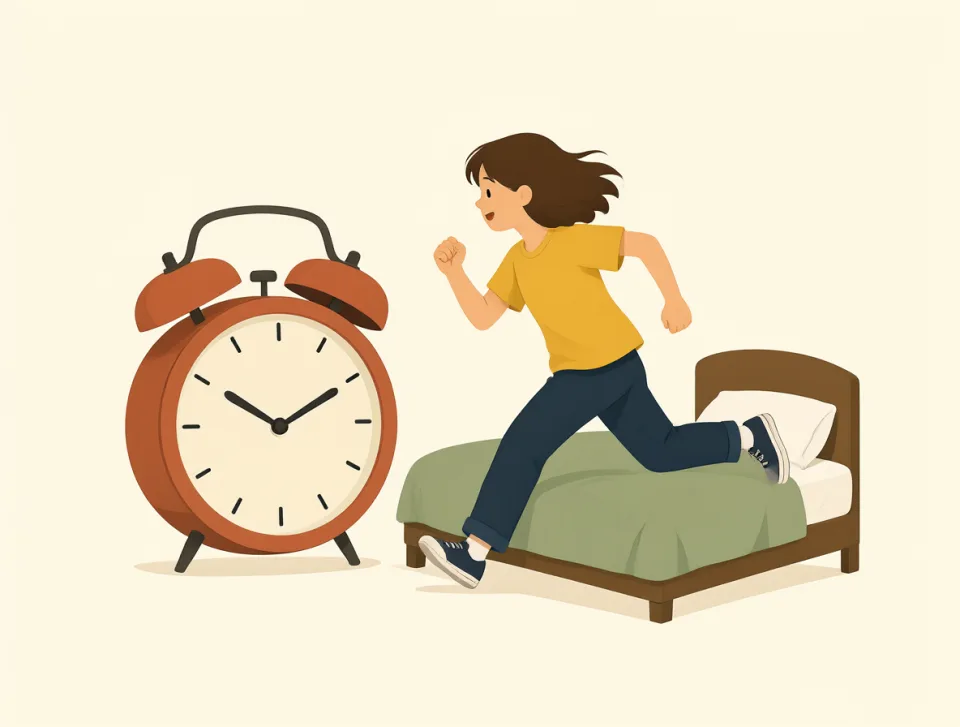
late
#147adjective, adverb, noun
देर से
Happening, arriving, or being after the expected or usual time.
अपेक्षित या सामान्य समय के बाद होने वाला, पहुँचने वाला या किया जाने वाला।
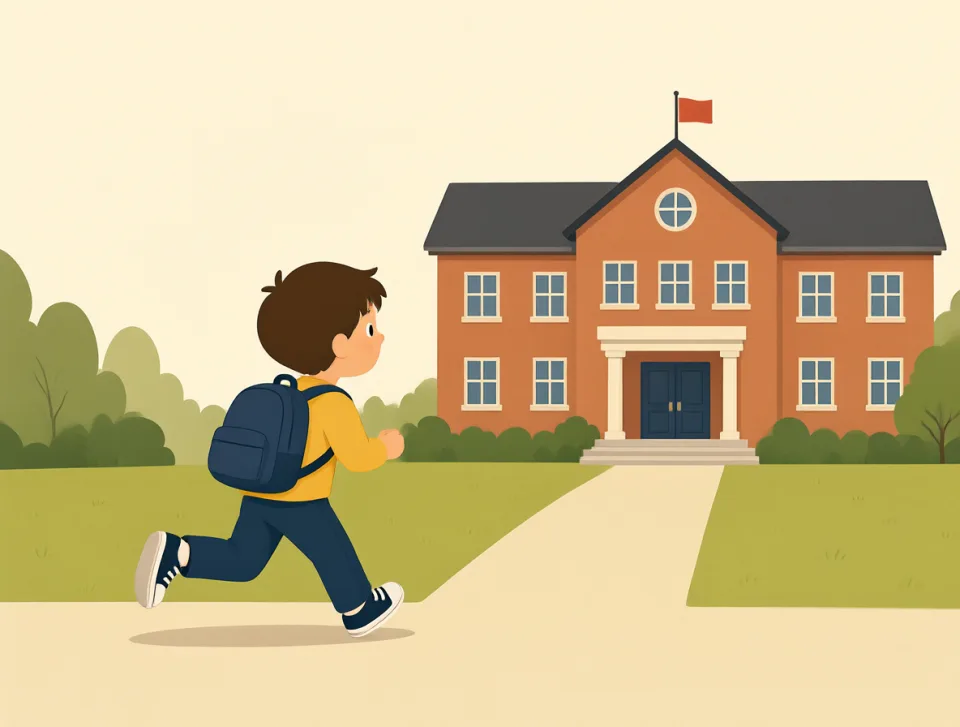
I was late for school this morning.
आज सुबह मुझे स्कूल पहुँचने में देर हो गई।
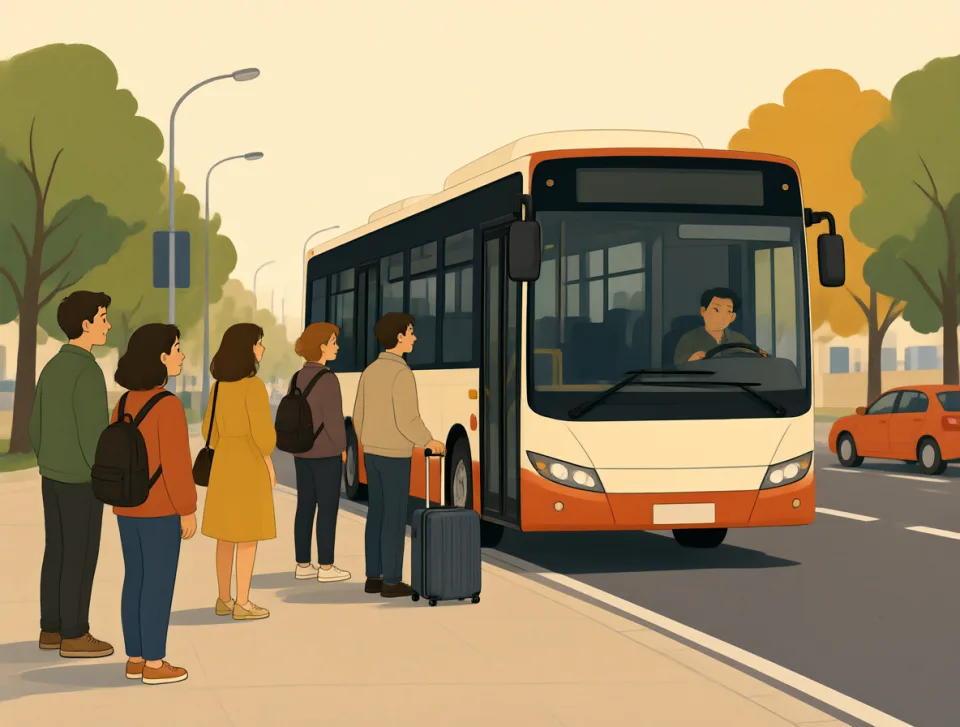
The bus arrived late because of traffic.
ट्रैफ़िक की वजह से बस देर से पहुँची।
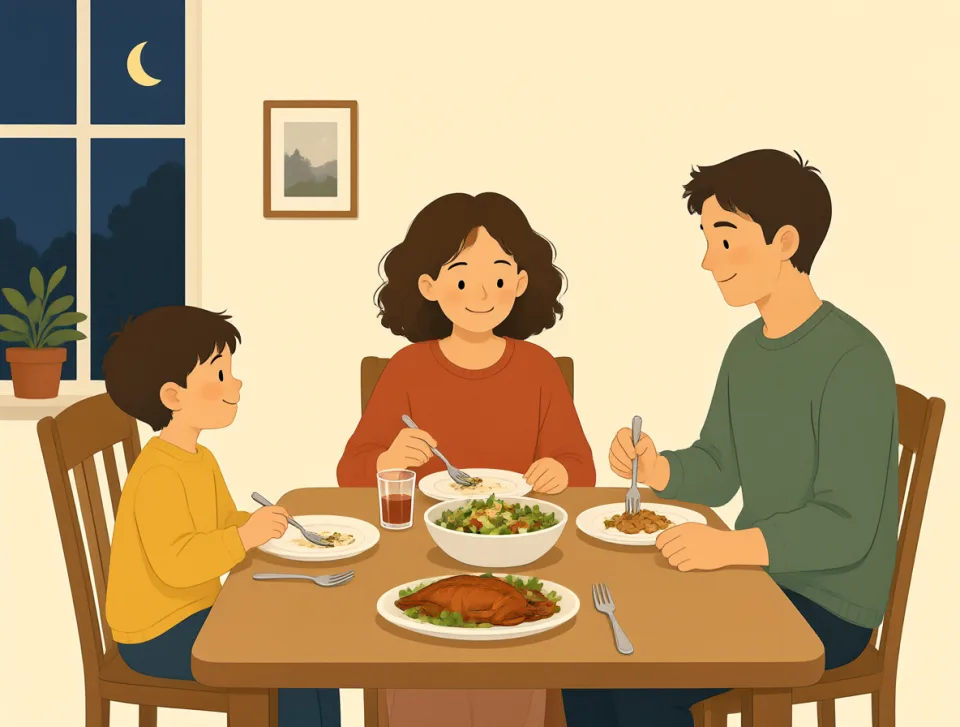
We had dinner late last night.
हमने कल रात देर से खाना खाया।

She stayed late at work yesterday.
वह कल काम पर देर तक रुकी।
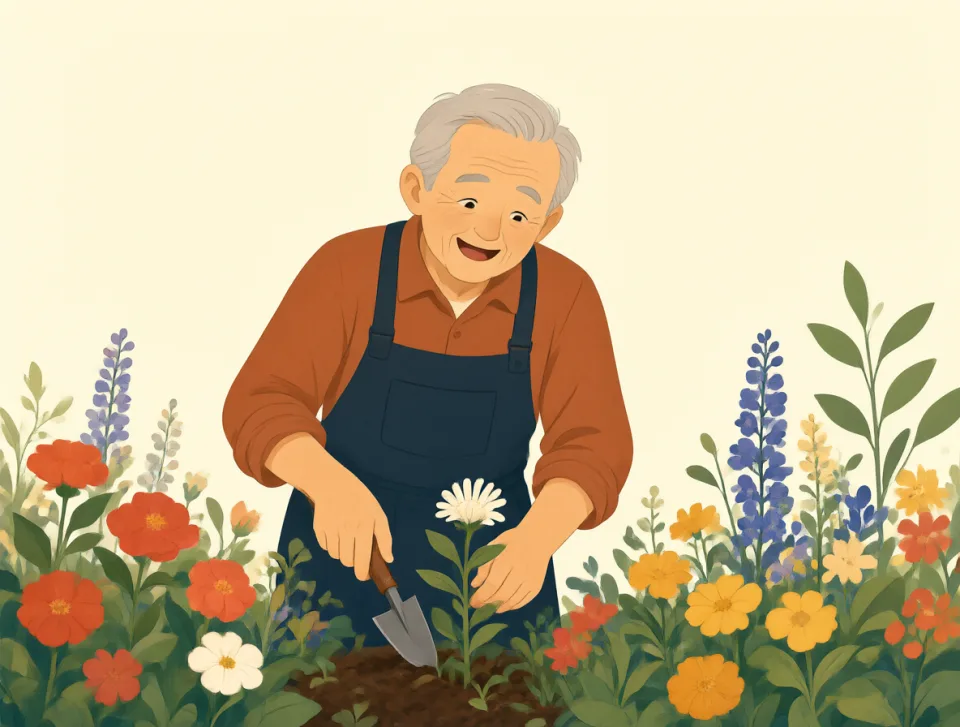
My late grandfather loved gardening.
मेरे दिवंगत दादाजी को बागवानी बहुत पसंद थी।
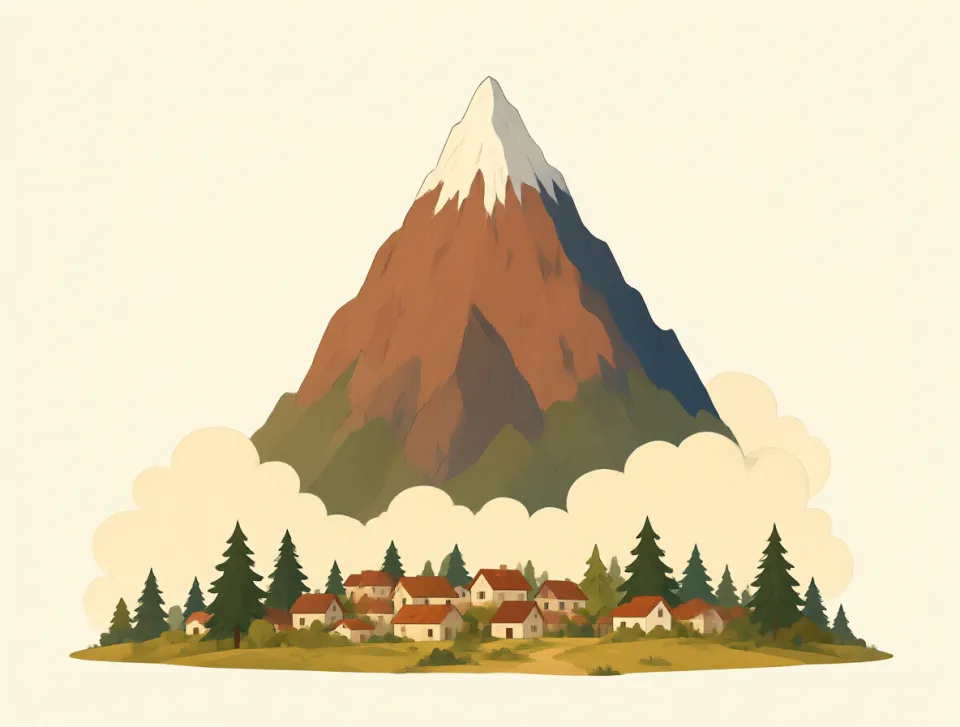
high
#148adjective, adverb, noun
ऊँचा
Far above the ground, or greater than usual in amount, level, or price.
ज़मीन से काफ़ी ऊपर, या मात्रा, स्तर अथवा कीमत में सामान्य से अधिक।
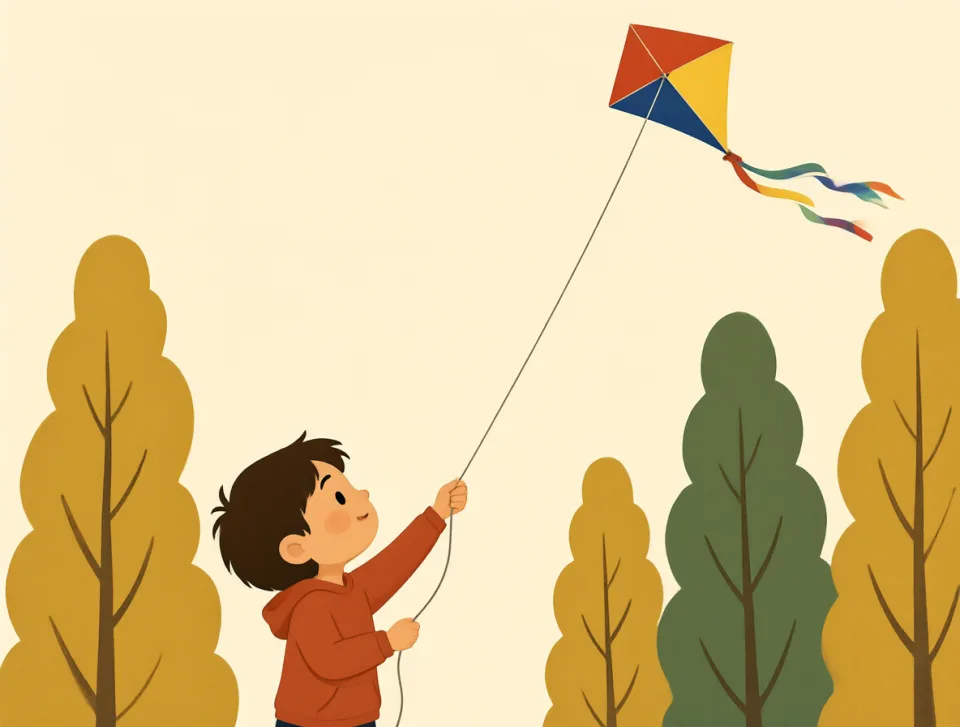
The kite flew high above the trees.
पतंग पेड़ों से काफ़ी ऊपर उड़ गई।

Please put the books on the high shelf.
कृपया किताबें ऊँची शेल्फ़ पर रख दीजिए।

Prices are high at this store.
इस दुकान में कीमतें ज़्यादा हैं।
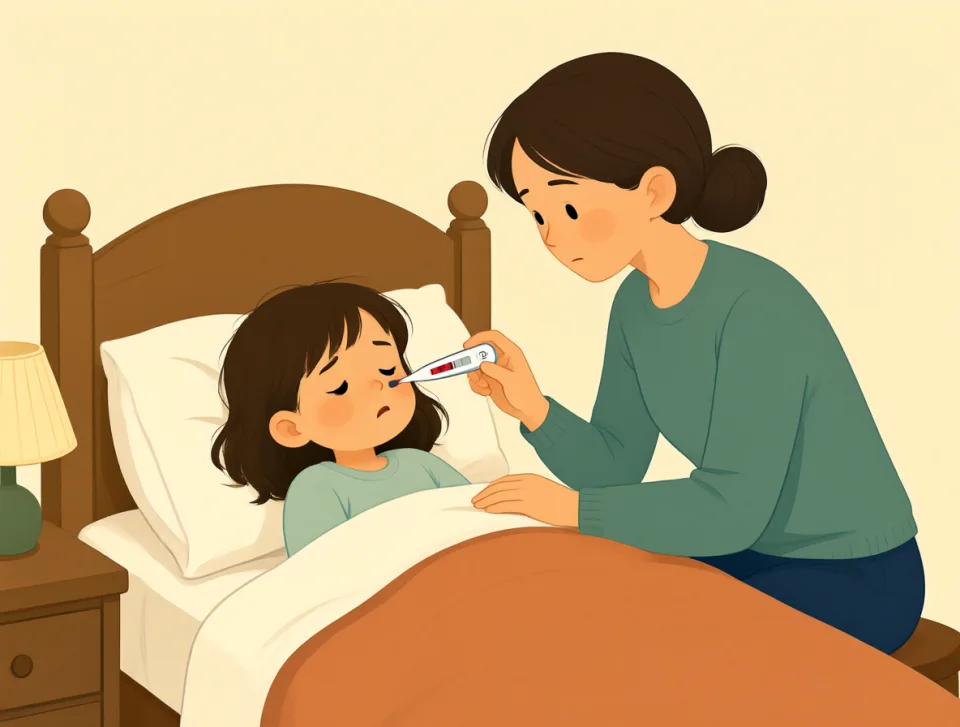
She has a high fever today.
आज उसे तेज़ बुखार है।

The plane climbed high into the sky.
विमान आसमान में बहुत ऊँचाई तक चढ़ गया।
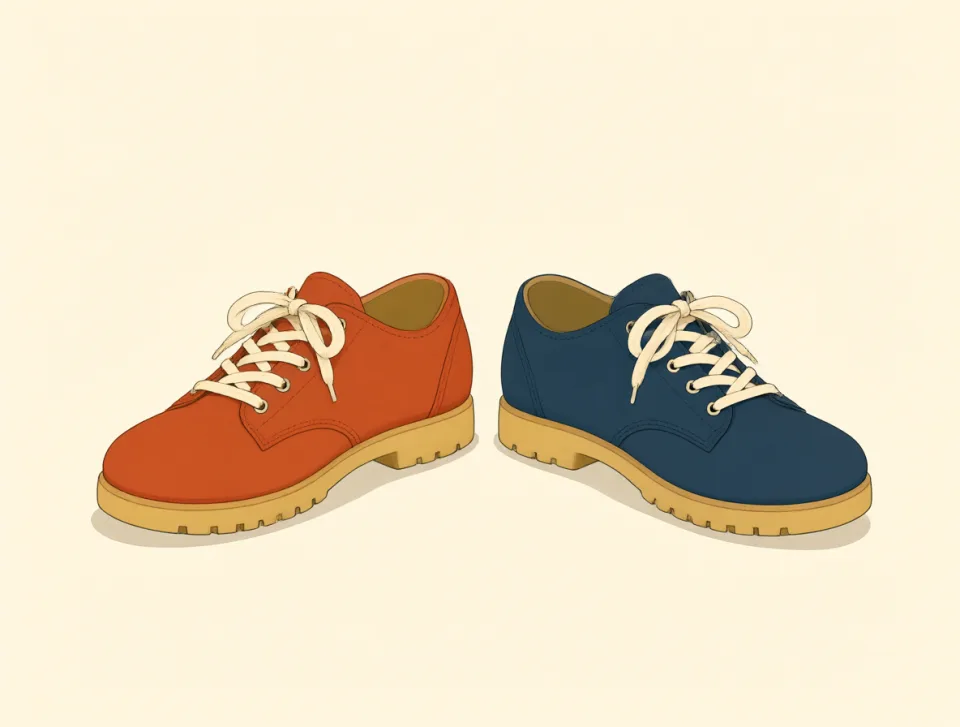
different
#149adjective
अलग
Not the same as another person or thing.
किसी दूसरे व्यक्ति या चीज़ जैसा न होना।
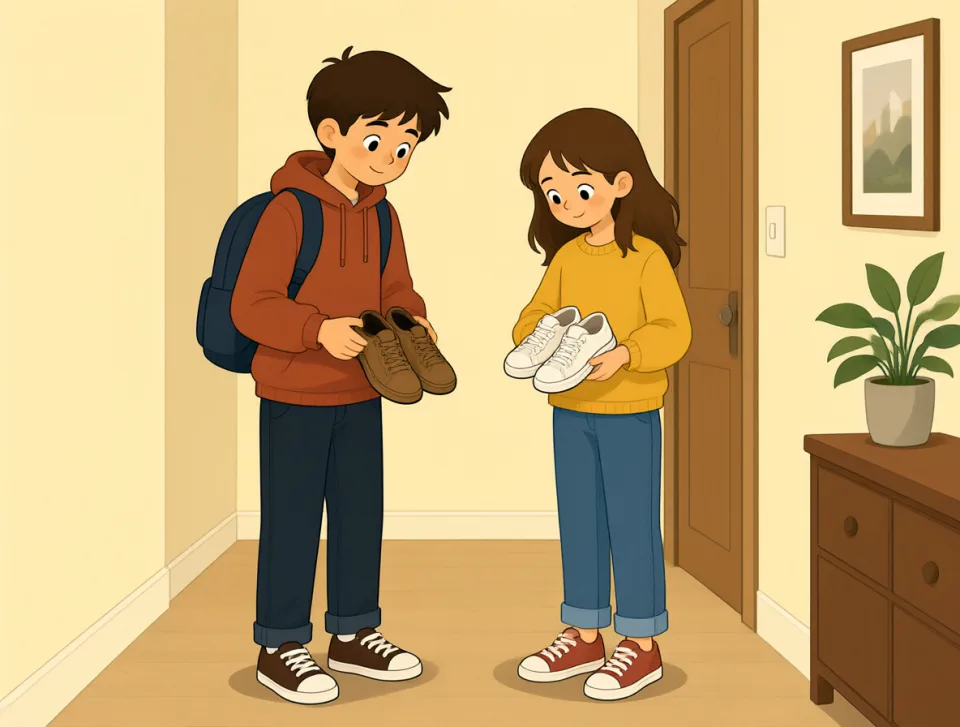
My new shoes are different from yours.
मेरे नए जूते तुम्हारे जूतों से अलग हैं।
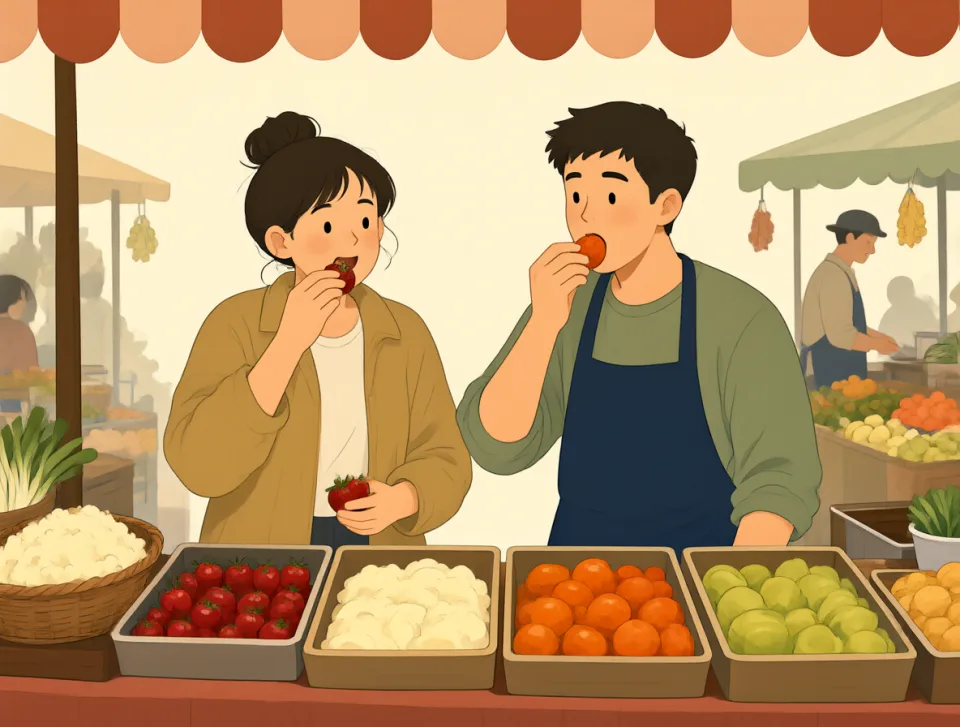
We tried different foods at the market.
हमने बाज़ार में तरह-तरह के खाने चखे।
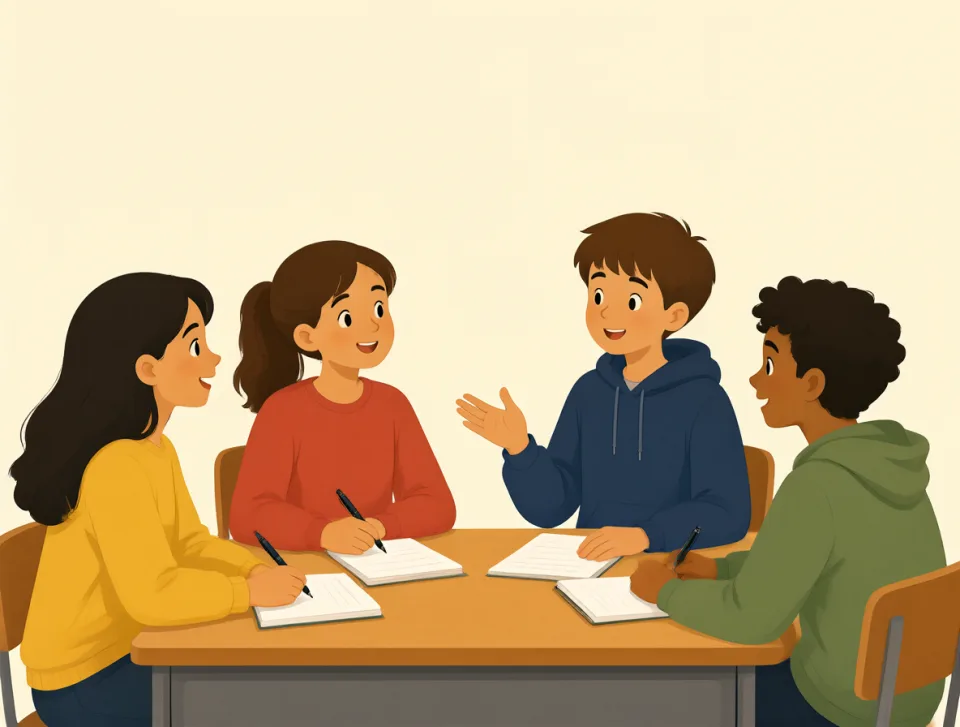
She has a different idea for the project.
इस परियोजना के लिए उसके पास एक अलग विचार है।

The weather is different in the mountains.
पहाड़ों में मौसम अलग होता है।
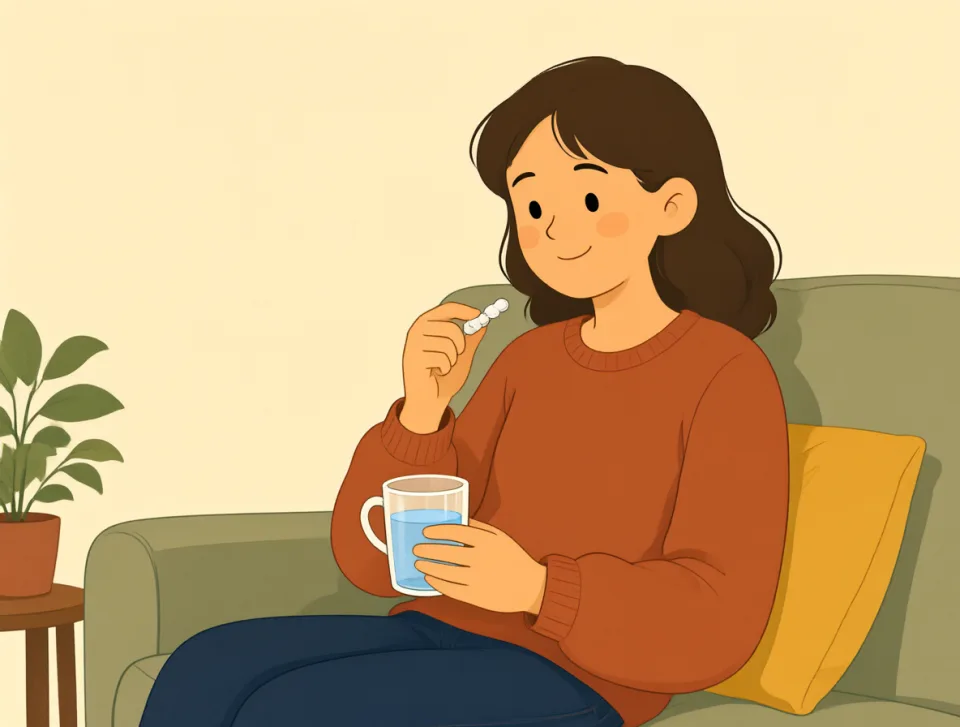
He feels different after taking the medicine.
दवा लेने के बाद उसे अलग-सा महसूस होता है।

off
#150adverb, adjective, preposition, noun
बंद
Away from a place, position, or working state; not operating or attached.
किसी जगह या स्थिति से दूर; काम न कर रहा हो या जुड़ा हुआ न हो।
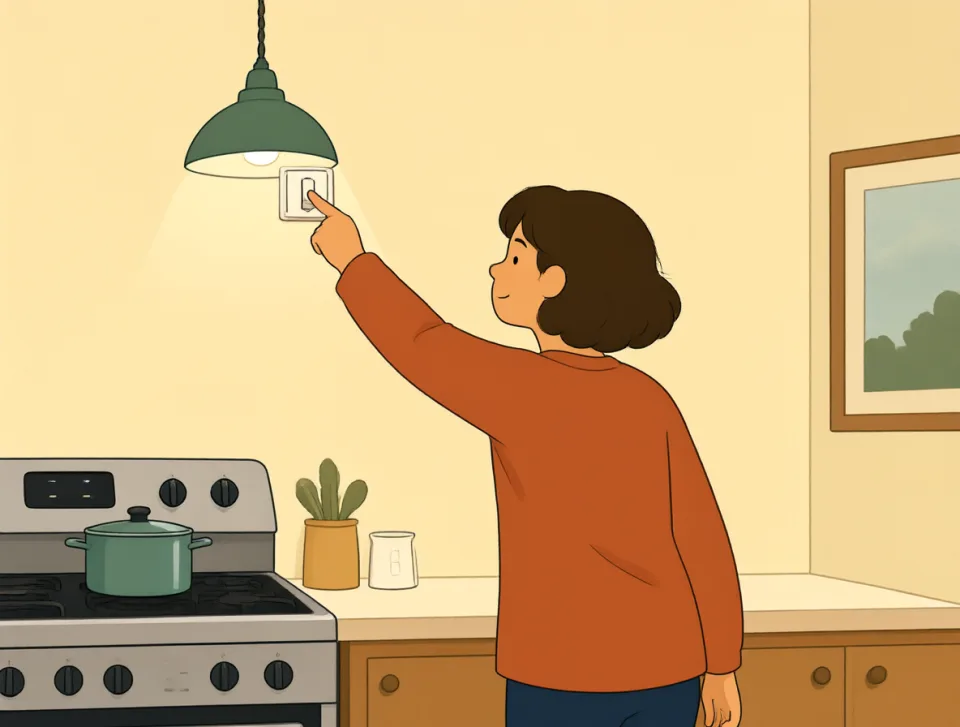
Please turn off the kitchen light.
कृपया रसोई की बत्ती बंद कर दीजिए।
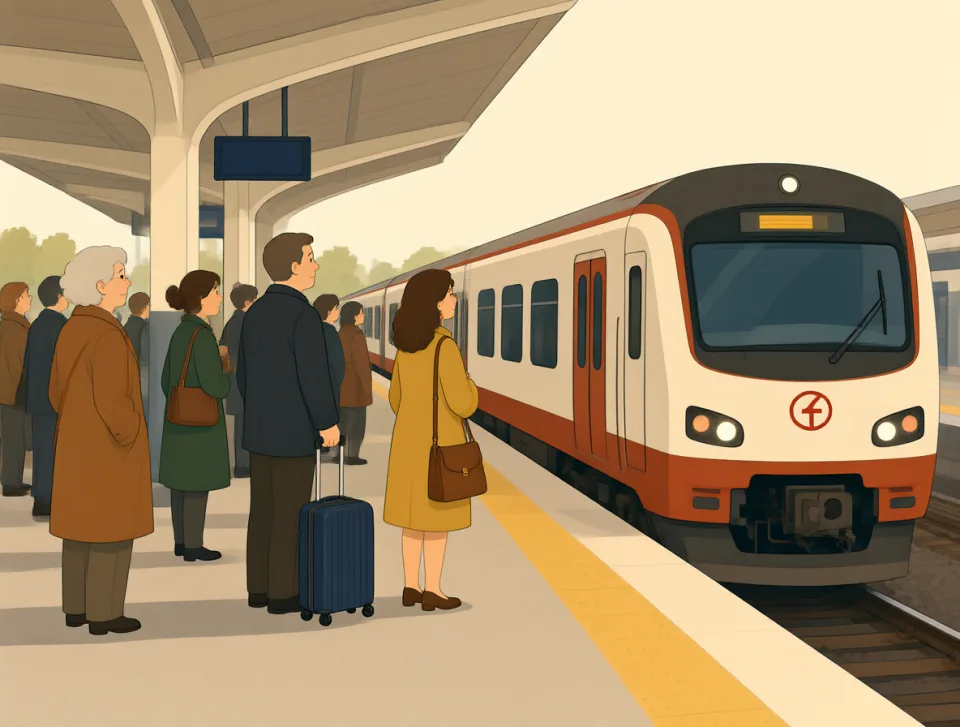
The train left ten minutes off schedule.
ट्रेन तय समय से दस मिनट देरी से चली।
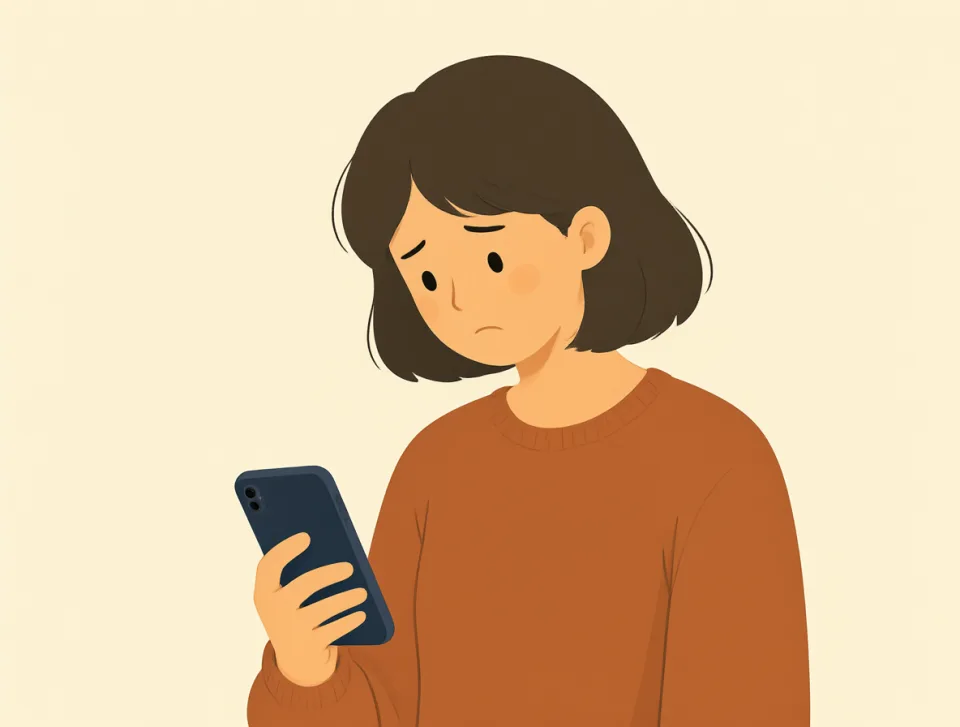
My phone is off because its battery died.
मेरे फ़ोन की बैटरी खत्म हो गई है, इसलिए वह बंद है।
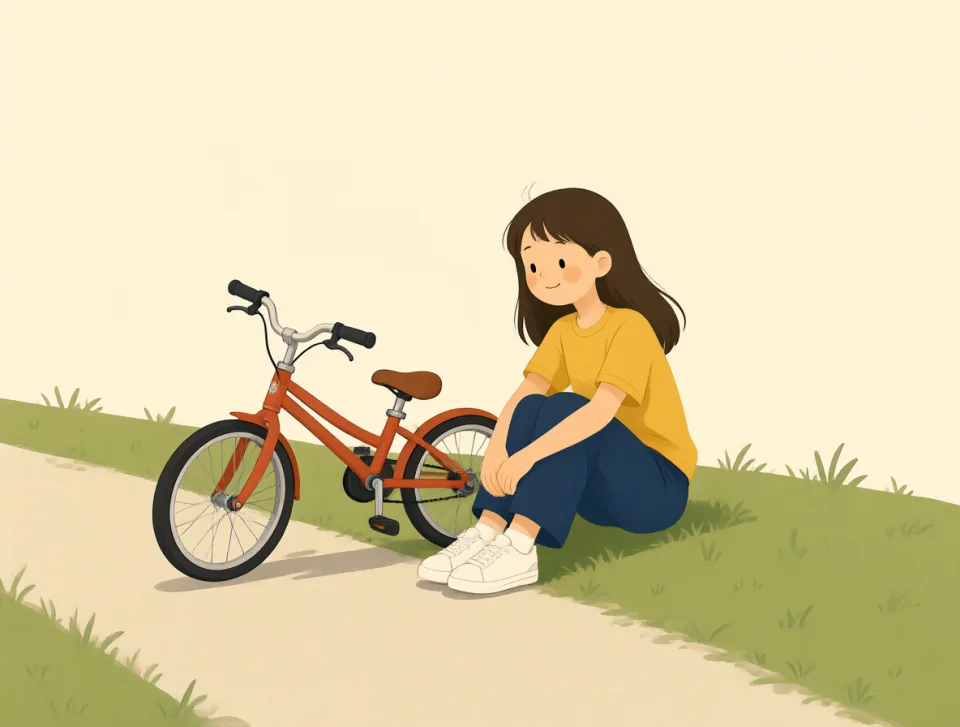
She fell off her bike yesterday.
वह कल अपनी साइकिल से गिर गई।
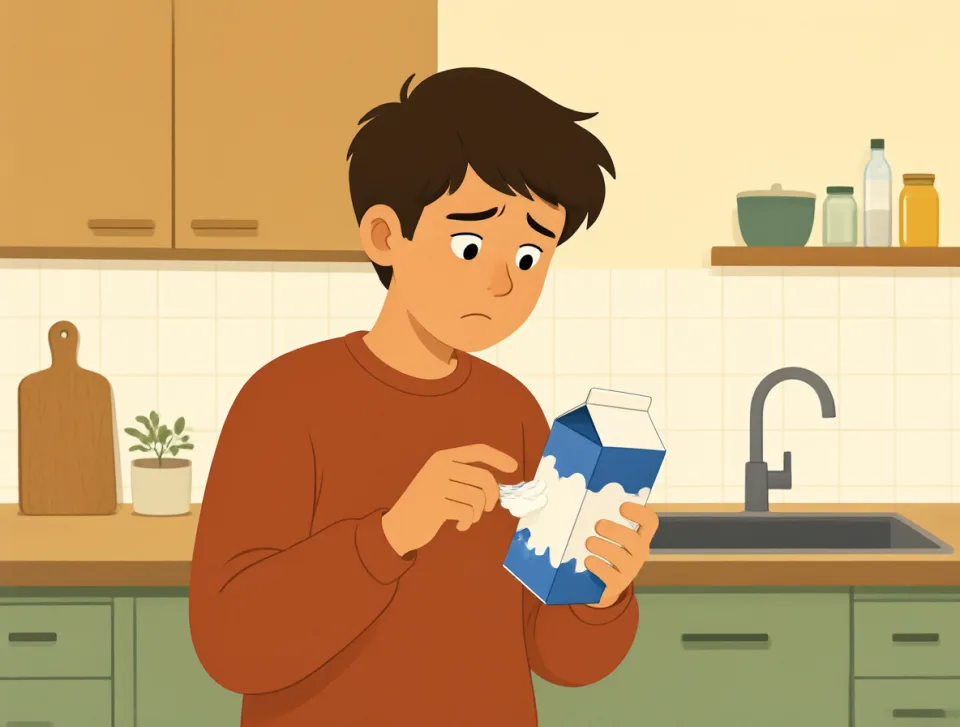
The milk smells off, so throw it away.
दूध से अजीब गंध आ रही है, इसलिए उसे फेंक दो।
next
#151adjective, adverb, noun, determiner
अगला
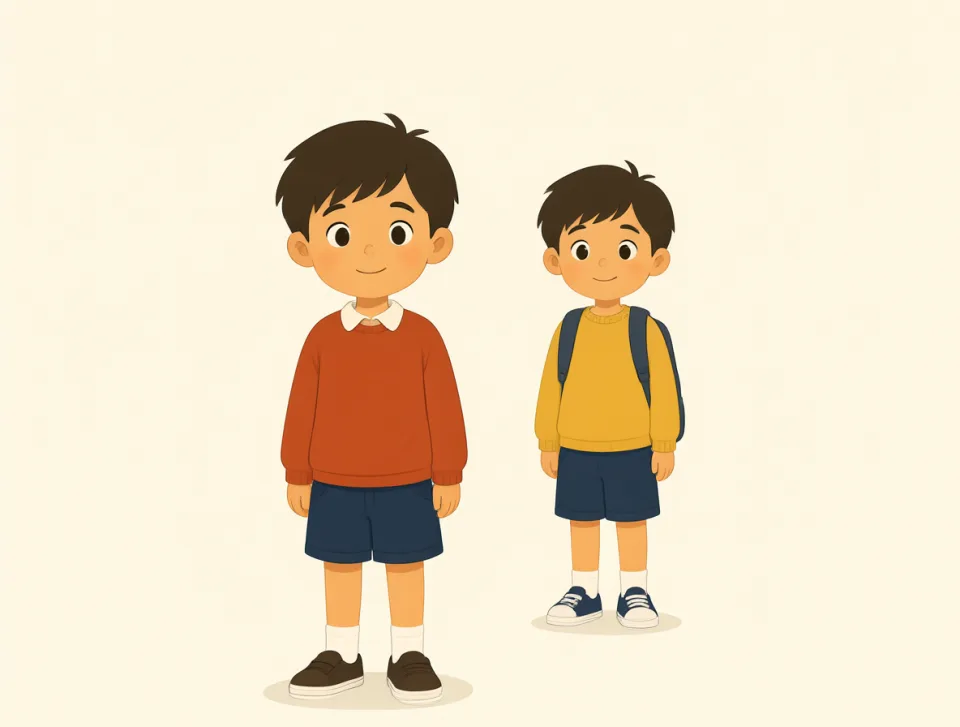
Coming immediately after this one in time, order, or place.
जो समय, क्रम या स्थान में इसके तुरंत बाद आए।
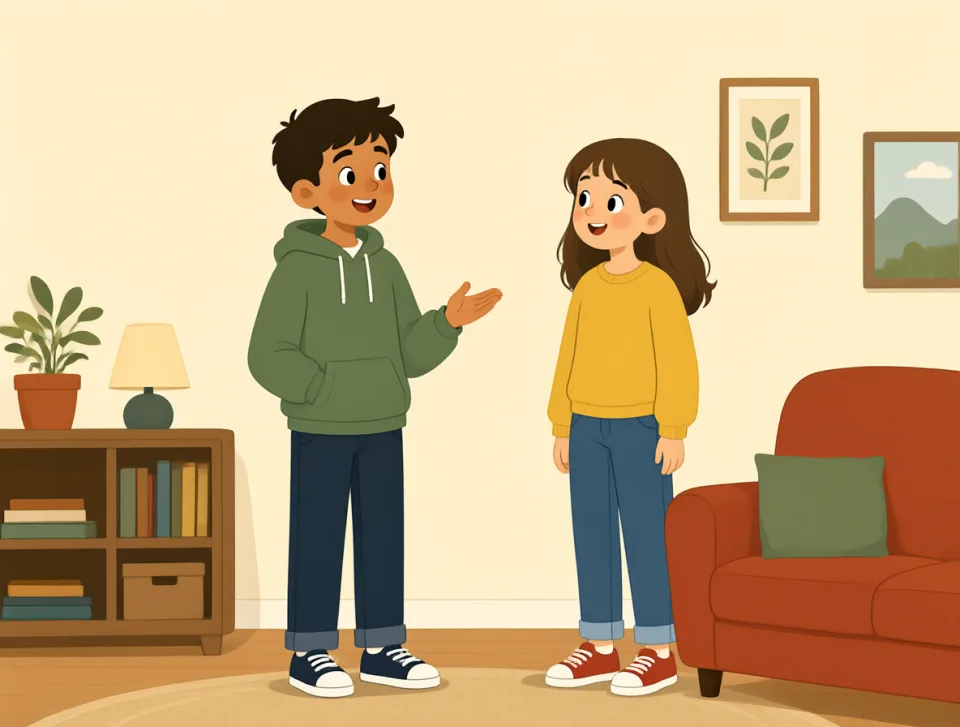
What are you doing next?
तुम आगे क्या करने वाले हो?
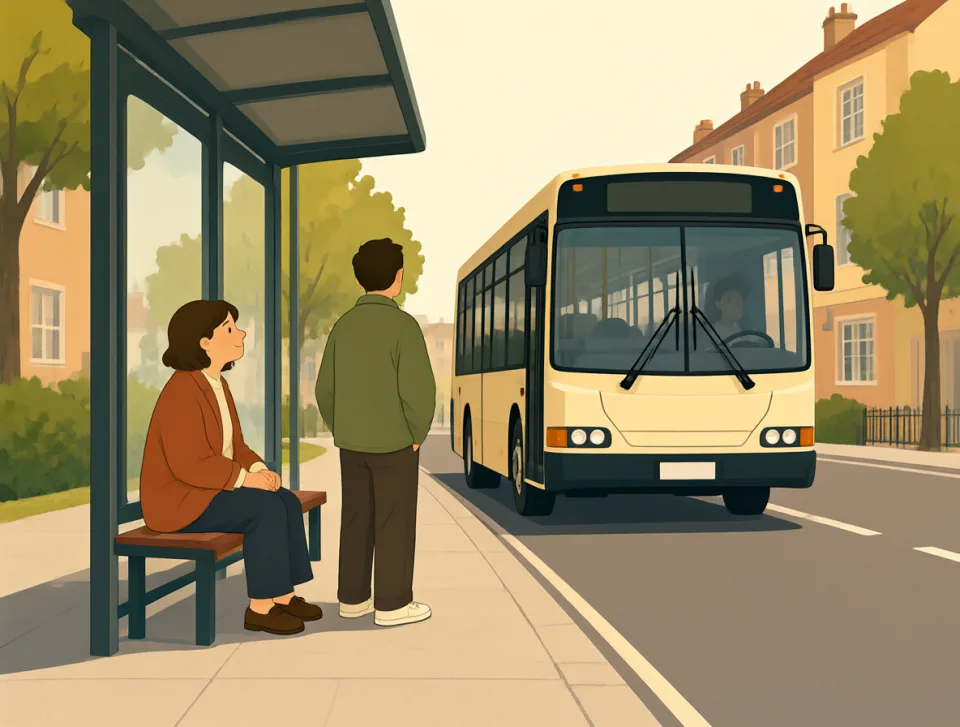
The next bus leaves at noon.
अगली बस दोपहर में रवाना होती है।
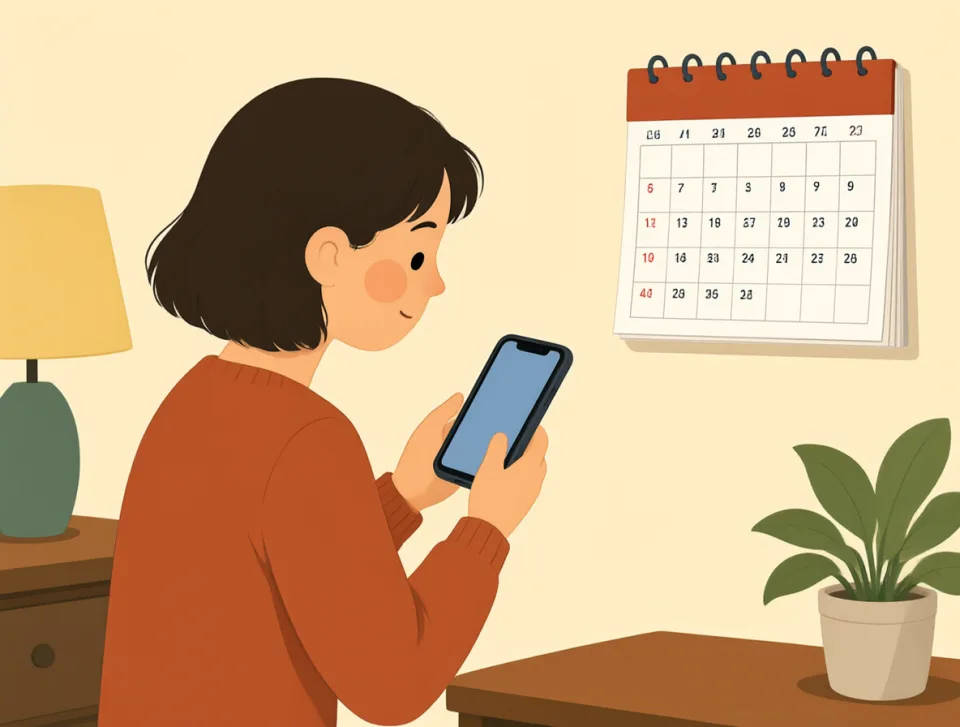
Please call me next week.
कृपया मुझे अगले हफ़्ते फ़ोन करना।
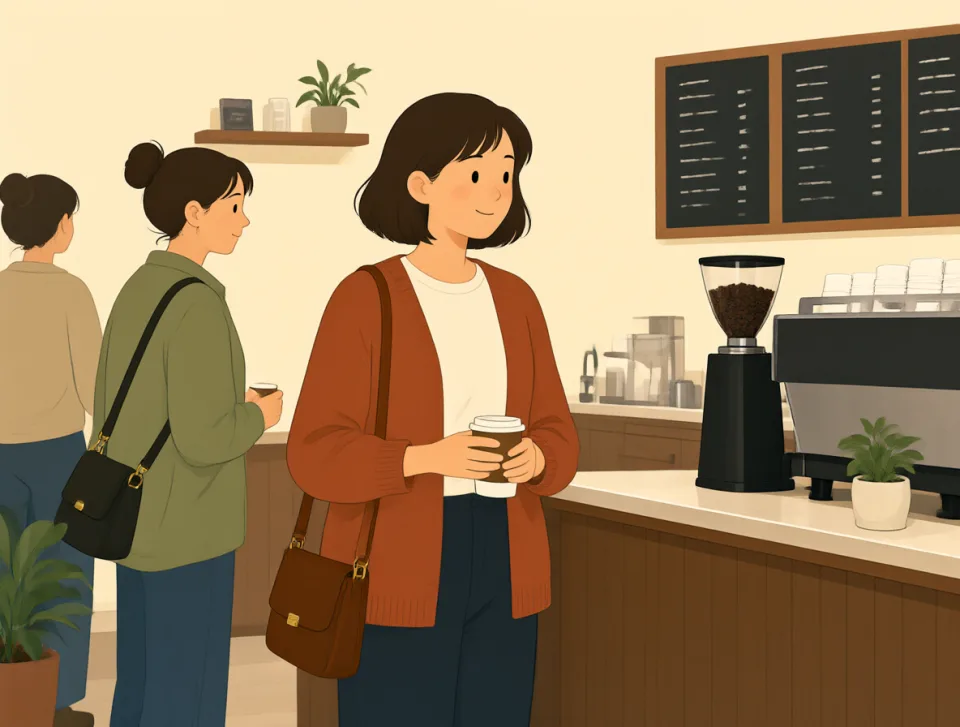
She was next in line for coffee.
कॉफ़ी लेने के लिए कतार में उसकी बारी अगली थी।
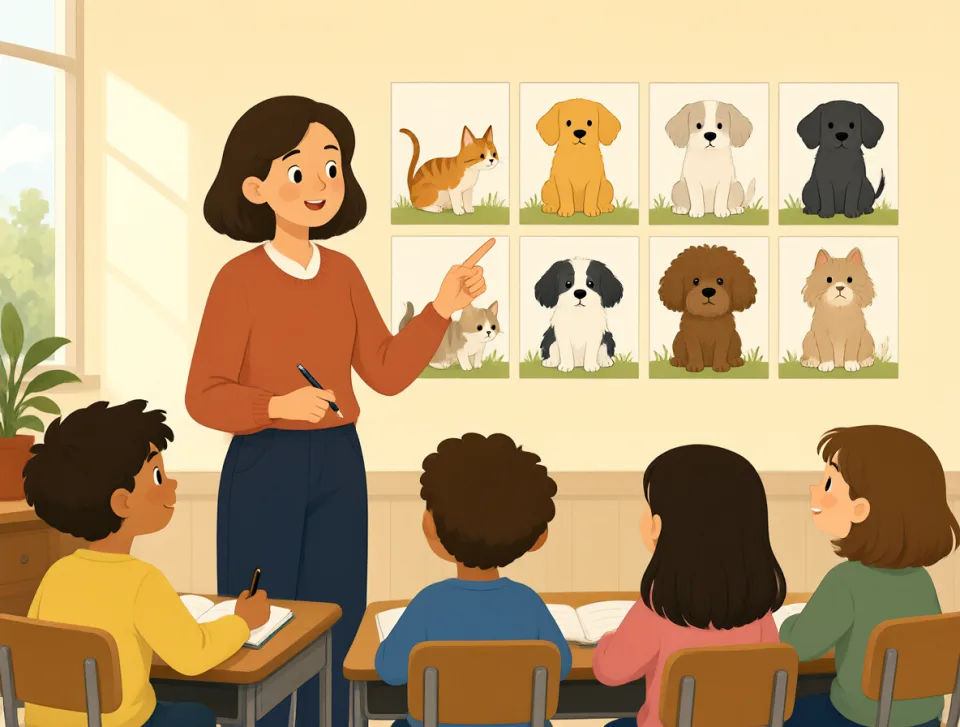
Our next lesson is about animals.
हमारा अगला पाठ जानवरों के बारे में है।

end
#152noun, verb
अंत
the final part of something, or to finish something
किसी चीज़ का आख़िरी हिस्सा; या किसी चीज़ को समाप्त करना।
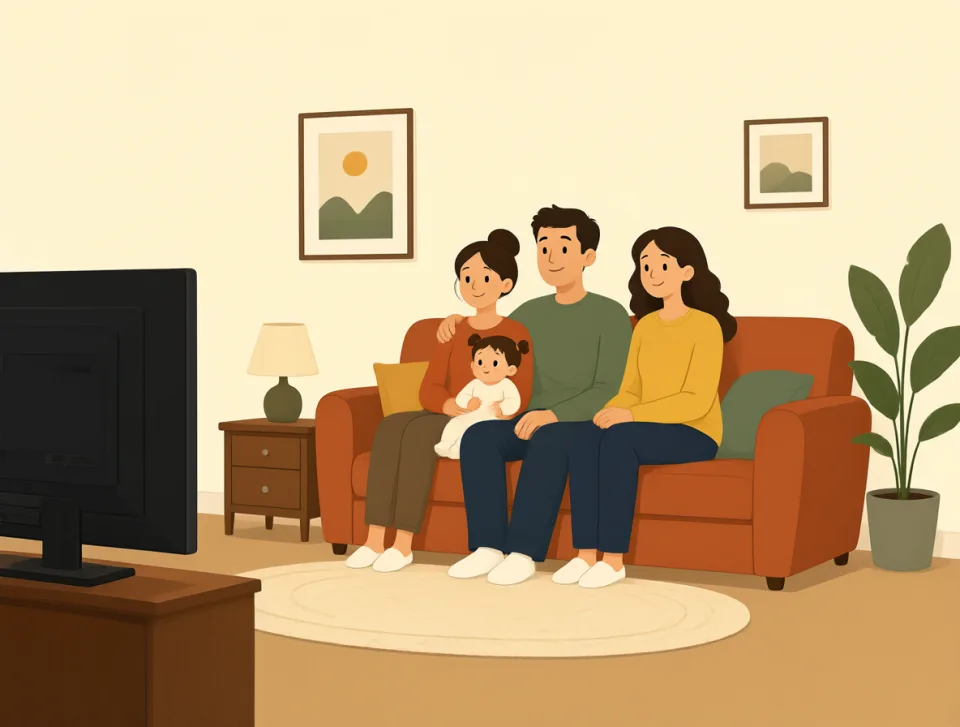
The movie ended late last night.
कल रात फ़िल्म देर से ख़त्म हुई।
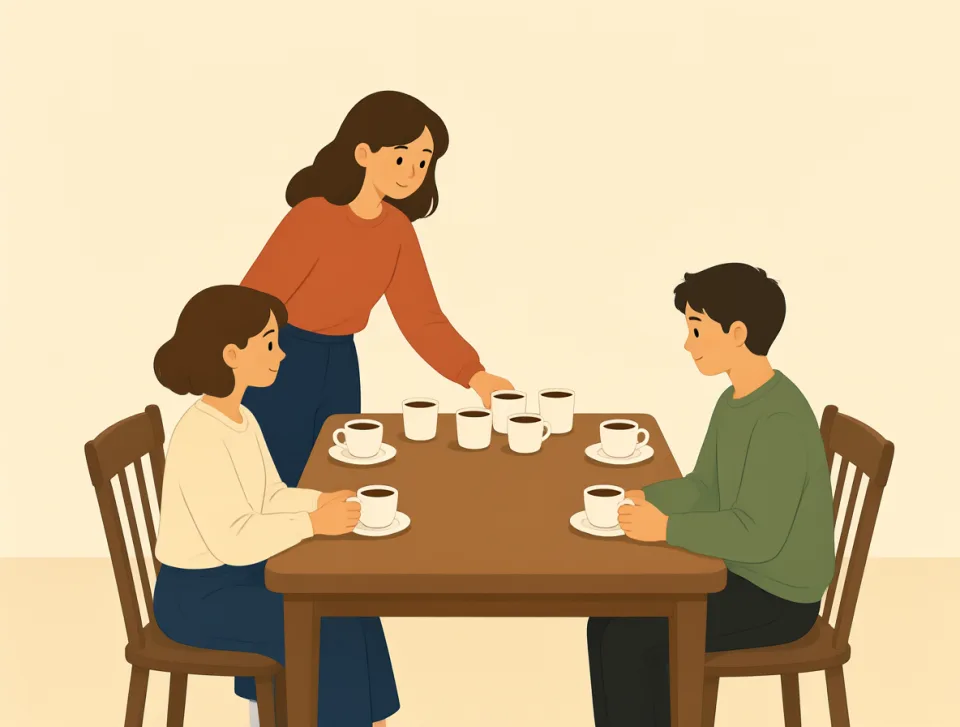
Please put the cups at the end.
कृपया कपों को आखिर में रख दीजिए।
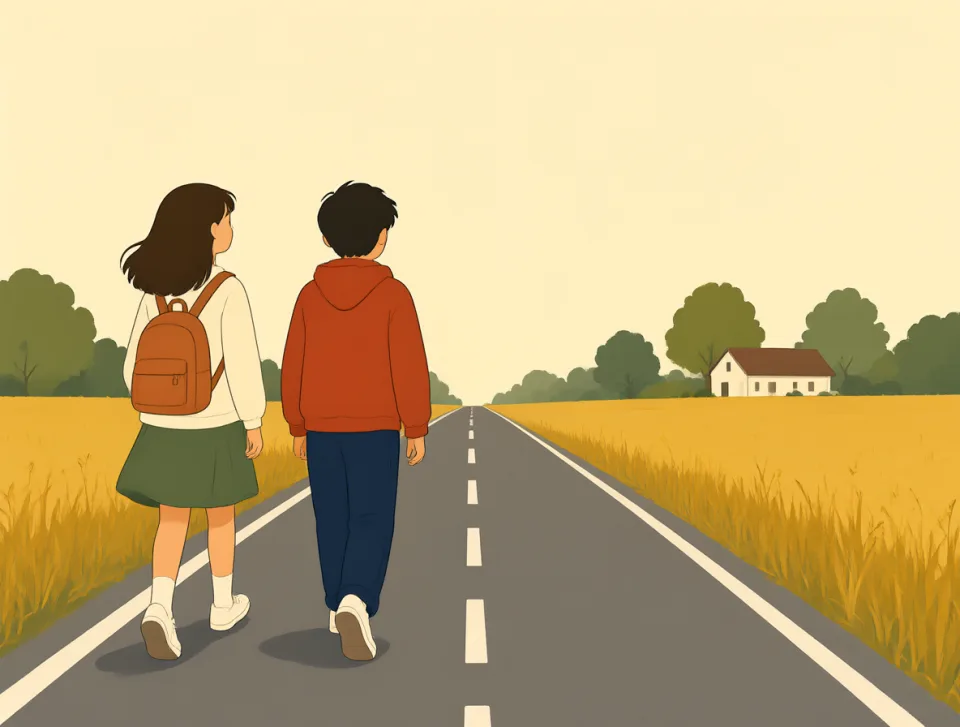
We walked to the end of the road.
हम सड़क के आख़िर तक पैदल गए।
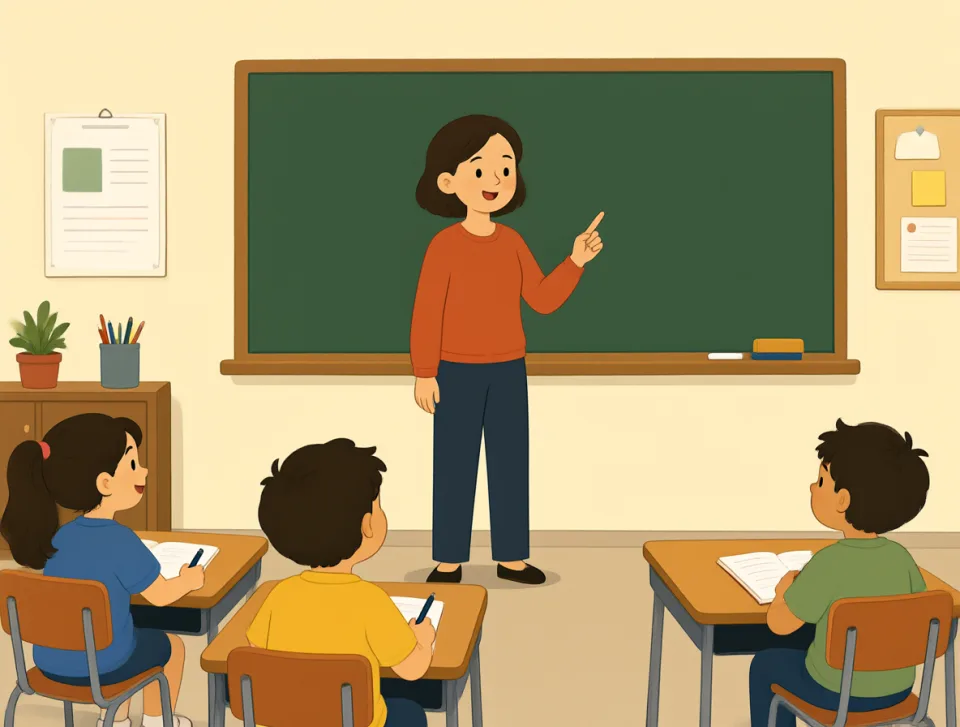
The lesson ends at three o’clock.
पाठ तीन बजे ख़त्म होता है।
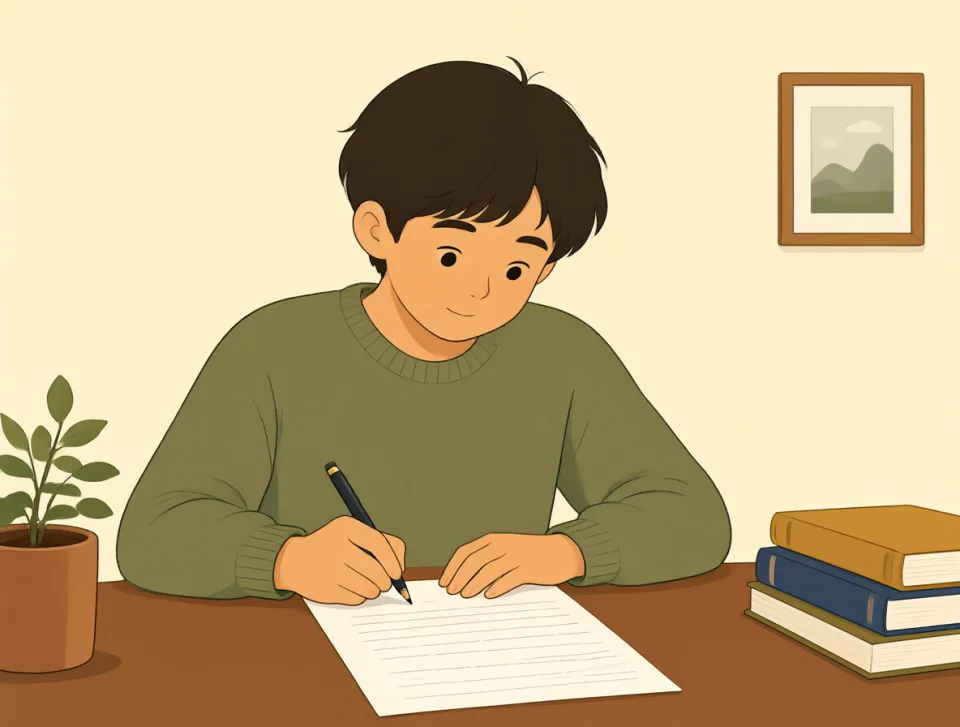
I ended my letter with a kind message.
मैंने अपने पत्र का अंत एक प्यारे संदेश से किया।
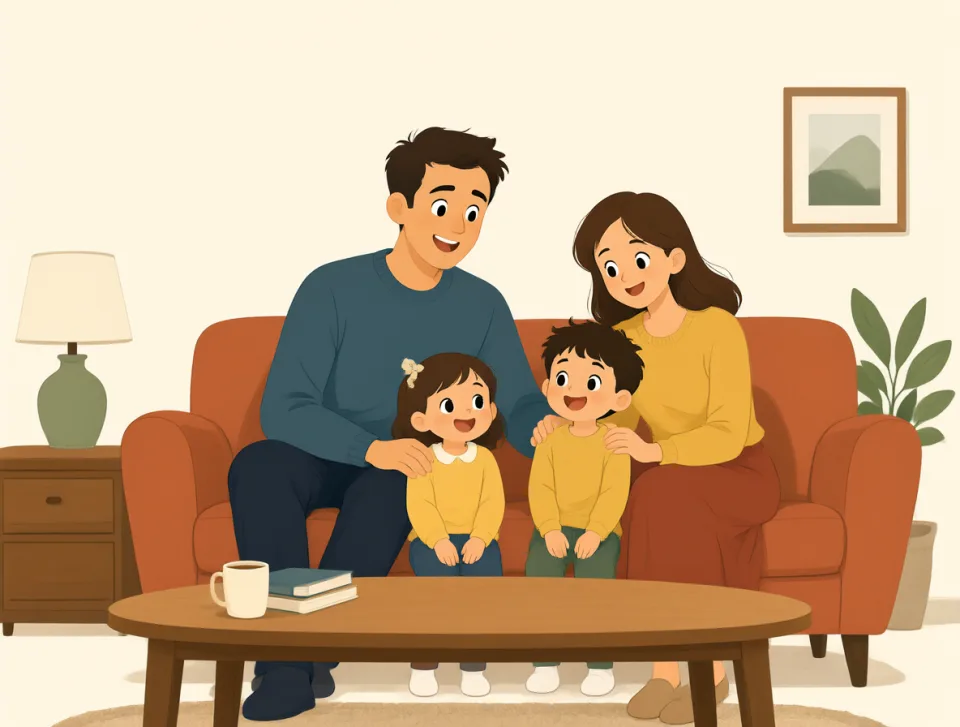
live
#153verb, adjective, adverb
रहना; सीधा प्रसारण
To have your home in a place; or happening now, in real time.
किसी जगह को अपना घर बनाकर वहाँ रहना; या वास्तविक समय में हो रहा।
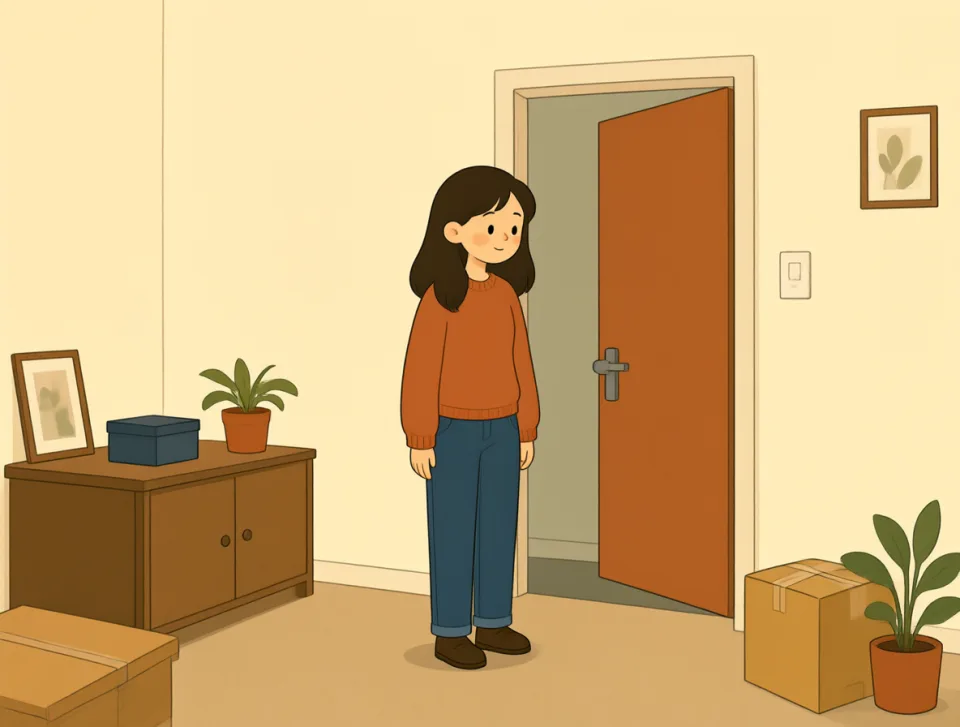
I live in a small apartment.
मैं एक छोटे से अपार्टमेंट में रहता हूँ।
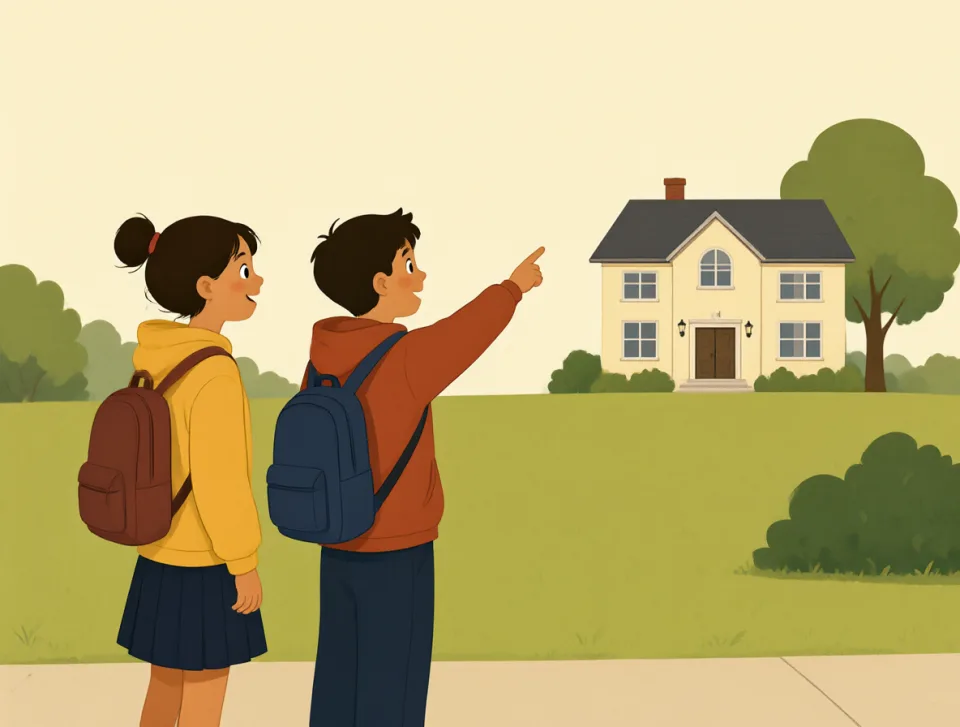
Do you live near the school?
क्या तुम स्कूल के पास रहते हो?
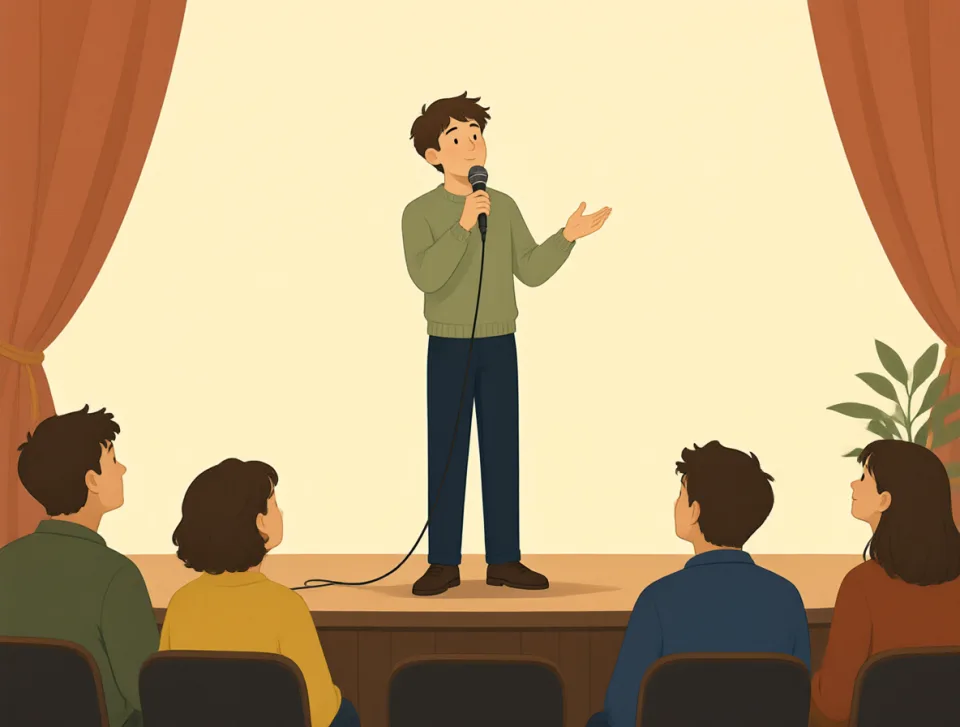
We watched a live music show.
हमने संगीत का एक लाइव कार्यक्रम देखा।
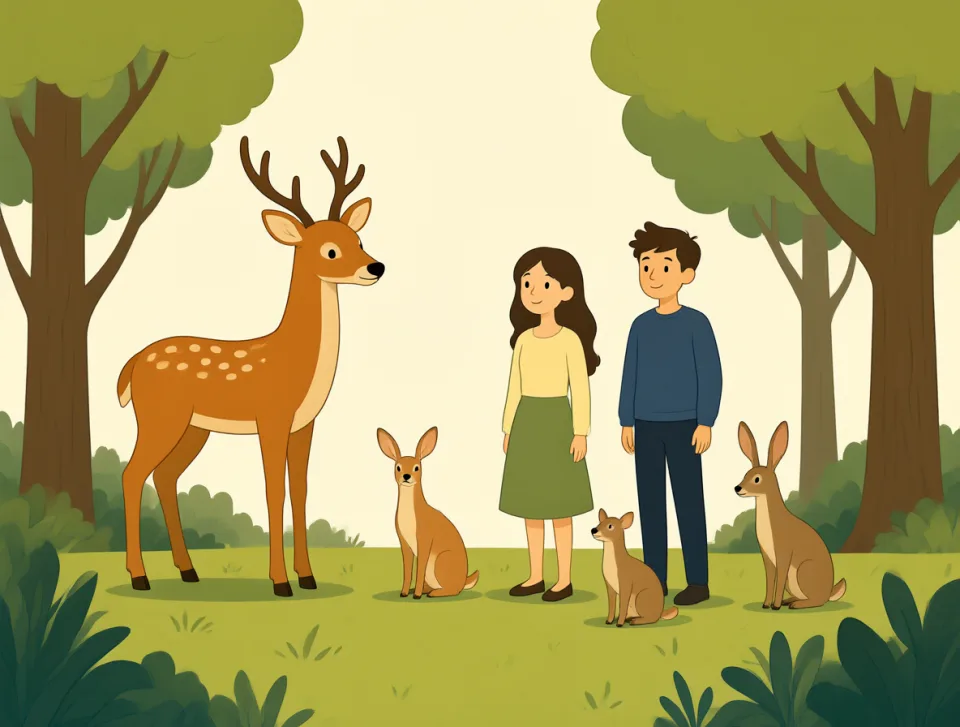
Many animals live in the forest.
कई जानवर जंगल में रहते हैं।
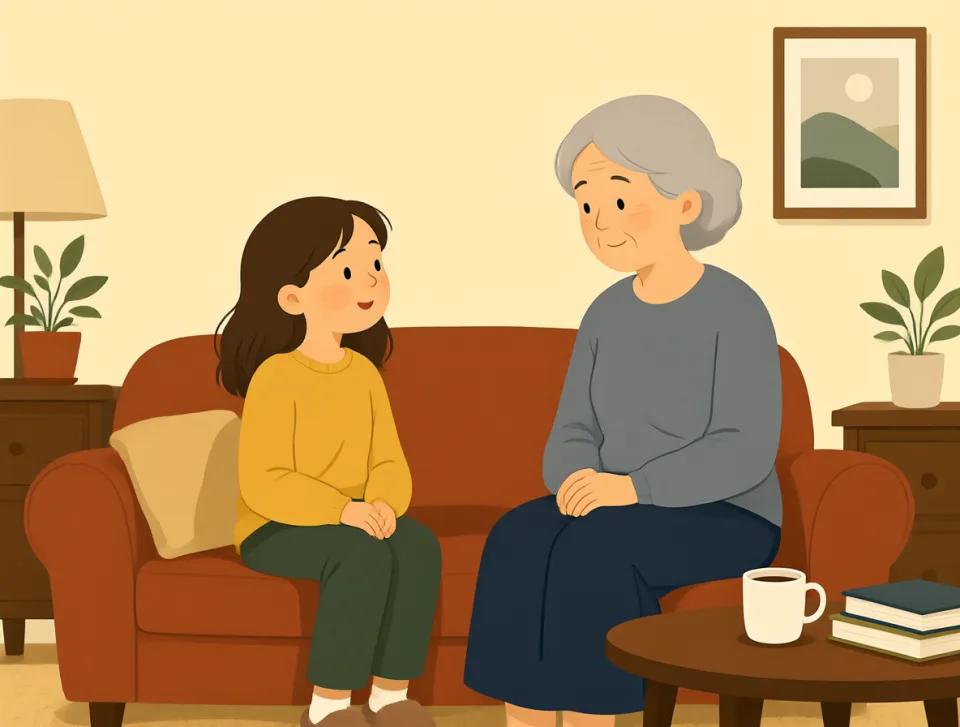
She is living with her aunt.
वह अपनी मौसी के साथ रह रही है।
why
#154adverb, noun
क्यों
Used to ask about or explain the reason for something.
किसी चीज़ का कारण पूछने या बताने के लिए इस्तेमाल होता है।
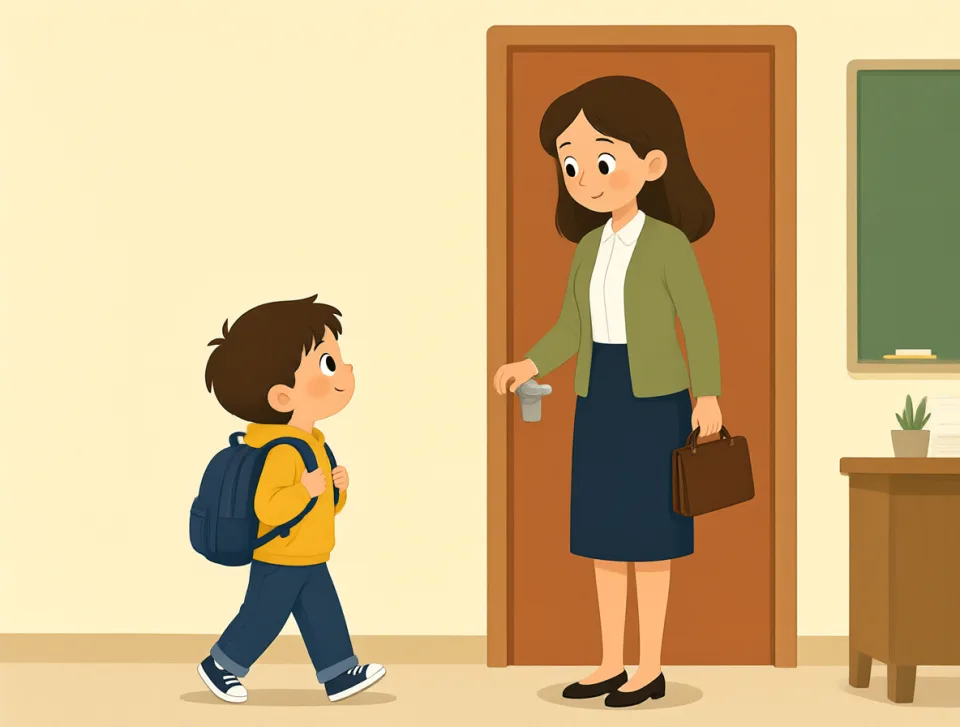
Why are you late for school?
तुम स्कूल के लिए देर से क्यों आए हो?
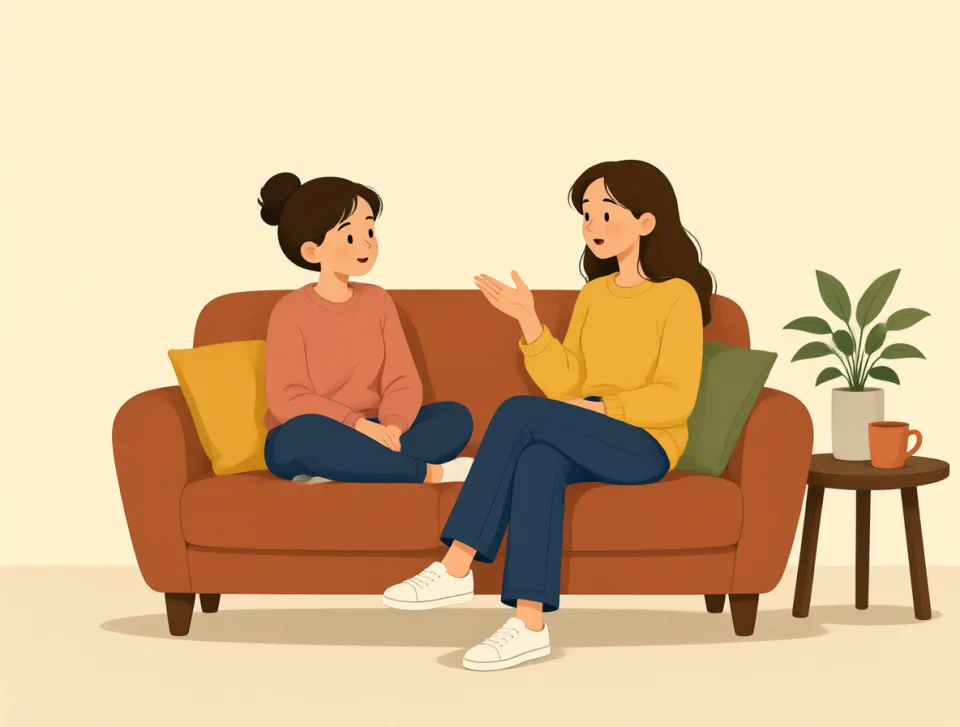
I know why she feels tired.
मुझे पता है कि वह थका हुआ क्यों महसूस करती है।

Why did you leave work early?
तुम काम से जल्दी क्यों चले गए?

He asked why the shop was closed.
उसने पूछा कि दुकान क्यों बंद थी।

There is no reason why we cannot go.
ऐसा कोई कारण नहीं है कि हम जा नहीं सकते।
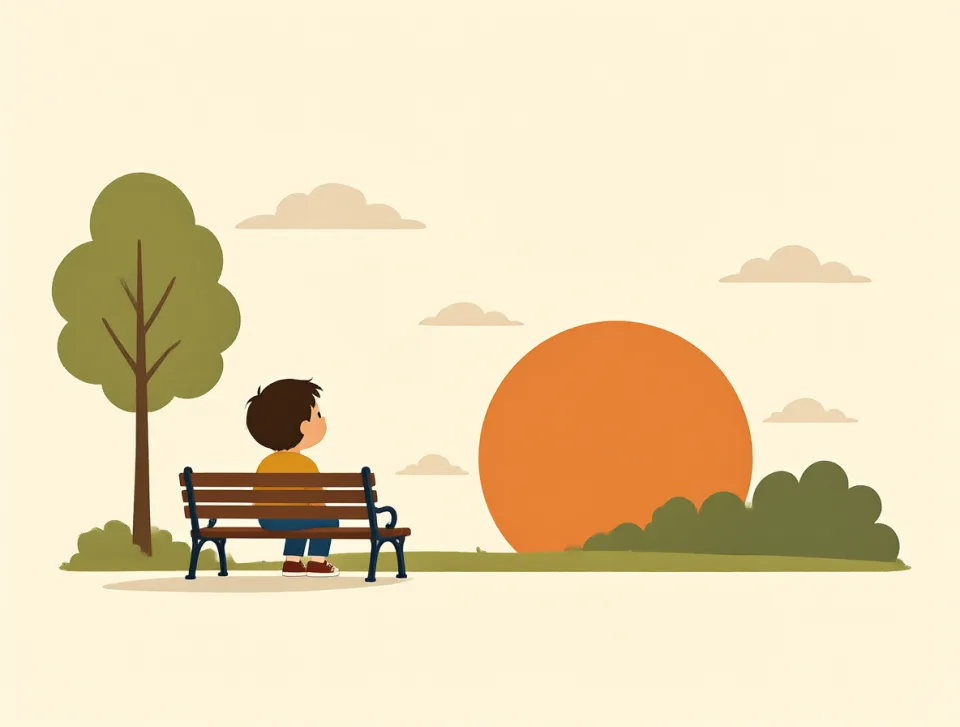
while
#155noun, conjunction, preposition
जबकि; कुछ समय
a period of time; during the time that something happens
समय की एक अवधि; उस दौरान जब कोई घटना हो रही हो।

Please wait here while I get your bag.
कृपया यहाँ इंतज़ार कीजिए, तब तक मैं आपका बैग ले आता हूँ।
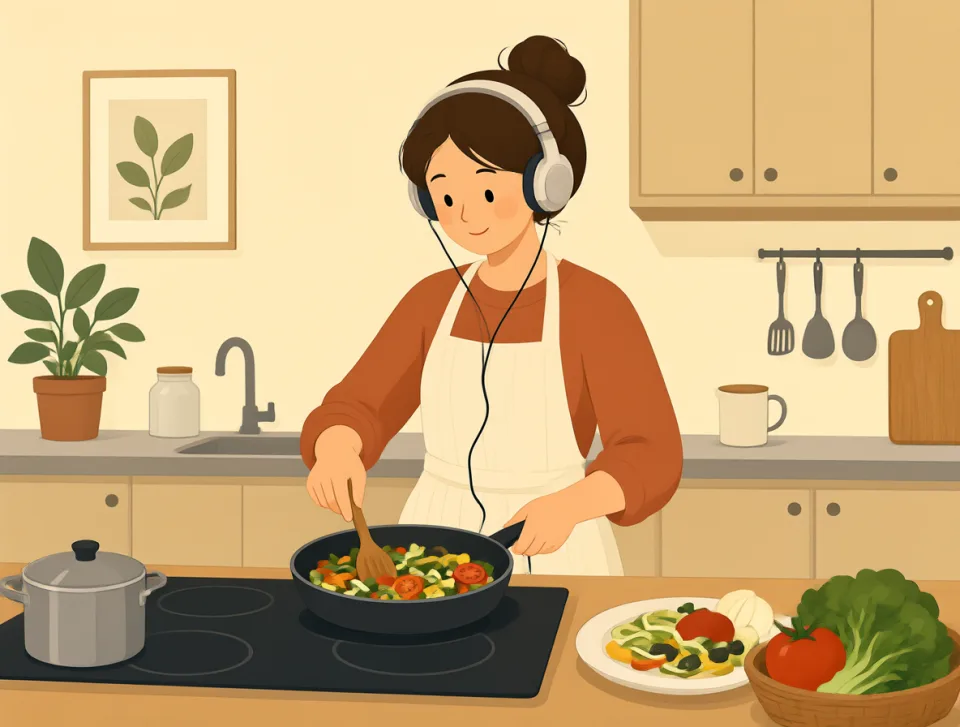
She listened to music while cooking dinner.
वह रात का खाना बनाते हुए संगीत सुन रही थी।
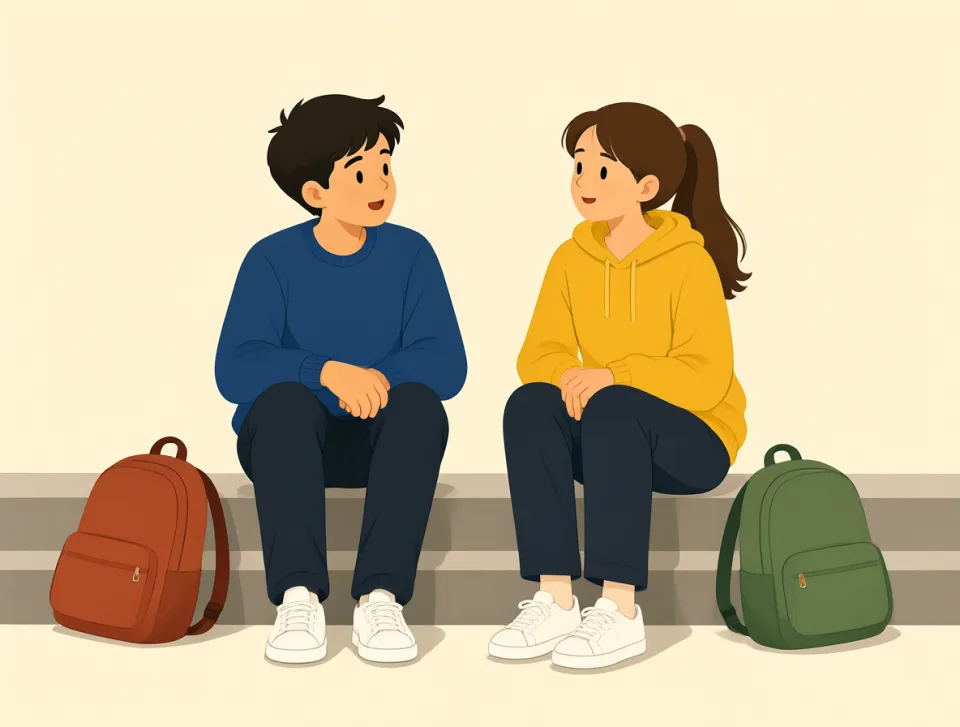
We talked for a while after school.
हम स्कूल के बाद कुछ देर तक बातें करते रहे।
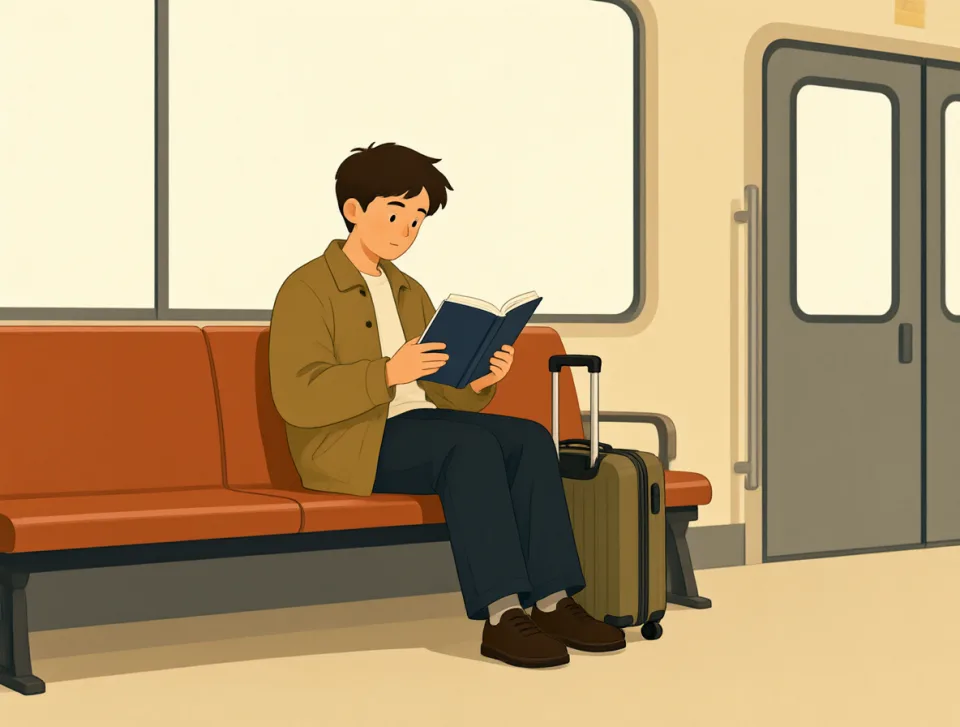
He read a book while waiting for the train.
वह ट्रेन का इंतज़ार करते हुए किताब पढ़ रहा था।
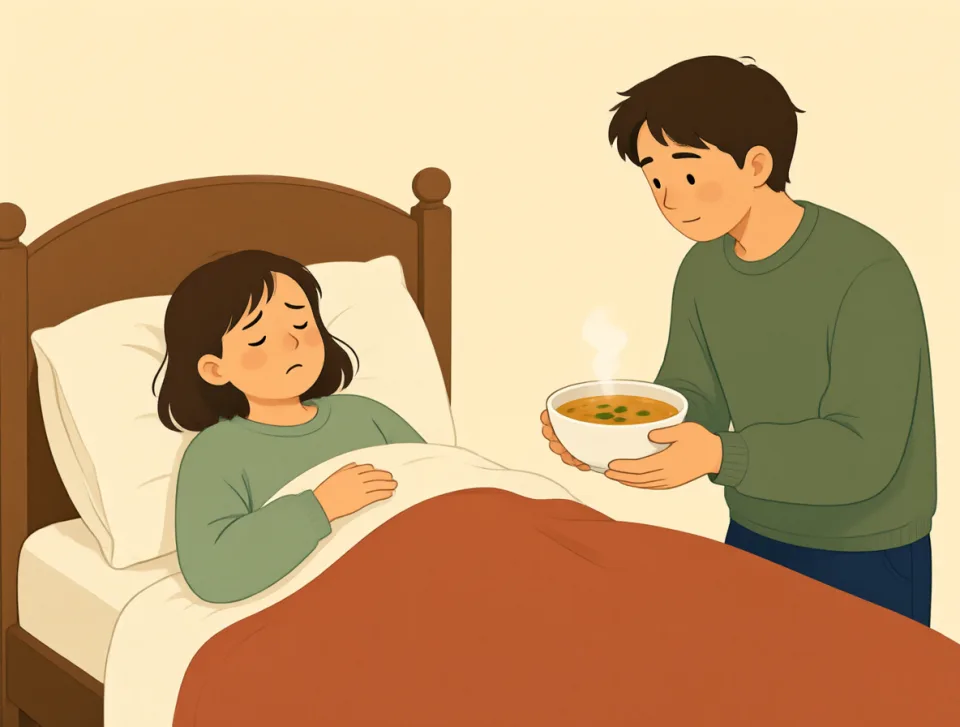
While I was sick, my friend brought soup.
जब मैं बीमार था, तब मेरा दोस्त मेरे लिए सूप लेकर आया।

world
#156noun
दुनिया
the Earth and all its people, countries, and places
पृथ्वी और उस पर रहने वाले सभी लोग, देश और स्थान
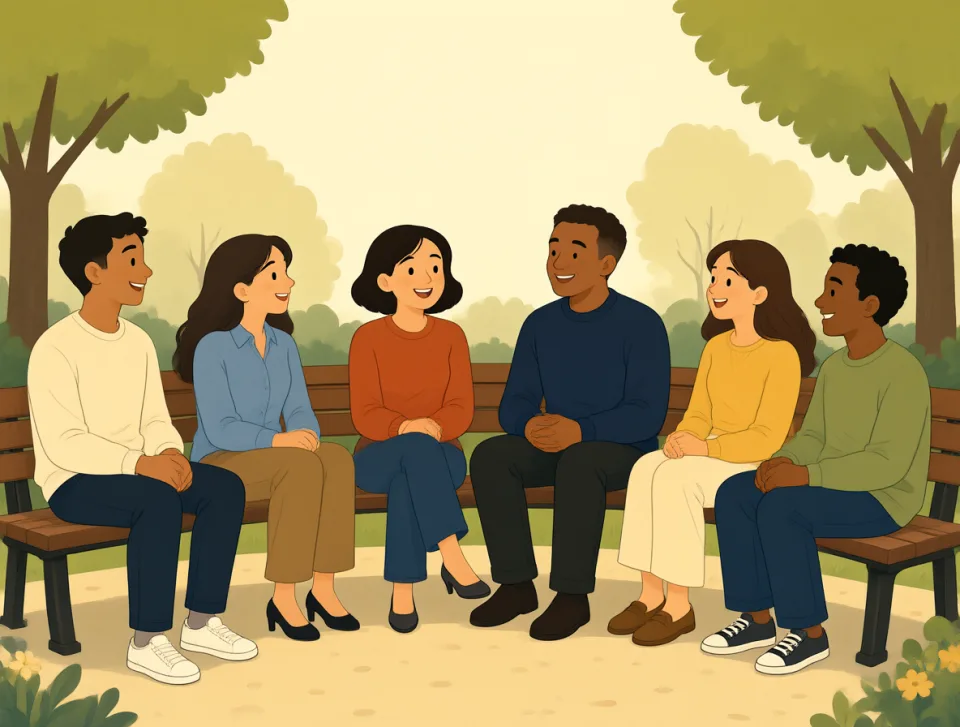
People around the world enjoy music.
दुनिया भर के लोग संगीत का आनंद लेते हैं।
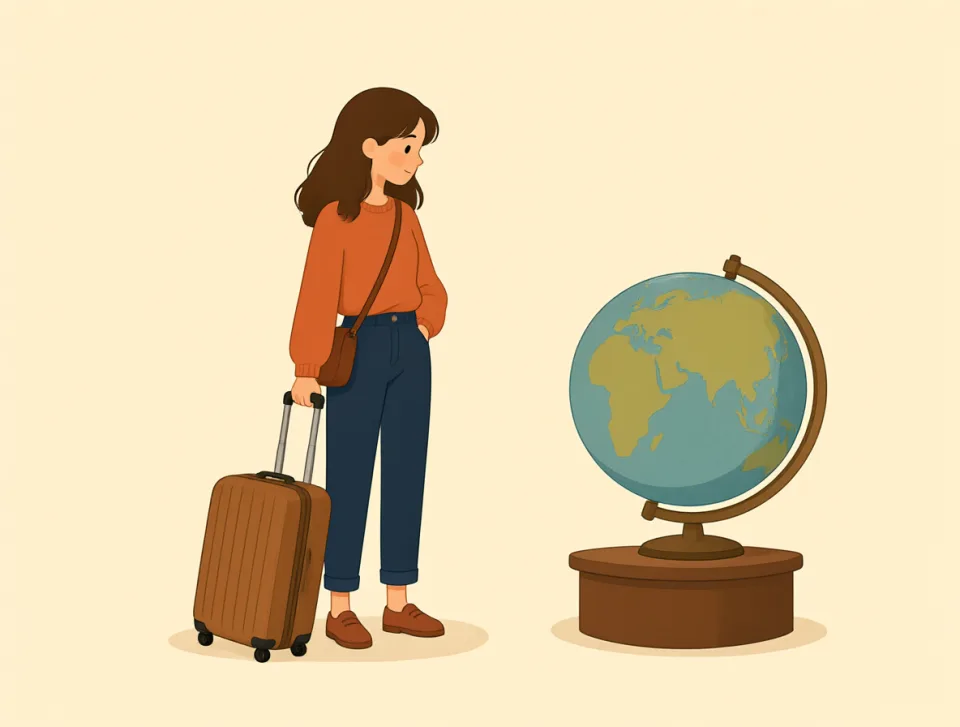
She wants to travel the world.
वह पूरी दुनिया घूमना चाहती है।
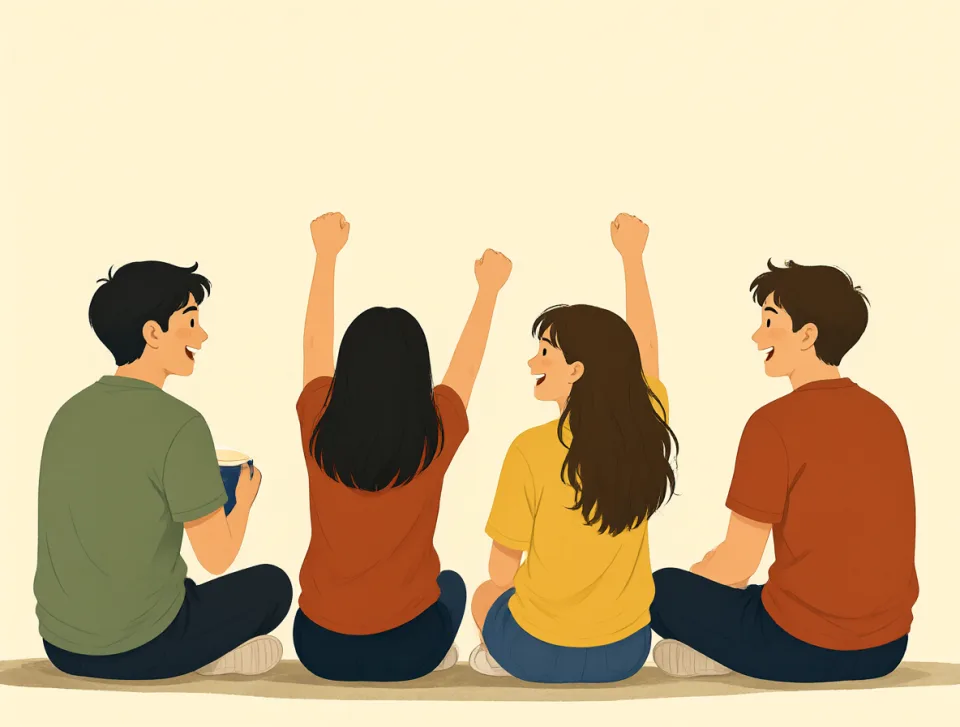
The whole world watched the game.
पूरी दुनिया ने वह खेल देखा।
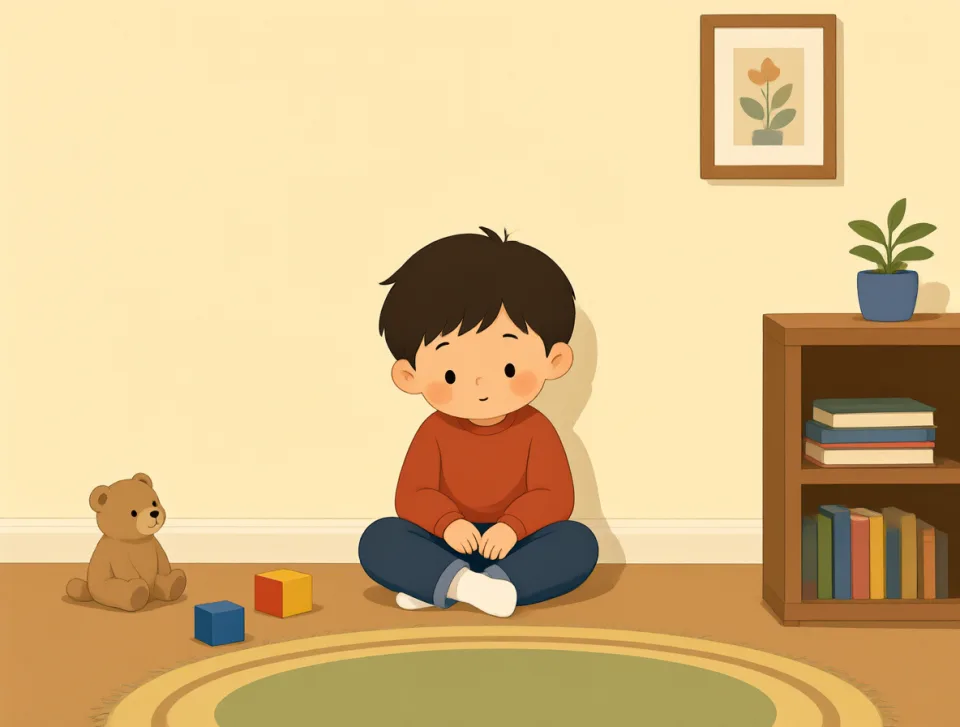
He lives in a small world.
वह एक छोटी-सी दुनिया में रहता है।

World history is my favorite school subject.
विश्व इतिहास मेरा पसंदीदा स्कूल विषय है।
week
#157noun
सप्ताह
A period of seven days, from one day to the same day the next week.
सात दिनों की अवधि, एक दिन से लेकर अगले सप्ताह के उसी दिन तक।

I visit my parents every week.
मैं हर हफ़्ते अपने माता-पिता से मिलने जाता हूँ।
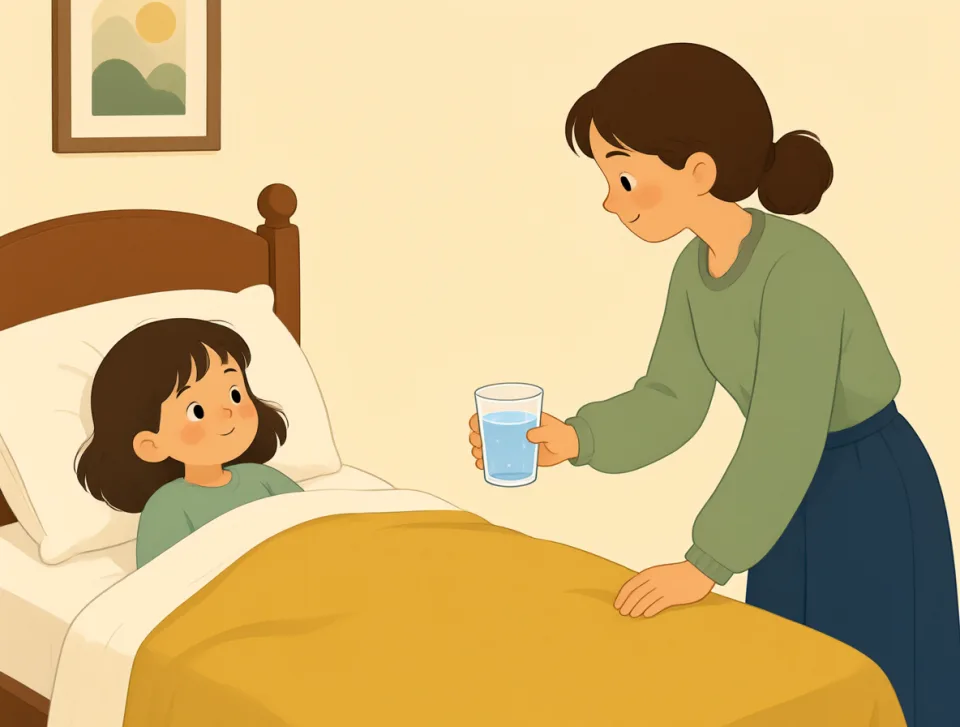
She was sick last week.
वह पिछले हफ़्ते बीमार थी।

We have a team meeting this week.
इस हफ़्ते हमारी टीम की बैठक है।
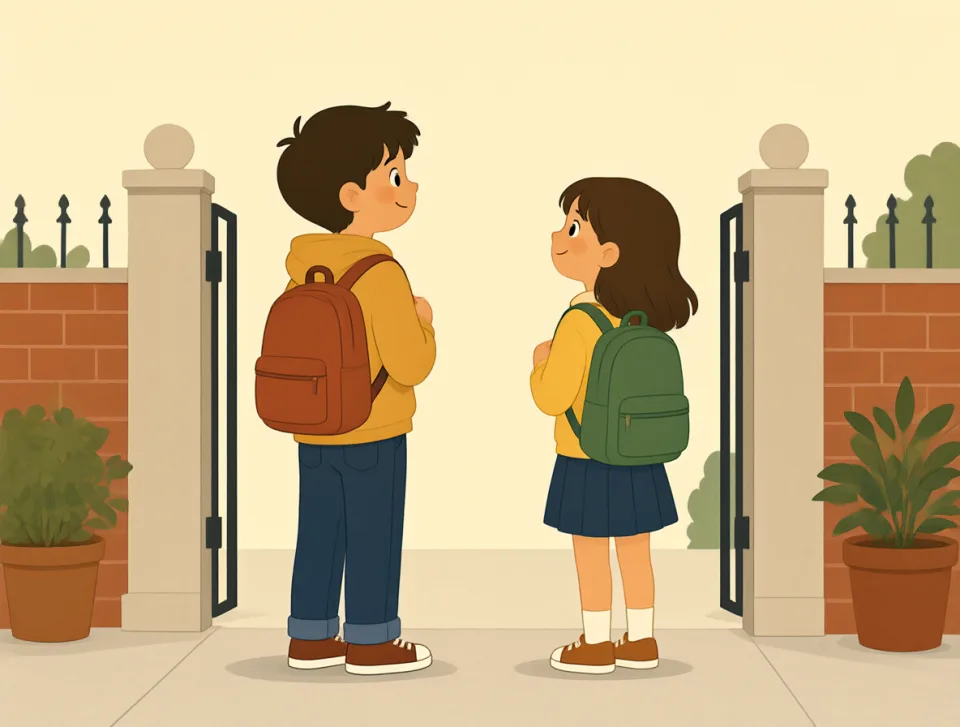
The children start school next week.
बच्चे अगले हफ़्ते स्कूल जाना शुरू करेंगे।

We are traveling to Spain in two weeks.
हम दो हफ़्ते बाद स्पेन जा रहे हैं।
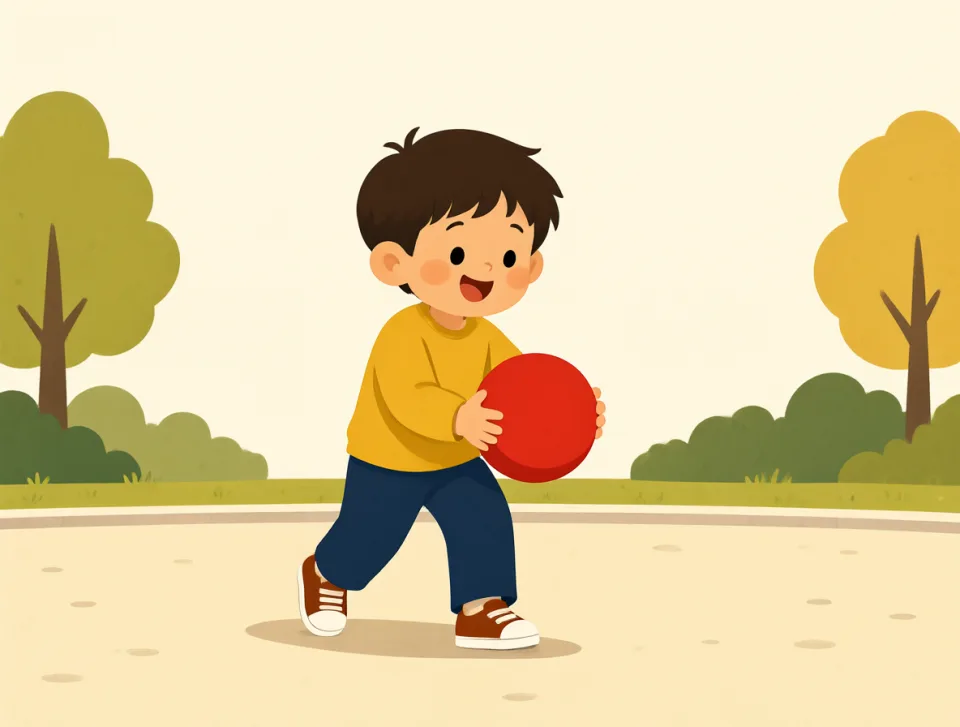
play
#158verb, noun
खेलना
to do something for fun, or to act in a show
मनोरंजन के लिए कुछ करना या किसी नाटक में अभिनय करना
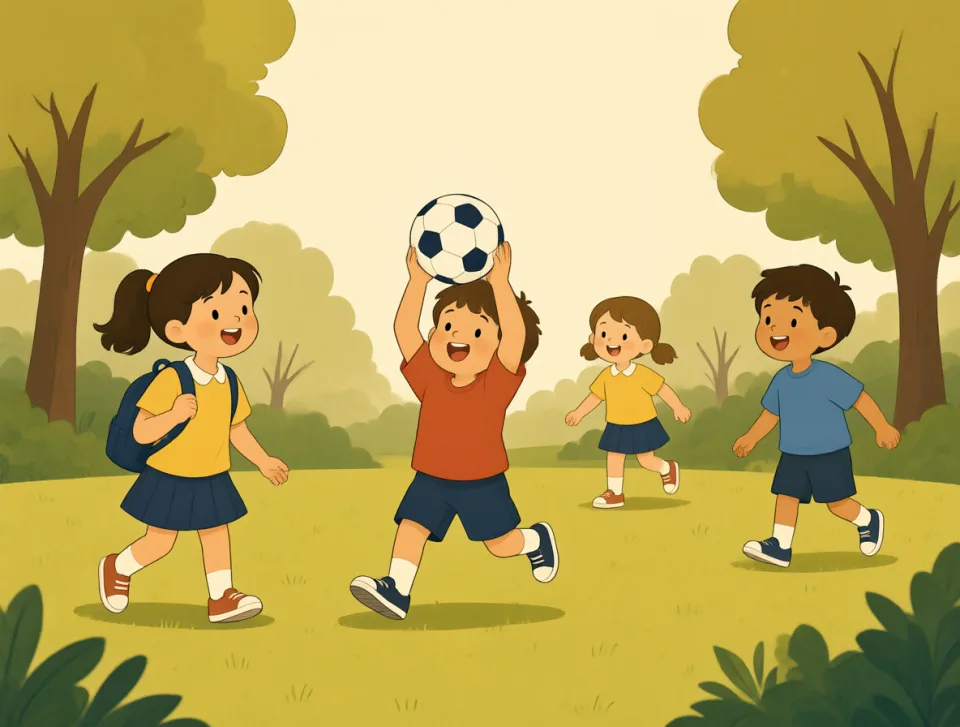
The children play outside after school.
बच्चे स्कूल के बाद बाहर खेलते हैं।
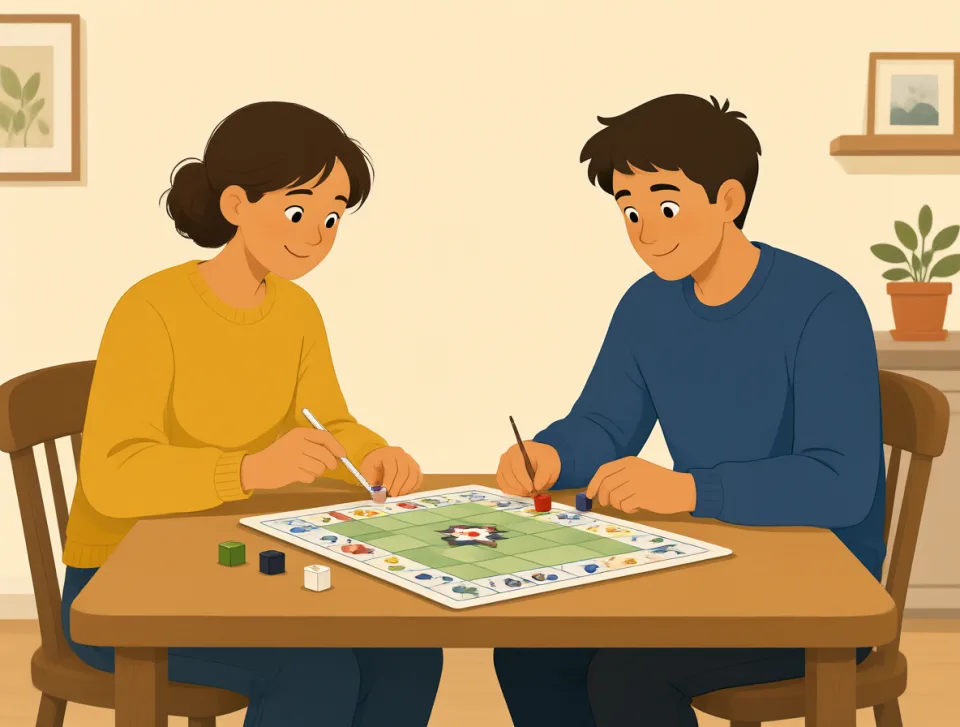
We played a game at home.
हमने घर पर एक खेल खेला।
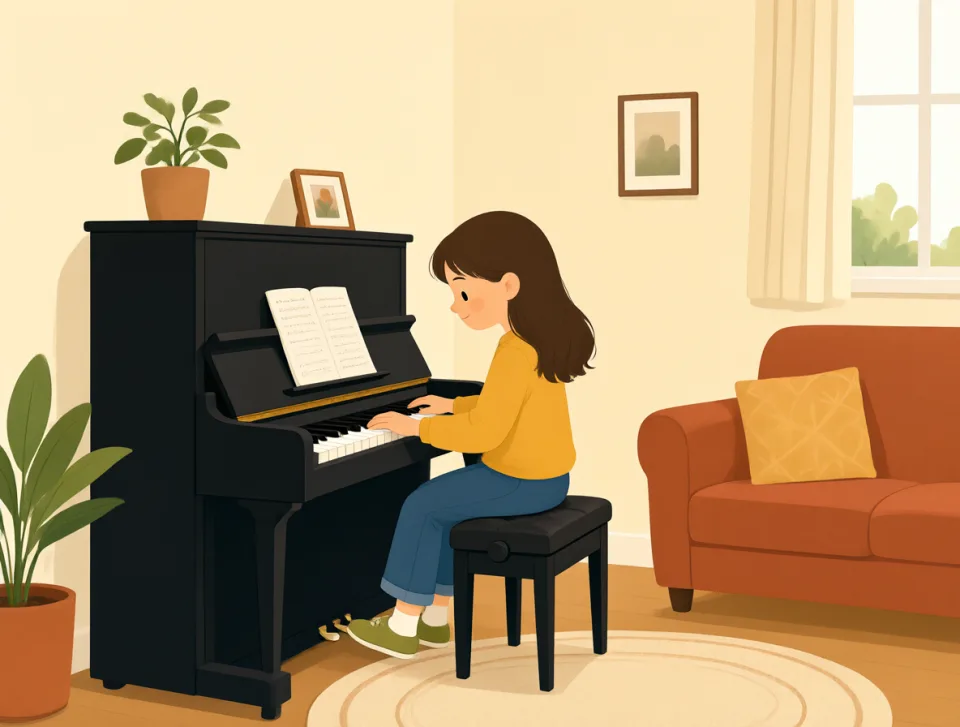
She plays the piano every morning.
वह हर सुबह पियानो बजाती है।
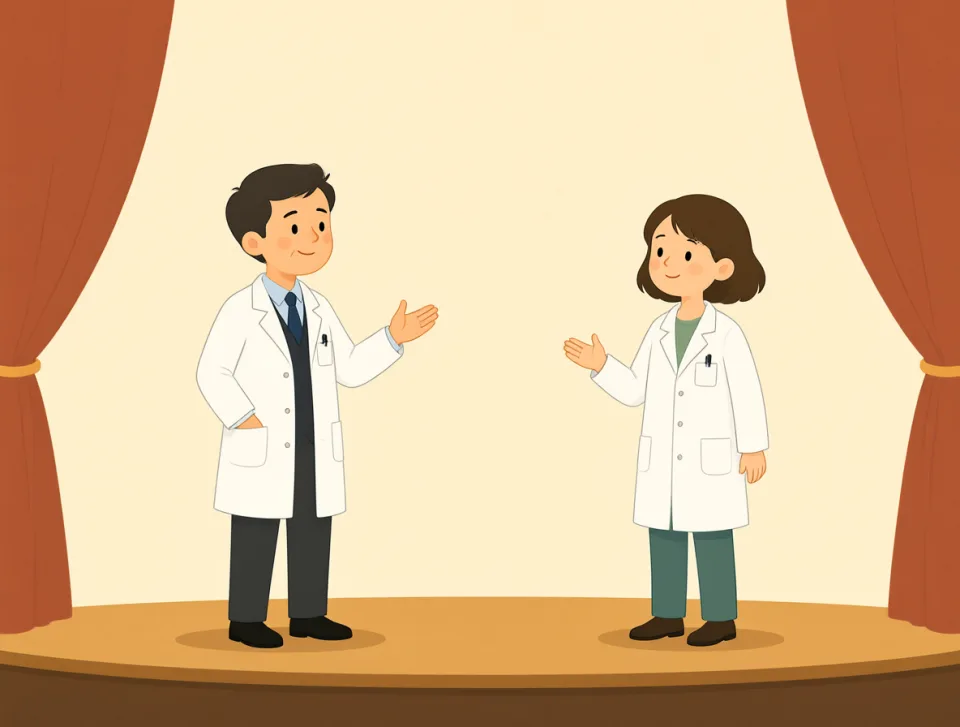
The actors play doctors in the show.
उस नाटक में अभिनेता डॉक्टरों की भूमिका निभाते हैं।
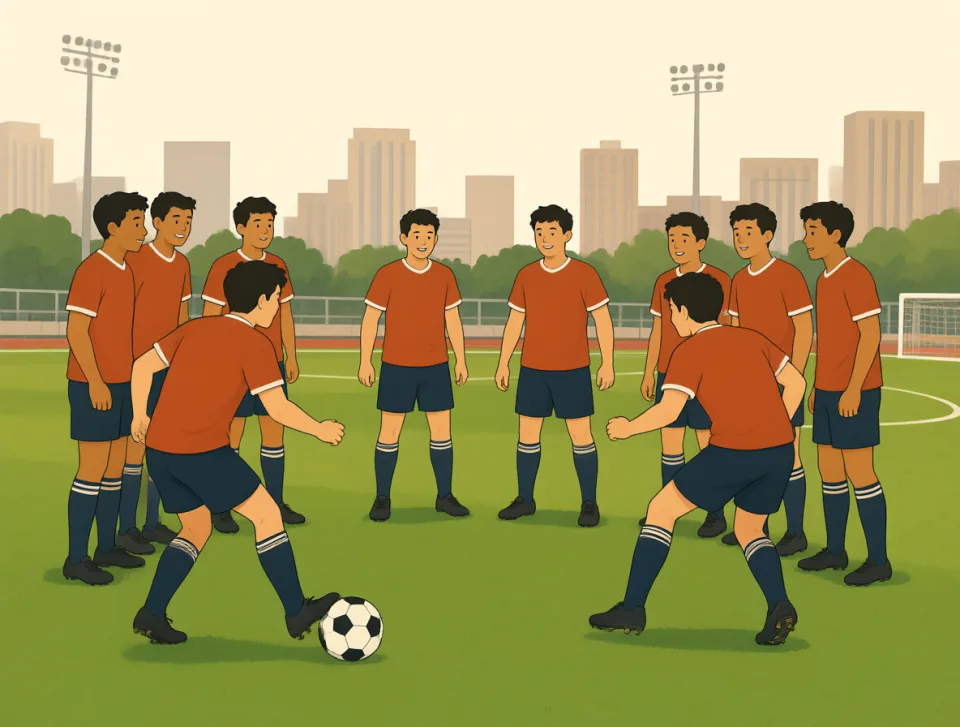
Our team plays in London tomorrow.
हमारी टीम कल लंदन में खेलेगी।
might
#159modal verb, noun
हो सकता है
Used to say something is possible or to ask permission politely.
संभावना जताने या विनम्रता से अनुमति माँगने के लिए इस्तेमाल होता है।
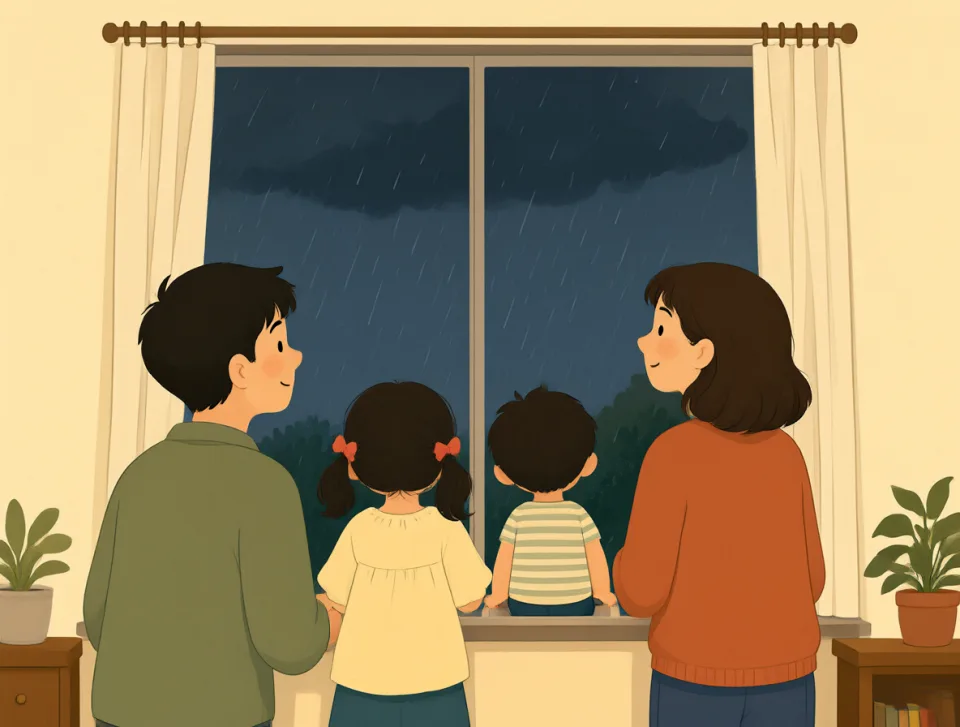
It might rain this afternoon.
आज दोपहर बारिश हो सकती है।
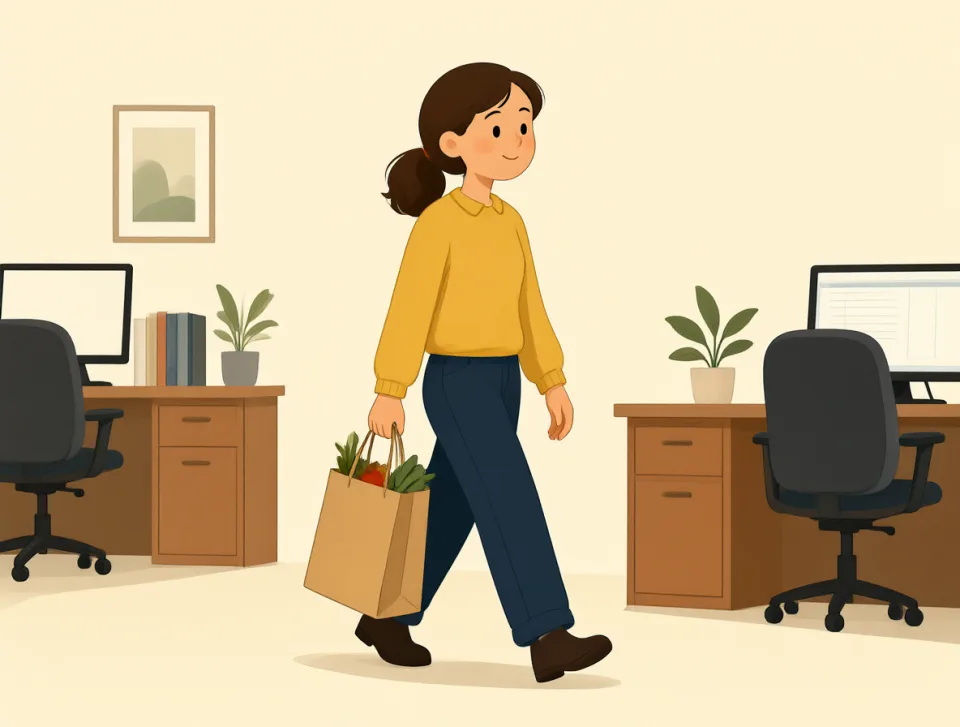
I might go shopping after work.
काम के बाद शायद मैं खरीदारी करने जाऊँ।
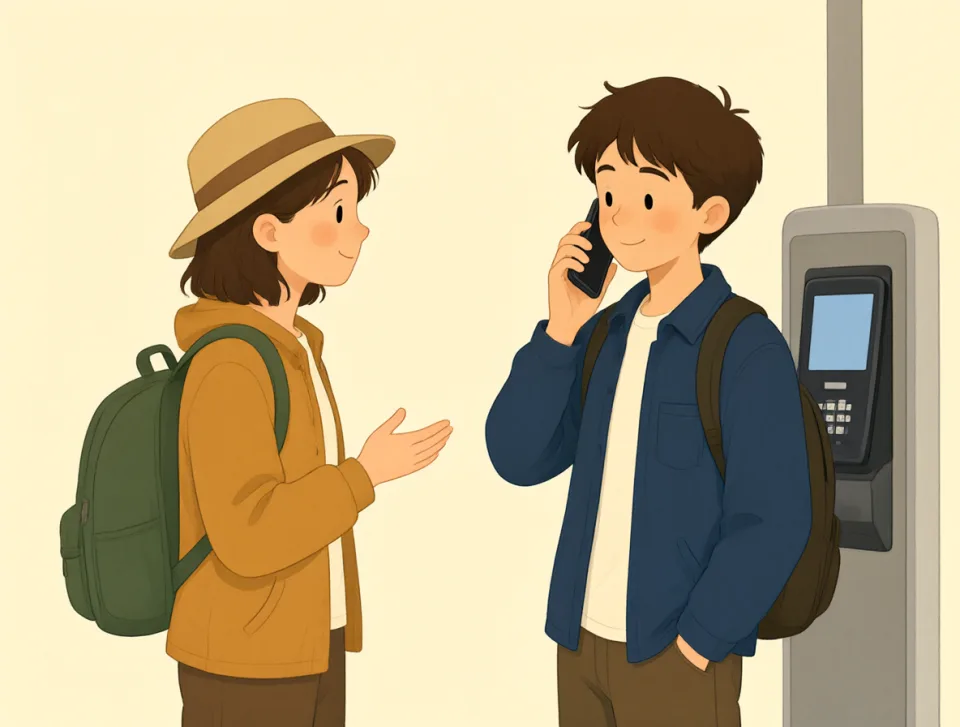
Might I use your phone, please?
क्या मैं आपका फ़ोन इस्तेमाल कर सकता हूँ, कृपया?

You might like this new restaurant.
शायद आपको यह नया रेस्तराँ पसंद आए।
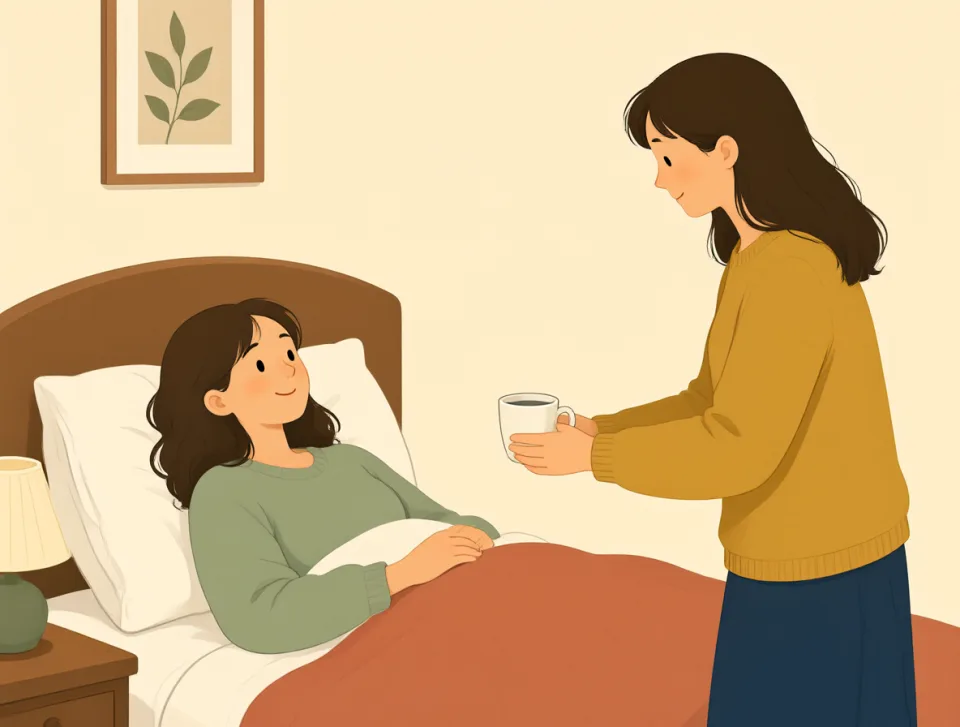
She might be sick today.
वह आज बीमार हो सकती है।
must
#160verb, noun
ज़रूर करना
To be necessary or required; something that you need to do or have.
ज़रूरी या अनिवार्य होना; कोई ऐसी चीज़ जिसे करना या रखना आवश्यक हो।
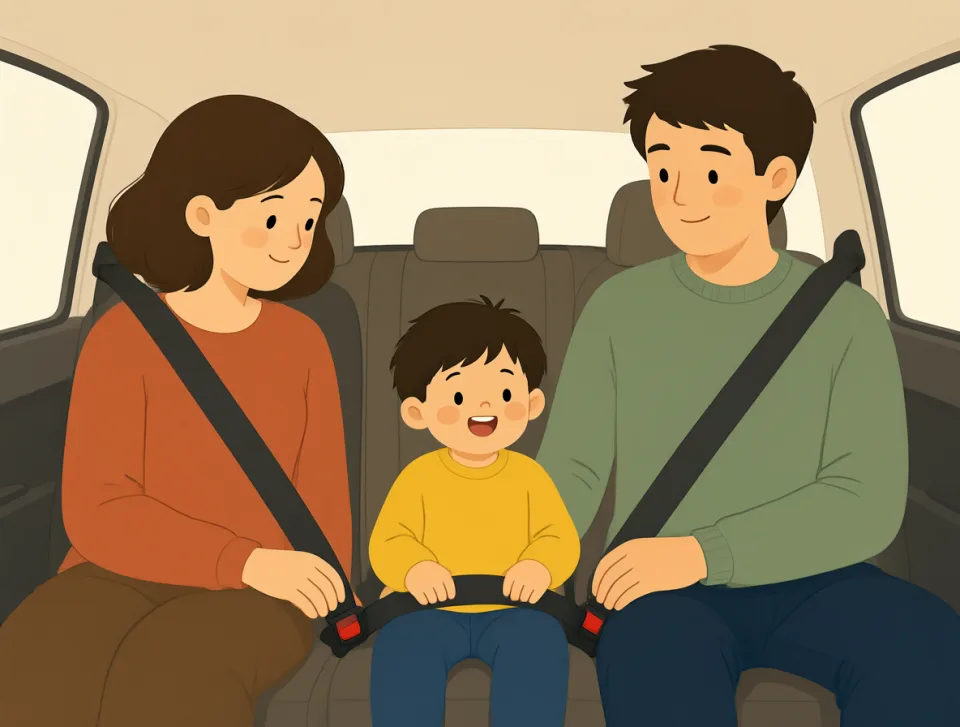
You must wear a seat belt.
आपको सीट बेल्ट ज़रूर पहननी चाहिए।

We must leave home at seven.
हमें सात बजे घर से निकलना होगा।
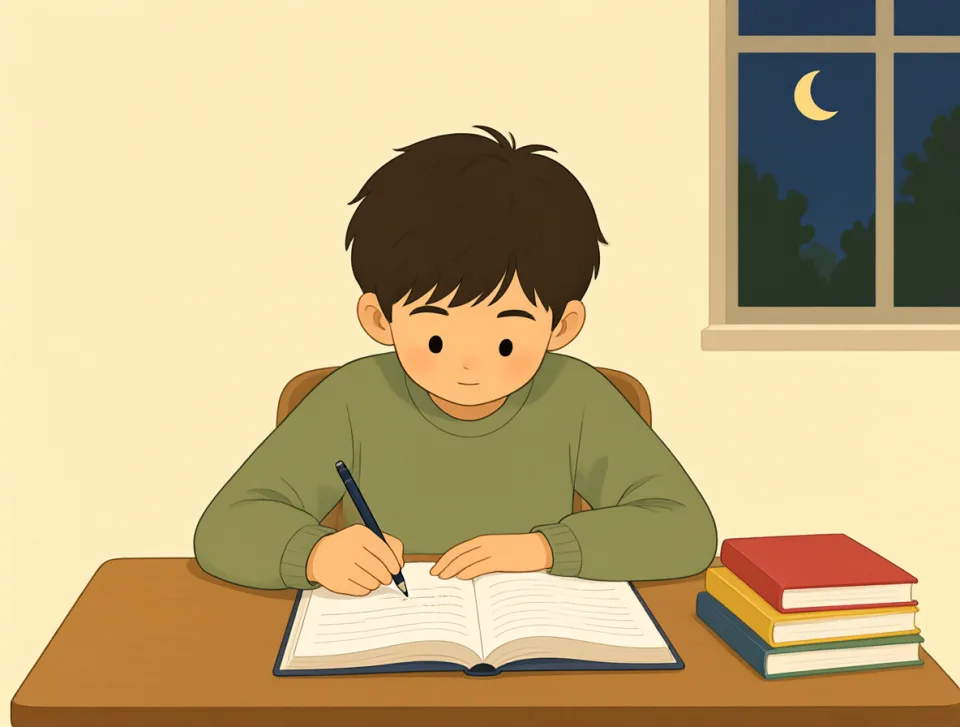
Students must finish their homework tonight.
विद्यार्थियों को आज रात अपना गृहकार्य पूरा करना होगा।
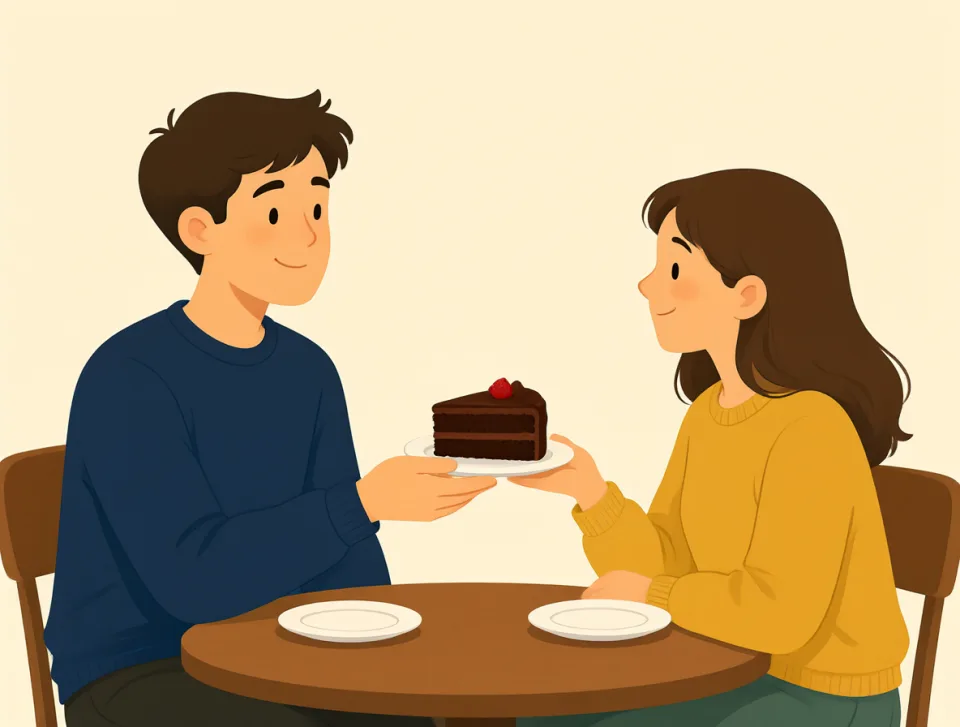
You must try this chocolate cake.
आपको यह चॉकलेट केक ज़रूर चखना चाहिए।

I must see a doctor about my cough.
मुझे अपनी खाँसी के बारे में डॉक्टर को दिखाना होगा।