หน่วย 8
คำที่ 141–160 · become, interest, country, old, each, school

become
#141verb
กลายเป็น
to start to be something or change into a different state
เริ่มเป็นบางสิ่งหรือเปลี่ยนไปอยู่ในสภาพที่แตกต่างออกไป

She wants to become a doctor someday.
สักวันหนึ่งเธออยากเป็นหมอ

The weather became cold after sunset.
อากาศเริ่มหนาวหลังพระอาทิตย์ตก

He became tired after the long walk.
เขาเหนื่อยหลังจากเดินมาไกล

The milk became sour in the heat.
นมบูดเพราะอากาศร้อน

They became good friends at school.
พวกเขากลายเป็นเพื่อนสนิทกันที่โรงเรียน

interest
#142noun, verb
ความสนใจ
A feeling of wanting to know or learn about something; to make someone curious.
ความรู้สึกที่อยากรู้หรือเรียนรู้เกี่ยวกับบางสิ่ง หรือทำให้ใครบางคนอยากรู้อยากเห็น

I have a strong interest in cooking.
ฉันสนใจการทำอาหารมาก

She showed interest in the new job.
เธอแสดงความสนใจในงานใหม่

The book caught my interest quickly.
หนังสือเล่มนั้นดึงดูดความสนใจของฉันได้อย่างรวดเร็ว
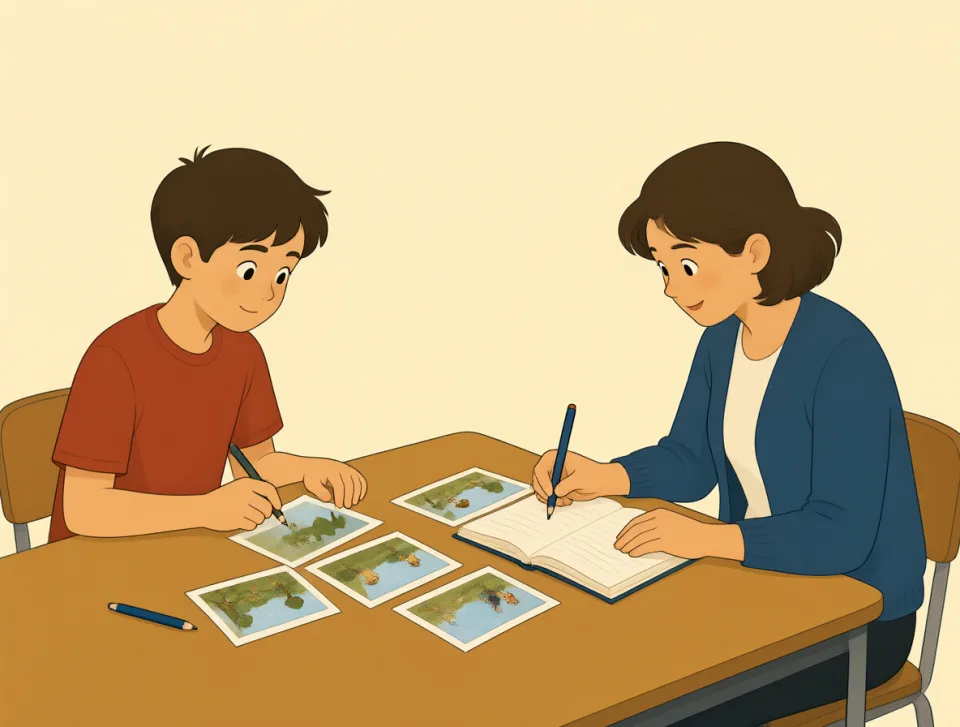
He is interested in learning Spanish.
เขาสนใจเรียนภาษาสเปน
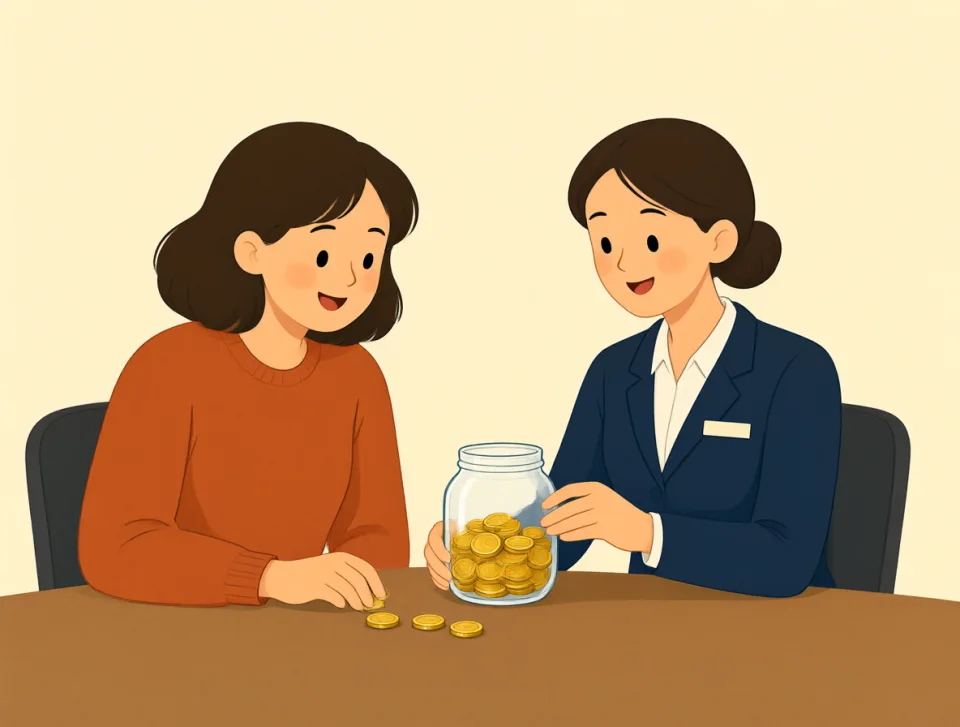
The bank pays interest on savings.
ธนาคารจ่ายดอกเบี้ยเงินฝากออมทรัพย์

country
#143noun
ประเทศ
A nation with its own government, land, and people.
ดินแดนที่มีรัฐบาล พื้นที่ และประชากรเป็นของตนเอง

She lives in the country with her family.
เธออาศัยอยู่ในชนบทกับครอบครัว

I want to visit another country this summer.
ฤดูร้อนนี้ฉันอยากไปเที่ยวประเทศอื่น

This country produces much of the world's coffee.
ประเทศนี้ผลิตกาแฟส่วนใหญ่ของโลก

We bought fresh eggs from the country.
เราซื้อไข่สดจากชนบท

He grew up in the country near a small town.
เขาเติบโตมาในชนบทใกล้เมืองเล็ก ๆ แห่งหนึ่ง

old
#144adjective, noun
เก่า
having lived for many years; belonging to a time long ago
มีอายุมาหลายปีแล้ว หรือเป็นของยุคสมัยที่ผ่านมานานแล้ว

My old shoes are very comfortable.
รองเท้าคู่เก่าของฉันใส่สบายมาก

We visited my old school yesterday.
เมื่อวานเราไปเยี่ยมโรงเรียนเก่าของฉัน

That old car still works well.
รถเก่าคันนั้นยังใช้งานได้ดี
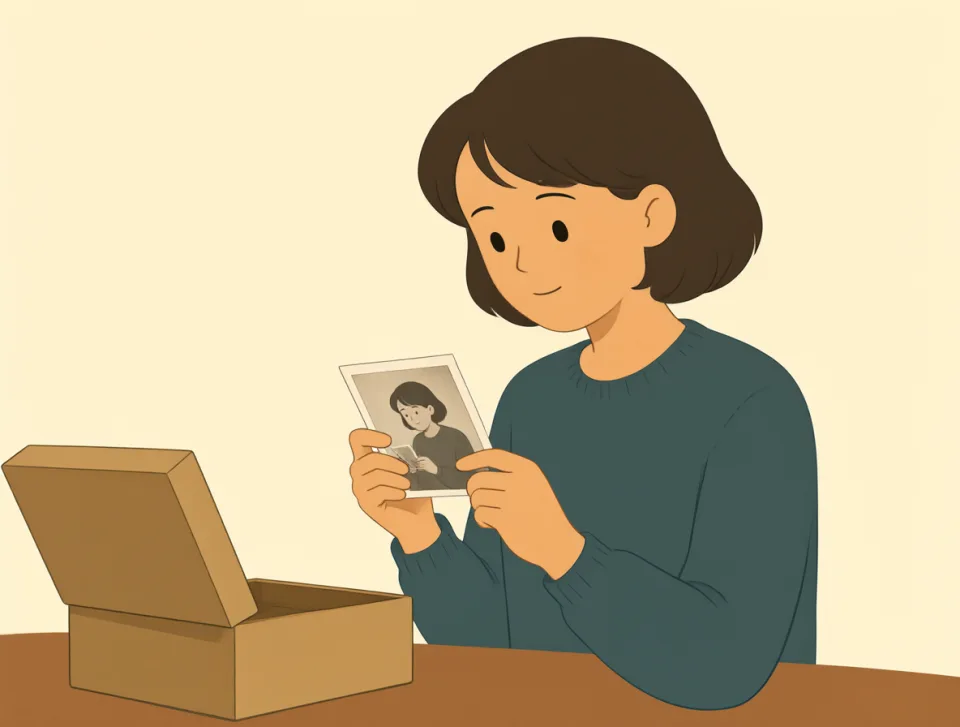
I found an old photo in a box.
ฉันเจอรูปถ่ายเก่าใบหนึ่งในกล่อง
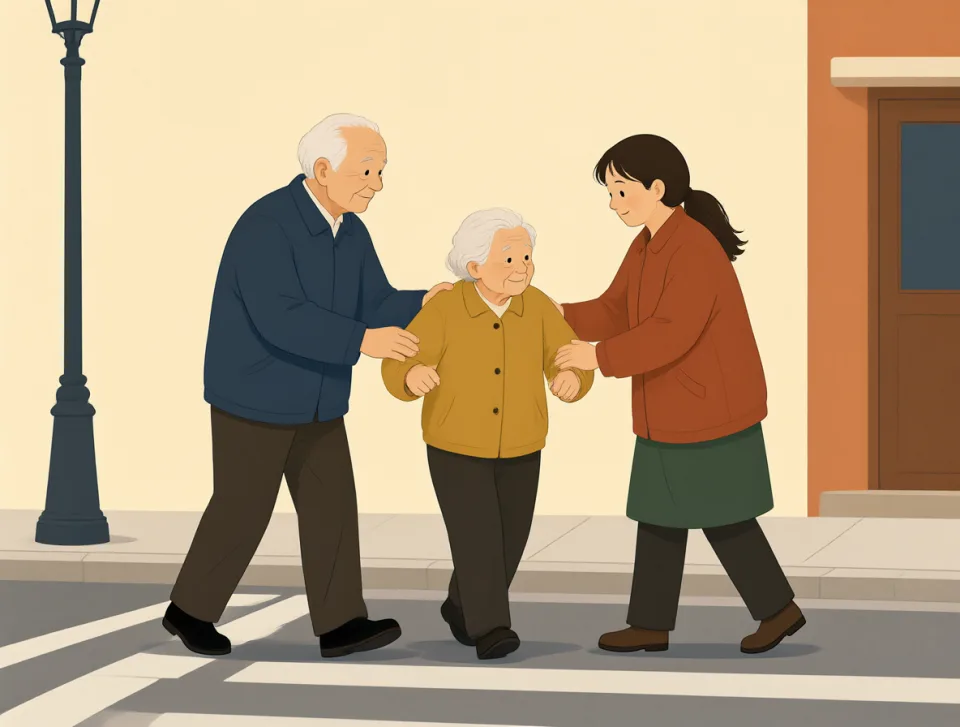
The old man needs help crossing the street.
ชายชราต้องการความช่วยเหลือในการข้ามถนน
each
#145determiner, pronoun
แต่ละ
Every one of two or more people or things, considered separately.
ทุกคนหรือทุกสิ่งในกลุ่มที่มีตั้งแต่สองคนหรือสองสิ่งขึ้นไป โดยพิจารณาแยกกัน
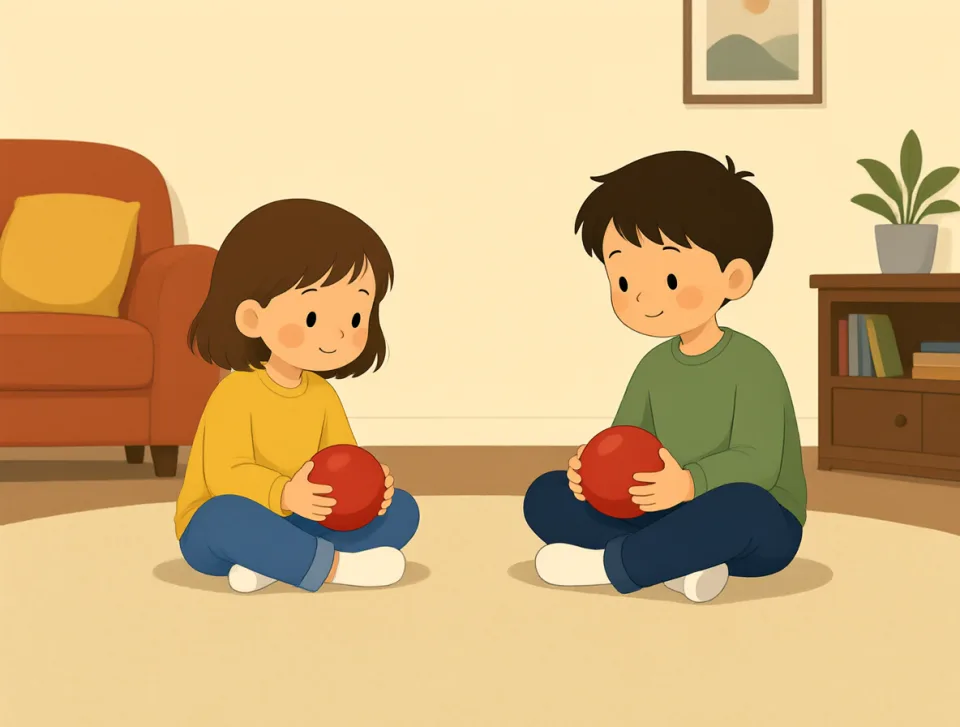
Each child has a small red ball.
เด็กแต่ละคนมีลูกบอลสีแดงลูกเล็ก ๆ

We each brought a sandwich for lunch.
เราต่างก็เอาแซนด์วิชมาคนละชิ้นสำหรับมื้อกลางวัน
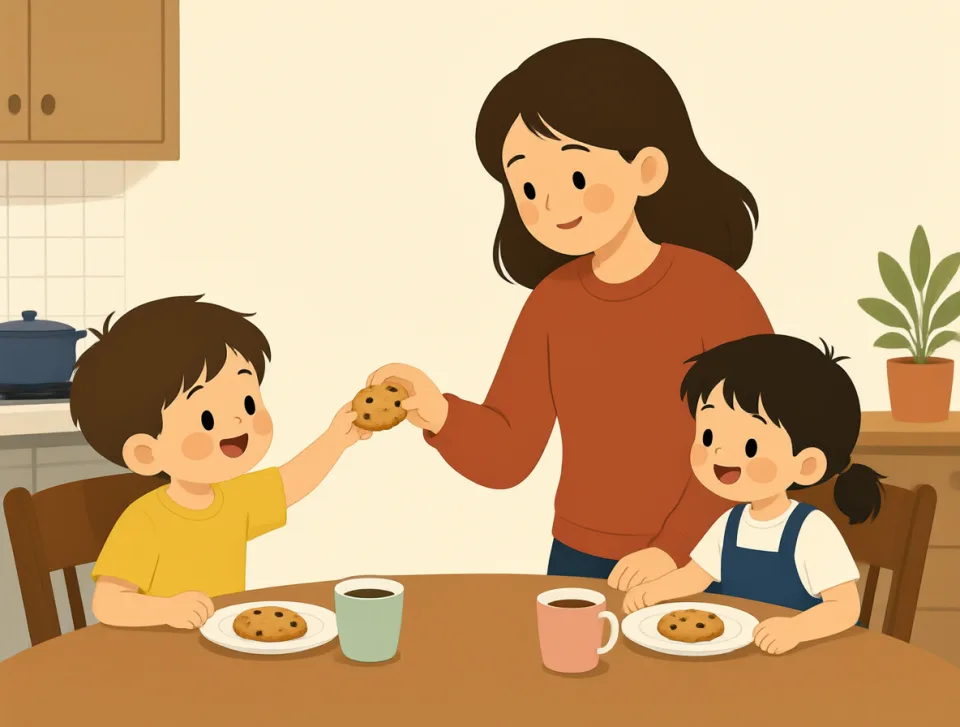
Please take one cookie each.
กรุณาหยิบคุกกี้ไปคนละชิ้น

The students each answered one question.
นักเรียนแต่ละคนตอบคำถามหนึ่งข้อ

They checked each bag before the flight.
พวกเขาตรวจดูกระเป๋าแต่ละใบก่อนขึ้นเครื่อง

school
#146noun, verb
โรงเรียน
A place where children learn, or the time spent learning there.
สถานที่ที่เด็ก ๆ ไปเรียน หรือช่วงเวลาที่ใช้เรียนที่นั่น

My sister walks to school every morning.
พี่สาว/น้องสาวของฉันเดินไปโรงเรียนทุกเช้า

The children are playing outside school.
เด็ก ๆ กำลังเล่นอยู่ข้างนอกโรงเรียน
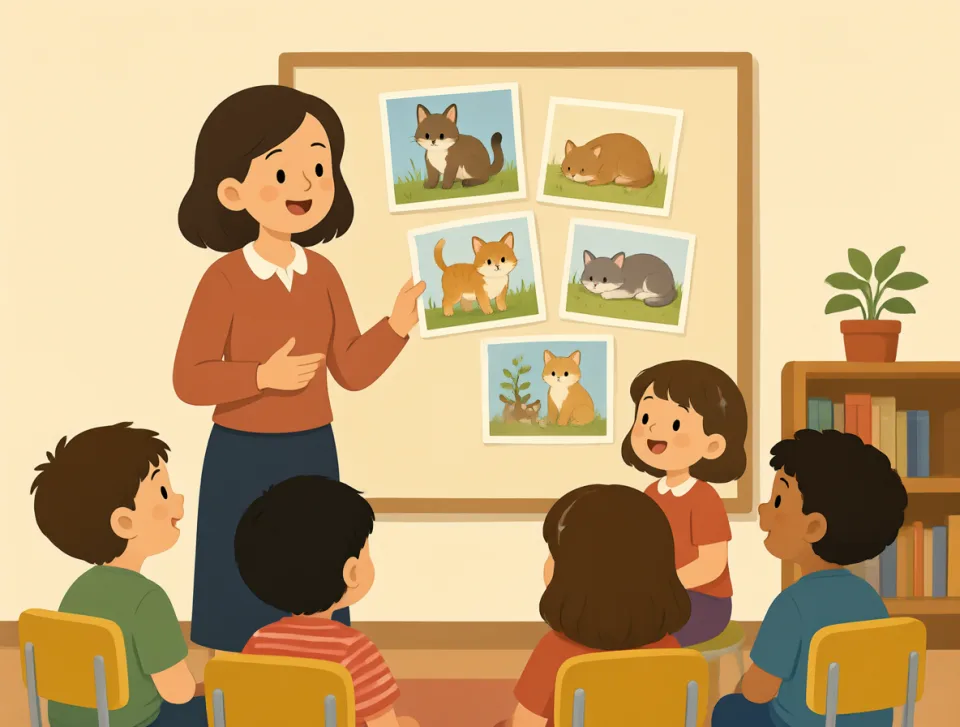
We learned about animals at school.
พวกเราเรียนเรื่องสัตว์ที่โรงเรียน

My father went to cooking school.
พ่อของฉันไปเรียนทำอาหารที่โรงเรียนสอนทำอาหาร
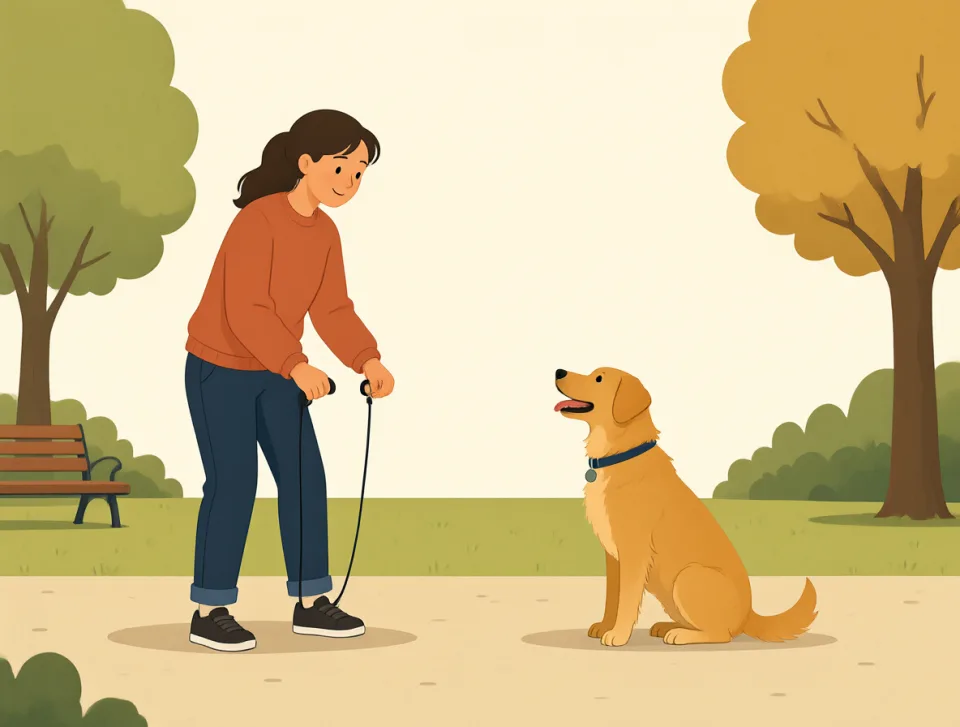
They school their dog every day.
พวกเขาฝึกสุนัขทุกวัน

late
#147adjective, adverb, noun
สาย
Happening, arriving, or being after the expected or usual time.
เกิดขึ้น มาถึง หรืออยู่หลังเวลาที่คาดไว้หรือเวลาปกติ

I was late for school this morning.
เช้านี้ฉันไปโรงเรียนสาย
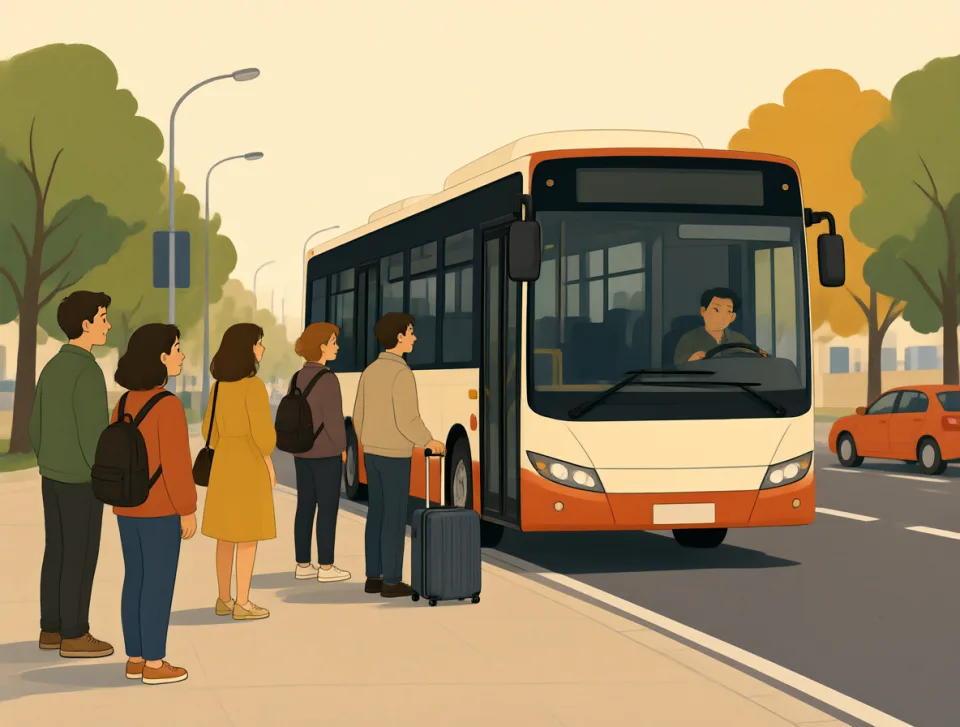
The bus arrived late because of traffic.
รถเมล์มาถึงช้าเพราะรถติด

We had dinner late last night.
เมื่อคืนพวกเรากินมื้อเย็นดึก

She stayed late at work yesterday.
เมื่อวานเธออยู่ทำงานจนดึก

My late grandfather loved gardening.
คุณปู่/คุณตาผู้ล่วงลับของฉันชอบทำสวน

high
#148adjective, adverb, noun
สูง
Far above the ground, or greater than usual in amount, level, or price.
อยู่เหนือพื้นดินมาก หรือมีปริมาณ ระดับ หรือราคาสูงกว่าปกติ

The kite flew high above the trees.
ว่าวลอยสูงเหนือต้นไม้

Please put the books on the high shelf.
กรุณาวางหนังสือไว้บนชั้นสูง

Prices are high at this store.
ร้านนี้ราคาสูง

She has a high fever today.
วันนี้เธอมีไข้สูง

The plane climbed high into the sky.
เครื่องบินไต่ระดับขึ้นสูงสู่ท้องฟ้า

different
#149adjective
แตกต่าง
Not the same as another person or thing.
ไม่เหมือนกับคนหรือสิ่งอื่น

My new shoes are different from yours.
รองเท้าใหม่ของฉันต่างจากของเธอ

We tried different foods at the market.
พวกเราได้ลองชิมอาหารหลากหลายชนิดที่ตลาด

She has a different idea for the project.
เธอมีแนวคิดที่แตกต่างสำหรับโครงการนี้

The weather is different in the mountains.
อากาศบนภูเขาแตกต่างออกไป

He feels different after taking the medicine.
เขารู้สึกไม่เหมือนเดิมหลังจากกินยา

off
#150adverb, adjective, preposition, noun
ปิด
Away from a place, position, or working state; not operating or attached.
อยู่ห่างจากสถานที่หรือตำแหน่งหนึ่ง ไม่ทำงาน หรือไม่ได้ติดอยู่กับสิ่งใด

Please turn off the kitchen light.
กรุณาปิดไฟในครัว
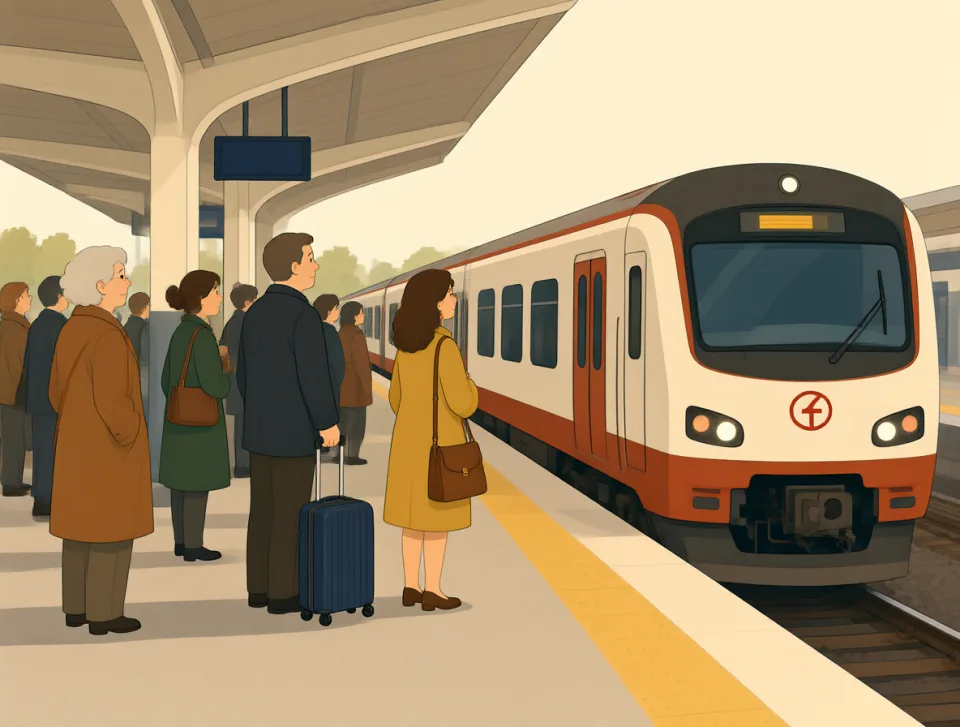
The train left ten minutes off schedule.
รถไฟออกช้ากว่ากำหนดสิบนาที
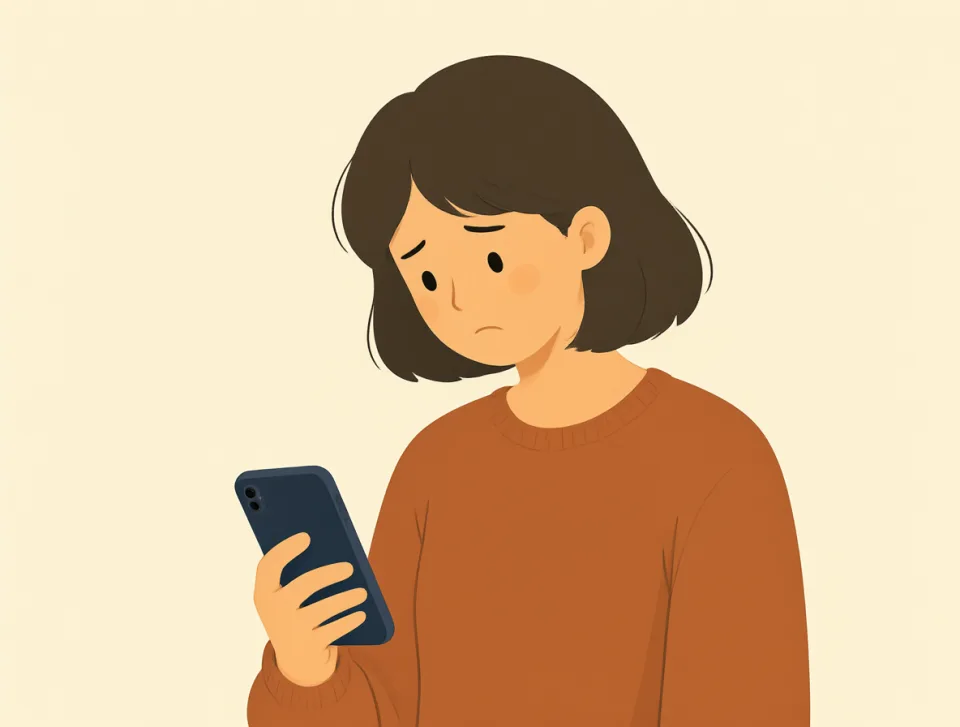
My phone is off because its battery died.
โทรศัพท์ของฉันปิดอยู่เพราะแบตเตอรี่หมด

She fell off her bike yesterday.
เมื่อวานเธอตกจากจักรยาน

The milk smells off, so throw it away.
นมมีกลิ่นเสีย ทิ้งไปเถอะ
next
#151adjective, adverb, noun, determiner
ถัดไป
Coming immediately after this one in time, order, or place.
ที่มาต่อจากสิ่งนี้ทันทีในแง่ของเวลา ลำดับ หรือตำแหน่ง

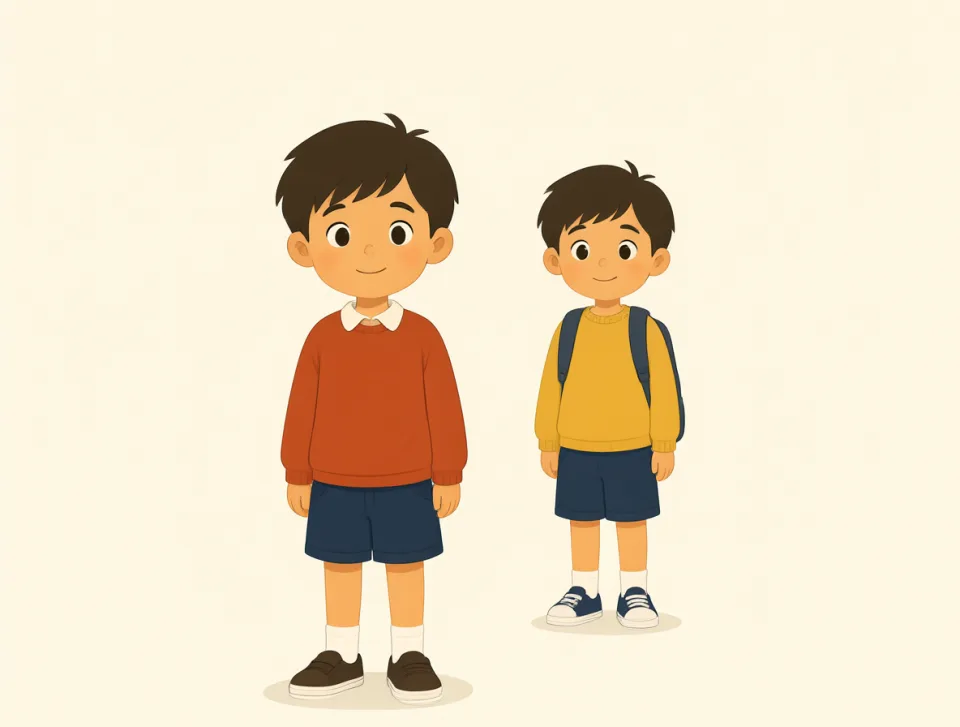
What are you doing next?
ต่อไปคุณจะทำอะไร?

The next bus leaves at noon.
รถบัสเที่ยวถัดไปออกตอนเที่ยง

Please call me next week.
ช่วยโทรหาฉันสัปดาห์หน้าหน่อยนะ

She was next in line for coffee.
เธออยู่ถัดไปในแถวซื้อกาแฟ

Our next lesson is about animals.
บทเรียนถัดไปของเราเกี่ยวกับสัตว์

end
#152noun, verb
จบ; ตอนท้าย
the final part of something, or to finish something
ส่วนสุดท้ายของบางสิ่ง หรือทำให้บางสิ่งสิ้นสุดลง

The movie ended late last night.
หนังจบช้าดึกเมื่อคืน
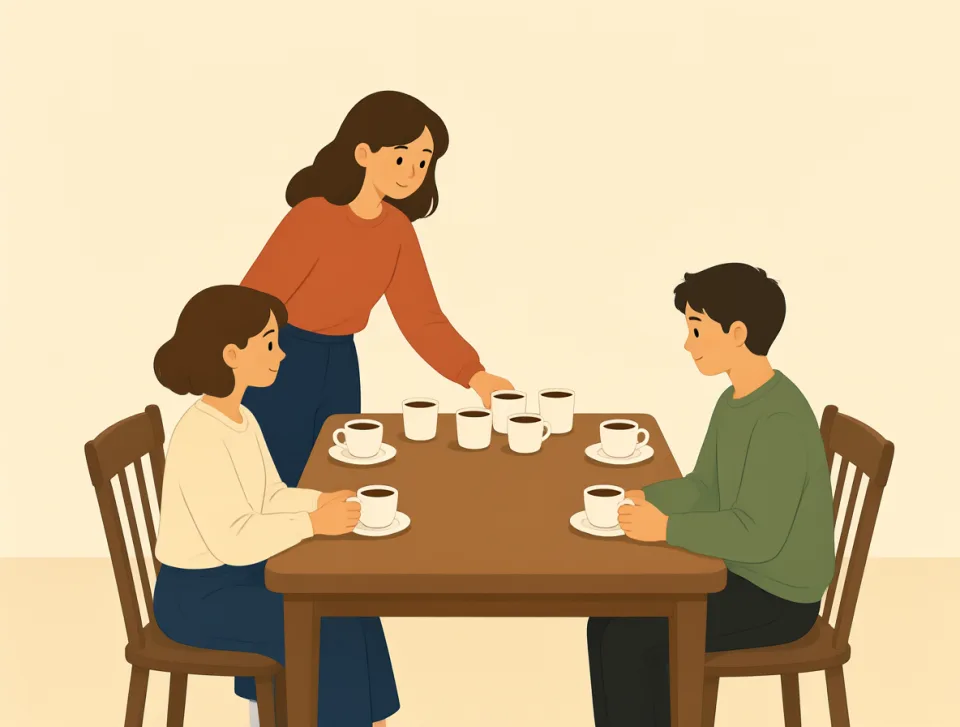
Please put the cups at the end.
ช่วยวางแก้วไว้ตรงท้ายแถวหน่อย

We walked to the end of the road.
เราเดินไปจนสุดถนน
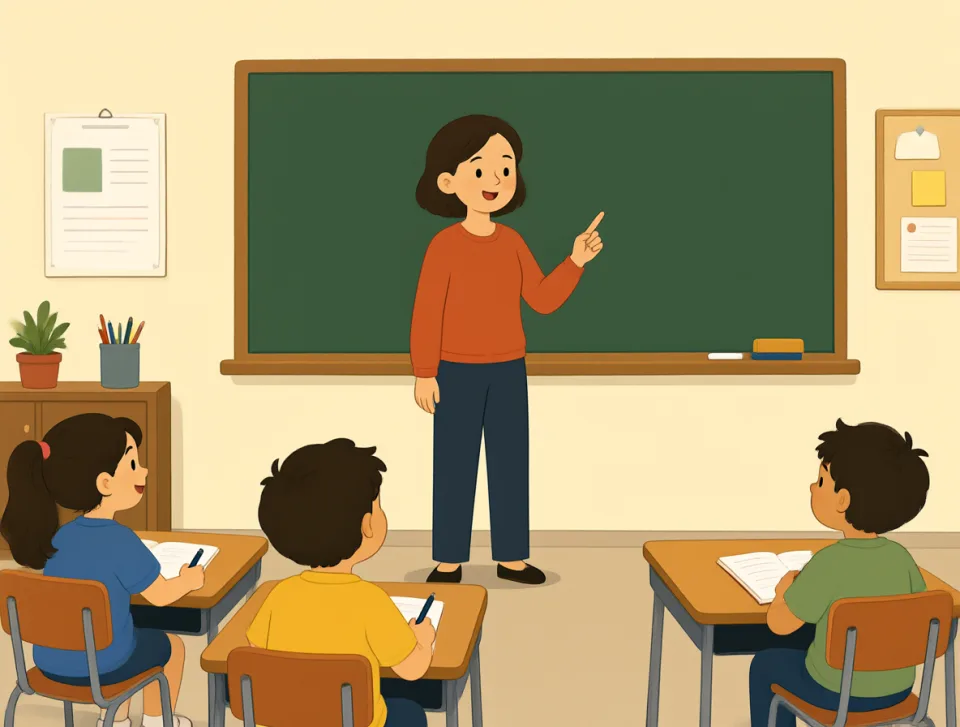
The lesson ends at three o’clock.
บทเรียนจบตอนบ่ายสาม

I ended my letter with a kind message.
ฉันลงท้ายจดหมายด้วยข้อความที่อบอุ่น

live
#153verb, adjective, adverb
อาศัยอยู่; ถ่ายทอดสด
To have your home in a place; or happening now, in real time.
มีบ้านอยู่ในสถานที่หนึ่ง หรือกำลังเกิดขึ้นในขณะนี้แบบเรียลไทม์

I live in a small apartment.
ฉันอาศัยอยู่ในอพาร์ตเมนต์เล็ก ๆ

Do you live near the school?
คุณอาศัยอยู่ใกล้โรงเรียนไหม?

We watched a live music show.
เราดูการแสดงดนตรีสด

Many animals live in the forest.
สัตว์หลายชนิดอาศัยอยู่ในป่า

She is living with her aunt.
ตอนนี้เธออาศัยอยู่กับป้าของเธอ

why
#154adverb, noun
ทำไม; เหตุผลที่
Used to ask about or explain the reason for something.
ใช้ถามหรืออธิบายเหตุผลของบางสิ่ง
Why are you late for school?
ทำไมคุณถึงไปโรงเรียนสาย?

I know why she feels tired.
ฉันรู้ว่าทำไมเธอถึงรู้สึกเหนื่อย

Why did you leave work early?
ทำไมคุณถึงออกจากที่ทำงานก่อนเวลา?

He asked why the shop was closed.
เขาถามว่าทำไมร้านถึงปิด

There is no reason why we cannot go.
ไม่มีเหตุผลอะไรที่เราจะไปไม่ได้

while
#155noun, conjunction, preposition
ช่วงหนึ่ง; ในขณะที่
a period of time; during the time that something happens
ช่วงเวลาหนึ่ง หรือในระหว่างที่บางสิ่งกำลังเกิดขึ้น

Please wait here while I get your bag.
รอตรงนี้ก่อนนะ ระหว่างที่ฉันไปหยิบกระเป๋าให้คุณ

She listened to music while cooking dinner.
เธอฟังเพลงไปด้วยตอนทำอาหารเย็นไปด้วย

We talked for a while after school.
เราคุยกันอยู่พักหนึ่งหลังเลิกเรียน

He read a book while waiting for the train.
เขาอ่านหนังสือระหว่างรอรถไฟ

While I was sick, my friend brought soup.
ตอนที่ฉันป่วย เพื่อนเอาซุปมาให้

world
#156noun
โลก
the Earth and all its people, countries, and places
โลกและผู้คน ประเทศ และสถานที่ทั้งหมดบนโลก

People around the world enjoy music.
ผู้คนทั่วโลกชอบฟังเพลง

She wants to travel the world.
เธออยากเดินทางไปทั่วโลก

The whole world watched the game.
คนทั้งโลกเฝ้าดูการแข่งขัน
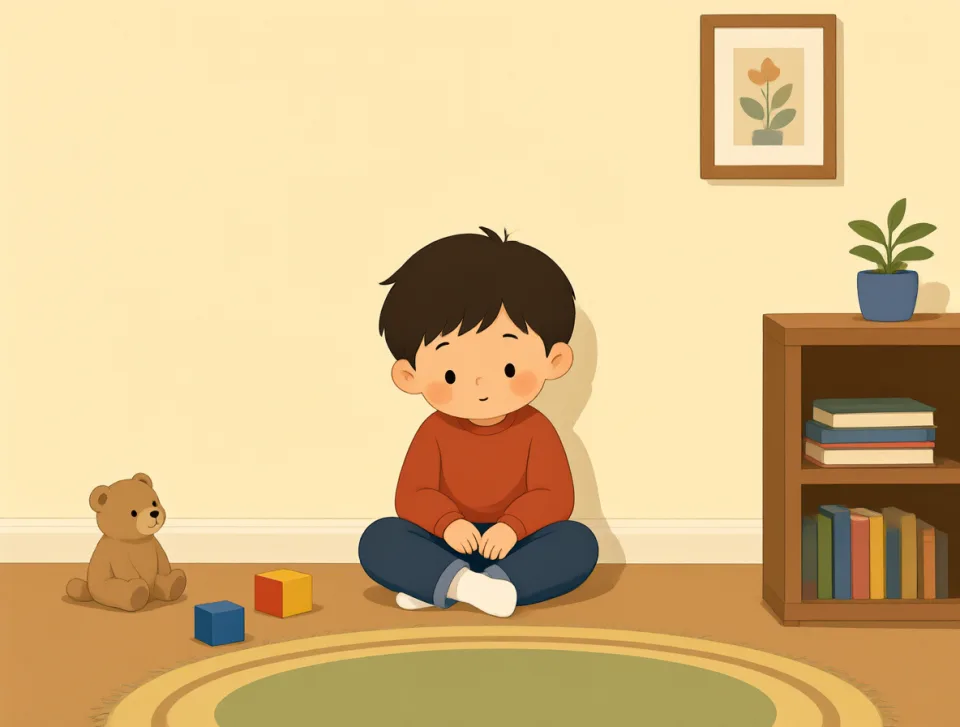
He lives in a small world.
เขาใช้ชีวิตอยู่ในโลกใบเล็กๆ

World history is my favorite school subject.
ประวัติศาสตร์โลกเป็นวิชาโปรดของฉันที่โรงเรียน

week
#157noun
สัปดาห์
A period of seven days, from one day to the same day the next week.
ช่วงเวลาที่มีเจ็ดวัน ตั้งแต่วันหนึ่งไปจนถึงวันเดียวกันในสัปดาห์ถัดไป

I visit my parents every week.
ฉันไปเยี่ยมพ่อแม่ทุกสัปดาห์

She was sick last week.
เธอป่วยเมื่อสัปดาห์ที่แล้ว

We have a team meeting this week.
สัปดาห์นี้เรามีประชุมทีม

The children start school next week.
เด็กๆ จะเริ่มเรียนสัปดาห์หน้า

We are traveling to Spain in two weeks.
อีกสองสัปดาห์เราจะเดินทางไปสเปน

play
#158verb, noun
เล่น
to do something for fun, or to act in a show
ทำบางอย่างเพื่อความสนุก หรือแสดงในละครหรือการแสดง

The children play outside after school.
เด็กๆ เล่นข้างนอกหลังเลิกเรียน

We played a game at home.
เราเล่นเกมกันที่บ้าน

She plays the piano every morning.
เธอเล่นเปียโนทุกเช้า

The actors play doctors in the show.
นักแสดงรับบทเป็นหมอในละคร
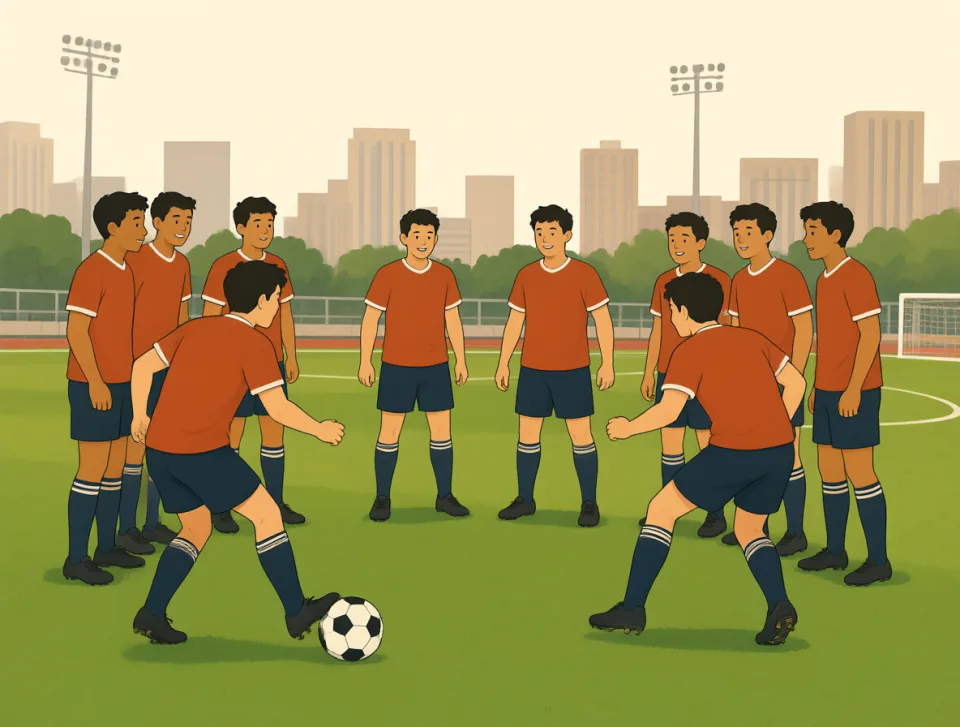
Our team plays in London tomorrow.
พรุ่งนี้ทีมของเราจะไปแข่งที่ลอนดอน

might
#159modal verb, noun
อาจจะ
Used to say something is possible or to ask permission politely.
ใช้เพื่อบอกว่าบางสิ่งอาจเป็นไปได้ หรือใช้ขออนุญาตอย่างสุภาพ
It might rain this afternoon.
บ่ายนี้ฝนอาจตก

I might go shopping after work.
ฉันอาจจะไปซื้อของหลังเลิกงาน

Might I use your phone, please?
ขอใช้โทรศัพท์ของคุณได้ไหมครับ/คะ

You might like this new restaurant.
คุณอาจจะชอบร้านอาหารเปิดใหม่ร้านนี้

She might be sick today.
วันนี้เธออาจจะป่วย

must
#160verb, noun
ต้อง
To be necessary or required; something that you need to do or have.
จำเป็นหรือมีข้อกำหนดว่าต้องทำหรือมีบางสิ่ง
You must wear a seat belt.
คุณต้องคาดเข็มขัดนิรภัย

We must leave home at seven.
เราต้องออกจากบ้านตอนเจ็ดโมง

Students must finish their homework tonight.
นักเรียนต้องทำการบ้านให้เสร็จคืนนี้

You must try this chocolate cake.
คุณต้องลองเค้กช็อกโกแลตนี่

I must see a doctor about my cough.
ฉันต้องไปหาหมอเรื่องอาการไอ