Unit 16
Words 301–320 · control, already, concern, product, lose, story
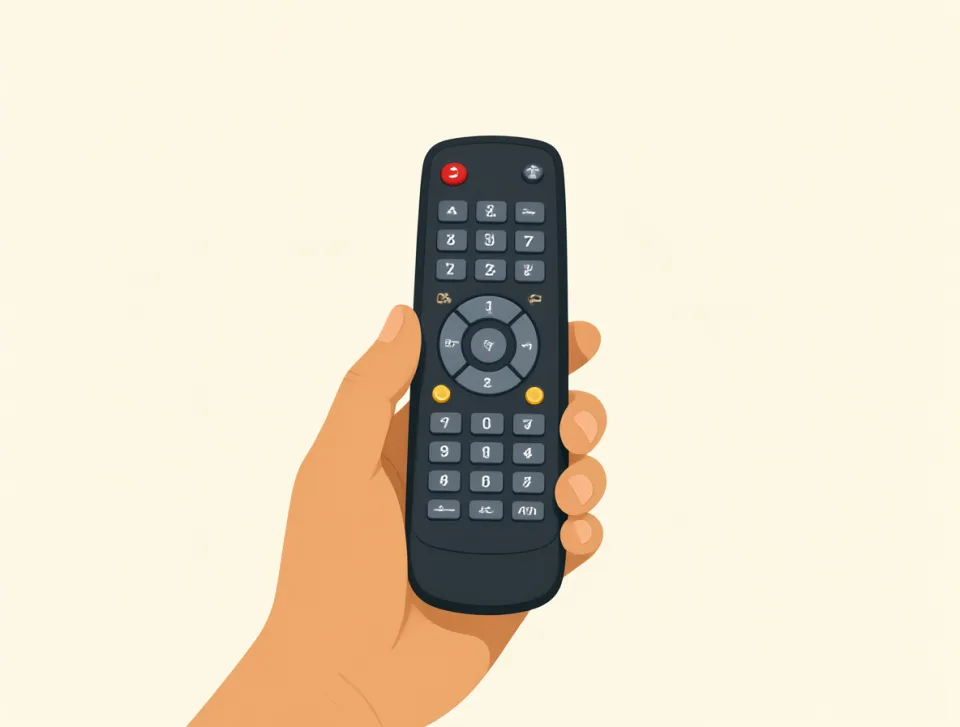
control
#301noun, verb
The power to direct people or manage what happens.
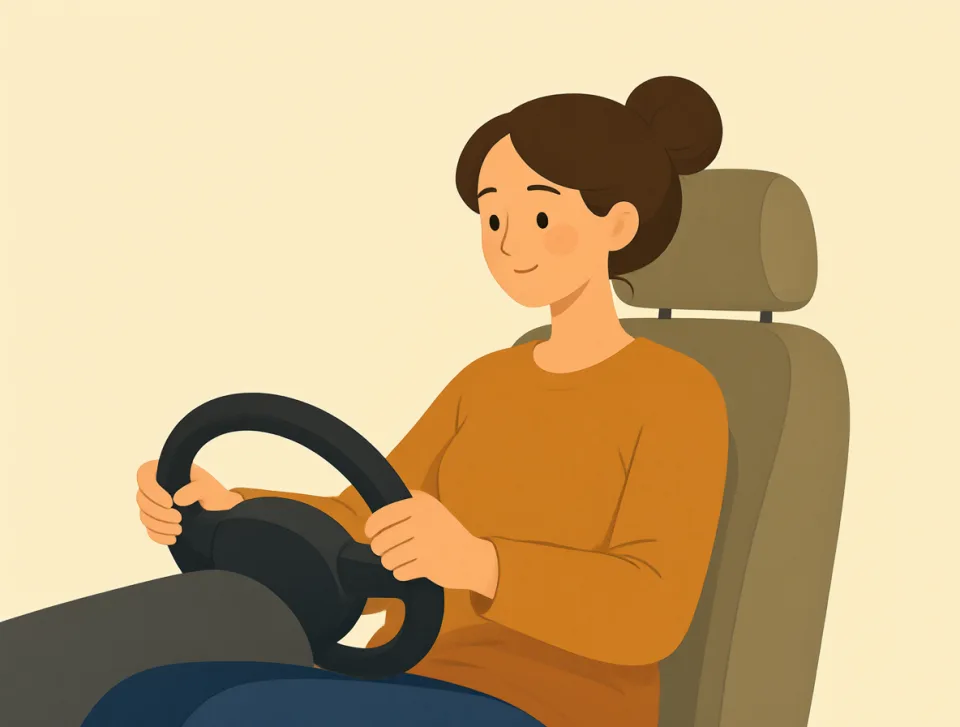
She is in control of the car.
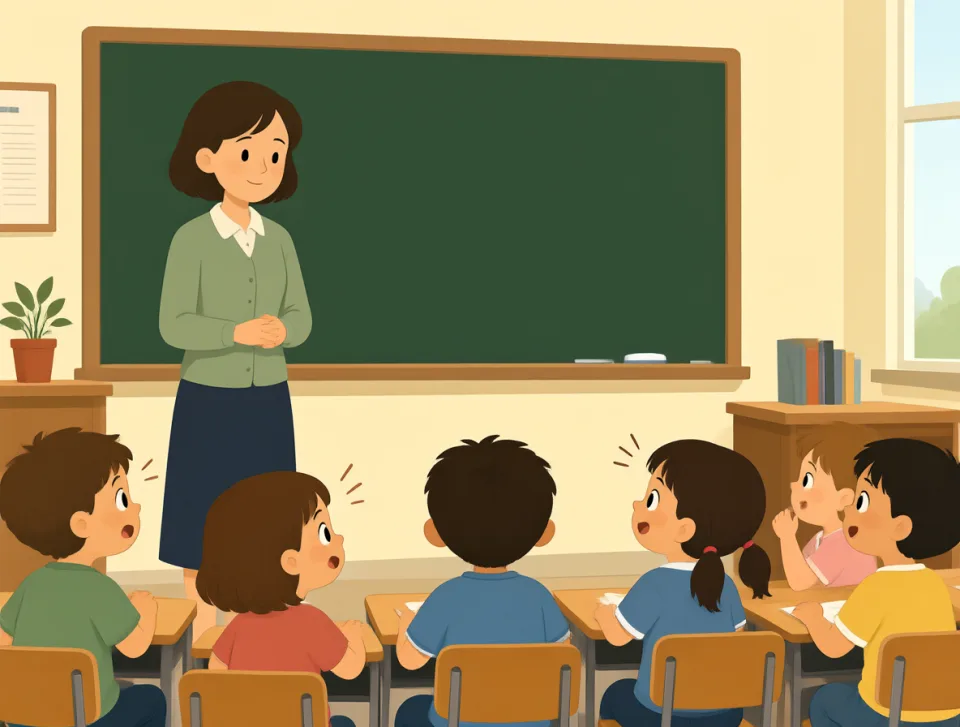
The teacher controls the noisy classroom.
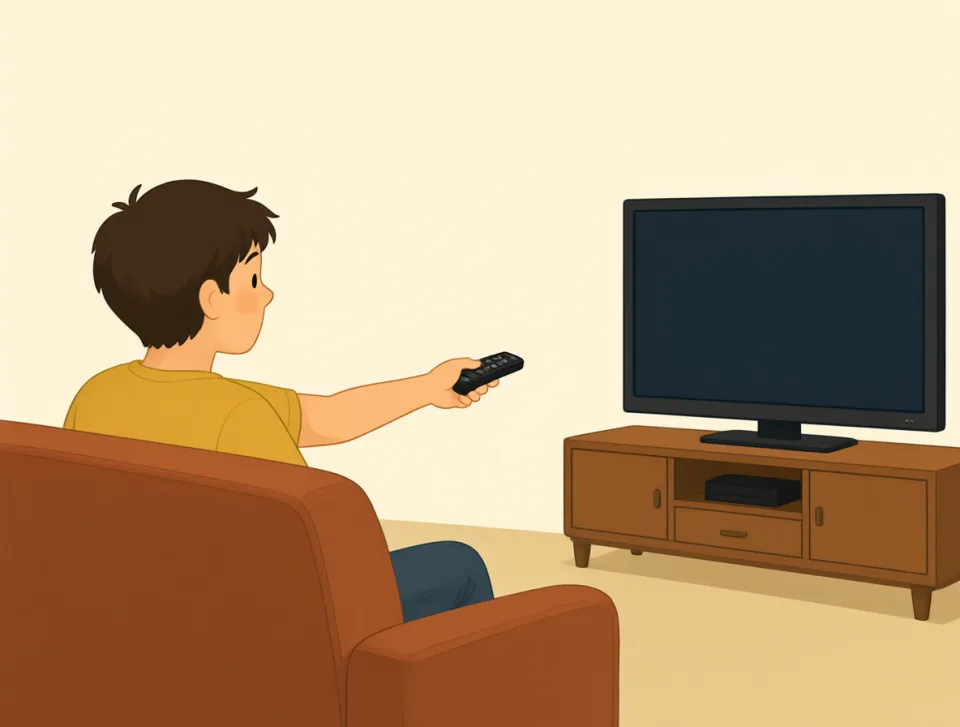
Use the remote control to change channels.
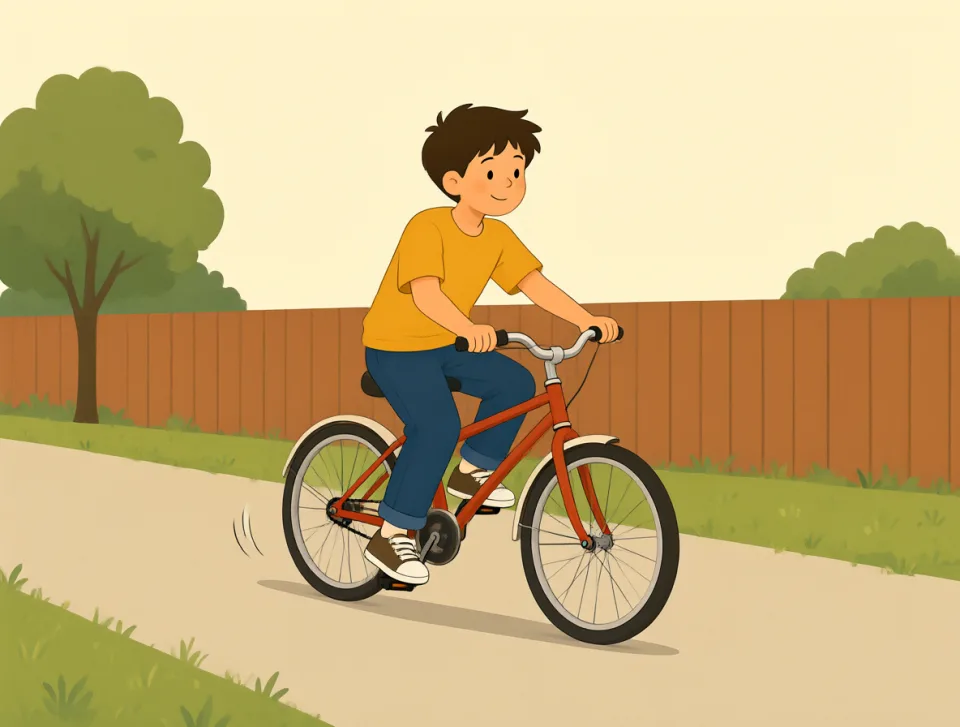
He lost control of his bike.
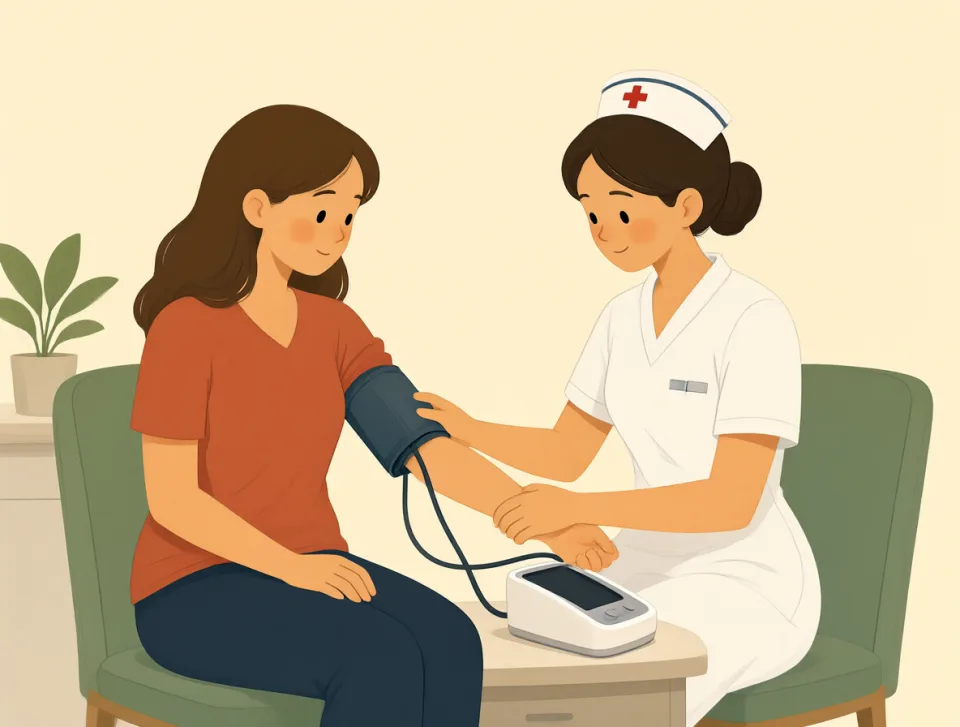
The nurse checked her blood pressure control.
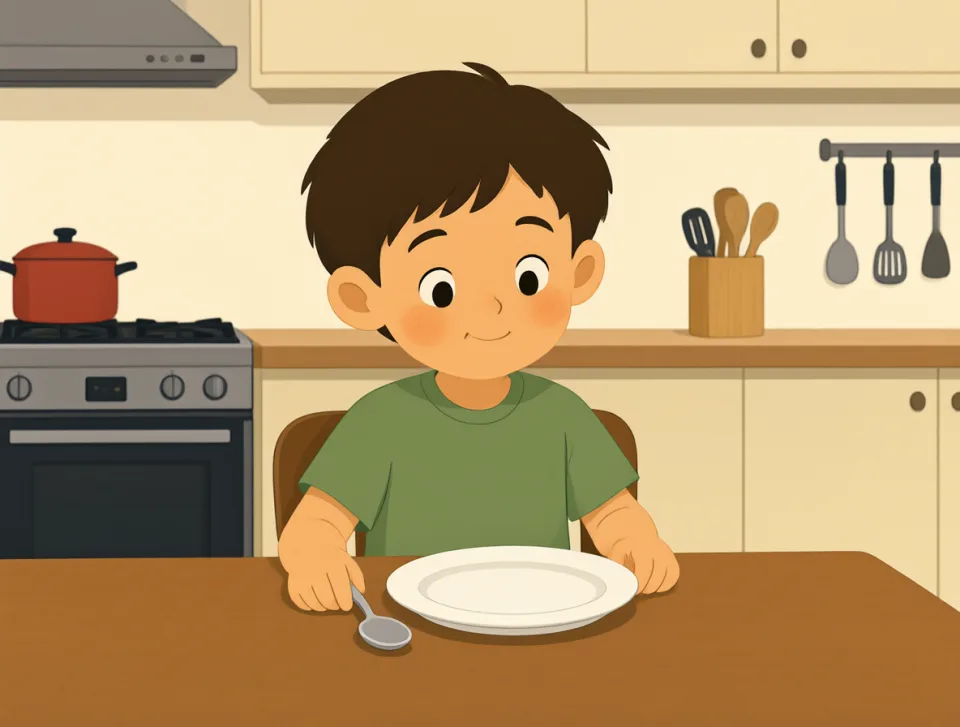
already
#302adverb
before now or before a particular time
I have already eaten breakfast.
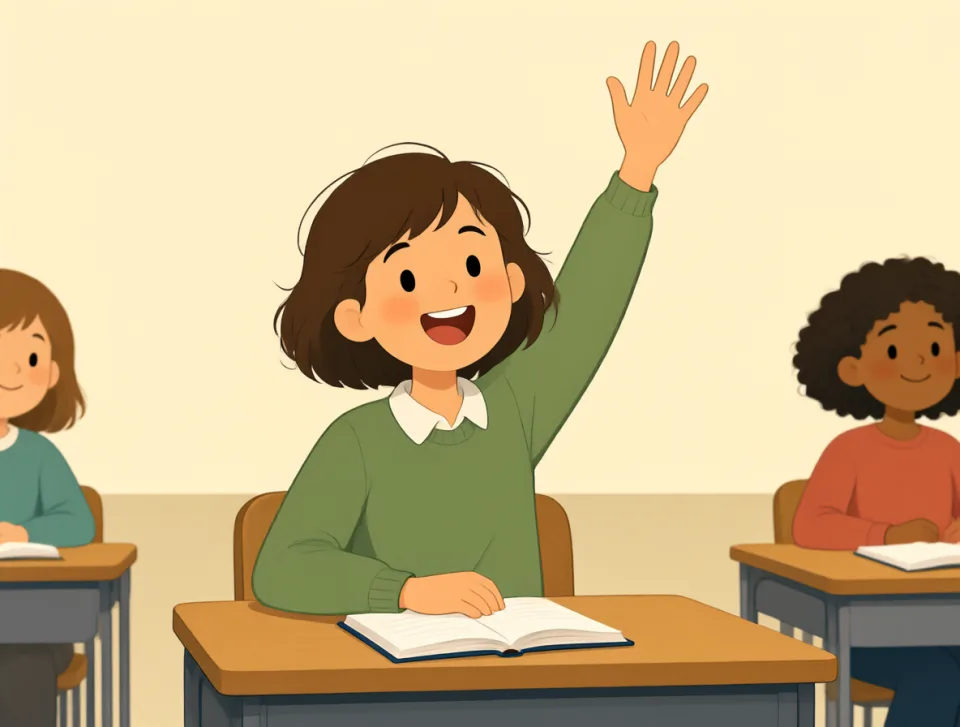
She already knows the answer.
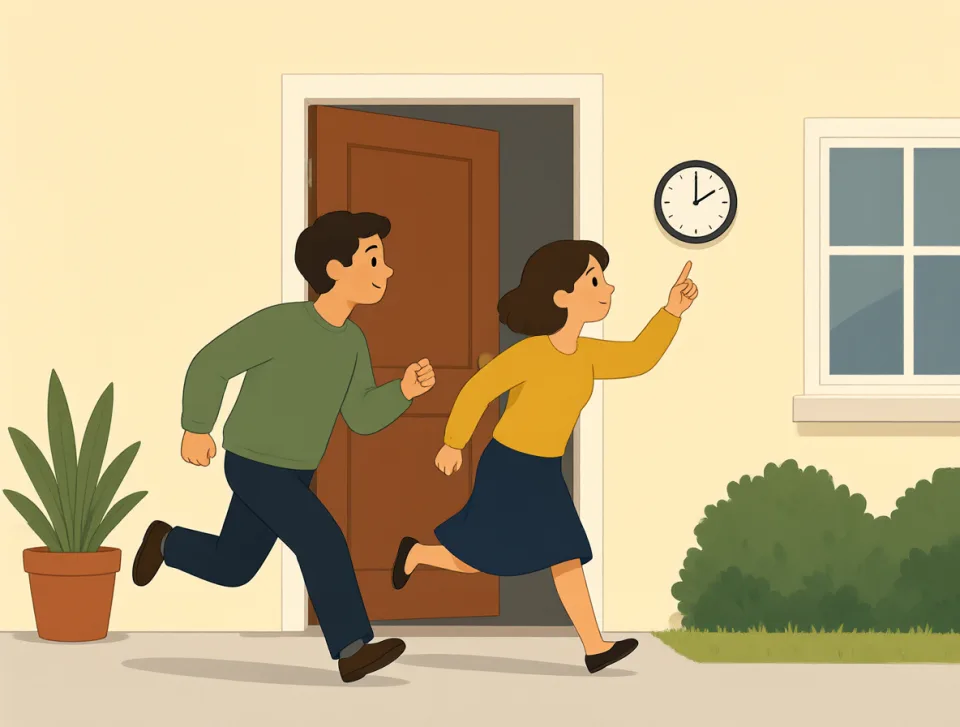
We are already late for work.

The store has already closed.
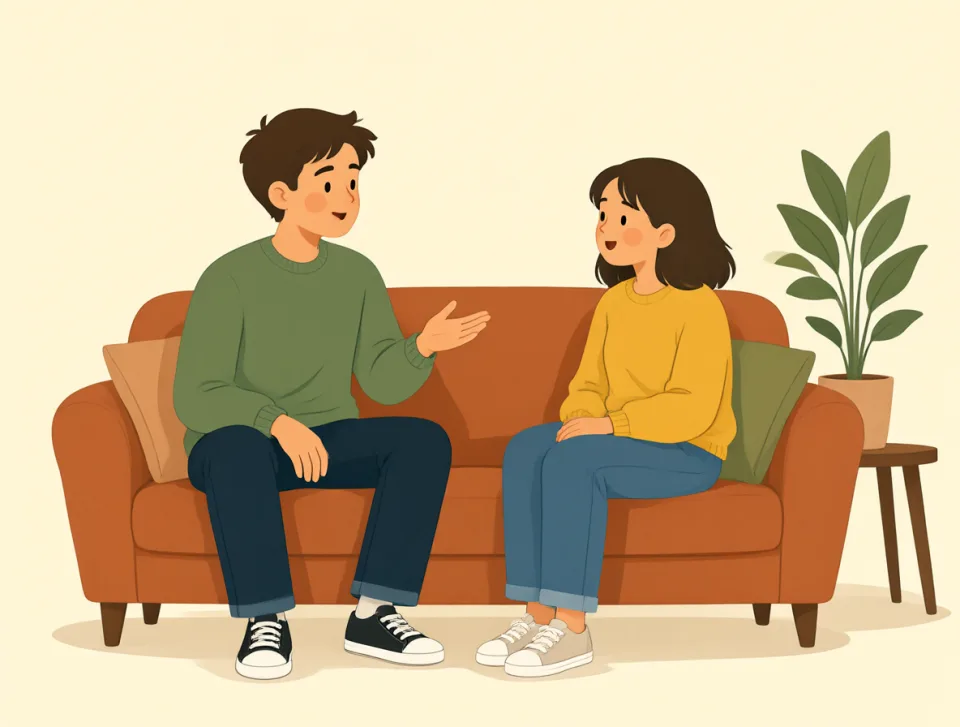
Have you already seen this movie?
concern
#303noun, verb
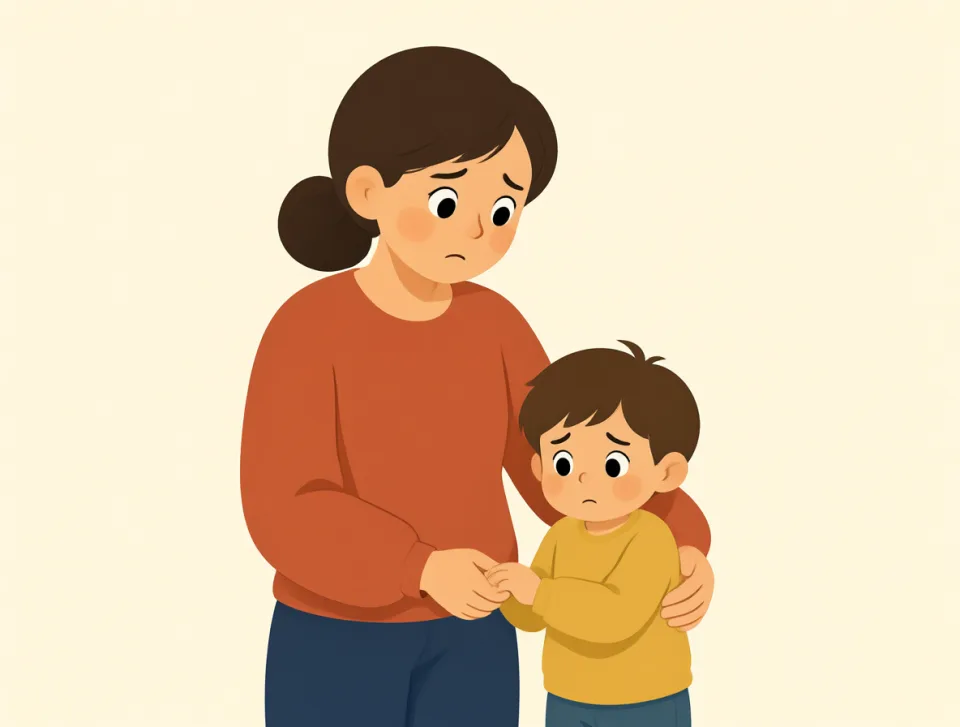
a worry or problem, or to make someone feel worried
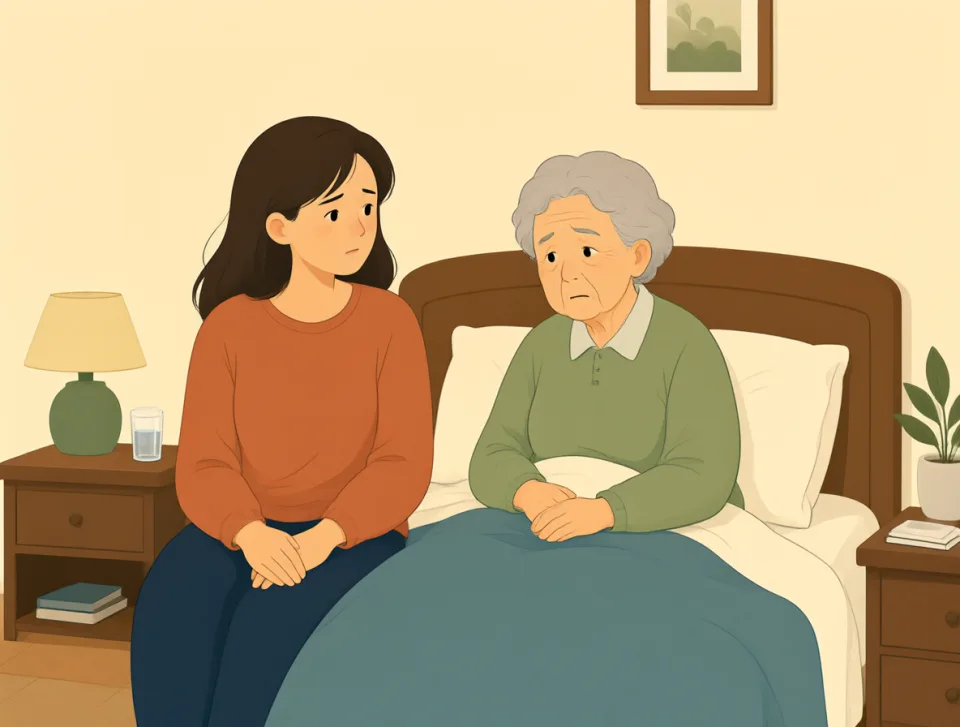
Her main concern is her sick mother.
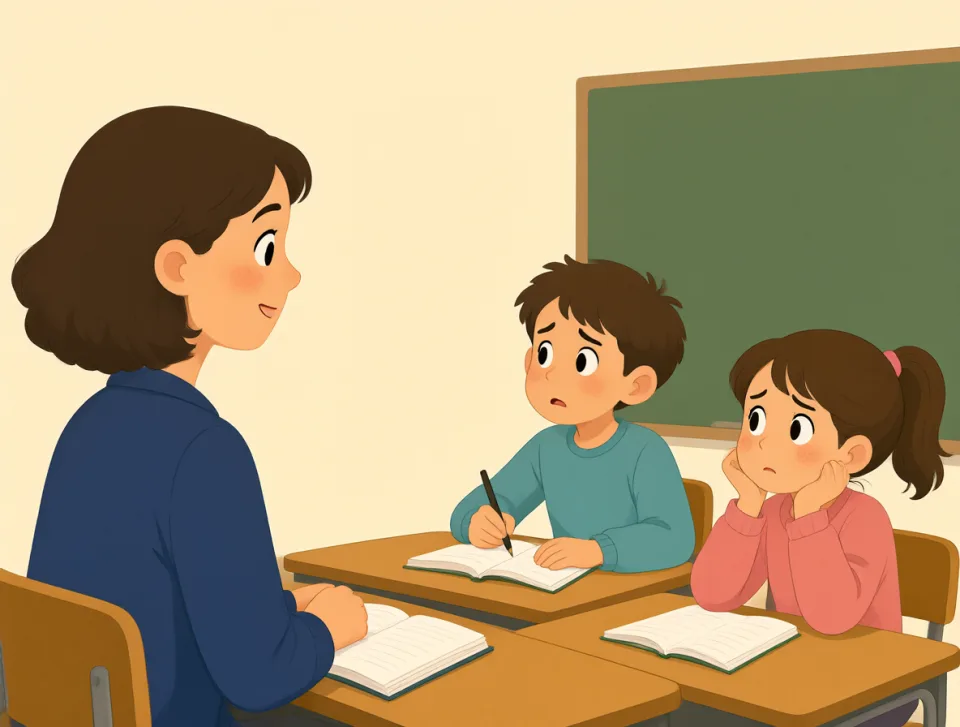
The teacher listened to our concerns.
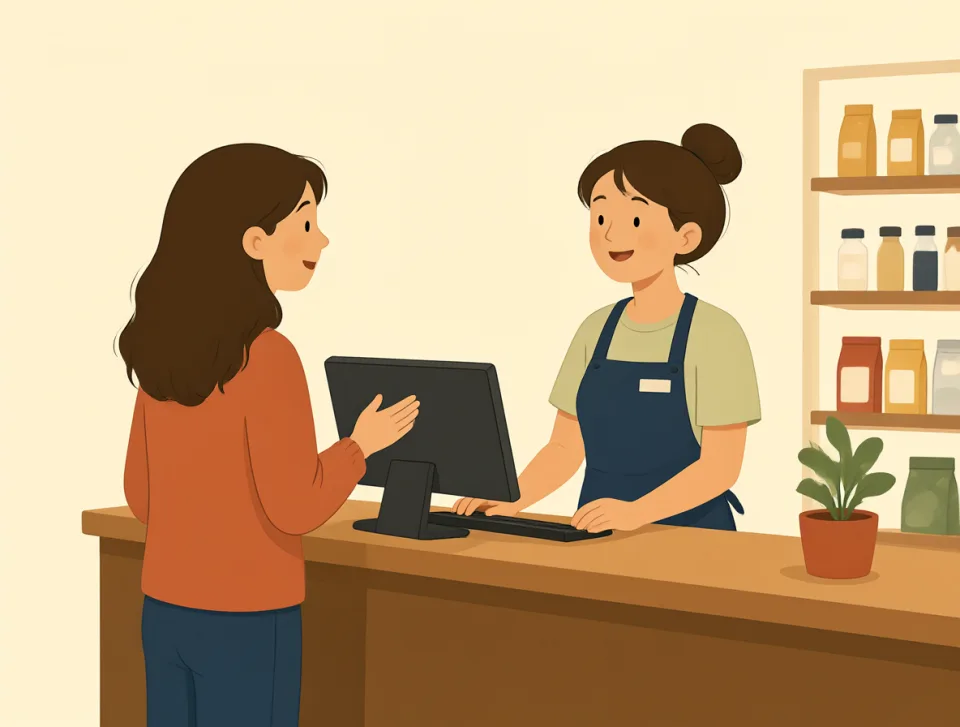
Please contact us if you have any concerns.
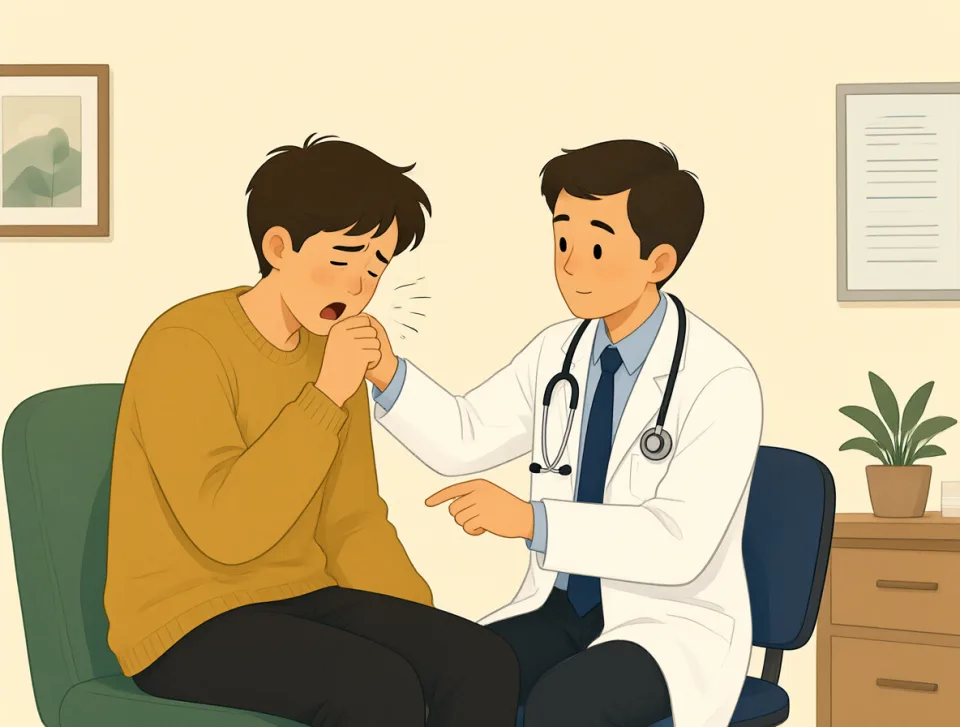
His sudden cough concerned his doctor.
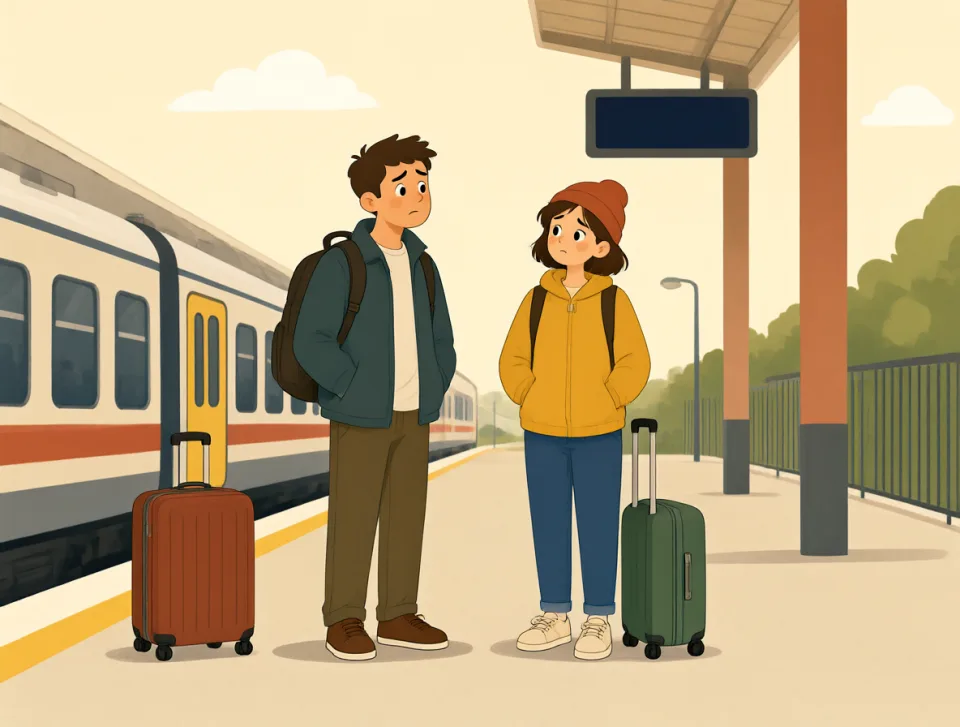
We are concerned about the late train.
product
#304noun
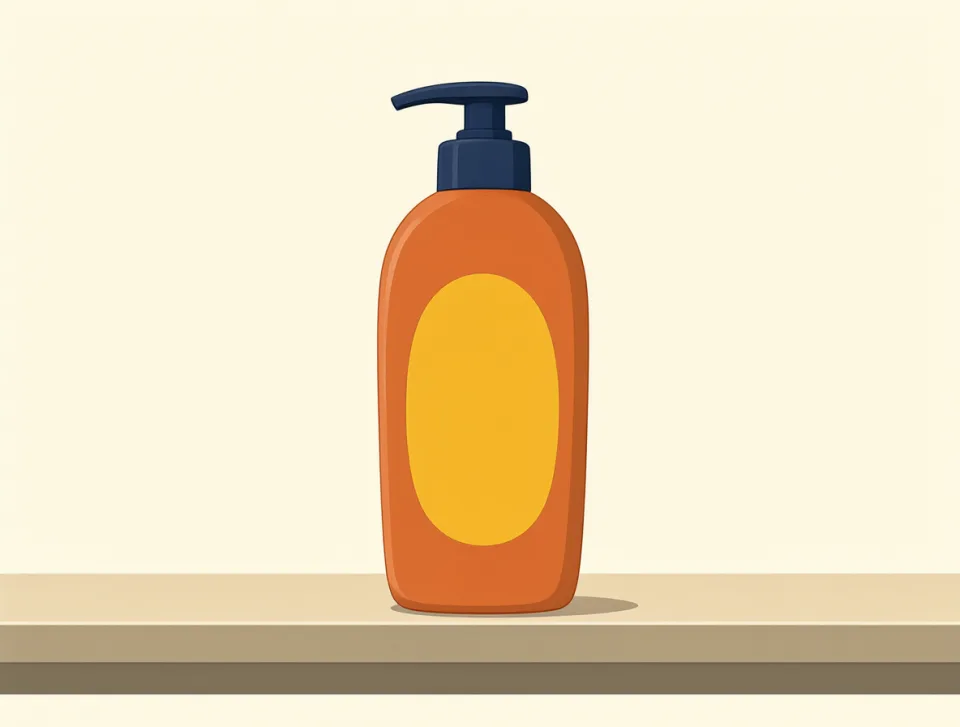
Something made or grown to be sold or used.
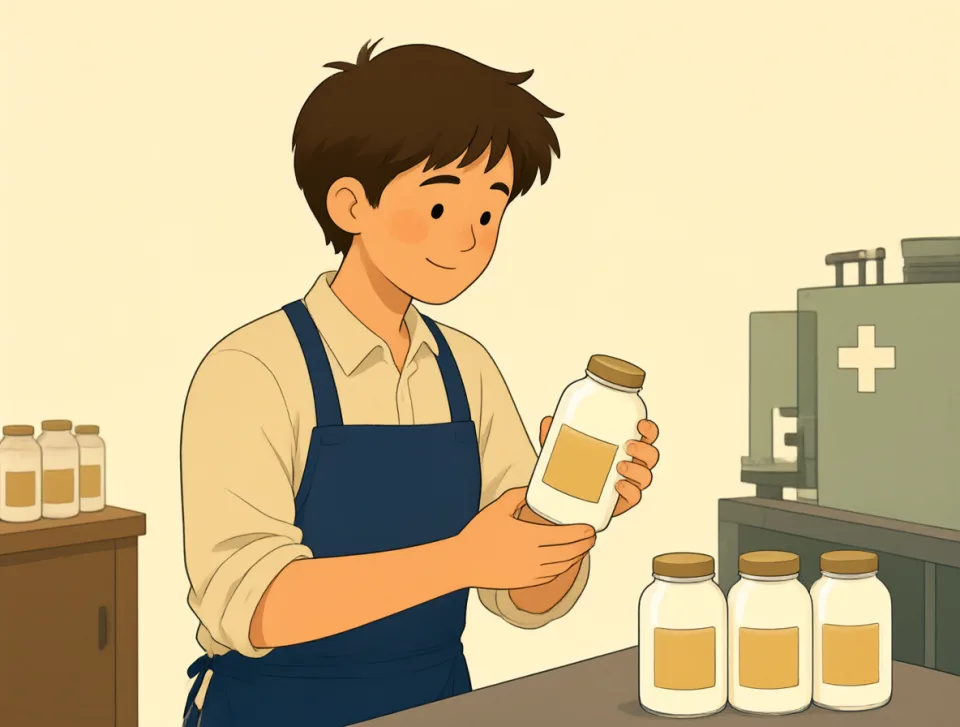
This product is made from natural ingredients.
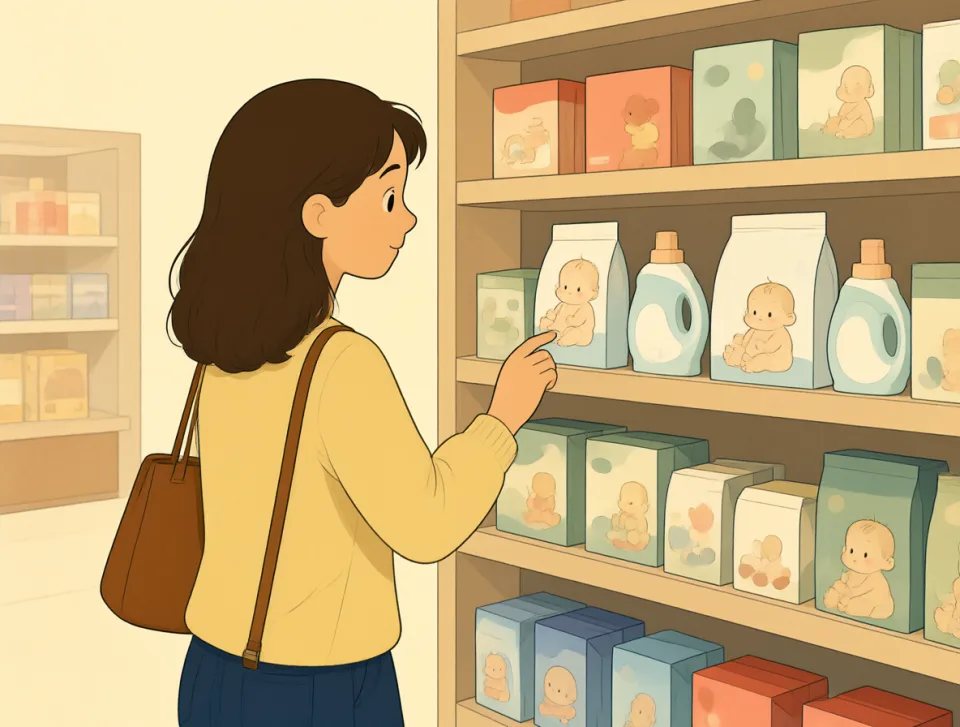
The store sells products for babies.
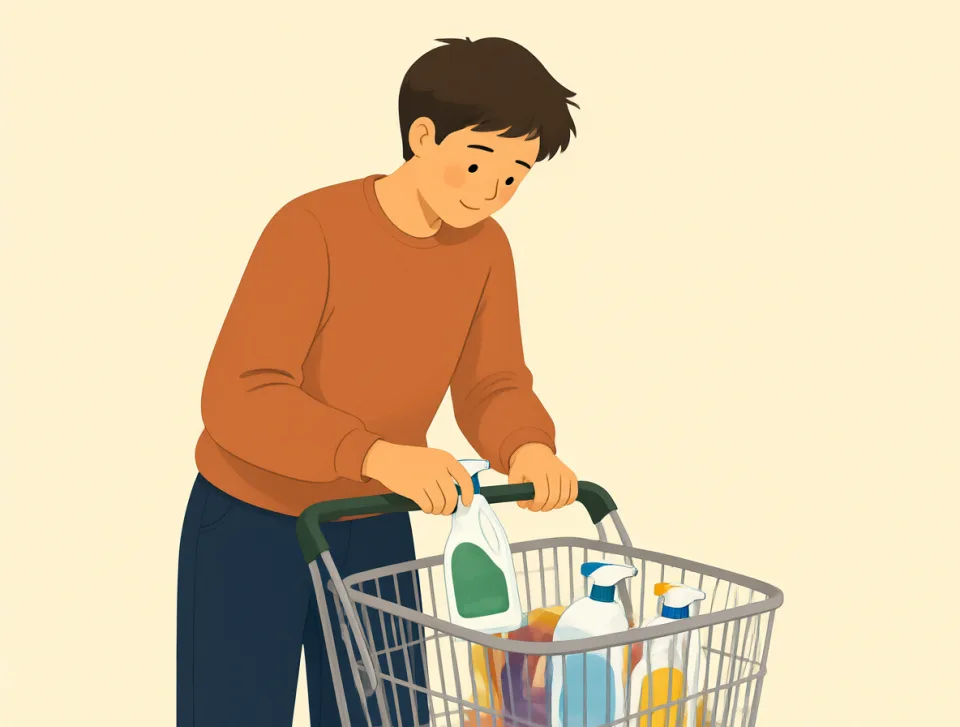
I bought a new cleaning product yesterday.
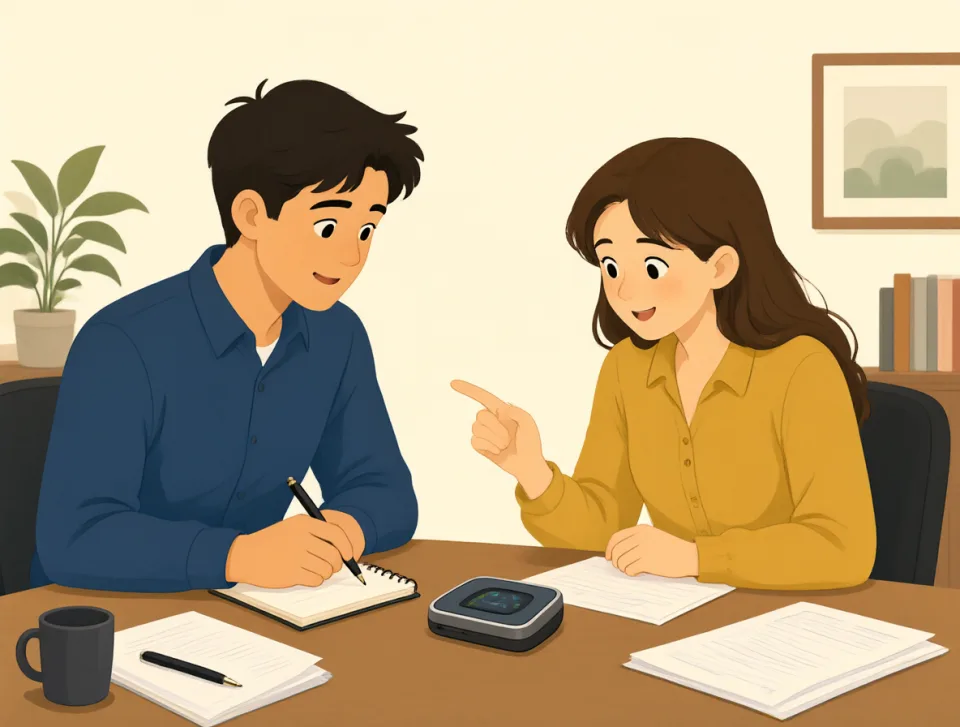
Our team is developing a new product.
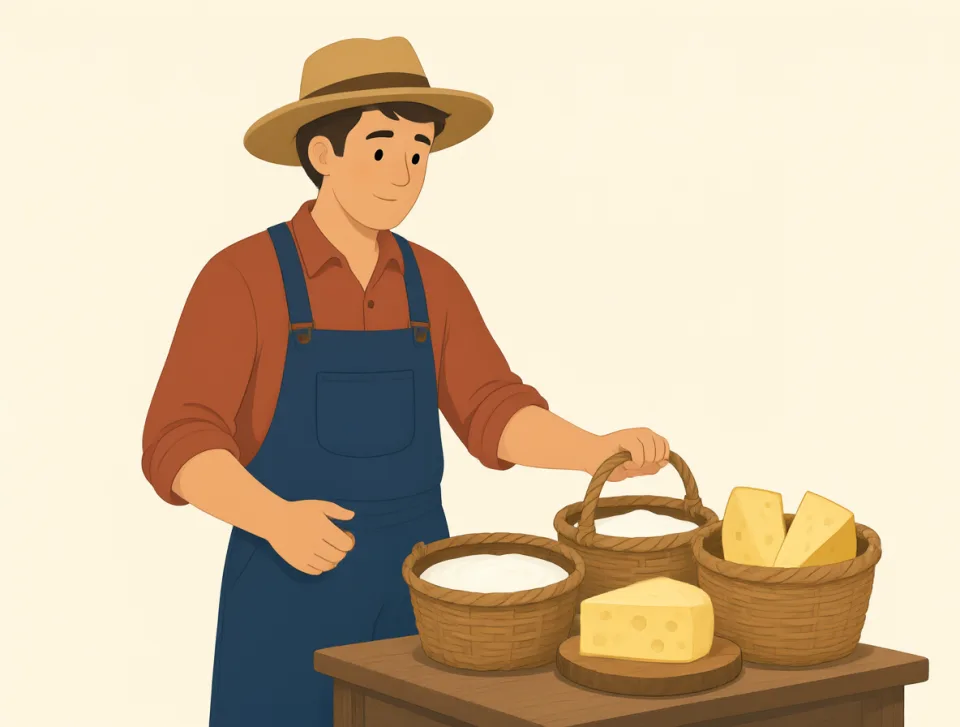
This farm produces fresh dairy products.
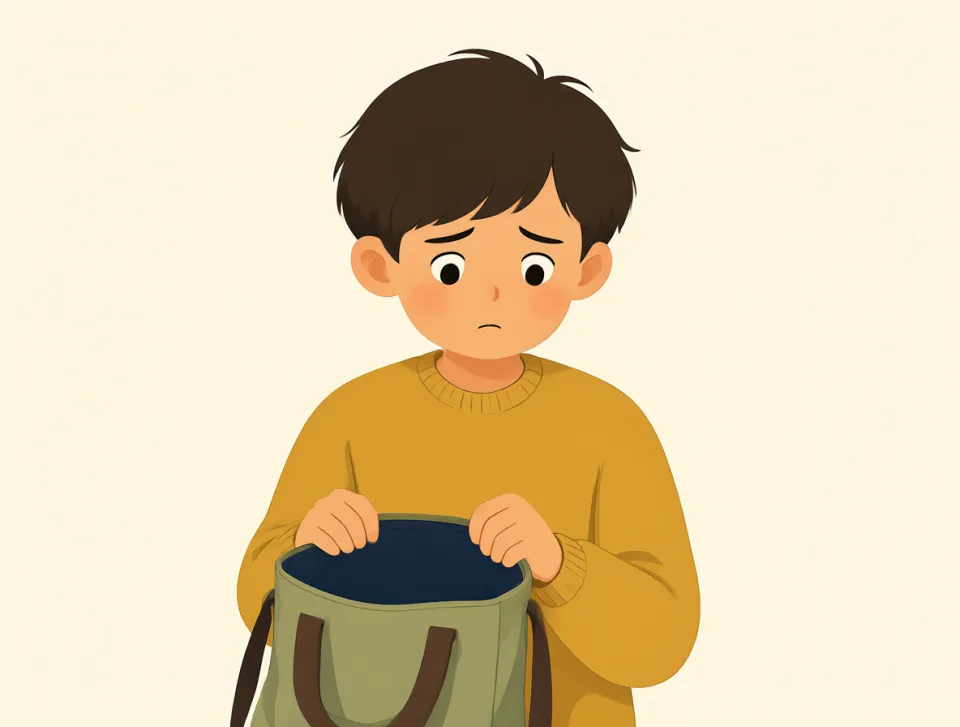
lose
#305verb
to no longer have something because it is gone, taken, or forgotten
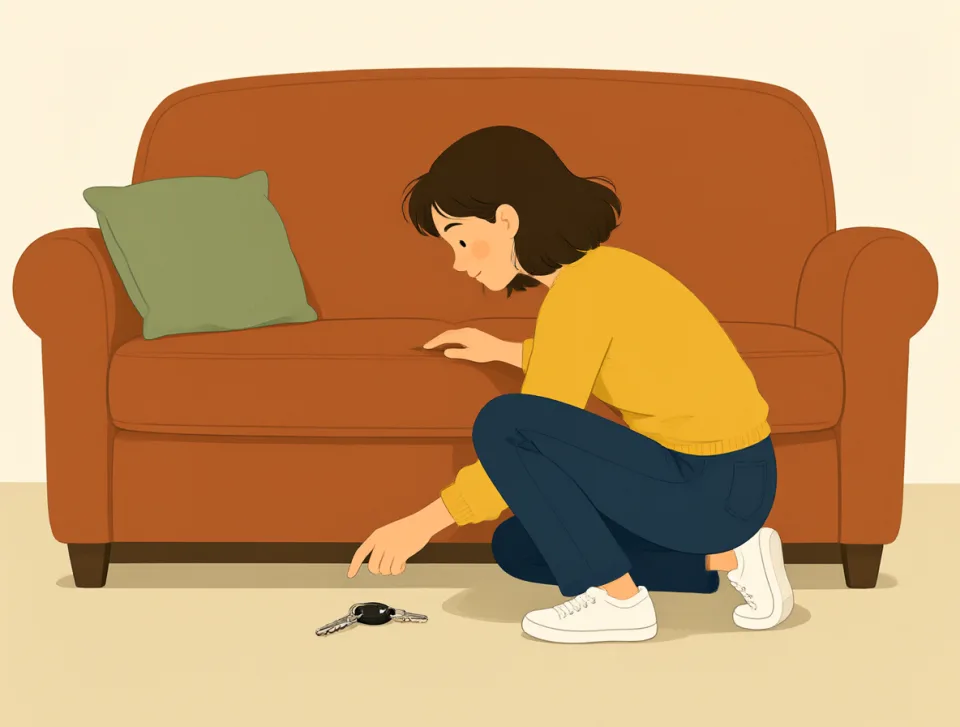
I often lose my keys at home.
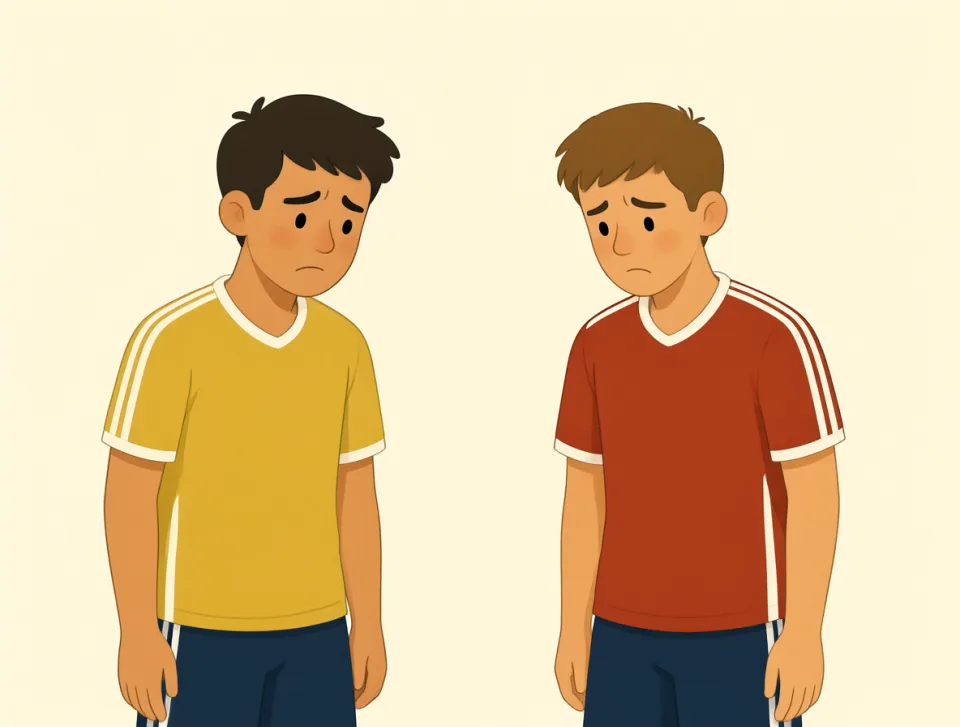
Our team lost the game yesterday.
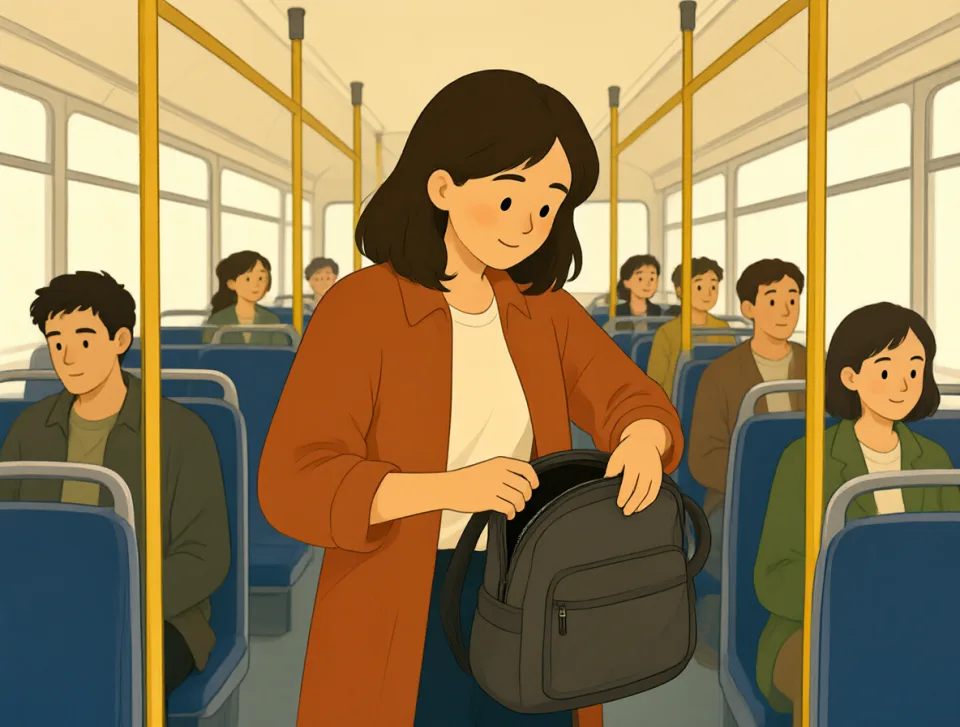
She lost her wallet on the bus.
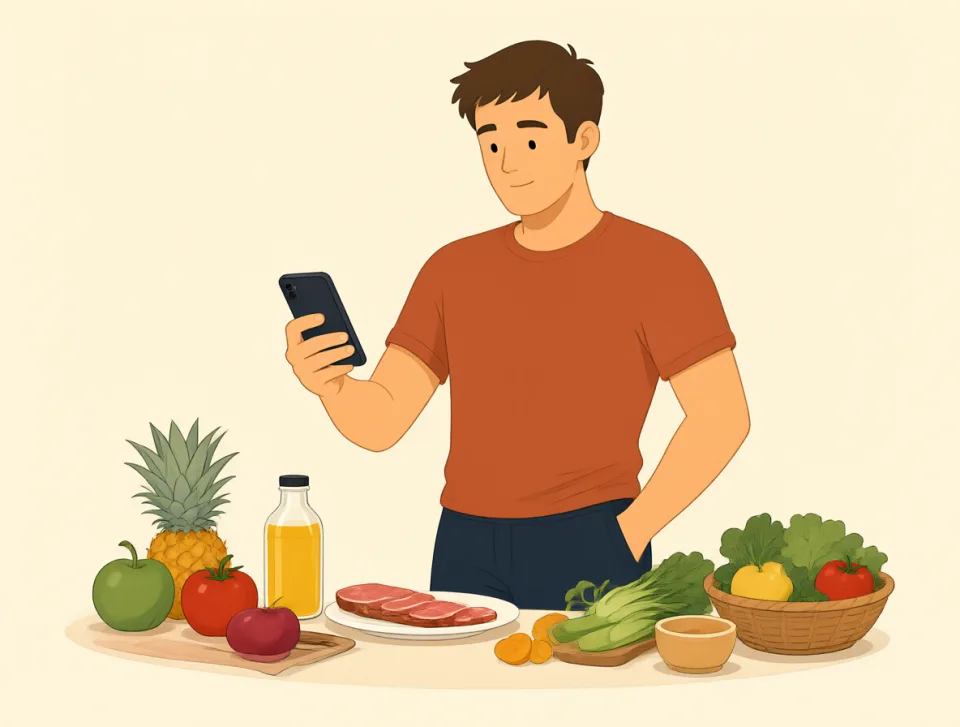
He is losing weight with healthy food.

Do not lose your ticket at the airport.
story
#306noun
A description of events, real or imagined, told to entertain or inform people.
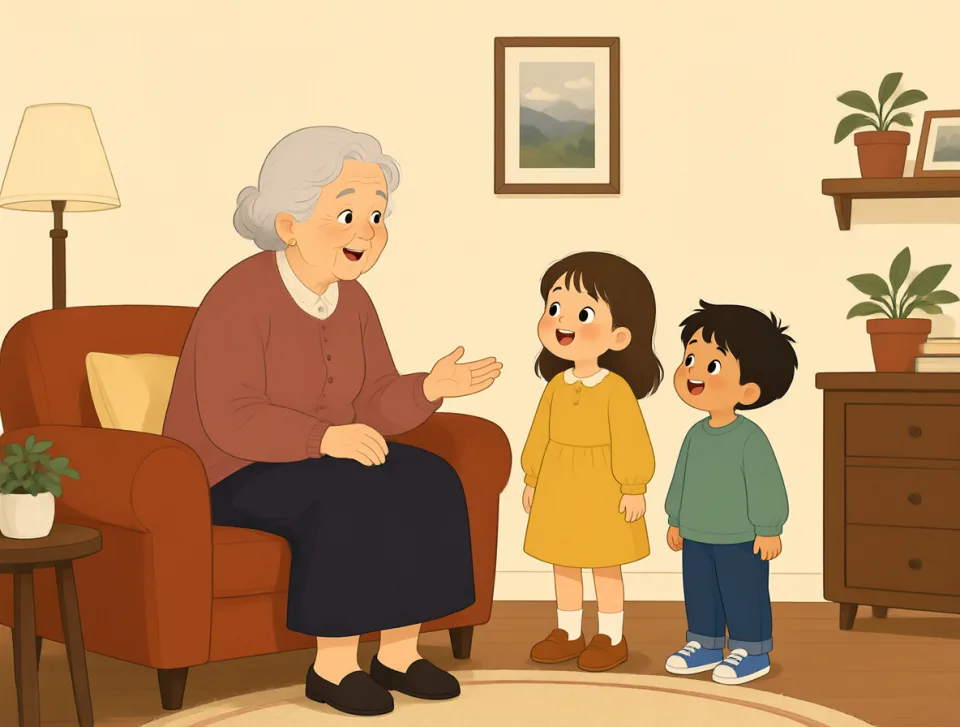
Grandma told us a funny story.
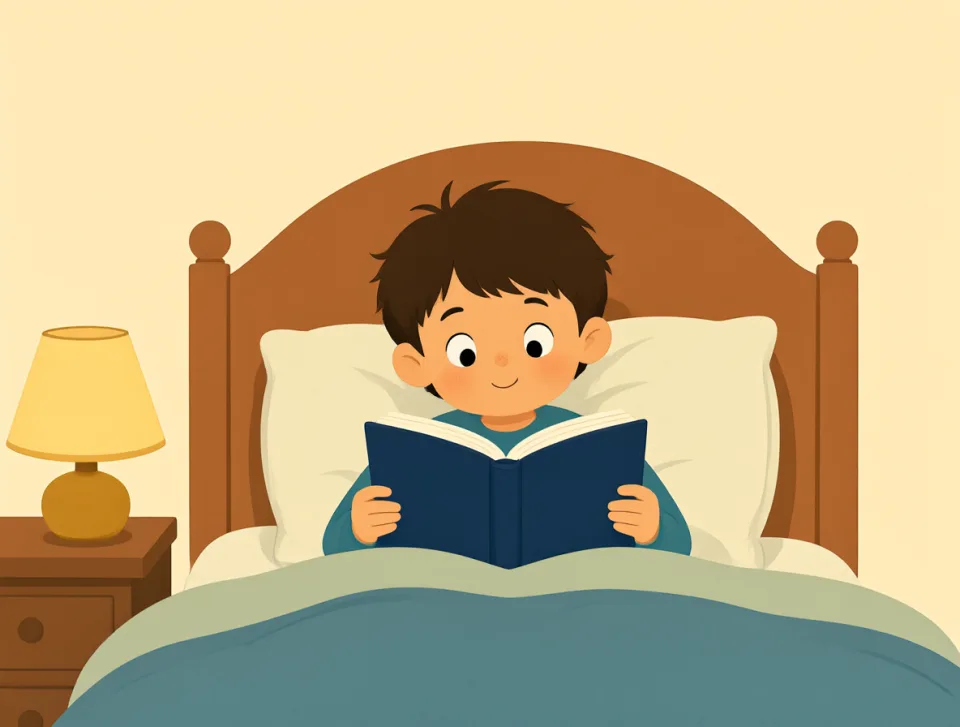
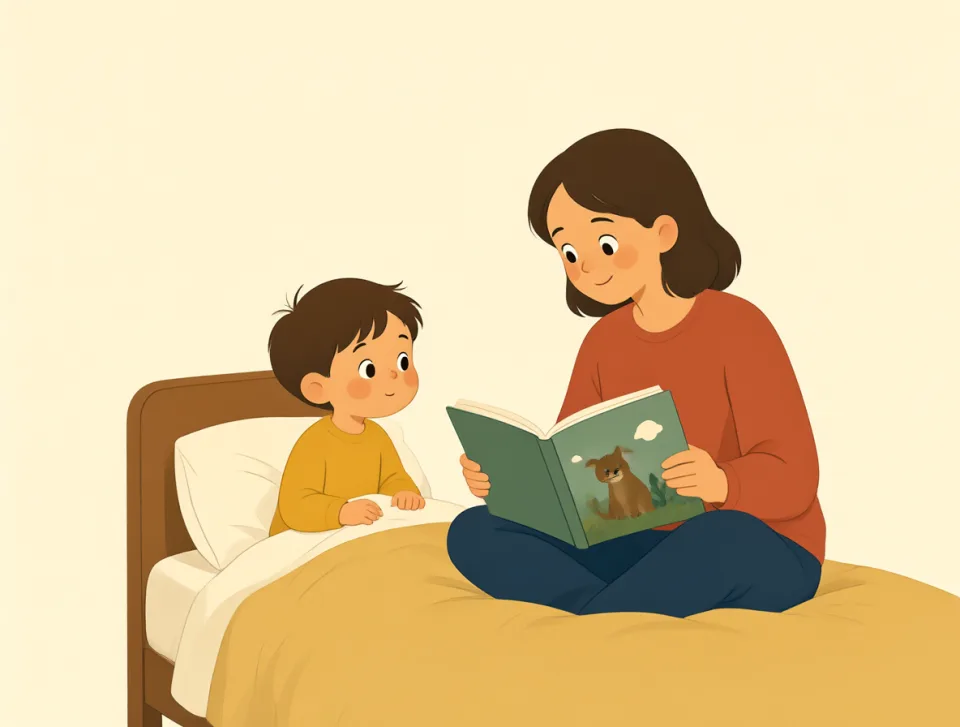
I read a story before bed.
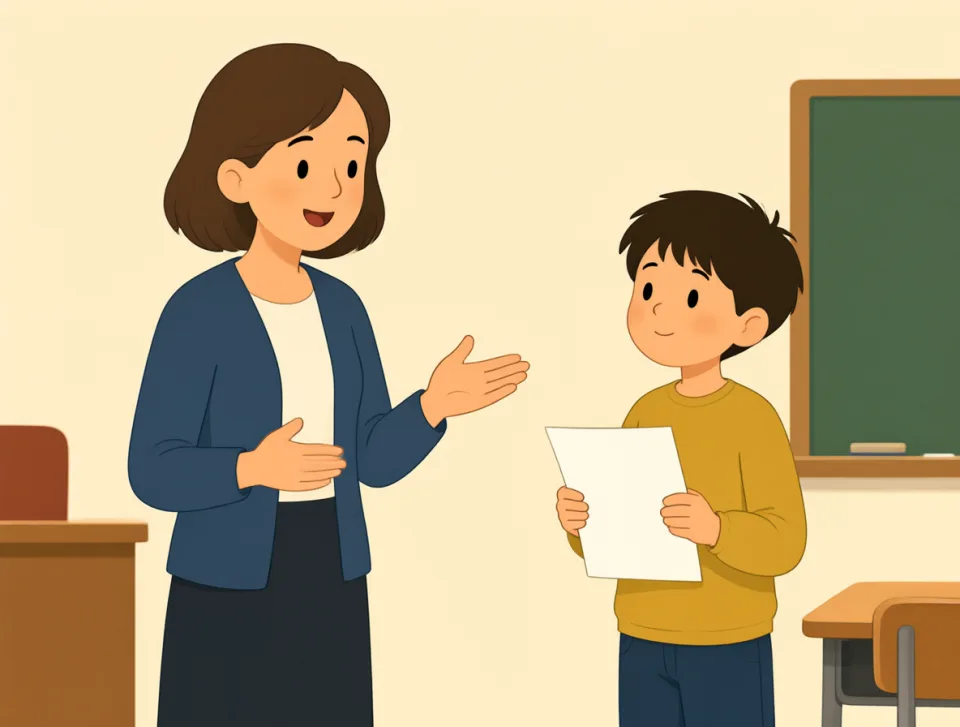
The teacher asked for a short story.

He shared his travel story with friends.
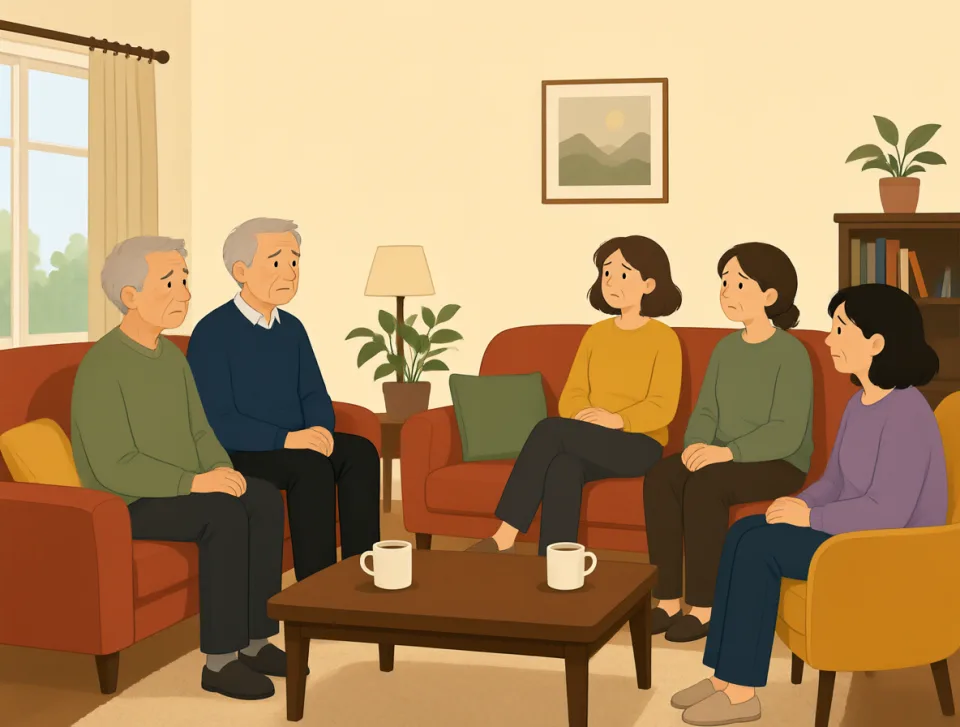
The news story made everyone worried.
almost
#307adverb
Nearly, but not completely or quite.
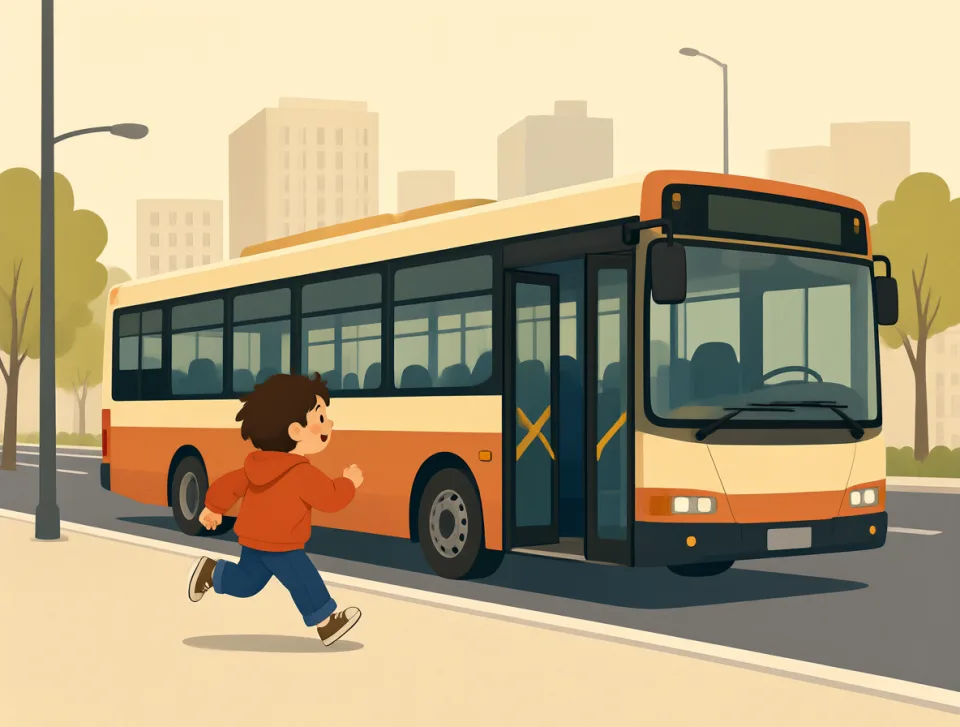
I almost missed the bus this morning.
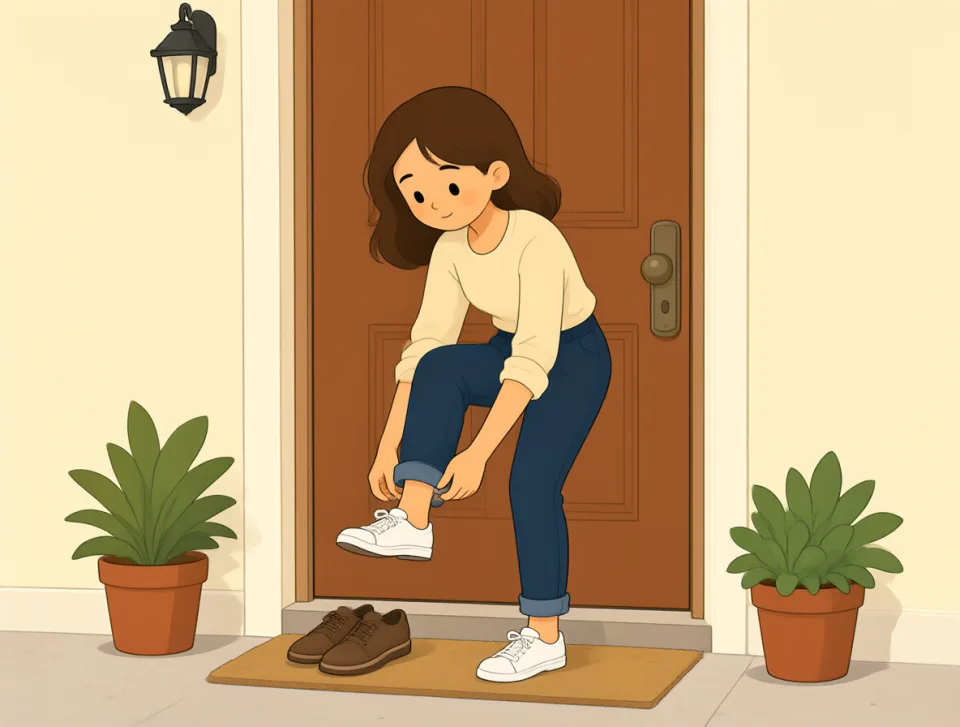
She is almost ready to leave.
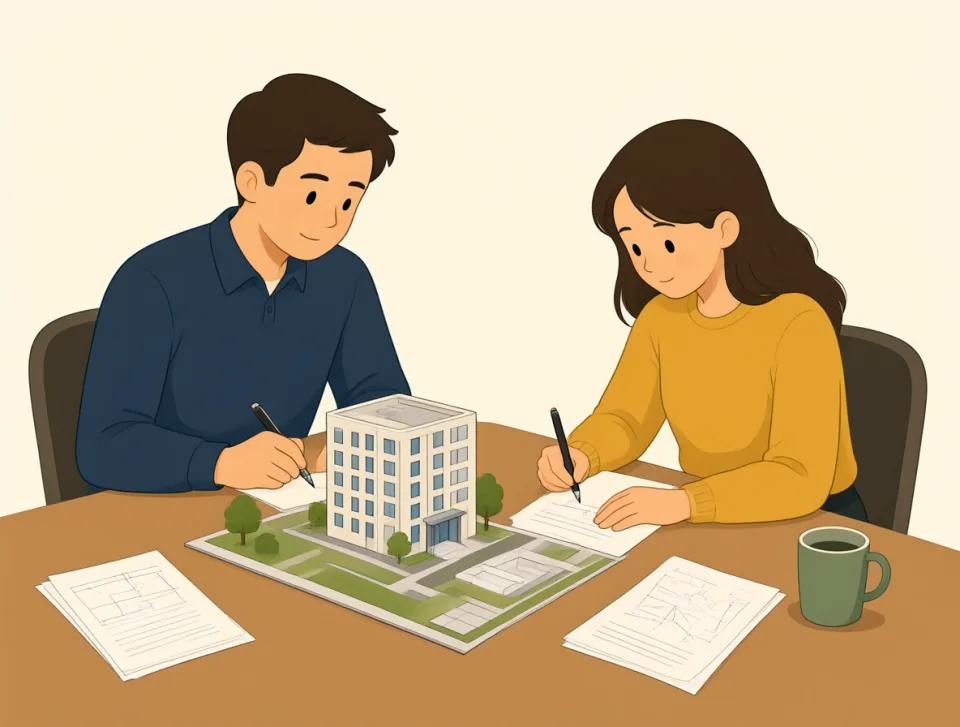
We almost finished the project at work.
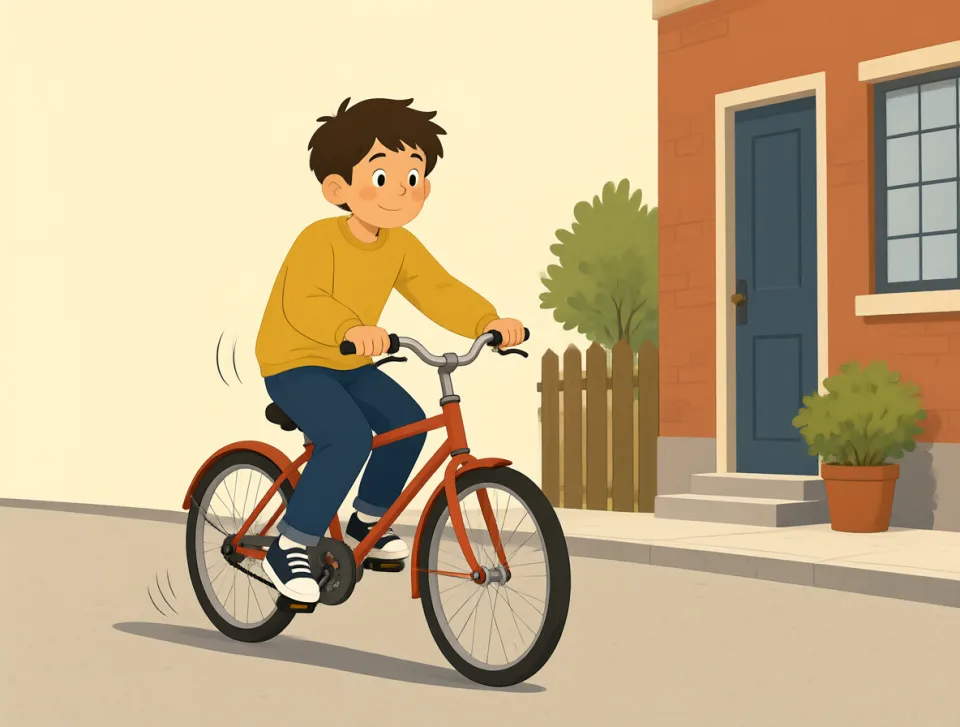
He almost fell while riding his bike.
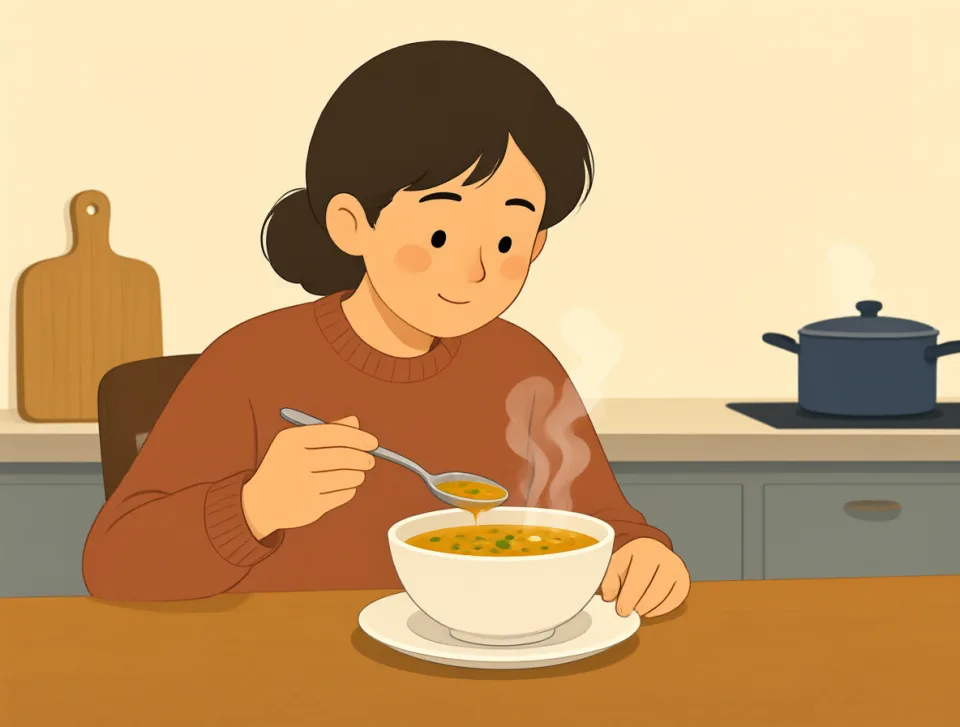
The soup is almost hot enough to eat.
continue
#308verb
to keep doing something or keep happening without stopping
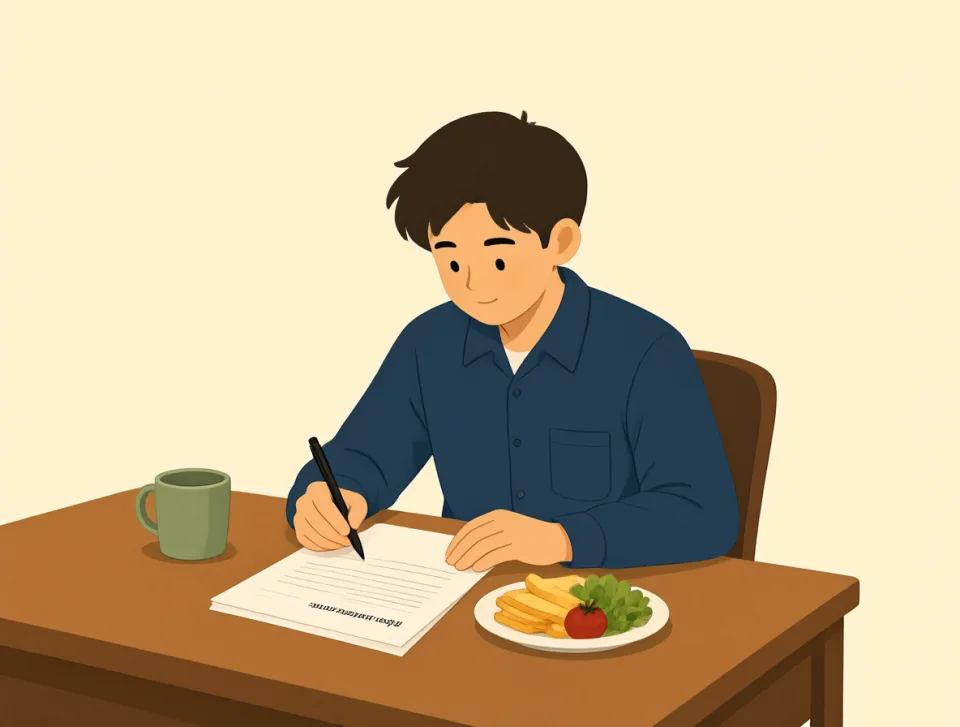
Please continue your work after lunch.
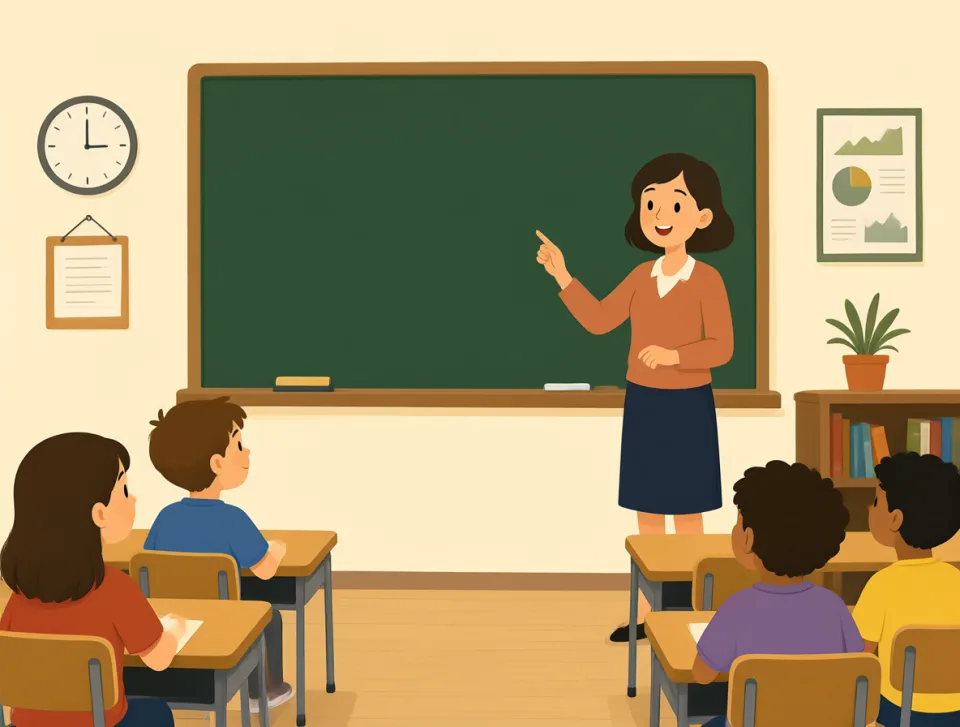
The teacher continued the lesson after the break.

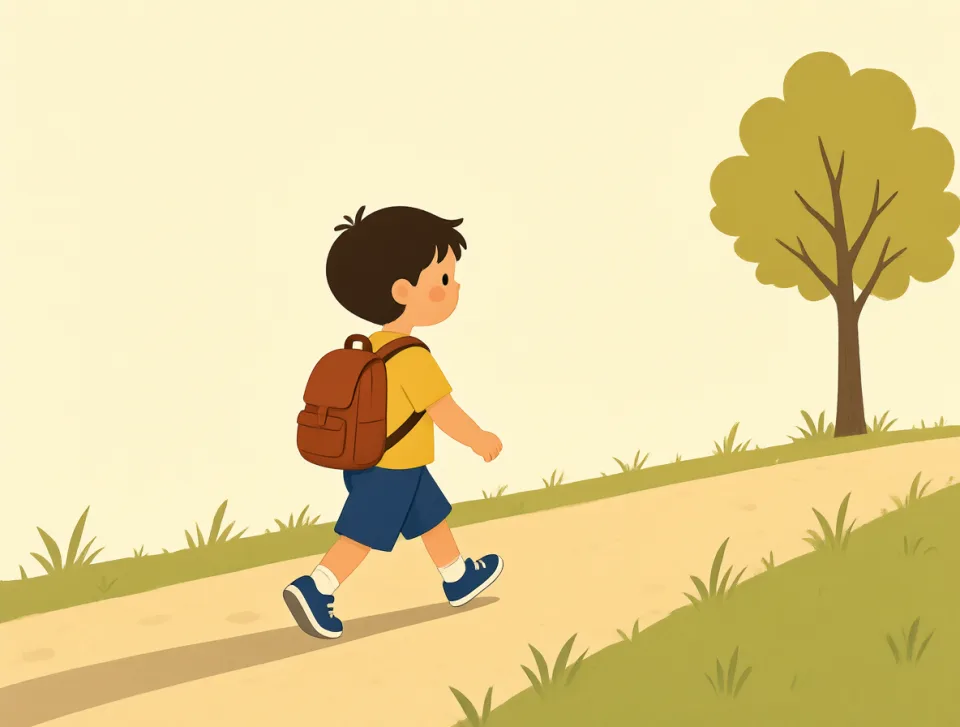
We continued walking through the park.
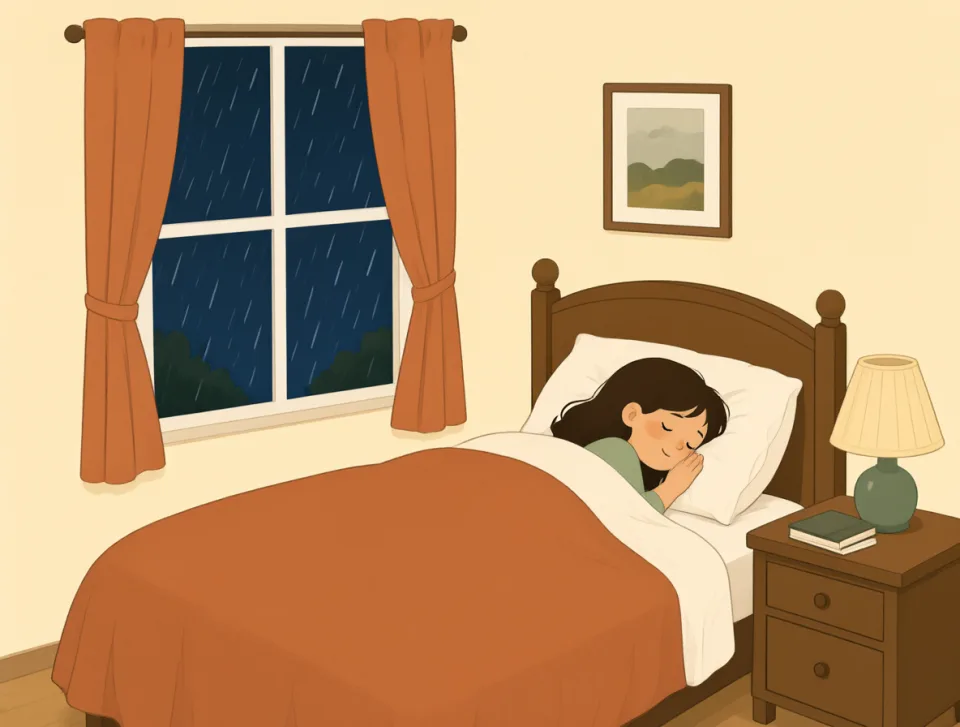
The rain continued all night.
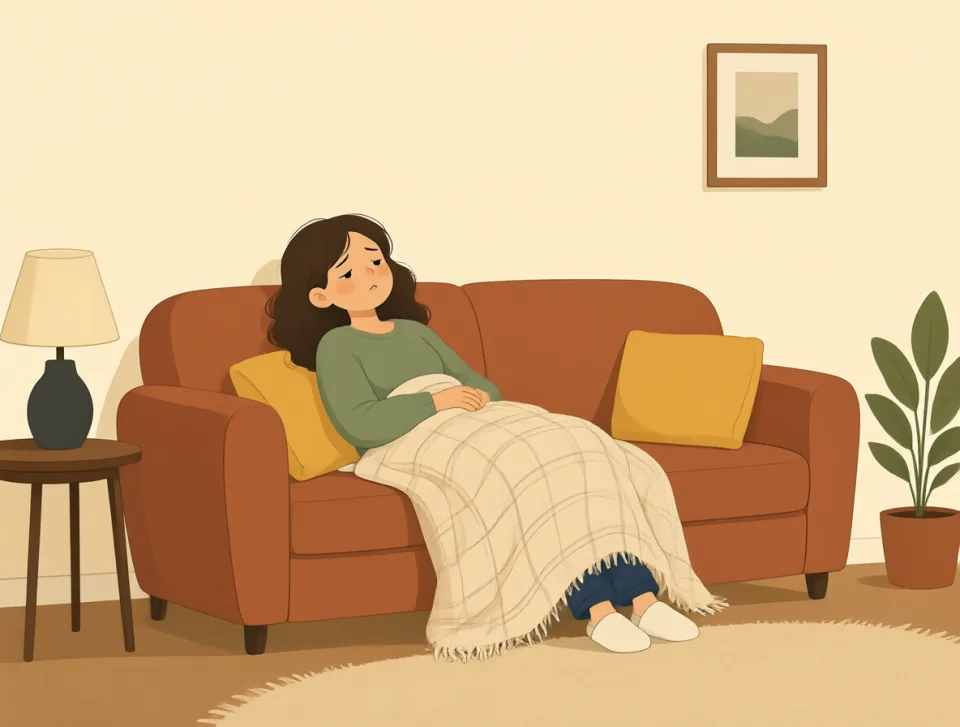
She continued to feel tired after resting.
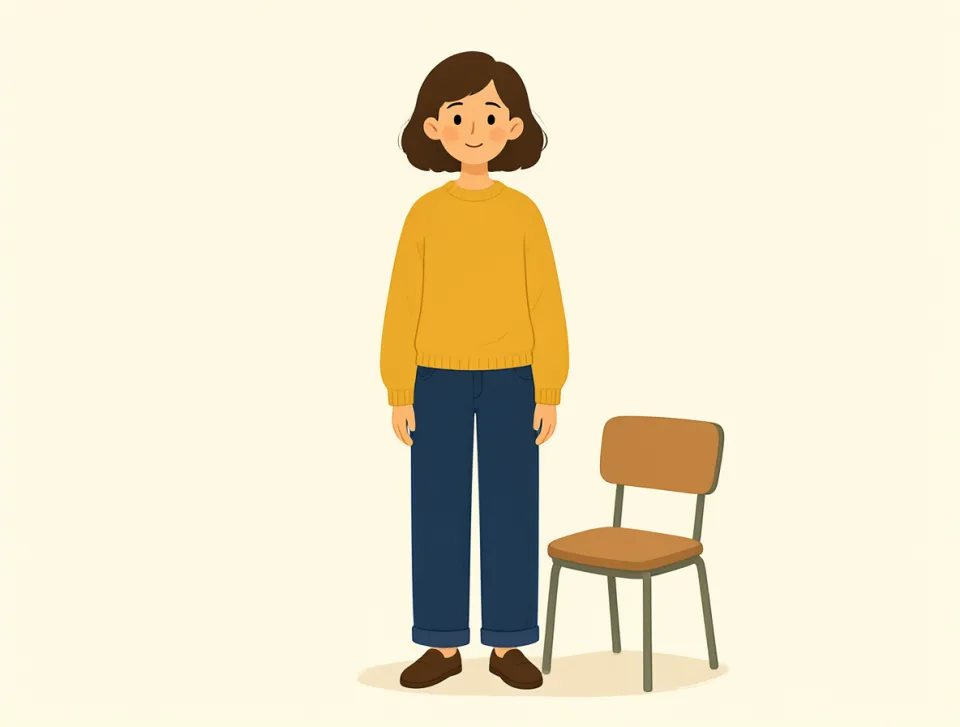
stand
#309verb, noun
to be upright on your feet, or to support someone or something
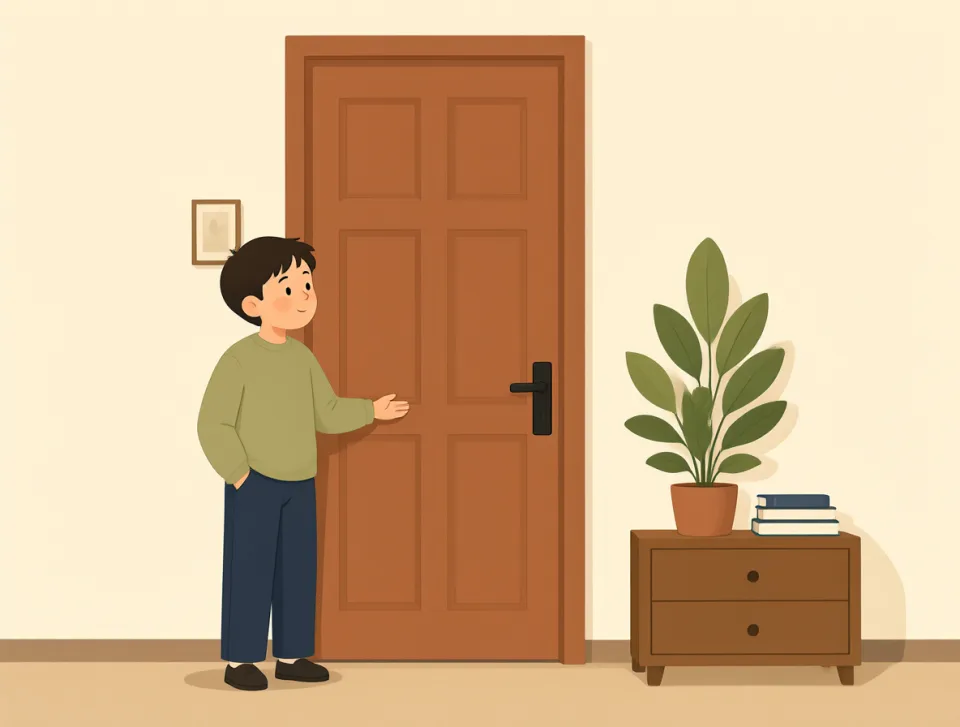
Please stand near the door.
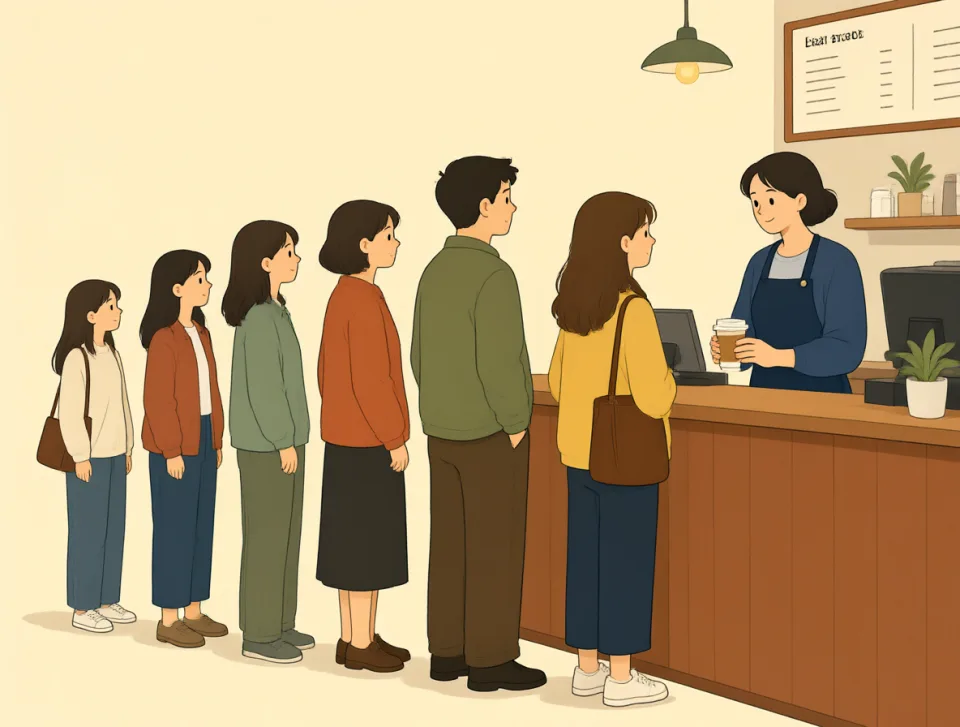
We stood in line for coffee.
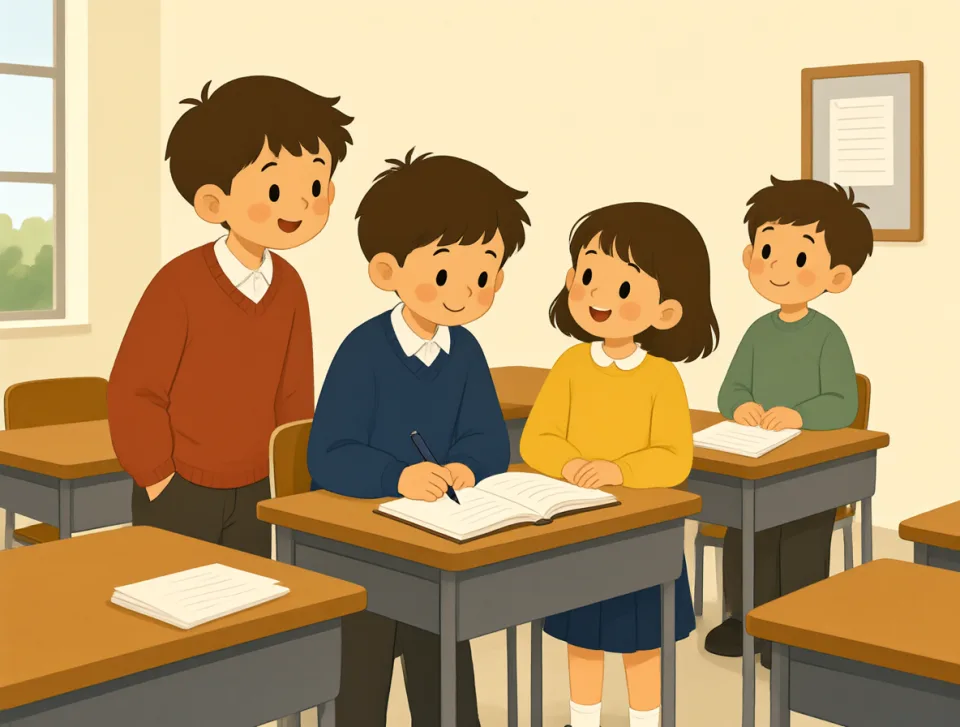
The children stand at their desks.
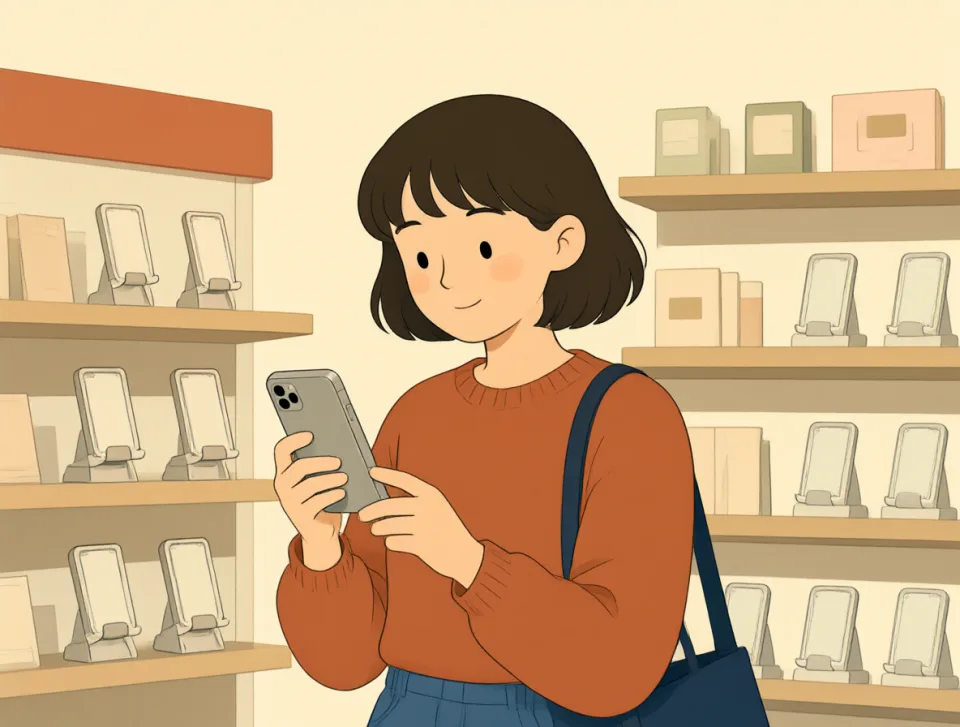
She bought a phone stand.
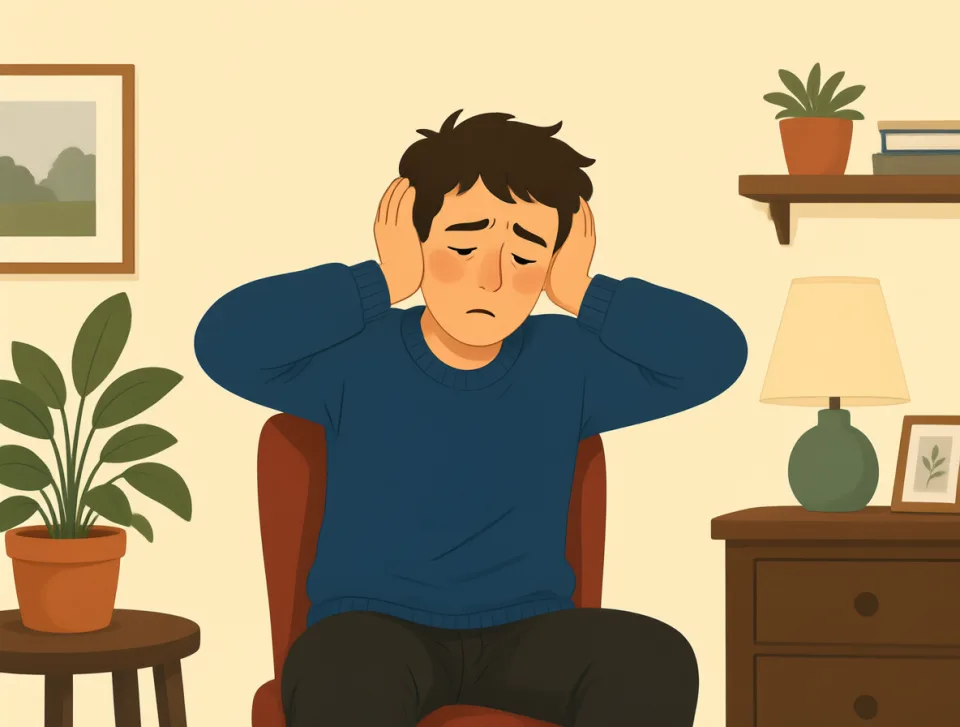
He cannot stand the loud noise.
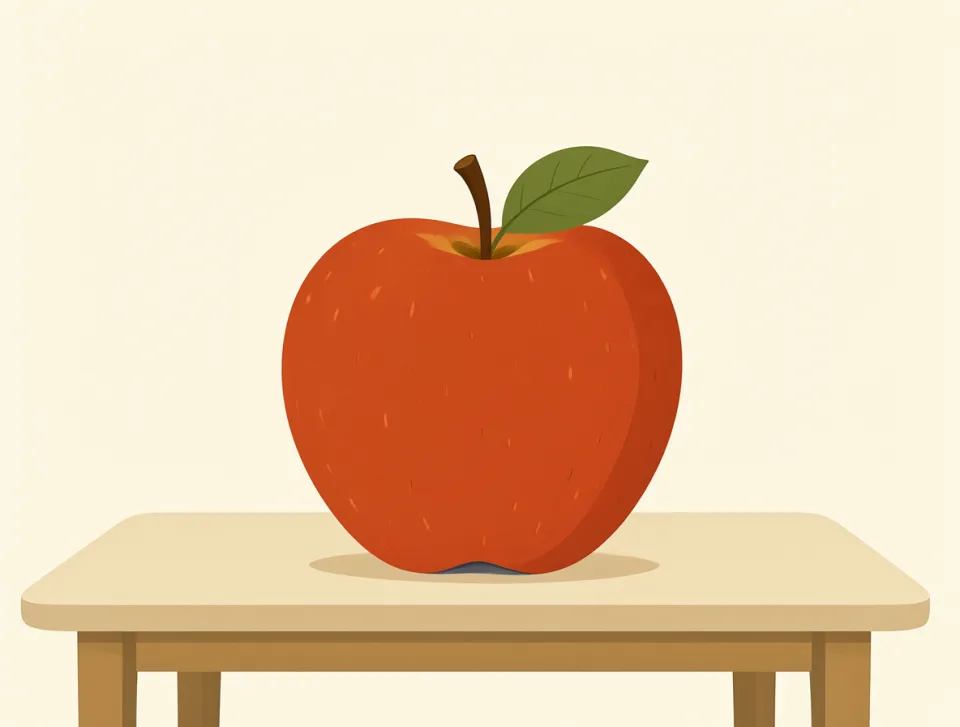
whole
#310adjective, noun, determiner, adverb
Complete, with all parts together; or all of something.
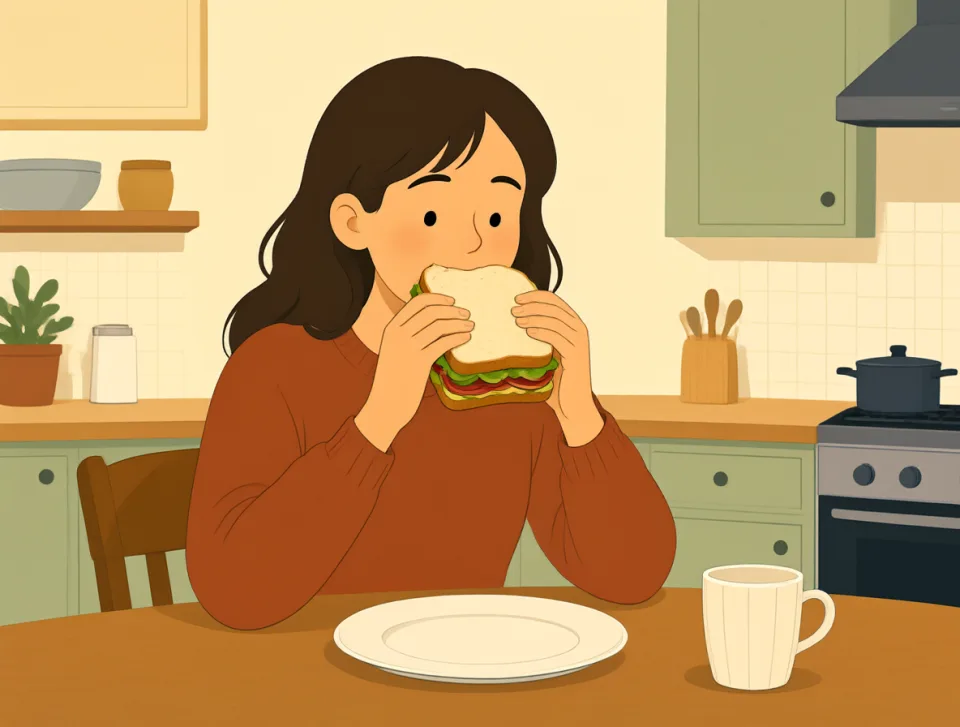
I ate the whole sandwich for lunch.
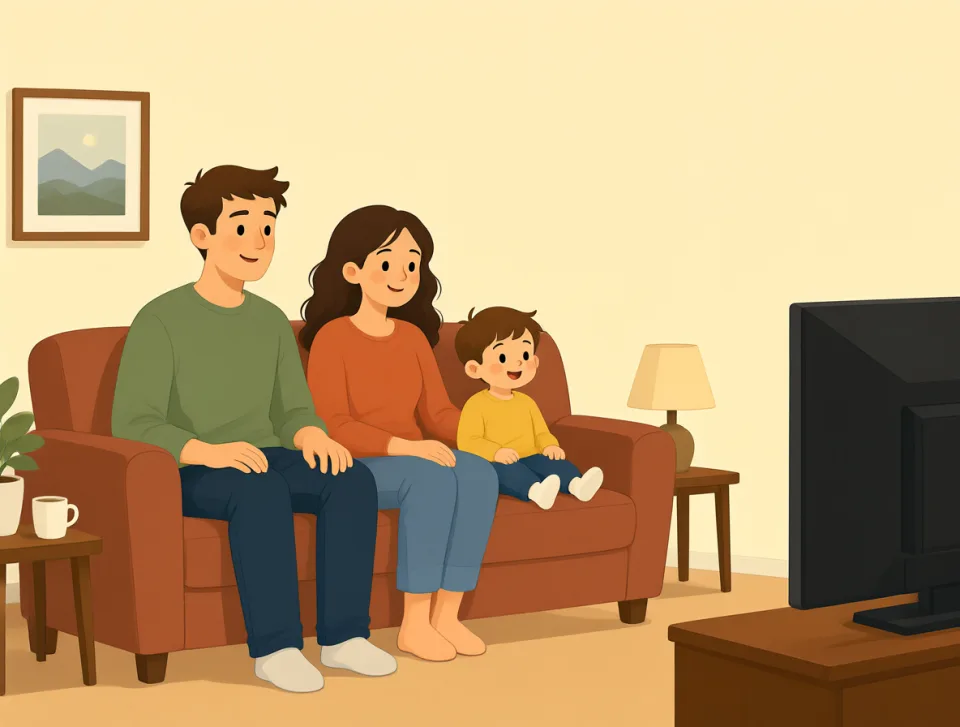
The whole family watched a movie together.

She spent the whole day at school.

We waited a whole hour for the bus.
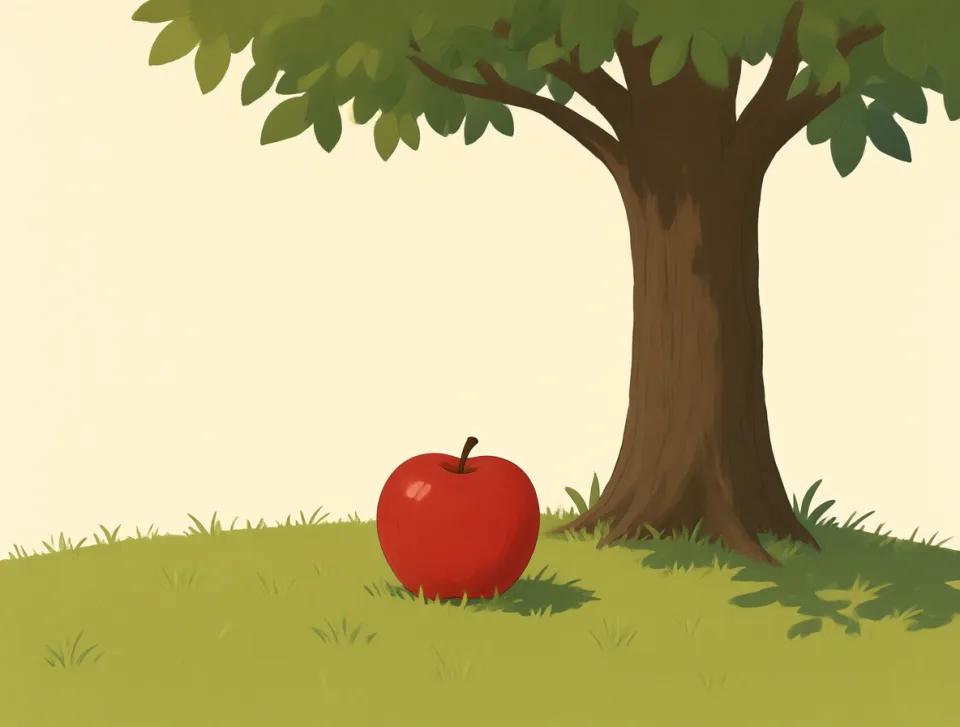
The whole apple fell from the tree.
yet
#311adverb, conjunction
Used to say something has not happened until now or to add a surprising contrast.
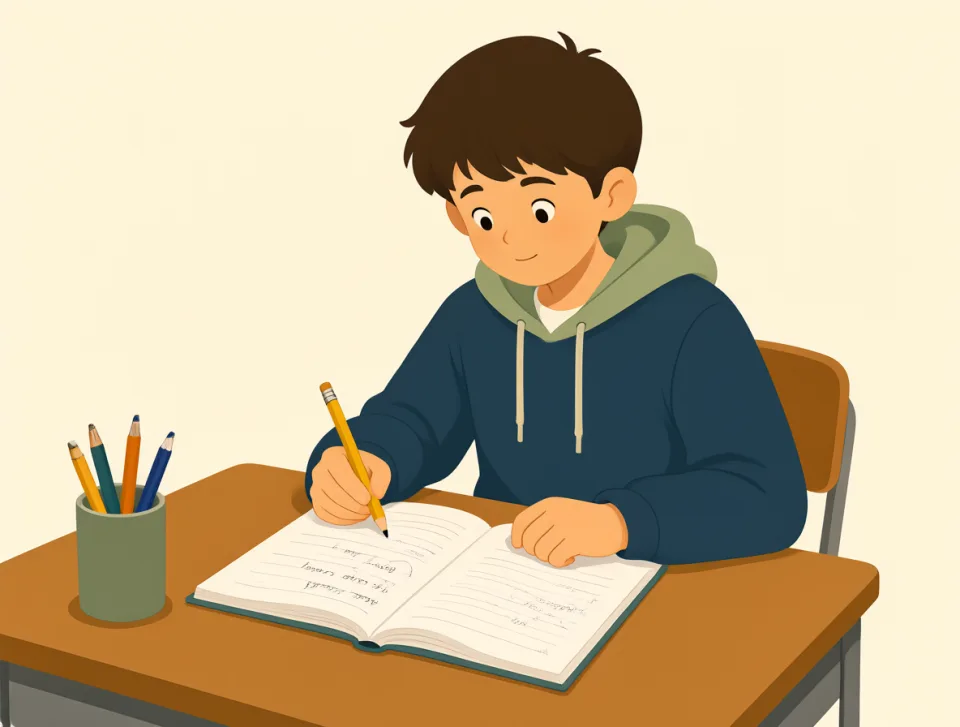
I haven't finished my homework yet.
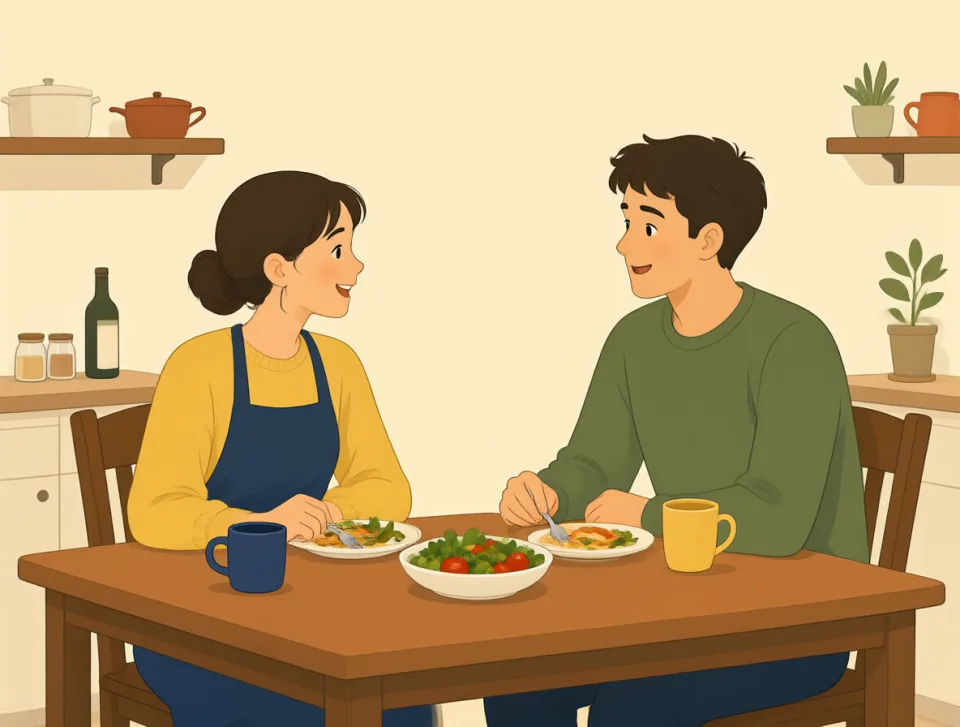
Have you eaten lunch yet?
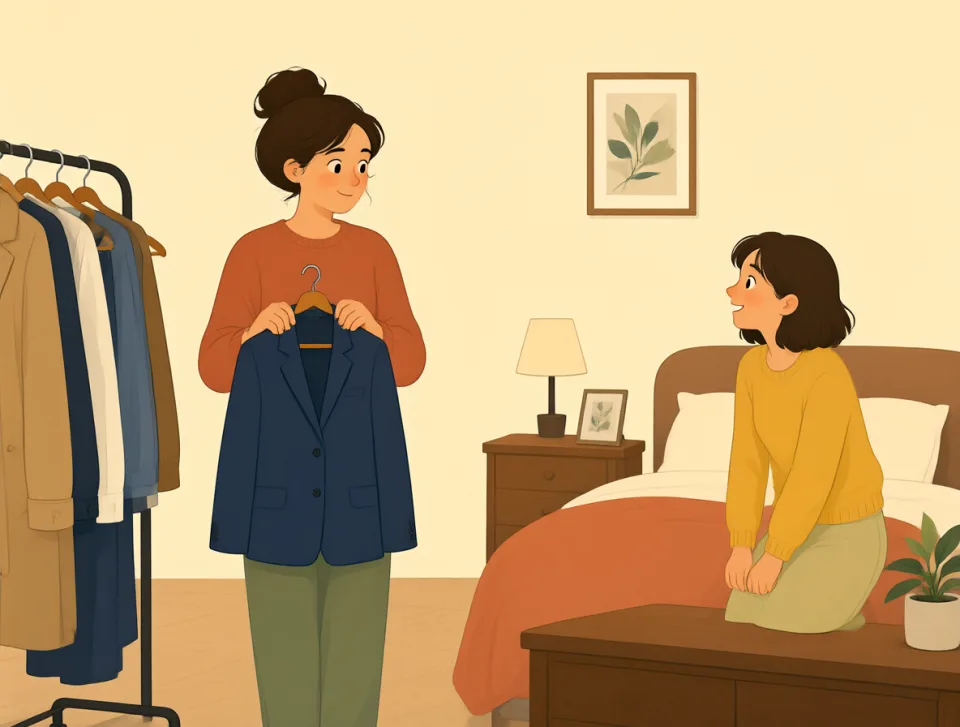
She is not ready yet.
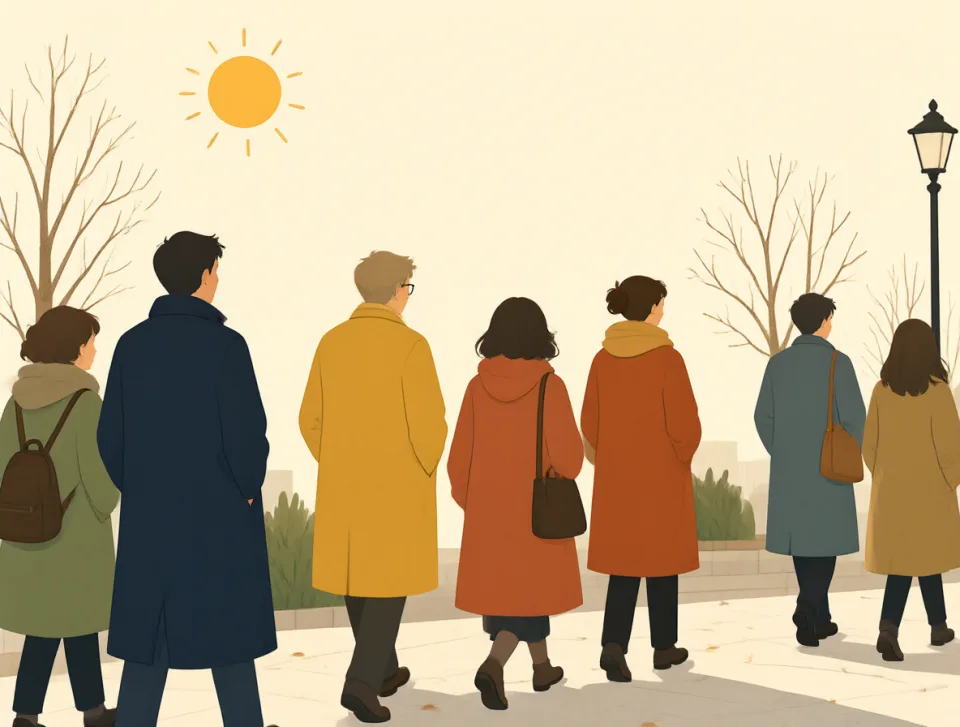
It is cold, yet the sun is shining.
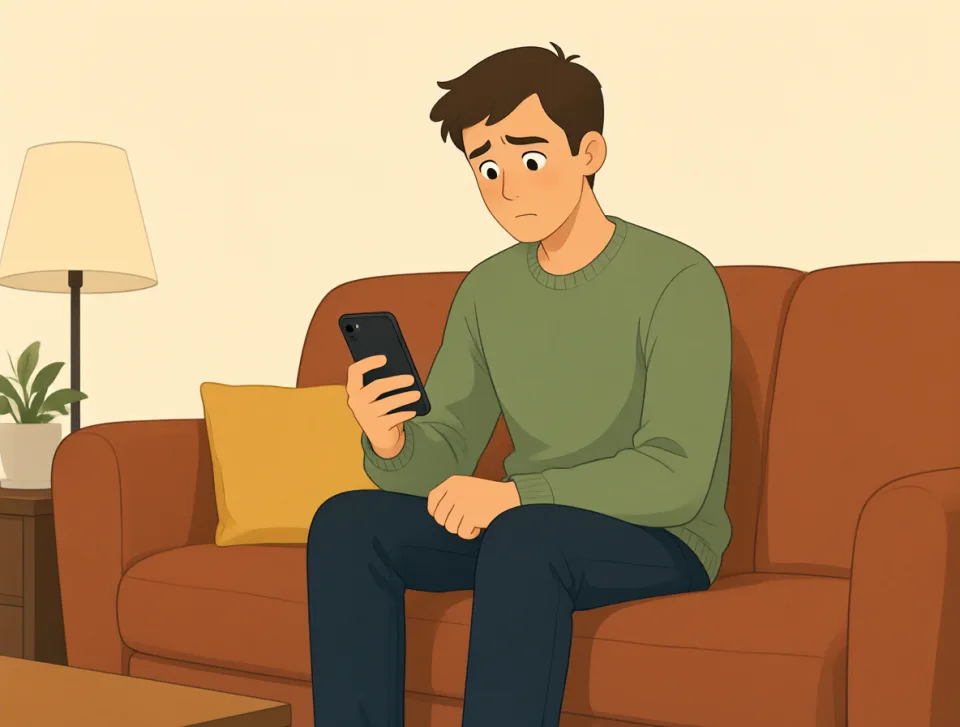
He has not called yet.
rate
#312noun, verb
A level, price, or amount compared with another; to judge something or give it a score.
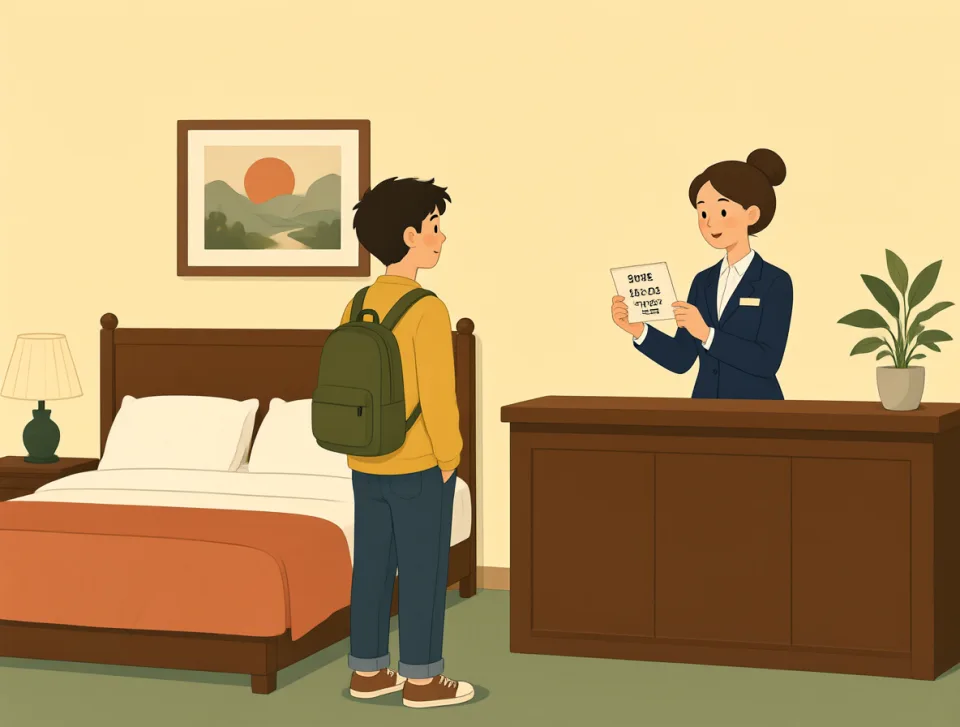
The hotel has a high room rate.
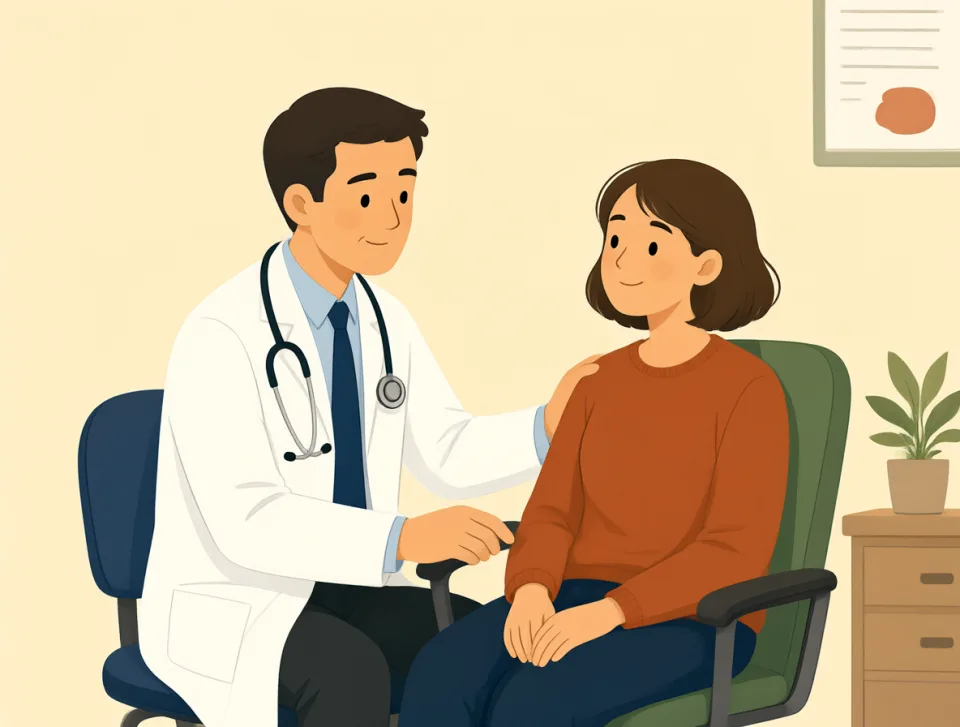
The doctor rated my pain as mild.
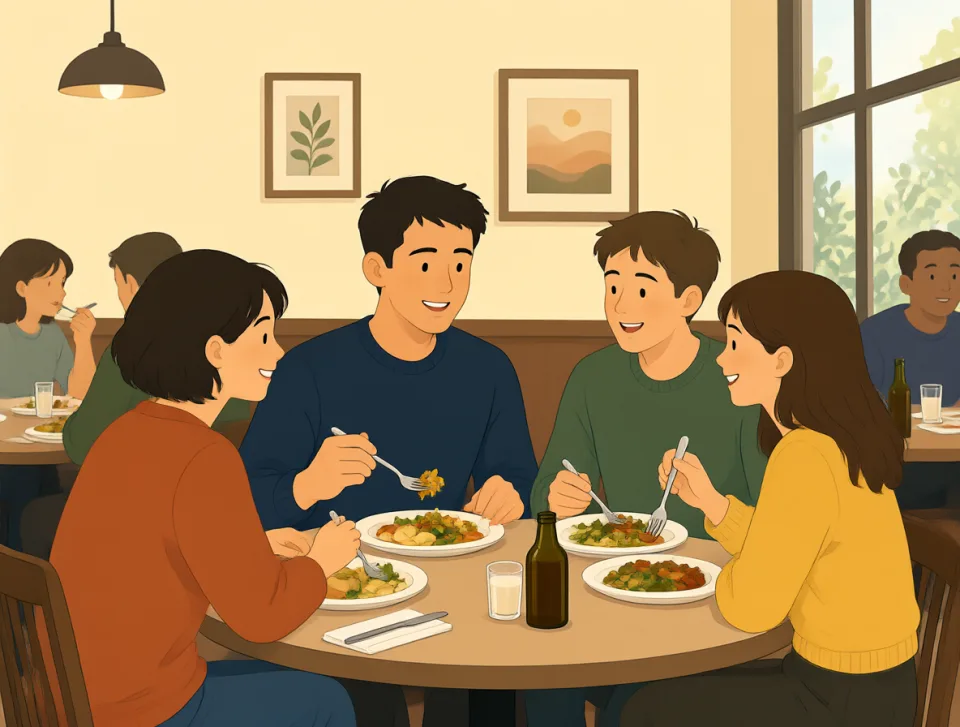
This restaurant rates among the best nearby.
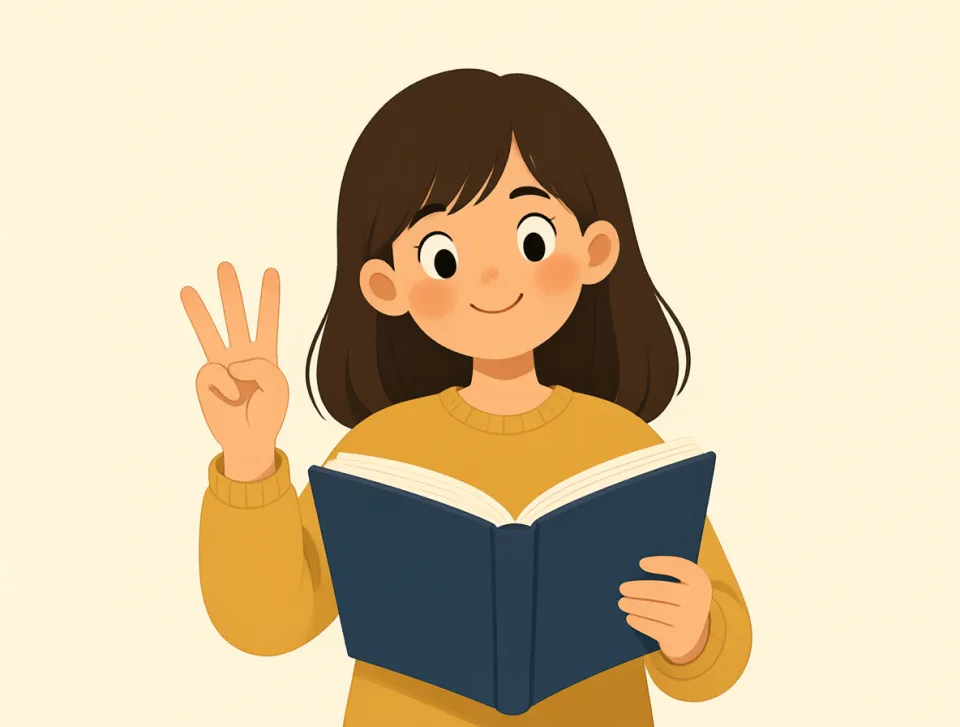
She rated the book five stars.
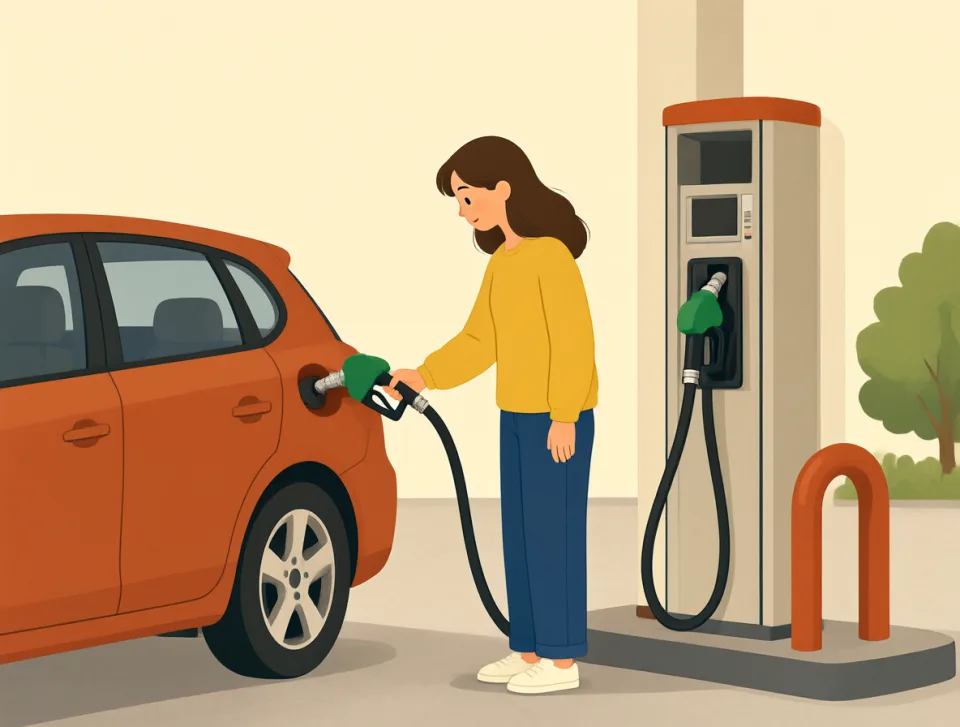
The car gets a good fuel rate.
care
#313noun, verb
To feel concern for someone or something, or to look after them.
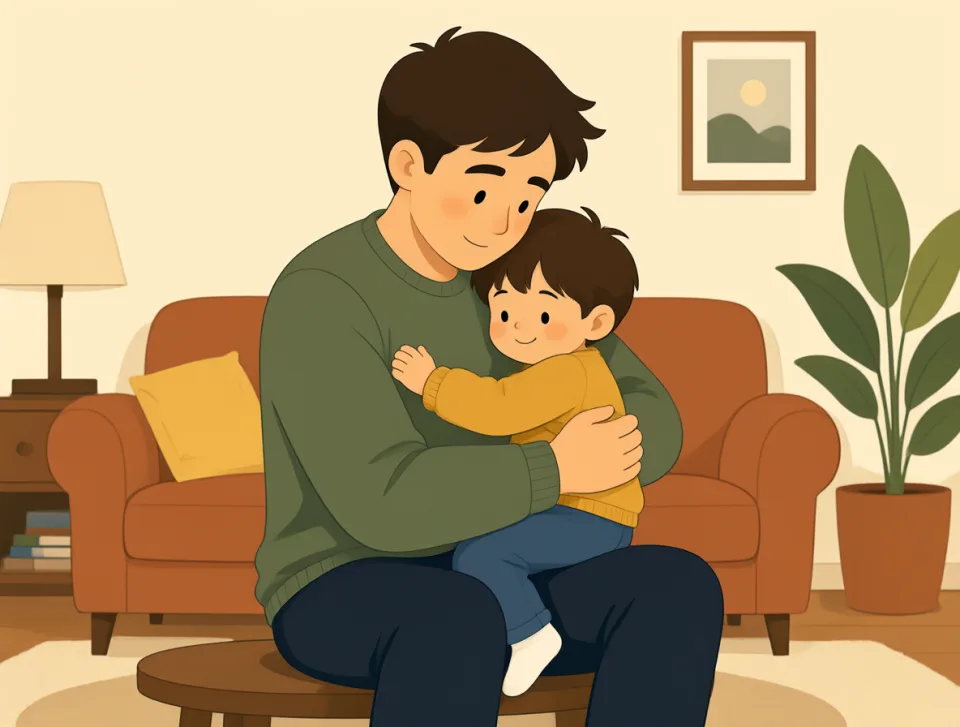
I care about my family very much.
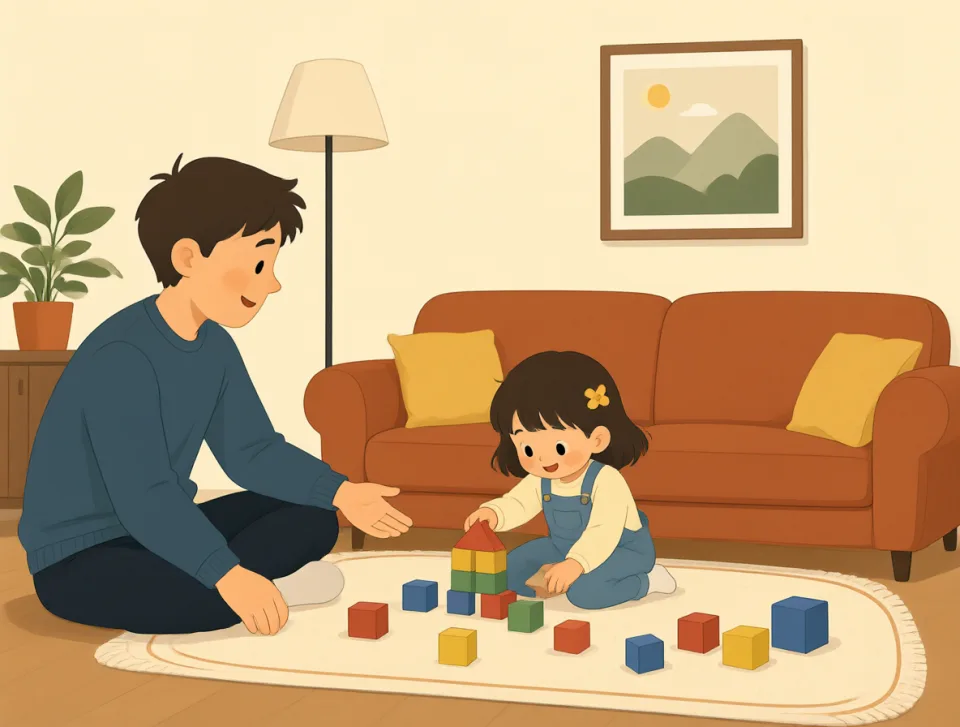
Please take care of your little sister.
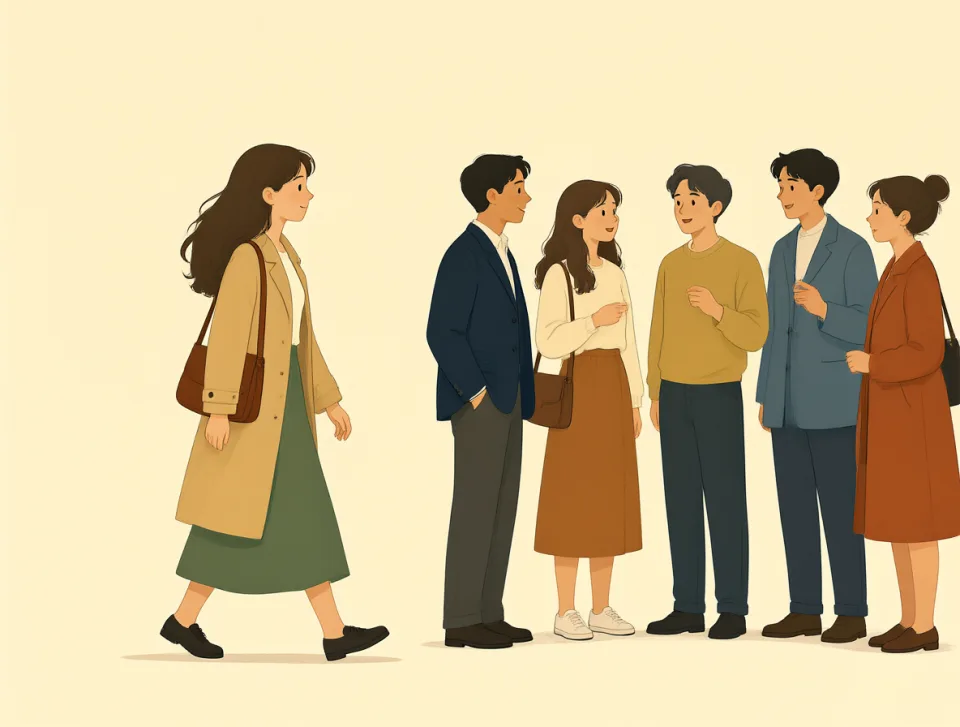
She does not care what people think.
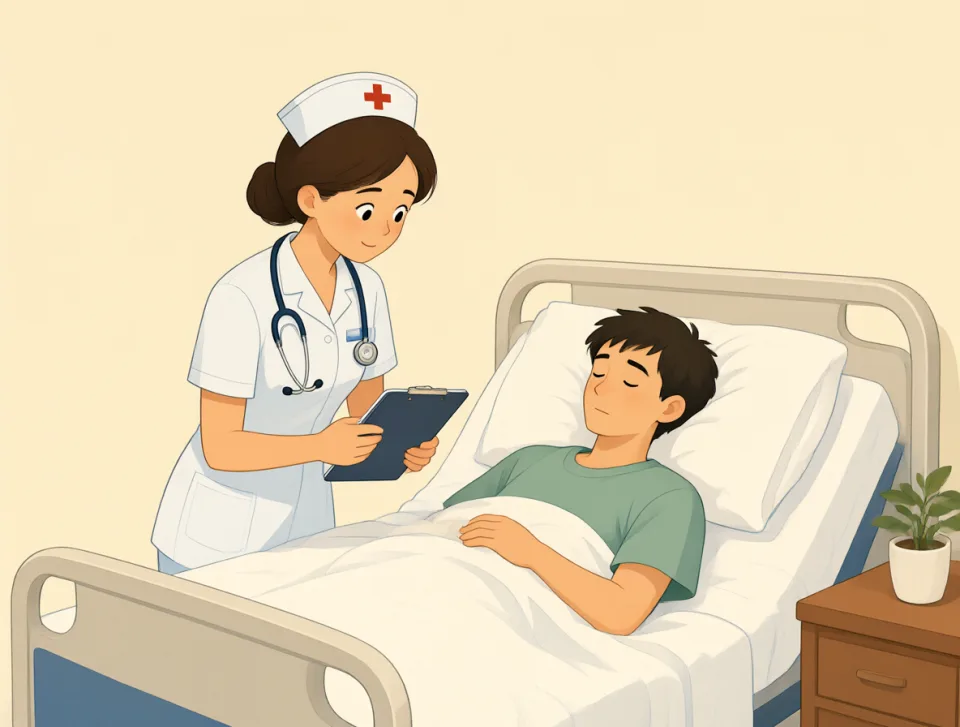
The nurse cared for the patient all night.
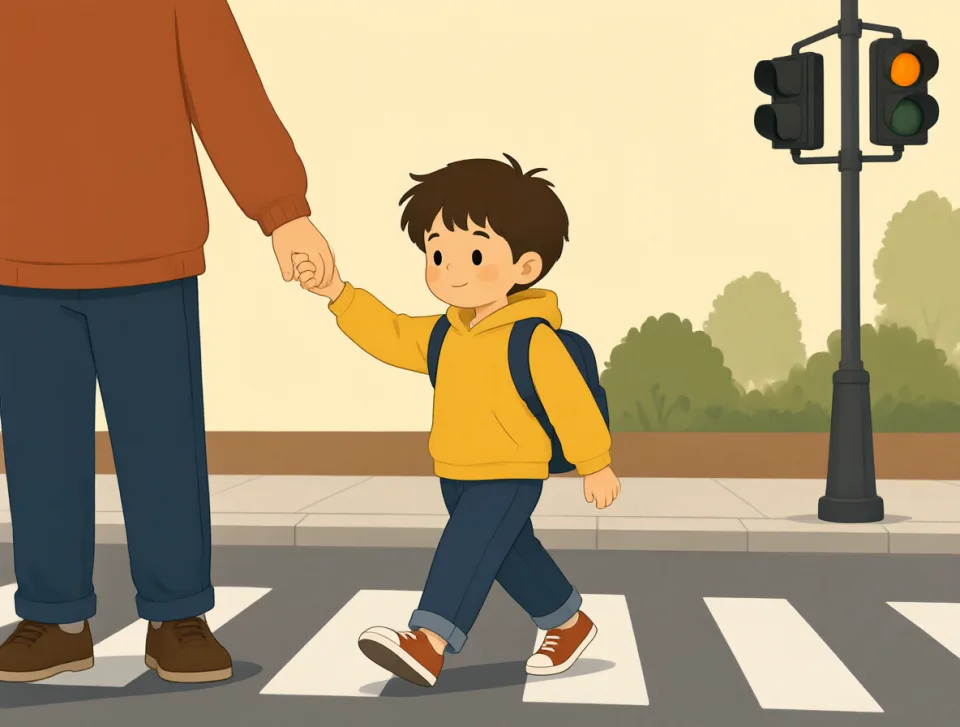
Take care when you cross the busy street.
expect
#314verb
To think something will happen or believe someone will do something.
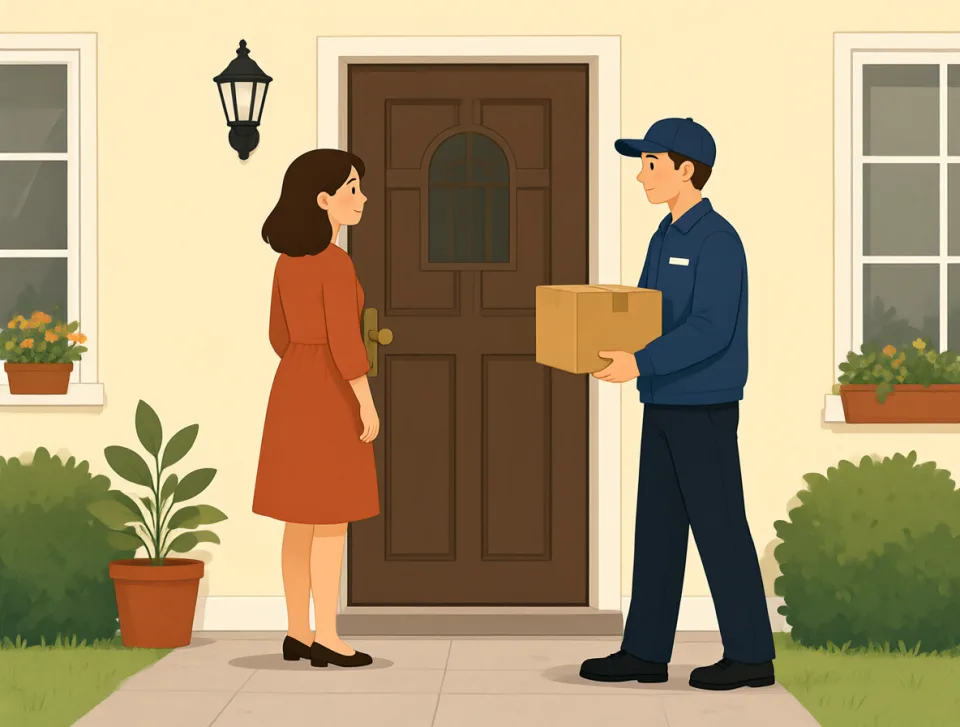
I expect a package tomorrow.
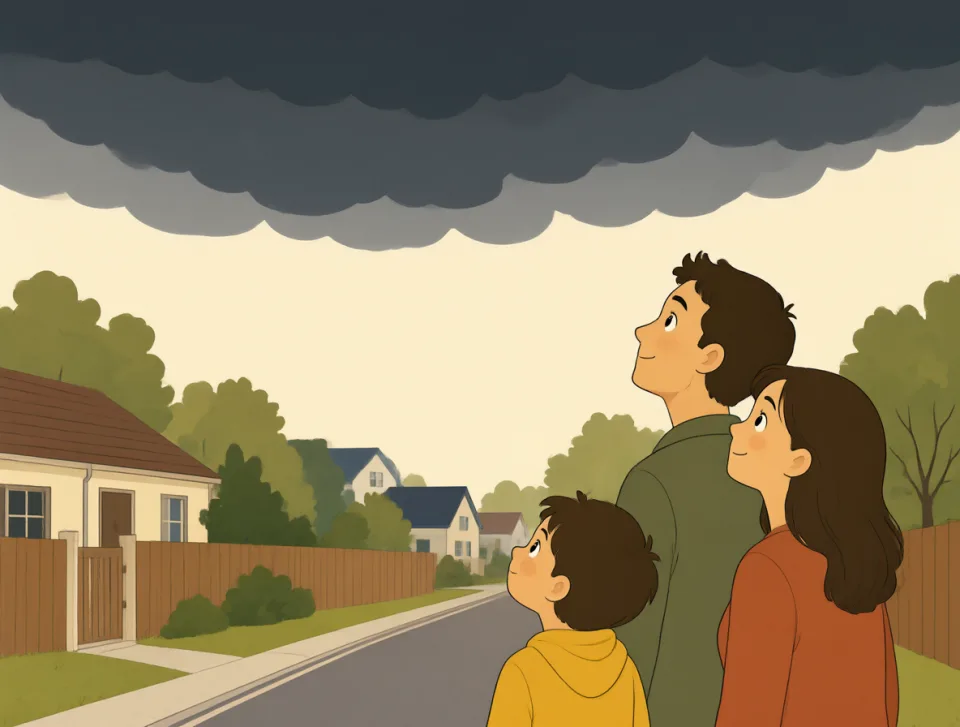
We expect rain this afternoon.
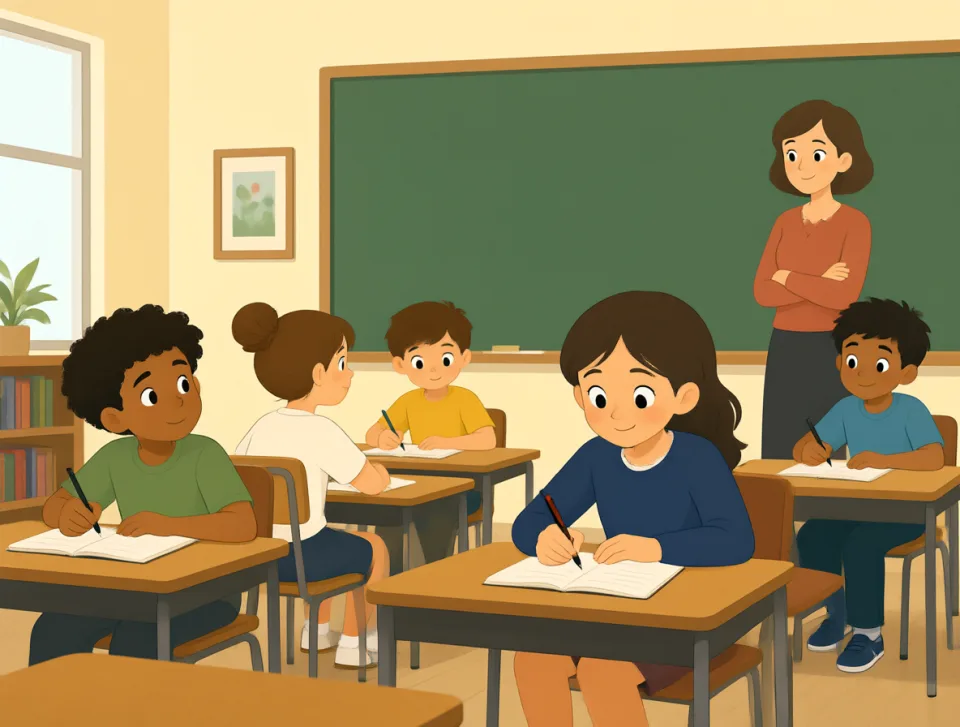
The teacher expects us to finish today.
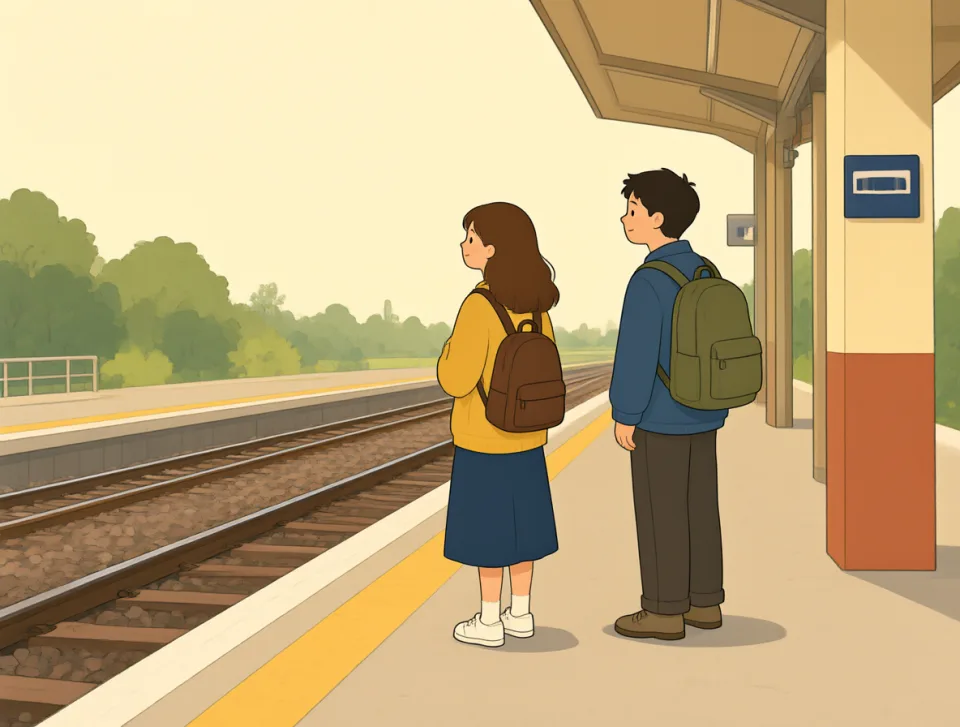
They expect the train to arrive soon.
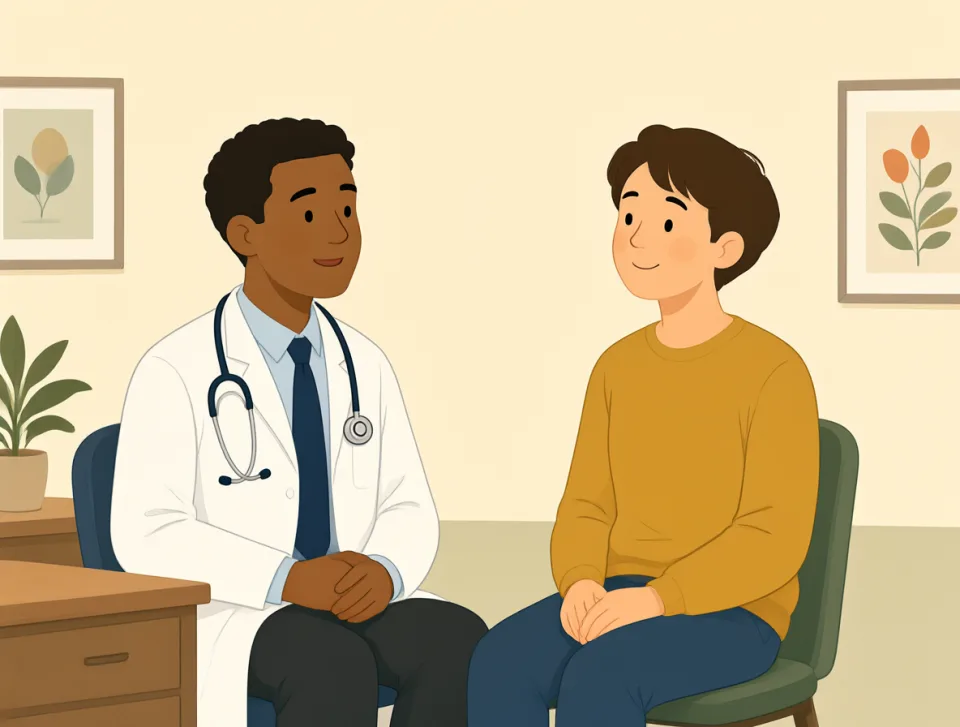
The doctor expects you to feel better soon.
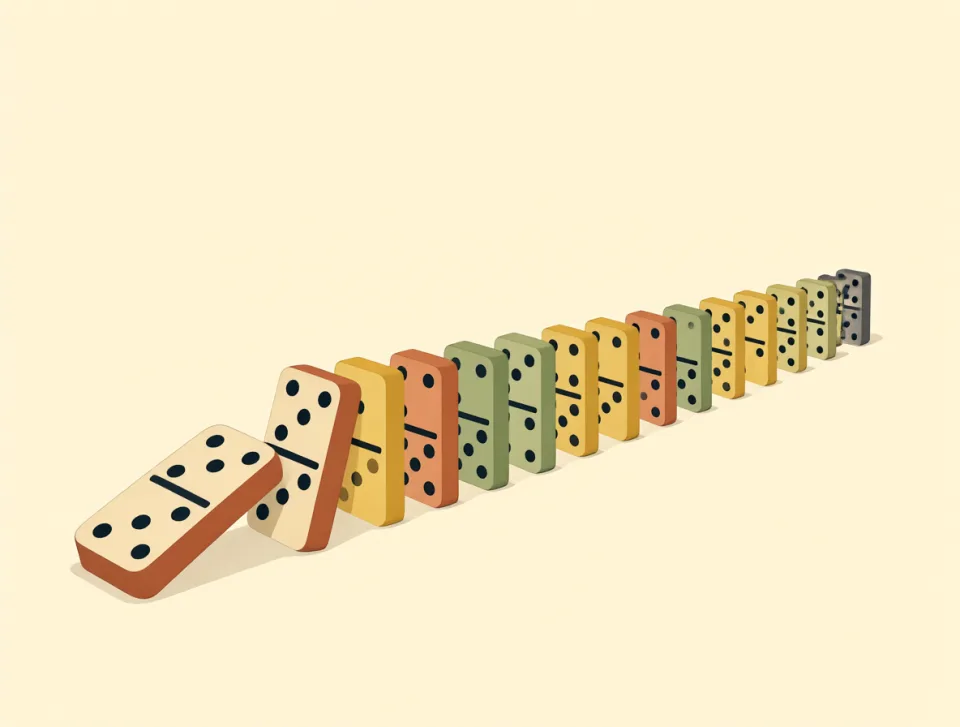
effect
#315noun, verb
A change caused by something, or to make a change happen.
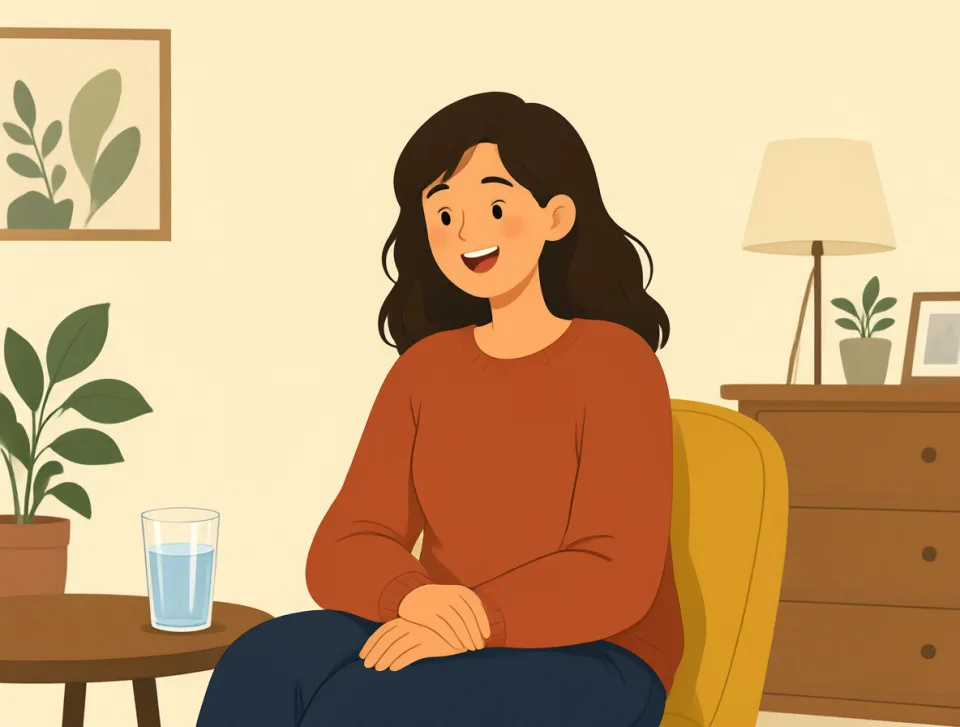
The medicine had a good effect on her.
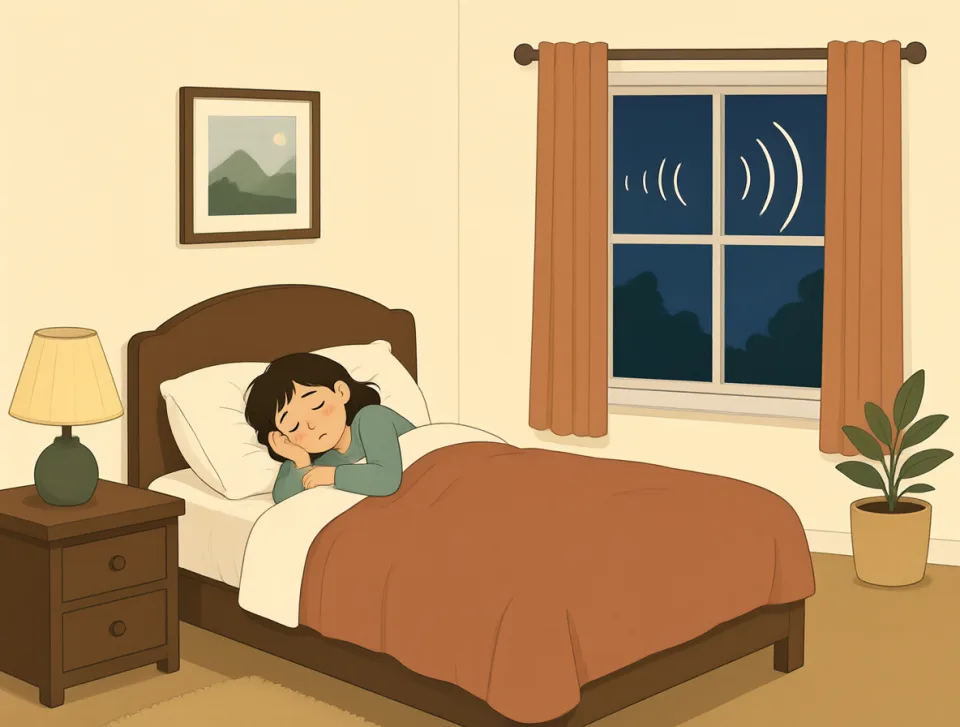
The loud noise affected my sleep.

Sunlight has a strong effect on plants.
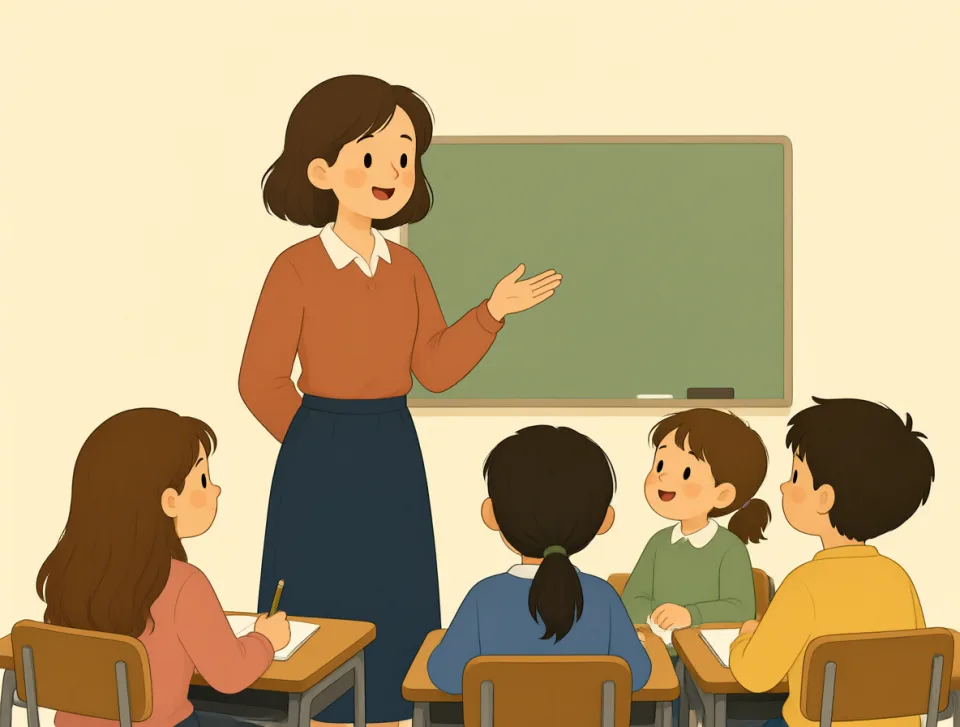
The new rule will affect all students.
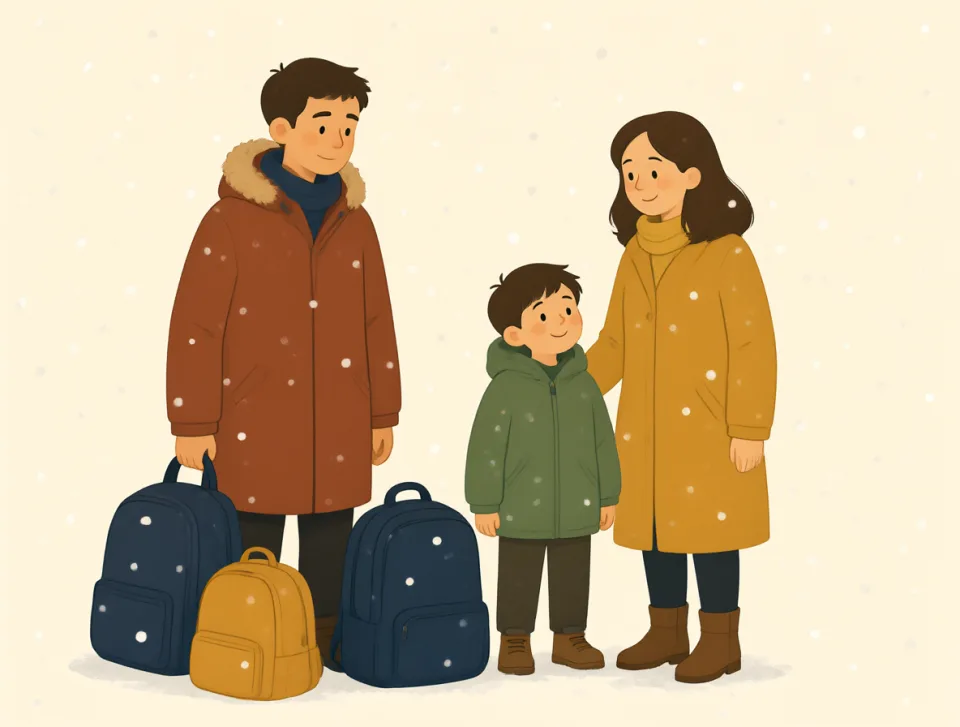
The cold weather affected our travel plans.
sort
#316noun, verb
A type of something; to put things into groups.

What sort of music do you like?
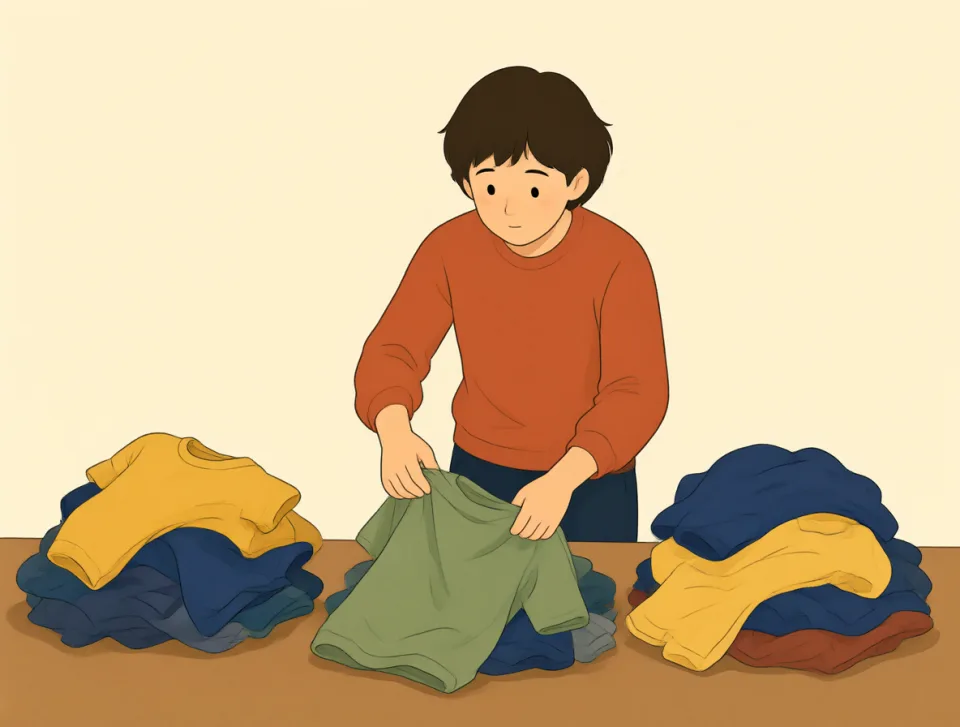
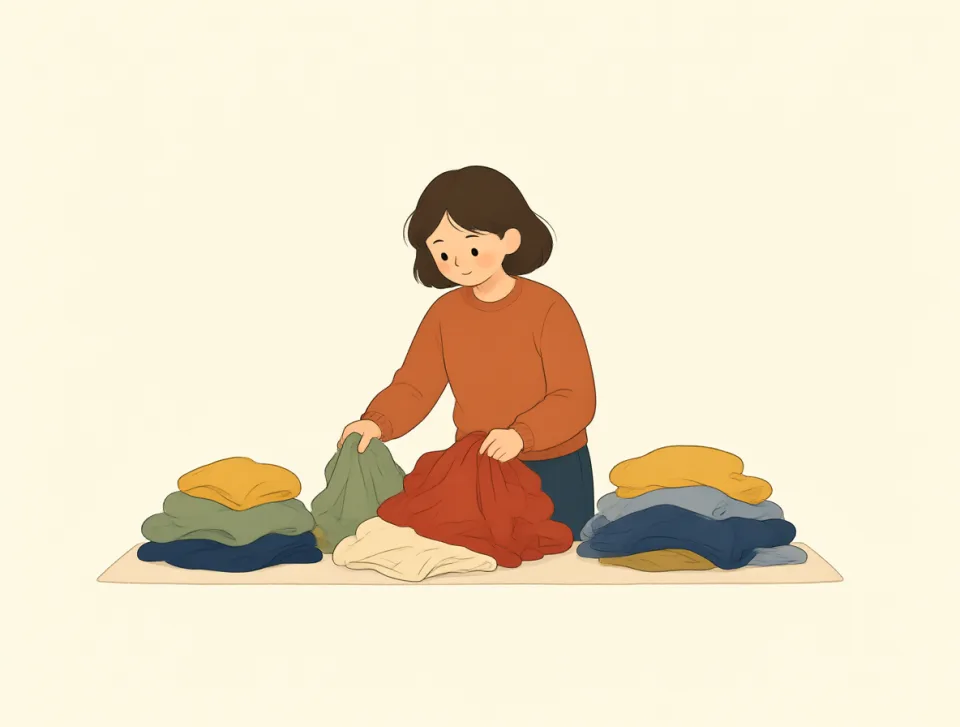
Please sort these clothes by color.
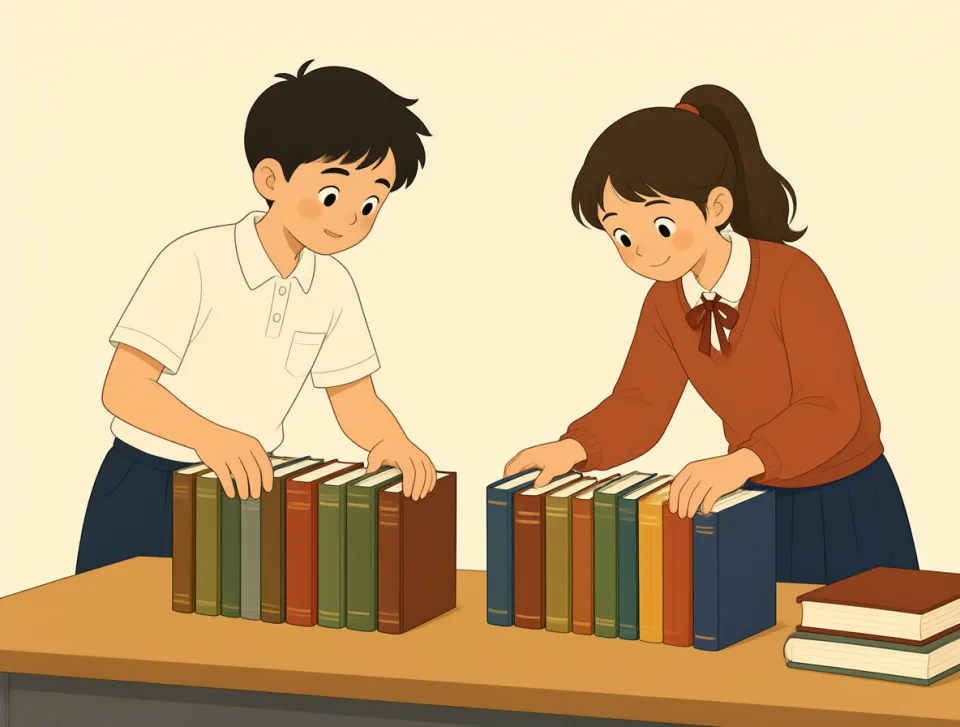
We sorted the books by size.
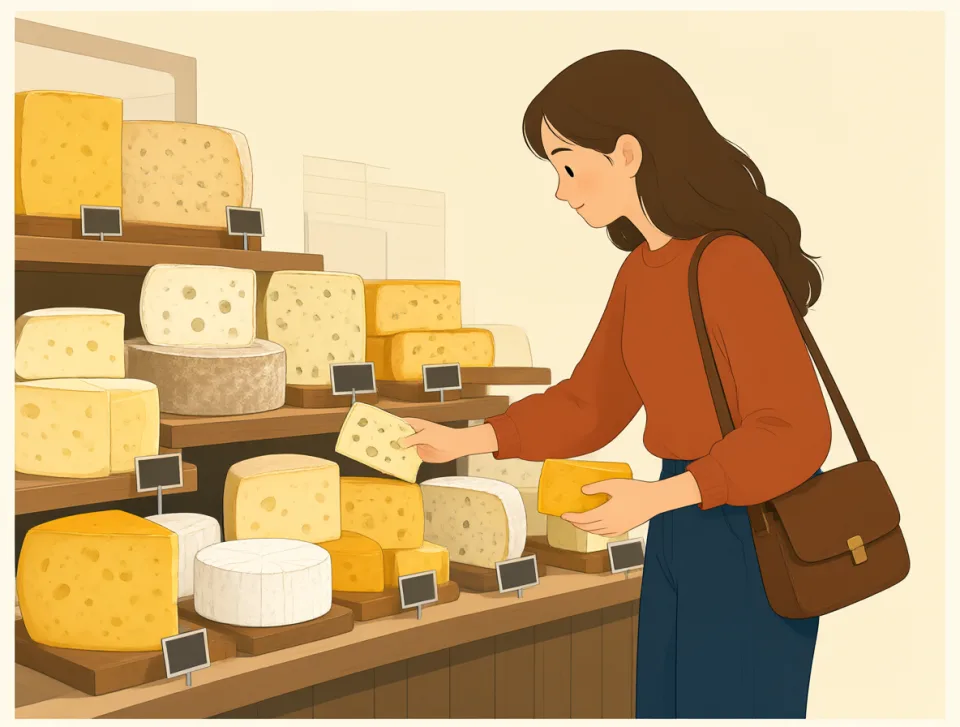
She bought several sorts of cheese.
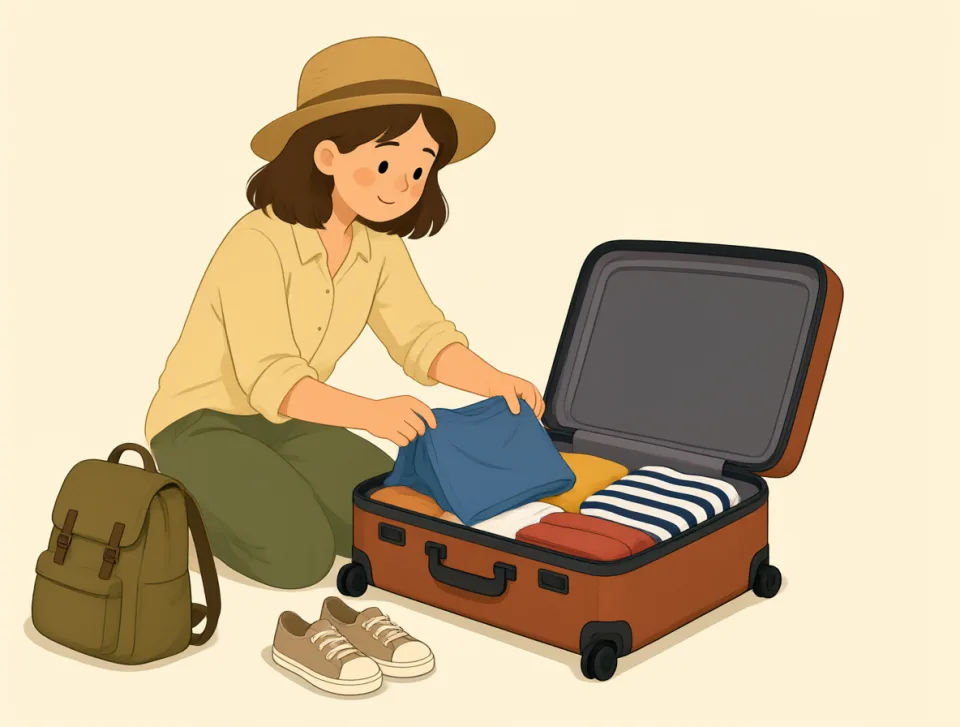
I need to sort out my travel plans.
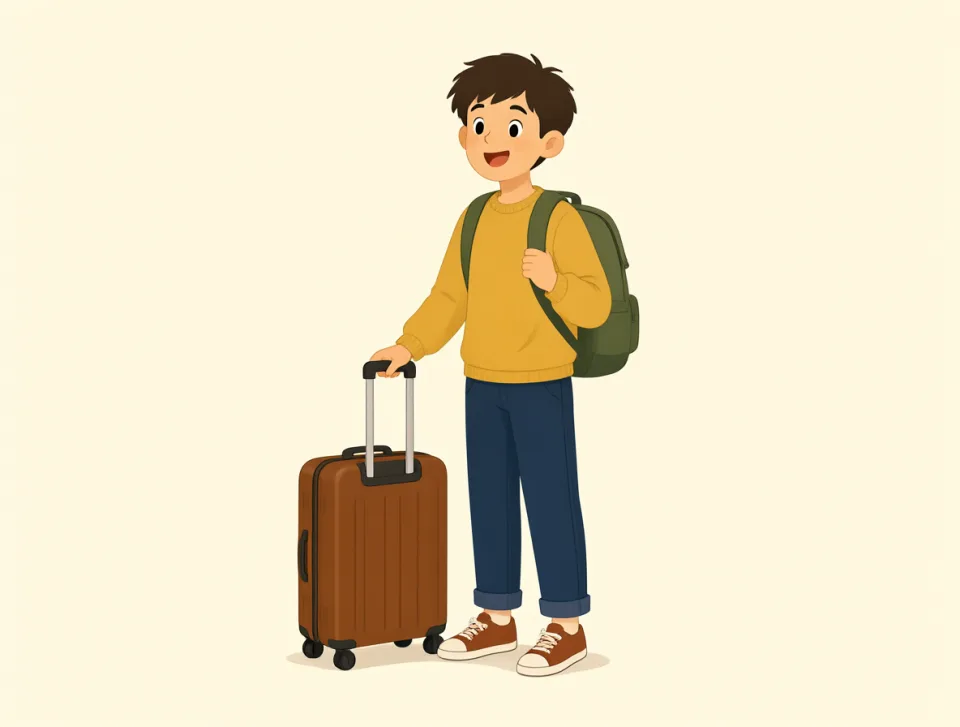
ever
#317adverb
At any time, or at any time before now.
Have you ever visited another country?
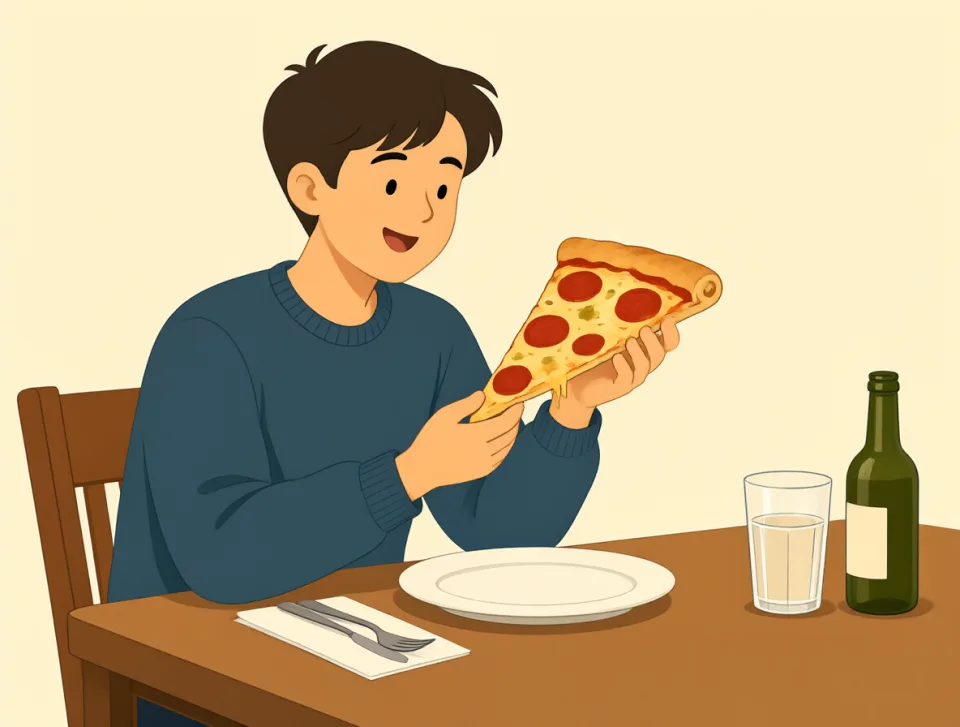
This is the best pizza I have ever eaten.
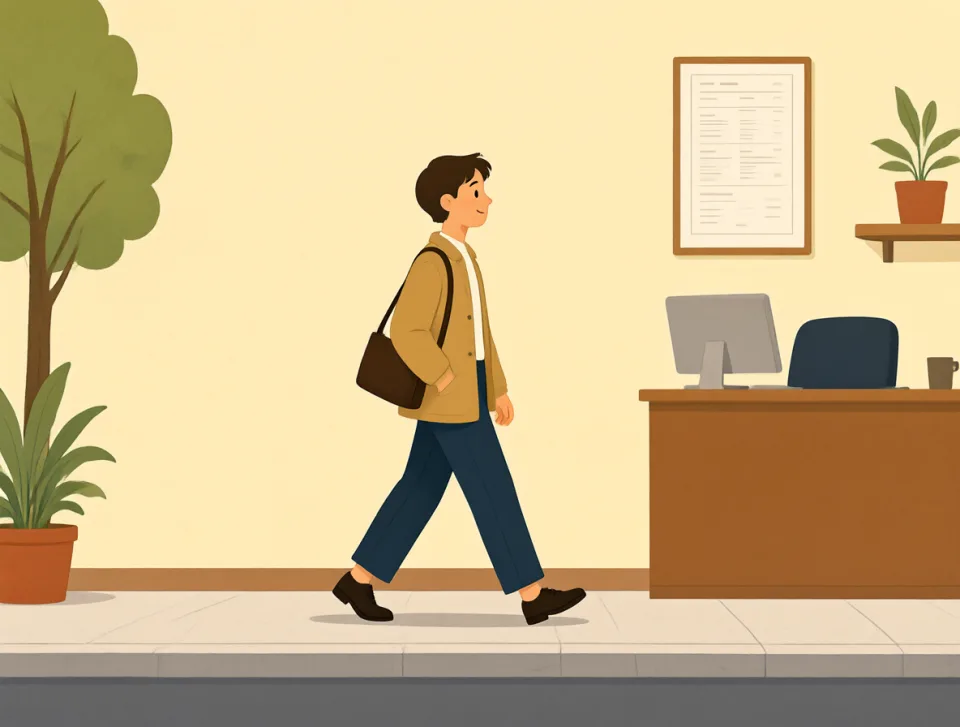
Do you ever walk to work?

If you ever need help, call me.
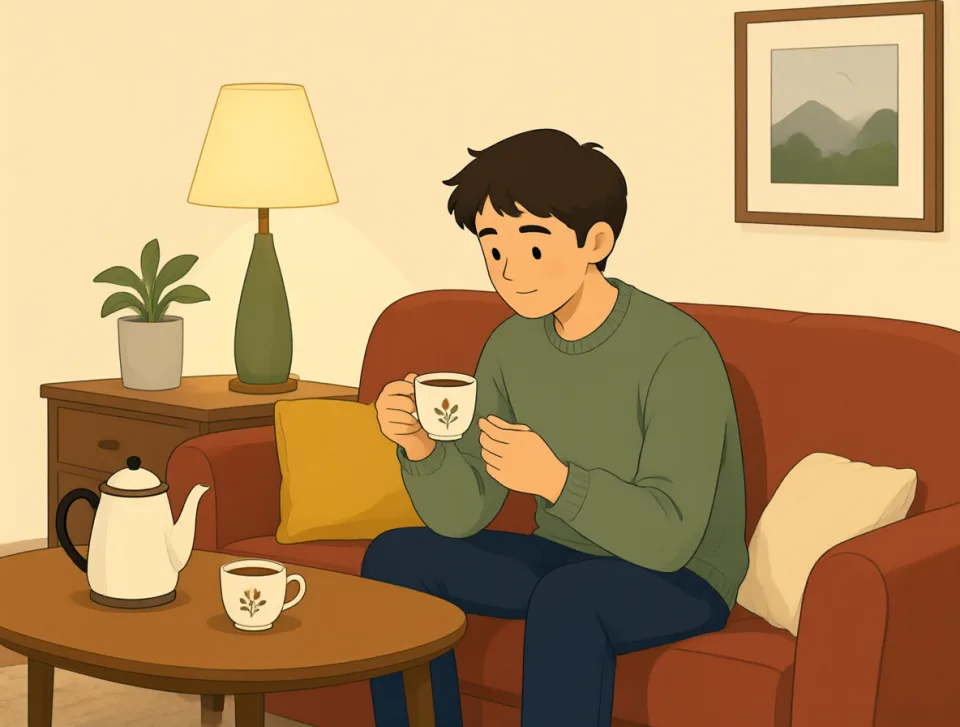
He hardly ever drinks coffee in the evening.
anything
#318pronoun, determiner
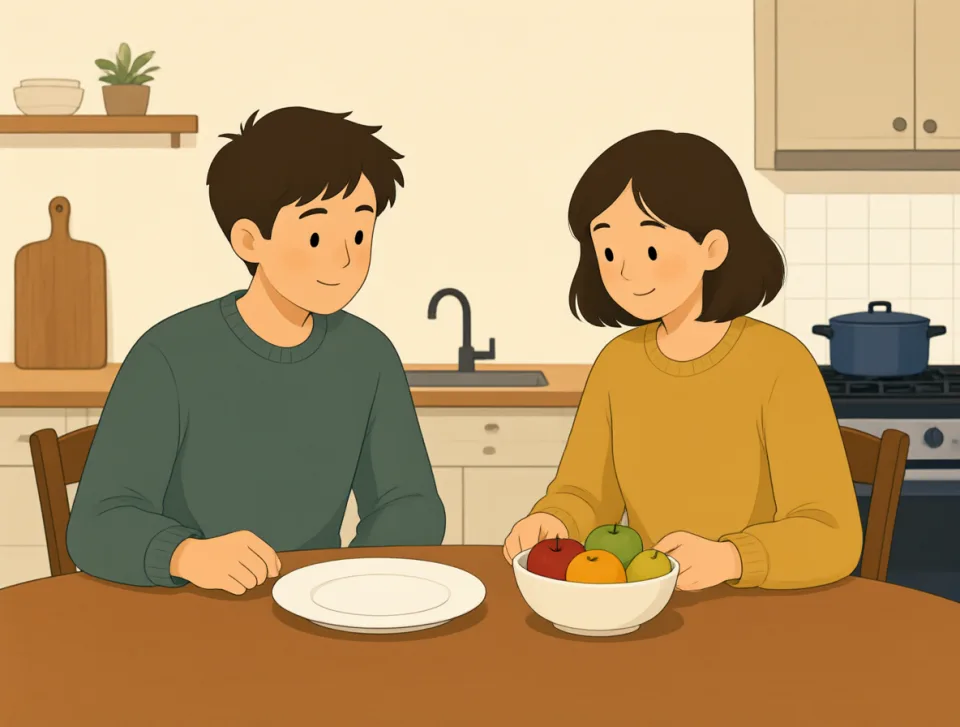
A thing of any kind, or no particular thing.
Would you like anything to eat?
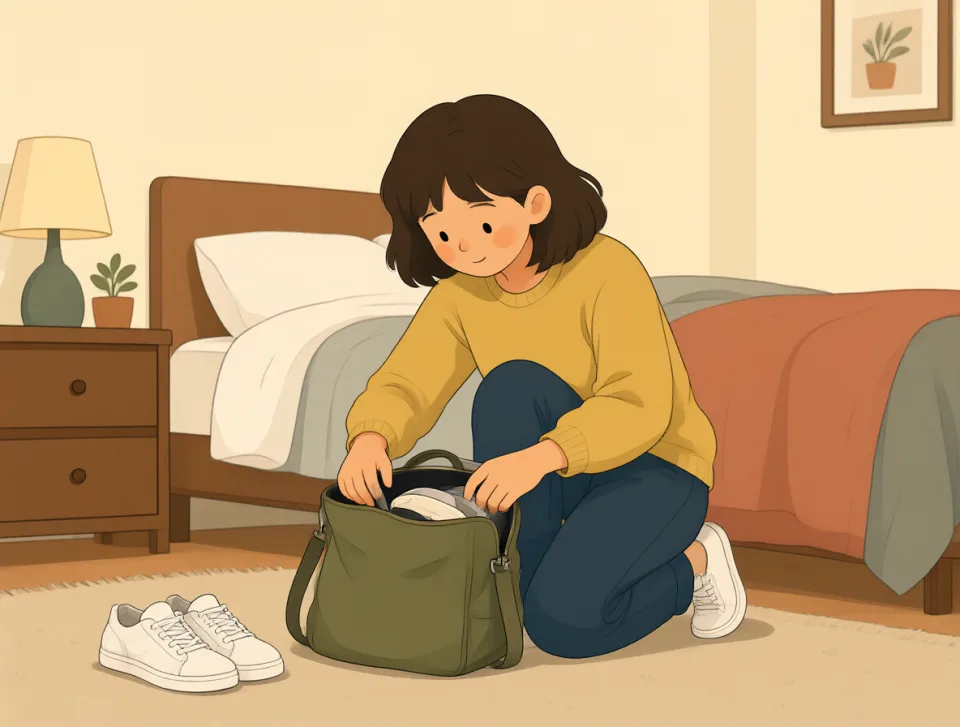
I cannot find anything in this bag.
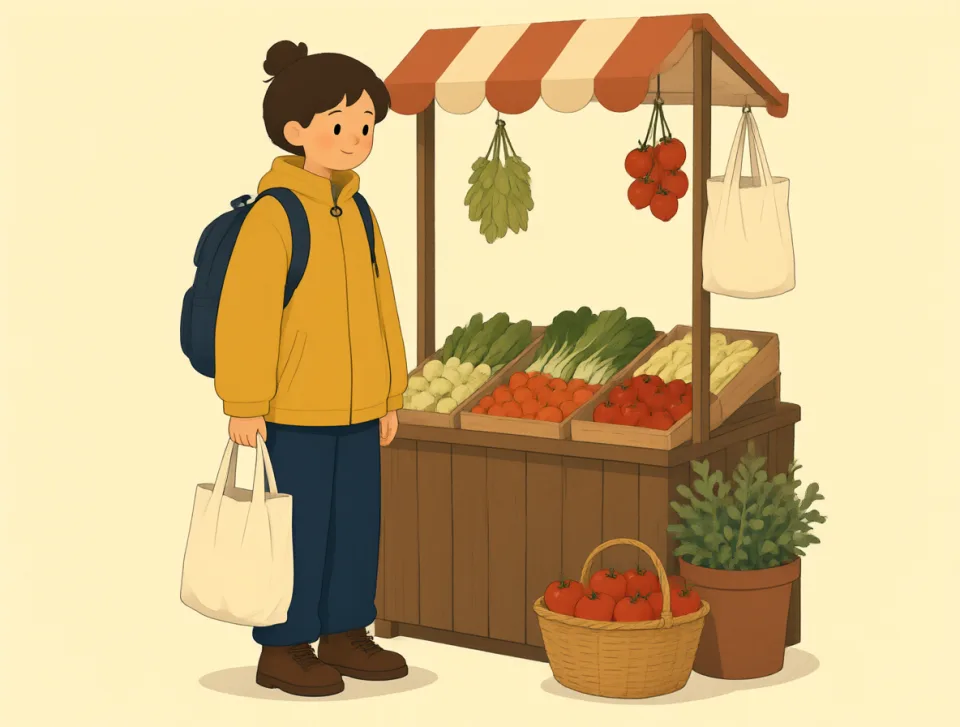
Did you buy anything at the market?
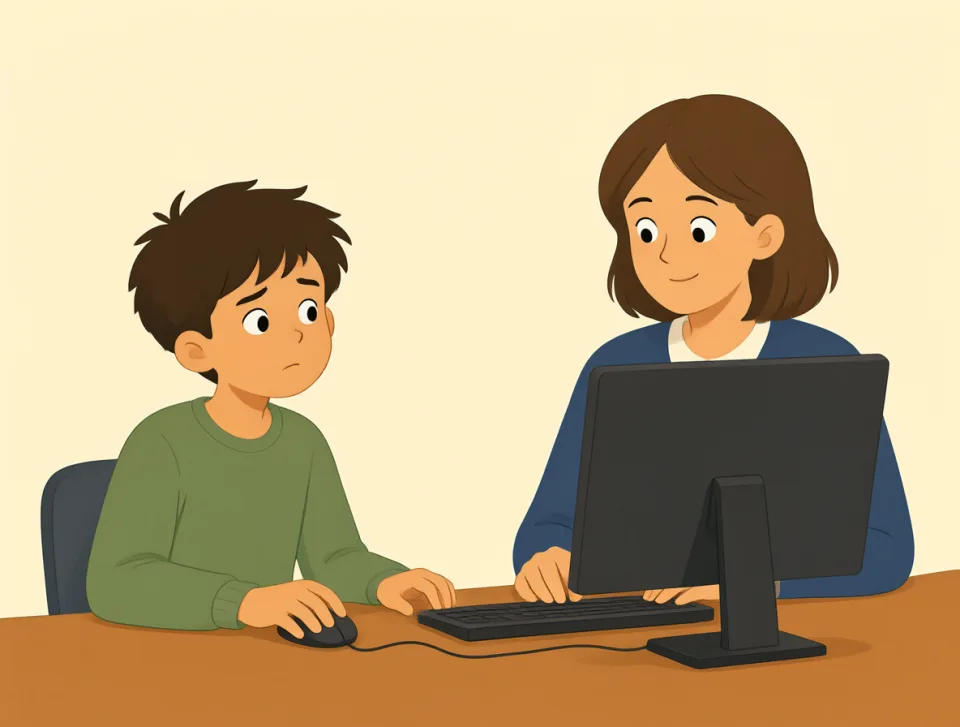
She knows anything about computers.
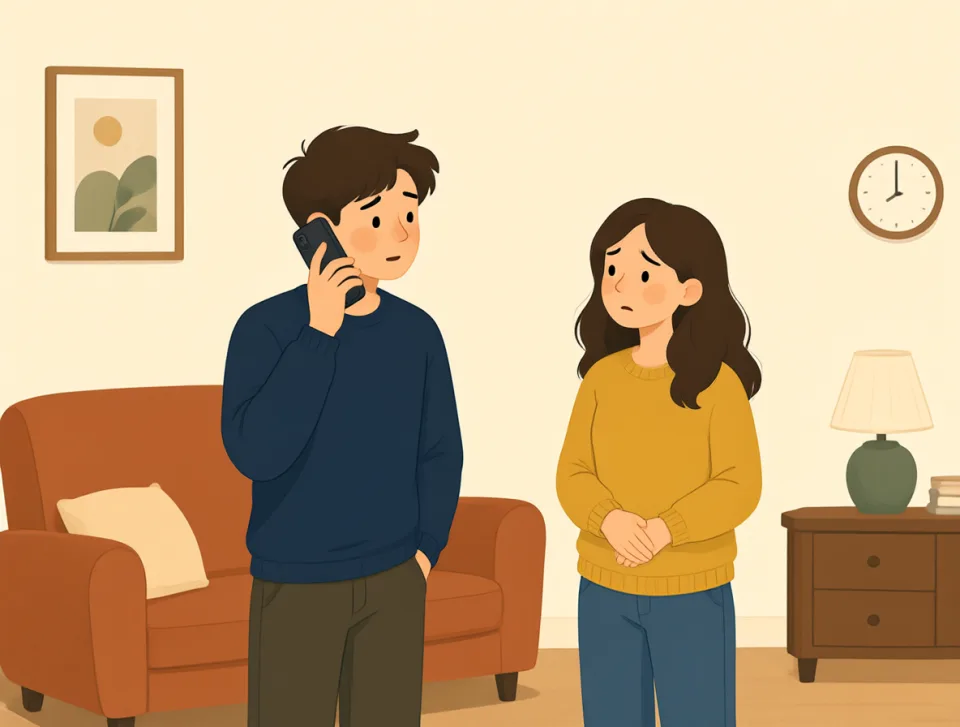
Please call me if anything happens.
cause
#319noun, verb
A reason something happens; to make something happen.
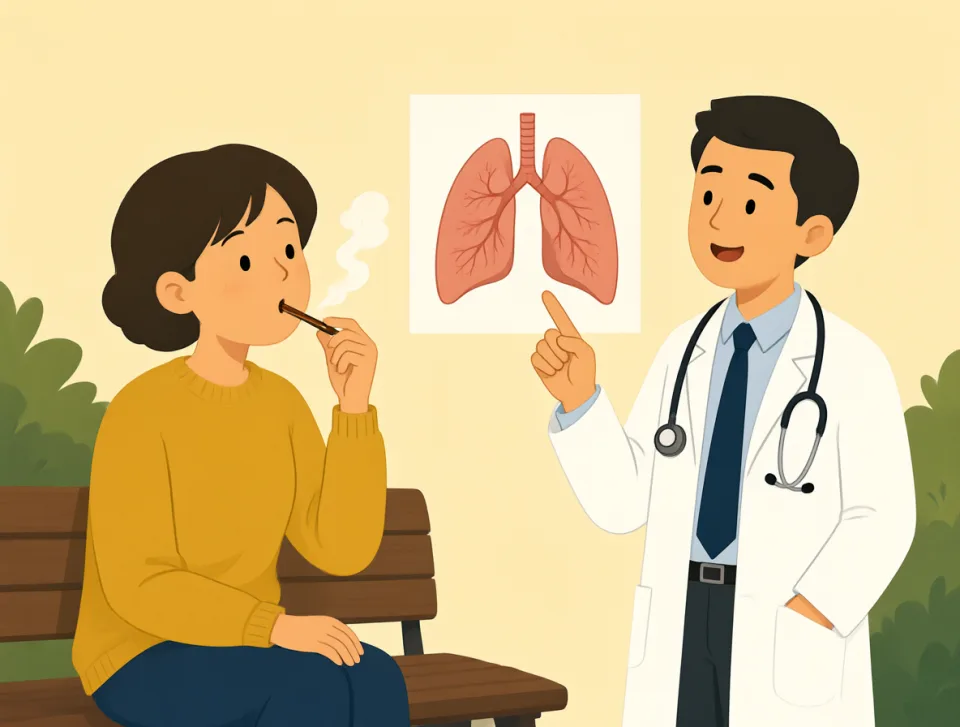
Smoking can cause serious health problems.
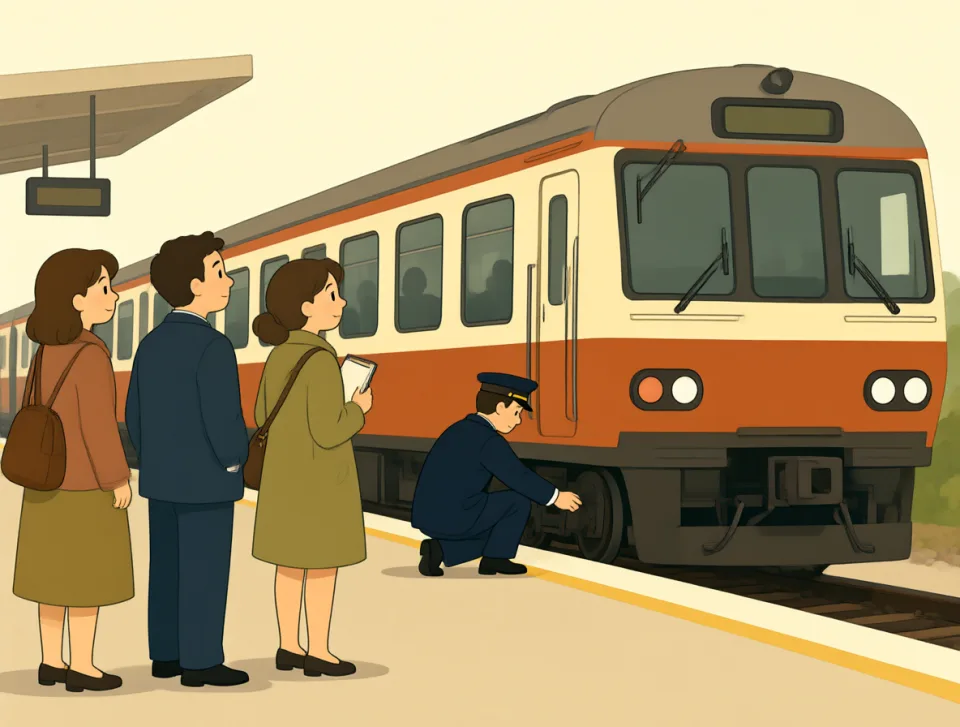
What caused the train delay this morning?
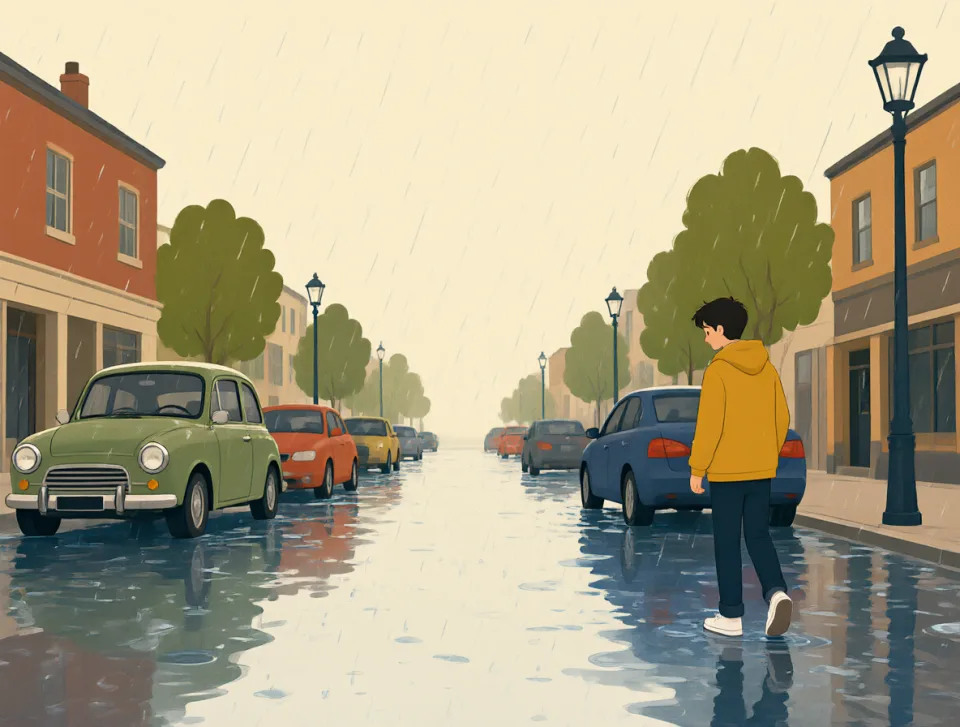
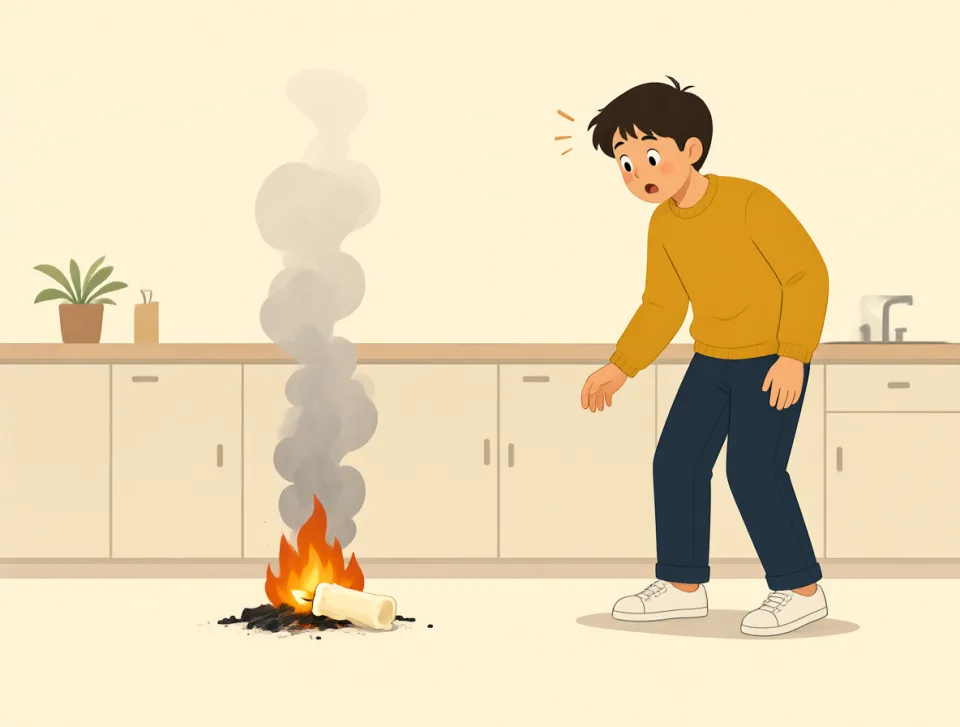
The heavy rain caused a flood.
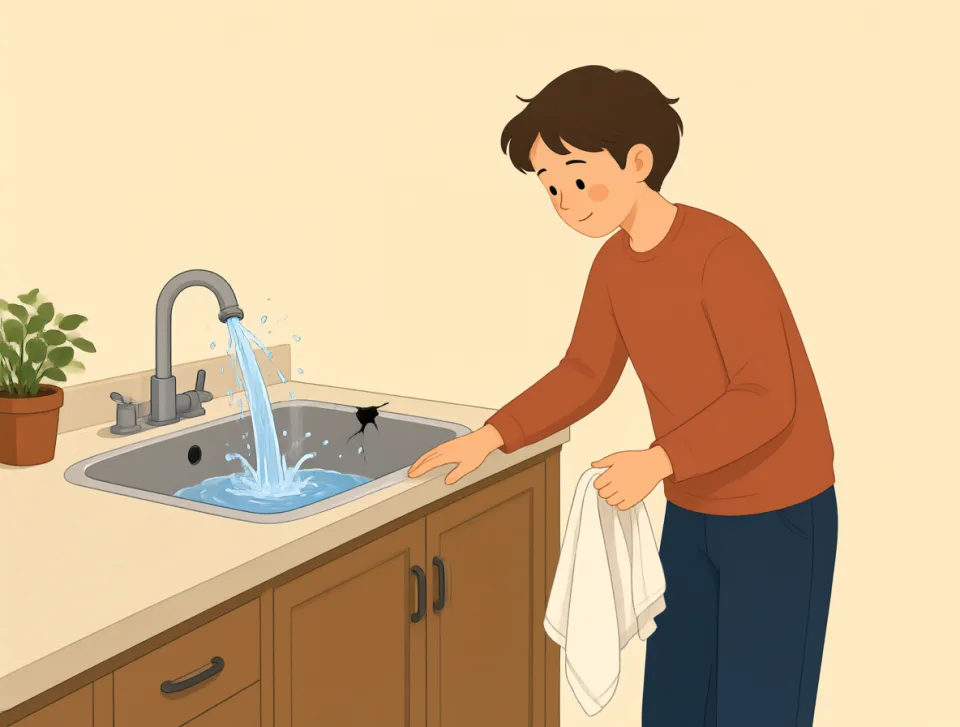
A broken pipe caused water damage at home.
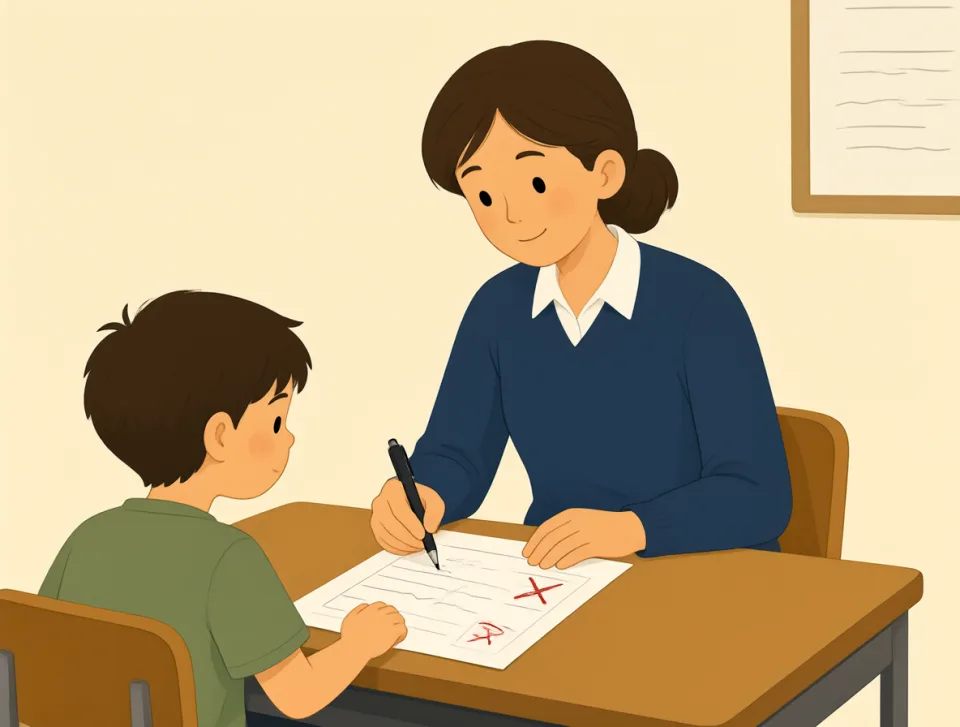
The teacher explained the cause of the mistake.
fall
#320verb, noun
To move down suddenly, or the season between summer and winter.
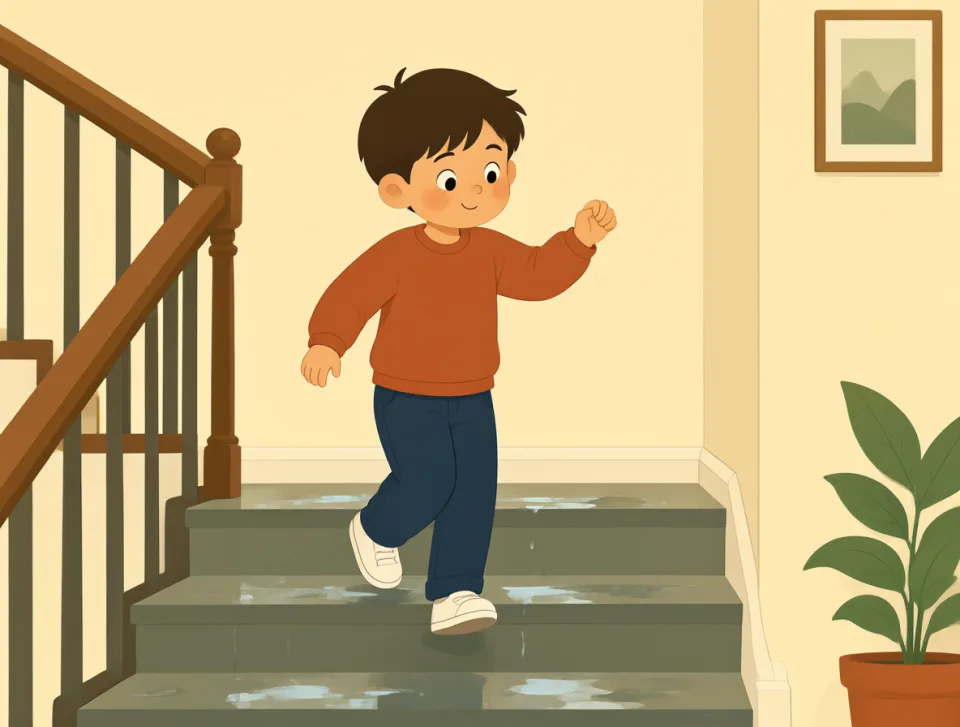
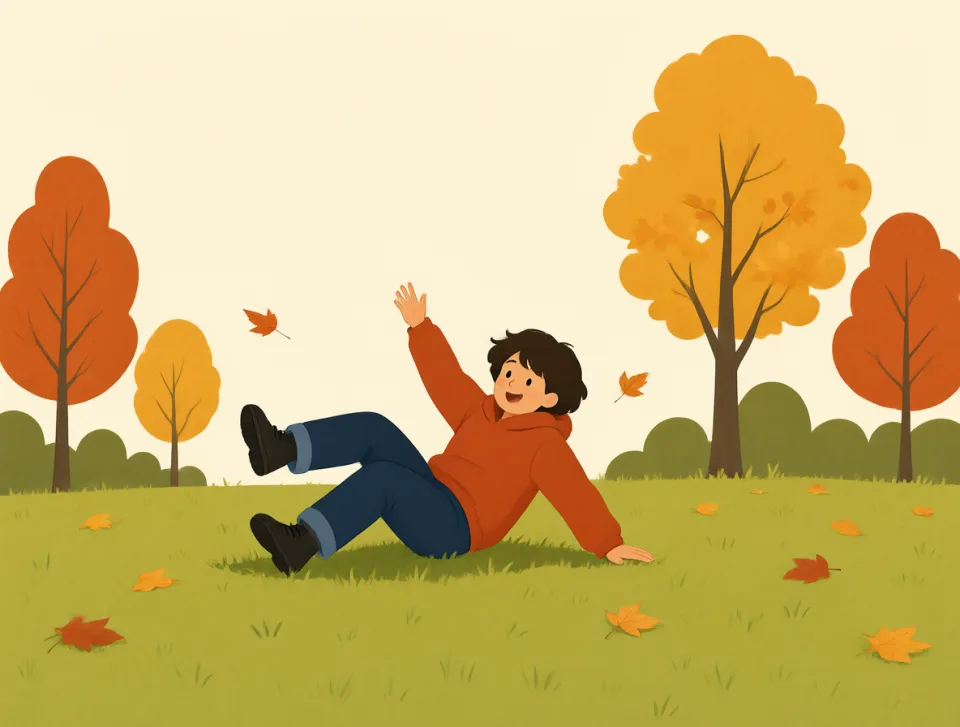
Be careful, or you may fall down.
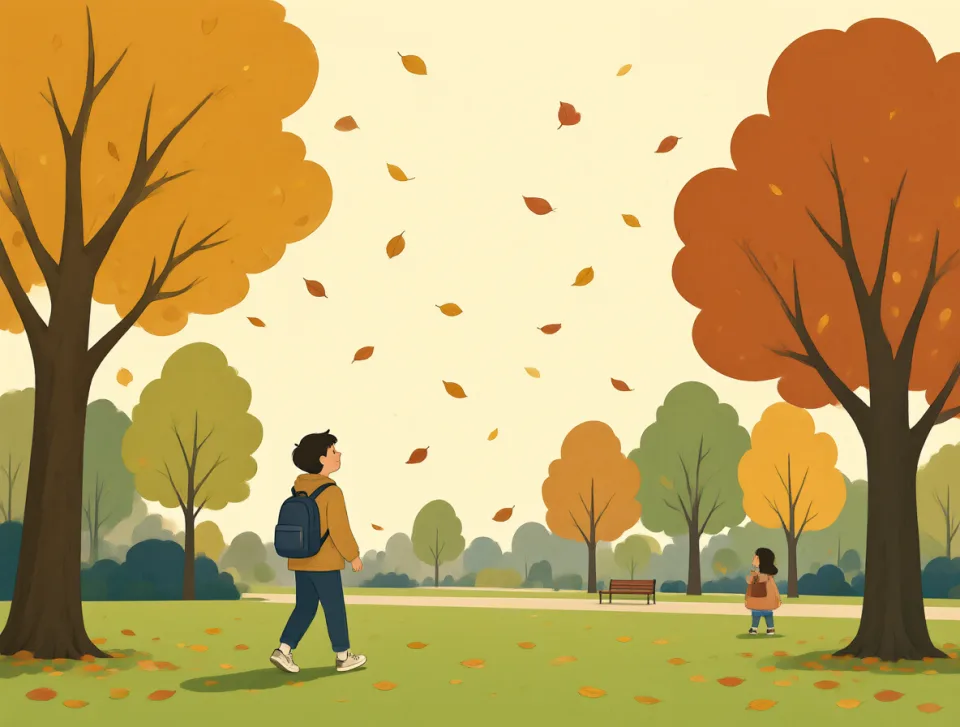
The leaves fall from the trees in autumn.
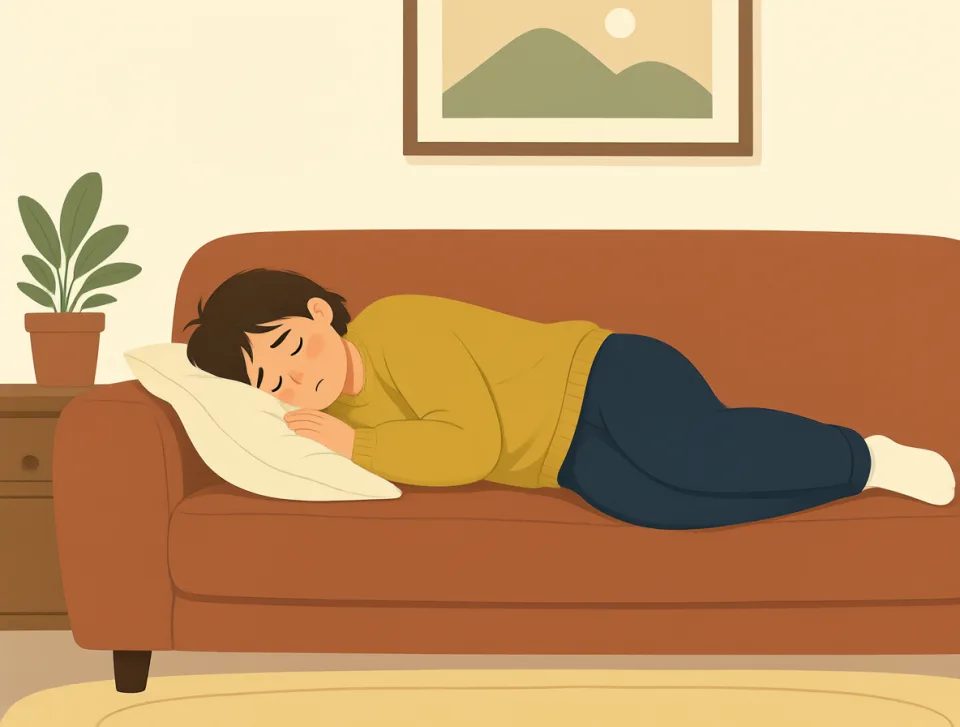
I fell asleep on the sofa.
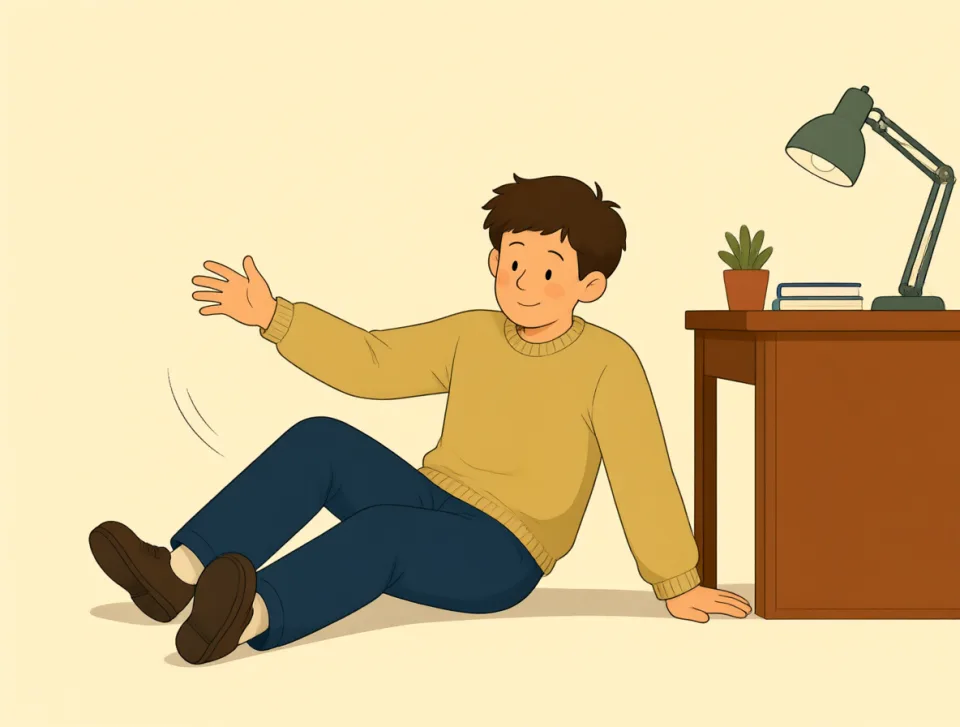
She had a bad fall at work.

We visited Canada last fall.