ユニット 16
301〜320語 · control, already, concern, product, lose, story

control
#301noun, verb
管理;支配;制御
The power to direct people or manage what happens.
人を指揮したり、物事の成り行きを管理したりする力。
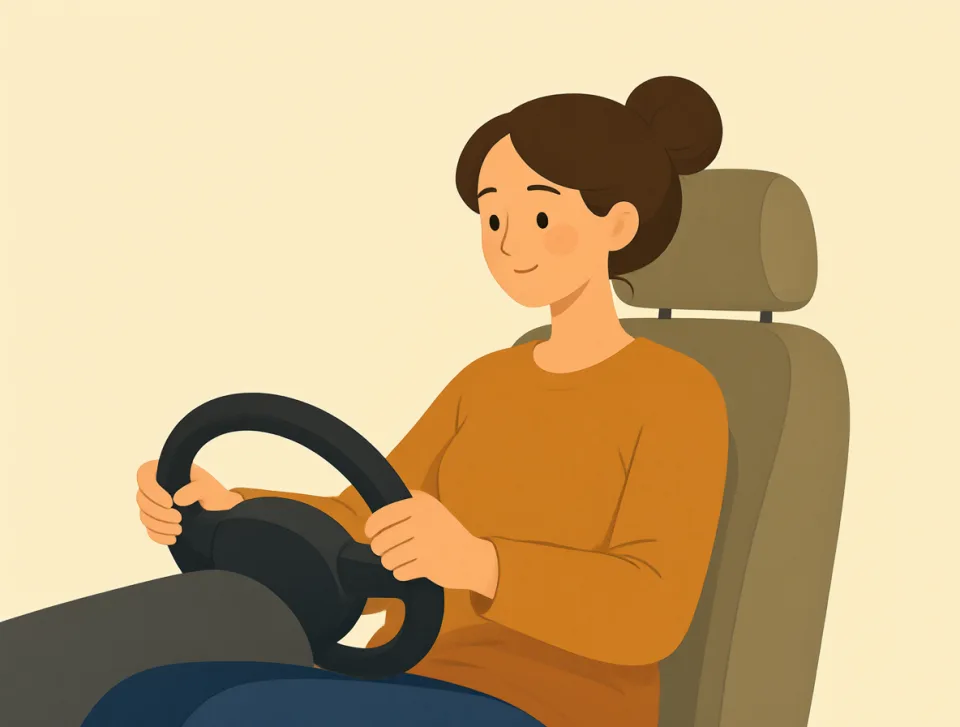
She is in control of the car.
彼女は車を自在に操っている。
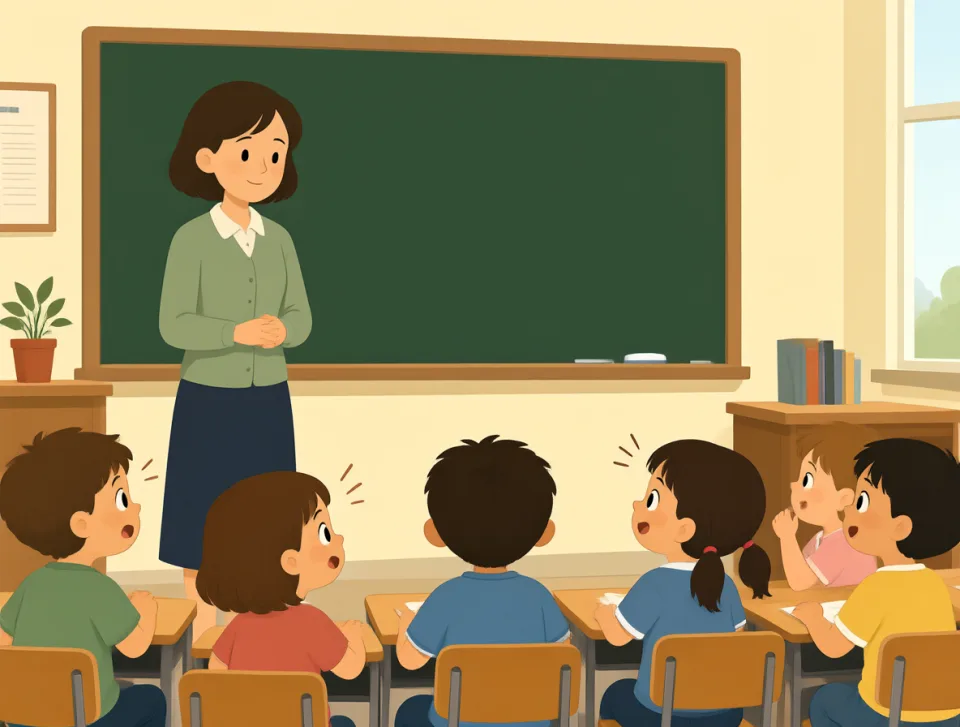
The teacher controls the noisy classroom.
先生は騒がしい教室を管理している。
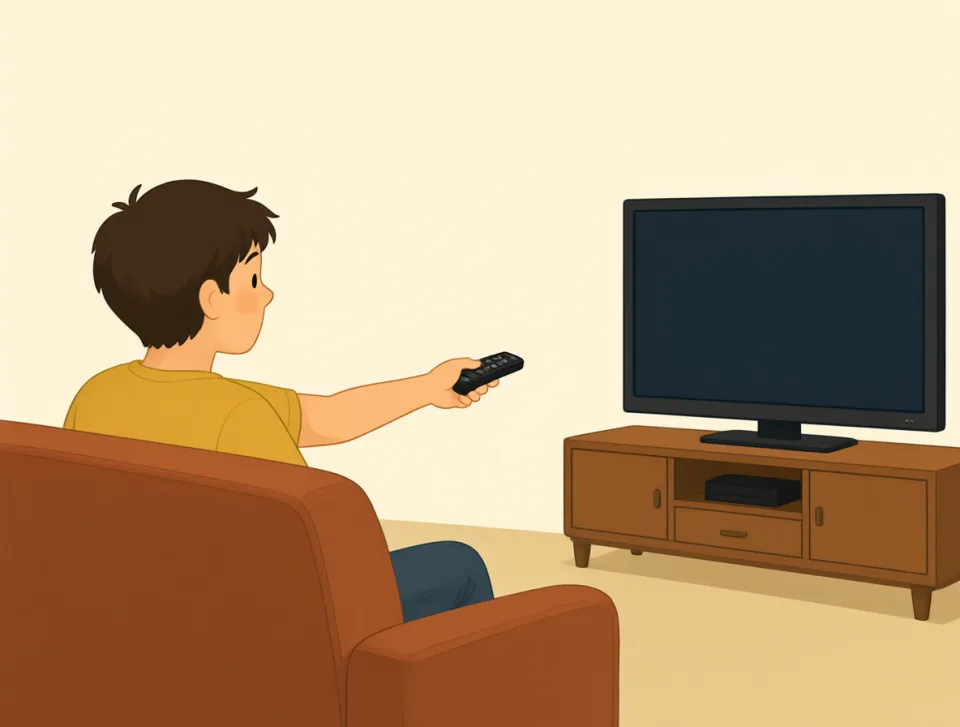
Use the remote control to change channels.
リモコンを使ってチャンネルを変えてください。
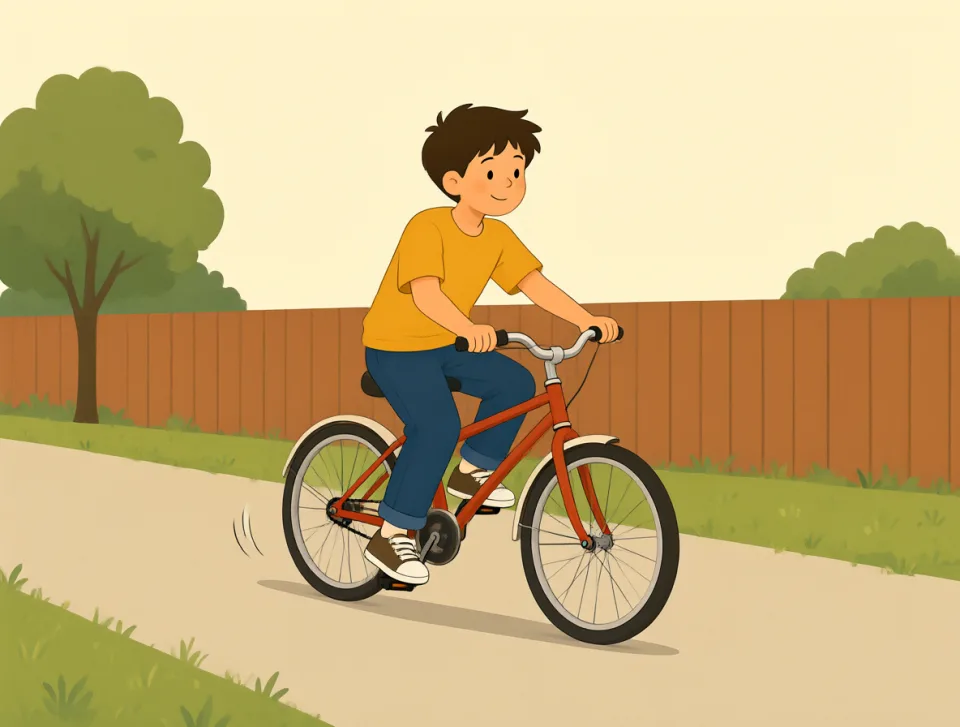
He lost control of his bike.
彼は自転車のコントロールを失った。
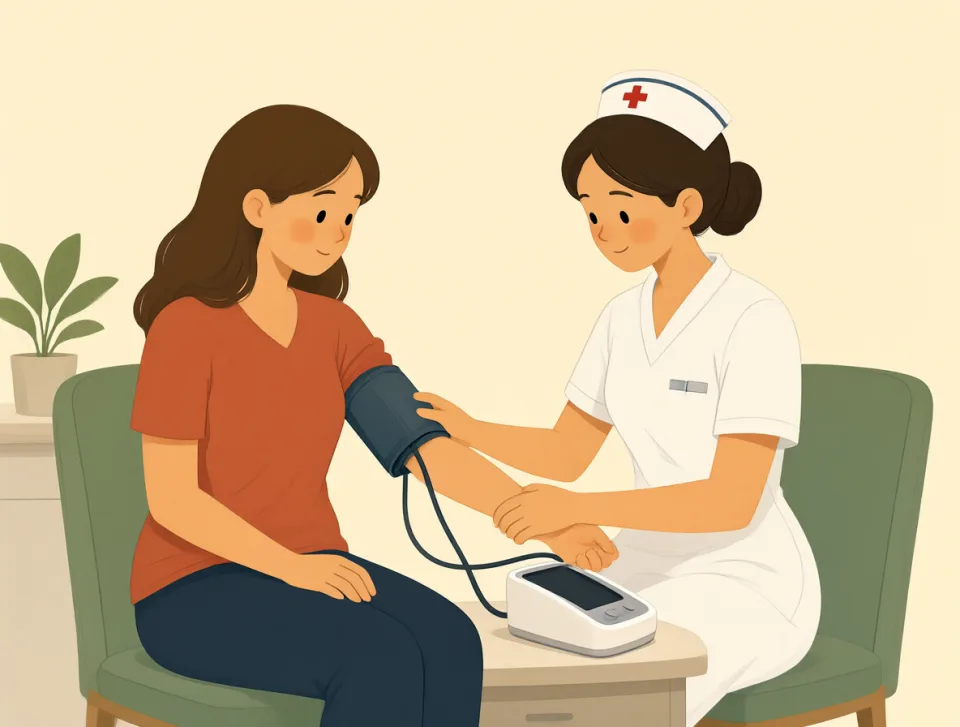
The nurse checked her blood pressure control.
看護師は彼女の血圧の管理状態を確認した。
already
#302adverb
すでに; もう
before now or before a particular time
今より前、または特定の時点より前に
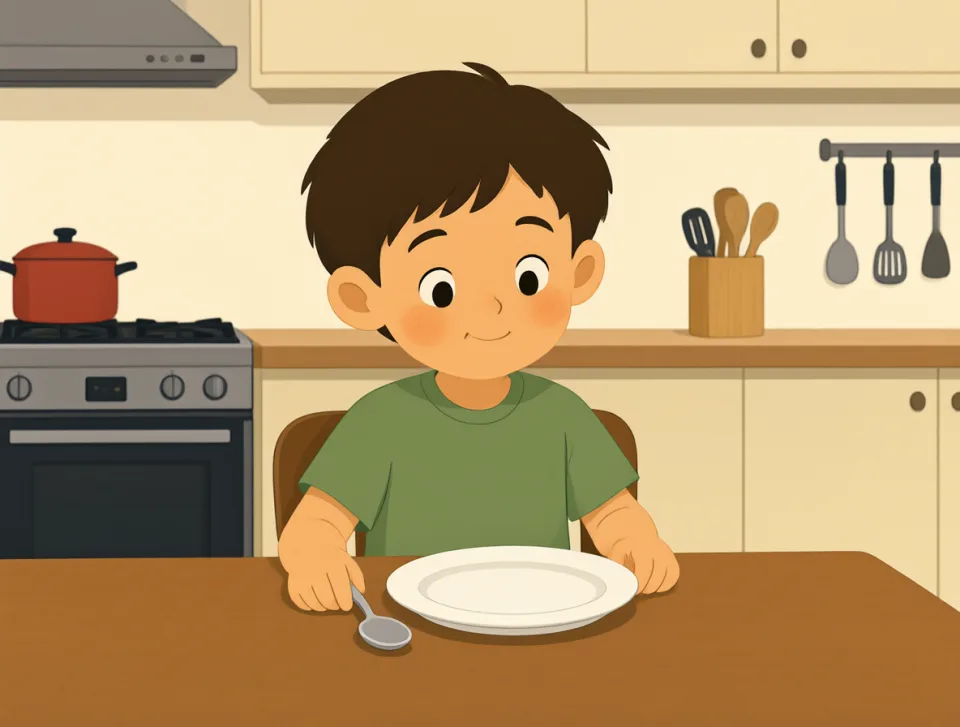
I have already eaten breakfast.
私はもう朝食を食べました。

She already knows the answer.
彼女はもう答えを知っています。
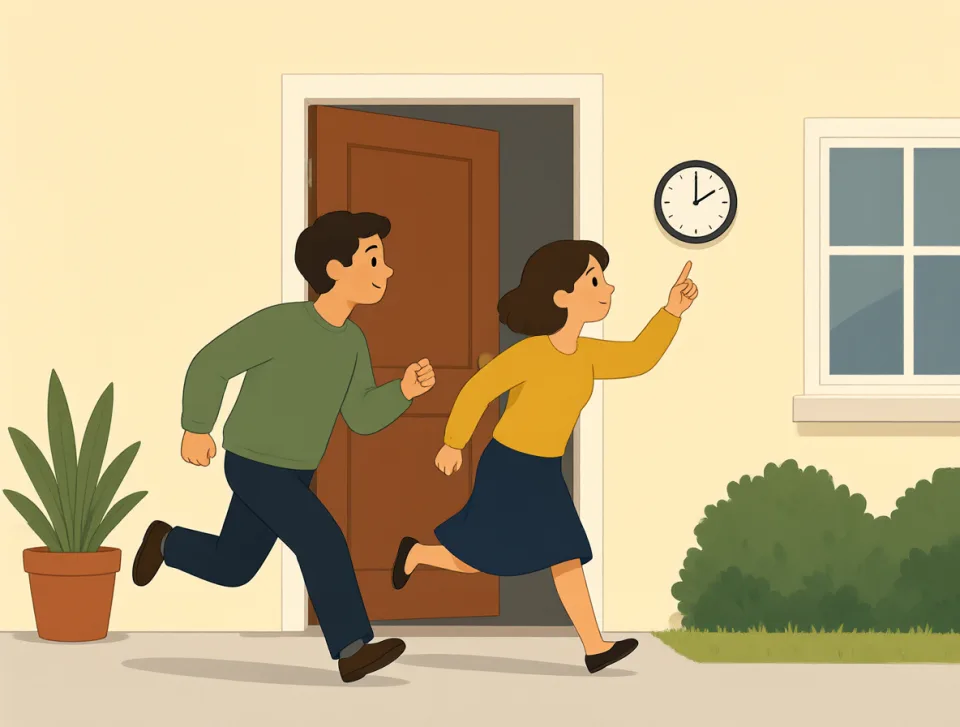
We are already late for work.
私たちはもう仕事に遅れています。

The store has already closed.
その店はもう閉店しました。

Have you already seen this movie?
あなたはもうこの映画を見ましたか?
concern
#303noun, verb
心配; 懸念; 心配させる
a worry or problem, or to make someone feel worried
心配や問題、または誰かを心配させること
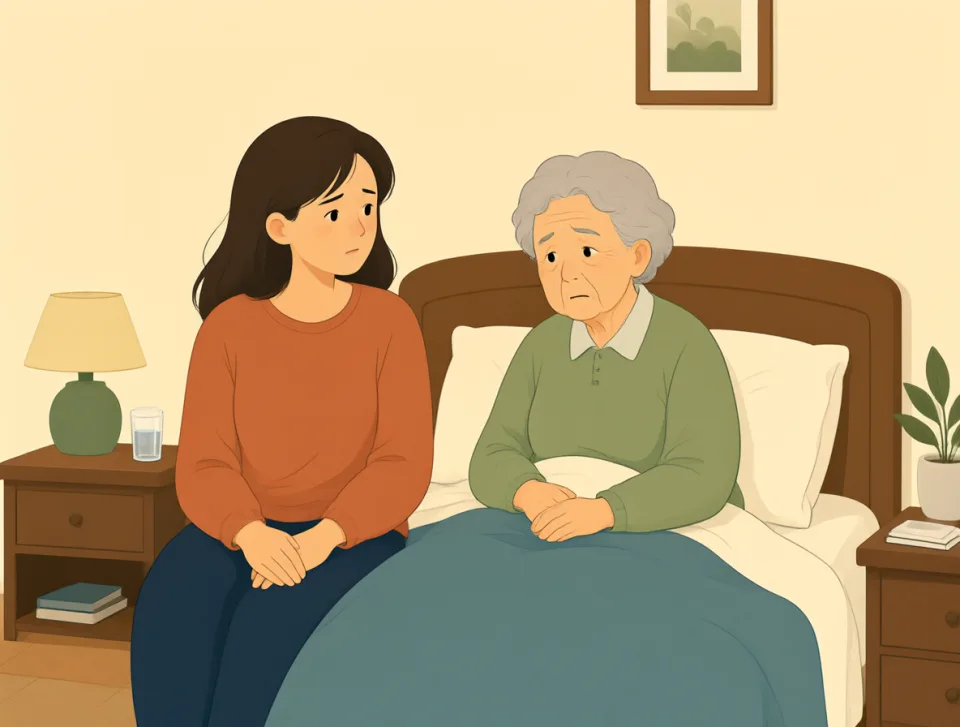
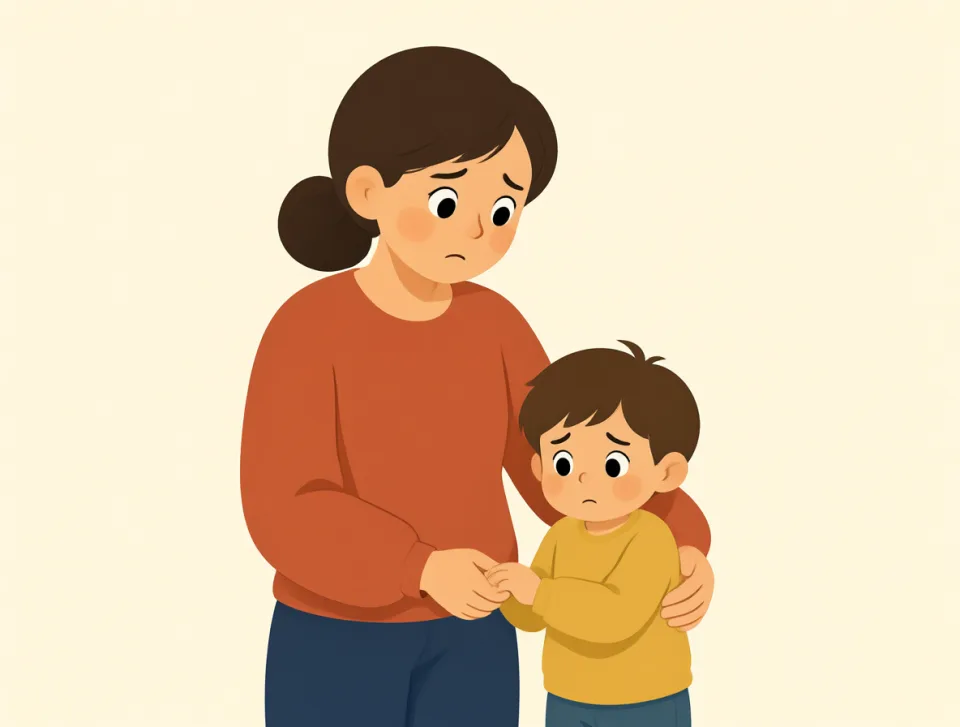
Her main concern is her sick mother.
彼女が一番心配しているのは、病気の母親です。
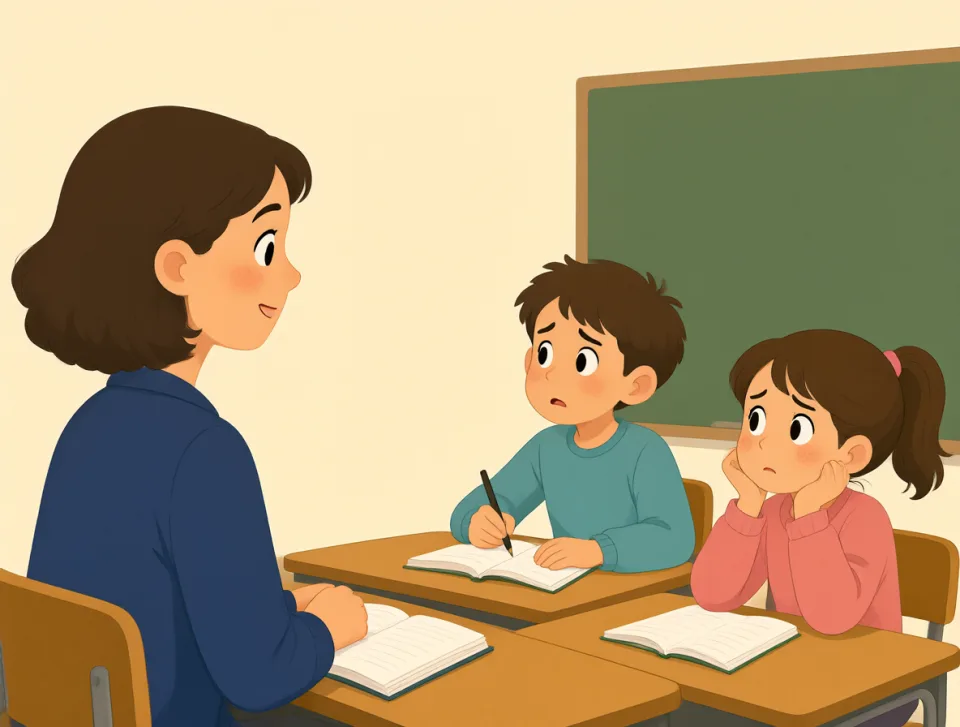
The teacher listened to our concerns.
先生は私たちの懸念に耳を傾けてくれました。

Please contact us if you have any concerns.
何かご心配な点がありましたら、お問い合わせください。
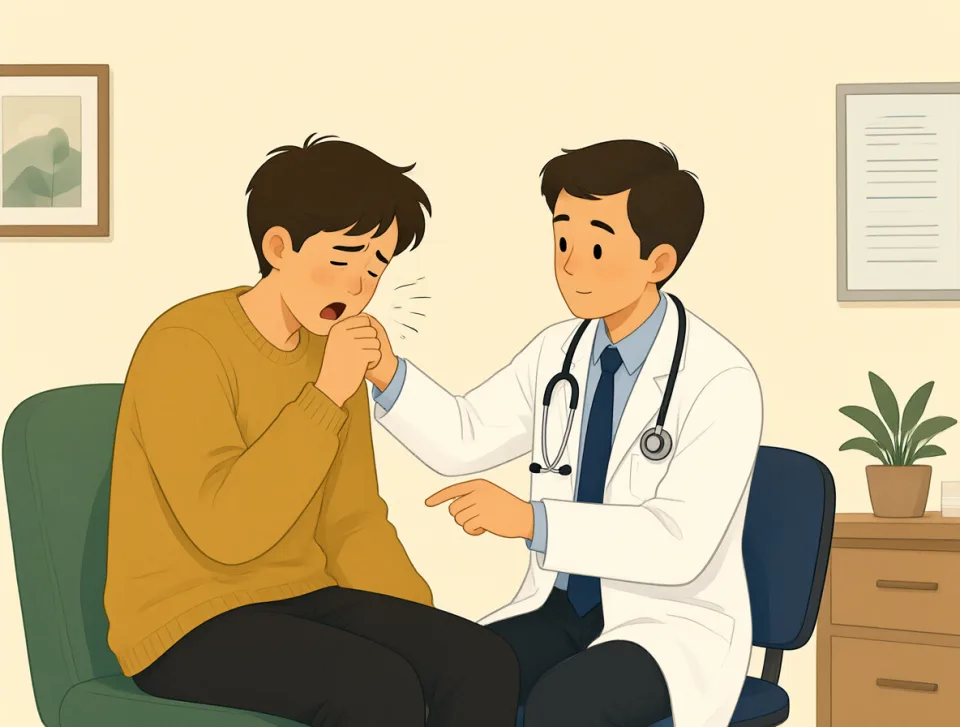
His sudden cough concerned his doctor.
彼の突然のせきに、担当医は心配しました。

We are concerned about the late train.
私たちは列車が遅れていることを心配しています。

product
#304noun
製品; 商品; 製品群
Something made or grown to be sold or used.
売るため、または使うために作られたり育てられたりしたもの。
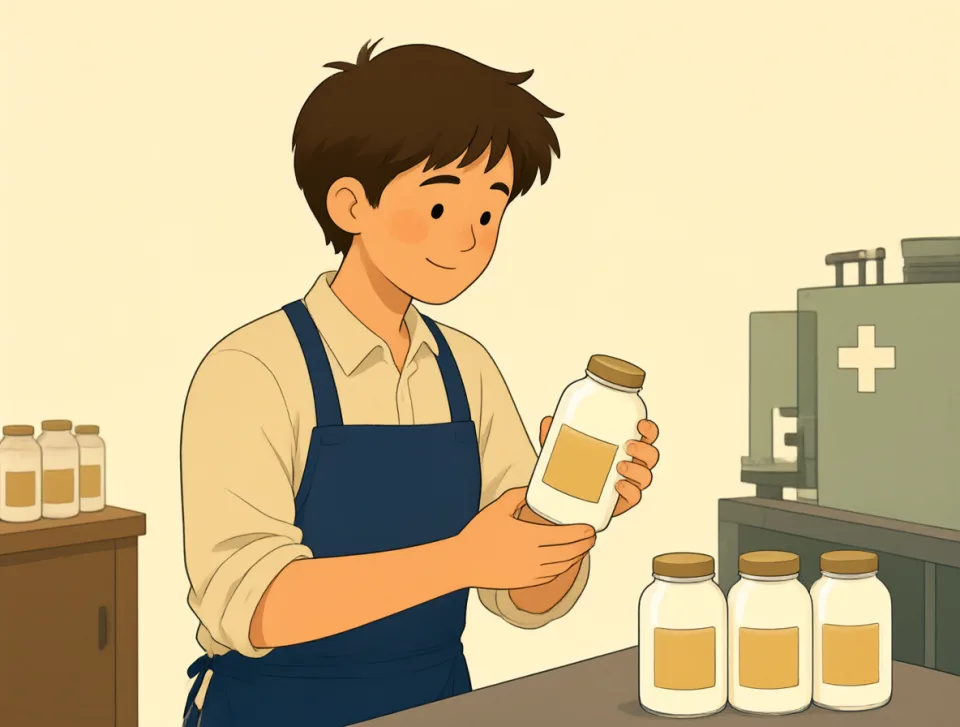
This product is made from natural ingredients.
この製品は天然成分で作られています。
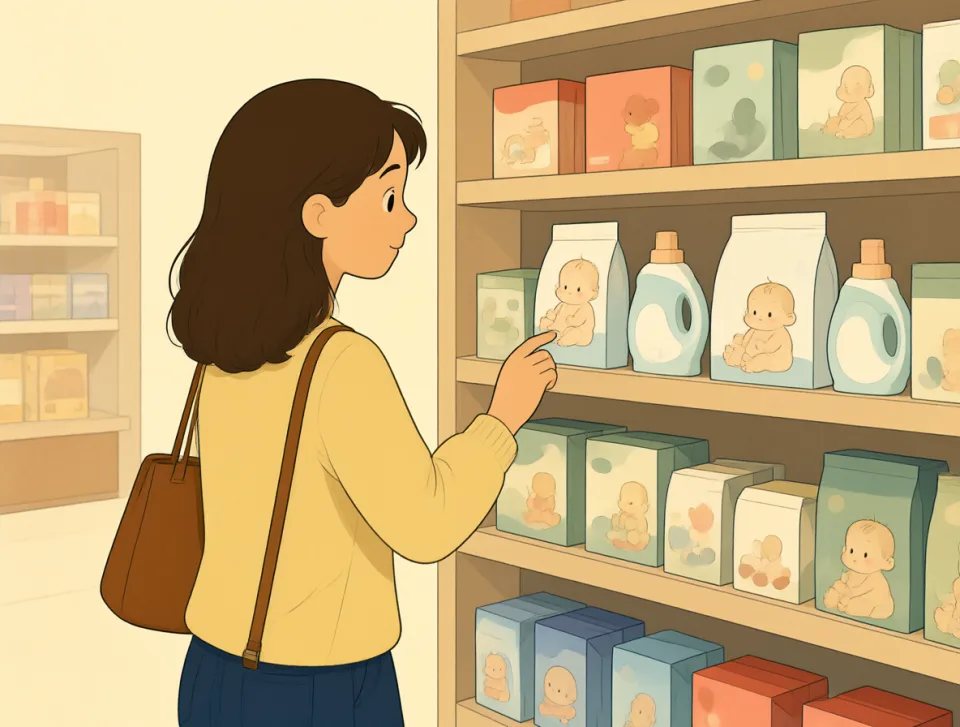
The store sells products for babies.
その店ではベビー用品を販売しています。
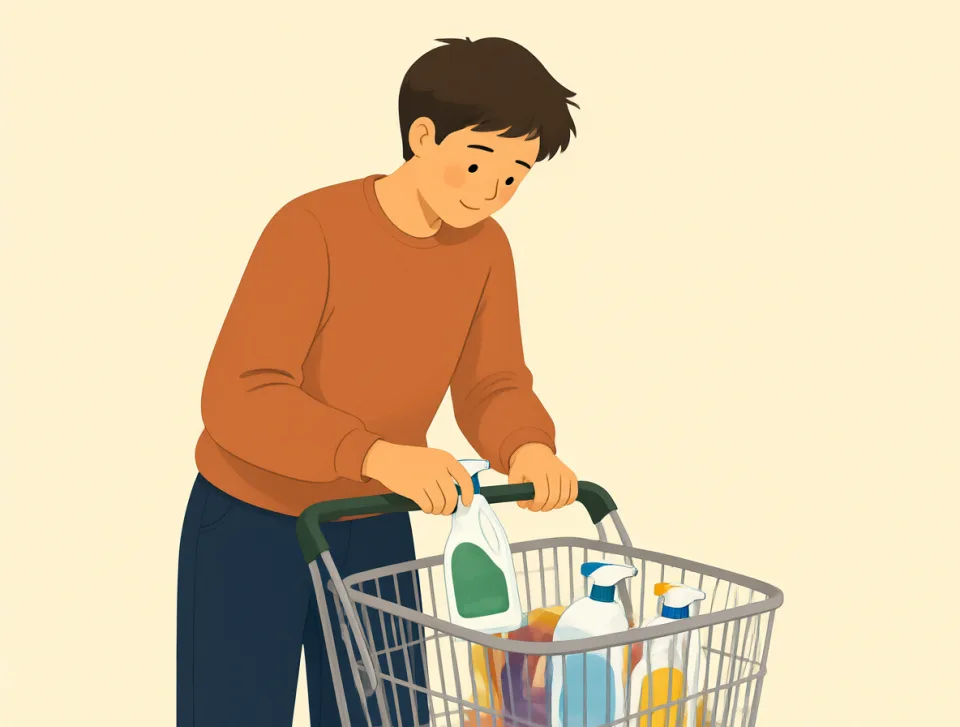
I bought a new cleaning product yesterday.
昨日、新しい洗剤を買いました。

Our team is developing a new product.
私たちのチームは新製品を開発しています。
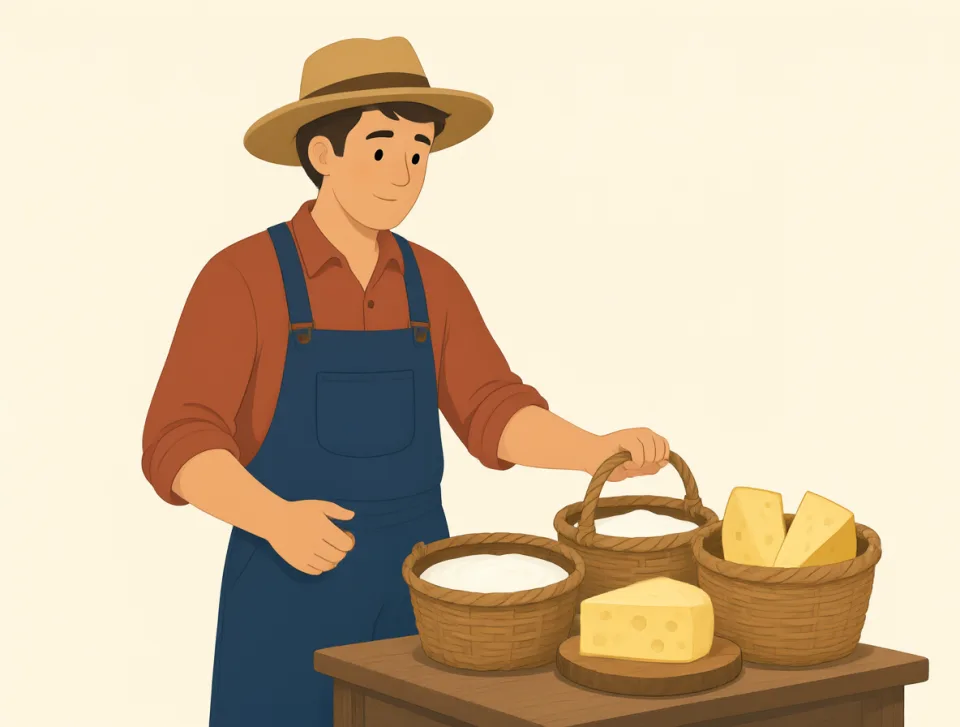
This farm produces fresh dairy products.
この農場では新鮮な乳製品を生産しています。
lose
#305verb
失う;なくす;負ける;減量する
to no longer have something because it is gone, taken, or forgotten
なくなったり、取られたり、忘れたりして、もはや持っていない状態になる
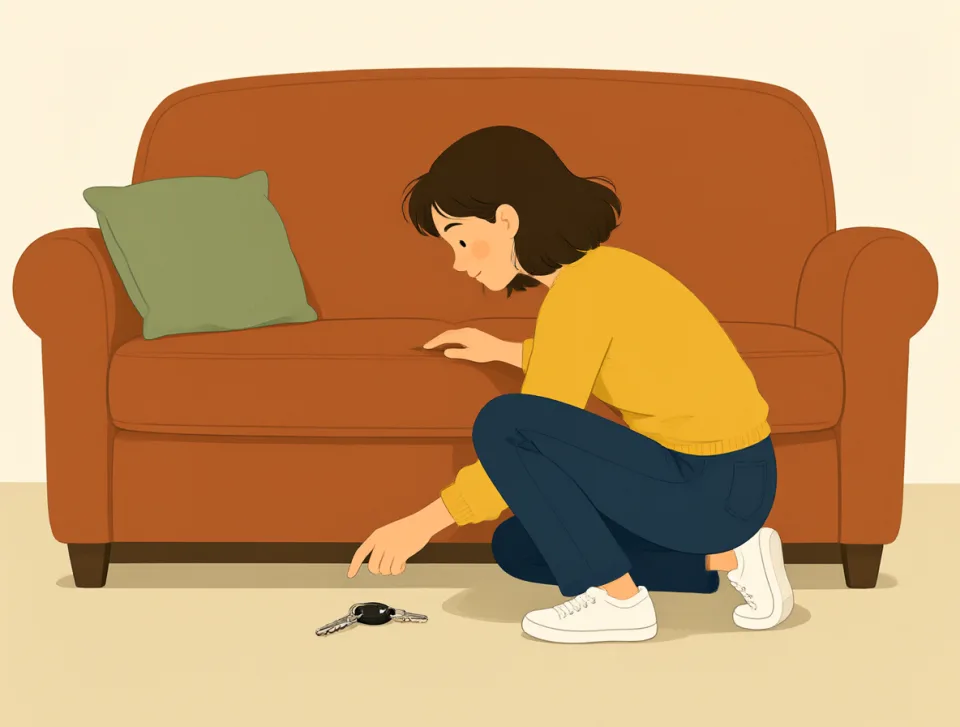
I often lose my keys at home.
私は家でよく鍵をなくします。
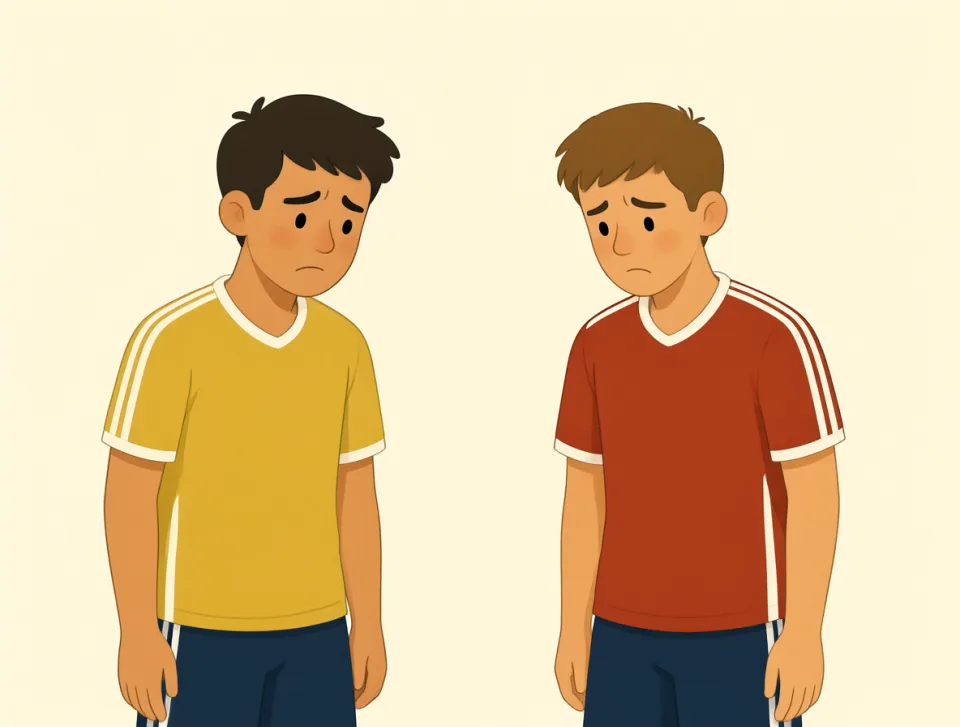
Our team lost the game yesterday.
私たちのチームは昨日、試合に負けました。

She lost her wallet on the bus.
彼女はバスの中で財布をなくしました。
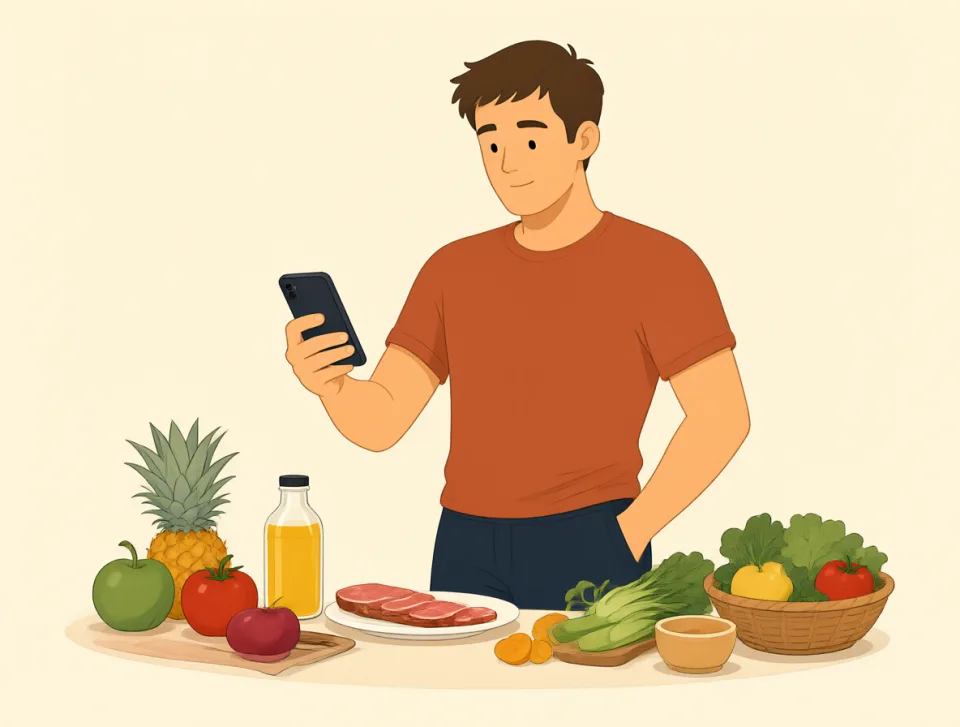
He is losing weight with healthy food.
彼は健康的な食事で体重を減らしています。

Do not lose your ticket at the airport.
空港でチケットをなくさないでください。
story
#306noun
話; 物語; 記事
A description of events, real or imagined, told to entertain or inform people.
人を楽しませたり、情報を伝えたりするために語られる、実際に起きた出来事や想像上の出来事の説明。
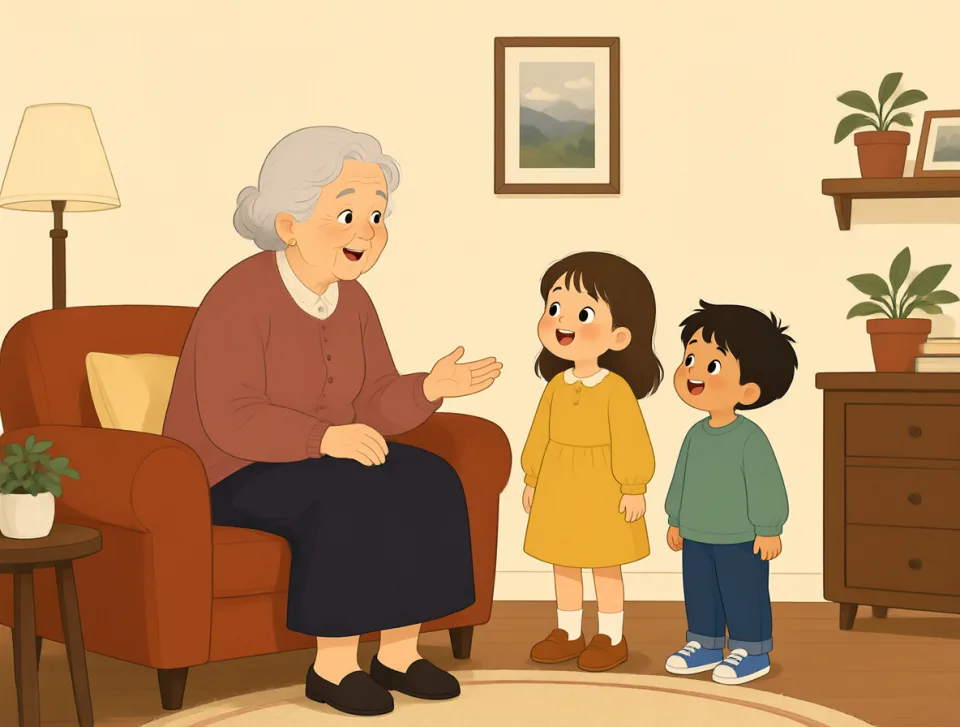
Grandma told us a funny story.
おばあちゃんが私たちに面白い話をしてくれた。

I read a story before bed.
寝る前に物語を1つ読んだ。
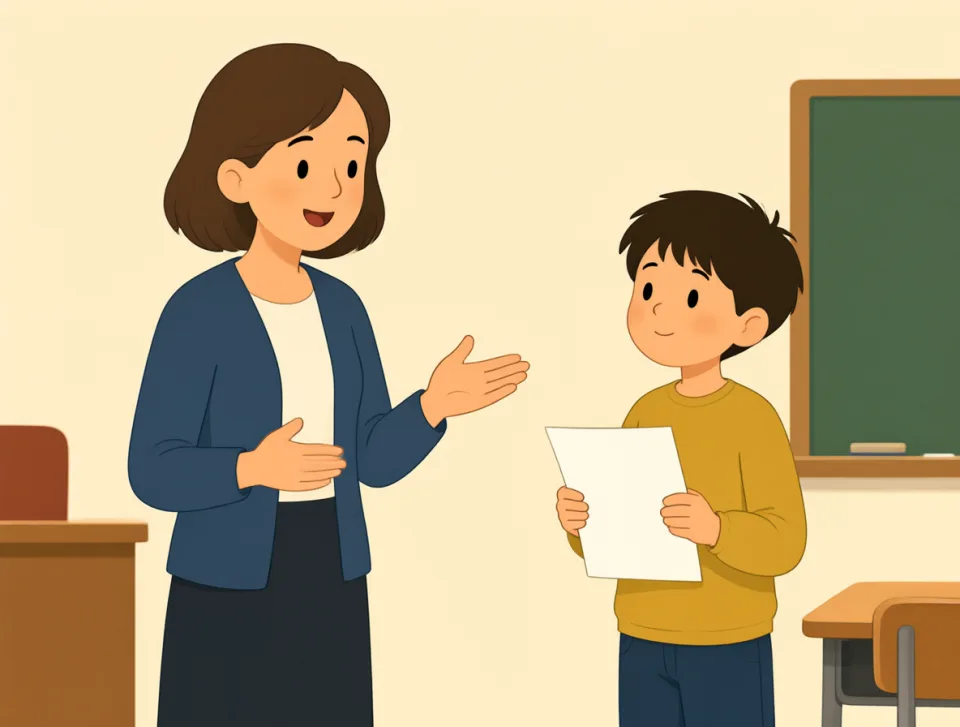
The teacher asked for a short story.
先生は短い物語を書くように言った。

He shared his travel story with friends.
彼は友達に旅行の話をした。
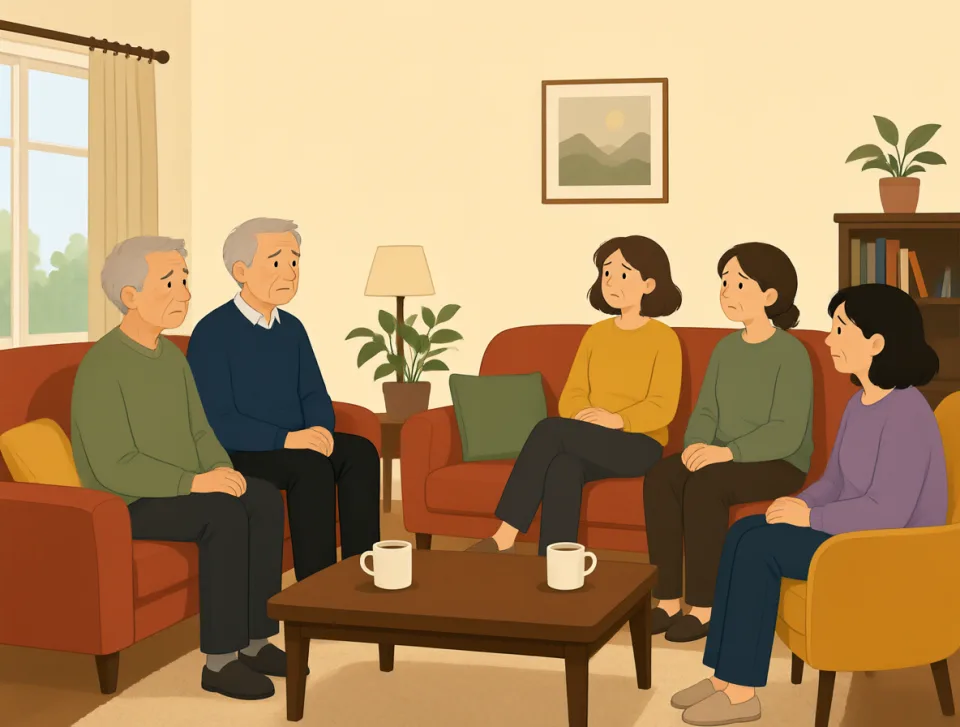
The news story made everyone worried.
そのニュース記事はみんなを不安にさせた。
almost
#307adverb
ほとんど; もう少しで
Nearly, but not completely or quite.
ほぼそうだが、完全にそうではないさま。
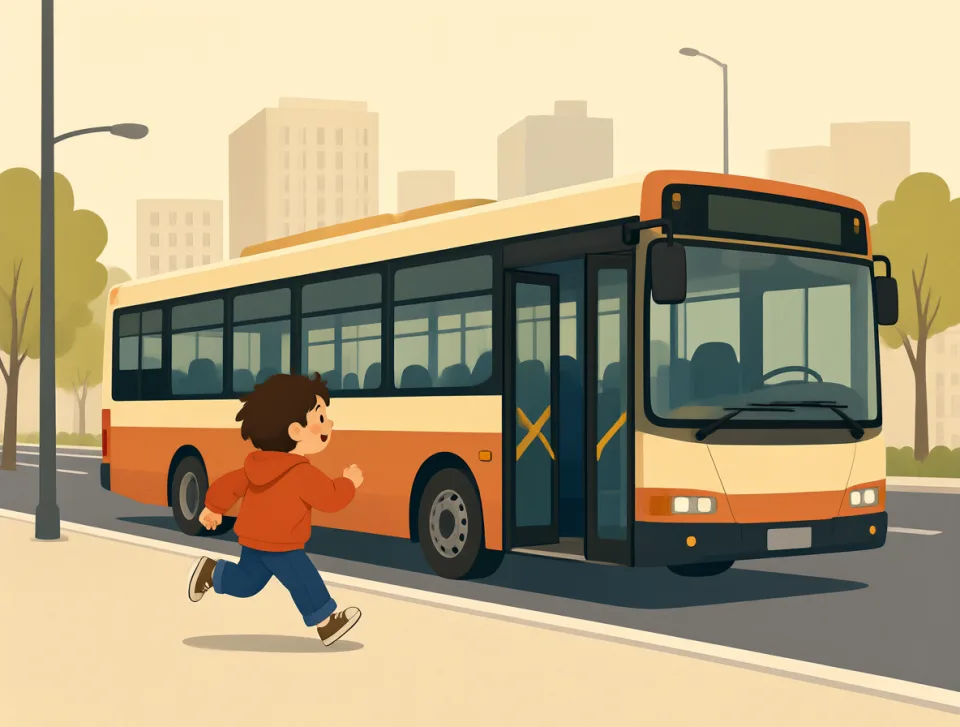
I almost missed the bus this morning.
今朝、もう少しでバスに乗り遅れるところだった。

She is almost ready to leave.
彼女はもうすぐ出発できる。

We almost finished the project at work.
私たちは職場で、もう少しでそのプロジェクトを終えるところだった。
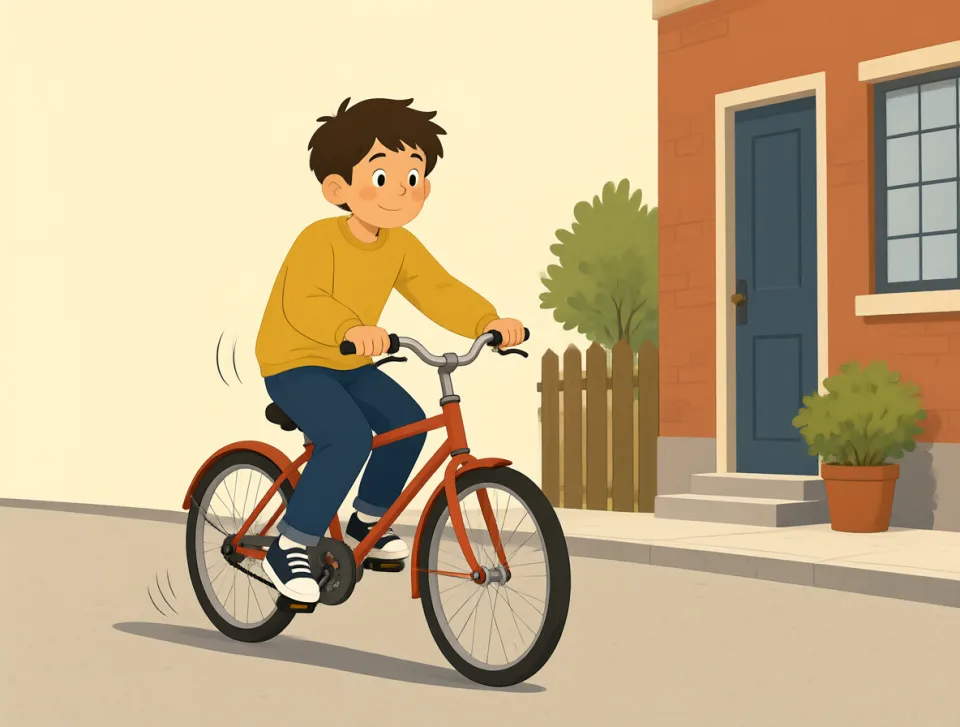
He almost fell while riding his bike.
彼は自転車に乗っていて、もう少しで転ぶところだった。
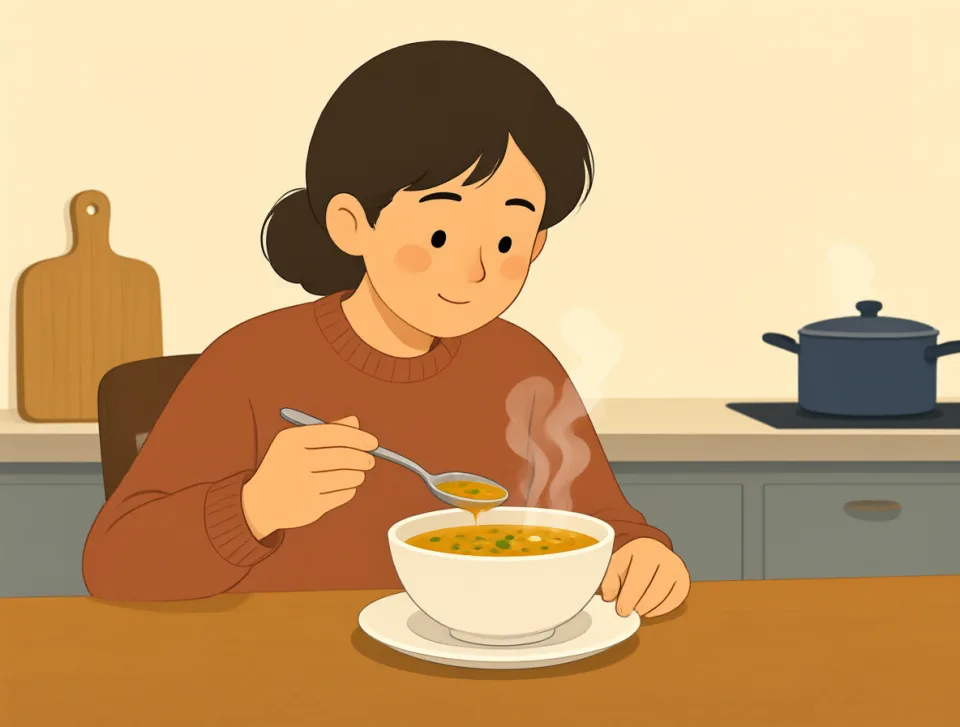
The soup is almost hot enough to eat.
そのスープは、もうすぐ食べられるくらいの熱さになる。
continue
#308verb
続ける; 継続する
to keep doing something or keep happening without stopping
何かをやり続ける、または何かが止まらずに起こり続ける
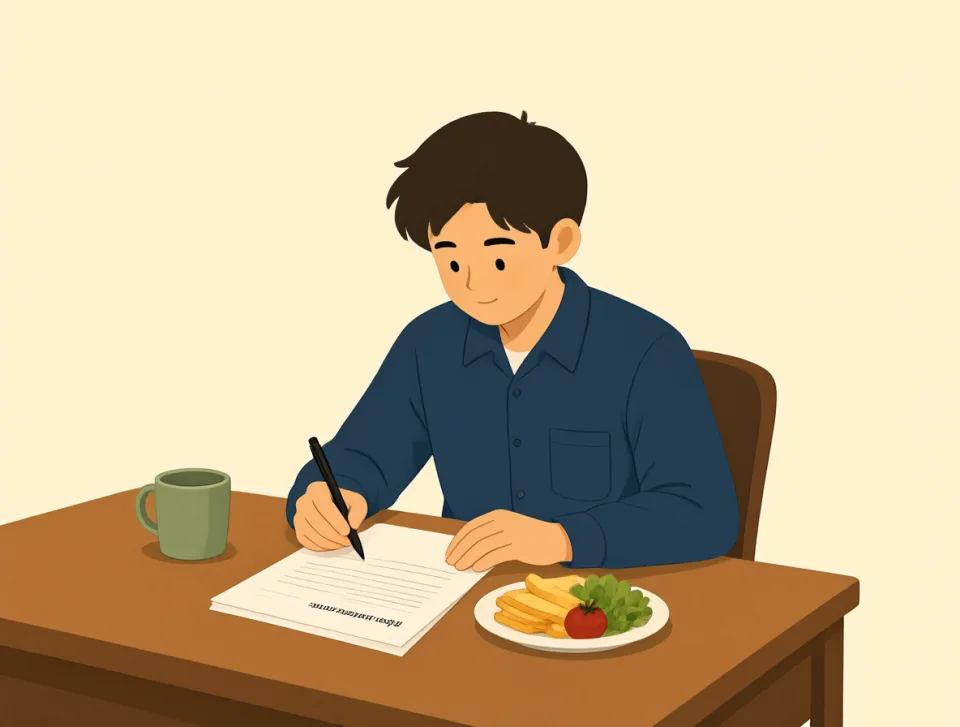
Please continue your work after lunch.
昼食の後も作業を続けてください。
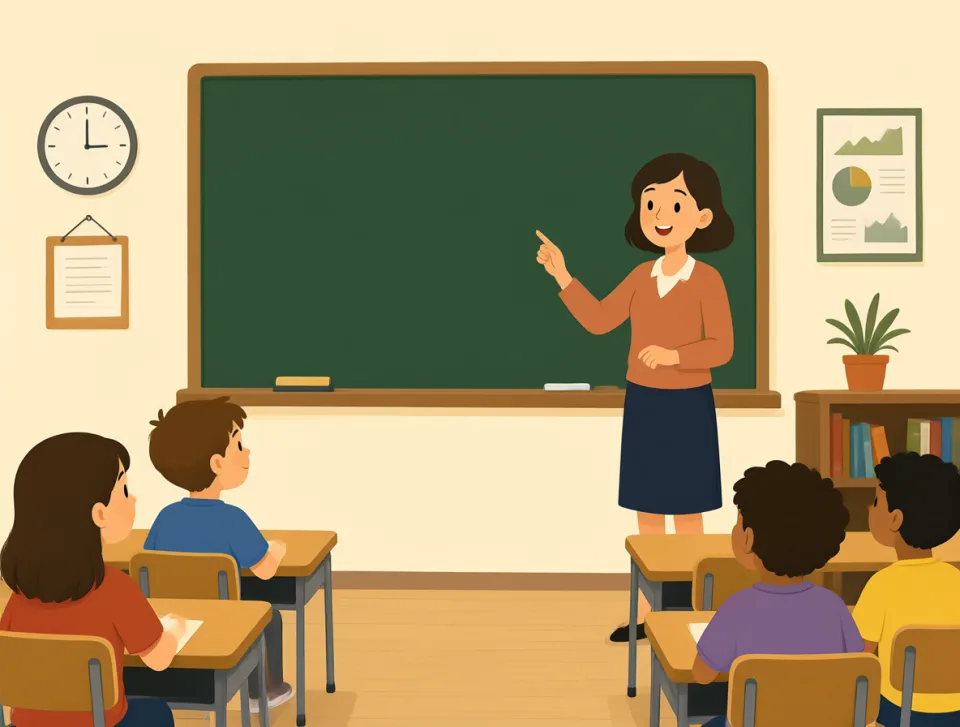
The teacher continued the lesson after the break.
先生は休憩の後も授業を続けました。

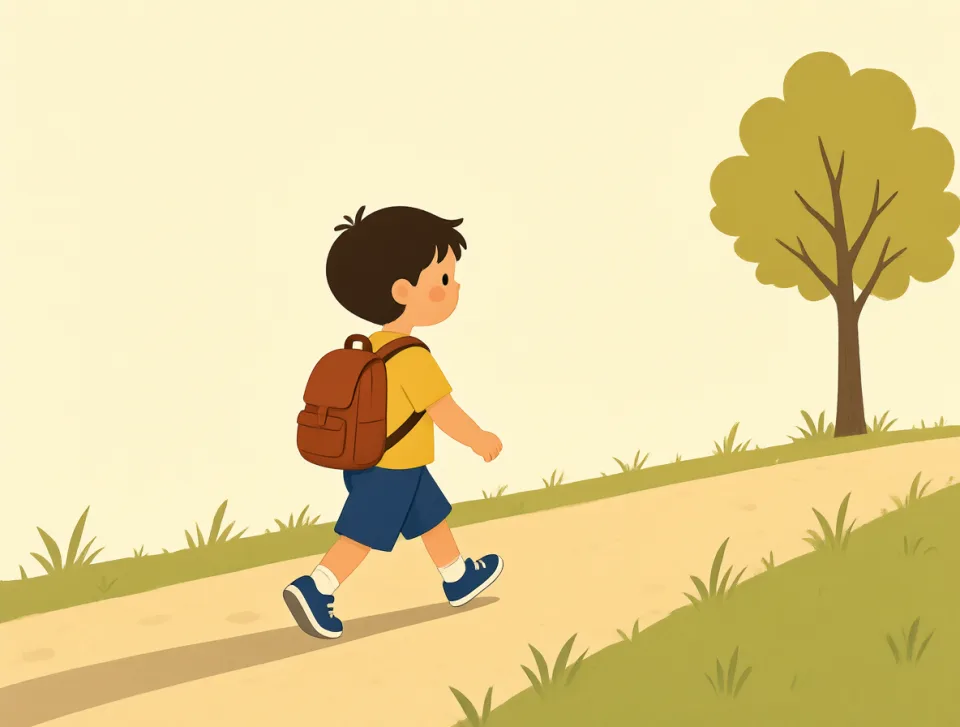
We continued walking through the park.
私たちは公園の中を歩き続けました。

The rain continued all night.
雨は一晩中降り続きました。
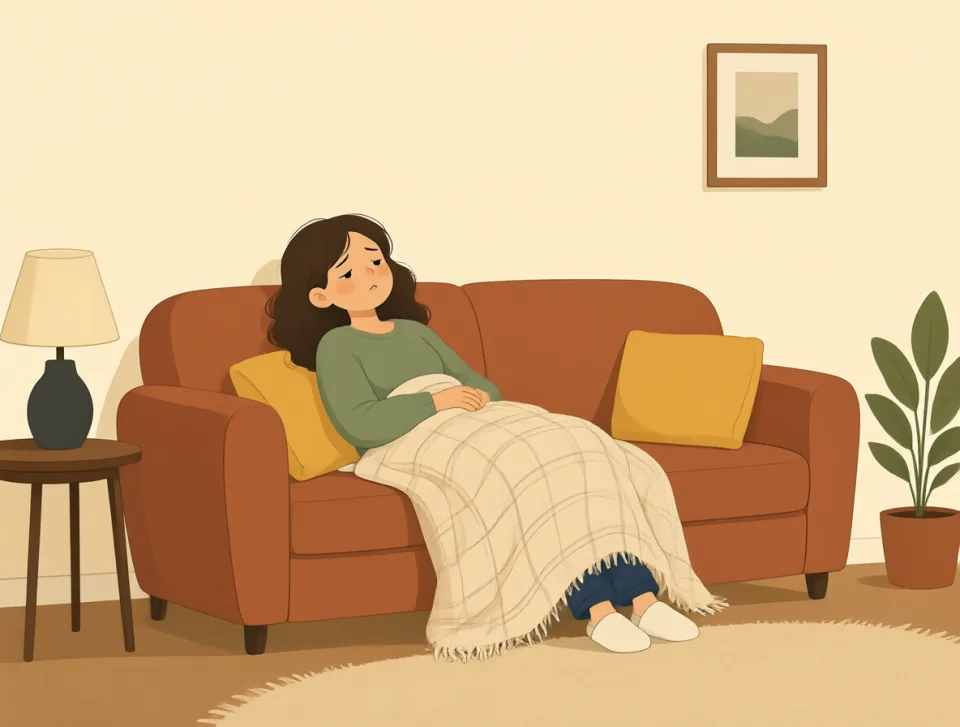
She continued to feel tired after resting.
彼女は休んだ後も疲れを感じ続けました。
stand
#309verb, noun
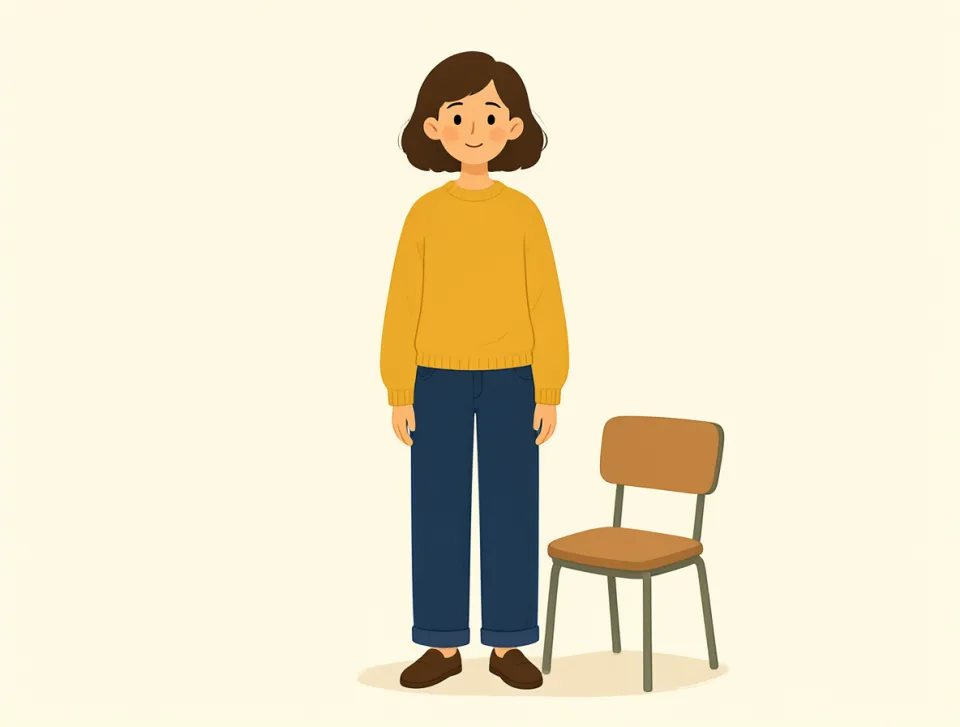
立つ;耐える;スタンド
to be upright on your feet, or to support someone or something
足で体をまっすぐにしている、または人や物を支える
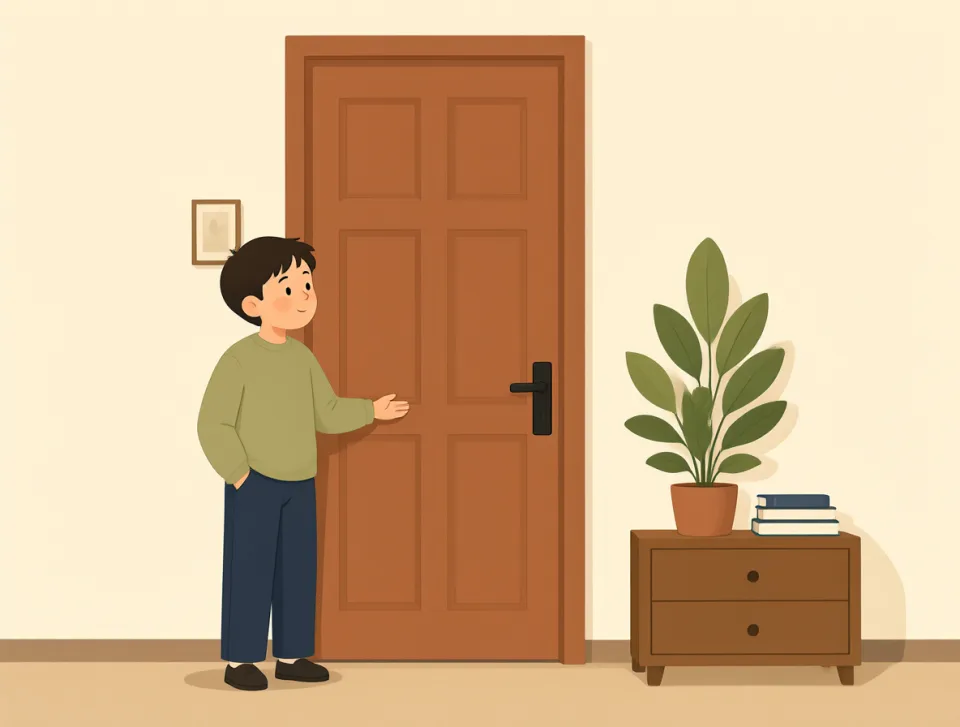
Please stand near the door.
ドアの近くに立ってください。
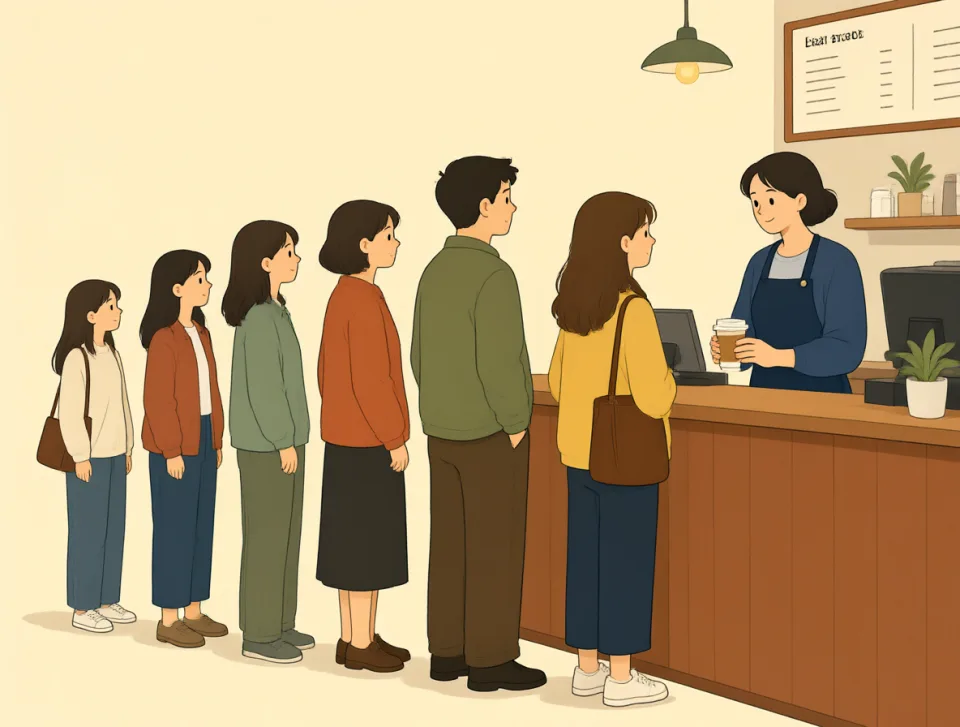
We stood in line for coffee.
私たちはコーヒーを買うために列に並んで立っていました。
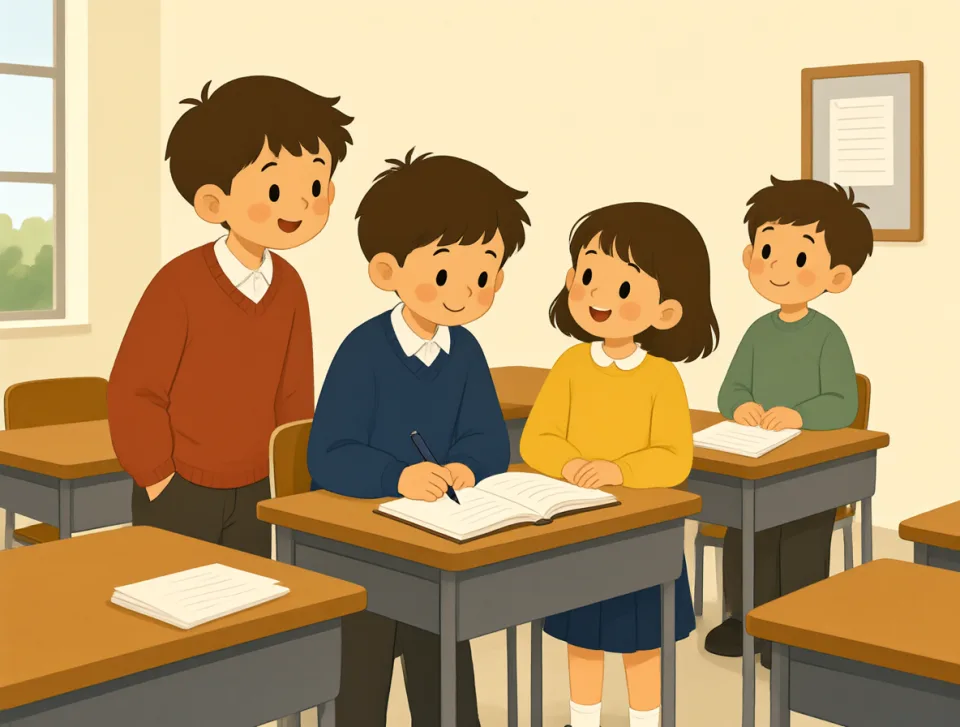
The children stand at their desks.
子どもたちは机のそばに立ちます。

She bought a phone stand.
彼女はスマートフォンスタンドを買いました。
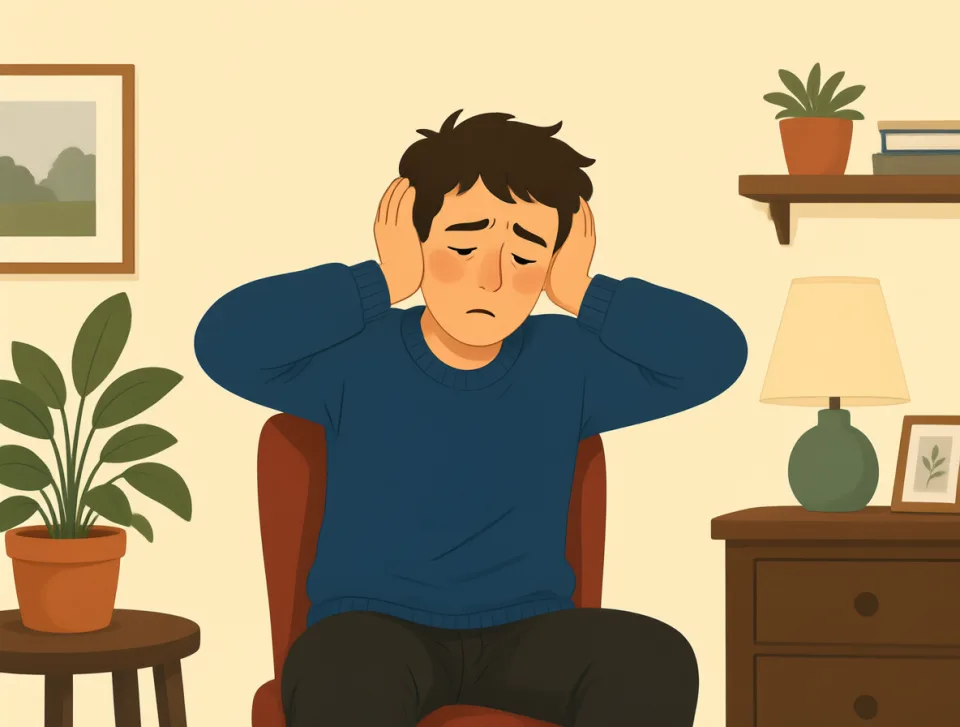
He cannot stand the loud noise.
彼は大きな音に耐えられません。
whole
#310adjective, noun, determiner, adverb
全体の; すべての; 丸ごとの
Complete, with all parts together; or all of something.
すべての部分がそろった完全な状態、または何かの全部
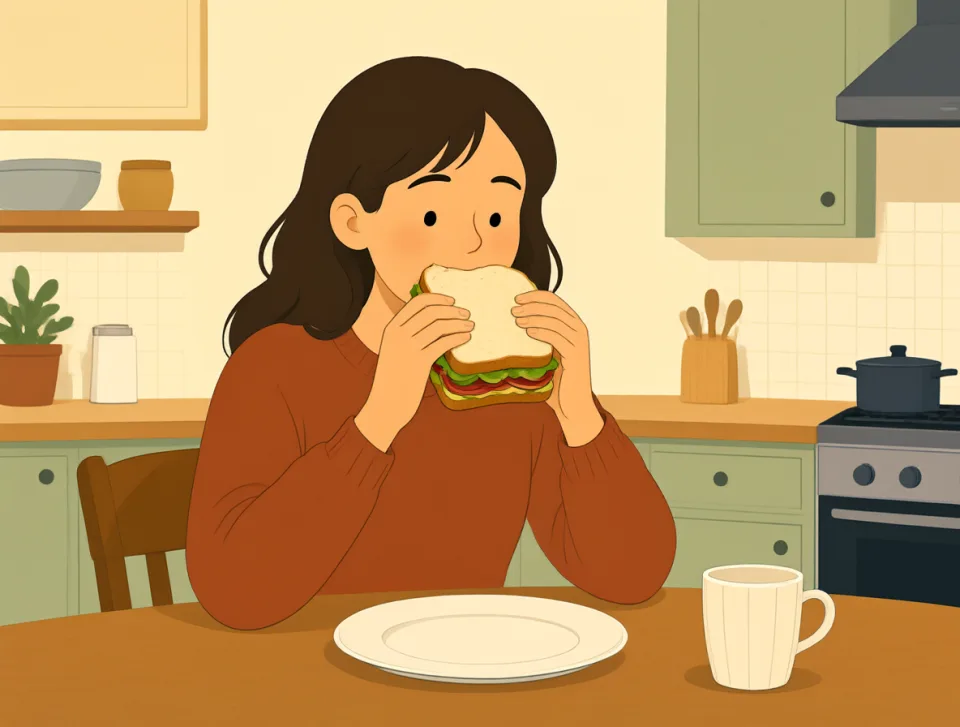
I ate the whole sandwich for lunch.
昼食にサンドイッチを丸ごと1個食べた。
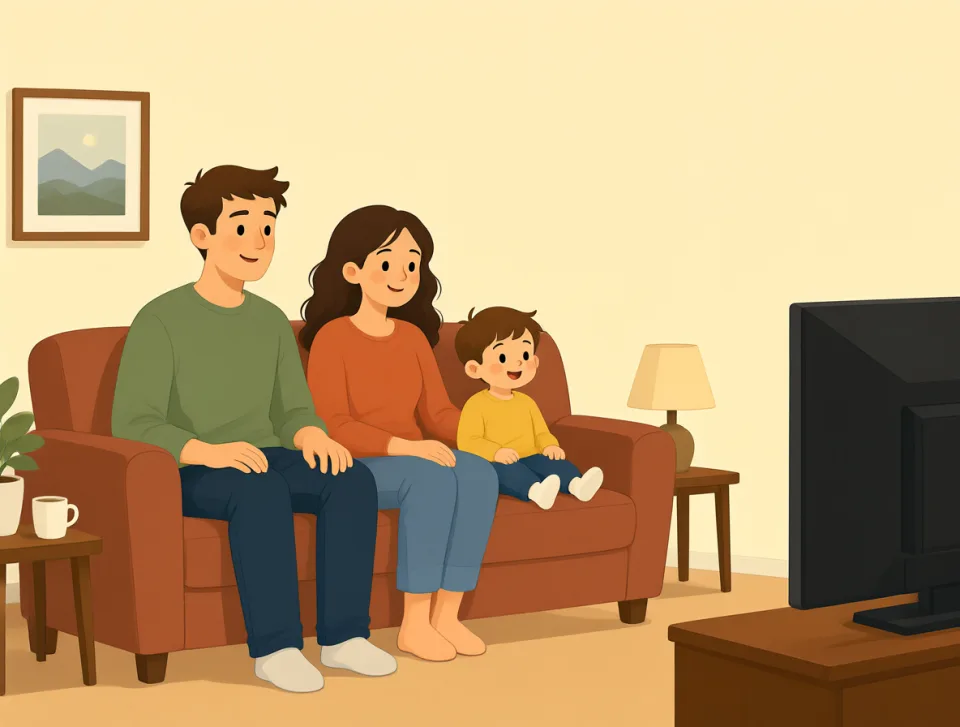
The whole family watched a movie together.
家族全員で一緒に映画を見た。

She spent the whole day at school.
彼女は一日中学校で過ごした。

We waited a whole hour for the bus.
バスを丸々1時間待った。
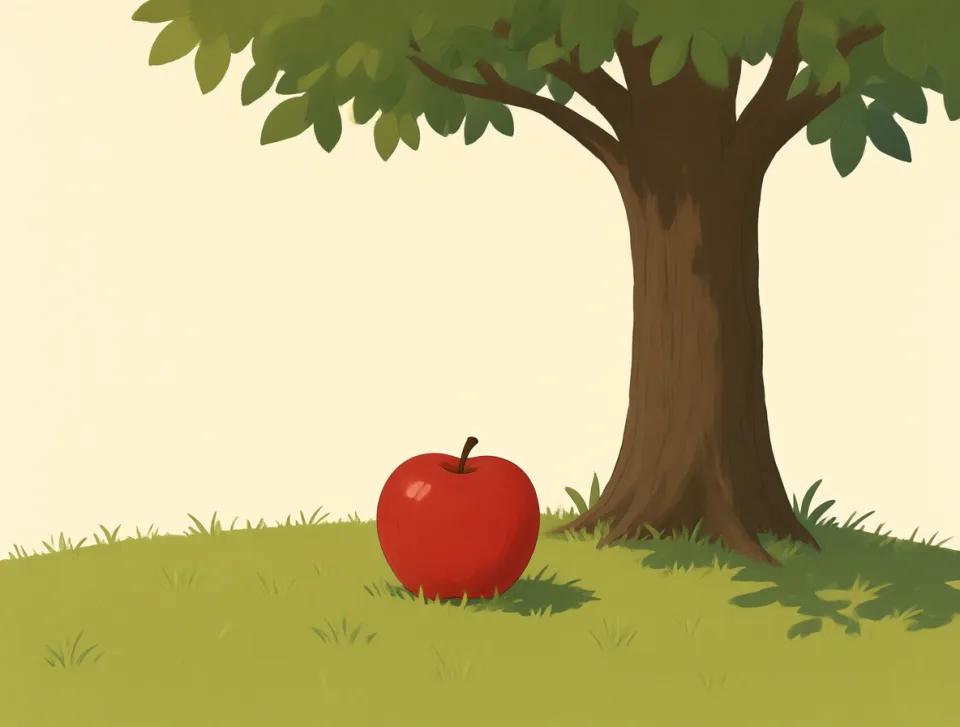
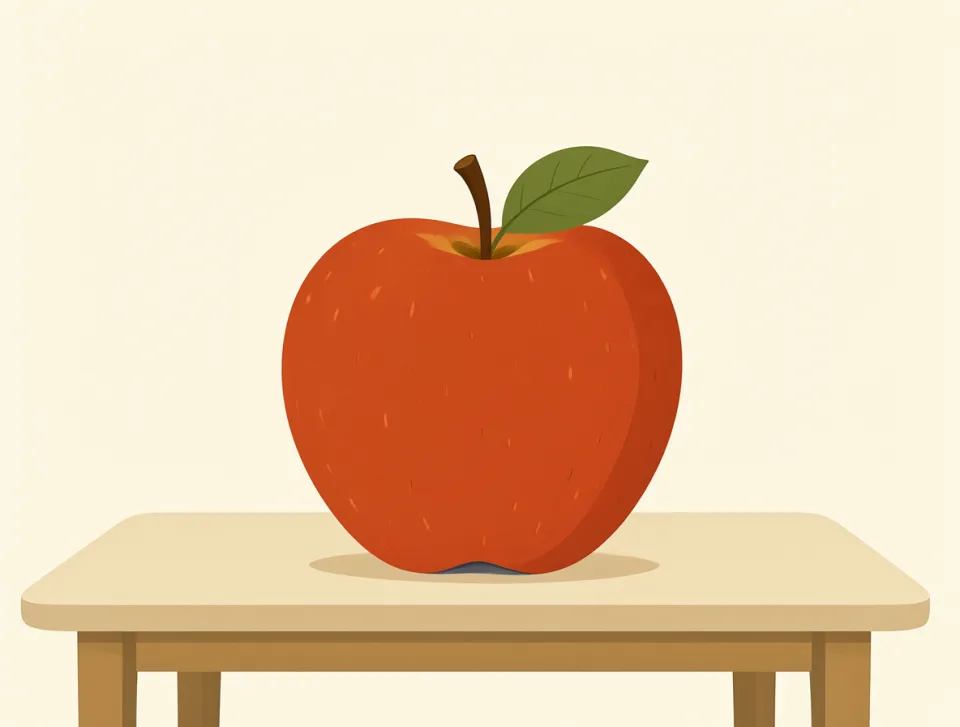
The whole apple fell from the tree.
りんごが丸ごと木から落ちた。
yet
#311adverb, conjunction
まだ; しかし
Used to say something has not happened until now or to add a surprising contrast.
今までまだ起こっていないことを表したり、意外な対比を加えたりするときに使う。
I haven't finished my homework yet.
私はまだ宿題を終えていません。

Have you eaten lunch yet?
もう昼ごはんを食べましたか?

She is not ready yet.
彼女はまだ準備ができていません。

It is cold, yet the sun is shining.
寒いのに、太陽が輝いています。

He has not called yet.
彼はまだ電話をかけてきていません。
rate
#312noun, verb
率;料金;評価する;採点する
A level, price, or amount compared with another; to judge something or give it a score.
別のものと比べたときの水準・価格・量;何かを判断したり、点数をつけたりすること
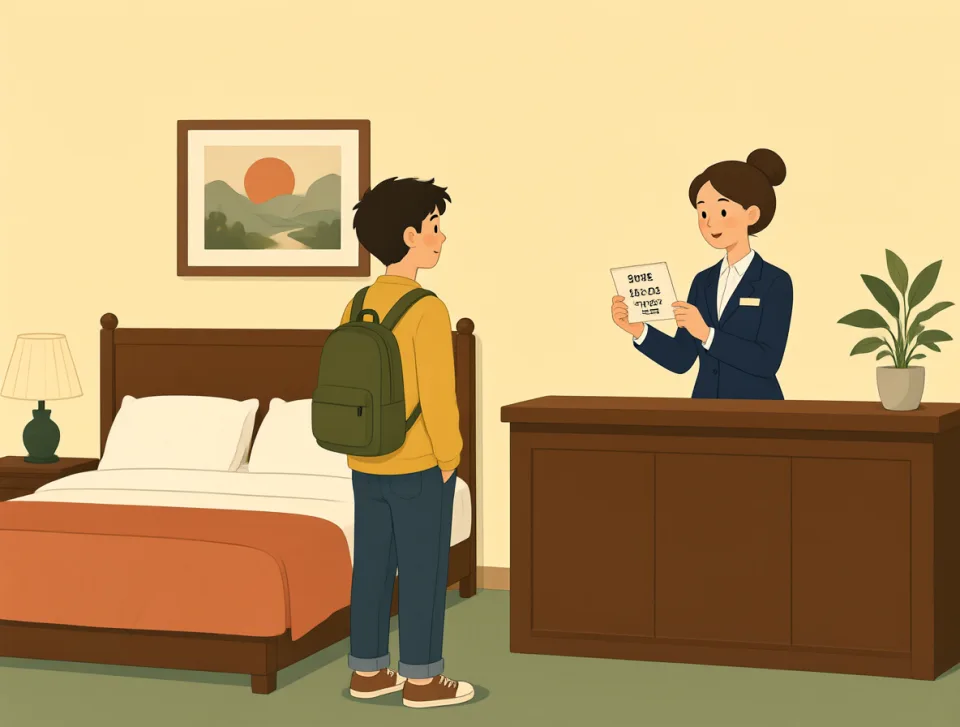
The hotel has a high room rate.
そのホテルの客室料金は高い。
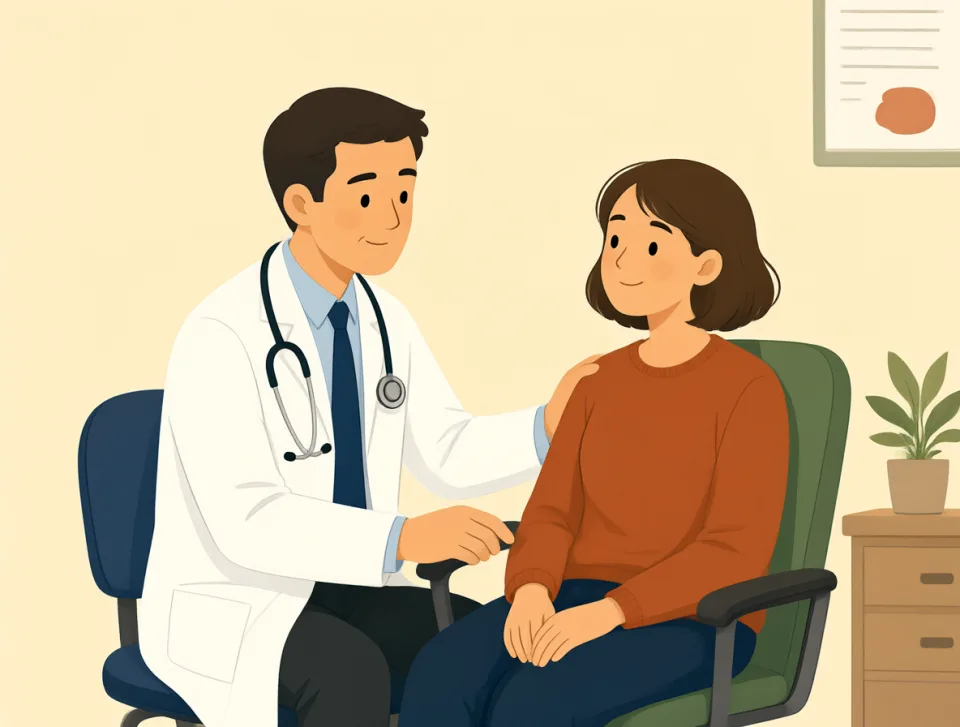
The doctor rated my pain as mild.
医師は私の痛みを軽いと判断した。

This restaurant rates among the best nearby.
このレストランは近隣でも最高の店の一つに数えられる。

She rated the book five stars.
彼女はその本に星5つの評価をつけた。
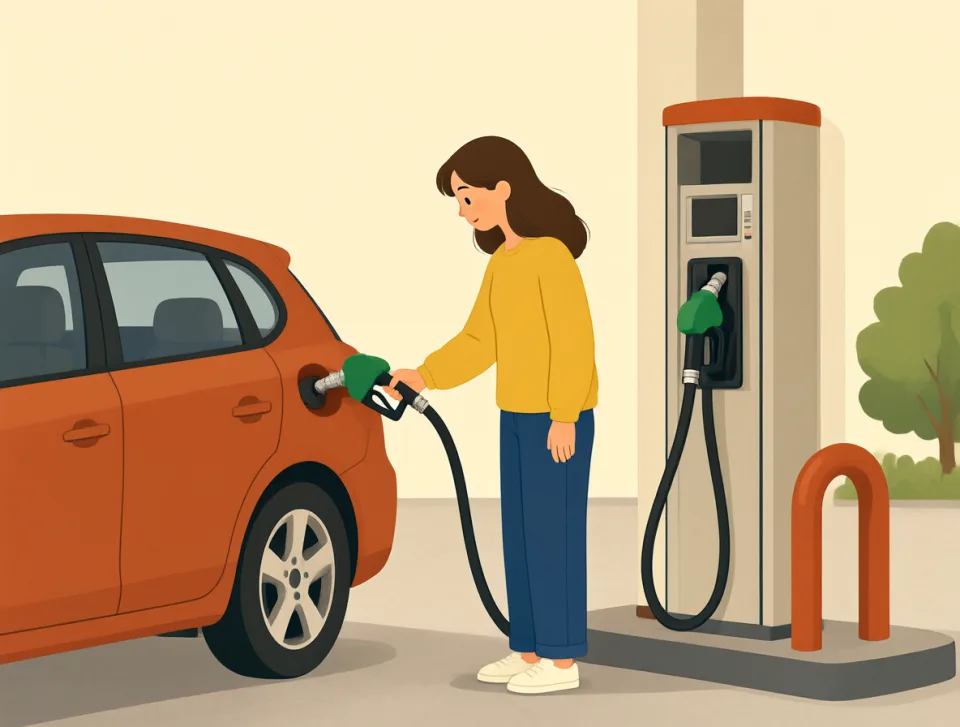
The car gets a good fuel rate.
その車は燃費が良い。
care
#313noun, verb
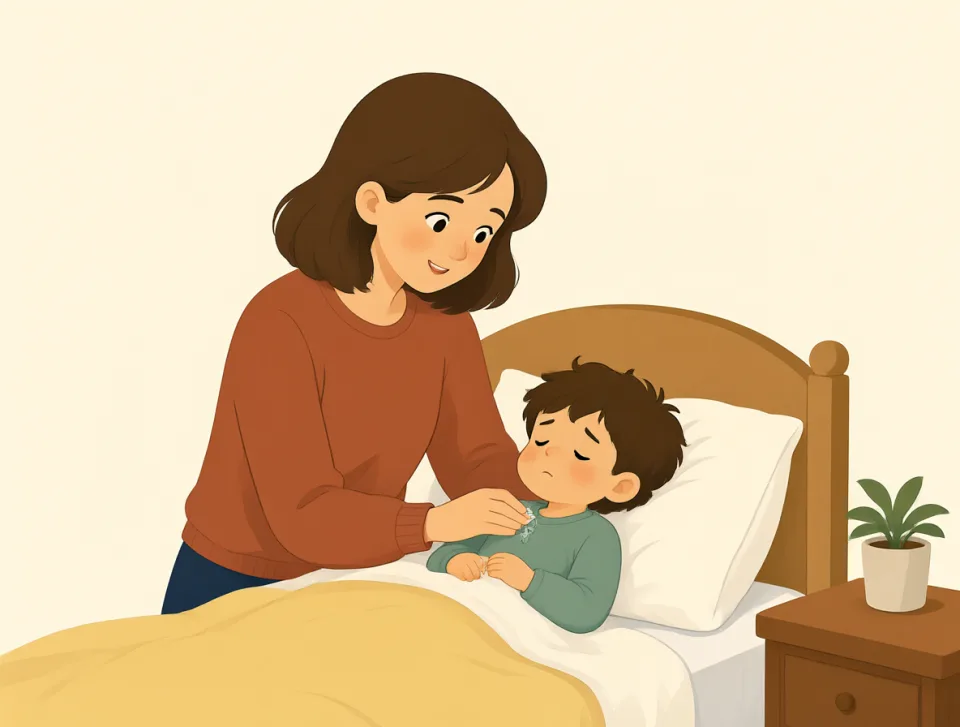
気にかける; 世話をする; 大切に思う
To feel concern for someone or something, or to look after them.
人や物を心配したり、世話をしたりすること。
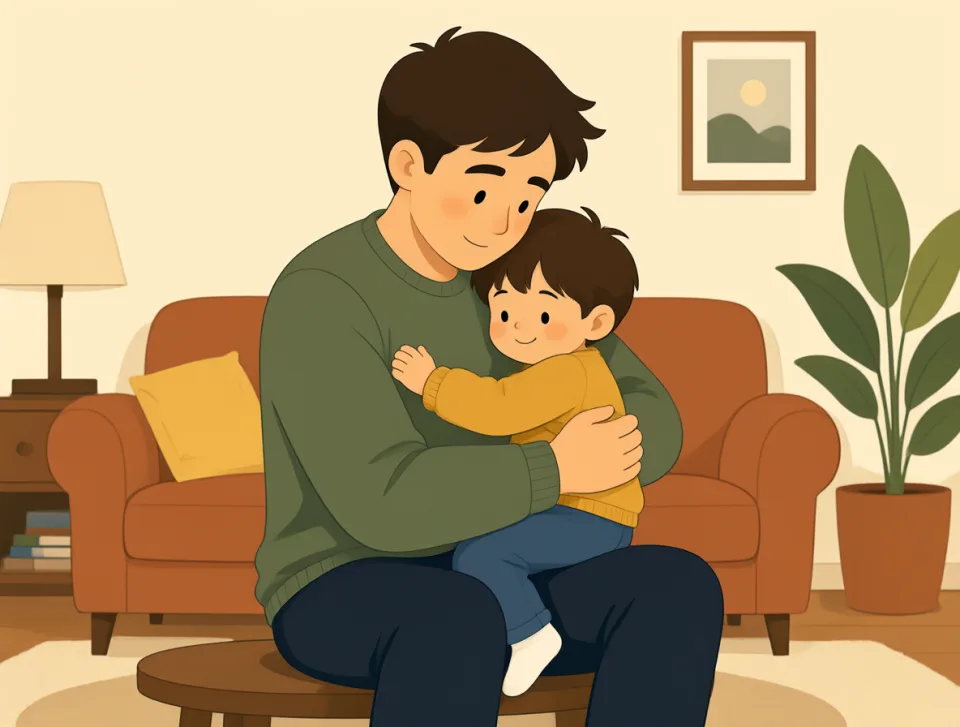
I care about my family very much.
私は家族のことをとても大切に思っています。
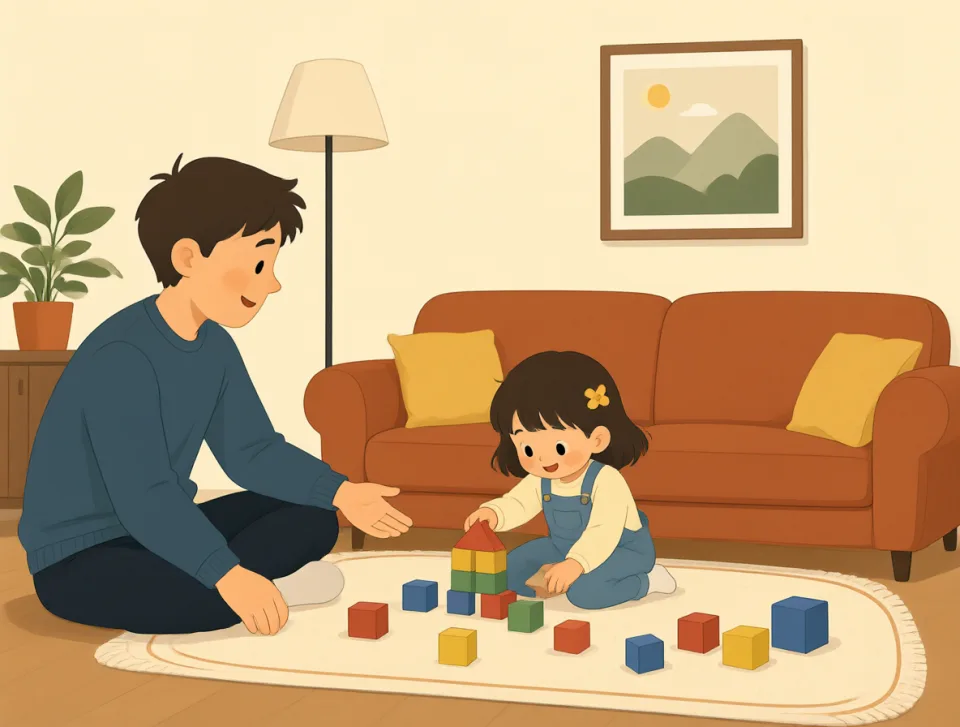
Please take care of your little sister.
妹の世話をしてあげてください。
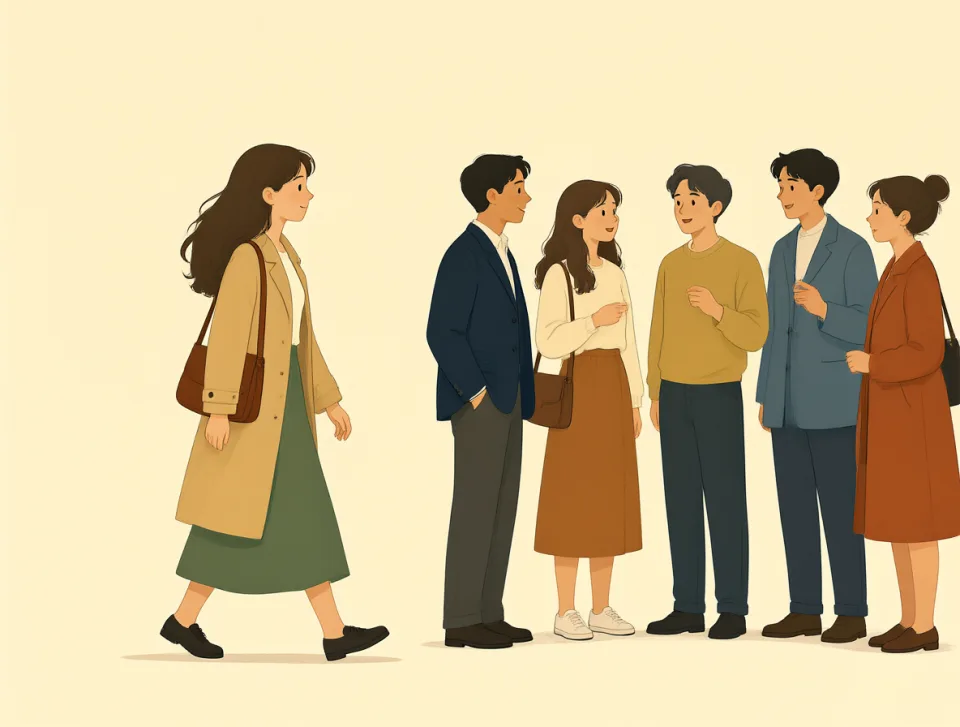
She does not care what people think.
彼女は人がどう思うかを気にしません。
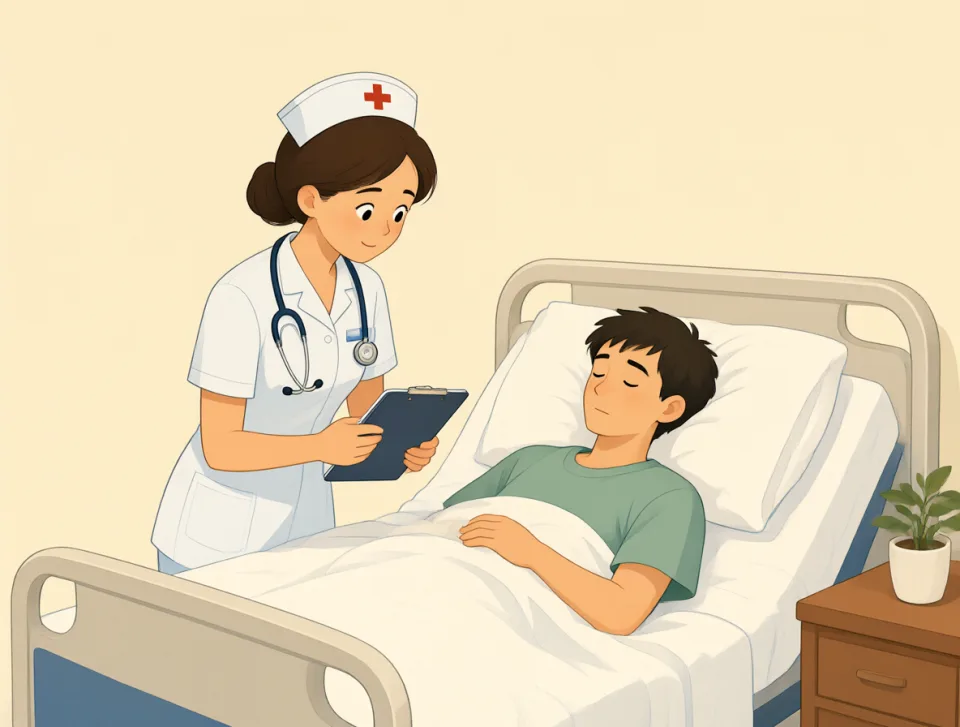
The nurse cared for the patient all night.
その看護師は一晩中患者の世話をしました。
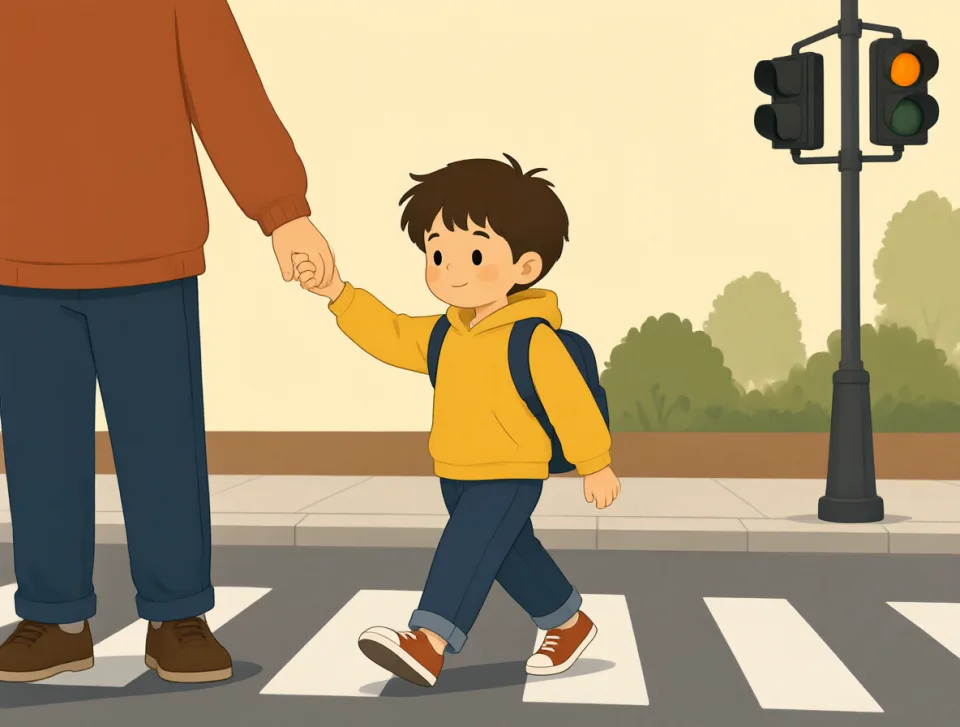
Take care when you cross the busy street.
交通量の多い道路を渡るときは気をつけてください。

expect
#314verb
予期する; 期待する
To think something will happen or believe someone will do something.
何かが起こると思ったり、誰かが何かをすると考えたりすること。
I expect a package tomorrow.
明日、荷物が届くと思います。
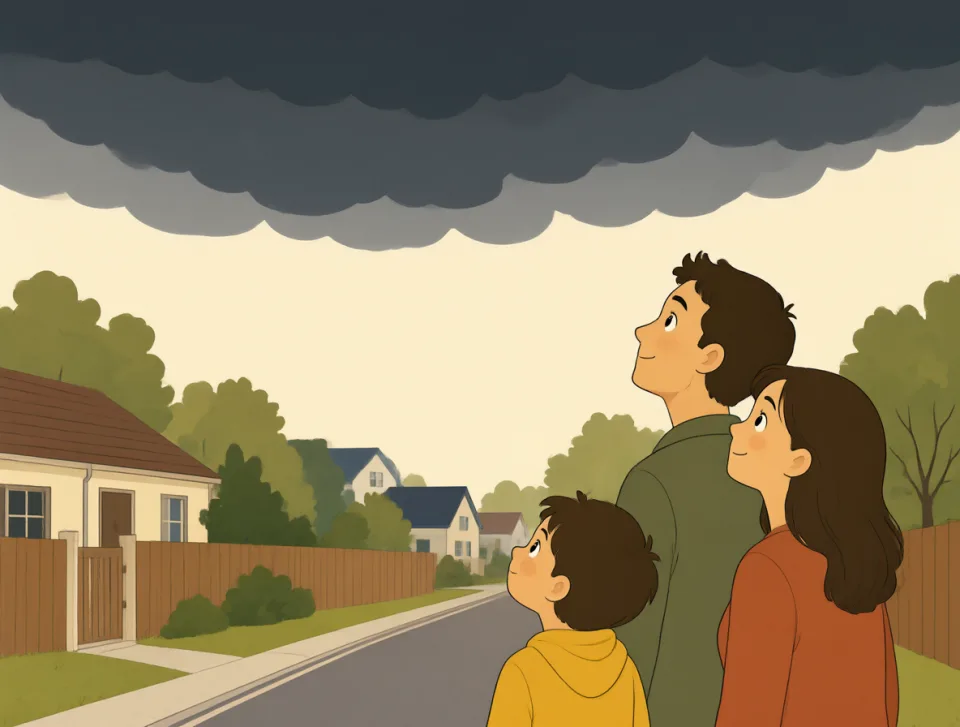
We expect rain this afternoon.
今日の午後は雨が降るでしょう。
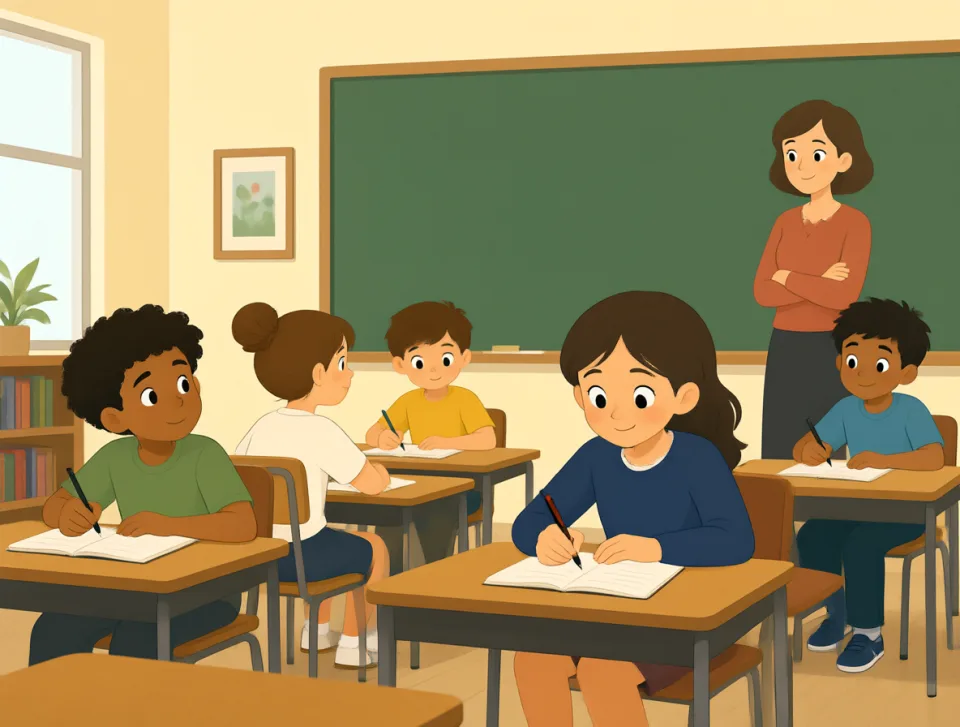
The teacher expects us to finish today.
先生は私たちが今日中に終えることを期待しています。
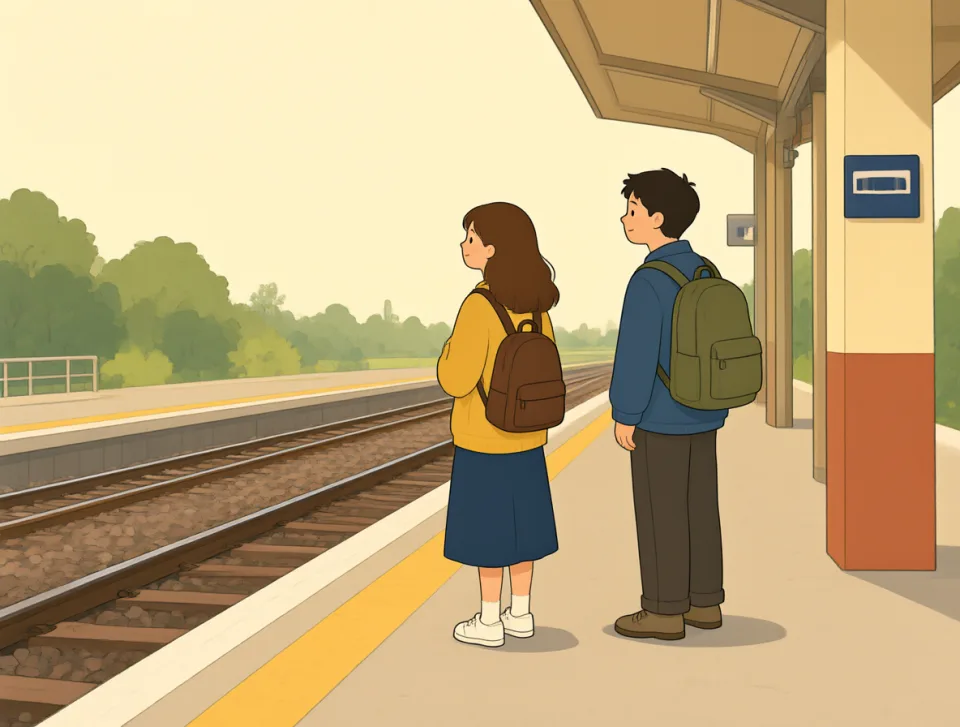
They expect the train to arrive soon.
彼らは電車がもうすぐ到着すると思っています。
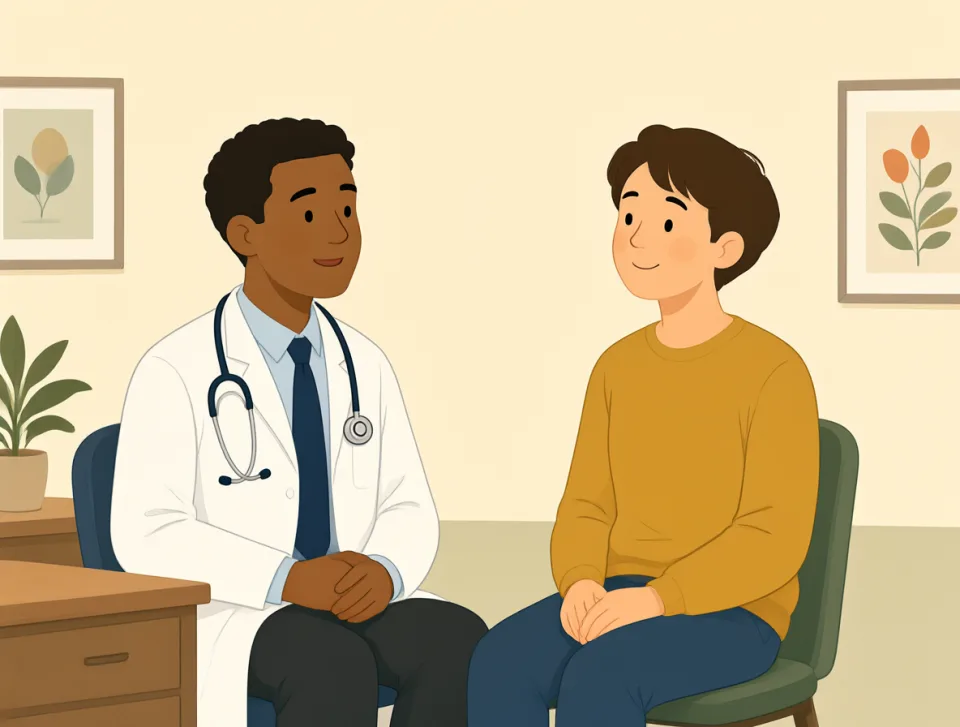
The doctor expects you to feel better soon.
医師はあなたがすぐに体調がよくなると考えています。
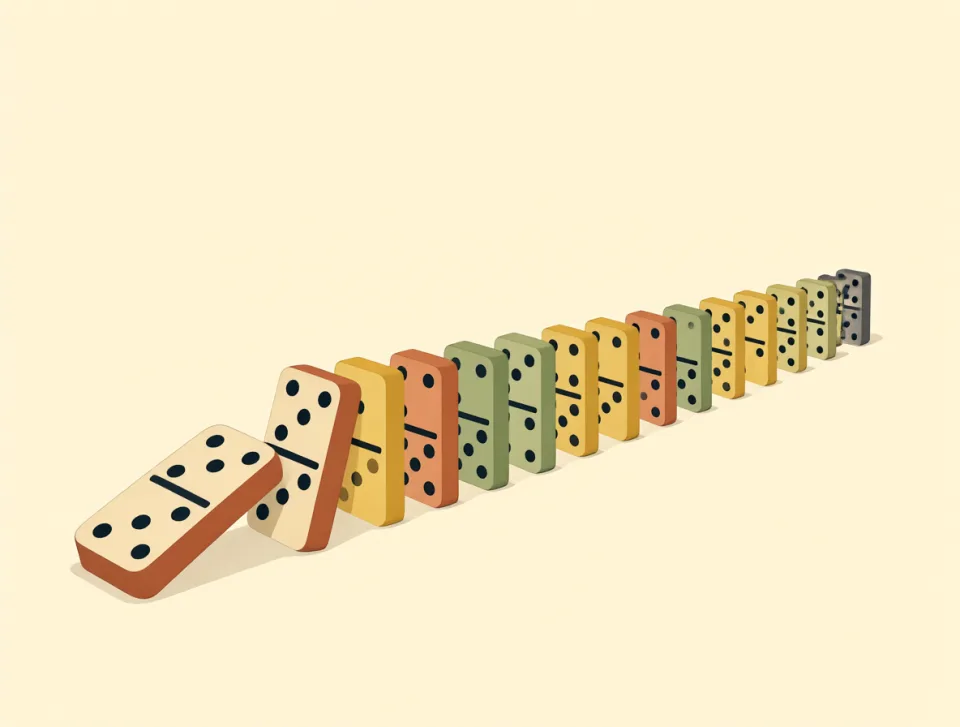
effect
#315noun, verb
効果; 影響; 効く
A change caused by something, or to make a change happen.
何かによって生じる変化、または変化を起こすこと。

The medicine had a good effect on her.
その薬は彼女に良い効果をもたらした。
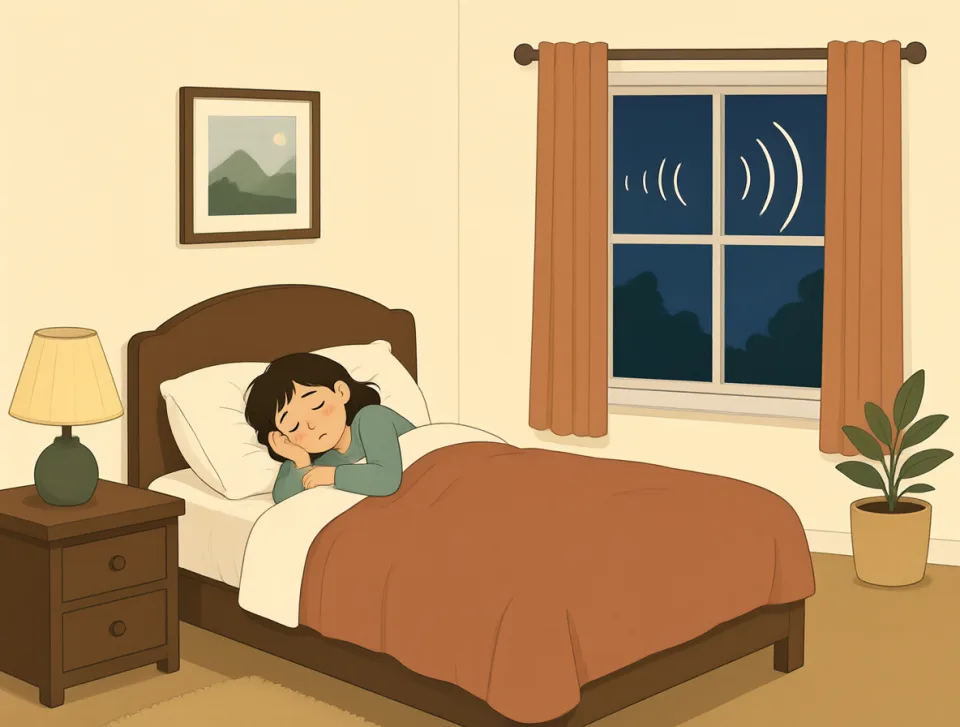
The loud noise affected my sleep.
大きな音が私の睡眠に影響を与えた。

Sunlight has a strong effect on plants.
日光は植物に強い影響を与える。
The new rule will affect all students.
新しい規則はすべての生徒に影響を与える。
The cold weather affected our travel plans.
寒さのせいで、私たちの旅行計画に影響が出た。
sort
#316noun, verb
種類; 分類する; 整理する
A type of something; to put things into groups.
何かの種類。物事をグループに分けること。

What sort of music do you like?
どんな音楽が好きですか?
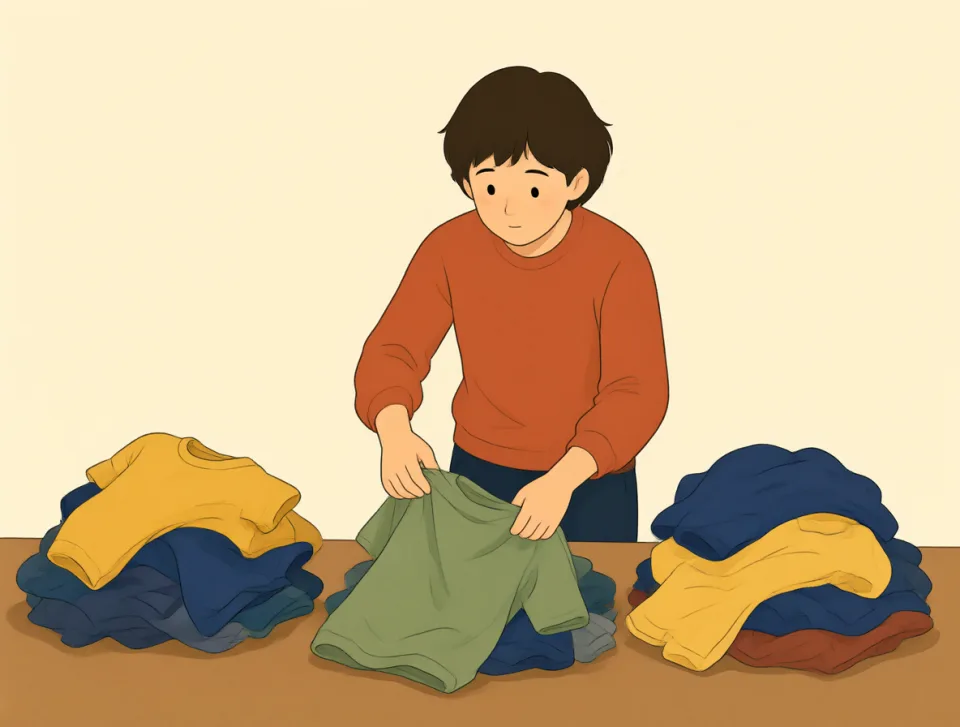
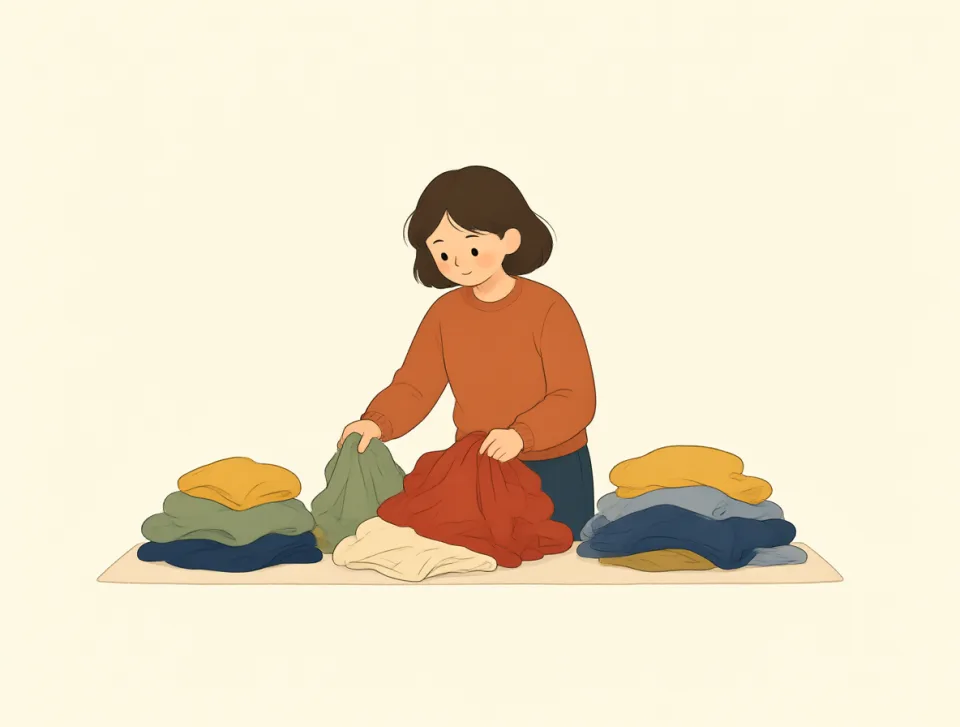
Please sort these clothes by color.
この服を色ごとに分けてください。
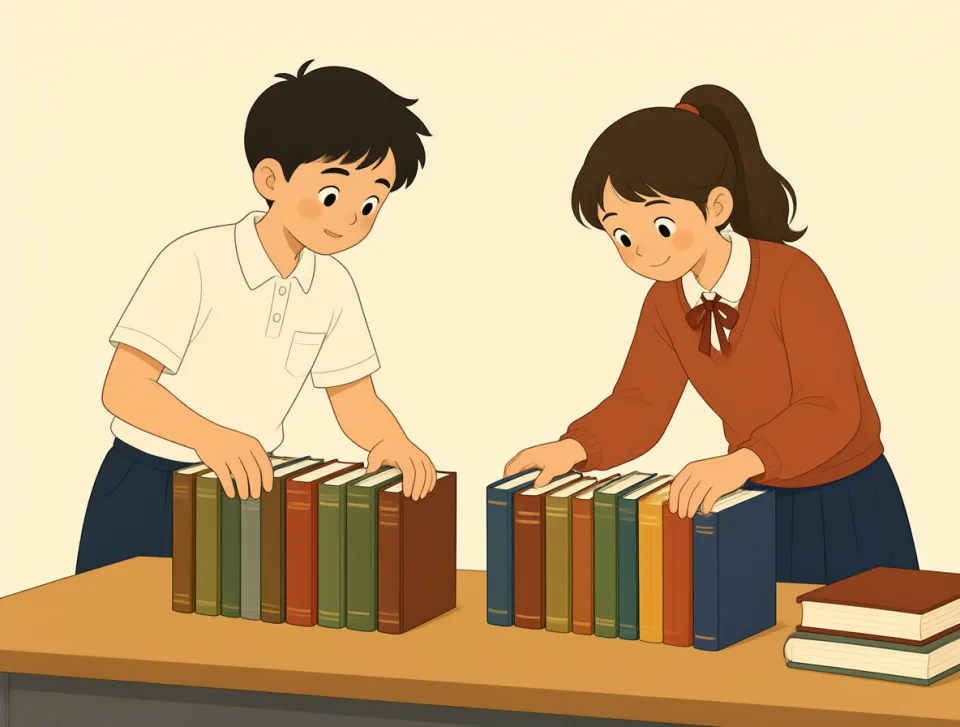
We sorted the books by size.
私たちは本を大きさ順に分類しました。
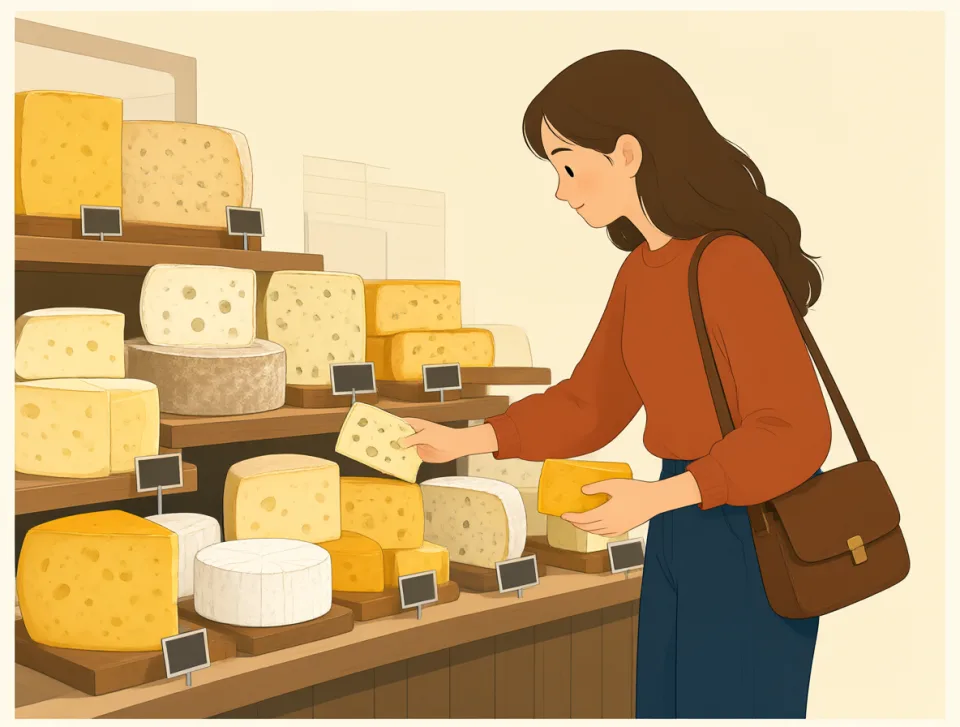
She bought several sorts of cheese.
彼女はいくつかの種類のチーズを買いました。

I need to sort out my travel plans.
旅行の計画を整理しないといけません。

ever
#317adverb
今までに; これまでに; いつか; いつでも
At any time, or at any time before now.
いつの時点でも、または今までのどこかの時点で。
Have you ever visited another country?
今までに外国へ行ったことがありますか?

This is the best pizza I have ever eaten.
これは私が今まで食べた中で最高のピザです。
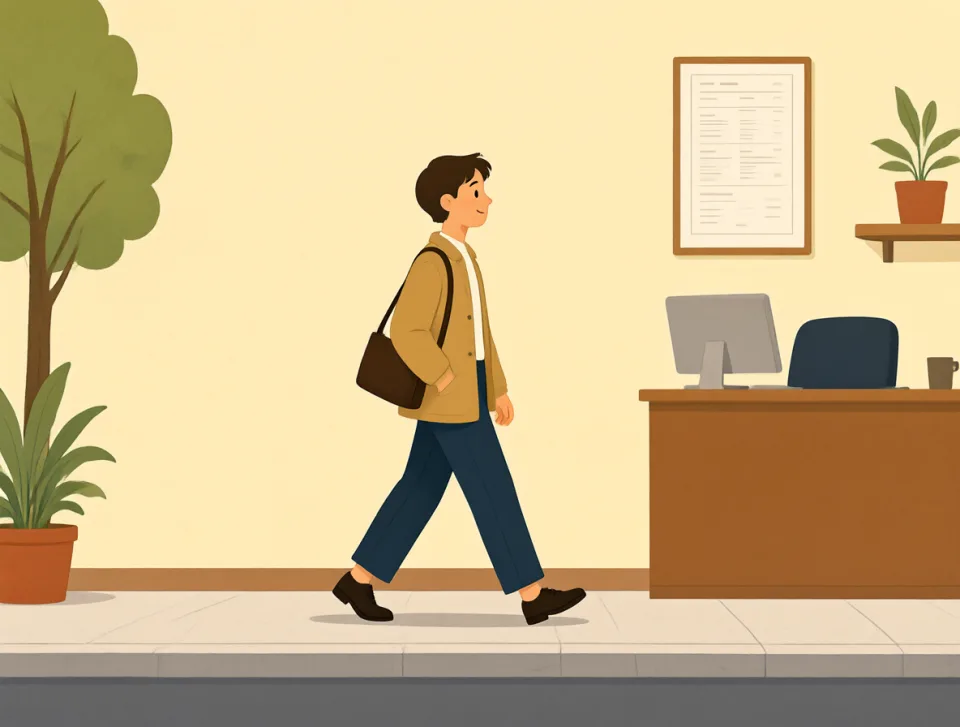
Do you ever walk to work?
仕事に歩いて行くことはありますか?

If you ever need help, call me.
もし助けが必要になったら、いつでも電話してください。

He hardly ever drinks coffee in the evening.
彼は夕方にコーヒーを飲むことはめったにありません。
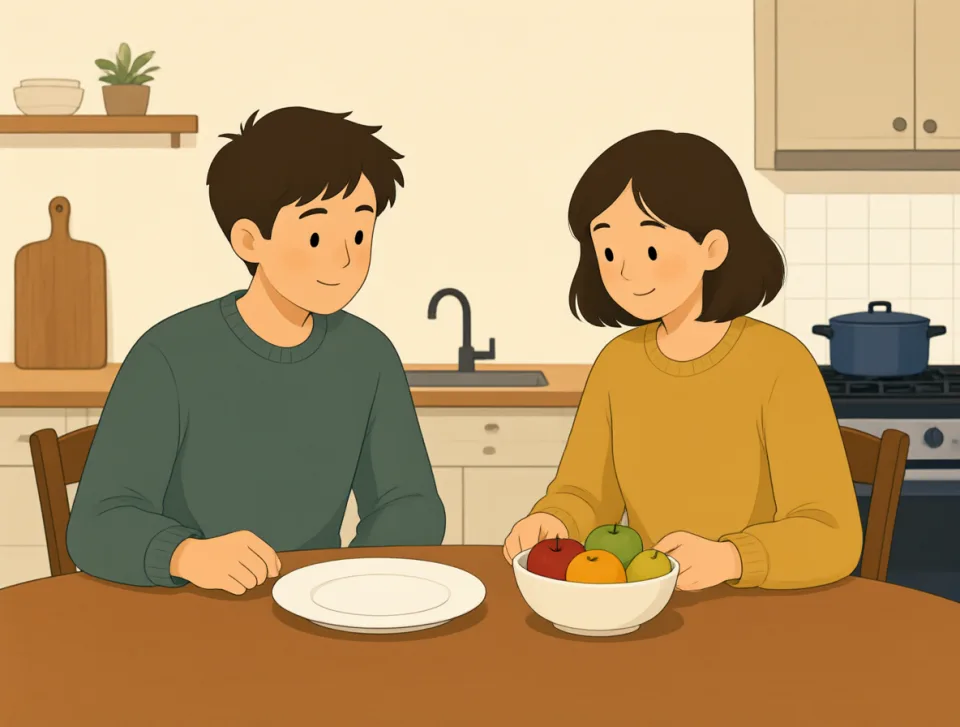
anything
#318pronoun, determiner
何か; 何でも; 何も
A thing of any kind, or no particular thing.
どんな種類のものでも、または特定のものを指さずに何かを表す語。
Would you like anything to eat?
何か食べたいものはありますか?
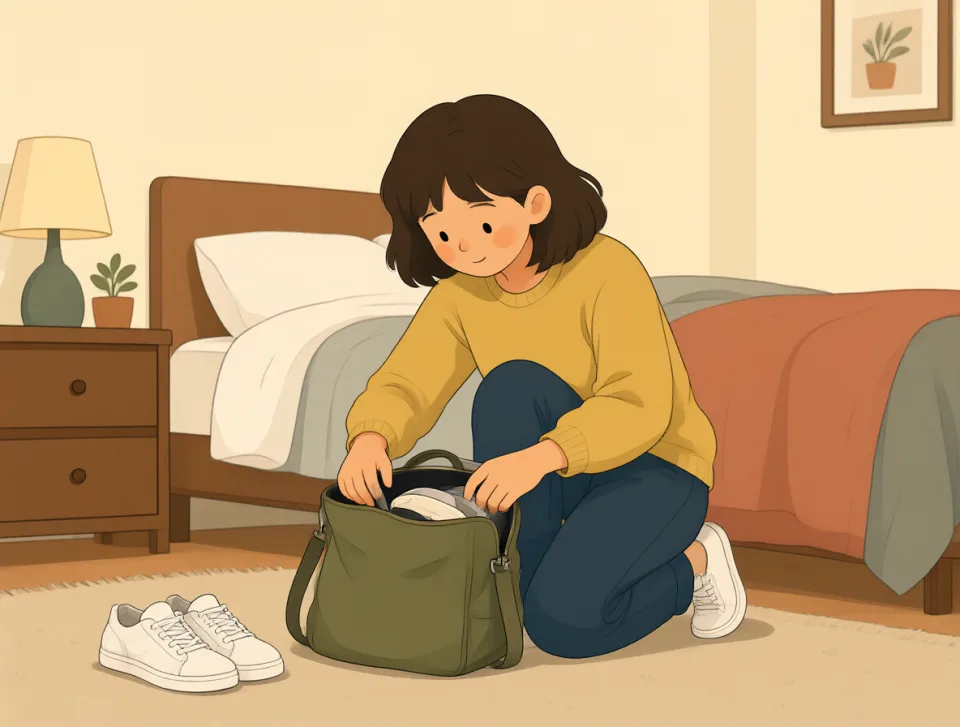
I cannot find anything in this bag.
このバッグの中に何も見つけられません。
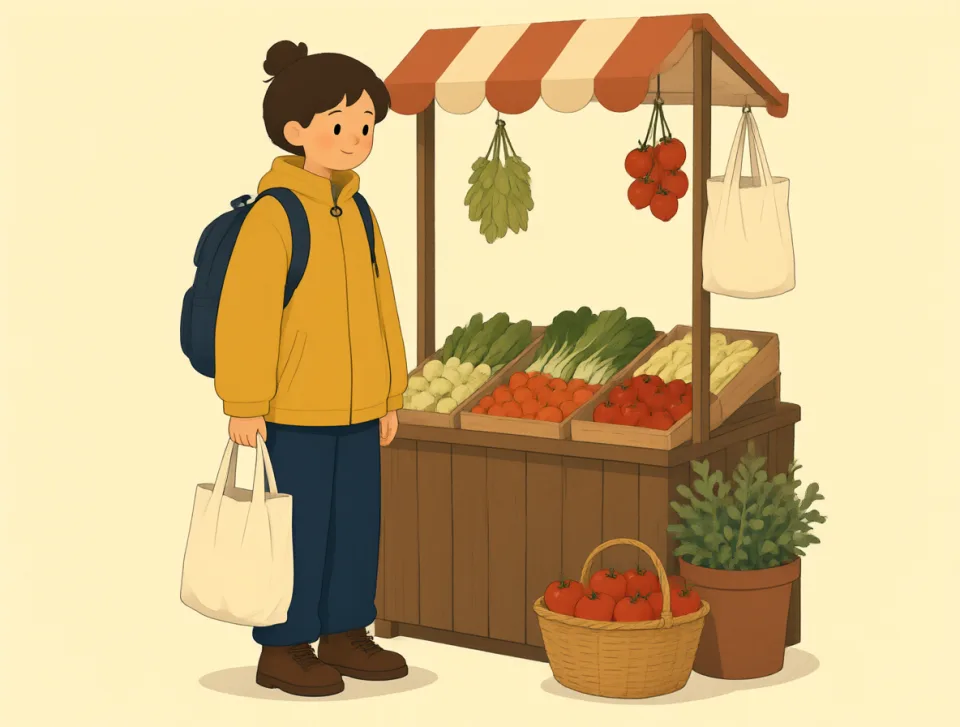
Did you buy anything at the market?
市場で何か買いましたか?
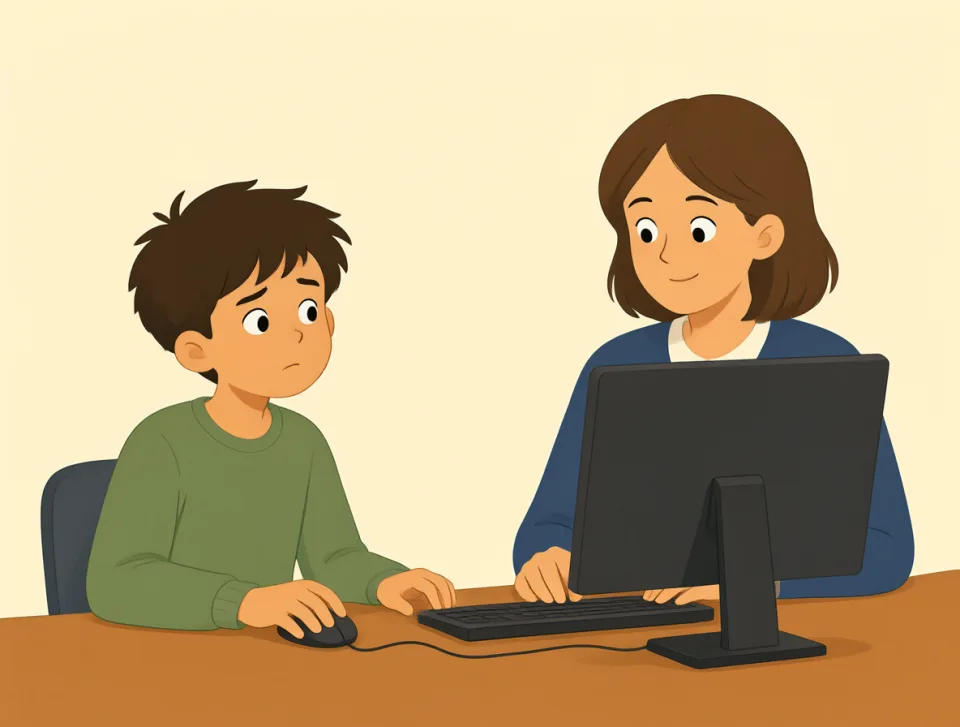
She knows anything about computers.
彼女はコンピューターについて何か知っています。
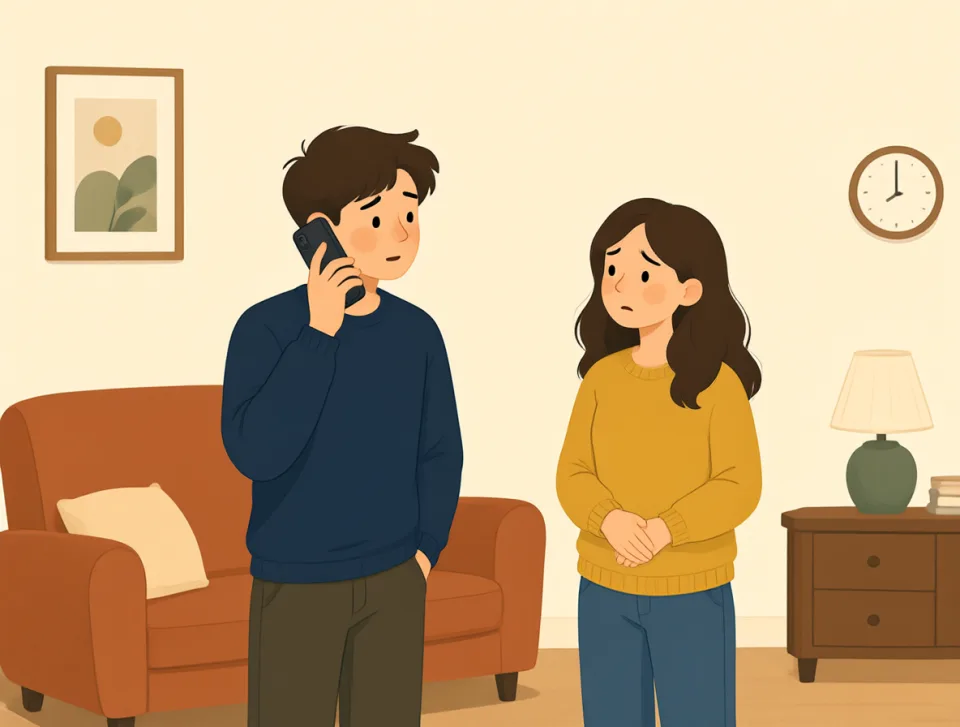
Please call me if anything happens.
何かあったら、私に電話してください。
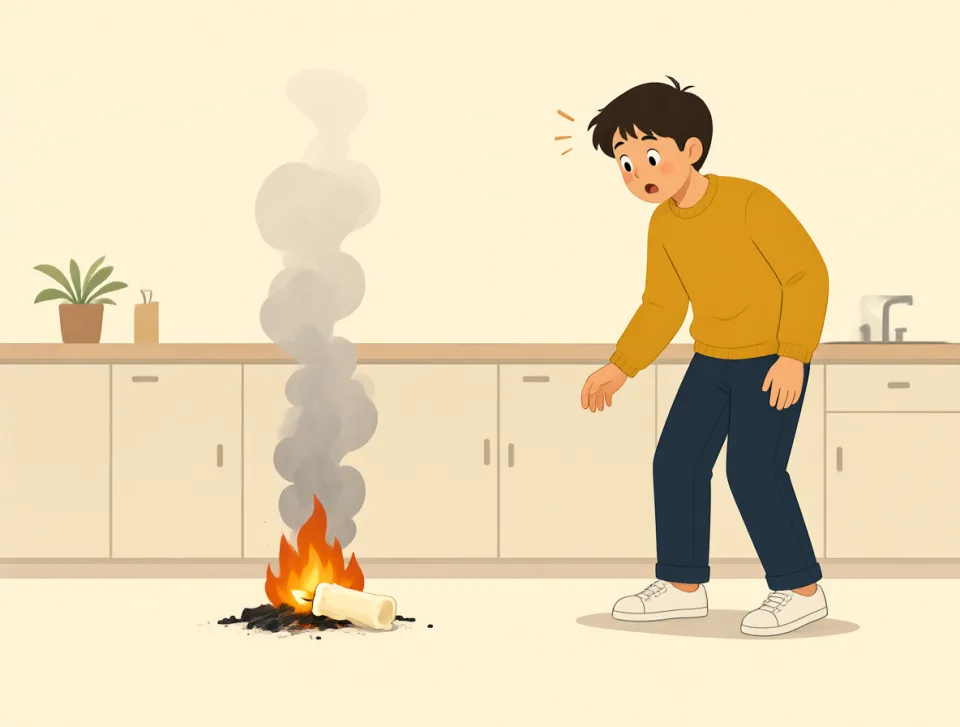
cause
#319noun, verb
原因;引き起こす
A reason something happens; to make something happen.
何かが起こる理由;何かを起こす
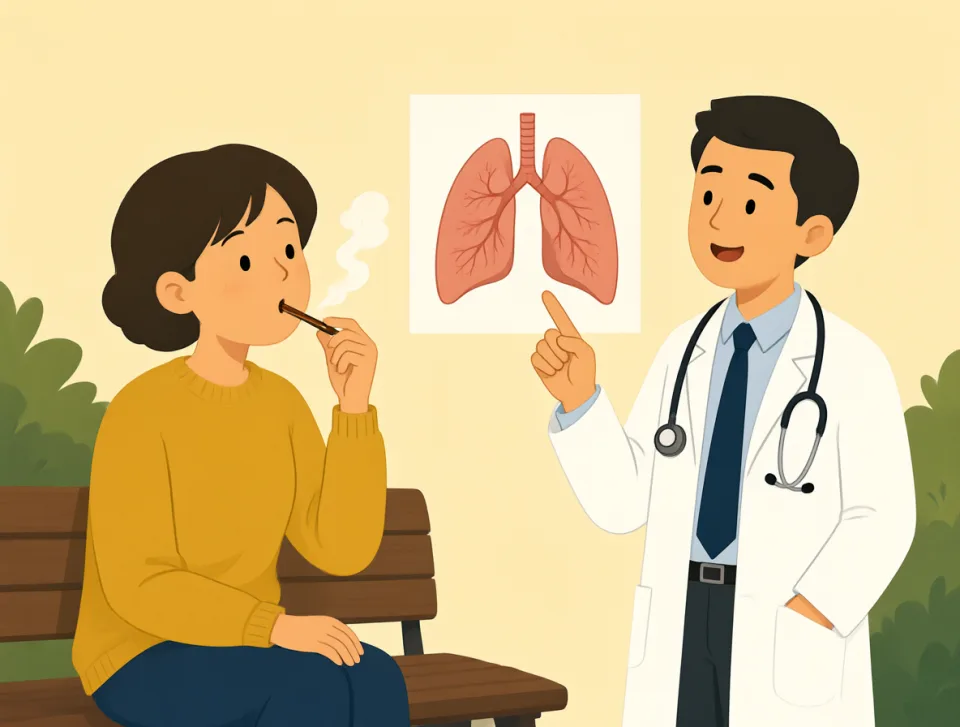
Smoking can cause serious health problems.
喫煙は深刻な健康問題を引き起こすことがあります。
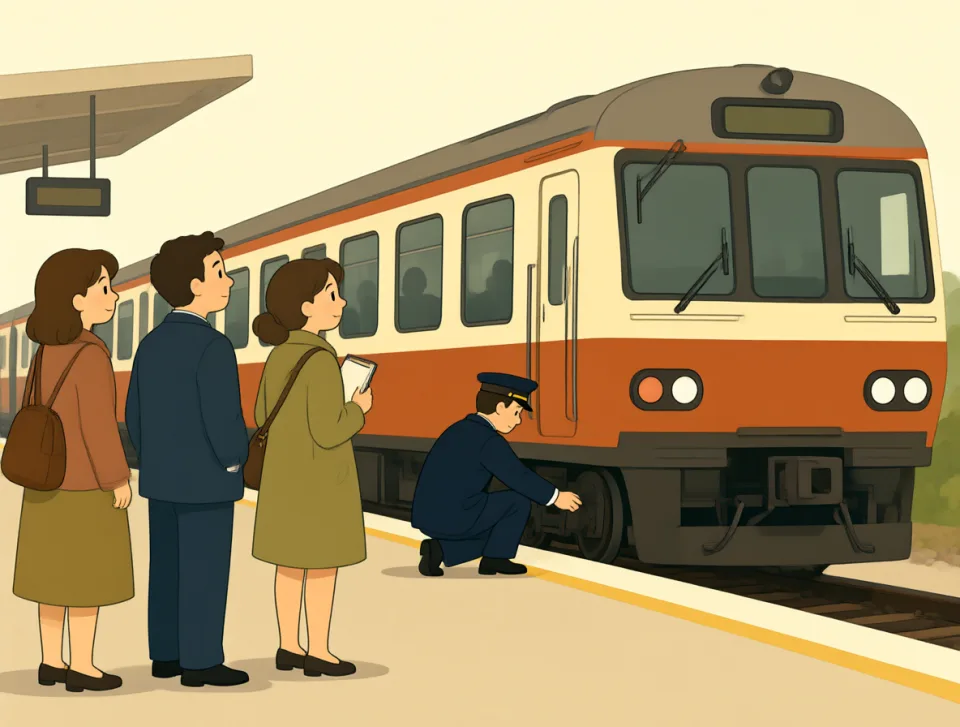
What caused the train delay this morning?
今朝、何が列車の遅れの原因になったのですか?

The heavy rain caused a flood.
大雨が洪水を引き起こした。
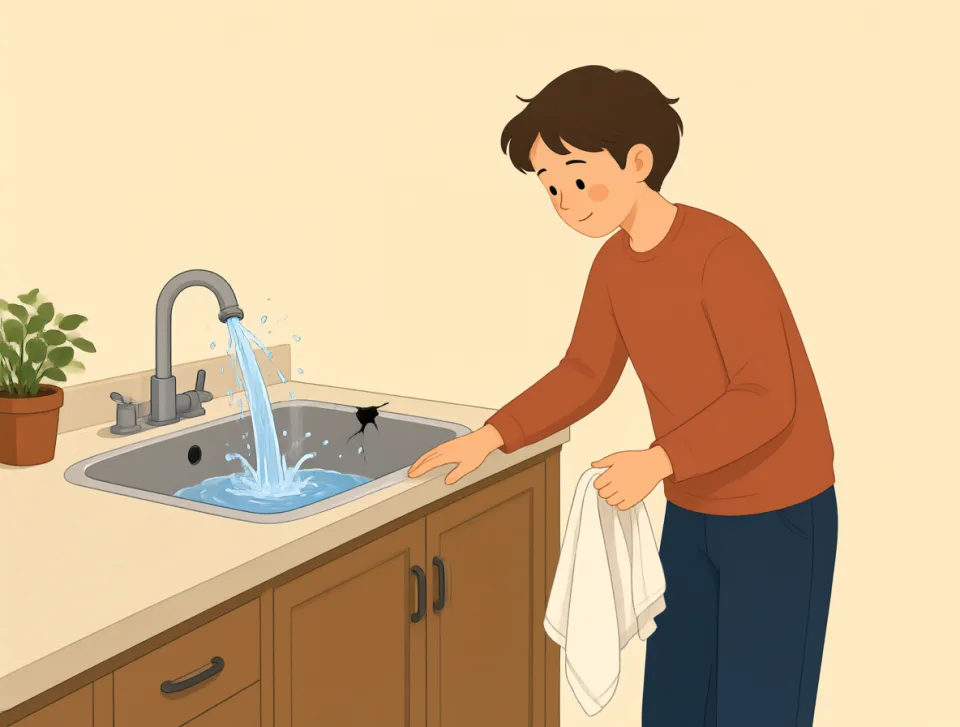
A broken pipe caused water damage at home.
壊れた配管が家の中の水害を引き起こした。
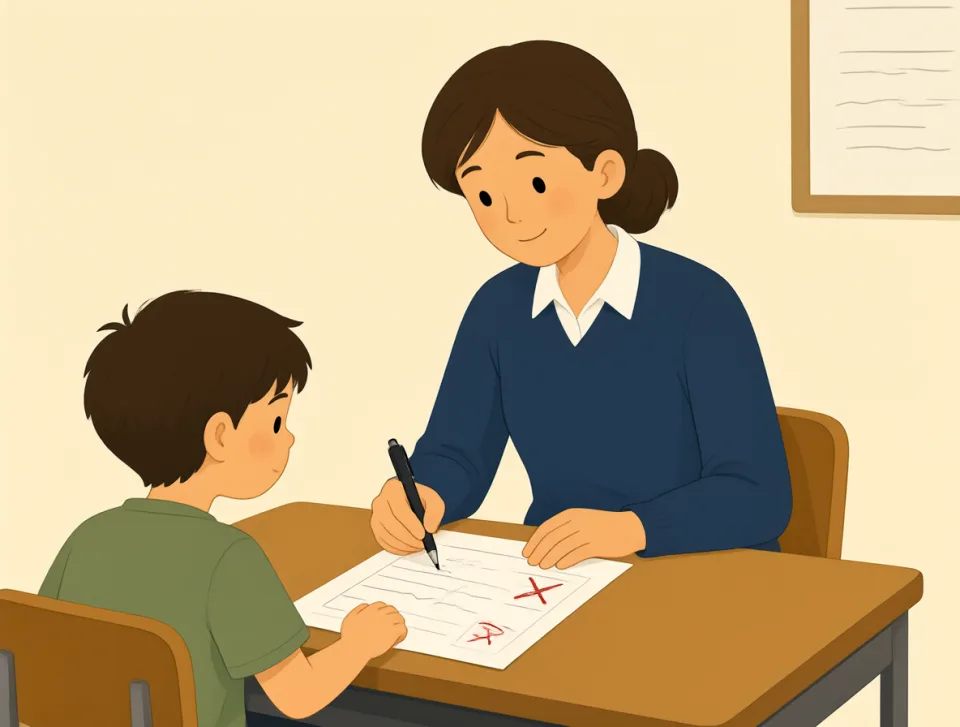
The teacher explained the cause of the mistake.
先生はその間違いの原因を説明した。

fall
#320verb, noun
落ちる; 秋
To move down suddenly, or the season between summer and winter.
突然下に落ちること、または夏と冬の間の季節。
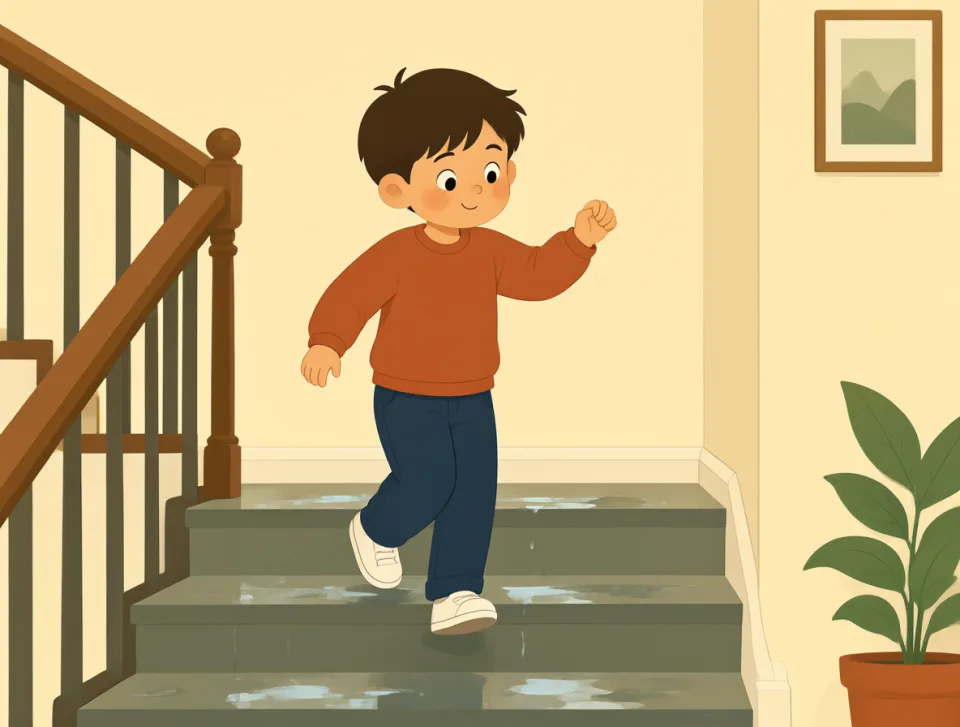
Be careful, or you may fall down.
気をつけないと、転んでしまうかもしれません。

The leaves fall from the trees in autumn.
秋になると、木の葉が落ちます。

I fell asleep on the sofa.
ソファで眠ってしまいました。
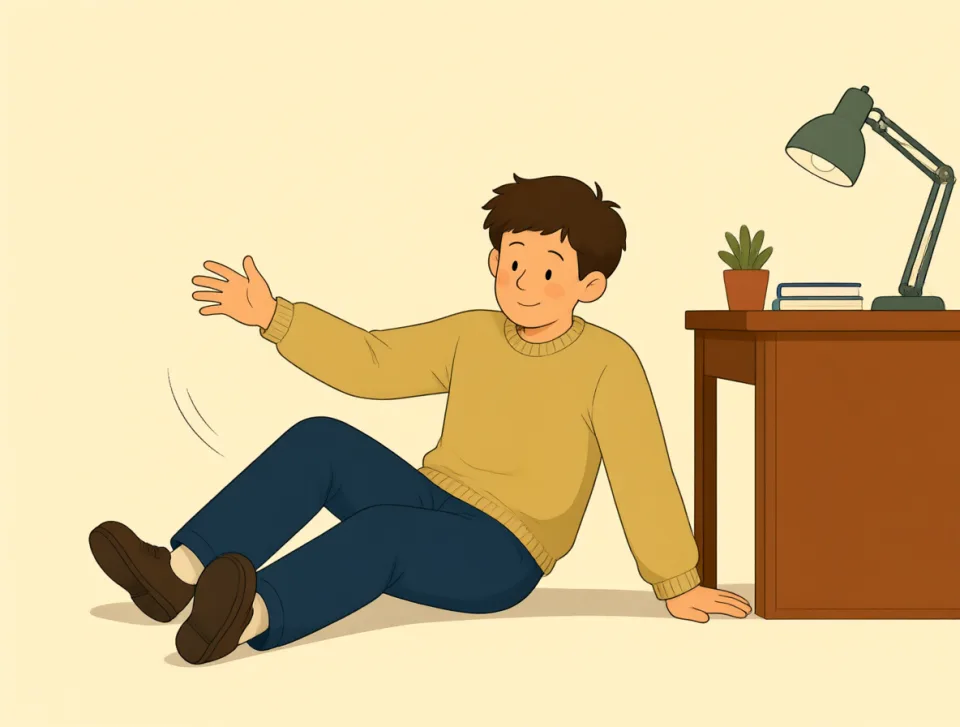
She had a bad fall at work.
職場でひどい転び方をしました。

We visited Canada last fall.
去年の秋にカナダを訪れました。