ইউনিট 16
শব্দ 301–320 · control, already, concern, product, lose, story

control
#301noun, verb
নিয়ন্ত্রণ
The power to direct people or manage what happens.
মানুষকে পরিচালনা করার বা কী ঘটবে তা নিয়ন্ত্রণ করার ক্ষমতা।
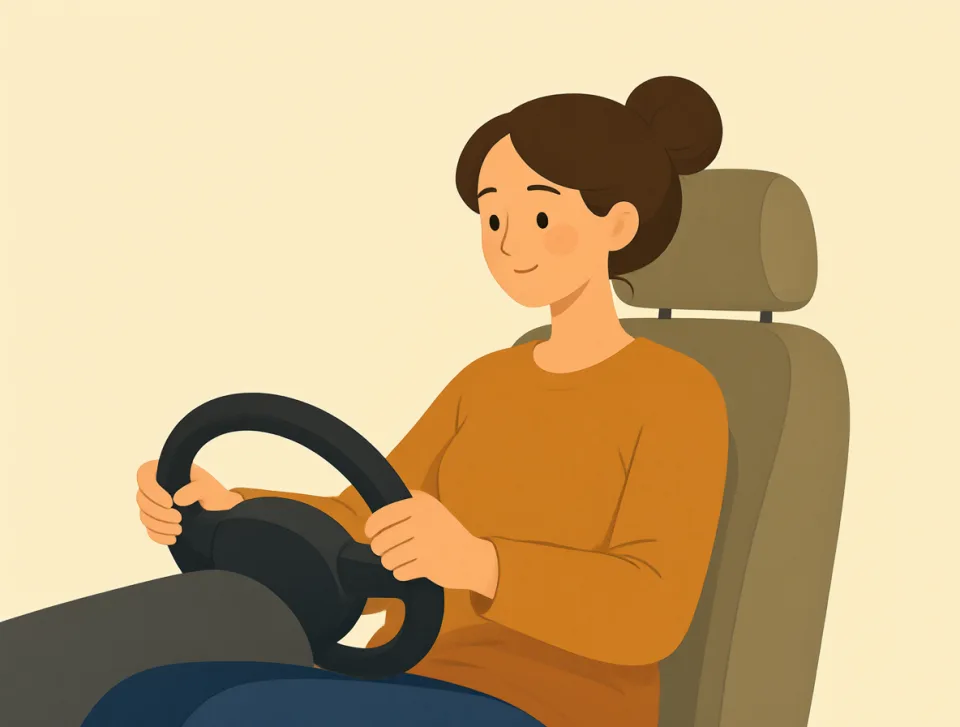
She is in control of the car.
সে গাড়ির নিয়ন্ত্রণে আছে।
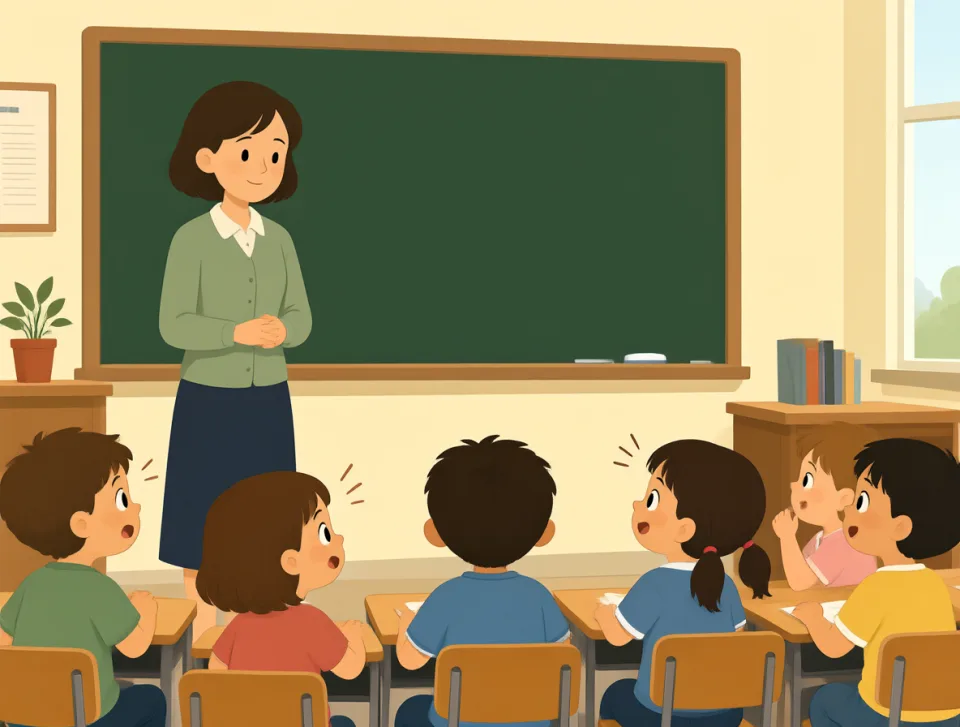
The teacher controls the noisy classroom.
শিক্ষক কোলাহলপূর্ণ শ্রেণিকক্ষটি নিয়ন্ত্রণ করেন।

Use the remote control to change channels.
চ্যানেল বদলাতে রিমোট কন্ট্রোল ব্যবহার করুন।
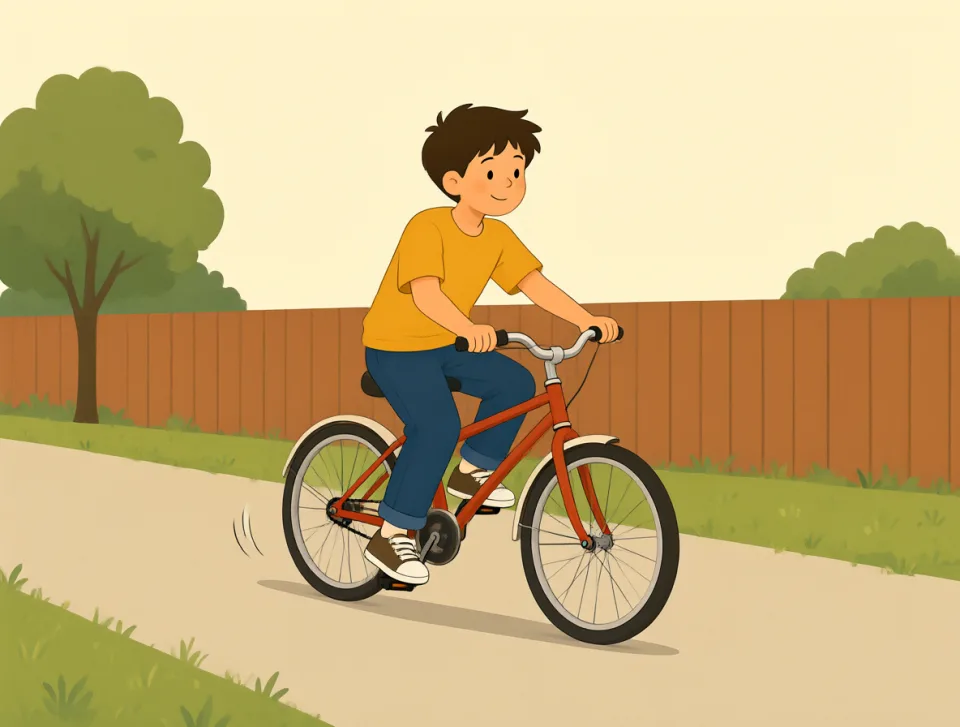
He lost control of his bike.
সে তার সাইকেলের নিয়ন্ত্রণ হারিয়ে ফেলেছিল।
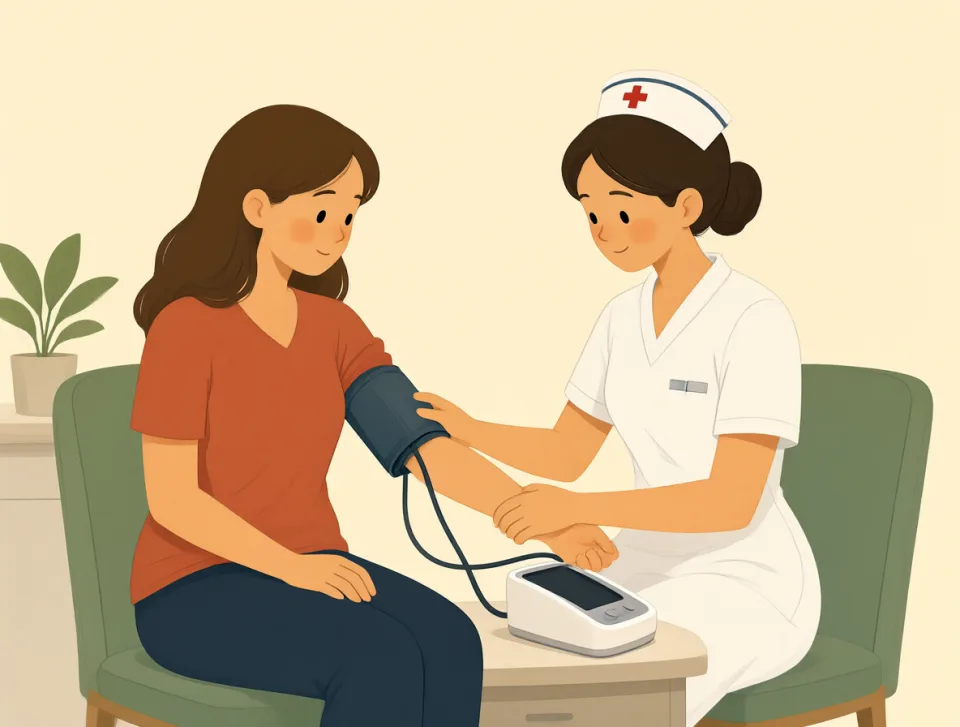
The nurse checked her blood pressure control.
নার্স তার রক্তচাপ নিয়ন্ত্রণের অবস্থা পরীক্ষা করলেন।

already
#302adverb
ইতিমধ্যে
before now or before a particular time
এখনের আগে বা কোনো নির্দিষ্ট সময়ের আগে।
I have already eaten breakfast.
আমি ইতিমধ্যে নাশতা খেয়ে ফেলেছি।

She already knows the answer.
সে উত্তরটা ইতিমধ্যেই জানে।

We are already late for work.
কাজে যেতে আমাদের ইতিমধ্যেই দেরি হয়ে গেছে।

The store has already closed.
দোকানটি ইতিমধ্যেই বন্ধ হয়ে গেছে।

Have you already seen this movie?
তুমি কি এই সিনেমাটি ইতিমধ্যে দেখেছ?
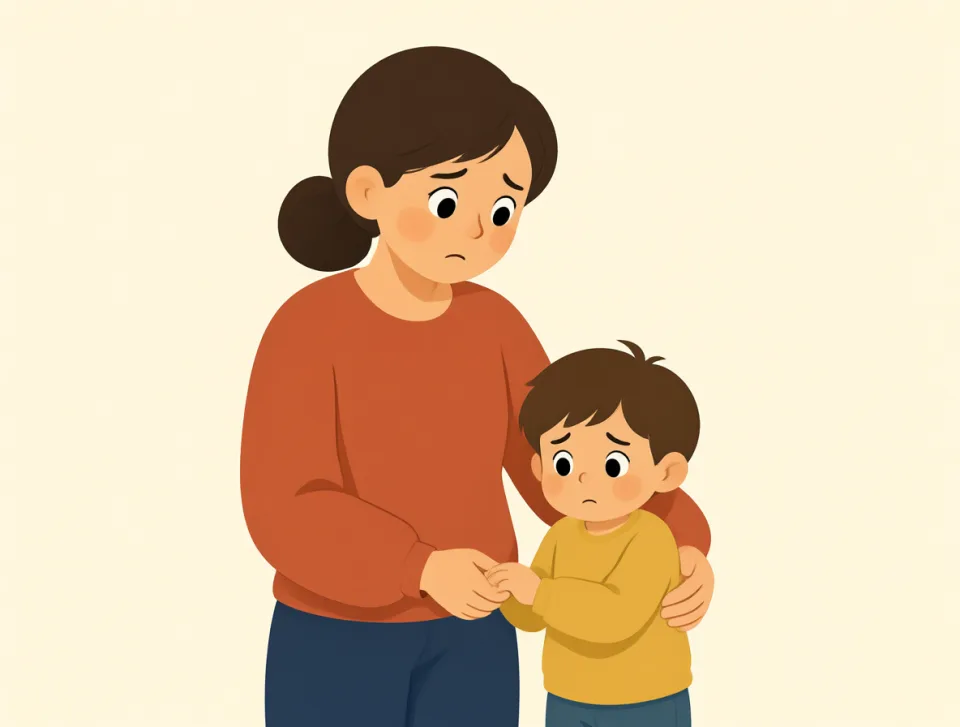
concern
#303noun, verb
উদ্বেগ; উদ্বিগ্ন করা
a worry or problem, or to make someone feel worried
কোনো দুশ্চিন্তা বা সমস্যা, অথবা কাউকে উদ্বিগ্ন করে তোলা।
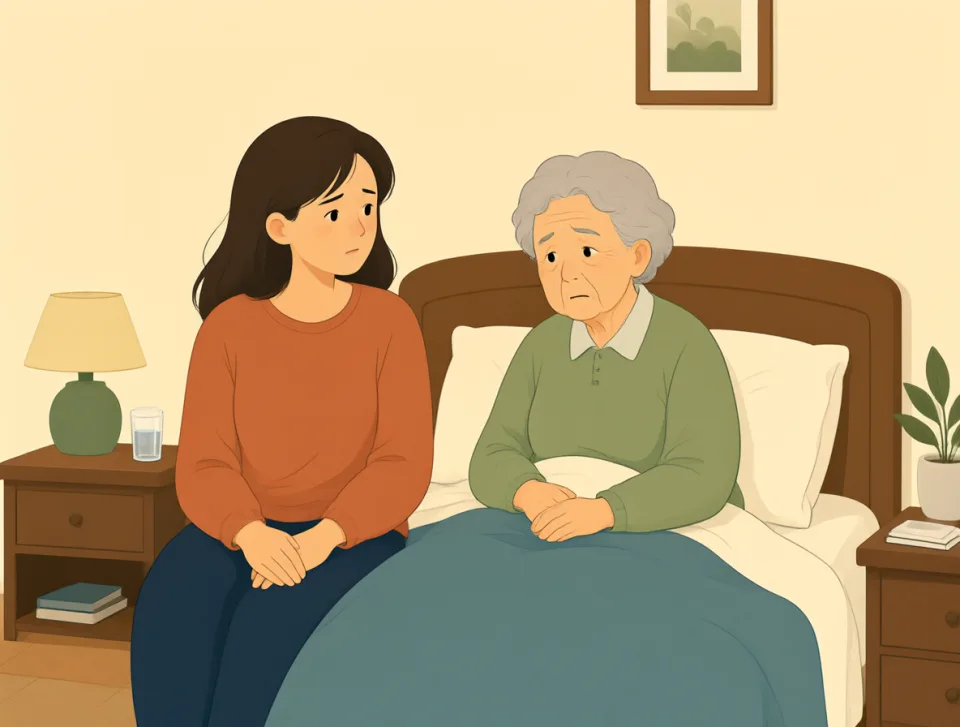
Her main concern is her sick mother.
তার প্রধান দুশ্চিন্তা হলো তার অসুস্থ মা।

The teacher listened to our concerns.
শিক্ষক আমাদের উদ্বেগের কথা শুনলেন।

Please contact us if you have any concerns.
আপনার কোনো উদ্বেগ থাকলে অনুগ্রহ করে আমাদের সঙ্গে যোগাযোগ করুন।

His sudden cough concerned his doctor.
তার হঠাৎ কাশি তার ডাক্তারকে উদ্বিগ্ন করেছিল।

We are concerned about the late train.
দেরিতে আসা ট্রেনটি নিয়ে আমরা উদ্বিগ্ন।

product
#304noun
পণ্য
Something made or grown to be sold or used.
বিক্রি বা ব্যবহারের জন্য তৈরি বা উৎপাদিত কোনো জিনিস।

This product is made from natural ingredients.
এই পণ্যটি প্রাকৃতিক উপাদান দিয়ে তৈরি।

The store sells products for babies.
দোকানটি শিশুদের জন্য পণ্য বিক্রি করে।
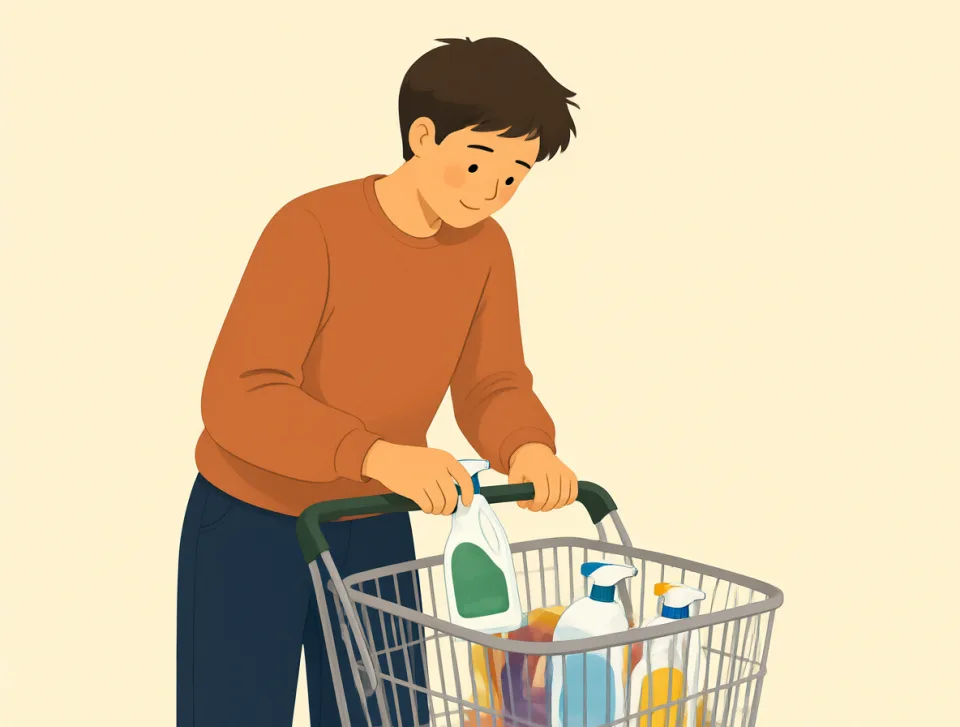
I bought a new cleaning product yesterday.
আমি গতকাল একটি নতুন পরিষ্কারক পণ্য কিনেছি।

Our team is developing a new product.
আমাদের দল একটি নতুন পণ্য তৈরি করছে।

This farm produces fresh dairy products.
এই খামারে টাটকা দুগ্ধজাত পণ্য উৎপাদন করা হয়।
lose
#305verb
হারানো
to no longer have something because it is gone, taken, or forgotten
কোনো জিনিস চলে যাওয়া, অন্য কেউ নিয়ে যাওয়া বা ভুলে যাওয়ার কারণে আর সেটি নিজের কাছে না থাকা।
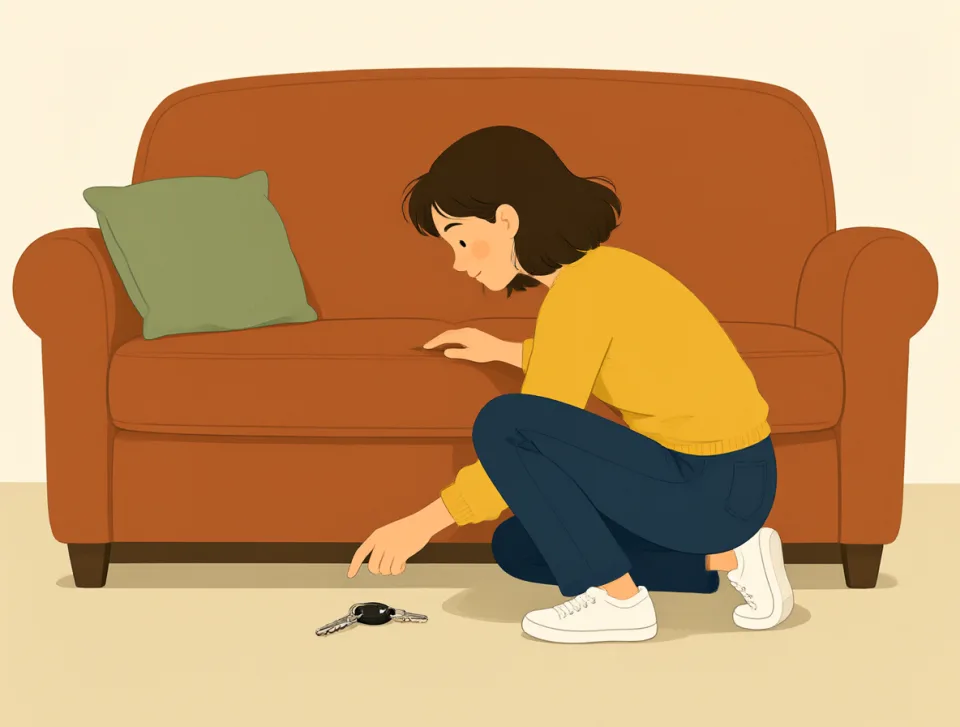
I often lose my keys at home.
আমি প্রায়ই বাড়িতে আমার চাবি হারিয়ে ফেলি।
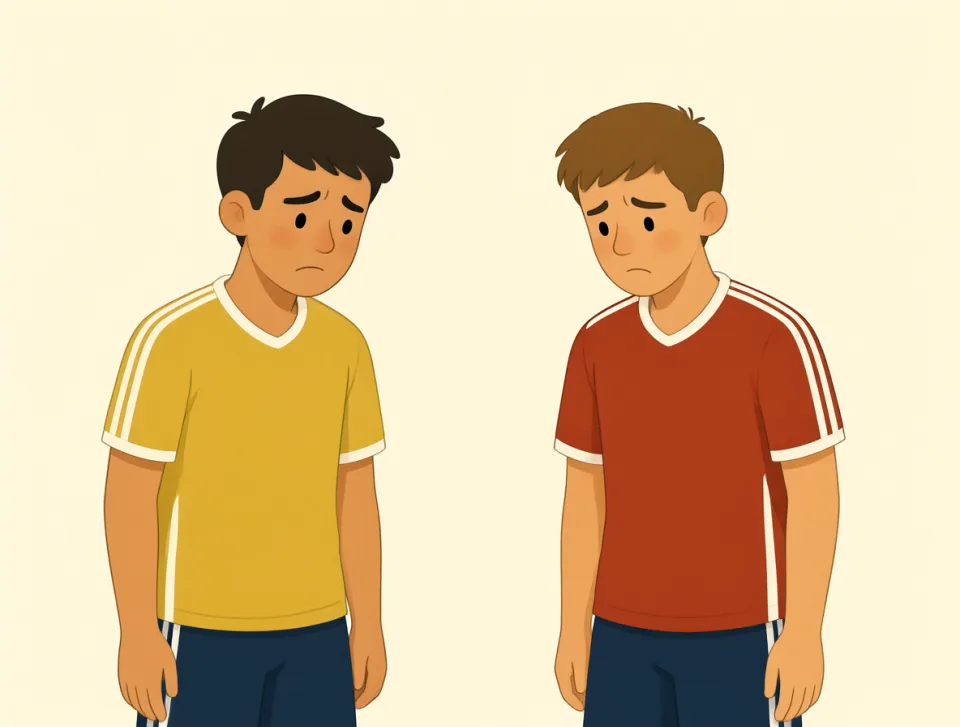
Our team lost the game yesterday.
গতকাল আমাদের দল খেলায় হেরেছে।

She lost her wallet on the bus.
সে বাসে তার মানিব্যাগ হারিয়েছে।
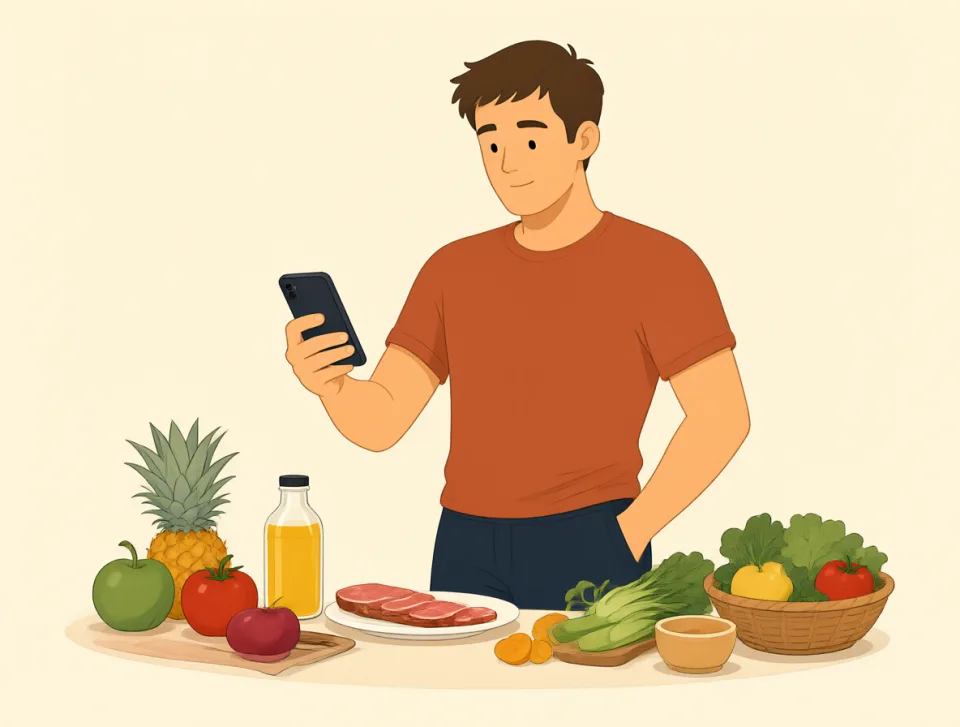
He is losing weight with healthy food.
স্বাস্থ্যকর খাবার খেয়ে তার ওজন কমছে।

Do not lose your ticket at the airport.
বিমানবন্দরে তোমার টিকিট হারিয়ো না।

story
#306noun
গল্প
A description of events, real or imagined, told to entertain or inform people.
ঘটনার এমন বর্ণনা, যা বাস্তব বা কাল্পনিক হতে পারে এবং মানুষকে আনন্দ দিতে বা তথ্য জানাতে বলা হয়।
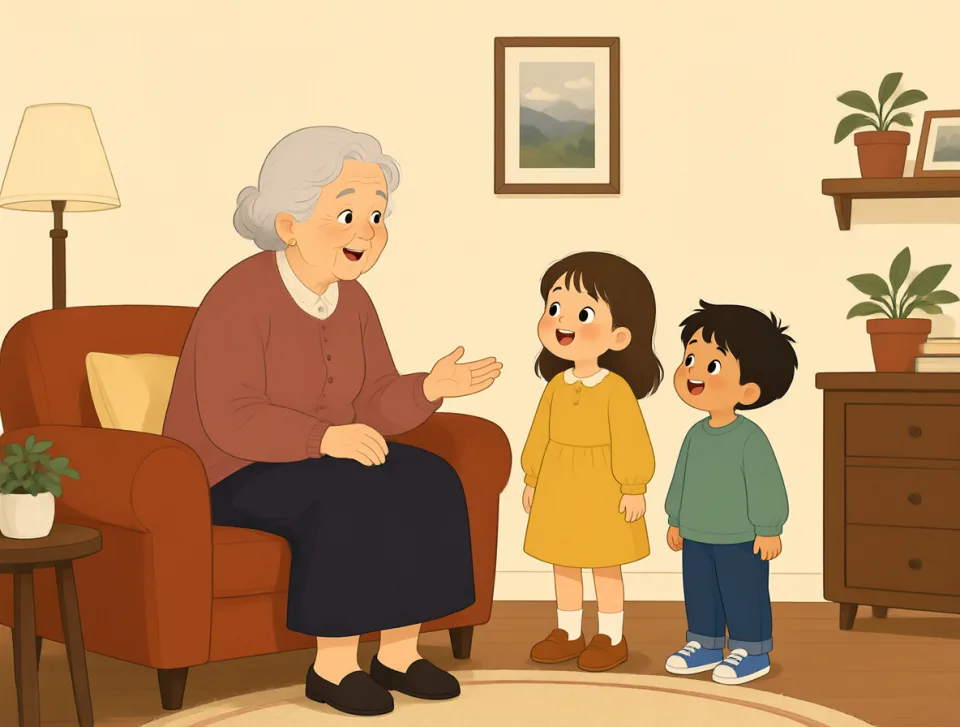
Grandma told us a funny story.
দাদি আমাদের একটি মজার গল্প বলেছিলেন।

I read a story before bed.
ঘুমাতে যাওয়ার আগে আমি একটি গল্প পড়ি।

The teacher asked for a short story.
শিক্ষক একটি ছোট গল্প লিখতে বলেছিলেন।

He shared his travel story with friends.
সে বন্ধুদের সঙ্গে তার ভ্রমণের গল্প ভাগ করে নিল।
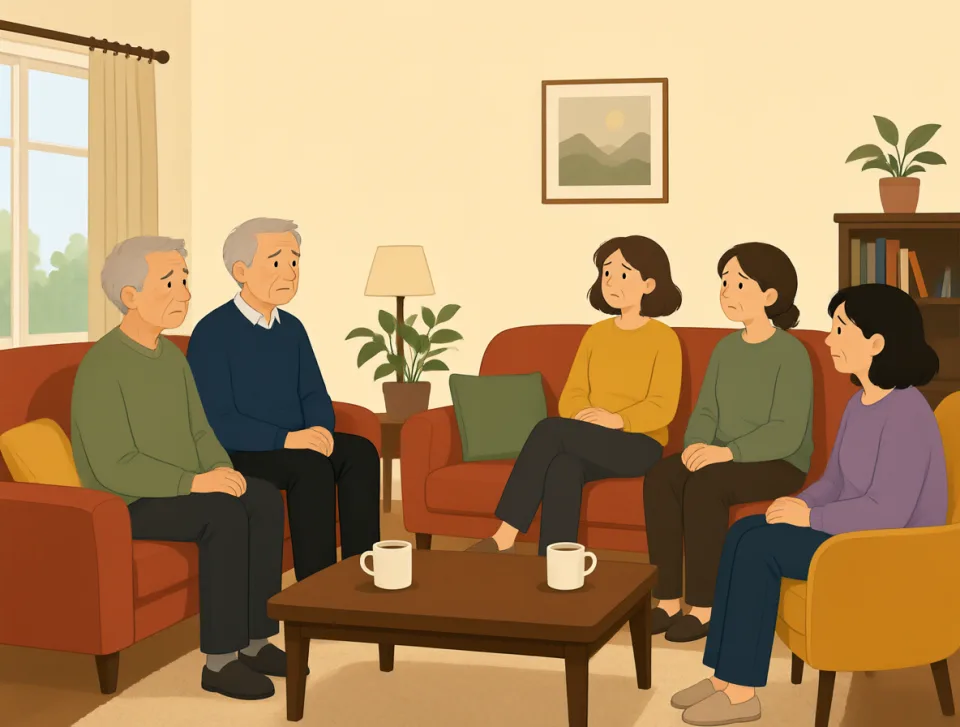
The news story made everyone worried.
সংবাদটির গল্প সবাইকে উদ্বিগ্ন করে তুলেছিল।
almost
#307adverb
প্রায়
Nearly, but not completely or quite.
প্রায় সম্পূর্ণ, কিন্তু পুরোপুরি বা একেবারে নয়।
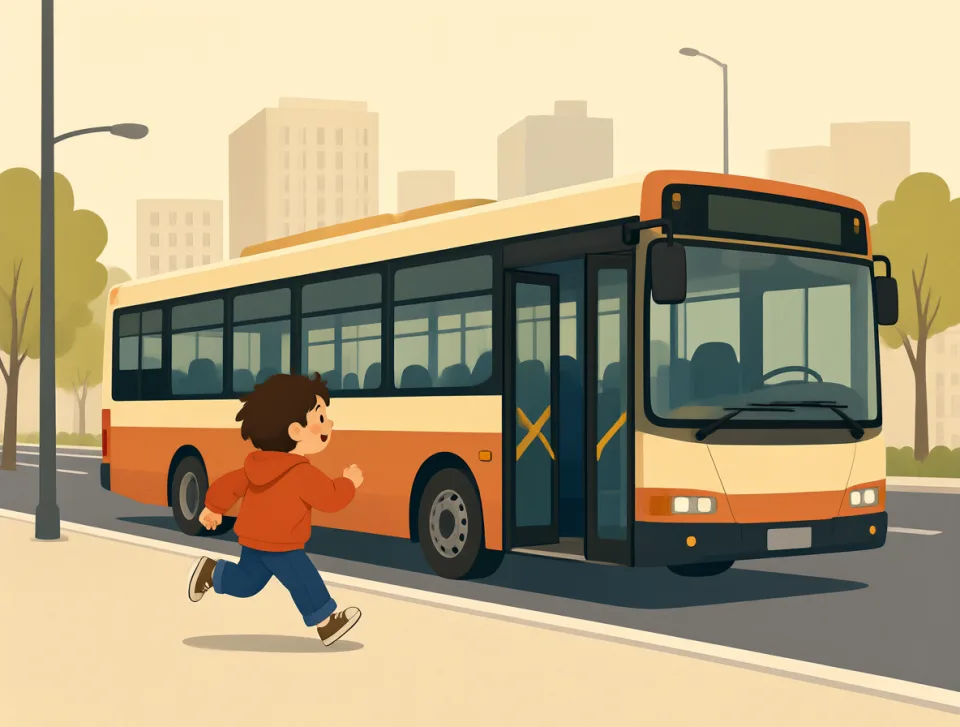
I almost missed the bus this morning.
আজ সকালে আমি বাসটি প্রায় মিস করেই ফেলেছিলাম।

She is almost ready to leave.
সে চলে যাওয়ার জন্য প্রায় প্রস্তুত।

We almost finished the project at work.
কাজে আমরা প্রকল্পটি প্রায় শেষ করে ফেলেছিলাম।
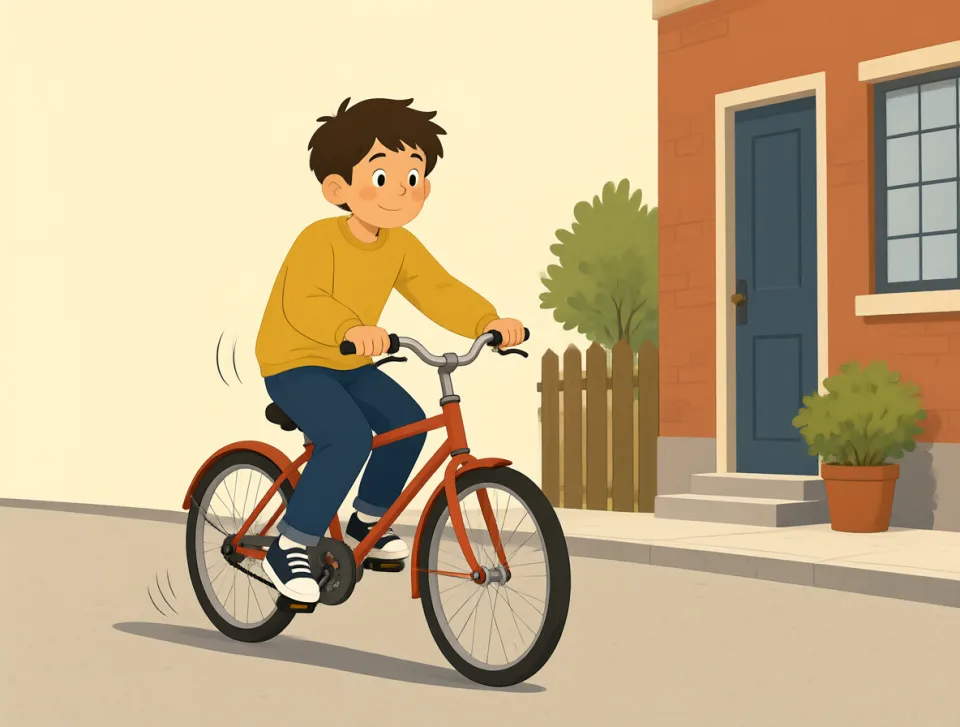
He almost fell while riding his bike.
সাইকেল চালানোর সময় সে প্রায় পড়েই যাচ্ছিল।

The soup is almost hot enough to eat.
স্যুপটি খাওয়ার মতো গরম হওয়ার প্রায় কাছাকাছি।

continue
#308verb
চালিয়ে যাওয়া
to keep doing something or keep happening without stopping
কোনো কাজ থামা ছাড়াই করে যেতে থাকা বা কোনো ঘটনা অব্যাহত থাকা।

Please continue your work after lunch.
দুপুরের খাবারের পর অনুগ্রহ করে তোমার কাজ চালিয়ে যাও।
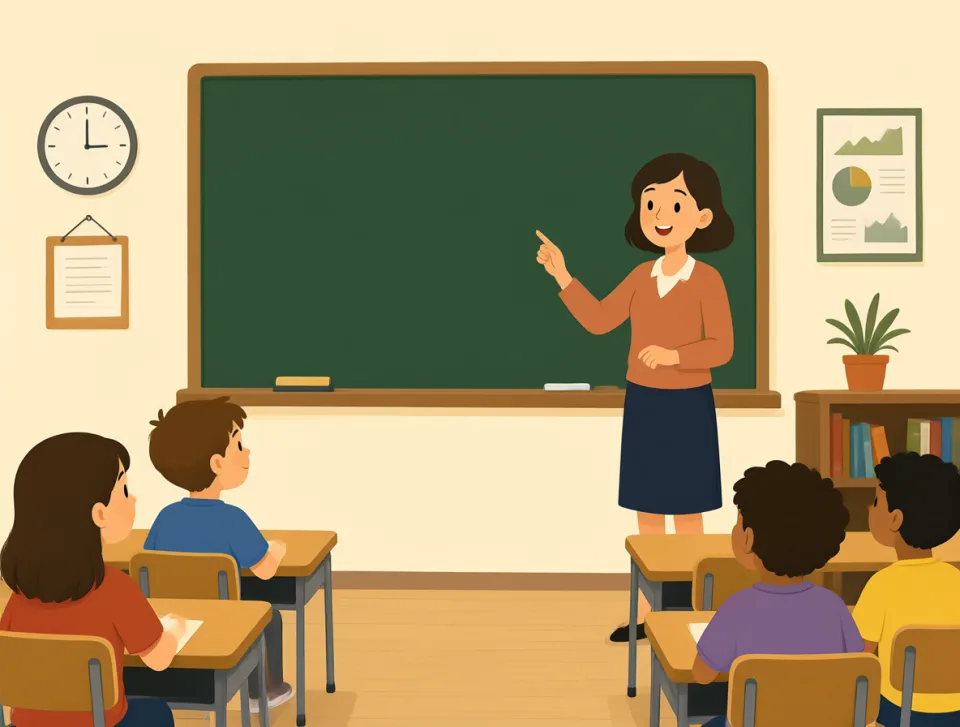
The teacher continued the lesson after the break.
বিরতির পর শিক্ষক পাঠ চালিয়ে গেলেন।

We continued walking through the park.
আমরা পার্কের মধ্য দিয়ে হাঁটা চালিয়ে গেলাম।

The rain continued all night.
সারা রাত বৃষ্টি চলতে থাকল।

She continued to feel tired after resting.
বিশ্রাম নেওয়ার পরও সে ক্লান্ত বোধ করতে থাকল।
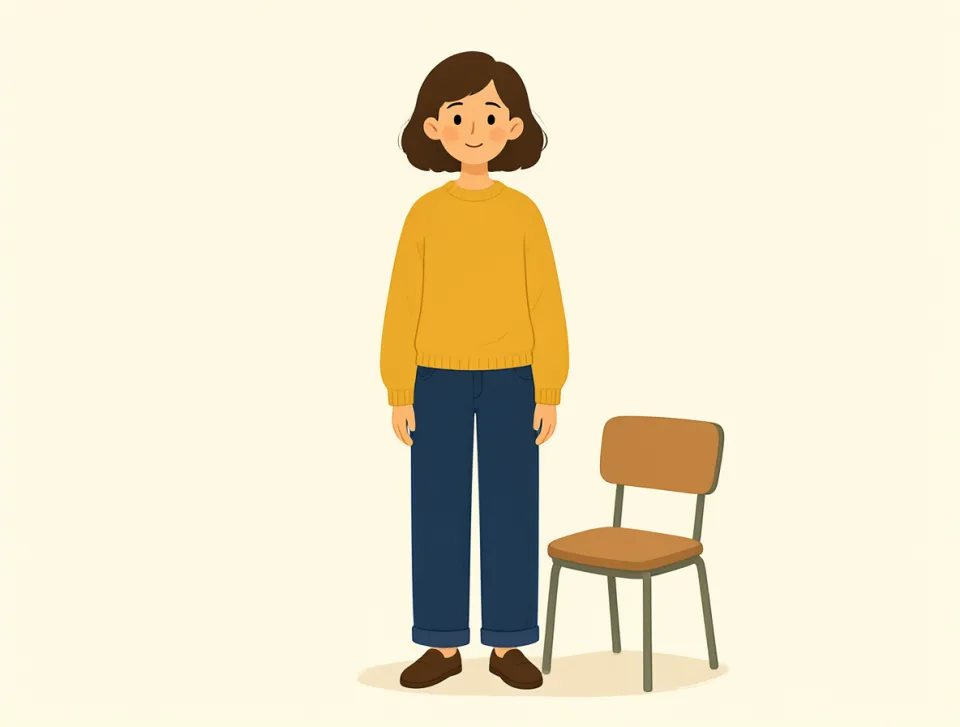
stand
#309verb, noun
দাঁড়ানো; সহ্য করা
to be upright on your feet, or to support someone or something
পায়ের ওপর সোজা হয়ে থাকা, অথবা কাউকে বা কোনো কিছুকে ধরে রাখা; আবার কোনো কিছু সহ্য করাও বোঝাতে পারে।
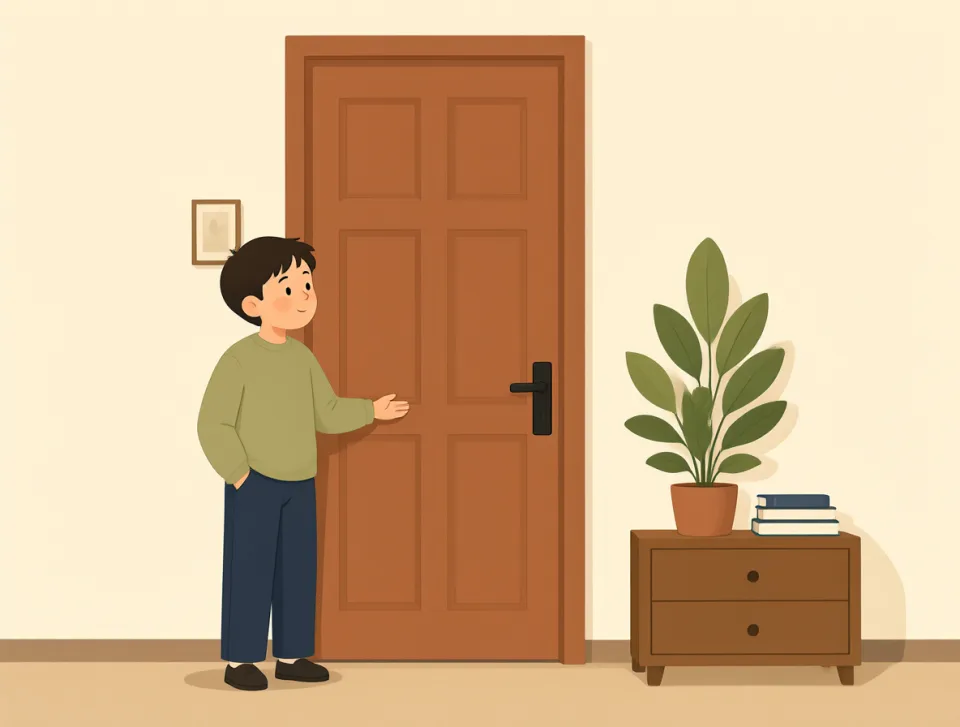
Please stand near the door.
অনুগ্রহ করে দরজার কাছে দাঁড়ান।
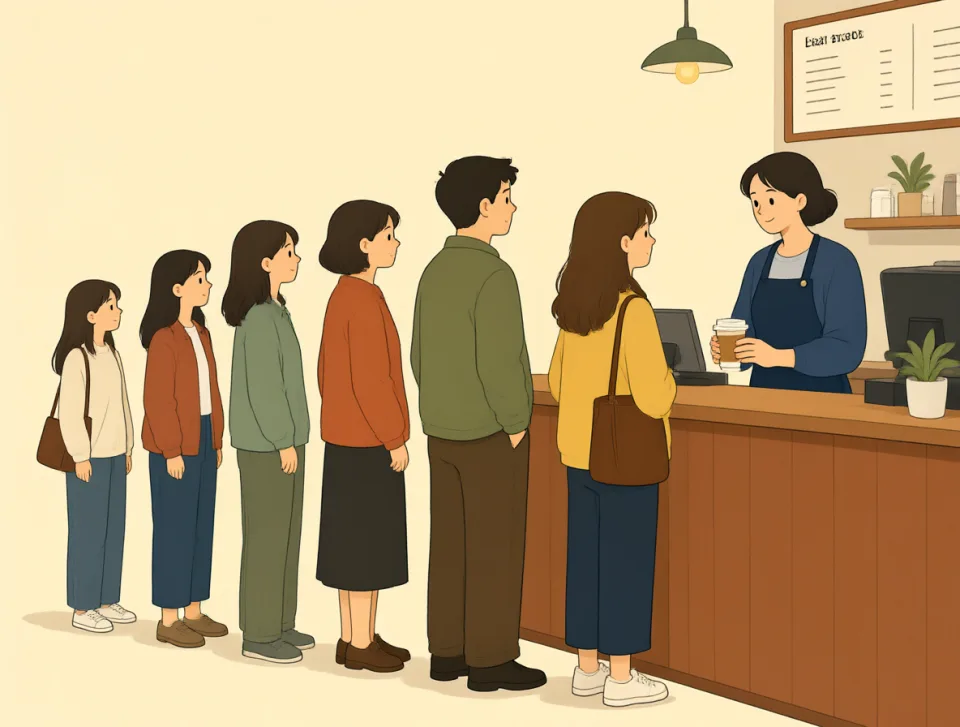
We stood in line for coffee.
আমরা কফির জন্য লাইনে দাঁড়িয়ে ছিলাম।

The children stand at their desks.
শিশুরা তাদের ডেস্কের পাশে দাঁড়ায়।

She bought a phone stand.
সে একটি ফোন রাখার স্ট্যান্ড কিনেছে।
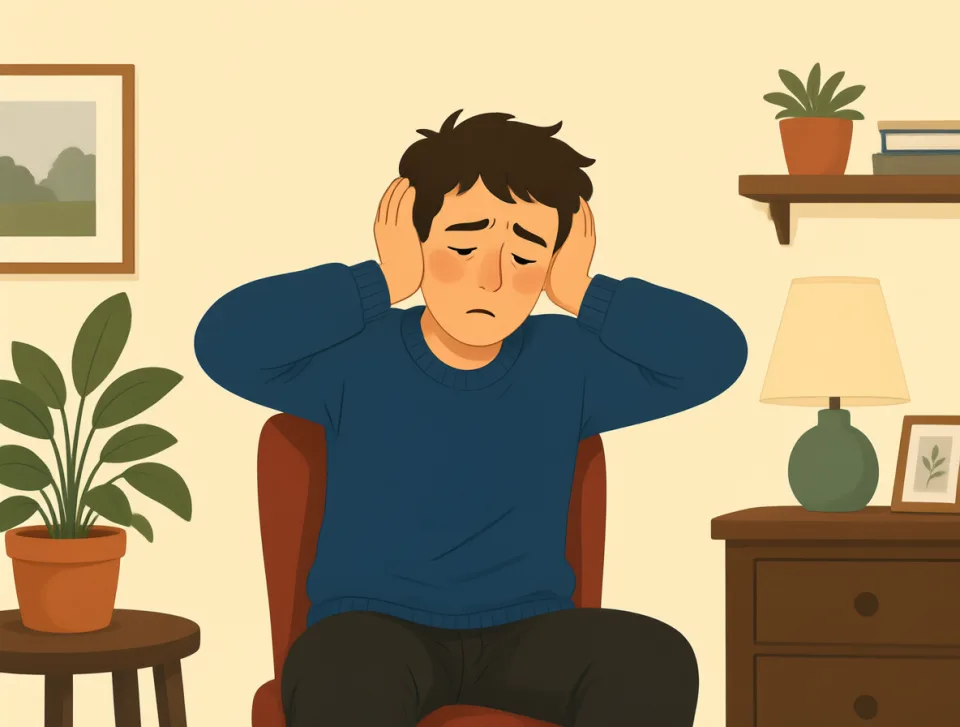
He cannot stand the loud noise.
সে জোরে শব্দ সহ্য করতে পারে না।
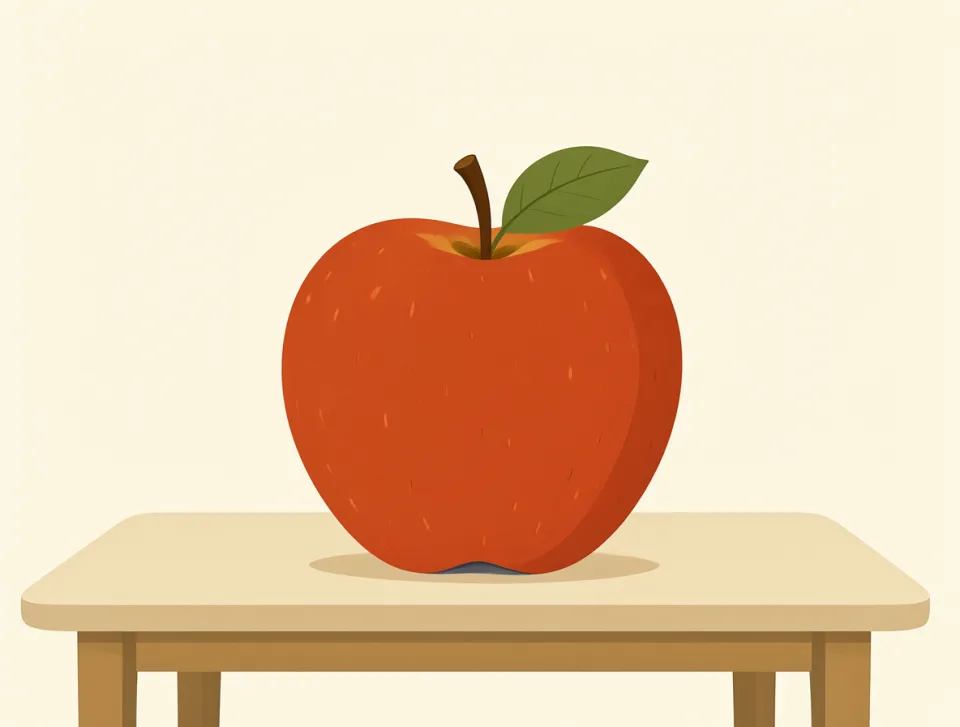
whole
#310adjective, noun, determiner, adverb
পুরো; সমগ্র
Complete, with all parts together; or all of something.
সব অংশ একসঙ্গে নিয়ে সম্পূর্ণ; অথবা কোনো কিছুর সম্পূর্ণ পরিমাণ।

I ate the whole sandwich for lunch.
দুপুরের খাবারে আমি পুরো স্যান্ডউইচটি খেয়ে ফেলেছিলাম।

The whole family watched a movie together.
পুরো পরিবার একসঙ্গে একটি সিনেমা দেখেছিল।

She spent the whole day at school.
সে পুরো দিন স্কুলে কাটিয়েছে।

We waited a whole hour for the bus.
বাসের জন্য আমরা পুরো এক ঘণ্টা অপেক্ষা করেছিলাম।
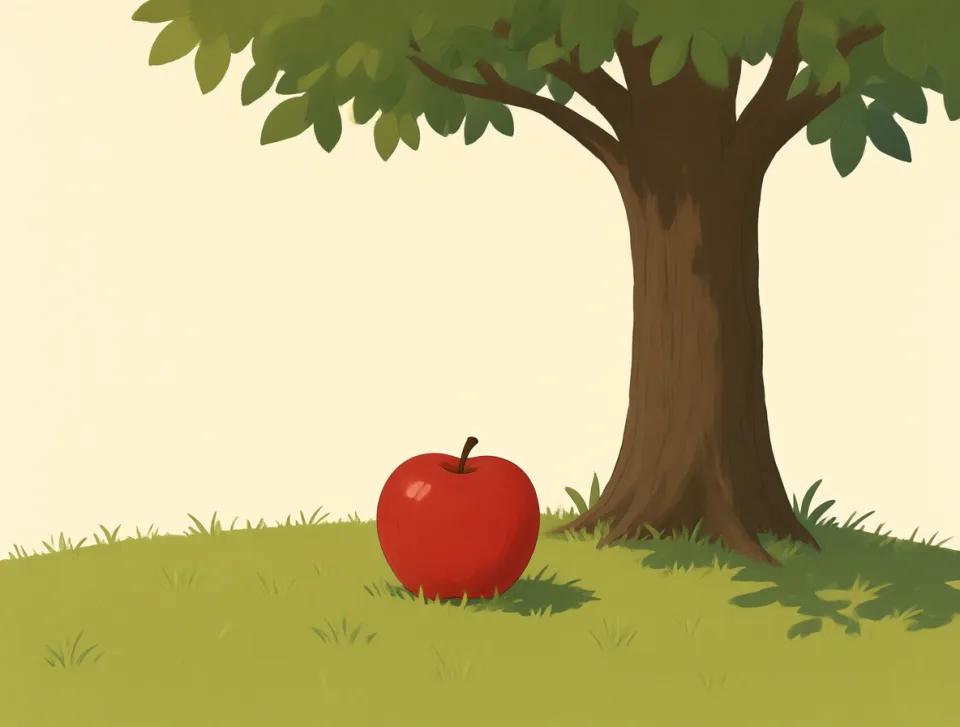
The whole apple fell from the tree.
পুরো আপেলটি গাছ থেকে পড়ে গেল।

yet
#311adverb, conjunction
এখনো
Used to say something has not happened until now or to add a surprising contrast.
এখন পর্যন্ত কিছু ঘটেনি বোঝাতে বা কোনো অপ্রত্যাশিত বৈপরীত্য যোগ করতে ব্যবহৃত হয়।
I haven't finished my homework yet.
আমি এখনো বাড়ির কাজ শেষ করিনি।

Have you eaten lunch yet?
তুমি কি এখনো দুপুরের খাবার খাওনি?

She is not ready yet.
সে এখনো প্রস্তুত নয়।

It is cold, yet the sun is shining.
ঠান্ডা, তবু রোদ উঠেছে।

He has not called yet.
সে এখনো ফোন করেনি।

rate
#312noun, verb
হার; মূল্যায়ন করা
A level, price, or amount compared with another; to judge something or give it a score.
অন্য কিছুর তুলনায় কোনো স্তর, দাম বা পরিমাণ; কোনো কিছুর বিচার করা বা নম্বর দেওয়া।

The hotel has a high room rate.
হোটেলটির ঘরভাড়া অনেক বেশি।

The doctor rated my pain as mild.
ডাক্তার আমার ব্যথাকে মৃদু বলে মূল্যায়ন করেছেন।

This restaurant rates among the best nearby.
আশপাশের সেরা রেস্তোরাঁগুলোর মধ্যে এই রেস্তোরাঁটি অন্যতম।

She rated the book five stars.
সে বইটিকে পাঁচ তারকা দিয়েছে।
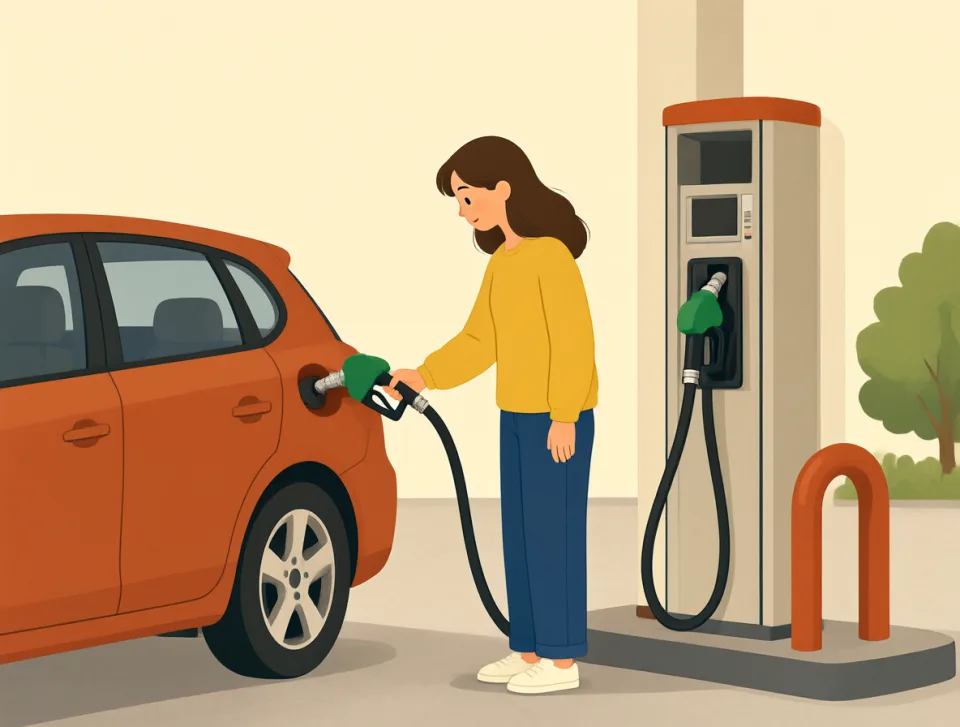
The car gets a good fuel rate.
গাড়িটির জ্বালানি সাশ্রয়ের হার ভালো।

care
#313noun, verb
যত্ন করা
To feel concern for someone or something, or to look after them.
কারও বা কোনো কিছুর জন্য উদ্বিগ্ন বা মমতাশীল হওয়া, অথবা তার দেখাশোনা করা।

I care about my family very much.
আমি আমার পরিবারকে খুব ভালোবাসি।
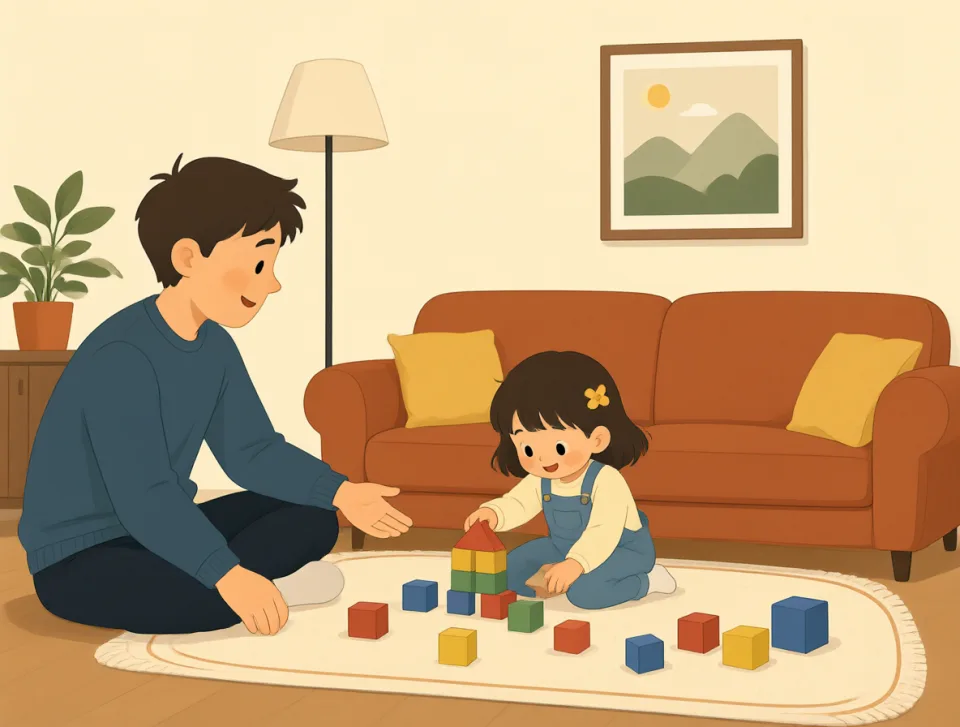
Please take care of your little sister.
দয়া করে তোমার ছোট বোনের যত্ন নিও।

She does not care what people think.
মানুষ কী ভাবছে, তা নিয়ে সে মাথা ঘামায় না।

The nurse cared for the patient all night.
নার্স সারা রাত রোগীর দেখাশোনা করেছেন।

Take care when you cross the busy street.
ব্যস্ত রাস্তাটি পার হওয়ার সময় সাবধানে থেকো।

expect
#314verb
আশা করা
To think something will happen or believe someone will do something.
কিছু ঘটবে বলে মনে করা বা কেউ কিছু করবে বলে বিশ্বাস করা।
I expect a package tomorrow.
আমি আশা করছি আগামীকাল একটি পার্সেল আসবে।
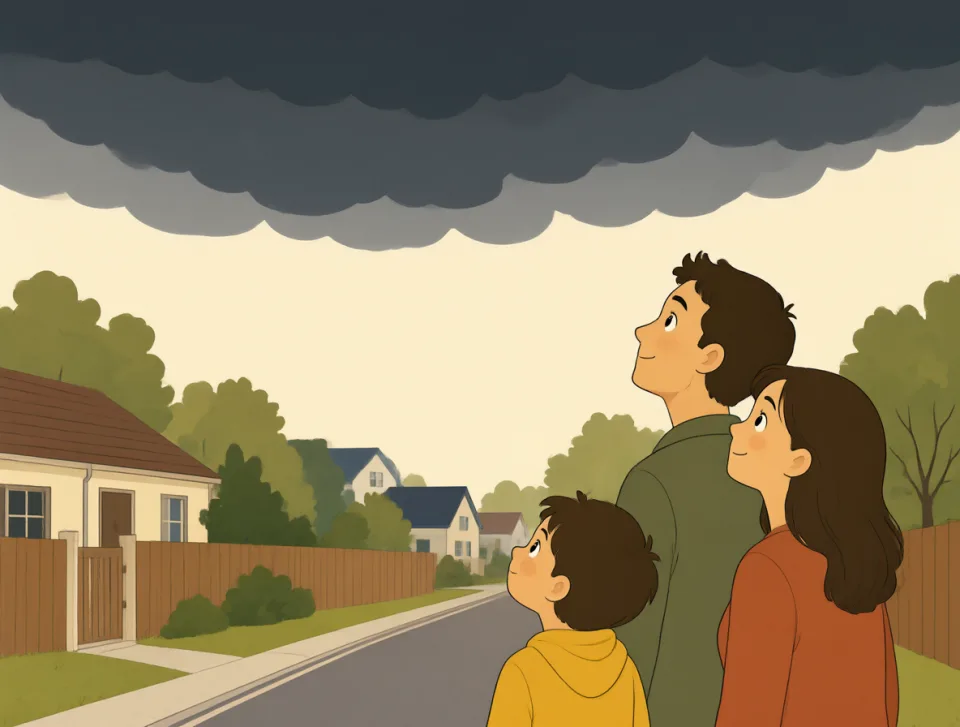
We expect rain this afternoon.
আমরা আশা করছি আজ বিকেলে বৃষ্টি হবে।

The teacher expects us to finish today.
শিক্ষক আশা করেন, আমরা আজই শেষ করব।

They expect the train to arrive soon.
তারা আশা করছে, ট্রেনটি শিগগিরই পৌঁছাবে।

The doctor expects you to feel better soon.
ডাক্তার আশা করছেন, আপনি শিগগিরই ভালো বোধ করবেন।
effect
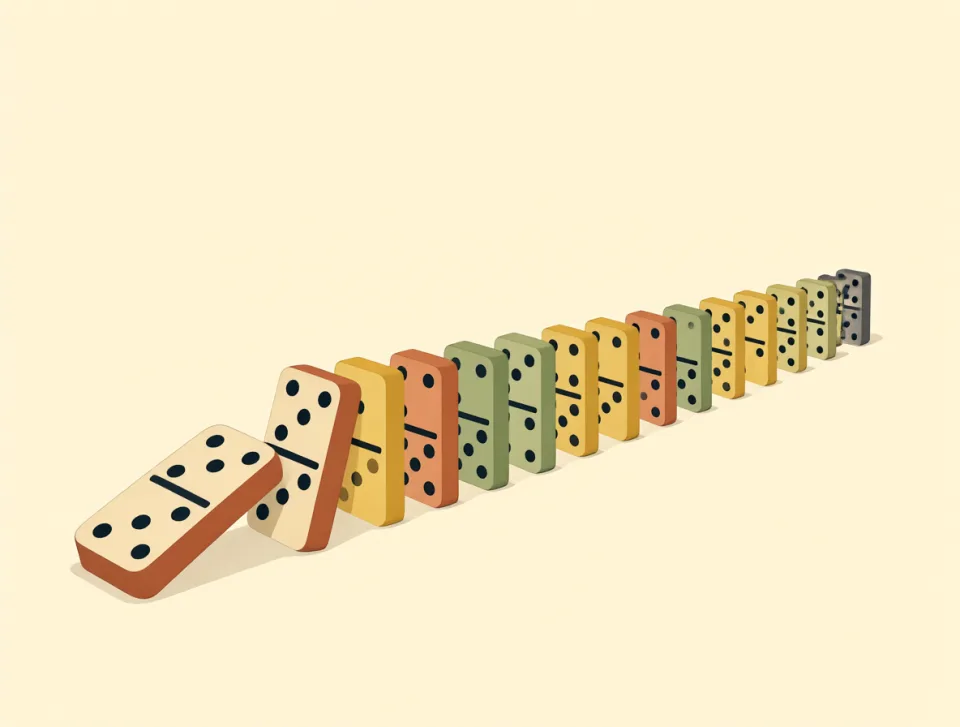
#315noun, verb
প্রভাব
A change caused by something, or to make a change happen.
কোনো কিছুর কারণে সৃষ্ট পরিবর্তন, অথবা কোনো পরিবর্তন ঘটানো।

The medicine had a good effect on her.
ওষুধটি তার ওপর ভালো প্রভাব ফেলেছিল।

The loud noise affected my sleep.
জোরে শব্দটি আমার ঘুমে ব্যাঘাত ঘটিয়েছিল।

Sunlight has a strong effect on plants.
সূর্যের আলো গাছপালার ওপর প্রবল প্রভাব ফেলে।

The new rule will affect all students.
নতুন নিয়মটি সব শিক্ষার্থীর ওপর প্রভাব ফেলবে।

The cold weather affected our travel plans.
ঠান্ডা আবহাওয়া আমাদের ভ্রমণের পরিকল্পনায় প্রভাব ফেলেছিল।
sort
#316noun, verb
ধরন
A type of something; to put things into groups.
কোনো কিছুর একটি ধরন; জিনিসপত্রকে বিভিন্ন দলে ভাগ করা।

What sort of music do you like?
তুমি কী ধরনের গান পছন্দ করো?

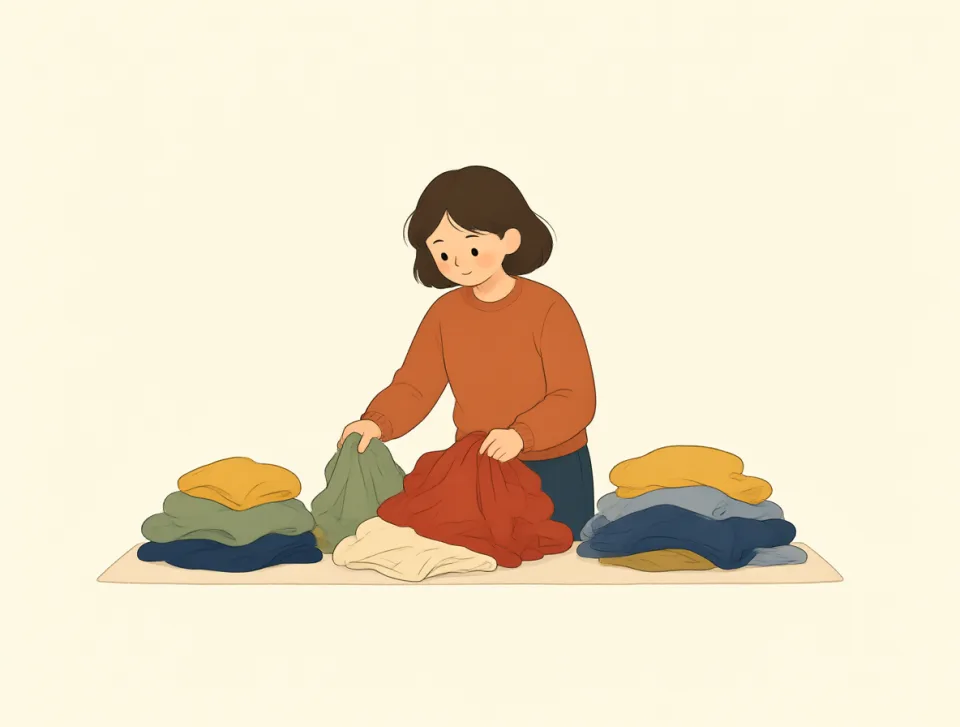
Please sort these clothes by color.
দয়া করে এই কাপড়গুলো রং অনুযায়ী সাজিয়ে দাও।

We sorted the books by size.
আমরা বইগুলো আকার অনুযায়ী সাজিয়েছিলাম।
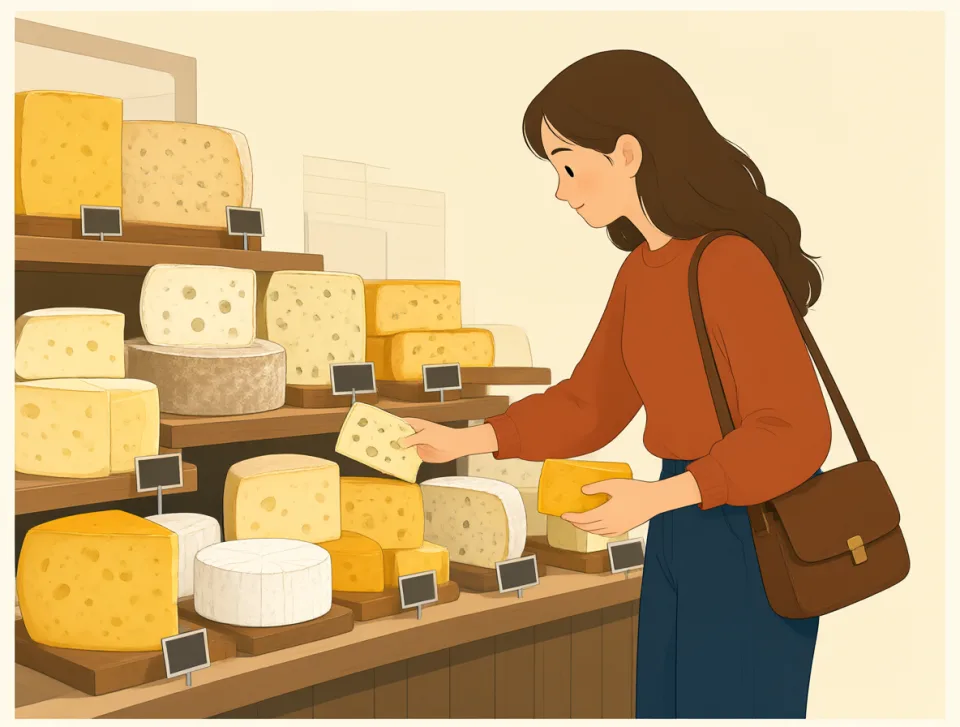
She bought several sorts of cheese.
সে কয়েক ধরনের পনির কিনেছিল।

I need to sort out my travel plans.
আমার ভ্রমণের পরিকল্পনাগুলো গুছিয়ে নিতে হবে।

ever
#317adverb
কখনো
At any time, or at any time before now.
যেকোনো সময়, অথবা এখন পর্যন্ত কোনো এক সময়।
Have you ever visited another country?
তুমি কি কখনো অন্য কোনো দেশে গিয়েছ?

This is the best pizza I have ever eaten.
এটাই আমার খাওয়া সবচেয়ে ভালো পিজ্জা।

Do you ever walk to work?
তুমি কি কখনো হেঁটে কাজে যাও?

If you ever need help, call me.
তোমার কখনো সাহায্যের প্রয়োজন হলে আমাকে ফোন করো।

He hardly ever drinks coffee in the evening.
সে সন্ধ্যায় প্রায় কখনোই কফি পান করে না।

anything
#318pronoun, determiner
যেকোনো কিছু
A thing of any kind, or no particular thing.
যেকোনো ধরনের কোনো জিনিস, অথবা নির্দিষ্ট কোনো জিনিস নয়।
Would you like anything to eat?
তুমি কি খাওয়ার জন্য কিছু চাইবে?

I cannot find anything in this bag.
আমি এই ব্যাগে কিছুই খুঁজে পাচ্ছি না।

Did you buy anything at the market?
তুমি কি বাজার থেকে কিছু কিনেছিলে?
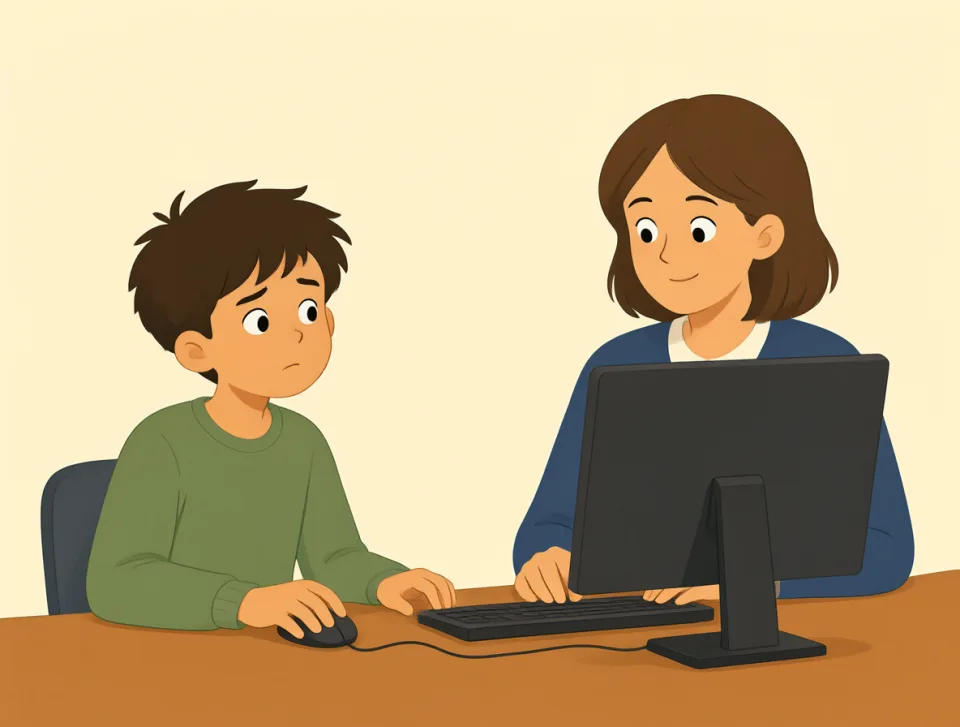
She knows anything about computers.
সে কম্পিউটার সম্পর্কে যেকোনো কিছু জানে।

Please call me if anything happens.
কিছু ঘটলে দয়া করে আমাকে ফোন করো।
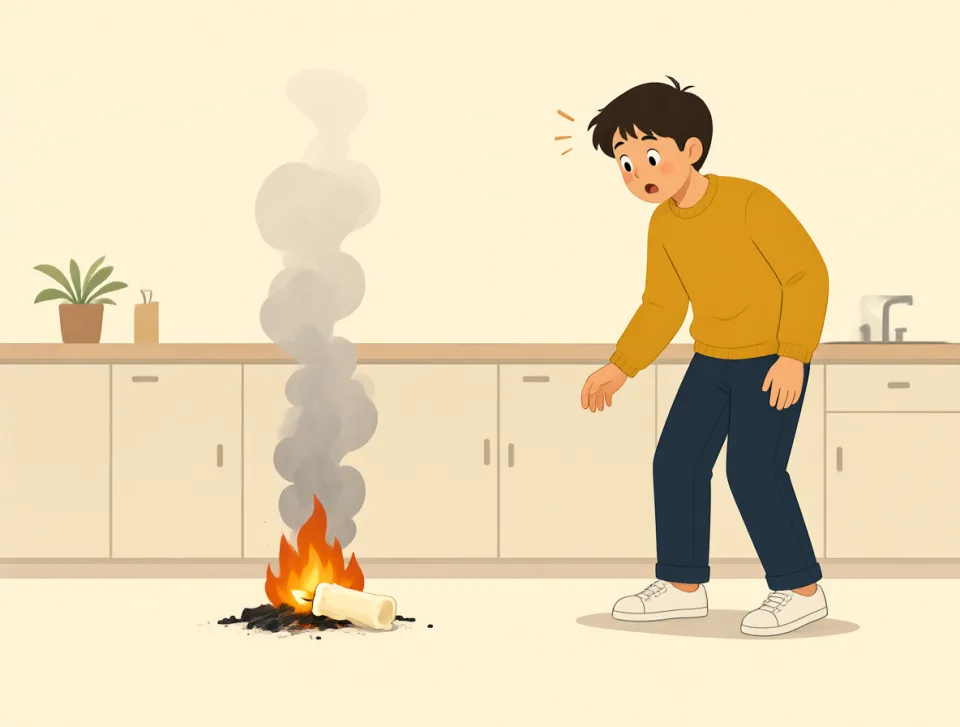
cause
#319noun, verb
কারণ; ঘটানো
A reason something happens; to make something happen.
কোনো ঘটনা ঘটার কারণ; কোনো কিছু ঘটানো।
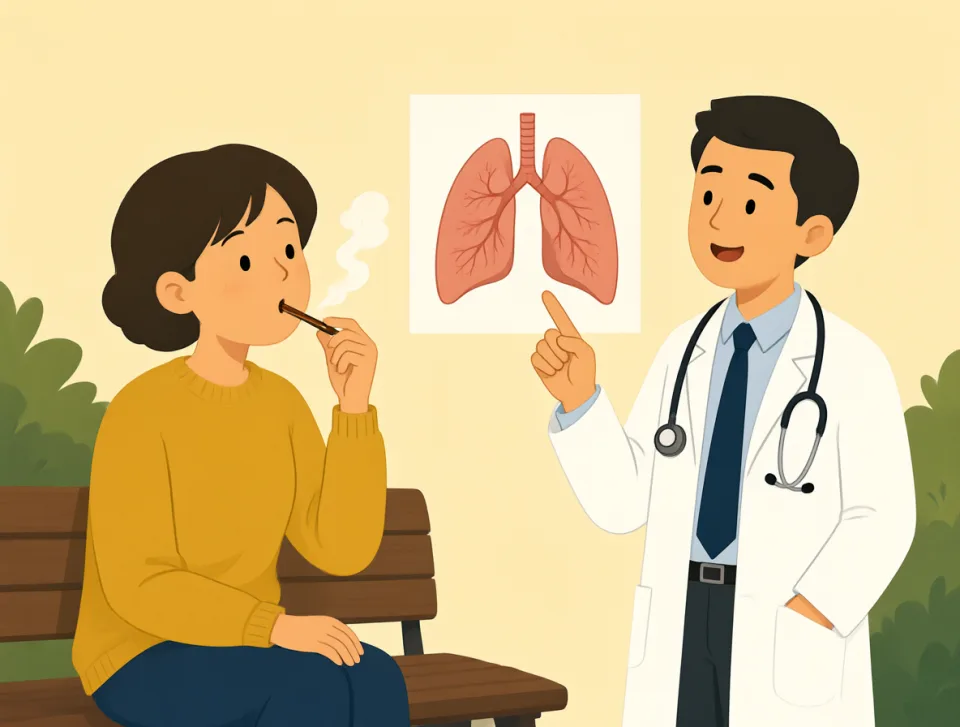
Smoking can cause serious health problems.
ধূমপান গুরুতর স্বাস্থ্যসমস্যার কারণ হতে পারে।
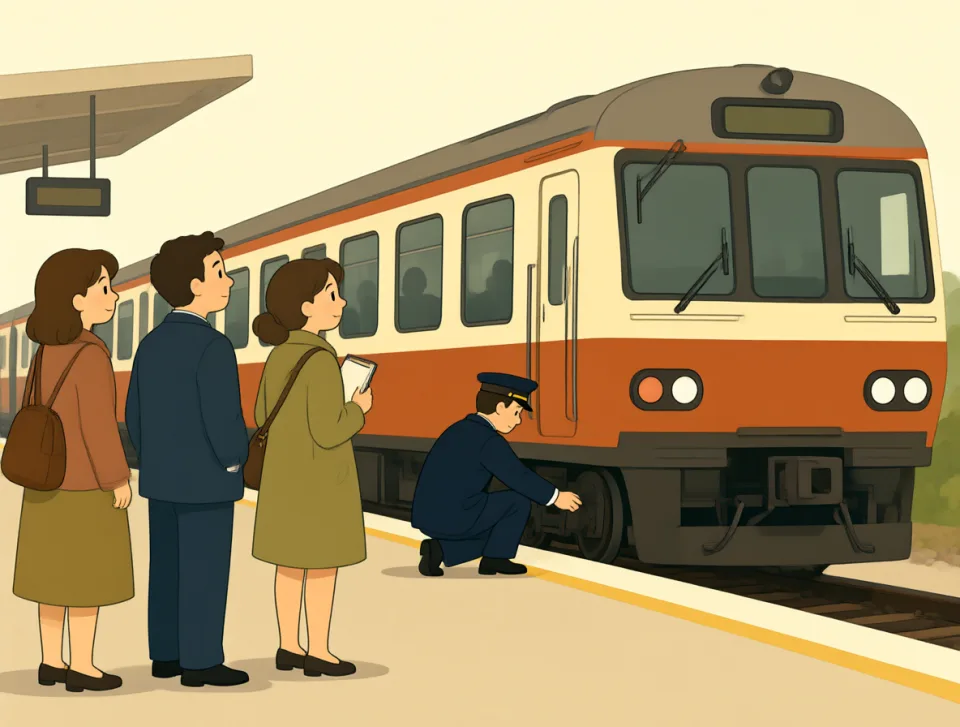
What caused the train delay this morning?
আজ সকালে ট্রেন দেরি হওয়ার কারণ কী ছিল?

The heavy rain caused a flood.
প্রবল বৃষ্টির কারণে বন্যা হয়েছিল।

A broken pipe caused water damage at home.
ভাঙা পাইপের কারণে বাড়িতে পানির ক্ষতি হয়েছিল।

The teacher explained the cause of the mistake.
শিক্ষক ভুলটির কারণ ব্যাখ্যা করেছিলেন।

fall
#320verb, noun
পড়ে যাওয়া; শরৎকাল
To move down suddenly, or the season between summer and winter.
হঠাৎ নিচের দিকে নেমে যাওয়া, অথবা গ্রীষ্ম ও শীতের মধ্যবর্তী ঋতু।
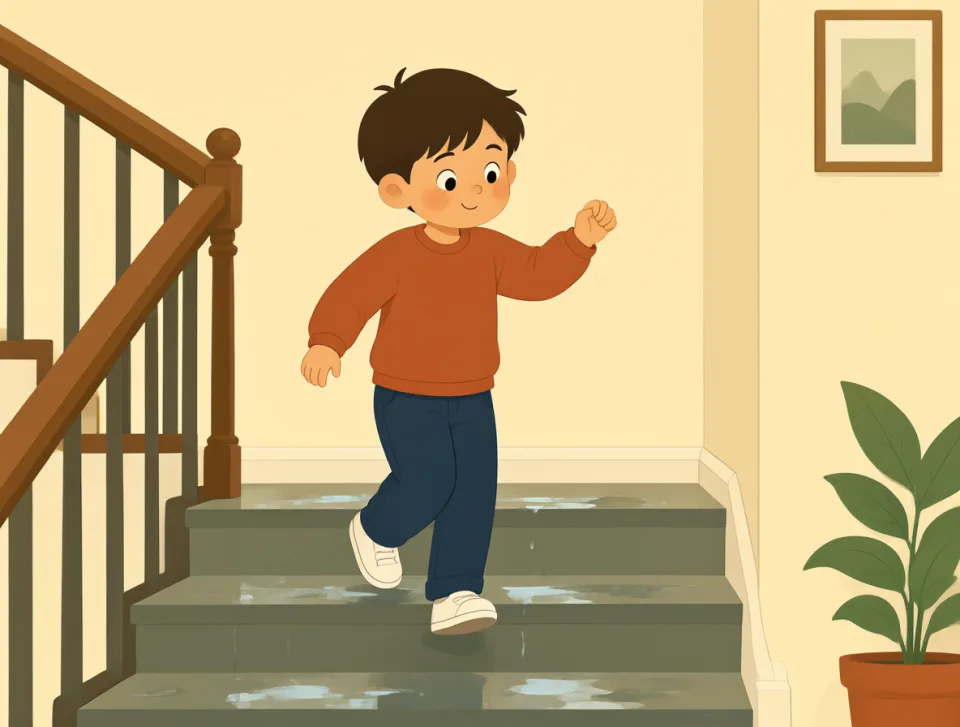
Be careful, or you may fall down.
সাবধানে থেকো, নইলে পড়ে যেতে পারো।

The leaves fall from the trees in autumn.
শরৎকালে গাছ থেকে পাতাগুলো ঝরে পড়ে।

I fell asleep on the sofa.
আমি সোফায় ঘুমিয়ে পড়েছিলাম।

She had a bad fall at work.
কাজের সময় সে একবার খারাপভাবে পড়ে গিয়েছিল।

We visited Canada last fall.
গত শরতে আমরা কানাডা ঘুরতে গিয়েছিলাম।