الوحدة 16
الكلمات من 301 إلى 320 · control, already, concern, product, lose, story
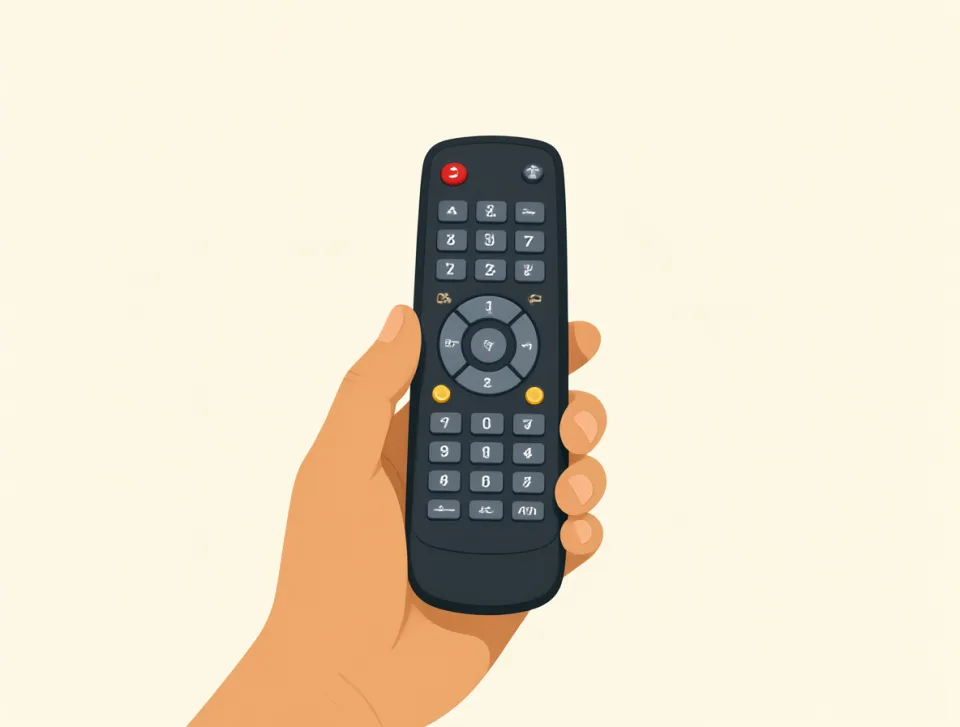
control
#301noun, verb
سيطرة
The power to direct people or manage what happens.
القدرة على توجيه الآخرين أو إدارة ما يحدث.
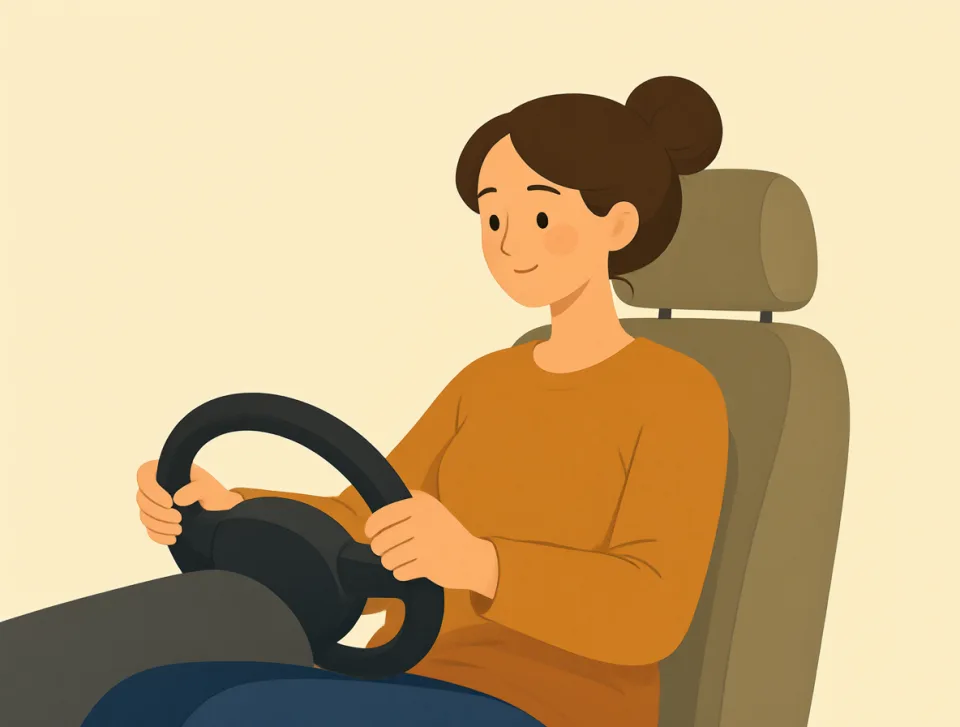
She is in control of the car.
هي تقود السيارة.
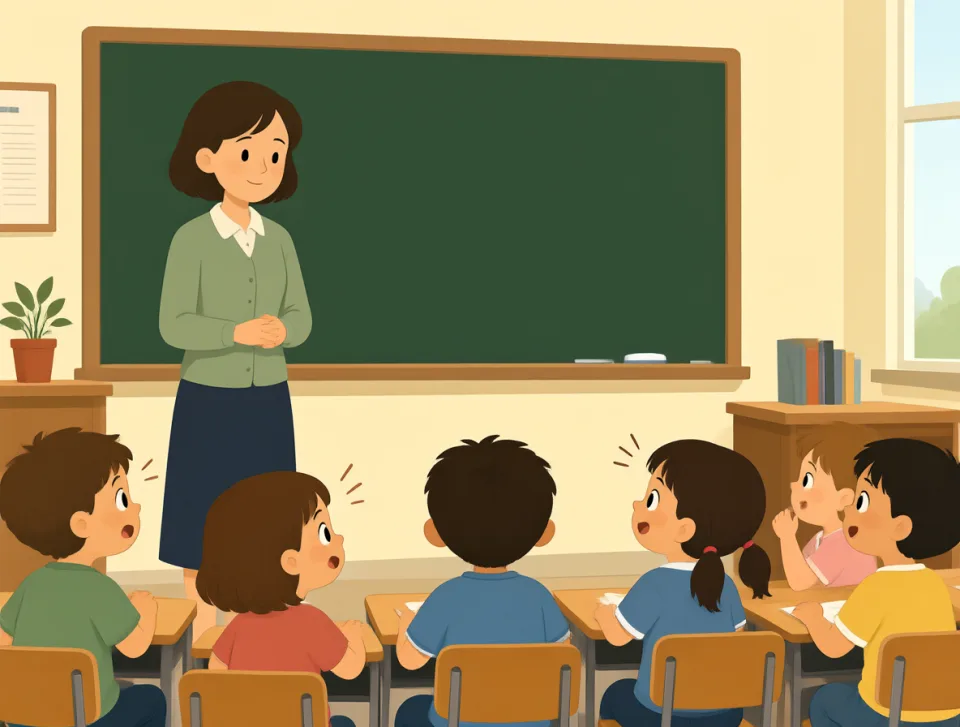
The teacher controls the noisy classroom.
يسيطر المعلم على الفصل الصاخب.
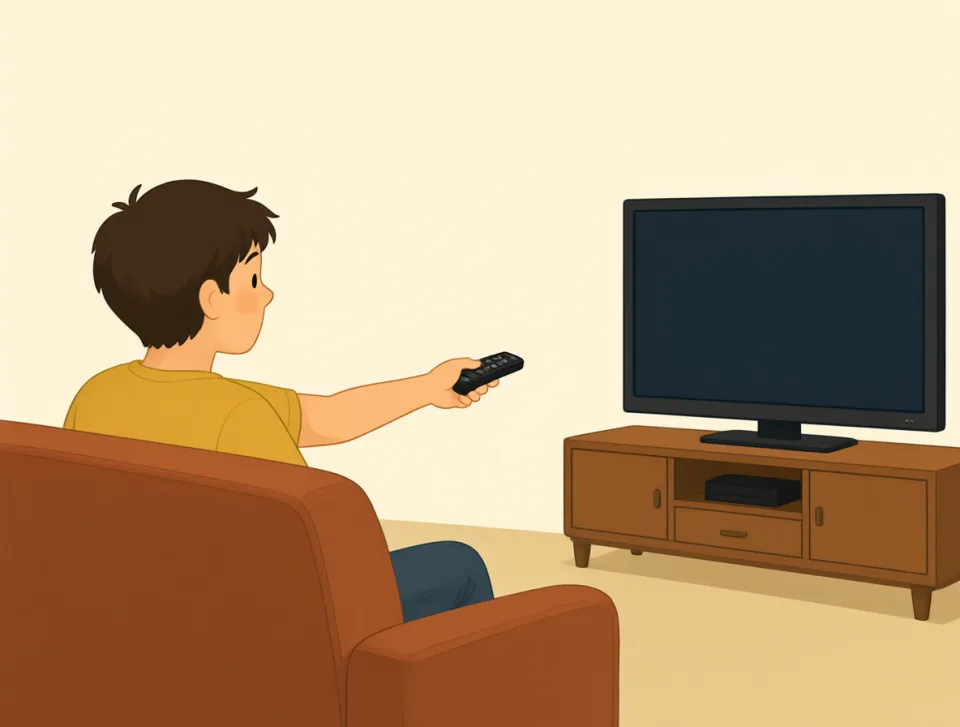
Use the remote control to change channels.
استخدم جهاز التحكم عن بُعد لتغيير القنوات.
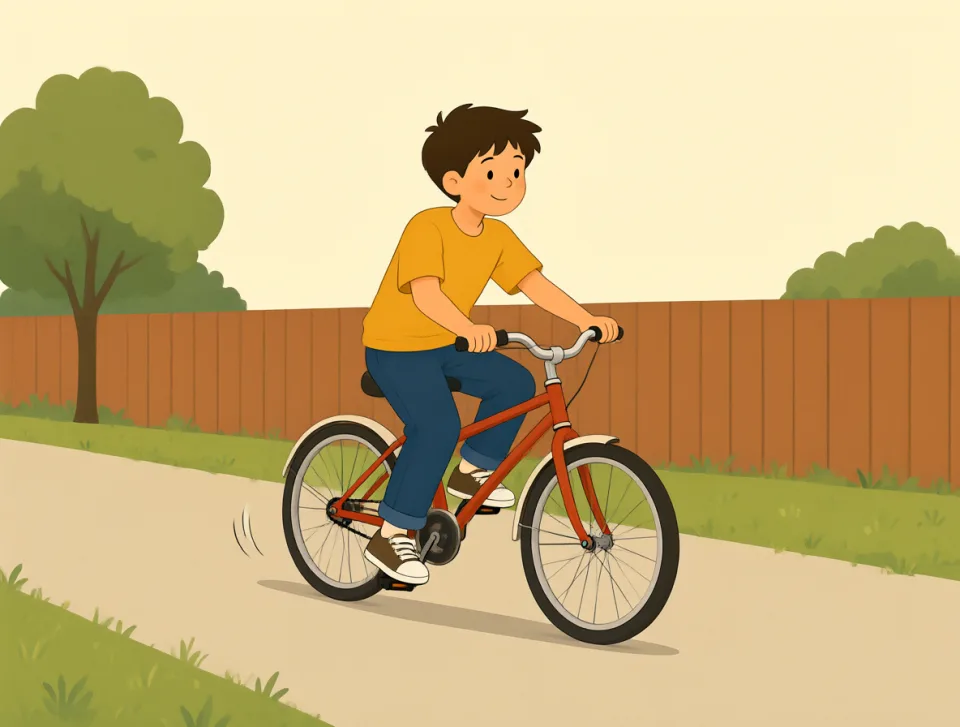
He lost control of his bike.
فقد السيطرة على دراجته.
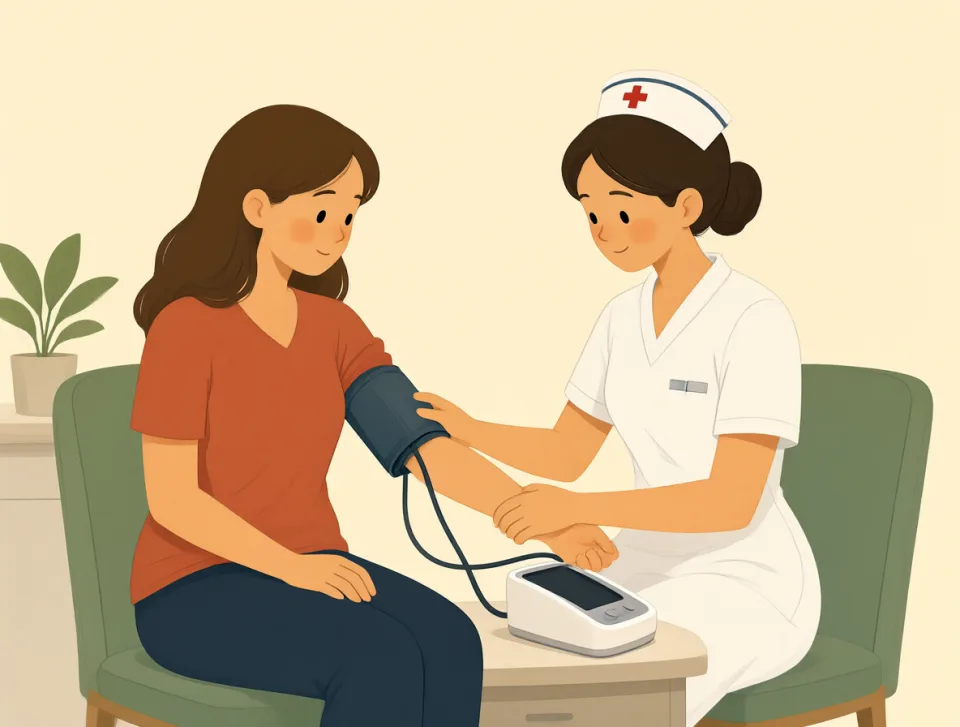
The nurse checked her blood pressure control.
فحصت الممرضة كيفية ضبط ضغط دمها.
already
#302adverb
مسبقًا
before now or before a particular time
قبل الآن أو قبل وقت محدد.
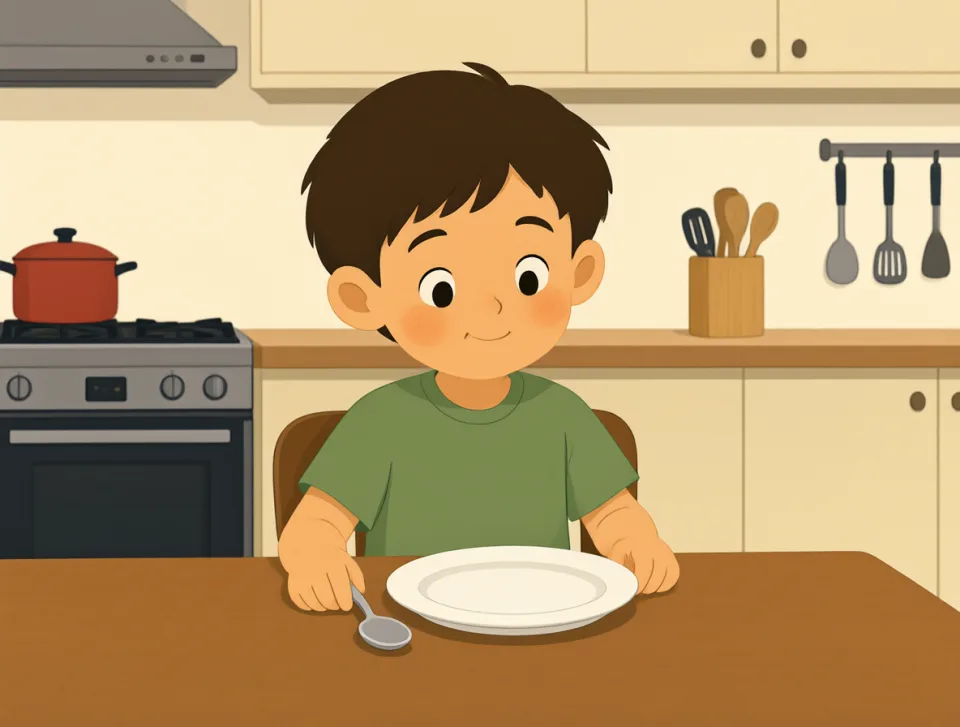
I have already eaten breakfast.
لقد تناولت الفطور بالفعل.
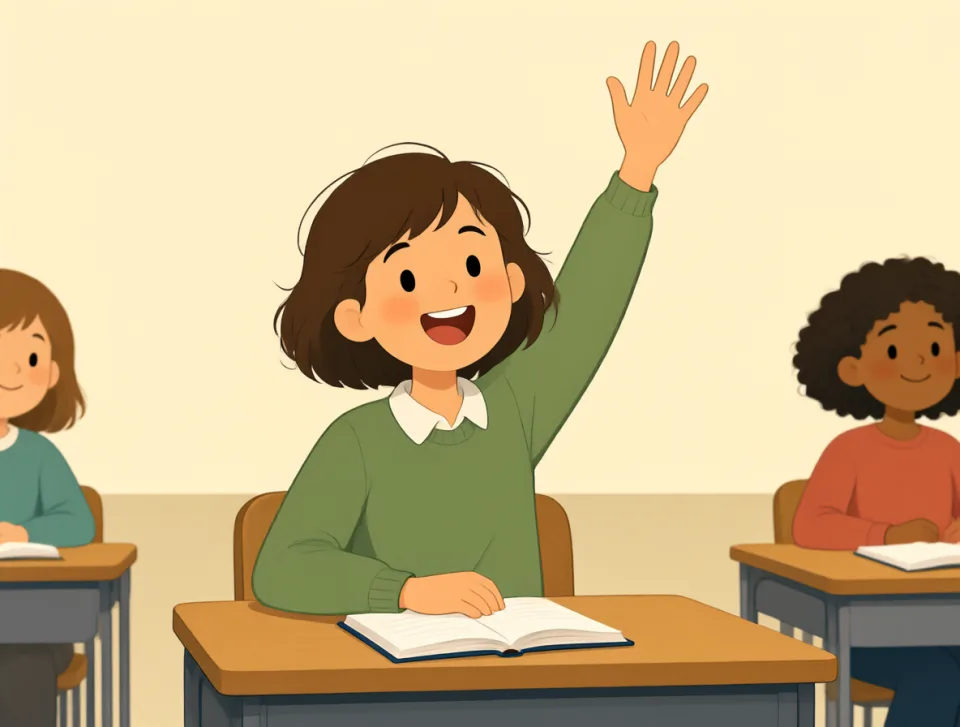
She already knows the answer.
هي تعرف الإجابة بالفعل.
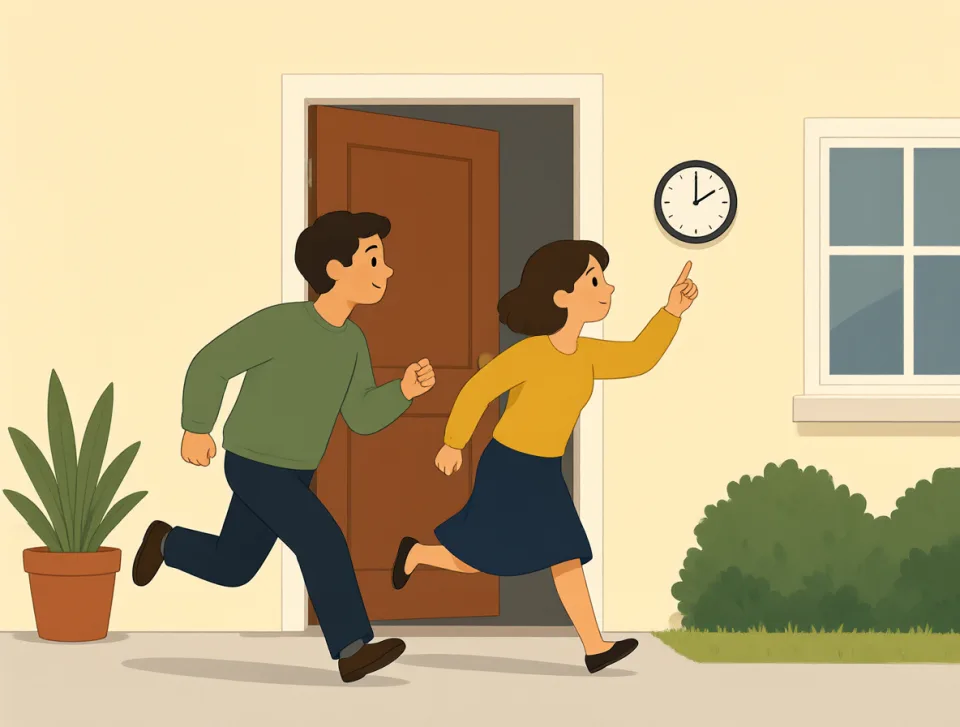
We are already late for work.
لقد تأخرنا بالفعل عن العمل.
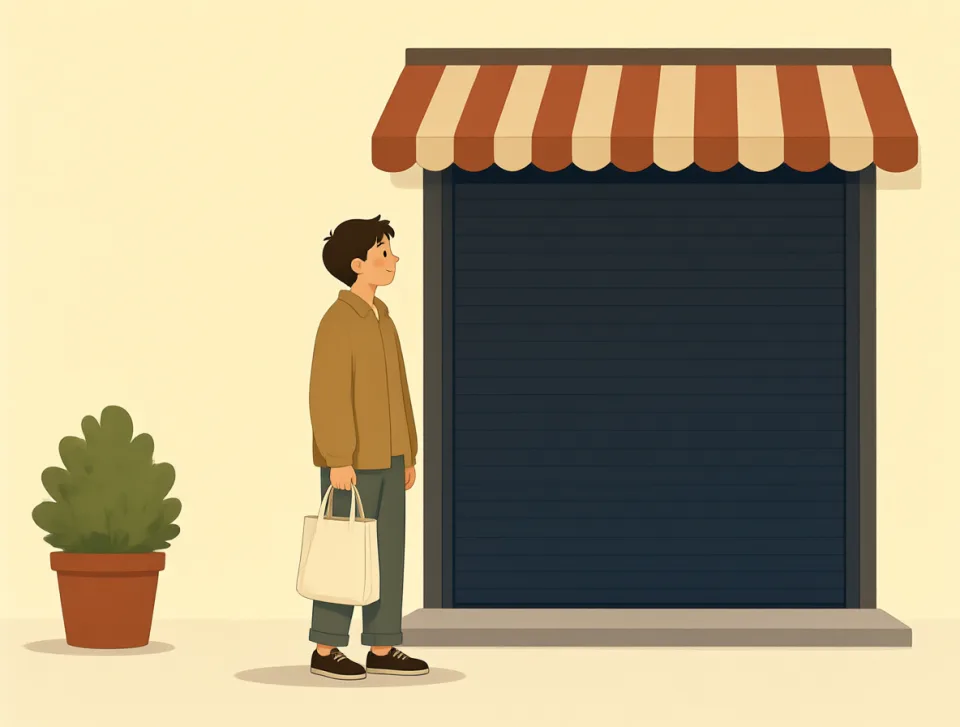
The store has already closed.
أغلق المتجر أبوابه بالفعل.

Have you already seen this movie?
هل شاهدت هذا الفيلم بالفعل؟
concern
#303noun, verb
قلق
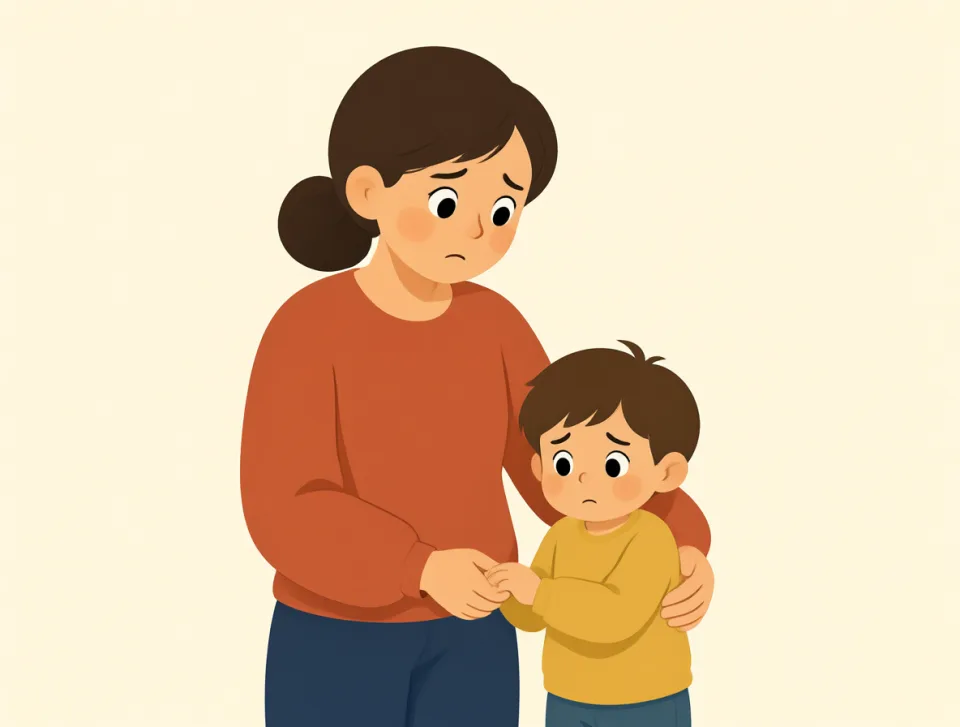
a worry or problem, or to make someone feel worried
ما يثير القلق أو يسبب مشكلة، أو يجعل شخصًا يشعر بالقلق.
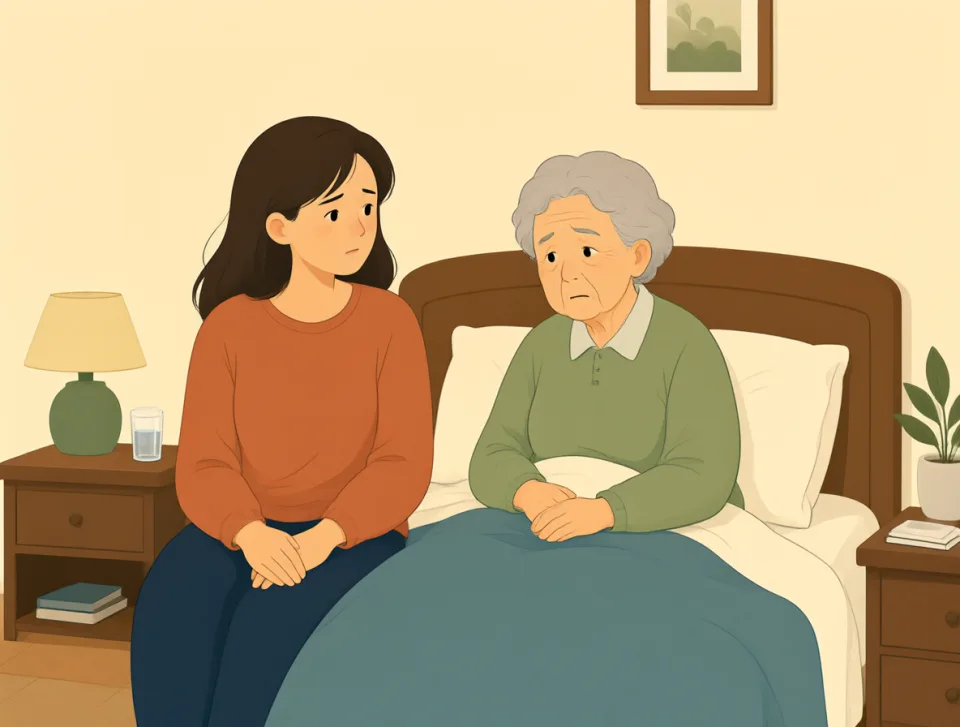
Her main concern is her sick mother.
أكثر ما يقلقها هو مرض أمها.
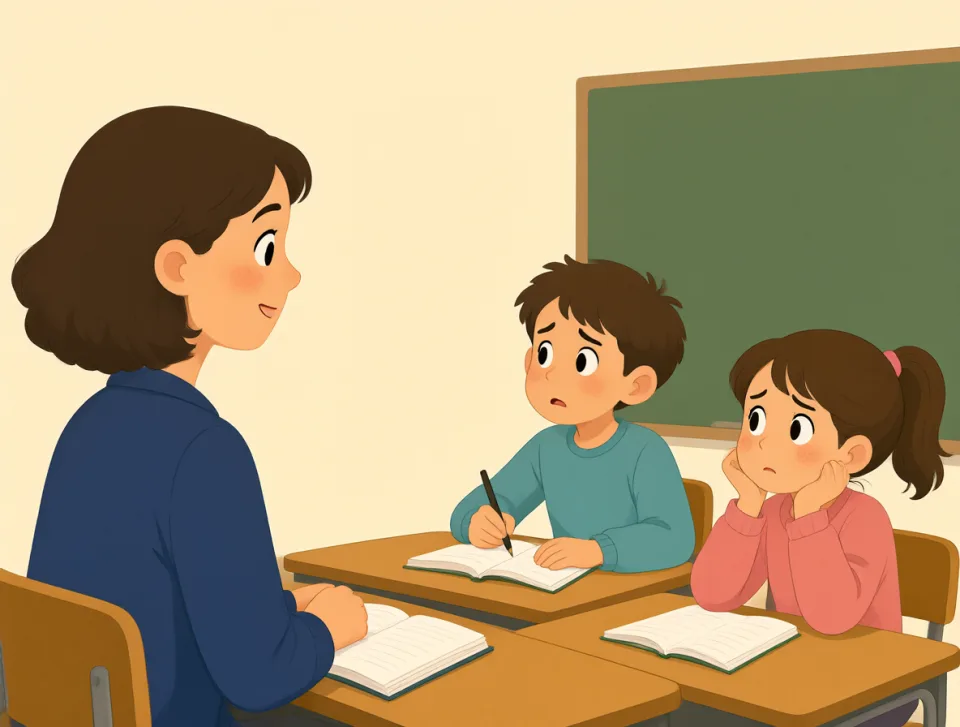
The teacher listened to our concerns.
استمع المعلم إلى مخاوفنا.
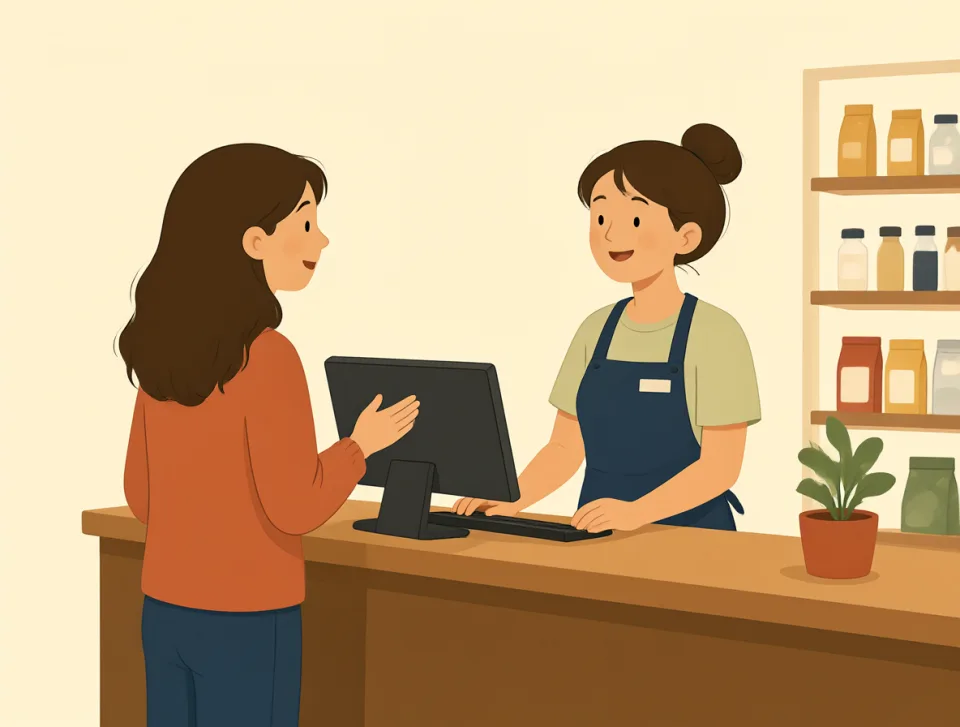
Please contact us if you have any concerns.
يُرجى التواصل معنا إذا كانت لديكم أي مخاوف.
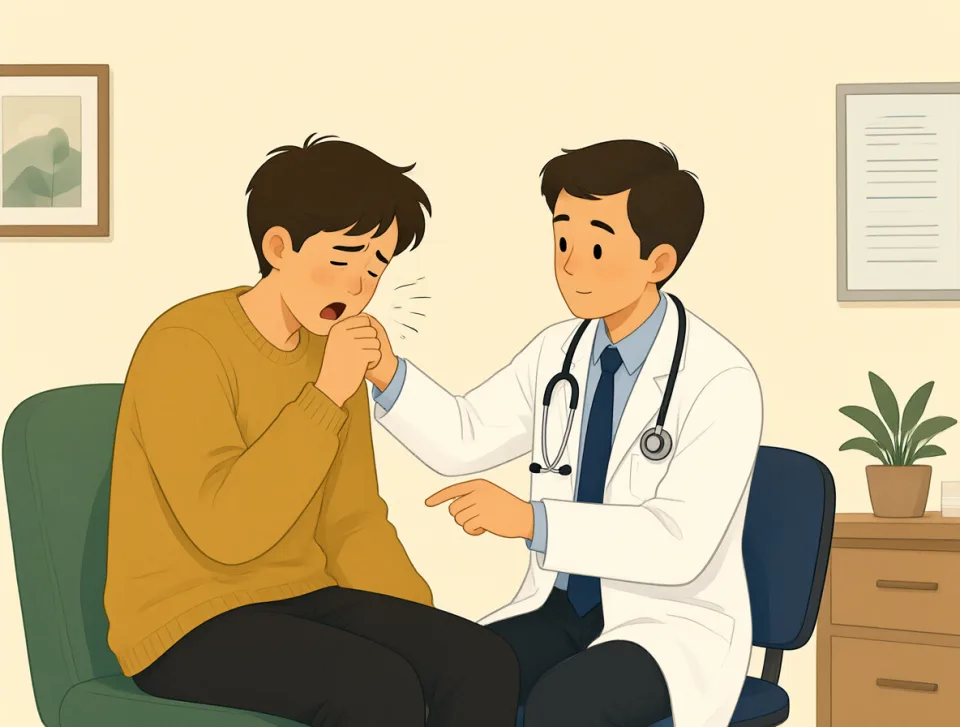
His sudden cough concerned his doctor.
أثار سعاله المفاجئ قلق طبيبه.

We are concerned about the late train.
نحن قلقون بشأن تأخر القطار.
product
#304noun
منتج
Something made or grown to be sold or used.
شيء يُصنَع أو يُزرَع ليُباع أو يُستَخدم.
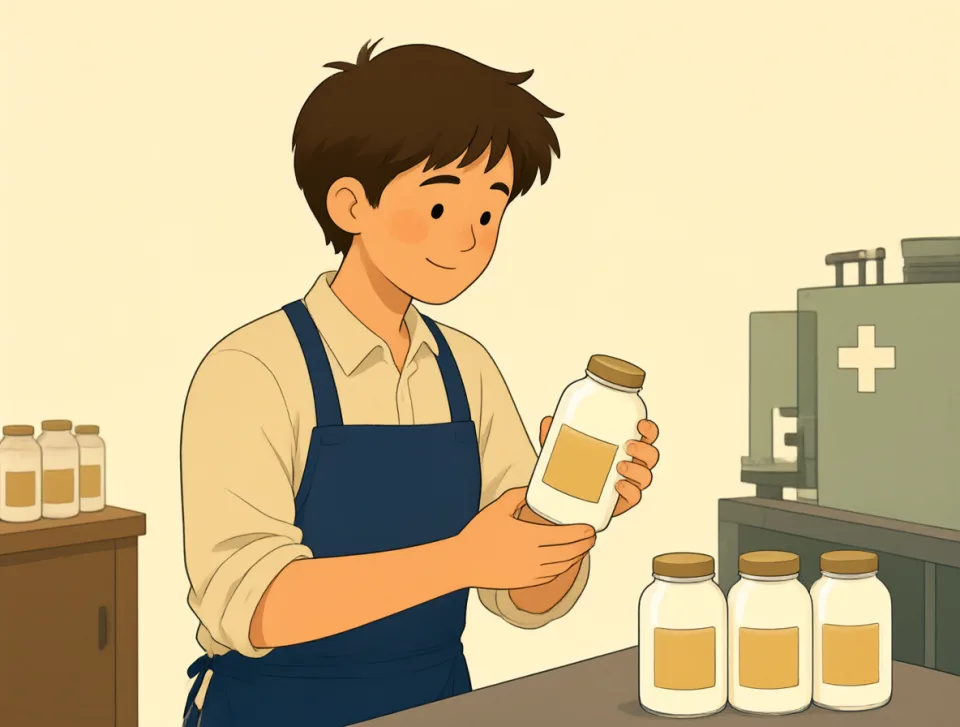
This product is made from natural ingredients.
يُصنع هذا المنتج من مكونات طبيعية.
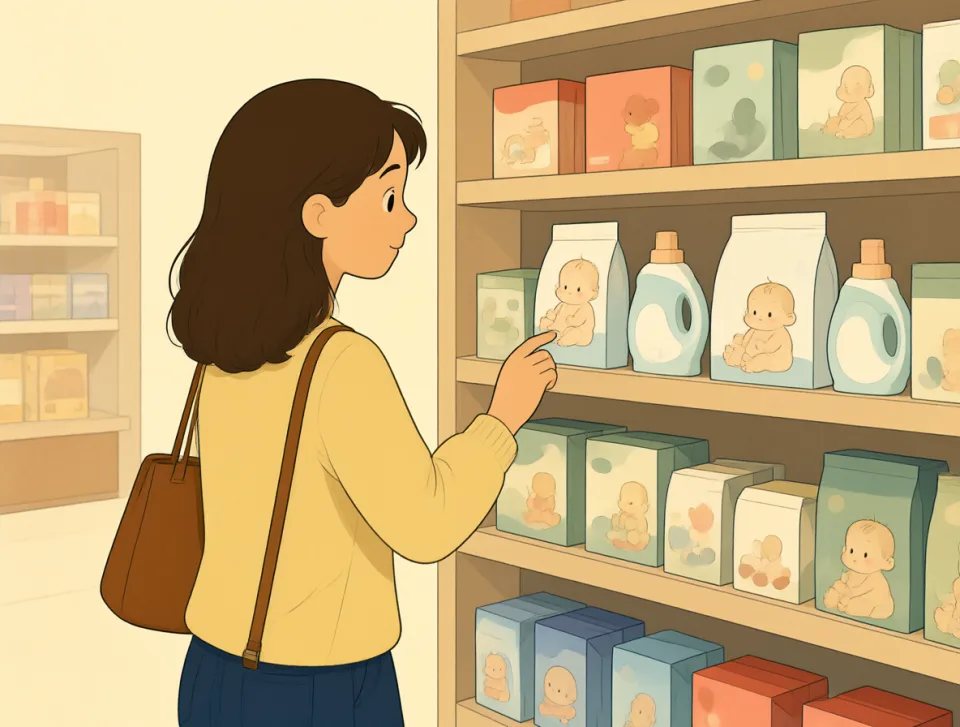
The store sells products for babies.
يبيع المتجر منتجات للأطفال الرضع.
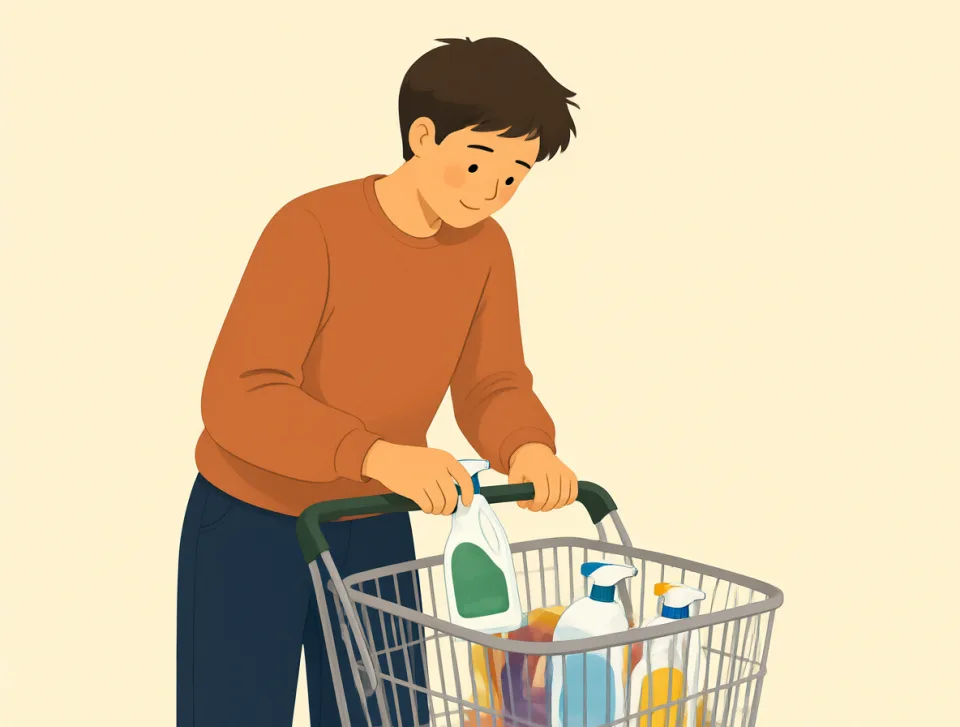
I bought a new cleaning product yesterday.
اشتريت منتج تنظيف جديدًا أمس.

Our team is developing a new product.
يعمل فريقنا على تطوير منتج جديد.
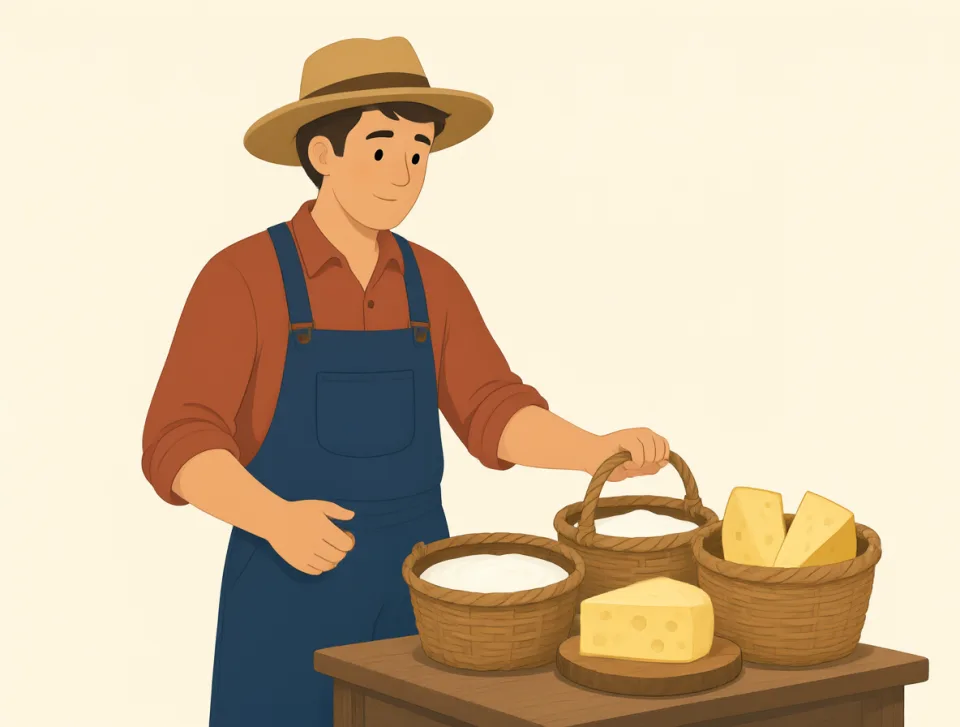
This farm produces fresh dairy products.
تنتج هذه المزرعة منتجات ألبان طازجة.
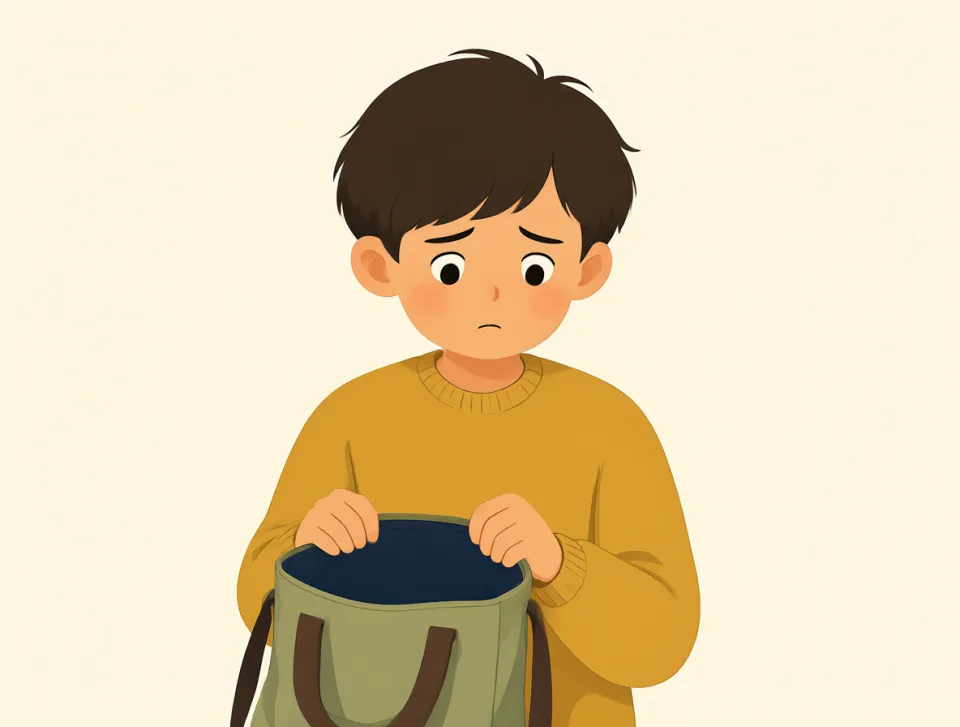
lose
#305verb
يفقد
to no longer have something because it is gone, taken, or forgotten
ألا يعود الشيء بحوزتك لأنه ضاع أو أُخذ أو نسيته.
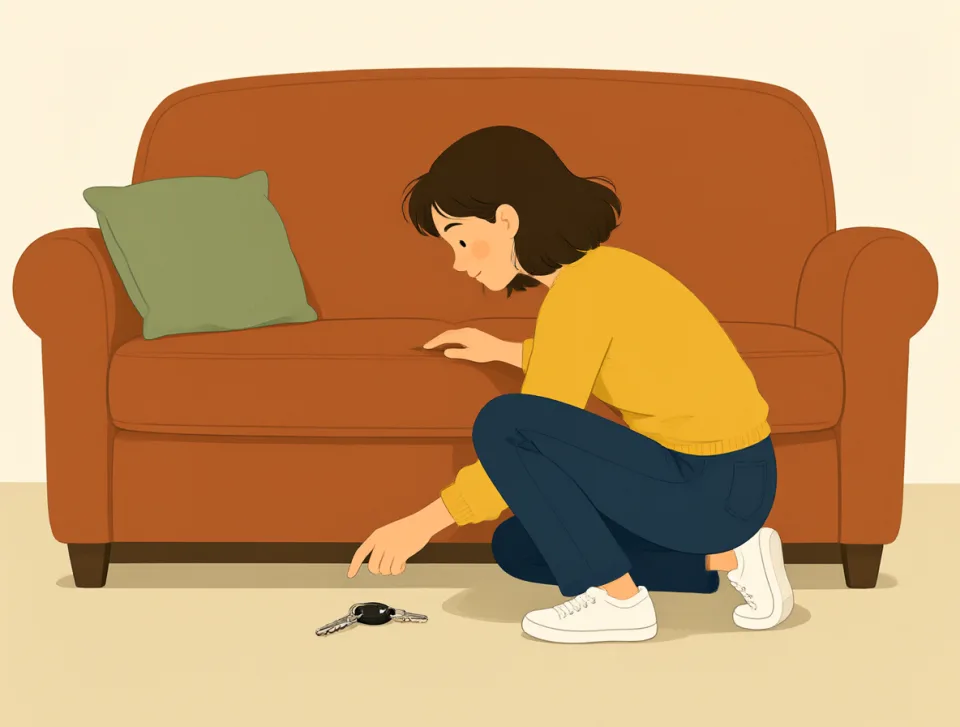
I often lose my keys at home.
غالبًا ما أفقد مفاتيحي في المنزل.
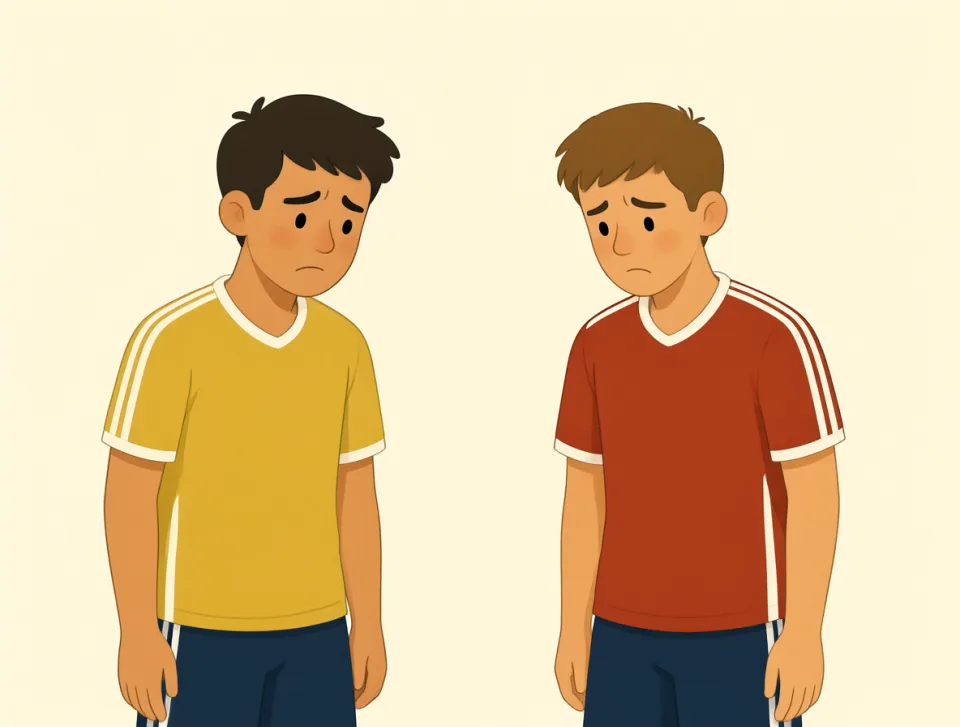
Our team lost the game yesterday.
خسر فريقنا المباراة أمس.

She lost her wallet on the bus.
فقدت محفظتها في الحافلة.
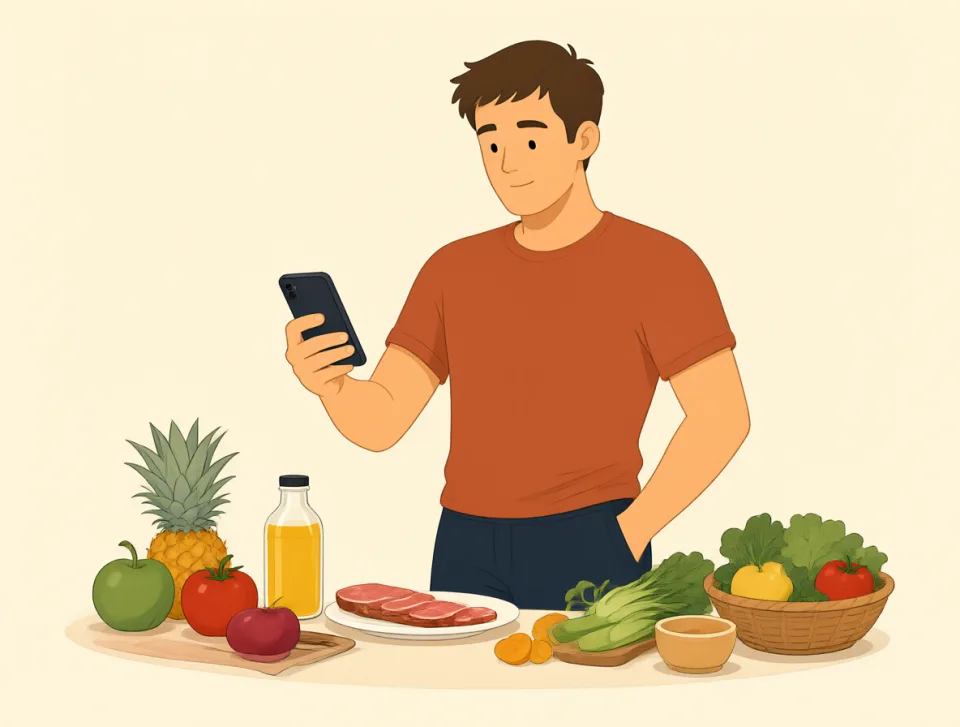
He is losing weight with healthy food.
يفقد وزنه بتناول طعام صحي.

Do not lose your ticket at the airport.
لا تفقد تذكرتك في المطار.
story
#306noun
قصة
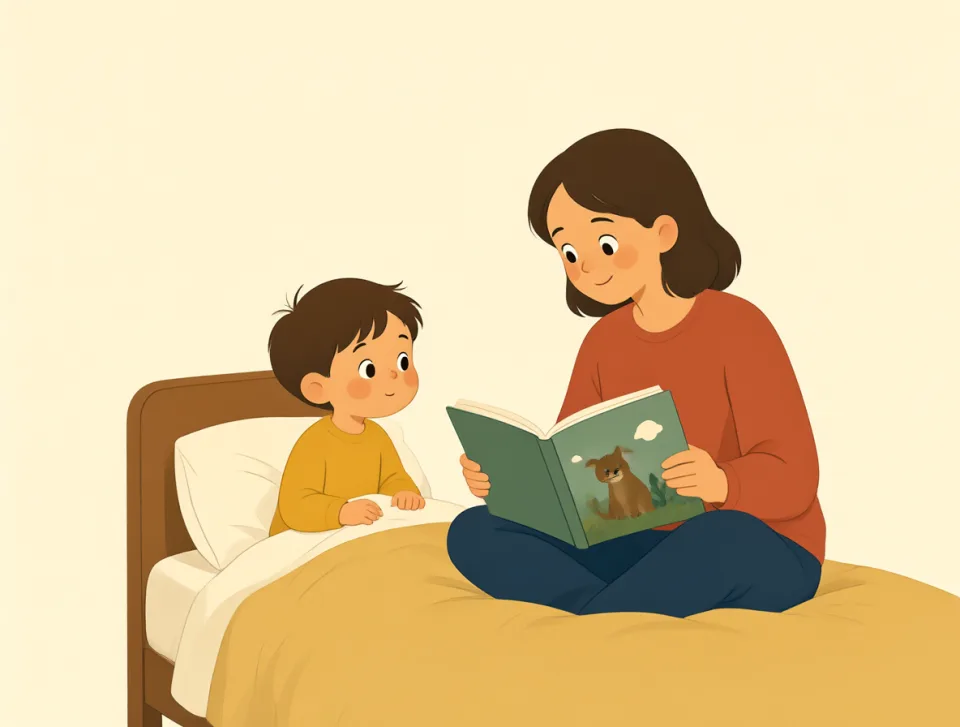
A description of events, real or imagined, told to entertain or inform people.
وصف لأحداث حقيقية أو متخيلة يُروى لتسلية الناس أو إطلاعهم.
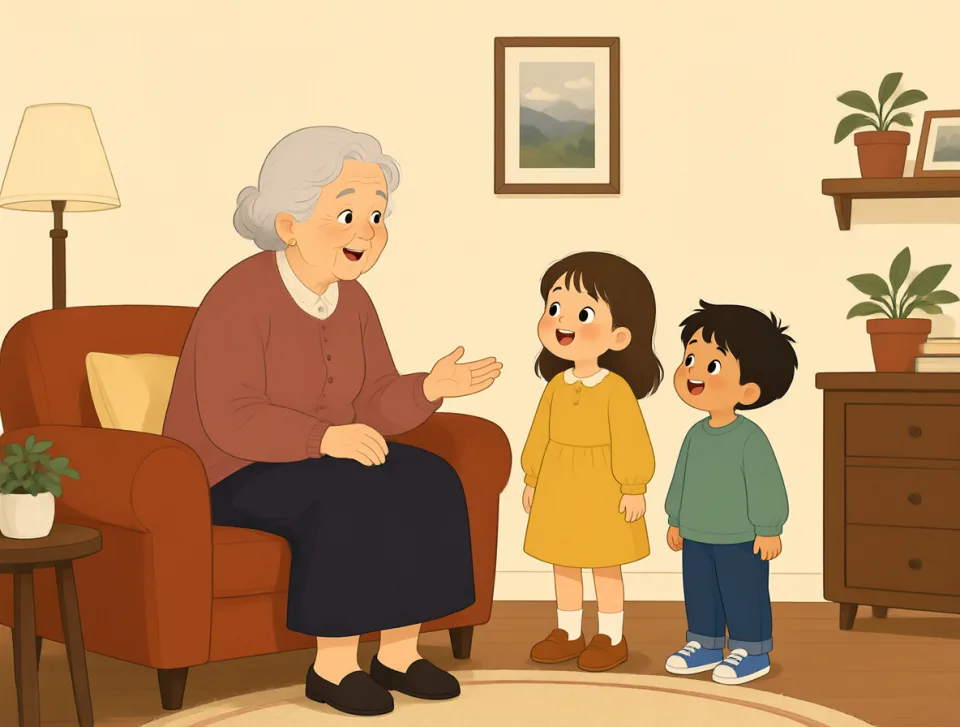
Grandma told us a funny story.
روت لنا الجدة قصة مضحكة.
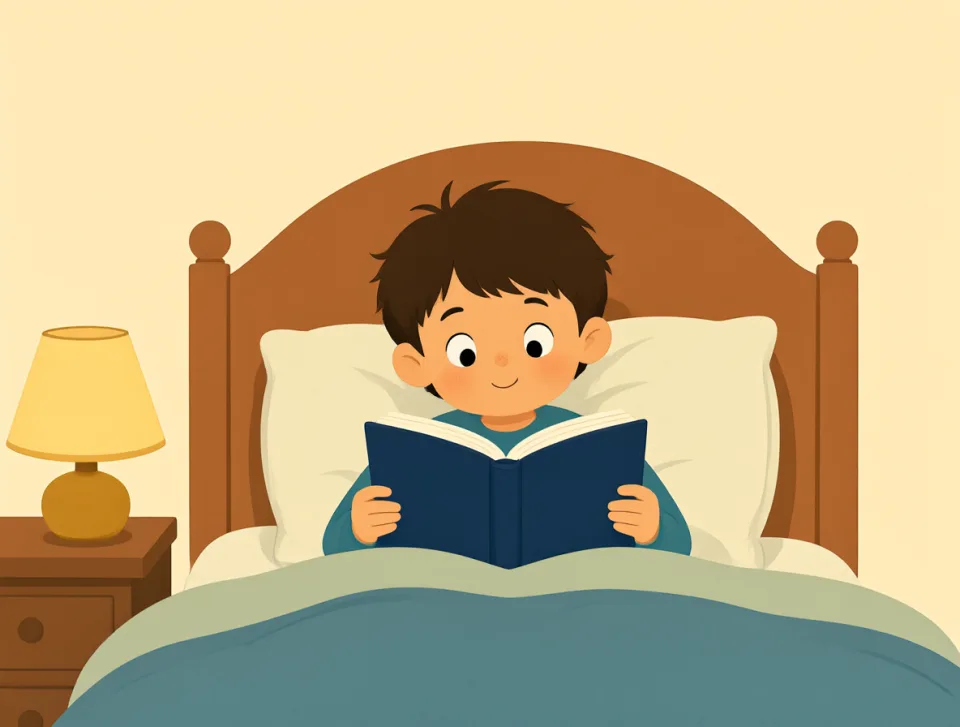
I read a story before bed.
قرأت قصة قبل النوم.
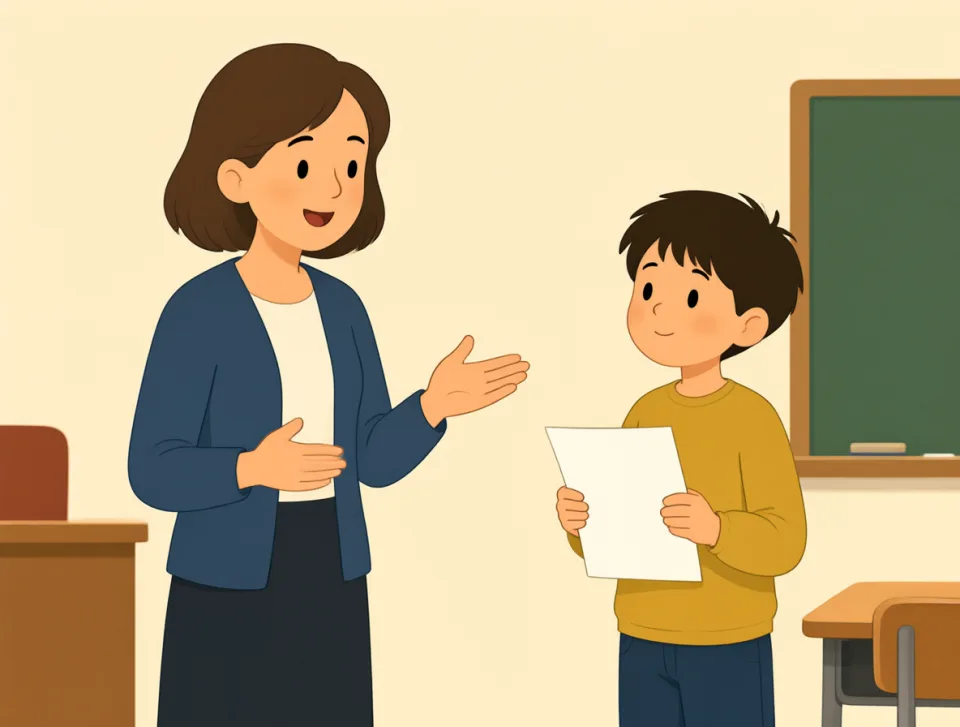
The teacher asked for a short story.
طلب المعلم قصة قصيرة.

He shared his travel story with friends.
شارك أصدقاءه قصة سفره.
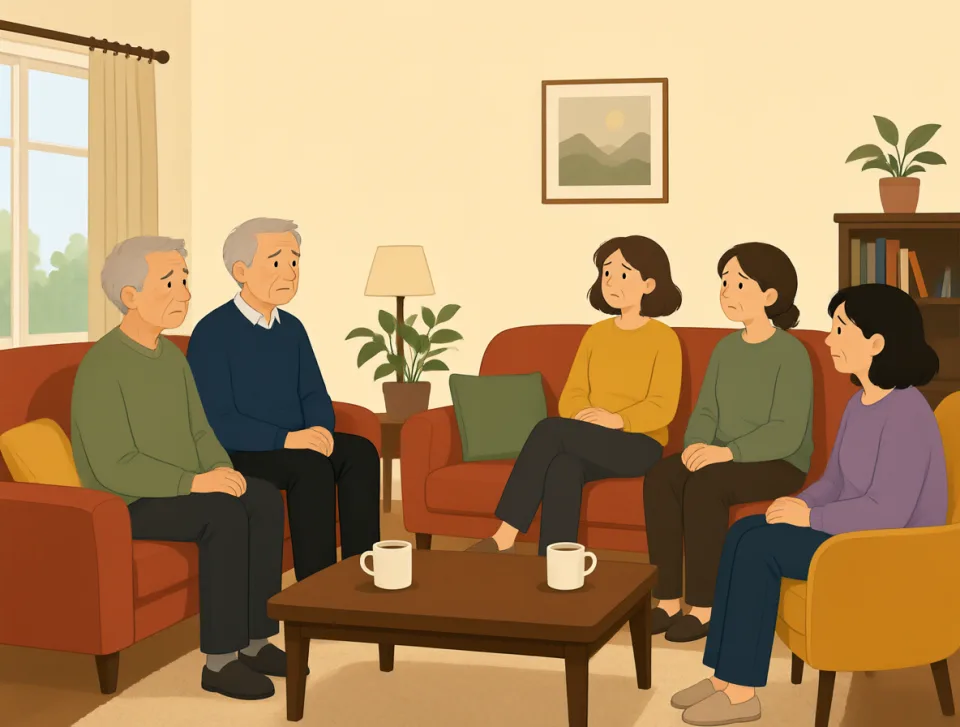
The news story made everyone worried.
جعلت القصة الإخبارية الجميع قلقين.
almost
#307adverb
تقريبًا
Nearly, but not completely or quite.
بشكل شبه كامل، ولكن ليس كاملًا أو تامًّا.
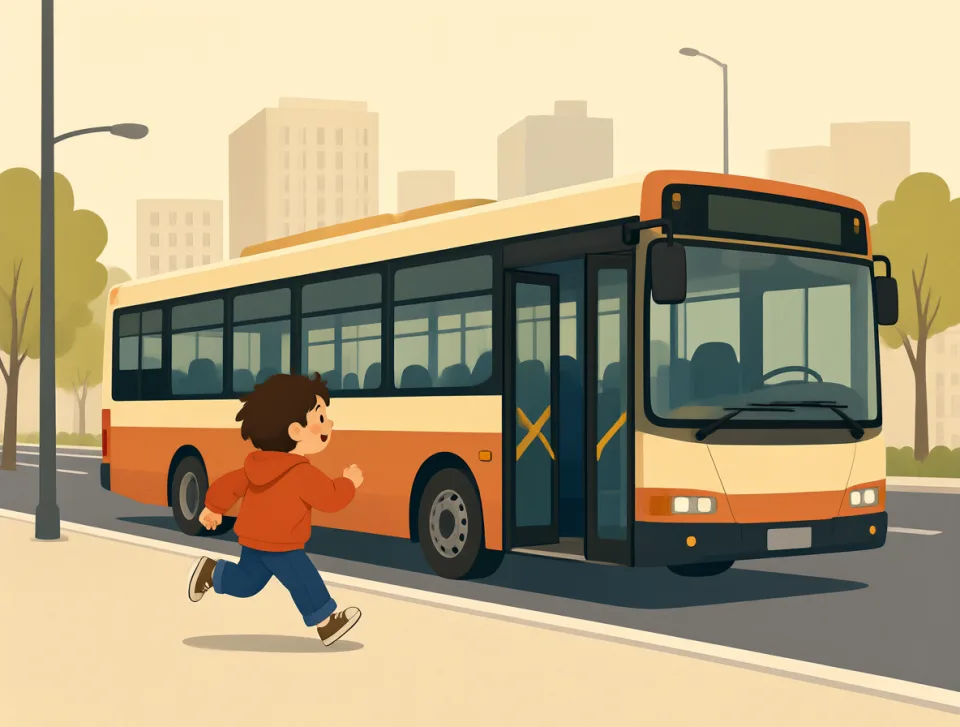
I almost missed the bus this morning.
كدت أفوّت الحافلة هذا الصباح.
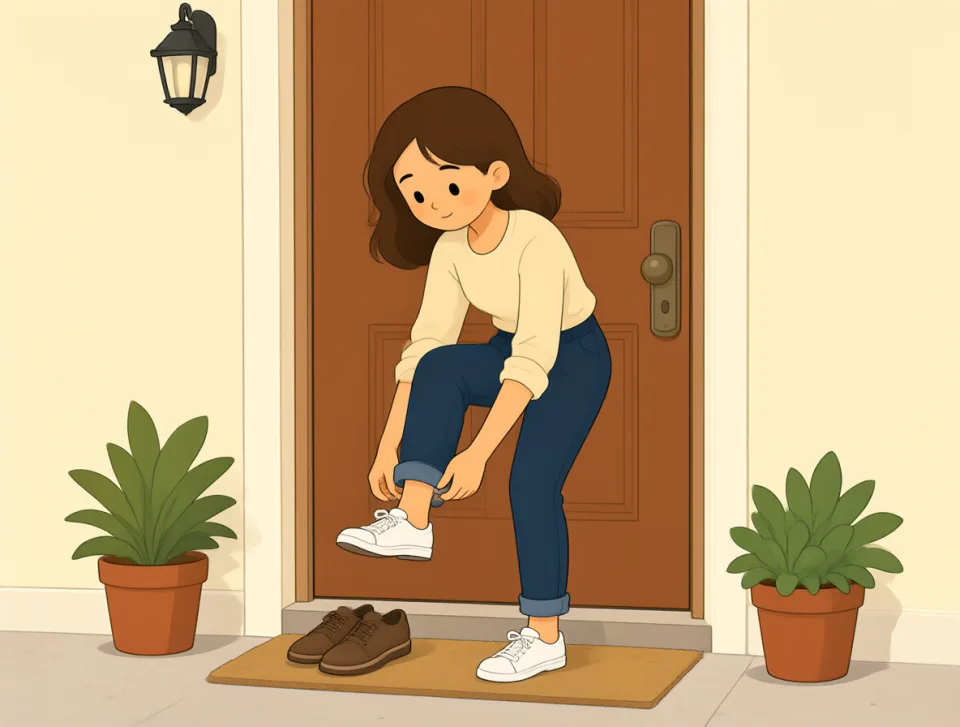
She is almost ready to leave.
إنها تكاد تكون مستعدة للمغادرة.

We almost finished the project at work.
كدنا ننهي المشروع في العمل.
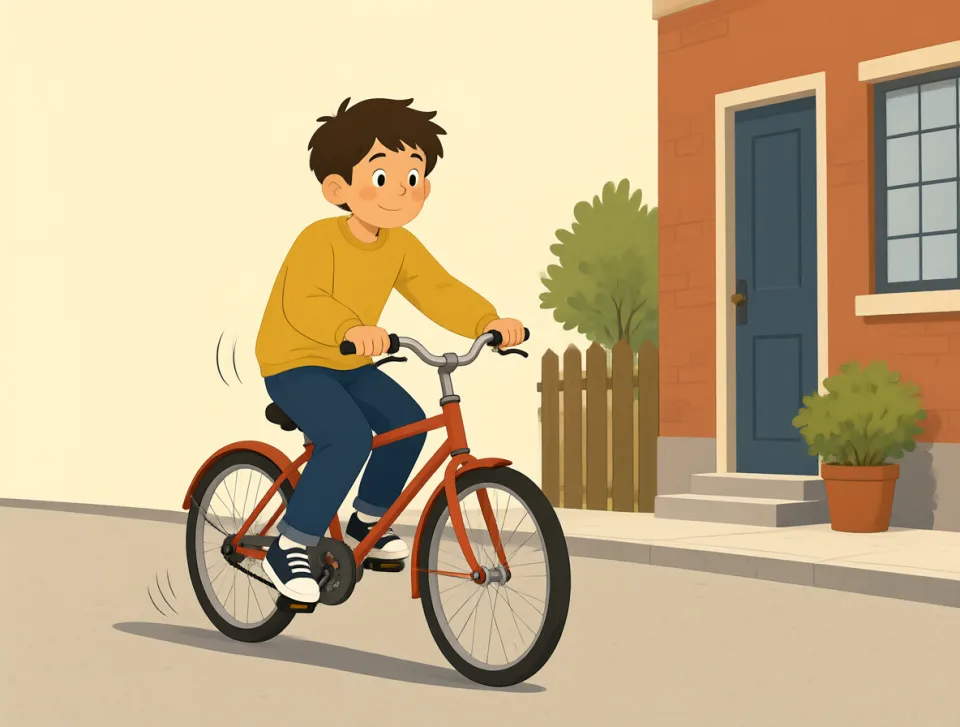
He almost fell while riding his bike.
كاد يسقط وهو يركب دراجته.
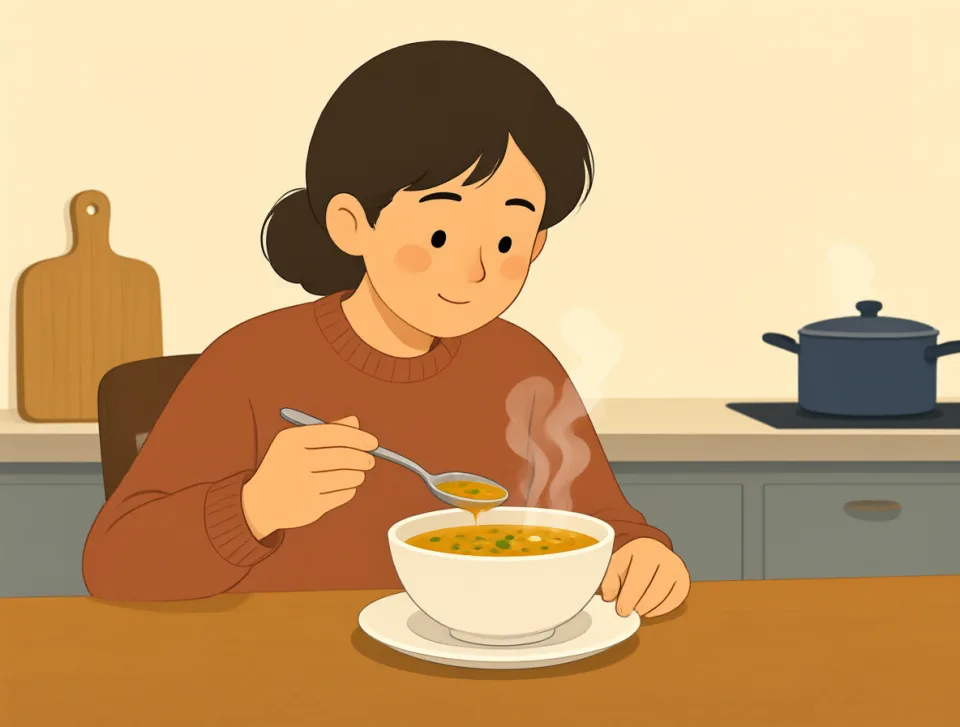
The soup is almost hot enough to eat.
يكاد الحساء يصبح ساخنًا بما يكفي لتناوله.
continue
#308verb
يواصل
to keep doing something or keep happening without stopping
يستمر في فعل شيء ما أو يستمر حدوثه دون توقف.
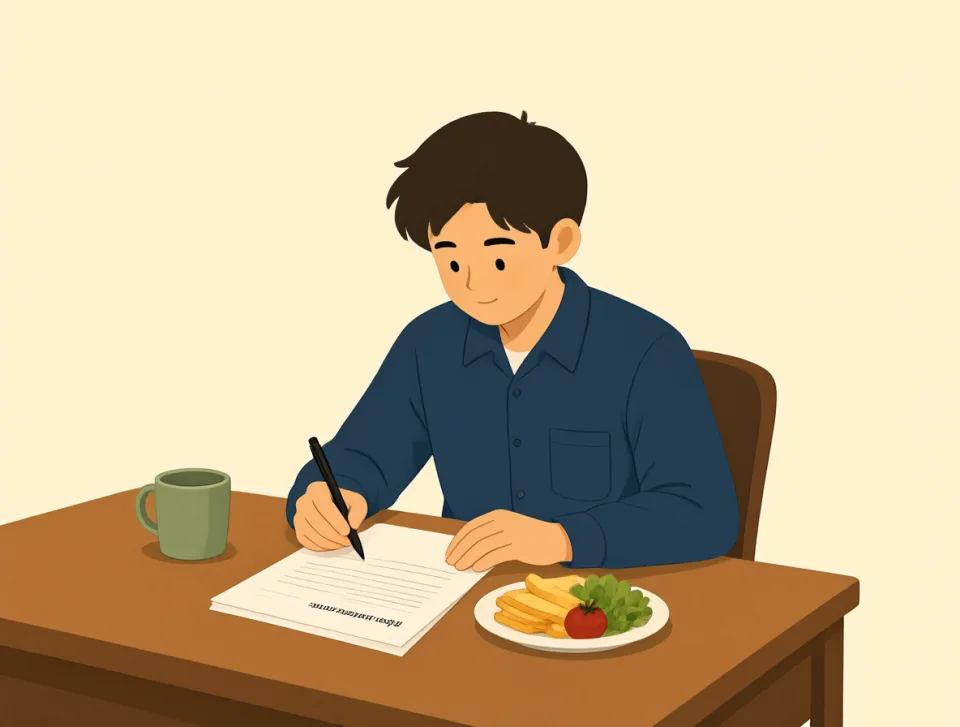
Please continue your work after lunch.
يُرجى مواصلة عملك بعد الغداء.
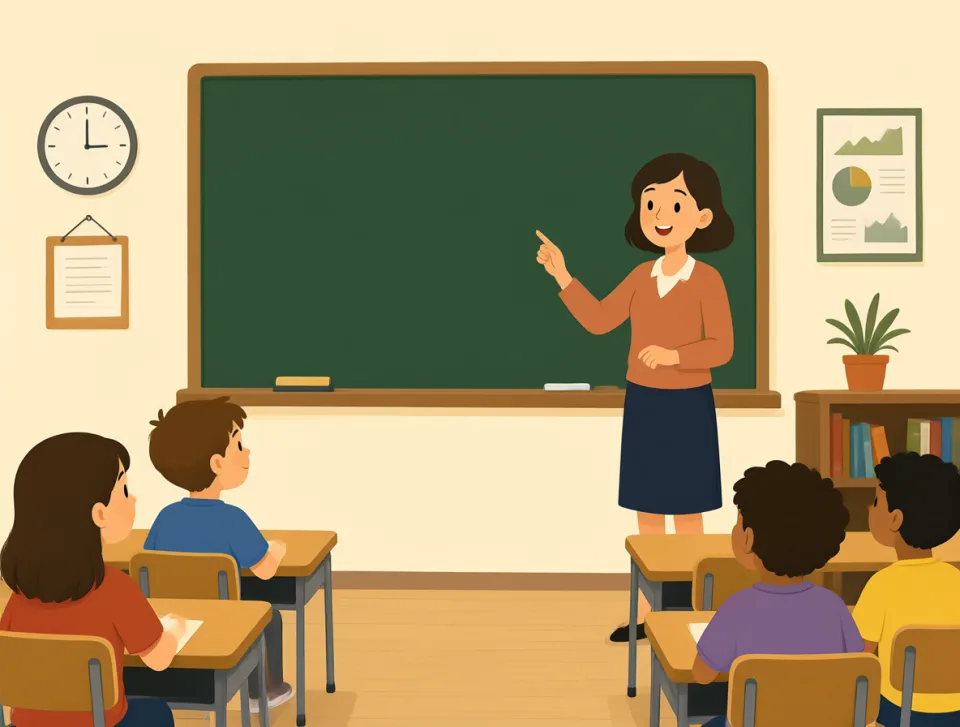
The teacher continued the lesson after the break.
واصل المعلم الدرس بعد الاستراحة.

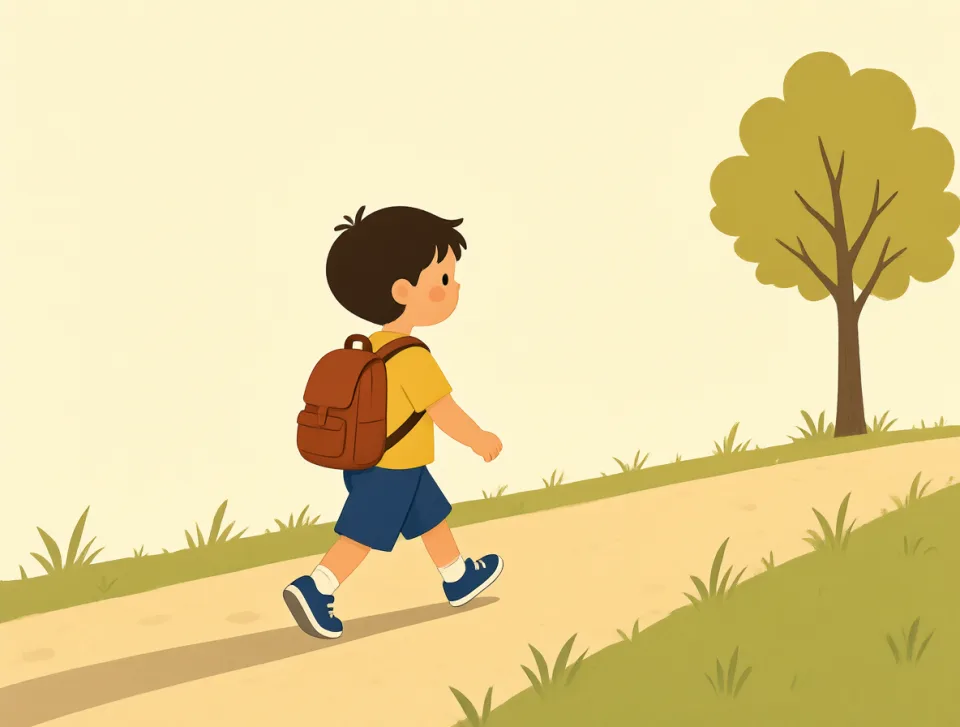
We continued walking through the park.
واصلنا المشي عبر الحديقة.
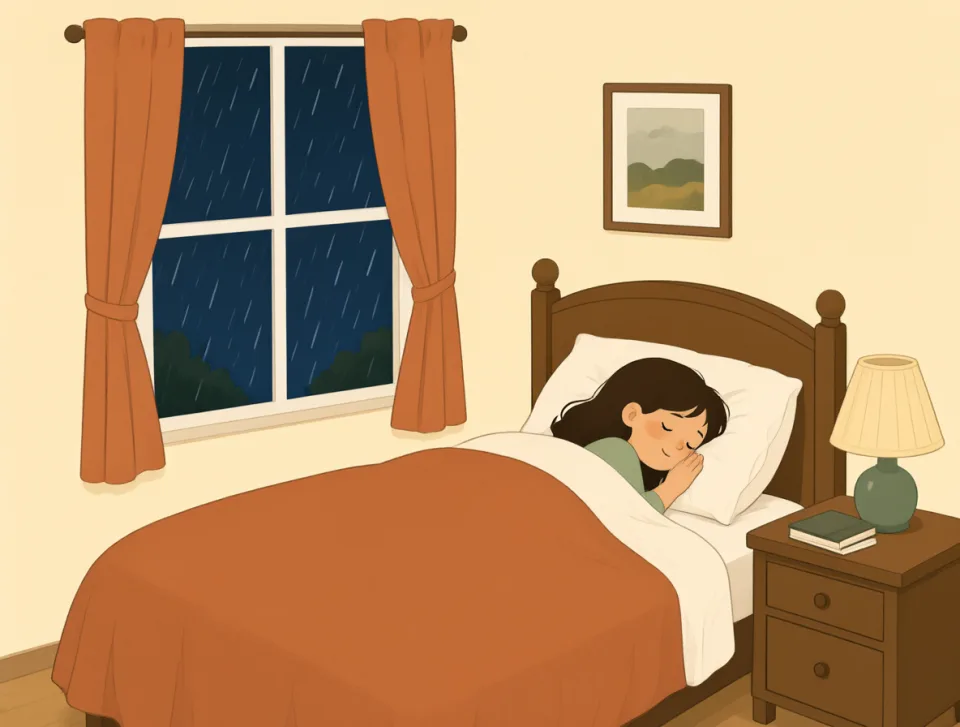
The rain continued all night.
استمر المطر طوال الليل.
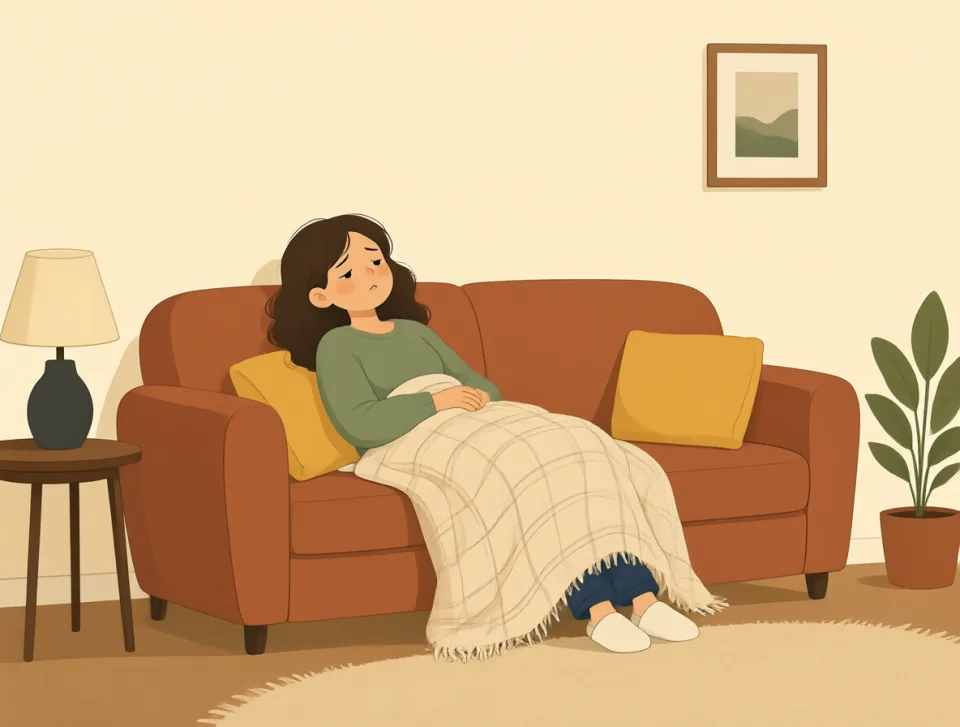
She continued to feel tired after resting.
واصلت شعورها بالتعب بعد الراحة.
stand
#309verb, noun
يقف
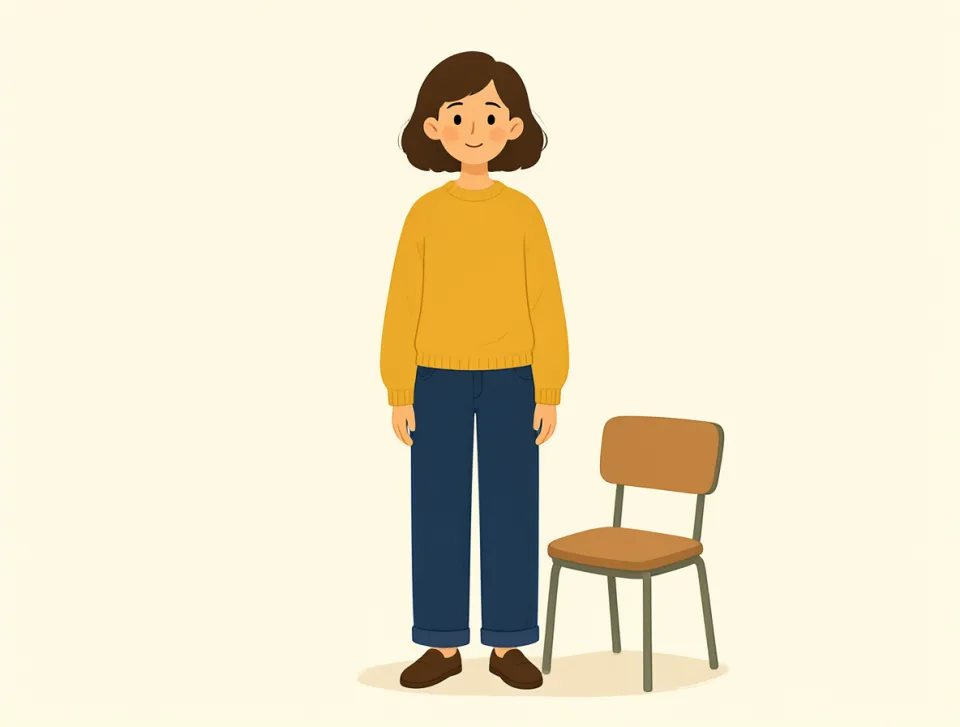
to be upright on your feet, or to support someone or something
يكون منتصبًا على قدميه، أو يدعم شخصًا أو شيئًا.
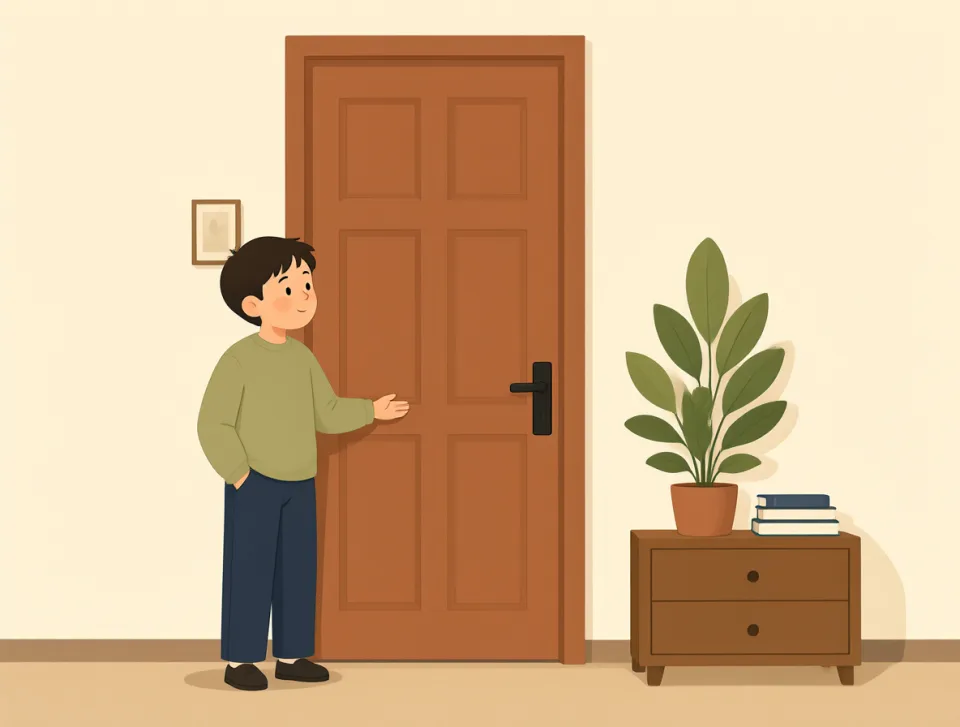
Please stand near the door.
يُرجى الوقوف بالقرب من الباب.
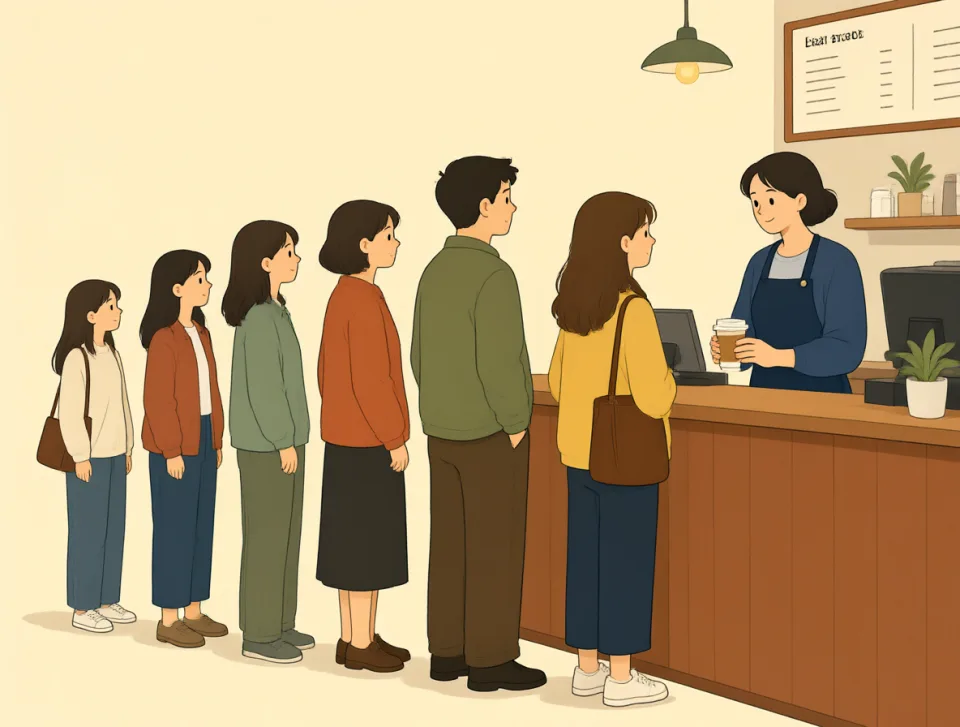
We stood in line for coffee.
وقفنا في طابور لشراء القهوة.
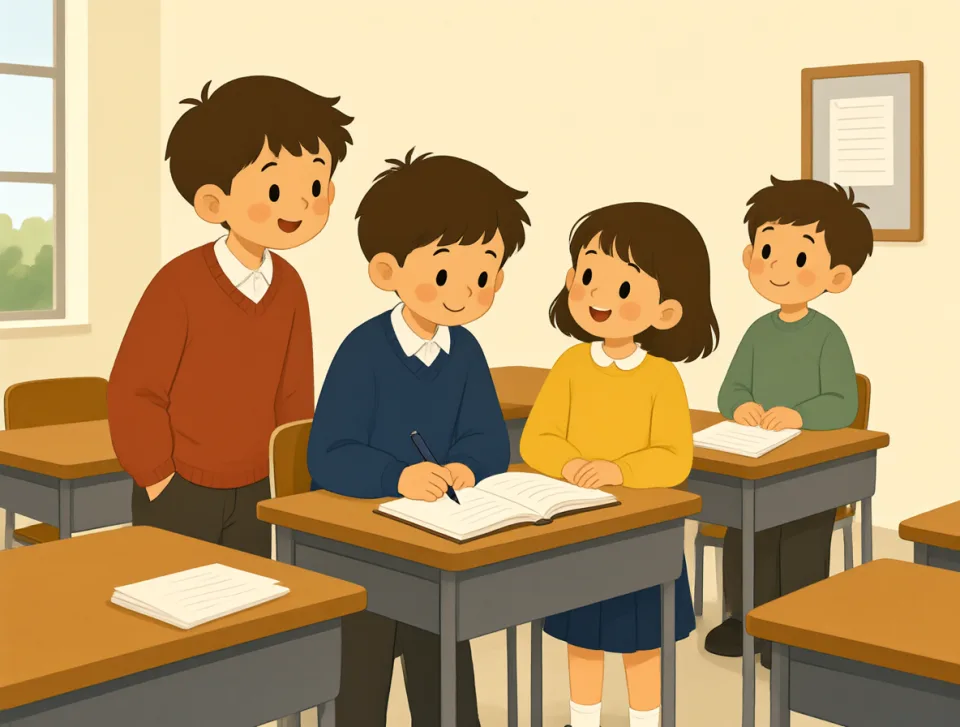
The children stand at their desks.
يقف الأطفال عند مكاتبهم.
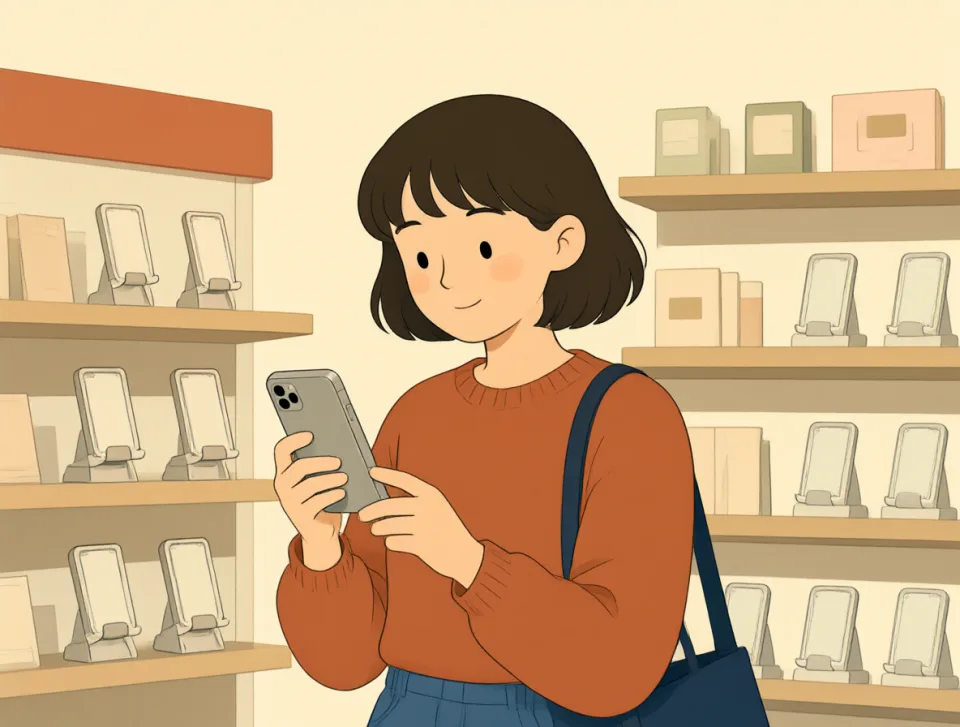
She bought a phone stand.
اشترت حاملًا للهاتف.
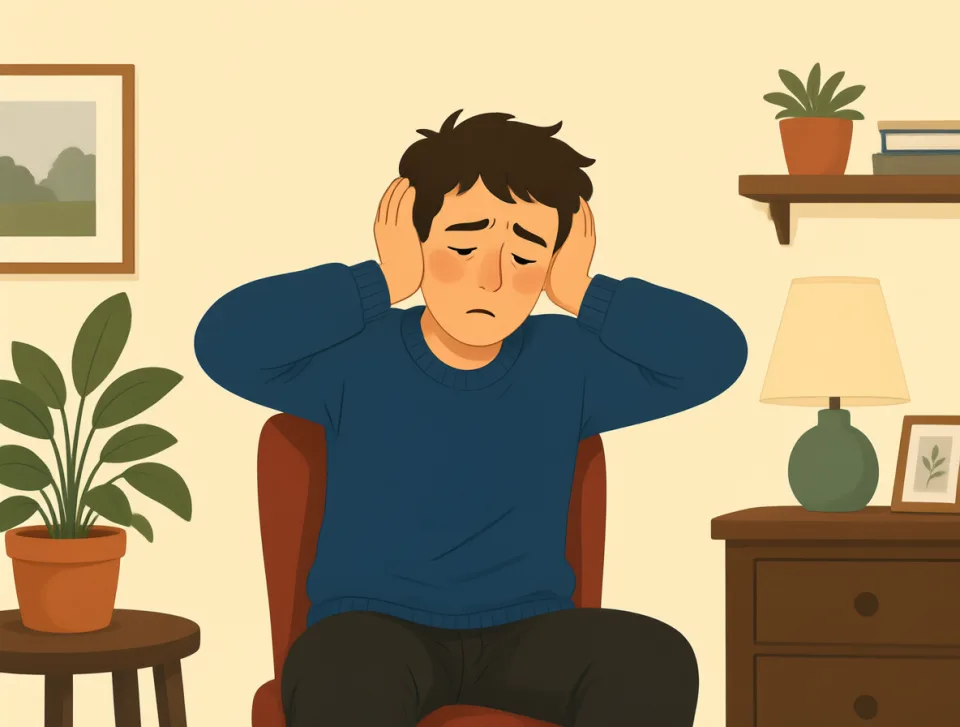
He cannot stand the loud noise.
لا يستطيع تحمّل الضوضاء العالية.
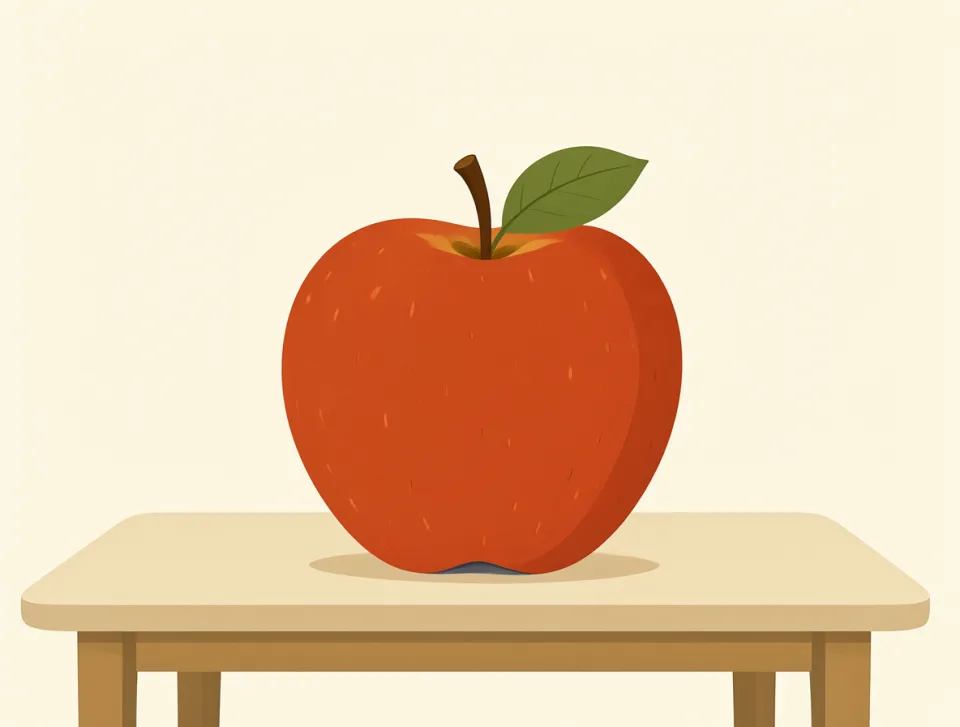
whole
#310adjective, noun, determiner, adverb
كامل
Complete, with all parts together; or all of something.
تامّ، بكل أجزائه مجتمعة؛ أو الشيء بأكمله.
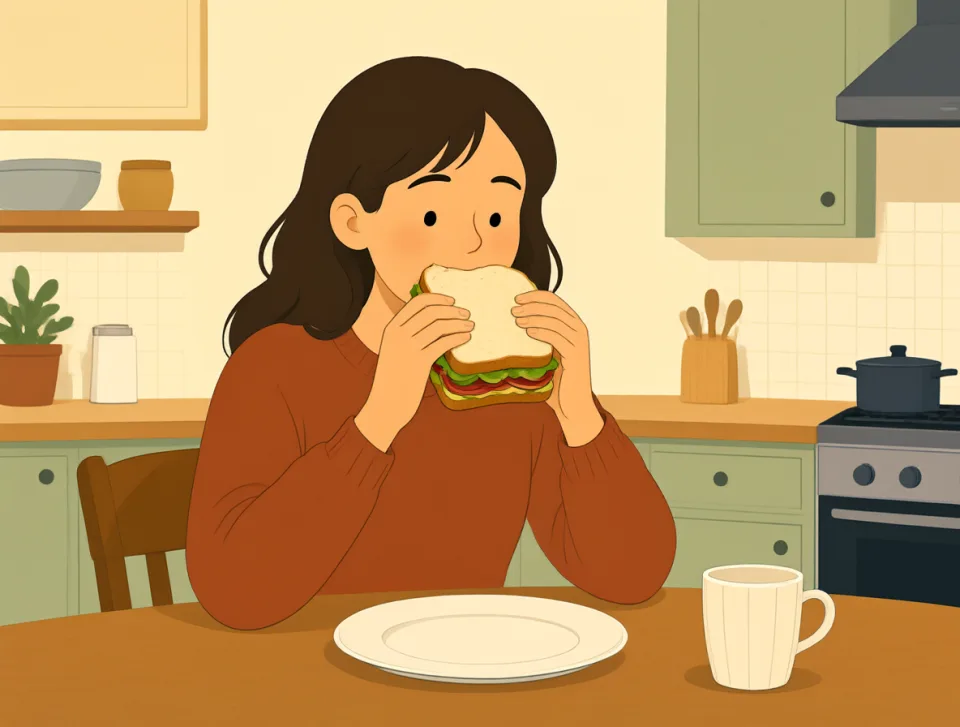
I ate the whole sandwich for lunch.
أكلت الشطيرة كاملة على الغداء.
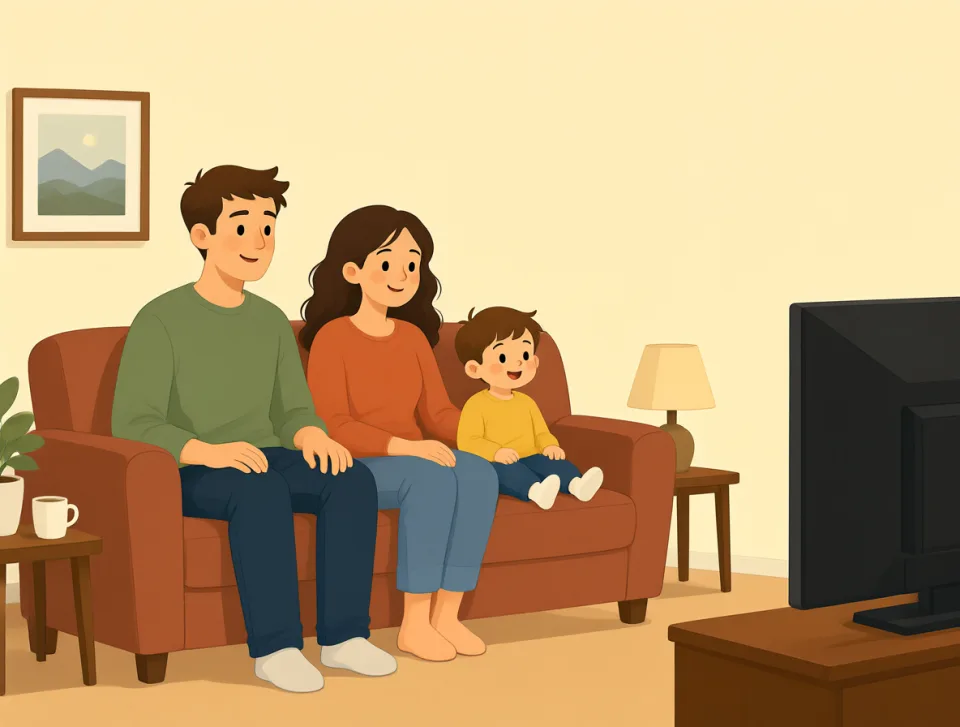
The whole family watched a movie together.
شاهدت العائلة بأكملها فيلمًا معًا.

She spent the whole day at school.
أمضت اليوم بأكمله في المدرسة.

We waited a whole hour for the bus.
انتظرنا ساعة كاملة وصول الحافلة.
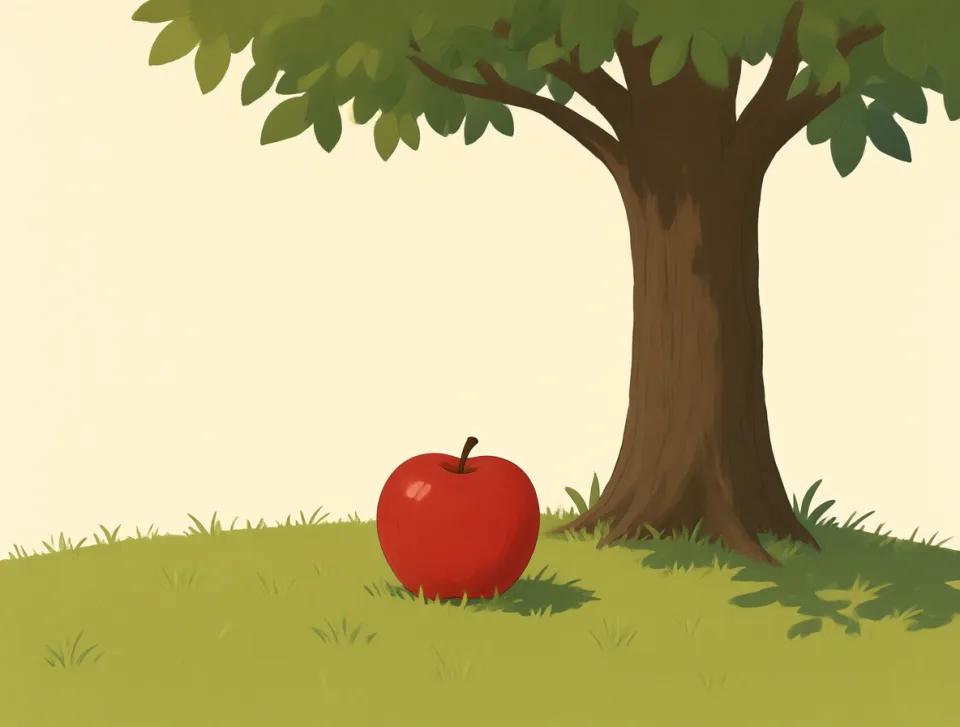
The whole apple fell from the tree.
سقطت التفاحة بأكملها من الشجرة.
yet
#311adverb, conjunction
بعد
Used to say something has not happened until now or to add a surprising contrast.
تُستخدم للدلالة على أن شيئًا لم يحدث حتى الآن، أو لإضافة مفارقة مفاجئة.
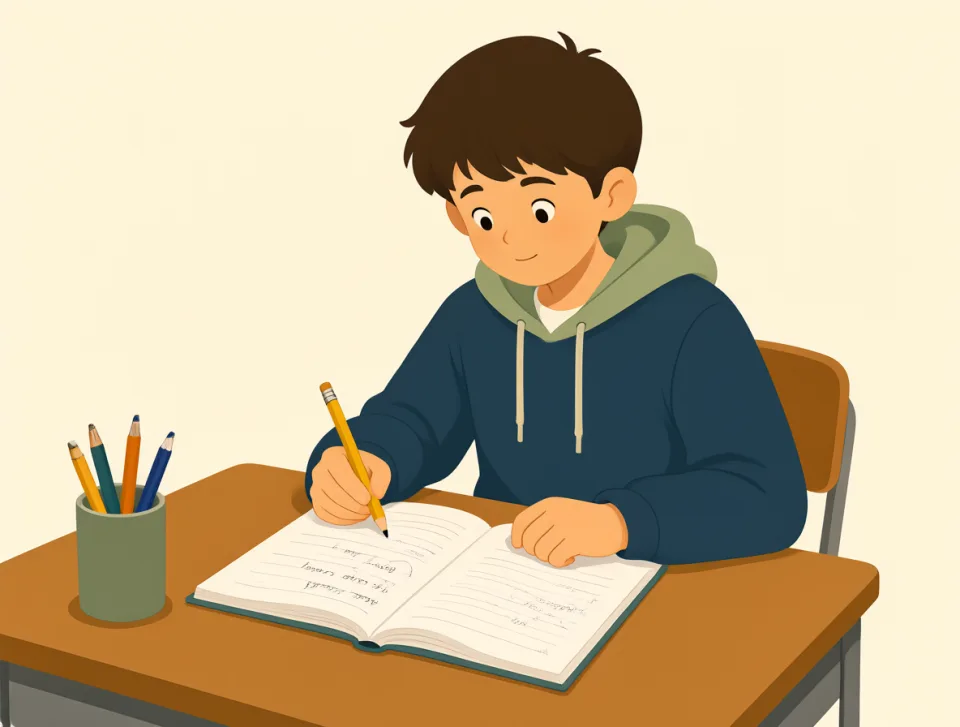
I haven't finished my homework yet.
لم أنتهِ من واجبي المنزلي بعد.

Have you eaten lunch yet?
هل تناولت الغداء بعد؟
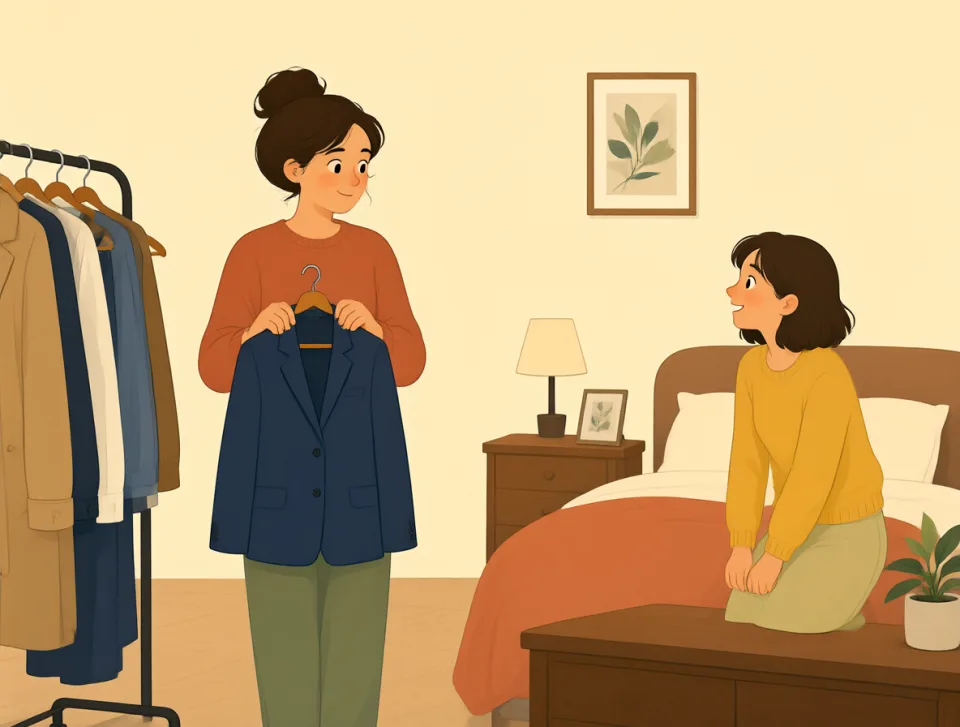
She is not ready yet.
هي ليست مستعدة بعد.
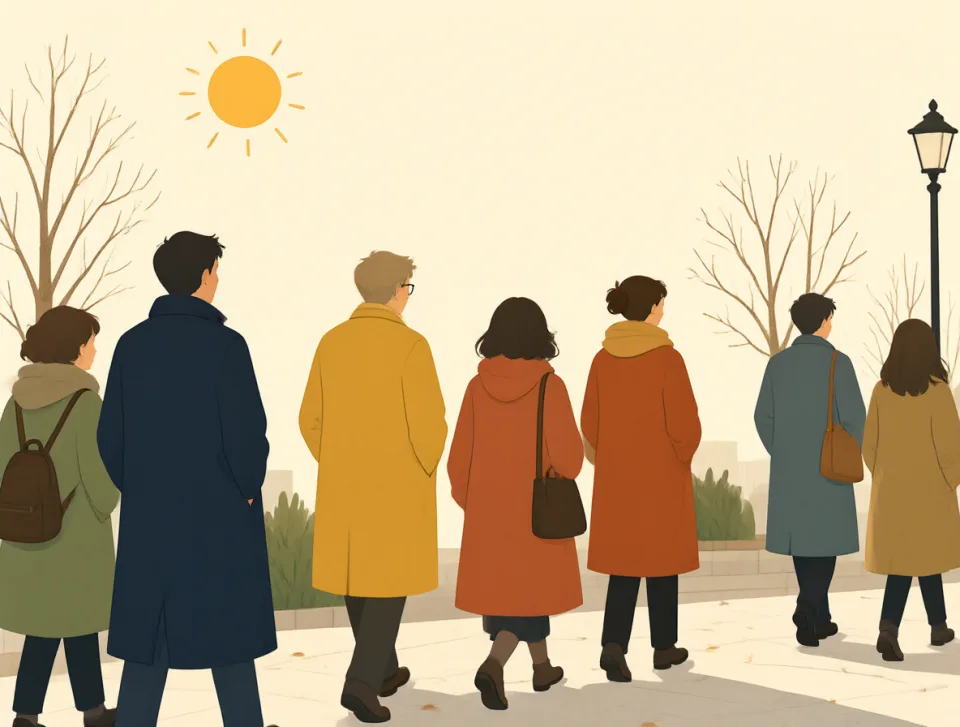
It is cold, yet the sun is shining.
الجو بارد، ومع ذلك فإن الشمس مشرقة.
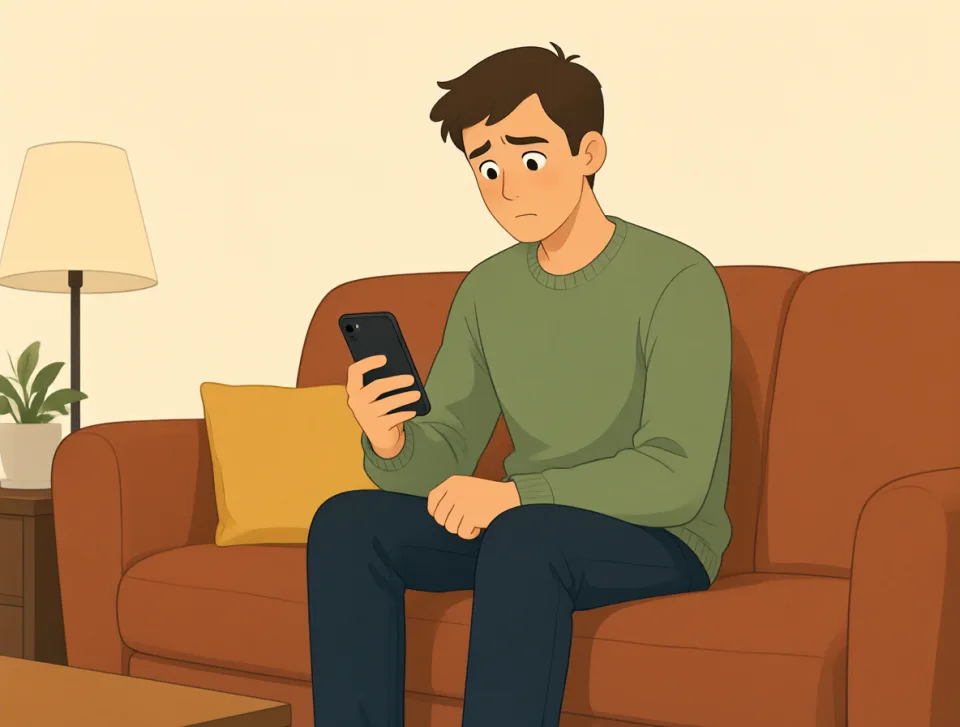
He has not called yet.
لم يتصل بعد.
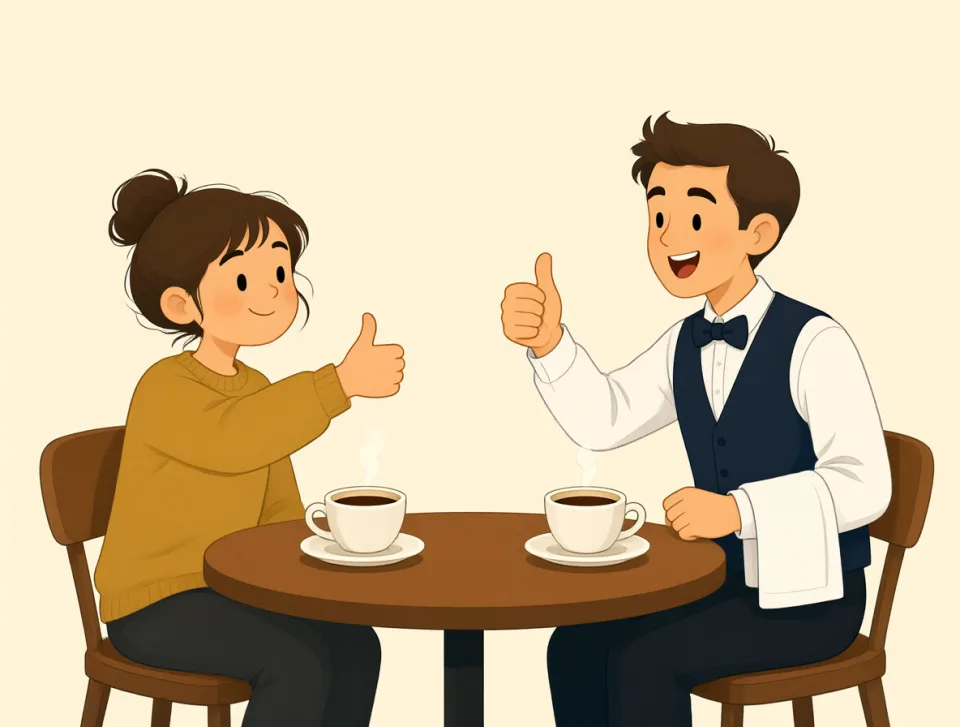
rate
#312noun, verb
معدّل؛ يقيّم
A level, price, or amount compared with another; to judge something or give it a score.
مستوى أو سعر أو مقدار يُقارن بغيره؛ أو الحكم على شيء أو منحه درجة.
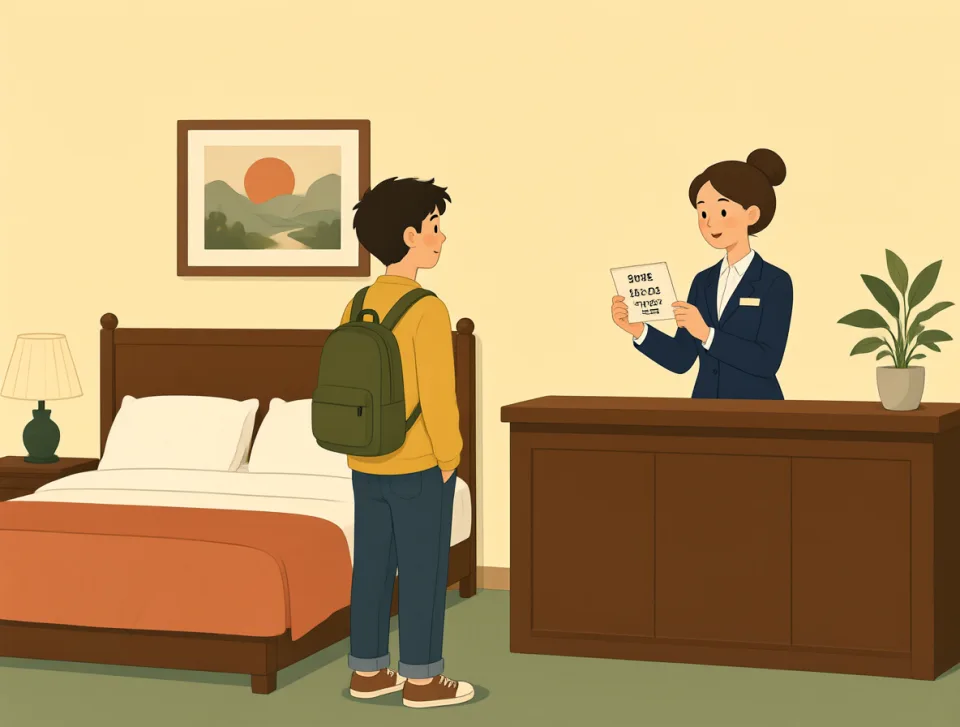
The hotel has a high room rate.
أسعار الغرف في الفندق مرتفعة.
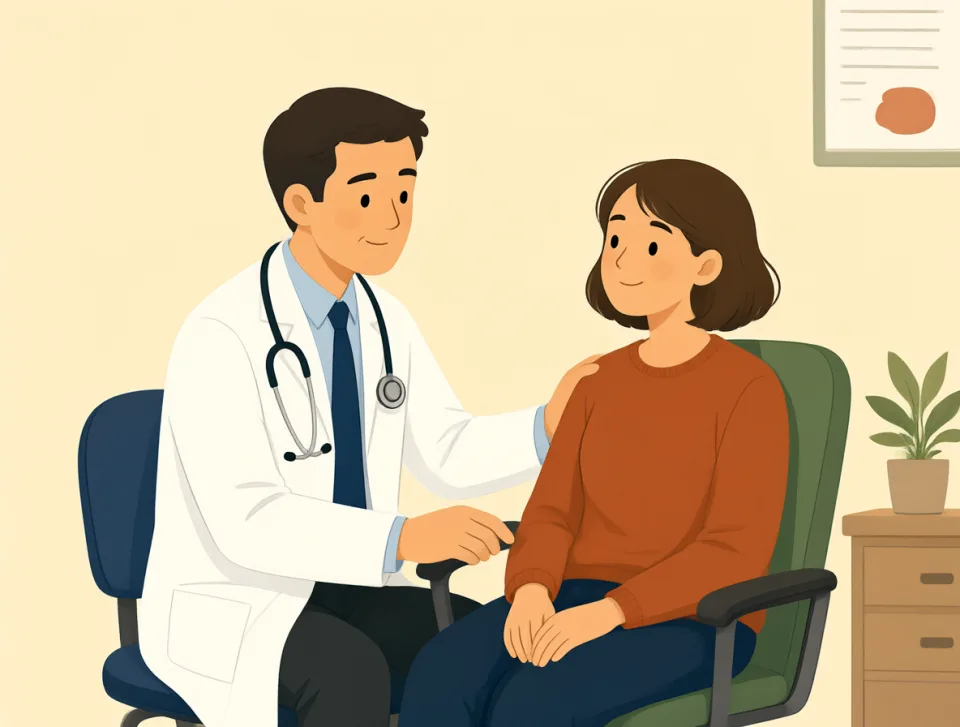
The doctor rated my pain as mild.
قيّم الطبيب ألمي بأنه خفيف.

This restaurant rates among the best nearby.
يُعدّ هذا المطعم من أفضل المطاعم القريبة.
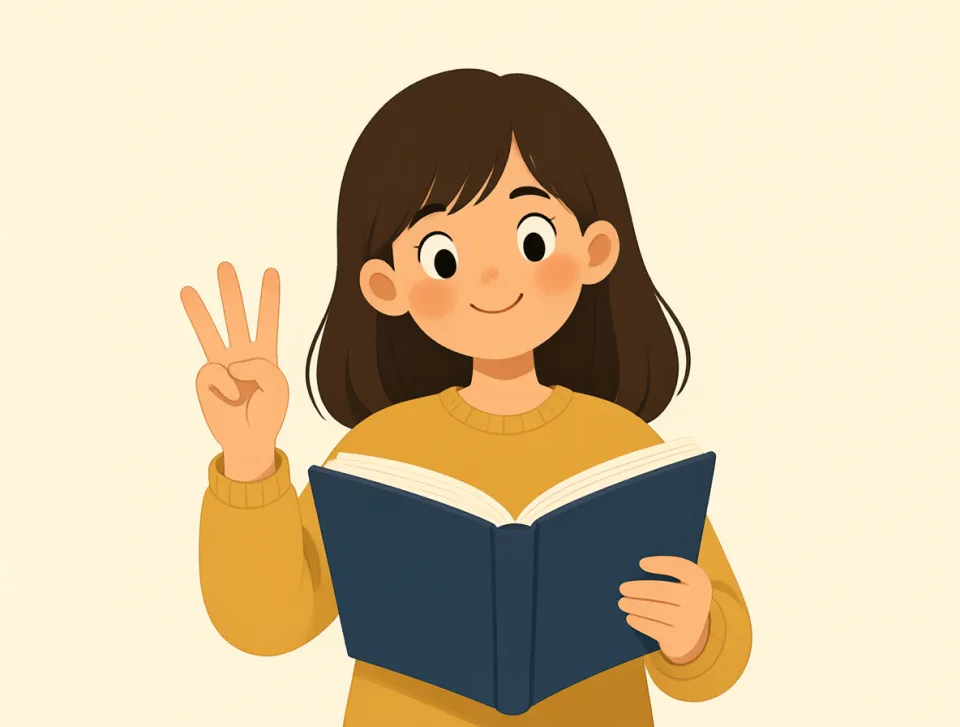
She rated the book five stars.
منحت الكتاب خمس نجوم.
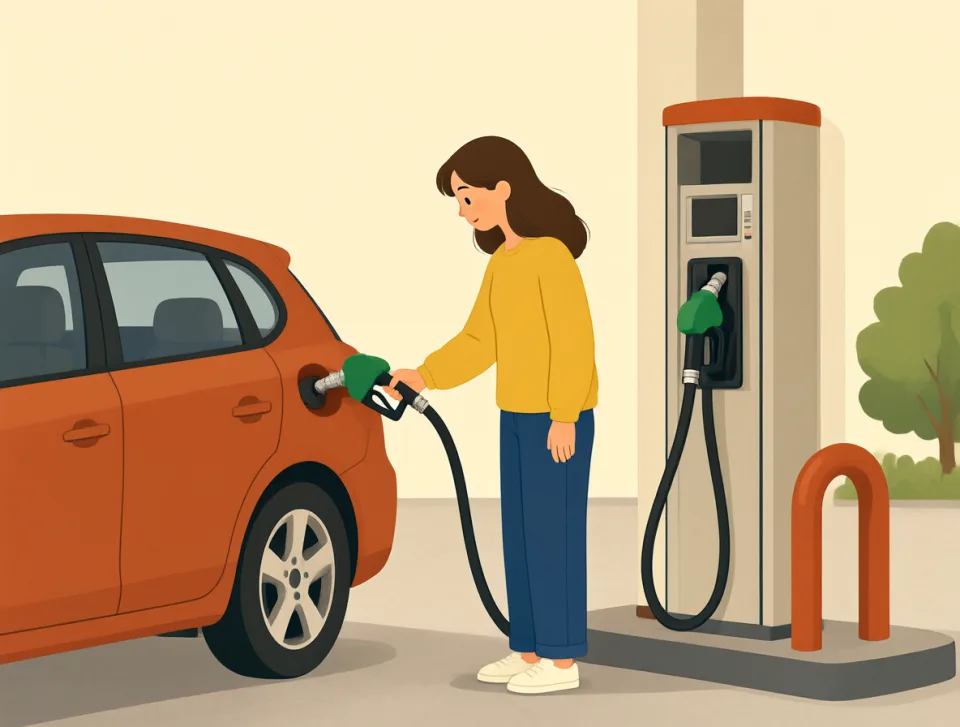
The car gets a good fuel rate.
تتميّز السيارة بمعدّل جيد لاستهلاك الوقود.
care
#313noun, verb
يهتمّ؛ يعتني
To feel concern for someone or something, or to look after them.
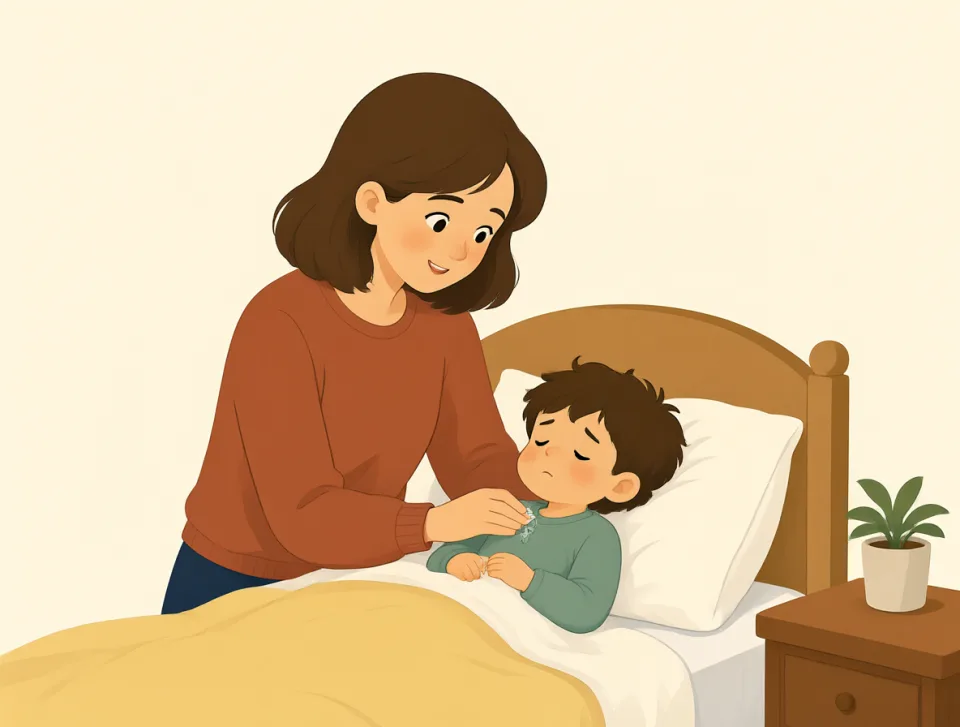
أن يشعر المرء بالاهتمام بشخص أو شيء، أو أن يعتني به.
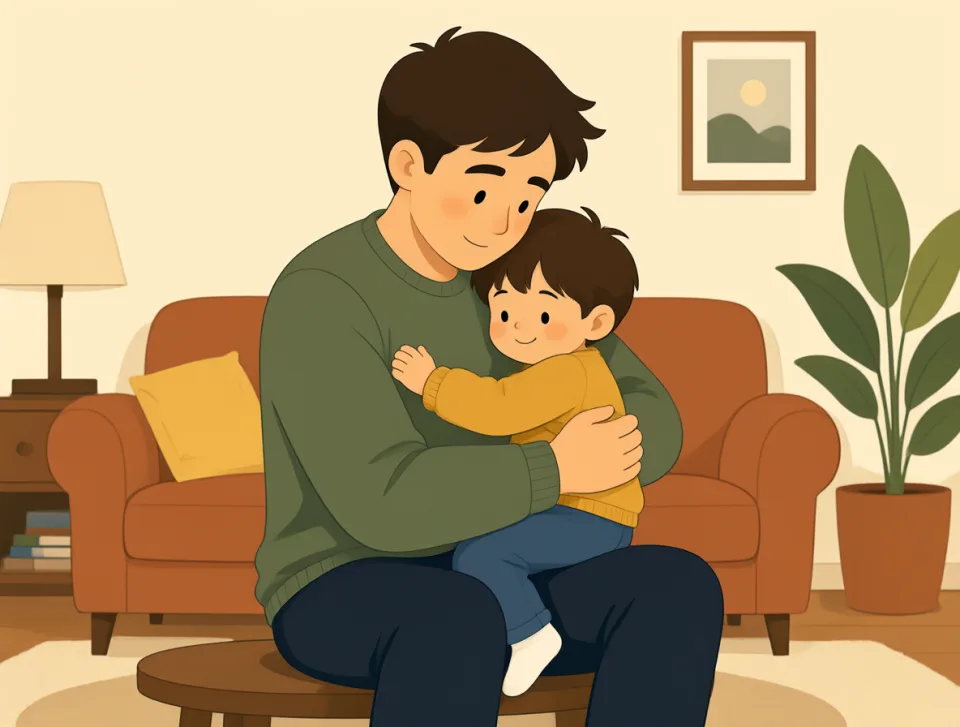
I care about my family very much.
أنا أهتم بعائلتي كثيرًا.
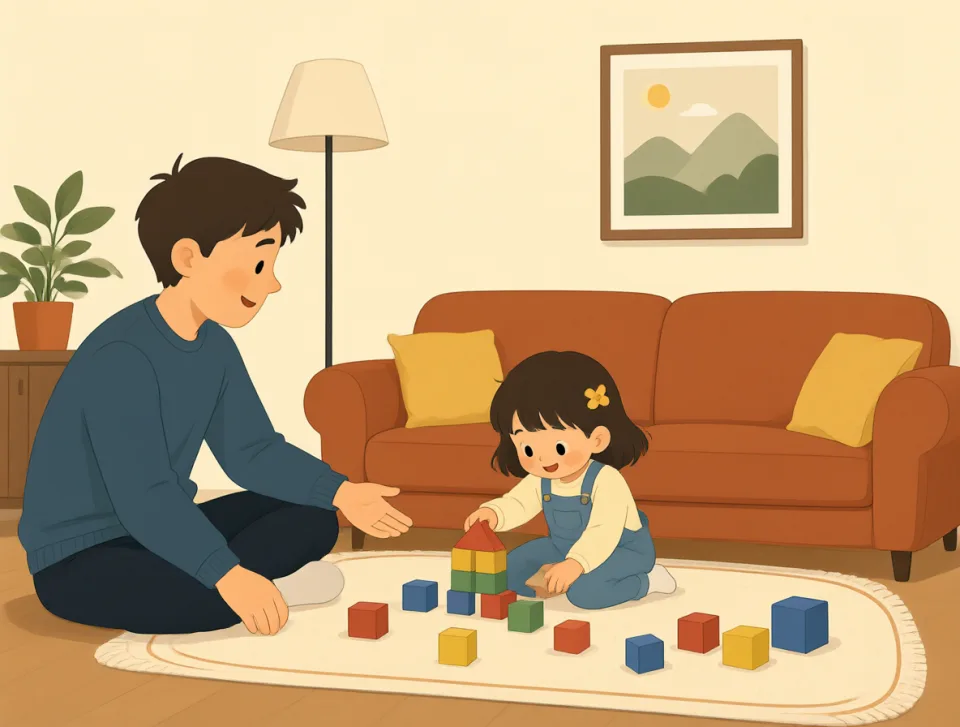
Please take care of your little sister.
من فضلك اعتنِ بأختك الصغيرة.
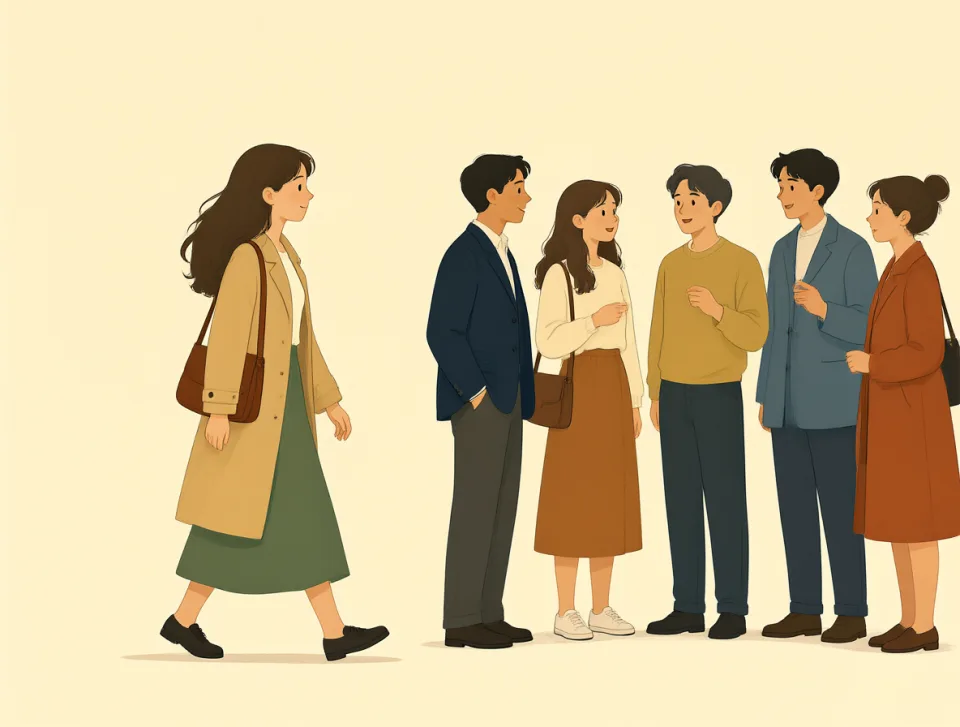
She does not care what people think.
هي لا تهتم بما يظنه الناس.
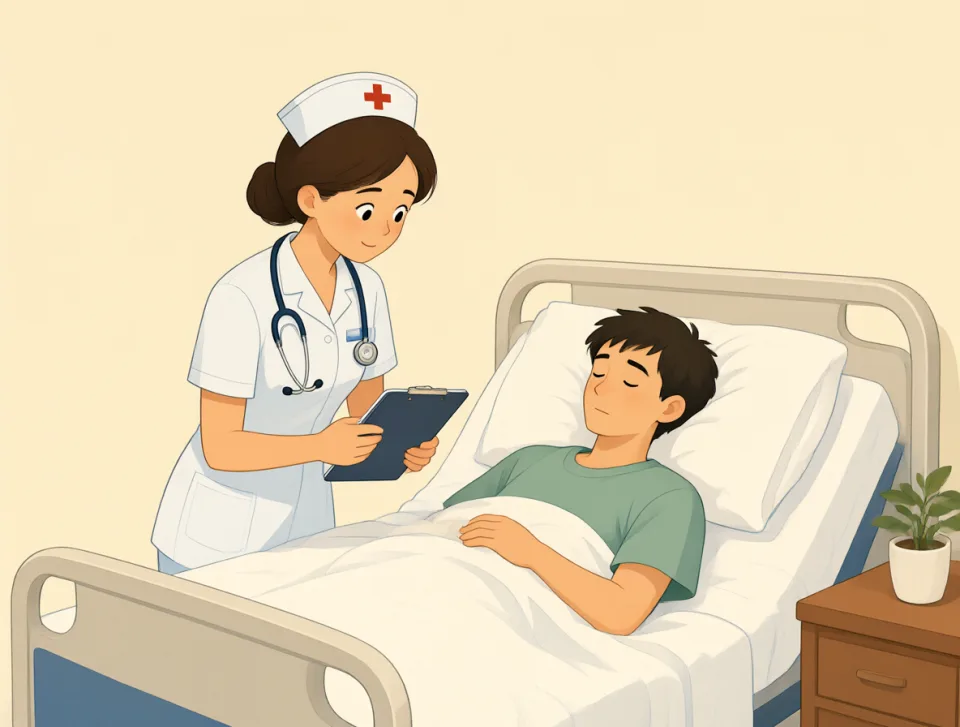
The nurse cared for the patient all night.
اعتنت الممرضة بالمريض طوال الليل.
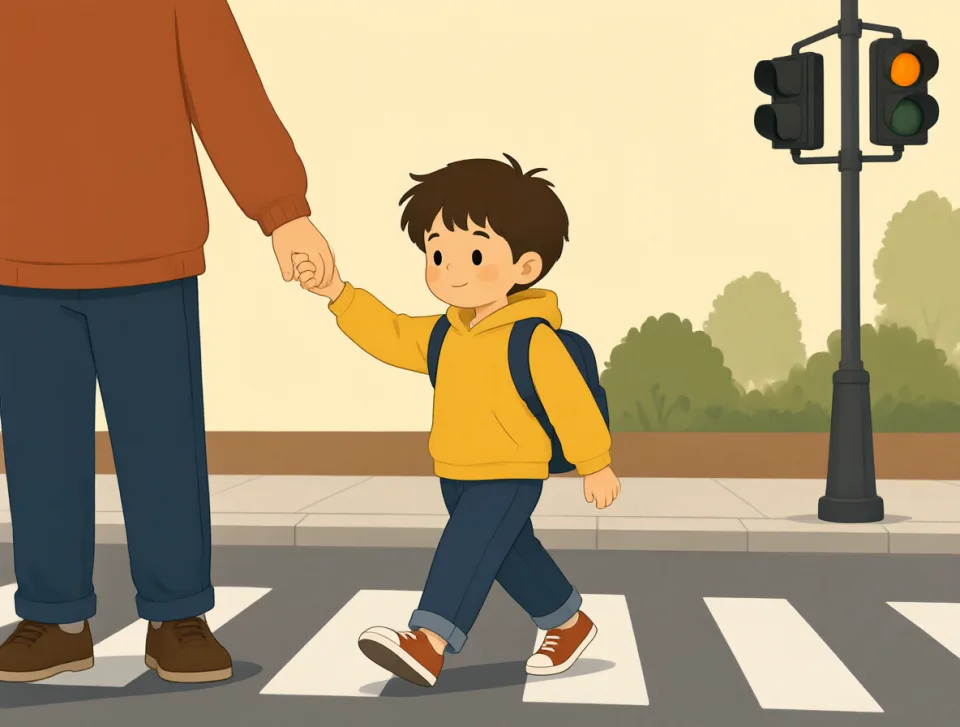
Take care when you cross the busy street.
انتبه عند عبور الشارع المزدحم.

expect
#314verb
يتوقّع
To think something will happen or believe someone will do something.
أن يظنّ المرء أن شيئًا سيحدث، أو أن يعتقد أن شخصًا ما سيفعل شيئًا.
I expect a package tomorrow.
أتوقع وصول طرد غدًا.
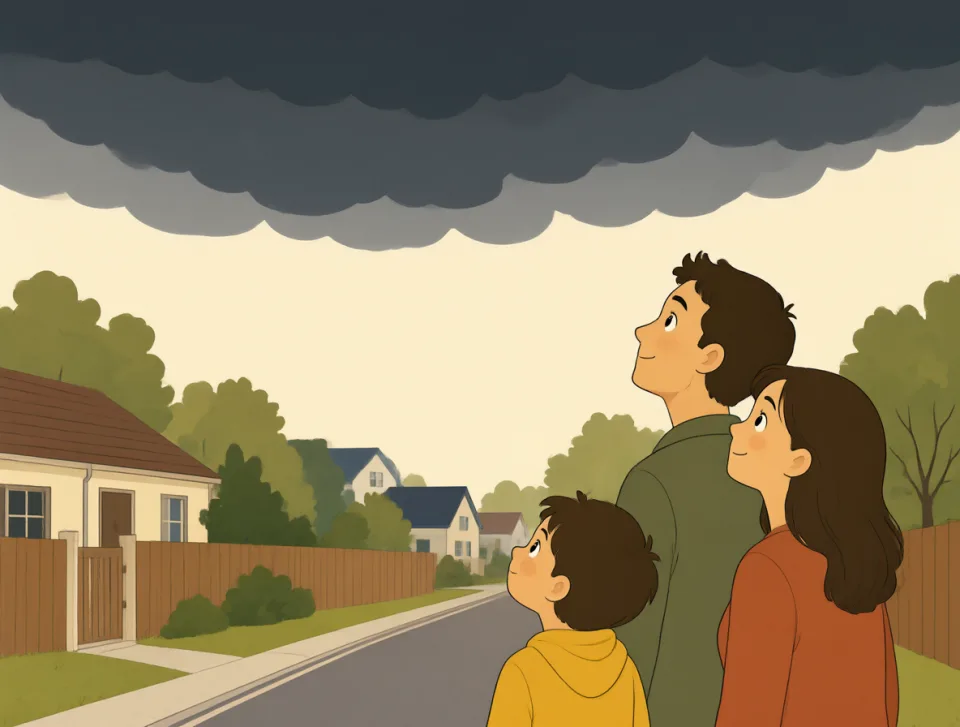
We expect rain this afternoon.
نتوقع هطول المطر بعد ظهر اليوم.
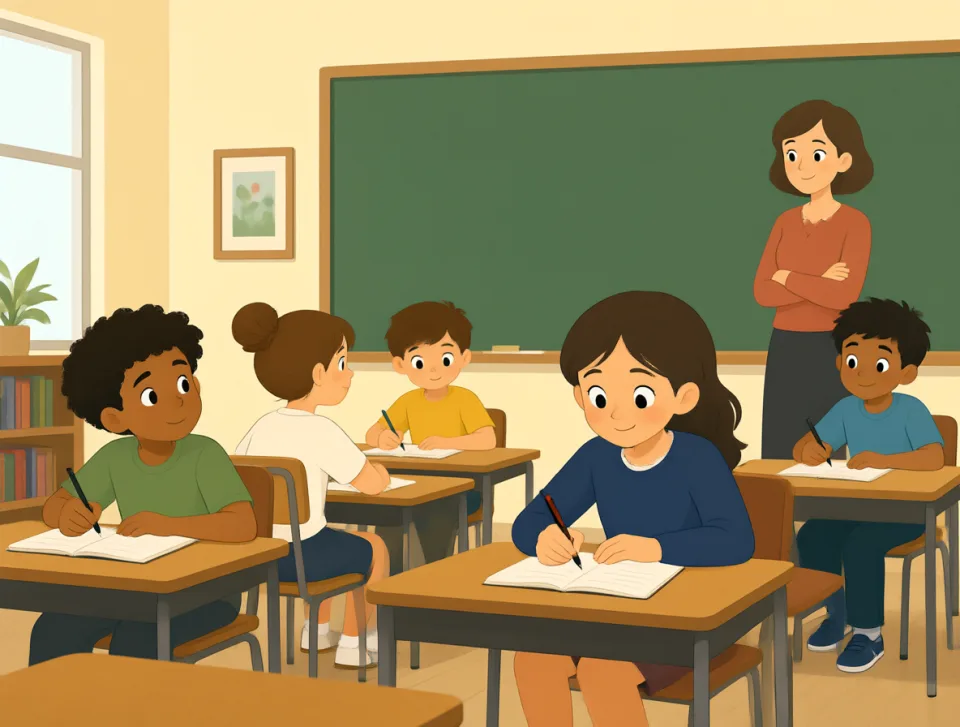
The teacher expects us to finish today.
يتوقع المعلم منا أن ننتهي اليوم.
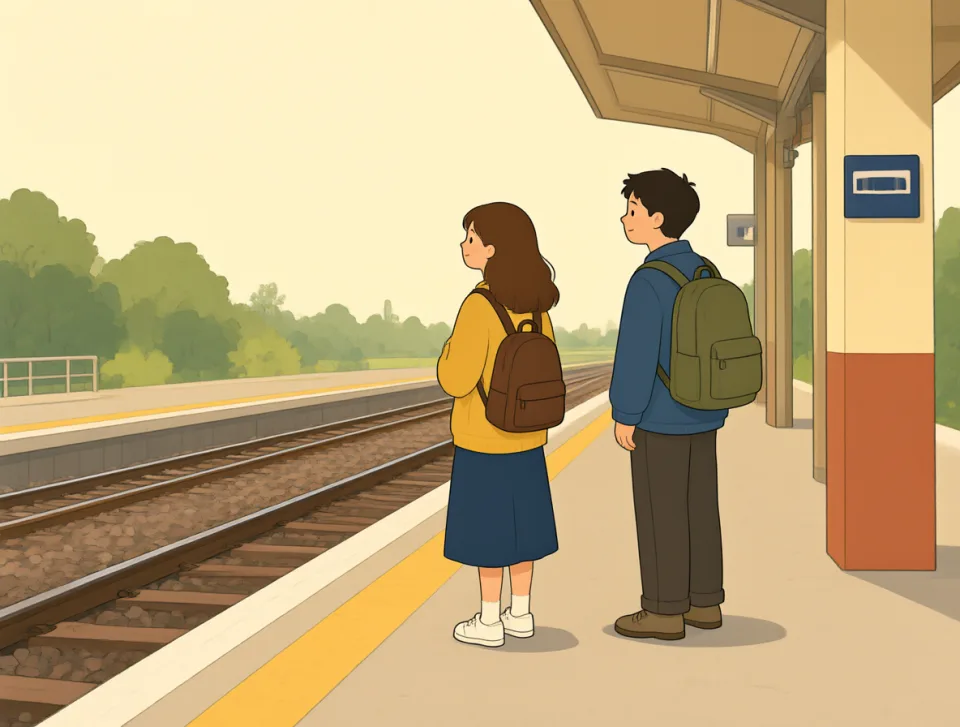
They expect the train to arrive soon.
يتوقعون أن يصل القطار قريبًا.
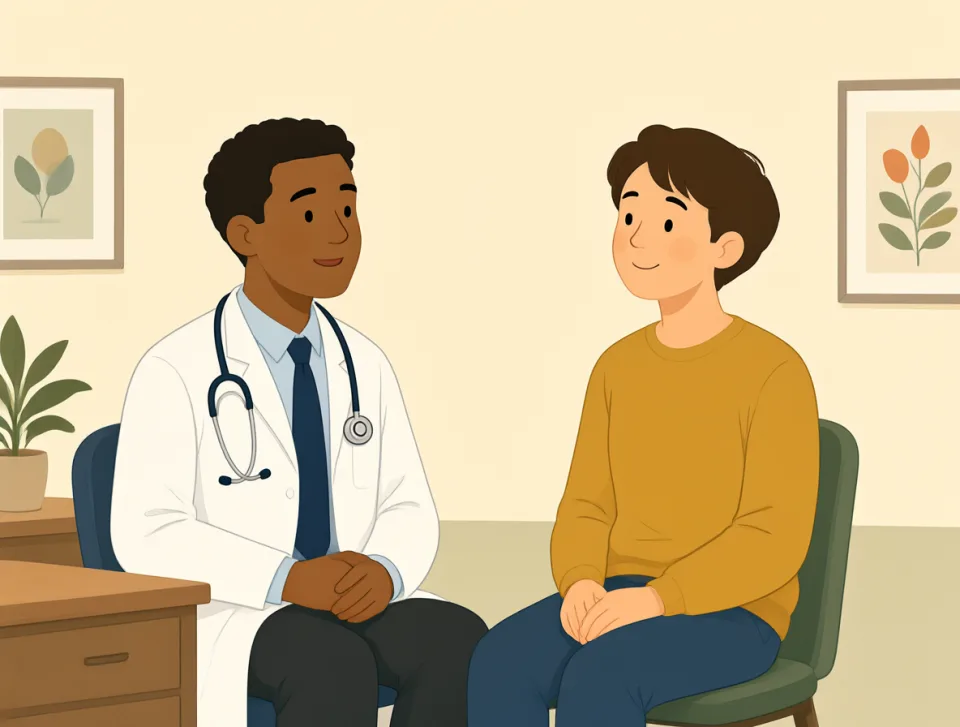
The doctor expects you to feel better soon.
يتوقع الطبيب أن تشعر بتحسن قريبًا.
effect
#315noun, verb
تأثير؛ يؤثّر
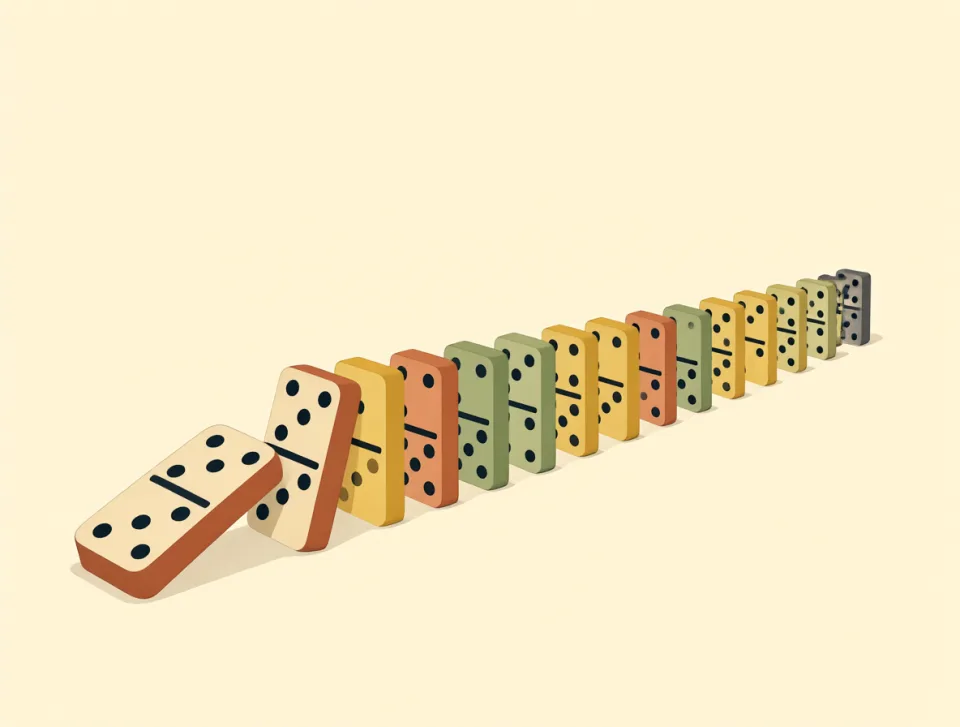
A change caused by something, or to make a change happen.
تغيّر يسبّبه شيء ما، أو إحداث تغيير.

The medicine had a good effect on her.
كان للدواء تأثير جيد عليها.
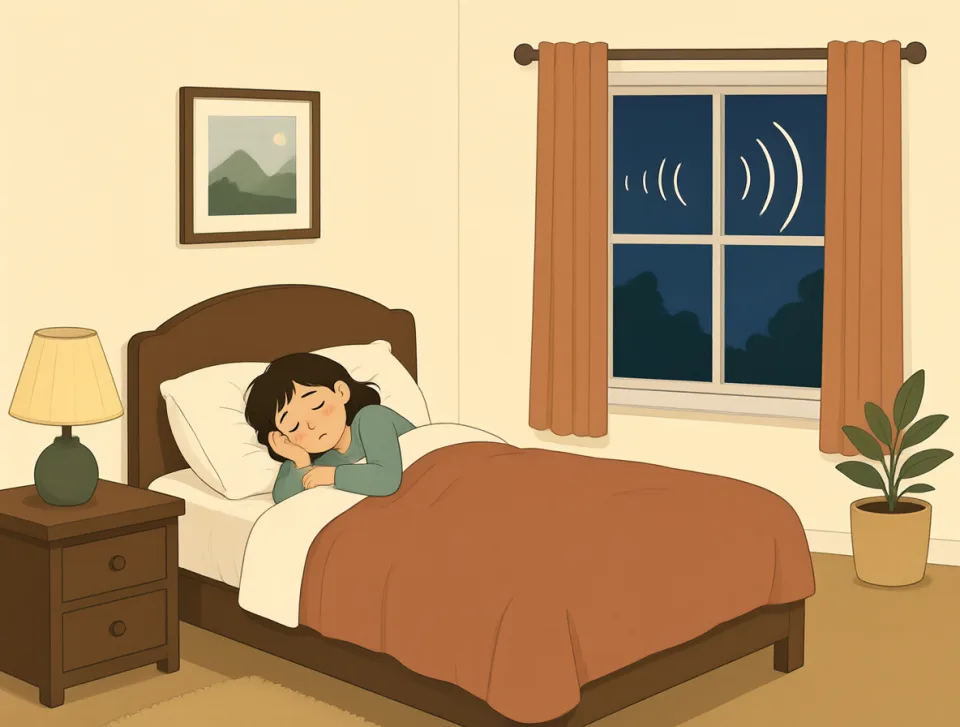
The loud noise affected my sleep.
أثّر الضجيج المرتفع في نومي.

Sunlight has a strong effect on plants.
لضوء الشمس تأثير قوي في النباتات.
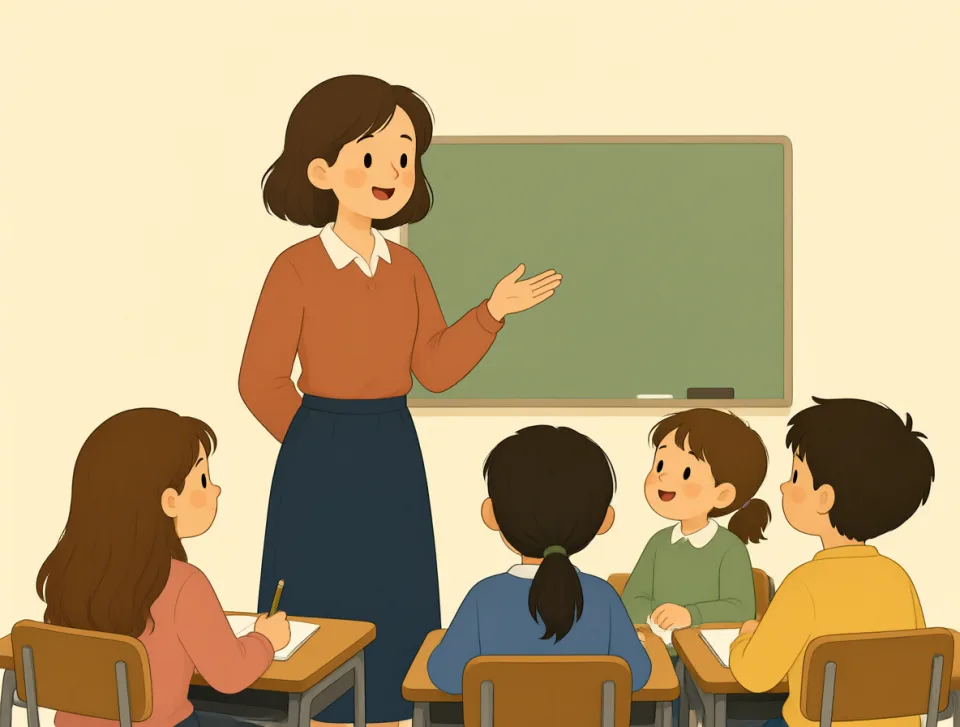
The new rule will affect all students.
ستؤثر القاعدة الجديدة في جميع الطلاب.
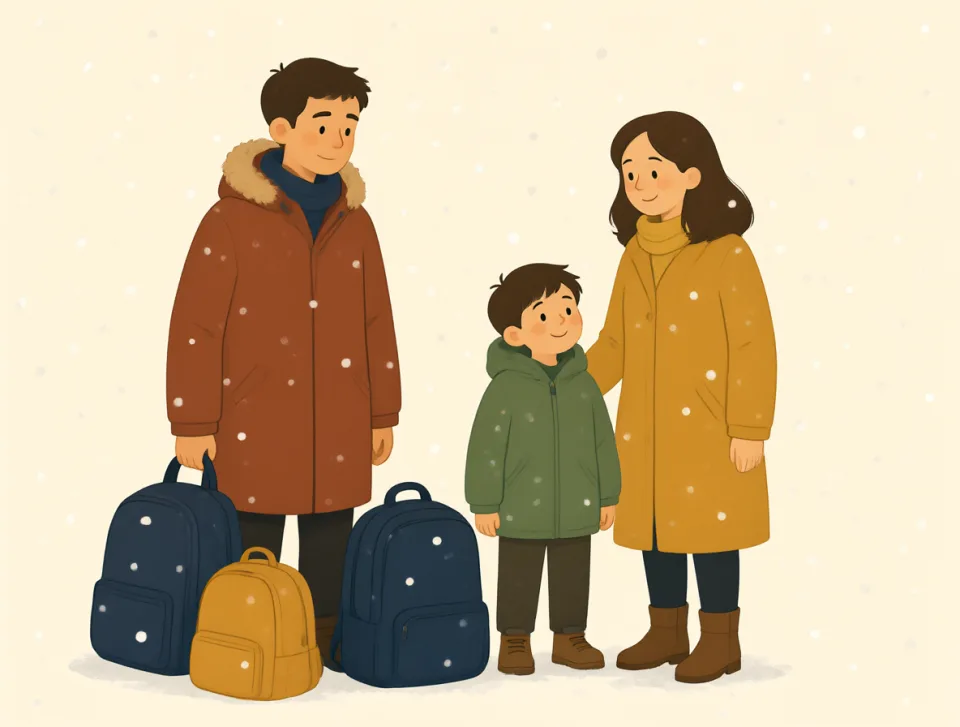
The cold weather affected our travel plans.
أثّر الطقس البارد في خطط سفرنا.
sort
#316noun, verb
نوع؛ يُصنِّف
A type of something; to put things into groups.
نوع من الأشياء؛ أو وضع الأشياء في مجموعات.

What sort of music do you like?
ما نوع الموسيقى التي تحبها؟
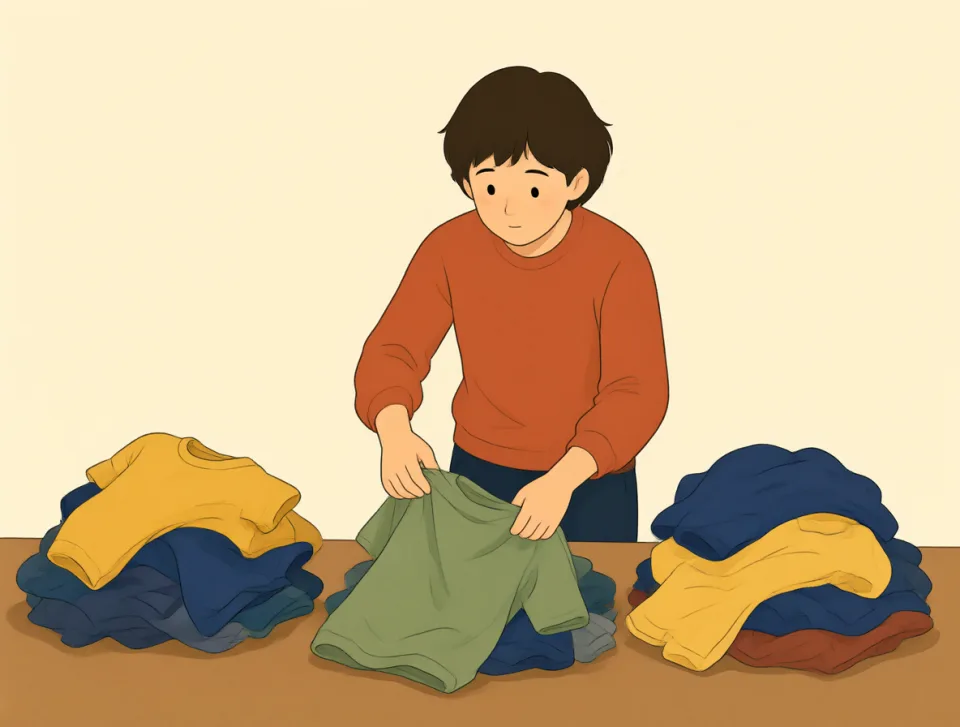
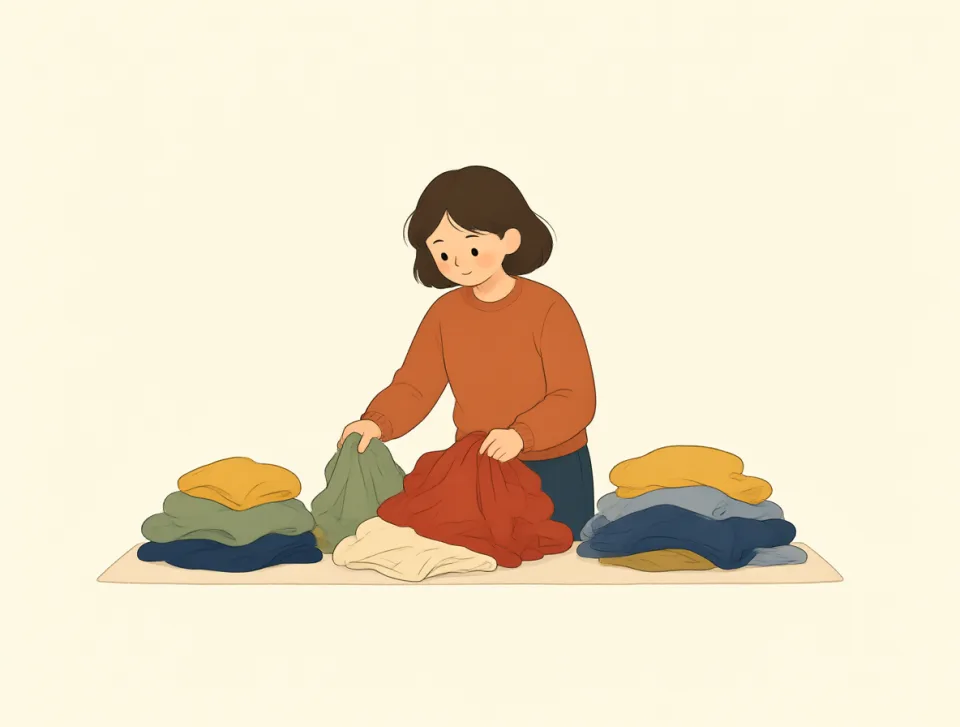
Please sort these clothes by color.
من فضلك، صنِّف هذه الملابس حسب اللون.
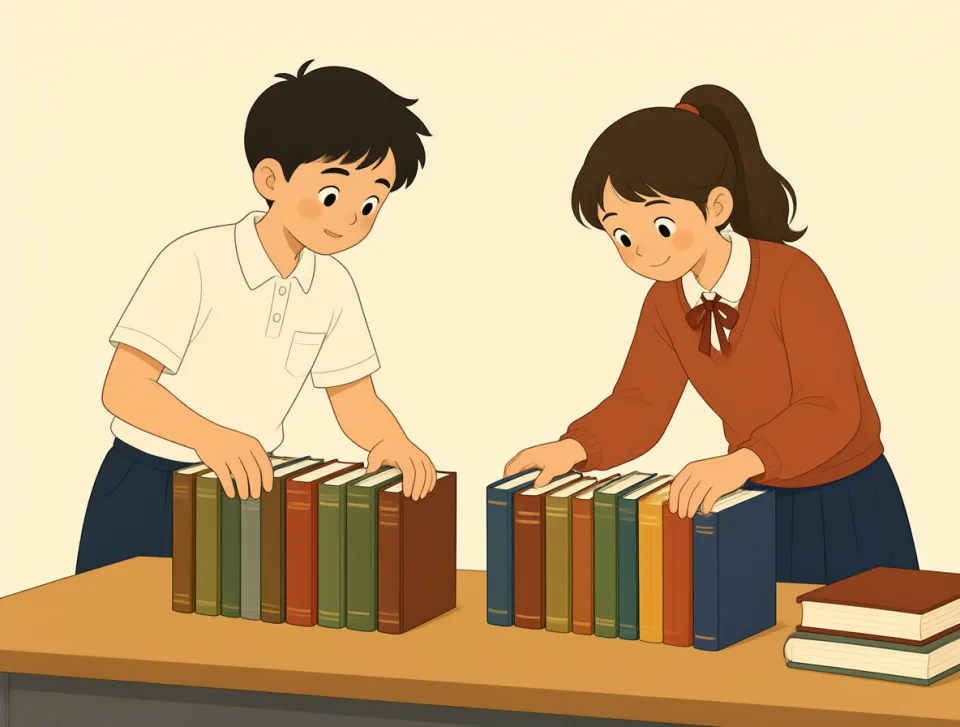
We sorted the books by size.
رتبنا الكتب حسب الحجم.
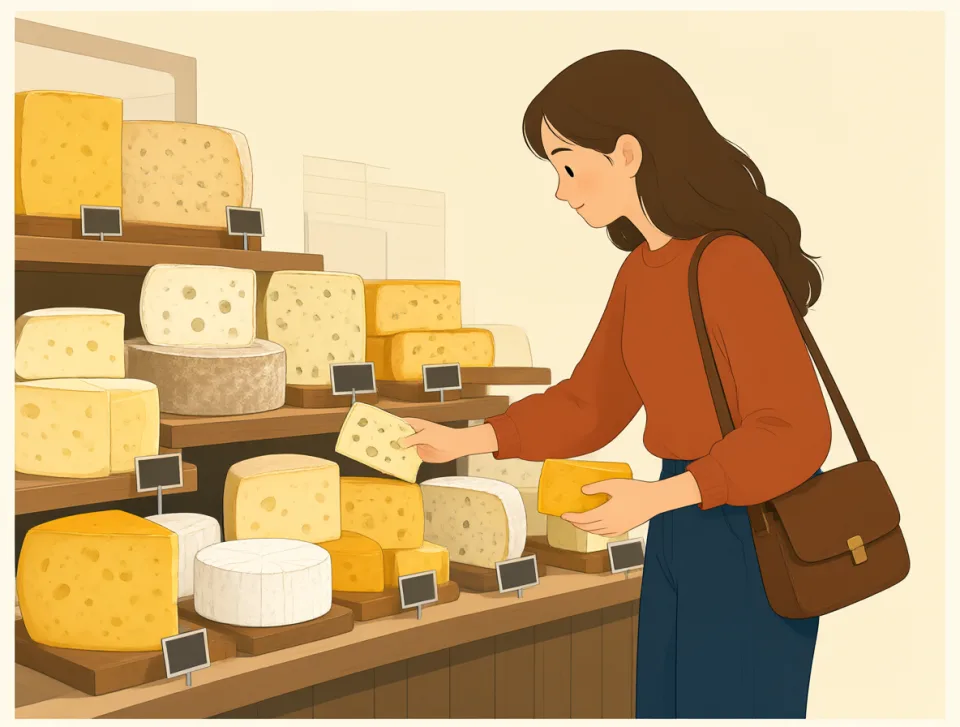
She bought several sorts of cheese.
اشترت عدة أنواع من الجبن.
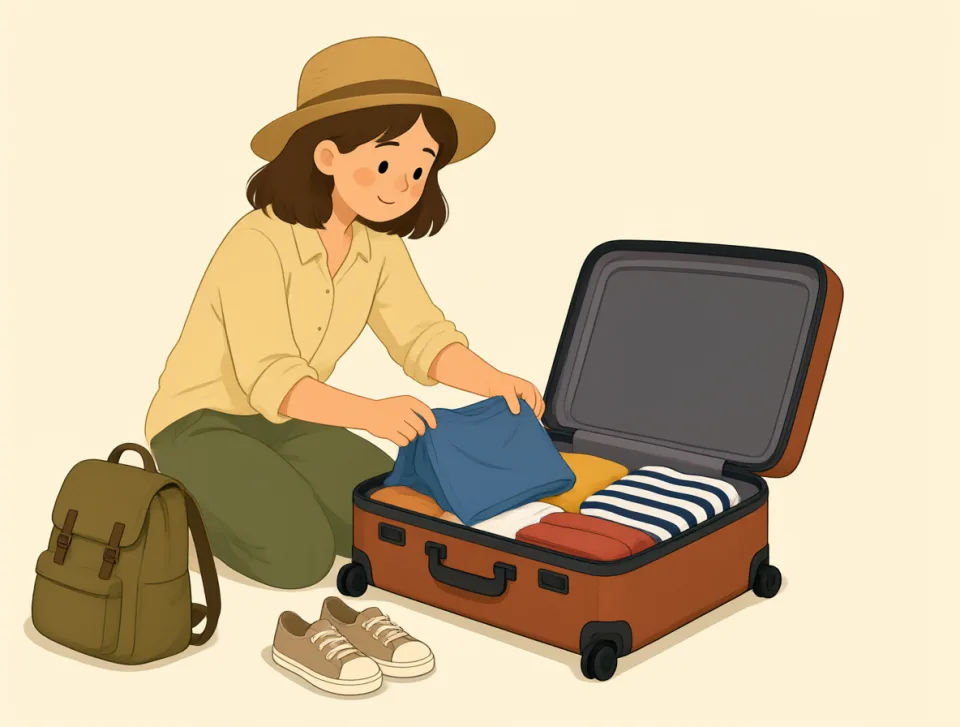
I need to sort out my travel plans.
أحتاج إلى ترتيب خطط سفري.
ever
#317adverb
في أي وقت؛ سبق أن
At any time, or at any time before now.
في أي وقت، أو في أي وقت قبل الآن.
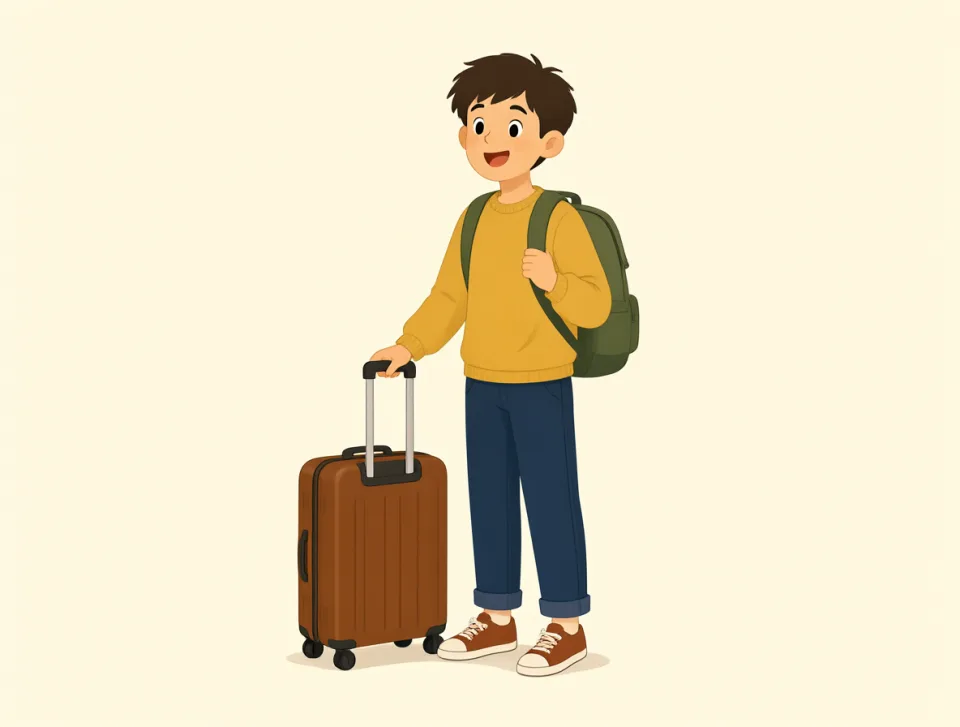
Have you ever visited another country?
هل سبق لك أن زرت بلدًا آخر؟
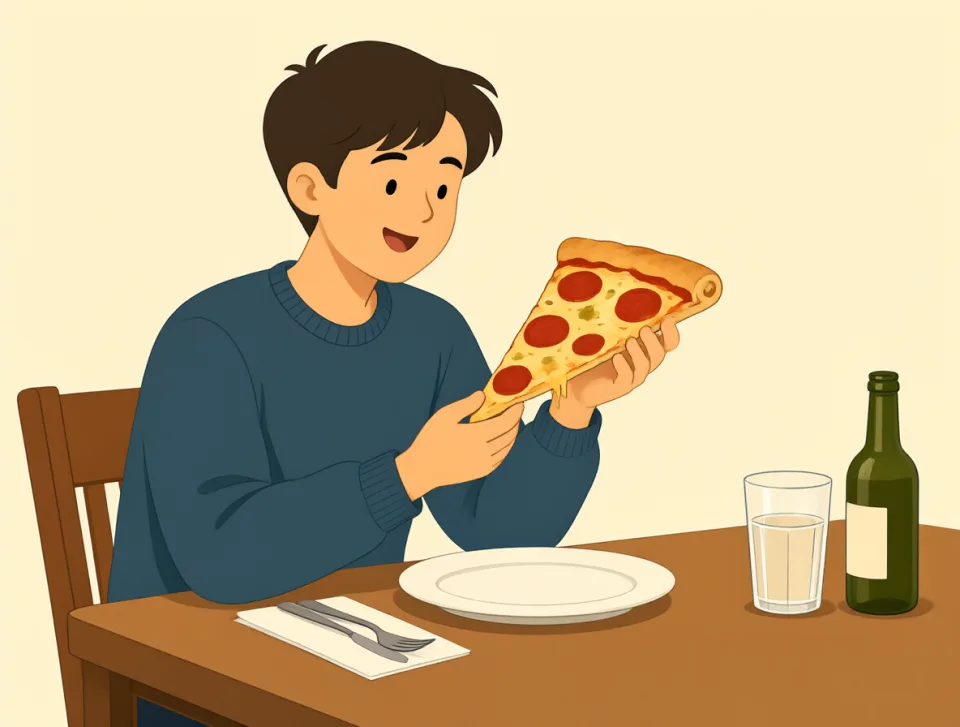
This is the best pizza I have ever eaten.
هذه أفضل بيتزا تناولتها على الإطلاق.
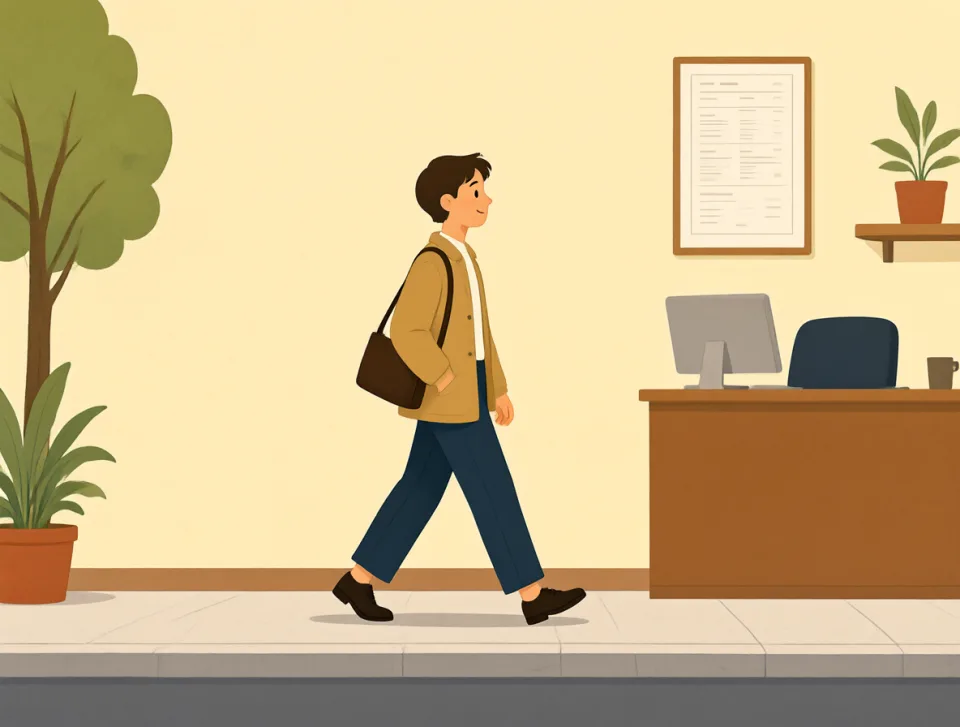
Do you ever walk to work?
هل تمشي إلى العمل أحيانًا؟

If you ever need help, call me.
إذا احتجت إلى المساعدة في أي وقت، فاتصل بي.

He hardly ever drinks coffee in the evening.
نادرًا ما يشرب القهوة في المساء.
anything
#318pronoun, determiner
أي شيء
A thing of any kind, or no particular thing.
شيء من أي نوع، أو شيء غير محدد.
Would you like anything to eat?
هل ترغب في تناول شيء ما؟
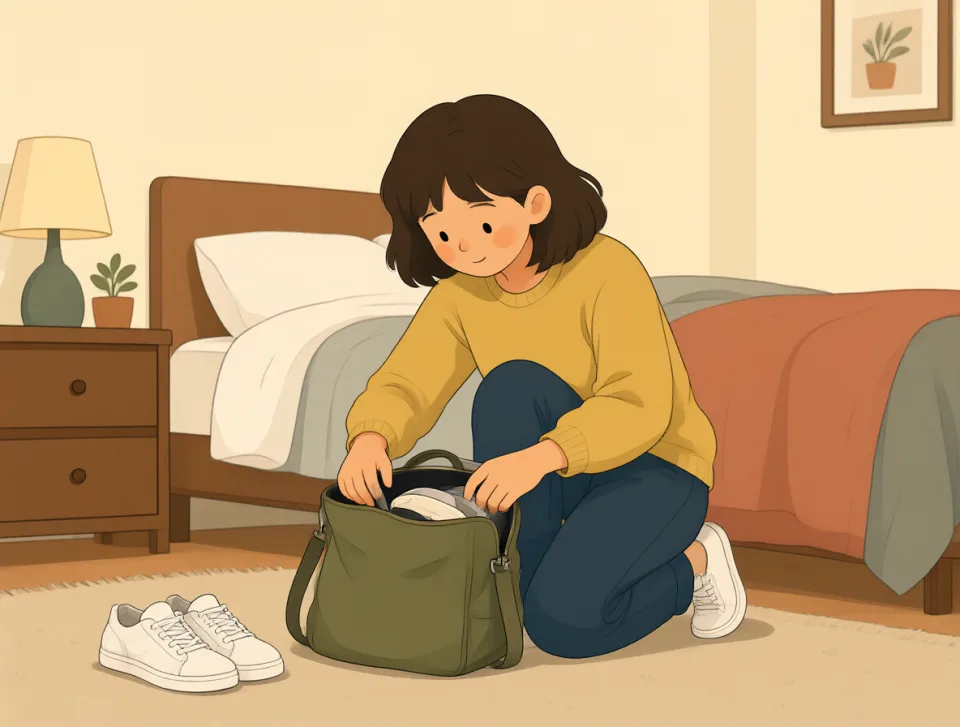
I cannot find anything in this bag.
لا أستطيع العثور على أي شيء في هذه الحقيبة.
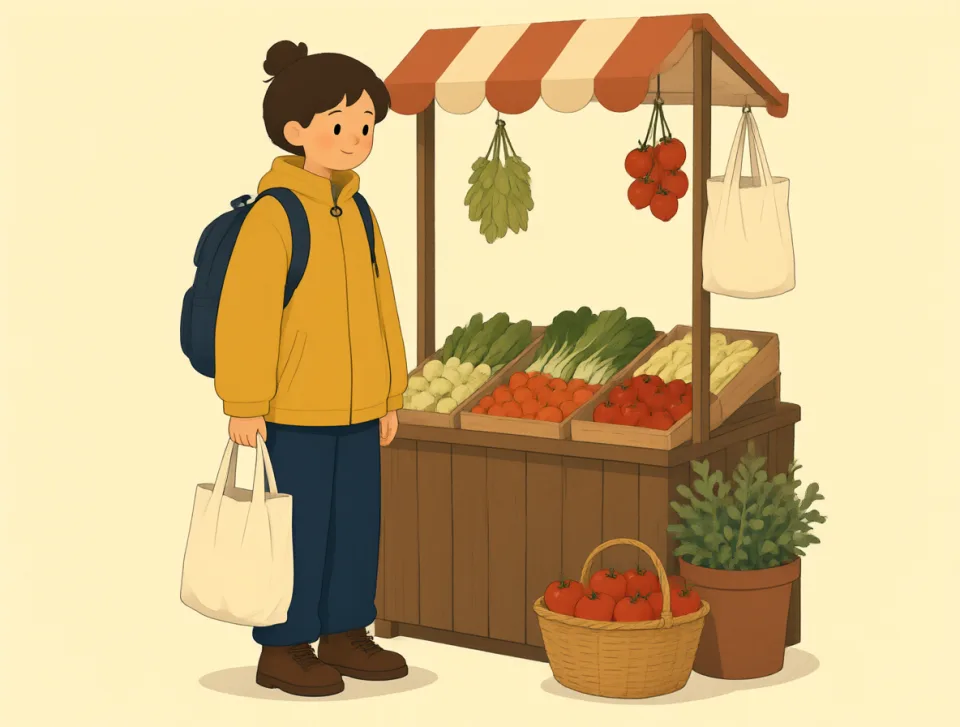
Did you buy anything at the market?
هل اشتريت أي شيء من السوق؟
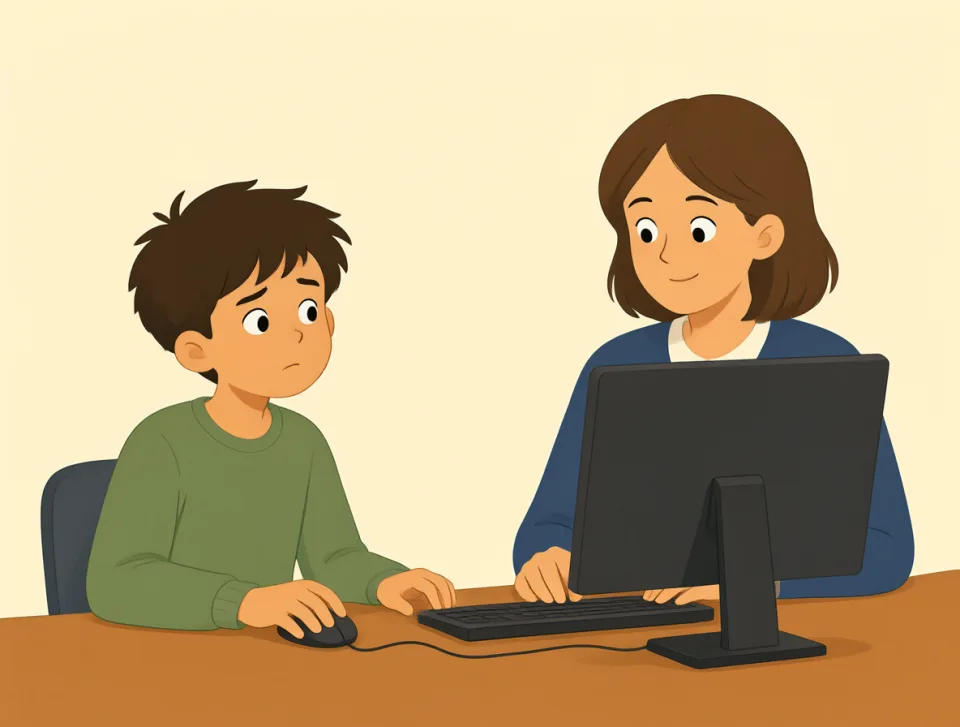
She knows anything about computers.
إنها تعرف شيئًا عن الحواسيب.
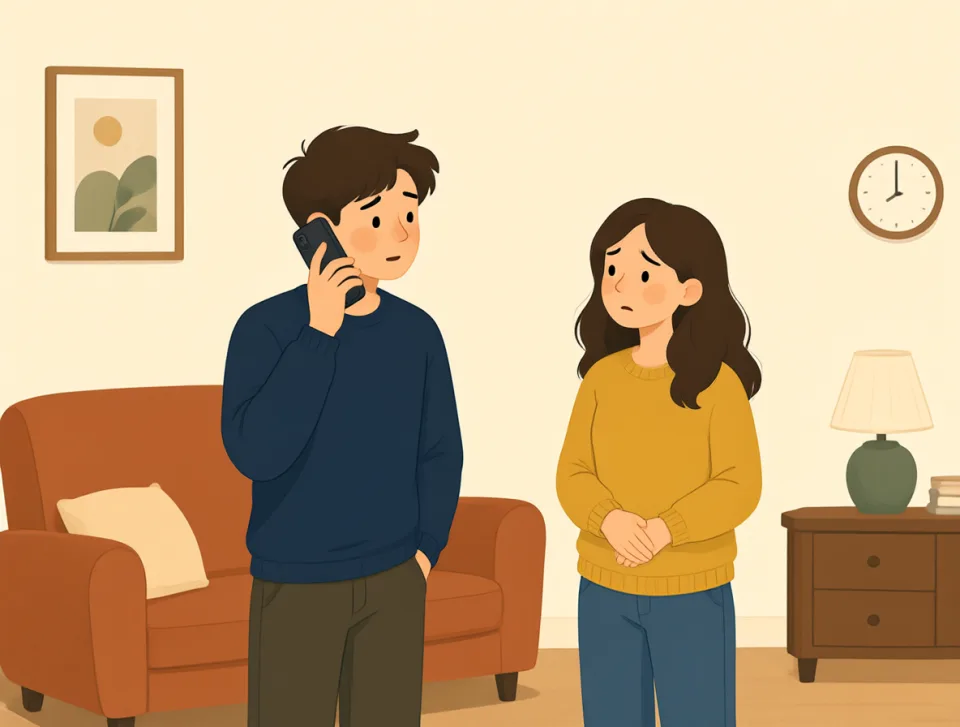
Please call me if anything happens.
من فضلك، اتصل بي إذا حدث أي شيء.
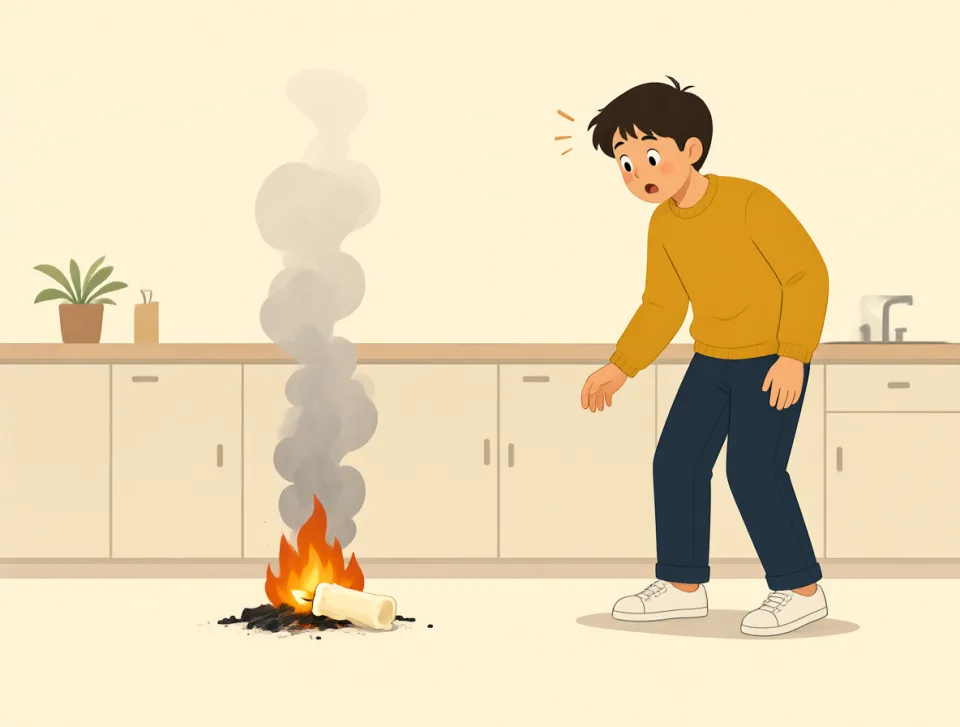
cause
#319noun, verb
سبب؛ يُسبِّب
A reason something happens; to make something happen.
سبب حدوث شيء؛ أو جعل شيء يحدث.
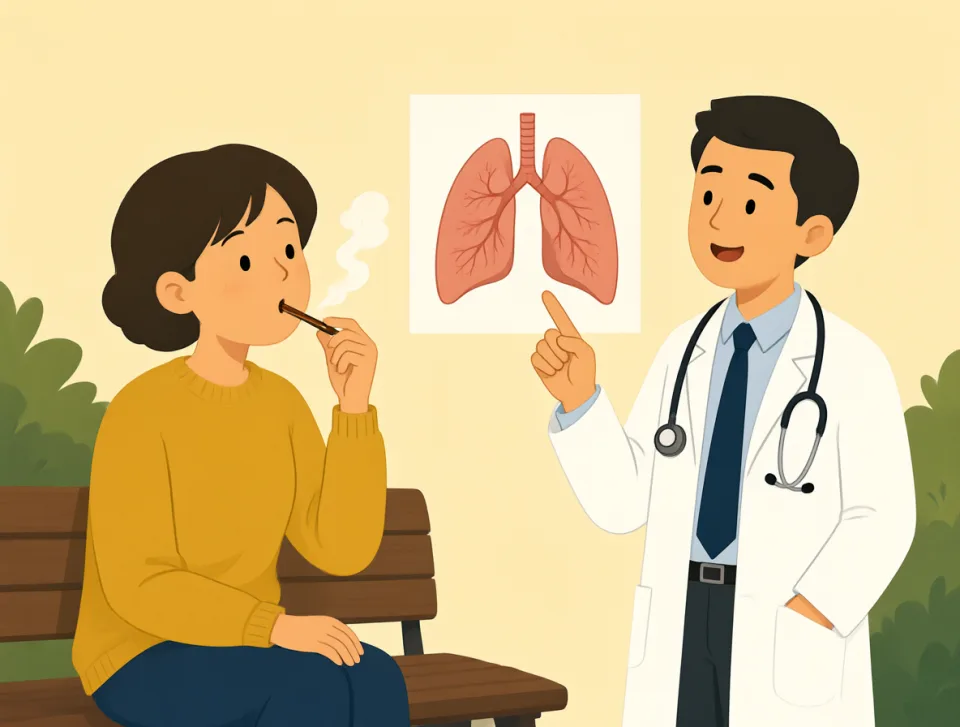
Smoking can cause serious health problems.
قد يسبب التدخين مشكلات صحية خطيرة.
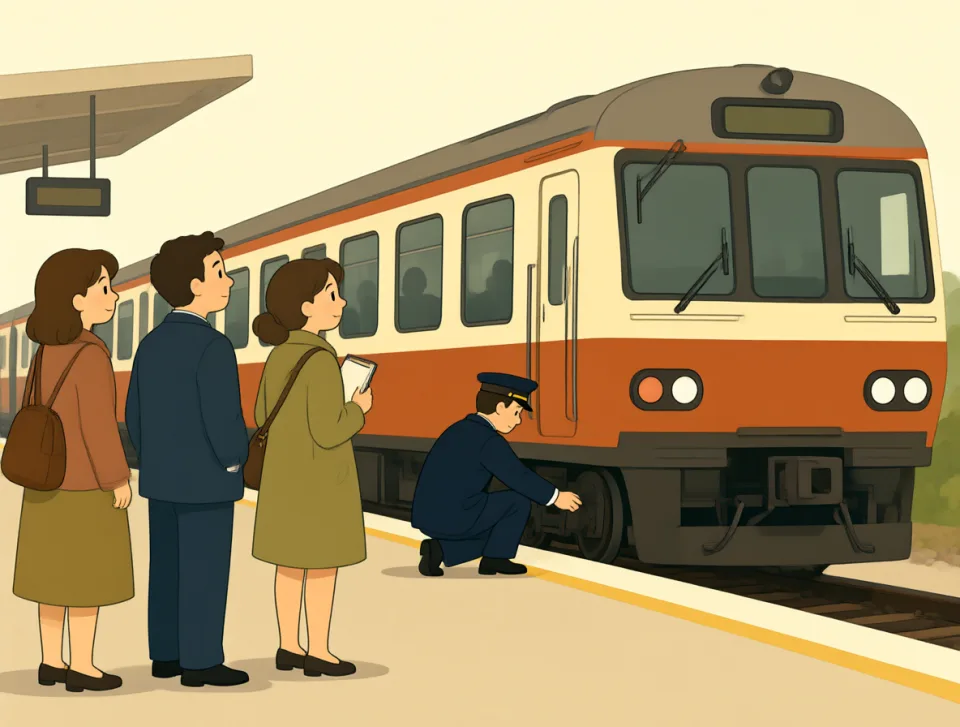
What caused the train delay this morning?
ما الذي تسبب في تأخير القطار هذا الصباح؟
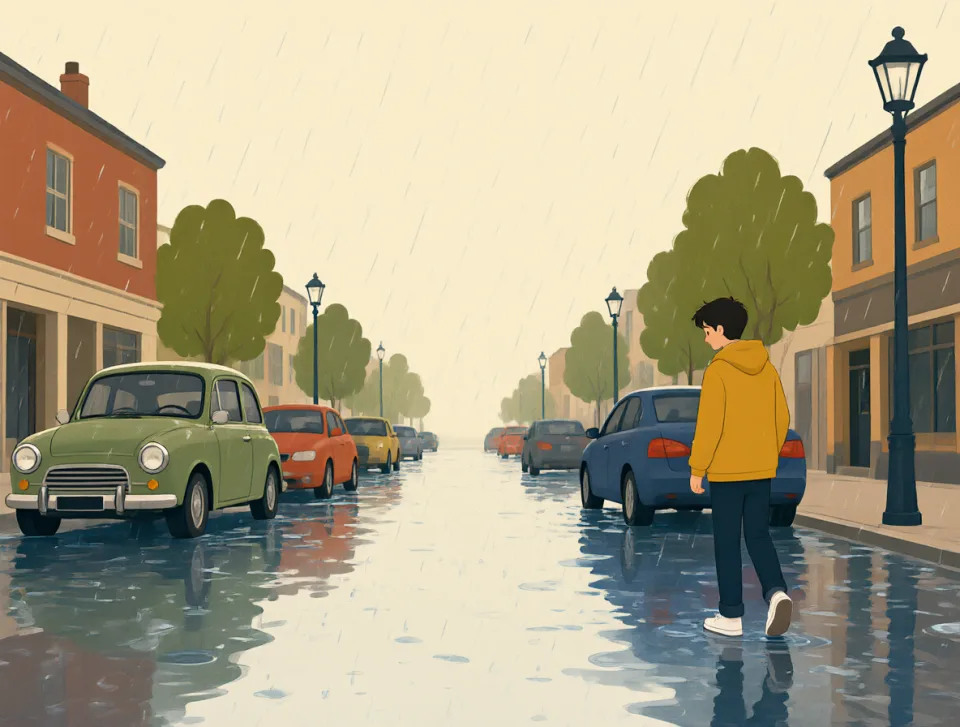
The heavy rain caused a flood.
تسببت الأمطار الغزيرة في حدوث فيضان.
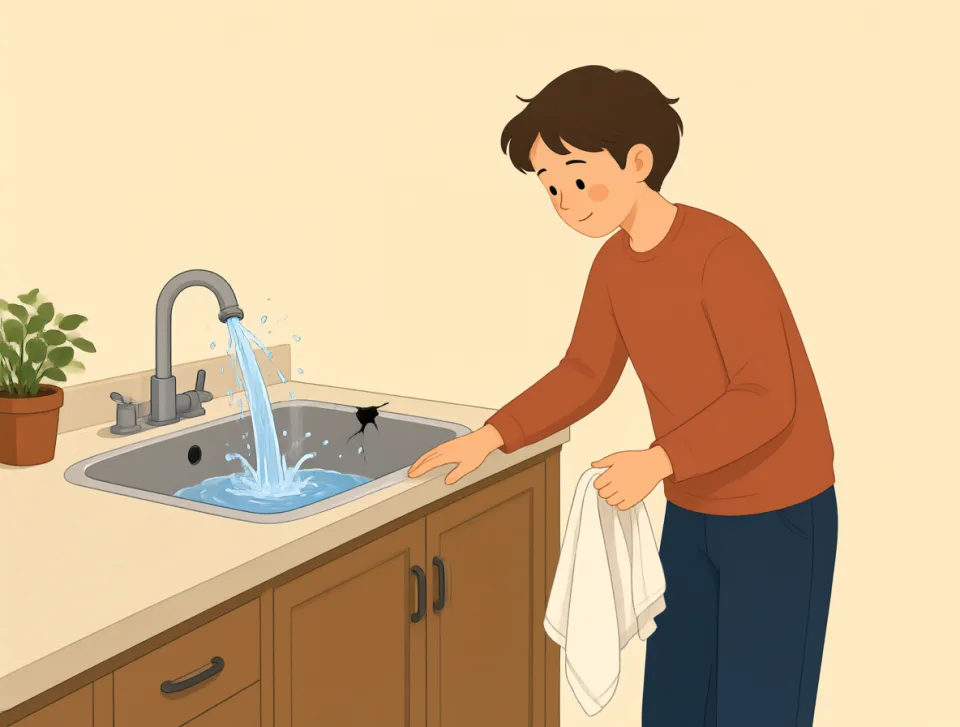
A broken pipe caused water damage at home.
تسبب أنبوب مكسور في أضرار مائية في المنزل.
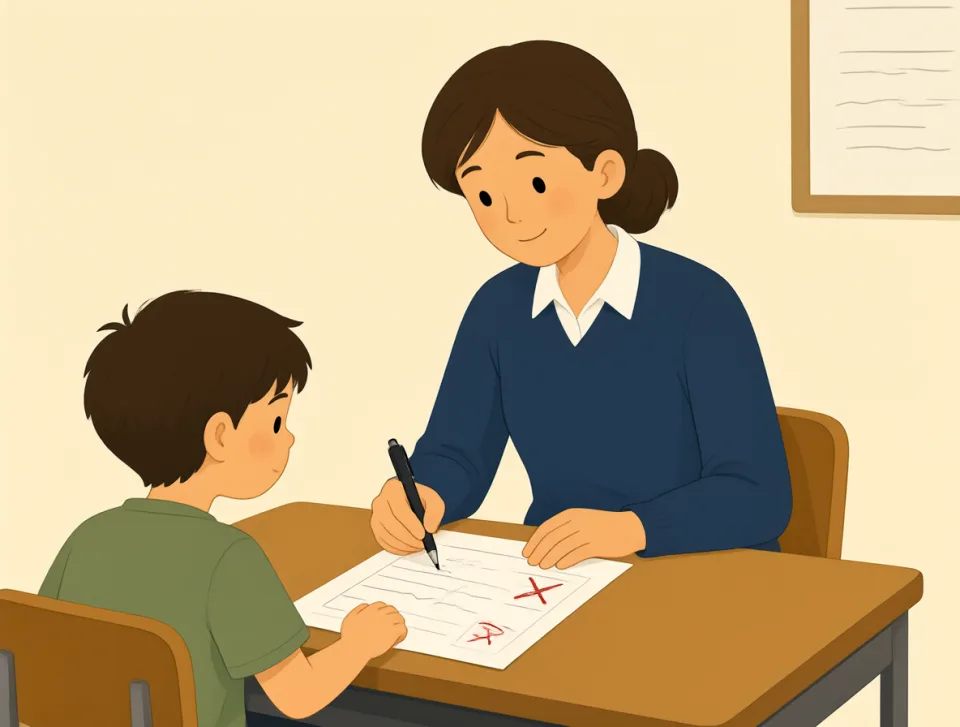
The teacher explained the cause of the mistake.
شرح المعلم سبب الخطأ.
fall
#320verb, noun
يسقط؛ الخريف
To move down suddenly, or the season between summer and winter.
أن يهبط فجأة، أو الفصل بين الصيف والشتاء.
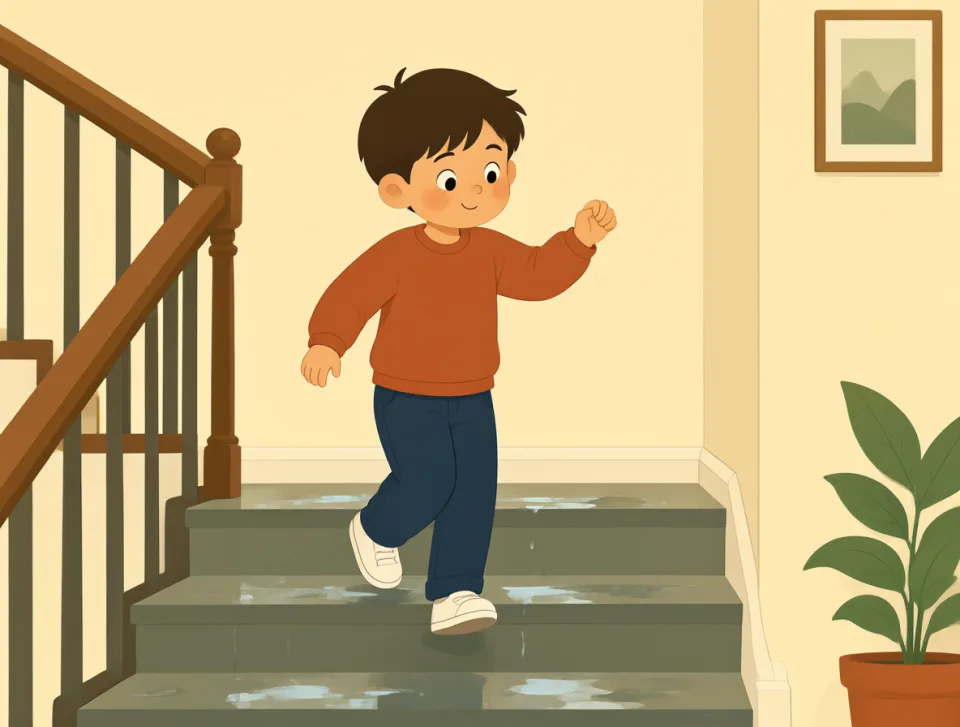
Be careful, or you may fall down.
كن حذرًا، وإلا فقد تسقط.

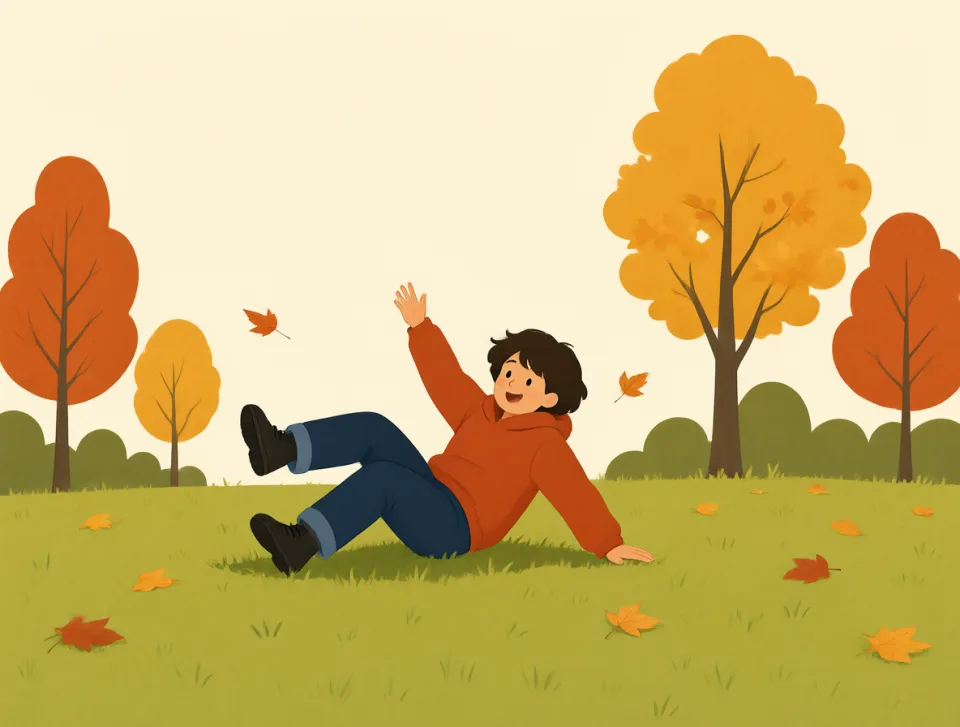
The leaves fall from the trees in autumn.
تسقط الأوراق من الأشجار في الخريف.
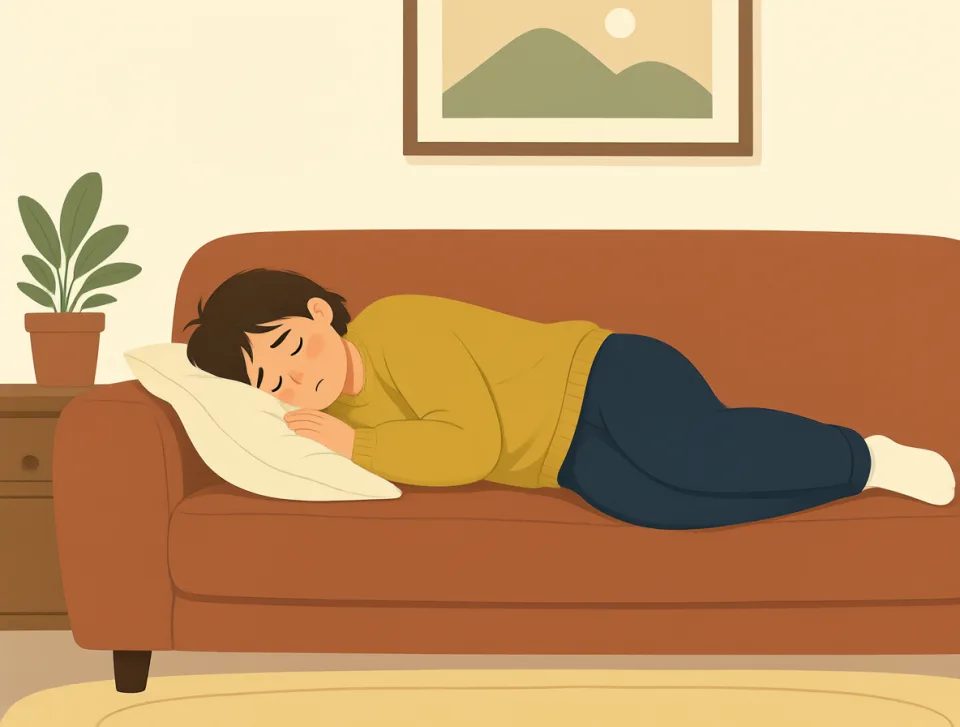
I fell asleep on the sofa.
غفوت على الأريكة.
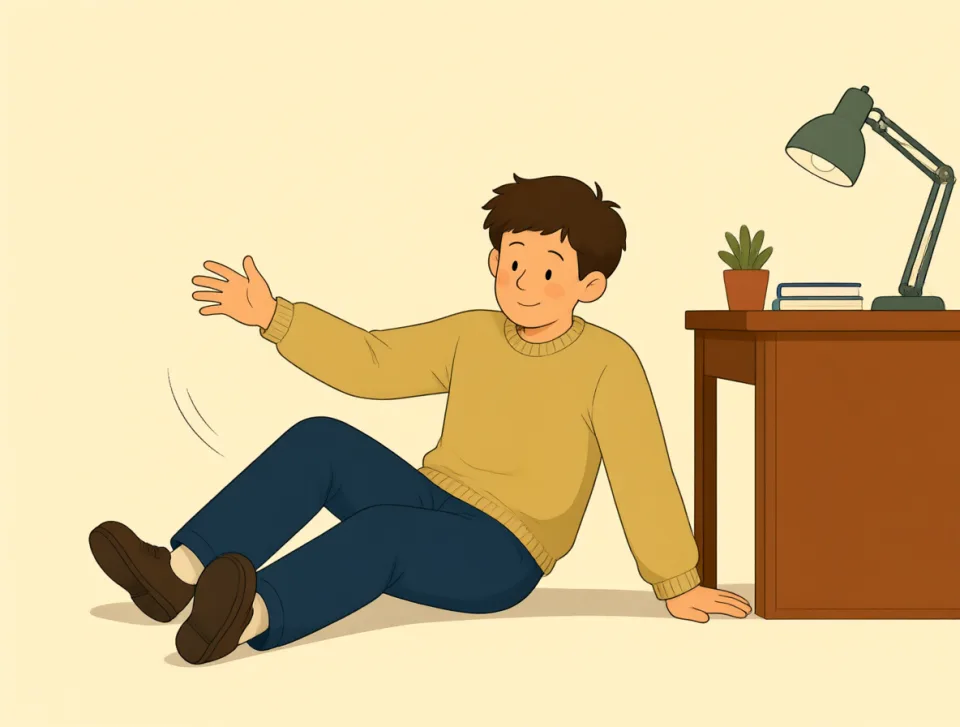
She had a bad fall at work.
تعرضت لسقطة قوية في العمل.

We visited Canada last fall.
زرنا كندا في الخريف الماضي.